


African-American Actors Who Withdrew From Movies Because Of Political Reasons

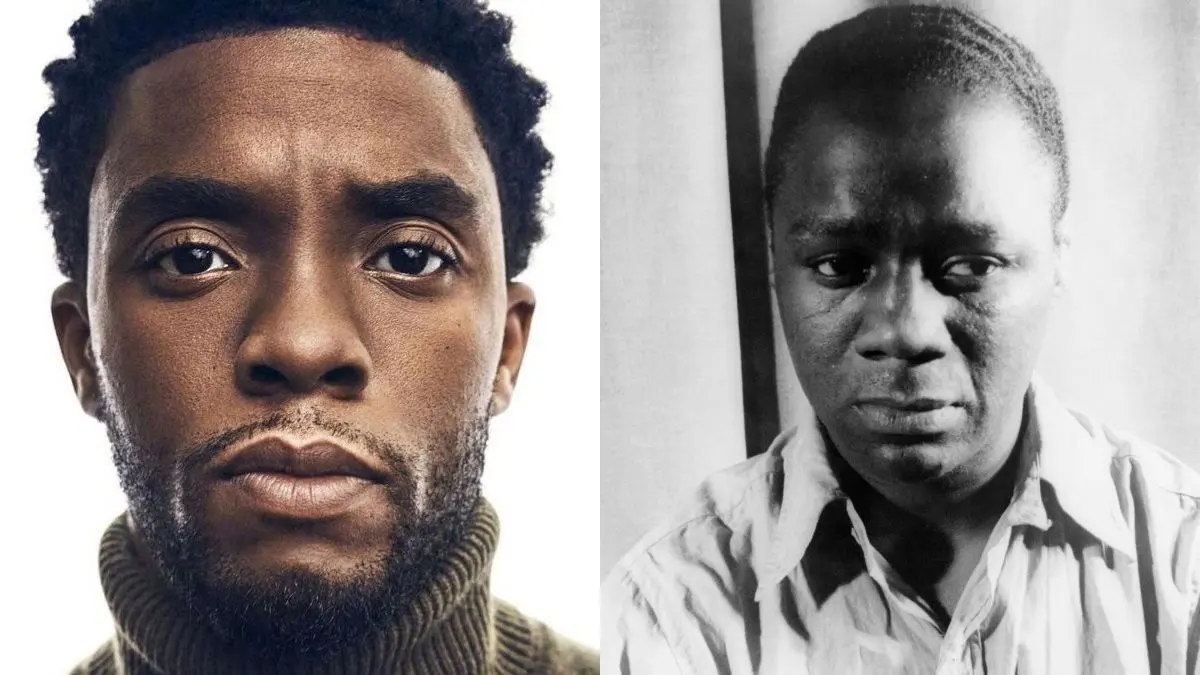


The history of Hollywood is filled with moments where artistic integrity clashed with commercial demands. African-American actors have frequently faced the difficult decision of participating in projects that undermine their community or walking away to maintain their principles. These departures are often driven by political stances regarding racial representation and the desire to avoid harmful stereotypes. The men on this list chose to sacrifice paychecks and screen time to stand up for their beliefs and demand better treatment for Black performers.
Paul Robeson
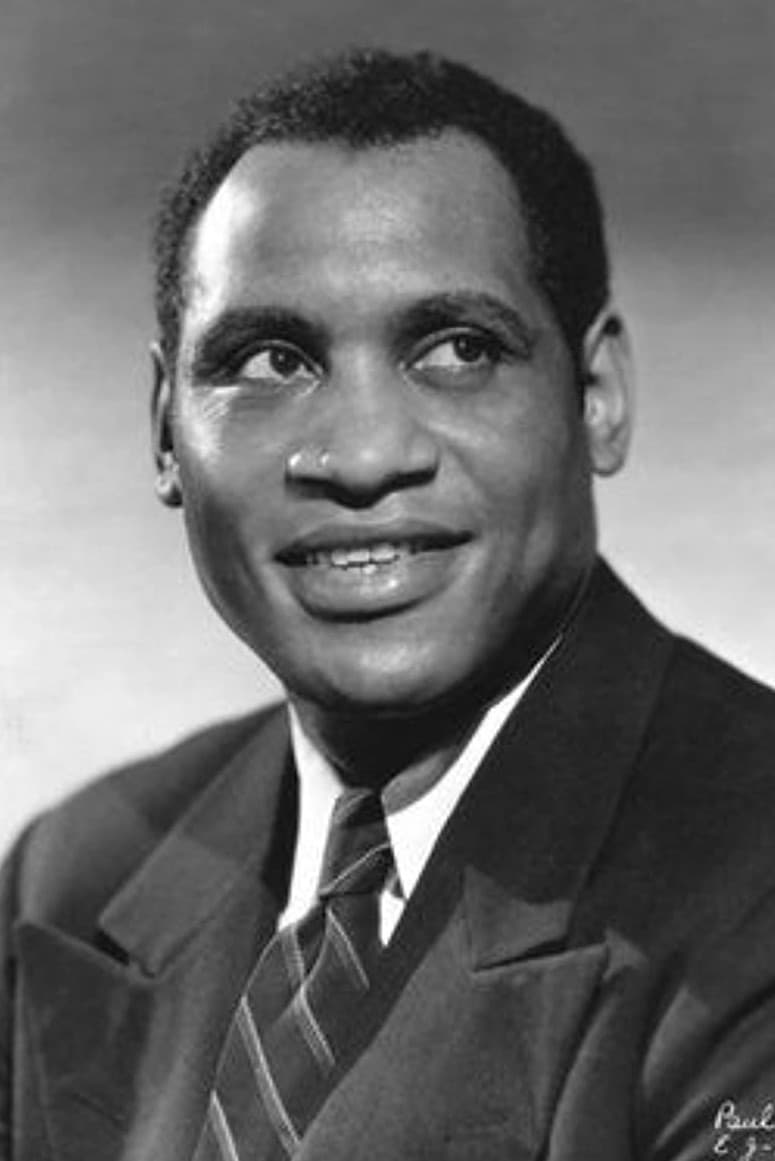
Paul Robeson was a titan of the stage and screen who famously turned his back on Hollywood after starring in ‘Tales of Manhattan’ in 1942. The actor felt that the film, along with his previous work, demeaned African Americans by relying on offensive caricatures and simplistic stereotypes. He decided that he could no longer participate in an industry that refused to portray his people with dignity and complexity. Robeson devoted the rest of his life to political activism and civil rights, sacrificing his film career to maintain his moral integrity.
Harry Belafonte

Despite being one of the biggest stars of the 1950s, Harry Belafonte famously turned down the role of Porgy in the film adaptation of ‘Porgy and Bess’. He believed the character and the story presented a degrading image of Black life that reinforced negative racial stereotypes. His refusal was a significant political statement during the Civil Rights Movement, as he chose to prioritize the image of his community over a lucrative paycheck. Belafonte continued to reject roles that he felt did not respect the humanity of Black people.
Sidney Poitier
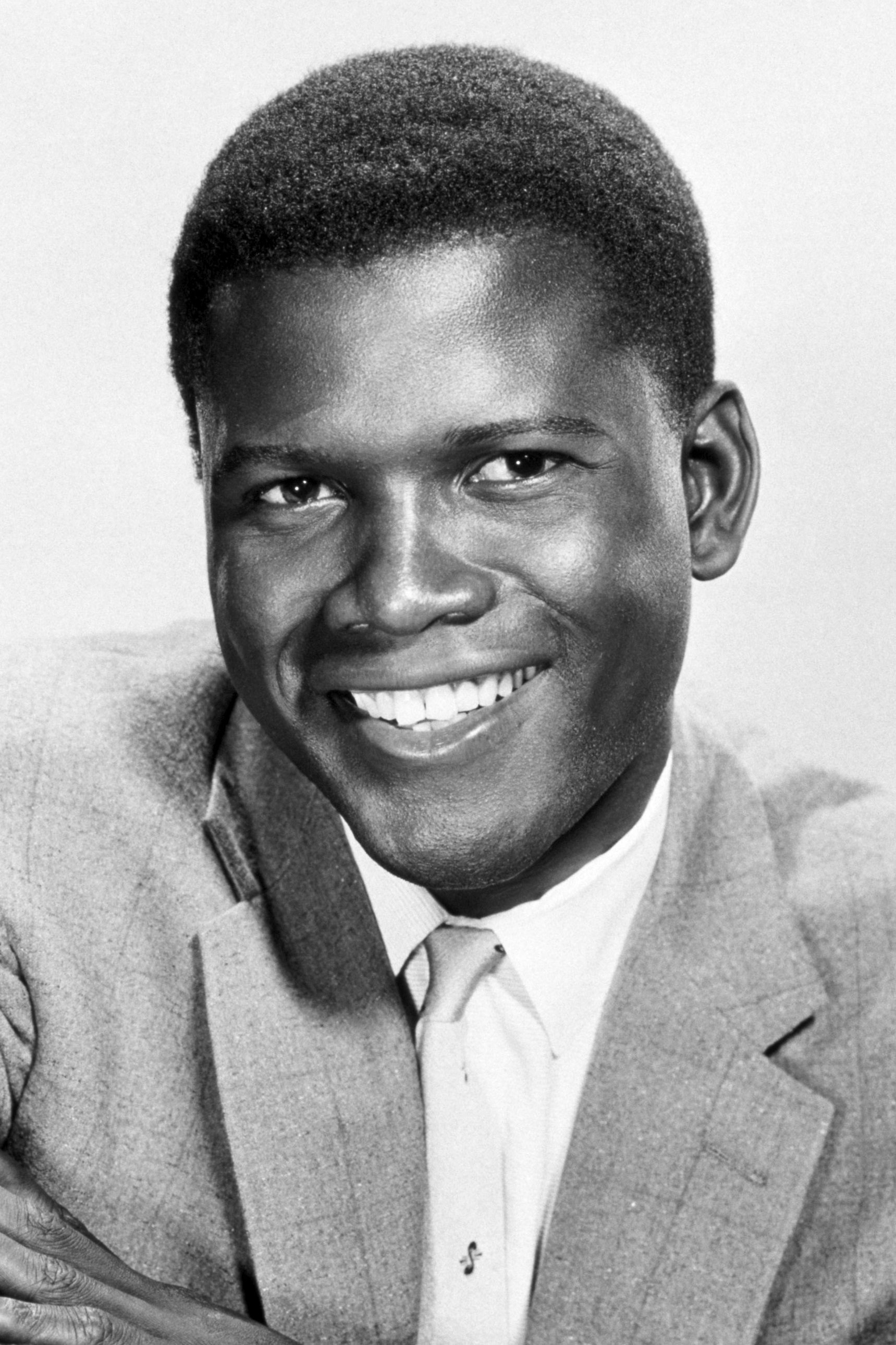
Before he became a Hollywood legend, Sidney Poitier refused a role in ‘The Phenix City Story’ because the script required his character to act cowardly after his child was murdered. Poitier felt that playing a Black father who did not seek justice or react emotionally to such a tragedy would be a disservice to Black men everywhere. He was willing to lose the job and the money rather than perpetuate the idea of Black passivity in the face of violence. This early decision set the tone for a career defined by dignified and powerful characters.
Will Smith
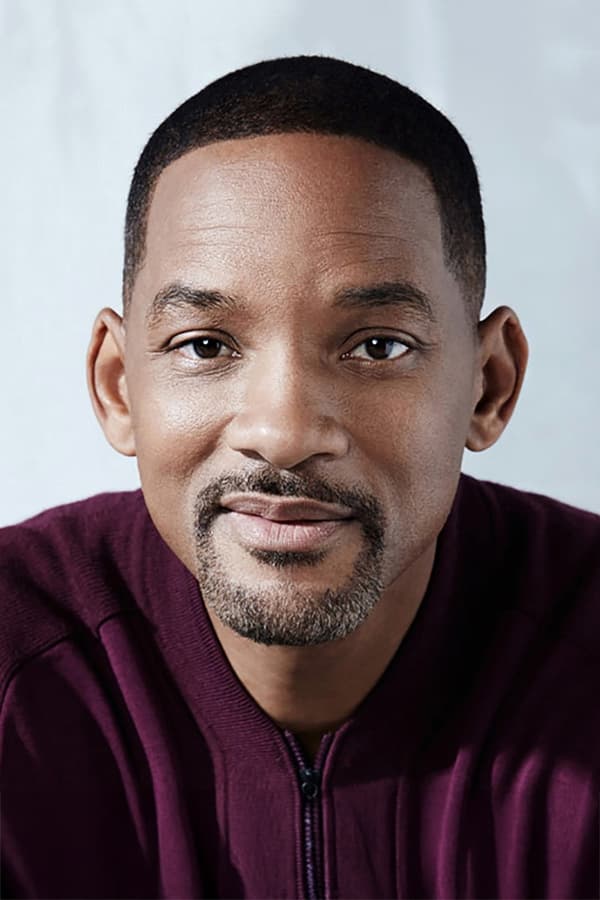
Will Smith was offered the lead role in Quentin Tarantino’s ‘Django Unchained’ but decided to withdraw from negotiations due to creative and moral differences regarding the script’s violence. Smith felt that the violence was the central solution in the film rather than love, which conflicted with his personal philosophy. Additionally, he reportedly wanted the Black lead to be the sole hero who kills the antagonist, rather than sharing the victory with a white co-star. His decision was rooted in his desire to see Black heroism portrayed on his own terms.
Ice Cube
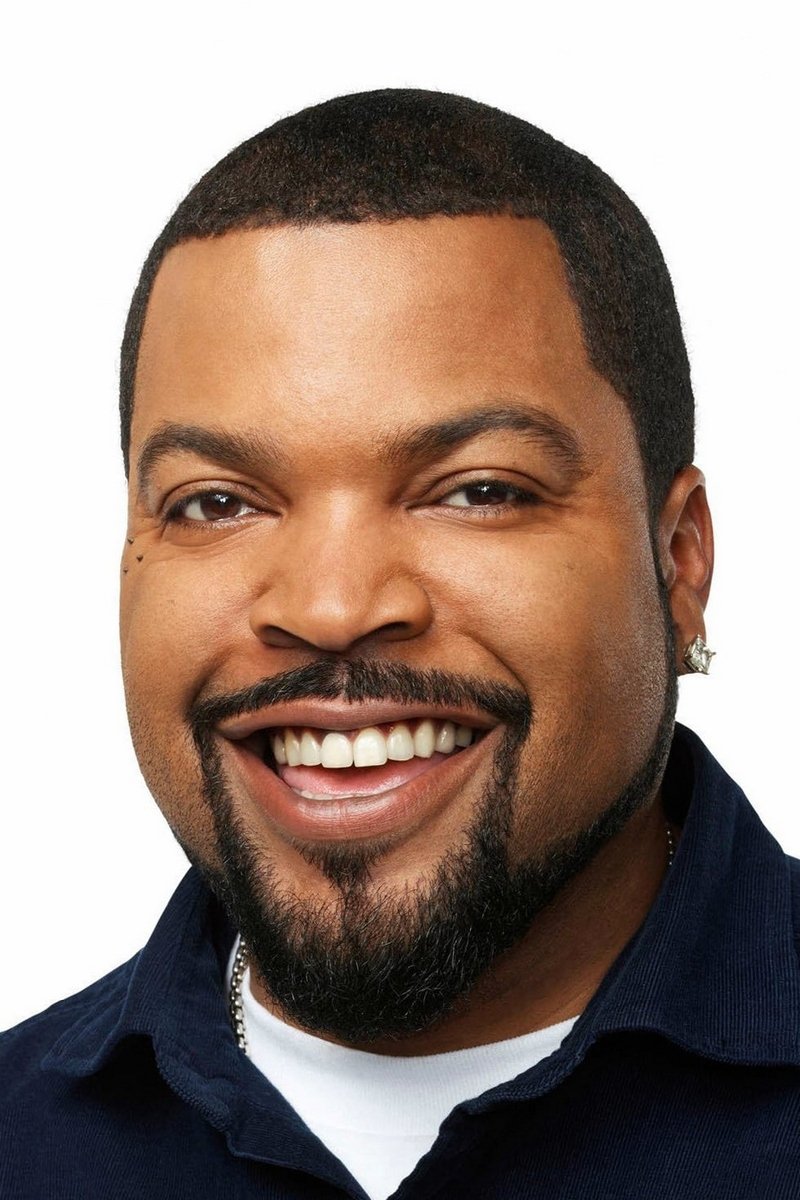
Rapper and actor Ice Cube made headlines when he walked away from the comedy film ‘Oh Hell No’ just weeks before production was set to begin. The actor refused to comply with the production’s mandatory COVID-19 vaccination policy, which he viewed as an infringement on his personal freedom. By holding his ground on his medical choices, he walked away from a reported nine-million-dollar paycheck. His departure sparked a wider conversation in Hollywood regarding vaccine mandates and personal rights.
Chadwick Boseman
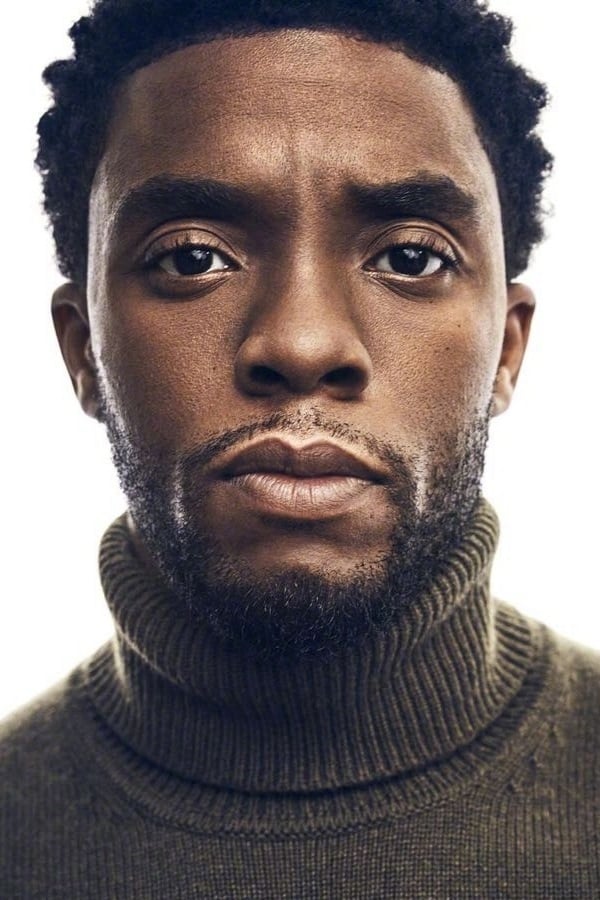
Early in his career, the late Chadwick Boseman was cast as a young gang member on the soap opera ‘All My Children’ but was fired after he voiced concerns about the character’s stereotypical writing. Boseman felt the role of a fatherless thug contributed to a harmful narrative about young Black men and suggested changes to the producers to add depth to the character. His willingness to speak up cost him the job, but the role was subsequently recast with Michael B. Jordan, who later admitted Boseman’s notes improved the character. This act of protest demonstrated Boseman’s commitment to responsible storytelling long before he became the Black Panther.
Laurence Fishburne
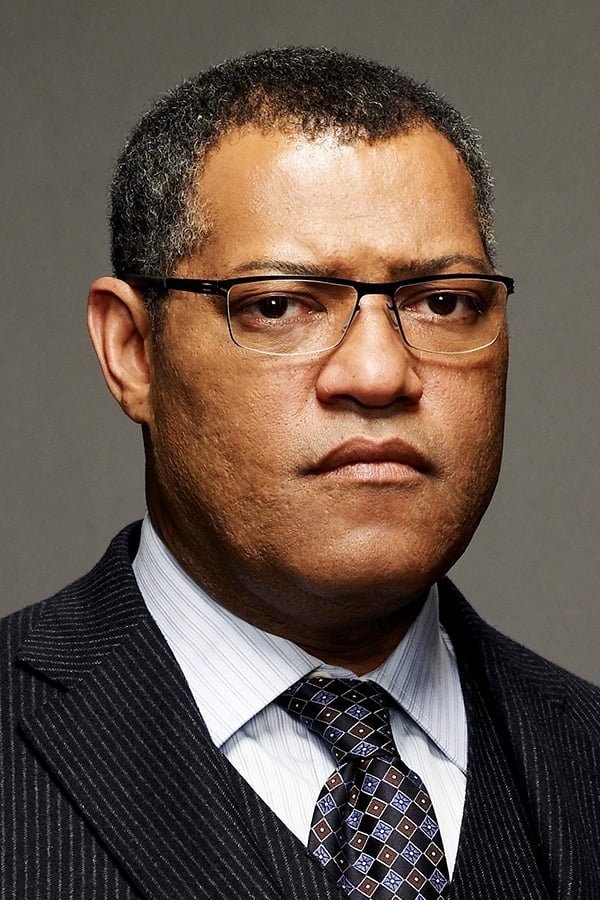
Laurence Fishburne was the original choice to play Jules Winnfield in ‘Pulp Fiction’ but turned the role down because of the film’s depiction of heroin use. He felt that the movie made drug use look attractive and cool, which he believed was politically and socially irresponsible given the drug epidemic affecting Black communities. Fishburne has always been conscious of the messages his films send to audiences. His refusal paved the way for Samuel L. Jackson to take the iconic role.
Ray Fisher
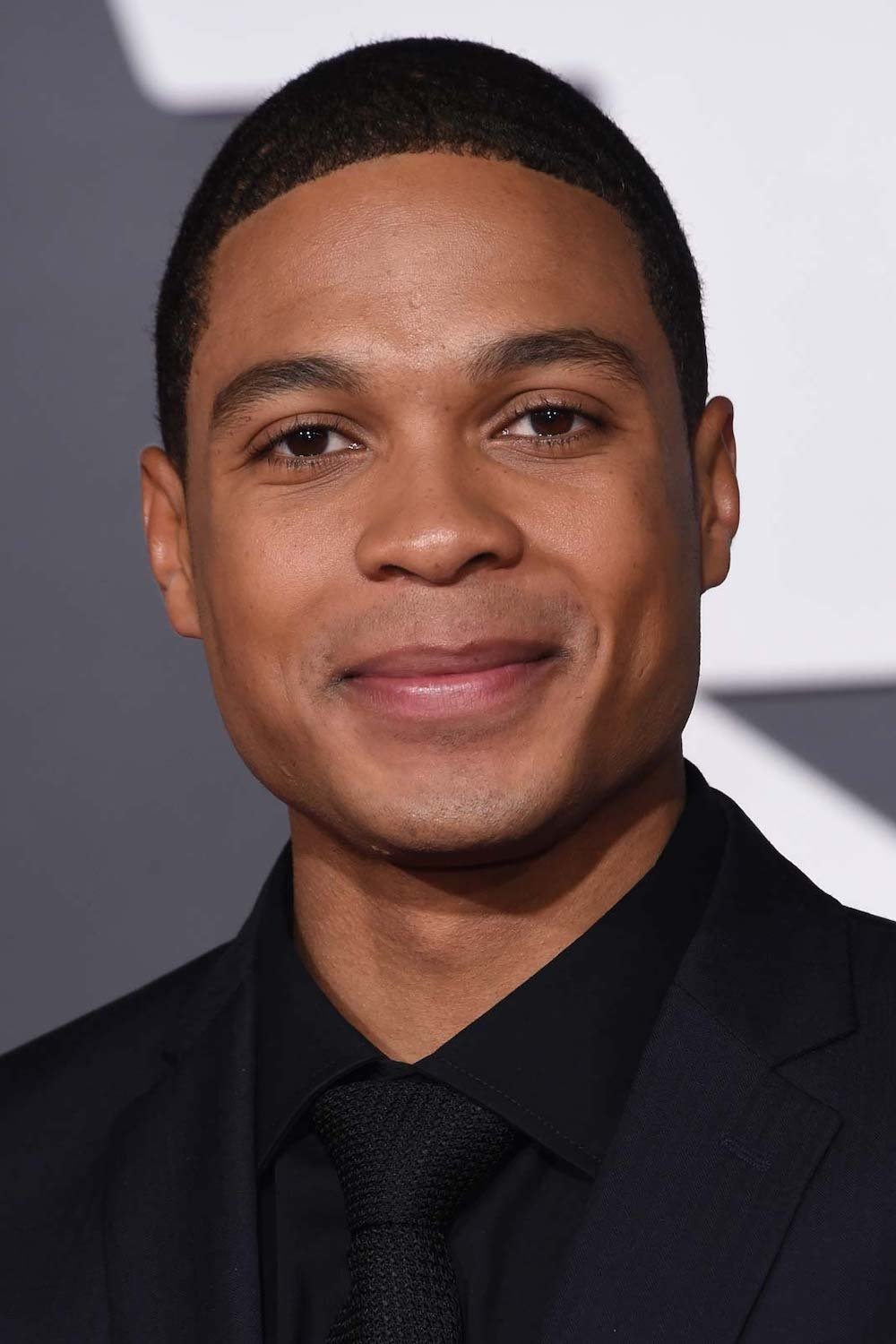
Ray Fisher publicly declared that he would not work on any project involving DC Films President Walter Hamada, effectively withdrawing from his role as Cyborg in ‘The Flash’. Fisher had previously accused director Joss Whedon of abusive behavior on the set of ‘Justice League’ and felt the studio’s investigation into the matter was mishandled and dismissive. His stand was a bold move against the powerful studio system to demand accountability and respect for actors. This dispute highlighted issues of workplace toxicity and racial insensitivity within major franchises.
Dave Chappelle
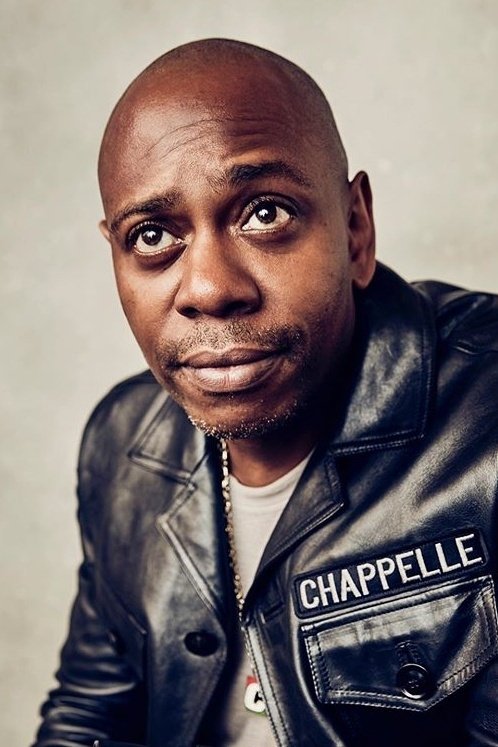
While primarily known for his television show, Dave Chappelle walked away from a fifty-million-dollar deal and the potential for film adaptations because he felt the content was becoming socially irresponsible. During the filming of a sketch involving pixies in blackface, Chappelle realized that the crew was laughing at him rather than with him, which he felt reinforced minstrelsy. He fled to South Africa to escape the industry’s pressure, effectively withdrawing from the Hollywood machine to preserve his sanity and integrity. His departure remains one of the most famous acts of defiance in entertainment history.
Chris Tucker

After the massive success of ‘Friday’, Chris Tucker refused to reprise his role as Smokey in the sequels ‘Next Friday’ and ‘Friday After Next’. Tucker had become a born-again Christian and felt that the character’s heavy marijuana use and cursing no longer aligned with his religious and moral values. He decided that he did not want to encourage drug use among his fanbase, even if it meant turning down a massive payday. His withdrawal altered the course of the franchise and demonstrated his commitment to his faith.
Denzel Washington
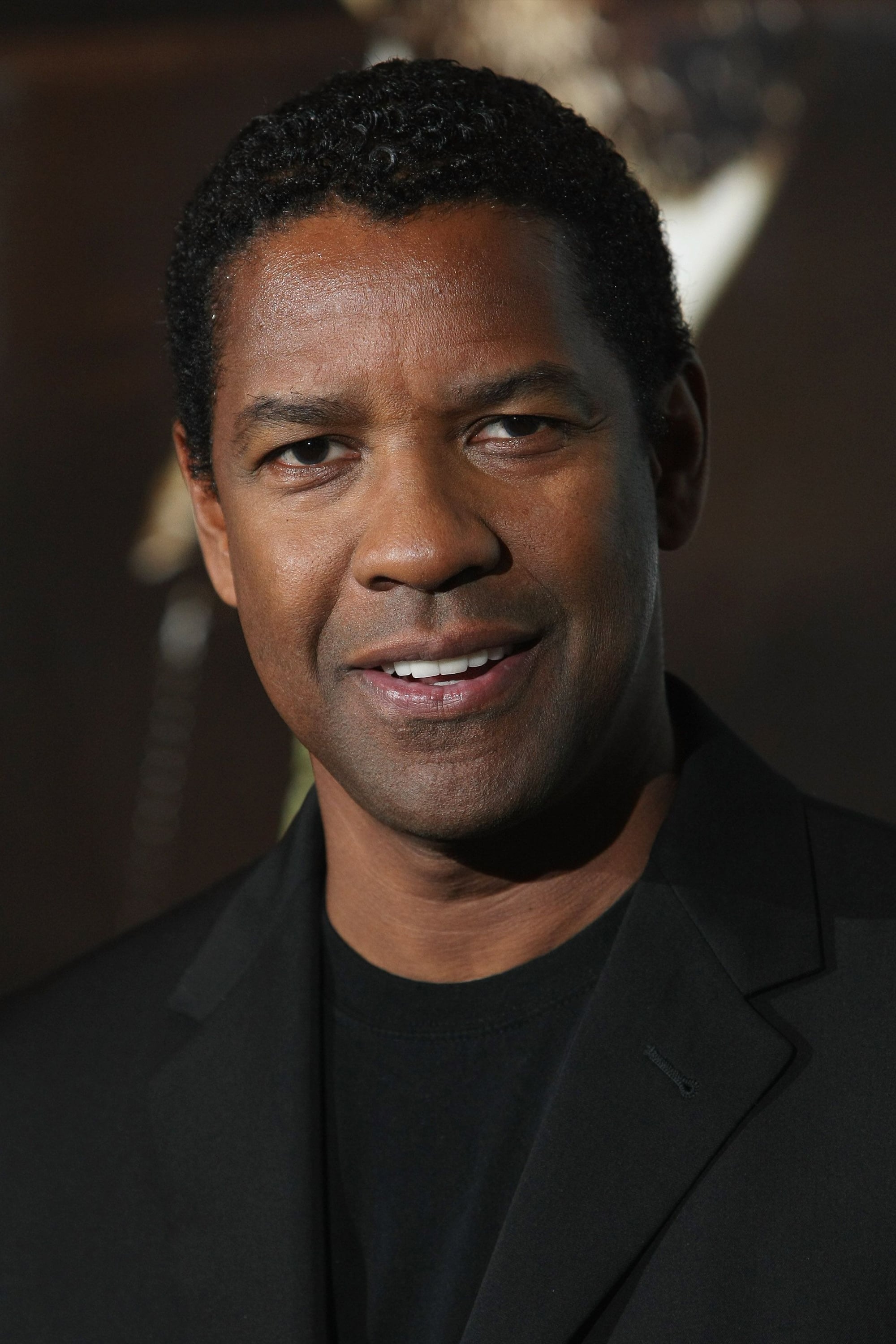
Denzel Washington turned down the lead role of Detective David Mills in the thriller ‘Seven’ because he found the script too dark and evil. As a man of faith and a conscious actor, Washington felt that the story allowed evil to triumph in a way that he was uncomfortable projecting to the world. He later admitted that he regretted the decision after seeing the final film, but his initial refusal was based on his moral compass. Washington has consistently chosen roles that align with his values throughout his career.
Mahershala Ali
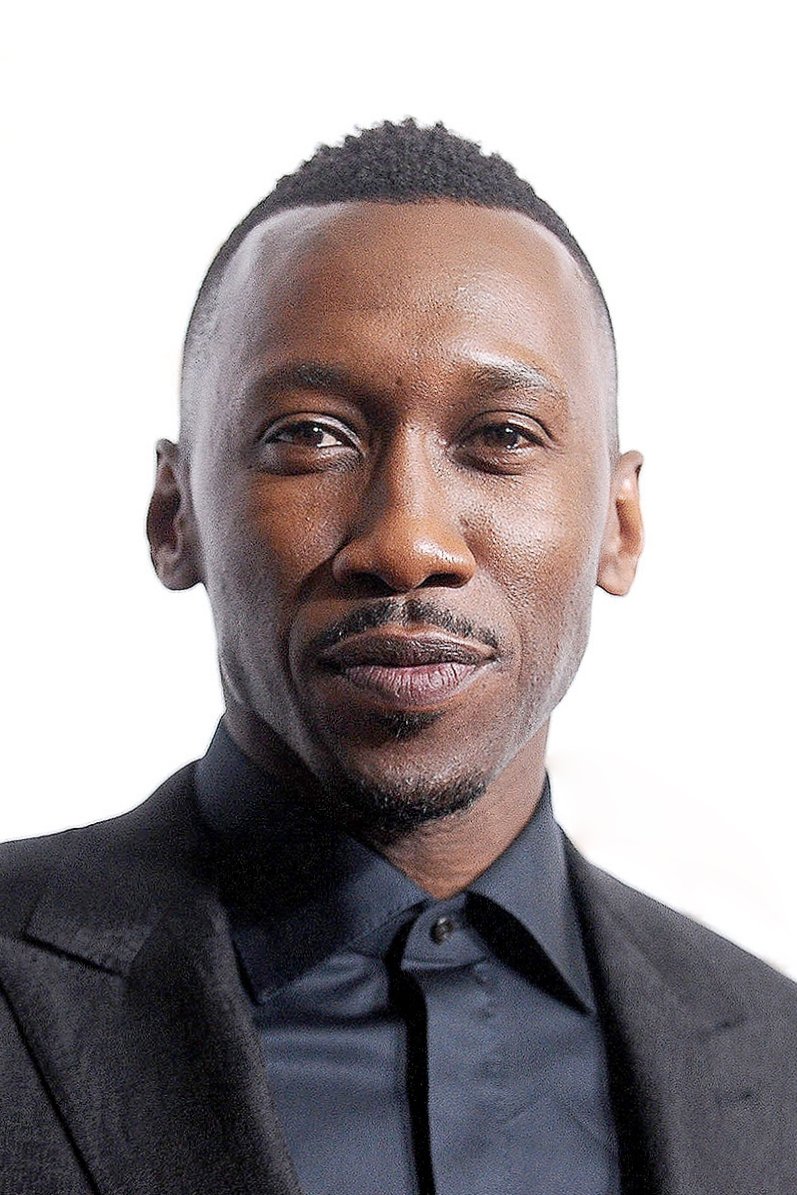
Mahershala Ali accepted a role in ‘The Curious Case of Benjamin Button’ only after stipulating that he would not perform a scripted sex scene. As a devout Muslim, Ali refuses to simulate intimacy on screen out of respect for his religion and his wife. The director, David Fincher, accommodated his request, allowing Ali to maintain his spiritual boundaries while participating in the film. This decision highlights how actors can leverage their talent to maintain their religious and political principles.
John Amos
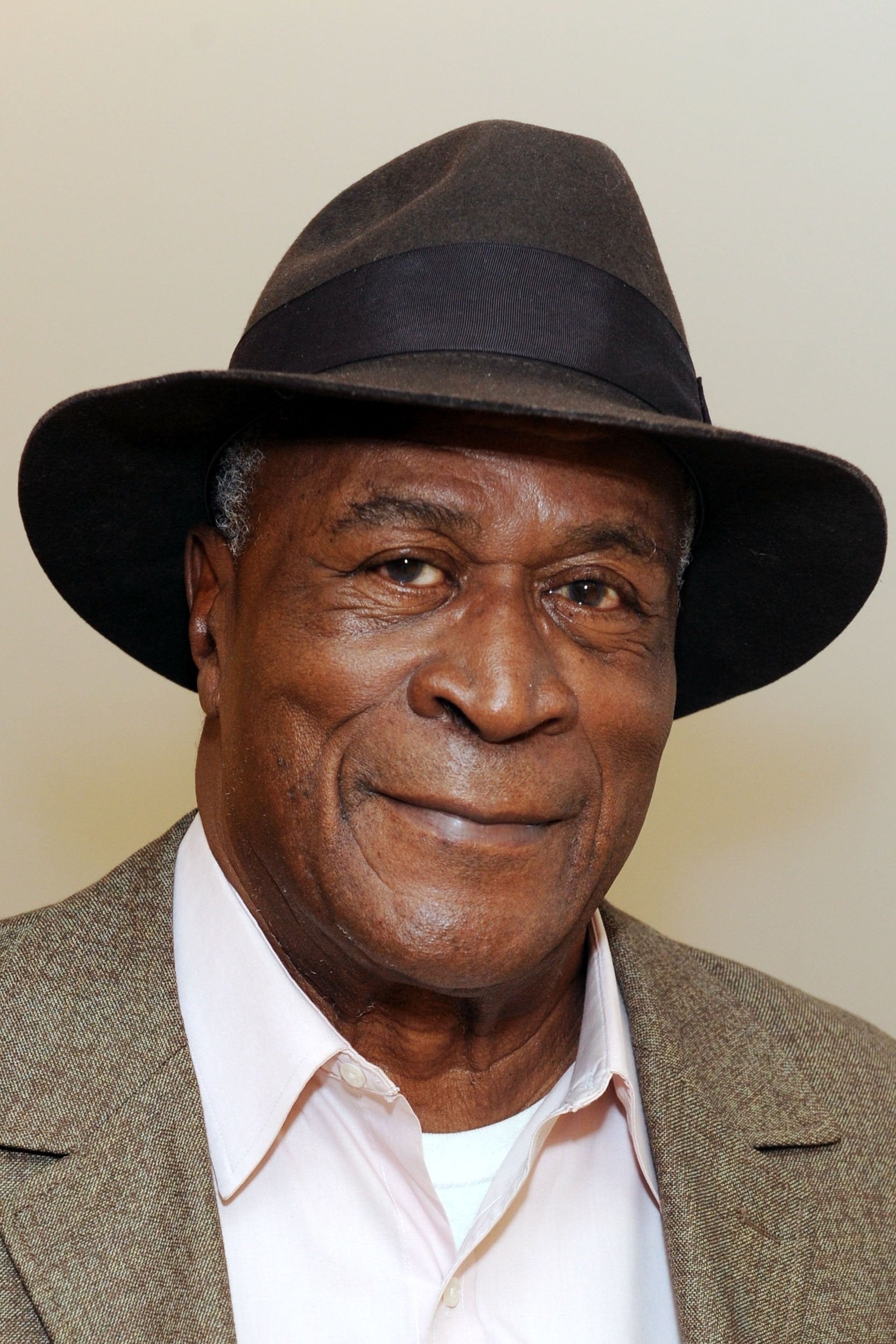
John Amos starred as the father James Evans in the hit sitcom ‘Good Times’ but was eventually fired for his repeated objections to the show’s direction. Amos felt that the writers were focusing too much on the buffoonish behavior of the character J.J., played by Jimmie Walker, which he believed perpetuated negative stereotypes. He argued for more realistic and dignified storylines that reflected the true struggles of a Black family in Chicago. His departure was a direct result of his fight for positive racial representation.
Ivan Dixon
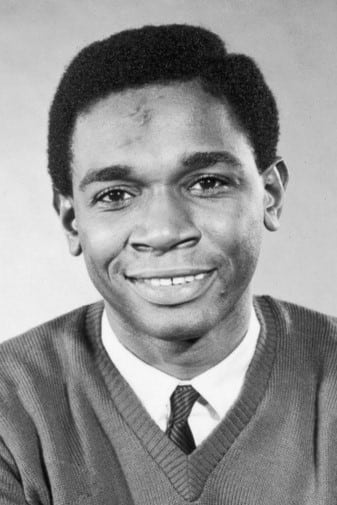
Ivan Dixon, who played Kinchloe on ‘Hogan’s Heroes’, left the popular series because he felt his character was underutilized and did not reflect the changing political climate of the late 1960s. Dixon wanted to pursue directing and projects that had more substance and relevance to the Civil Rights Movement. He felt that remaining in a static supporting role was a stagnation of his artistic and political potential. Dixon went on to become a prolific director of television and film, focusing on more socially conscious narratives.
Tupac Shakur
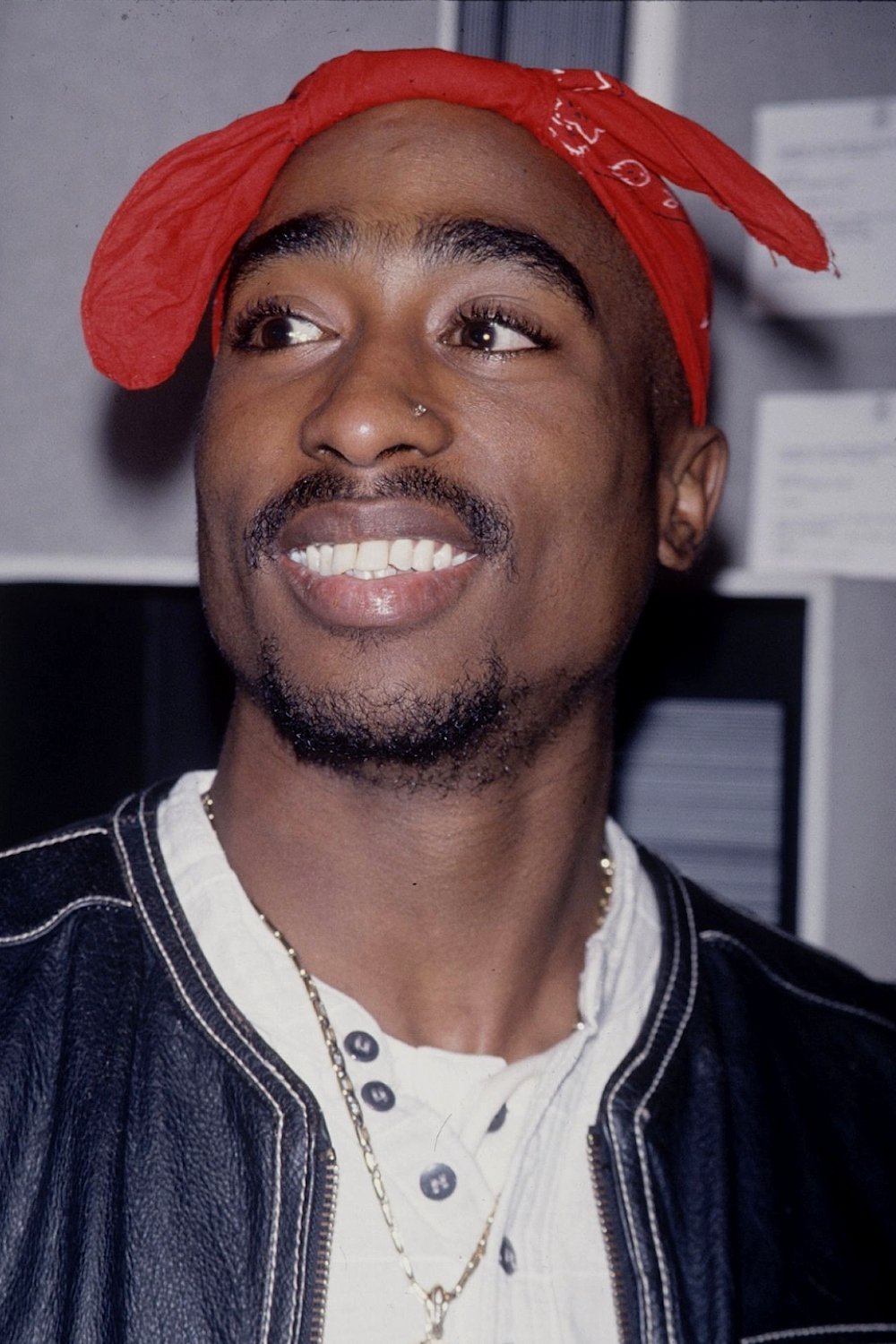
Tupac Shakur was originally cast in the film ‘Menace II Society’ but was fired after a physical altercation with the director, Allen Hughes. The conflict arose because Tupac felt the script was inauthentic to the street life he knew and wanted his character to have a more realistic narrative arc. He argued that the film’s depiction of violence lacked the necessary depth and consequences. His removal from the film was a direct result of his passion for authentic Black storytelling.
Rex Ingram
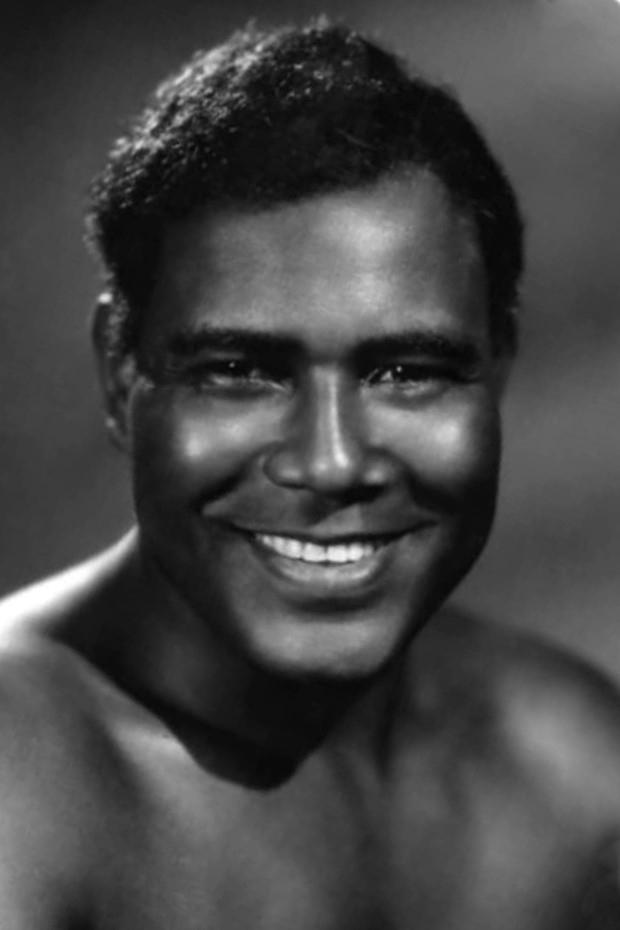
In the 1930s and 40s, Rex Ingram was one of the few Black actors to gain significant roles, but he famously turned down the role of Jim in a version of ‘The Adventures of Huckleberry Finn’. Ingram refused to play the character using the scripted “slave dialect,” which he found demeaning and illiterate. He demanded that the character speak with dignity, and when the studio refused, he walked away. His stand against linguistic stereotyping was a rare act of defiance in the Golden Age of Hollywood.
Damon Wayans
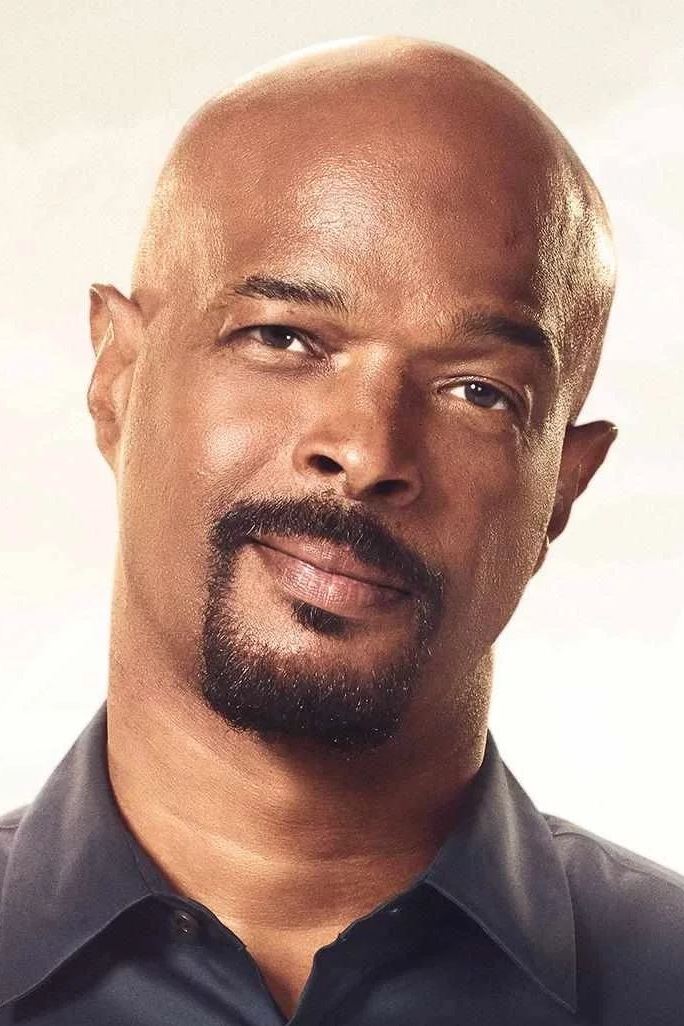
Damon Wayans was a cast member on ‘Saturday Night Live’ in the 1980s but grew frustrated with the lack of creative freedom and the stereotypical roles he was assigned. During a live sketch where he was supposed to play a straight police officer, he improvised and played the character as flamboyantly gay as an act of protest against the show’s creative constraints. This act of rebellion got him fired immediately but allowed him to leave a toxic environment. He later found massive success creating his own content that addressed race and culture on his own terms.
Redd Foxx
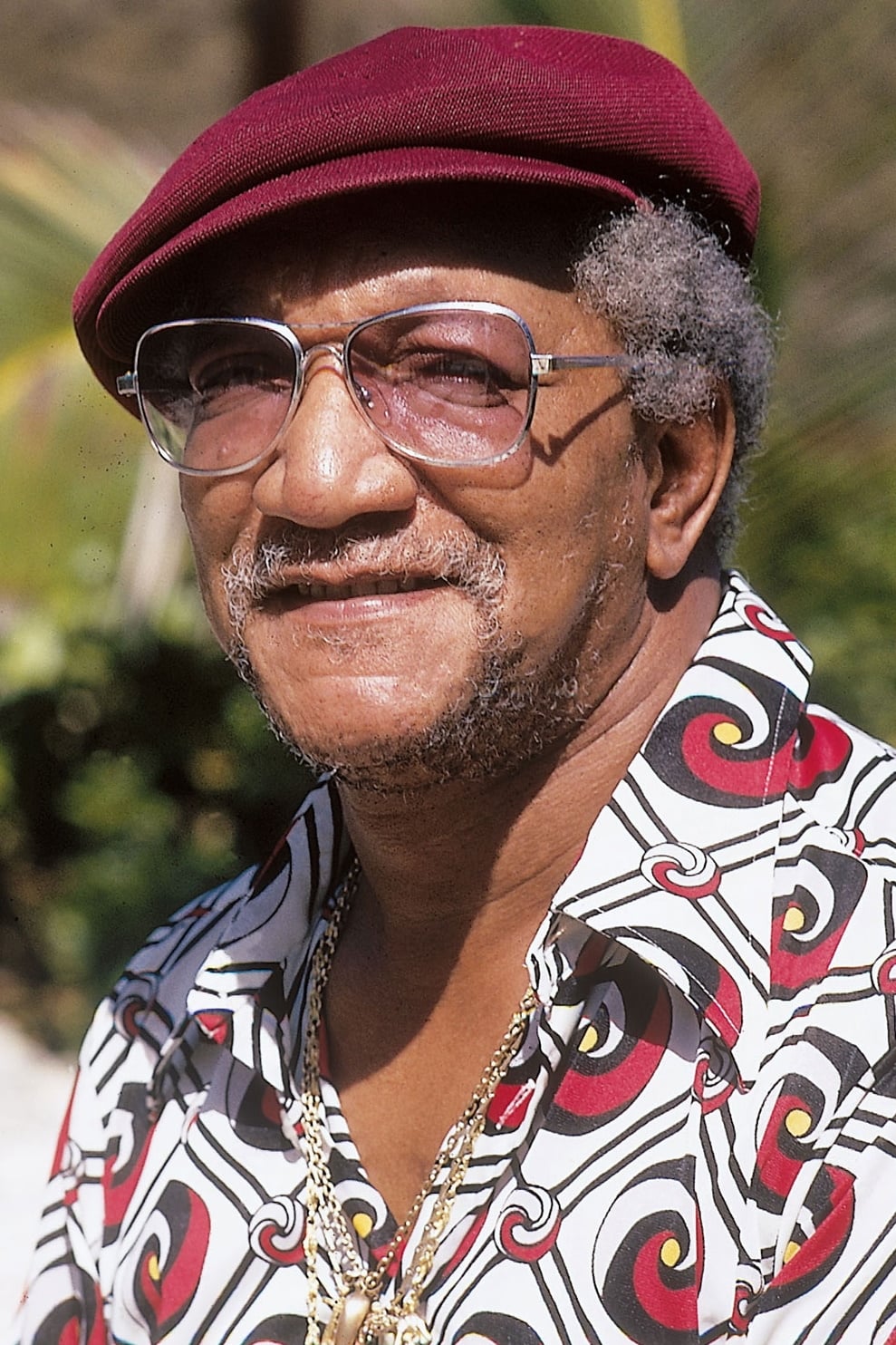
Redd Foxx famously walked off the set of ‘Sanford and Son’ during a contract dispute, demanding better pay and a dressing room with windows. While seemingly a labor dispute, Foxx framed his demands as a matter of respect for Black performers who were generating millions for the studio but being treated as second-class citizens. He sat out several episodes to prove that the show could not succeed without him. His holdout was a power move that asserted the value of Black talent in television.
Robert Townsend
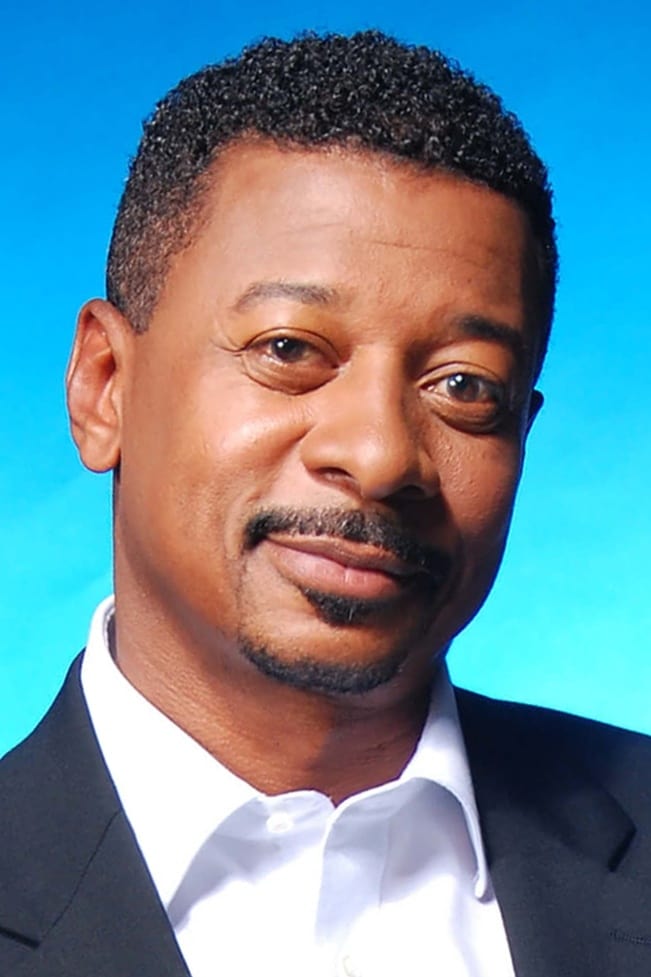
Disillusioned by the limited and stereotypical roles offered to Black actors in Hollywood, Robert Townsend withdrew from the traditional audition circuit to make his own film. He used his personal credit cards to finance ‘Hollywood Shuffle’, a satire that exposed the industry’s racial biases. Townsend realized that waiting for the industry to change was futile, so he took political action by creating his own table. His work inspired a generation of independent Black filmmakers.
Canada Lee
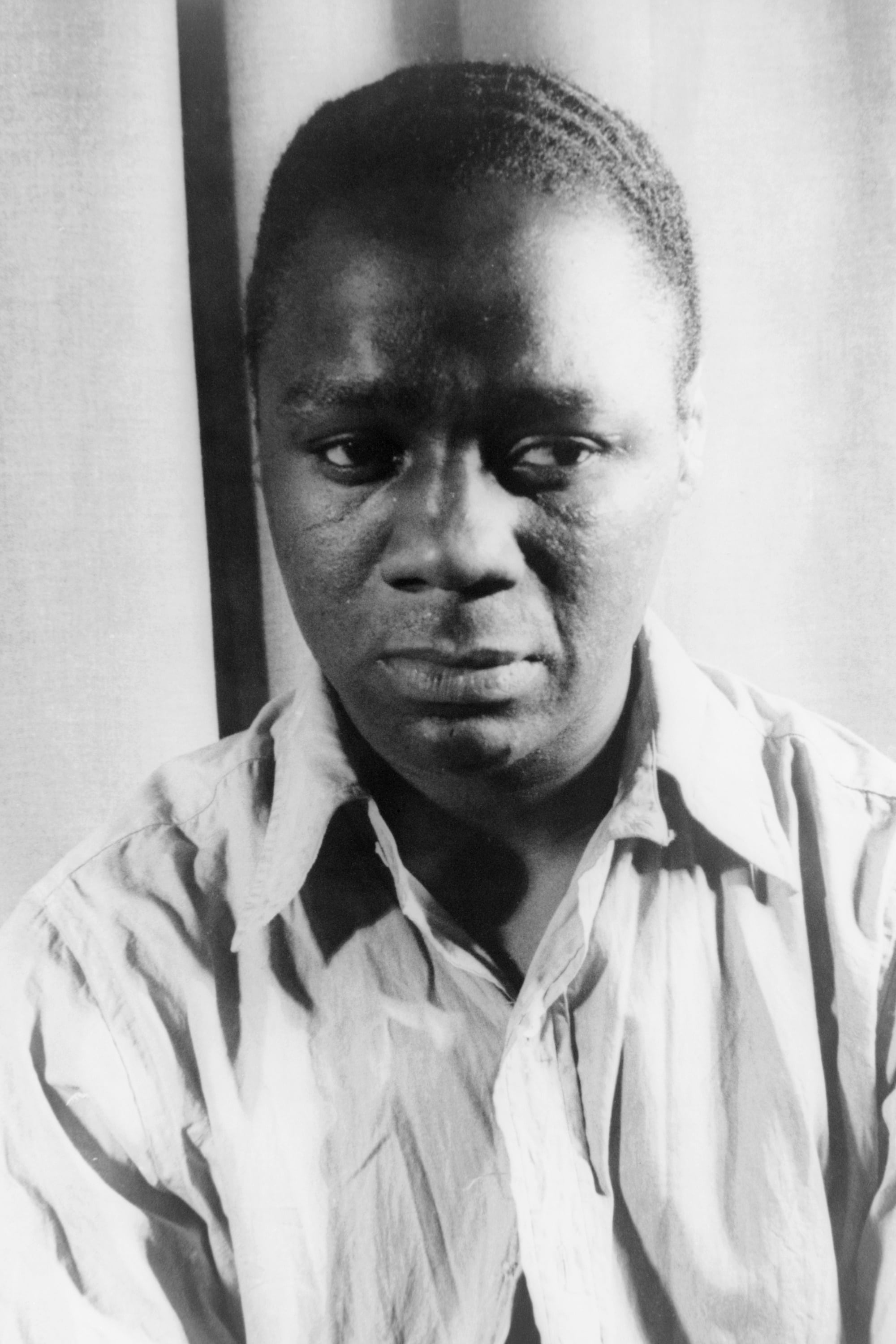
Canada Lee was a groundbreaking actor who refused to play roles that he considered subservient or demeaning. However, his career was cut short when he was blacklisted during the McCarthy era for his civil rights activism and alleged communist ties. Lee died shortly after being banned from Hollywood, effectively having his career stolen for political reasons. He is remembered as a martyr who refused to compromise his principles for stardom.
Yaphet Kotto
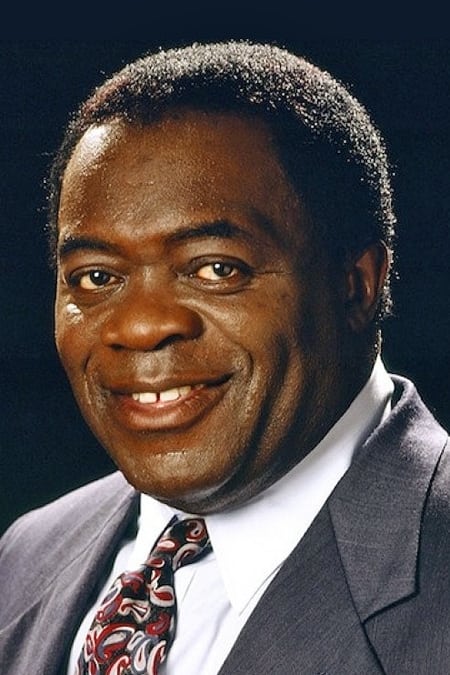
Yaphet Kotto turned down the role of Lando Calrissian in ‘The Empire Strikes Back’ because he feared the character would be killed off and wanted to avoid being a “token” Black character in a space opera. He also reportedly turned down the role of Jean-Luc Picard in ‘Star Trek’ for similar reasons regarding how Black men were portrayed in sci-fi. Kotto was extremely protective of his image and refused to participate in projects where he felt the Black character was expendable or secondary. He preferred roles where he could exhibit strength and survival.
Danny Glover
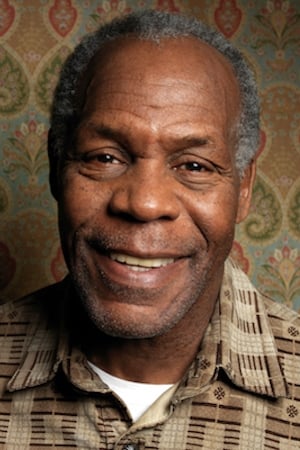
Danny Glover is known for his activism as much as his acting, and he has frequently turned down roles that he felt were politically regressive. He has been a vocal critic of films that glorify police violence or American imperialism. While he starred in the ‘Lethal Weapon’ franchise, he often pushed back against scripts that he felt were insensitive or racist. Glover has spent much of his career championing independent films that address social justice issues.
Adewale Akinnuoye-Agbaje
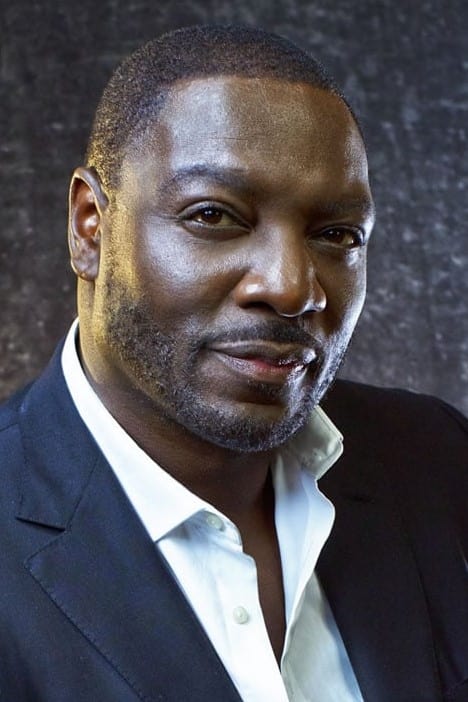
Adewale Akinnuoye-Agbaje asked to be written out of the hit series ‘Lost’ partly because he was unhappy with his character’s development. He felt that the character, Mr. Eko, was becoming a “silent savage” stereotype rather than the complex religious figure he signed up to play. Additionally, he wanted to return to London after the death of his parents, but the creative stagnation of his character made the decision to leave easier. He prioritized his well-being and artistic integrity over a hit show.
Orlando Jones
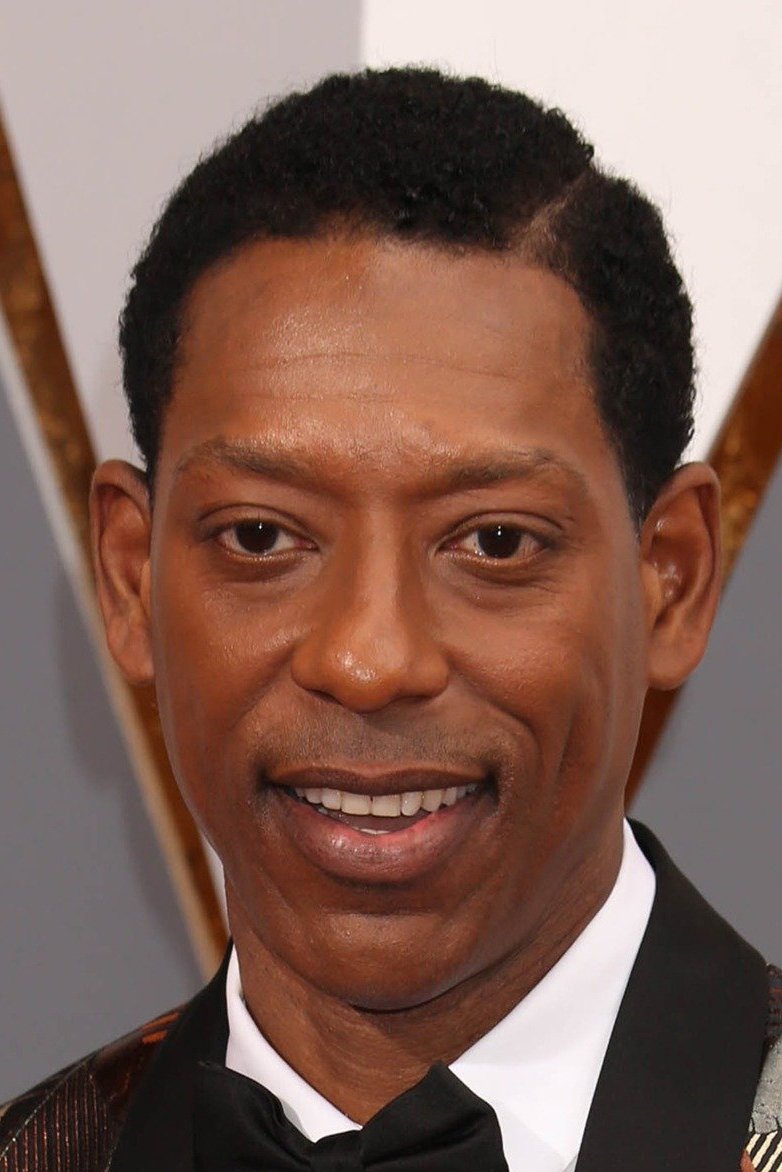
Orlando Jones was fired from the series ‘American Gods’, but he framed his departure as a withdrawal caused by the new showrunner’s handling of race. Jones claimed that his character, Mr. Nancy, was written out because the new showrunner felt the character’s “angry, get shit done” attitude was the wrong message for Black America. Jones spoke out publicly about the racism he perceived in the decision-making process. He refused to stay silent about the erasure of a powerful Black character.
Terrence Howard
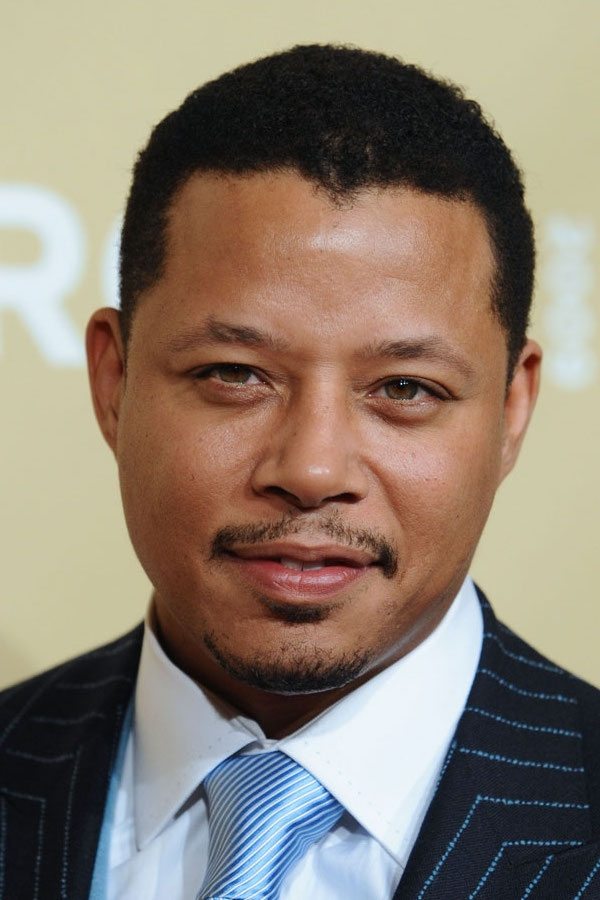
Terrence Howard was the original Rhodey in ‘Iron Man’ but was replaced by Don Cheadle in the sequel after a massive pay dispute. Howard claimed that the studio pushed him out to pay Robert Downey Jr. more, effectively devaluing his contribution to the franchise’s initial success. He viewed the move as a breach of contract and a sign of how expendable Hollywood considers Black actors, even after a success. He refused to accept the drastic pay cut, leading to his departure.
Marcus Chong
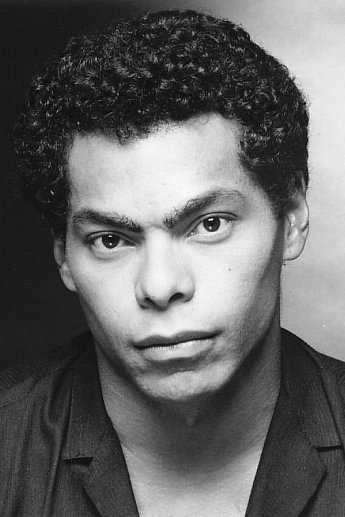
Marcus Chong played Tank in the original ‘Matrix’ film but was removed from the sequels after a dispute over salary and screen time. Chong engaged in a legal and public battle with the studio, claiming he was blackballed for demanding fair compensation and a better narrative for his character. He viewed his exclusion as a result of studio politics and a refusal to negotiate fairly with a Black actor. His career suffered greatly due to his refusal to back down.
John Boyega
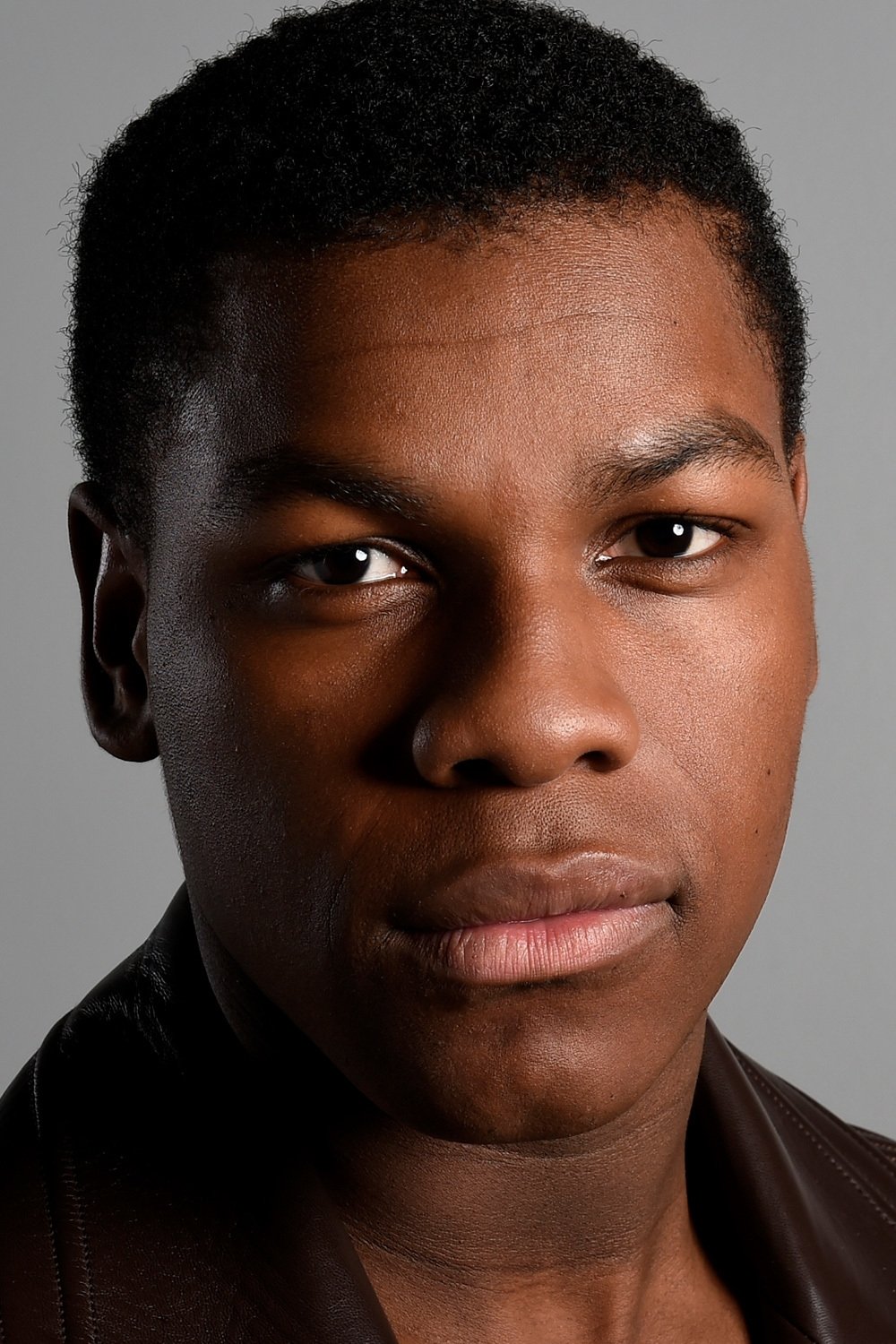
John Boyega abruptly walked away from the Netflix production ‘Rebel Ridge’ mid-shoot, citing “family reasons,” though industry insiders suggested dissatisfaction with the script and production conditions. Boyega has been vocal about his frustration with how Black characters are sidelined in major franchises like ‘Star Wars’. His walkout was seen by many as a reclaiming of his power and a refusal to work in environments that did not meet his standards. He has since focused on producing his own content.
Michael B. Jordan
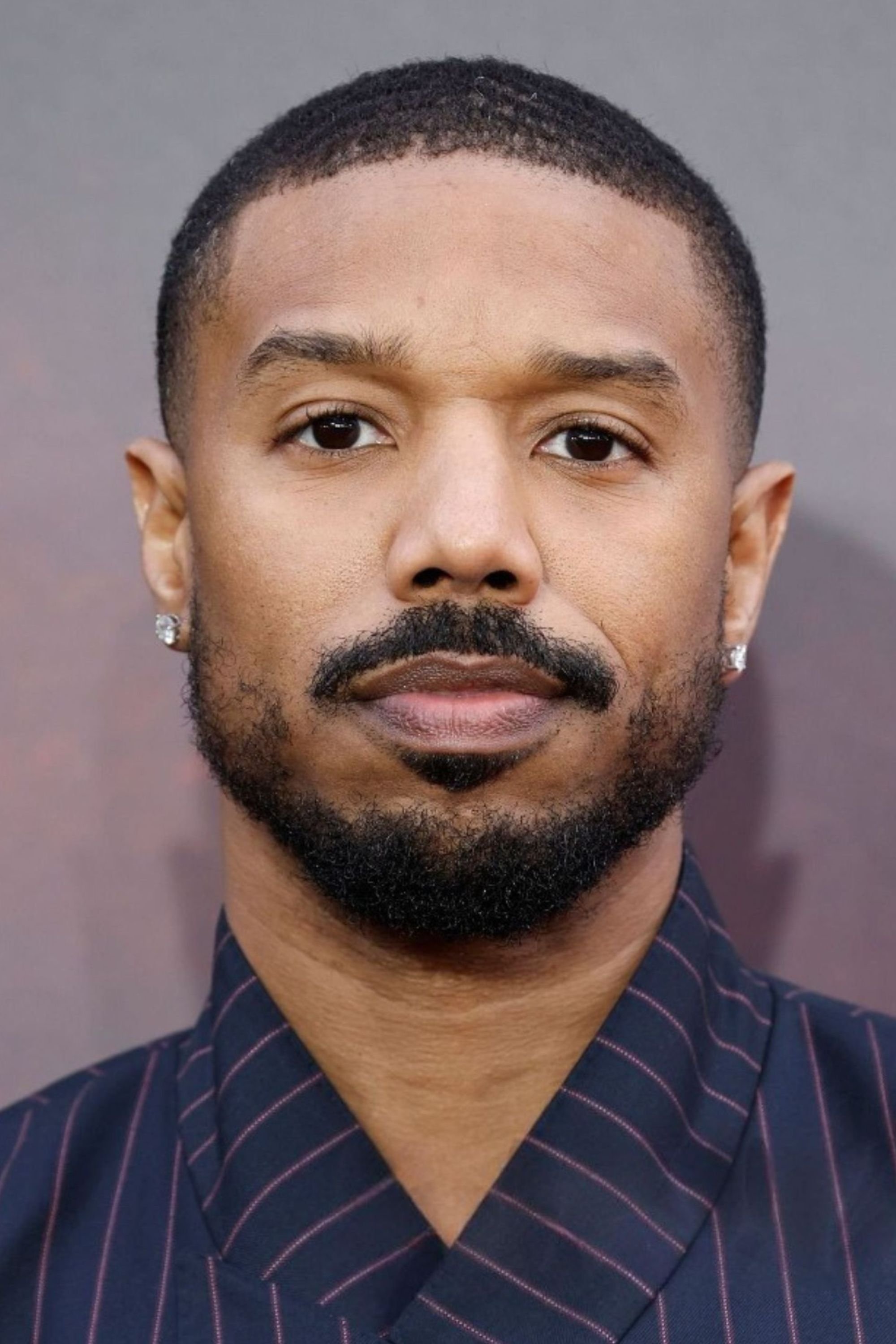
Before finding stardom, Michael B. Jordan refused to audition for roles that required him to play stereotypical thugs or characters that died early in the film. He made a conscious decision with his team to pursue roles that were traditionally written for white actors to break the cycle of typecasting. This political strategy regarding his career path meant turning down numerous opportunities early on. His discipline ultimately led to his status as a leading man.
Dick Gregory
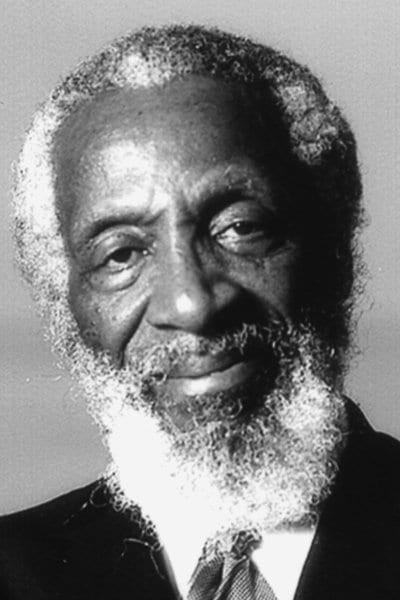
Dick Gregory was a successful comedian and actor who effectively withdrew from the entertainment industry to focus entirely on the Civil Rights Movement. He realized that his presence on the front lines of protests was more important than entertaining audiences in nightclubs or movies. Gregory went on hunger strikes and traveled globally to fight for human rights, sacrificing millions in potential earnings. He viewed his departure from Hollywood as a necessary step in his political evolution.
Fred Williamson
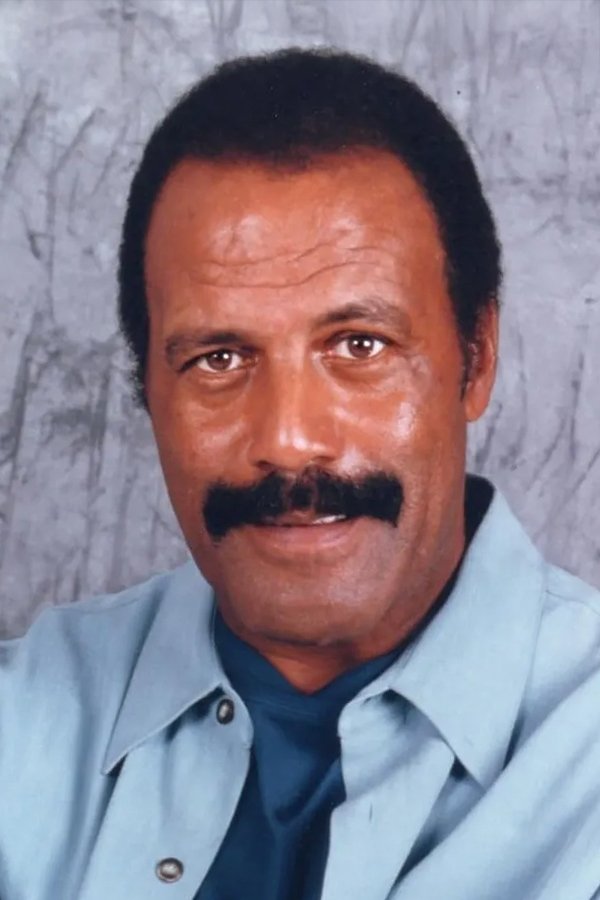
Fred Williamson, known as “The Hammer,” famously refused any role where his character died or lost a fight. He established these rules to ensure that Black audiences always saw a winner on screen during the Blaxploitation era. He turned down roles in major studio films that required him to be subservient or defeated. Williamson eventually started producing his own movies to guarantee he could control the image of the Black hero.
Isaiah Washington
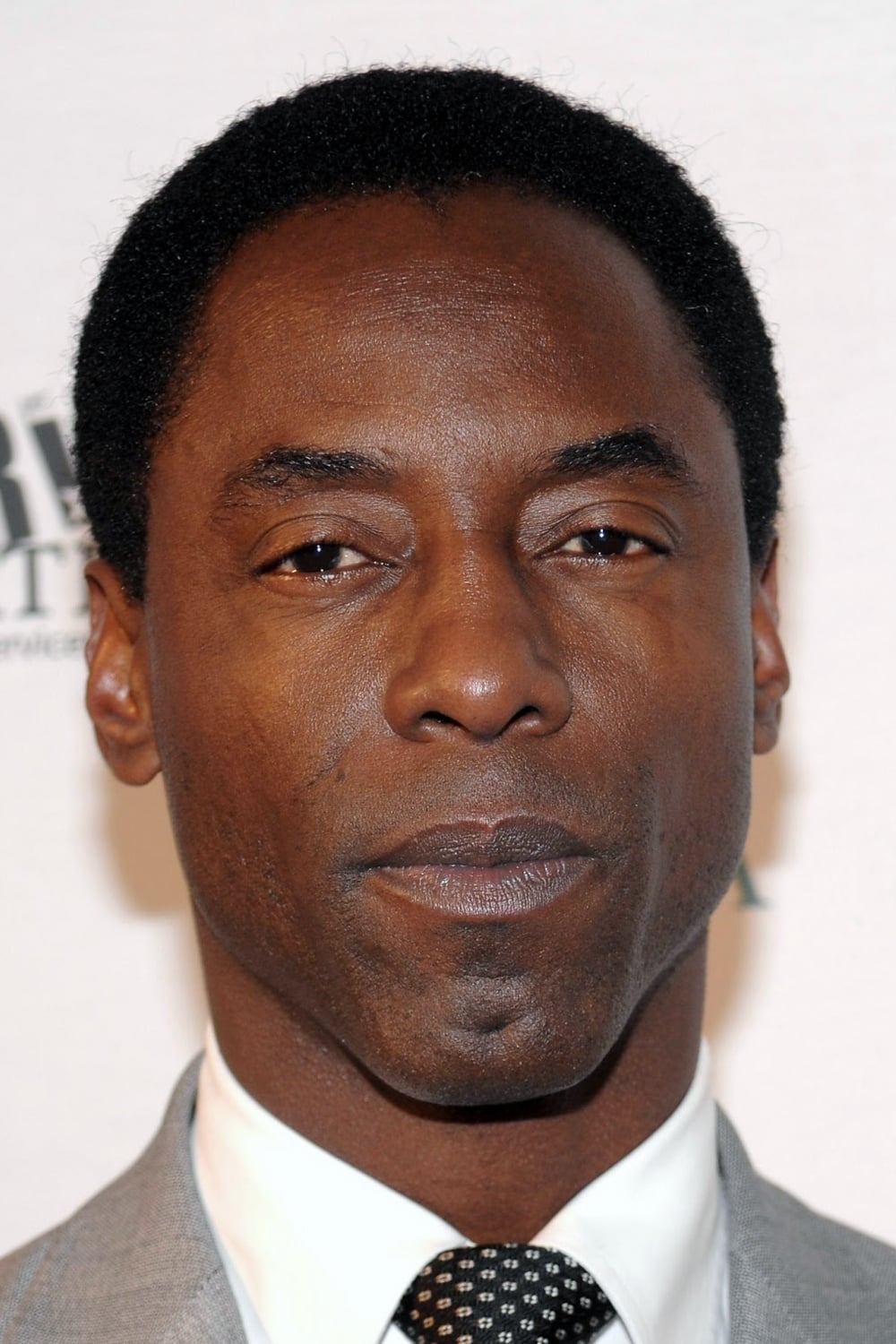
Isaiah Washington was fired from ‘Grey’s Anatomy’ following a controversy involving a homophobic slur, but he has maintained that he was used as a scapegoat by the network. He claimed that the situation was manipulated by the studio to protect other assets and that he was unfairly targeted due to racial politics on set. Washington withdrew from the mainstream Hollywood system for years, working in independent films and speaking out against what he perceived as industry bias. He eventually retired from acting, citing the industry’s toxicity.
Columbus Short
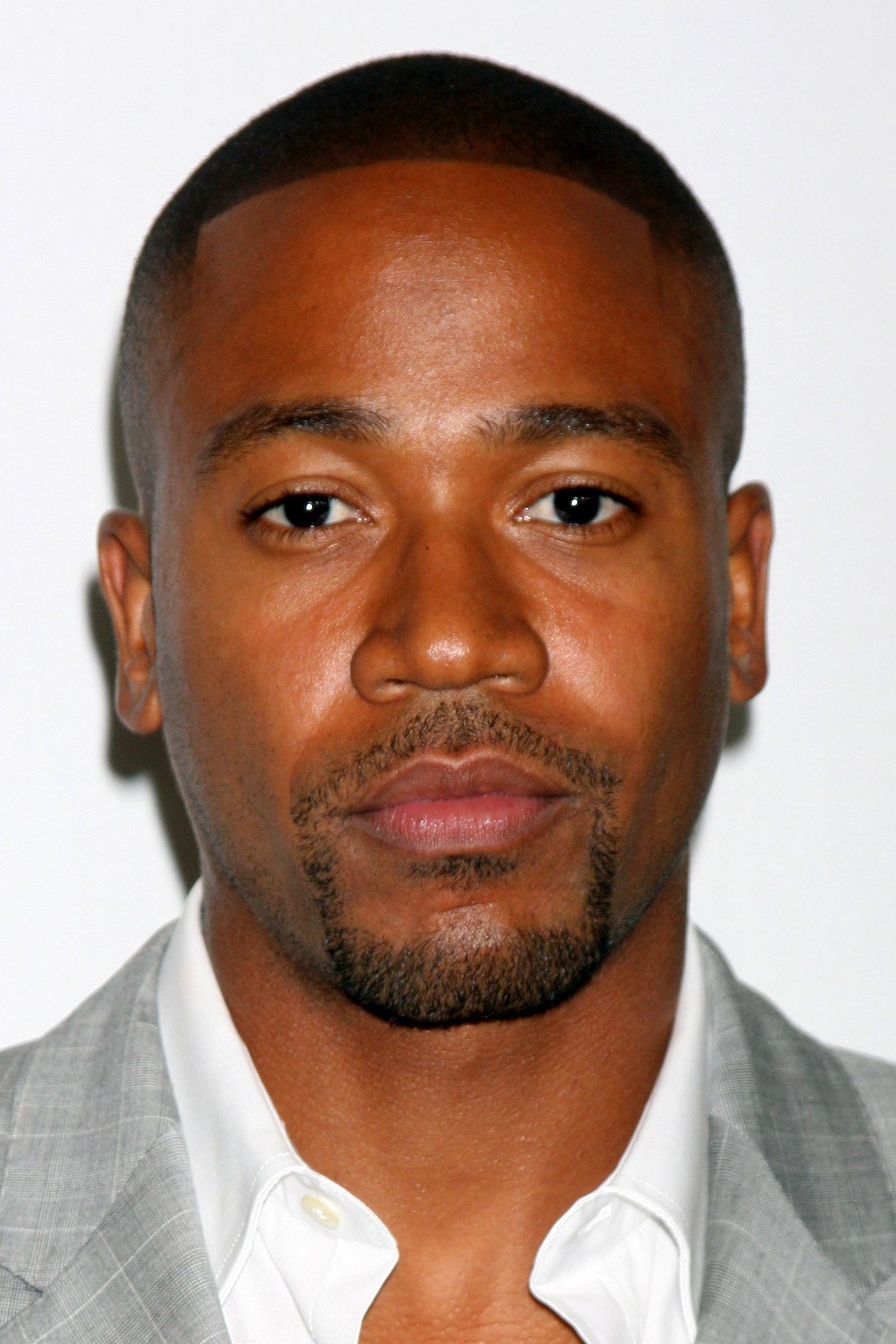
Columbus Short left the hit show ‘Scandal’ amidst personal legal issues, but he also claimed that his departure was linked to his refusal to participate in what he called “illuminati” industry practices. He suggested that the industry pressures actors into compromising their morals and that he was pushed out for resisting. While his personal struggles were publicized, he framed his exit as a rejection of Hollywood’s dark underbelly. He has since focused on rebuilding his life away from the major studio system.
Sterling K. Brown
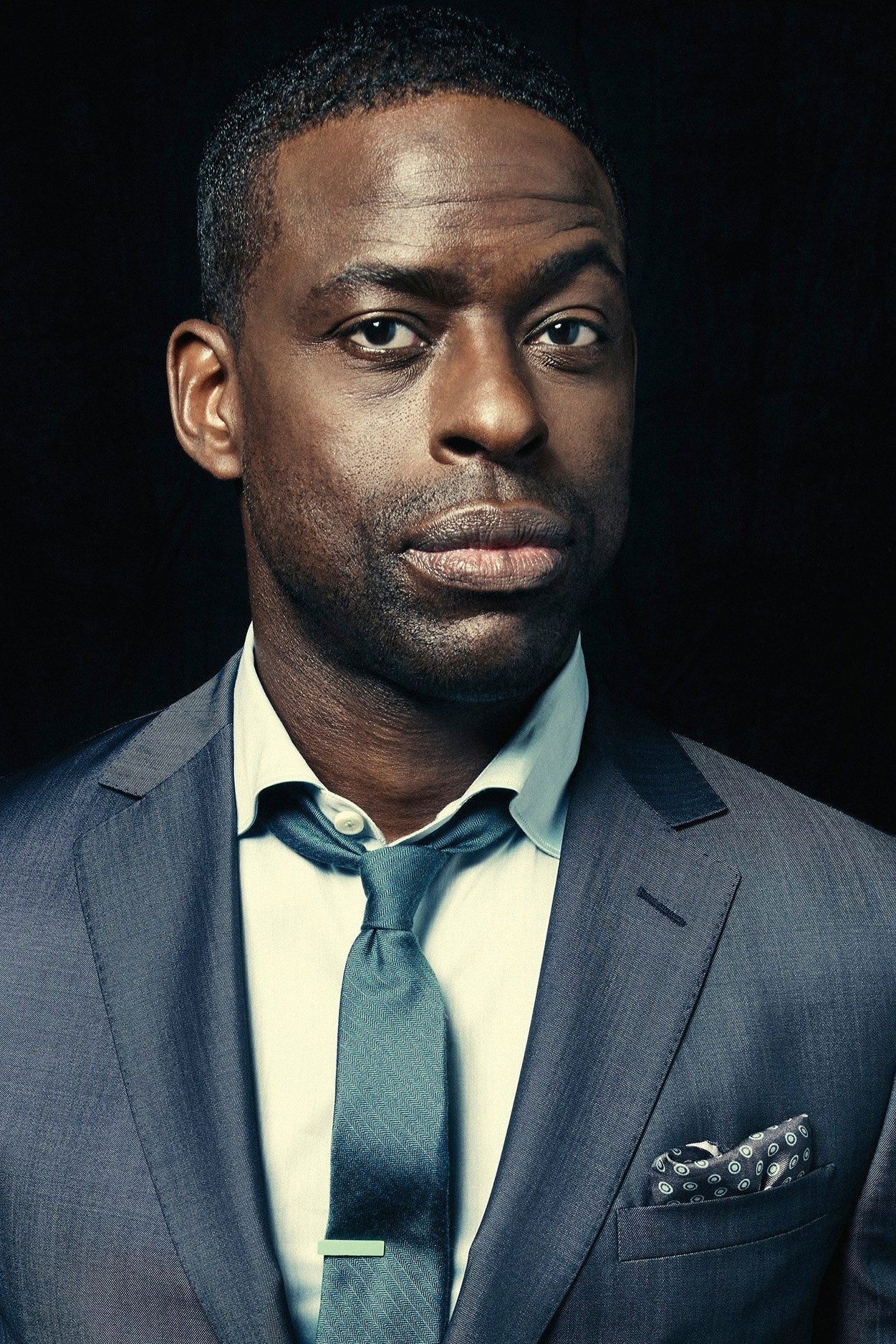
Sterling K. Brown has openly discussed turning down roles that he felt were “trauma porn” or that solely focused on Black suffering. He has made a concerted effort to choose projects that show Black joy and complexity rather than just pain. This political stance on representation guides his career choices and has led him to reject scripts that rely on tired tropes. He believes that actors have a responsibility to curate the images they project.
David Oyelowo
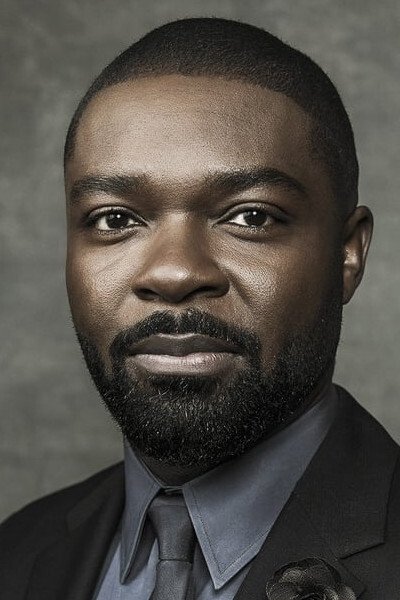
David Oyelowo has been vocal about the difficulties of getting films with Black protagonists funded and has turned down roles that do not meet his standard of excellence. He specifically seeks out projects that challenge the historical erasure of Black figures. Oyelowo has refused to play characters that are mere accessories to white narratives. His production company was formed to combat this very issue.
Brian Tyree Henry
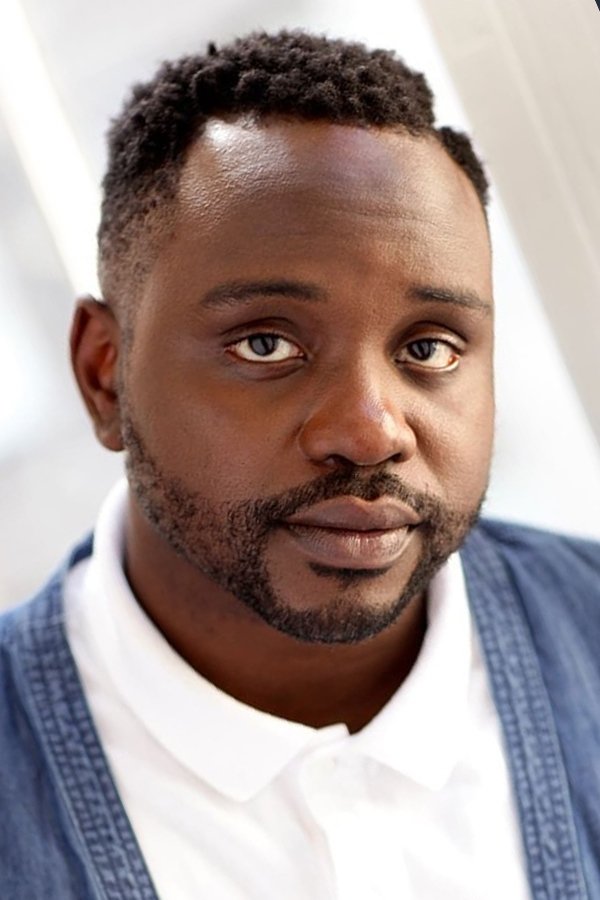
Brian Tyree Henry has rejected roles that require him to play the “magical Negro” or the supportive best friend with no internal life. He actively seeks out characters that subvert audience expectations about large Black men. His refusal to be pigeonholed into menacing or comedic sidekick roles is a political act of reclaiming his body and talent. He prioritizes humanity over visibility in his career choices.
Lakeith Stanfield
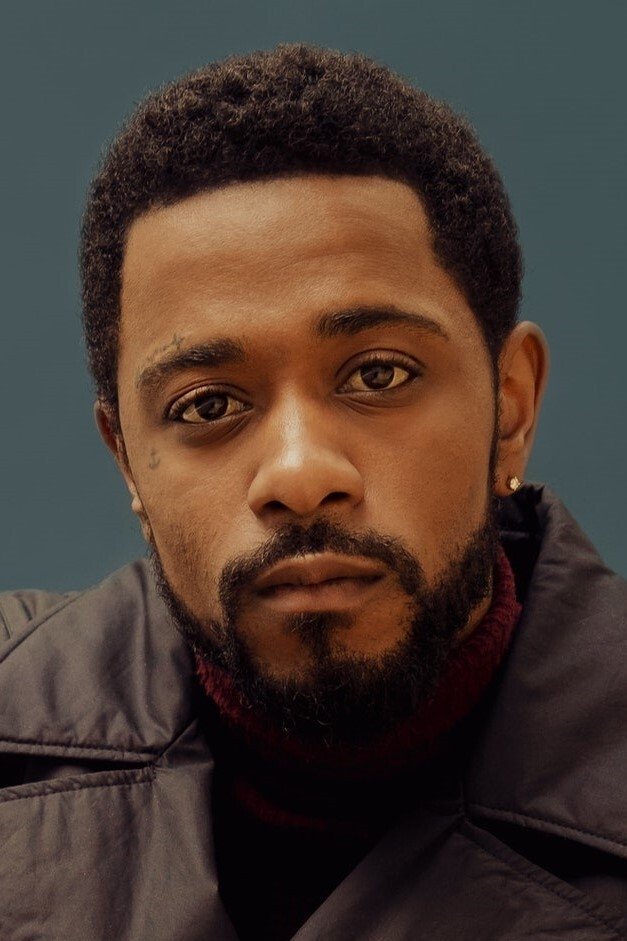
Lakeith Stanfield is known for his unpredictable career choices and has turned down lucrative roles that he felt were uninteresting or exploitative. He has spoken about the need for Black actors to be allowed to be weird, vulnerable, and abstract, rather than just strong or stoic. He withdraws from the expectation of what a “Black movie star” should be. His filmography reflects a refusal to conform to industry standards.
André Holland
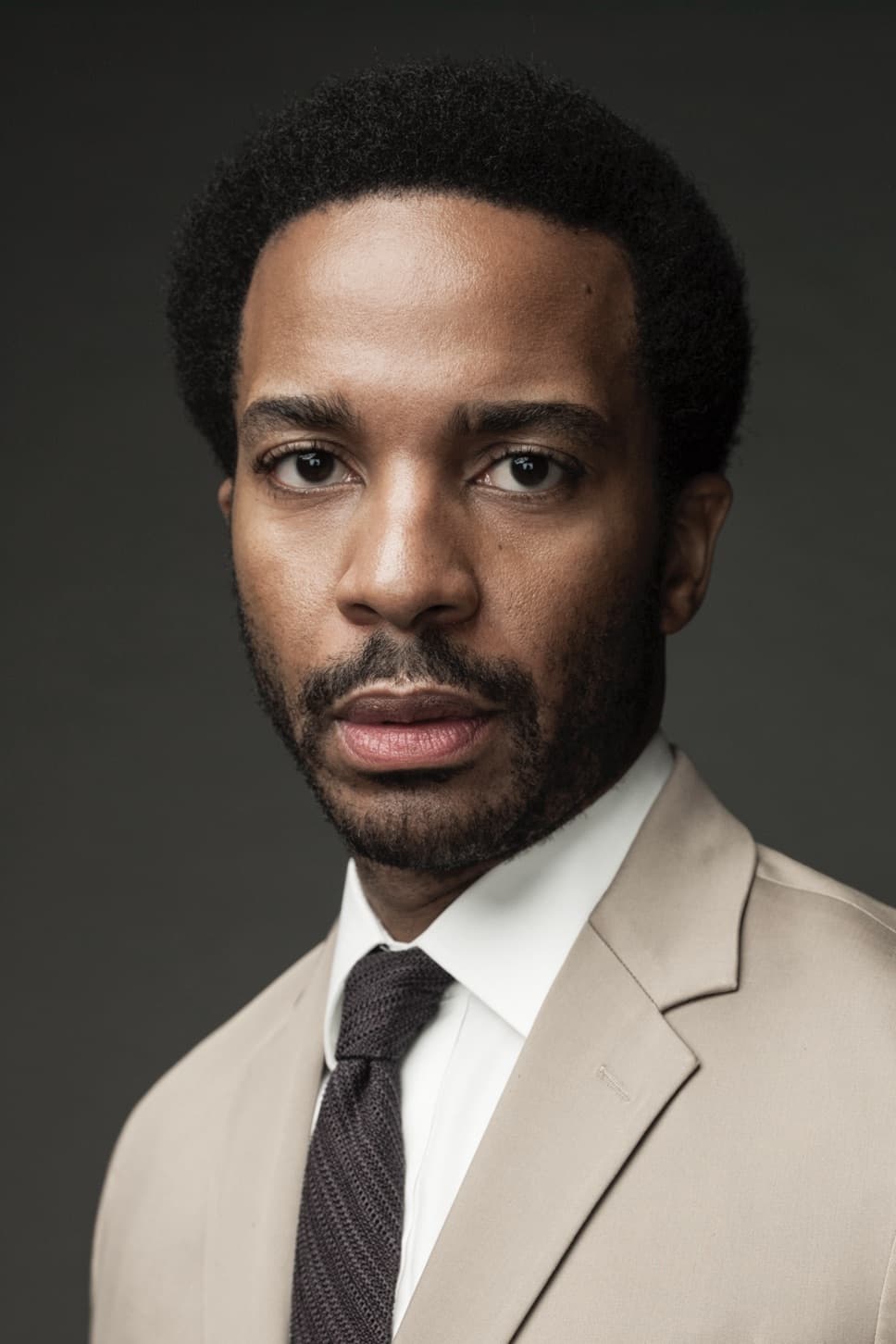
André Holland is highly selective about his work, often turning down commercial projects to work in theater or on independent films with substance. He has stated that he is not interested in fame but in exploring the truth of the human condition, particularly the Black experience. He refuses to participate in projects that gloss over history or simplify complex social issues. This dedication to craft over commerce is a political stance in a capitalist industry.
Wendell Pierce
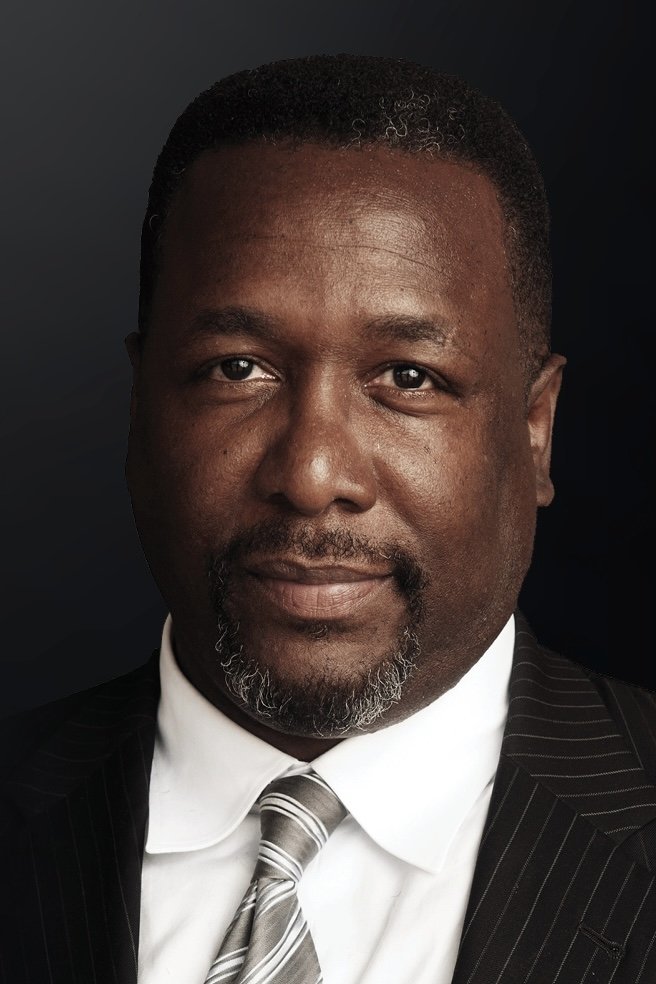
Wendell Pierce has turned down roles that he felt were caricatures of New Orleans culture or Black life in general. As a native of New Orleans, he was particularly protective of how his city was portrayed post-Katrina and refused to participate in “poverty porn.” He demands authenticity in the scripts he accepts. His work in ‘Treme’ and ‘The Wire’ reflects his commitment to sociological storytelling.
Katt Williams
Comedian Katt Williams claims to have turned down fifty million dollars from major studios because the roles required him to wear a dress or compromise his manhood. Williams views the emasculation of Black male comedians as a systemic tool used by Hollywood to humiliate them. He refuses to participate in what he sees as a ritual humiliation for fame. His stance has made him a controversial but respected figure among fans who value his refusal to sell out.
Wesley Snipes
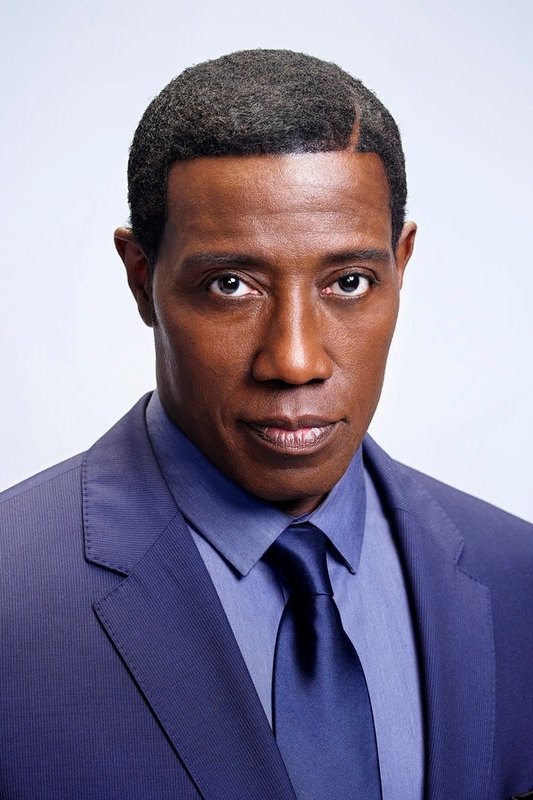
Wesley Snipes has had a tumultuous relationship with Hollywood, often clashing with directors and studios over the direction of his films. During the filming of ‘Blade: Trinity’, he reportedly withdrew from interacting with the director and crew due to what he perceived as racism and disrespect on set. He communicated via Post-it notes and stayed in his trailer to protest the marginalization of his character in his own franchise. This conflict marked a turning point in his blockbuster career.
Eddie Murphy
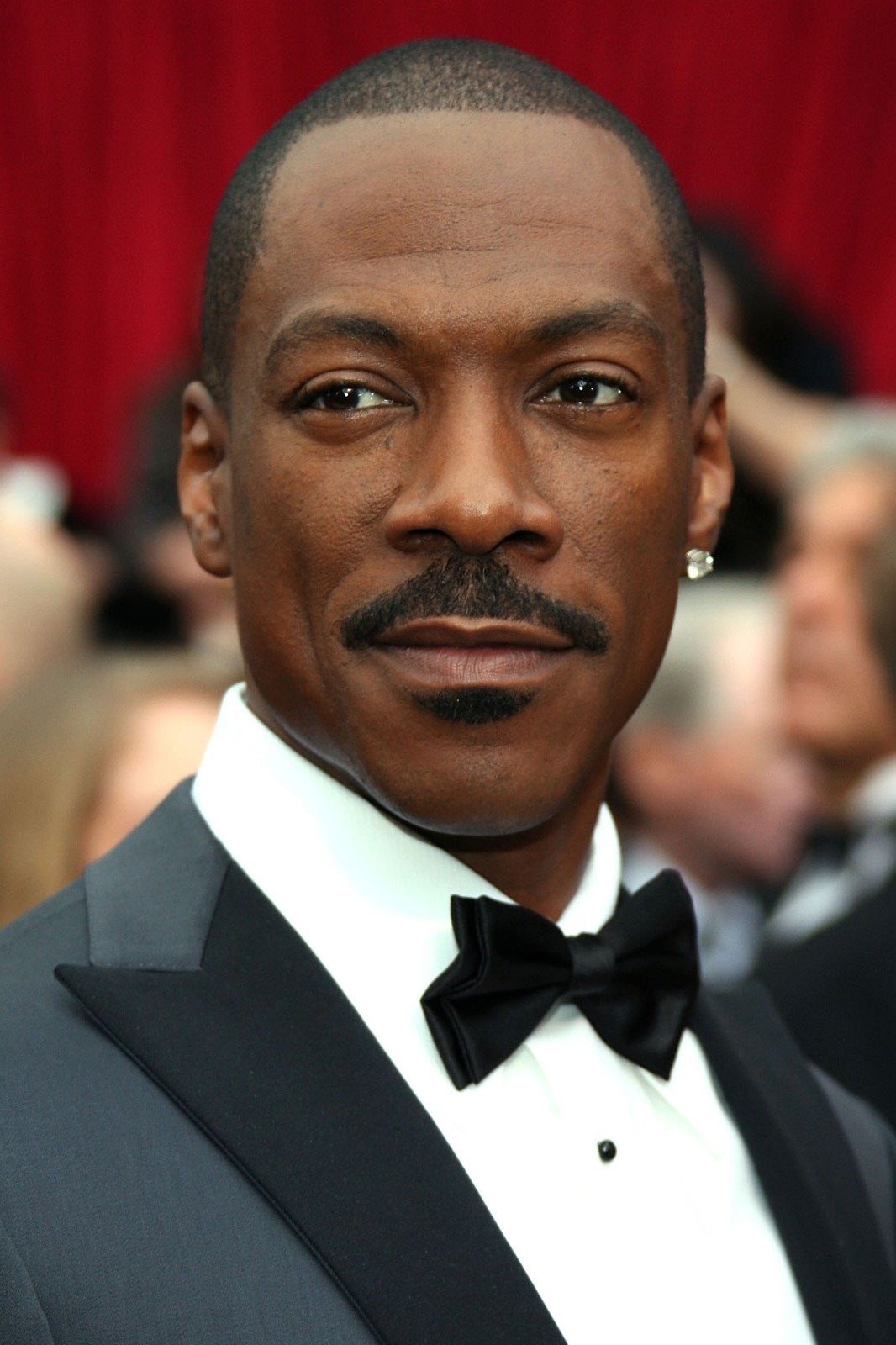
While he didn’t withdraw from a specific movie, Eddie Murphy famously boycotted the Academy Awards in 1988 to protest the lack of recognition for Black actors. He refused to attend the ceremony as a nominee or presenter in later years for similar reasons until the industry showed improvement. His refusal to validate the institution with his presence was a major political statement. Murphy used his star power to shine a light on exclusion in Hollywood.
Don Cheadle
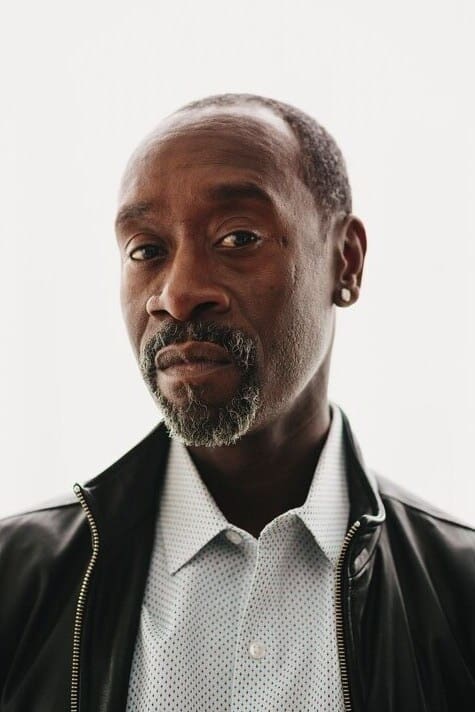
Don Cheadle has used his leverage to turn down roles that did not contribute to the conversation about human rights and dignity. He is an activist who has focused heavily on the genocide in Darfur, often prioritizing his humanitarian work over film roles. Cheadle refuses to be just an entertainer; he requires his work to have social relevance. He has walked away from the industry at times to focus on real-world issues.
Morgan Freeman
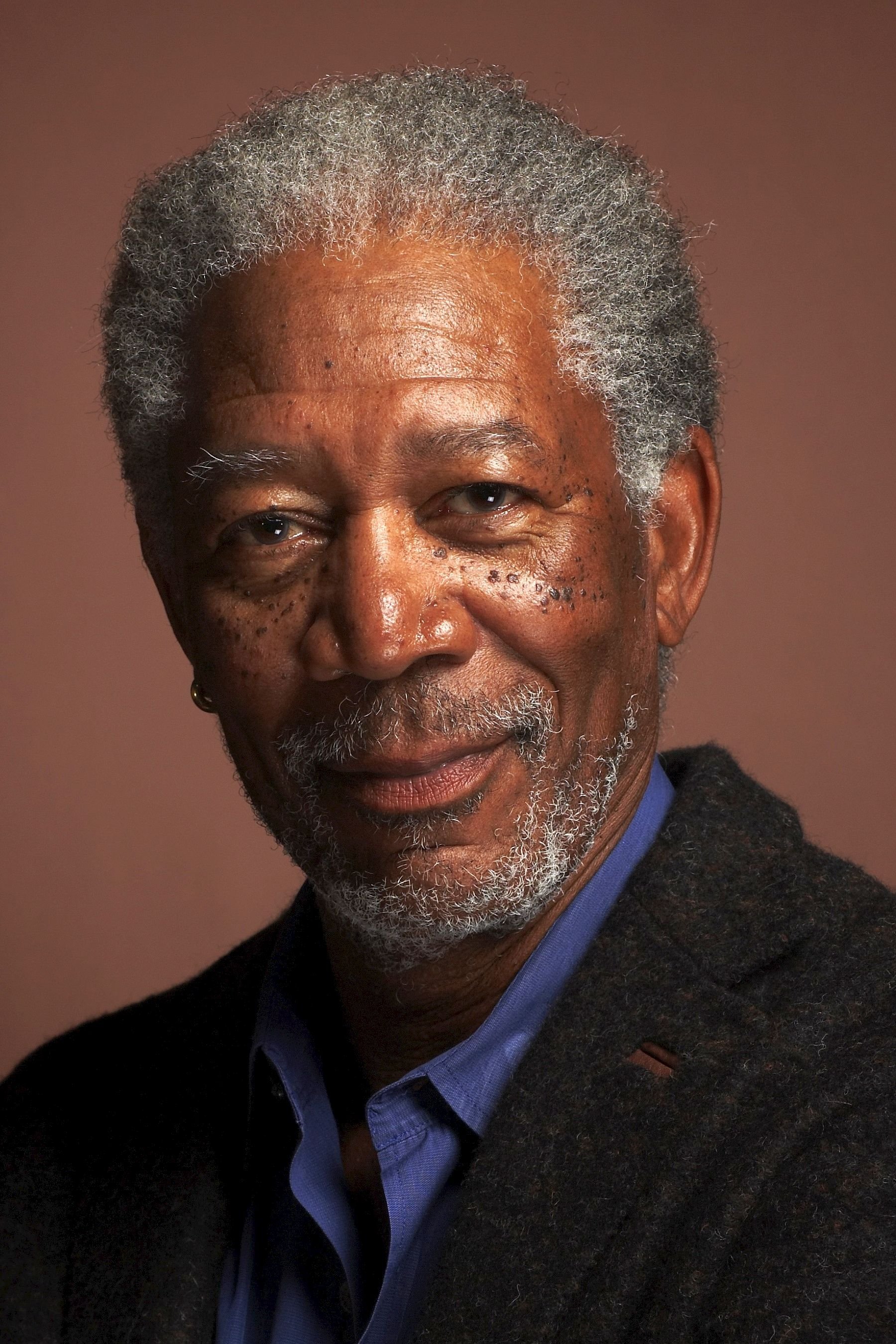
Morgan Freeman has famously criticized the concept of Black History Month and has turned down roles that he felt focused too heavily on race rather than character. His political stance is one of colorblindness, and he refuses to play characters that are defined solely by their blackness. He wants to play “human” roles, not “Black” roles. This philosophy has led him to reject scripts that he felt were patronizing or segregating.
Chubby Checker
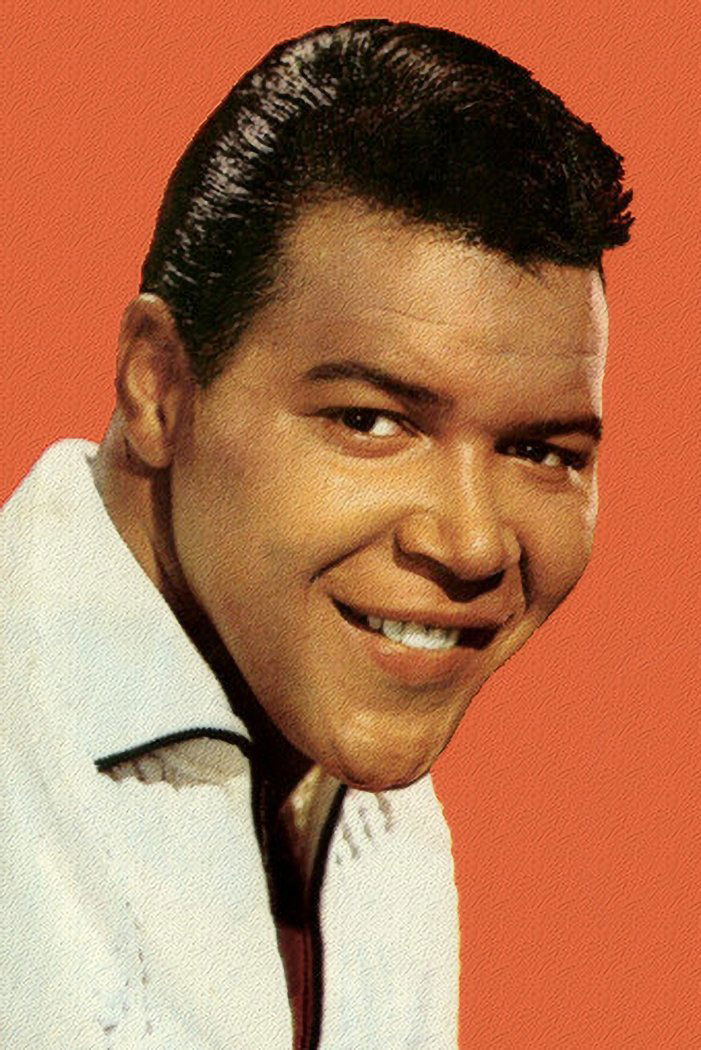
Music legend Chubby Checker also acted, but he refused to perform in segregated theaters or take roles in films that would not be shown to integrated audiences. He was one of the early pioneers of demanding equal treatment in the entertainment sphere. His withdrawal from segregated spaces forced promoters to change their policies if they wanted his star power. He prioritized dignity over exposure.
Sammy Davis Jr.
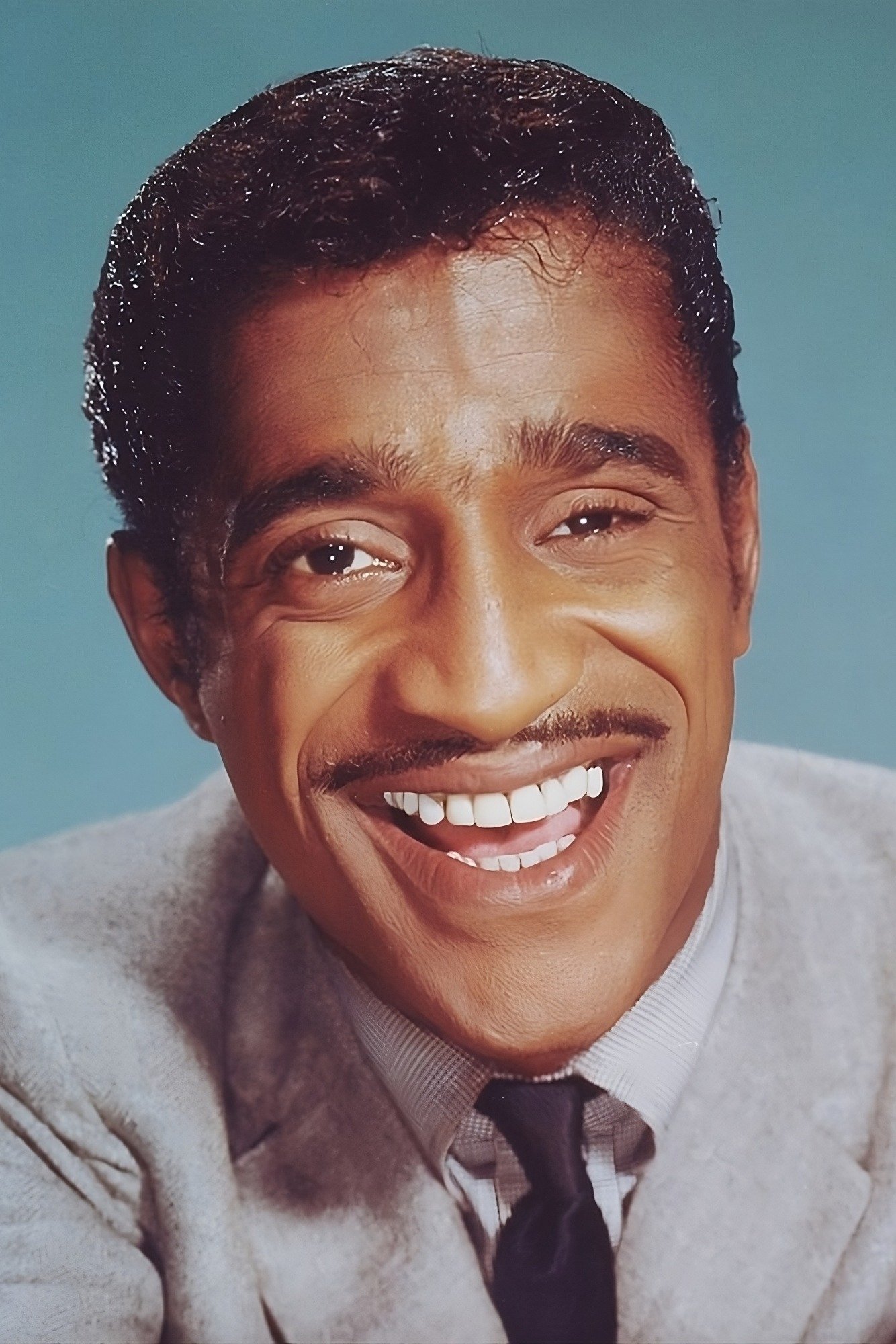
Sammy Davis Jr. famously refused to work at venues that practiced segregation, often withdrawing from scheduled performances until the policy was changed. In terms of film, he refused roles that he felt made him look like a court jester without human depth. He used his membership in the Rat Pack to force the integration of Las Vegas casinos and movie sets. His refusal to accept second-class citizenship changed the landscape of American entertainment.
Share your thoughts on these actors’ decisions in the comments.

