After Cruise-Pitt Deepfake Fallout, ByteDance’s Seedance 2.5 Is Now Blocking Hollywood Rip-Offs

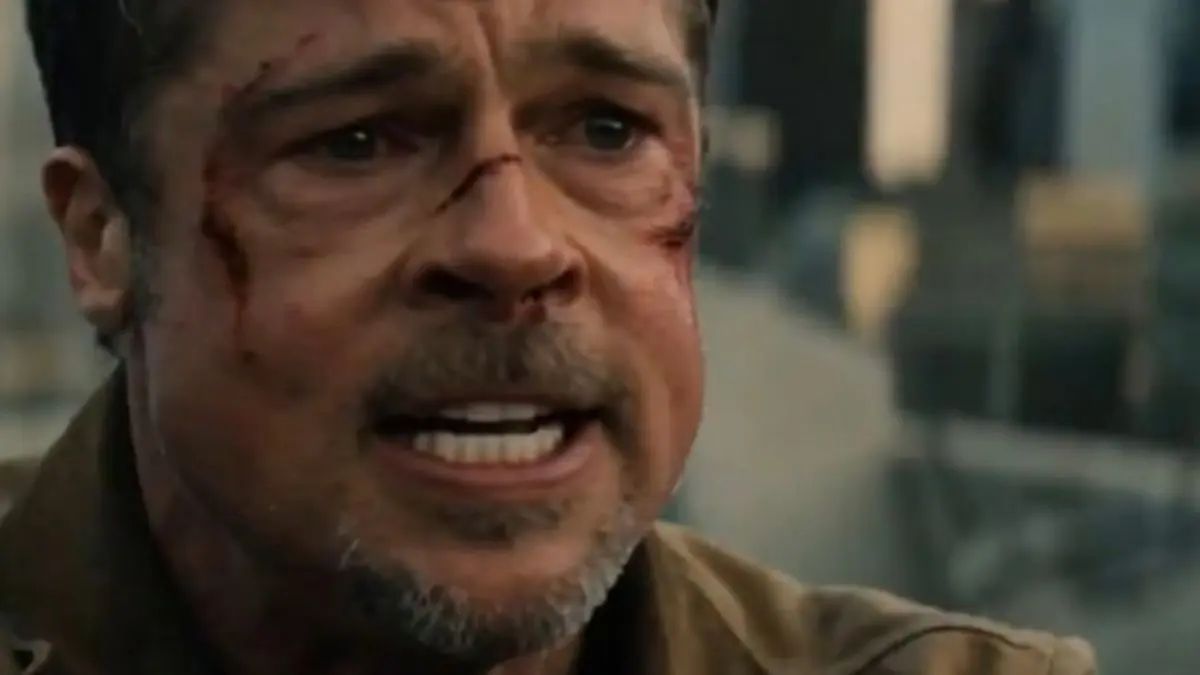

Artificial intelligence has spent the past year forcing Hollywood into an uncomfortable reckoning, and few moments captured that tension quite like the viral fight video that broke the internet earlier this year. A hyper-realistic, AI-generated brawl between Tom Cruise and Brad Pitt spread rapidly across social media, convincing plenty of viewers it was real footage before anyone realized otherwise.
That clip came from Seedance 2.0, an AI video generator built by ByteDance, the Chinese company behind TikTok. The model didn’t stop at fake celebrity fights either, churning out unauthorized remixes of ‘Avengers: Endgame,’ a mashup pitting Optimus Prime against Godzilla, and even a ‘Friends’ scene reimagined with otters standing in for Rachel and Joey.
The backlash was swift and furious. The Motion Picture Association condemned the tool for engaging in what it called unauthorized use of American copyrighted works on a massive scale, while the Human Artistry Campaign, whose members include SAG-AFTRA and the Directors Guild of America, described the launch as an attack on creators everywhere.
Now, months later, ByteDance appears to have made real progress addressing those concerns. According to exclusive research shared with Deadline, the company’s newer Seedance 2.5 model is successfully blocking a significant majority of attempts to recreate copyrighted Hollywood material, marking a notable shift from the free-for-all that defined its predecessor’s chaotic debut.
The testing came from VN.ai, a startup that specializes in stress-testing generative AI tools for copyright vulnerabilities. According to the company’s findings, Seedance 2.5 blocks roughly 80% of prompts involving copyrighted material, a marked improvement in consistency compared to Seedance 2.0 and other earlier ByteDance models.
Interestingly, the way the model blocks that content isn’t through simple prompt filtering. VN.ai explained that Seedance 2.5 doesn’t reject prompts outright, but instead generates the video, then moderates the finished result and withholds it from being served to the user. That approach suggests the underlying model has effectively been trained on copyrighted material in the first place, since it needs to recognize what it created before deciding to suppress it, a detail that could still concern rights holders even as blocking rates improve.
The system isn’t foolproof, either. VN.ai reported it was still able to generate a highly accurate depiction of Oscar, the fish character from DreamWorks’ ‘Shark Tale,’ without ever referencing the character’s name or the film’s title directly, showing that determined users can still find workarounds.
A ByteDance spokesperson addressed the findings, stating that the company launches its models with AI transparency measures and guardrails intended to prevent unauthorized use of intellectual property, and that it continues working to strengthen those protections alongside creative industry partners. That statement echoes the company’s earlier promise to improve safeguards following the fallout from Seedance 2.0’s launch in February.
Seedance 2.5 launched in late July to considerable enthusiasm from AI creators who were already impressed by the raw capabilities of its predecessor, meaning ByteDance had to balance improving copyright protections without dulling the tool’s appeal to its user base.
Whether an 80% blocking rate is enough to satisfy Hollywood studios and talent unions still wary of AI’s encroachment into their industry remains an open question, especially given the workarounds researchers were still able to find.
Is ByteDance Doing Enough to Protect Hollywood’s Intellectual Property?
Have something to add? Let us know in the comments!