Ali Doesn’t Die in ‘Euphoria,’ But What He Survives Is Far More Complicated


Warning: Full spoilers for the ‘Euphoria’ Season 3 finale below.
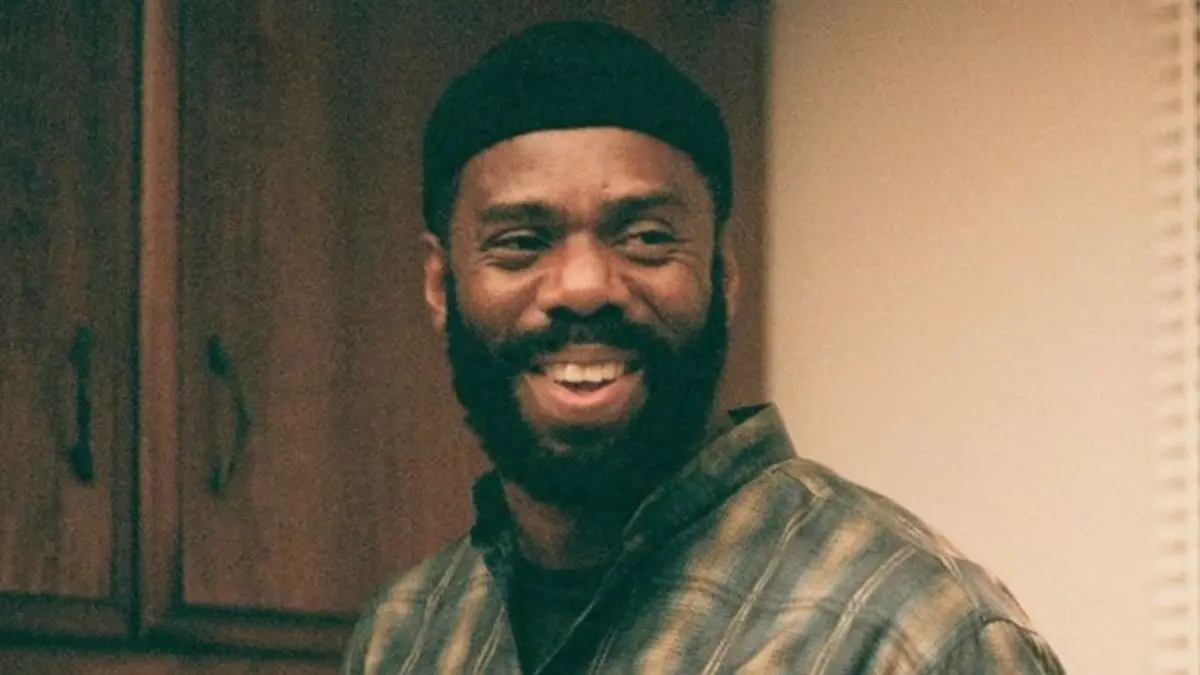
The question burning through fan forums and social media timelines after the Season 3 finale of ‘Euphoria’ aired on HBO Max is a surprisingly layered one. Viewers who feared losing Ali alongside Rue Bennett in the closing chapter of the series will find a complicated kind of relief. Ali, played by Colman Domingo, survives the ‘Euphoria’ Season 3 finale and is even transformed by it, emerging with a renewed drive to eliminate the root of addiction.
But survival in ‘Euphoria‘ has never been a clean thing, and Ali’s story in the finale titled “In God We Trust” is not a triumphant escape. As an addict several years into his own recovery, Ali had served as the sobriety sponsor to Rue throughout the series, and in the Season 3 finale, the show finally follows Rue into the abyss while Ali nearly goes with her.
Ali’s Role in the ‘Euphoria’ Season 3 Finale
The finale picks up with Rue escaping Laurie’s ranch before a DEA raid and making it back to Ali’s apartment. On the news, the two learn that Fez has broken out of prison, and against Ali’s wishes, Rue scrambles to her car to look for him.
Ali then discovers Rue unresponsive after she takes what she believes is Percocet for pain, but which turns out to be laced with fentanyl. Domingo’s character faces one of his most emotionally charged moments as he processes her death while grappling with his own past.
Rue had actually overdosed to death, hugging a figure that appeared to be her dead father, before Ali uncovered her body on his couch after he had allowed her to stay with him. The hallucinated sequence showing Rue driving through East Highland, looking for Fez, finding her mother at the kitchen table, turns out to be her fading mind constructing a final farewell.
Ali vows to avenge Rue by going after drug and arms dealer Alamo Brown, played by Adewale Akinnuoye-Agbaje, whom he holds responsible for supplying the fentanyl-laced pills that killed her.
Ali’s Revenge and the Confrontation With Alamo
At what he declares his last-ever Alcoholics Anonymous meeting, Ali delivers a monologue telling his fellow recovering addicts that he used to believe empathy was the key to redemption. But he now realises that if you can empathise with the addict, you can also empathise with the dealer, and he no longer wants to be part of that passive cycle. He says he is going to find another way to be of service.
Back at home, he saws off the end of his shotgun and suits up in his old Army uniform, making clear he has nothing left to lose. The sequence is one of the most striking visual turns in the entire episode, transforming the quiet, wise diner mentor the show had built over three seasons into something closer to a grief-driven soldier.
Ali arrives at Alamo’s club, bolts the door with a bike lock, and demands the manager show himself. Alamo uses Maddy as protection because he knows Ali will not shoot an innocent woman, but Alamo is betrayed by Bishop, who gave him an unloaded gun. Ultimately, Ali survived, with Alamo’s gun having jammed, and he shot the drug lord to death on behalf of Rue. A moment later, Bishop dropped a handful of bullets, implying he purposely set Alamo up to lose.
Colman Domingo on Ali’s Relationship With Rue
Domingo told Variety that Ali’s bond with Rue evolved throughout the series from simple mentorship to something resembling a surrogate father-daughter relationship. He described Ali as a man who started to invest himself in Rue, getting to know her tenderness, her hopes, her dreams, her aspirations, and her faults, saying that Ali fell in love with her the way a father loves a daughter.
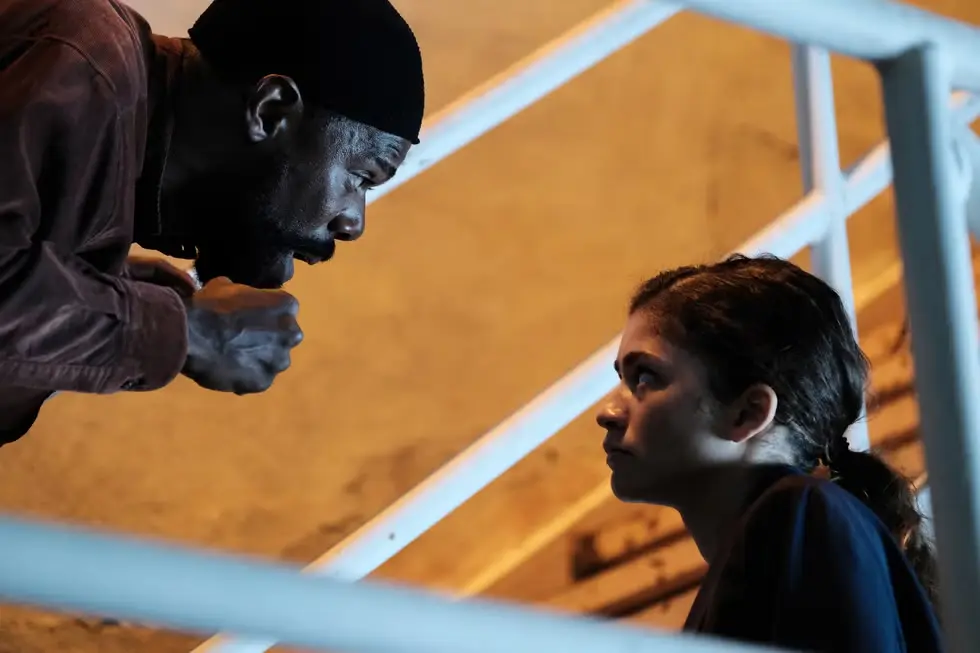
Domingo explained that Ali sees helping Rue as both an act of generosity and a way of keeping himself emotionally alive after years of guilt, addiction, and personal loss. That context reframes every quiet diner conversation from earlier seasons as something much heavier, a man holding himself together through the act of holding someone else up.
Throughout ‘Euphoria,’ Ali represented the possibility of redemption and the importance of community support in recovery. His limited screen time amplified the impact of his appearances, making his presence in the finale particularly significant.
A Peaceful, Grief-Soaked Ending for Ali
The aftermath leads Ali to find solace at Rue’s homestead, where he introduces himself as Martin McQueen. At a family dinner, he imagines Rue at the table, praying for her memory to be a blessing, in a moment that captures Ali’s lingering grief and his evolving relationship with faith.
Ali then goes to the Texas homestead Rue dreamed of, prays with the family that welcomed her, and sees a final vision of her. The show fades to black on Rue’s voice saying “God help us all.”
The season three finale, which is also widely considered to be the show’s series finale, set the stage for a definitive ending to the long-running drama after fans waited four years for its return.
Creator Sam Levinson had previously told Esquire that the characters are now in the real world where the consequences are real and there is no safety net, describing the tone as a kind of Wild West frontier where you can make something of yourself but you have to live with the consequences.
Ali did not die in ‘Euphoria,’ but he lost the person who made his own survival feel meaningful, and the show left him carrying that grief into an uncertain future with nothing but faith and a sawed-off sense of purpose. If you watched the finale and found yourself more devastated by Ali’s final scene at that dinner table than by anything else in the episode, share what that moment meant to you.