


Anime That Aren’t Afraid of Politics

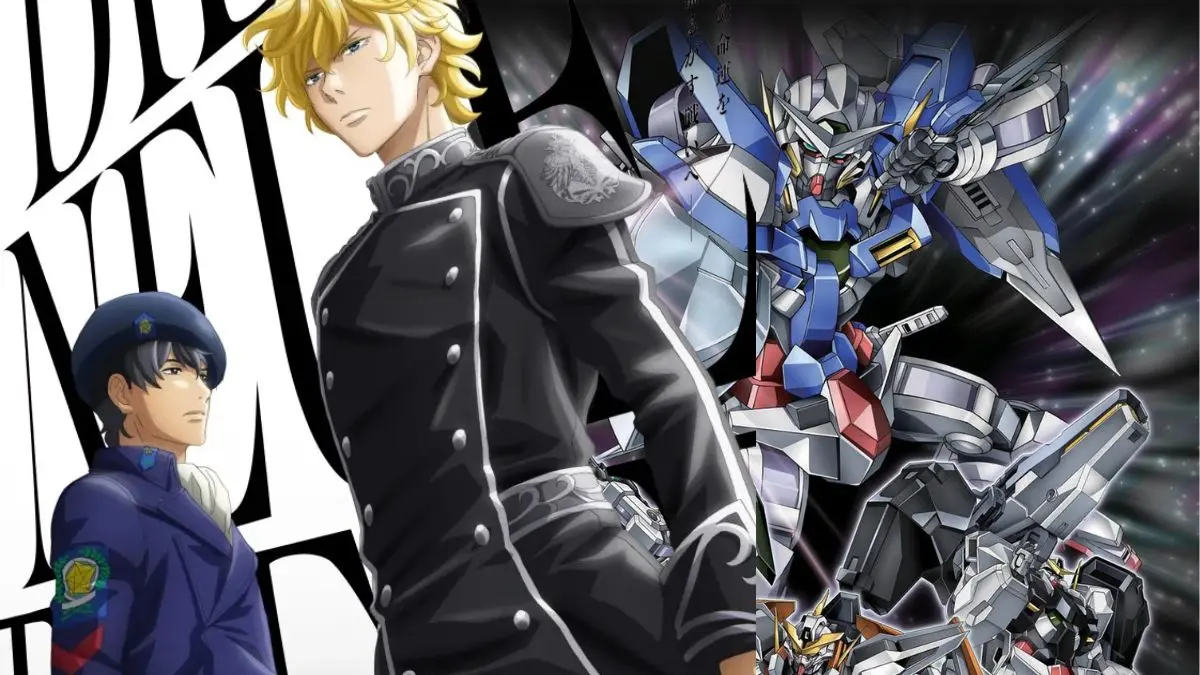


From space operas to historical epics, plenty of anime dive straight into power struggles, statecraft, and the systems that shape daily life. These titles map out elections, coups, propaganda, and policy, and they ground those ideas in characters whose choices carry national or even planetary consequences. You will find shows and films that look at war economies, surveillance, intelligence work, class structures, and colonial expansion. Here are standout picks that put politics front and center.
‘Legend of the Galactic Heroes’ (1988–1997)
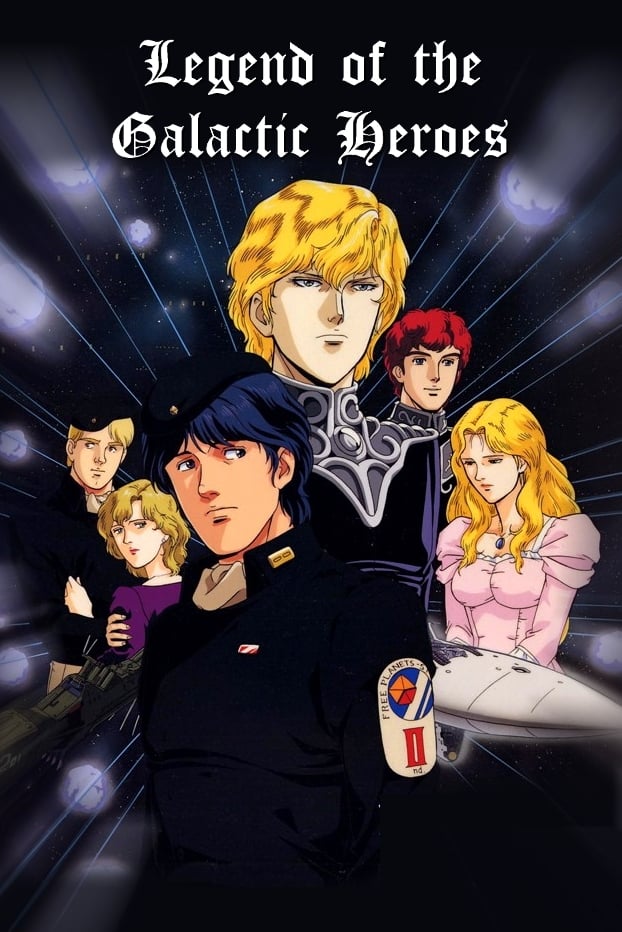
This epic charts the clash between an autocratic empire and a struggling alliance, following generals, ministers, and citizen movements as policy and propaganda shift the war. Cabinet reshuffles and legislative showdowns sit beside fleet tactics to show how institutions wield power. The original OVA run was produced with Artland at the animation helm. It is dense with elections, reforms, and the long tail of political philosophy.
‘Code Geass: Lelouch of the Rebellion’ (2006–2008)
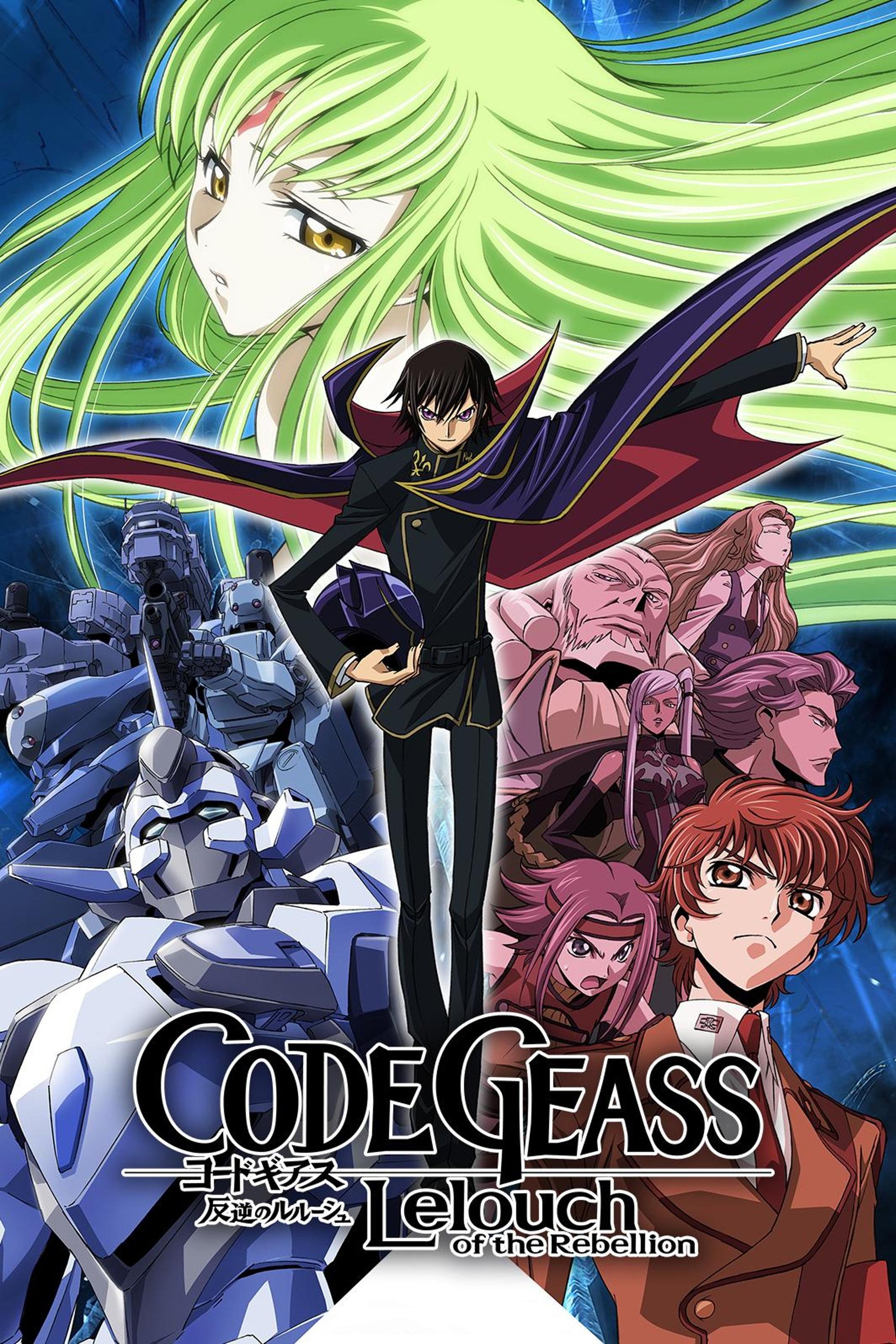
A deposed prince leads an insurgency against a colonial superpower while balancing covert alliances and media optics. The story tracks occupation policies, resistance cells, and the cost of revolutionary governance. Sunrise brought sharp mecha action to a plot built on diplomacy and realpolitik. The series explores how leadership choices ripple across a captured nation.
‘Mobile Suit Gundam: The Witch from Mercury’ (2022–2023)
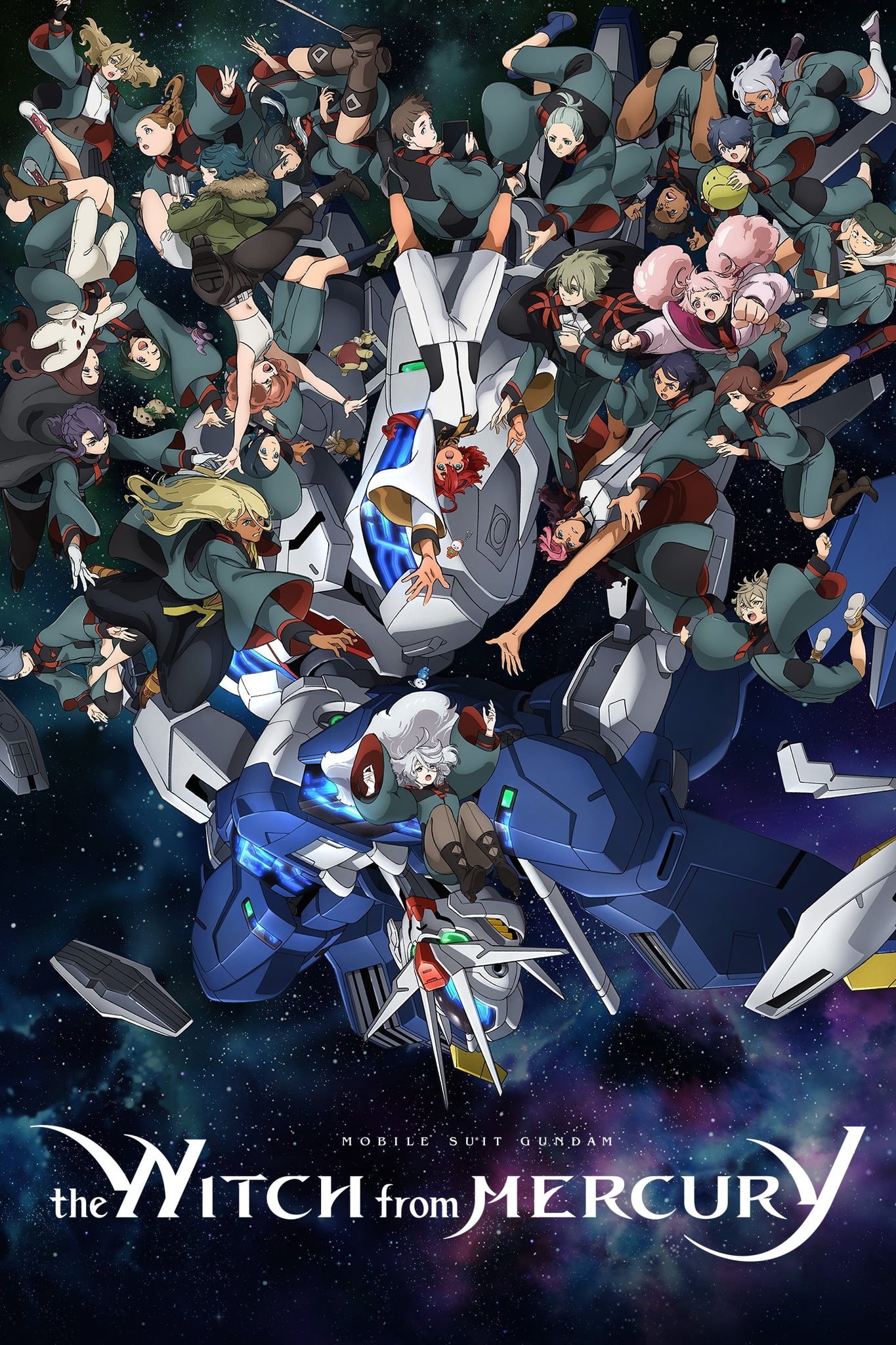
Corporate blocs control conflict through weapons monopolies and boardroom rule, turning schools into training grounds for arms industry heirs. The show examines sanctions, corporate charters, and privatized warfare. Sunrise frames shareholder votes and mergers as levers of state power. It shows how lobbyists and contracts can decide who goes to war.
‘Mobile Suit Gundam: Iron-Blooded Orphans’ (2015–2017)

Child soldiers form a private security firm and navigate labor rights, trade routes, and postwar reconstruction. Power brokers manipulate parliaments and guilds to control Martian autonomy. Sunrise presents political committees and backroom deals as decisive as any battle. The plot follows how contracts, embargoes, and patronage networks shape survival.
‘Ghost in the Shell: Stand Alone Complex’ (2002–2005)
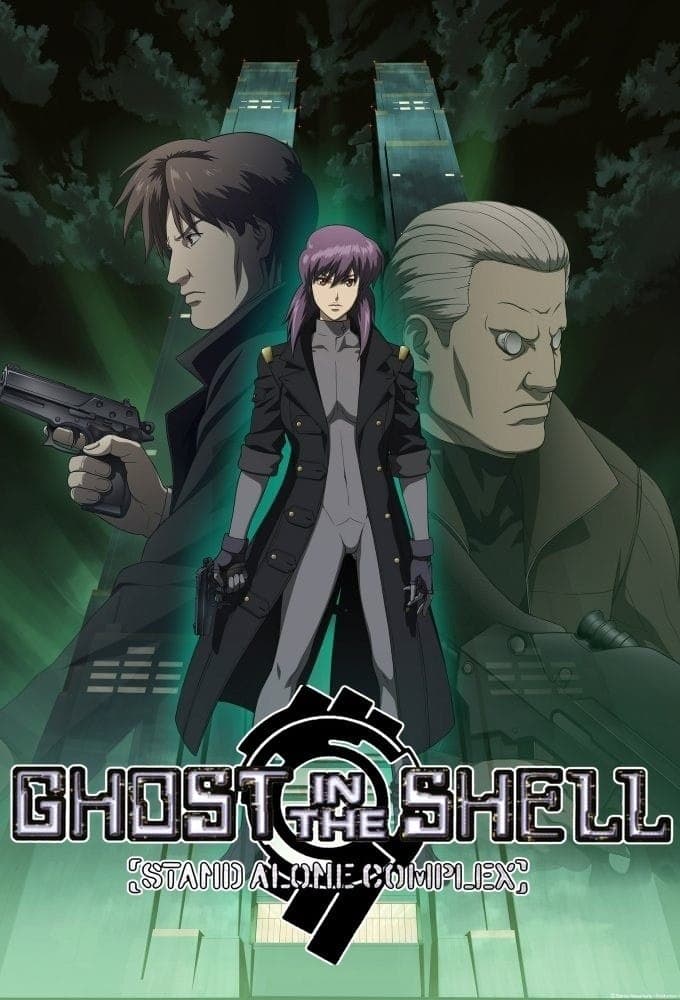
A countercyberterror unit tackles corruption, refugee policy, and election meddling in a hyperconnected state. Cases track jurisdictional turf wars and how public opinion can be engineered by data. Production I.G grounds the work in legal frameworks and agency mandates. The show details oversight hearings and interdepartmental politics as part of every mission.
‘Psycho-Pass’ (2012–2019)
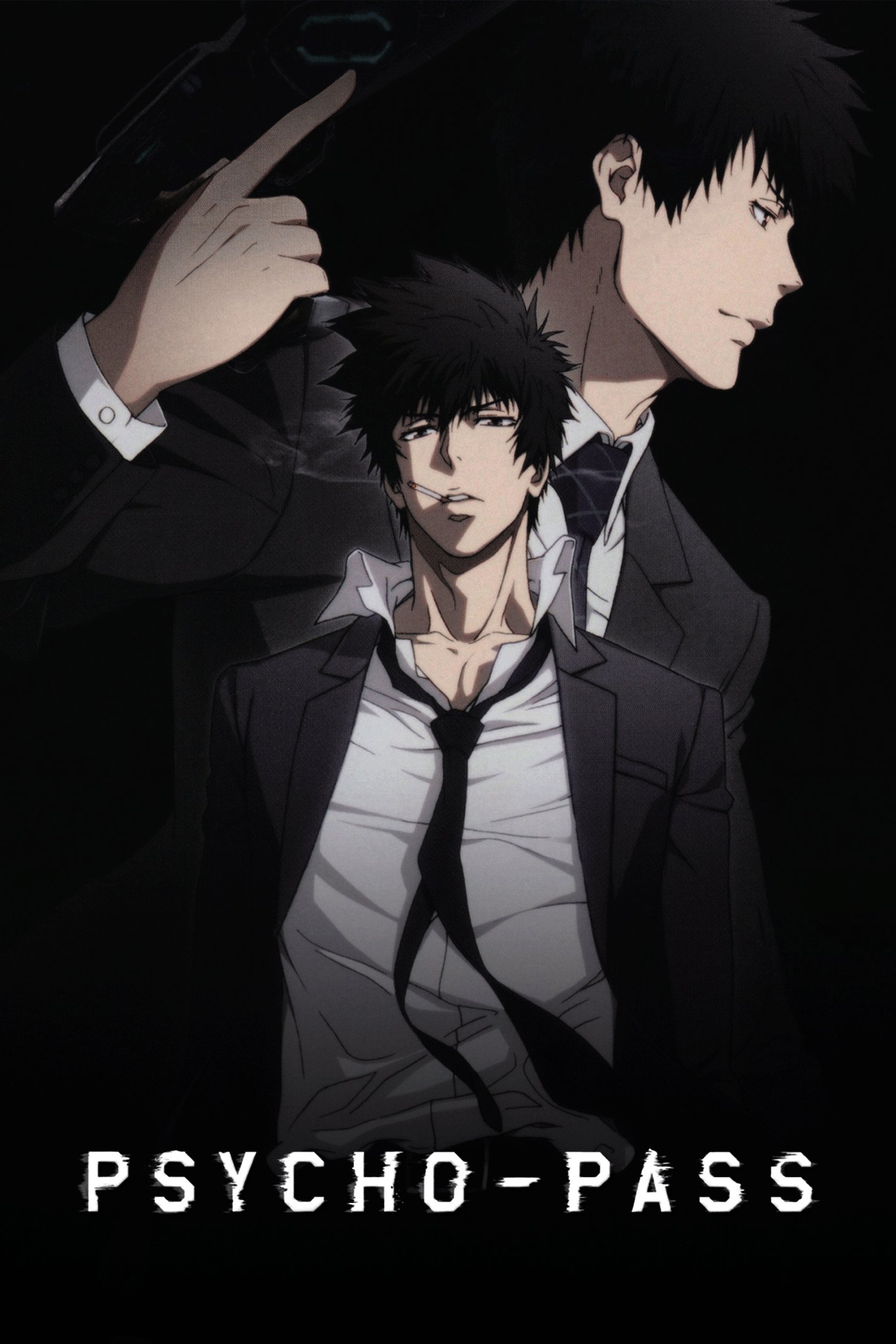
An algorithmic state manages society through predictive policing while lawmakers and bureaucrats guard its secrets. Investigations uncover governance gaps, constitutional questions, and the role of consent in surveillance. Production I.G launched the series with a focus on institutional process and chain of command. It shows how policy design alters policing on the ground.
‘Attack on Titan’ (2013–2023)
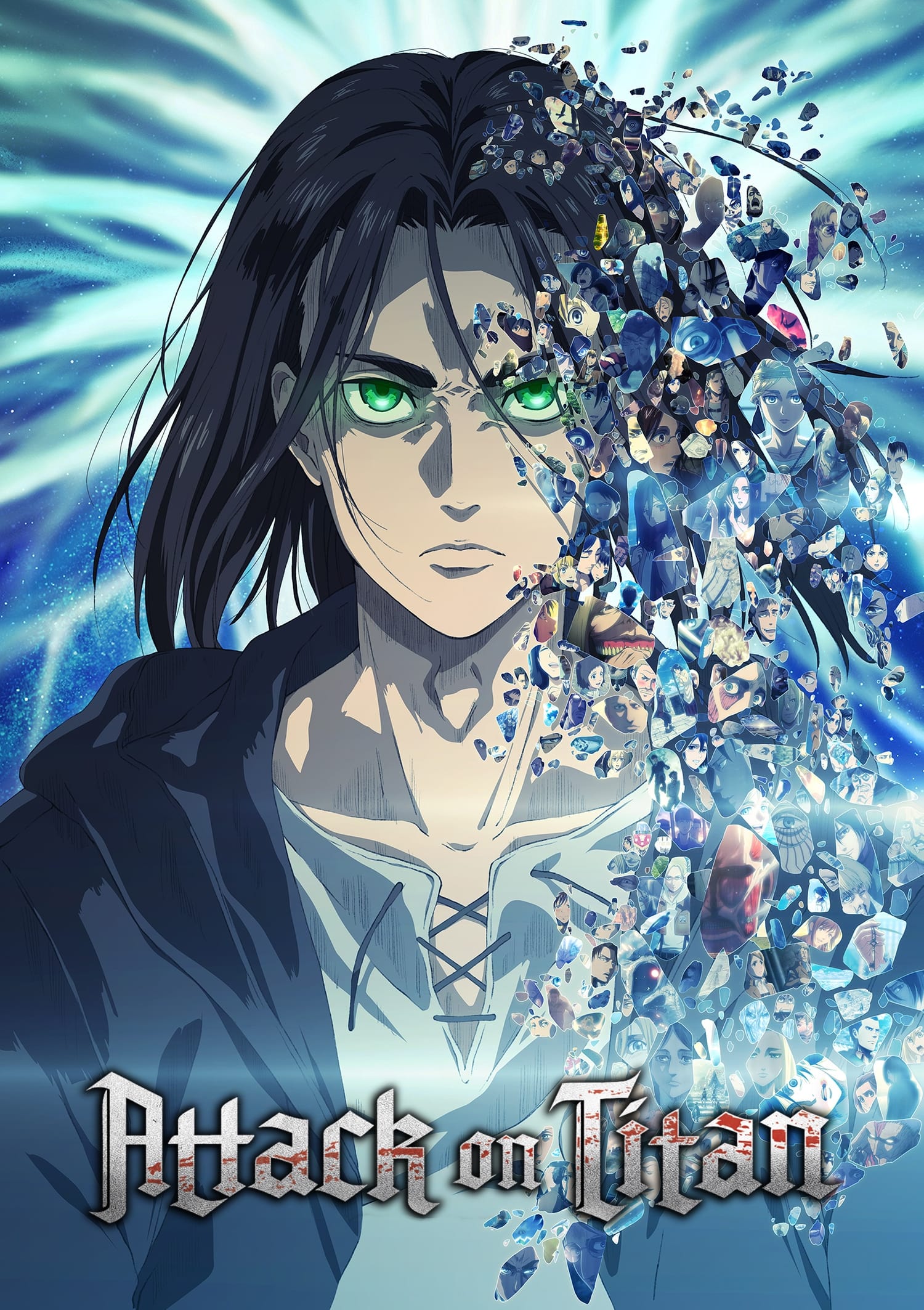
Military tribunals, press control, and leadership succession drive internal conflict as much as any battle. The narrative follows factions within government and how state myths shape national strategy. Wit Studio began the adaptation, with MAPPA later continuing the run. The series tracks diplomacy, treaties, and population policy during continual crisis.
‘Vinland Saga’ (2019–2023)
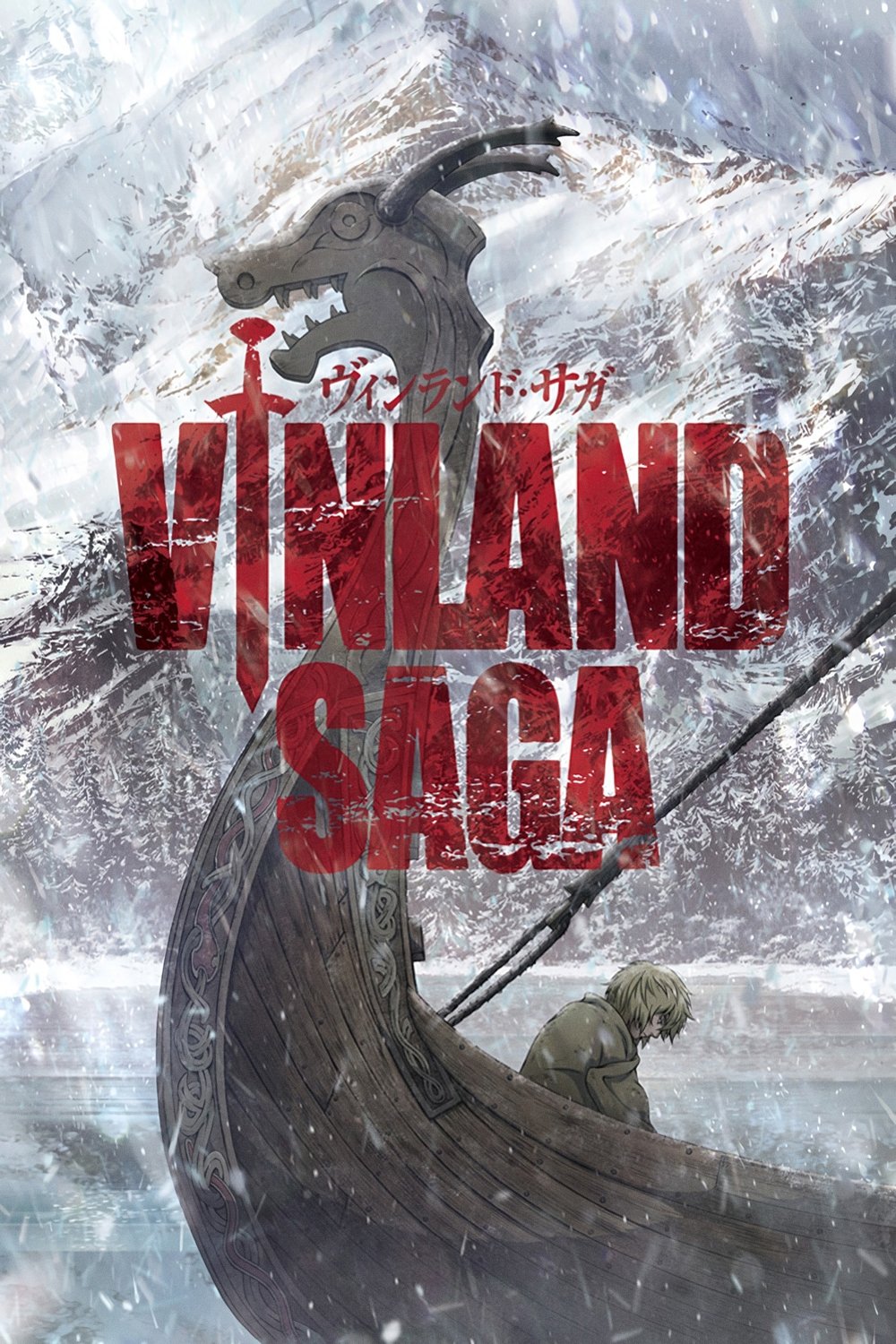
Conquest, land reform, and the building of new settlements highlight how rulers turn ideals into law. Power transitions and court politics affect every campaign and farmstead. Wit Studio animated the first season and MAPPA carried the second. The story examines taxation, slavery, and the negotiation of peace.
‘Monster’ (2004–2005)

A doctor’s choice pulls him into post Cold War power networks filled with state security archives and extremist cells. Parliamentary politics and law enforcement cooperation across borders shape the investigation. Madhouse delivers a grounded look at bureaucracy, asylum claims, and extradition. The plot uses elections and media narratives as pressure points.
‘Joker Game’ (2016)
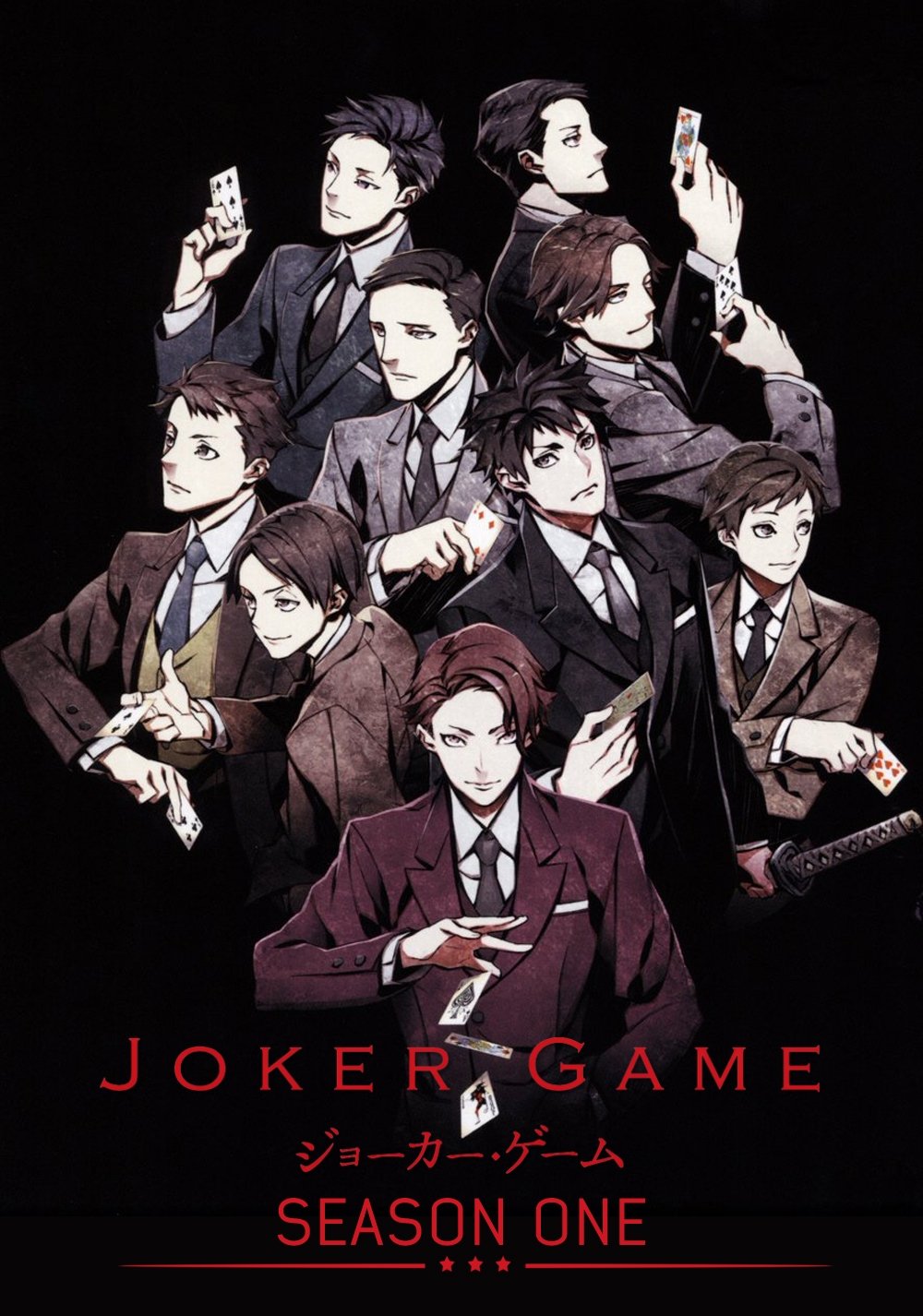
An interwar spy school deploys agents who exploit diplomatic immunity, censorship, and trade missions. Each case dissects how embassies and intelligence bureaus operate under legal cover. Production I.G depicts protocol, cipher work, and national strategy in detail. The show pays close attention to the quiet politics behind information.
‘From the New World’ (2012–2013)
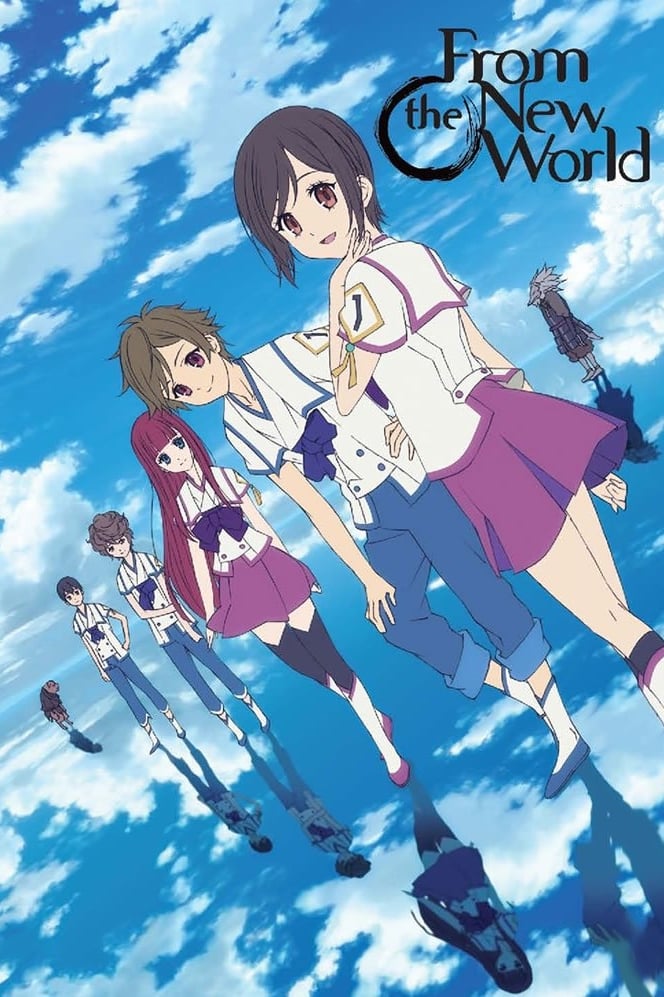
A secluded society enforces stability through education policy, caste roles, and controlled narratives. Civic rituals and memory management become tools of governance. A-1 Pictures tells the story through procedures, ordinances, and institutional design. It shows how a community codifies survival into law.
‘Ergo Proxy’ (2006)

A domed city administers citizens through permits, resource quotas, and information controls while external realities test its model. Investigations probe jurisdiction, identity records, and the limits of authority. Manglobe builds a procedural approach to every discovery. The series studies how systems justify sovereignty.
‘Akira’ (1988)
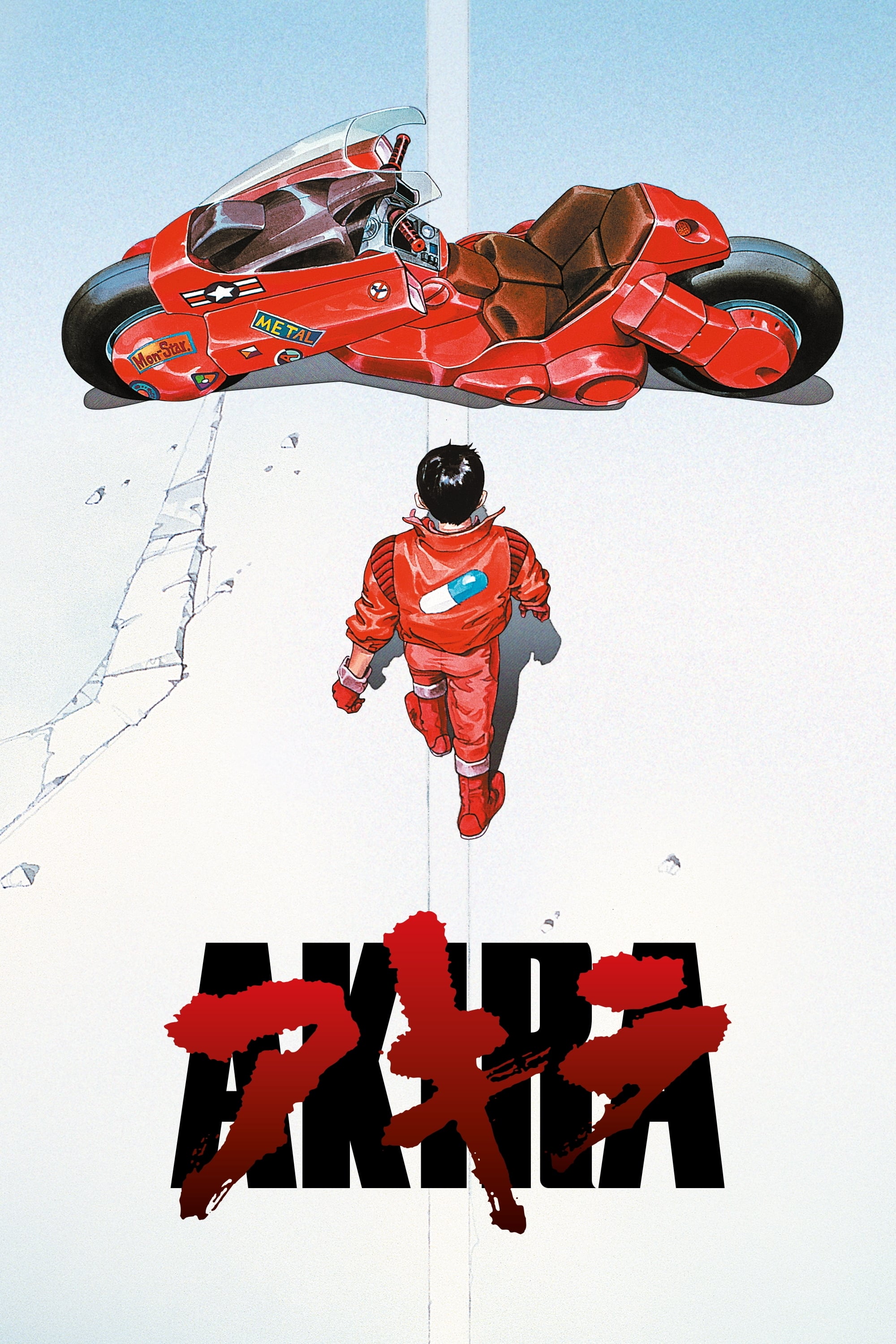
Emergency powers, urban redevelopment, and military research contracts collide after a catastrophic event. Committees and security forces struggle over budget lines and control of the city. Tokyo Movie Shinsha animated the film with an emphasis on civic scale and infrastructure. The story details how public projects and secrecy intersect.
‘Patlabor 2: The Movie’ (1993)

A manufactured crisis exposes gaps between civilian oversight and military readiness. The plot follows jurisdiction disputes, chain of command, and the politics of deterrence. Production I.G renders city operations and command centers with procedural clarity. The film explores how perception management can spark or stop conflict.
‘The Wind Rises’ (2013)
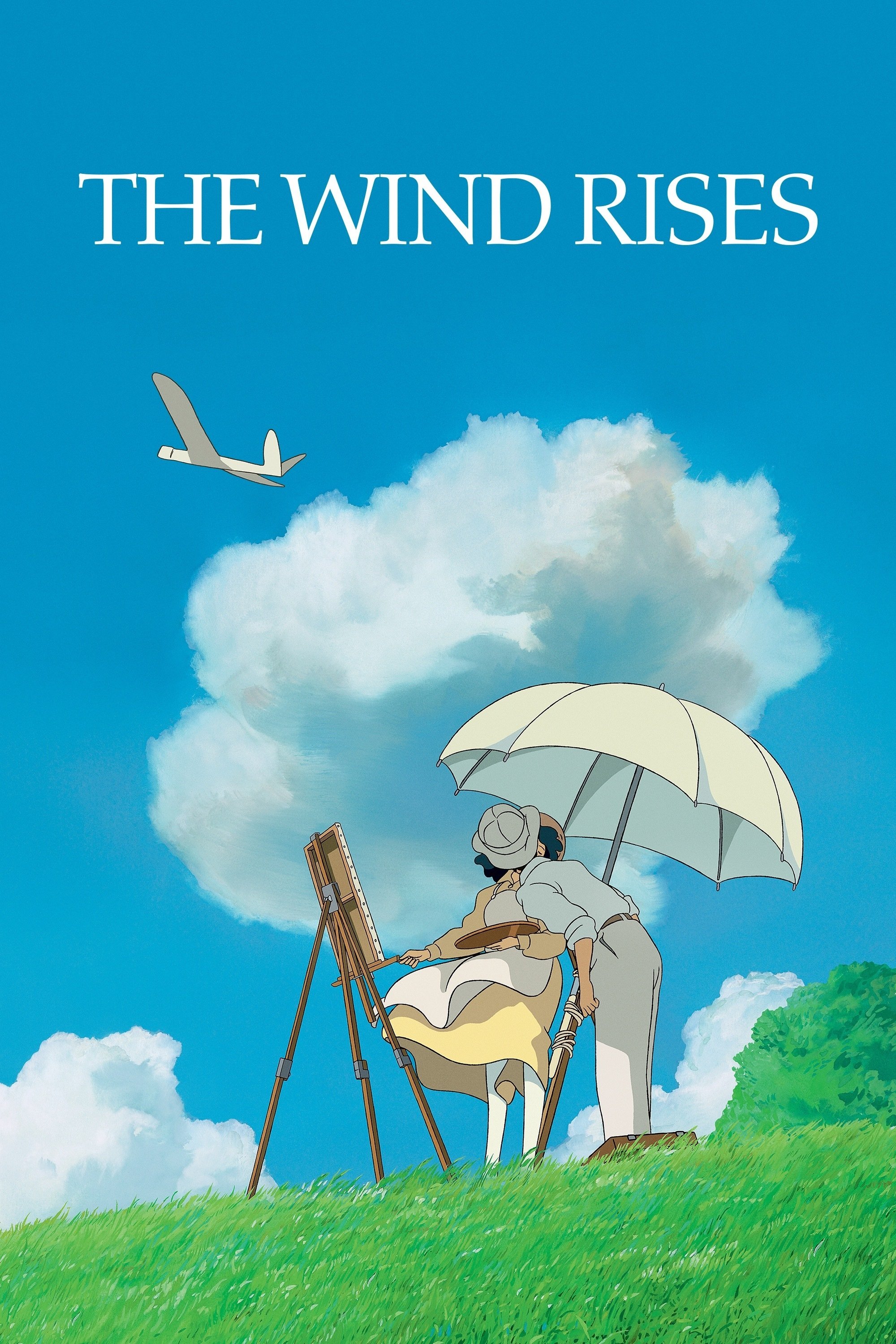
Aircraft design unfolds within export laws, censorship, and industrial planning in a nation preparing for war. The film tracks permits, procurement, and how innovation moves through state channels. Studio Ghibli presents factory floors alongside ministry offices. It shows how engineers navigate policy and national aims.
‘Princess Mononoke’ (1997)
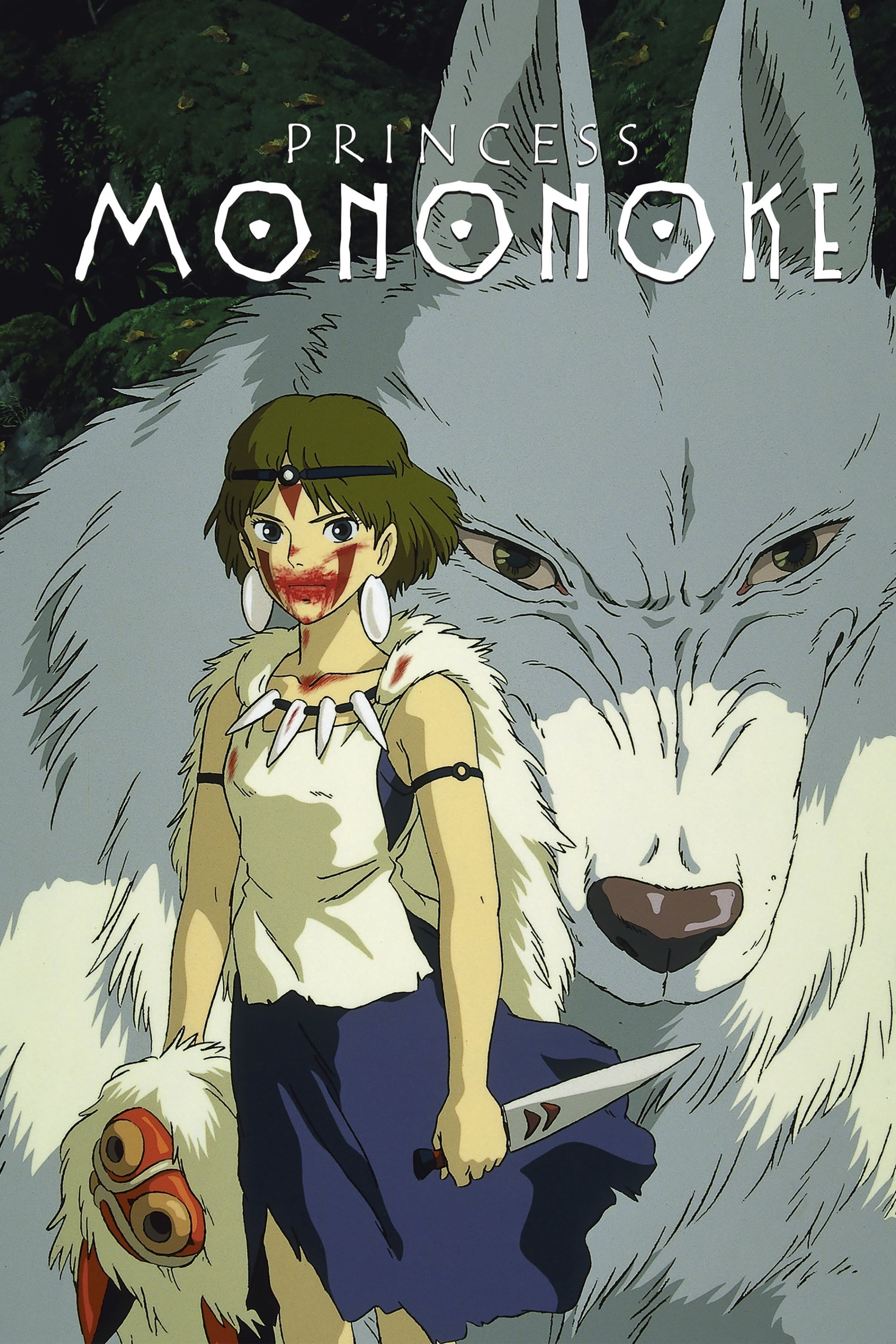
Resource extraction, local governance, and industrial expansion drive clashes between settlements and sacred lands. Leaders balance workers’ needs with regional power. Studio Ghibli frames foundries, trade routes, and defense as civic choices. The film studies how policy decisions reshape the environment and communities.
‘Kingdom’ (2012– )
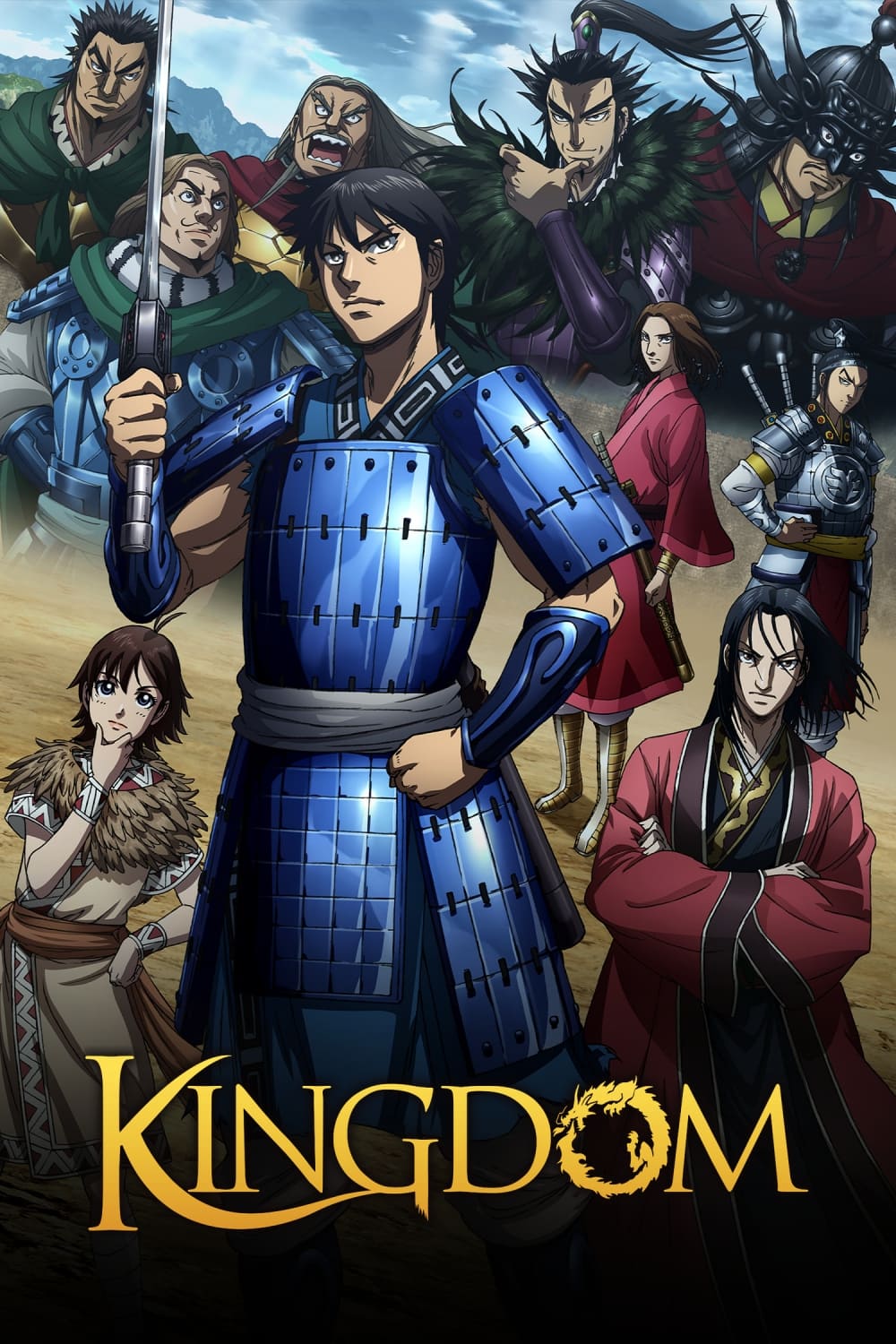
Warring states politics play out through alliances, reforms, and military appointments. Court factions attempt to steer unification through law and logistics. The anime began with Studio Pierrot and later continued under Studio Signpost. It follows land strategies, conscription, and centralization efforts.
‘Planetes’ (2003–2004)

A debris team works under corporate policy, international treaties, and budget pressures that affect space access. Labor disputes and contract terms define daily operations. Sunrise models how joint ventures and licensing shape industry growth. The show details committee decisions behind every launch.
‘The Heroic Legend of Arslan’ (2015–2016)
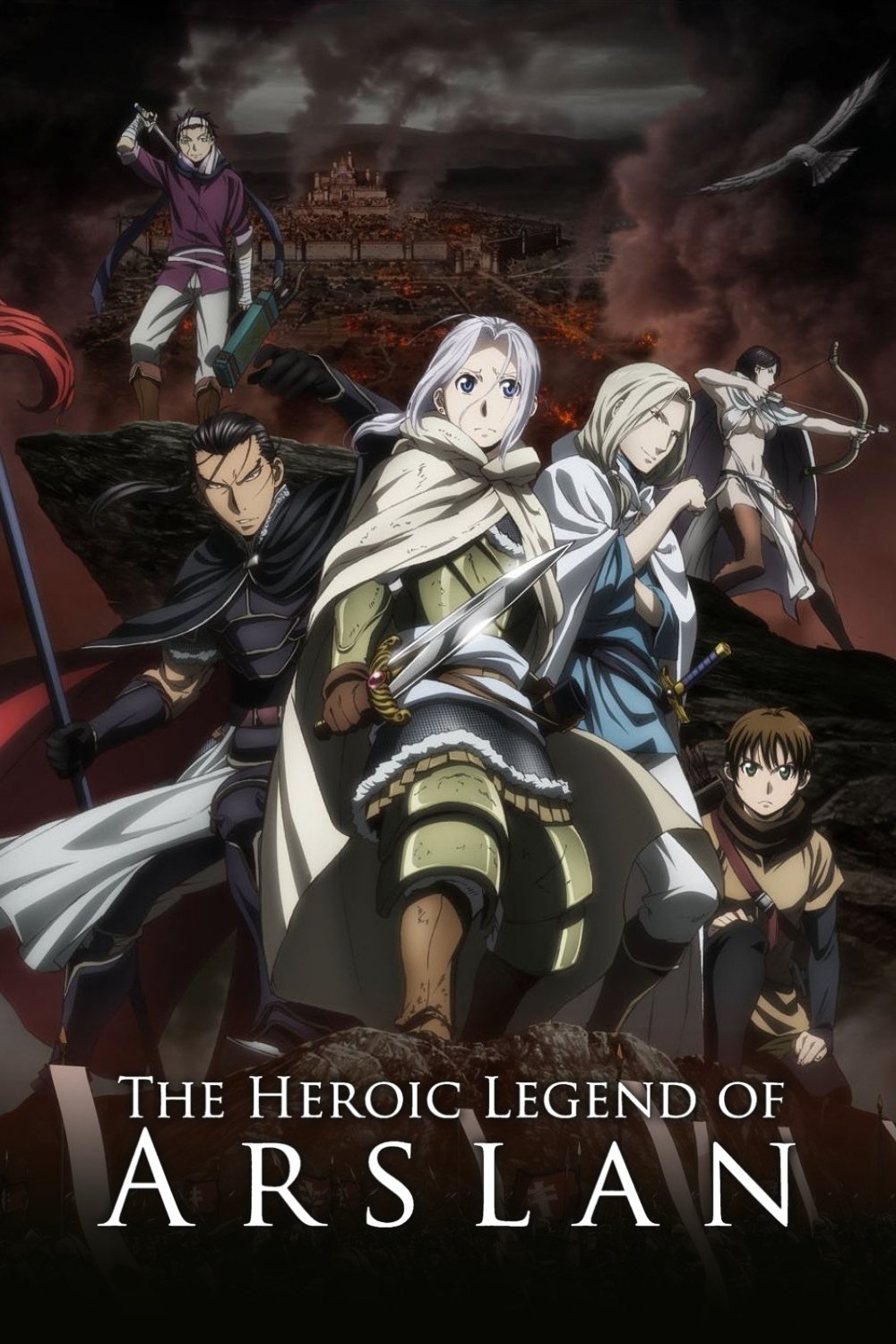
A young prince confronts succession law, slave economies, and coalition building across rival kingdoms. Campaigns hinge on logistics, governance, and legitimacy. Liden Films anchors battles to policy changes and fiscal realities. The story follows how advisors craft state reforms amid war.
‘Moriarty the Patriot’ (2020–2021)
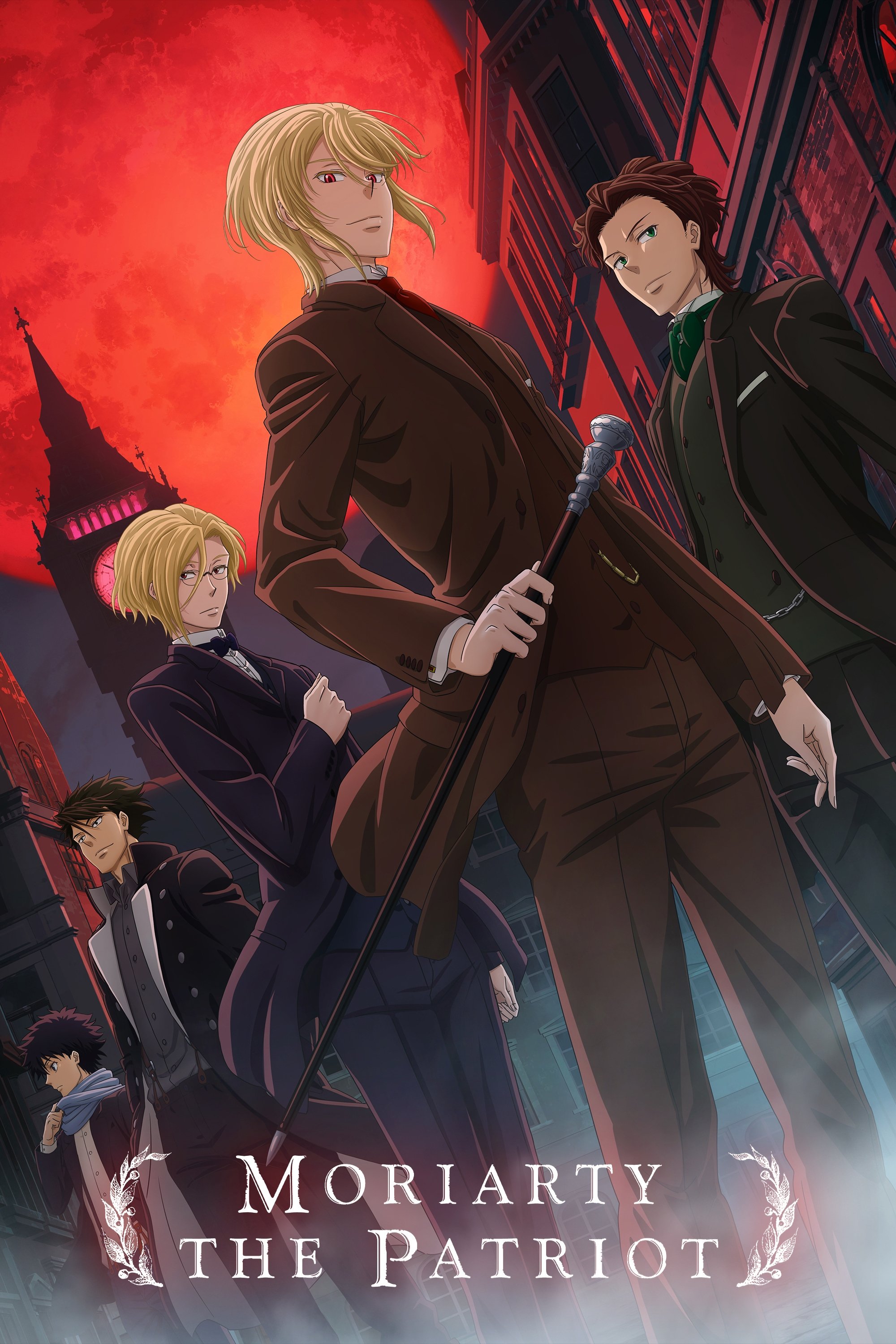
Plots unfold around class statutes, judicial bias, and the manipulation of public opinion. The series maps how targeted crimes expose institutional flaws. Production I.G ties each case to legal codes and social hierarchy. It tracks how narratives shift courts and crowds.
’86’ (2021–2022)
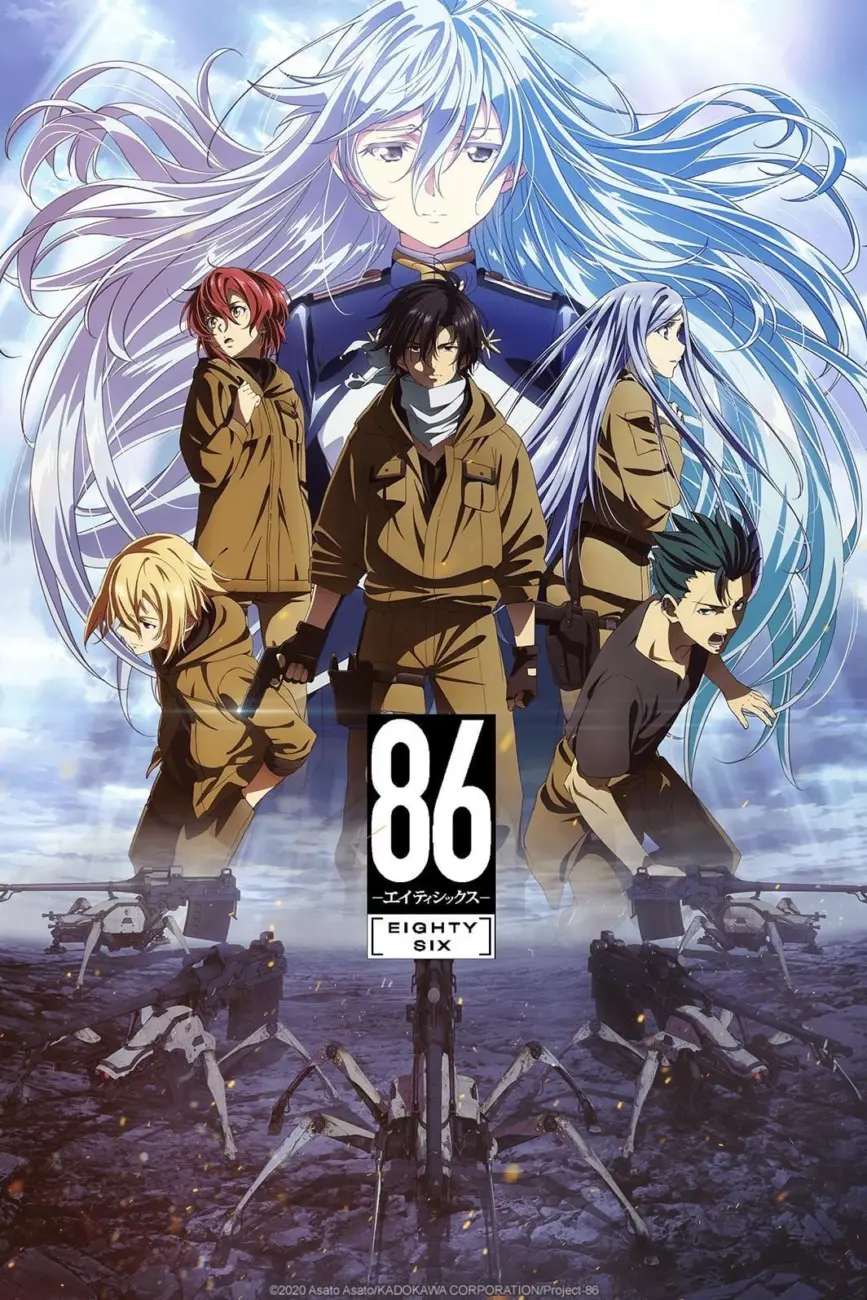
A segregated military structure hides casualties through paperwork and remote command. The story examines chain of command, procurement, and how language can mask policy. A-1 Pictures connects battlefield outcomes to legislative oversight. Communications logs and directives frame every decision.
‘The Saga of Tanya the Evil’ (2017– )
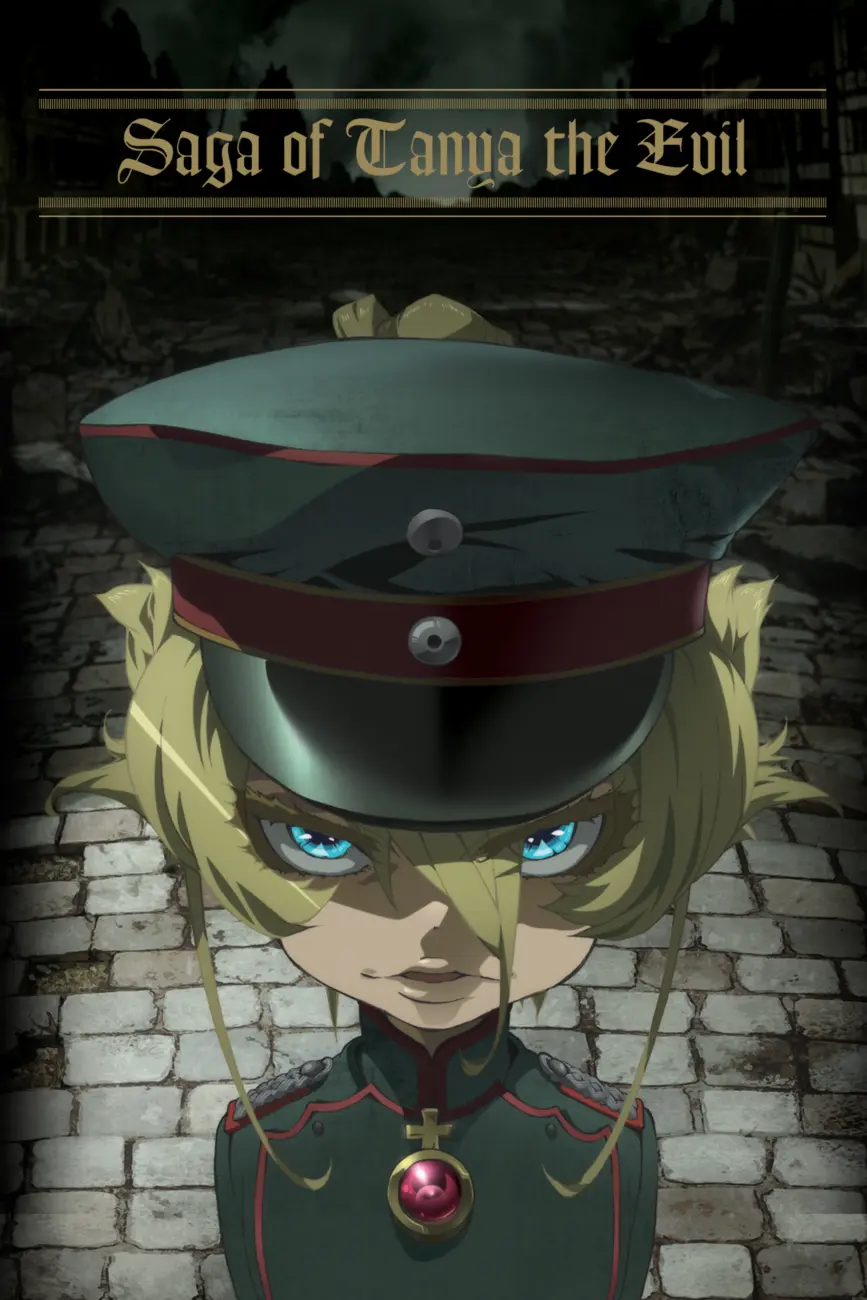
A soldier rises through a general staff that runs on supply chains, doctrine, and diplomatic signaling. War aims and economic capacity drive strategy on every front. Studio NUT animates briefings, staff work, and procurement meetings. The series covers mobilization and international bargaining.
‘GATE’ (2015–2016)
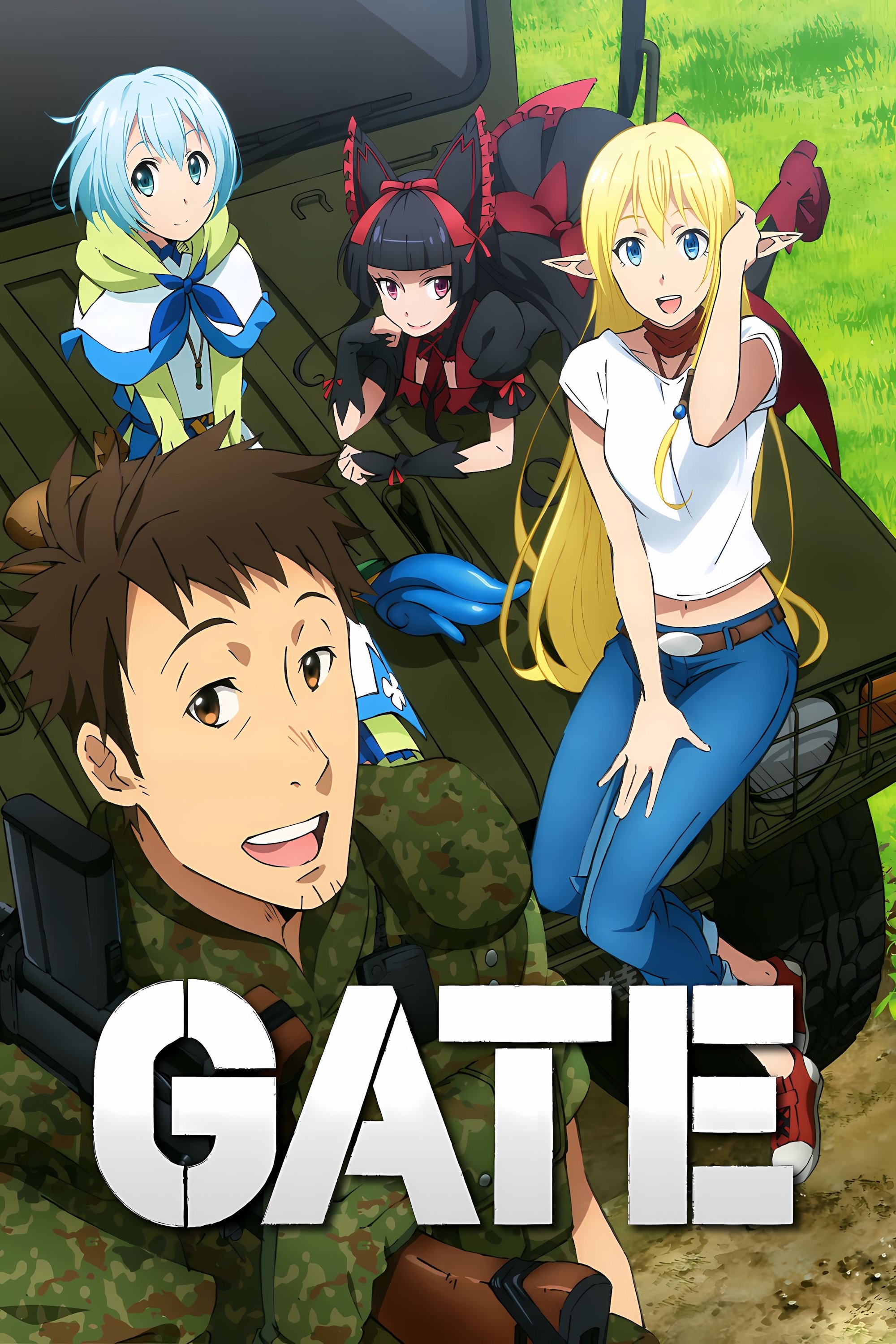
A modern state negotiates treaties, aid, and bases after contact with another world. Parliamentary committees oversee deployments and public spending. A-1 Pictures shows how interagency coordination and cultural diplomacy operate. The plot tracks trade missions and status of forces agreements.
‘Mobile Suit Zeta Gundam’ (1985–1986)

Competing factions argue over demilitarization, autonomy, and the role of civilian oversight after a previous war. Elections and coups reshape authority across colonies. Sunrise frames policy debates alongside insurgent operations. The series studies how transitional governments contest legitimacy.
‘Legend of the Galactic Heroes: Die Neue These’ (2018–2024)
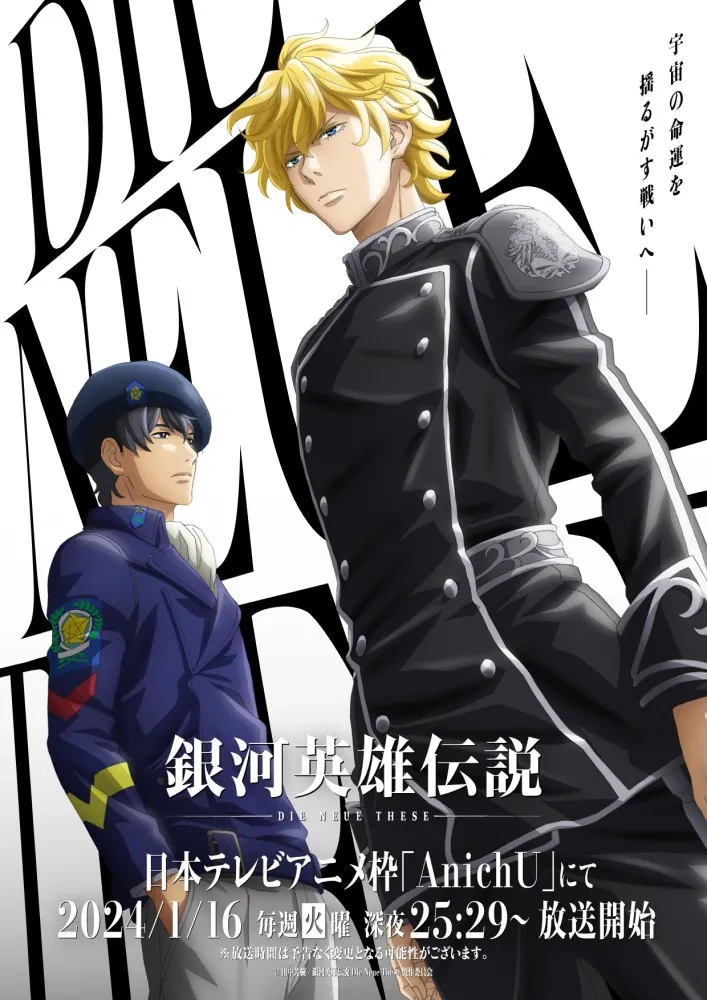
This retelling follows legislative maneuvers, press freedoms, and succession within rival systems. Diplomats, admirals, and party leaders compete through law and public messaging. Production I.G updates the institutional detail for a new generation. It lays out reforms, peace terms, and the mechanics of empire.
‘Fullmetal Alchemist: Brotherhood’ (2009–2010)
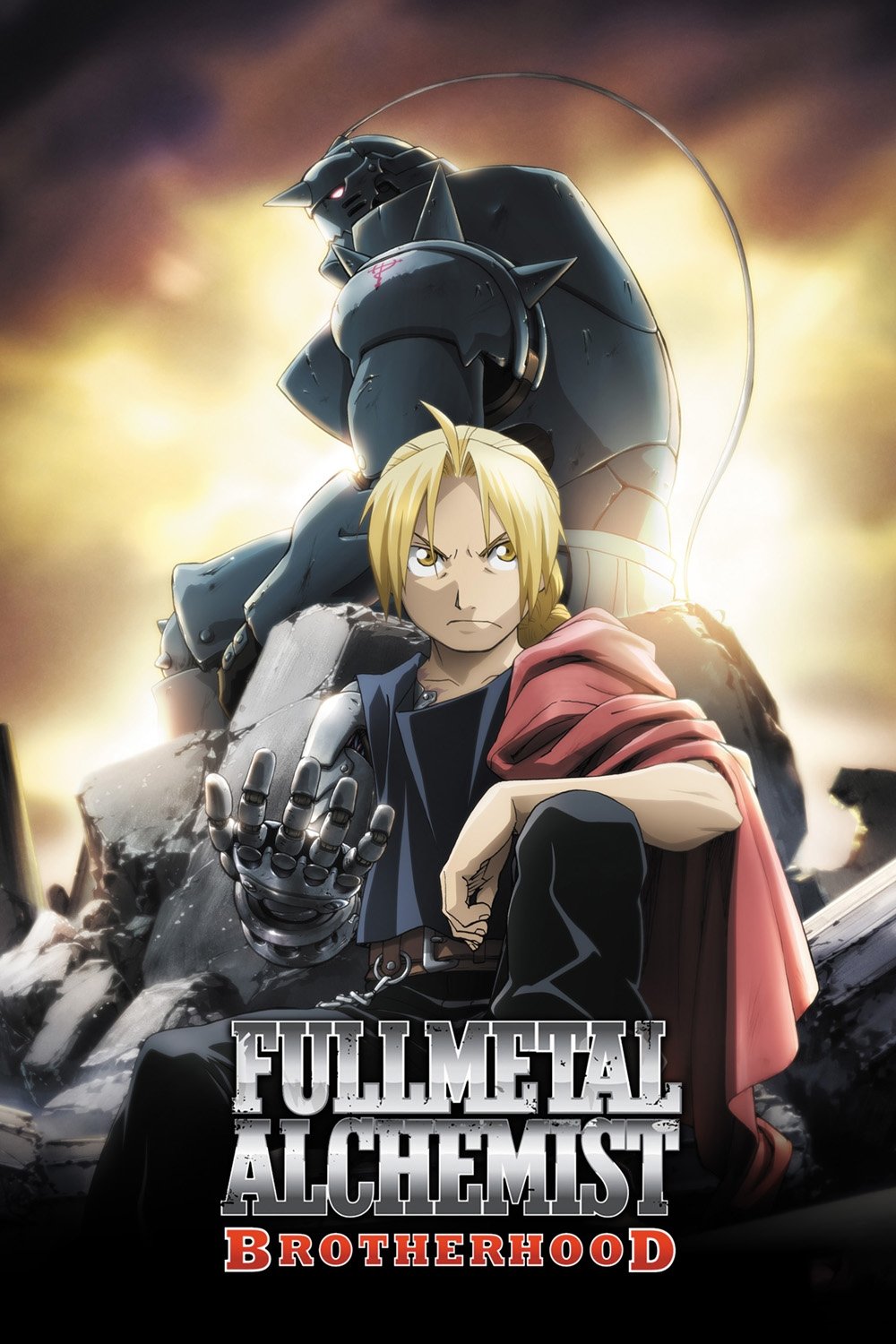
A national military pursues human experiments to consolidate power while state alchemists serve as both weapons and symbols. The story follows truth commissions, coups, and how propaganda hides atrocities. Bones frames each department’s mandate and how chain of command limits oversight. It shows how reforms require new laws and public trust to stick.
‘Mobile Suit Gundam 00’ (2007–2009)
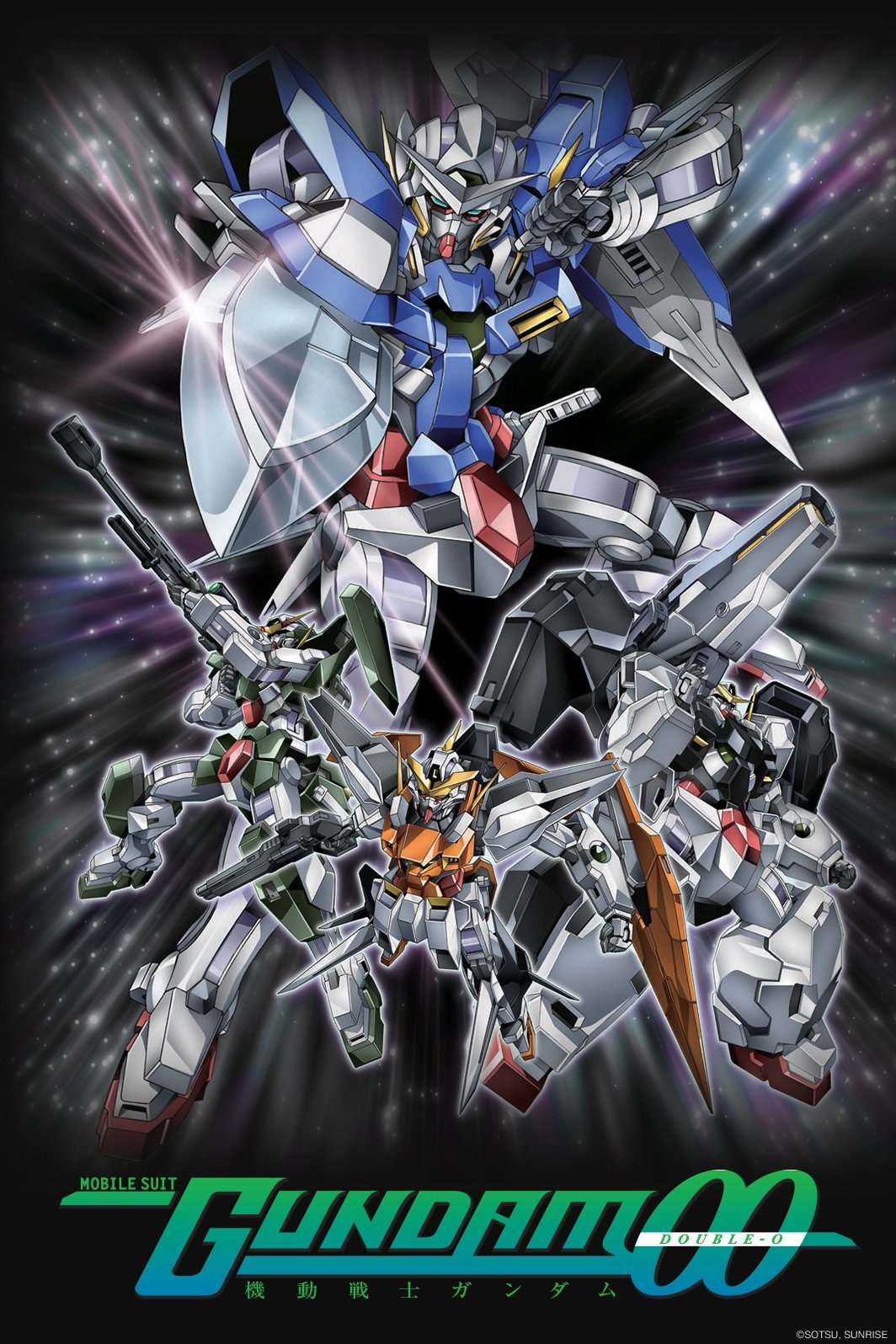
Private armed interventions challenge energy cartels and regional blocs that manage the world’s resources. Treaties, arms races, and peacekeeping mandates shift as nations react to unmanned warfare. Sunrise presents budget debates and coalition talks as drivers of strategy. Elections and media narratives become tools to legitimize force.
‘Mobile Suit Gundam SEED’ (2002–2003)

Genetic policy and civil rights define tensions between coordinators and naturals across space and Earth. Military councils debate deterrence while civilians face embargoes and displacement. Sunrise details alliances, ceasefires, and how hardliners exploit fear. The story shows how wartime rhetoric shapes education and law.
‘Mobile Suit Gundam Unicorn’ (2010–2014)

Buried records threaten the legal foundations of a fragile postwar order. Diplomats and industrial lobbies race to control disclosures that could reset sovereignty. Sunrise explores amnesty, secret protocols, and the politics of declassification. Decisions inside committees have consequences far beyond the battlefield.
‘Eden of the East’ (2009)

An anonymous fund tasks citizens with remaking the nation using public money and political clout. Cabinet intrigue, surveillance, and voter sentiment all become levers in a high stakes social experiment. Production I.G maps procurement, emergency powers, and accountability audits. The series follows how narratives can steer reform.
‘Log Horizon’ (2013–2021)

A stranded population builds institutions from scratch with councils, guild charters, and common law. Trade policy, taxation, and public services evolve through negotiated rules. Satelight and Studio Deen track how legitimacy forms through representation and delivery of goods. The show treats diplomacy and contract law as true endgame systems.
‘The Twelve Kingdoms’ (2002–2003)
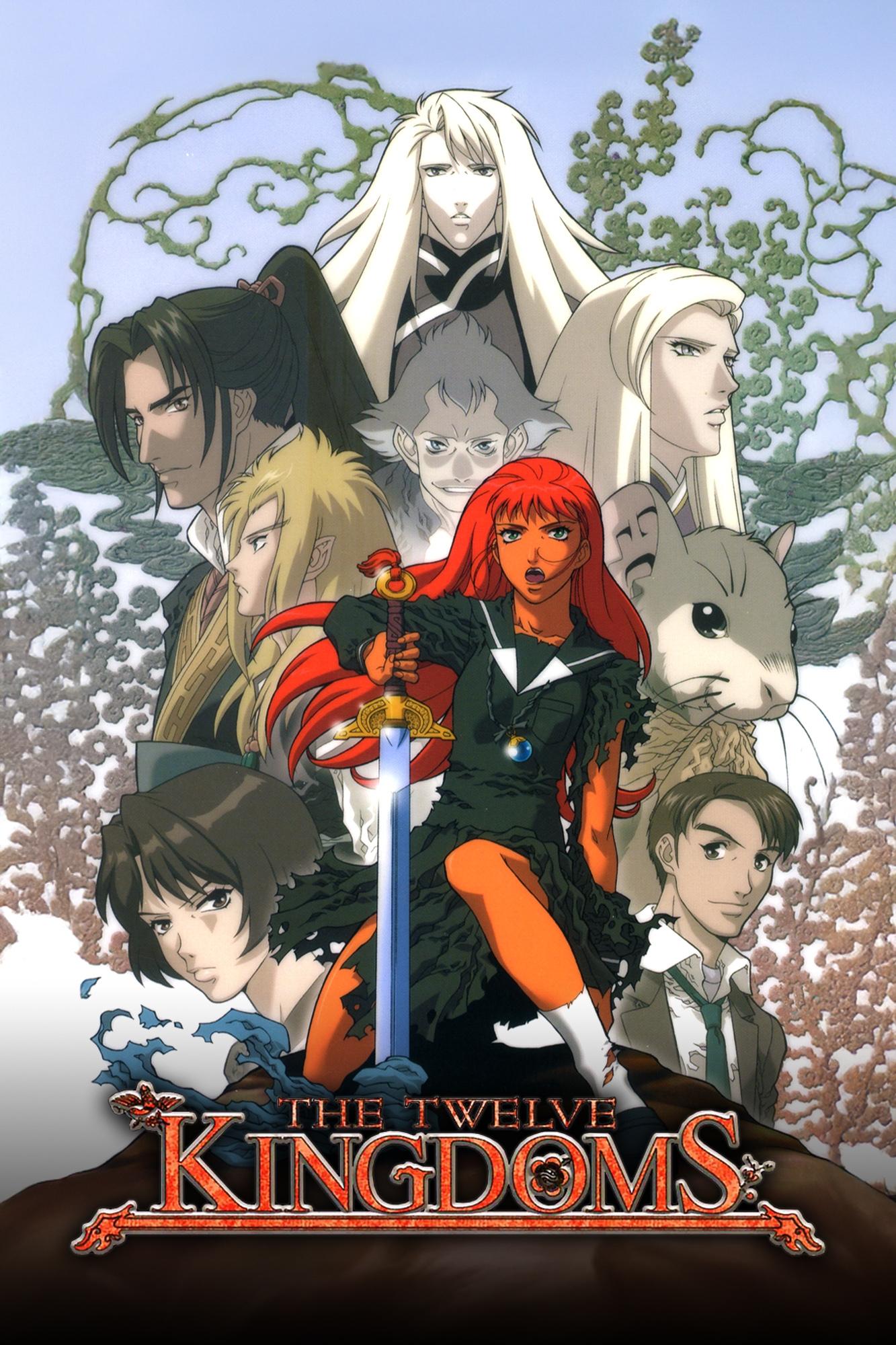
Monarchs are bound to natural laws that punish misrule, so governance is both moral and administrative. Succession, famine response, and local magistrates’ conduct determine a realm’s stability. Studio Pierrot depicts audits, petitions, and civil service training. Policy choices are weighed against the well being of ordinary people.
‘Seirei no Moribito’ (2007)
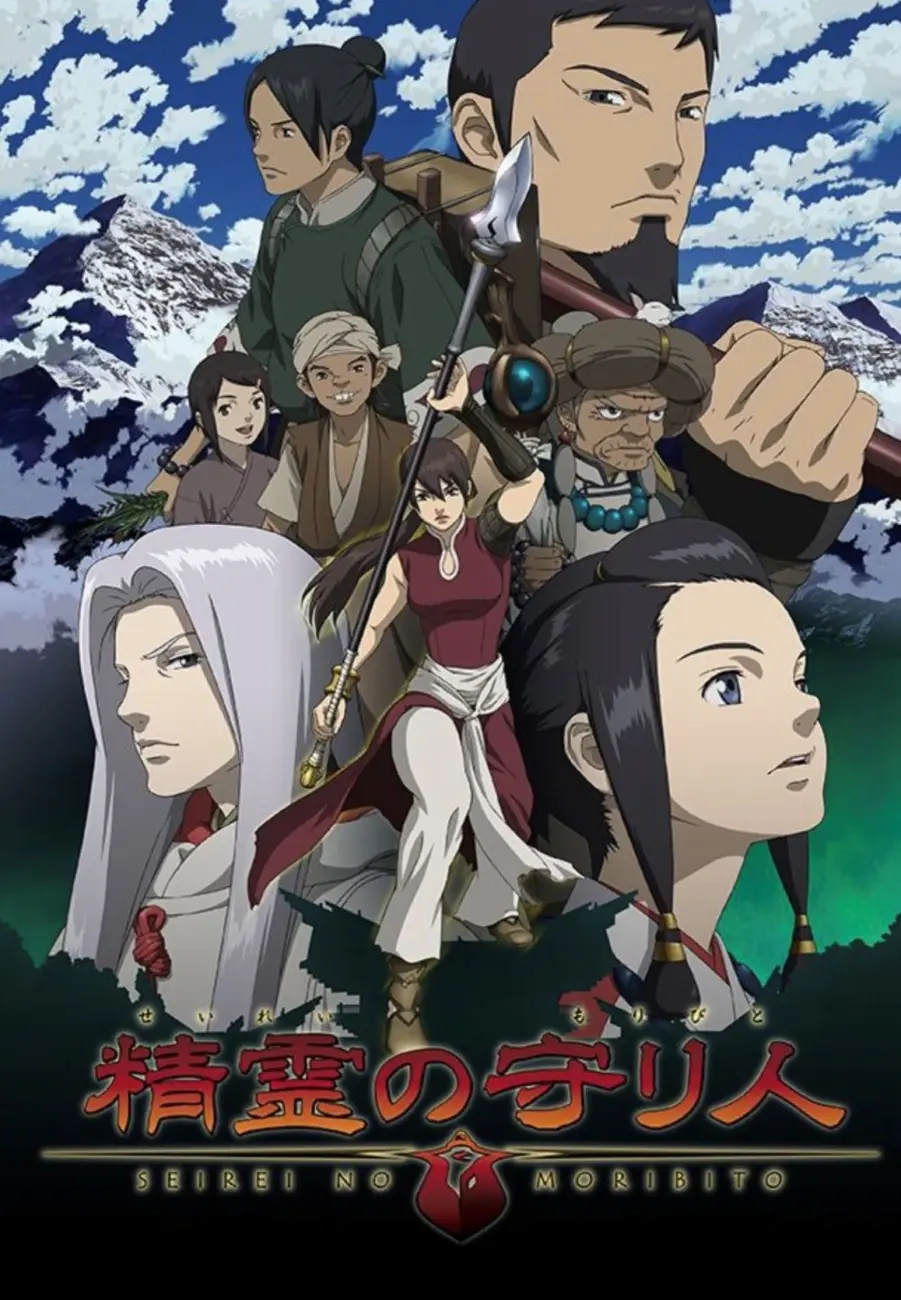
A royal court hides a prophecy that could destabilize succession while ministers argue over precedent. Investigations reveal how tradition, myth, and security policy intertwine. Production I.G gives careful attention to edicts, archives, and court procedure. The series studies how leaders maintain legitimacy during crisis.
‘Maoyu’ (2013)
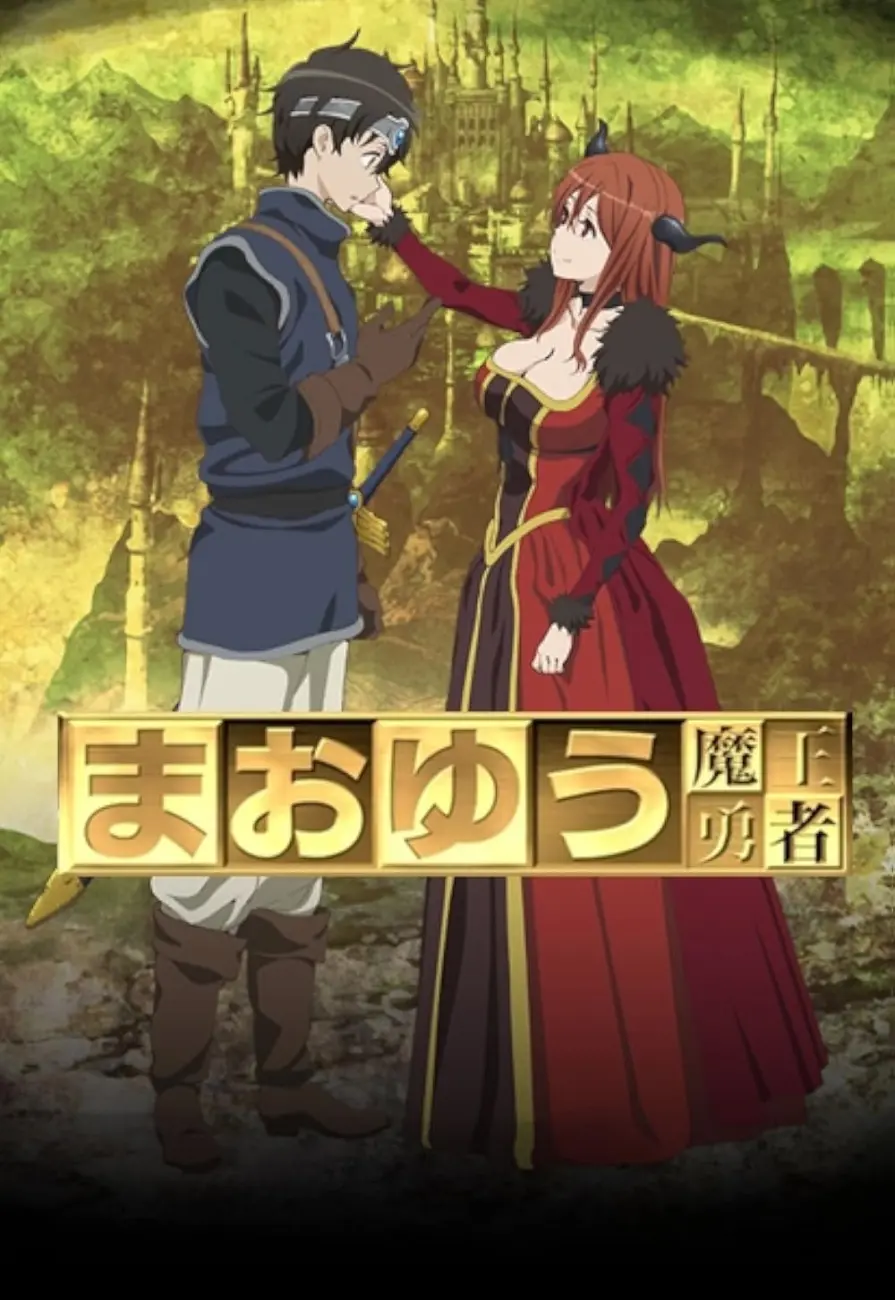
Warring sides explore peace through targeted reforms rather than total victory. The plot examines credit systems, grain futures, and land improvement to undercut war economies. Arms frames economic policy as the battlefield where incentives change behavior. Negotiations show how stability grows from shared prosperity.
‘Spice and Wolf’ (2008–2009)

A trader handles currency speculation, tariffs, and church influence across city states. Banking guilds and local rulers use policy to set winners and losers in regional markets. Imagin and Brain’s Base present contracts, audits, and monopolies with procedural clarity. The journey demonstrates how finance shapes political power.
‘The Rose of Versailles’ (1979–1980)

Court appointments, pamphlets, and budget shortfalls push a monarchy toward upheaval. Officers and commoners navigate privilege, censorship, and reform proposals. Tokyo Movie Shinsha builds episodes around decrees, ceremonies, and public opinion. The series shows how small procedural changes can trigger sweeping change.
‘Golden Kamuy’ (2018– )
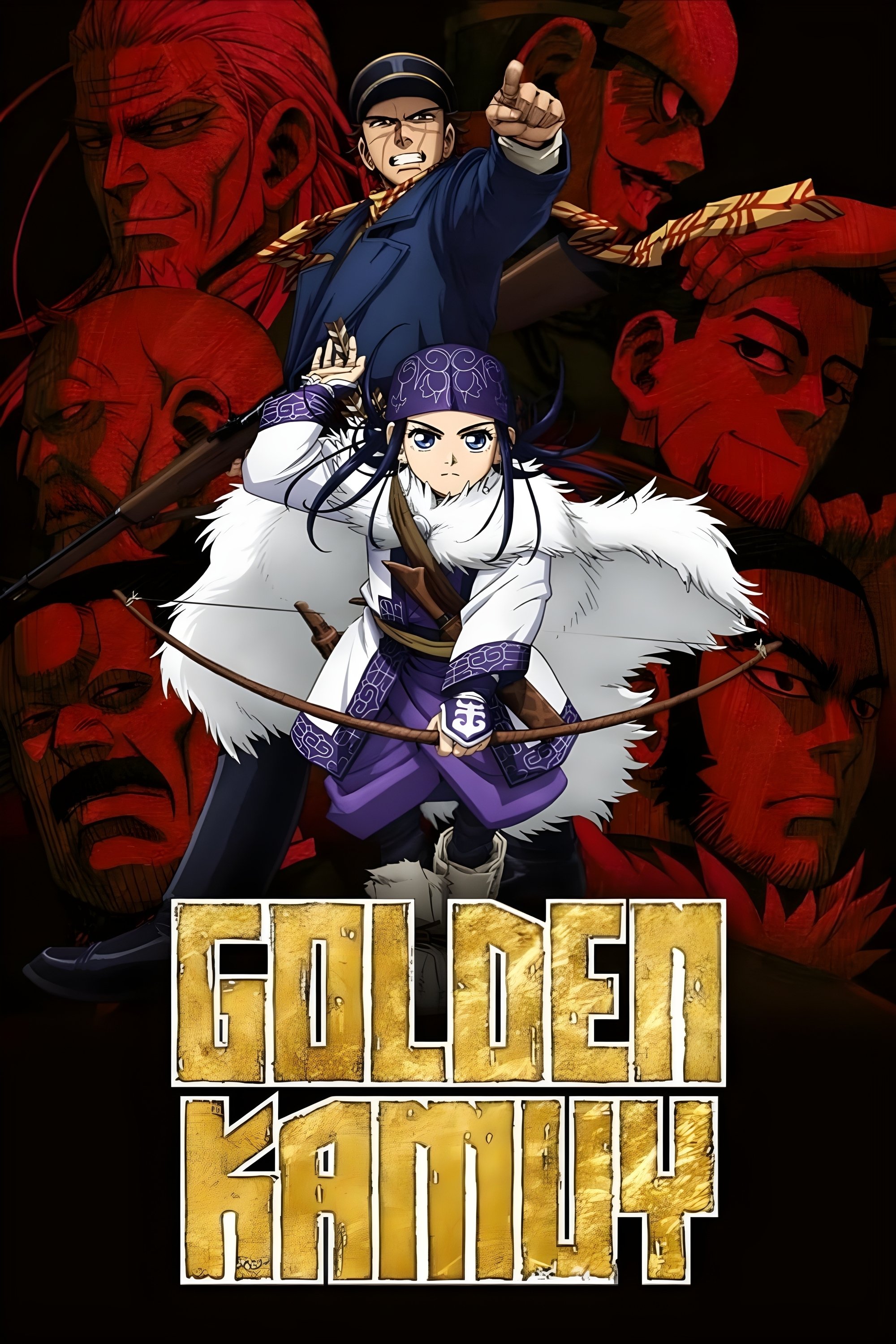
Competing factions chase hidden wealth while debating assimilation, borders, and military modernization. Indigenous rights and state expansion collide across the north. Geno Studio and later Brain’s Base highlight policy on conscription, colonial administration, and resource control. The hunt exposes how law and culture intersect.
‘Gasaraki’ (1998–1999)
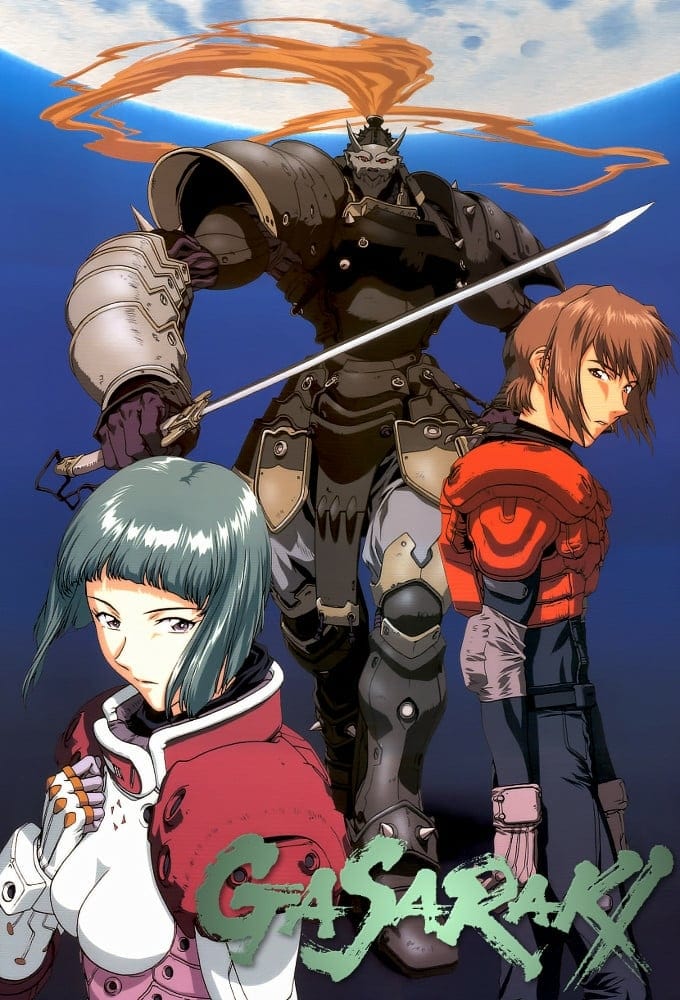
Corporate clans, the military, and cabinet officials link currency shocks to weapons development. International incidents become vehicles for market manipulation and policy shifts. Sunrise stages boardrooms and crisis cells with equal weight. The show tracks how trade flows and defense doctrine reinforce each other.
‘Hyouge Mono’ (2011–2012)
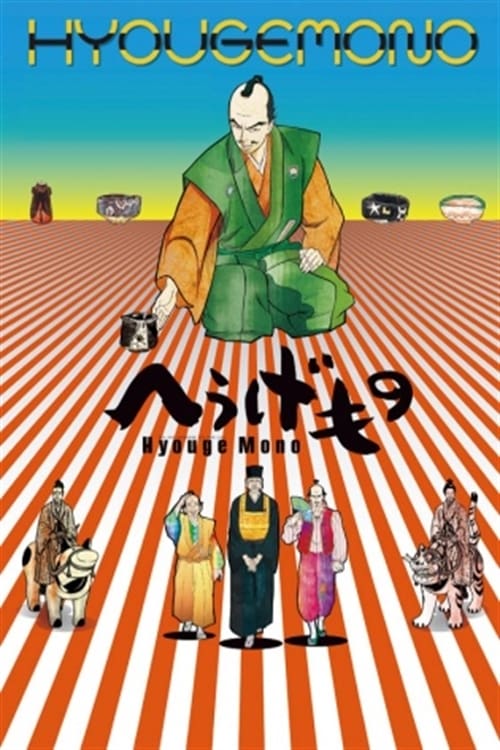
Tea ceremony becomes statecraft as lords trade art, land, and loyalty. Diplomacy, logistics, and cultural capital decide campaigns as much as soldiers do. Bee Train focuses on treaties, surveys, and the politics of taste. The narrative follows how symbols consolidate authority.
‘Ōoku: The Inner Chambers’ (2023)

An alternate history reorders gender roles inside the shogunate and rewrites inheritance and labor policy. Court factions maneuver through regulations on marriage, medicine, and succession. Studio Deen presents edicts, registries, and bureaucratic rivalries with documentary detail. The series examines how institutions adapt when demographics shift.
Share your favorite politically charged anime in the comments and tell us which story handled power and policy the best.

