Award-Winning Movies That Faced Significant Critical Reevaluation


The history of cinema is filled with prestigious awards ceremonies that aim to celebrate the pinnacle of filmmaking excellence. However, many films that capture the industry’s highest honors eventually face a rigorous reevaluation by critics and audiences alike. Some winners are later criticized for their slow pacing, outdated social themes, or for winning over more culturally significant competition. This retrospective examines movies that secured major accolades despite maintaining a divisive or lackluster reputation in modern film discourse.
‘The Broadway Melody’ (1929)
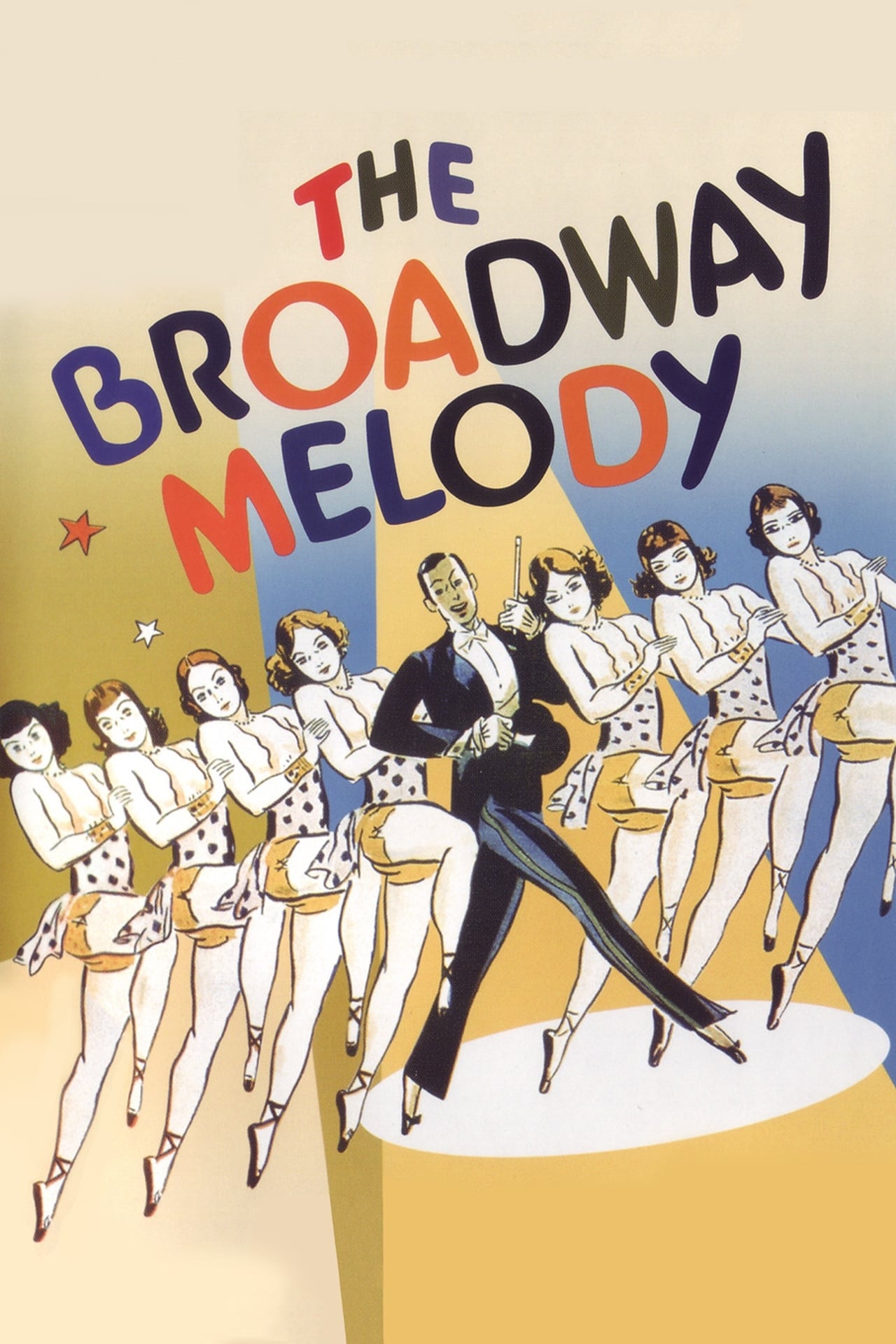
As the first sound film to win Best Picture, ‘The Broadway Melody’ is often cited as a production that has not aged well. Critics frequently point to its stilted dialogue and primitive technical execution compared to other films of the late 1920s. The musical sequences, while groundbreaking at the time, are now viewed as repetitive and lacking visual flair. Modern audiences often find the plot regarding a vaudeville sister act to be formulaic and sluggish. Despite its historical importance, it remains one of the lowest-rated winners in Oscar history.
‘Cimarron’ (1931)

This Western epic was the first of its genre to win the top prize at the Academy Awards. While it was praised for its ambitious scale and the Land Run of 1889 sequence, the narrative is now widely criticized for its pacing. Historical analysis often highlights the film’s reliance on racial stereotypes that make it difficult for modern viewers to appreciate. The lead performances are frequently described as overly theatrical and dated by contemporary standards. Many film historians consider ‘Cimarron’ a product of its time that lacks the enduring quality of its peers.
‘Cavalcade’ (1933)
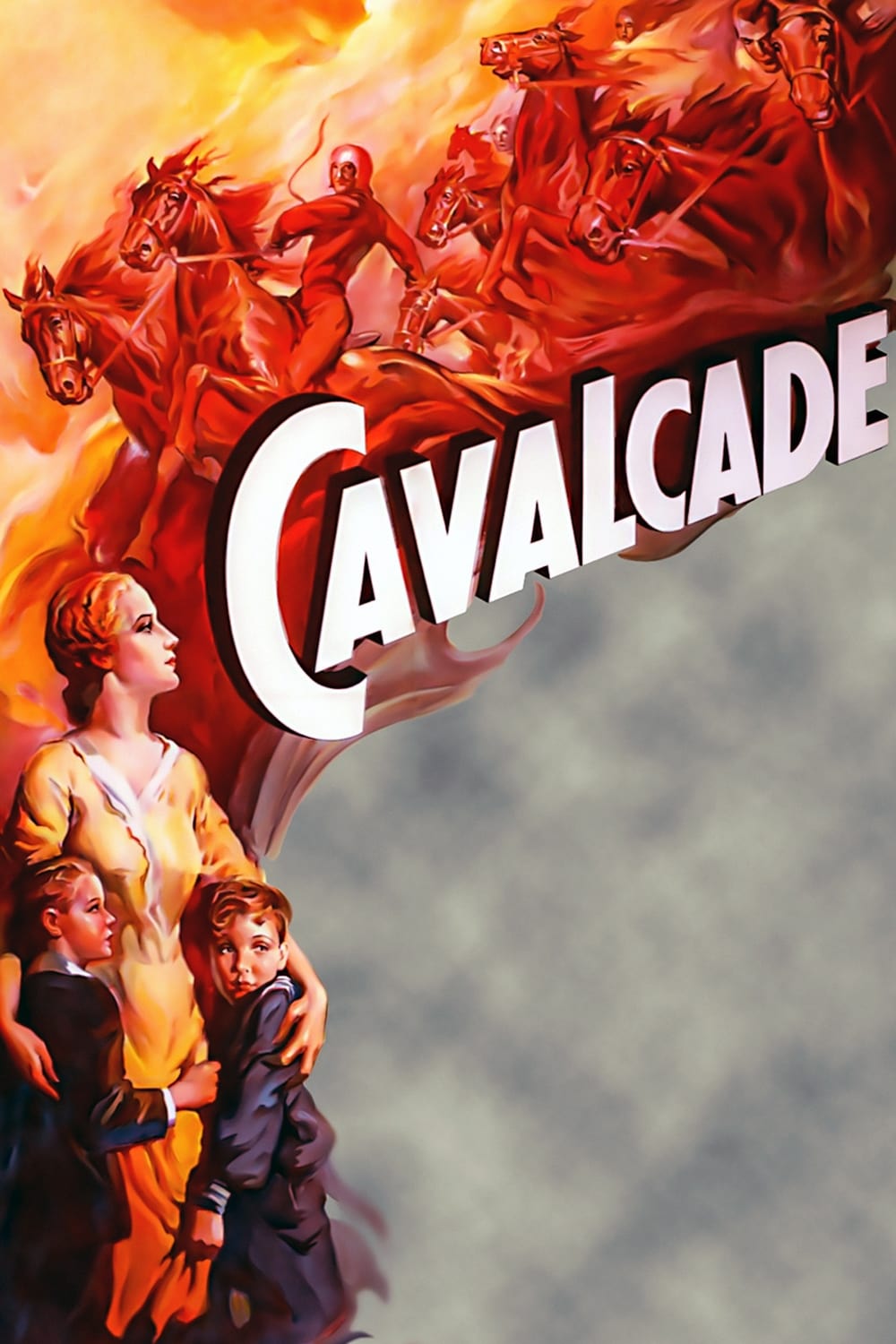
‘Cavalcade’ is a British family epic that won Best Picture during the sixth Academy Awards. The film follows two families through several decades of history, including the sinking of the Titanic and World War I. Contemporary critics often find the film’s sentimental tone to be excessive and its structure to be disjointed. It is frequently cited as one of the most forgotten winners in the history of the ceremony. The film’s focus on upper-class British values has led some to view it as a stiff and unengaging historical drama.
‘The Great Ziegfeld’ (1936)

This biopic of the famous theatrical producer Florenz Ziegfeld Jr. is known for its massive budget and opulent set pieces. Despite winning Best Picture, the film is often criticized for its three-hour runtime and bloated narrative. Critics have noted that ‘The Great Ziegfeld’ prioritizes spectacle over deep character development or historical accuracy. The film’s lavish musical numbers are impressive, but the connective tissue of the story is frequently described as thin. It remains a polarizing example of early Hollywood’s obsession with grandiosity over substance.
‘How Green Was My Valley’ (1941)
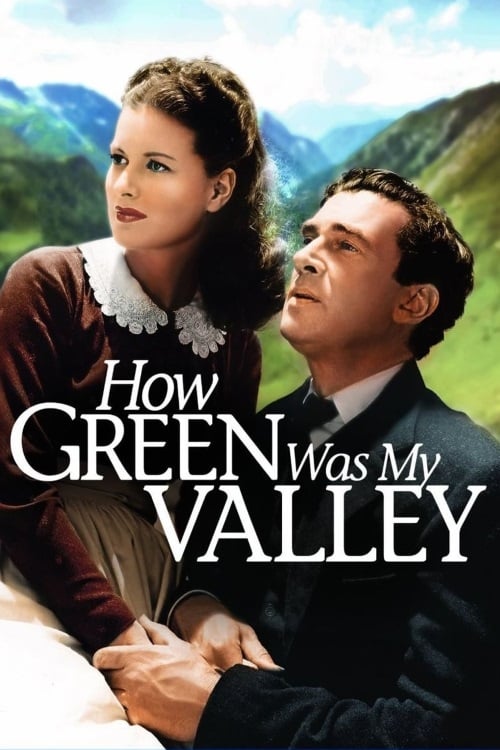
While ‘How Green Was My Valley’ is a technically proficient drama about Welsh coal miners, its legacy is overshadowed by its victory over ‘Citizen Kane’. Many film scholars argue that while the movie is visually beautiful, it lacks the innovative storytelling found in Orson Welles’ masterpiece. The sentimental portrayal of the working class is sometimes viewed as idealized and lacking in grit. The film’s win is frequently cited in discussions regarding the Academy’s historical tendency to favor traditional dramas over avant-garde cinema. It remains a respected but controversial entry in the list of Best Picture winners.
‘Gentleman’s Agreement’ (1947)
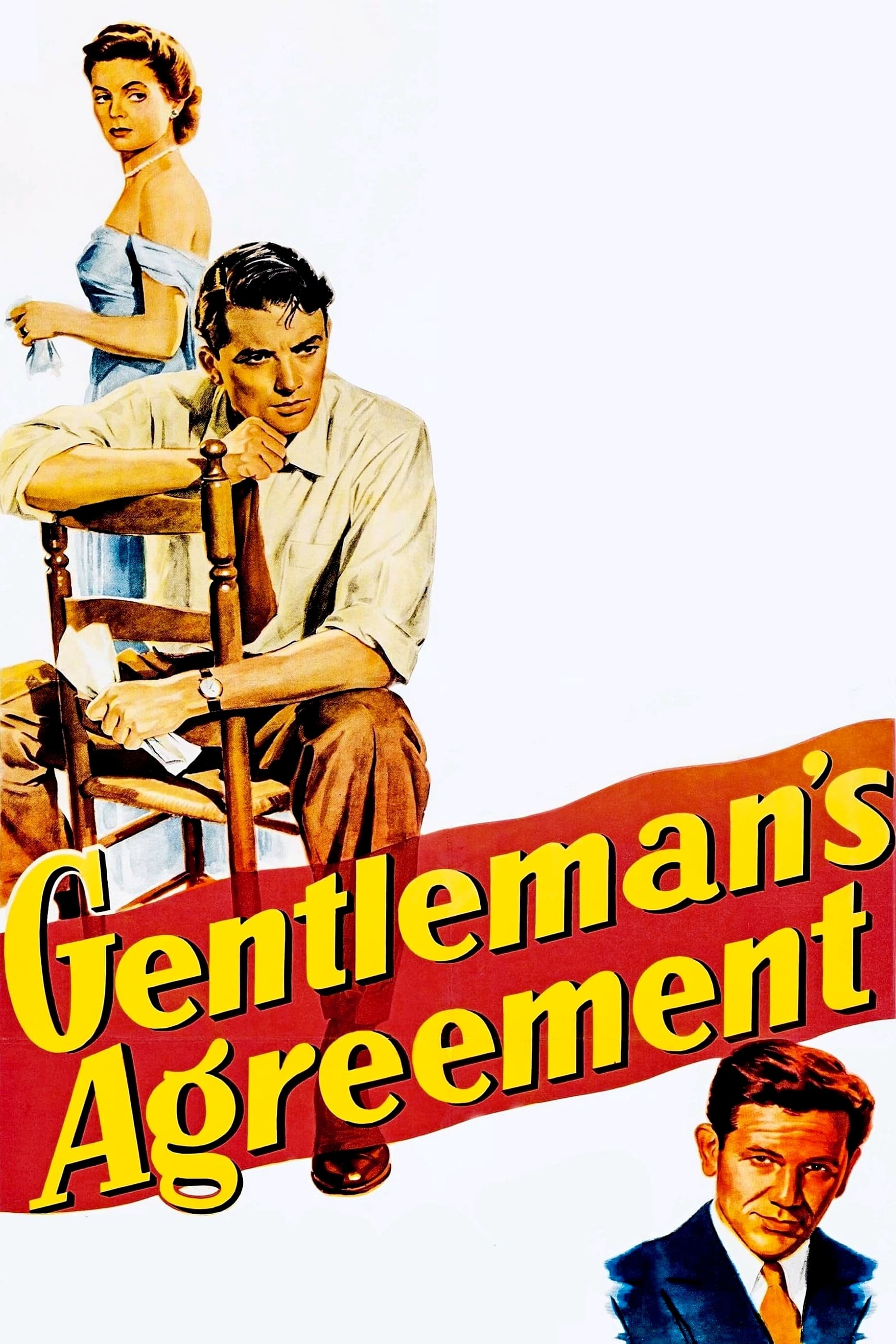
‘Gentleman’s Agreement’ was lauded in its time for tackling the subject of antisemitism in American society. However, modern critics often argue that the film’s approach is overly didactic and safe. The central conceit of a journalist pretending to be Jewish to expose prejudice is sometimes seen as a white savior narrative that lacks authentic perspective. While the intent was noble, the execution is frequently described as more of a lecture than a compelling drama. Its reputation has shifted from a bold social statement to a somewhat dated moral exercise.
‘The Greatest Show on Earth’ (1952)
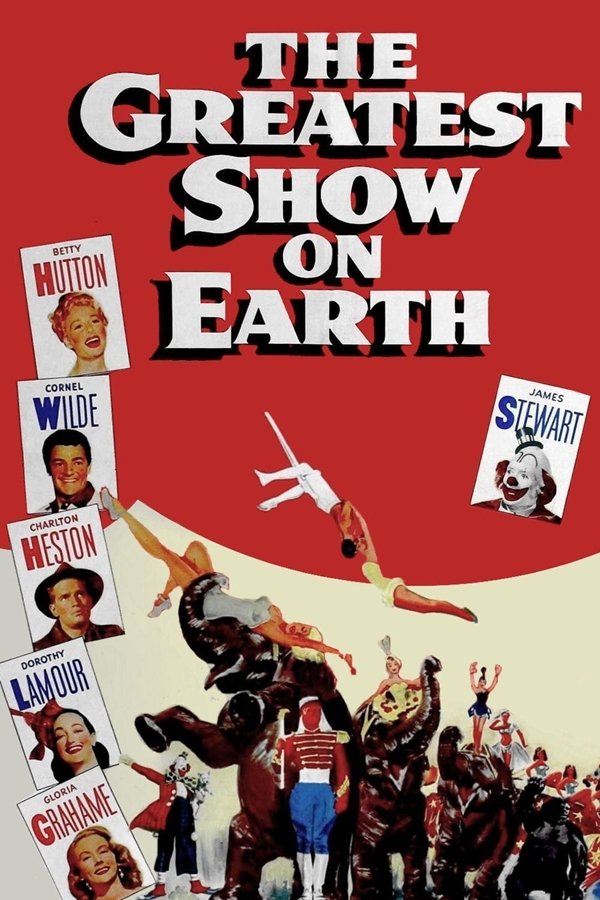
Directed by Cecil B. DeMille, this circus drama is frequently listed as one of the weakest films to ever win Best Picture. Critics often point to the thin plot and the film’s reliance on documentary-style footage of circus acts. The win was particularly controversial because it beat the critically acclaimed Western ‘High Noon’. Many historians believe the award was a lifetime achievement honor for DeMille rather than a reflection of the film’s quality. The movie is now largely remembered for its massive train wreck sequence rather than its narrative merit.
‘Around the World in 80 Days’ (1956)
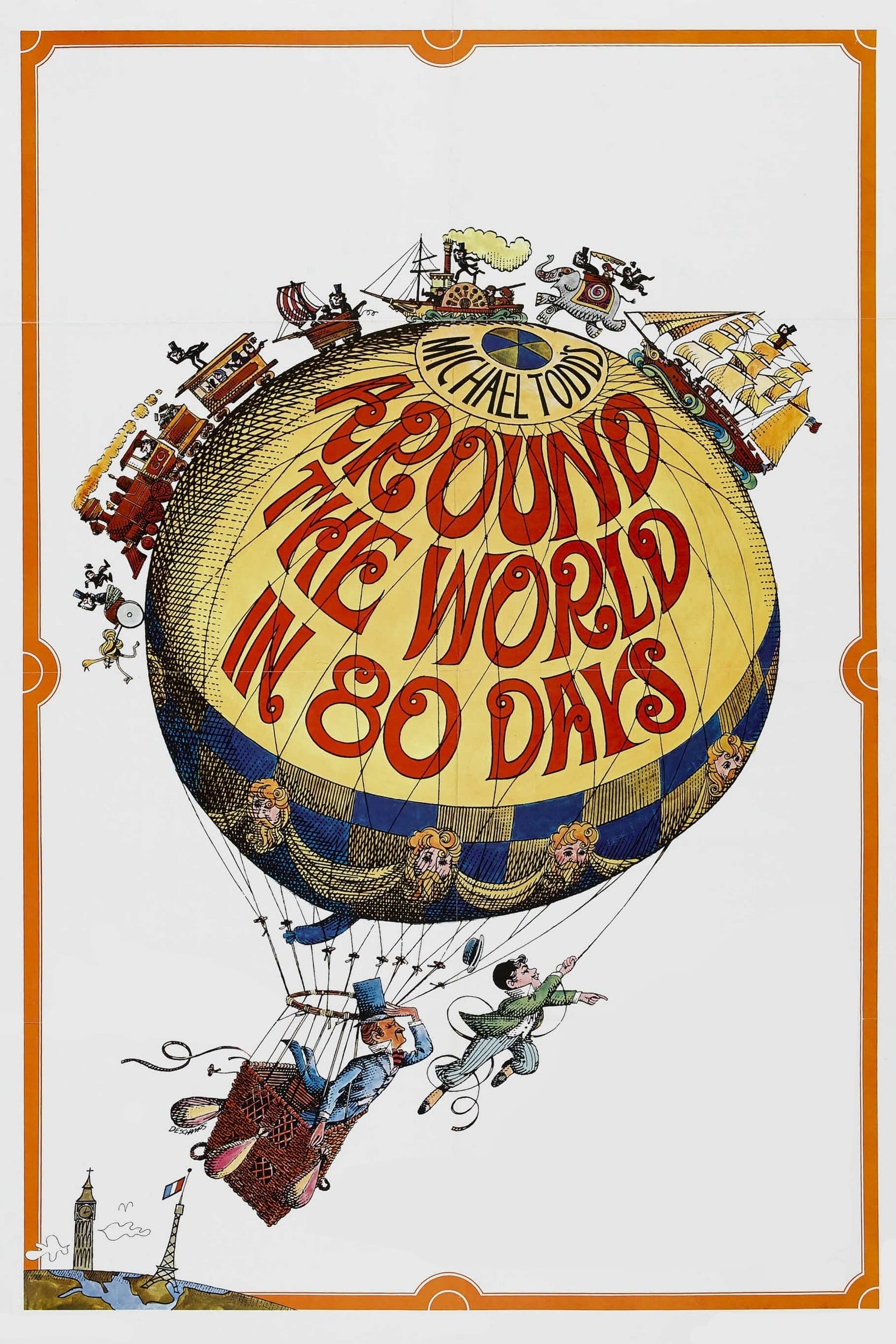
‘Around the World in 80 Days’ is a sprawling adventure film that relied heavily on its cameo gimmick, featuring dozens of famous stars in small roles. While it was a massive commercial success, modern critics often find the film to be overlong and episodic. The pacing is frequently described as lethargic, with many scenes serving as travelogue footage rather than advancing the plot. Cultural critics have also pointed out the film’s reliance on broad ethnic stereotypes during the global journey. It is often cited as an example of a spectacle over substance winner.
‘Gigi’ (1958)
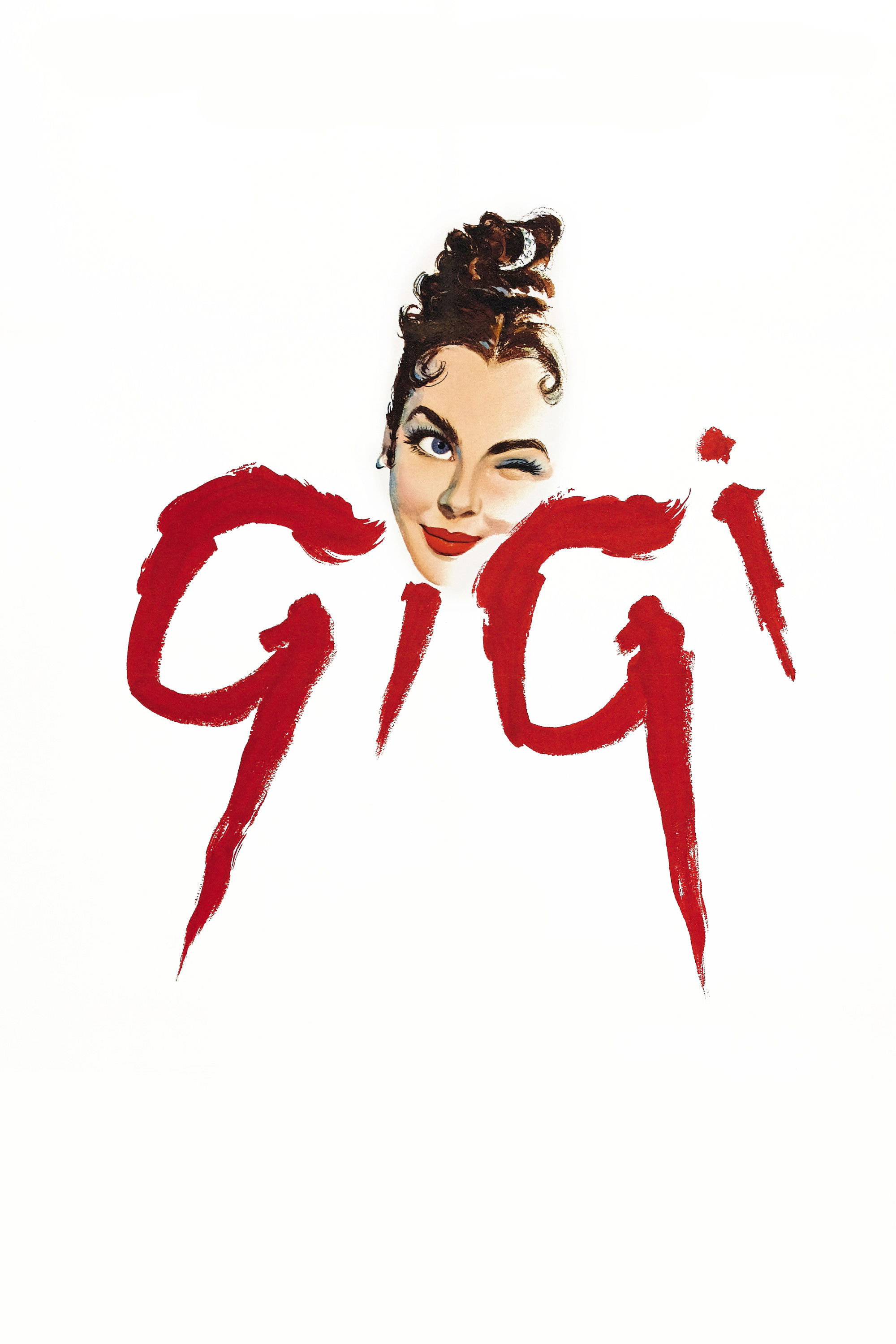
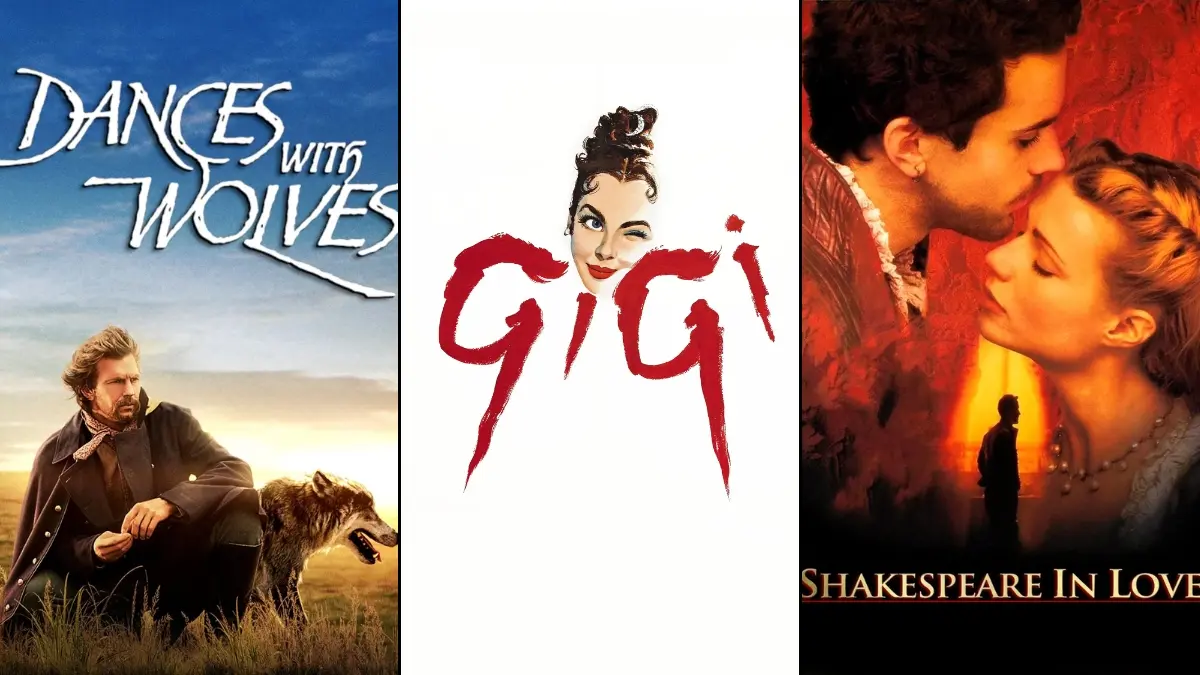
‘Gigi’ won nine Academy Awards, including Best Picture, and was initially hailed as a masterpiece of the musical genre. In recent decades, the film has faced significant backlash for its central premise involving the grooming of a young girl. Modern viewers often find the lyrics to songs like “Thank Heaven for Little Girls” to be uncomfortable given the context of the story. The film’s visual opulence remains impressive, but its romanticization of courtesan culture is frequently criticized. As a result, ‘Gigi’ is often excluded from modern lists of the greatest film musicals.
‘Tom Jones’ (1963)
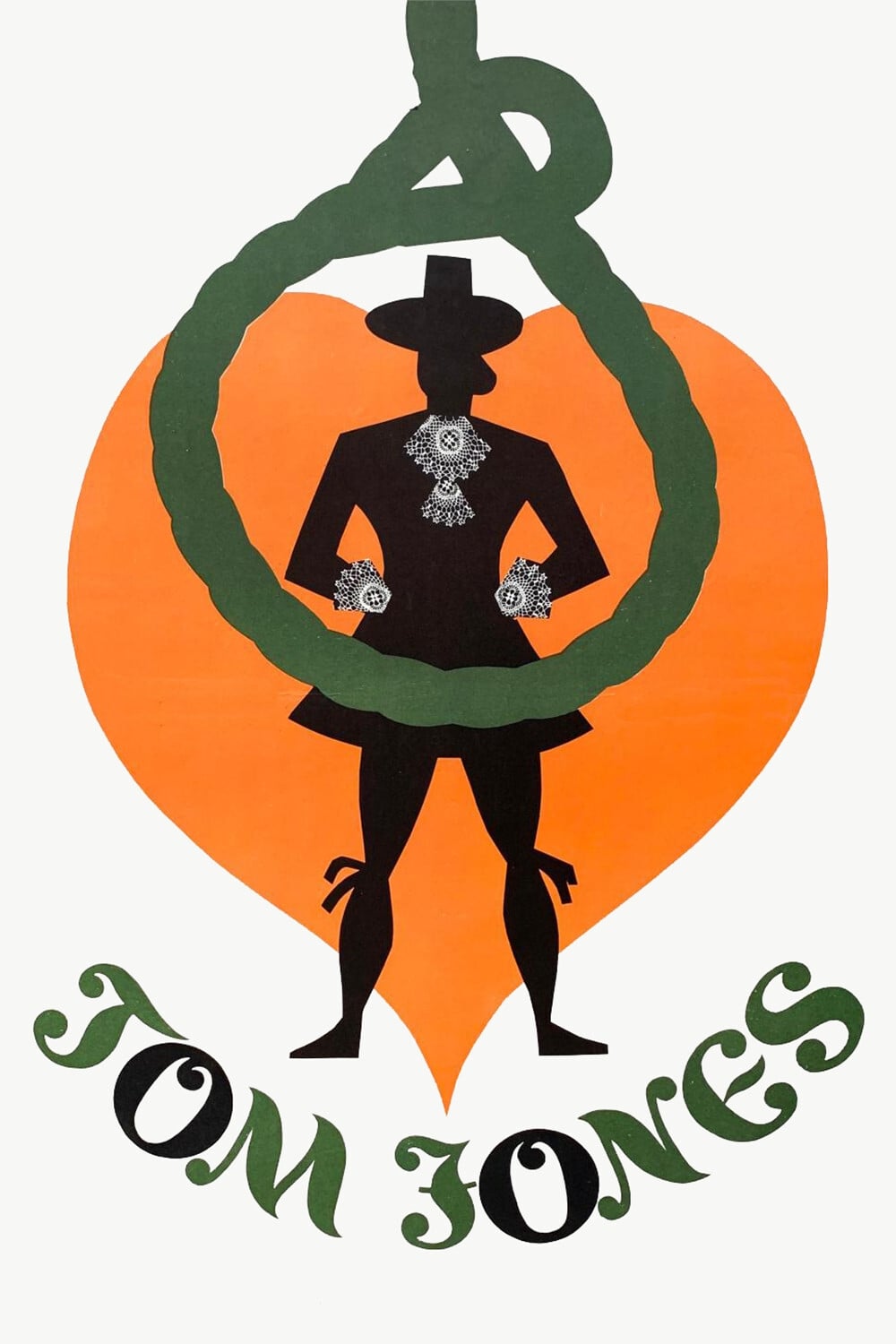
‘Tom Jones’ was a massive critical and commercial hit that won four Academy Awards, including Best Picture. The film utilized experimental techniques like fourth-wall breaks and fast-motion editing that were popular in the 1960s. However, contemporary audiences often find these stylistic choices to be distracting and dated. The humor, rooted in bawdy British traditions, frequently fails to resonate with modern comedic sensibilities. Critics today often view it as a frantic production that lacks the emotional depth of its contemporaries.
‘Oliver!’ (1968)
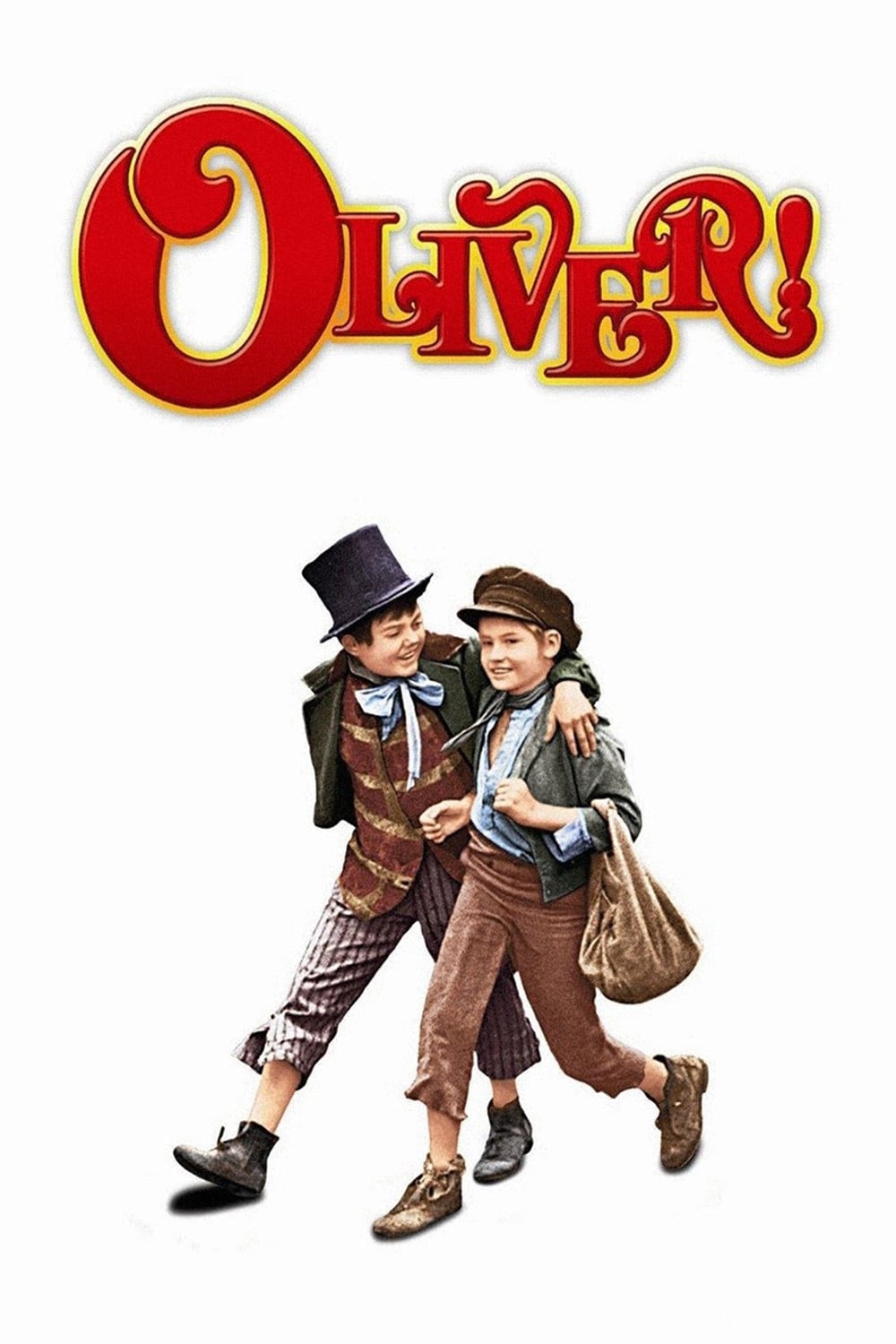
The musical adaptation of ‘Oliver Twist’ won Best Picture during a period when the genre was beginning to lose its cultural dominance. While the production is grand, critics often argue that the film sanitizes the grit and darkness of Charles Dickens’ original novel. The cheerful musical numbers are sometimes seen as jarring when juxtaposed with the themes of child poverty and crime. Modern reevaluations often describe the film as overblown and sentimental compared to the 1948 non-musical version. It remains a polarizing winner that some feel did not deserve to beat ‘2001: A Space Odyssey’.
‘Rocky’ (1976)
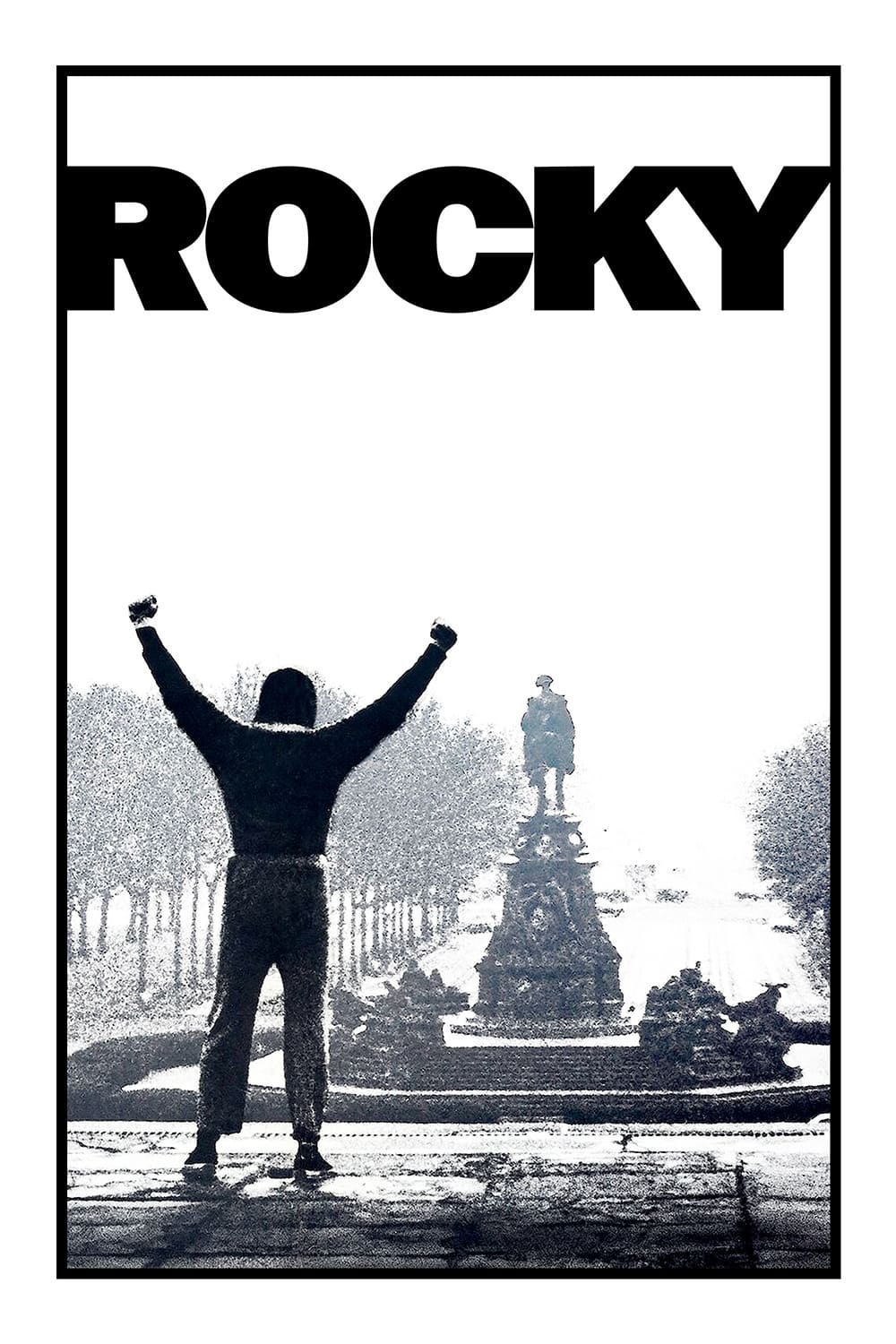
‘Rocky’ is a beloved underdog story that became a cultural phenomenon and won Best Picture. While its popularity remains high, film historians often debate its victory over ‘Taxi Driver’ and ‘All the President’s Men’. Some critics argue that ‘Rocky’ relies on predictable sports tropes and sentimentalism that lack the intellectual depth of its competitors. The film’s sequels have also diluted the impact of the original by turning the character into a superhero figure. While undeniably inspirational, it is frequently cited as a safe choice by the Academy.
‘Kramer vs. Kramer’ (1979)
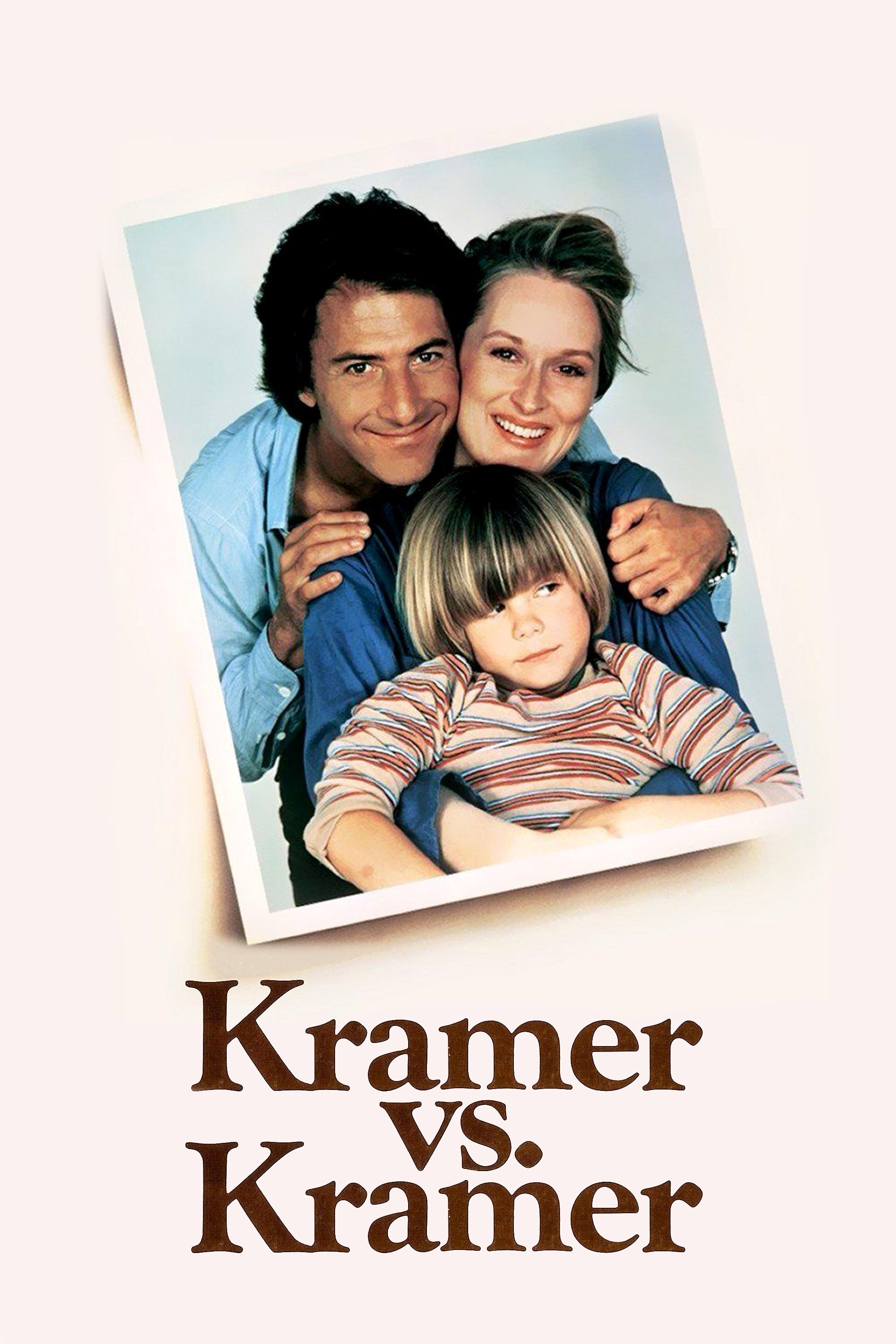
This divorce drama was a significant cultural touchstone that won five Academy Awards. However, in the decades since its release, ‘Kramer vs. Kramer’ has been criticized for its perceived bias against the mother character played by Meryl Streep. Critics argue that the film spends too much time lionizing the father’s struggles while painting the mother’s desire for independence as villainous. The legal and social dynamics of the film are also viewed as dated by modern standards of parenting and gender roles. While the acting is universally praised, the narrative balance remains a point of contention.
‘Ordinary People’ (1980)
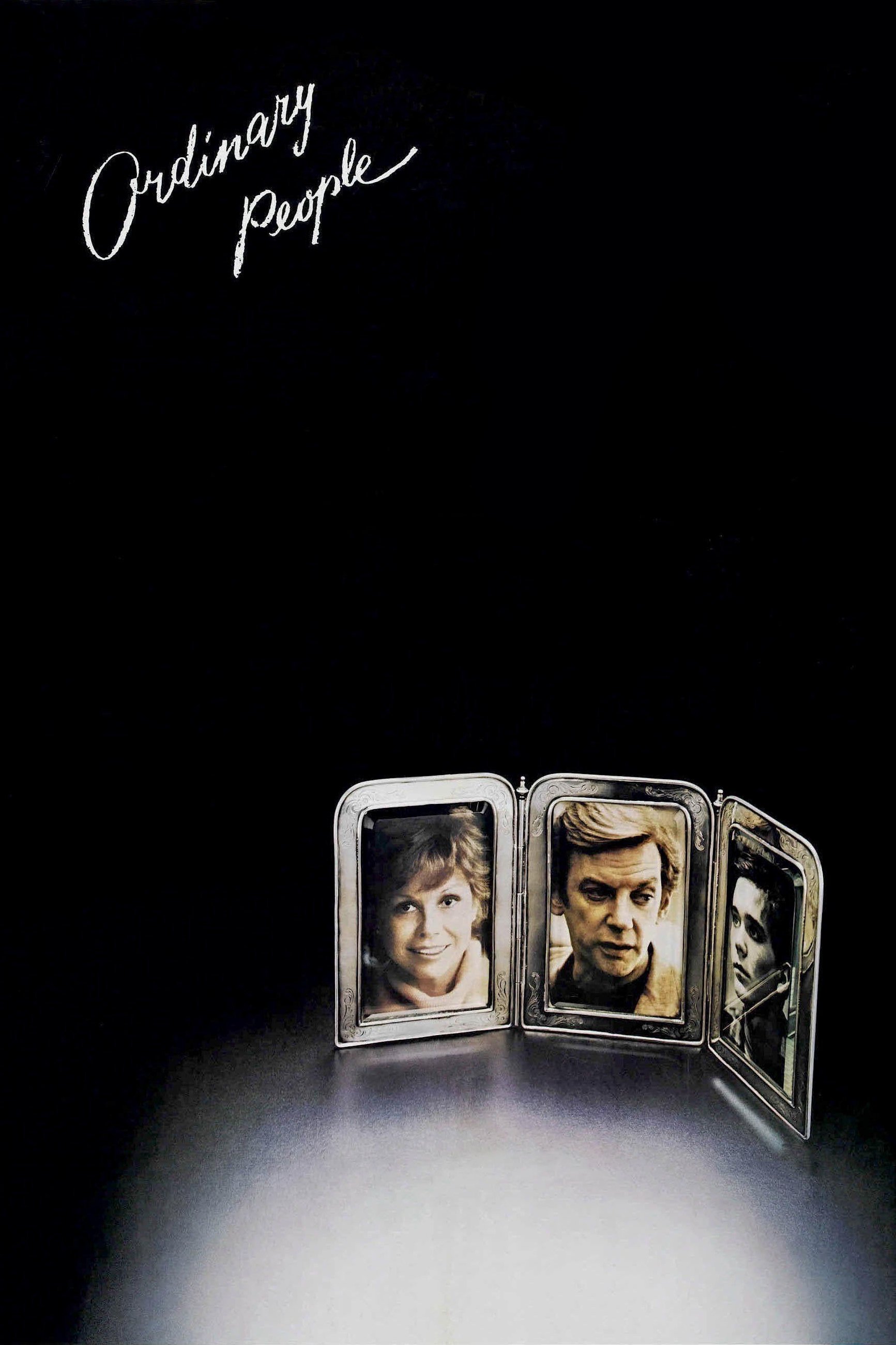
‘Ordinary People’ is a quiet, intense drama about family grief that famously beat ‘Raging Bull’ for Best Picture. This victory is frequently cited by film buffs as one of the greatest mistakes in the history of the Oscars. While the film features strong performances, critics often find its suburban domestic focus to be less cinematically significant than Martin Scorsese’s work. Some modern viewers describe the film as feeling more like a high-quality television movie than a grand cinematic achievement. It remains a respected drama that is forever overshadowed by the film it defeated.
‘Chariots of Fire’ (1981)
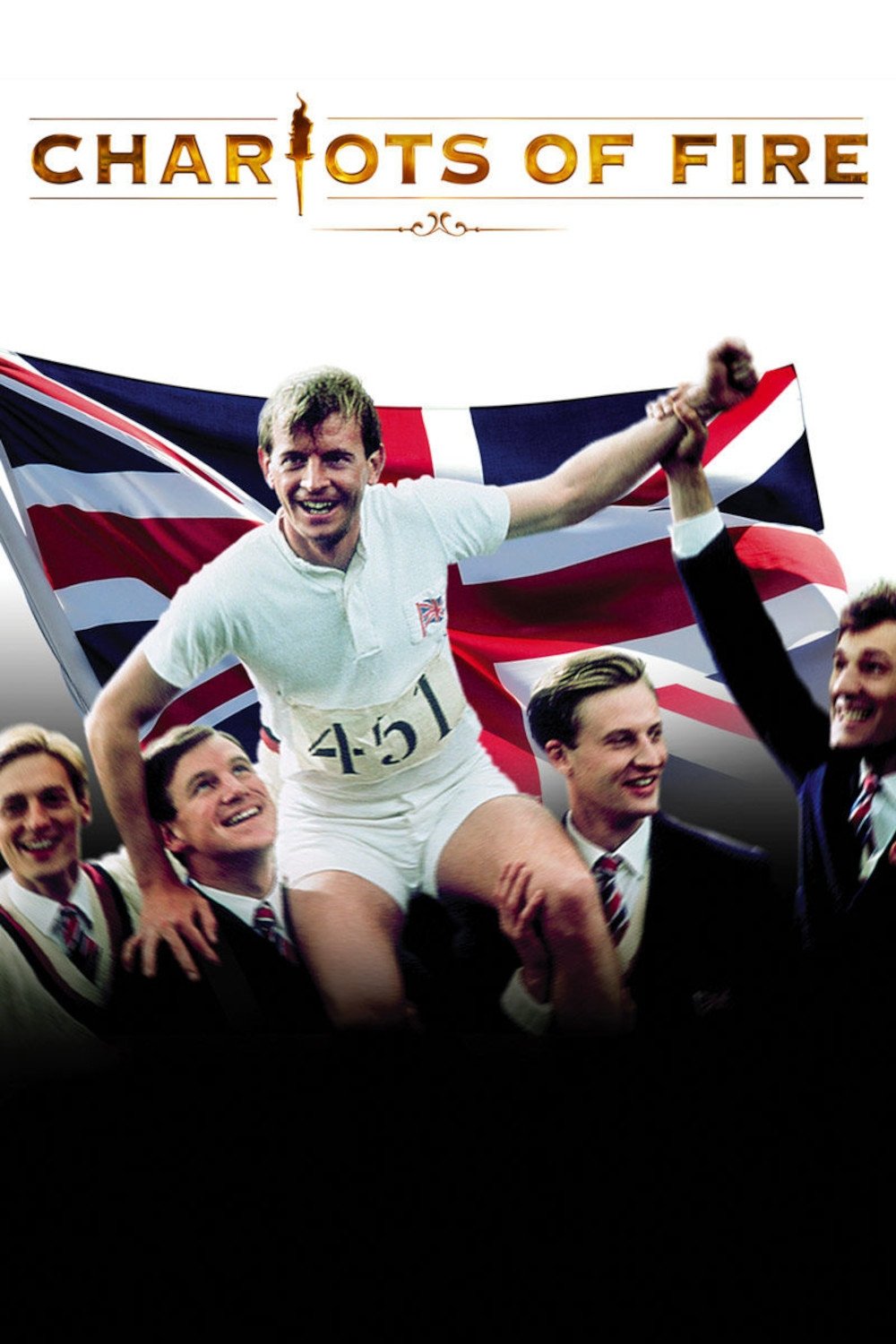
Known for its iconic Vangelis score, ‘Chariots of Fire’ tells the story of two British runners in the 1924 Olympics. Despite its Best Picture win, the film is often criticized for its slow pacing and lack of narrative tension. Many viewers find the slow-motion sequences to be repetitive and the character motivations to be underdeveloped. Critics have noted that the film’s victory was a surprise, as it beat the more critically acclaimed ‘Reds’ and ‘Raiders of the Lost Ark’. It is frequently listed among the most underwhelming winners of the 1980s.
‘Gandhi’ (1982)
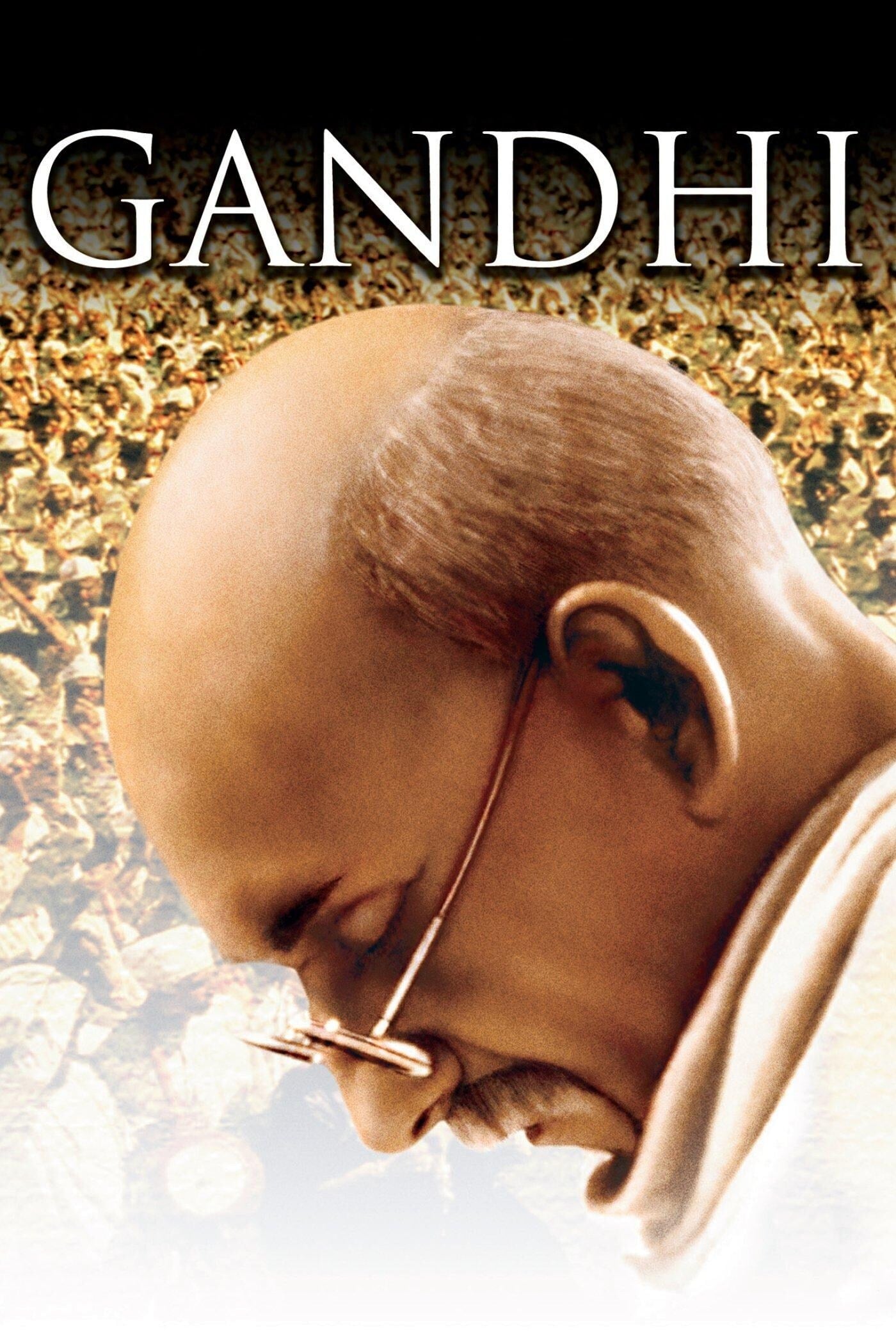
This epic biopic of Mahatma Gandhi won eight Academy Awards and was praised for Ben Kingsley’s central performance. However, critics have pointed out that the film acts more as a hagiography than a balanced historical study. The narrative is often described as overlong and structurally conventional, avoiding the more controversial aspects of Gandhi’s life. Modern analysis suggests that the film’s massive scale and prestigious subject matter influenced voters more than its artistic innovation. It is often viewed today as a respectable but overly cautious historical drama.
‘Terms of Endearment’ (1983)

‘Terms of Endearment’ is a family dramedy that successfully blended humor and tragedy, leading to five Oscar wins. Critics today often describe the film as manipulative and overly reliant on tear-jerker tropes. The plot’s sudden shift into a terminal illness narrative is frequently cited as a forced way to elicit emotion from the audience. While the performances by Shirley MacLaine and Jack Nicholson are legendary, the film’s structure is seen as episodic and inconsistent. It remains a popular film that many critics feel does not hold up to rigorous cinematic scrutiny.
‘Out of Africa’ (1985)
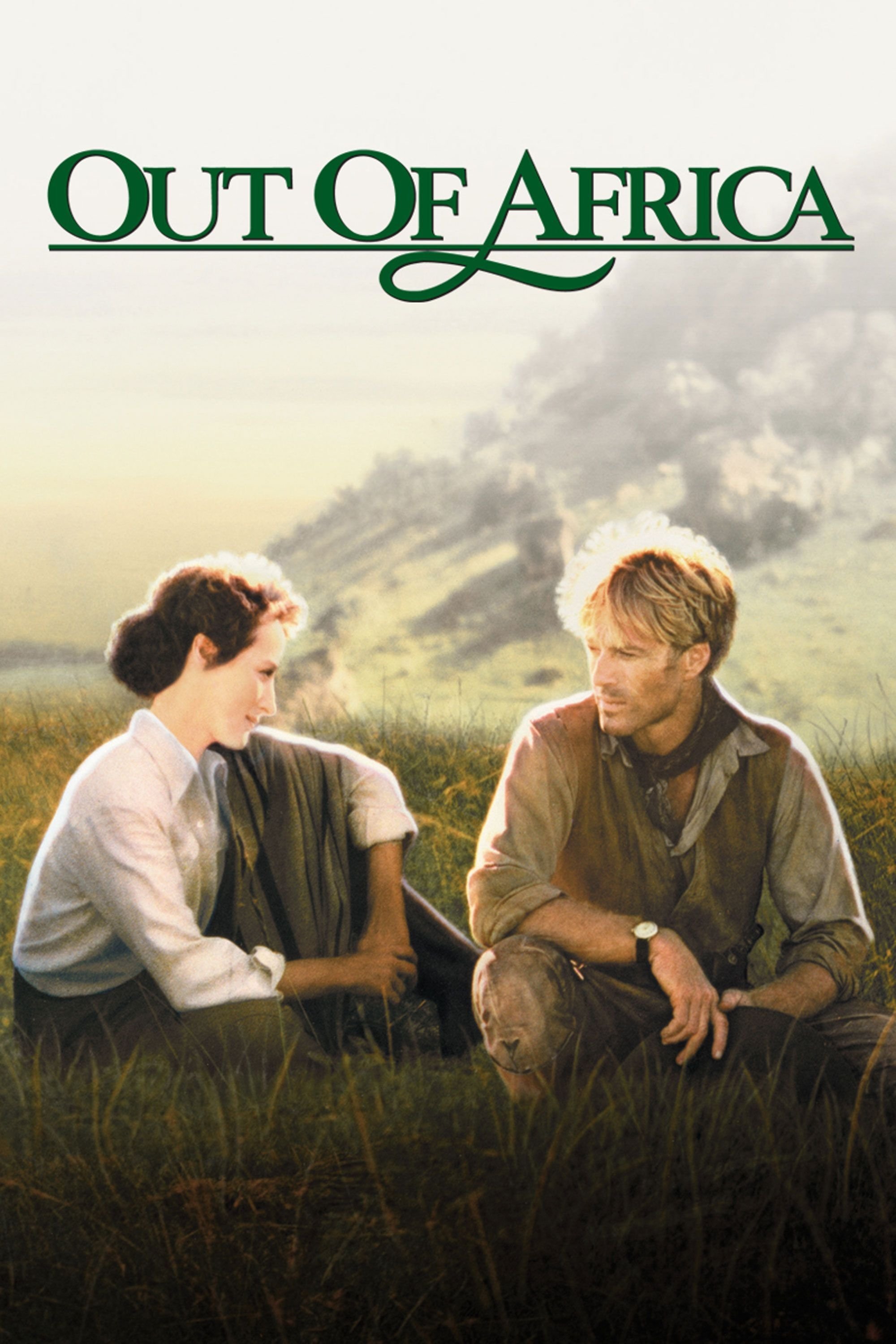
Winning seven Academy Awards, ‘Out of Africa’ was praised for its beautiful cinematography and star power. However, the film is frequently criticized for its nearly three-hour runtime and lack of romantic chemistry between Meryl Streep and Robert Redford. Critics often find the pacing to be lethargic and the narrative to be lacking in dramatic urgency. The film’s romanticized portrayal of colonial-era Africa has also faced modern criticism for its limited perspective on the indigenous population. It is widely considered one of the most boring Best Picture winners in the eyes of contemporary audiences.
‘Driving Miss Daisy’ (1989)
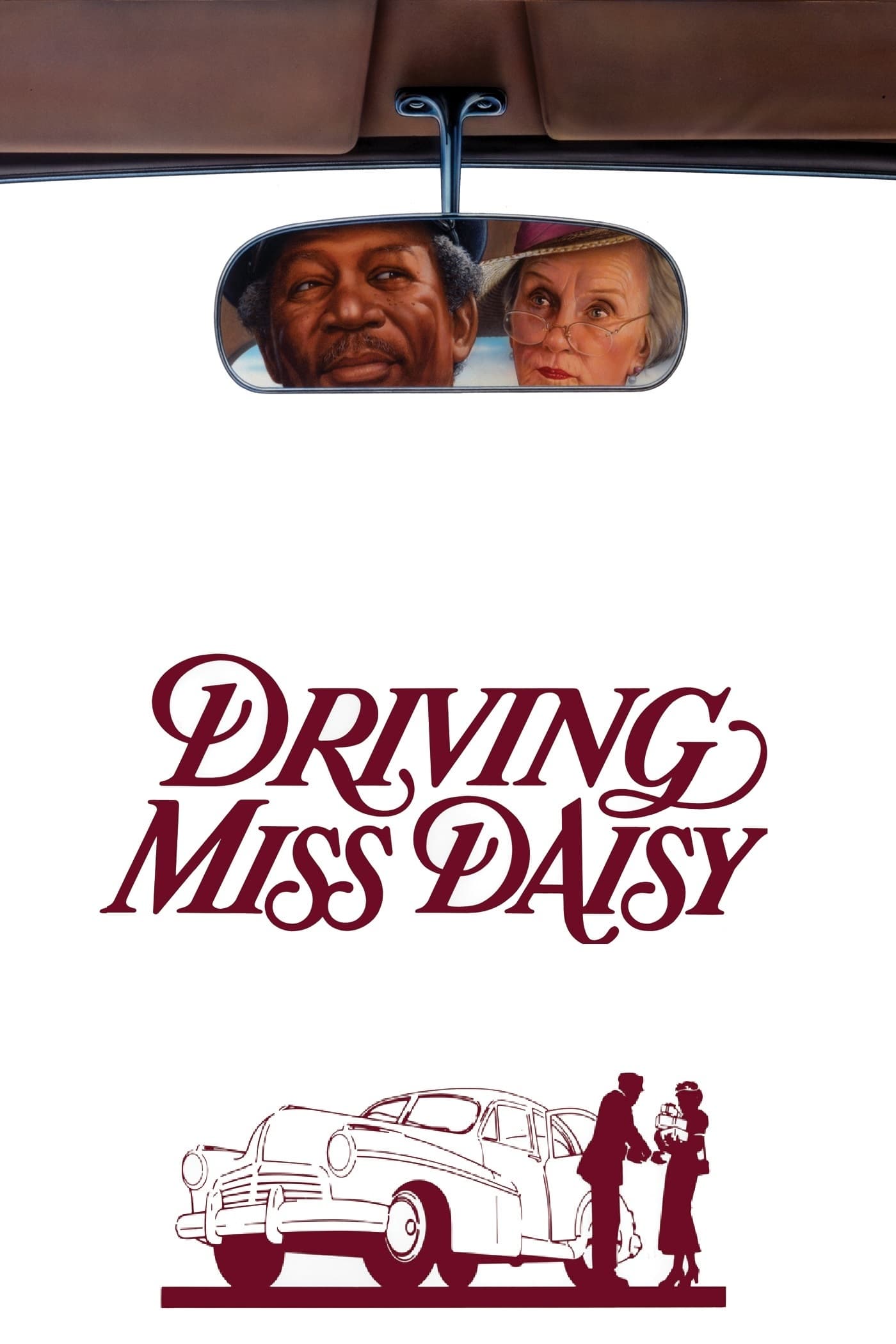
‘Driving Miss Daisy’ won Best Picture during a year when ‘Do the Right Thing’ was not even nominated, a fact that remains a major point of criticism. The film’s safe and simplistic portrayal of race relations in the American South is often viewed as outdated and patronizing. Critics argue that the movie prioritizes white comfort over a realistic exploration of systemic prejudice. While the lead performances are charming, the film’s overall message is frequently described as regressive. It is often used as a prime example of the Academy choosing a safe film over a culturally urgent one.
‘Dances with Wolves’ (1990)
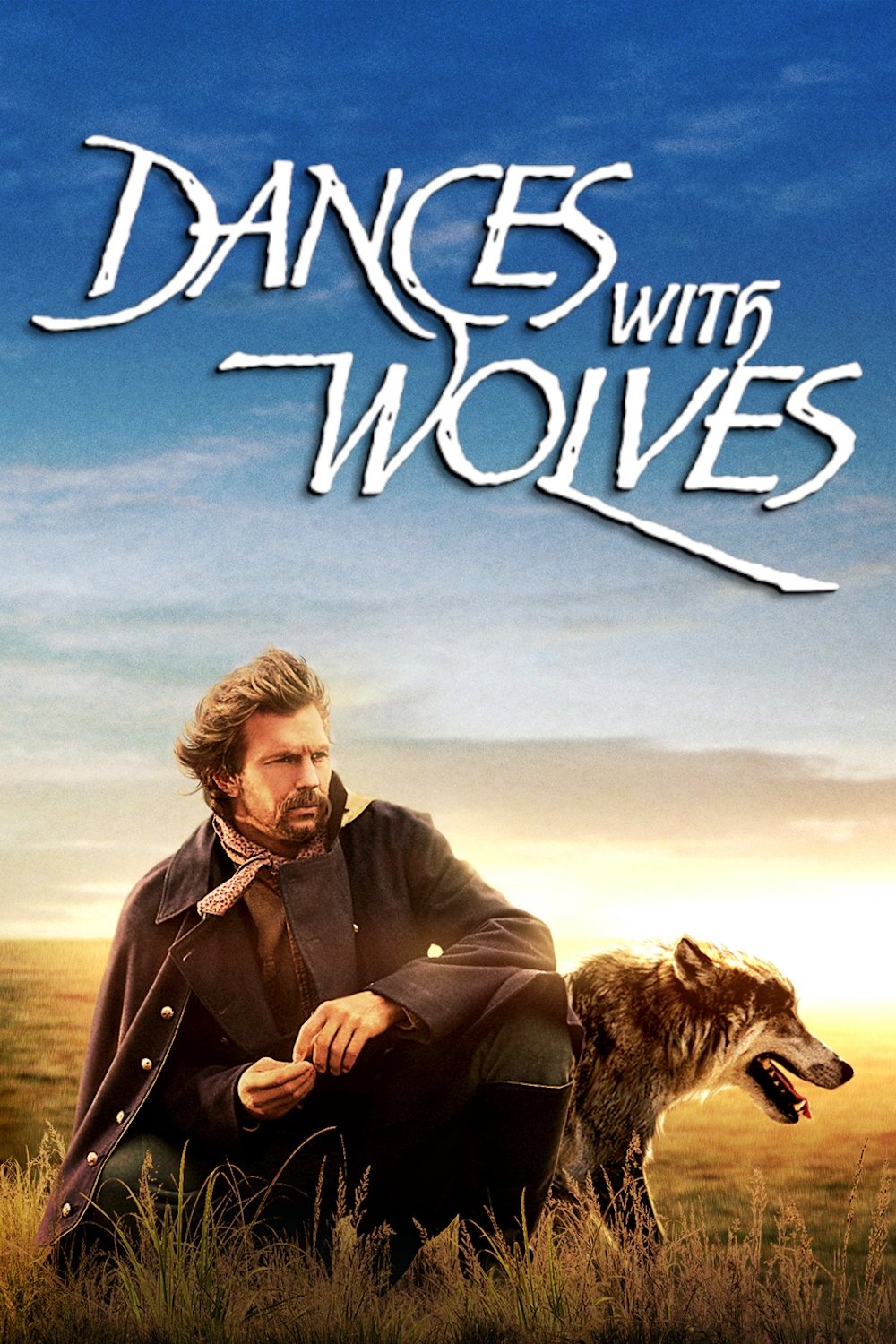
Kevin Costner’s Western epic was a massive hit that won seven Oscars, including Best Picture and Best Director. In recent years, the film has been criticized for its use of the white savior trope, where a white protagonist becomes the hero of an indigenous culture. Critics argue that the film’s victory over ‘Goodfellas’ was a mistake, as Martin Scorsese’s film had a much larger impact on the language of cinema. While the film’s cinematography and score are still admired, its narrative approach is seen as traditional and somewhat self-indulgent. Its legacy has diminished significantly compared to other 1990s classics.
‘Forrest Gump’ (1994)
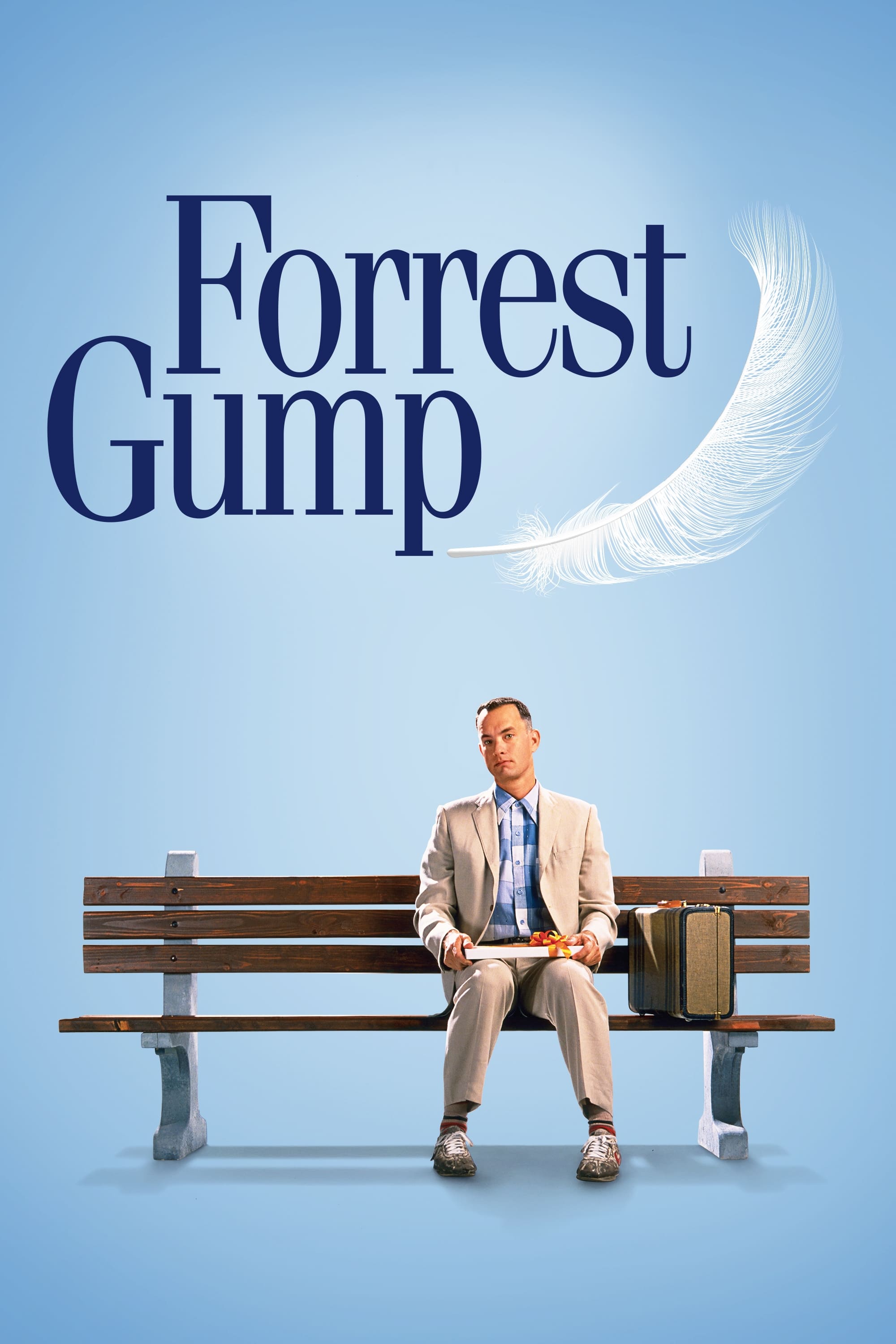
‘Forrest Gump’ is a beloved American classic, but it is also a highly divisive Best Picture winner. Critics often argue that the film presents a conservative subtext that punishes characters who challenge the status quo while rewarding Forrest’s passivity. The film’s victory over ‘Pulp Fiction’ and ‘The Shawshank Redemption’ is a frequent topic of debate among cinephiles. Some viewers find the heavy use of CGI and sentimental storytelling to be emotionally manipulative rather than authentic. While it remains a cultural staple, its intellectual depth is frequently questioned by modern film scholars.
‘Braveheart’ (1995)

Mel Gibson’s ‘Braveheart’ won five Academy Awards, including Best Picture, for its visceral depiction of the First War of Scottish Independence. However, the film is notoriously inaccurate from a historical perspective, featuring numerous anachronisms and fabrications. Critics have also pointed out the film’s heavy-handed use of homophobia and xenophobia to characterize its villains. The narrative is often seen as a standard revenge story that relies more on brutal action than complex character development. Despite its technical prowess in battle choreography, its reputation has suffered due to these thematic and historical issues.
‘The English Patient’ (1996)
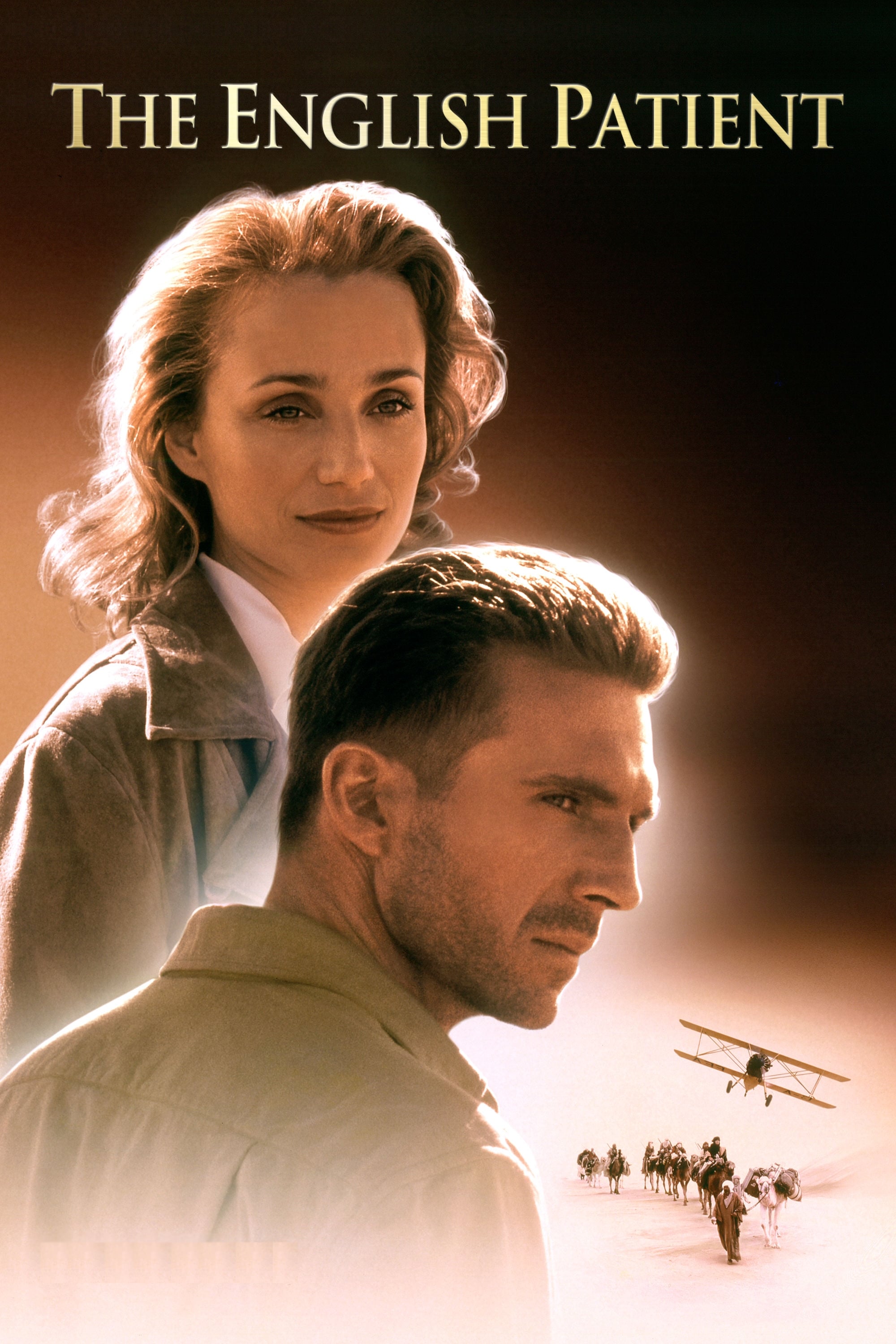
‘The English Patient’ is a sweeping romantic drama that won nine Academy Awards, yet it has become a punchline for being overlong and tedious. Critics often note that the film’s non-linear structure and slow pacing make it difficult for many viewers to remain engaged. While visually stunning, the central romance is frequently described as lacking the emotional resonance required for its epic length. The film’s victory over the more energetic ‘Fargo’ is often cited as an example of the Academy favoring prestige over originality. It remains a polarizing film that is often associated with a specific type of high-brow boredom.
‘Shakespeare in Love’ (1998)
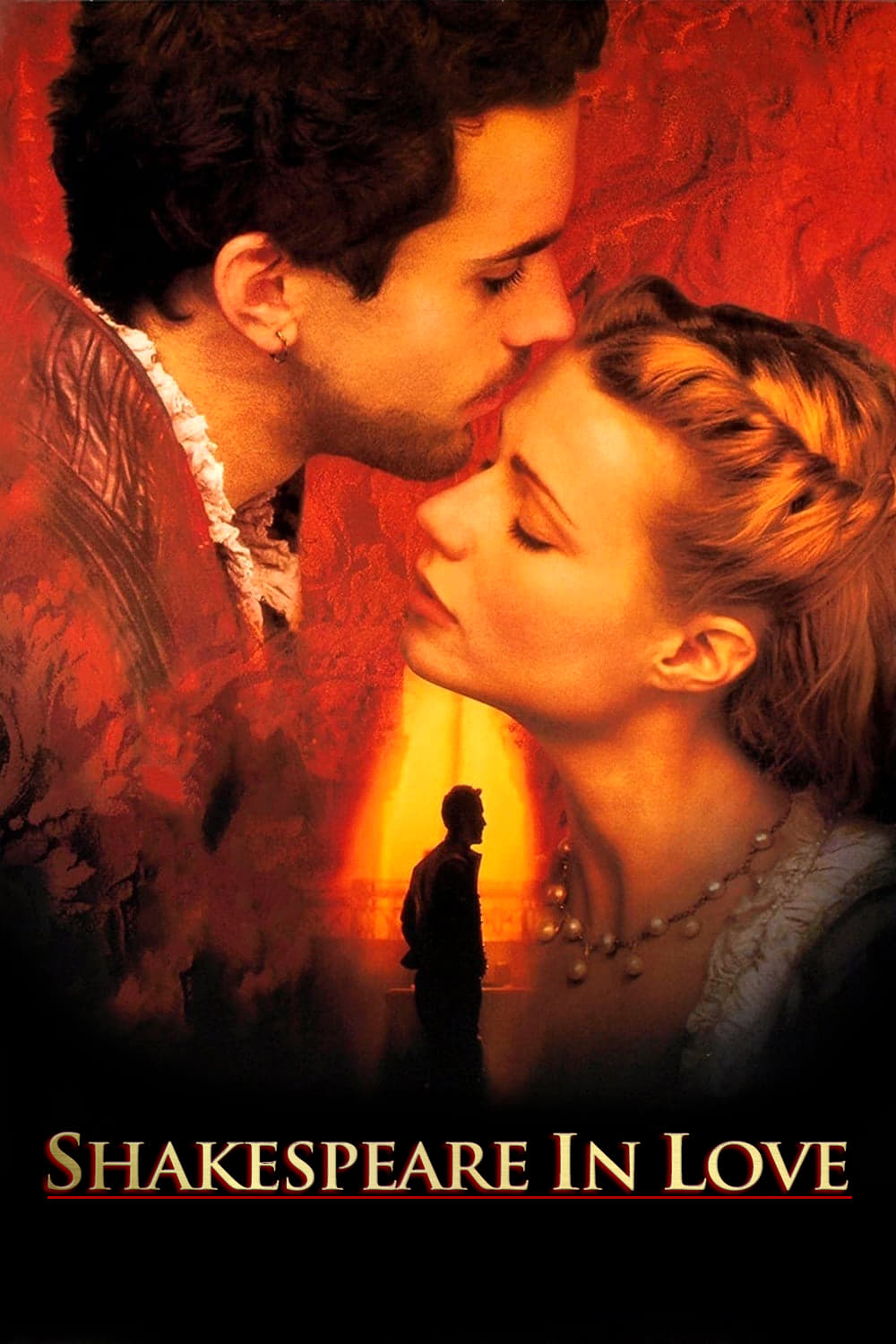
This romantic comedy-drama famously beat ‘Saving Private Ryan’ for Best Picture, a result that still shocks film enthusiasts. Critics argue that while ‘Shakespeare in Love’ is a clever and charming film, it lacks the historical weight and technical innovation of Steven Spielberg’s war epic. The film’s win is often attributed to an aggressive marketing campaign by Harvey Weinstein rather than pure artistic merit. Modern reevaluations find the film to be light and enjoyable but ultimately minor in the grand scheme of cinema. It remains a symbol of the Academy’s susceptibility to industry politics.
‘American Beauty’ (1999)

‘American Beauty’ was initially hailed as a profound look at suburban malaise and won five Oscars. In the years since, the film has faced a significant decline in reputation due to its cynical tone and the off-screen controversies of its lead actor. Critics now often find the film’s attempt at profundity to be shallow and its characters to be unlikable. The central plot involving a father’s infatuation with his daughter’s teenage friend is viewed as increasingly uncomfortable and poorly handled. What was once seen as a daring social commentary is now frequently described as pretentious and dated.
‘Gladiator’ (2000)
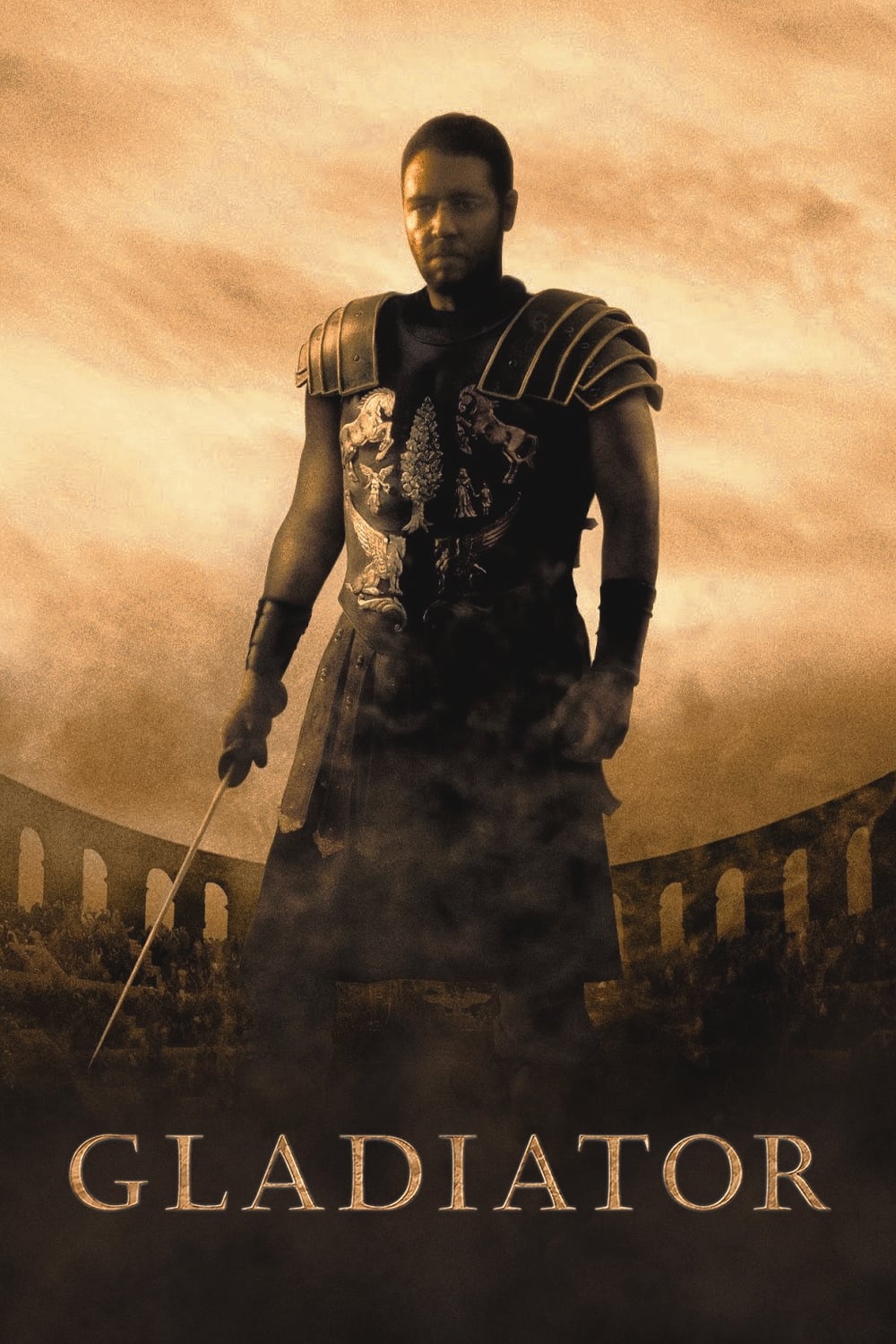
‘Gladiator’ revived the sword-and-sandal epic and won five Academy Awards, including Best Picture. While the film is a masterclass in production design and action direction, critics often point out that the script is built on familiar tropes. The narrative follows a standard revenge arc that lacks the narrative complexity found in other contemporary dramas. Some historians and film buffs argue that its win was a result of a weak year for competition rather than the film’s own excellence. While it remains highly entertaining, it is rarely cited as a film with deep intellectual or emotional layers.
‘A Beautiful Mind’ (2001)
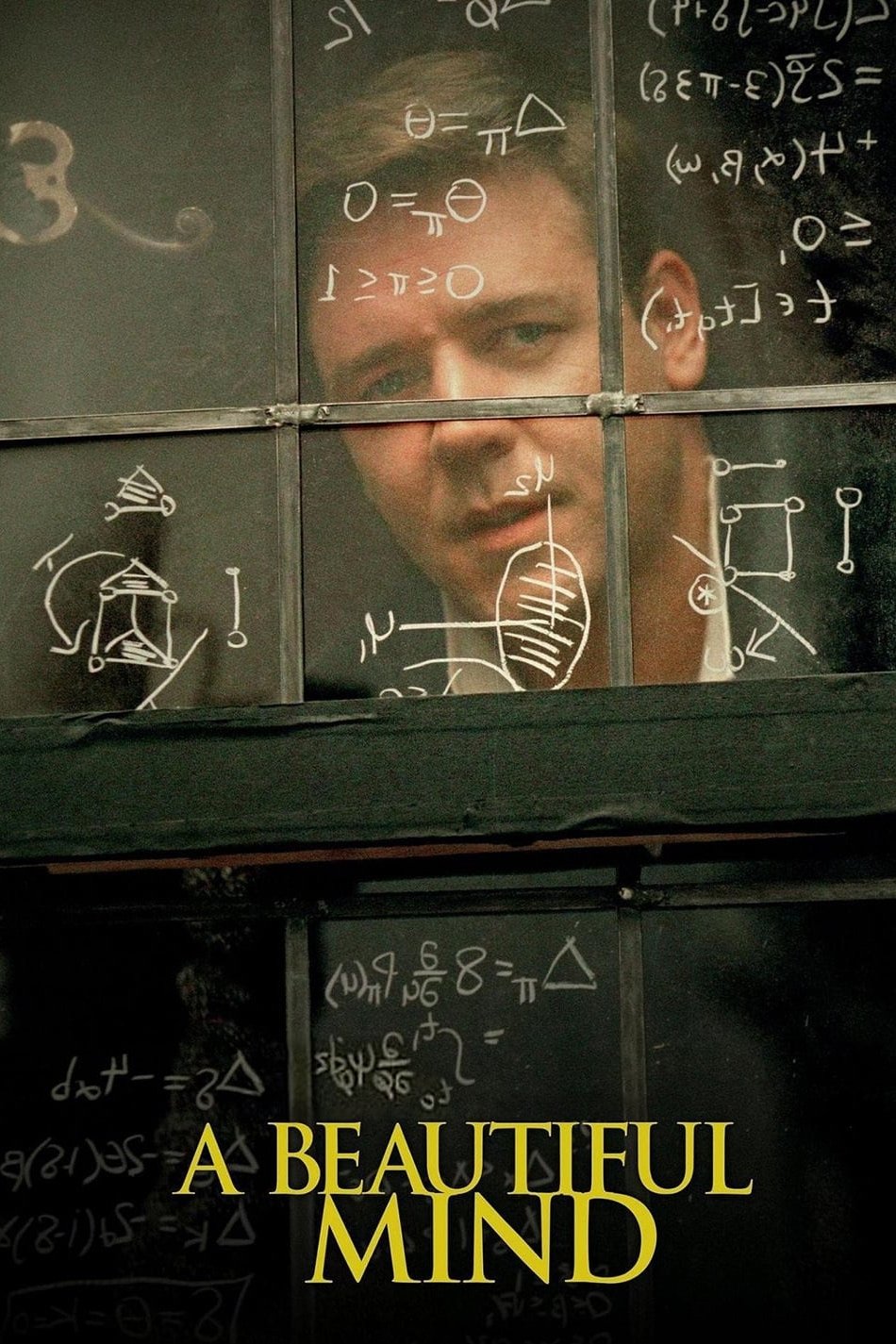
This biopic of mathematician John Nash won four Academy Awards, but it has been heavily criticized for its historical inaccuracies. The film omitted key aspects of Nash’s life, including his struggles with his sexuality and his complicated personal relationships, to create a more traditional narrative. Critics argue that the film’s depiction of schizophrenia is more of a cinematic device than a realistic portrayal of the condition. By sanitizing Nash’s life, the film is seen by some as a piece of Oscar bait rather than an honest biography. Its reputation as a high-quality drama has faded as more authentic biopics have emerged.
‘Crash’ (2004)
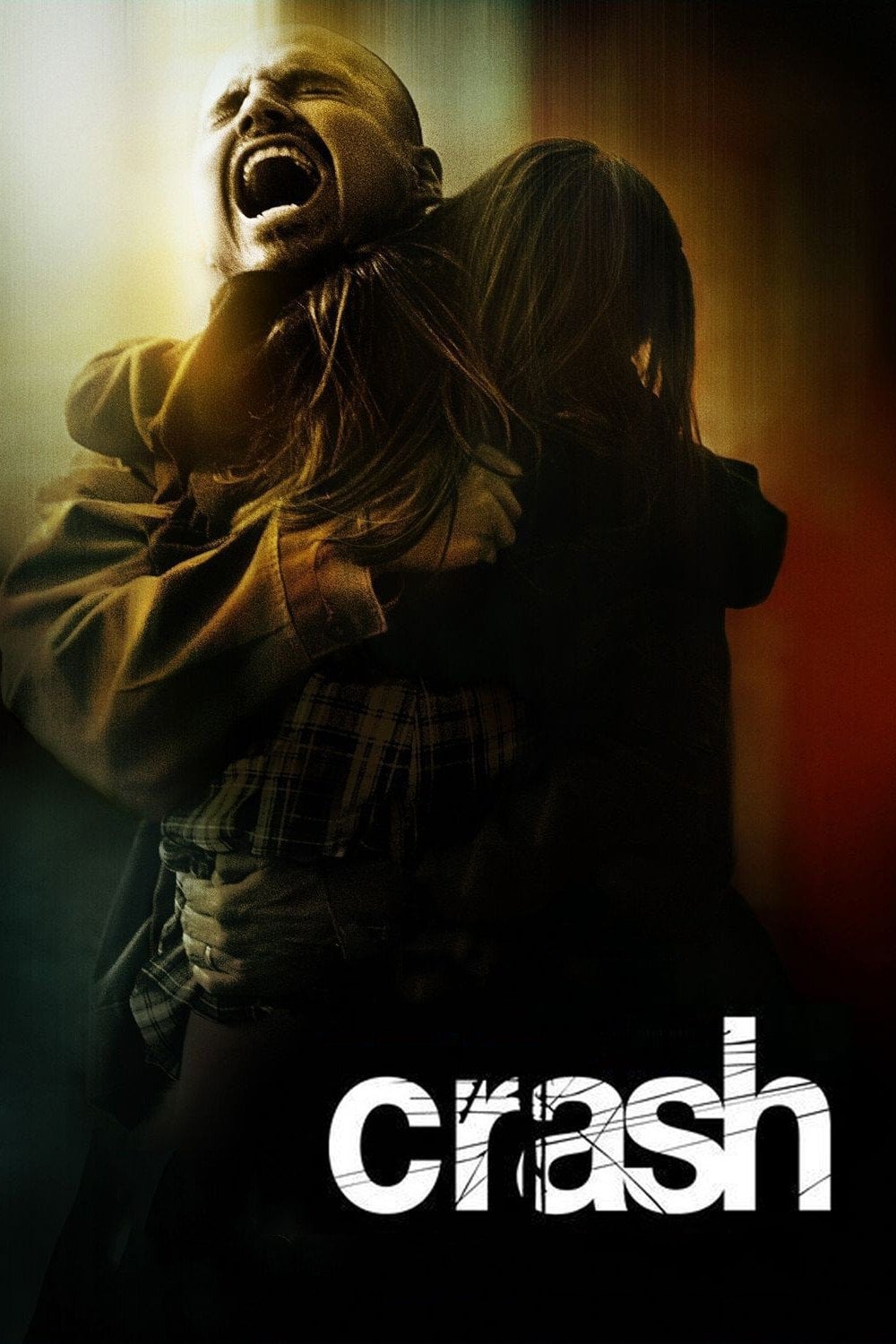
‘Crash’ is widely considered one of the most controversial Best Picture winners in the history of the Oscars. The film’s interlocking stories about race in Los Angeles are often criticized for being heavy-handed, stereotypical, and overly simplified. Many critics argue that the film uses extreme coincidences to force its moral lessons on the audience. Its victory over ‘Brokeback Mountain’ is frequently cited as one of the Academy’s biggest misses, reflecting a safe choice regarding sensitive subject matter. Today, ‘Crash’ is often used by film students as a case study in how not to write about social issues.
‘The Artist’ (2011)
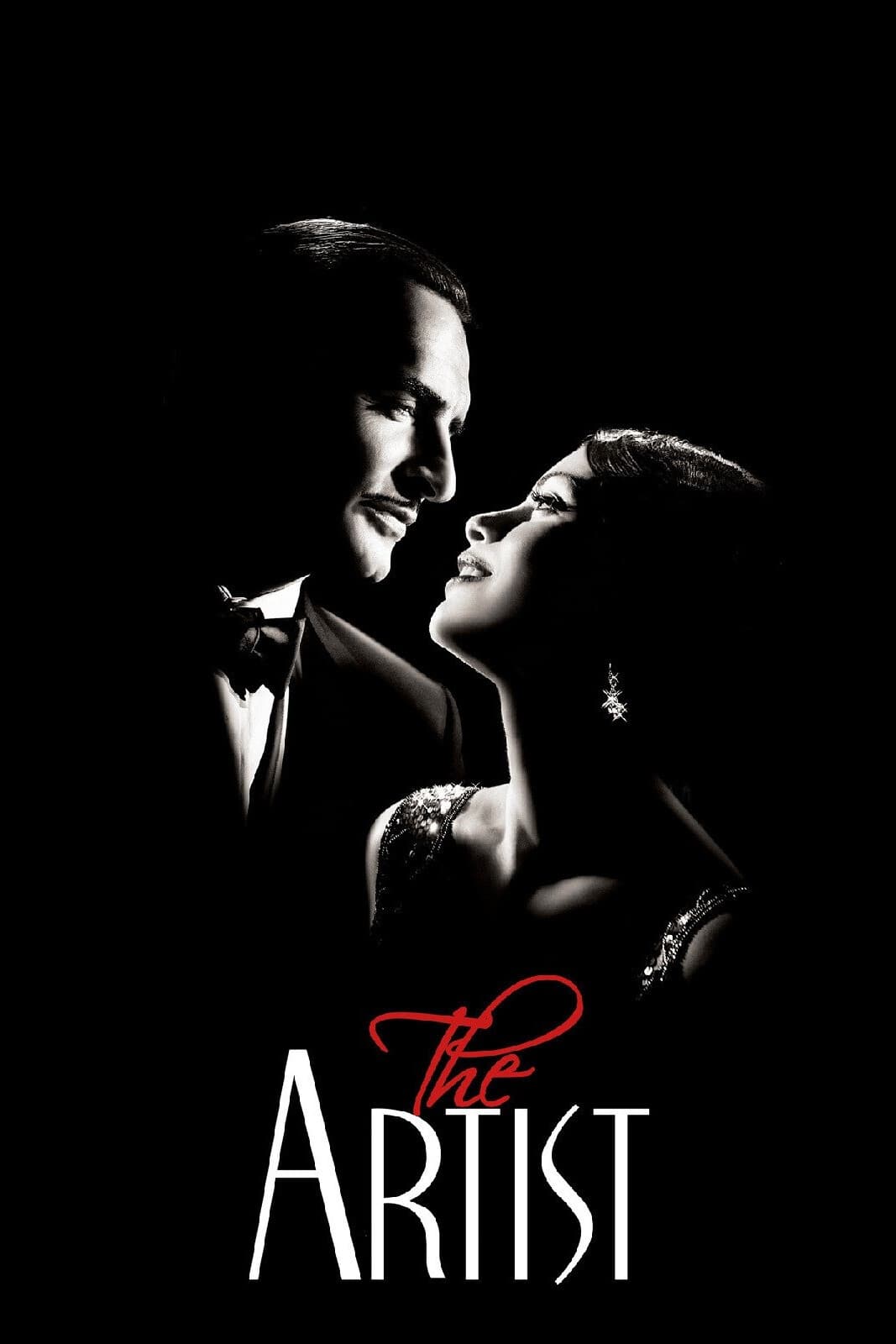
‘The Artist’ was a black-and-white silent film that won Best Picture by capitalizing on nostalgia for early Hollywood. While it was a charming novelty at the time, many critics now view it as a gimmick that lacks lasting substance. The plot is a very simple retelling of stories seen in films like ‘Singin’ in the Rain’ or ‘A Star is Born’. Once the initial excitement over its silent format wore off, audiences found little reason to return to the film. It is often cited as one of the most forgettable winners of the modern era.
‘Green Book’ (2018)
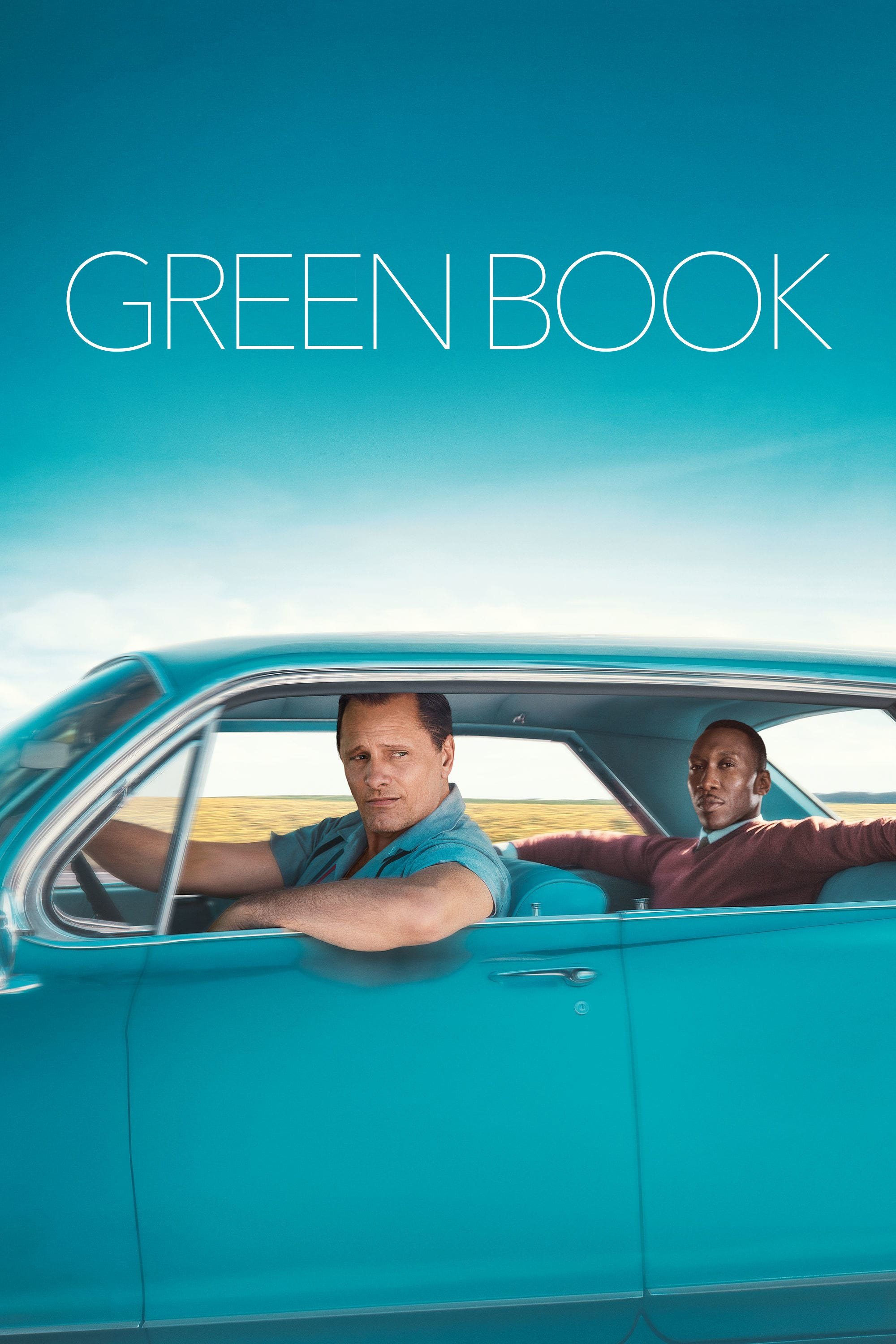
‘Green Book’ won Best Picture despite facing significant criticism for its outdated approach to race relations. The film was accused of employing the white savior trope, focusing more on the white driver’s personal growth than the experiences of the Black musician he was transporting. Family members of the real-life Dr. Don Shirley also criticized the film for inaccuracies in its portrayal of his life. Many critics felt the film was a regression compared to other contemporary films tackling similar themes with more nuance. Its win remains a point of intense debate in the discussion of the Academy’s historical blind spots.
Share your thoughts on which award-winning movies you think have aged the most poorly in the comments.