Batman vs. Daredevil: Two Dark Knights Compared

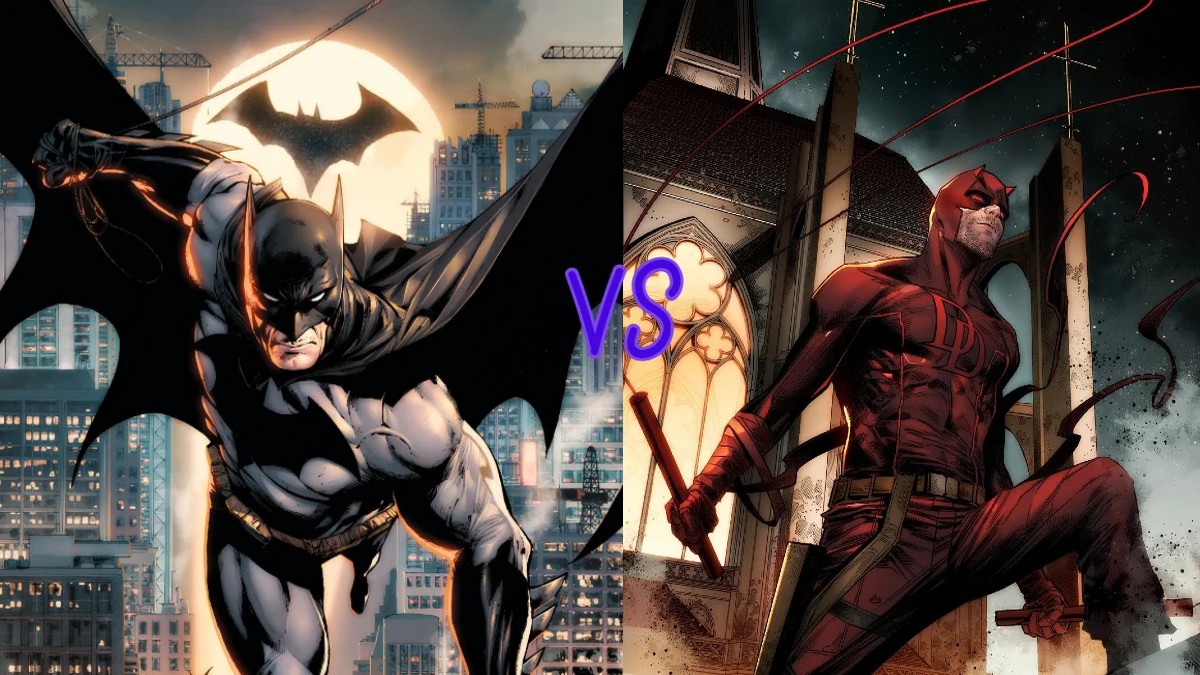

They share the rooftops, the rain-soaked alleyways, and a bone-deep commitment to protecting cities that rarely deserve them. Batman and Daredevil are two of comics’ most enduring figures precisely because they operate in moral gray zones that brighter heroes avoid. Both are non-lethal, both are driven by trauma, and both have defined what street-level vigilantism means across decades of storytelling. Yet for all their similarities, these two characters couldn’t be more different in the ways that truly matter.
Origins: Trauma, Darkness, and Motivation
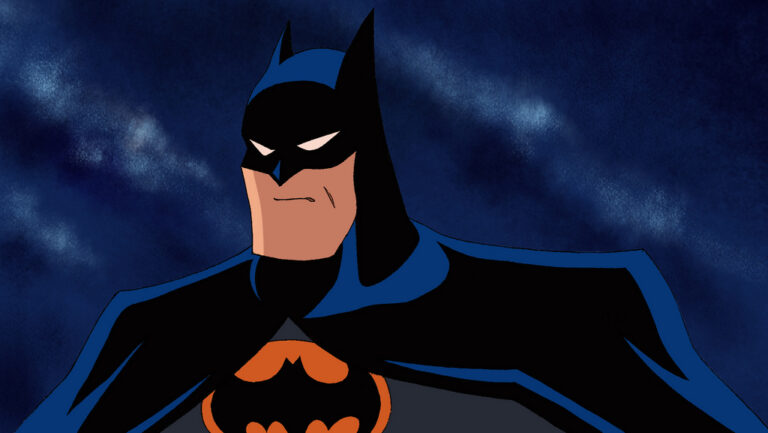
Bruce Wayne’s story is one of sudden, violent loss. Watching his parents murdered in a Gotham alley didn’t just wound him — it rewired his entire worldview into something cold and purposeful. His famous conviction that “the world only makes sense when you force it to” speaks to a man who replaced faith with control, grief with discipline. There’s no higher power in Bruce’s universe. Only preparation.
Matt Murdock’s origin carries a different kind of weight. A chemical accident stole his sight but amplified every other sense, gifting him what fans call radar vision. Where Bruce lost people, Matt lost certainty — and he filled that void with Catholic guilt and a relentless need for redemption. Frank Miller’s defining run on the character introduced Elektra, Kingpin, and ninja mythology, but also deepened the religious undertones that make Daredevil one of comics’ most psychologically complex figures. These aren’t two versions of the same hero. They’re two entirely separate responses to suffering.
Beyond Comics: Games, Adaptations, and Digital Spin-offs
Batman and Daredevil have both found second lives outside the page. Batman, in particular, has dominated the gaming space through titles like the Arkham series, while Daredevil’s appearances have been more limited but still culturally significant.
This expansion into interactive media has also influenced adjacent industries. Comic book aesthetics—dark cityscapes, masked vigilantes, high-stakes conflict—have inspired everything from AAA games to niche entertainment formats, including themed slot experiences available on some no kyc casinos, where quick access and stylised gameplay mirror the immediacy of comic storytelling.
Fighting Style and Gadgets Versus Raw Senses
Batman’s edge is resource-based. Decades of training across every martial discipline, combined with Wayne Enterprises funding and a utility belt full of solutions, make him extraordinarily adaptable. He can neutralize opponents before they know he’s there, and his gadgets often do the heavy lifting before fists are even needed. Writer Chip Zdarsky has noted that in a direct confrontation, Batman would likely win — not because Daredevil lacks skill, but because Bruce’s combination of preparation and tools is simply harder to overcome.
Daredevil fights differently. His enhanced senses let him read heartbeats, track movement through walls, and anticipate attacks before they land. His boxing foundation, layered with Stick’s martial arts training, produces a fighter who wins through instinct rather than inventory. Daredevil’s approach is to cut the overhead, trust your instincts, get results. Matt doesn’t need a cave full of equipment. He needs thirty seconds alone with someone.
How Privacy and Identity Shape Their Worlds
Bruce Wayne’s public persona is its own kind of superpower. The billionaire playboy act gives him cover that most heroes can’t access, funding operations that would bankrupt a small country while deflecting suspicion through sheer implausibility. According to DC’s official character profiles, Batman has been protecting Gotham for decades across continuously evolving story arcs. His wealth is both his greatest tool and a constant reminder of how far he is from the people he protects.
Matt Murdock’s identity is far more fragile. He functions as a Hell’s Kitchen attorney by day, defending the people he protects at night — a dual role that creates constant ethical tension. Marvel’s own character history for Daredevil traces how his secret has been exposed and reconstructed multiple times, each breach costing him relationships and stability. Bruce isolates by choice. Matt gets isolated by circumstance.
Who Owns the Night: A Clear Verdict
Declaring a winner depends entirely on what you value. If the metric is raw effectiveness — tactical preparation, resources, and sustained dominance over a city — Batman wins without much argument. Gotham is genuinely afraid of him in ways that Hell’s Kitchen isn’t always afraid of Daredevil. Bruce has turned fear itself into infrastructure.
But Daredevil is the more human of the two. Matt bleeds more, doubts more, and loses more — and keeps coming back anyway. His resilience isn’t backed by billions. It comes from somewhere quieter and harder to explain. Both characters have permanently shaped how comics approach urban heroism, moral ambiguity, and the cost of putting on a mask. The real answer is that comics needs both of them, in different cities, fighting different demons, for different reasons.