


Best Anime Films You’ve Never Seen


There are so many anime films that flew under the radar, even among dedicated fans, and they are packed with striking ideas, memorable worlds, and unique voices. This list gathers lesser seen features from different eras and studios so you can discover something new the next time you want a deep dive. Each entry includes core details like the director, studio, and what the story covers so you can decide what to line up next. Use it as a guide to explore beyond the usual classics and find films that reward a closer look.
‘Mind Game’ (2004)
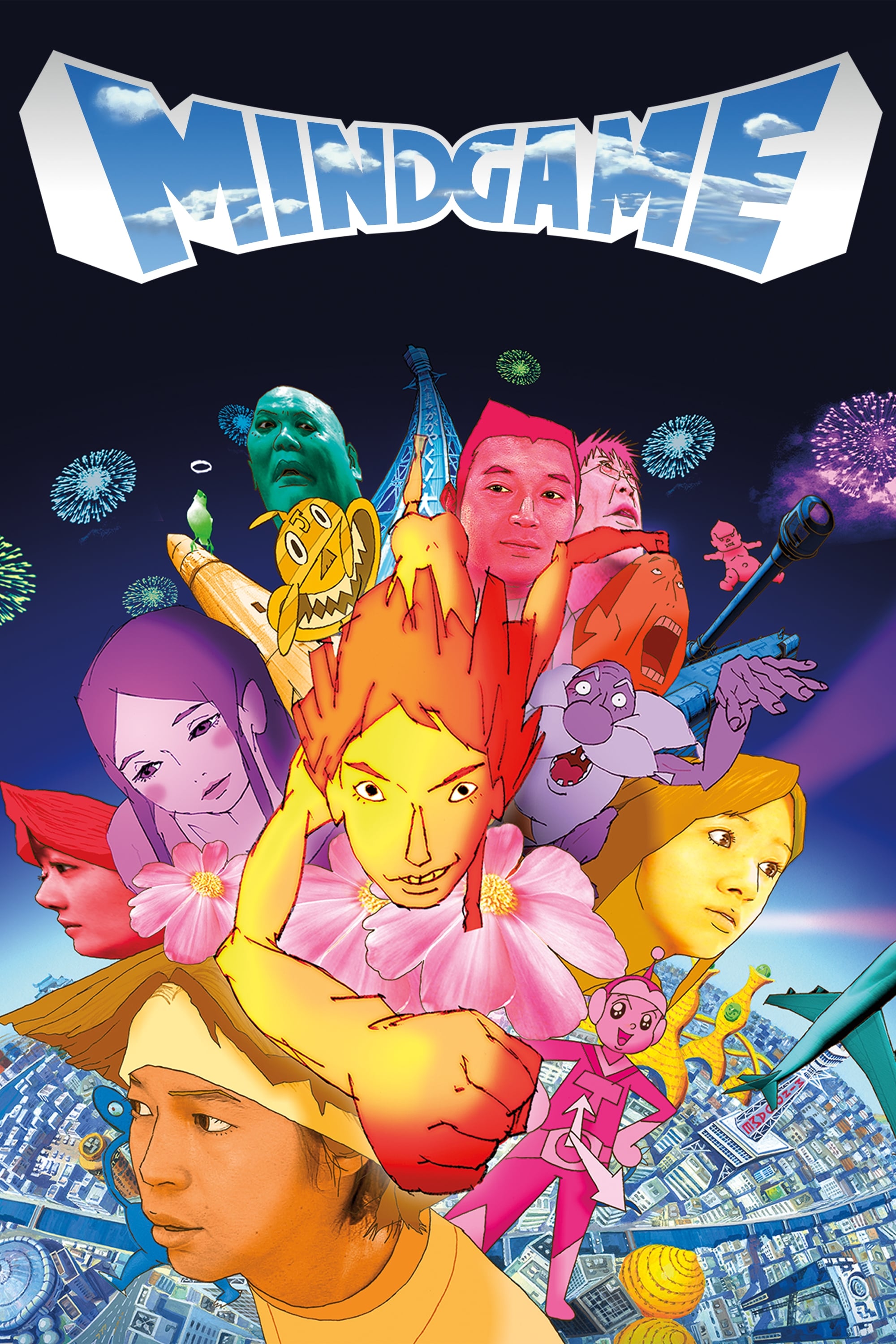
Directed by Masaaki Yuasa and produced by Studio 4°C, this film adapts Robin Nishi’s manga with bold mixed media techniques. The story follows a young man who gets a second chance at life after a deadly run in with gangsters. Its animation blends hand drawn styles with experimental visuals. The movie debuted in Japan and later toured international festivals with restored releases expanding its audience.
‘Angel’s Egg’ (1985)
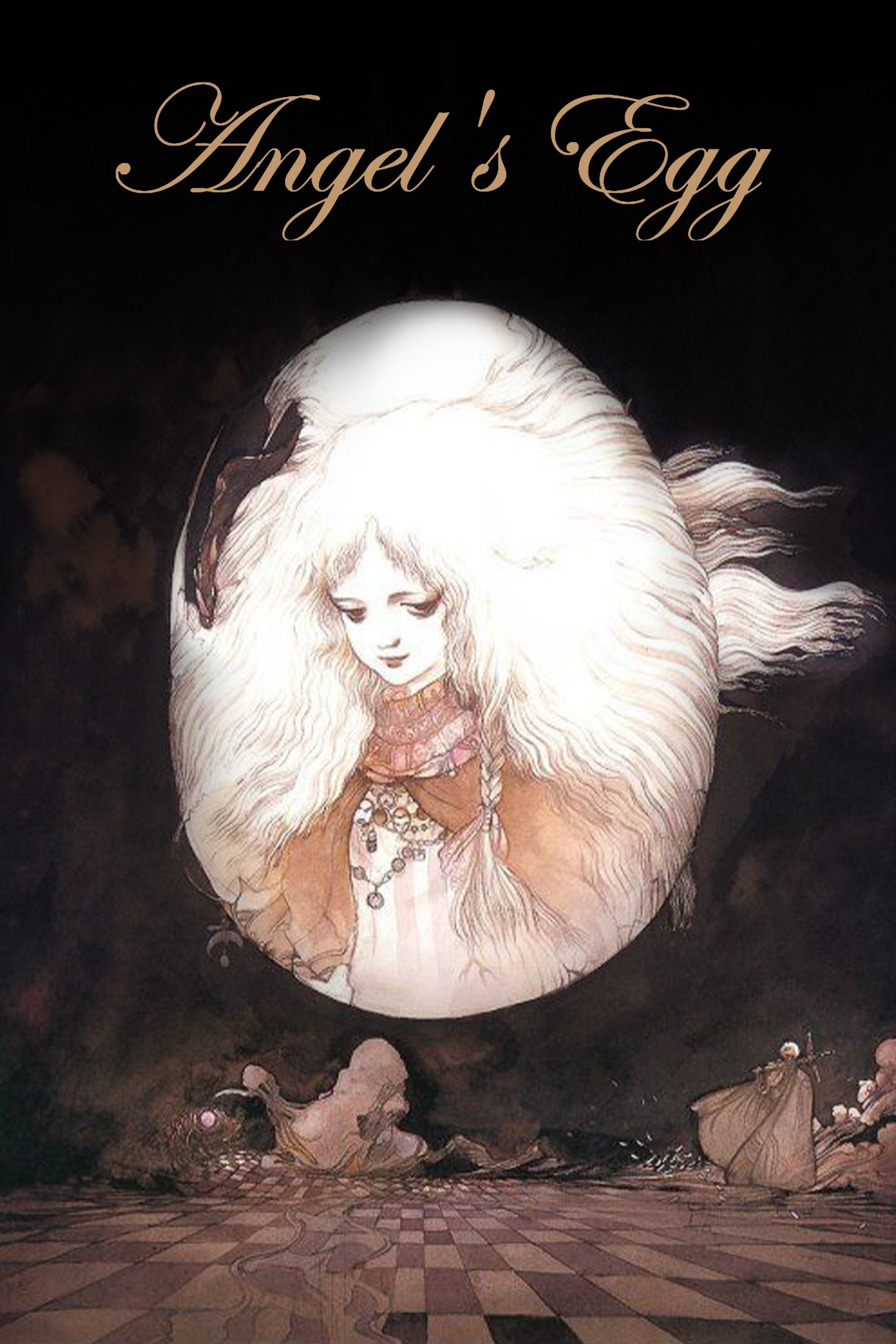
This collaboration between Mamoru Oshii and artist Yoshitaka Amano was produced by Studio Deen. The film centers on a silent girl carrying a mysterious egg through a deserted city while a soldier shadows her journey. Dialogue is minimal and imagery carries the narrative. It was released direct to video in Japan and has since become a fixture at retrospective screenings.
‘Belladonna of Sadness’ (1973)
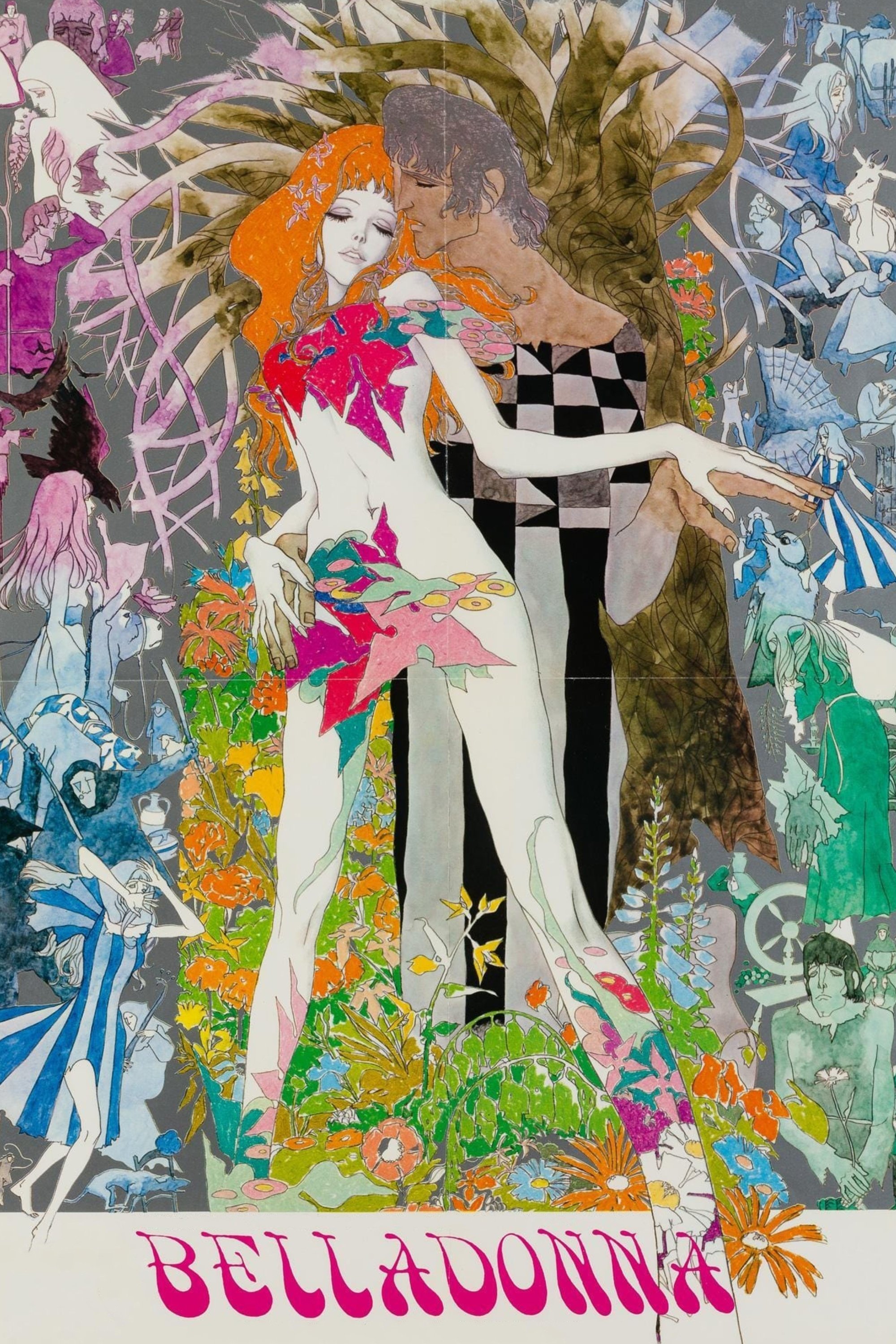
Eiichi Yamamoto directed this Mushi Production feature inspired by a French historical text about witchcraft and persecution. The film uses watercolor stills and limited animation to present its story of a woman who makes a pact after a feudal assault. Long missing from distribution, it was later restored from original elements. The restoration led to theatrical reissues and art house engagements worldwide.
‘Colorful’ (2010)
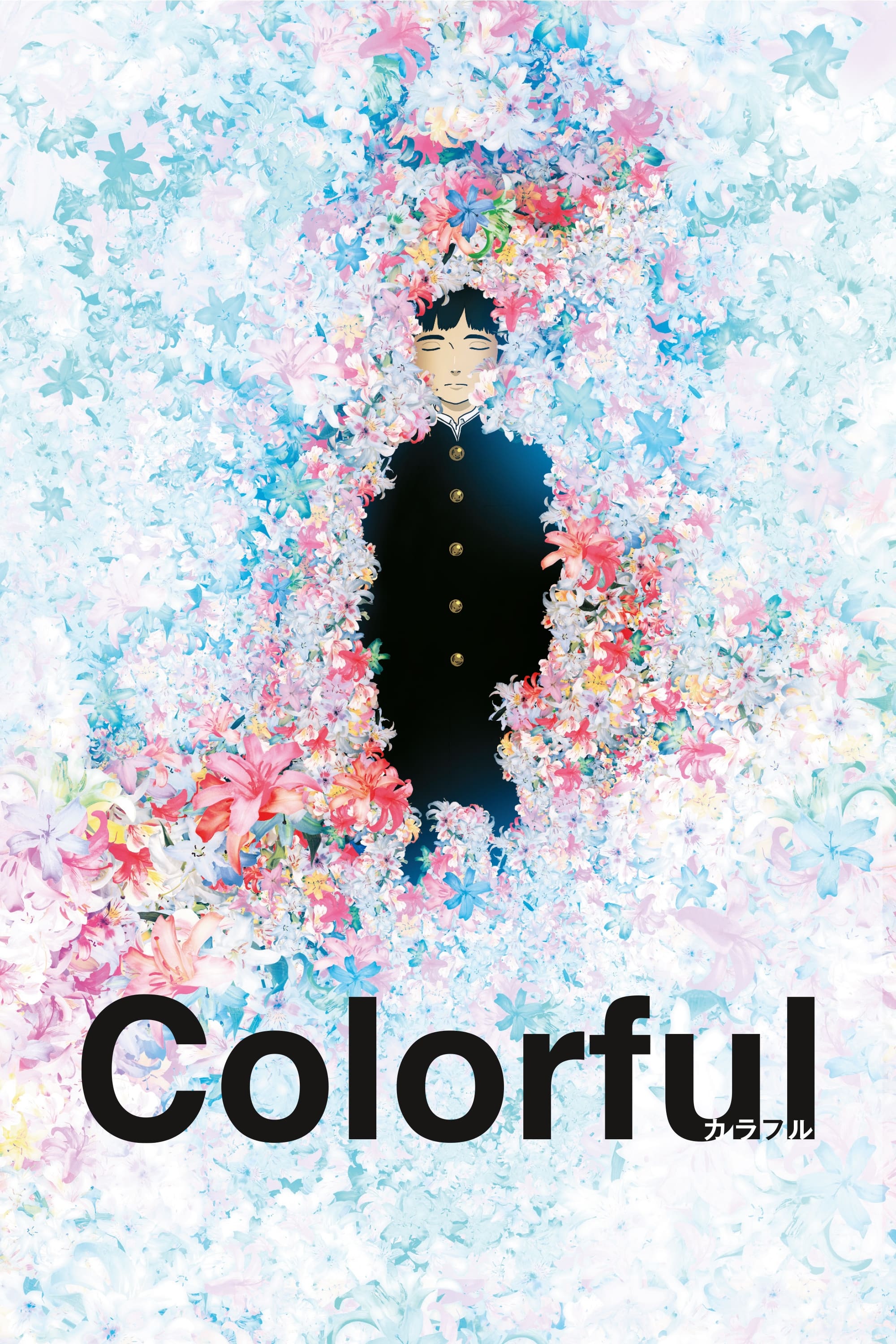
Keiichi Hara directed this Sunrise and Ascension film based on Eto Mori’s novel. The plot follows a soul that is given a new body and must unravel the circumstances surrounding a student’s death. The production uses grounded settings around Tokyo and careful character animation. It received awards at festivals in Asia and Europe and secured international home video releases.
‘Patema Inverted’ (2013)
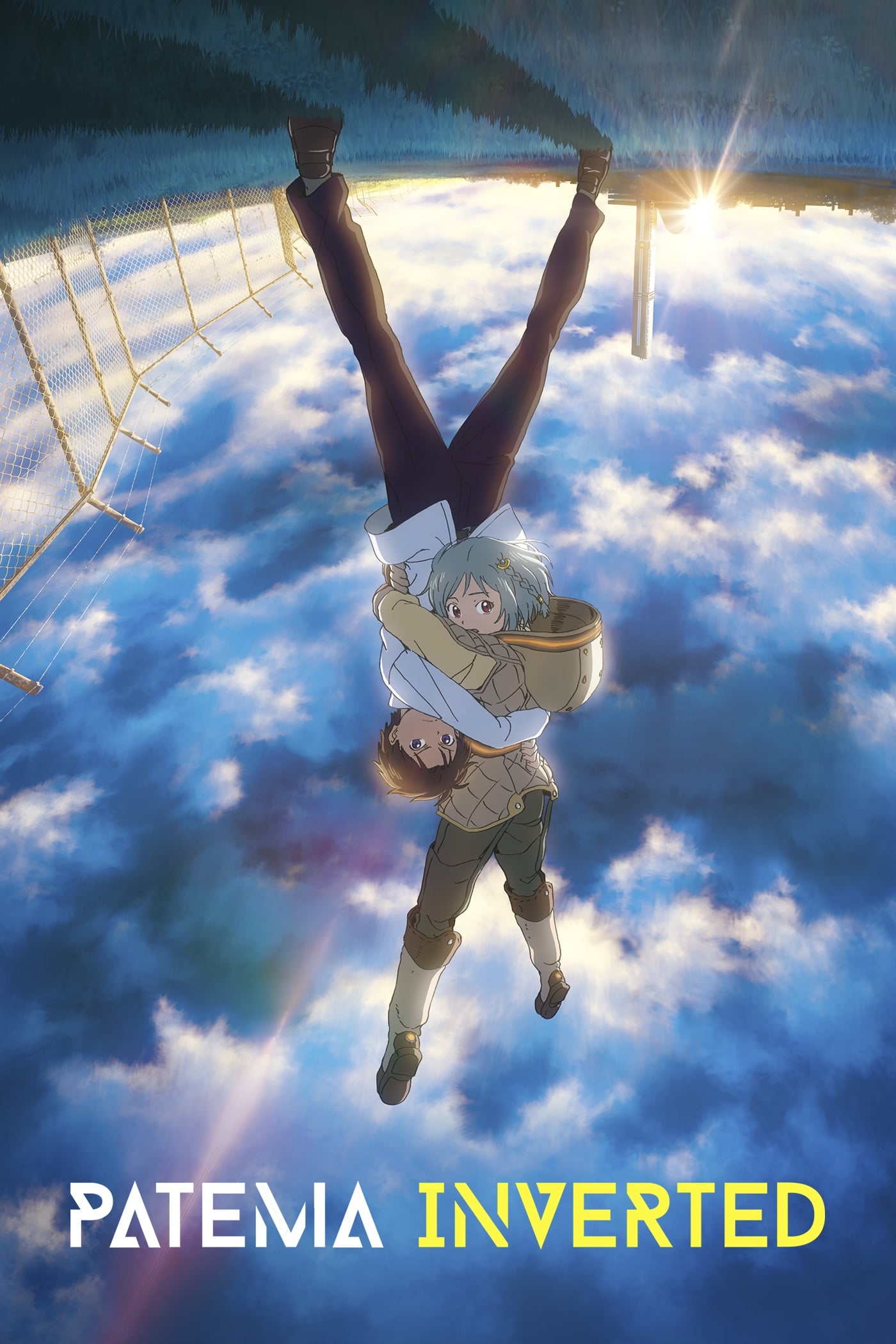
Yasuhiro Yoshiura wrote and directed this film produced by Purple Cow Studio Japan. The premise pairs two teens from societies with opposite gravity, creating set pieces where each character falls a different way. Background art emphasizes vertical landscapes and underground tunnels. The movie premiered at international festivals and won an audience award in Scotland.
‘Penguin Highway’ (2018)
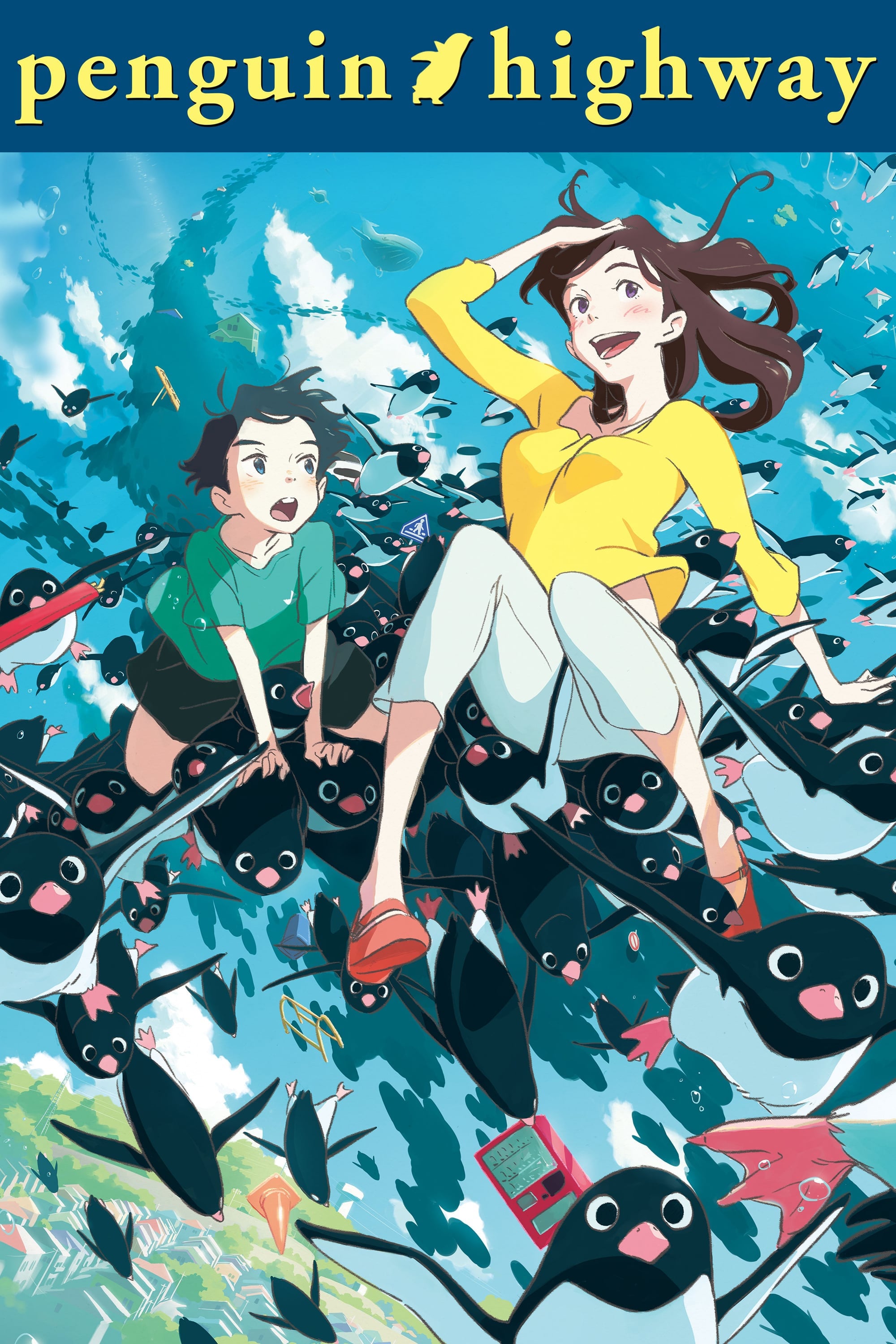
This Studio Colorido feature adapts Tomihiko Morimi’s novel and is directed by Hiroyasu Ishida. The story begins when penguins appear far from the sea and a curious student investigates alongside a dental assistant with a strange connection to the mystery. The film combines everyday suburban life with gentle science fantasy elements. It earned a Japan Academy Prize nomination for animation.
‘Tekkonkinkreet’ (2006)
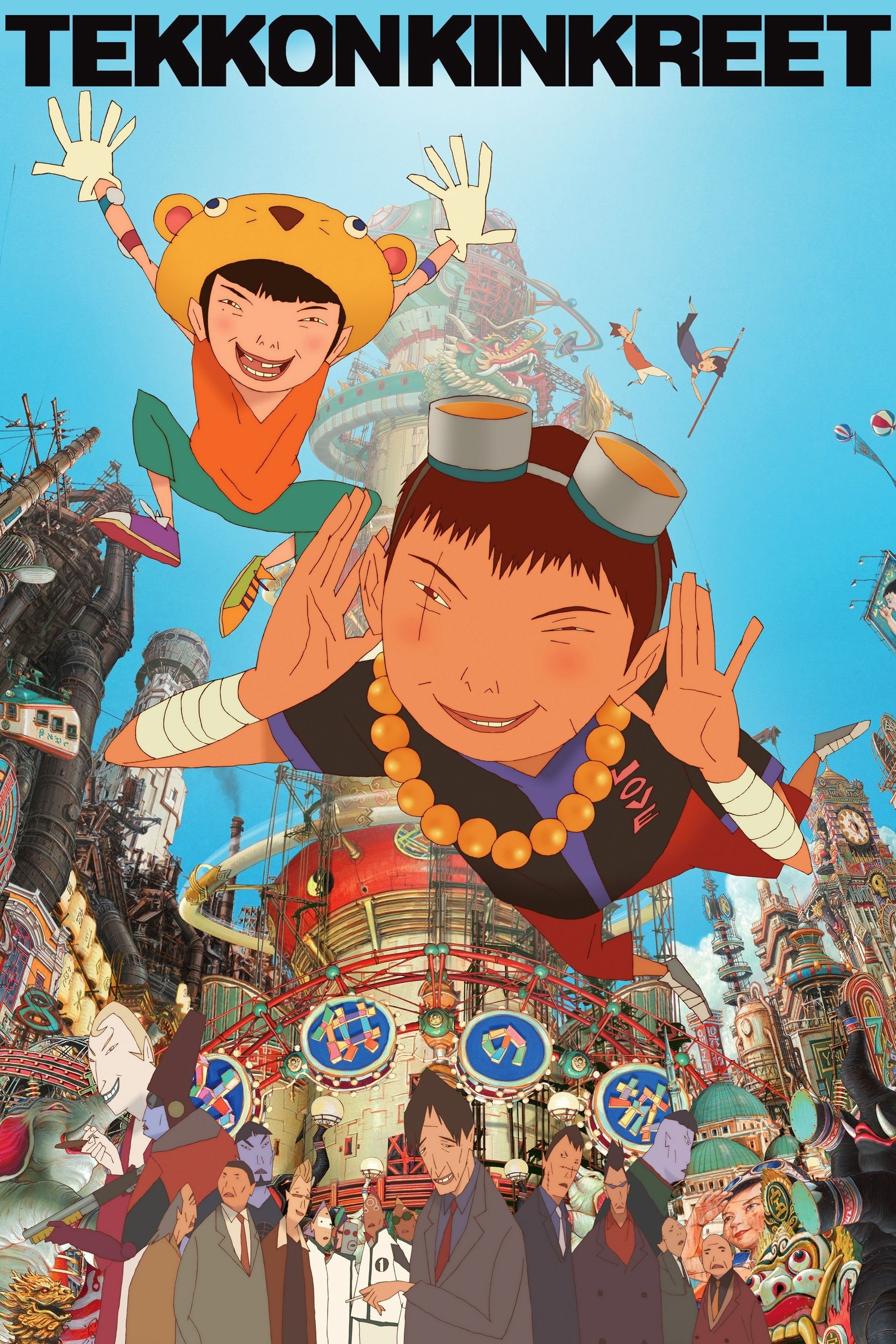
Michael Arias directed this Studio 4°C adaptation of Taiyo Matsumoto’s manga. The plot follows street kids Black and White as they defend Treasure Town from yakuza developers and outside forces. The production merges 2D character animation with intricate 3D cityscapes. It won the Japan Academy Prize for Animation of the Year and screened at the Berlin International Film Festival.
‘Redline’ (2009)
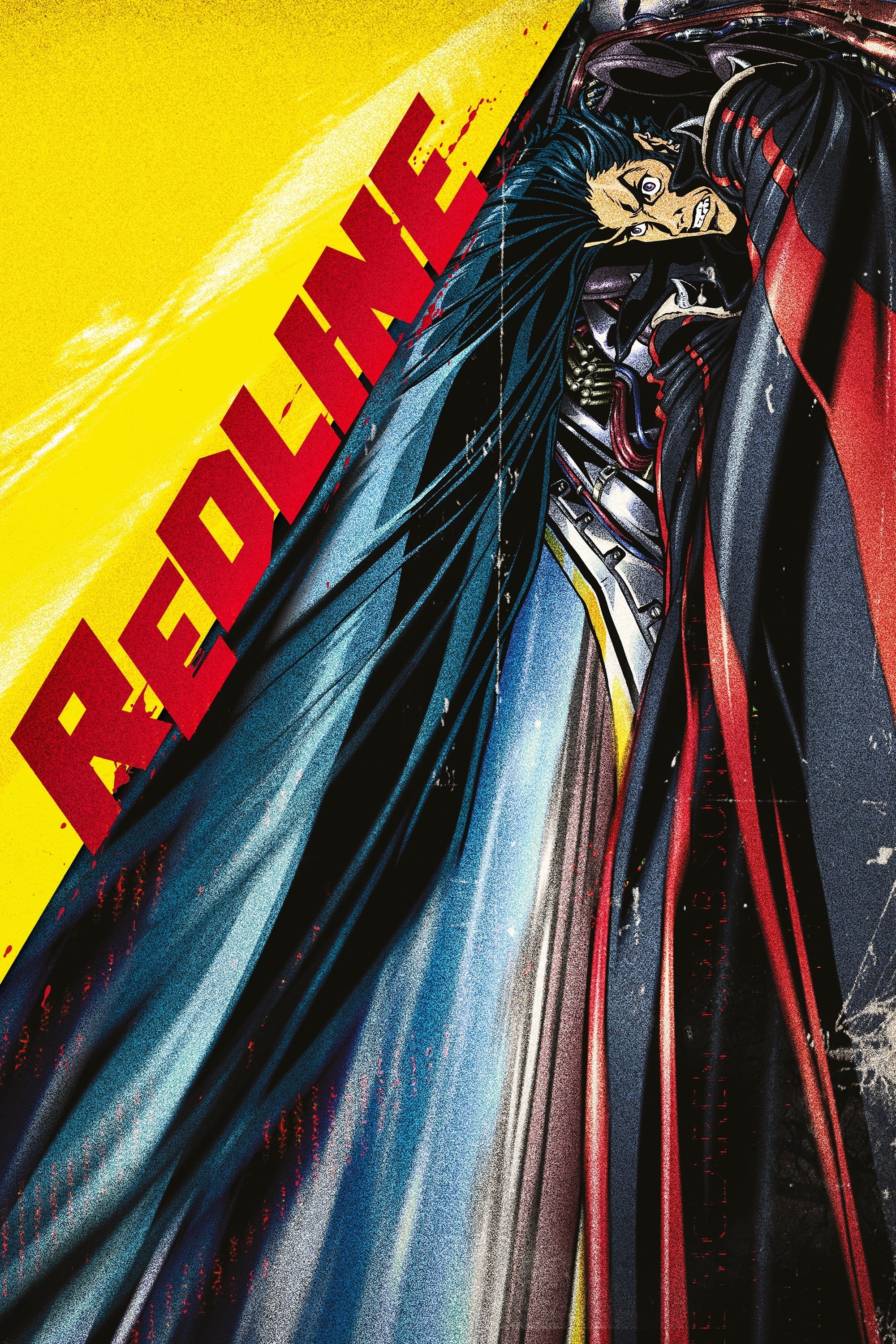
Takeshi Koike directed this Madhouse production after a long hand drawn schedule. The film centers on an outlaw racer who enters a dangerous interstellar competition pursued by military forces and rival drivers. Nearly every frame was drawn by hand with minimal computer assistance. It premiered at Locarno before reaching theaters and home video abroad.
‘Genius Party’ (2007)
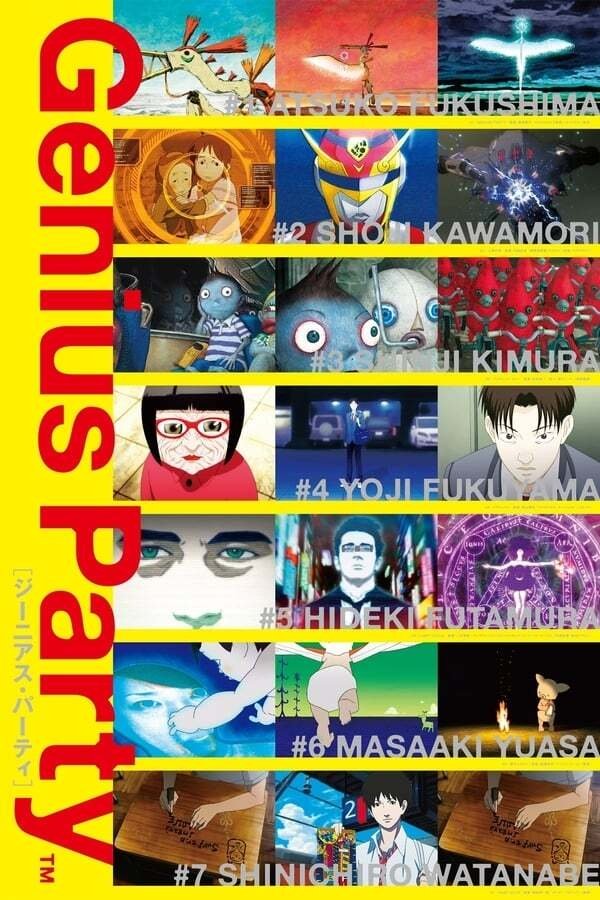
Produced by Studio 4°C, this anthology collects short films by directors such as Atsuko Fukushima, Shoji Kawamori, and Shinichiro Watanabe. Each segment explores different genres and visual techniques under a loose theme of creative energy. The project was followed by a second volume titled ‘Genius Party Beyond’. Screenings often present both anthologies together at festivals and specialty cinemas.
‘The Place Promised in Our Early Days’ (2004)
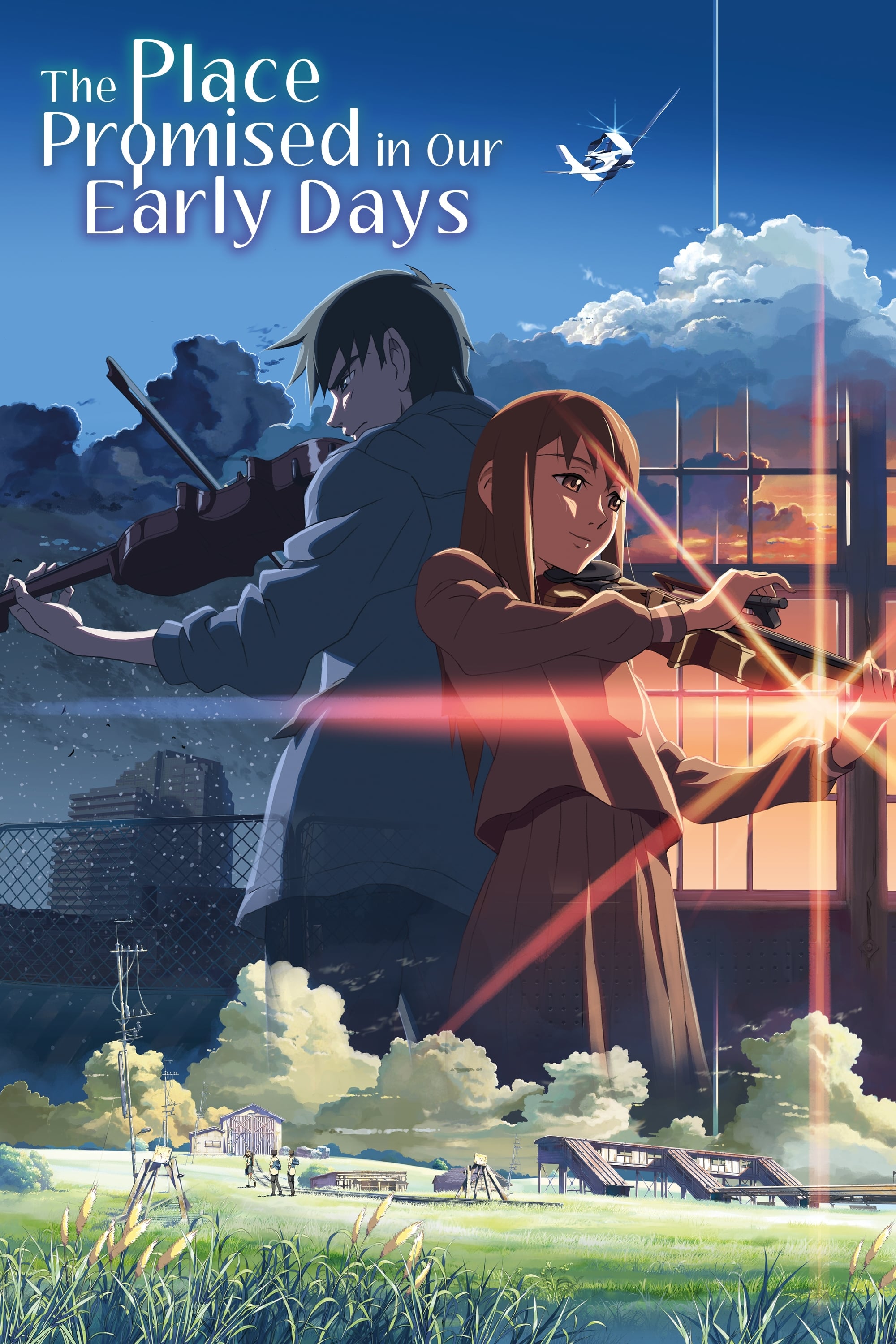
Makoto Shinkai wrote and directed this CoMix Wave Films feature. The story follows three students whose lives diverge around a mysterious tower that crosses borders after a national split. The film features detailed skies and architecture that became a hallmark of the director’s later work. It received a Seiun Award in Japan and limited international distribution.
‘A Letter to Momo’ (2011)
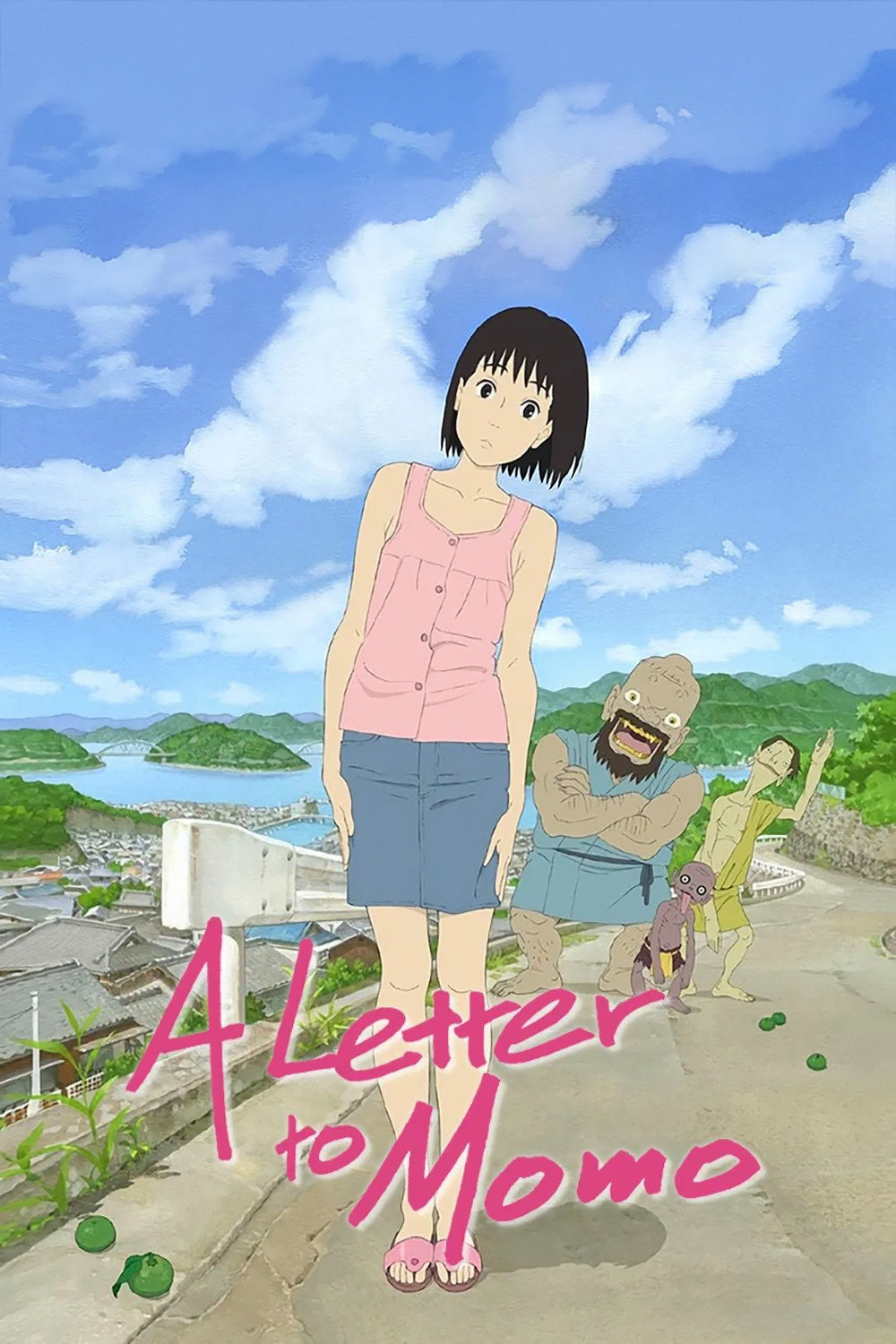
Hiroyuki Okiura directed and wrote this Production I.G film after extensive research into island communities. The narrative follows a girl who moves to a remote island and encounters three yokai who complicate her grief over a lost parent. The production used thousands of hand drawn facial expressions to capture subtle acting. It premiered at the Toronto International Film Festival and won awards in Asia.
‘Night Is Short, Walk On Girl’ (2017)
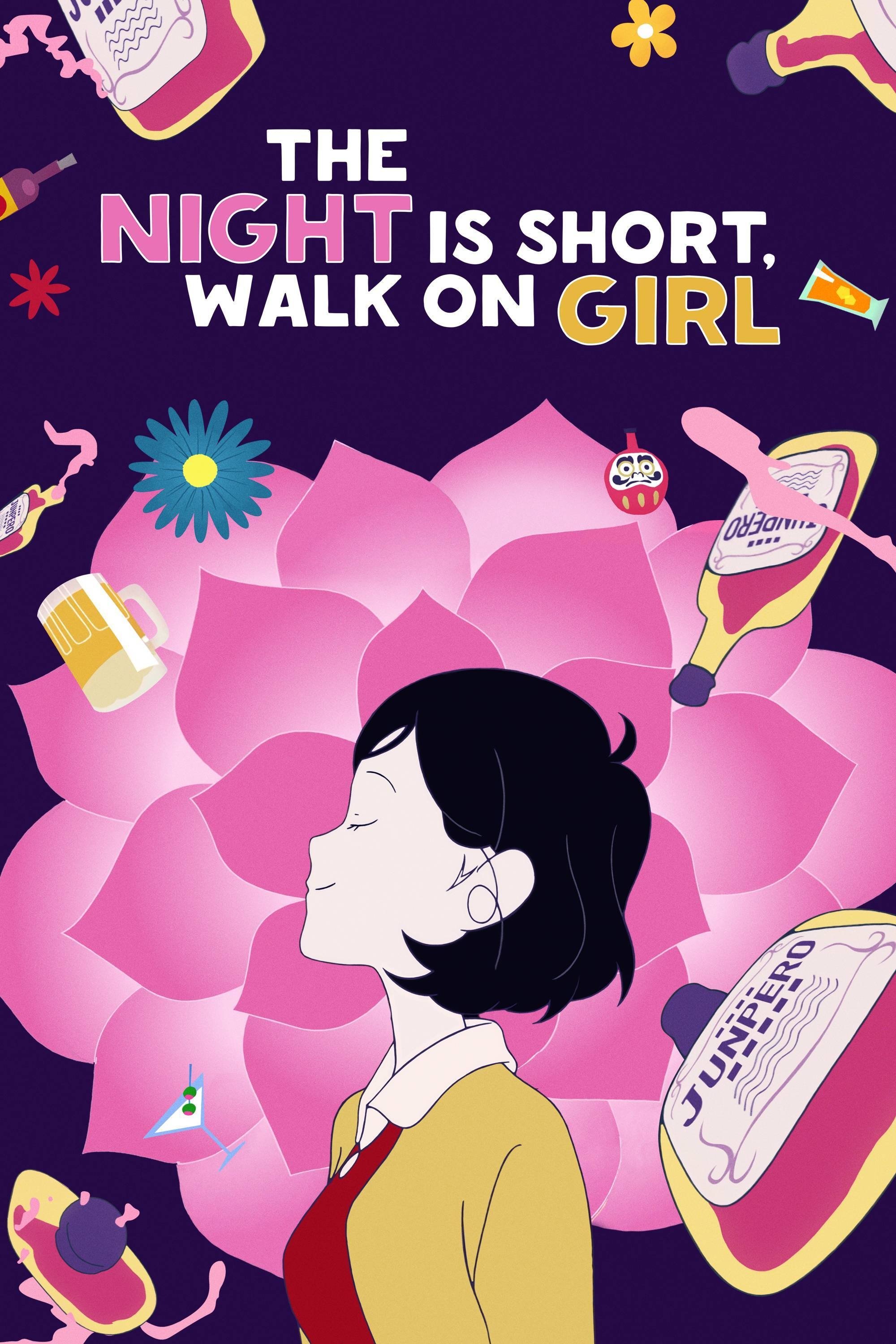
Masaaki Yuasa directed this Science SARU adaptation of Tomihiko Morimi’s novel set across one long night in Kyoto. The plot threads together an eccentric pub crawl, a used book search, and a school theater rivalry. Character designs follow the style of ‘The Tatami Galaxy’ while remaining a standalone story. It won the Japan Academy Prize for Animation of the Year.
‘Lu Over the Wall’ (2017)
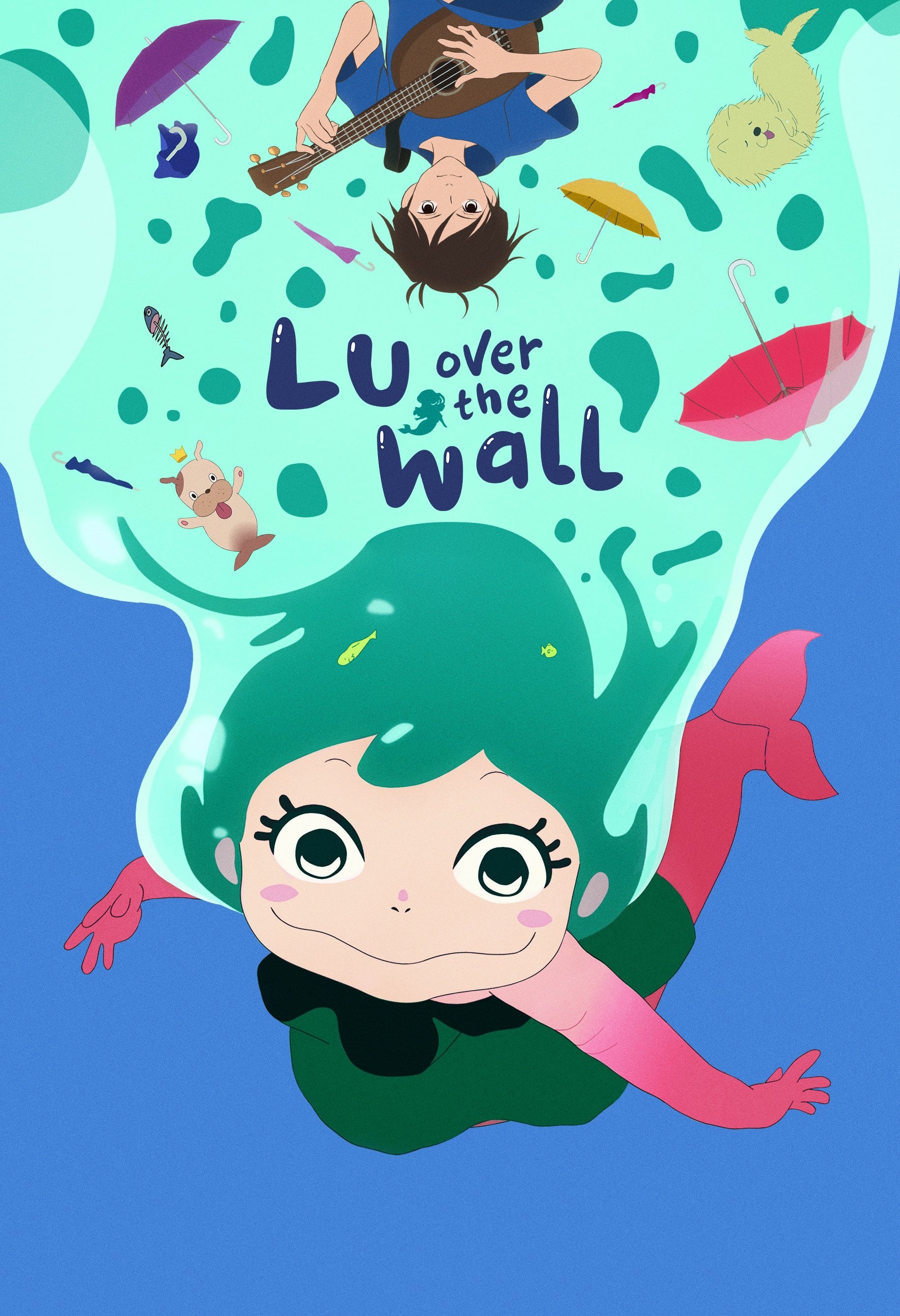
Also from Science SARU and directed by Masaaki Yuasa, this film tells the story of a boy who forms a band with a mermaid in a coastal town. The animation uses a bouncy frame rate and limited digital tools for rhythmic sequences. Music drives many scenes with synchronized movement and playful staging. The film won the Cristal for a Feature Film at Annecy.
‘Only Yesterday’ (1991)
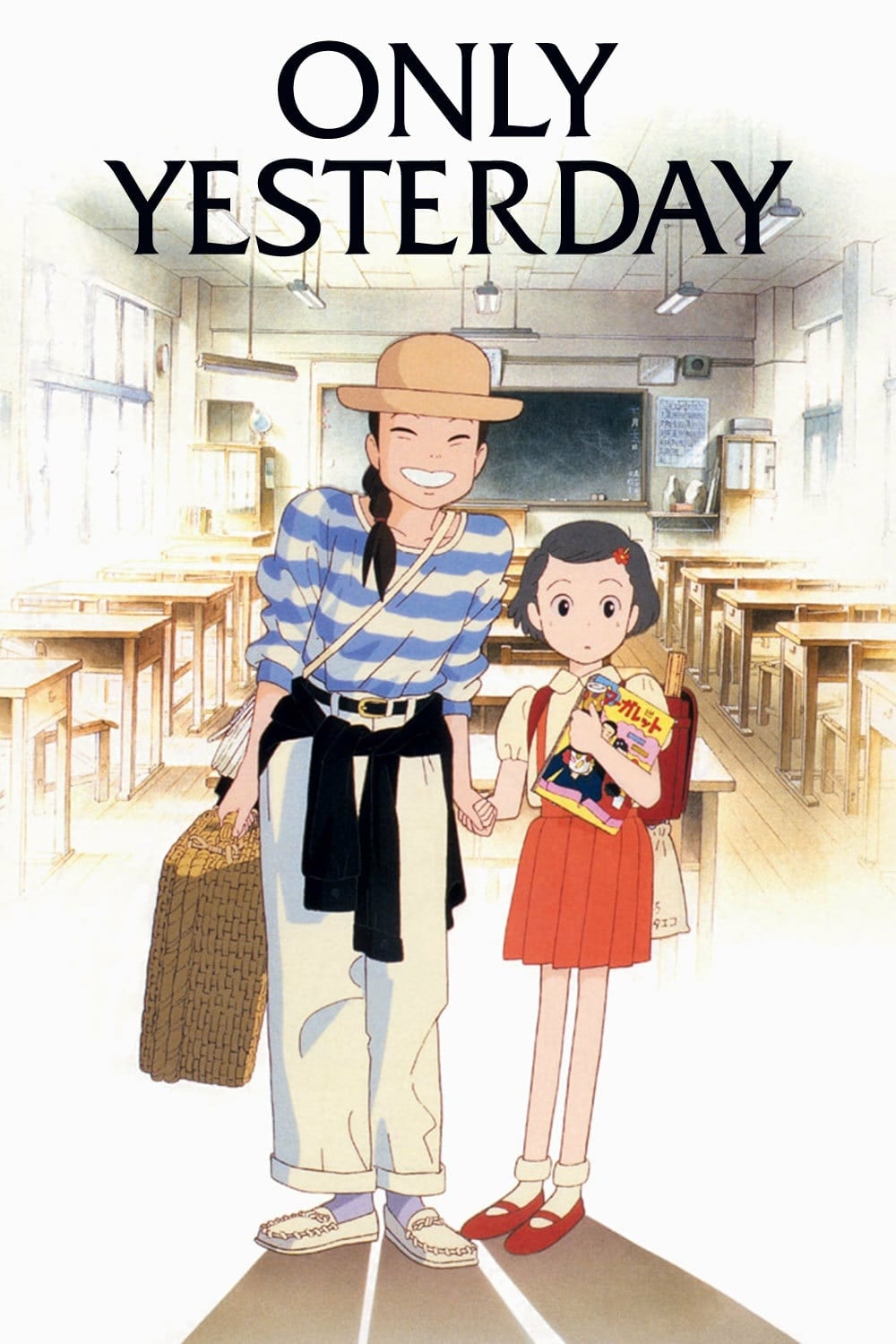
Isao Takahata directed this Studio Ghibli drama based on a manga by Hotaru Okamoto and Yuko Tone. The story follows a woman who travels to the countryside and reflects on her childhood while harvesting safflowers. Realistic facial animation uses a technique where dialogue guides subtle mouth and eye movements. The film’s English language release arrived much later due to rights issues around a song.
‘The Case of Hana & Alice’ (2015)
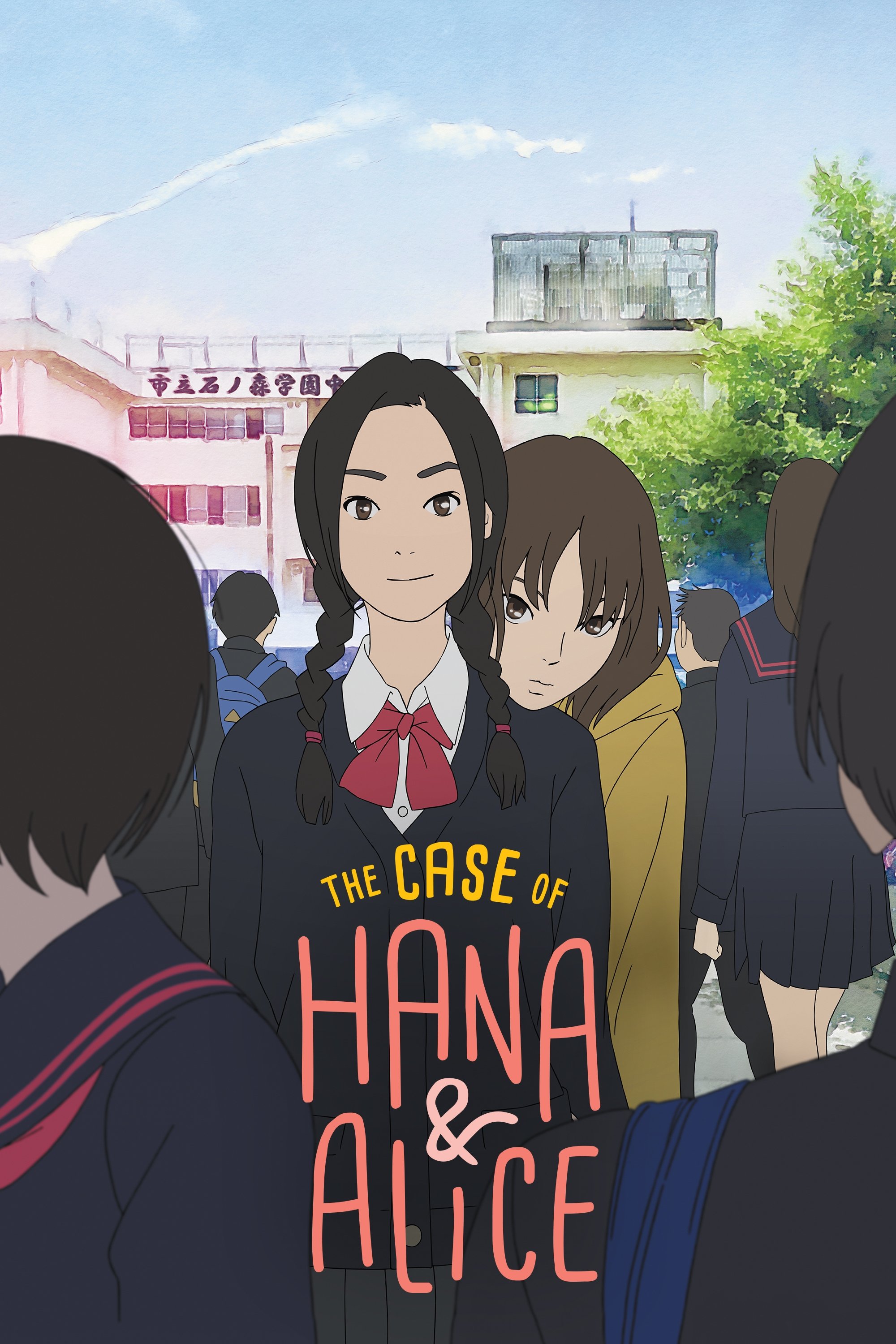
Shunji Iwai directed this rotoscope animated prequel to his live action film and produced it with Production I.G. The plot shows how two girls meet while investigating the disappearance of a classmate connected to a local legend. The film uses traced live action footage to achieve natural movement and quiet conversation rhythms. It premiered in Japan and later toured festivals with positive notices for its approach.
‘Jin-Roh: The Wolf Brigade’ (1999)
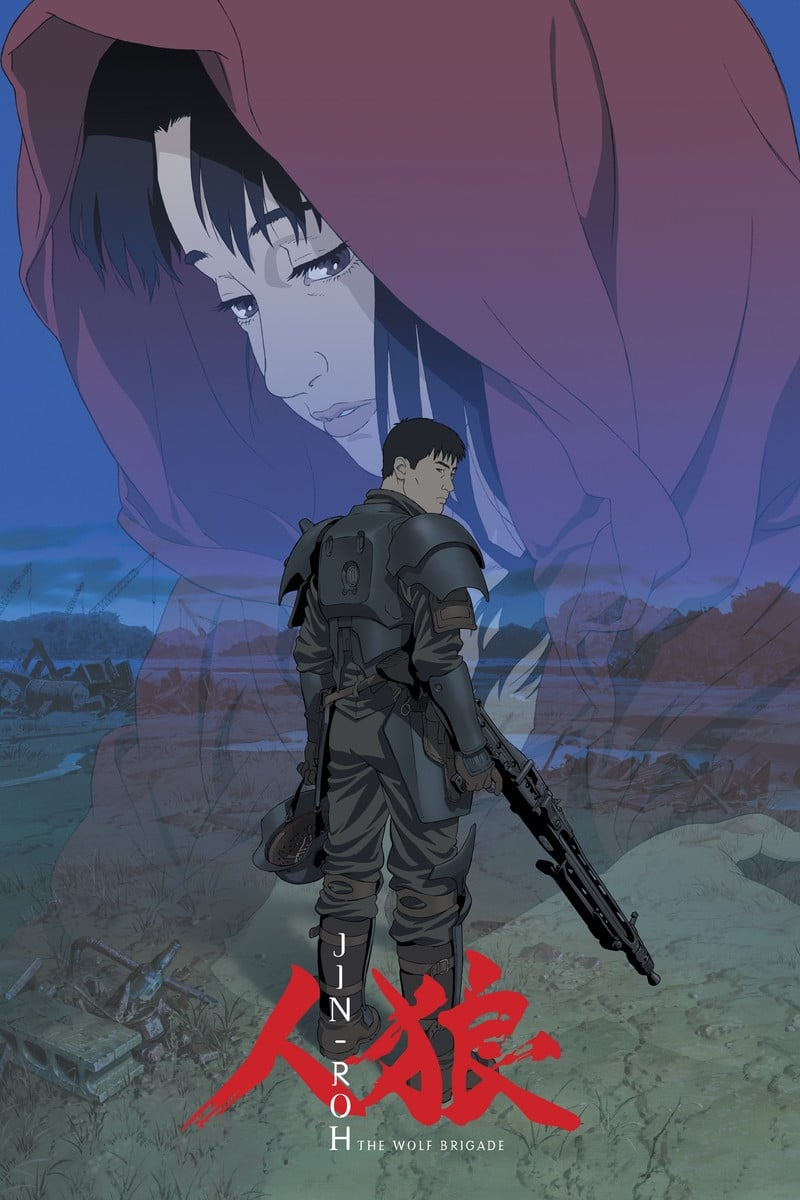
Directed by Hiroyuki Okiura and produced by Production I.G, this political thriller is set in an alternate postwar Tokyo where a paramilitary unit faces public unrest and internal power struggles. The script by Mamoru Oshii reworks ideas from the Kerberos saga with grounded action and procedural detail. The film’s armored “Protect Gear” designs became a defining visual motif for the franchise. It screened at international festivals and received theatrical runs in multiple countries.
‘Mai Mai Miracle’ (2009)
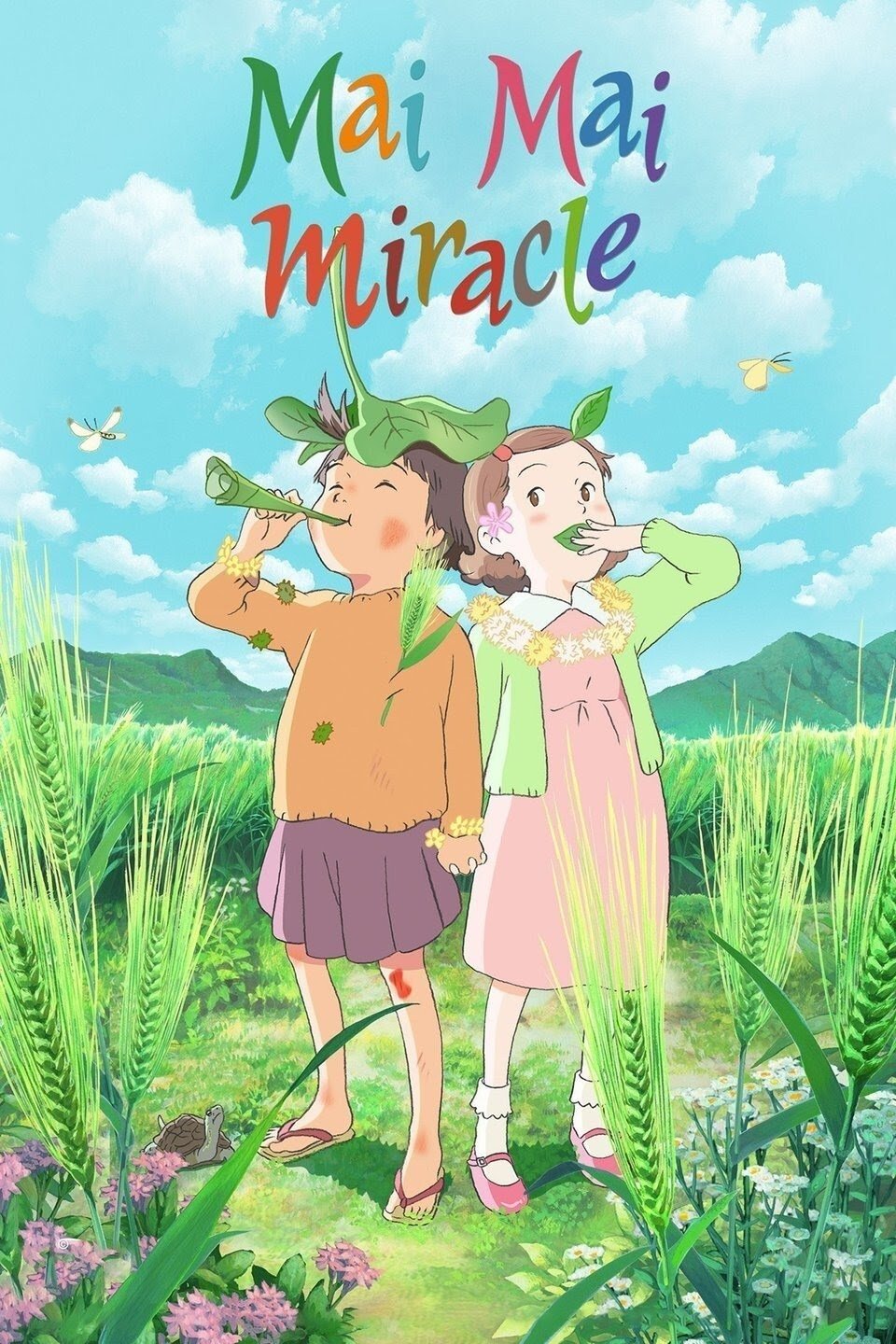
Sunao Katabuchi directed this Madhouse feature adapted from Nobuko Takagi’s novel about childhood in a rural prefecture and a friendship shaped by local history. The production visited real locations to capture fields, canals, and town streets with meticulous background art. A fan driven campaign later helped secure English language distribution. The film has been celebrated at retrospectives highlighting the director’s body of work.
‘Children of the Sea’ (2019)
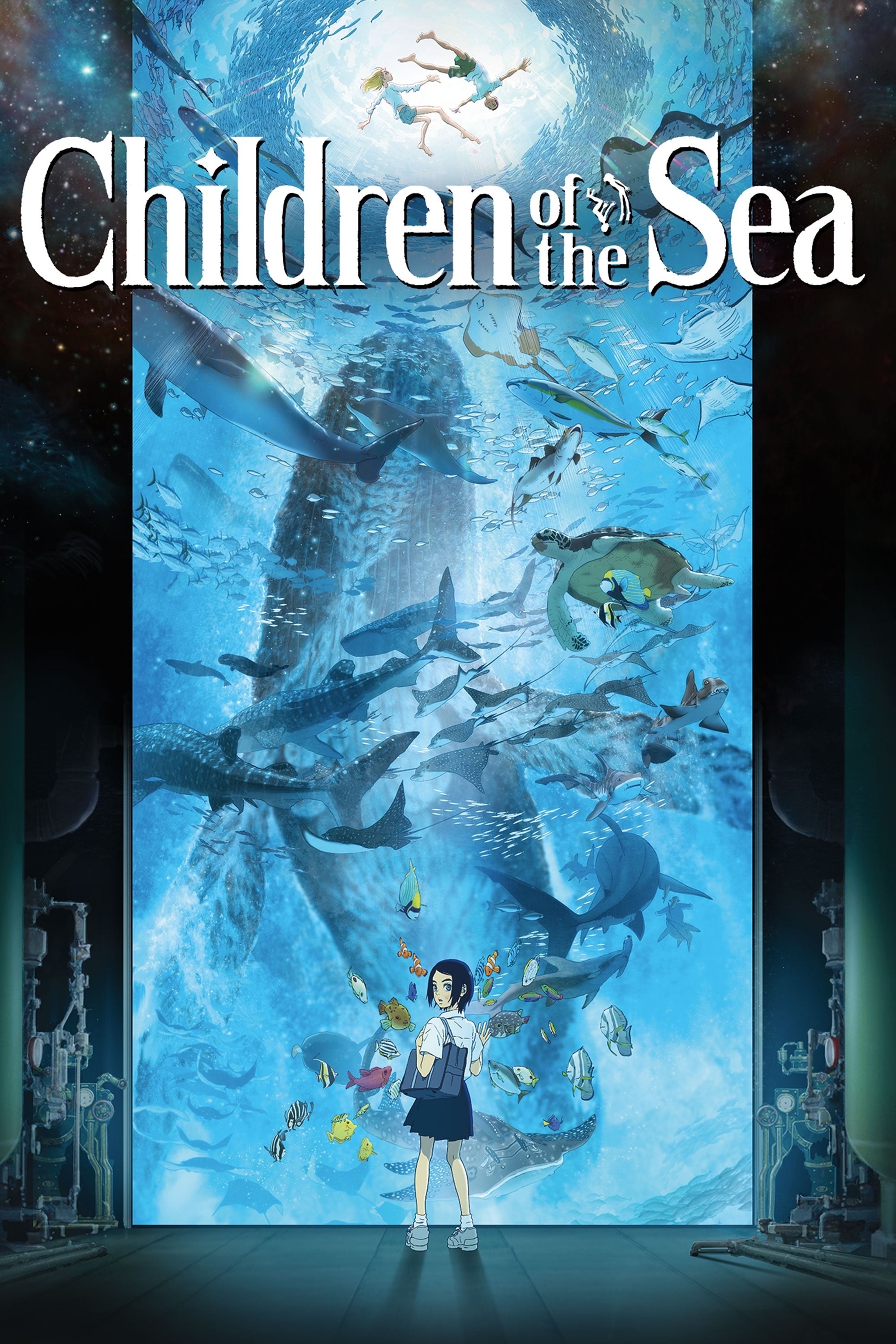
Ayumu Watanabe directed this Studio 4°C adaptation of Daisuke Igarashi’s manga, focusing on a girl drawn into a cosmic mystery linked to two oceanic boys. The production emphasizes fluid underwater animation and layered digital compositing to create vast seascapes. Composer Joe Hisaishi contributed an orchestral score that anchors key sequences. The film competed at festivals and received limited theatrical play in several regions.
‘On-Gaku: Our Sound’ (2019)
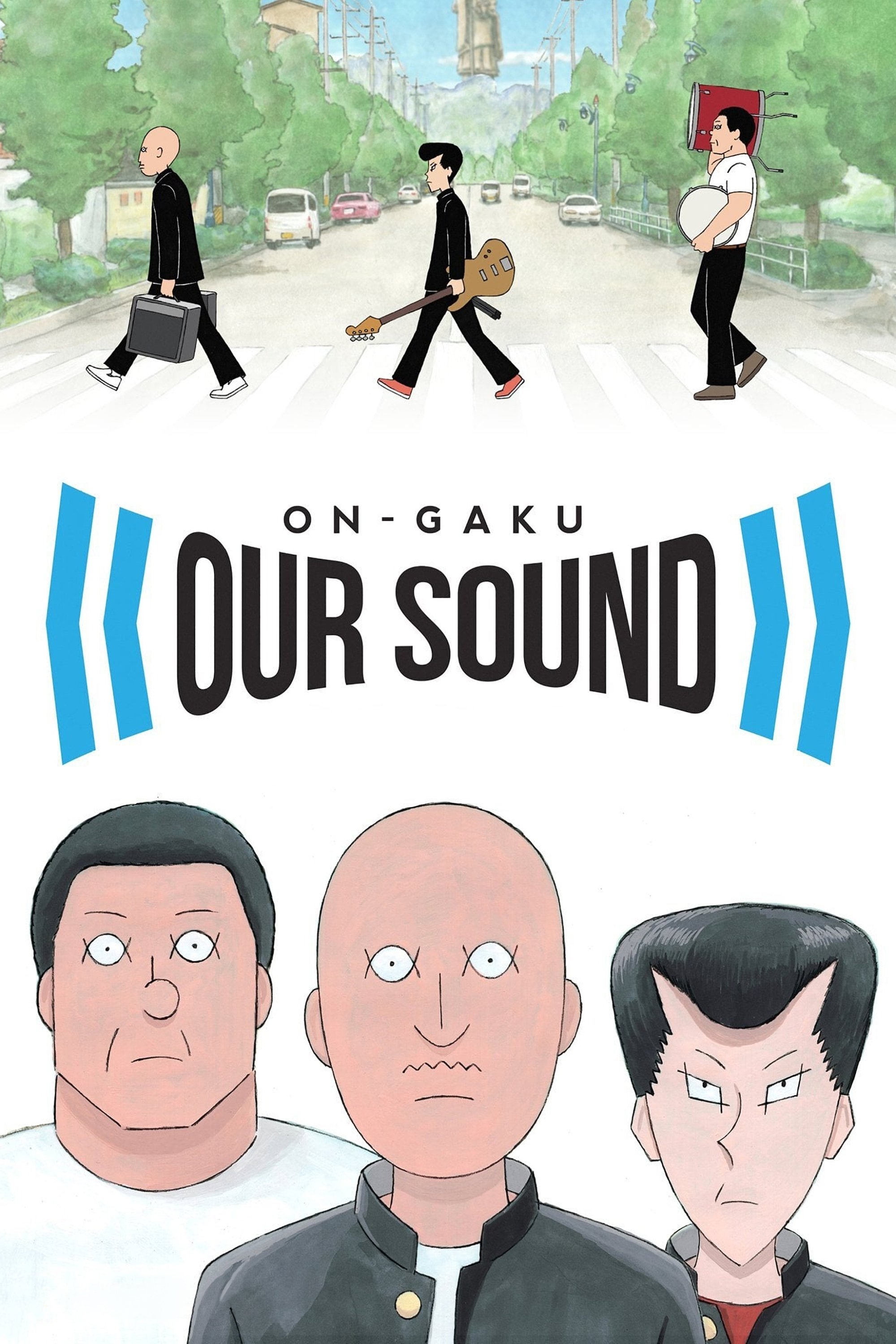
Kenji Iwaisawa led this independent feature with a small team, credited under Rock’n Roll Mountain and related partners, using a distinctive hand drawn approach. The story follows high school delinquents who form a band and discover an unexpected groove. Production spanned years with volunteer contributors assisting in specific sequences. It won awards at animation festivals and secured distribution in North America and Europe.
‘The Princess and the Pilot’ (2011)
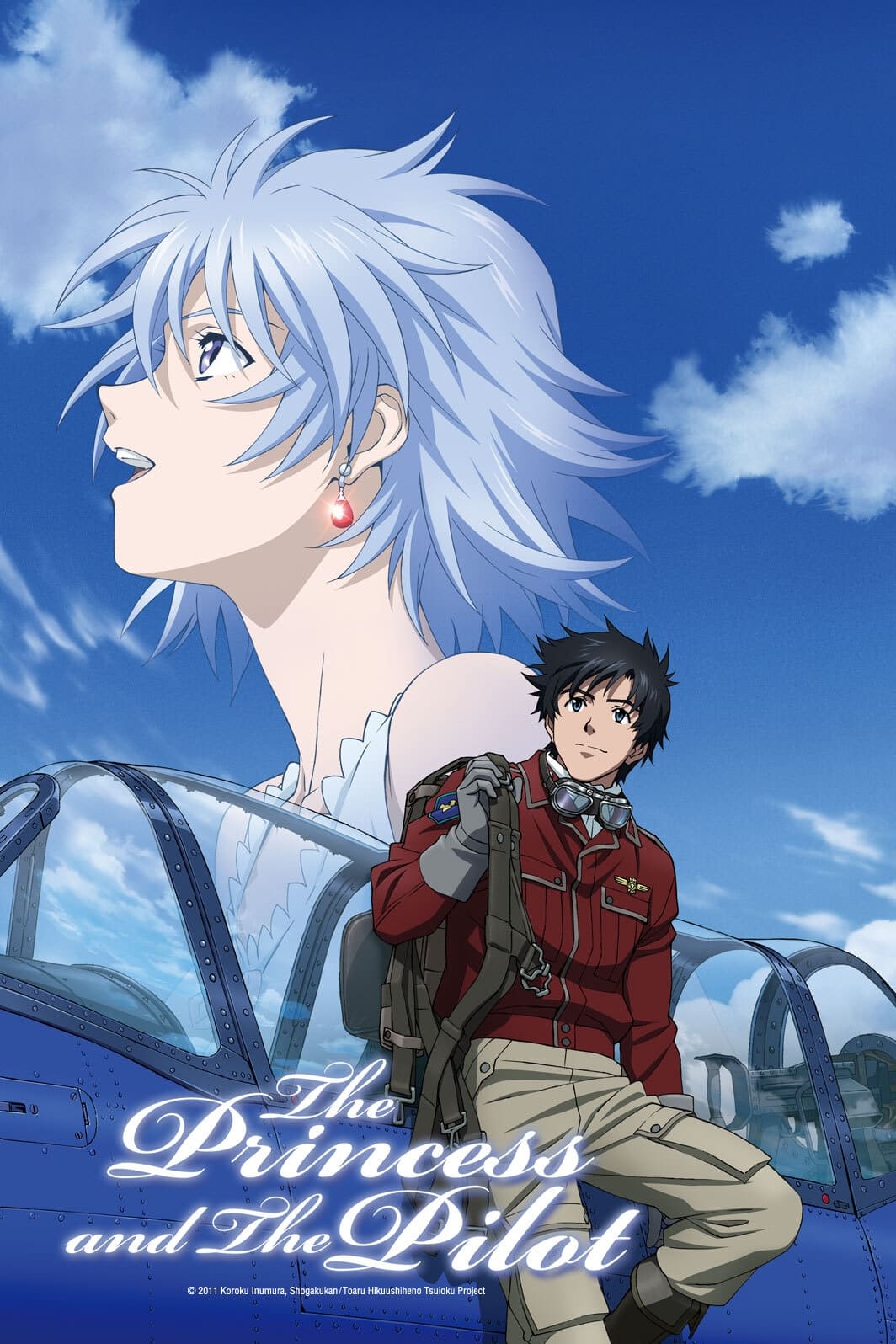
Jun Shishido directed this Madhouse adaptation of Koroku Inumura’s light novel about an ace mercenary pilot tasked with escorting a royal bride across enemy airspace. Aviation details include multi engine seaplanes and period inspired dogfights. Character designs balance military uniforms with aristocratic dress to underline class divides. The film premiered in Japan and received international home releases.
‘Giovanni’s Island’ (2014)
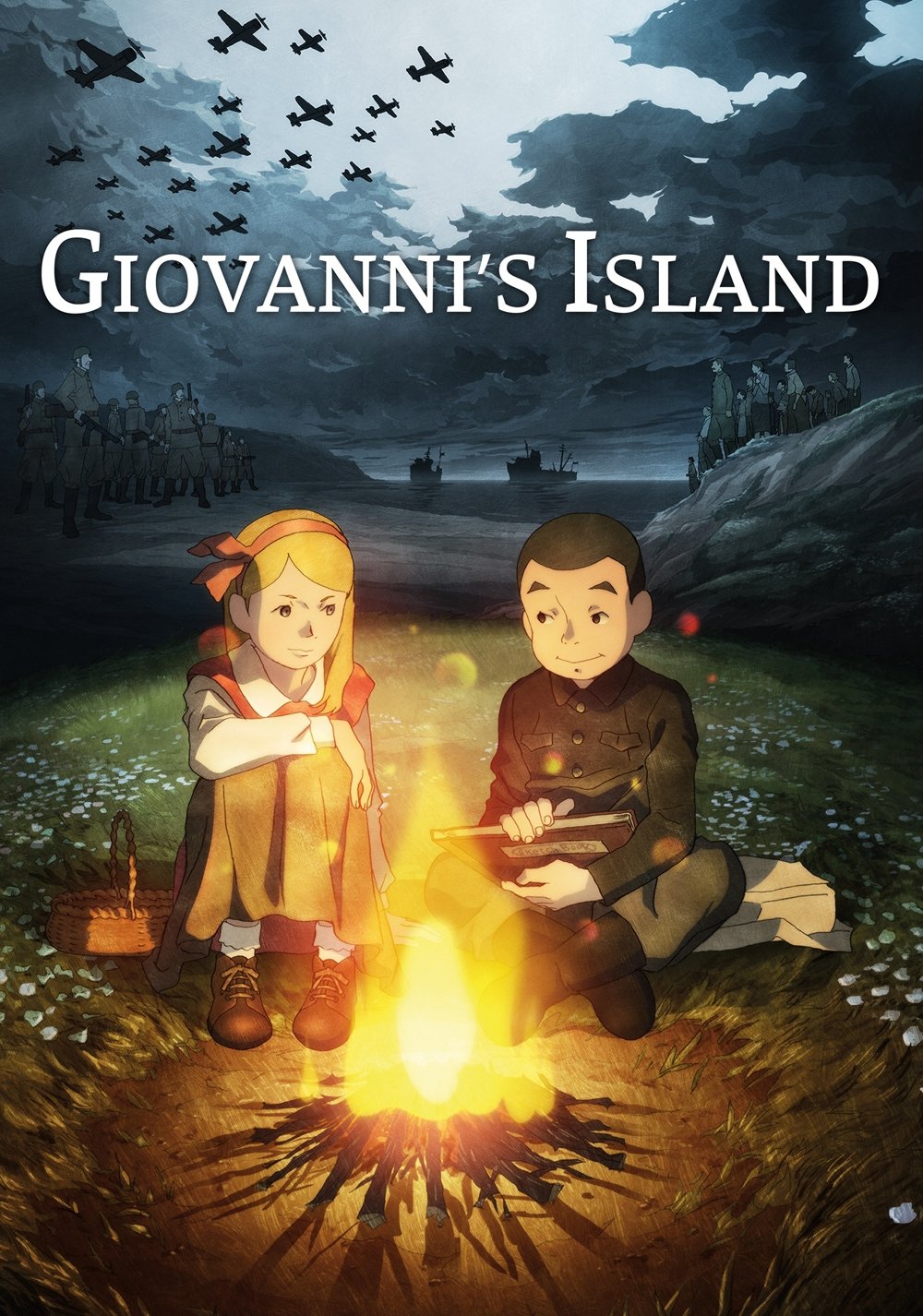
Directed by Mizuho Nishikubo and produced by Production I.G, this historical drama portrays two brothers on a northern island during and after the arrival of occupying forces. The narrative incorporates classroom scenes and language barriers to show cultural exchange and loss. Watercolor inspired visuals soften a story grounded in real postwar events. It won jury prizes at festivals and was later released on Blu ray with archival extras.
‘The Deer King’ (2021)
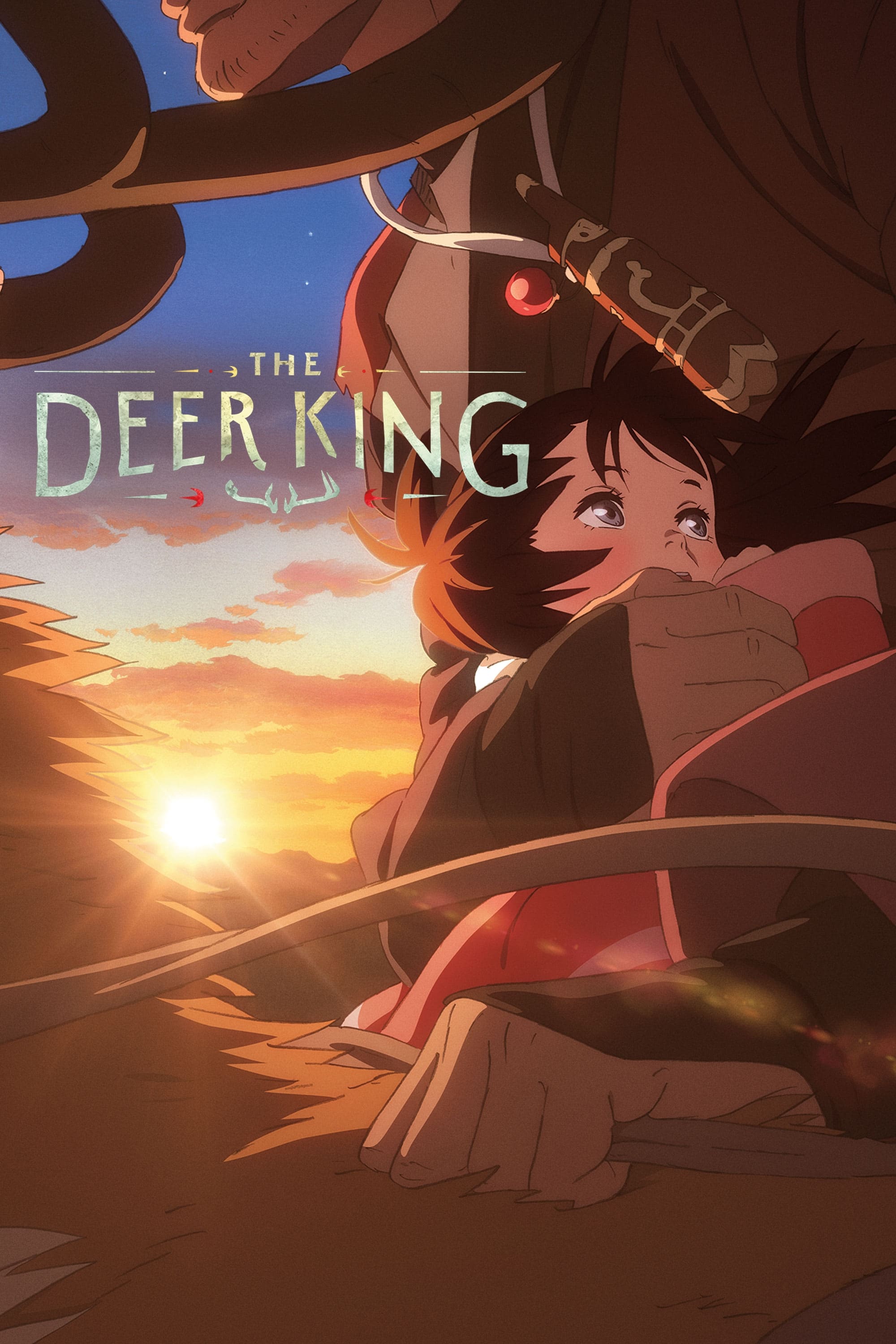
Masashi Ando and Masayuki Miyaji directed this Production I.G fantasy based on Nahoko Uehashi’s novels about a survivor entangled in a kingdom wide plague. The film blends hand drawn character acting with large scale landscapes and mounted combat. Medical investigation threads alongside political maneuvering and family bonds. It screened at Annecy and received theatrical distribution in multiple territories.
‘Okko’s Inn’ (2018)
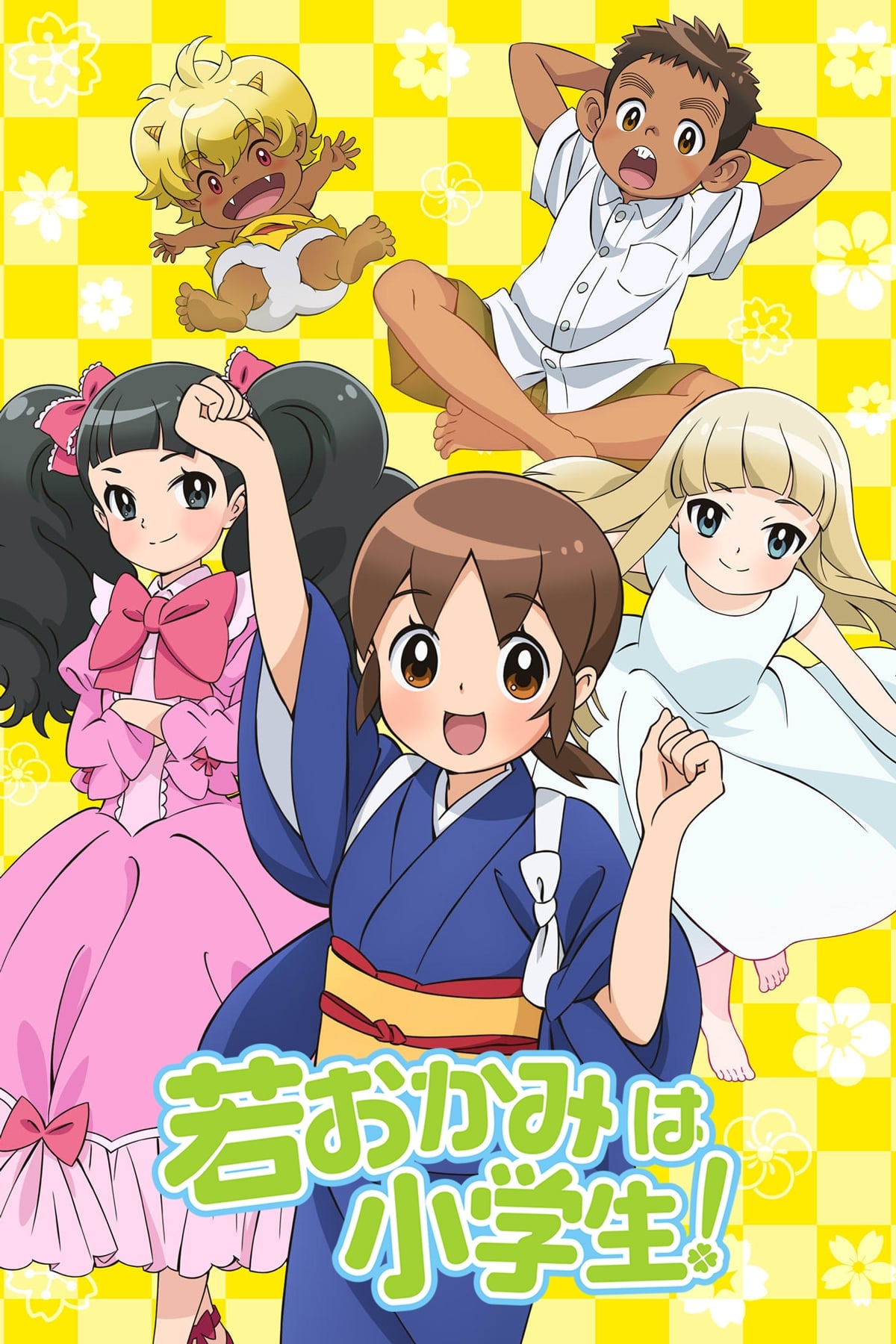
Kitaro Kosaka directed this Madhouse feature about a girl who trains as a junior innkeeper while living with friendly spirits. The film draws on traditional hospitality practices and regional cuisine to depict daily work at a family run ryokan. Storyboards emphasize routine tasks and guest interactions as teaching moments. International releases included both subtitled and dubbed versions for family audiences.
‘The Wonderland’ (2019)
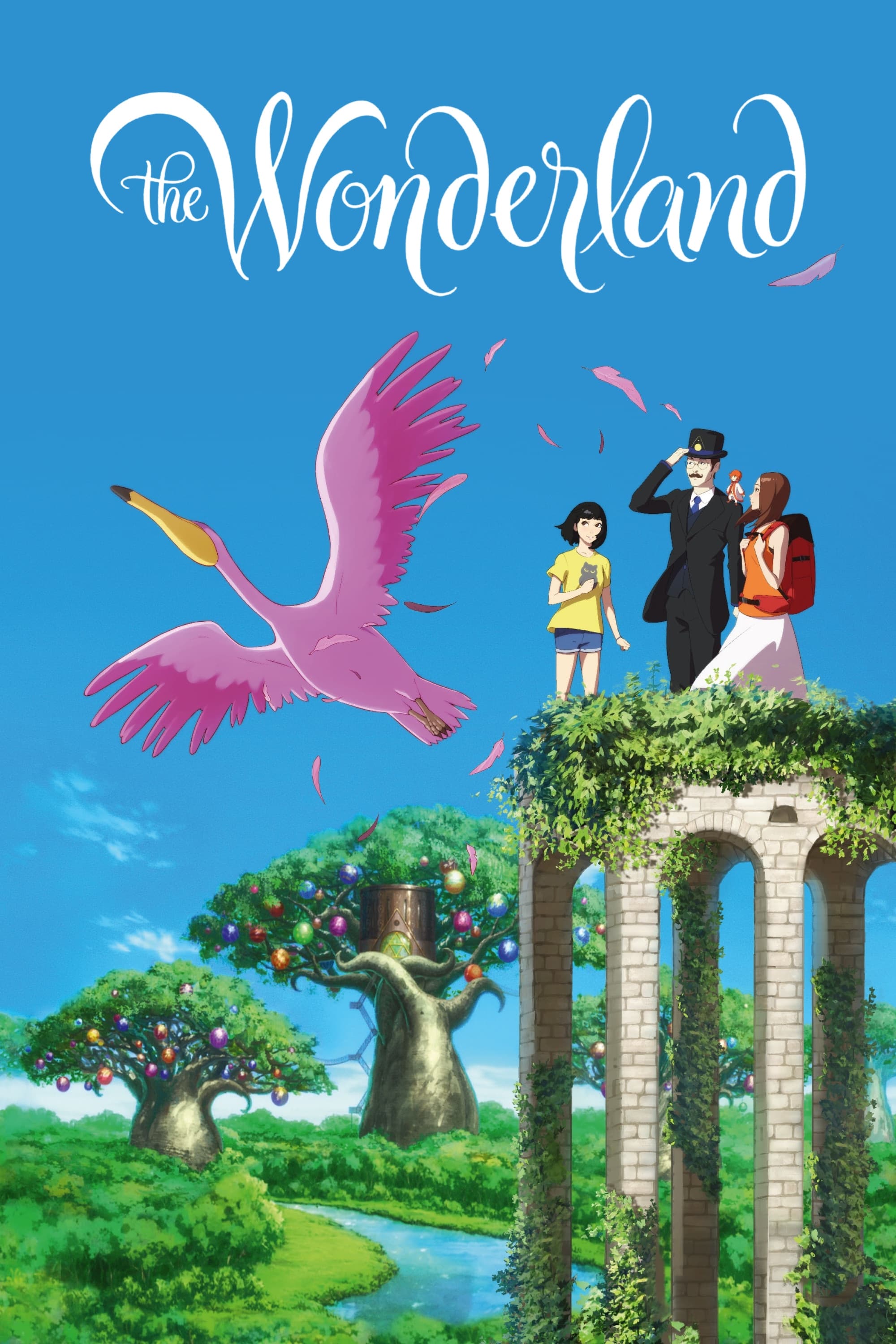
Keiichi Hara directed this Signal.MD production adapted from a children’s novel about a girl who enters a parallel realm through a basement shop. The art direction shifts from townscapes to ornate fantasy kingdoms with colorful procession scenes. Character designer Ilya Kuvshinov provided rounded silhouettes and expressive eyes. The film opened in Japan during a holiday frame and later reached overseas theaters.
‘Spring and Chaos’ (1996)
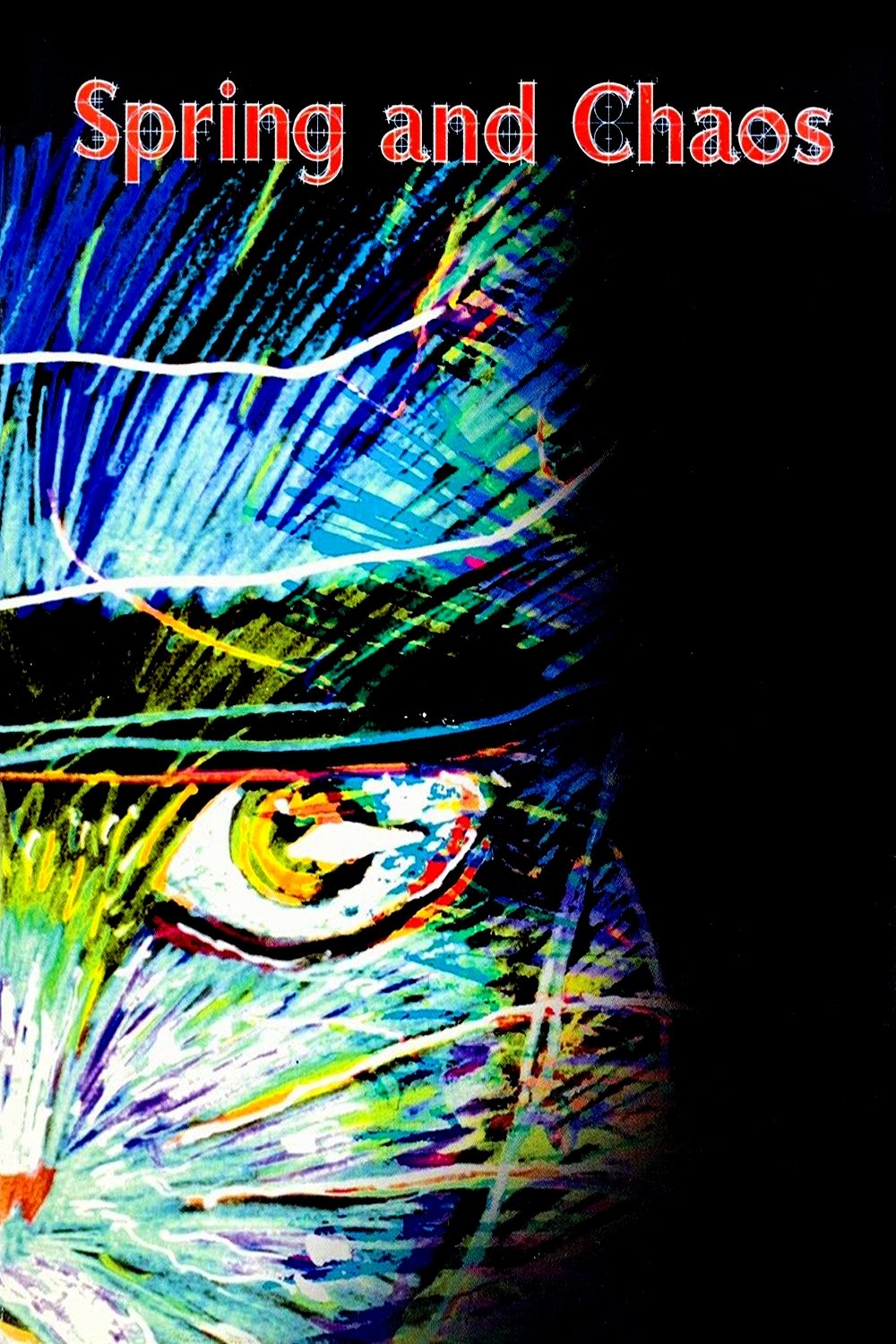
Group TAC produced this biographical fantasia directed by Shoji Kawamori about poet and author Kenji Miyazawa. The film combines cutout textures and morphing sequences to reinterpret the writer’s imagery. Voice recordings incorporate passages from poems and diaries to anchor the structure. It aired on television and was later released on home video with educational supplements.
‘Nasu: Summer in Andalusia’ (2003)
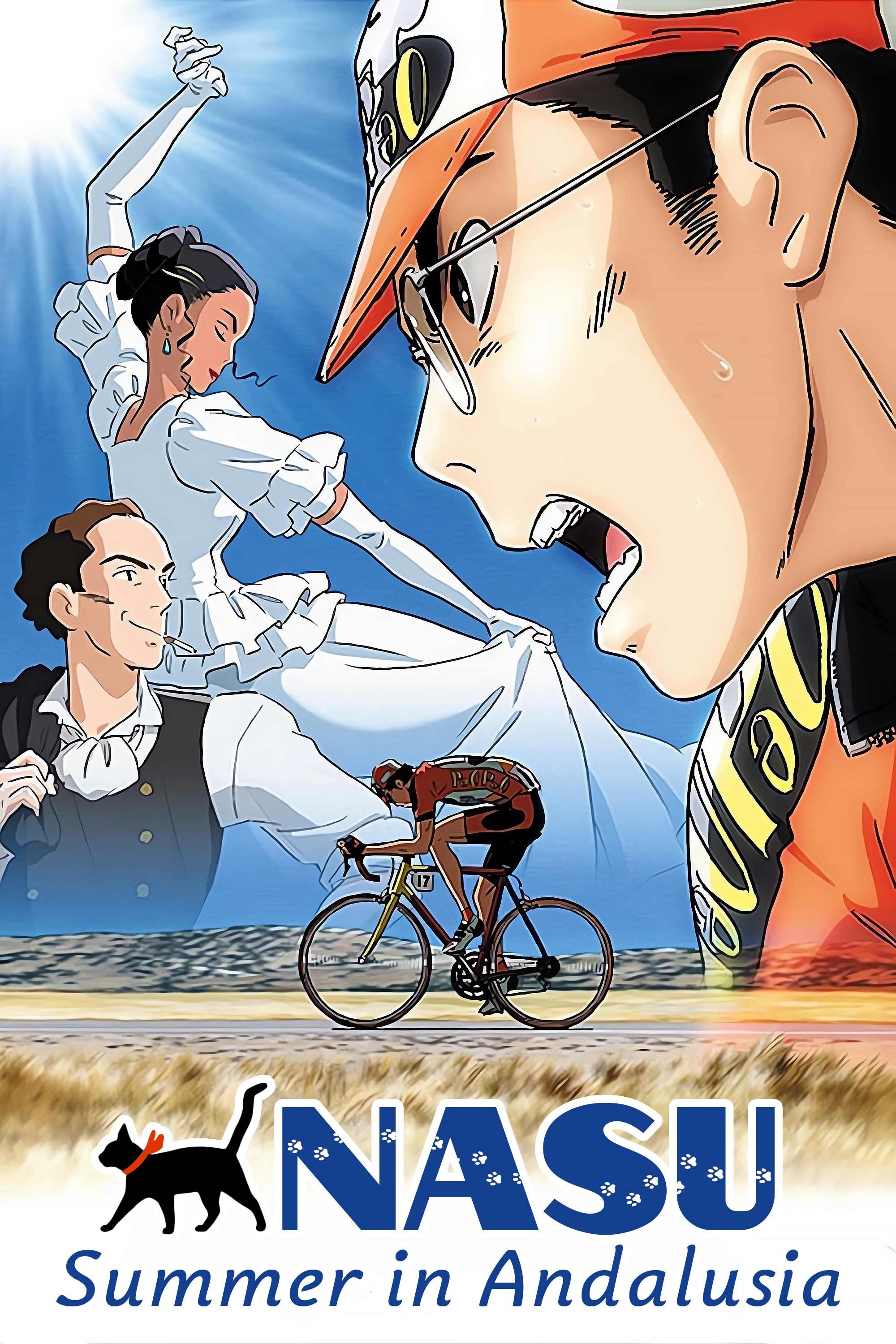
Directed by Kitaro Kosaka and produced by Madhouse, this cycling drama follows a domestique supporting his team during a stage race in Spain. The project consulted with professionals to depict peloton tactics, feeds, and team cars accurately. Backgrounds capture sunbaked roads, olive groves, and village switchbacks. A sequel titled ‘Nasu: A Migratory Bird with Suitcase’ continued the protagonist’s career.
‘The Empire of Corpses’ (2015)

Part of the Project Itoh trio, this feature was produced by Wit Studio and directed by Ryotaro Makihara. The plot imagines steampunk necrotechnology spreading across global powers and follows an agent chasing a lost journal. The production features international settings with Victorian architecture and early machinery. It premiered in Japan and was later screened overseas with a companion release for the related films.
‘The Girl from the Other Side’ (2022)
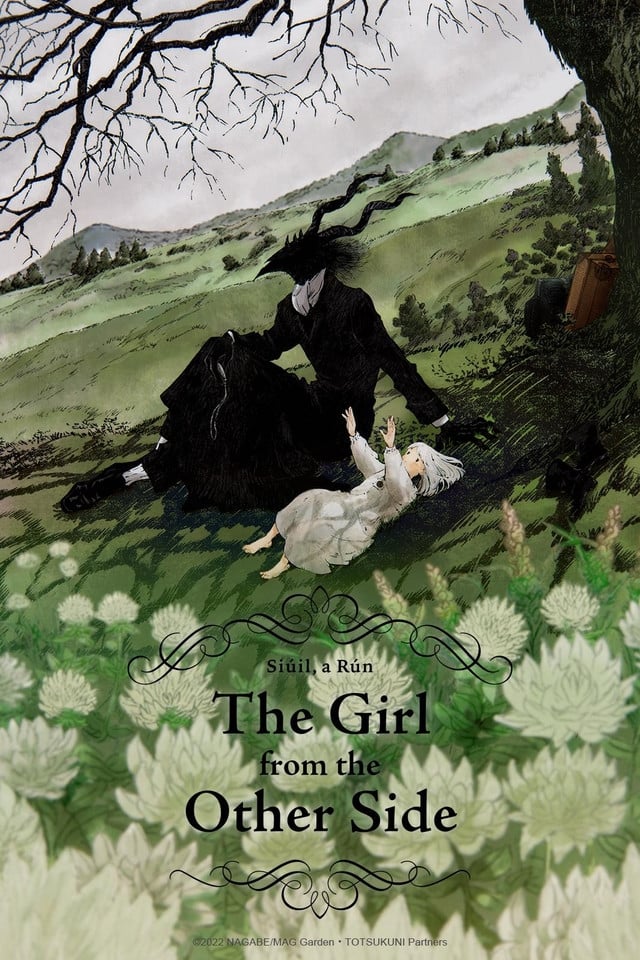
Wit Studio produced this feature length OVA adaptation directed by Yutaro Kubo and Satomi Maiya, based on Nagabe’s manga. The film traces the bond between a cursed outsider and a human child inside a secluded cottage and a fearful kingdom. Gentle camera moves and limited palettes evoke an illustrated book come to life. The release included a special edition combining the new film with the earlier short adaptation.
‘Horus: Prince of the Sun’ (1968)
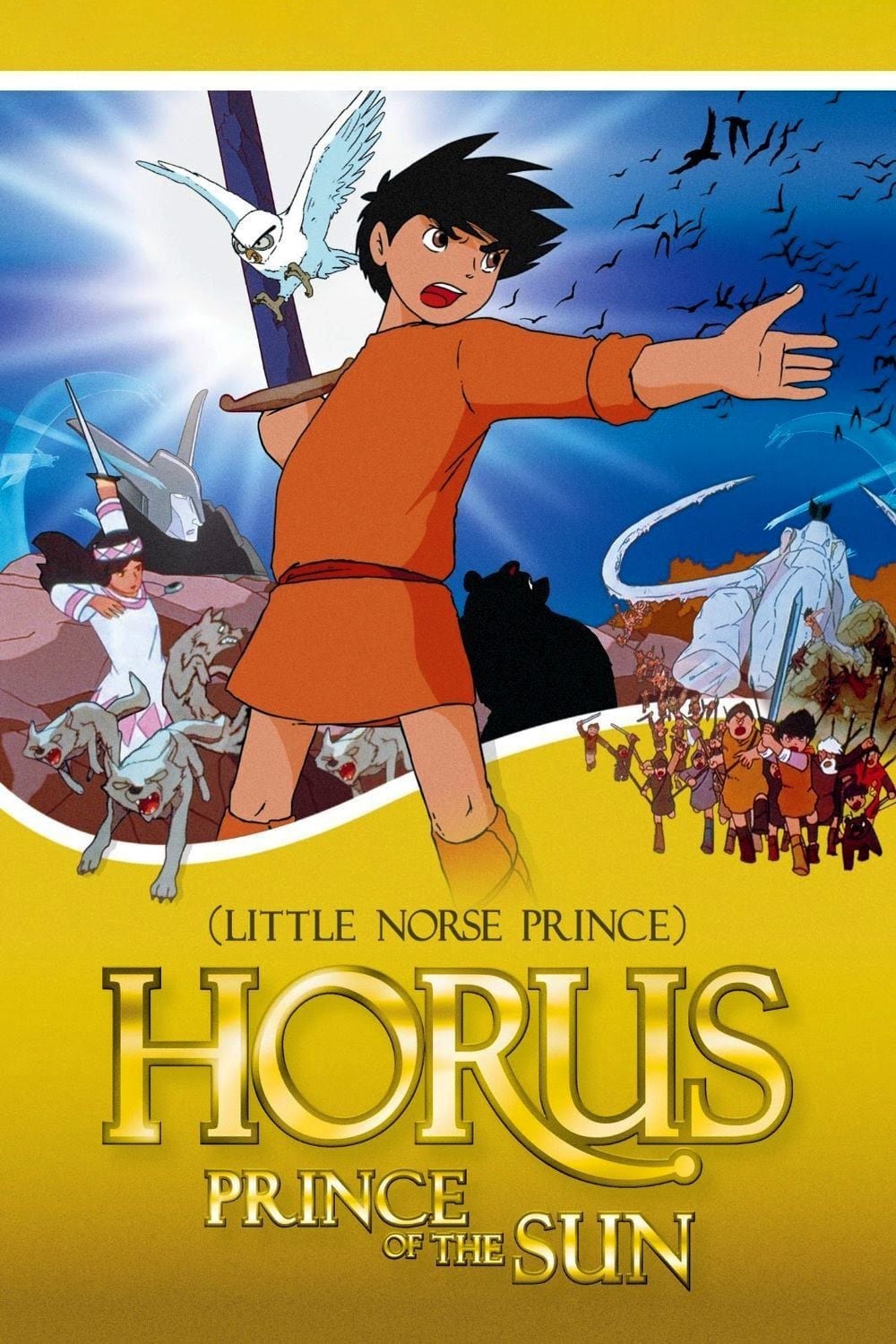
Isao Takahata directed this Toei Doga feature with key early work from Hayao Miyazaki on layouts and scenes. The story follows a boy who pulls a sword from a rock and defends a village from a frost demon while a mysterious girl joins their community. Production introduced a more naturalistic approach to character acting and crowd scenes. The film’s limited initial release later gave way to restorations and home video editions.
‘Robot Carnival’ (1987)
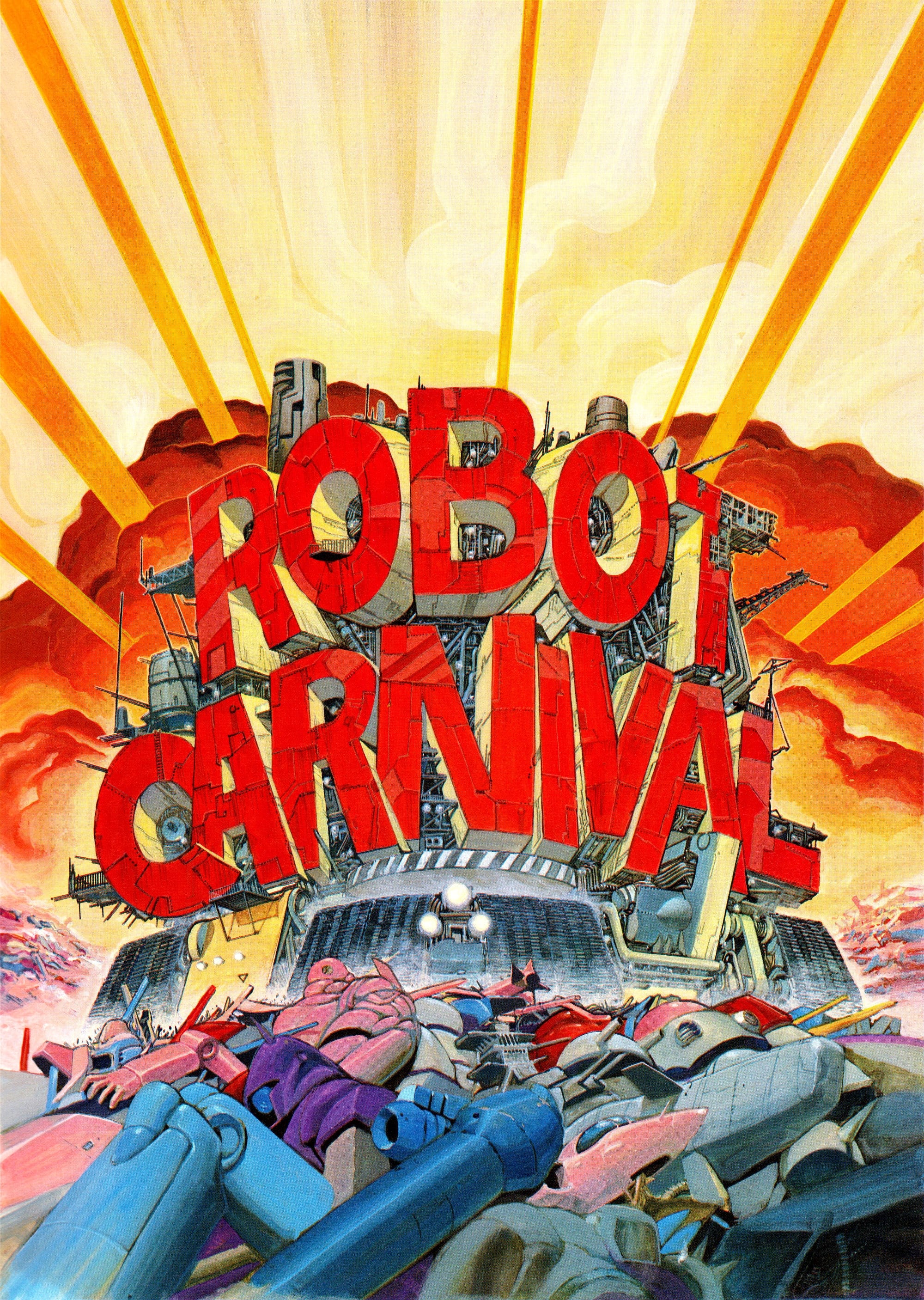
This anthology gathers shorts by directors including Katsuhiro Otomo and Koji Morimoto under a traveling mechanical parade framing device. Each segment experiments with different styles such as silent era homage and abstract motion studies. The project was produced by A.P.P.P. with a shared music theme recurring across pieces. It screened internationally with multiple language tracks and new transfers.
‘The Dagger of Kamui’ (1985)
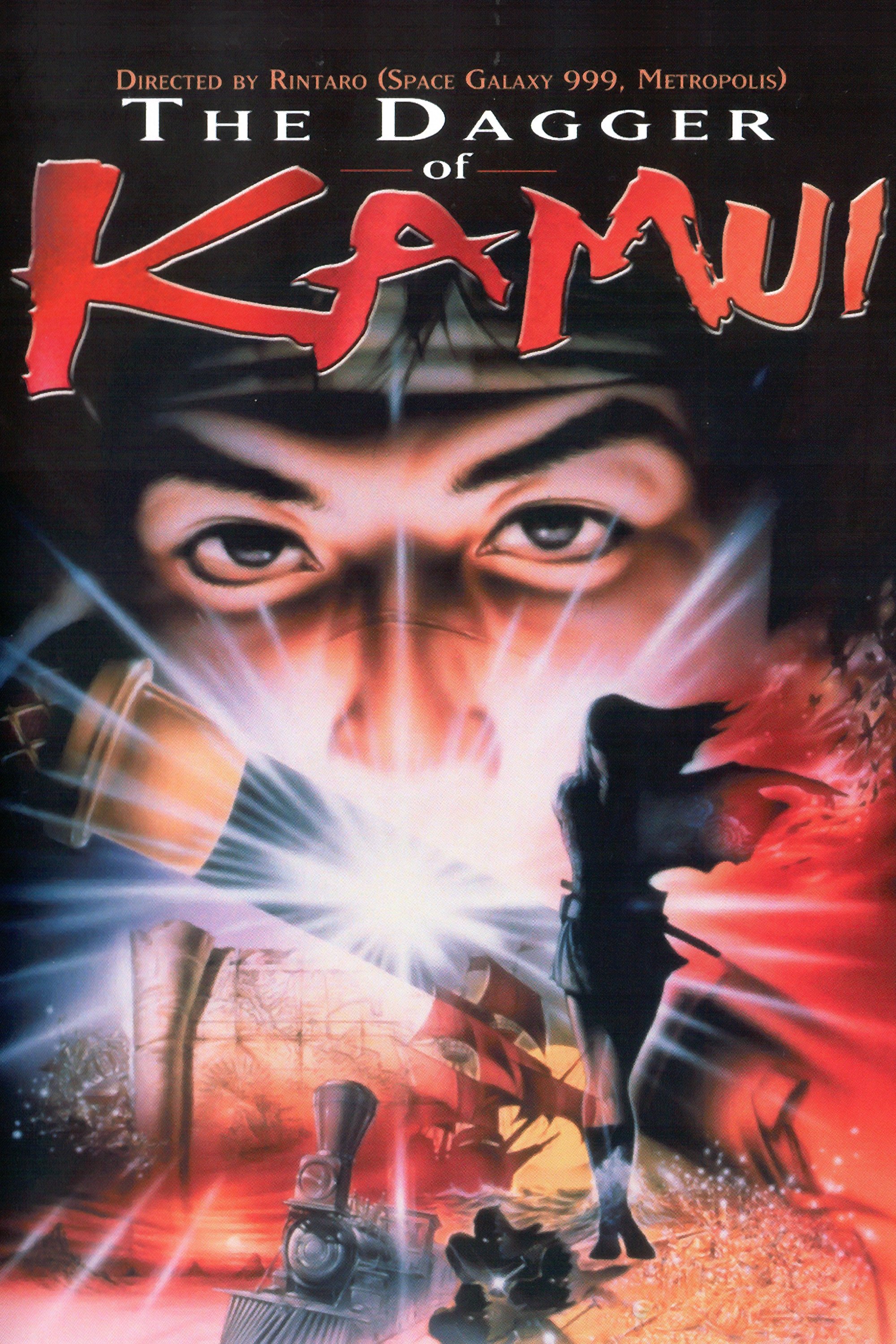
Rintaro directed this Madhouse epic that tracks an orphaned ninja across Edo era Japan and frontier era America. The plot weaves historical figures and locations into a revenge and treasure hunt narrative. Extensive location research influenced backgrounds of ports, deserts, and river towns. International releases later restored uncut footage and original score cues.
‘Sword of the Stranger’ (2007)
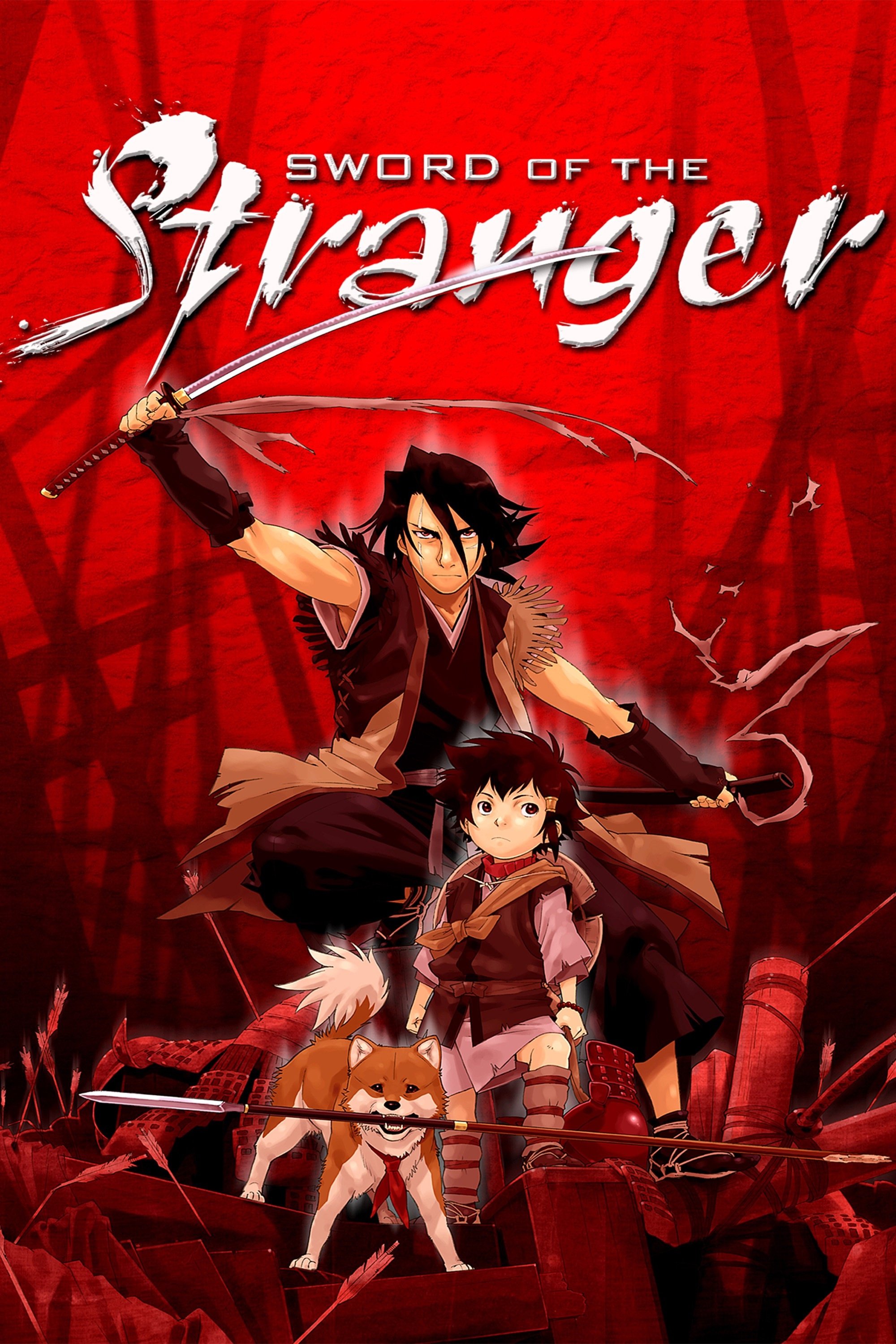
Masahiro Ando directed this Bones feature about a nameless swordsman who escorts a boy hunted by foreign agents. The production is known for tightly choreographed fights built from detailed layout planning and clean key animation. Backgrounds depict mountain temples and snowbound forests with a grounded color palette. The film premiered at festivals in North America and Europe before wider home video release.
‘The Sky Crawlers’ (2008)
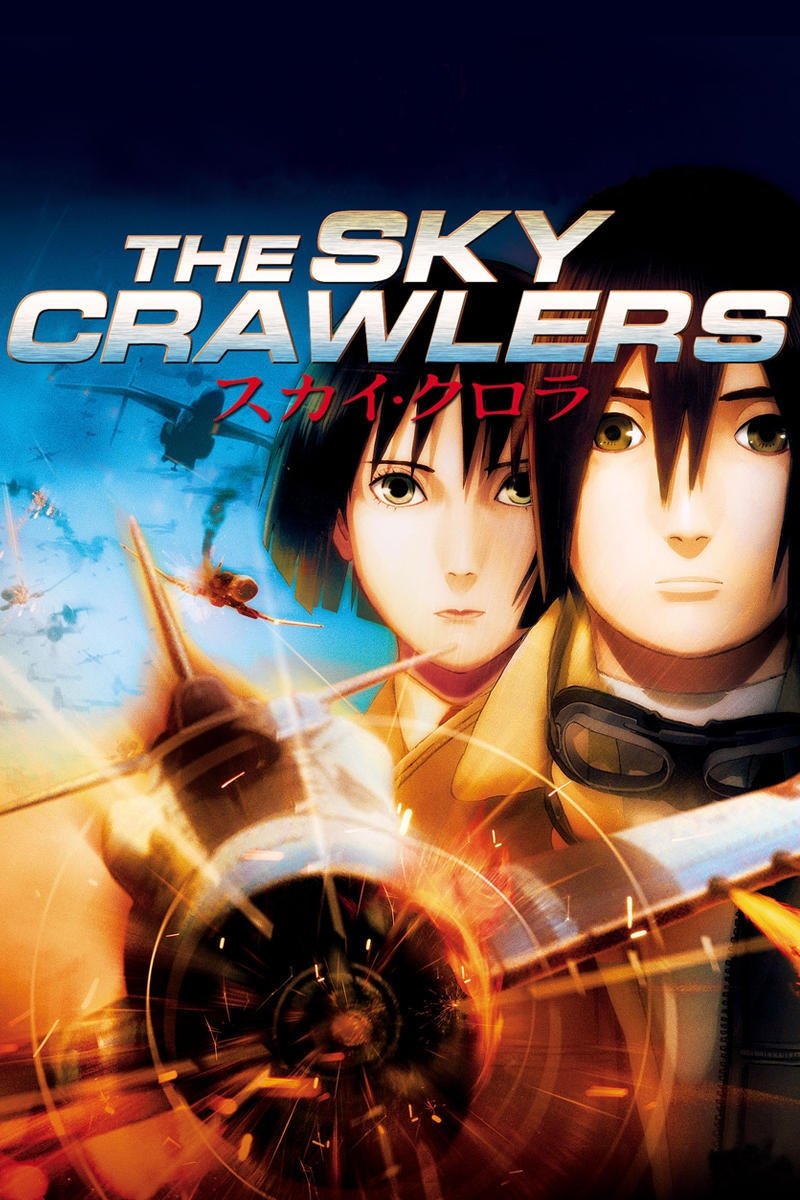
Mamoru Oshii directed this Production I.G film adapted from Hiroshi Mori’s novels about fighter pilots locked in perpetual contracted wars. Mechanical designs emphasize prop driven aircraft and staged dogfights with long tracking shots. The audio team recorded real planes to build layered engine sounds and cockpit ambience. It competed at Venice and received theatrical runs in multiple countries.
‘Mardock Scramble: The First Compression’ (2010)
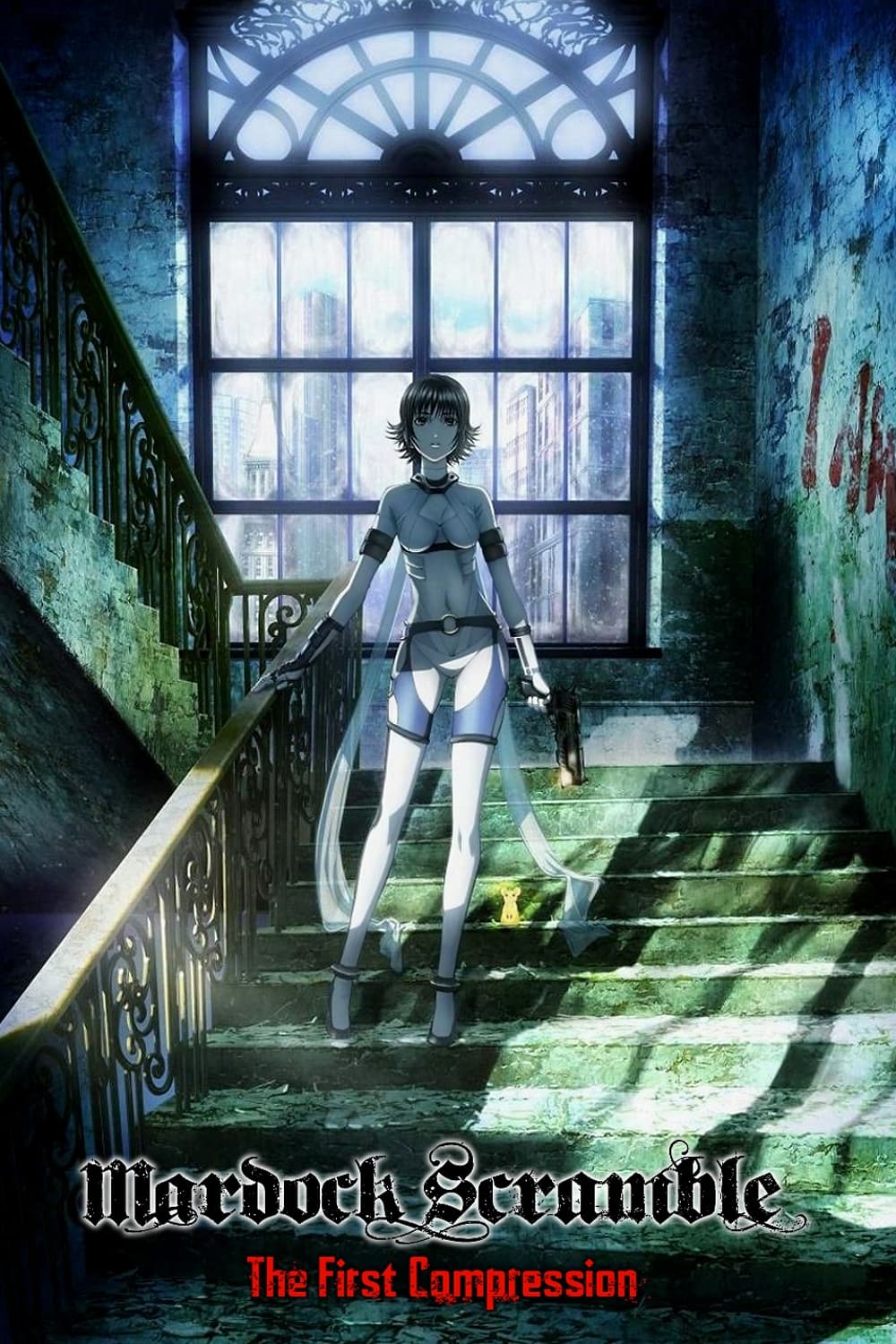
This film from GoHands adapts Tow Ubukata’s cyberpunk novel about a teenager rebuilt with advanced tech and paired with a sentient device. The story covers the first case against a criminal financier using illegal organ trade. Digital compositing and neon cityscapes define the visual approach. Two follow up features completed the storyline and were later bundled in home releases.
‘Tamako Love Story’ (2014)

Naoko Yamada directed this Kyoto Animation feature that follows a baton club senior facing graduation and a sudden confession. Animation focuses on small gestures such as eye movements and hand poses to show shifting relationships. The film uses real shopping arcade references from Kyoto for backgrounds. It screened with a short about the character Dera and received international festival play.
‘Liz and the Blue Bird’ (2018)
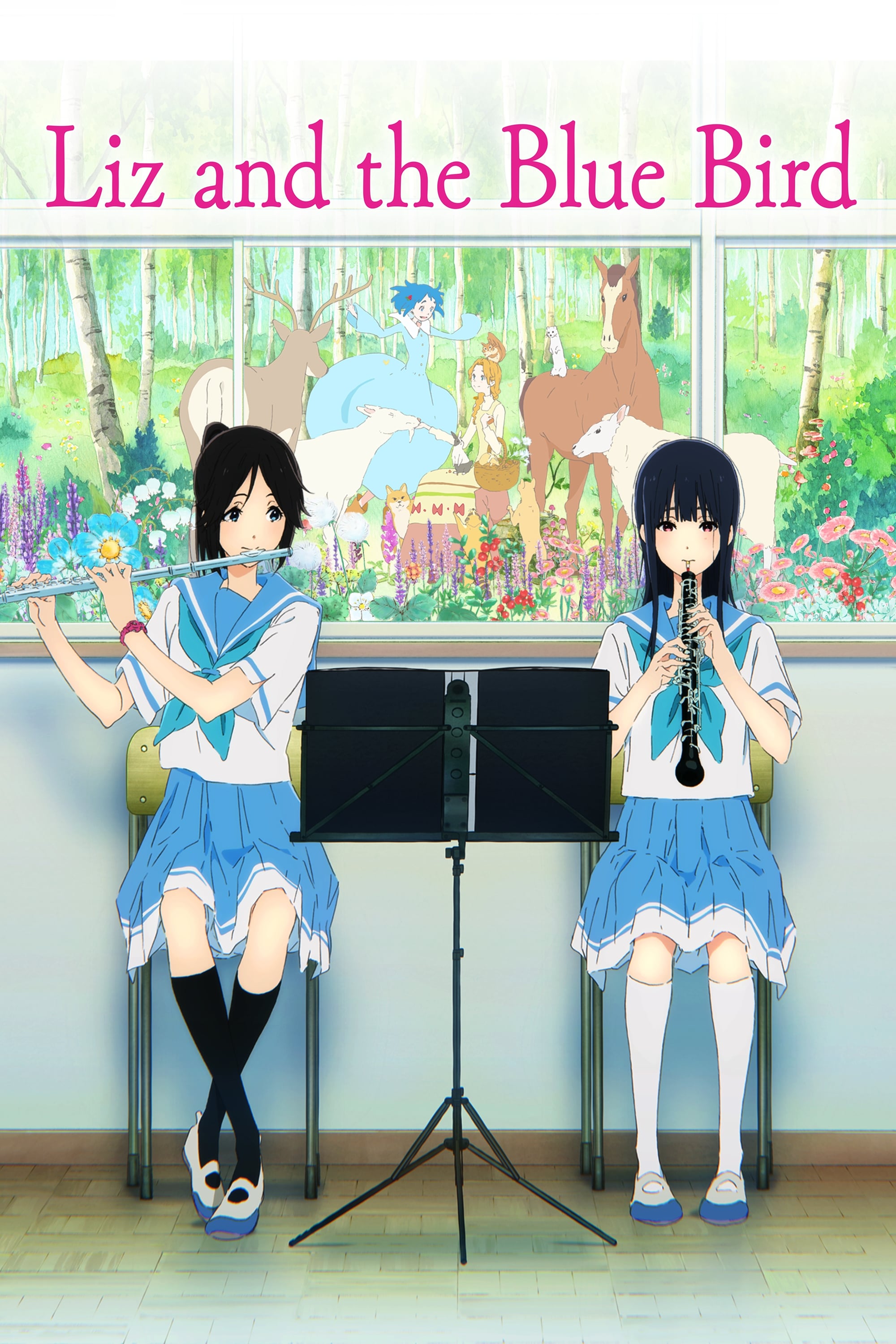
This Kyoto Animation film directed by Naoko Yamada centers on two wind ensemble students preparing a duet while planning separate futures. Character layouts use soft focus backgrounds and quiet framing inside music rooms and hallways. The score blends diegetic rehearsal pieces with motifs from the in universe fairy tale. It premiered at festivals and later received theatrical and Blu ray releases abroad.
‘Expelled from Paradise’ (2014)
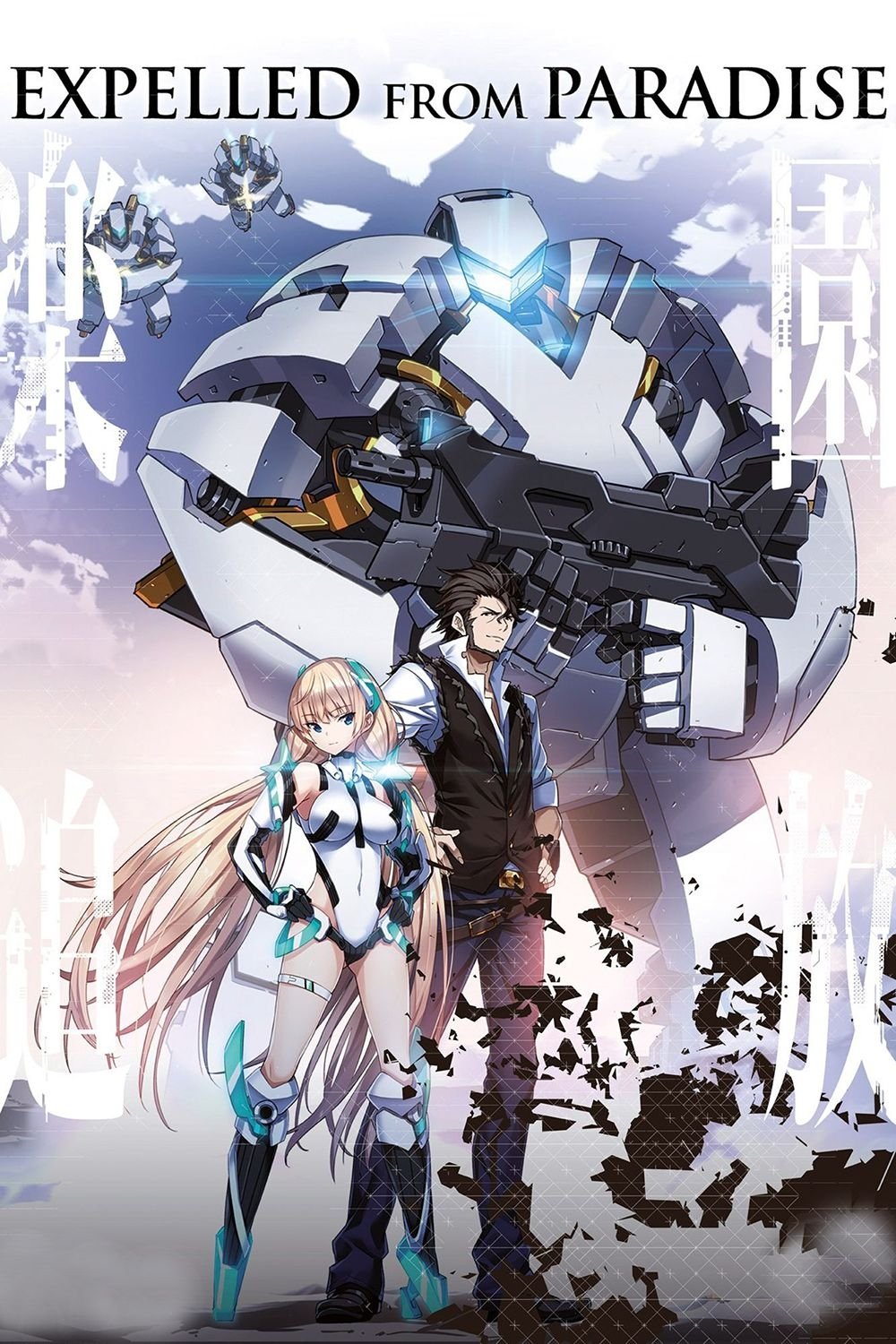
Seiji Mizushima directed this Toei Animation and Graphinica co production that mixes cel shaded CG characters with live action style camera work. The plot follows an agent sent from a space server civilization to Earth to locate a hacker. The team built new character rigs for expressive faces within a CG pipeline. The film opened in Japan and expanded to specialty theaters overseas.
‘In This Corner of the World’ (2016)
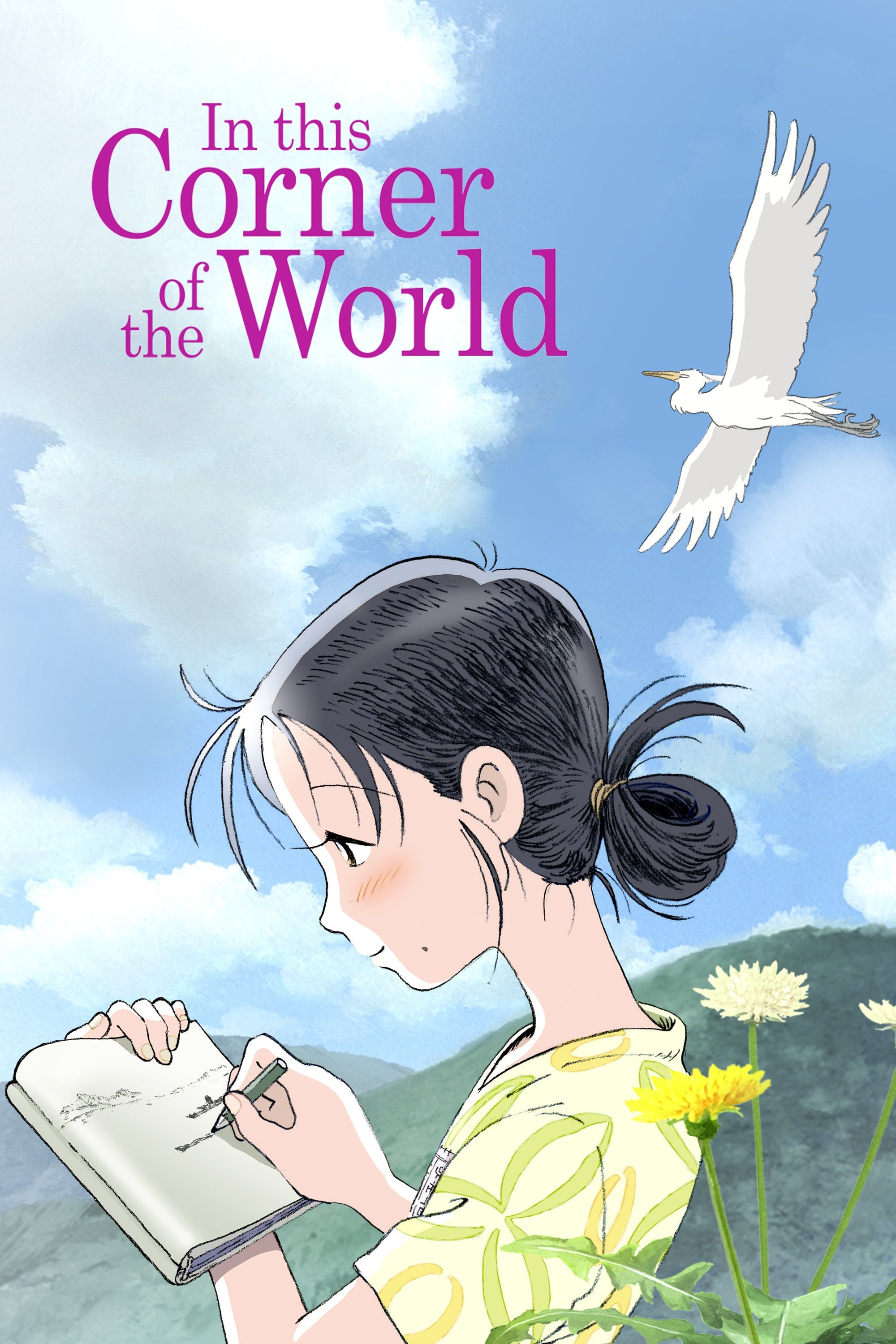
Sunao Katabuchi directed this MAPPA feature based on Fumiyo Kouno’s manga set in wartime Hiroshima and Kure. The production consulted maps and diaries to recreate neighborhoods and daily routines. Backgrounds use watercolor textures and period signage to document food rationing and factory work. An extended cut titled ‘In This Corner of the World and Other Corners Too’ added scenes for later screenings.
‘Goodbye, Don Glees!’ (2022)
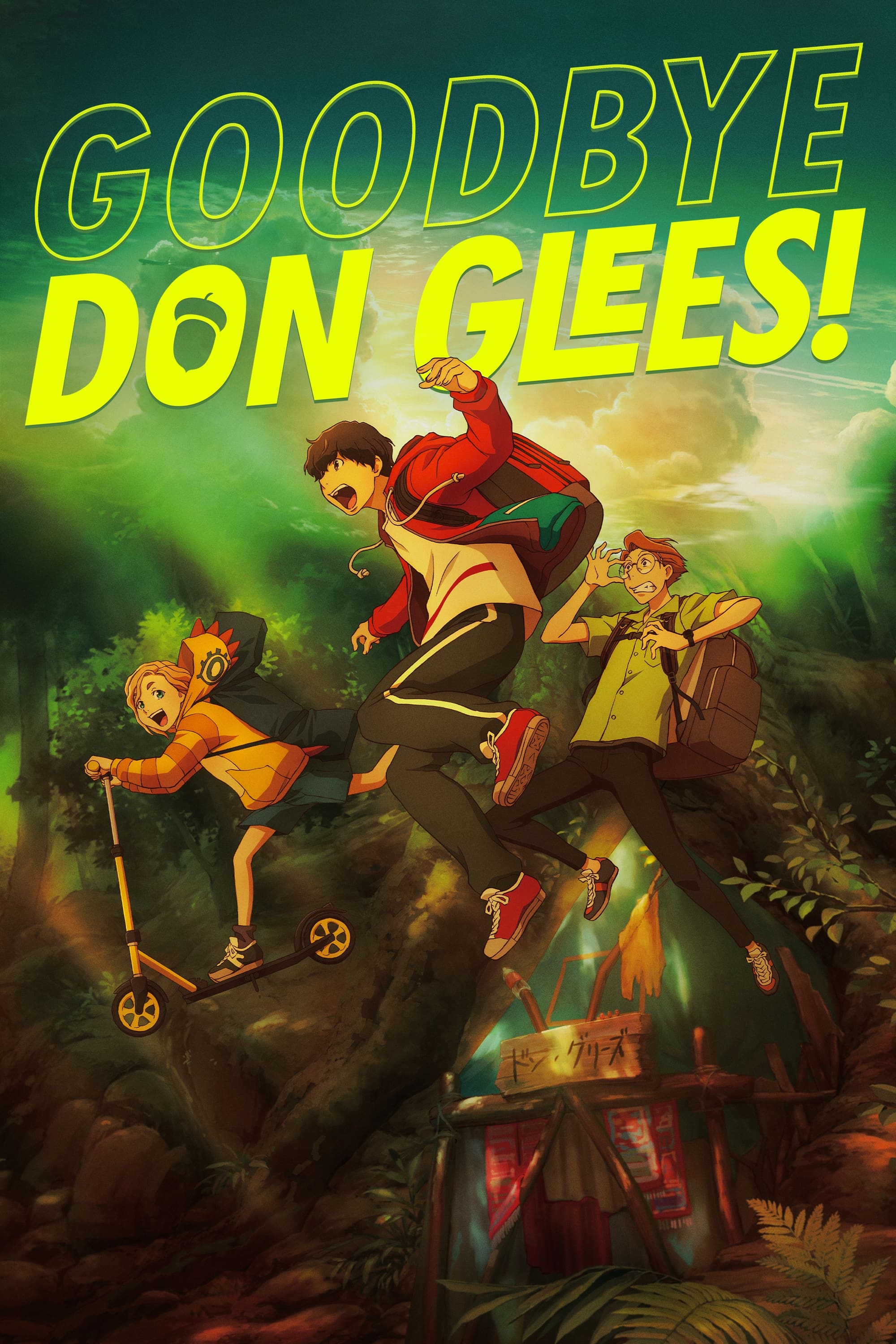
Atsuko Ishizuka wrote and directed this Madhouse film about three friends who set out to clear their names after a forest incident. Location scouting covered rural bridges, rivers, and mountain trails that appear in long summer sequences. The sound team recorded ambient insects and water to layer into night scenes. It premiered at the Tokyo International Film Festival and received international theatrical releases.
‘Josee, the Tiger and the Fish’ (2020)
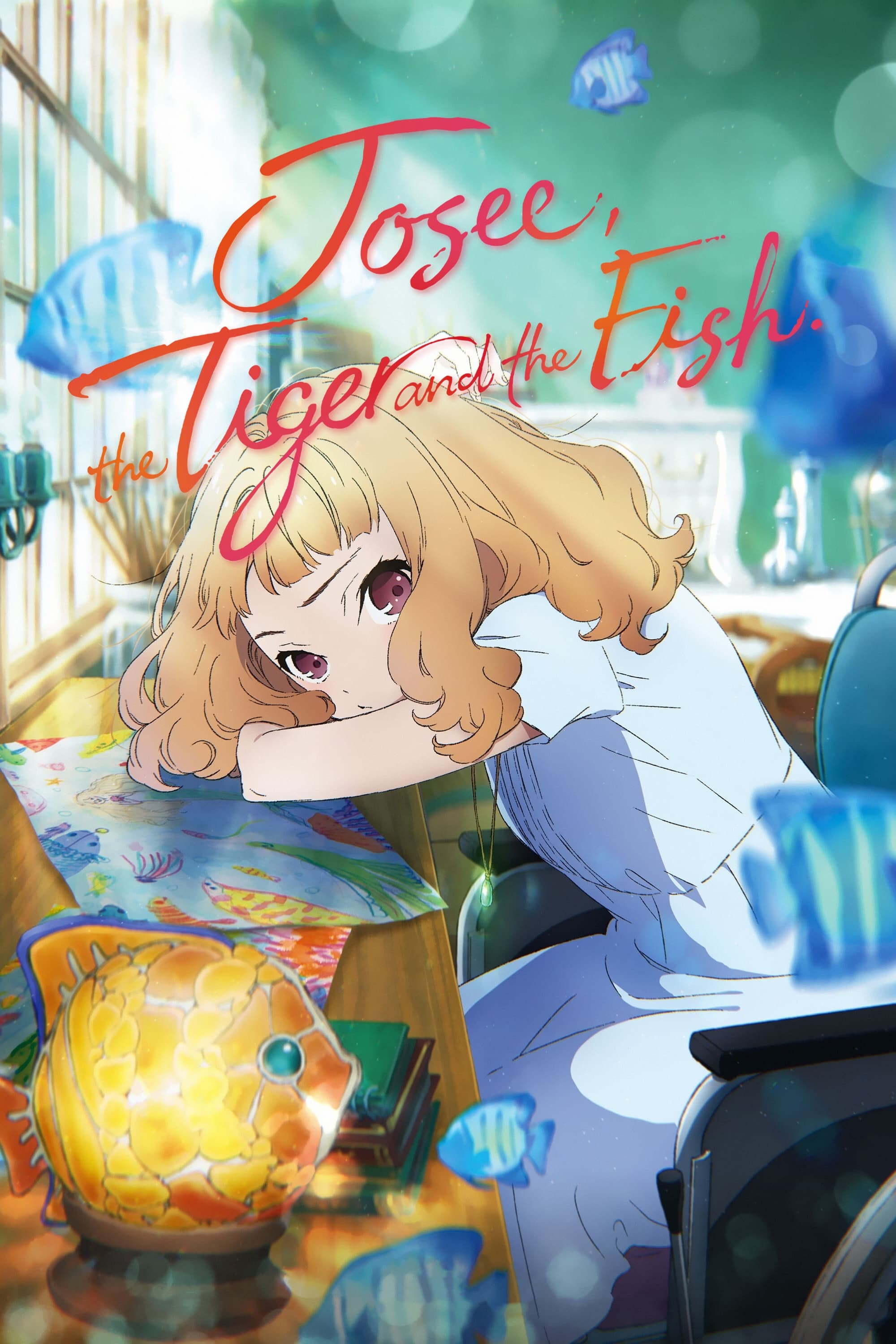
Kotaro Tamura directed this Bones adaptation of Seiko Tanabe’s story about a college diver and an aspiring artist who uses a wheelchair. Layouts emphasize urban slopes, aquarium exhibits, and seaside training spots. The production coordinated with accessibility advisors for prop design and movement planning. The film opened in Japan and later screened in North America and Europe with both dub and sub tracks.
‘Her Blue Sky’ (2019)

Tatsuyuki Nagai directed this CloverWorks feature from the Super Peace Busters creative team. The story links a bassist’s return to his hometown with a supernatural meeting that reflects on stalled dreams. Backgrounds recreate Saitama locations with crisp afternoon lighting and festival details. The release included music tie ins and live stage events featuring the in film band.
‘Fortune Favors Lady Nikuko’ (2021)
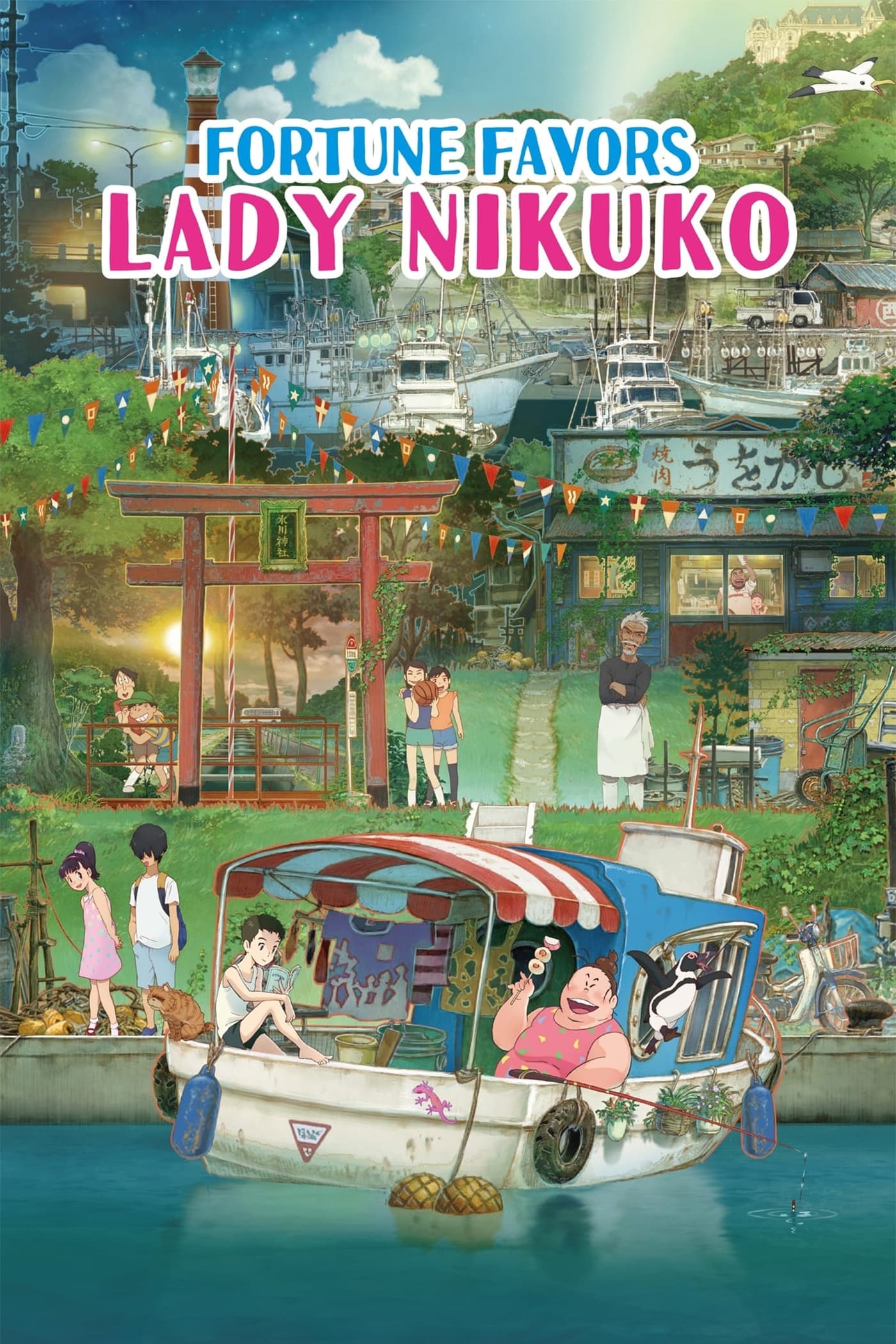
Ayumu Watanabe directed this Studio 4°C adaptation of Kanako Nishi’s novel about a mother and daughter in a seaside town. The film tracks seasonal routines, school life, and local eateries along the harbor. Character designer Satomi Yamada created rounded silhouettes and expressive everyday clothing. International festival screenings led to theatrical runs and home video editions.
‘INU-OH’ (2021)
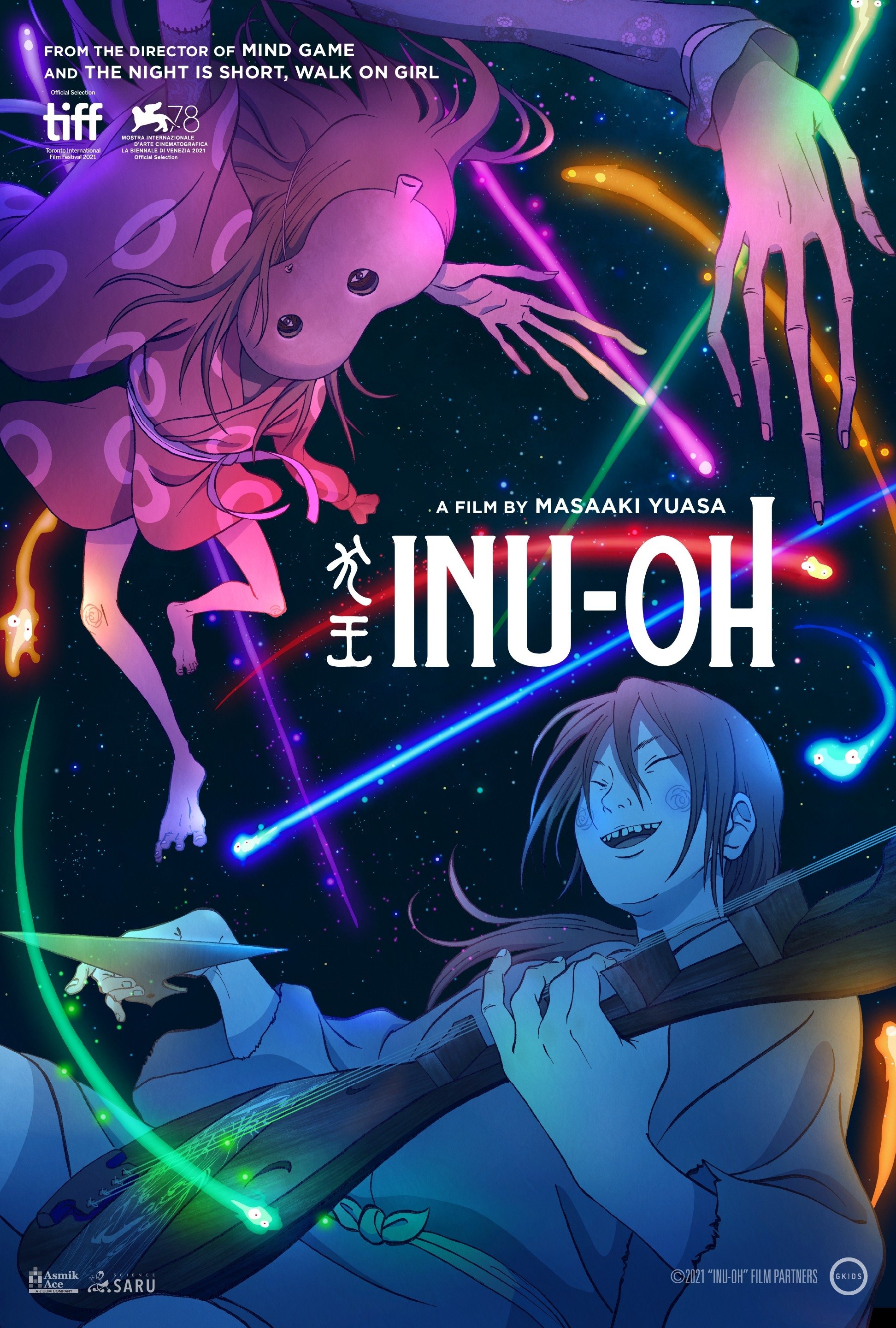
Masaaki Yuasa directed this Science SARU feature adapted from Hideo Furukawa’s novel about a Noh performer and a biwa player in the Muromachi period. Historical research informed instruments, costumes, and court rituals while stage scenes use long takes and wide shots. The production combines hand drawn animation with stylized concert sequences. It premiered at Venice and later expanded to global theatrical releases.
Share your own hidden gem picks in the comments so everyone can add more under the radar anime films to their watchlist.

