


Best Anime Series You’ve Never Seen

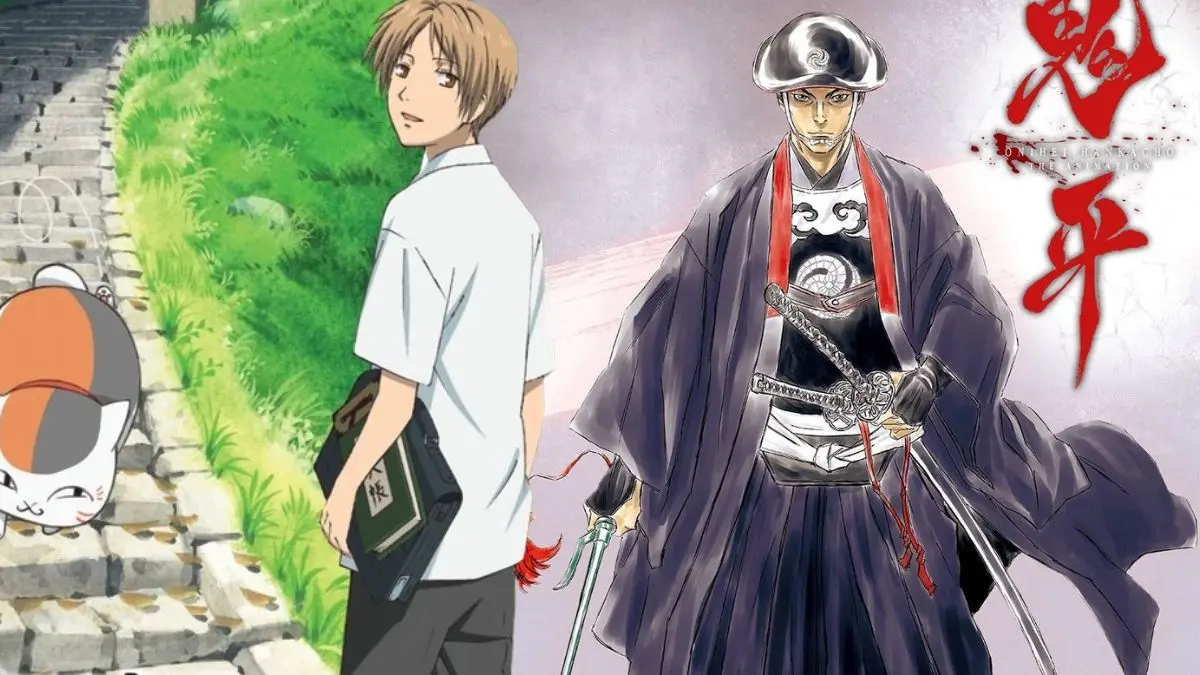


Some series slip under the radar even though they deliver tight storytelling, striking art, and memorable ideas. This list spotlights shows that never got the huge push but reward anyone who gives them a chance. You will find sci fi thought experiments, offbeat mystery tales, and character driven dramas that stick with you. Each pick includes helpful details so you can decide what to watch next.
‘Kaiba’ (2008)
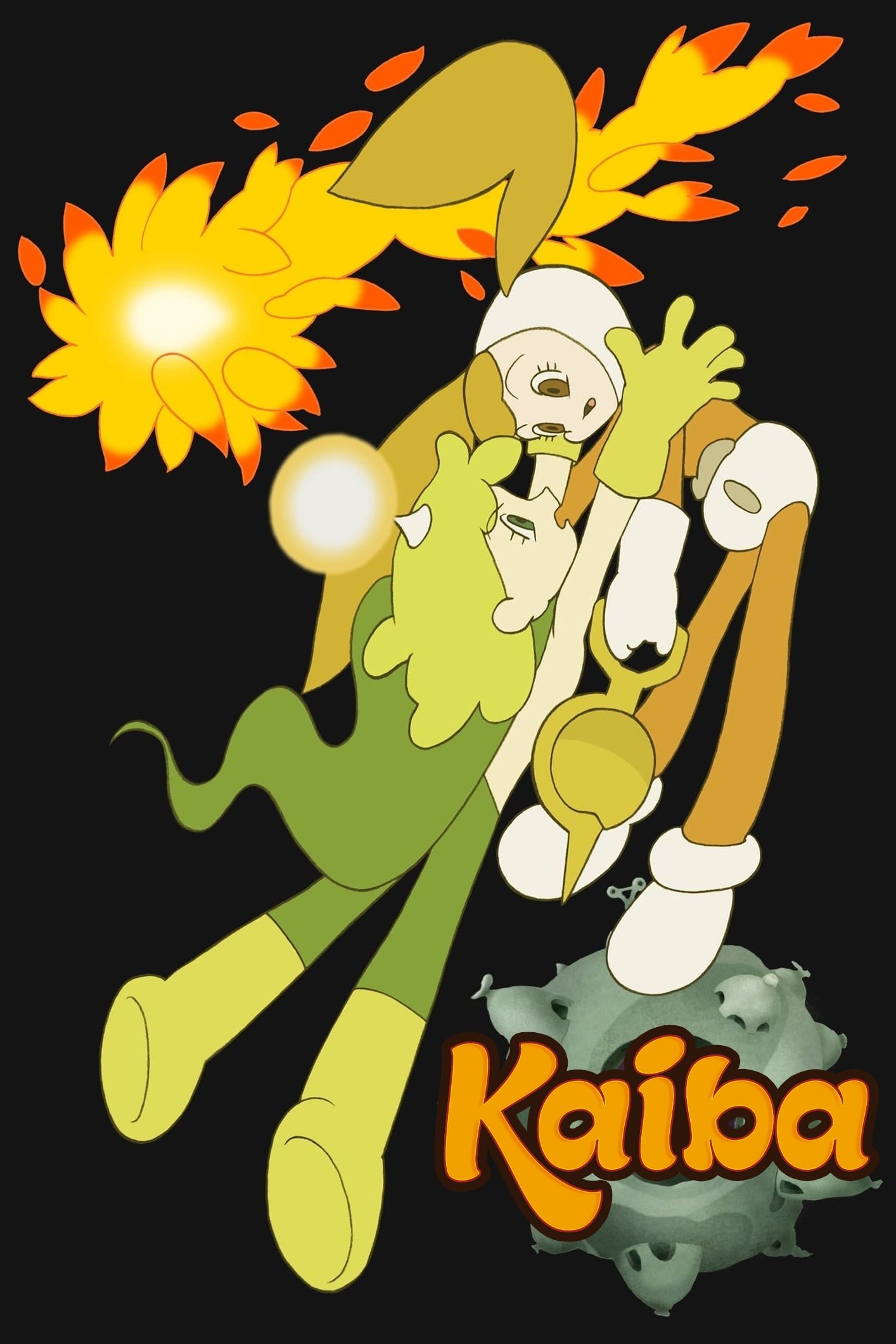
This sci fi drama from Madhouse imagines a future where memories can be stored and bodies are interchangeable. Masaaki Yuasa directs a journey through different worlds that examine class divides and identity. The series runs for 12 episodes, which makes it an easy complete watch. The minimal art style hides a layered story that connects each standalone stop on the trip.
‘Planetes’ (2003–2004)
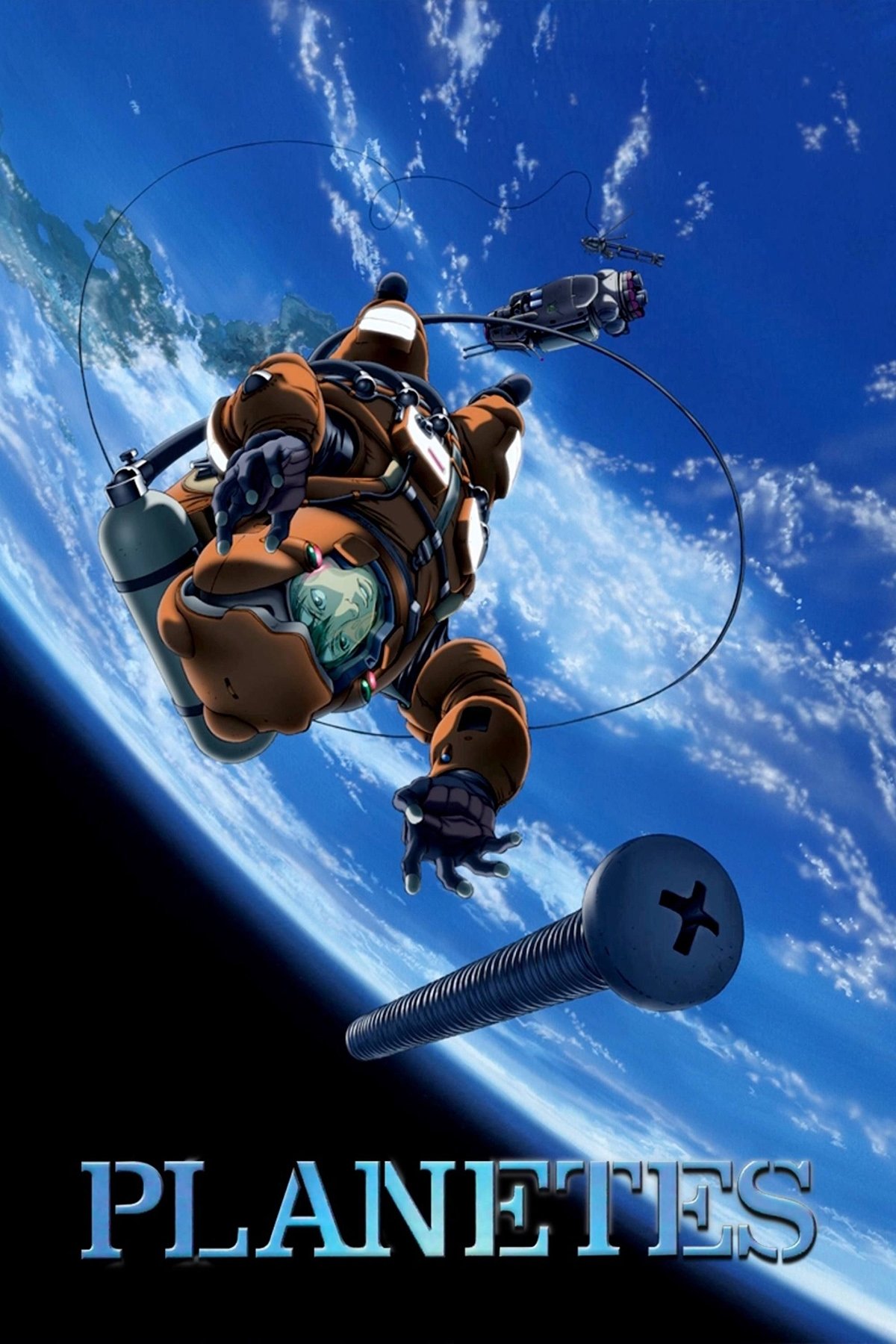
This realistic space drama from Sunrise focuses on a debris salvage team that keeps orbits safe for travel. It breaks down how jobs, contracts, and safety protocols work in near Earth space. The crew faces office politics along with dangerous missions, and the show explains the tech without jargon overload. The series spans 26 episodes and follows a clear professional and personal arc for the team.
‘Mononoke’ (2007)
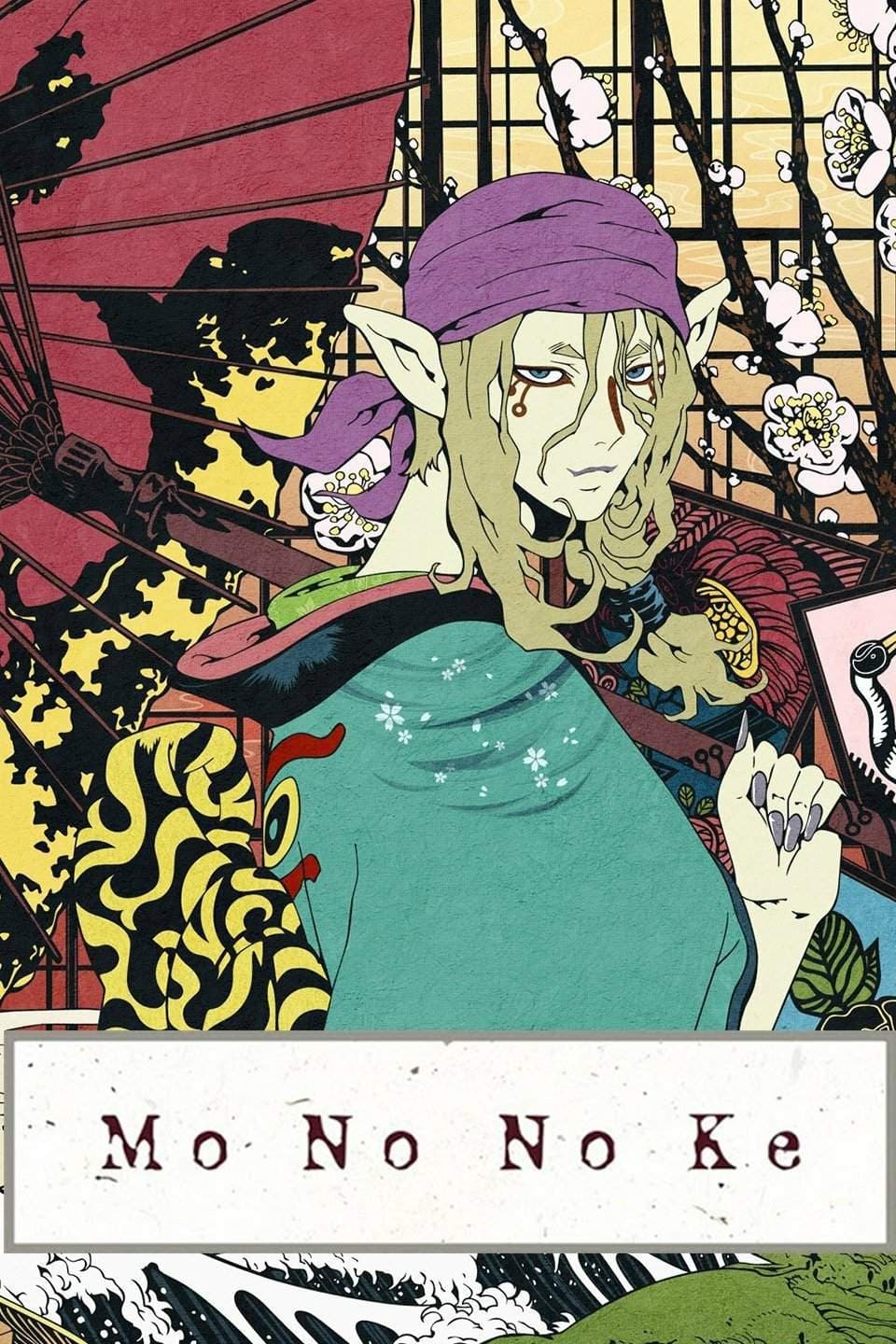
This supernatural anthology from Toei Animation follows a traveling medicine seller who exorcises spirits by learning their shape, truth, and reason. Each case plays out like a self contained mystery with rules that guide the confrontation. The show uses ukiyo e inspired visuals that signal clues through color and pattern. Its structure makes it easy to jump in, since arcs resolve in small clusters of episodes.
‘House of Five Leaves’ (2010)

Manglobe adapts a quiet period story about a timid ronin who falls in with a kidnapping group led by a calm strategist. The series studies loyalty and motive more than sword fights and keeps scenes grounded in simple rooms and alleys. Its soft line work and muted palette match the low key tone. The run is 12 episodes and completes the main plot.
‘Shiki’ (2010)
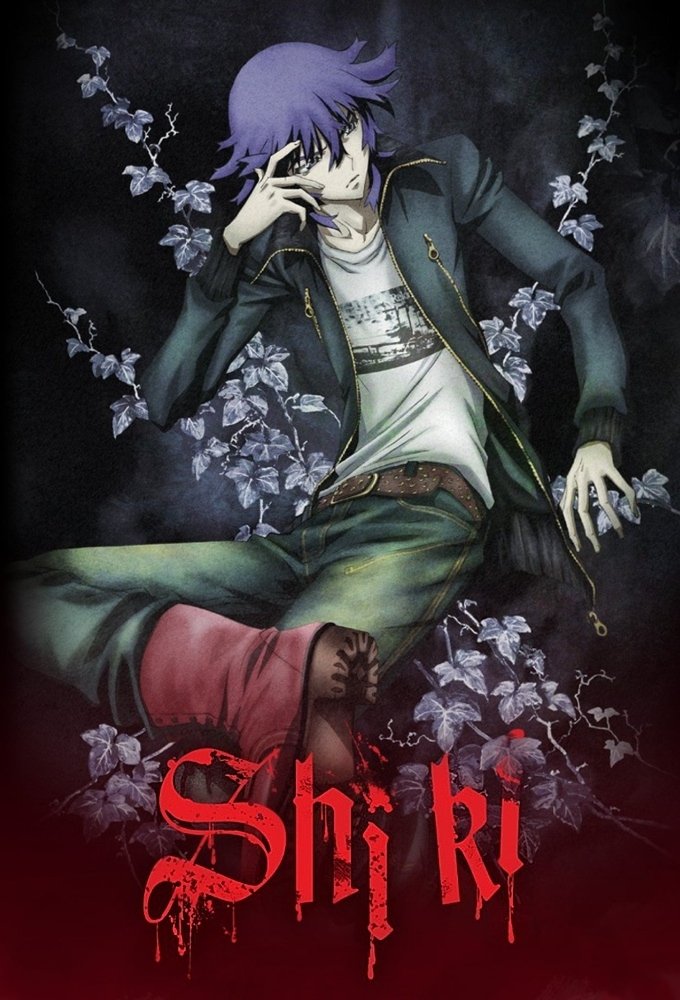
Daume delivers a rural horror tale where unexplained deaths spread through a small village. The show carefully tracks medical reports, investigations, and social responses as fear grows. Character viewpoints shift to show how each side justifies its actions. It runs for 22 episodes with additional specials that expand certain events.
‘Kemonozume’ (2006)
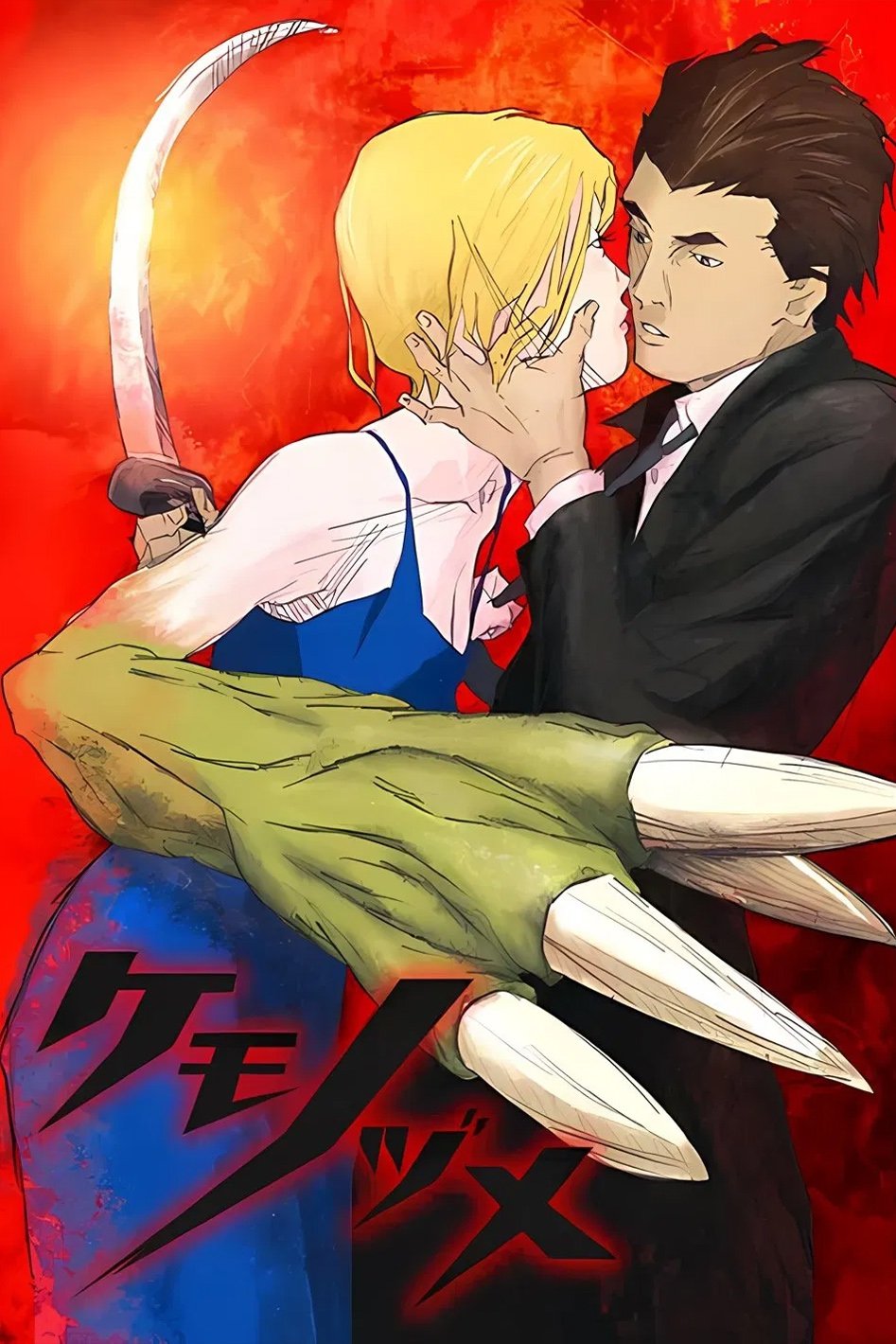
Studio Madhouse presents a human monster romance wrapped in an action crime story. The show mixes hand drawn rough lines with expressive movement and treats every fight as a consequence of messy relationships. It explores secret organizations, family ties, and hunger in literal and figurative ways. The series finishes in 13 episodes with a clear endpoint.
‘Time of Eve’ (2008–2009)
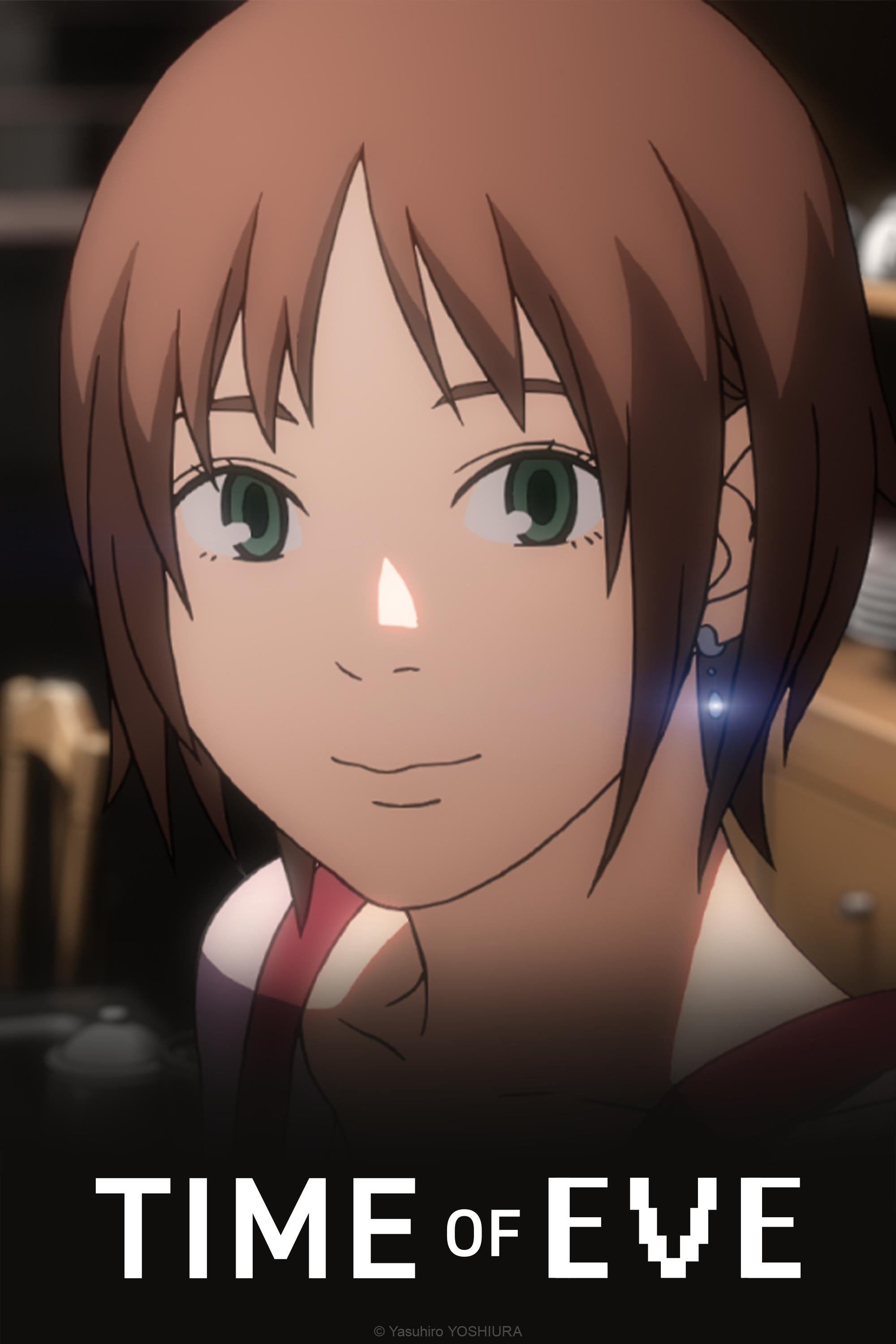
This ONA series from Studio Rikka studies daily life with household androids and the social rules that govern them. Each visit to a small cafe introduces patrons who test the boundary between human and robot behavior. The episodes build a consistent ethics framework through conversation and observation. The story concludes across six main installments with an epilogue compilation available.
‘Moribito: Guardian of the Spirit’ (2007)
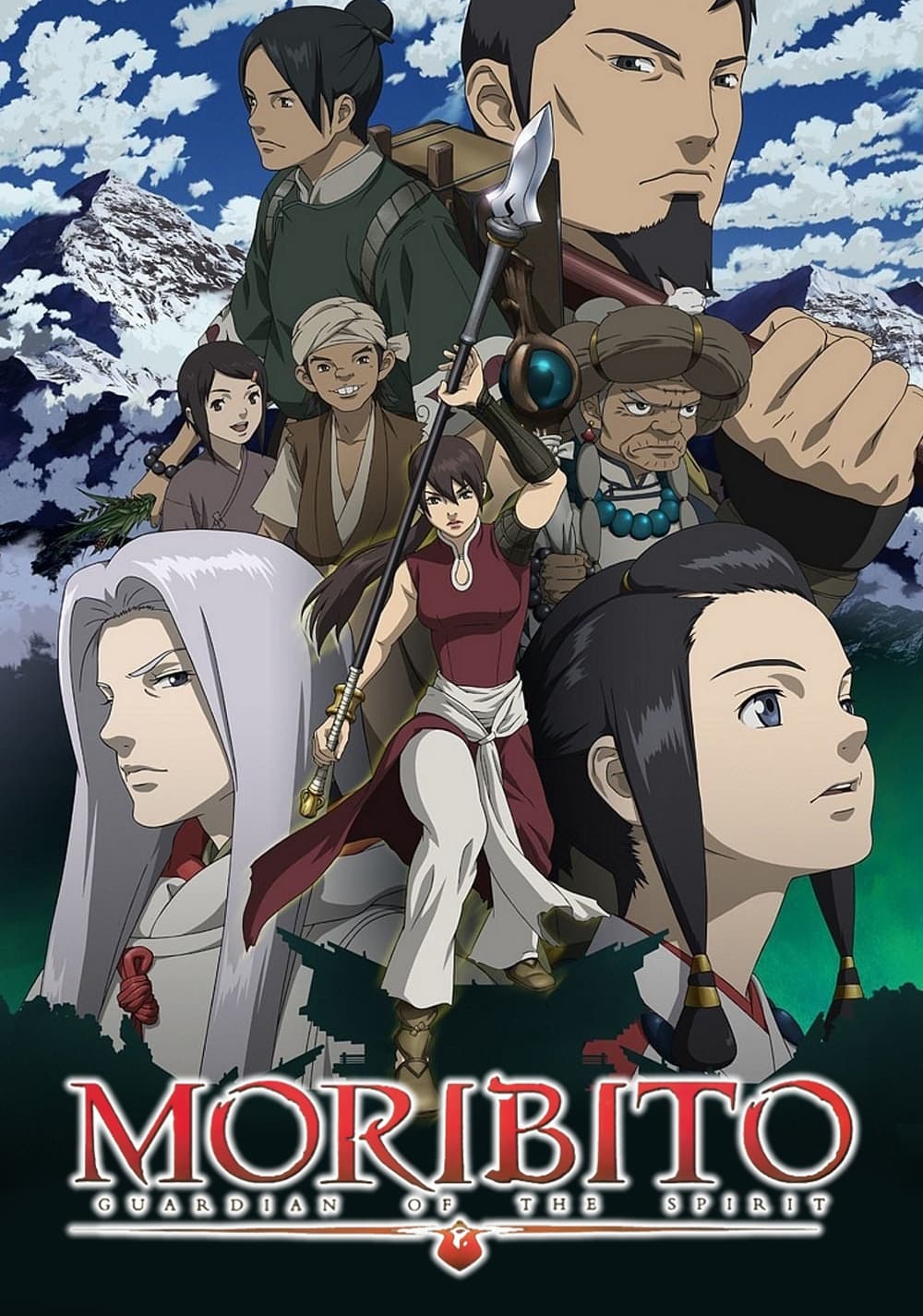
Production I.G adapts a fantasy novel about a spear wielding bodyguard hired to protect a prince marked by a mysterious entity. The series details court politics, folklore, and daily travel logistics like food, routes, and cover stories. Fight choreography emphasizes weight, stance, and terrain. Its 26 episodes tell a complete protection mission from start to finish.
‘Gankutsuou’ (2004–2005)
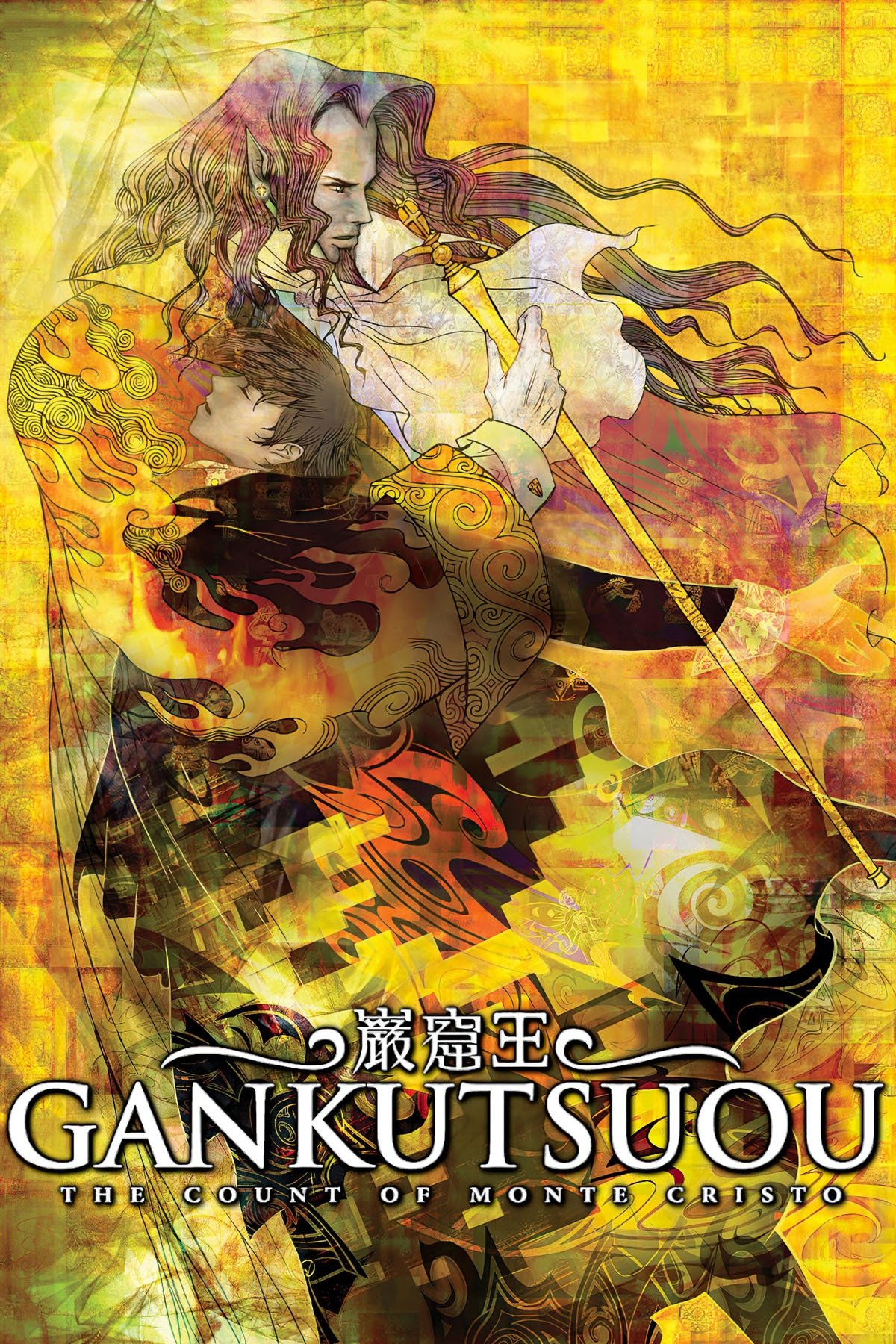
Gonzo reimagines the classic revenge tale in a futuristic setting with layered textures and patterned clothing effects. The plot tracks contracts, debts, and social standings across nobles and traders. Technology, travel, and finance systems are explained so alliances make sense. The run covers a full arc with no need for additional seasons.
‘The Eccentric Family’ (2013–2017)
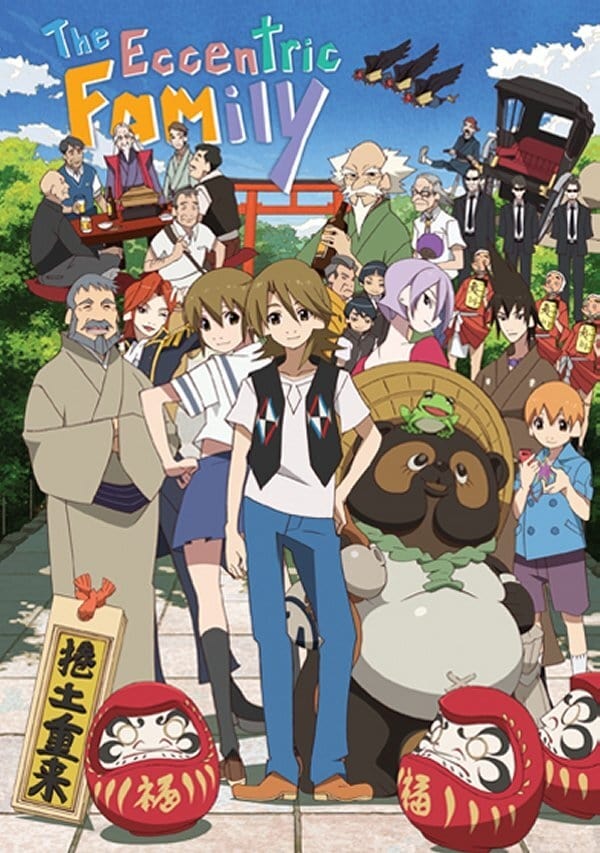
P.A. Works adapts a Kyoto set story about tanuki, tengu, and humans sharing one city. It follows a family as they navigate business, festivals, and rival clans. City landmarks and customs play key roles in how plans succeed or fail. Two seasons map a steady timeline of events with consequences that carry from one festival cycle to the next.
‘Ping Pong the Animation’ (2014)
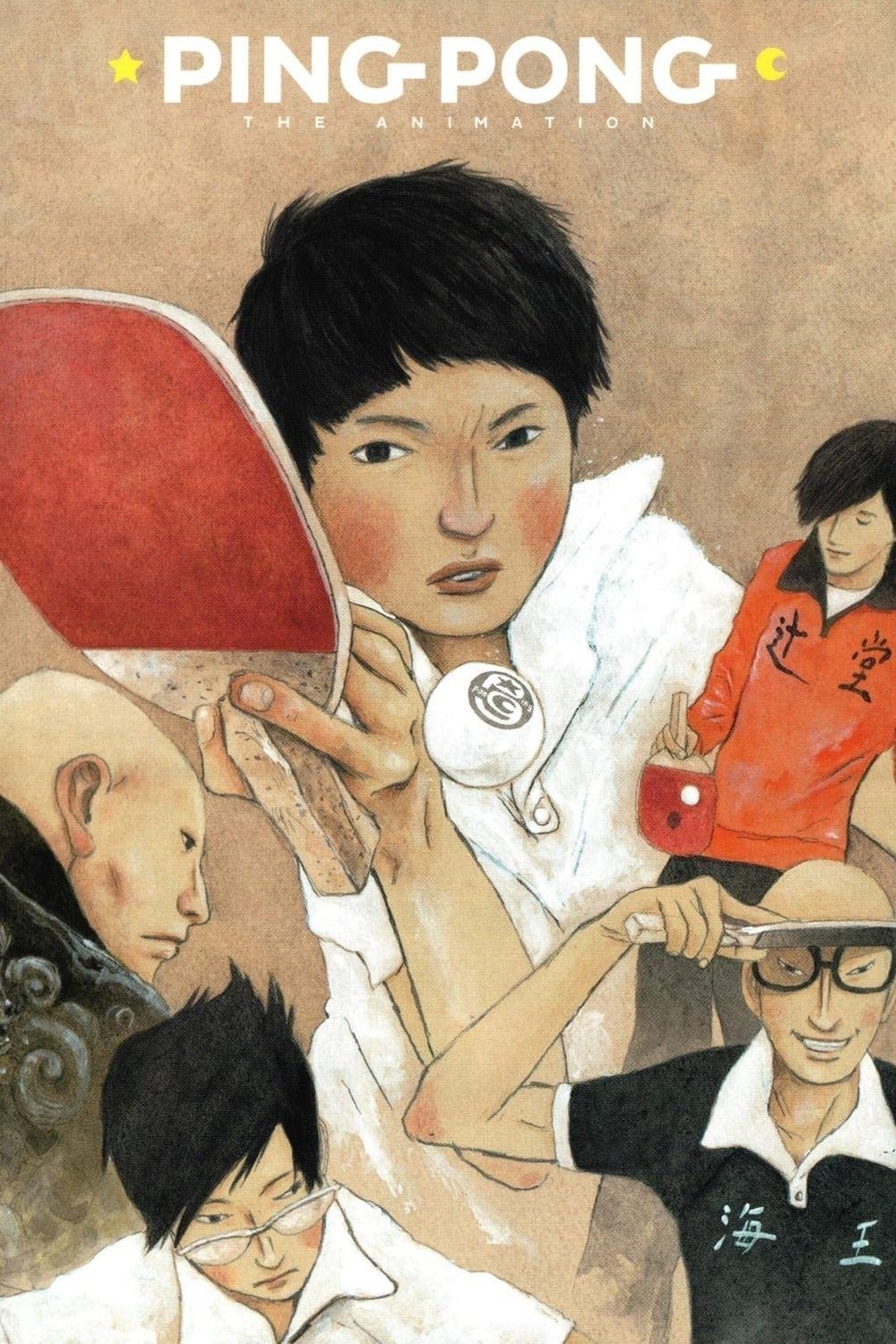
Tatsunoko Production brings Taiyo Matsumoto’s sports story to the screen with bold boards and dynamic camera choices. Matches hinge on training habits, grip choices, and mental focus rather than special shots. Coaches, clubs, and tournaments follow realistic calendars and brackets. The series completes in 11 episodes and covers an entire competitive season.
‘Paranoia Agent’ (2004)
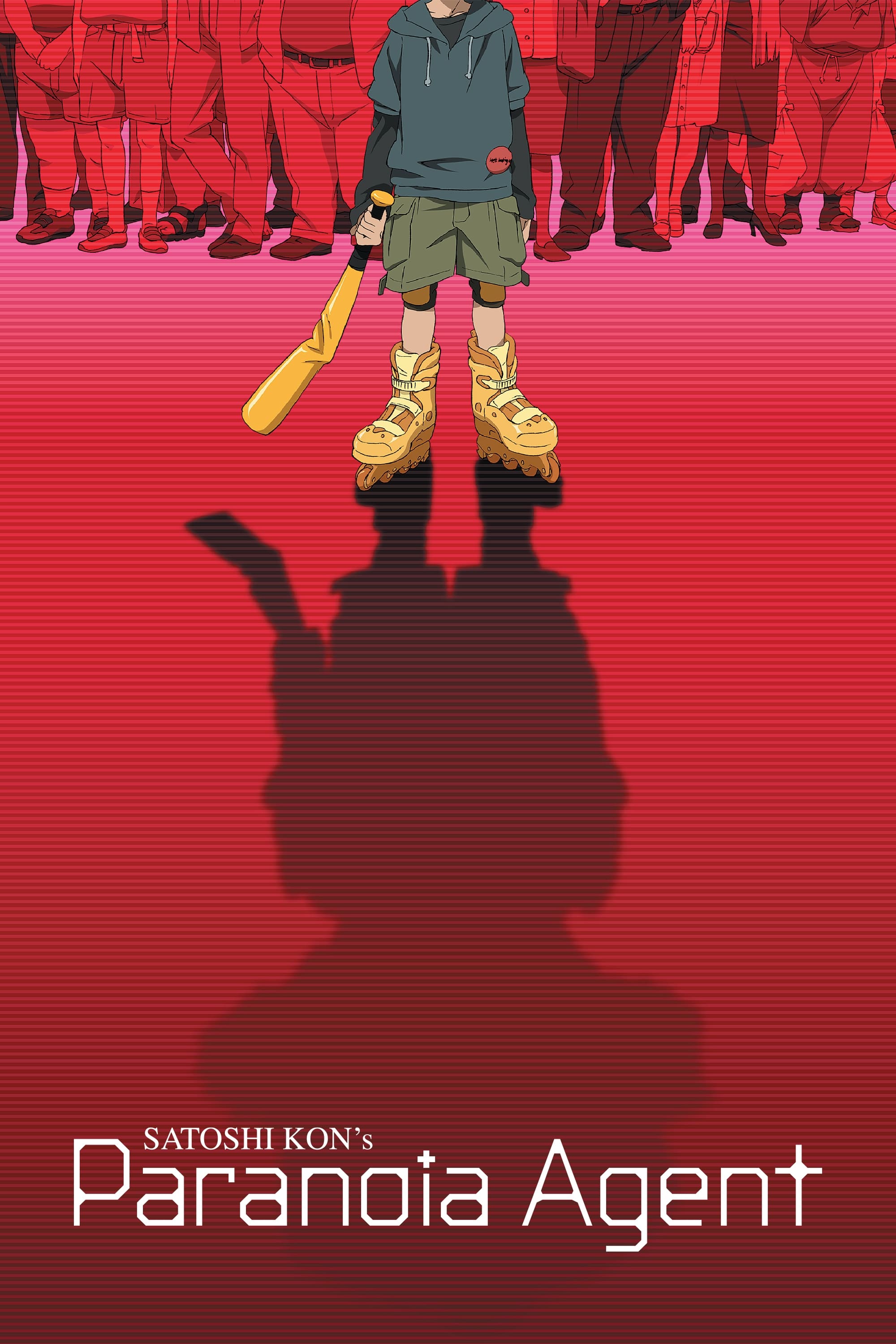
Madhouse presents a social mystery that links seemingly random incidents through rumors and stress. Each episode studies a different person and records how hearsay and pressure shape behavior. Police work, media coverage, and office routines provide the framework for the case. The show runs for 13 episodes and resolves its central thread.
‘Baccano!’ (2007)
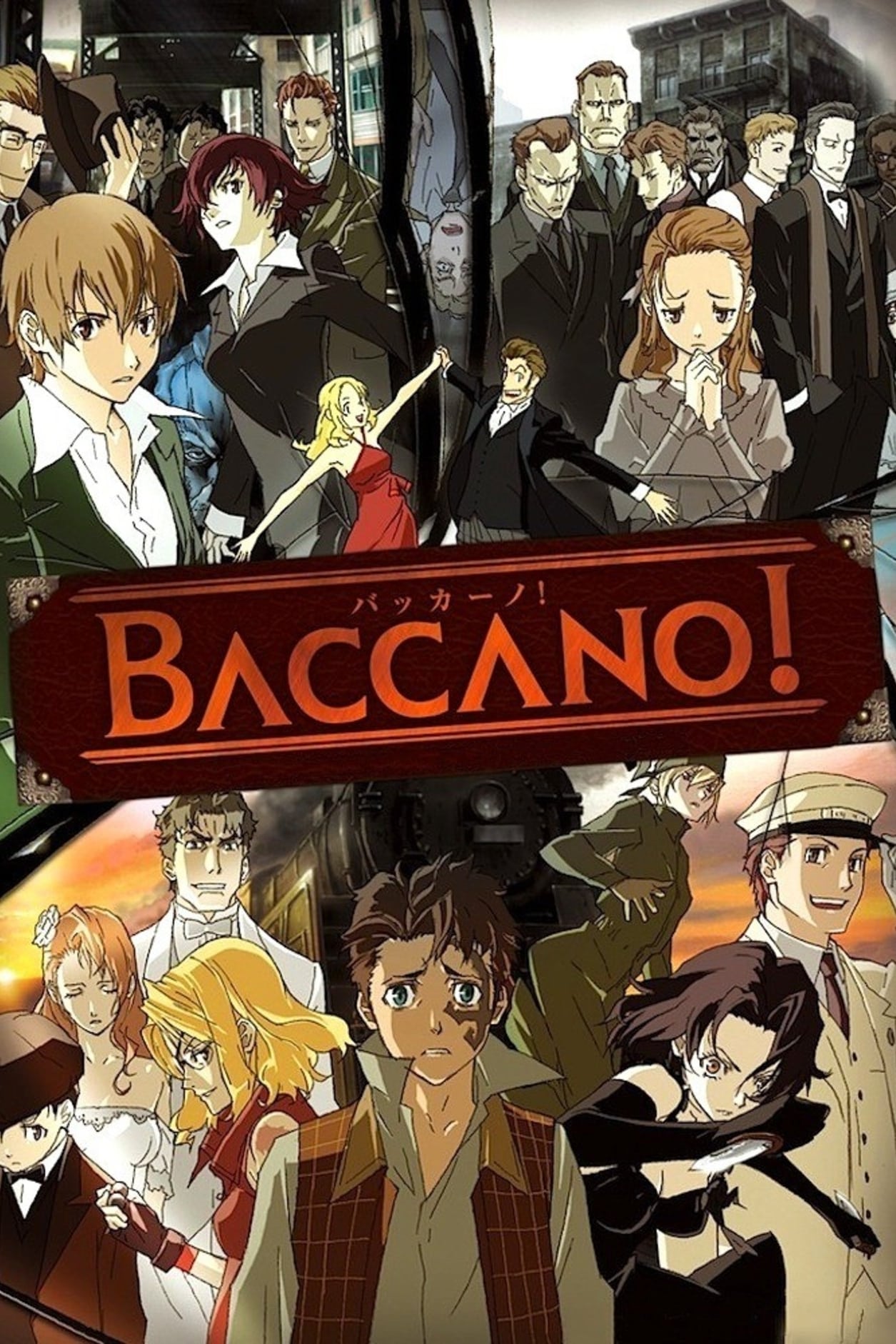
Brain’s Base adapts a pulp crime saga that jumps between train heists, gang turf deals, and a secret of immortality. Nonlinear editing places scenes by location and character rather than strict time order. It lists factions, aliases, and items so the moving parts stay readable. The main story finishes in the broadcast run with extra episodes that add context.
‘Ergo Proxy’ (2006)
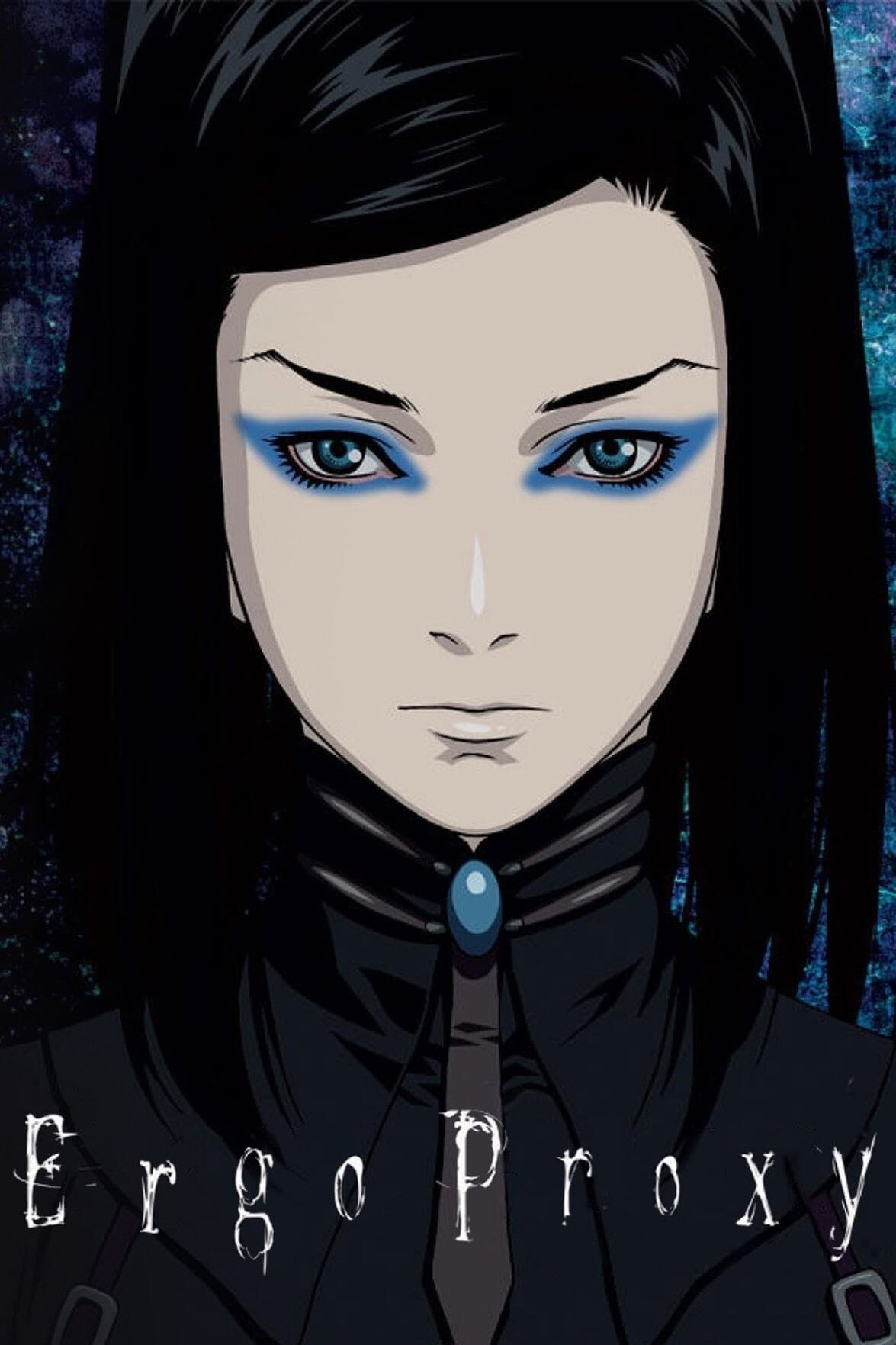
Manglobe’s cyberpunk detective story follows an inspector and an android partner through domed cities and wasteland towns. The show logs energy rationing, governance models, and memory protocols that shape each stop on the route. It blends case files with broader questions about identity and control. The series wraps its investigation within one season.
‘Haibane Renmei’ (2002)
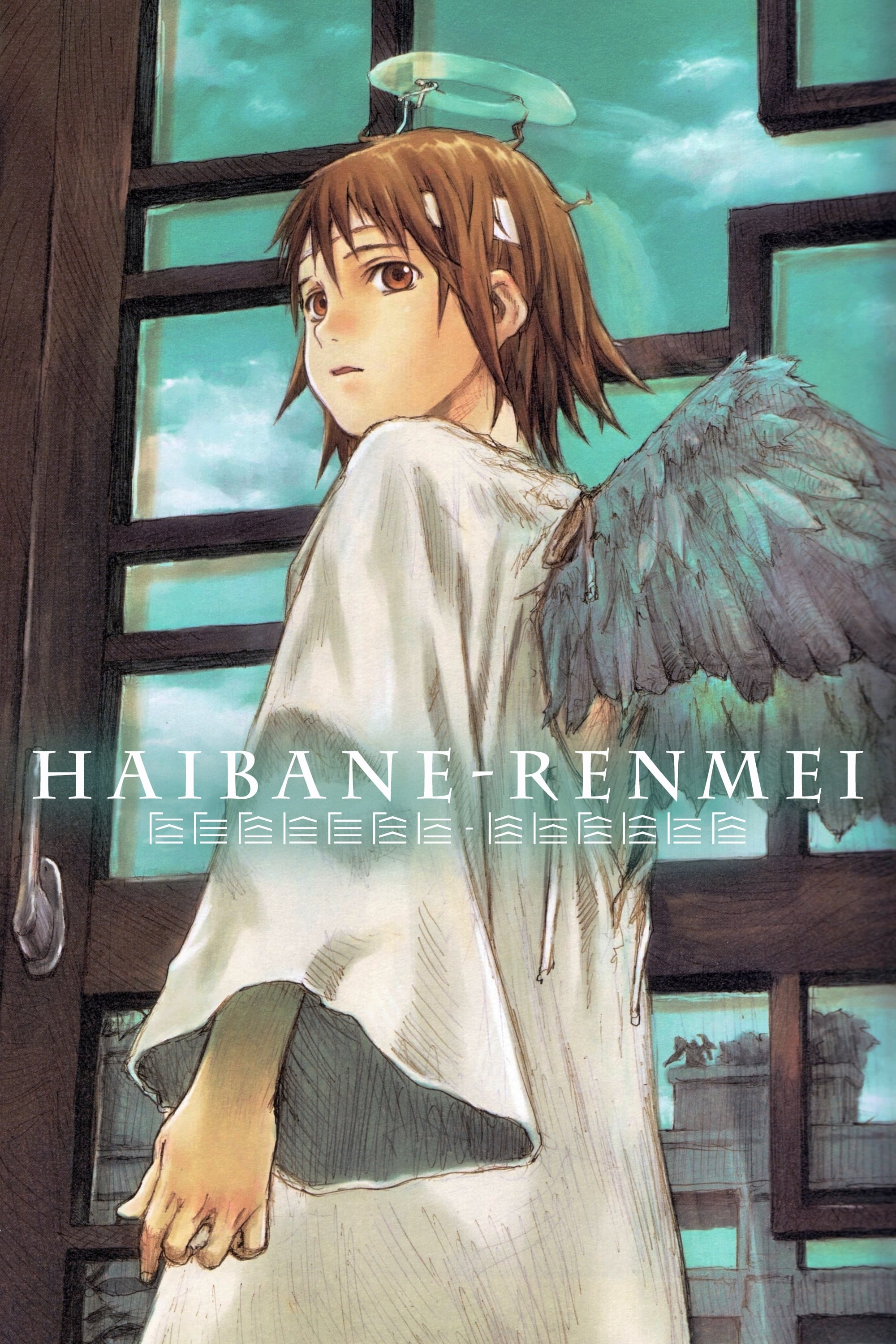
Radix adapts a quiet fantasy about winged youths who live in a walled town under strict customs. The show details work assignments, currency scrip, and community rules that shape daily life. Symbolic items like halos and feathers are treated as normal tools rather than props. The 13 episode run follows a newcomer as she learns the town’s history and the meaning of personal recovery.
‘Texhnolyze’ (2003)
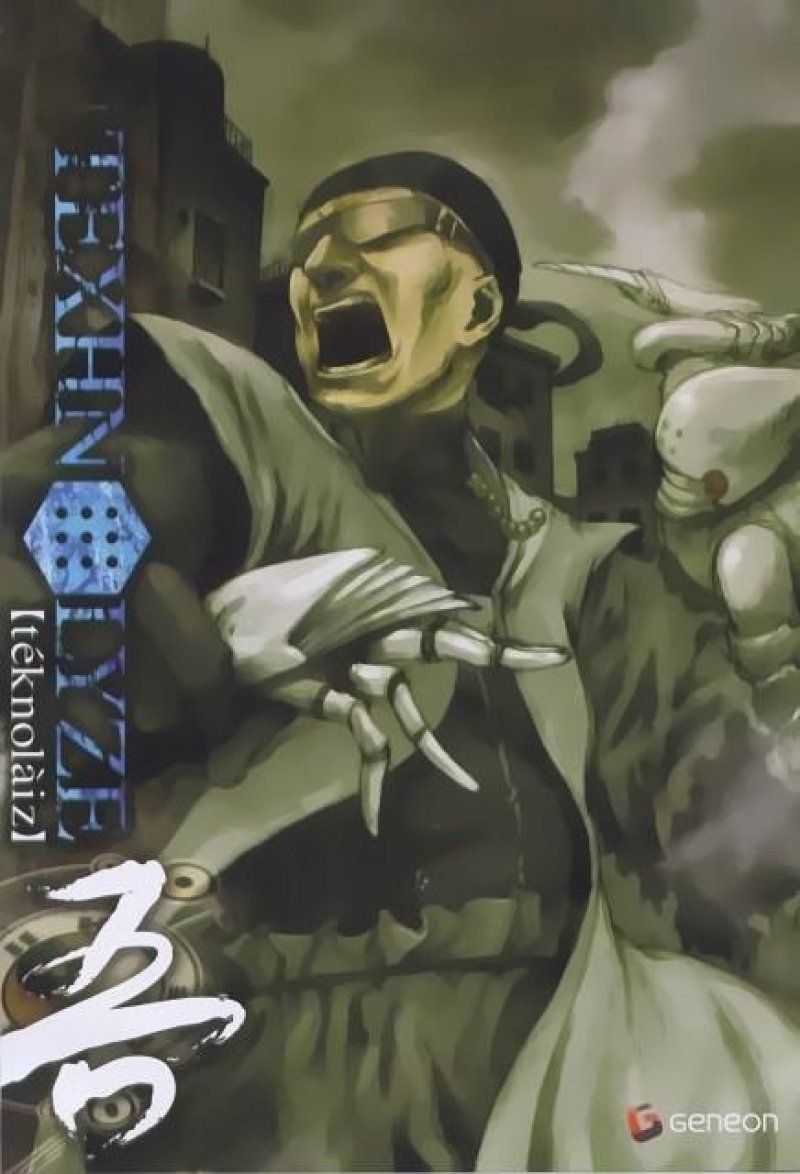
Madhouse sets this cyberpunk story in a decaying underground city run by rival groups. The series explains power structures, resource shortages, and the biotech implants that keep fighters alive. Dialogue is sparse early on and the plot communicates through routine, territory maps, and quiet confrontations. It completes in 22 episodes with a defined trajectory from local turf conflict to systemic collapse.
‘Now and Then, Here and There’ (1999–2000)
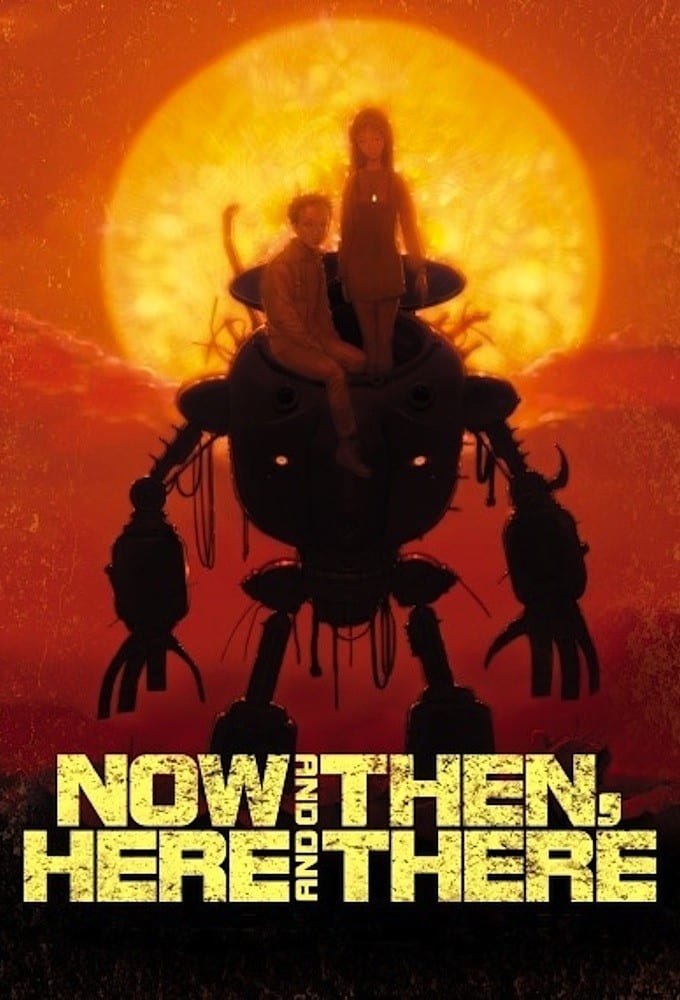
AIC and Pastel adapt an isekai premise into a wartime survival tale with clear logistics for water, weapons, and recruitment. The desert stronghold runs on harsh rationing and forced labor, and the show lays out how those systems hold. Travel routes, supply lines, and command ranks are tracked across episodes. The story finishes in 13 parts with consequences that carry through to the final scene.
‘Kyousougiga’ (2011–2013)
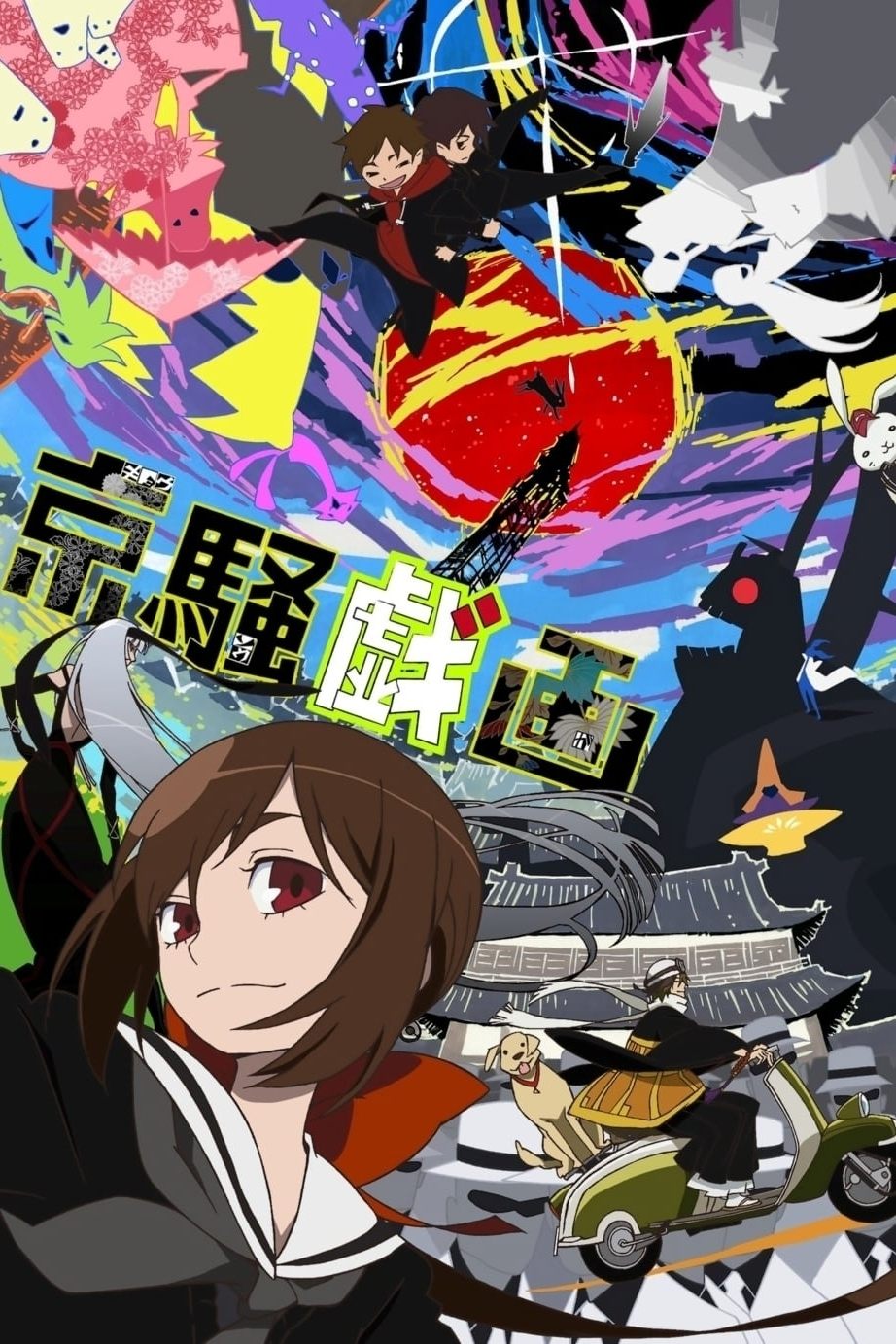
Toei Animation builds a pocket city where deities and humans share streets, shops, and shrines. The release includes ONAs and a TV series that clarify family ties, timelines, and city rules. Visuals use fast cuts and signage to show how districts connect and how residents move. The run resolves its main family dispute by the end of the televised episodes.
‘Fantastic Children’ (2004–2005)
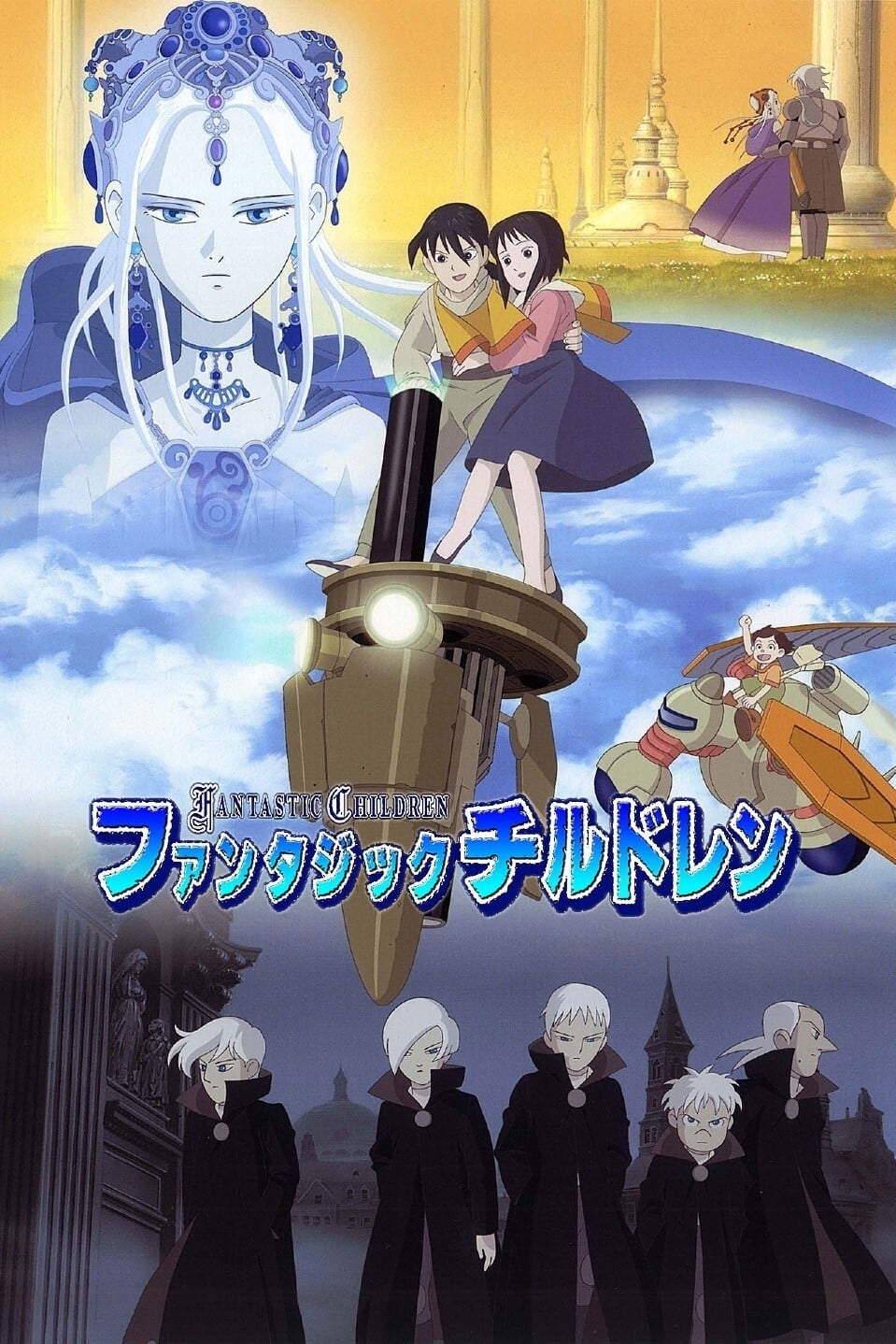
Nippon Animation presents a mystery that spans countries, languages, and eras. The show catalogs artifacts, letters, and police files that connect recurring sightings of a group of white haired children. Travel documents and border checks ground the timeline as investigators follow leads. Across 26 episodes the case unifies into a science fiction explanation with a human core.
‘Hyouge Mono’ (2011–2012)
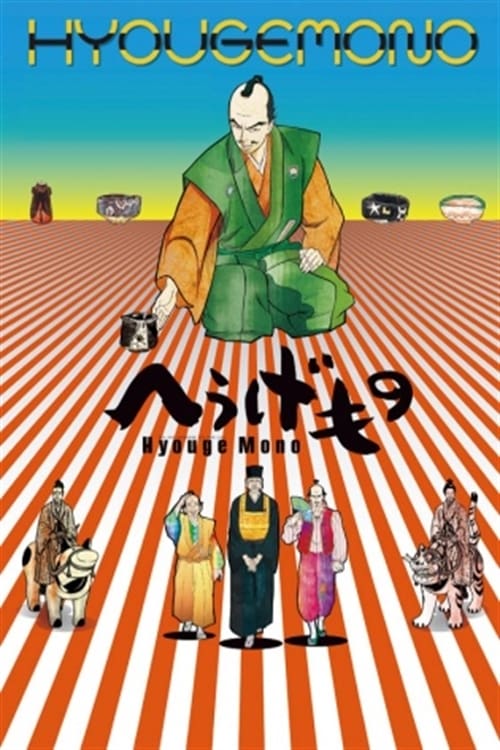
Bee Train adapts a historical manga about tea ceremony politics during the Sengoku period. The series breaks down utensils, glaze types, and the etiquette that governs trade and gifting. Military campaigns and art collection choices intersect in council scenes and formal visits. It runs for 39 episodes and charts how taste influences power.
‘Girls’ Last Tour’ (2017)
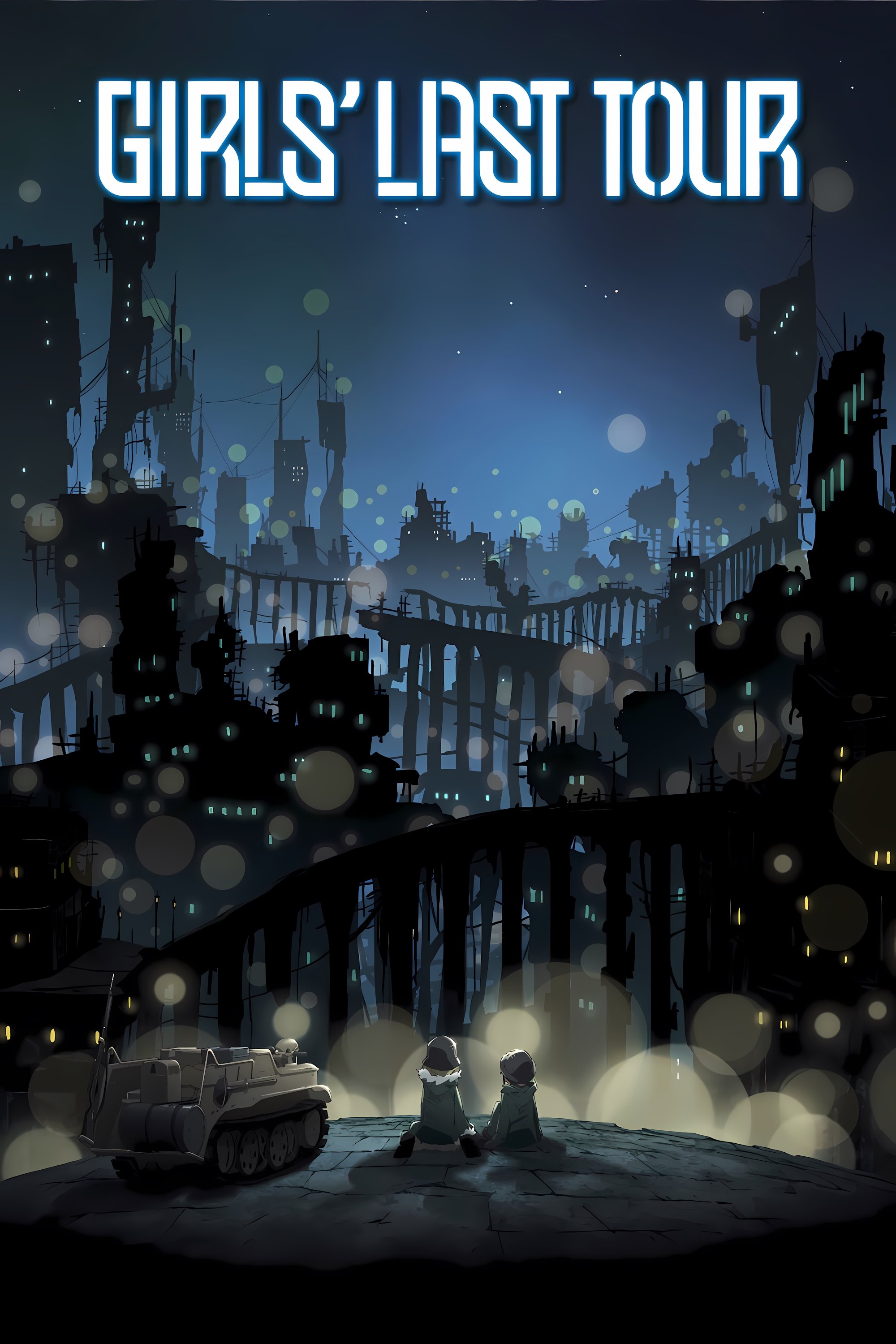
White Fox follows two travelers who navigate a silent postwar cityscape using a small vehicle and found supplies. The show lists fuel stops, food sources, and maintenance routines that keep them moving. Architecture and machinery are cataloged as they climb through levels of an industrial maze. The 12 episode season adapts key chapters and concludes with a reflective final leg.
‘Onihei’ (2017)
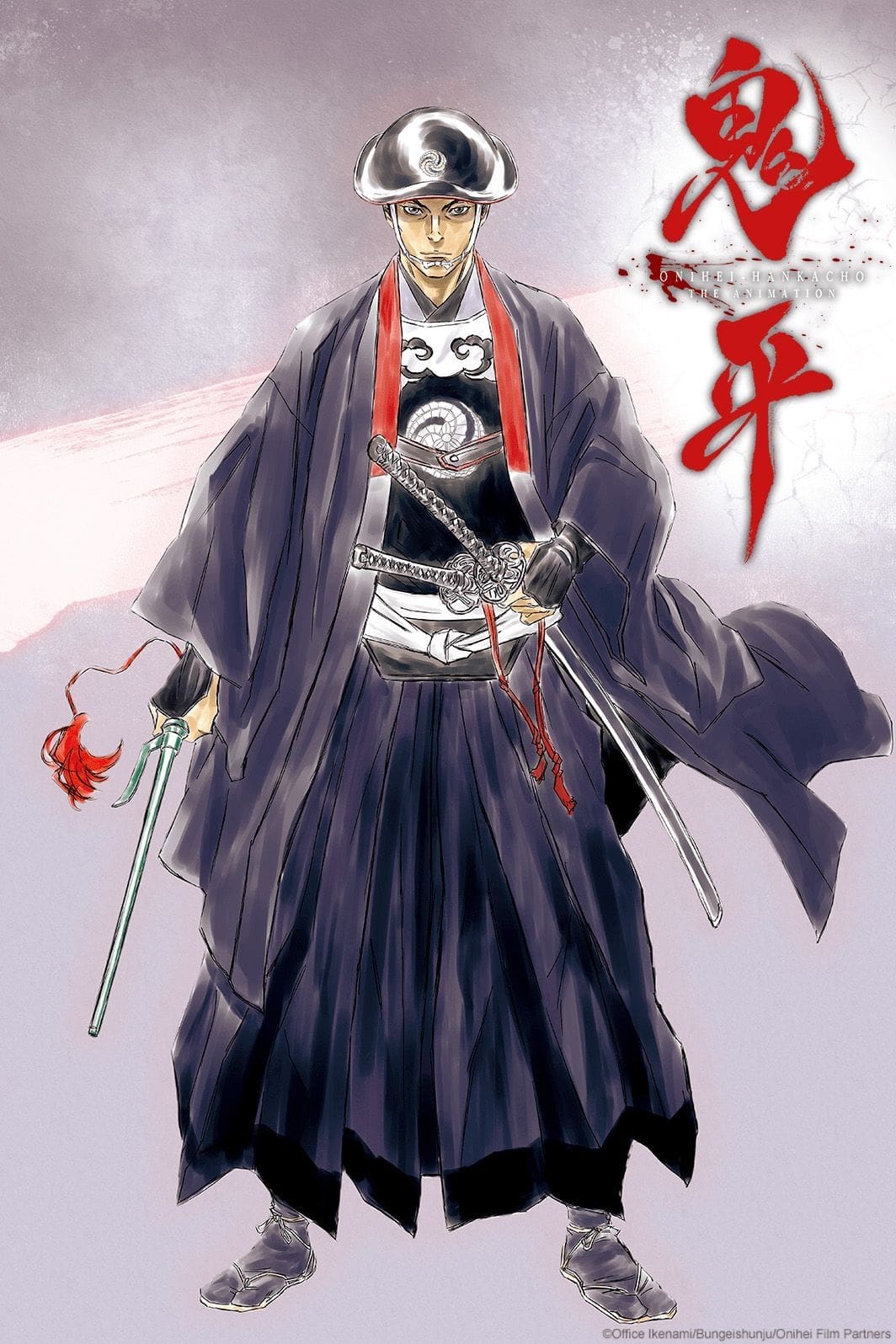
Studio M2 adapts period crime stories about the Edo police chief Heizo Hasegawa and his arson and theft unit. Cases examine evidence handling, informant networks, and sentencing practices. Streets, shops, and checkpoints are mapped with attention to how criminals operate. The series spans 13 episodes with additional content that covers extra files.
‘Kino’s Journey’ (2003)
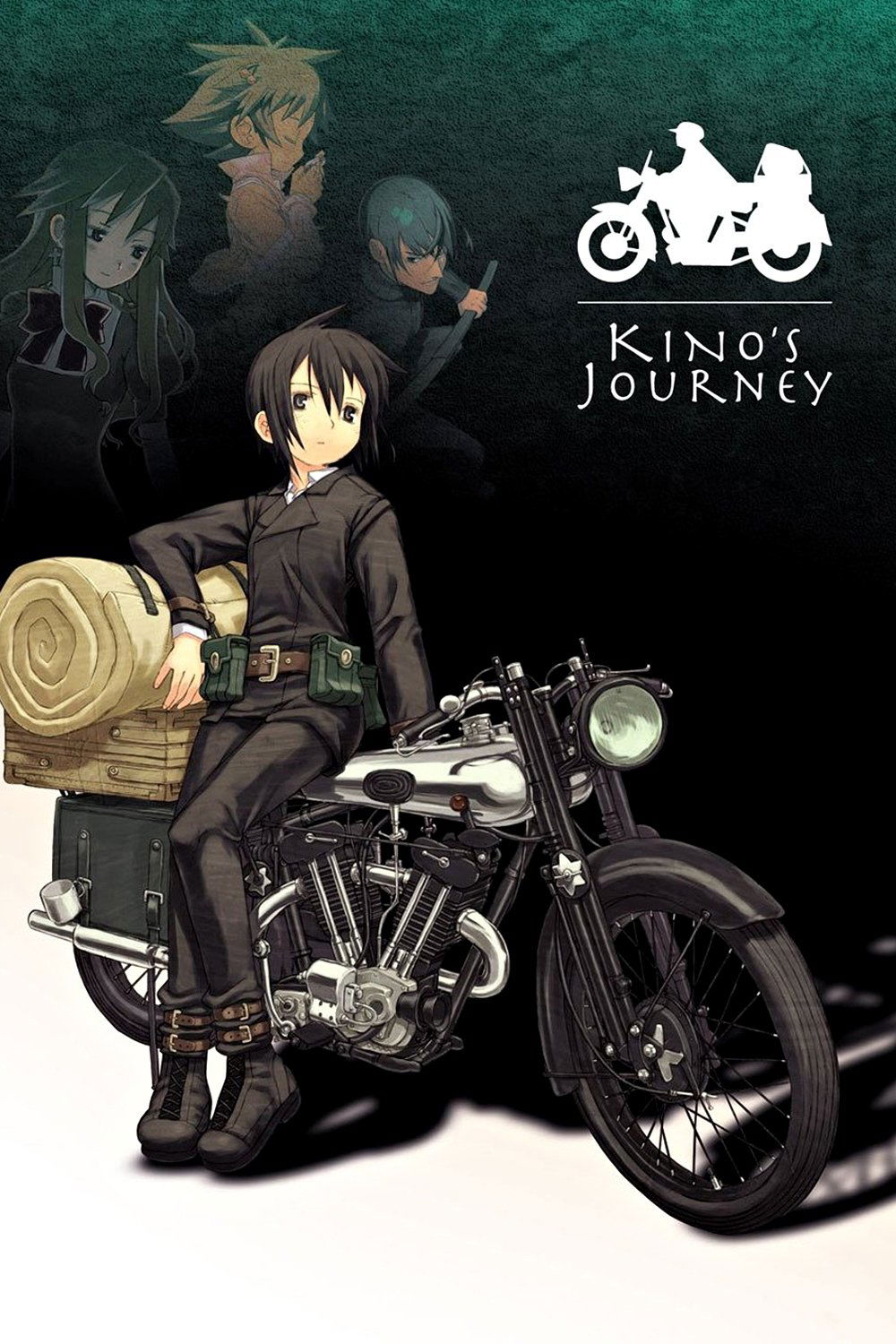
A.C.G.T. brings a traveler and a talking motorcycle through one country per episode. Each stop has a rule set that guides elections, labor, or hospitality, and the script states those rules plainly. Distances and travel time are logged so the route feels consistent. The original 13 episode run stands alone, with later adaptations covering separate material.
‘Boogiepop Phantom’ (2000)
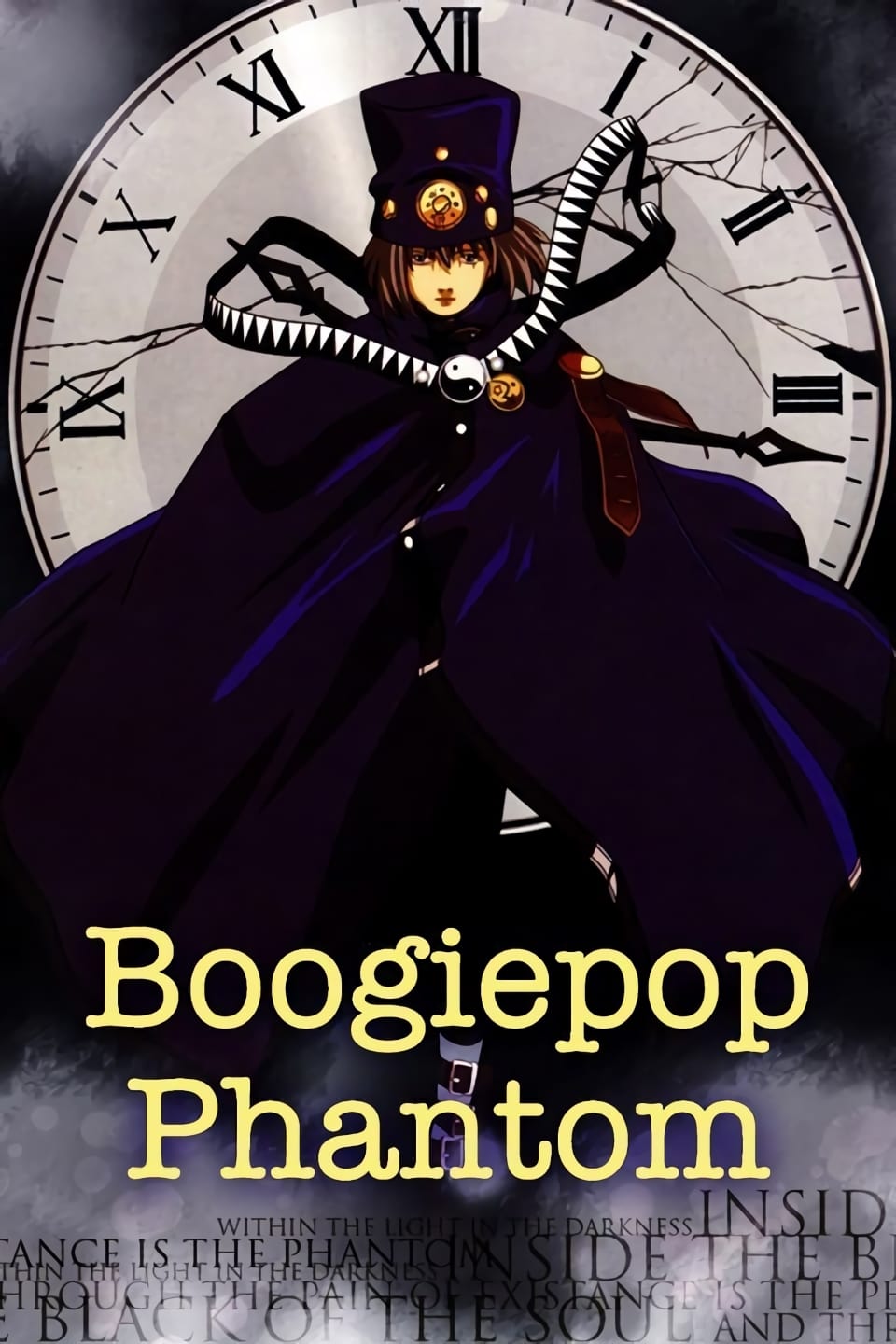
Madhouse structures this urban legend thriller as overlapping accounts in a single city. Episodes show phone trees, school rumors, and hospital records that feed into a shared incident. The timeline loops back on itself and reveals how small choices ripple outward. It completes in 12 episodes with a focus on cause and effect rather than spectacle.
‘Bokurano’ (2007)
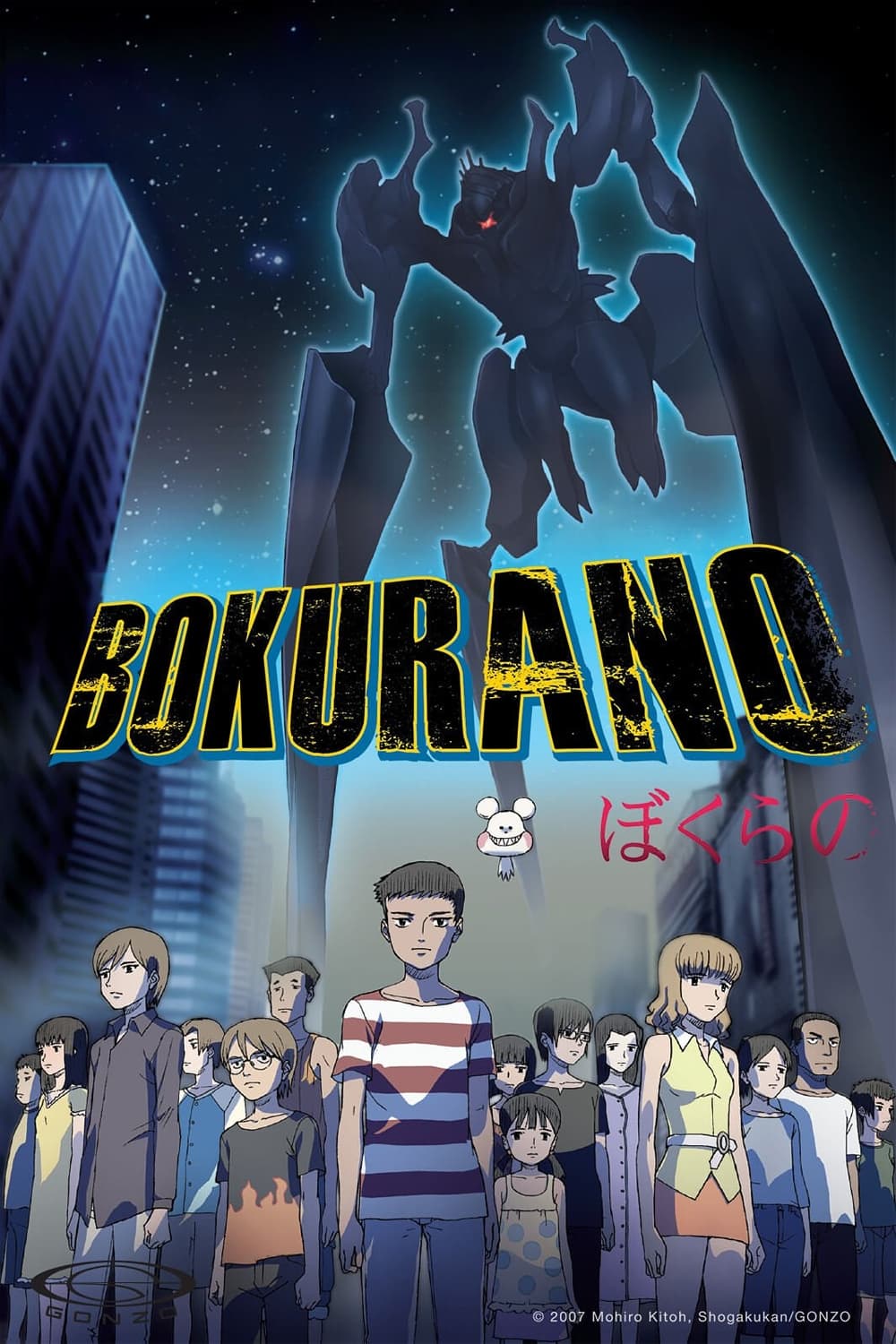
Gonzo presents a contract mecha story where pilots are chosen through a binding agreement. The show tracks energy costs, civilian damage metrics, and legal consequences during each sortie. Pilot backgrounds are documented like case files that inform mission outcomes. The single 24 episode season adapts the main conflicts with a firm endpoint.
‘Gasaraki’ (1998–1999)
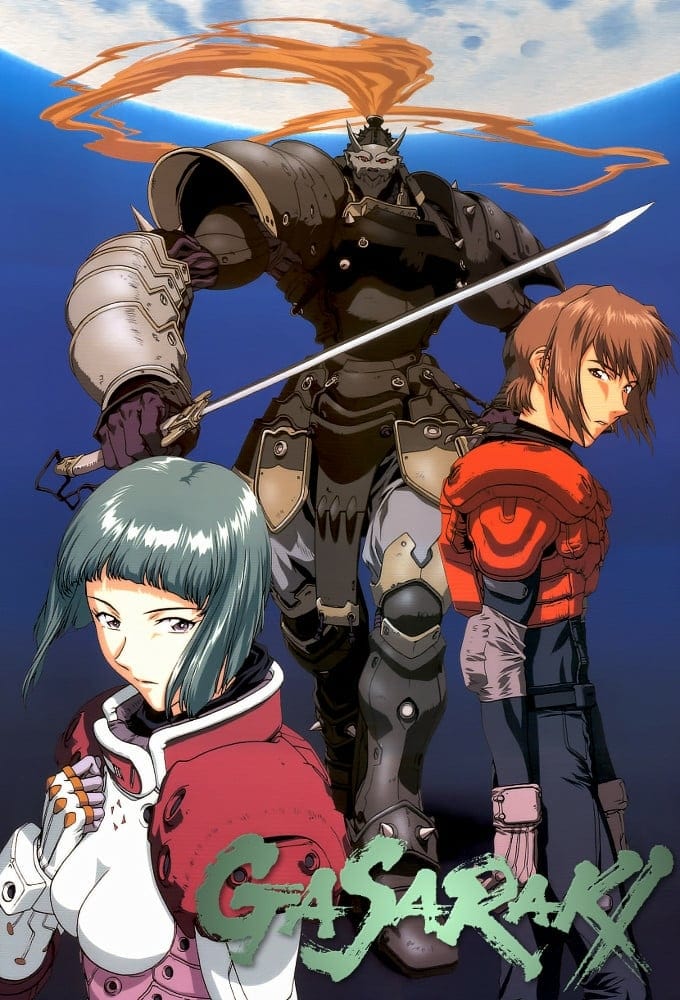
Sunrise mixes family intrigue with realistic powered armor development and deployment. Corporate ties, military procurement, and media coverage are shown as moving parts in the same machine. Tactical operations include communications protocols and urban containment plans. The 25 episode run follows a steady escalation from tests to international incidents.
‘Hakumei and Mikochi’ (2018)
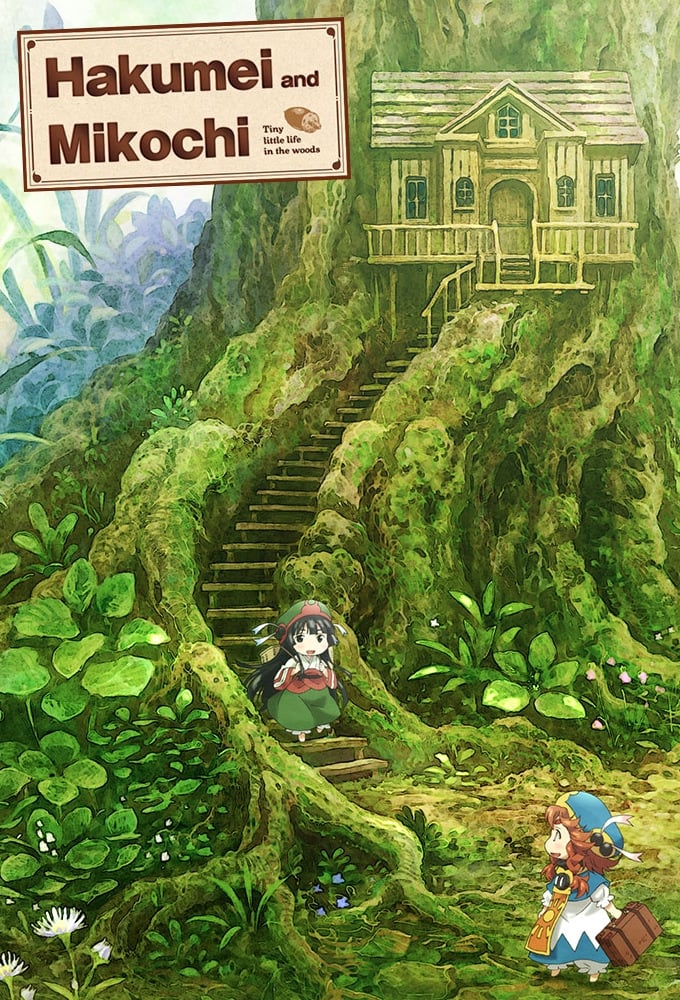
Lerche adapts a slice of life series about tiny people living in forests and towns with working trades. The show records recipes, carpentry techniques, and transport options like beetle taxis and boats. Shops, guilds, and seasonal markets form a gentle economic loop that repeats across episodes. The 12 episode season reads like a field guide to its world with notes on craft and community.
‘Simoun’ (2006)
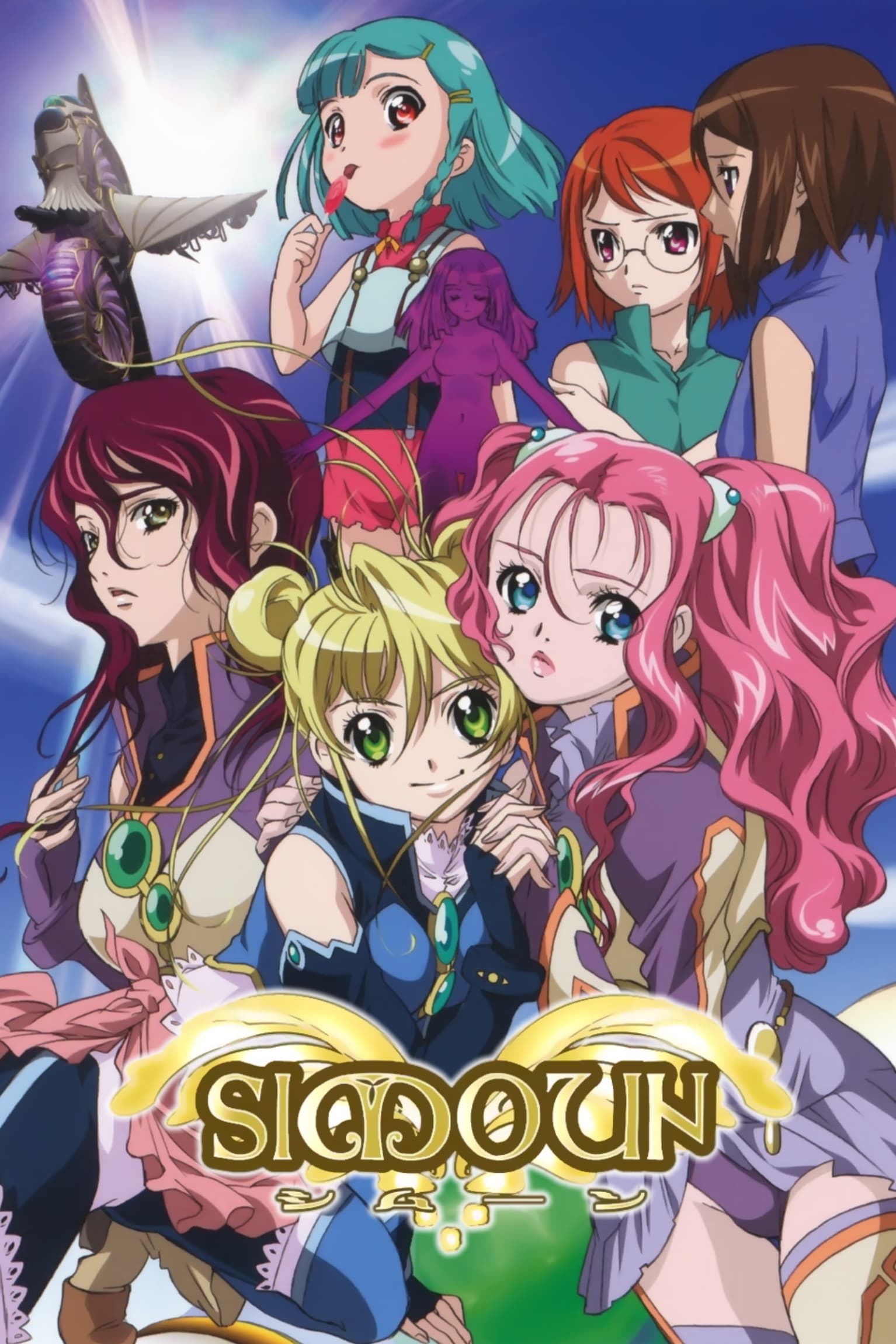
Set in a skyfaring civilization, this series follows pairs of pilots who operate ancient aircraft powered by ritual songs. The story explains how social roles and technology intertwine inside a theocratic state. Military strategy and religious protocol shape every mission and council scene. The production details flight mechanics and aerial cartography so each sortie has clear tactical stakes.
‘Aoi Bungaku Series’ (2009)
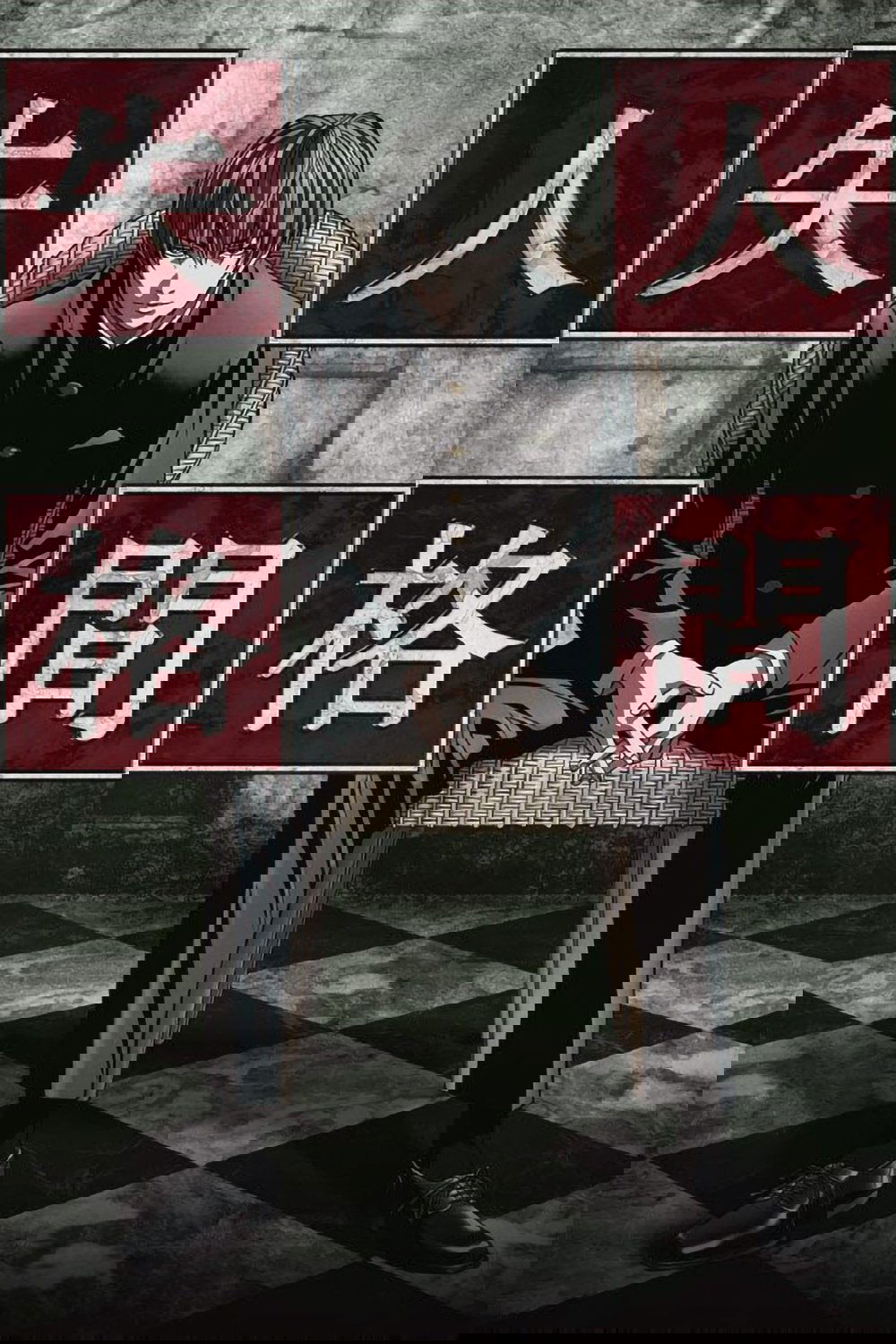
This anthology adapts classic Japanese literature into animated arcs with faithful narration and period detail. Each segment outlines social codes, family structures, and legal norms that drive the characters. Costumes, architecture, and signage match the settings to keep the timelines readable. The release presents six works with self contained conclusions.
‘Master Keaton’ (1998–1999)
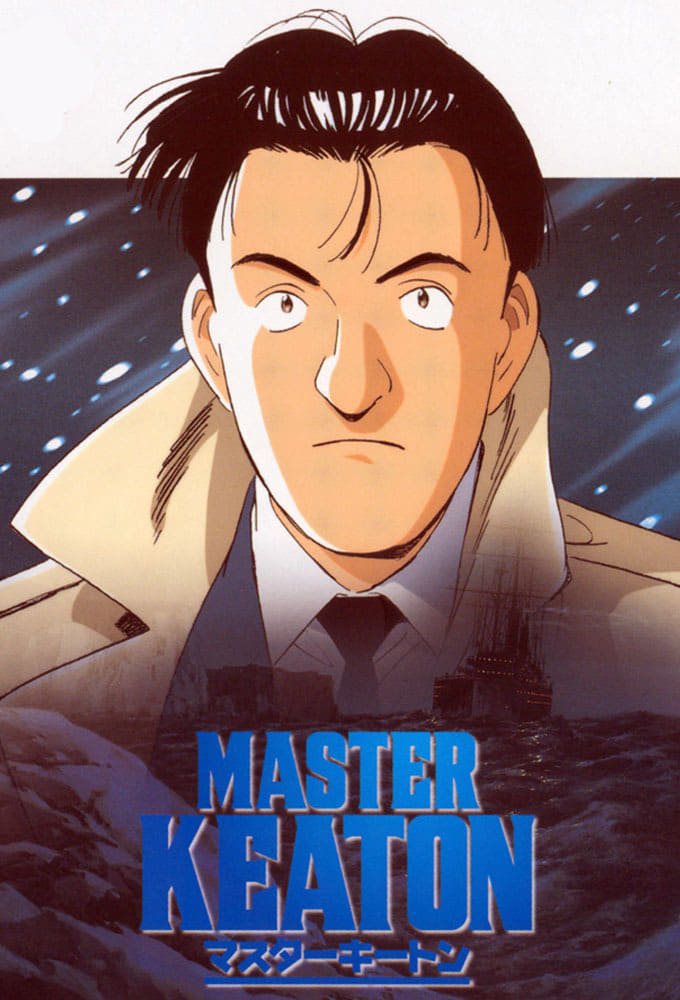
The show follows an insurance investigator and archaeologist whose cases move across Europe and the Middle East. Episodes document real field techniques, from excavation methods to cold reading and survival skills. Geography and passport logistics are tracked so travel feels grounded. Many stories adapt chapters from the original manga with procedural clarity.
‘Toward the Terra’ (2007)
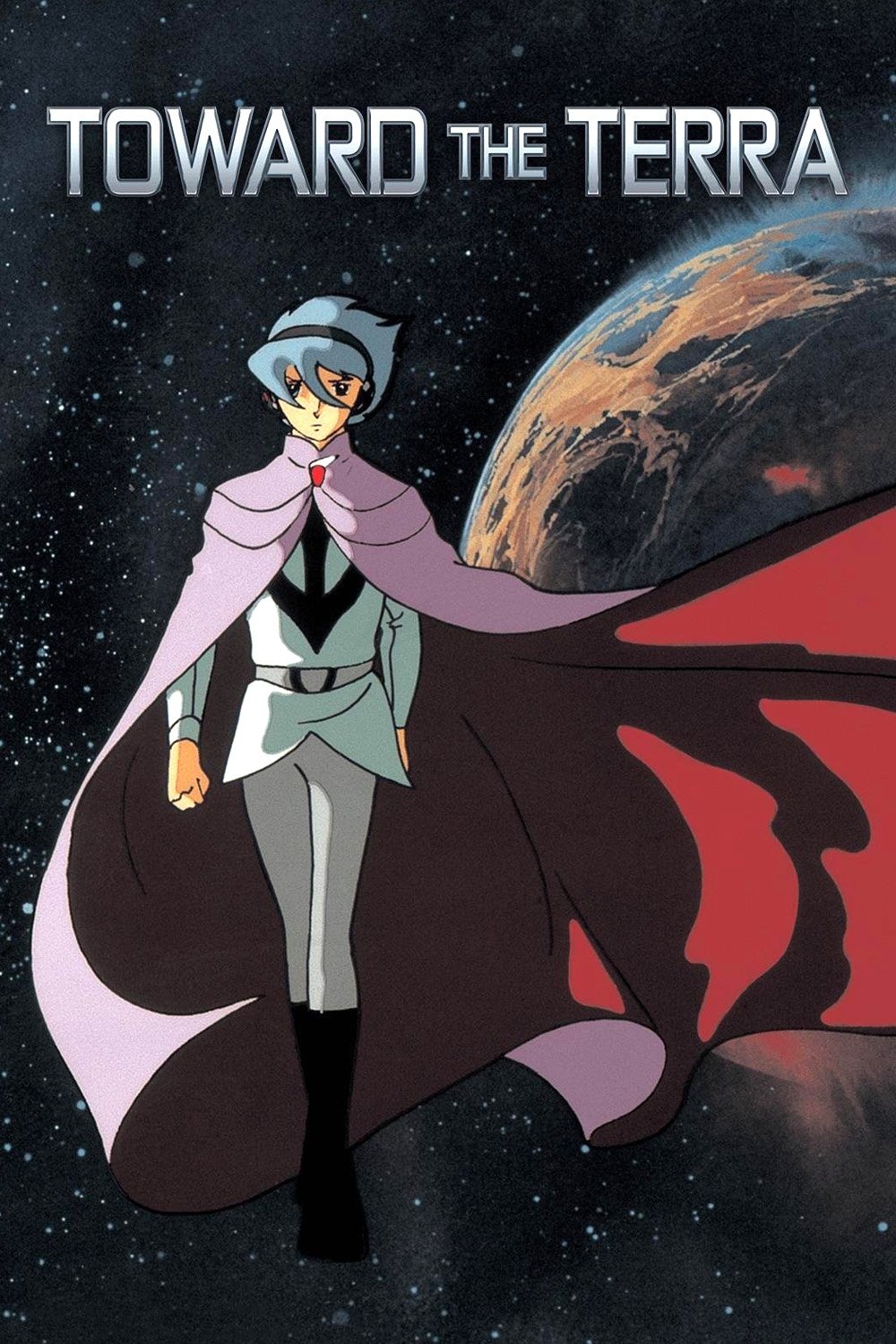
Human settlements live under an authoritarian system that manages births and assignments through computers. The series maps rebel cells, military academies, and transport corridors with precision. Telepathy, identification chips, and ship classes have defined rules that guide every encounter. The plot moves across colonies and fleets with clear operational goals.
‘One Outs’ (2008–2009)
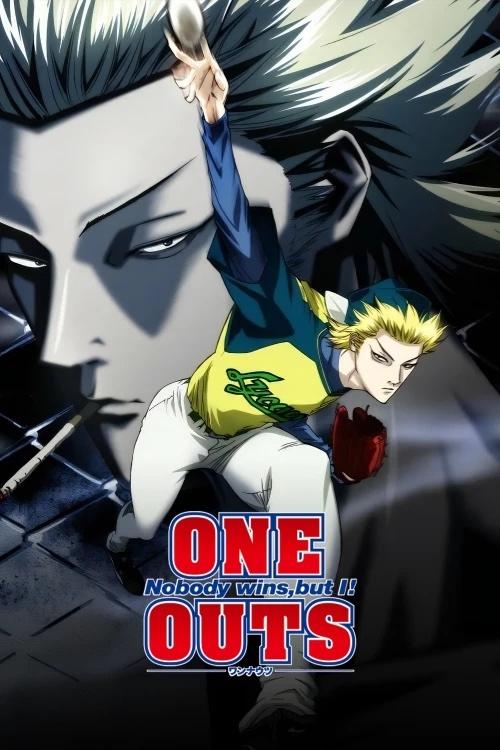
A contract pitcher enters a pro baseball club with a pay clause that rises or falls on each batter faced. Game theory, scouting reports, and front office negotiations are spelled out in dialogue and play. Umpire tendencies and stadium conditions factor into pitch selection. The season charts full series and off field maneuvering with a clean ledger of wins and losses.
‘Xam’d: Lost Memories’ (2008–2009)
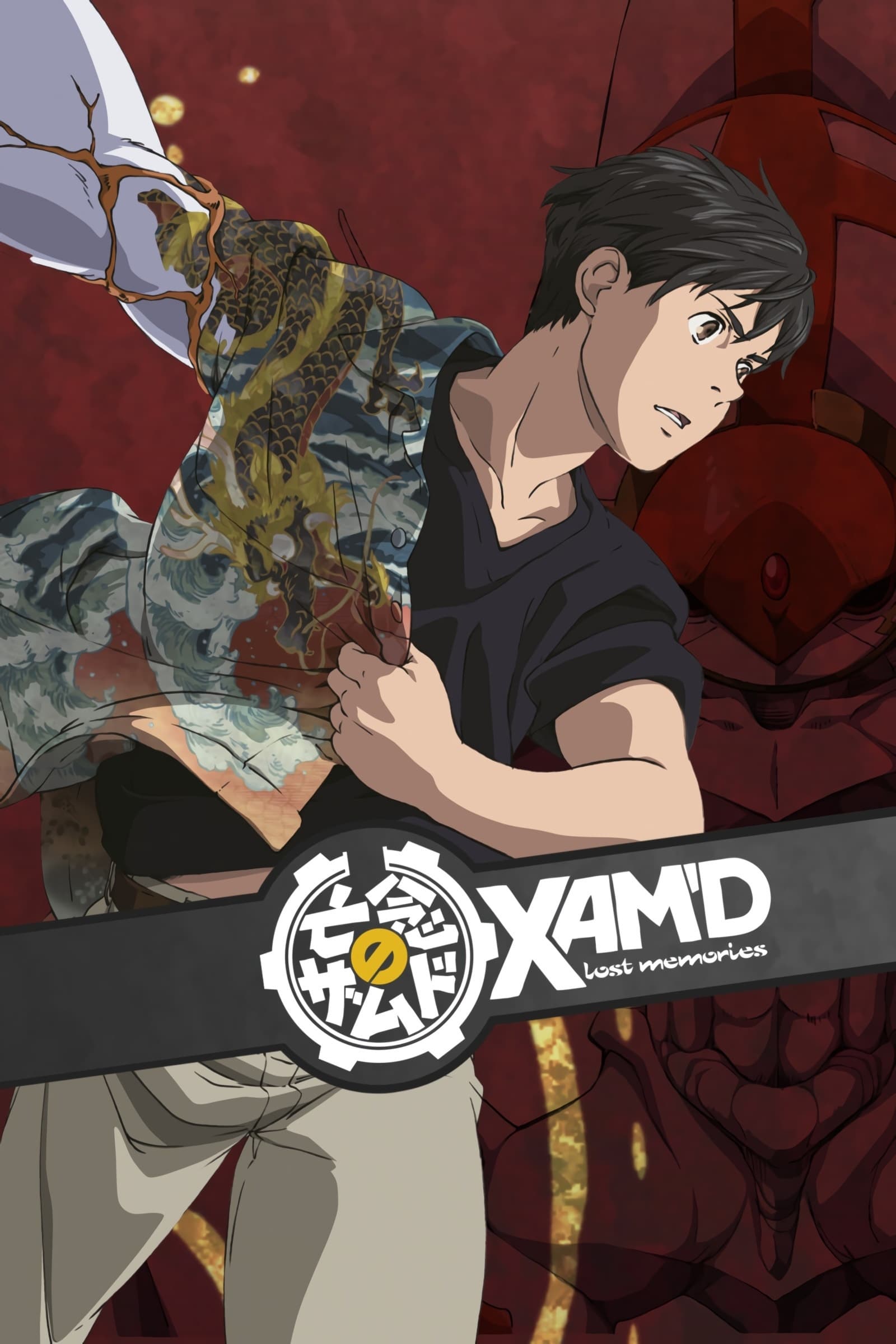
A coastal town incident triggers a chain of events involving living weapons and courier airships. The show catalogs bioorganic transformations, carriers’ routes, and border inspections. Multiple factions maintain their own tech and medical protocols with visible differences. Episodes track cargo manifests and orders to explain why each stop matters.
‘Natsume’s Book of Friends’ (2008–2017)
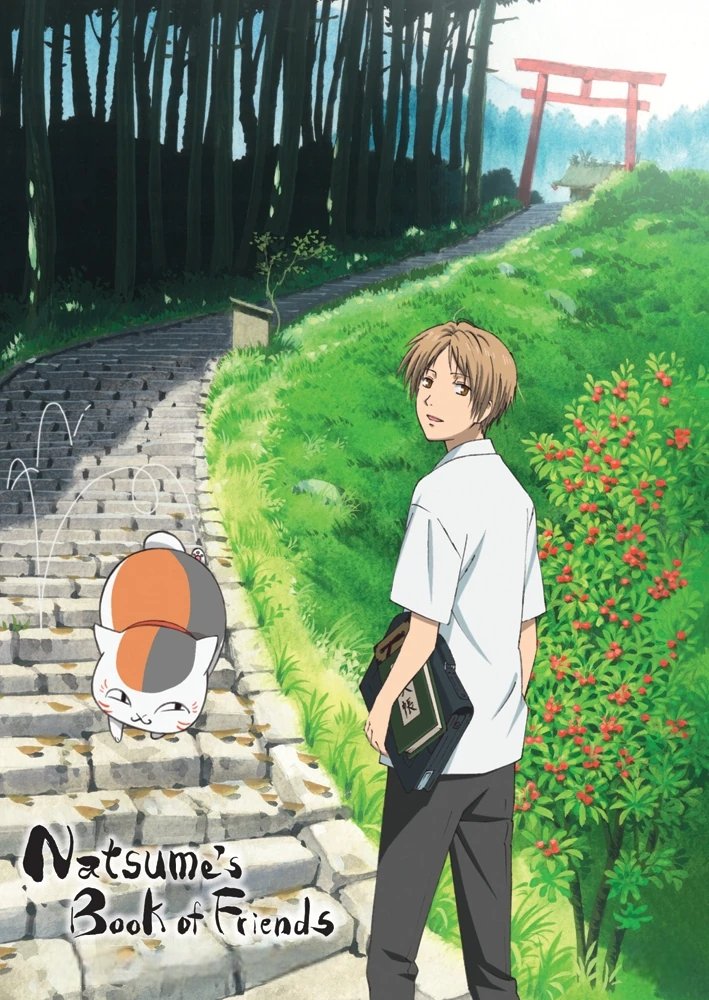
A teenager inherits a ledger of yokai contracts and spends each episode resolving obligations. The show documents shrine etiquette, rural customs, and seasonal markers that shape encounters. Rules for names and seals are explained so every release follows a procedure. Multiple seasons add cases while keeping the format clear for new viewers.
‘Kurau Phantom Memory’ (2004)
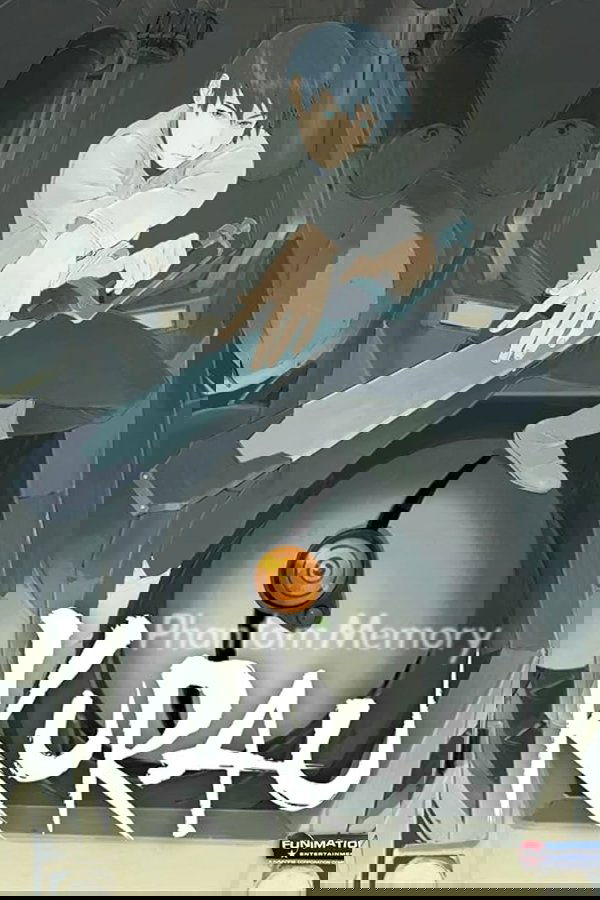
A lab accident bonds a young woman with an energy being, and the pair must navigate corporate surveillance and black ops units. The series sets rules for energy use, host compatibility, and detection countermeasures. City layouts and safe house networks are mapped through briefings. International jurisdictions matter during extractions and negotiations.
‘NieA_7’ (2000)
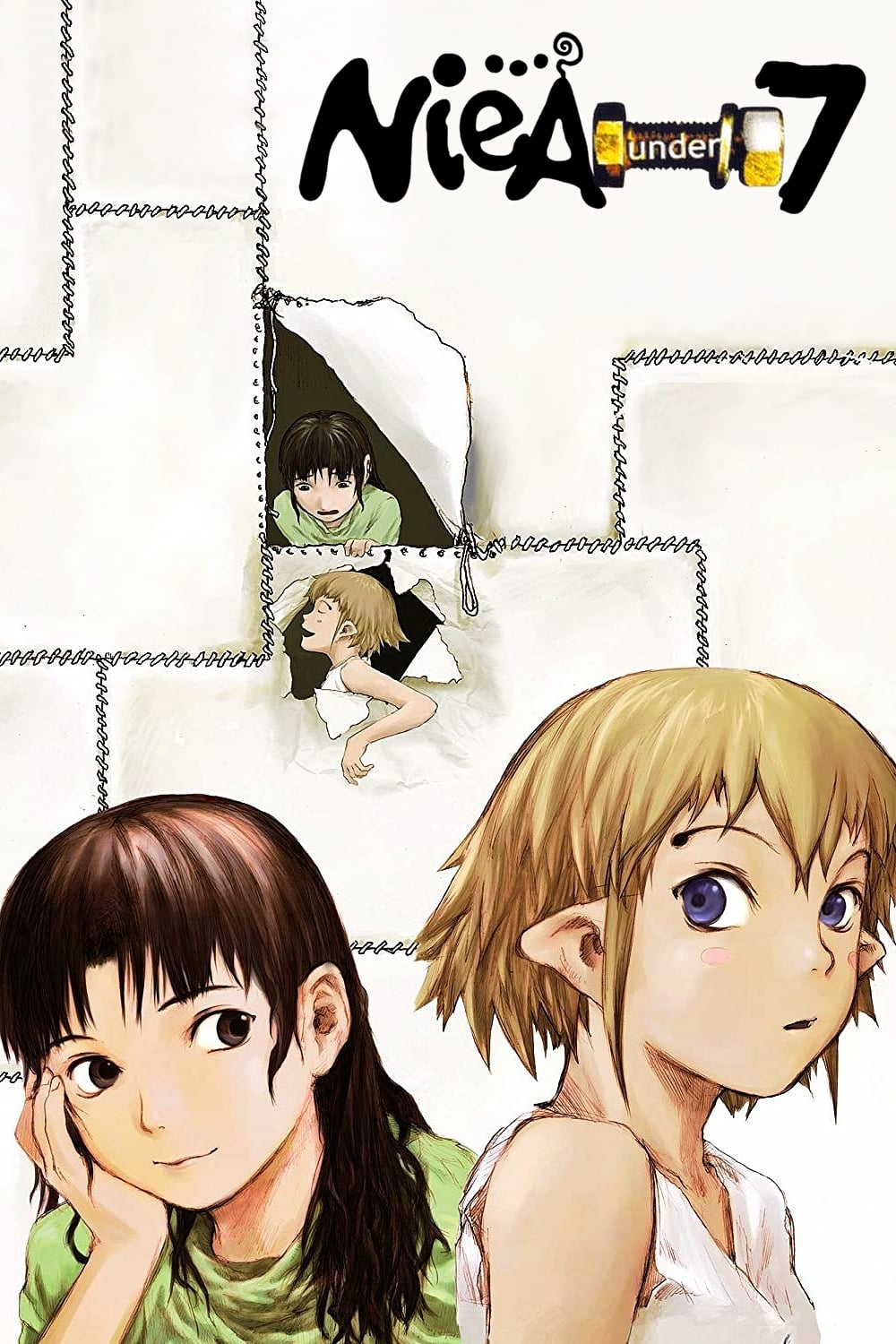
An alien dropout shares a cramped apartment with a human student in a small town with limited jobs. The show lists living costs, utility issues, and part time work that keeps the pair afloat. Immigration status for extraterrestrial residents is handled through mundane paperwork. Neighborhood shops and bathhouse routines provide a consistent daily loop.
‘Astra Lost in Space’ (2019)
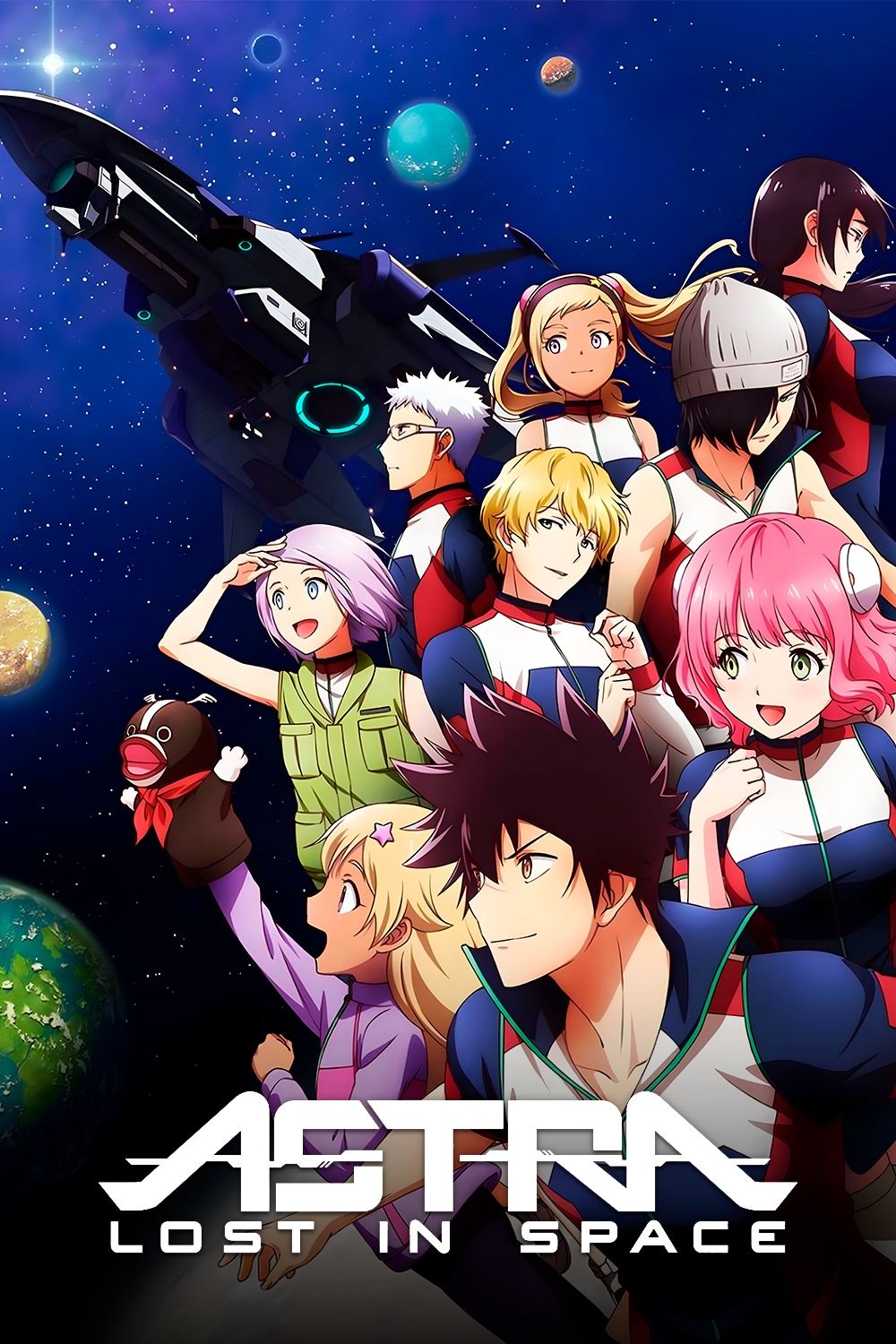
A group of students is stranded far from home and must plot a route across multiple planets. The series keeps a running inventory of food, fuel, and ship repairs. Planetary surveys establish hazards, climates, and flora before each landing. A parallel investigation into identities and records ties back to the larger conspiracy.
Tell us which hidden gem you will start with in the comments and share any underseen favorites we should add next.

