


10 Best Episodes of ‘True Detective’

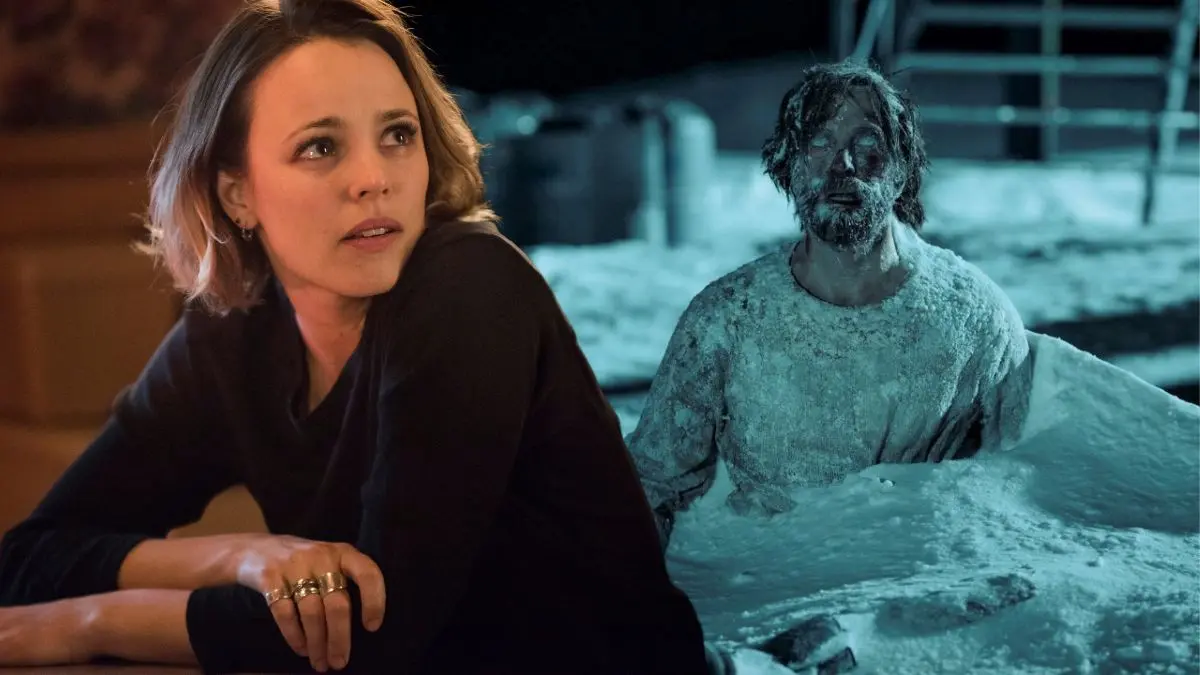


‘True Detective’ builds each season around a new case, a new setting, and a fresh pair of detectives, but the show keeps a tight focus on procedure, memory, and the weight of evidence. Across four seasons it uses shifting timelines, careful interrogation scenes, and meticulous location work to trace how a single investigation can change everyone tied to it. That approach creates individual chapters that stand on their own with clear case developments and precise craft choices.
This list gathers ten standout chapters that push their investigations forward in notable ways. You will find key interrogations, searches, raids, and revelations that move suspects, victims, and investigators into sharper view. Each entry notes concrete plot turns, structural devices, and production details so you can jump straight to episodes that define how ‘True Detective’ tells a story.
‘Who Goes There’
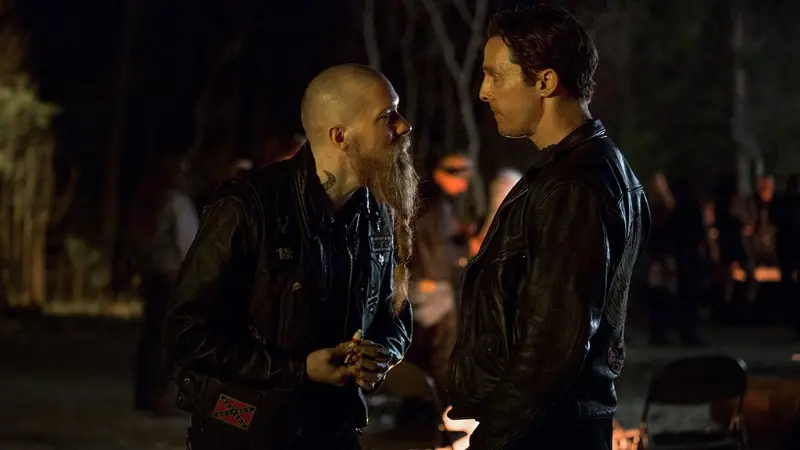
Season 1 Episode 4 follows Rust Cohle as he leverages his past undercover identity to reach the Iron Crusaders and get closer to Reggie Ledoux. Directed by Cary Joji Fukunaga and written by Nic Pizzolatto, the episode tracks Cohle’s reentry into biker territory and the escalating steps required to arrange a meeting that can expose the supplier network around the case.
The last act stages an extended unbroken tracking sequence that carries Cohle through a housing project and out to a getaway vehicle while the operation unravels around him. The scene ties the undercover setup to the main homicide investigation by delivering a lead that points the detectives toward the wooded compound that becomes central to what follows.
‘The Secret Fate of All Life’
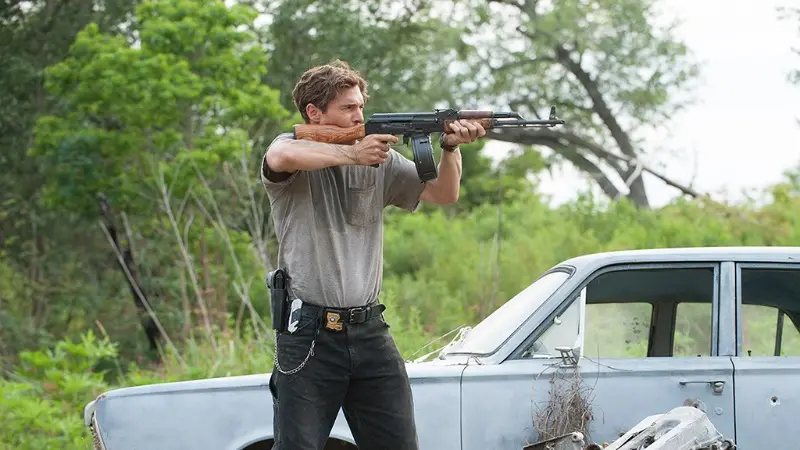
Season 1 Episode 5 opens on the Ledoux compound raid that ends with DeWall Ledoux triggering a booby trap and Reggie Ledoux shot dead after the detectives discover captive children. The official story presented to superiors differs from what actually occurred on the ground, and both men receive commendations as the file appears closed.
The episode then jumps ahead as new evidence in later years links earlier victims to powerful figures connected to Tuttle ministries and closed schools. The structure alternates between the original case and later interviews, showing how inconsistencies around the raid and the crime scene report create fresh pressure on Cohle in the present day timeline.
‘After You’ve Gone’
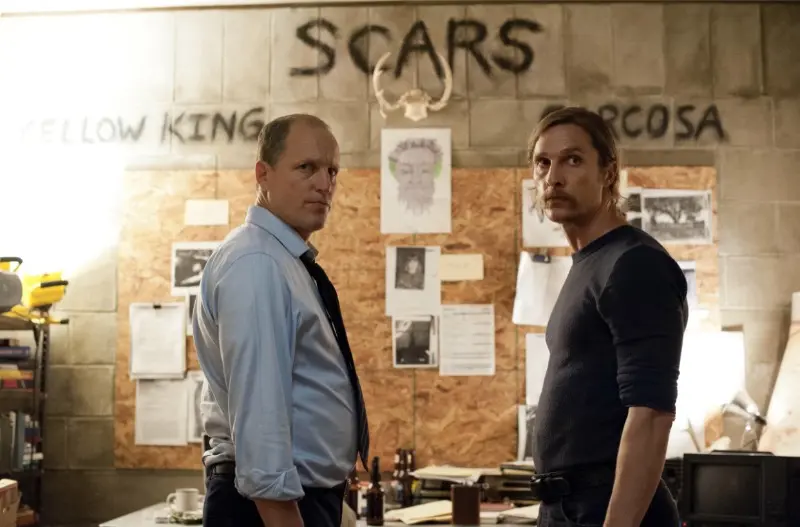
Season 1 Episode 7 reunites Rust Cohle and Marty Hart years after they split so they can compare notes on missing persons and unsolved assaults tied to the original ritual homicide. Cohle shares materials gathered from break-ins and off the books inquiries, including a videotape that documents a ritual assault tied to a prior abduction.
The pair rebuilds the case by cross referencing parish records, closed school rosters, and property holdings associated with the Tuttle network. That process produces repeated references to a man with facial scarring and to a site locals call Carcosa, narrowing the search to specific rural properties and a small circle of men who carry the same family names across decades.
‘Form and Void’
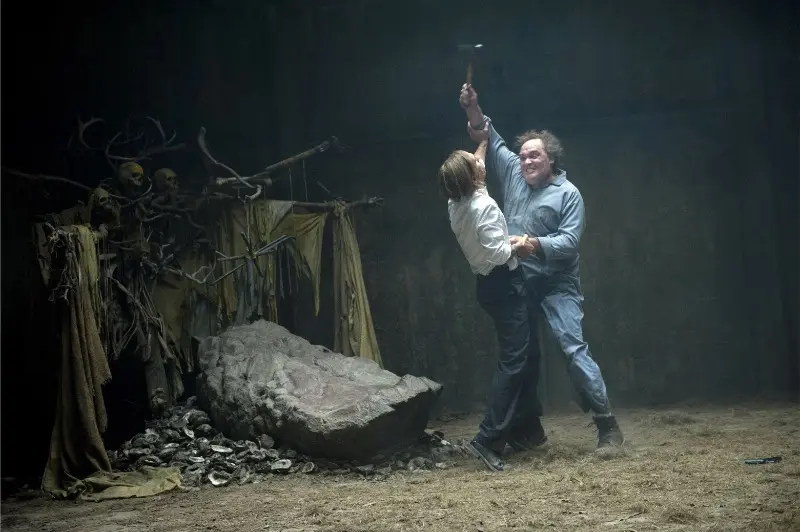
Season 1 Episode 8 takes the investigation to an abandoned fort and the Childress property, where overgrown corridors lead into a hand built maze lined with twig constructions and painted symbols. Inside this space the detectives confront Errol Childress, who has used the grounds to hide victims and evidence connected to earlier disappearances.
The capture resolves the open homicides and clarifies how earlier cover stories took hold inside official files. The final scenes show how the case winds down through hospital stays, statements, and an audit of evidence that matches artifacts from the labyrinth to prior reports, closing the loop on the records created all the way back at the Dora Lange crime scene.
‘The Long Bright Dark’
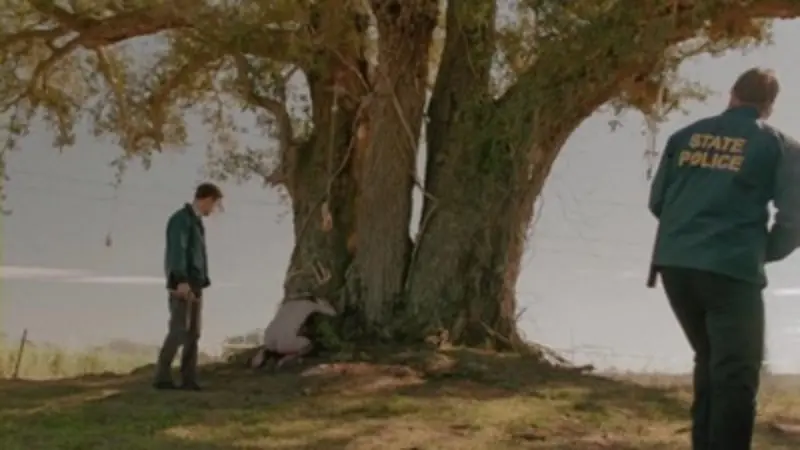
Season 1 Episode 1 begins with state investigators interviewing Marty Hart and Rust Cohle about the discovery of a posed body in a cane field. The case file opens with antlers placed on the victim’s head, a crown of twigs, and small lattice figures left at and near the scene, which sets the pattern for later finds.
The episode establishes the split timeline format by intercutting the original field work with later interviews that probe inconsistencies in the partners’ recollections. It also introduces parish jurisdictions, church connections, and the network of refineries and back roads that determine how the detectives canvass witnesses and manage the geography of the search.
‘Church in Ruins’
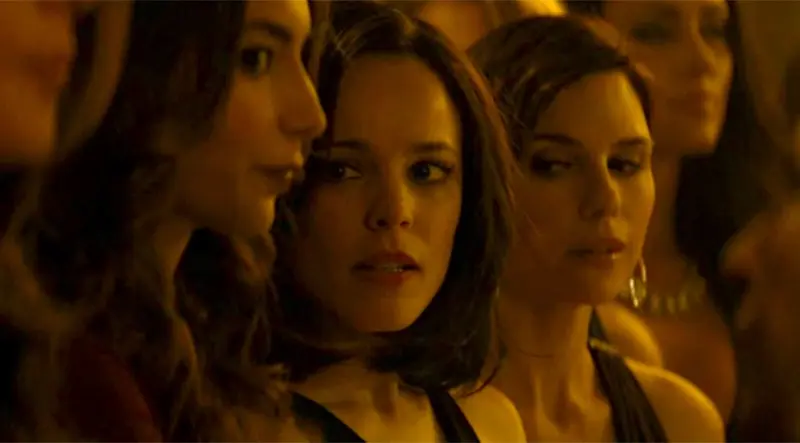
Season 2 Episode 6 sends Ani Bezzerides undercover to a private mansion party to identify missing women and locate documents tied to land deals around Vinci. Ray Velcoro and Paul Woodrugh coordinate from outside as the operation moves from surveillance to extraction when conditions inside the party turn volatile.
The parallel track follows Woodrugh as he infiltrates a secured site to retrieve a hard drive that contains client lists and leverage files. The episode links those materials to shell companies and rail corridor projects, providing concrete names, transaction paths, and storage locations that explain how multiple agencies keep losing evidence.
‘Black Maps and Motel Rooms’

Season 2 Episode 7 places the three investigators in a motel safe house while they assemble a workable chain of evidence that connects stolen diamonds, police corruption, and a series of homicides. Meetings with potential whistleblowers and former associates of the central suspects produce addresses and handoffs that can be checked against the files taken in the prior episode.
By the end, Woodrugh is lured into a tunnel system by a former associate and confronted by officers working for the same network they have been mapping. The resulting shooting removes a key witness and forces Velcoro and Bezzerides to move their remaining evidence and remaining leads before the final step of the case.
‘The Big Never’
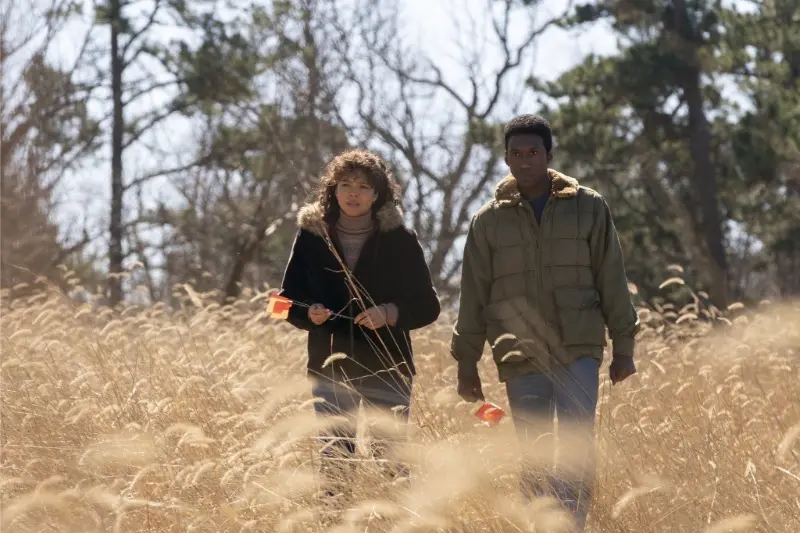
Season 3 Episode 3 deepens the Purcell investigation across the 1980, 1990, and 2015 timelines as Wayne Hays and Roland West recheck statements from neighbors and classmates. The detectives compare the straw dolls found near the scene to similar items in the area and document routes the children could have taken on the day they disappeared.
New interviews and door to door canvassing add a set of recurring vehicles, a reported one eyed man, and a map of abandoned properties to the file. The episode also shows how a school picture, a set of phone calls, and a note left for the family begin to connect the case to people with access to the children beyond the immediate neighborhood.
‘Now Am Found’
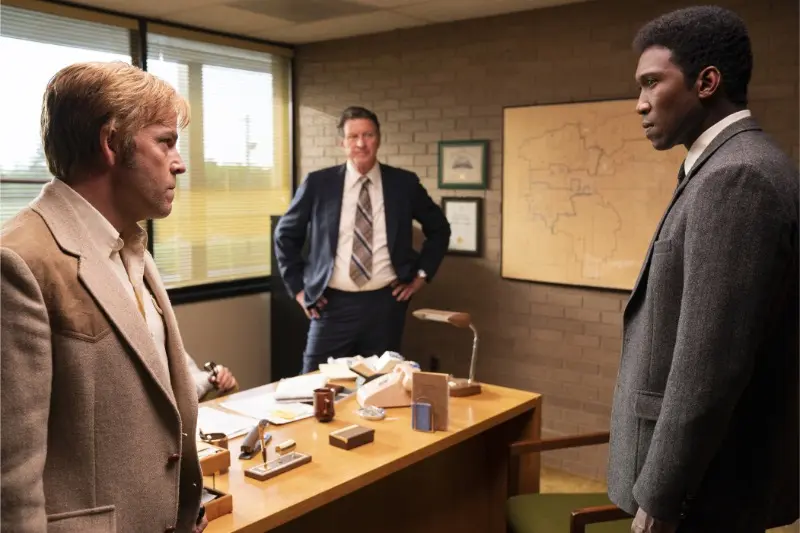
Season 3 Episode 8 closes out the Purcell case by aligning what Hays and West learned in the first two timelines with what finally surfaces in their old age. Their work confirms how Julie Purcell survived, changed her identity, and built a private life after escaping the people who controlled her movements as a child.
The finale documents how the detectives reach the answer through family records, employment rolls, and photographs that place the same individuals in proximity to the children across years. It also shows how Hays’s memory issues affect the final step, with notes and addresses in his pocket pointing to a front door that he chooses not to knock.
‘Part 6’
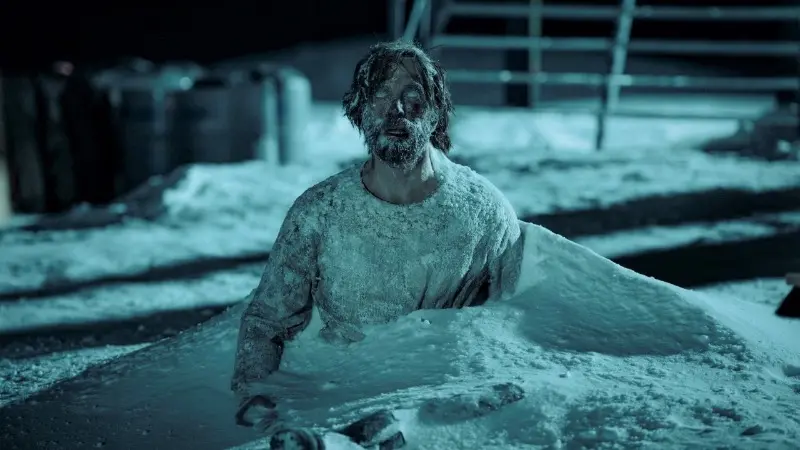
Season 4 Episode 6 resolves the Night Country case in Ennis as Danvers and Navarro track links between the Tsalal research station and the earlier murder of Annie Kowtok. The search takes them through ice tunnels and abandoned mining infrastructure to evidence that explains why the station crew disappeared and how the prior homicide connects to those events.
The final act details what was concealed in lab records and storage freezers, and how those items line up with statements from townspeople who worked around the site. The episode documents the chain of events that led to the deaths on the ice and closes the open questions around Annie’s case, then leaves both investigators with decisions about where to go when the paperwork is complete.
Share your own picks and the episodes you revisit most in the comments.

