


Best Forgotten TV Shows from the 1980s (That Require an Immediate Rewatch)



The 1980s delivered a wave of inventive series that slipped out of the spotlight even though they tried bold ideas, built loyal followings, and pushed TV craft forward. This list revisits overlooked gems across sci-fi, comedy, action, and drama, with quick facts on creators, cast, and what set each one apart. You will also see where each show originally aired so you can place it in the TV landscape of its time. Use it as a handy guide the next time you want something different from the usual reruns.
‘Max Headroom’ (1987–1988)

This cyberpunk drama followed a crusading reporter and a sarcastic digital clone who exposed media corruption. Matt Frewer and Amanda Pays led a cast that mixed newsroom grit with futurist tech satire. The series aired on ABC and adapted its premise from a British TV movie. Its production design leaned into video art aesthetics and practical effects to build a believable near future.
‘Sledge Hammer!’ (1986–1988)
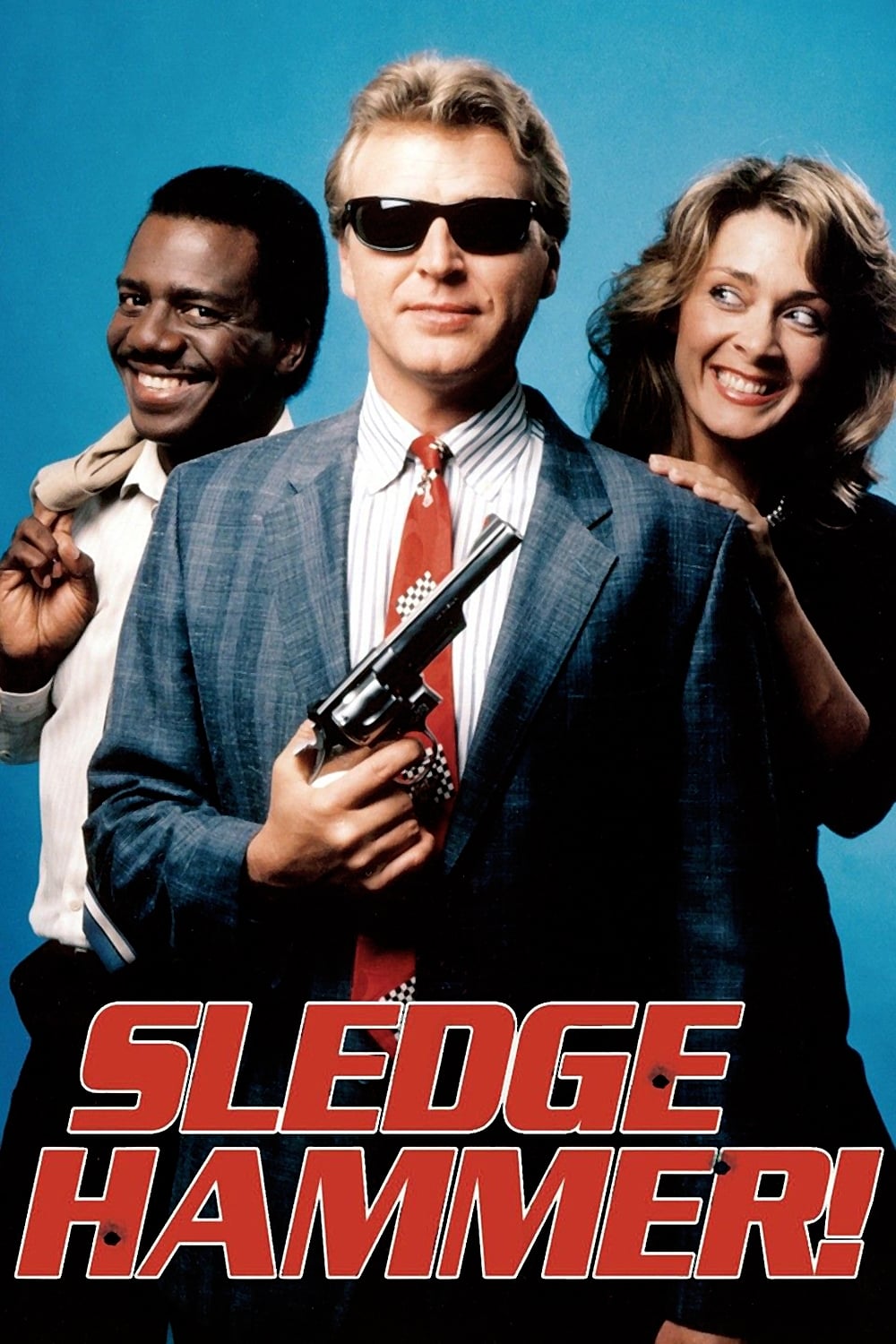
Alan Spencer created this send-up of hardboiled cop shows, and David Rasche played the clueless detective with deadpan precision. Anne-Marie Martin co-starred as the competent partner who kept cases on track. The show aired on ABC and folded action tropes into tight, joke-dense plots. Its single-camera style and recurring gags gave it a distinct rhythm in a crowded police lineup.
‘Misfits of Science’ (1985–1986)
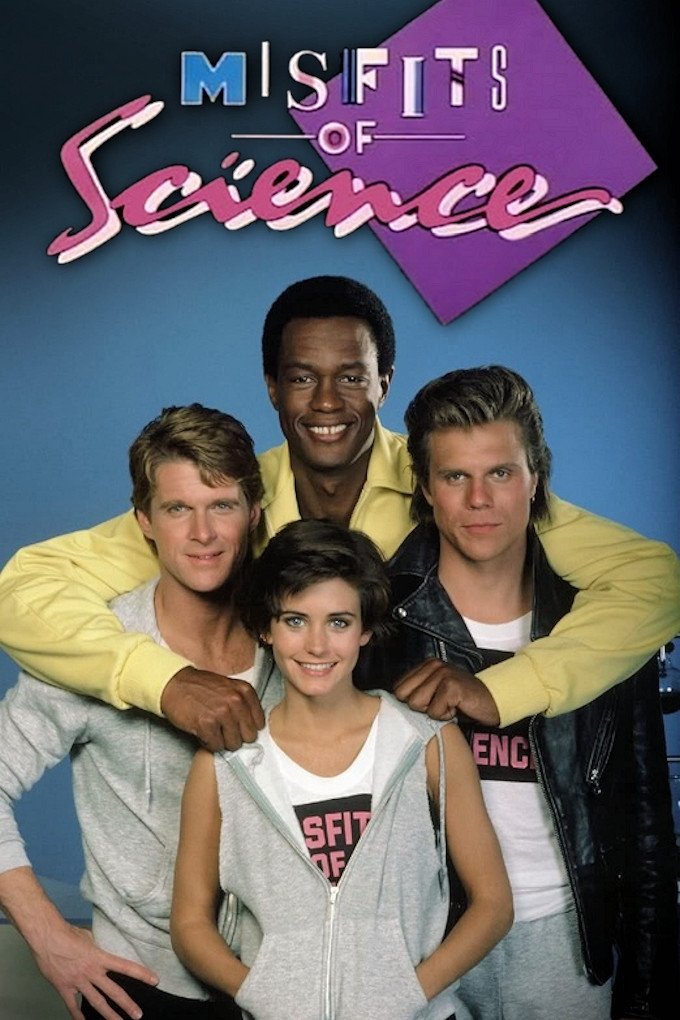
This ensemble adventure followed a team of oddballs with unusual abilities who tackled strange cases each week. Dean Paul Martin and Courteney Cox anchored the group dynamic and gave the cases a friendly spark. The series aired on NBC and blended light science concepts with youthful energy. It also leaned on practical effects that highlighted each character’s specialty.
‘Alien Nation’ (1989–1990)
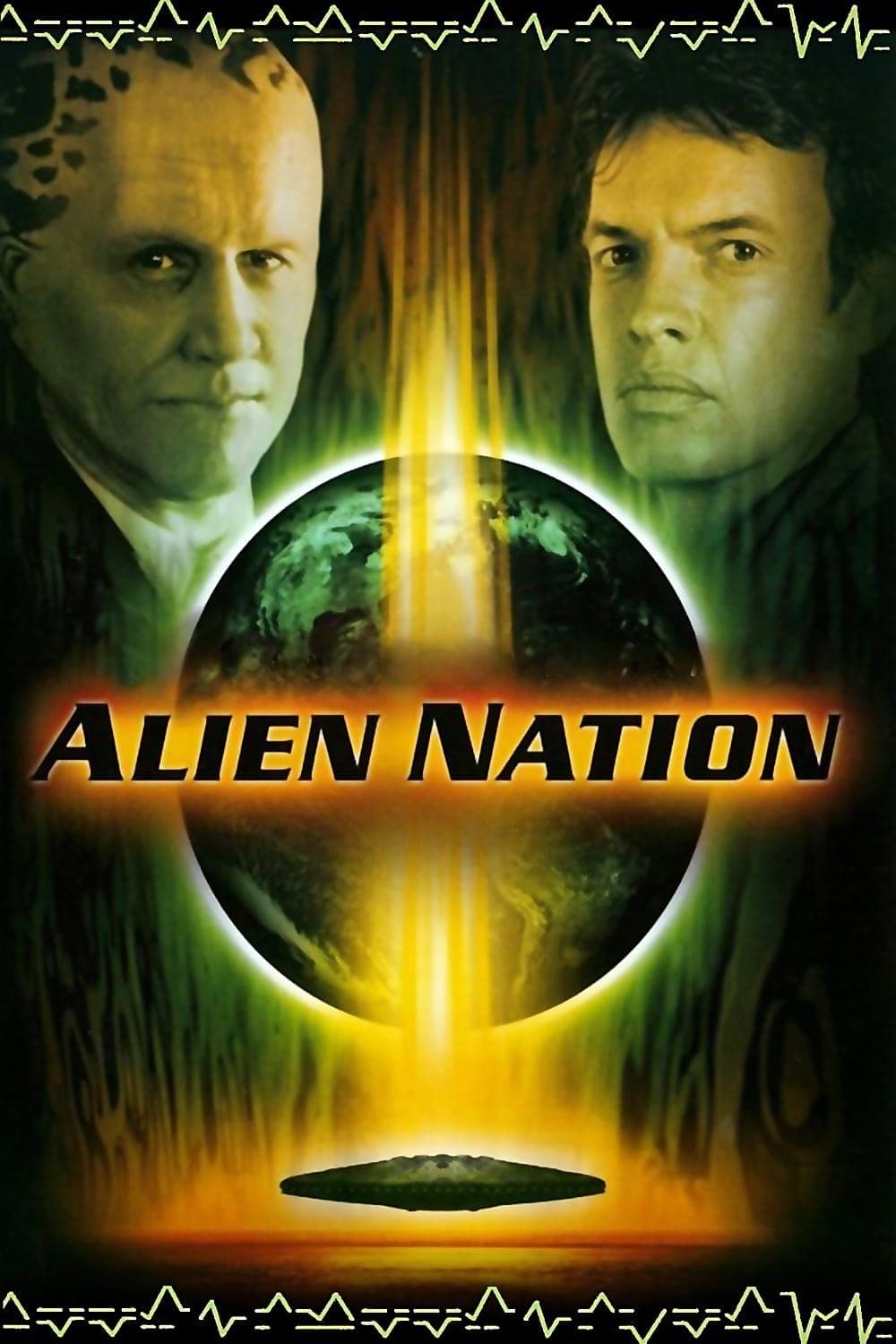
Based on the feature film, this police procedural paired a human detective with a newcomer from a recently arrived alien community. Gary Graham and Eric Pierpoint explored workplace partnerships and culture clash through weekly cases. The series aired on Fox and mixed social themes with familiar precinct beats. Its success later fueled follow-up TV movies that continued the story.
‘Crime Story’ (1986–1988)
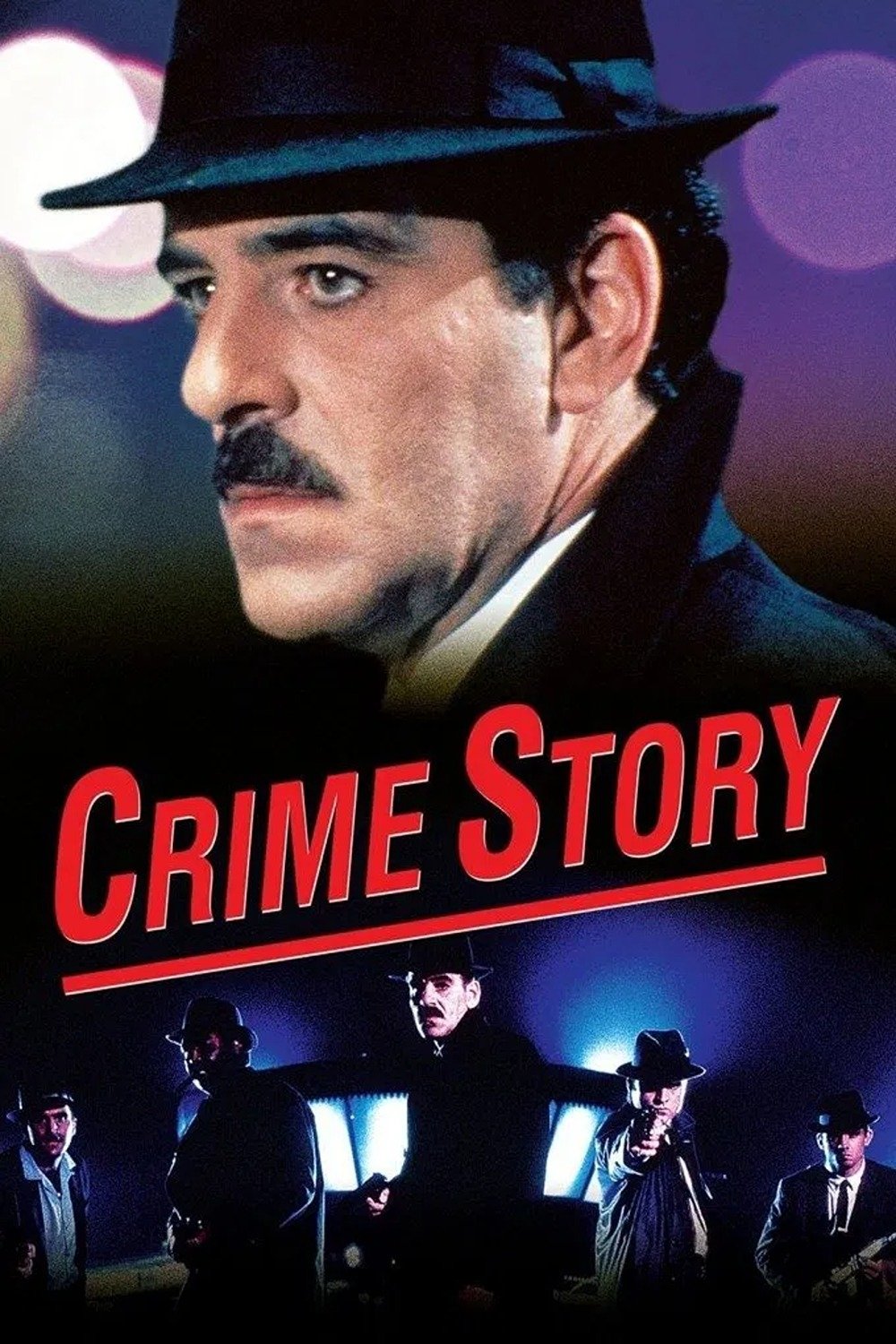
Executive producer Michael Mann steered this serialized clash between a determined cop and a rising mobster. Dennis Farina and Anthony Denison brought a grounded authenticity to the cat-and-mouse pursuit. The series aired on NBC and used curated period music and high-style visuals to deepen its world. Its arc-driven structure influenced later crime dramas that favored long-form storytelling.
‘Wiseguy’ (1987–1990)
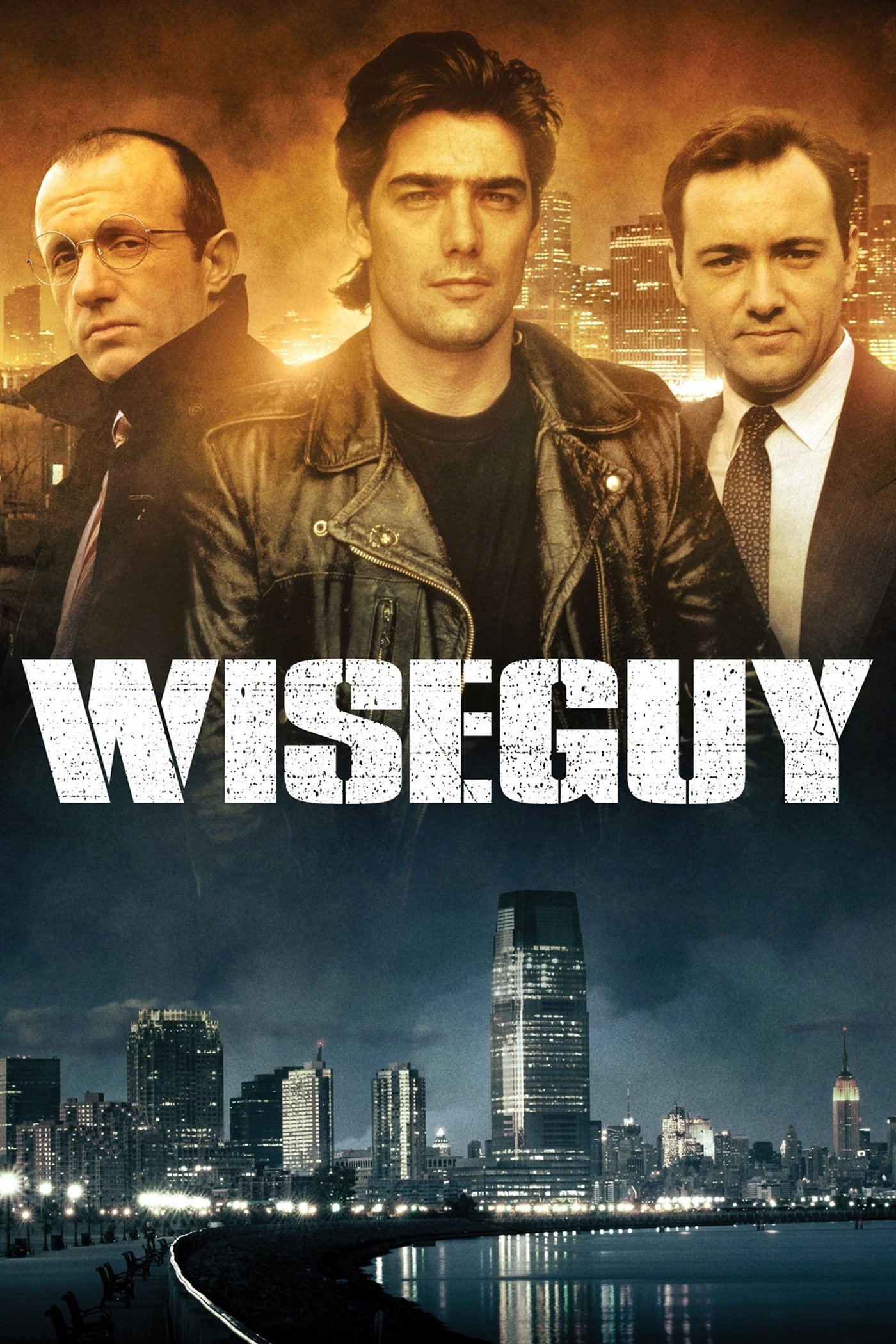
This procedural stood out by organizing stories into multi-episode arcs that tracked deep undercover assignments. Ken Wahl starred as the agent whose cases pulled him into complicated moral territory, and Jonathan Banks provided steady support. The series aired on CBS and favored character development over quick resolutions. Its serialized approach paved the way for later shows that built seasons around one defining case.
‘The Days and Nights of Molly Dodd’ (1987–1991)
This character piece followed a New York singer navigating work, relationships, and city life with quiet humor. Blair Brown’s performance tied the slice-of-life vignettes into a cohesive whole. The series began on NBC and later continued on Lifetime, keeping its gentle tone intact. Single-camera filming and reflective writing made it a rare adult dramedy of its moment.
‘The Phoenix’ (1982)
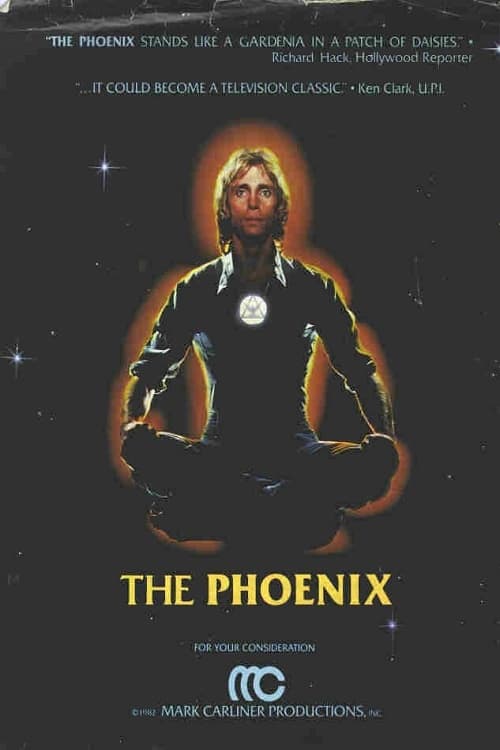
This short-run sci-fi drama centered on an ancient extraterrestrial awakened in modern times who sought wisdom and peace. Judson Scott led the story with a calm, mystical presence as he searched for a lost companion. The series aired on ABC and used location photography to ground its mythic plot. Its emphasis on nonviolent problem-solving gave it a distinctive feel among action-heavy peers.
‘Automan’ (1983–1984)

A young computer whiz generated a holographic crimefighter who stepped out of the screen to chase crooks in glowing vehicles. Chuck Wagner and Desi Arnaz Jr. shared the hero duties with a mix of earnestness and technical banter. The series aired on ABC and showcased light-trail visuals that echoed early arcade flair. Its gadget-of-the-week structure leaned into wish-fulfillment tech.
‘Manimal’ (1983)
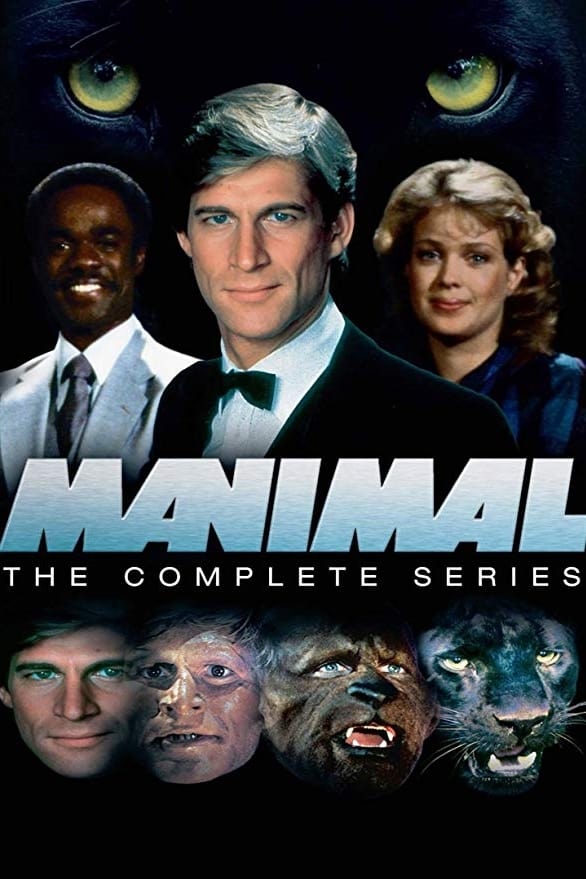
This adventure series followed a criminology professor who could transform into various animals to solve cases. Simon MacCorkindale and Melody Anderson kept the formula bright with straightforward missions and clear stakes. The series aired on NBC and featured makeup and optical effects that highlighted each transformation. Self-contained episodes made it easy to drop in on any case.
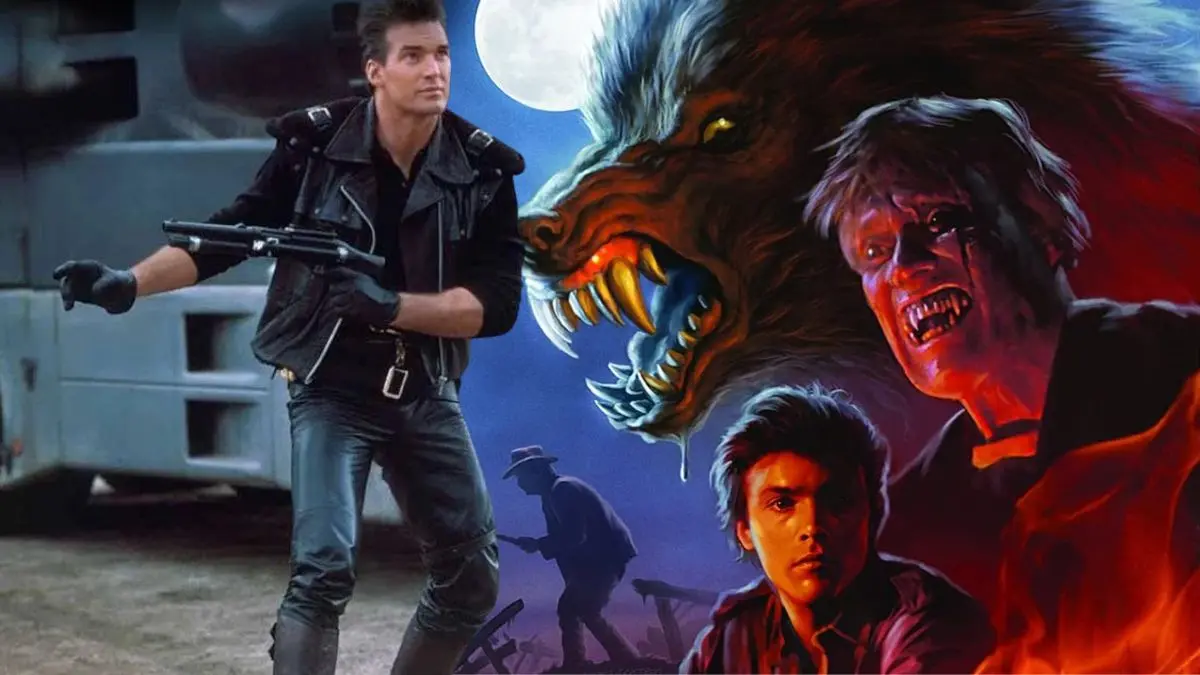
‘Werewolf’ (1987–1988)
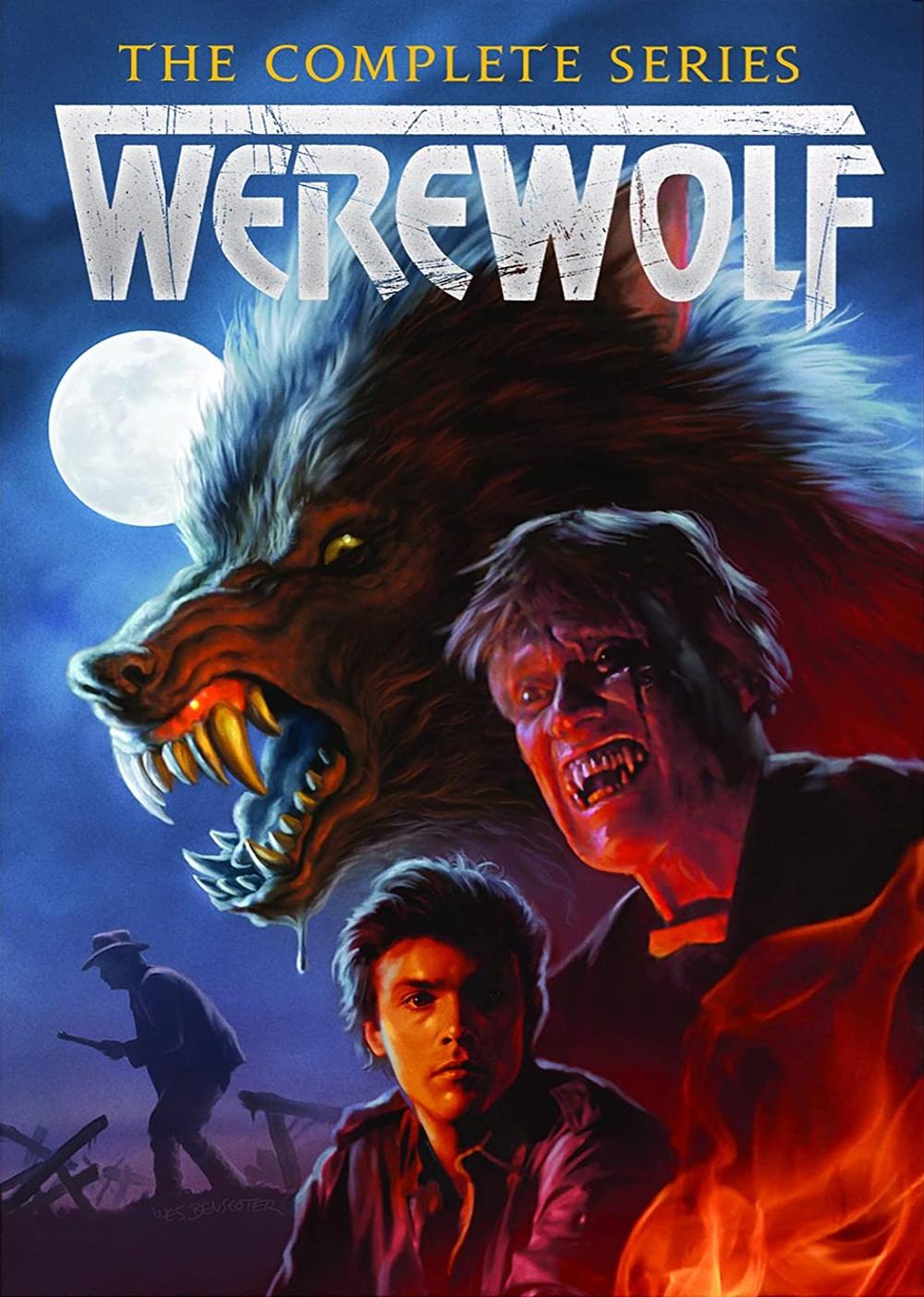
A drifter hunted the vicious origin of his curse while evading relentless pursuers across backroads and border towns. John J. York anchored the chase, and Lance LeGault added menace as the tracker who never gave up. The series aired on Fox and relied on atmospheric locations and robust creature effects. Its road-movie structure delivered new threats and allies each week.
‘Otherworld’ (1985)
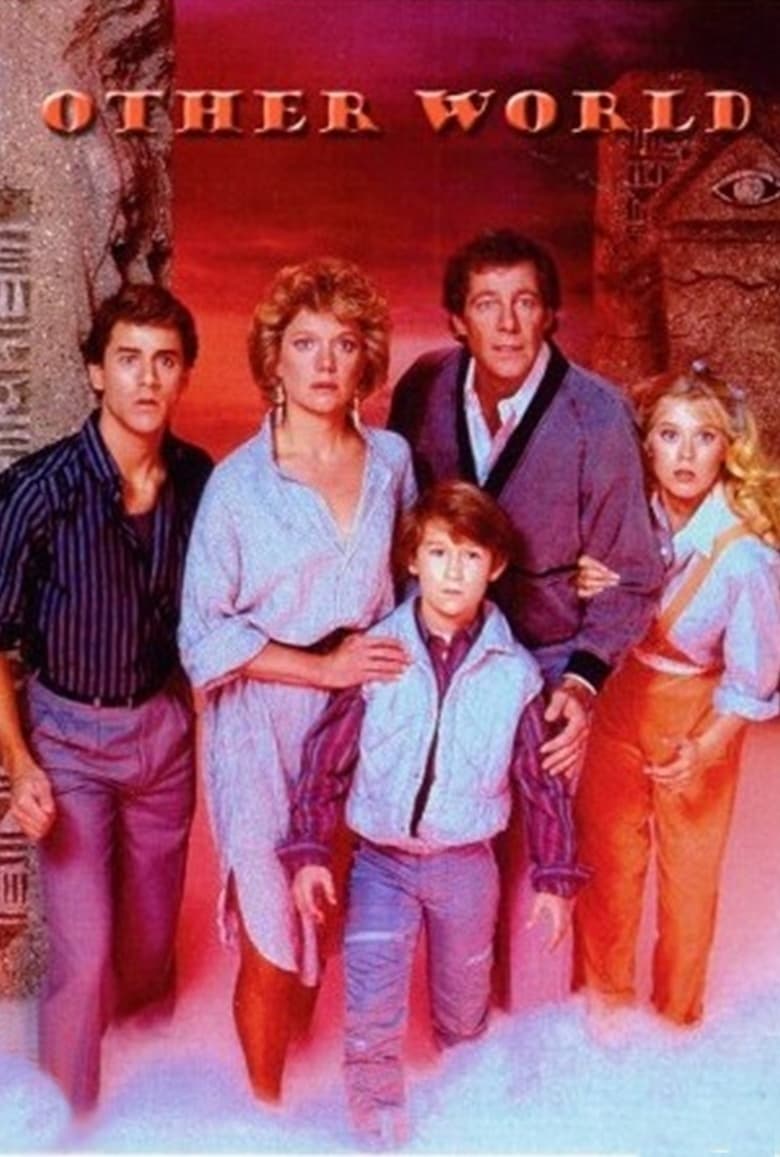
A family accidentally slipped into a parallel world and tried to find a way home through shifting provinces and strict rulers. Sam Groom and Gretchen Corbett guided the clan through episodes that mixed allegory with adventure. The series aired on CBS and built its locations with imaginative sets and desert vistas. Each stop introduced a fresh culture that expanded the show’s map.
‘The Powers of Matthew Star’ (1982–1983)
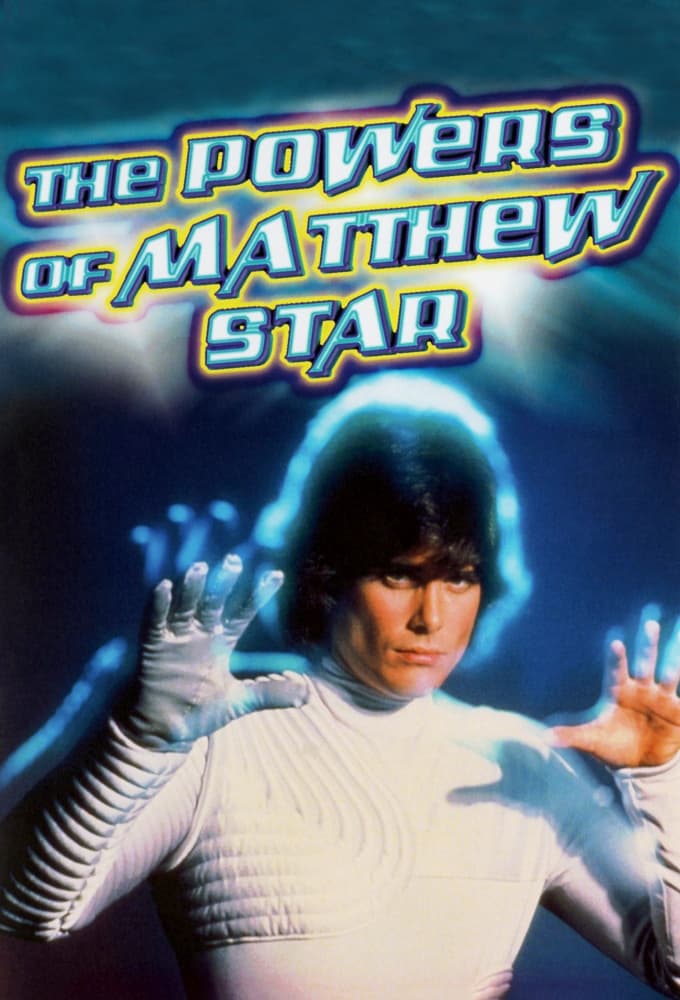
An alien prince hid on Earth as a high school student while learning to control energy-based abilities. Peter Barton played the lead with mentor support from Louis Gossett Jr. The series aired on NBC and alternated between school life and secret missions. Behind the scenes it faced production challenges, yet it kept its focus on training and duty.
‘Street Hawk’ (1985)
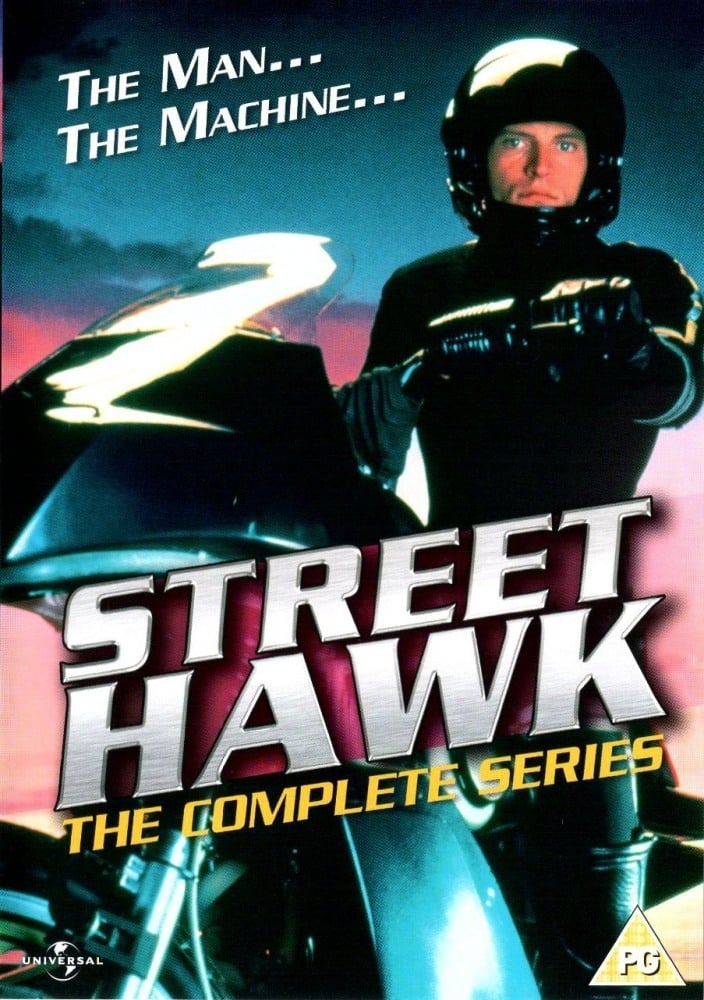
A government test pilot rode a prototype motorcycle that handled surveillance and pursuit with advanced onboard systems. Rex Smith and Joe Regalbuto carried the buddy dynamic that powered the weekly cases. The series aired on ABC and leaned on night shoots and stunt choreography to sell speed. Standalone plots kept the tech front and center.
‘Blue Thunder’ (1984)
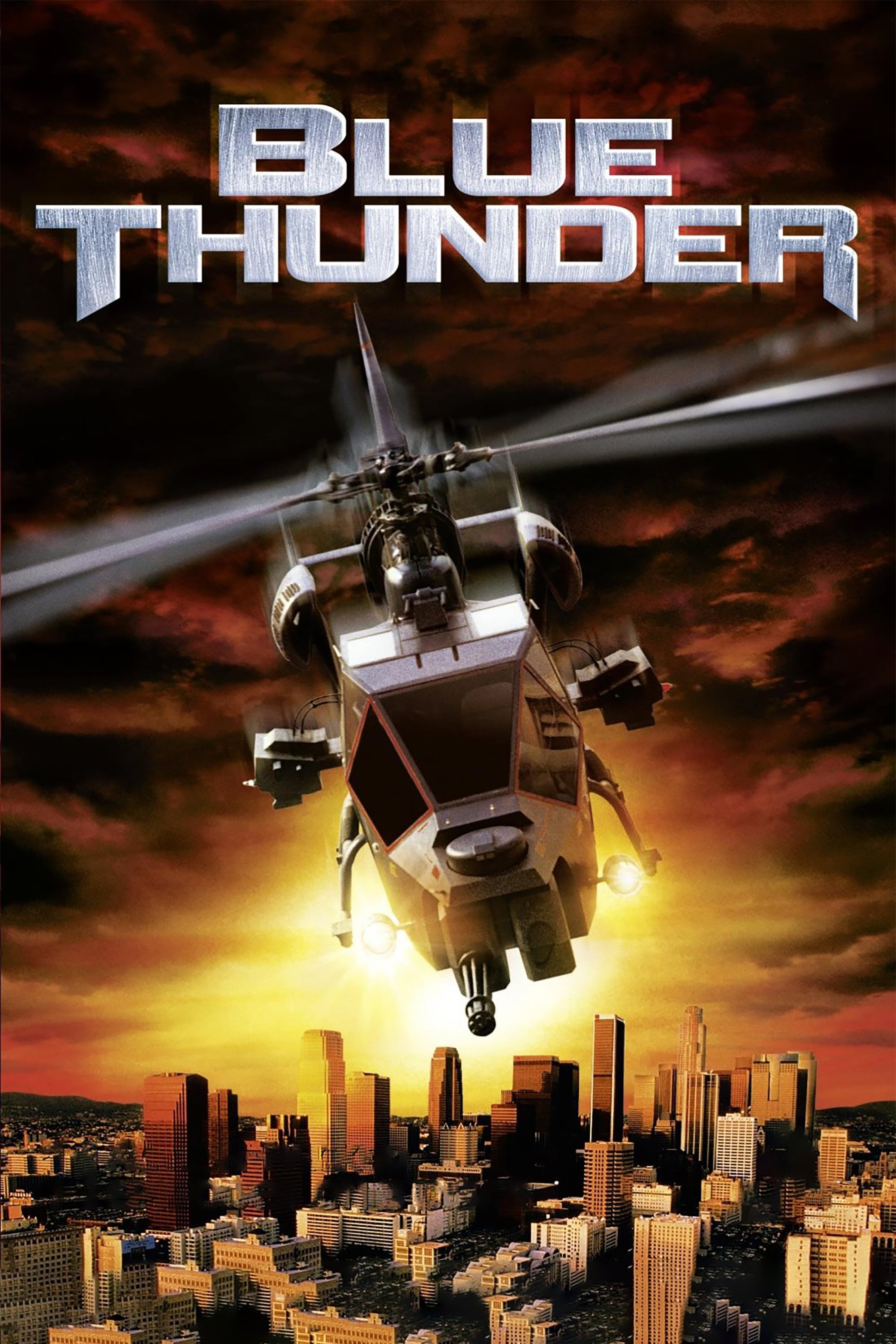
This action series adapted the film’s concept of a high-tech helicopter assigned to urban patrols. James Farentino led the unit with supporting turns from Dana Carvey and Bubba Smith. The series aired on ABC and showcased aerial sequences that were ambitious for network television. Episodes focused on tactical scenarios and hardware capabilities.
‘Call to Glory’ (1984–1985)
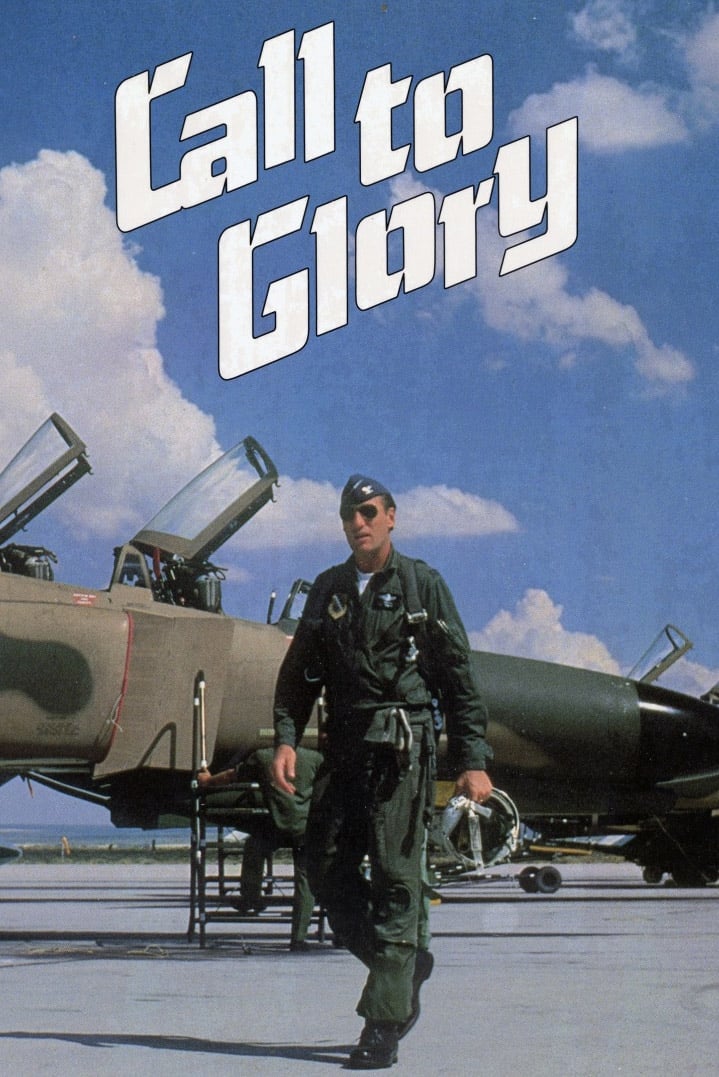
Set around a pilot’s family, this drama tracked aviation milestones and the demands of service life. Craig T. Nelson and Elisabeth Shue provided the family perspective that anchored historical moments. The series aired on ABC and balanced flight operations with domestic storylines. It used period details and base settings to connect personal choices to national events.
‘It’s Your Move’ (1984–1985)

This sitcom focused on a teenage schemer who constantly gamed the adults in his apartment building. Jason Bateman led the cast with sharp timing, and the writers built recurring cons that escalated cleanly. The series aired on NBC and came from the creative team behind a later long-running family comedy. Episodes often ended with clever reversals that wrapped the week’s plot.
‘The Charmings’ (1987–1988)
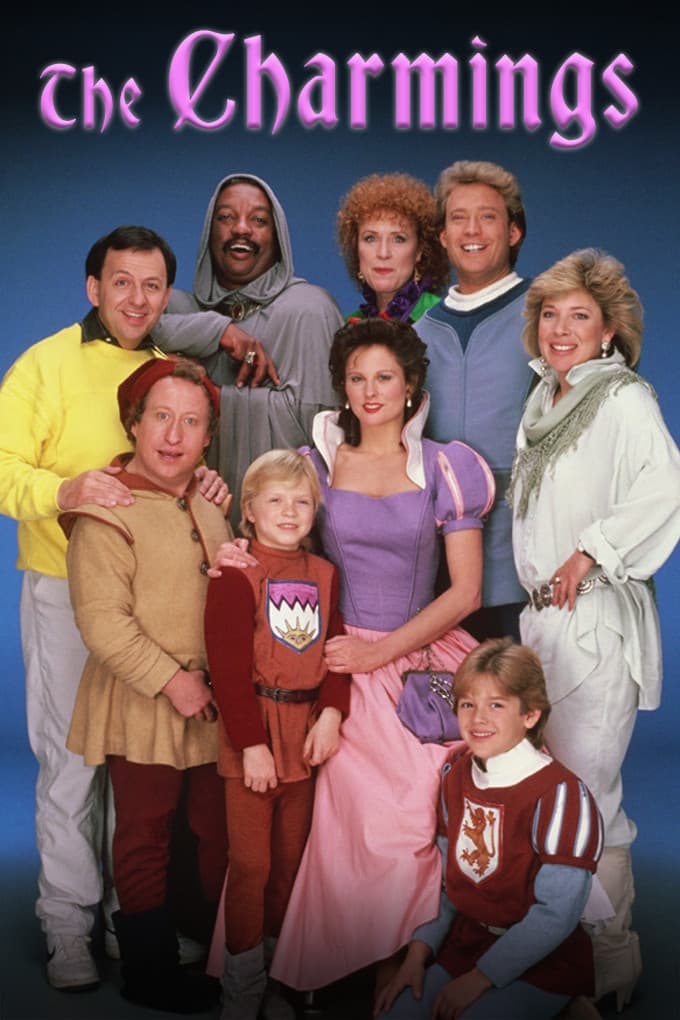
Fairy tale royals woke up in suburban America and tried to live normal lives with modern neighbors. Paul Dooley and Judy Parfitt stood out among a rotating ensemble that kept the tone light. The series aired on ABC and used practical sets to blend medieval touches with everyday decor. Each episode spun a familiar tale element into a contemporary problem.
‘Voyagers!’ (1982–1983)
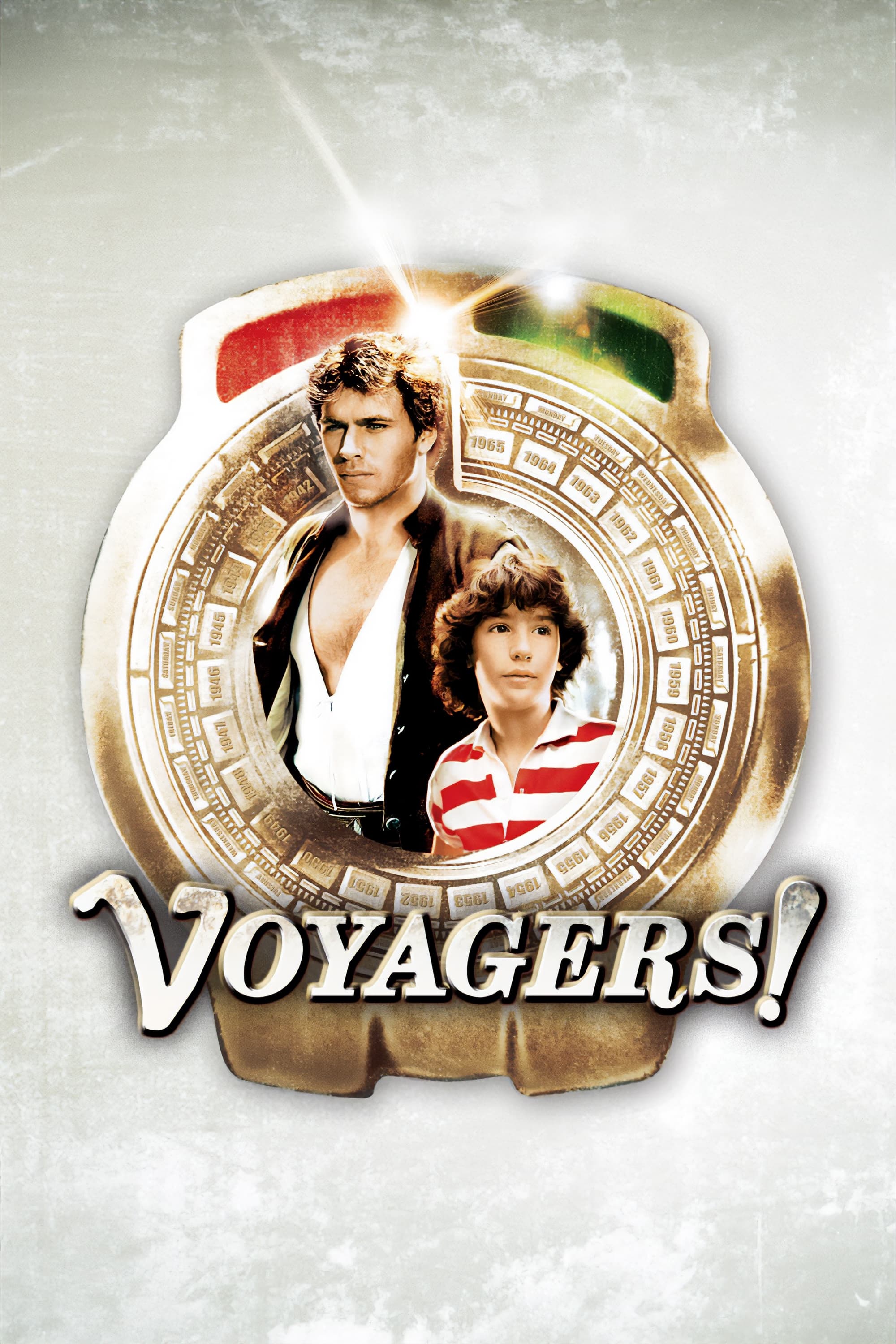
A time-travel duo hopped through history to fix small mistakes that could change the future. Jon-Erik Hexum and Meeno Peluce guided viewers through educational snippets baked into each mission. The series aired on NBC and used a handheld guidebook prop to frame historical facts. Episodes moved fast and emphasized cause and effect over heavy exposition.
‘The Master’ (1984)
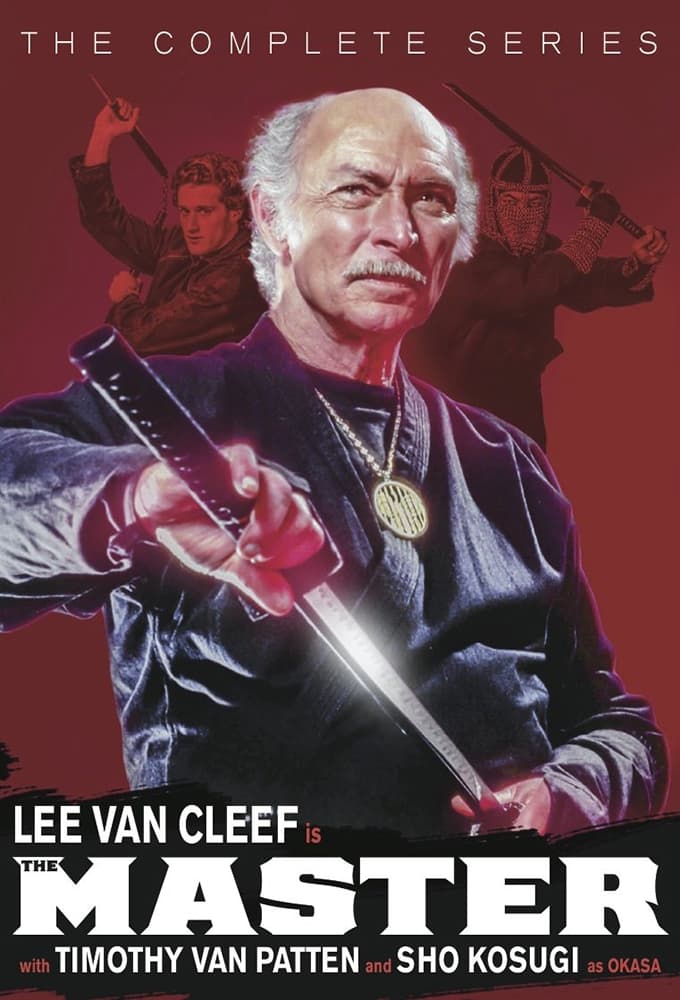
A veteran mentor trained a younger partner in covert skills while helping towns in trouble across the country. Lee Van Cleef and Timothy Van Patten shaped the teacher-student bond that drove each episode. The series aired on NBC and staged close-quarters fights with clean choreography. The traveling setup allowed fresh guest casts and local conflicts every week.
‘Shadow Chasers’ (1985–1986)
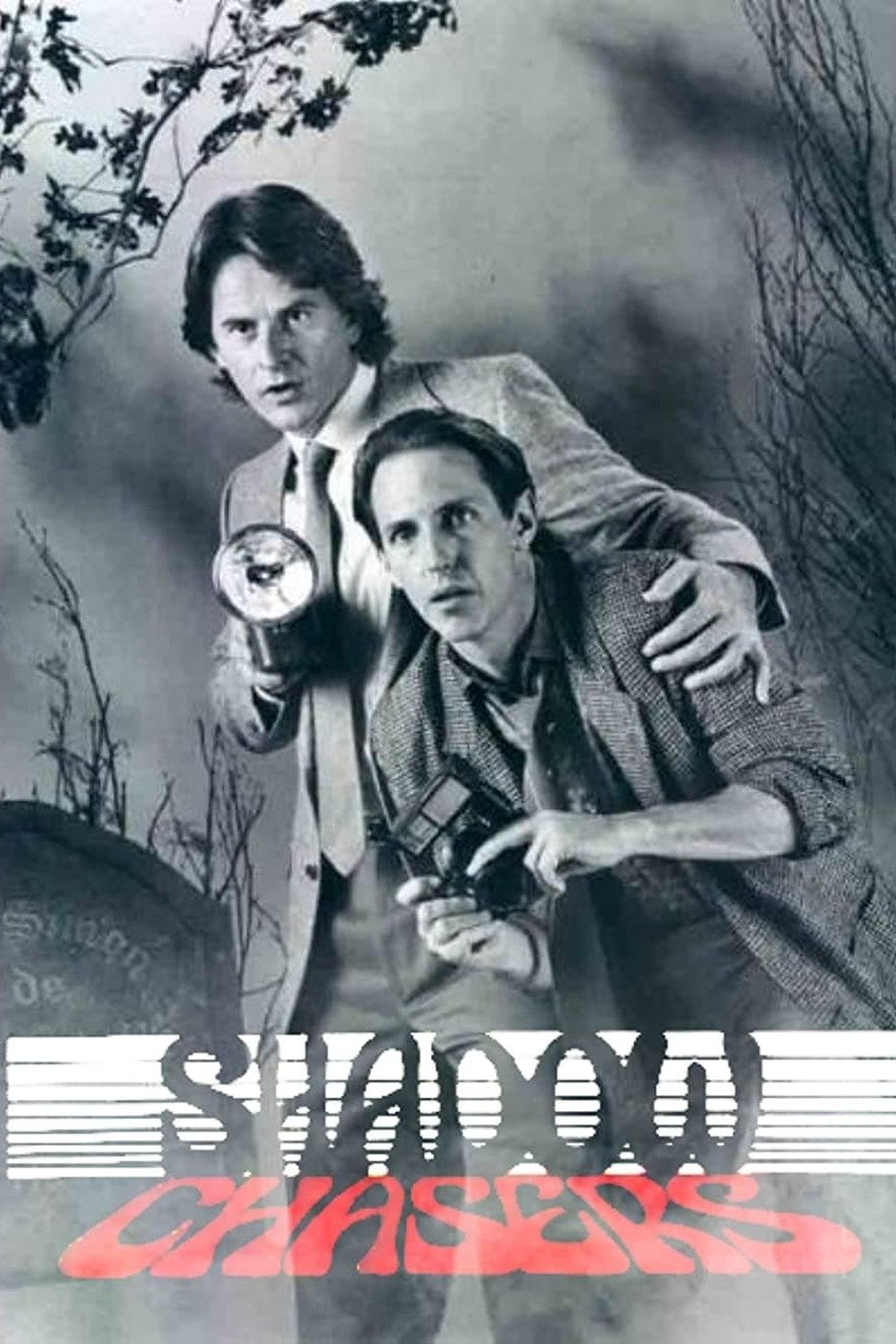
An academic and a reporter investigated unusual phenomena with a blend of skepticism and curiosity. Trevor Eve and Dennis Dugan balanced fieldwork with lab analysis to test every claim. The series aired on ABC and mixed procedural beats with light paranormal elements. Case files often ended with grounded explanations that still left room for mystery.
‘Tales of the Gold Monkey’ (1982–1983)
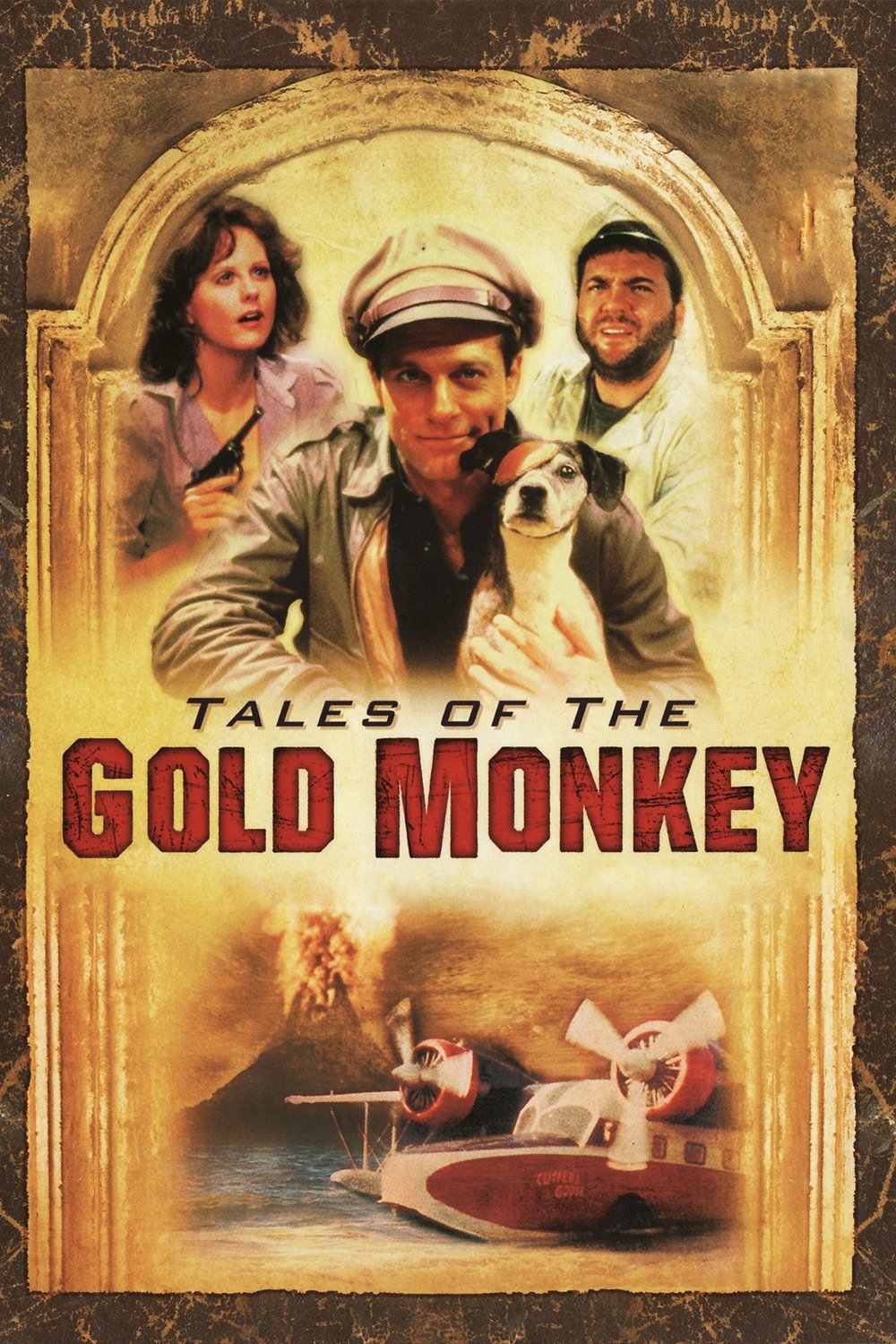
A cargo pilot and his crew flew island routes that led to treasure hunts, rival factions, and risky deliveries. Stephen Collins and Caitlin O’Heaney headlined a cast that leaned into swashbuckling adventure. The series aired on ABC and made strong use of backlot jungles and water stages. It delivered self-contained quests that rewarded attention to clues.
‘The Duck Factory’ (1984)
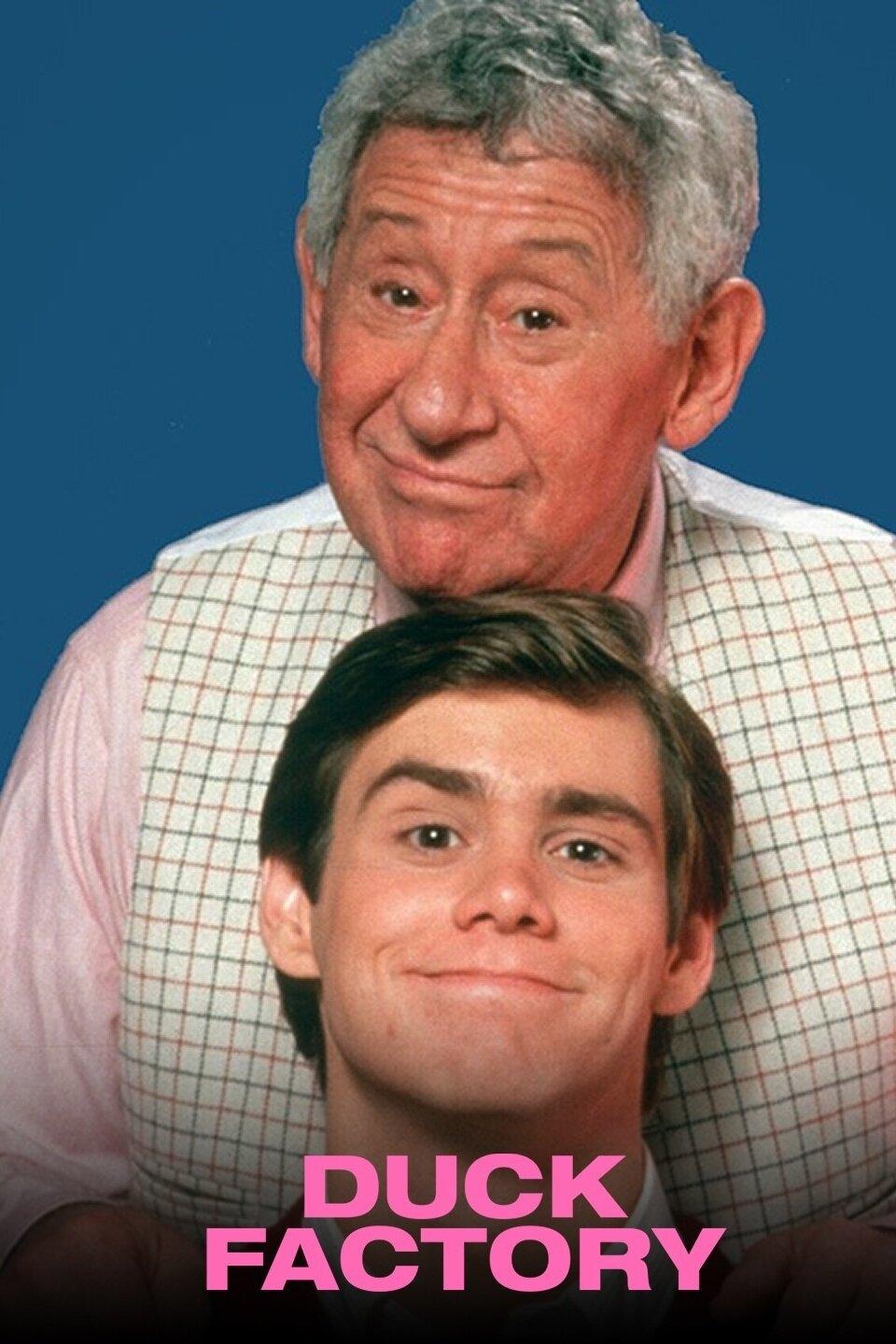
Set inside a small animation studio, this workplace comedy followed a new hire learning the ropes of tight deadlines and creative egos. Jim Carrey starred early in his career alongside a troupe of seasoned character actors. The series aired on NBC and mixed office politics with nuts-and-bolts production details. Scripts often walked through the steps of getting a cartoon from pitch to delivery.
‘Square Pegs’ (1982–1983)
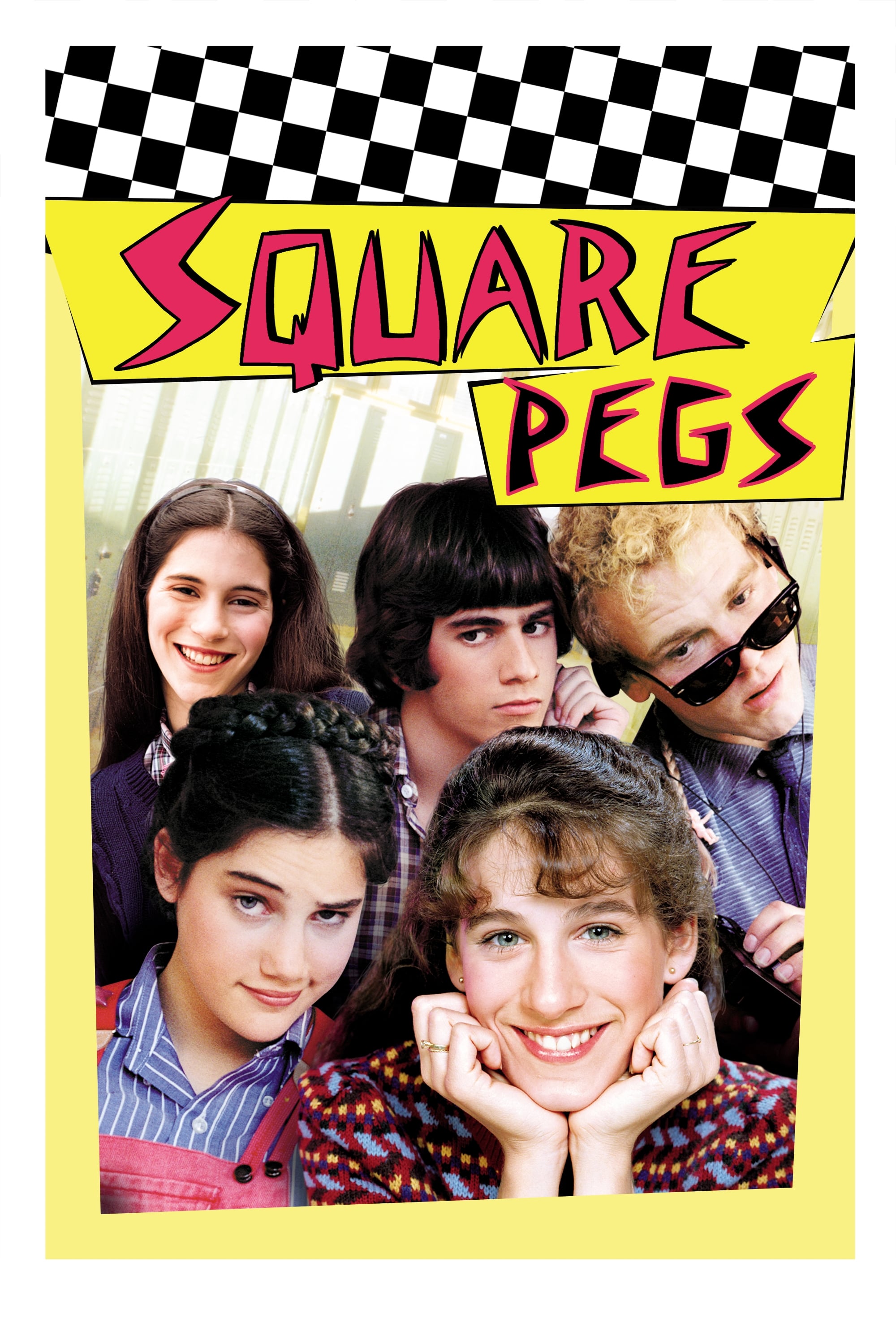
Two friends tried to navigate high school cliques using humor and persistence rather than instant popularity. Sarah Jessica Parker and Amy Linker anchored stories that drew on teen culture and media fads. The series aired on CBS and incorporated music cameos and classroom scenes that felt authentic. Episodes focused on social problem-solving rather than neat makeovers.
‘Police Squad!’ (1982)
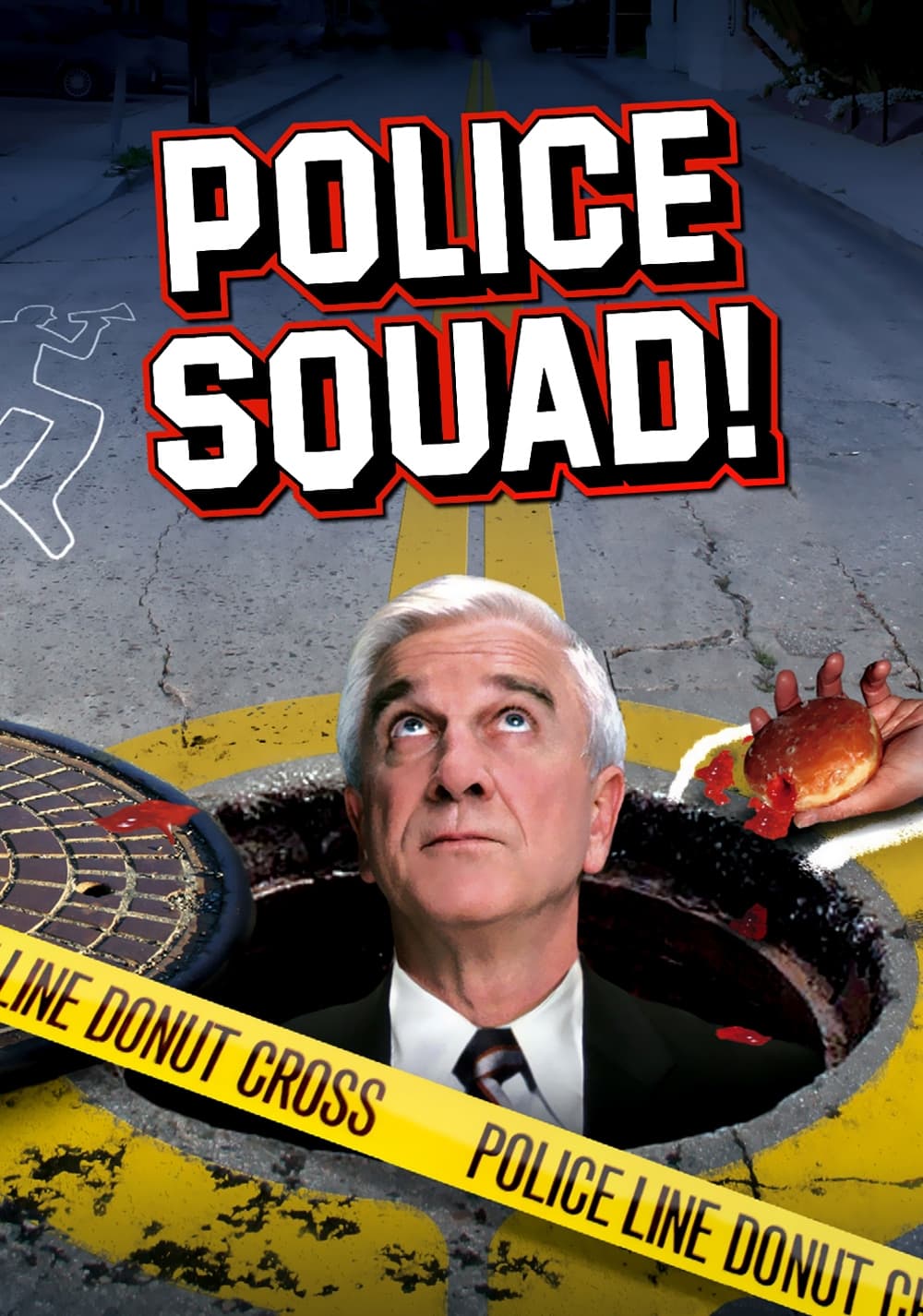
This parody followed a stoic detective who tackled cases with visual jokes and rapid-fire wordplay. Leslie Nielsen led the ensemble with a straight-faced performance that amplified the humor. The series aired on ABC and packed each episode with sight gags and recurring bits. Its tone later carried into a successful run of feature films that expanded the same world.
‘Probe’ (1988)
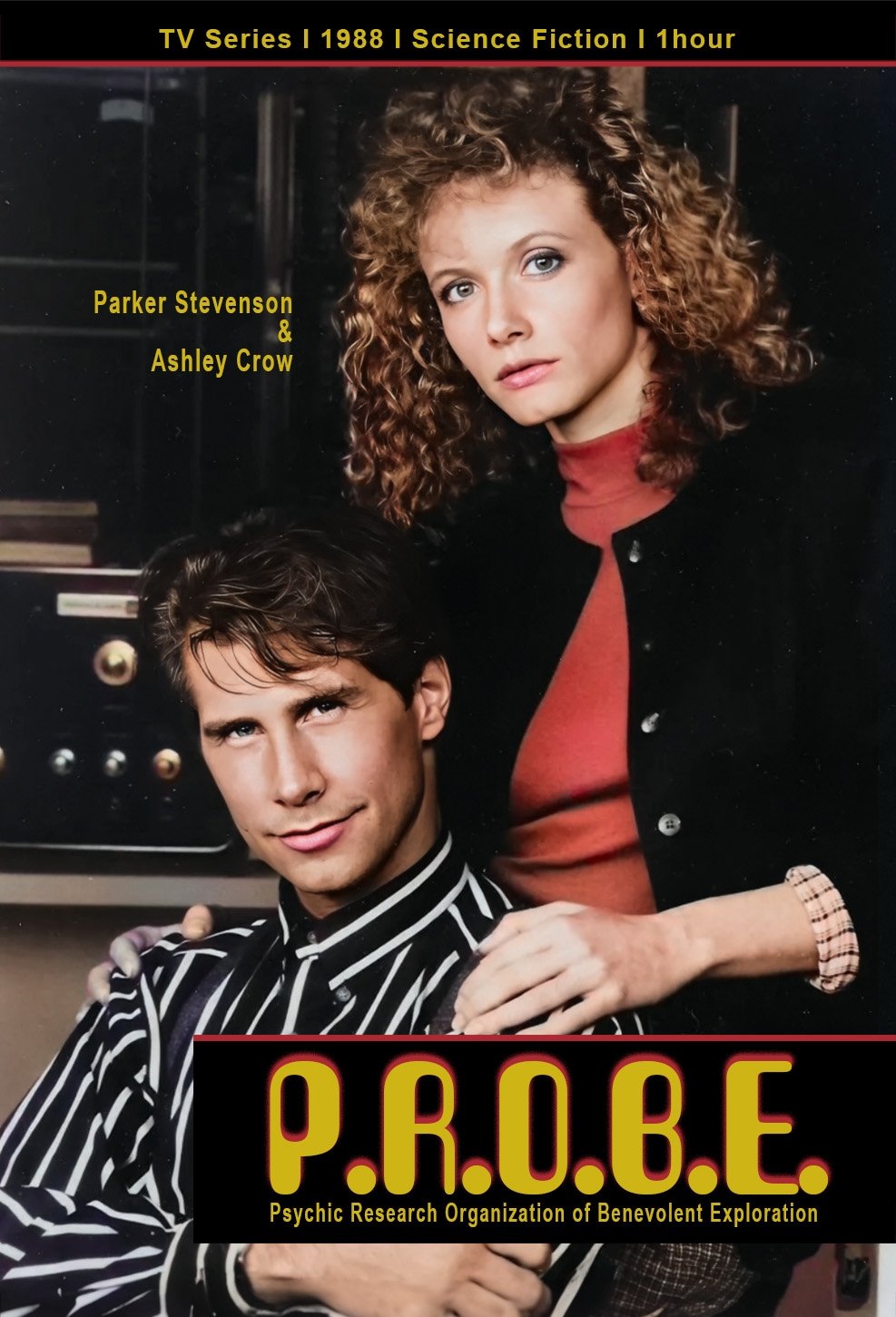
This science mystery series followed a brilliant consultant who solved unusual cases using logic and lab work. Parker Stevenson starred as the eccentric investigator with Ashley Crow as his practical partner. The show aired on ABC and came from a concept co-created by novelist Isaac Asimov. Episodes walked through experiments and clues that built to tidy solutions.
‘The Highwayman’ (1988–1989)
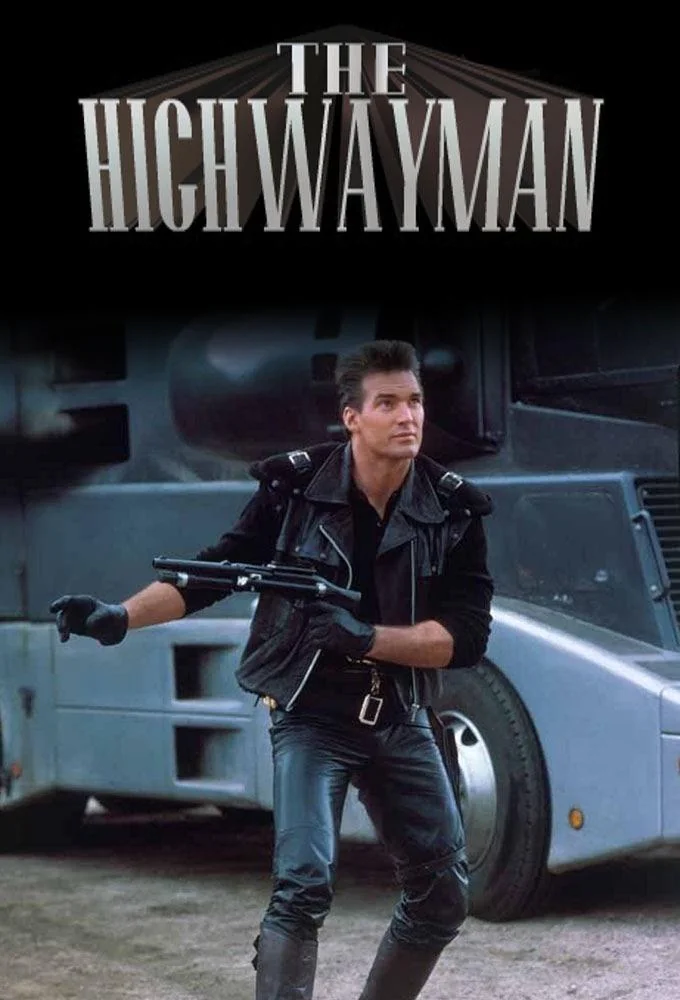
Set in a near future, this action show featured a lawman who roamed the highways in a high tech semi that concealed advanced gear. Sam J. Jones led missions that mixed fugitive chases with oddball crimes across the desert. The series aired on NBC and used wide open locations to stage vehicle stunts. Standalone plots emphasized unusual gadgets and undercover work.
‘The Wizard’ (1986–1987)
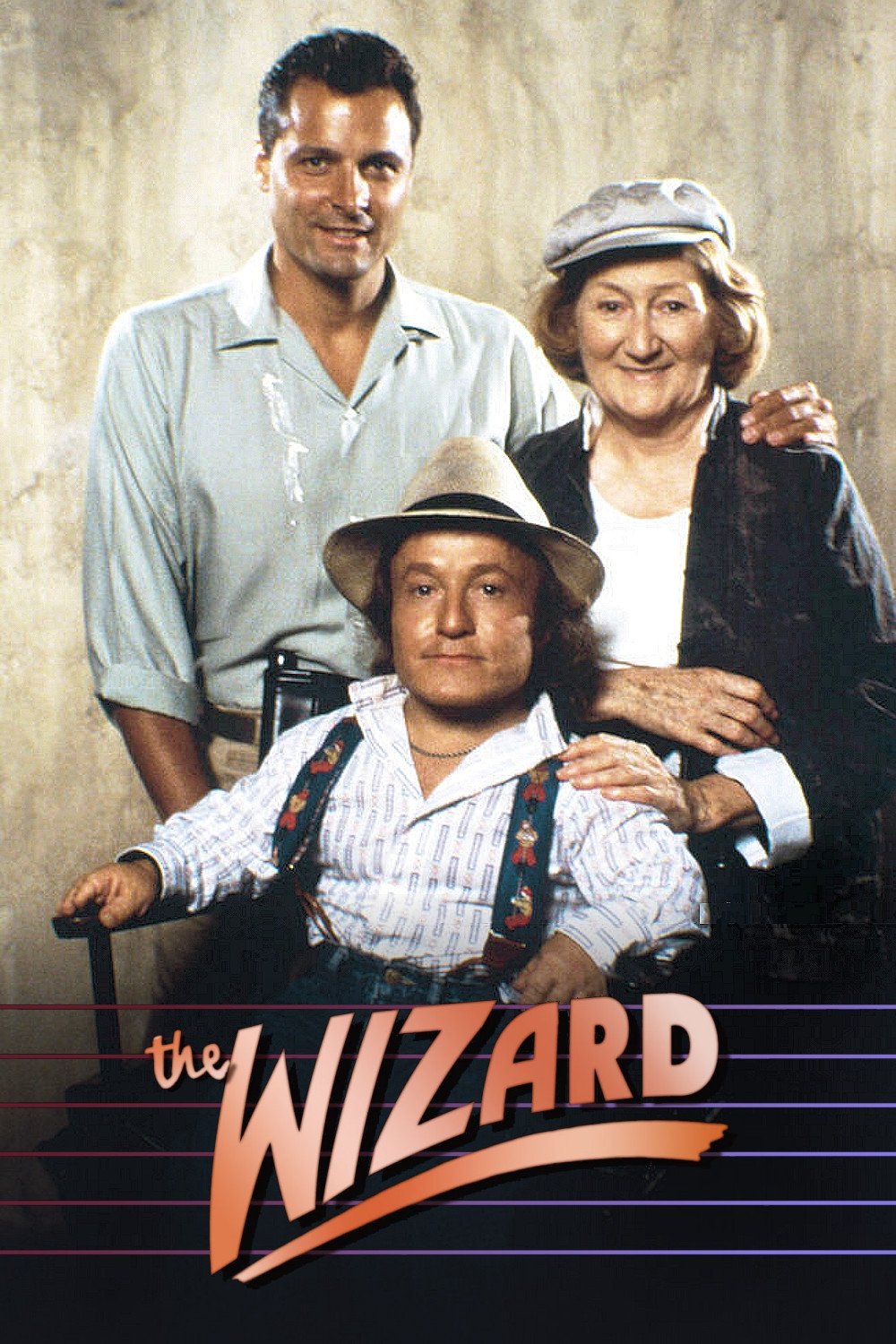
A retired toymaker and inventor applied clever devices to help people in trouble while traveling the country. David Rappaport played the lead with gentle humor and precise physical work. The series aired on CBS and showcased practical effects that turned small tools into problem solvers. Many episodes highlighted community settings where ingenuity outmatched brute force.
‘Rags to Riches’ (1987–1988)
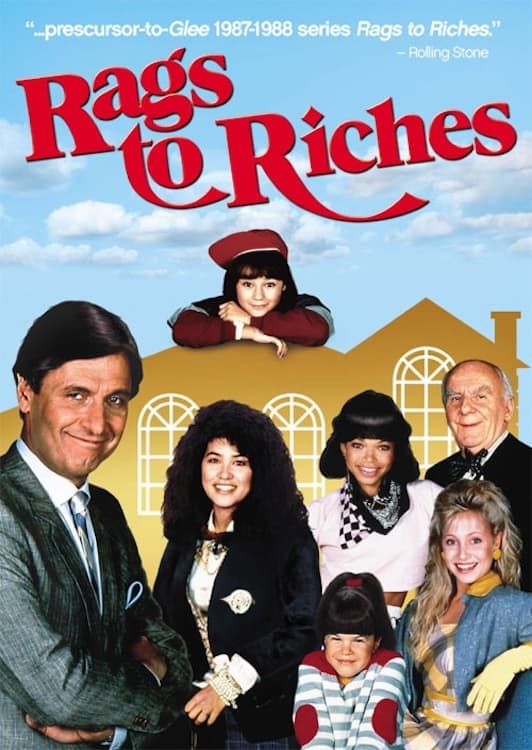
A businessman adopted a group of orphaned girls and tried to keep his company steady while learning family life on the fly. Joseph Bologna anchored the ensemble alongside a young Tisha Campbell. The series aired on NBC and sprinkled in period pop numbers that advanced the story. Plots often centered on school events and boardroom challenges that collided at home.
‘Bring ‘Em Back Alive’ (1982–1983)
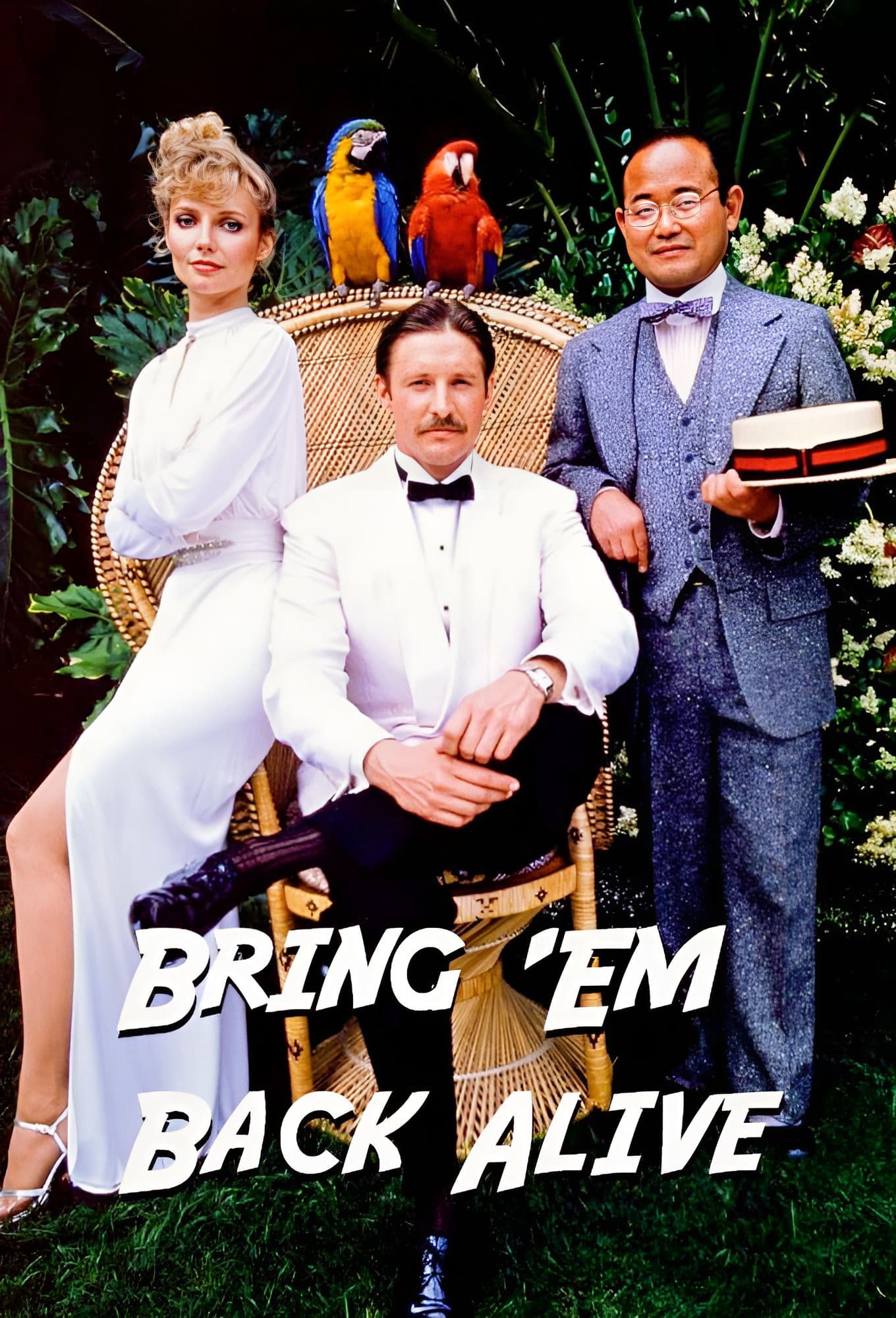
Inspired by real life adventurer Frank Buck, this pulp style series followed a daring hunter and pilot in Southeast Asia. Bruce Boxleitner and Cindy Morgan teamed up for missions that involved smugglers and tricky recoveries. The show aired on CBS and favored jungle backlots, airstrips, and market sets. Episodes balanced rescue operations with light intrigue and animal wrangling.
‘Wizards and Warriors’ (1983)
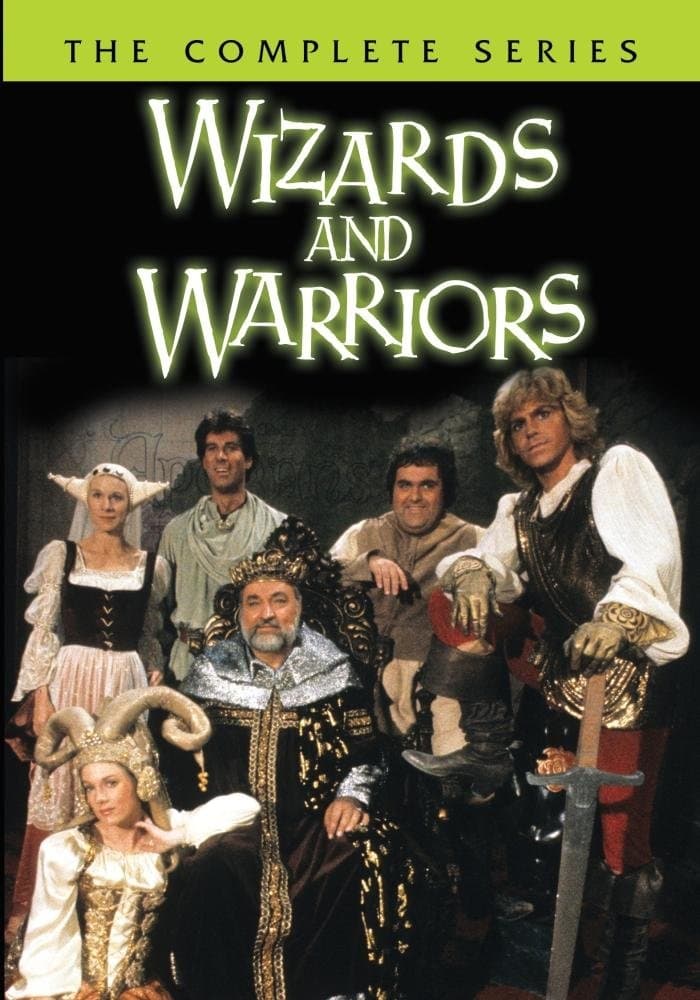
A comedic fantasy adventure pitted a gallant prince against a flamboyant sorcerer in a feud over kingdoms and treasure. Jeff Conaway and Duncan Regehr led the cast with theatrical flair. The series aired on CBS and leaned on elaborate costumes, matte paintings, and swordplay. Stories used quest structures that introduced new creatures and enchanted items each week.
‘Cover Up’ (1984–1985)
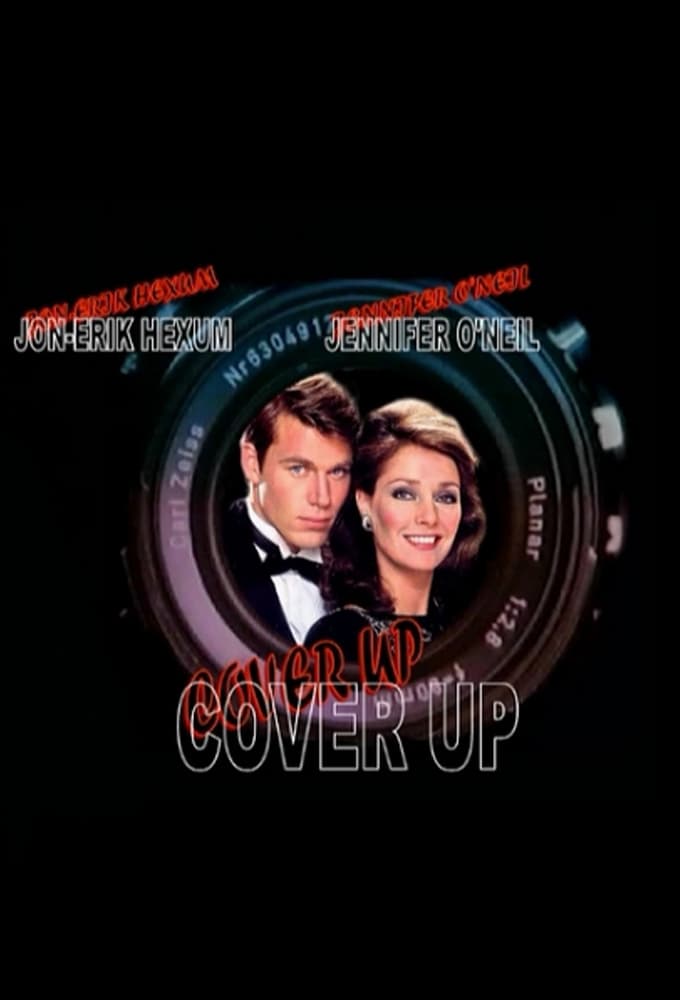
A fashion photographer recruited a covert operative to pose as a model while completing assignments against international criminals. Jennifer O’Neill and Jon-Erik Hexum fronted the missions with globe trotting setups. The show aired on CBS and paired runway settings with action beats that moved fast. Plots mixed surveillance tricks with close quarter confrontations.
‘Masquerade’ (1983–1984)
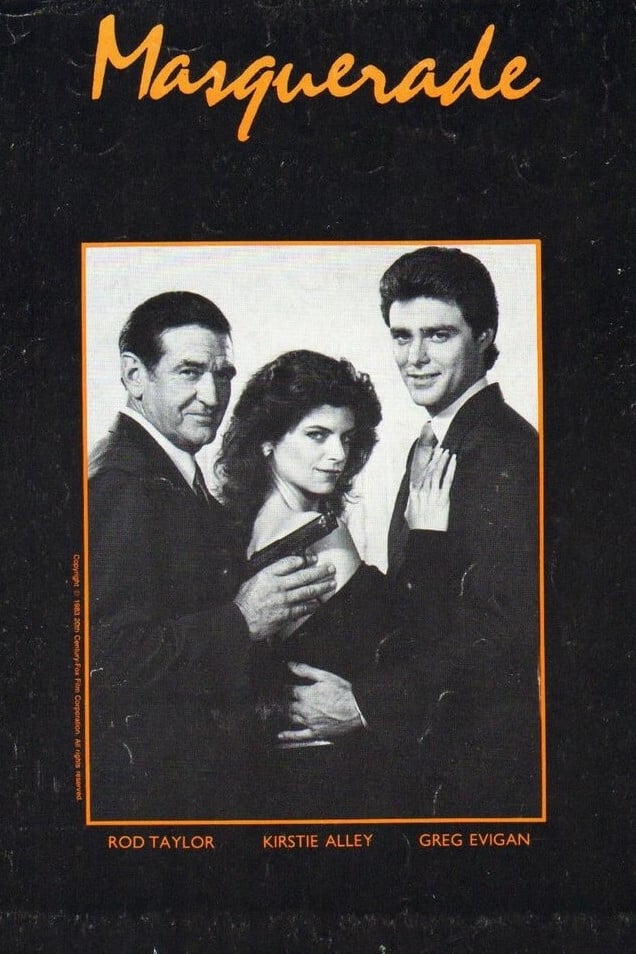
Every week a spymaster hired ordinary citizens with specialized skills for one shot missions that required fresh faces. Rod Taylor coordinated the recruits while Kirstie Alley provided field support. The series aired on ABC and presented capers that stressed planning and improvisation. The rotating team format let episodes spotlight unique professions in clever ways.
‘J.J. Starbuck’ (1987–1988)
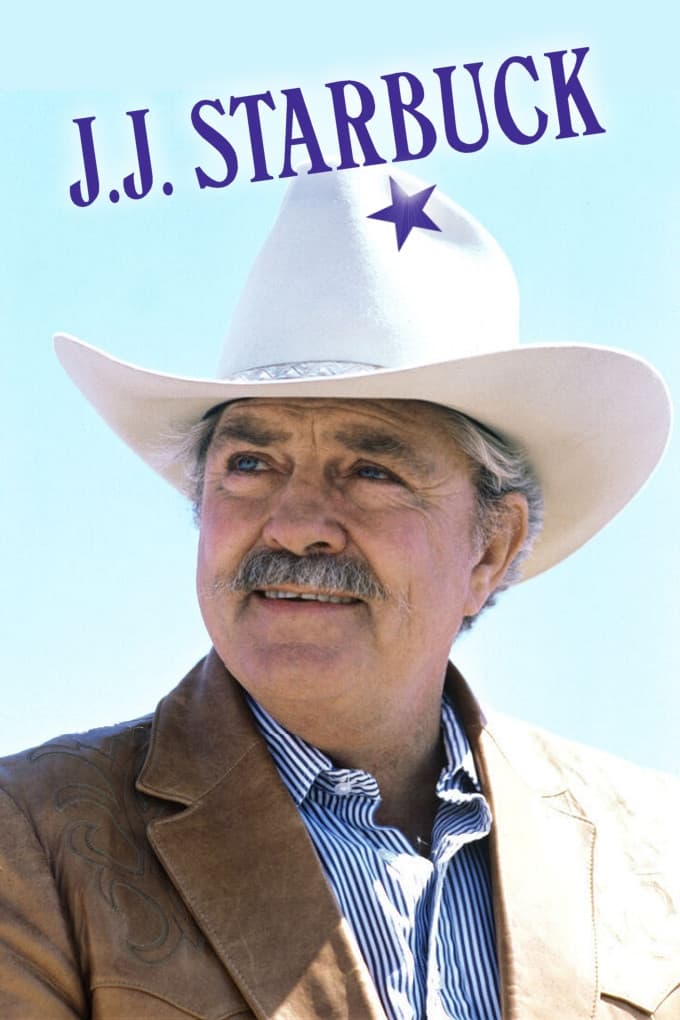
A Texas tycoon crisscrossed the country in a custom car to help people untangle crimes and corporate schemes. Dale Robertson played the benefactor who used business smarts and quiet leverage. The series aired on NBC and set cases in distinctive regional backdrops. Stories often resolved through contract clauses, small town alliances, and practical bargaining.
‘The Famous Teddy Z’ (1989–1990)
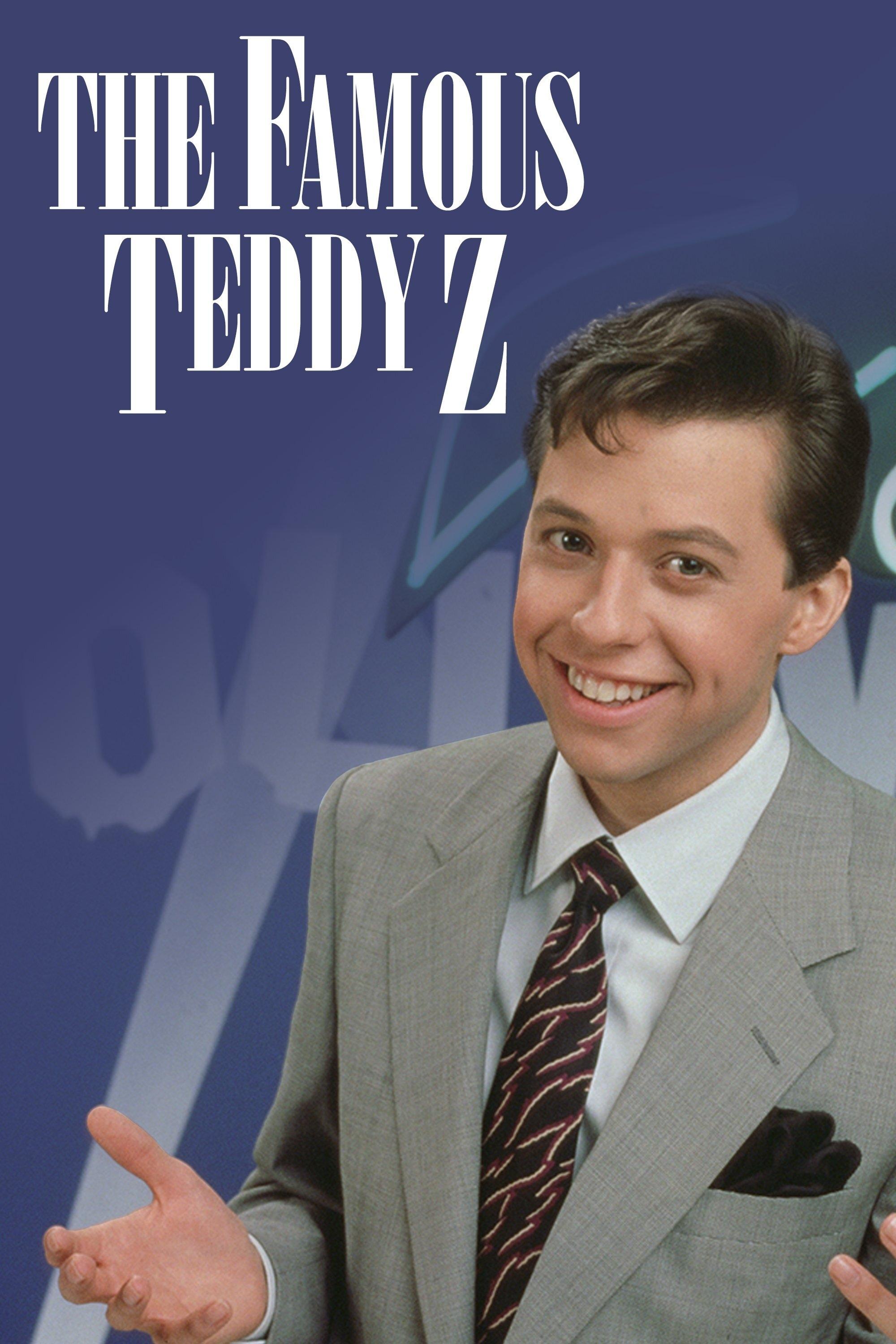
A mailroom employee stumbled into talent representation and learned how power really moved in Hollywood. Jon Cryer headlined a cast that dramatized dealmaking and client wrangling. The series aired on CBS and drew on industry insiders for authentic office details. Episodes focused on negotiations, personality management, and sudden shifts in leverage.
‘Frank’s Place’ (1987–1988)
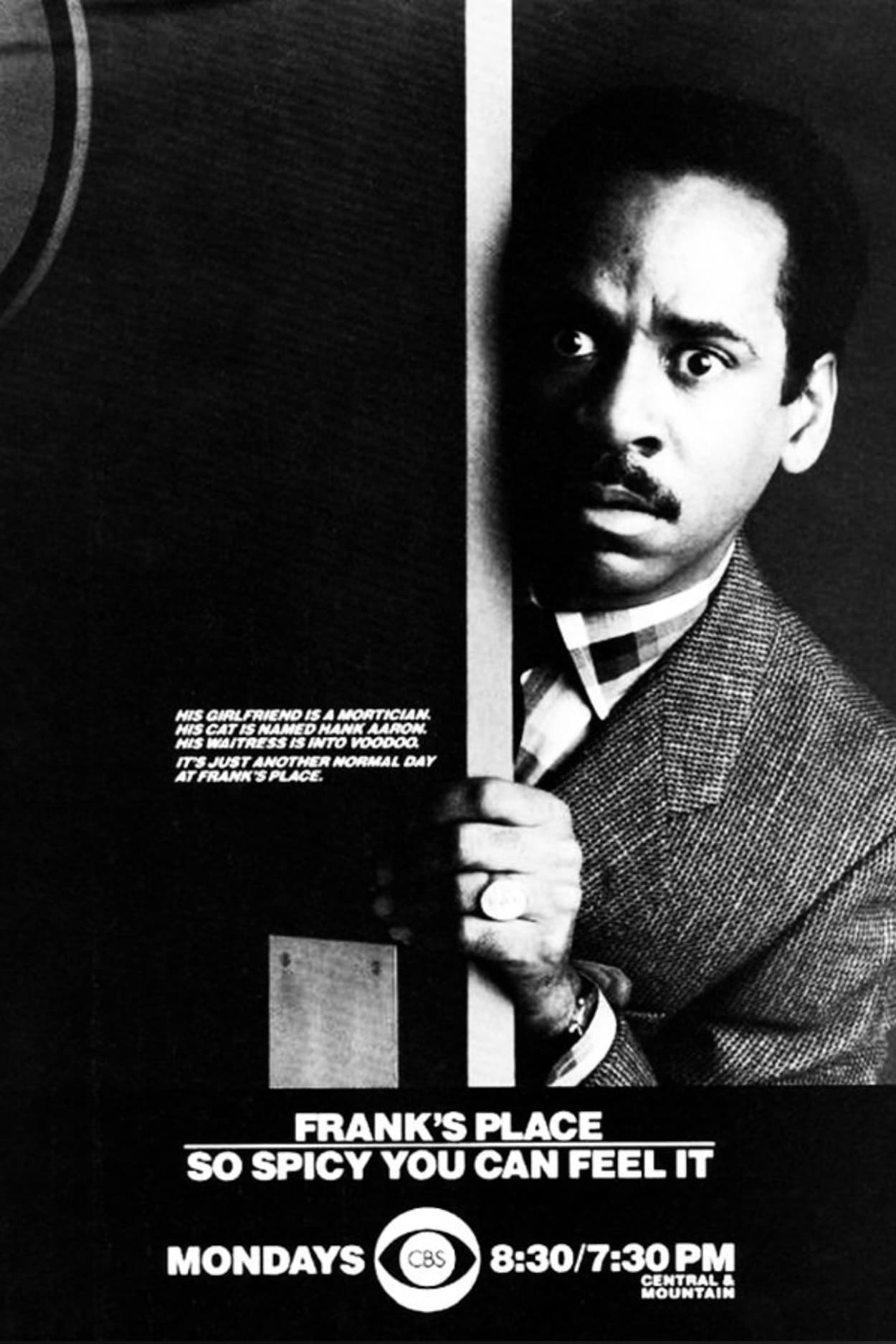
A professor inherited a New Orleans restaurant and found himself managing staff, traditions, and neighborhood ties. Tim Reid led a large ensemble that brought local culture into everyday business. The series aired on CBS and blended quiet comedy with textured location work. Storylines explored ownership responsibilities, community customs, and the rhythms of service.
‘Blacke’s Magic’ (1986)
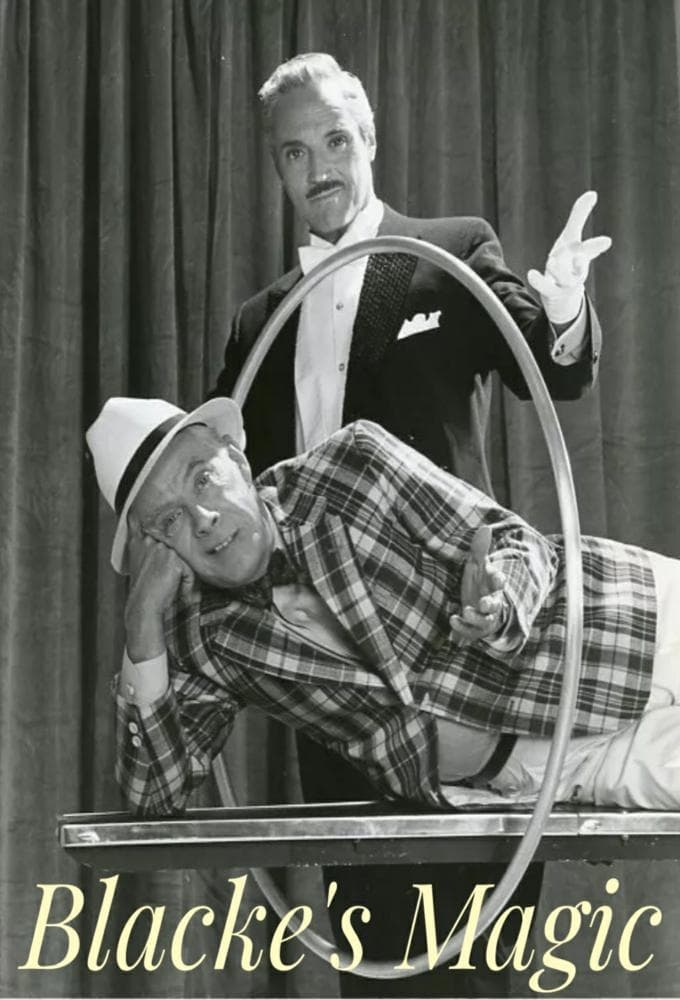
A retired stage magician teamed with his detective father to crack cases that looked impossible. Hal Linden and Harry Morgan solved crimes by revealing the trick behind each scheme. The series aired on NBC and showcased sleight of hand, misdirection, and prop design. Episodes walked viewers through methodical reconstructions that made the mysteries click.
‘TV 101’ (1988–1989)
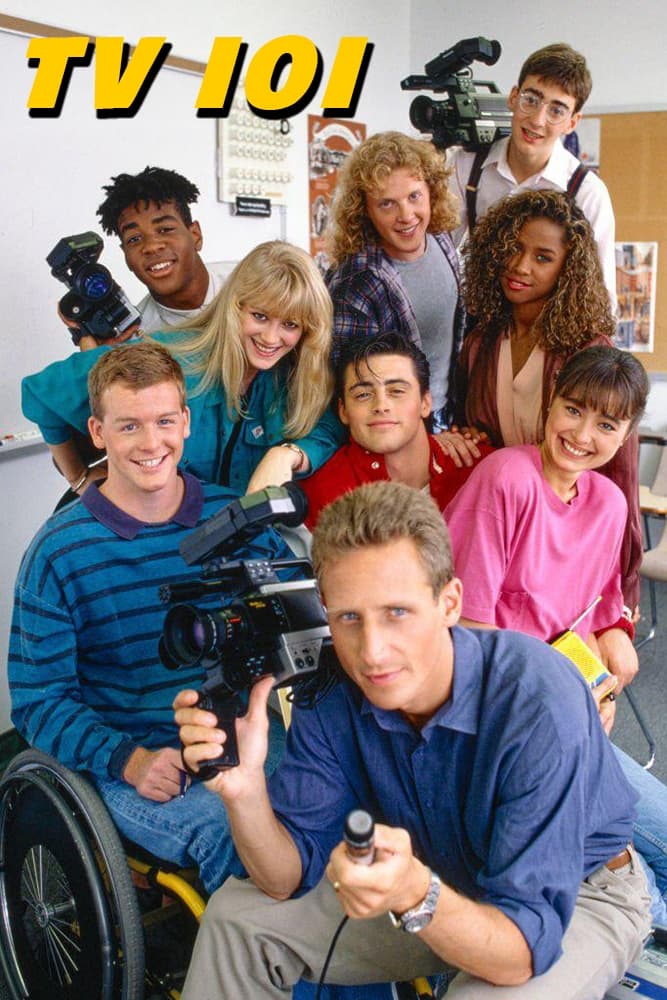
A young teacher launched a student run television news program and used it to cover school and local issues. Sam Robards guided the class through reporting basics and technical production. The show aired on CBS and built episodes around story pitches, field shoots, and edit deadlines. The newsroom framework highlighted ethics, teamwork, and on air performance.
‘Hard Time on Planet Earth’ (1989)
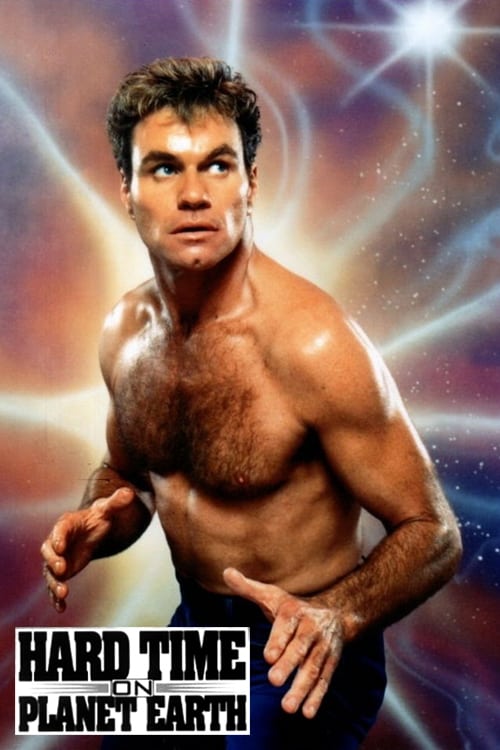
An alien soldier was exiled to Earth in human form and monitored by a floating drone that tracked his behavior. Martin Kove played the lead who tried to complete good deeds to earn freedom. The series aired on CBS and staged fish out of water situations that became small rescues. Episodes often centered on learning local customs and applying otherworldly strength carefully.
‘Starman’ (1986–1987)
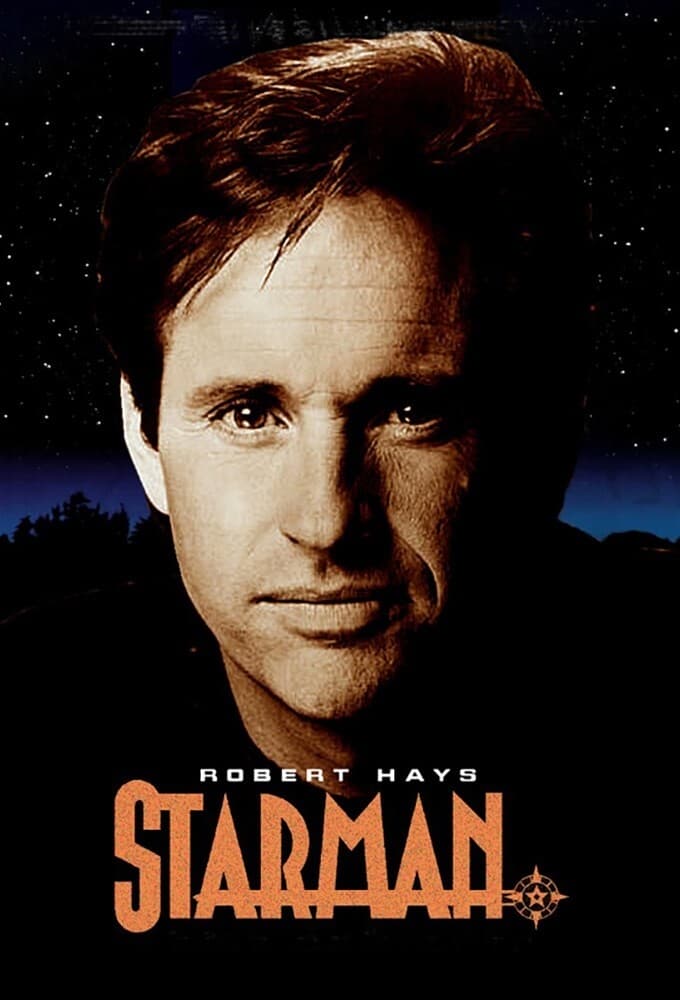
This continuation of the film followed an alien who returned to find his son and protect him from government pursuit. Robert Hays and Christopher Daniel Barnes traveled from town to town while staying ahead of agents. The series aired on ABC and used a pendant device to trigger measured bursts of power. Each stop added a new clue to the search for the boy’s mother while resolving a local problem.
Share the forgotten favorites you would add to this list in the comments and tell us which one you are queuing up next.

