


Best Forgotten TV Shows from the 1990s (That Require an Immediate Rewatch)



Some 1990s series slipped through the cracks even though they delivered bold ideas, eclectic casts, and episodes that still hold up today. These are the shows that quietly pushed genres forward, tried inventive formats, and built small but loyal fan bases. You will find cult favorites next to one season wonders that never got a fair shot. Each one is worth another look with modern eyes. Here is a refresher with just the essentials and where they lived on the dial back then.
‘American Gothic’ (1995–1996)
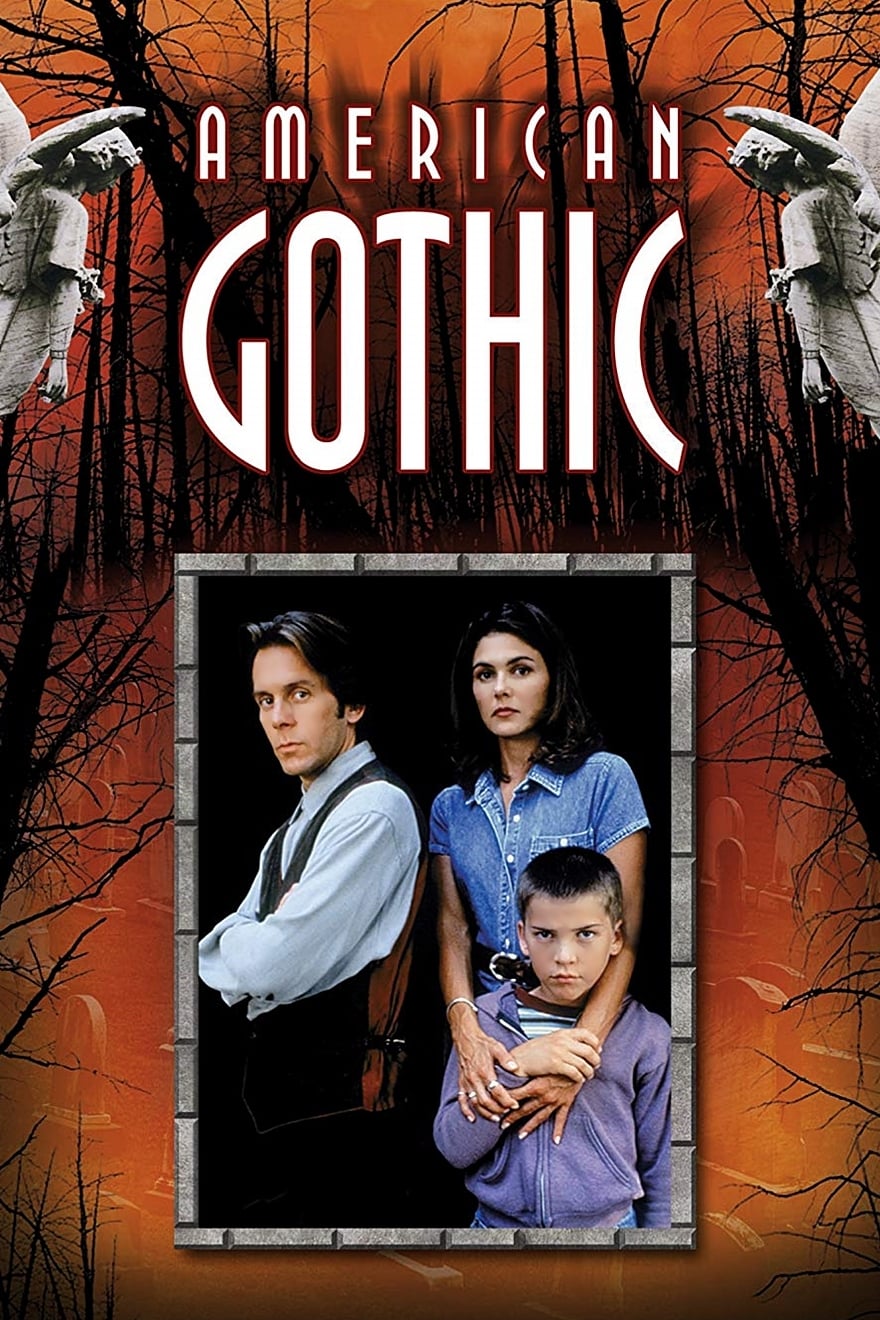
This Southern gothic thriller follows a small town sheriff whose charm hides something darker while a young boy questions his past. Gary Cole and Lucas Black anchor the story with a slow burn mystery that threads through each episode. The show used a serialized structure that rewarded careful viewing and keen attention to clues. It first ran on CBS, which nurtured several moody dramas in that period.
‘Now and Again’ (1999–2000)
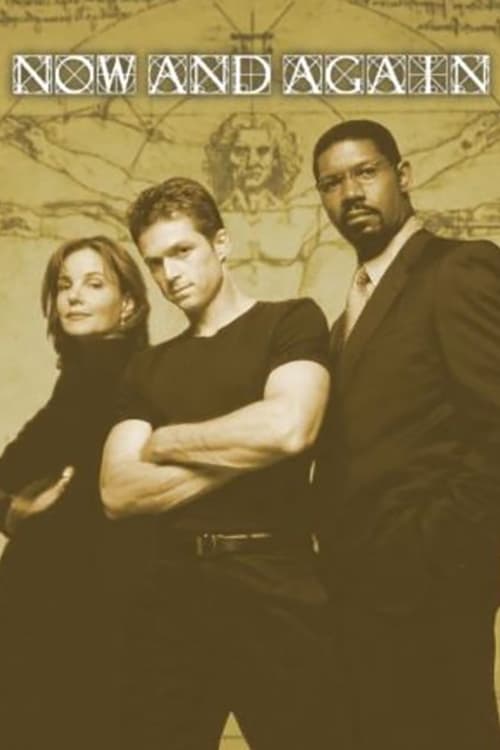
A mild mannered family man dies in an accident and wakes up in a government engineered body with a new identity. Eric Close leads the cast, while the story balances secret missions with the emotional cost of living apart from loved ones. Episodes mix sci fi action with domestic complications in a brisk, character driven format. The series premiered on CBS, where it built a dedicated audience across its single season.
‘The Adventures of Brisco County, Jr.’ (1993–1994)
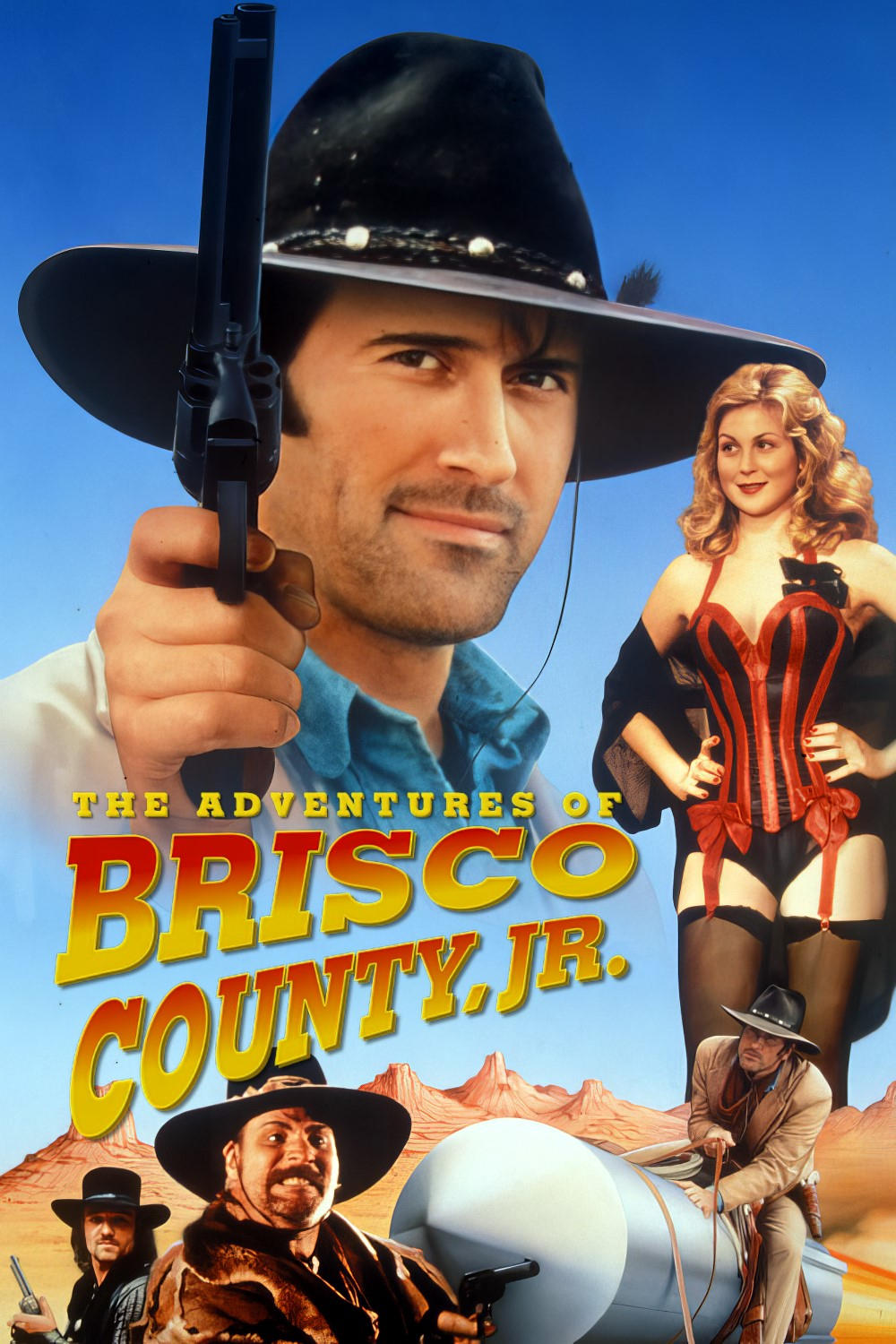
A wisecracking bounty hunter rides across the Old West with high tech gadgets and oddball villains. The show blends Western swagger with light science fiction and playful humor that suits its episodic adventures. Bruce Campbell headlines, supported by a troupe of familiar character actors. It aired on Fox and became a cult favorite after its initial run.
‘Profit’ (1996)
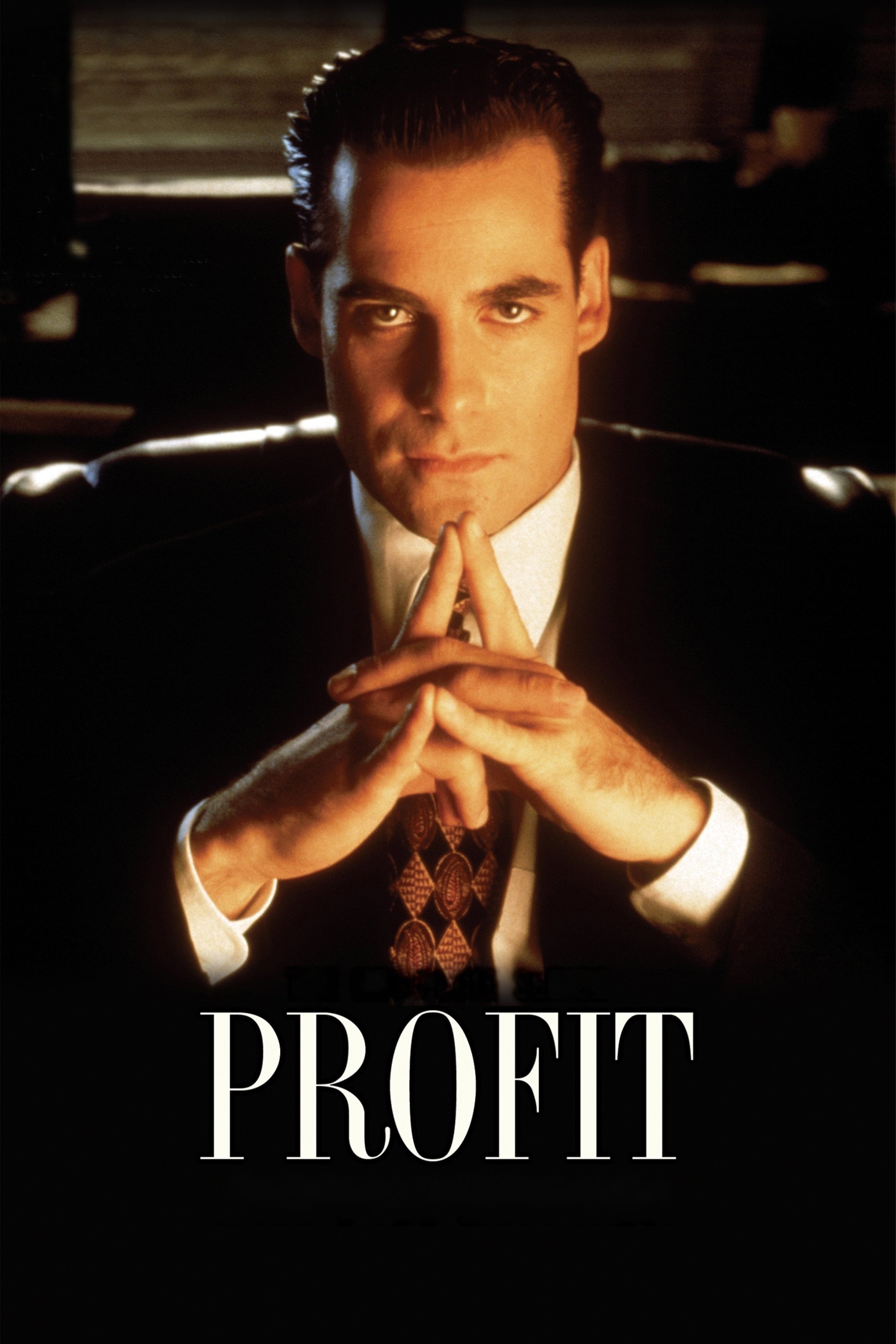
An ambitious executive climbs the corporate ladder by any means while hiding a strange personal life. The drama explores boardroom power plays, early virtual offices, and the pitfalls of unchecked ambition. Adrian Pasdar’s performance keeps the tone sleek and unsettling from week to week. The series debuted on Fox and developed a reputation for being ahead of its time.
‘Strange Luck’ (1995–1996)

A photojournalist with improbable good fortune stumbles into dangerous situations that demand quick decisions. Each case of the week spins out of chance encounters that test his conscience and ingenuity. The show keeps a grounded tone despite its premise, focusing on choices and consequences. It premiered on Fox and gathered a modest but steady cult following.
‘Space: Above and Beyond’ (1995–1996)
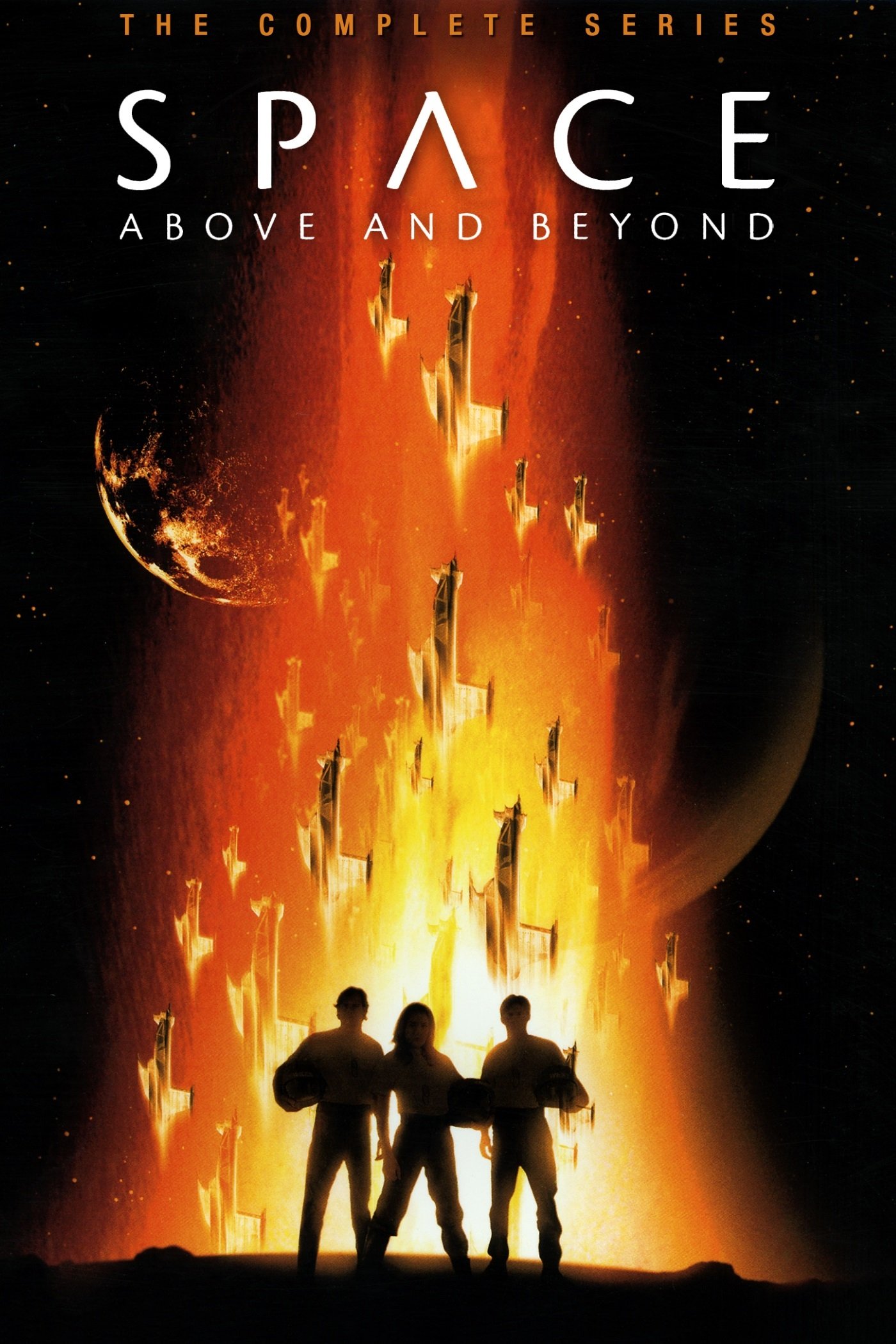
Rookie pilots join a spaceborne marine unit fighting a distant war that strains their loyalty and resolve. The series builds a detailed military world with recurring battles, tactical missions, and squad bonds. It favors gritty combat and moral gray areas over flashy spectacle. Fox carried the show and scheduled it alongside other genre offerings of the era.
‘Nowhere Man’ (1995–1996)
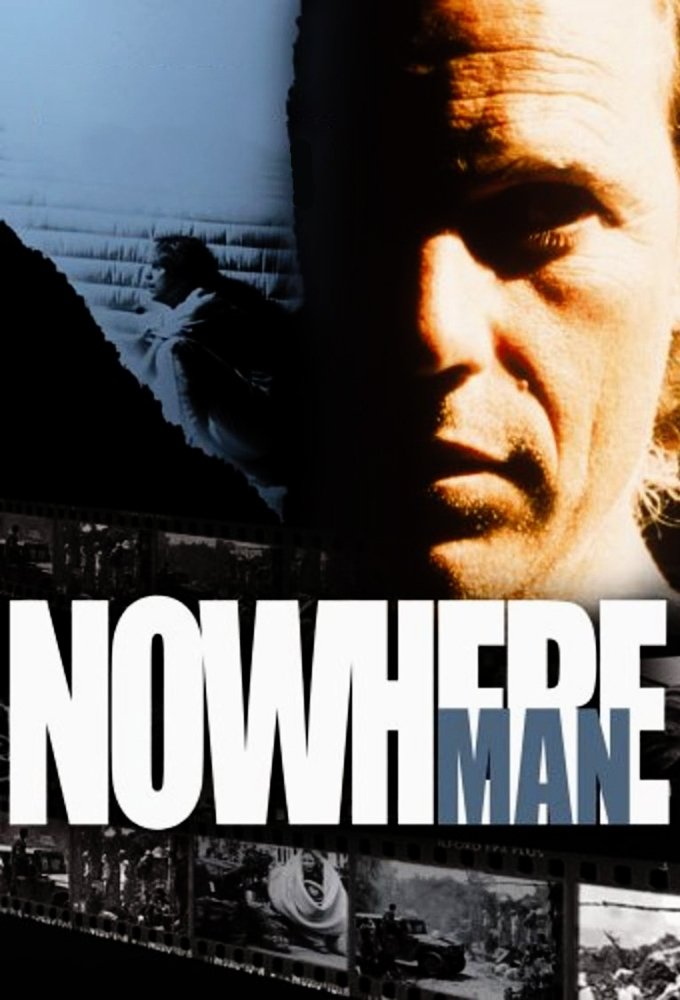
A photographer exposes a secret image and finds his identity erased by a shadowy organization. Each episode pushes him to decode symbols, infiltrate cells, and recover pieces of his life. The narrative relies on paranoia and puzzle like storytelling that rewards careful viewers. It launched on UPN, which used it to anchor a slate of edgy dramas.
‘Dark Skies’ (1996–1997)
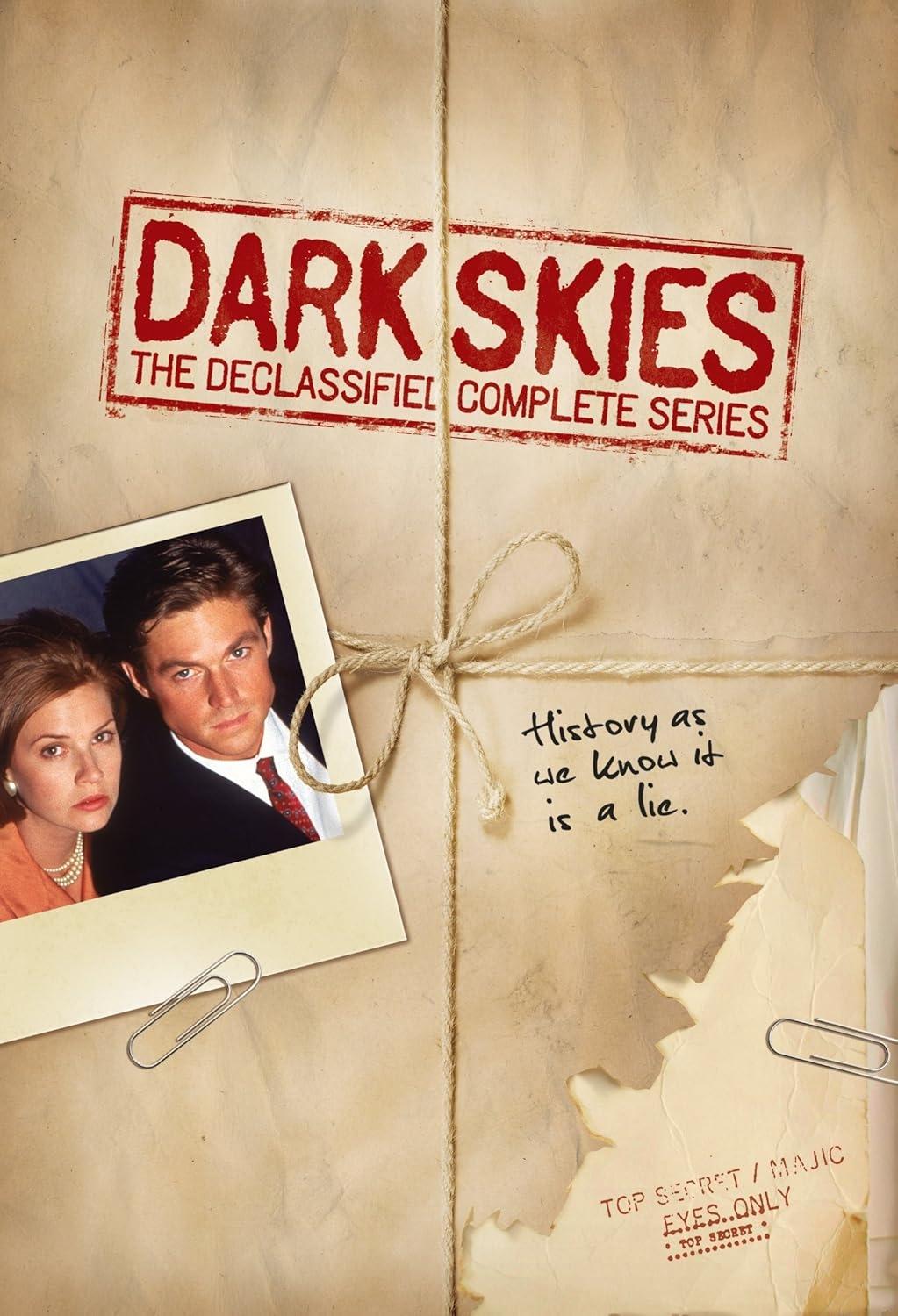
This conspiracy saga places alien interference inside key moments of twentieth century history. The lead duo uncovers a hidden conflict that crosses agencies, eras, and personal relationships. Episodes weave period detail with ongoing mythology and frequent cliffhangers. NBC gave the show a prime slot as part of its late night science fiction wave.
‘Brimstone’ (1998–1999)
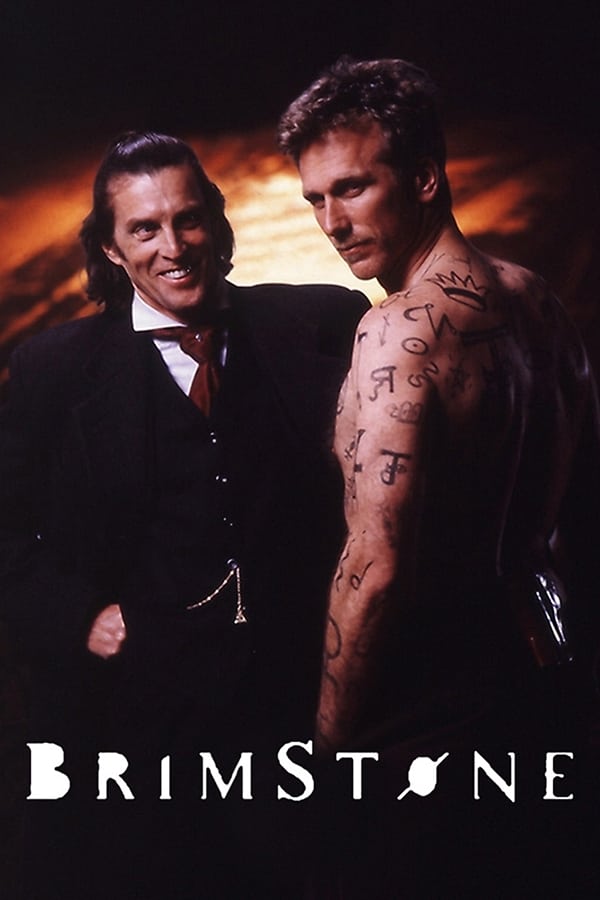
A former detective returns from the afterlife to round up escaped souls in modern day New York. Cases combine noir investigations with supernatural rules that complicate every pursuit. The format pairs monster of the week thrills with a larger redemption arc. Fox broadcast the series and positioned it for viewers who liked moody urban fantasy.
‘Kindred: The Embraced’ (1996)
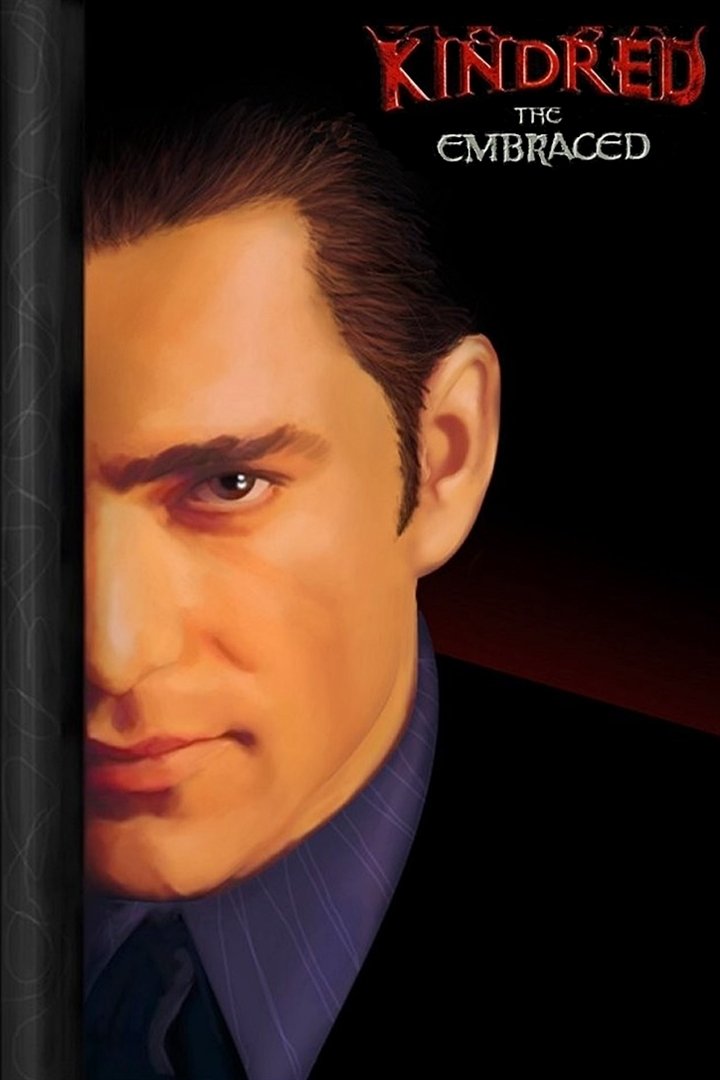
Feuding vampire clans maneuver for power while a human detective gets caught in their politics. The show adapts an established mythos with strict laws, rival houses, and a fragile truce. Episodes focus on territory deals, betrayals, and covert diplomacy over outright gore. It premiered on Fox and quickly built a late night following.
‘Eerie, Indiana’ (1991–1992)
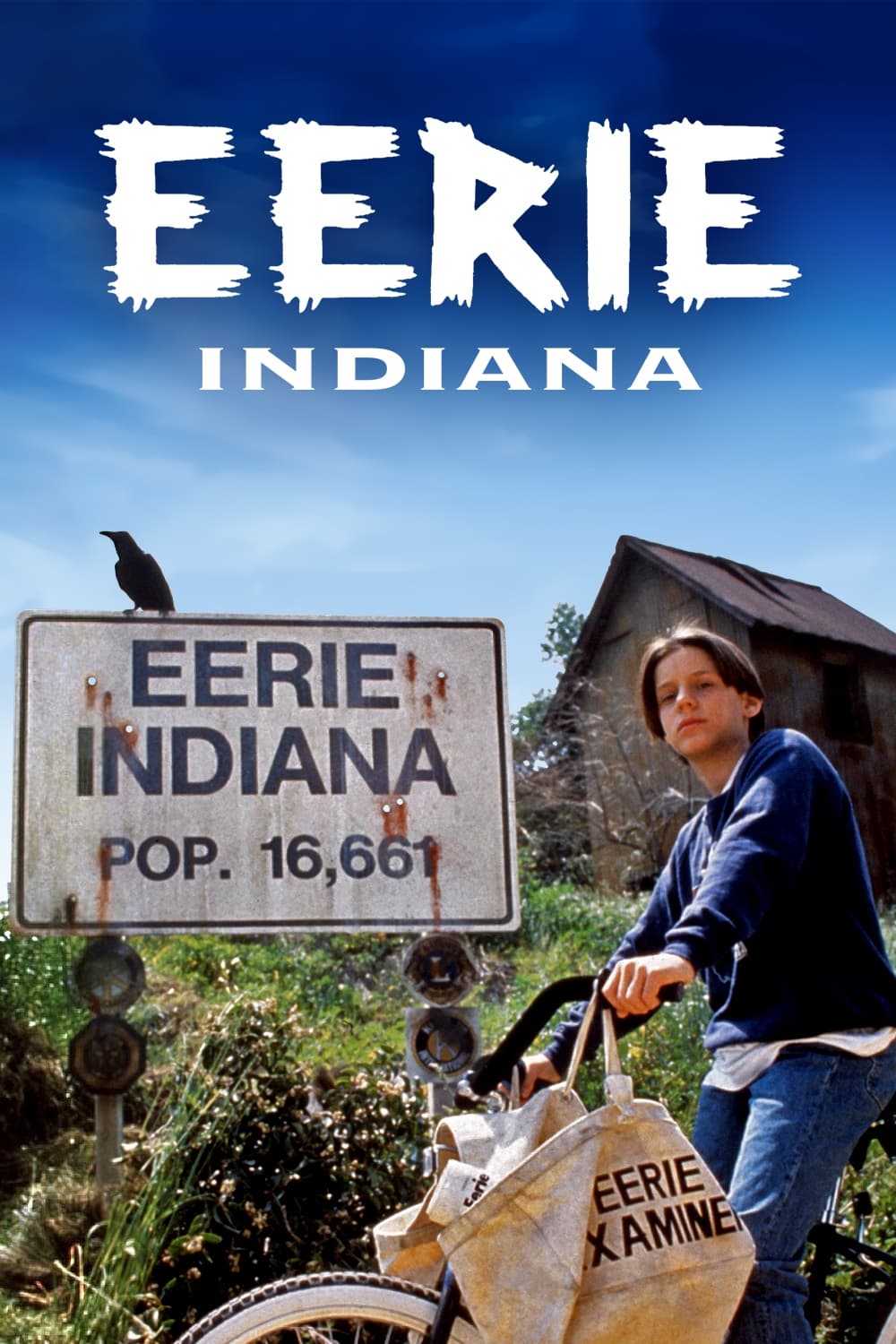
A curious kid investigates bizarre happenings in a seemingly ordinary Midwestern town. Stories feature oddball neighbors, cursed objects, and playful twists that lean into suburban folklore. The tone stays family friendly while throwing in clever genre riffs. NBC ran it as part of its early nineties push for inventive youth programming.
‘The Ben Stiller Show’ (1992–1993)
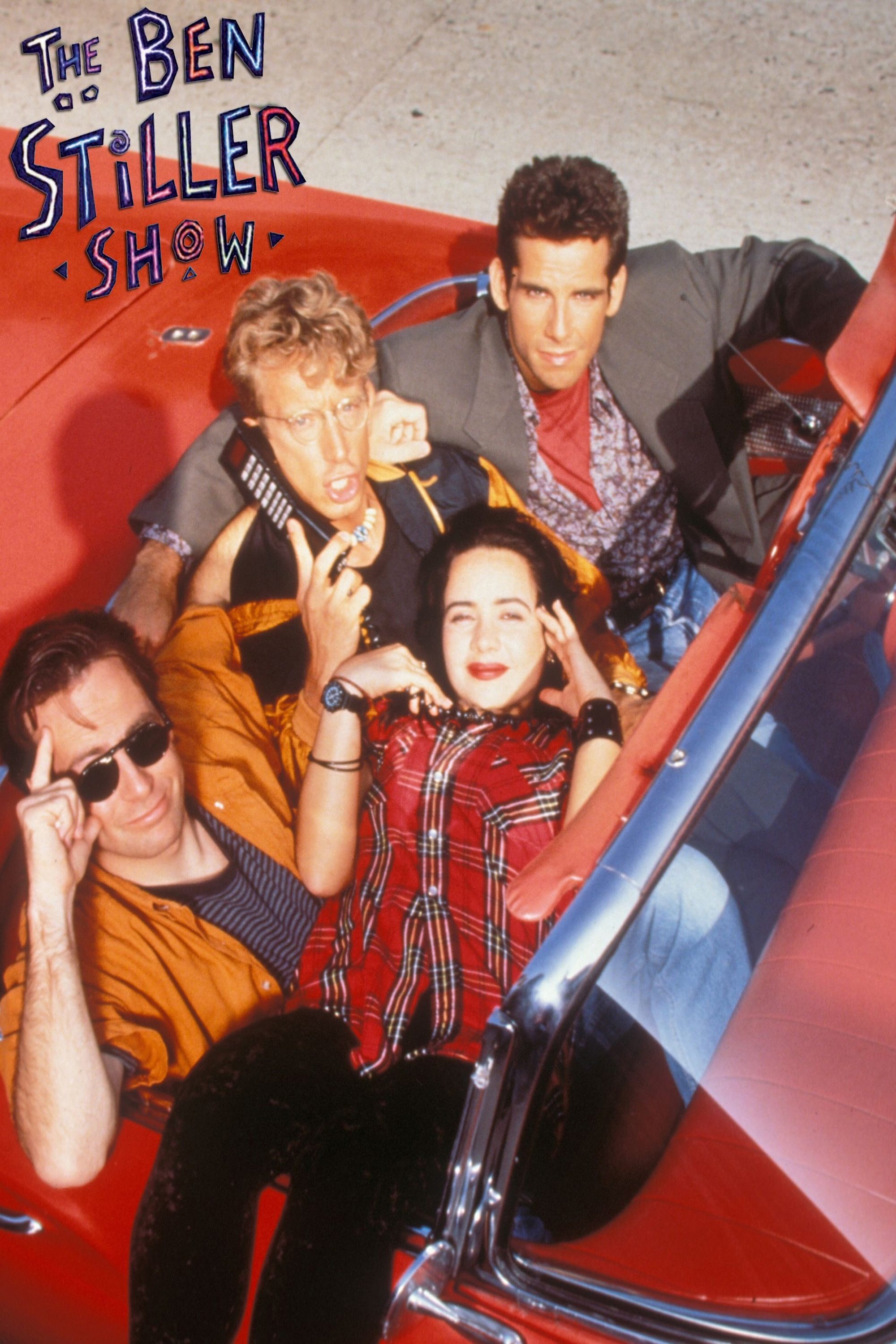
This sketch series experiments with film parodies, character bits, and offbeat recurring sketches. The cast includes future stars who try a wide range of formats and quick cut edits. Episodes move at a fast clip and reward repeat viewing to catch layered gags. Fox aired the show and later saw its talent spread across comedy institutions.
‘The State’ (1993–1995)
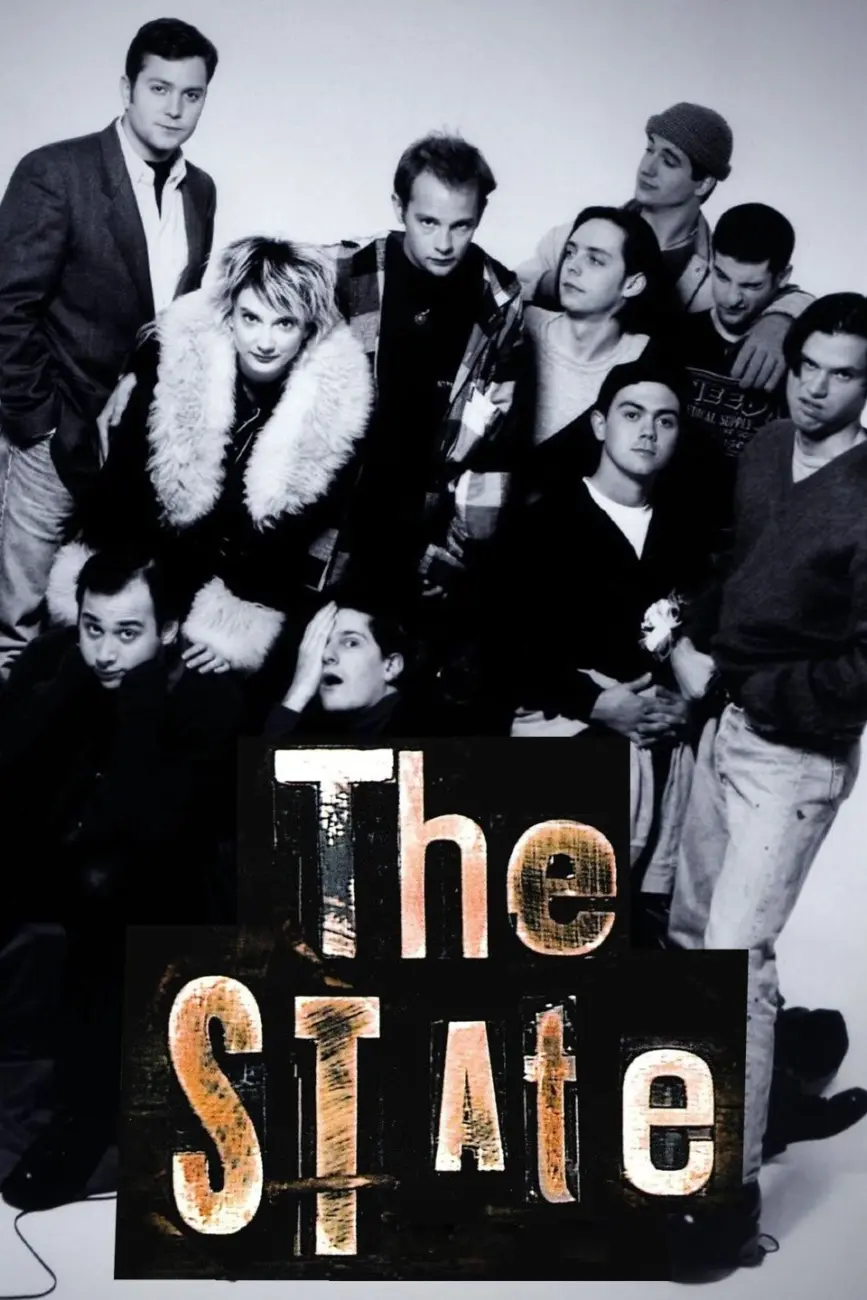
An ensemble of writers and performers delivers high energy sketches that jump from absurd to deadpan. The troupe’s style favors quick premises, catchphrases, and rapid character transformations. Many members went on to shape American comedy in later projects. MTV broadcast the series, helping it connect with a late night music channel audience.
‘The Critic’ (1994–1995)
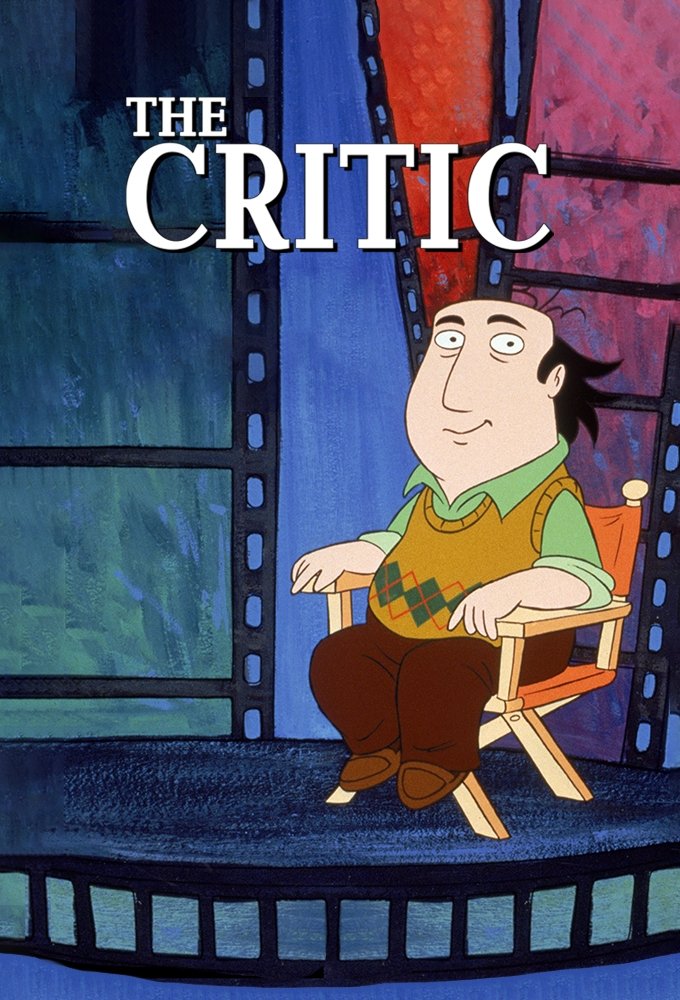
A caustic film reviewer navigates work, family, and a steady stream of movie spoofs. The animation packs jokes into every frame while framing heartfelt moments around friendships. Its structure alternates between workplace antics and satirical cutaways that reward pop culture fans. The show began on ABC and later moved to Fox for its second run.
‘Parker Lewis Can’t Lose’ (1990–1993)
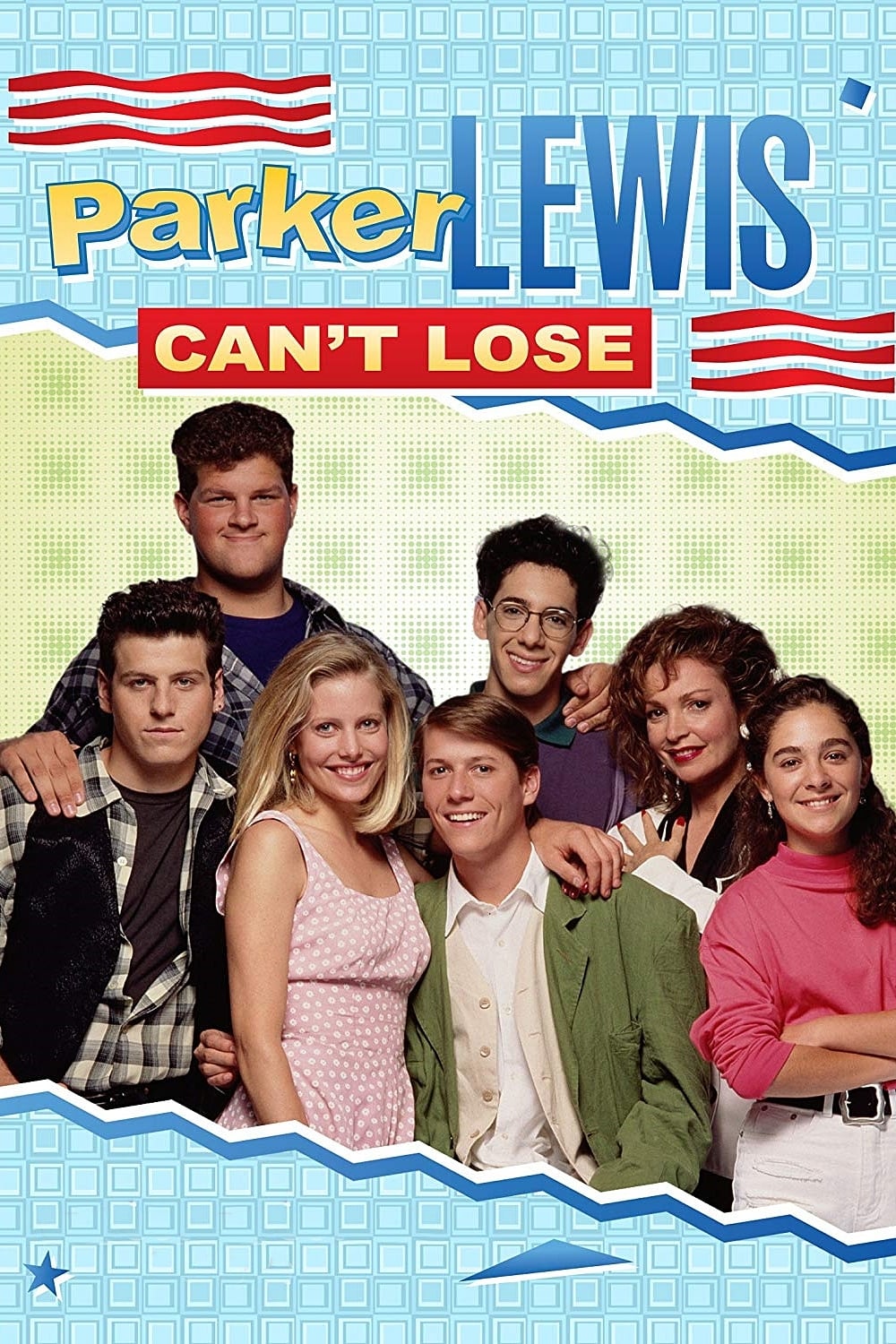
A stylish high school comedy follows a charismatic schemer and his friends through elaborate plans and mishaps. Visual gags, freeze frames, and surreal touches keep scenes lively and inventive. The series leans on friendship dynamics and creative problem solving rather than simple pranks. Fox hosted the show and used it to court a teen audience.
‘The John Larroquette Show’ (1993–1996)
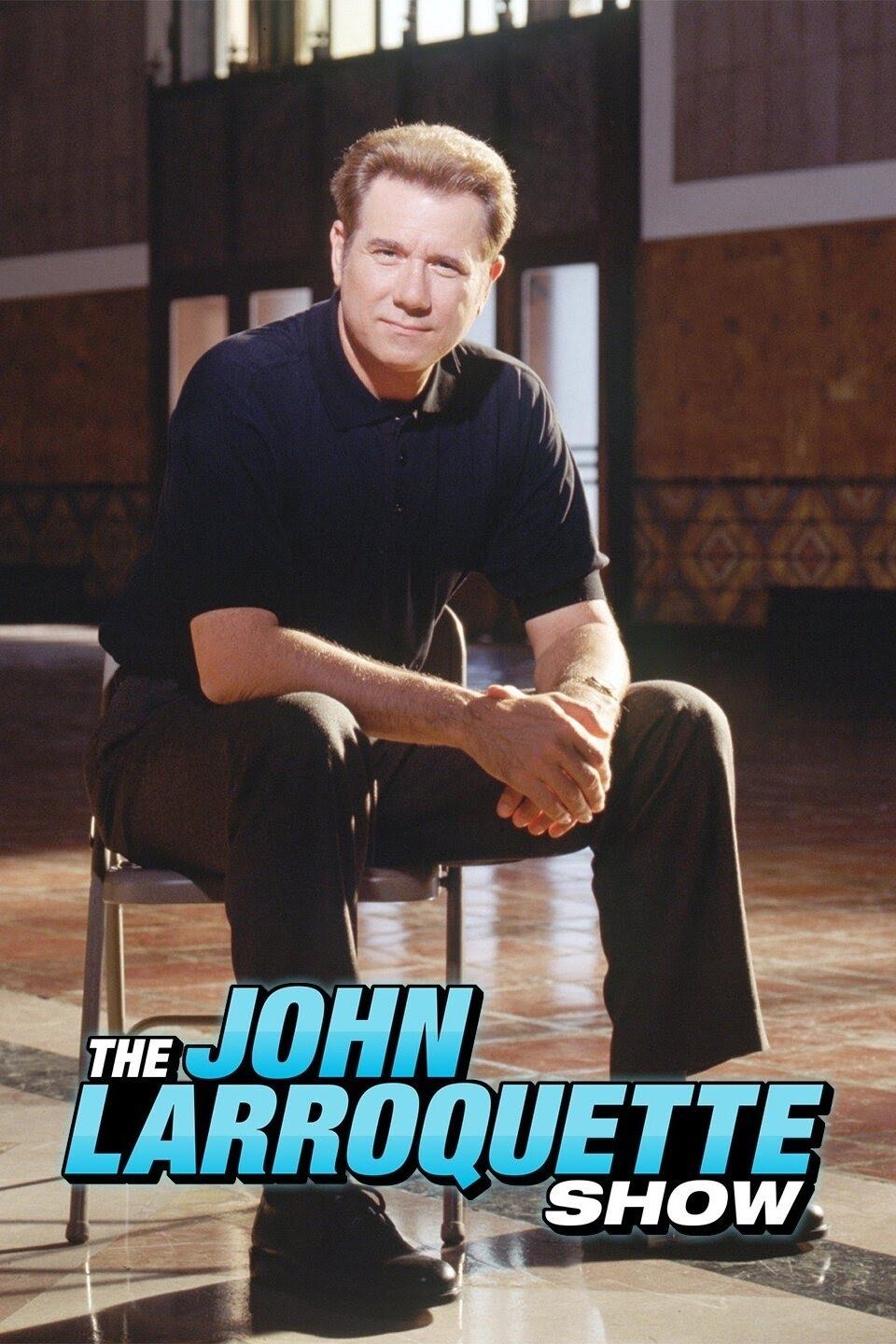
A recovering alcoholic manages a bus terminal while rebuilding relationships and a sense of purpose. The series mixes sharp humor with grounded character work and recurring night shift stories. It rotates guest stars and situational arcs without losing its core setting. NBC slotted it alongside established comedies during its strong nineties lineup.
‘Cupid’ (1998–1999)
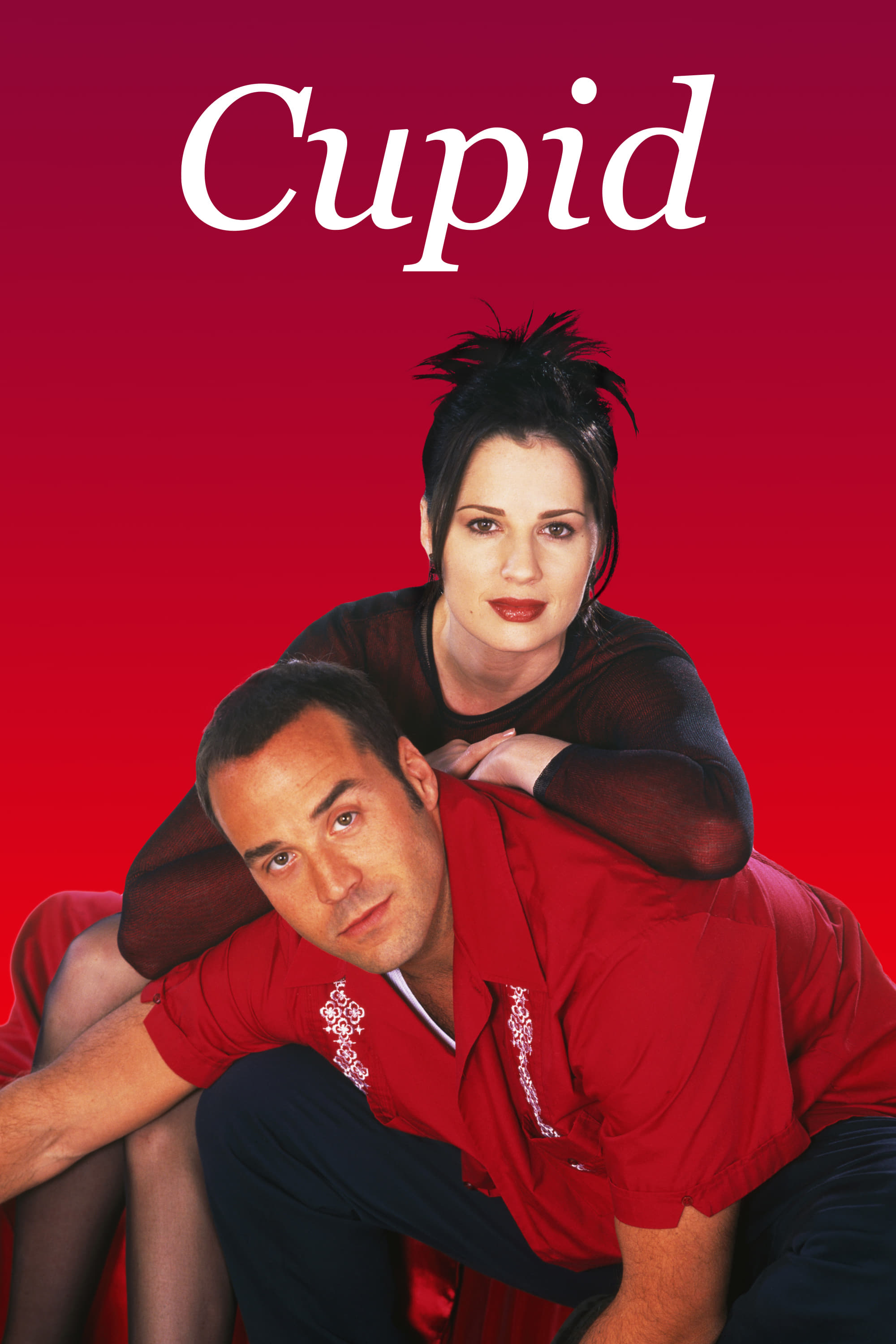
A man who claims to be the Roman matchmaker must unite pairs of strangers to earn his freedom. Episodes focus on modern dating puzzles, personal baggage, and small choices that lead to connection. The show features brisk dialogue and self contained stories that still feed an overarching promise. ABC aired it as part of a late season experiment with romantic dramedy.
‘EZ Streets’ (1996–1997)
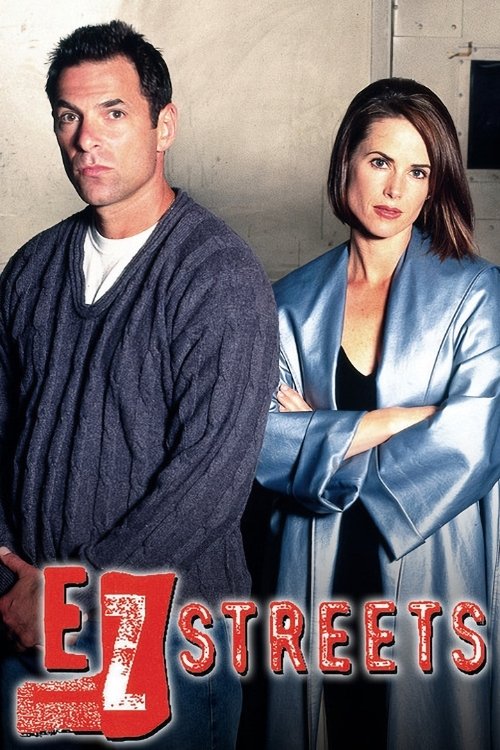
A gritty crime saga follows a detective, an ex con, and a crime boss locked in a three way struggle. The show favors long arcs over tidy resolutions and leans on moody, location heavy cinematography. Its structure rewards patient viewing as allegiances shift from episode to episode. CBS premiered the series and gave it a prestige push out of the gate.
‘Earth 2’ (1994–1995)

Colonists land on a distant planet and try to build a settlement while navigating native life and corporate oversight. The series balances survival stories with ethical questions about exploitation and community. It features a rotating focus that gives each character a distinct challenge. NBC aired it during a period when big canvas science fiction was finding a home on broadcast.
‘Forever Knight’ (1992–1996)
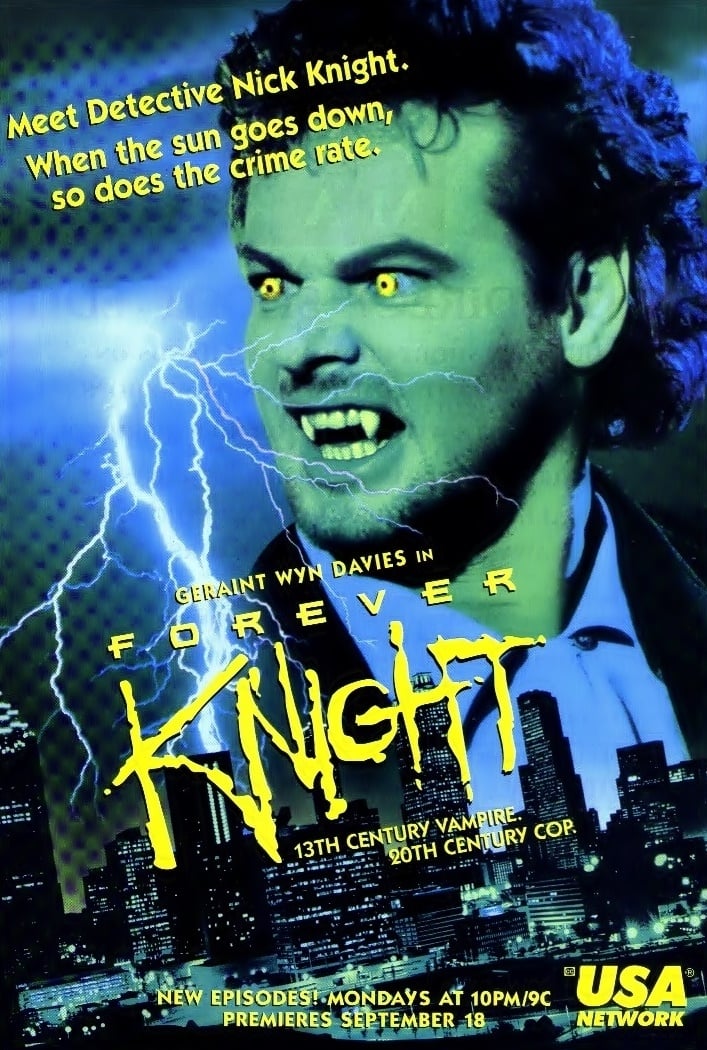
A centuries old vampire works as a modern homicide detective while seeking a path to redemption. Cases blend police procedural beats with flashbacks that reveal the weight of past deeds. The show builds a consistent moral framework that guides its supernatural rules. It first aired on CBS before continuing in syndication, which helped it reach late night viewers.
‘Remember WENN’ (1996–1998)
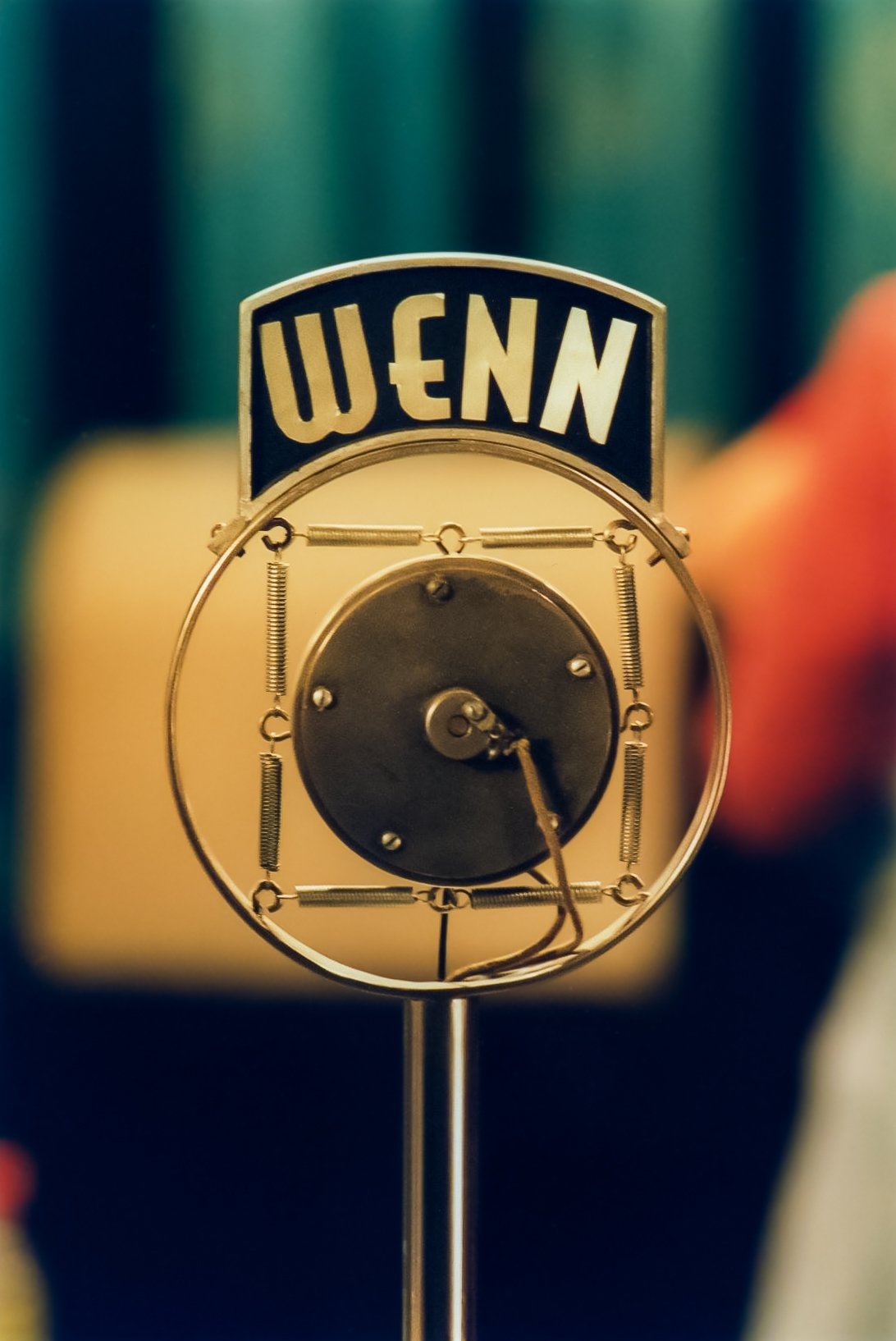
A 1930s radio station juggles live shows, backstage drama, and the mechanics of early broadcasting. The ensemble format highlights writers, actors, and producers trying to keep programs on air. Episodes recreate era appropriate commercials, news bulletins, and sponsor notes. AMC ran the series and made it a centerpiece of its classic entertainment slate.
‘The Sentinel’ (1996–1999)
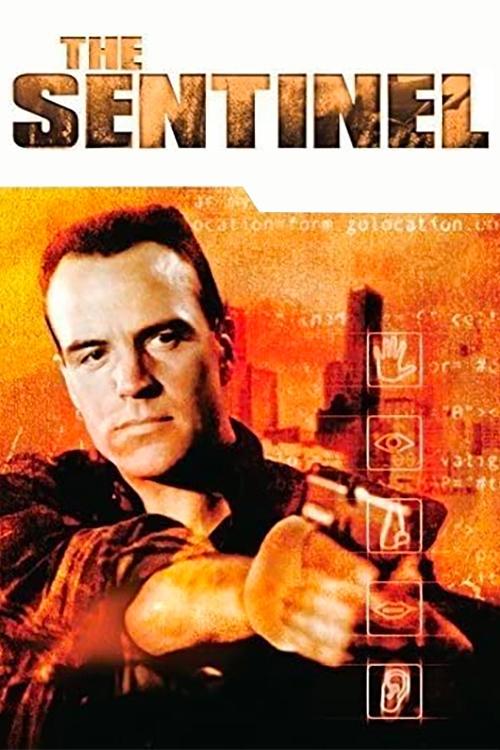
A former soldier with heightened senses partners with a detective to solve crimes across a rainy Pacific Northwest city. The premise generates inventive casework built around sight, sound, and intuition. The show develops a mentor dynamic that becomes its emotional core. UPN carried the series and gave it room to grow across multiple seasons.
‘Ned and Stacey’ (1995–1997)
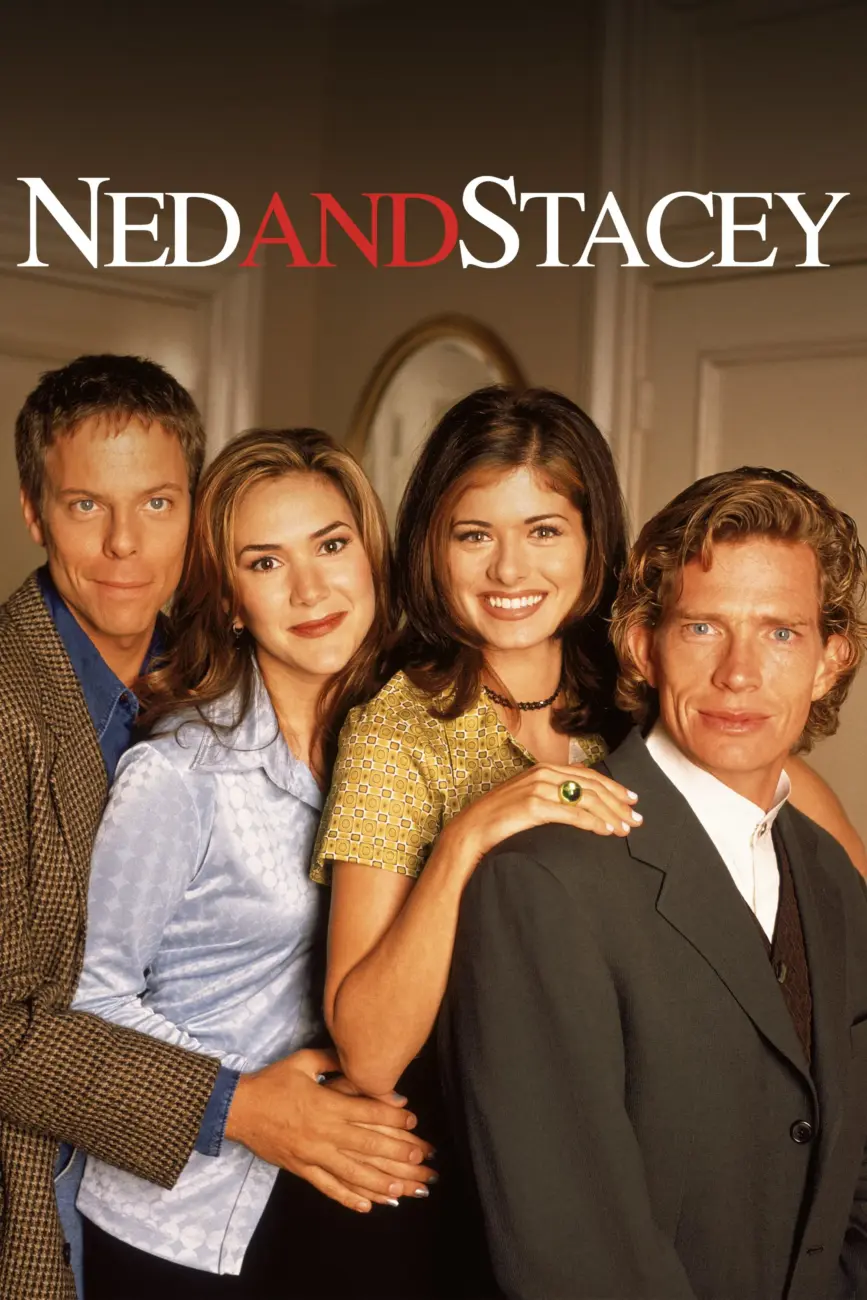
Two strangers enter a marriage of convenience that quickly complicates their careers and friendships. The sitcom mines humor from mismatched goals and the white lies that keep the arrangement afloat. It features early turns from actors who later headlined major comedies. Fox scheduled it alongside workplace and relationship driven half hours.
‘Roar’ (1997)
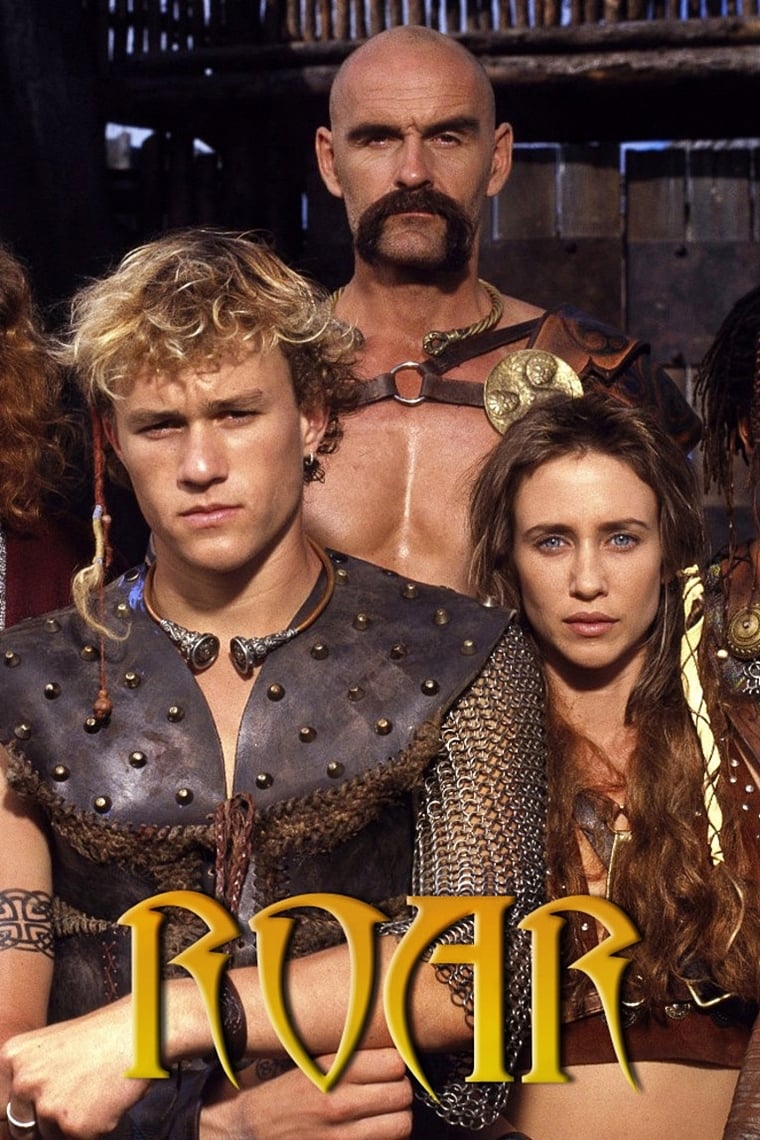
Set in ancient times, a young leader tries to unite clans against invading forces and darker threats. The series mixes mythic elements with grounded action and sweeping location shoots. It serves as an early showcase for several actors who later became household names. Fox aired the show during summer months, which made it easy to miss.
‘The Maxx’ (1995)
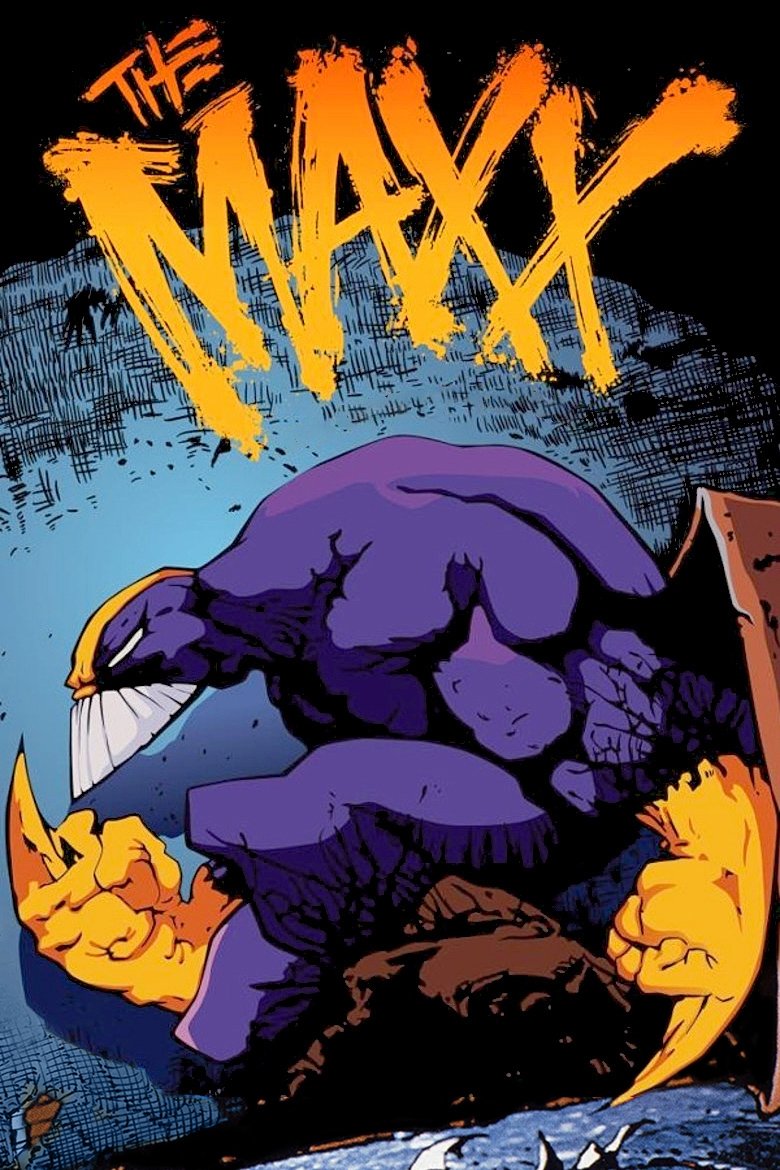
An unusual superhero story tracks a homeless man and a social worker across overlapping realities. The animation keeps the comic’s shadowy look while leaning on voiceover to explore trauma and identity. Episodes are short, dense, and built for repeat viewing to catch visual details. MTV broadcast the series as part of its late night animation block.
‘VR.5’ (1995)

A phone line becomes a doorway into a virtual realm where a shy grad student can slip into other people’s minds. Episodes build case files around corporate espionage, fragile memories, and the limits of identity. The show leans on analog tech visuals and surreal transitions that still feel inventive. It aired on Fox during a short run that made its mythology easy to revisit.
‘The Visitor’ (1997–1998)
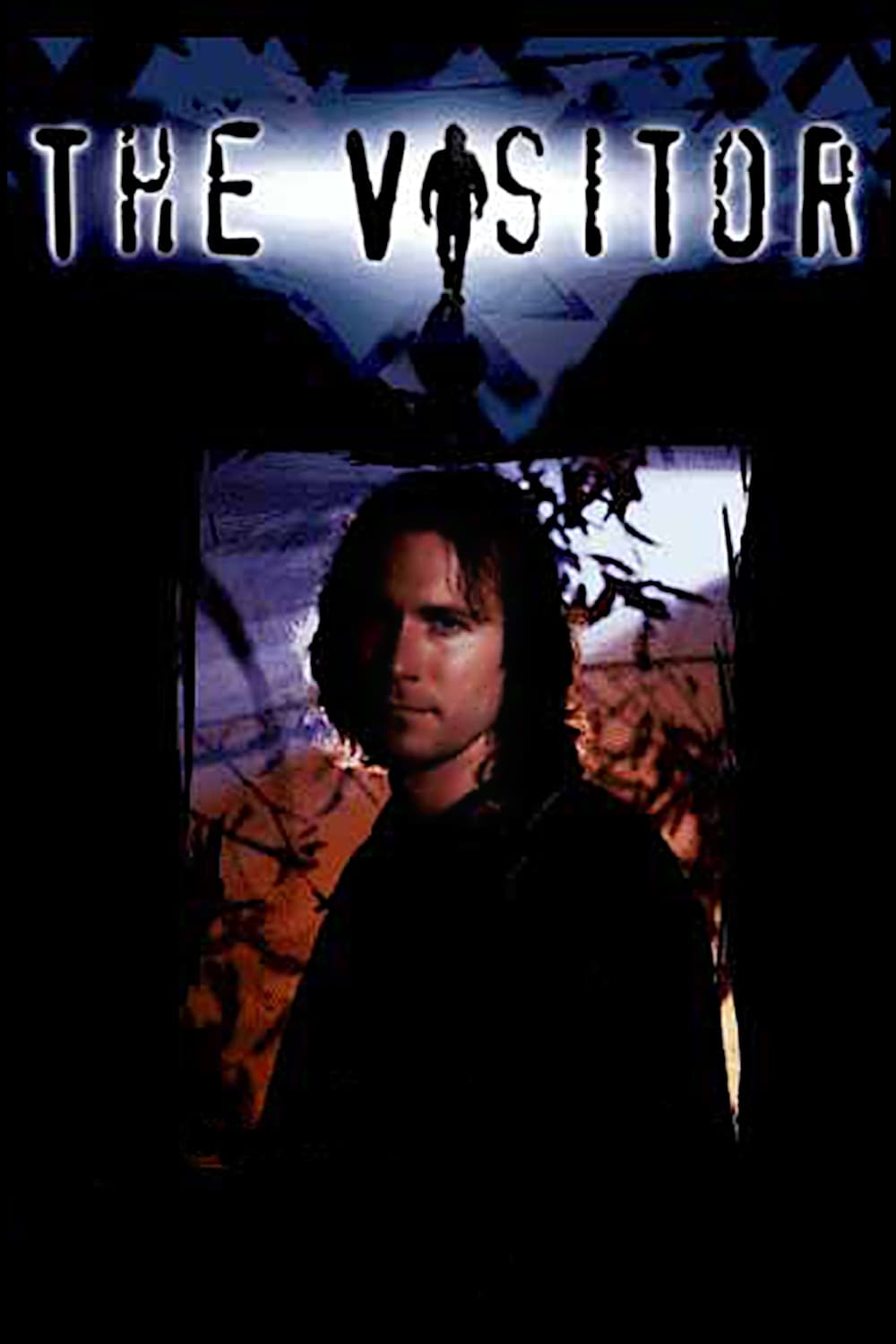
An alien abduction survivor returns with strange abilities and a mission to prevent disasters before they happen. The stories jump from government chases to intimate rescue efforts that test trust at every turn. Practical effects and location heavy shoots keep the action grounded. Fox carried it in a late night slot that encouraged cult followings.
‘The Burning Zone’ (1996–1997)
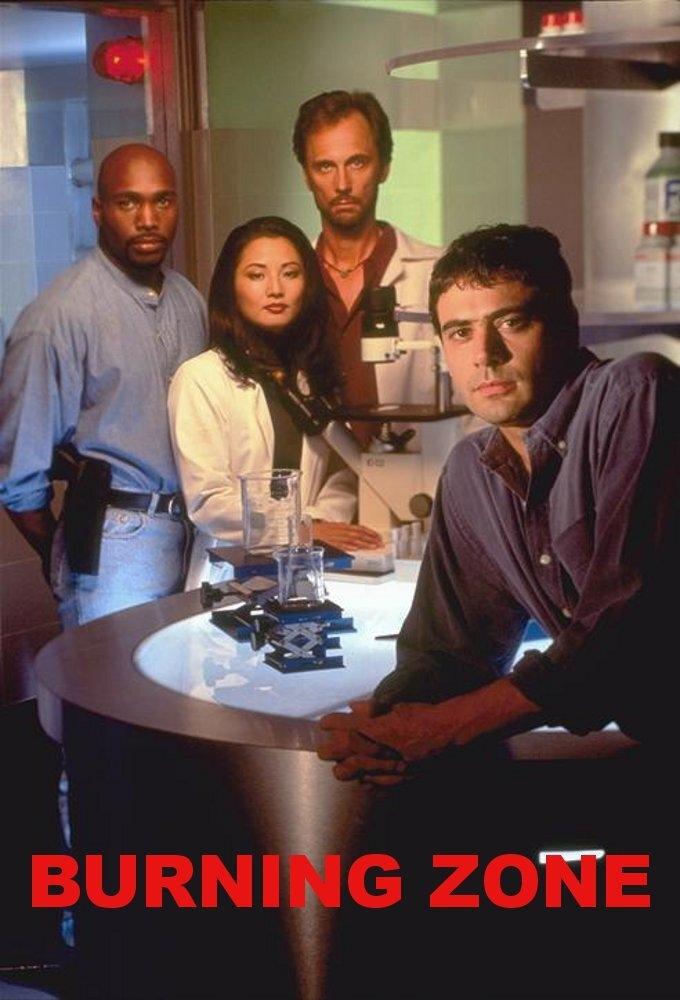
A rapid response team tracks emerging pathogens while juggling politics, field science, and ethical tradeoffs. Episodes focus on containment tactics, lab work, and the human cost of outbreaks. The rotating cases connect through a light conspiracy thread that ties officials to risky experiments. UPN premiered it for viewers who liked high stakes procedural science.
‘M.A.N.T.I.S.’ (1994–1995)
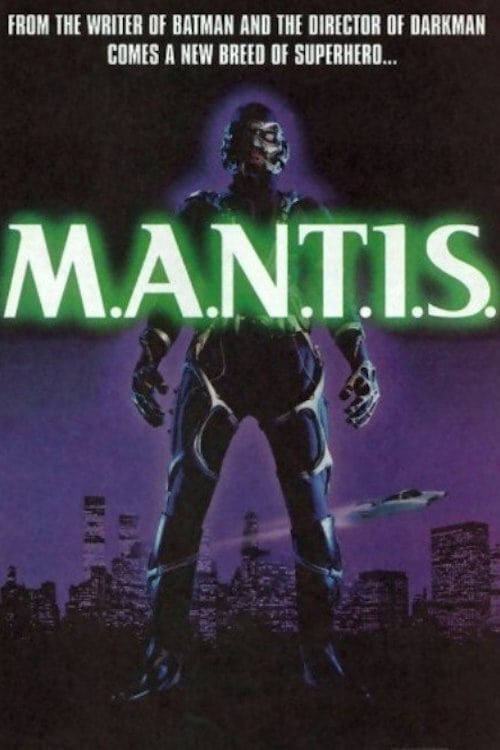
A brilliant scientist creates an exoskeleton suit to fight crime after being paralyzed by a stray bullet. The series blends vigilante action with debates about surveillance, policing, and corporate pressure. Case of the week stories highlight how the suit’s tech changes tactics and consequences. Fox introduced it with slick effects that stood out on network television.
‘Viper’ (1994–1999)
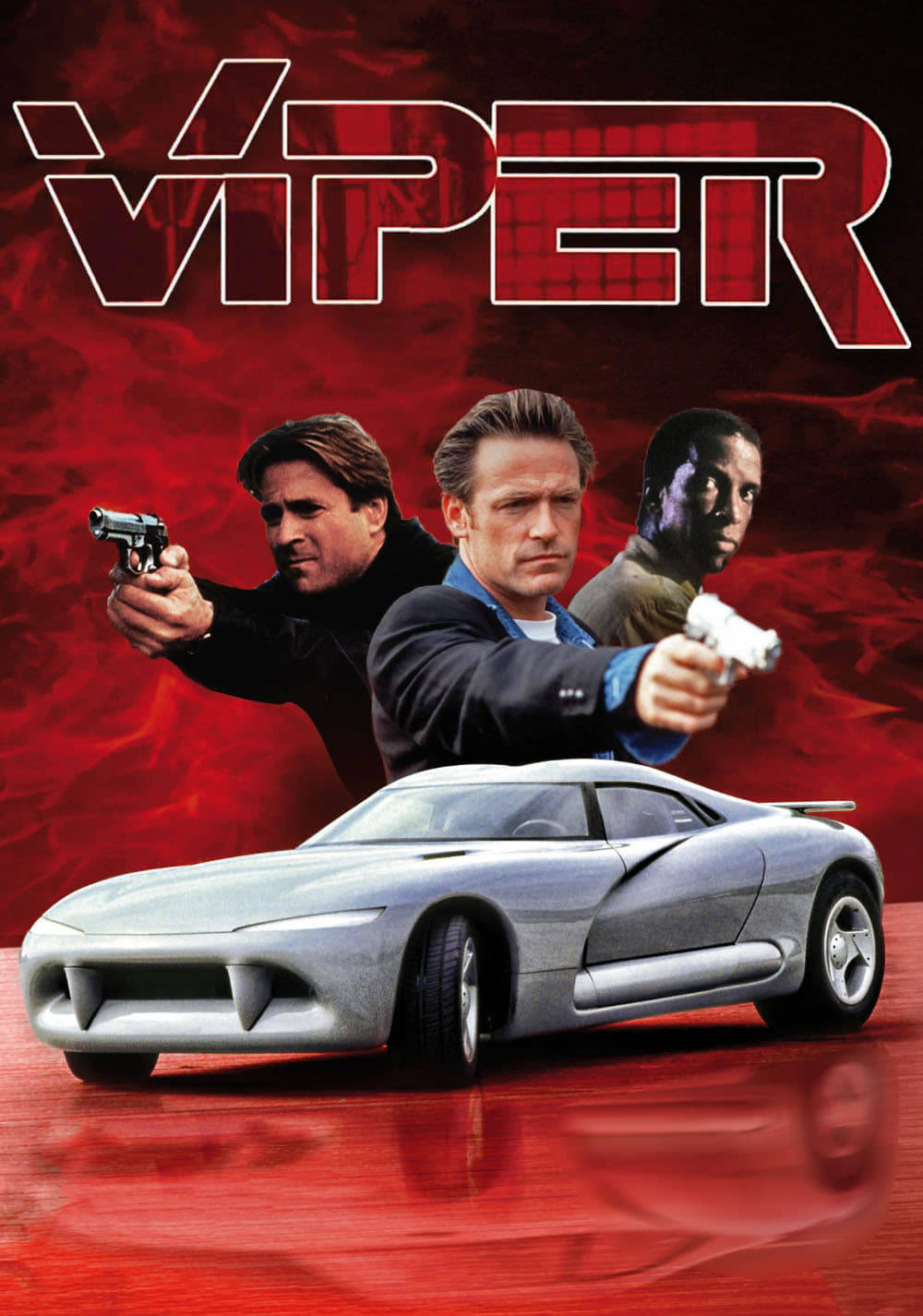
A secret task force deploys a shape shifting supercar to infiltrate high tech criminal rings. The show pairs automotive gadgetry with undercover operations and rotating specialists behind the wheel. Action scenes hinge on decoys, cloaking tricks, and city chase choreography. It launched on NBC before moving into syndication where it found weekend audiences.
‘Time Trax’ (1993–1994)
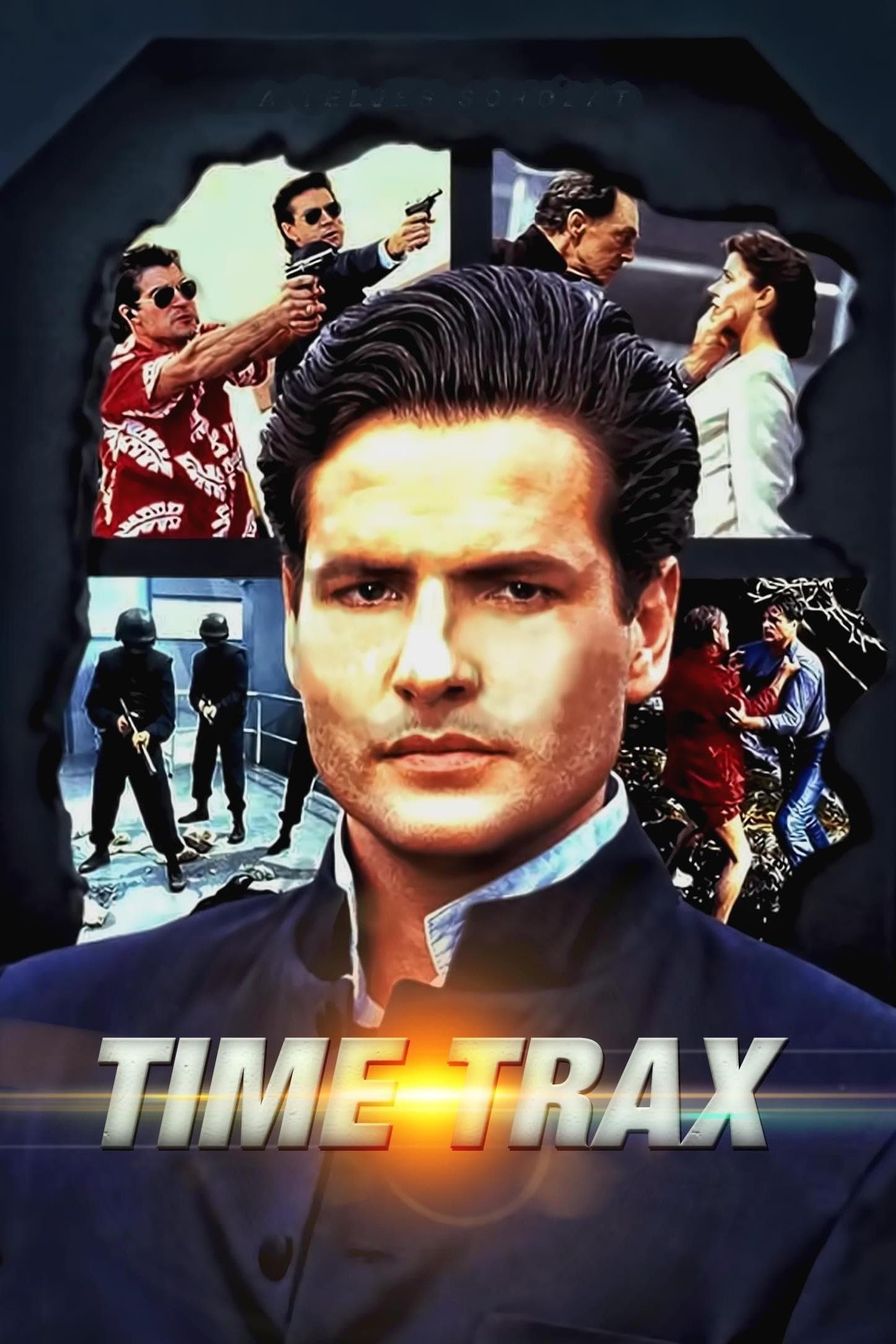
A future cop hunts escaped criminals hiding in the present while relying on a holographic partner for intel. Each mission explores how small changes ripple through personal lives and local institutions. The series uses light sci fi tech to solve grounded problems that police dramas tend to ignore. It aired through PTEN’s syndicated block, which made episodes easy to catch out of order.
‘Millennium’ (1996–1999)
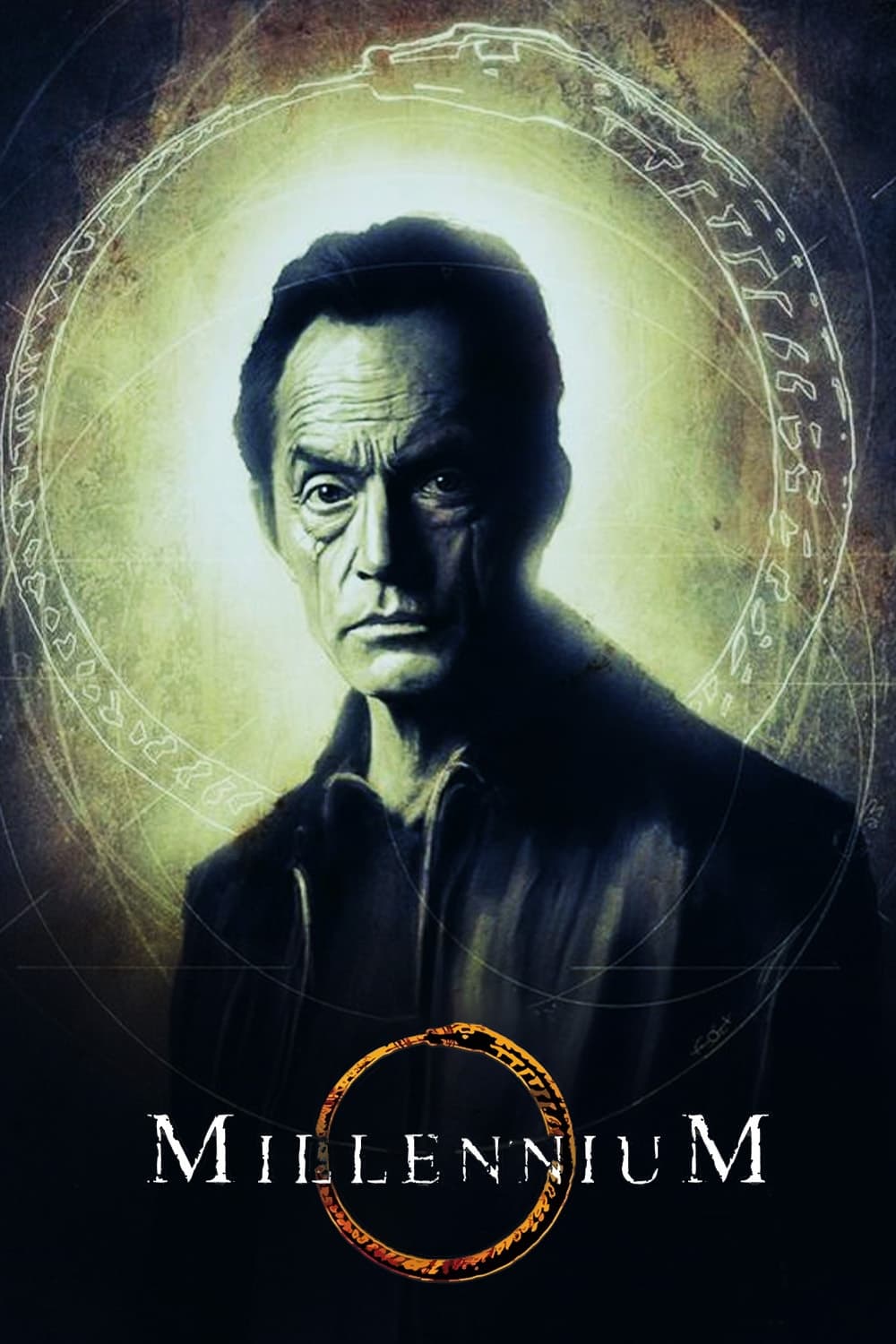
A former profiler joins a private group to study escalating violence and decode symbols behind disturbing crimes. The cases span doomsday cults, fringe beliefs, and psychological warfare that strains family life. Cinematography and music build a mood that rewards watching in sequence. Fox scheduled it alongside other genre staples from the same creative team.
‘Strange World’ (1999)
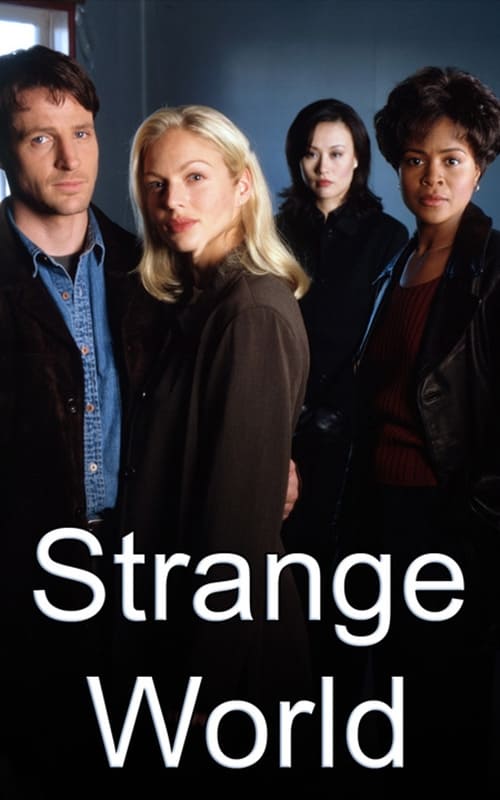
A military doctor exposes weaponized biology projects while trying to stay ahead of the people who built them. The series moves between hospitals, secret labs, and field operations that complicate simple answers. It favors slow burn reveals over flashy tech and keeps motives murky. ABC gave it a brief platform that left a compact run to revisit.
‘7 Days’ (1998–2001)
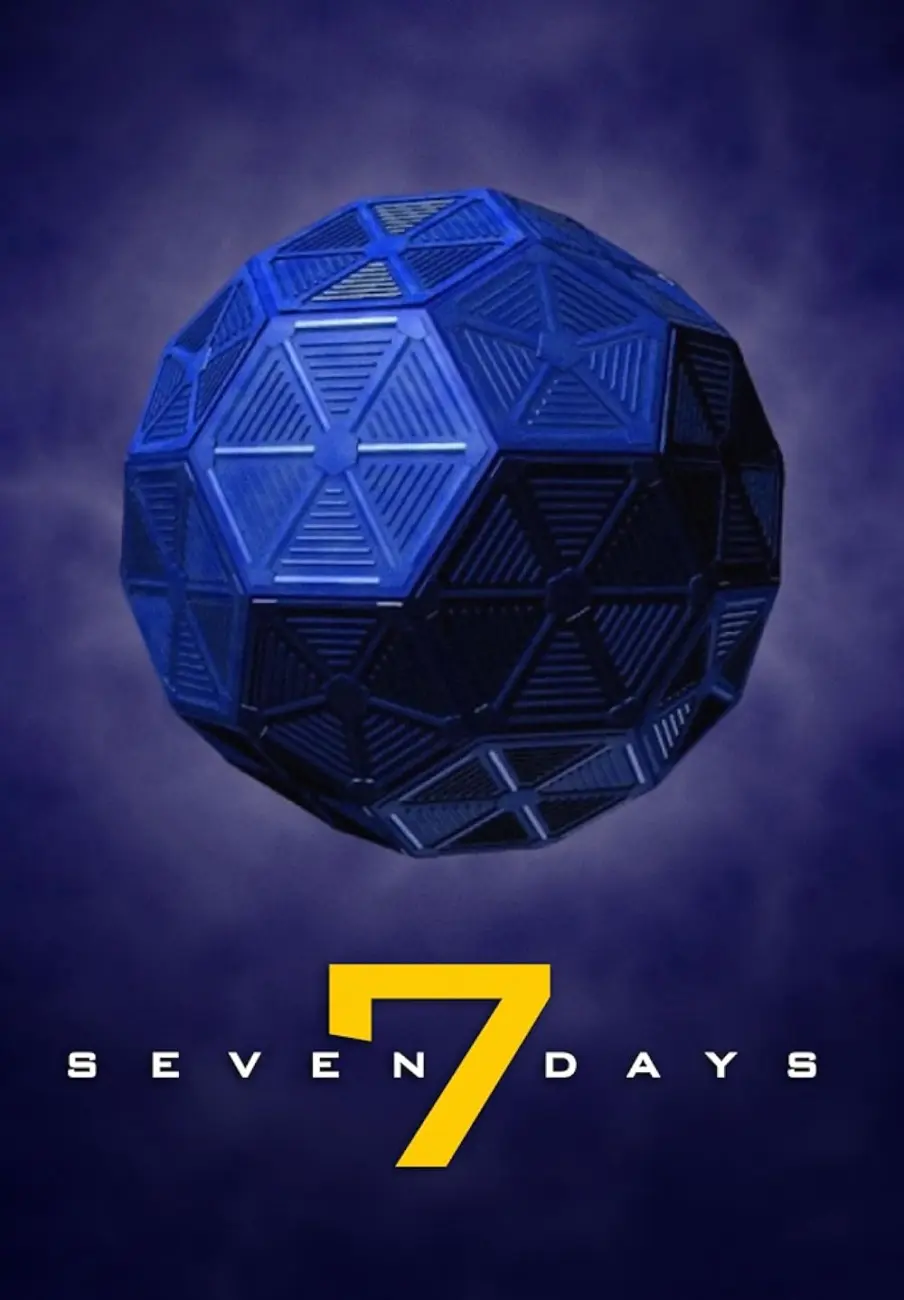
An experimental craft can jump back a single week to undo catastrophes, which forces tough calls about what to change. Missions come with strict rules, limited fuel, and unexpected side effects that complicate timelines. The team dynamic becomes the backbone as stress mounts from repeat resets. UPN anchored it as a signature science fiction entry.
‘G vs E’ (1999–2000)
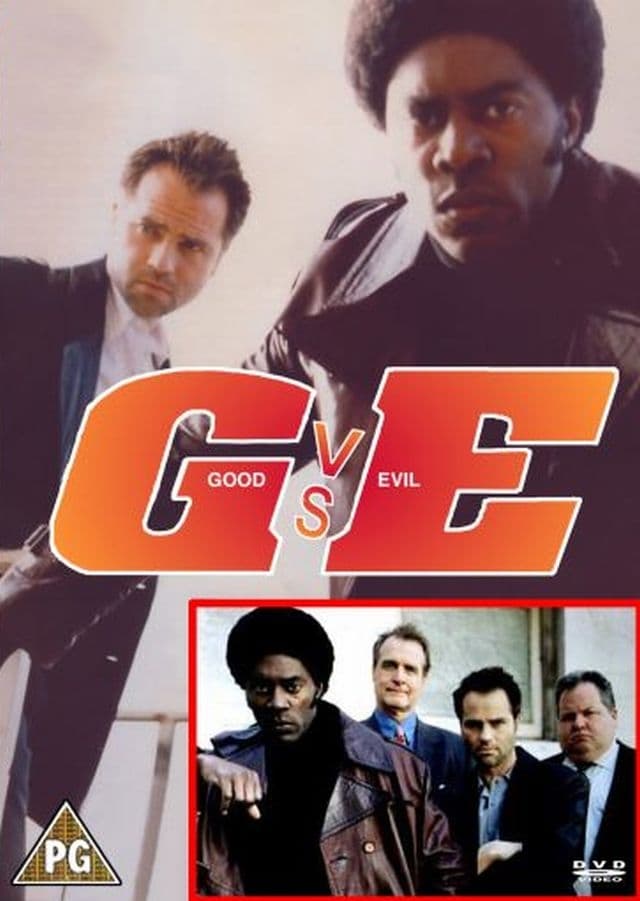
A pair of agents track demonic contracts that trade souls for success, then try to void the fine print. Each case unpacks moral bargains through noir setups and offbeat humor. The show uses simple visual cues to mark otherworldly rules without heavy effects. It began on USA Network and later migrated to Sci-Fi Channel for the second stretch.
‘Poltergeist: The Legacy’ (1996–1999)
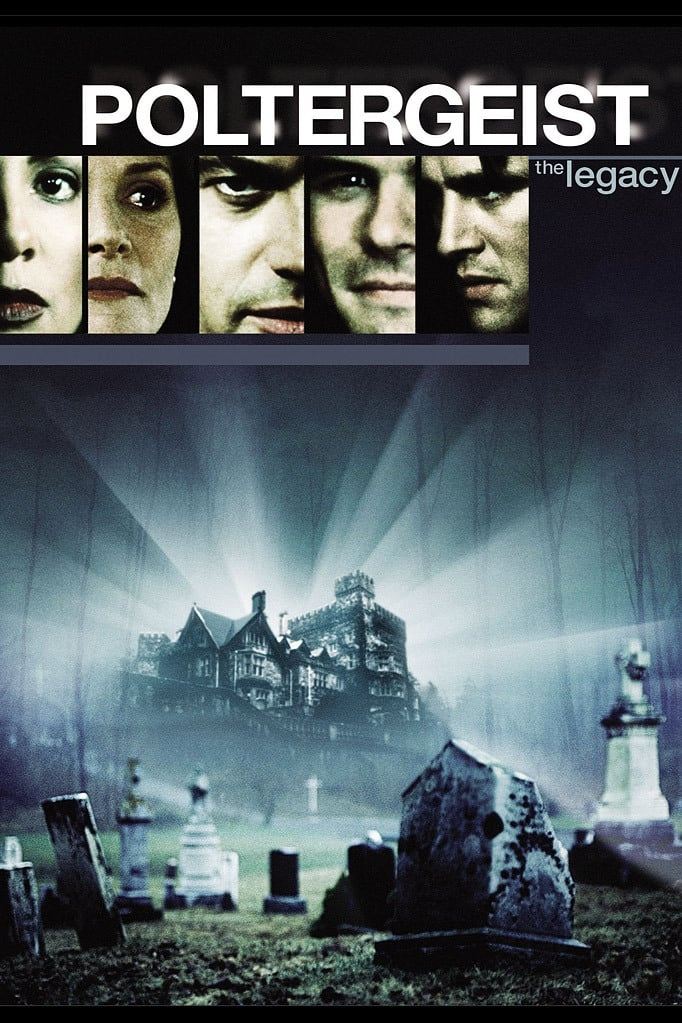
An elite society researches haunted sites, cursed artifacts, and generational secrets from a secure base. Episodes favor investigation, folklore, and family tragedy over quick jump scares. The ensemble format lets specialists rotate through archaeology, psychology, and theology. It first ran on Showtime before moving to Sci-Fi Channel for wider reach.
‘La Femme Nikita’ (1997–2001)
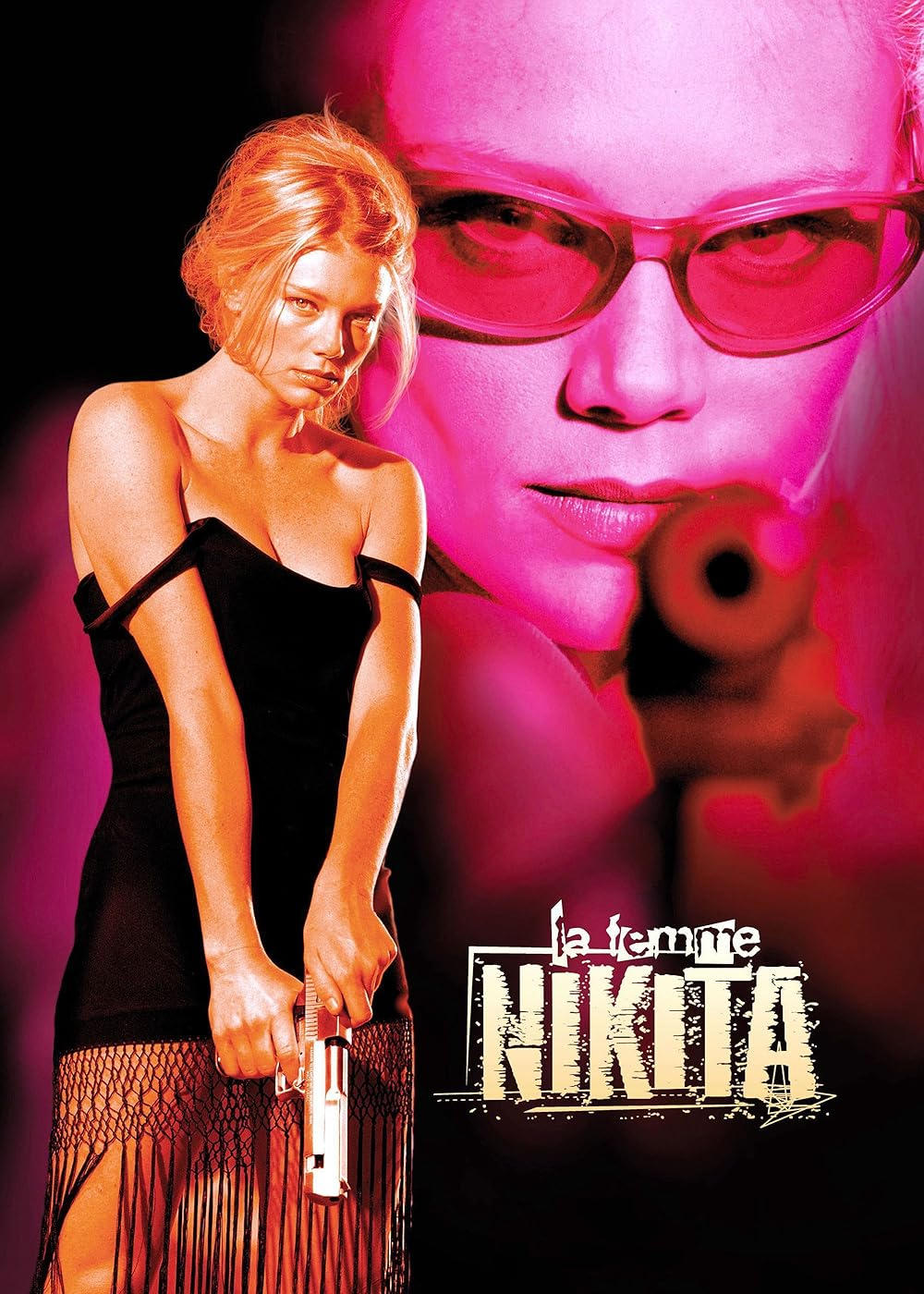
A covert agency recruits a wrongfully accused woman and trains her for missions that blur justice and survival. The show tracks tradecraft, double blinds, and the toll of living under deep cover. Story arcs balance standalone operations with power shifts inside the organization. USA Network kept it on a steady schedule that built a loyal audience.
‘The Adventures of Pete & Pete’ (1993–1996)
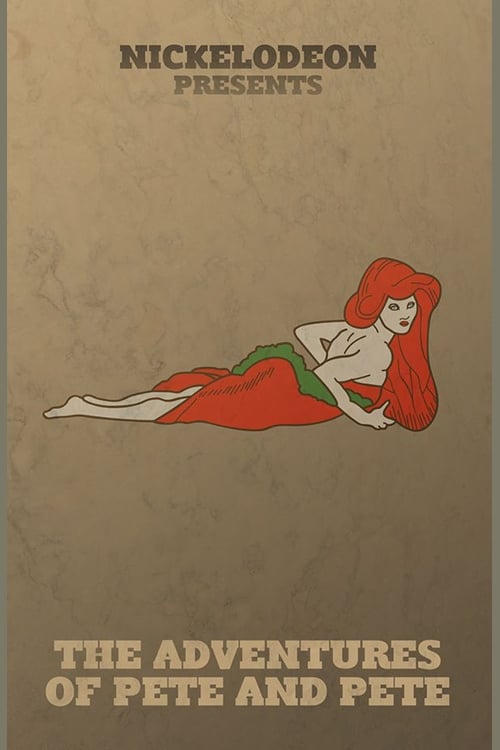
Two brothers navigate suburban life that quietly tilts into the surreal with neighborhood legends and homegrown heroes. Episodes mix heartfelt coming-of-age beats with deadpan narration and inventive sight gags. Guest stars pop in for small but memorable roles that fit the show’s offbeat logic. Nickelodeon gave it room to experiment across shorts and full episodes.
‘The Secret World of Alex Mack’ (1994–1998)
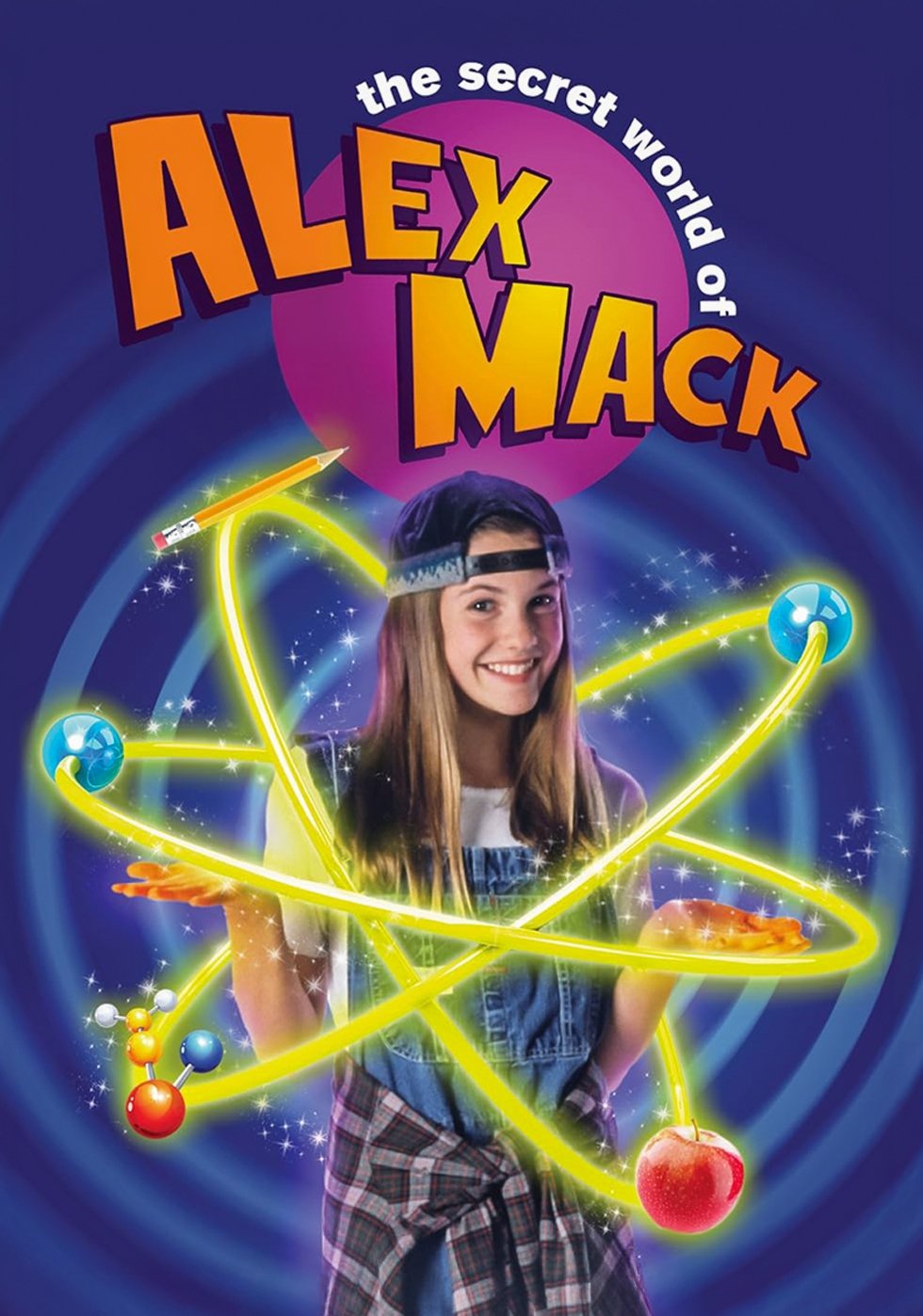
A teen gains unusual abilities after an accident and must hide them while dealing with school and a relentless company. Stories juggle friendship, family secrets, and the science behind what she can do. Practical effects keep the powers tactile and clever rather than flashy. Nickelodeon aired it as part of an after school lineup that made it a staple.
‘The Tick’ (1994–1996)
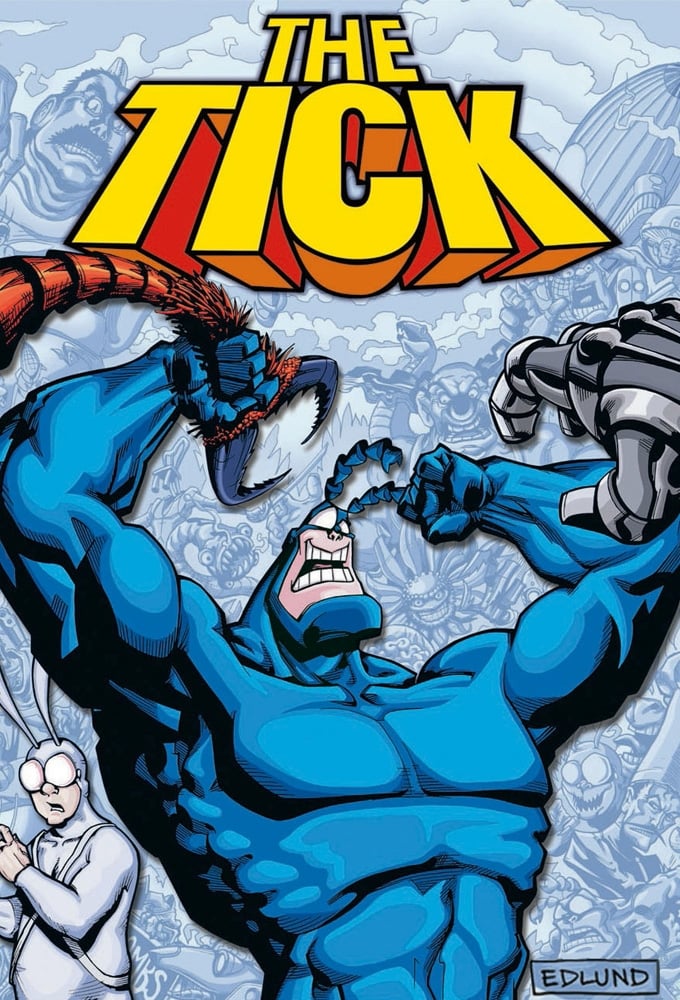
A blue suited hero teams with a nervous sidekick to protect a city from villains with delightfully specific gimmicks. The animated series layers punchy dialogue with background jokes that reward patient viewing. Episodes parody superhero tropes while still delivering earnest team ups and small victories. Fox broadcast it on weekend mornings, where reruns built a dedicated fan base.
Share your own underappreciated favorites from the decade in the comments so we can build an even deeper rewatch list together.

