


Biggest Movie Bombs of All Time

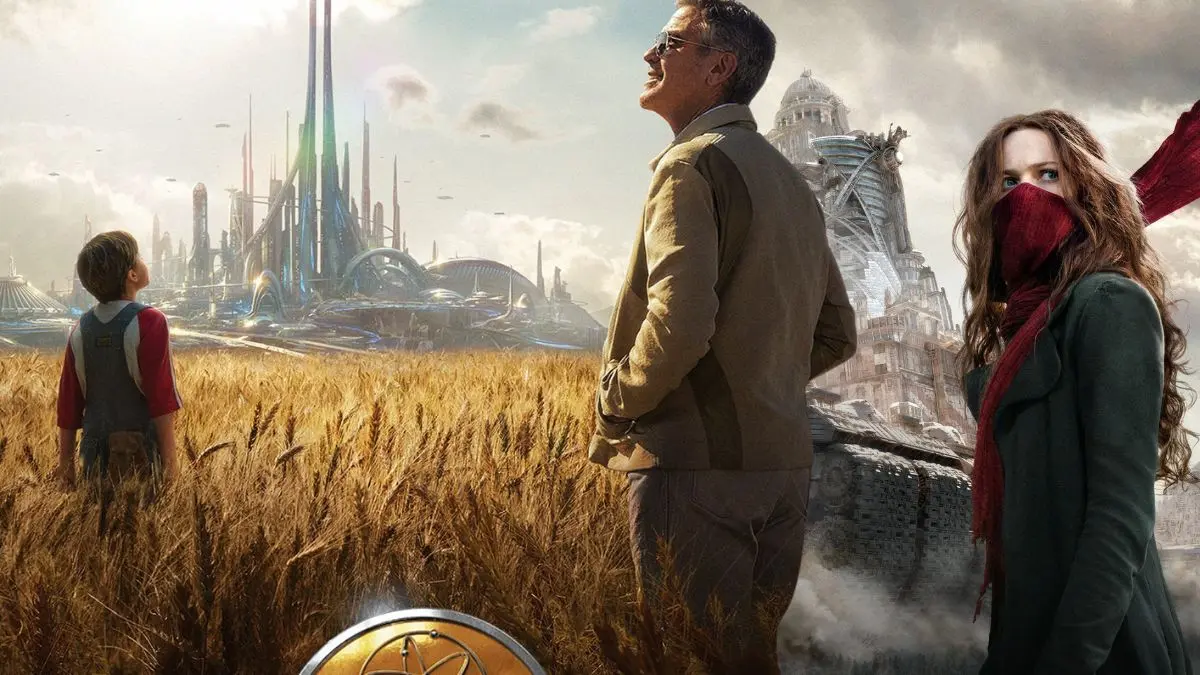


Some films arrive with massive budgets and sky-high expectations, only to fall short when tickets are counted. The stories behind these misfires include long productions, costly reshoots, tricky marketing, tough release windows, and audiences who just didn’t show up in enough numbers. Here are some of the most famous box office flameouts ever, with quick context on what went wrong and a quiet nod to who put them in theaters.
‘John Carter’ (2012)
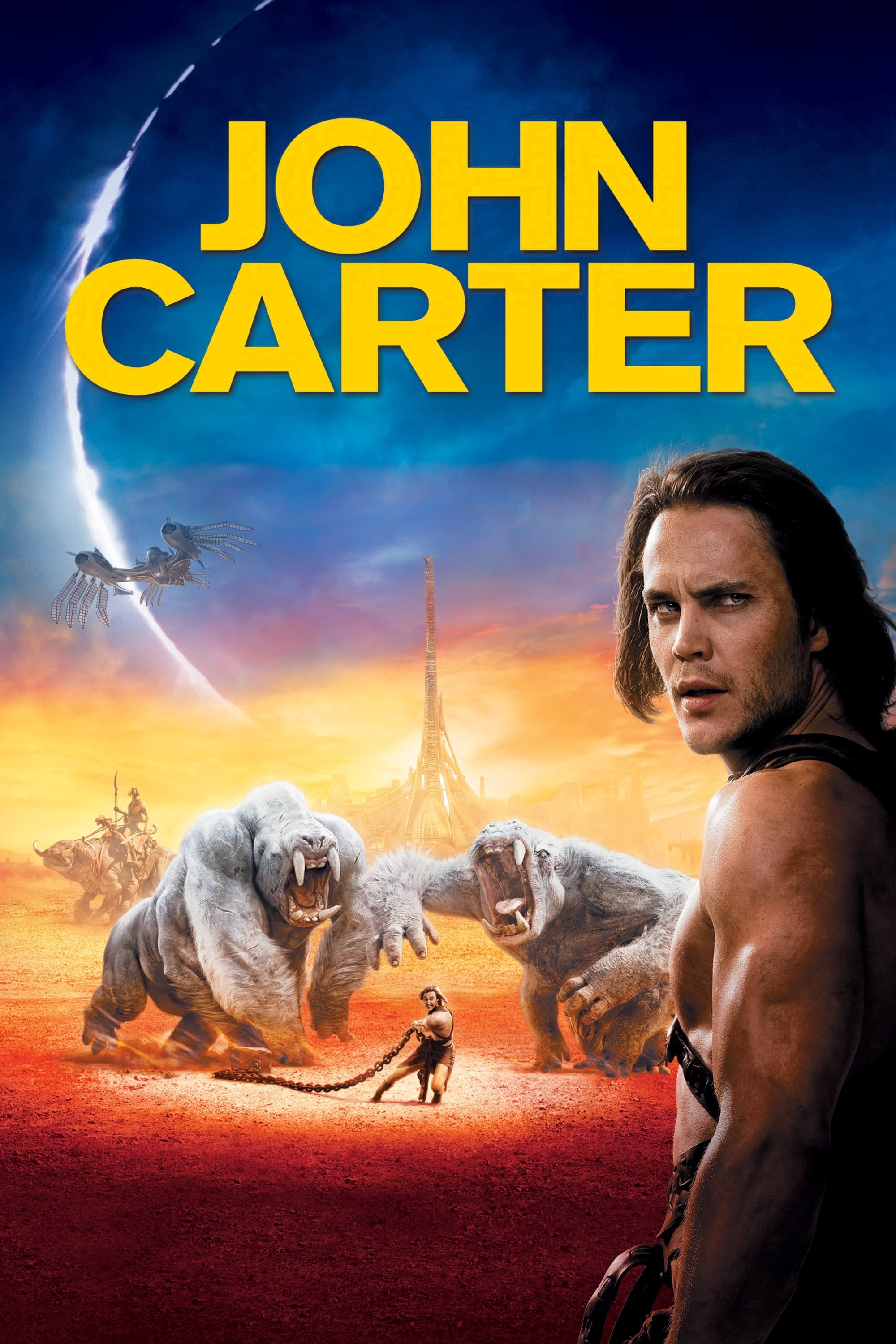
This big screen take on Edgar Rice Burroughs mixed live action and heavy CG in a production that stretched for years. Early teasers leaned on the title rather than the pulp adventure hook, which made the pitch harder to read. A crowded early spring corridor didn’t help walk-up interest. It was released by Walt Disney Studios Motion Pictures.
‘The Lone Ranger’ (2013)
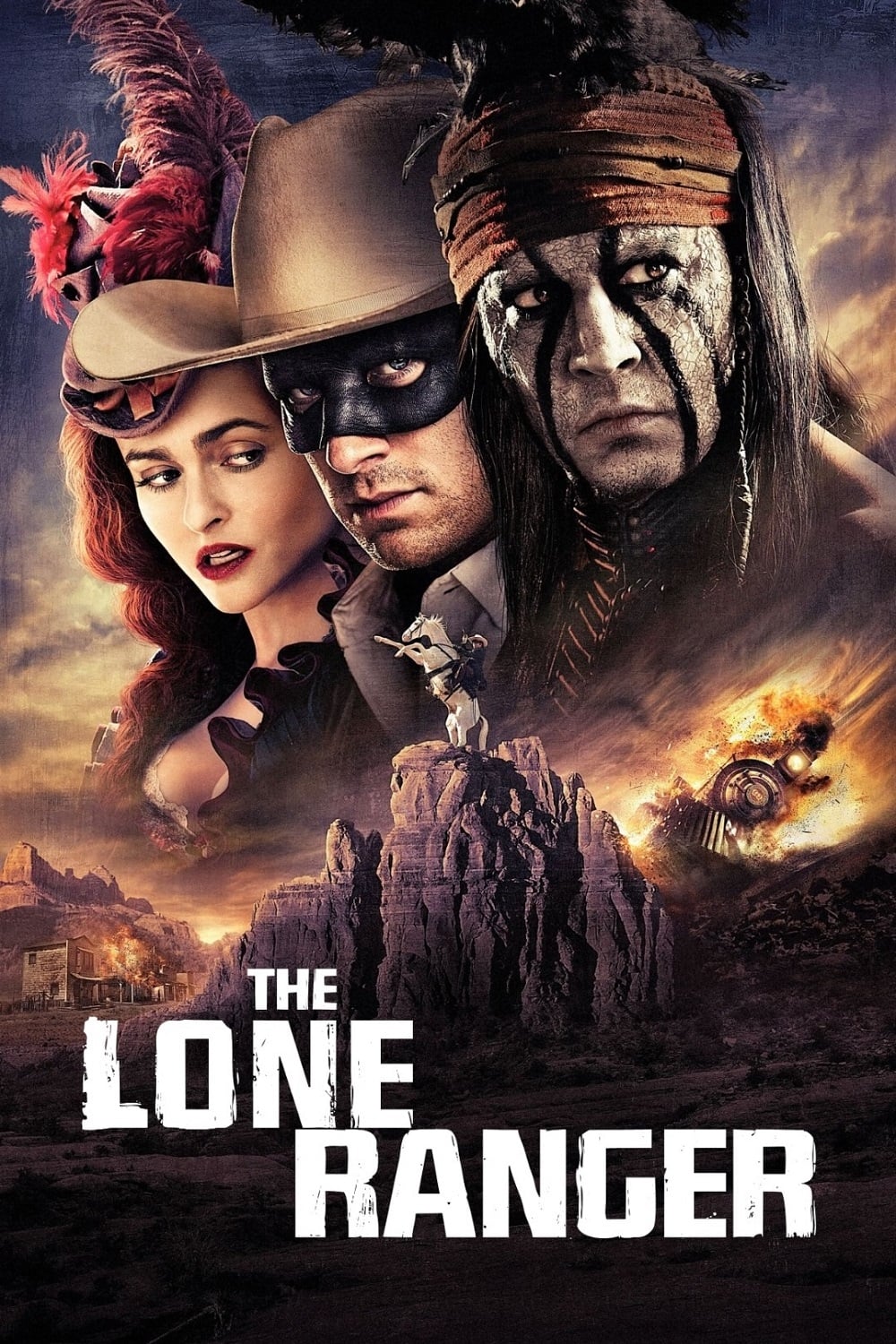
The western returned with lavish set pieces, extensive location work, and a long shoot that drove up costs. The tonal blend of action and comedy proved tricky to market beyond core fans. Summer competition and mixed reception dulled repeat business. It was distributed by Walt Disney Studios Motion Pictures.
‘Mars Needs Moms’ (2011)
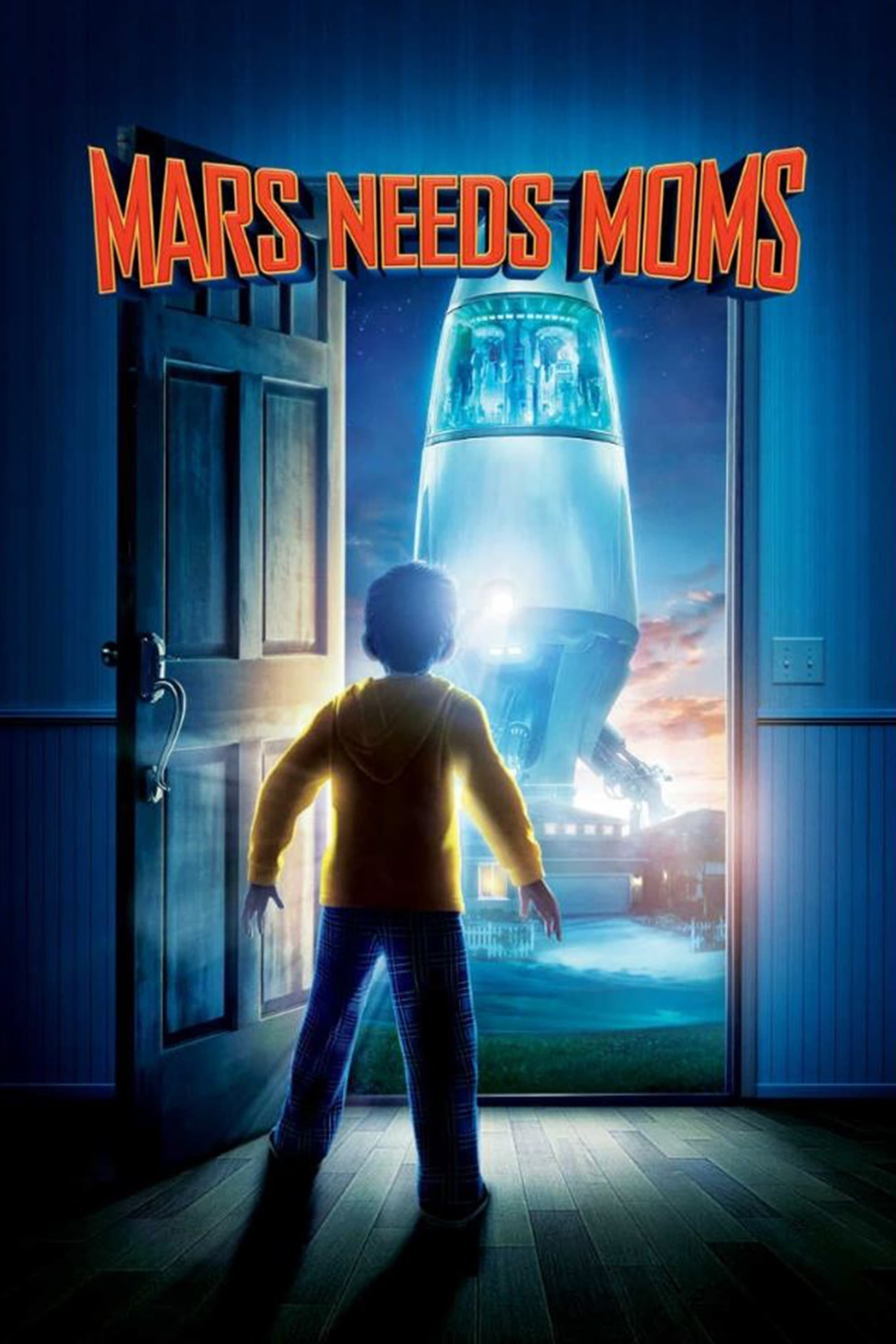
This performance-capture animated film struggled to connect with families despite a sci-fi premise. Marketing faced headwinds amid broader fatigue for the capture aesthetic at the time. Word of mouth never recovered after a soft opening. It went out through Walt Disney Studios Motion Pictures.
‘The 13th Warrior’ (1999)
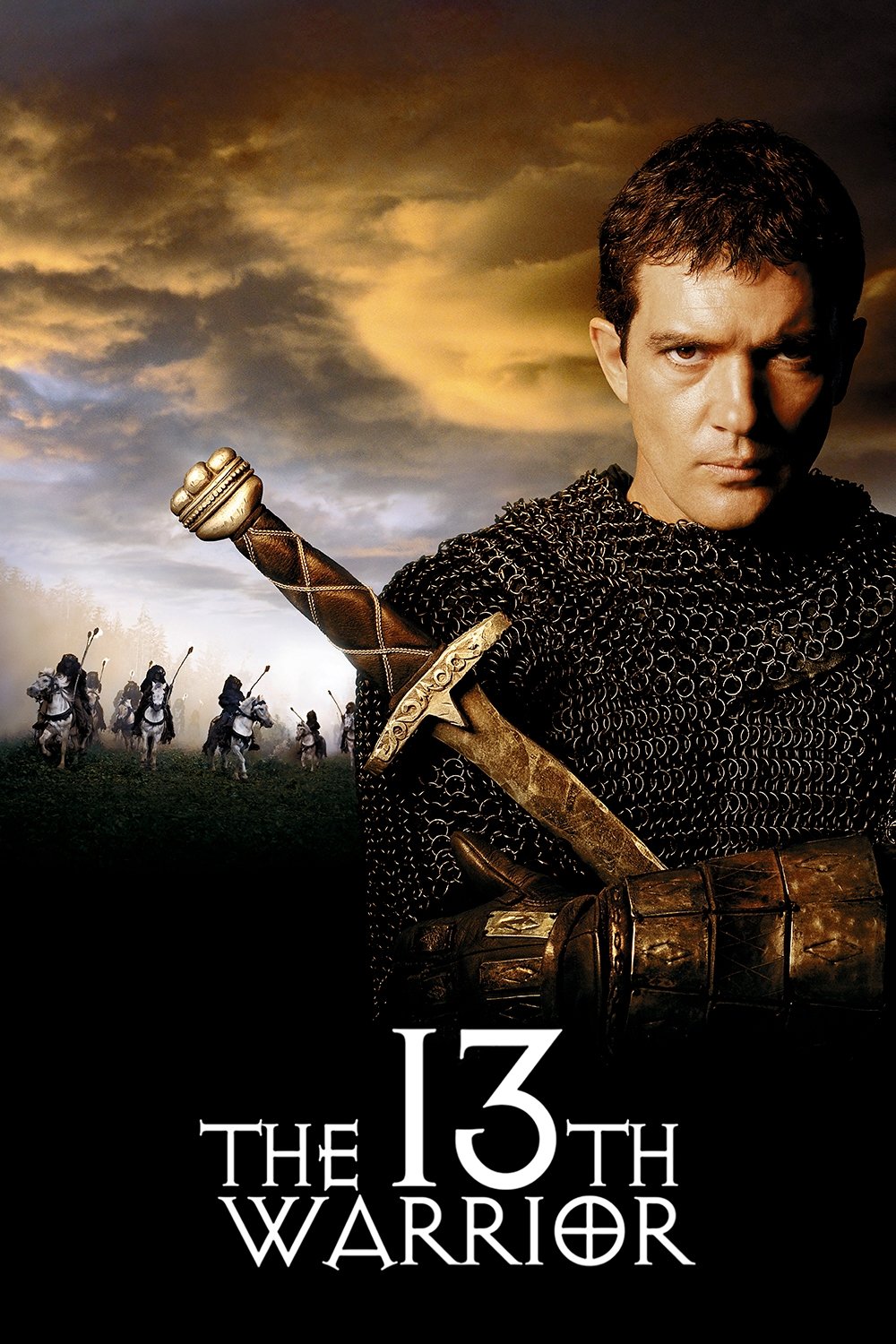
Reshoots and a delayed release pushed spending far beyond early plans. Historical adventure elements were trimmed and reworked after test screenings. By the time it opened, competition had stiffened and awareness lagged. Buena Vista Pictures handled distribution.
‘Cutthroat Island’ (1995)
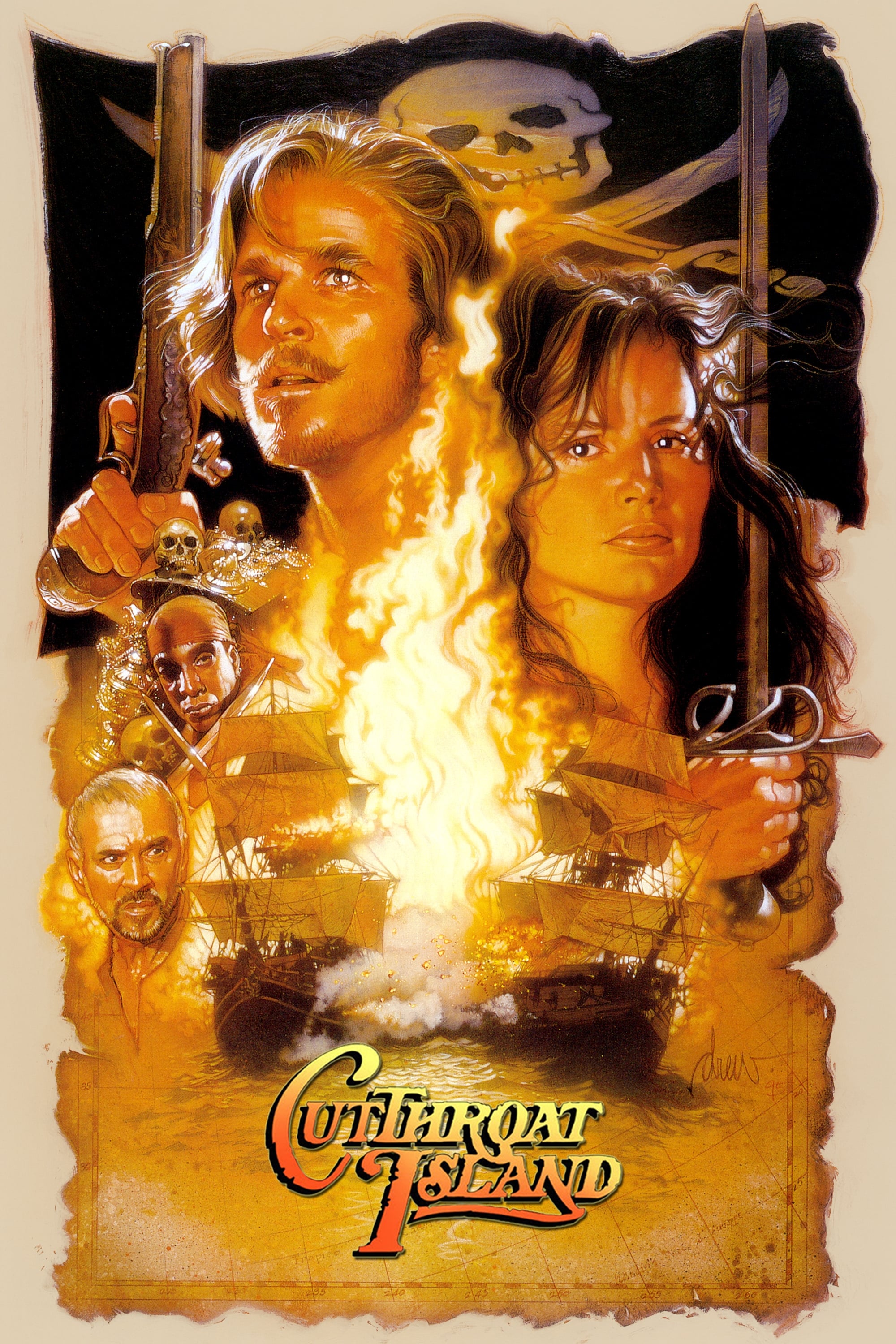
A turbulent production and company-level financial woes overshadowed a swashbuckling pitch. Holiday timing put it up against stronger family options. The failure hastened the collapse of its primary financier. MGM released the film in theaters.
‘Heaven’s Gate’ (1980)
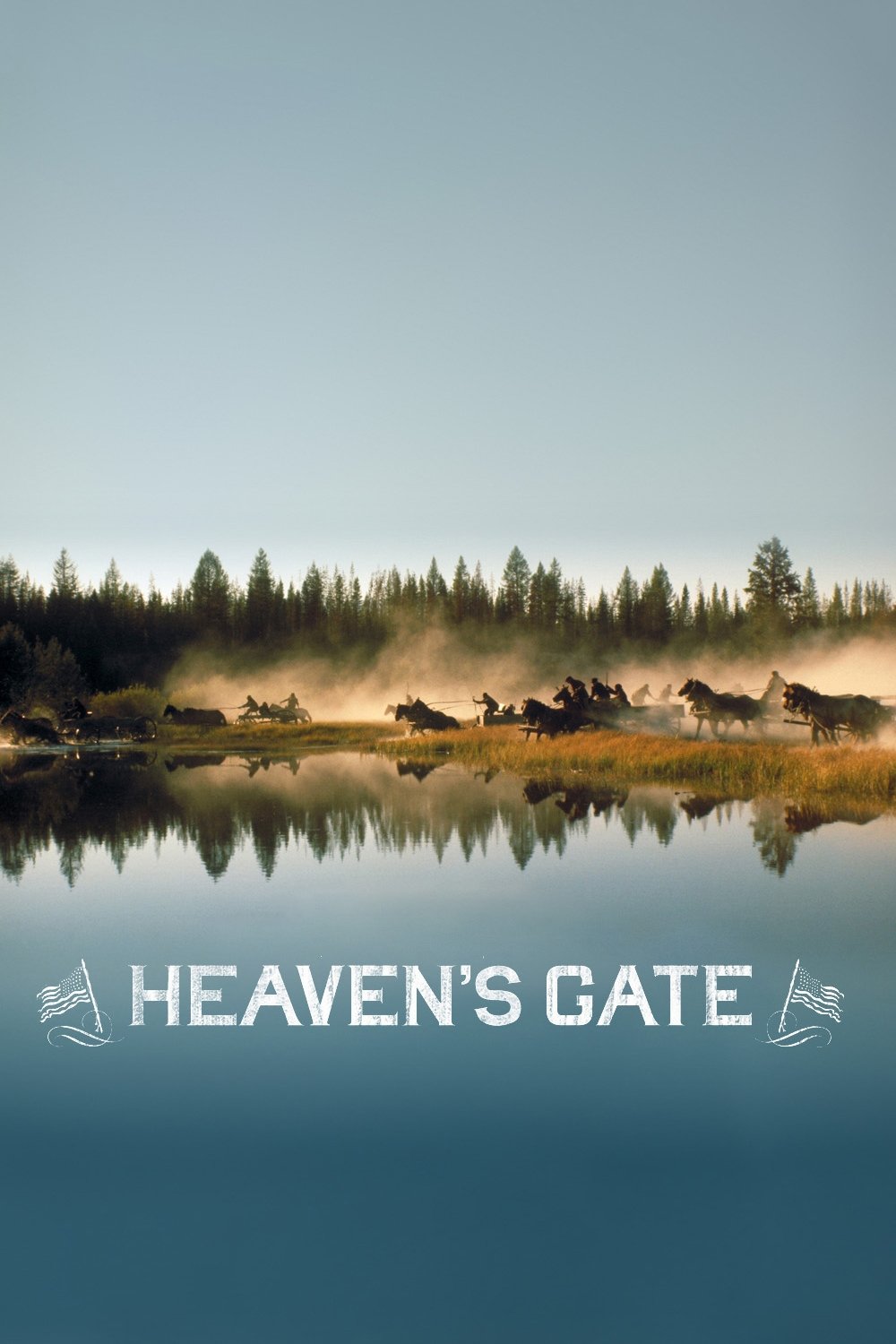
Creative control and a growing schedule made this frontier epic notably expensive for its era. A longer roadshow cut preceded later trims, which confused messaging. The fallout reshaped how studios monitored prestige projects. United Artists distributed the release.
‘The Adventures of Pluto Nash’ (2002)
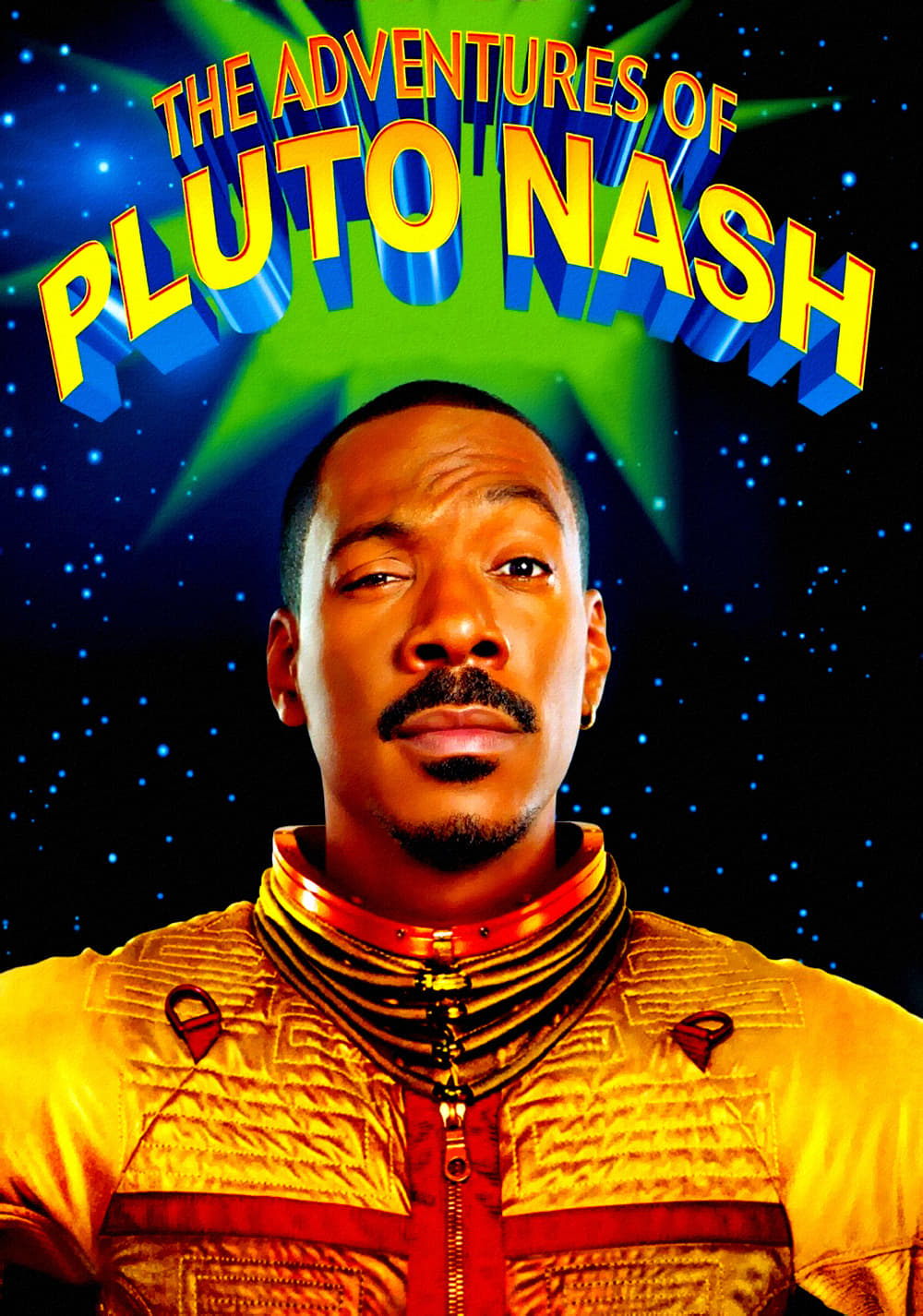
This sci-fi comedy sat on the shelf before finally rolling out late summer. The delay sapped momentum and signaled trouble to audiences. Poor previews and limited word of mouth sealed its fate. Warner Bros. handled distribution.
‘The Last Duel’ (2021)
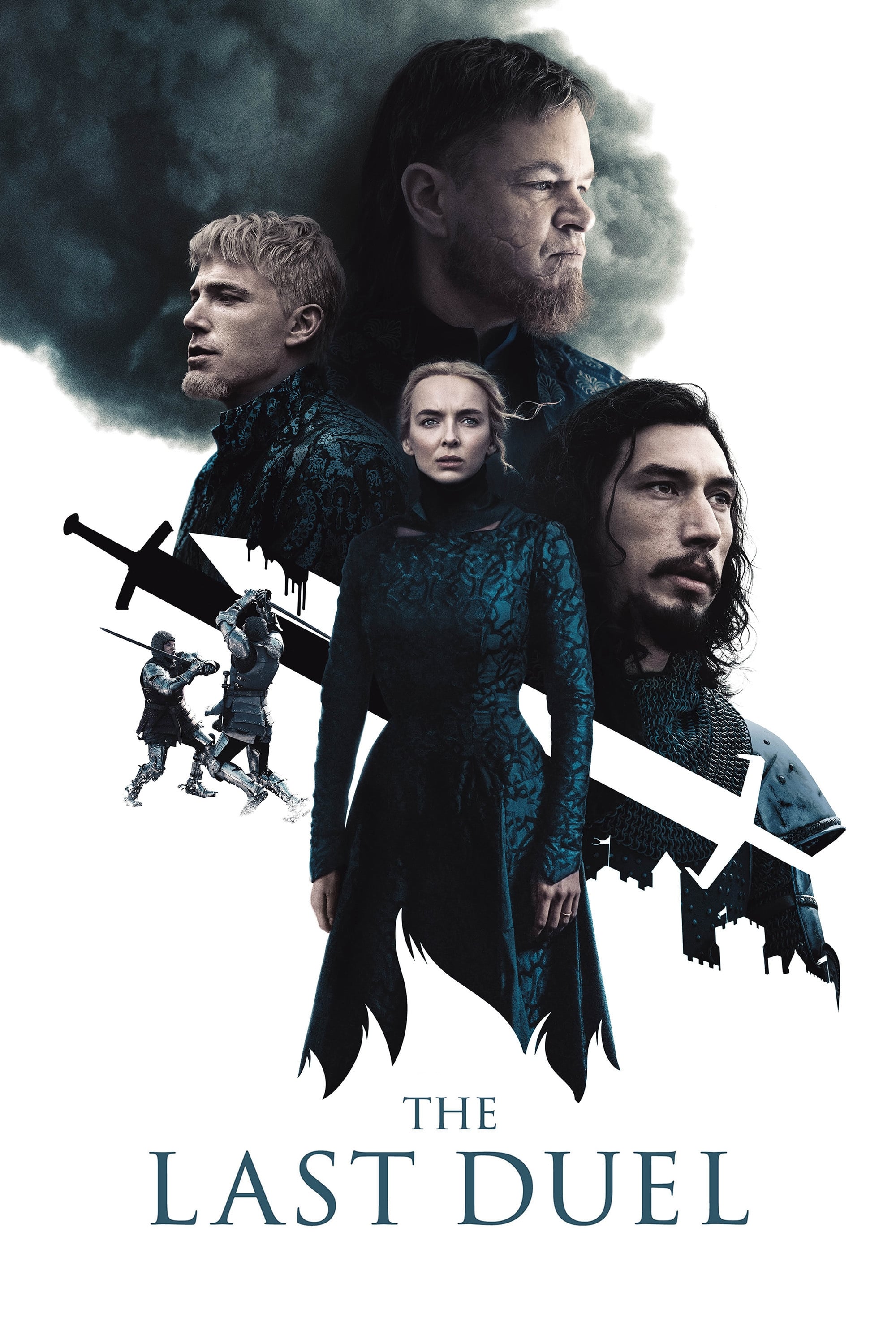
A medieval drama with an ensemble cast faced pandemic-era audience shifts and limited appeal among younger moviegoers. Awards positioning could not overcome tepid weekend drops. Strong reviews didn’t translate to broad turnout. 20th Century Studios released it.
‘Strange World’ (2022)
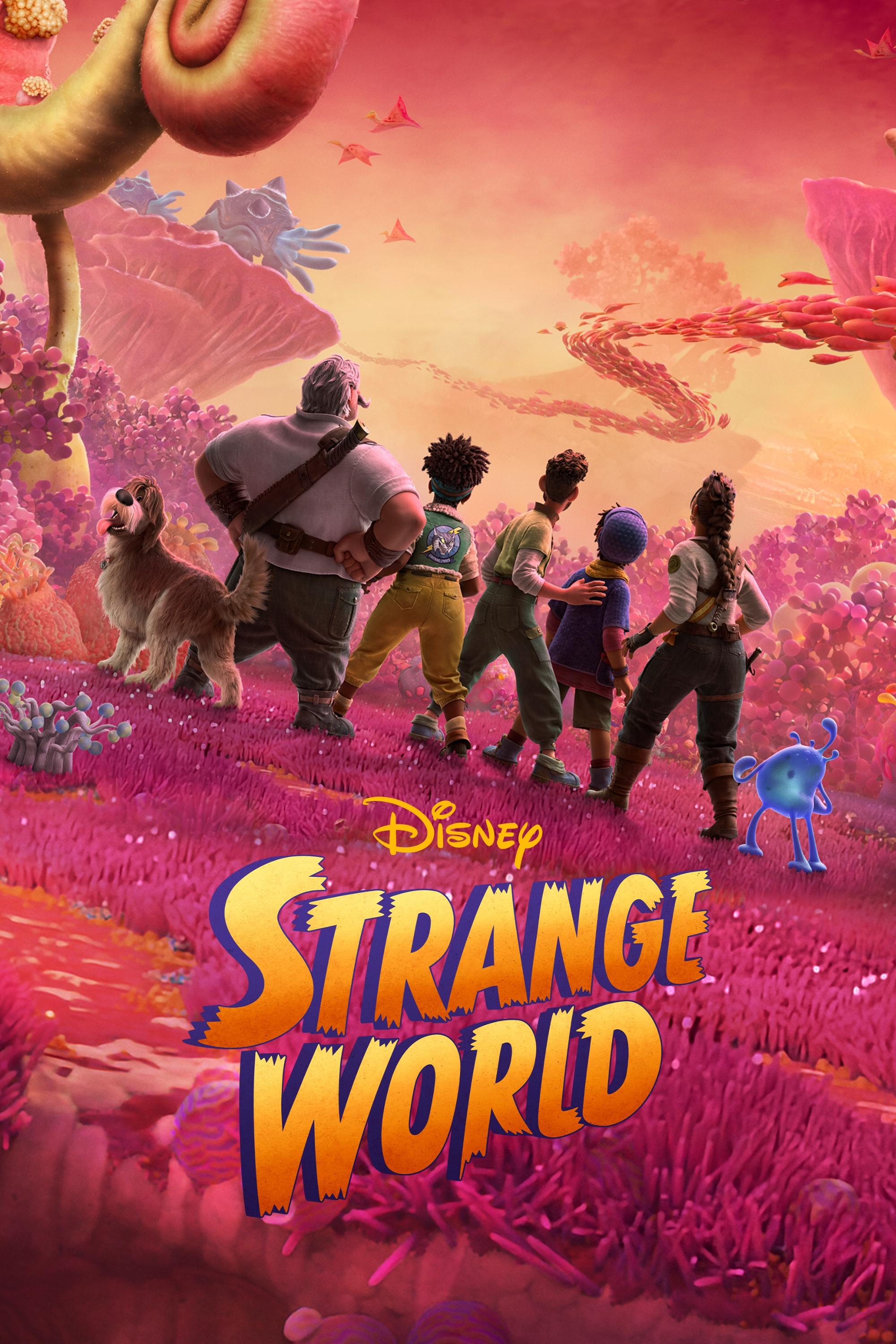
An original animated adventure landed during a complicated holiday frame. Limited marketing exposure with some platforms and muted awareness hurt family attendance. Post-theatrical availability arrived quickly, further compressing its run. Walt Disney Studios Motion Pictures distributed it.
‘The Marvels’ (2023)
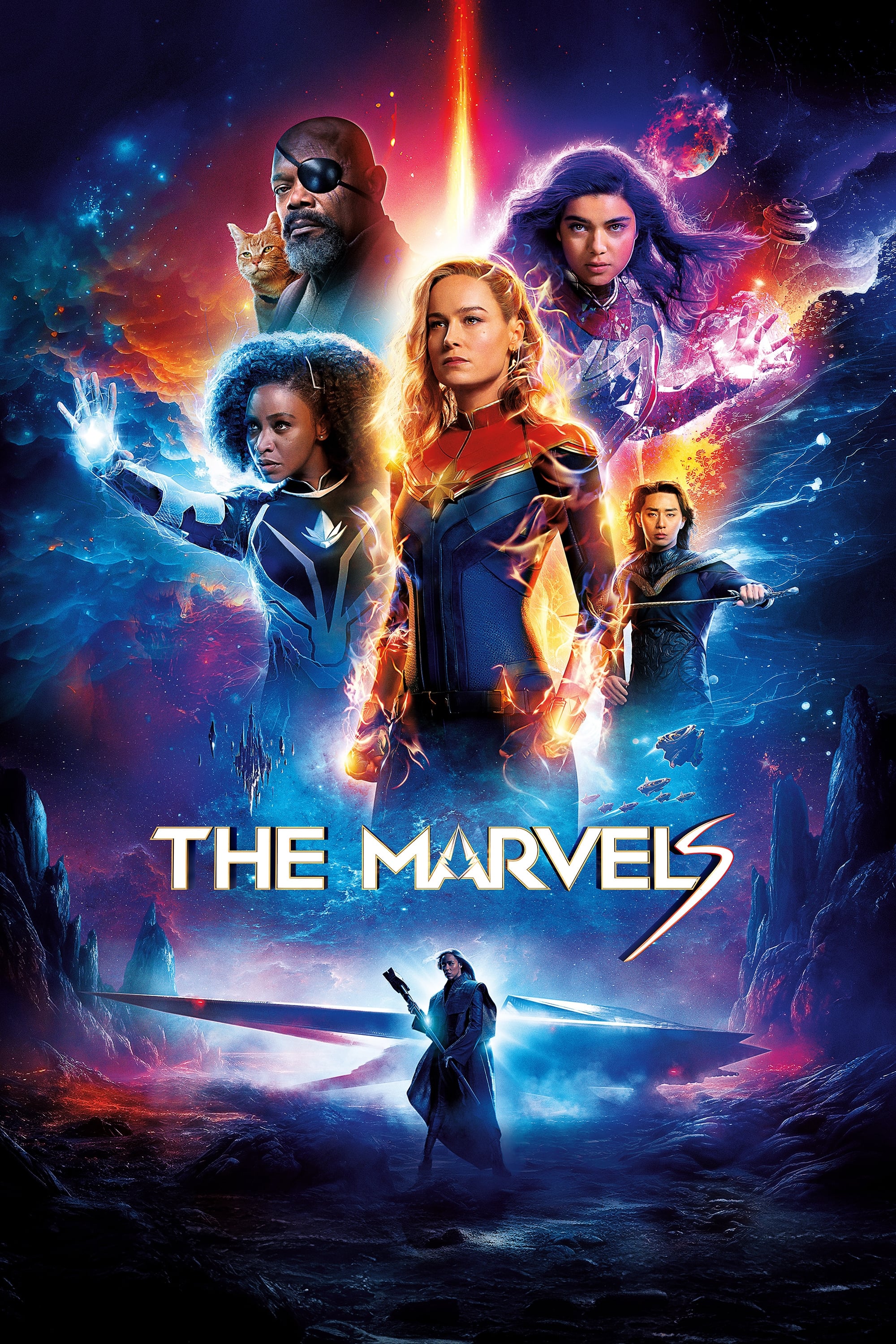
A sequel with multiple leads navigated franchise fatigue and uneven pre-release buzz. The opening weekend fell well below earlier entries in the same universe. Drops in the second frame signaled minimal staying power. It was released by Walt Disney Studios Motion Pictures.
‘Cats’ (2019)
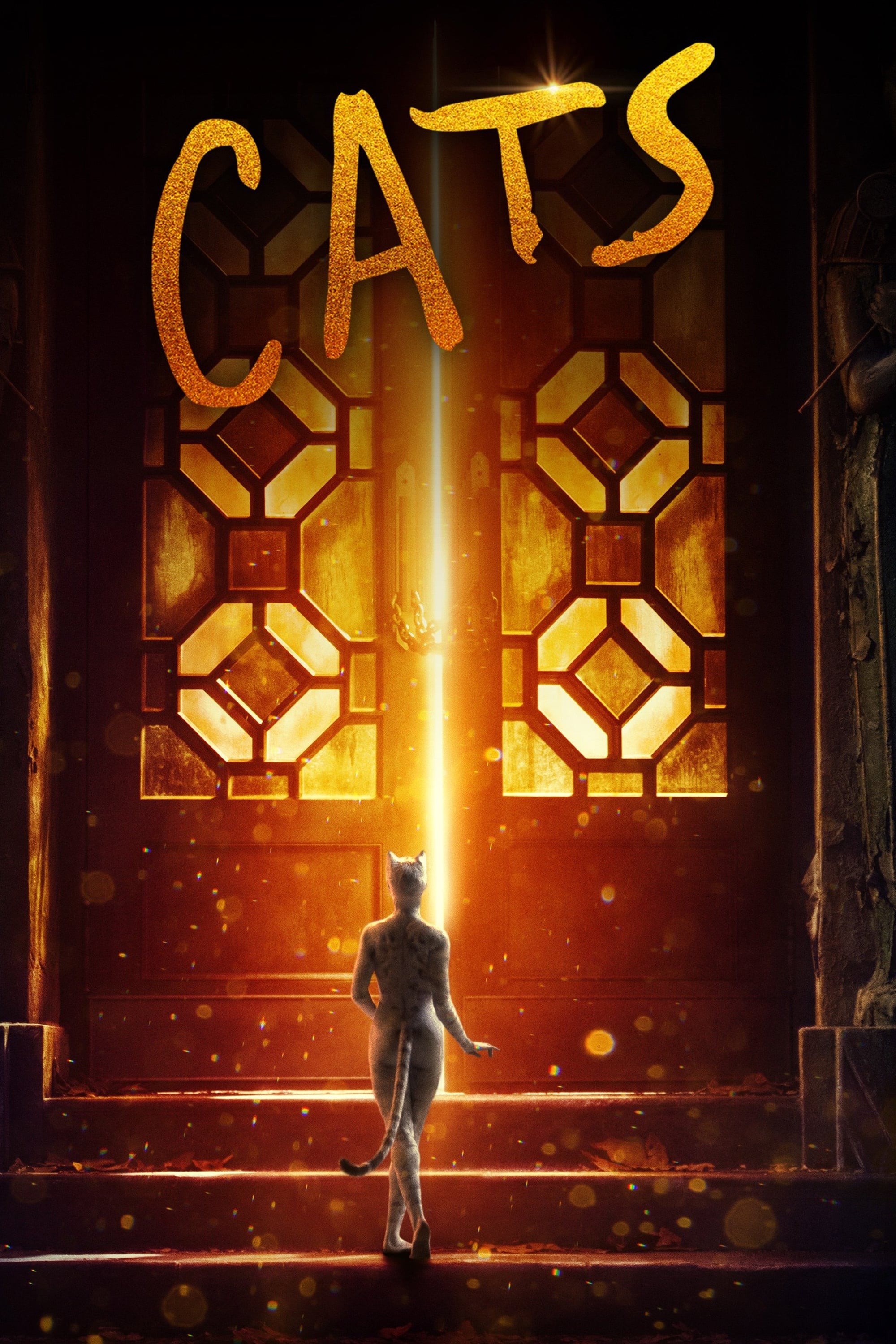
A high-profile musical adaptation premiered with visual effects that drew heavy scrutiny. A patch to the digital work shortly after opening became part of the narrative. The holiday corridor could not offset negative chatter. Universal Pictures distributed the film.
‘Mortal Engines’ (2018)

The YA-steampunk blend arrived after the genre’s theatrical boom had cooled. Effects were large-scale, but the property lacked built-in name recognition for general audiences. December competition further split attention. Universal Pictures released it.
‘Pan’ (2015)

This prequel spin on Neverland leaned on elaborate production design and effects. Trailers failed to convey a must-see hook for families. A soft October debut led to steep weekend declines. Warner Bros. handled distribution.
‘King Arthur: Legend of the Sword’ (2017)
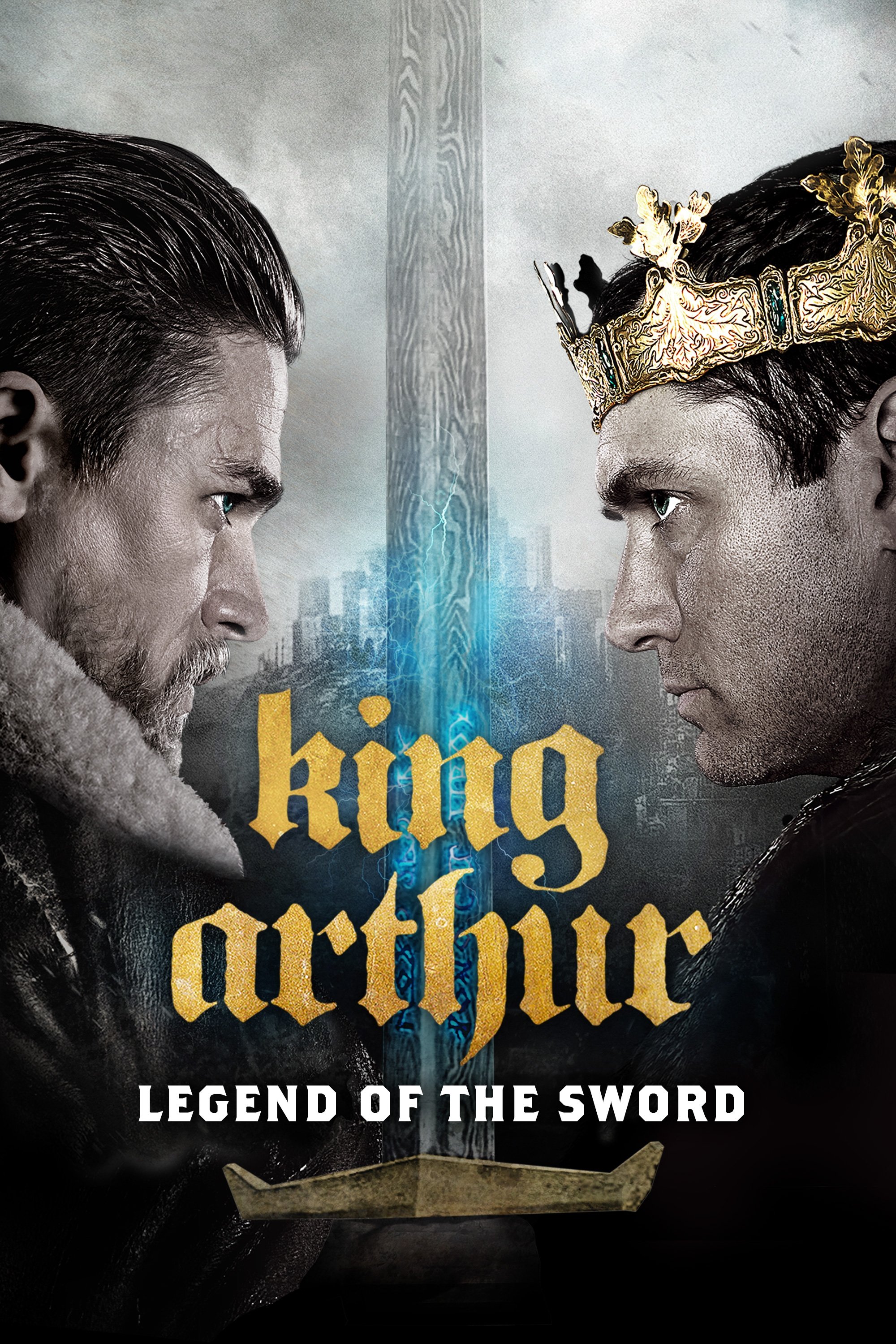
A gritty fantasy angle and modern stylistic choices made the branding hard to pin down. The property’s earlier false starts added confusion about tone and audience. Summer alternatives overwhelmed its rollout. Warner Bros. released it.
‘The Mummy’ (2017)
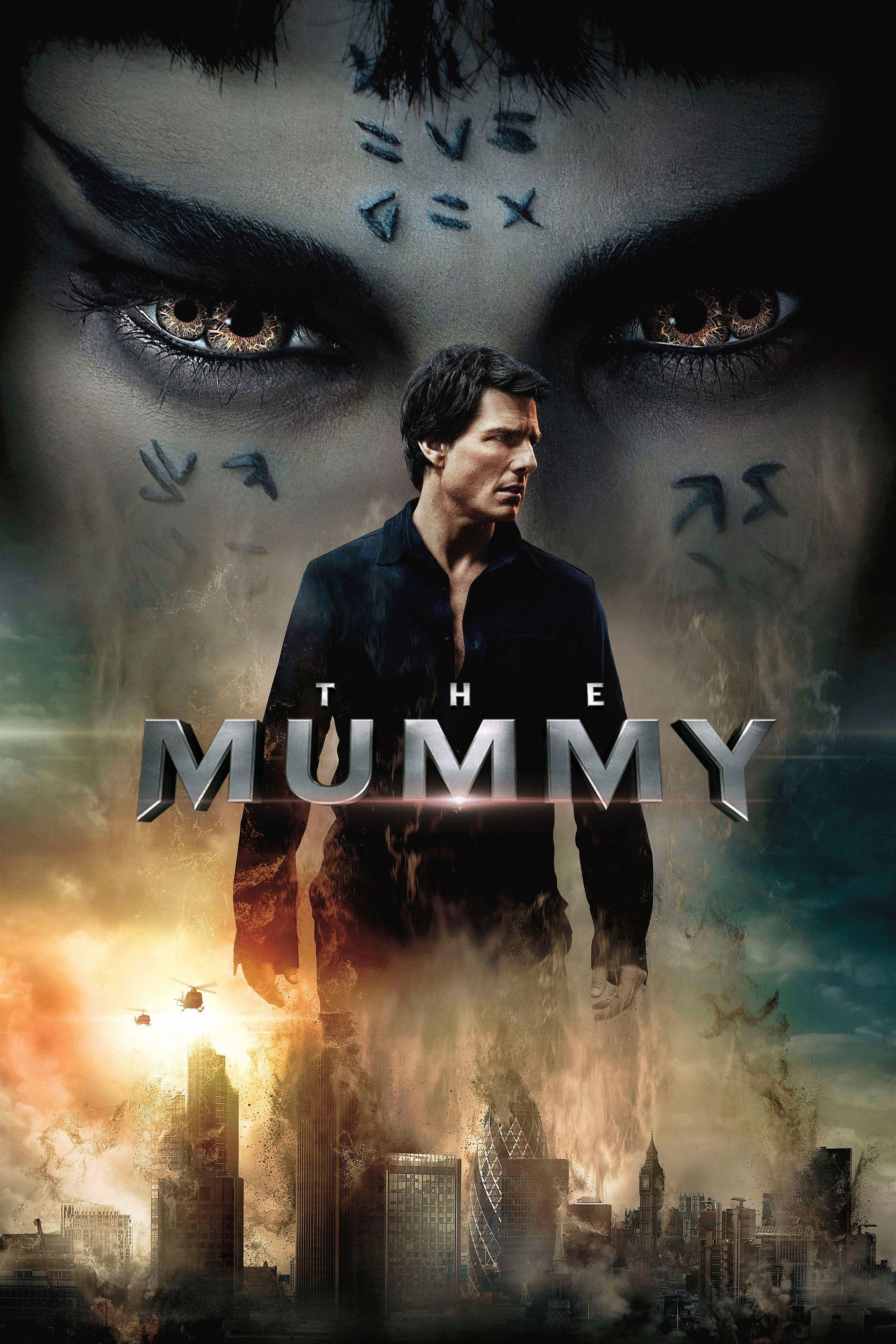
A franchise launcher for a planned shared universe opened to mixed reception. The focus on world-building overshadowed the standalone adventure pitch. Overseas earnings could not offset domestic softness. Universal Pictures distributed it.
‘Tomorrowland’ (2015)
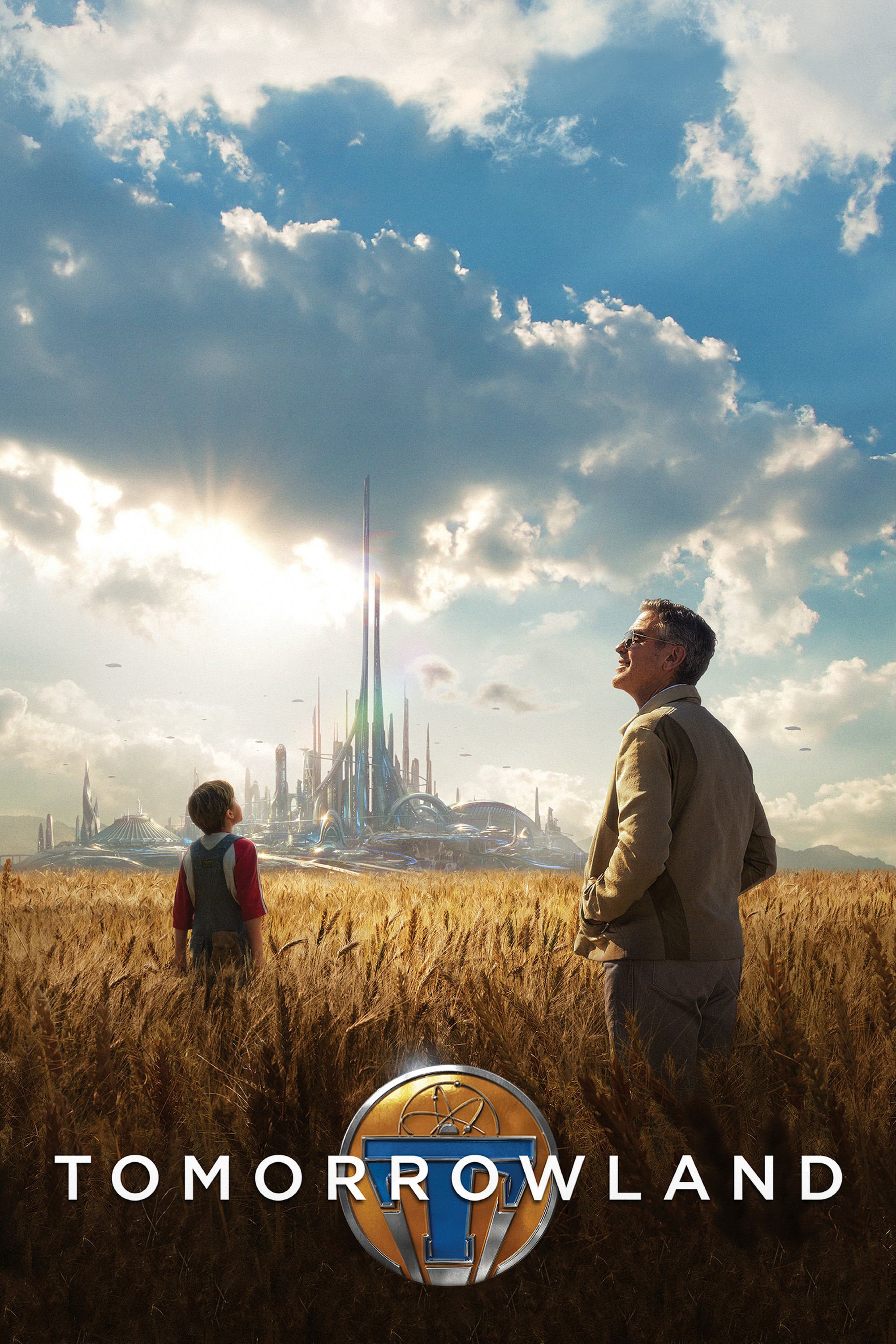
An original sci-fi concept guarded its plot in marketing, which limited clear selling points. Families were unsure who the movie was for based on the campaign. Despite a star lead, the Memorial Day frame underdelivered. Walt Disney Studios Motion Pictures released it.
‘Battlefield Earth’ (2000)

A passion project with heavy prosthetics and a distinctive visual style struggled to win over audiences. Reviews dampened momentum immediately. The theatrical run was brief with sharp weekly declines. Warner Bros. Pictures handled domestic distribution.
‘Green Lantern’ (2011)
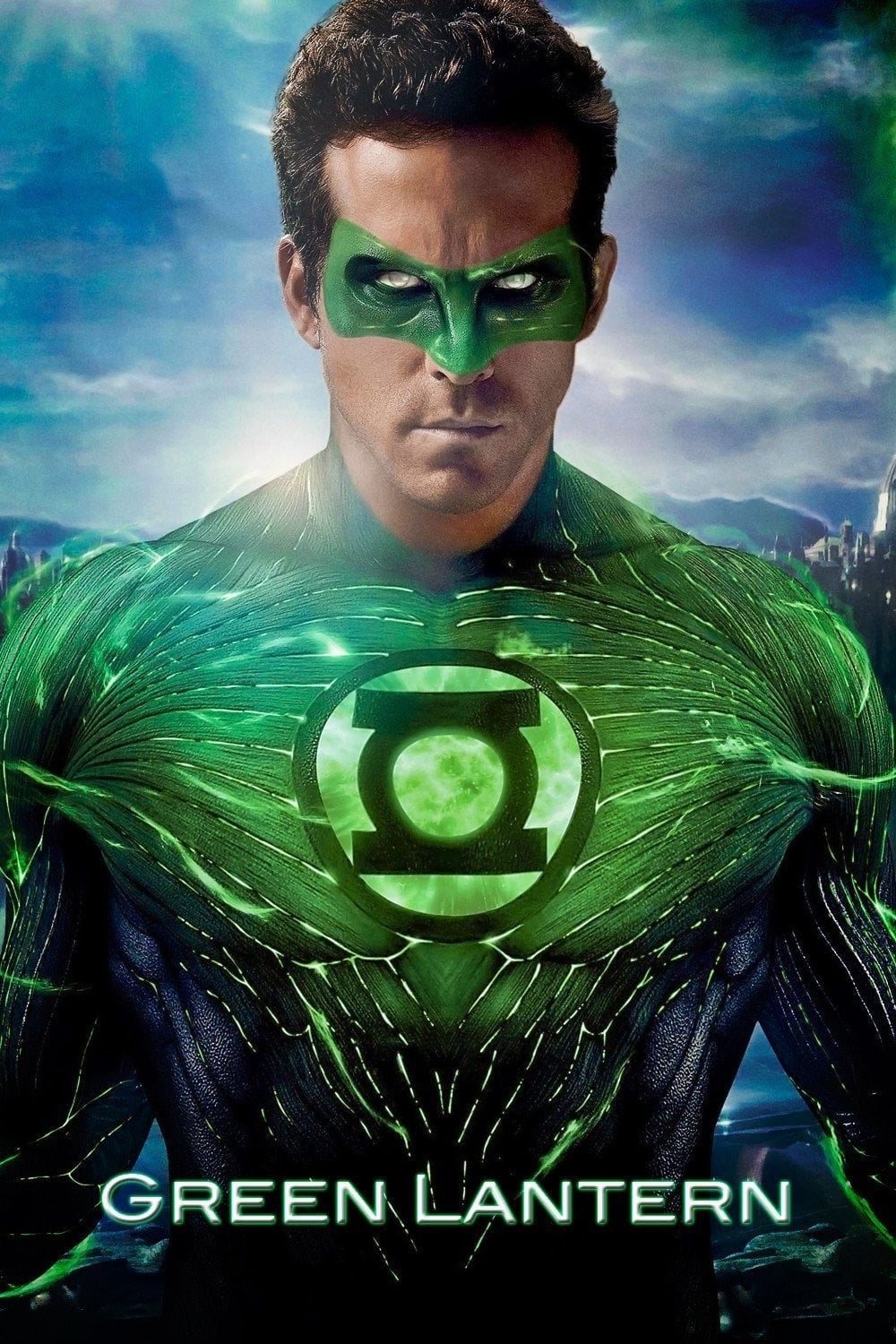
A major comic book character arrived with extensive digital work and a late marketing push. Mixed reactions to the suit design and tone complicated interest. Plans for sequels were shelved after a weak finish. Warner Bros. released it.
‘Final Fantasy: The Spirits Within’ (2001)
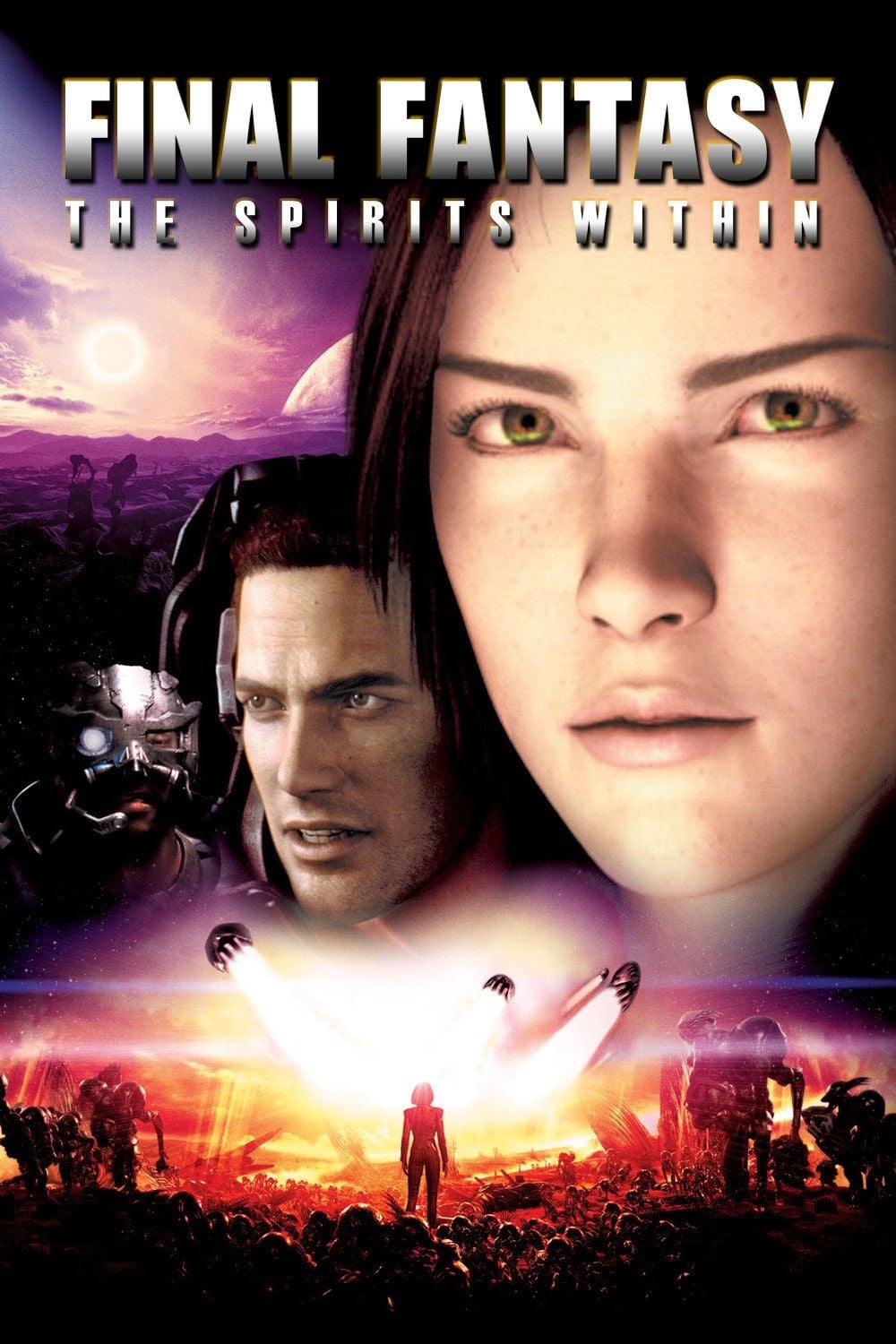
Photorealistic CG characters were a technical milestone but landed in the uncanny valley for many viewers. The brand’s game-focused fanbase didn’t fully translate to theaters. Production costs weighed heavily against modest grosses. Columbia Pictures distributed it.
’47 Ronin’ (2013)
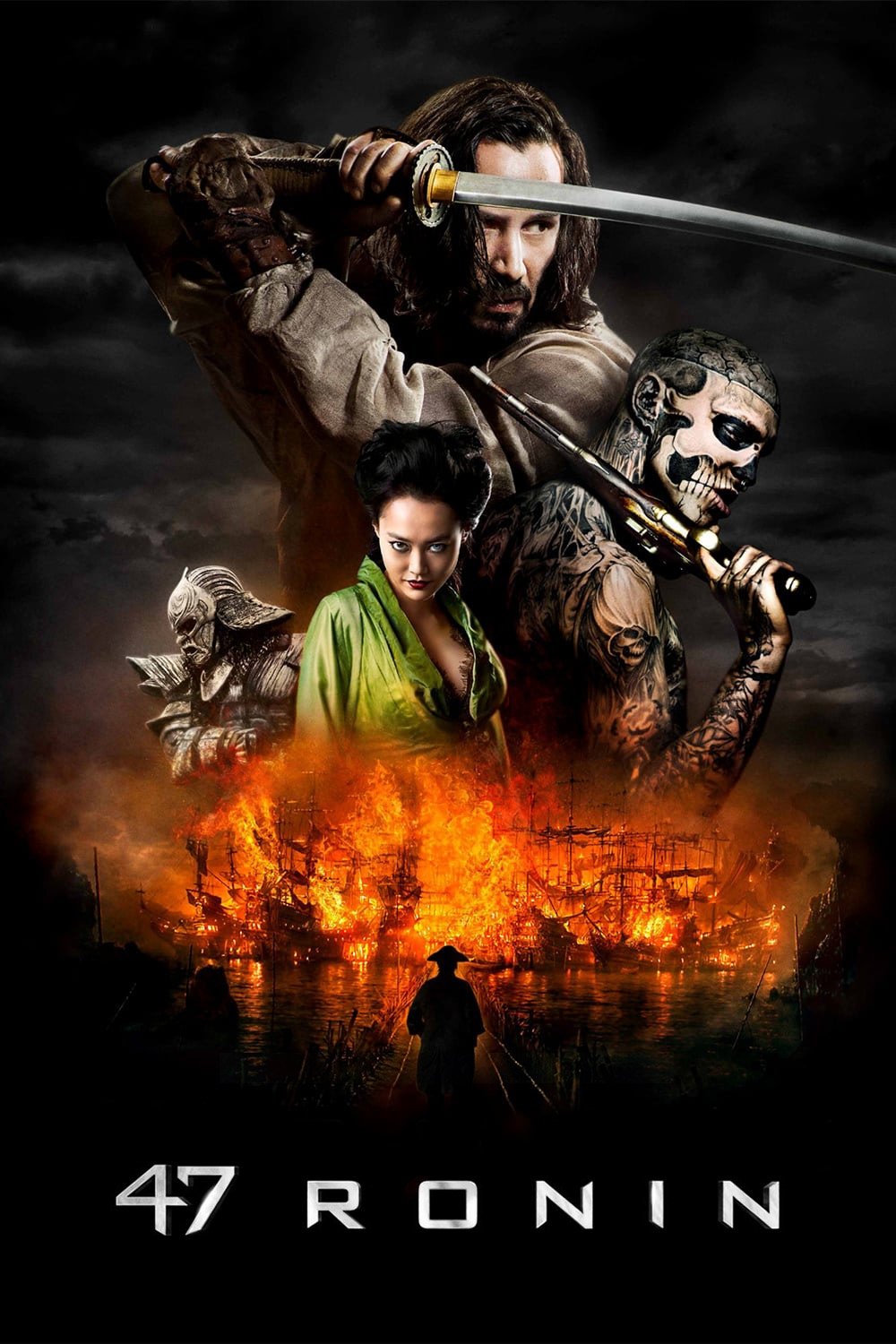
Reshoots and new effects sequences expanded the schedule and budget. The late-December launch faced stiff holiday competition. Marketing leaned on visuals more than story, limiting broader engagement. Universal Pictures handled distribution.
‘Ben-Hur’ (2016)
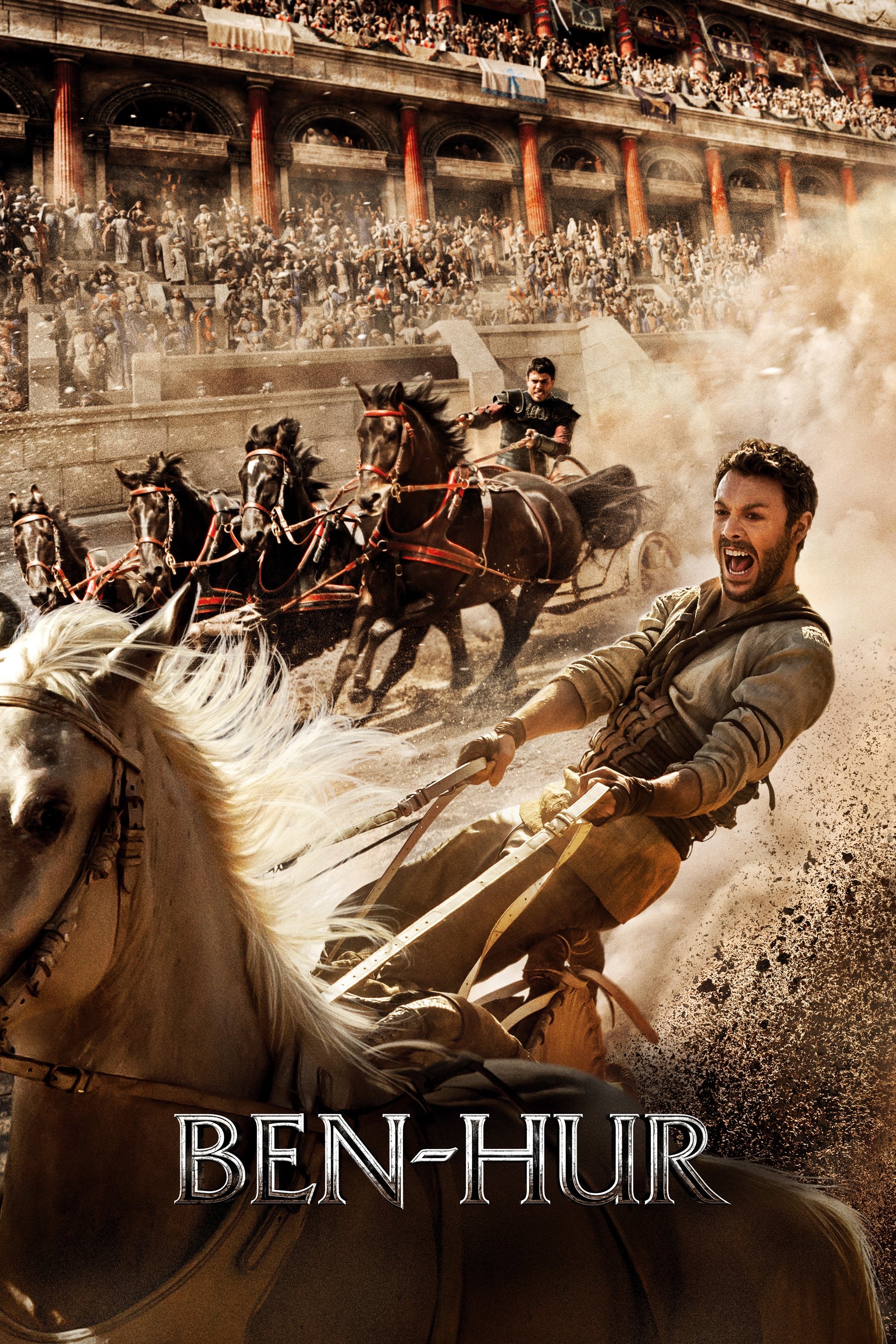
A new adaptation of the classic struggled to justify its scale to contemporary audiences. Late summer timing and audience fragmentation kept awareness low. The faith-market push did not break out as hoped. Paramount Pictures released the film.
‘Solo: A Star Wars Story’ (2018)
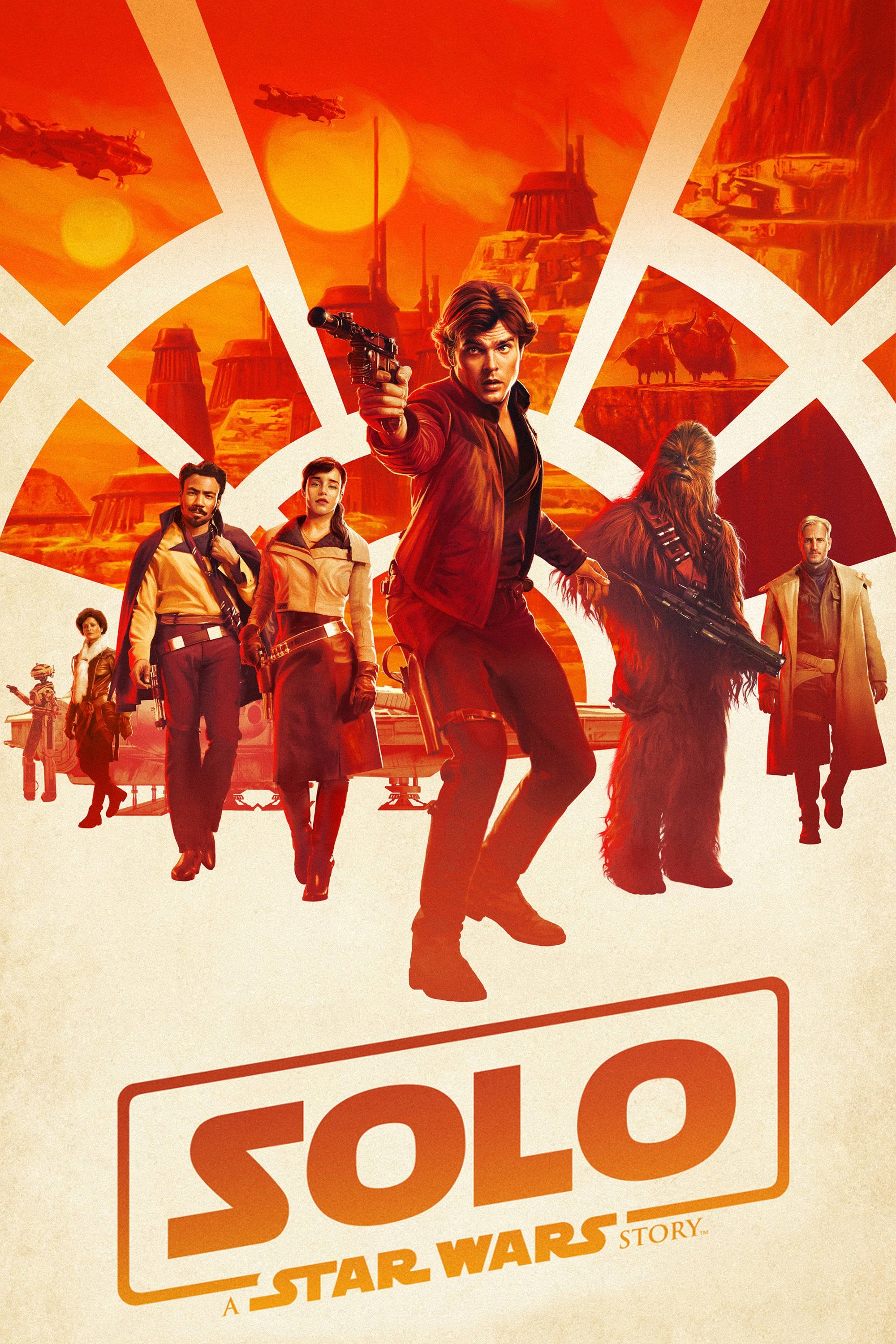
A director change mid-production led to extensive reshoots and a compressed post-schedule. Releasing only months after another series entry reduced event status. The May date undercut legs amid blockbuster crowding. It was distributed by Walt Disney Studios Motion Pictures.
‘Treasure Planet’ (2002)
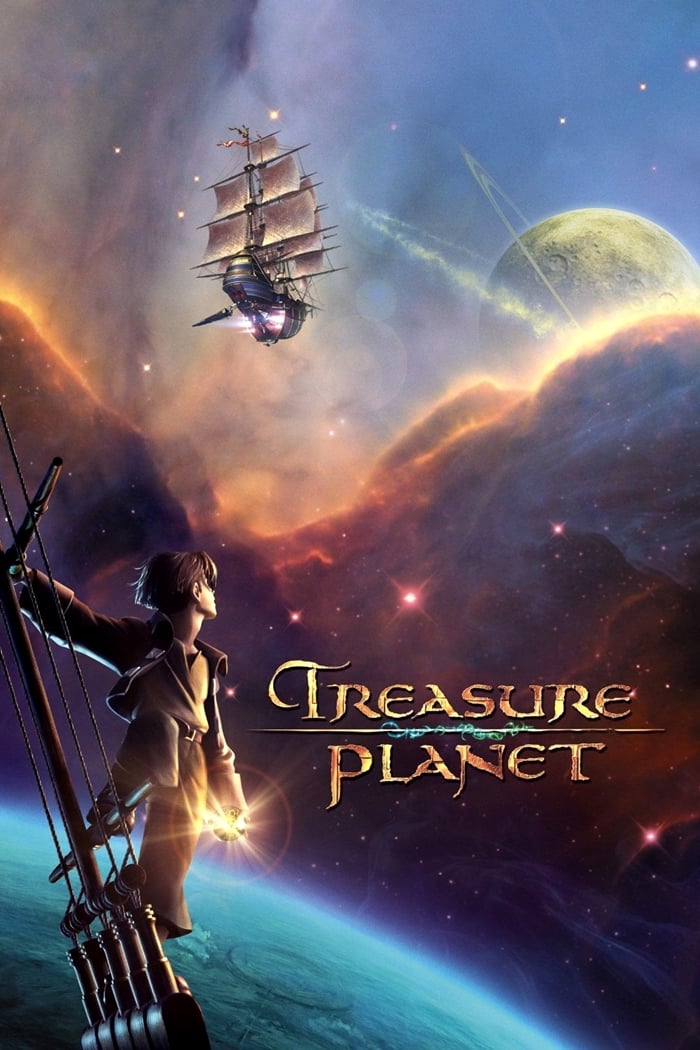
Hand-drawn and CG hybrid techniques delivered a distinctive look but arrived as audience tastes shifted. A Thanksgiving opening could not build long-term playability. Subsequent home release found fans, but too late to help the run. Walt Disney Pictures released it through Walt Disney Studios Motion Pictures.
‘Titan A.E.’ (2000)
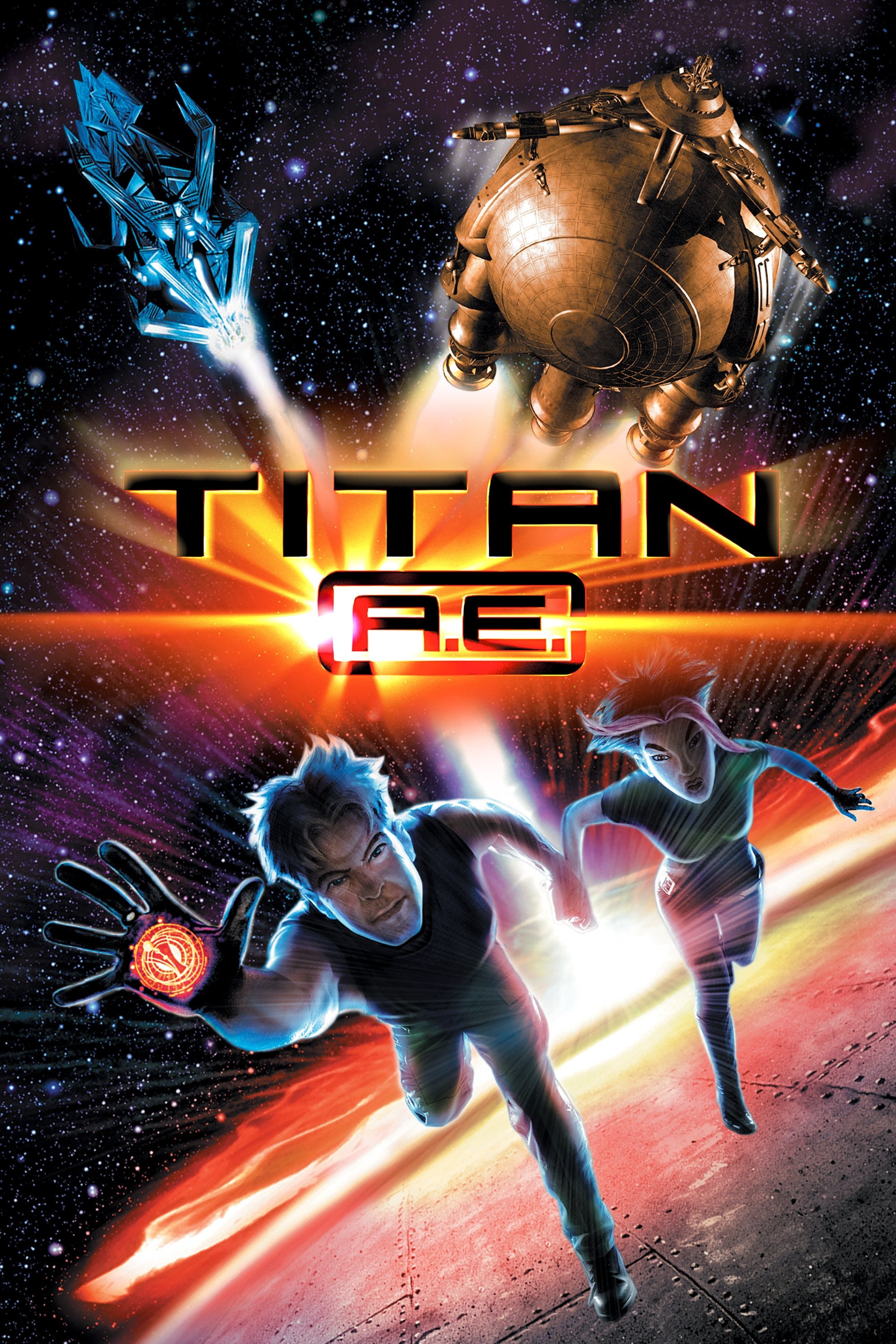
A space adventure aimed at teens and older animation fans faced a tough early summer market. The studio’s animation division closed shortly after release, magnifying the perception of a miss. Home video found an audience but theatrical returns stayed low. 20th Century Fox distributed it.
‘R.I.P.D.’ (2013)
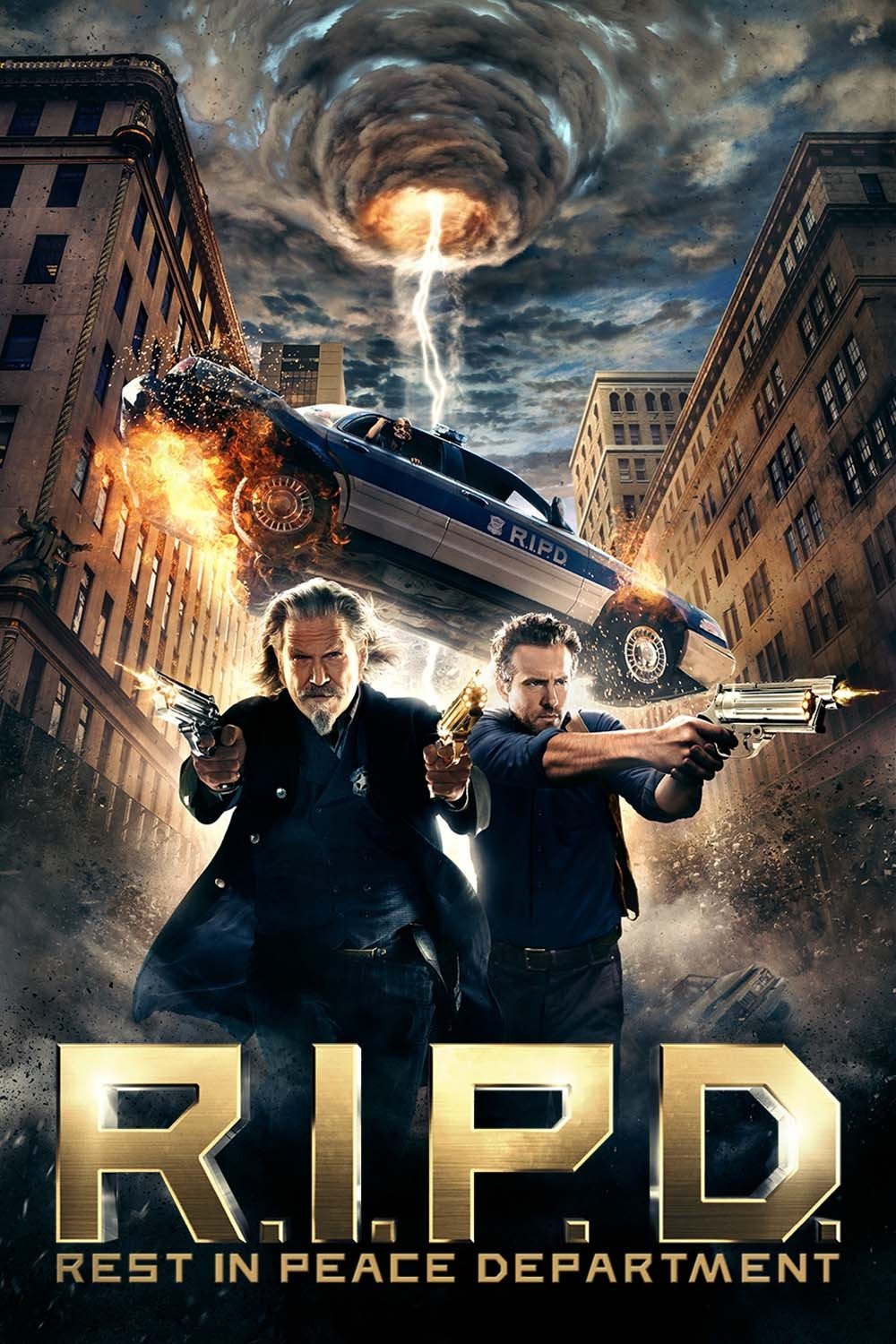
This supernatural buddy action film arrived in a saturated midsummer slot. Previews drew comparisons to better-known franchises, which blunted distinctiveness. Weak word of mouth produced quick drop-offs. Universal Pictures released it.
‘Ishtar’ (1987)
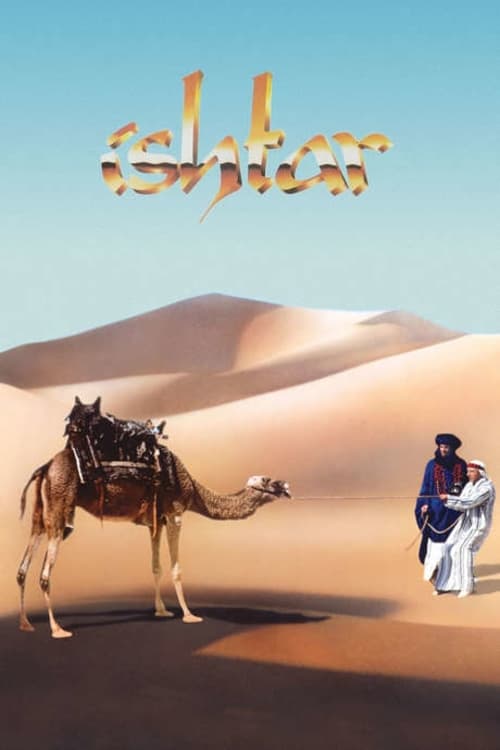
A comedy built around two leads went through script changes and location challenges that ballooned costs. Test screenings led to edits that softened momentum before opening weekend. Media coverage focused on budget rather than the film itself, which shaped public perception quickly. Columbia Pictures handled distribution.
‘Waterworld’ (1995)
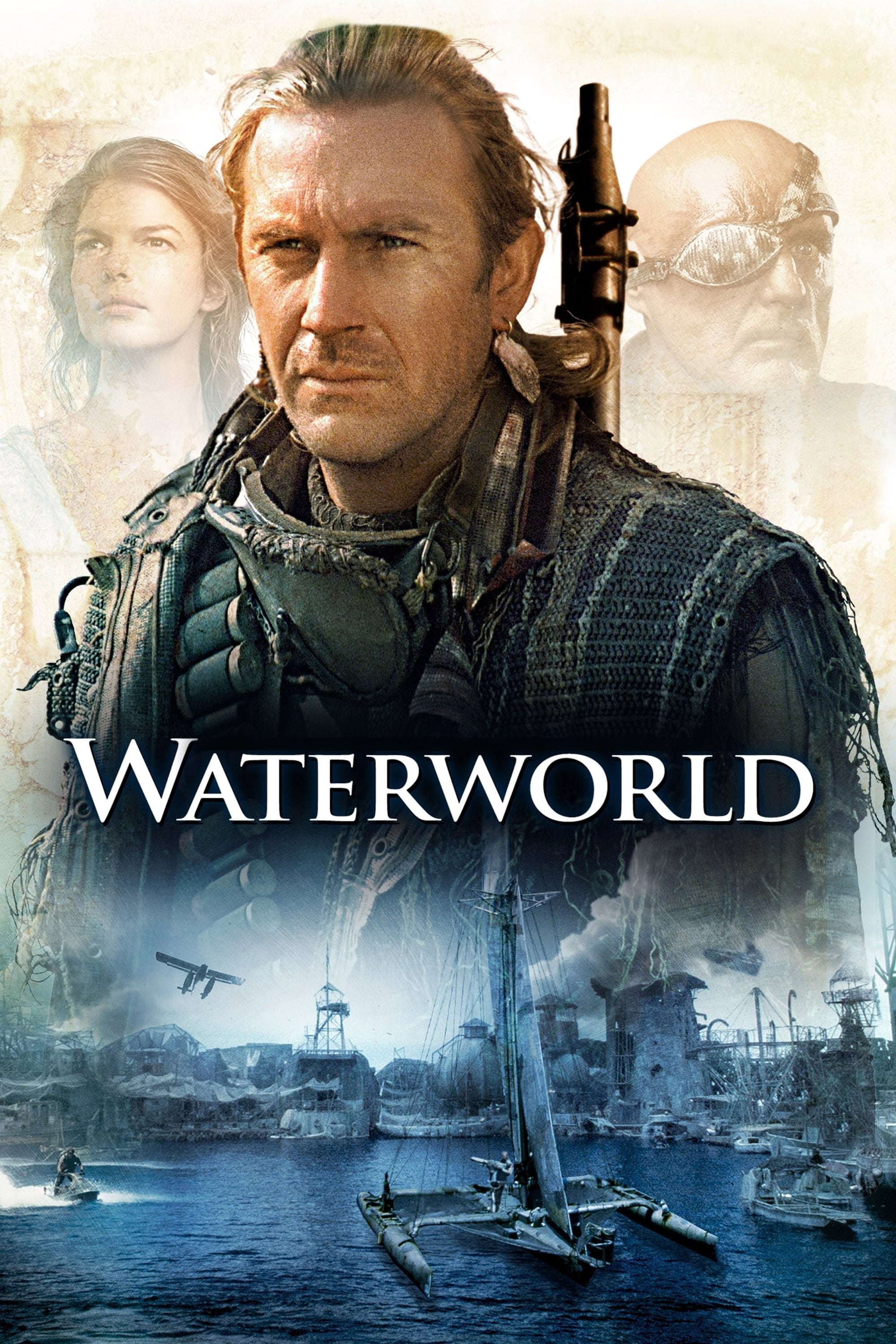
Open water sets and extreme weather stretched the shoot and required costly rebuilds. The narrative around the budget overwhelmed interest in the seafaring adventure on release. International earnings helped but domestic turnout lagged expectations for a summer event. Universal Pictures released it.
‘The Postman’ (1997)
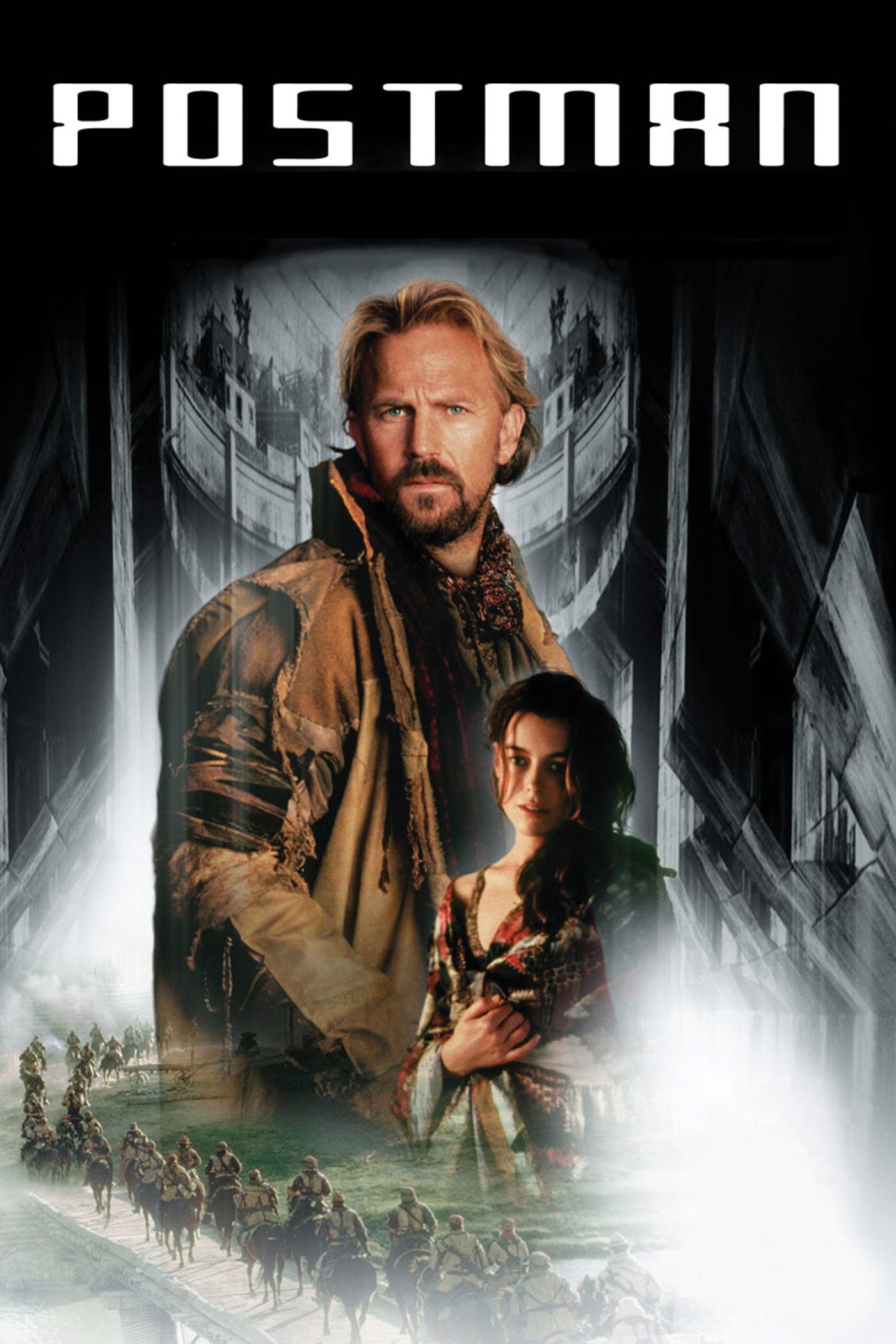
This post-apocalyptic epic arrived with a long runtime that limited daily showtimes. Marketing struggled to communicate a clear hook beyond the redemption theme. Holiday timing could not overcome skeptical early chatter. Warner Bros. distributed the film.
‘Sahara’ (2005)
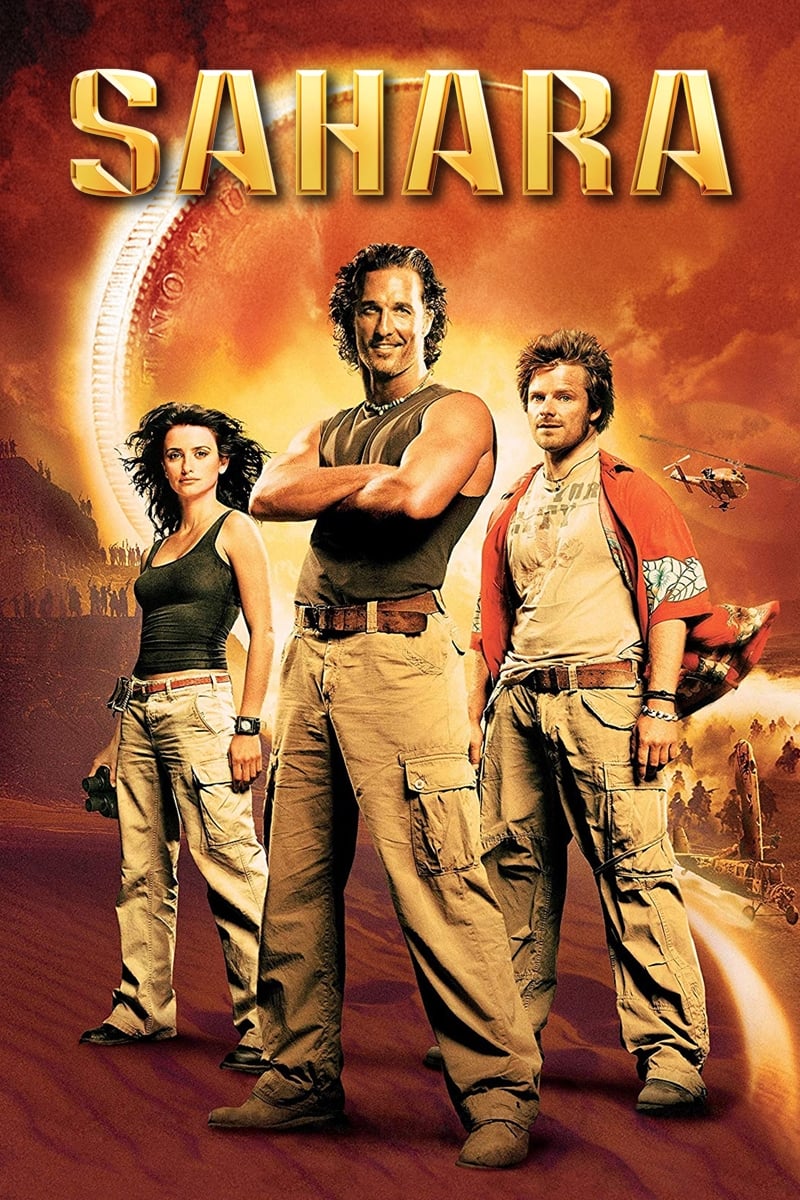
Exotic locations, extensive stunts, and rewrites pushed costs far past early plans. A spring launch put it up against strong holdovers that ate into word of mouth. Legal disclosures after the fact highlighted how marketing spend added to the burden. Paramount Pictures released it.
‘The Alamo’ (2004)
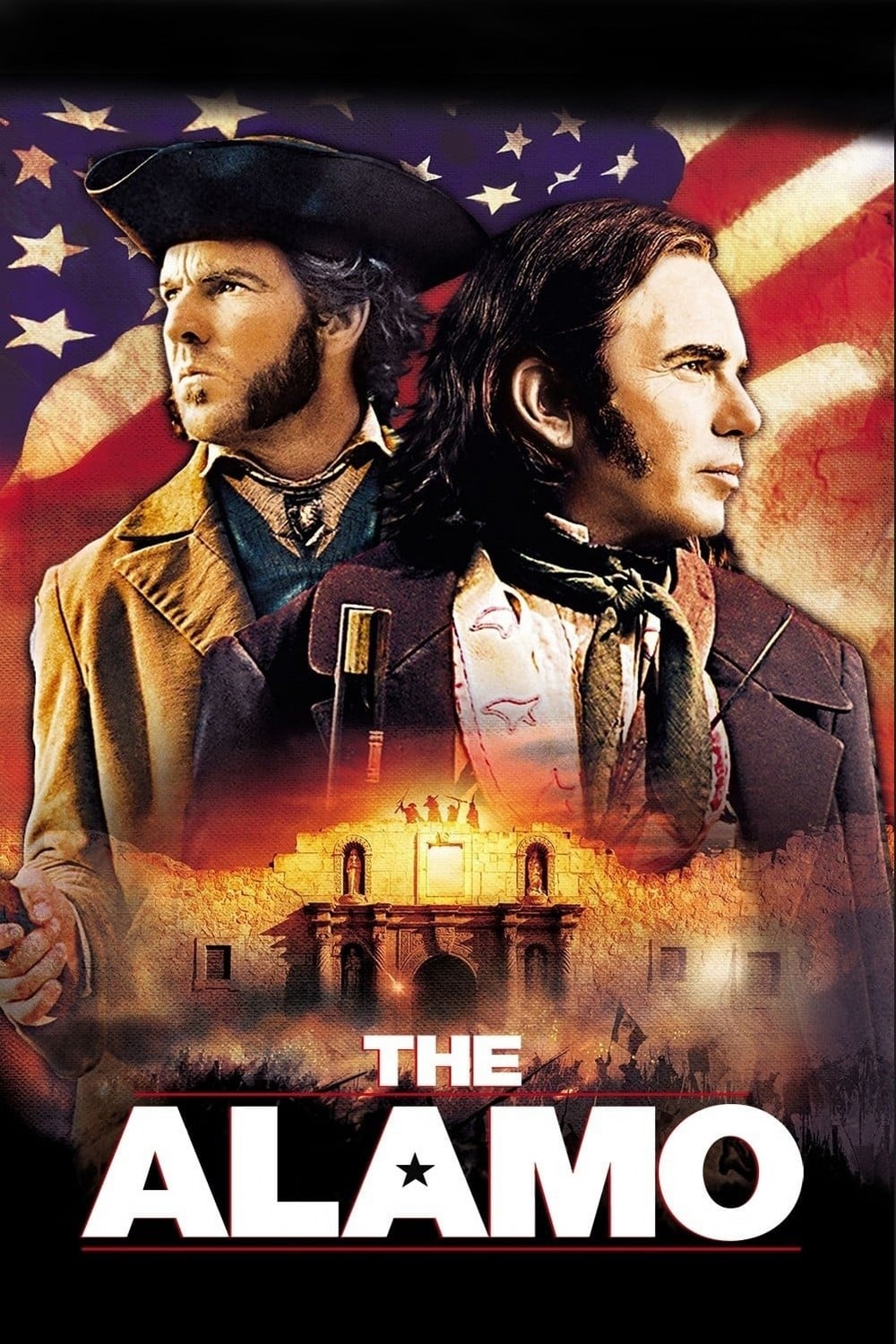
A historical retelling with large sets and period detail aimed for prestige positioning. Shifts in release date and tone confused whether it was a rousing spectacle or a somber drama. Competition for adult audiences that month proved stiff. Buena Vista Pictures handled distribution.
‘Speed Racer’ (2008)
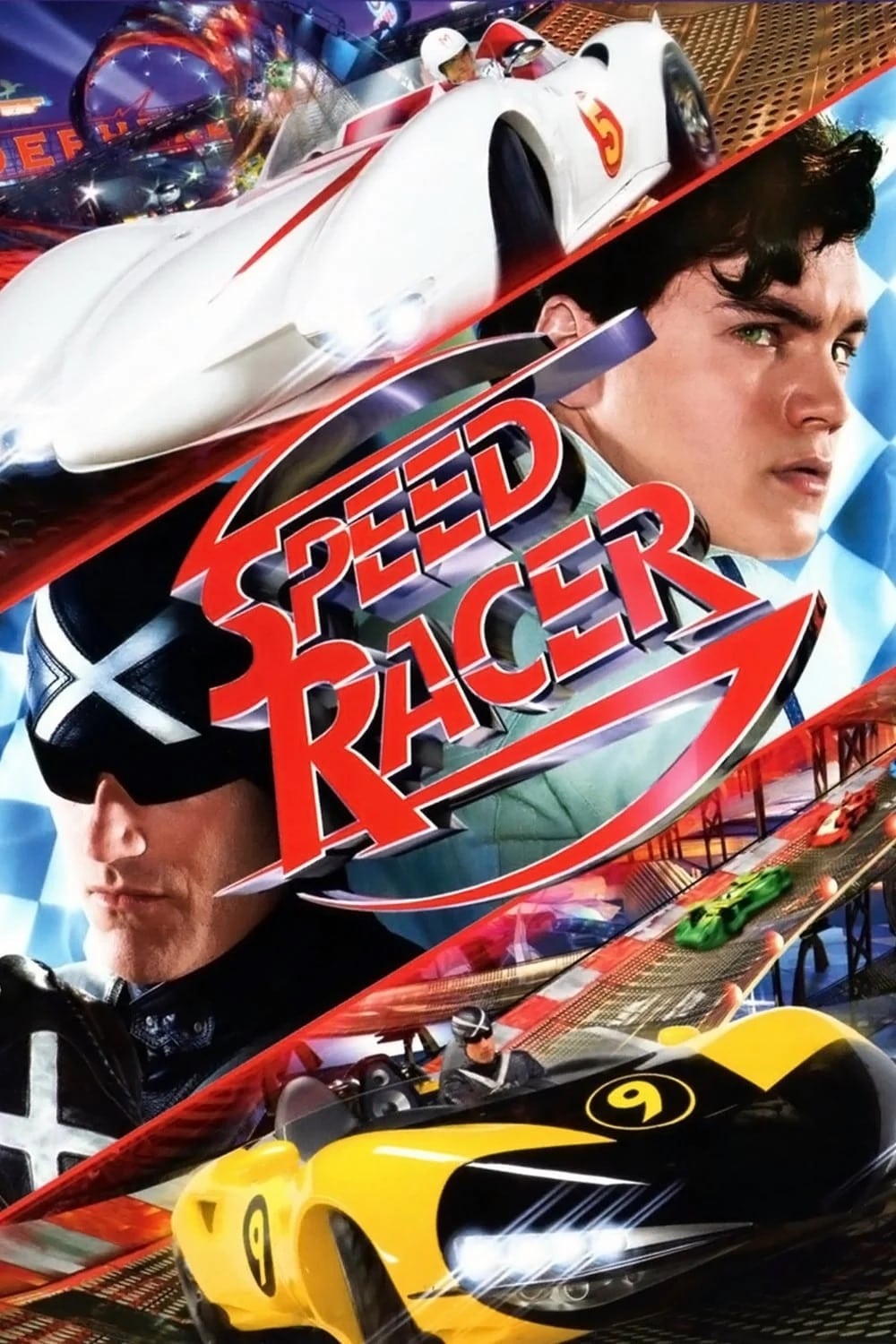
A stylized visual approach delivered a distinctive look that proved hard to sell in trailers. Families were unsure whether the target was kids or older fans of the classic series. The early summer frame and mixed word of mouth limited legs. Warner Bros. released it.
‘Jupiter Ascending’ (2015)
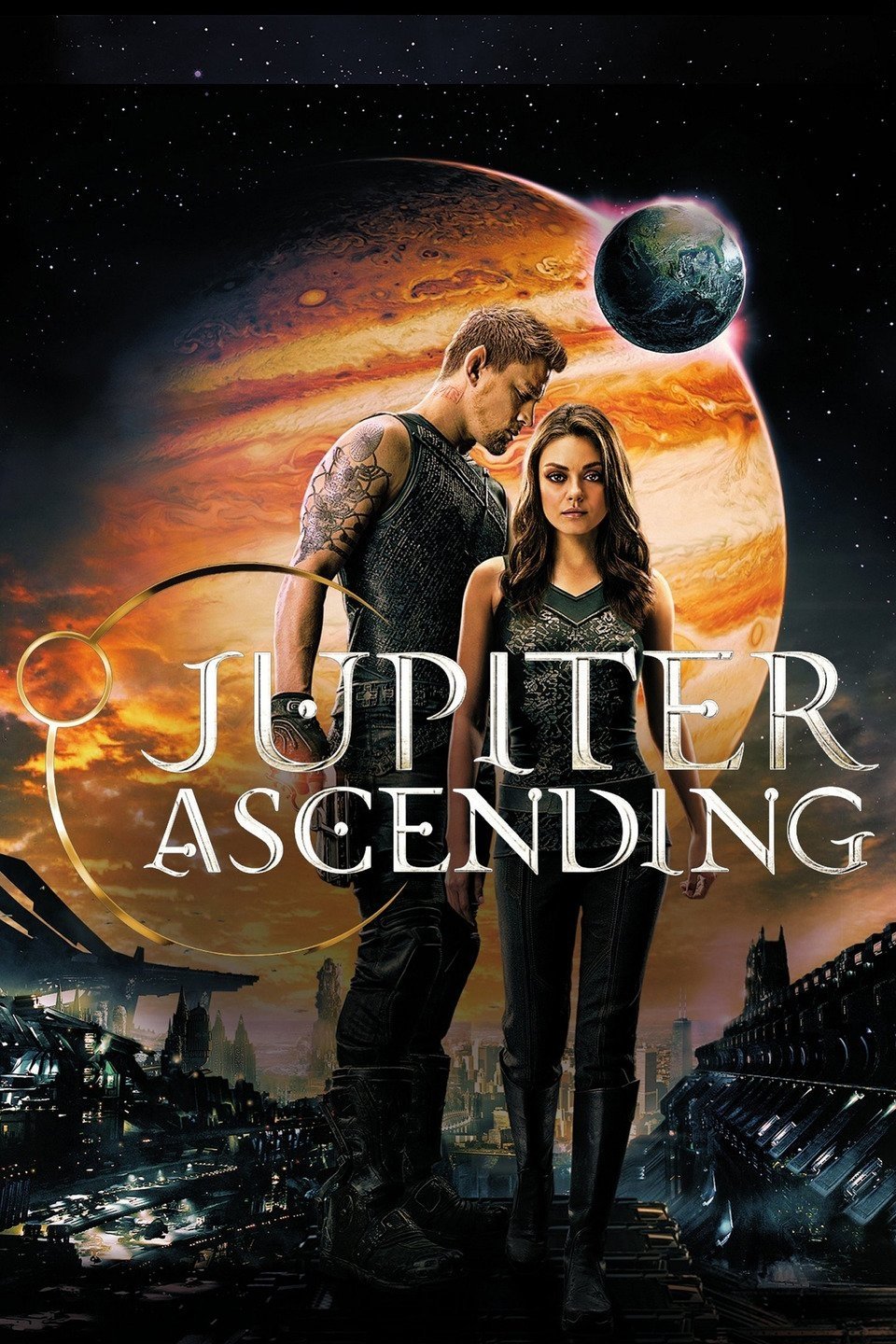
World-building and effects took center stage in the campaign while the core story remained hazy. A date shift signaled production challenges and hurt momentum. The property lacked brand recognition to justify the scale. Warner Bros. handled distribution.
‘A Wrinkle in Time’ (2018)
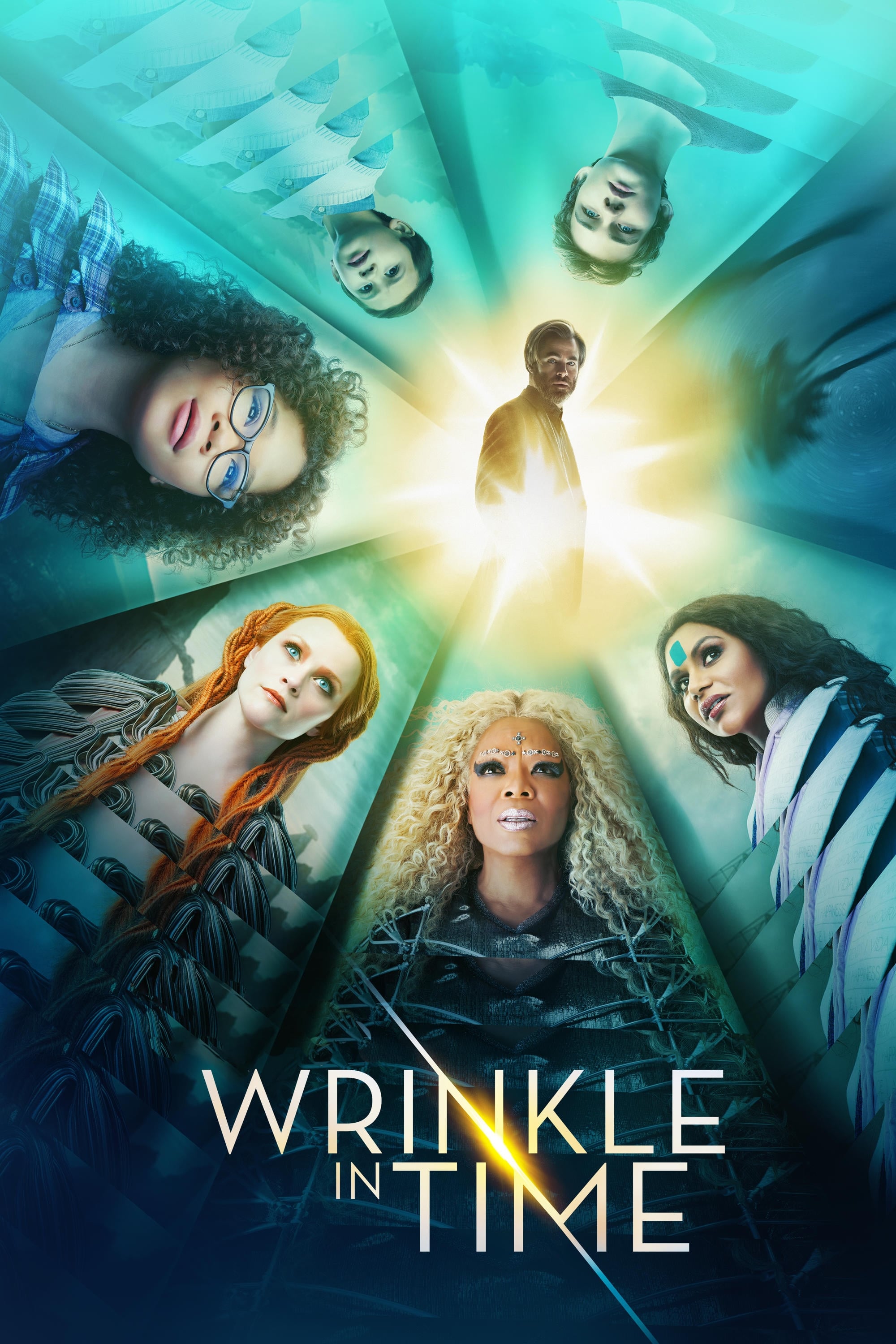
A beloved book adaptation faced the task of condensing complex ideas into a four-quadrant pitch. The campaign emphasized inspiration over plot specifics, which left some viewers unsure. Spring break scheduling could not deliver sustained weekday play. Walt Disney Studios Motion Pictures released it.
‘Gods of Egypt’ (2016)
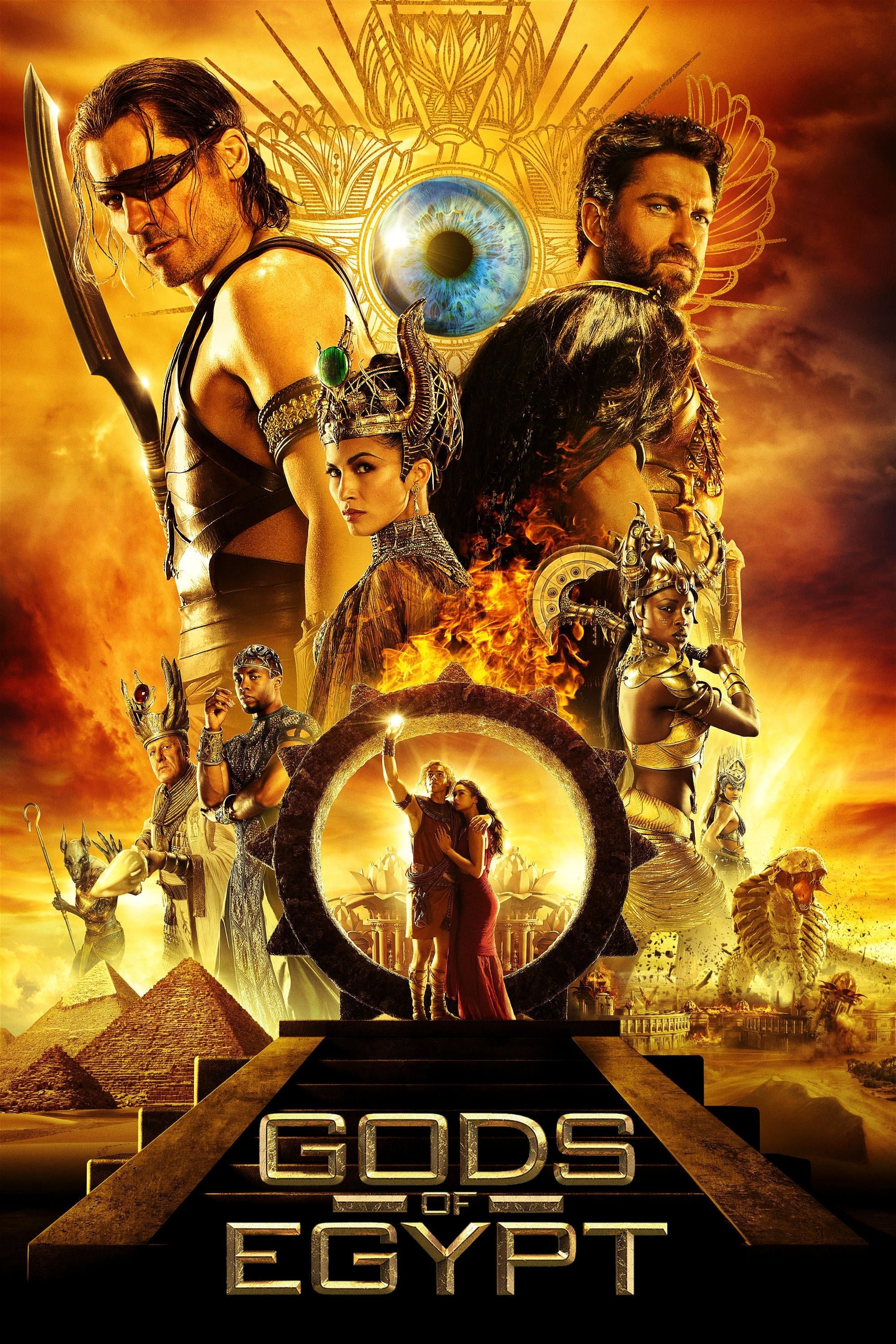
Mythic spectacle and lavish CG set pieces came with a significant price tag. Casting debates and early reactions became part of the conversation before opening. The crowded late winter corridor offered few breathing room weekends. Lionsgate distributed it through Summit Entertainment.
‘Jack the Giant Slayer’ (2013)
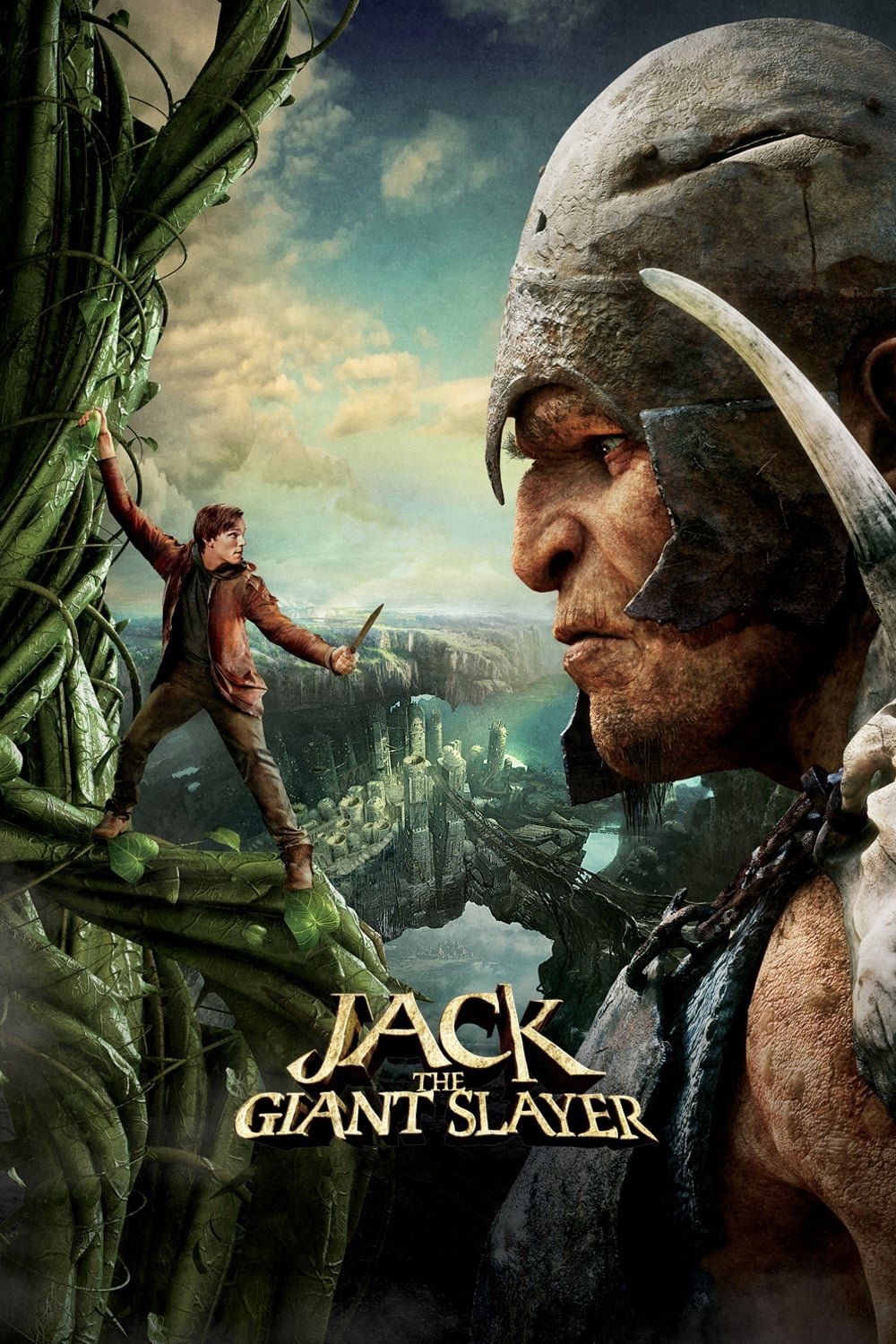
A fairy tale update leaned on heavy effects and 3D conversions that inflated costs. Multiple date changes undercut anticipation with families and teens. Strong competition in the same season split the audience. Warner Bros. handled distribution.
‘The BFG’ (2016)

A family fantasy with a respected filmmaker struggled to translate admiration into turnout. The quiet tone made it a tougher sell against louder blockbusters in the same window. Positive reviews did not produce the hoped for weekday holds. Walt Disney Studios Motion Pictures released it.
‘Robin Hood’ (2018)
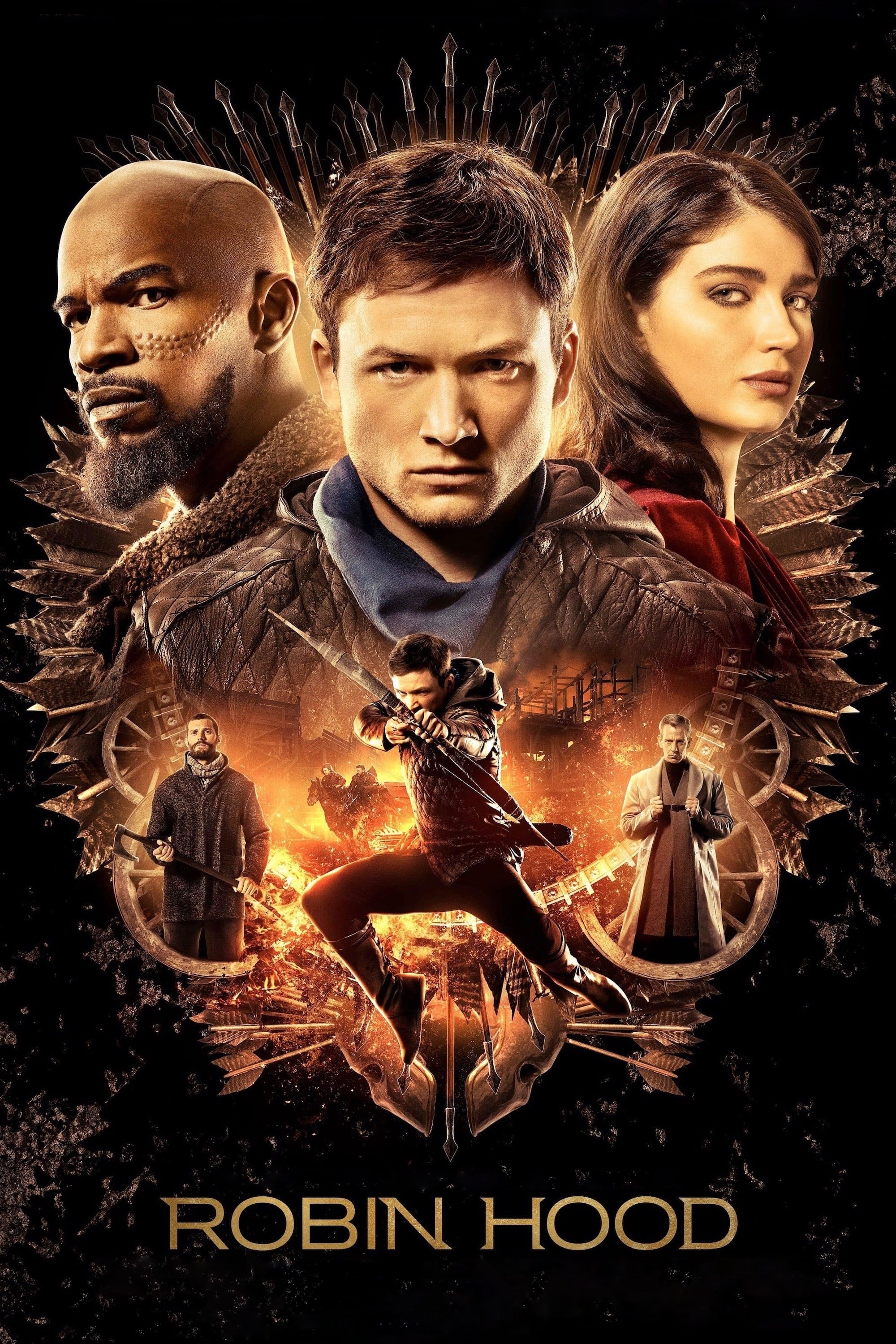
A modernized take on the legend emphasized action and style over a clear new angle. Marketing leaned on familiar iconography that felt interchangeable with earlier versions. Late fall timing put it near prestige titles and franchise sequels. Summit Entertainment released it for Lionsgate.
‘The Flash’ (2023)
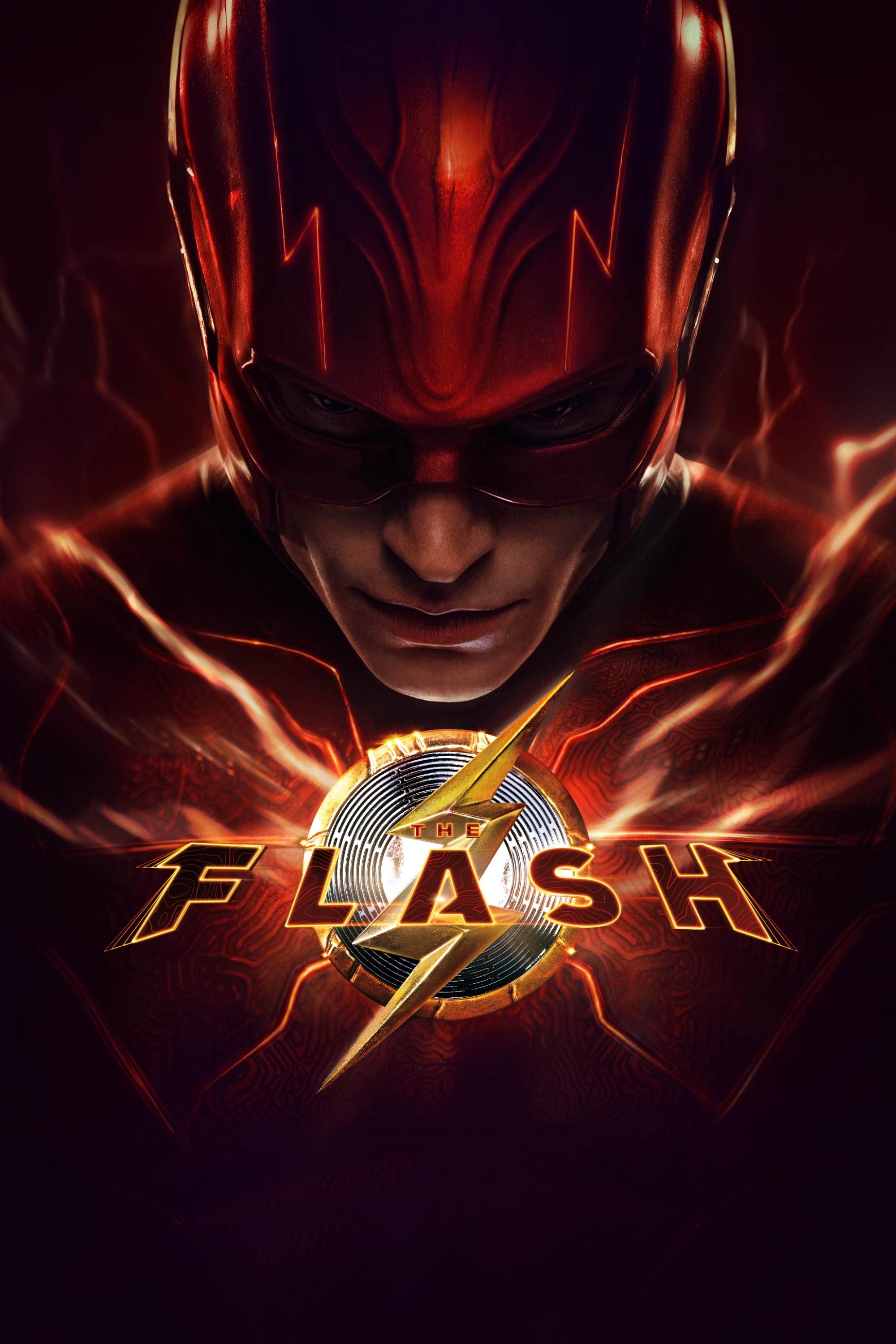
A multiverse storyline with multiple returning characters arrived amid franchise fatigue. Offscreen headlines and shifting dates complicated the rollout. Strong previews did not carry through to weekend holds or premium format demand. Warner Bros. Pictures distributed it.
‘Indiana Jones and the Dial of Destiny’ (2023)
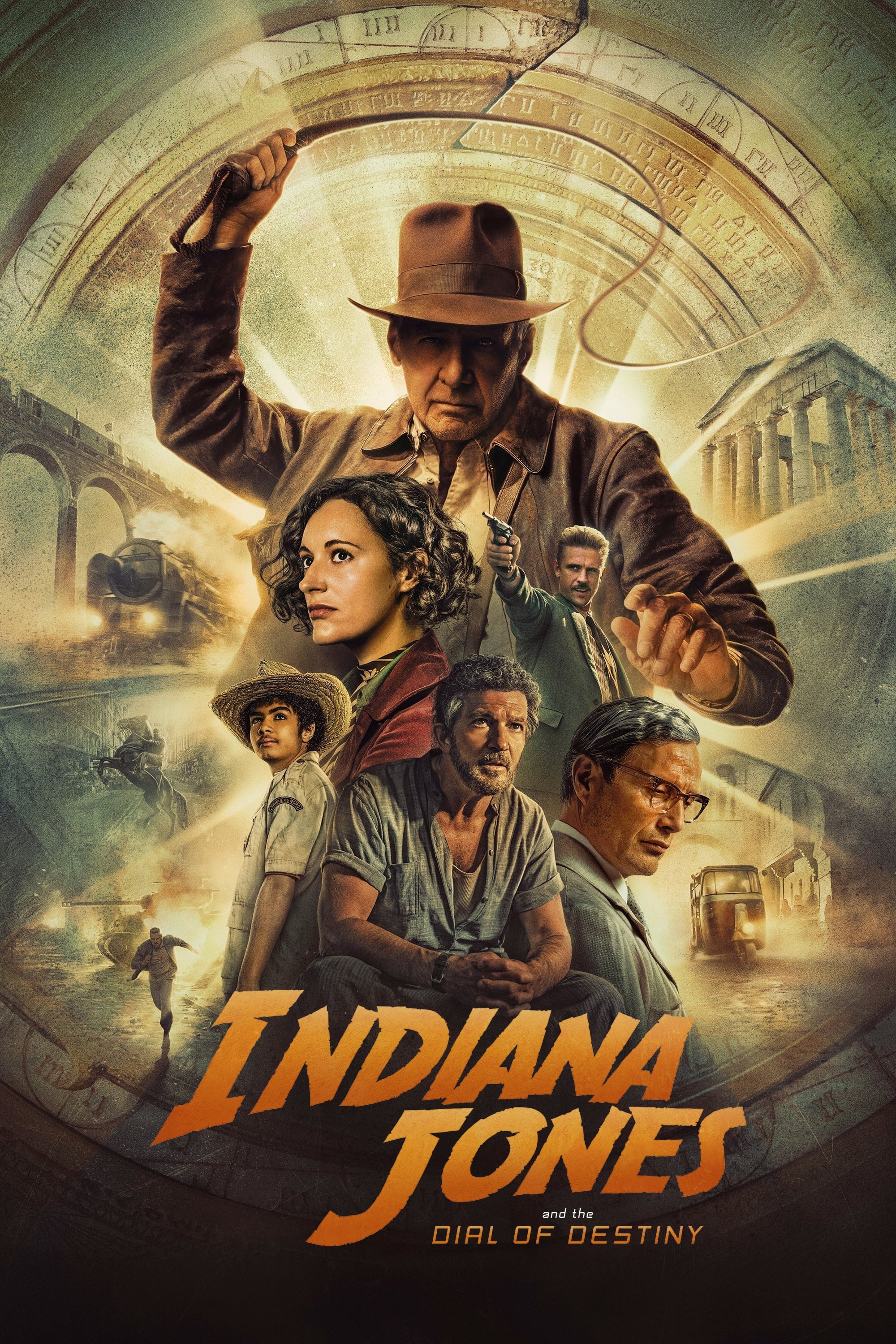
A legacy sequel with extensive location work and effects faced questions about audience appetite. A high production spend left little margin for a merely solid debut. Competition from other summer tentpoles reduced repeat viewing. Walt Disney Studios Motion Pictures released it.
‘Amsterdam’ (2022)
An ensemble period mystery carried prestige expectations and a notable cast. Trailers struggled to convey a crisp central plot that would hook casual moviegoers. The mismatch between profile and turnout led to short legs in wide release. 20th Century Studios handled distribution.
Share the biggest box office flameouts you’d add to the list in the comments.

