Billy Butcher’s Fate in ‘The Boys’ Finally Explained: The Death That Changed Everything

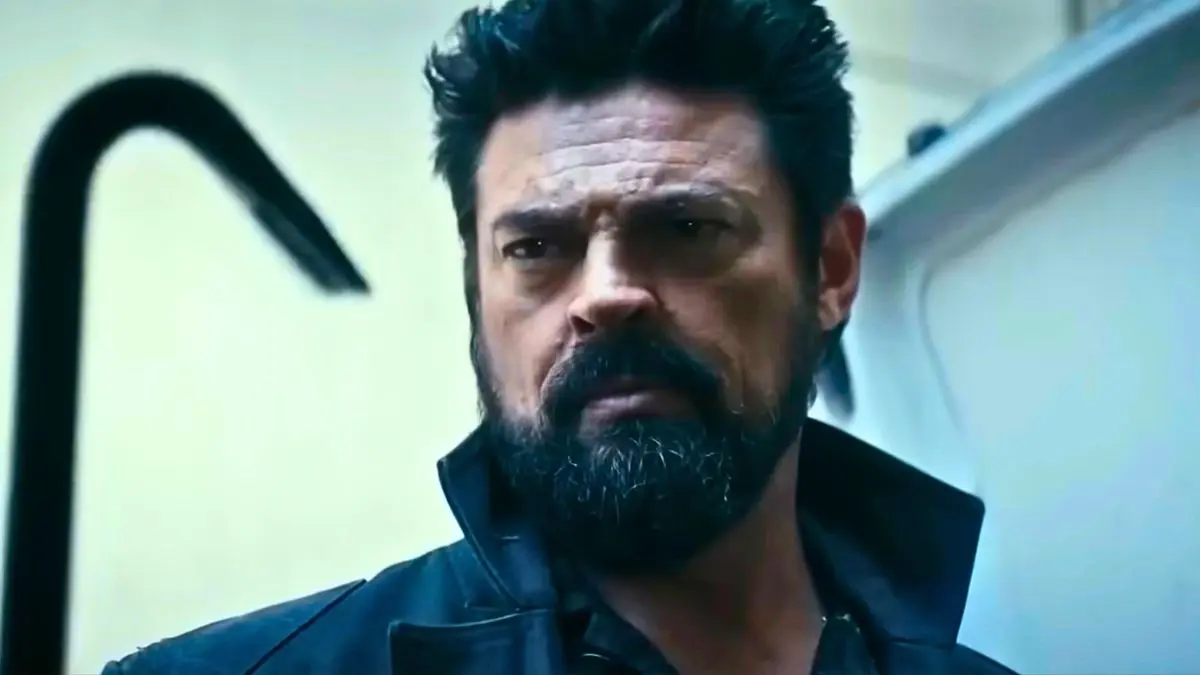

‘The Boys’ has never been a show about clean victories, and no character embodies that truth more completely than Billy Butcher. From the very first season, Karl Urban’s gravel-voiced antihero occupied a morally uncomfortable space, too righteous to be a villain and too ruthless to be a hero. Audiences have spent five seasons watching this ticking bomb slowly detonate, and the series finale made absolutely certain there was nothing left to pick up off the floor.
The question of whether Butcher survives ‘The Boys’ became one of the most searched topics surrounding the finale. The answer is no, he does not make it, but the how and the why of his death is what makes it one of the most emotionally bruising conclusions in recent prestige television history.
How Butcher’s Brain Tumor Set the Stage for His Downfall
The seeds of Butcher’s end were planted well before the final season. After using temporary Compound V throughout season 3 to stand up to superpowered foes like Homelander and Soldier Boy, Butcher was left with a tumor in his brain and a terminal prognosis. The illness became the show’s quiet engine, slowly dismantling whatever remained of his restraint.
Season 4 mined this development for compelling drama, setting Butcher up to go down a much more villainous path. The introduction of Joe Kessler as a haunting hallucination, a literal projection of Butcher’s darkest impulses, forced viewers to watch a man lose the internal war against himself in slow motion.
Butcher injected himself with Compound V in an effort to stave off his own death, but the V inadvertently applied itself to his tumor instead, resulting in it gaining sentience. This caused his brain to undergo a strange transformation, bringing out both his dark side, which appeared as Kessler, and his good side, which appeared as his deceased wife Becca. The illness was never just a plot device. It was a metaphor wearing a medical diagnosis.
At the heart of season 4 were questions about redemption. Hughie voiced the power of it, but Butcher was the one member of the team who actively resisted that idea, seemingly dooming himself to a grim fate.
Butcher’s Villain Arc and the Supe Genocide Plan
The season 4 finale marked the point of no return. Ryan’s accidental murder of Mallory pushed Butcher over the edge, which was the final key needed to unlock his dark side. Despite his best efforts to resist, Butcher could only watch from his sick bed as Ryan lashed out at Mallory’s attempt to restrain him, killing her instantly. This left Butcher with no restraint when he returned to the Boys, quickly murdering Neuman and taking the Supe virus for himself.
Armed with the virus to create a Supe genocide, Butcher returned to his ruthless and uncompromising ways, determined to wipe out every Supe in the world, including himself. His hatred for Supes had become so extreme that he no longer cared if he lived or died, provided they all died with him. This trajectory was not invented by the writers entirely from scratch.
While ‘The Boys’ on Prime Video had diverged from the original comics in several ways, it kept true to the spirit of Butcher’s final role in the story. In the comic’s subsequent storyline, Butcher revealed his belief that all Supes were monsters and set about enacting a plan that would eradicate all of them across the Earth. The show honored that darkness rather than softening it for a mainstream audience.
Karl Urban’s Billy Butcher had always walked a fine line between antihero and monster, now fighting a terminal illness and guided by a dark hallucination, with his obsession with a full Supe genocide reaching a point of no return.
Homelander’s Death and Butcher’s Final Mission
In the series finale, titled “Blood and Bone,” Butcher did get the moment he had been working toward his entire life. In a highlight of the finale, Butcher and Homelander’s son Ryan teamed up to fight Homelander in the Oval Office of the White House. They eventually held him down long enough for Kimiko to use her ability, draining all three of their superpowers. In perhaps the most cathartic moment of the series, Butcher beat Homelander to a bloody pulp, driving a crowbar through his skull.
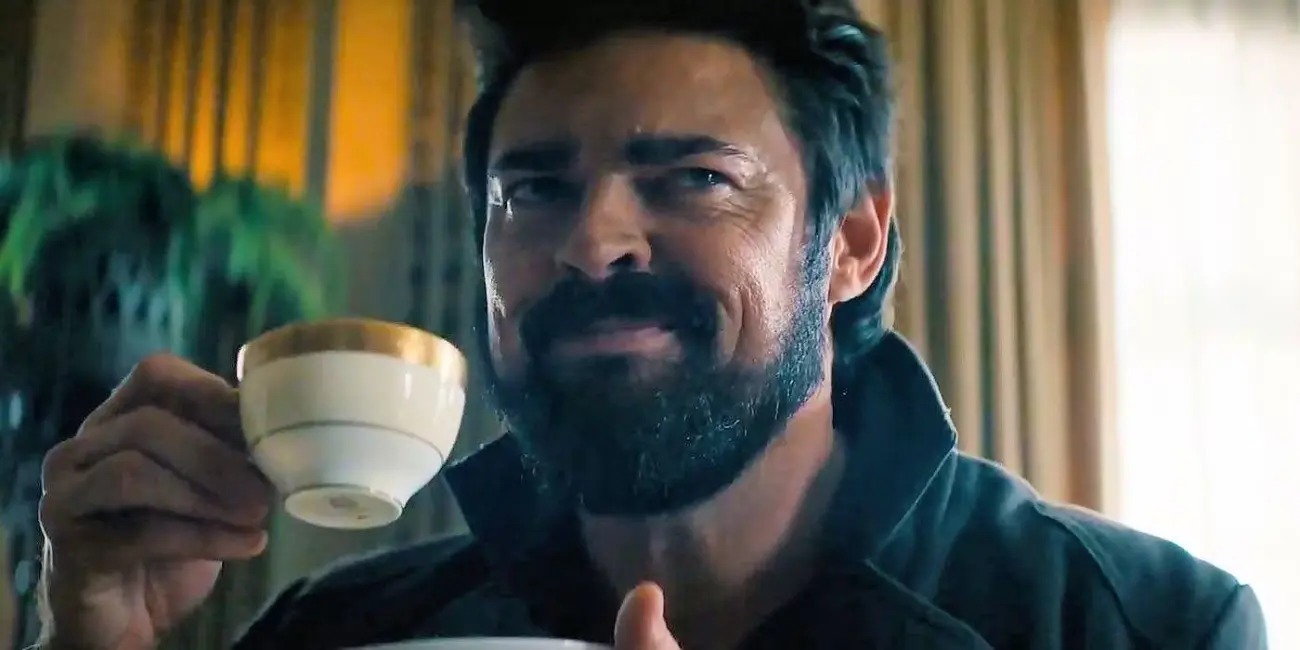
Rendered as mere mortals, it just took a crowbar through the head to spell the end of Homelander forever. And the entire fight was televised live across the country. It was the ending Butcher had promised from the very beginning, delivered exactly as brutally as the show always promised it would be.
But the victory was not the ending. Upset over Ryan’s rejection, Butcher soon learned that his dog Terror had also died. Angry over this emotional double-whammy, and believing that it was only a matter of time before another Homelander was made, Butcher located the Supe-killing virus and left without telling the rest of the group where he was going.
Does Butcher Die? How Hughie Delivers the Killing Blow
Taking the Supe-killing virus to Vought Tower, Butcher rigged the sprinklers and planned a Supe genocide. However, Hughie arrived just in time to stop him, getting into a bloody brawl that ended with Hughie shooting Butcher. Holding the leader of the Boys in his arms, Butcher sadly stated that he was never going to stop, and that Hughie and how much he reminded him of his brother was what stopped his warpath.
At the last minute, Butcher hesitated after seeing his brother Lenny in a vision, but Hughie shot him, not realizing he may have been about to stop. Butcher died holding Hughie’s hand. The tragedy of the timing is almost unbearable. One second earlier and everything could have been different.
They buried Butcher next to his wife Becca, as the Boys said farewell to their fallen leader and headed to a topless steakhouse in Reno. Mother’s Milk reunited with his family, Kimiko headed to Marseille and got a dog, and Hughie was offered a job at the Bureau of Supe Affairs. However, he turned it down to run his own audio-visual shop with a pregnant Annie January, and they named their baby Robin, a callback to where it all began.
It is the ending that mirrors the show’s darkest thesis: the corruption of good intentions is just as dangerous as the evil they were meant to fight. ‘The Boys‘ has always argued that the real monsters are systems and ideologies, and Butcher’s death was the show making that argument one final, devastating time. Whether Hughie pulling that trigger felt like justice, mercy, or heartbreak is a question fans will be debating for years, so share your take in the comments.