


Black Actors Who Aren’t Afraid to Talk Politics

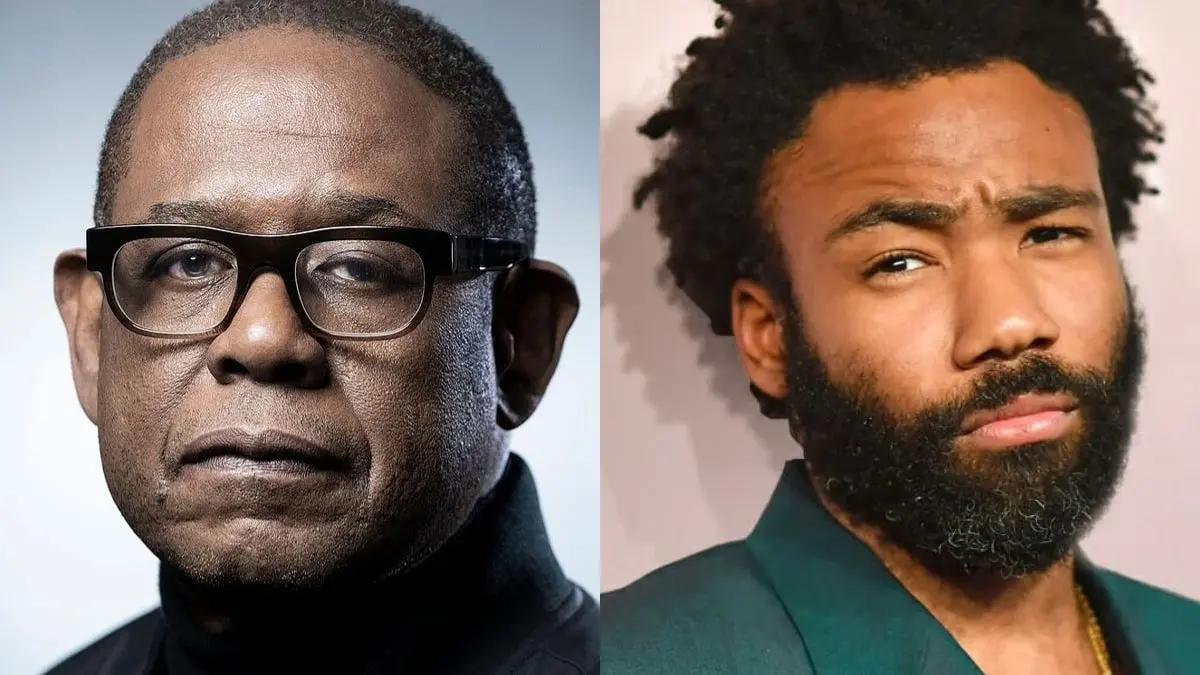


The intersection of entertainment and civic engagement has a long history within Hollywood. Many Black male actors leverage their significant platforms to advocate for social justice and legislative change. These figures often risk professional backlash to speak their minds on issues ranging from voting rights to police reform. Their contributions extend beyond the screen as they participate in rallies and fund grassroots organizations. The following individuals have demonstrated a consistent willingness to engage in political discourse.
Danny Glover
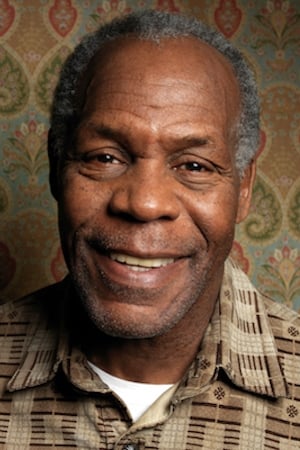
Glover remains one of the most consistent activists in the film industry. He served as a Goodwill Ambassador for the United Nations Development Program. The actor frequently advocates for labor rights and global humanitarian efforts. He has been arrested numerous times during protests for various social causes. His work emphasizes the importance of economic justice and international solidarity.
Samuel L. Jackson
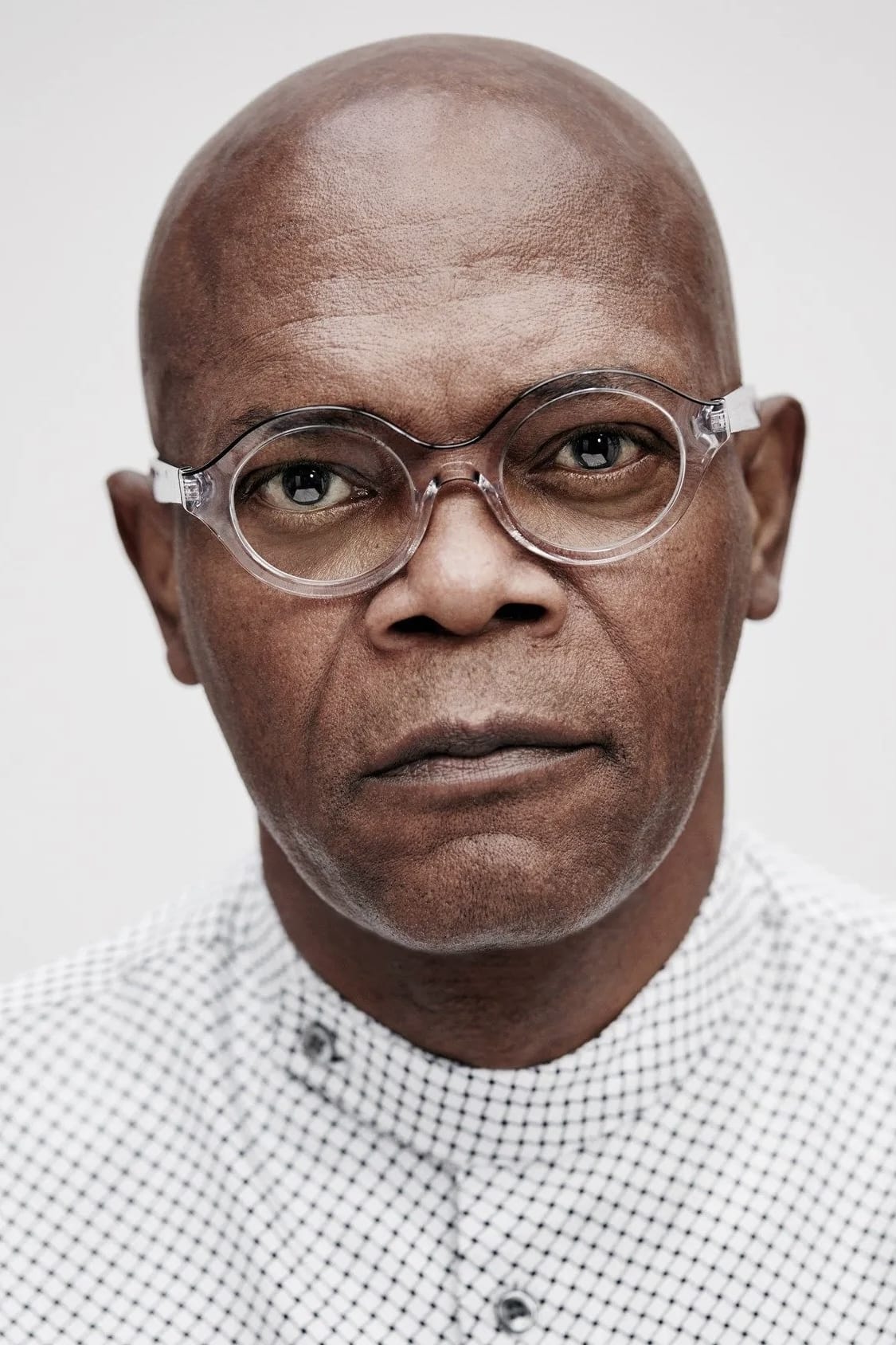
This prolific actor never hesitates to voice his opinions on political matters. Jackson uses his social media platforms to encourage voter turnout and criticize political corruption. He was an usher at the funeral of Martin Luther King Jr. and has a history of civil rights activism. The star often wears clothing that promotes social messaging during interviews. He remains a staunch advocate for progressive policies.
Don Cheadle
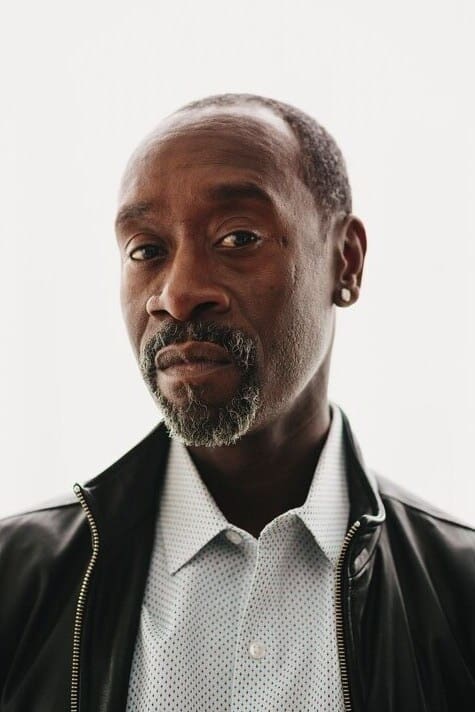
Cheadle dedicates much of his time to environmental activism and humanitarian aid. He co-authored a book detailing the genocide in Darfur and campaigned to end the violence. The actor serves as a Goodwill Ambassador for the United Nations Environment Programme. He frequently speaks about the intersection of climate change and social equity. Cheadle uses his celebrity status to amplify marginalized voices on the global stage.
Jeffrey Wright
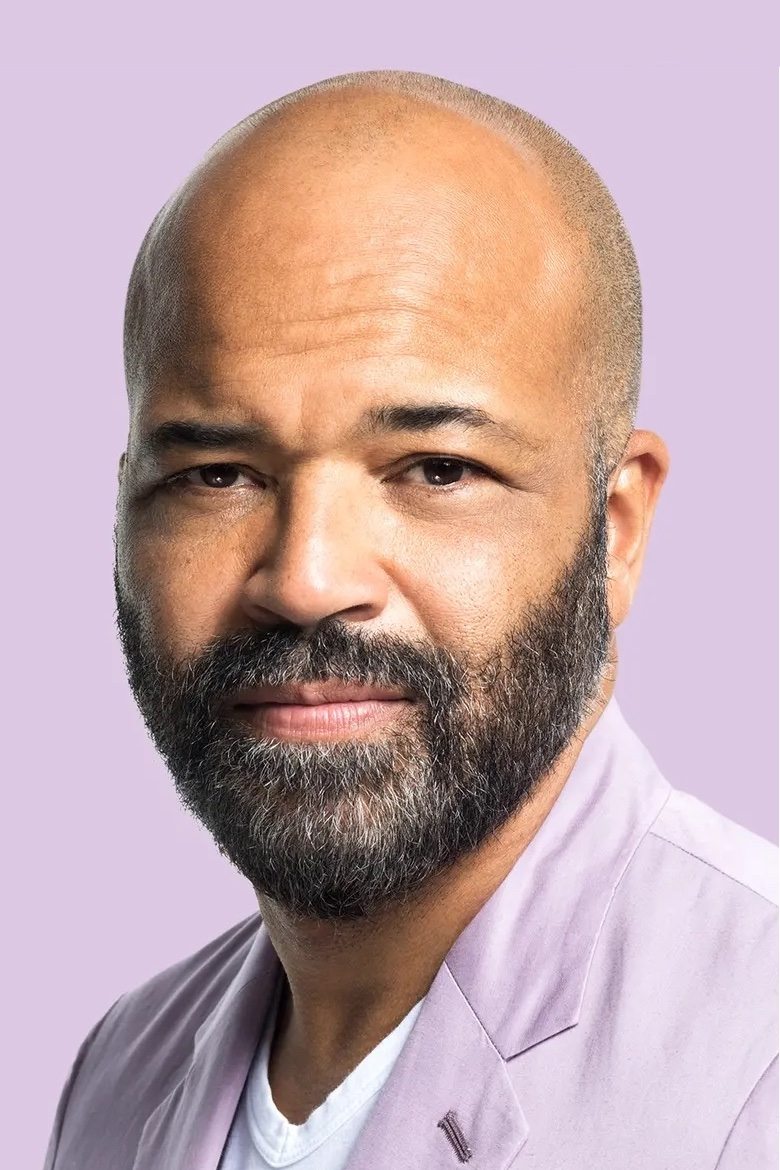
Wright combines his acting career with a deep commitment to social commentary. He is the chairman of a mining company founded to ethically source minerals in Sierra Leone. The actor is vocal about veterans’ rights and the need for systemic reform. He uses his social media presence to dissect complex political events for his followers. Wright consistently challenges narratives he views as harmful to democracy.
John Boyega
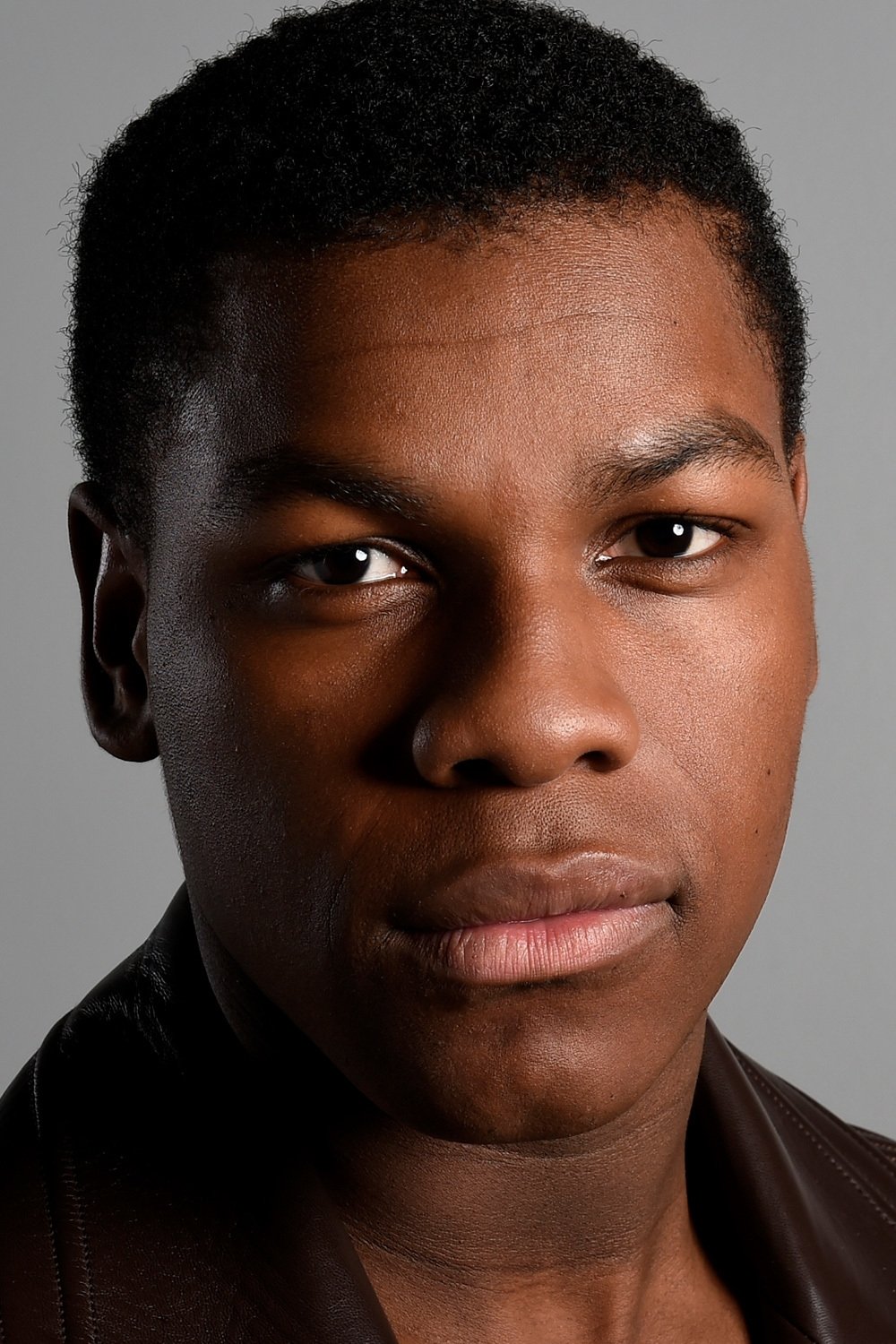
Boyega made international headlines for his impassioned speech at a Black Lives Matter rally in London. He publicly stated he did not care if his activism cost him his career. The actor continues to champion racial justice and representation in the film industry. His vulnerability during the protests garnered widespread support from peers and fans. Boyega remains a powerful voice for youth empowerment and systemic change.
Kendrick Sampson
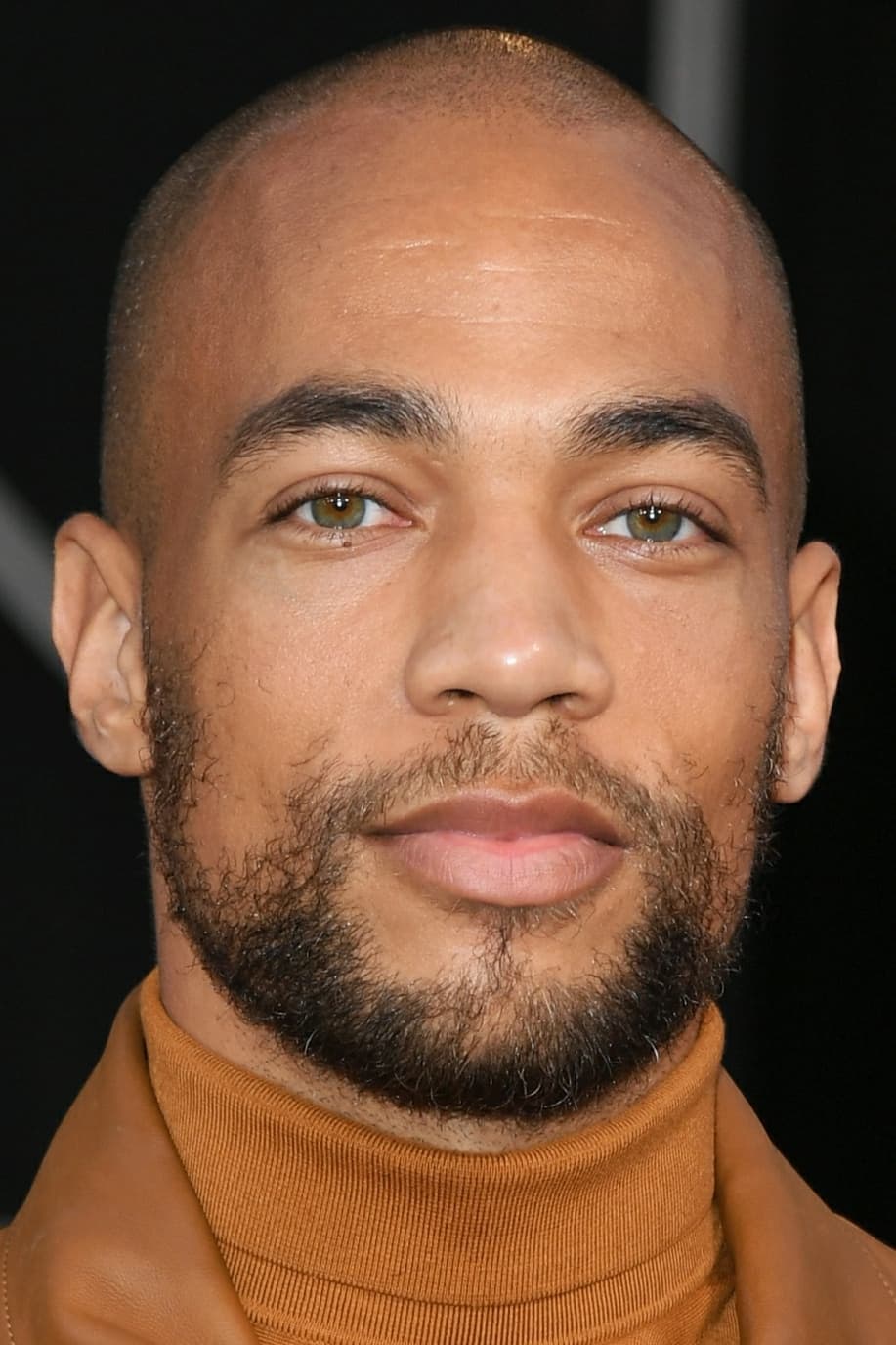
Sampson is a co-founder of the organization BLD PWR which mobilizes the entertainment industry for radical social change. He was physically injured by police while protesting in Los Angeles. The actor organizes community events to educate the public on local political measures. He frequently appears on news programs to discuss police abolition and mental health resources. Sampson dedicates his life to dismantling oppressive systems.
Jesse Williams
Williams delivered a viral speech at the BET Awards that addressed systemic racism and police brutality. He sits on the board of directors for the civil rights organization Advancement Project. The actor produced documentaries focused on the school-to-prison pipeline. He actively participates in voter registration drives and community organizing. Williams consistently centers the needs of disenfranchised communities in his public statements.
Jamie Foxx
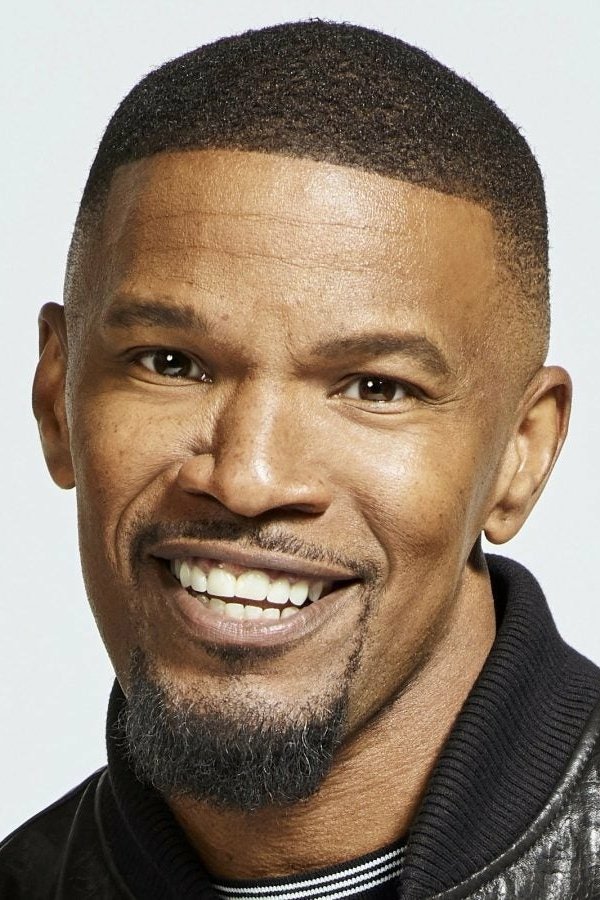
Foxx has used his platform to demand justice for victims of violence. He attended rallies for Trayvon Martin and spoke intimately with the family. The actor is vocal about the need for judicial reform in the United States. He often participates in charity events that support underprivileged youth. Foxx balances his entertainment career with genuine advocacy for civil rights.
Michael B. Jordan
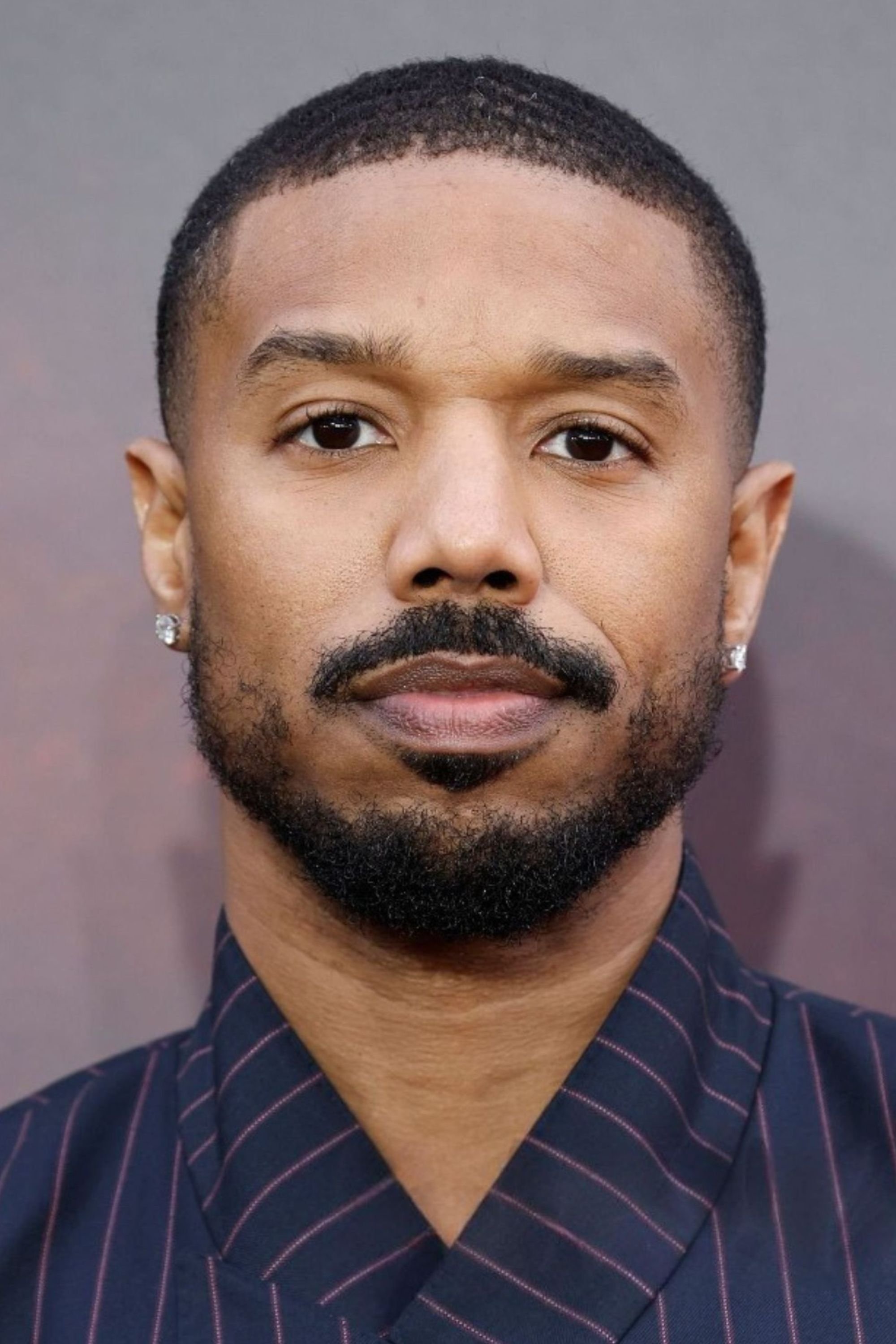
Jordan was one of the first major stars to adopt an inclusion rider for his production company. This contractual clause ensures diversity in casting and staffing for his projects. He participated in protests following the death of George Floyd. The actor uses his production influence to tell stories that highlight social injustices. Jordan actively works to create more opportunities for Black creatives in Hollywood.
Wendell Pierce
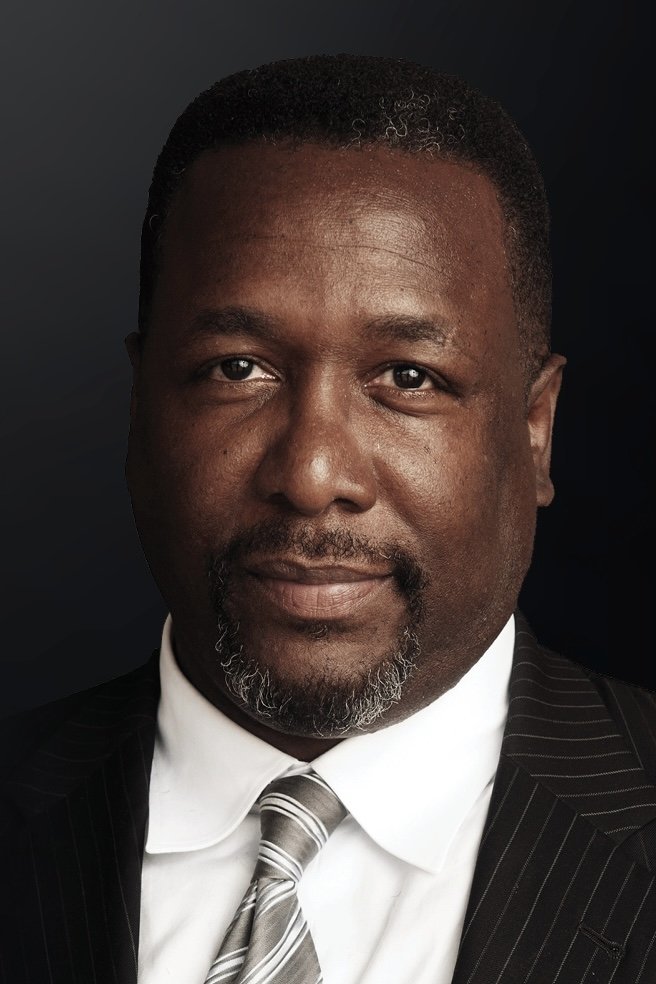
Pierce is a passionate advocate for the recovery and development of New Orleans. He invests in community housing projects to combat gentrification. The actor frequently comments on national politics and the importance of civic engagement. He uses his radio appearances to discuss the cultural and political history of Black America. Pierce remains deeply connected to the political health of his hometown.
LeVar Burton
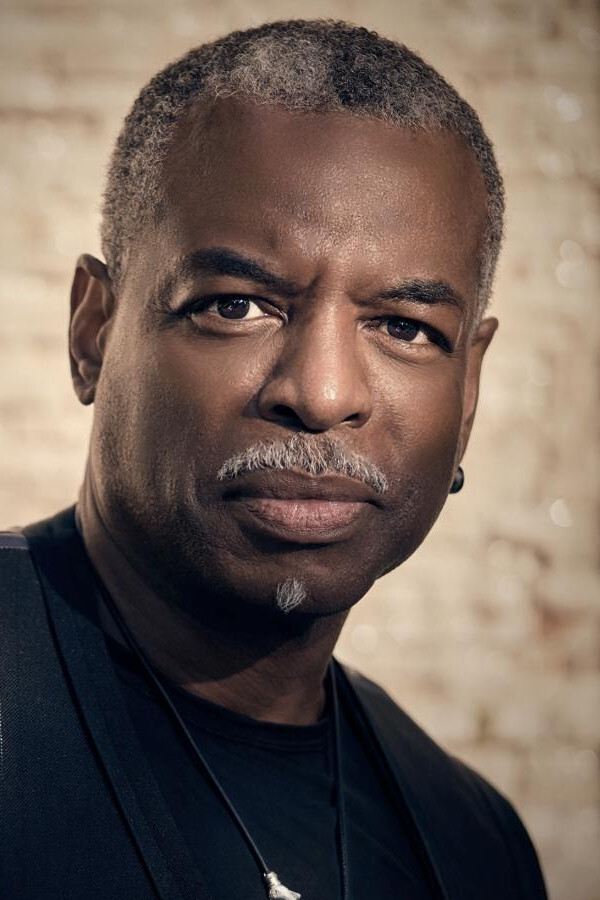
Burton has spent decades advocating for literacy and education funding. He frequently testifies before government bodies regarding the importance of public broadcasting. The actor speaks out against book bans and censorship in schools. He uses his podcast and social media to champion intellectual freedom. Burton views education as a fundamental civil right and political necessity.
Forest Whitaker
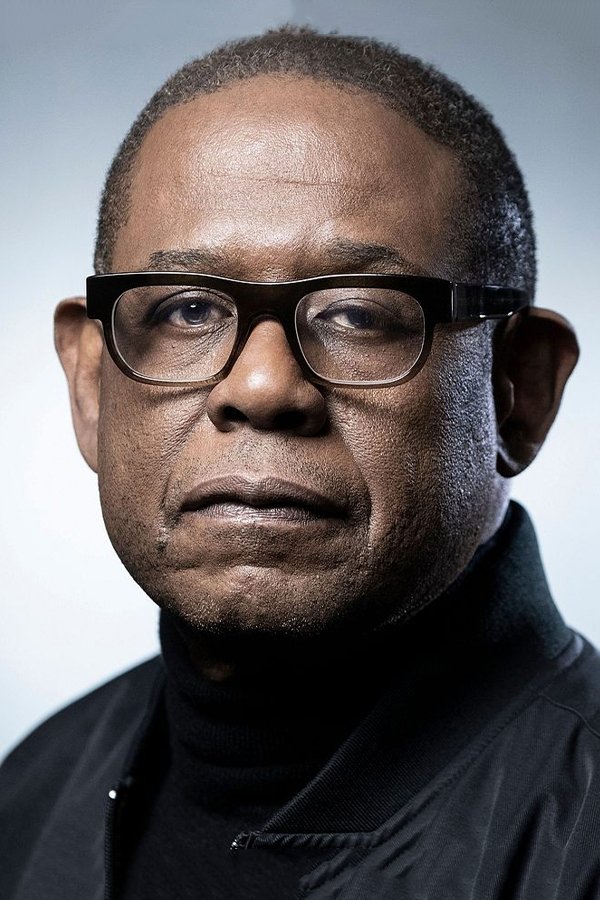
Whitaker founded the Whitaker Peace & Development Initiative to help young people in conflict zones. He serves as a UNESCO Special Envoy for Peace and Reconciliation. The actor works globally to promote conflict resolution and gang rehabilitation. He engages with world leaders to develop policies that support sustainable peace. Whitaker has dedicated his life to humanitarian diplomacy.
Will Smith
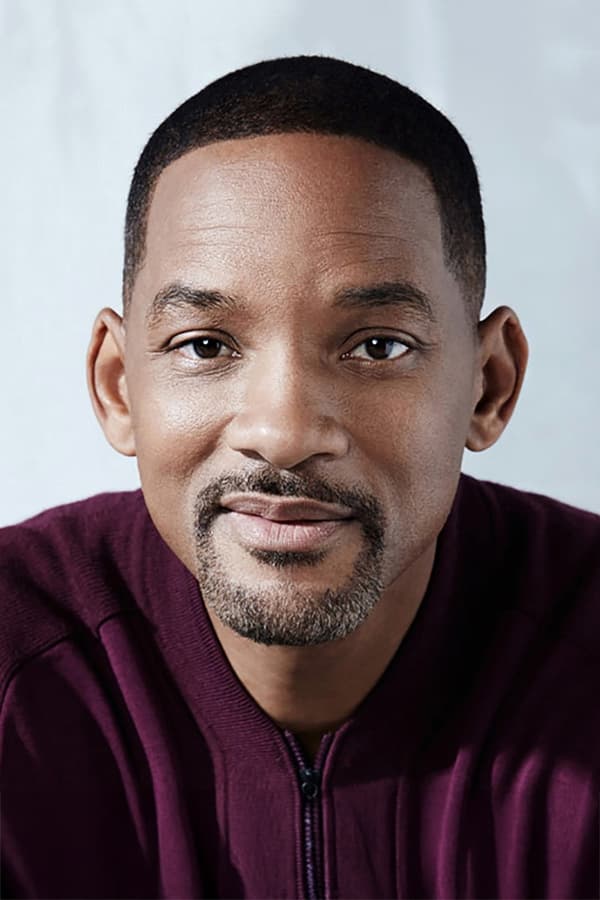
Smith has spoken candidly about race relations and his experiences with prejudice. He contributed to political campaigns and supported various social causes. The actor produced projects that examine the history of slavery and civil rights. He famously pulled production of a film from Georgia to protest voting restriction laws. Smith uses his financial resources to support organizations fighting for equality.
Denzel Washington
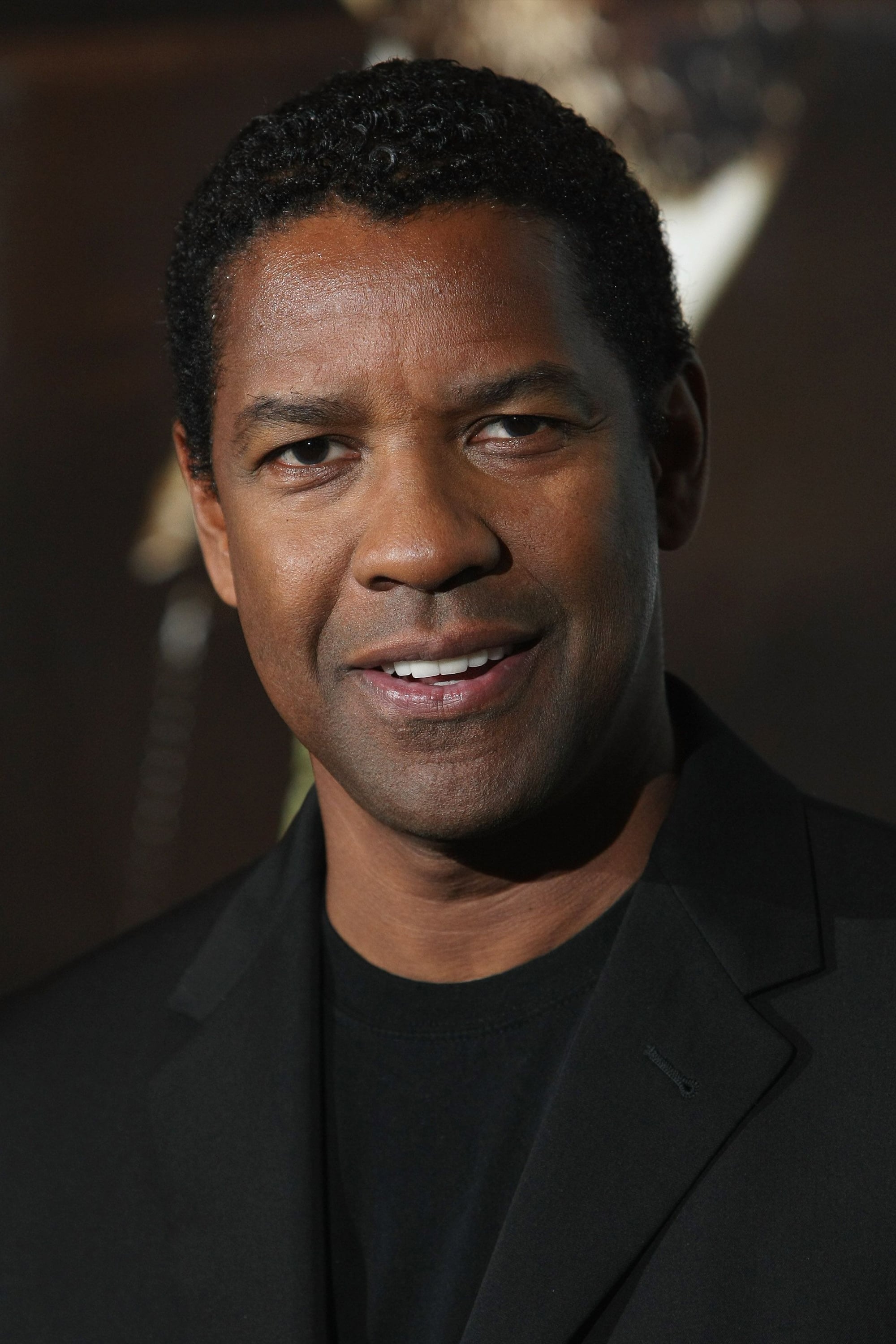
Washington has quietly funded the education of numerous young Black actors. He supports the Boys & Girls Clubs of America to provide safe spaces for youth. The actor speaks on the importance of family structure and community responsibility. He directs films that highlight historical struggles for dignity and rights. Washington focuses his advocacy on empowerment through education and opportunity.
Laurence Fishburne
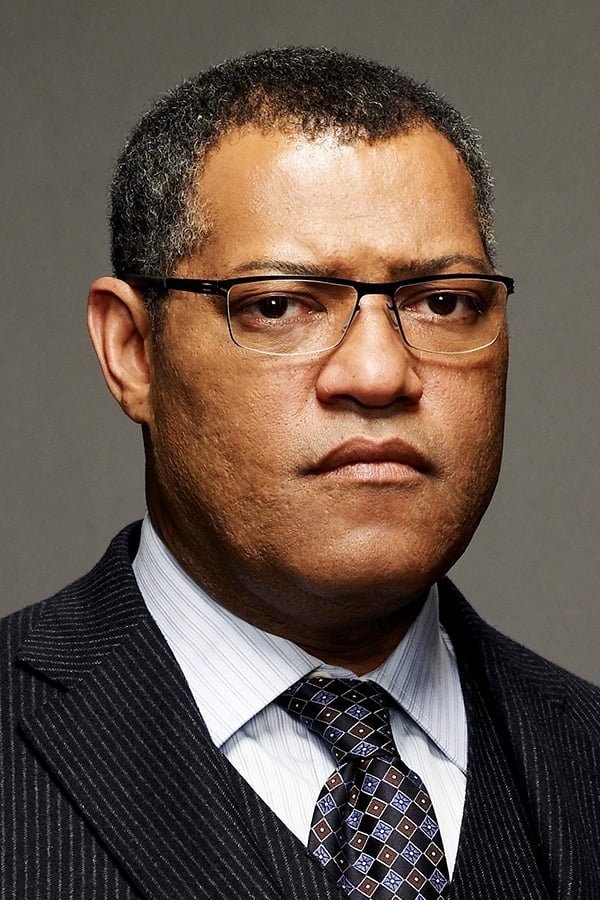
Fishburne consistently chooses roles that reflect the complexities of the Black experience. He speaks out about the need for diversity in media ownership. The actor supports organizations dedicated to fighting HIV/AIDS in Africa. He uses his public appearances to discuss the importance of historical memory. Fishburne remains a dignified voice for cultural integrity and representation.
Idris Elba
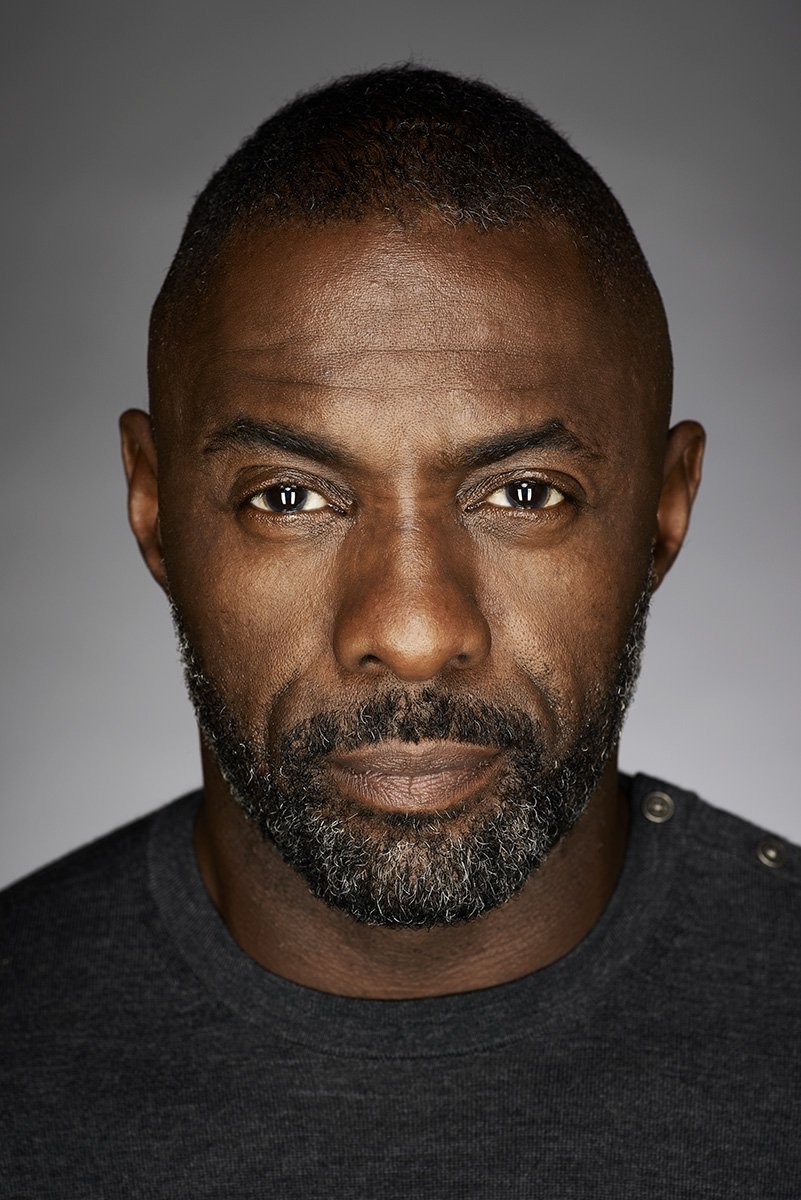
Elba serves as a Goodwill Ambassador for the International Fund for Agricultural Development. He advocates for rural communities and food security in developing nations. The actor met with government officials to discuss youth violence and knife crime in London. He uses his platform to address global health crises such as the Ebola outbreak. Elba focuses on tangible solutions to poverty and systemic neglect.
Daniel Kaluuya
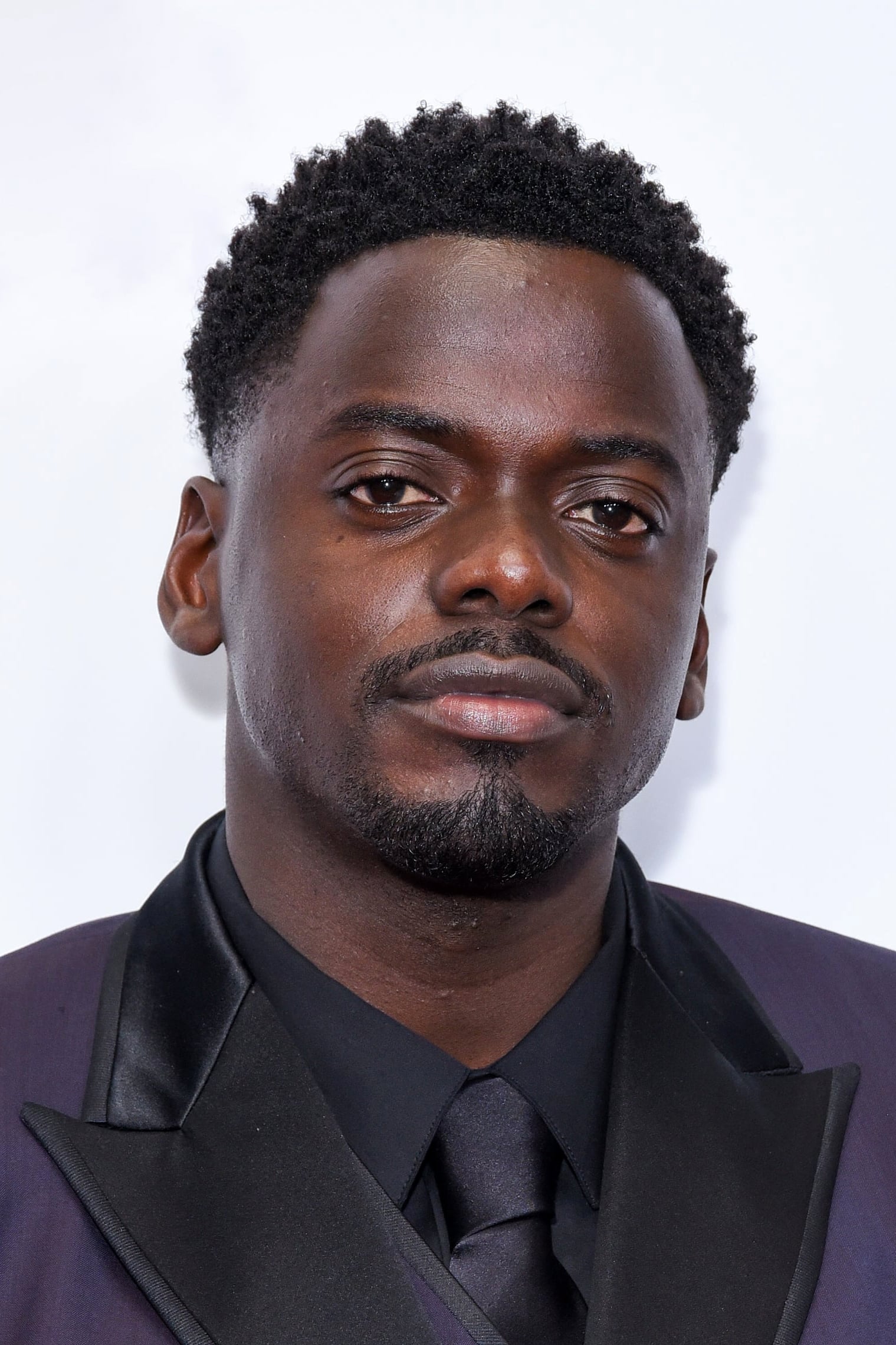
Kaluuya frequently discusses the politics of race and identity in his interviews. He chooses projects that challenge societal perceptions of Blackness. The actor speaks about the differences in racial dynamics between the UK and the US. He advocates for the arts as a tool for political expression and healing. Kaluuya remains critical of performative activism within the industry.
Sterling K. Brown
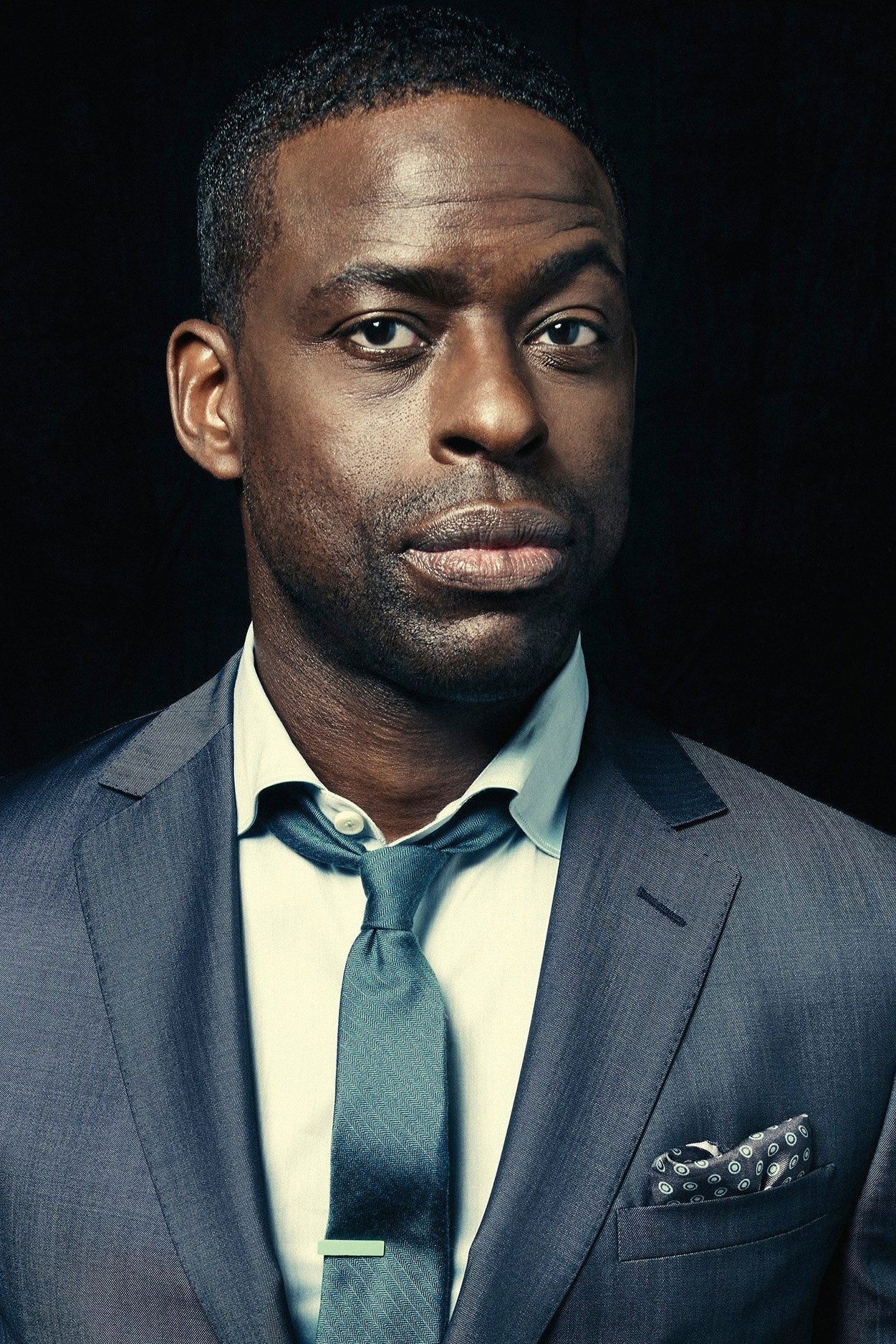
Brown uses his acceptance speeches to highlight the importance of representation. He speaks openly about the burden of being a Black man in America. The actor advocates for mental health awareness within the African American community. He supports initiatives that provide resources for underprivileged students. Brown connects his artistic choices to broader social conversations.
Yahya Abdul-Mateen II
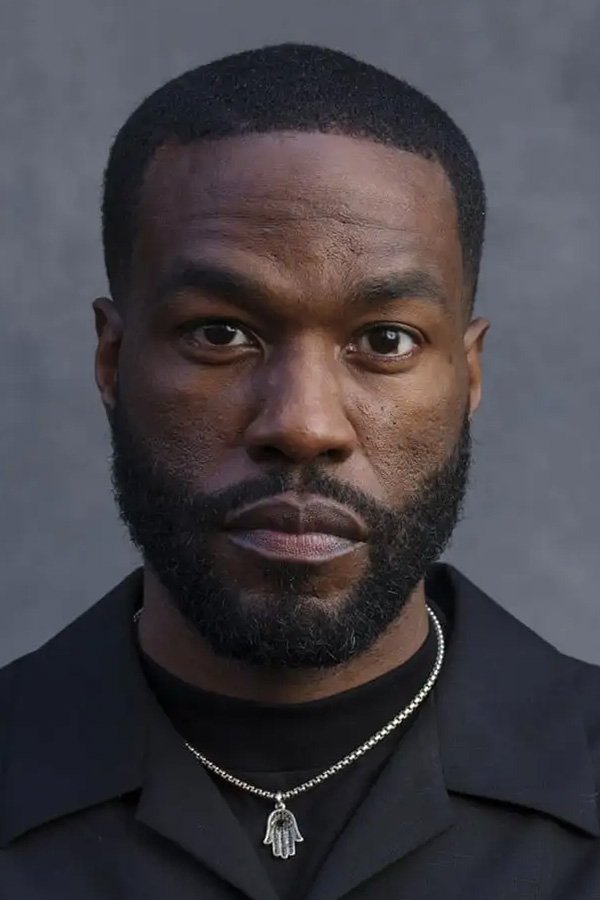
Abdul-Mateen actively engages with his community regarding housing and development. He speaks about the importance of honoring Black history through storytelling. The actor participated in initiatives to support local businesses during the pandemic. He uses his roles to explore themes of resistance and justice. Abdul-Mateen is committed to uplifting the narrative of his hometown in Oakland.
Delroy Lindo
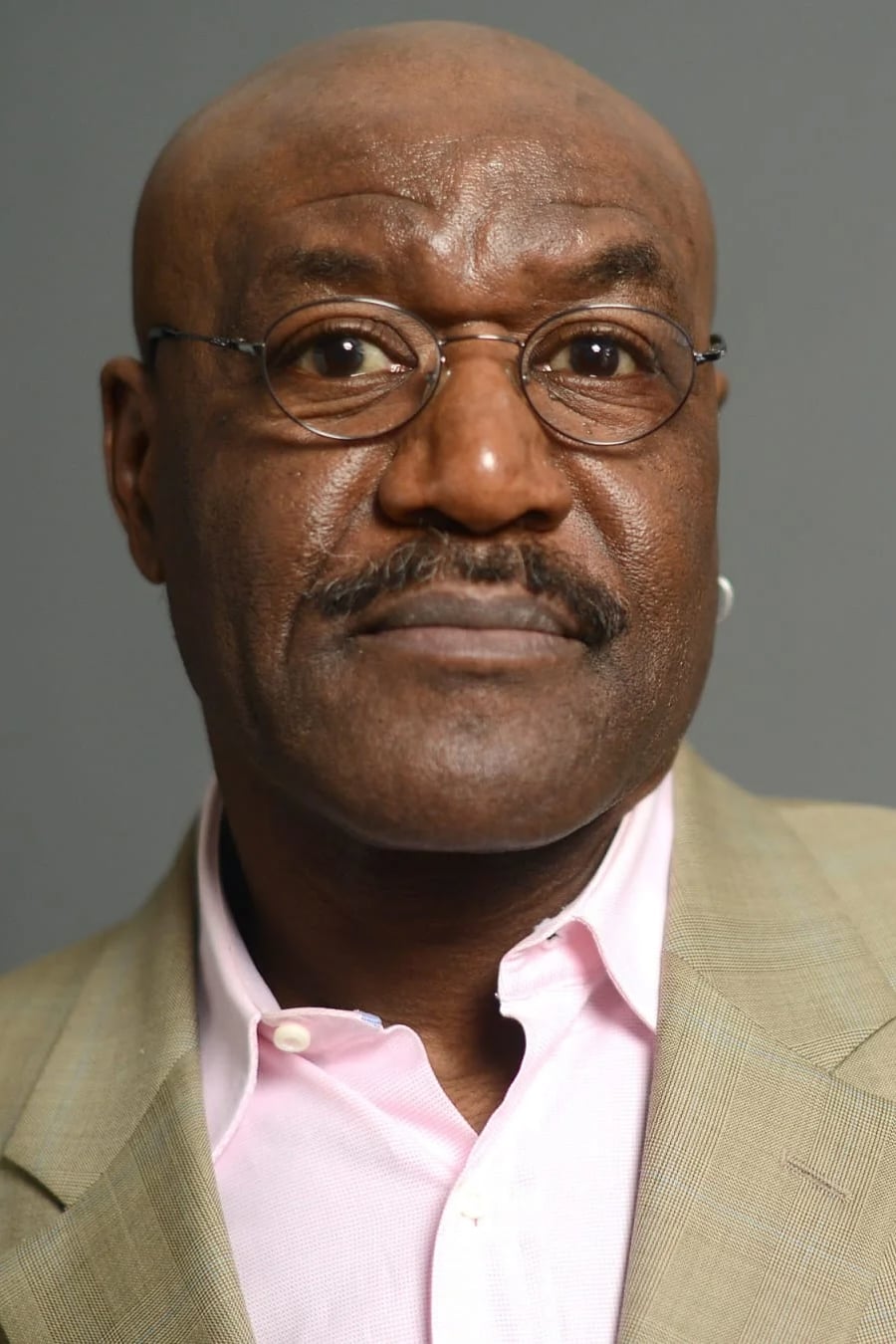
Lindo has a history of working on projects that tackle political corruption and racism. He speaks passionately about the erasure of Black history in education. The actor advocates for the recognition of Black veterans and their struggles. He uses his craft to humanize political figures and social movements. Lindo brings a gravity to his activism that commands respect.
Common
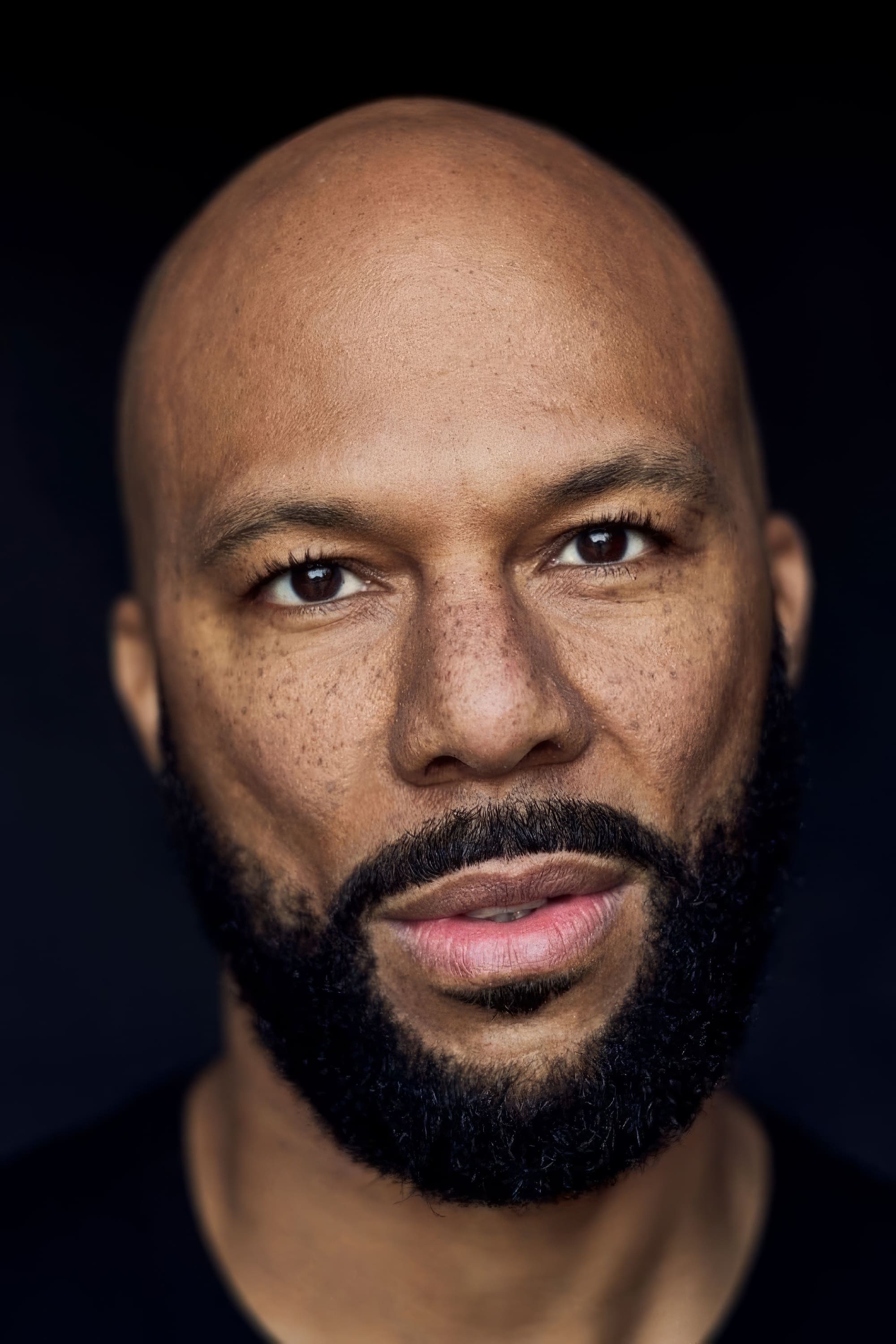
Common is known for infusing his music and acting with political messaging. He runs the Common Ground Foundation to empower youth in underserved communities. The artist advocates for criminal justice reform and visits prisons to speak with inmates. He frequently performs at political rallies and community events. Common views his art as a vehicle for social transformation.
Ice Cube
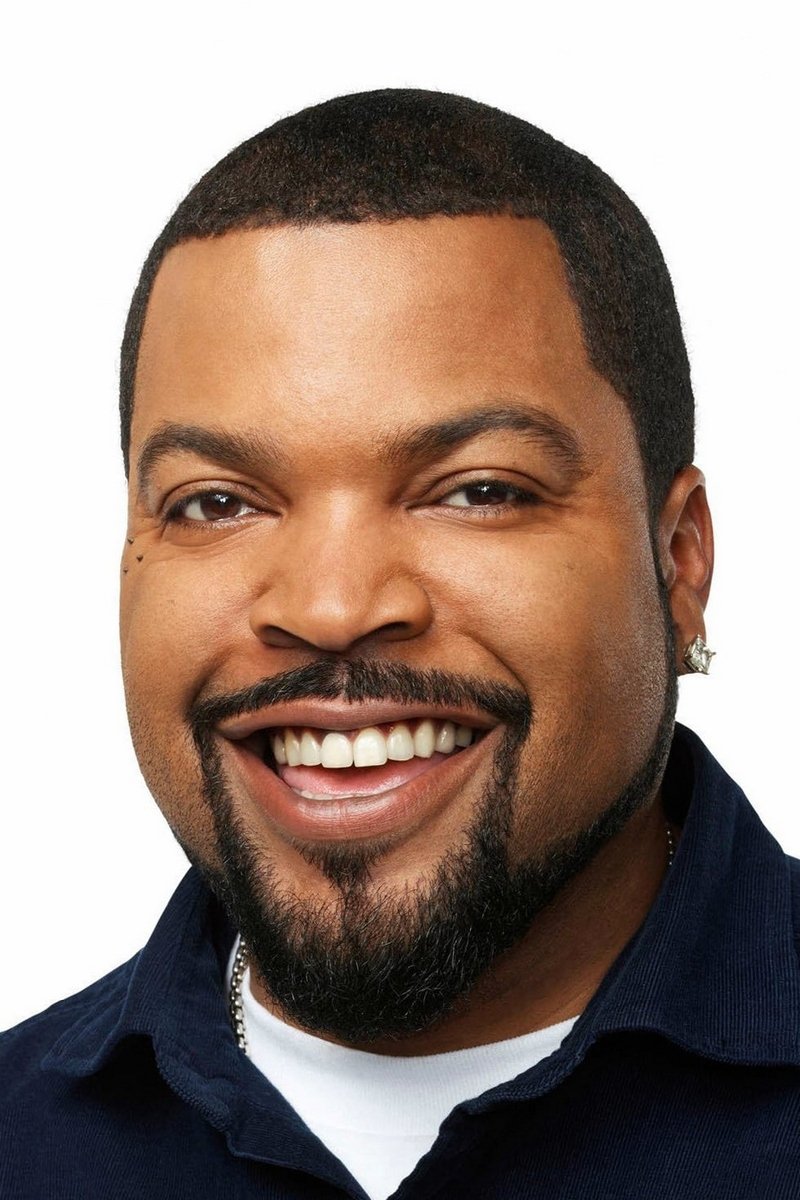
Ice Cube created the Contract with Black America to demand economic equity. He meets with politicians from across the spectrum to discuss policy changes. The actor and rapper has been a vocal critic of police brutality since the beginning of his career. He advocates for Black ownership of businesses and media outlets. Cube remains a controversial but undeniable force in political discourse.
Terry Crews
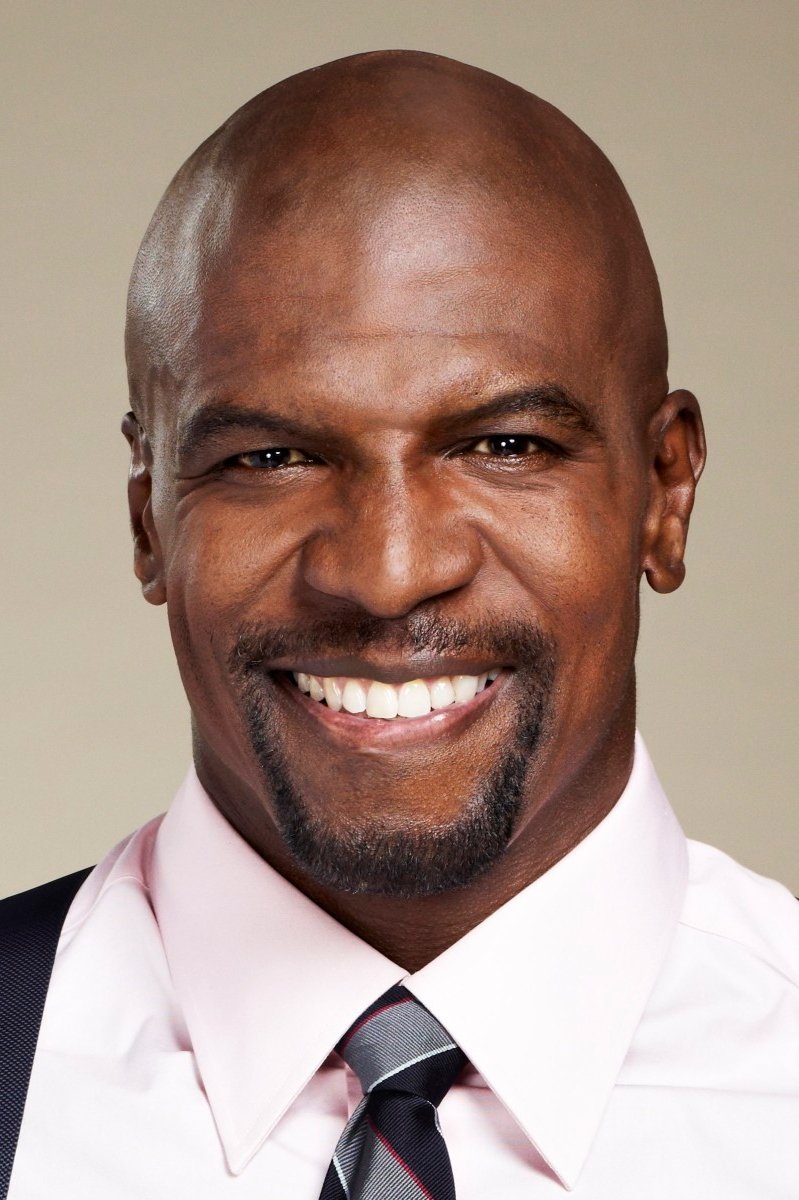
Crews frequently shares his views on masculinity and social dynamics. He testified before the Senate regarding sexual assault legislation. The actor speaks openly about his experiences with abuse and the need for accountability. He engages in heated debates on social media regarding political ideologies. Crews is unafraid to voice unpopular opinions to spark conversation.
Dave Chappelle
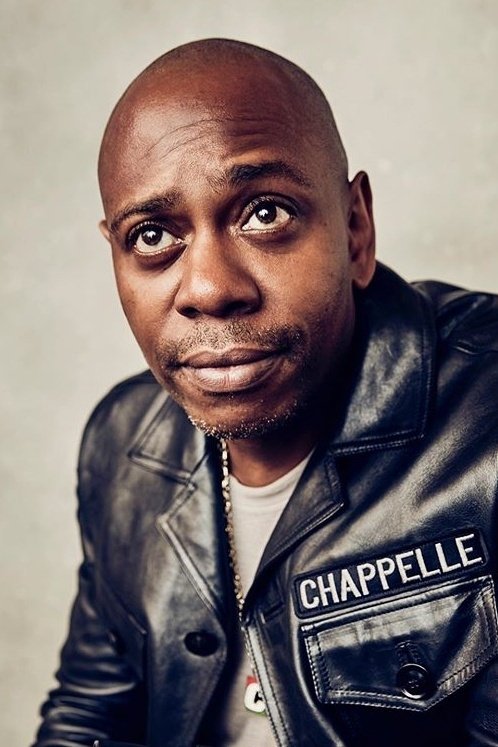
Chappelle uses his stand-up comedy to dissect political correctness and racial tensions. He successfully blocked a housing development in his hometown that he felt was detrimental. The comedian speaks directly to the complexities of free speech and cancel culture. He hosts community events to bring people of different backgrounds together. Chappelle remains a fierce critic of institutional hypocrisy.
Spike Lee
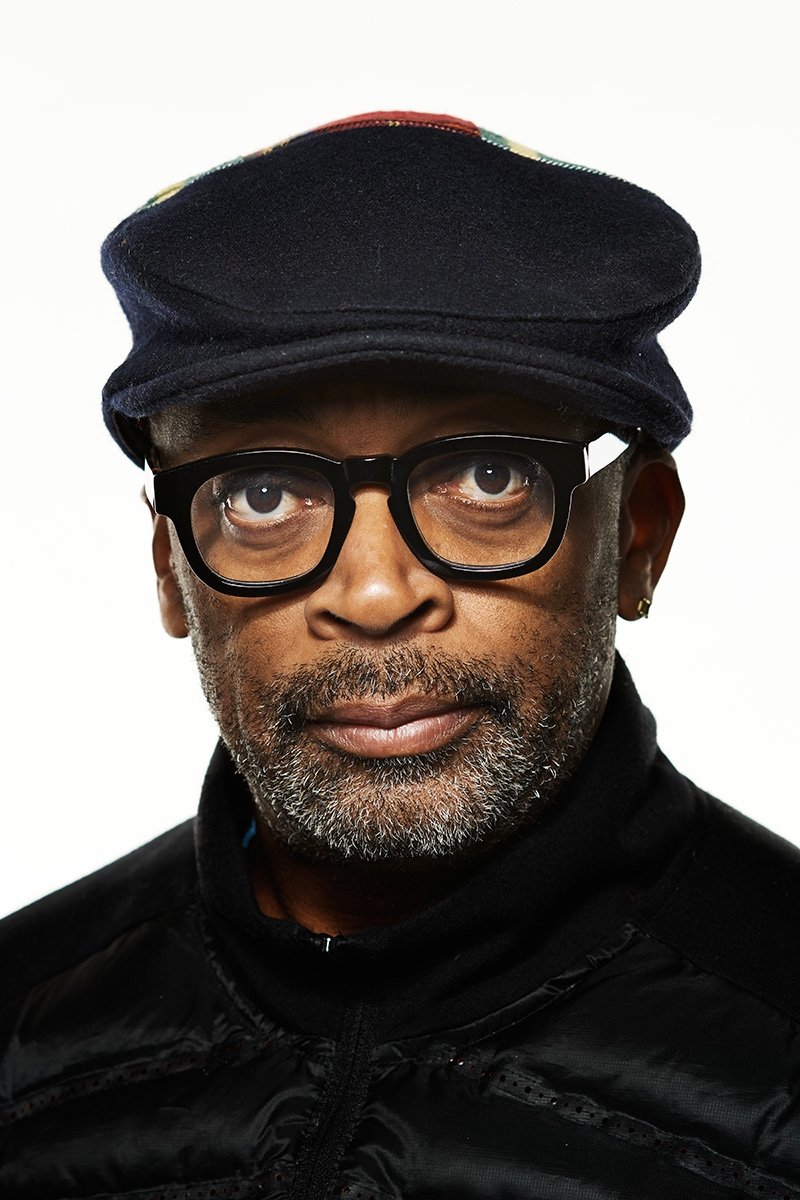
Lee is arguably one of the most political filmmakers in history. He consistently critiques systemic racism and government negligence in his work. The director endorsed candidates who align with his progressive values. He uses his fashion and public appearances to make political statements. Lee has never wavered in his commitment to truth-telling.
Tyler Perry
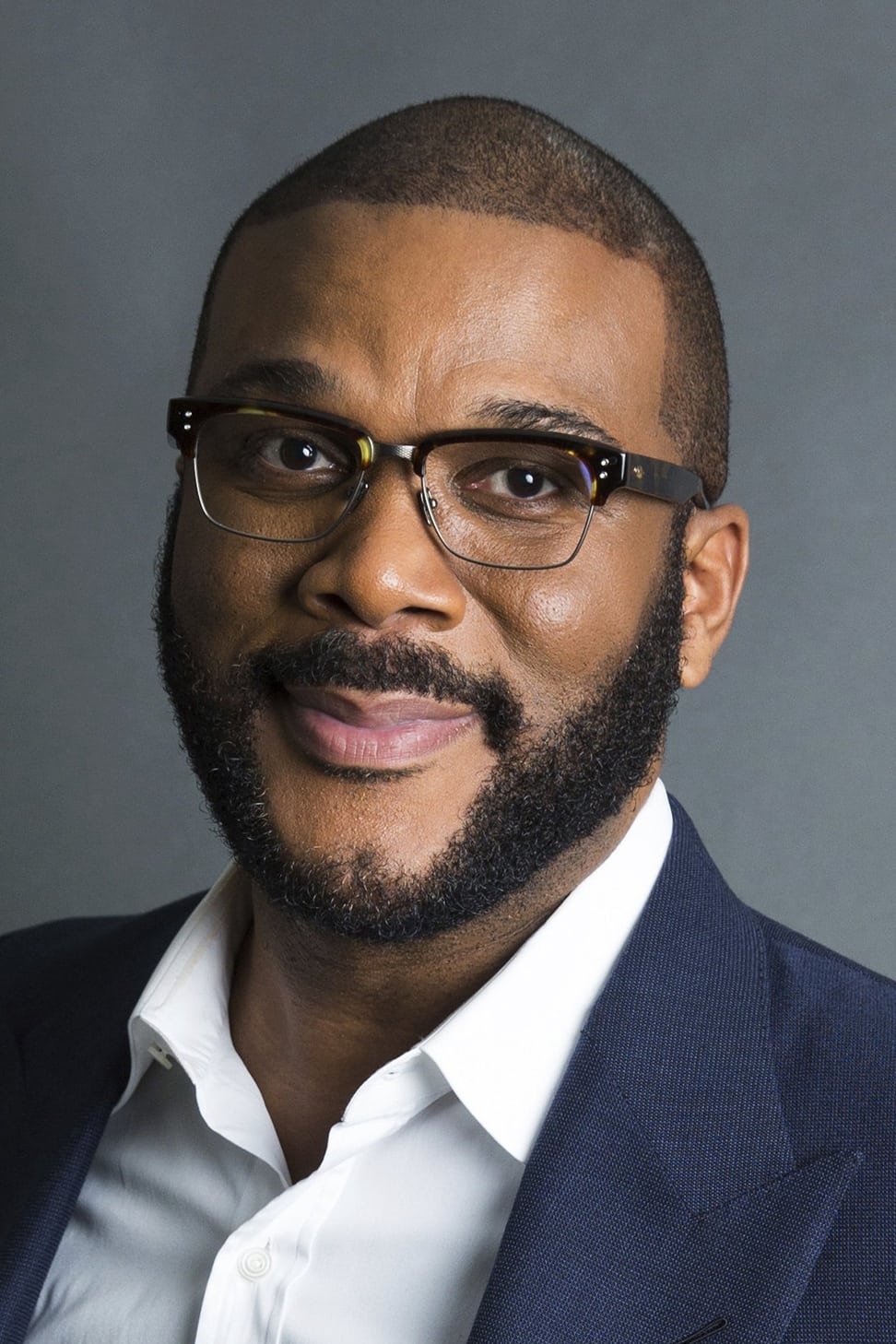
Perry has hosted political fundraisers and provided his private resources for diplomatic missions. He focuses on economic empowerment and ownership within the Black community. The mogul built a studio complex on the site of a former Confederate army base. He speaks about the importance of self-sufficiency and faith in overcoming adversity. Perry holds significant influence in political circles.
Mahershala Ali
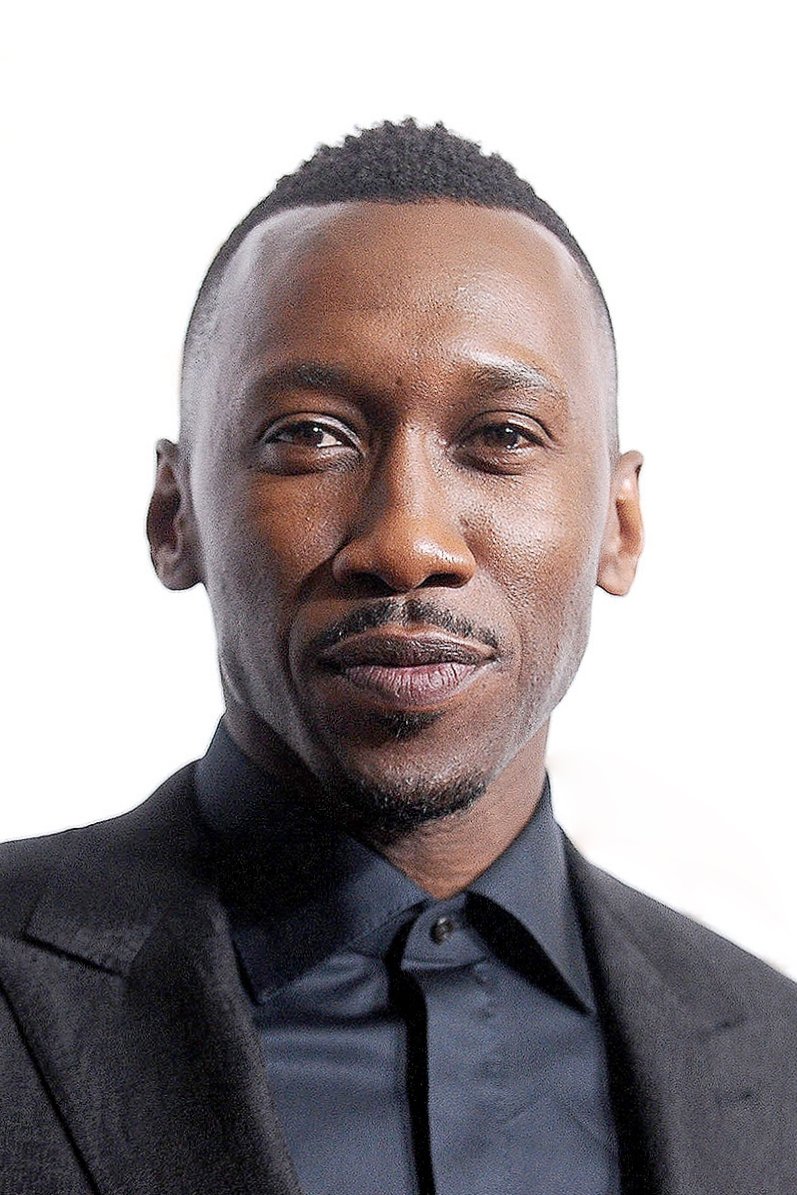
Ali speaks openly about his experiences as a Black Muslim man in America. He advocates for religious tolerance and the dismantling of stereotypes. The actor chooses roles that highlight the humanity of marginalized individuals. He supports initiatives that foster cross-cultural understanding. Ali brings a quiet but powerful dignity to political discussions.
David Oyelowo
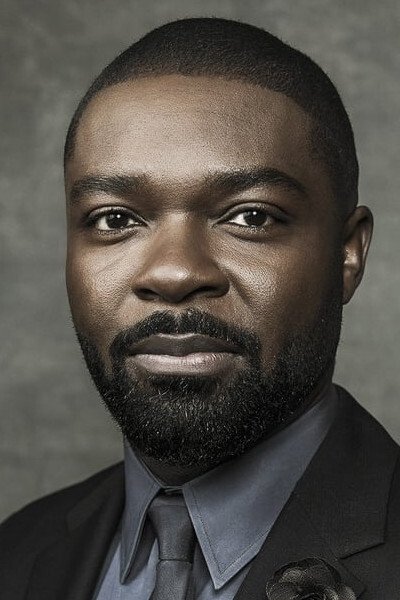
Oyelowo is a vocal advocate for diversity in the British and American film industries. He funds scholarships for Nigerian girls promoting education and safety. The actor played Martin Luther King Jr. and continues to champion the leader’s nonviolent philosophy. He speaks about the responsibility of artists to reflect the times. Oyelowo works to bridge the gap between African and Western narratives.
Brian Tyree Henry
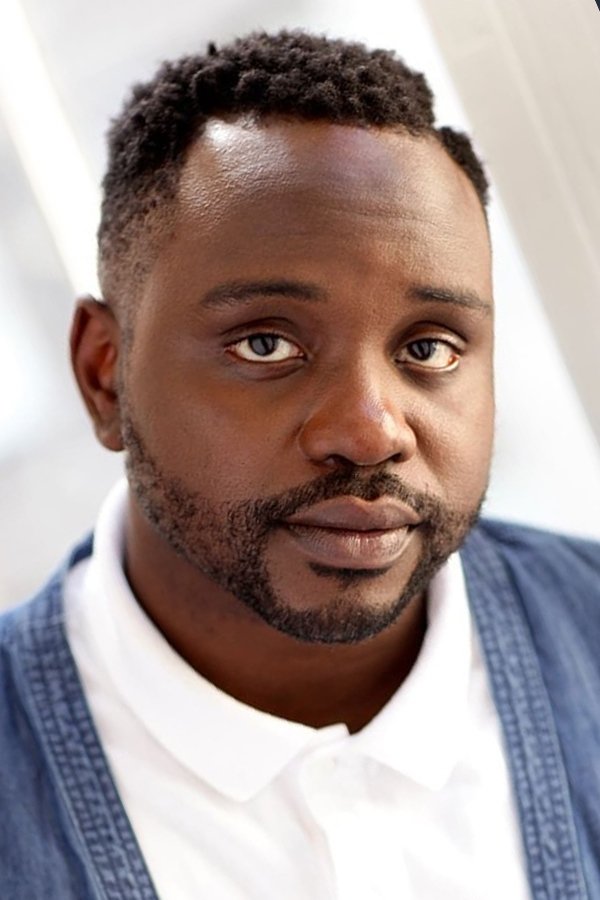
Henry discusses the political implications of Black trauma in media. He advocates for more joy and nuance in the representation of Black lives. The actor supports mental health initiatives for men of color. He uses his rising platform to question industry standards. Henry brings a thoughtful perspective to conversations about race and class.
Anthony Mackie
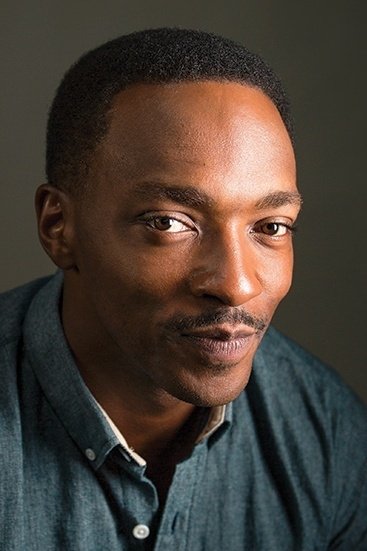
Mackie has engaged in initiatives to encourage voter registration in New Orleans. He speaks about the need for economic investment in Black communities. The actor criticized the lack of diversity on film sets behind the camera. He funds projects that create jobs for local workers. Mackie focuses on practical solutions to economic inequality.
Lakeith Stanfield
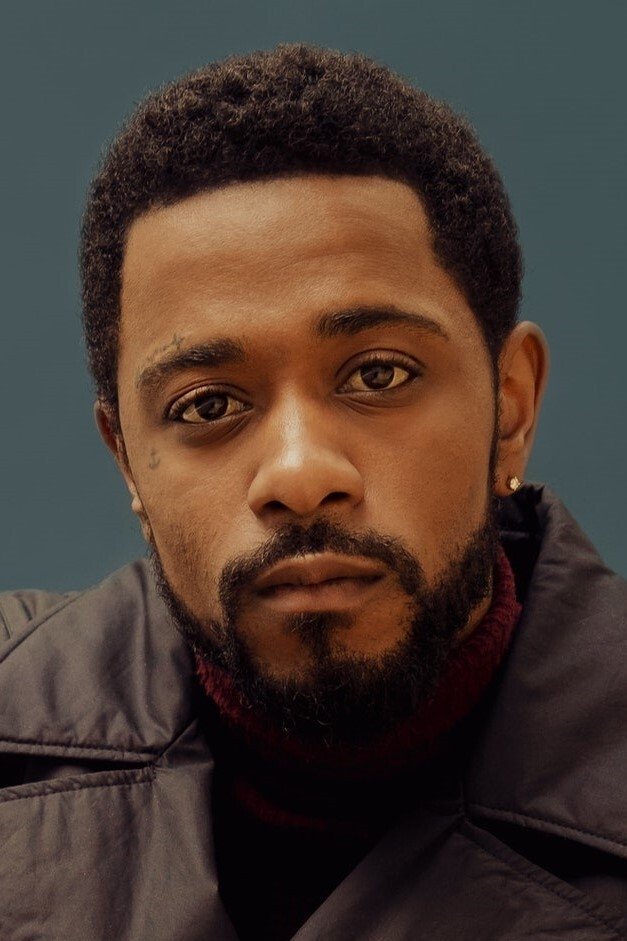
Stanfield uses his social media to post cryptic but poignant commentary on society. He challenges traditional masculinity and celebrity culture. The actor speaks about the psychological toll of systemic racism. He supports mental health awareness and honest expression. Stanfield refuses to conform to industry expectations of political neutrality.
O’Shea Jackson Jr.
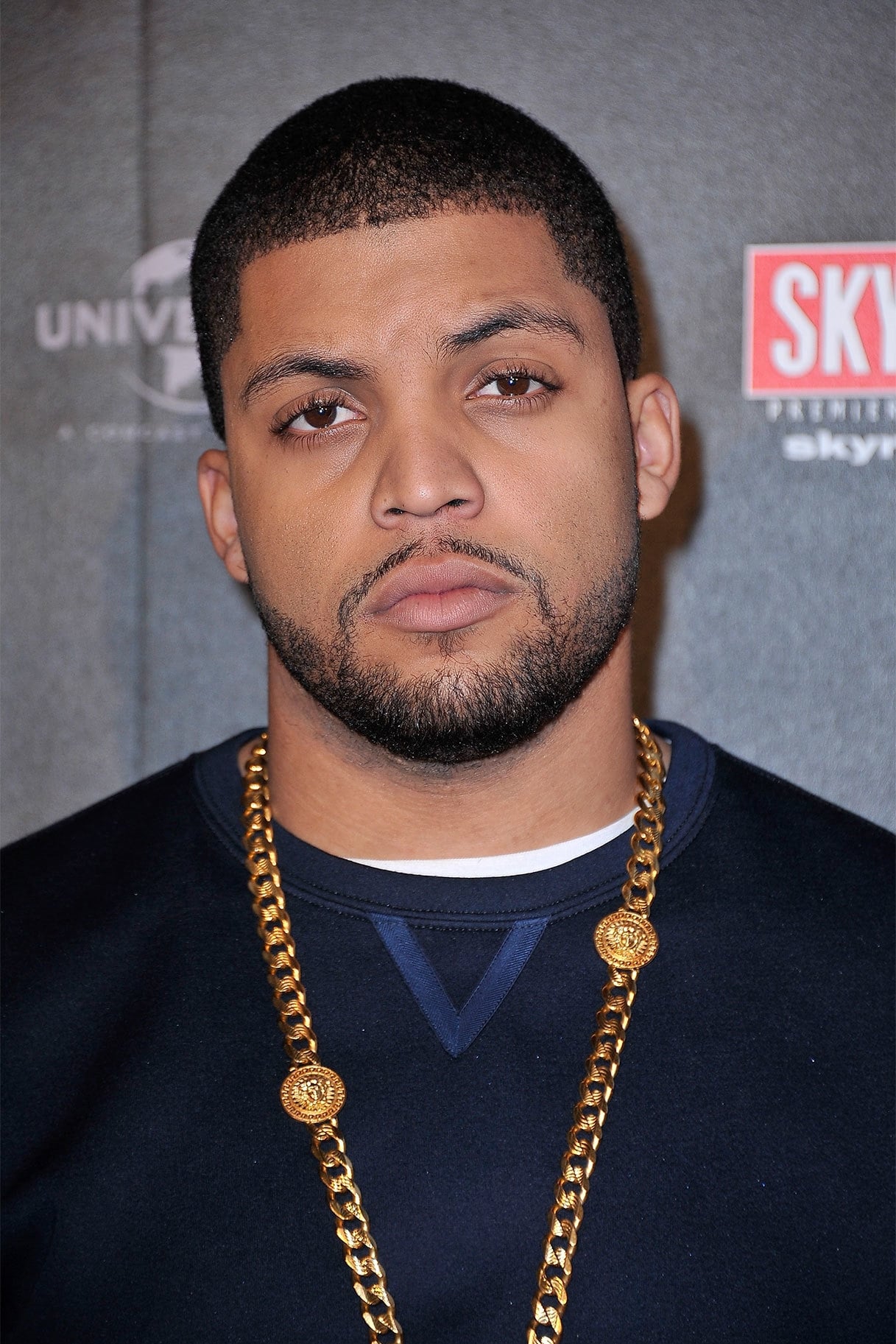
Jackson frequently uses Twitter to comment on current events and sports politics. He defends his father’s legacy while carving out his own political identity. The actor speaks about the importance of ownership and authenticity. He engages directly with fans to debate social issues. Jackson maintains an unfiltered voice in the digital space.
Leslie Odom Jr.
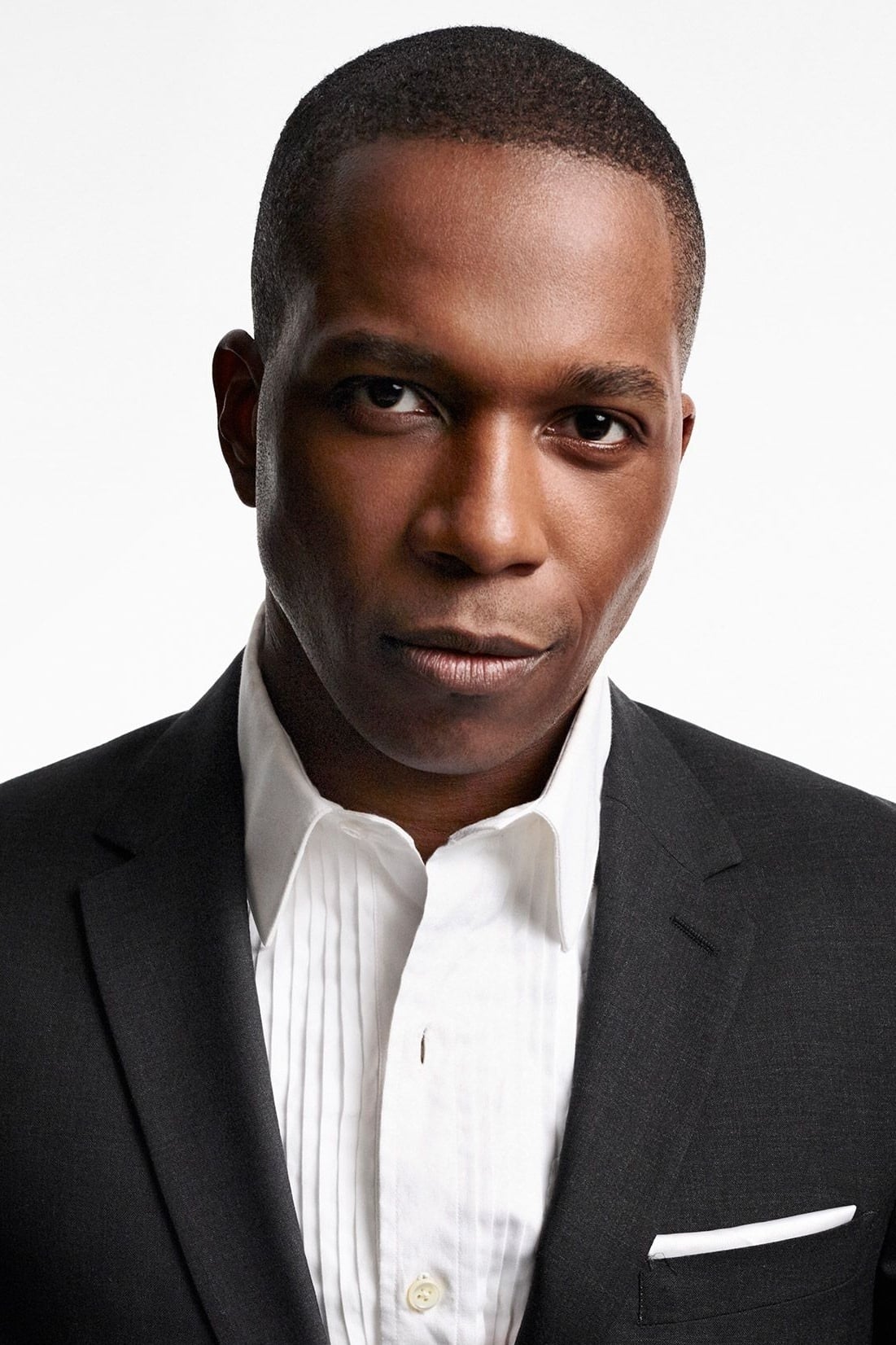
Odom encourages civic engagement through his music and writing. He authored a book aimed at inspiring the next generation of leaders. The actor speaks about the importance of voting and participating in democracy. He supports arts education as a means of political empowerment. Odom uses his platform to promote messages of hope and responsibility.
Billy Porter
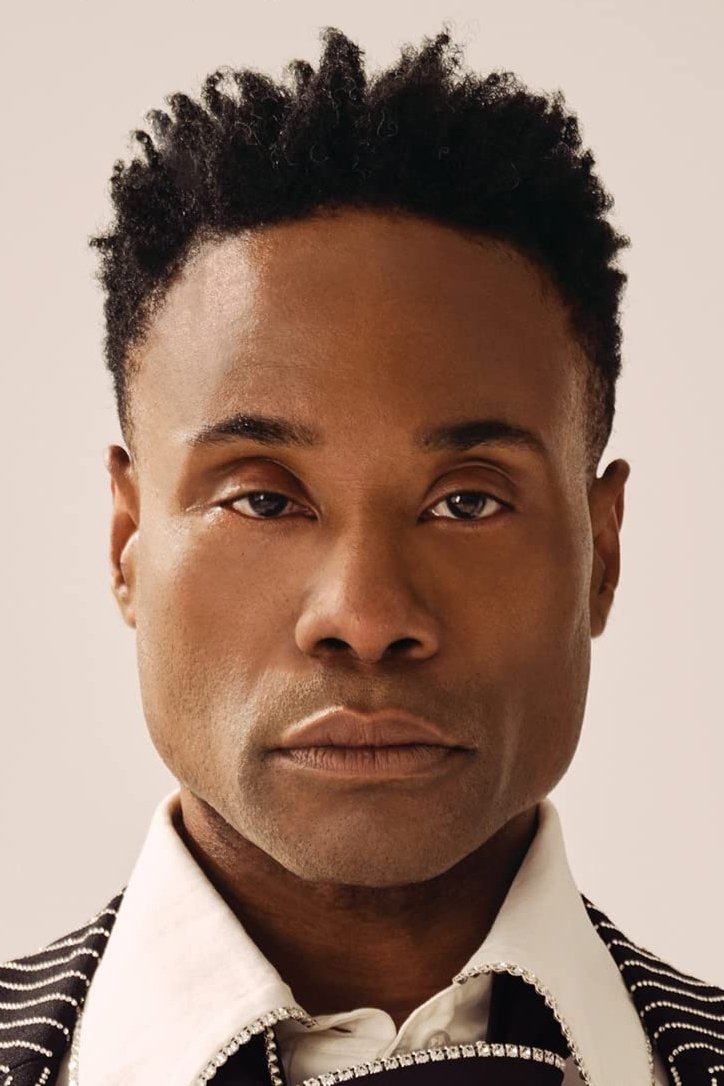
Porter is a fierce advocate for LGBTQ+ rights and racial equality. He speaks candidly about the intersectionality of being Black and gay. The actor challenges gender norms through his fashion and public appearances. He supports organizations that provide housing for homeless youth. Porter demands visibility and respect for all marginalized communities.
Colman Domingo
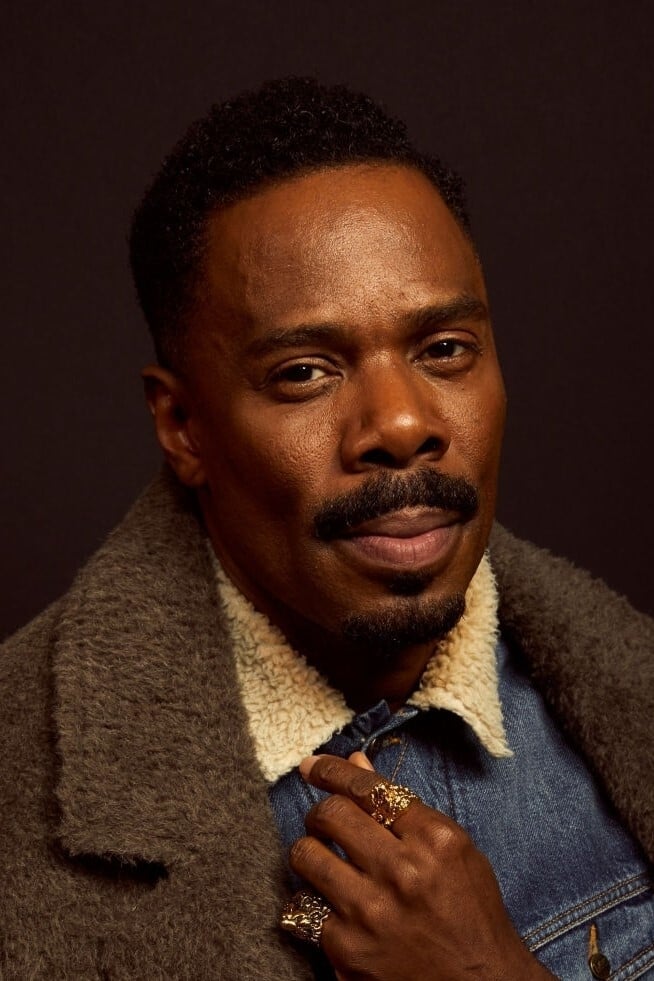
Domingo writes plays and films that explore the nuances of Black family life and politics. He advocates for the preservation of Black cultural institutions. The actor speaks about the importance of legacy and intergenerational dialogue. He supports theater programs that amplify underrepresented voices. Domingo views storytelling as a form of political resistance.
Aldis Hodge
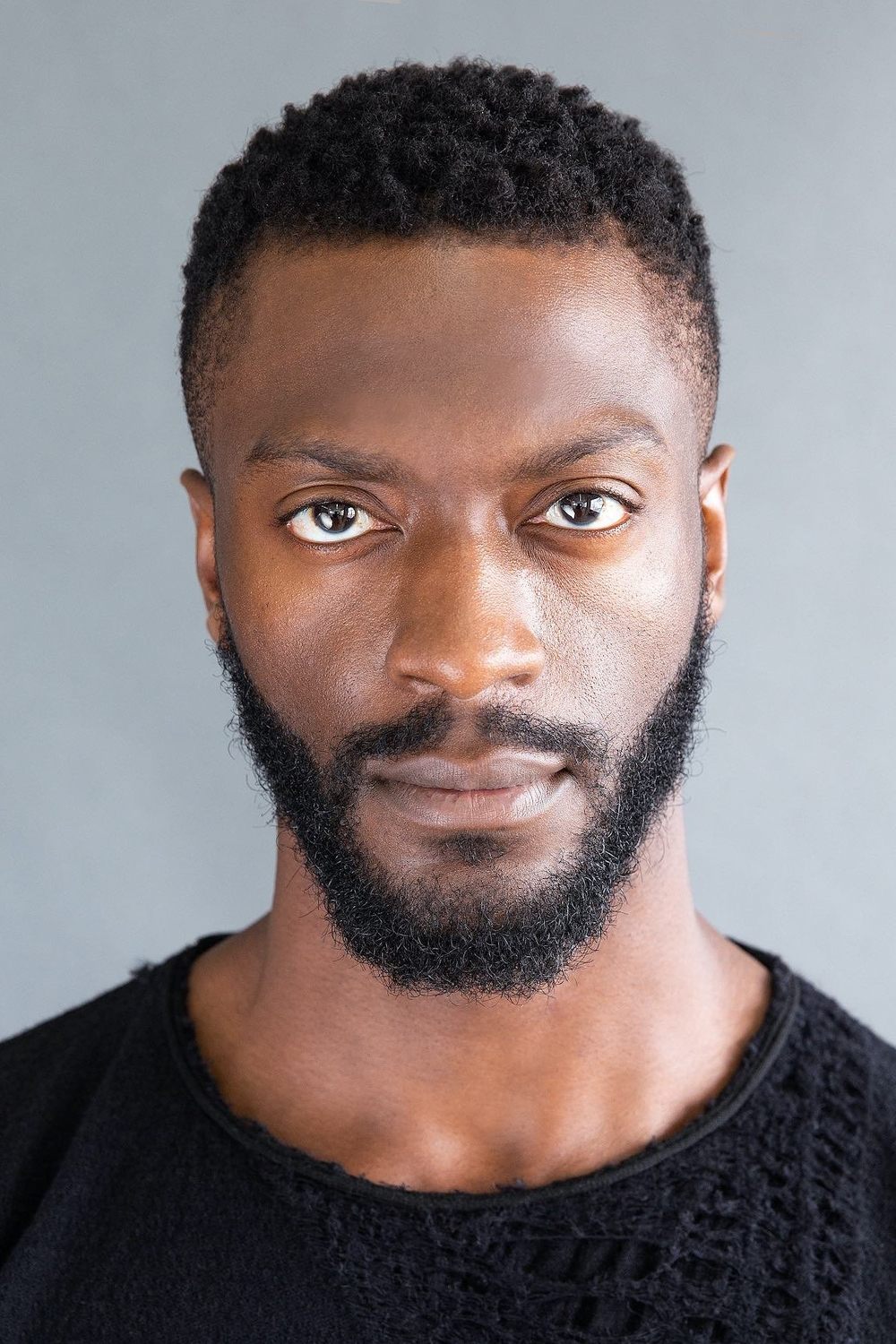
Hodge advocates for criminal justice reform through his work and personal life. He serves on the board of commissioners for his local area. The actor speaks about the need for better educational resources in prisons. He uses his roles to highlight the flaws in the legal system. Hodge is deeply committed to restorative justice.
Winston Duke
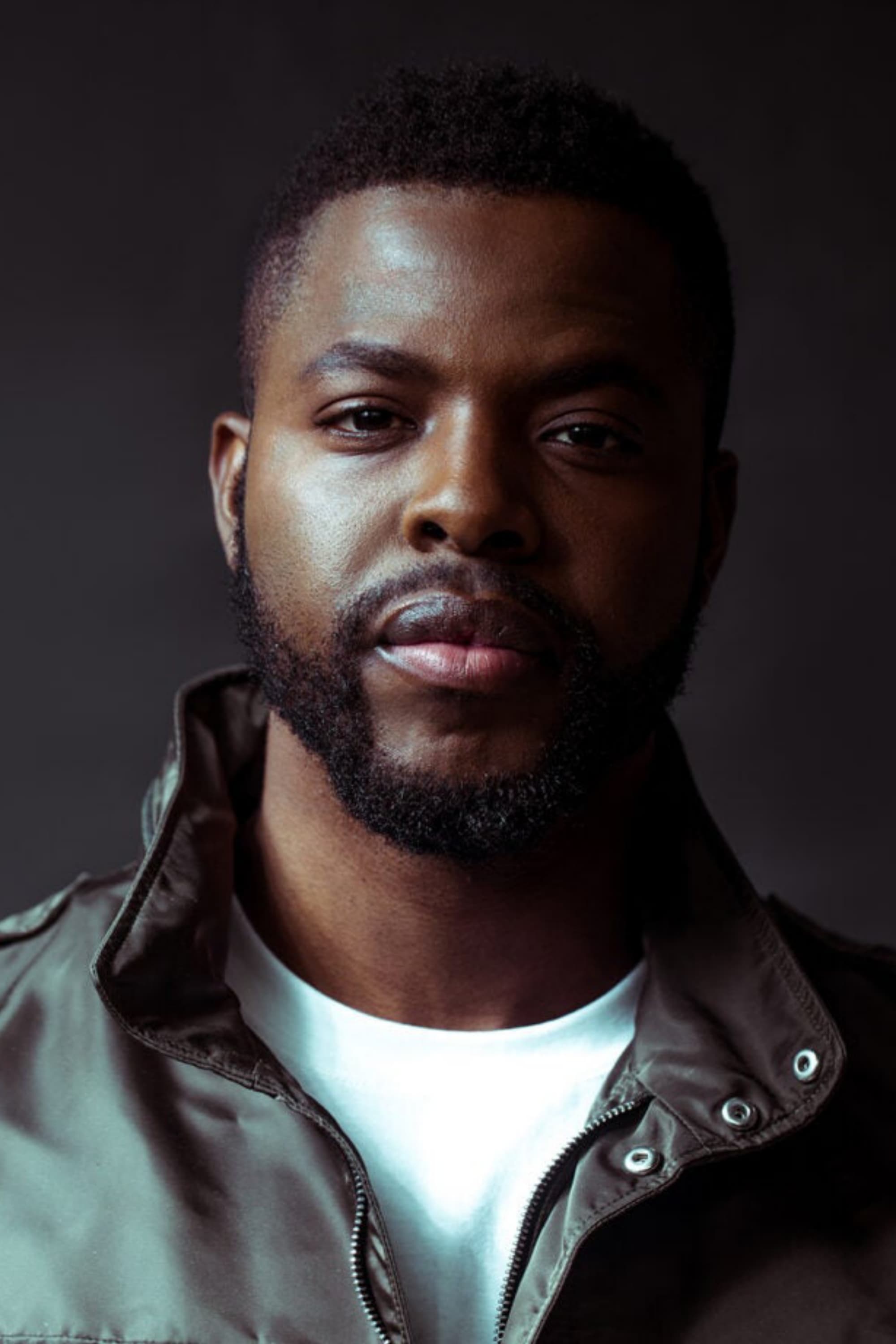
Duke serves as an advocate for the HeForShe gender equality campaign. He speaks about the role of men in dismantling patriarchy. The actor supports initiatives that manage diabetes and health in the Caribbean. He uses his platform to discuss the effects of colonialism. Duke approaches activism with a global perspective.
Omari Hardwick
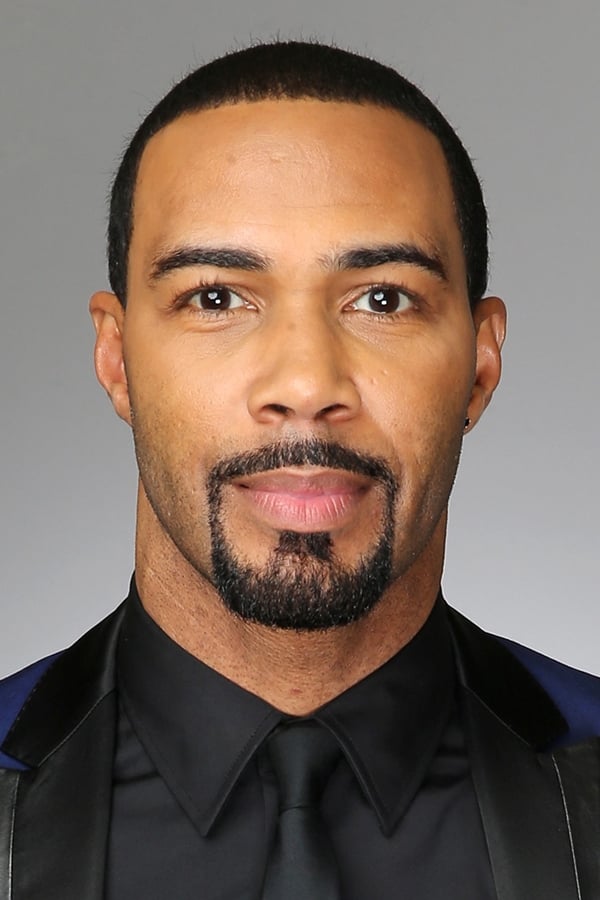
Hardwick uses his poetry to address social ills and political unrest. He speaks about the pressures facing Black men in America. The actor mentors young artists and encourages them to use their voices. He supports mental health initiatives and community healing. Hardwick blends creativity with a strong social conscience.
Stephan James
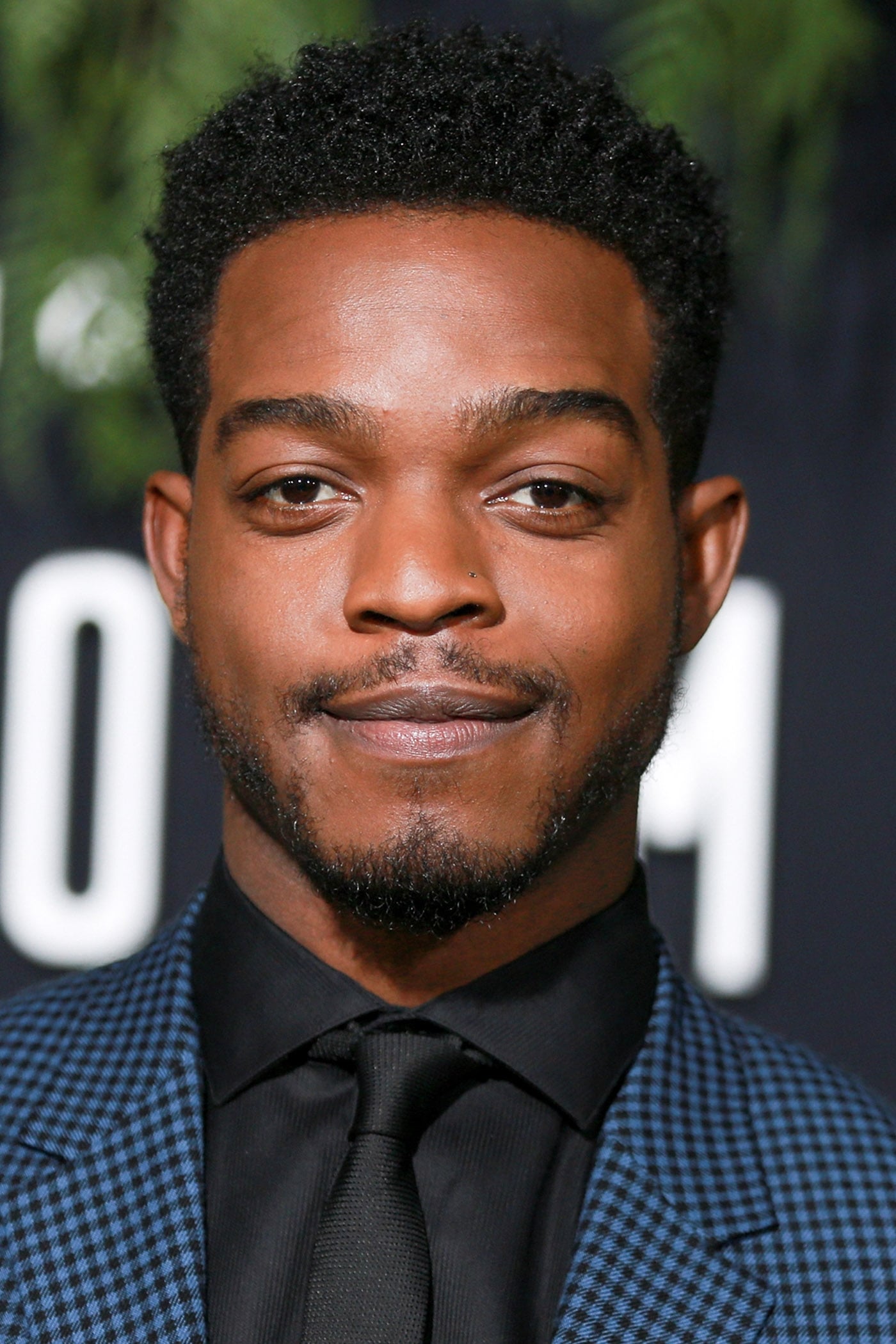
James focuses his advocacy on racial justice and Canadian civil rights issues. He played Jesse Owens and John Lewis which deepened his commitment to activism. The actor speaks about the importance of knowing one’s history. He supports organizations that fight against voter suppression. James uses his career to honor the giants of the civil rights movement.
Glynn Turman
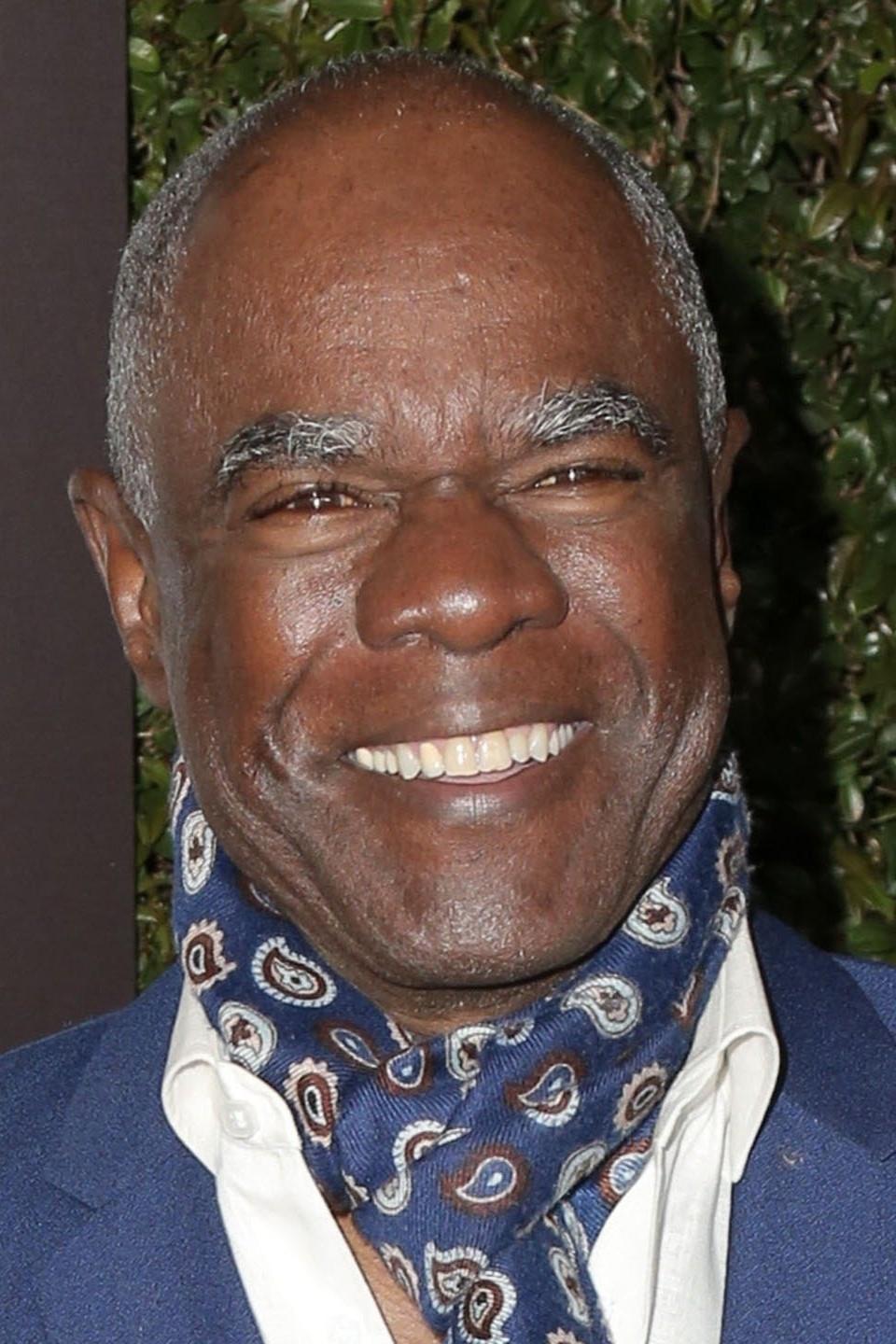
Turman has been involved in civil rights activism since his youth. He attended the March on Washington and continues to support the movement. The actor speaks about the evolution of the struggle for equality. He mentors young actors on the importance of integrity. Turman serves as a living bridge to the history of Black activism.
Morgan Freeman
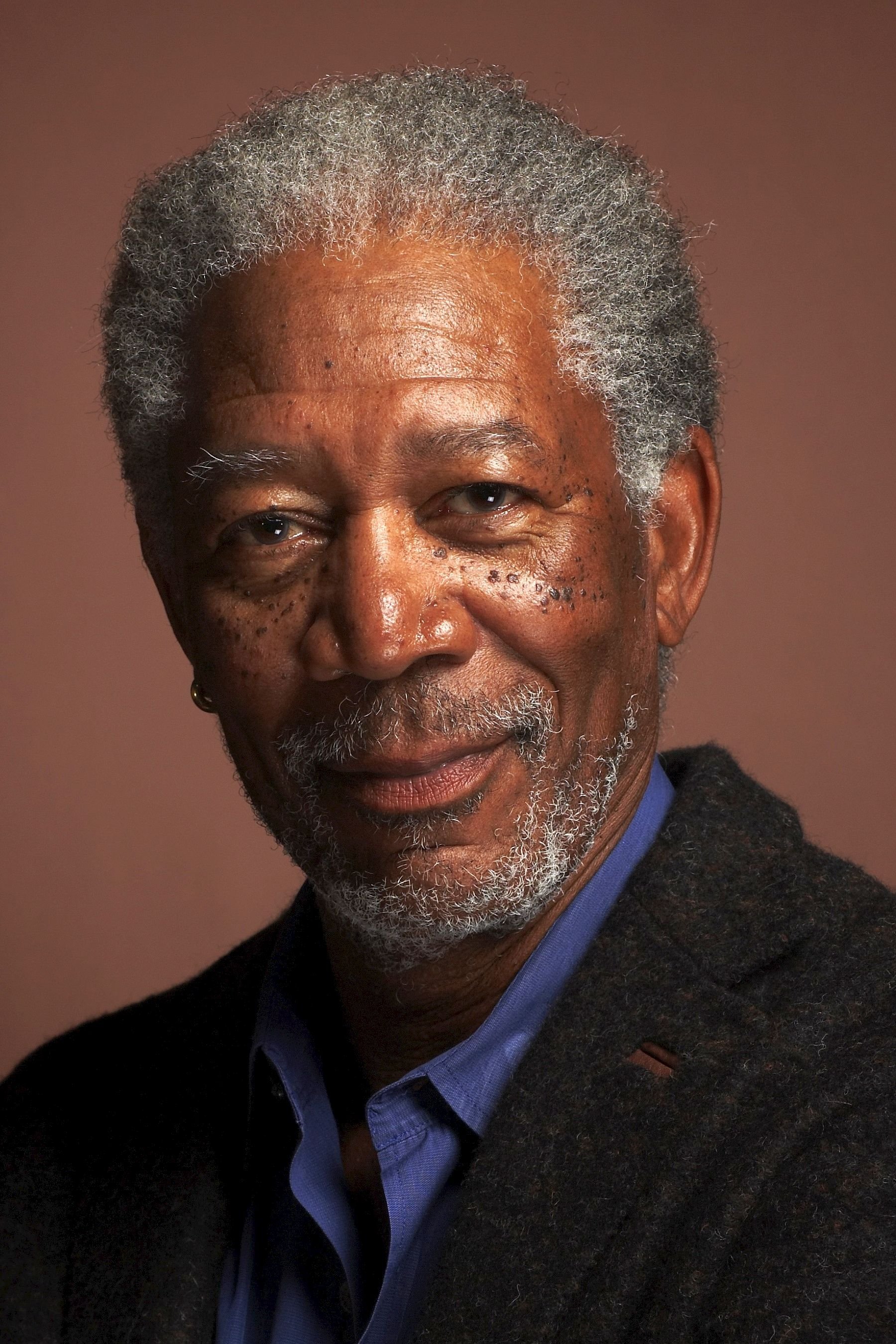
Freeman has voiced numerous political advertisements and documentaries. He speaks often about the issue of race and how it is discussed in society. The actor established a foundation to support education in Mississippi. He criticizes the media for perpetuating divisiveness. Freeman uses his authoritative voice to call for unity and pragmatism.
Nick Cannon
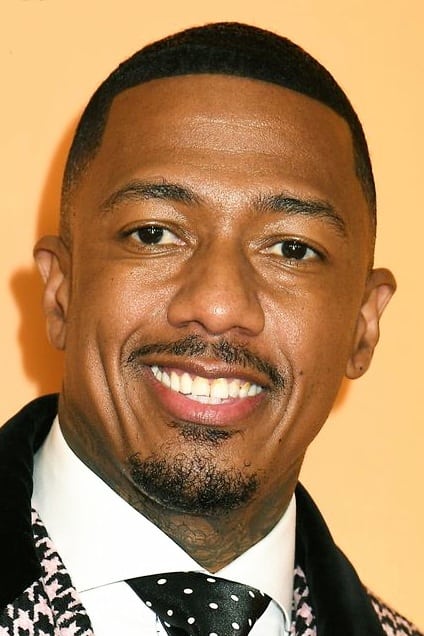
Cannon has pursued higher education to better understand political theory and sociology. He hosts a podcast that frequently addresses controversial social topics. The entertainer leads protests and marches for various causes. He invests in media companies to control the narrative of Black culture. Cannon is a relentless advocate for economic and intellectual independence.
Donald Glover
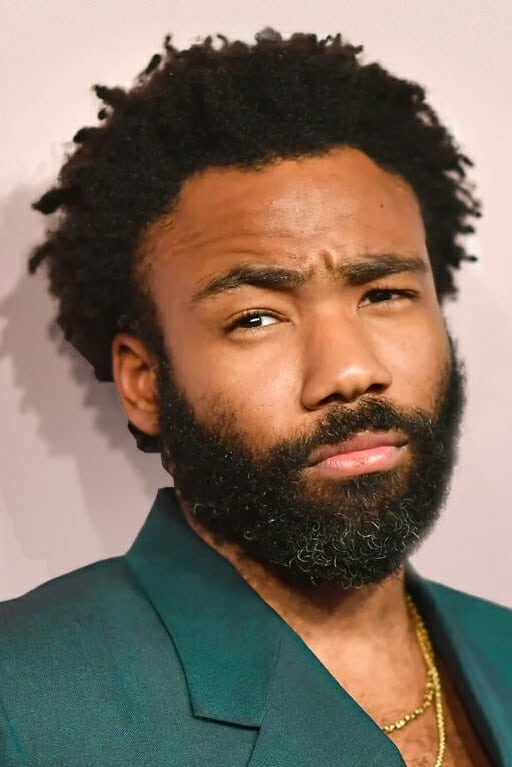
Glover created art that vividly depicts the violence and chaos of modern America. His musical alter ego Childish Gambino released anthems tackling gun violence. The creator speaks about the dystopian nature of current political events. He supports creative freedom as a political act. Glover challenges audiences to confront uncomfortable truths.
Lil Rel Howery
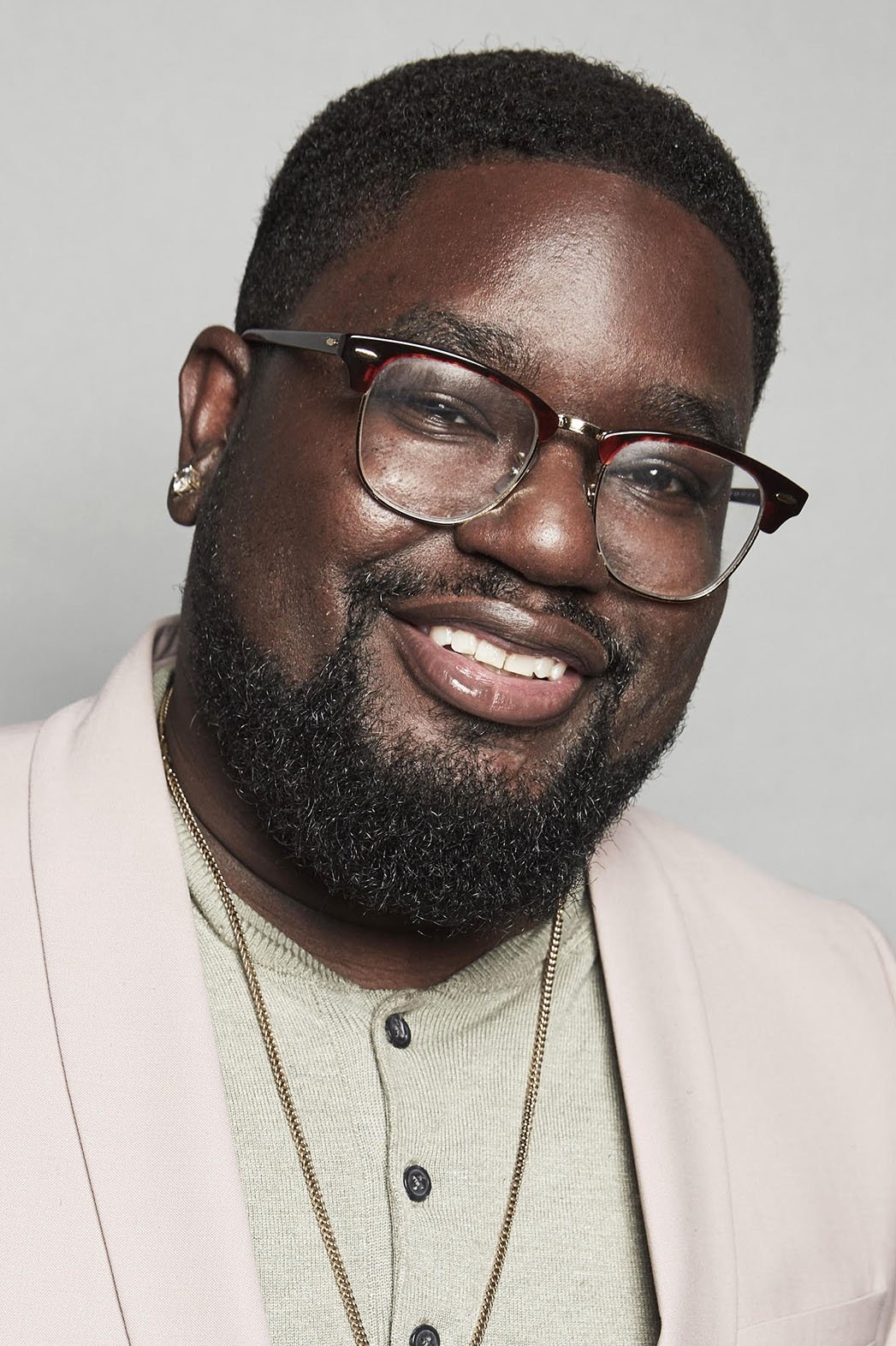
Howery uses his comedy to shed light on the realities of being Black in America. He speaks about the fear and anxiety caused by police profiling. The actor advocates for better representation of dark-skinned actors. He supports community initiatives in his hometown of Chicago. Howery brings a relatable and honest perspective to social commentary.
Jerrod Carmichael
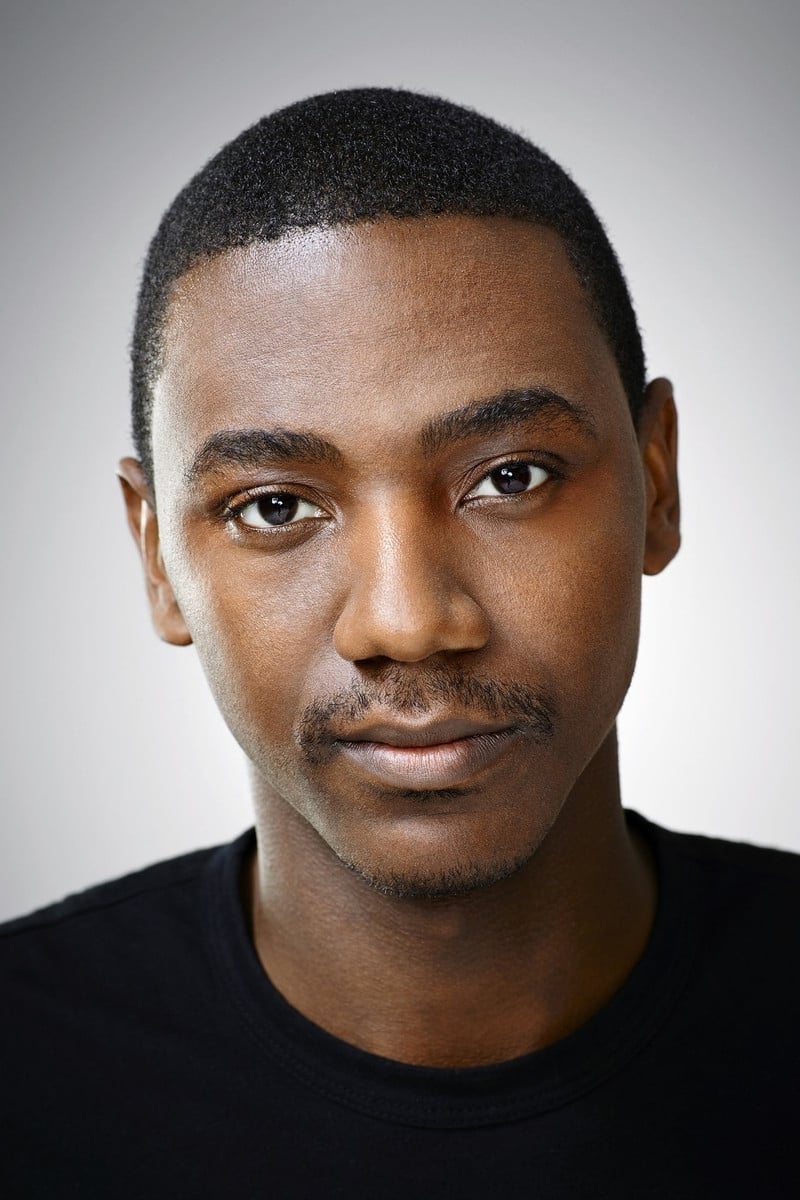
Carmichael uses his stand-up and film work to explore uncomfortable political truths. He speaks openly about secrets, family trauma, and identity. The comedian challenges the audience’s moral assumptions. He supports artistic risks that disrupt the status quo. Carmichael views honesty as the ultimate political statement.
Please share your thoughts on these actors and their activism in the comments.

