


Black Actors Who Refuse To Do Stunts



Hollywood action sequences often rely on the seamless integration of lead actors and their stunt doubles, allowing stars to maintain their safety while delivering high-octane entertainment. While some performers pride themselves on executing dangerous maneuvers, many wise veterans and practical professionals prefer to step aside for the experts. This approach not only ensures the longevity of their careers but also protects productions from costly delays due to injury. The following Black male actors have notably relied on stunt professionals, spoken out about avoiding physical risks, or famously left the hard hits to their doubles.
Samuel L. Jackson
Samuel L. Jackson has been vocal about his pragmatic approach to filming action movies, often stating that he does not run on screen unless absolutely necessary. He maintains a long-standing professional relationship with his stunt doubles, such as Kiante Elam, to handle the physically demanding aspects of his roles in the Marvel Cinematic Universe and beyond. Jackson believes that staying safe is the key to a long career and sees no value in risking injury for a shot that a professional could execute better. His refusal to engage in dangerous stunt work allows him to film multiple projects a year without physical setbacks.
Eddie Murphy
Comedy legend Eddie Murphy has explicitly stated in interviews that he has no interest in performing stunts, emphasizing that audiences pay to see him be funny, not to see him get hurt. During the filming of the ‘Beverly Hills Cop’ franchise, Murphy was happy to let stunt drivers and body doubles handle the car chases and window jumps. He has joked that if he were to attempt a dangerous maneuver and get injured, the entire production would shut down, costing millions. Murphy firmly believes that physical danger should be left to the experts who are trained to mitigate those specific risks.
Will Smith
While Will Smith is physically capable and athletic, he has become increasingly reliant on stunt professionals as his career has progressed. During the production of ‘Bad Boys for Life’, Smith admitted that he initially wanted to do his own stunts but quickly realized that his recovery time was not what it used to be. He frequently works with talented doubles like Clay Donahue Fontenot to execute the high-flying action sequences seen in his blockbuster films. Smith now openly appreciates the value of letting the stunt team earn their paycheck while he focuses on the performance.
Martin Lawrence
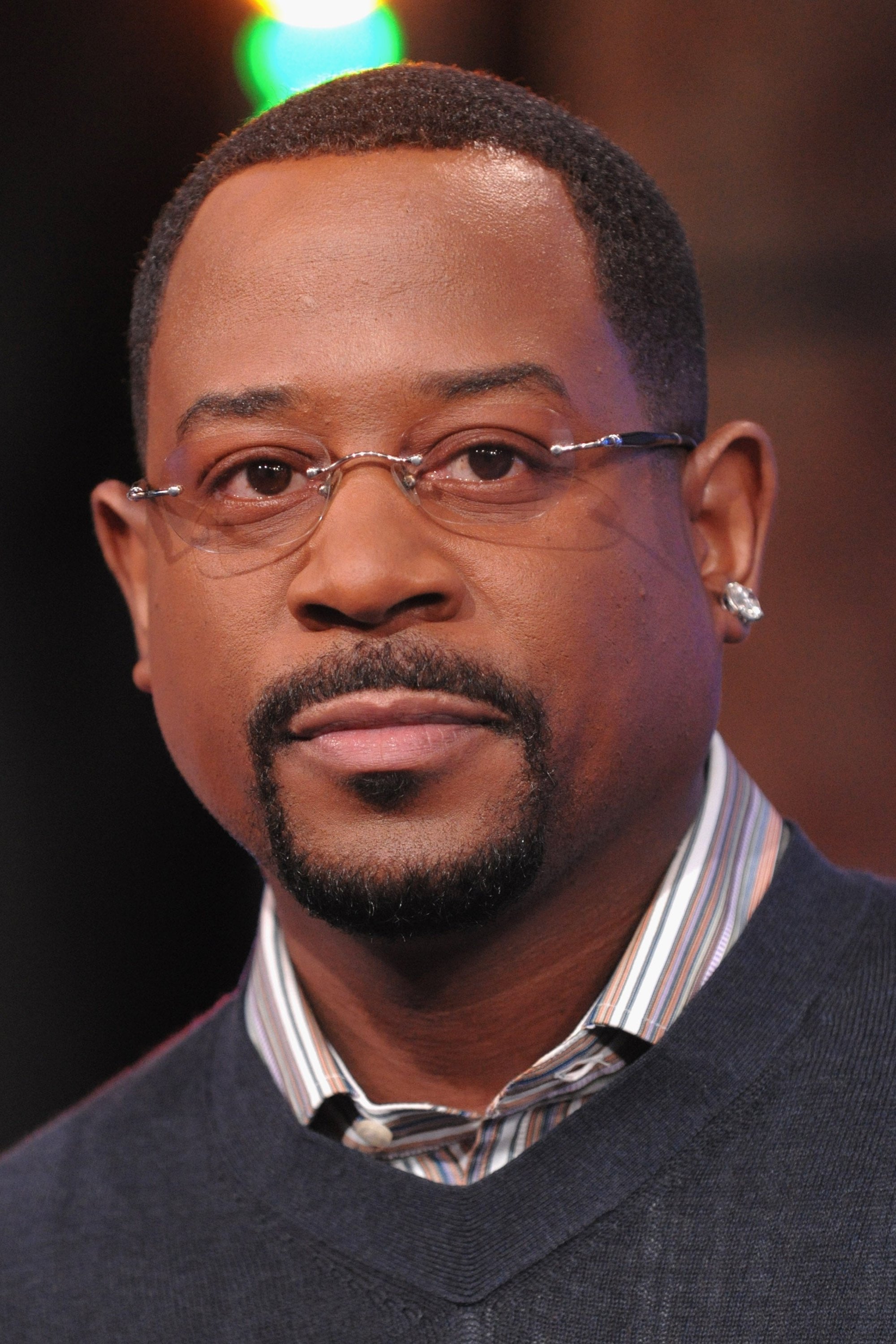
Martin Lawrence has never been shy about his preference for using stunt doubles, especially in his action-heavy roles alongside Will Smith. In the ‘Bad Boys’ series, Lawrence often jokes that any scene requiring significant physical exertion or danger is clearly the work of his double. He prioritizes his comedic timing and delivery over the physicality of the role, ensuring he remains fresh for dialogue-heavy scenes. Lawrence’s approach highlights a clear boundary between acting and stunt performance, which he happily respects.
Kevin Hart
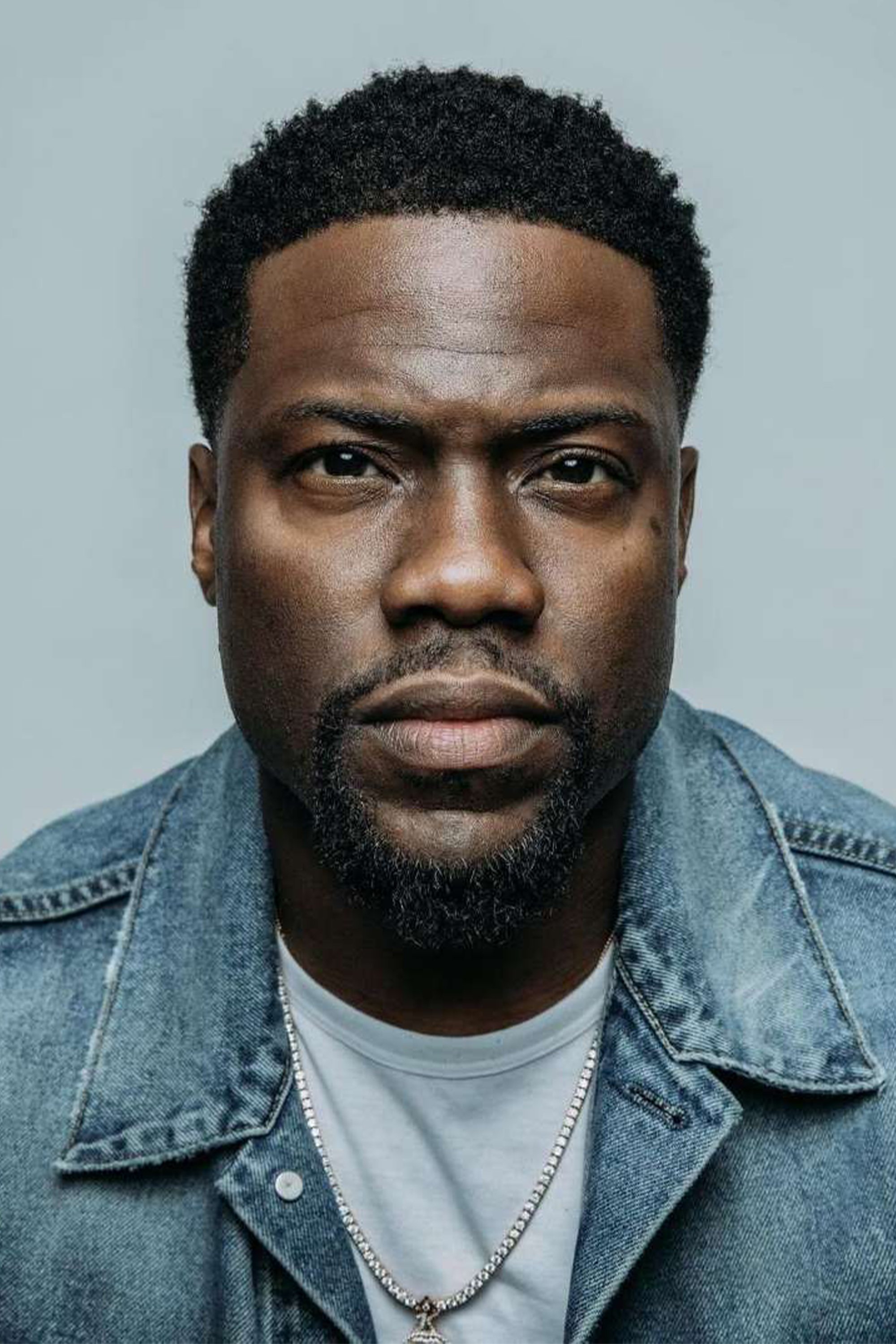
Kevin Hart frequently incorporates his aversion to danger into his stand-up routines and movie marketing, openly admitting he is terrified of risky stunts. In films like ‘Jumanji: Welcome to the Jungle’, Hart relies heavily on his stunt doubles for falls, jumps, and animal wrestling sequences. He argues that his small stature makes him more prone to injury, and he prefers to stay safe to keep his busy production schedule on track. Hart’s brand is built on vulnerability and humor, so refusing to be a daredevil fits perfectly with his public persona.
Anthony Mackie
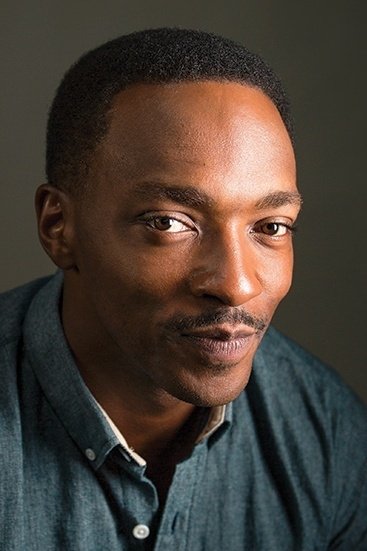
As the high-flying hero in ‘The Falcon and the Winter Soldier’, Anthony Mackie is constantly seen in mid-air action, but he is quick to credit his stunt double, Aaron Toney. Mackie has humorously remarked in interviews that he does not actually fly and prefers to be on the ground whenever possible. He understands the technical complexity of wirework and combat, often stepping aside to let Toney execute the intricate aerial maneuvers. This collaboration allows Mackie to focus on the emotional weight of carrying the shield while Toney handles the acrobatics.
Wesley Snipes
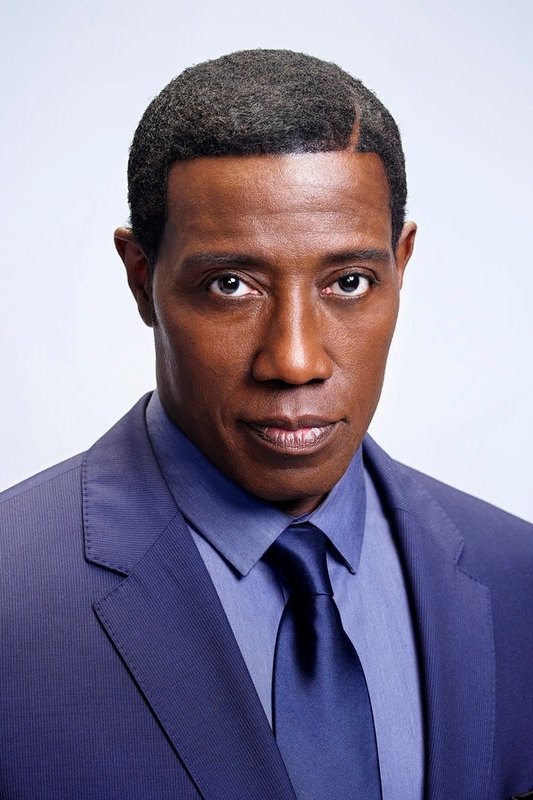
Wesley Snipes is a trained martial artist, but during the filming of ‘Blade: Trinity’, reports surfaced that he became increasingly reluctant to perform even simple tasks, let alone dangerous stunts. Industry anecdotes suggest that Snipes would stay in his trailer for long periods, forcing the director to use stand-ins and stunt doubles for scenes that didn’t require close-ups. While he is capable of impressive physical feats, this period of his career was marked by a heavy reliance on doubles to carry the physical workload. His approach during this era demonstrated a distinct refusal to participate in the physical grind of the production.
Denzel Washington
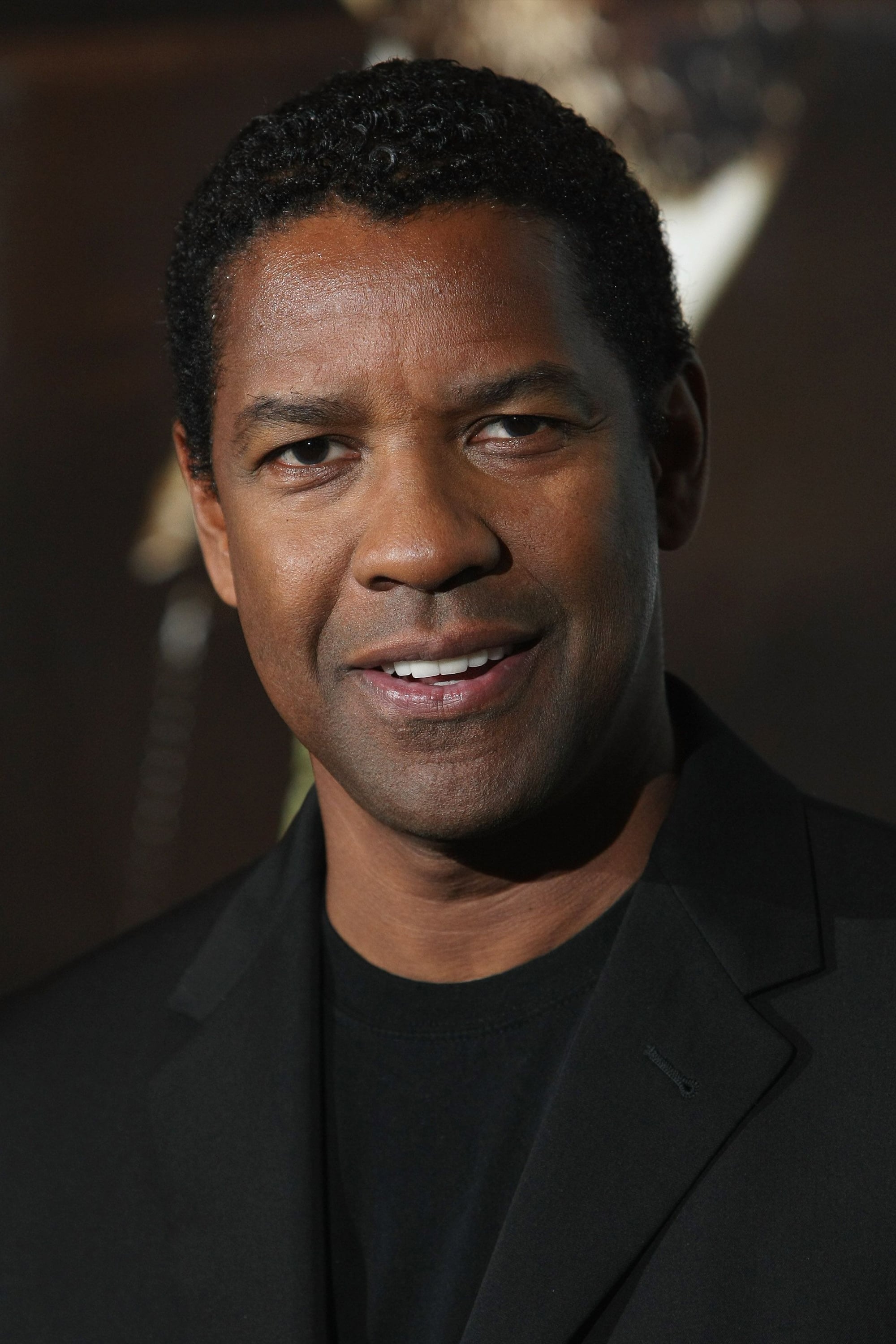
Denzel Washington brings an intense physicality to roles in films like ‘The Equalizer’, but he is realistic about his limitations and safety. He has worked with specific stunt doubles for decades to handle the hard falls and complex fight choreography that could result in injury. Washington focuses on the close-up brutality and the acting performance, cutting away to a double for the wider, more dangerous shots. He views the use of stuntmen as a necessary collaboration to maintain the believability of his invincible characters without risking his own health.
Morgan Freeman
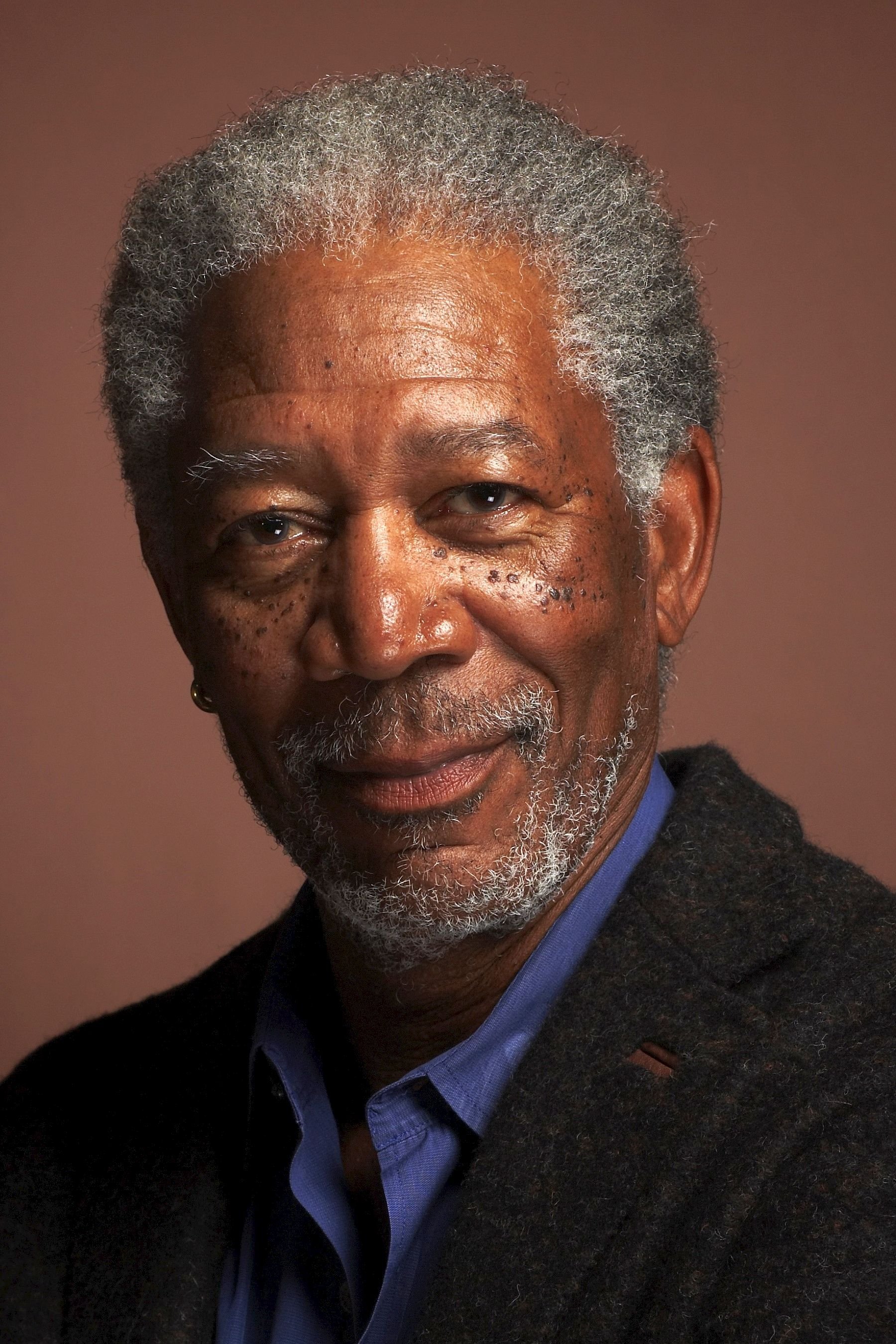
Given his age and status as a Hollywood elder statesman, Morgan Freeman strictly adheres to a no-stunt policy to protect his physical well-being. Even in action-oriented films like ‘Wanted’ or ‘Batman Begins’, Freeman leaves any physical exertion entirely to his doubles. He suffers from fibromyalgia, which causes chronic pain, making it imperative that he avoids unnecessary physical stress on set. His refusal to do stunts is a matter of medical necessity and professional longevity.
Danny Glover
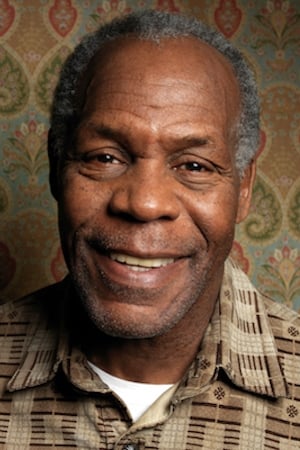
Danny Glover famously coined the phrase “I’m too old for this sh*t” in the ‘Lethal Weapon’ franchise, and his approach to stunts mirrored that sentiment. As the series progressed, Glover increasingly relied on stuntmen to handle the running, jumping, and fighting required of his character. He recognized early on that the physical toll of action movies was unsustainable without the help of doubles. Glover’s practical refusal to engage in dangerous work allowed him to age gracefully within the genre.
Laurence Fishburne
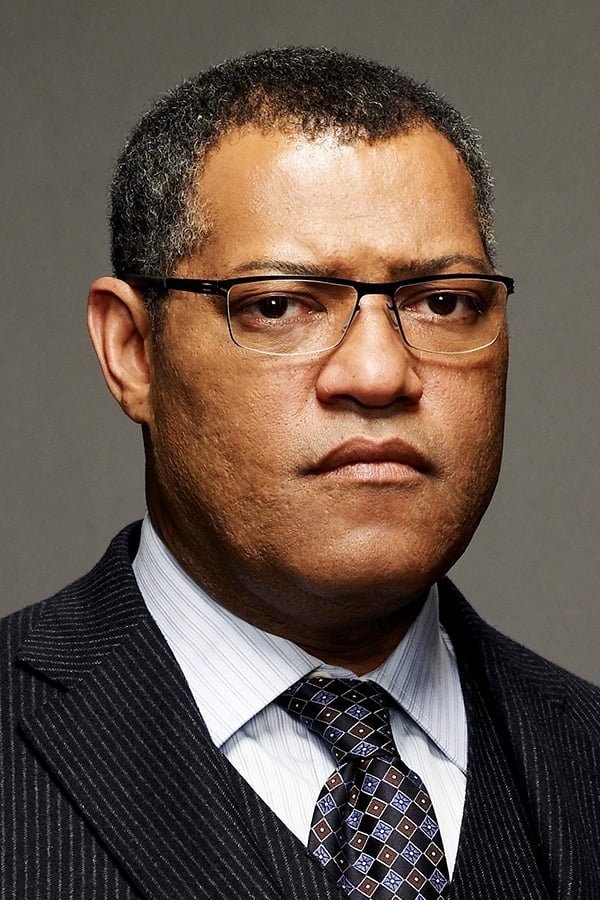
Laurence Fishburne played the martial arts expert Morpheus in ‘The Matrix’, but the most gravity-defying stunts were performed by his doubles. Fishburne underwent significant training to sell the choreography, yet he left the wire-assisted jumps and hard impacts to the professionals. He has spoken about the grueling nature of those shoots and the necessity of preserving his body for the dramatic scenes. Fishburne’s reliance on stunt experts was crucial for creating the film’s stylized reality.
Jamie Foxx
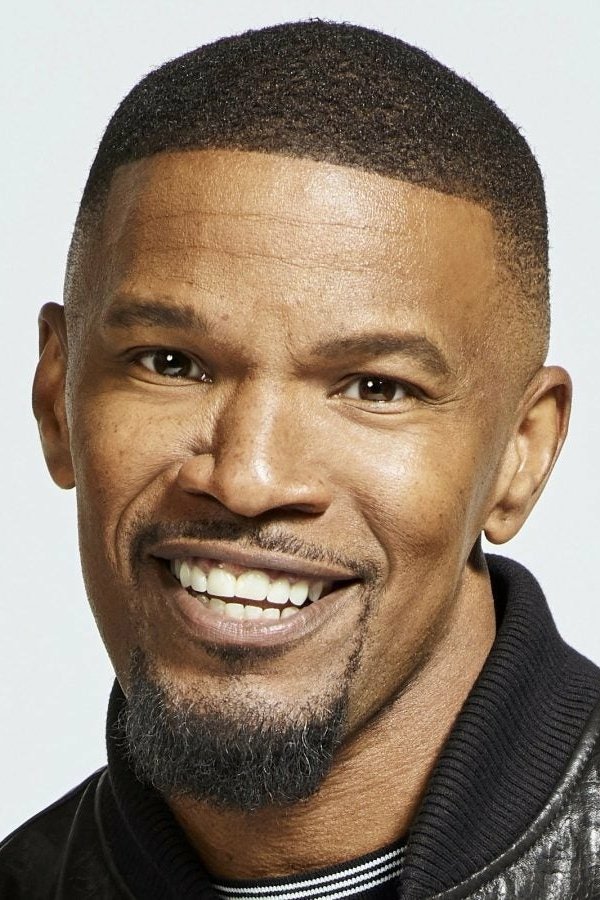
Jamie Foxx is known for his immersion in roles, but recent health scares have reinforced his reliance on stunt doubles for films like ‘Back in Action’. Reports from the set indicated that production utilized body doubles extensively to complete physical sequences while Foxx recovered. Foxx has always been an entertainer first, prioritizing his ability to sing, joke, and act over the need to prove his toughness through stunts. His willingness to let doubles take over ensures that production can continue smoothly despite any personal physical limitations.
Forest Whitaker
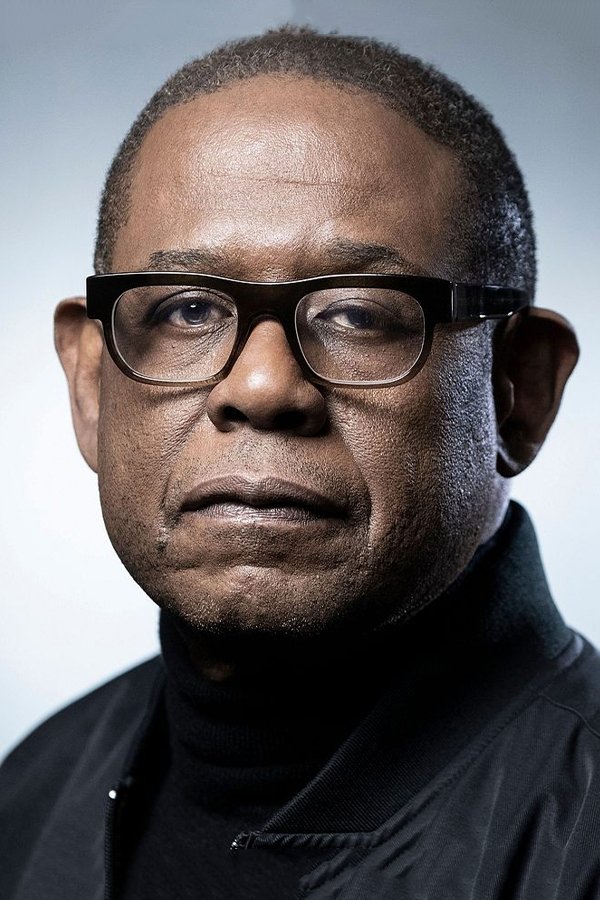
Forest Whitaker is a powerful dramatic actor who rarely steps into the action genre, but when he does, he strictly uses doubles. In ‘Black Panther’, his character Zuri was involved in combat scenes that were largely executed by stunt performers. Whitaker focuses entirely on the spiritual and emotional gravity of his characters rather than their physical feats. He understands that his strength lies in his presence and delivery, not in performing combat rolls or falls.
James Earl Jones
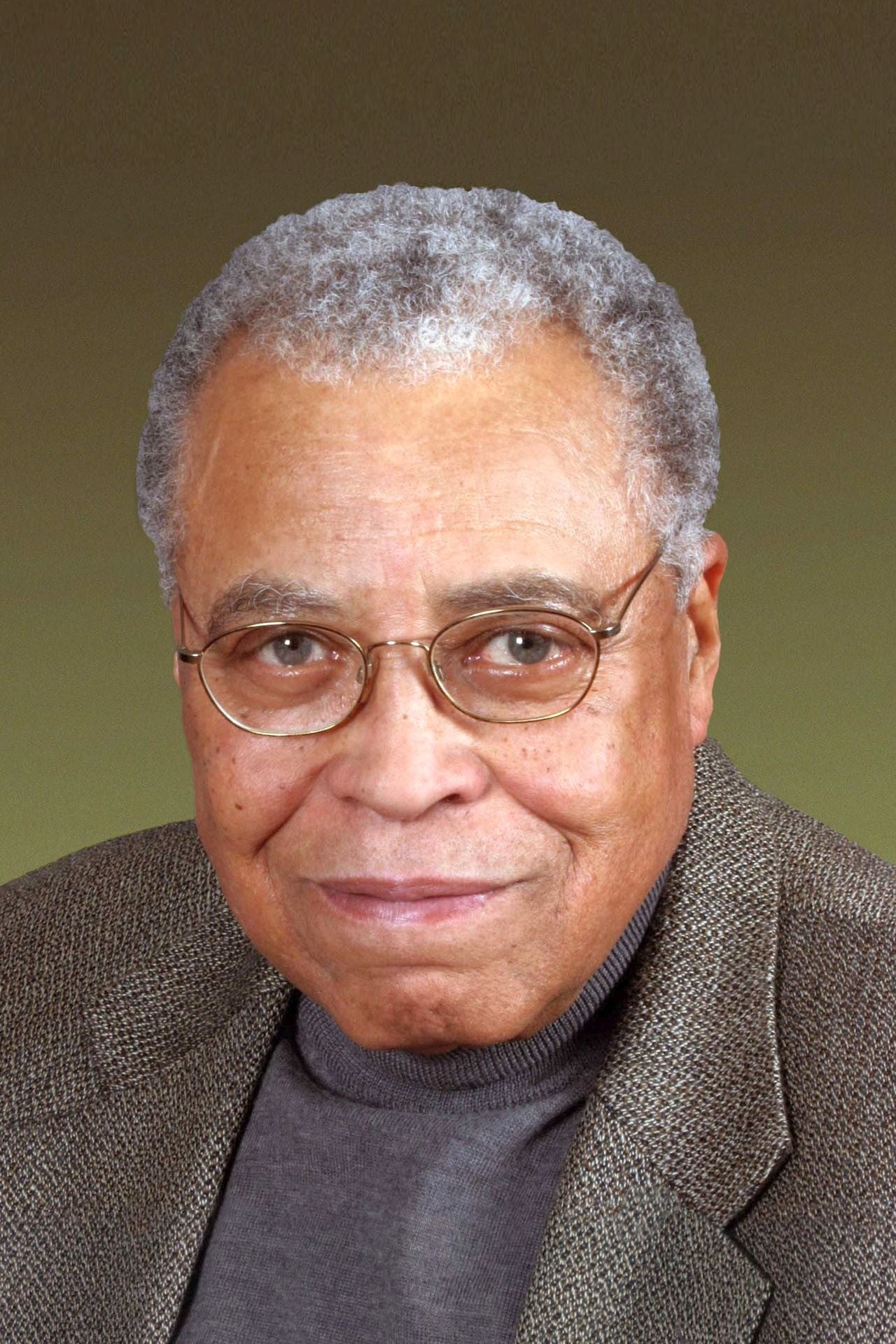
Throughout his legendary career, James Earl Jones was never known for physical action, relying on his voice and commanding presence instead. In his rare appearances in adventure films like ‘Conan the Barbarian’, any physical danger was completely outsourced to stunt performers. Jones viewed himself as a stage and character actor, showing no interest in the physically risky aspects of filmmaking. His refusal to engage in stunts was consistent with his background in classical theater.
Tyler Perry
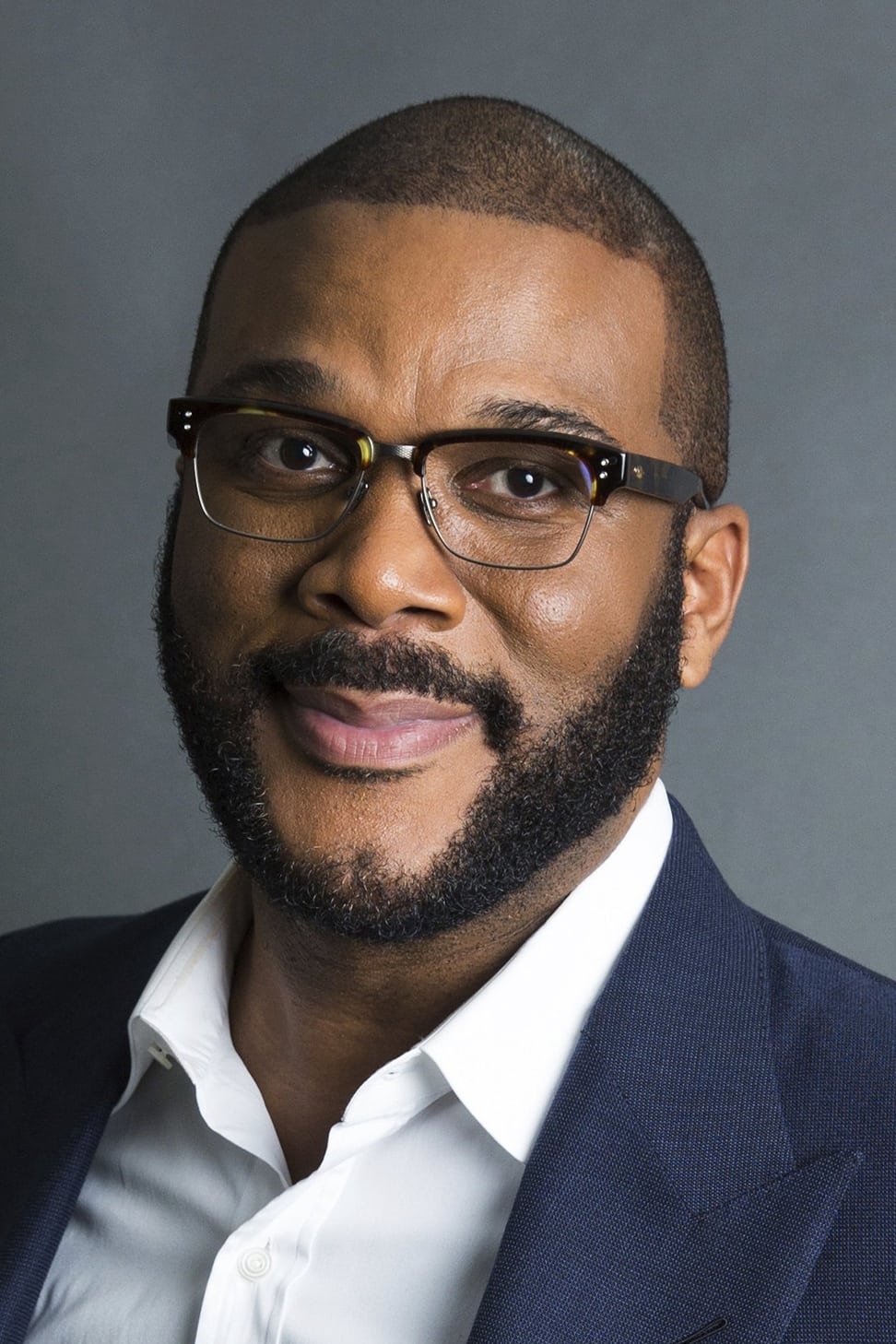
Tyler Perry writes, directs, and stars in his ‘Madea’ films, often involving slapstick physical comedy that requires stunt work. Perry uses stunt doubles for the pratfalls, jumps, and chaotic action sequences involving the grandmother character. He prioritizes his duties as a director and producer, knowing that an injury to himself would halt the entire production empire. Perry is pragmatic about the distinction between comedic acting and the physical risks required to sell a joke.
Chris Rock
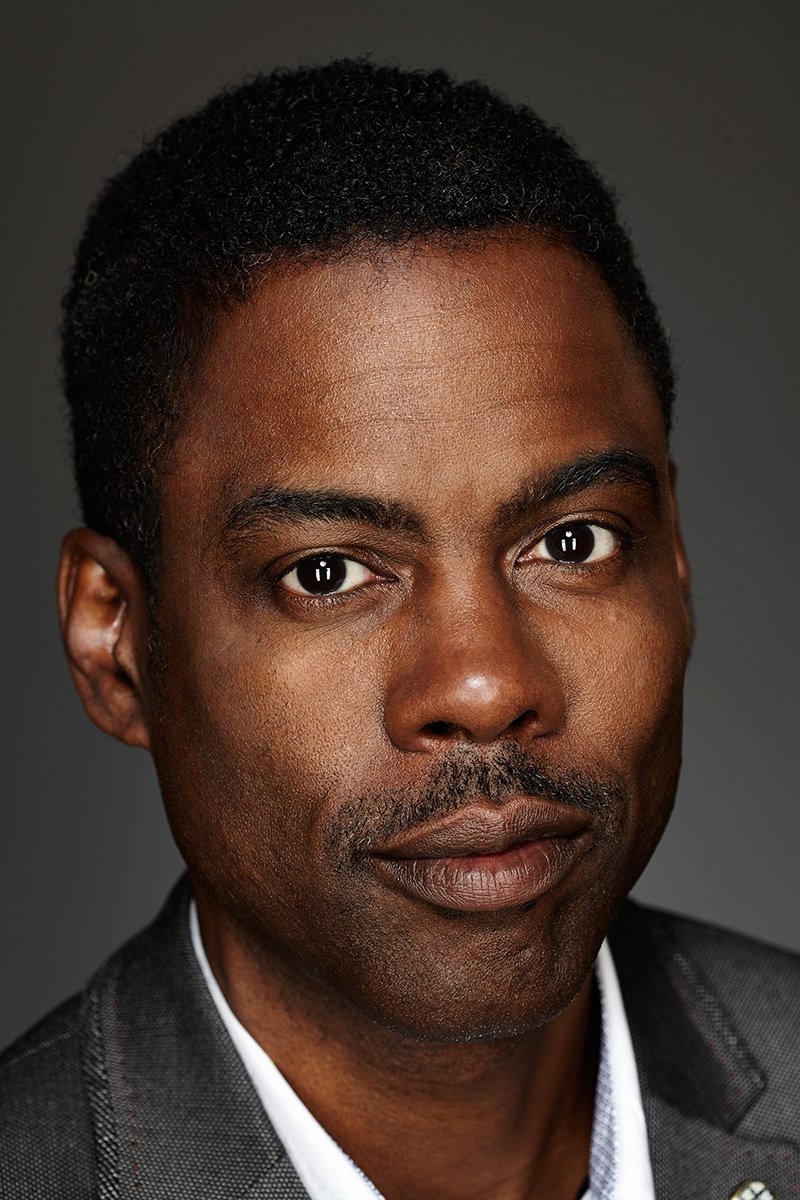
Chris Rock often plays the everyman who is ill-equipped for danger, a persona that allows him to avoid doing stunts entirely. in films like ‘Bad Company’, Rock made it clear that he was there for the comedy, leaving the action beats to his co-stars and stunt doubles. He has joked in stand-up about the absurdity of actors risking their lives when they are paid to talk. Rock’s career is built on his wit, and he refuses to jeopardize that by attempting dangerous physical feats.
Chris Tucker

During the filming of the ‘Rush Hour’ trilogy, Chris Tucker famously let Jackie Chan handle the dangerous work while he provided the comedic commentary. Tucker is not a martial artist and had no desire to match Chan’s legendary stunt output, preferring to stay safely on the sidelines during the explosions. He openly admitted that he was happy to let Chan jump off buildings while he took the stairs. This dynamic became the heart of their chemistry, with Tucker’s refusal to do stunts contrasting with Chan’s eagerness.
Ving Rhames
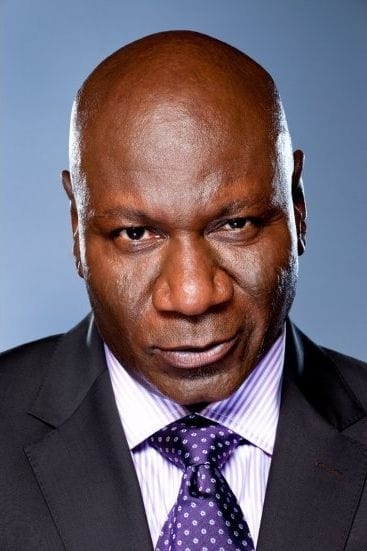
Ving Rhames acts as the tough guy Luther Stickell in the ‘Mission: Impossible’ franchise, but he leaves the high-altitude stunts to Tom Cruise. Rhames has stated that he is happy to be the guy in the van providing technical support while others risk their lives. When his character does get involved in the action, Rhames utilizes doubles for the heavy lifting to avoid unnecessary injury. He recognizes that his value to the team is his imposing presence and delivery, not his stunt work.
Terry Crews
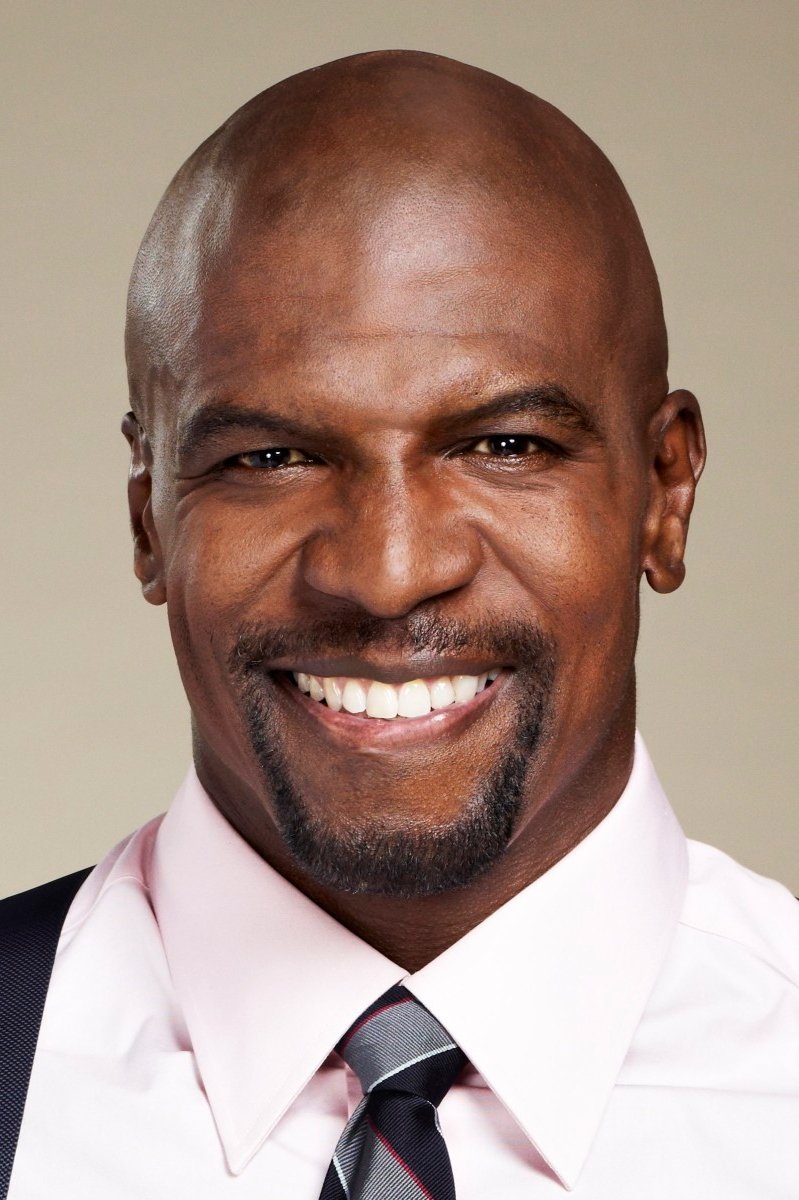
Despite his background as a professional football player and his imposing physique, Terry Crews is surprisingly cautious when it comes to movie stunts. In ‘The Expendables’, Crews performed the heavy weapons work but left the dangerous falls and explosions to the stunt team. He has mentioned that the wear and tear from his NFL days made him protective of his body in his second career. Crews is happy to look tough on camera while letting professionals take the actual hits.
Don Cheadle
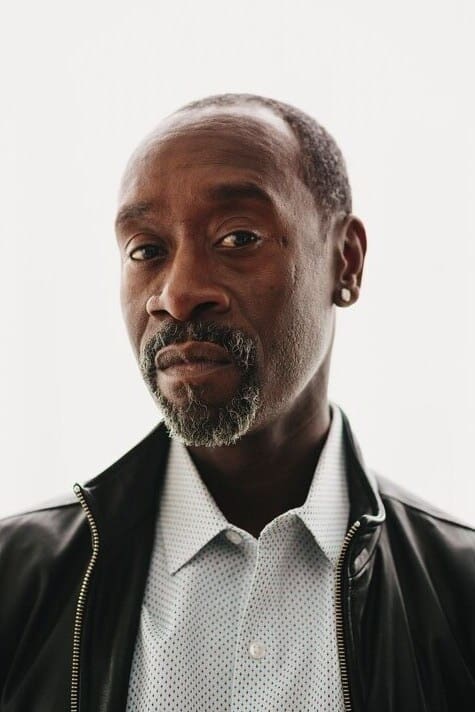
As War Machine in the Marvel Cinematic Universe, Don Cheadle spends much of his action screen time inside a CGI suit or replaced by a digital double. Cheadle has joked about the comfort of not having to do the wirework that some of his co-stars endure. He focuses on the performance inside the helmet, allowing the visual effects and stunt teams to create the action. This approach allows him to participate in massive superhero battles without ever risking a scratch.
Ice Cube
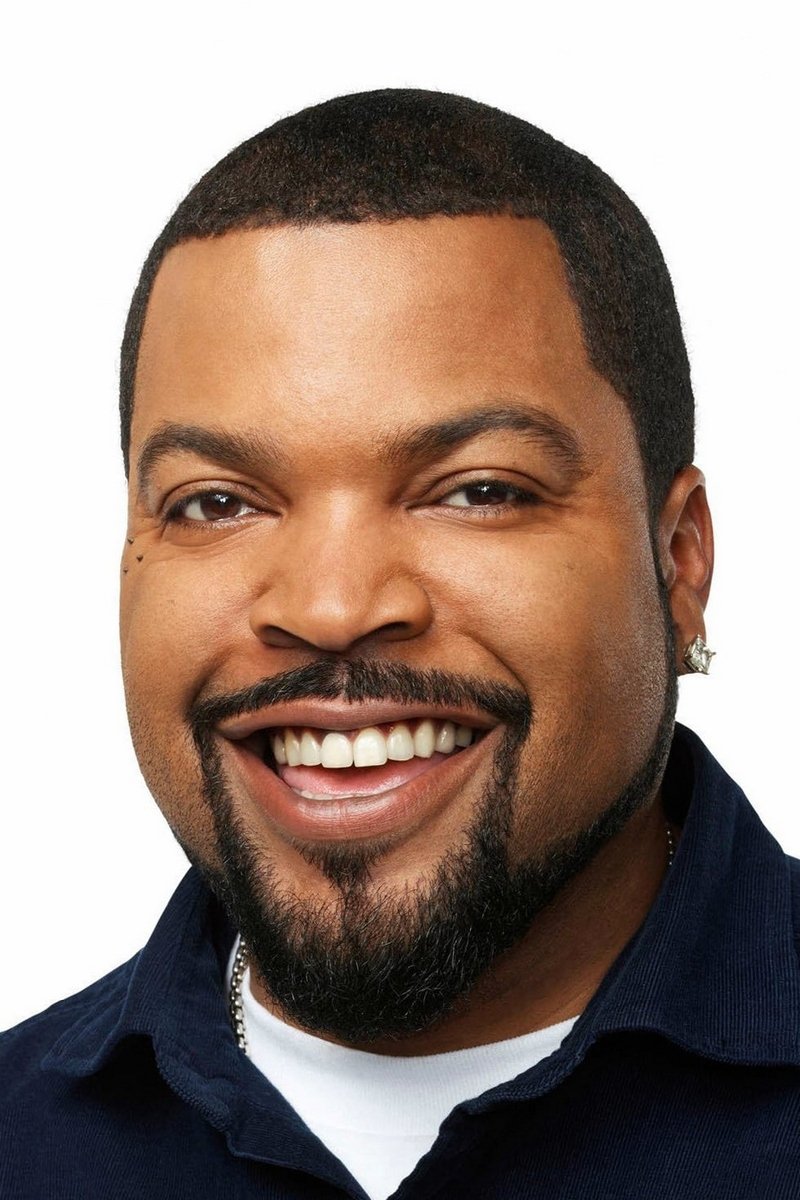
Ice Cube transitioned from music to action movies with ‘xXx: State of the Union’, but he maintained a grounded approach to the physical requirements. He relies on stunt doubles for the high-impact sequences, preferring to engage in hand-to-hand combat scenes that are safer and more controlled. Cube views himself as a producer and actor who needs to keep the business running, which means avoiding injury. He has never tried to market himself as a daredevil, staying in his lane of tough, grounded characters.
LL Cool J
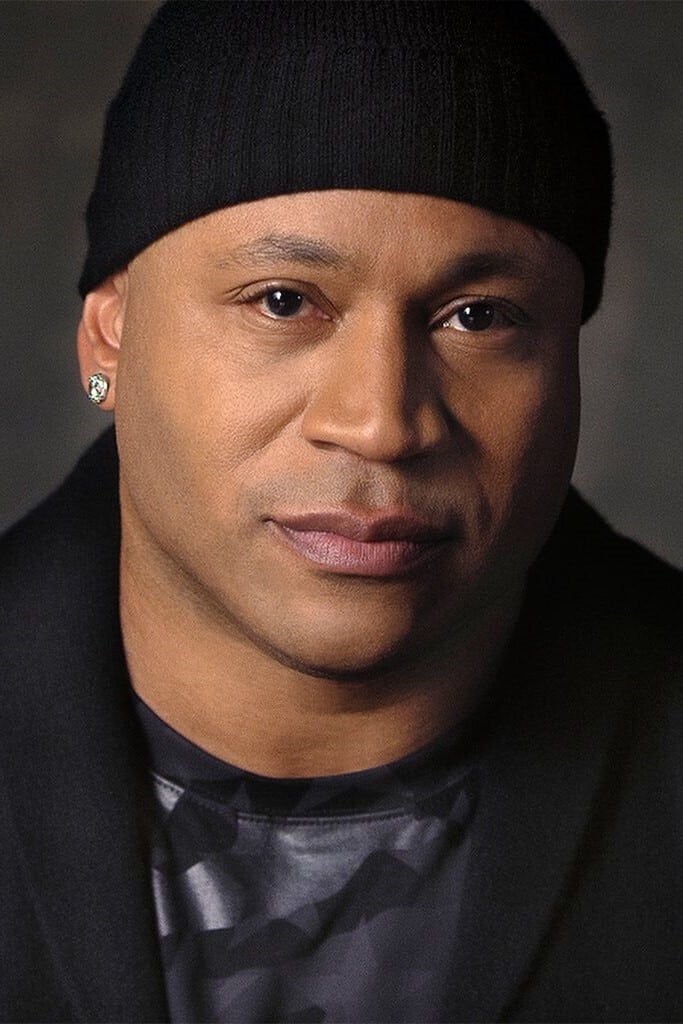
LL Cool J performs a significant amount of physical acting on ‘NCIS: Los Angeles’, but he draws a hard line at stunts that could cause real injury. He has a dedicated stunt double for the explosions, high falls, and dangerous vehicle maneuvers required by the show. LL Cool J emphasizes the importance of staying fit to sell the role, but not being foolish enough to get hurt. He respects the stunt profession too much to try and do their job poorly.
Ludacris
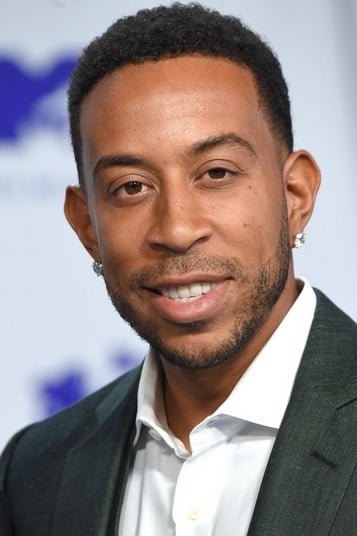
In the ‘Fast & Furious’ franchise, Ludacris plays the tech expert Tej, a role that conveniently keeps him out of the most dangerous physical stunts. When he does get involved in the fights, he utilizes stunt doubles to make the action look professional and believable. Ludacris has joked about how his contract should ensure he doesn’t get beat up, preferring to be the brains of the operation. He leaves the car jumping and building scaling to the stunt professionals.
Tyrese Gibson
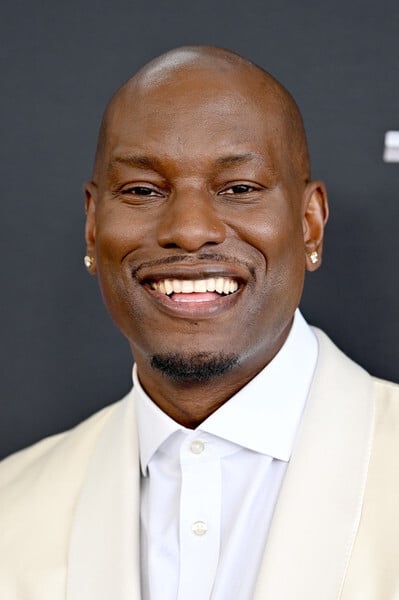
Tyrese Gibson, another staple of the ‘Fast & Furious’ family, is vocal about his fear of certain stunts and his happiness to let doubles take over. His character often reacts with fear in the movies, mirroring Tyrese’s real-life preference to avoid danger. He has utilized doubles for the more ridiculous action set pieces the franchise is known for. Tyrese focuses on the comedic energy and emotional beats, refusing to put himself in harm’s way unnecessarily.
50 Cent
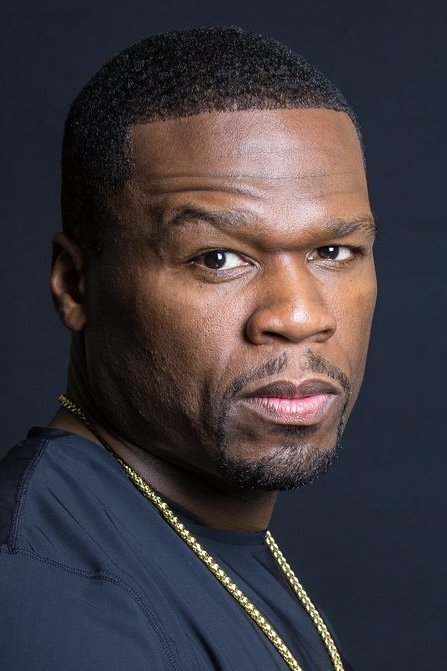
Curtis “50 Cent” Jackson produces many of the shows he stars in, such as ‘Power’, giving him the executive authority to avoid dangerous stunts. He uses doubles for any scene that involves significant risk, prioritizing his role as the showrunner and businessman. Jackson understands that an injury to the lead star can derail a production schedule and budget. He brings the intimidation factor personally but outsources the physical peril.
Common
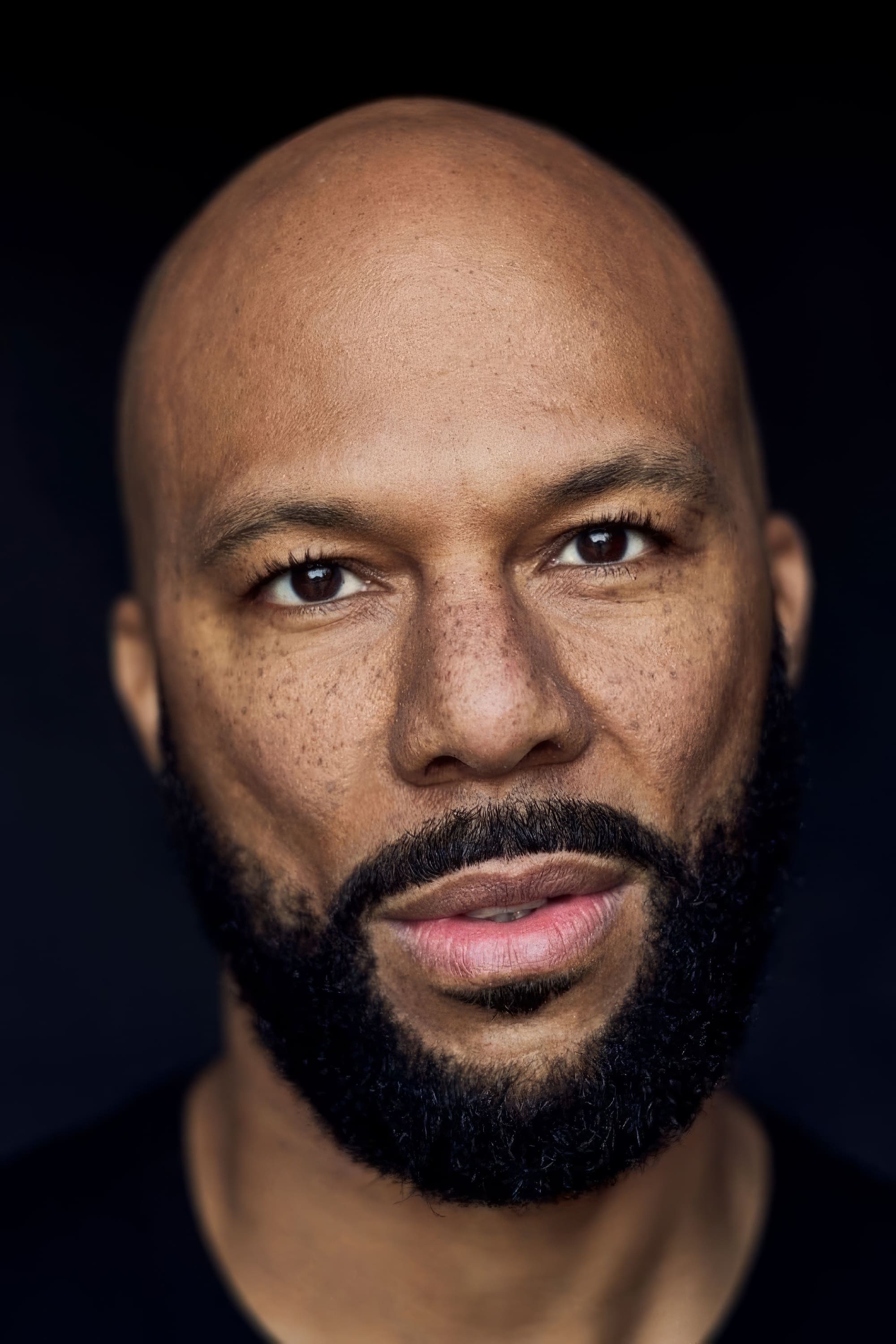
Common has appeared in action heavy films like ‘John Wick: Chapter 2’, where he trained extensively but still used a double for the hardest hits. He respects the art of fighting on camera but acknowledges the need for professionals to handle the bone-crunching falls. Common focuses on the choreography that allows him to act through the fight, rather than the dangerous stunts that break bones. His reliance on doubles ensures he can continue his music and acting careers simultaneously.
Mahershala Ali
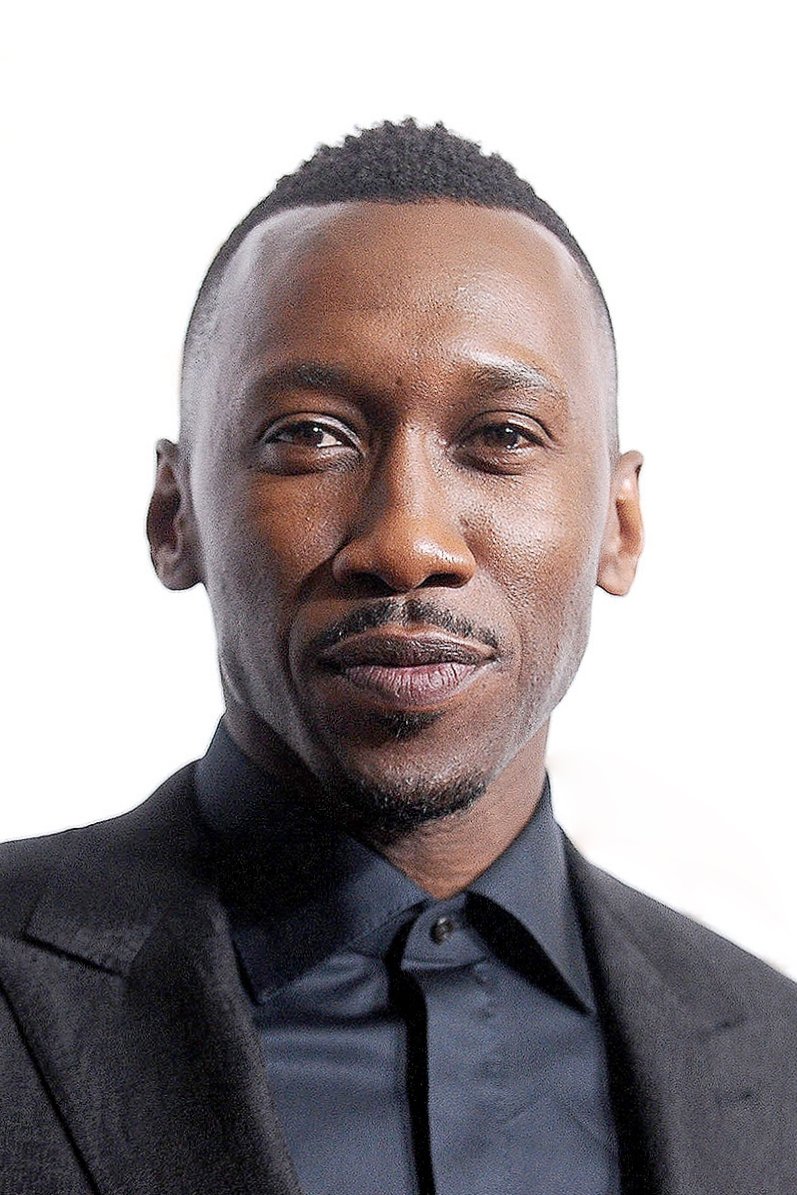
Two-time Oscar winner Mahershala Ali brings a quiet intensity to his roles, and in ‘Alita: Battle Angel’, he played a villain who largely avoided physical confrontation. When playing the character Cottonmouth in ‘Luke Cage’, he used doubles for the more violent outbursts and fights. Ali focuses on the cerebral and emotional aspects of his characters, leaving the physical violence to the stunt coordinators. He is an actor who refuses to let the spectacle of stunts overshadow the nuance of performance.
Jeffrey Wright
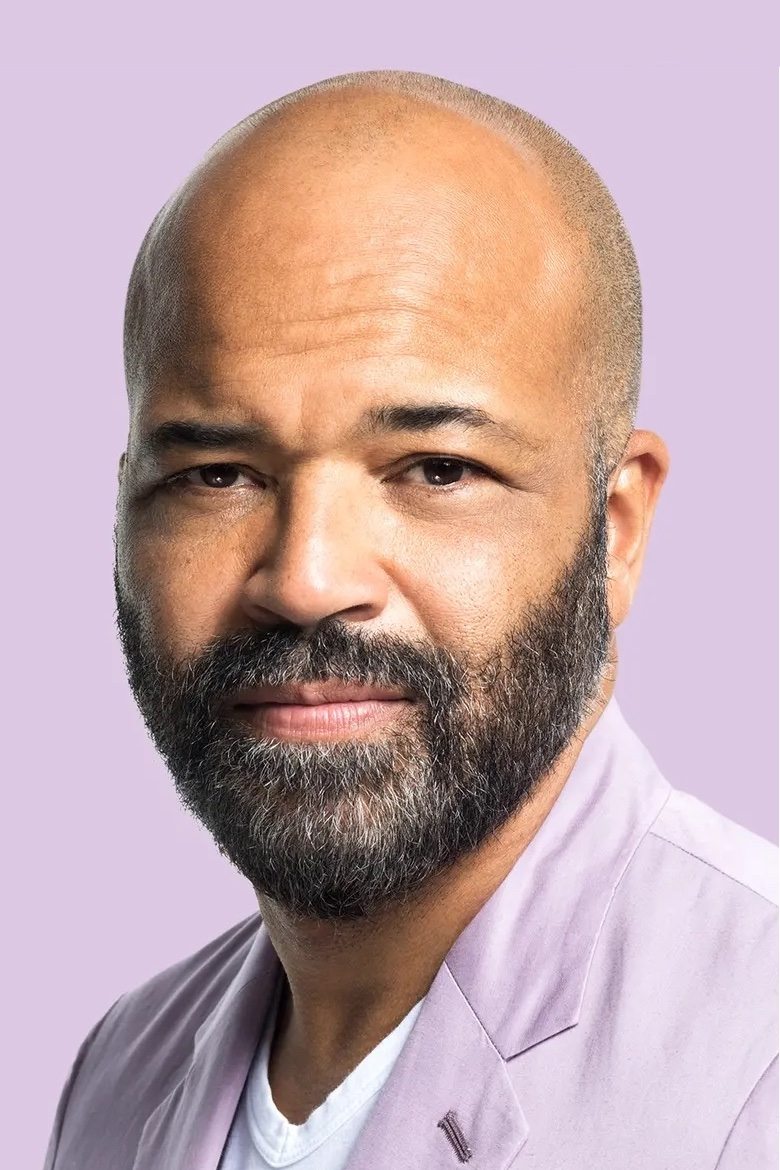
Jeffrey Wright is a character actor who recently took on the role of Commissioner Gordon in ‘The Batman’, where he stayed on the periphery of the action. Wright does not perform his own stunts, preferring to let the narrative and his dialogue drive his character’s impact. In ‘Westworld’, his physical scenes were carefully managed with doubles to protect him. He views acting as an intellectual pursuit and leaves the physical danger to those trained for it.
Djimon Hounsou
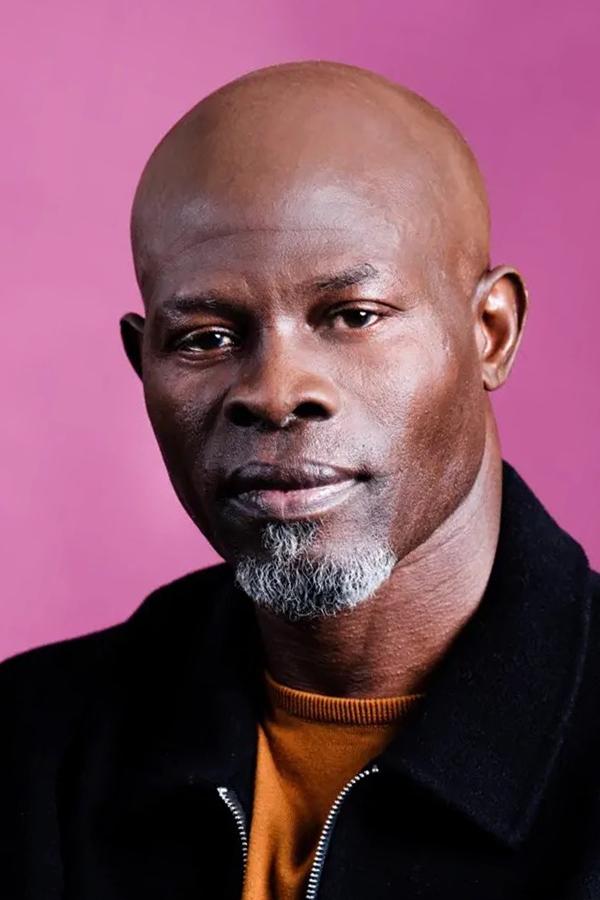
Djimon Hounsou has an impressive physique and has appeared in ‘Gladiator’ and ‘Guardians of the Galaxy’, but he is careful with his body. He utilizes stunt doubles for wirework and high falls, ensuring he can maintain his physical condition for future roles. Hounsou focuses on the emotional intensity and the look of the character, rather than the risk-taking. He refuses to compromise his safety for a fleeting moment of action on screen.
Chiwetel Ejiofor
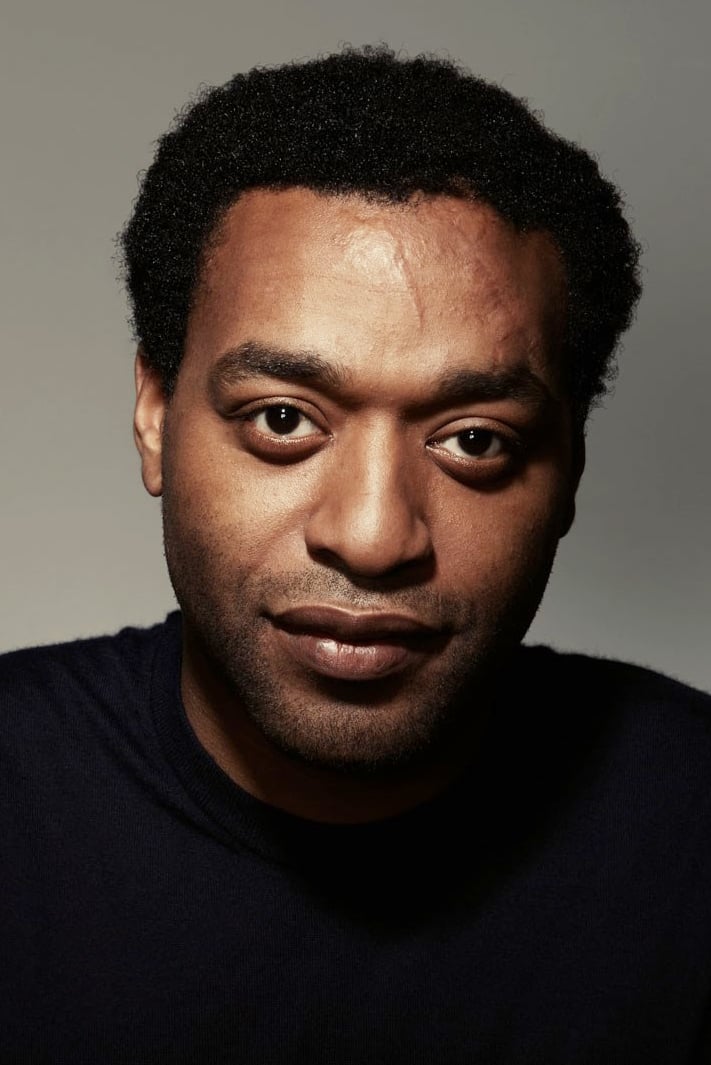
In ‘Doctor Strange’, Chiwetel Ejiofor played a powerful sorcerer, a role that required extensive wirework and combat choreography. Ejiofor relied on his stunt double to execute the complex aerial twists and hard landings associated with the magic battles. He concentrates on the hand gestures and the incantations, leaving the physical tumbling to the experts. His classical training dictates that the performance comes from the face and voice, not the stunt.
Mike Colter
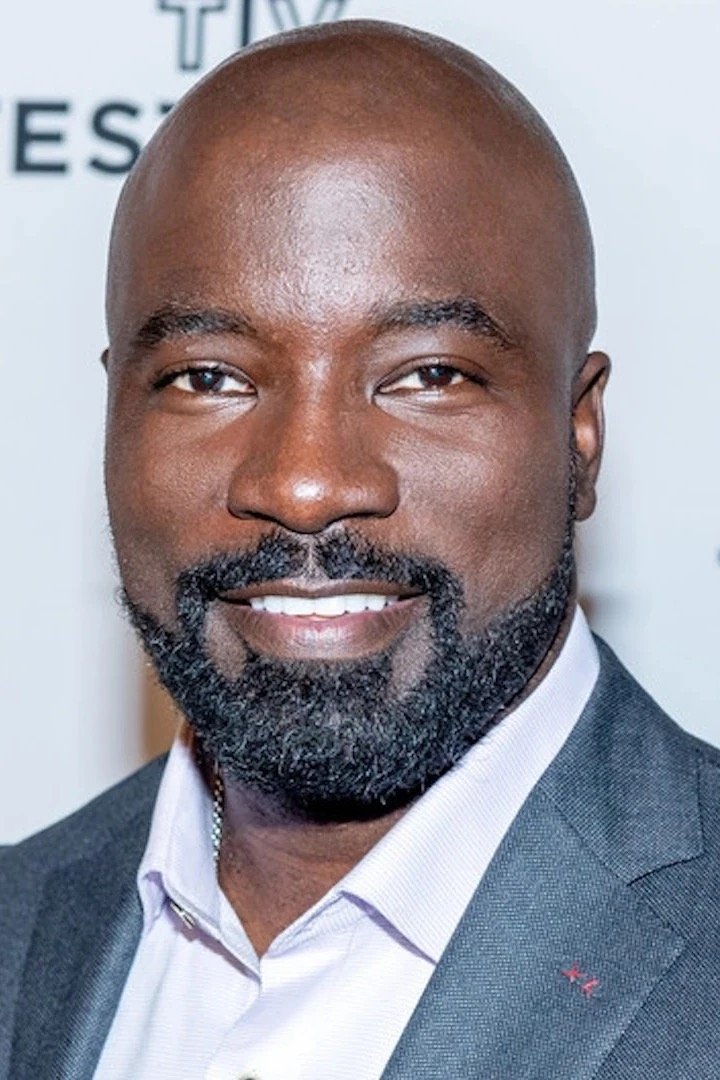
As the bulletproof superhero in ‘Luke Cage’, Mike Colter had to look invulnerable, which ironically required a lot of protection from stunt doubles. Colter used doubles for scenes where his character was thrown through walls or hit with heavy objects to ensure he wasn’t actually injured. He spoke about the difficulty of pretending to be unbreakable while actually being a mortal human who needs to stay safe. Colter refused to let the “indestructible” nature of his character convince him to take unnecessary risks.
John Boyega
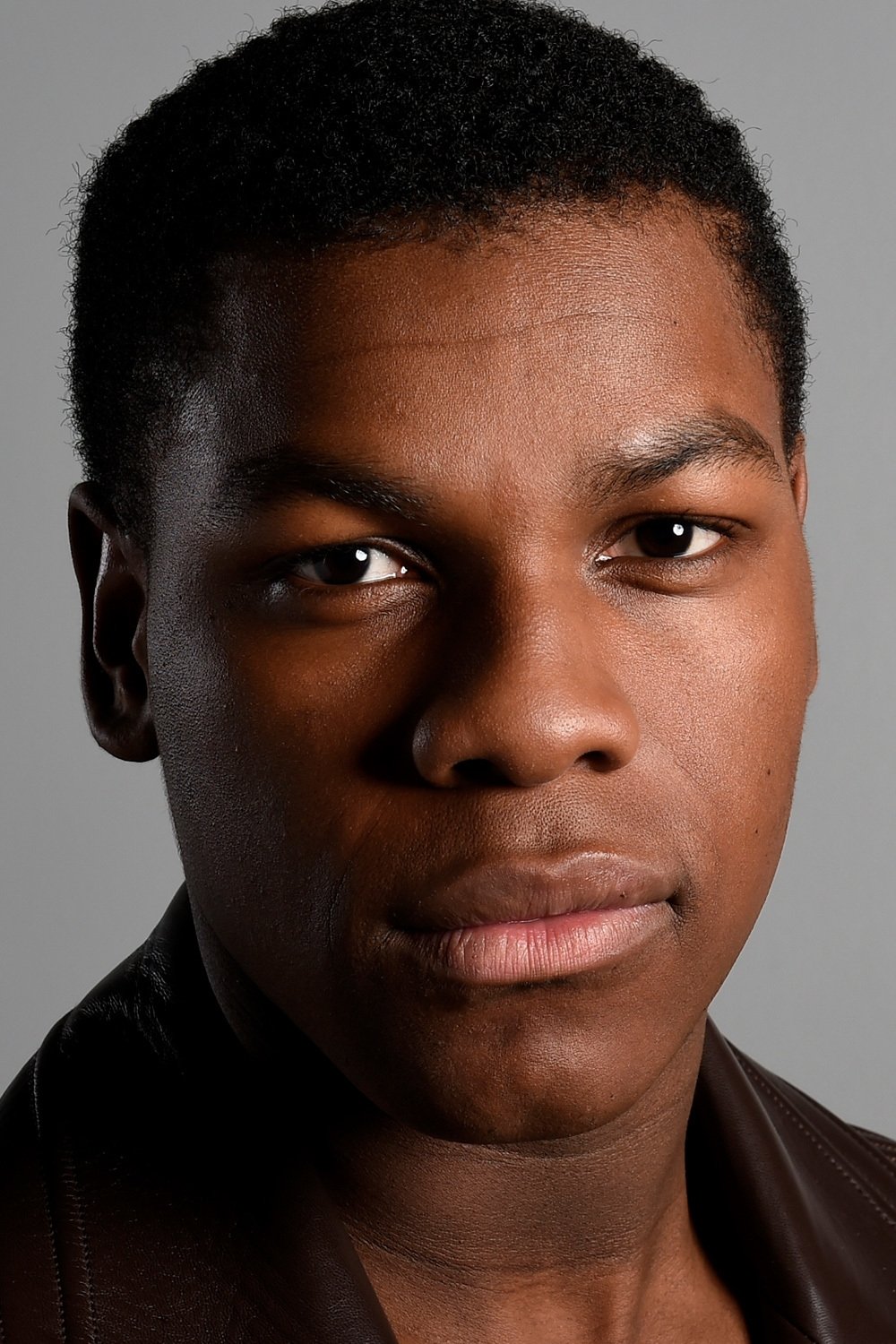
John Boyega spent much of the ‘Star Wars’ sequel trilogy running and fighting, but he had a dedicated team of stunt doubles for the dangerous moments. Boyega was vocal about the exhaustion of the role and happily ceded the most difficult physical tasks to his doubles. He focused on the heavy breathing and the emotional reaction to the danger, rather than the danger itself. Boyega’s priority was keeping his energy up for the acting required in the intense franchise.
Michael B. Jordan
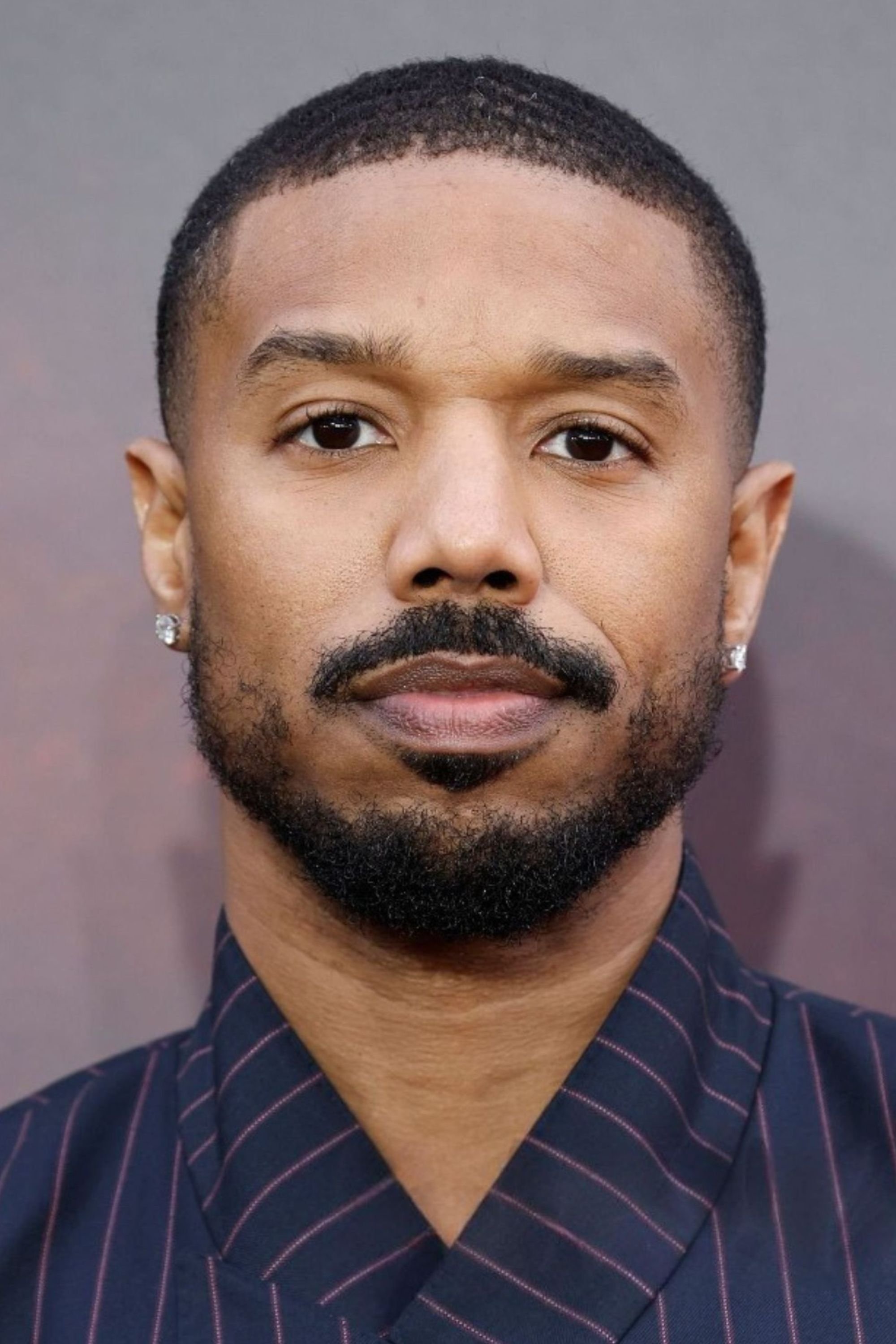
While Michael B. Jordan trains intensely for roles like ‘Creed’ and ‘Black Panther’, he is smart enough to use doubles for the knockout hits. He has admitted that taking real punches or performing dangerous falls is not part of his job description. Jordan works closely with stunt coordinators to ensure the fights look real while he stays safe. He refuses to take hits that could cause concussions or long-term damage, prioritizing his health.
Daniel Kaluuya
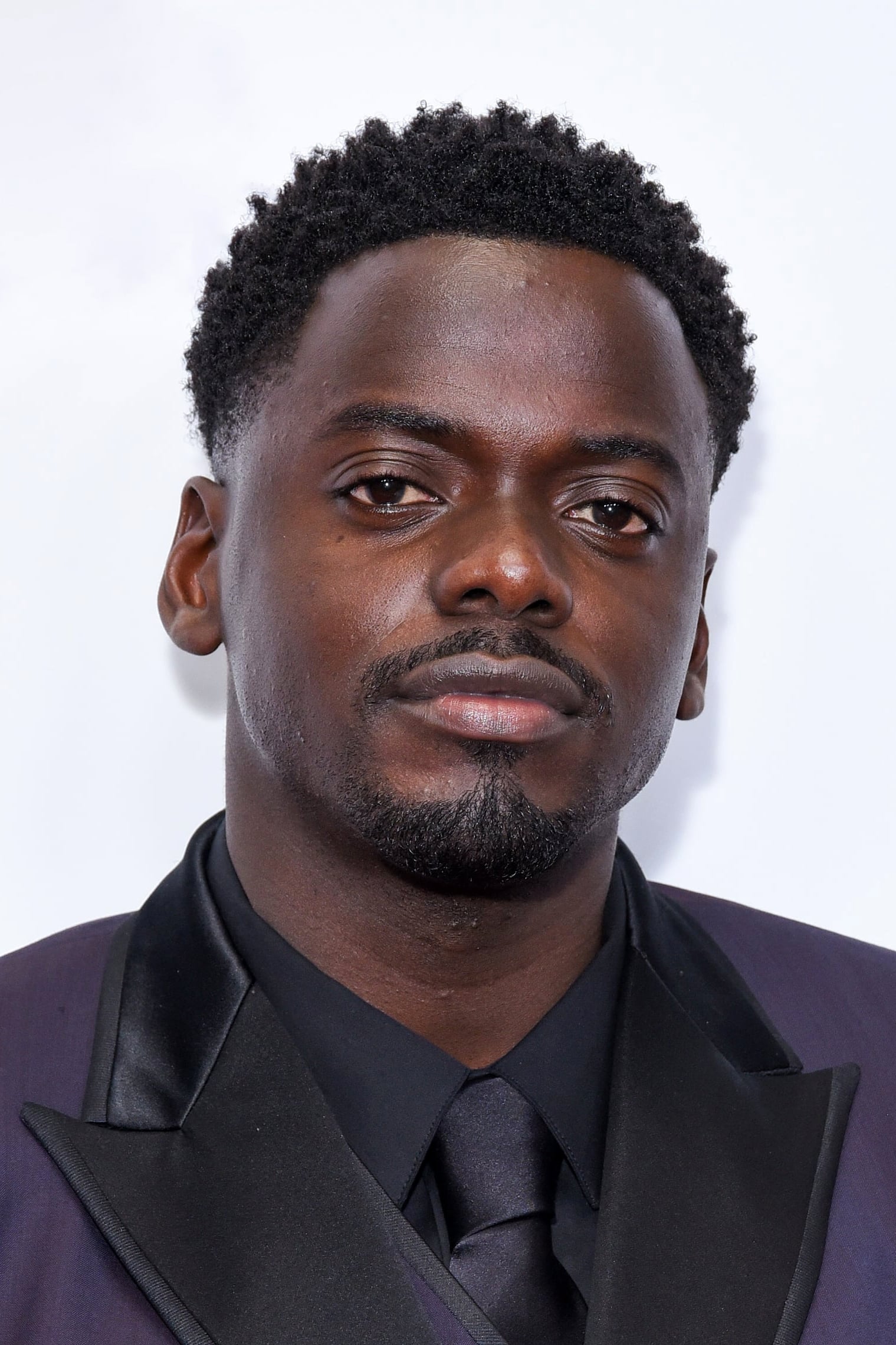
Daniel Kaluuya is celebrated for his intense dramatic performances in films like ‘Get Out’ and ‘Judas and the Black Messiah’, roles that rarely require stunts. When action is required, such as in ‘Black Panther’, he utilizes doubles to handle the combat and rhinos riding sequences. Kaluuya views himself as a dramatic artist and has shown no interest in transitioning into a stunt-performing action star. He refuses to let spectacle distract from the emotional truth of his acting.
Lakeith Stanfield
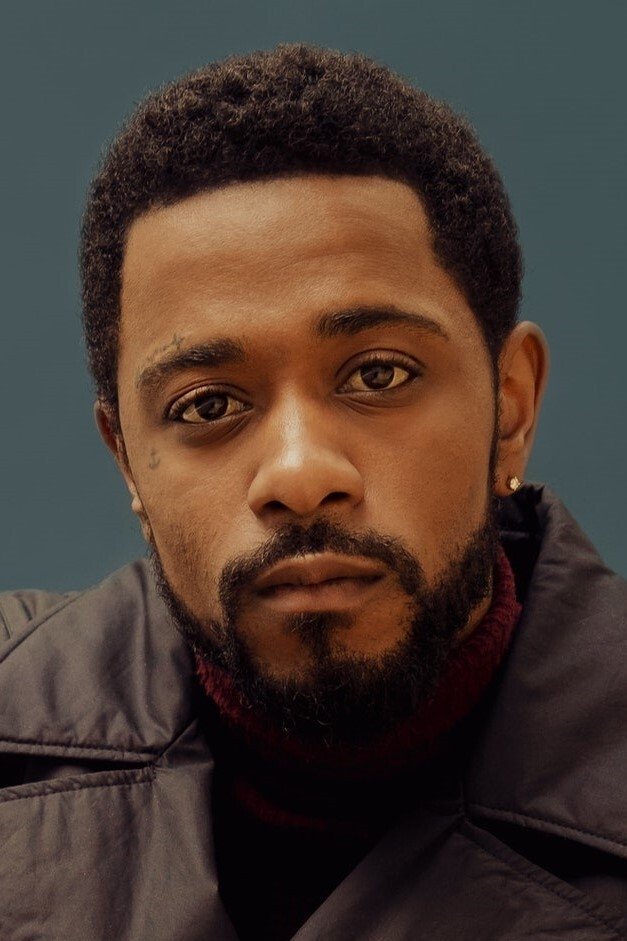
Lakeith Stanfield often plays eccentric or cerebral characters, avoiding the typical action hero archetype. In movies that do require physical exertion, he relies on professionals to handle the danger so he can focus on his unique characterizations. Stanfield’s approach to acting is deeply psychological, and he does not engage in the “macho” culture of doing one’s own stunts. He is content to let the stunt team handle the physical risks while he handles the mental ones.
Sterling K. Brown
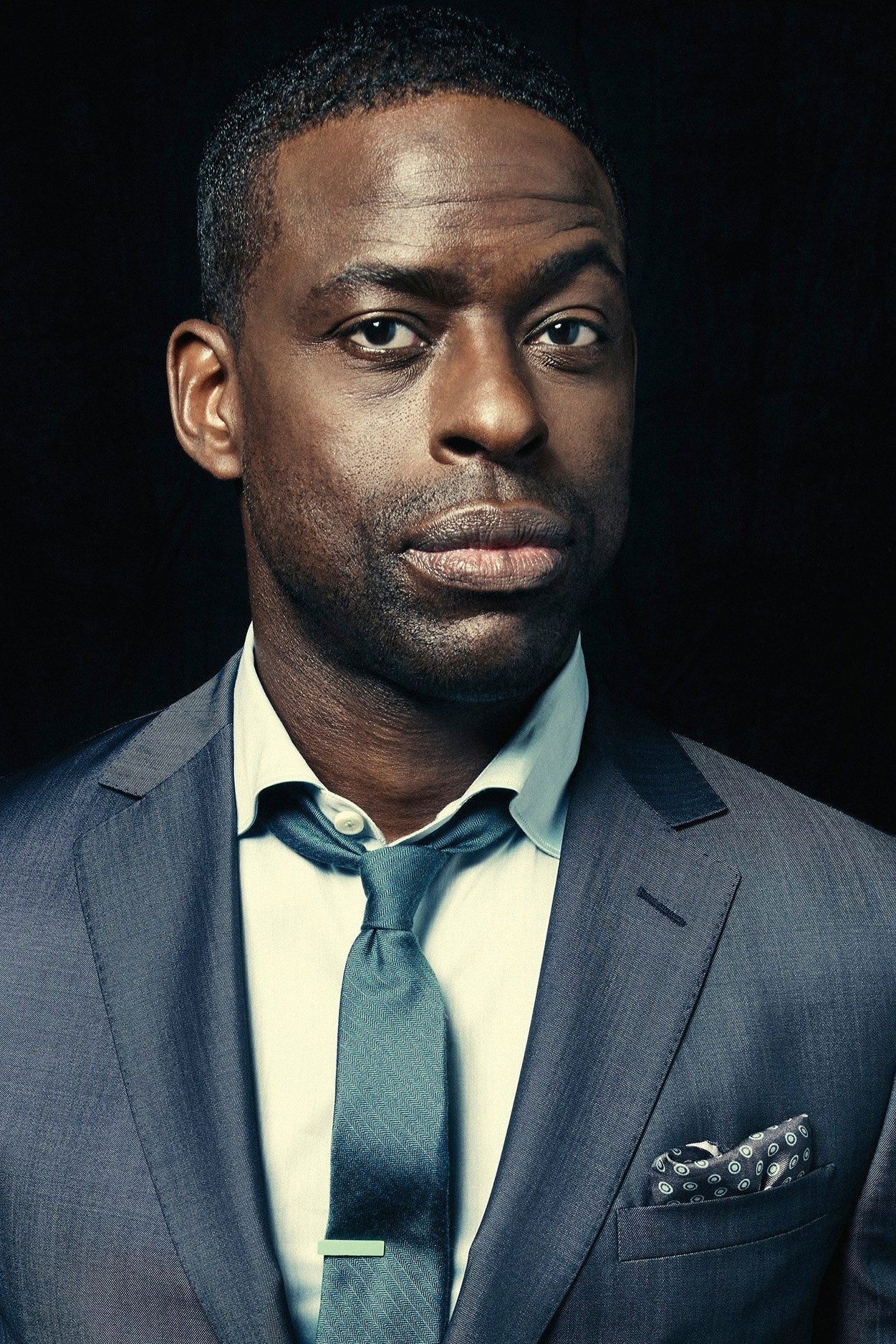
Sterling K. Brown acted in ‘The Predator’, but he is primarily known for his emotional work in ‘This Is Us’, keeping him away from dangerous stunts. When he does appear in action-heavy films, he uses doubles to ensure he doesn’t sustain injuries that would affect his TV schedule. Brown is a disciplined actor who refuses to take unnecessary risks that could jeopardize his contracts. He respects the division of labor on a film set.
Winston Duke
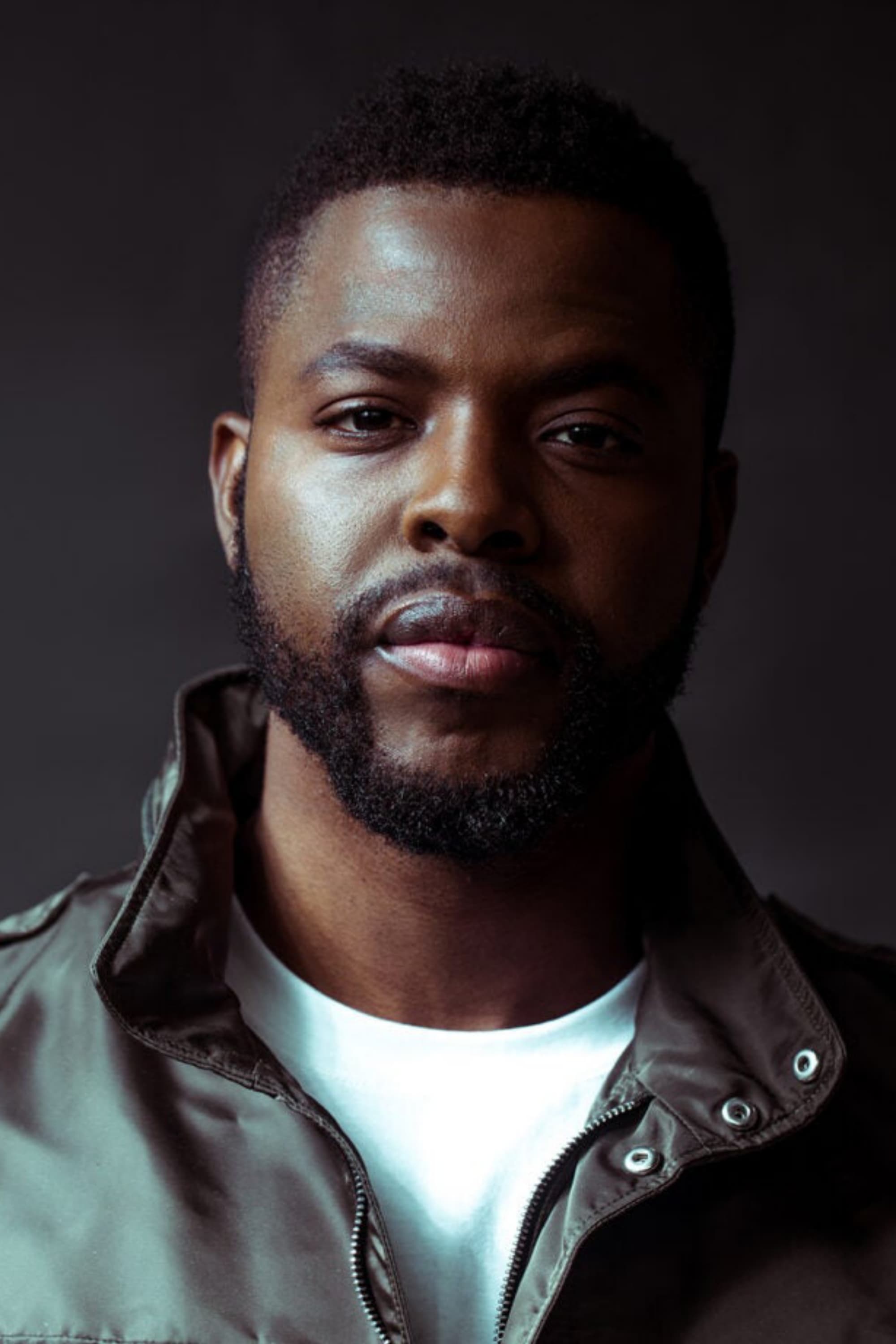
Winston Duke broke out as M’Baku in ‘Black Panther’, a role that required an imposing physical presence and heavy combat scenes. Duke relied on stunt performers for the complex mountain fighting and falls involved in the challenge sequences. He focuses on the voice and the stature of the leader, leaving the acrobatics to the stunt team. Duke refuses to risk injury that would diminish his ability to play the character’s commanding presence.
O’Shea Jackson Jr.
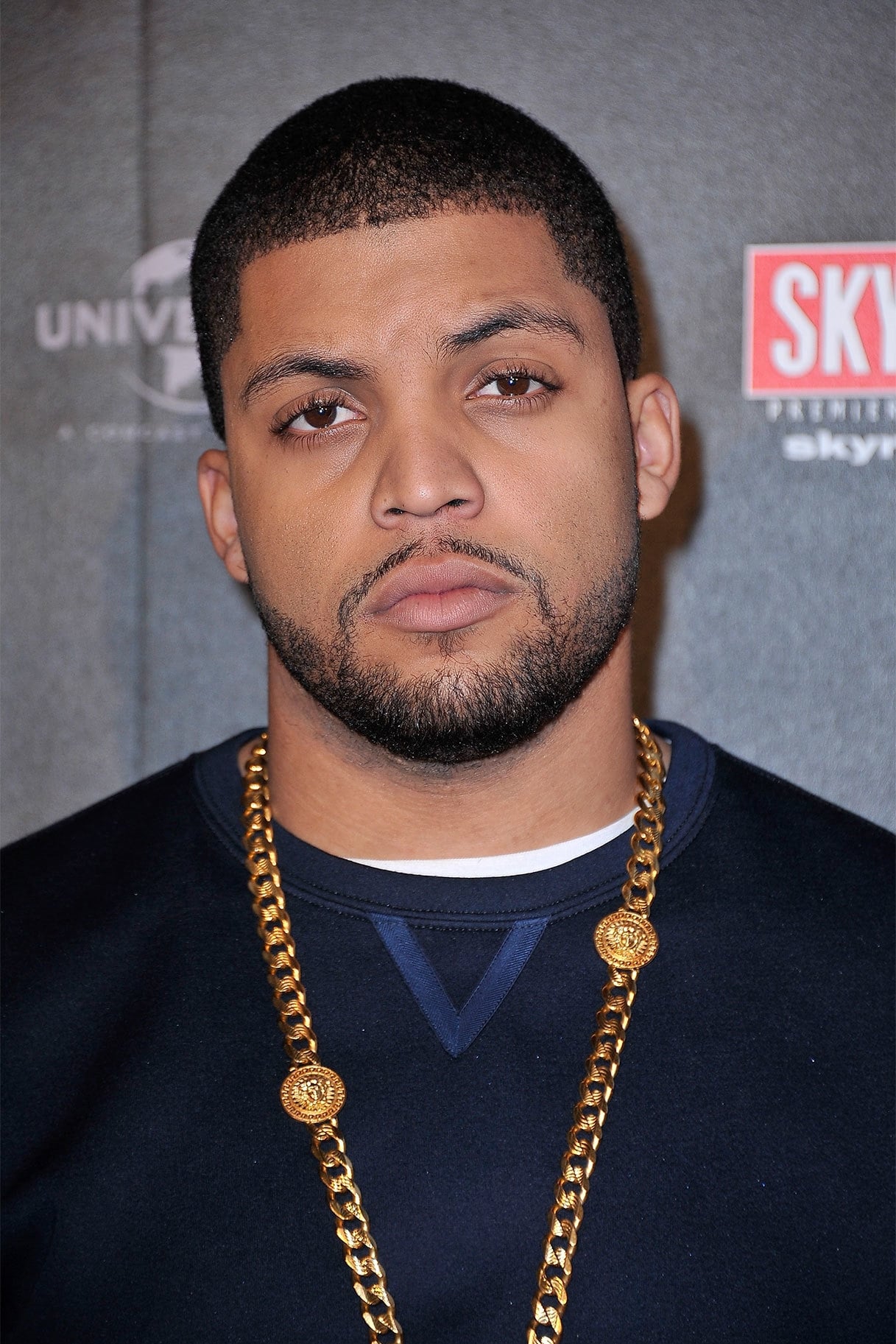
O’Shea Jackson Jr. has starred in action films like ‘Den of Thieves’, but he maintains a sensible approach to safety on set. He uses doubles for shootouts and car crashes, understanding that his job is to act, not to be a crash test dummy. Jackson has joked about the intensity of action training and his preference for safety. He refuses to let the adrenaline of the scene cloud his judgment regarding his own well-being.
Tracy Morgan
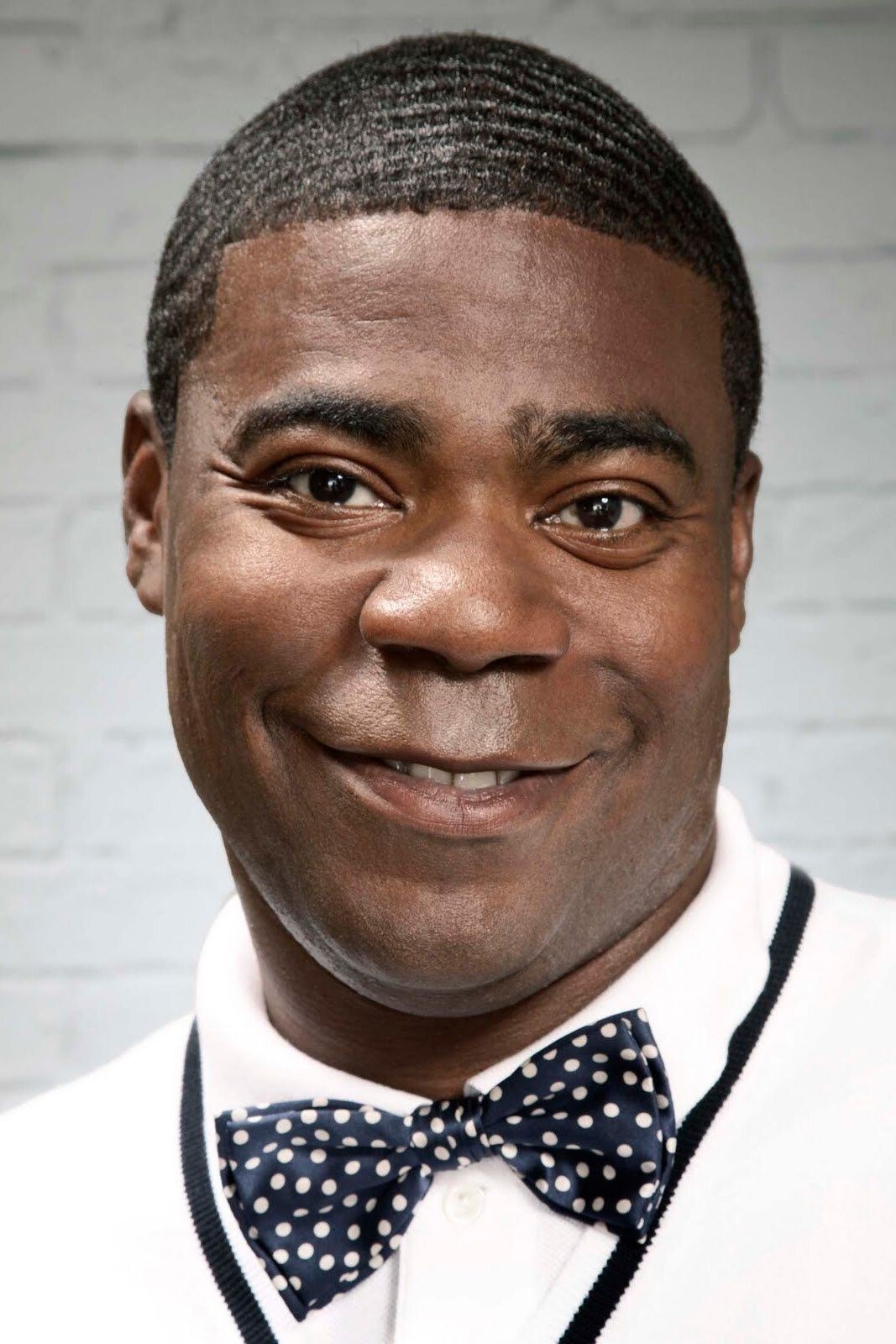
Tracy Morgan’s return to acting after a severe real-life car accident made him understandably cautious about physical stunts. In his show ‘The Last O.G.’, any physical comedy that carried risk was handled by doubles to protect his recovering body. Morgan refuses to put himself in situations that could re-traumatize him or cause further injury. His focus is entirely on comedy and verbal delivery.
Cedric the Entertainer
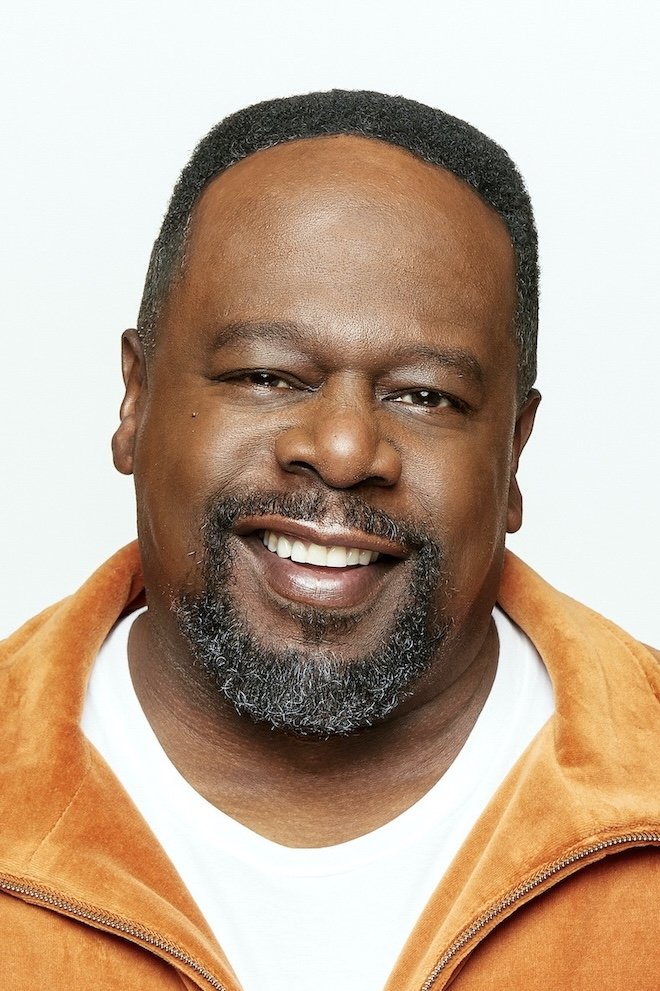
Cedric the Entertainer acts in sitcoms and comedies where the physical stakes are usually low, but he uses doubles for slapstick moments. He has no desire to act as an action star and refuses to perform stunts that could result in a pulled muscle or worse. Cedric knows his audience wants to see him deliver punchlines, not punches. He happily steps aside for the stunt team whenever the script calls for physical chaos.
Kenan Thompson
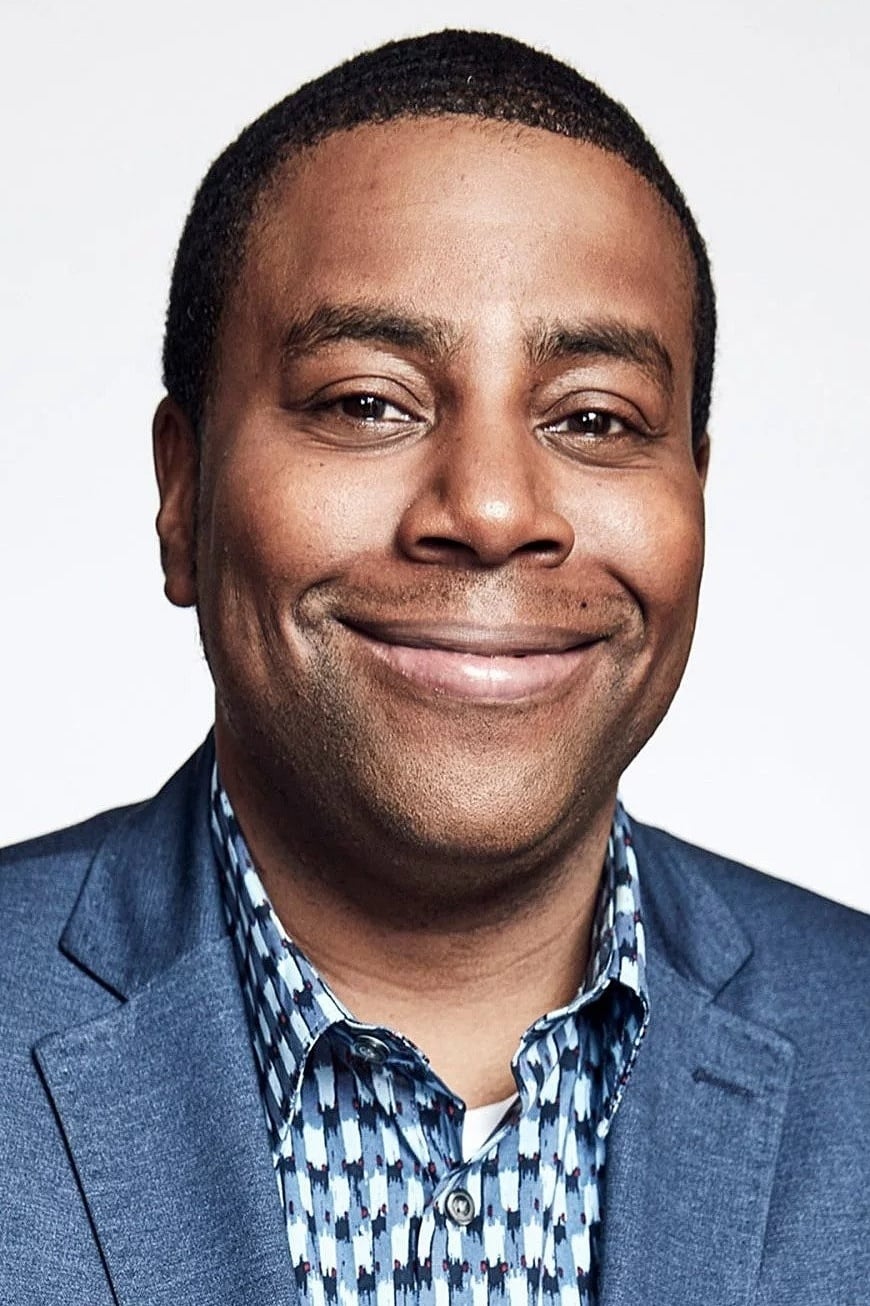
As the longest-running cast member on ‘Saturday Night Live’, Kenan Thompson has appeared in hundreds of sketches, often using doubles for physical gags. He refuses to risk injury for a laugh on live television, relying on camera tricks and stand-ins for dangerous bits. Thompson’s career longevity is a testament to his ability to stay healthy and consistent. He understands that being available for the next show is more important than doing a pratfall himself.
Damon Wayans
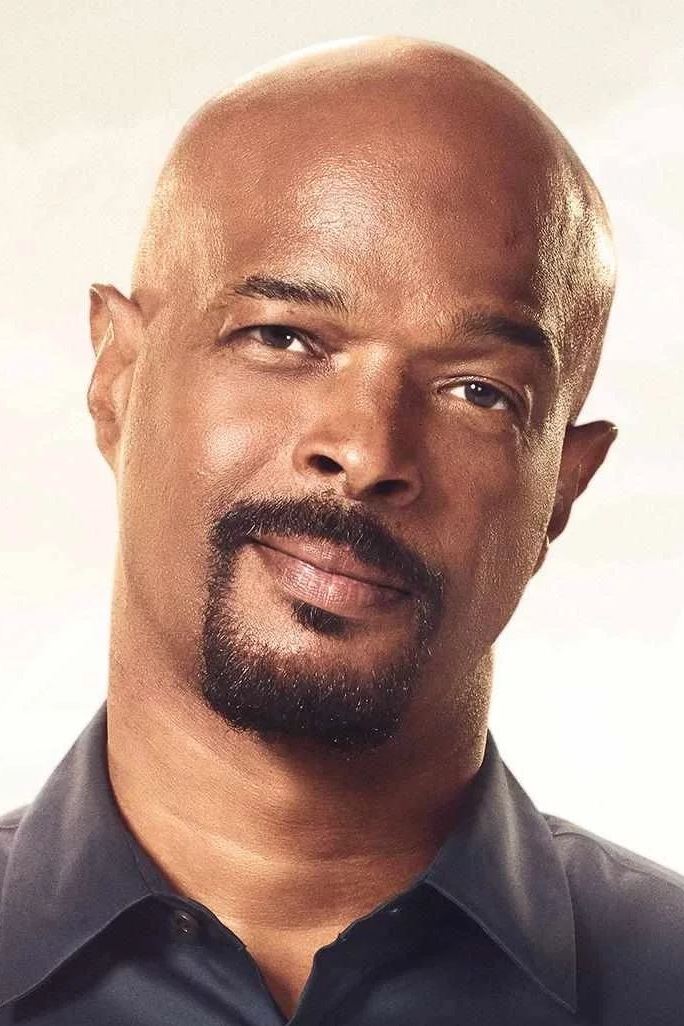
Damon Wayans, star of ‘Lethal Weapon’ (the TV series), had to balance the action requirements of the show with his own safety concerns. He famously left the show citing health reasons and the physical toll of the production, refusing to continue working under conditions he felt were damaging. Wayans utilized doubles heavily during his tenure but ultimately decided the physical demand was too high. His departure was a form of ultimate refusal to compromise his health for stunts.
Marlon Wayans
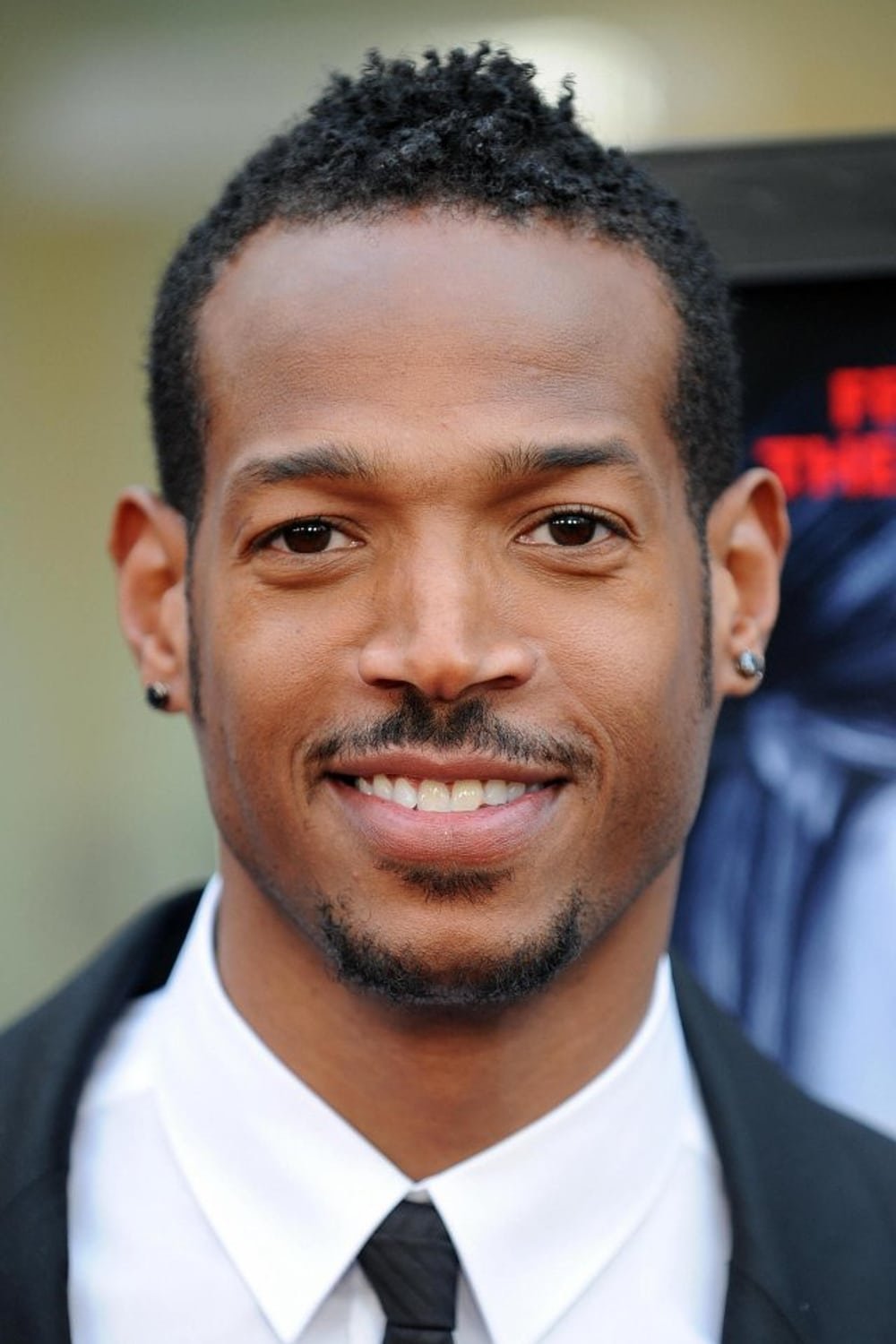
Marlon Wayans often performs in spoof movies where the stunts are exaggerated and ridiculous, necessitating the use of doubles. He refuses to take the physical punishment required for a sight gag, allowing stuntmen to take the hits. Wayans focuses on the facial expressions and the comedic reaction to the violence. He knows that the comedy comes from the reaction, not the actual impact.
Giancarlo Esposito
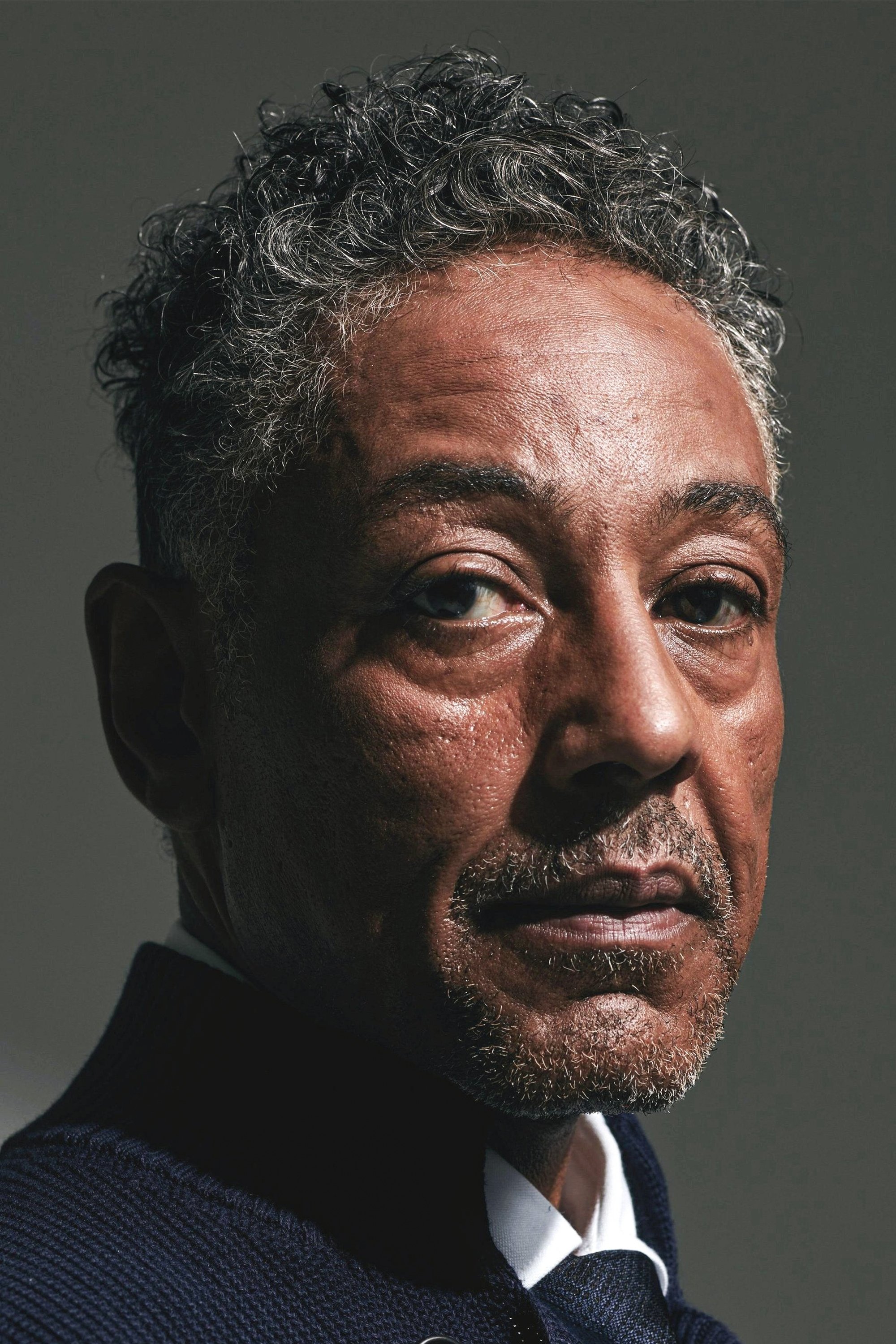
Giancarlo Esposito is famous for playing calm, calculating villains like Moff Gideon in ‘The Mandalorian’ or Gus Fring in ‘Breaking Bad’. He rarely engages in physical combat, and when his characters do, he relies on stunt doubles to execute the action. Esposito refuses to break the composure of his characters with awkward physical movements, preferring the fluidity of a professional stuntman. This allows him to maintain the menacing aura that defines his most famous roles.
Brian Tyree Henry
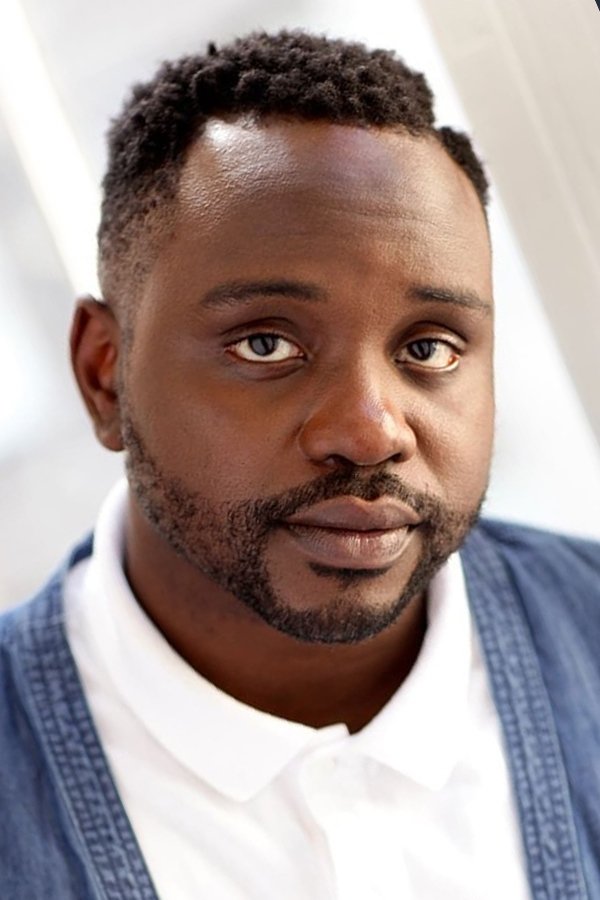
Brian Tyree Henry has moved into action roles with films like ‘Bullet Train’, but he leaves the heavy fighting to the stunt professionals. He focuses on the character work and the dialogue, refusing to risk injury in the high-speed fight sequences. Henry understands that his strength is his acting range, not his ability to perform martial arts. He relies on the stunt team to make his characters look formidable in combat.
Share your thoughts on which actor makes the smartest choice by using a double in the comments.

