


Black Actresses Hollywood Tried To Cancel


The entertainment industry has a long history of challenging the careers of Black actresses who speak their minds or find themselves at the center of public controversy. Many of these women have faced periods of exclusion where roles became scarce and the media narrative turned against them. These instances often highlight the systemic pressures and double standards that exist within major film studios. Despite these attempts to sideline their talent many of these performers have demonstrated remarkable resilience. Their stories reflect a broader struggle for equity and representation in a competitive Hollywood landscape.
Mo’Nique
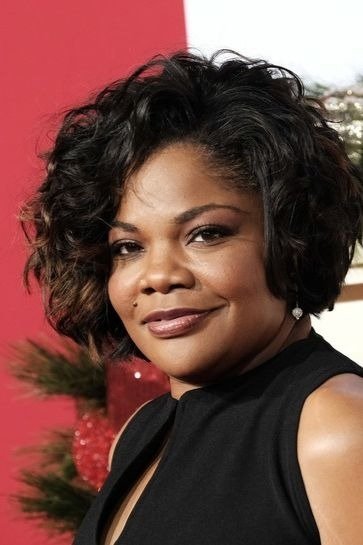
Mo’Nique experienced a period of industry exclusion after her Academy Award win for ‘Precious’. She spoke openly about being blackballed for her refusal to participate in an unpaid awards campaign. The actress became a vocal advocate for fair pay and treatment for Black women in the film industry. Her public disputes with major directors and networks led to a decline in mainstream opportunities for several years. She eventually returned to the spotlight after reaching a legal settlement with a prominent streaming company regarding her compensation.
Gabrielle Union
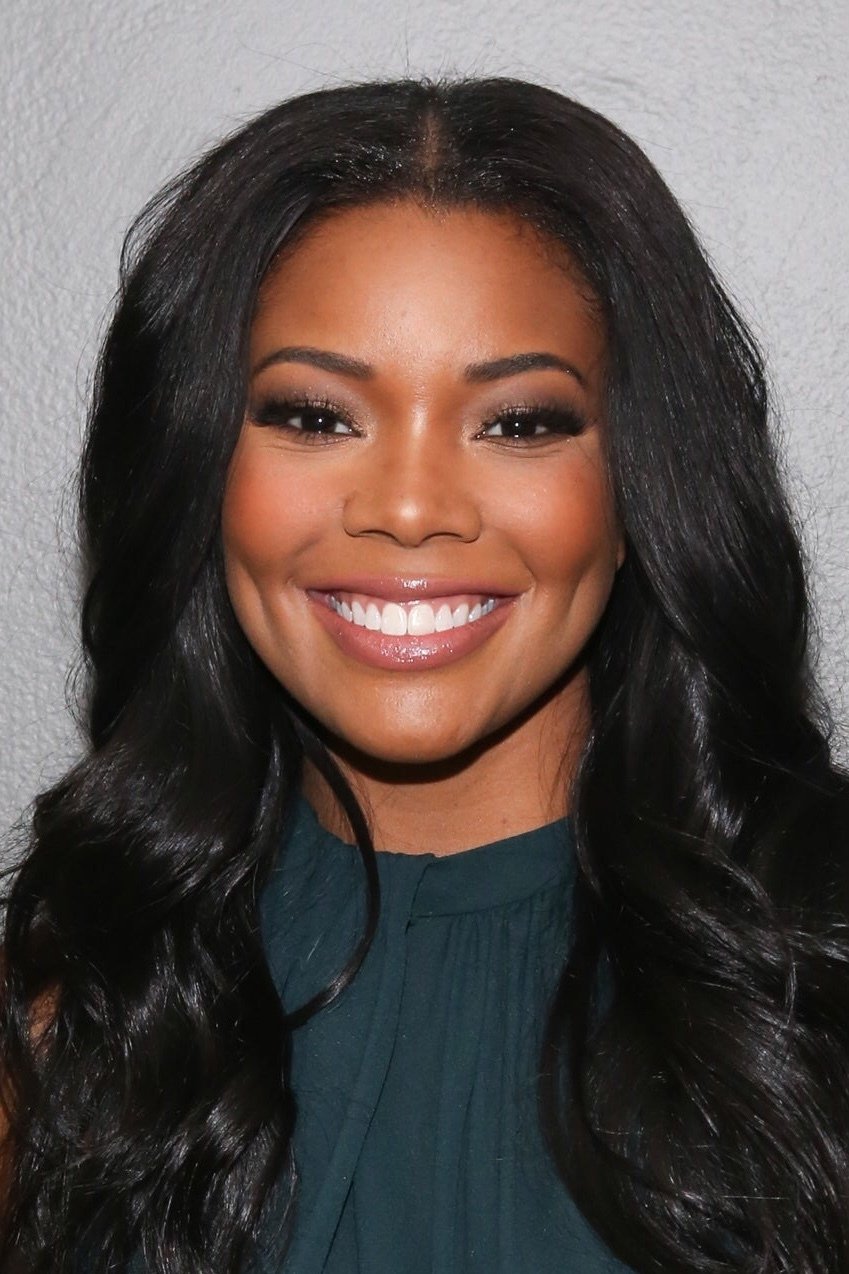
Gabrielle Union experienced a public departure from her role as a judge on ‘America’s Got Talent’. She reported a toxic work environment and raised concerns about racial insensitivity on the set. This whistleblowing led to a tense standoff with the network and production companies involved. Union remained steadfast in her advocacy for workplace accountability and diversity in media. Her experience highlighted the professional risks faced by actresses who speak out against institutional problems.
Lisa Bonet
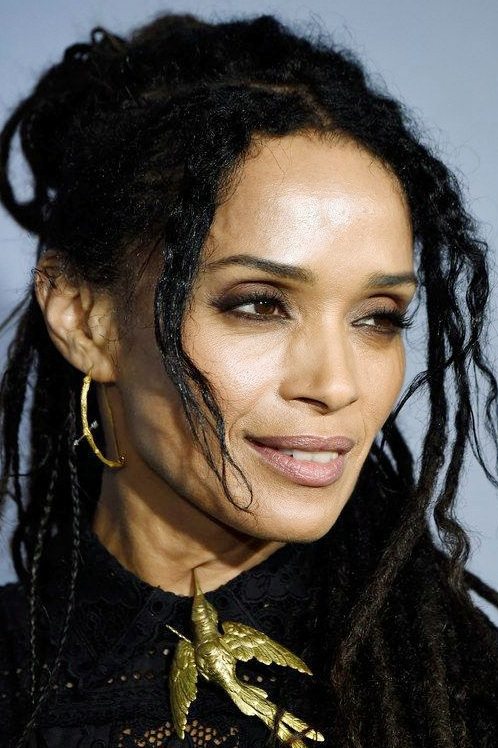
Lisa Bonet faced professional consequences after her role in the film ‘Angel Heart’ clashed with her family friendly image on ‘The Cosby Show’. The actress was eventually written out of her successful spin-off series ‘A Different World’ due to creative differences and personal choices. Industry executives often viewed her as difficult because of her desire for artistic independence. Her career path deviated from the standard Hollywood trajectory as she prioritized her own values over mainstream expectations. She remains a cult icon despite the industry attempts to limit her professional opportunities.
Stacey Dash
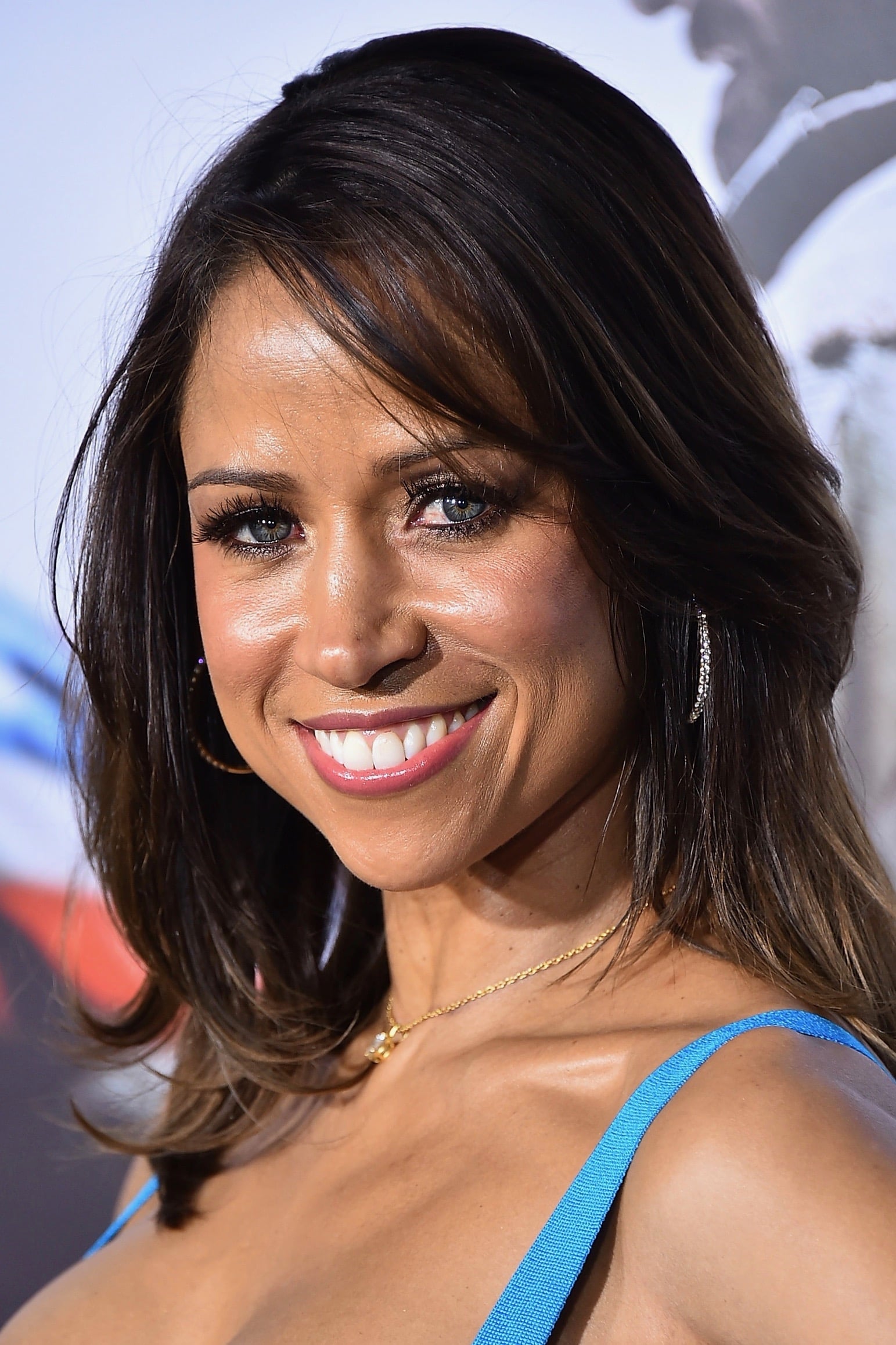
Stacey Dash became a polarizing figure after transitioning from acting to political commentary. Her roles in films like ‘Clueless’ made her a household name during the nineties. However her outspoken conservative views led to significant backlash from both the public and the entertainment industry. Many peers distanced themselves from her after her controversial statements on various social issues. She found it increasingly difficult to secure mainstream acting roles following her stint as a news contributor.
Vanessa Williams
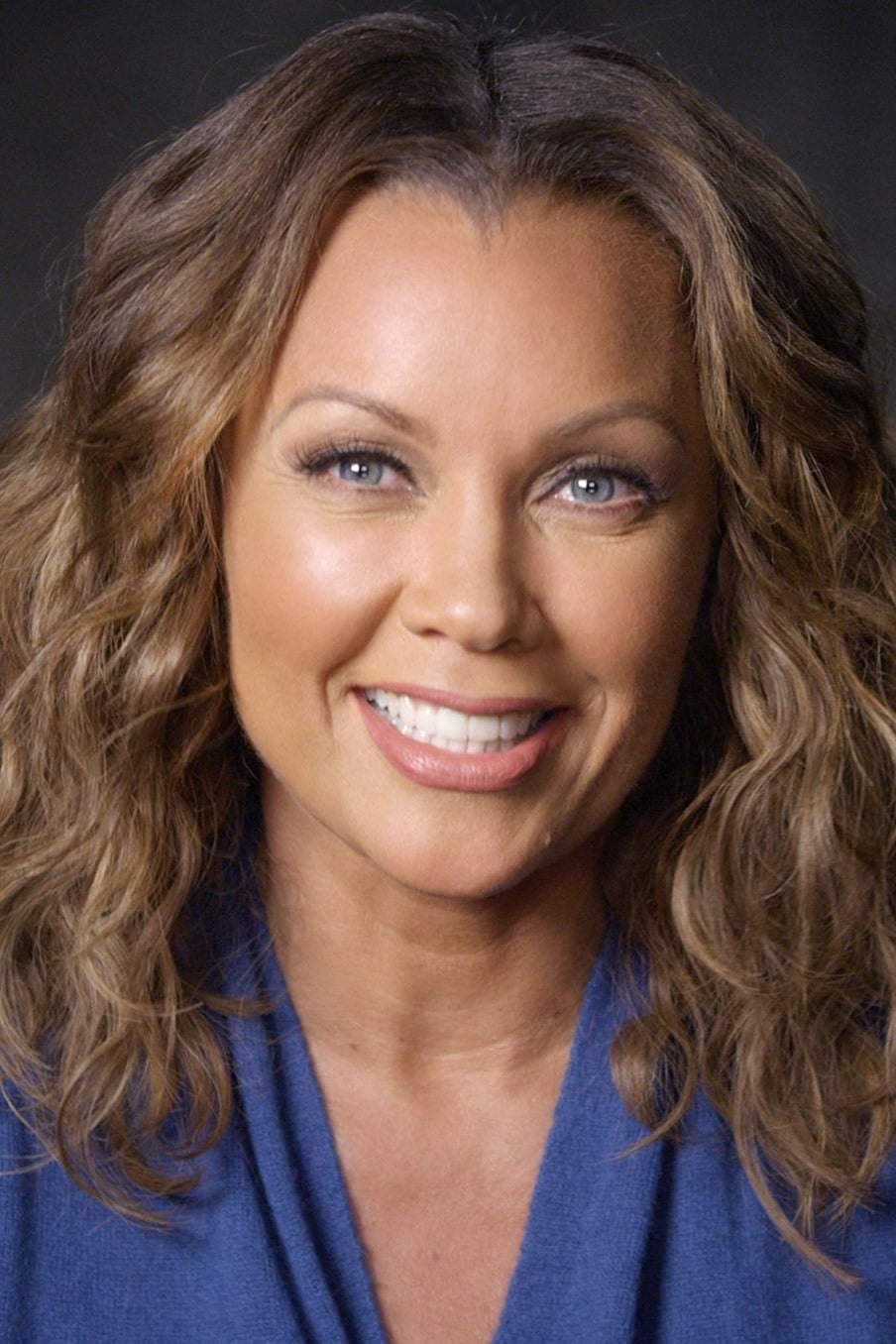
Vanessa Williams faced an unprecedented scandal when she was forced to resign as Miss America. The controversy surrounding leaked photographs threatened to end her career before it truly began in Hollywood. Many industry insiders believed she would never recover from the negative publicity at the time. She eventually proved them wrong by finding massive success in music and on shows like ‘Ugly Betty’. Her resilience allowed her to overcome an early attempt to discard her talent.
Janet Jackson
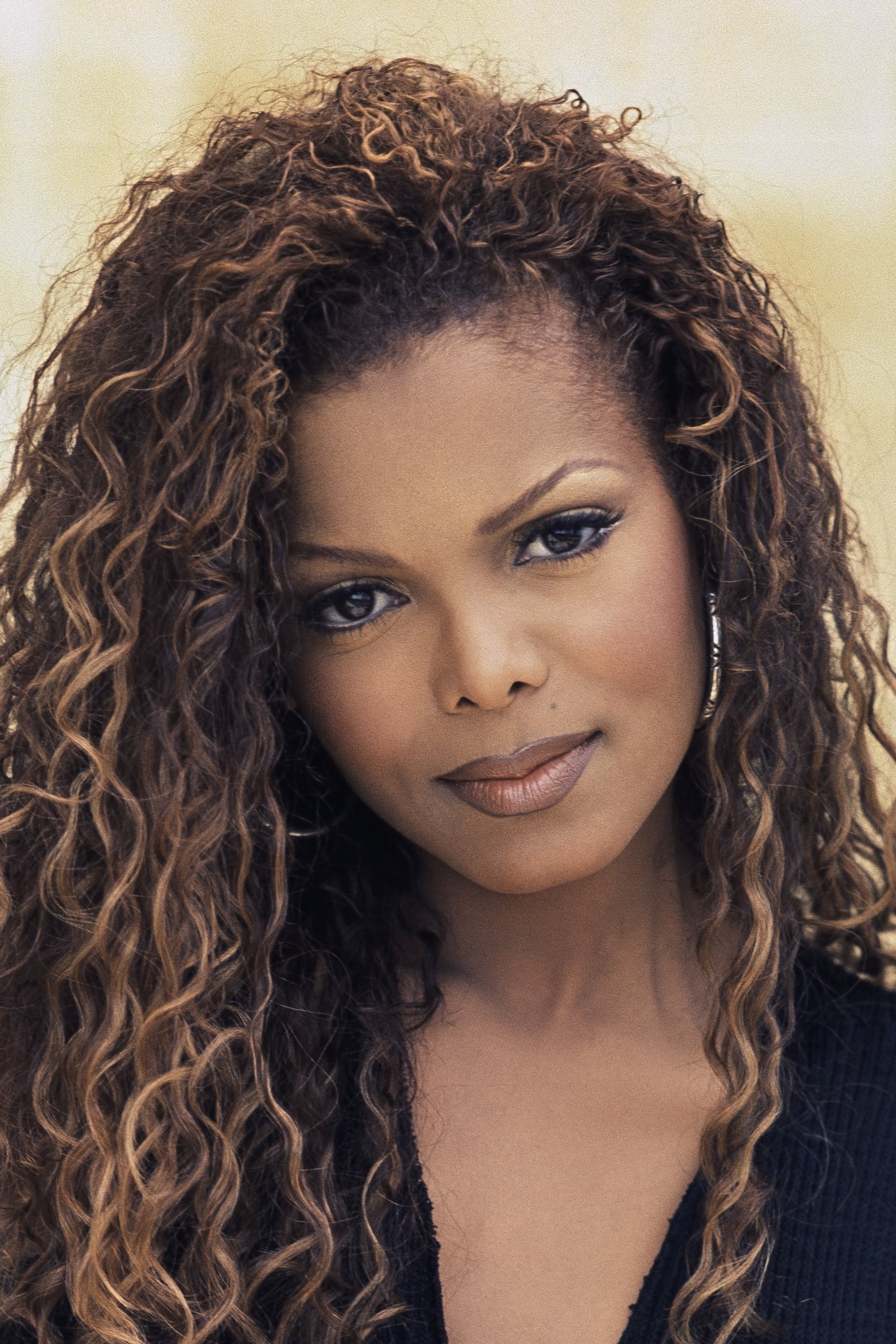
Janet Jackson faced a massive industry blacklist following a wardrobe malfunction during a major sporting event. Her music videos and songs were removed from many broadcast platforms almost overnight. This incident had a long lasting impact on her acting career and general visibility in mainstream media. Despite being a legendary performer she was treated with a level of scrutiny that her male counterparts did not experience. She has since been recognized for her immense contributions to the arts despite that period of exclusion.
Eartha Kitt
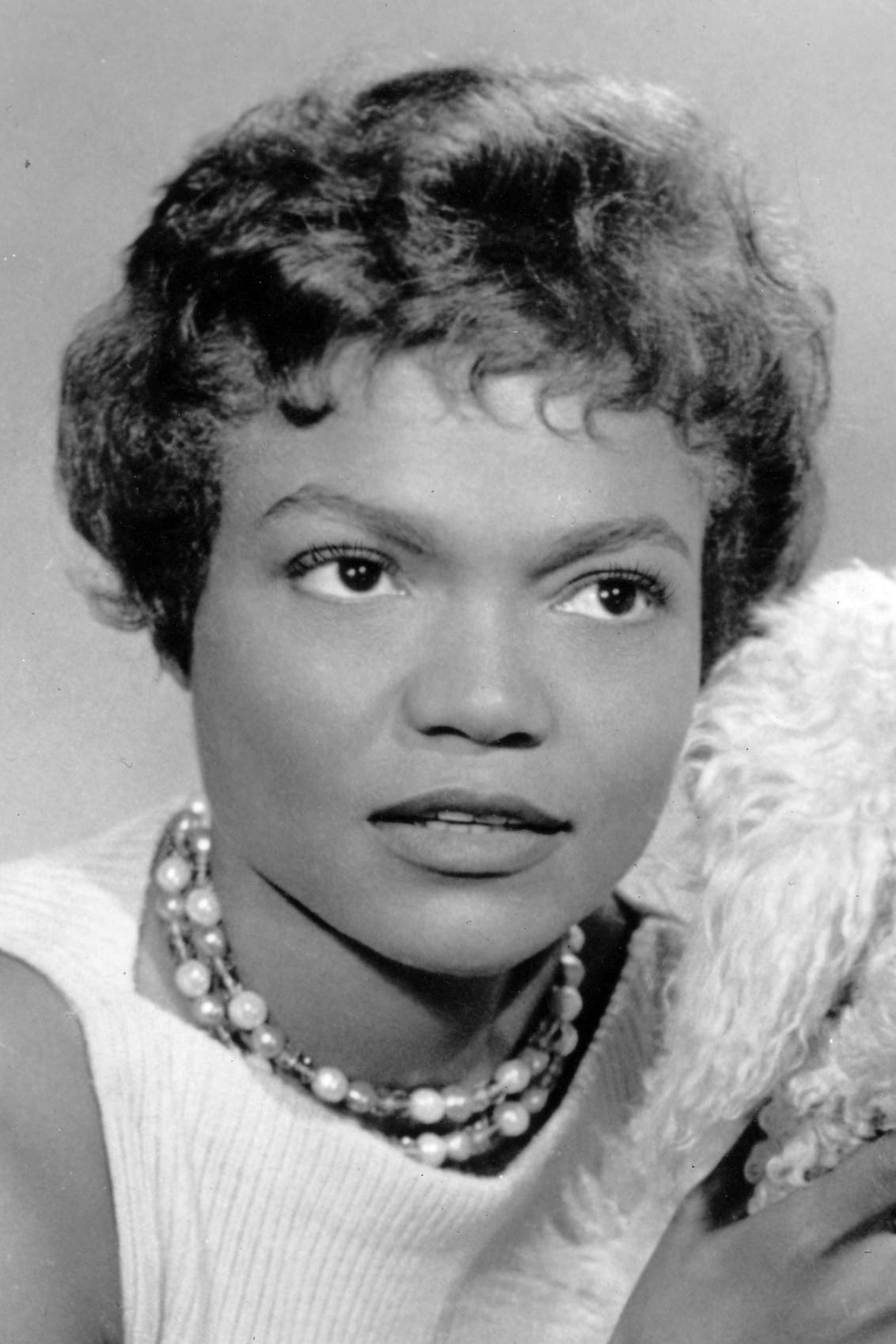
Eartha Kitt was essentially exiled from American entertainment after making anti-war comments at a White House luncheon. Her career in the United States came to a sudden halt as she was blacklisted by major studios and venues. She spent several years performing abroad in Europe to maintain her professional life. It took decades for the domestic industry to welcome her back into prominent roles. Her experience remains a stark example of how political dissent could lead to professional cancellation.
Dorothy Dandridge
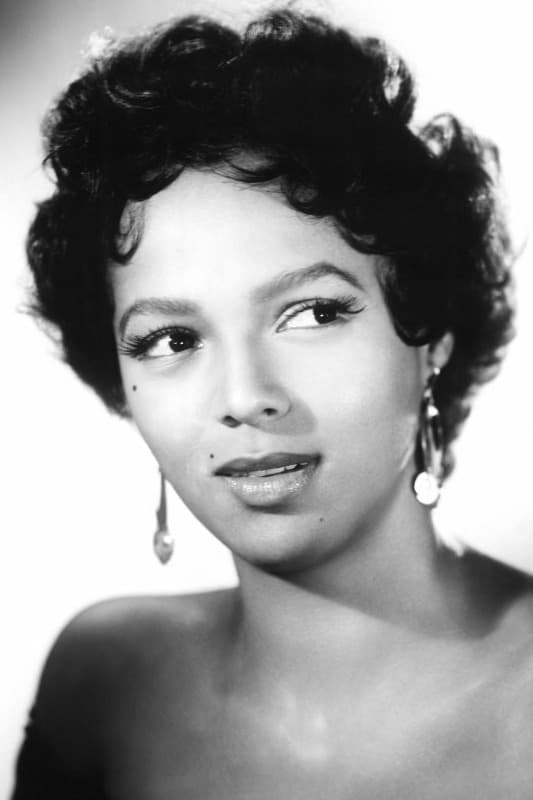
Dorothy Dandridge was the first Black woman nominated for an Academy Award for Best Actress for her role in ‘Carmen Jones’. Despite this historic achievement she struggled to find leading roles that did not rely on harmful stereotypes. The industry frequently limited her opportunities which led to significant financial and emotional distress. She faced systemic barriers that prevented her from sustaining the stardom she rightfully earned. Her legacy serves as a reminder of the talent lost to racial prejudice in Hollywood history.
Hattie McDaniel
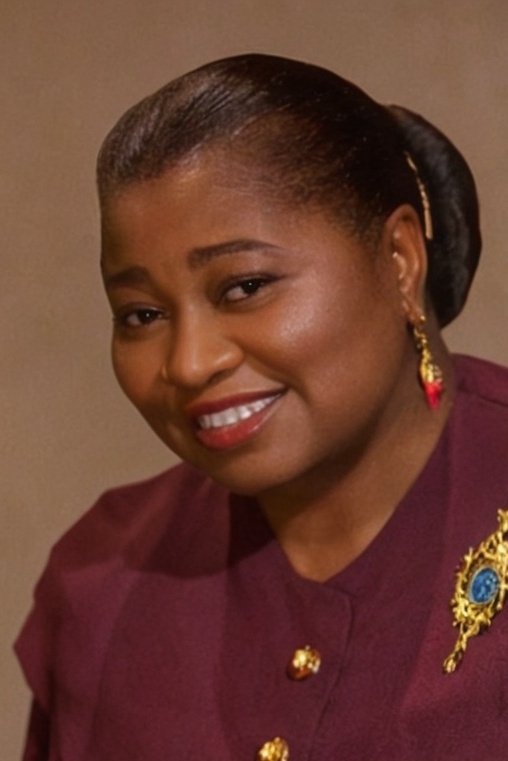
Hattie McDaniel became the first Black person to win an Oscar for her performance in ‘Gone with the Wind’. She faced intense criticism from both the industry and civil rights groups for the types of roles she accepted. Hollywood primarily offered her parts as domestic servants which limited her artistic range. She was often caught between the demands of the studios and the expectations of her own community. Her career was a constant struggle to navigate the limited space allowed for Black performers at the time.
Jada Pinkett Smith
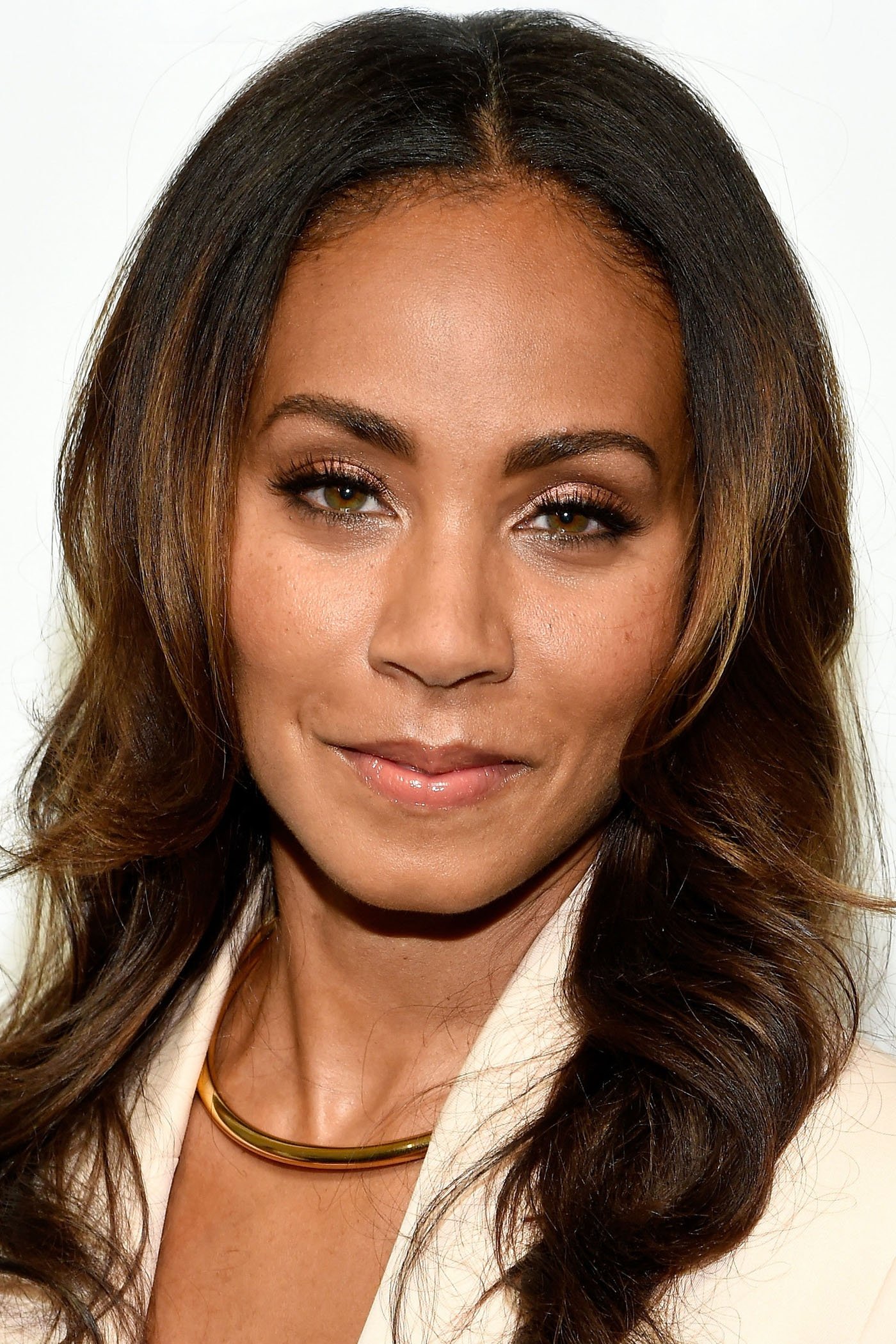
Jada Pinkett Smith faced a wave of public and industry scrutiny following the events of an awards ceremony involving her husband. Her long running talk show was eventually cancelled amidst a shifting media landscape and public fatigue. Some critics and fans turned against her due to the personal nature of the topics discussed on her platform. She had previously been a staple in films like ‘The Matrix Reloaded’ and ‘Set It Off’. The actress continues to navigate the complexities of fame while maintaining her presence in the digital space.
Tiffany Haddish
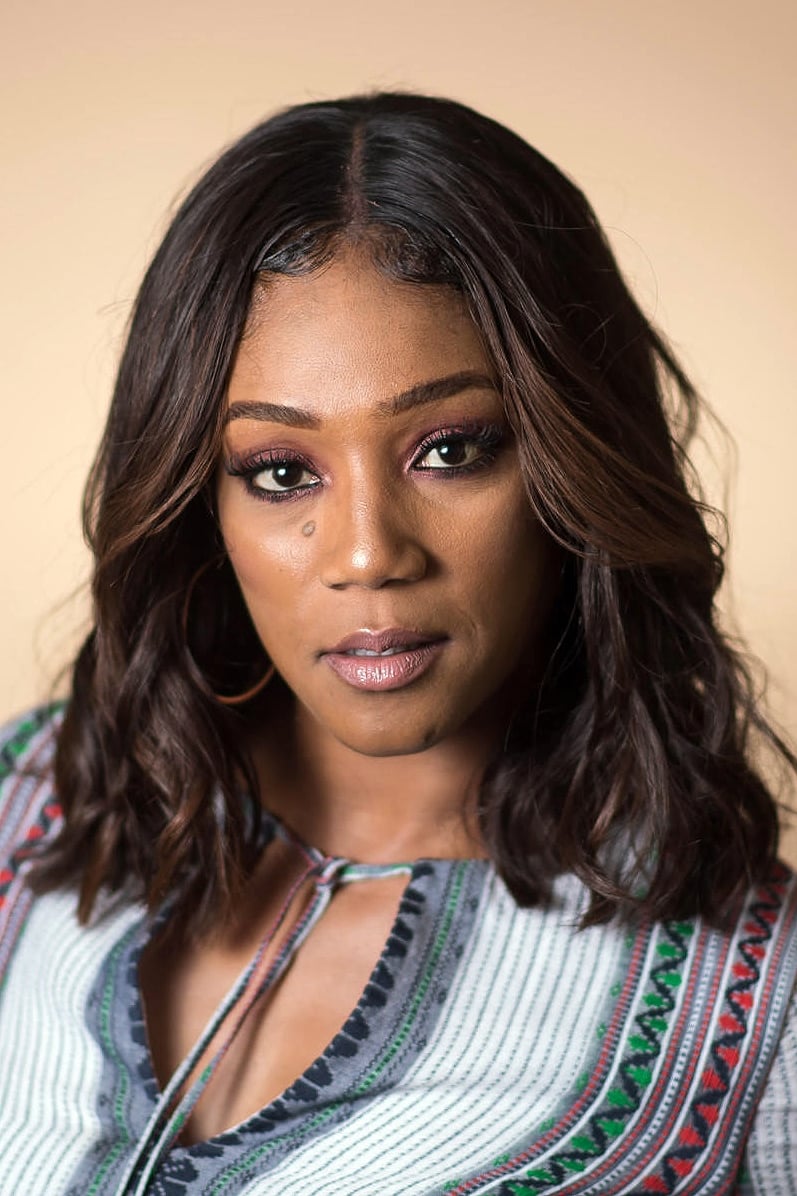
Tiffany Haddish faced significant career challenges following a series of legal allegations and public controversies. The comedian and actress had seen a meteoric rise after her breakout role in ‘Girls Trip’. However the negative publicity led to some studios distancing themselves from her upcoming projects. She has worked to address these issues while continuing to perform stand up and seek new roles. The situation remains a topic of discussion regarding the longevity of stars in the social media era.
Letitia Wright
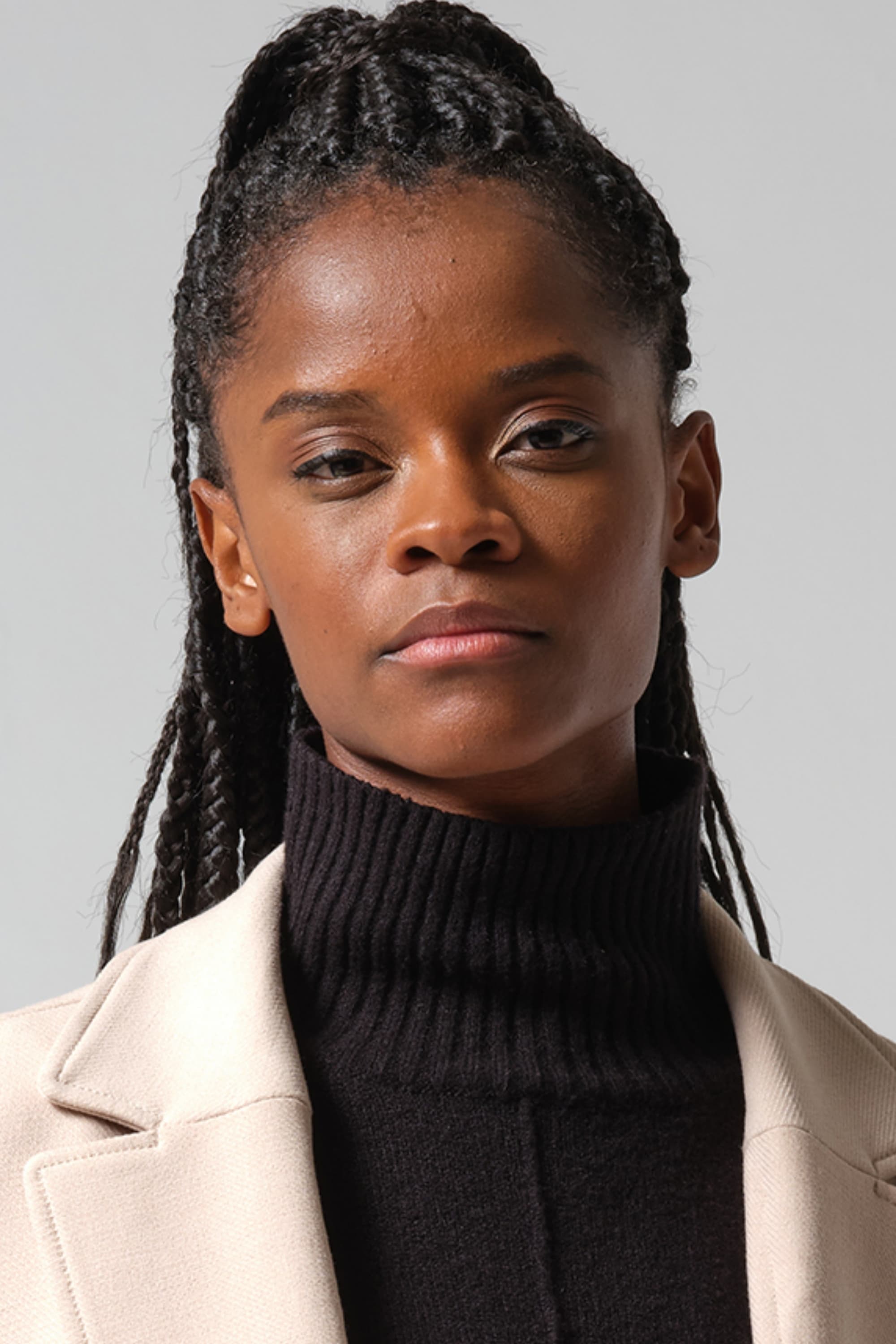
Letitia Wright faced intense social media backlash after sharing a video containing controversial views on health and science. There were numerous reports and rumors regarding how this affected her standing on the set of ‘Black Panther Wakanda Forever’. Many fans called for her removal from the franchise during the height of the controversy. Wright eventually returned to social media and continued her role in the major blockbuster. She has since focused on her work while keeping a lower public profile.
Amandla Stenberg
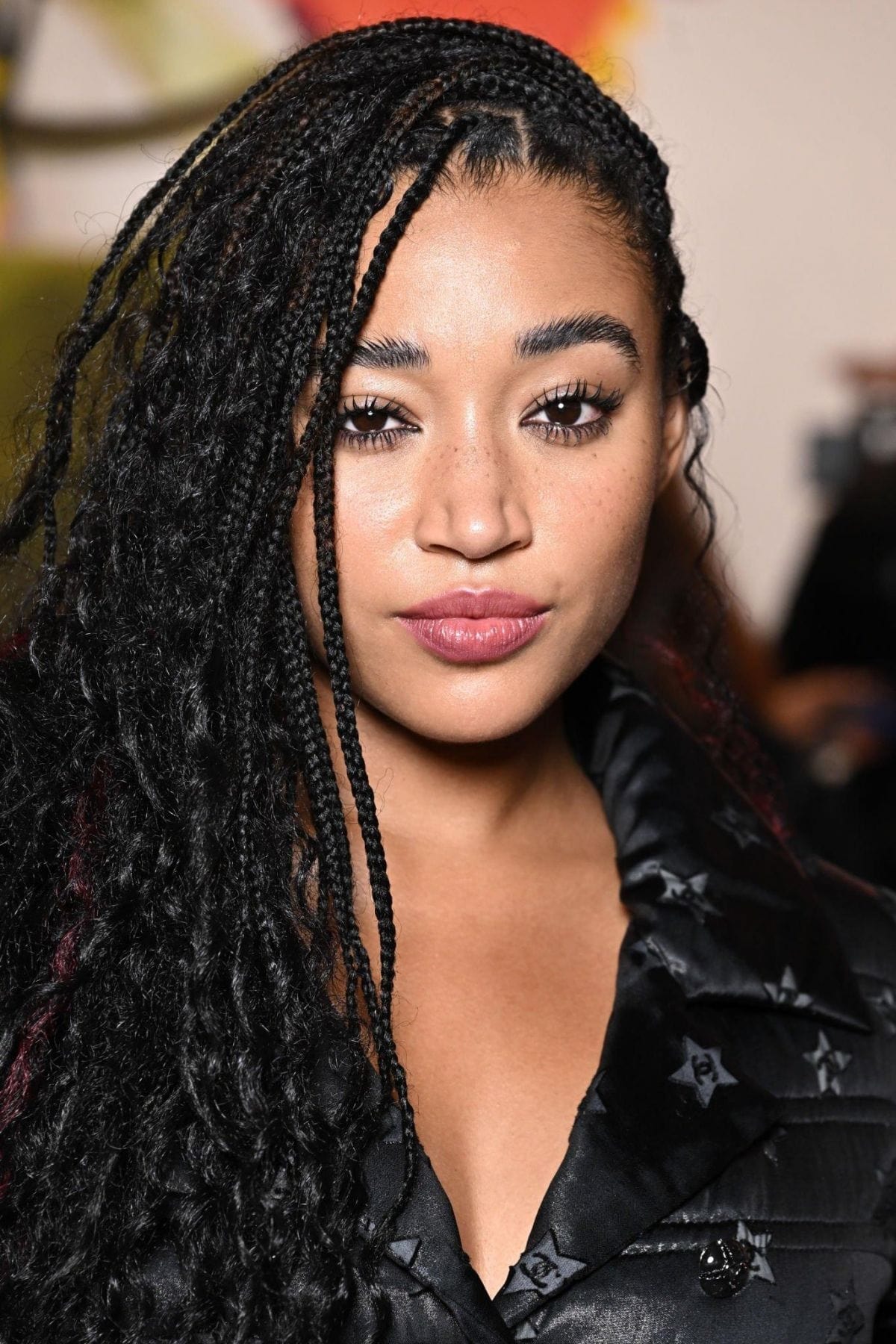
Amandla Stenberg experienced targeted online harassment and industry pressure following her lead role in ‘The Acolyte’. The series was eventually cancelled after one season which sparked further debate about the treatment of diverse leads in major franchises. Stenberg had previously spoken out about the racism she faced since her debut in ‘The Hunger Games’. Her vocal stance on social issues has often made her a target for certain segments of the internet. She continues to advocate for better representation despite the pushback.
Halle Berry
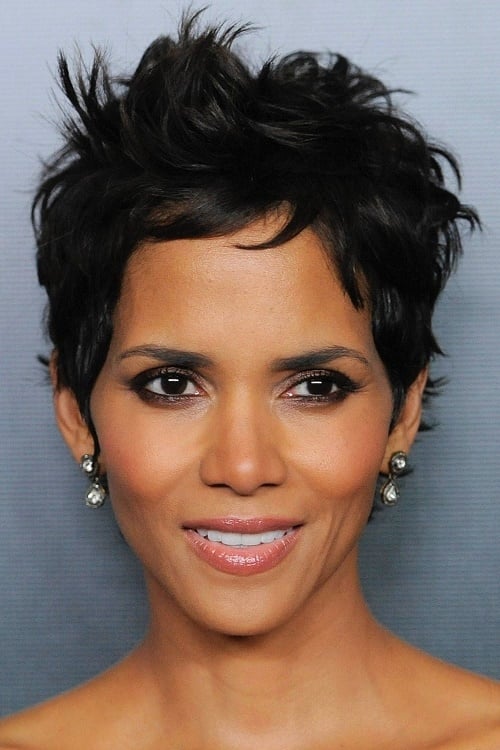
Halle Berry encountered a significant career dip after the critical and commercial failure of ‘Catwoman’. Despite being an Oscar winner the industry seemed to offer her fewer prestige roles in the years following that project. She has spoken about the Oscar curse and the difficulty of finding quality scripts for Black actresses. Berry eventually took more control of her career by moving into directing and producing. Her longevity in the business is a testament to her ability to pivot under pressure.
Taraji P. Henson
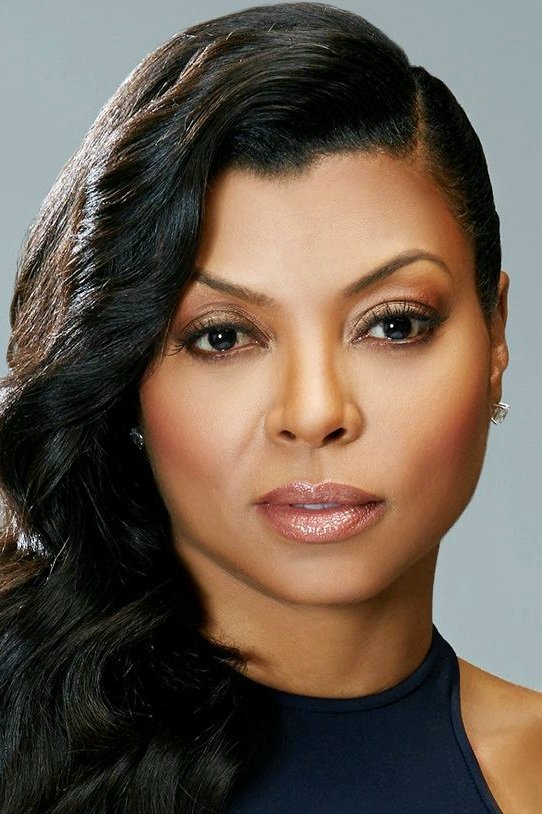
Taraji P. Henson sparked a major conversation about pay inequality during the press tour for ‘The Color Purple’. She tearfully discussed her frustration with being underpaid despite her long history of success in films like ‘The Curious Case of Benjamin Button’. Some critics questioned if her honesty would lead to being blackballed by major studios. Instead her comments galvanized support from other actors and highlighted the ongoing financial disparities in Hollywood. She remains one of the most respected performers in the industry.
Whoopi Goldberg
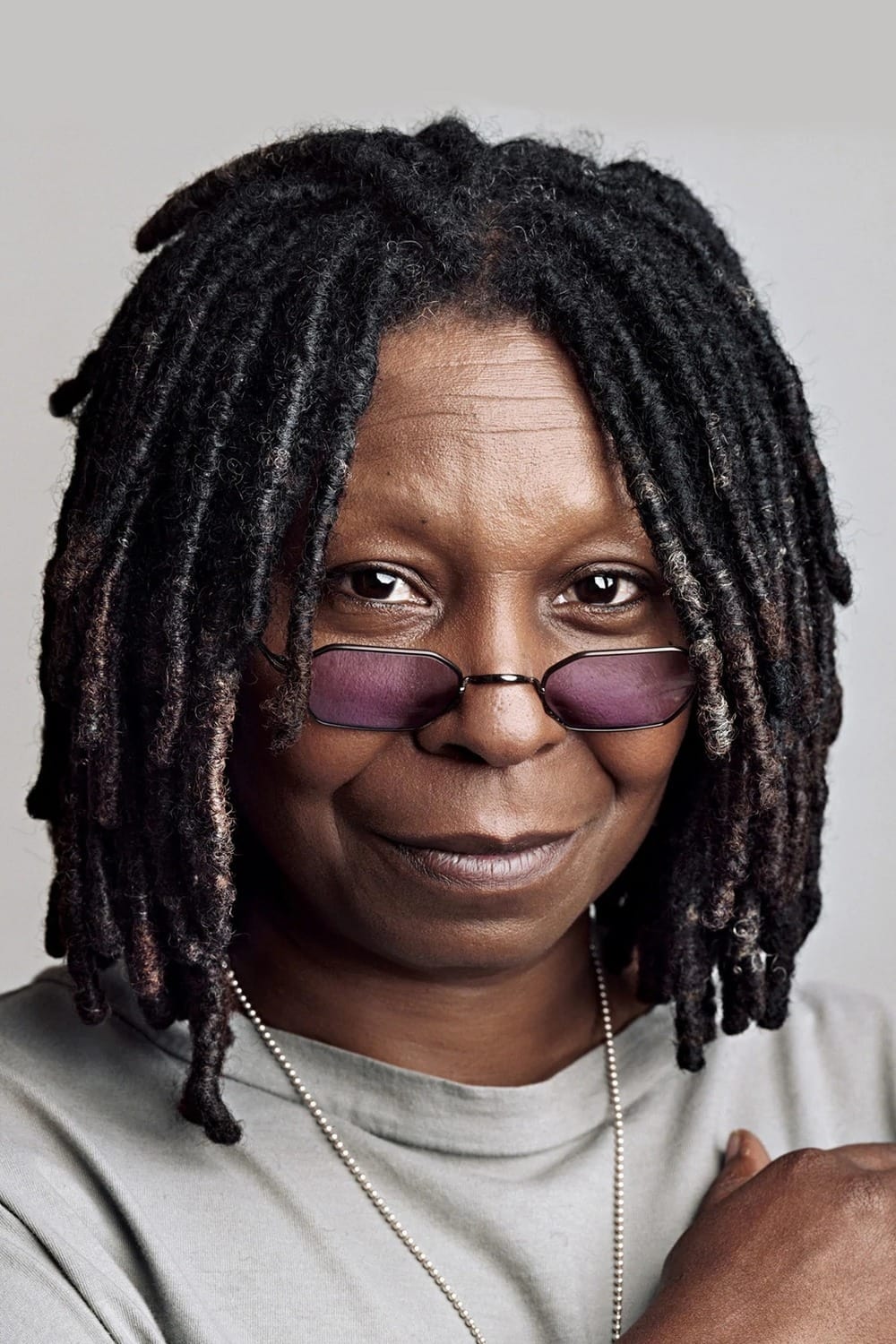
Whoopi Goldberg faced a temporary suspension from her hosting role on ‘The View’ after making controversial remarks about the Holocaust. This was not the first time the Oscar winning actress had faced calls for cancellation over her public statements. Her long career has been marked by both immense success and periodic friction with various groups. Despite these moments of tension she remains a significant figure in entertainment with a rare EGOT status. Goldberg continues to navigate the boundaries of public discourse in her daily televised role.
Zoe Saldaña
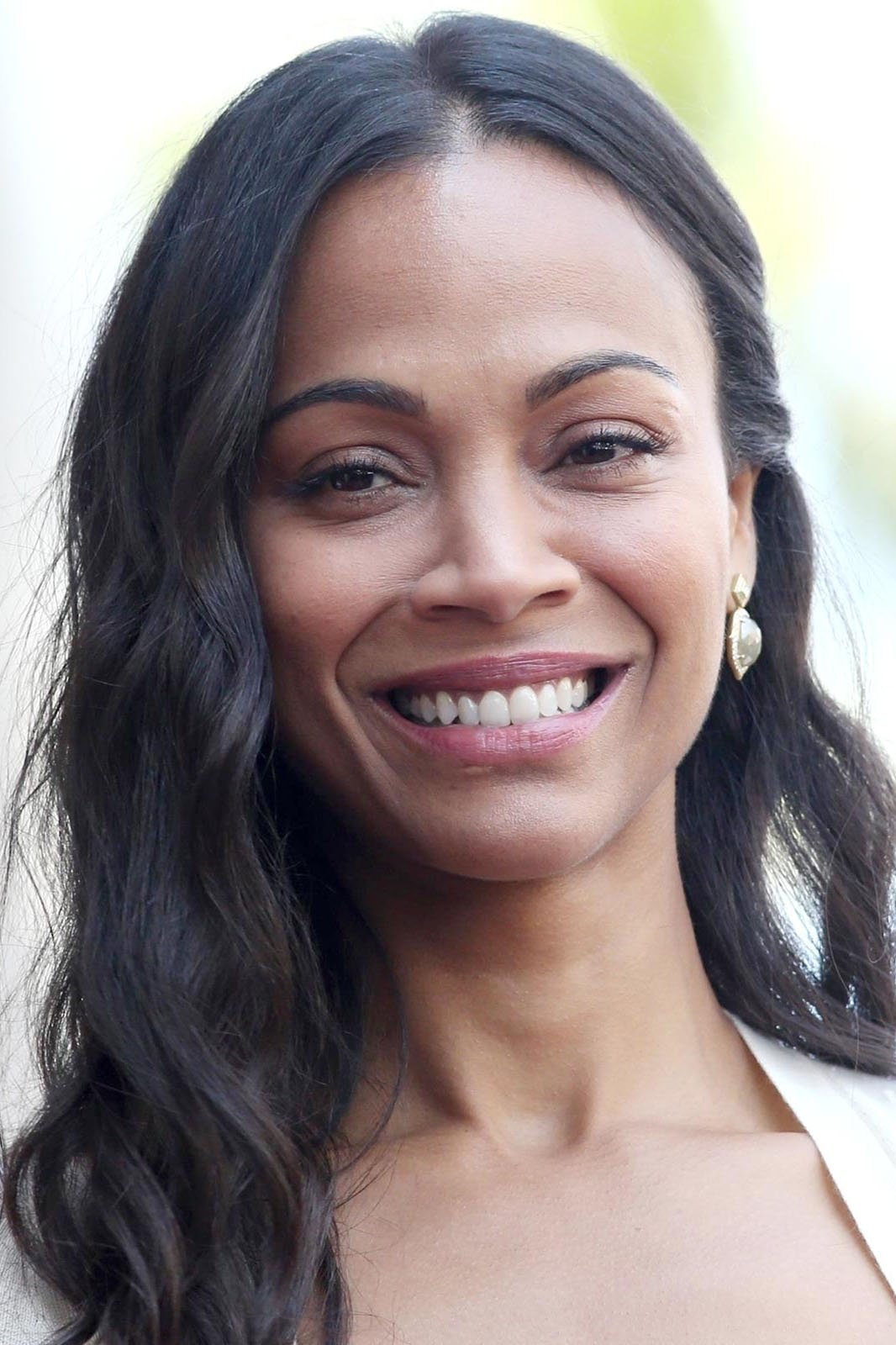
Zoe Saldana faced immense backlash from both fans and the estate of Nina Simone for her casting in the biopic ‘Nina’. Critics argued that the use of skin darkening makeup and a prosthetic nose was offensive and unnecessary. The controversy overshadowed the film and led to a very limited release. Saldana later expressed regret for taking the role and acknowledged the importance of colorism in casting. The incident remains a key case study in the discussions around authentic representation.
Thandiwe Newton

Thandiwe Newton spoke out about her negative experiences with major industry figures and the pressure to conform to certain standards. She detailed instances of being objectified and the difficulties she faced on the sets of big budget films like ‘Mission Impossible II’. These candid revelations were seen as a risk in an industry that often values silence. Newton has continued to work in high profile projects like ‘Westworld’ while maintaining her integrity. Her honesty has helped pave the way for other actresses to share their stories.
Nia Long
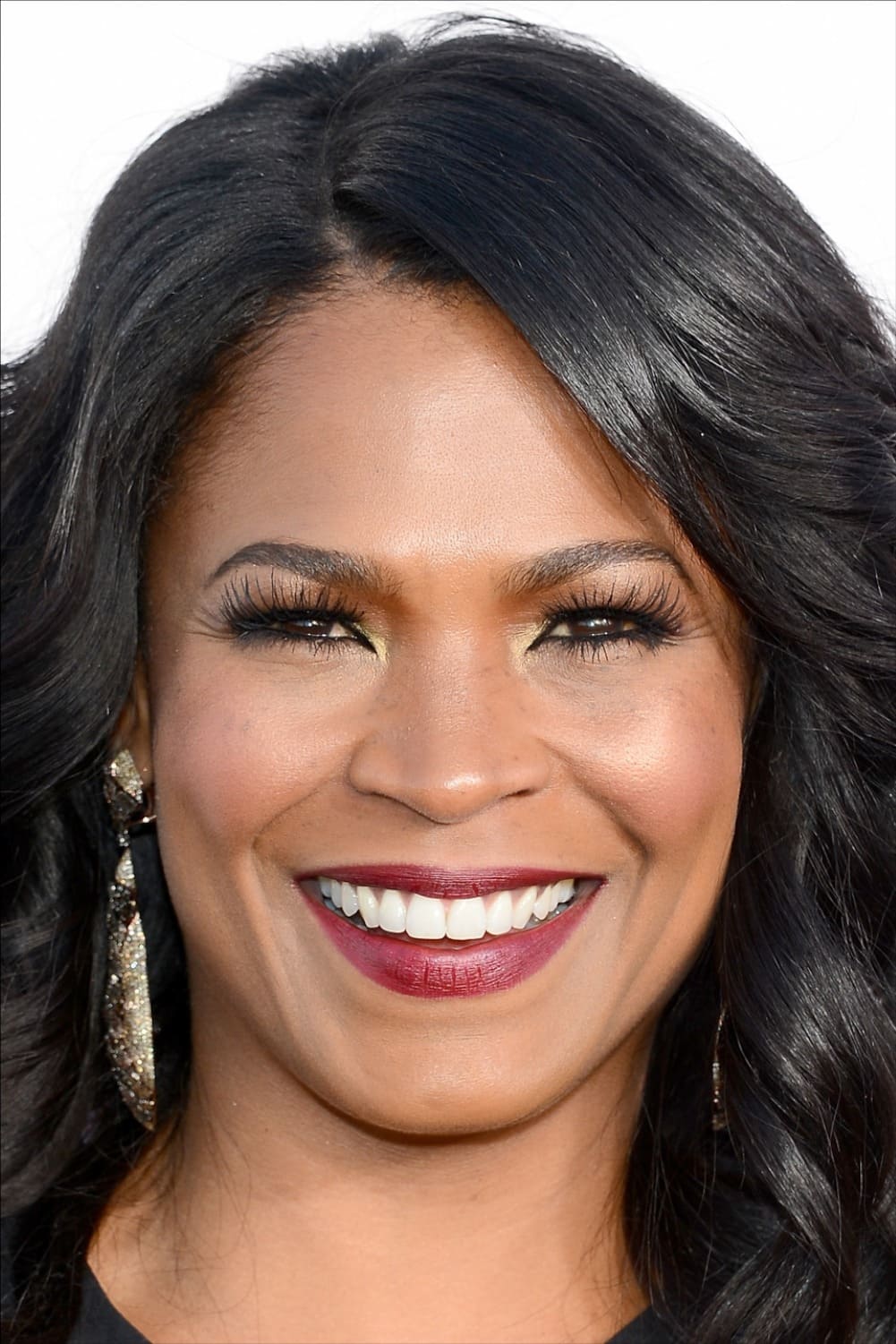
Nia Long experienced a difficult period in the public eye following a highly publicized breakup involving an NBA coach. The actress expressed disappointment with how the organization handled the situation and the lack of support she received. Some industry observers noted how Black actresses often face more scrutiny regarding their personal lives than their peers. Long has continued to be a beloved figure in Black cinema with roles in ‘The Best Man’ franchise. She remains vocal about the need for better protection for women in the spotlight.
Vivica A. Fox
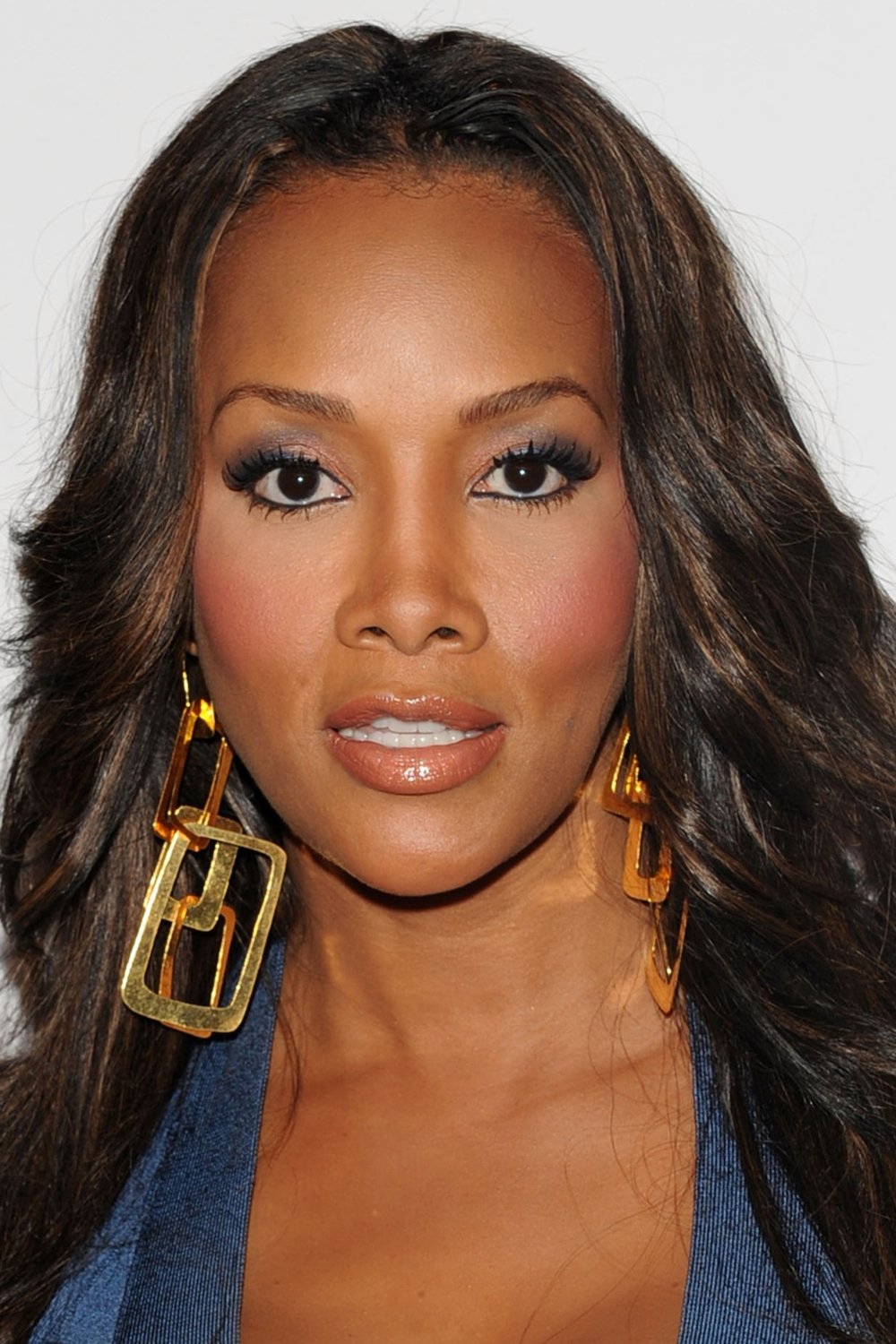
Vivica A. Fox has faced industry pushback at various points for her outspoken nature and public feuds with other celebrities. After her peak in the nineties with films like ‘Independence Day’ she found herself working primarily in independent and television movies. She has been candid about the ageism and lack of opportunities for Black women as they grow older in Hollywood. Fox has successfully transitioned into producing and hosting while maintaining a consistent presence on screen. She continues to advocate for herself and her peers in a competitive environment.
Tichina Arnold
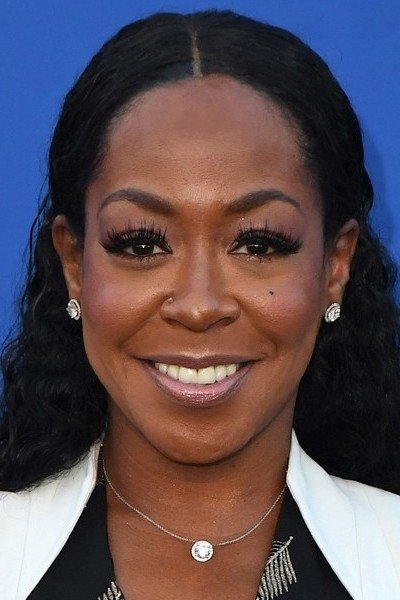
Tichina Arnold faced the challenge of being typecast after her iconic role on the sitcom ‘Martin’. For a time the industry struggled to see her beyond the character of Pam which led to fewer diverse opportunities. She has spoken about the difficulties of finding work that matched her talent level during certain periods of her career. Arnold eventually found a new wave of success on shows like ‘Everybody Hates Chris’ and ‘The Neighborhood’. Her ability to stay relevant across decades is a notable achievement in the television industry.
Cicely Tyson

Cicely Tyson nearly faced professional ruin early in her career for her refusal to accept roles that were demeaning to Black women. She famously went long periods without work because she would not play characters that lacked dignity. This stance was seen as risky and difficult by many casting directors during the sixties and seventies. Her commitment to quality eventually led to historic roles in ‘Sounder’ and ‘The Autobiography of Miss Jane Pittman’. She is now remembered as a pioneer who changed the way Black women are portrayed on screen.
Nichelle Nichols
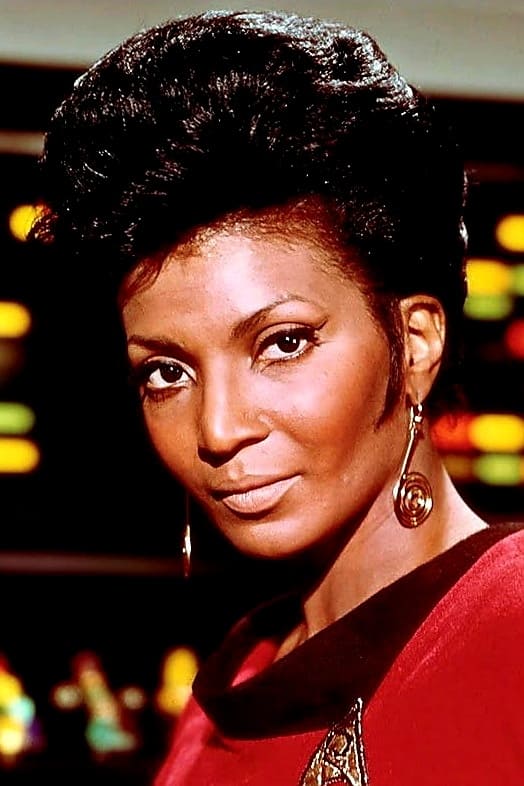
Nichelle Nichols famously considered leaving ‘Star Trek’ due to the racism and limited screen time she experienced on set. The threat of her character being written out or her resignation was a real possibility during the first season. It was a meeting with Dr. Martin Luther King Jr. that convinced her to stay because of her importance as a role model. She later worked with NASA to recruit more diverse candidates for the space program. Her career was a constant battle against the limitations placed on Black actresses in science fiction.
Raven-Symoné
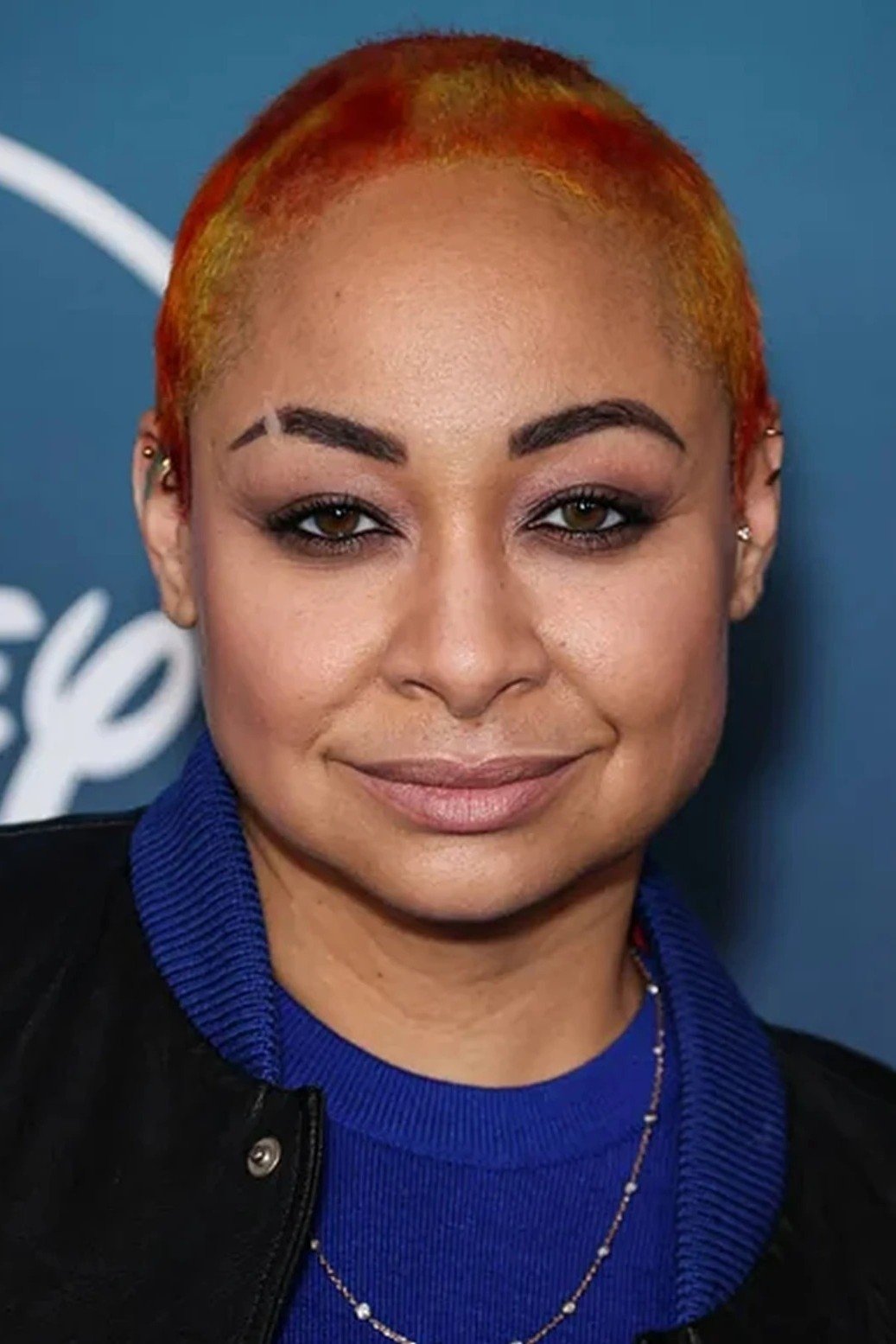
Raven-Symoné faced significant public backlash for her comments regarding her identity and heritage during a televised interview. Many fans who grew up watching her on ‘That’s So Raven’ felt disconnected from her new public persona. This controversy occurred as she was transitioning into more adult roles and a hosting position on ‘The View’. Some critics suggested her views would limit her appeal to Black audiences and affect her career longevity. She has since returned to her roots with a successful revival of her hit Disney show.
Pearl Bailey
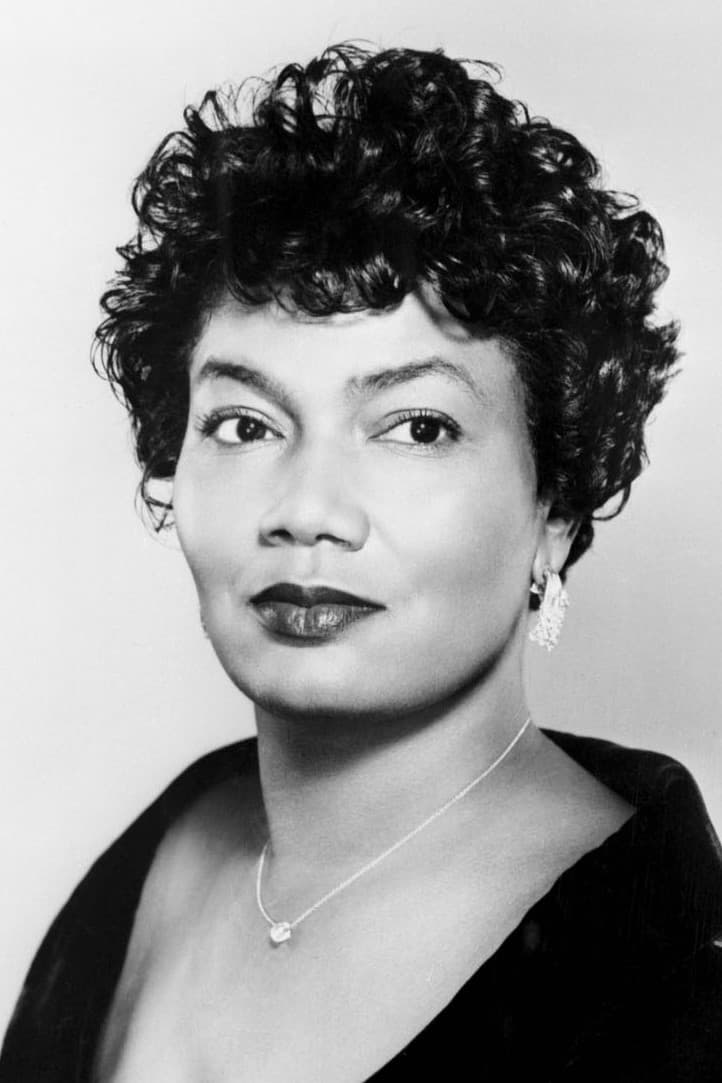
Pearl Bailey faced criticism and a potential decline in her popularity for her political affiliations during a divisive era. Her support for certain politicians led to friction with fans and activists who expected a different stance from a prominent Black star. Despite the tension she continued to perform on Broadway and in films like ‘Carmen Jones’. She was eventually named a special ambassador to the United Nations which helped shift her public image. Her career survived the controversy through her immense talent and diplomatic work.
Lena Waithe
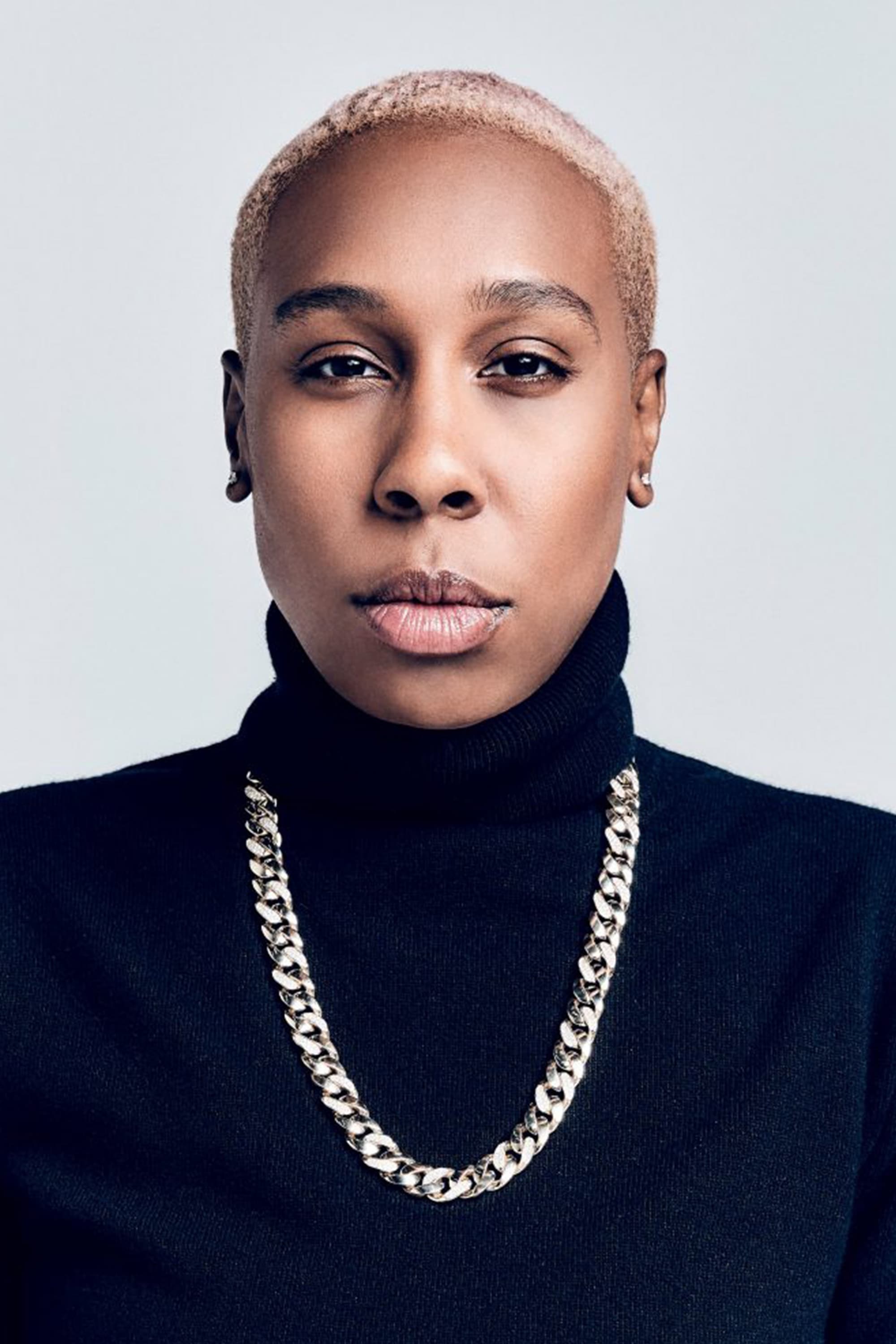
Lena Waithe has faced social media criticism and industry scrutiny over her production choices and the themes in her work. Projects like ‘The Chi’ and ‘Them’ sparked intense debates about the portrayal of Black life and trauma. Some viewers called for her to be less prominent in the industry following these controversies. Waithe has continued to write and produce for major networks while addressing the feedback she receives. She remains a powerful figure in Hollywood despite the periodic waves of online disapproval.
Cynthia Erivo
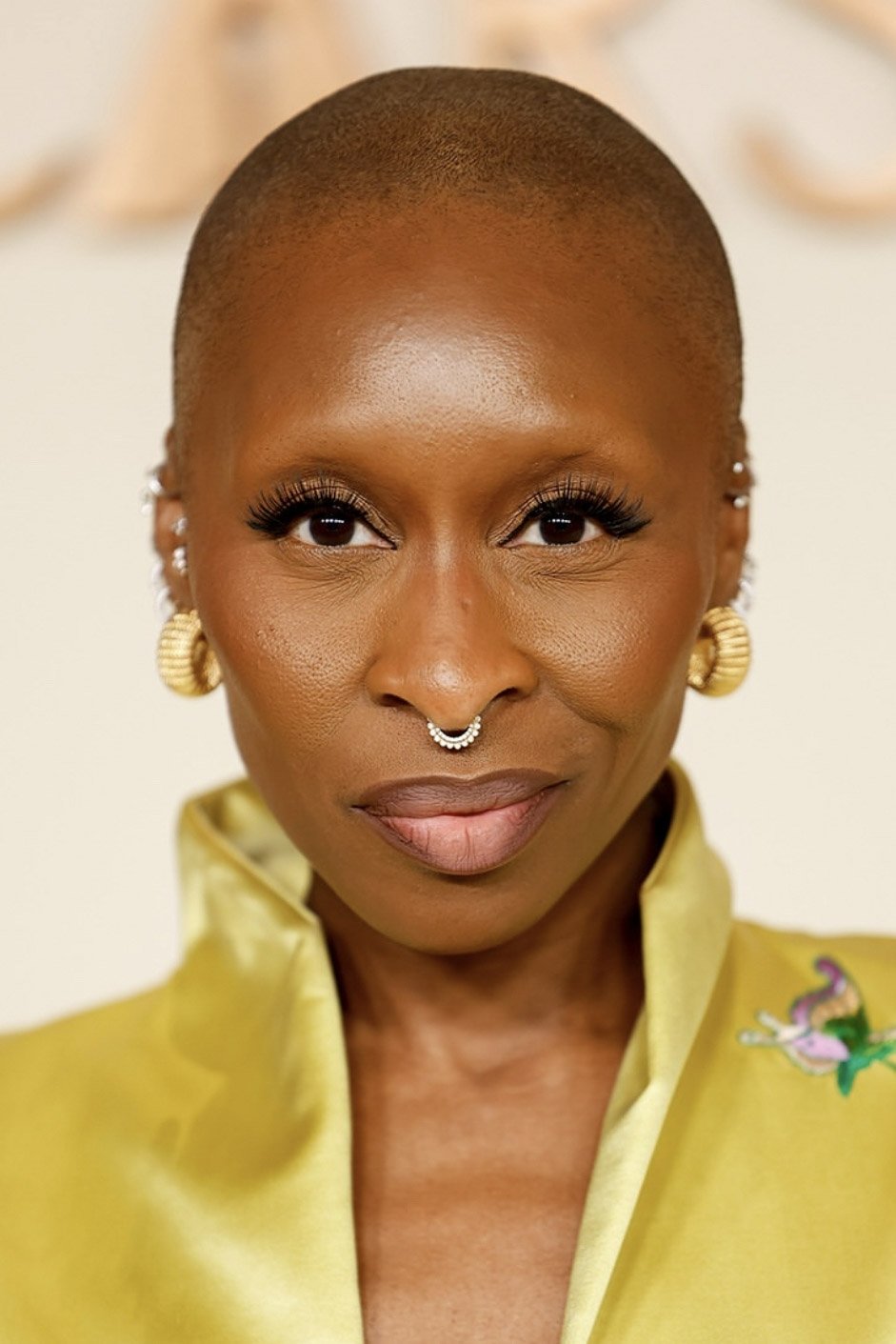
Cynthia Erivo faced a backlash when she was cast as the American icon Harriet Tubman in the film ‘Harriet’. Some critics felt that a British actress should not play such a pivotal figure in American history. Her past social media comments also resurfaced which added to the tension surrounding the project. Despite the initial pushback the film was a success and earned her two Academy Award nominations. She has since been cast in other major roles including the film adaptation of ‘Wicked’.
Leslie Jones
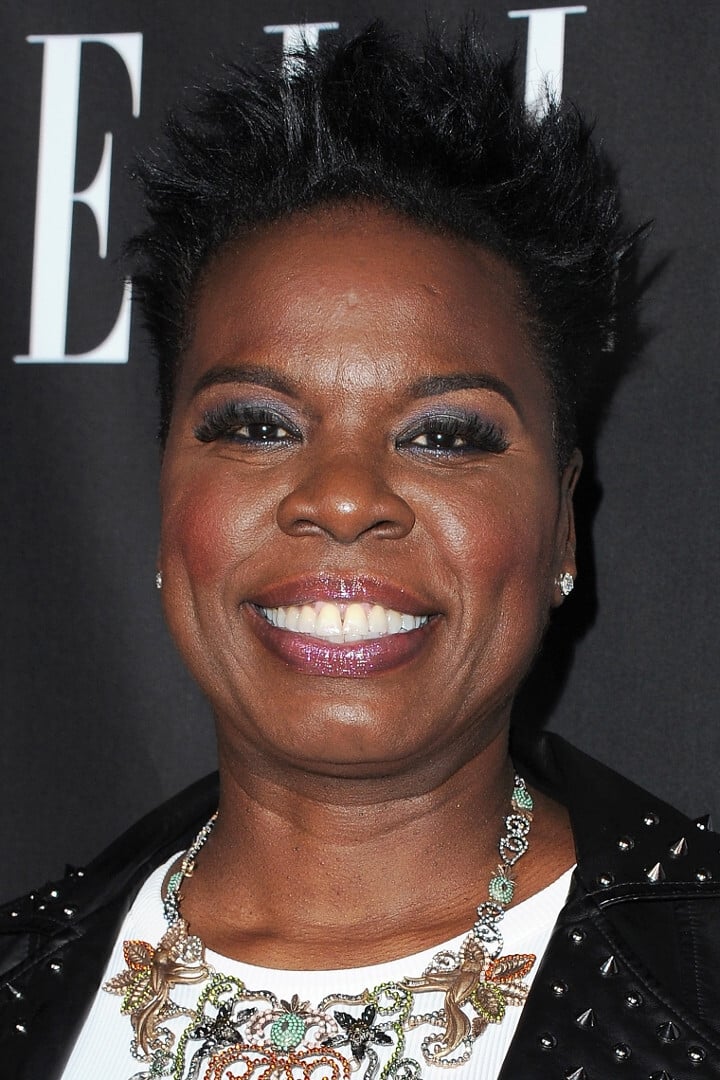
Leslie Jones was the target of a massive and coordinated online harassment campaign after starring in the ‘Ghostbusters’ reboot. The vitriol she faced was so intense that she briefly left social media for her own mental well being. Some felt that the industry did not do enough to protect her from the racist and sexist attacks. Jones used the experience to speak out about the dangers of online hate and the need for better moderation. She has continued to find success in both film and television since the incident.
Sheryl Lee Ralph

Sheryl Lee Ralph spent years being told by casting directors that she was not Black enough or pretty enough for certain roles. Despite her success on Broadway in ‘Dreamgirls’ she found Hollywood to be a difficult place to navigate for many decades. She has shared stories about being passed over for roles that were then given to non-Black actresses. Her career saw a massive resurgence with her Emmy winning role on ‘Abbott Elementary’. This late career success proved that her talent had been undervalued by the industry for too long.
Erika Alexander
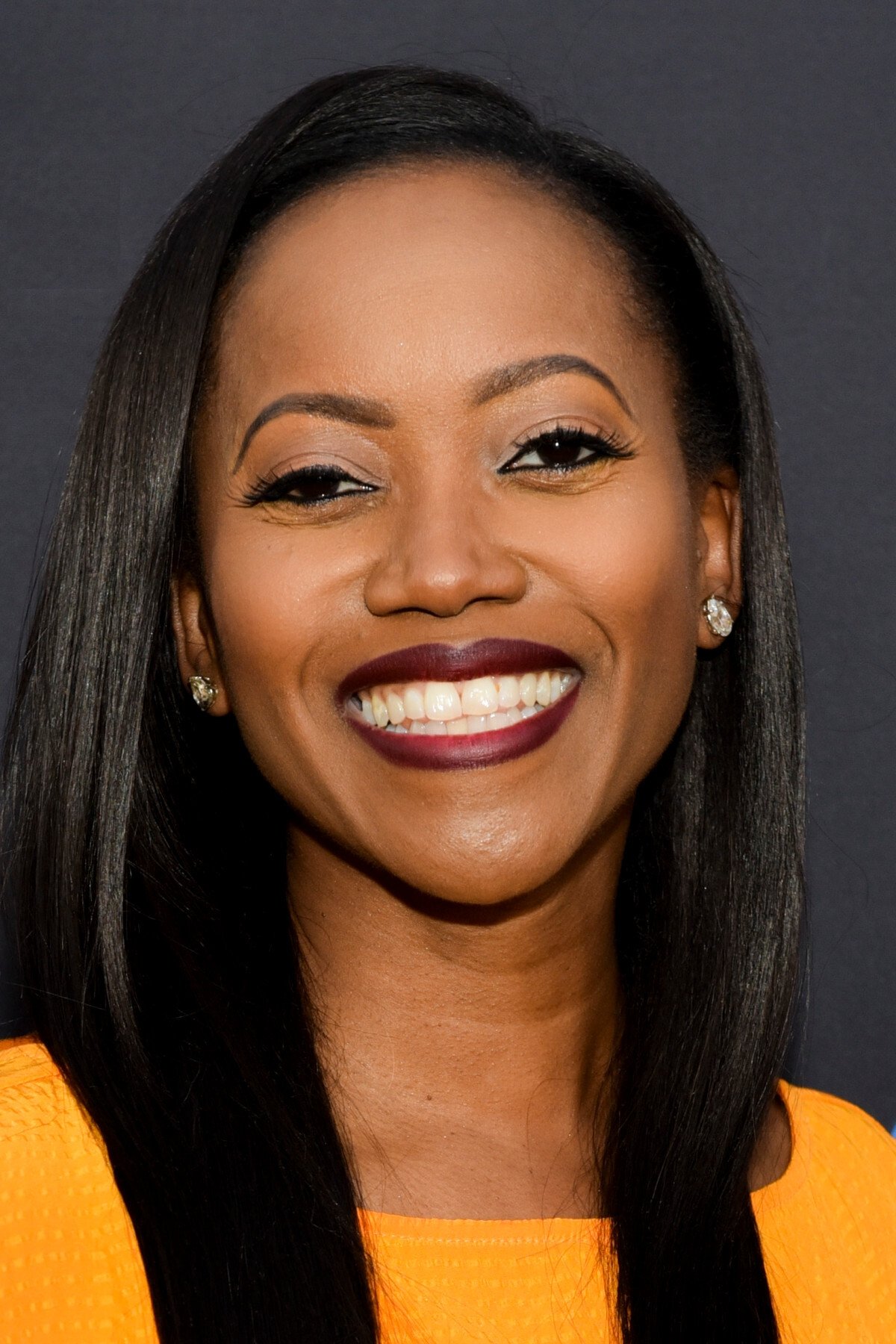
Erika Alexander has been vocal about the lack of recognition and opportunities for the cast of ‘Living Single’ compared to their peers. She has discussed the industry tendency to overlook the contributions of Black actresses in shaping popular culture. For a period she found it difficult to secure leading roles that matched her talent and experience level. Alexander eventually found success in films like ‘Get Out’ and the series ‘Run the World’. She continues to advocate for ownership and equity for creators of color.
Anika Noni Rose
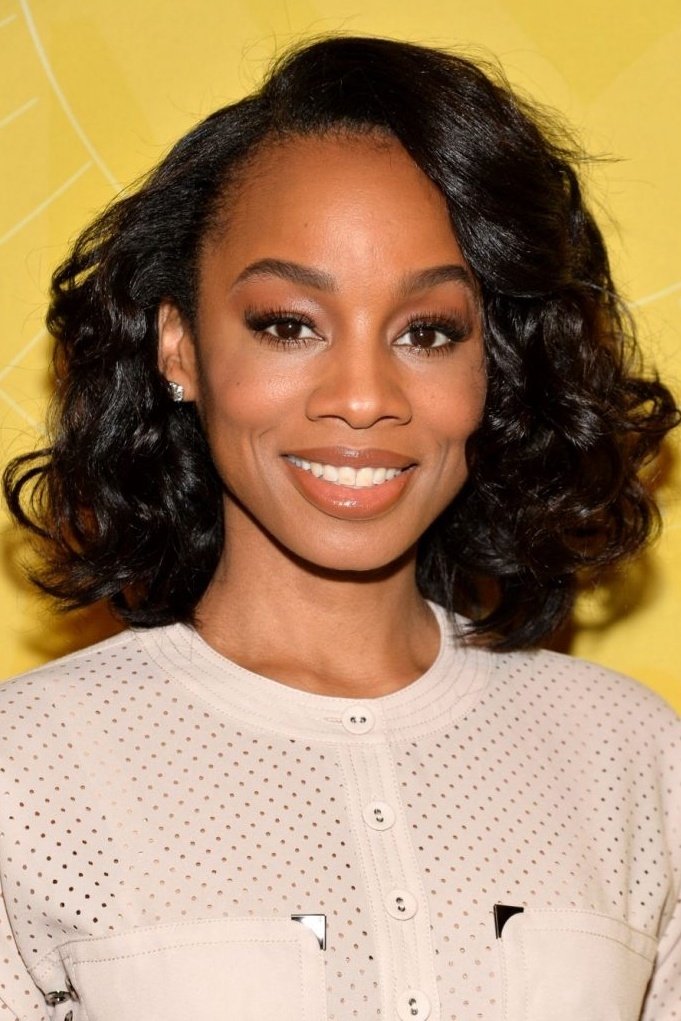
Anika Noni Rose has spoken out about the lack of marketing and support for films featuring Black female leads. Despite voicing the first Black Disney princess in ‘The Princess and the Frog’ she noticed a disparity in how her work was promoted. She has faced the challenge of being a highly trained theatrical actress in an industry that often prioritizes fame over skill. Rose has maintained a steady career on Broadway and in television while calling for better representation. Her resilience has made her a respected figure among her colleagues and fans.
Tisha Campbell
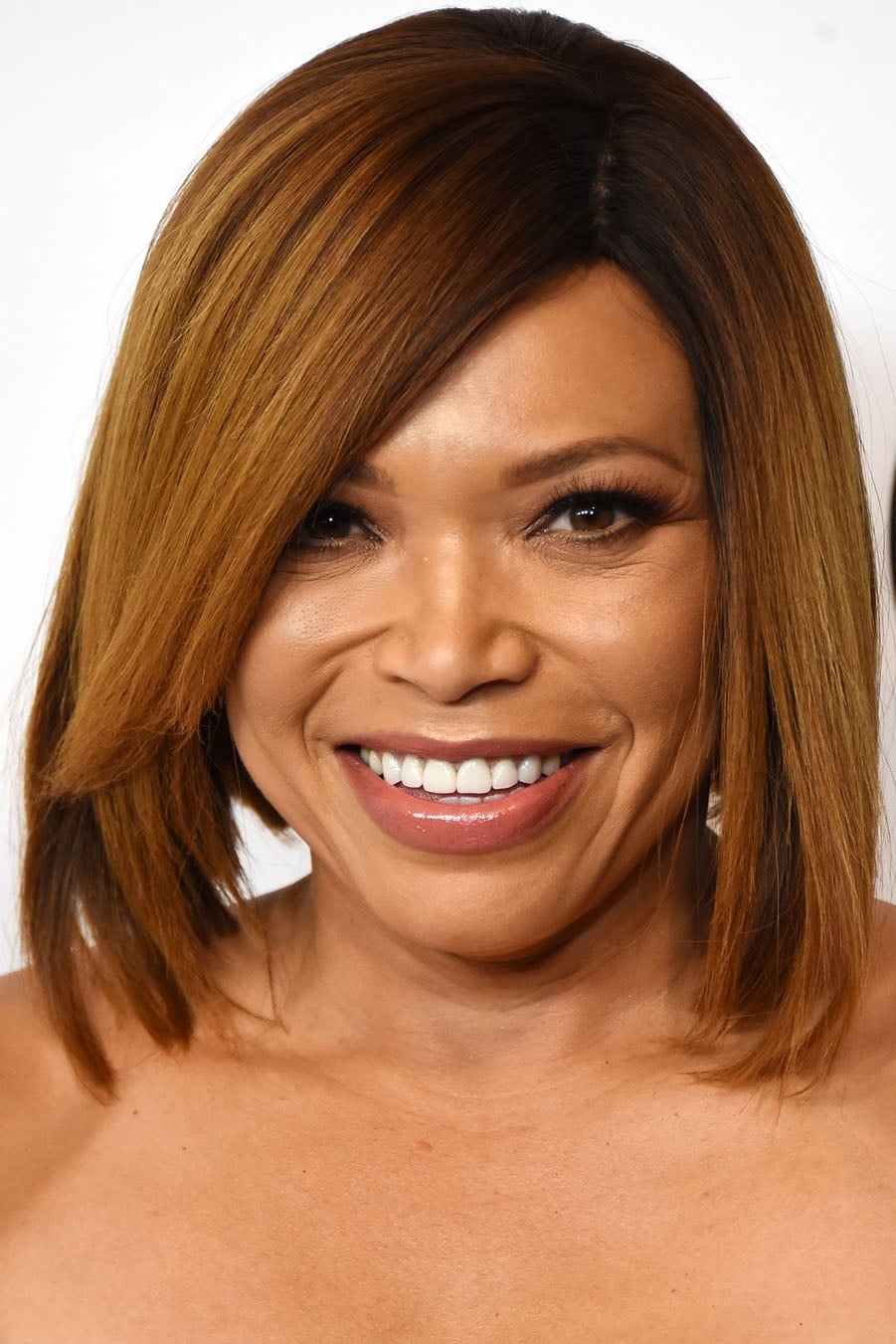
Tisha Campbell faced a difficult professional period after her high profile legal battle during the final season of ‘Martin’. The controversy surrounding her departure from the show led to a temporary cooling of her career in mainstream television. It took time for the industry to move past the headlines and offer her new prominent roles. She eventually returned to success with ‘My Wife and Kids’ and other popular series. Her ability to rebuild her career after a major public dispute is a significant feat.
Lynn Whitfield
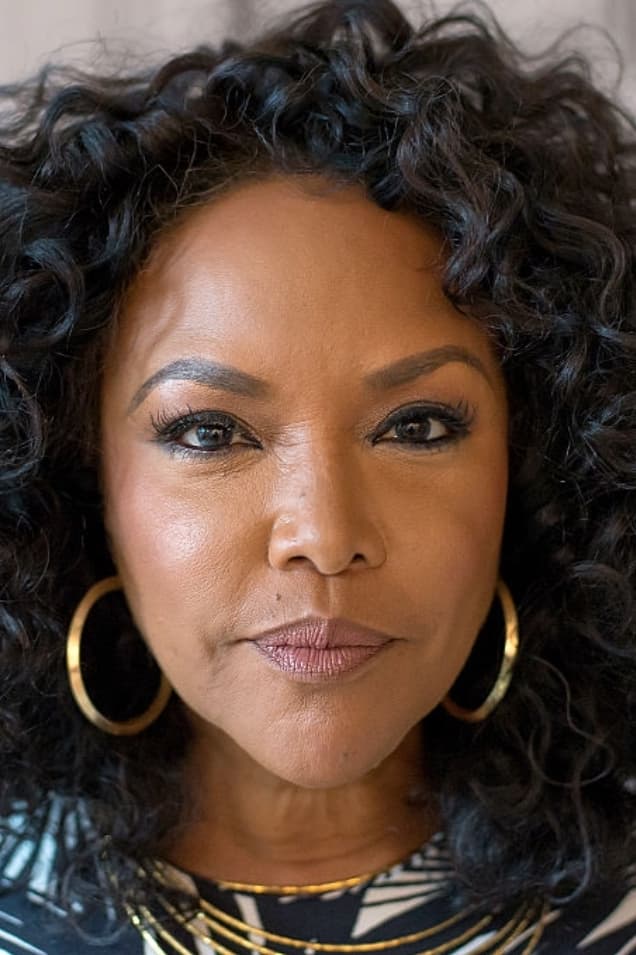
Lynn Whitfield encountered the difficult label after her acclaimed and demanding performance in ‘The Josephine Baker Story’. This reputation made some producers hesitant to cast her in major projects for a time. She has discussed how Black actresses are often characterized as hard to work with when they have high standards. Whitfield continued to deliver powerful performances in films like ‘Eve’s Bayou’ despite these industry labels. She is now celebrated as one of the most talented actresses of her generation.
Kim Fields
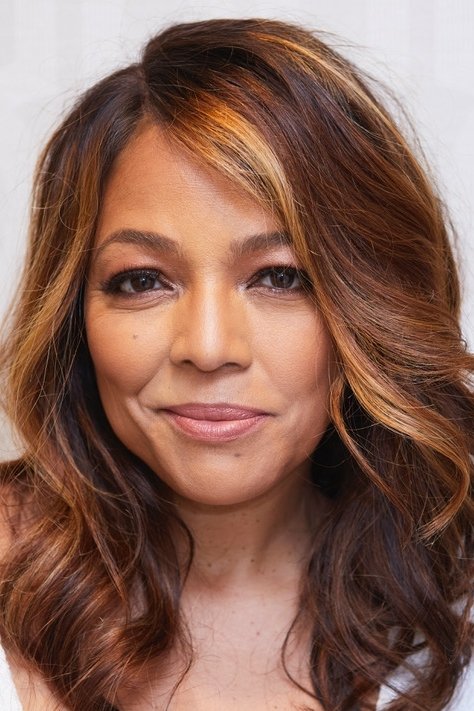
Kim Fields faced the common industry hurdle of transitioning from a child star on ‘The Facts of Life’ to an adult actress. She has spoken about the periods where work was scarce as she struggled to be seen as a mature performer. At one point she moved behind the camera to direct and produce to maintain her career in the business. Her return to the screen in ‘Living Single’ and later in reality television and sitcoms showed her versatility. She has successfully navigated multiple eras of television despite the initial industry pushback.
Countess Vaughn
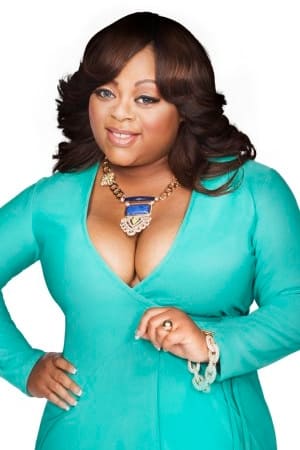
Countess Vaughn faced intense scrutiny regarding her appearance and personal life during her time on ‘Moesha’ and ‘The Parkers’. The industry often placed unrealistic beauty standards on her which she has discussed openly in recent years. She also experienced the challenges of being a young star in the public eye without a strong support system. Despite the setbacks she remains a recognizable figure in Black television history. Her honesty about her struggles with health and self esteem has resonated with many fans.
Jackée Harry
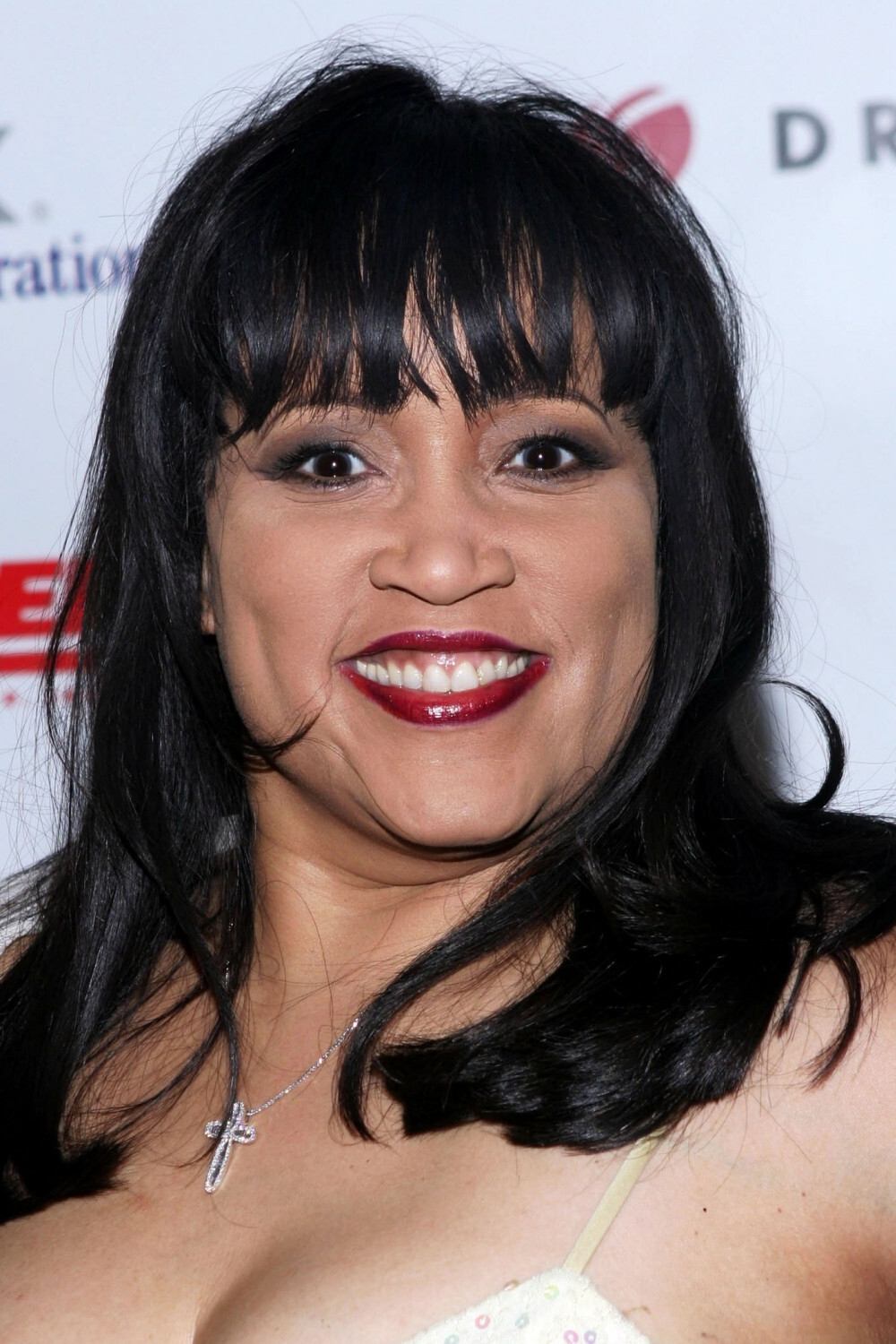
Jackée Harry experienced a significant career dip after her Emmy winning success on the sitcom ‘227’. She found that Hollywood struggled to cast her in roles that were not just variations of her famous character Sandra. This typecasting led to a period where she was not seeing the same level of high profile offers. She eventually found a new home in the soap opera world and on various sitcoms like ‘Sister Sister’. Her longevity in the industry is a result of her talent and willingness to adapt to new genres.
Sheila Frazier
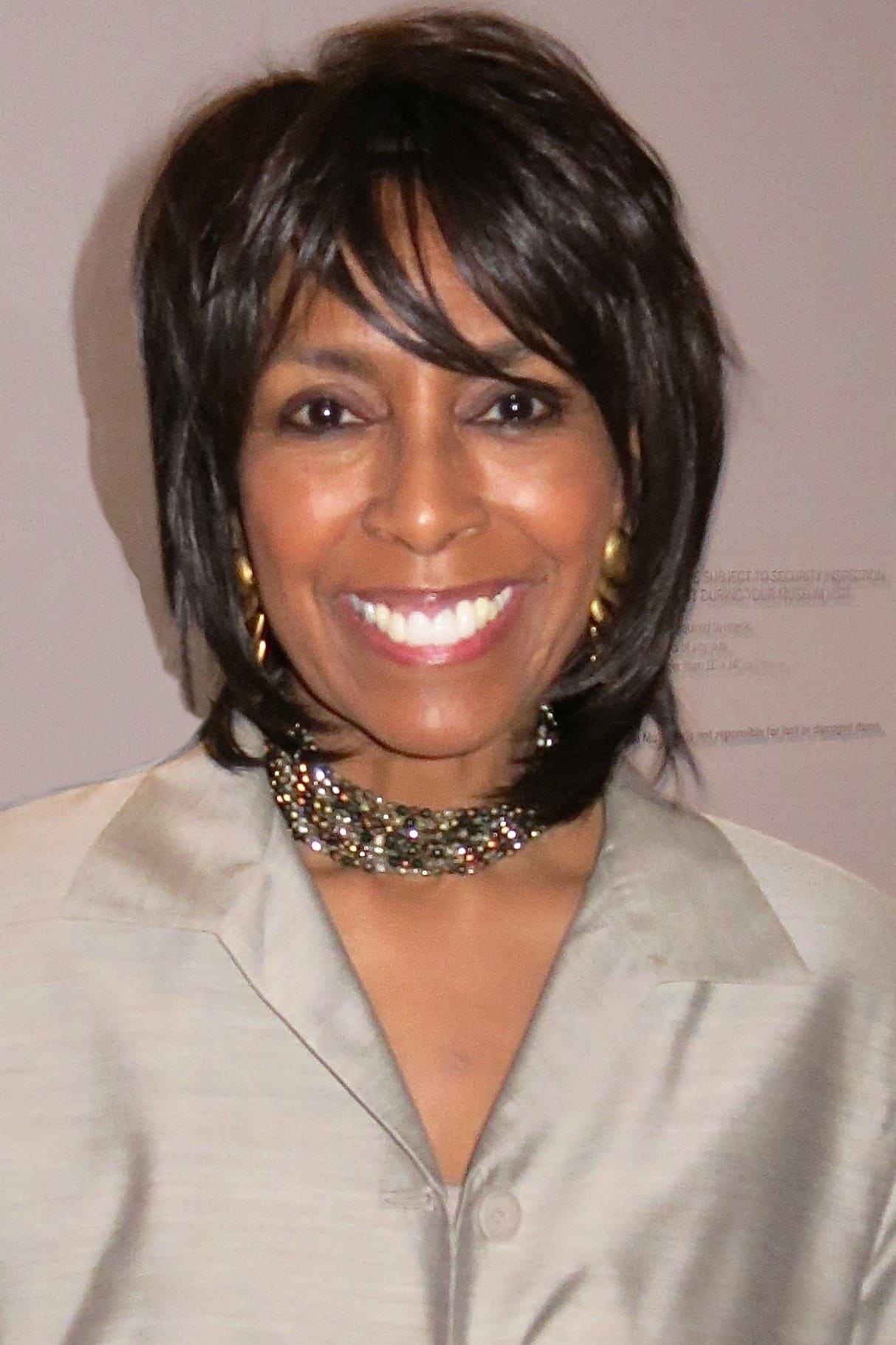
Sheila Frazier experienced significant backlash for her role in the controversial blaxploitation film ‘Super Fly’. Some critics and activists felt the movie promoted negative stereotypes that were harmful to the Black community. This association made it difficult for her to transition into more mainstream or prestigious roles for a period. She has since discussed the complexity of the era and the limited choices available to Black actors at the time. Frazier eventually found success in other areas of the industry including producing.
Pam Grier
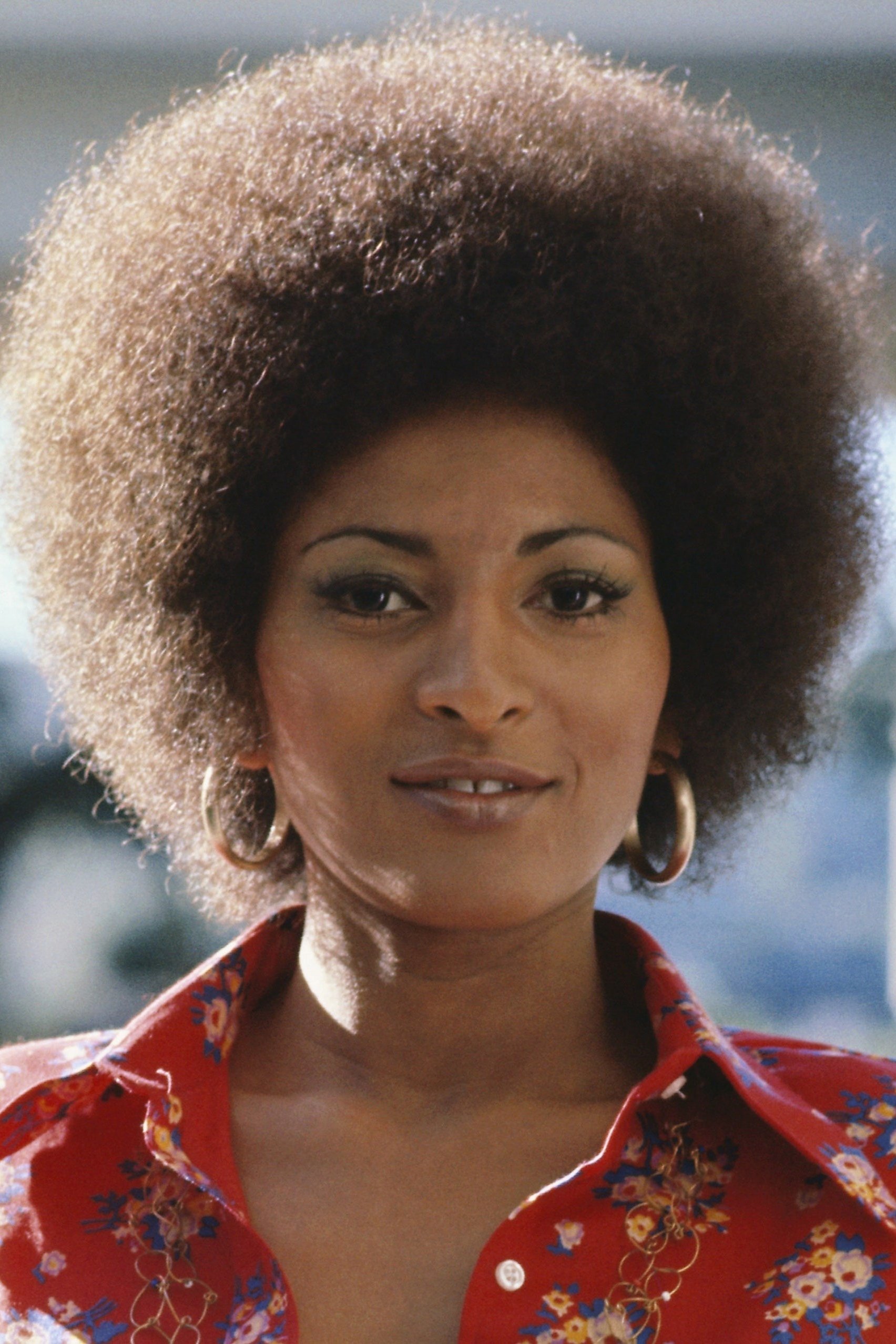
Pam Grier was initially dismissed by mainstream Hollywood as a genre actress due to her work in blaxploitation films. Despite being a major box office draw she was not offered the same prestige opportunities as her white counterparts. She spent years working in smaller roles before a major career resurgence in the film ‘Jackie Brown’. This comeback highlighted the industry failure to recognize her range and star power decades earlier. She remains a legendary figure who paved the way for women in action cinema.
Margaret Avery
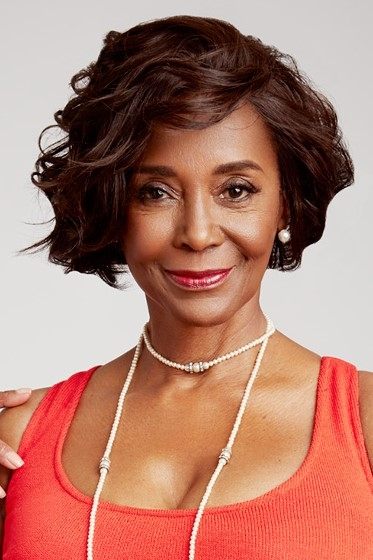
Margaret Avery faced a surprising career slowdown despite receiving an Academy Award nomination for ‘The Color Purple’. She has spoken about how the expected surge in offers never materialized after her historic performance as Shug Avery. The industry seemed unsure of how to cast her which led to many years of smaller roles and guest appearances. She eventually found a recurring home on the series ‘Being Mary Jane’ later in her career. Her story is often cited as an example of the Oscar curse affecting Black actresses.
Theresa Randle
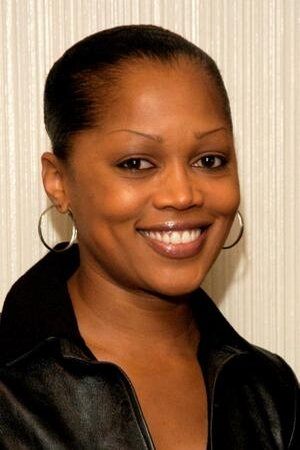
Theresa Randle was a rising star in the nineties with roles in ‘Bad Boys’ and ‘Space Jam’. Fans noticed her sudden absence from the industry and her eventual replacement in the ‘Bad Boys’ franchise. There was much speculation about why such a talented actress was no longer being cast in major studio films. While she has kept a low profile her disappearance from the screen remains a topic of discussion among fans of her work. She remains a beloved figure from a specific era of Black cinema.
LisaRaye McCoy
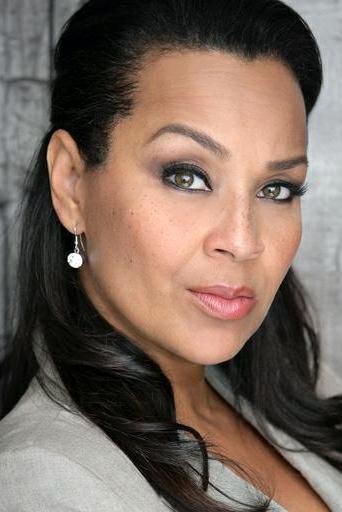
LisaRaye McCoy has been known for her public disputes and a direct personality that some say limited her casting options. Her career in films like ‘The Players Club’ made her a star but her personal life often overshadowed her professional work. She has been candid about her experiences with industry politics and the challenges of being an outspoken woman in Hollywood. Despite the friction she has maintained a steady presence in television and independent film. She continues to be a prominent voice in the entertainment world through various media platforms.
Diahann Carroll
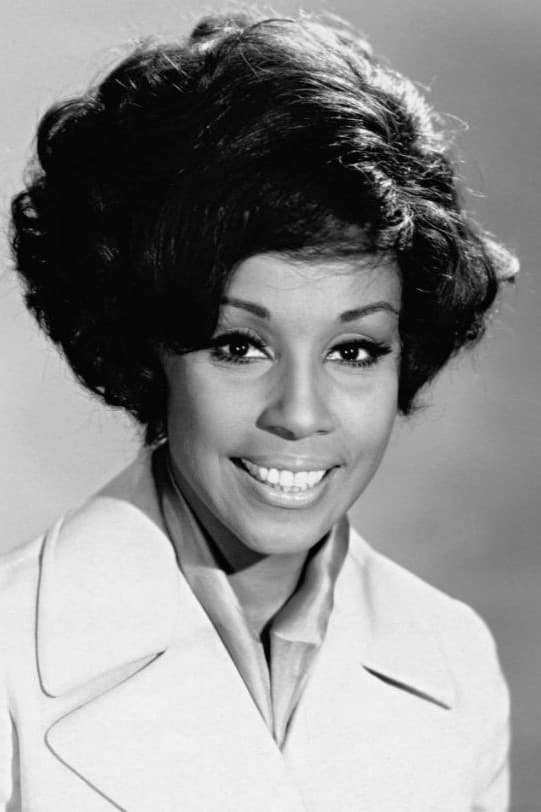
Diahann Carroll faced immense pressure and even death threats when her show ‘Julia’ premiered on television. It was the first time a Black woman starred in a non stereotypical role as a professional nurse and widowed mother. Many critics from different backgrounds attacked the show for not being political enough or for being too radical. Carroll had to navigate this intense scrutiny while maintaining a high level of professionalism on and off screen. She went on to have a legendary career on ‘Dynasty’ and in film despite the early attempts to undermine her success.
Tessa Thompson
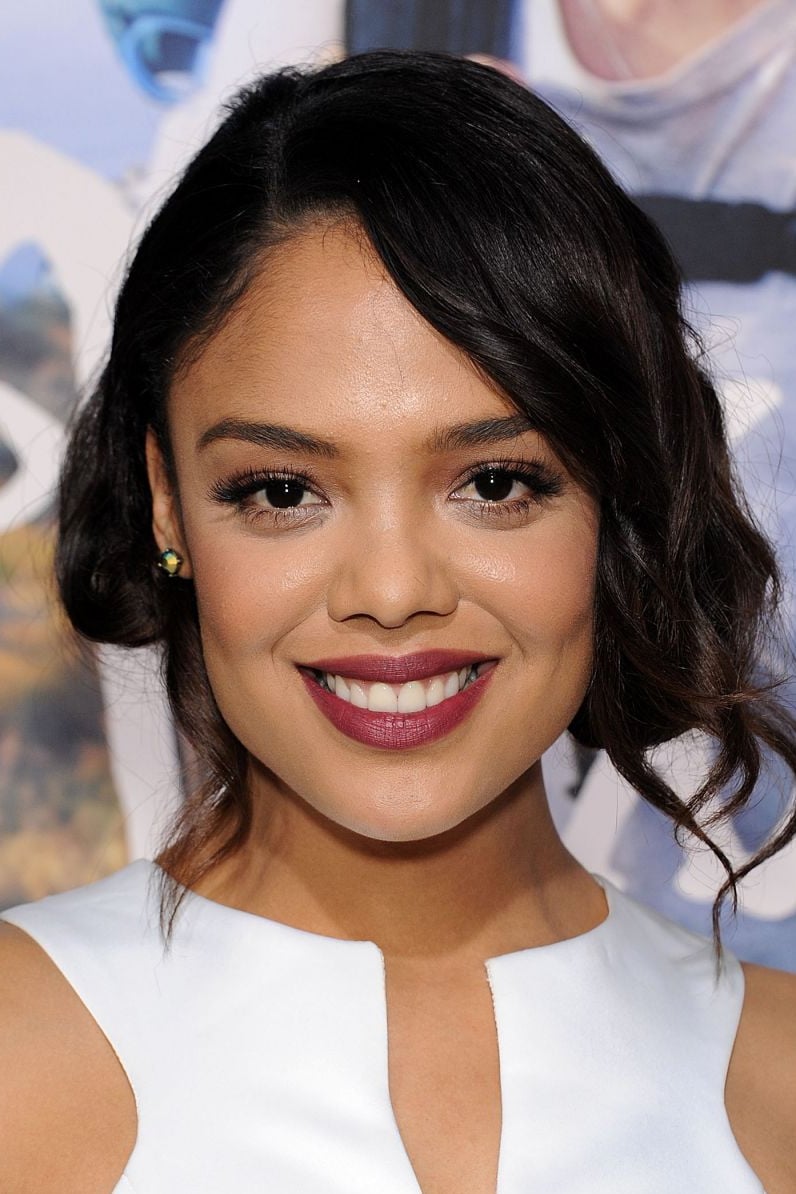
Tessa Thompson encountered significant social media campaigns against her casting as Valkyrie in the Marvel Cinematic Universe. Some fans of the source material argued that the character should not be played by a Black woman. Thompson remained poised and used the opportunity to advocate for more diversity and inclusion in superhero films. She has since become a central figure in the franchise and a major star in films like ‘Creed’. Her success has silenced many of the initial critics who tried to protest her role.
Lashana Lynch

Lashana Lynch was subjected to intense online harassment after it was revealed she would take over the 007 designation in ‘No Time to Die’. The idea of a Black woman holding the iconic number sparked a wave of vitriol from certain corners of the internet. Lynch spoke about the importance of the role and refused to let the negativity deter her performance. She has since been cast in other major projects like ‘The Woman King’ and ‘Bob Marley One Love’. Her resilience in the face of such a massive backlash has been widely praised.
Halle Bailey
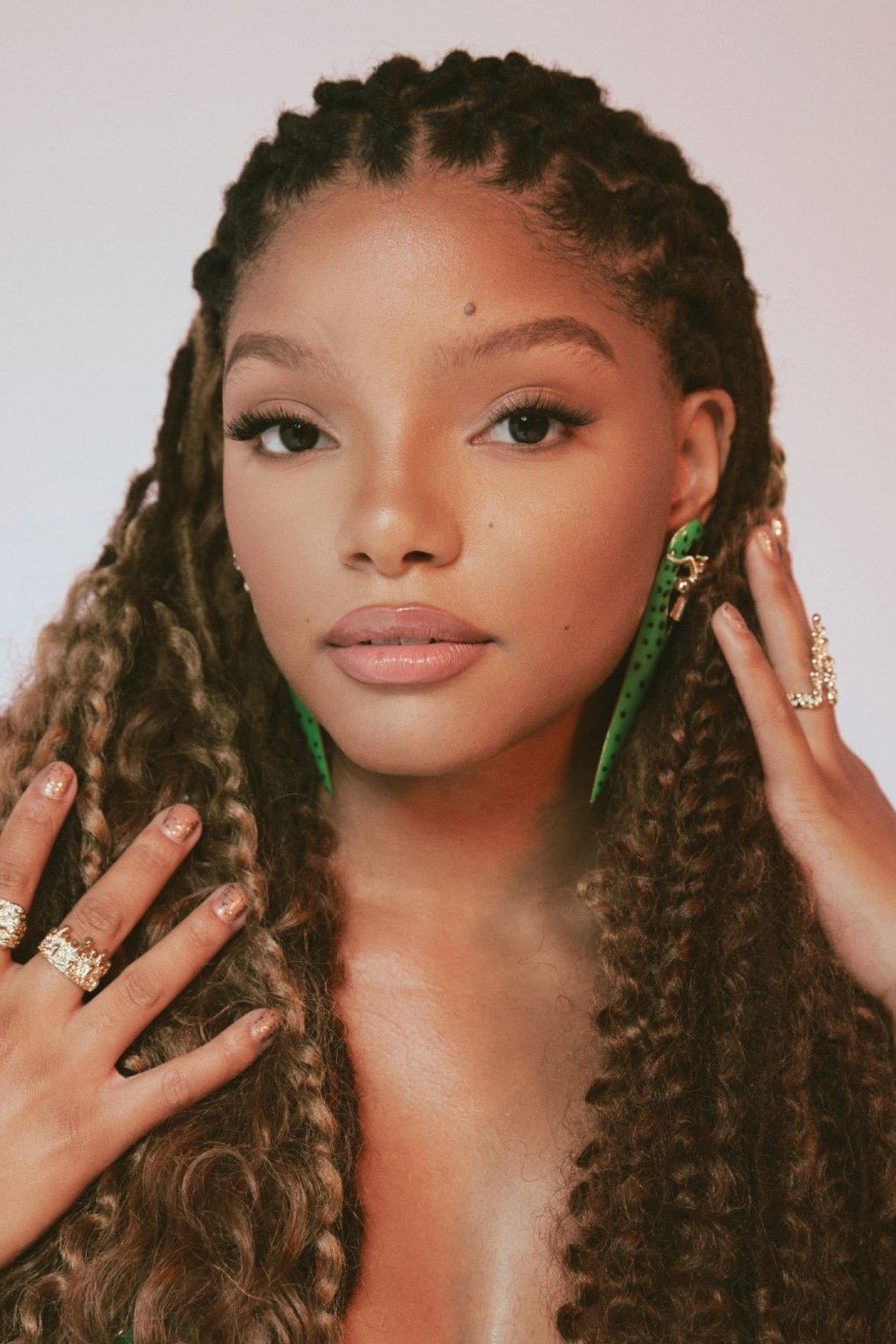
Halle Bailey faced a global wave of racist backlash after being cast as Ariel in the live action ‘The Little Mermaid’. The controversy trended for months with some calling for a boycott of the film before a single trailer was released. Bailey handled the situation with grace and focused on the positive impact her casting had on young children. The film was a commercial success and her performance was highlighted as a standout element by critics. She has emerged as a major new star in Hollywood despite the attempt to cancel her casting.
Kelly Rowland
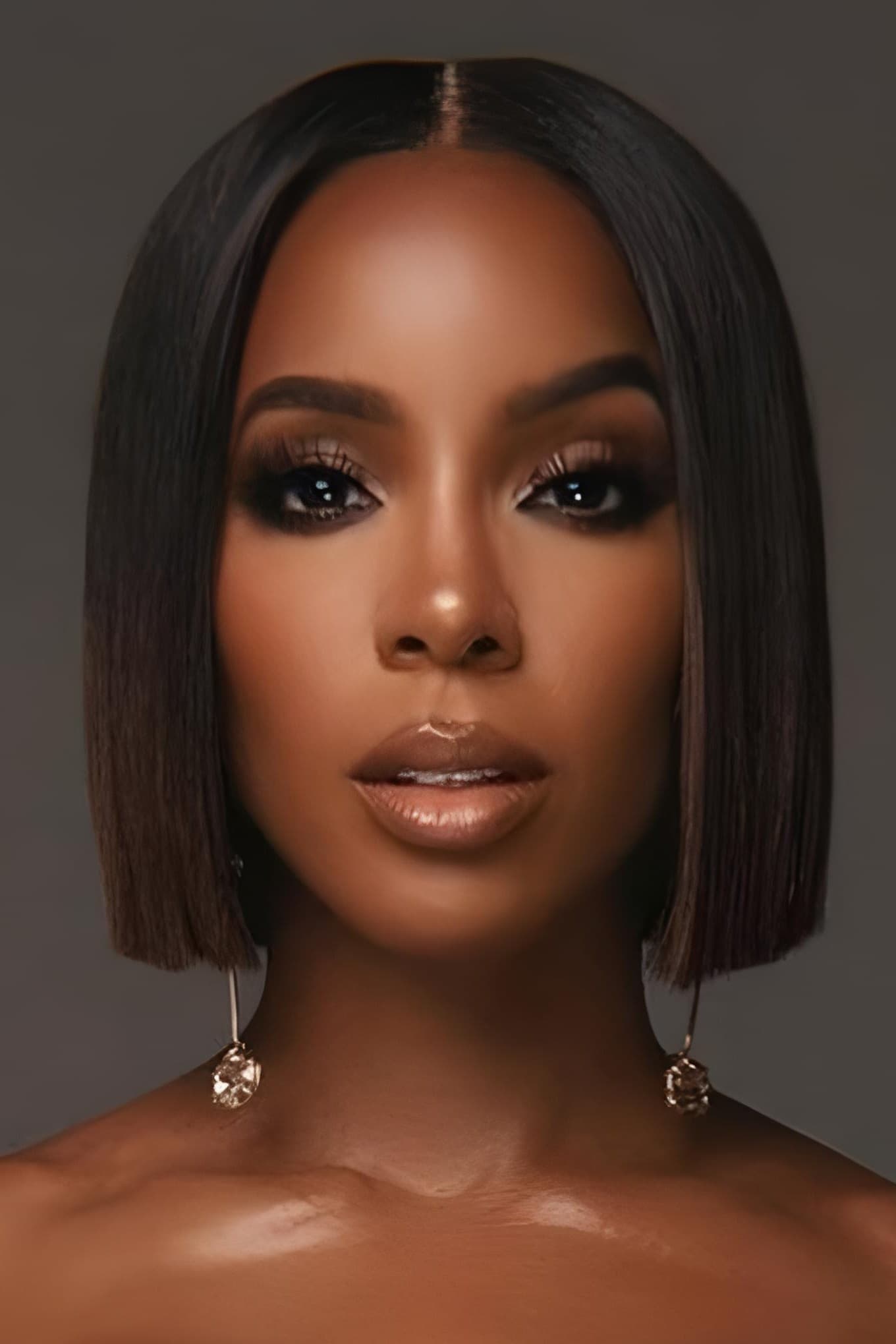
Kelly Rowland experienced industry comparisons and reported friction during her transition from a group member to a solo actress. She has spoken about the difficulty of carving out her own identity in an industry that constantly measured her against her peers. For a time her acting roles were limited as she focused on her music and television judging positions. She eventually found success in films like ‘Mea Culpa’ and various holiday projects. Her journey shows the persistence required to overcome industry narratives and find individual success.
Lauryn Hill
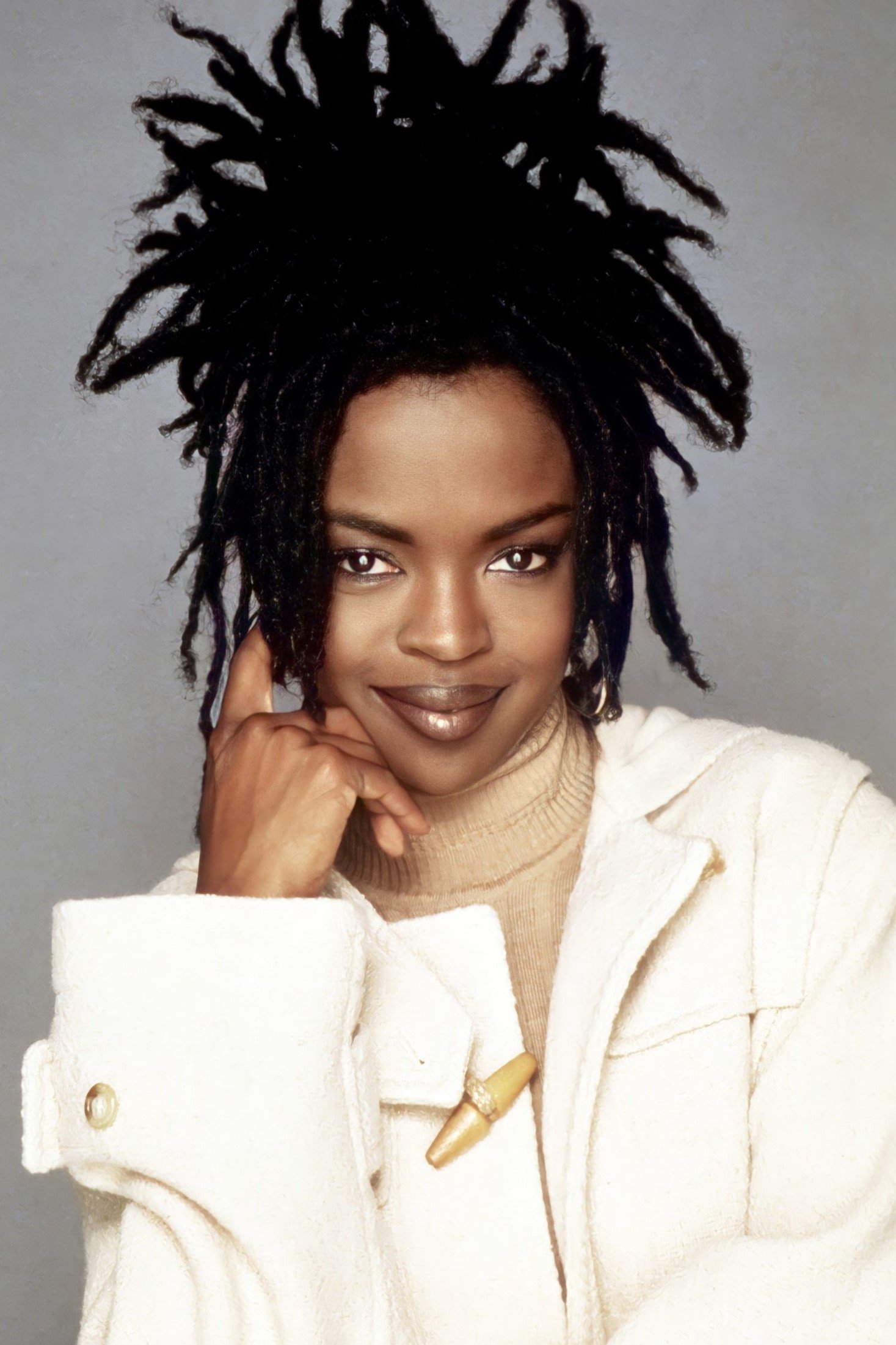
Lauryn Hill practically disappeared from the mainstream Hollywood and music landscape after the massive success of her debut album and roles in films like ‘Sister Act 2’. She chose to withdraw from the industry due to her dissatisfaction with the business and the pressure of fame. This led to her being labeled as difficult or unstable by various media outlets and industry insiders. Despite her limited output her influence on the culture remains profound and her occasional performances still draw massive crowds. She remains a symbol of artistic integrity over commercial conformity.
Tell us what you think about these legendary women and their resilience in the comments.

