


Black Actresses Who Battled Depression




Mental health awareness has become a crucial conversation in the entertainment industry as more public figures choose vulnerability over silence. Many Black actresses have bravely stepped forward to share their personal experiences with depression and anxiety to help destigmatize these issues. These women faced intense public scrutiny and professional pressure while managing their internal struggles. Their stories highlight the importance of seeking professional help and prioritizing emotional well-being. By speaking out they have paved the way for open dialogue and healing within their communities.
Taraji P. Henson

Taraji P. Henson has become a leading voice in mental health advocacy after acknowledging her own battles with depression and anxiety. She founded the Boris Lawrence Henson Foundation to improve access to mental health services for the African American community. The actress experienced significant mood swings and hopelessness that led her to seek professional therapy. She emphasizes that suffering in silence is dangerous and actively encourages others to speak their truth. Her transparent discussions have made it easier for fans to address their own psychological needs without shame.
Halle Berry
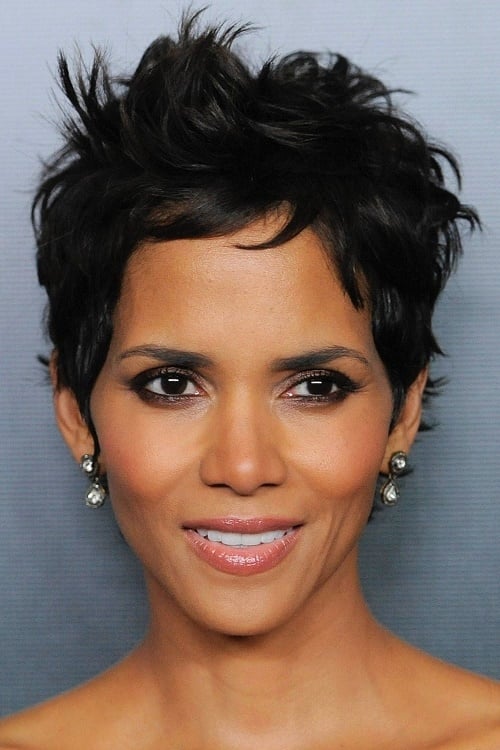
Halle Berry experienced a period of profound depression following the end of her first marriage. The Academy Award winner admitted that the emotional pain led her to struggle with suicidal thoughts and low self-worth. She sought therapy to help her navigate the trauma and rebuild her confidence during that challenging time. Berry credits her recovery to confronting her pain directly rather than masking it. Her story serves as a reminder that professional success does not immunize anyone from emotional suffering.
Kerry Washington
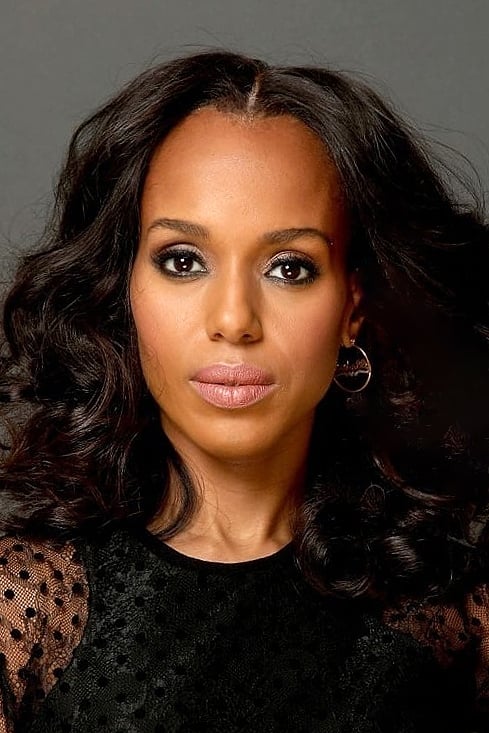
Kerry Washington revealed her history with depression and eating disorders in her candid memoir. She explained that she used food as a coping mechanism to manage her severe anxiety and feelings of unworthiness. The star of ‘Scandal’ engaged in therapy and yoga to develop a healthier relationship with herself and her body. She describes her mental health journey as an ongoing practice that requires conscious effort and self-compassion. Her vulnerability shed light on the high-functioning depression that many ambitious women experience.
Jenifer Lewis
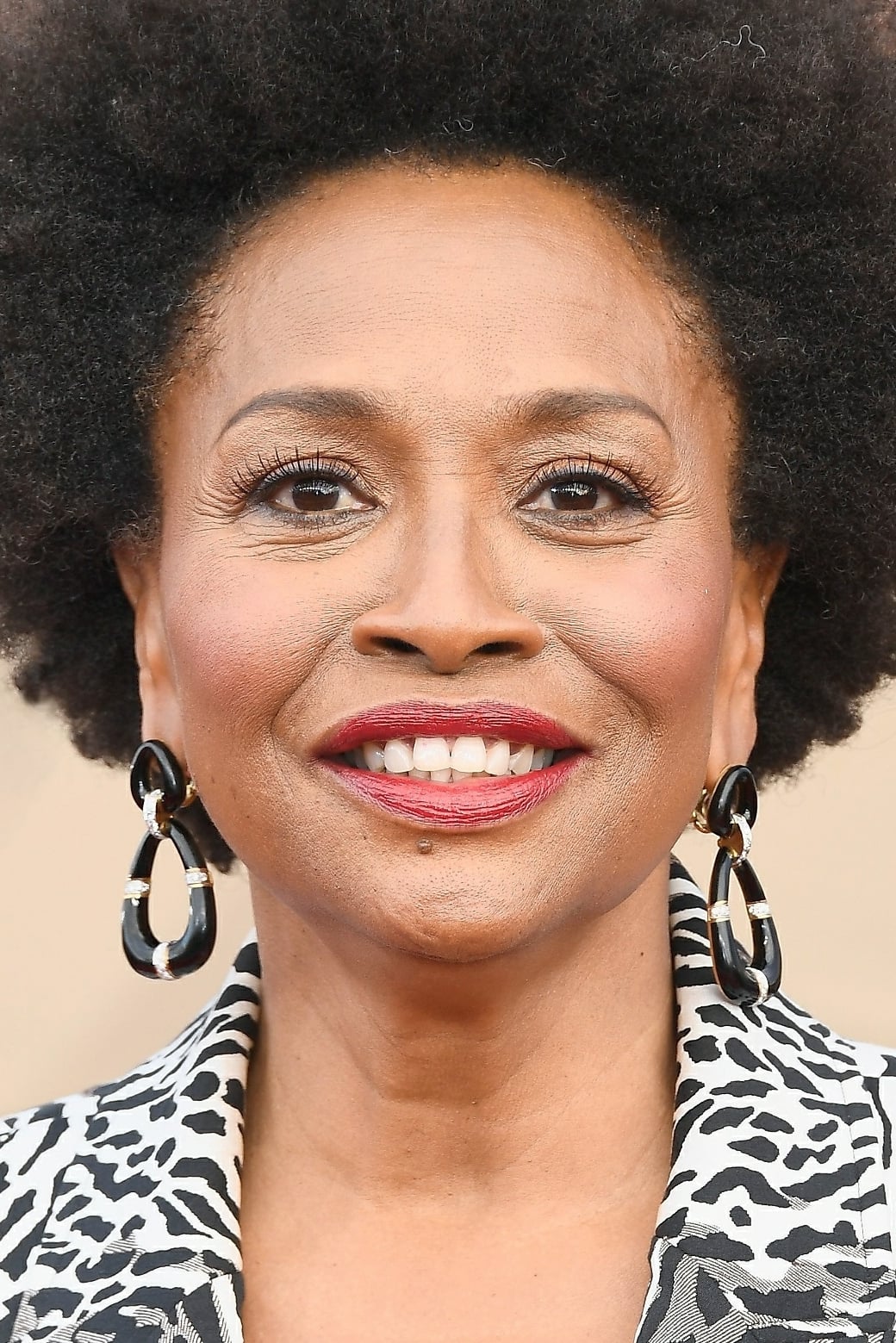
Jenifer Lewis has been open about her diagnosis of bipolar disorder and her history of sex addiction and depression. She discusses her mental health management extensively in her memoir and public appearances to educate others. The actress refused to let her diagnosis define her potential or limit her career in Hollywood. She advocates for medication and therapy as essential tools for maintaining stability and happiness. Her vibrant personality and honesty have inspired many to seek treatment for mood disorders.
Gabrielle Union
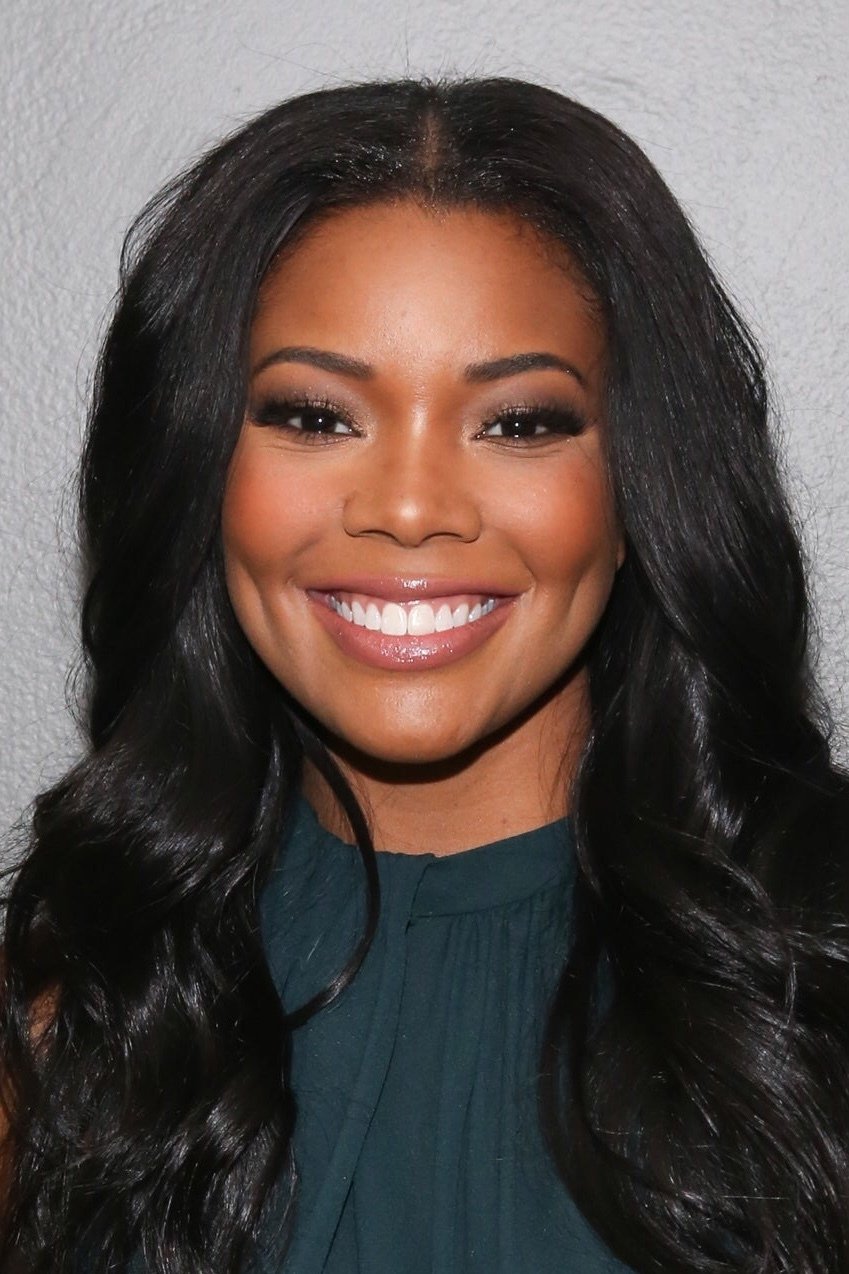
Gabrielle Union struggled with depression and anxiety largely stemming from her challenges with fertility and hormonal shifts. She spoke openly about how perimenopause impacted her mental state and led to suicidal ideation. The actress utilized therapy to understand the physiological and emotional changes happening within her body. She works to normalize conversations about women’s health and the mental toll of reproductive struggles. Union encourages women to listen to their bodies and demand the medical care they deserve.
Viola Davis
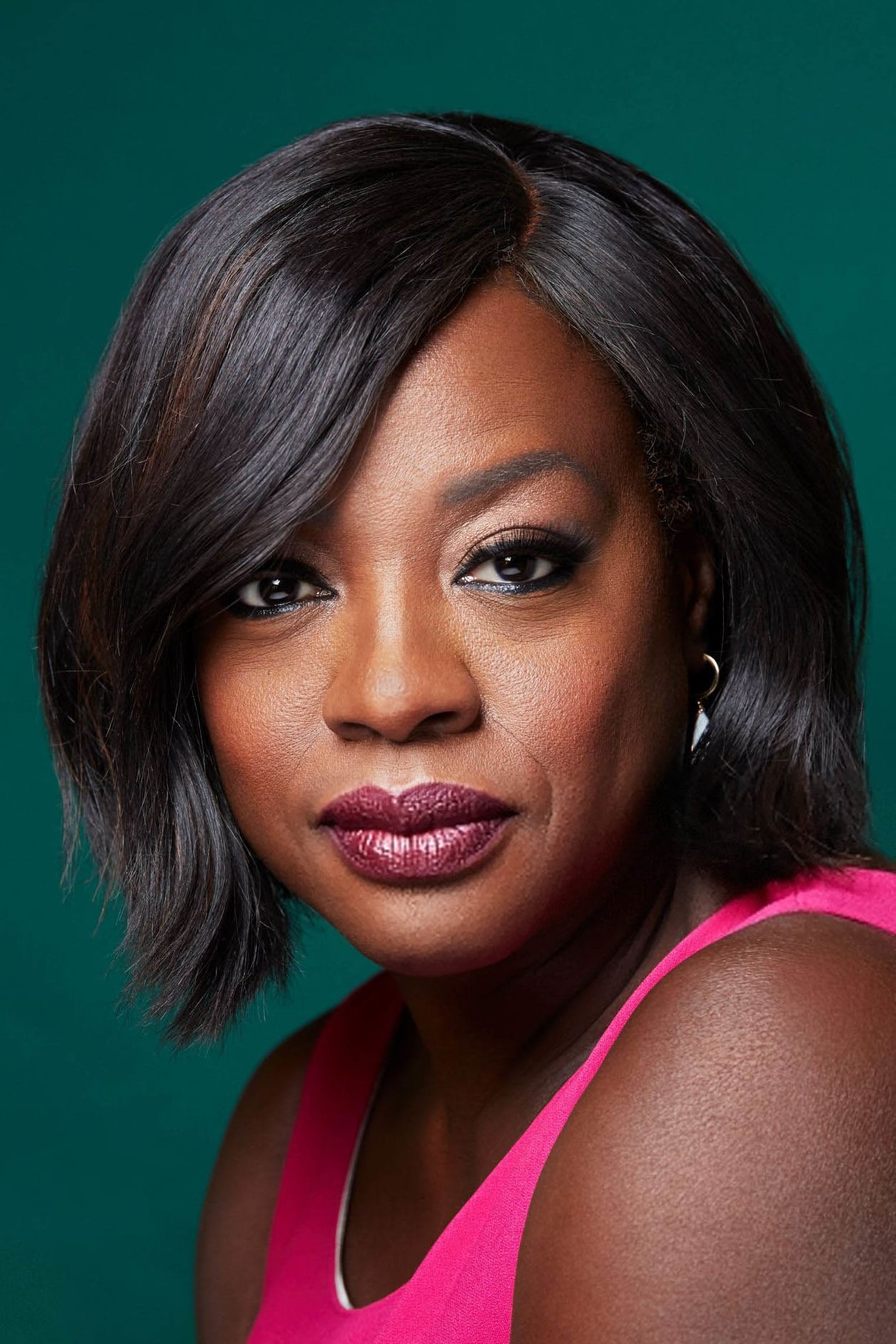
Viola Davis faced deep depression and poverty during her youth which impacted her self-esteem for many years. She has spoken about the imposter syndrome and trauma she carried with her even as she achieved massive success. The acclaimed actress used therapy and self-reflection to heal the wounded parts of her inner child. She believes that owning one’s story and history is the only way to find true peace. Davis stands as a powerful example of resilience and the transformative power of radical self-acceptance.
Jada Pinkett Smith

Jada Pinkett Smith suffered from a nervous breakdown and severe depression early in her acting career. She revealed that she woke up many mornings with extreme sadness despite her rising fame and success. The actress explored various forms of healing including therapy and spirituality to manage her mental well-being. She uses her platform to discuss emotional healing and the complexity of generational trauma. Her openness invites difficult conversations about the facade of happiness in the entertainment world.
Fantasia Barrino
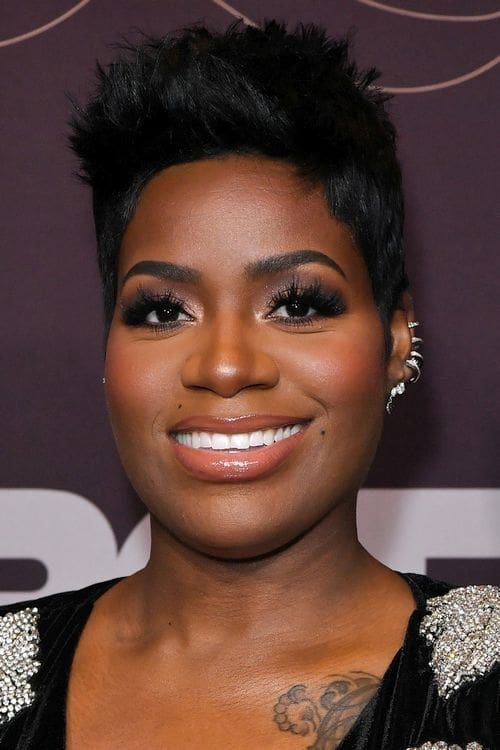
Fantasia Barrino battled severe depression that culminated in a suicide attempt shortly after her rise to fame. The star of ‘The Color Purple’ faced intense public scrutiny and personal hardships that overwhelmed her emotional defenses. She found strength through her faith and her family to rebuild her life and career. Barrino now shares her testimony to show others that it is possible to survive the darkest moments. Her resilience has defined her career just as much as her powerful vocal talent.
Brandy Norwood
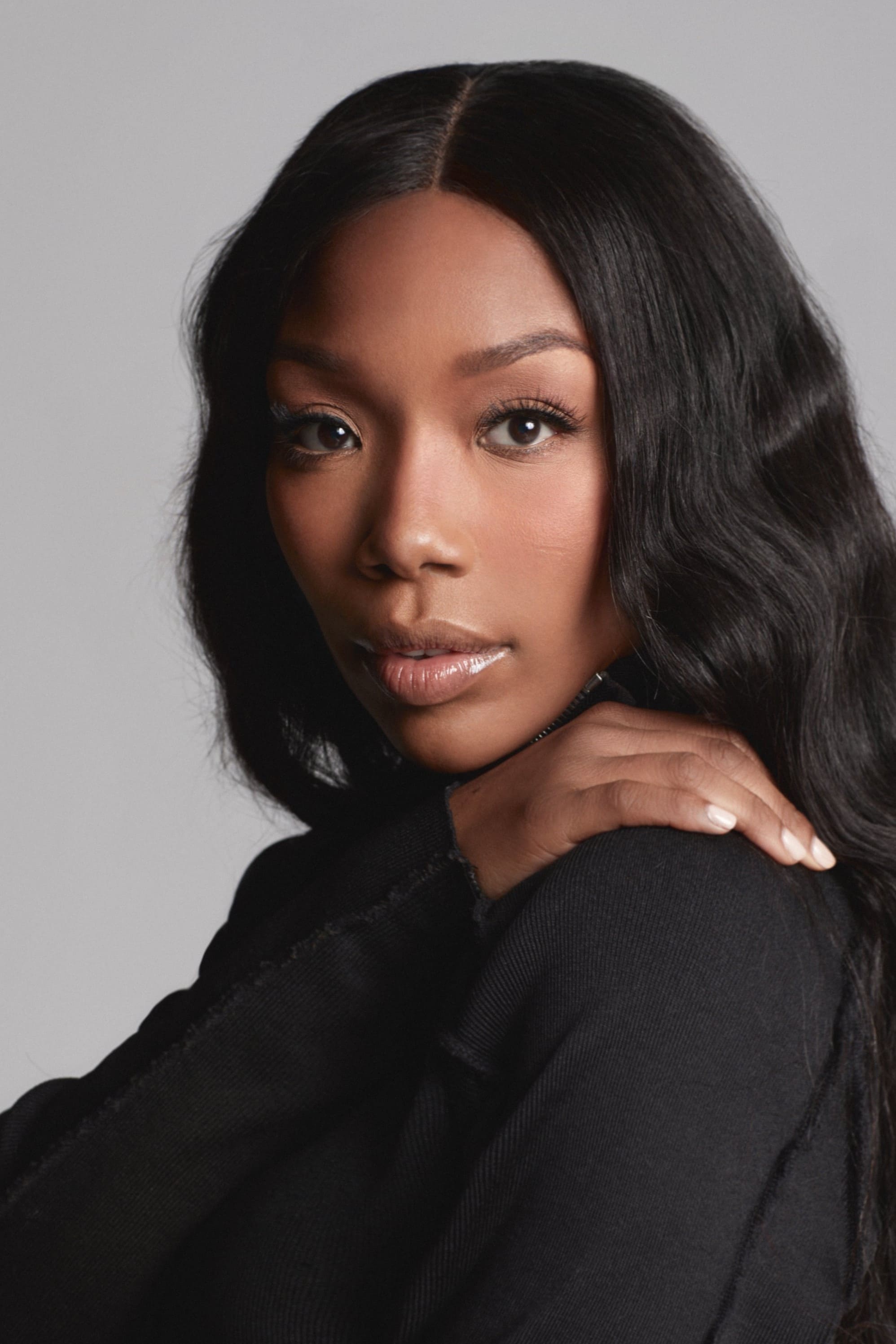
Brandy Norwood dealt with depression and loneliness during the height of her fame in the nineties. The singer and actress felt immense pressure to maintain a perfect public image while suffering privately. She later faced another bout of depression following a tragic car accident involved in her life. Brandy credits her daughter and her music as major factors in her healing process. She continues to advocate for mental health awareness by sharing the reality behind the glamour.
Audra McDonald
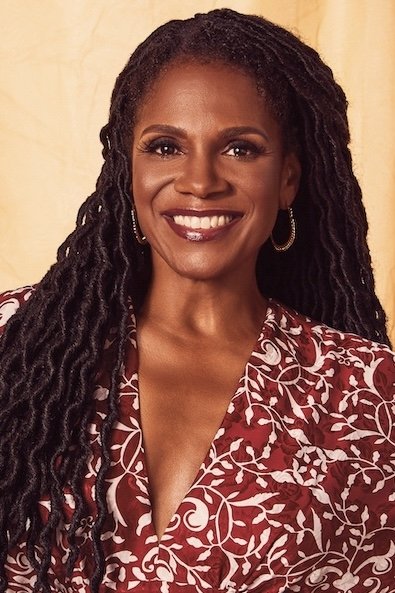
Audra McDonald attempted suicide while she was a student at Juilliard due to overwhelming depression. The Broadway and television star felt unable to cope with the pressure and perfectionism required in her field. She spent time in a psychiatric hospital where she began the long road to recovery. McDonald now speaks openly about that time to help young artists understand they are not alone. She emphasizes that mental health crises are temporary and help is always available.
Janet Jackson
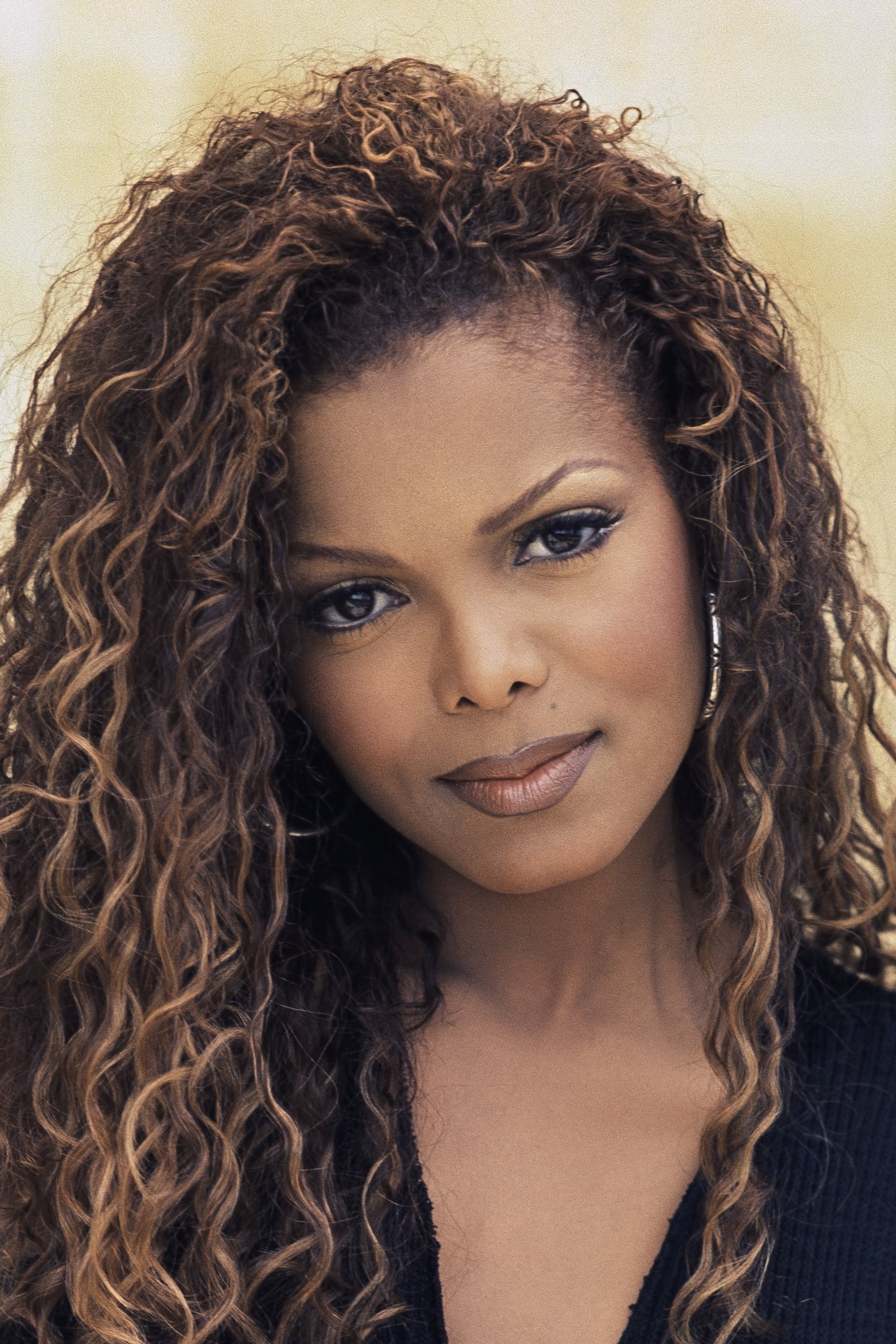
Janet Jackson struggled with intense depression during her thirties despite being a global icon. She attributed her feelings of inferiority and sadness to childhood issues and low self-esteem. The multi-talented performer found that writing music helped her process her emotions and release pain. She stated that finding joy in small things and accepting herself were key to her recovery. Jackson hopes her admission helps fans realize that money and fame do not cure internal sadness.
Share your thoughts on these courageous stories and how they have impacted your view of mental health in the comments.

