


Black Actresses Who Have Been Body Shamed

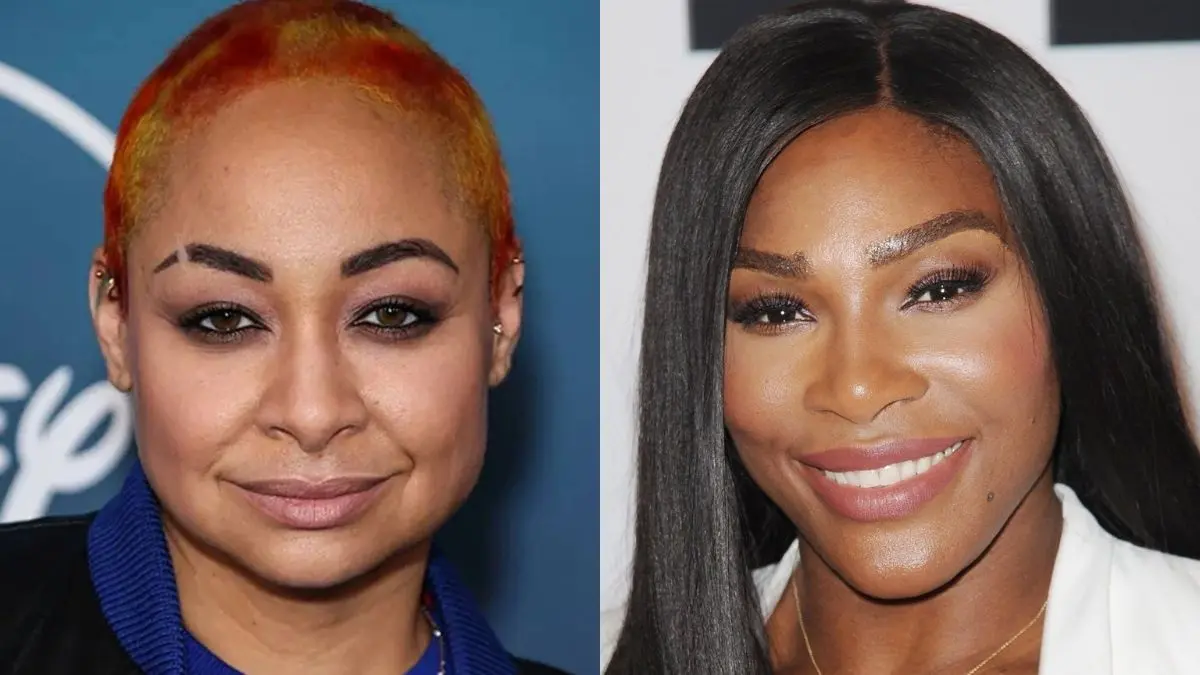


Body shaming remains a pervasive issue in the entertainment industry that disproportionately affects Black women. These actresses have faced unwarranted scrutiny regarding their size and shape while navigating their careers. Many have spoken out against the impossible beauty standards placed upon them by studios and social media users. Their resilience has helped spark important conversations about body positivity and acceptance in Hollywood.
Gabourey Sidibe
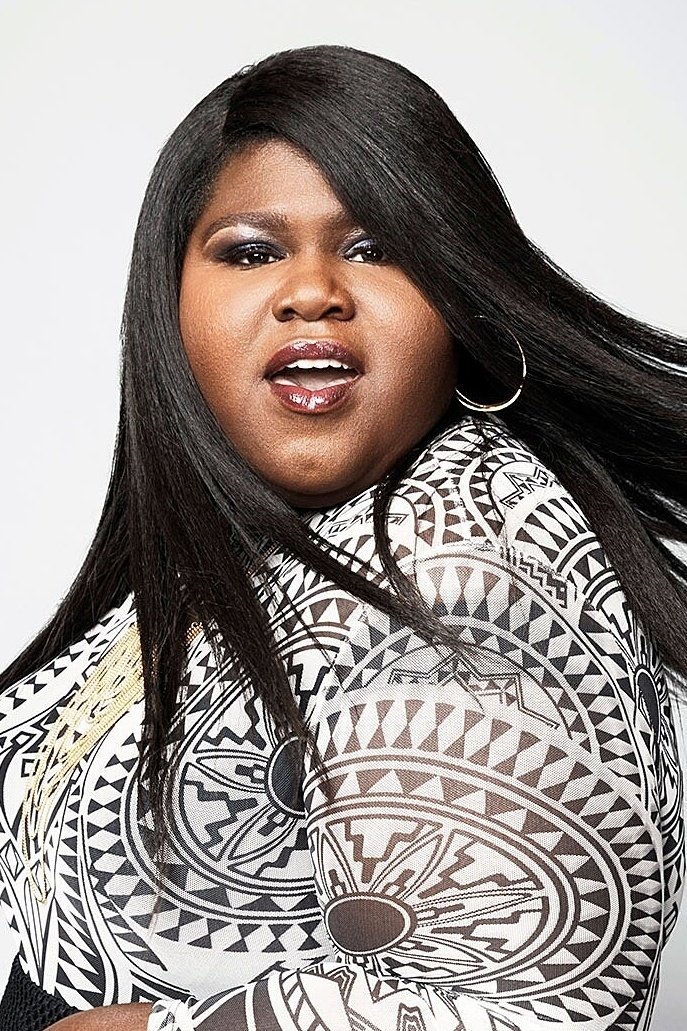
The actress faced intense public scrutiny regarding her weight following her debut in ‘Precious’. Radio hosts and television pundits openly questioned her ability to have a long career in Hollywood based solely on her size. Sidibe responded to the criticism with confidence and noted that she was unbothered by the opinions of people she would never meet. She has since written a memoir detailing her journey toward self-love and acceptance.
Lizzo
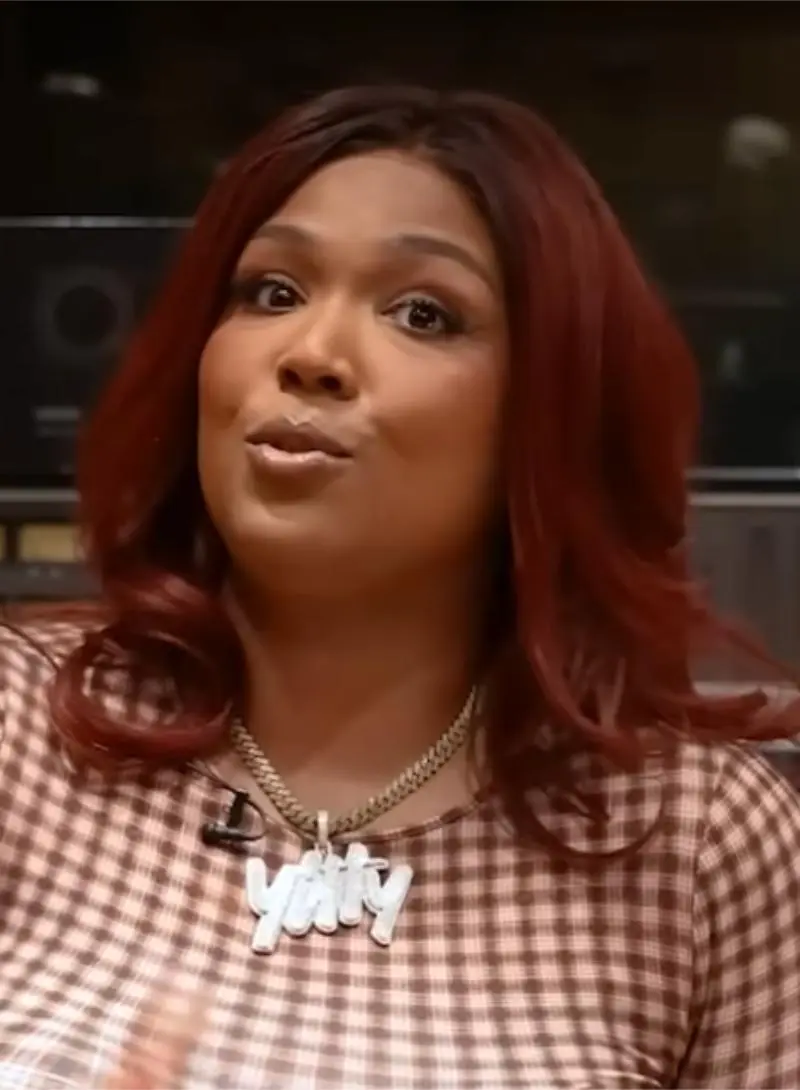
This singer and actress often deals with relentless commentary on social media regarding her physique. She frequently addresses the double standards that exist for larger bodies in the entertainment industry. Lizzo emphasizes that her health is a personal matter and not for public debate. Her role in ‘Watch Out for the Big Grrrls’ highlights her commitment to celebrating diverse body types.
Leslie Jones
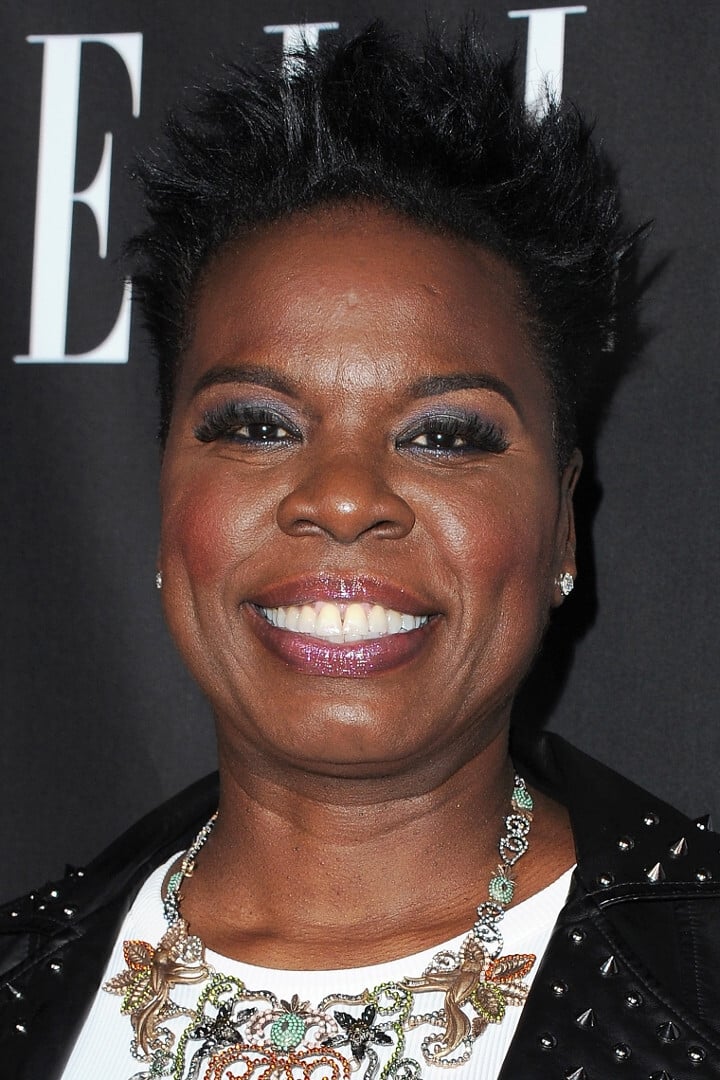
Designers famously refused to dress the comedian for the premiere of ‘Ghostbusters’ due to her height and size. Jones took to social media to expose the industry bias that limits options for women who are not sample size. She eventually found a designer to support her and walked the red carpet with pride. Her experience shed light on the exclusionary practices that still exist in high fashion.
Viola Davis
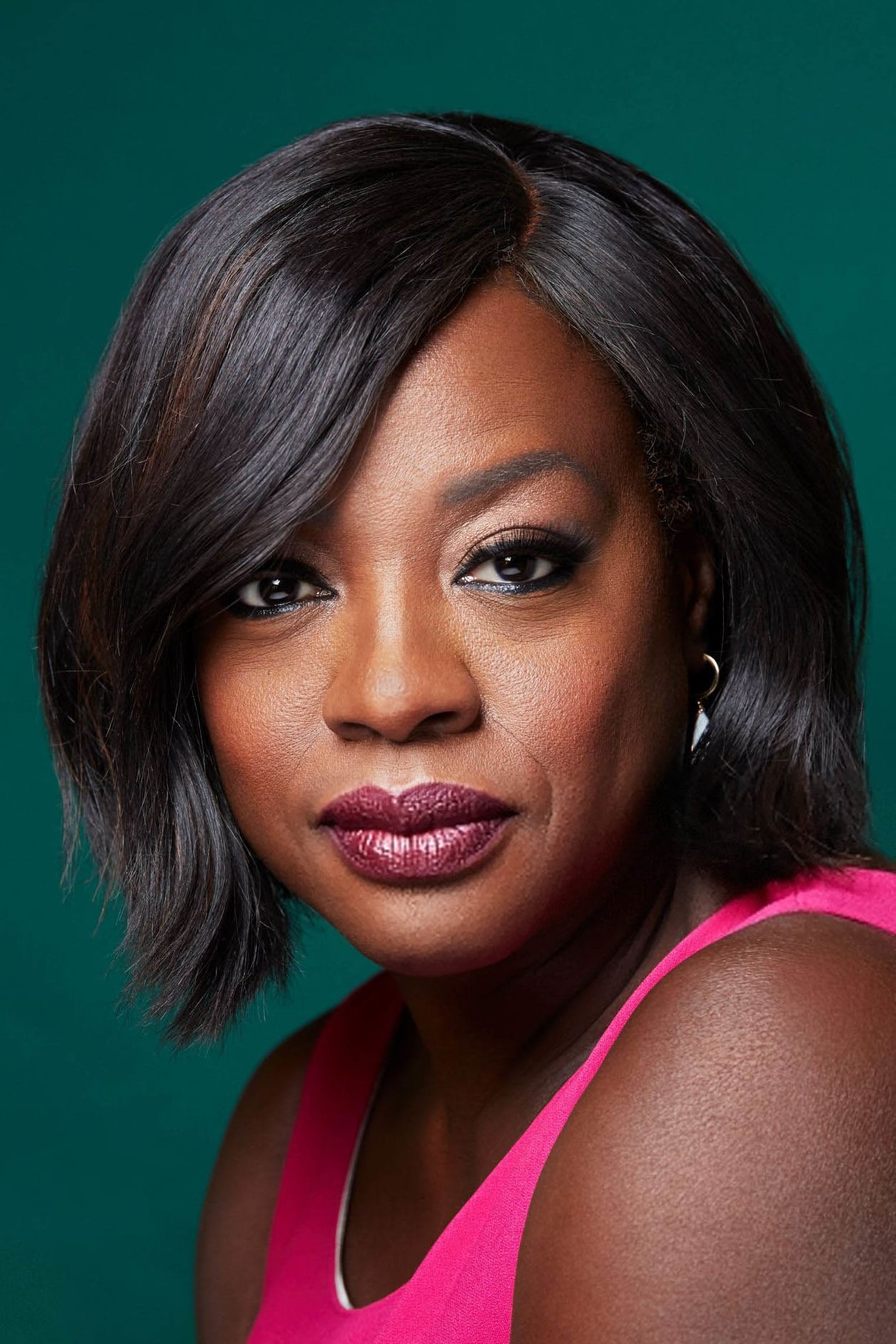
A television critic once described Davis as less classically beautiful than lighter-skinned actresses. This comment sparked a massive conversation about colorism and Eurocentric beauty standards in media. Davis addressed the insult by highlighting the erasure of dark-skinned women in leading roles. She continues to break barriers and redefine what a leading lady looks like in Hollywood.
Jennifer Hudson
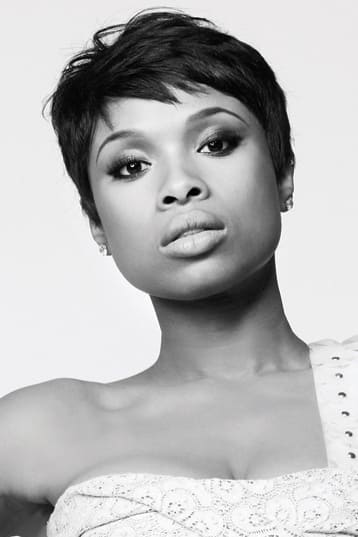
The media scrutinized her body intensely during her early career on ‘American Idol’ and in ‘Dreamgirls’. Hudson later underwent a significant weight loss transformation that garnered mixed reactions from the public. Some fans celebrated her health journey while others criticized her for changing her image. She has maintained that her decisions were made for her own health and longevity.
Tyra Banks

Tabloids published unflattering photos of the supermodel in a swimsuit which led to cruel headlines about her weight gain. Banks famously addressed the photographers and critics on her talk show with an emotional speech. She told her detractors to kiss her fat ass while wearing the same swimsuit from the photos. This moment became a significant pop culture stance against tabloid bullying.
Raven-Symoné
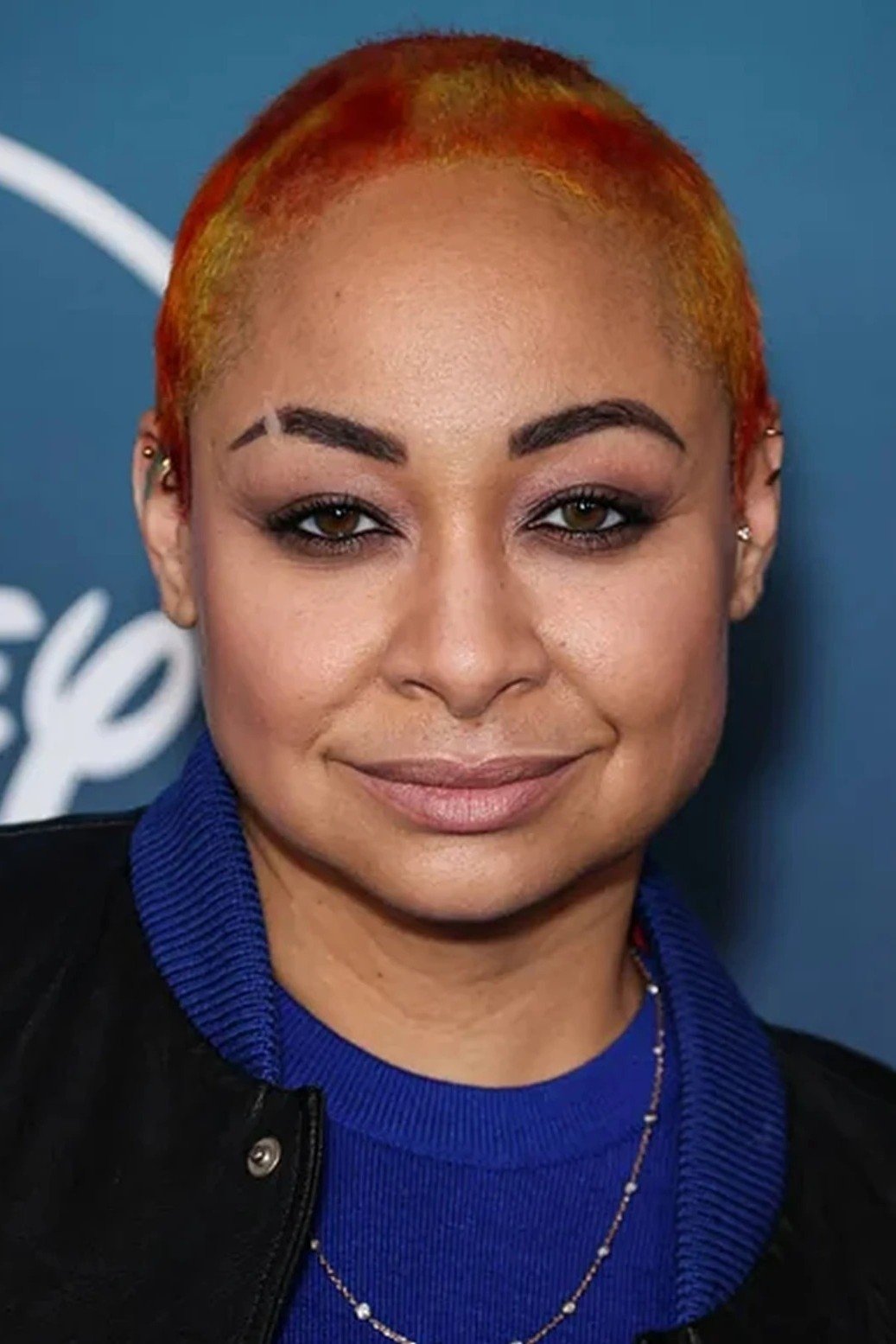
The child star grew up in the public eye and faced pressure to maintain a certain size while filming ‘That’s So Raven’. She later revealed that she was body shamed by industry executives even when she was a teenager. The actress noted that she often wore thick layers of clothing to hide her developing body. Her candor has helped expose the damaging expectations placed on young stars.
Queen Latifah
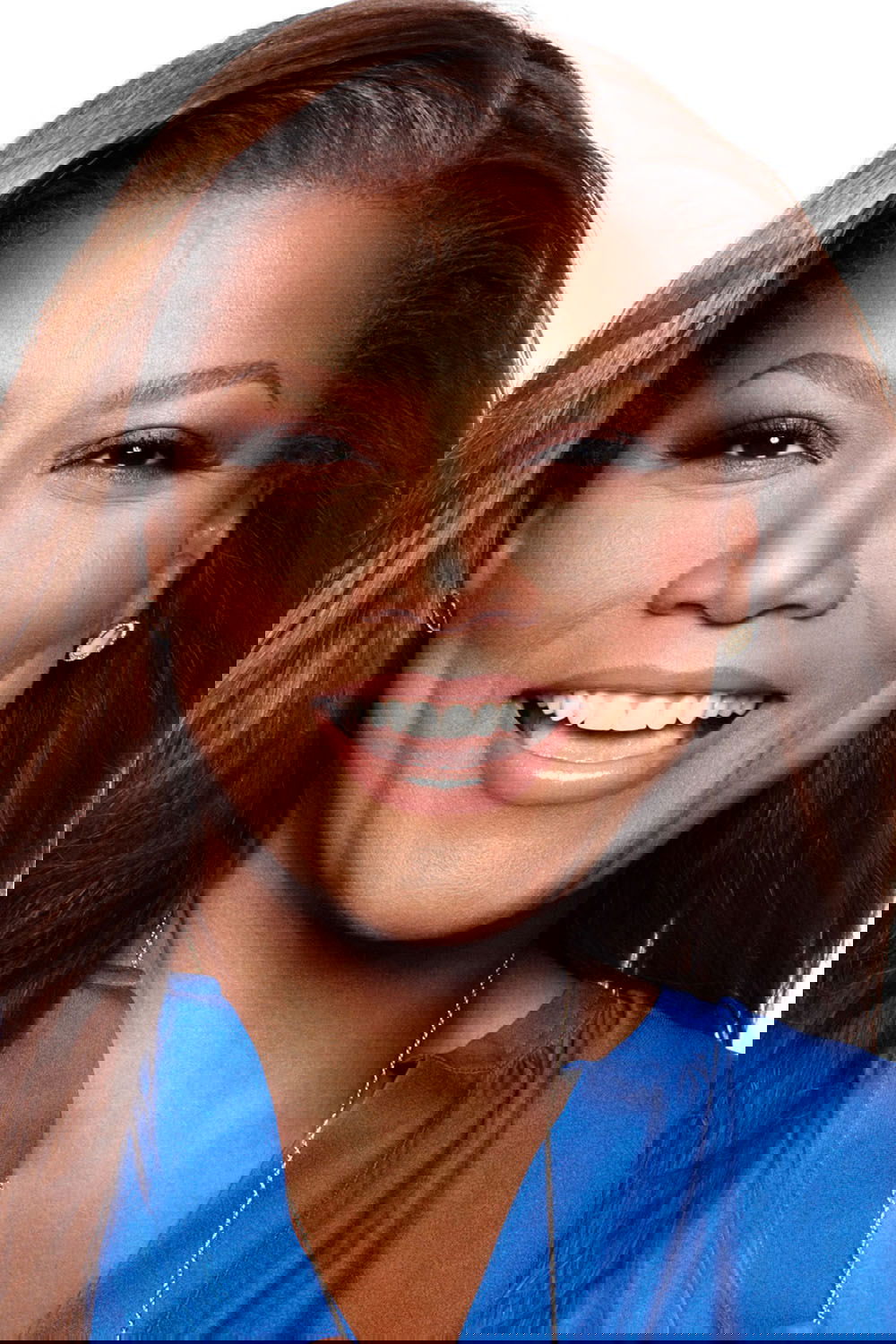
Latifah entered the rap and acting world at a time when thinness was the only standard for female leads. She refused to alter her body to fit the mold and created her own lane with the sitcom ‘Living Single’. Studios eventually recognized her appeal and cast her in romantic leads despite her size. She remains an icon for body positivity and confidence in the industry.
Amber Riley
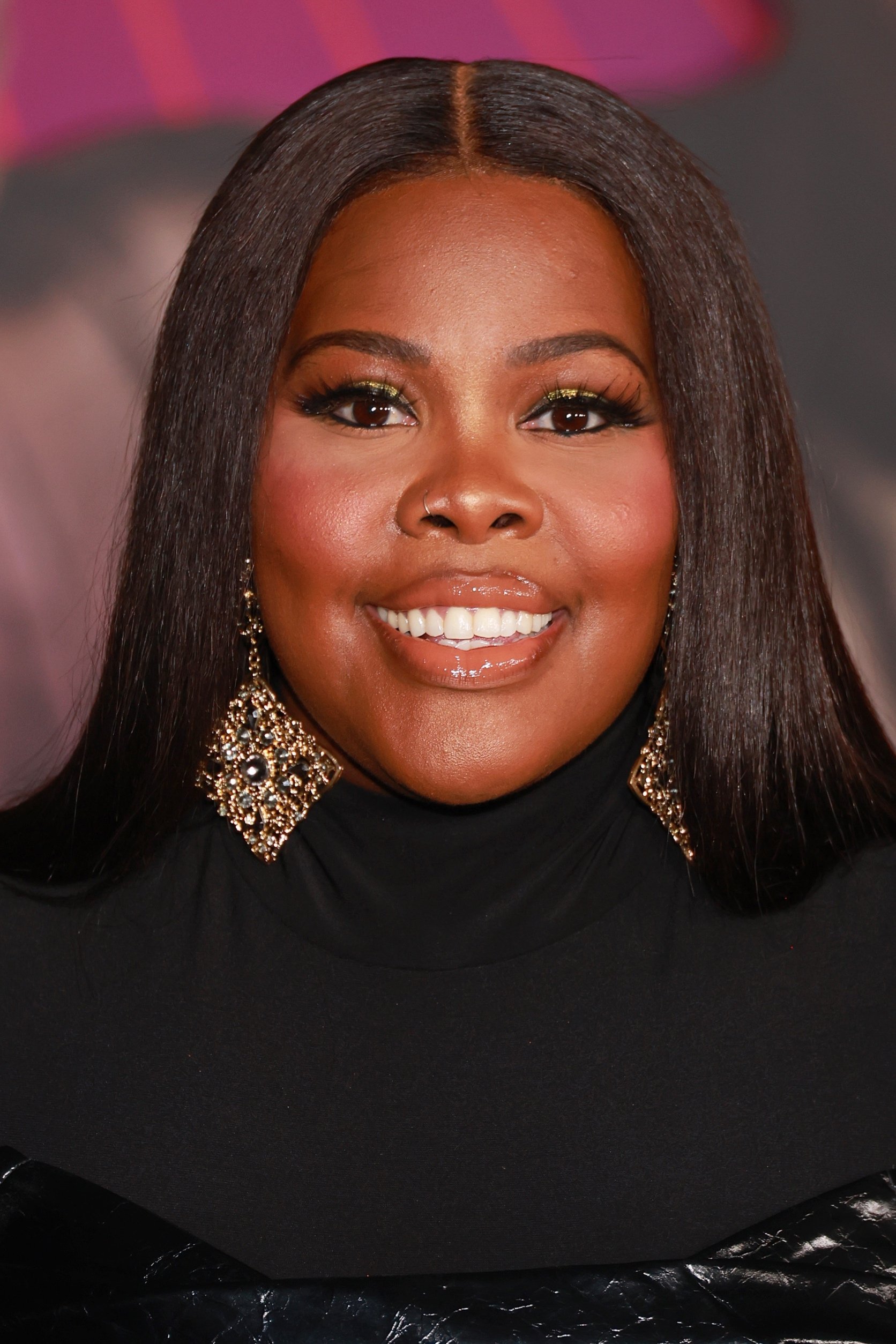
The ‘Glee’ star was told by producers and doctors that she needed to lose weight to be successful. She rejected the notion that her talent was tied to her dress size and continued to deliver powerful performances. Riley later won ‘Dancing with the Stars’ and proved that women of her size can be athletic and graceful. She frequently advocates for better representation of plus-size women in fashion and film.
Danielle Brooks
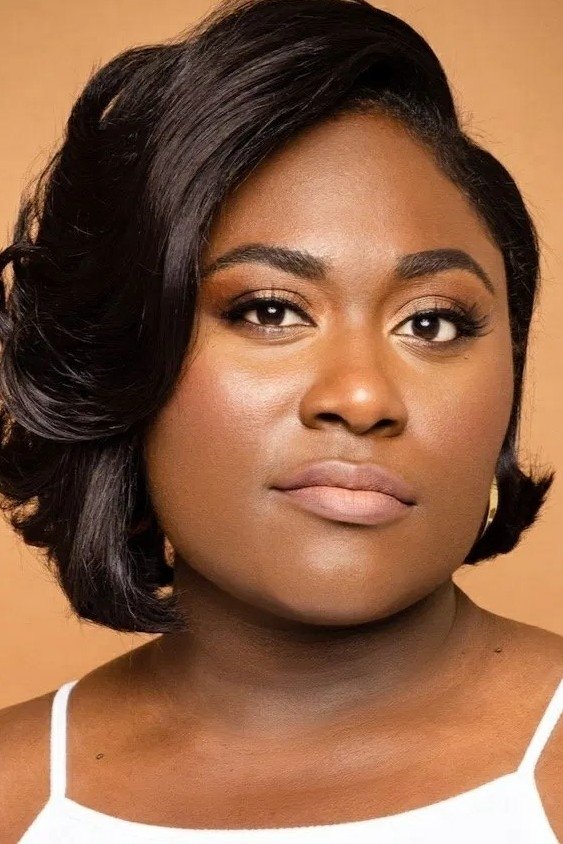
Brooks has been vocal about the lack of clothing options for plus-size women on red carpets. She used her platform while starring in ‘Orange Is the New Black’ to discuss the realities of gym shaming. The actress emphasizes that fitness is for everyone regardless of their current shape. She continues to champion inclusive sizing in the fashion industry.
Keke Palmer
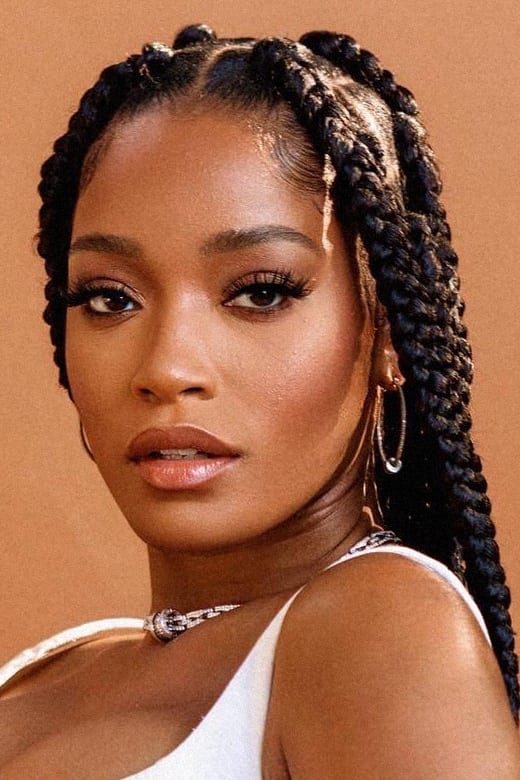
Social media users criticized the actress for her appearance after she welcomed her first child. Even her former partner publicly shamed an outfit she wore to an Usher concert. Palmer responded by embracing her postpartum body and launching merchandise to reclaim the narrative. She consistently uses humor to deflect unnecessary commentary about her looks.
Chloe Bailey
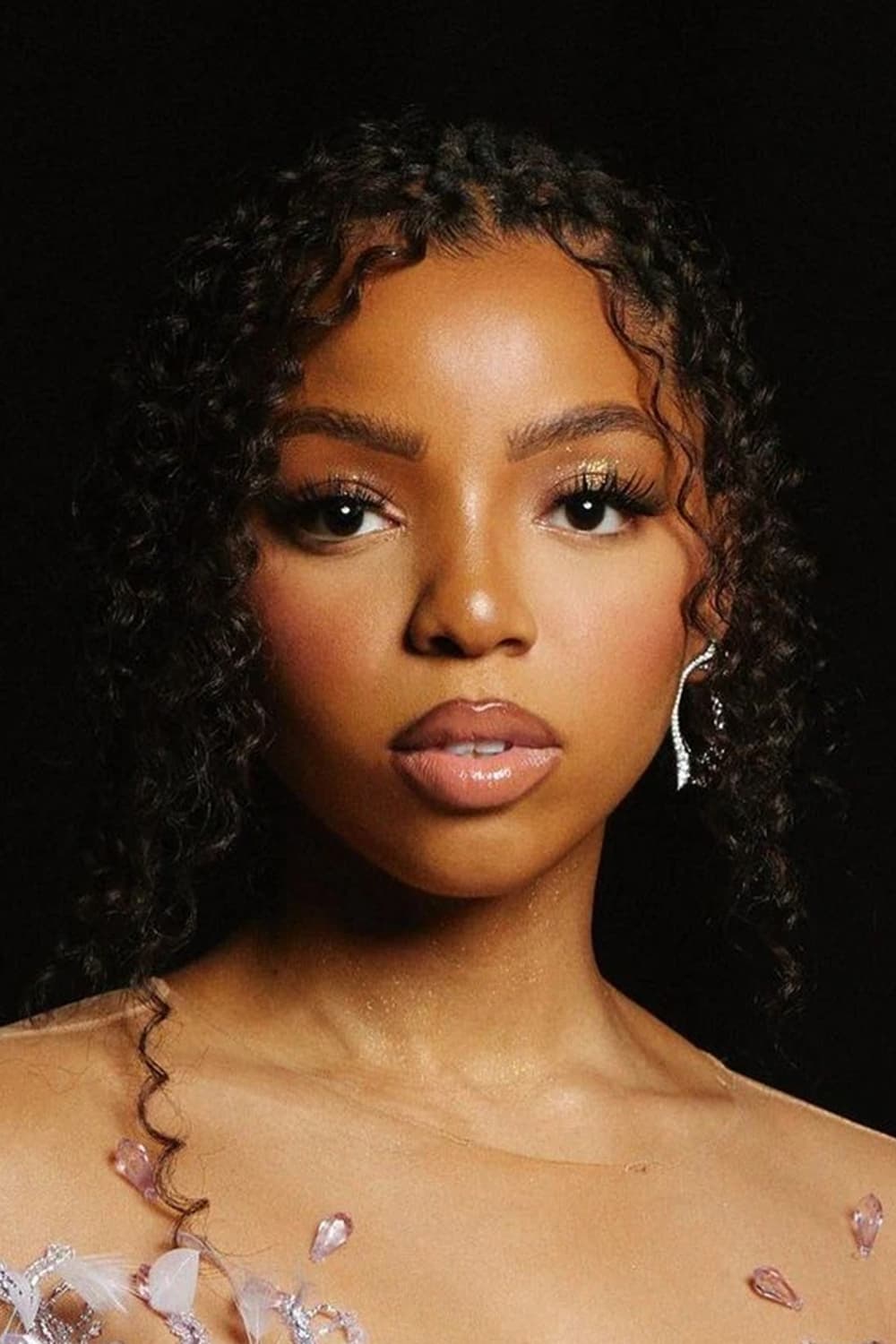
The singer and actress faced a wave of criticism online for posting videos that showed her body confidence. She tearfully addressed the backlash on a livestream and explained her struggle with self-image. Bailey stated that she had finally reached a place of self-love that she wanted to share with the world. Her vulnerability highlighted how even confident stars are affected by cyberbullying.
Halle Bailey
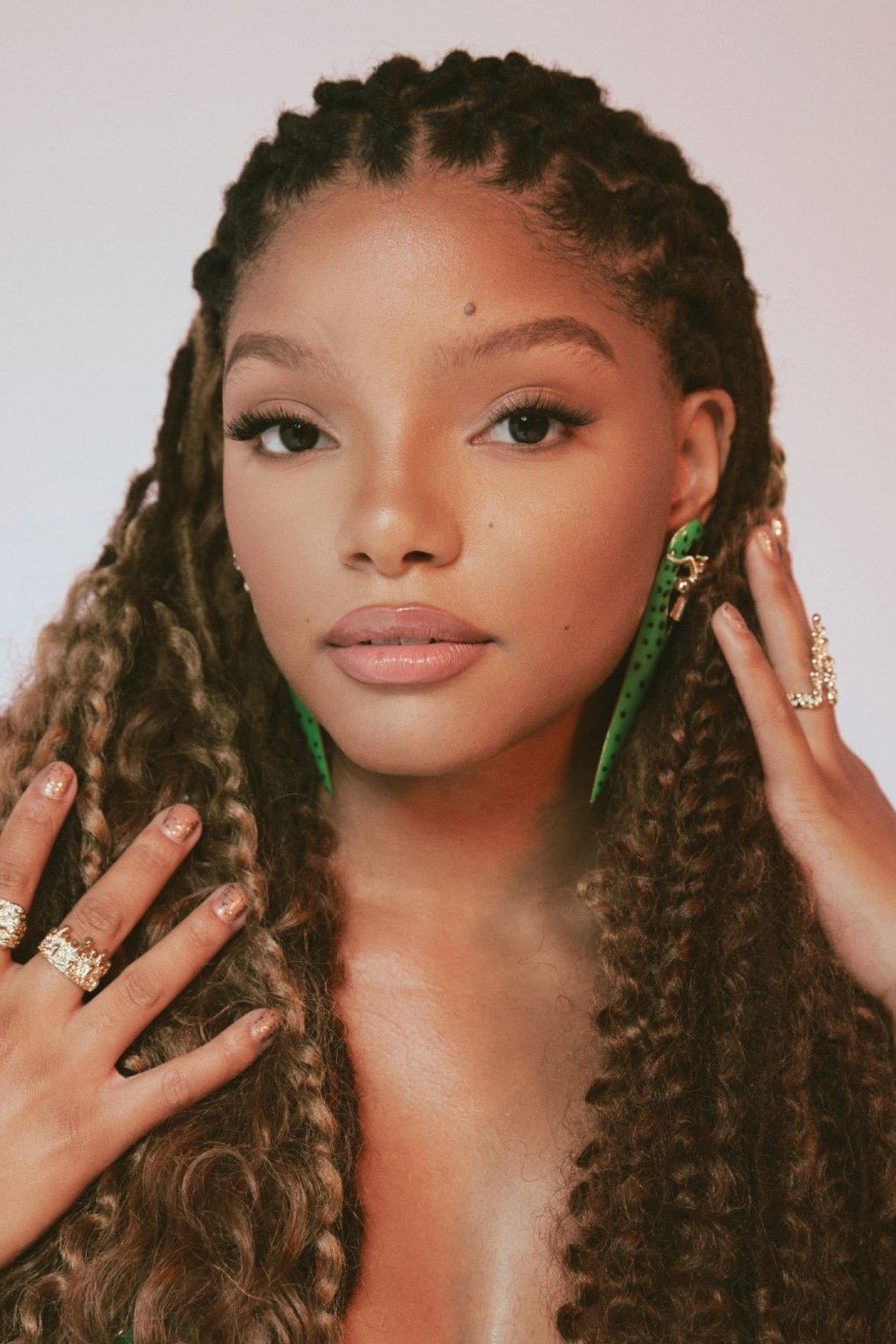
Internet trolls dissected her appearance throughout her pregnancy while she promoted ‘The Little Mermaid’. Fans speculated about her weight gain and nose shape while she attempted to keep her personal life private. Bailey eventually revealed the birth of her son after months of hiding from the public eye. The scrutiny proved how difficult it is for public figures to maintain boundaries.
Whoopi Goldberg
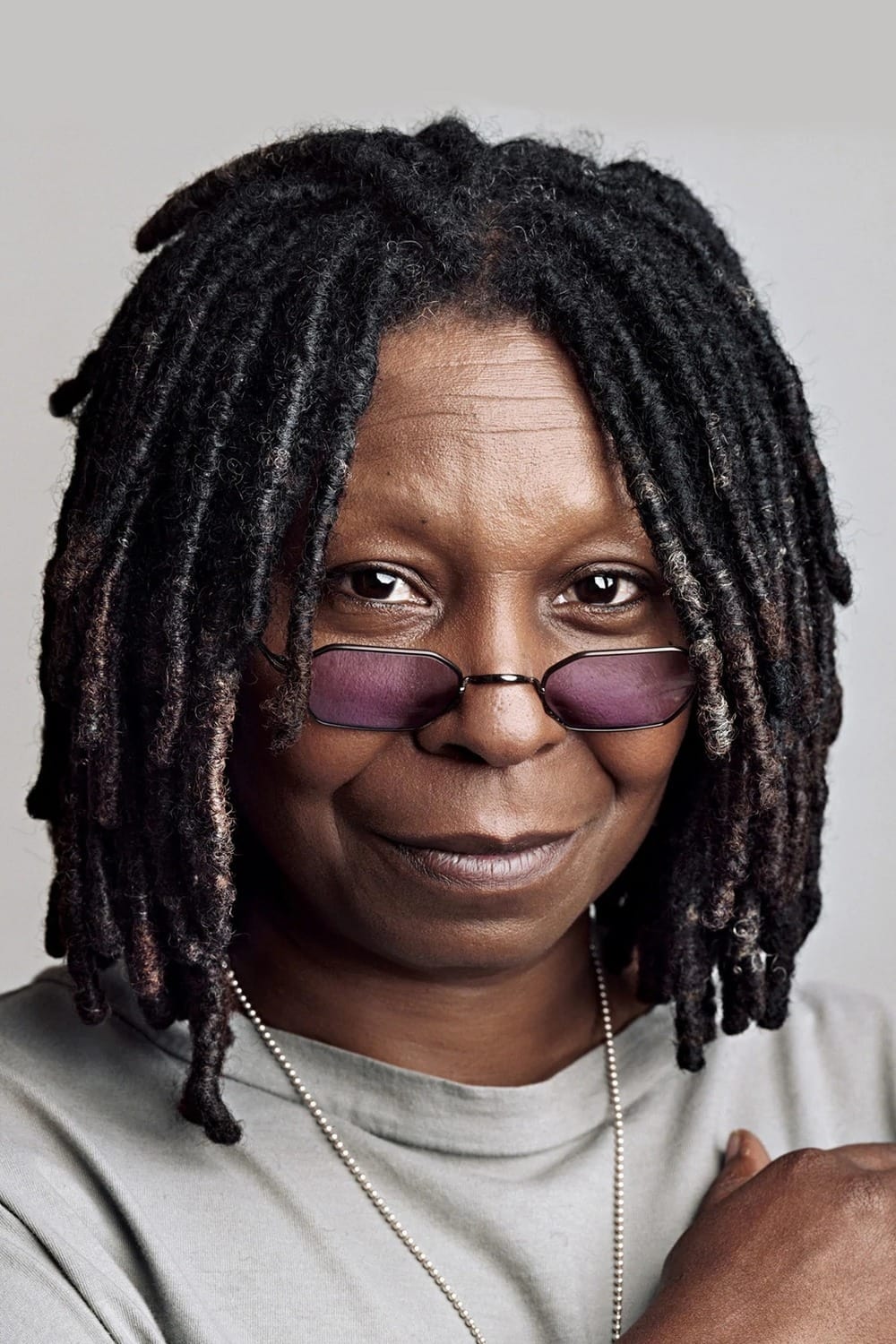
Goldberg has faced jokes and criticism regarding her appearance for the entirety of her career. Critics often focused on her unconventional look rather than her immense acting talent. She famously wore a fat suit in a film which led to renewed discussions about her real body. Goldberg has always prioritized her comfort and craft over satisfying Hollywood beauty standards.
Octavia Spencer
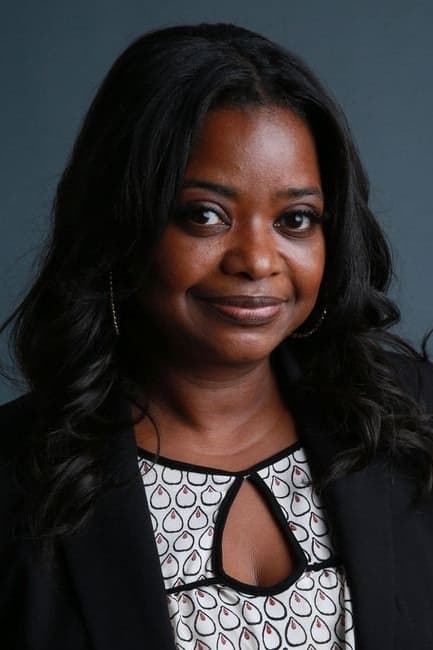
Spencer has discussed how her body type often relegated her to specific character tropes before she broke out. She noted that fuller-figured Black women are frequently cast as caretakers or comedic relief. The actress has worked hard to find roles that allow her to be seen as a multifaceted woman. Her success has helped open doors for other actresses who do not fit the sample size mold.
Mo’Nique
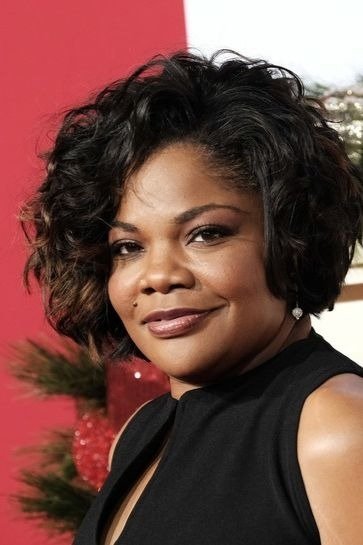
The comedian and actress has been open about the pressure she faced to lose weight during the promotion of ‘Precious’. She refused to play the Hollywood game and maintained her appearance on her own terms. Mo’Nique later shared her weight loss journey with fans but emphasized that she did it for her family. She remains a vocal critic of the superficial nature of the entertainment business.
Dascha Polanco
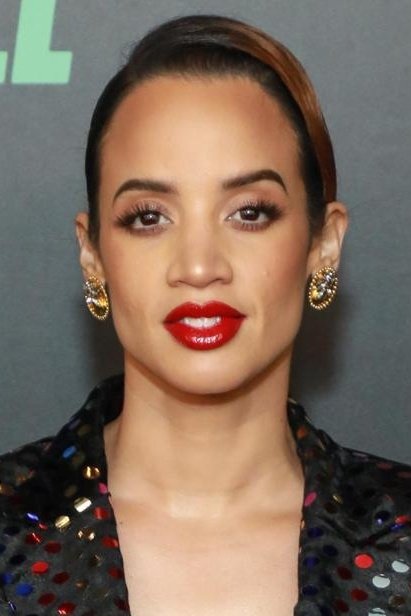
Polanco revealed that high-end showrooms refused to dress her for events despite her role on a hit Netflix show. She expressed frustration that luxury brands ignore women who have curves and money to spend. The actress decided to work only with designers who celebrated her shape. Her stance forced a conversation about sizeism in celebrity styling.
Retta
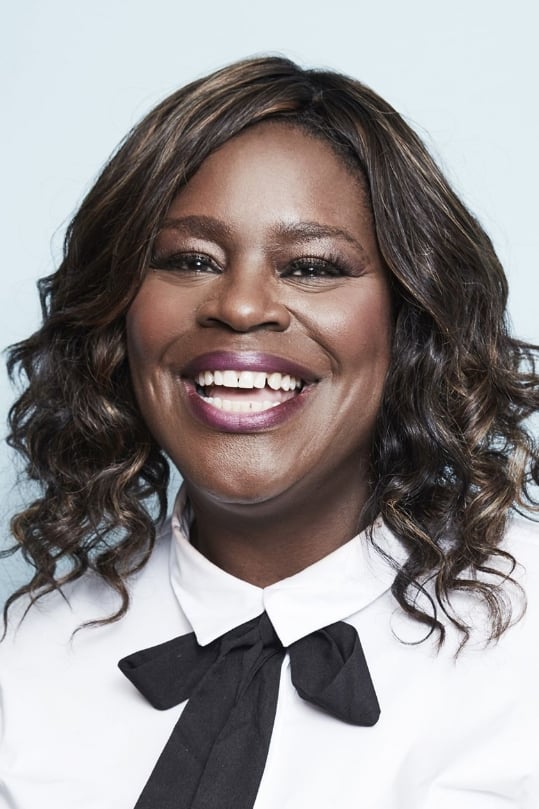
The ‘Parks and Recreation’ star deals with social media trolls who frequently comment on her weight. She often engages with the negativity by using wit and confidence to shut down the haters. Retta refuses to let the opinions of strangers dictate how she feels about herself. She proves that talent and charisma outweigh superficial metrics of beauty.
Yvette Nicole Brown
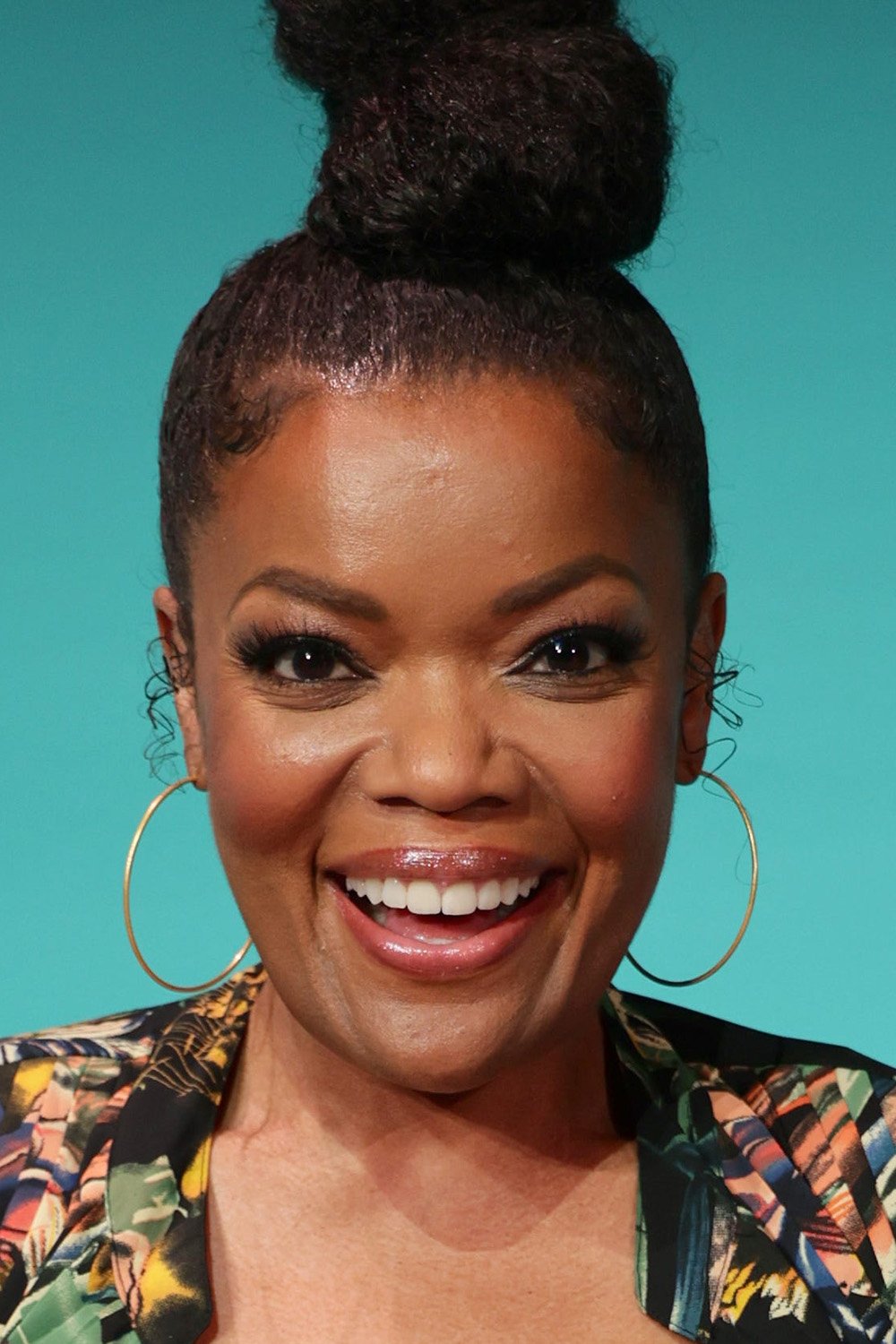
Brown faced commentary about her weight while starring in ‘Community’ and subsequent projects. After being diagnosed with diabetes she lost weight for health reasons and faced new scrutiny. Fans criticized her for looking too thin or looking older after the weight loss. She had to explain that her health was her priority over pleasing the public eye.
Sherri Shepherd
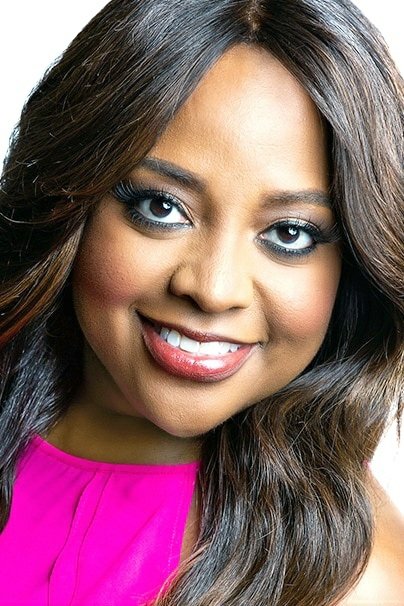
Shepherd has lived her weight loss and fitness struggles in the public eye for decades. Tabloids often tracked her weight fluctuations and created sensationalized stories about her health. She decided to focus on wellness to manage her diabetes rather than vanity. Shepherd continues to inspire women to prioritize health over size.
Jill Scott
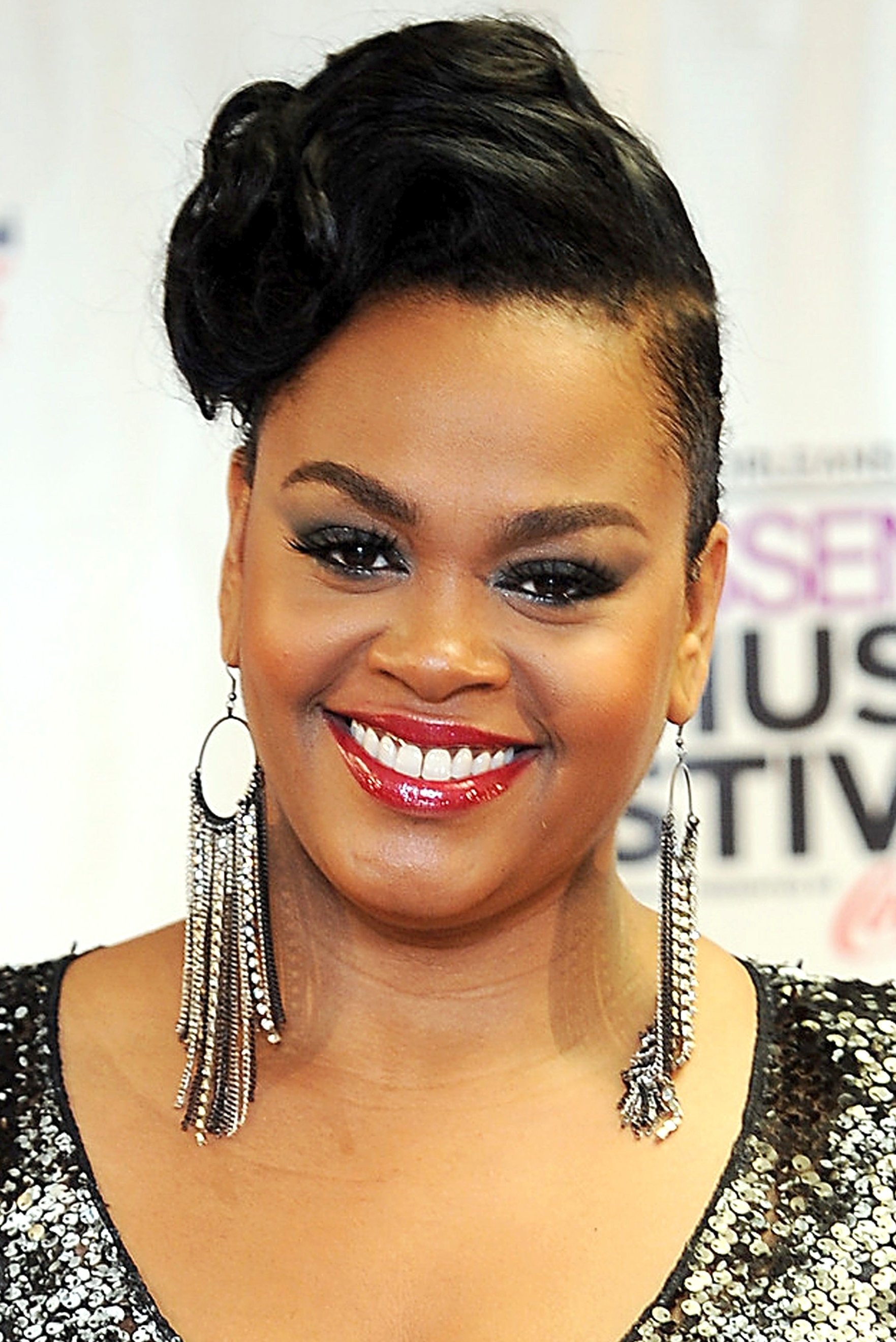
The singer and actress has experienced public commentary on her body since her debut. When she lost a significant amount of weight she faced backlash from fans who missed her previous look. Scott clarified that she made changes to live longer for her son. She maintains that her artistry is not connected to the number on the scale.
Zendaya

While often praised for her fashion the actress has faced criticism for being too thin. A magazine famously manipulated images of her to make her torso and hips appear wider. Zendaya called out the publication for creating unrealistic ideals of beauty. She insisted that her natural body should be represented accurately in media.
Lupita Nyong’o
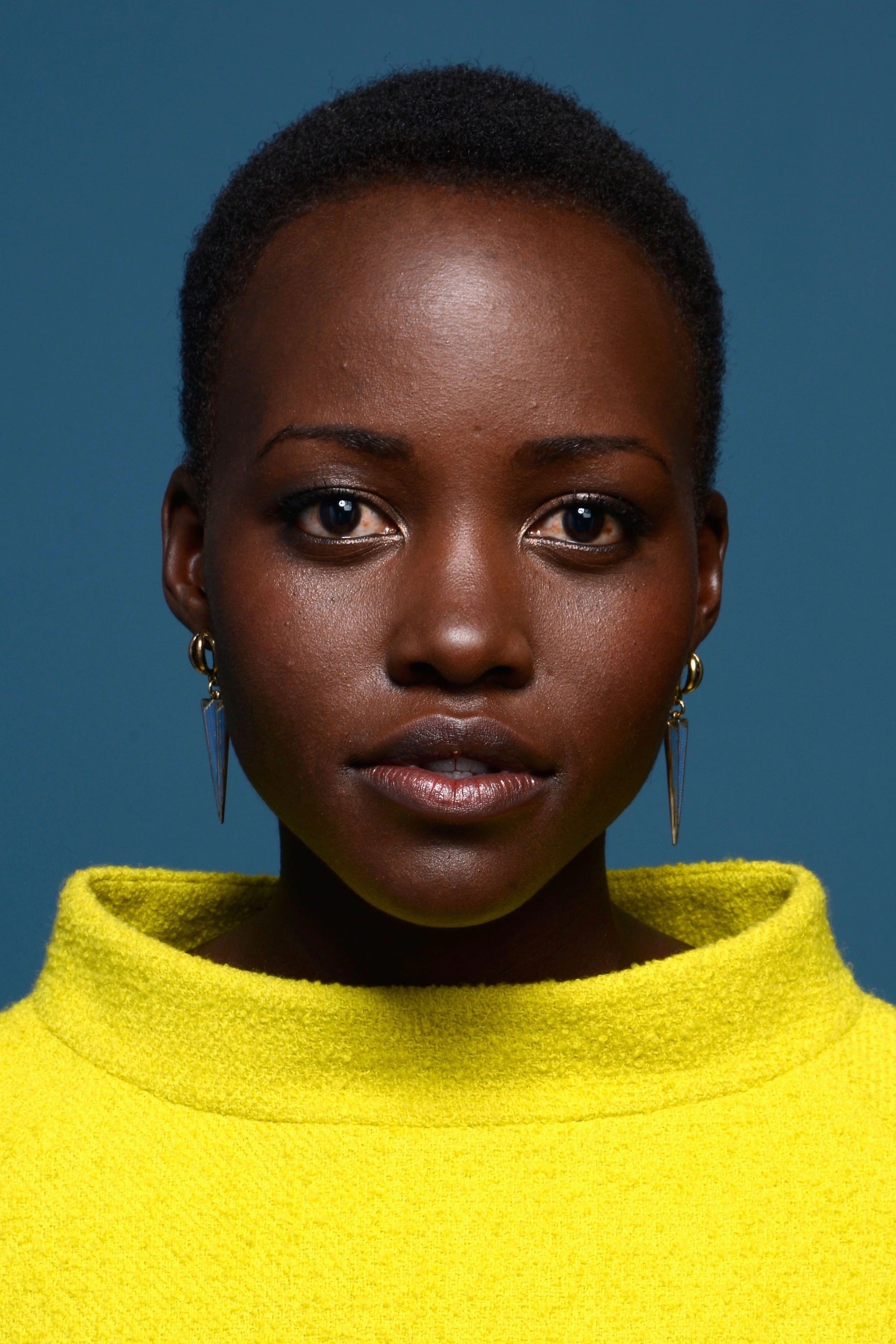
Grazia magazine edited the hair of the actress on their cover to fit Eurocentric standards. While not weight-shaming this was a distinct form of body policing regarding Black features. Nyong’o expressed disappointment that her natural hair texture was viewed as something to be fixed. She has since been a fierce advocate for natural hair visibility.
Beyoncé
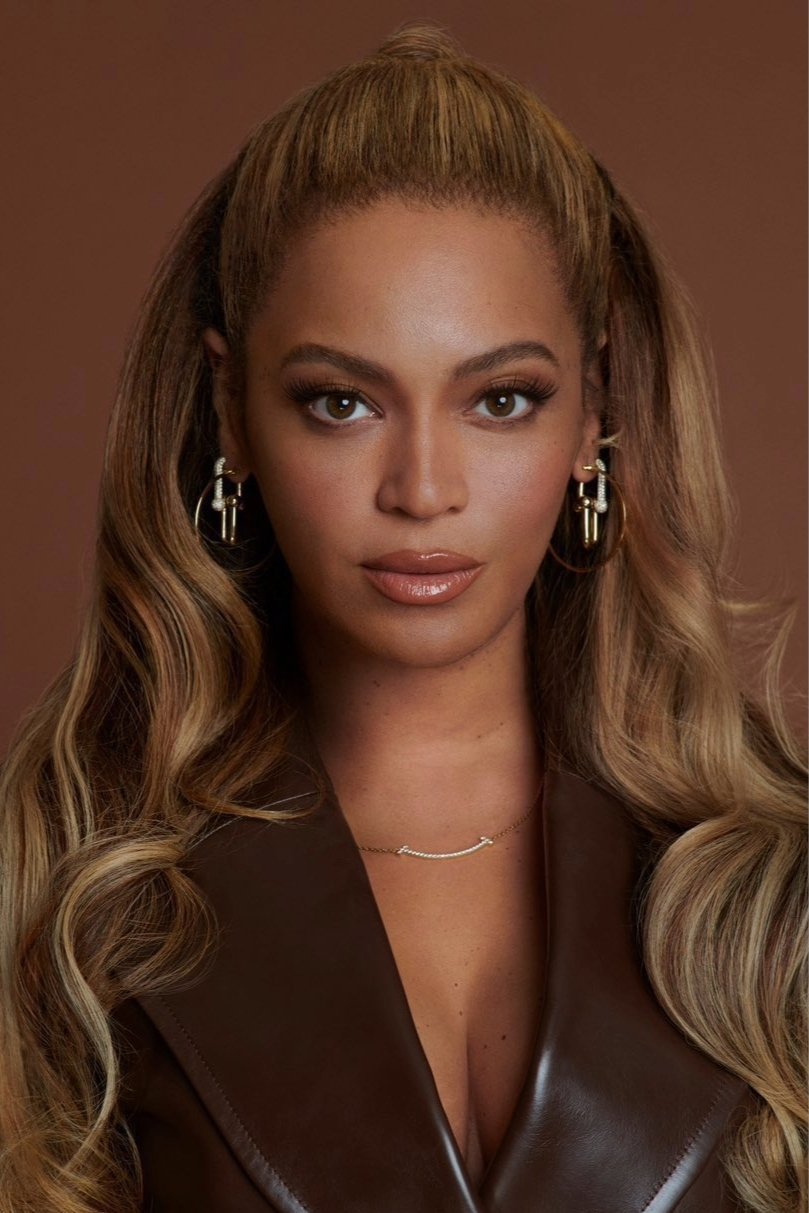
The global superstar faced cruel speculation about her weight during her pregnancies. Critics and bots analyzed her body changes and created conspiracy theories about her carrying her own children. Beyoncé addressed the pressure to snap back in her documentary ‘Homecoming’. She celebrated the strength of her body rather than trying to hide her recovery.
Rihanna
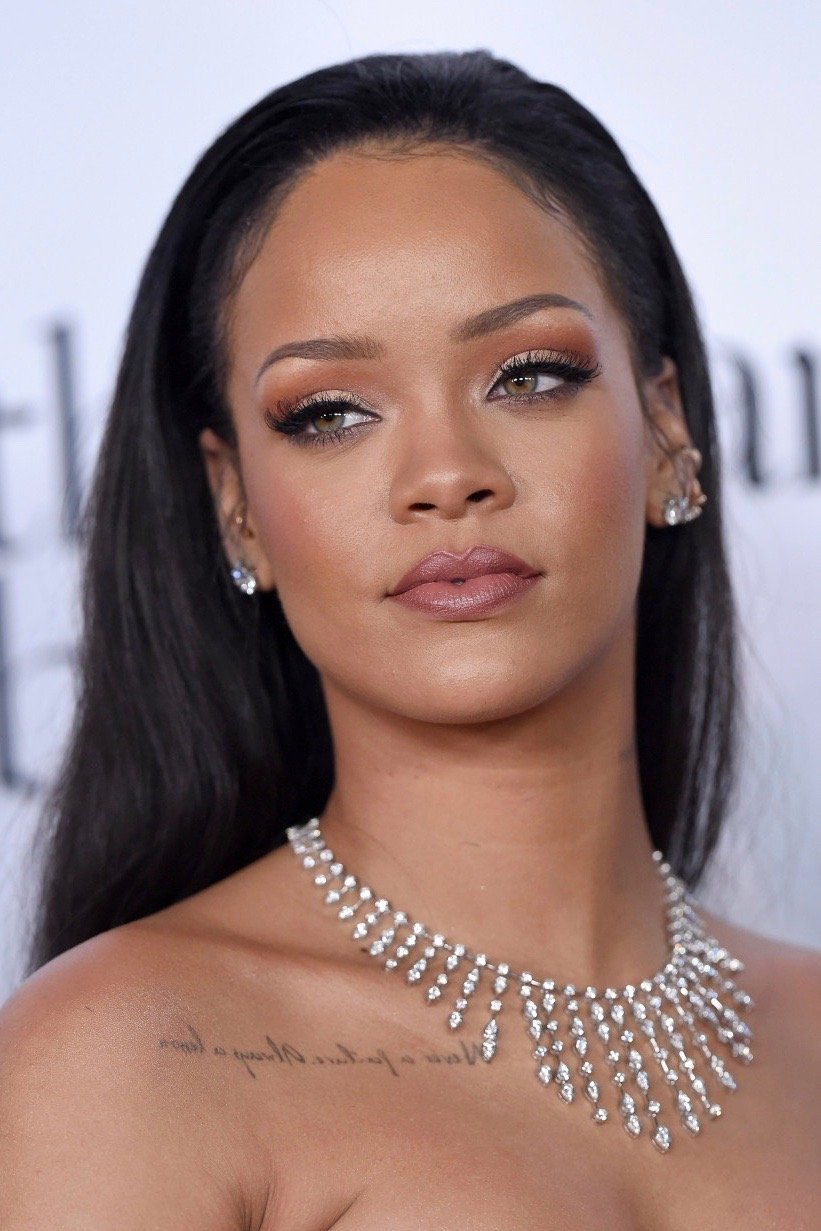
Blogs and social media users began calling the singer fat when she appeared to gain weight between album cycles. A sports writer was suspended for writing a derogatory article about her appearance. Rihanna responded by posting a meme that made light of the situation. She embraced her fluctuating weight and launched a size-inclusive lingerie line.
Jordin Sparks
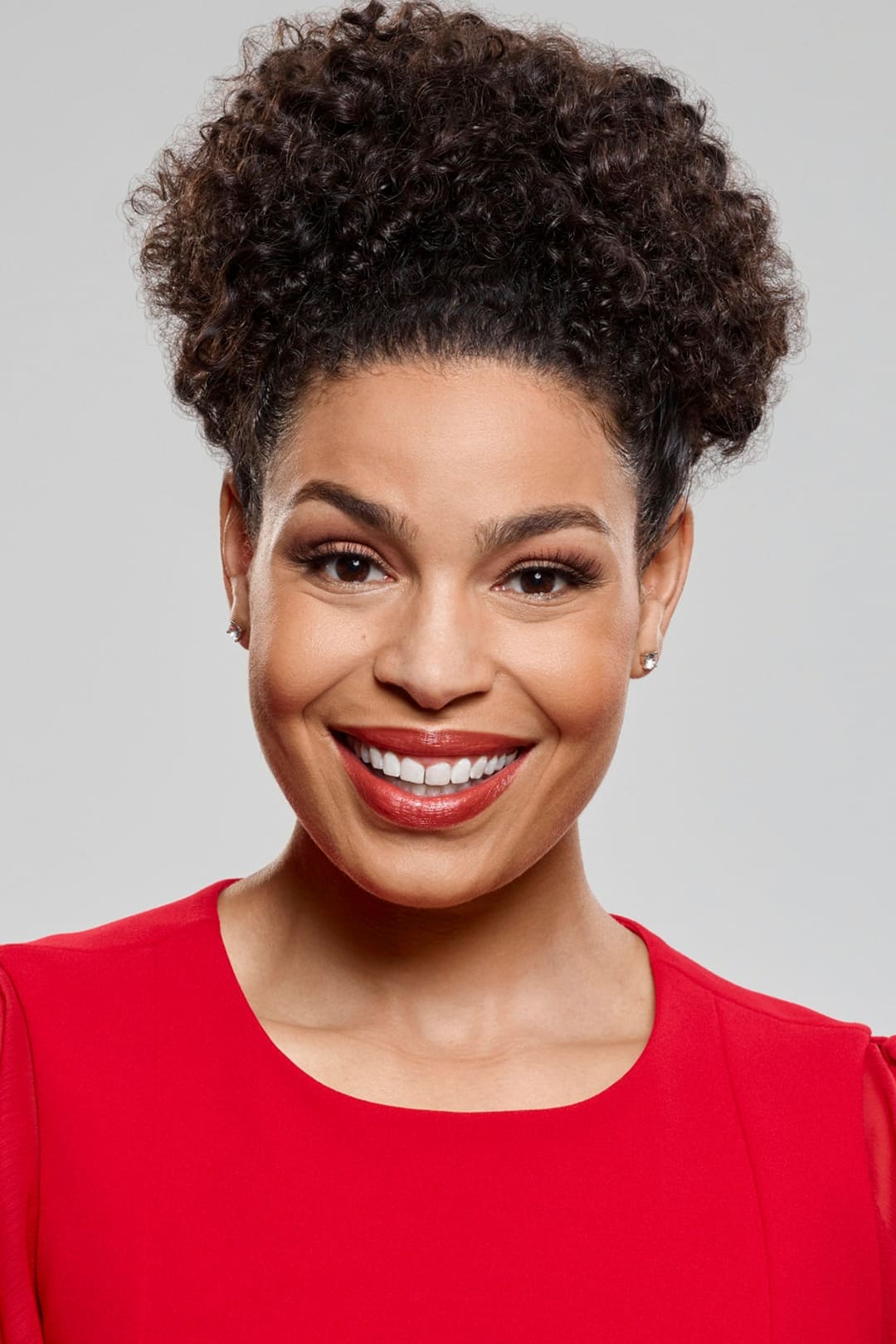
The ‘American Idol’ winner faced pressure to slim down immediately after winning the competition. She eventually lost weight but emphasized that she did it to increase her energy levels. Sparks noted that people treated her differently when she was smaller. She has spoken about the fickle nature of validation based on appearance.
Tika Sumpter
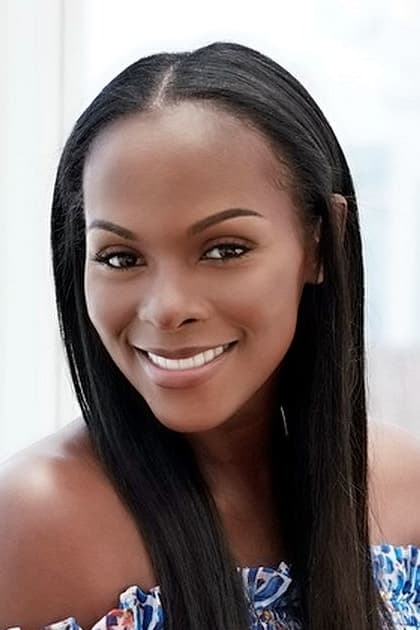
Sumpter kept her pregnancy a secret for most of the duration to avoid social media commentary. She wanted to protect her peace and enjoy the experience without strangers analyzing her size. The actress later spoke about the freedom of not having to suck in her stomach for the public. Her choice highlighted the toxicity of pregnancy scrutiny online.
Loretta Devine
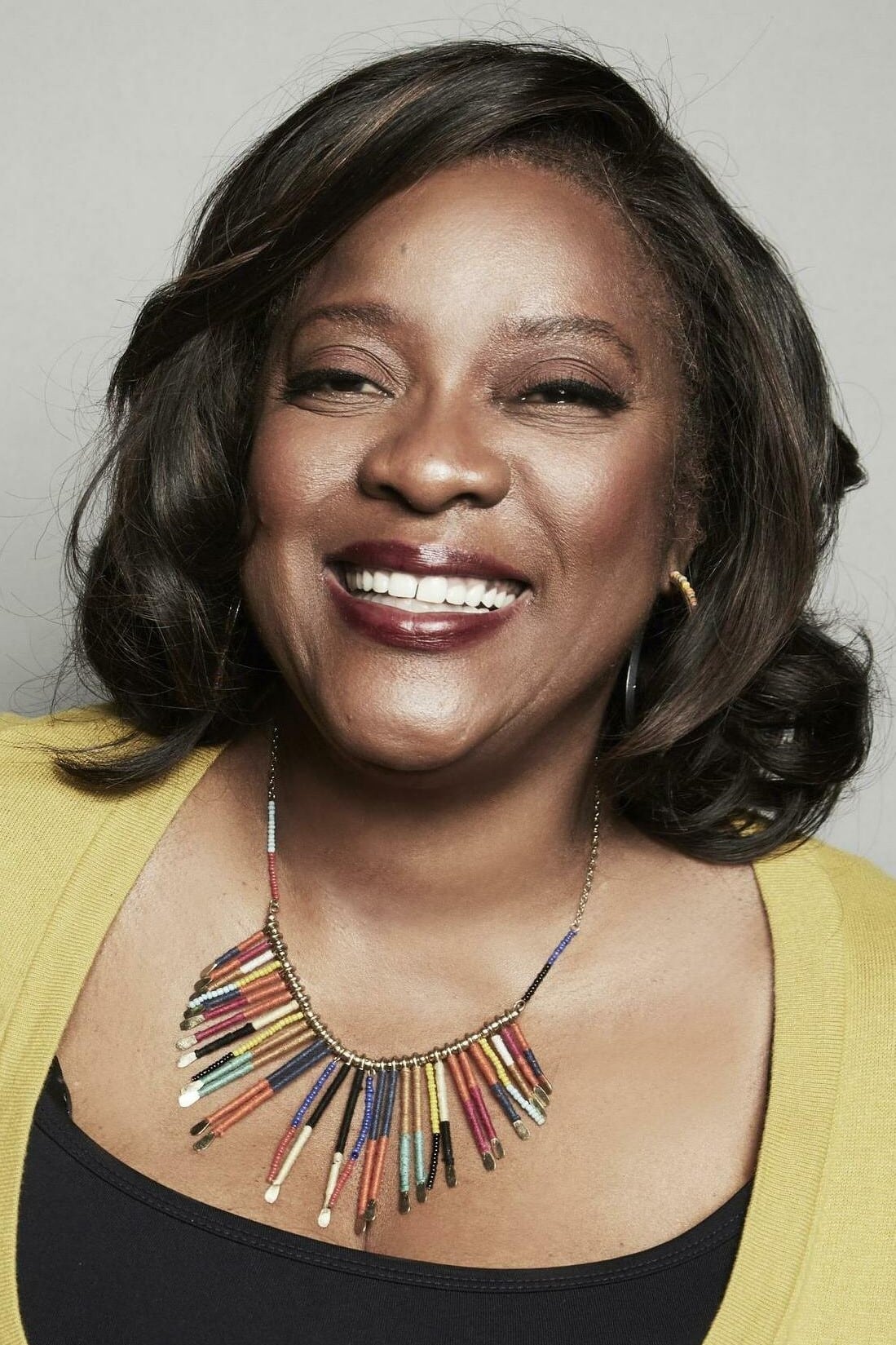
The original ‘Dreamgirls’ cast member was fired from the stage production because the director wanted a thinner actress for the role of Deena. Devine has spoken candidly about how that rejection affected her early career. She eventually found success by embracing her talent and unique presence. Her longevity in the industry proves that talent transcends size.
Taraji P. Henson
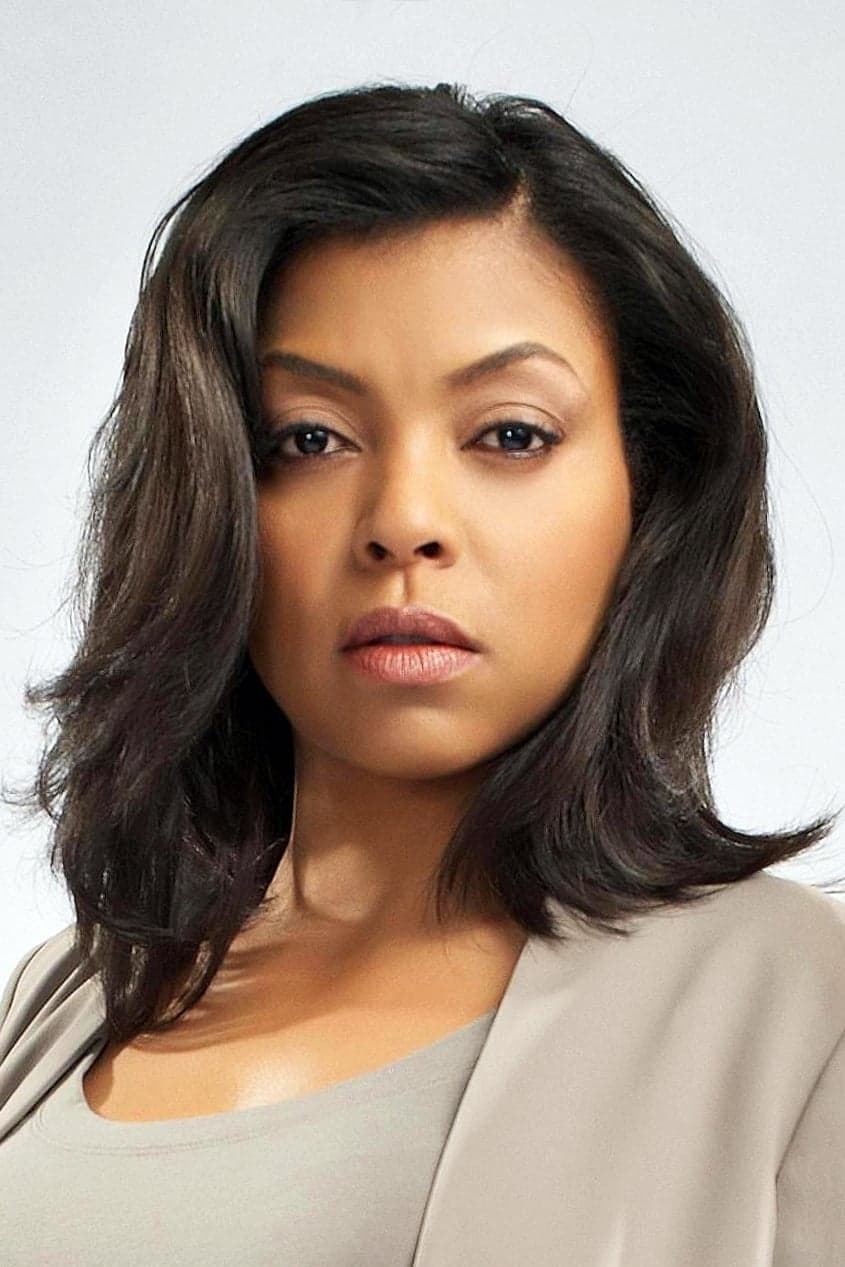
Henson has faced rumors and speculation about plastic surgery and body enhancements. Critics often dissect her appearance on red carpets and in films. She focuses on her fitness regimen and mental health advocacy instead of the gossip. Henson encourages women to take care of their bodies from the inside out.
Issa Rae
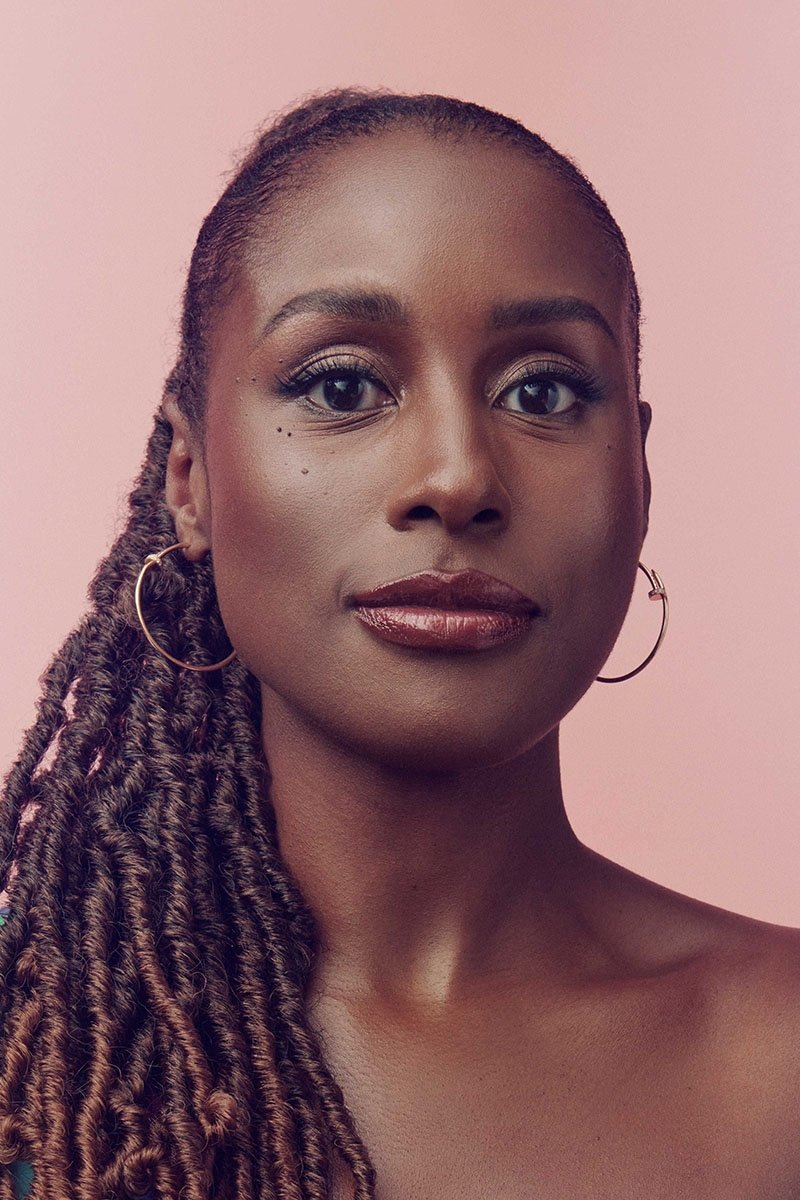
When the ‘Insecure’ creator gained weight for a role fans immediately started rumors that she was pregnant. Rae shut down the speculation with a blunt tweet stating she was just eating well. She criticized the public obsession with women’s bodies and the assumption that weight gain equals pregnancy. Her response became a viral moment for shutting down body policing.
Michaela Coel
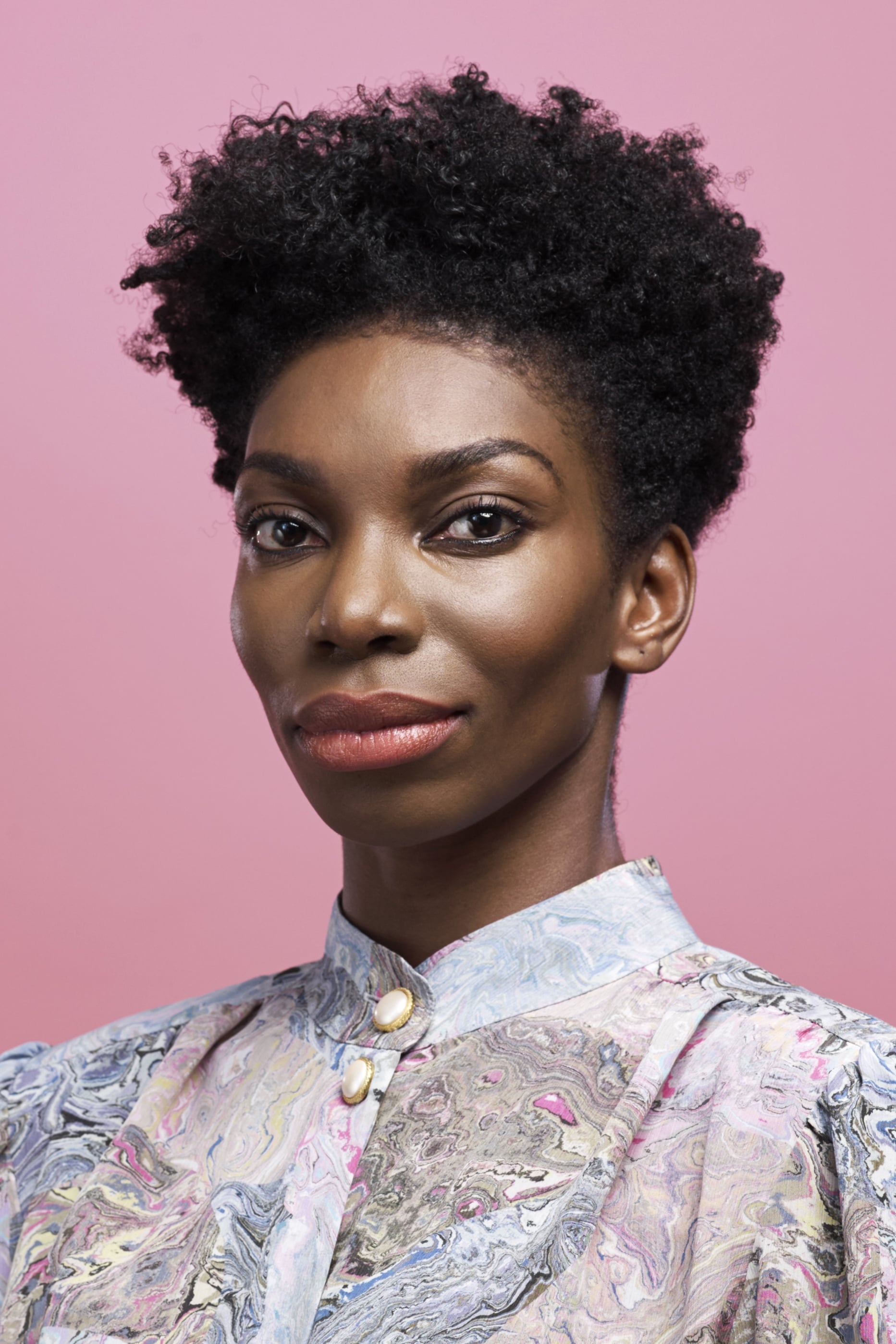
The ‘I May Destroy You’ creator has a muscular physique that has drawn both praise and confusing critique. Some observers have described her build as intimidating or masculine. Coel rejects these labels and embraces her strength and athleticism. She presents a different type of body standard that celebrates power over fragility.
Laverne Cox
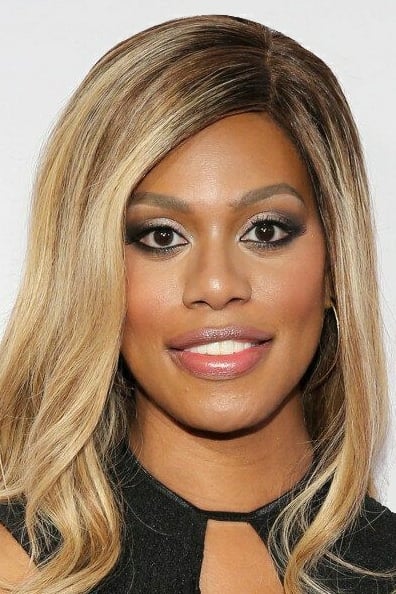
As a trans woman Cox faces a specific intersection of body shaming and transphobia. Critics often analyze her features to try and invalidate her womanhood. She consistently models confidence and high fashion to combat the hate. Cox uses her platform to educate the public on the danger of policing trans bodies.
Serena Williams
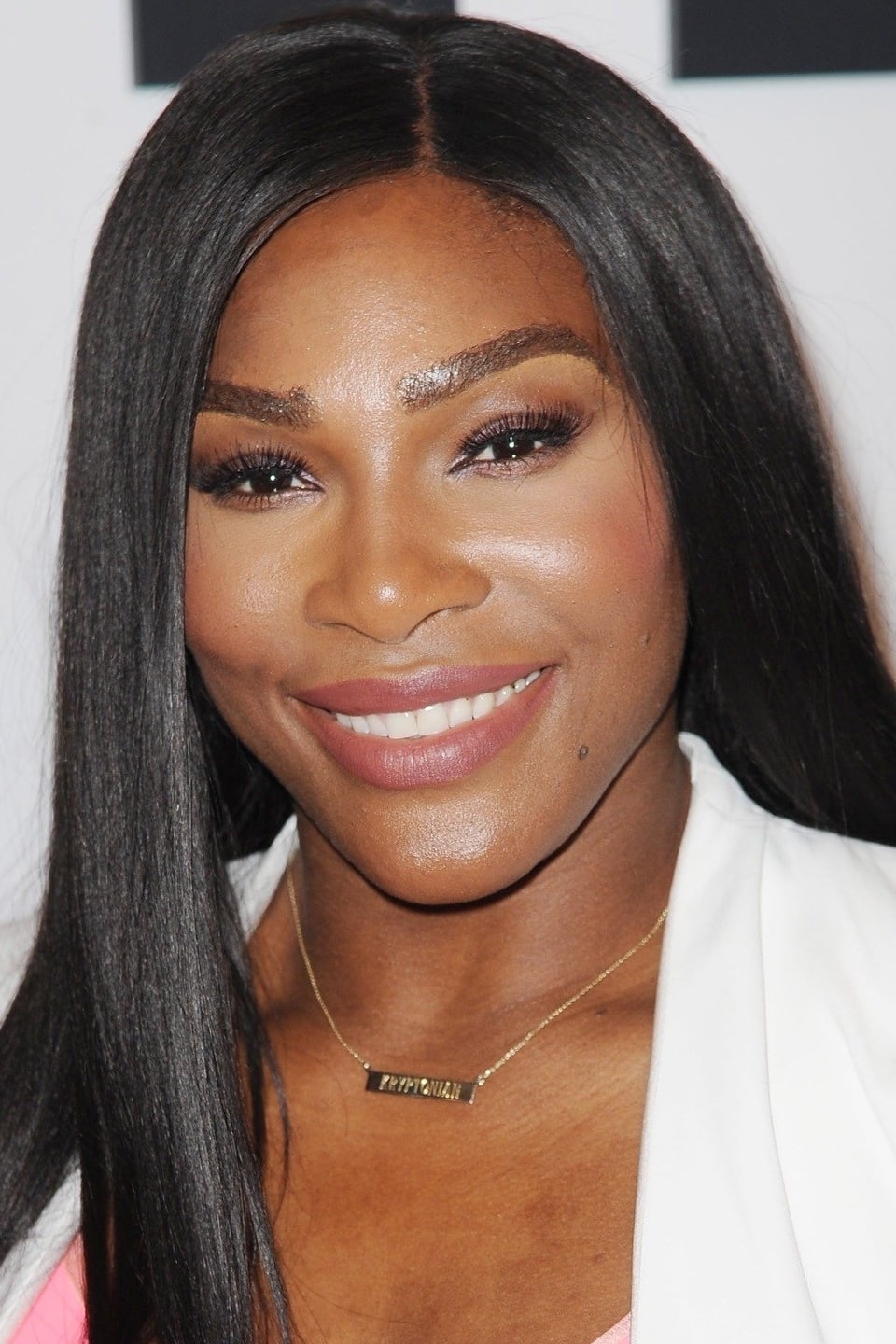
Although primarily an athlete Williams has acted in various projects and faces constant body shaming. Critics have frequently used racist and sexist language to describe her muscular build. She has stated that she loves her body because it has allowed her to achieve greatness. Williams redefined the standard of beauty for female athletes and performers.
Megan Thee Stallion
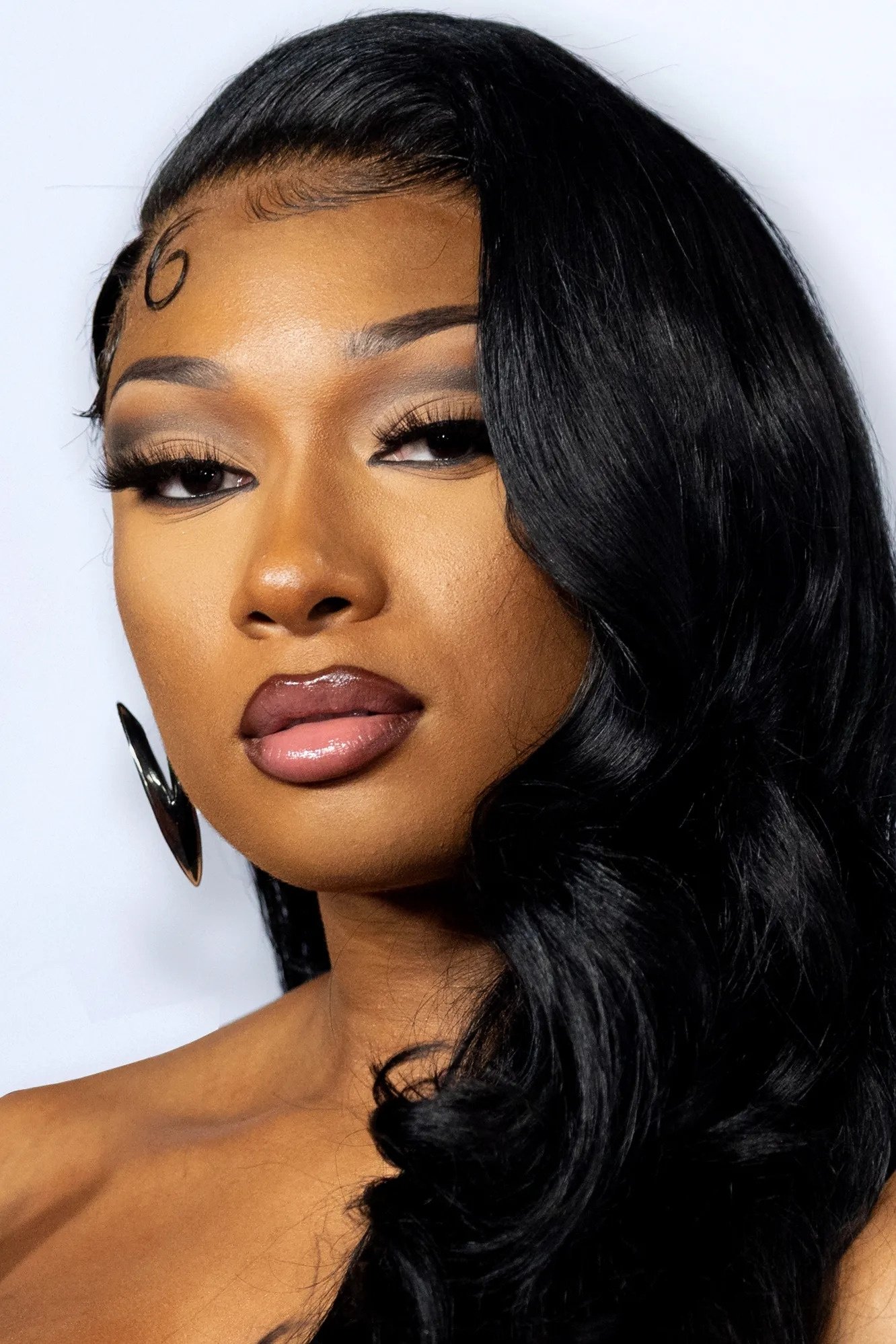
The rapper and actress faces constant commentary regarding her height and muscular frame. Trolls often use misogynoir to describe her as masculine because she is tall and strong. Megan consistently promotes body positivity and fitness on her social media channels. She refuses to shrink herself to make others feel comfortable.
Fantasia Barrino
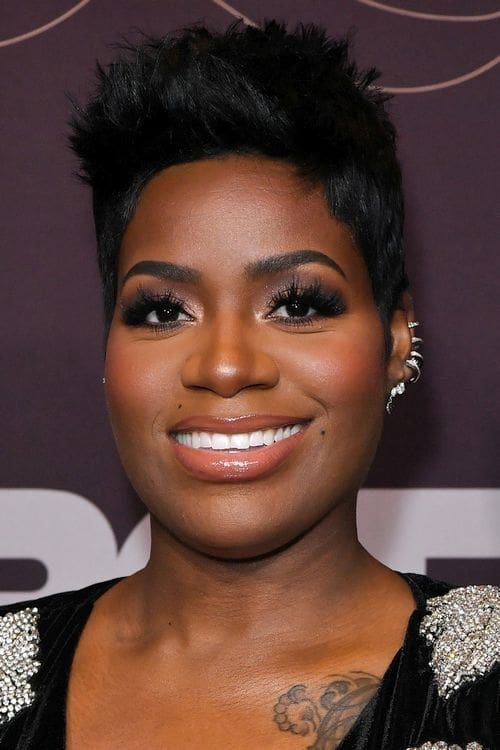
Barrino faced intense scrutiny regarding her weight and image after winning ‘American Idol’. The media often compared her to thinner contemporaries in the music industry. She has been open about her struggles with self-esteem and finding peace. Her recent role in ‘The Color Purple’ showcased her evolution and confidence.
Tiffany Haddish
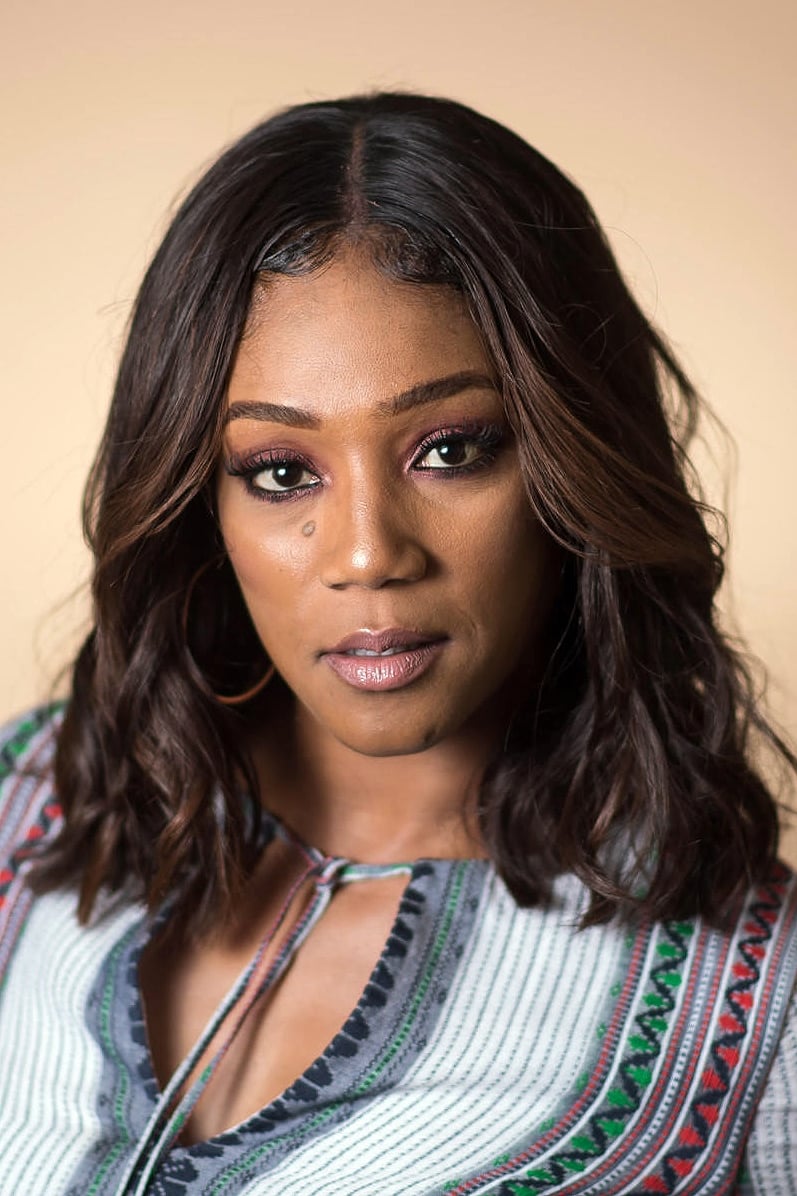
Haddish has dealt with comments about her weight fluctuations throughout her rise to fame. She recently underwent a transformation and spoke about the discipline it required. The comedian noted that she wanted to get stronger for herself rather than for a role. She continues to be transparent about her health journey.
Loni Love
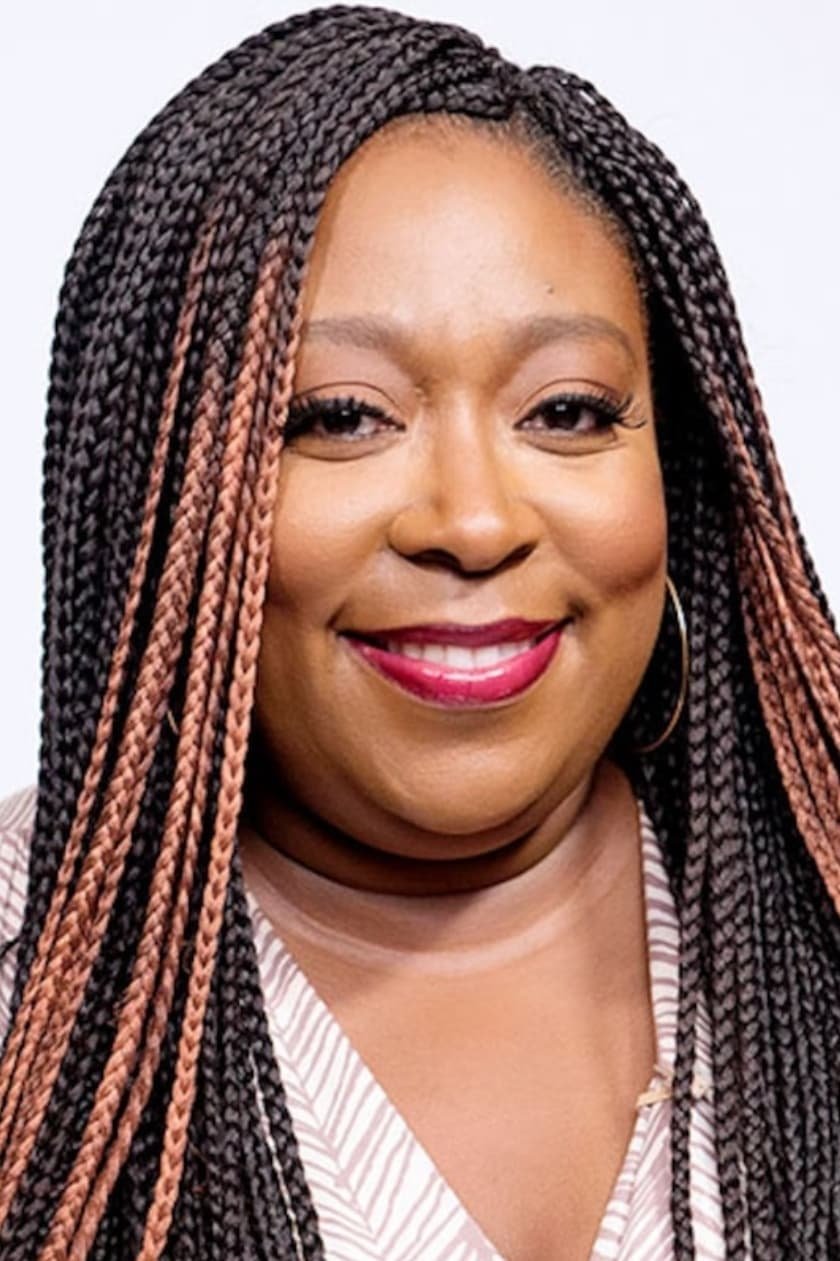
The host and comedian has been criticized for her weight throughout her time on television. Love often used her platform on ‘The Real’ to discuss the dating challenges plus-size women face. She advocates for loving oneself at any size while also pursuing health. Her honesty resonated with many viewers who felt unseen.
Kyla Pratt
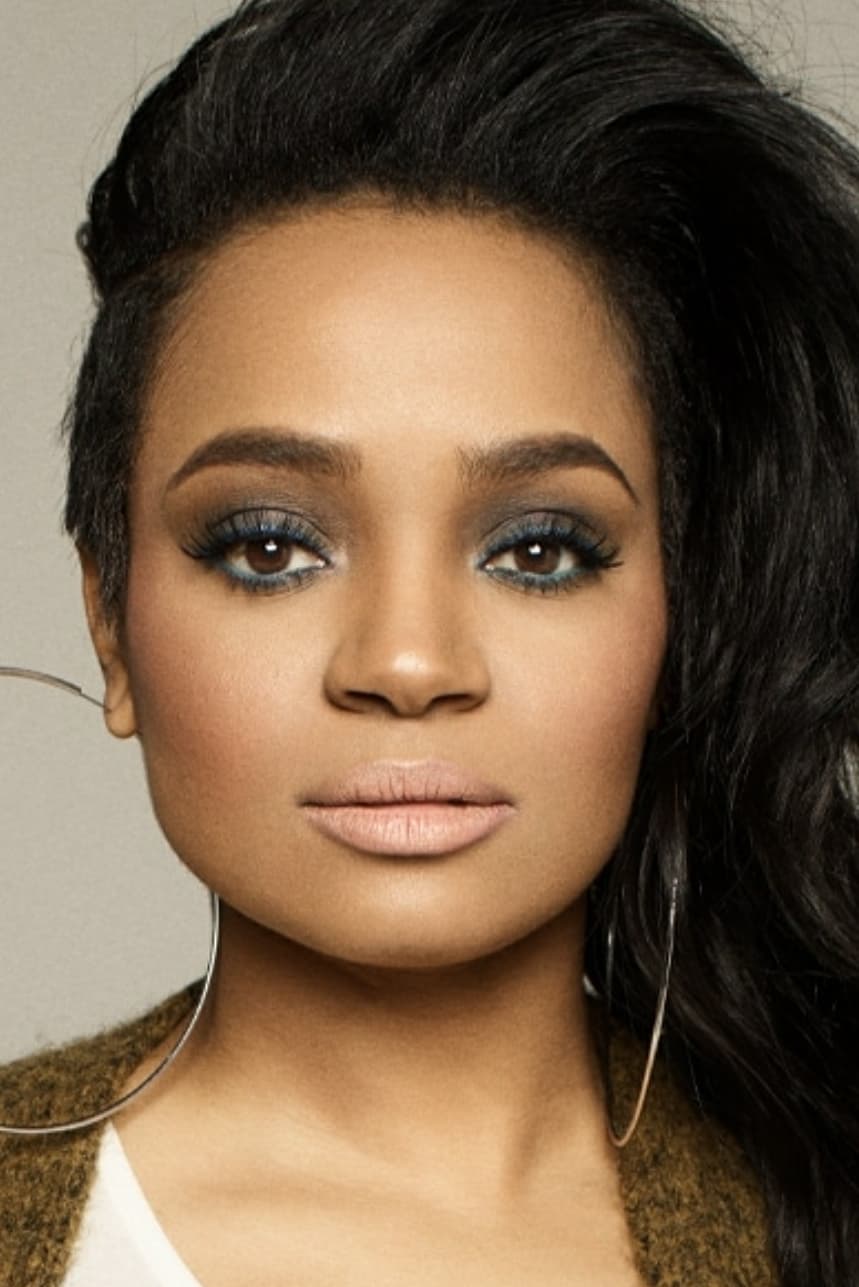
The ‘Proud Family’ star faced questions about her post-baby body after returning to the spotlight. Fans expressed shock that she had aged and changed since her child star days. Pratt checked the critics by reminding them that she is a grown woman and a mother. She refuses to apologize for the natural evolution of her body.
Willow Smith
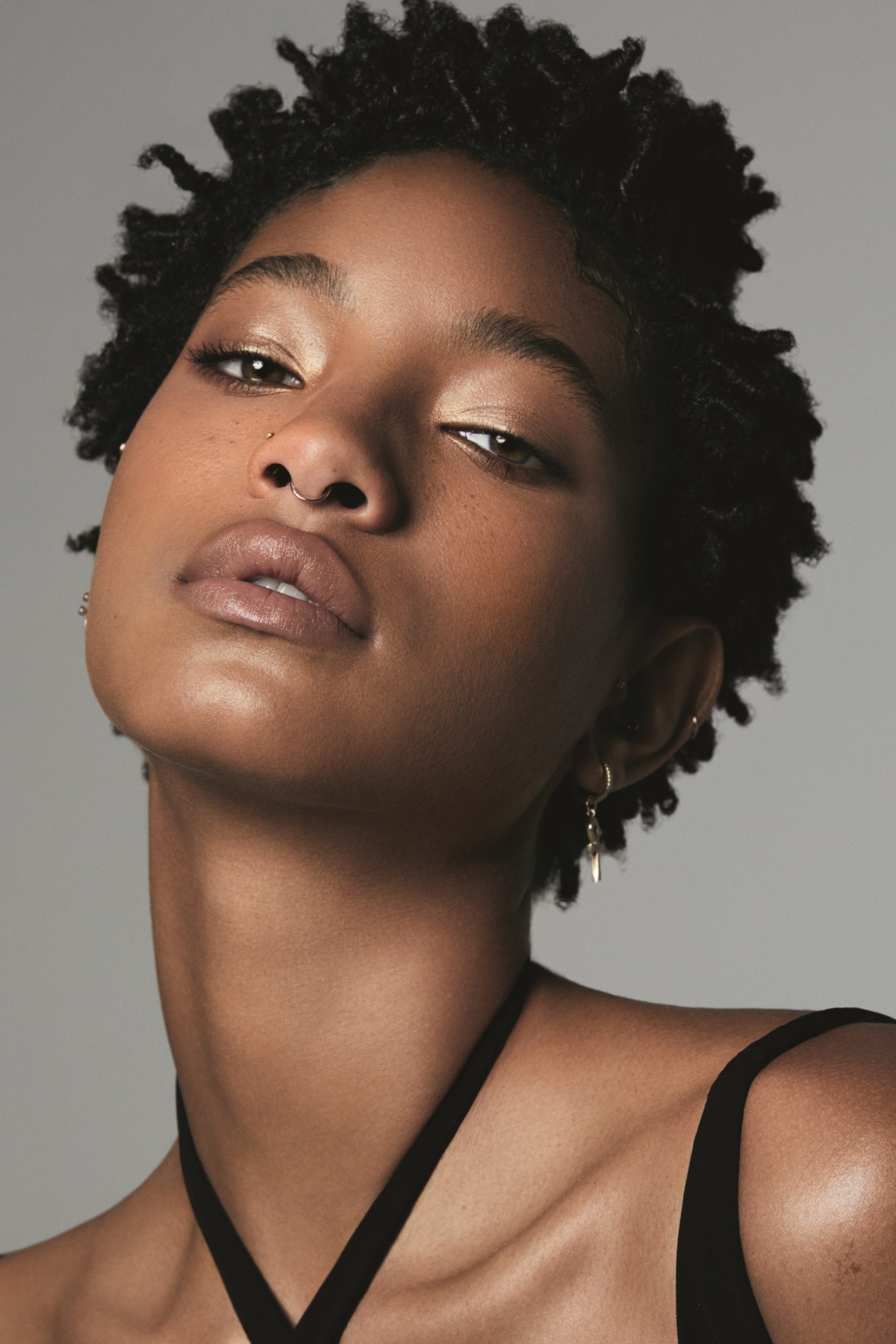
Smith has been criticized on social media for being too thin or looking frail. She addressed the anxiety she felt about her body during episodes of ‘Red Table Talk’. The singer and actress explained that she struggled to gain muscle and weight. Her story highlighted that body shaming affects women at both ends of the weight spectrum.
Marsai Martin
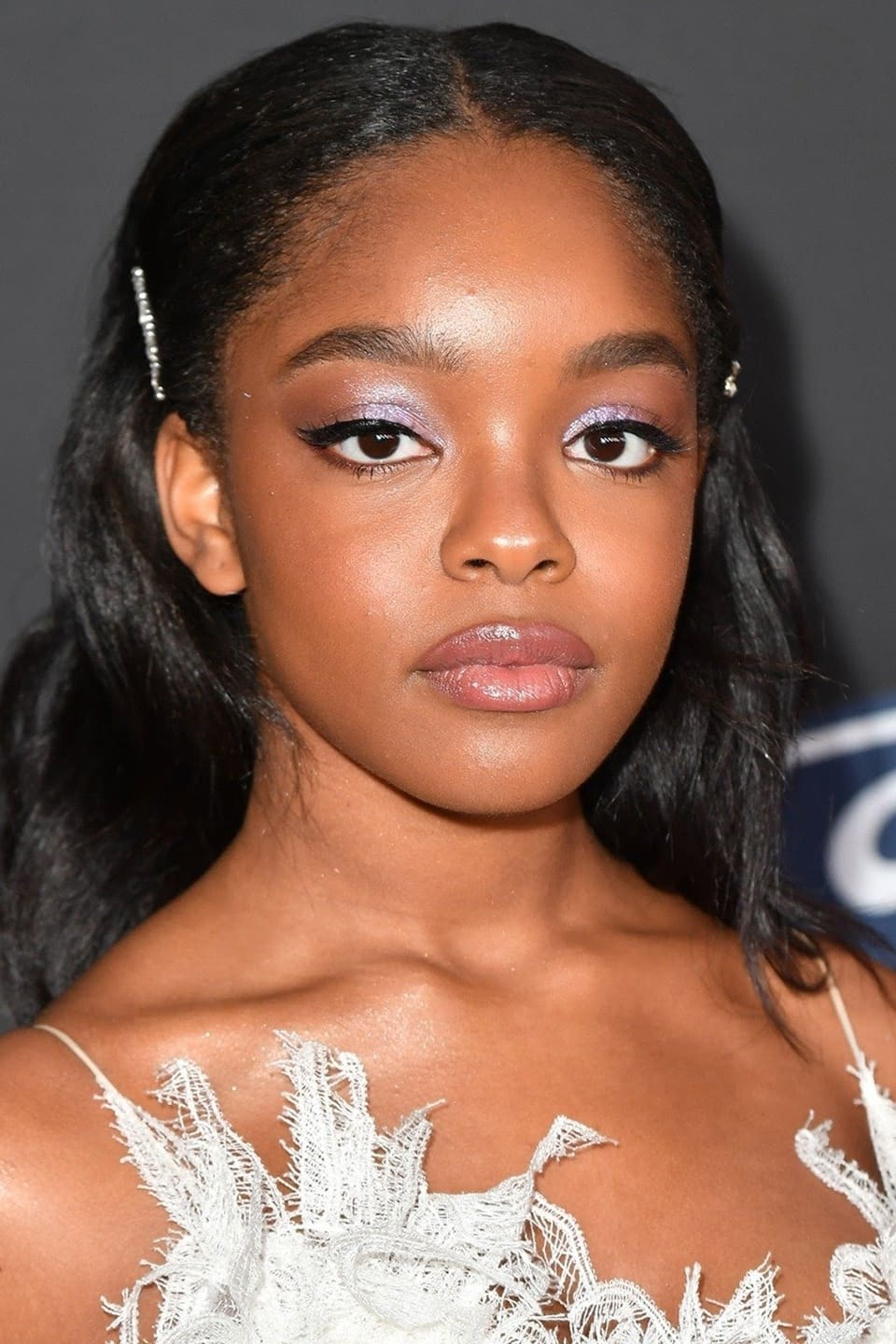
The ‘Black-ish’ star was trolled on Twitter for her appearance during a virtual awards show when she was just a teenager. Users made cruel jokes about her hair and head shape. Martin responded with a video pretending to cry before blowing her nose into a hundred-dollar bill. She effectively shamed the bullies for attacking a child.
Skai Jackson
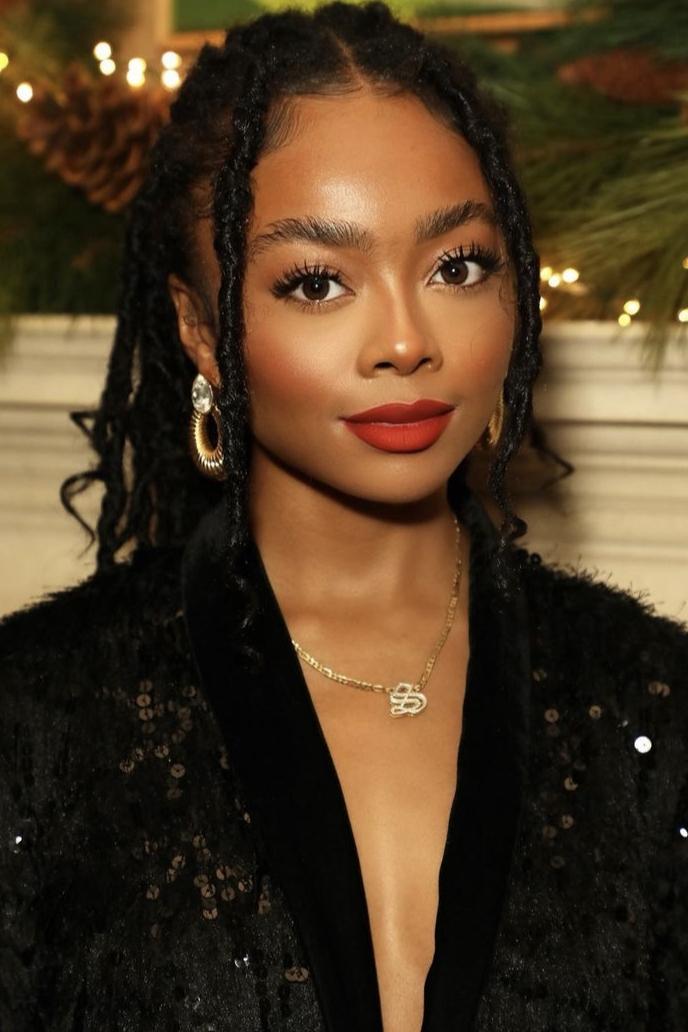
Jackson has faced relentless comments about her petite frame and inability to gain weight. She often responds to comments telling her to eat a burger by explaining her fast metabolism. The actress has had to defend her health against strangers who assume she is unwell. She advocates for the end of skinny shaming.
Vivica A. Fox
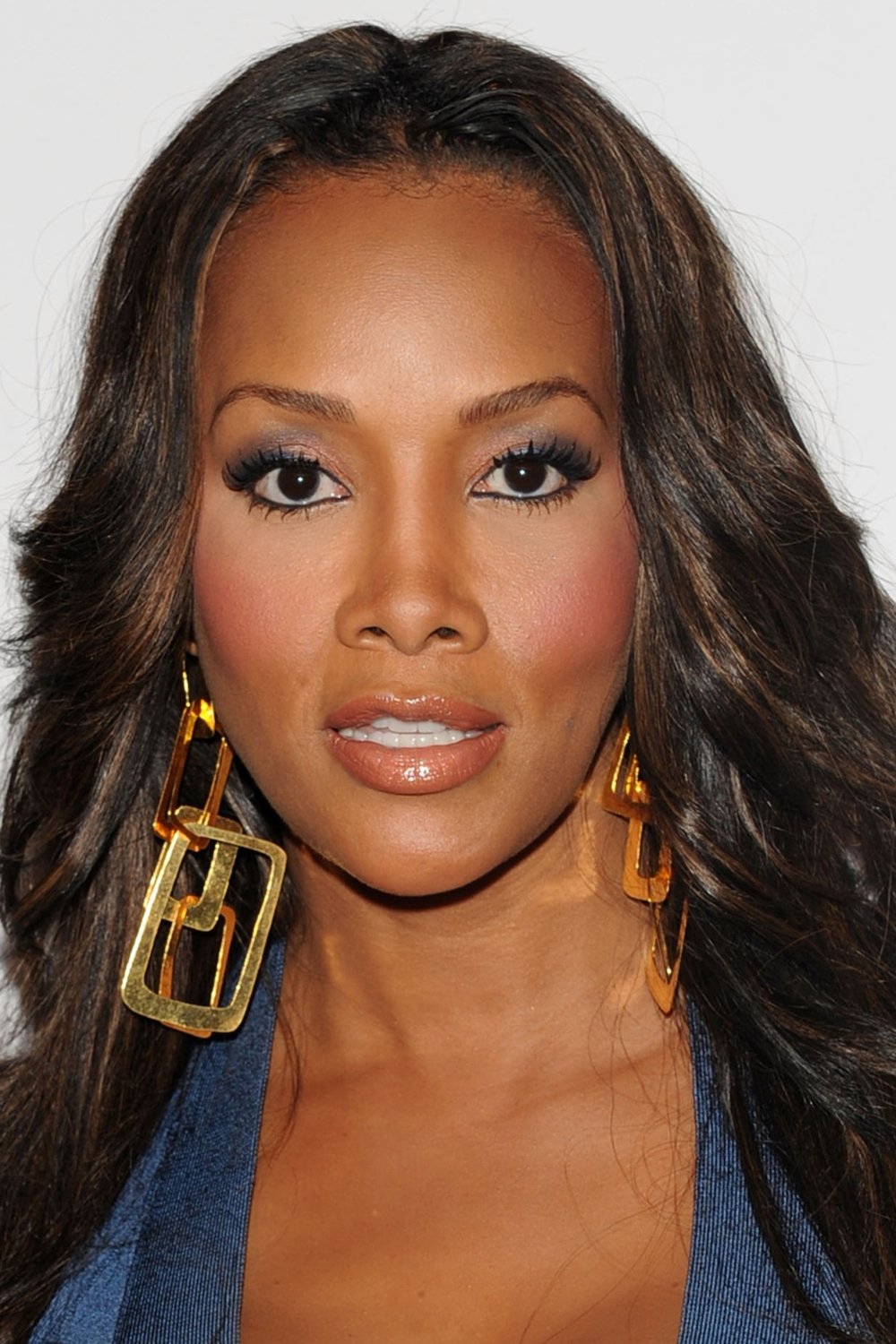
As she has aged the actress has faced criticism for her changing body and face. Trolls often compare her current look to her appearance in films from the nineties. Fox dismisses the negativity and continues to book work consistently. She emphasizes that aging is a privilege that should be respected.
Countess Vaughn
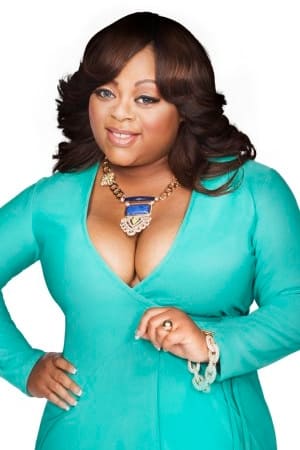
The star of ‘The Parkers’ faced immense pressure to lose weight during the height of her sitcom fame. She publicly discussed the complications she suffered from weight loss surgery. Vaughn has been open about how the industry pressure damaged her physical and mental health. Her story serves as a cautionary tale about the dangers of quick-fix beauty standards.
Please share your thoughts on how the industry can better support Black actresses in the comments.

