


Black Actresses Who Were Target Of Racism

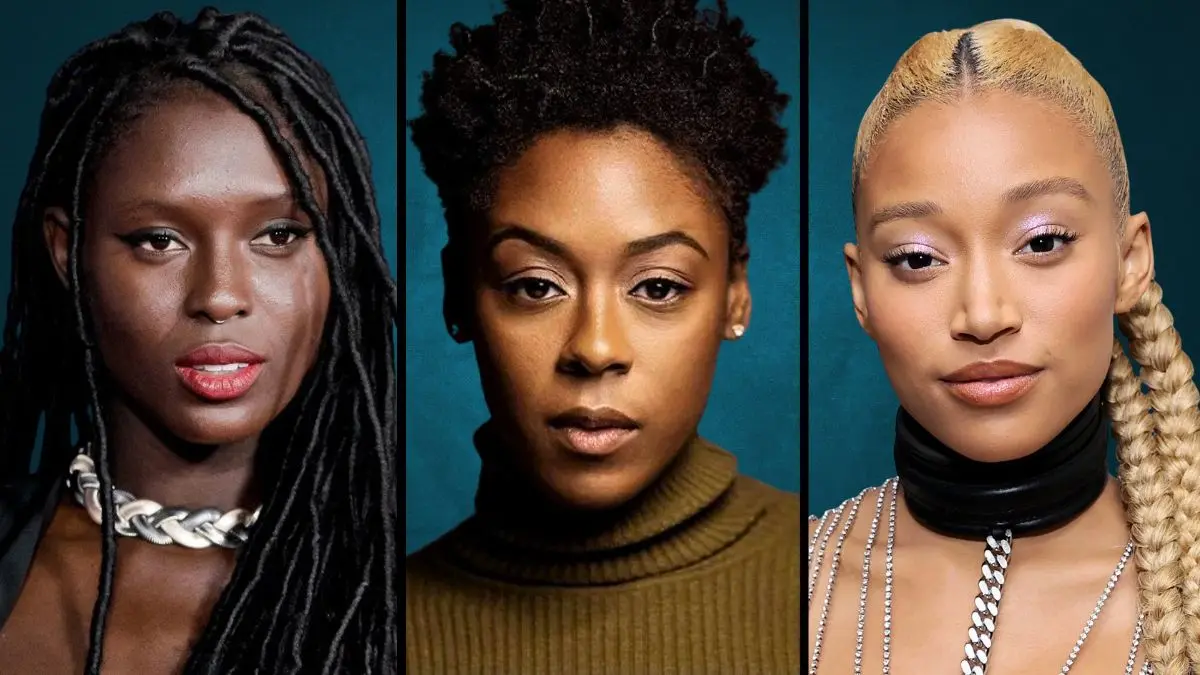


The entertainment industry has a long history of systemic prejudice that has significantly impacted the careers of many talented performers. Black actresses frequently encounter unique challenges including online harassment and limited opportunities due to their race. Many of these women have used their platforms to speak out against the discrimination they faced during casting or film releases. Their stories reflect broader societal issues and the ongoing struggle for true equity in Hollywood. This list highlights several prominent Black actresses who have publicly addressed the racism they navigated throughout their professional journeys.
Halle Bailey
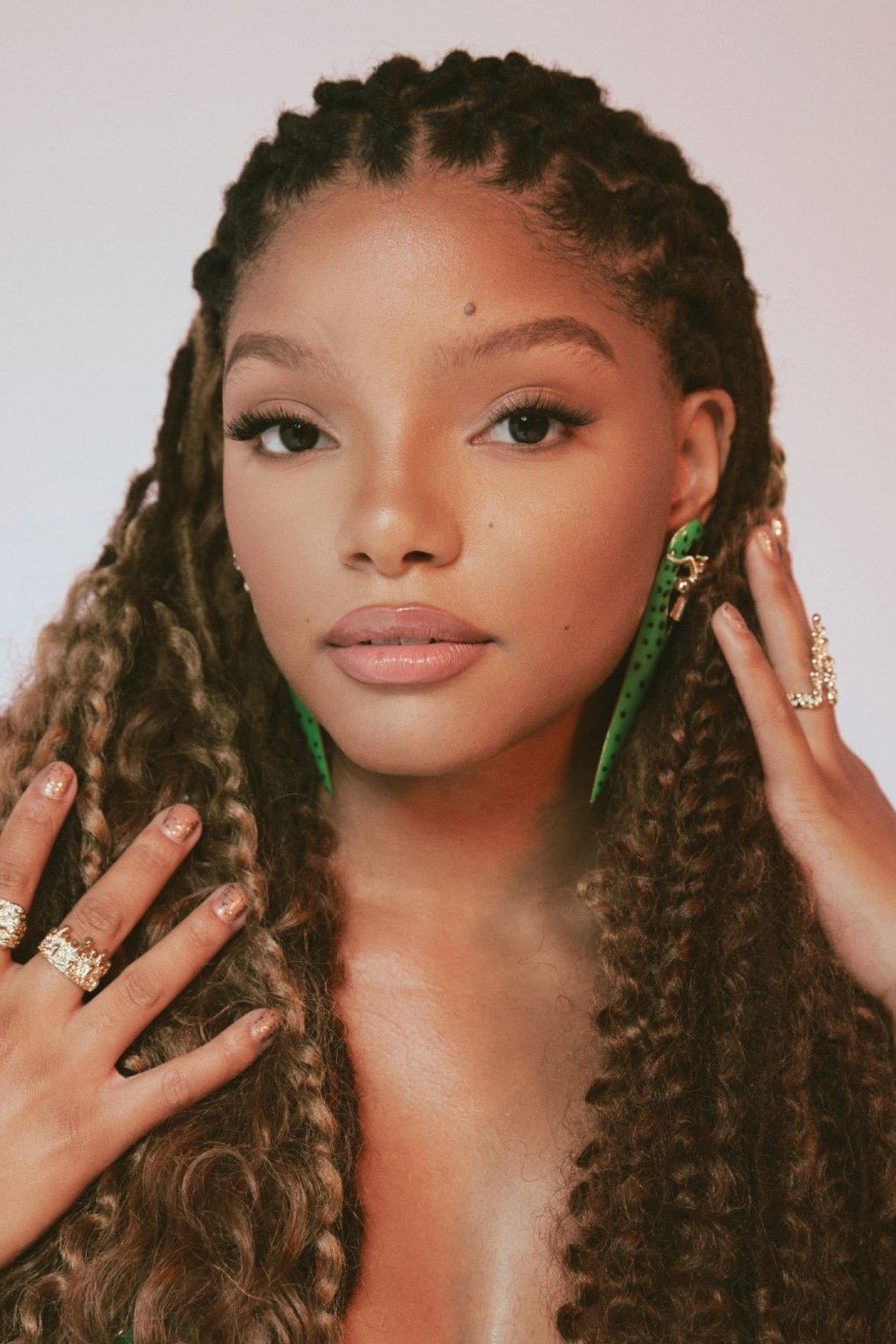
Halle Bailey faced a significant amount of online harassment after she was cast as Ariel in the live action adaptation of ‘The Little Mermaid’. Critics targeted her based on her race rather than her acting or singing abilities during the production phase of the film. The actress remained professional throughout the promotional cycle and focused on how much the role meant to young children of color. Many industry peers and fans supported her against the coordinated social media attacks that attempted to discredit her casting. Her performance eventually received positive reviews for its emotional depth and impressive vocal range.
Leslie Jones
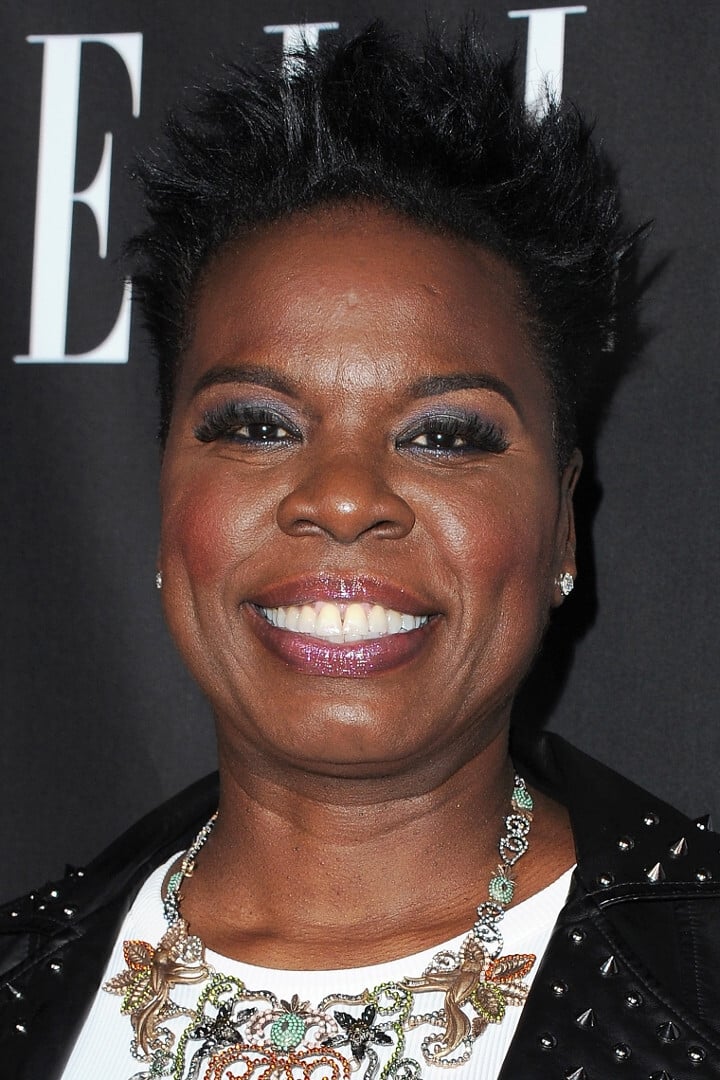
Leslie Jones was the target of a massive and coordinated racist harassment campaign following the release of the ‘Ghostbusters’ reboot. The abuse became so severe that she briefly left social media to protect her mental health and well being. Many of the attacks involved personal insults and targeted vitriol that highlighted deep seated issues within online fan communities. The studio and her co stars spoke out in her defense during the height of the controversy. This incident remains a major example of the toxic environment Black actresses often face when entering established franchises.
Moses Ingram
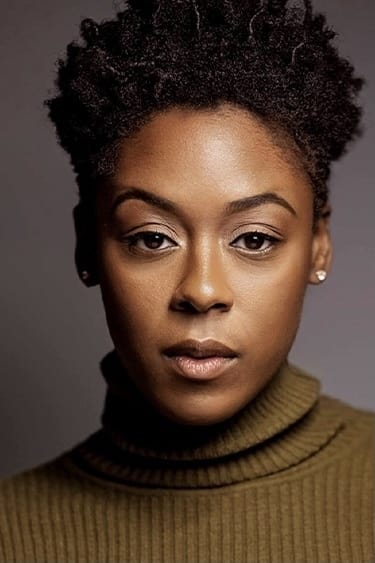
Moses Ingram received numerous racist death threats and hateful messages after appearing in the ‘Obi Wan Kenobi’ series. The actress shared some of the messages she received to highlight the ongoing issues with harassment in the ‘Star Wars’ fandom. Disney and the production team quickly issued statements supporting Ingram and condemned the racist behavior of certain viewers. Ewan McGregor also released a video message stating that anyone sending such messages was not a true fan of the franchise. The situation sparked a larger conversation about the responsibility of studios to protect their diverse talent.
Amandla Stenberg
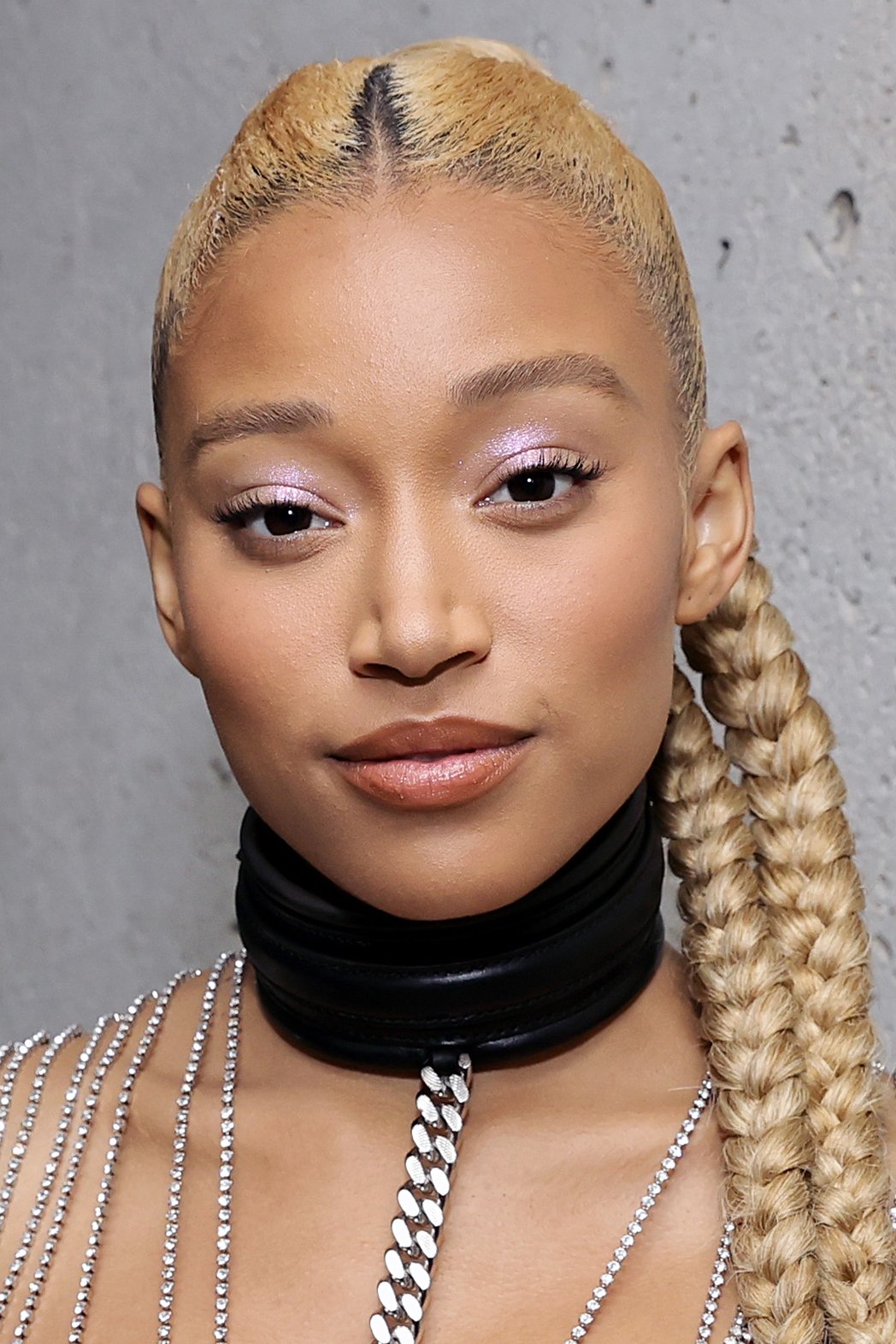
Amandla Stenberg first encountered racist backlash as a young teenager when she was cast as Rue in ‘The Hunger Games’. Some fans of the book expressed disappointment that the character was portrayed by a Black girl despite the source material describing her as such. More recently she faced similar targeted harassment regarding her role in the series ‘The Acolyte’. Stenberg has often used her platform to educate others on cultural appropriation and the history of racial bias in media. She continues to advocate for better representation and safety for Black actors in the industry.
Zendaya

Zendaya faced backlash from some fans when she was cast as MJ in the modern ‘Spider Man’ films. The criticism centered on the character being historically portrayed as a white woman with red hair in the original comic books. She addressed the negativity by focusing on the modern interpretation of the character and her chemistry with the rest of the cast. Filmmakers defended the casting choice by emphasizing that the goal was to reflect the actual diversity of a New York City high school. Zendaya has since become one of the most successful actresses of her generation despite the initial pushback.
Anna Diop
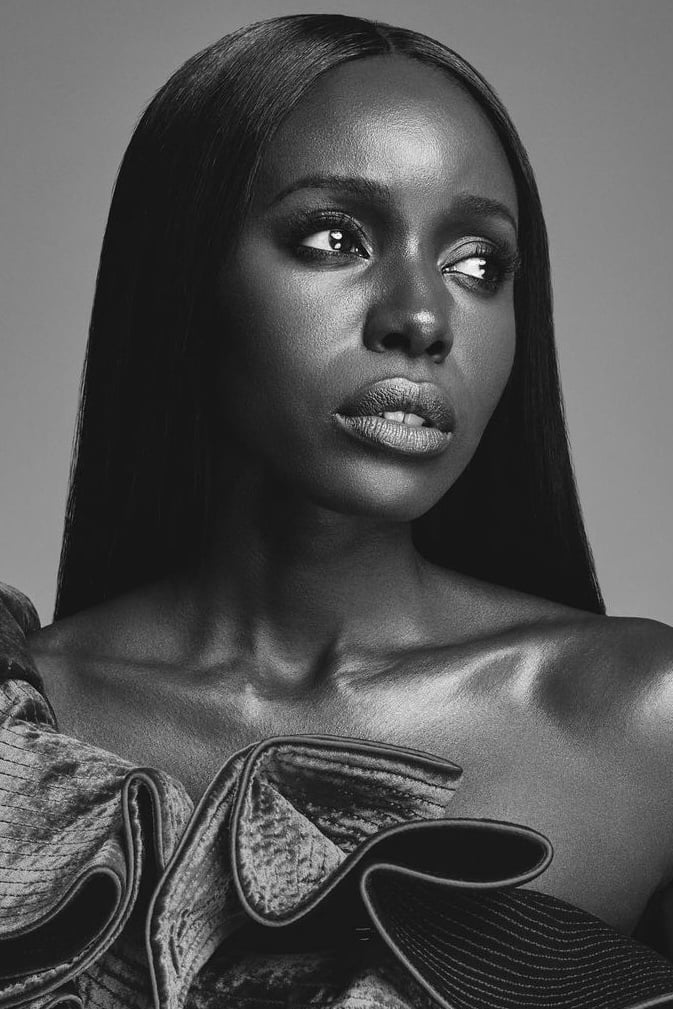
Anna Diop was forced to disable her social media comments after receiving a flood of racist abuse for her role as Starfire in ‘Titans’. Critics attacked her because the character is typically depicted with orange skin in the comics and they did not want a Black woman in the role. Diop spoke about the hurt caused by the comments but emphasized that she would not let the hate define her experience. Her fans and colleagues rallied around her to provide support against the racist tropes used in the attacks. She continued to play the role for several seasons and earned a dedicated following for her portrayal.
Candice Patton
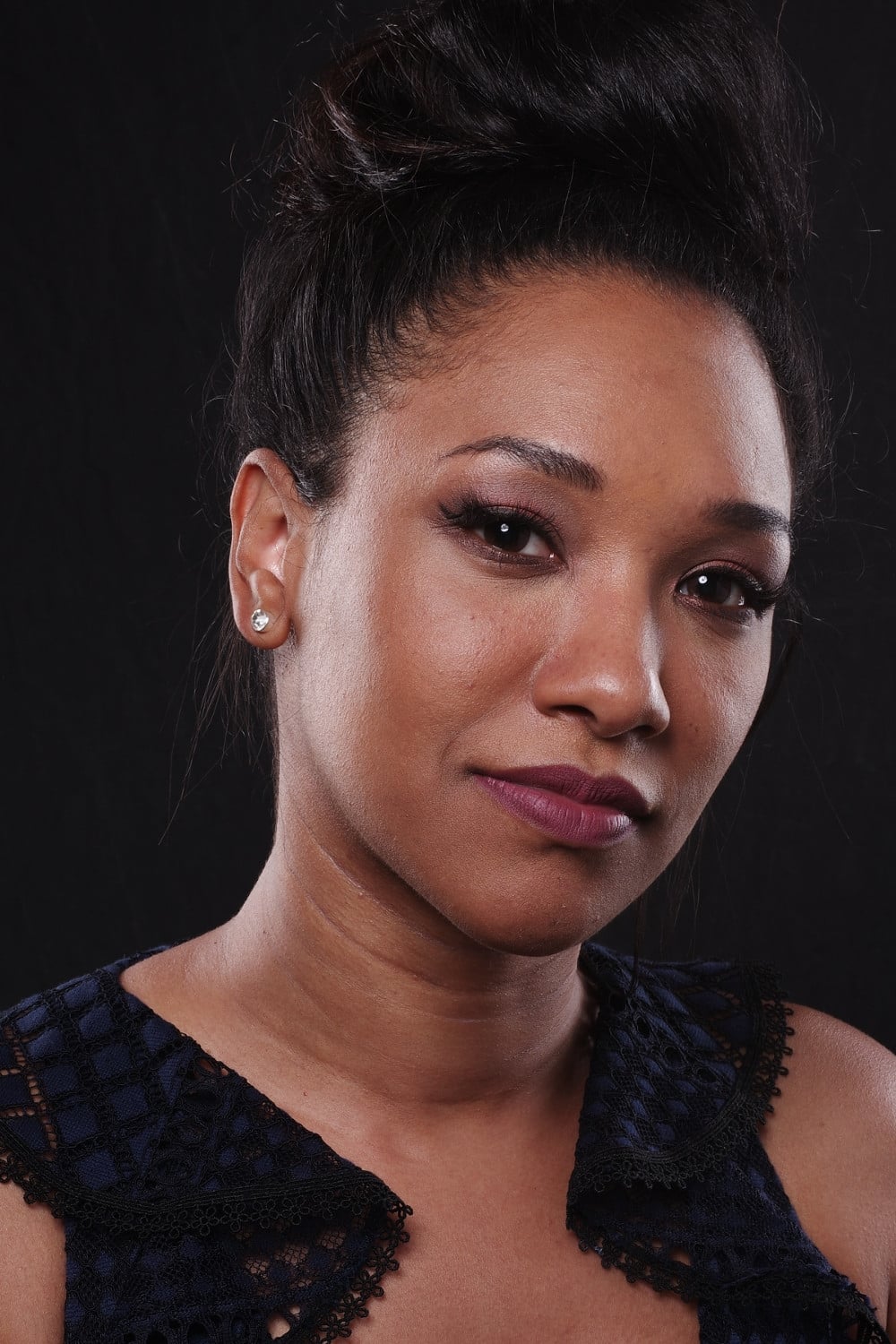
Candice Patton has spoken extensively about the lack of support she felt while facing years of racist harassment as a lead on ‘The Flash’. She portrayed Iris West and was frequently targeted by viewers who did not want to see a Black woman as the primary love interest of the title character. Patton mentioned that the studio and network did not have protocols in place at the time to handle such intense online abuse. She remained with the series for its entire run while advocating for better working conditions for actors of color. Her transparency has helped other performers speak up about their own experiences with fandom toxicity.
Kelly McCreary
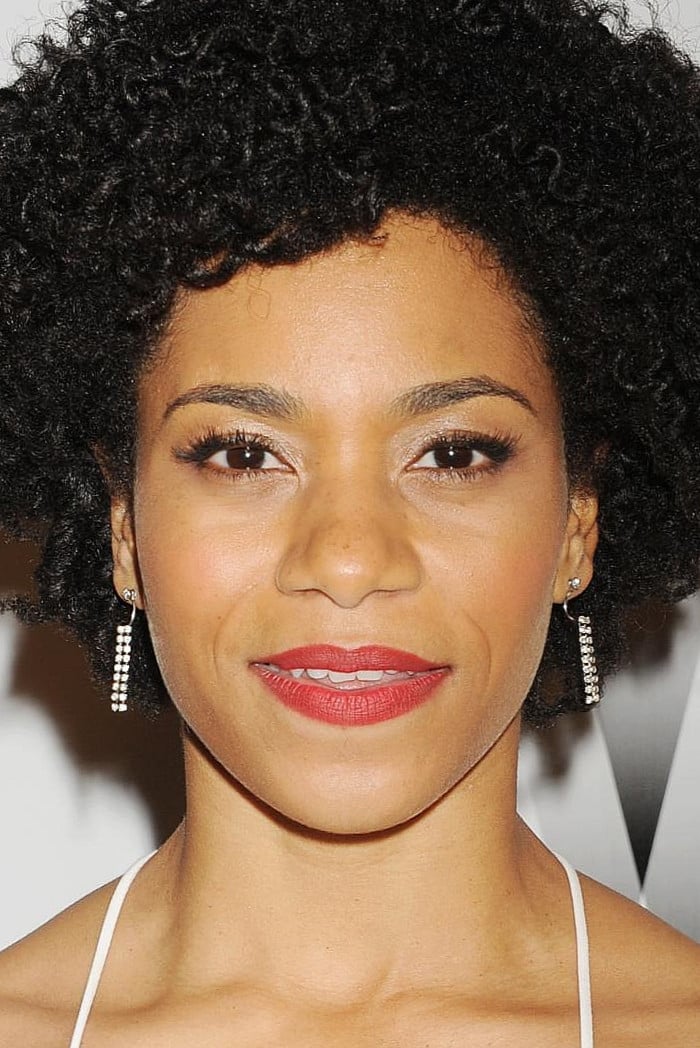
Kelly McCreary faced targeted harassment from viewers of ‘Greys Anatomy’ who were unhappy with her characters relationship with a white lead. The actress noted that the vitriol often felt personal and was rooted in racial biases against Black women on television. She used her social media presence to address the negativity and remind viewers that the show is a work of fiction. McCreary also highlighted the importance of having diverse writers and producers who understand the nuances of these experiences. She eventually moved on from the series after several years of contributing to its long term success.
Teyonah Parris
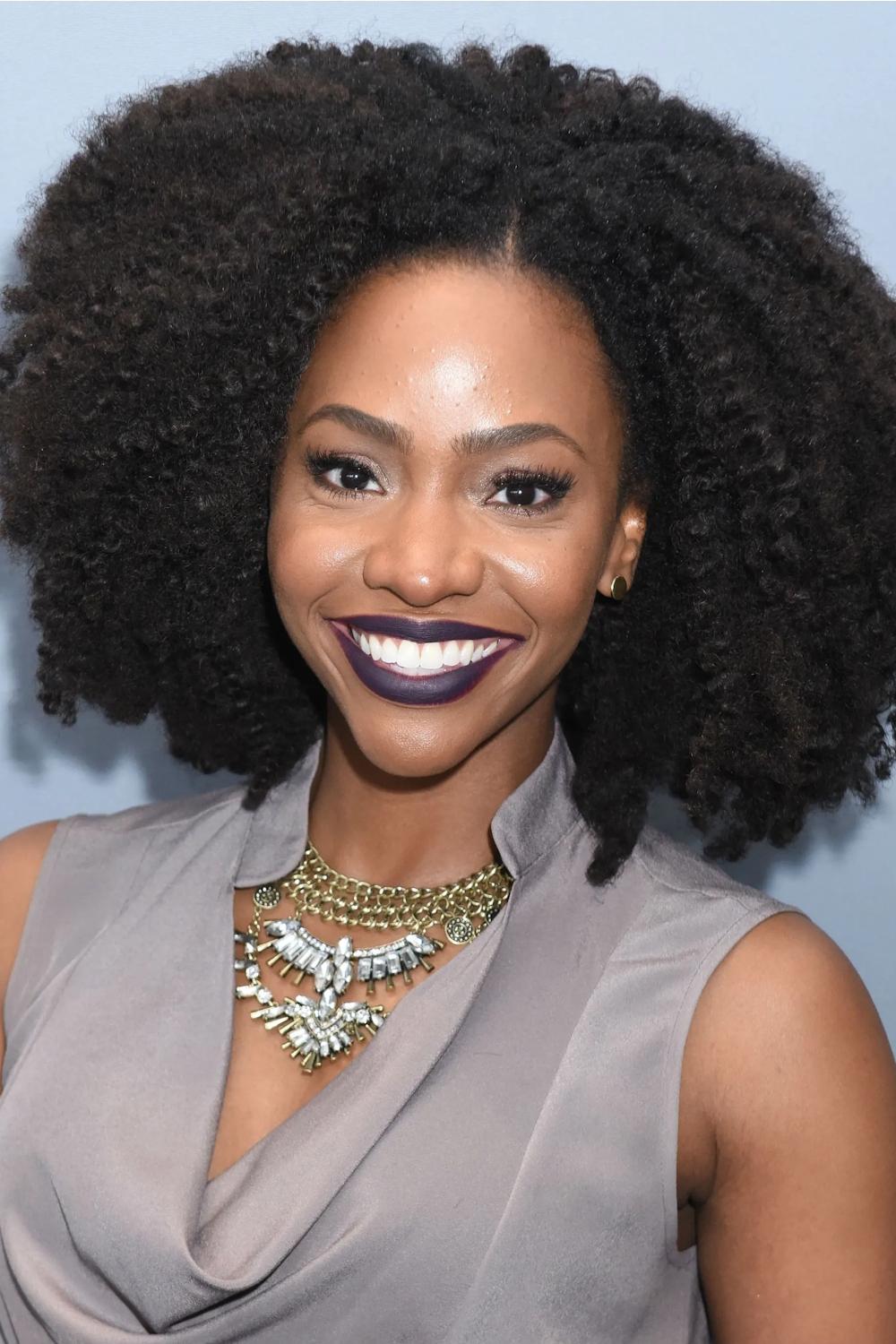
Teyonah Parris has discussed the subtle and overt racism she has encountered while navigating both independent film and major studio projects. She pointed out that Black actresses often have to work twice as hard to receive the same recognition as their peers. During her time in the ‘Marvel Cinematic Universe’ she has dealt with the pressures of representing a major superhero while facing industry scrutiny. Parris has been vocal about the need for more inclusive hair and makeup departments that are properly trained to work with Black talent. She continues to choose roles that challenge stereotypes and showcase the versatility of Black women.
Lashana Lynch

Lashana Lynch made history as the first Black woman to hold the 007 designation in the film ‘No Time to Die’. This casting choice led to a wave of racist comments and online petitions from those who felt the role should remain traditional. Lynch addressed the controversy by stating that she is part of a move toward more realistic representation in global cinema. She noted that the backlash was not personal to her but was a reaction to the changing landscape of Hollywood. Her performance was widely cited as a highlight of the movie for its strength and charisma.
Jodie Turner-Smith
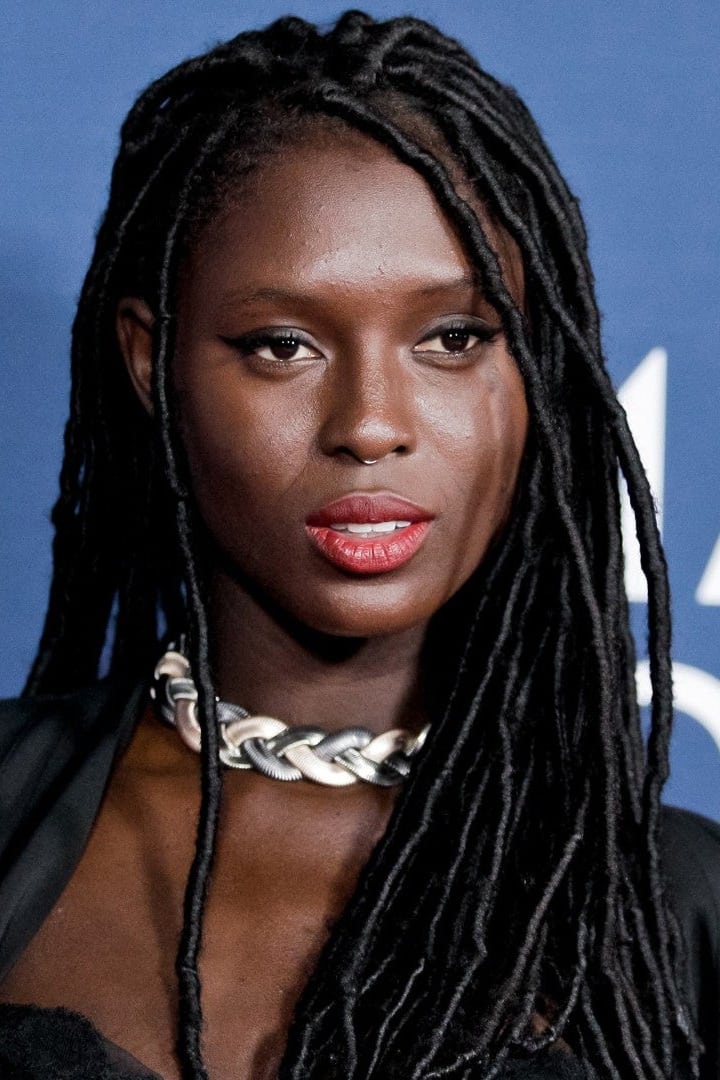
Jodie Turner-Smith received a barrage of racist abuse after she was cast as the lead in the television series ‘Anne Boleyn’. Many critics argued that a Black actress should not play a historical figure from the English monarchy regardless of the artistic vision. Turner-Smith addressed the controversy by stating that the goal was to capture the human essence of the character rather than historical precision. She emphasized the importance of color blind casting in modern storytelling and period dramas. Despite the initial criticism her performance was noted for its intensity and regal presence.
Cynthia Erivo
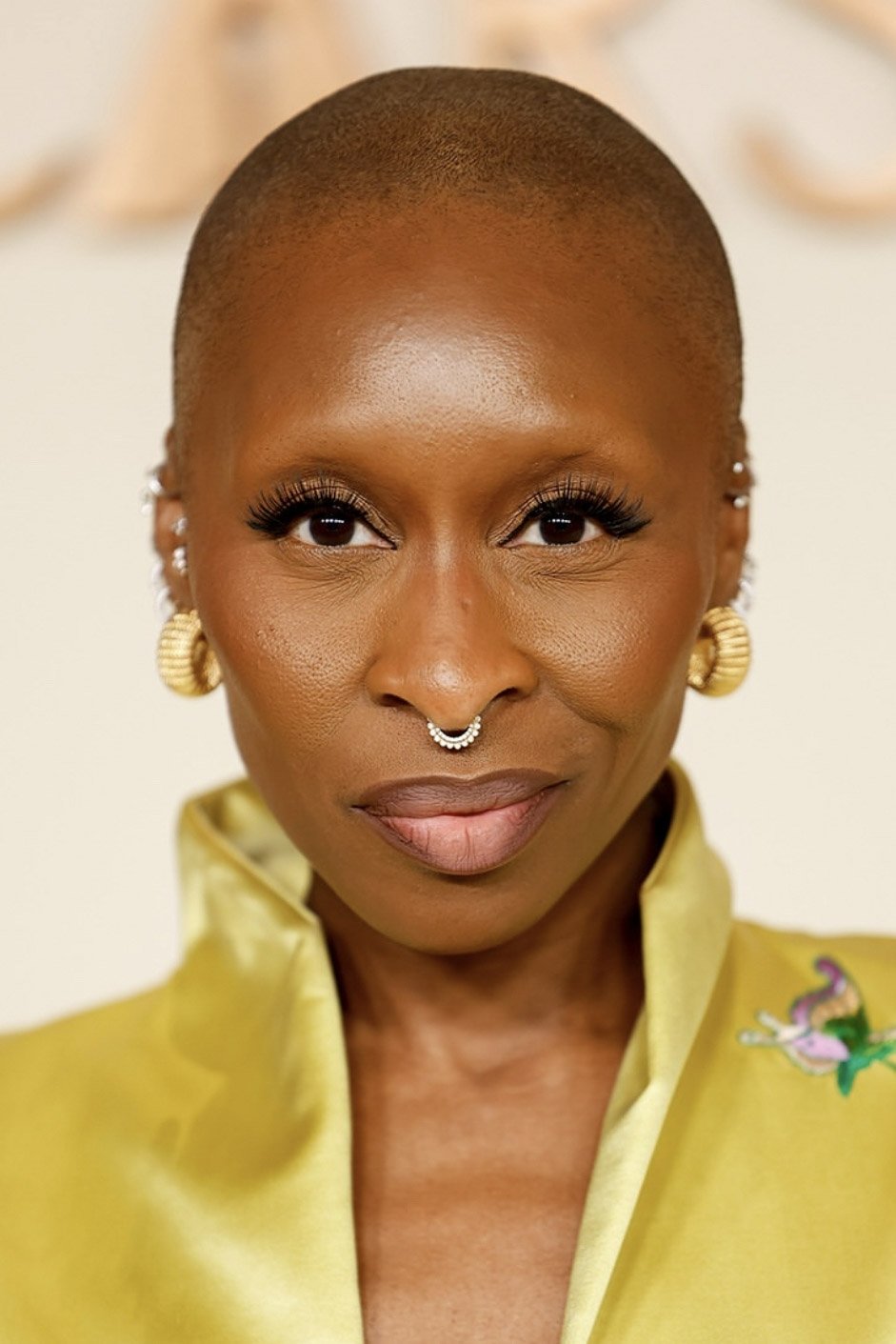
Cynthia Erivo has faced scrutiny and racist remarks regarding her roles in ‘Harriet’ and the film adaptation of ‘Wicked’. Some critics targeted her background as a British actress playing an American icon while others focused on her appearance. Erivo has spoken about the exhaustion of constantly having to defend her right to inhabit diverse roles. She has consistently delivered award winning performances that highlight her range as both a singer and an actor. Erivo continues to advocate for the visibility of Black women in theater and film.
Meghan, Duchess of Sussex
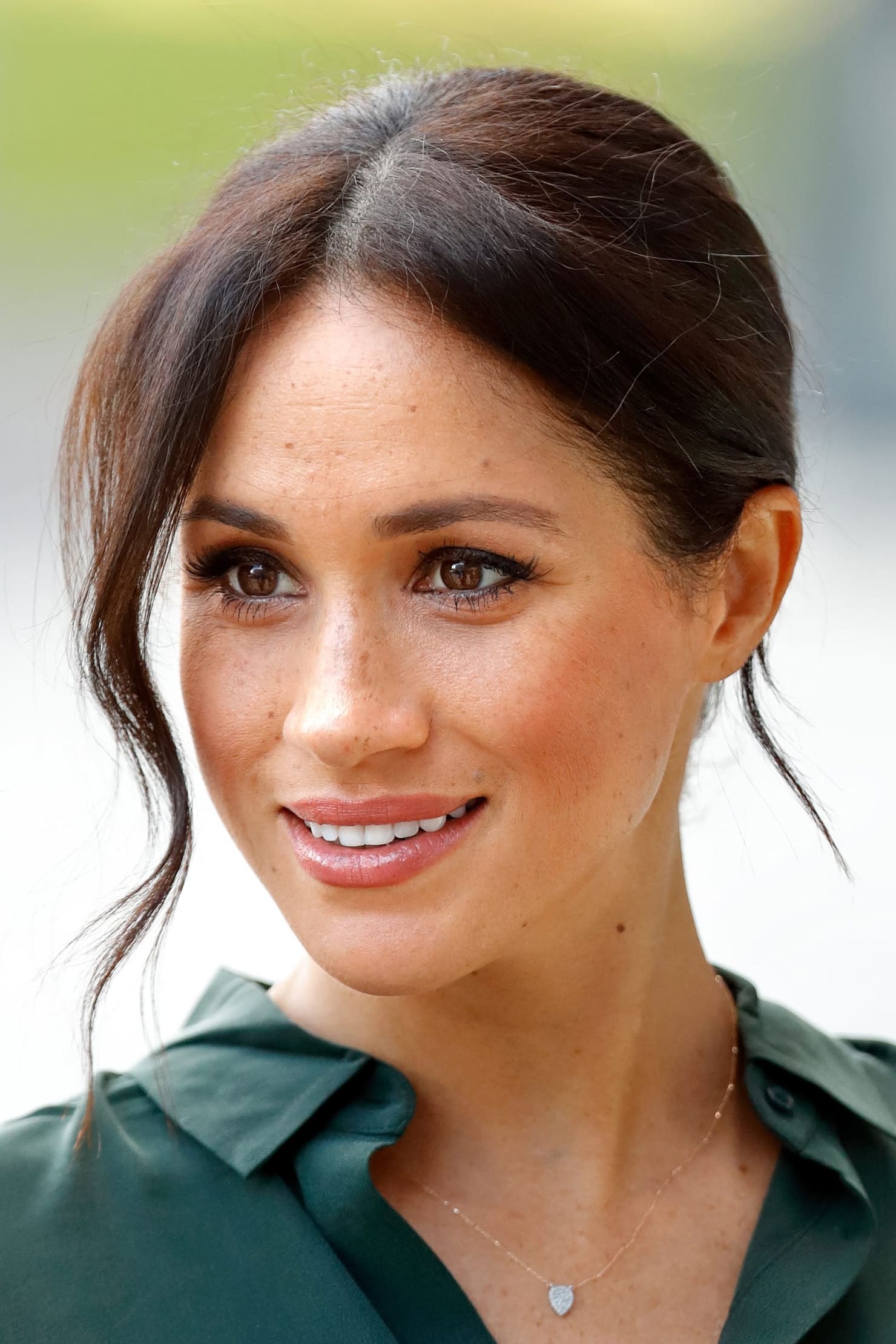
Meghan, Duchess of Sussex experienced intense scrutiny and racist commentary from the British press following her marriage into the royal family. She spoke openly about the toll this treatment took on her mental health during a high profile interview in 2021. The media coverage often included coded language and direct attacks on her heritage and background. These experiences led to her and Prince Harry stepping back from their roles as senior working royals. Her story has sparked global conversations about institutional racism and the treatment of Black women in the public eye.
Viola Davis
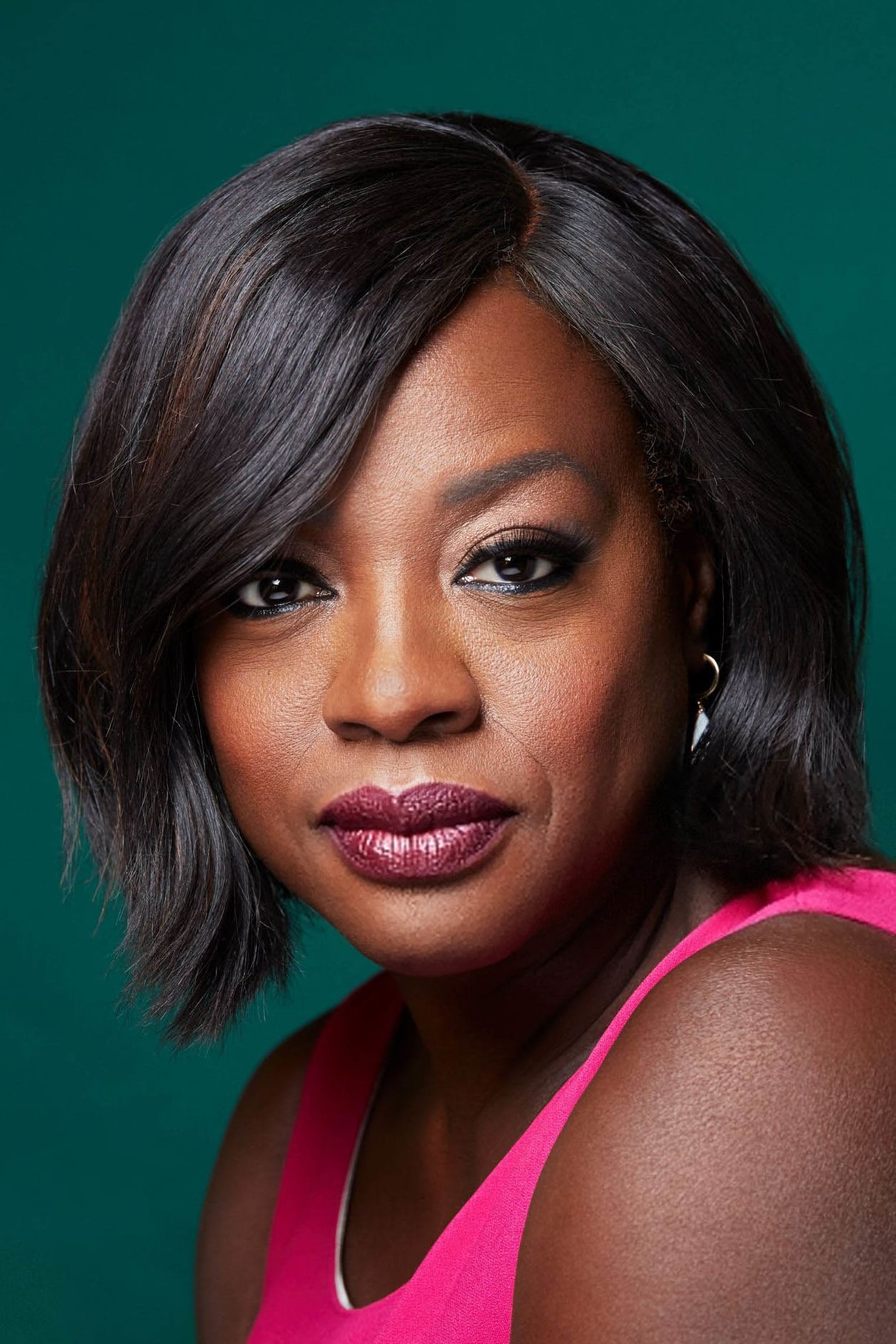
Viola Davis has been a vocal critic of the pay gap and limited roles available to Black women in Hollywood. She famously compared her career trajectory to white actresses and noted that she is often given less compensation for the same level of work. Davis has described the industry as one that frequently overlooks the beauty and talent of darker skinned Black women. She has used her production company to create more opportunities for stories that center on Black experiences. Her advocacy has made her a central figure in the fight for systemic change in the film industry.
Gabrielle Union
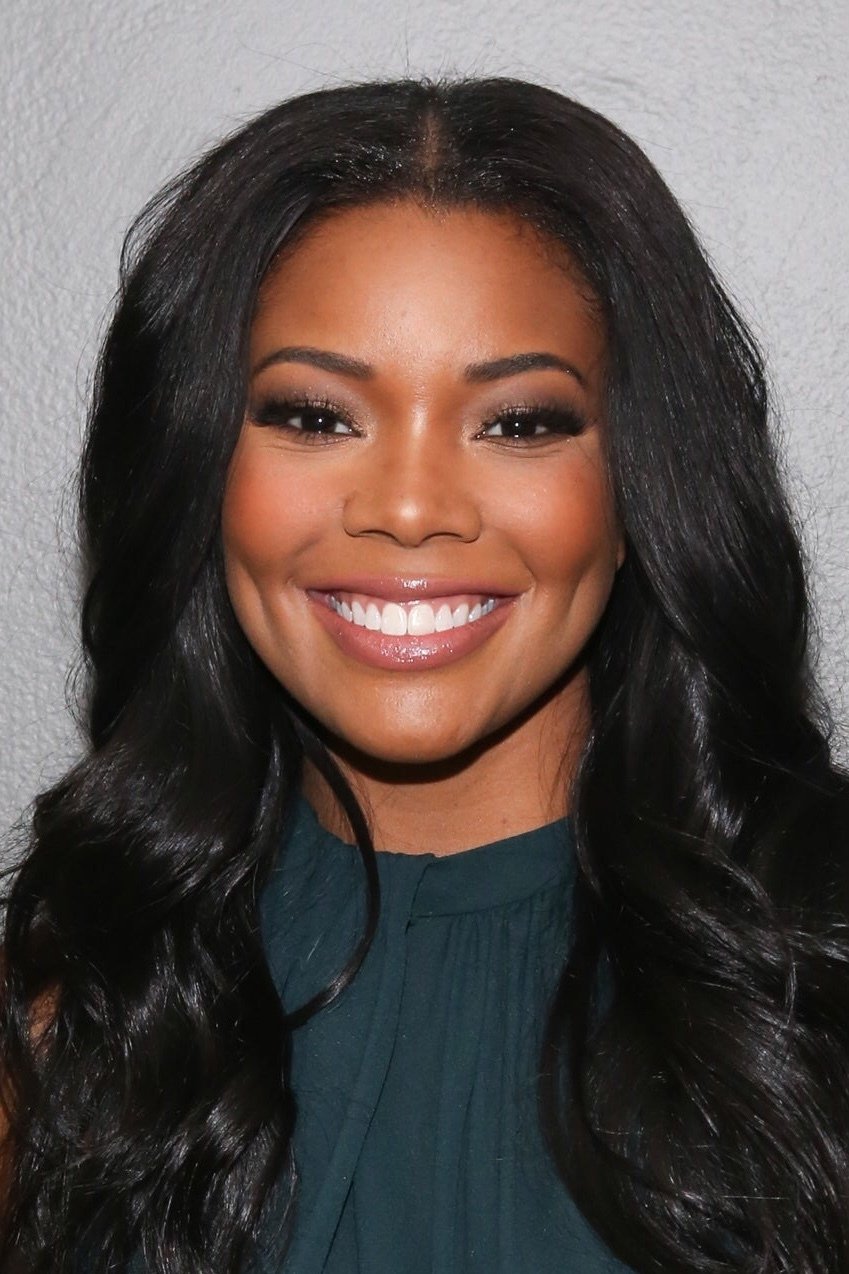
Gabrielle Union filed a complaint regarding a toxic work environment and racial bias during her time as a judge on ‘Americas Got Talent’. She reported that she was told her hairstyles were too Black for the audience of the show. Union also expressed concerns about how racial jokes and incidents were handled by the production team. Her transparency led to an internal investigation and widespread support from fellow actors and activists. She has since continued to speak out about the necessity of accountability in corporate entertainment settings.
Taraji P. Henson
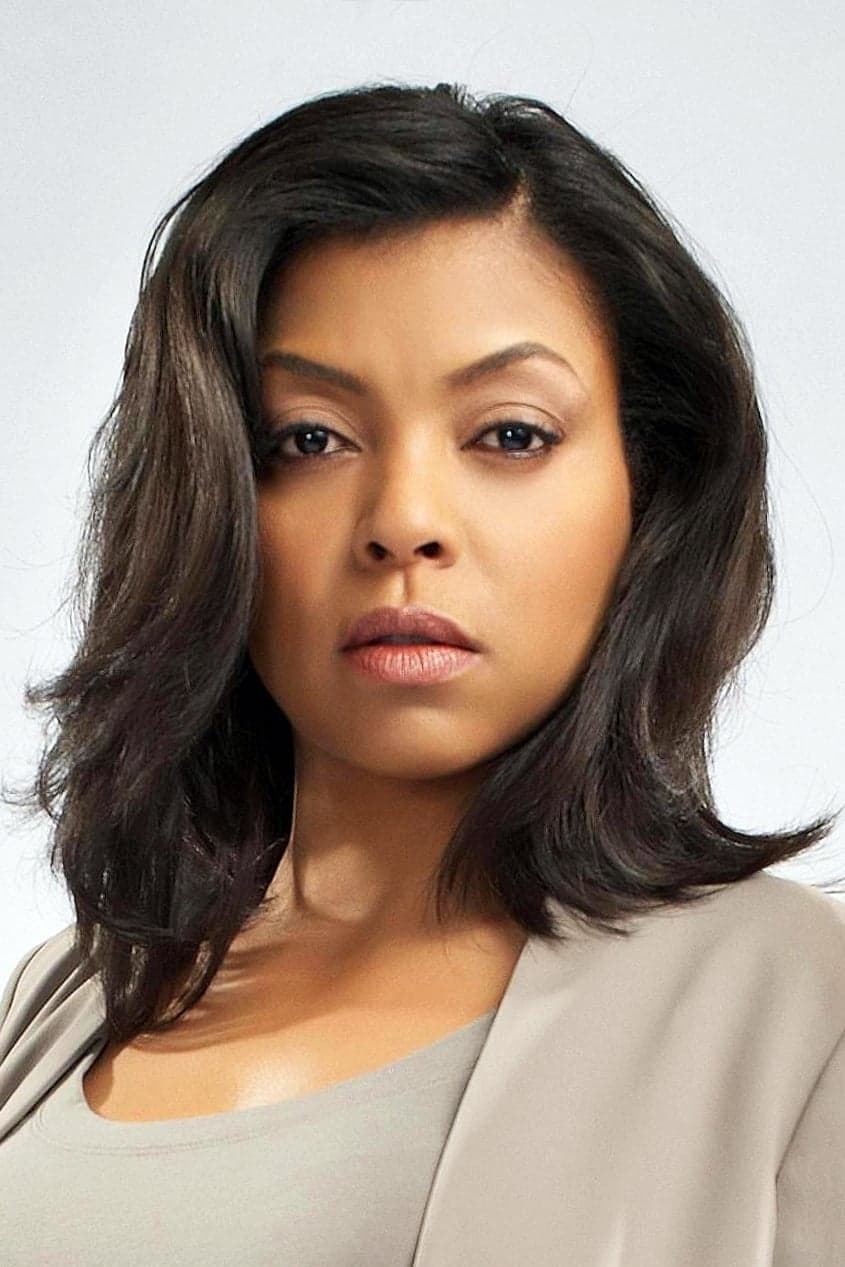
Taraji P. Henson has shared her frustrations with the persistent pay inequality she faces despite her decades of success in the industry. During the press tour for ‘The Color Purple’ she spoke emotionally about the lack of proper transportation and trailers provided for the cast. She noted that Black actresses are often expected to be grateful for opportunities while being denied basic professional standards. Henson has considered leaving the industry several times due to the mental and financial strain of these experiences. Her honesty has shed light on the behind the scenes struggles of even the most famous Black stars.
Lupita Nyong’o
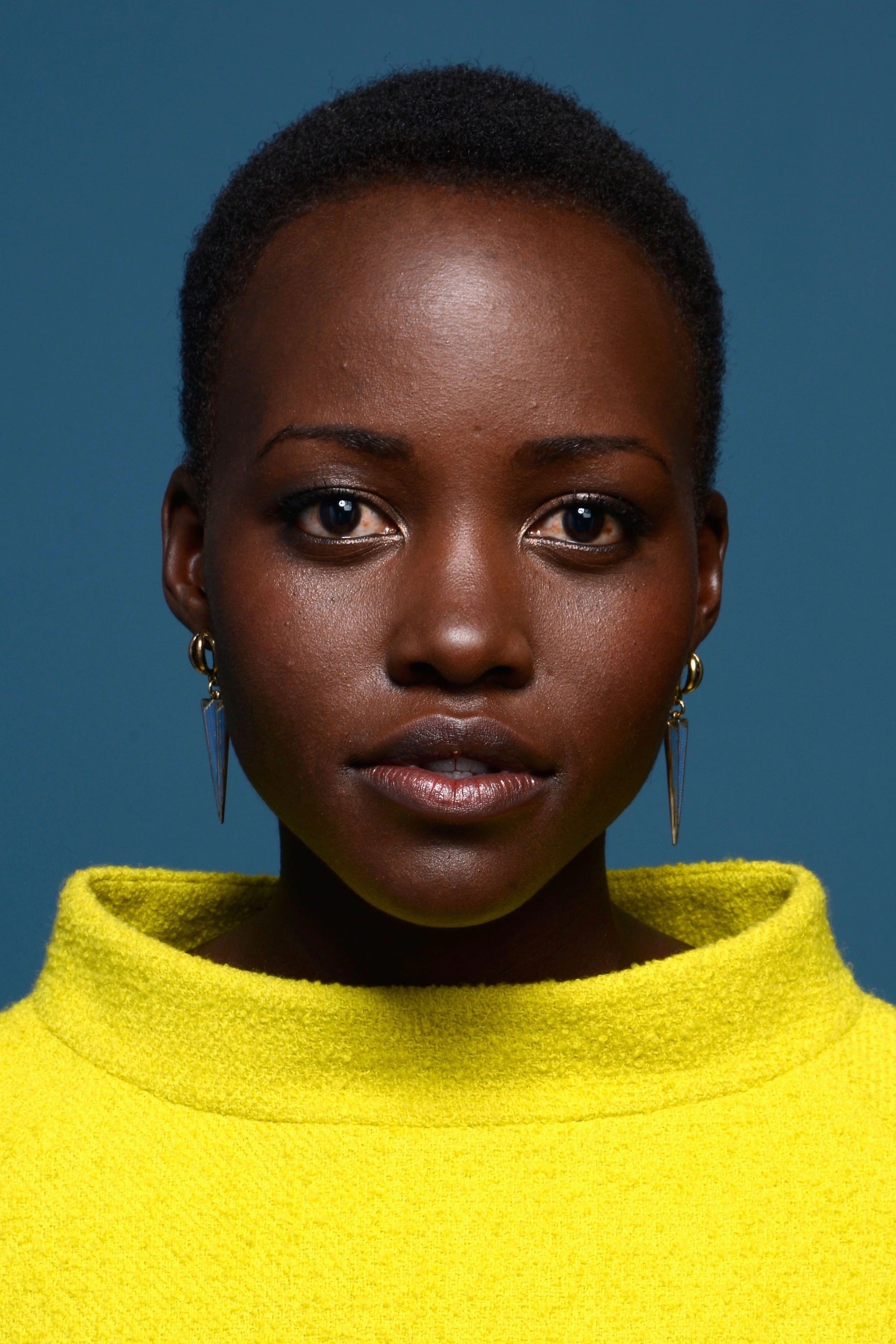
Lupita Nyong’o has discussed the impact of colorism on her career and her personal life since rising to fame. She has spoken about the early pressure to conform to European beauty standards in order to find success in acting. Nyong’o has been an advocate for celebrating dark skin and wrote a children’s book to help young girls feel confident in their appearance. Despite her ‘Academy Award’ win she has still encountered roles that rely on narrow stereotypes. She continues to choose projects that elevate Black stories and provide complex portrayals of Black women.
Octavia Spencer
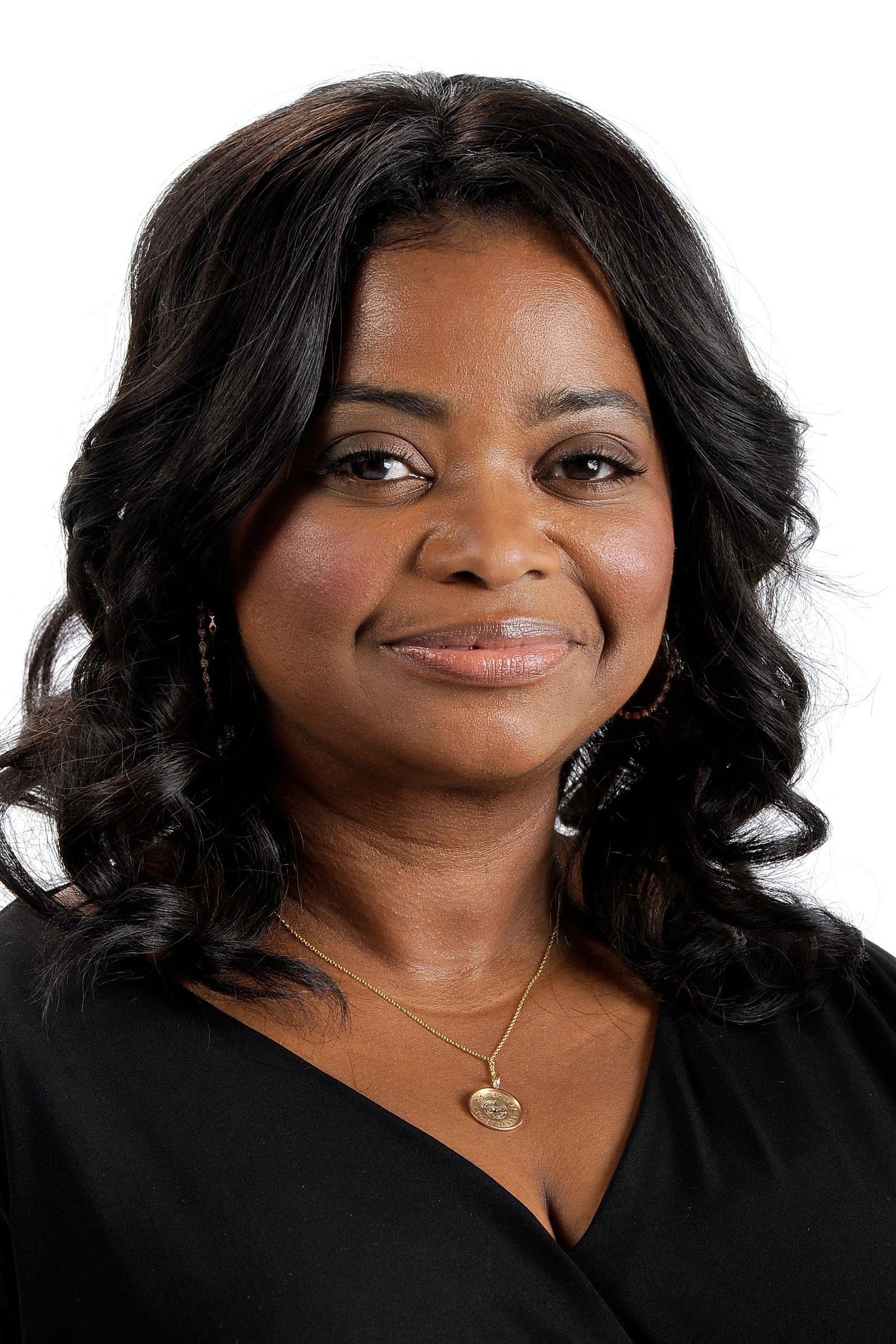
Octavia Spencer has recounted the racism she faced early in her career while trying to secure meaningful roles in Hollywood. She mentioned being followed in high end stores and being dismissed by casting directors before she became a household name. Spencer has also spoken about the pay disparities that exist even for ‘Academy Award’ winners of color. She has credits her friend Jessica Chastain for helping her negotiate higher pay on shared projects to ensure equity. Spencer remains a powerhouse in the industry while mentoring the next generation of Black actresses.
Kerry Washington
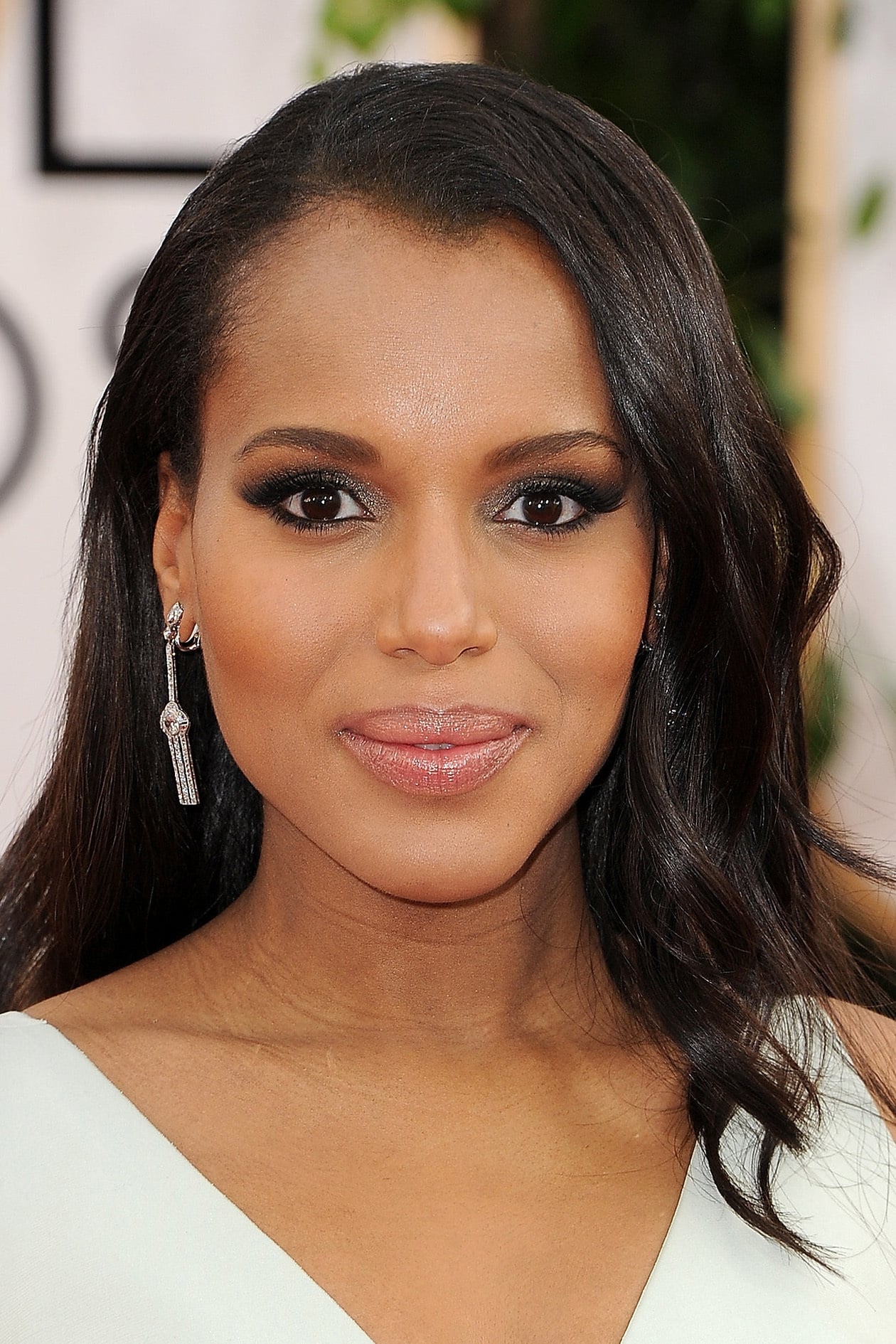
Kerry Washington dealt with a significant amount of scrutiny and racialized commentary during her time starring in the hit series ‘Scandal’. As the first Black woman to lead a network drama in decades she felt the pressure of representing an entire demographic. She has discussed the ways in which her character was sometimes viewed through a different lens than white female leads. Washington has used her success to produce content that centers on marginalized voices and explores social justice themes. She remains a prominent figure in political activism and industry reform.
Naomie Harris
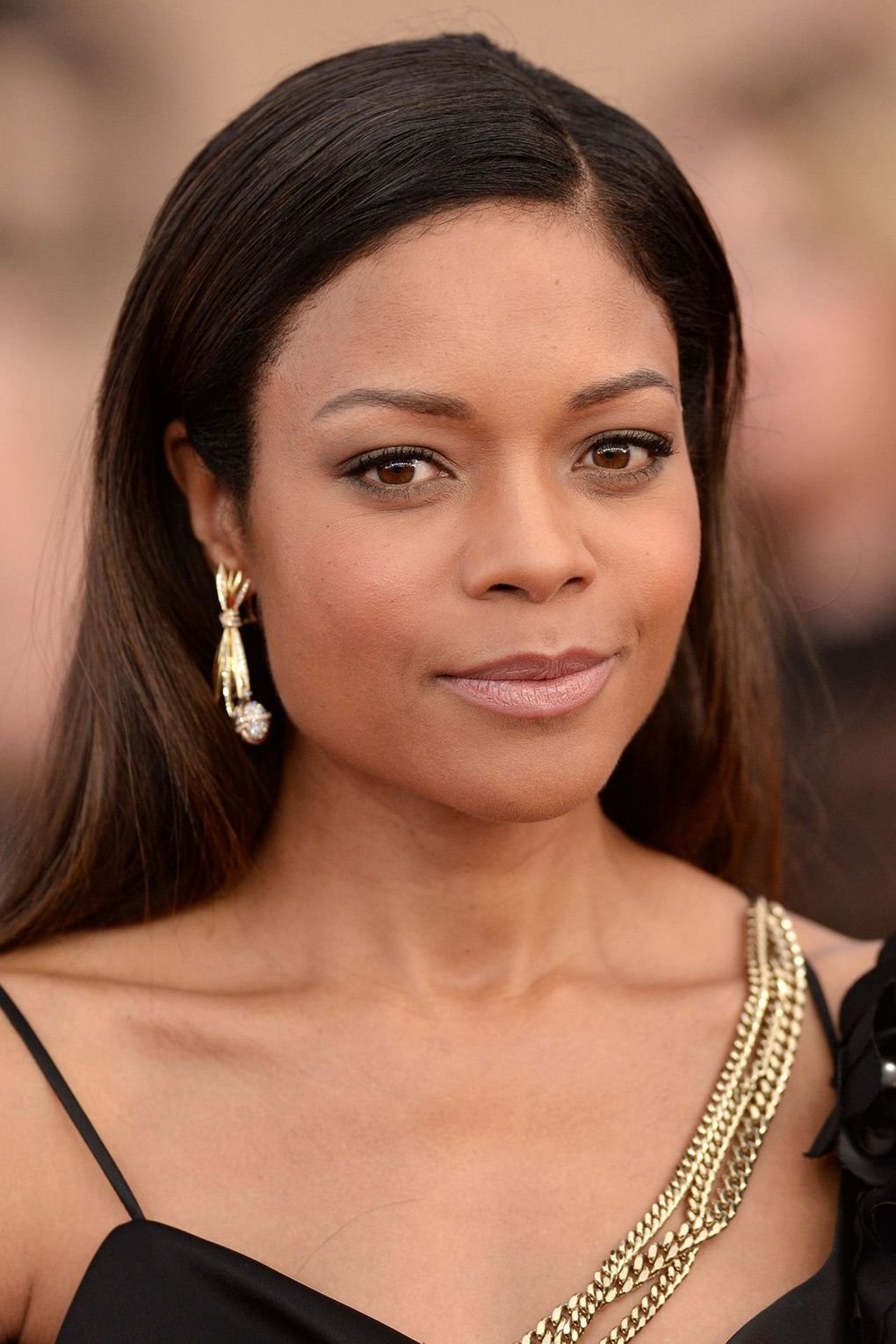
Naomie Harris has spoken about the historical industry bias that often kept Black actresses in supporting or stereotypical roles. She noted that early in her career there were very few scripts that featured nuanced Black female characters. Harris has faced challenges with hair and makeup artists who were not equipped to work with her hair texture on major film sets. She has advocated for more diverse crews to ensure that all actors are treated with professional care. Her work in the ‘James Bond’ franchise and independent films has established her as a versatile and respected performer.
Gugu Mbatha-Raw
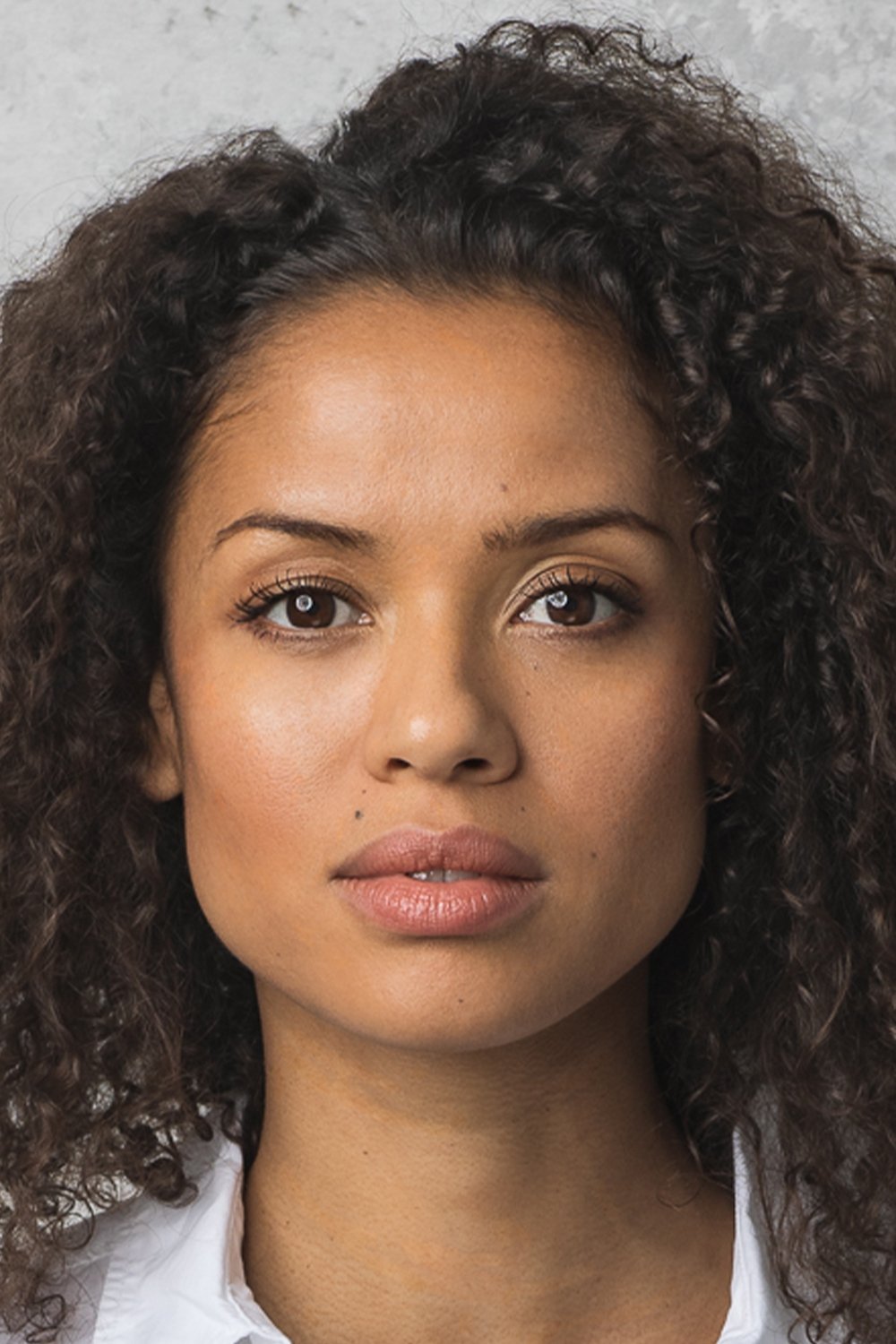
Gugu Mbatha-Raw has navigated the complexities of being a biracial actress in an industry that often tries to categorize performers. She has spoken about the racism she encountered when auditioning for period pieces that were historically perceived as white only spaces. Her role in ‘Belle’ was a significant moment in her career that challenged these industry norms. Mbatha-Raw continues to advocate for inclusive casting that reflects the true diversity of history and modern society. She has become a leading voice for change within the British and American film industries.
Ruth Negga
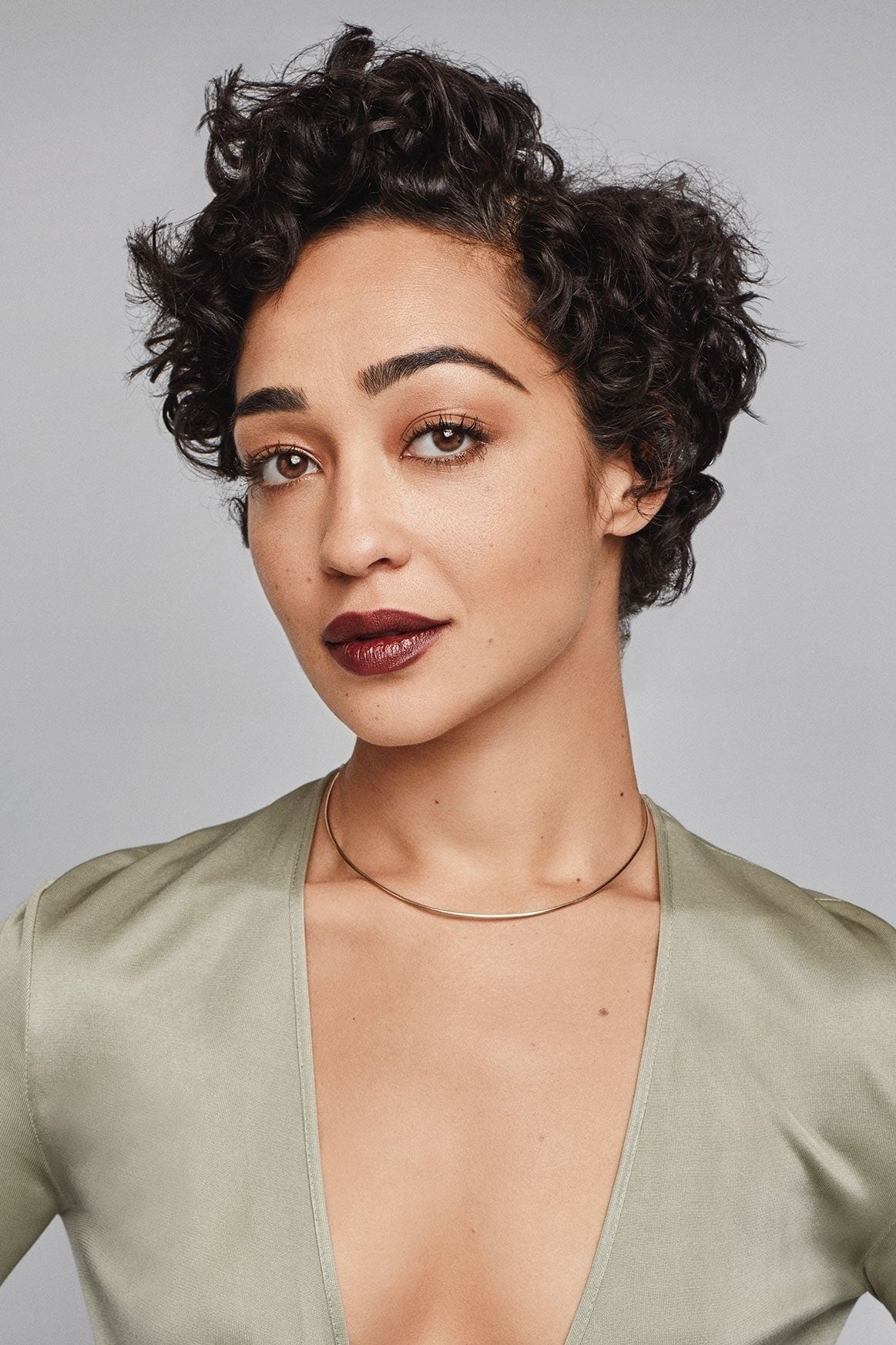
Ruth Negga has discussed the difficulties of finding consistent work in an industry that often overlooks Black talent for leading roles. She has spoken about the importance of telling stories that highlight the Black experience in both historical and contemporary contexts. During her ‘Academy Award’ campaign for ‘Loving’ she encountered various levels of industry bias and narrow expectations. Negga has remained committed to choosing roles that have social significance and artistic merit. She continues to work across film and theater while pushing for more equitable representation.
Tessa Thompson
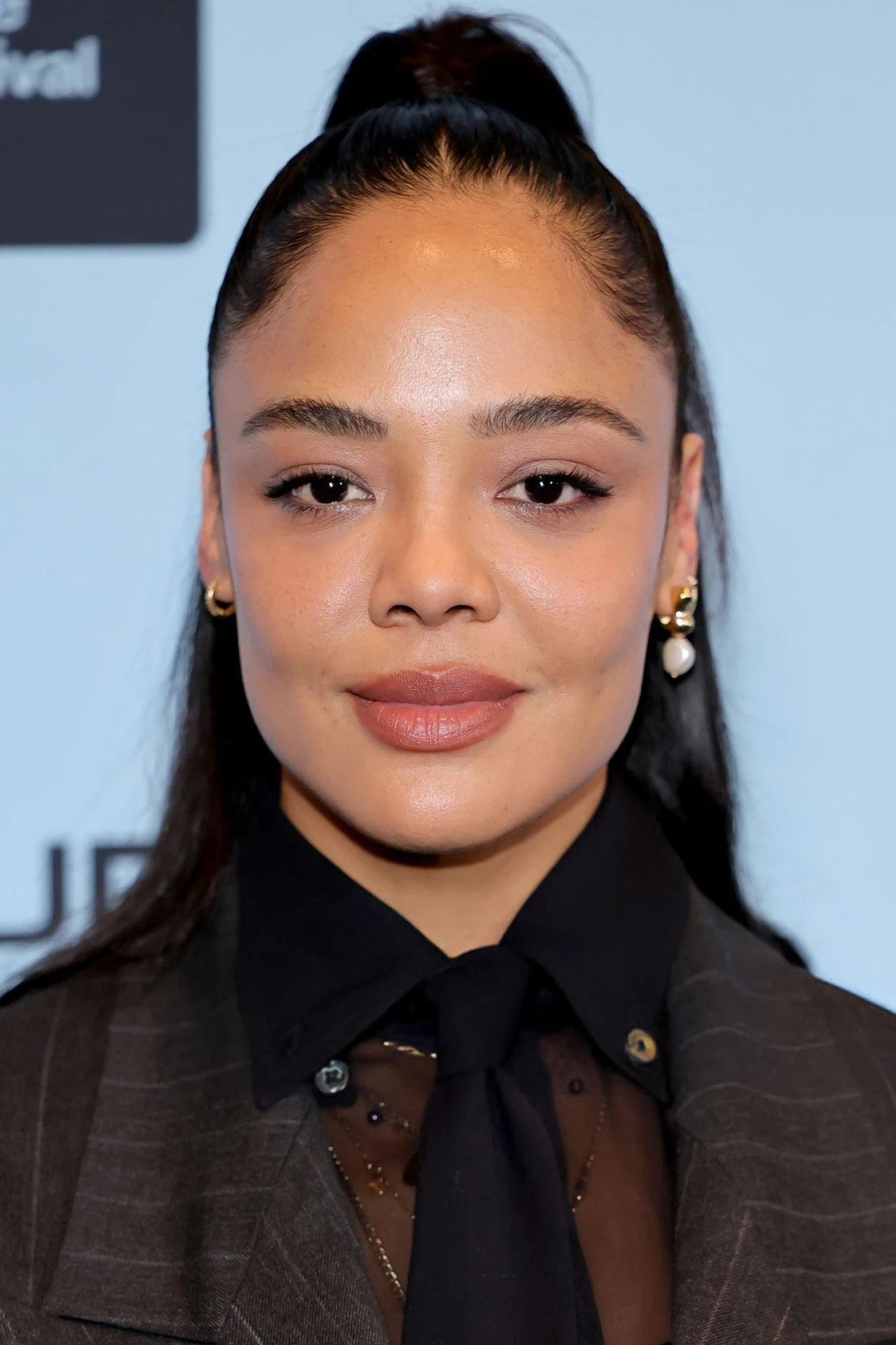
Tessa Thompson faced racist backlash after she was cast as Valkyrie in the ‘Marvel Cinematic Universe’. Some fans complained that the character was traditionally depicted as a white Norse goddess in the comics. Thompson ignored the negativity and focused on bringing a fresh and modern energy to the role. She has also been a leader in the ‘Time’s Up’ movement and has pushed for more diversity in film criticism. Thompson continues to use her influence to ensure that more women of color have a seat at the table in Hollywood.
Danai Gurira
Danai Gurira has experienced the dual pressure of being a Black actress and a playwright in a competitive industry. She has spoken about the racist tropes that often appear in scripts written by people who do not understand Black culture. Her roles in ‘The Walking Dead’ and ‘Black Panther’ allowed her to portray strong and complex characters that broke from tradition. Gurira has used her platform to advocate for African stories and to create opportunities for other Black performers. She remains a dedicated activist for women’s rights and global health initiatives.
Letitia Wright
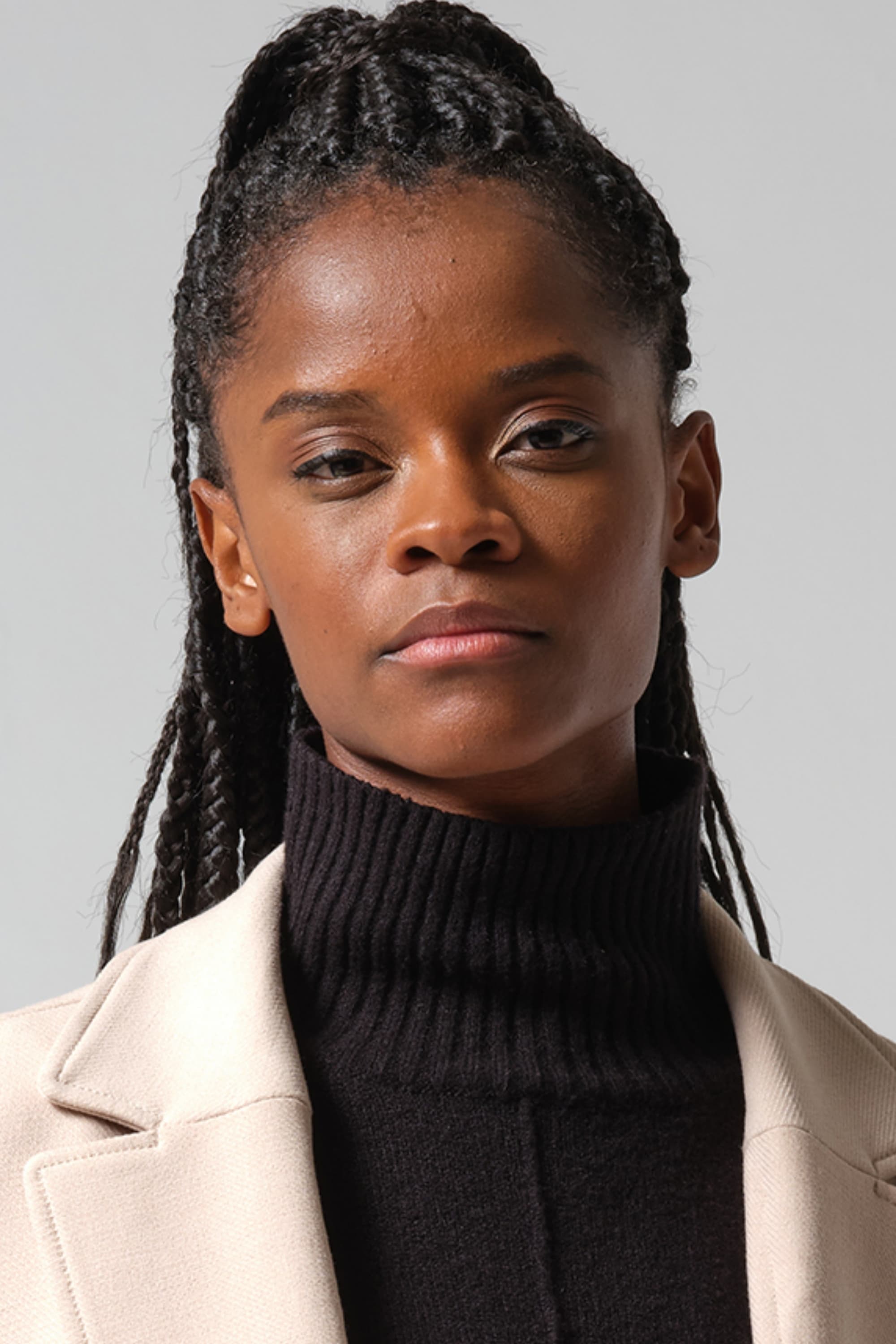
Letitia Wright faced intense social media scrutiny and harassment that often took on a racialized tone. After the success of ‘Black Panther’ she became a major public figure and dealt with the complexities of fame and personal beliefs. She has spoken about the importance of her faith in helping her navigate the pressures of the industry. Wright has also been vocal about the need for more Black women in behind the scenes roles like directing and producing. She continues to be a central part of major franchises while pursuing smaller independent projects.
Alfre Woodard
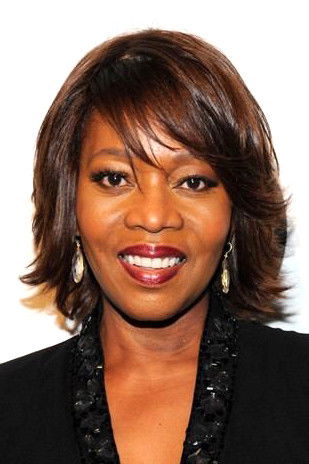
Alfre Woodard has been a steady presence in Hollywood for decades and has witnessed the evolution of racism in the industry. She has spoken about the early days of her career when roles for Black women were extremely limited and often derogatory. Woodard has been a mentor to many younger actresses and has advocated for the preservation of Black cinematic history. She has consistently worked to ensure that Black actors receive the recognition they deserve from major awarding bodies. Her long and successful career is a testament to her resilience and immense talent.
Angela Bassett
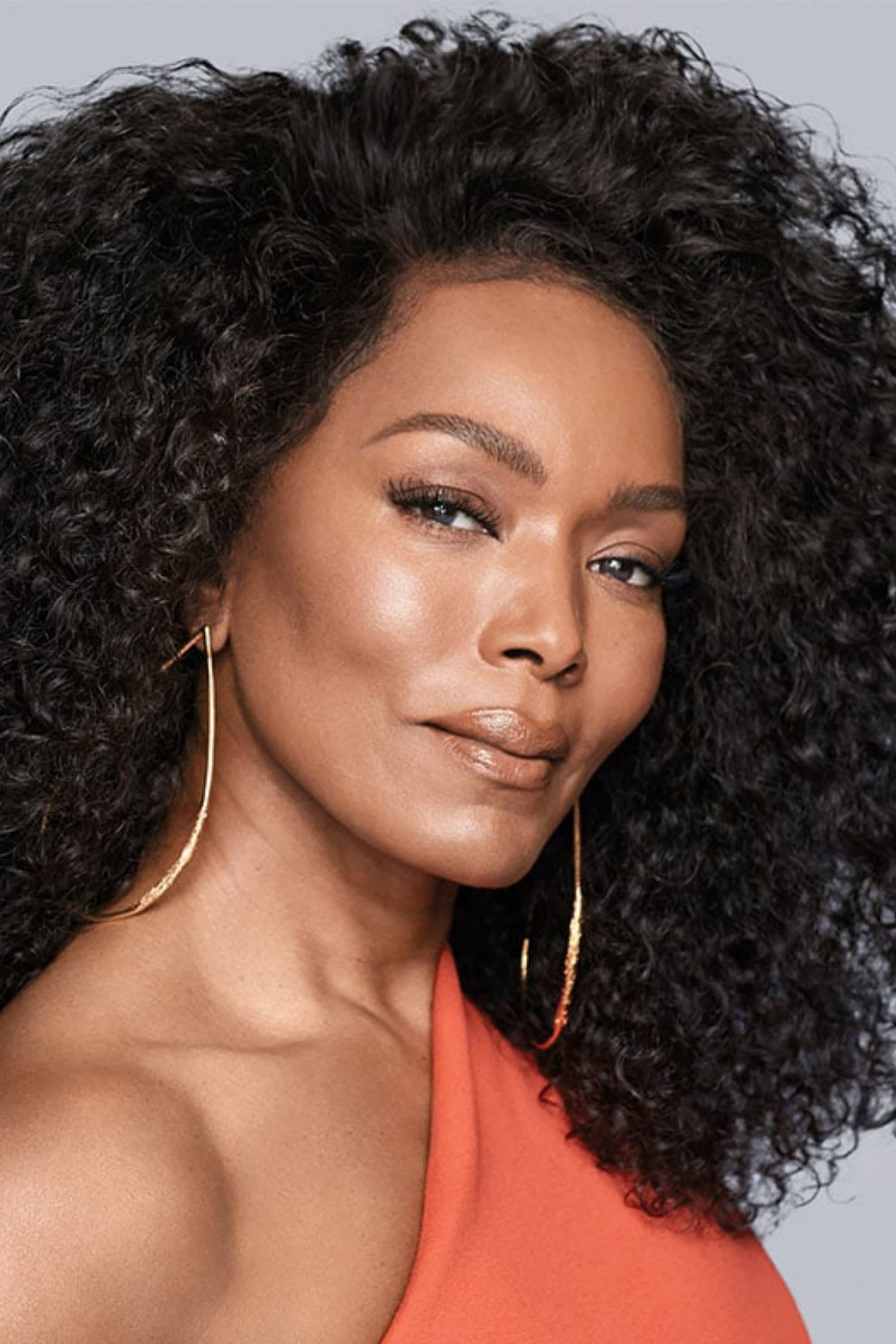
Angela Bassett has famously spoken about the limited roles available to her despite her status as a premier dramatic actress. She has turned down roles that she felt were demeaning or promoted negative stereotypes about Black women. Bassett has also been the subject of discussions regarding the ‘Academy Awards’ and the frequent snubs of Black performers. She has remained a symbols of strength and grace in the industry while delivering iconic performances year after year. Her work continues to inspire new generations of actors to maintain their integrity and pursue excellence.
Cicely Tyson

Cicely Tyson was a pioneer who spent her entire career fighting against the racist casting practices of Hollywood. She famously refused to take any role that she felt was an insult to Black women or Black culture. This dedication meant that she sometimes went long periods without work despite her immense skill and fame. Tyson used her platform to educate the public on the importance of dignity and self respect in the arts. Her legacy remains a cornerstone for Black actresses who continue to fight for better representation today.
Dorothy Dandridge
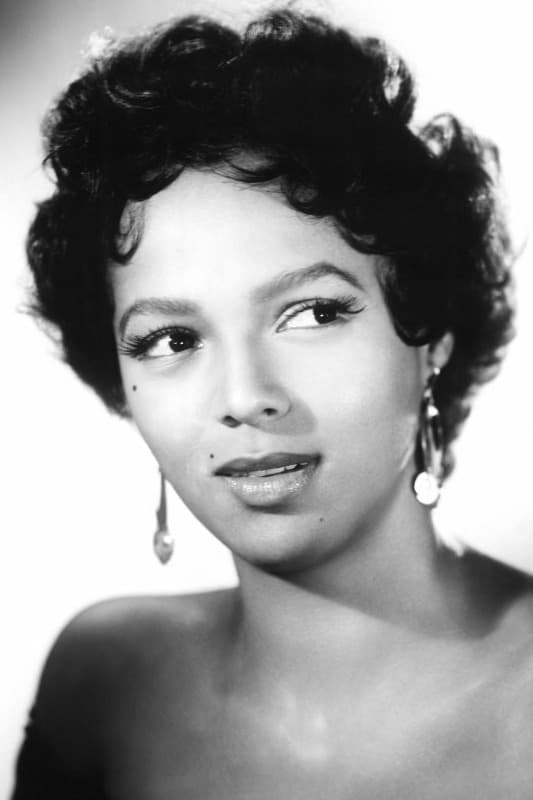
Dorothy Dandridge was the first Black woman to be nominated for an ‘Academy Award’ for Best Actress but she still faced extreme racism. Despite her fame she was often forced to use service entrances at the very hotels where she was performing. She was frequently denied roles that would have allowed her to showcase her full range because of the segregation of the era. Dandridge struggled with the limitations placed on her by a biased industry and a society that refused to see her as an equal. Her story remains a tragic example of the systemic barriers faced by early Black icons.
Hattie McDaniel
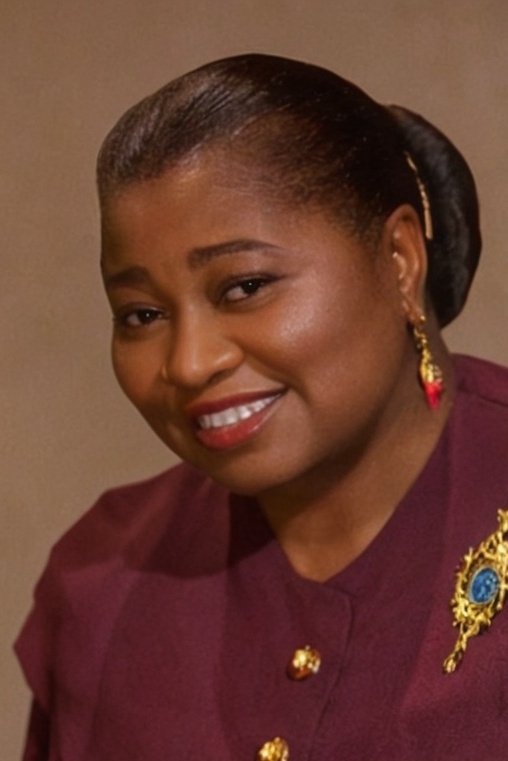
Hattie McDaniel was the first Black person to win an ‘Academy Award’ but she had to sit at a segregated table during the ceremony. She faced criticism from both the white establishment and her own community for the types of roles she was forced to play. During her era Black actors were often restricted to playing domestic servants and were rarely given complex storylines. McDaniel often defended her choices by stating she would rather play a maid than be one in real life. Her win was a historic milestone that also highlighted the deep racial divisions of the time.
Eartha Kitt
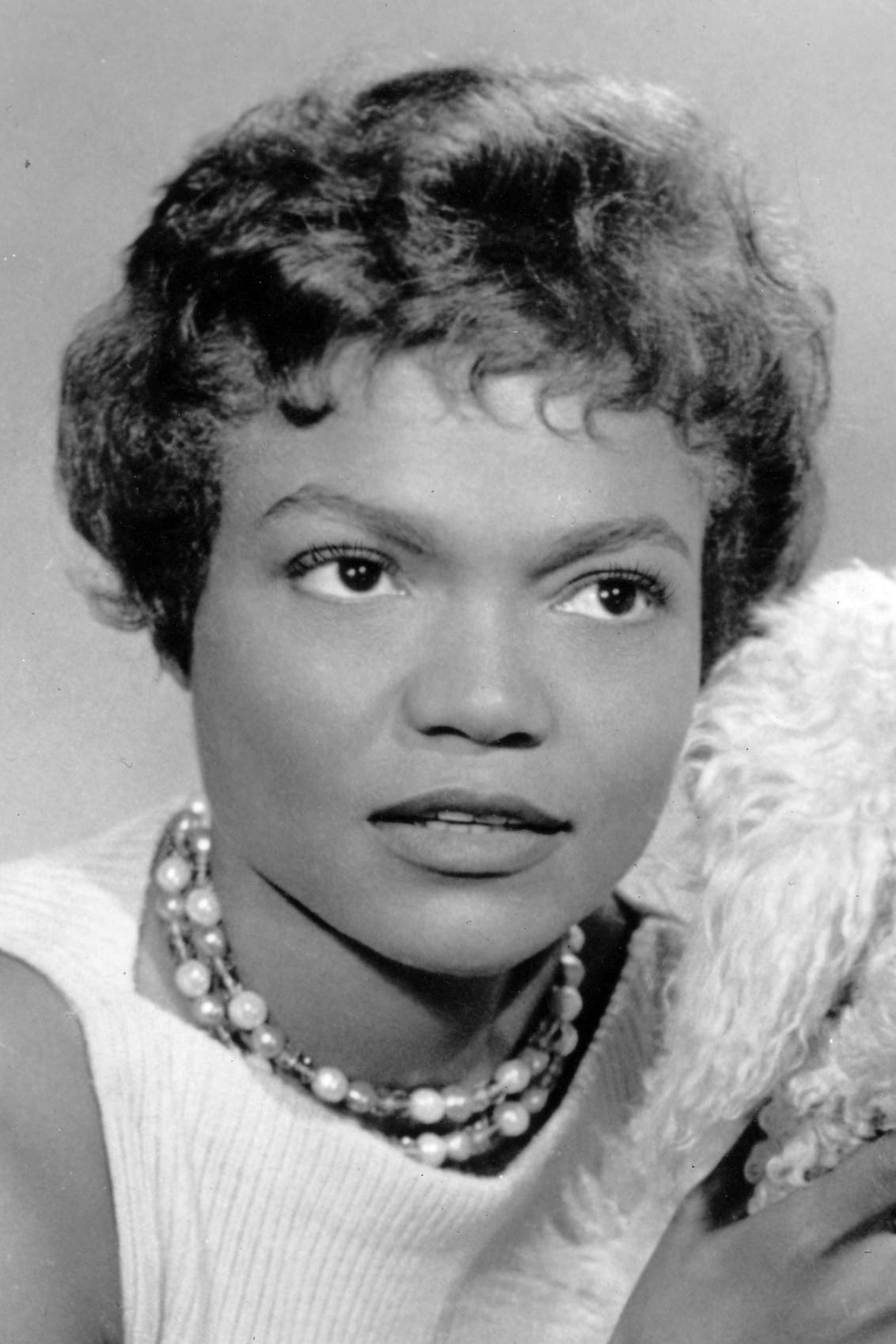
Eartha Kitt was a multi talented performer who was blacklisted in the United States after speaking out against the Vietnam War and domestic racism. During a visit to the ‘White House’ she made comments that were deemed unacceptable by the administration of the time. This led to a years long exile where she had to find work in Europe to sustain her career. Kitt was known for her fierce independence and her refusal to conform to the expectations of a biased industry. She eventually made a triumphant return to the American stage and remained an icon until her death.
Lena Horne
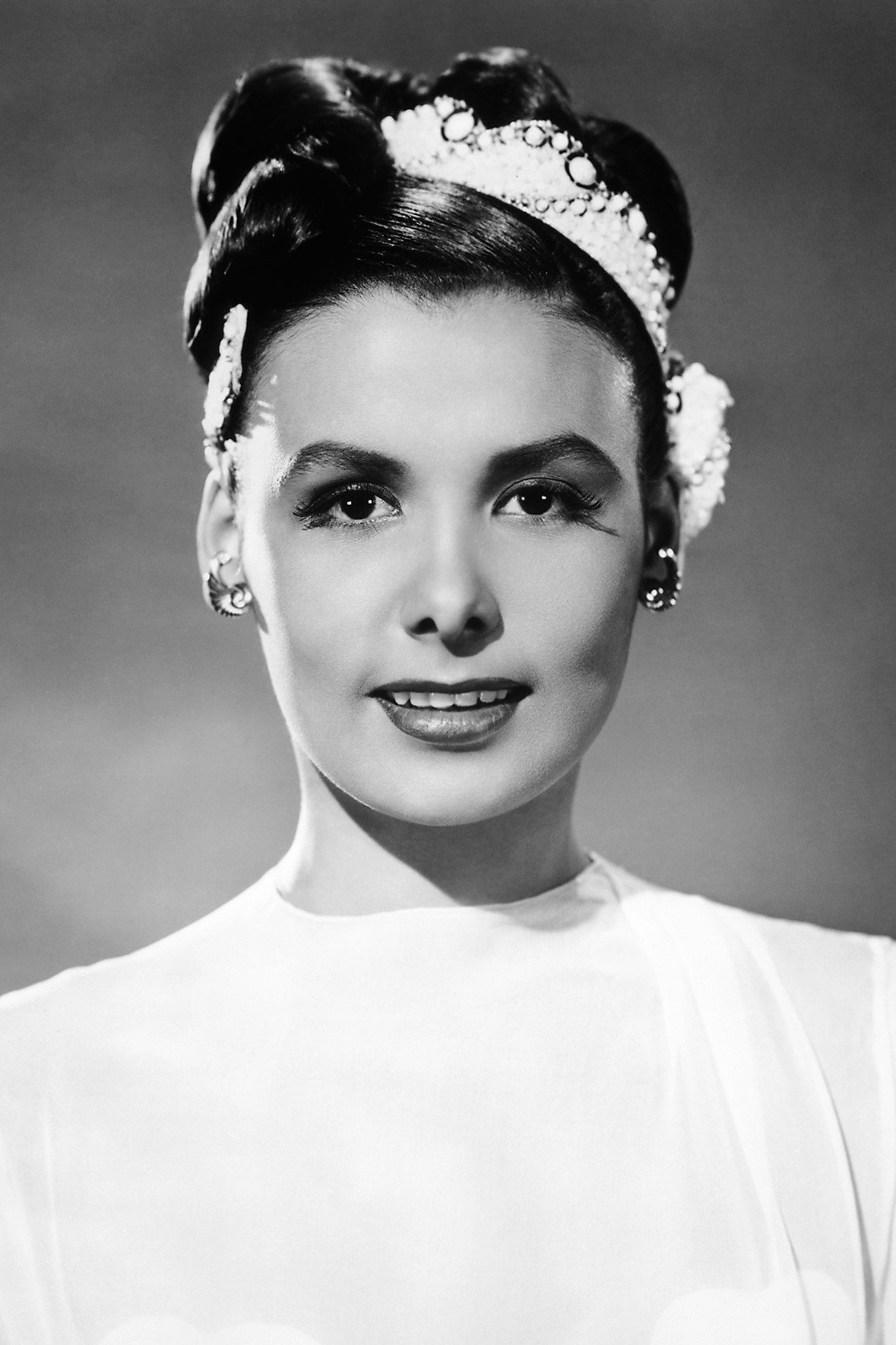
Lena Horne was a major star who faced constant racism and was often edited out of films when they were shown in the South. The studios would film her in standalone musical numbers so that her scenes could be easily removed for racist audiences. Horne was also a dedicated civil rights activist who refused to perform for segregated audiences during World War II. She spent much of her career fighting against the restrictive contracts that limited the visibility of Black performers. Her courage and talent helped pave the way for future generations of Black entertainers.
Keke Palmer

Keke Palmer has been open about her experiences with colorism and the industry tendency to compare Black actresses to one another. She has spoken about the pressure to maintain a certain image and the challenges of transitioning from a child star to an adult lead. Palmer has used her social media presence to connect with fans and address the systemic issues she sees in Hollywood. She has also advocated for the importance of Black ownership and creative control in the entertainment business. Her versatility as an actress and host has made her a prominent figure in modern media.
Jurnee Smollett

Jurnee Smollett has shared her experiences with the racism and sexism that she has encountered since she was a young child in the industry. She noted that she often had to deal with production teams that did not understand how to properly light or style Black performers. Smollett has been a vocal supporter of the ‘Time’s Up’ movement and has pushed for more equitable sets. Her role in ‘Lovecraft Country’ allowed her to explore themes of historical racism through a genre lens. She continues to choose projects that challenge the status quo and highlight marginalized voices.
Kiersey Clemons
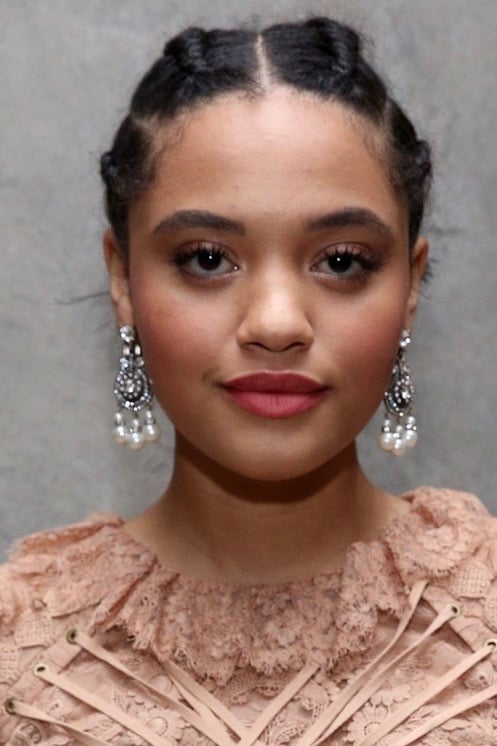
Kiersey Clemons has faced professional setbacks and online harassment that she attributed to racial bias within the industry. She has spoken about the frustration of being cast in major roles only to see those roles reduced or eliminated during the editing process. Clemons has also dealt with the pressures of social media where fans can be particularly harsh toward women of color. She has remained an advocate for queer and Black representation in film and television. Her work in independent cinema has earned her critical acclaim and a dedicated following.
Sophie Okonedo
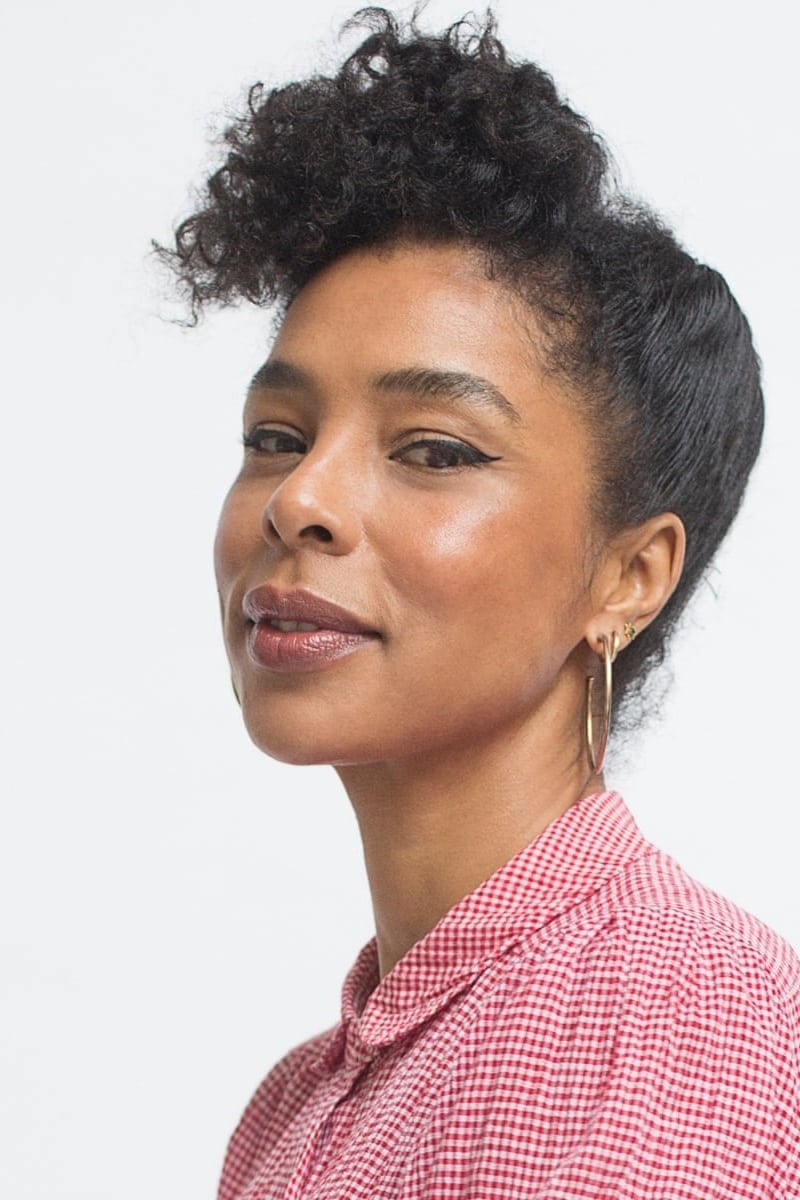
Sophie Okonedo has discussed the differences between the British and American film industries regarding the treatment of Black actresses. She noted that she often found more complex and diverse opportunities in the United States than in her home country. Okonedo has faced industry bias that sometimes pigeonholes Black actors into specific types of roles. She has consistently delivered powerful performances in both film and theater that defy these expectations. Her career highlights the global nature of the challenges faced by Black women in the arts.
Thandiwe Newton

Thandiwe Newton has been very vocal about the racism and sexual harassment she experienced early in her career. She spoke about a specific incident where a director filmed her in a compromising way and then showed the footage at parties. Newton has also discussed the challenges of being a biracial actress and the ways she was often made to feel like an outsider. She eventually reclaimed the original spelling of her name as a way to honor her heritage and assert her identity. Her advocacy has made her a leading voice for safety and respect in Hollywood.
Adina Porter
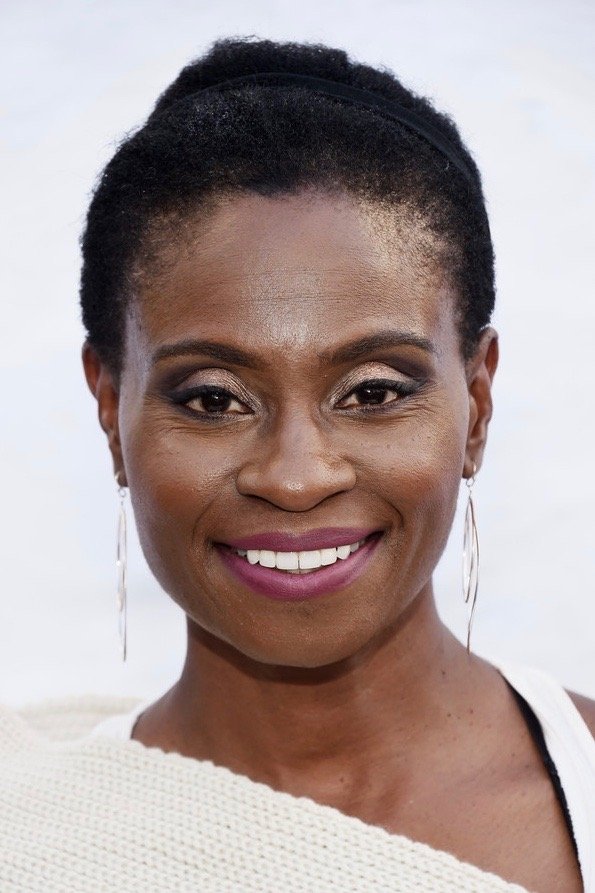
Adina Porter has discussed the difficulties of sustaining a long term career as a Black actress in a competitive market. She has spoken about the colorism she encountered and how it affected the types of roles she was offered. Porter has often been cast in supporting roles that she has transformed into memorable and complex characters through her skill. She has noted that the industry still has a long way to go in terms of providing equal opportunities for older Black women. Her work on ‘American Horror Story’ has brought her widespread recognition and critical praise.
Pearl Mackie
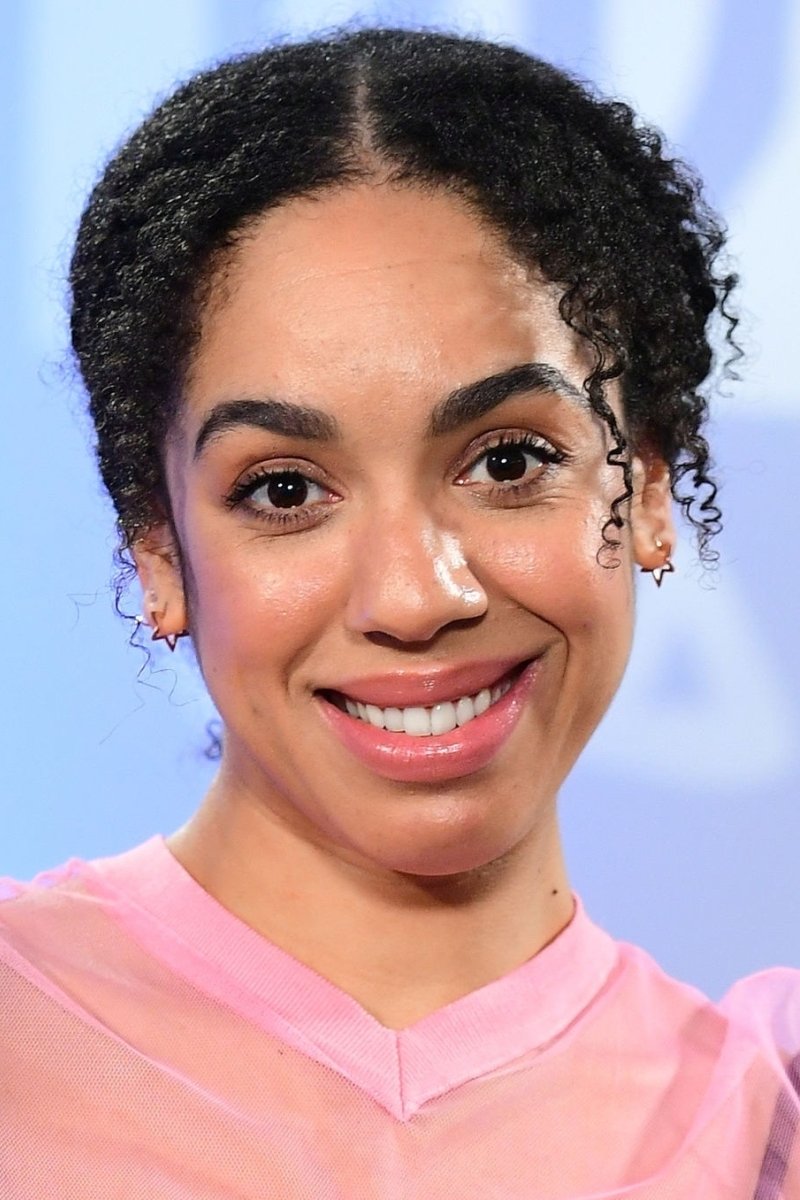
Pearl Mackie received a mix of support and racist abuse when she was cast as the first biracial companion on ‘Doctor Who’. Some viewers expressed anger at the change in the traditional dynamic of the long running series. Mackie addressed the negativity by focusing on the positive impact her character had on younger fans who finally saw themselves represented. She noted that the experience was a sharp introduction to the intensity of fan culture and its underlying biases. Her portrayal of Bill Potts was ultimately celebrated for its charm and modern perspective.
Javicia Leslie
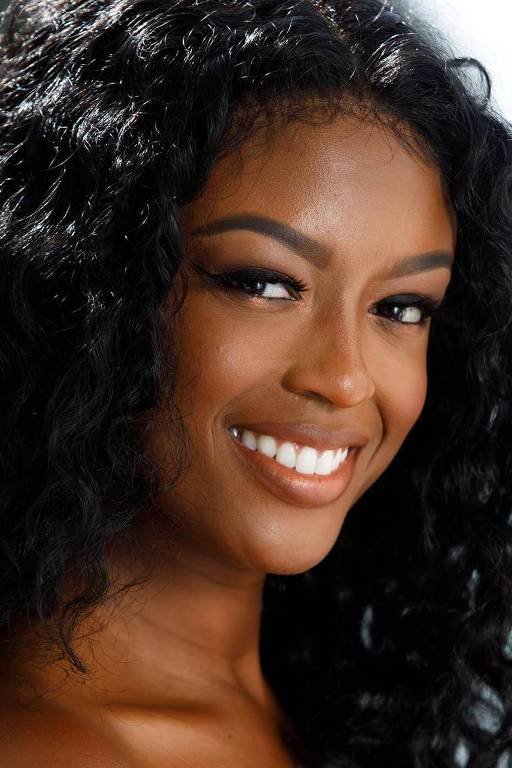
Javicia Leslie faced significant pressure and racist commentary when she took over the lead role in the ‘Batwoman’ television series. As the first Black woman to play the character in a live action setting she was the target of various online attacks. Leslie remained focused on the groundbreaking nature of the role and the importance of representation for the LGBTQ community. She worked closely with the production team to ensure that her character reflected her own background and experiences. Her tenure on the show was marked by her athletic performance and commitment to the role.
Queen Latifah
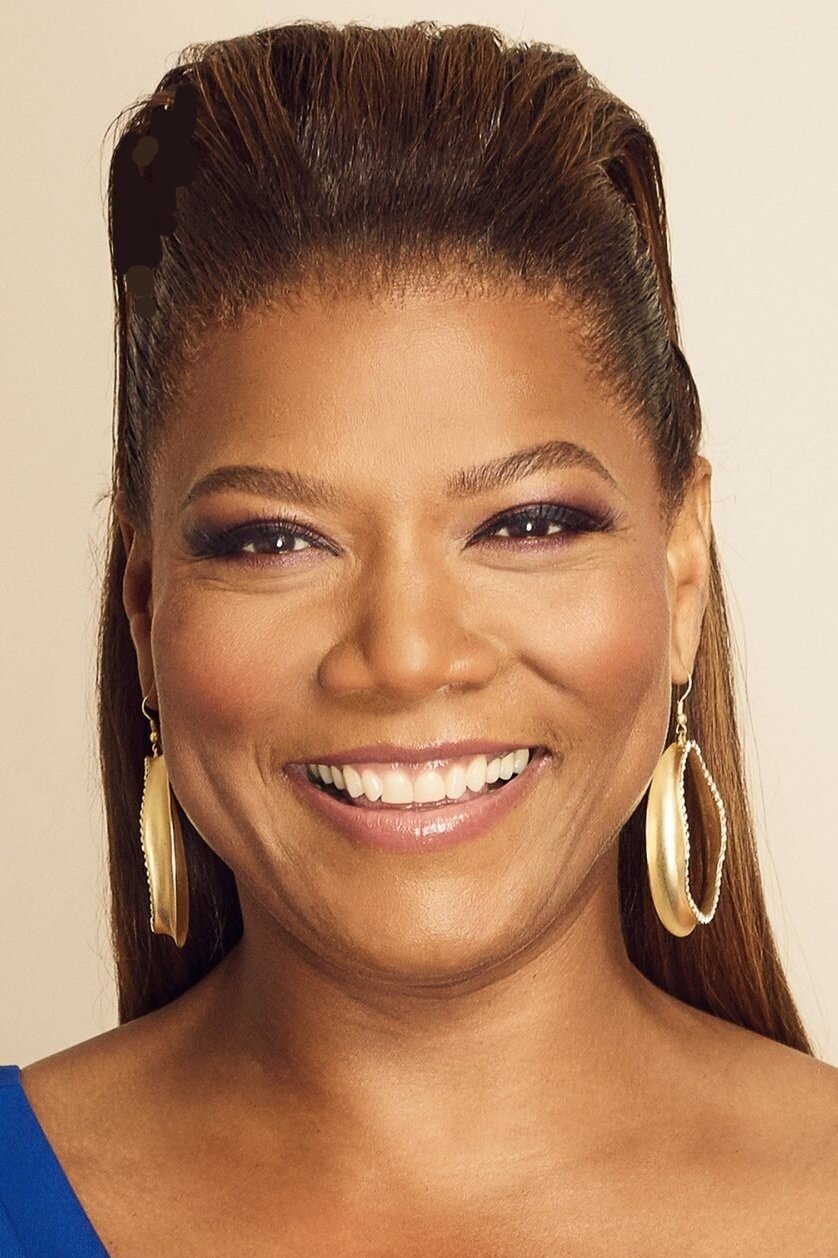
Queen Latifah has been a major force in the entertainment industry and has spoken about the barriers she faced as a Black woman in hip hop and film. She has discussed the importance of pay equity and the need for Black actresses to have seats at the executive table. Latifah has used her production company to create projects that highlight diverse stories and provide jobs for people of color. She has faced industry pressure to conform to certain body standards and has consistently pushed back against those expectations. Her successful career across multiple mediums has made her a legendary figure in Hollywood.
Regina King
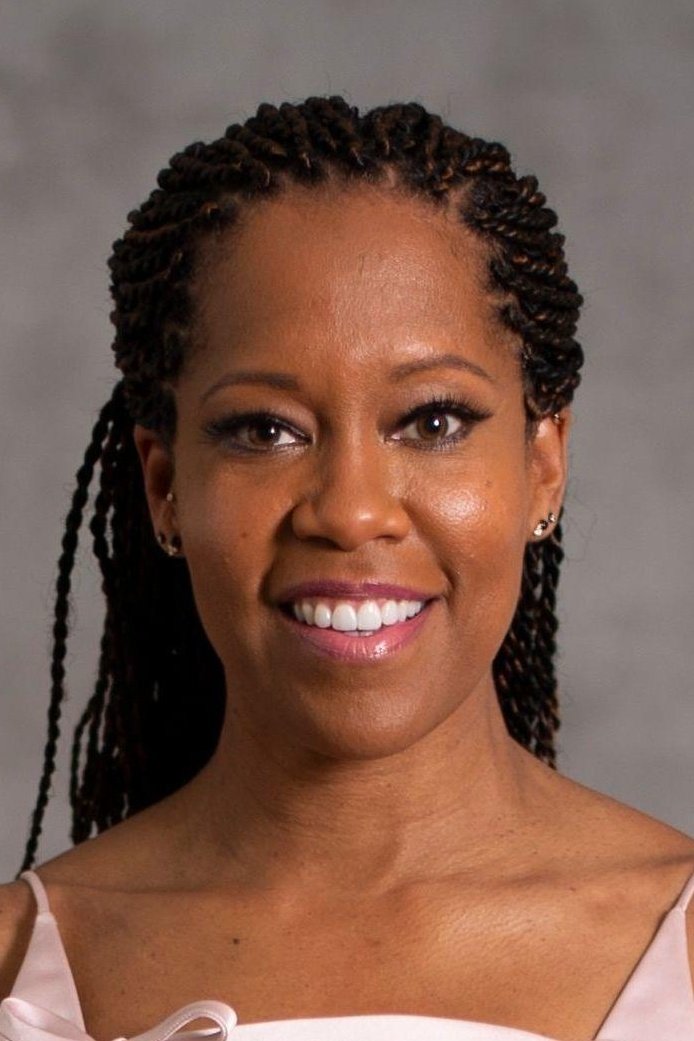
Regina King has navigated the industry for decades and has spoken about the systemic racism that often overlooks veteran Black talent. She noted that she had to transition into directing and producing to have more control over the stories she wanted to tell. King has been a vocal advocate for the 4% Challenge which encourages hiring more female directors. She has also spoken about the lack of recognition for Black actresses at major awards ceremonies until recently. Her recent string of successes has solidified her position as one of the most respected creators in the business.
Issa Rae
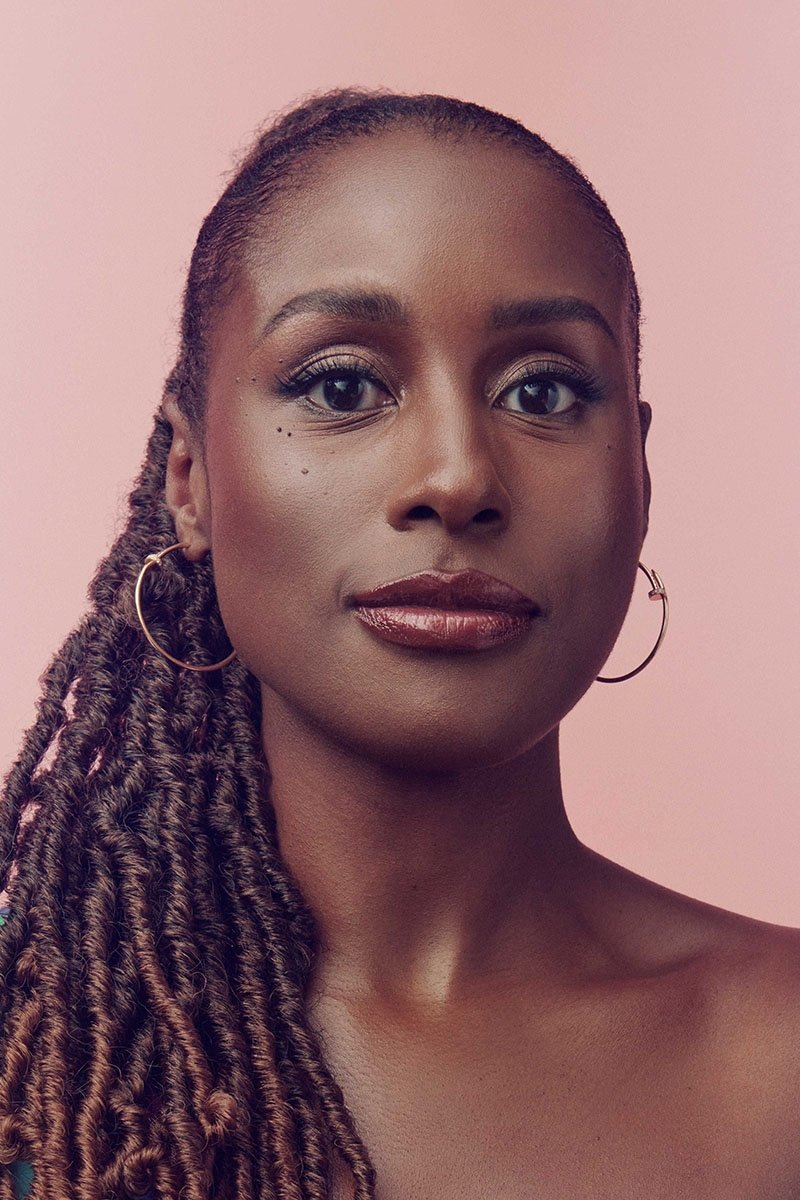
Issa Rae started her career on YouTube because she felt that mainstream media did not provide authentic portrayals of Black women. She has spoken about the initial resistance she faced from networks that did not believe there was an audience for her work. Rae eventually created the hit series ‘Insecure’ which became a cultural touchstone for its realistic depiction of Black life. She has used her success to open a management company and a production studio to support other creators of color. Her journey highlights the necessity of self starting in an industry that often excludes Black voices.
Danielle Brooks
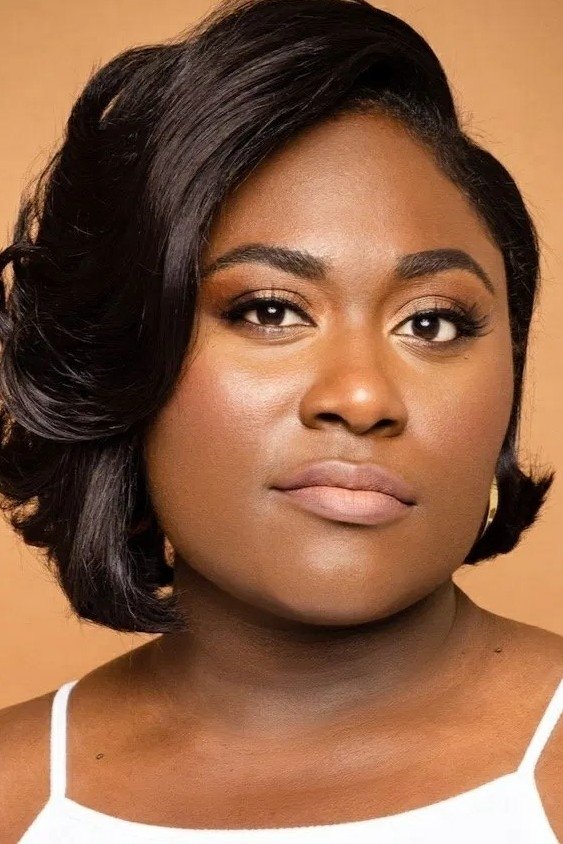
Danielle Brooks has spoken openly about the impact of colorism on her career and her self esteem as a performer. She noted that she was often typecast into specific roles because of her size and skin tone during her early years. Brooks has used her platform to advocate for body positivity and better representation for darker skinned Black women. Her performance in ‘The Color Purple’ and ‘Orange Is the New Black’ earned her critical acclaim and industry respect. She continues to push for roles that allow her to showcase her full range as a dramatic and comedic actress.
Uzo Aduba
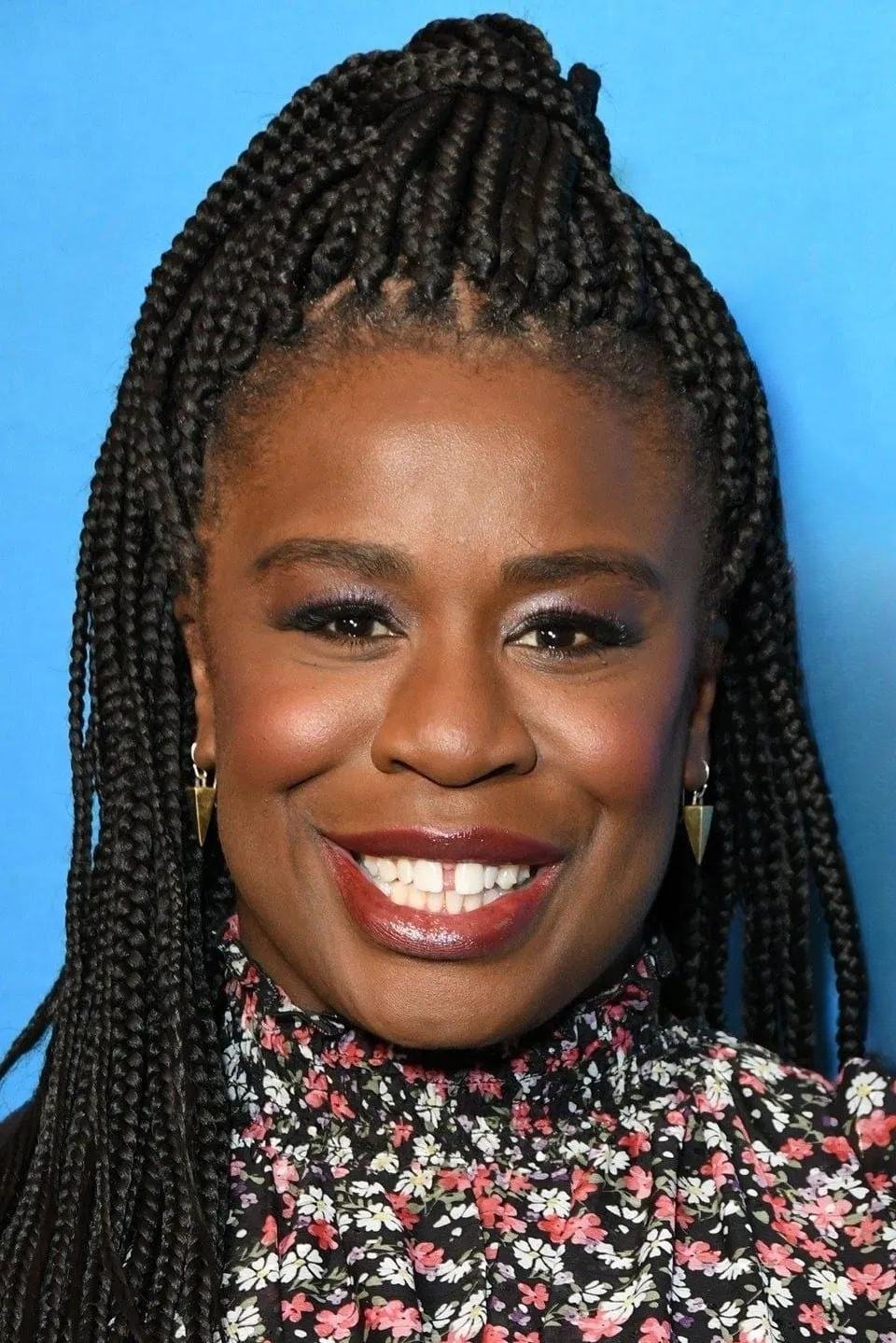
Uzo Aduba has discussed the early career struggles she faced including the pressure to change her name to be more marketable. She decided to keep her birth name and eventually found massive success on the series ‘Orange Is the New Black’. Aduba has spoken about the racist tropes that she had to navigate when auditioning for television roles. She has become an ‘Emmy’ winning actress who is known for her deep commitment to her characters. Her success serves as an inspiration for other performers to remain true to their heritage and identity.
Samira Wiley
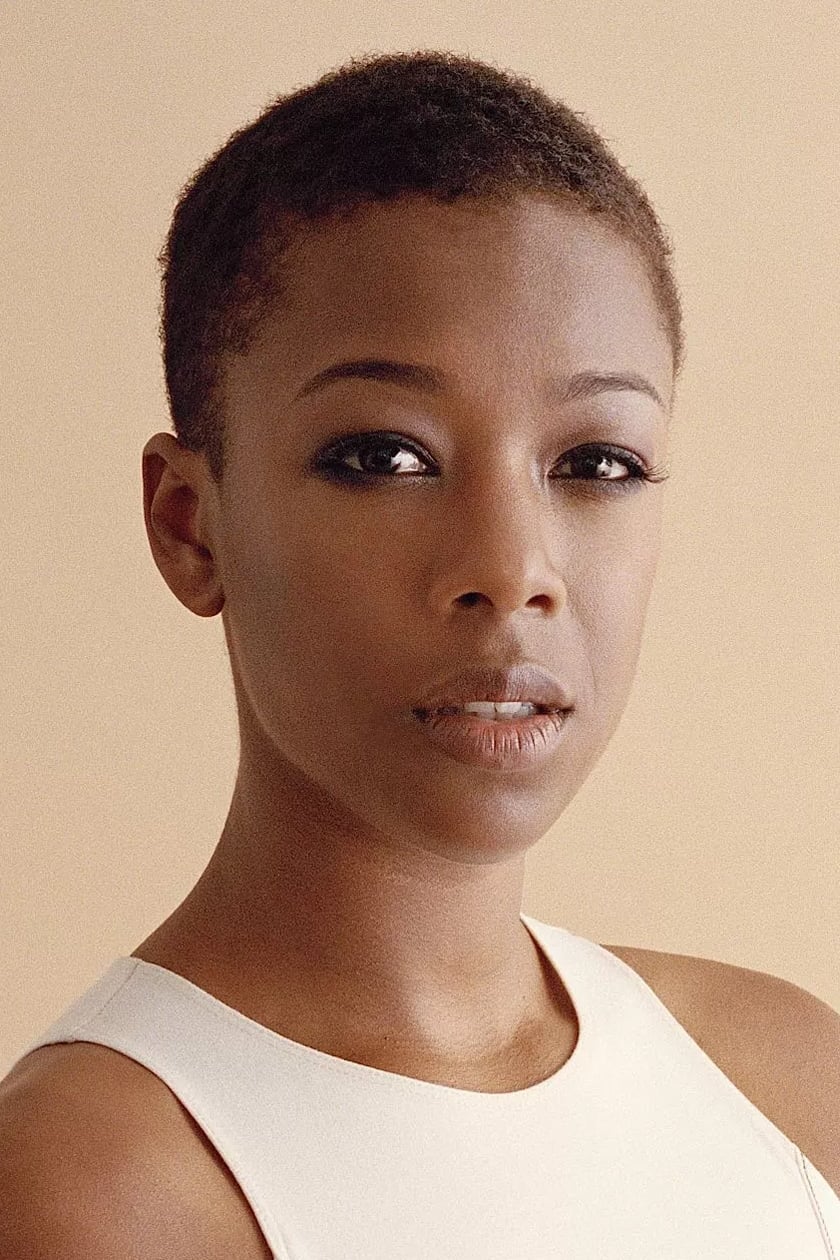
Samira Wiley has addressed the intersection of racism and homophobia that she has encountered in the entertainment business. She has spoken about the limited roles available to Black queer women and the need for more diverse writers rooms. Wiley has faced industry bias that often tries to categorize her based on her appearance or personal life. She has consistently chosen projects that challenge these narrow perceptions and provide nuanced portrayals of marginalized people. Her work in ‘The Handmaids Tale’ has earned her widespread recognition and several award nominations.
Retta
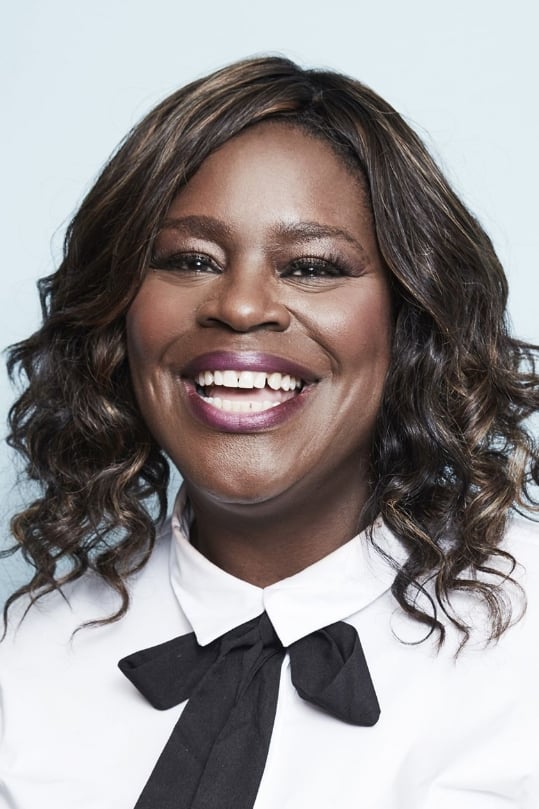
Retta has shared her experiences with the racism and fatphobia that she has encountered in the world of stand up comedy and television. She noted that she was often the only person of color in the room during the early years of her career. Retta has spoken about the challenges of finding stylists and hair professionals who know how to work with her on set. She has become a fan favorite for her roles in ‘Parks and Recreation’ and ‘Good Girls’ where she broke from traditional stereotypes. Her success has helped pave the way for other Black women in comedy.
Nicole Beharie
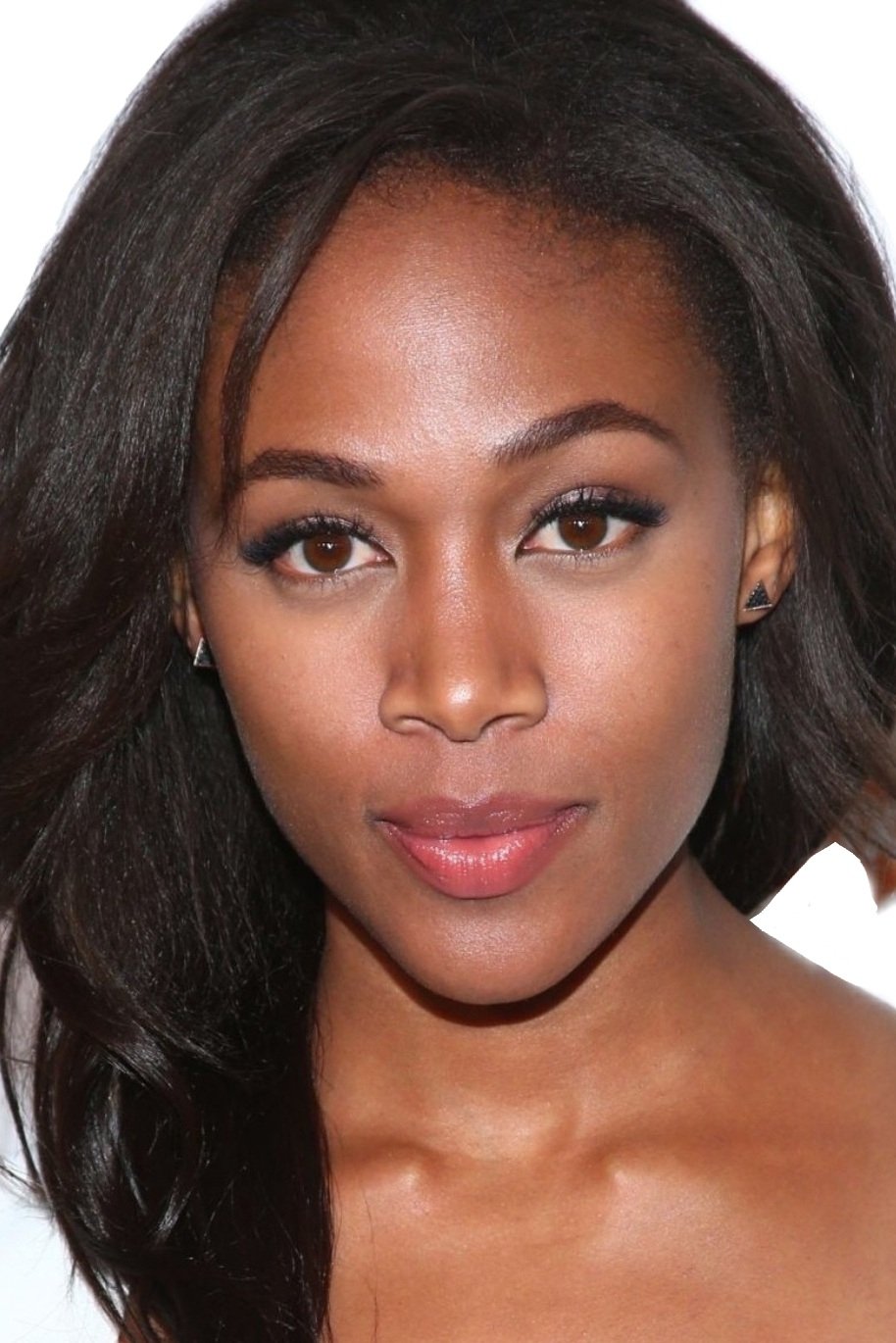
Nicole Beharie has spoken out about the toxic environment and racial bias she experienced on the set of ‘Sleepy Hollow’. She noted that she was treated differently than her white co star and was eventually written off the show after seeking medical help. Beharie mentioned that she was labeled as difficult for standing up for herself and her health during the production. This experience had a significant impact on her career and her willingness to work in network television for a period. She has since made a strong return to the industry with acclaimed performances in independent films.
Dominique Tipper
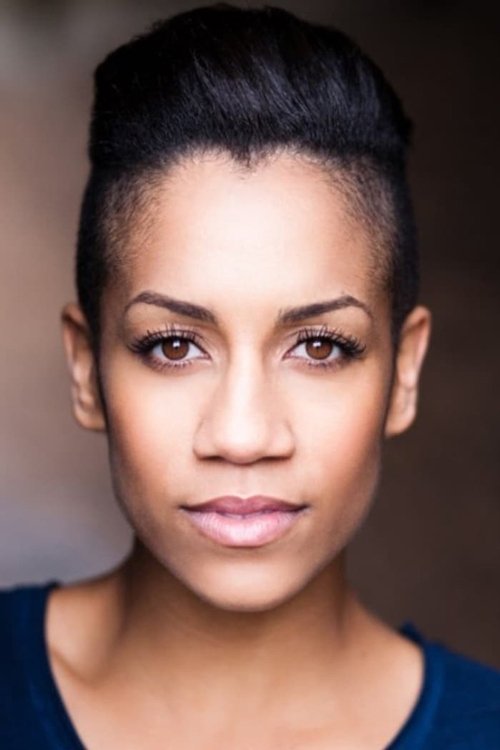
Dominique Tipper has addressed the racist harassment she received from some segments of the fan base of ‘The Expanse’. As a lead character in a major science fiction series she was the target of comments that questioned her casting and her performance. Tipper used her social media platforms to address the hate and to stand in solidarity with other Black actors in the genre. She has been vocal about the importance of diverse representation in science fiction which has historically been a white dominated space. Her portrayal of Naomi Nagata was widely praised by critics for its complexity and strength.
Thuso Mbedu
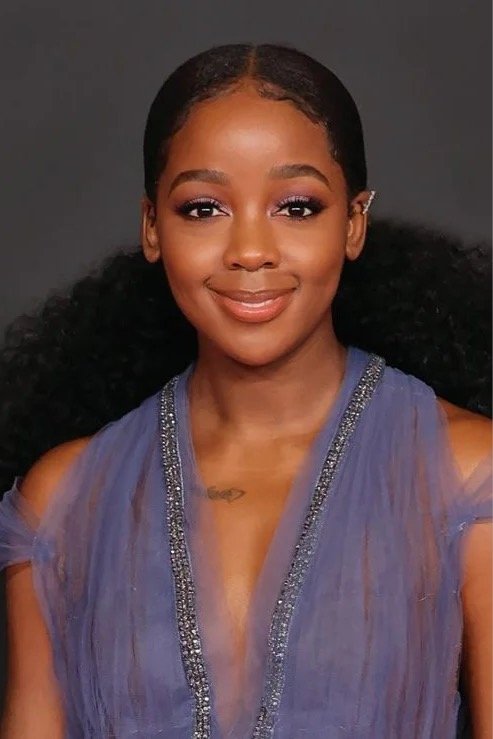
Thuso Mbedu has spoken about the challenges of moving from the South African film industry to Hollywood and the racism she encountered along the way. She noted that she often had to deal with industry professionals who had narrow views of African life and culture. Mbedu has advocated for more authentic storytelling that does not rely on stereotypes or the white gaze. Her lead role in ‘The Underground Railroad’ was a major breakthrough that showcased her immense talent to a global audience. She continues to choose projects that are socially relevant and artistically challenging.
Share your thoughts on these stories and the importance of representation in the comments.

