


Black actresses who Who Concealed Their Ethnicity to Succeed in Hollywood

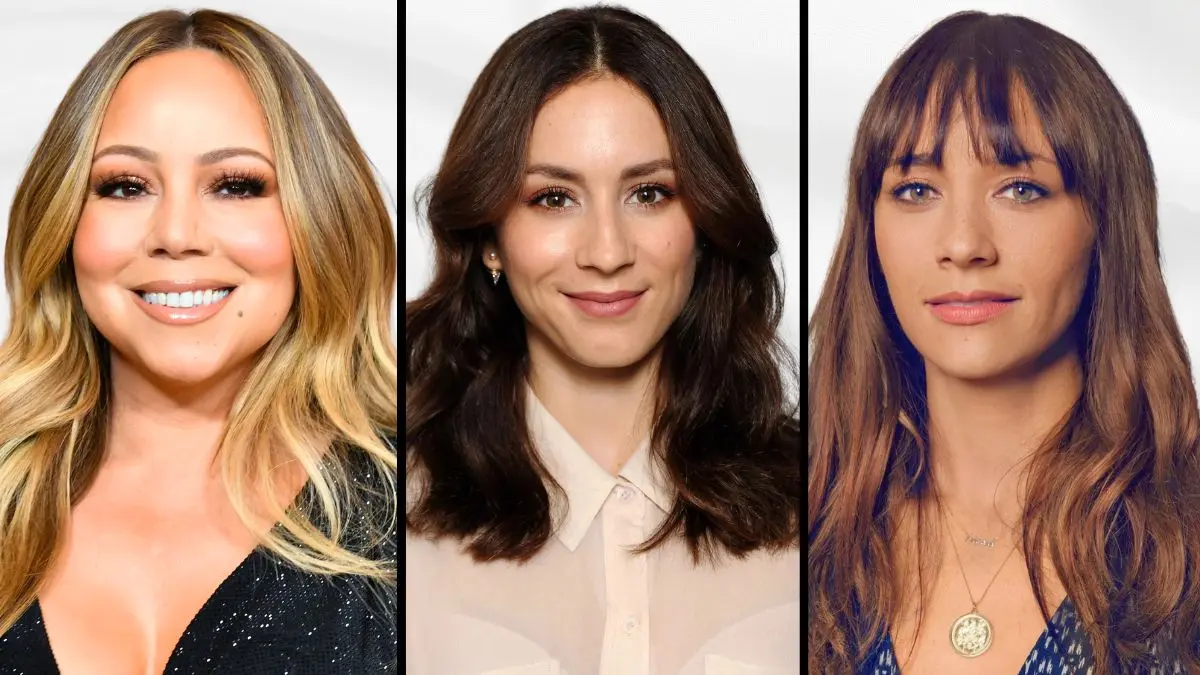


Hollywood has a long history of racial gatekeeping that forced many performers to navigate complex social barriers to find professional success. During the early decades of the film industry some actresses felt pressured to downplay or hide their African heritage to avoid being typecast or denied leading roles. This historical phenomenon of passing allowed several talented women to build legendary careers while their true backgrounds remained a closely guarded secret from the public. While the industry has moved toward greater transparency many of these stories highlight the significant personal sacrifices made by trailblazers of the past. Today these women are celebrated for their contributions to cinema despite the difficult circumstances they faced during their lives.
Merle Oberon
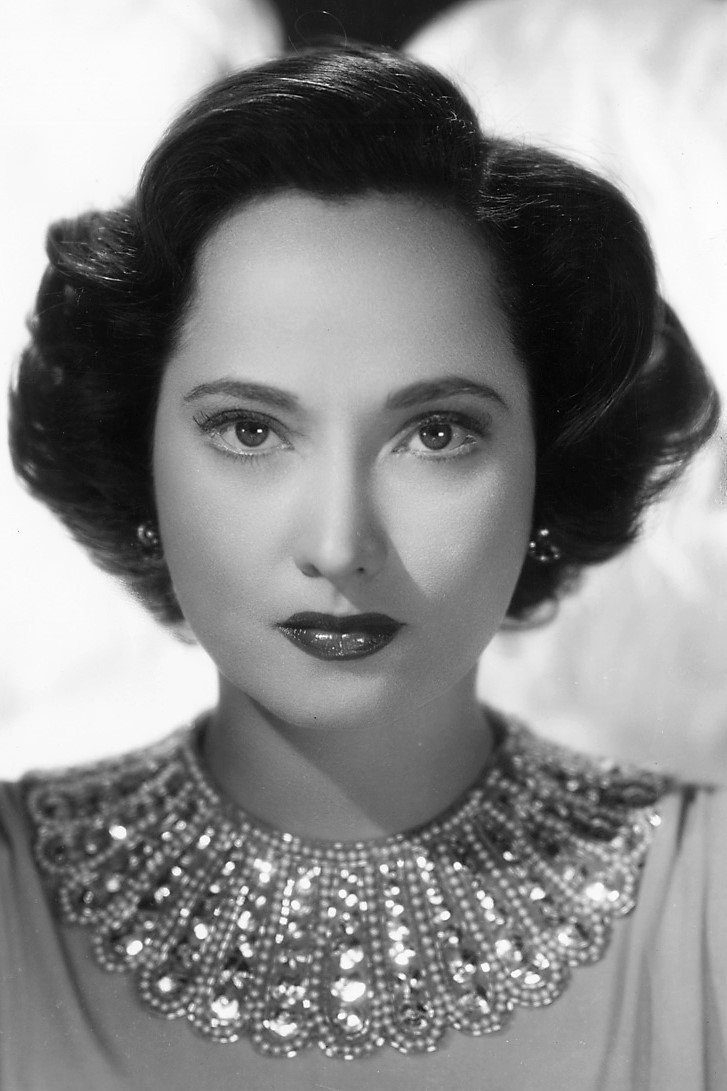
Merle Oberon was a celebrated star of the golden age who meticulously hid her Indian and Maori ancestry to maintain her status as a leading lady. She fabricated a story about being born in Tasmania and claimed that her birth records were lost in a fire. Her skin was often lightened with heavy makeup during the filming of classics like ‘Wuthering Heights’ (1939) to fit the aesthetic expectations of the time. This deception was a response to the systemic racism that would have likely ended her career in the 1930s. The full truth of her background was only confirmed through research conducted after her passing.
Fredi Washington
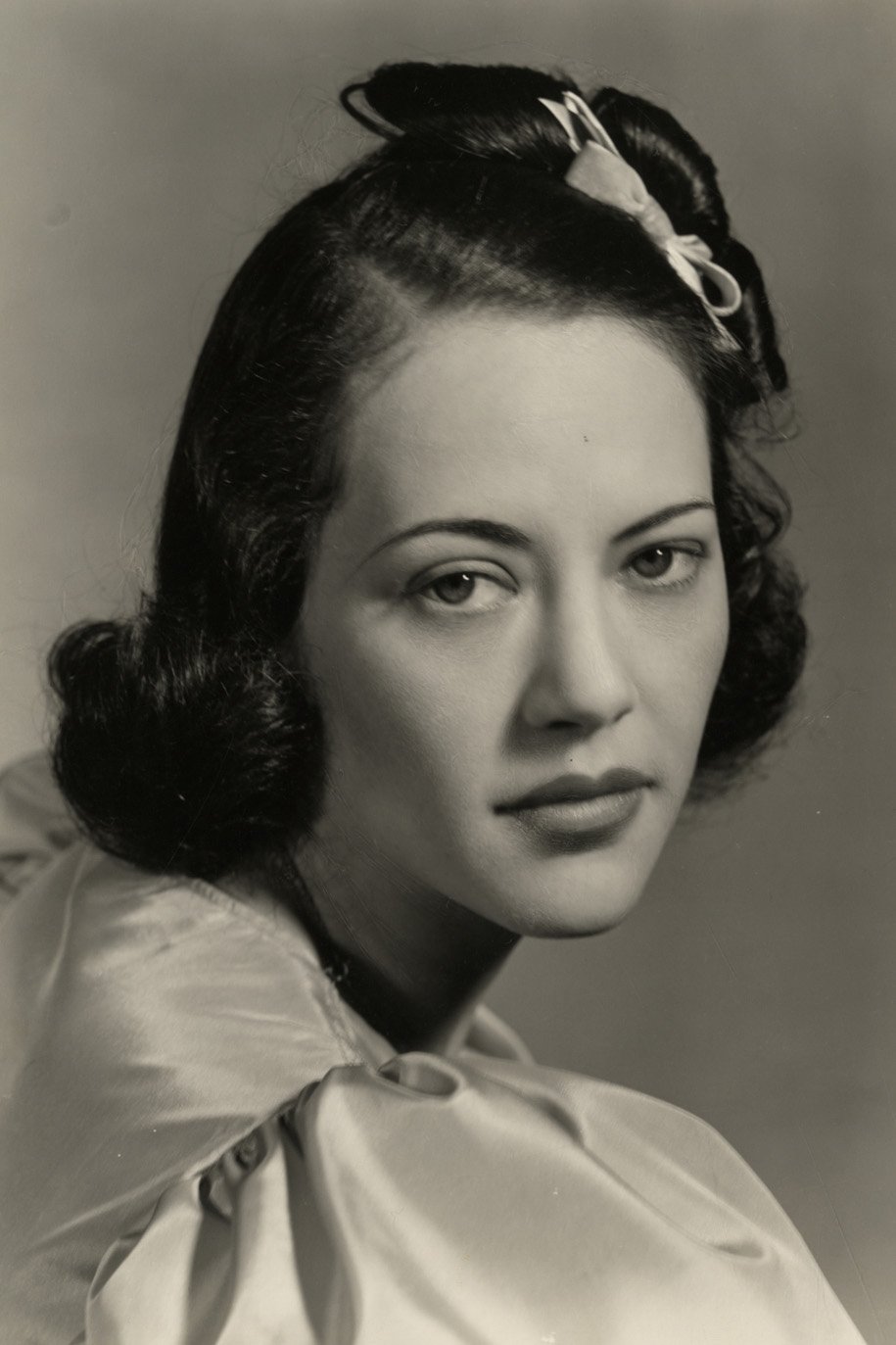
Fredi Washington was a talented performer who faced constant pressure to pass for white because of her fair complexion and light eyes. She gained massive recognition for her role in ‘Imitation of Life’ (1934) where she played a character who rejects her Black mother to live as a white woman. Despite the film being a huge success studios encouraged her to continue passing in her real life to secure more roles. She chose to refuse these demands and instead became a passionate activist for Black performers in the entertainment industry. Her career illustrates the difficult choices actresses faced between professional gain and personal identity.
Carol Channing
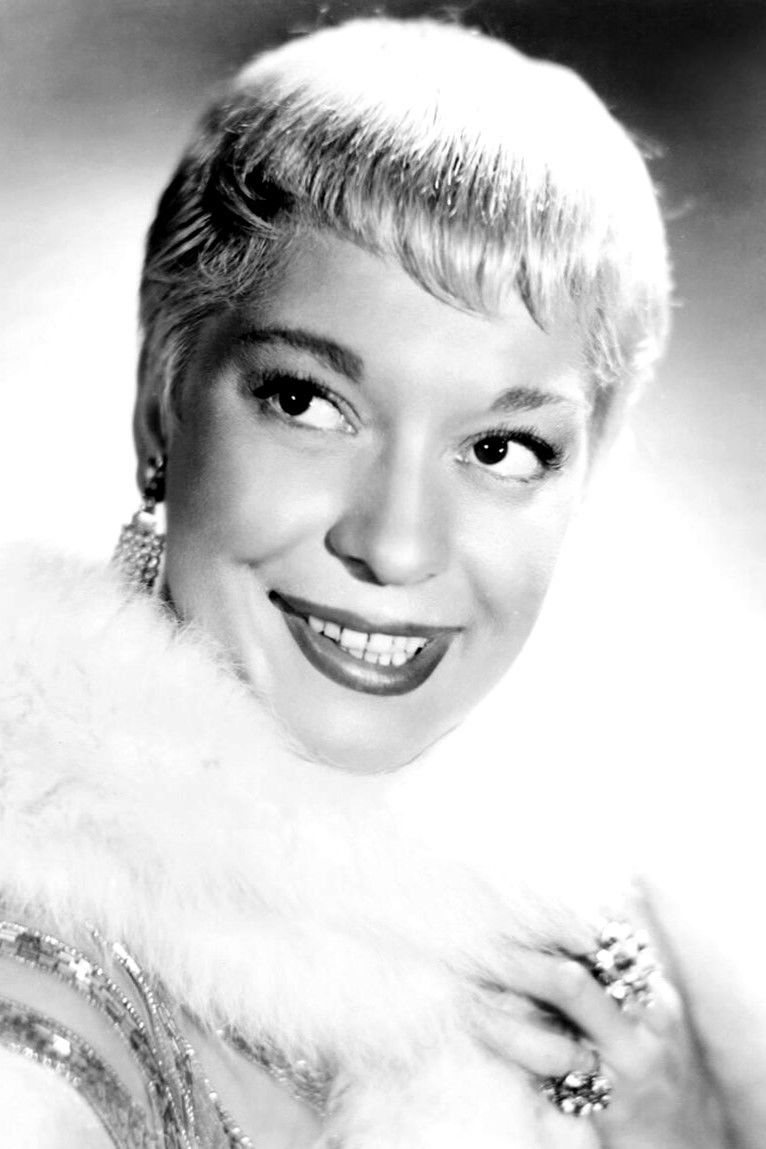
Carol Channing was a legendary Broadway and film star who kept her biracial heritage a secret for the vast majority of her professional life. Her father was biracial but she did not reveal this information until she published her autobiography in 2002. She feared that being identified as Black would limit her opportunities in the mid twentieth century theater world. This hidden history did not stop her from becoming a cultural icon through her work in ‘Hello, Dolly!’ (1964). Her revelation late in life surprised many of her fans and highlighted the culture of secrecy in old Hollywood.
Jennifer Beals
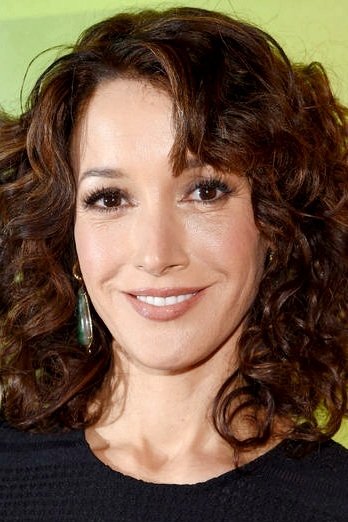
Jennifer Beals became an overnight sensation after starring in the hit movie ‘Flashdance’ (1983). During the peak of her early fame her biracial heritage was rarely mentioned in promotional materials or media coverage. This allowed the public and casting directors to perceive her as racially ambiguous or white for many years. She later spoke about how her appearance allowed her to move through the industry without the immediate labels often placed on Black actresses. Her career has since included many diverse roles that embrace her full background.
Troian Bellisario
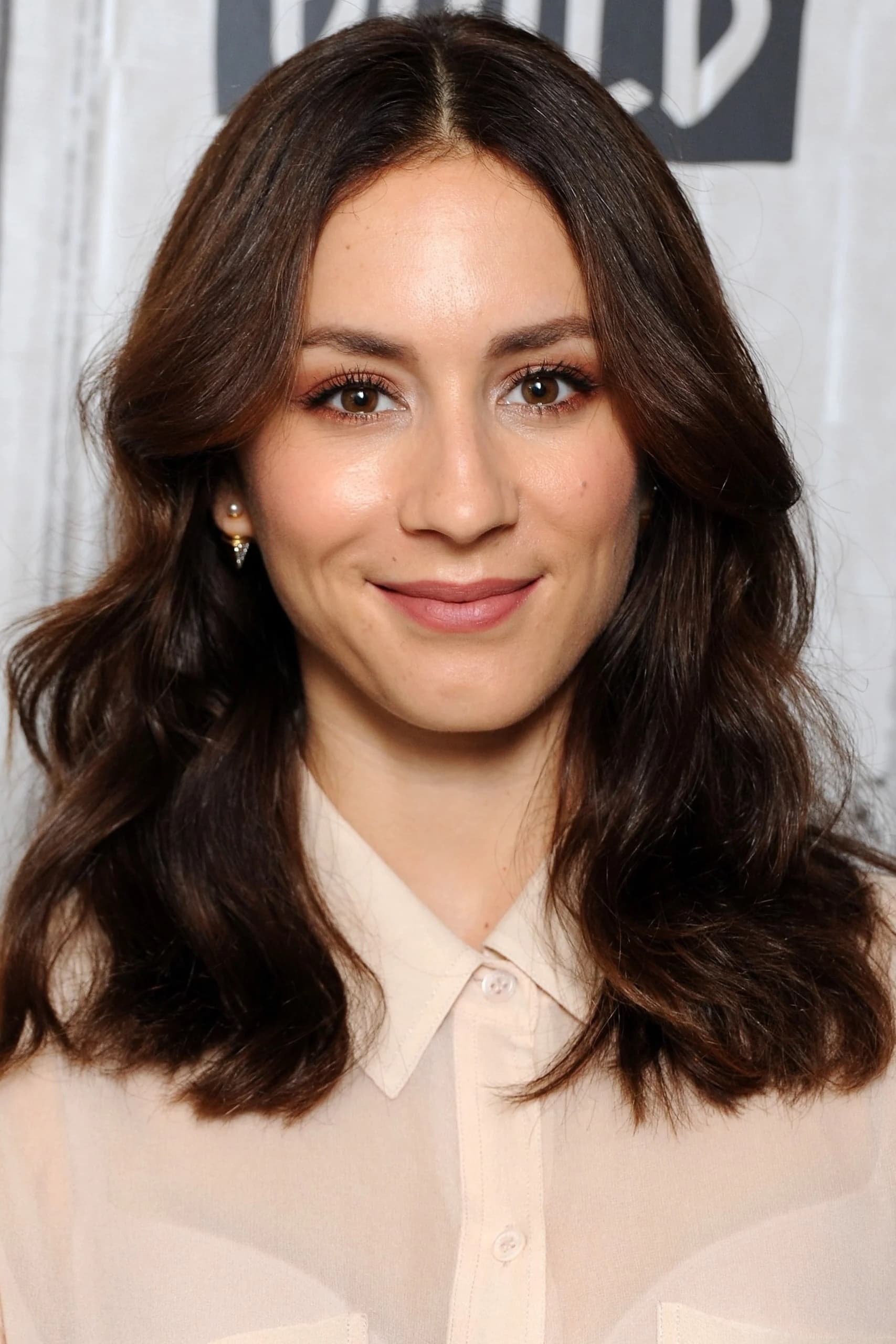
Troian Bellisario is well known for her long running role on the television series ‘Pretty Little Liars’ (2010). Many fans were unaware for years that she is biracial with her mother being of African American and Creole descent. Because of her fair skin she was often cast in roles that did not specify her ethnicity or assumed she was white. She has since discussed the importance of acknowledging her heritage in an industry that frequently relies on narrow visual stereotypes. Her success shows how perceptions of race can vary widely within modern television casting.
Rashida Jones
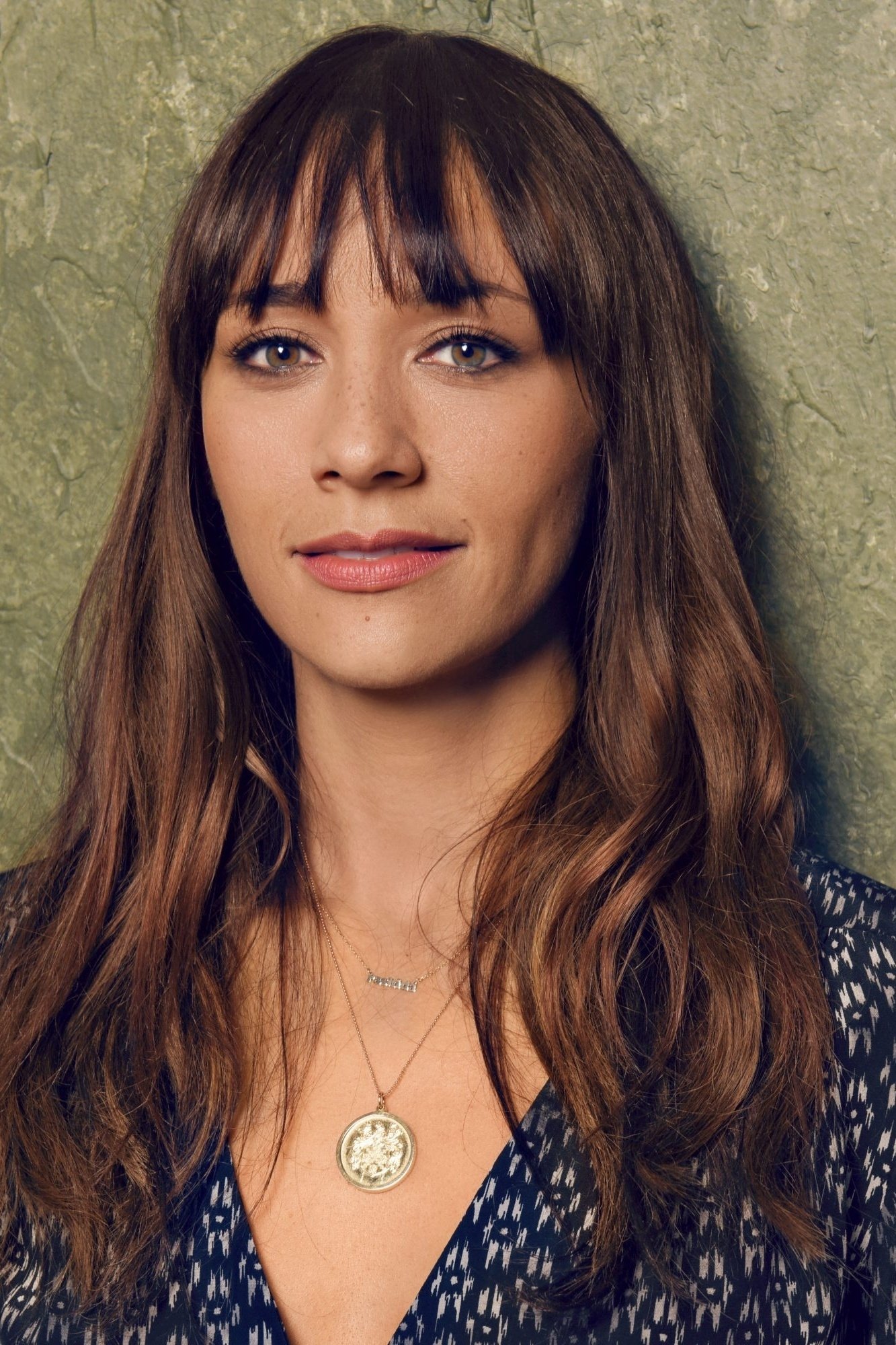
Rashida Jones has enjoyed a prolific career in comedy and drama through shows like ‘Parks and Recreation’ (2009). As the daughter of music legend Quincy Jones and actress Peggy Lipton she has frequently been cast in roles that do not acknowledge her Black heritage. This ambiguity allowed her to play a wide variety of characters that were not written with a specific race in mind. While she has never explicitly hidden her background her physical appearance often led the industry to categorize her in different ways. She has used her platform to discuss the nuances of being biracial in the modern entertainment landscape.
Maya Rudolph
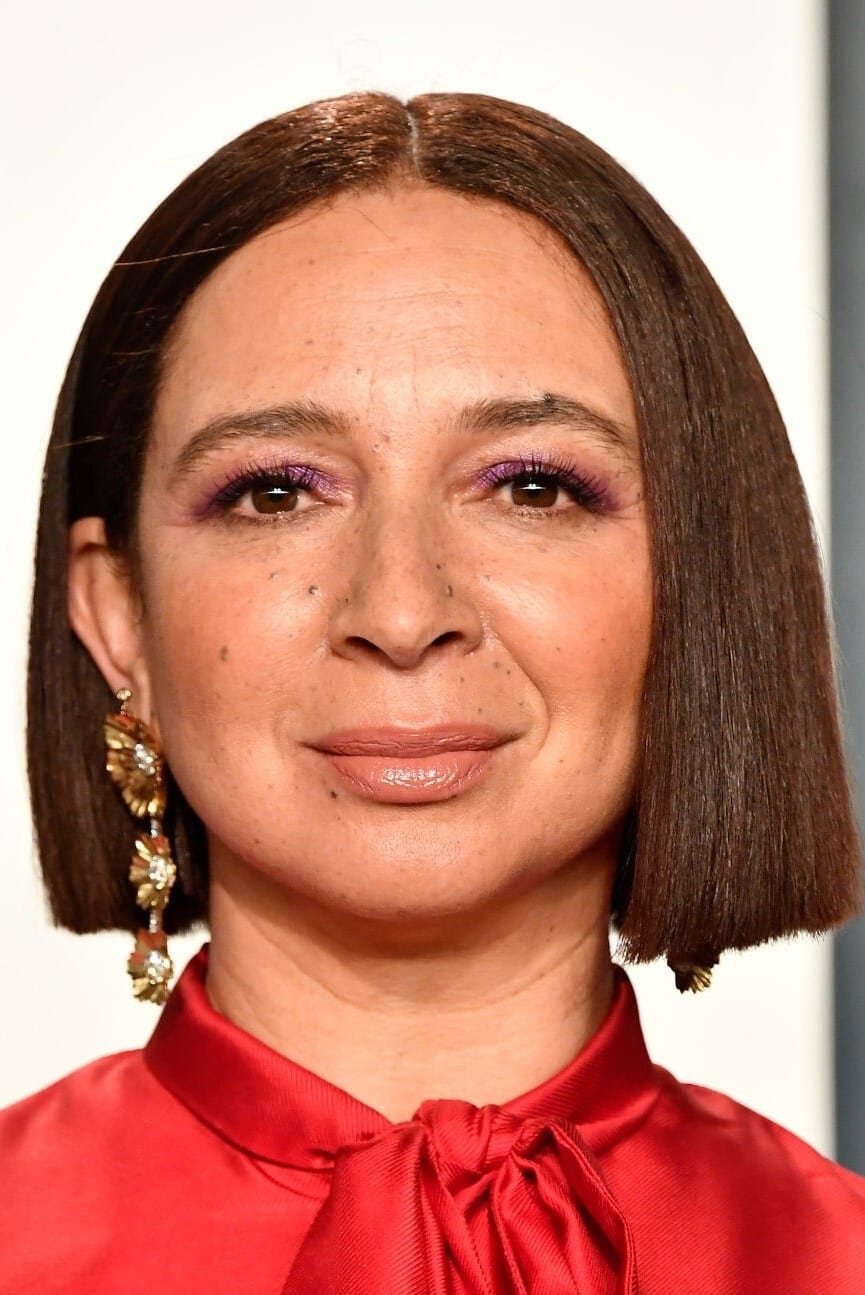
Maya Rudolph is a comedic powerhouse who rose to prominence on ‘Saturday Night Live’ (2000). Her biracial background with her mother being the legendary singer Minnie Riperton was not always the focus of her early career. Her ability to transform into many different characters allowed her to play a diverse range of ethnicities on screen. This versatility was sometimes used by the industry to cast her in roles that were racially ambiguous. She has since become an advocate for biracial representation and frequently honors her mother’s legacy in her work.
Meghan, Duchess of Sussex
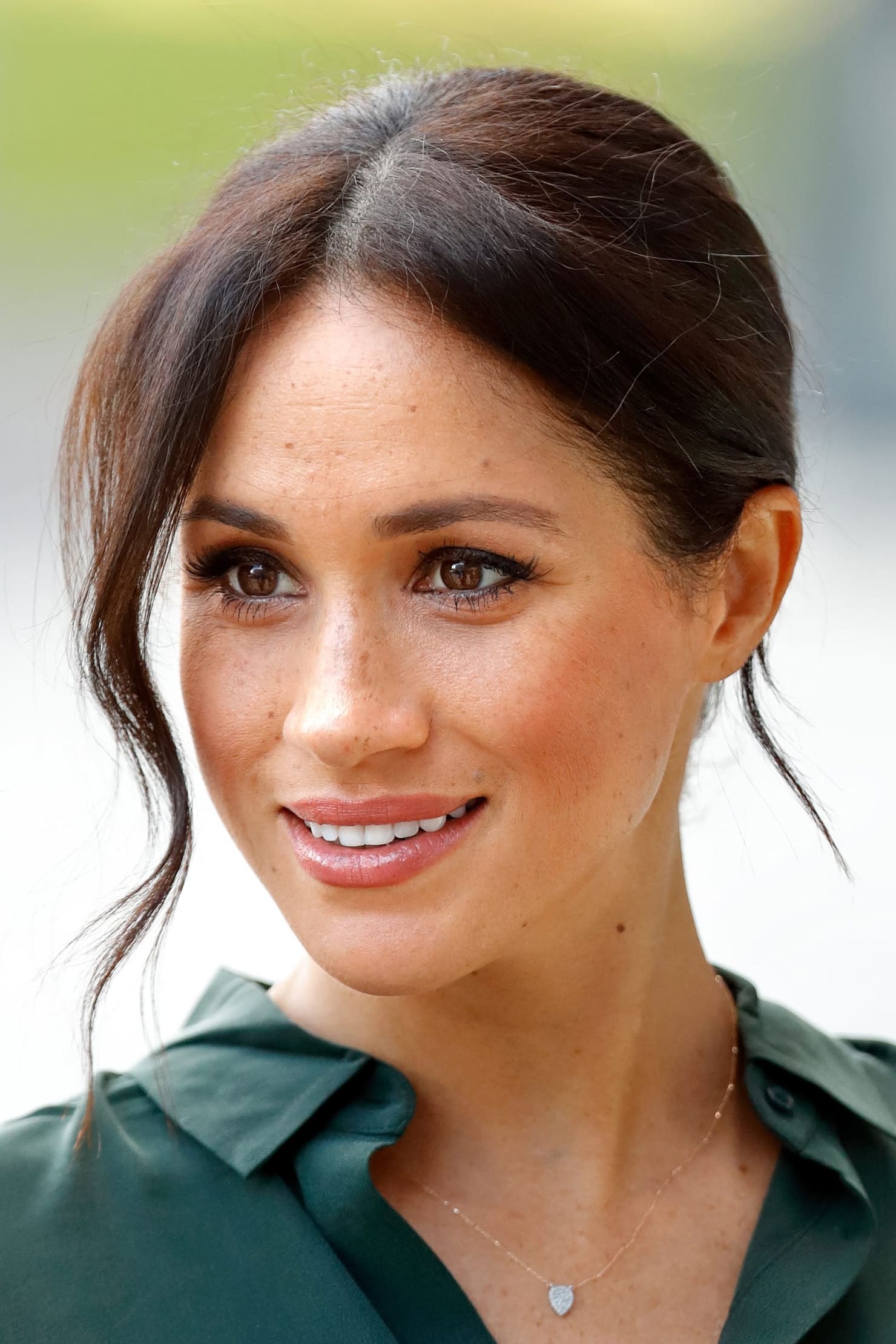
Meghan, Duchess of Sussex worked as a successful actress in Hollywood for years before her marriage into the royal family. During her time on the series ‘Suits’ (2011) her racial identity was not a primary focus of her character or her early public image. She has spoken about the challenges of being biracial in an industry that often did not know how to categorize her during auditions. Some casting directors viewed her as not being Black enough for certain roles or not white enough for others. Her global visibility has since brought a significant amount of attention to the experiences of biracial women in media.
Mariah Carey
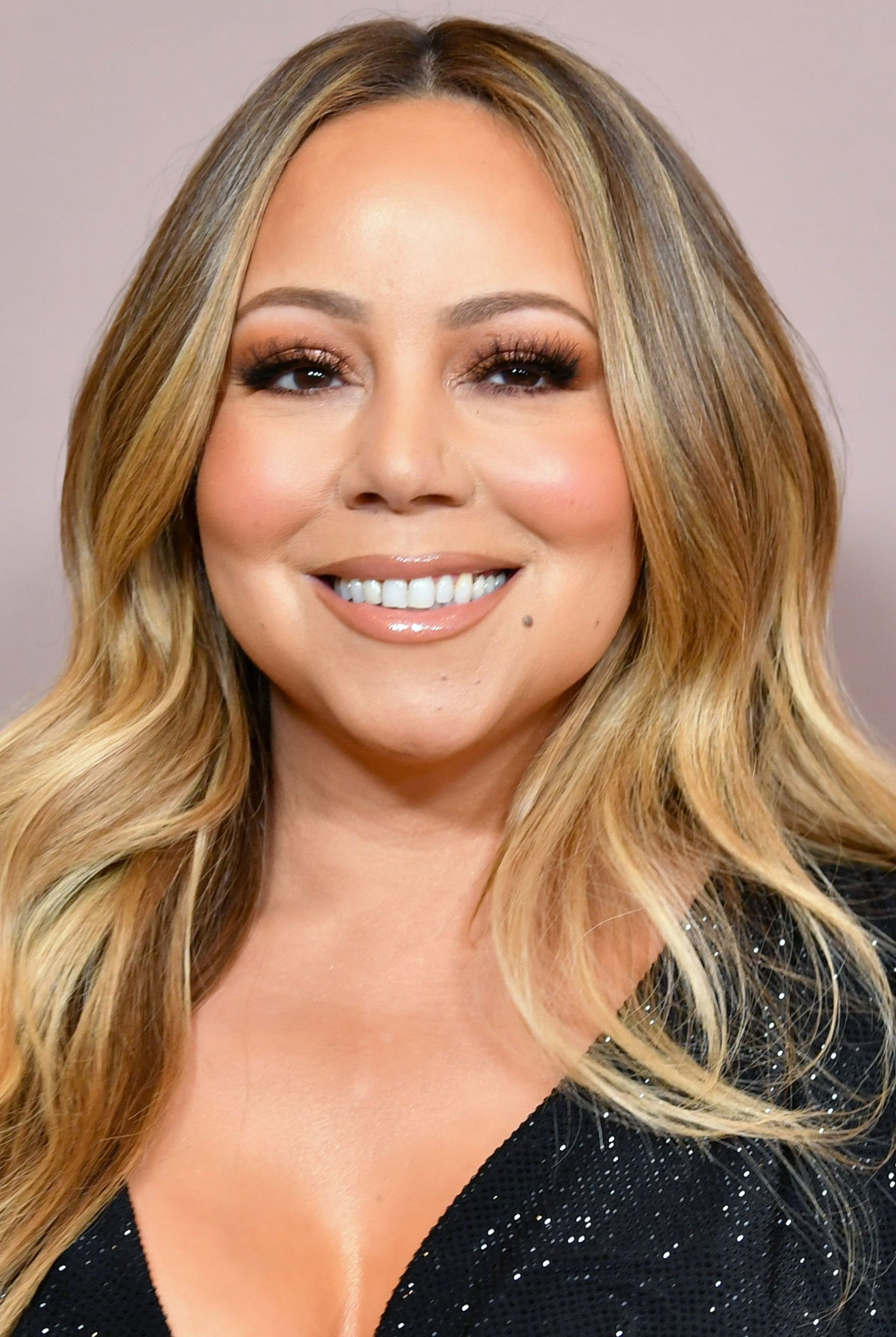
Mariah Carey is primarily known as a global music superstar but she has also maintained a presence in film through roles in ‘Precious’ (2009). Early in her career her record label was criticized for marketing her in a way that downplayed her Black heritage to appeal to a broader pop audience. This strategy created a sense of racial ambiguity that lasted for several years before she began to speak more openly about her father’s background. Her experience reflects the ways the entertainment industry often manages the identities of biracial artists for commercial purposes. She has since embraced her identity as a Black woman in both her music and her public persona.
Nicole Richie

Nicole Richie rose to fame as a reality television star and actress during the early 2000s. Many viewers were unaware of her biological heritage because she was adopted and raised by Lionel Richie. Her biological father is Black and she has frequently navigated the industry as a woman of color despite early media portrayals. She often played roles or appeared in media segments that did not highlight her racial background. As she transitioned into fashion and scripted acting she began to share more about her personal history and family roots.
Eartha Kitt
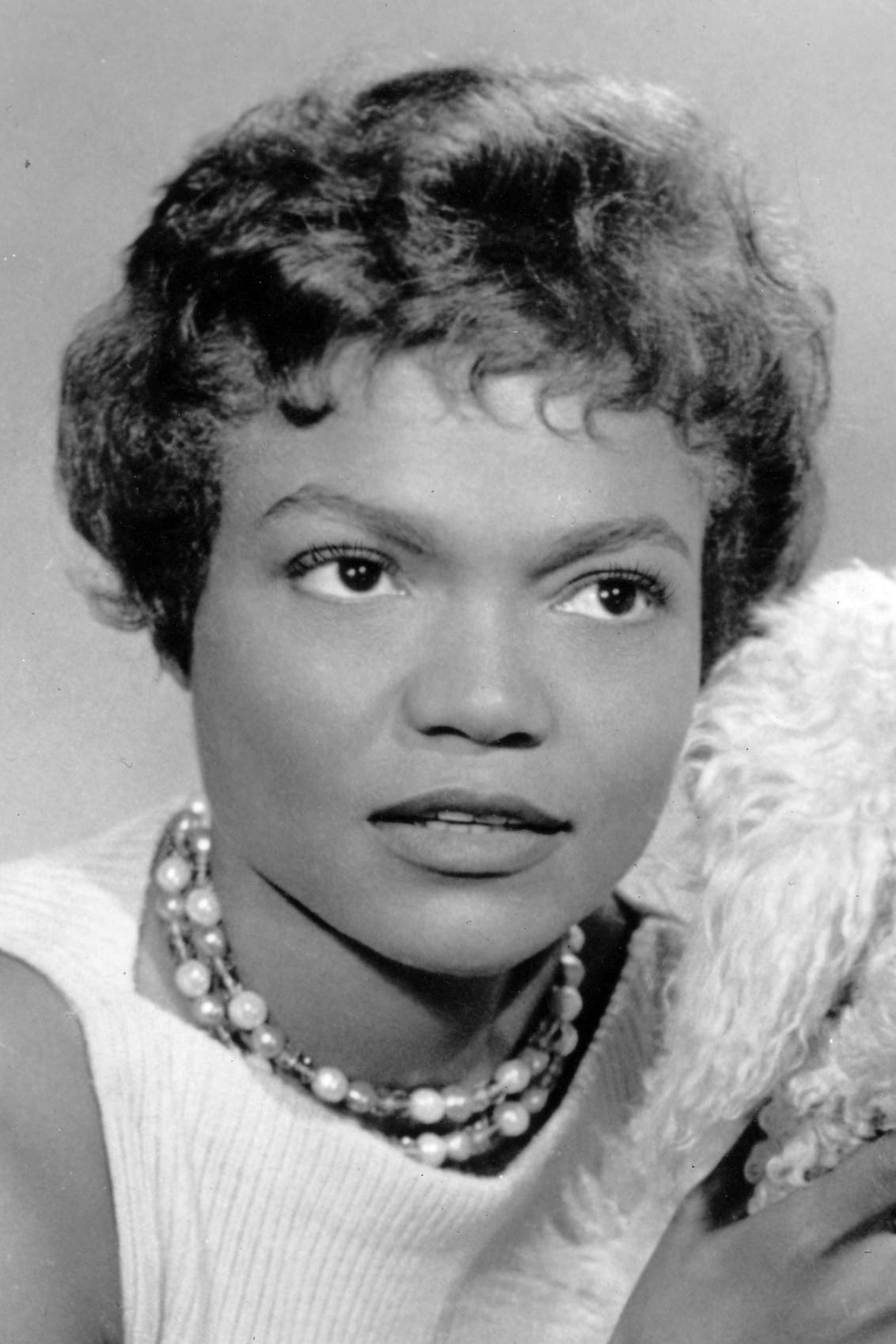
Eartha Kitt was a versatile performer who achieved success in music and film despite the intense segregation of her era. She was biracial and often faced colorism within the Black community and racism from the white establishment. Her unique look and international flair allowed her to be cast in roles that were often described as exotic or undefined in terms of race. This ambiguity helped her secure the role of Catwoman in the ‘Batman’ (1966) television series which was a landmark moment for women of color. She remained a fierce advocate for civil rights throughout her life while navigating the complexities of her identity.
Lena Horne
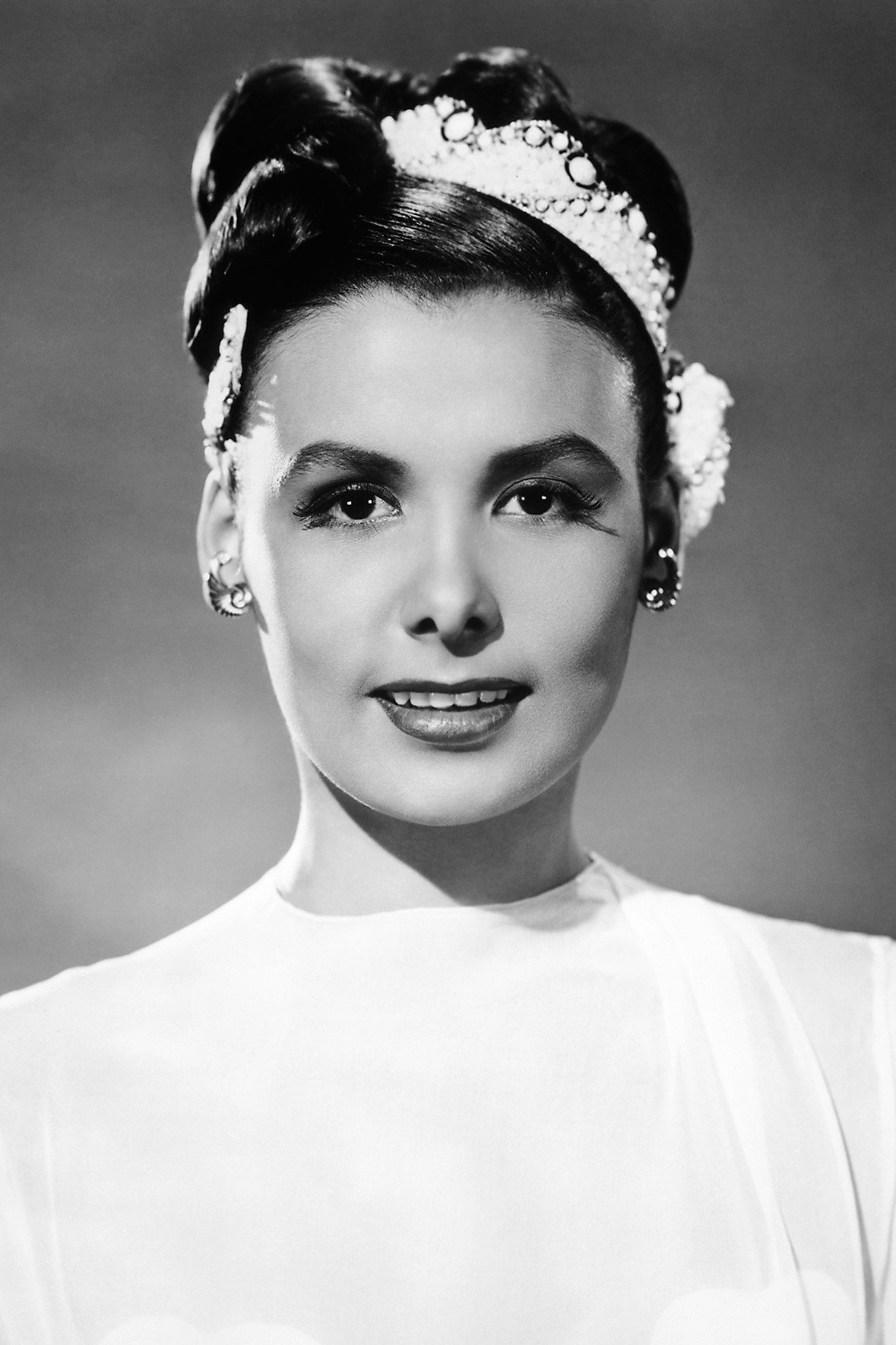
Lena Horne was a pioneering actress and singer who was famously pressured by studios to pass as another ethnicity. Because of her light skin tone executives at Metro Goldwyn Mayer once suggested she be marketed as a Latin performer to make her more acceptable to white audiences. She refused to hide her Black heritage and insisted on being identified as an African American woman. This principled stand often led to her scenes being edited out of films when they were shown in the segregated south. Her career remains a testament to the struggle for authentic representation in the face of corporate pressure.
Ellen Holly
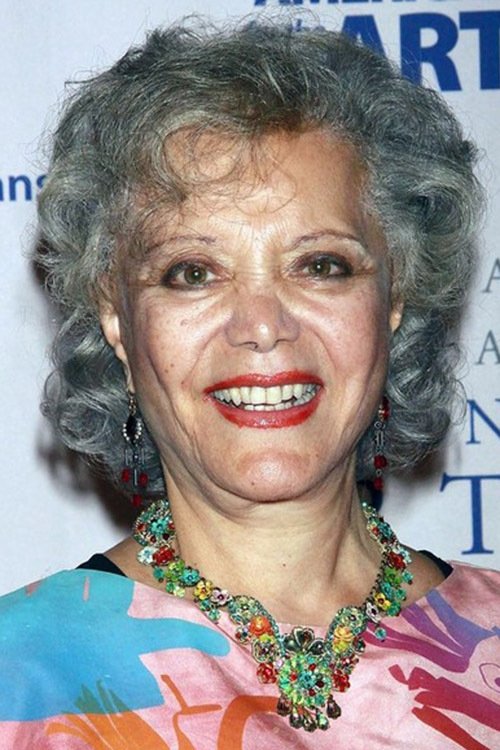
Ellen Holly became a household name for her role on the soap opera ‘One Life to Live’ (1968). She was one of the first Black actresses to have a central role in daytime television but her fair complexion often led to discussions about her race. In her memoir she described the difficulties of being a light skinned Black woman in an industry that often preferred more stereotypical looks. She sometimes felt that her appearance caused confusion among casting directors who were looking for specific racial markers. Her presence on television was a significant step forward for the visibility of Black performers in serialized drama.
Gail Fisher
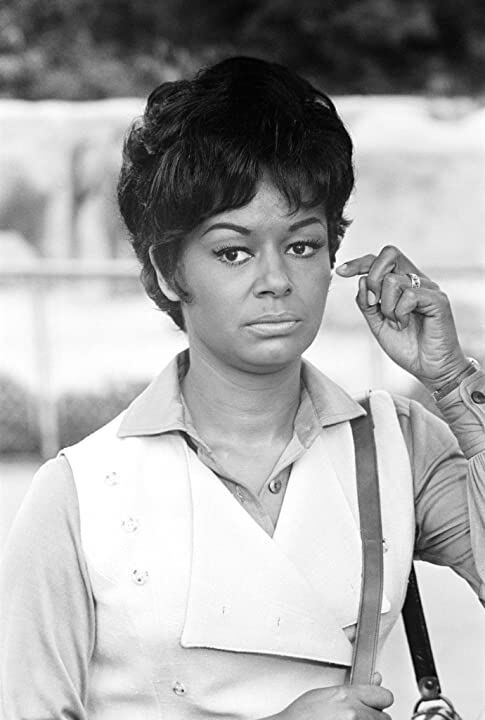
Gail Fisher was a groundbreaking actress who became one of the first Black women to win an Emmy Award. She starred in the series ‘Mannix’ (1967) and was often praised for her sophisticated and professional portrayal of a secretary. While she did not hide her ethnicity her casting was seen as a major departure from the limited roles usually offered to Black women at the time. Her presence on a major network show helped to challenge the racial biases of television audiences in the late 1960s. She paved the way for future generations by proving that Black actresses could carry significant roles in mainstream hits.
Diahann Carroll
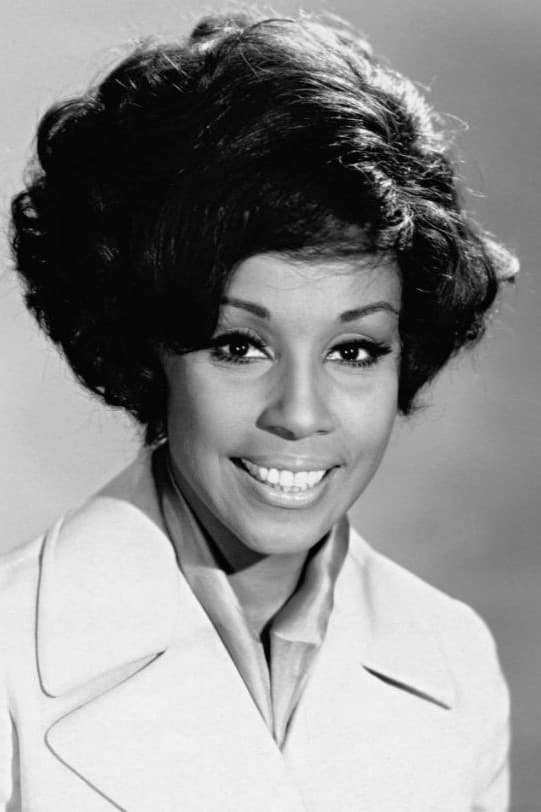
Diahann Carroll was a trailblazer who famously starred in the television series ‘Julia’ (1968). Before this landmark role she often faced pressure to conform to specific racial expectations in film and theater. She worked hard to present an image that was sophisticated and broke away from the servant roles that were common for Black actresses. Her casting in ‘Julia’ was controversial because some felt the show ignored the racial realities of the time to make it more palatable for white viewers. She remained a powerful force in the industry for decades by consistently demanding high quality roles.
Dorothy Dandridge
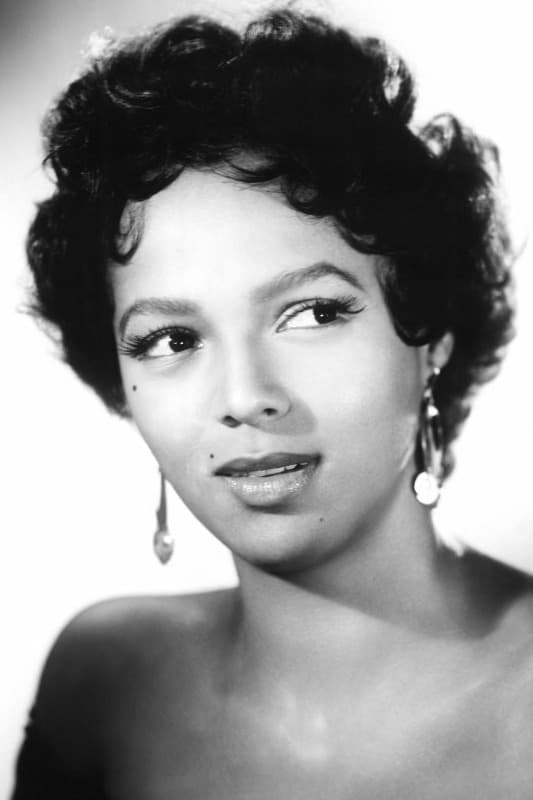
Dorothy Dandridge was the first African American woman to be nominated for an Academy Award for Best Actress. Despite her immense talent and beauty she was often restricted by the racial codes of the 1950s. Studios were sometimes hesitant to cast her in romantic roles opposite white actors which limited the growth of her career. She was occasionally marketed with an emphasis on her glamorous and exotic look to bridge the gap between different audiences. Her tragic story highlights the immense pressure and limitations placed on even the most successful Black women of her generation.
Salma Hayek Pinault
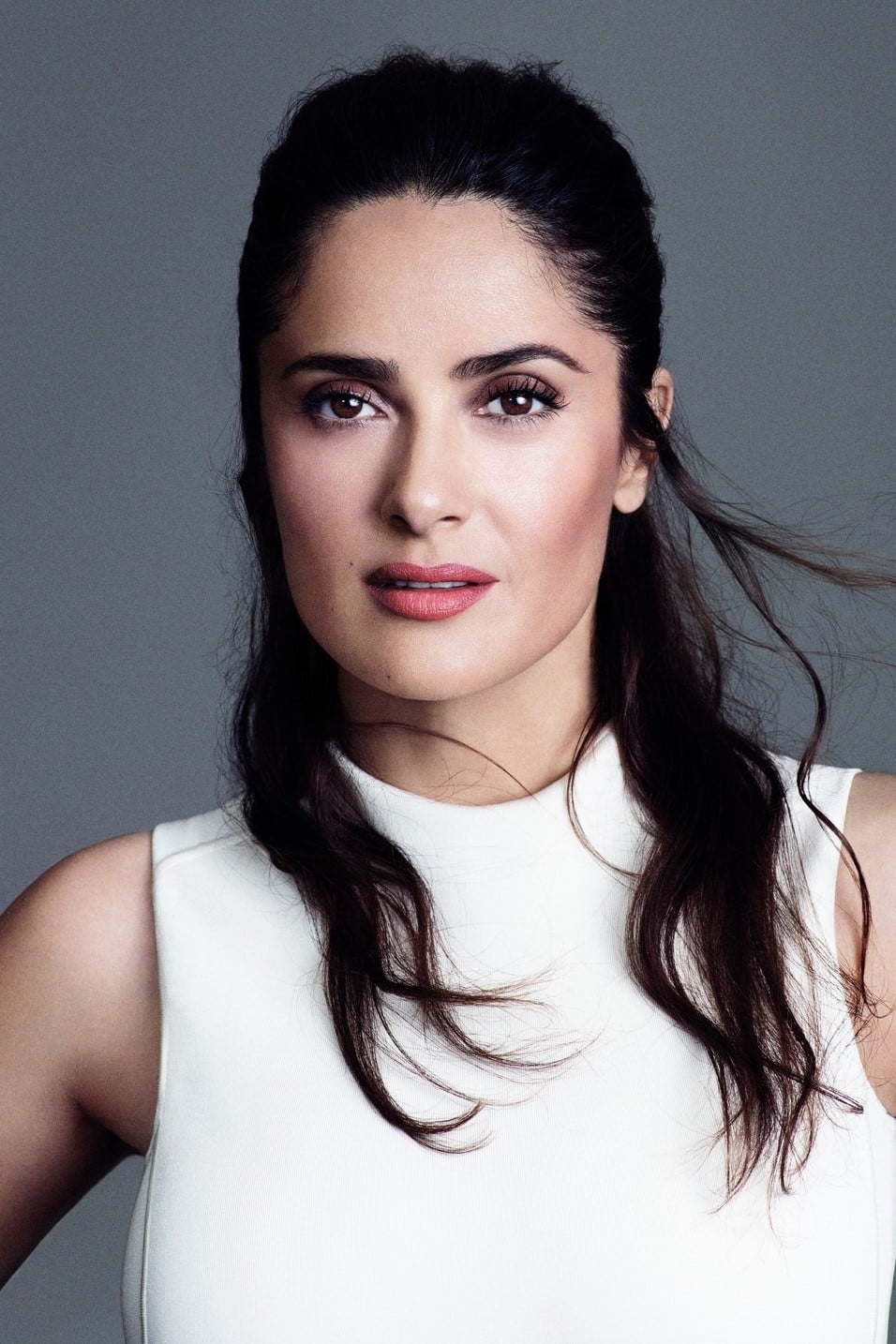
Salma Hayek Pinault has navigated a complex path in Hollywood as a woman of Mexican and Lebanese descent. During the early years of her career she often spoke about the racism she encountered and the pressure to change her name or accent. While she is not Black she has frequently discussed the experience of being categorized as an other in a white dominated industry. She eventually found massive success by producing her own projects and staying true to her roots. Her married name reflects her current status as a global figure who has successfully challenged the narrow definitions of Hollywood beauty.
Adriana Lima
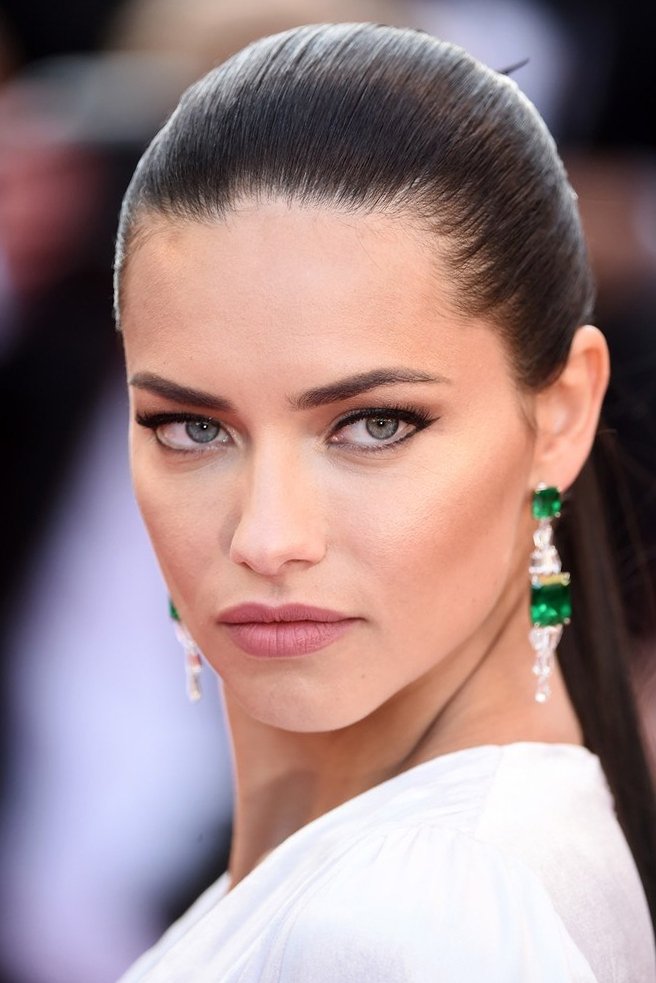
Adriana Lima is a world famous model and actress who is of Afro Brazilian and indigenous descent. For much of her career she was marketed primarily as a Latina or Brazilian bombshell without a focus on her multiracial background. This ambiguity helped her become one of the most successful commercial models in the world. She has since been more vocal about the diverse heritage that makes up her identity. Her success in the fashion and film industries demonstrates how global brands often prioritize specific aesthetic traits over racial clarity.
Kimora Lee Simmons
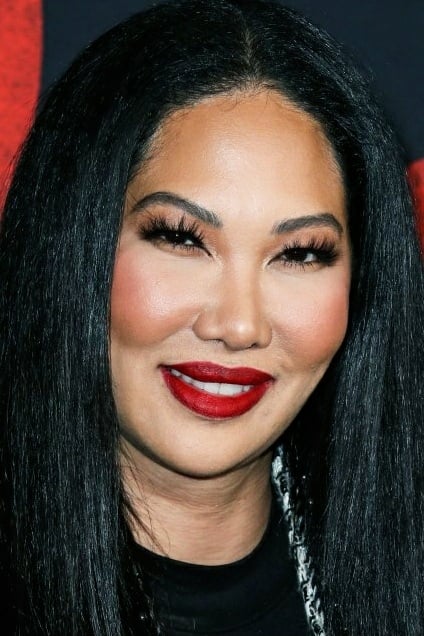
Kimora Lee Simmons began her career as a high fashion model before transitioning into acting and business. She is of African American and Japanese heritage but was often categorized in ways that did not always reflect both sides of her background. Her striking appearance allowed her to work with top designers and eventually launch her own lifestyle empire. She has frequently discussed the importance of representation for biracial women who do not fit into single racial categories. Her career has been defined by her ability to turn her unique look into a powerful global brand.
Ruth Negga
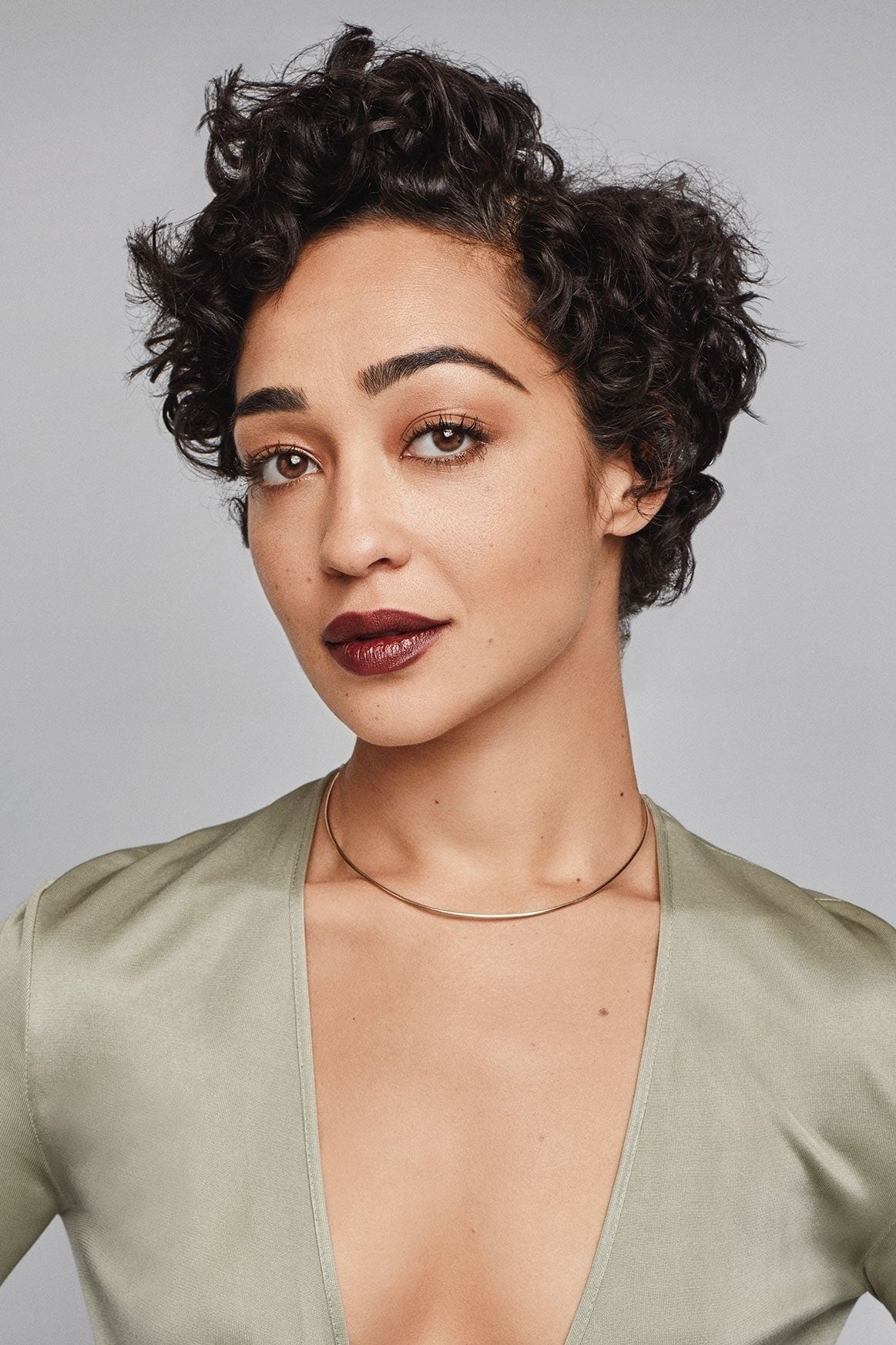
Ruth Negga is an Academy Award nominated actress known for her incredible range in films like ‘Loving’ (2016). She was born in Ethiopia and raised in Ireland which has given her a unique perspective on identity and belonging. Early in her career she was often cast in roles where her specific ethnicity was not mentioned or was left ambiguous. This allowed her to build a diverse resume in theater and film across Europe and the United States. She has since become a prominent voice in discussions about the intersection of race and performance in contemporary cinema.
Thandiwe Newton

Thandiwe Newton has had a long and successful career in major films like ‘Mission Impossible II’ (2000). For several years she was credited as Thandie Newton which was a shortened version of her name that many felt made her more accessible to Western audiences. She eventually reclaimed the original spelling of her name to honor her Zimbabwean heritage and her Zulu mother. She has spoken openly about the colorism she experienced in the industry and the pressure to fit into specific boxes. Her decision to use her full name was a powerful statement about identity and self respect in Hollywood.
Sophie Okonedo
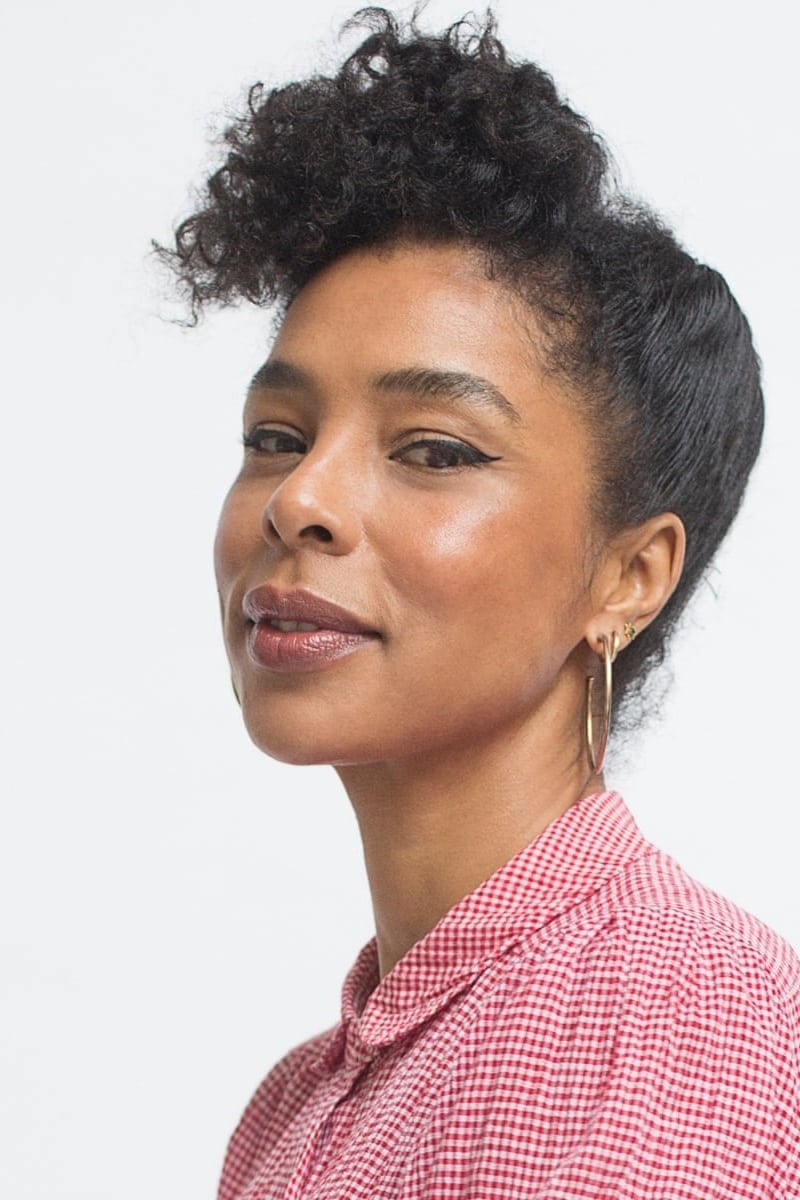
Sophie Okonedo is a highly respected British actress who earned an Oscar nomination for ‘Hotel Rwanda’ (2004). She has a biracial background with a Nigerian father and an Ashkenazi Jewish mother. Because of her versatility she has been cast in a wide array of roles that do not always acknowledge her specific racial background. She has found great success in both British and American productions by focusing on complex and demanding characters. Her career illustrates how talented performers can thrive when they are given the opportunity to move beyond racial typecasting.
Gugu Mbatha-Raw
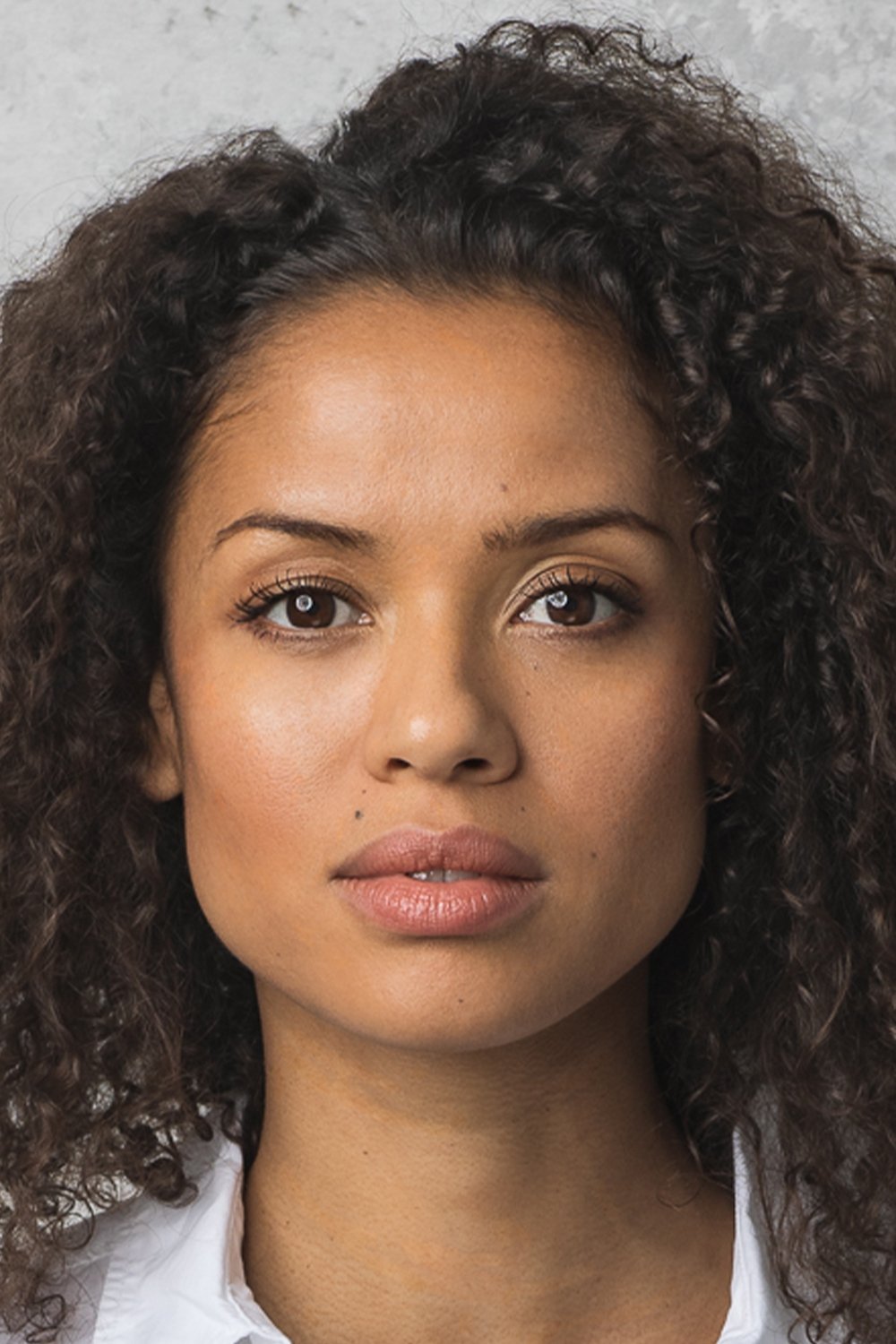
Gugu Mbatha-Raw is a talented actress who has starred in critically acclaimed films like ‘Belle’ (2013). She is biracial and has often been cast in roles that highlight her ability to play characters from various backgrounds. Her breakthrough role in ‘Belle’ specifically addressed the complexities of being a biracial woman in eighteenth century England. She has since moved into major franchise roles and contemporary dramas where her ethnicity is often handled with nuance. Her career represents a shift in Hollywood toward more thoughtful depictions of biracial identity.
Tessa Thompson
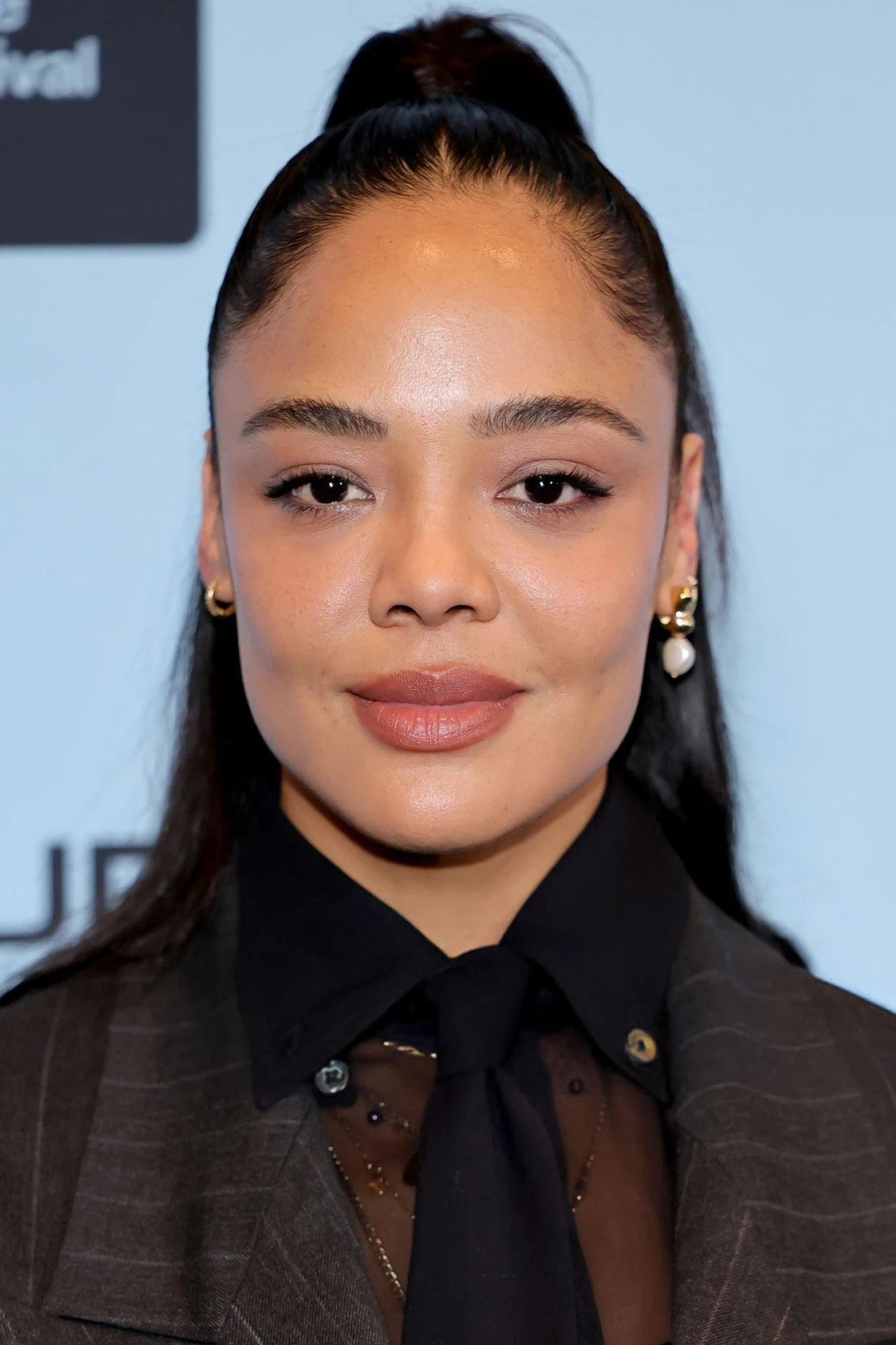
Tessa Thompson has become a major star through her work in the Marvel Cinematic Universe and films like ‘Creed’ (2015). She has a diverse heritage including Panamanian and European roots and has often played roles that are racially ambiguous. Her casting as Valkyrie was a significant moment for representation in blockbuster films regardless of the character’s traditional comic book appearance. She has used her influence to advocate for more inclusive casting practices and better roles for women of color. Her success shows the power of modern actresses who refuse to be limited by traditional racial boundaries.
Zoë Kravitz
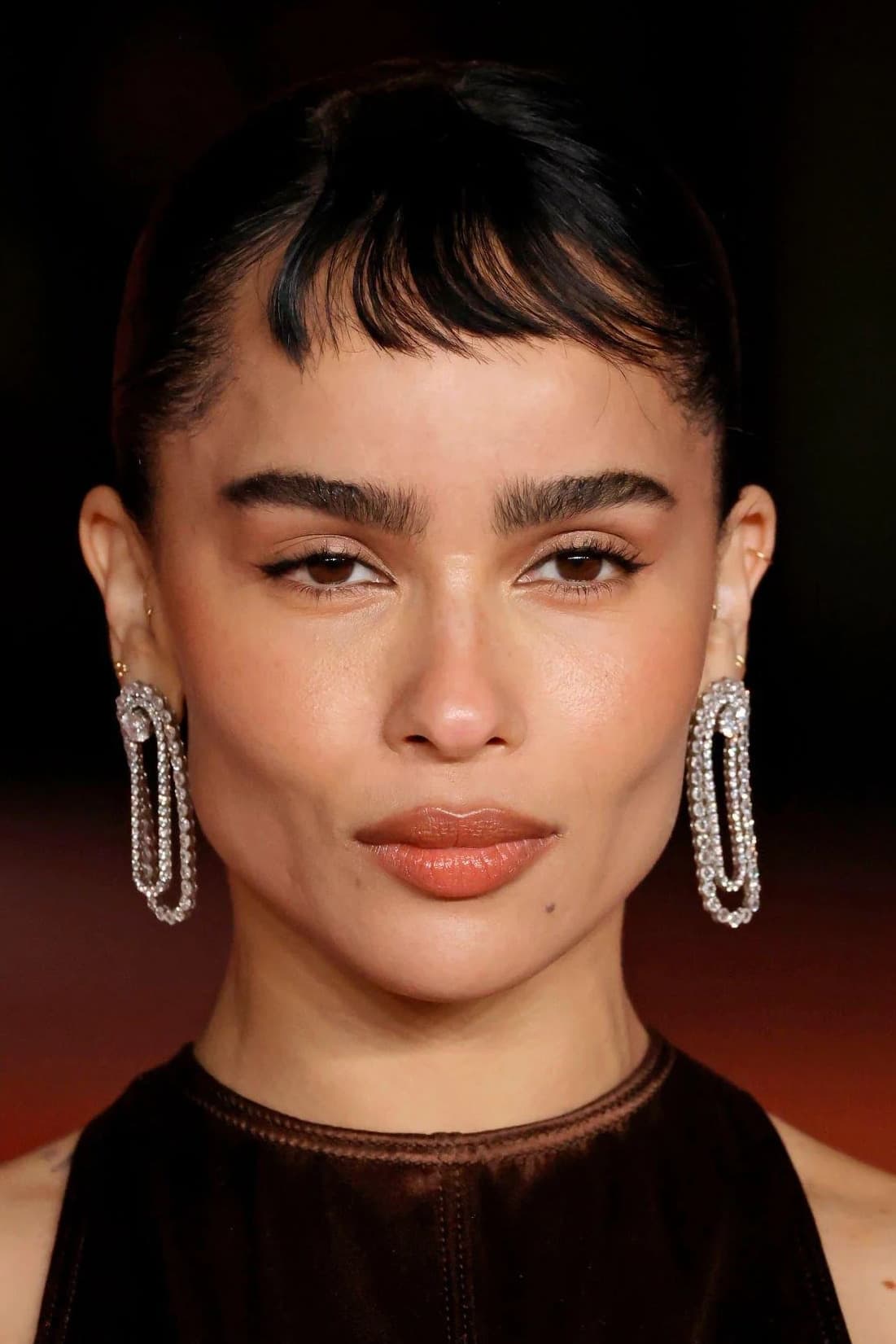
Zoe Kravitz has established herself as a leading actress in films like ‘The Batman’ (2022) and series like ‘Big Little Lies’ (2017). As the daughter of Lenny Kravitz and Lisa Bonet she has always been in the public eye but has worked hard to create her own identity. She has often been cast in roles where her race is not the defining characteristic of the character. This has allowed her to avoid the typecasting that affected many actresses in previous generations. She continues to be a prominent figure in fashion and film who embraces her multiracial heritage.
Lisa Bonet
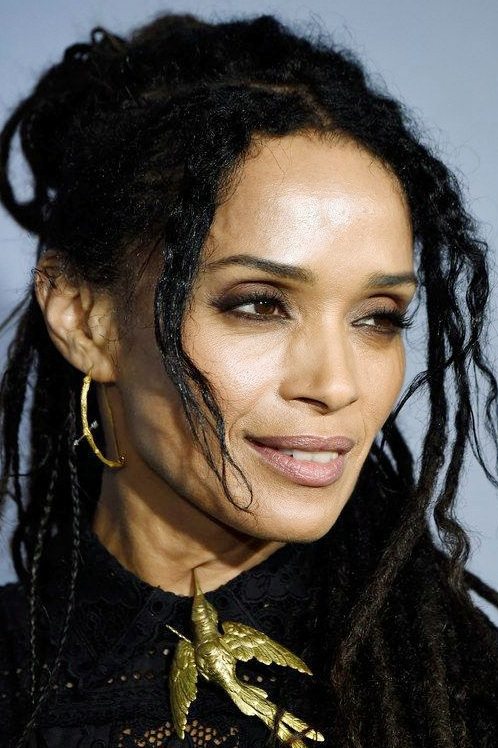
Lisa Bonet became a cultural icon for her role on ‘The Cosby Show’ (1984) and its spin off ‘A Different World’ (1987). Her biracial background was well known but her unique style and personality often set her apart from traditional television expectations. She faced challenges when she tried to take on more mature roles in films like ‘Angel Heart’ (1987) which sparked public debate. Throughout her career she has maintained a sense of independence and has been selective about the roles she accepts. Her influence on fashion and television representation for biracial women remains significant today.
Cree Summer
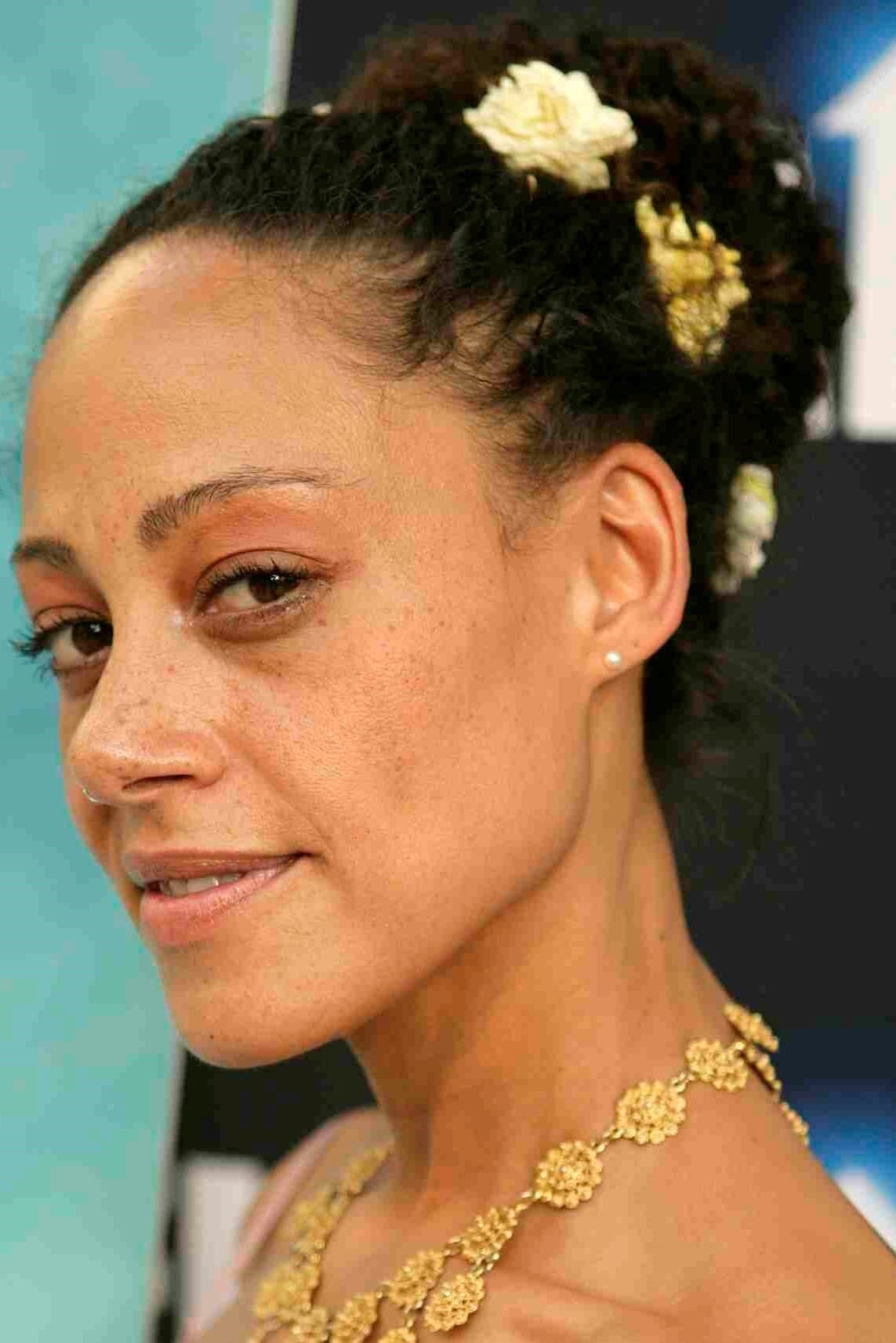
Cree Summer is a prolific voice actress and live action performer who gained fame on ‘A Different World’ (1987). She is biracial and has often spoken about the freedom she finds in voice acting where her physical appearance does not limit her roles. She has provided voices for hundreds of animated characters across many different ethnicities and backgrounds. This has allowed her to maintain a steady and successful career without being pigeonholed by the industry. She remains a beloved figure in the entertainment world for her unique voice and her advocacy for artistic freedom.
Jasmine Guy
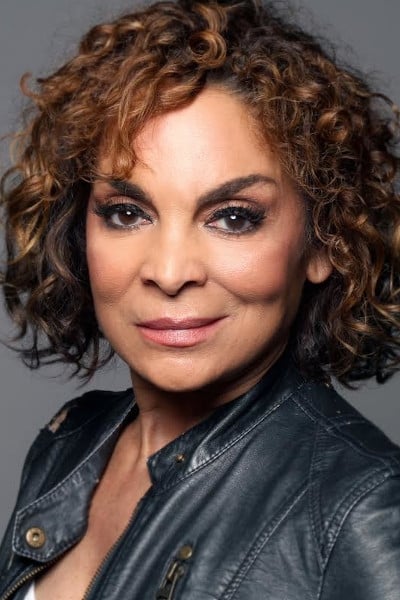
Jasmine Guy is best known for her role as Whitley Gilbert on ‘A Different World’ (1987). Her fair skin and sophisticated character led to some viewers being surprised by her biracial heritage during the show’s run. She has often navigated the industry by taking on roles that highlight her range as a dancer and actress. She has also worked behind the scenes as a director and has been involved in projects that celebrate Black history. Her career shows the impact of a strong television presence in shaping public perceptions of race and class.
Vanessa Williams
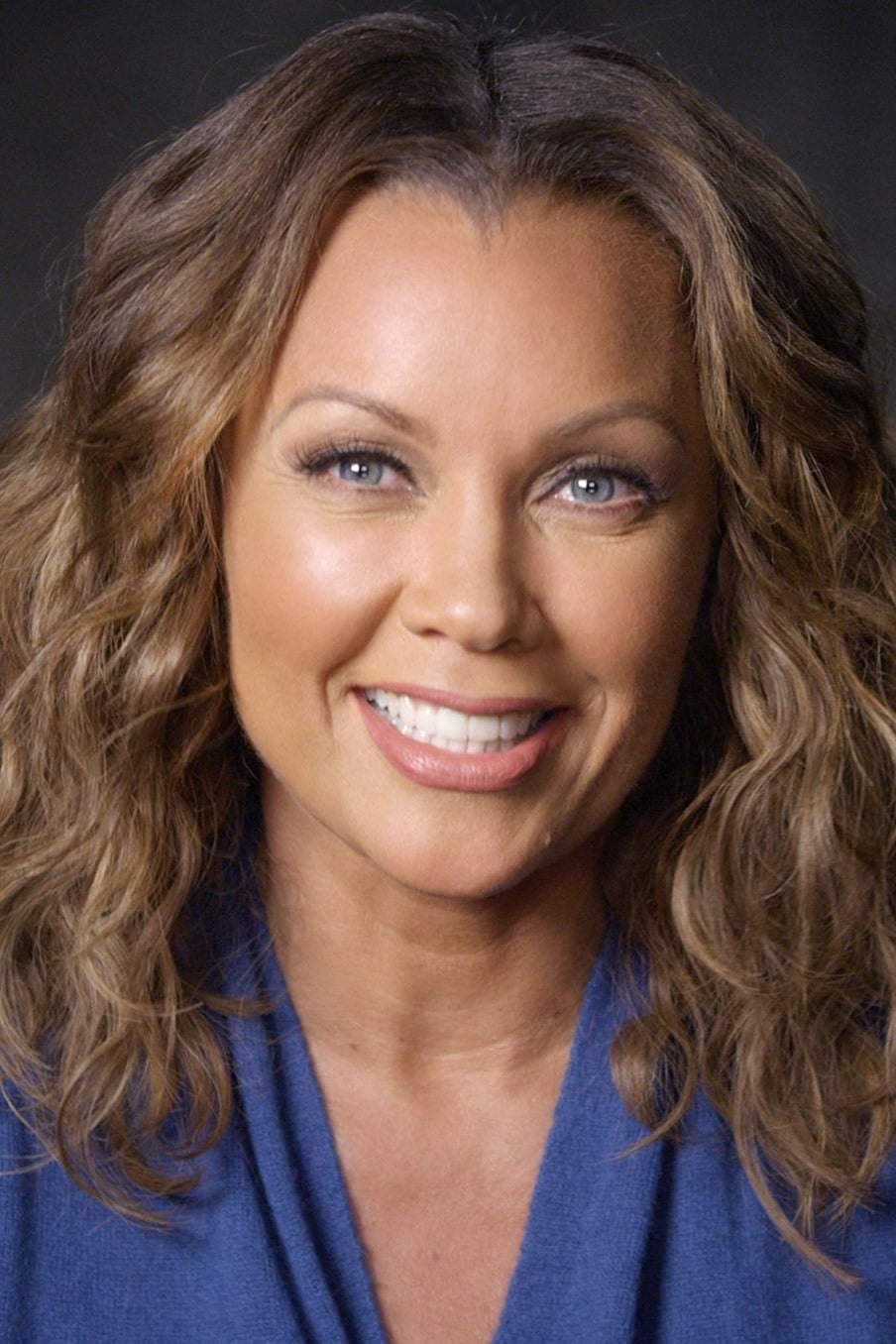
Vanessa Williams made history as the first African American woman to be crowned Miss America. She successfully transitioned into a major career as a singer and actress in shows like ‘Ugly Betty’ (2006). Throughout her career she has faced both praise and criticism regarding her appearance and how it relates to her Black identity. She has consistently proven her talent across multiple entertainment platforms despite the initial controversies of her pageant win. Her longevity in the industry is a testament to her skill and her ability to transcend the labels placed upon her.
Please share your thoughts on these historical and modern Hollywood stories in the comments.

