Charlize Theron’s Calypso Scenes in ‘The Odyssey’ Have Fans Digging Into the Real Myth Behind Her Seven-Year Hold on Odysseus



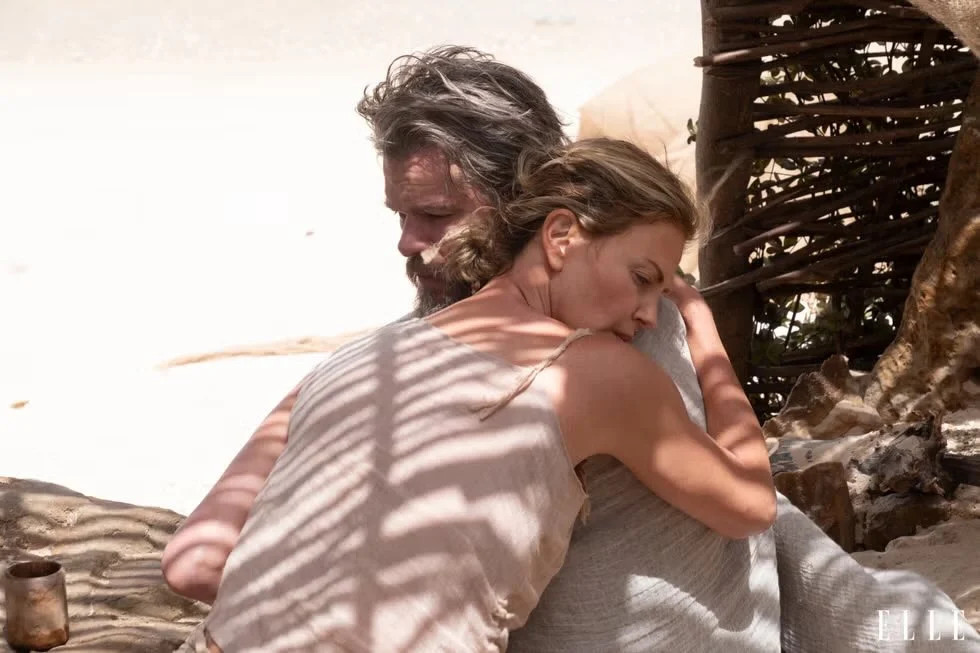
Christopher Nolan’s ‘The Odyssey‘ has pulled Homer’s ancient epic back into mainstream conversation, and one of the biggest talking points circling the film is Calypso, the nymph who kept Odysseus from his family for years on end. As moviegoers prepare for the film’s wide release, many are turning to the source material to understand just how long Odysseus was actually trapped on her island before he ever made it back to Ithaca.
Charlize Theron takes on the role of Calypso in Nolan’s adaptation, joining Matt Damon’s Odysseus in a story that has fascinated readers for nearly three thousand years. Before diving into how the movie handles their dynamic, it helps to look at what Homer’s original poem says about the timeline of their entanglement on the island of Ogygia.
How Long Odysseus Stayed with Calypso
According to Homer’s ‘Odyssey,’ Calypso detained Odysseus on her island for seven years against his will. She promised him immortality and eternal youth if he agreed to stay with her permanently, and multiple retellings of the myth confirm that seven year figure as the standard timeline recognized across ancient sources.
During that stretch, Odysseus was described sitting on the shoreline gazing out to sea, consumed by homesickness even while surrounded by the comforts Calypso provided. His fixation on returning to his wife Penelope never wavered, no matter how idyllic his circumstances on Ogygia appeared to be.
It ultimately took divine intervention to end the standoff. Athena appealed to Zeus on Odysseus’s behalf, and Hermes was sent to Ogygia to order Calypso to release her captive, at which point she reluctantly agreed and helped him build the raft that would carry him toward home.
Some ancient sources add extra layers to the story, including Hesiod’s claim that Calypso bore Odysseus twin sons named Nausithous and Nausinous, a detail that does not appear in Homer’s own text. Regardless of which version fans lean toward, the seven year captivity remains the throughline that has shaped how Calypso is remembered.
Charlize Theron’s Role in Nolan’s ‘Odyssey’
Charlize Theron was confirmed early on as part of the massive ensemble assembled for ‘The Odyssey,’ with her casting as Circe drawing significant attention during the film’s development. Calypso is portrayed by Theron as well, placing her at the center of two of the mythology’s most consequential female characters within the same production.
The film reunites Theron with a project of enormous scale following her comments about a potential ‘The Old Guard’ trilogy, and she has spoken publicly about the experience of stepping into Nolan’s take on Homer’s world. Her presence adds to a cast that already includes Matt Damon as Odysseus, Anne Hathaway as Penelope, and Tom Holland as Telemachus.
Nolan’s script folds Odysseus’s encounters with mythical figures like the Cyclops Polyphemus, the Sirens, and the nymph Calypso into the larger arc of his journey home from the Trojan War. The extent to which the film mirrors the original seven year timeframe on Ogygia has not been detailed in full, though the movie’s marketing has leaned into the mythic scope of these episodes.
Critics who caught early screenings noted the emotional weight Nolan brings to the film’s back half, with some reviewers describing a shift into what one Letterboxd review called a flow state that intensifies as Odysseus’s journey progresses. That kind of pacing suggests his time trapped away from Ithaca, including his stay with Calypso, carries real dramatic consequence in the finished film.
Matt Damon and Christopher Nolan Bring the Trojan War Aftermath to Life
Matt Damon was confirmed as Odysseus in February 2025, with Universal releasing an image of the actor in costume wearing a red plumed Corinthian helmet. His casting became one of the most talked about decisions of the entire production given the scale of Nolan’s ambitions for the project.
Nolan began writing ‘The Odyssey’ in March 2024 before securing the project with Universal Pictures by October of that year, and casting continued from late 2024 through early 2025. Principal photography ran from February through August 2025, with filming taking place across Italy, Iceland, Greece, Morocco, and Scotland.
The production has been described as using never before seen IMAX technology, and the film was shot entirely with IMAX film cameras to create a more immersive theatrical experience. This technical approach ties directly into how sequences involving Odysseus’s supernatural encounters, including his time with Calypso, are expected to be rendered on screen.
‘The Odyssey’ also stars Zendaya as Athena, the goddess whose intervention in the myth is what finally frees Odysseus from Calypso’s island. Her role gives the film a direct thread connecting the mortal drama of Odysseus’s journey to the divine politics that shaped his fate.
Fan and Critic Reactions to Nolan’s Mythic Epic
Early reviews out of the film’s London and New York premieres have been largely positive, with the movie receiving what has been described as critical acclaim ahead of its wide release. Reviewers have singled out Nolan’s commitment to capturing as much as possible in camera as a standout achievement even by his own standards.
The costume design, accents, and casting choices sparked discussion and scrutiny regarding historical accuracy to the source material and setting, a conversation that has followed the film since its earliest trailers dropped. That scrutiny has only intensified interest in how faithfully specific episodes, like the Calypso arc, hew to Homer’s original structure.
Fans eager to compare the film to the poem have been revisiting the seven year timeline on Ogygia as a benchmark for judging Nolan’s adaptation choices. Whether the finished cut compresses that stretch of the story or gives it room to breathe is something audiences are actively debating as the film reaches wider theaters.
With ‘The Odyssey’ now expanding its release and pulling in massive crowds eager to see Homer’s poem reimagined at IMAX scale, the mythology behind characters like Calypso is getting a fresh spotlight it has not had in mainstream pop culture in years. How do you think Nolan’s version of Odysseus’s time on Calypso’s island compares to the seven years described in Homer’s original poem, and did Theron’s performance change the way you see that part of the myth?