Christian Metal Band Demon Hunter Takes on Netflix In Explosive ‘KPop Demon Hunters’ Trademark War


A veteran Christian metal group is squaring off against one of the biggest entertainment companies on the planet, and the fight is all about a name. Demon Hunter, a band that has been touring and recording for roughly 25 years, has officially filed suit against Netflix over the wildly popular animated film ‘KPop Demon Hunters.’ The Seattle group has sued Netflix and promoter AEG Presents over the animated juggernaut, calling the overlap in music, touring, and merch an existential crisis for their brand.
The lawsuit lands at a strange crossroads of pop culture, where an Oscar nominated animated musical and a long running metalcore act now share an uncomfortable amount of real estate in fans’ search bars. The band’s company, Hyde Lane, filed the lawsuit against Netflix, Netflix Studios, and concert promoter AEG Presents in California federal court on August 18.
The Origins of the ‘KPop Demon Hunters’ Trademark Fight
According to the complaint, the group is accusing the companies of trademark infringement, false designation of origin, and unfair competition. The band is not new to the industry and has built its identity over decades of consistent output. Demon Hunter was formed in 2000 and has spent more than 25 years releasing music, touring, and selling merchandise under its name.
Timing plays a central role in the band’s argument, since trademark protection often comes down to who claimed the name first. Hyde Lane first trademarked Demon Hunter for live entertainment in 2014, later expanding that protection in 2022 to cover recorded music and merchandise.
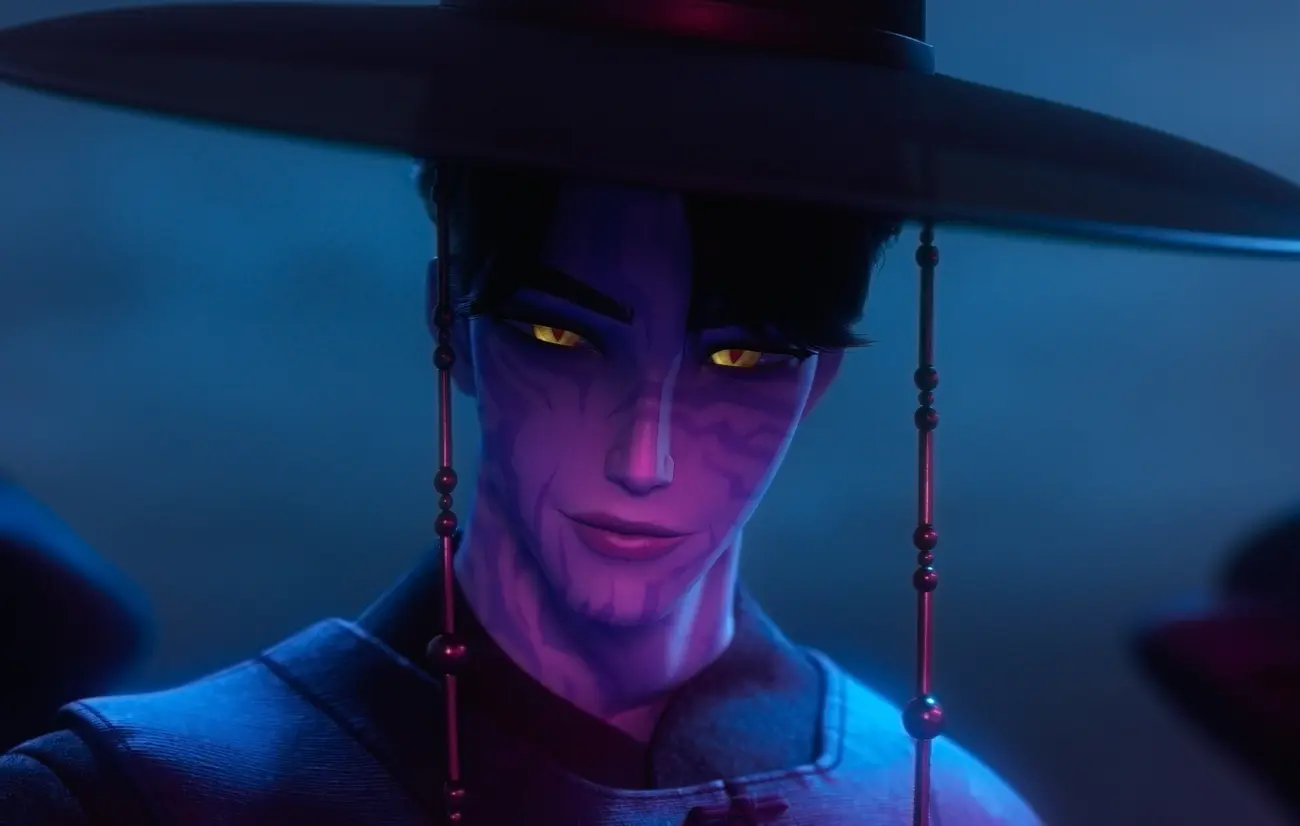
Netflix, by contrast, began filing its own trademark applications for KPop Demon Hunters merchandise in August 2025, well after Demon Hunter’s marks were already on the books, according to the suit.
The band’s filing does not hold back when describing what it sees as Netflix’s overreach into its territory. The suit claims Netflix is no more entitled to use the mark KPop Demon Hunters than it would be to launch a recording artist, live touring show, and merchandise under the marks KPop Metallica, KPop U2 or KPop Black Sabbath. That comparison has already become one of the most quoted lines from the filing across entertainment coverage.
Netflix’s Concert Tour Sparked the Latest Escalation
The catalyst for the lawsuit appears to be Netflix’s expansion of ‘KPop Demon Hunters’ well beyond the movie itself. This past May, Netflix and concert promoter AEG started planning KPop Demon Hunters live events, which Demon Hunter objects to in the suit, claiming Netflix seeks to usurp their mark by filing its own KPop Demon Hunters mark. The band says Netflix’s film, music releases, merchandise and planned global concert tour closely overlap with its own activities.
That tour is not a small undertaking either, which the band argues makes the potential for confusion even worse. Following the film’s record breaking success, Netflix and AEG announced a KPop Demon Hunters global arena tour spanning 150 cities. AEG Presents found itself named in the lawsuit due to the global concert tour that was announced back in May 2026, which they are helping to launch in 150 cities around the world.
Demon Hunter’s team argues that the sheer scale of Netflix’s marketing machine is part of the problem. The lawsuit accuses Netflix and AEG of having taken step after step to move into almost complete overlap with the goods and services of Demon Hunter, calling the film’s title a result of their adoption and exploitation of the similarly named brand.
Fan Confusion Claims Fuel the ‘Demon Hunter’ Lawsuit
Central to the case is the argument that everyday fans, journalists, and even industry professionals have already mixed up the two brands. The band’s legal team points to real world confusion, including a 500 dollar ticket mix up and a misdirected Oscar related media inquiry. Included in the filing is an email from a source demonstrating that even those who do not know the band might falsely assume it has some affiliation with KPop Demon Hunters.
For a band that has spent a quarter century building recognition the old fashioned way, watching a streaming giant absorb attention meant for them has clearly stung. KPop Demon Hunters was a resounding success for Netflix, coming out of nowhere to become the platform’s most watched movie of all time and spawning several of last year’s biggest pop hits, while it was less of a success for Demon Hunter, the band whose name has since gotten buried in search results. The band claims Netflix’s enormous reach has overwhelmed a name Demon Hunter has spent more than two decades establishing in the music industry.
What Demon Hunter Wants From Netflix and AEG
The relief being sought is not symbolic, and the band is asking the court for sweeping restrictions on how Netflix can use the phrase going forward. They want a judge to tell Netflix to stop using the phrase KPop Demon Hunters in music releases, on DVDs, bumper stickers, wall calendars, underclothes, and live events, among other items. The band is asking the court to prevent Netflix from using the KPop Demon Hunters name for recorded music, live performances and merchandise, and it is also seeking unspecified financial damages.
Beyond an injunction, the band is pursuing a significant financial outcome as well. The band declared that it is seeking treble damages, exemplary damages, injunctive relief, Netflix’s profits and attorneys fees.
Netflix, for its part, is not backing down and has already issued a firm rebuttal to the claims. A spokesperson for Netflix said these allegations are without merit, adding that Netflix has created an Academy Award winning global phenomenon with KPop Demon Hunters that has inspired fans around the world with its powerful music, storytelling and characters, and that the company looks forward to vigorously defending this matter.
The Cultural Weight of ‘KPop Demon Hunters’ Success
It is worth remembering just how enormous ‘KPop Demon Hunters’ has become, which is exactly why this trademark dispute carries so much financial weight. The film surpassed Red Notice with 236 million total views to become the most streamed movie in Netflix history. The animated musical also became Netflix’s first ever number one box office title, with rival studios estimating it raked in between 16 and 18 million dollars in ticket sales over one weekend.
The franchise has already been nominated for major awards and picked up hardware along the way. The film has caused substantial confusion among consumers according to the band, even as the movie itself continues to rack up accolades in Hollywood. KPop Demon Hunters has been nominated for the Oscars Best Animated Feature and Best Song awards, having already won Critics Choice Awards and Golden Globes, among other prizes.
With a court date still to be determined and Netflix vowing to fight back, this trademark battle between a scrappy metal band and a streaming empire is only just beginning. Do you think Demon Hunter has a real case against Netflix’s ‘KPop Demon Hunters’ empire, or is this a fight the band simply cannot win against a cultural phenomenon this size.