


Clint Eastwood Calls Out Violent Movie Classic and Its Disturbed Hero

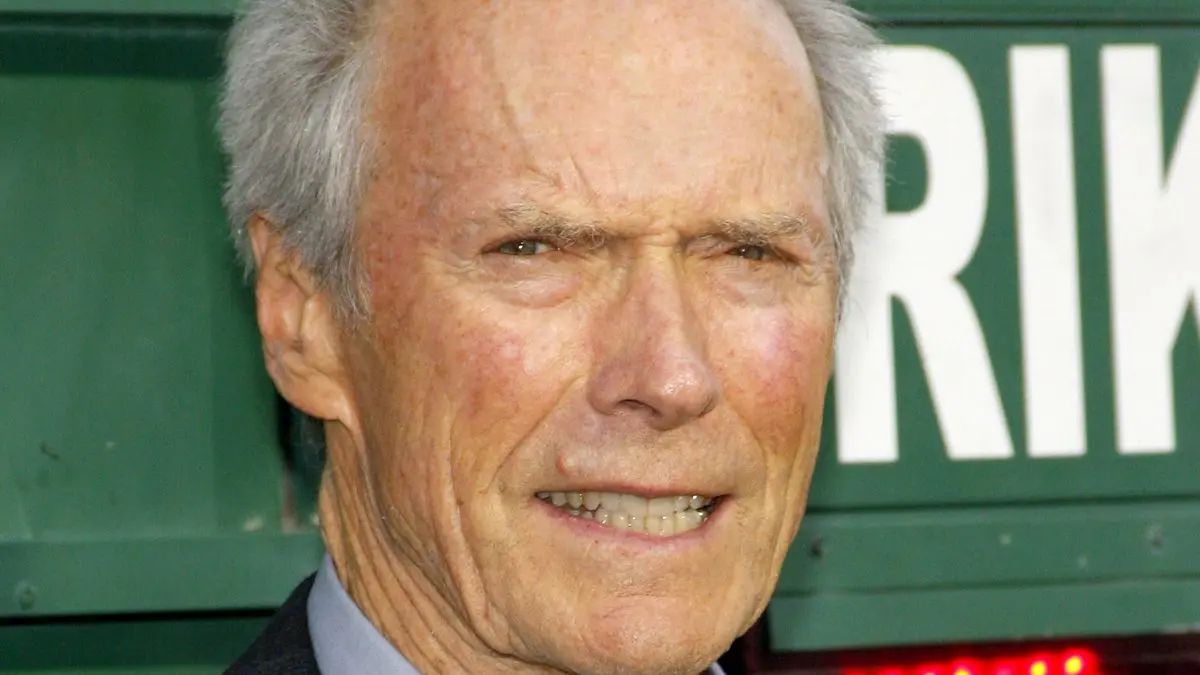


Clint Eastwood has long made it clear that his most famous movie roles were never meant to be political statements. Films like Dirty Harry often spark debates about vigilante justice and on-screen violence, but Eastwood has always insisted that wasn’t his goal.
He says audiences are drawn to the tension and drama of a story rather than the real-world rules of law enforcement. Eastwood has also shared strong opinions about other classic films.
He has questioned Martin Scorsese’s Taxi Driver, which tells the story of Travis Bickle, a man struggling with severe mental health issues. “I’d question a film like Taxi Driver,” he said.
Eastwood explained that while he felt it was acceptable for a law-abiding hero like Harry Callahan to take action into his own hands, the same type of violence from a mentally unstable character didn’t sit right with him.
He described the difference between the characters in simple terms. Callahan, he said, was “a hero to the everyman, middle America, the working guy who’d like to tell his boss where to put it,” while Bickle represented someone who had gone too far into instability.
Eastwood has also defended his own work, pointing out that his films don’t glorify gore. “I think films can go overboard on violence. We don’t use slow-motion violence, for instance, or lingering blood squirts,” he added.
Even in his mid-90s, Eastwood remains a vital presence in Hollywood. He celebrated his 95th birthday last spring and has said he plans to keep working as long as he’s still learning.
His most recent project, the 2024 legal thriller Juror No. 2, received praise for its thoughtful storytelling and moral complexity, proving that Eastwood’s skill at creating tension is still as sharp as ever.
Eastwood is already preparing for another new film. He shows little interest in franchises or remakes, preferring stories that are original and character-driven. Whether he will appear on screen himself is still uncertain, but he continues to direct with the same care and intensity that have defined his career for decades.
Reflecting on his long time in the industry, Eastwood’s perspective is clear: he values realism and integrity in storytelling, and he believes audiences can tell the difference between a compelling narrative and needless violence.
With decades of experience and a career spanning acting, directing, and producing, Clint Eastwood remains one of the most influential and enduring figures in cinema.
Have something to add? Share your thoughts in the comments.

