Did Lizzie Borden Ever Marry? The Real Story Behind Netflix’s ‘Monster’ Season 4

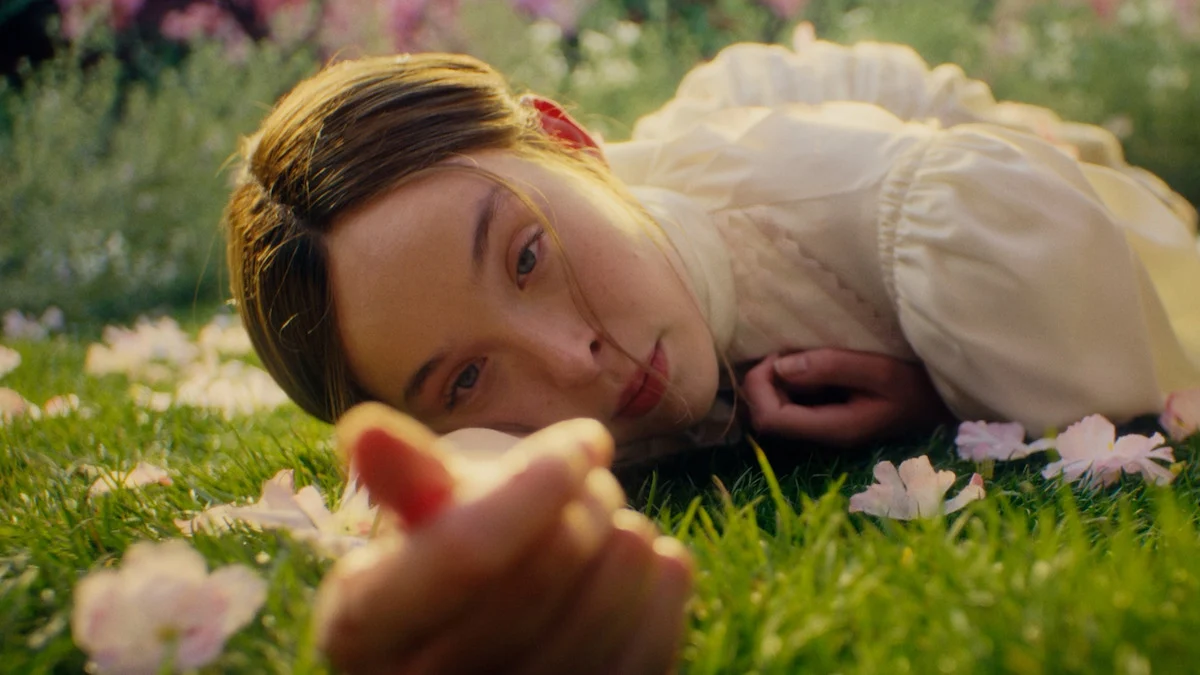

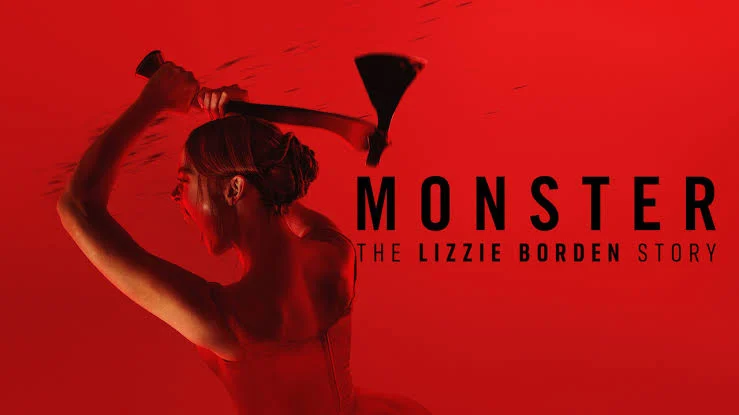
Netflix’s ‘Monster: The Lizzie Borden Story‘ has reignited fascination with one of America’s most infamous unsolved crimes, and viewers watching Ella Beatty’s turn as the accused axe murderer are asking an unexpected question. Did the real Lizzie Borden ever find love and walk down the aisle after her scandalous acquittal.
The answer is more complicated and more heartbreaking than a simple yes or no, and it says a lot about the era ‘Monster’ is trying to recreate.
Lizzie Borden Never Married, Despite Rumors and a Fake Engagement
Multiple historical accounts confirm that Lizzie Borden never married during her lifetime, and neither did her older sister Emma. Encyclopedia.com states plainly that neither Lizzie nor Emma Borden ever married. That fact held true even decades after the famous 1892 trial that made her a household name.
That did not stop the rumor mill from working overtime. In December 1896, a brief item appeared in the Boston Globe and was quickly picked up by newspapers across the country under the headline asking whether Lizzie Borden was about to marry. Friends were reportedly congratulating her on an approaching marriage, sending a swarm of out of town reporters descending on Fall River.
The story turned out to be completely false. The tale of Lizzie’s romance and impending wedding had been fabricated, and the fallout was brutal. The man reportedly linked to her, Gardner, went into hiding while Lizzie retreated behind the doors of her home Maplecroft, where she found herself constantly harassed by the press.
The Real Reasons Behind Lizzie Borden’s Single Life
Historians point to several overlapping factors that kept both Borden sisters unmarried, starting with money and family dysfunction. Forum discussions among Borden researchers note it was unusual for two women of their social standing not to marry, with theories ranging from a lack of dowry money to their father’s notorious stinginess getting in the way of any potential suitors.
Andrew Borden’s reputation as a miser is well documented. He was a wealthy man who had invested successfully in banks, cotton farms, and real estate, yet he was so tight fisted that he sold eggs from a basket to business associates and refused to install running water in the family home. That kind of household tension reportedly did little to make the Borden daughters appealing marriage prospects in Victorian Fall River.
Then, of course, there was the murder trial itself. History Cooperative notes that Lizzie should have lived out the expected life of a demure, well married daughter of a wealthy businessman, but instead became remembered as one of the era’s most notorious double homicide suspects, a reputation that would have followed her into any courtship.
Some accounts suggest Lizzie’s personal life took a different shape entirely after the trial. She shared a close relationship for about two years with actress Nance O’Neil, though that bond eventually broke down, and ten years after it ended O’Neil went on to marry another actor while Lizzie never did. Her sister Emma was reportedly so affected by whatever happened during that period that she left the French Street home and later told the Boston Sunday Herald that conditions had become absolutely unbearable, refusing to elaborate further on what caused her departure.
How ‘Monster: The Lizzie Borden Story’ Reimagines Her Life
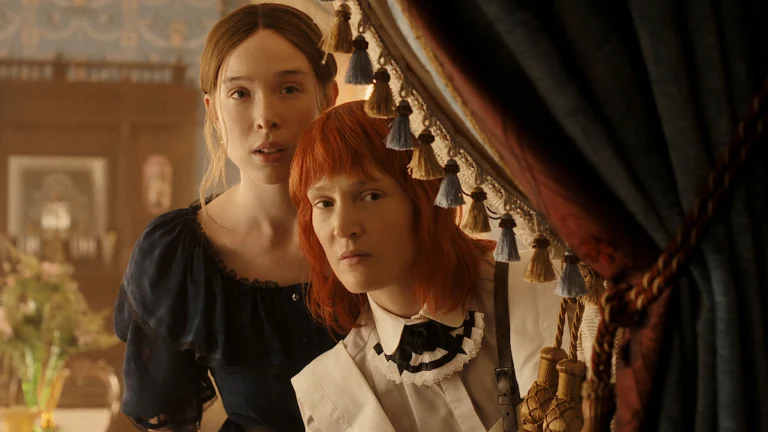
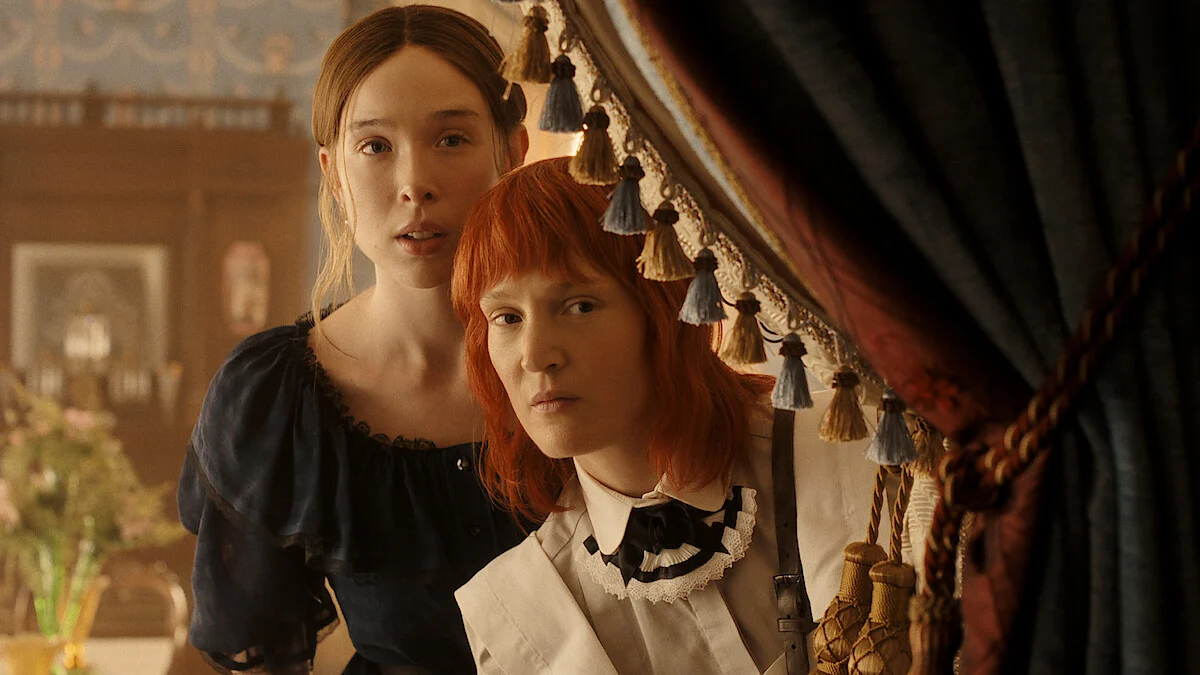
Netflix’s dramatized take leans directly into this unmarried, constrained existence as the emotional engine of the season. According to creator Ian Brennan, the fourth season explores misogyny, gender roles, and the societal expectations placed on women during the Victorian era, themes that connect directly to why marriage never happened for the real Lizzie. The show also examines class and sexuality through the relationship between Borden and maid Bridget Sullivan, playing a fictionalized angle on the kind of closeness Lizzie reportedly sought outside conventional marriage.
The series premiered with its full run available immediately. Monster: The Lizzie Borden Story dropped as a complete eight episode season on September 17, 2026, meaning viewers could binge the entire story in one sitting rather than waiting week to week. It marks the first time the Monster anthology has centered a female historical figure after previous seasons focused on Jeffrey Dahmer, the Menendez brothers, and Ed Gein.
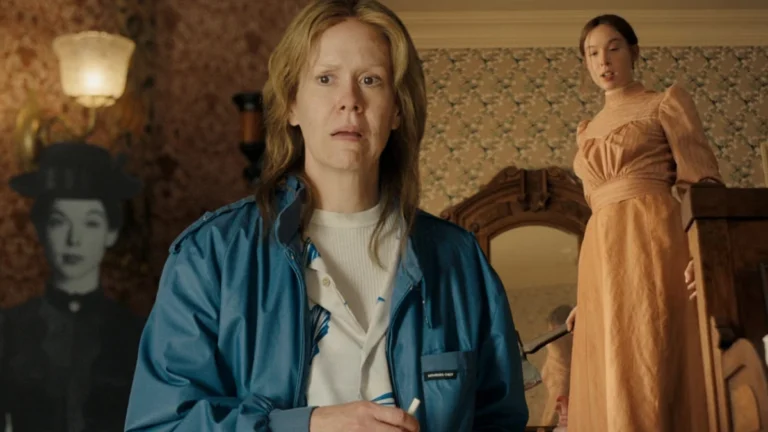
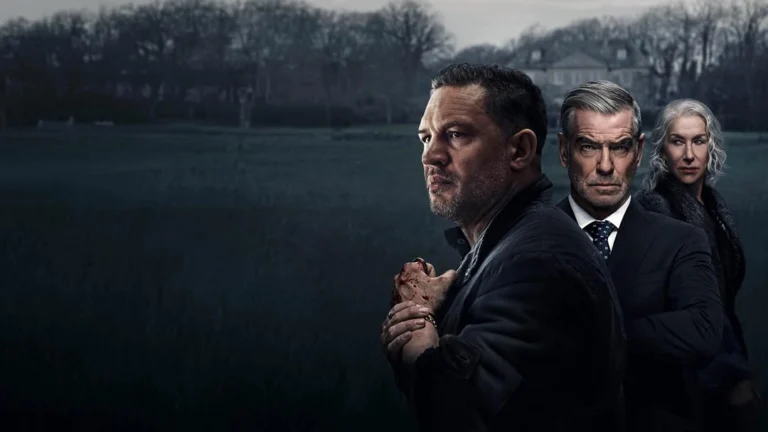
The cast surrounding Ella Beatty’s Lizzie reinforces just how stifling her home life was. Charlie Hunnam plays Andrew Borden as a bitter and controlling father whose relationship with Lizzie grows increasingly strained, while Rebecca Hall’s Abby Borden is unhappy in her own life and takes much of that frustration out on Lizzie. Billie Lourd plays older sister Emma, who fits more easily into the world their parents built, creating distance between the two sisters even as they remained bound together by unmarried spinsterhood in real life.
Why Lizzie Borden’s Single Status Still Fascinates Fans
Part of what makes this detail so compelling to modern audiences is how it defies expectations of the period. A wealthy, socially prominent young woman in 1890s New England was supposed to marry, and the fact that Lizzie Borden did not adds another layer of mystery to a life already defined by scandal and speculation.
The show’s creative team has been vocal about wanting to humanize rather than simply sensationalize its subject. Ella Beatty, a Juilliard trained actor and daughter of Warren Beatty and Annette Bening, takes on her highest profile screen role yet as the anthology’s first female lead, a shift that Murphy has reportedly framed as long overdue for the franchise.
Whether audiences come away from ‘Monster: The Lizzie Borden Story’ with more sympathy for its central figure or simply more questions about what really happened inside that Fall River house, the unmarried, isolated life Lizzie led after her acquittal remains one of the most quietly tragic threads of her story. What do you make of Lizzie Borden spending the rest of her life alone after the scandal that defined her, and does the show’s take on her relationships change how you see her?