


Disney+ Series That Aren’t Afraid of Politics



Disney+ is often associated with family-friendly entertainment, but the platform hosts a surprising number of series that delve into complex political landscapes. From the galactic senate of distinct sci-fi universes to the gritty realism of historical dramas, these shows explore power dynamics and government corruption. Viewers looking for narratives about rebellion, espionage, and social justice will find plenty to analyze in the streaming library. The following collection highlights series that tackle political intrigue with depth and nuance.
‘Andor’ (2022–2025)
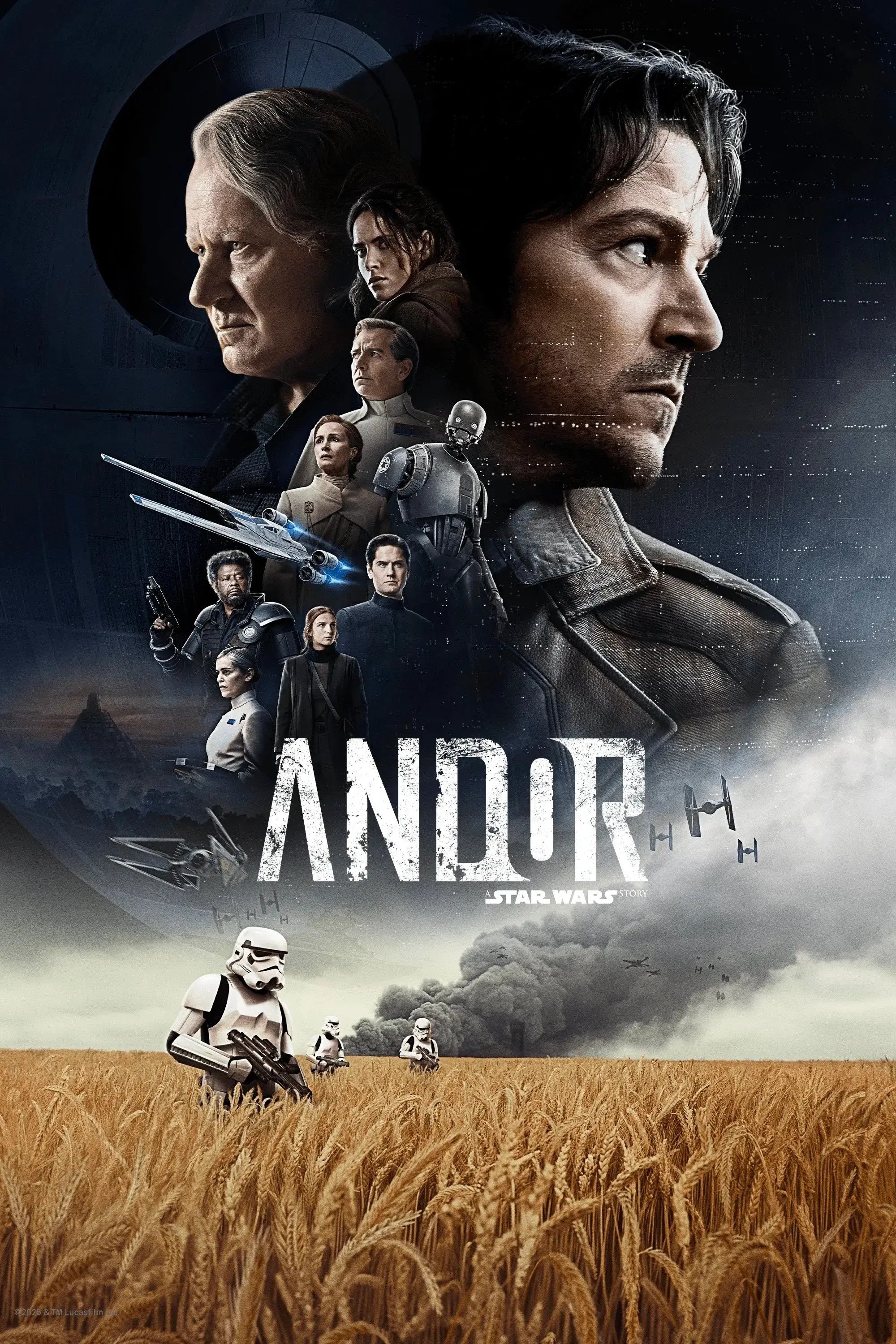
This series strips away the mystical elements of the galaxy to focus on the grinding oppression of a fascist regime. Cassian Andor finds himself radicalized as he witnesses the Empire tightening its grip on everyday life. Mon Mothma navigates the treacherous political waters of the Imperial Senate while secretly funding a rebellion. The show meticulously illustrates how bureaucracy serves evil and how grassroots movements form under authoritarianism.
‘Shōgun’ (2024)
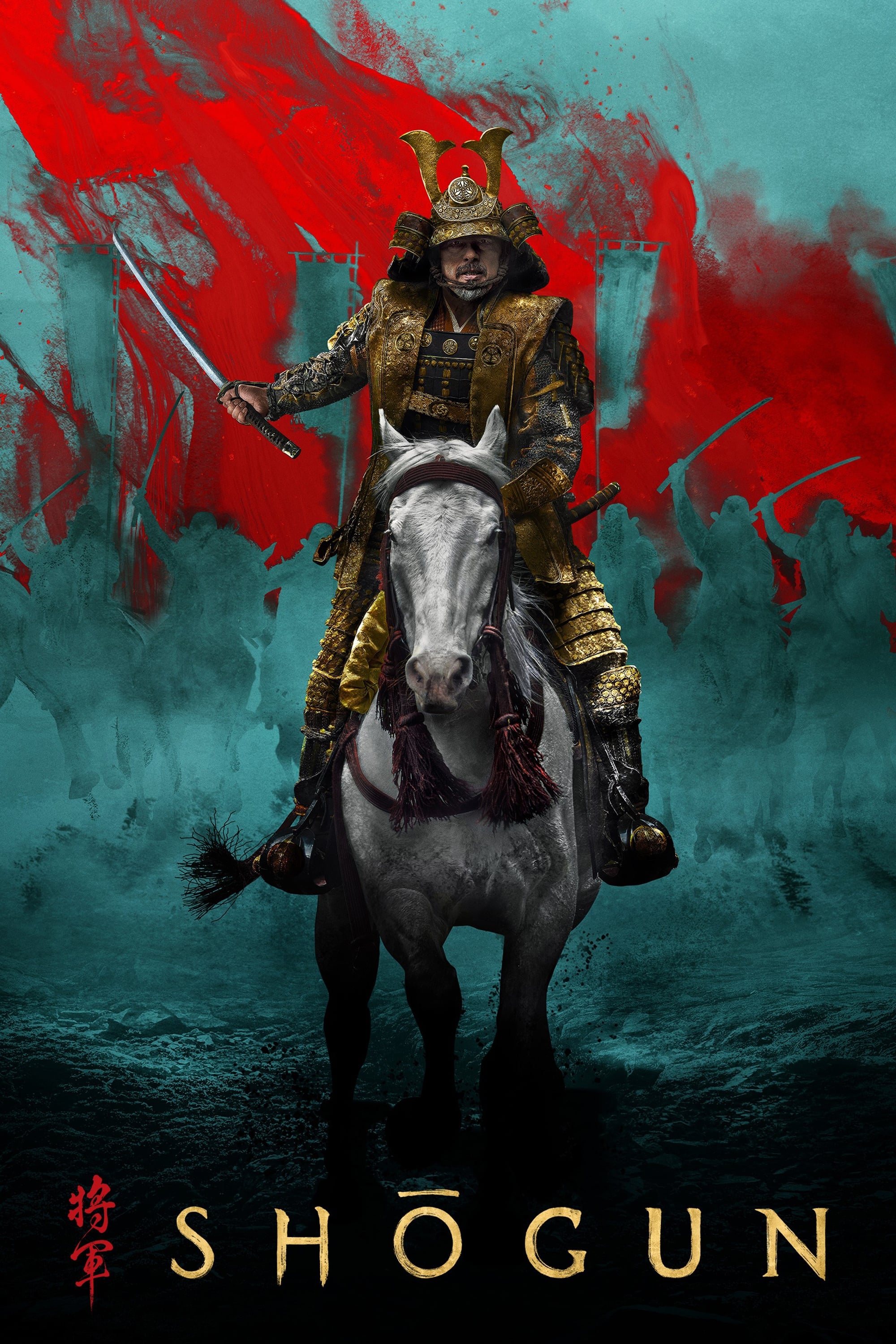
Lord Toranaga maneuvers through a dangerous political vacuum in feudal Japan as rival regents plot his demise. The arrival of an English pilot disrupts the delicate balance of power and offers Toranaga new strategic advantages. This adaptation focuses heavily on the intricate diplomacy and ruthless machinations required to unify a fractured nation. Every conversation serves as a battlefield where words are as deadly as swords.
‘The Falcon and the Winter Soldier’ (2021)
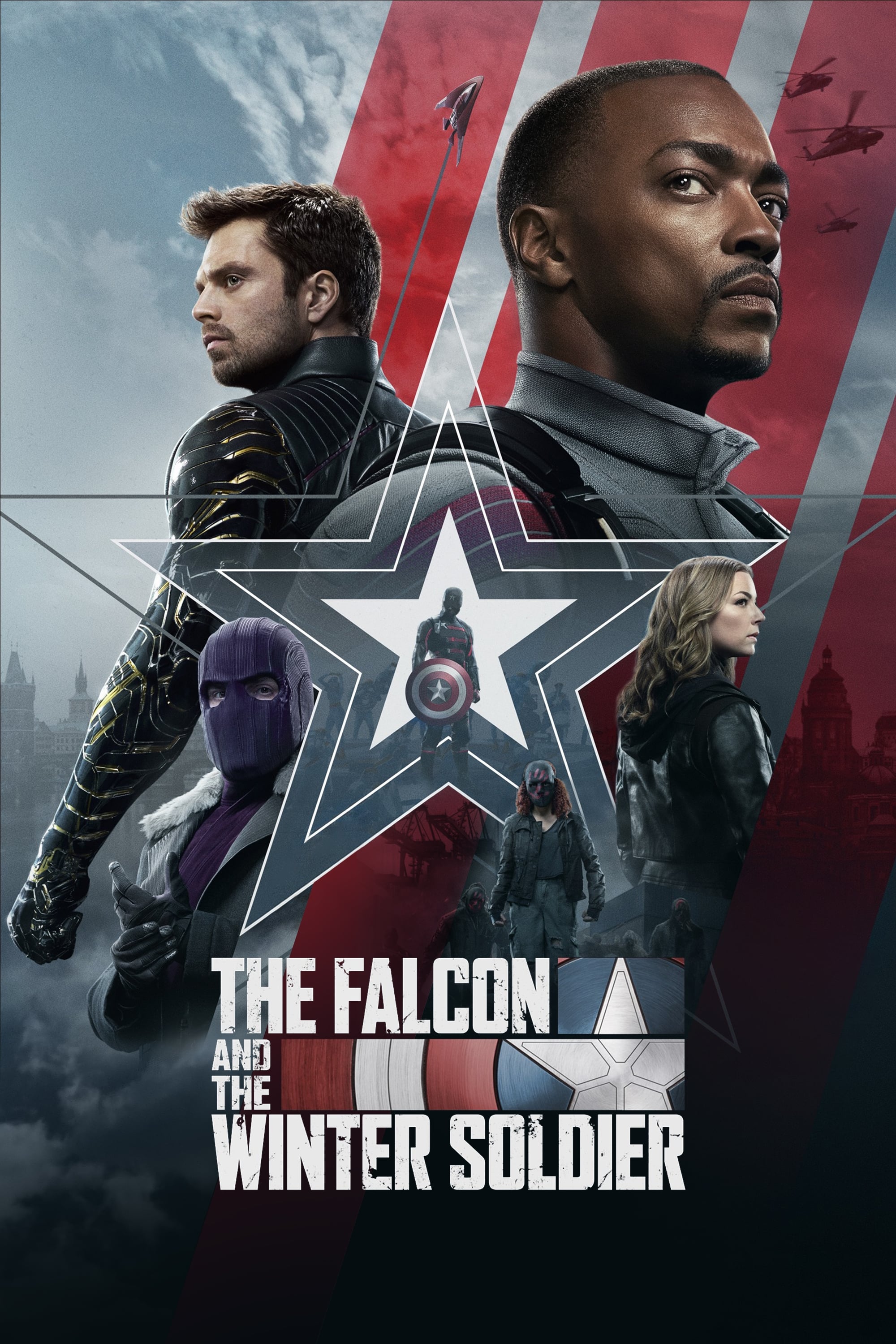
Sam Wilson wrestles with the weight of carrying the shield in a world that complicates the legacy of Captain America. The series addresses global displacement and the radicalization of refugees who feel abandoned by world governments. John Walker represents the military-industrial complex and its desire for a controllable symbol of patriotism. The narrative confronts racial history and the political ramifications of superhero intervention.
‘Dopesick’ (2021)
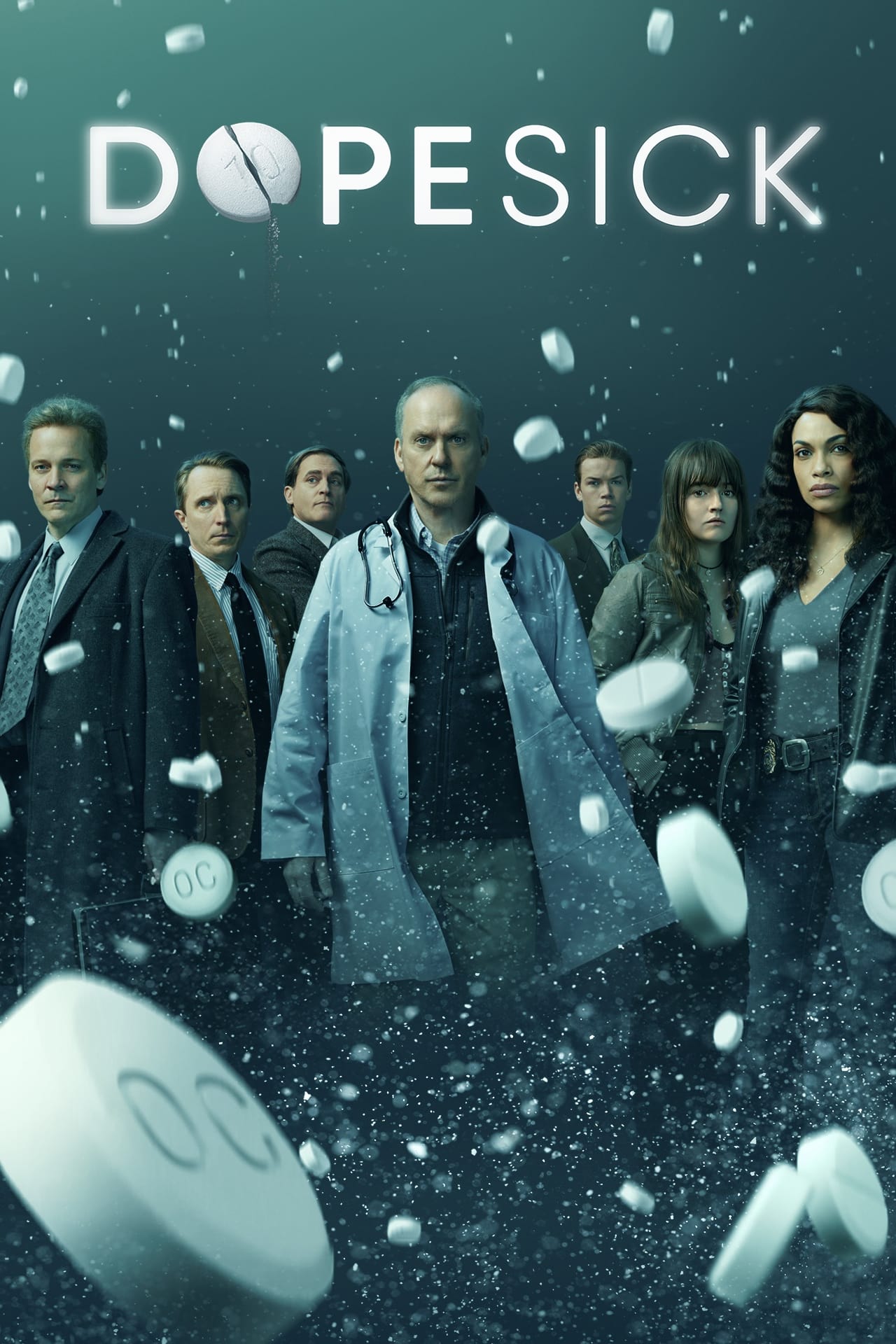
This limited series exposes the corporate lobbying and regulatory failures that fueled the opioid crisis in America. Viewers watch as Purdue Pharma manipulates data to secure FDA approval for a highly addictive drug. The story spans mining communities, boardrooms, and the offices of the DEA to show the systemic corruption at play. It serves as a harrowing indictment of how profit-driven policies devastate public health.
‘Mrs. America’ (2020)

Phyllis Schlafly mobilizes a conservative movement to oppose the ratification of the Equal Rights Amendment during the 1970s. The series explores the clash between second-wave feminists and the emerging religious right in the political arena. Characters like Gloria Steinem and Shirley Chisholm navigate the complexities of legislative advocacy and coalition building. The narrative highlights how polarizing social issues can reshape the political landscape for decades.
‘Homeland’ (2011–2020)
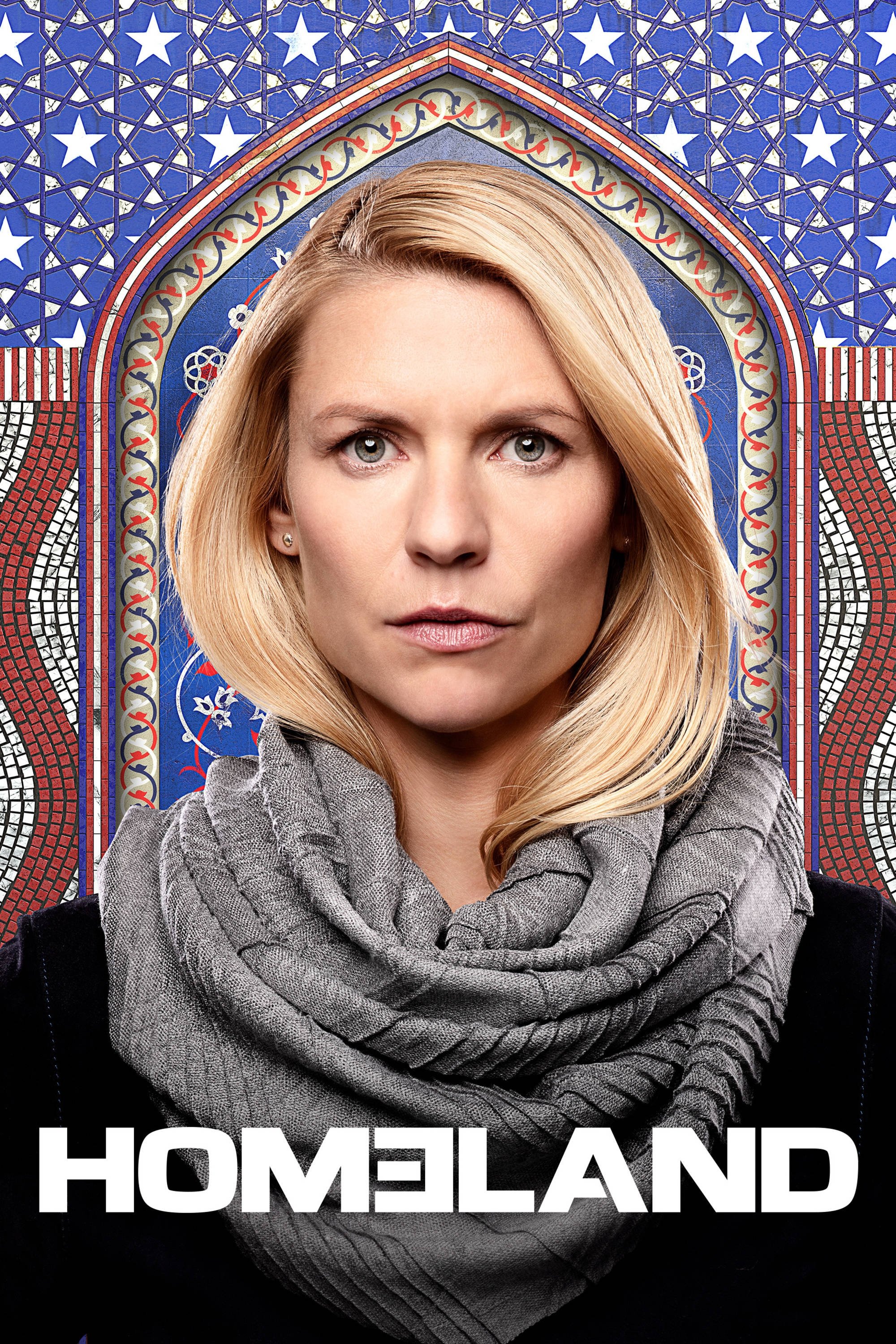
CIA officer Carrie Mathison navigates the morally grey world of counterterrorism and international espionage. The show delves into the tenuous relationships between intelligence agencies and the elected officials they serve. Plotlines frequently mirror real-world geopolitical tensions in the Middle East and domestic security concerns. It presents a cynical view of how foreign policy decisions are made and executed.
‘The Americans’ (2013–2018)
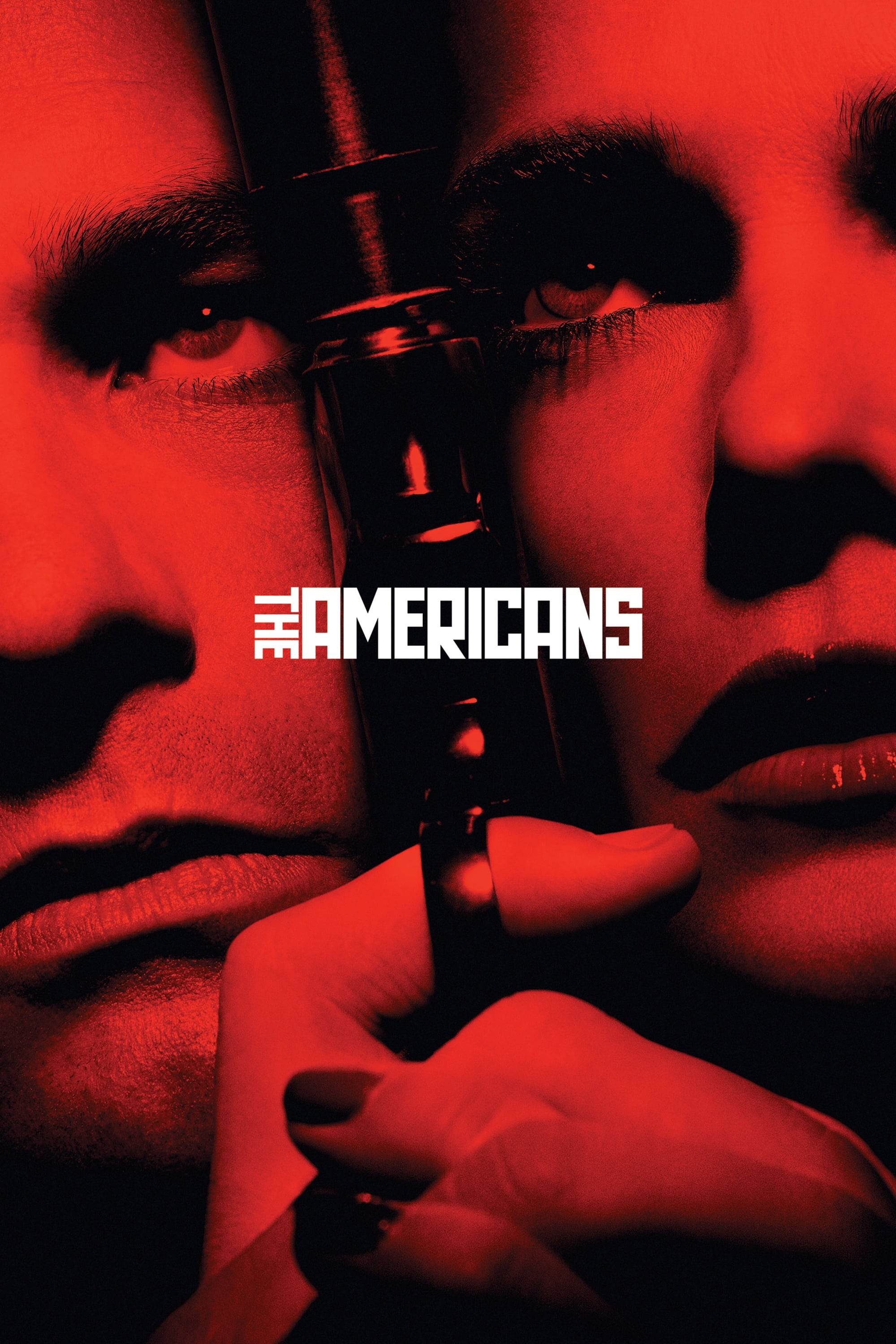
Two KGB spies pose as a married couple in suburban Washington D.C. during the height of the Cold War. The series examines the personal toll of ideological warfare as the protagonists steal state secrets for the Soviet Union. Politics infiltrate every aspect of their lives as they balance family duties with missions that could alter global history. It offers a rare perspective by centering the narrative on the agents of an opposing superpower.
’24’ (2001–2010)
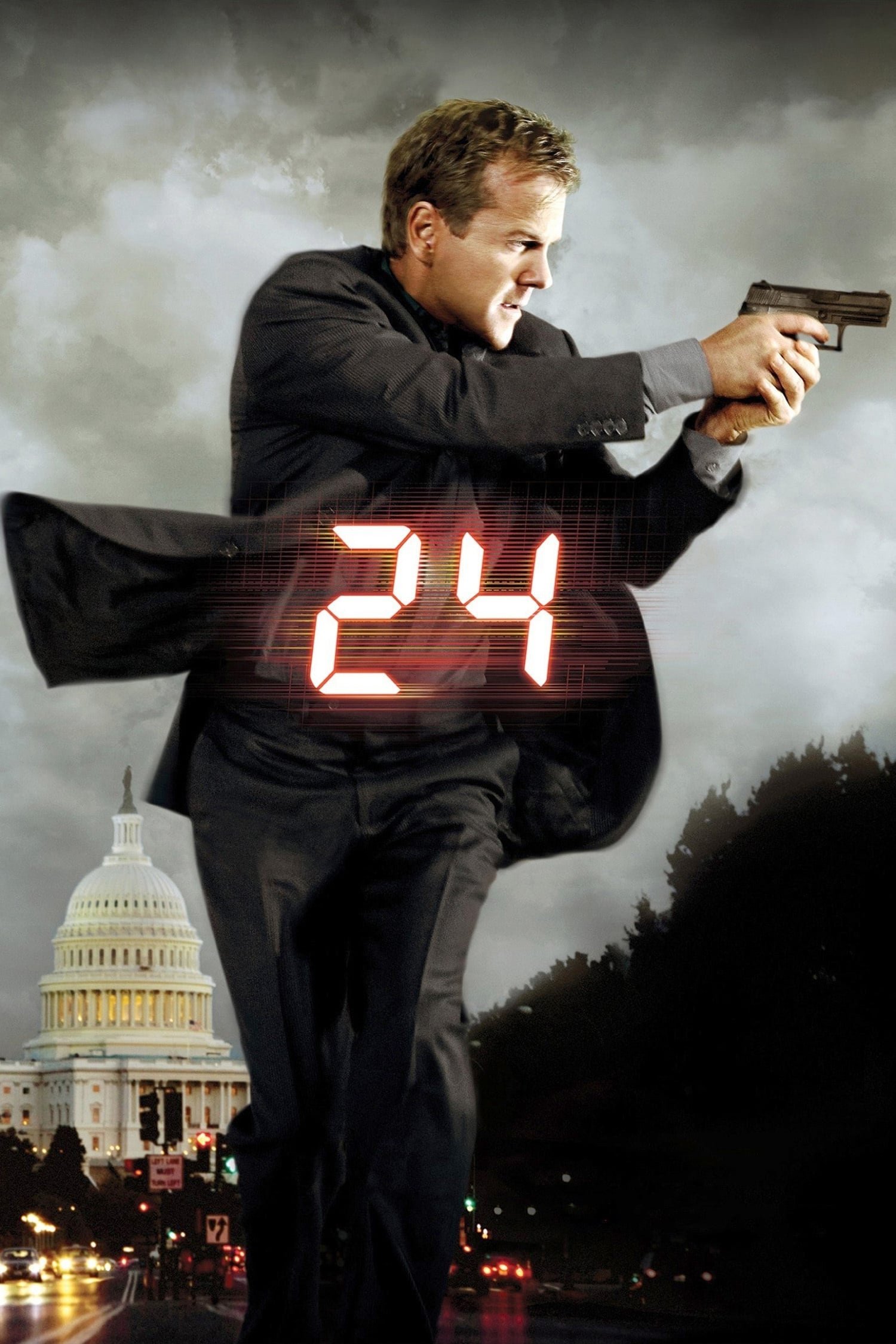
Jack Bauer races against the clock to stop terrorist plots that often involve high-level government conspiracies. The show features fictional presidents who face impossible choices regarding national security and civil liberties. Political moles and bureaucratic red tape frequently obstruct the efforts of the Counter Terrorist Unit. This action-heavy series reflects the anxieties and aggressive foreign policy debates of the post-9/11 era.
‘Scandal’ (2012–2018)
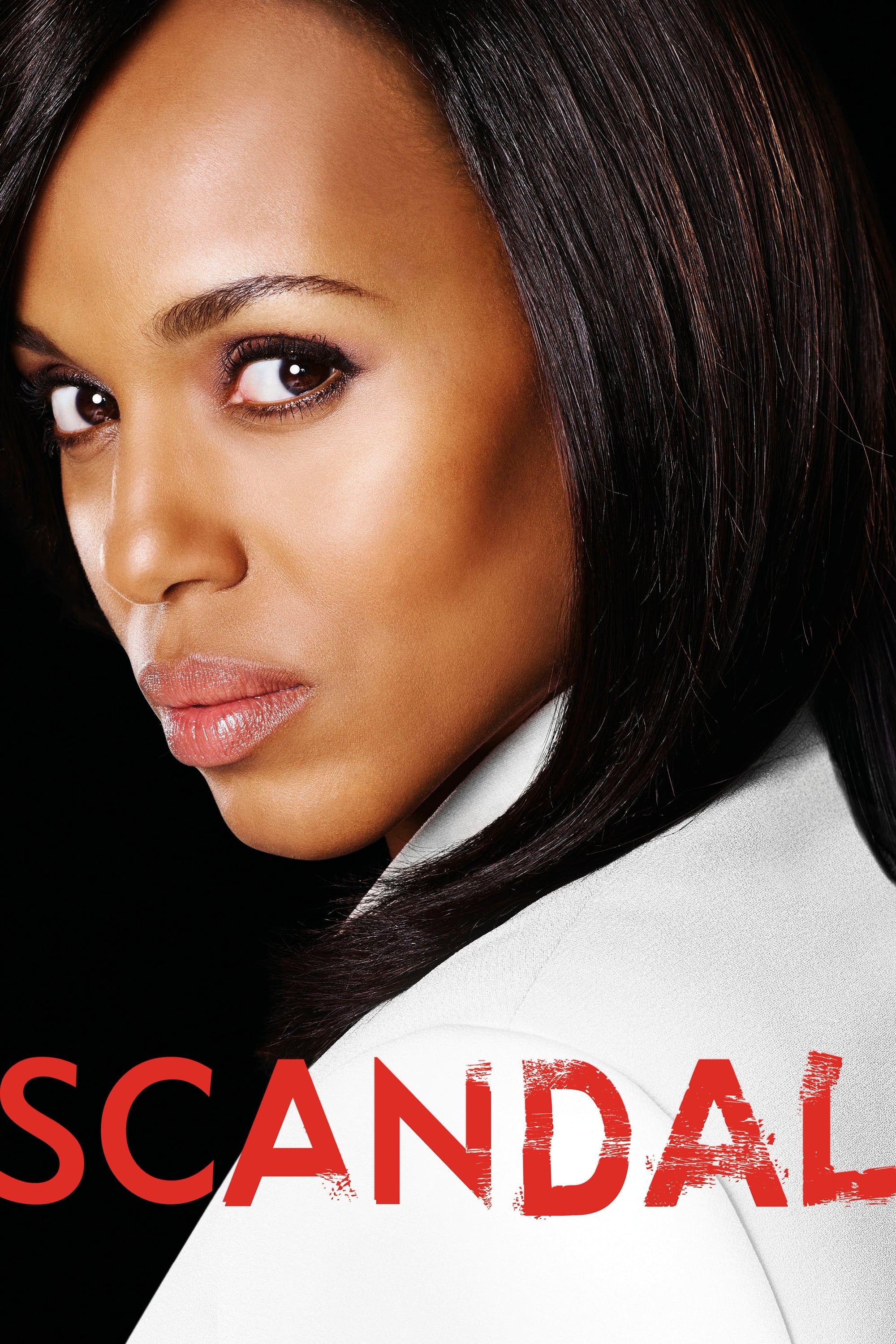
Olivia Pope manages a crisis management firm that protects the public images of the nation’s political elite. The series portrays a Washington D.C. rife with election rigging, cover-ups, and illicit affairs within the White House. Characters constantly trade their morality for power in a high-stakes game of political chess. It emphasizes the manipulation of media narratives to control public opinion.
‘Designated Survivor’ (2016–2019)

A lower-level cabinet member ascends to the presidency after a catastrophic attack wipes out the entire government. Tom Kirkman struggles to rebuild the federal government while investigating the conspiracy behind the bombing. The show explores the challenges of bipartisan cooperation and the fragility of democratic institutions. Kirkman must constantly prove his legitimacy to a skeptical public and opportunistic rivals.
‘X-Men ’97’ (2024–)
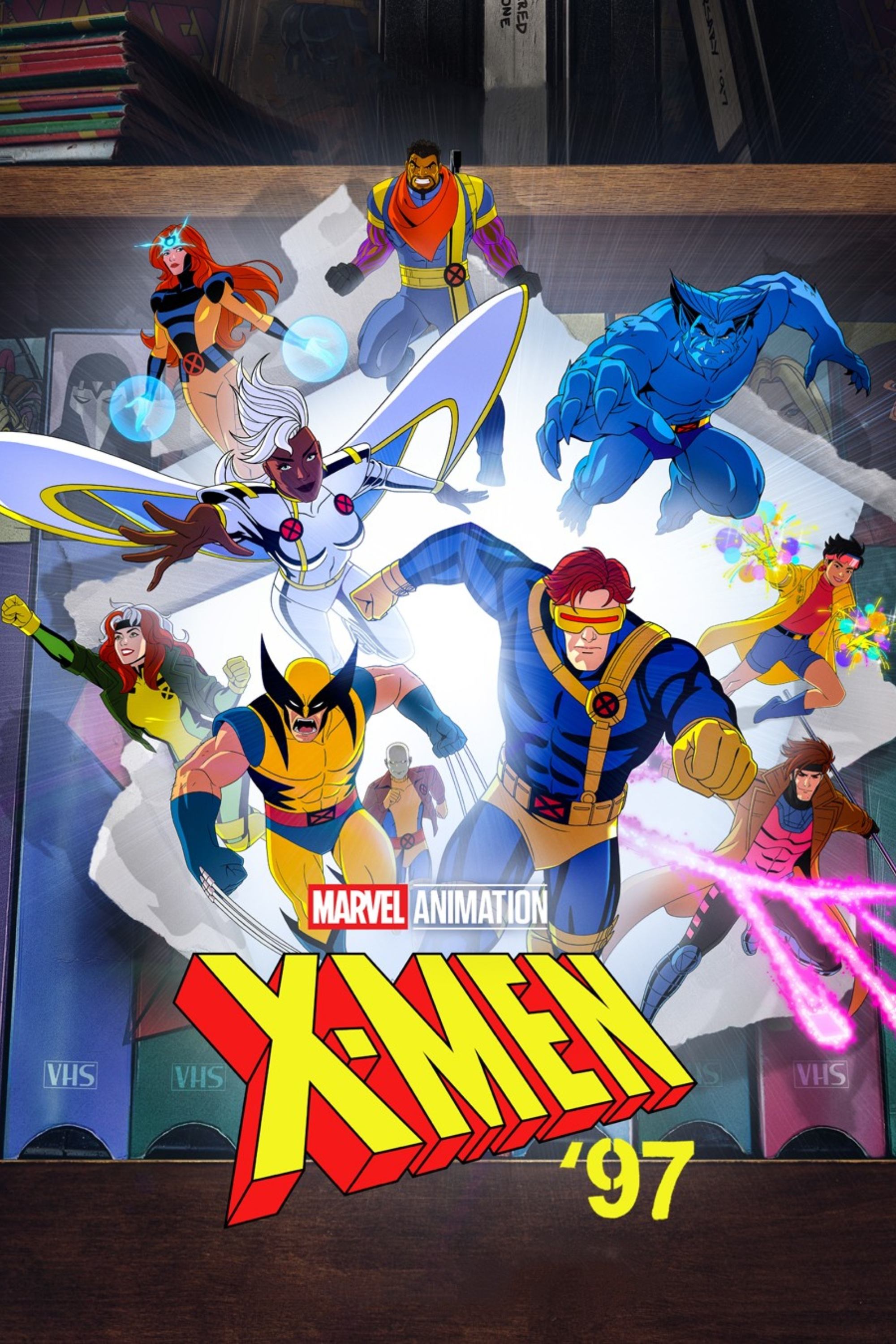
The X-Men face increased persecution as humanity debates the rights and dangers of the mutant population. Political figures exploit fear to push for legislation that would register or detain powered individuals. The team must navigate a world that hates them while dealing with internal leadership struggles after the loss of Charles Xavier. The animated series draws direct parallels to real-world discrimination and civil rights movements.
‘Secret Invasion’ (2023)
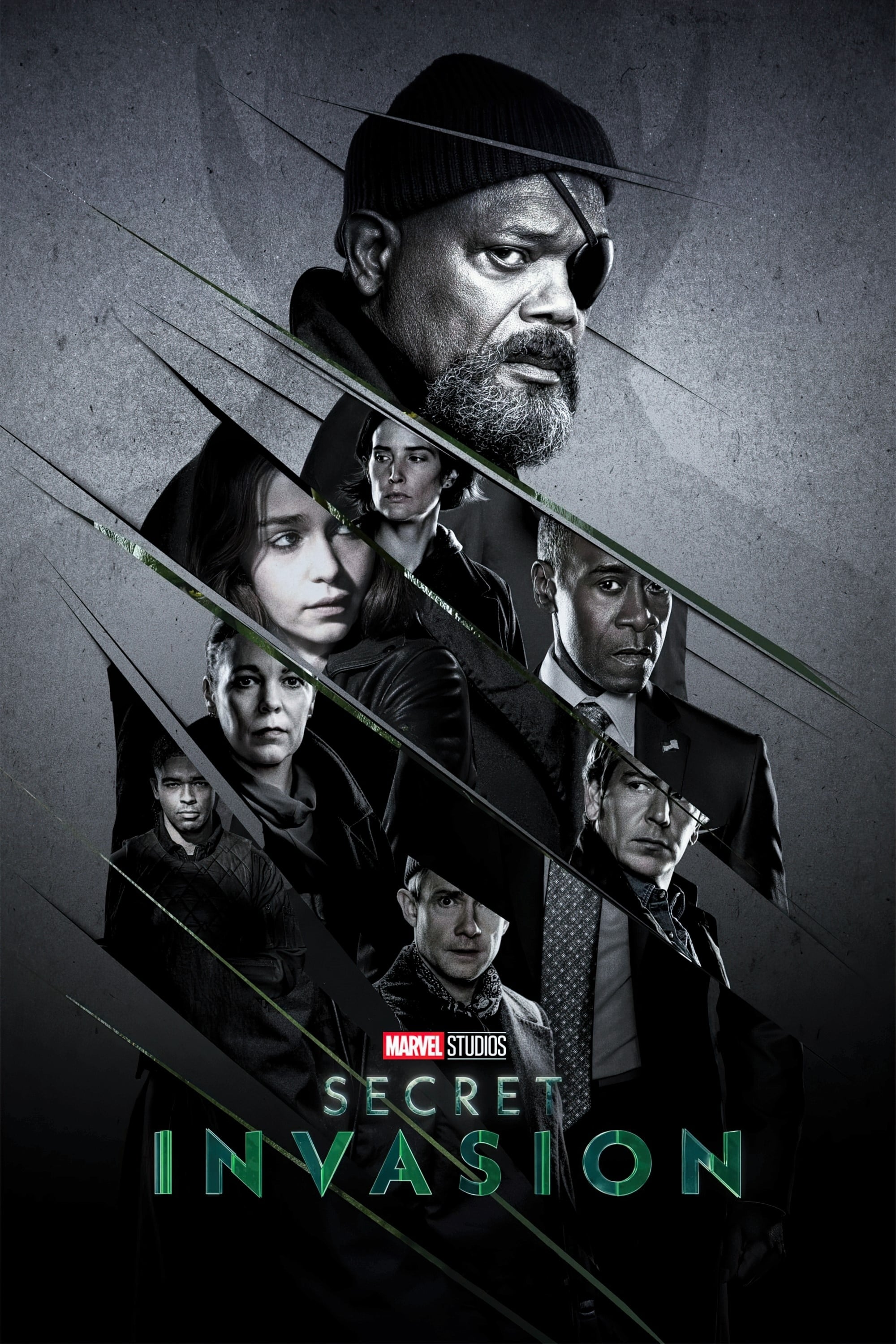
Nick Fury returns to Earth to uncover a clandestine infiltration of governments by shape-shifting Skrulls. The aliens exploit geopolitical tensions to destabilize human society and claim the planet for themselves. The series focuses on paranoia and the inability to trust established leadership structures. It serves as a commentary on refugee crises and the consequences of broken diplomatic promises.
‘Star Wars: The Clone Wars’ (2008–2020)
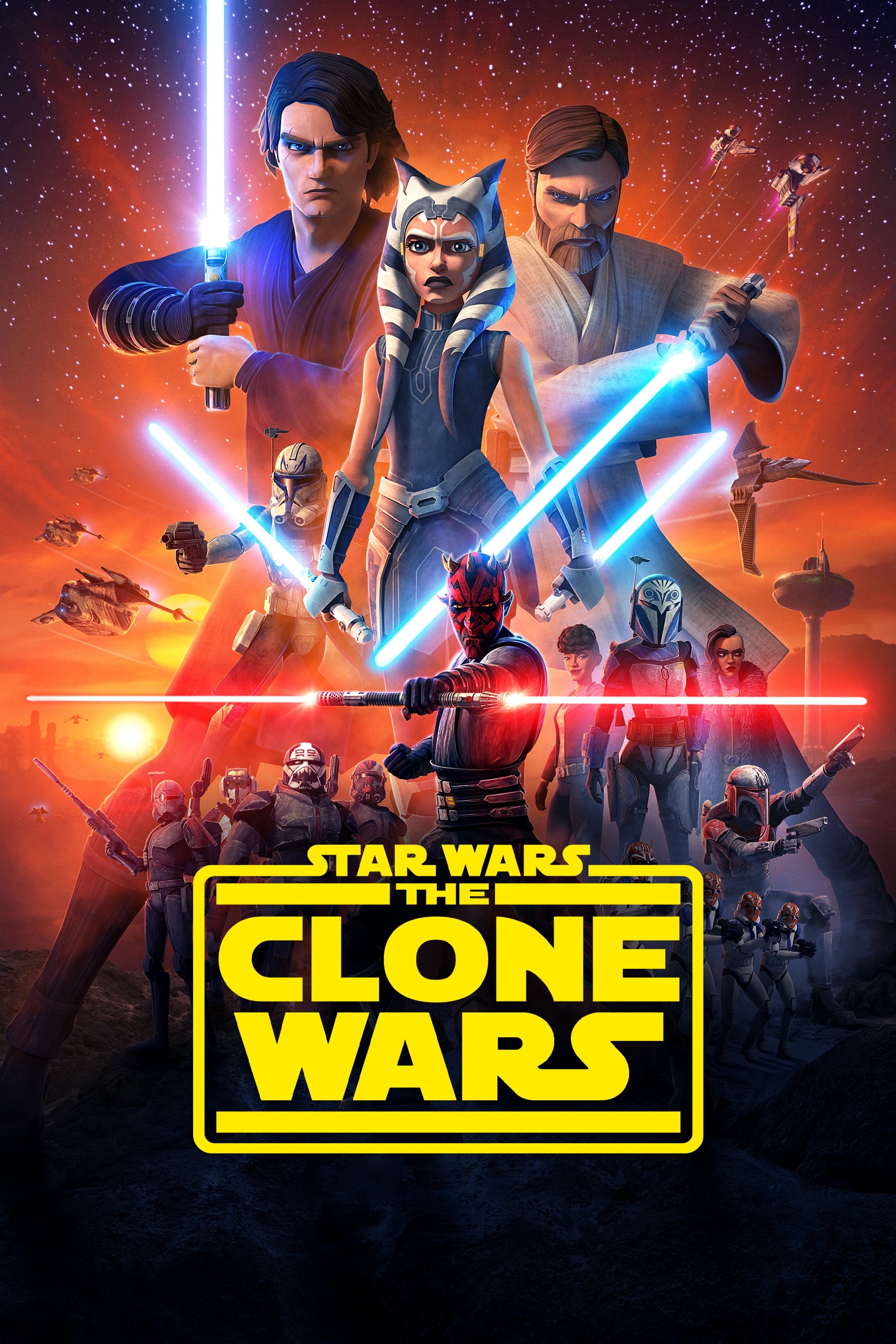
The Galactic Republic slowly crumbles under the weight of a prolonged war orchestrated by Chancellor Palpatine. Episodes frequently focus on the Senate debating deregulation, banking clan loans, and the rights of neutral systems. Padmé Amidala fights a losing battle to preserve democracy against the rising tide of military expansionism. The series illustrates how war profiteering and political apathy pave the way for dictatorship.
‘Star Wars: The Bad Batch’ (2021–2024)
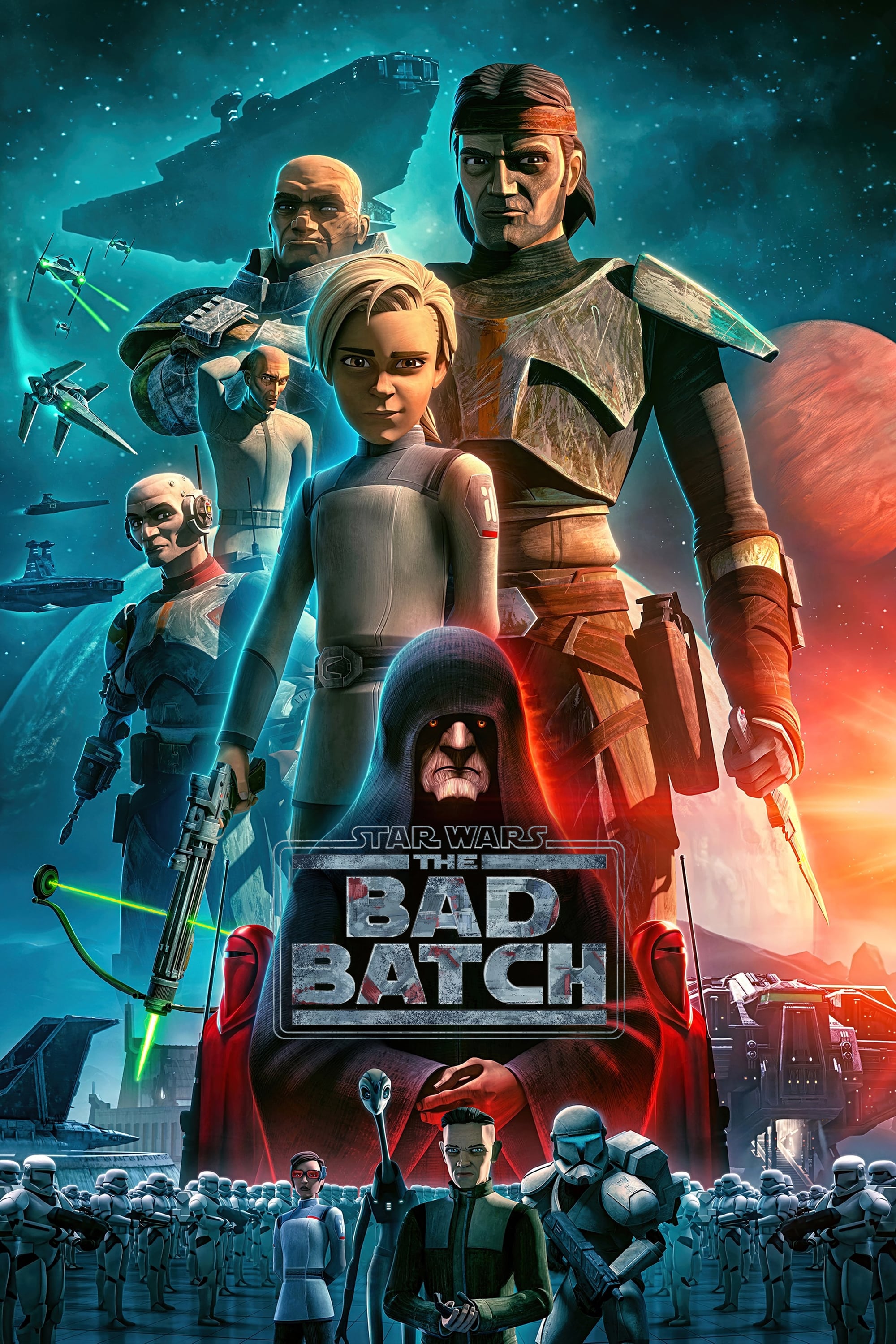
A squad of elite clones witnesses the immediate transition from the Republic to the Galactic Empire. The new regime implements chain codes to track citizens and replaces clone soldiers with conscripted stormtroopers. The show depicts the forced occupation of independent worlds and the bureaucratic erasure of individual freedoms. It explores the plight of soldiers who are discarded by the government they once served.
‘The Mandalorian’ (2019–)
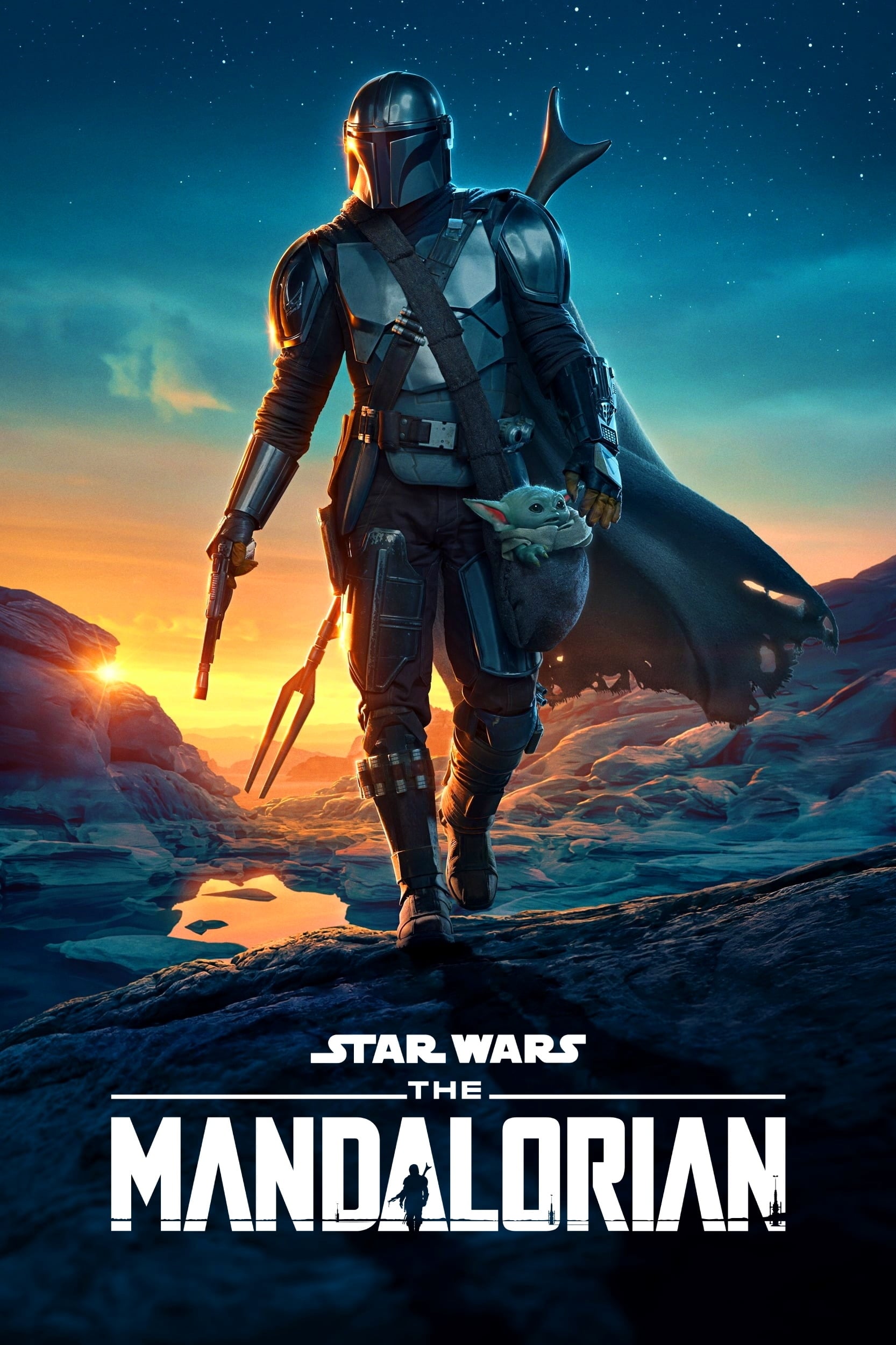
Din Djarin navigates the lawless outer rim territories following the collapse of the central Imperial government. The New Republic struggles to assert control and maintain order in a galaxy fractured by warlords. Remnant Imperial officers cling to power and conduct secret experiments to restore their fallen order. The show highlights the chaos that ensues when a political vacuum is left unfilled.
‘Loki’ (2021–2023)
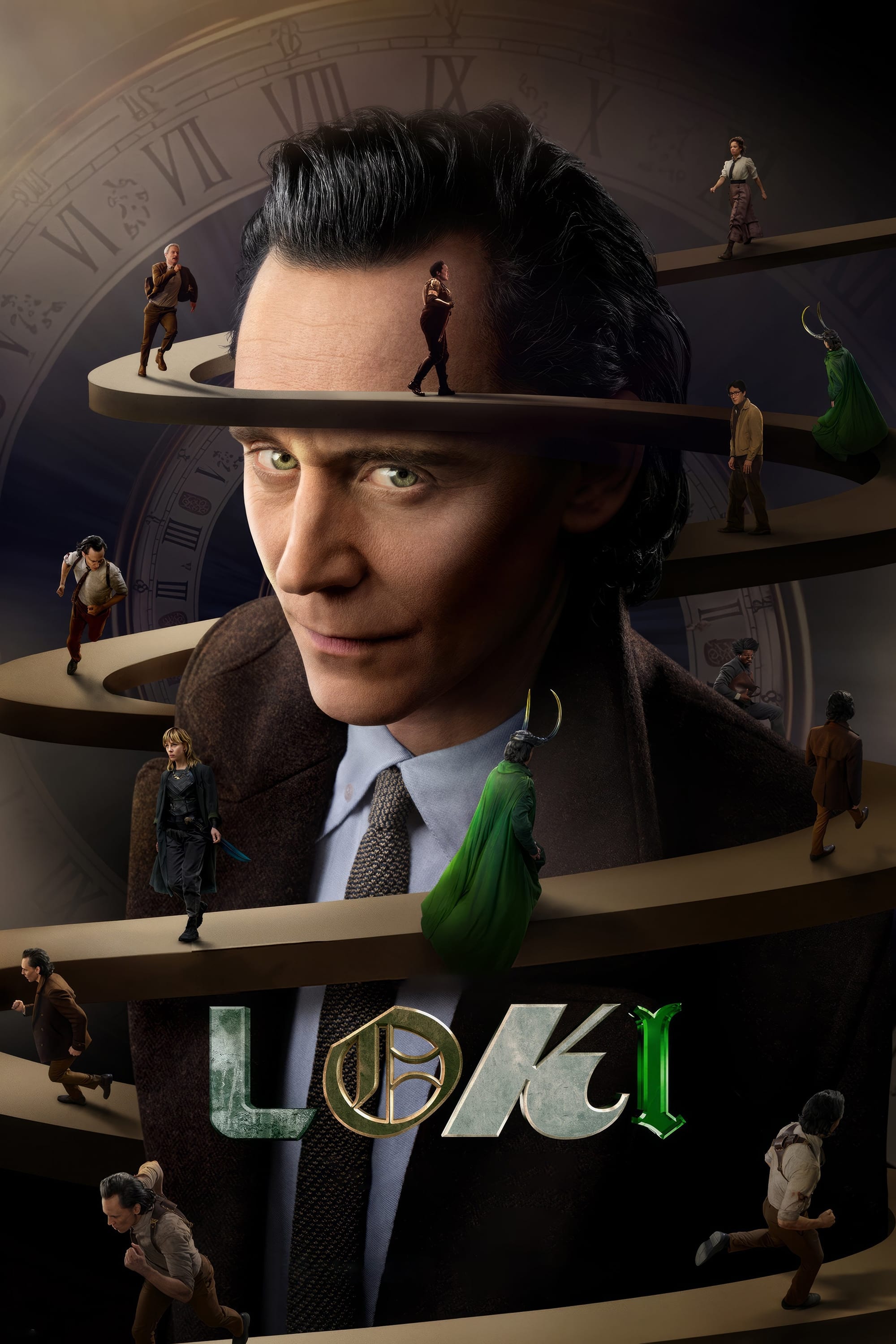
The Time Variance Authority functions as the ultimate bureaucratic nightmare with absolute power over the timeline. Loki discovers that the agency destroys entire universes to maintain a specific political order dictated by a hidden ruler. The show explores concepts of determinism and the morality of sacrificing free will for perceived stability. Characters ultimately revolt against the systemic oppression of the timeline’s management.
‘A Small Light’ (2023)

Miep Gies risks her life to hide the Frank family from the Nazis during the occupation of Amsterdam. The series depicts the creeping normalization of fascism and the dangers of resisting a totalitarian regime. Everyday citizens must decide whether to comply with unjust laws or engage in dangerous acts of defiance. It humanizes the historical account by focusing on the logistical and emotional weight of resistance.
‘The Right Stuff’ (2020)
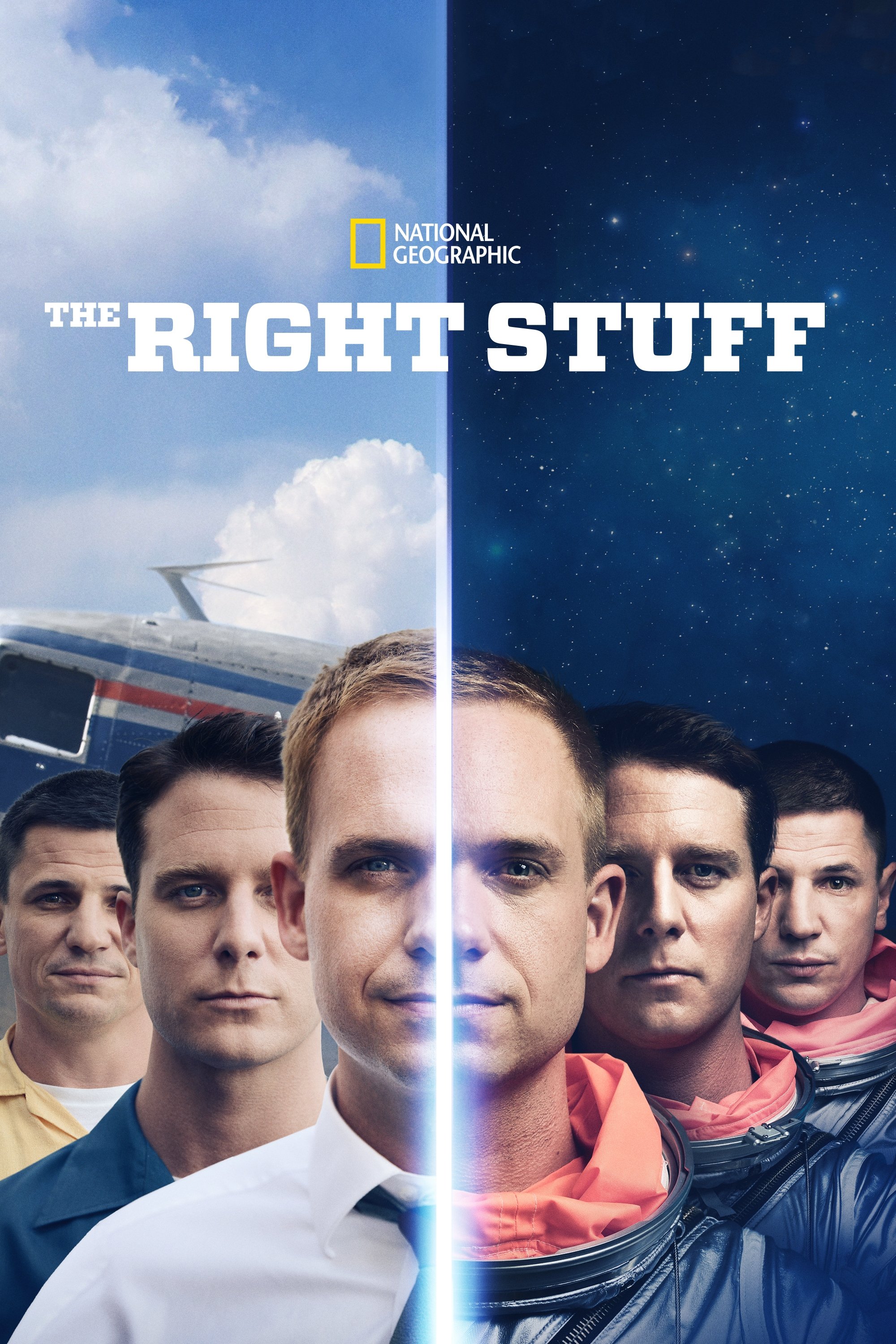
The Mercury Seven astronauts compete for a spot on the first manned spaceflight amidst the intense pressure of the Space Race. Government officials prioritize beating the Soviets over the safety and readiness of the pilots. The series explores the intersection of media relations, government funding, and national pride. It portrays the astronauts as pawns in a larger geopolitical struggle for technological dominance.
‘The Dropout’ (2022)
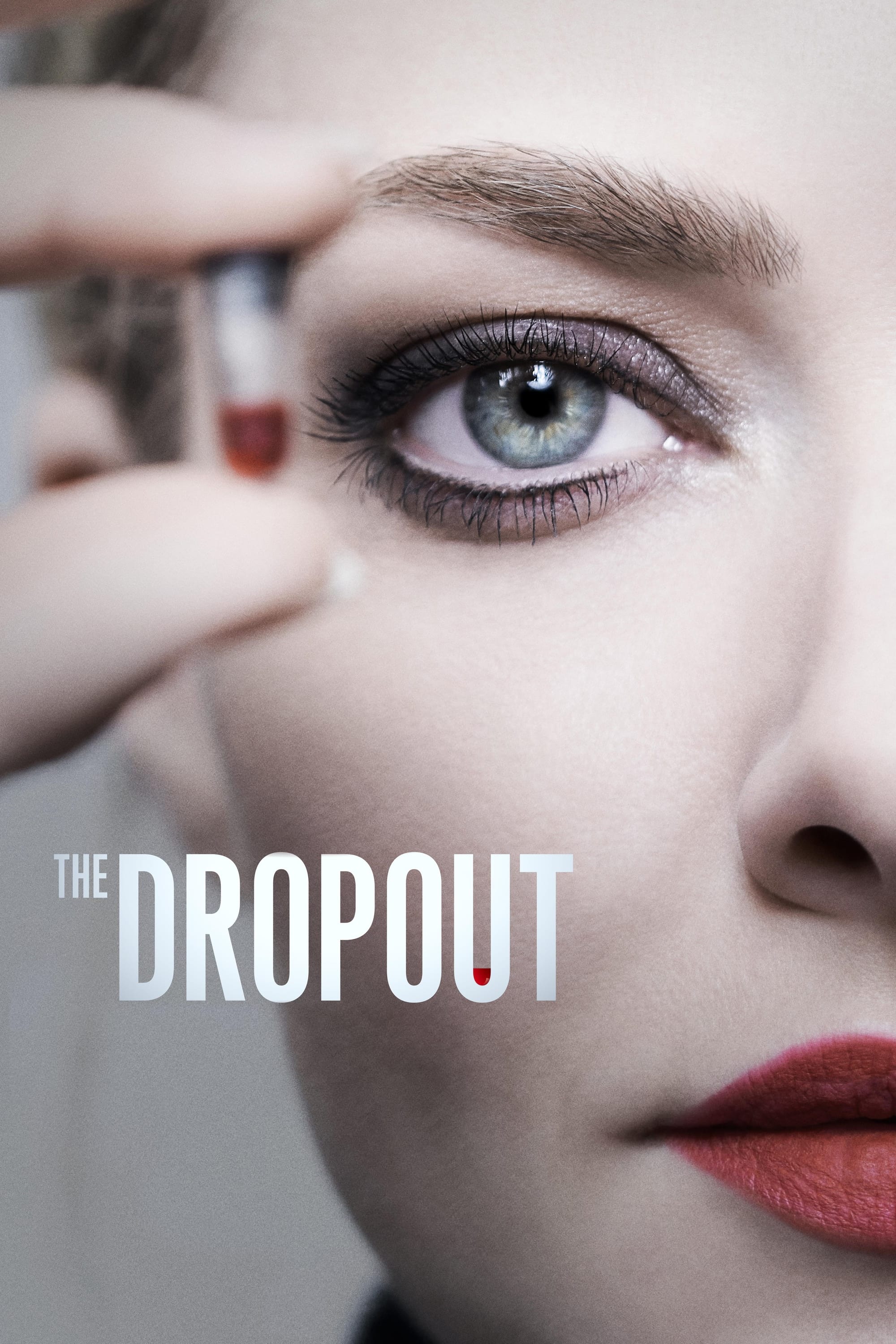
Elizabeth Holmes charms investors and political heavyweights like George Shultz into backing her fraudulent blood-testing company. The series illustrates how charisma and connections can bypass regulatory scrutiny in the world of high-stakes healthcare technology. Holmes manipulates the corporate and political elite to keep her deception alive. It serves as a critique of Silicon Valley culture and the lack of oversight in the medical industry.
‘Pam & Tommy’ (2022)

The theft and distribution of a private tape ignite a cultural firestorm regarding privacy rights and internet regulation. The series examines the misogynistic media landscape of the 1990s and the legal system’s failure to protect victims. It touches on the early days of the internet and the lack of laws governing digital consent. The narrative serves as a precursor to modern discussions about celebrity and exploitation.
‘Pose’ (2018–2021)
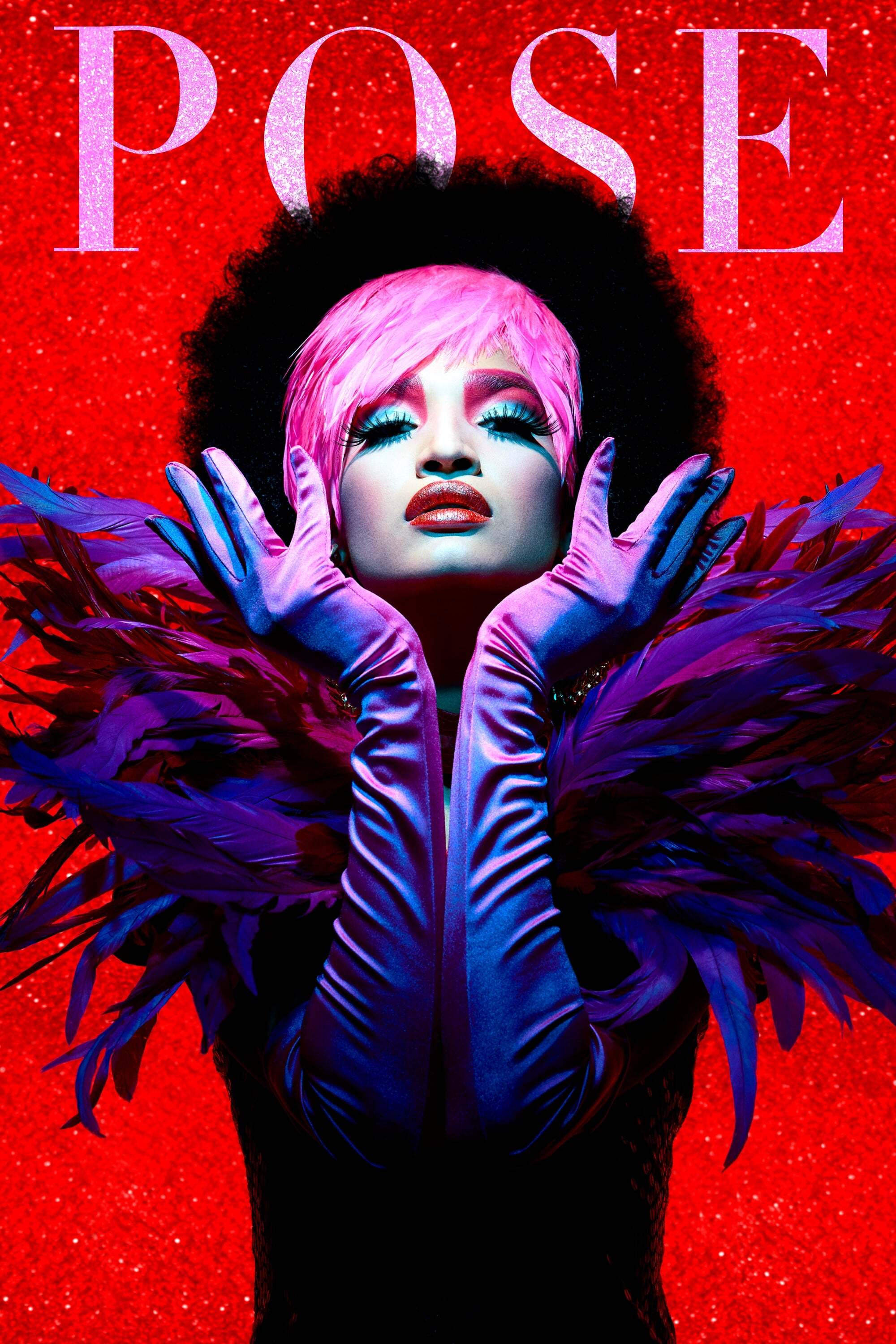
The LGBTQ+ community in New York City builds a support system through ball culture during the height of the HIV/AIDS crisis. The characters face systemic discrimination from the medical establishment and political indifference to the epidemic. Activists within the community fight for access to medication and basic human rights. The show highlights the intersection of gender politics, healthcare, and social marginalization.
‘Black-ish’ (2014–2022)
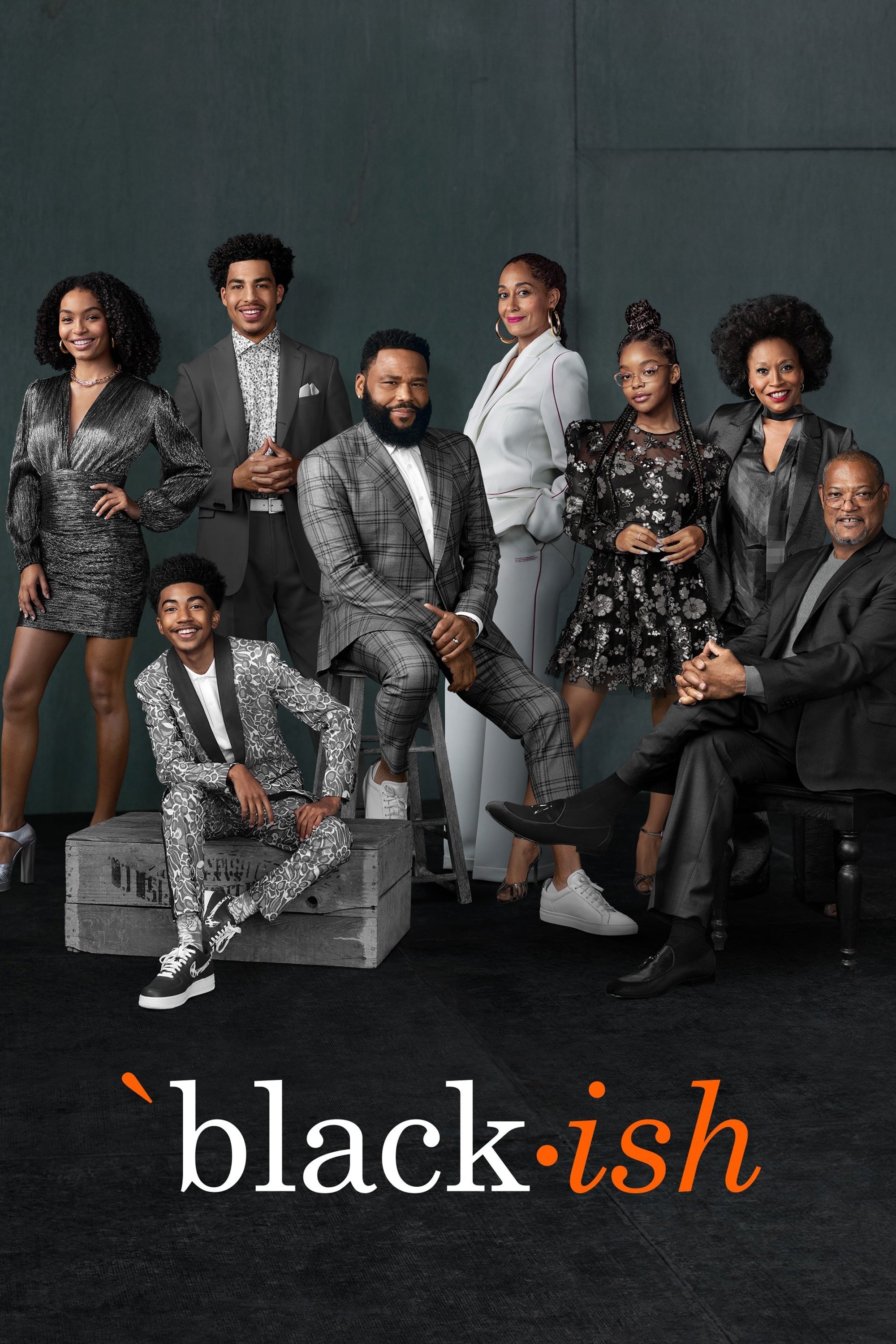
Dre Johnson and his family navigate the social and political realities of being an upper-middle-class Black family in America. The show fearlessly tackles topics such as police brutality, the 2016 election, and the history of slavery. It uses comedy to deconstruct serious societal issues and provoke conversation about race relations. The series often breaks the fourth wall to provide historical context on political subjects.
‘Atlanta’ (2016–2022)
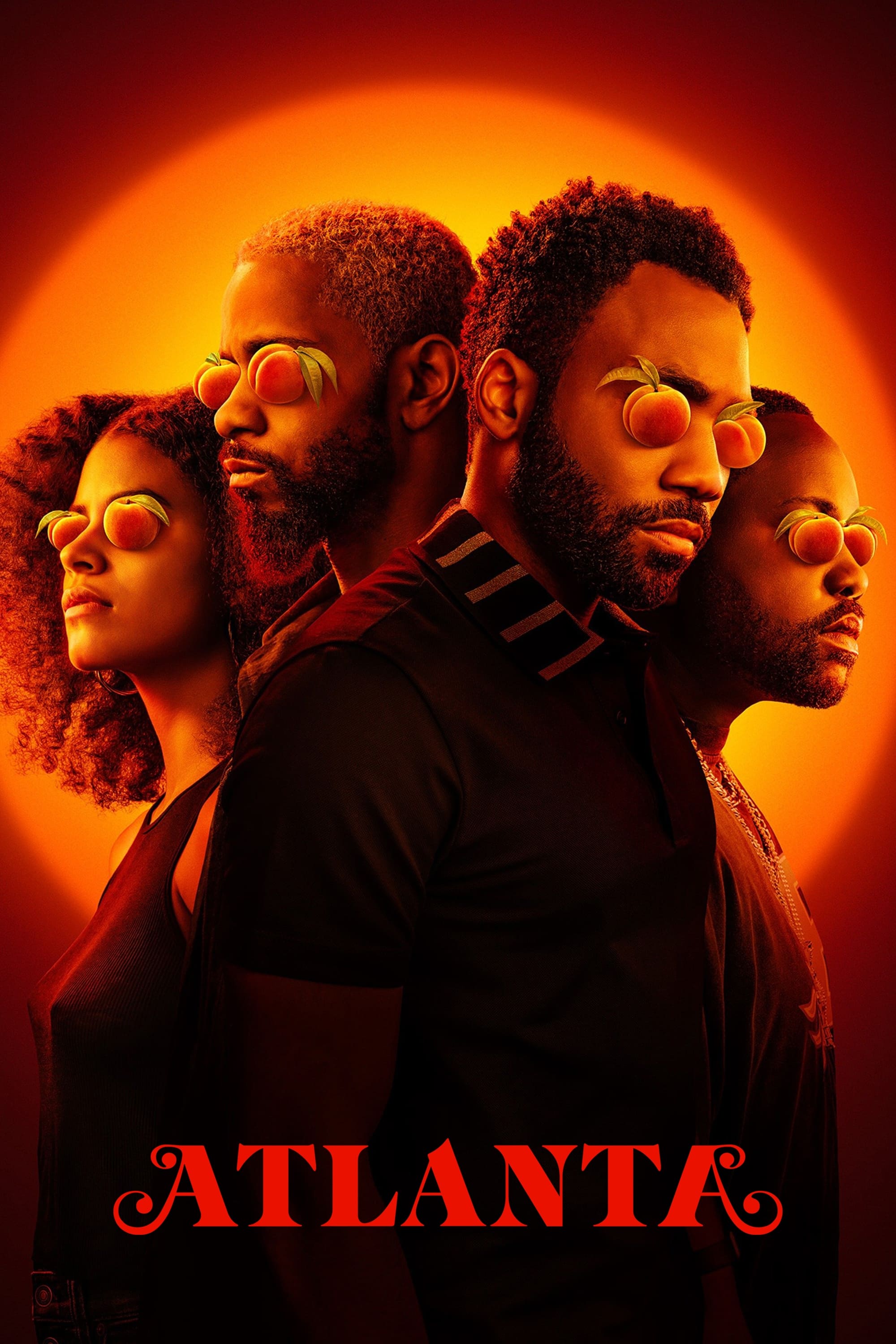
Earn Marks tries to manage his cousin’s rap career while navigating the surreal and often harsh realities of race and class. The show offers scathing social commentary on the performative nature of activism and the entertainment industry. Episodes frequently satirize the way corporations and politicians exploit Black culture for profit. It presents a unique and often disorienting perspective on modern American social politics.
‘Reservation Dogs’ (2021–2023)
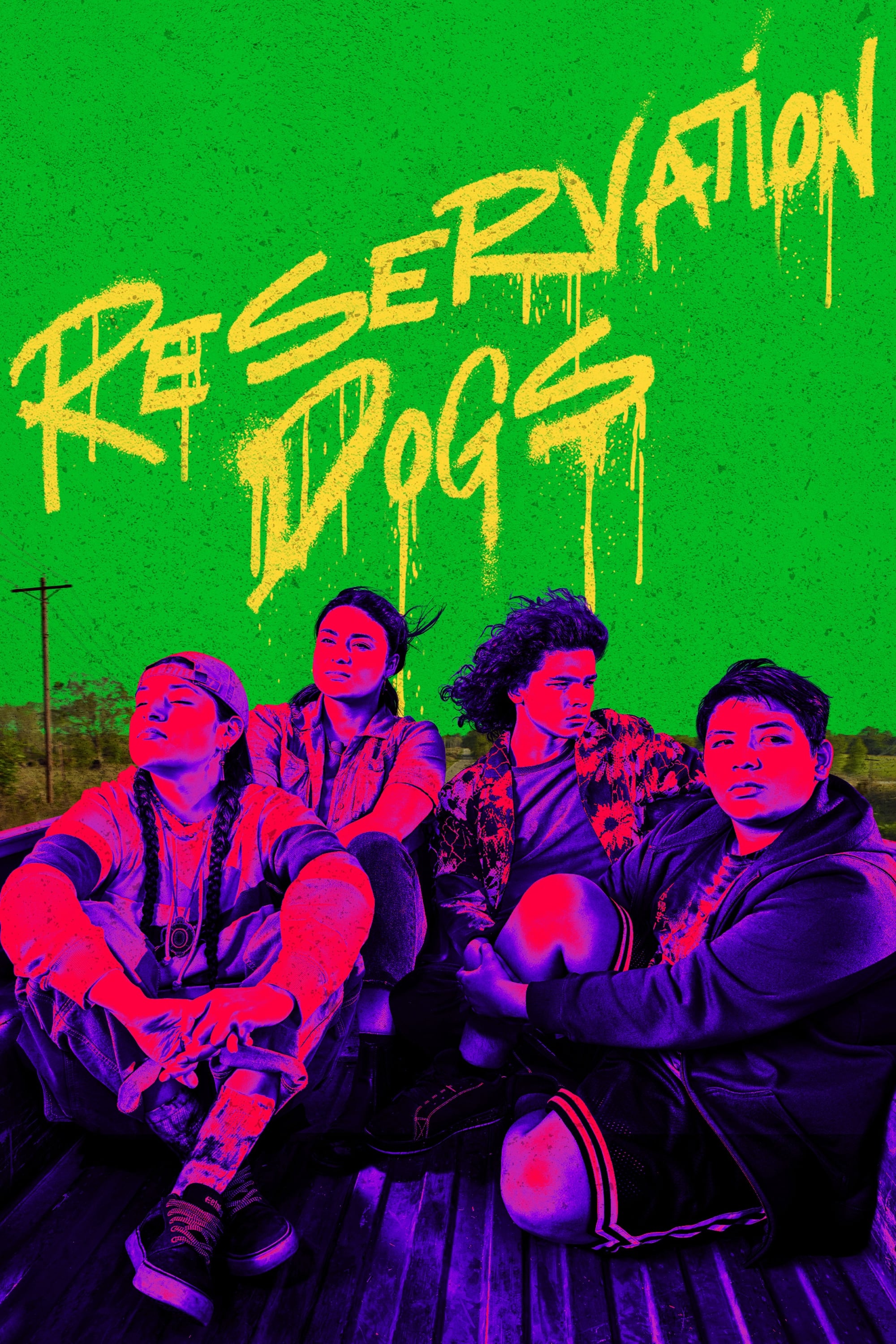
Four Indigenous teenagers commit petty crimes to fund their escape from a reservation in rural Oklahoma. The series addresses issues of poverty, lack of resources, and the generational trauma inflicted by government policies. It highlights the community’s distrust of outside authority and their reliance on internal support structures. The show offers a grounded look at the enduring political and social challenges faced by Native Americans.
‘Snowfall’ (2017–2023)
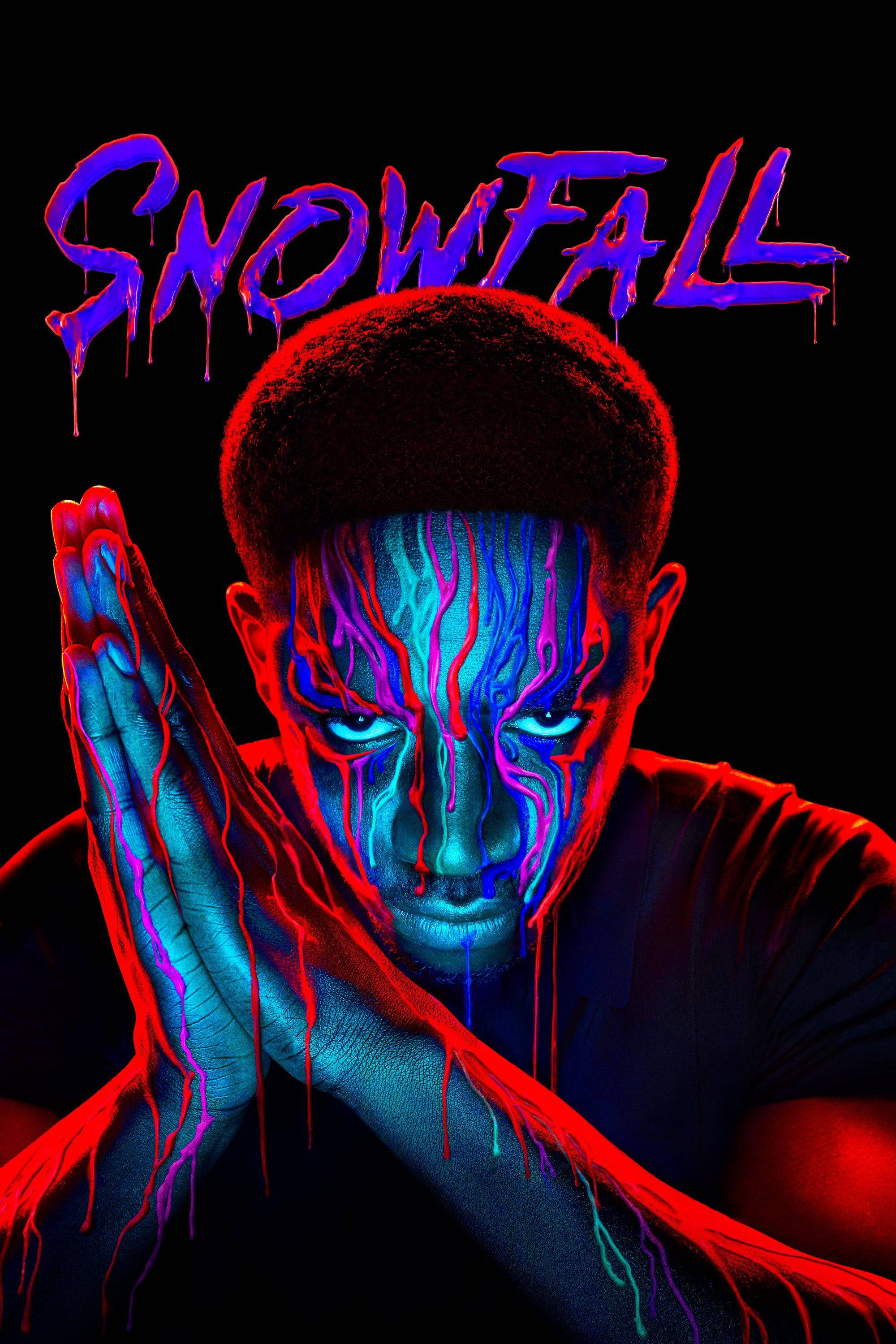
Franklin Saint builds a cocaine empire in Los Angeles just as the CIA begins funding the Contras in Nicaragua. The series explicitly links the crack epidemic to the US government’s covert foreign policy operations. Intelligence officers facilitate the drug trade to bypass congressional bans on funding the war. It provides a devastating look at how marginalized communities became collateral damage in the Cold War.
‘The Old Man’ (2022–)
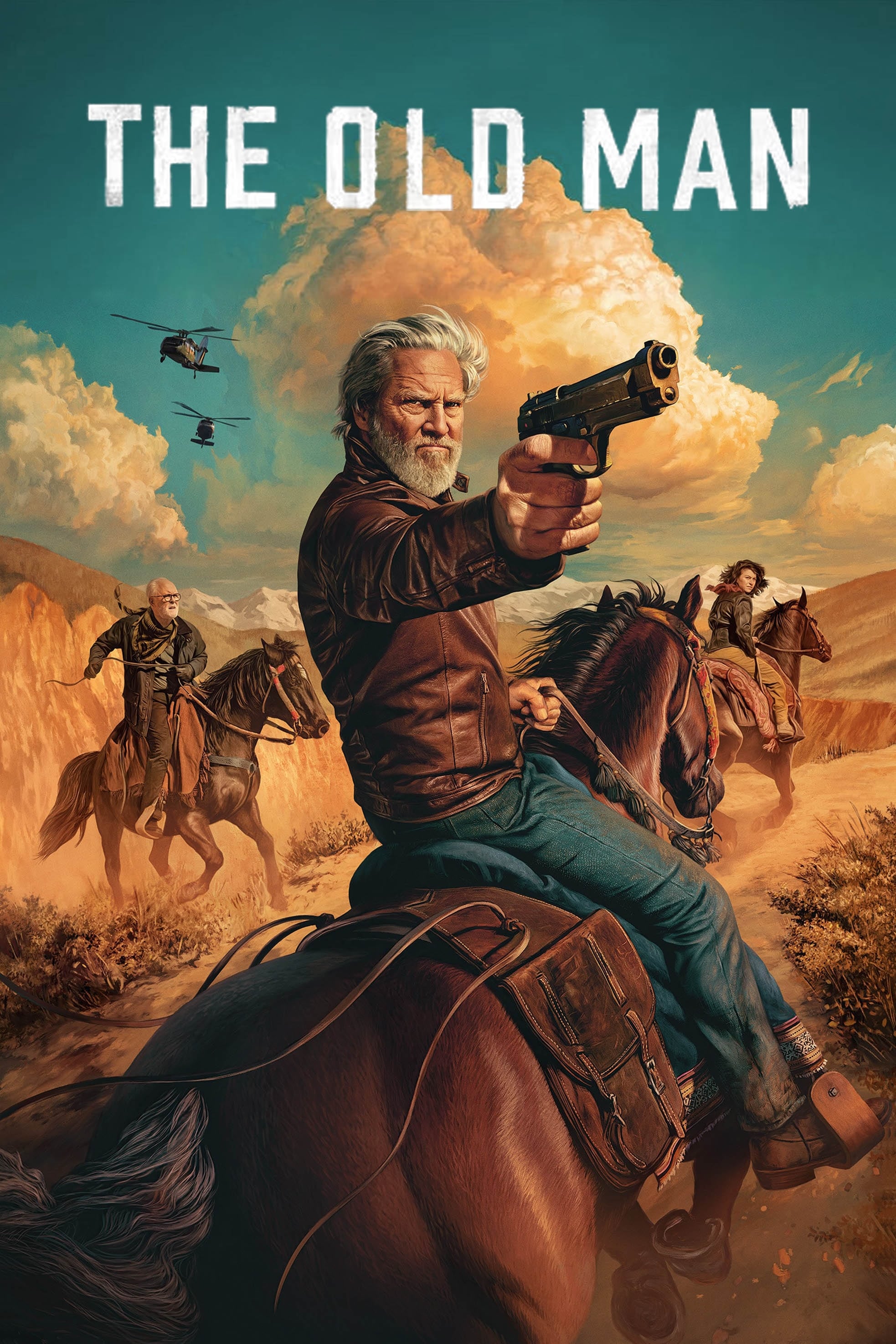
A former CIA operative lives off the grid until his past involvement in the Soviet-Afghan War comes back to haunt him. The show explores the long-term consequences of American interventionism and shifting alliances in the Middle East. Characters grapple with the moral compromises they made in the name of national security decades prior. It deconstructs the archetype of the heroic spy to reveal the messy reality of intelligence work.
‘Tyrant’ (2014–2016)
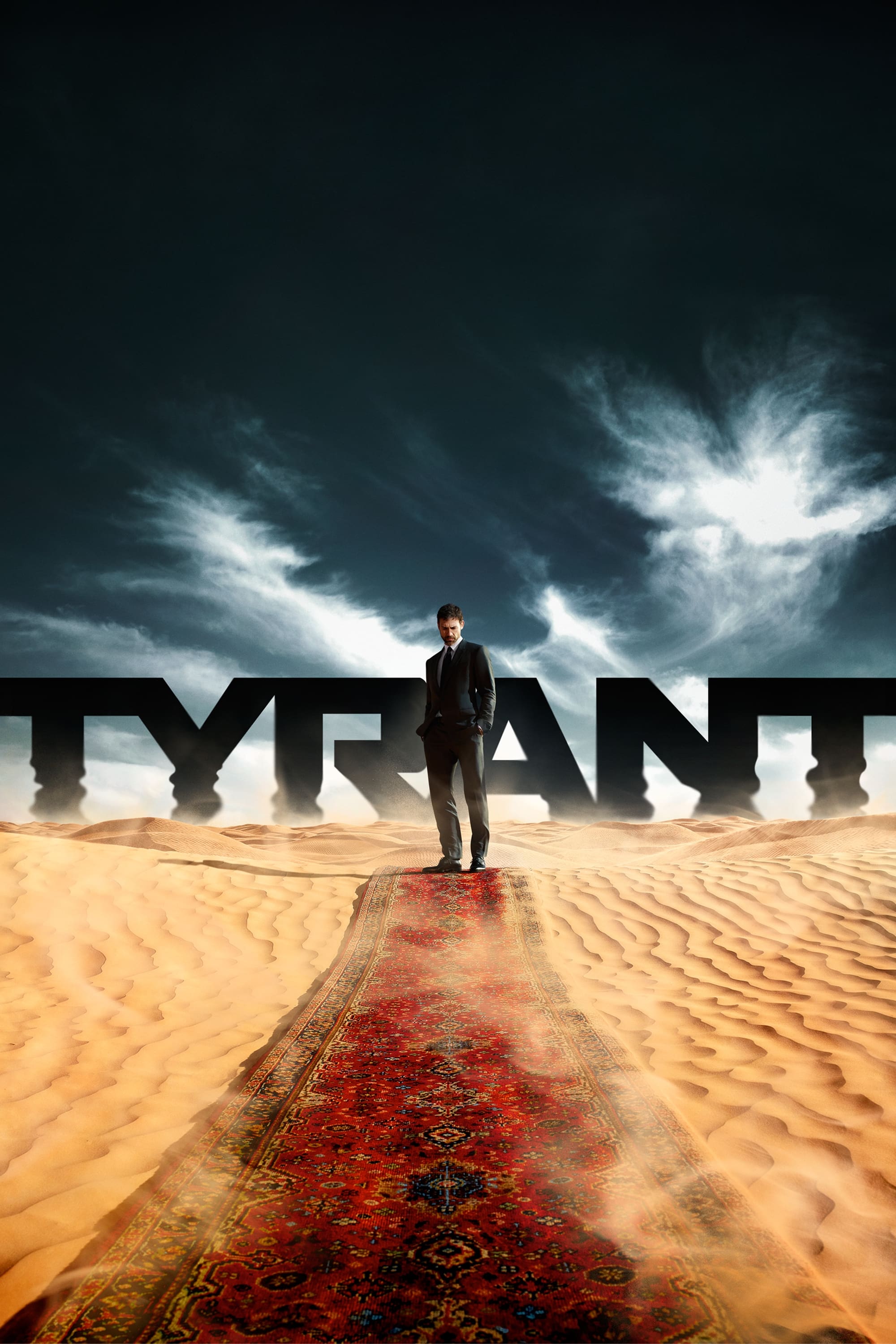
The son of a Middle Eastern dictator returns home from America and gets pulled into the brutal politics of his father’s regime. He attempts to implement democratic reforms but finds himself seduced by absolute power. The series depicts the complexities of a coup, the suppression of dissent, and the role of foreign intervention. It serves as a dark examination of how quickly idealism can crumble under political pressure.
‘Class of ’09’ (2023)
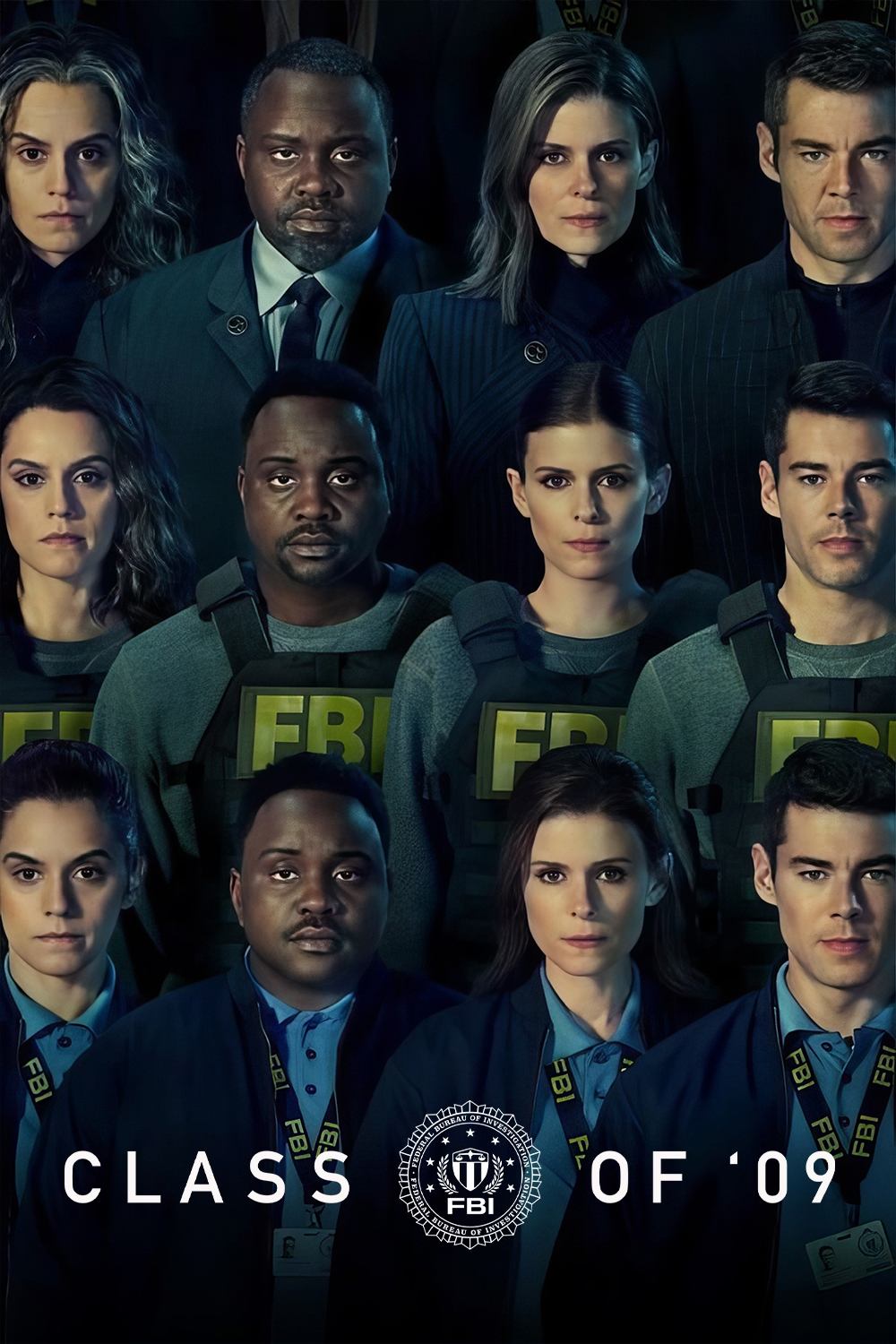
FBI agents navigate the criminal justice system across three distinct timelines as artificial intelligence transforms law enforcement. The series questions the ethics of predictive policing and the potential for technology to automate prejudice. Bureaucratic infighting and legislative changes fundamentally alter the nature of the FBI’s mission. It offers a cautionary tale about relying on algorithms to determine guilt and innocence.
‘The X-Files’ (1993–2018)
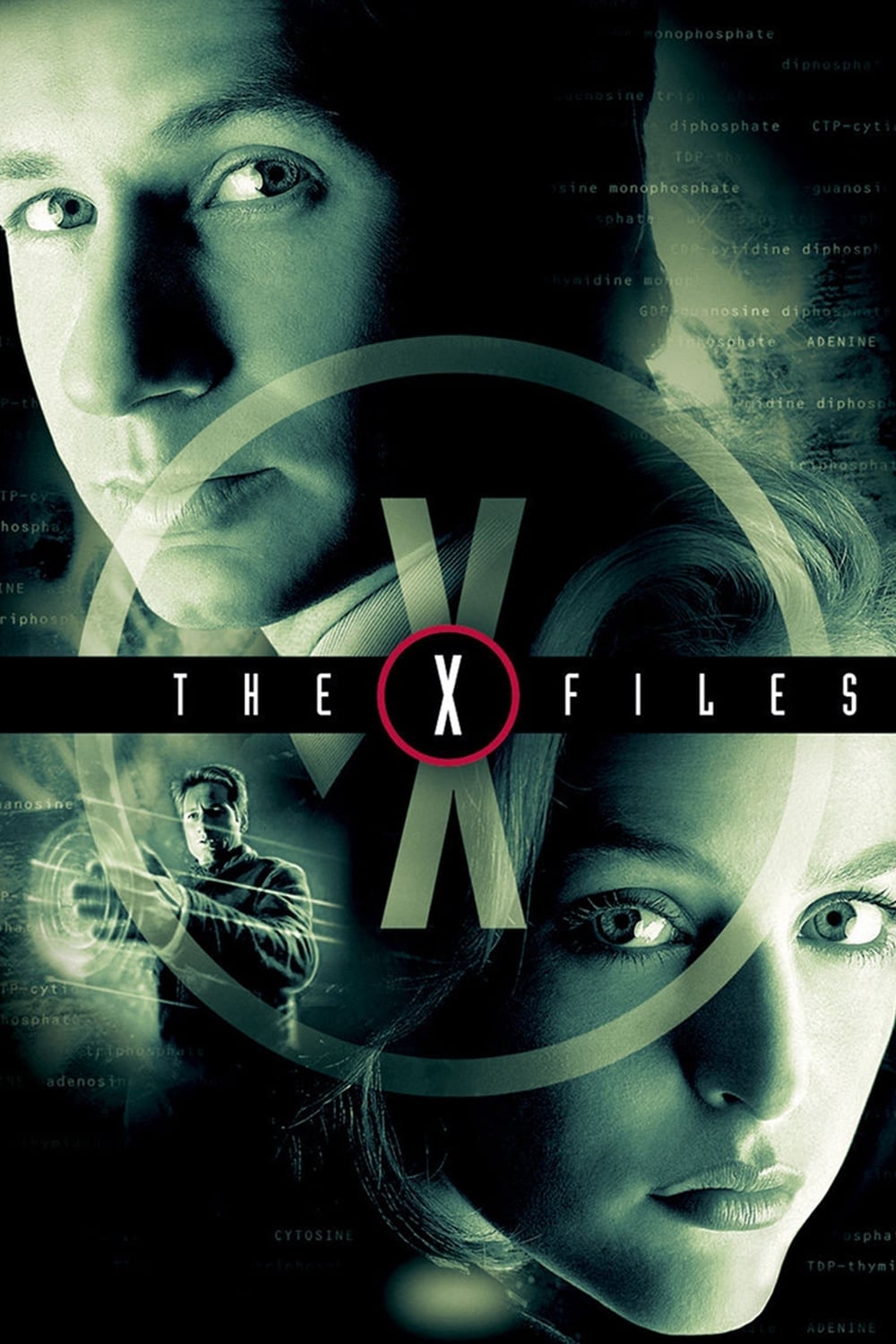
Agents Mulder and Scully investigate paranormal cases while uncovering a massive government conspiracy to hide extraterrestrial life. The “Syndicate” operates as a shadow government that assassinates witnesses and controls public knowledge. The show taps into deep-seated mistrust of federal authority and the secrecy of the military-industrial complex. It popularized the idea that the truth is being actively suppressed by those in power.
‘Prison Break’ (2005–2017)

Michael Scofield engineers an escape plan to save his brother, who was framed for murder by a secret organization known as “The Company.” The conspiracy reaches the highest levels of the executive branch, including the Vice President. Characters are constantly on the run from government agents who operate above the law. The series emphasizes how the justice system can be weaponized against individuals to protect political interests.
‘Firefly’ (2002)
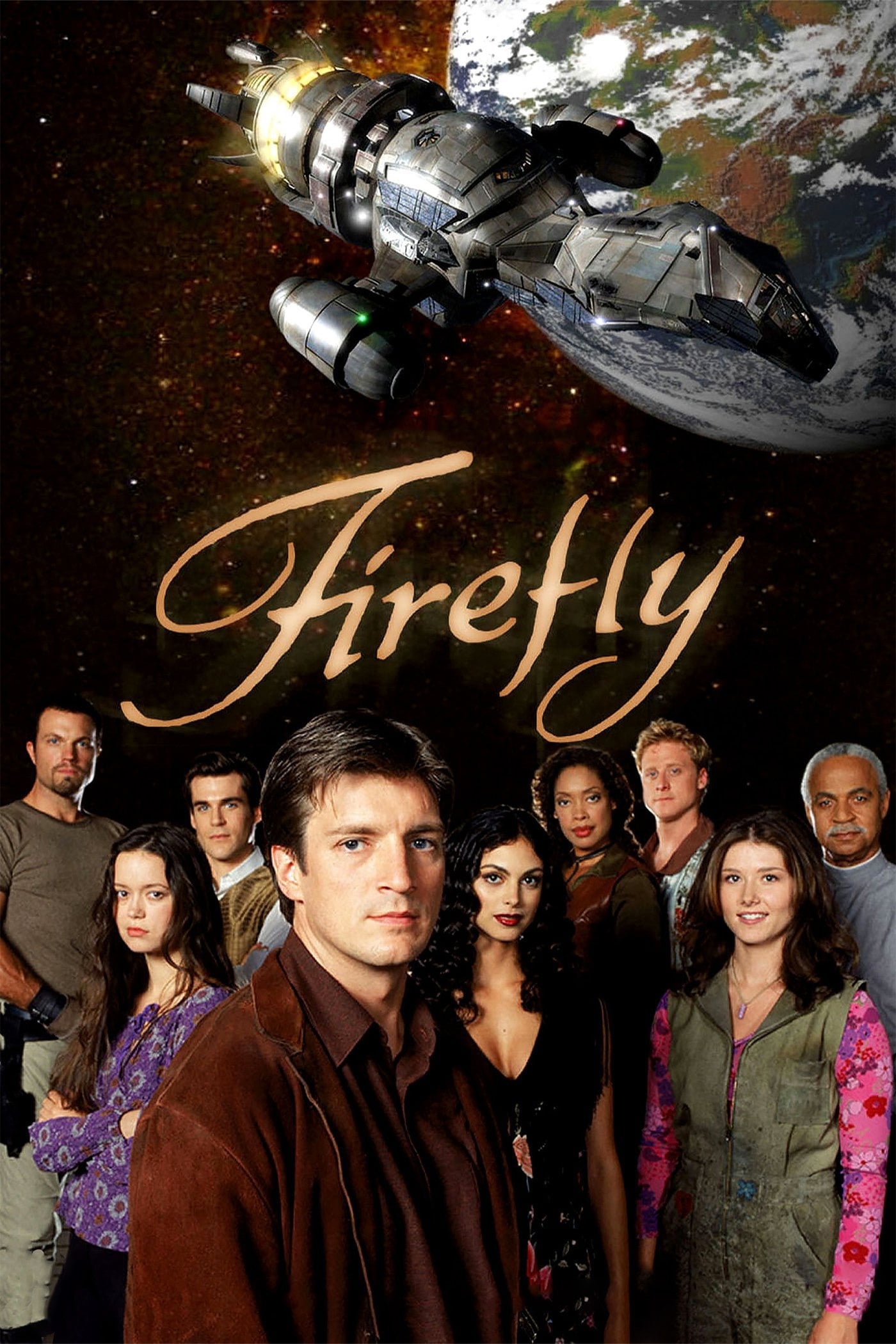
Captain Mal Reynolds leads a crew of misfits on the edges of a star system dominated by the authoritarian Alliance. The show explores the aftermath of a civil war where the losers must survive under the rule of the victors. The Alliance imposes civilization and control, often at the expense of personal freedom and local culture. It champions the spirit of independence against a monolithic government structure.
‘The Orville’ (2017–)
Captain Ed Mercer commands a mid-level exploratory vessel within the Planetary Union. The series uses sci-fi allegories to tackle contemporary issues like religious extremism, gender identity, and arms proliferation. Diplomatic missions frequently require the crew to navigate complex cultural differences and treaty negotiations. It blends humor with serious ethical debates about the role of a governing body in diverse societies.
‘Ms. Marvel’ (2022)
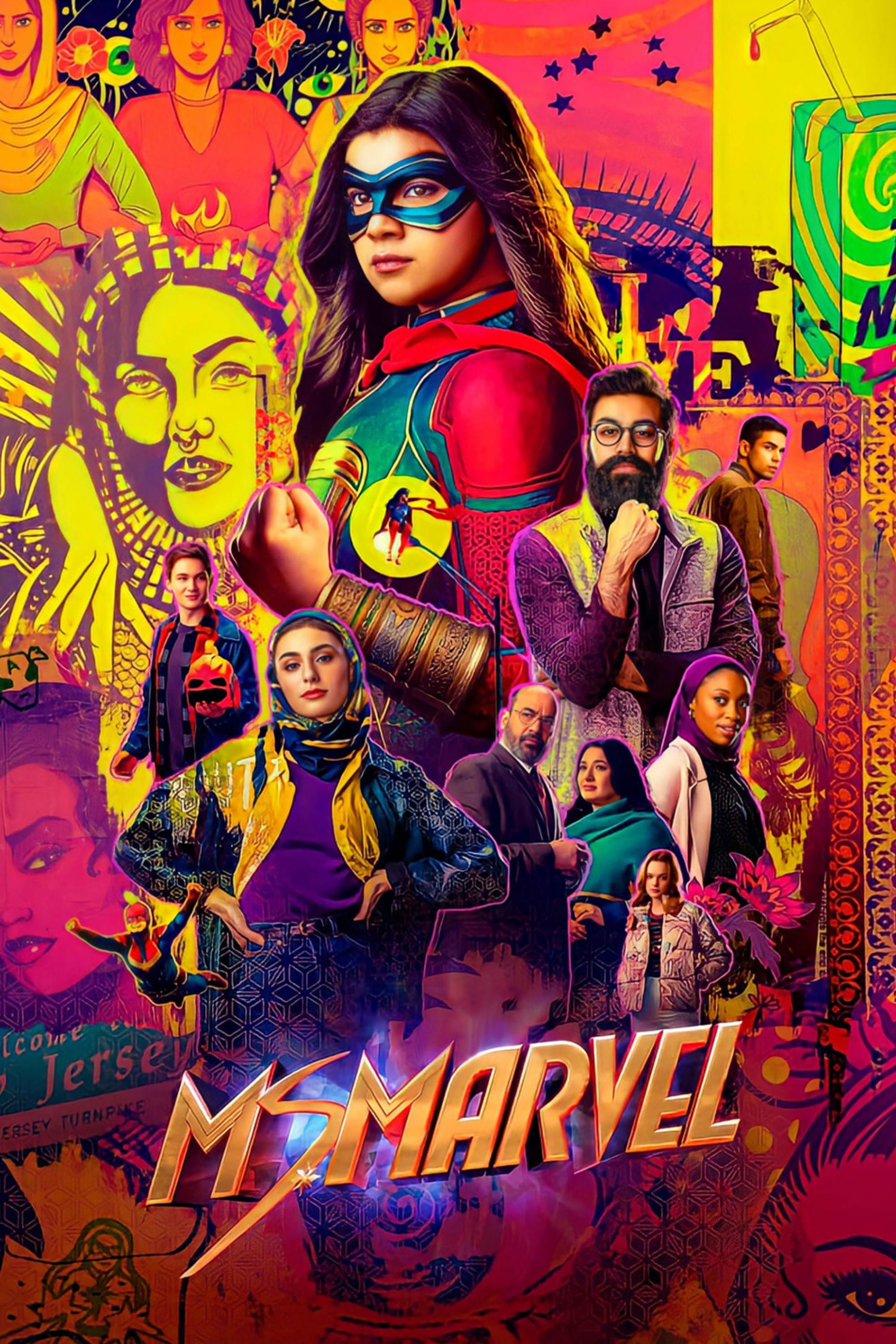
Kamala Khan discovers her powers while dealing with the Department of Damage Control’s aggressive surveillance of her community. The show explores the impact of the Partition of India and the intergenerational trauma it caused. Government agents target the local mosque, reflecting real-world profiling and Islamophobia. The series grounds its superhero elements in the specific cultural and political history of Pakistani Americans.
‘She-Hulk: Attorney at Law’ (2022)
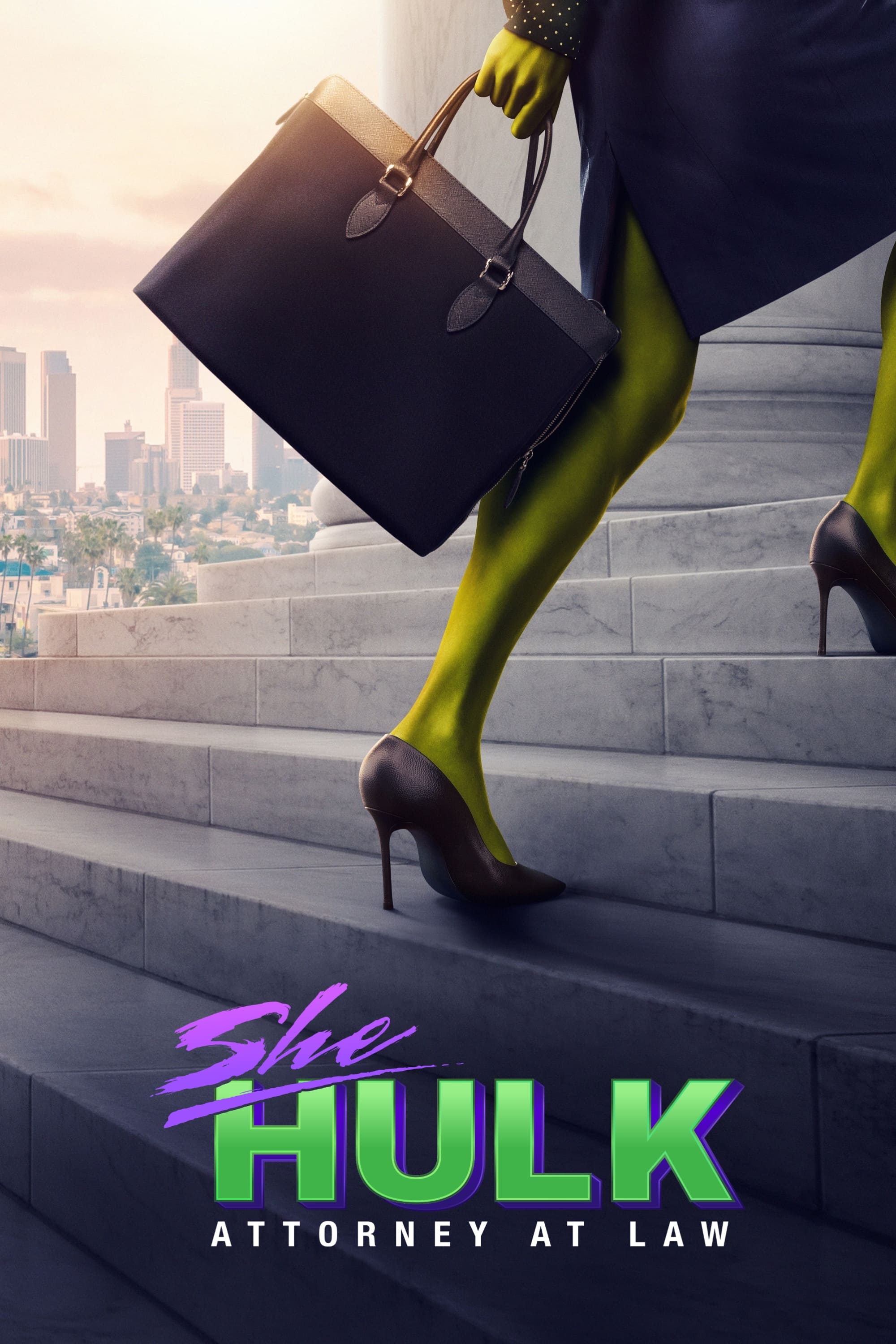
Jennifer Walters leads a division specializing in superhuman law, dealing with the legal rights of powered individuals. The show satirizes the media circus surrounding female public figures and the toxicity of online discourse. Legal cases involve the Sokovia Accords, liability for collateral damage, and the regulation of super-suits. It provides a comedic but sharp look at how the legal system adapts to extraordinary circumstances.
‘Echo’ (2024)
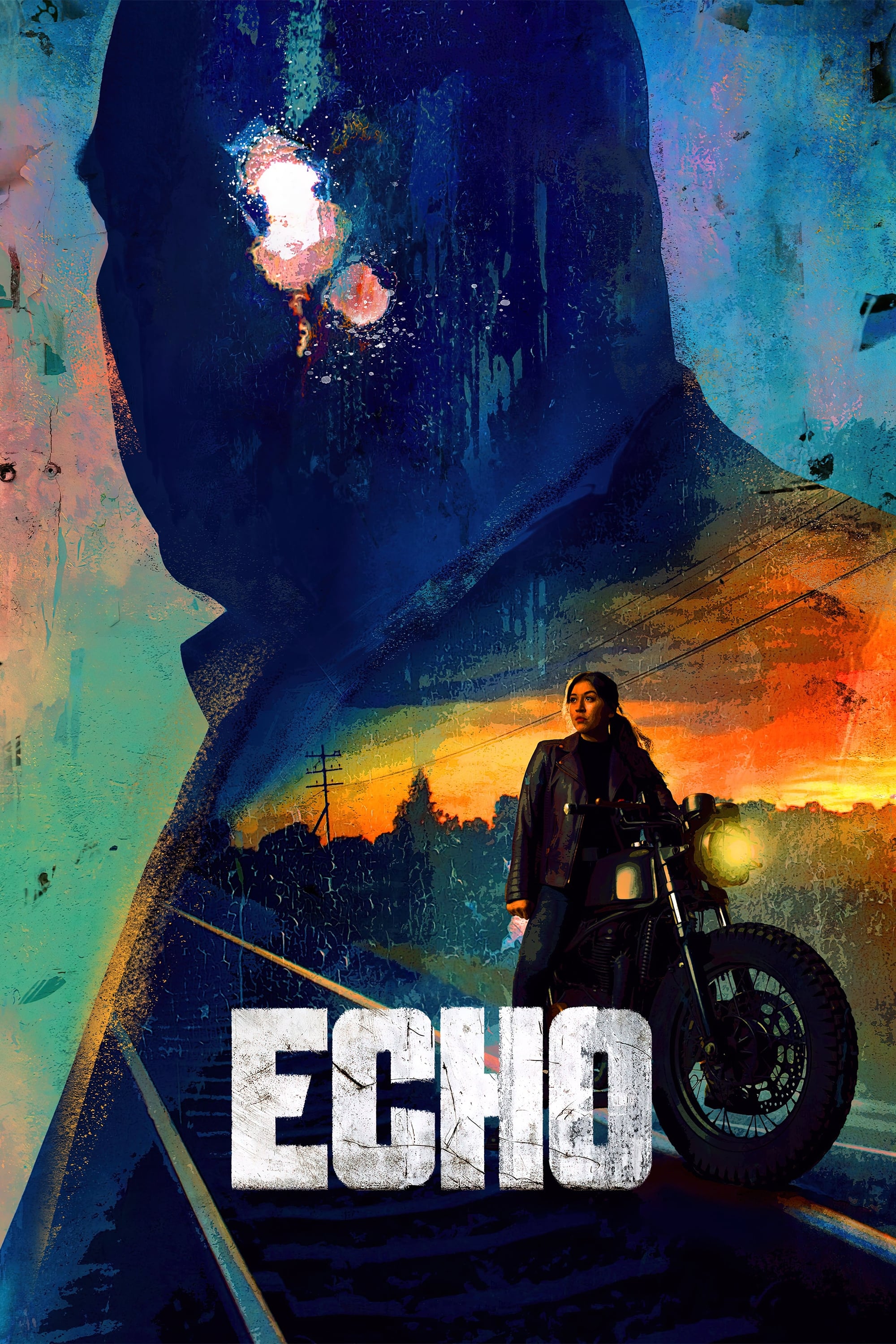
Maya Lopez returns to her hometown in Oklahoma to dismantle the criminal operations of Kingpin. The series highlights the political sovereignty of the Choctaw Nation and the economic struggles within the reservation. Kingpin attempts to manipulate tribal leadership to expand his empire, creating a conflict of jurisdiction and loyalty. It merges crime drama with the specific political realities of Indigenous communities.
‘Ahsoka’ (2023–)

Ahsoka Tano investigates the rumors of Grand Admiral Thrawn’s return as the New Republic attempts to demilitarize. The show depicts the fragility of the new government as Imperial sympathizers work from within to sabotage the peace. Politics are shown as a vulnerability, with senators dismissing warnings to avoid conflict. It sets the stage for a conflict where bureaucratic denial allows a new threat to rise.
‘Renegade Nell’ (2024)

Nell Jackson is framed for murder and becomes a highwaywoman in 18th-century England. The series delves into the Jacobite plots to overthrow the monarchy and the rigid class structures of the era. Nell exposes the corruption of the local gentry and the manipulation of the legal system by the wealthy. It combines historical fantasy with a critique of the aristocracy’s grip on power.
Share your thoughts on which series handled these themes best in the comments.

