Every ‘Batman’ Live-Action Movie Ranked from Worst to Best


Gotham’s Caped Crusader has worn many cowls across decades of live-action adventures, with different directors, casts, and styles shaping how the Dark Knight looks and fights on screen. Below is a complete countdown of the live-action ‘Batman’ movies, arranged from the lowest to the highest rated, so you can see how the character’s cinematic legacy evolved across studios, tones, and creative visions.
‘Batman & Robin’ (1997)
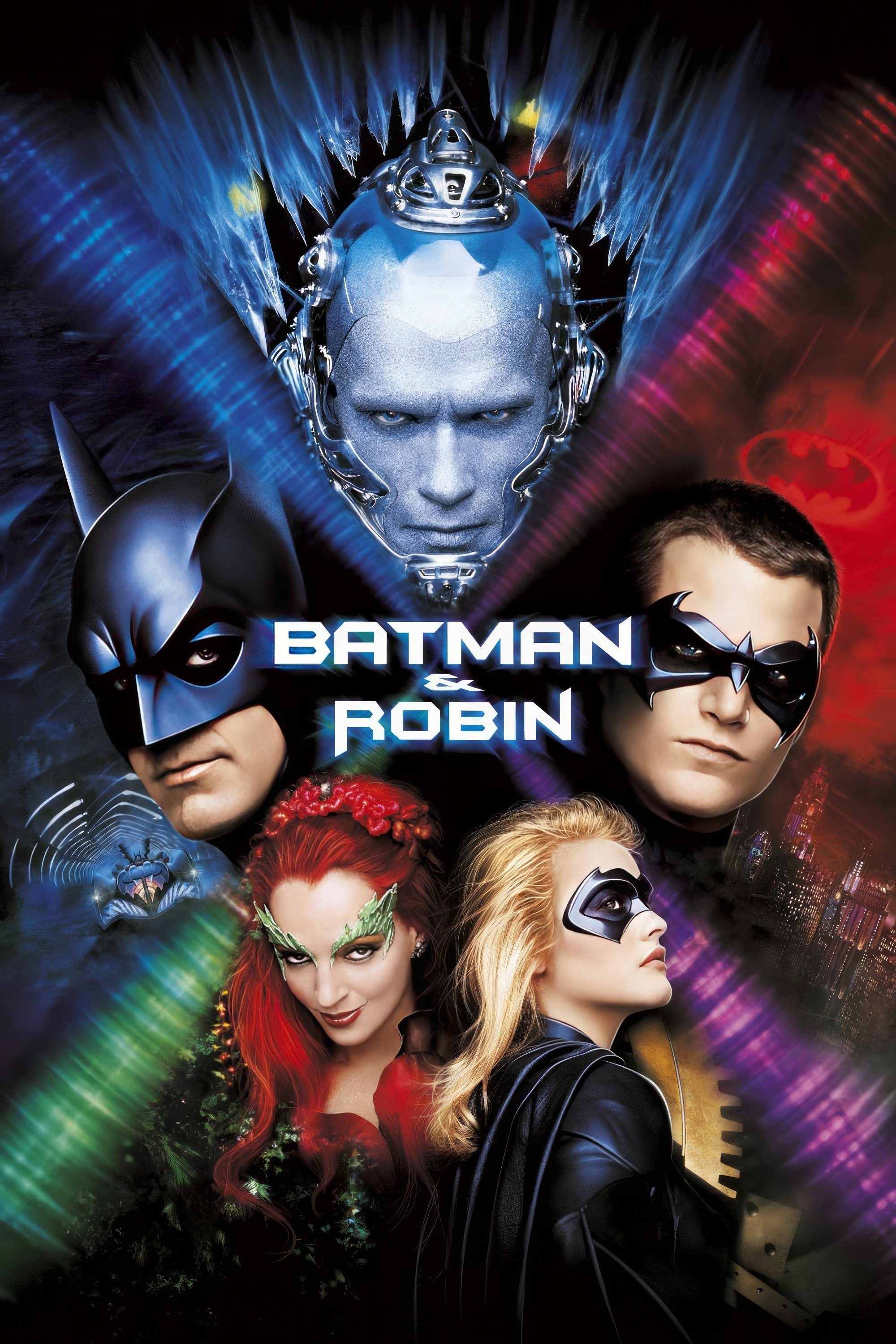
Directed by Joel Schumacher, this sequel stars George Clooney as Bruce Wayne alongside Chris O’Donnell’s Robin, with Arnold Schwarzenegger as Mr. Freeze and Uma Thurman as Poison Ivy. Alicia Silverstone joins the series as Barbara Wilson, taking up the Batgirl mantle. The film continues the continuity established in the prior entry while leaning into elaborate sets, costuming, and gadget-centric action. Elliot Goldenthal composed the score, and principal photography took place in Los Angeles and on large stage builds.
‘Batman Forever’ (1995)
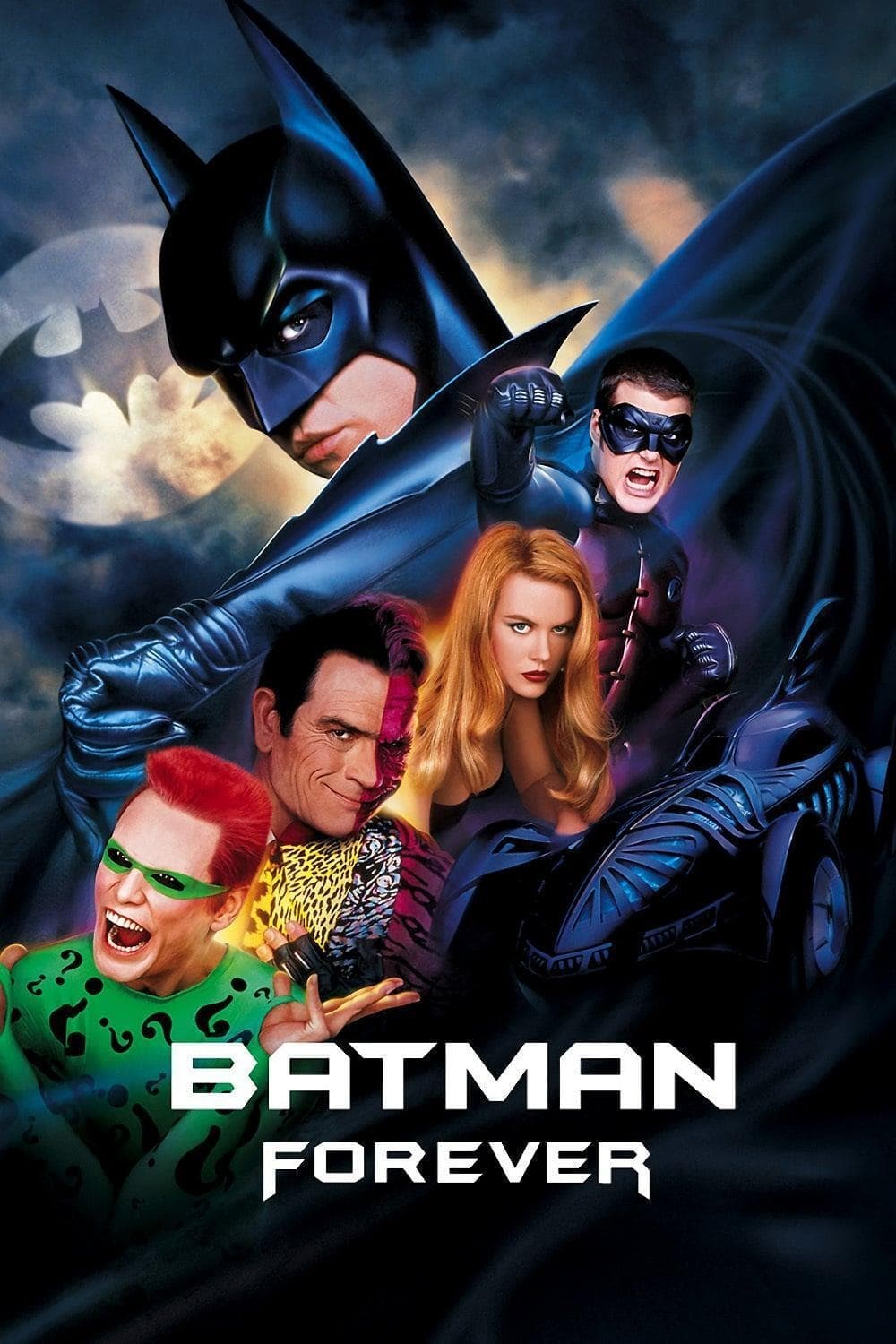
Val Kilmer dons the cape and cowl under Joel Schumacher’s direction, facing Jim Carrey’s Riddler and Tommy Lee Jones’s Two-Face. Nicole Kidman co-stars as Dr. Chase Meridian, and Chris O’Donnell makes his debut as Dick Grayson/Robin in this continuity. The soundtrack features major artists, including U2’s single ‘Hold Me, Thrill Me, Kiss Me, Kill Me’. Large-scale sets, neon-inflected production design, and extensive practical and visual effects define its look.
‘Batman v Superman: Dawn of Justice’ (2016)
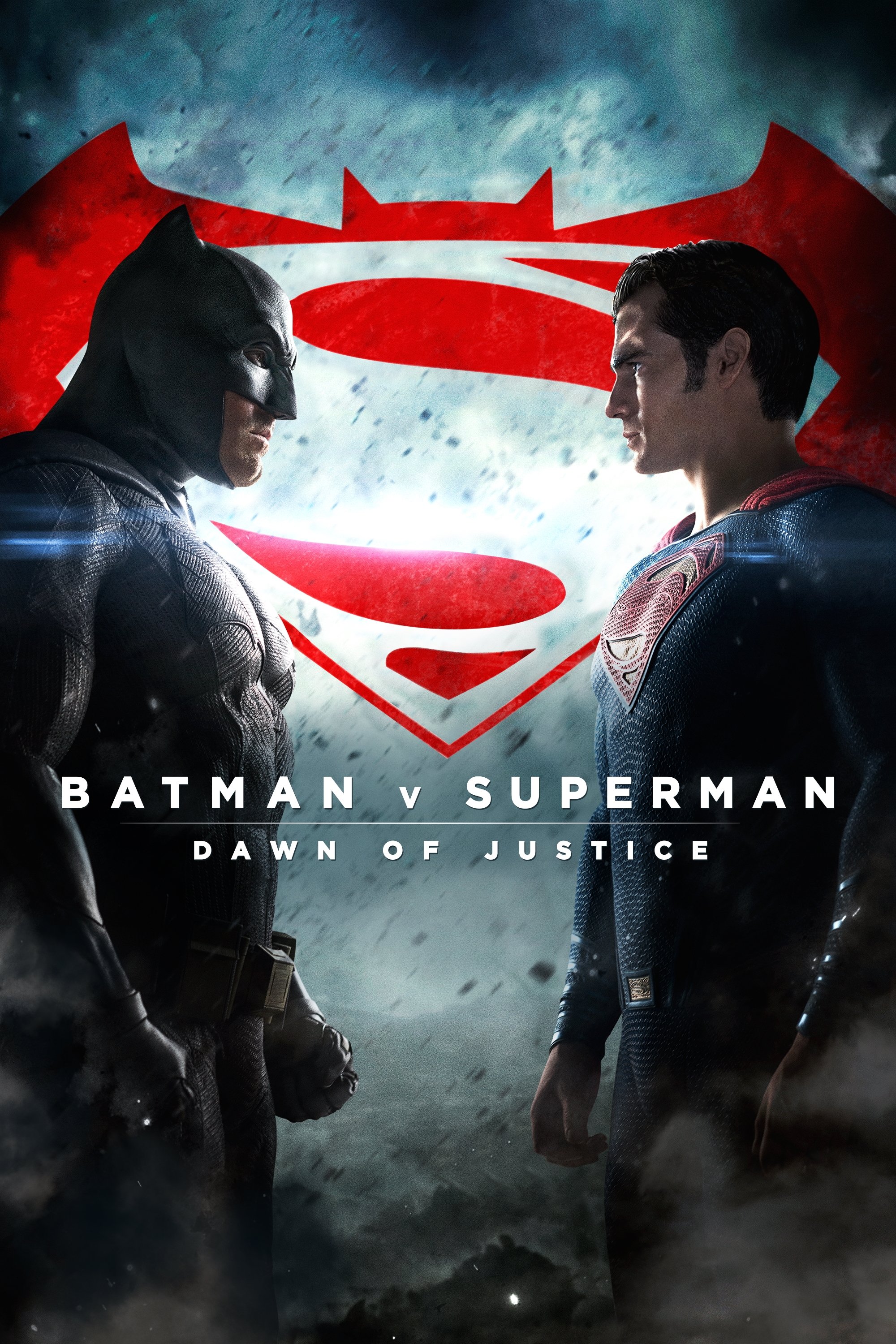
Zack Snyder introduces Ben Affleck’s seasoned vigilante opposite Henry Cavill’s Clark Kent, with Gal Gadot’s Diana Prince entering the fray. Jesse Eisenberg portrays Lex Luthor, and a monstrous Doomsday appears in the climactic battle. The film formally launches Batman’s role in the shared DC Extended Universe and seeds later team-ups. An expanded ‘Ultimate Edition’ adds story material and restored scenes to the theatrical cut.
‘Batman’ (1966)
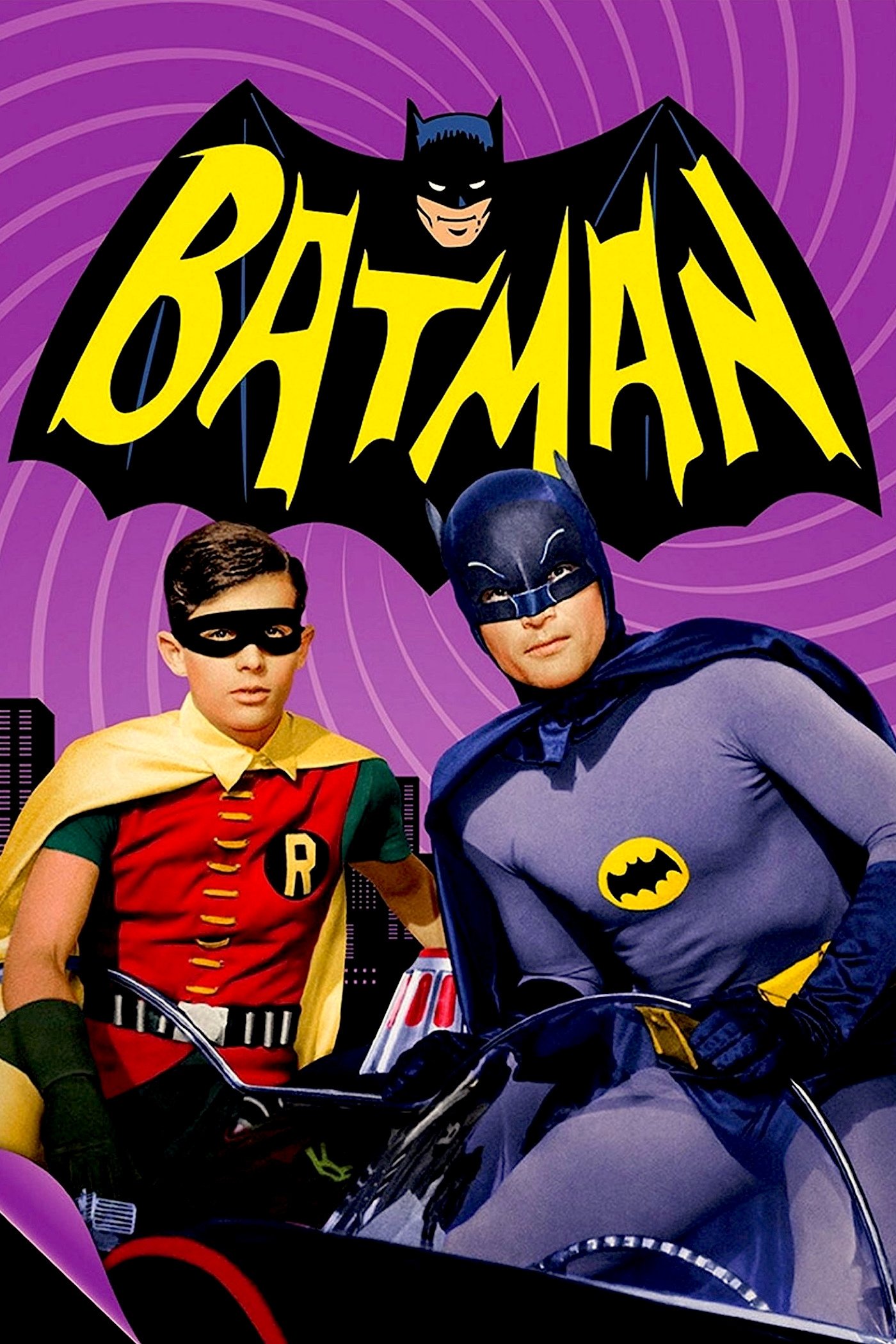
Spun off from the Adam West TV series, Leslie H. Martinson’s feature brings together the Joker, Penguin, Riddler, and Catwoman, with Lee Meriwether stepping in as Catwoman. Burt Ward returns as Robin, and the Dynamic Duo deploys vehicles like the Batcopter and Batboat. The bright, comic-strip aesthetic translates small-screen hallmarks—POW! sound-effect visuals, elaborate villain lairs, and utility-belt solutions—to a larger canvas. Location and studio work mix with playful props and practical gags throughout.
‘Batman Returns’ (1992)
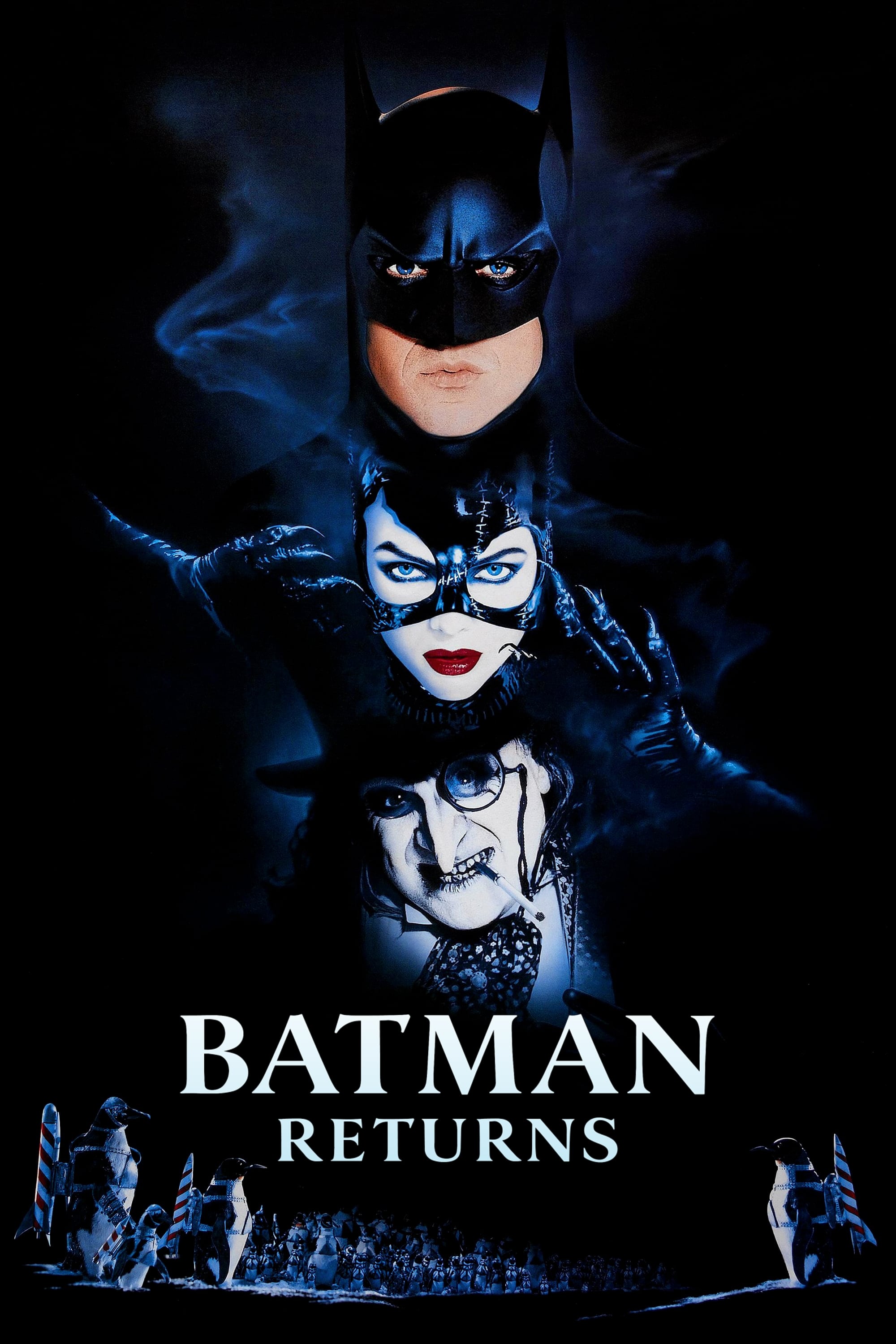
Tim Burton re-teams with Michael Keaton, pitting Batman against Danny DeVito’s Penguin and Michelle Pfeiffer’s Selina Kyle. Christopher Walken appears as industrialist Max Shreck, driving much of the city’s political intrigue. Production designer Bo Welch crafts snow-blanketed streets and gothic architecture, complemented by Danny Elfman’s choral-heavy score. Miniatures, animatronics, and stylized sets combine for an intentionally heightened Gotham City.
‘Batman’ (1989)
Tim Burton’s first outing stars Michael Keaton as Batman and Jack Nicholson as the Joker, with Kim Basinger as Vicki Vale. Anton Furst’s production design creates a towering, industrial Gotham that became instantly recognizable. The film features a prominent soundtrack contribution from Prince alongside Danny Elfman’s now-iconic theme. Makeup, sets, and practical effects dominate the production, establishing a darker template for future installments.
‘The Batman’ (2022)
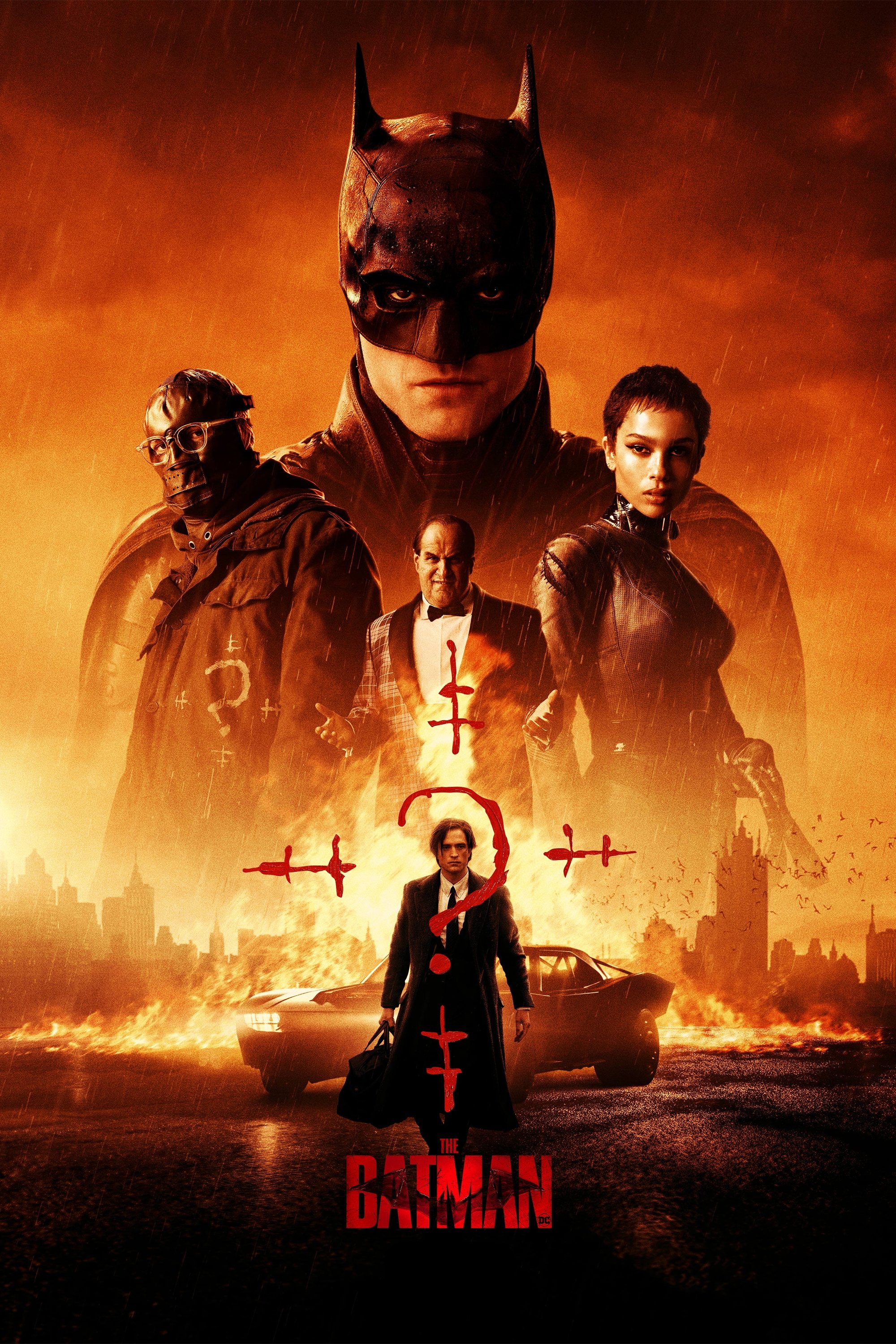
Matt Reeves directs Robert Pattinson as a younger, detective-driven Bruce Wayne, with Zoë Kravitz as Selina Kyle and Paul Dano as a serial-killer Riddler. Colin Farrell undergoes heavy prosthetics as Oswald Cobblepot, while Jeffrey Wright portrays Lieutenant James Gordon. Greig Fraser’s cinematography emphasizes low-light, rain-soaked visuals, and Michael Giacchino provides a brooding, motif-rich score. The narrative focuses on forensic work, coded puzzles, and municipal corruption across Gotham’s institutions.
‘Batman Begins’ (2005)
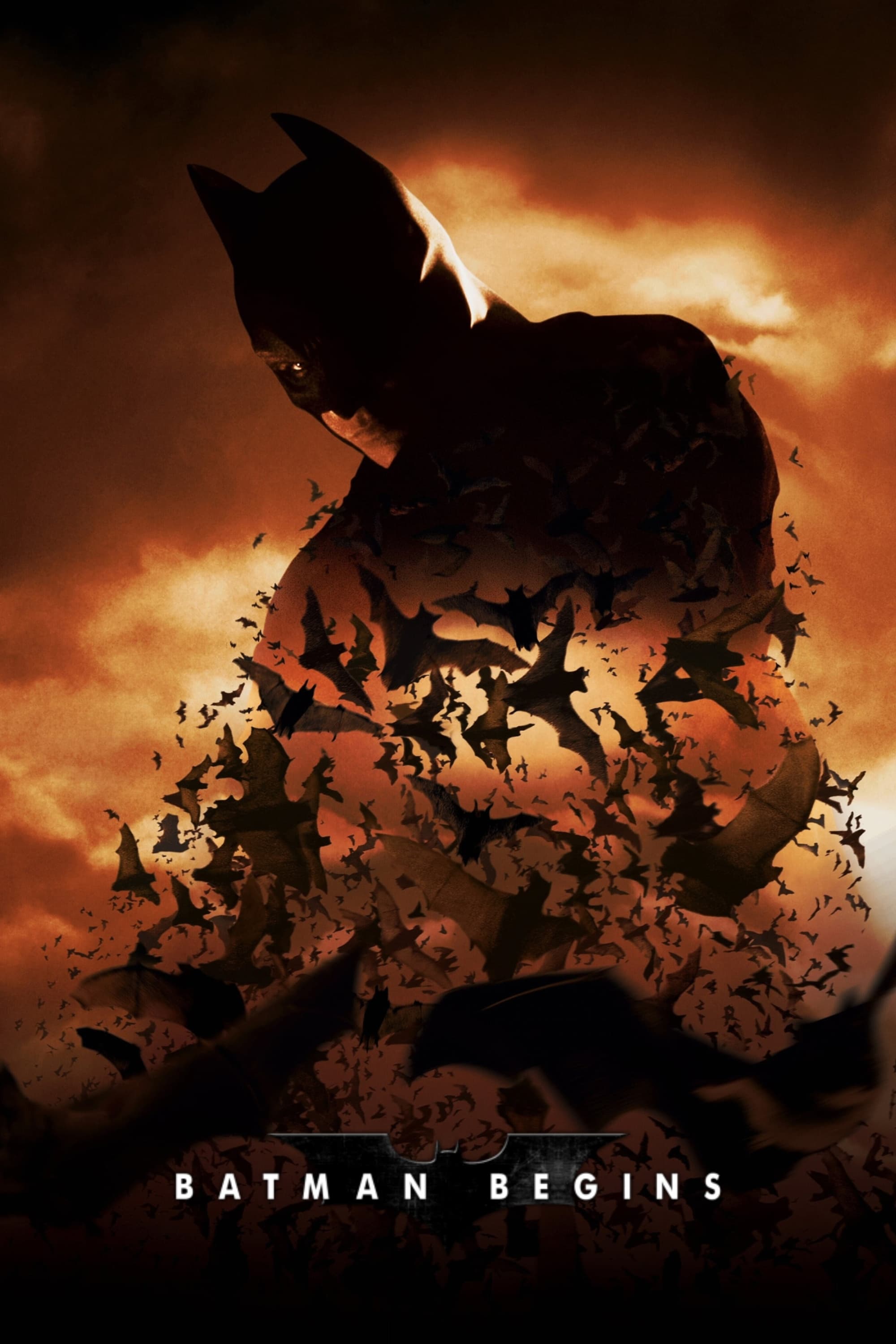
Christopher Nolan reboots the franchise with Christian Bale, charting Bruce Wayne’s training and early years as a masked vigilante. Liam Neeson appears as Henri Ducard, with Cillian Murphy as Dr. Jonathan Crane/Scarecrow and Michael Caine, Gary Oldman, and Morgan Freeman anchoring key supporting roles. Real-world locations, extensive practical stunts, and miniatures support the grounded aesthetic, including the Tumbler Batmobile. Hans Zimmer and James Newton Howard collaborate on a percussive, evolving musical palette tied to character arcs.
‘The Dark Knight Rises’ (2012)
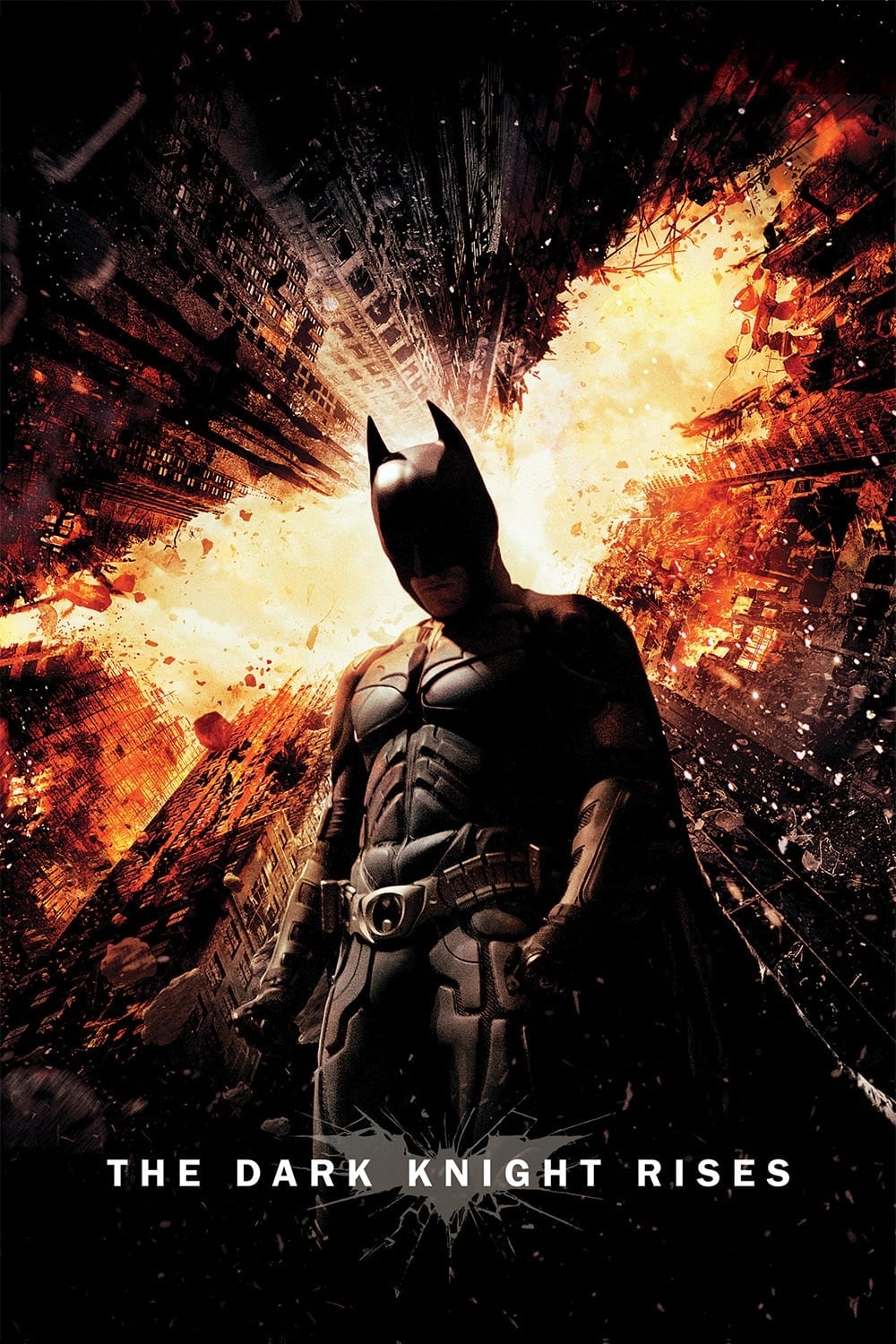
Nolan concludes his trilogy with Bale’s Batman confronting Tom Hardy’s Bane, joined by Anne Hathaway’s Selina Kyle and Joseph Gordon-Levitt’s John Blake. Large-format IMAX photography captures set-piece sequences, including aerial and stadium-scale action. The story expands Gotham’s scope with citywide sieges, underground logistics, and coordinated heist mechanics. Practical effects, large crowd work, and on-location shooting in multiple cities underpin the production scale.
‘The Dark Knight’ (2008)
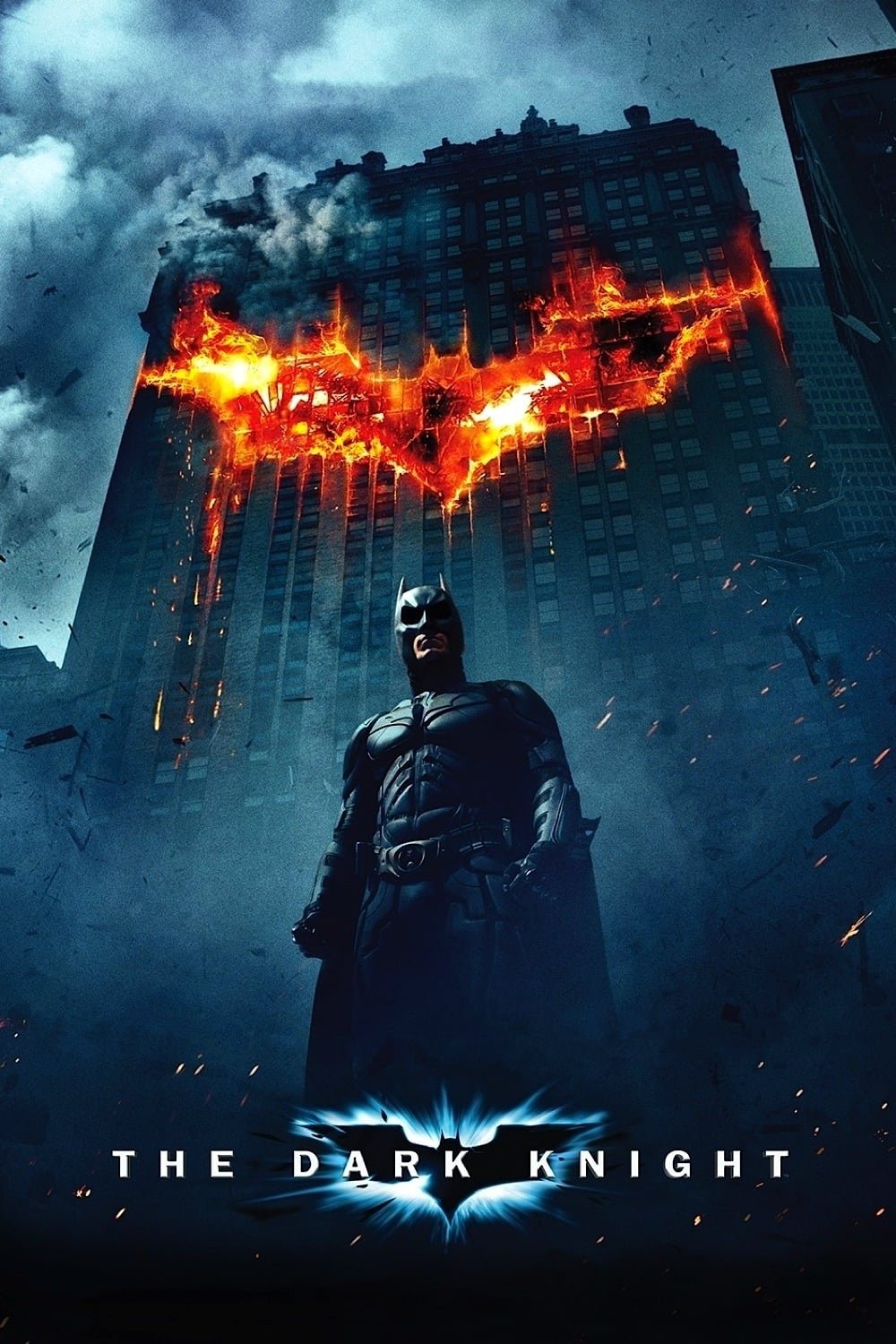
Bale returns opposite Heath Ledger’s Joker and Aaron Eckhart’s Harvey Dent, with Maggie Gyllenhaal as Rachel Dawes. The film integrates early IMAX sequences for major action beats and complex, cross-cutting set pieces. Ledger received a posthumous Academy Award for Best Supporting Actor for his performance. Global box-office totals surpassed the billion-dollar mark, and the production’s mix of practical stunts, real locations, and minimal CGI shaped subsequent superhero filmmaking approaches.
Share your personal order in the comments—what’s your top big-screen ‘Batman’ and why?