


Every Christopher Nolan Movie, Ranked

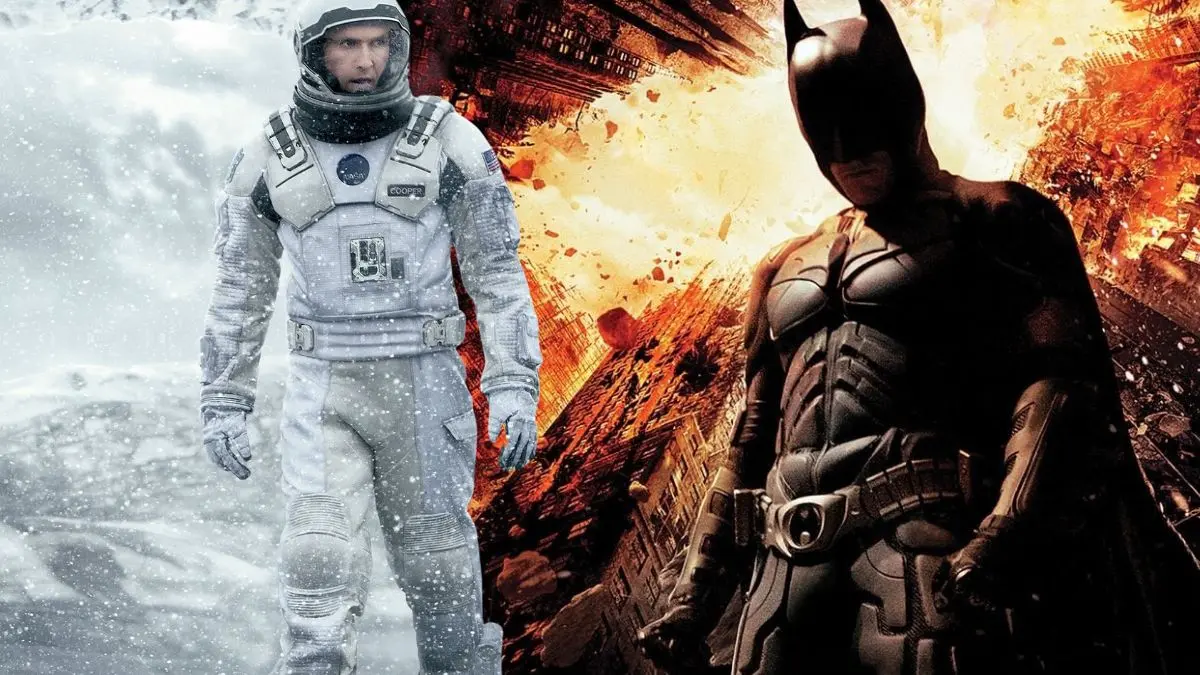


Christopher Nolan built a filmography that moves from scrappy black and white noir to large scale epics photographed on 65 millimeter film. This lineup gathers everything he has directed for cinemas along with a couple of widely shown shorts that played in theaters or on special programs. The entries are arranged as a true countdown so you end up at the biggest crowd favorite at the very end.
Nolan has not directed a continuing television series, so there are no network shows here. You will still see TV style material appear at the margins through pieces that premiered as in theater events or touring programs, and every listing notes who released the title in the most practical way, whether that was a studio or a specialty label.
‘Doodlebug’ (1997)

This three minute black and white short stars Jeremy Theobald as a man hunting a tiny version of himself around a bare room. Nolan shot it on 16 millimeter while refining ideas about identity and perspective that he would push further in later features. The film circulated at festivals and film societies before reaching a wider audience on home releases.
Viewers discovered ‘Doodlebug’ alongside ‘Following’ on disc, with boutique labels helping the short travel beyond classrooms and screenings. It later appeared as a bonus on editions from curators known for preserving independent work, which gave this early experiment a durable home in collections.
‘Quay’ (2015)

Nolan made this eight minute documentary short as an introduction to the Quay Brothers and their stop motion craft. The piece observes their tools and miniature sets and functions as a doorway into their films for audiences who had not seen their work in theaters.
In the United States the short toured inside the program titled The Quay Brothers in 35mm, which was handled for theaters by Zeitgeist Films. The package played art houses around the country, so Nolan’s doc reached viewers in the context it was designed for rather than as a stand alone clip online.
‘Insomnia’ (2002)
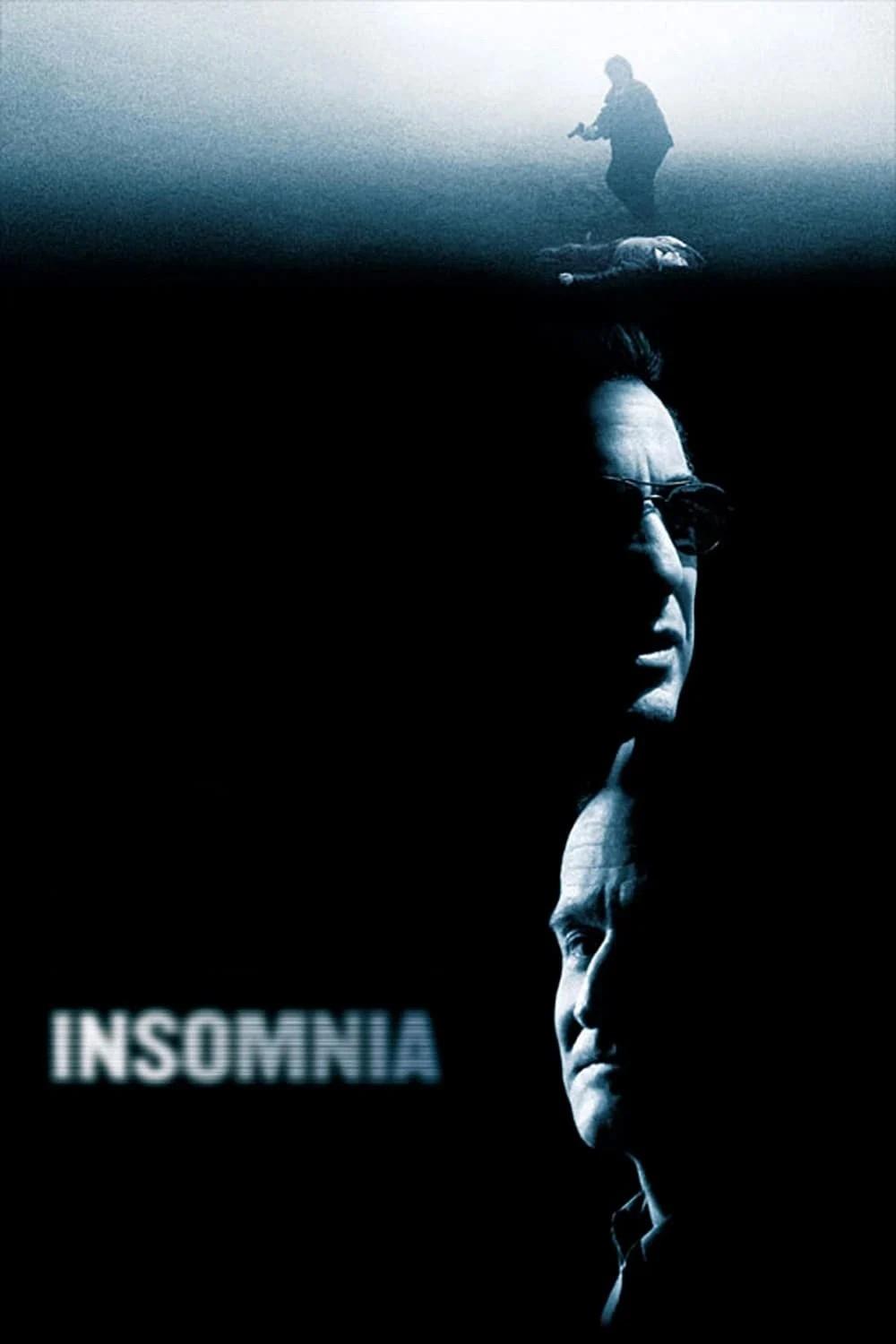
A Los Angeles detective travels to Alaska to investigate a murder as the midnight sun erodes his judgment. Al Pacino and Robin Williams lead the cast, with Hilary Swank as the local officer who helps unravel the case. The film is a remake of a Norwegian thriller and tracks procedural detail in a new setting.
Warner Bros. released ‘Insomnia’ in wide domestic theaters as Nolan’s first studio assignment. The film shot on location in British Columbia and Alaska, and the production kept the small town geography central to the investigation.
‘Tenet’ (2020)
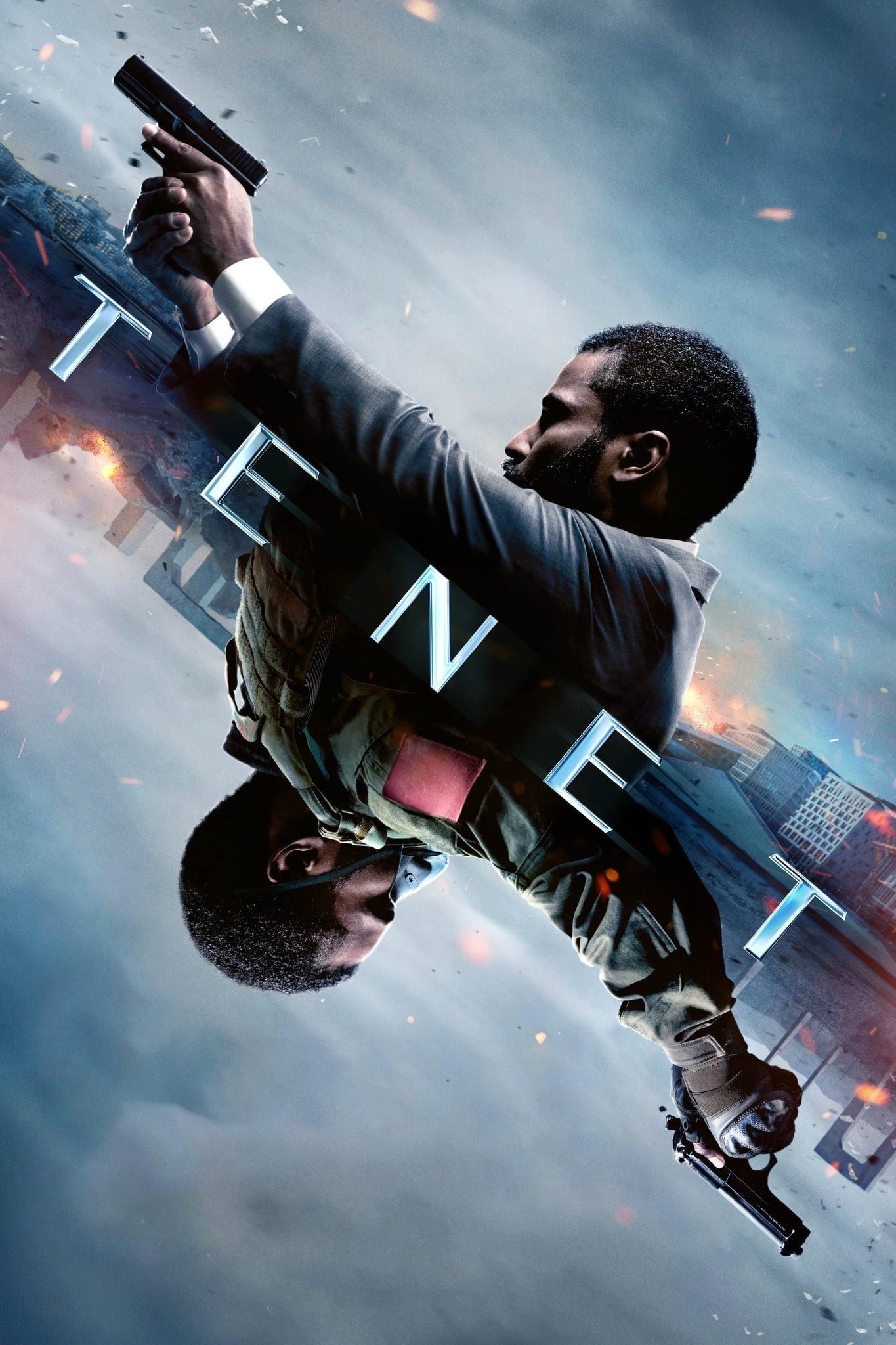
A covert agent learns to work with objects that move inversely through time in order to stop a catastrophic event. John David Washington and Robert Pattinson lead the cast, with practical stunts staged on land, air, and water. The production used both 65 millimeter and IMAX cameras across several countries.
Warner Bros. rolled out ‘Tenet’ in a staggered global release as cinemas reopened in different regions. The studio backed premium large format screenings, and the film’s schedule reflected local conditions while prints circulated to IMAX and 70 millimeter venues.
‘Following’ (1998)

A young writer shadows strangers in London and is drawn into burglary and deception. The movie was shot on weekends with a tiny crew, then edited to a tight seventy minute running time that moves between present time and flashback threads. Jeremy Theobald, Alex Haw, and Lucy Russell star.
Momentum Pictures handled the United Kingdom release, and Zeitgeist Films brought ‘Following’ to the United States. The later home edition added scene specific notes and the early short ‘Doodlebug’, which helped new viewers track Nolan’s techniques from the start.
‘Dunkirk’ (2017)
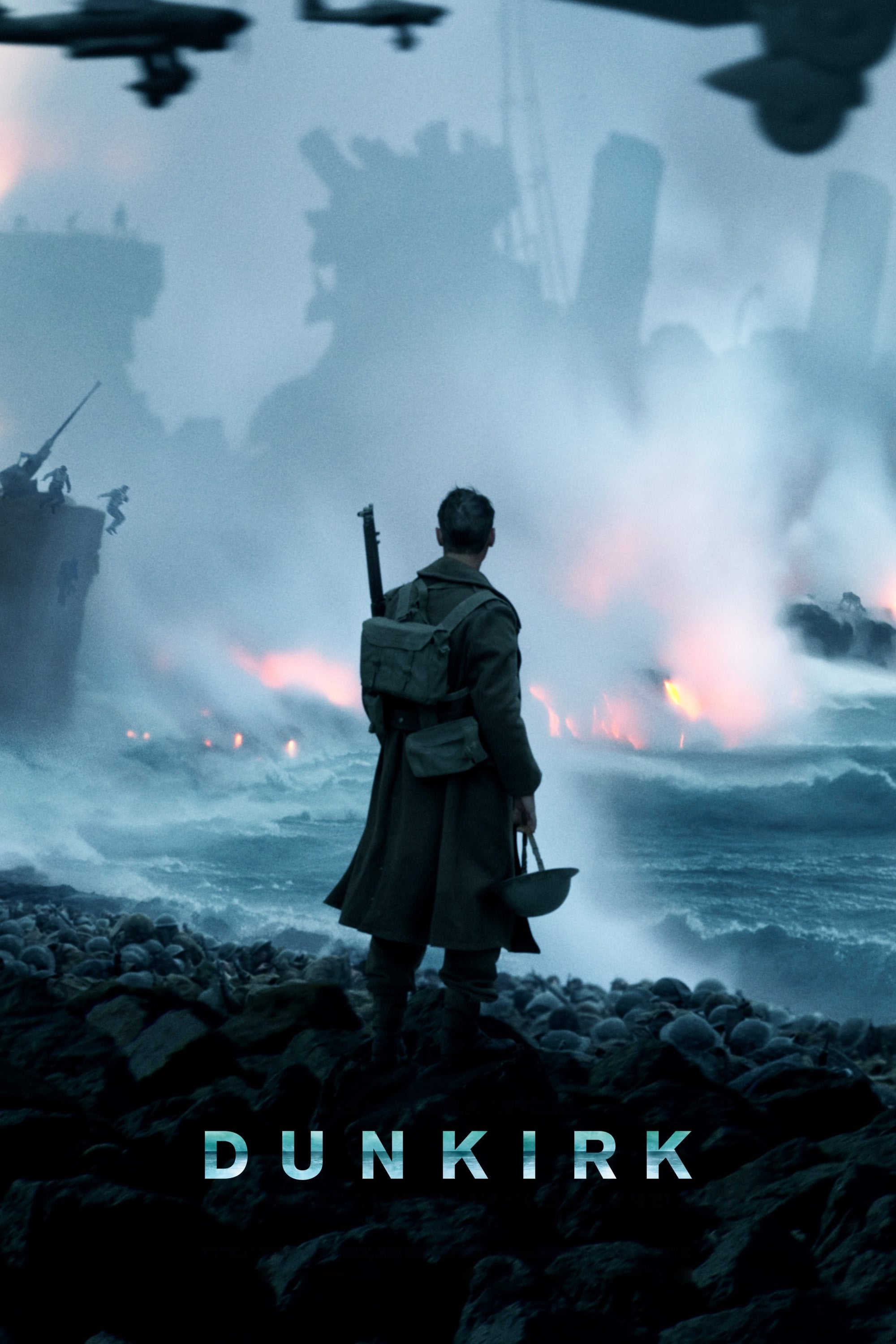
The film tells the evacuation through three interlocking timelines called the mole, the sea, and the air. Nolan used real ships and planes wherever possible, and recorded practical effects over water to anchor the aerial dogfights to physical locations. The ensemble includes newcomers and veterans with minimal dialogue.
Warner Bros. positioned ‘Dunkirk’ as a summer theatrical event with extensive IMAX bookings. The movie went on to receive Academy Awards for editing and sound work, while the studio continued to support 70 millimeter projection for repertory screenings.
‘Batman Begins’ (2005)
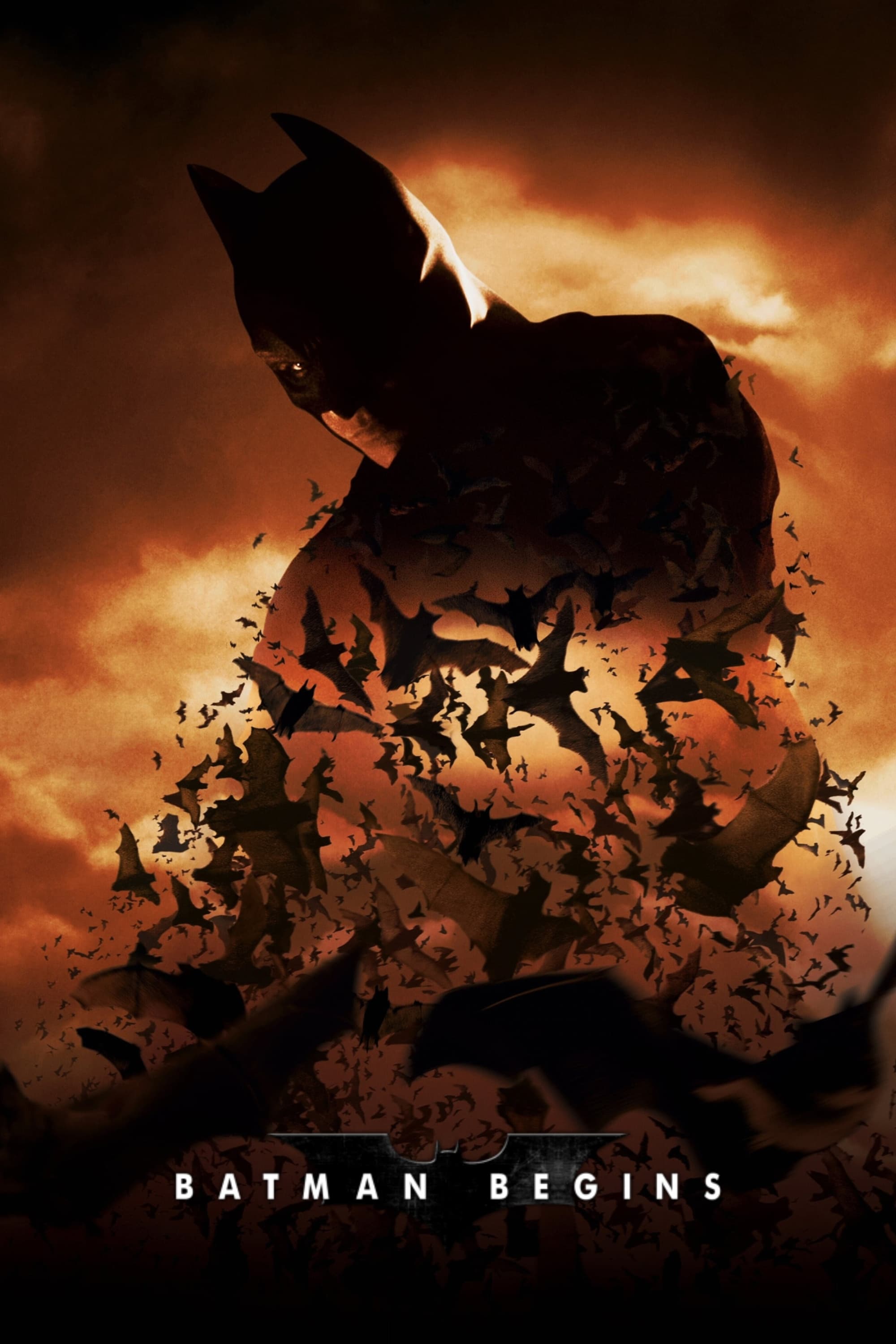
Bruce Wayne trains abroad, returns to Gotham, and builds the first version of his vigilante persona in response to organized crime and corruption. Christian Bale leads a cast that includes Michael Caine, Liam Neeson, and Cillian Murphy.
Warner Bros. relaunched the Batman franchise in theaters with ‘Batman Begins’ and emphasized practical photography and real locations. The studio expanded the film internationally through a coordinated summer schedule while tie in materials appeared across home formats.
‘Oppenheimer’ (2023)
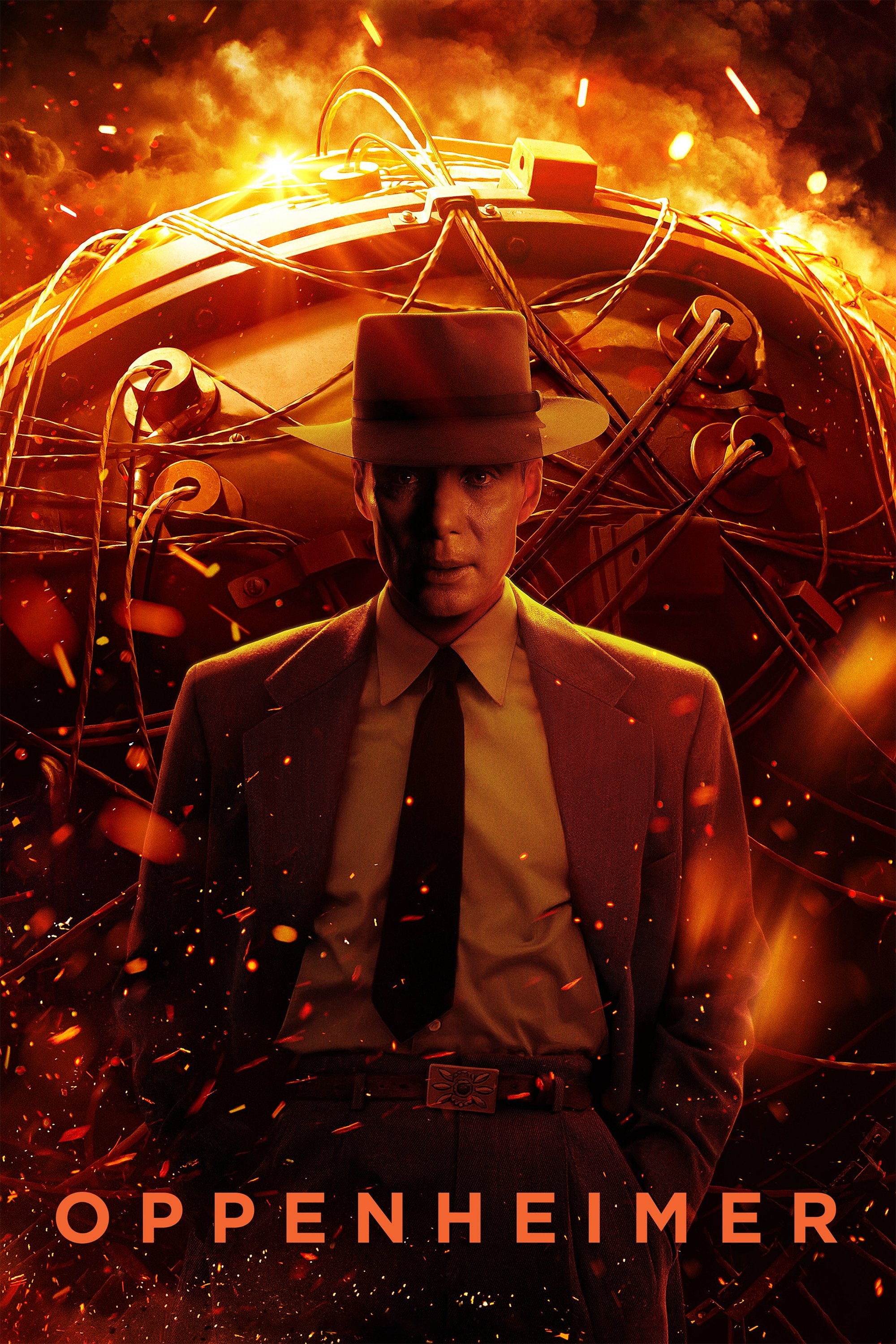
The drama follows J. Robert Oppenheimer through the Manhattan Project and the security hearings that followed the war. Cillian Murphy, Emily Blunt, Robert Downey Jr., and a large ensemble play historical figures across laboratories, desert test sites, and hearing rooms.
Universal Pictures opened ‘Oppenheimer’ worldwide in IMAX 70 millimeter, IMAX digital, and standard formats. The production used a new black and white large format stock for sequences tied to Lewis Strauss, and the studio supported extended 70 millimeter engagements due to demand.
‘Memento’ (2000)
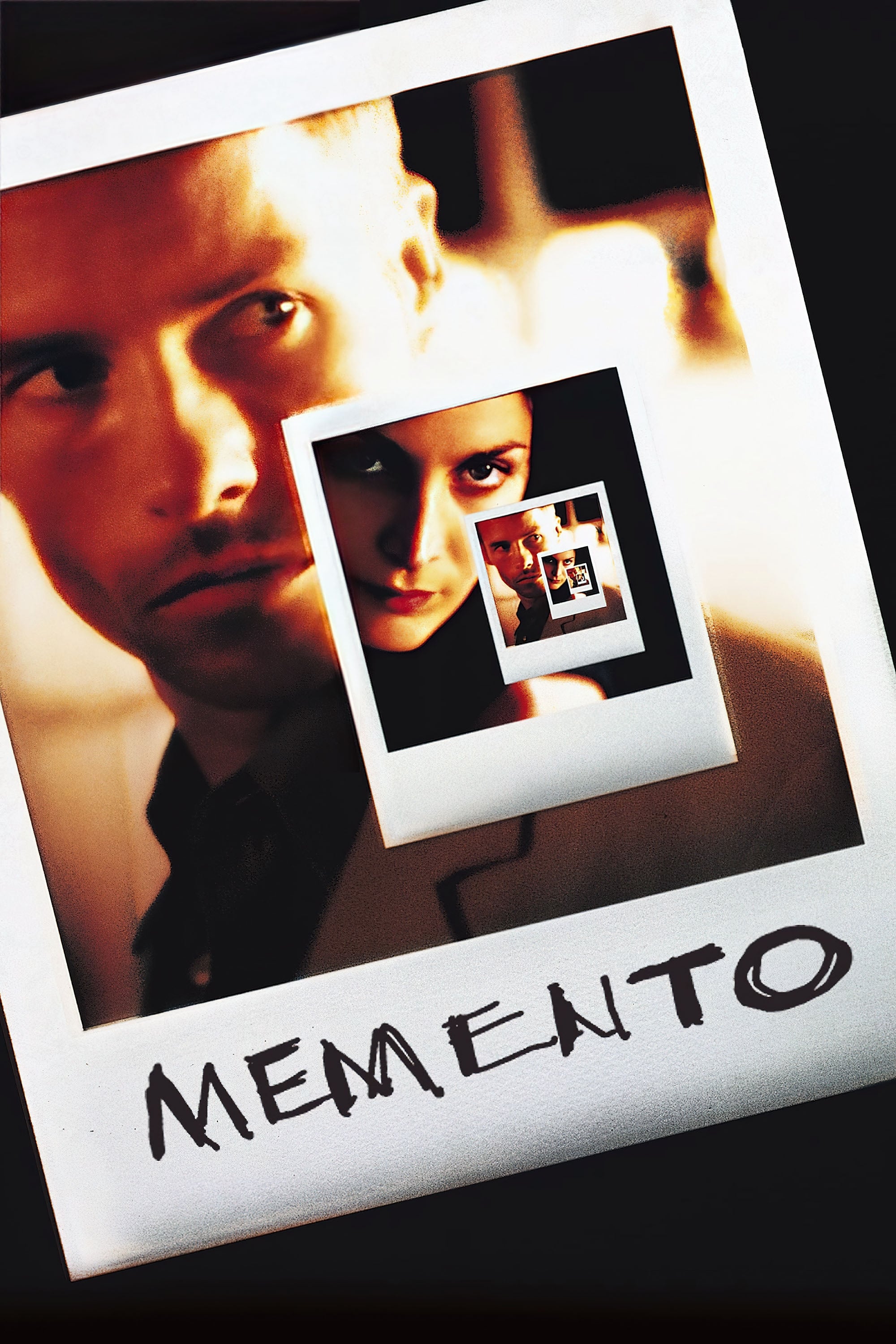
A man with short term memory loss investigates his wife’s death using tattoos and notes to hold the facts in place. Guy Pearce stars, with the story moving forward in color and backward in black and white to meet at a single point.
Newmarket Films distributed ‘Memento’ in North America after a festival run that started in Venice and Toronto. Word of mouth built theatrical momentum, and the release expanded as the film earned nominations for writing and editing at major awards shows.
‘The Dark Knight Rises’ (2012)
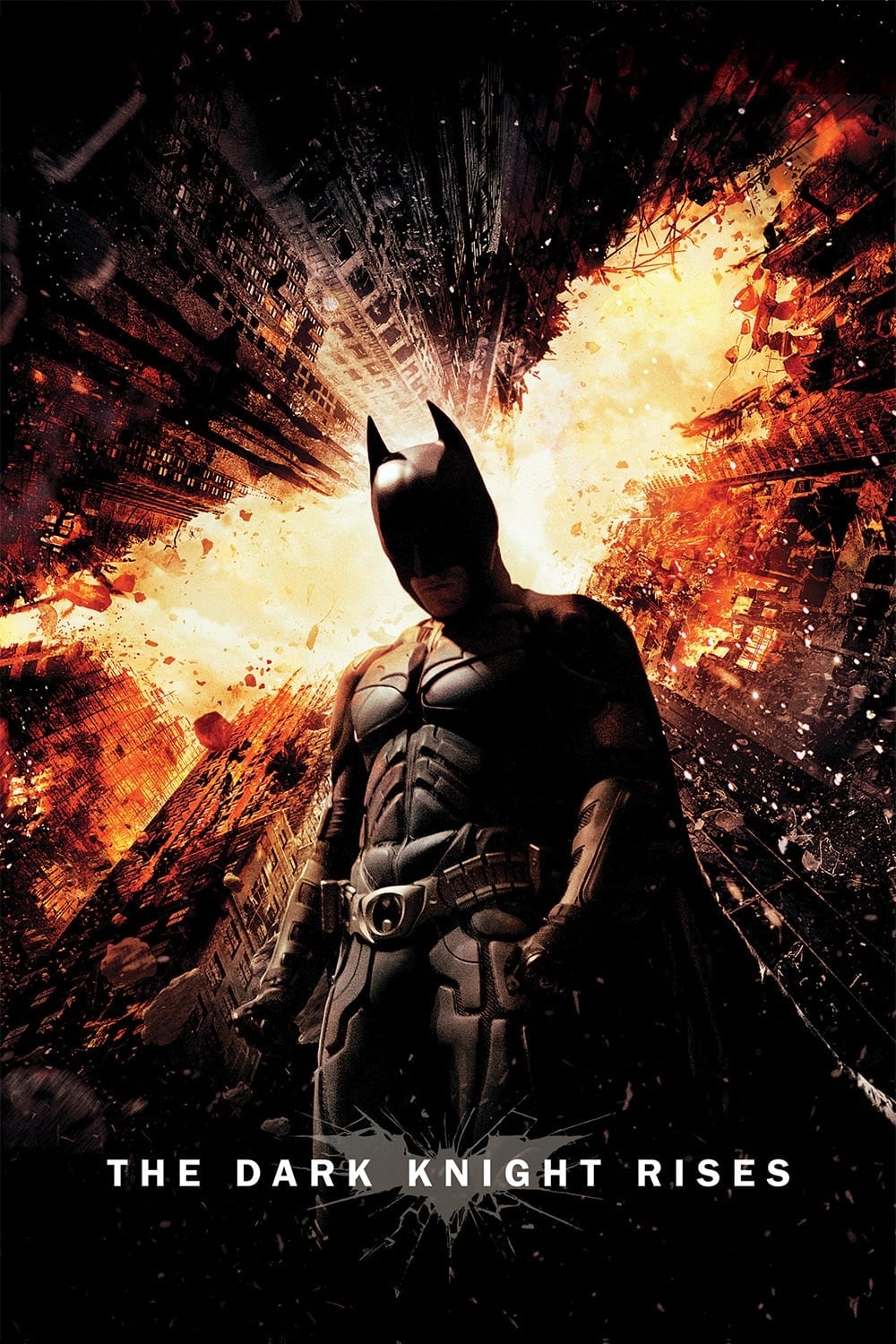
Eight years after the events of the previous film, Bruce Wayne returns to combat a new threat and a siege of Gotham. The production brought back key collaborators and added Tom Hardy and Anne Hathaway, while large format cameras captured significant portions of action and dialogue.
Warner Bros. gave ‘The Dark Knight Rises’ a global summer launch with a heavy IMAX footprint. The studio coordinated location work in Pittsburgh, New York, and Los Angeles and continued its approach of shooting substantial material on 65 millimeter negative.
‘The Prestige’ (2006)
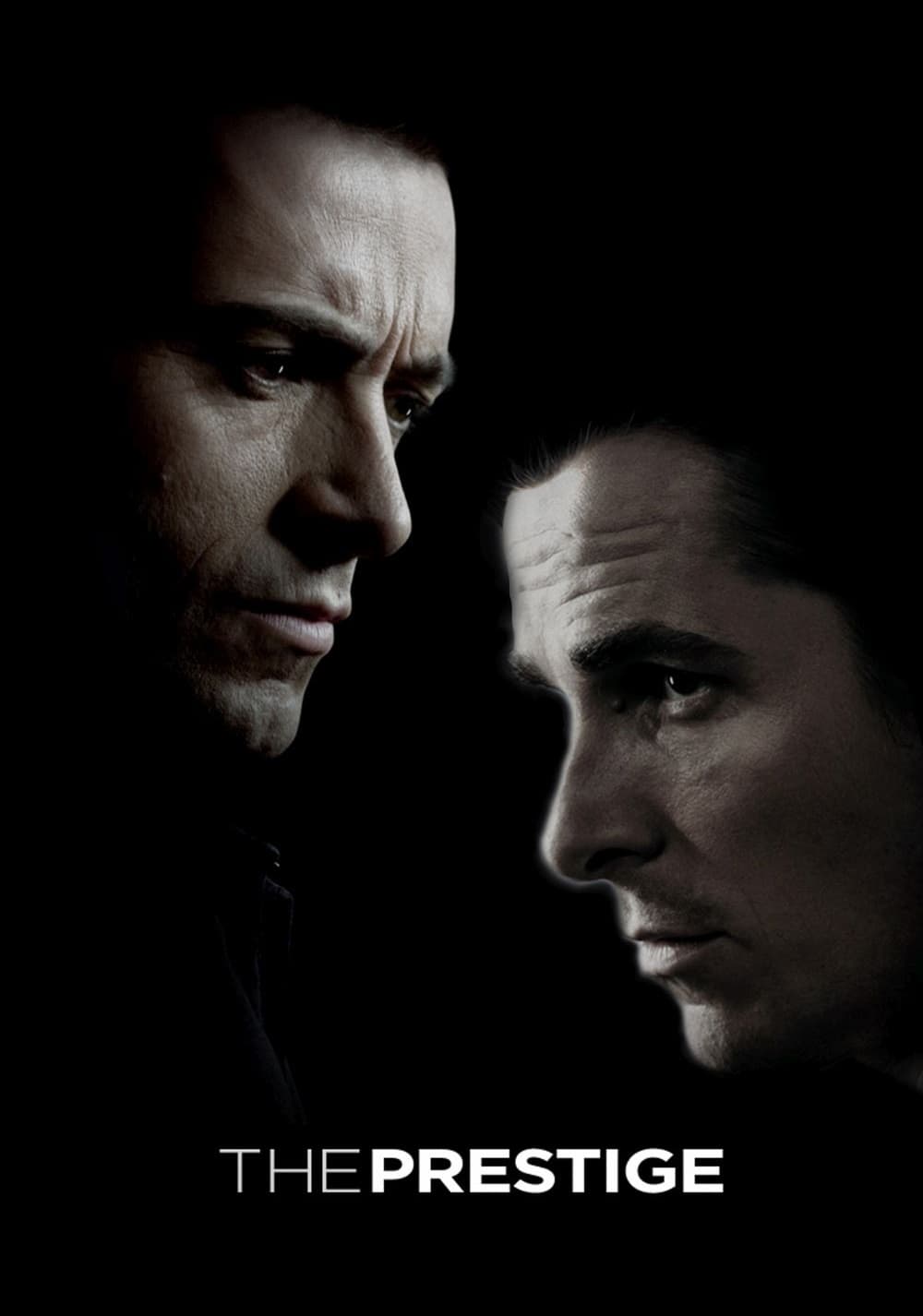
Two rival magicians escalate a competition that spans years of performance, secrecy, and loss. The cast features Hugh Jackman, Christian Bale, Scarlett Johansson, and Rebecca Hall, with period production design built around real stage machinery and workshop tools.
In the United States the film was released by Buena Vista Pictures under the Touchstone banner, while Warner Bros. handled international territories. The dual arrangement let the movie reach both domestic and overseas markets with studio support tailored to each region.
‘Interstellar’ (2014)
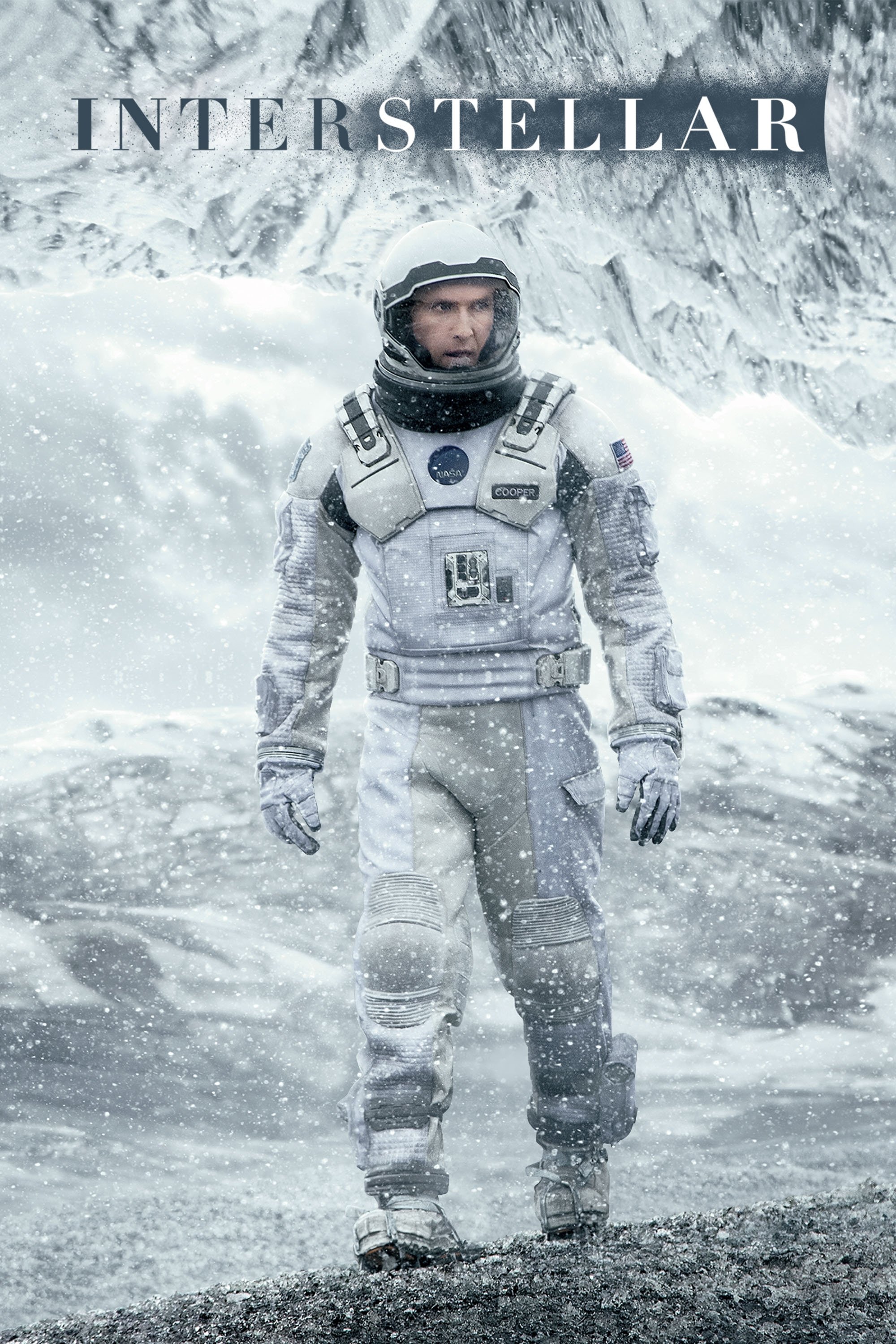
With crops failing on Earth, a former pilot joins a mission through a wormhole to find habitable worlds. The film combined large format photography with miniature work and in camera projections for space vistas. Matthew McConaughey, Anne Hathaway, and Jessica Chastain lead the cast.
Paramount Pictures opened ‘Interstellar’ in the United States, and Warner Bros. released it internationally. The studios backed 70 millimeter and IMAX presentations and coordinated a rollout that sent film prints to hundreds of locations alongside digital copies.
‘Inception’ (2010)
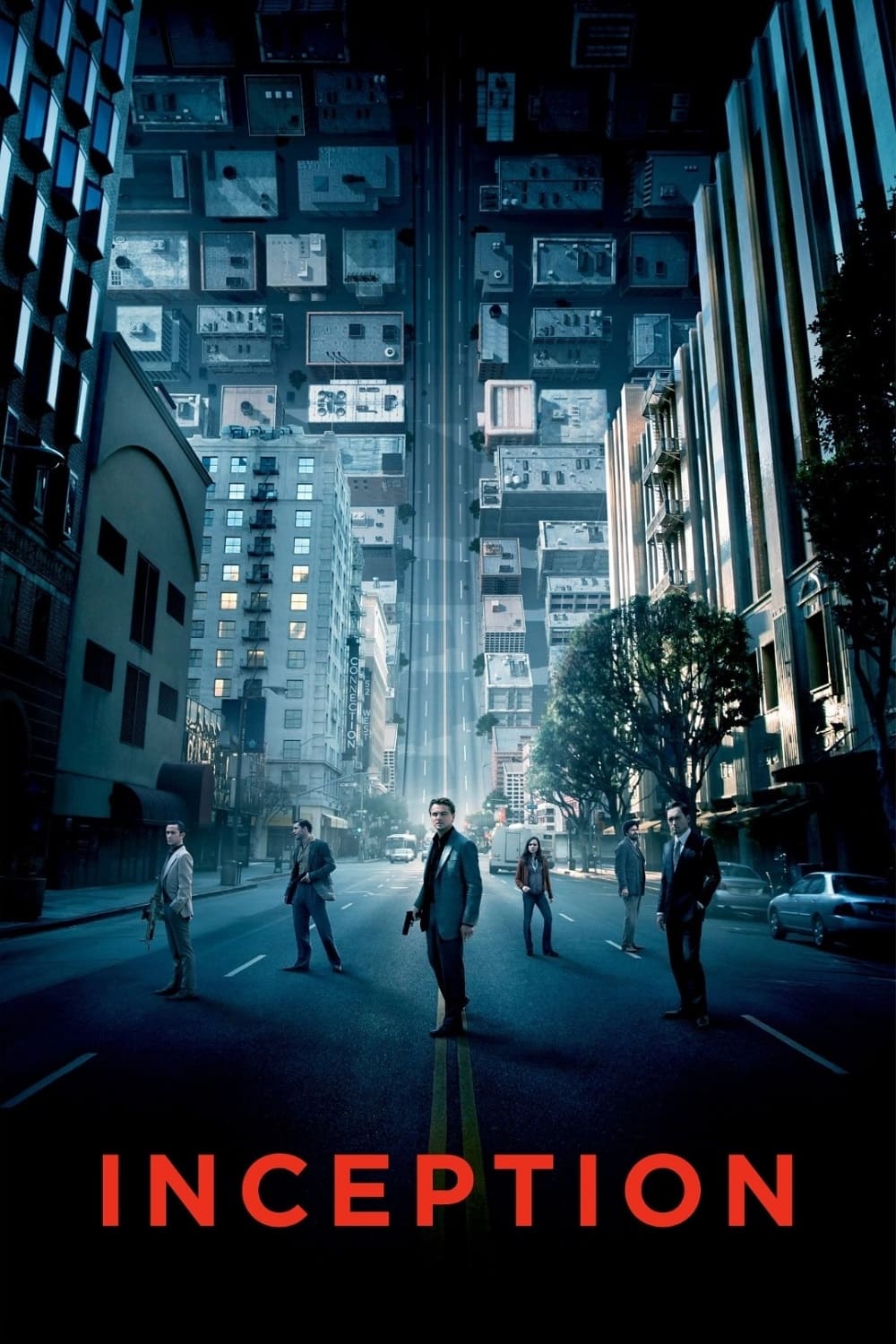
A team enters layered dream spaces to perform an extraction that turns into a planted idea. Leonardo DiCaprio leads a cast that includes Joseph Gordon Levitt, Ellen Page, Ken Watanabe, and Marion Cotillard. Rotating corridor sets, mountaintop sequences, and city bending effects were staged with a mix of physical and digital methods.
Warner Bros. launched ‘Inception’ as an original summer event with strong premium format bookings. The movie later received Academy Awards for cinematography, sound editing, sound mixing, and visual effects, and the studio supported an extended theatrical run in several markets.
‘The Dark Knight’ (2008)
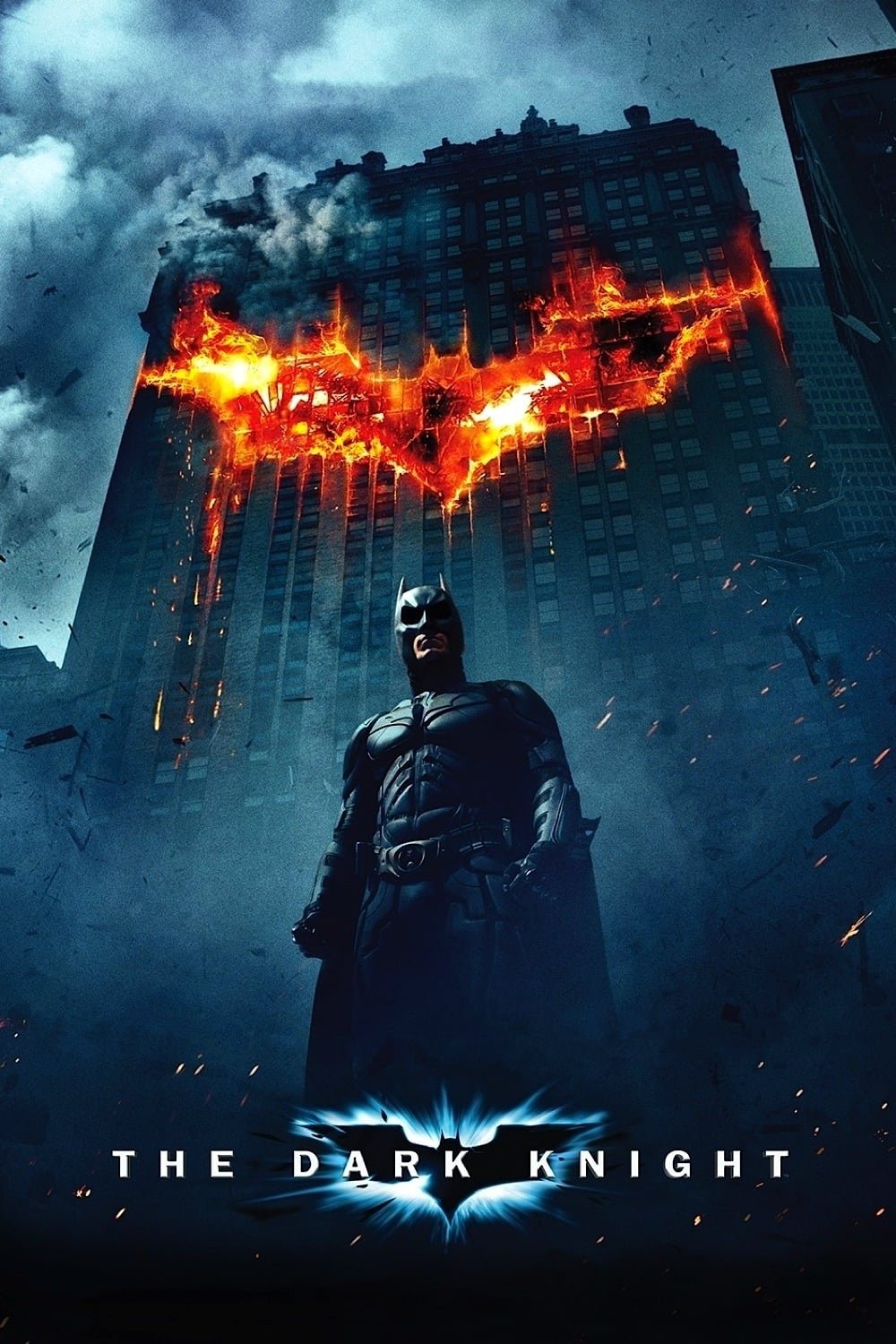
Batman, Gordon, and Dent confront organized crime as the Joker escalates chaos across Gotham. The production captured select sequences on IMAX, including the opening and a downtown chase, and framed the rest on 35 millimeter to integrate formats in the final cut.
Warner Bros. released ‘The Dark Knight’ worldwide and backed a broad IMAX program that introduced many audiences to large format narrative scenes. The film won Academy Awards that included supporting actor and sound editing, and the studio kept it in theaters through repeat viewings across the year.
Share your personal top five in the comments and tell us which Nolan title you would move up or down.

