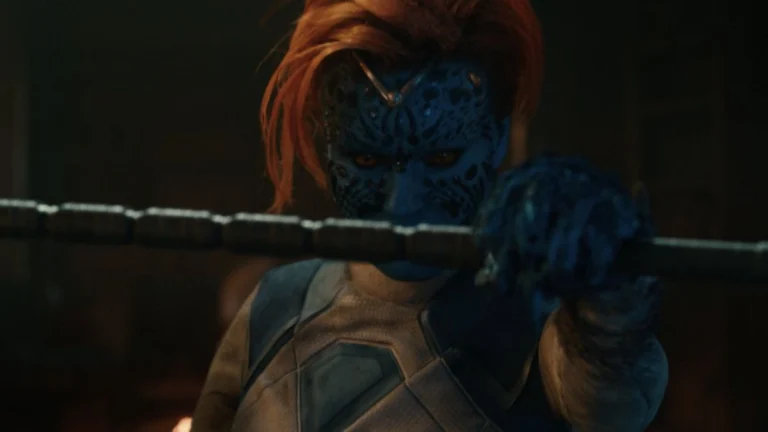
Every ‘Mission: Impossible’ Movie Ranked from Worst to Best


Since 1996, the ‘Mission: Impossible’ series has followed IMF agent Ethan Hunt through globe-trotting operations, elaborate undercover set-ups, and meticulously staged practical stunts that became a hallmark of the franchise. Across eight films, different directors have put their stamp on the formula—spanning sleek espionage, operatic action, and ensemble-driven heists—while recurring allies like Luther Stickell and Benji Dunn anchor the team dynamic. Key set pieces—from vault drops to skyscraper climbs and HALO jumps—were staged with an emphasis on in-camera execution, helping the series stand out in modern action cinema. Below, the films are presented as a countdown from 8 to 1.
‘Mission: Impossible II’ (2000)
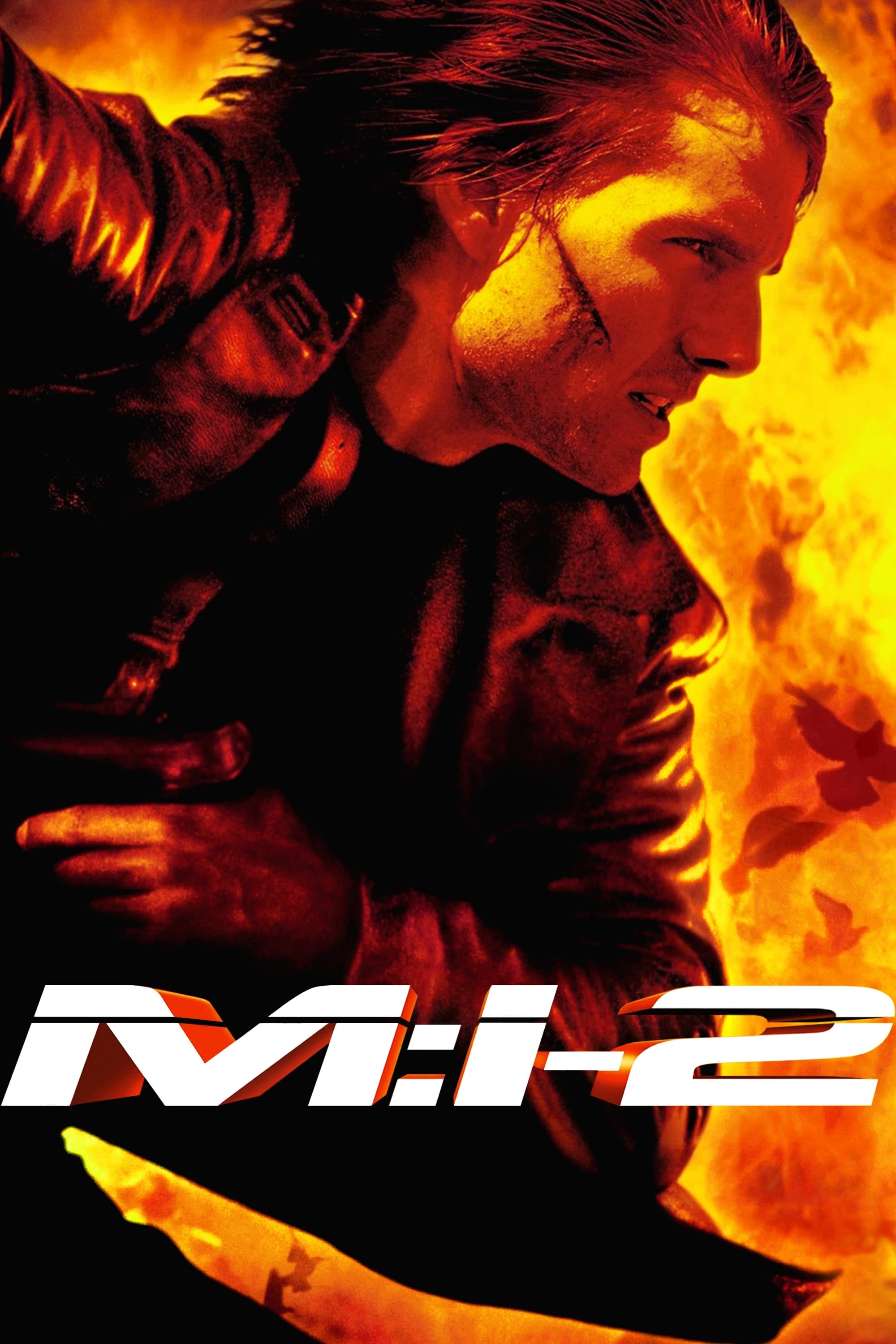
Directed by John Woo, this sequel sends Ethan Hunt to stop a rogue IMF agent seeking a bioweapon codenamed Chimera. The film features stylized gunplay, slow-motion choreography, and signature Woo motifs like dual pistols and doves. It introduces professional thief Nyah Nordoff-Hall, whose infiltration is central to the operation’s “bait” strategy. Notable sequences include a free-solo cliff climb, high-speed motorcycle duel, and extensive practical stunt coordination across Sydney-area locations.
‘Mission: Impossible III’ (2006)
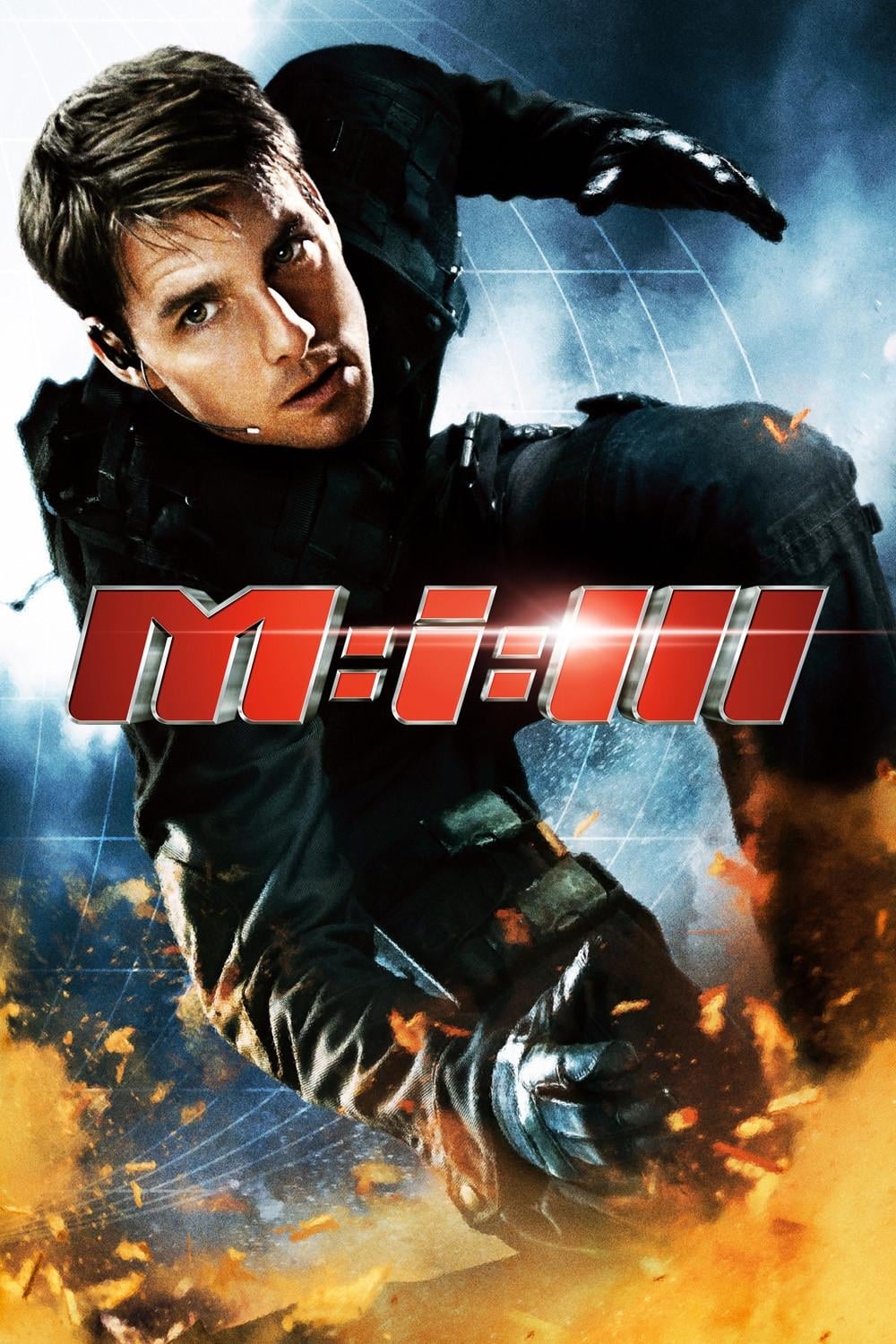
J.J. Abrams’ feature debut pits Ethan Hunt against arms dealer Owen Davian while the IMF pursues a mysterious device called the Rabbit’s Foot. The story emphasizes Hunt’s double life by involving his fiancée, while field tech and mask work become central to multiple switcheroo operations. Set pieces include a Vatican break-in, a bridge attack showcasing mid-mission improvisation, and Shanghai rooftop maneuvers. The supporting team—Benji Dunn’s first mainline appearance among them—establishes the series’ later ensemble rhythm.
‘Mission: Impossible’ (1996)
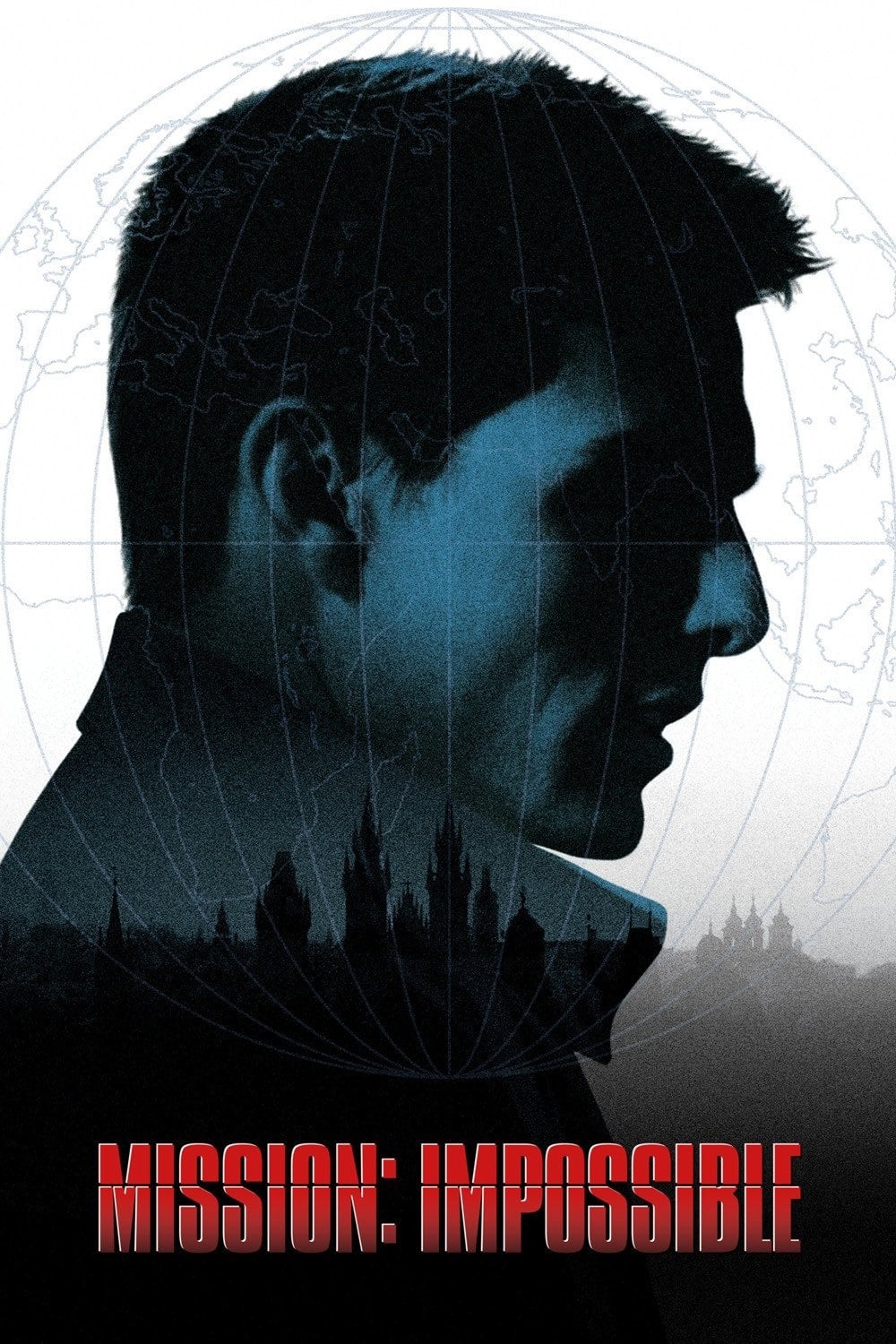
Brian De Palma launches the franchise with an espionage thriller built around a NOC list theft and an agency mole hunt. The iconic Langley heist—featuring a silent, cable-suspended drop into a pressure-sensitive vault—became a defining sequence for the series. Final-act action unfolds aboard a high-speed train through the Channel Tunnel, combining practical effects with then-state-of-the-art visuals. Ving Rhames’ Luther Stickell debuts here, forming a long-running professional partnership with Ethan Hunt.
‘Mission: Impossible – Ghost Protocol’ (2011)
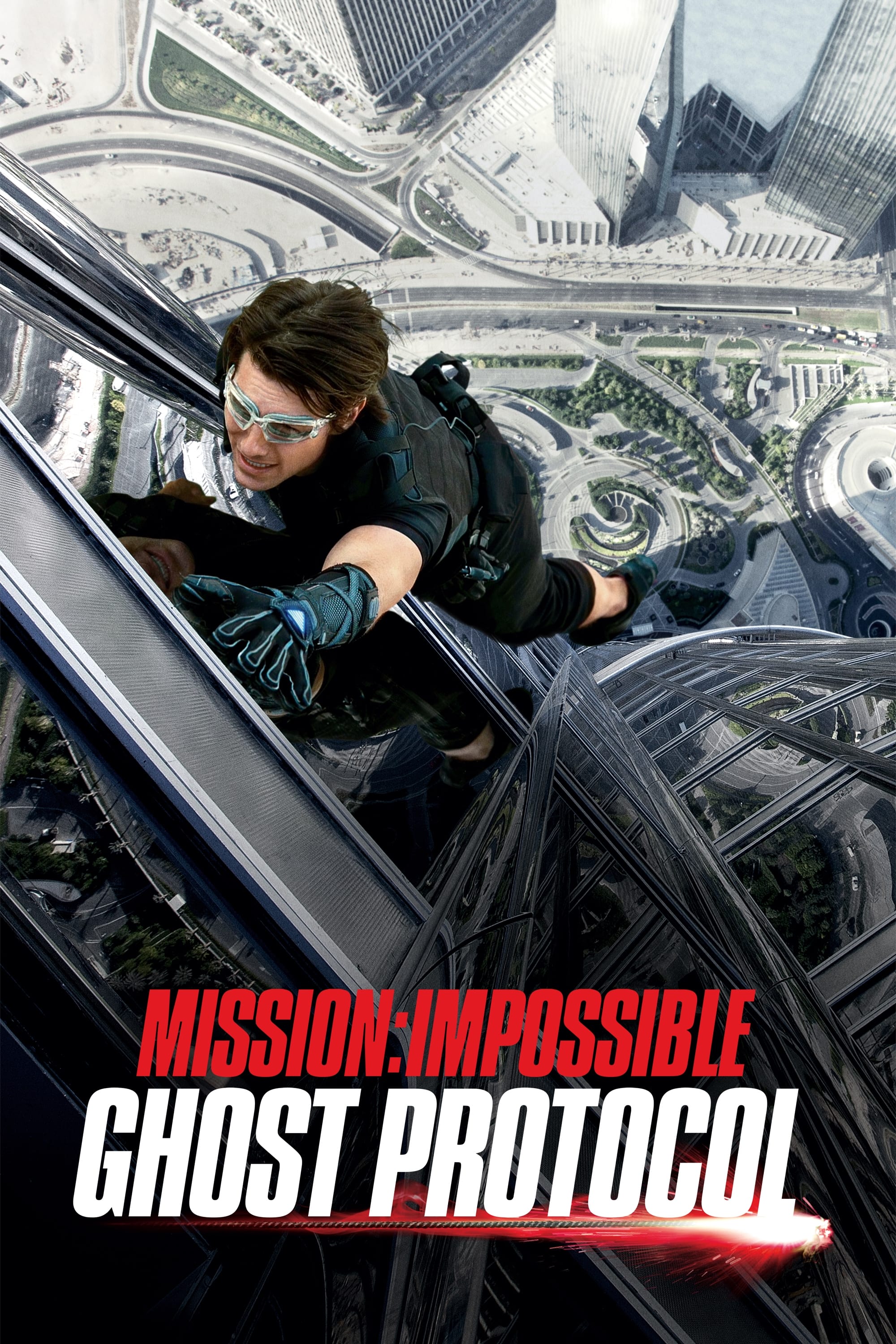
Directed by Brad Bird, this entry activates the IMF’s “ghost protocol” after the team is framed for a Kremlin bombing. The Dubai portion anchors the film, including the Burj Khalifa exterior climb and a sandstorm foot chase that complicates exfiltration. Gadgets fail conspicuously—faulty gloves, temperamental projection screens—forcing low-tech improvisation to complete the con. The ensemble—Jane Carter, William Brandt, Benji Dunn, and Ethan Hunt—executes a multi-site mission spanning Moscow, Dubai, and Mumbai.
‘Mission: Impossible – Rogue Nation’ (2015)
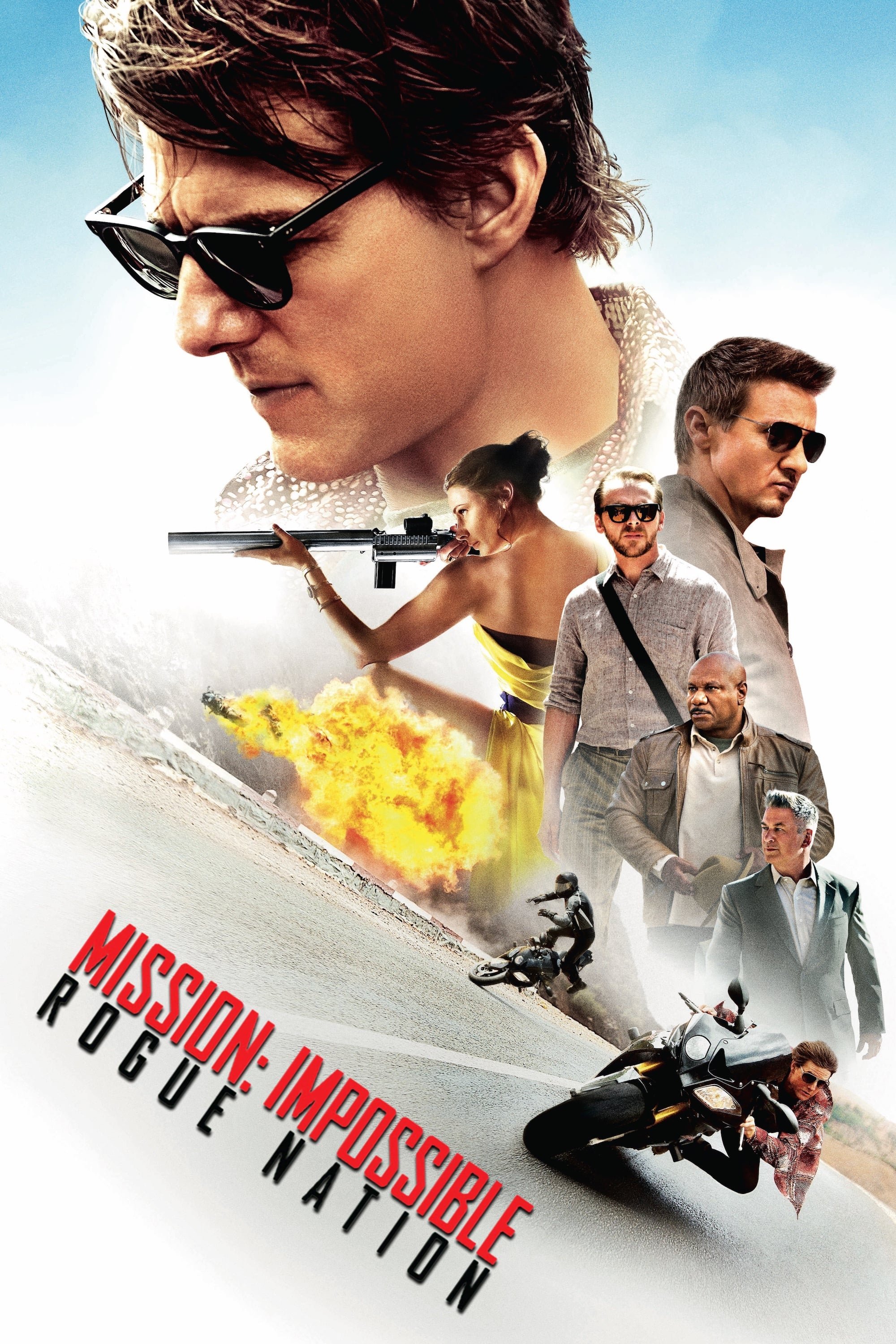
Christopher McQuarrie’s first turn in the series pits the IMF against the Syndicate, a clandestine network of disavowed operatives. The film opens with a mid-takeoff airplane latch-on and proceeds through a Vienna State Opera assassination triangle and an underwater data-vault sequence requiring extended breath-hold work. Ilsa Faust, a disavowed MI6 asset, enters as a pivotal foil and ally across overlapping agendas. The narrative weaves inter-agency politics with fieldcraft, leading to a London-based trap designed to expose the Syndicate’s leadership.
‘Mission: Impossible – The Final Reckoning’ (2025)
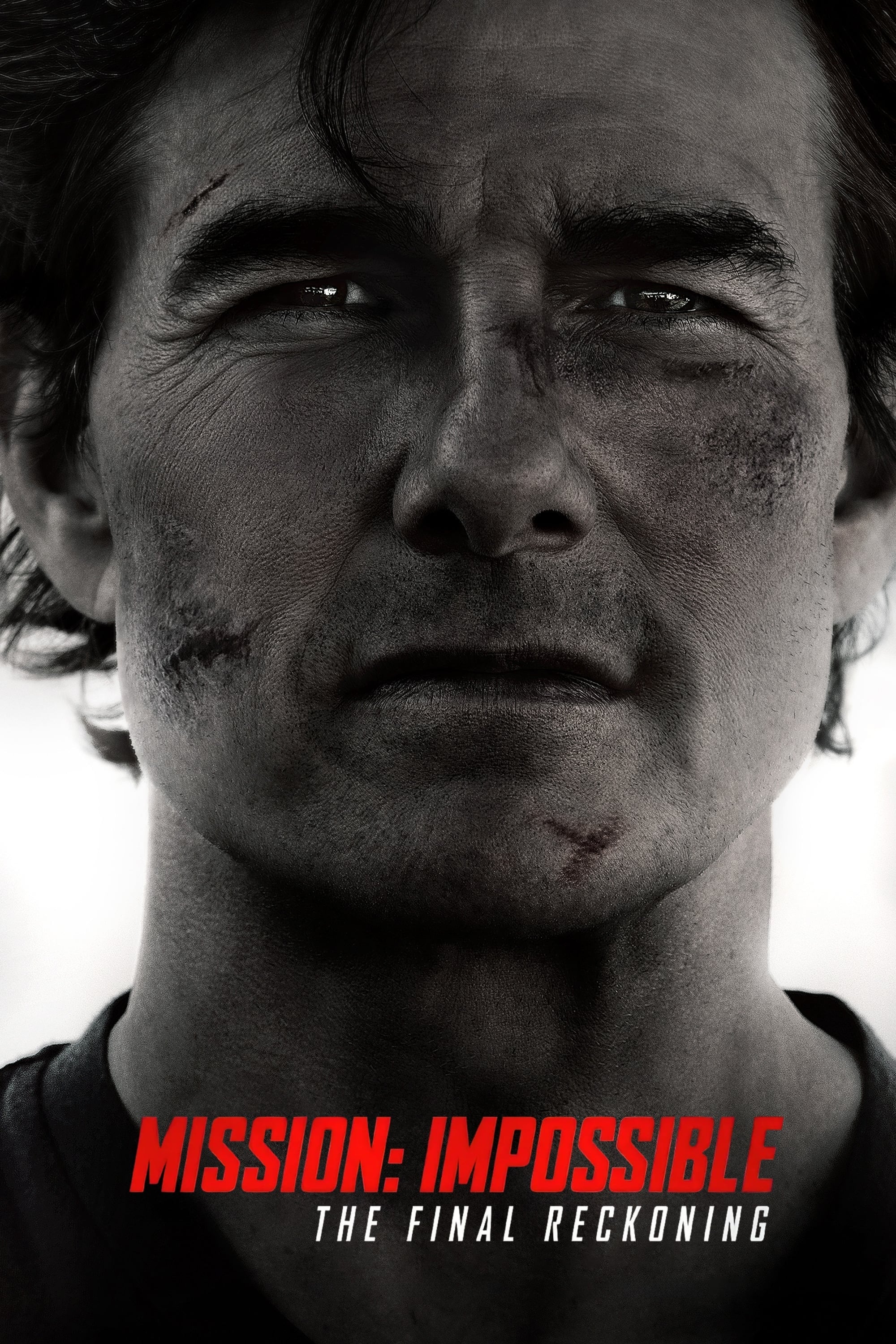
Continuing the conflict with a rogue AI known as the Entity, this chapter sends the IMF to secure and interpret a cruciform key tied to a sunken Russian submarine. Returning teammates Luther Stickell and Benji Dunn coordinate technical countermeasures while Grace, introduced earlier, expands the series’ thief-to-operative arc. The production stages large-scale, practical stunt work alongside international location photography. The plot directly follows prior developments, closing threads involving the Entity and its global infiltration risks.
‘Mission: Impossible – Dead Reckoning Part One’ (2023)
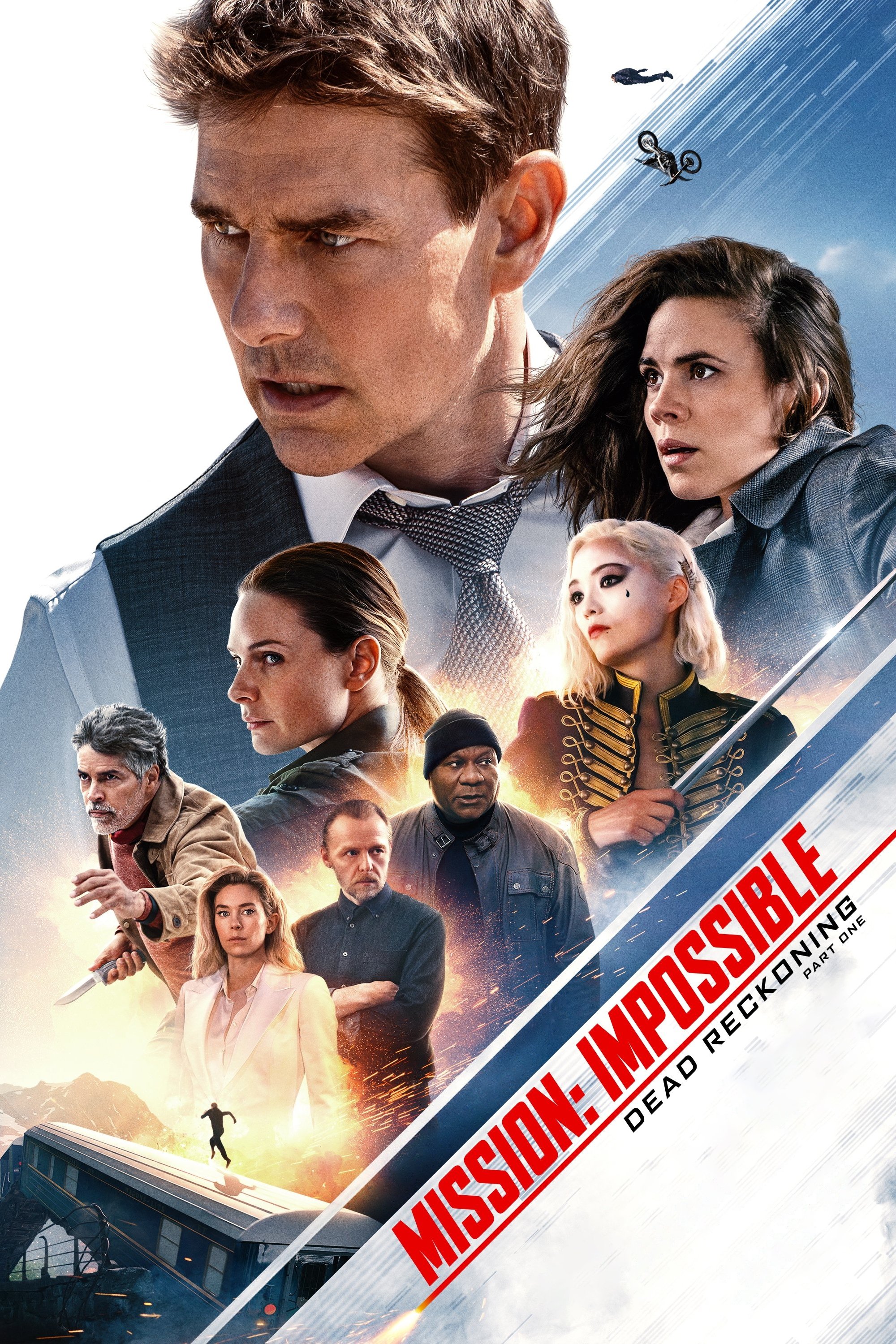
This installment introduces the Entity, an advanced, self-learning system capable of manipulating data environments, prompting the IMF to prevent total information compromise. The operation revolves around a two-piece key whose owners shift via heists, double-crosses, and transport-hub maneuvers. Major sequences include a Rome car chase with vehicle swaps, a Venice night pursuit through tight quarters, and a practical motorcycle jump to a train rescue. The film positions Grace as a central figure while setting up the concluding chapter’s objectives.
‘Mission: Impossible – Fallout’ (2018)
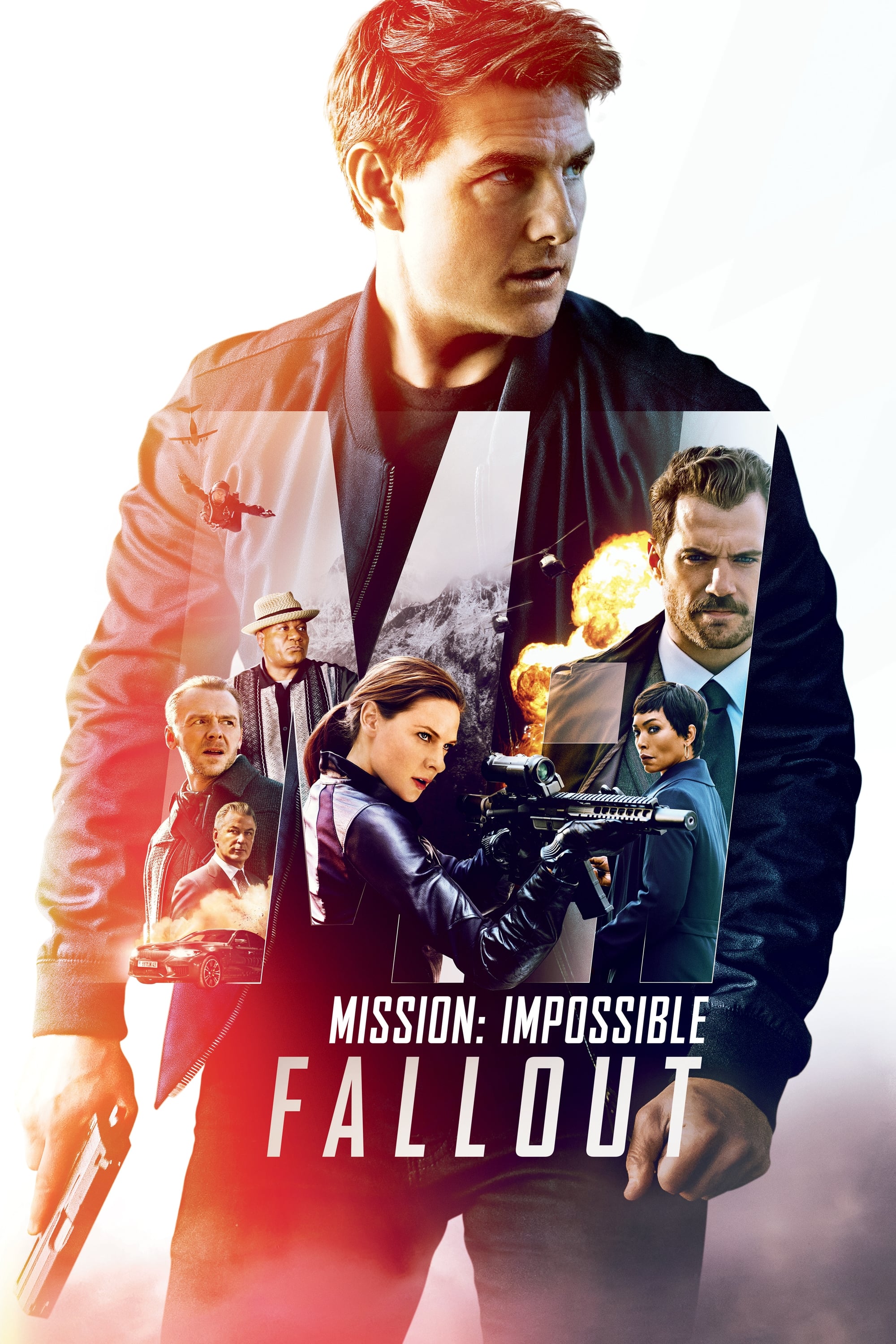
Ethan Hunt’s team races to recover stolen plutonium while a shadow group aims to detonate multiple devices in a coordinated catastrophe. The production features an extended HALO jump, a bathroom close-quarters fight, and a helicopter chase executed with substantial real-aerial work. Inter-agency tension escalates with the addition of CIA operative August Walker, whose presence complicates mission parameters. The narrative threads multiple prior arcs and alliances, culminating in a high-altitude mountain finale that tests the IMF’s coordination and contingency planning.
Share your own lineup in the comments—how would you order the ‘Mission: Impossible’ films from worst to best?