Every Paul Thomas Anderson Movie, Ranked from Worst to Best


Paul Thomas Anderson’s filmography covers desert oil fields, porn backlots, couture salons, and stoned detectives. Across it all, you’ll see recurring collaborators, meticulous sound and image design, and a knack for adapting or riffing on literary voices—from Upton Sinclair to Thomas Pynchon—without losing his own. This guide rounds up every feature he’s directed to date.
Below, you’ll find a countdown of all his movies. Each entry highlights what the film is about, who made it with him, and the nuts-and-bolts details—production partners, key craftspeople, source material, and release context—so you can trace how his process and partnerships evolve from debut to latest.
‘Inherent Vice’ (2014)

Based on Thomas Pynchon’s novel, ‘Inherent Vice’ follows private investigator Larry “Doc” Sportello as criss-crossed cases pull him through a hazy web of disappearance, real-estate schemes, and counterculture currents in Southern California. The ensemble includes Joaquin Phoenix, Josh Brolin, Owen Wilson, Katherine Waterston, Reese Witherspoon, and Benicio del Toro, with narration by Joanna Newsom. Anderson wrote the screenplay and was the first to officially adapt a Pynchon work for the screen.
Behind the camera, frequent collaborators return: Robert Elswit handles cinematography, Leslie Jones edits, and Jonny Greenwood provides the score—augmented by period needle-drops. The soundtrack’s notable curios include a Supergrass-performed version of Radiohead’s “Spooks,” alongside cuts by Can and Neil Young, released by Nonesuch. Warner Bros. distributed the film after a festival rollout, continuing Anderson’s partnerships with producers JoAnne Sellar and Daniel Lupi.
‘The Master’ (2012)
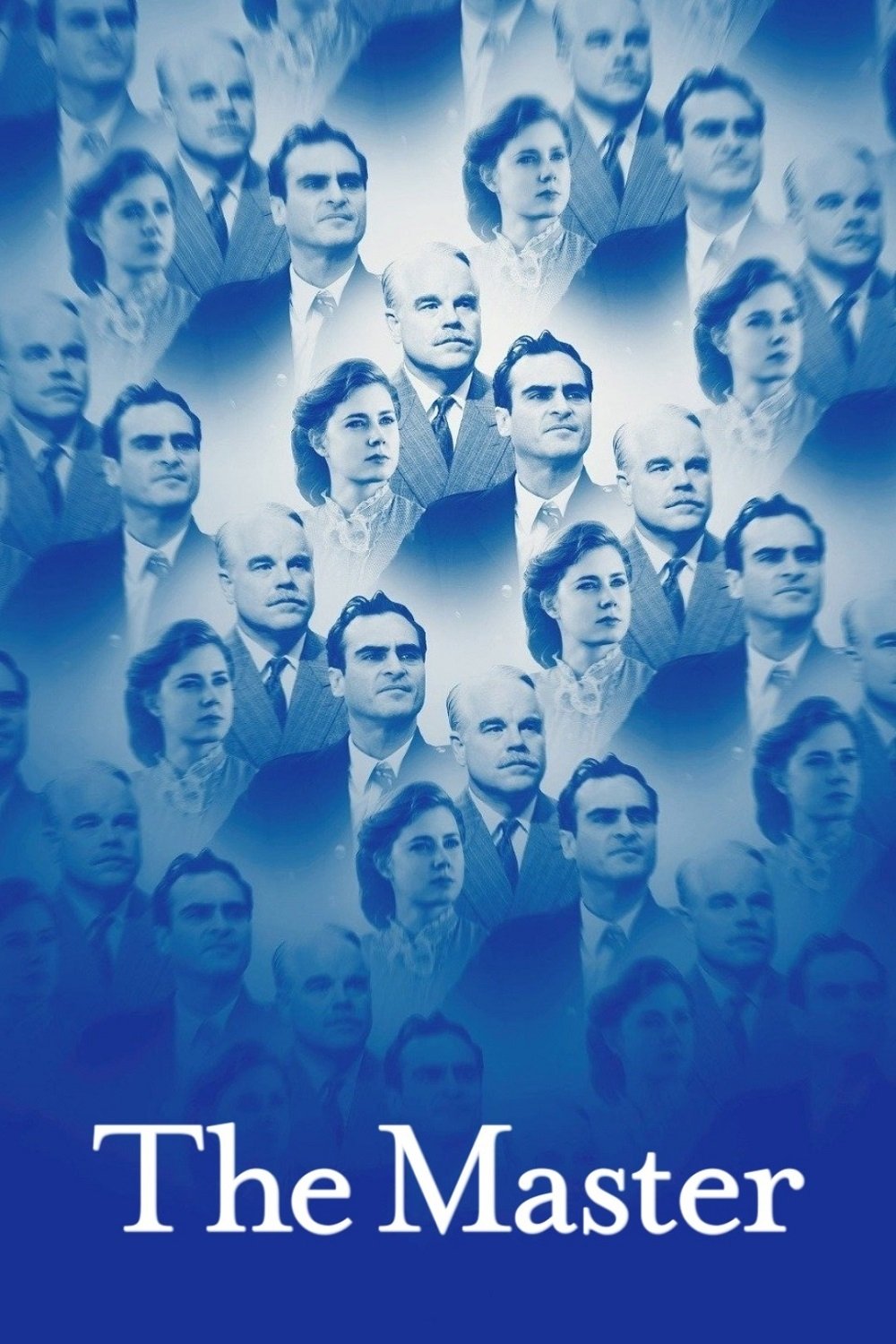
‘The Master’ centers on Freddie Quell, a traumatized Navy veteran, and Lancaster Dodd, leader of a self-help movement called The Cause. Joaquin Phoenix, Philip Seymour Hoffman, and Amy Adams lead the cast, with Anderson writing and directing. The story tracks recruitment, mentorship, and fracture as the pair’s dynamic intensifies across cross-country chapter halls, drawing on postwar American currents of belief, psychology, and reinvention.
The film features music by Jonny Greenwood and was photographed on large-format film stock by Mihai Mălaimare Jr., a departure from Anderson’s long run with Robert Elswit. It premiered at Venice and Toronto before a stateside release via The Weinstein Company. The production involved Annapurna Pictures alongside Anderson’s Ghoulardi Film Company, with Leslie Jones and Peter McNulty in the editing chair.
‘Hard Eight’ (1996)
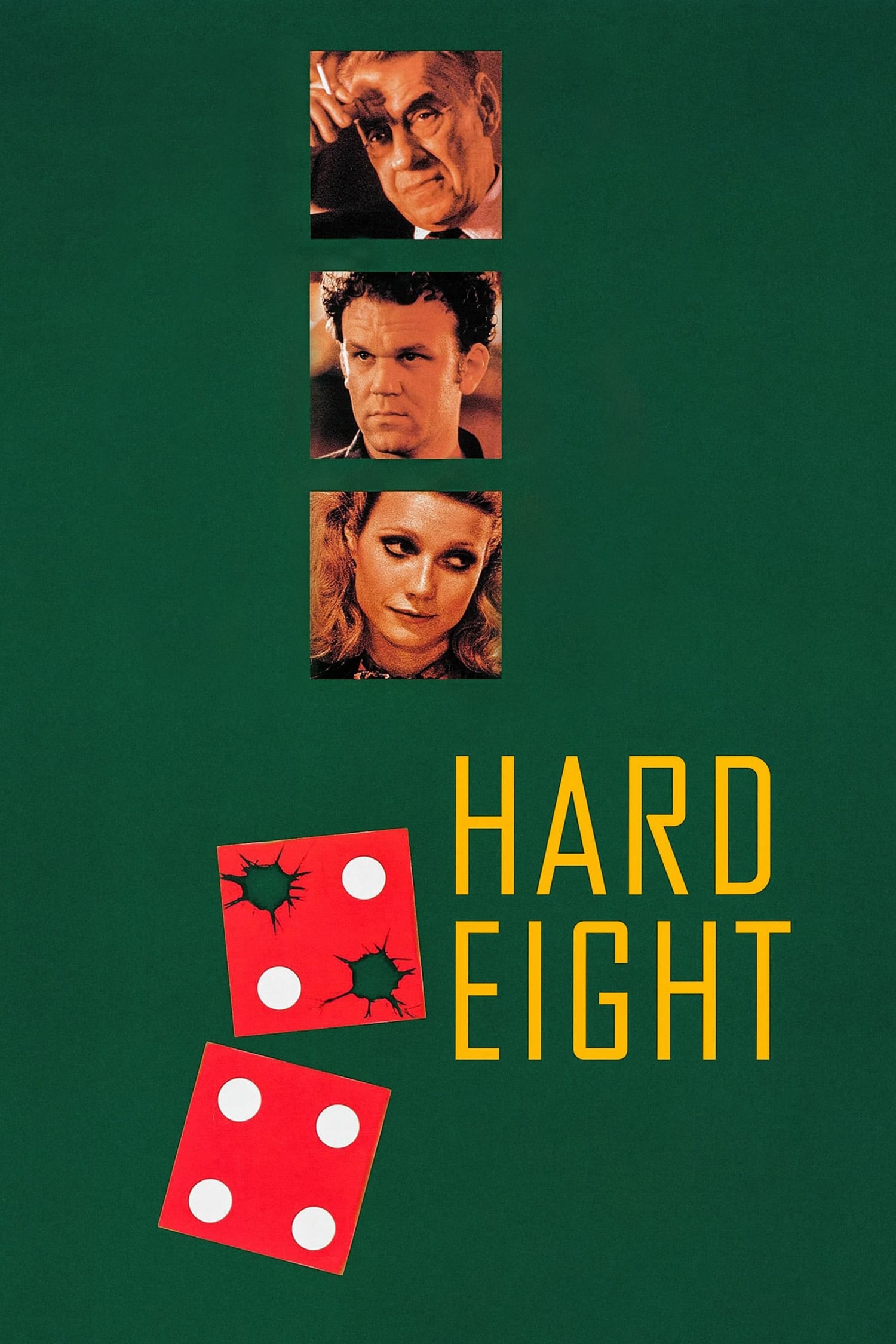
‘Hard Eight’ follows veteran gambler Sydney and his protégé John as they navigate Reno and Las Vegas hustles, with complications involving a cocktail waitress named Clementine and a security man, Jimmy. The cast includes Philip Baker Hall, John C. Reilly, Gwyneth Paltrow, and Samuel L. Jackson. The film expands Anderson’s short ‘Cigarettes & Coffee’ and was his feature debut; it also circulated under its original title, ‘Sydney,’ during early festival play.
Shot by Robert Elswit and edited by Barbara Tulliver, the movie foregrounds Anderson’s interest in found families and mentor-student bonds that reappear later. Rysher Entertainment backed the project, and The Samuel Goldwyn Company handled North American distribution. The score features contributions from Jon Brion and Michael Penn, foreshadowing the rich composer relationships Anderson would build across subsequent films.
‘Licorice Pizza’ (2021)
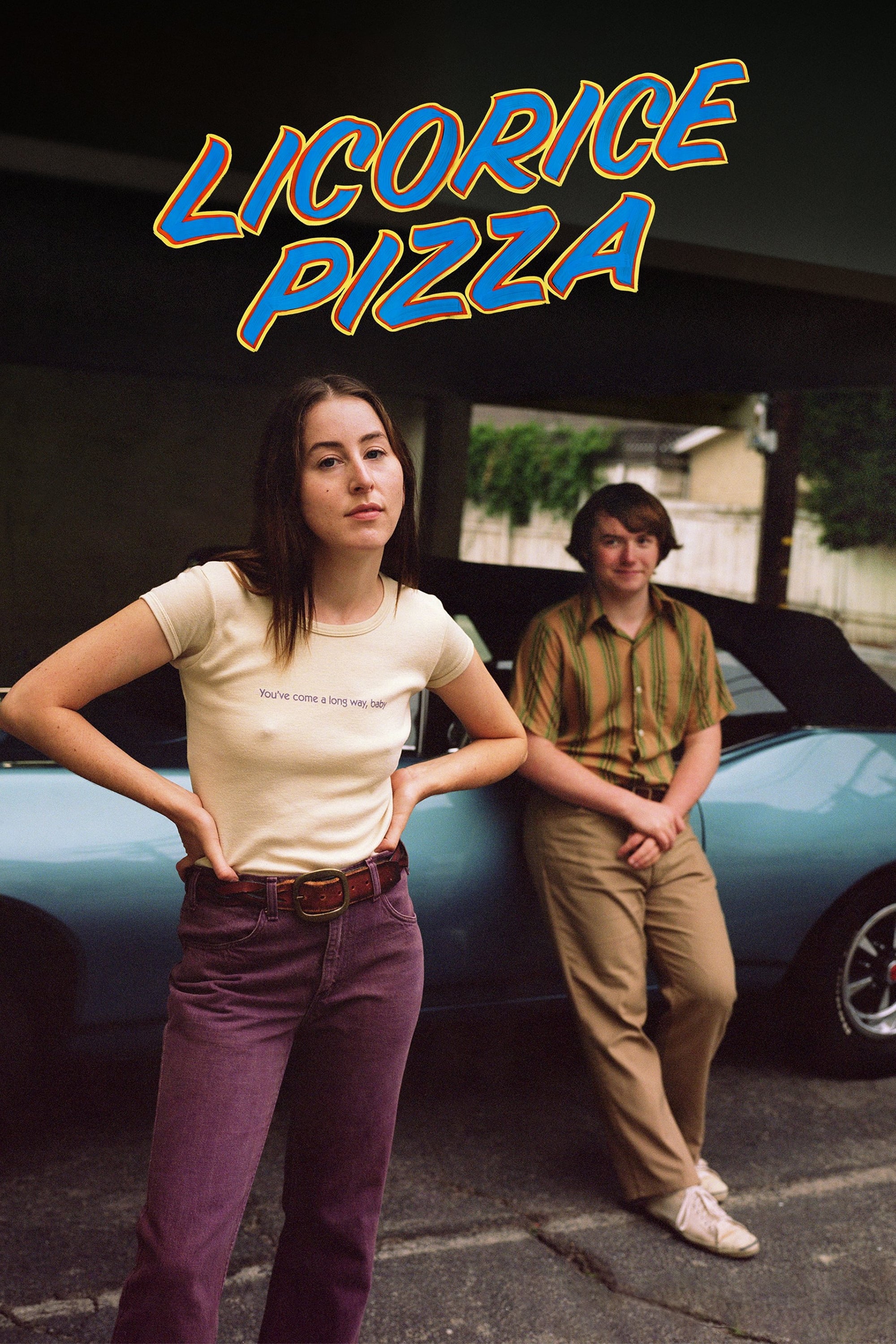
Set in the San Fernando Valley, ‘Licorice Pizza’ charts a teenage entrepreneur and an aimless twenty-something as their paths intersect through waterbed schemes, campaign volunteering, and show-biz side quests. Cooper Hoffman and Alana Haim star, supported by cameo turns from industry veterans that nod to period Los Angeles. Anderson wrote and directed, interweaving local lore and autobiographical textures.
The production reunited Anderson with editor Andy Jurgensen and spotlighted a carefully curated soundtrack in lieu of a traditional orchestral score. United Artists Releasing and MGM handled distribution domestically, while international partners varied by territory. The film’s craft emphasis on period detail—hair, wardrobe, and Valley locations—extends a throughline of place-specific storytelling across his body of work.
‘Punch-Drunk Love’ (2002)
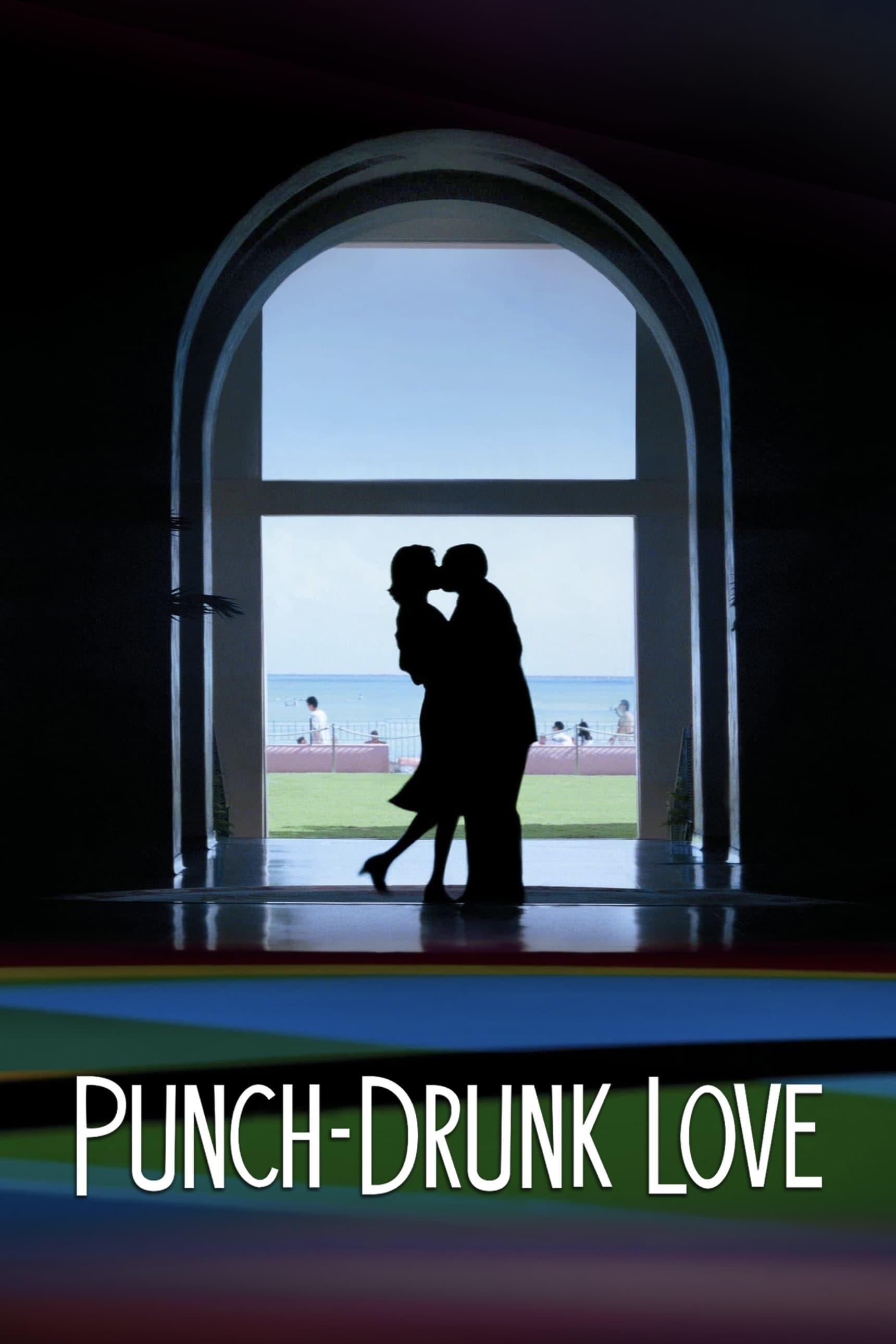
‘Punch-Drunk Love’ follows Barry Egan, a small-business owner whose routine—and carefully hoarded pudding miles—collides with a phone-scam shakedown just as he meets Lena. Adam Sandler and Emily Watson lead the cast, with Philip Seymour Hoffman as a Utah mattress dealer who orchestrates the extortion. Anderson wrote and directed, shaping a compact romantic farce around a character study of anxiety and impulse.
Jon Brion’s score, Leslie Jones’s editing, and Robert Elswit’s photography give the film a distinct sonic and visual identity that contrasts with the director’s larger ensemble epics. Columbia Pictures and Revolution Studios co-produced, with Sony Pictures Releasing handling distribution. The film’s release complemented Anderson’s shift into tighter runtimes, while maintaining his signature attention to sound design and rhythm.
‘Phantom Thread’ (2017)
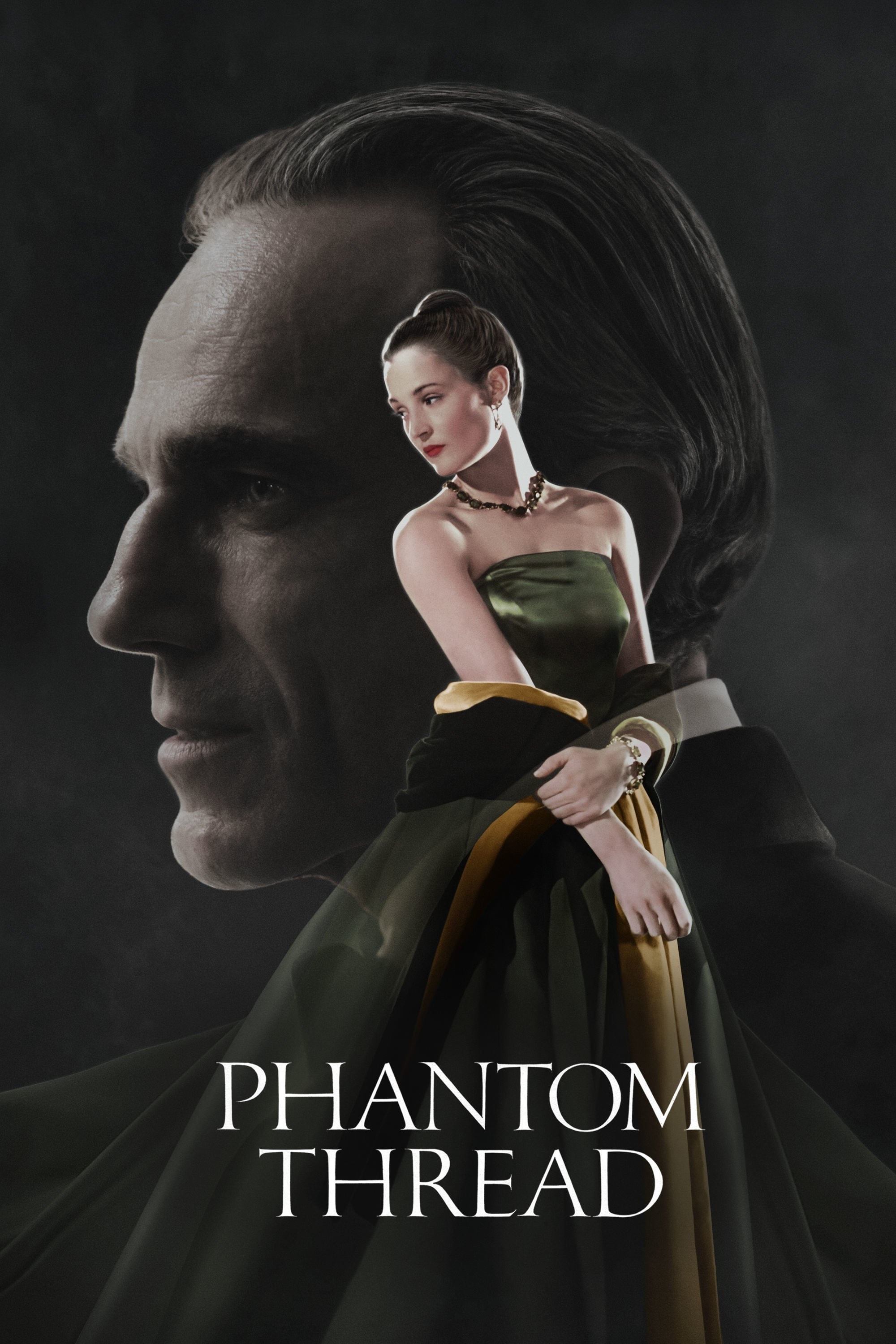
Set in London’s couture world, ‘Phantom Thread’ follows designer Reynolds Woodcock and his muse-turned-partner Alma, mapping the tensions between creation, control, and companionship. Daniel Day-Lewis, Vicky Krieps, and Lesley Manville headline the cast from a screenplay by Anderson. The narrative explores craft disciplines—fittings, dressmaking, and house rituals—through domestic spaces and meticulous routines.
Jonny Greenwood’s orchestral score and Mark Bridges’s costume design are central to the film’s texture, while Anderson assumed cinematography credit in collaboration with his camera team. Focus Features released the film after a late-year awards corridor rollout, and the production continued the director’s partnership with producer JoAnne Sellar under the Ghoulardi banner.
‘Boogie Nights’ (1997)
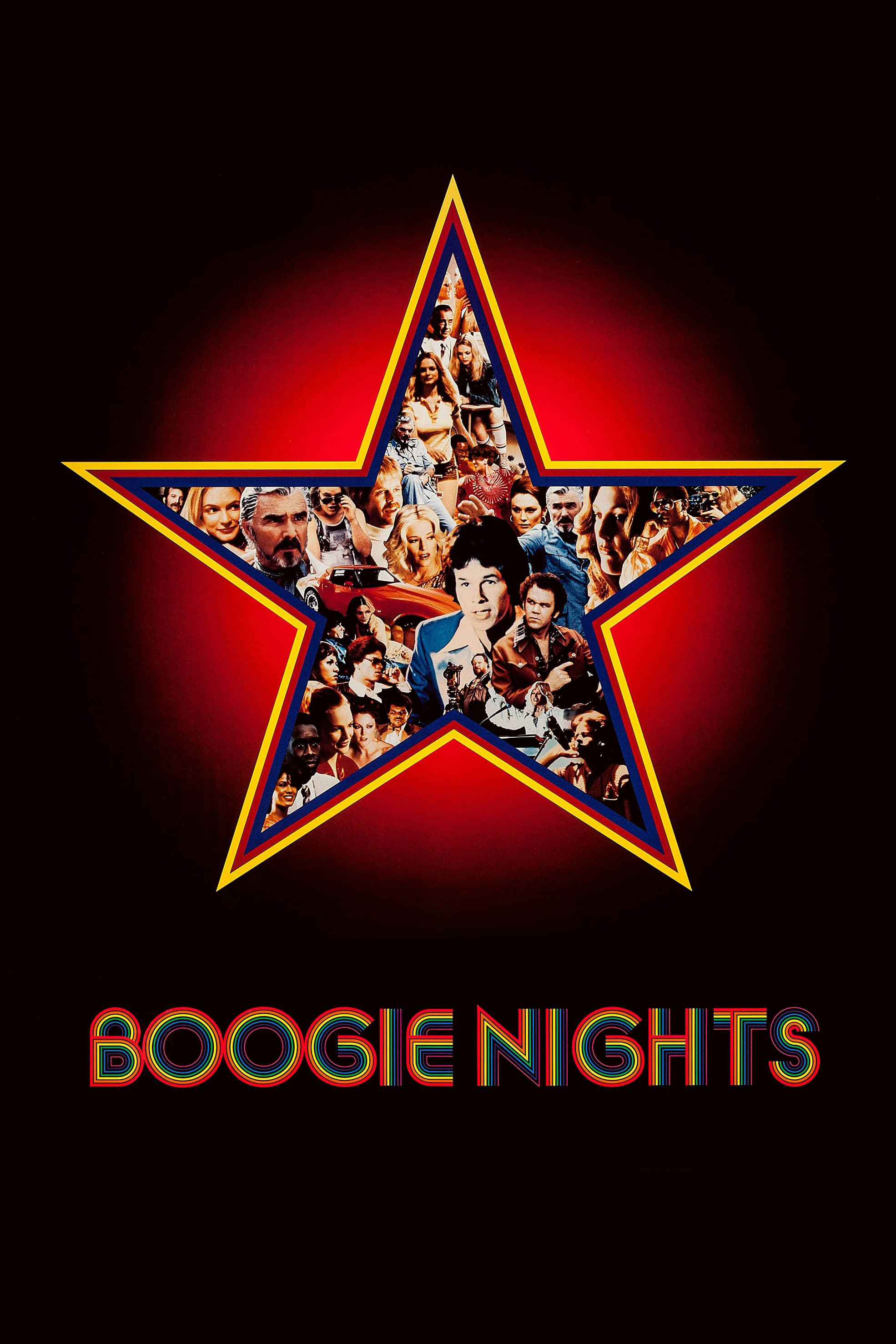
‘Boogie Nights’ traces the rise and unraveling of an adult-film ensemble anchored by a young performer discovered in the Valley. The cast includes Mark Wahlberg, Julianne Moore, Burt Reynolds, Don Cheadle, John C. Reilly, and Heather Graham, among others. Anderson expanded his short ‘The Dirk Diggler Story’ into this portrait of an industry and found family navigating changing tastes and technologies.
The film’s production established several of Anderson’s long-term creative relationships, including editor Dylan Tichenor and cinematographer Robert Elswit, and showcased needle-drop selections that became a hallmark of his features. New Line Cinema backed and distributed the project, positioning it as a breakout for the writer-director on the festival and awards circuit.
‘Magnolia’ (1999)
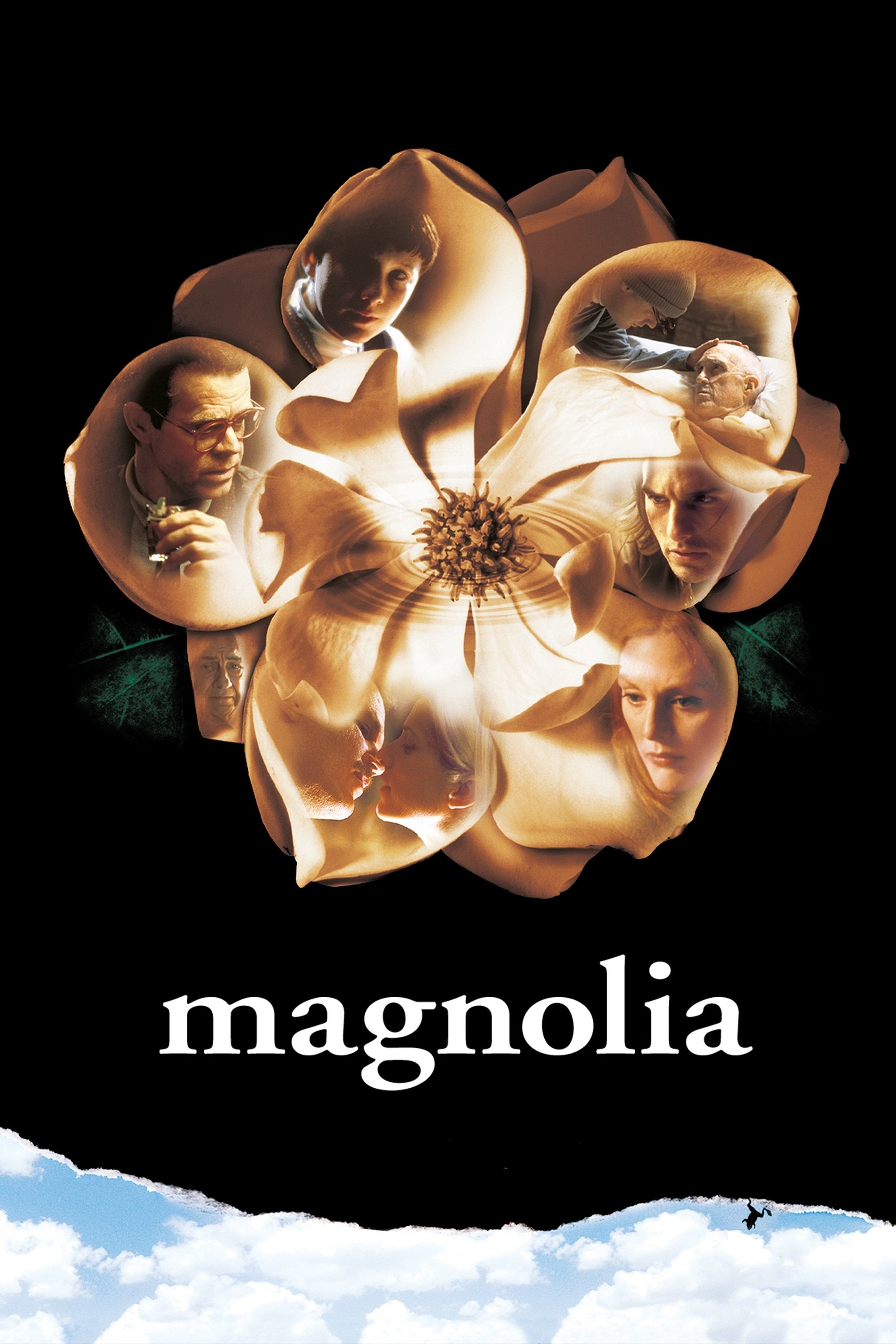
‘Magnolia’ interweaves multiple lives over a single day in the San Fernando Valley, linking characters through a game-show patriarch, a self-help guru, estranged families, and startling coincidences. The ensemble features Tom Cruise, Julianne Moore, Philip Seymour Hoffman, John C. Reilly, Melora Walters, William H. Macy, and Jason Robards. Anderson wrote and directed, braiding motifs of legacy, regret, and chance.
The production’s creative spine includes cinematographer Robert Elswit, editor Dylan Tichenor, and original songs by Aimee Mann that integrate directly into the storytelling. New Line Cinema handled distribution after a limited-to-wide release pattern, and the film earned significant awards attention, including an Academy Award nomination for Cruise in a supporting role.
‘There Will Be Blood’ (2007)
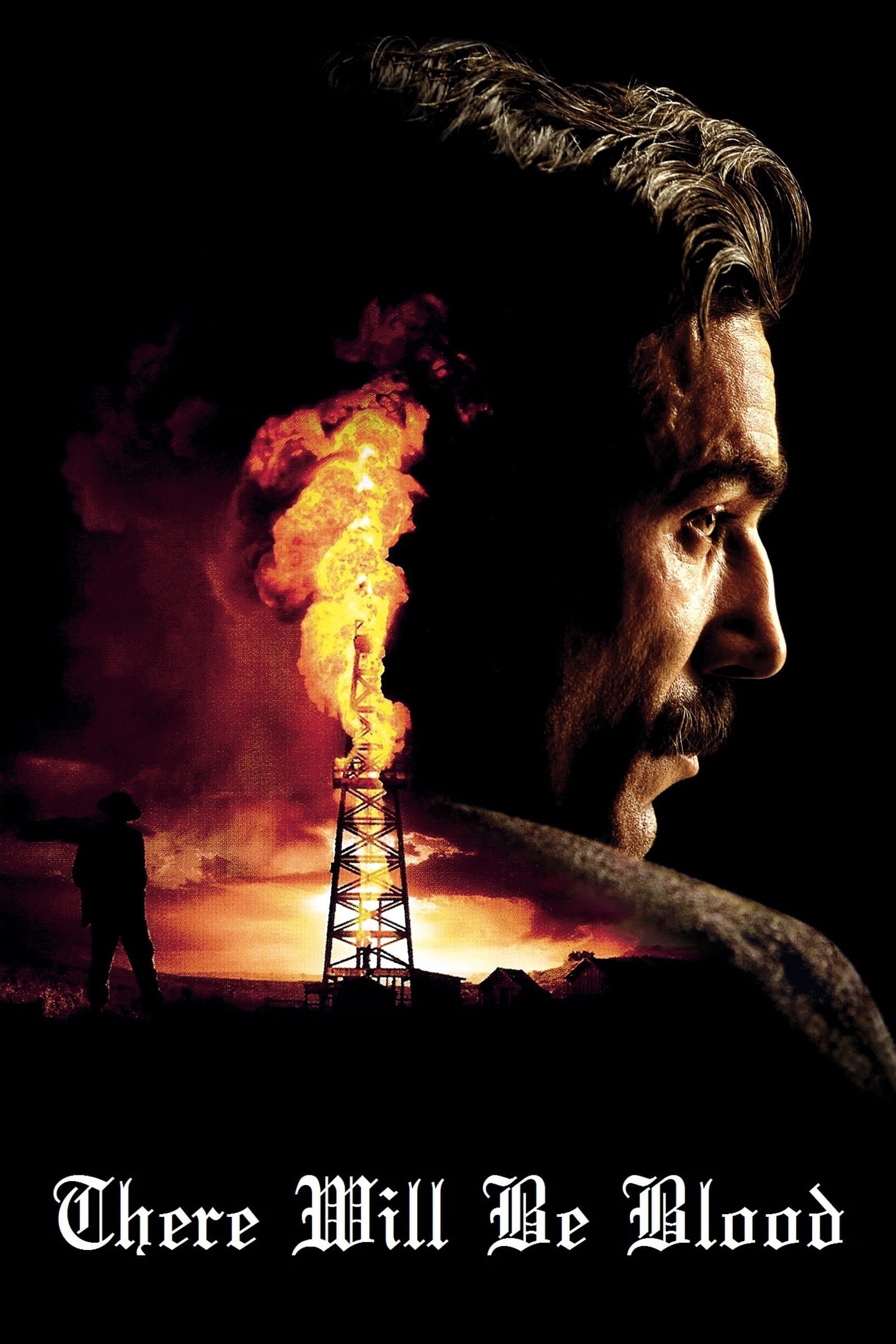
Adapted in part from Upton Sinclair’s novel ‘Oil!’, ‘There Will Be Blood’ follows prospector Daniel Plainview as oil exploration and local power struggles collide with evangelical ambition. Daniel Day-Lewis and Paul Dano lead the cast, with a screenplay by Anderson that condenses the source’s political sweep into an intimate rivalry and a study of extraction, capital, and faith.
Jonny Greenwood’s score and Robert Elswit’s photography define the film’s sonic and visual severity, while editor Dylan Tichenor shapes the time jumps and set-piece crescendos. Paramount Vantage and Miramax distributed the film following festival premieres, and the production became a touchstone of twenty-first-century American cinema in subsequent critical surveys and rankings.
‘One Battle After Another’ (2025)
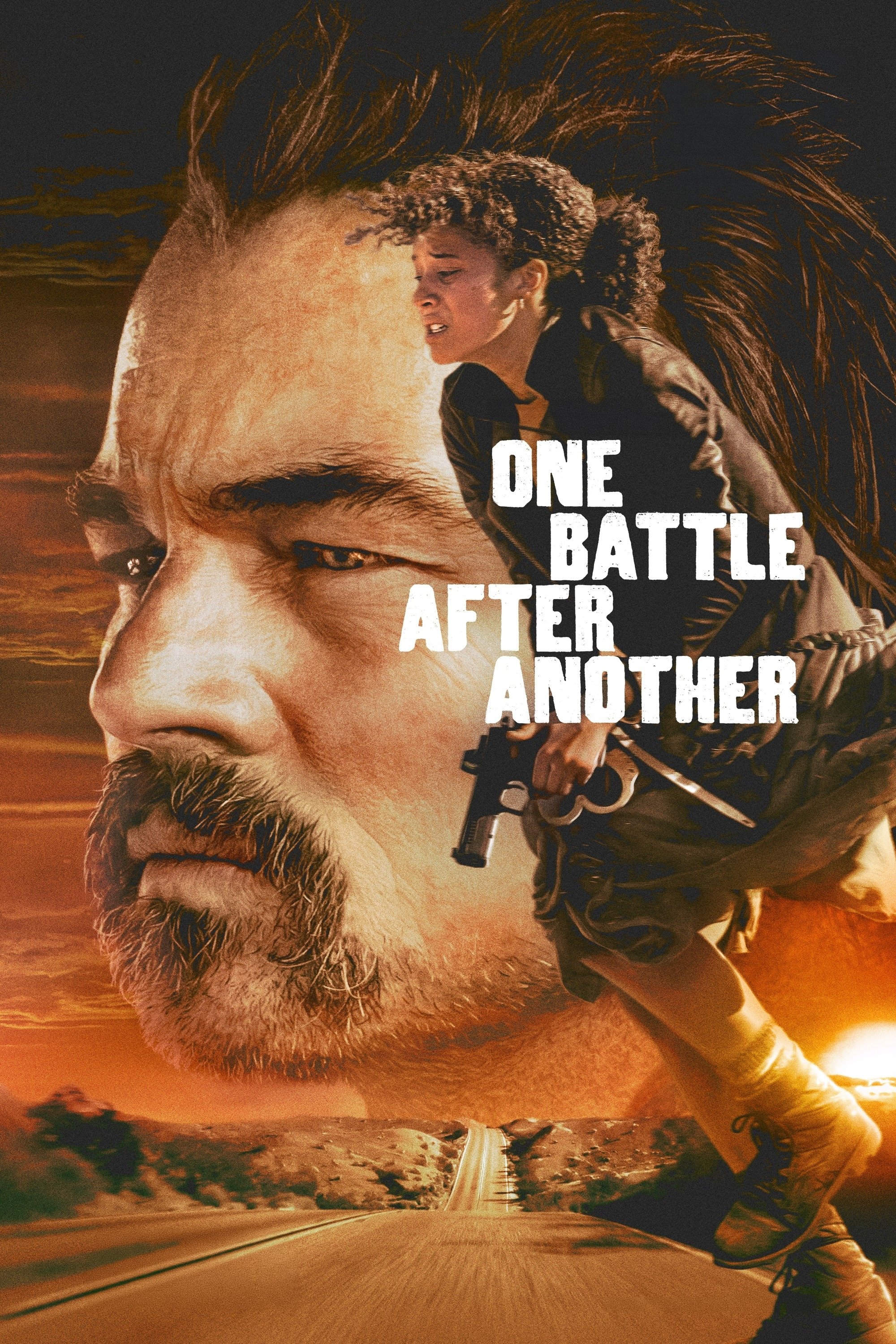
‘One Battle After Another’ is an Anderson-written and directed epic inspired by Thomas Pynchon’s ‘Vineland,’ following an ex-revolutionary who races to find his missing daughter as an old adversary resurfaces. The ensemble includes Leonardo DiCaprio, Sean Penn, Benicio del Toro, Regina Hall, Teyana Taylor, and Chase Infiniti. The film opened in theaters via Warner Bros. with a score by Jonny Greenwood and a campaign highlighting its action-thriller scope.
The production reunites Anderson with Ghoulardi Film Company and long-time department heads, while scaling up to the largest budget of his career. Coverage has emphasized its politically charged road-movie structure and adaptation lineage, connecting it to the director’s earlier Pynchon collaboration on ‘Inherent Vice’ and noting its festival-adjacent roll-out and strong early critical response.
Share your own order of Anderson’s films in the comments—what’s at the top of your list and why?