Excellent HBO Max TV Shows You’ve (Probably) Never Heard Of


HBO Max’s wave of Max Originals spans sharp dramas, inventive animation, eye-opening docuseries, and feel-good unscripted shows. Tucked among the headliners are plenty of series that slipped under many people’s radar yet offer distinct worlds, unusual formats, and stories you won’t find elsewhere on television.
This list sticks strictly to HBO Max original series—projects commissioned or branded as Max Originals—covering everything from sci-fi survival to ballroom battles. For each show, you’ll find core details like creators, stars, episode counts, and what the series actually does, so you can zero in on what to watch next without any fuss.
‘Scavengers Reign’ (2023)
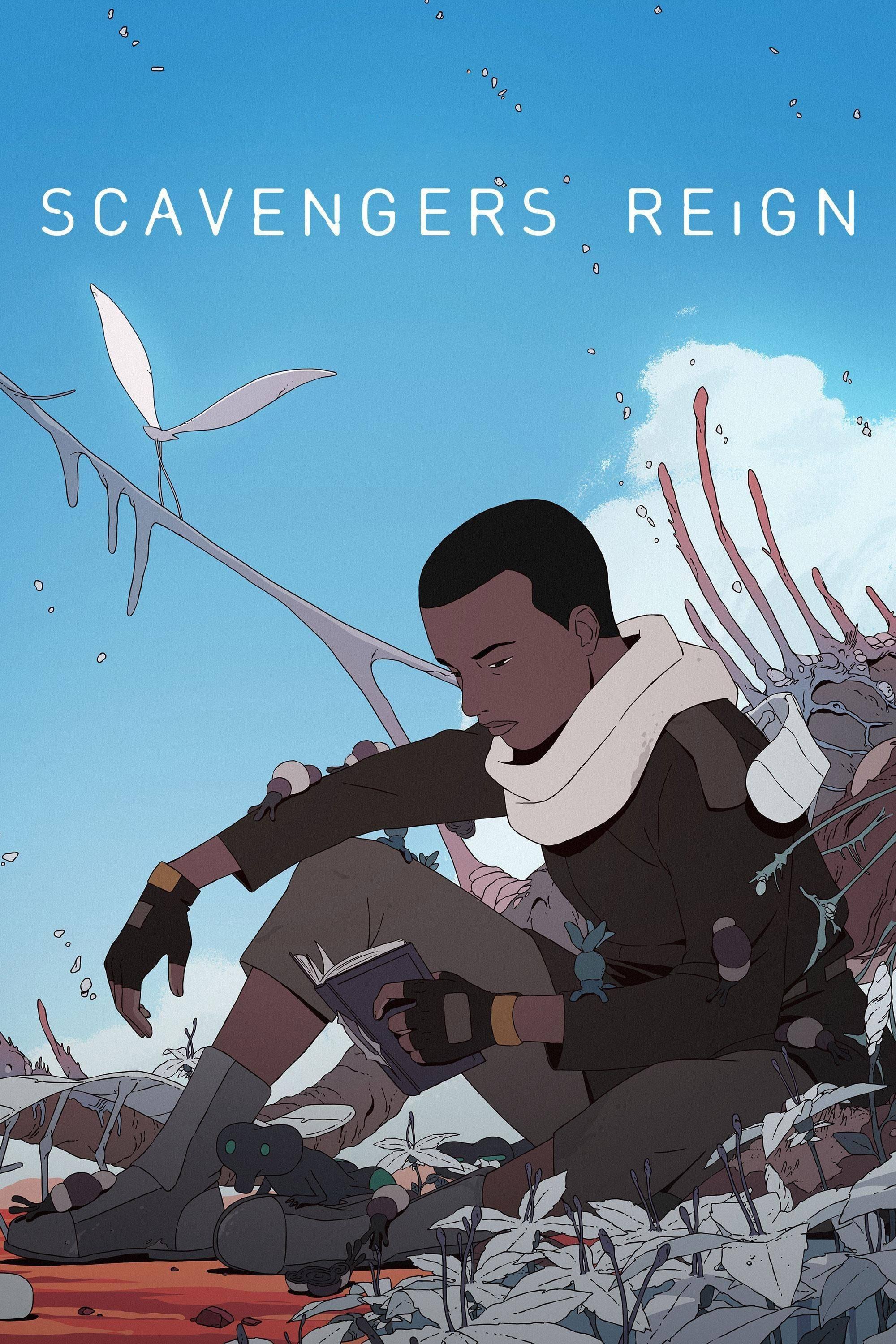
‘Scavengers Reign’ is an animated sci-fi survival series created by Joseph Bennett and Charles Huettner, expanding on their short ‘Scavengers’. It follows the scattered survivors of the damaged deep-space freighter Demeter 227 as they navigate a vividly hostile planet, with storylines that track multiple crews across interlocking dangers and strange ecosystems. The production blends hand-drawn aesthetics with digital compositing to highlight alien flora and fauna that interact with humans in precise, biological ways.
The season runs for 12 episodes, each focusing on resourcefulness and adaptation as characters attempt to repair communications and reunite. Sound design and environmental world-building carry much of the storytelling, while the show’s structure alternates between character-focused chapters and planet-scale set-pieces. Animation was produced with a small, tightly coordinated team to keep a unified visual language from shot to shot.
‘Made for Love’ (2021–2022)
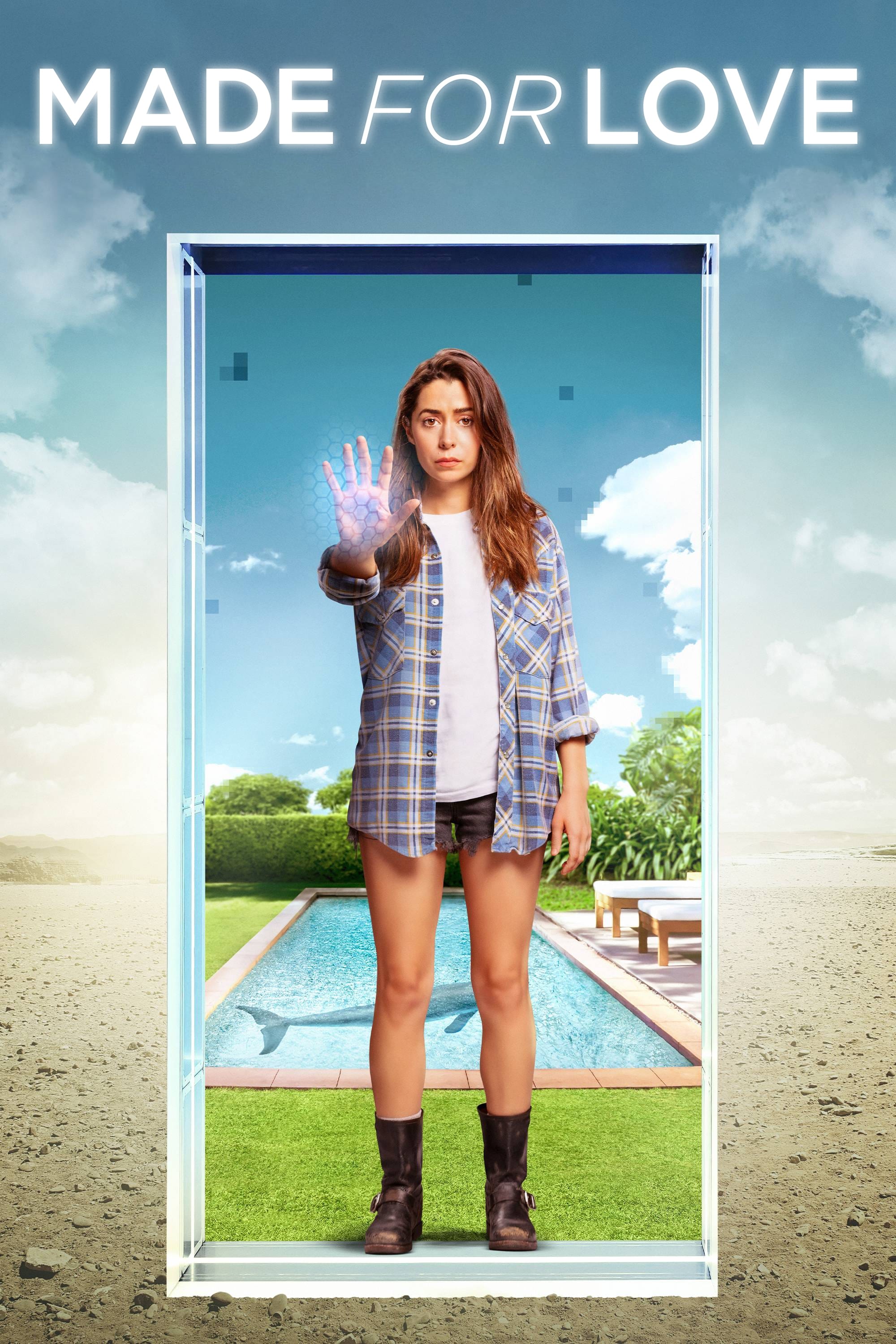
‘Made for Love’ adapts Alissa Nutting’s novel and centers on Hazel Green (Cristin Milioti), whose tech-mogul husband Byron Gogol (Billy Magnussen) secretly implants a tracking and emotion-monitoring chip in her head. The series explores surveillance, data-driven relationships, and the logistics of leaving a hermetically controlled smart-compound for a rough-edged hometown life. Ray Romano co-stars as Hazel’s father Herbert, whose unconventional domestic setup complicates her escape.
Across two seasons and 16 episodes, ‘Made for Love’ weaves corporate satire with near-future gadgets, from behavioral prediction engines to fully instrumented “hub” living. Production was overseen by showrunner Christina Lee, with executive producers including Alissa Nutting and Patrick Somerville. The show balances serialized arcs—legal battles, tech fallout, and custody over intellectual property—with self-contained episode missions.
‘Raised by Wolves’ (2020–2022)
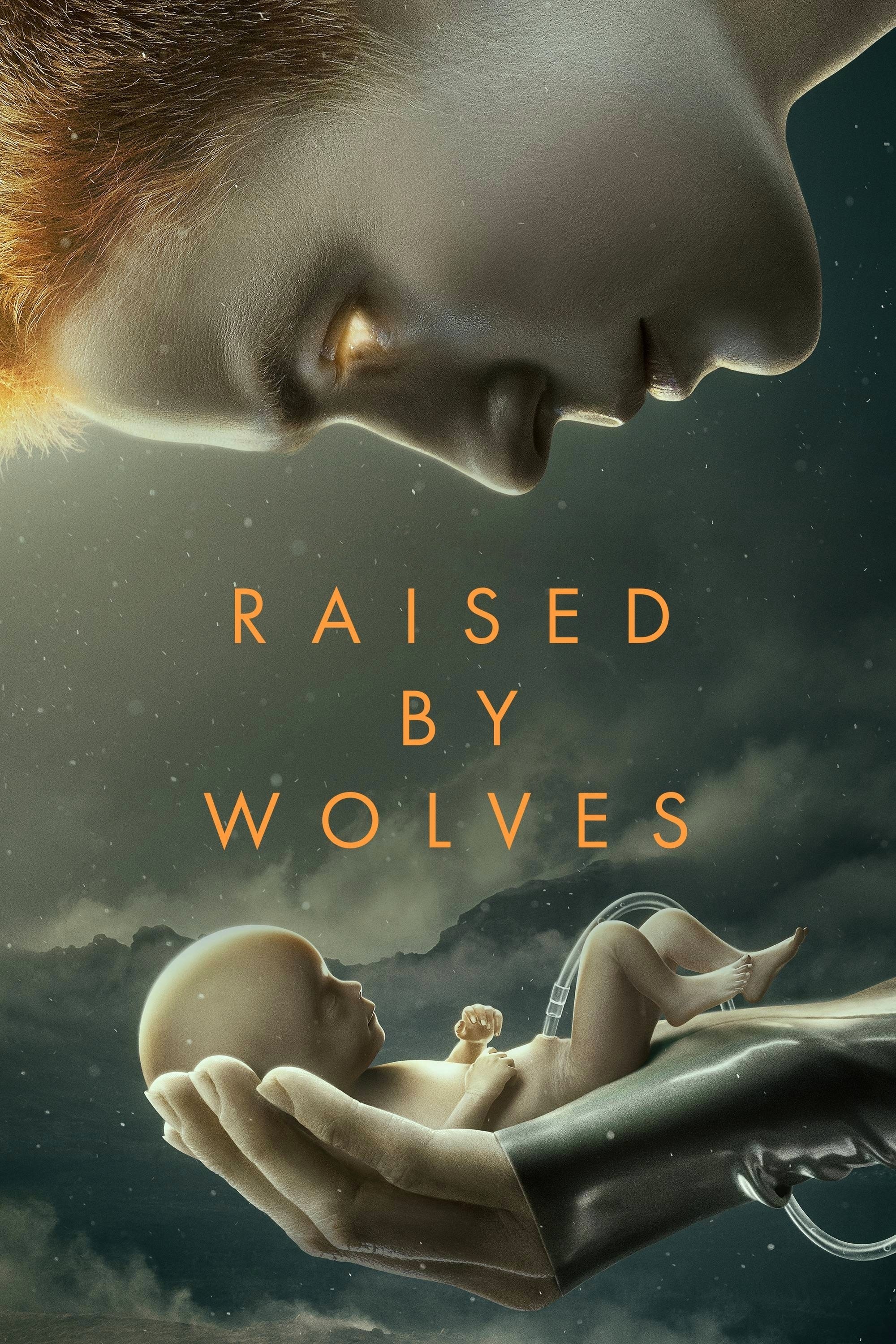
Created by Aaron Guzikowski and executive produced by Ridley Scott, ‘Raised by Wolves’ follows two androids—Mother and Father—tasked with raising human children on the planet Kepler-22b after Earth’s collapse. The series combines questions of faith, programming, and parenting with hard-sci-fi production design, including biomechanical costumes and modular spacecraft. Amanda Collin and Abubakar Salim lead the cast, with on-location shooting emphasizing wide, arid landscapes and practical set pieces.
The series spans two seasons and 18 episodes, layering mythology about opposing human factions and ancient planetary artifacts. Its production used extensive VFX to realize Kepler-22b’s creatures and weather patterns while keeping action grounded in the androids’ day-to-day routines—food, shelter, education, and defense. The soundtrack and sound mix reinforce the tension between synthetic life and human emotion.
‘DMZ’ (2022)
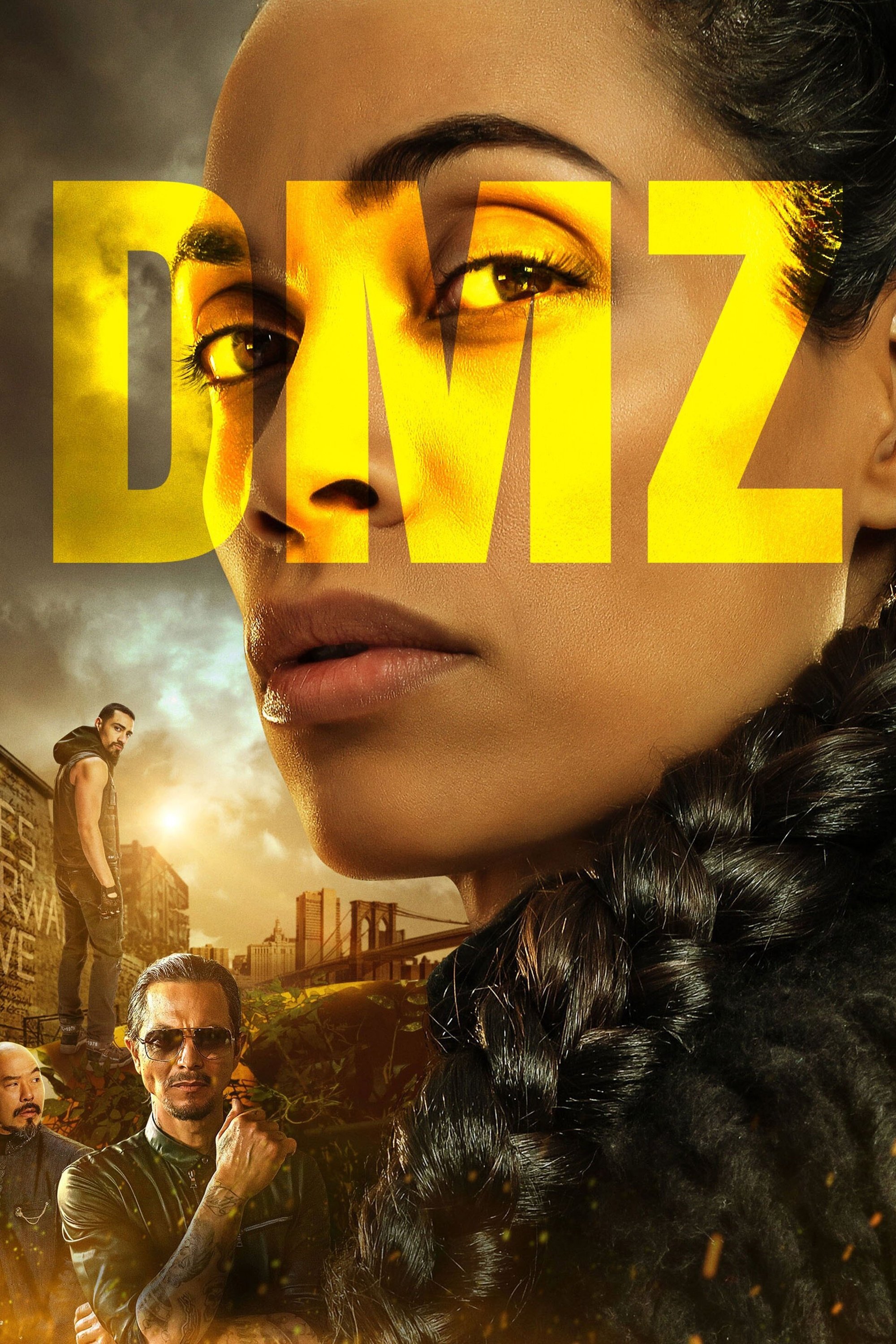
‘DMZ’ is a limited series based on the Vertigo/DC comic by Brian Wood and Riccardo Burchielli. It stars Rosario Dawson as medic Alma Ortega, who enters a demilitarized Manhattan to find her missing son, and Benjamin Bratt as a power broker vying for control of fractured neighborhoods. Ava DuVernay directed the first episode, setting the visual template for an urban war-zone rebuilt from real New York locations and large-scale backlot sets.
The four-episode run focuses on political vacuums, local elections, and community alliances inside an isolated city. Art direction details block-by-block jurisdictions, improvised infrastructure, and black-market networks, while the narrative tracks Alma’s investigation through competing militias and civic leaders. The adaptation compresses long-form comic arcs into a concise screen story with clear territory maps and faction histories.
‘Close Enough’ (2020–2022)

From creator J. G. Quintel, ‘Close Enough’ is an animated comedy about a millennial couple, their young daughter, and two roommates sharing a duplex in Los Angeles. Episodes mix everyday adult tasks with surreal left turns—reality-bending mishaps that function like genre riffs within an 11-minute framework. Voice talent includes Quintel, Gabrielle Walsh, Jessica DiCicco, Jason Mantzoukas, and Kimiko Glenn.
The series ran for three seasons totaling 24 episodes, usually presented as two stories per half-hour. Production was handled at Cartoon Network Studios with a board-driven pipeline that foregrounds visual gags and timing. Recurring side characters and LA landmarks create continuity, while each short lands on a clear premise—parenting logistics, work hurdles, social obligations—executed with tight escalation.
‘The Prince’ (2021)
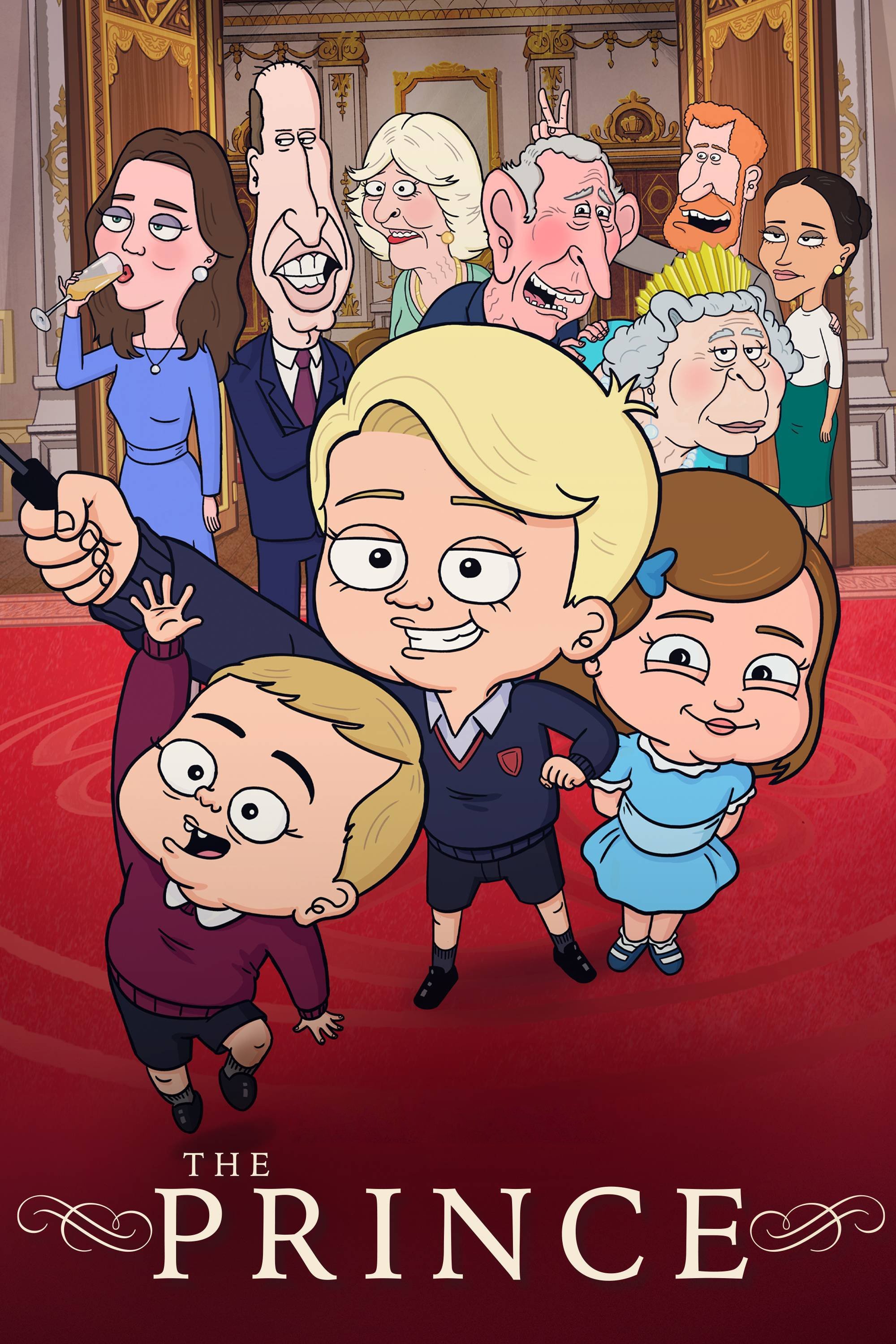
‘The Prince’ is an animated satire created by Gary Janetti that portrays the British royal family through the imagined perspective of a precocious Prince George. The voice cast features Gary Janetti, Orlando Bloom, Sophie Turner, Alan Cumming, Frances de la Tour, and others, with character designs that translate public-facing archetypes into caricatured leads. Episodes revisit high-profile events via fictionalized domestic scenes and palace staff subplots.
The season contains a dozen episodes that use fast-cut joke density and recurring runner gags anchored to tabloid narratives. Production employed remote recording workflows and a rapid storyboard-to-animatic process to track timely references. The show’s episodic structure allows standalone viewing while maintaining a consistent ensemble dynamic across the palace and its extended circle.
‘Head of the Class’ (2021)
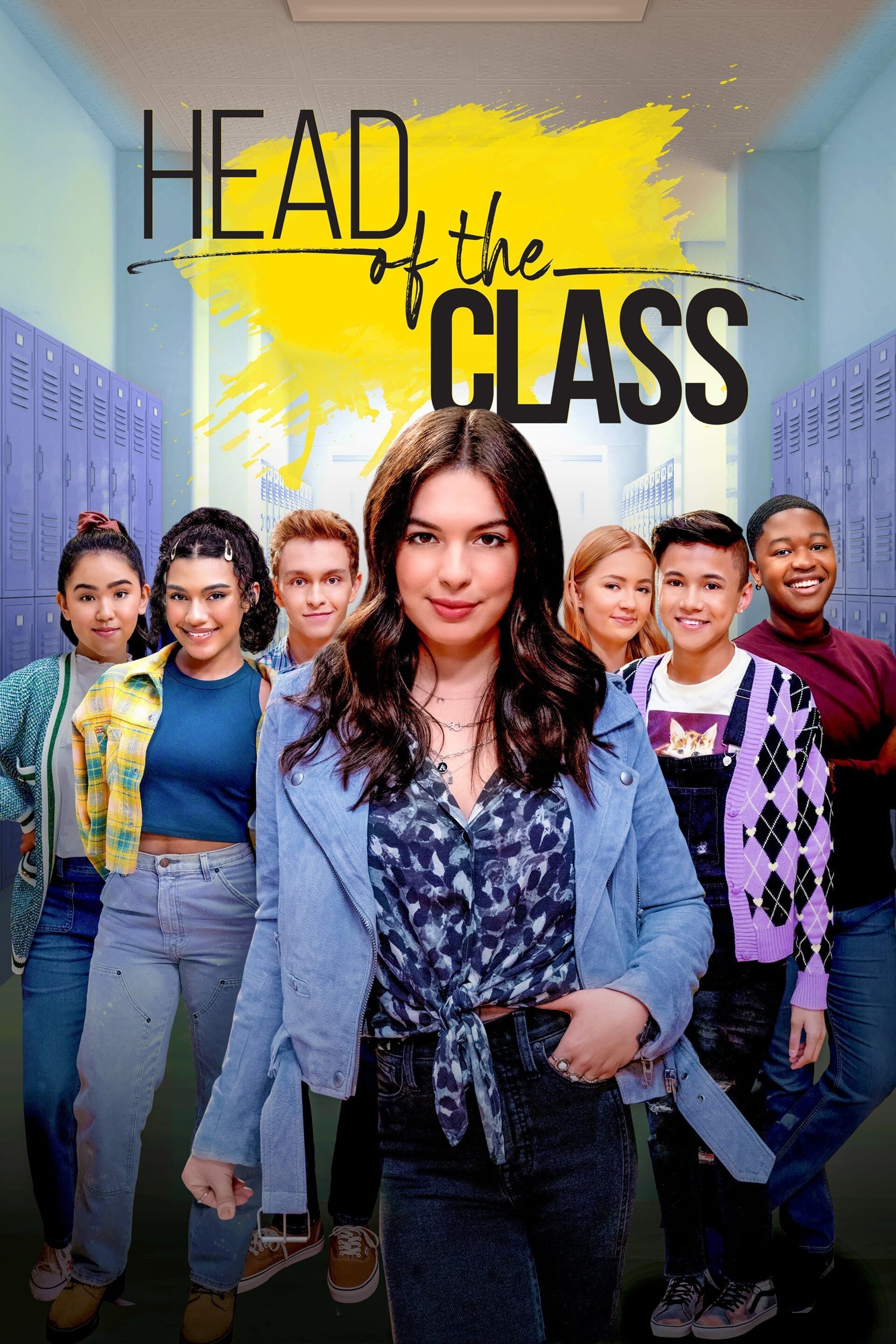
‘Head of the Class’ reimagines the classroom comedy for a new generation, with Isabella Gomez as teacher Alicia Adams guiding a group of overachieving students to look beyond grades. The series draws on the original premise while updating the ensemble with STEM clubs, debate circuits, and project-based learning arcs. Supporting roles include Jorge Diaz, Dior Goodjohn, and Gavin Lewis among the student cohort.
The single season comprises 10 episodes produced by Warner Bros. Television, with executive producers including Bill Lawrence, Amy Pocha, and Seth Cohen. School-set production emphasizes multi-camera staging for classroom scenes and single-camera location work for competitions and community activities. Storylines rotate focus among students, giving each character academic and personal stakes that resolve within compact episode structures.
‘Legendary’ (2020–2022)
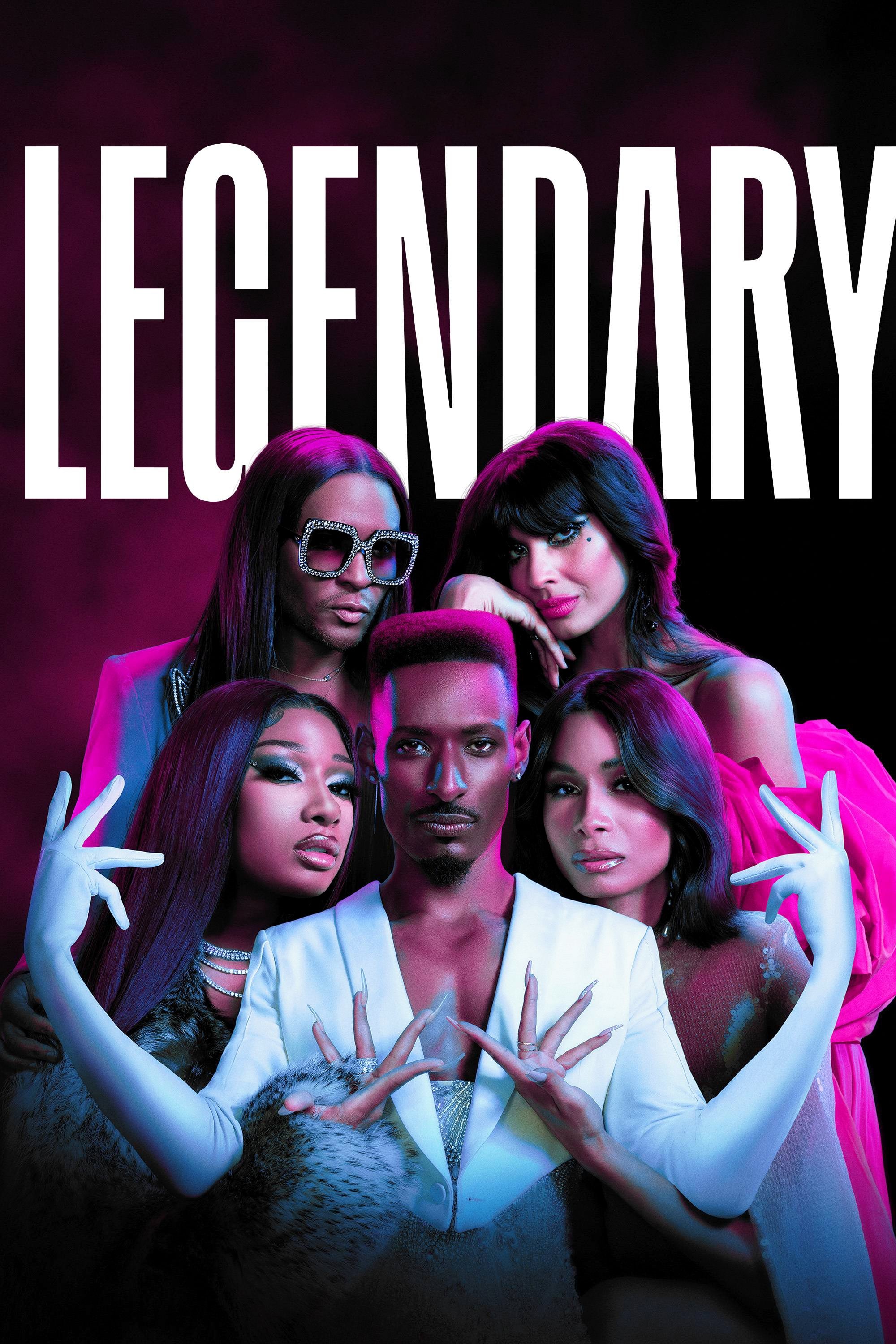
‘Legendary’ is a ballroom competition series hosted by Dashaun Wesley with judging by Leiomy Maldonado, Law Roach, and rotating celebrity panelists. Houses compete in categories that test choreography, fashion construction, storytelling, and runway precision, culminating in themed balls staged on a modular performance set. Music supervision aligns tracks to category requirements, while camera blocking highlights dips, spins, and formations.
Across three seasons, the show documents house culture with behind-the-scenes rehearsals, category briefs, and judge feedback that breaks down technique. Costume and set departments deliver bespoke looks and large-scale stagings—props, lighting rigs, and projections—tailored to weekly themes. Episode structure includes qualifying rounds, face-offs, and “gag” challenges that reward technical accuracy as well as presentation.
‘Craftopia’ (2020–2021)
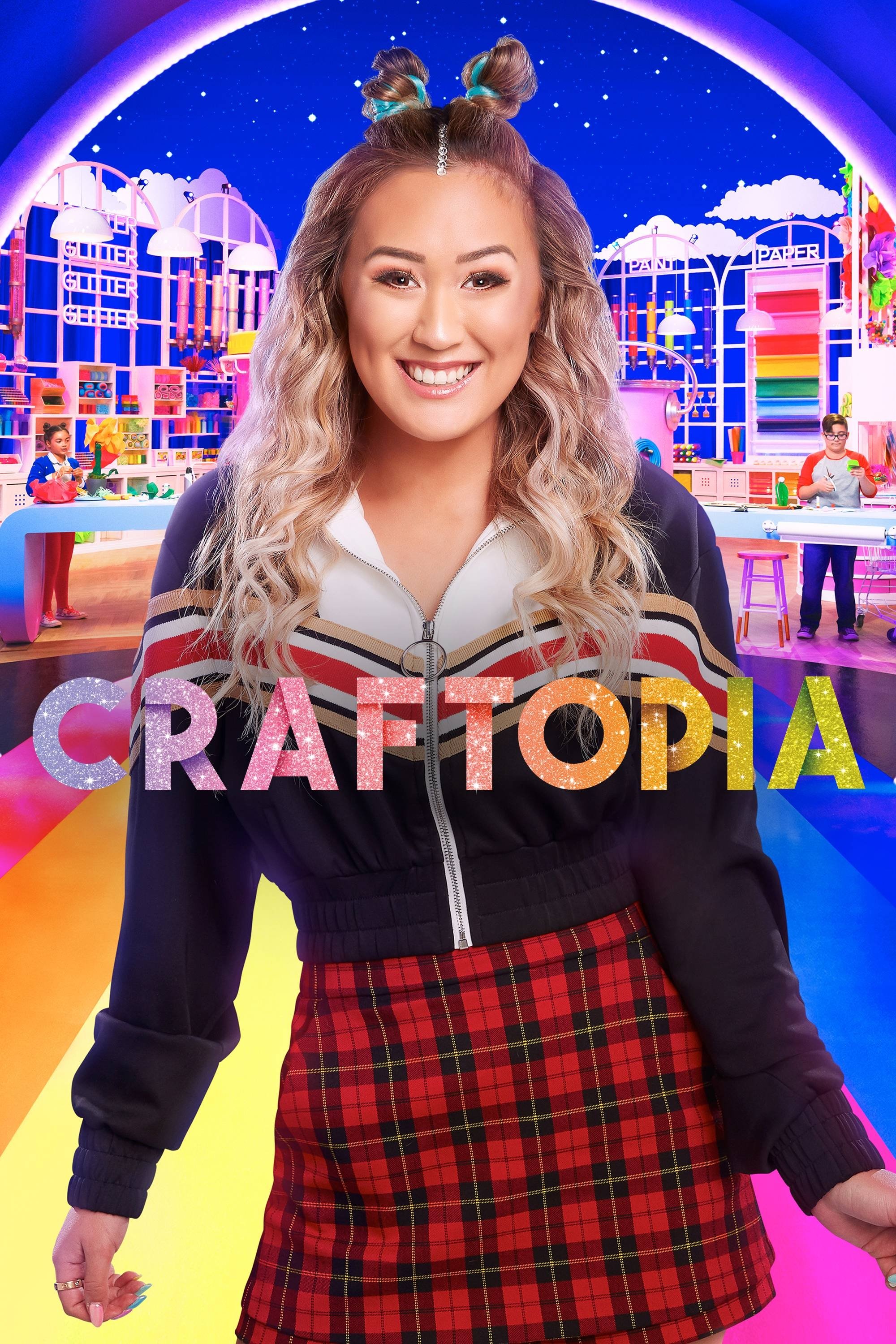
Hosted by Lauren Riihimaki (LaurDIY), ‘Craftopia’ is a competition series where kid crafters—and later, adults in special editions—tackle timed builds across themed challenges. The show’s workshop set includes dedicated stations for 3D printing, laser cutting, sewing, and painting, plus a well-organized “store” wall for materials. Judging evaluates concept, craftsmanship, and functionality.
The series spans a core season and seasonal specials, with episodes structured around Quick Craft rounds leading into Showstopper builds. Production partners worked with safety coordinators and makerspace consultants to adapt professional tools for television use. Each episode ends with a finished project demo, highlighting durability, interactivity, or wearable comfort depending on the brief.
‘Heaven’s Gate: The Cult of Cults’ (2020)
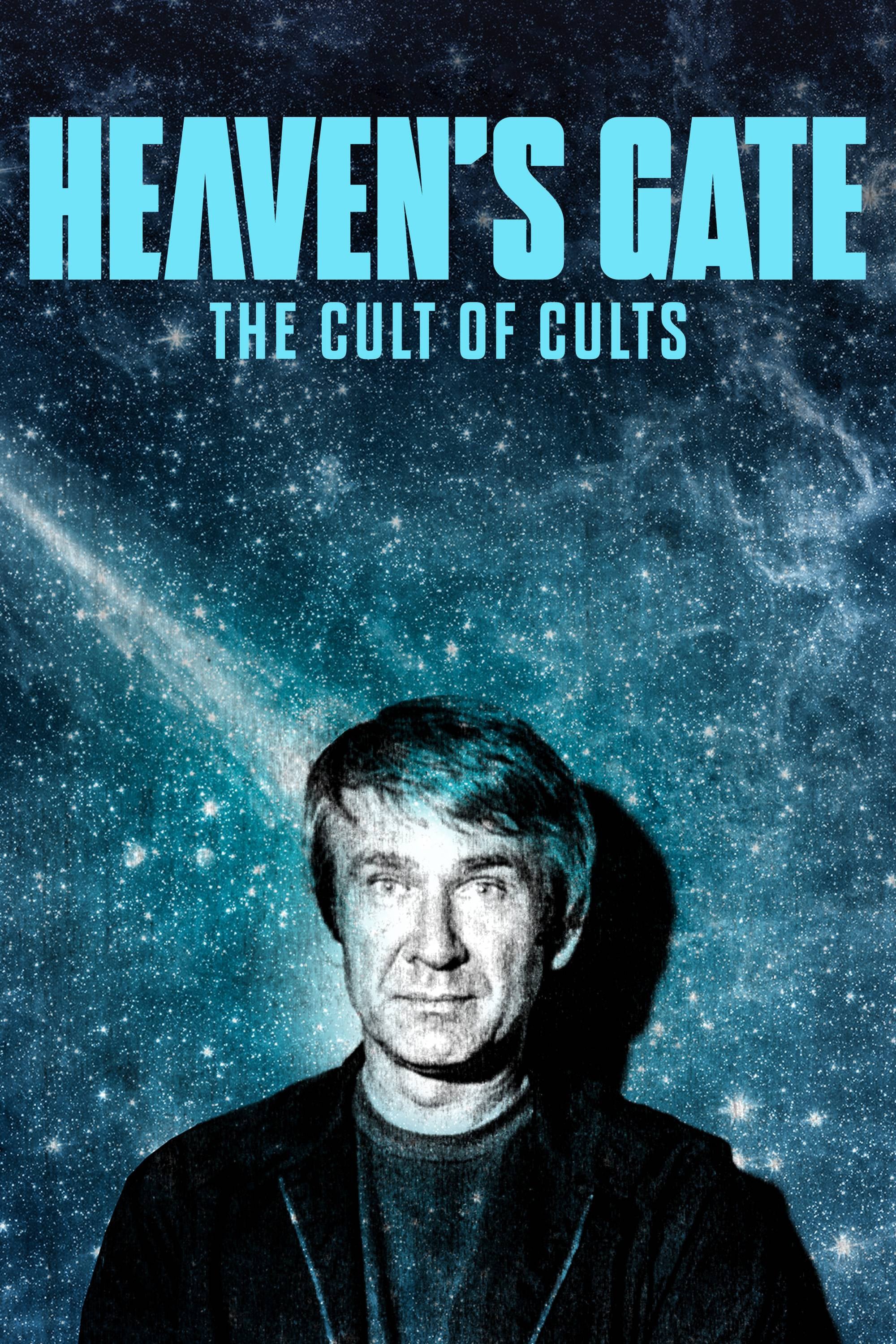
‘Heaven’s Gate: The Cult of Cults’ is a four-part docuseries directed by Clay Tweel that examines the religious group led by Marshall Applewhite and Bonnie Nettles. The series uses archival footage, home videos, recruitment tapes, and interviews with former members to chart the group’s cosmology and community rules. Graphics contextualize terminology and hierarchy so viewers can follow internal doctrine shifts.
Each episode isolates a distinct phase—from recruitment methods to communal living and public outreach—before tracing the events that led to the tragedy in California. The production team digitized rare materials and intercut them with first-person accounts to reconstruct decision points. Legal review and fact-checking ensured clarity around timelines, terminology, and law-enforcement records.
‘Equal’ (2020)

‘Equal’ is a scripted-docuseries hybrid that chronicles landmark moments in LGBTQ+ history through dramatizations and archival materials. Narrated by Billy Porter, the four episodes highlight activists, court cases, publications, and organizations that shaped the movement across different eras. Casting features performers like Cheyenne Jackson, Anthony Rapp, and Samira Wiley portraying historical figures in staged vignettes.
The series pairs interview-informed scripts with period-accurate production design—wardrobe, print ephemera, and signage—recreated for clarity. Each installment focuses on a theme, such as early organizing or trans pioneers, and uses a consistent visual grammar so viewers can distinguish re-creations from primary sources. Educational supplements within episodes define terms and outline key legal frameworks.
‘Ravi Patel’s Pursuit of Happiness’ (2020)
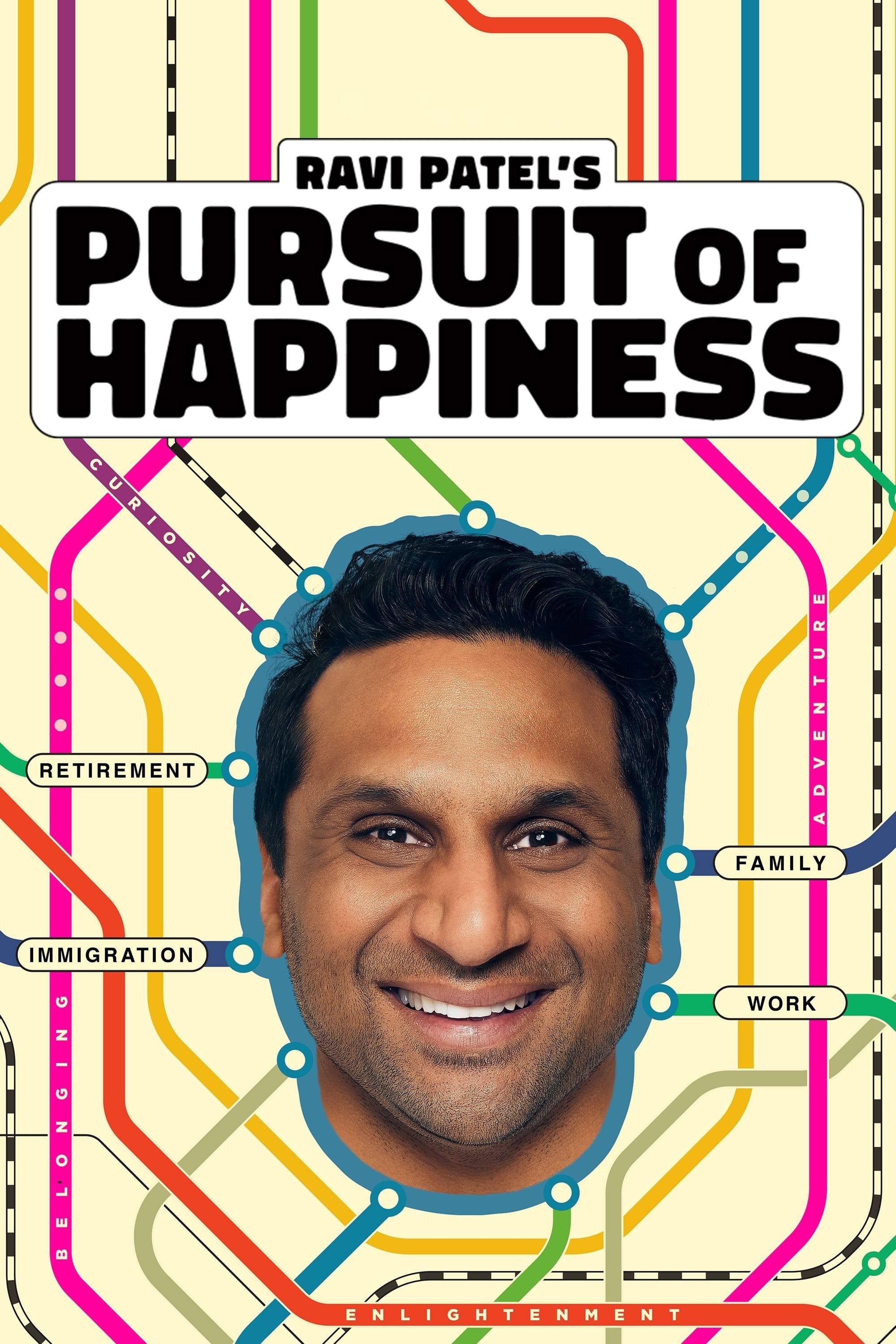
In ‘Ravi Patel’s Pursuit of Happiness’, actor-filmmaker Ravi Patel travels with family and friends to explore how different cultures tackle universal life questions. Destinations include Japan, Mexico, South Korea, and Denmark, with each episode revolving around a theme like work-life balance, aging, romance, or parenting. The format blends travelogue, interviews, and observational humor anchored by itinerary-based storytelling.
The four-episode series uses light-footprint crews and local fixers to capture candid conversations in homes, businesses, and community spaces. Episodes include practical takeaways—from communal dining customs to public-services design—presented through everyday encounters rather than formal lectures. The show’s structure allows each country to function as a case study with clear, topic-specific insights.
‘Gordita Chronicles’ (2022)
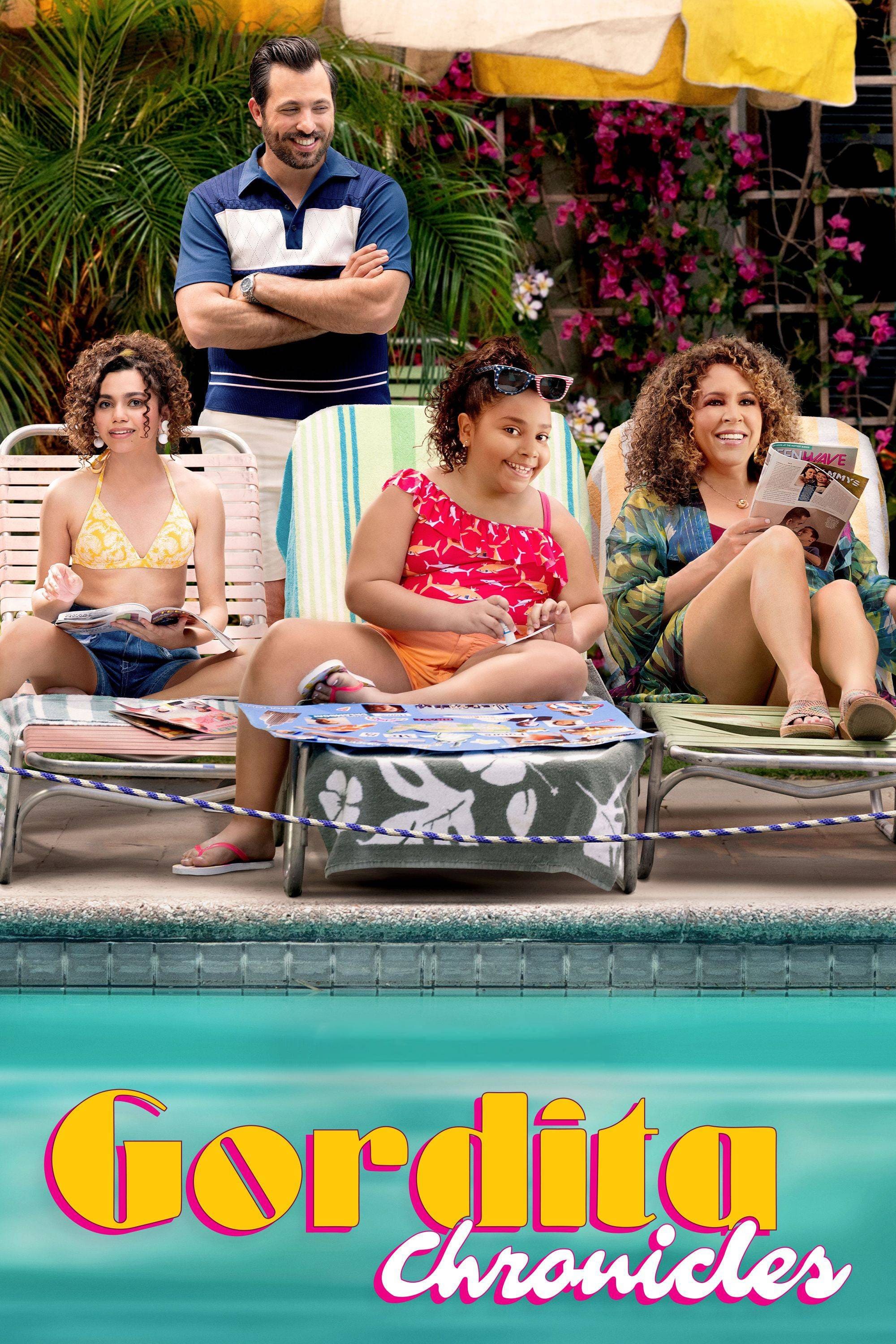
‘Gordita Chronicles’ is a family comedy created by Claudia Forestieri and set around the Dominican-American Castelli family’s move to Miami. Olivia Goncalves stars as Cucu, with Diana-Maria Riva and Juan Javier Cárdenas as her parents, and Savannah Nicole Ruiz as her sister. The series focuses on immigration logistics, language hurdles, school transitions, and workplace challenges inside a tight-knit household.
The single season delivers 10 episodes produced by Sony Pictures Television for HBO Max, with pilot direction by Eva Longoria. Production design leans into era-specific costumes, music, and consumer goods to ground each episode’s plotline, while the writing uses diary-style narration to frame cultural milestones—first friends, first jobs, and first big family celebrations.
‘Veneno’ (2020)
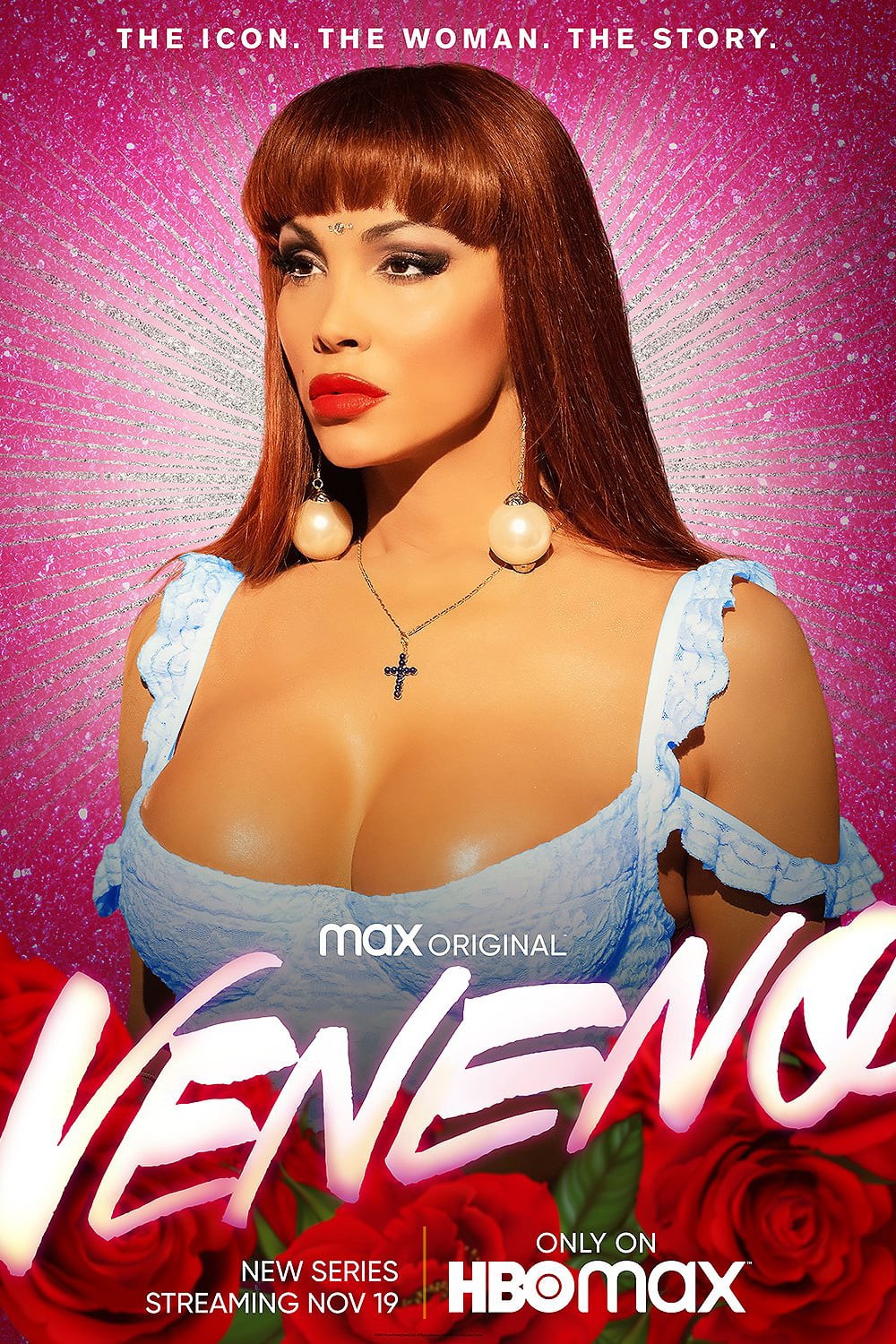
‘Veneno’ arrives on HBO Max in the United States as a Max Original presentation of the Spanish series by Javier Calvo and Javier Ambrossi. It dramatizes the life of Cristina Ortiz, known as “La Veneno,” and tracks how her story intersects with journalist Valeria Vegas, whose memoir ‘¡Digo! Ni puta ni santa’ inspired the show. The cast features Jedet, Daniela Santiago, and Isabel Torres sharing the lead role across different life stages.
The eight-episode limited series employs a dual-timeline structure that moves between Cristina’s television fame and Valeria’s investigation. Production emphasizes authenticity with location shooting in Spain, period-accurate sets, and carefully reconstructed broadcast segments. The adaptation foregrounds media history and trans representation, with episodes organized around pivotal interviews and family relationships.
‘The Big Brunch’ (2022)
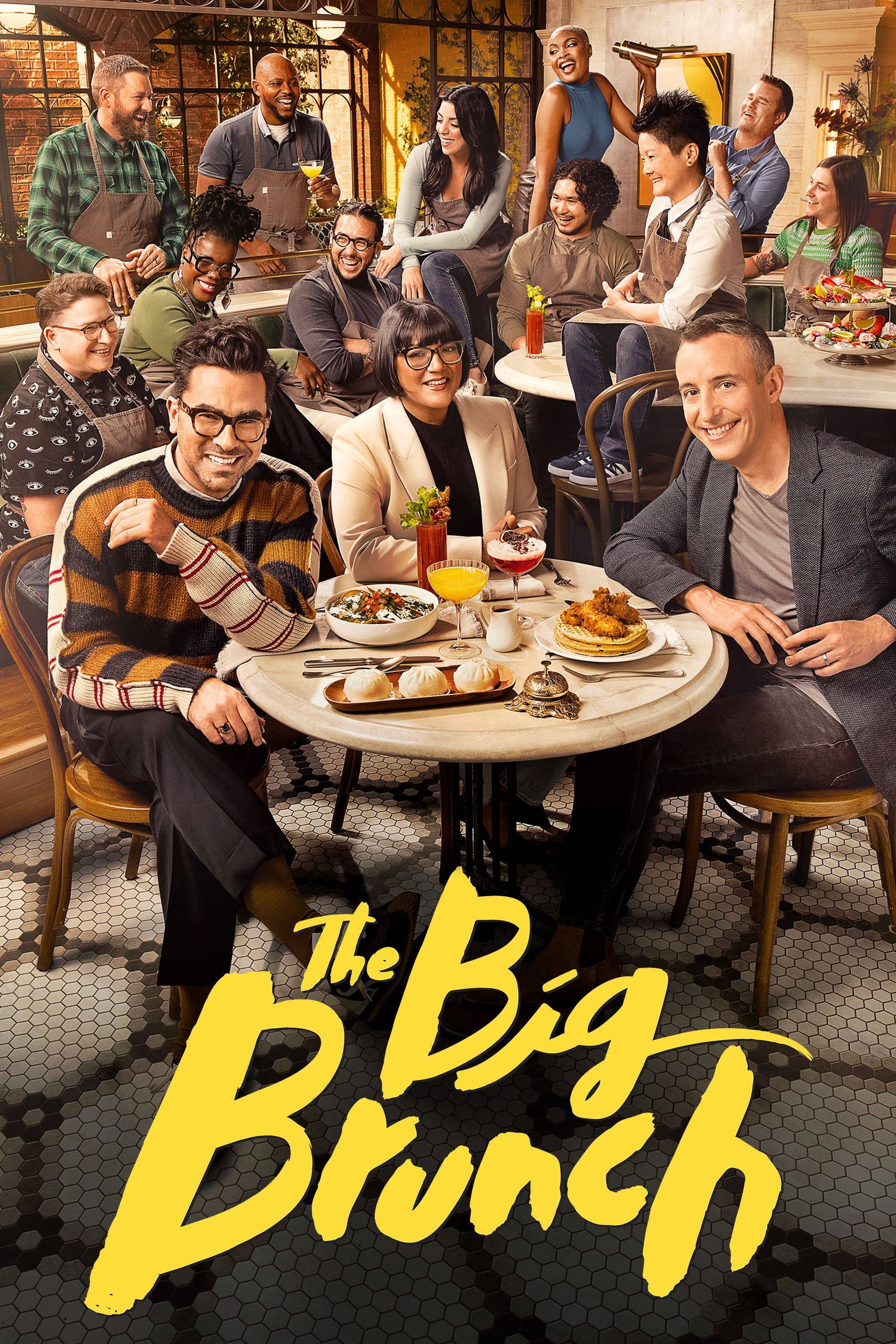
Created and hosted by Dan Levy, ‘The Big Brunch’ is a culinary competition spotlighting chefs who use brunch as a platform for community-driven food businesses. Judges Sohla El-Waylly and Will Guidara evaluate technique, concept, and hospitality, while challenges range from reinventing classics to designing full service menus. Contestants present mission statements alongside their plates to connect food to purpose.
The season runs eight episodes, with a prize designed to help the winner expand their culinary venture. The show’s kitchen set supports service-style pacing with plating lines, pass windows, and tasting stations, and episodes include costed shopping lists and station diagrams to clarify logistics. The format builds profile packages so viewers understand each chef’s business plan and culinary background.
‘The Other Two’ (2019–2023)
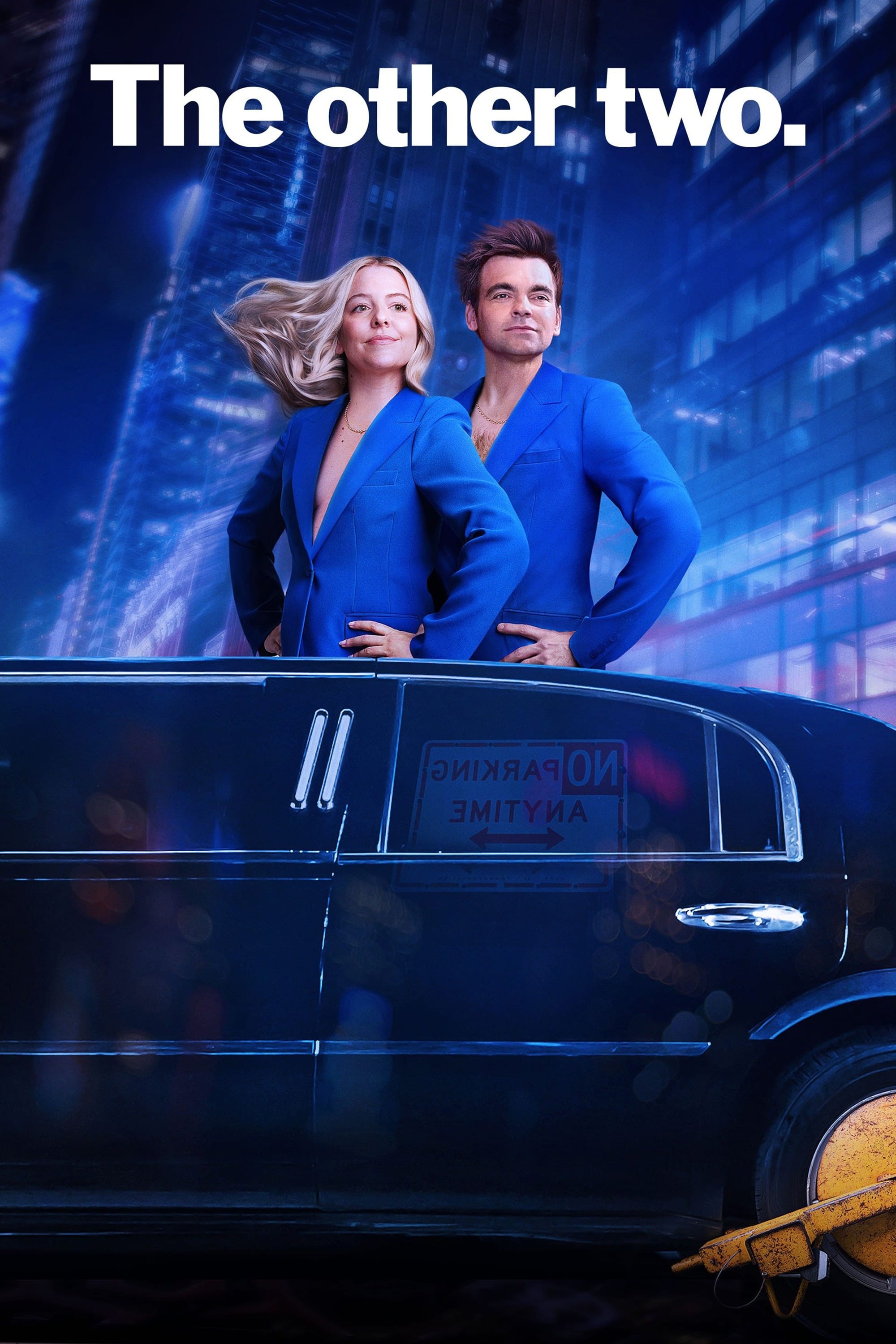
‘The Other Two’ transitions to HBO Max as a Max Original after its first season and follows siblings Cary and Brooke Dubek navigating the entertainment industry when their younger brother becomes an overnight pop star. The ensemble includes Drew Tarver, Heléne Yorke, Case Walker, Ken Marino, and Molly Shannon. Episodes incorporate music-industry details like label politics, publicity cycles, and talent-management workflows.
Seasons released on HBO Max expand the show’s scope to include streaming platforms, brand deals, and on-set production culture. The series uses serialized arcs—career pivots, representation changes, and personal boundary issues—mapped across clearly labeled projects within the story world. Production blends location shooting with studio sets to recreate talk-show stages, agencies, and red-carpet environments.
‘Search Party’ (2016–2022)

‘Search Party’ moved to HBO Max as a Max Original from its third season onward, completing its run with a total of five seasons. It begins with a missing-person case and evolves through legal fallout, cult dynamics, and tech-driven self-reinvention. The core cast includes Alia Shawkat, John Reynolds, John Early, and Meredith Hagner, with recurring guest stars anchoring each phase of the narrative.
The HBO Max seasons shift format and tone while maintaining a tight serialized spine—court proceedings, media coverage, and startup culture all factor into the plot. Production emphasizes New York locations, and each season introduces a new organizing premise that drives episode structure and character objectives. The final installments close character arcs with plotted callbacks and motif payoffs established early in the series.
Have a favorite hidden-gem Max Original we missed? Share your picks in the comments!