


Famous Black Male Actors Advocating Free Speech

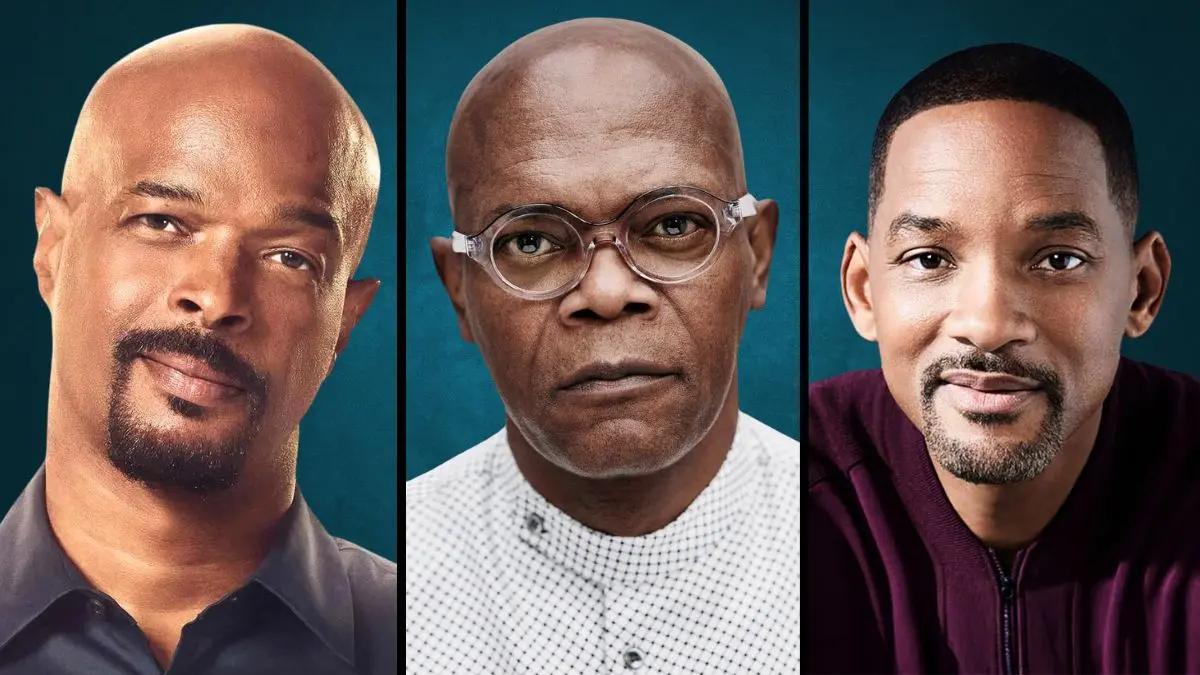


Freedom of expression remains a vital yet contented topic within the entertainment industry as cultural norms continue to shift. Many black male actors have utilized their significant platforms to champion the right to speak freely and protest against censorship or cancel culture. These figures range from stand-up legends protecting the art of comedy to dramatic actors preserving historical truth in cinema. Their advocacy highlights the importance of open dialogue and the freedom to share diverse or controversial perspectives without fear of retribution. This list highlights men who have vocally supported these fundamental liberties through their work and public statements.
Dave Chappelle
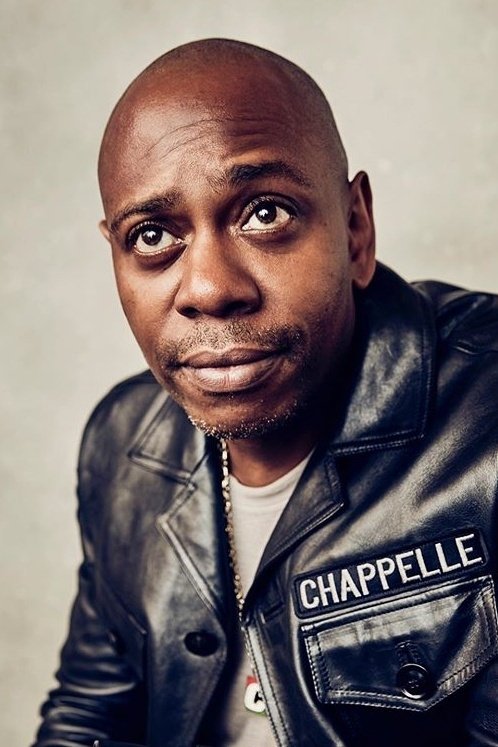
Dave Chappelle stands as one of the most prominent figures defending artistic freedom in the modern entertainment landscape. He frequently addresses the topic of cancel culture in his stand-up specials and argues that the comedian’s role is to speak their truth regardless of societal pressure. Chappelle maintains that true expression requires the risk of being misunderstood or criticized by the masses. His work consistently challenges the boundaries of what is considered acceptable discourse in the public sphere.
Chris Rock
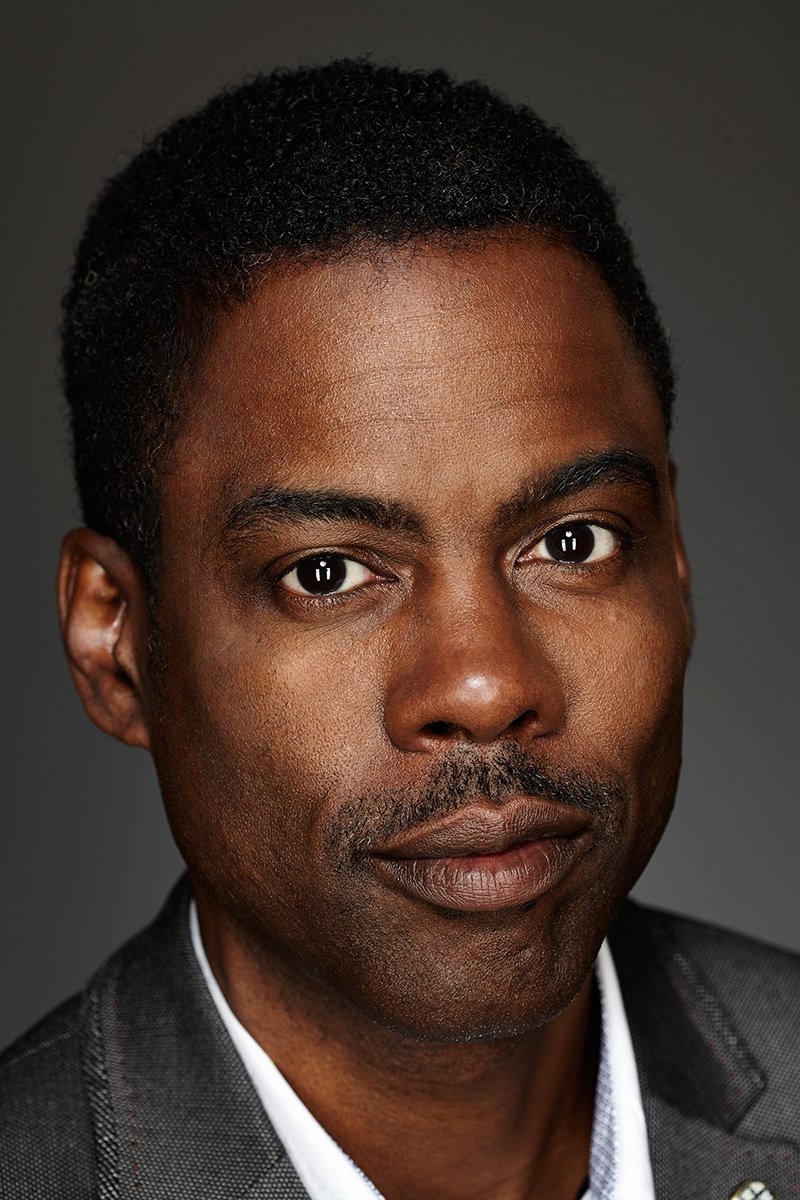
Chris Rock has long been a vocal proponent of unrestricted speech within the realm of comedy. He believes that audiences have become too quick to judge artists for exploring uncomfortable or taboo subjects. Rock asserts that comedy clubs should remain safe havens where performers can test ideas without fear of immediate condemnation. His recent specials emphasize the necessity of resilience in the face of words that might cause offense.
Morgan Freeman
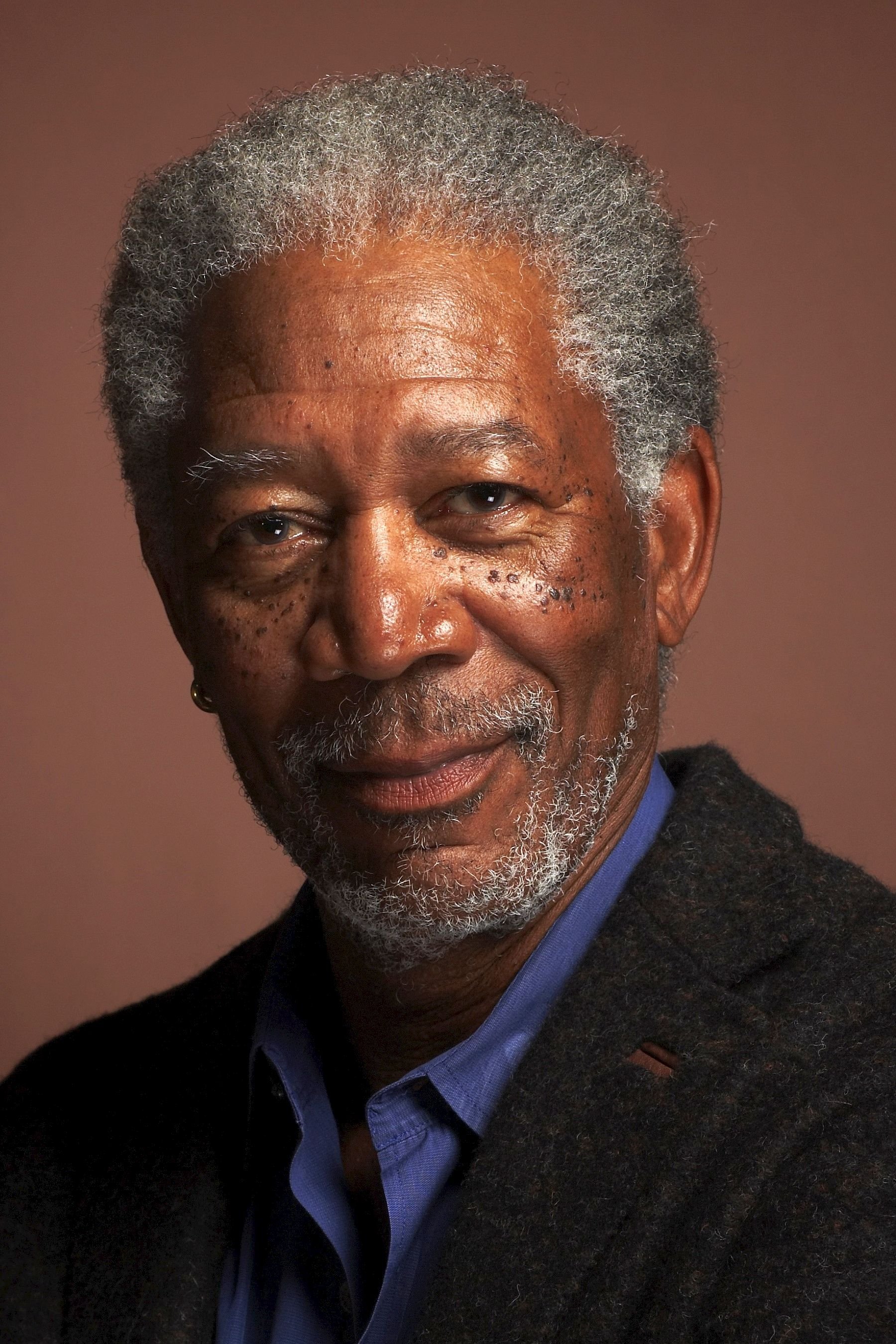
Morgan Freeman has voiced strong opinions against the revisionist editing of historical art and media. He believes that altering past works to suit modern sensibilities erases necessary context and history. The actor emphasizes that audiences should be trusted to understand the difference between fiction and reality without heavy-handed censorship. His stance champions the preservation of cultural artifacts as they were originally created.
Denzel Washington
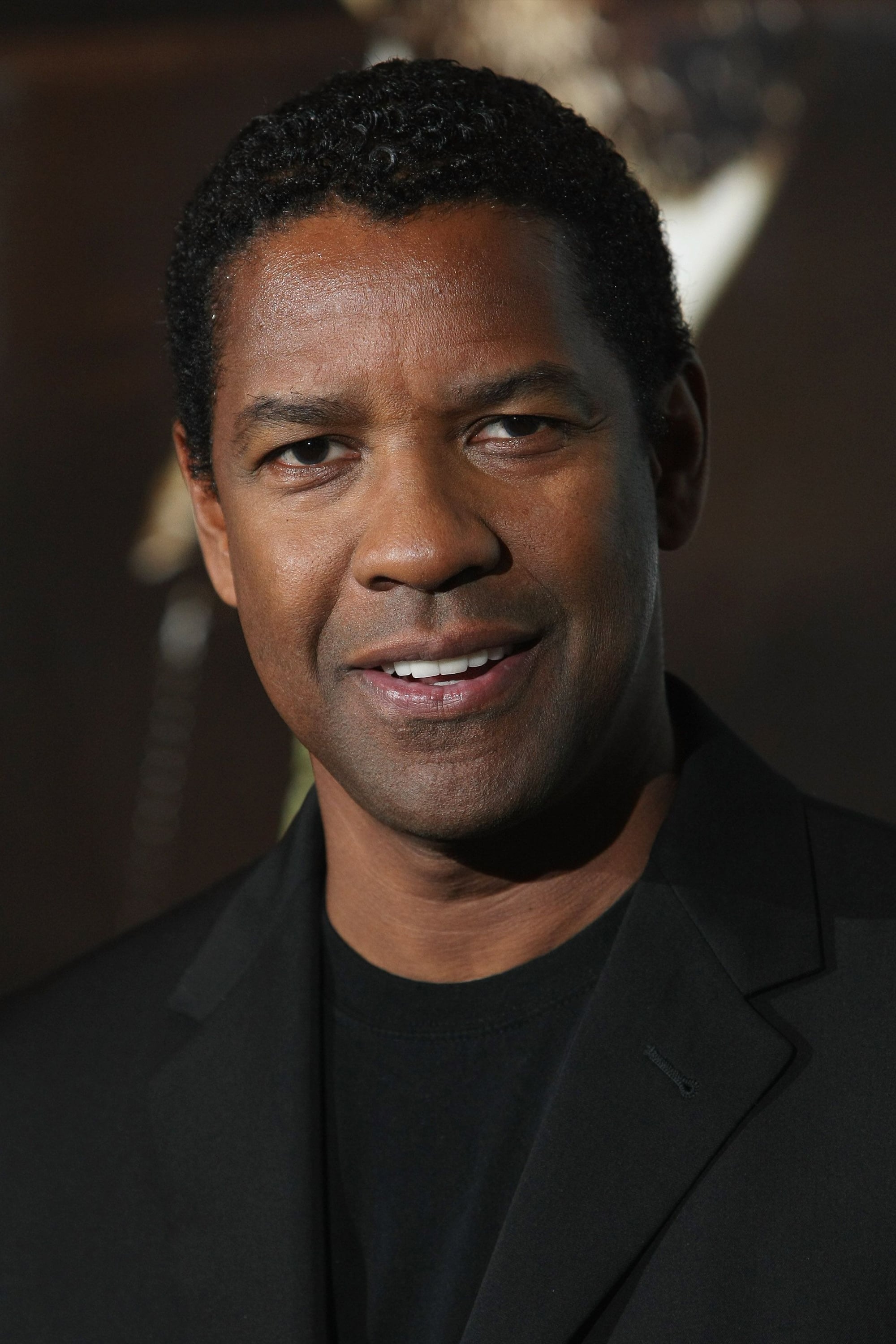
Denzel Washington often speaks about the importance of truth and the dangers of misinformation in the information age. He encourages people to seek out unfiltered facts rather than relying on curated narratives presented by social media. Washington advocates for the freedom to express individual thought without conforming to the expectations of the crowd. He believes that true freedom comes from the ability to think and speak for oneself.
Idris Elba
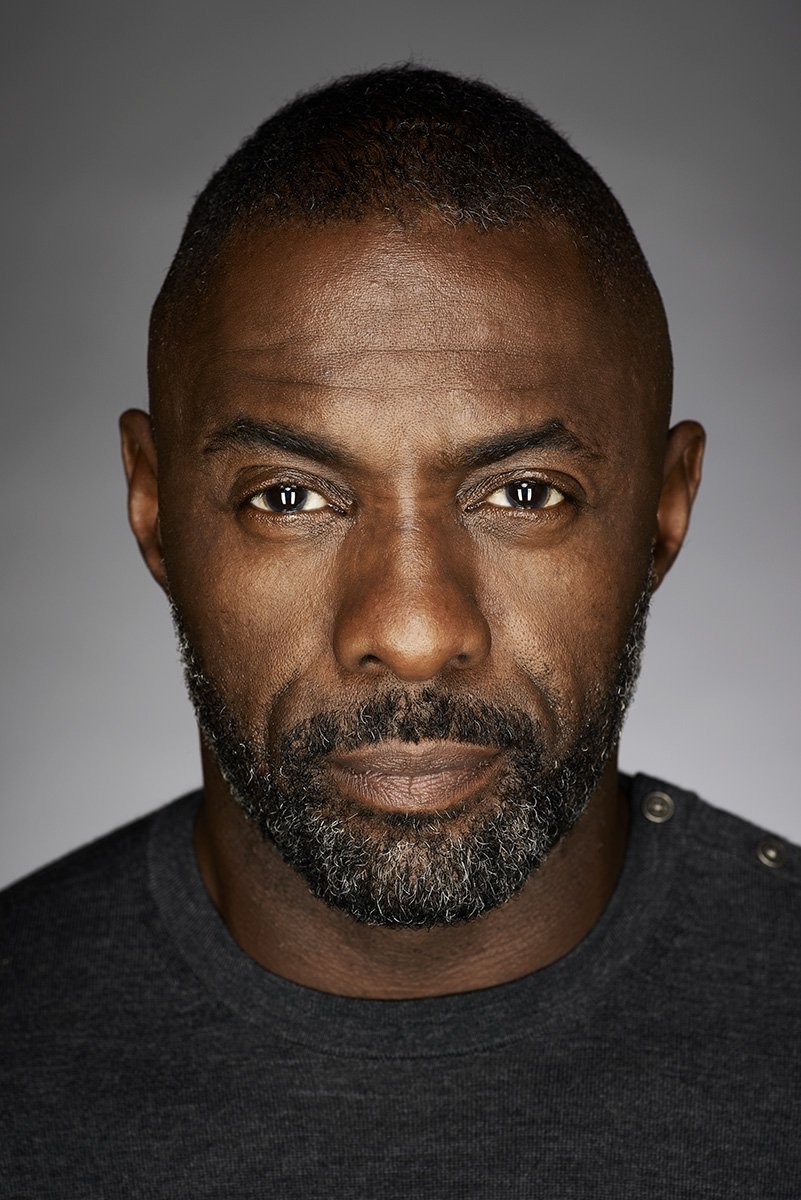
Idris Elba has publicly criticized the trend of censoring or removing older films and television shows that contain outdated racial depictions. He argues that deleting these works from history prevents society from learning from past mistakes and understanding the evolution of culture. Elba suggests that adding content warnings is a more effective solution than complete erasure. His position supports the preservation of media as a form of historical record and free expression.
Terry Crews
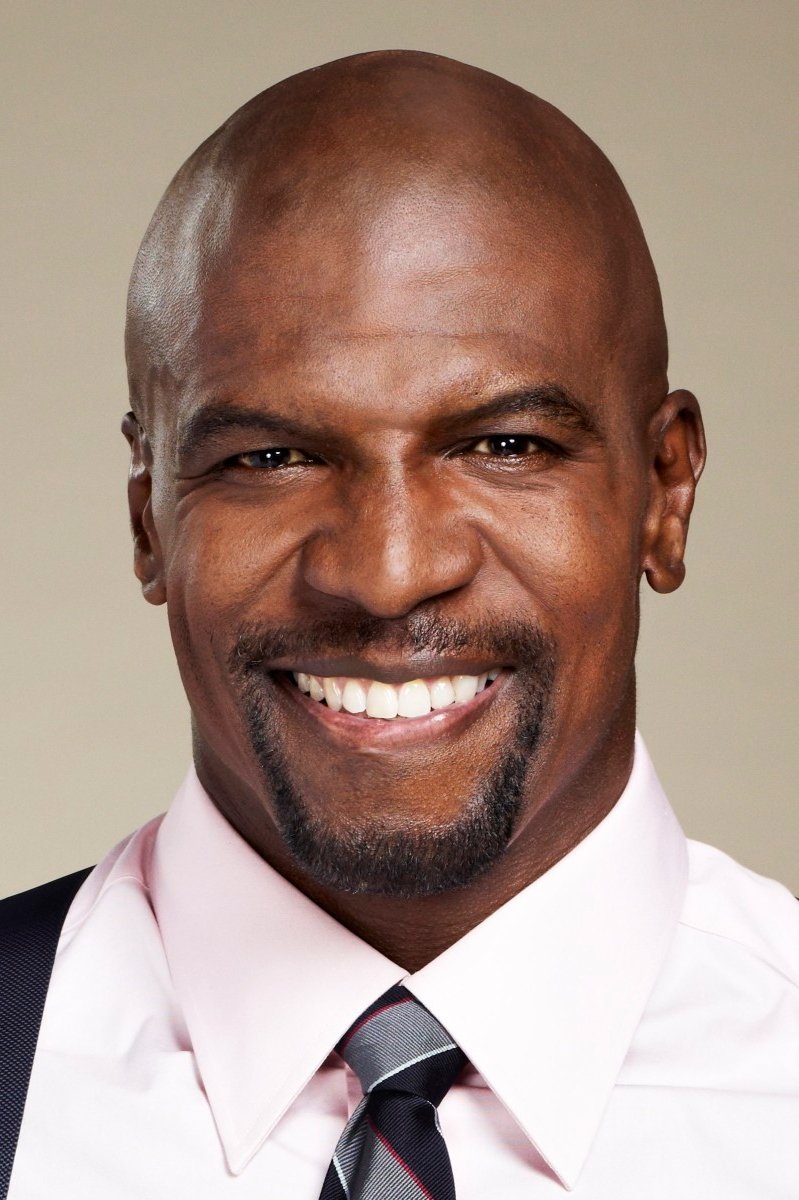
Terry Crews is known for his willingness to express independent and often controversial opinions despite backlash from his peers. He consistently advocates for the right of individuals to think for themselves rather than following groupthink. Crews uses his social media platforms to engage in open debate and challenge prevailing narratives. He believes that true empowerment comes from the freedom to voice one’s authentic thoughts without fear of being ostracized.
Kevin Hart
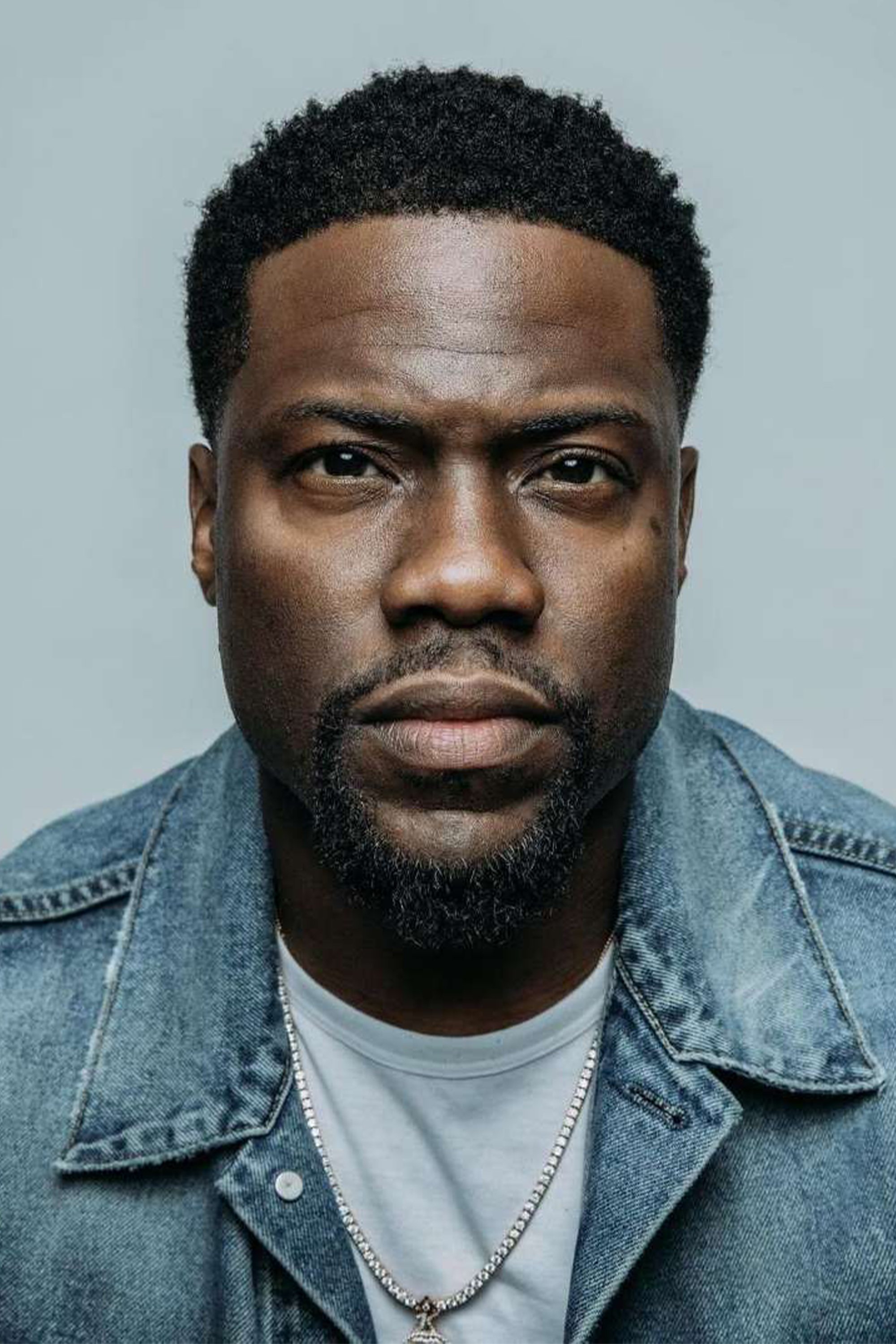
Kevin Hart has become a central figure in discussions regarding cancel culture after stepping down from hosting the Oscars due to past tweets. He emphasizes that people should be allowed to grow and evolve without being permanently defined by their past statements. Hart argues that the current climate of scrutiny creates an environment where comedians are afraid to take risks. He advocates for a culture of forgiveness and open dialogue rather than immediate condemnation.
Katt Williams
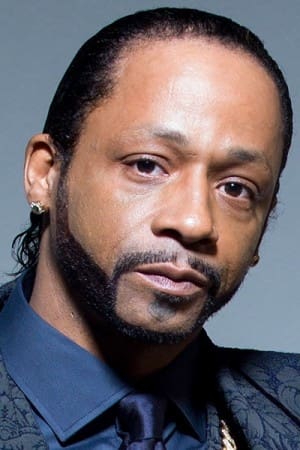
Katt Williams has built a career on unfiltered honesty and refuses to water down his content for mainstream comfort. He frequently discusses the importance of truth-telling in an industry that often rewards conformity. Williams believes that comedians have a responsibility to expose uncomfortable realities through their art. His fearless approach to stand-up serves as a continuous defense of absolute free speech.
Donald Glover
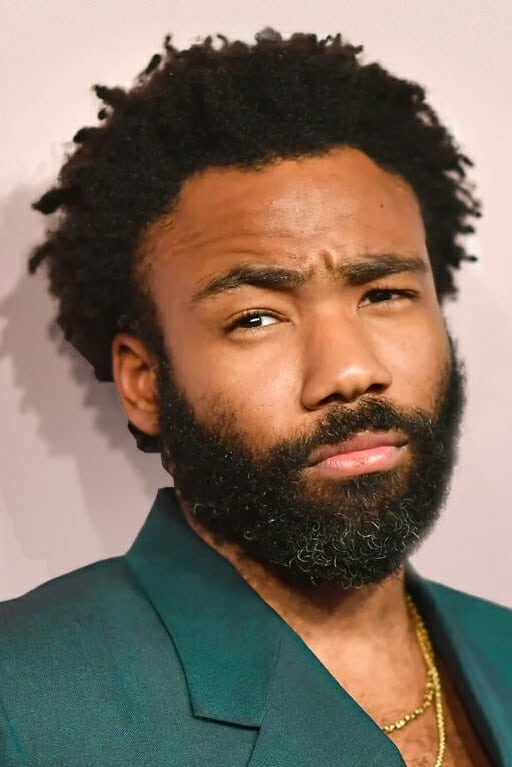
Donald Glover utilizes his work to critique the sanitized nature of modern media and the limitations placed on black artists. He argues that true creativity cannot exist within the confines of what is deemed politically correct or marketable. Glover encourages artists to create work that disrupts the status quo and challenges audiences to think differently. His projects often explore complex themes that defy easy categorization or censorship.
Ice Cube
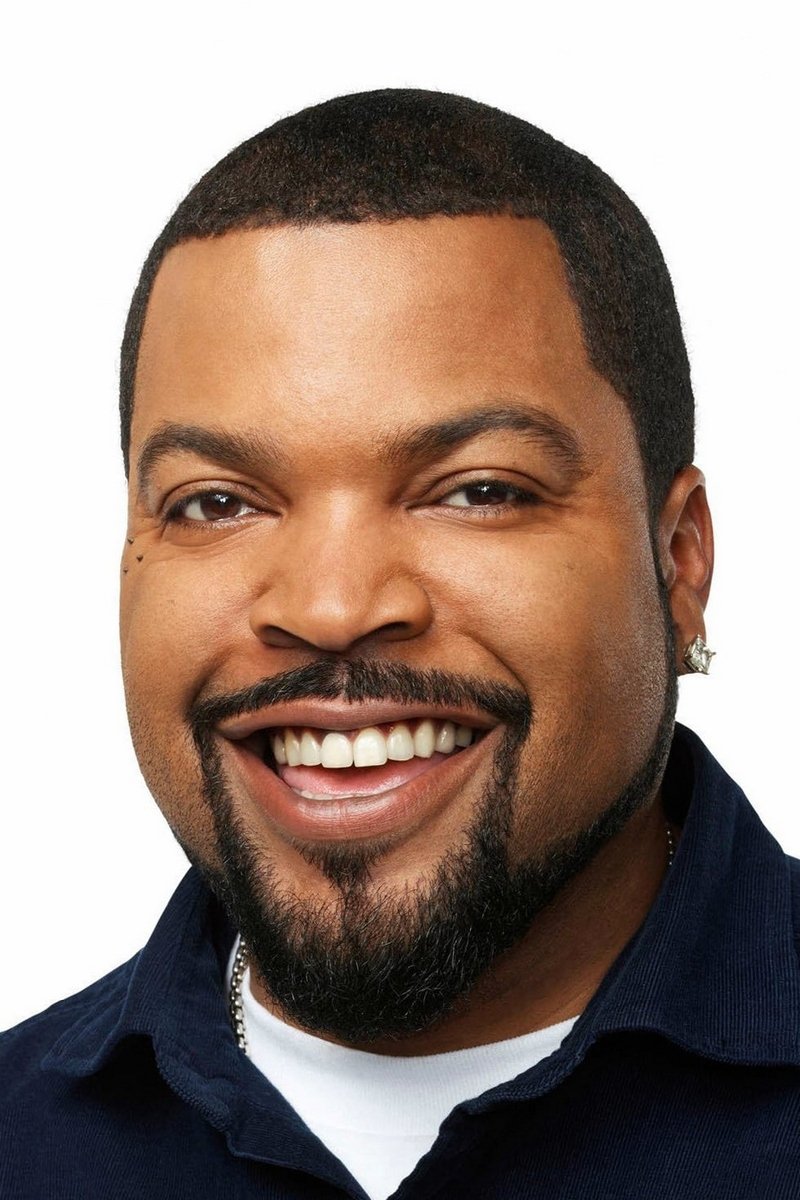
Ice Cube has always been a fierce advocate for freedom of speech and expression dating back to his early days in hip hop. He defends the right of artists to reflect the harsh realities of their environments without being silenced by corporate interests. Cube argues that attempting to censor abrasive or controversial art only hides the underlying issues it exposes. He continues to champion the First Amendment as a crucial tool for social change.
Samuel L. Jackson
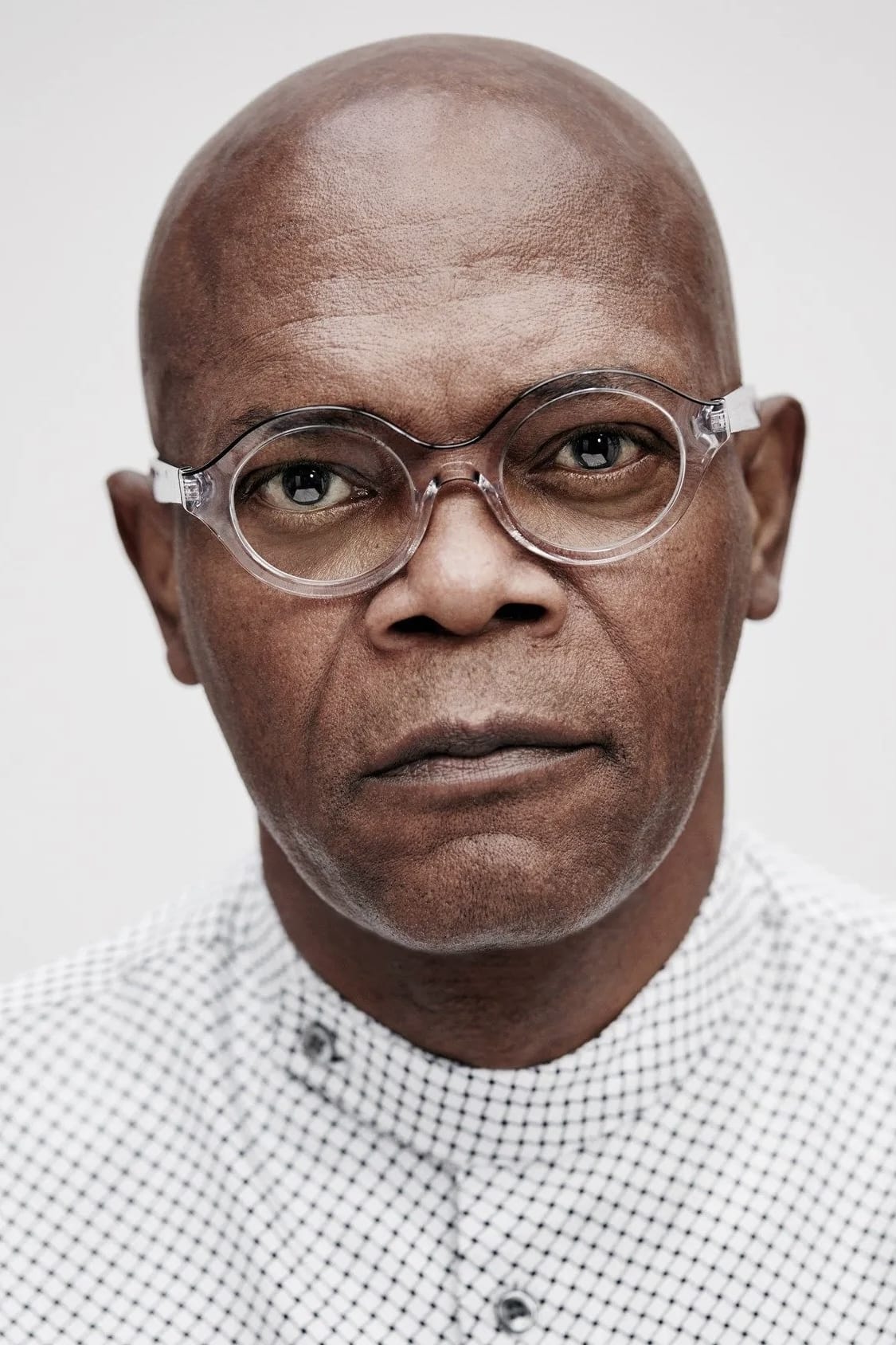
Samuel L. Jackson is known for his candid and often blunt communication style both on and off the screen. He rejects the idea that actors should filter their personalities or opinions to appease public sensibilities. Jackson believes that authentic expression is more valuable than maintaining a pristine public image. His career is defined by bold choices that prioritize artistic integrity over safety.
Jamie Foxx
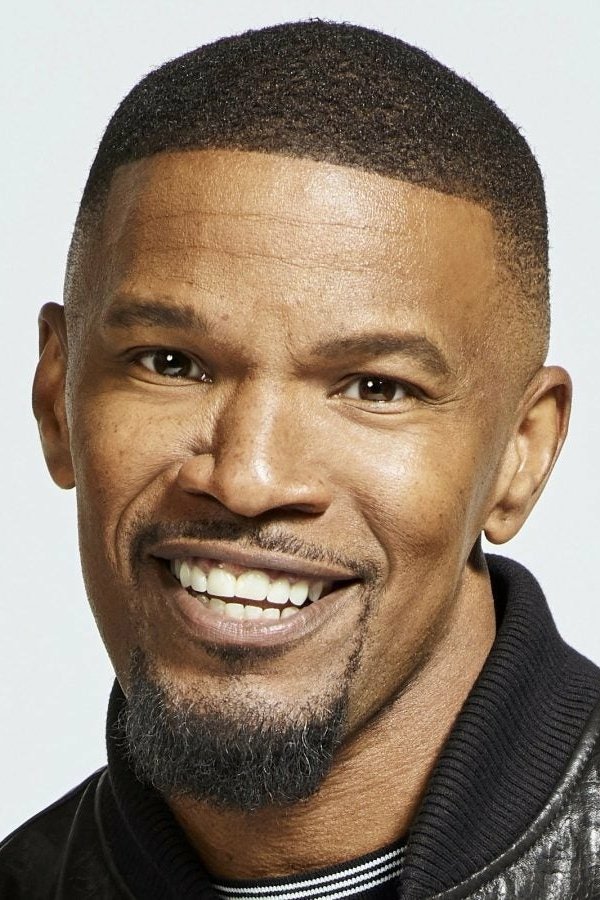
Jamie Foxx advocates for the freedom of comedy and the ability of entertainers to mimic and mock all aspects of society. He believes that humor is a universal tool that should not be restricted by arbitrary boundaries of offense. Foxx encourages fellow artists to remain fearless in their pursuit of laughter and entertainment. He views the stage as a space where rules should be flexible to allow for genuine connection.
Eddie Murphy
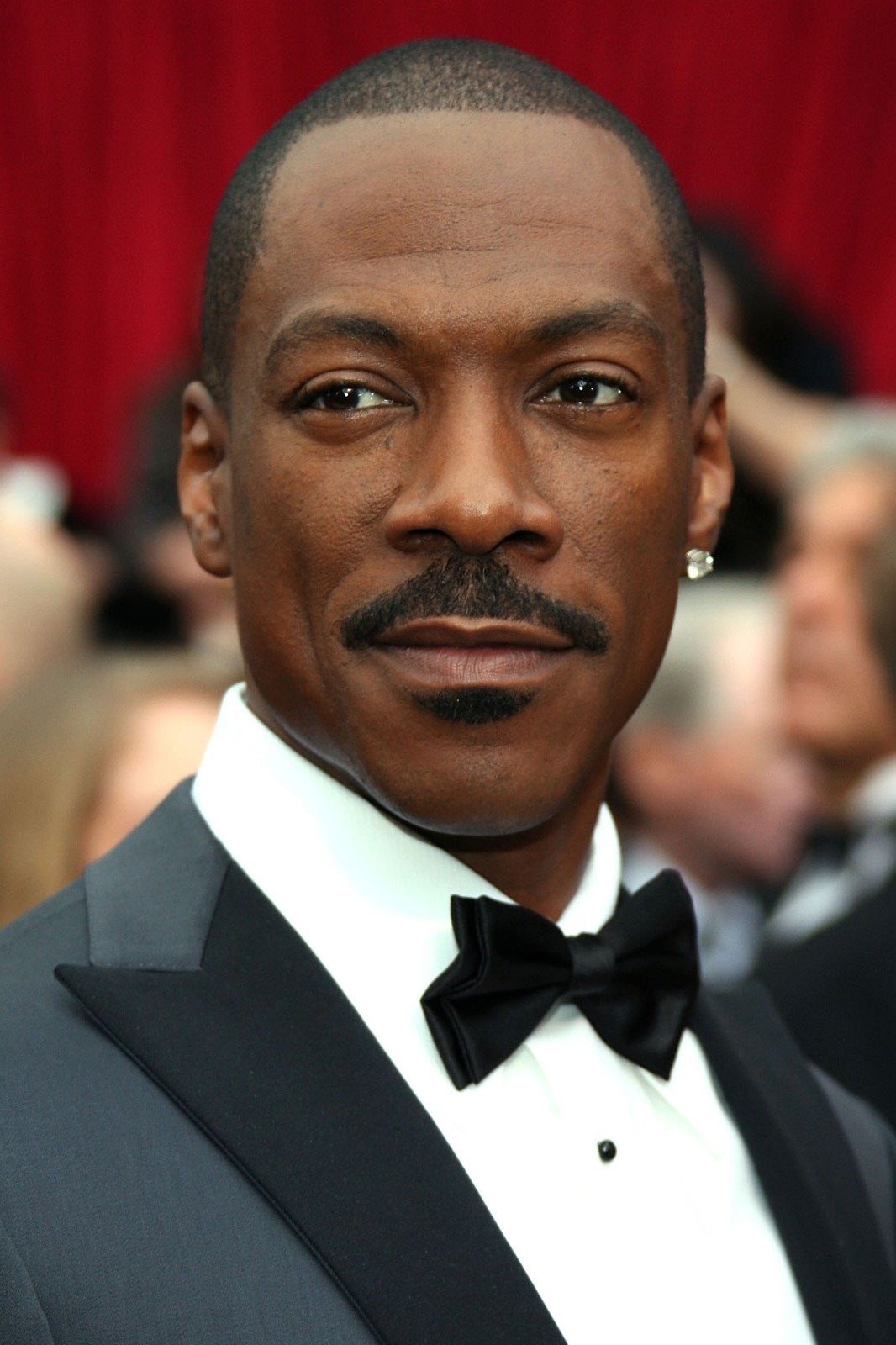
Eddie Murphy revolutionized comedy with his raw and unfiltered approach to storytelling in the eighties. He continues to support the idea that comedy should be a space free from restrictions and censorship. Murphy believes that the most effective humor comes from a place of honesty that cuts through social pleasantries. His legacy is built on the freedom to say exactly what is on his mind.
Martin Lawrence
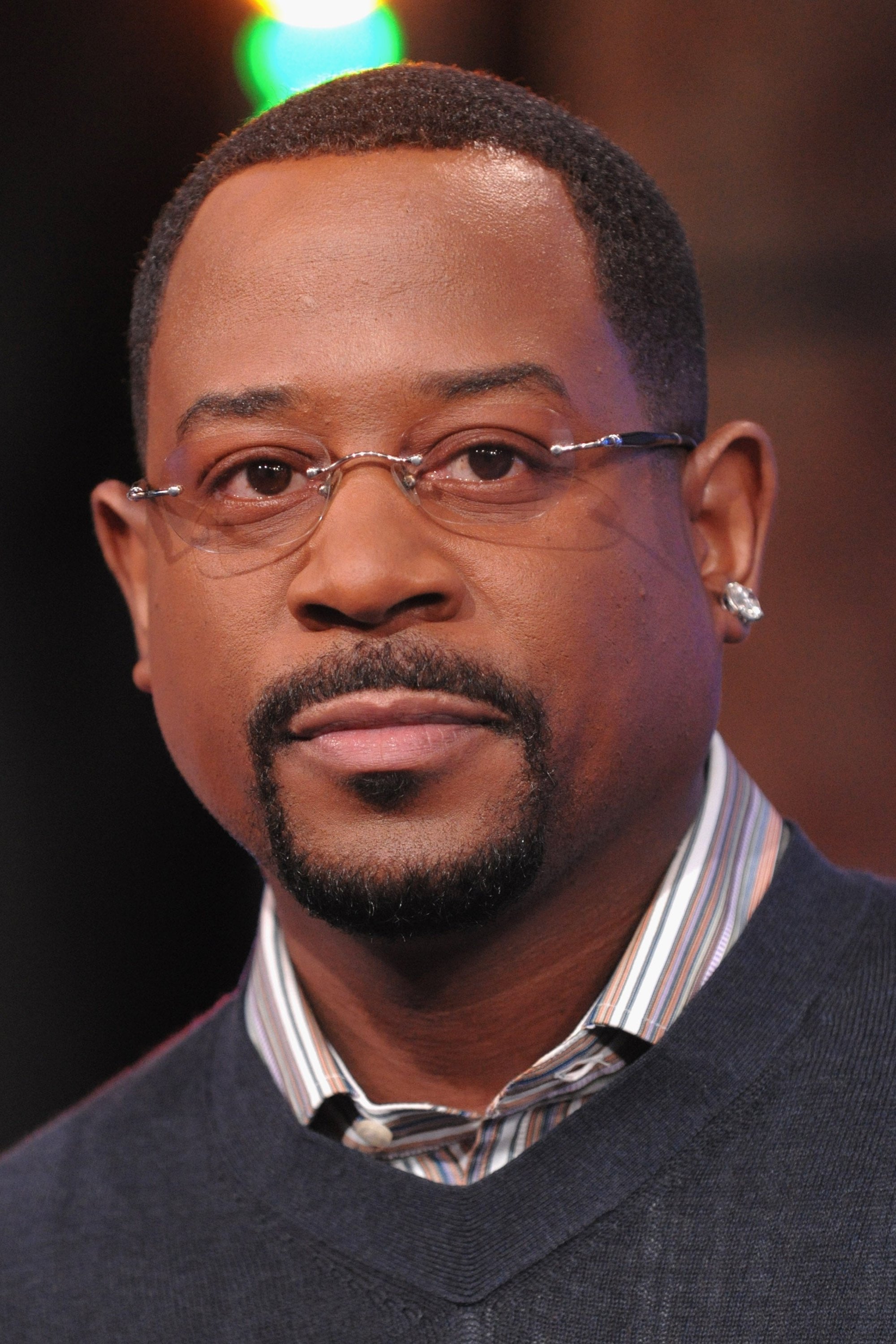
Martin Lawrence has faced censorship battles throughout his career for his provocative and boundary-pushing material. He defends the right of comedians to shock audiences and explore the darker sides of human nature. Lawrence argues that sanitizing comedy robs it of its power to heal and provoke thought. He remains a steadfast supporter of raw and uncut expression.
Marlon Wayans
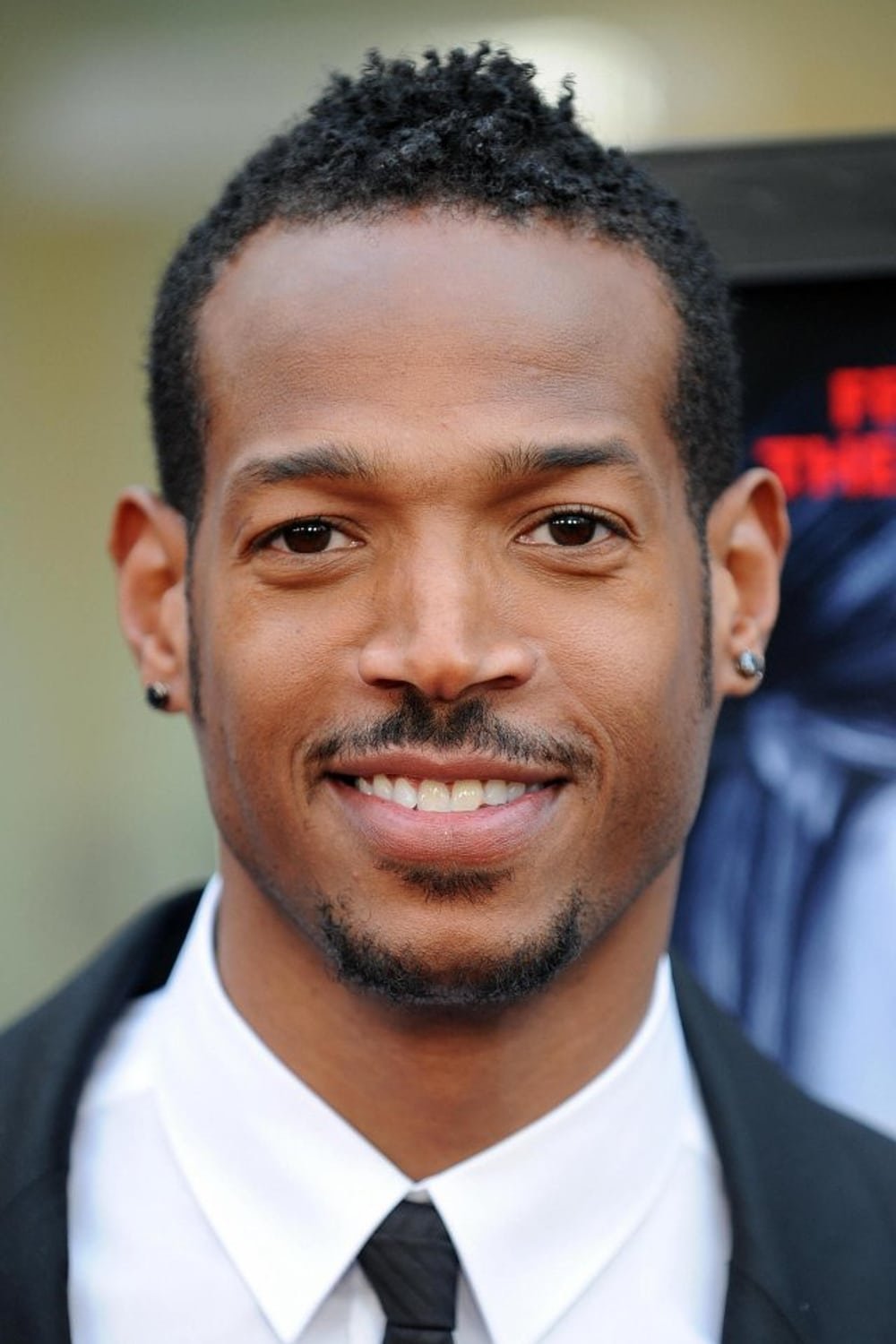
Marlon Wayans consistently defends the genre of parody and the right to make fun of stereotypes and social trends. He believes that comedy is a necessary release valve for society that should not be policed by sensitivity mobs. Wayans argues that the intent behind a joke matters more than the potential for offense. He advocates for a return to a time when audiences could laugh at themselves without taking everything seriously.
Nick Cannon
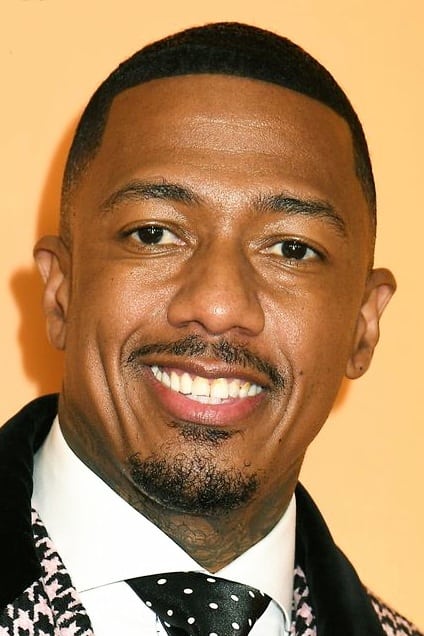
Nick Cannon has faced significant professional consequences for his speech but continues to advocate for open dialogue. He believes in the importance of ownership and creating platforms where voices cannot be silenced by external executives. Cannon argues that true freedom of speech includes the right to be wrong and to learn from public discourse. He champions independent media as a solution to corporate censorship.
50 Cent
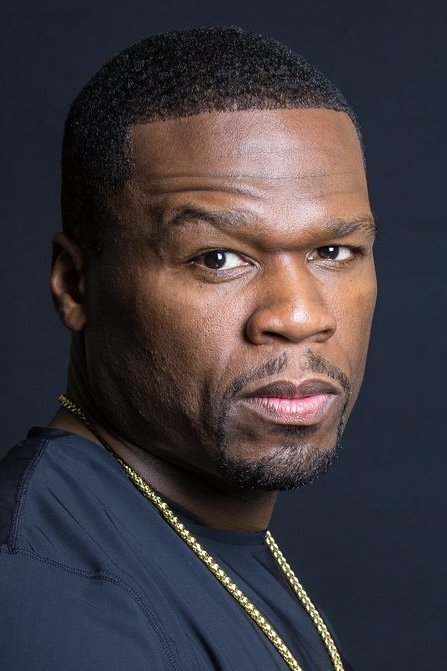
50 Cent utilizes social media as an unfiltered stream of consciousness that defies public relations constraints. He argues that he has the right to say whatever he pleases regardless of who it might upset. The mogul believes that authentic self-expression is a key component of his success and personal brand. He frequently pushes back against attempts to tone down his commentary.
Isaiah Washington
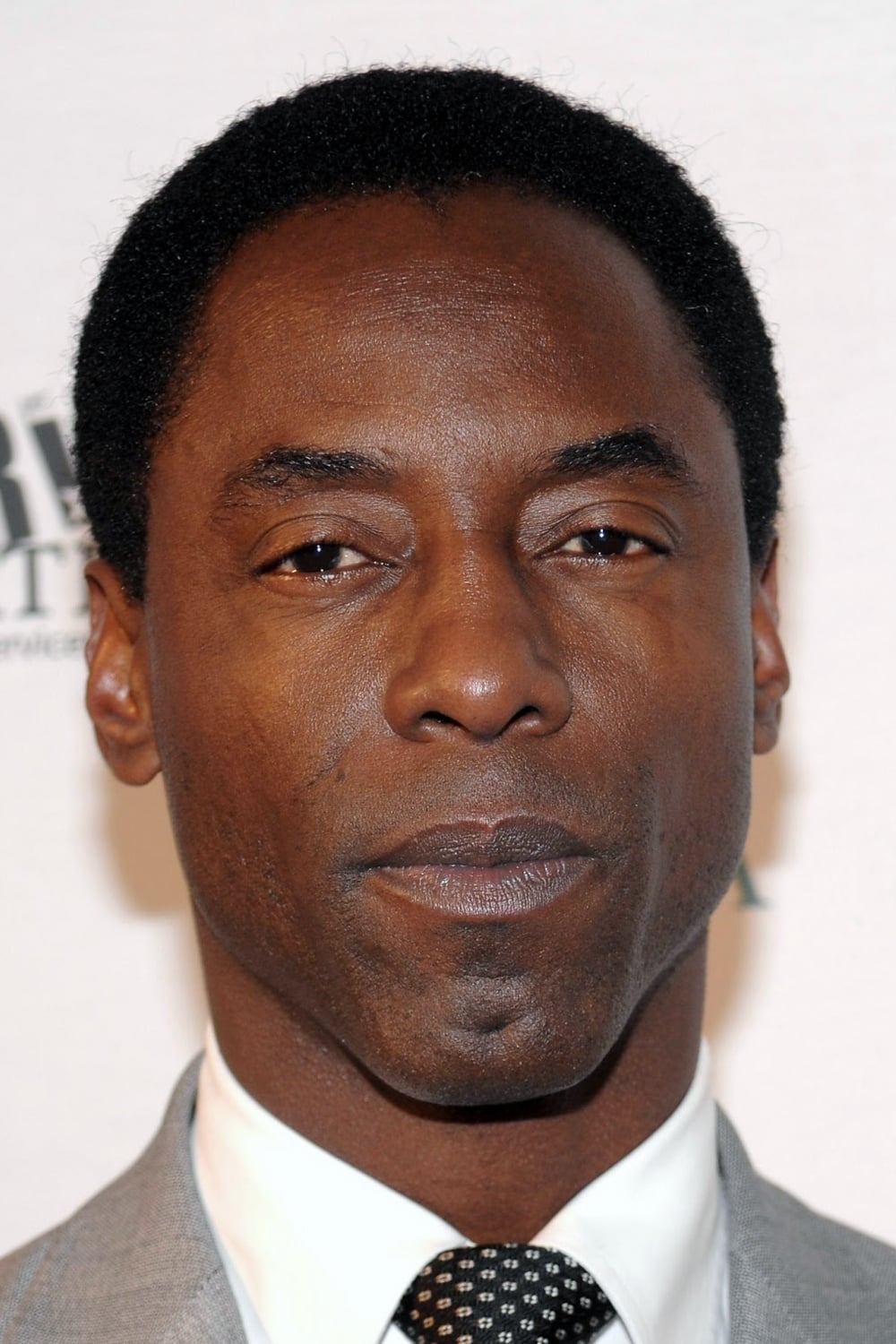
Isaiah Washington has become a vocal critic of the Hollywood establishment and the limitations placed on black conservative voices. He argues that the industry engages in a form of blacklisting against those who do not align with the majority political view. Washington champions the right to hold dissenting opinions without facing career annihilation. He uses his platform to highlight the need for ideological diversity in the arts.
Terrence Howard
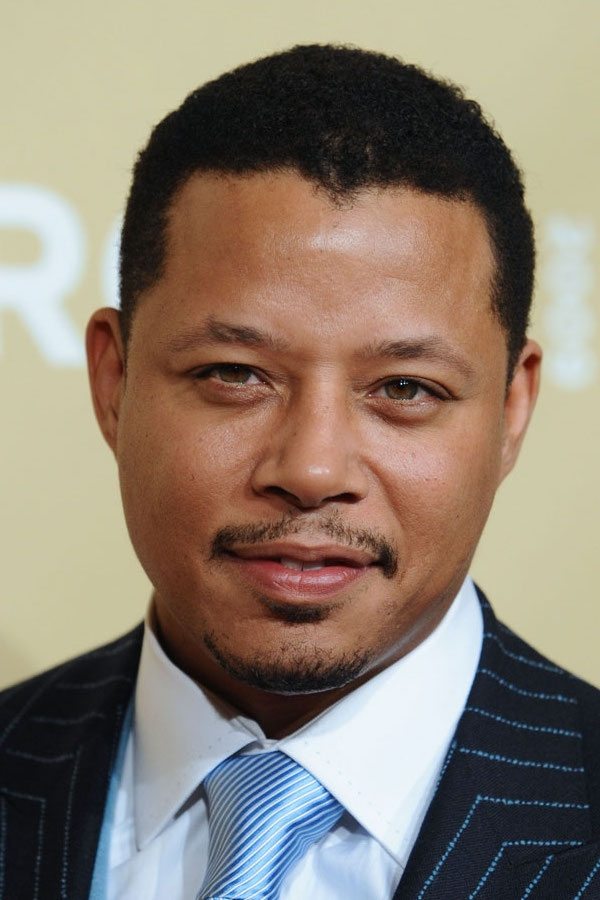
Terrence Howard is known for his unconventional views on science and logic that often contradict established norms. He defends his right to explore and articulate these ideas even when they are met with ridicule. Howard believes that intellectual freedom involves questioning accepted truths and proposing new frameworks. He advocates for a world where curiosity is not stifled by rigid academic or social structures.
Jesse Williams
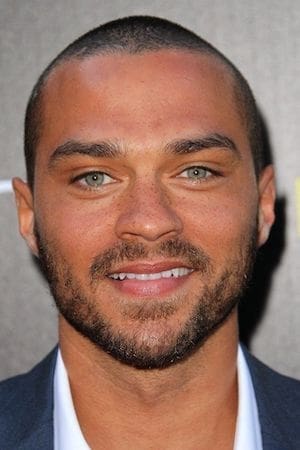
Jesse Williams delivered a historic speech at the BET Awards that highlighted the necessity of speaking truth to power. He advocates for the right of black artists to demand justice and equality without fear of losing their livelihoods. Williams believes that silence in the face of injustice is complicity and that speech is a vital tool for liberation. He encourages peers to use their access to mainstream media to amplify marginalized voices.
John Boyega
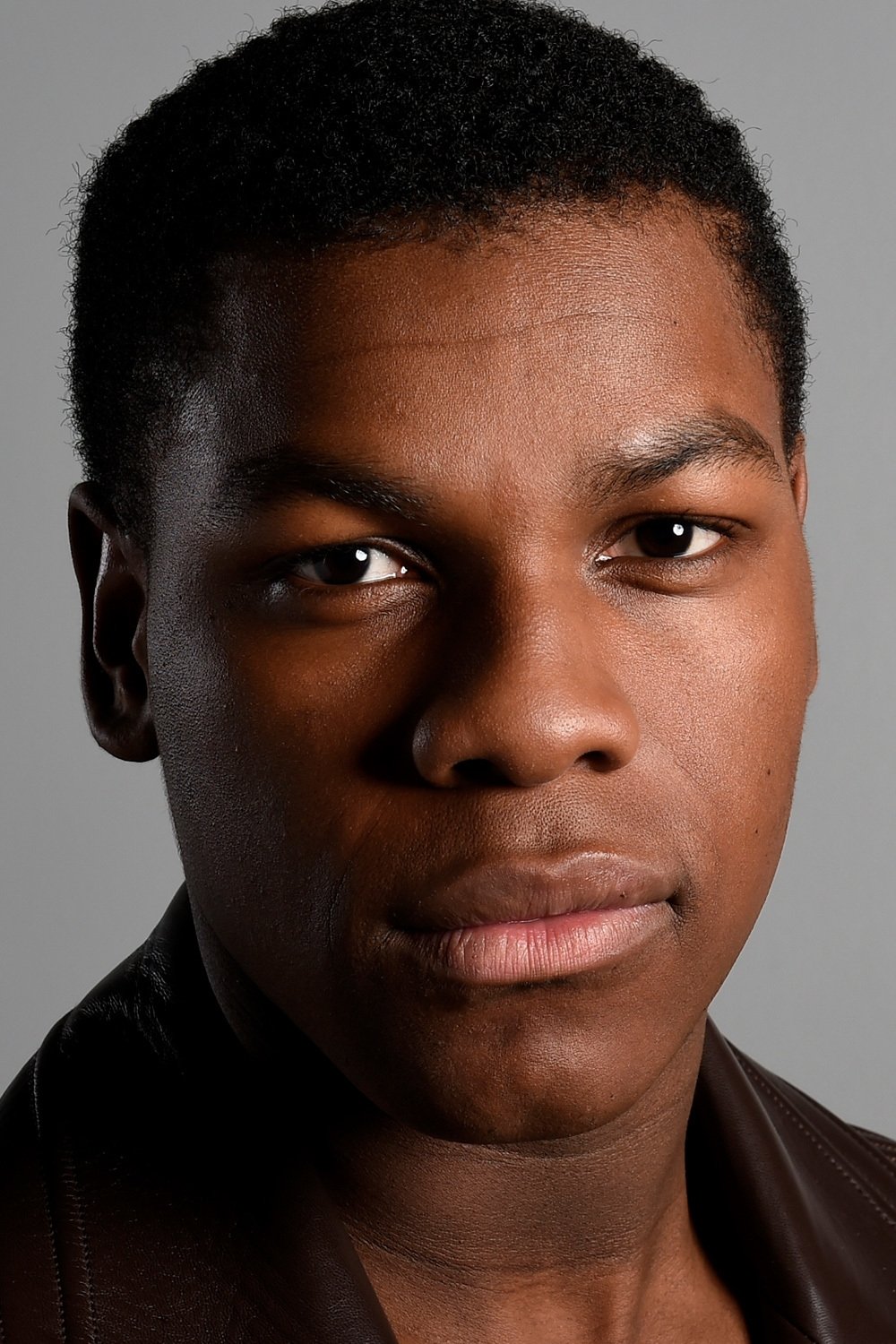
John Boyega made headlines for his impassioned speech during a Black Lives Matter protest where he risked his career to speak his mind. He stated that he did not care if his activism cost him work because the message was too important to suppress. Boyega advocates for the freedom to protest and the moral obligation to speak out against systemic racism. His actions demonstrated that personal conviction should take precedence over professional safety.
LeVar Burton
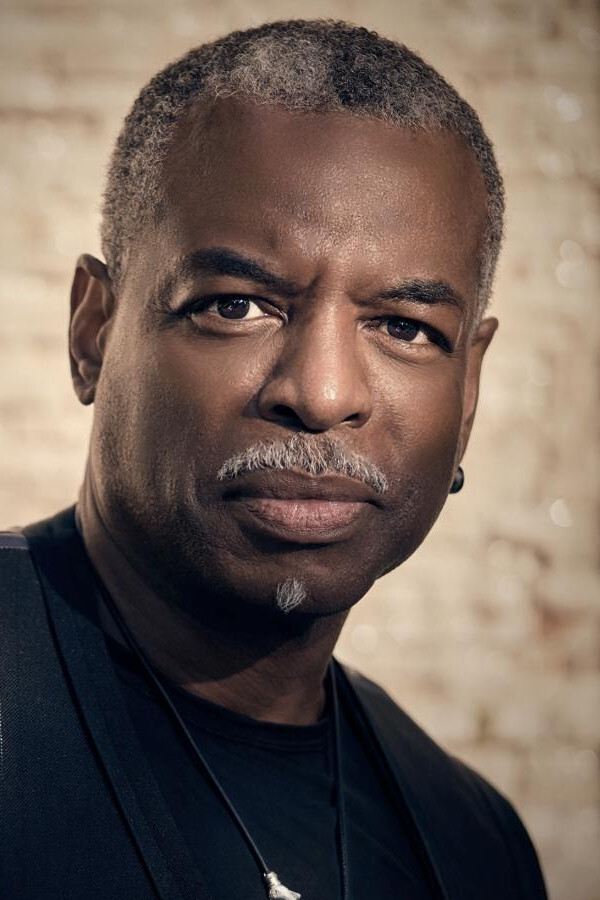
LeVar Burton is a tireless advocate for the freedom to read and opposes the banning of books in schools and libraries. He believes that access to diverse stories and perspectives is essential for a healthy democracy. Burton argues that sheltering children from difficult topics prevents them from developing critical thinking skills. He champions the First Amendment right to access information without government interference.
Danny Glover
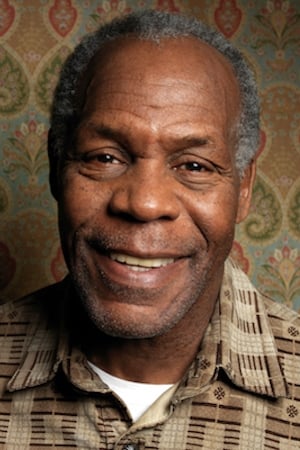
Danny Glover has a long history of combining acting with political activism and outspoken advocacy for labor rights. He defends the right of artists to use their visibility to draw attention to global injustices. Glover believes that freedom of speech must be used to uplift the oppressed and challenge imperialism. He accepts the professional risks associated with his political stances as a necessary price for integrity.
Common
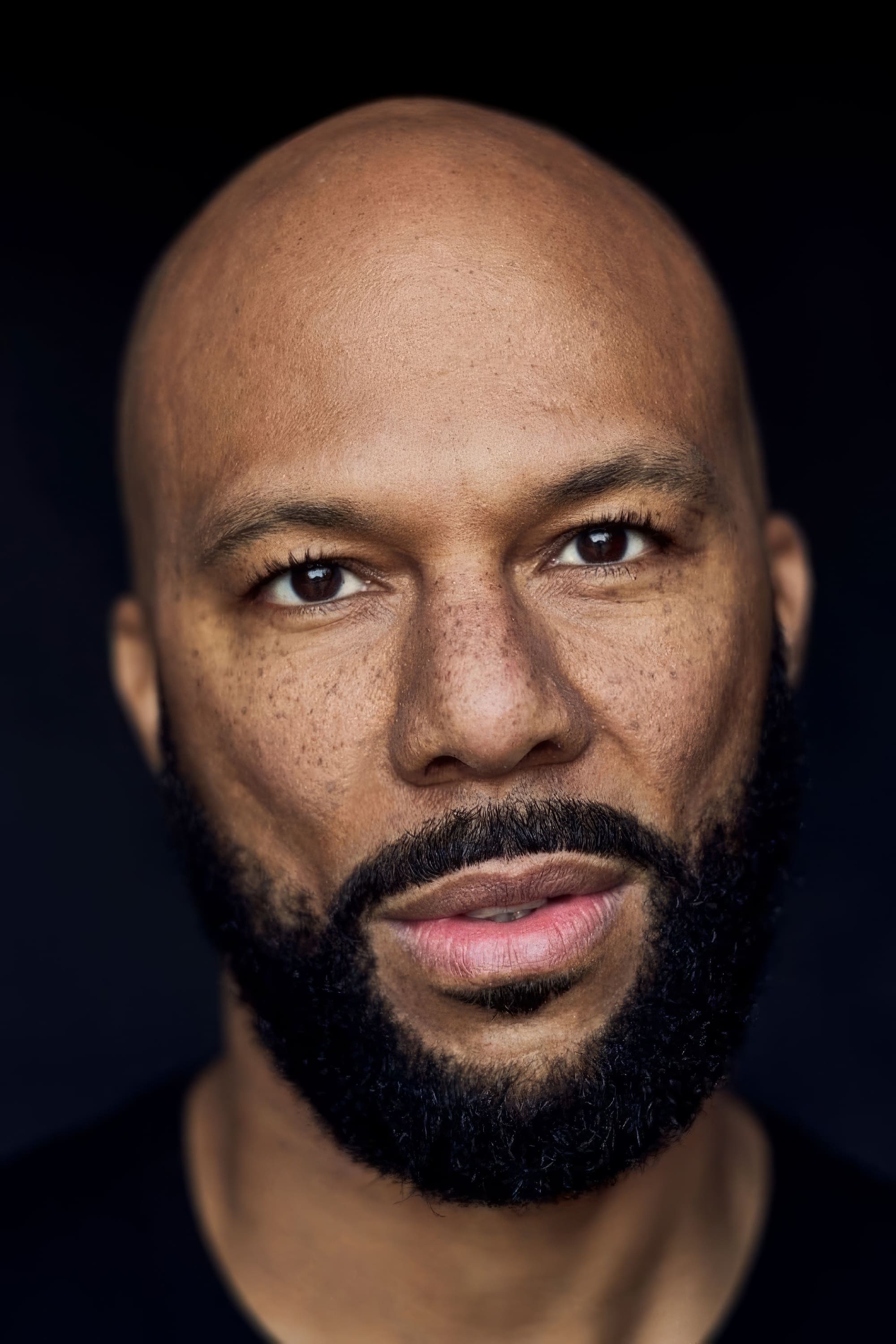
Common uses his music and acting roles to advocate for criminal justice reform and the humanization of incarcerated people. He believes in the power of words to change laws and shift public perception. Common argues that art should serve as a vehicle for social commentary and truth-telling. He supports the right of prisoners and activists to have their voices heard in the public square.
Yasiin Bey
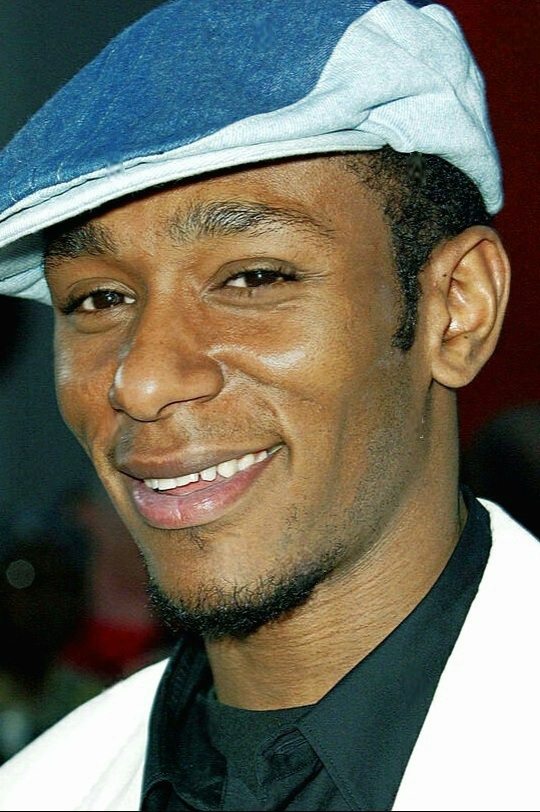
Yasiin Bey has notoriously fought against the commodification of his art and the restrictions of the music industry. He advocates for the right of the artist to control their own narrative and distribution. Bey frequently speaks out on global human rights issues even when his views are controversial. He believes that true artistic freedom requires complete independence from corporate oversight.
Kendrick Sampson
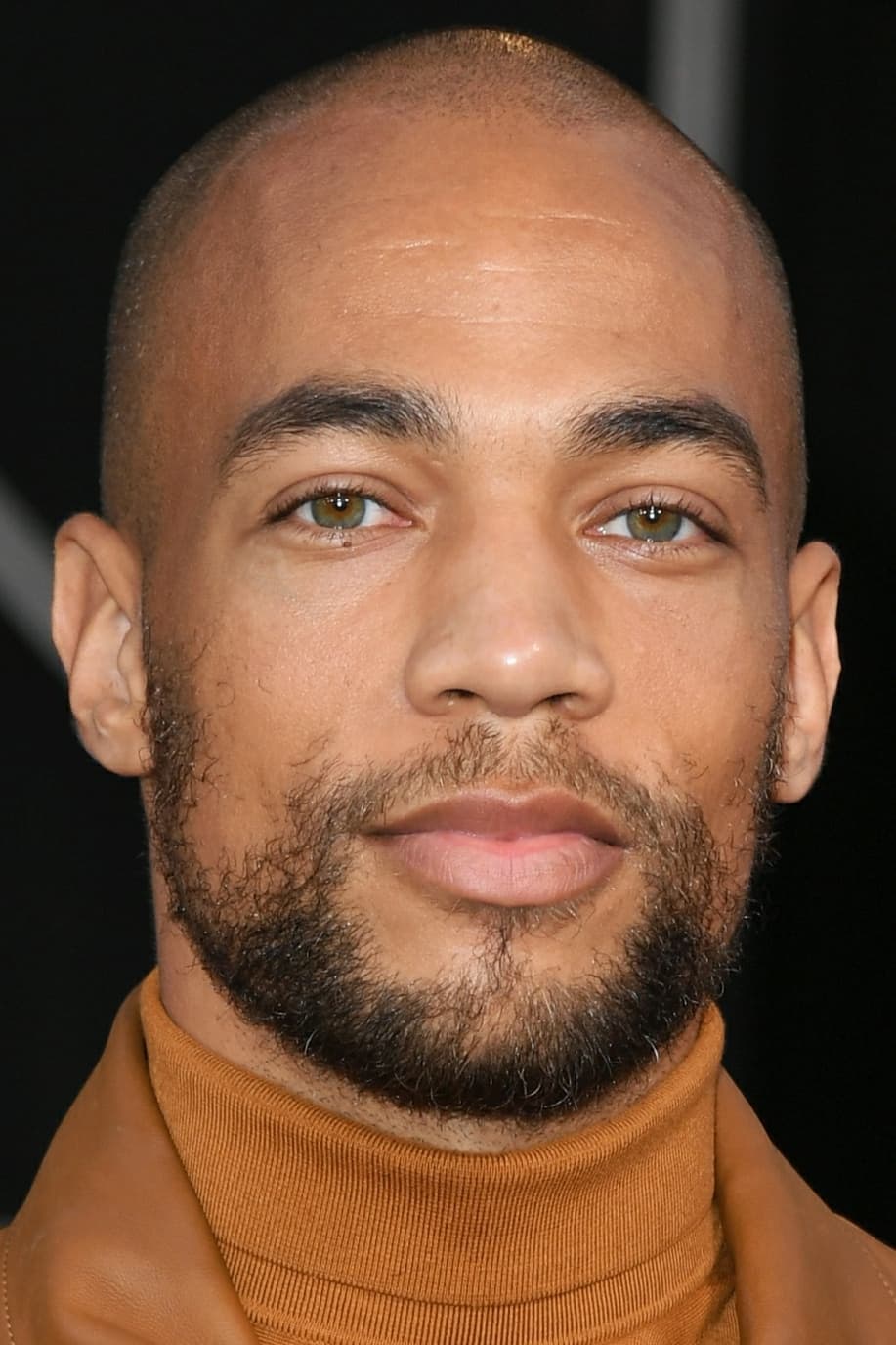
Kendrick Sampson is a dedicated organizer who believes that actors have a duty to disrupt the status quo. He advocates for the right to protest and has been physically active on the front lines of demonstrations. Sampson argues that Hollywood must allow its stars to be full political beings without threat of censorship. He uses his platform to amplify grassroots movements and demand systemic change.
Jerrod Carmichael
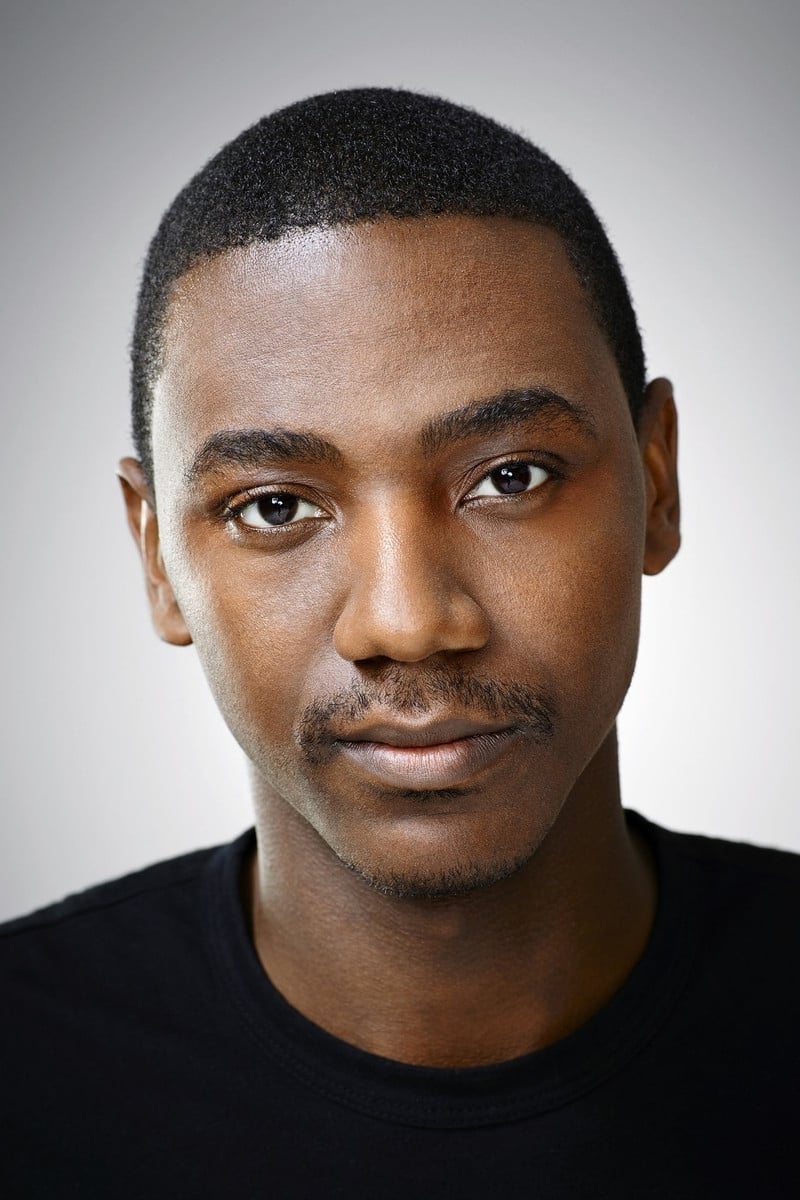
Jerrod Carmichael utilizes his comedy to explore uncomfortable truths about his own life and American history. He believes that the most effective art comes from a place of radical honesty and vulnerability. Carmichael defends the right to make audiences uncomfortable as a means of provoking necessary conversations. He rejects the idea that comedy should be safe or predictable.
D.L. Hughley
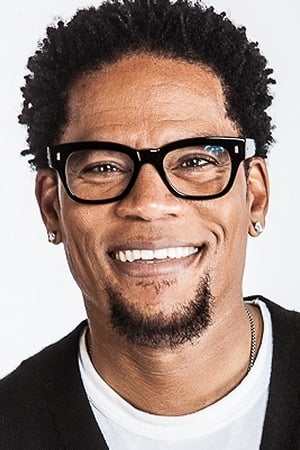
D.L. Hughley is a fierce defender of the comedian’s right to comment on politics and race without censorship. He argues that satire is an essential check on power and that comedians play a vital role in democracy. Hughley refuses to apologize for jokes that expose hypocrisy or social absurdity. He believes that the intent of comedy is to reveal truth rather than to cause harm.
Cedric the Entertainer
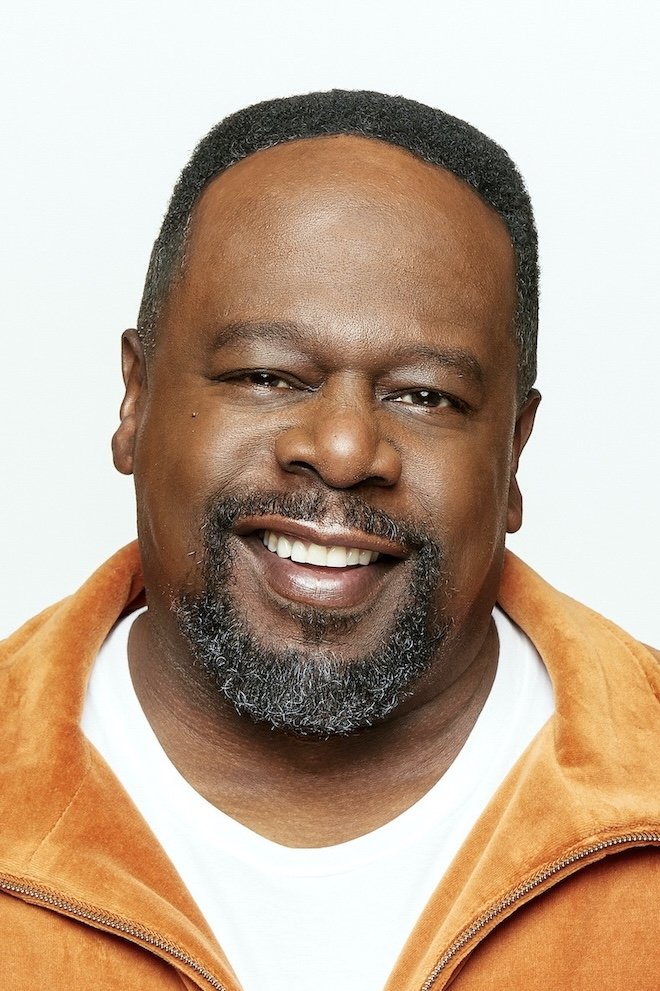
Cedric the Entertainer has spoken out against the pressure to sanitize comedy for modern sensibilities. He believes that audiences are intelligent enough to understand context and nuance without heavy policing. Cedric advocates for preserving the raw energy of comedy clubs where free speech is paramount. He encourages younger comedians to find their authentic voices rather than worrying about online backlash.
Steve Harvey
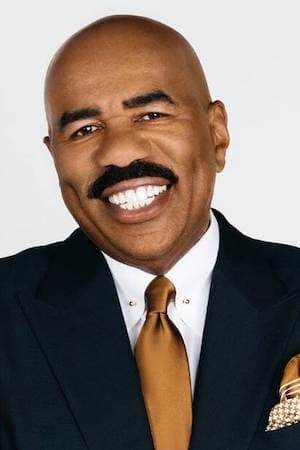
Steve Harvey frequently discusses the changing landscape of comedy and the challenges of hosting in a politically correct era. He defends the right of comedians to take risks and make mistakes in the pursuit of humor. Harvey believes that cancel culture creates a chilling effect that stifles creativity. He advocates for a more forgiving culture that allows for growth and understanding.
Tracy Morgan
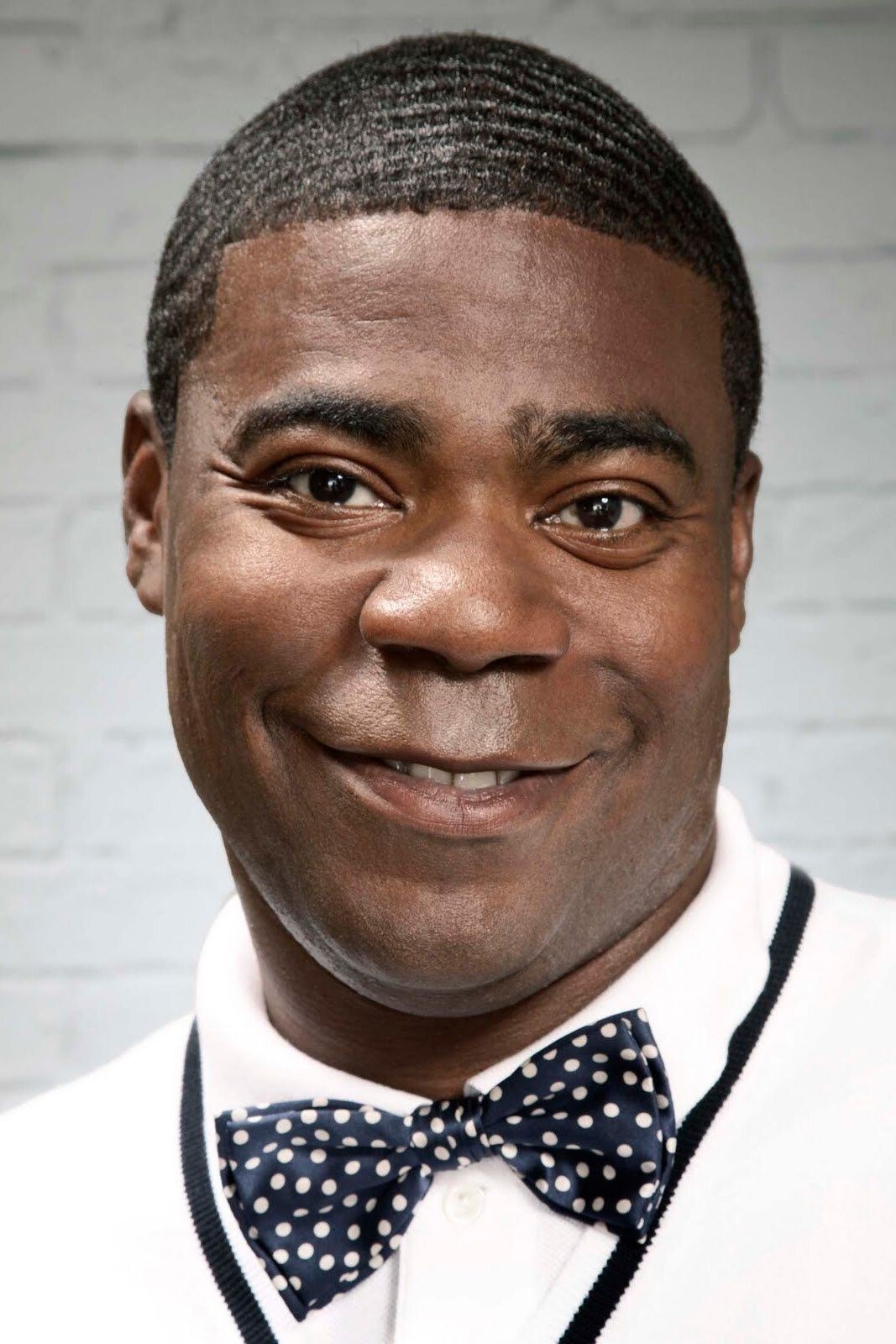
Tracy Morgan is known for his unpredictable and often outrageous comedic style that defies categorization. He believes that comedy should be a judgment-free zone where anything can be said in the spirit of fun. Morgan argues that trying to put boundaries on humor kills the spontaneity that makes it special. He remains an unapologetic advocate for wild and untamed expression.
Michael Che
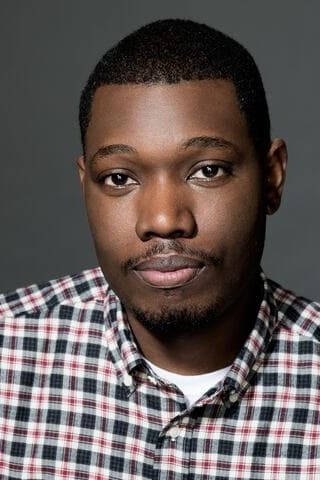
Michael Che often uses his platform on Saturday Night Live to push the envelope and challenge liberal pieties. He defends the right of comedians to joke about any subject regardless of how sensitive it may be. Che argues that the outrage directed at comedians is often misplaced and performative. He advocates for the freedom to be provocative and to question social consensus.
Trevor Noah
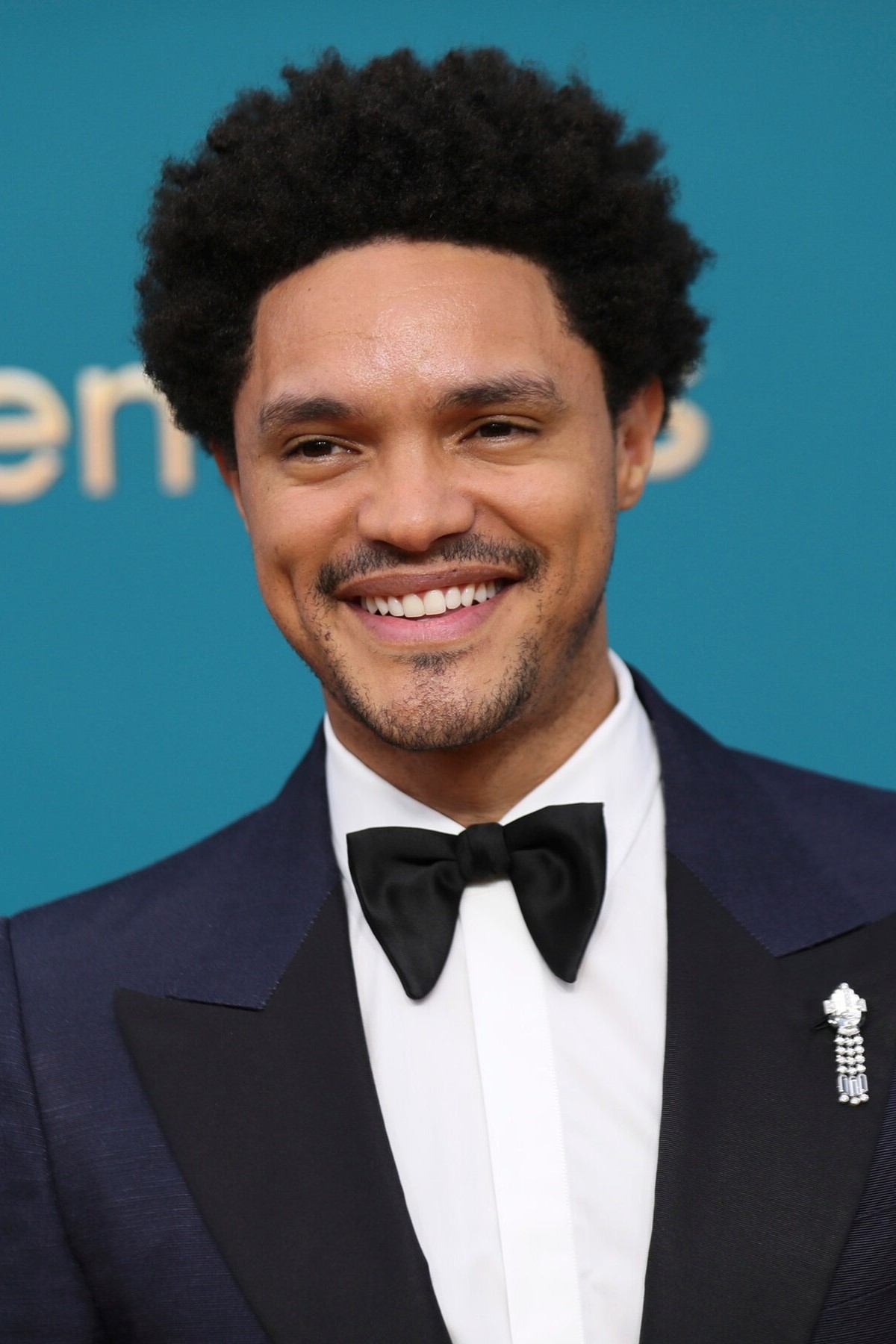
Trevor Noah has frequently used his platform to defend the nuances of comedy and context. He argues that judging past jokes by current standards without considering intent is a dangerous precedent. Noah advocates for open conversation where people can explain their perspectives rather than being silenced. He believes that comedy acts as a necessary mirror to society that must remain unclouded.
Lakeith Stanfield
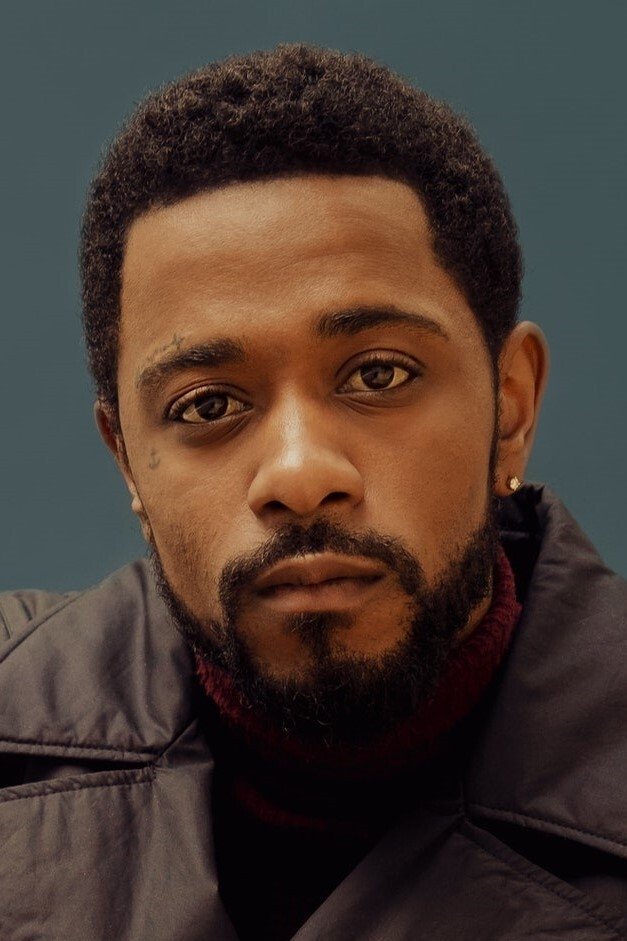
Lakeith Stanfield is known for his enigmatic and unfiltered social media presence. He defends his right to express his stream of consciousness without filtering it for public consumption. Stanfield believes that artists should not be held to the standard of politicians or role models. He advocates for the freedom to be weird, messy, and human in the public eye.
Tyler Perry
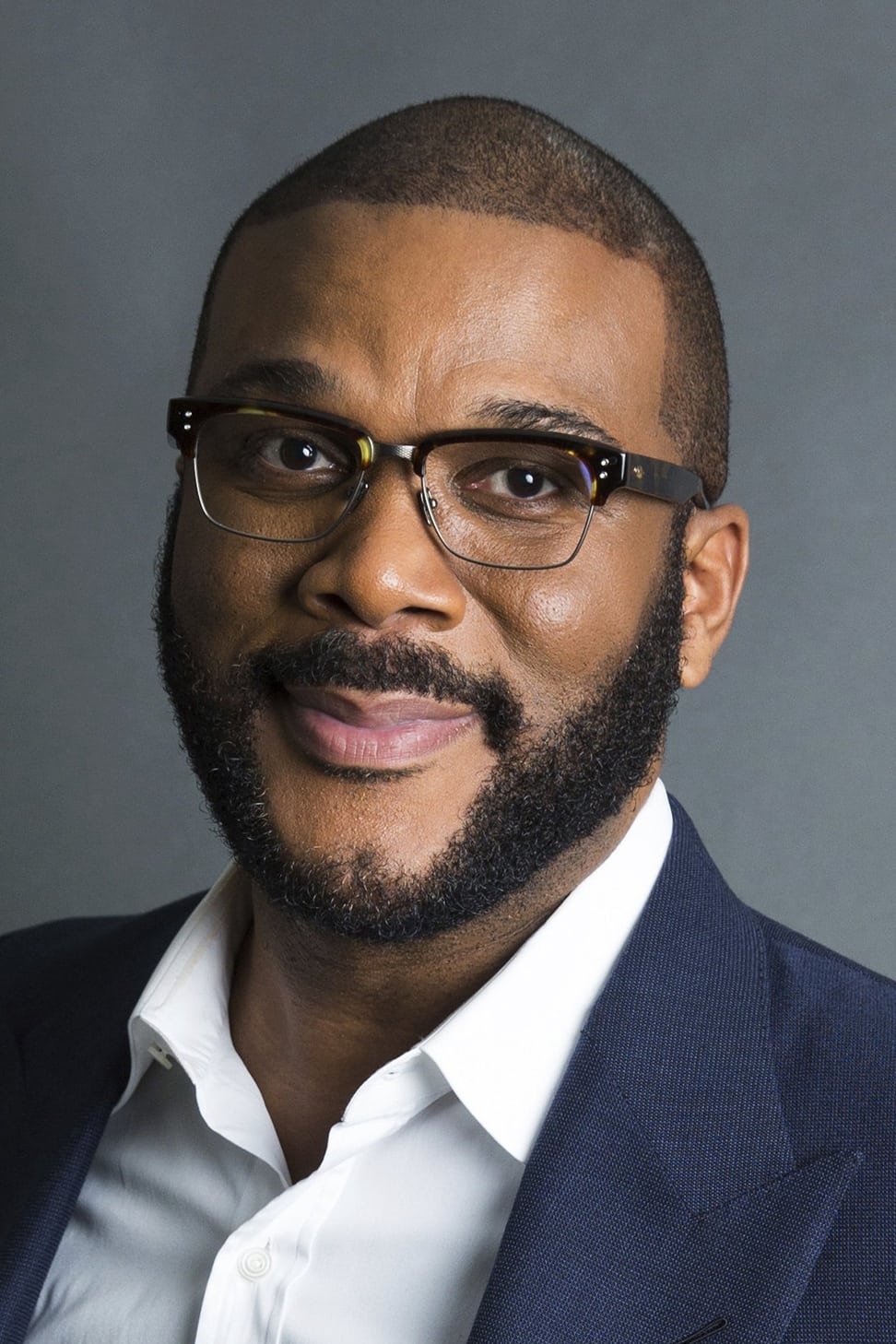
Tyler Perry built his empire on the principle of ownership which allows him absolute creative freedom. He advocates for economic independence as the only true way to guarantee free speech for black artists. Perry believes that owning the studio ensures that no executive can censor his stories or message. His success stands as a testament to the power of controlling one’s own voice.
Spike Lee
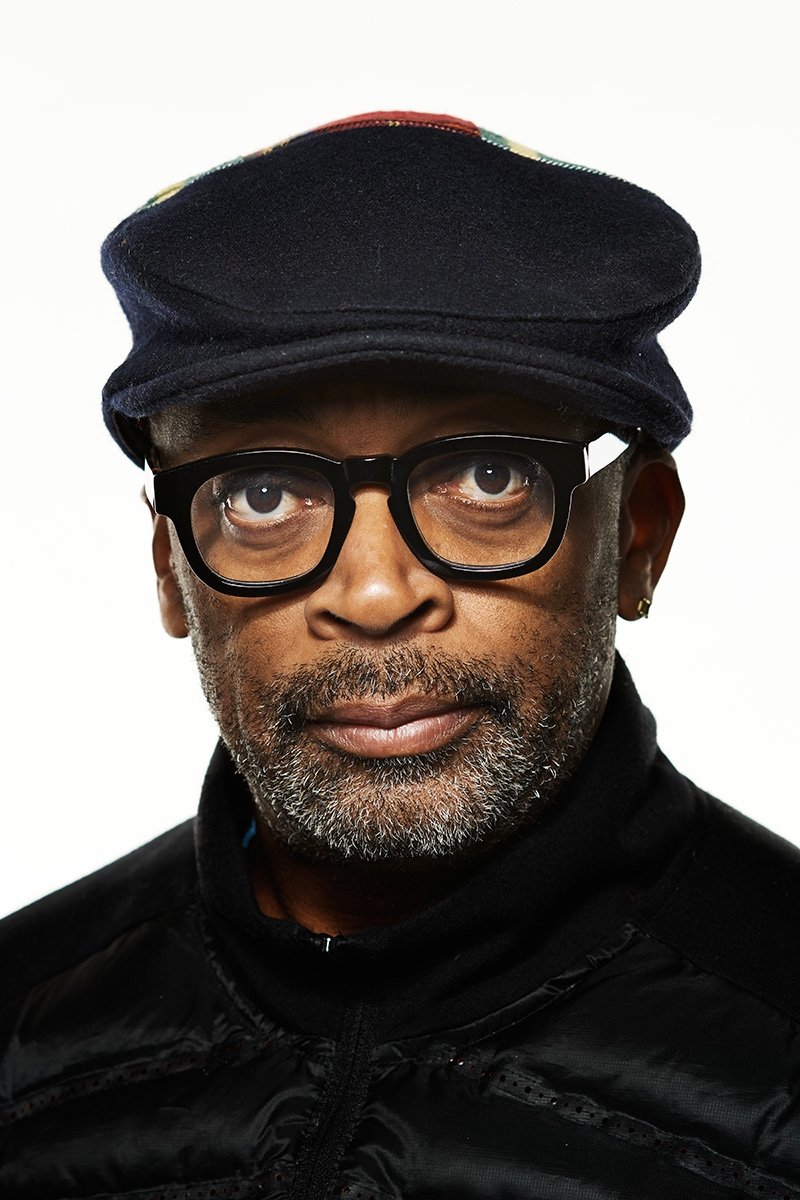
Spike Lee has spent his entire career fighting for the right to tell authentic black stories without studio interference. He defends his right to be political and provocative in his filmmaking. Lee believes that cinema is a tool for protest and that directors must be willing to offend to make a point. He advocates for the freedom of the artist to reflect the world exactly as they see it.
Damon Wayans
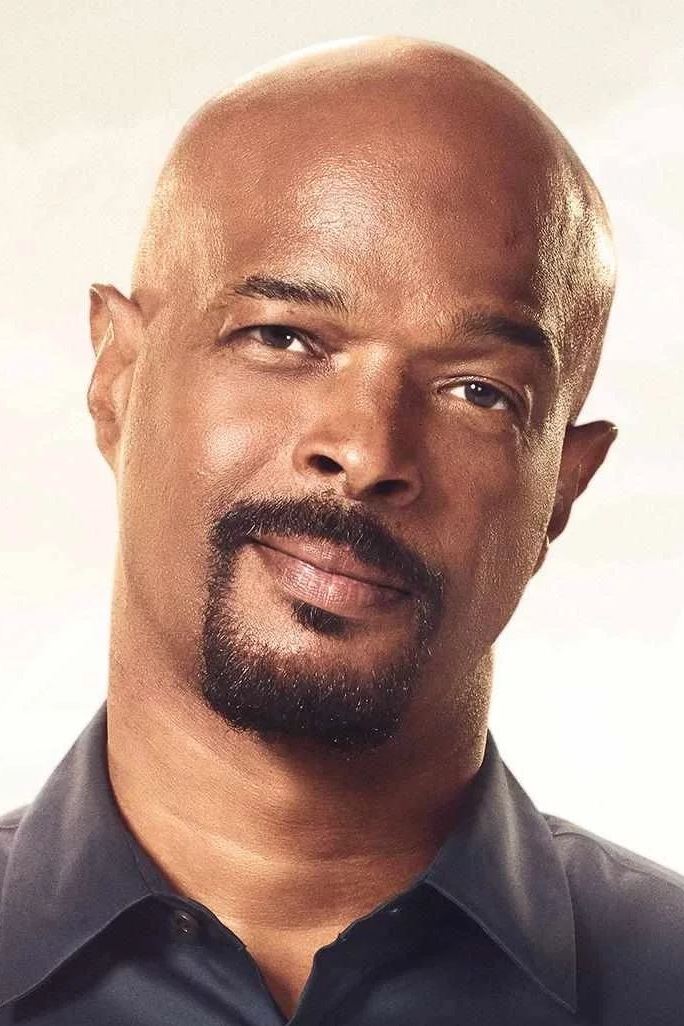
Damon Wayans has long been a critic of censorship in television and the limitations placed on sketch comedy. He believes that artists need the freedom to fail and to offend in order to find what is truly funny. Wayans argues that the current environment is too restrictive for the type of groundbreaking work he is known for. He advocates for a return to bold and unapologetic humor.
Forest Whitaker
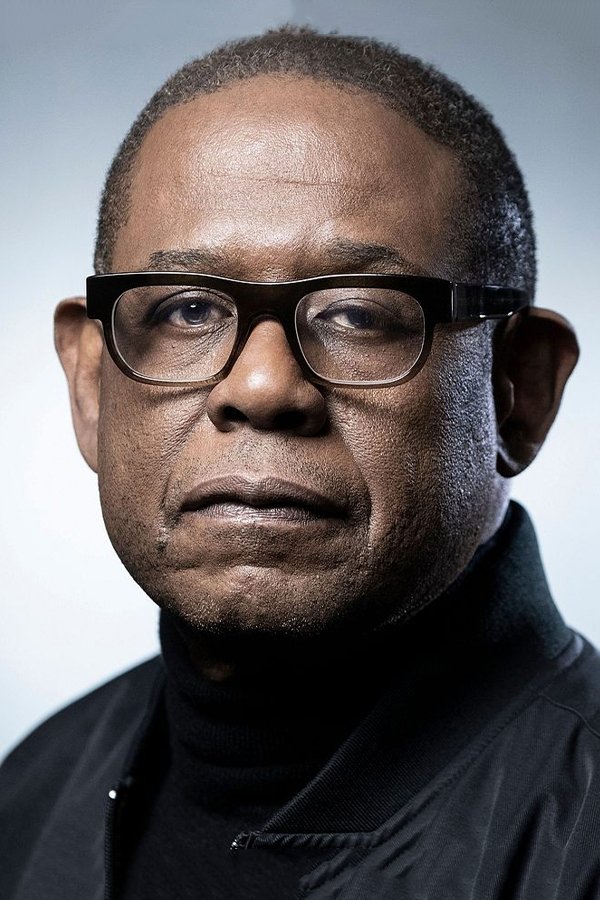
Forest Whitaker uses his varied roles to explore complex human emotions and advocate for peace and reconciliation. He believes in the power of soft speech and dialogue to resolve conflict. Whitaker advocates for the freedom of artists to work across borders and cultures to find common ground. He champions the idea that empathy is a form of radical expression.
Jeffrey Wright
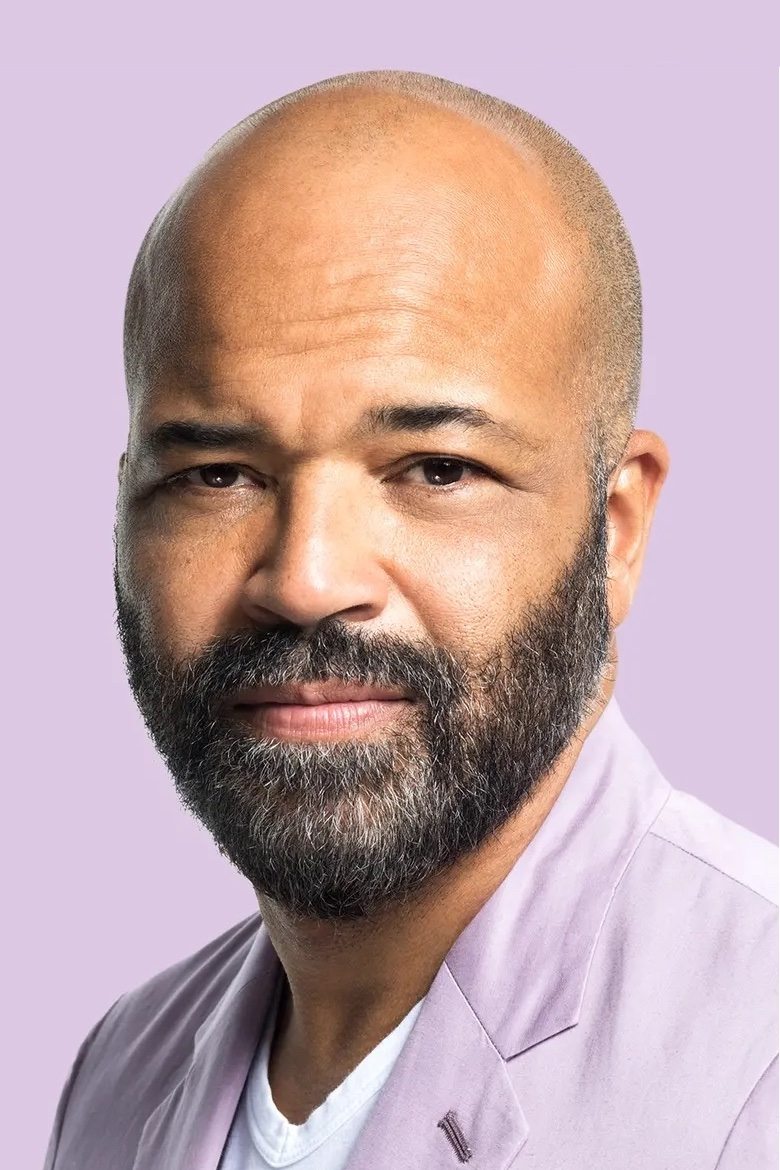
Jeffrey Wright is a vocal commentator on social and political issues who refuses to stick to acting alone. He defends the citizen’s right to participate in democracy through vocal criticism and debate. Wright uses his platform to challenge authority and demand accountability from leaders. He believes that silence is not an option when foundational rights are at stake.
W. Kamau Bell
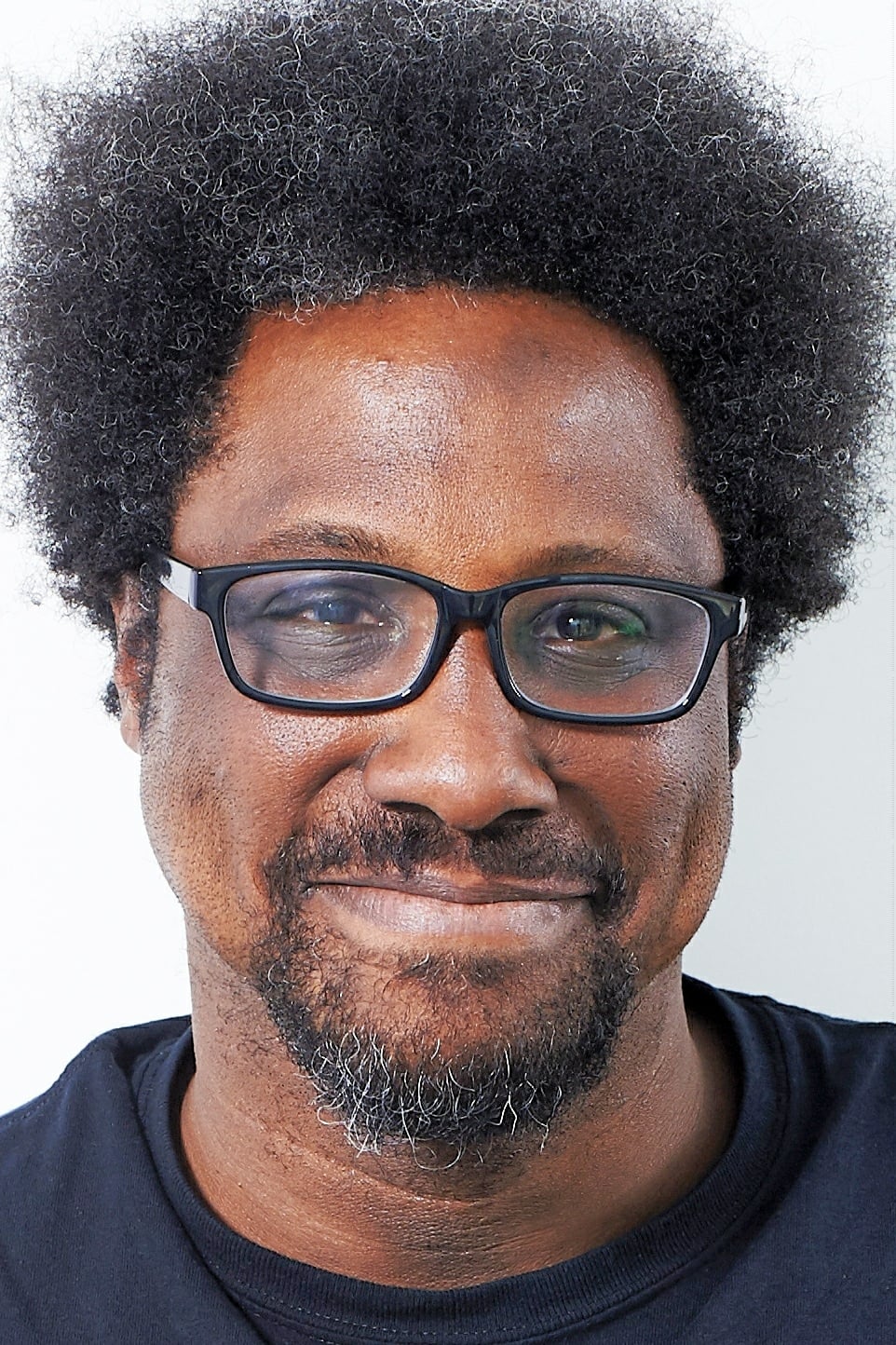
W. Kamau Bell has dedicated his career to using comedy as a tool for sociopolitical conversation. He advocates for the importance of talking to people with opposing viewpoints to bridge divides. Bell believes that free speech includes the difficult work of listening to ideas one might find abhorrent. He champions dialogue over dismissal as a way to move society forward.
Jordan Peele
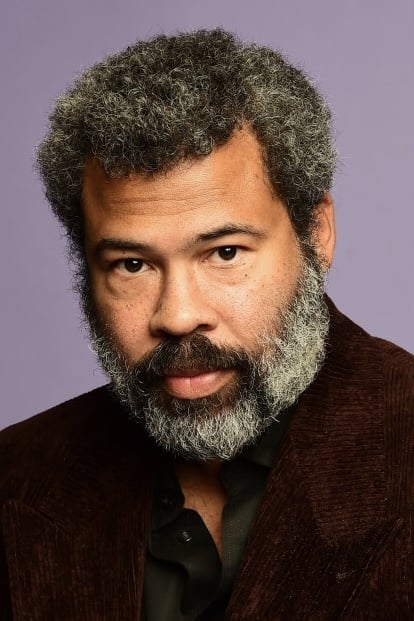
Jordan Peele uses the horror genre to explore social issues that might otherwise be difficult to discuss openly. He believes that genre film allows for a freedom of expression that is often denied in realistic drama. Peele advocates for the power of allegory to critique systemic oppression. He defends the right of the artist to use entertainment as a Trojan horse for heavy ideas.
Keegan-Michael Key
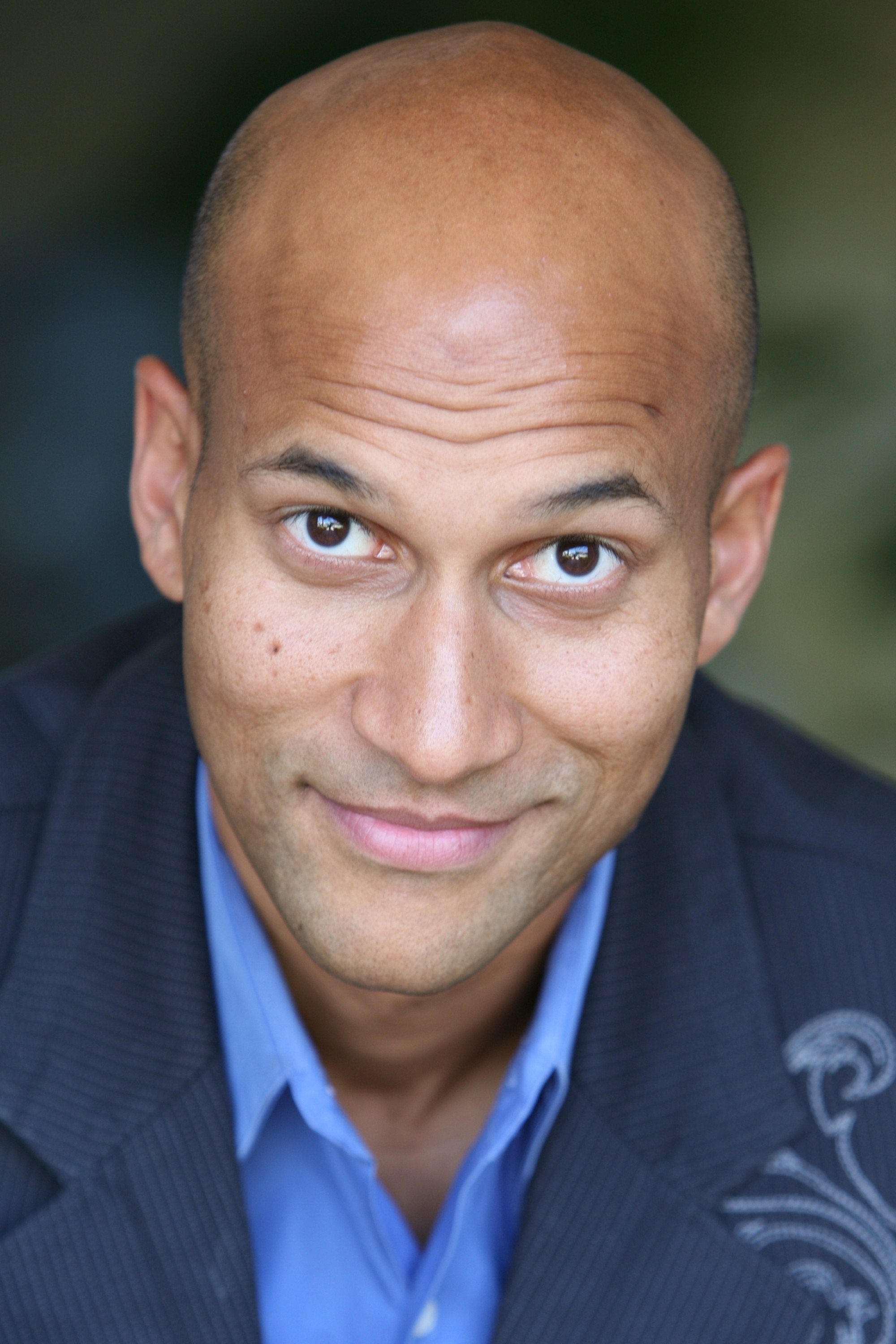
Keegan-Michael Key advocates for the importance of satire in processing social anxiety and cultural tension. He believes that comedy provides a necessary release that allows society to function. Key defends the right of performers to inhabit different characters and perspectives to reveal truth. He champions the collaborative nature of improv as a form of free expression.
Mike Epps
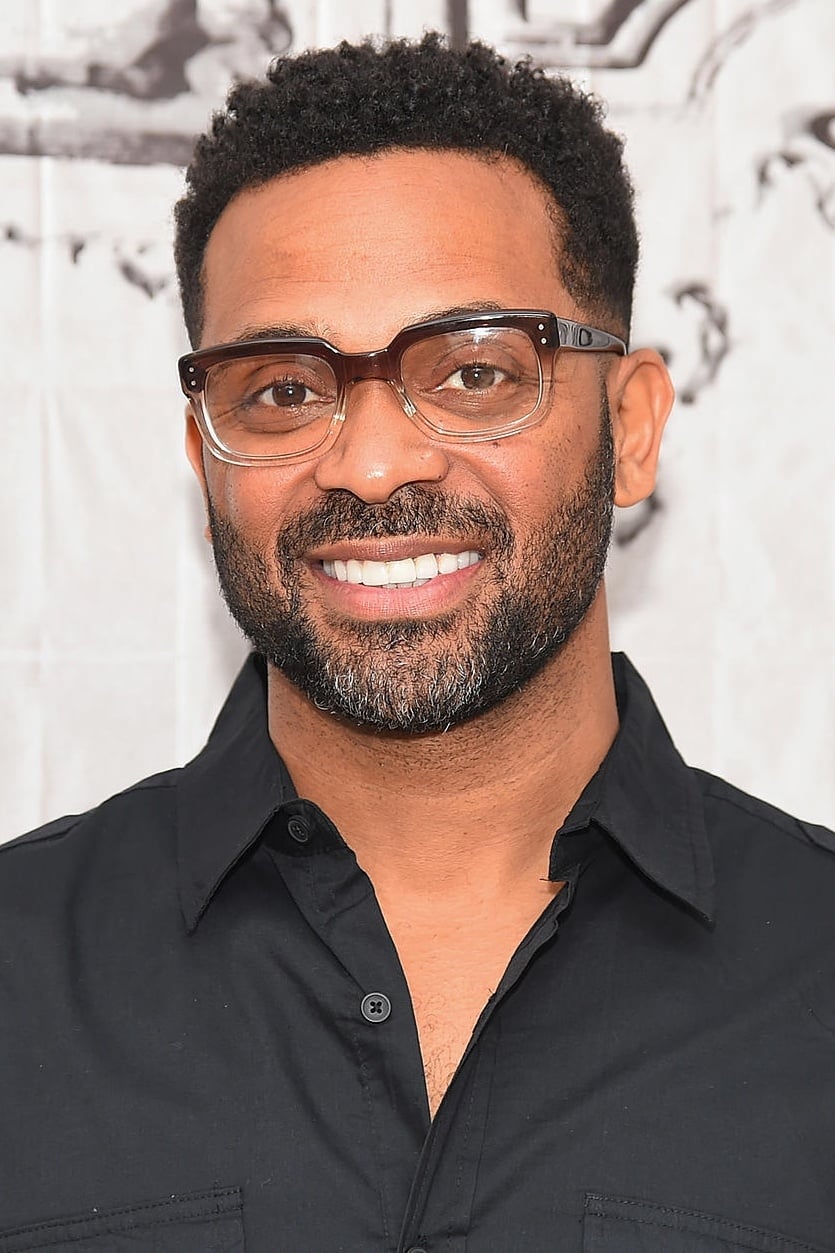
Mike Epps is a staunch defender of the traditional comedy circuit where rules are few and speech is free. He believes that the raw environment of the comedy club is essential for the art form’s survival. Epps argues that mainstream sensibilities should not dictate what happens on the comedy stage. He advocates for preserving the underground spirit of stand-up.
Deon Cole
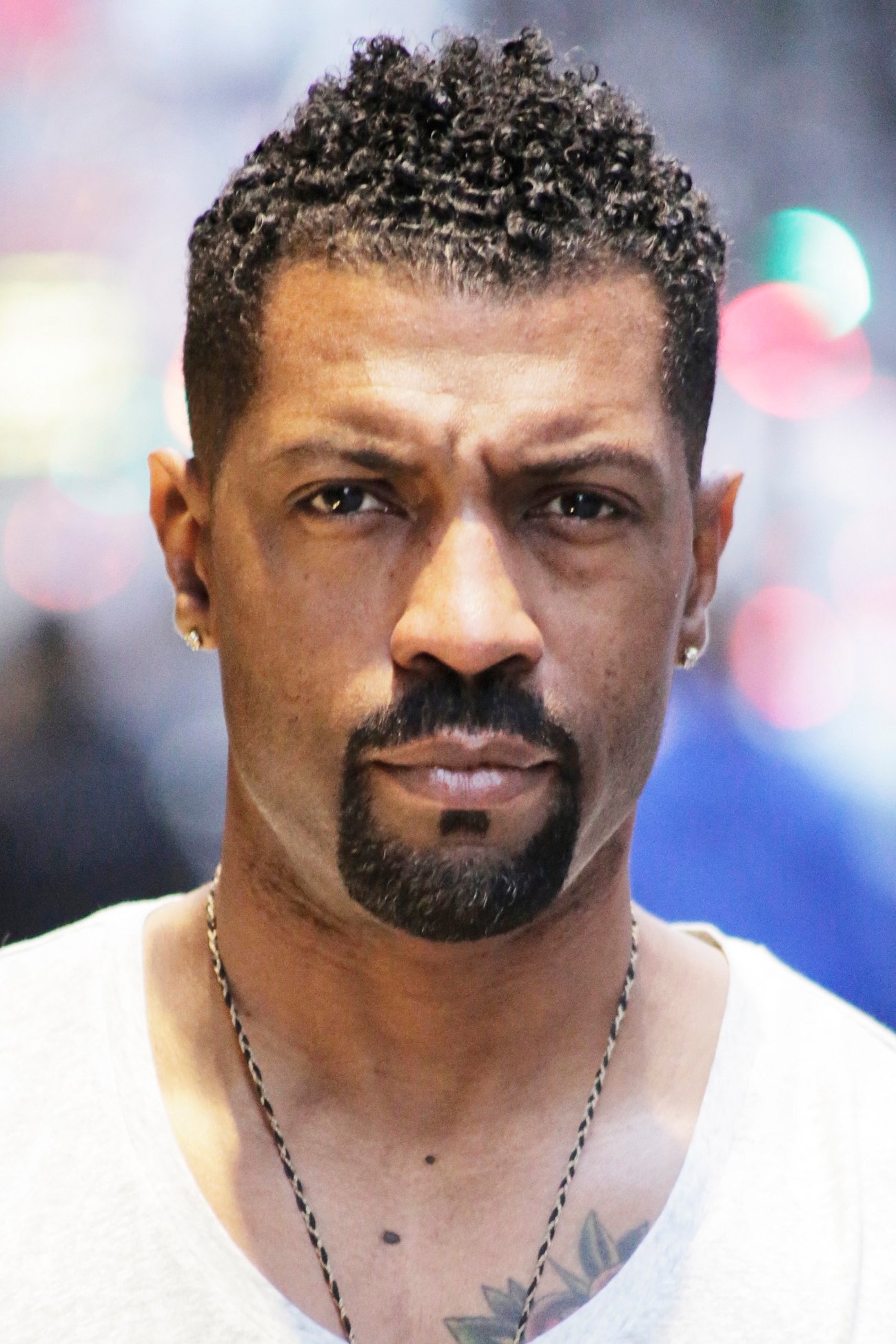
Deon Cole frequently discusses the absurdity of modern social rules and the importance of saying what everyone is thinking. He defends the comedian’s role as a truth-teller who must risk offense to be effective. Cole believes that writing down one’s true thoughts is an act of bravery. He champions the notepad as a shield against censorship.
Will Smith
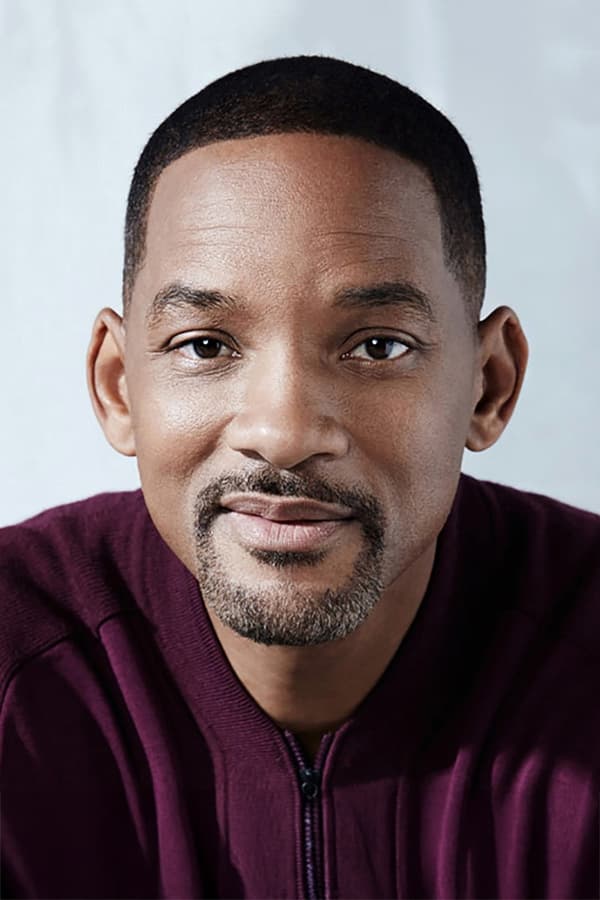
Will Smith has evolved into a figure who advocates for radical authenticity and the sharing of one’s personal truth. He believes that maintaining a facade is damaging and that true freedom comes from being vulnerable. Smith advocates for the right to make mistakes and to discuss them openly as part of the human journey. He encourages others to shed their masks and speak their reality.
Tell us which of these actors inspires you the most by sharing your thoughts in the comments.

