‘Fire and Blood’ Reduced Otto Hightower’s Death to One Sentence, and ‘House of the Dragon’ Made That a Problem

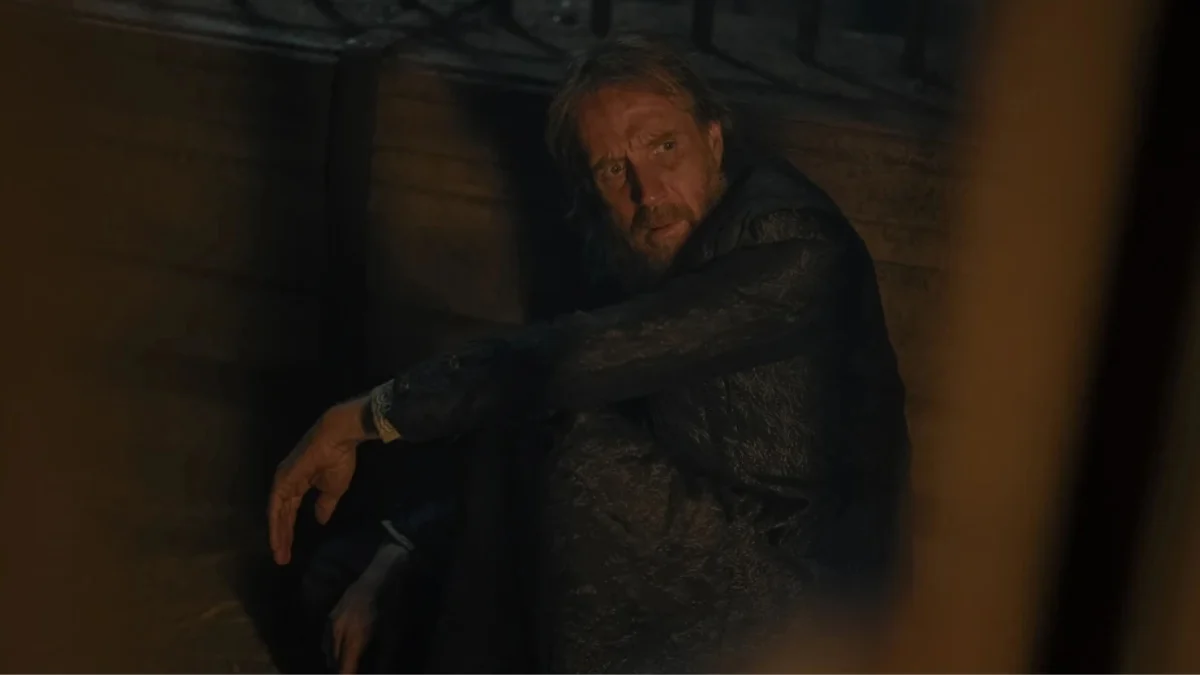

Otto Hightower spent years pulling strings behind the Iron Throne, engineering a succession crisis, and reshaping the fate of the Seven Kingdoms. When the reckoning finally came in George R.R. Martin’s ‘Fire and Blood,’ the man who served three kings as Hand received precisely one sentence of acknowledgment. On television, that was never going to be enough.
‘House of the Dragon‘ has always operated with a very different grammar than its source material. Where ‘Fire and Blood’ reads like a maester’s chronicle, cold and compressed, the HBO series asks its audience to live inside the political betrayals and emotional wreckage of the Dance of the Dragons. Otto Hightower’s death in Season 3, Episode 2 is the sharpest illustration yet of how radically the show reshapes the same raw material.
What ‘Fire and Blood’ Actually Says About Otto’s Fate
The original source material does not dwell on the moment at all. “Ser Otto Hightower, who had served three kings as Hand, was the first traitor to be beheaded,” is essentially all that ‘Fire and Blood’ gives readers, before moving immediately to Jasper “Ironrod” Wylde, who followed him to the block still insisting that a king’s son must come before his daughter.
The mention of a block is a detail worth noting, because it implies these executions were formal enough to allow for a proper beheading setup, and presumably an executioner, rather than the sudden personal act we see on screen. The book never specifies that it was Rhaenyra herself who wielded the sword, making it far more likely that this was simply a traditional public execution carried out on her orders.
How the Show Transformed That Single Sentence Into a Defining Scene
On ‘House of the Dragon,’ Otto is brought before Rhaenyra, and Daemon urges her to execute Aegon’s former Hand as a traitor, telling her that if she wishes to rule, she must show that she does not waver. Rhaenyra panics and misses Otto’s neck on her first stroke, burying her sword into his shoulder blades, before cutting off his head on the second stroke while choking back sobs.
The HBO version slows that single archival sentence down until it becomes Rhaenyra’s moral incision. After three seasons of Rhys Ifans playing Otto as a cold strategist, dynastic architect, and expert in velvet-gloved coercion, the show could not simply move him to a block and ask viewers to feel satisfied. The show also notably delayed Rhaenyra’s ascension to the Iron Throne until after she killed Otto, a reversal of the book’s sequence, and one that turned what could have been a triumphant moment into something far more complicated.
Why Otto’s Book Death Feels So Abrupt on Purpose
Otto Hightower’s book death is efficient because ‘Fire and Blood’ is built like a maester’s chronicle rather than a conventional novel. George R.R. Martin often presents events as collected testimony, rumor, and political record, which means even major figures can exit through a sentence that feels almost clerical.
This change highlights the biggest challenge in adapting ‘Fire and Blood’ for the screen. The book is written like a history text, so characters who play massive roles can be written off in a single sentence. The brevity that gives the source material its eerie, documentary power is precisely what makes it so difficult to translate into television, where audiences have spent years forming attachments to faces, voices, and performances.
Rhaenyra as Executioner Changes Everything About Her Arc
The show benefits from giving Otto a death that belongs to Rhaenyra rather than Daemon. If Daemon had killed Otto, the scene would have reinforced what viewers already know about him. By making Rhaenyra the executioner, the series tells us something more unsettling: she has crossed from claimant to ruler, and from bereaved mother to punitive monarch.
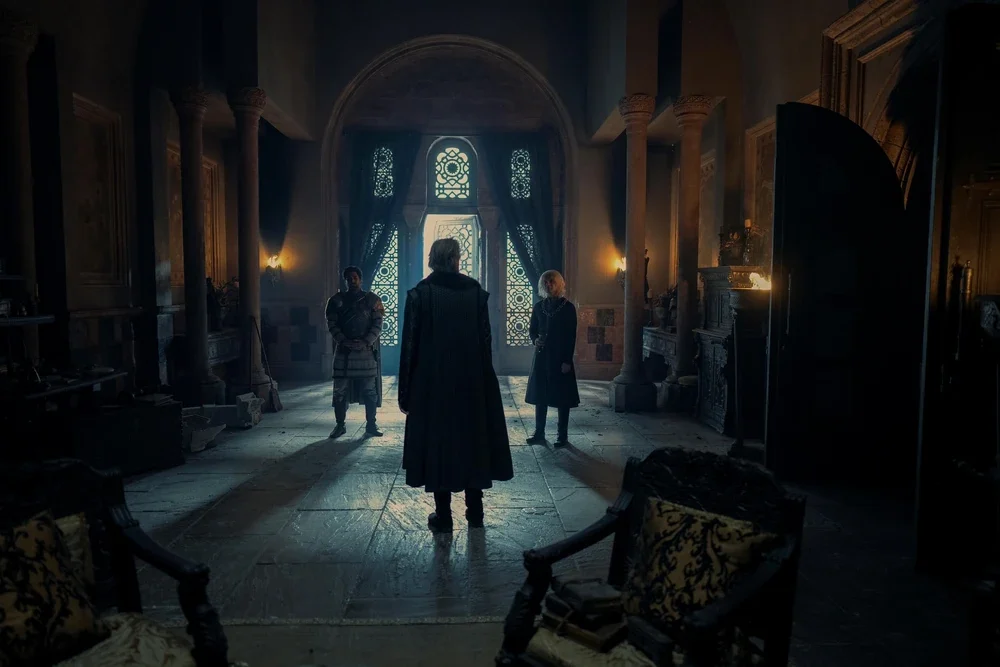
There is nothing written in ‘Fire and Blood’ to indicate Rhaenyra herself wielded the sword to execute Otto Hightower. Rhaenyra killing Otto may anger purists, but it sharpens her Season 3 descent and gives Ifans’ formidable schemer the exit he earned. The realm is now watching a queen whose justice and grief have begun to share the same blade.
The Ripple Effects on the Hightower Family in Season 3
In Martin’s book, both Gwayne and Otto Hightower were killed when Rhaenyra took King’s Landing, with Gwayne murdered by Ser Luthor Largent when the City Watch helped secure the city. The television series, however, kept Gwayne far from King’s Landing, instead placing him alongside Criston on a march through the Riverlands.
By keeping Gwayne alive in ‘House of the Dragon’ Season 3, the series is able to explore the complexities of his reaction to his father’s death and how his strategy may change following the loss.
Among the major new additions to Season 3’s cast is James Norton as Ormund Hightower, a cousin of Alicent and Gwayne who commands the Greens’ armies in the Reach and oversees the young Prince Daeron Targaryen as his ward. The Hightower name, stripped of its most powerful operator, is now scattered across a fractured war, and the family’s future in the Dance of the Dragons looks grimmer than the book ever telegraphed.
Whether you think the show gave Otto the death he deserved or robbed ‘Fire and Blood’ of its cold historical poetry, it would be fascinating to hear your take on whether Rhaenyra wielding that sword herself was the right call for where her character needs to go in Season 3.