‘House of the Dragon’ Kept Gwayne Hightower Alive and It Changes Everything We Thought We Knew

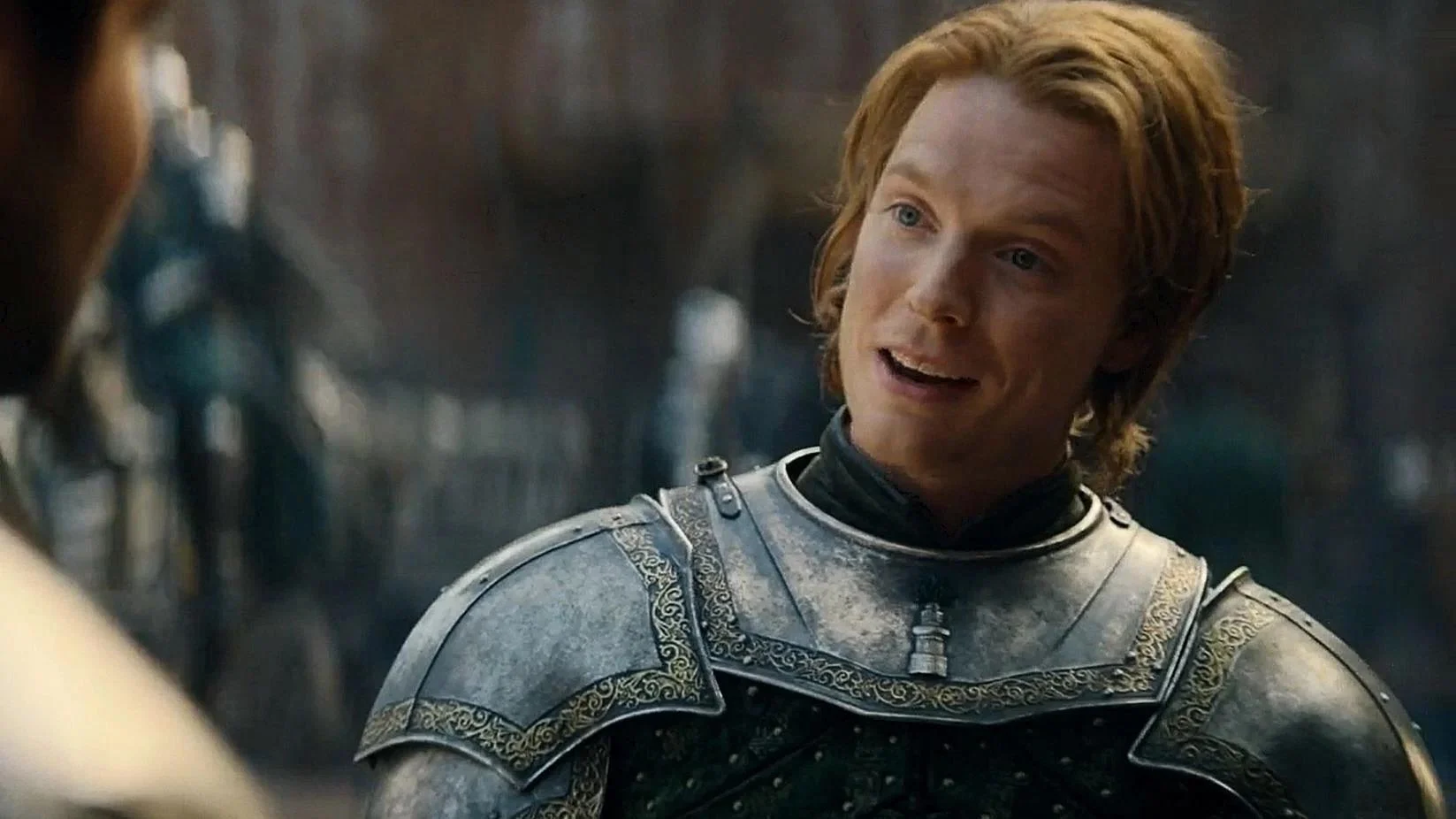

‘House of the Dragon‘ season 3 has never been shy about rewriting George R.R. Martin’s source material, but the second episode of the season quietly made a change that book readers will not have seen coming. While the episode delivered the fall of King’s Landing, Rhaenyra’s seizure of the Iron Throne, and a brutal execution that shook viewers, it also chose not to kill a character the books condemned to death a long time ago.
In the latest episode, Rhaenyra Targaryen at last takes the Iron Throne after Alicent Hightower opens the gates to the Red Keep, though the ascension is not without bloodshed. Yet amid all that chaos, one significant survival slipped past casual viewers, and its consequences for the rest of the season could be enormous.
What ‘Fire and Blood’ Actually Says About Gwayne Hightower
In George R.R. Martin’s book, Alicent’s brother Ser Gwayne Hightower, second in command of the Gold Cloaks, rushed to the stables intending to sound the warning when Rhaenyra arrived. He was seized, disarmed, and dragged before his commander, Luthor Largent. When Hightower denounced him as a turncloak, Ser Luthor laughed, saying that Daemon gave them those cloaks and they were gold no matter how you turn them, before driving his sword through Ser Gwayne’s belly and ordering the city gates opened.
In the show, however, when Rhaenyra and Daemon land in the capital, most guards surrender, and Daemon creates a path for Rhaenyra by killing anyone who stands in their way. In place of the book’s confrontation at the stables, Luthor Largent reveals his true allegiance in a dramatic moment in the throne room by defending Rhaenyra from the green guards instead. It is a scene with real theatrical punch, but it comes at the cost of erasing what was, in Martin’s telling, one of the more grimly satisfying moments of the entire battle.
The Book Change That Gives Gwayne ‘More Dimensionality’
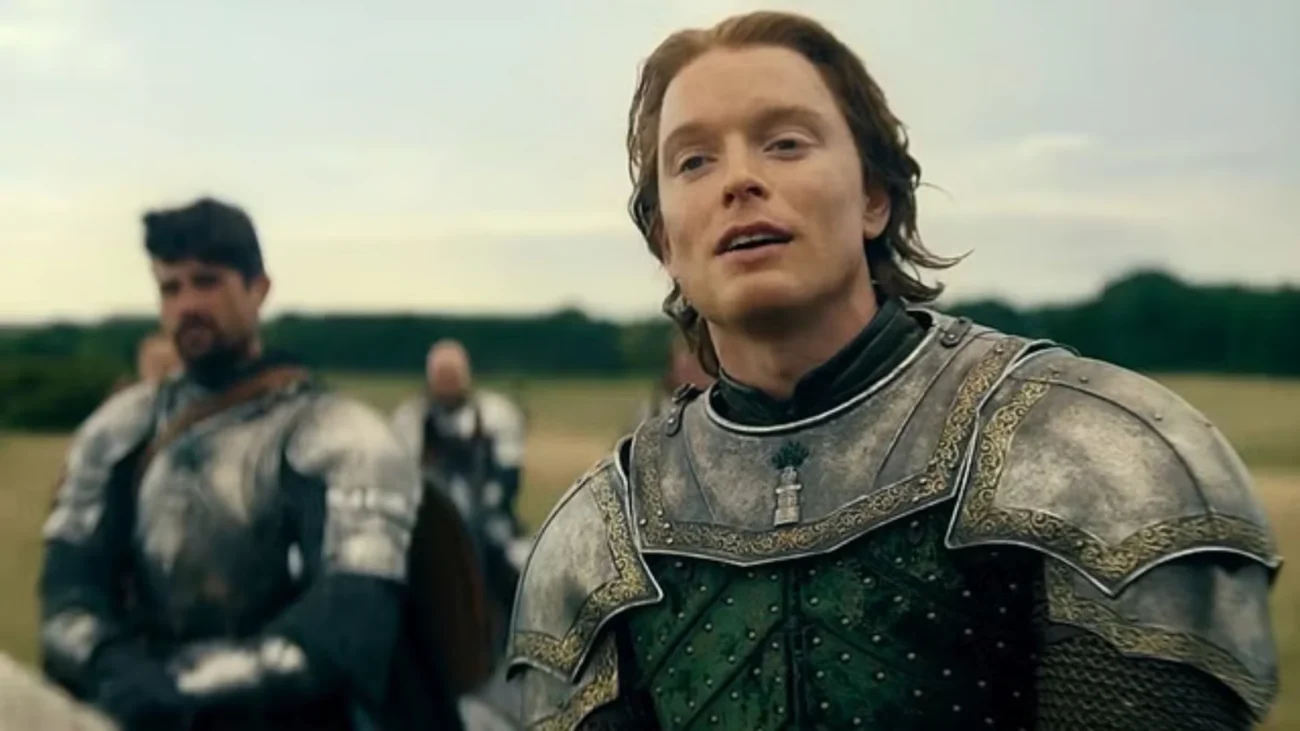
In the show, Gwayne is positioned far away with Criston Cole during these events, meaning he survives where his book counterpart does not, and his ultimate fate is now a complete mystery to even the most dedicated readers of the source material.
In an interview with Screen Rant, actor Freddie Fox addressed the major book change, noting that ‘House of the Dragon’ abandoning Gwayne’s book death gives the character “further to go” with “more dimensionality” to his journey.
That is not a small thing in a show where most of the cast are essentially walking toward fates already printed on a page. By keeping Gwayne alive, the series is now able to explore the complexities of his reaction to his father’s death and how his strategy may change following the tragic introduction of Team Black’s reign in King’s Landing.
By the episode’s ending, Gwayne remains unaware of Otto’s fate, though the book version of him didn’t survive long enough to learn what would become of his father. That emotional reckoning, a son processing both grief and the political wreckage of House Hightower, is entirely new territory, and it is the kind of original storytelling the show has been reaching for amid a season full of bold deviations.
Rhaenyra’s Execution of Otto Is Nothing Like the Books Either
The Gwayne change does not exist in isolation. ‘House of the Dragon’ changed Otto Hightower’s death from ‘Fire and Blood’ because the show needed Rhaenyra Targaryen’s revenge to feel personal, public, and politically irreversible. Otto, hidden in the dungeons since Season 2, is brought before Rhaenyra and executed by her own hand.
The book’s version is far colder and more archival, suggesting a formal execution where the reference to the block implies ritual, procedure, and likely an executioner. The episode removes that buffer entirely.
Rhaenyra does not outsource the blood. She takes the sword herself, and the effort of the act makes the scene harsher than a clean ceremonial beheading. It is the kind of moment that separates a chronicle from a drama, and the show lands it with real force.
The change fits Season 3’s altered emotional tempo. The episode begins in the aftermath of Jace’s death and then escalates into Rhaenyra’s seizure of King’s Landing and Otto’s execution. Her grief does not remain private here. It becomes governance. It becomes punishment. It becomes the first visible language of her rule.
George R.R. Martin’s Ongoing Frustration With the Show
These are not the only places where the series has veered from its source material this season. The secret meetings between Alicent and Rhaenyra are a wholesale invention, as is the resulting bargain and the entire forged-letter subplot in which Alicent signs a deception to Ormund Hightower in her son’s name to stall the Hightower army.
Martin previously railed against changes made to his source material on his Not a Blog page, and later told The Hollywood Reporter his relationship with showrunner Ryan Condal is described as “abysmal.”
That is a remarkable thing for an author to say about an adaptation of his own work still actively airing, and it suggests the tension between the page and the screen is not going away. Martin has been openly warning about the “butterfly effect” of small changes that detonate into very different stories down the line, and those concerns feel especially relevant now.
Yet from a purely narrative standpoint, the Gwayne decision is one of the more defensible calls the writers have made this season. With six episodes remaining in ‘House of the Dragon’ season 3 and the series already confirmed for a fourth and seemingly final season on HBO, there’s still plenty of time to expand on Gwayne’s characterization and give him deeper, more nuanced dynamics with other key characters.
Whether the show earns that investment is another question, but the setup is genuinely intriguing. Whether you think keeping Gwayne alive is a storytelling gift or a betrayal of Martin’s vision, drop your take in the comments, because this is exactly the kind of change that splits a fandom right down the middle.