‘Gordon’ Ending Explained: Why the Netflix Series Halts Inside Argentina’s 1976 Nightmare

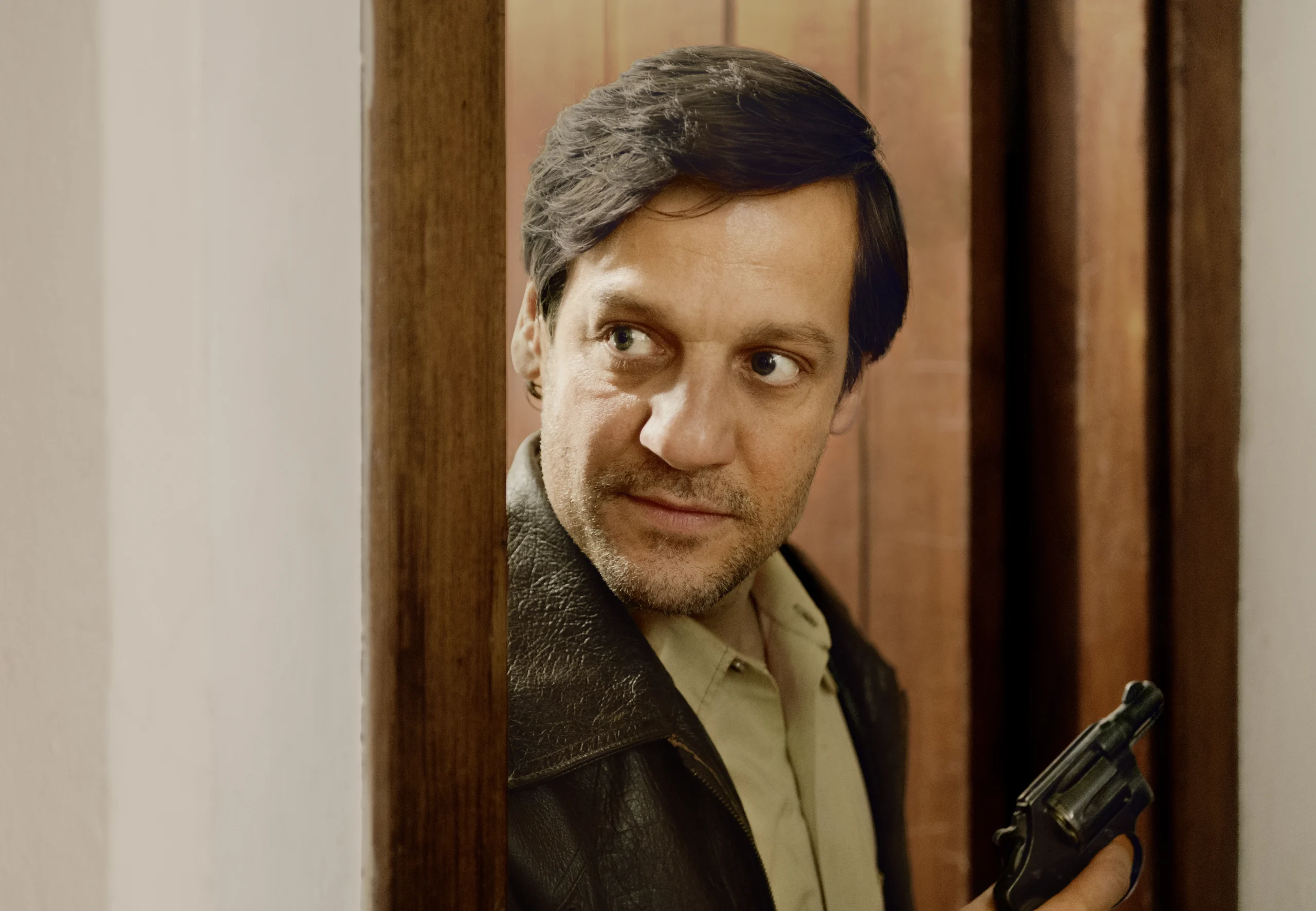
Netflix expanded its Latin American slate on Nov. 18, 2026, with the global premiere of ‘Gordon’, a bleak Argentine crime thriller starring ‘Money Heist’ alum Rodrigo de la Serna. Adapted from investigative historian Marcelo Larraquy’s novels “Gordon” and “Gordon, el aniquilador,” the seven-episode drama reconstructs the real-life trajectory of Aníbal Gordon across one of Argentina’s most violent decades. Rather than offering comfortable distance, the series plunges viewers into a claustrophobic landscape where common street crime gradually merges with political terror.
Behind the camera, ‘Gordon’ marks filmmaker Pablo Trapero’s return to shooting fiction in Argentina after eight years, serving as showrunner, co-writer alongside Marcos Osorio Vidal, and co-director with Pablo Fendrik. Shot over seven months across Buenos Aires and San Carlos de Bariloche, the ambitious project spans the turbulent years from 1970 through 1976, as Variety reported. Trapero had previously glimpsed the infamous criminal during a brief scene in his 2015 film ‘The Clan’, leaving him eager to build a fuller canvas around the era’s subterranean networks.
How Aníbal Gordon Climbs Into Argentina’s Parapolice Machine
Across its first five episodes — “Chorro,” “Granada,” “Espía,” “AAA,” and “Pibe” — the thriller traces how a calculating loner without ideological allegiance exploits institutional collapse. Following a 1971 Bariloche bank heist alongside young right-wing Peronist militant Acosta (Matías Recalt), Gordon steals weapons, informs on political prisoners inside Devoto jail for intelligence operative Julieta Melo (Camila Peralta), and rides the 1973 amnesty straight into the far-right Triple A death squad. As Trapero told Página/12, “For Gordon, violence was a commodity,” adding that “history legitimizes him, and he takes advantage of that to move through those places of power”.
After Juan Domingo Perón’s death in 1974, Gordon turns ransom kidnappings inside the Triple A into a lucrative enterprise, fracturing his bond with Acosta, whose lingering moral boundaries clash with his mentor’s cold opportunism. Simultaneously, the narrative locks Gordon into a lethal triangle with Julieta and left-wing revolutionary Graciela Mancini (Fiorella Bottaioli), who stalks Gordon to avenge a comrade killed behind bars. By the time the military topples the government on March 24, 1976, every check on Gordon’s cruelty has vanished.
What Happens in the ‘Gordon’ Finale, “Vampiro”
The final two episodes, “Piba” and “Vampiro,” both directed by Trapero, pivot sharply away from gritty 1970s crime drama into unvarnished horror. Initially stripped of his previous standing following the 1976 coup, Gordon scrambles to prove his usefulness to the incoming junta while his deadly cat-and-mouse chase with Graciela races toward a breaking point.
In the seventh and final hour, “Vampiro,” Gordon takes command inside a clandestine detention center where operatives decide who lives and who dies — a site modeled on Buenos Aires’s notorious Automotores Orletti, which the real Gordon ran between May and November 1976. Trapero guides the camera down into that subterranean basement hellscape in a haunting final sequence shot, turning the regime’s unchecked authority into visceral terror. There, the series’ central triangle physically collides as Julieta loses control over the monster she helped cultivate, and both Julieta and Graciela become victims of Gordon’s sadistic violence.
Why ‘Gordon’ Stops in 1976 Instead of Showing His Downfall
Audiences expecting a neat historical epilogue will notice that ‘Gordon’ ends abruptly during the first months of the dictatorship. The series skips Gordon’s 1983 kidnapping of journalist Guillermo Patricio Kelly, his 1984 capture in Córdoba, his 1986 conviction carrying a 16-year prison term, and his 1987 death in custody. Instead, the screen closes on a stark, truncated quotation from Holocaust survivor Primo Levi: “Monsters exist, but they are too few to be truly dangerous; more dangerous are the common men” — pointedly cutting off Levi’s warning about obedient functionaries.
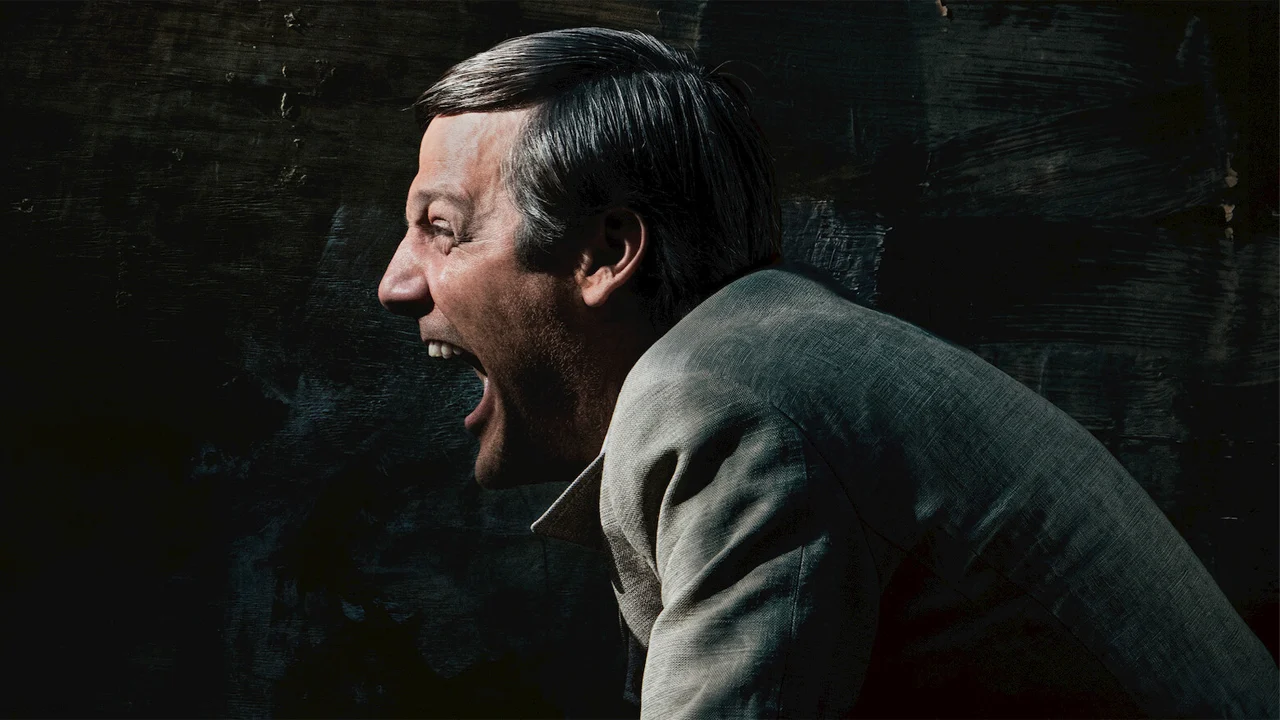
By halting inside the darkness of 1976, Trapero denies viewers the reassuring catharsis of democratic justice. Speaking to Página/12 alongside his director, De la Serna noted that “‘Gordon’ comes to remind us that evil exists,” explaining that once the rule of law collapsed, Gordon “discovered his true self: perverse pleasure in the suffering of others, the capacity to torture”. Still, the abrupt cutoff also leaves plenty of real-world history untouched for a potential second season, as Trapero emphasized in an interview with Diario Río Negro, remarking that “Gordon’s story continues; there is still much more after where we leave it”.
Did ‘Gordon’ make the right choice by ending inside the terror of 1976 rather than following Aníbal Gordon’s eventual downfall, and would you watch a second season — share your thoughts in the comments below!