


Gay Actors Initially Dismissed for Their Looks

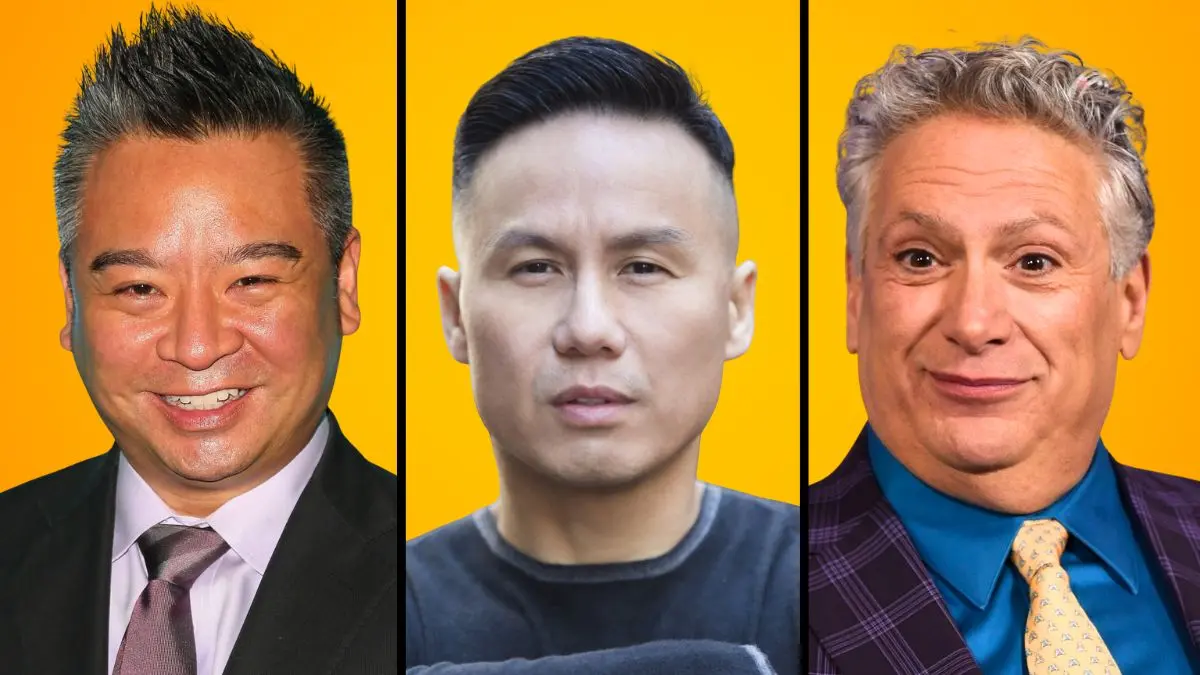


The entertainment industry has long maintained rigid standards for what constitutes a leading man. Many talented performers faced early rejection or typecasting because they did not fit the conventional physical mold favored by casting directors. These actors were often told they were too distinct or unconventional to carry major productions. They persevered against these superficial barriers to build remarkable careers. This list celebrates the gay men who overcame initial dismissal regarding their appearance to achieve success.
Harvey Fierstein
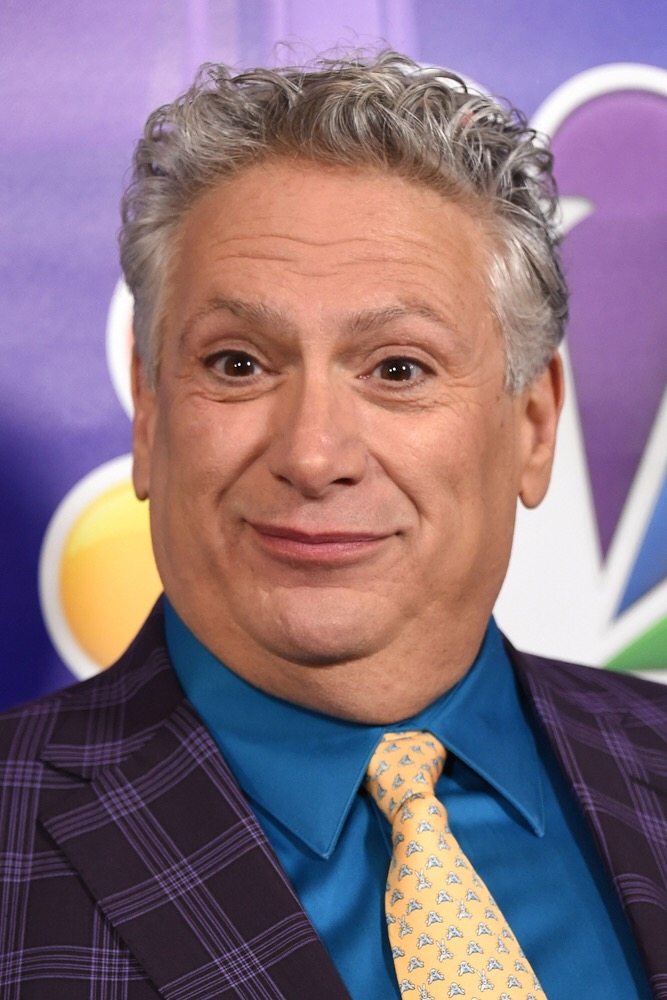
Harvey Fierstein faced significant hurdles in Hollywood due to his gravelly voice and unconventional appearance. Casting directors often viewed him as too distinct for mainstream leading roles early in his career. He carved his own path by writing and starring in theater productions that highlighted his unique talents. His performance in ‘Torch Song Trilogy’ proved that his specific persona could carry a major story. He eventually became a theater icon and a beloved character actor in film.
Leslie Jordan

Leslie Jordan was a short actor with a thick Southern accent who struggled to find serious roles early in his career. Many producers saw him only as a sight gag or a background character due to his height and mannerisms. He embraced his distinctiveness and turned it into a comedic weapon that audiences adored. His role in ‘Will & Grace’ showcased his ability to steal every scene he was in. He later found massive viral fame and continued to work steadily until his passing.
Nathan Lane
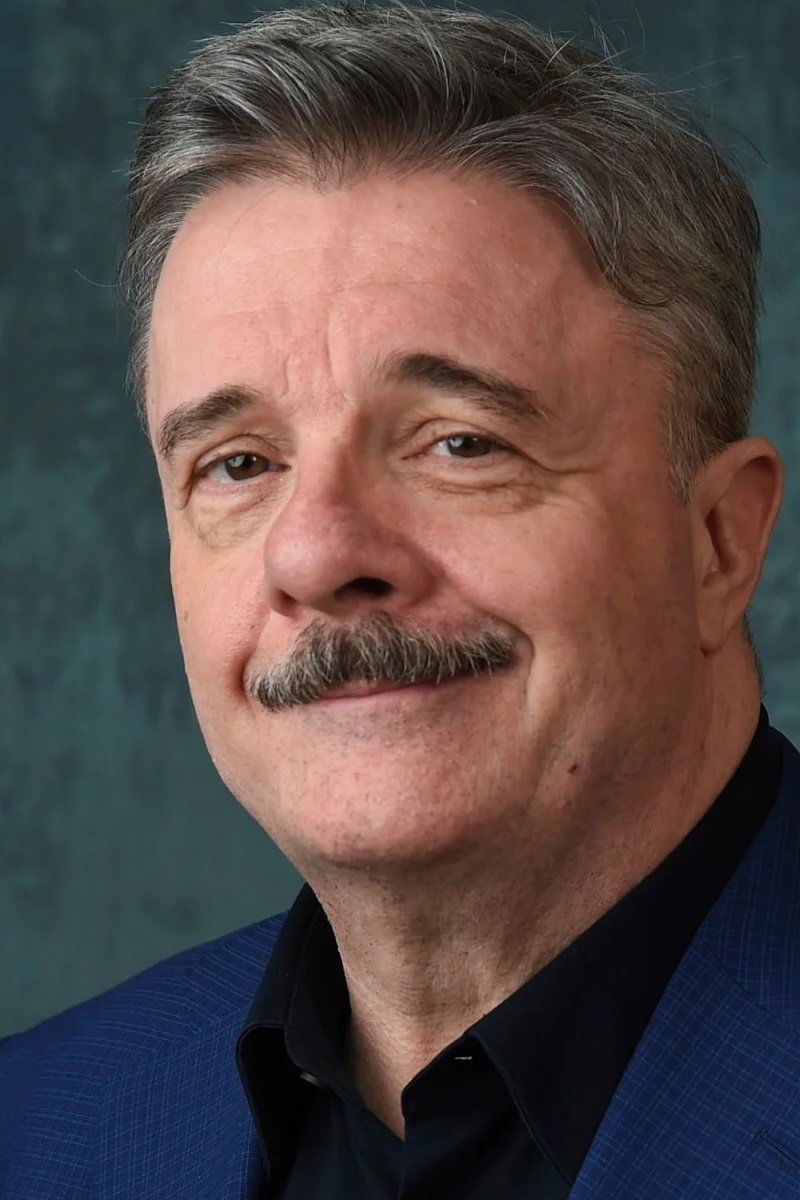
Nathan Lane dealt with being typecast as the funny sidekick rather than a romantic lead due to his stature and energy. Critics and casting agents often dismissed him as a character actor limited to loud comedic roles. He proved his incredible range by conquering Broadway and delivering nuanced performances in film. His voice work and timing made him a legend in the industry despite early limitations placed on him. Lane remains one of the most respected actors of his generation.
Billy Porter
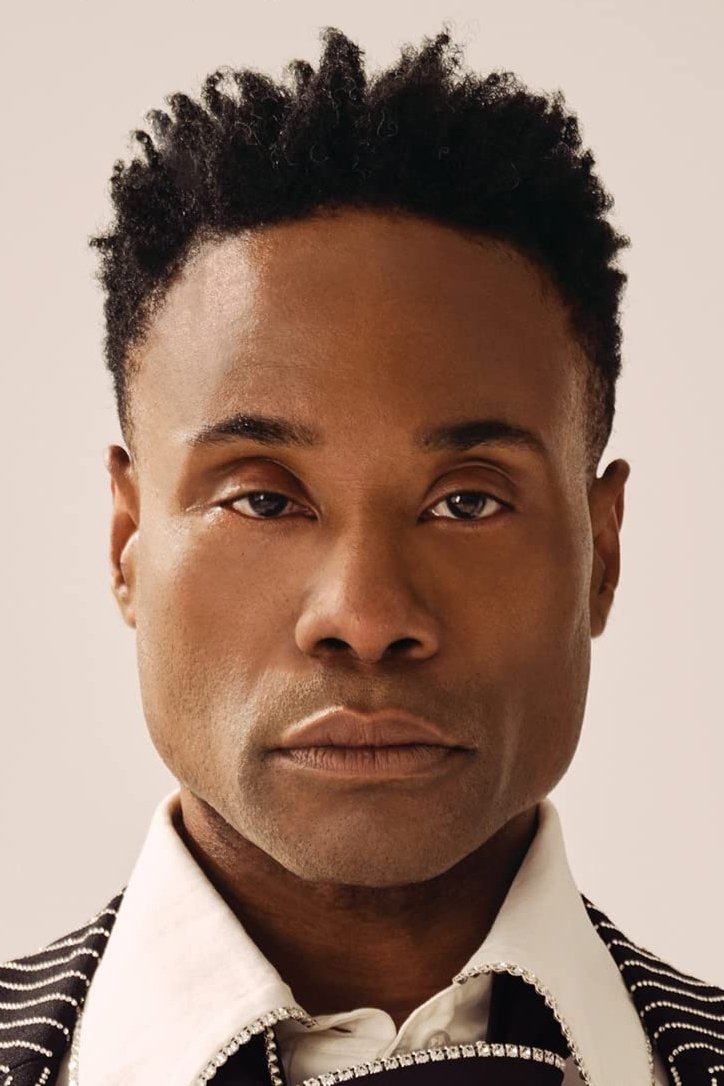
Billy Porter struggled for decades to find his place in an industry that did not know what to do with a flamboyant black gay man. He faced rejection for being too expressive and was often relegated to minor stereotypical roles. He nearly left the business entirely before finding success on Broadway and eventually television. His breakout role in ‘Pose’ allowed him to showcase the very traits he was previously told to suppress. Porter is now a fashion icon and an award-winning performer.
Alan Cumming
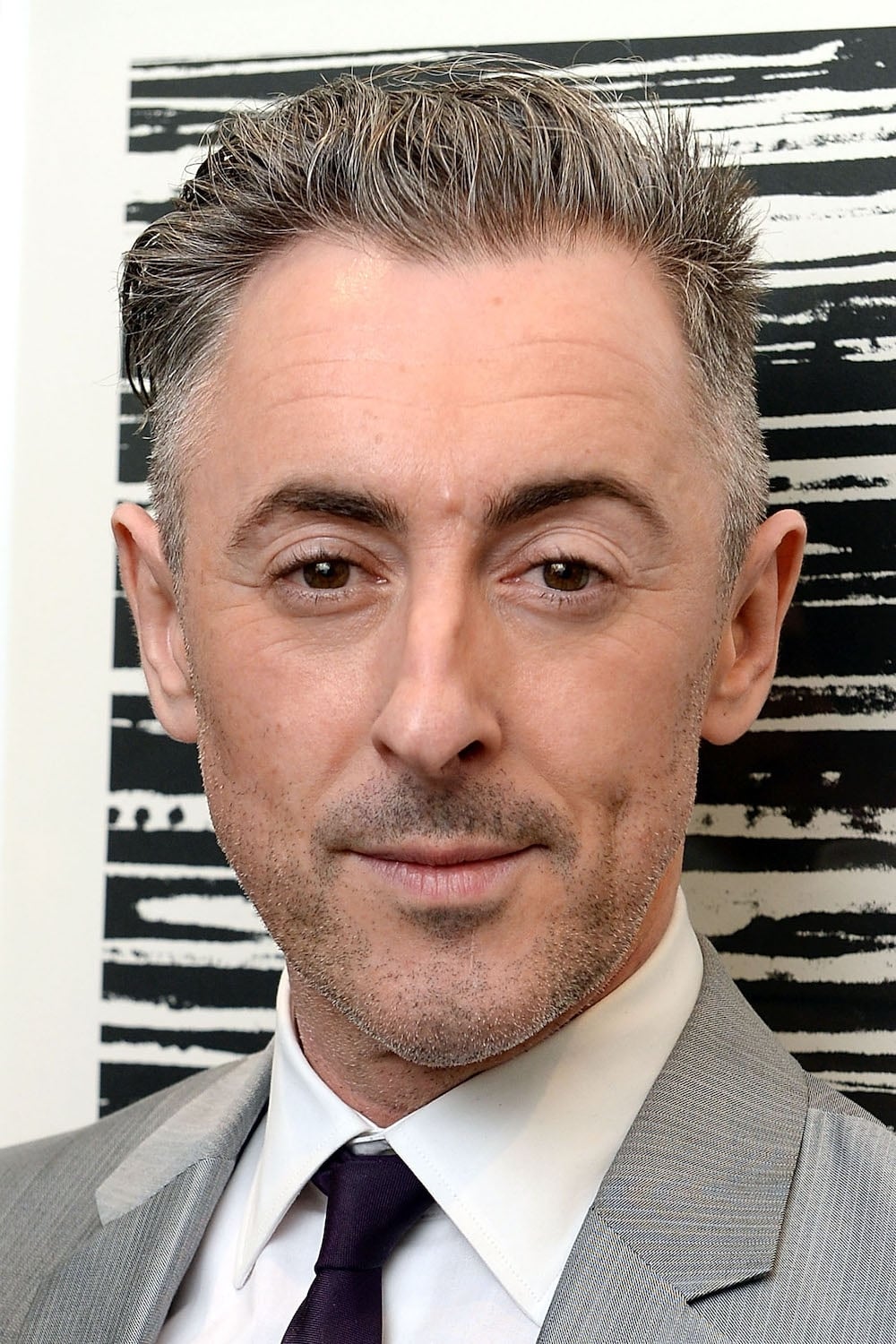
Alan Cumming possesses a unique and elfin look that initially confused mainstream casting directors. He was often categorized as too weird or eccentric for traditional leading man parts. He used this to his advantage by taking on complex and often villainous roles that required a distinct presence. His work in ‘Cabaret’ and ‘The Good Wife’ demonstrated his ability to captivate audiences. Cumming successfully turned his unconventional appearance into his greatest asset.
Jim Parsons

Jim Parsons faced early difficulties in his career because he did not fit the rugged archetype of a TV star. His lanky frame and specific manner of speaking limited the auditions he could secure. Everything changed when he landed the role of Sheldon Cooper in ‘The Big Bang Theory’. The character required exactly the unique physical and vocal traits Parsons possessed. He became one of the highest-paid actors in television history by embracing his specific look.
Stephen Fry
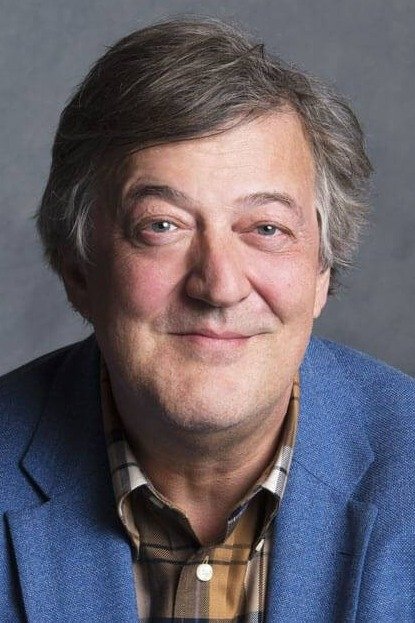
Stephen Fry has a distinct physical appearance due to his height and a crooked nose from a childhood injury. These traits along with his posh demeanor initially pigeonholed him into very specific comedic roles. He used his intellect and wit to transcend these visual limitations and become a national treasure in the UK. His acting career spans decades of varied roles that go far beyond simple comedy. Fry is now celebrated for the very distinctiveness that once limited his options.
Colman Domingo
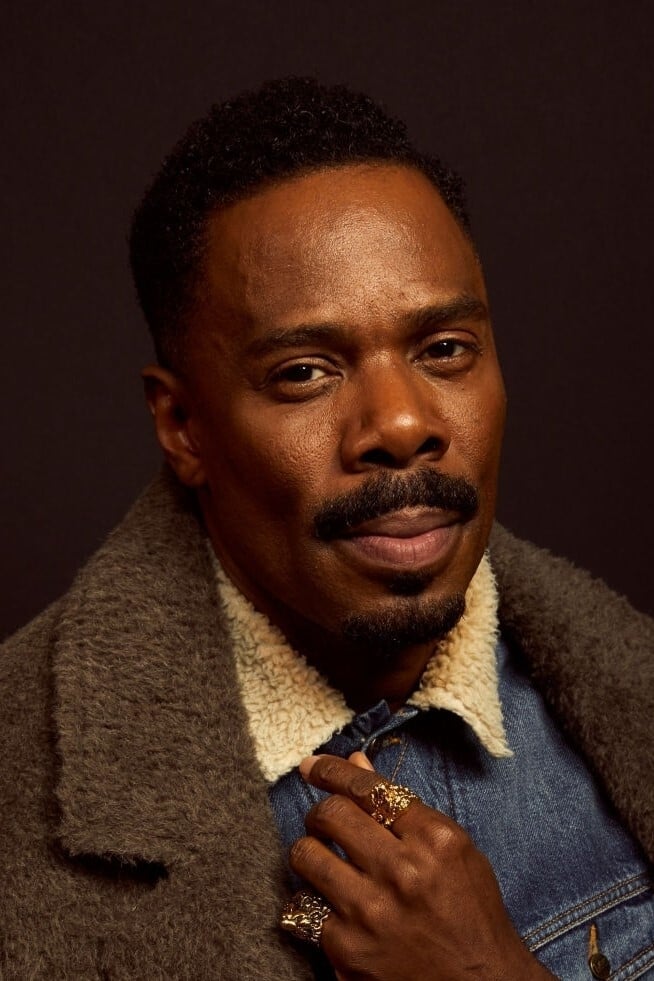
Colman Domingo worked as a journeyman actor for years while being overlooked for major leading roles. The industry often viewed him as a character actor who could support a story but not lead it. He consistently delivered powerful performances in theater and smaller film roles until Hollywood finally took notice. His recent surge in popularity proves that his talent was always present despite being undervalued. Domingo is now receiving the acclaim he deserved much earlier in his career.
BD Wong
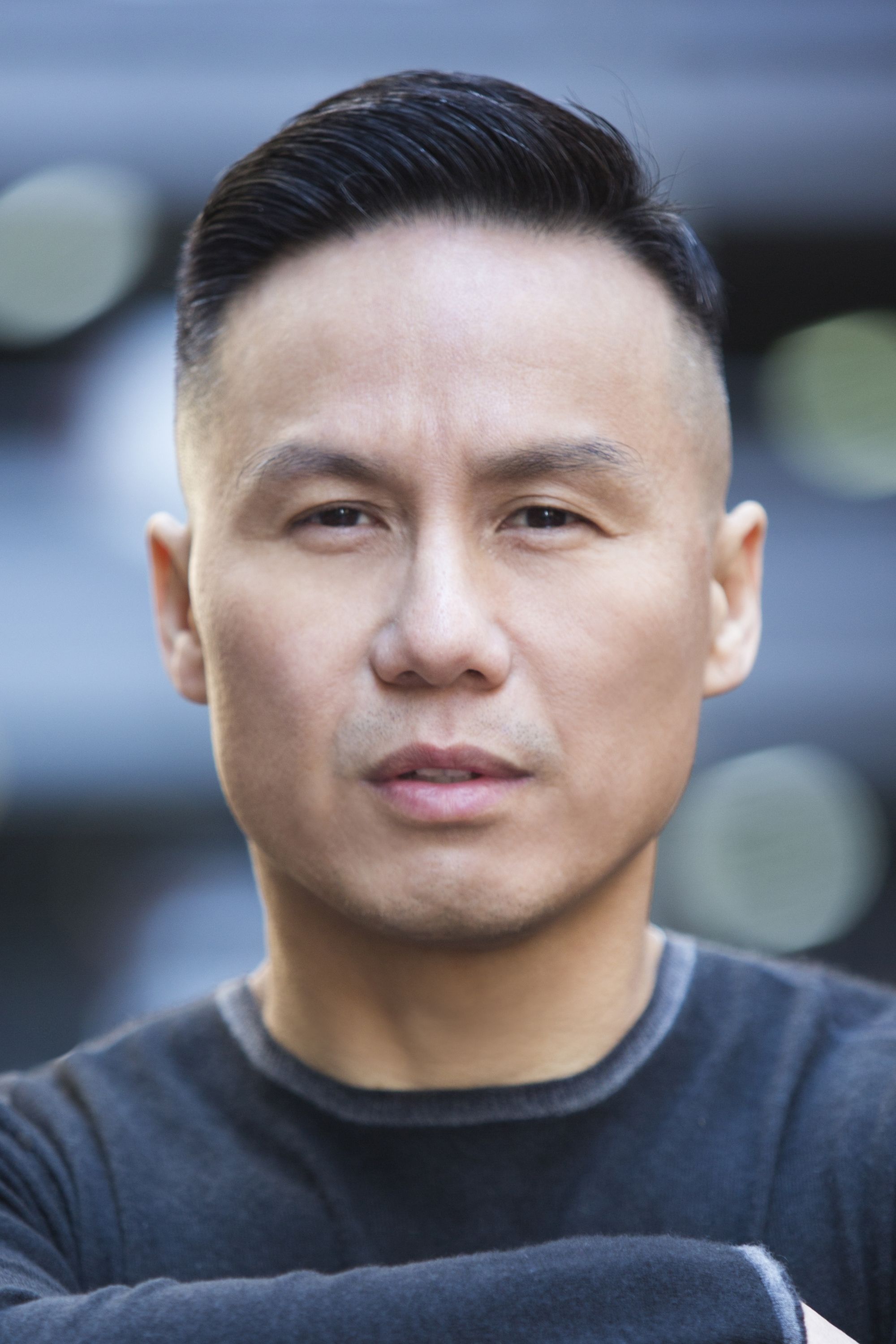
BD Wong faced the dual challenge of racial stereotypes and industry perceptions of Asian men. He was often offered roles that were caricatures rather than fully realized human beings. He fought against these limitations by delivering dignity and depth to every character he played. His role in ‘M. Butterfly’ was a historic moment that showcased his immense versatility. Wong has since maintained a steady presence in major franchises like ‘Jurassic Park’ and ‘Law & Order’.
George Takei
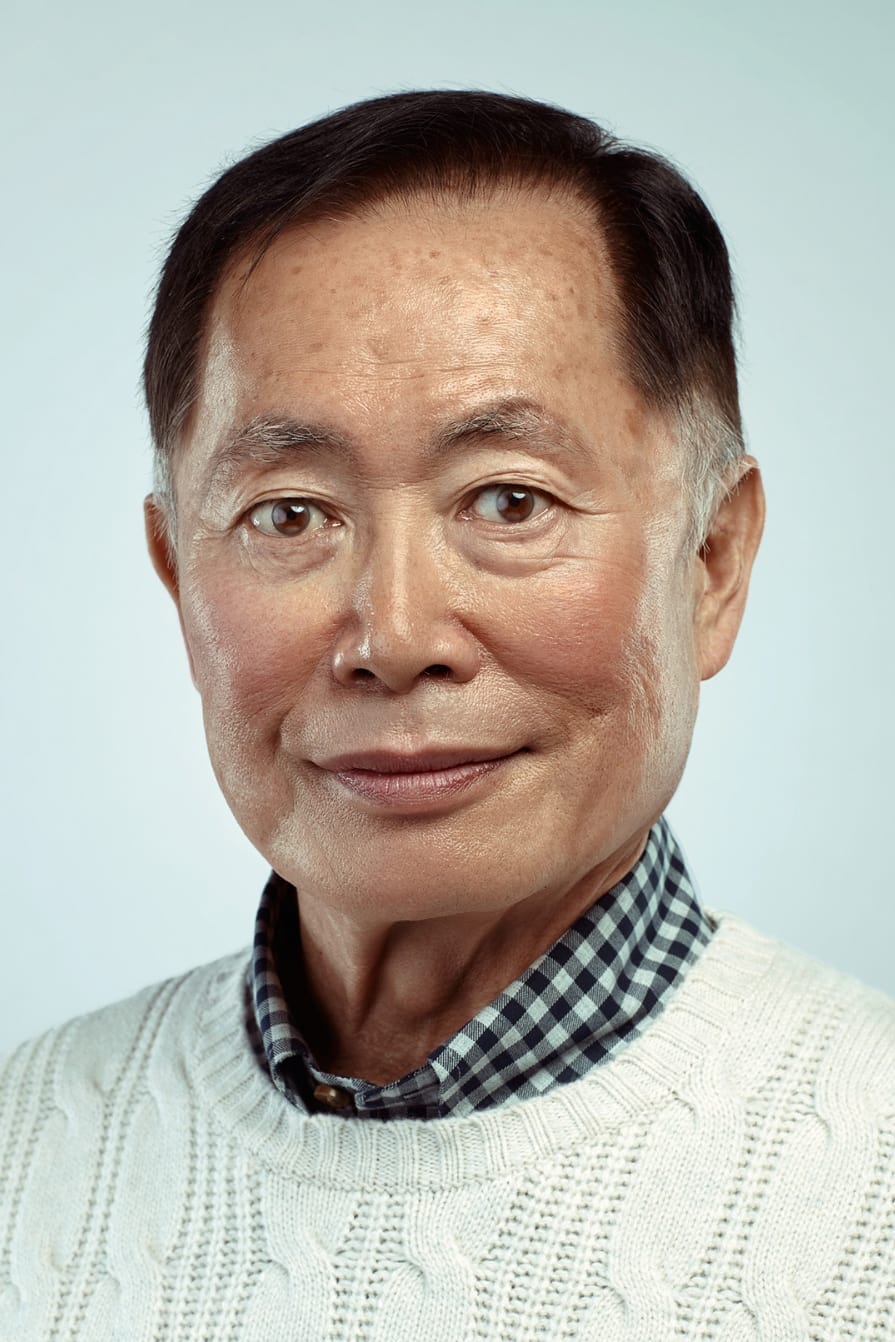
George Takei struggled against the intense racial typecasting of the mid-century Hollywood system. He was frequently dismissed for roles because he did not look like the white leading men of the era. He found a home in science fiction where his presence was welcomed as part of a diverse future. His role as Sulu in ‘Star Trek’ broke barriers and gave him a platform to fight for equality. Takei remains a vital voice in the industry and a symbol of perseverance.
Denis O’Hare
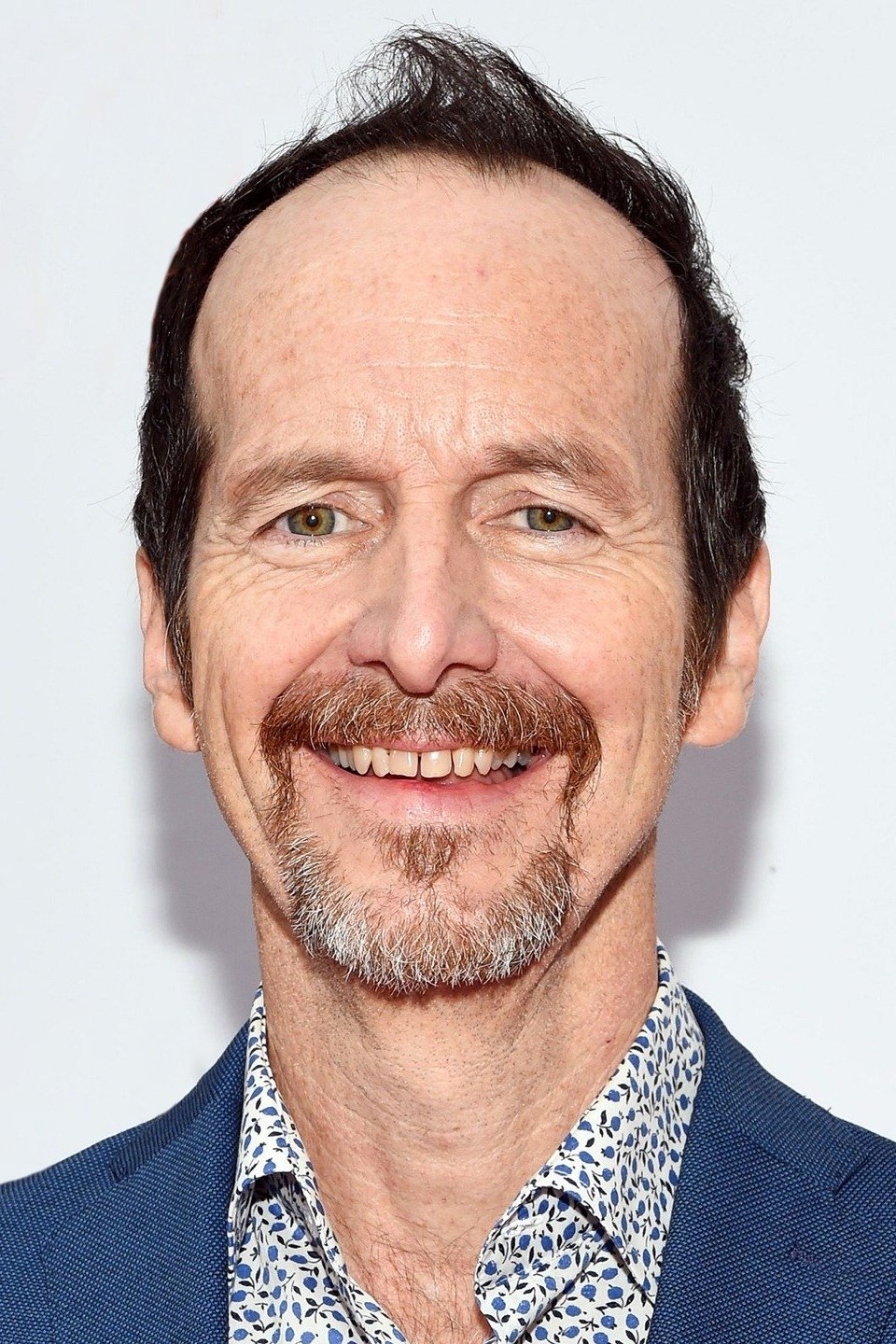
Denis O’Hare has distinct facial features that often land him in roles playing villains or eccentrics. He was not considered for traditional protagonist roles due to his intense and unique look. He utilized this to become a standout character actor in numerous television series. His work in ‘American Horror Story’ allowed him to showcase his ability to transform completely. O’Hare is now a go-to actor for directors needing complex and layered performances.
Andrew Scott
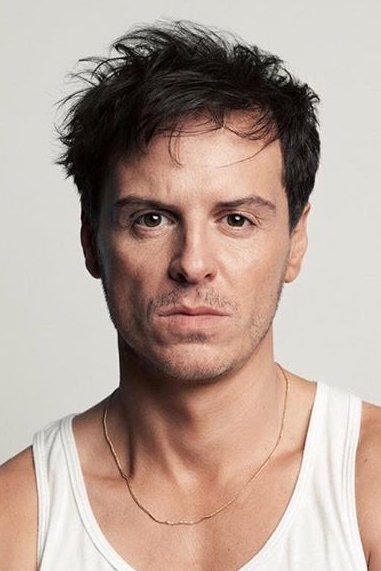
Andrew Scott was initially seen by some as having a look that was too intense or specific for romantic leads. He worked steadily in theater before gaining massive attention as a villain. His portrayal of Moriarty in ‘Sherlock’ turned his unique energy into a terrifying and charismatic weapon. He later proved his versatility as the romantic lead in ‘Fleabag’. Scott has successfully shattered the box casting directors initially placed him in.
Ben Whishaw
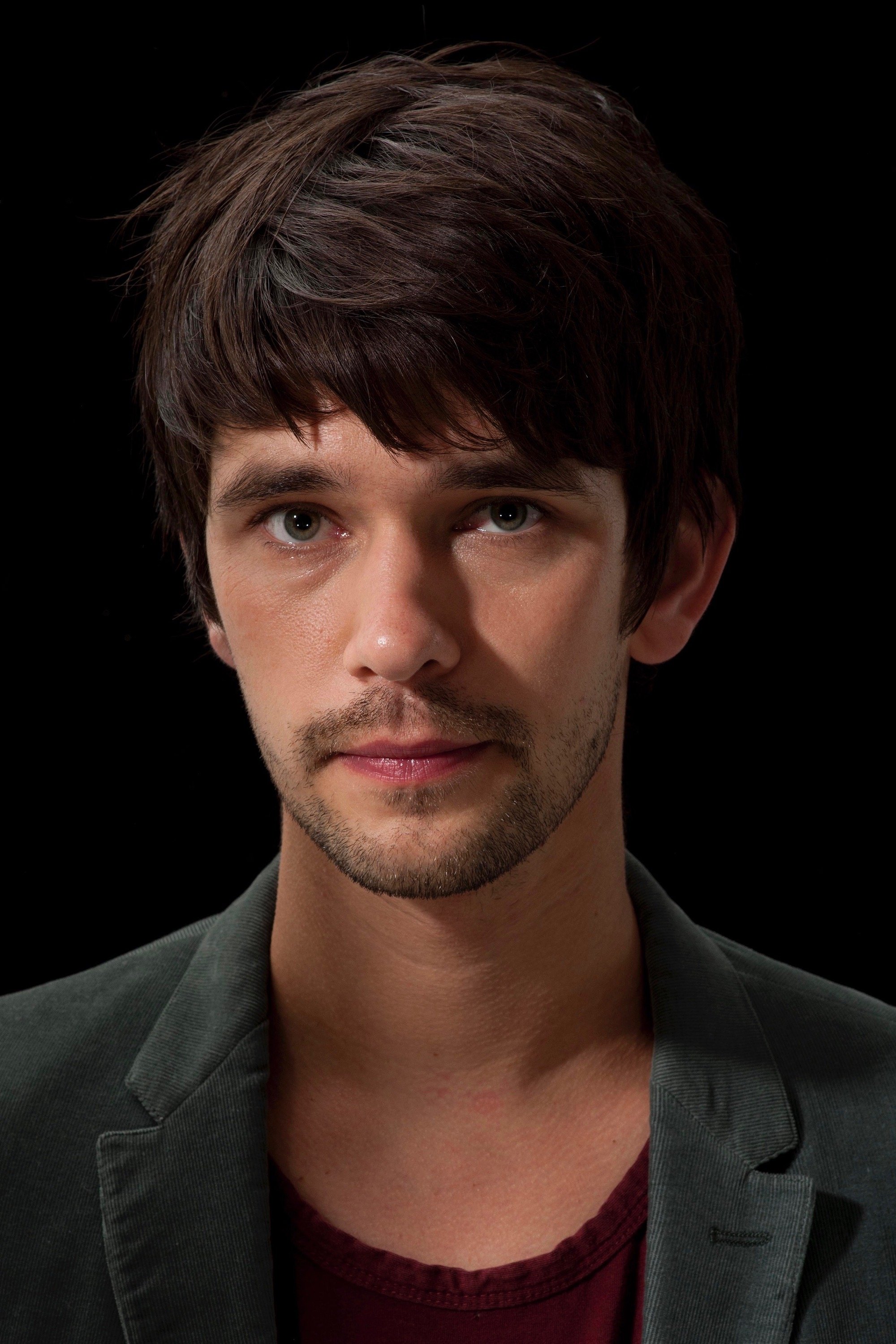
Ben Whishaw possesses a slight and fragile frame that contrasted with the muscular trends of action movies. He was often overlooked for tough roles but excelled in parts requiring vulnerability and intelligence. His casting as Q in the Bond franchise redefined the character for a modern audience. He brings a unique sensitivity to his roles that sets him apart from his peers. Whishaw has proven that physical strength is not the only way to command a screen.
Russell Tovey
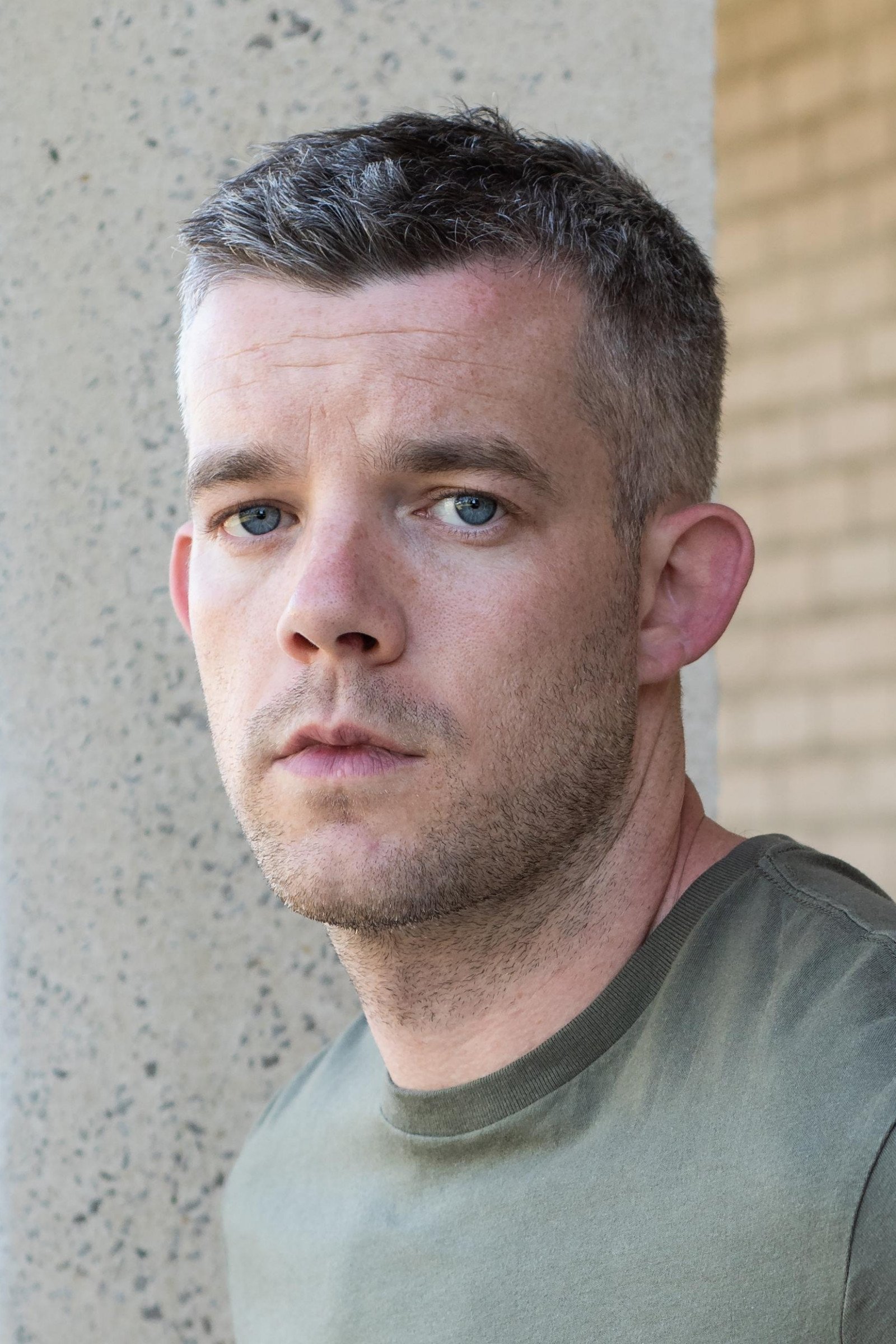
Russell Tovey has a unique look with distinct ears that he was teased about in his youth. The industry initially tried to cast him in sidekick roles rather than as a leading man. He embraced his physical traits and found success playing complex characters in both comedy and drama. His role in ‘Looking’ showcased his ability to be a romantic lead despite not fitting the cookie-cutter mold. Tovey continues to work consistently in high-profile projects.
Tituss Burgess
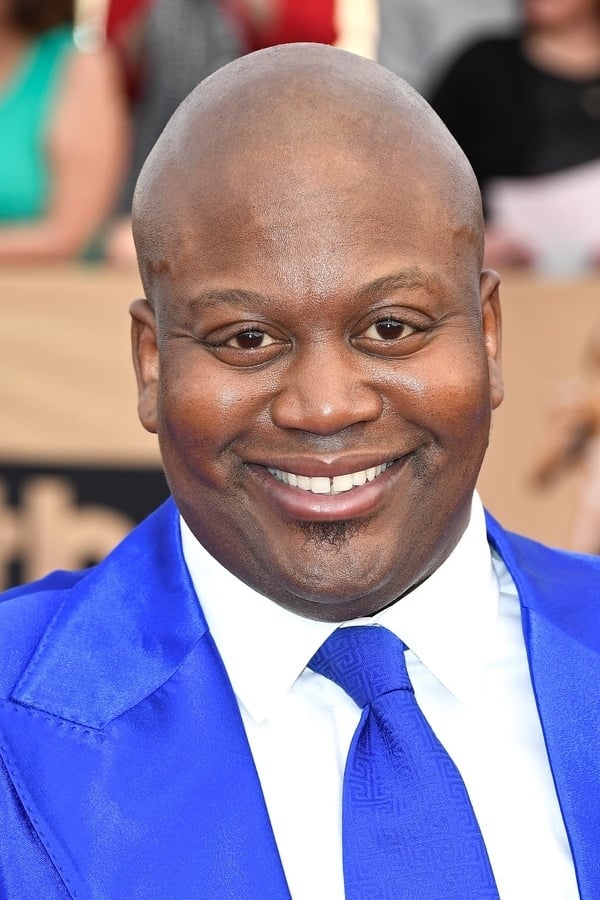
Tituss Burgess possesses a high tenor voice and a theatrical energy that television executives initially found difficult to place. He was often told to tone down his natural exuberance for camera work. He eventually found a role in ‘Unbreakable Kimmy Schmidt’ that required exactly his level of energy and talent. The character became a fan favorite and launched him to mainstream stardom. Burgess proved that being authentic is more valuable than blending in.
Mario Cantone
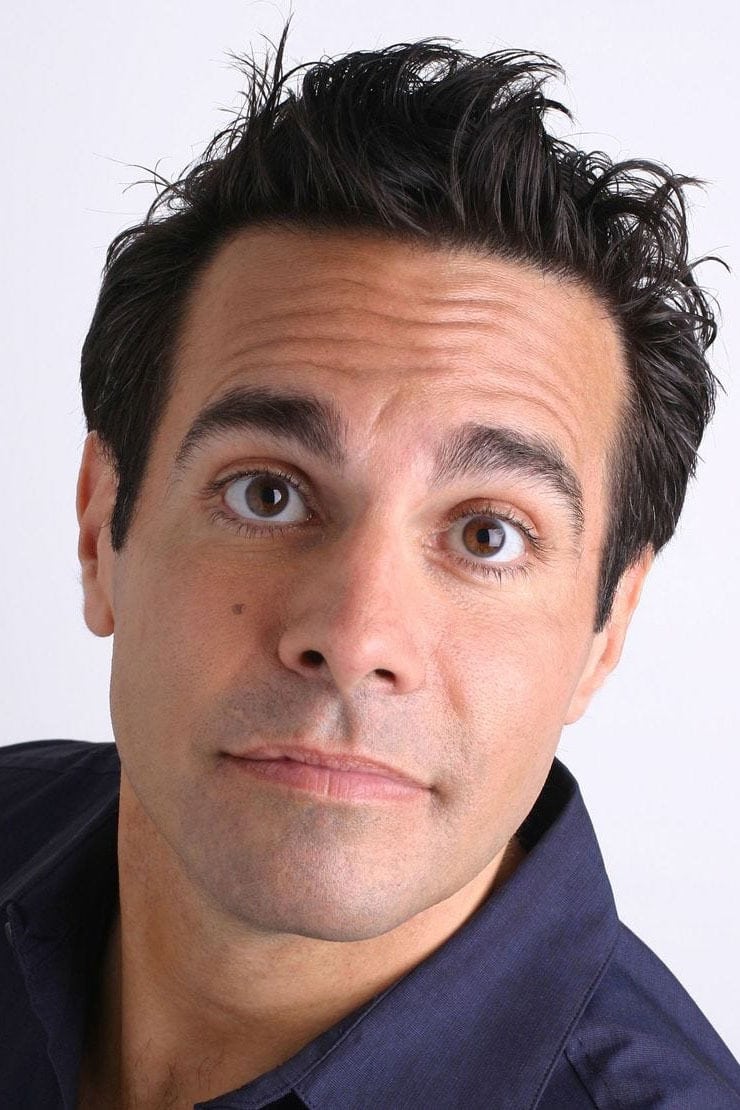
Mario Cantone has a fast-paced and high-energy delivery that made him a specific type for casting agents. He was often dismissed as too loud or too niche for broad appeal. He found his perfect vehicle in ‘Sex and the City’ where his personality was an asset rather than a liability. His career has flourished on both stage and screen by leaning into his unique persona. Cantone remains one of the most recognizable comedic voices in the business.
Alec Mapa
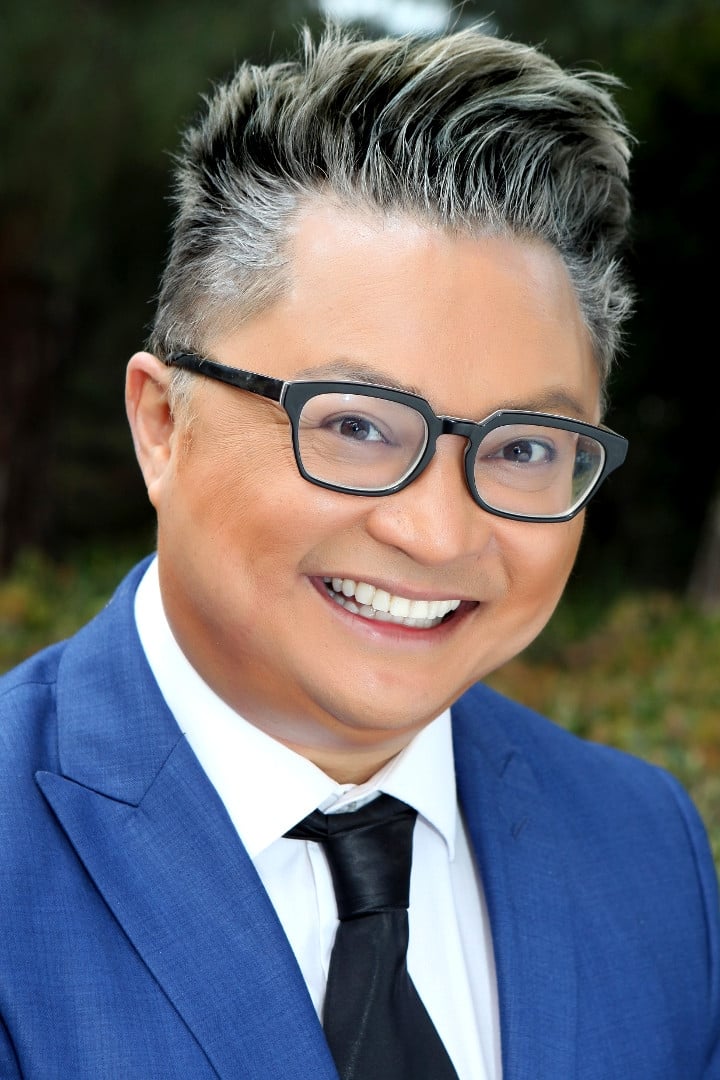
Alec Mapa faced the intersection of homophobia and racism in Hollywood casting rooms. He was frequently told he was too effeminate or too specific to be cast in general roles. He embraced the label of “America’s Gaysian” and turned his experiences into successful stand-up and acting work. His visibility opened doors for other queer Asian actors who followed. Mapa continues to advocate for representation while working in television.
Rex Lee
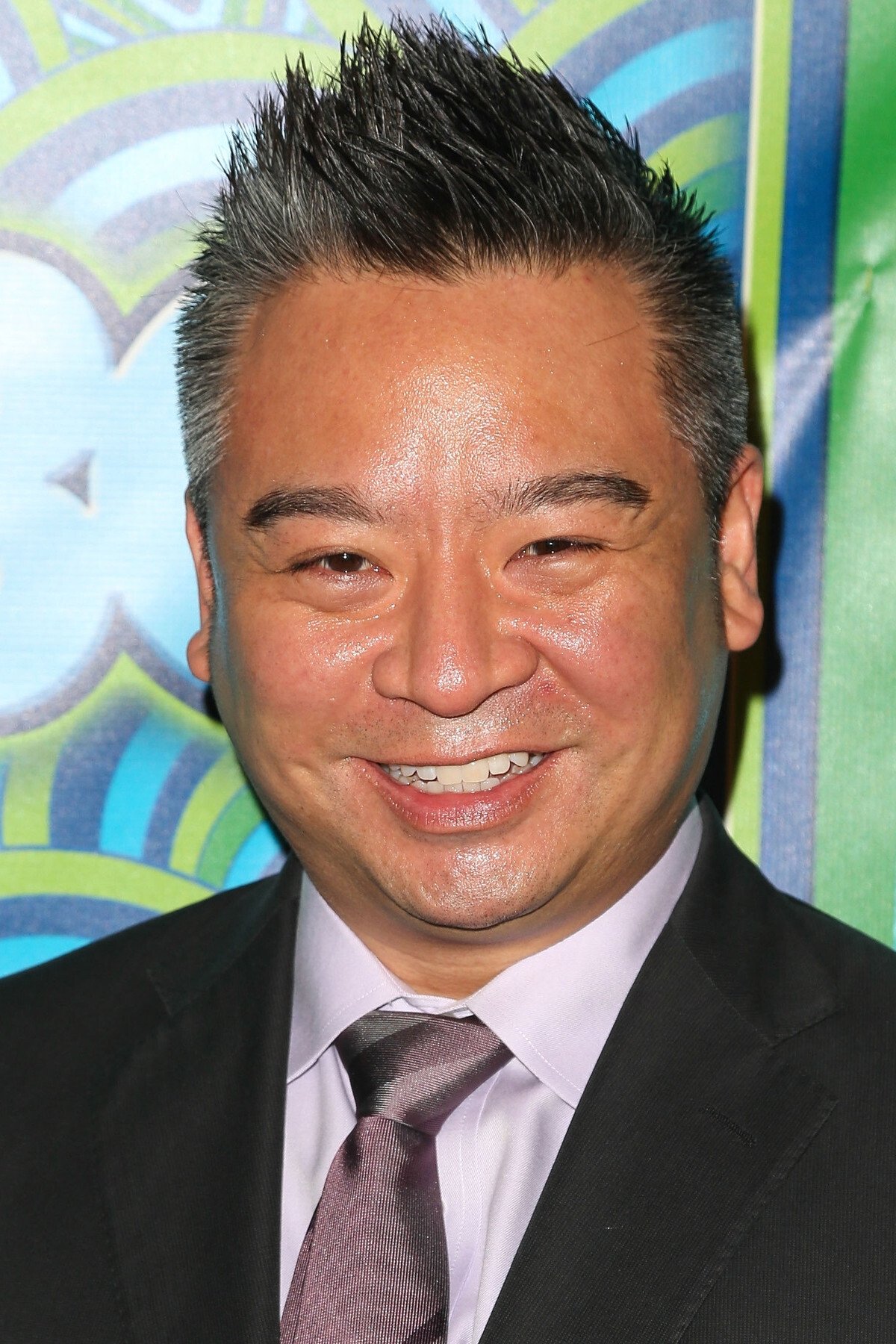
Rex Lee was working in casting before he landed his breakout role because he rarely saw parts for people who looked like him. He was often dismissed for roles that required a more traditional masculine presence. His performance as Lloyd in ‘Entourage’ turned a minor character into a series regular. He brought heart and humor to a role that could have easily been a stereotype. Lee proved that specific character actors are essential to an ensemble.
Bowen Yang
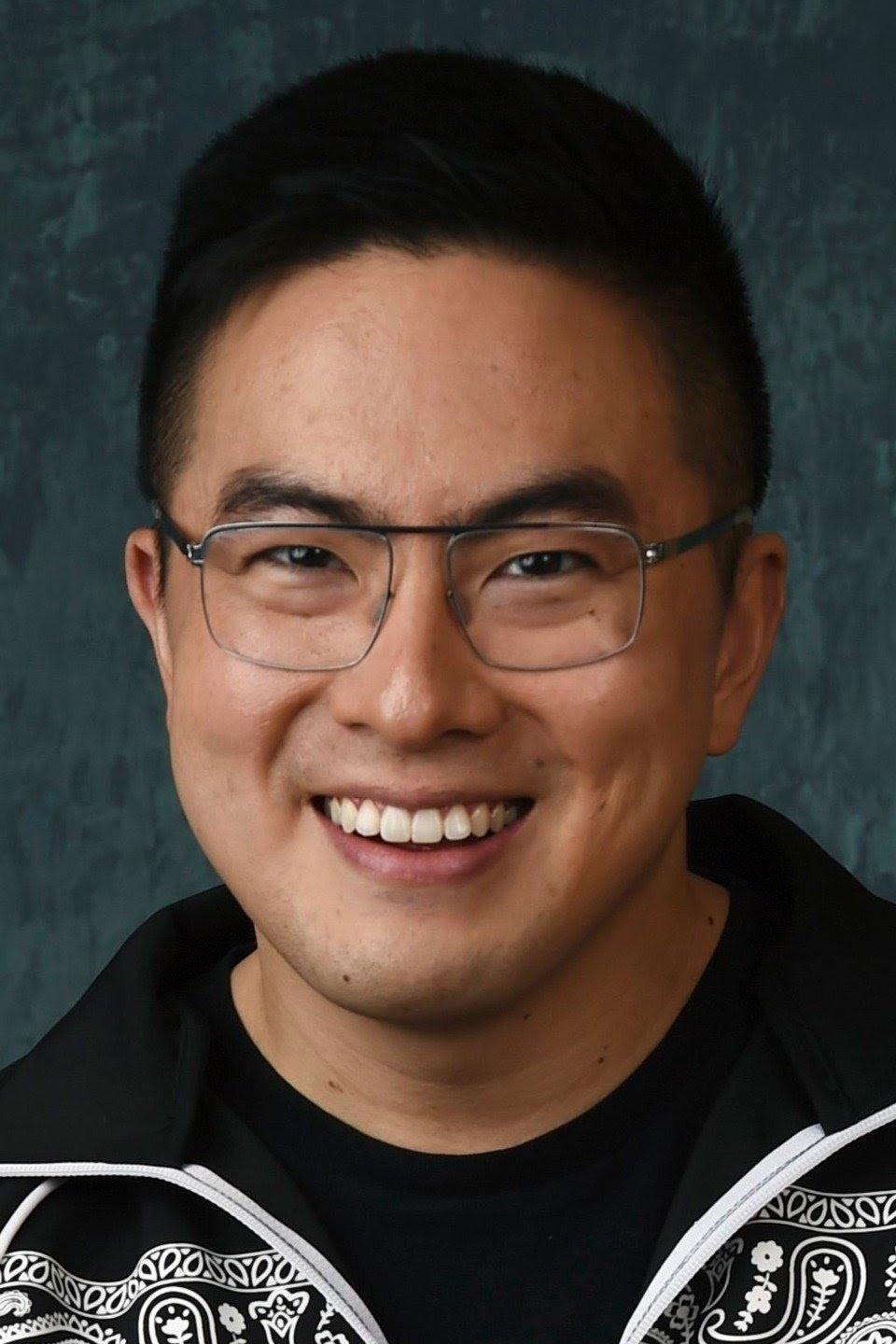
Bowen Yang faced an industry that had almost no history of hiring gay Asian comedians for sketch shows. He was initially a writer who had to prove he belonged in front of the camera. His breakout moments on ‘Saturday Night Live’ demonstrated that his specific point of view had broad appeal. He has since become one of the most popular cast members on the show. Yang is rewriting the rules for what a sketch comedy star looks like.
Harvey Guillén
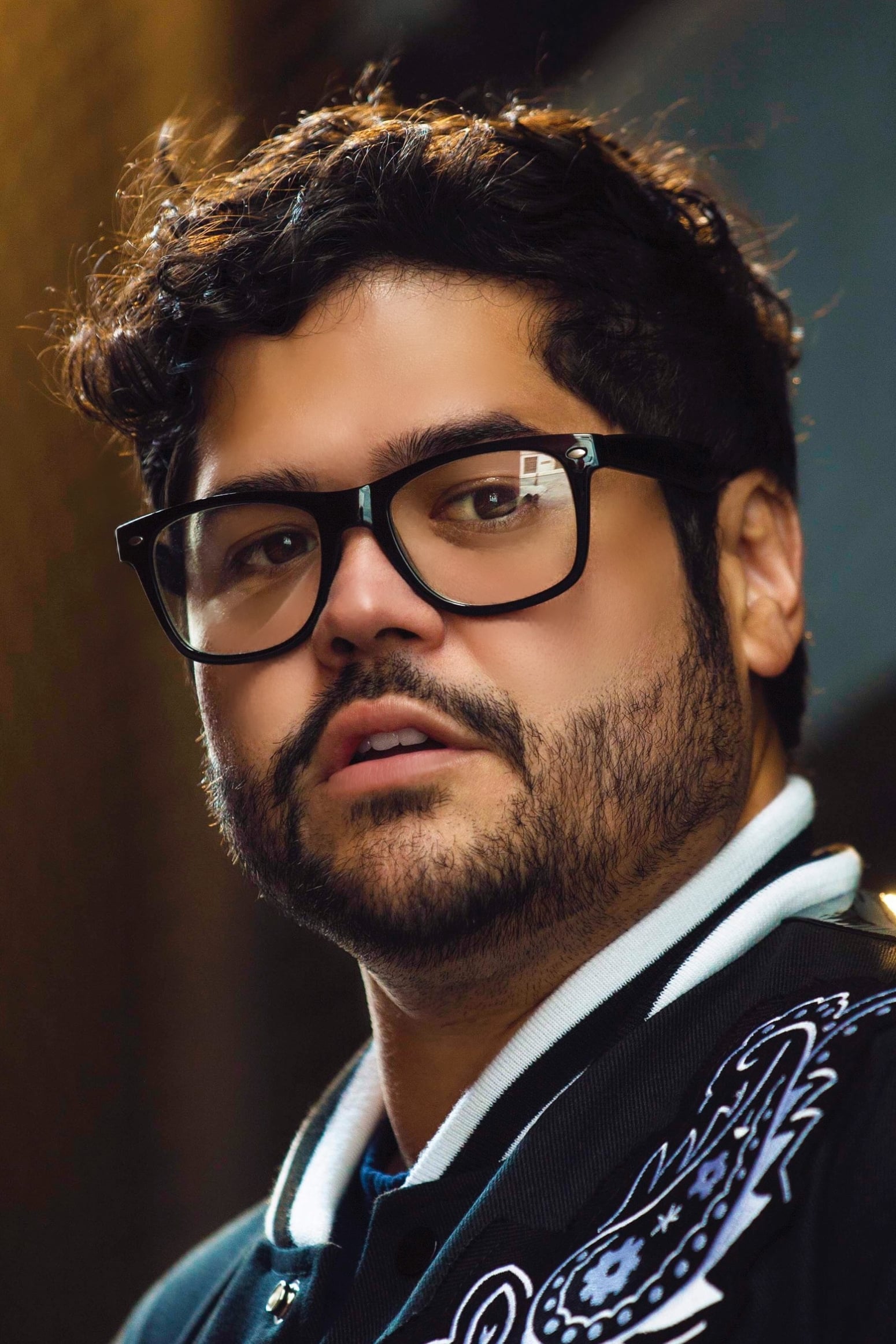
Harvey Guillén faced constant rejection due to his plus-size frame and Latino background. Casting directors often only saw him fit for background roles or punchlines about his weight. He persisted until he landed the role of Guillermo in ‘What We Do in the Shadows’. His character became the heart of the show and displayed his action hero potential. Guillén is now a vocal advocate for body positivity in the industry.
Daniel Franzese
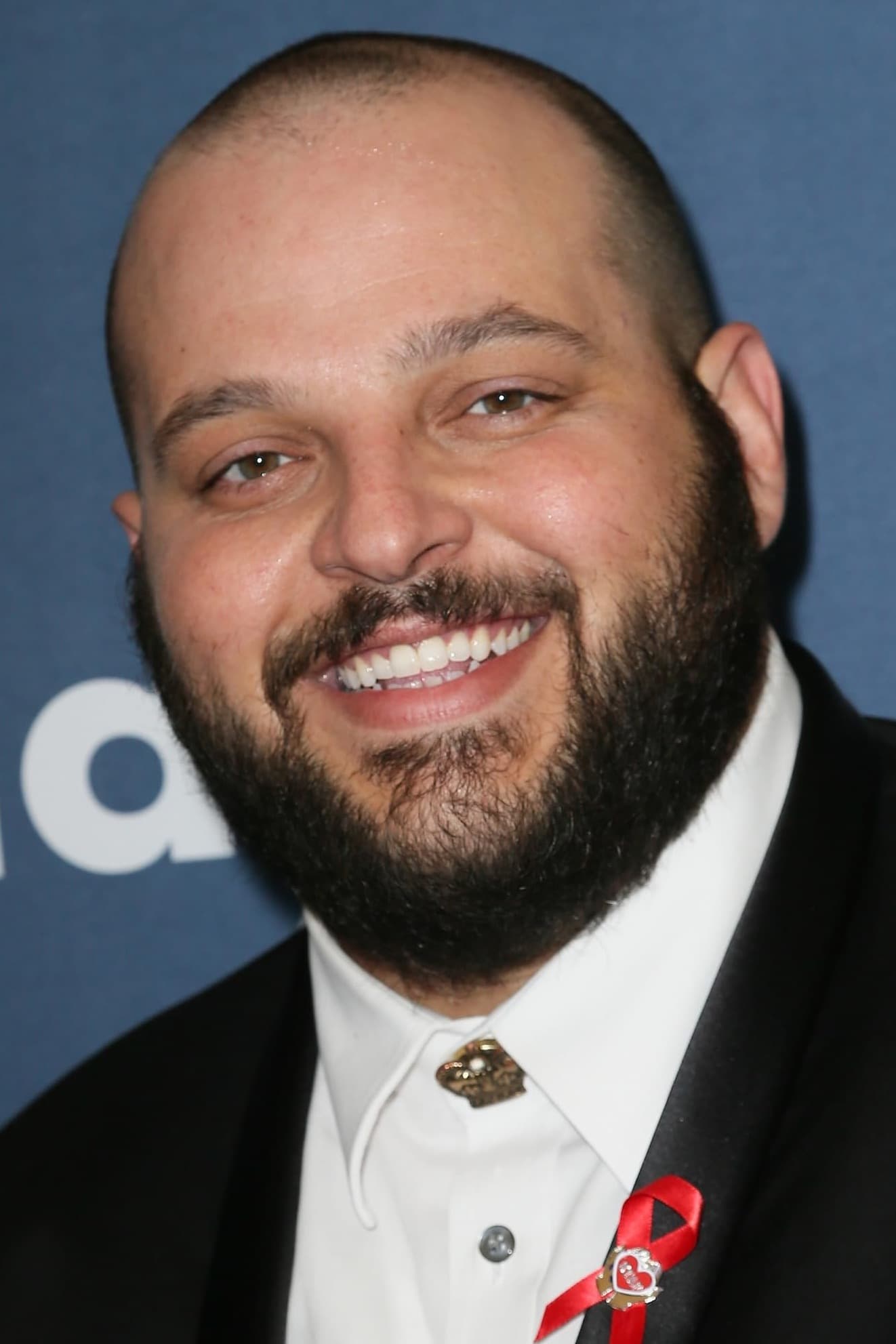
Daniel Franzese struggled with typecasting due to his size and the limited roles available for big men. He was often relegated to the funny fat friend trope in teen movies. His role in ‘Mean Girls’ became iconic but he still found it hard to break into serious adult roles. He eventually found more diverse work that allowed him to express his identity as a gay man. Franzese continues to work and advocate for diverse body types on screen.
Wilson Cruz
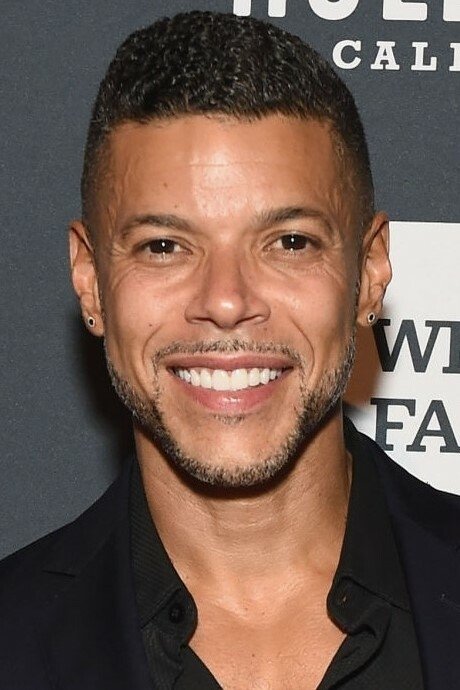
Wilson Cruz entered the industry when openly gay actors of color were virtually nonexistent. He was often told his look was too specific or that he was too effeminate for standard roles. He broke ground playing a gay teen in ‘My So-Called Life’ which mirrored his own experiences. He faced gaps in his career but returned to prominence with ‘Star Trek: Discovery’. Cruz has become a legendary figure for staying true to his identity.
Guillermo Díaz
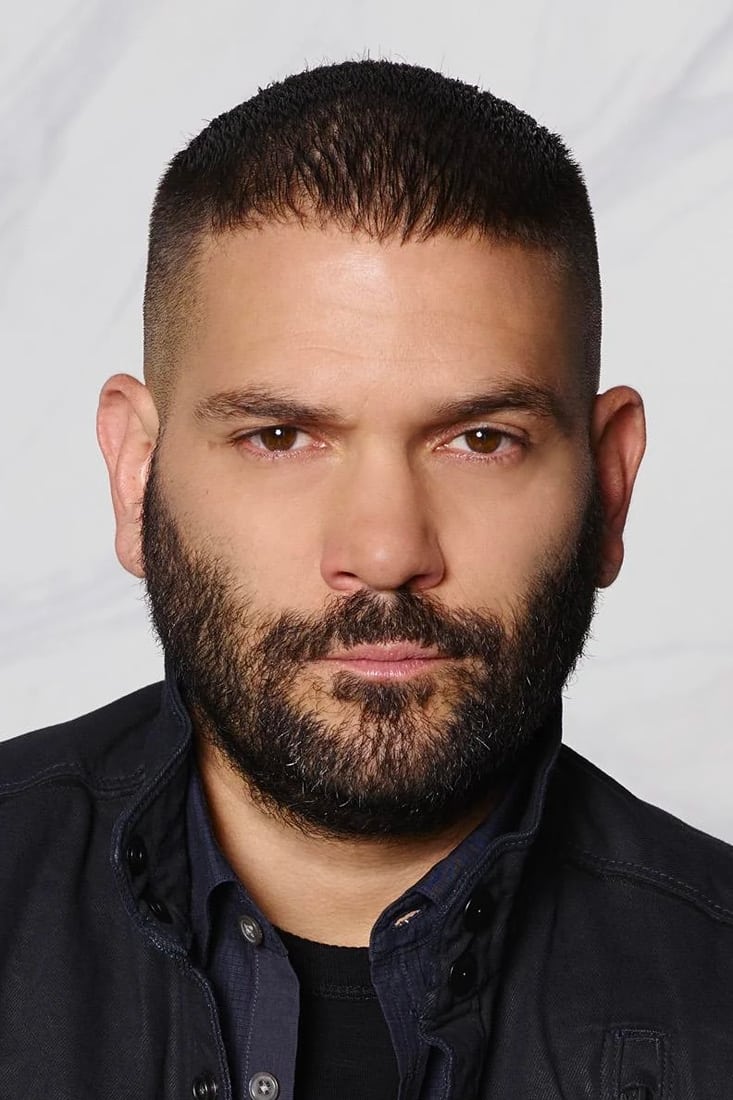
Guillermo Díaz often found himself typecast as a thug or criminal due to his intense look. The industry rarely offered him roles that explored vulnerability or romance. He brought incredible depth to these “tough guy” roles in shows like ‘Weeds’ and ‘Scandal’. He eventually revealed his gay identity and challenged the perception of what a gay actor can play. Díaz successfully bridged the gap between character acting and dramatic storytelling.
Rupert Everett
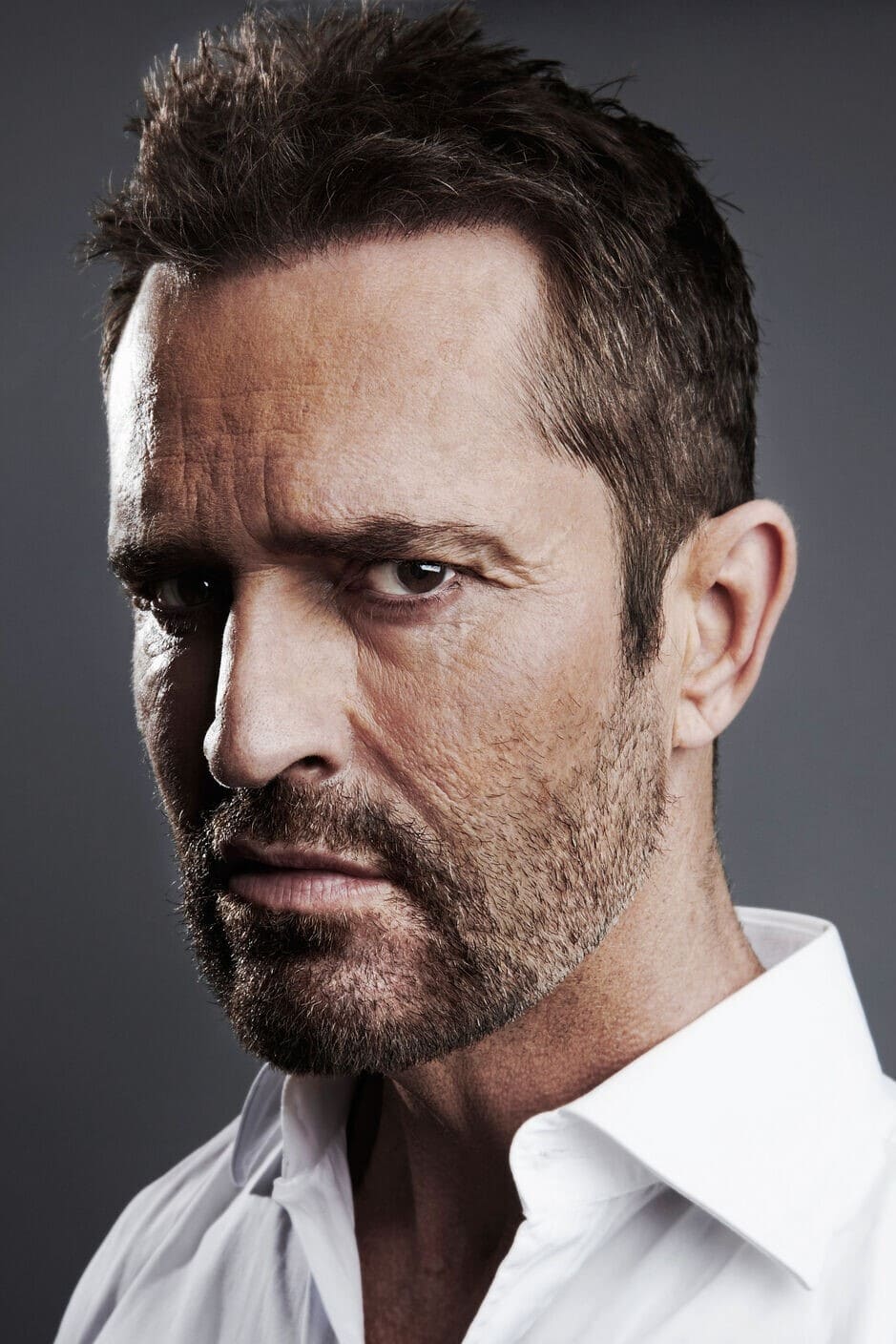
Rupert Everett had the looks of a classic leading man but faced a severe career stall after coming out. Producers and studios in the 90s dismissed him for romantic leads because they believed audiences would not buy him as straight. He lost significant roles solely due to the stigma surrounding his sexuality. He eventually found a niche in voice work and character roles that utilized his wit. Everett remains a cautionary tale of how the industry used to operate.
Matt Bomer
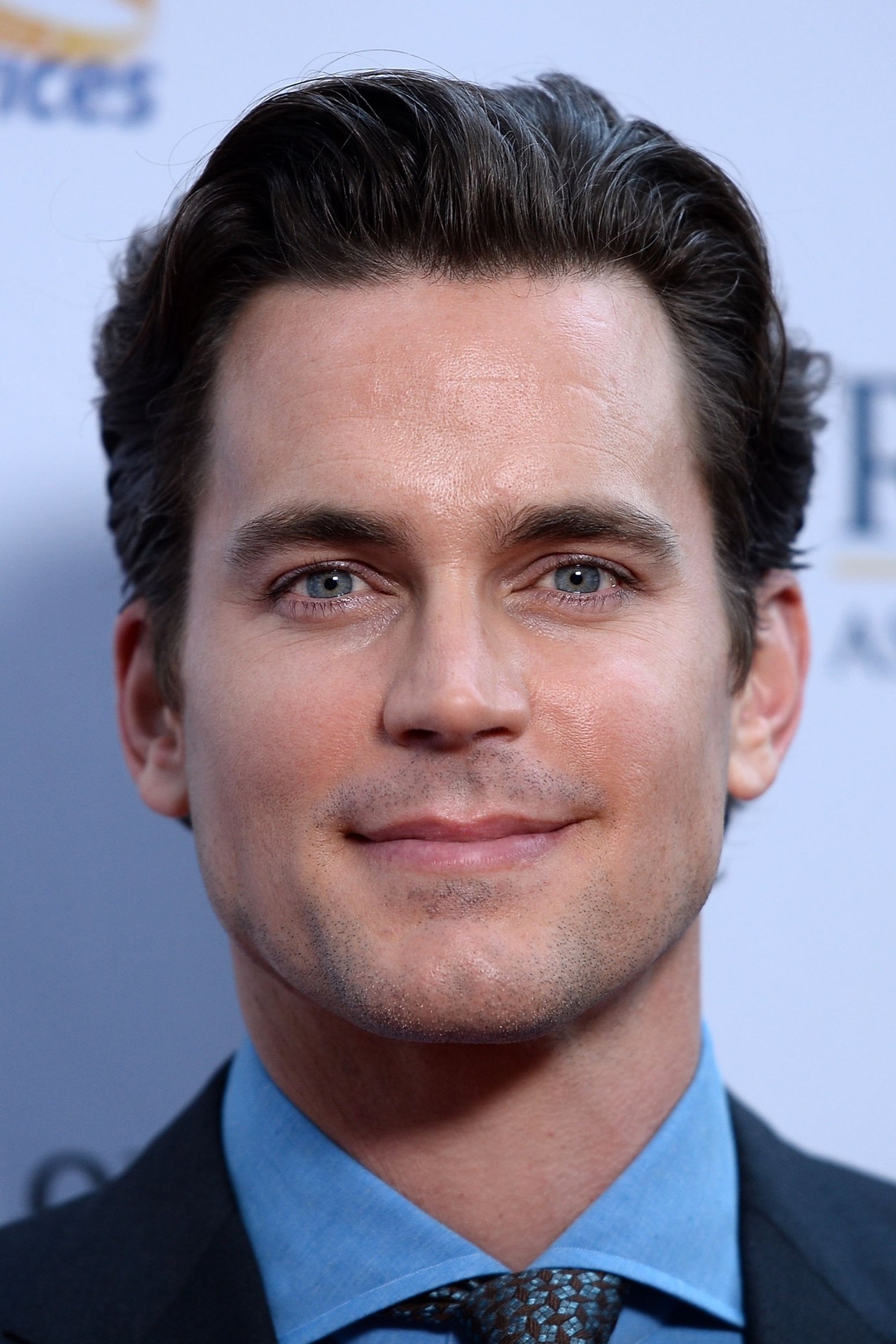
Matt Bomer is classically handsome but faced whispers that he was too pretty or soft for gritty roles. He famously lost out on playing Superman early in his career allegedly due to his sexuality being an open secret. He had to work twice as hard to prove he could play tough or dark characters. His work in ‘The Normal Heart’ and ‘White Collar’ proved his acting chops went beyond his appearance. Bomer has since become a top leading man in Hollywood.
Zachary Quinto
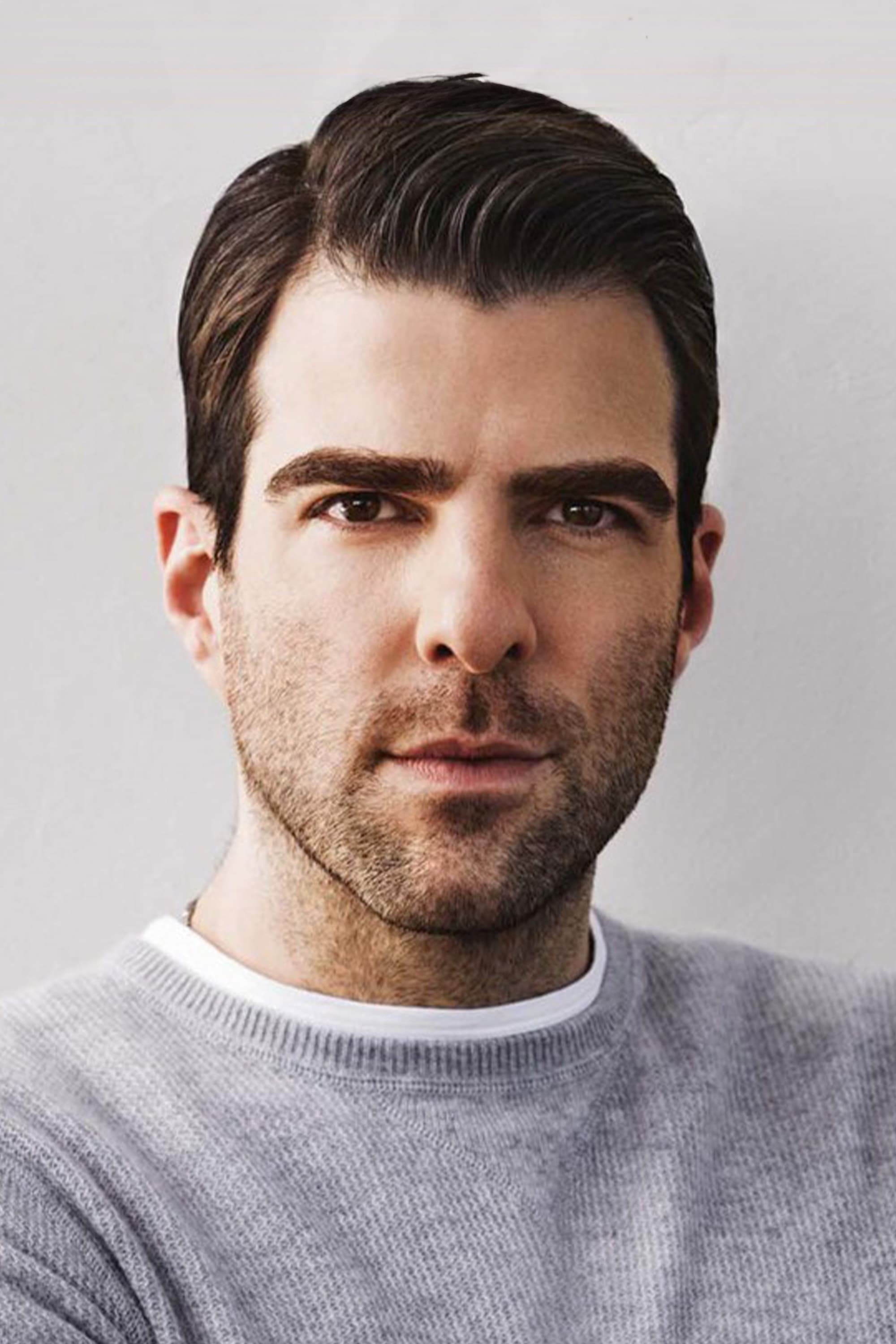
Zachary Quinto has distinct eyebrows and intense features that initially pigeonholed him as a villain. Casting directors struggled to see him as a sympathetic protagonist. He broke out by playing the ultimate logical character in ‘Star Trek’. This role allowed him to use his unique look to create an iconic performance. Quinto has since played a wide variety of roles on stage and screen.
Sean Hayes
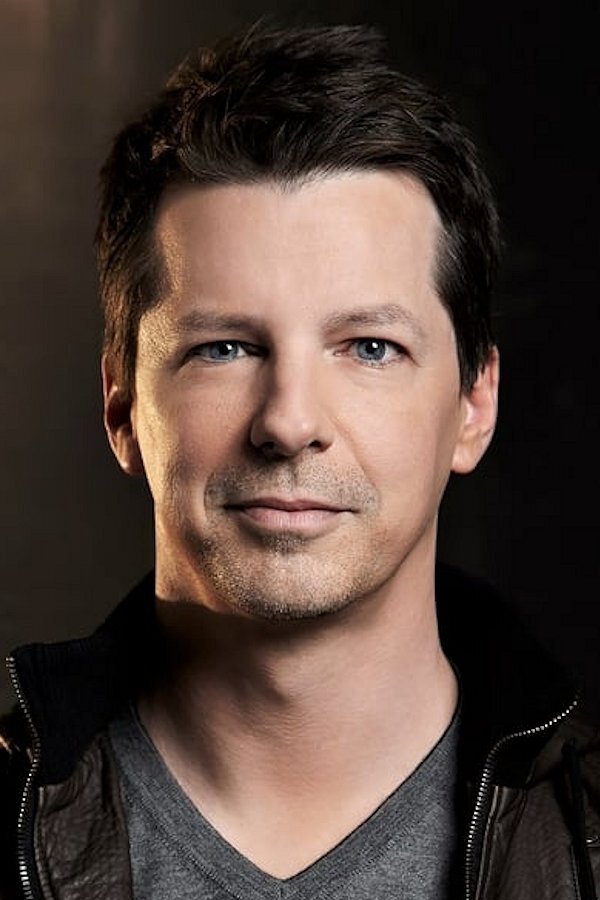
Sean Hayes was so convincing in his breakout role as Jack McFarland that the industry struggled to see him as anything else. He was dismissed for dramatic roles for years because producers thought he could only be the flamboyant neighbor. He worked hard to prove his dramatic range on Broadway and in film. He eventually returned to the role that made him famous while also producing successful content. Hayes remains a powerful force in television comedy.
Chris Colfer
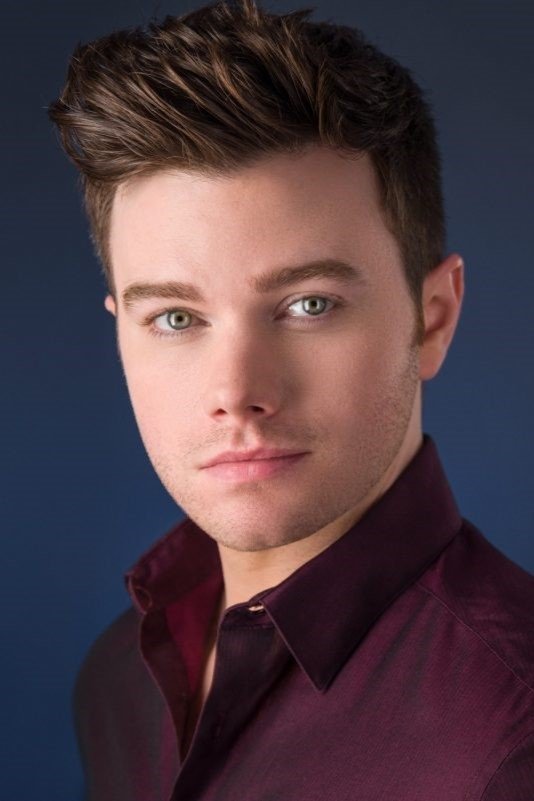
Chris Colfer has a high voice and a youthful appearance that made him an outlier for traditional teen roles. He wrote his own character into ‘Glee’ because there were no parts being written for him. His portrayal of Kurt Hummel became a cultural phenomenon that helped many young people. He used his success to become a best-selling author and creator. Colfer proved that there is a massive audience for unique stories.
Dan Levy
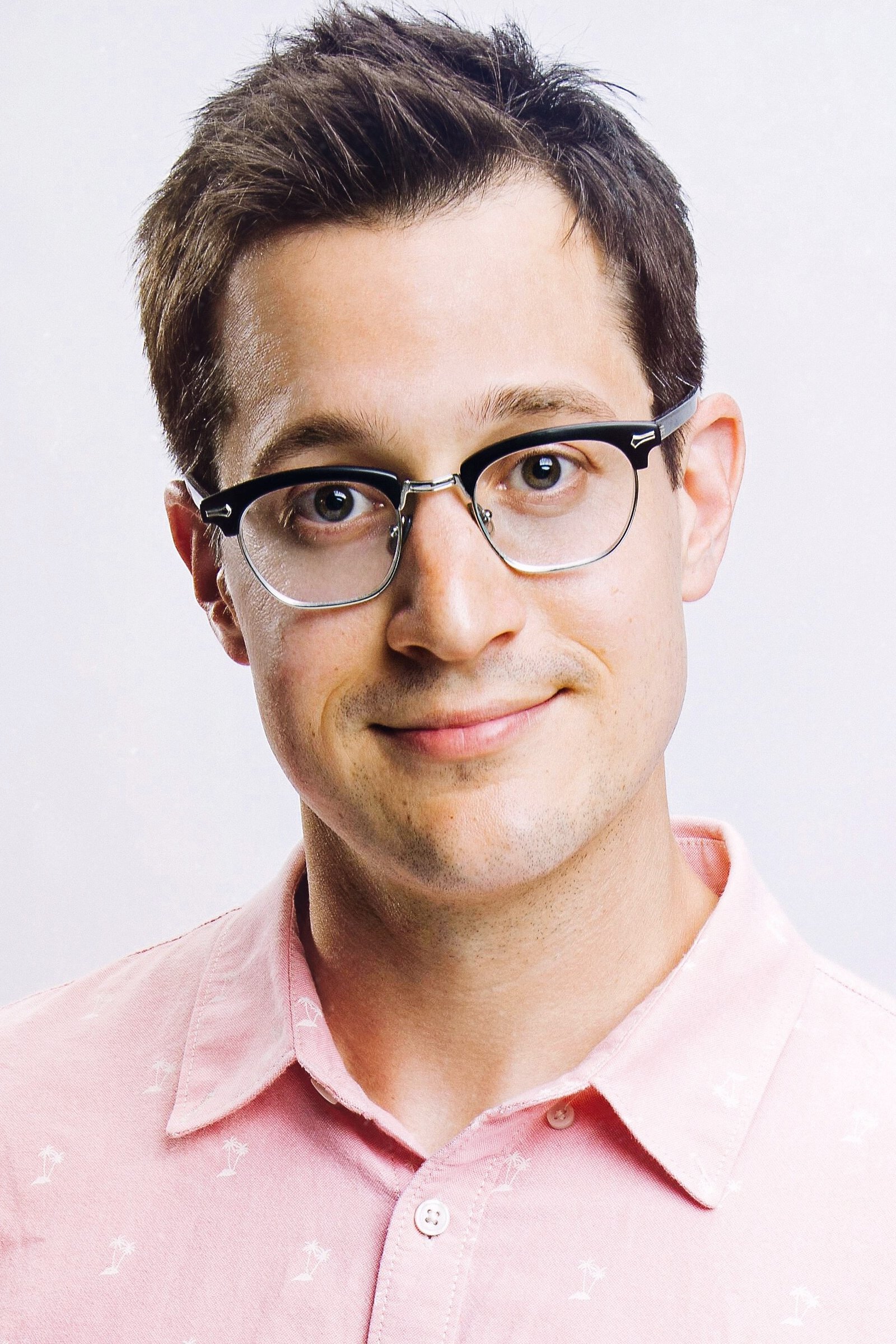
Dan Levy spent years working as a host because acting roles for someone with his specific vibe were scarce. He was often viewed as too niche or expressive for generic male leads. He took matters into his own hands by creating ‘Schitt’s Creek’. The show allowed him to play a character that celebrated his unique mannerisms and style. Levy is now an Emmy-winning creator and actor.
Michael Urie
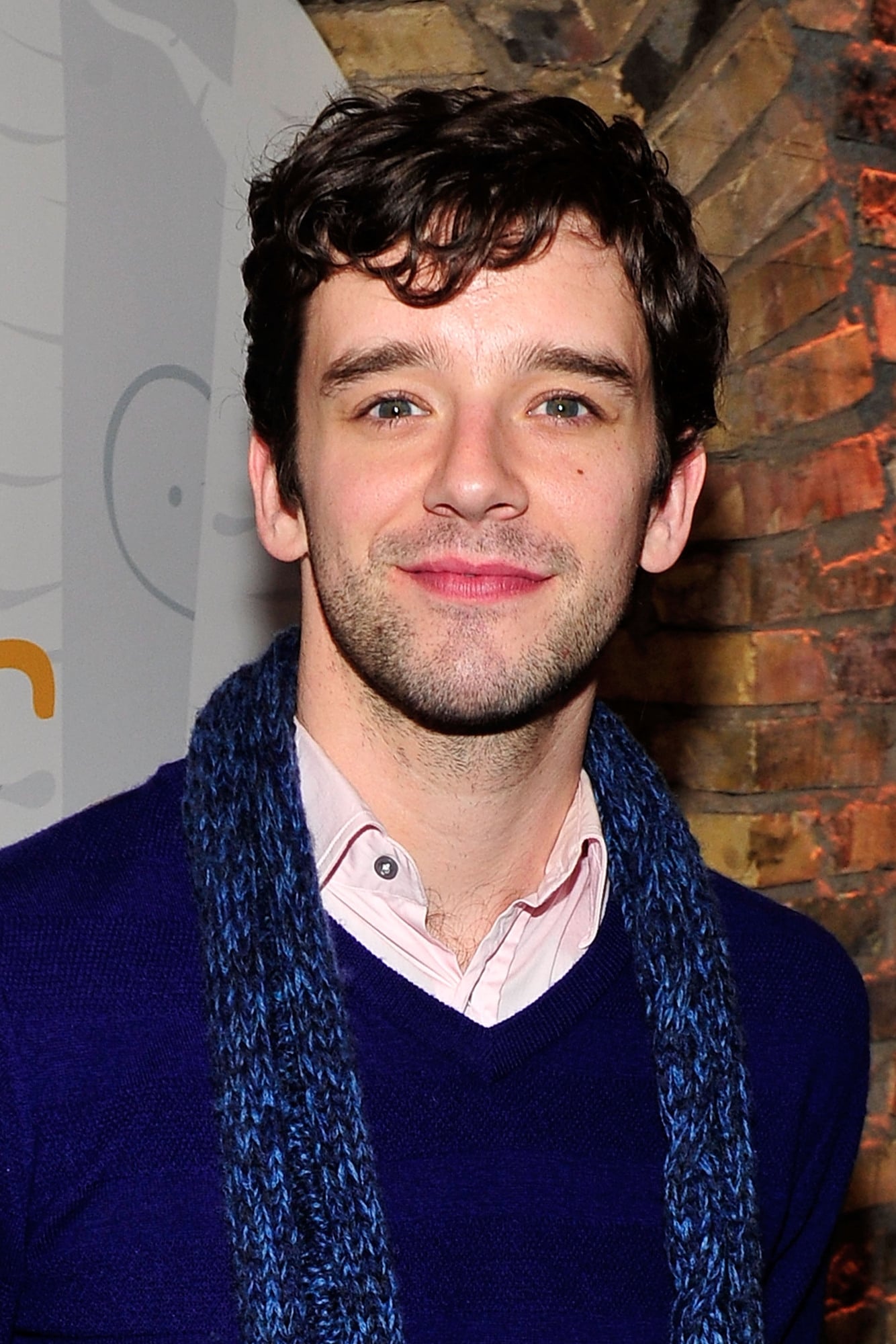
Michael Urie was another actor who excelled at playing the flamboyant assistant but struggled to be seen as a lead. His work in ‘Ugly Betty’ was hilarious but risked typecasting him forever. He returned to the theater to showcase his incredible range and ability to carry a show. He has since found success in romantic comedies that embrace his energy. Urie continues to be a favorite in both New York theater and television.
Robin de Jesús
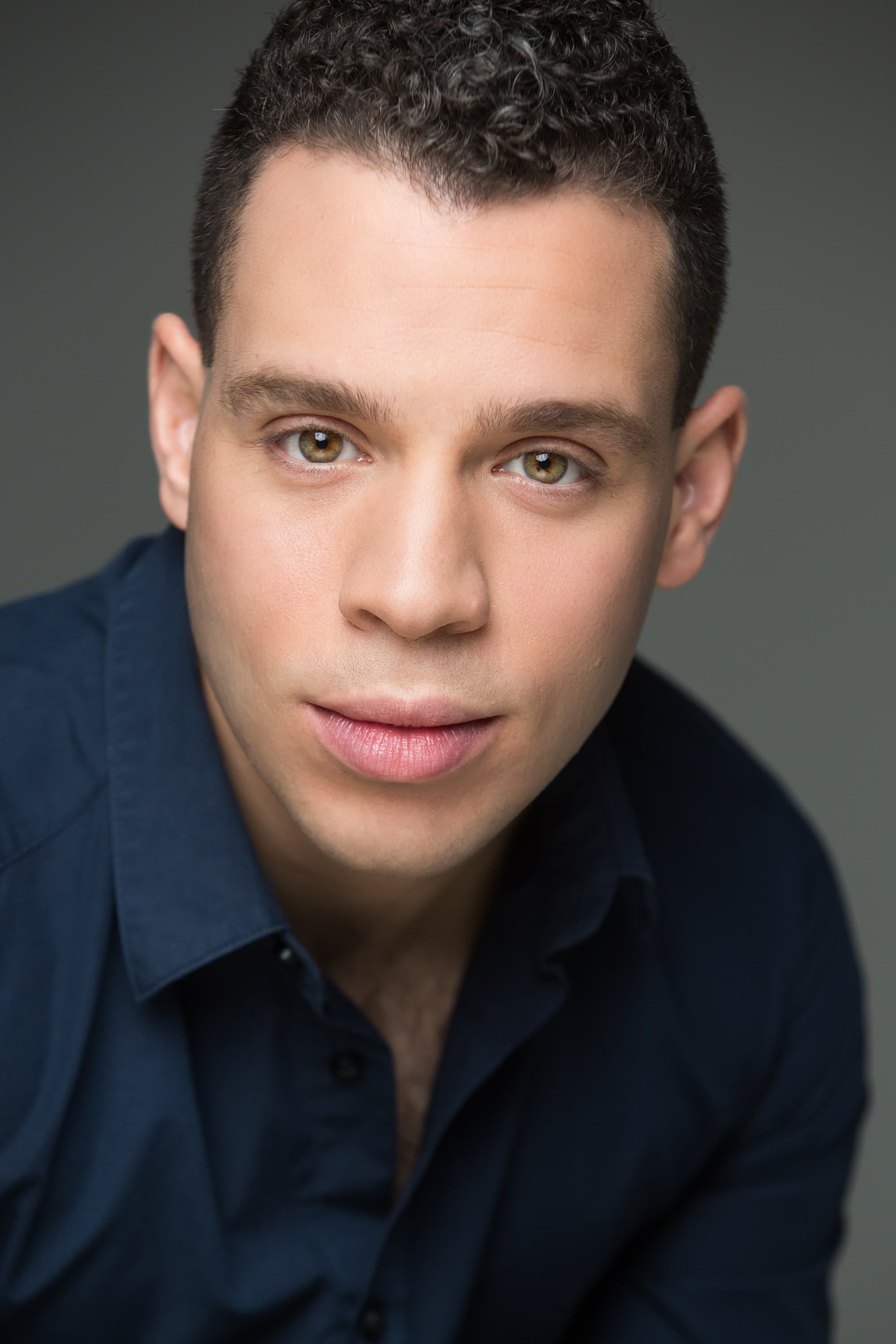
Robin de Jesús is a dynamic performer who often played the sidekick or the best friend. The industry frequently overlooked him for the main role due to his height and ethnicity. He consistently stole the show in movies like ‘Camp’ and ‘Tick, Tick… Boom!’. His three Tony Award nominations prove that he is a powerhouse talent. De Jesús has forced the industry to recognize his value through sheer skill.
Maulik Pancholy
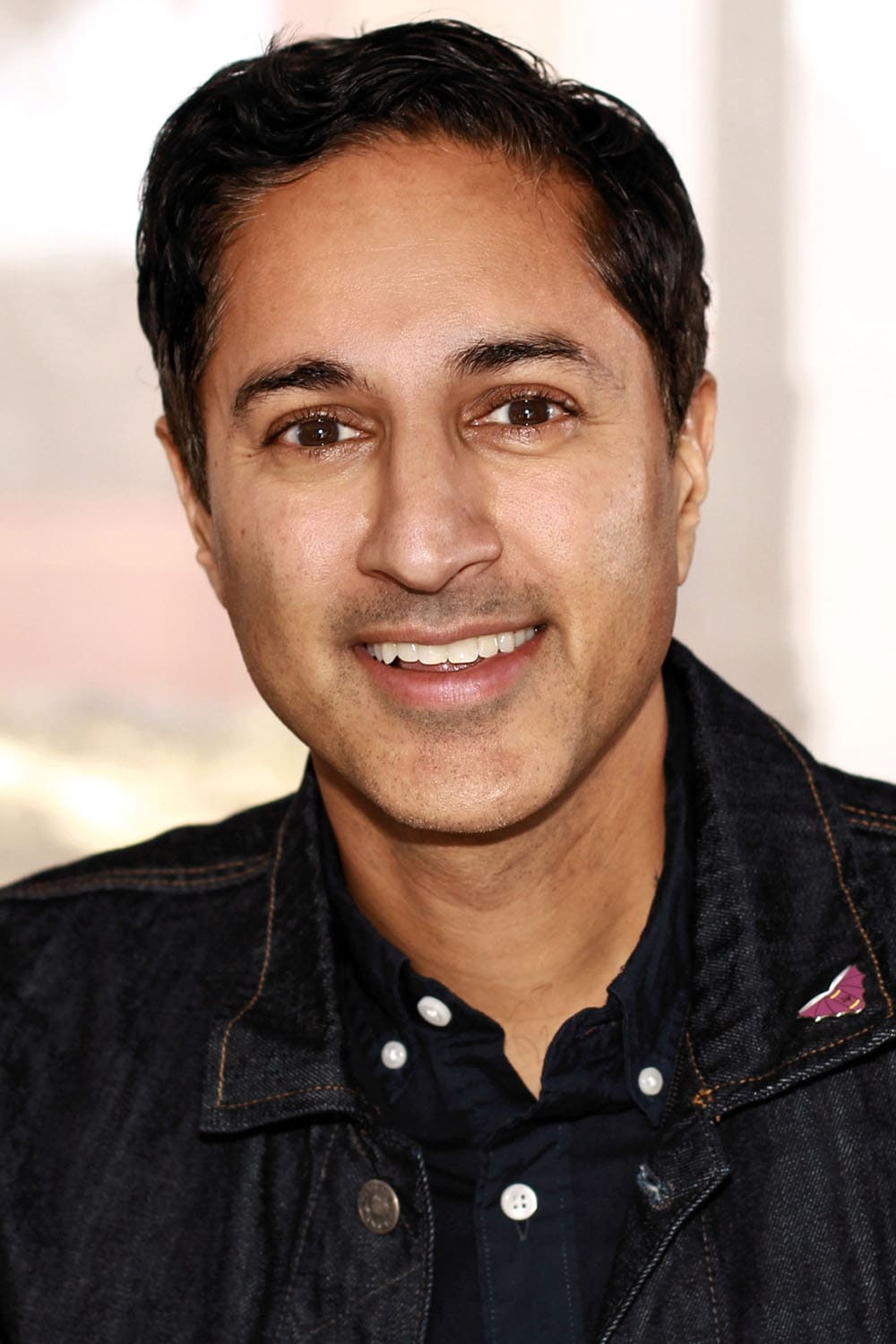
Maulik Pancholy faced the narrow creative box that Hollywood placed on Indian actors. He was often cast in stereotypical roles that required an accent or played into a joke. He found recurring success in shows like ’30 Rock’ playing characters with obsession and anxiety. He brought a specificity to his roles that made them memorable beyond the script. Pancholy has also become a successful author and activist.
Jonathan Groff
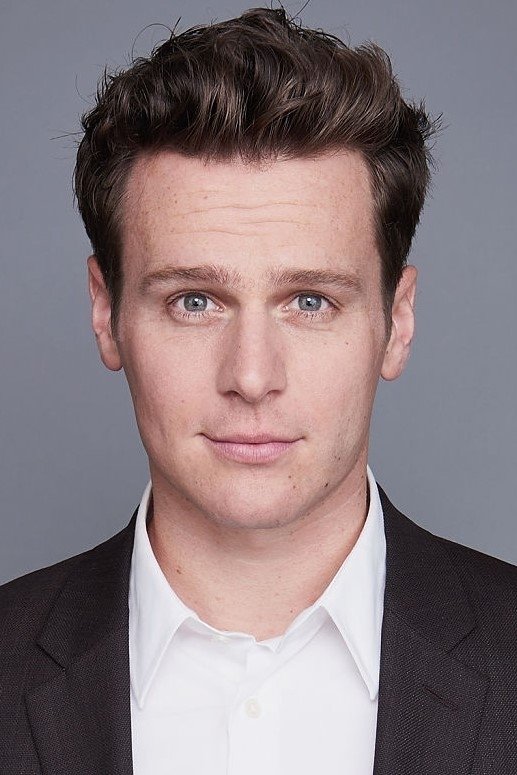
Jonathan Groff faced scrutiny early in his screen career regarding whether he was believable as a straight love interest. Critics and industry insiders sometimes dismissed his performances based on his open sexuality. He proved his versatility by leading the dark crime drama ‘Mindhunter’. His voice work in ‘Frozen’ also introduced him to a global audience. Groff has successfully balanced a career in gritty dramas and musical theater.
Andrew Rannells
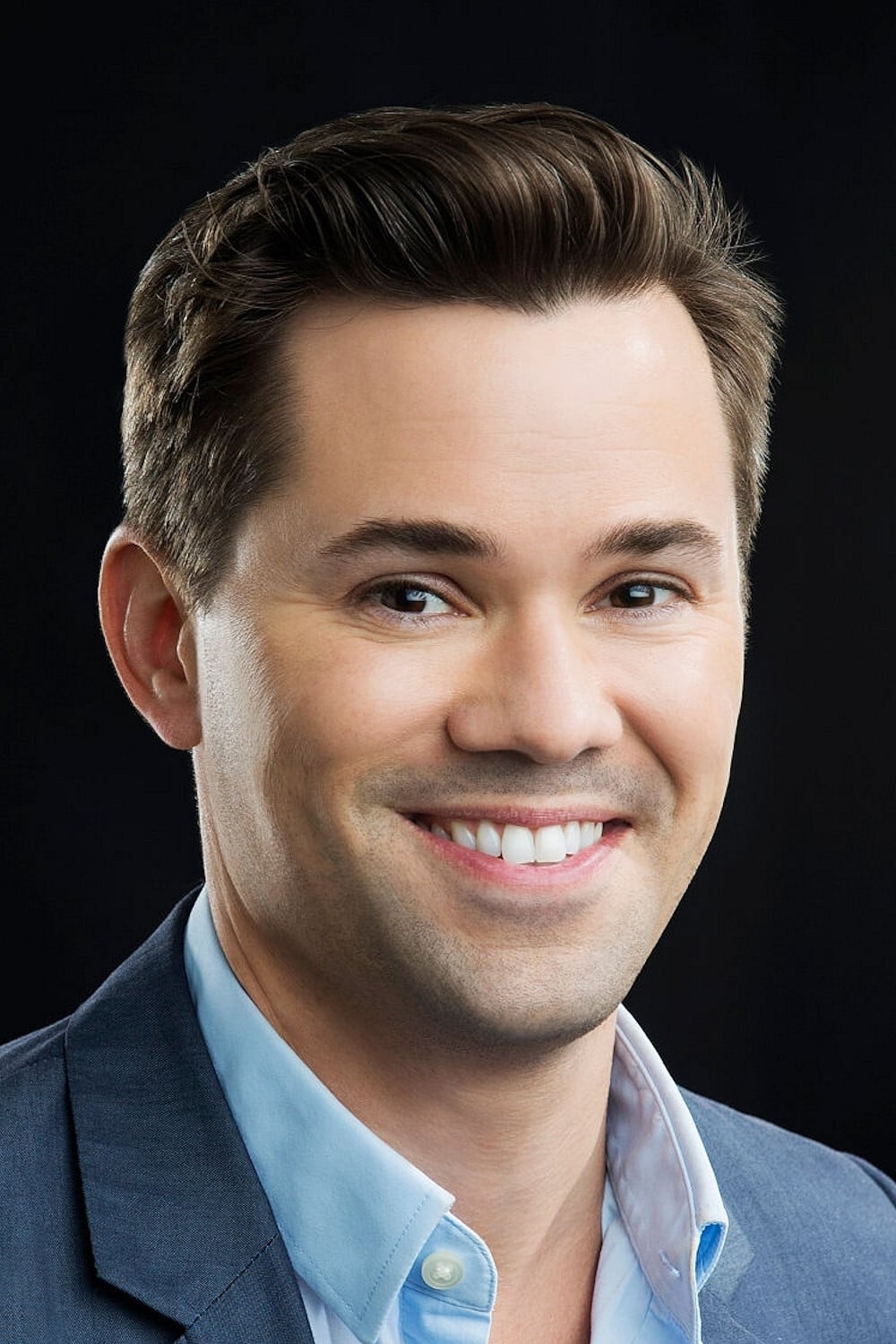
Andrew Rannells has a classic Broadway look that initially made it hard for him to cross over into gritty television. Casting directors saw him as too polished or theatrical for realistic camera work. He broke through with a standout performance in ‘Girls’ that utilized his comedic timing. He has since become a regular face in both movies and television series. Rannells successfully transitioned from stage star to screen regular.
Murray Bartlett
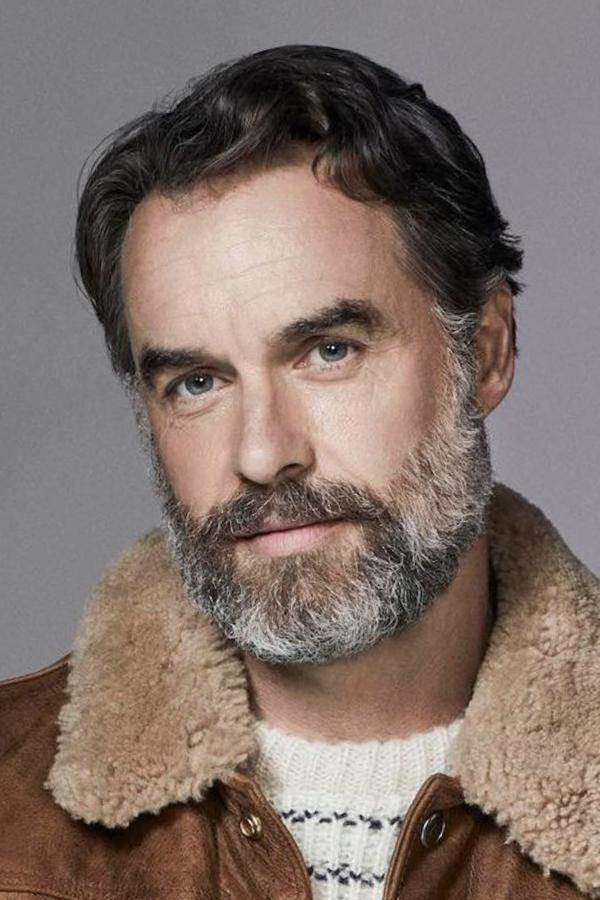
Murray Bartlett worked for decades in the industry before achieving major recognition. He was often dismissed as a soap opera actor or a background player. His role in ‘The White Lotus’ finally allowed him to display his chaotic and brilliant acting range. The performance won him an Emmy and opened doors that had been closed for years. Bartlett is a prime example of perseverance paying off later in life.
Haaz Sleiman
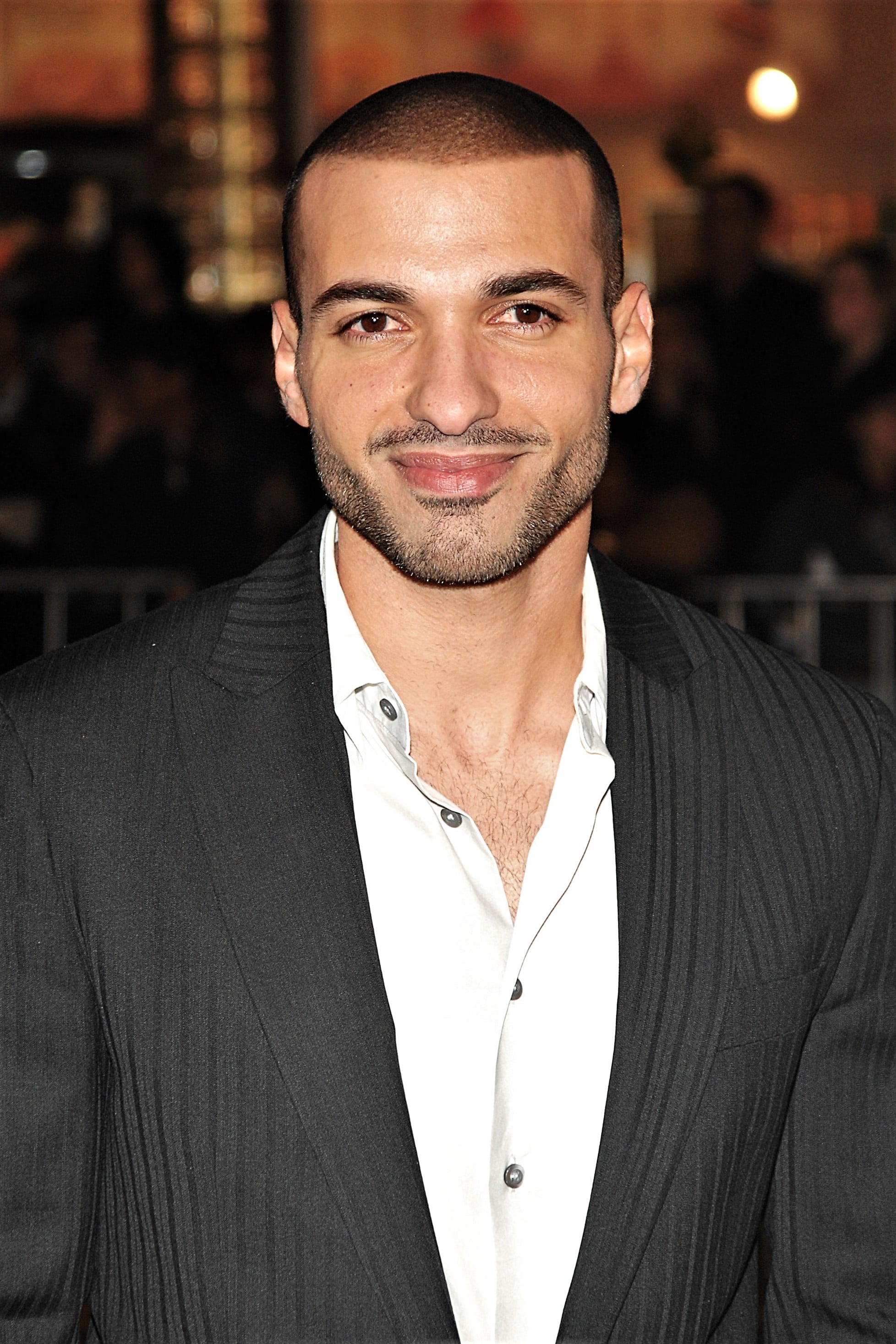
Haaz Sleiman faced the difficulty of being an openly gay Arab man in an industry rife with stereotypes. He was frequently offered roles as terrorists or villains rather than humanized characters. He fought to play roles that showed the complexity of his community. His appearance in ‘The Eternals’ as part of the first gay superhero couple was a milestone. Sleiman continues to push for better representation in media.
Kal Penn
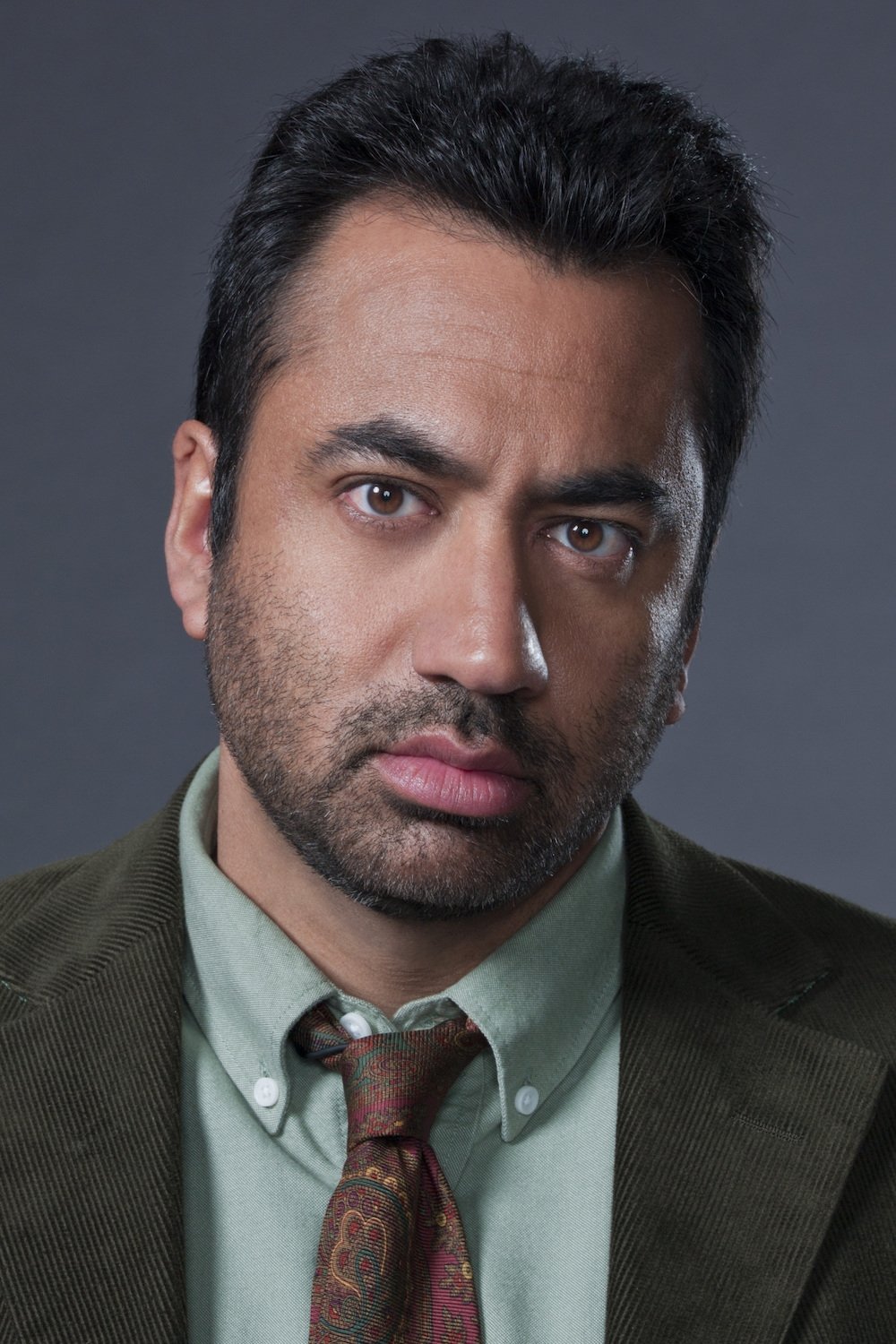
Kal Penn faced immense typecasting early in his career and was frequently sent on auditions for racial caricatures. He was often dismissed for serious roles because of his background in broad stoner comedies. He fought to be taken seriously as a dramatic actor and eventually landed a role on ‘House’. He later took a sabbatical to work in the White House. Penn has successfully navigated a career that defies easy categorization.
Victor Garber
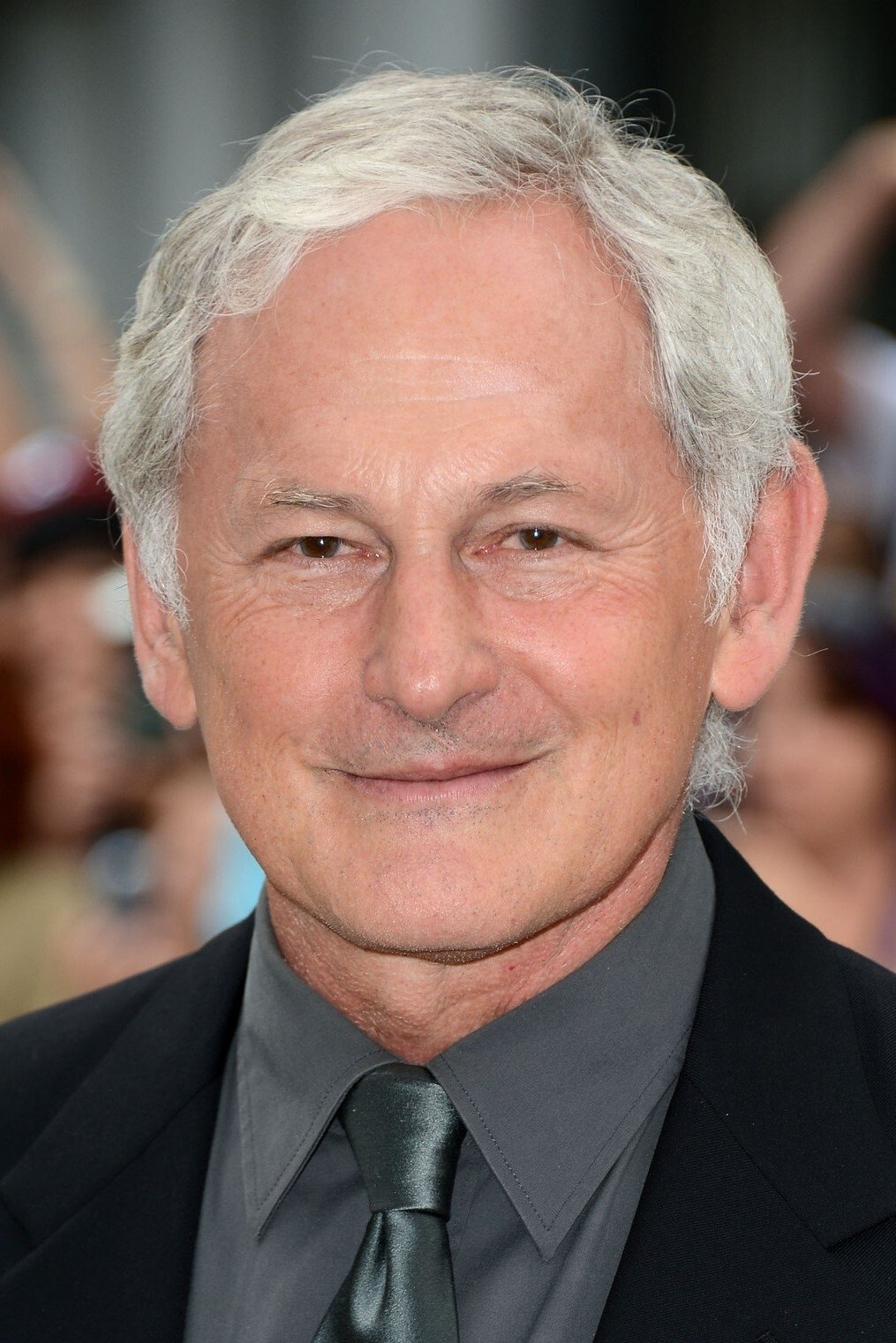
Victor Garber is a celebrated actor who kept his private life quiet for many years to avoid industry bias. He often played authoritative figures and fathers while facing the pressure to maintain a straight public image. He eventually confirmed his sexuality publicly and continued to work without pause. His gravitas and talent made him indispensable to any cast he joined. Garber remains one of the busiest actors in the business.
David Hyde Pierce
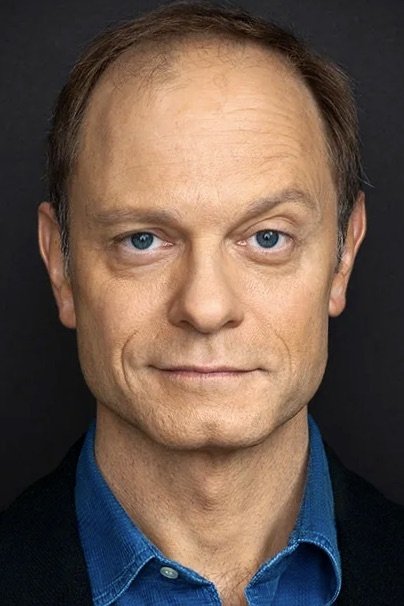
David Hyde Pierce has a distinct physicality and voice that made him perfect for ‘Frasier’ but limited his options elsewhere. He was often dismissed for roles that required a more rugged or modern persona. He focused his energy on the theater where he found immense success and acclaim. His return to television has been met with excitement from fans. Pierce proved that being a specific type is better than being generic.
Lee Pace
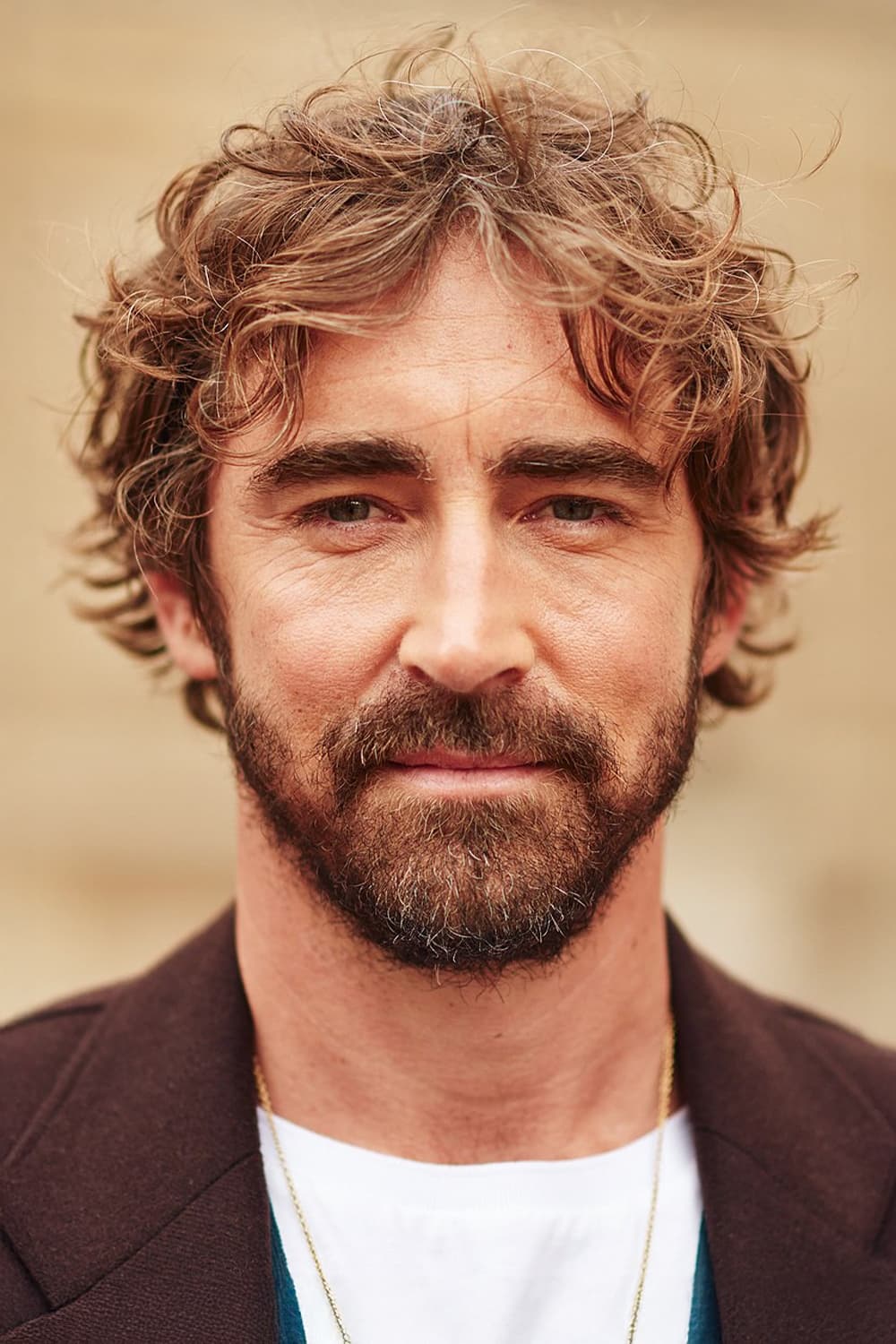
Lee Pace is a tall and commanding actor who kept his personal life private to protect his career prospects. He was often cast as the leading man but faced the silent pressure of Hollywood heteronormativity. He eventually opened up about his queer identity and continued to land major roles. His work in ‘Halt and Catch Fire’ and ‘Foundation’ shows his commanding screen presence. Pace has managed to be both a character actor and a leading man.
Luke Evans
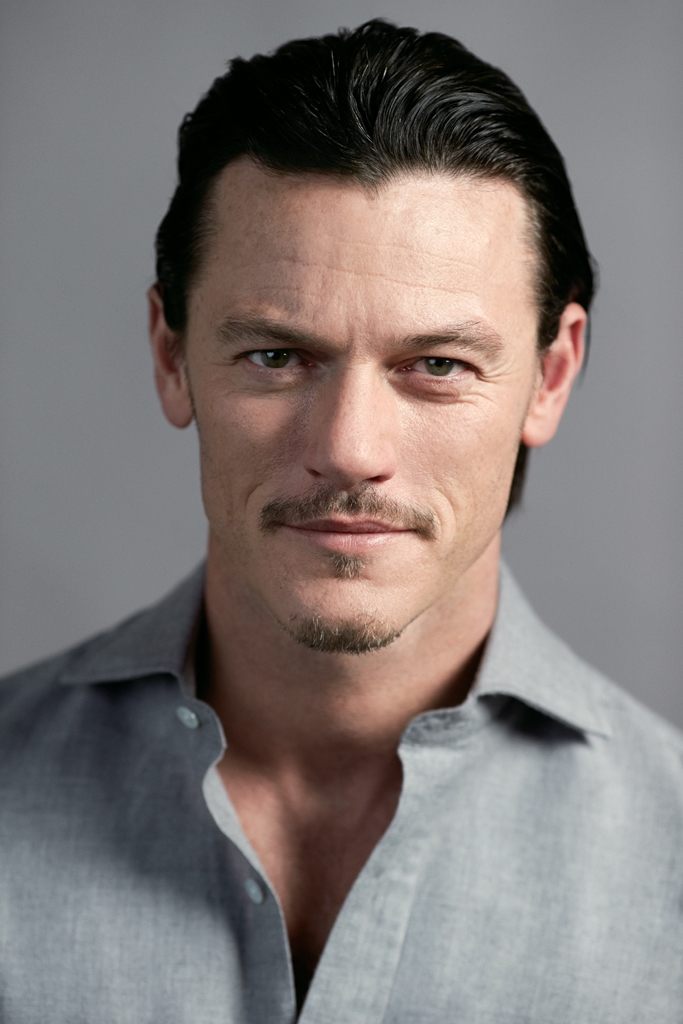
Luke Evans is an action star who faced the risk of losing his career by being open about his past. Industry insiders often worry that gay actors cannot sell action movies to a global audience. He proved them wrong by starring in massive blockbusters like ‘Fast & Furious’ and ‘The Hobbit’. He maintains a rugged image that defies gay stereotypes in Hollywood. Evans paved the way for more out actors in the action genre.
Joel Kim Booster
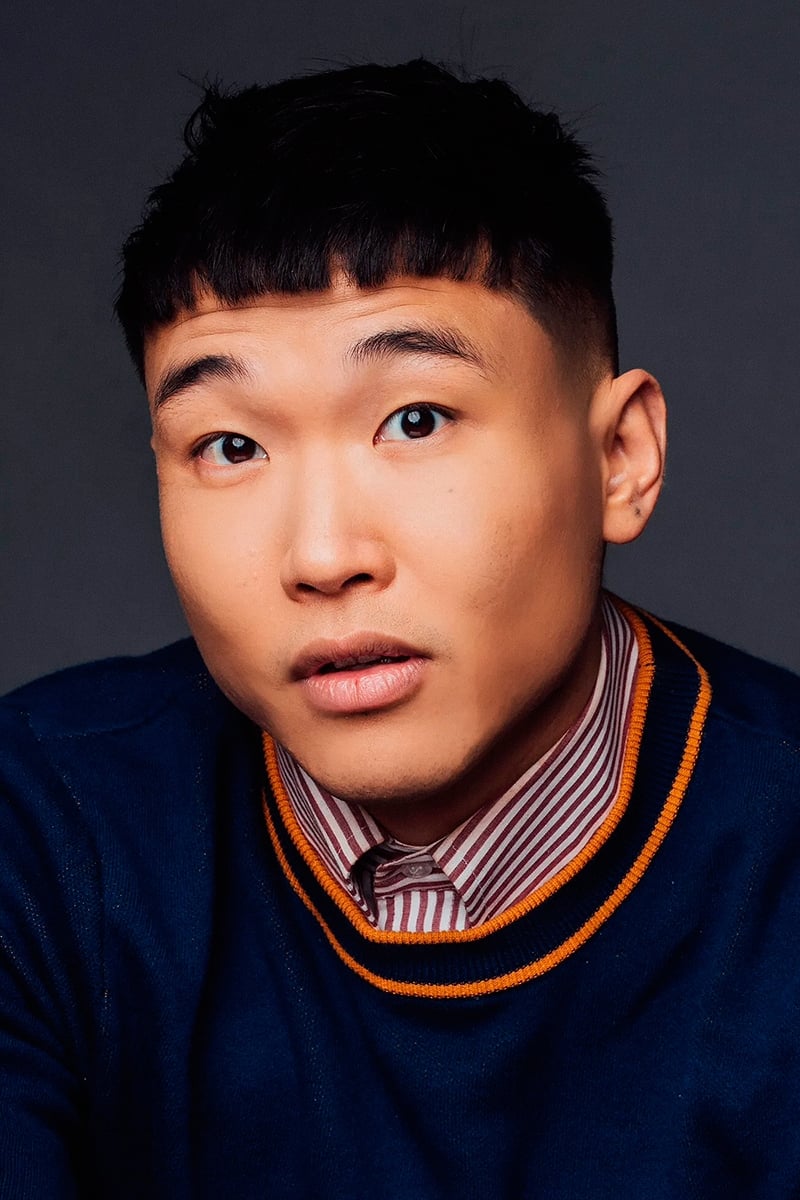
Joel Kim Booster faced the double bind of being Asian and gay in the world of stand-up and acting. He was often told his material was too niche or that he didn’t have a mainstream look. He wrote and starred in ‘Fire Island’ to create the opportunities he wasn’t getting. The film was a critical success and showcased his leading man potential. Booster is creating his own lane in the entertainment industry.
Troye Sivan
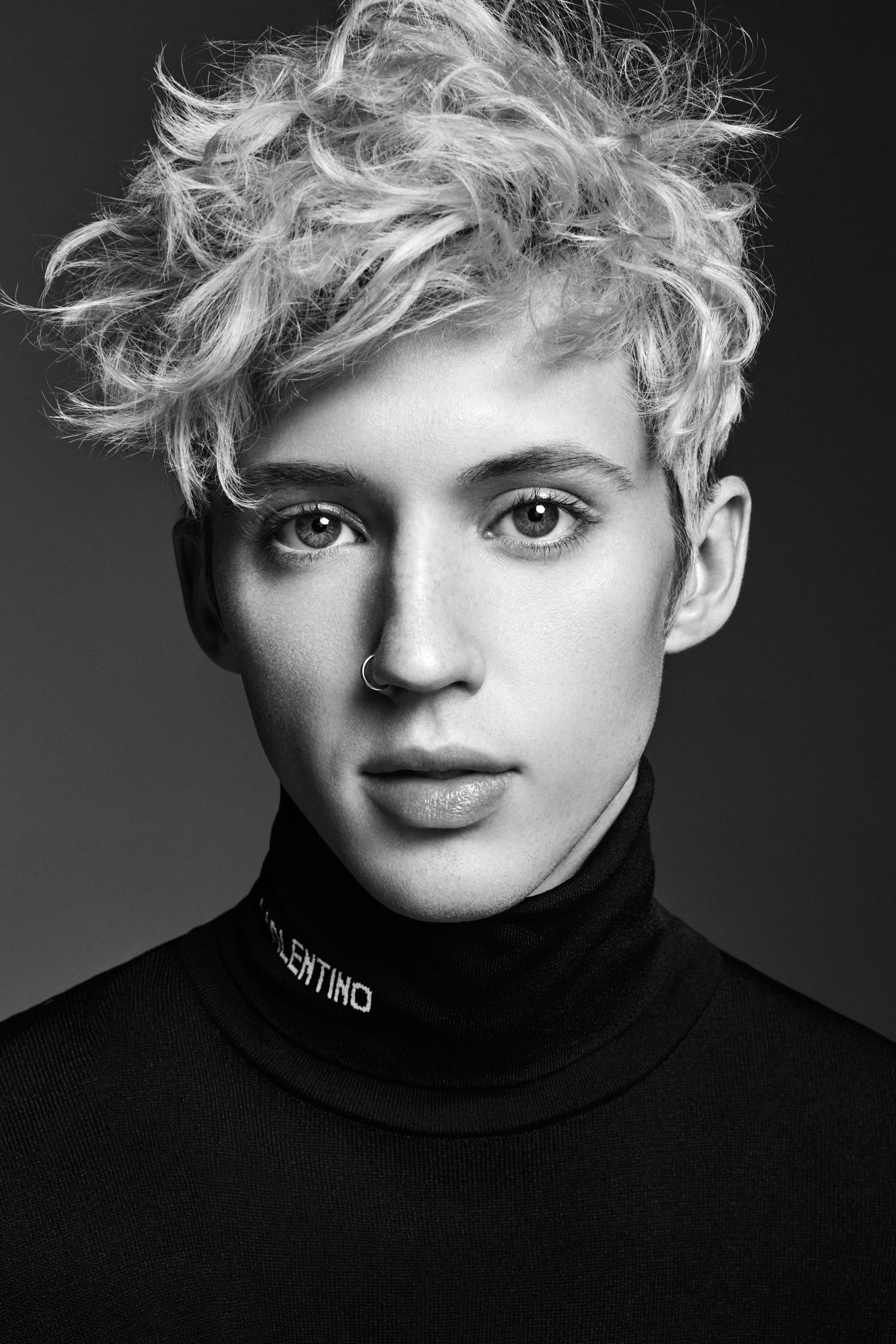
Troye Sivan has a slim and youthful appearance that initially limited him to playing children or students. He was often dismissed as just a YouTuber or a singer trying to act. He proved his dramatic capabilities in the film ‘Boy Erased’. His unique look has now become a sought-after aesthetic in fashion and film. Sivan successfully transitioned from internet personality to respected artist.
John Waters
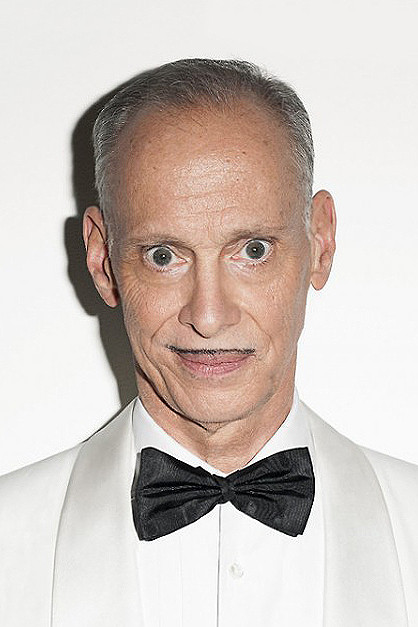
John Waters built an entire career on being dismissed by the mainstream for his look and his art. His pencil mustache and eccentric style made him an outsider in Hollywood. He embraced the trash and the weirdness to become a counterculture icon. He acted in his own films and others to celebrate the grotesque and the beautiful. Waters is the ultimate example of success through non-conformity.
Udo Kier
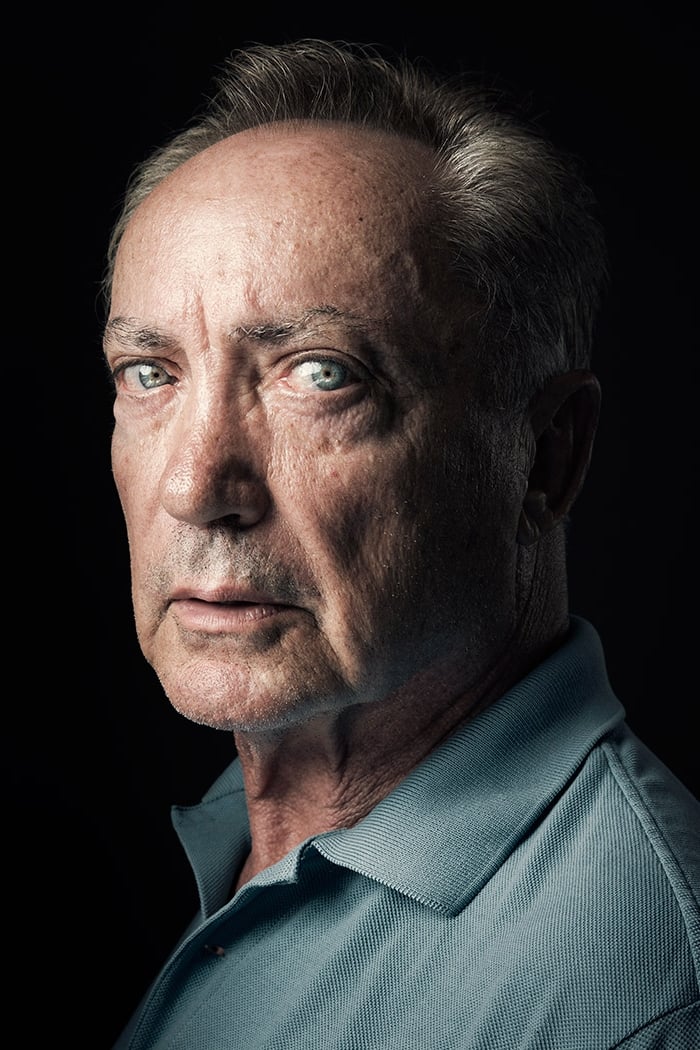
Udo Kier has piercing eyes and a distinct accent that typecast him as a vampire or a villain. He was rarely considered for roles that required warmth or normalcy. He leaned into the horror genre and became a cult legend. His recent work in ‘Swan Song’ finally gave him a leading role that explored his range. Kier has turned his haunting features into a legendary career.
Richard Chamberlain
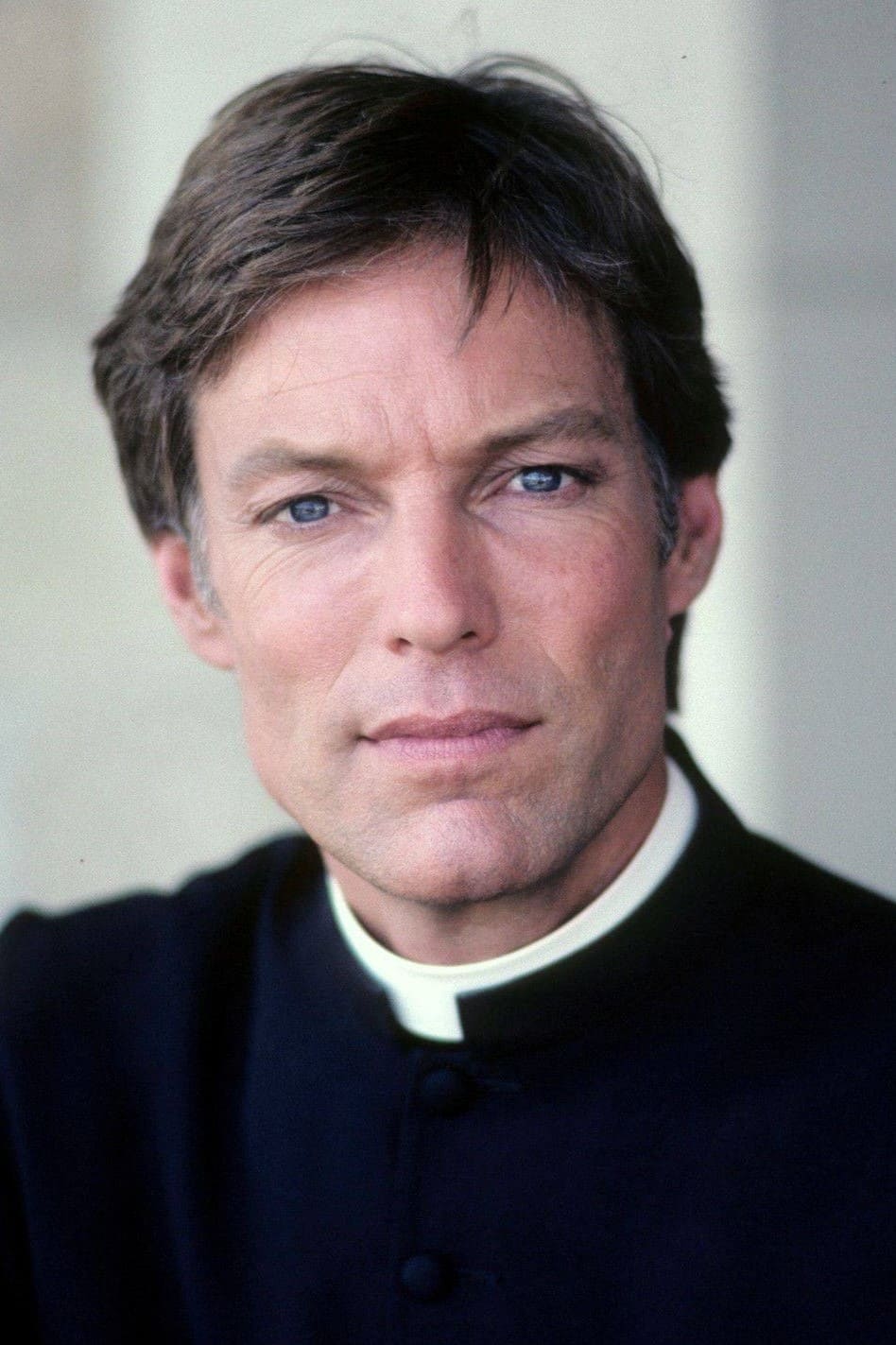
Richard Chamberlain was the ultimate heartthrob who had to hide his true self to maintain his career. He was dismissed from being his authentic self by a studio system that demanded straightness. He lived in fear that his looks would no longer matter if the truth came out. He eventually came out later in life and wrote about the burden of the closet. Chamberlain’s story is a reminder of the harsh restrictions of the past.
Ian McKellen
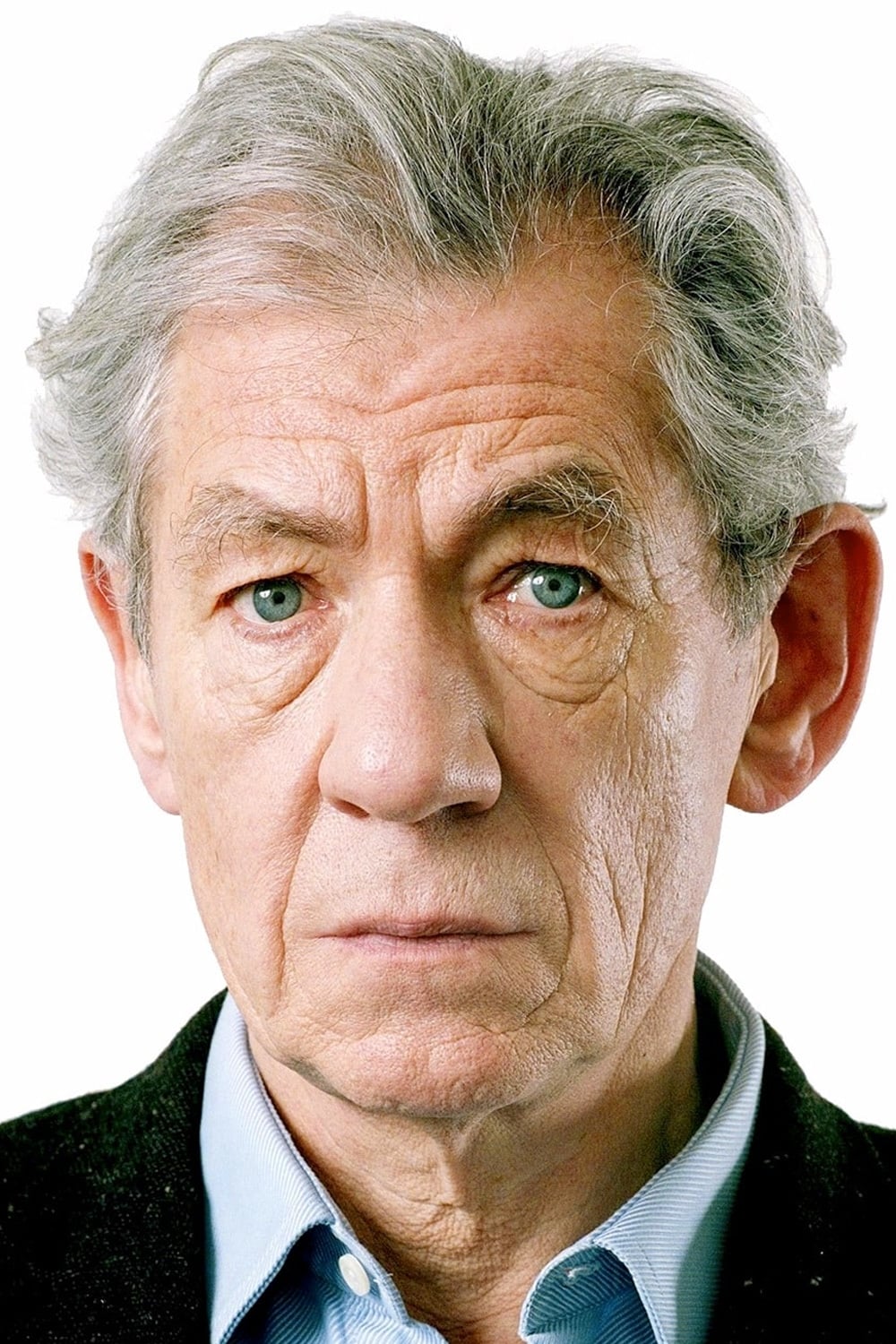
Ian McKellen spent years as a respected theater actor because his look wasn’t considered “cinema star” material in his youth. He was often viewed as a working actor rather than a marquee name. He achieved global fame later in life when he embraced his age and distinct features. His roles as Gandalf and Magneto made him an icon to a new generation. McKellen proves that talent can outlast superficial industry standards.
Anthony Rapp
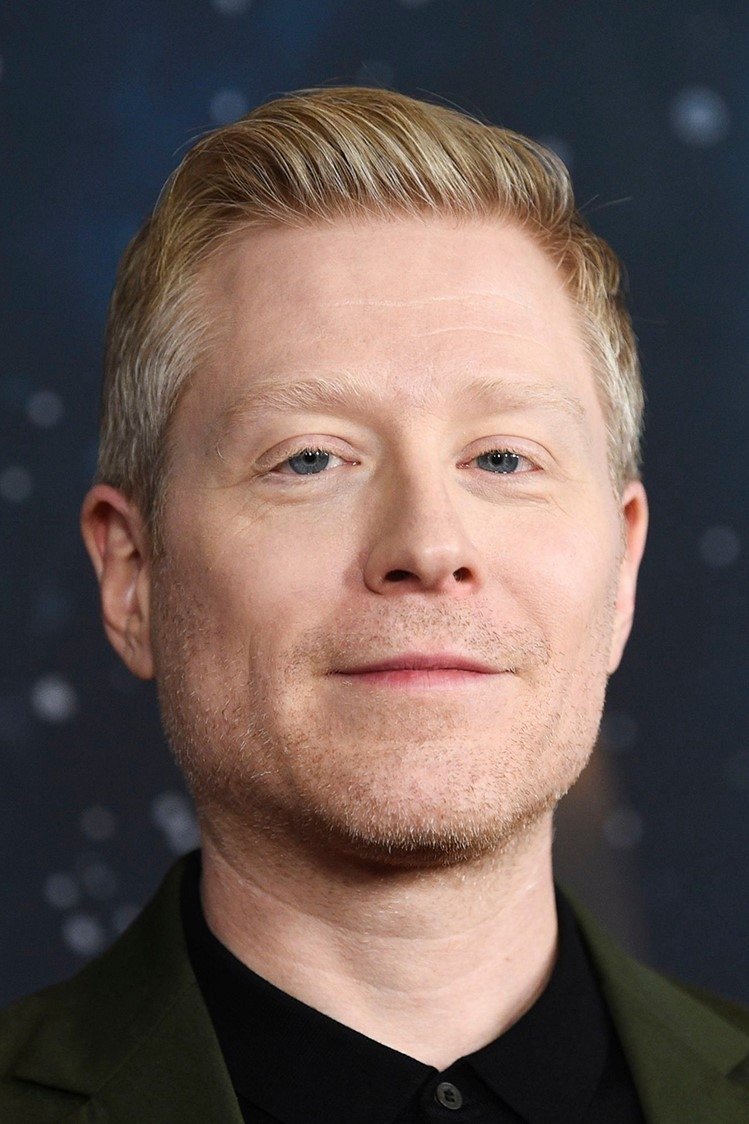
Anthony Rapp has a character actor look that often landed him roles as the smart friend or the geek. He was dismissed for leading man roles in major blockbusters due to his specific vibe. He originated the role of Mark in ‘Rent’ and became a Broadway legend. He later made history with the first gay kiss in the ‘Star Trek’ franchise. Rapp has consistently worked to expand the types of roles available to queer actors.
Share your favorite performance from these talented actors in the comments.

