


Gay Actors Who Have Been Body Shamed

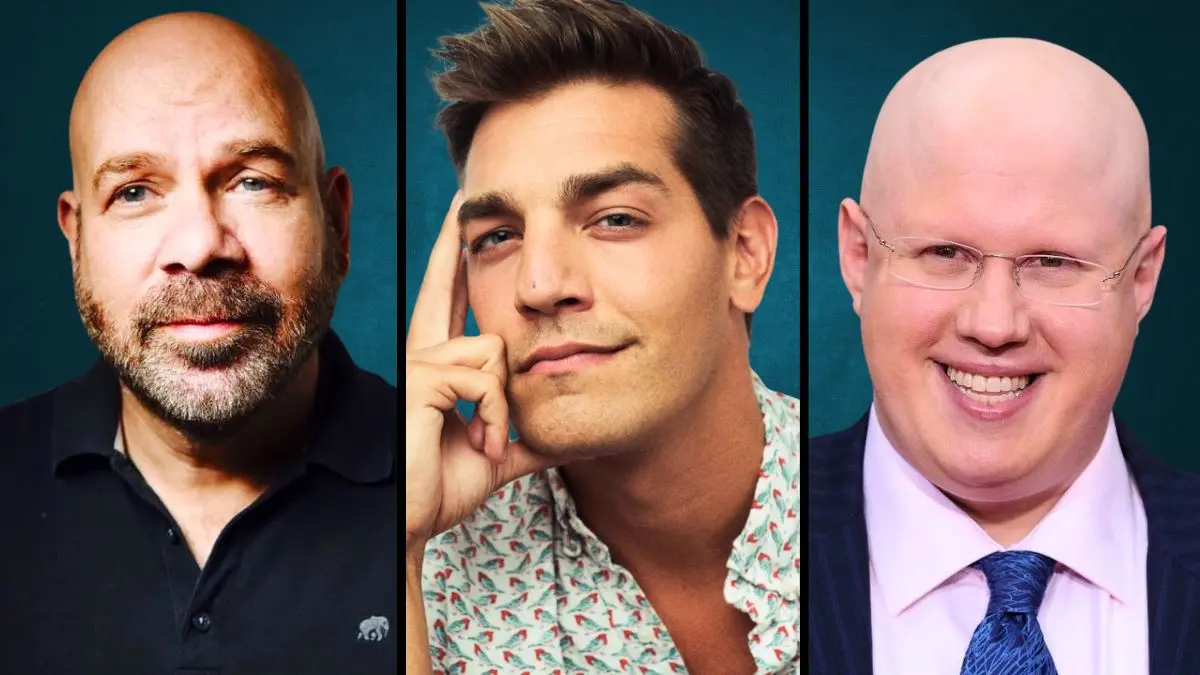


Hollywood has long enforced rigorous physical standards that dictate how leading men must look to be considered successful. For gay actors, this pressure is often compounded by the internal expectations of the queer community and the specific stereotypes perpetuated by the media. Many talented performers have faced relentless scrutiny regarding their weight, muscle mass, or natural aging processes. This toxicity manifests in tabloid mockery, online bullying, and restrictive casting calls that prioritize aesthetics over ability. The following individuals have navigated these challenges while speaking out against the unrealistic ideals placed upon them.
Wentworth Miller
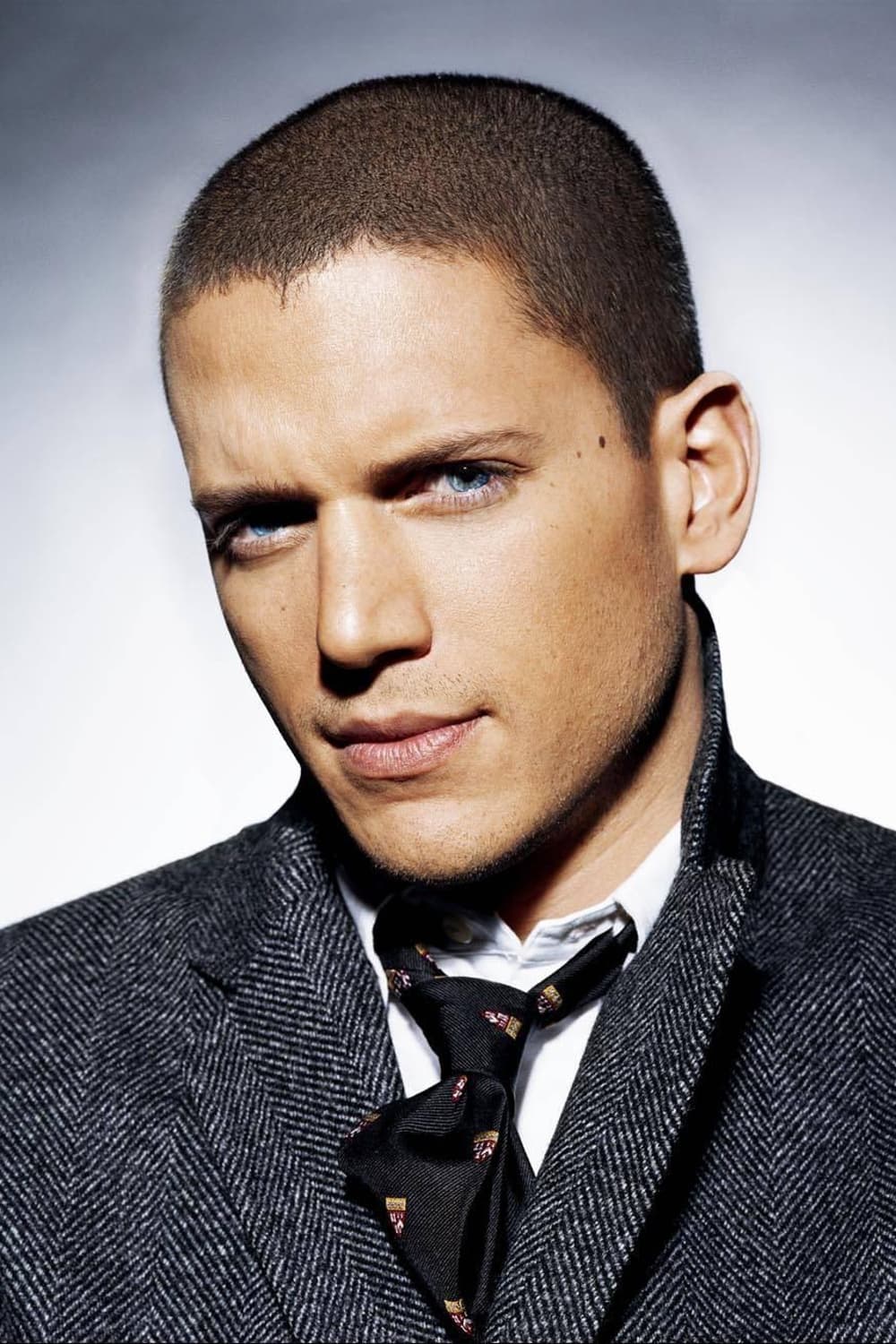
The breakout star of ‘Prison Break’ found himself at the center of a cruel viral trend when a meme compared his physique during the show to a paparazzi photo taken during a hiatus. Miller responded with a powerful essay revealing that he had been suicidal at the time the photo was taken and had turned to food for comfort. He explained that the image reminded him of his survival and resilience during his darkest struggles with mental health. His vulnerability sparked a global conversation about the intersection of male depression and body shaming. Miller effectively shut down the mockery by humanizing the pain behind the weight gain.
Elton John
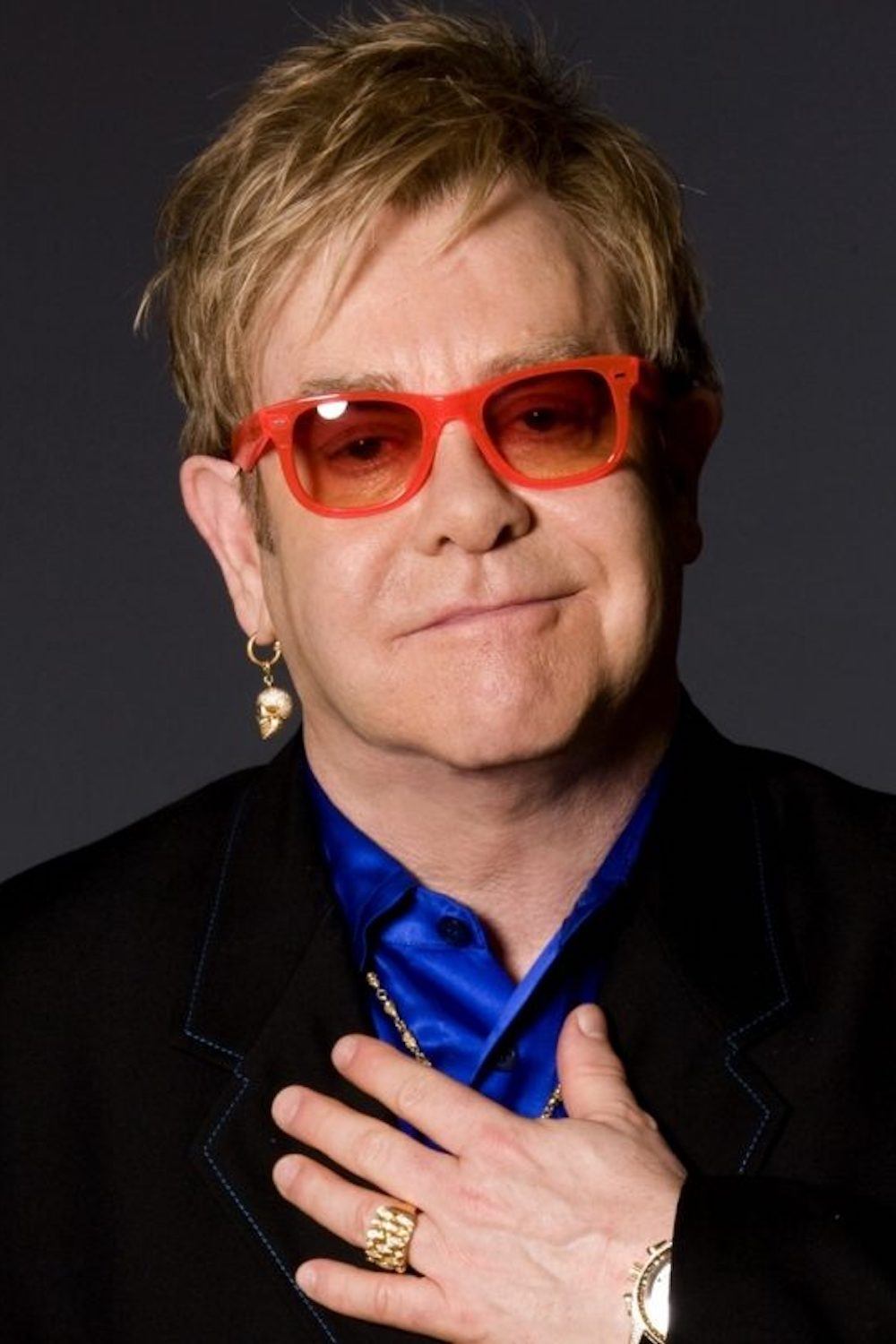
While the music icon is known for his flamboyant costumes, he battled bulimia and drug addiction behind the scenes for years. He has openly discussed how his eating disorder was fueled by a desire to conform to the thin standards of the music industry during the 1970s and 1980s. The biopic ‘Rocketman’ vividly depicted these struggles, showing how his self-worth was often tied to his physical appearance. John has since become an advocate for recovery, noting that his obsession with his weight nearly destroyed him. His honesty has helped destigmatize eating disorders among men.
George Michael
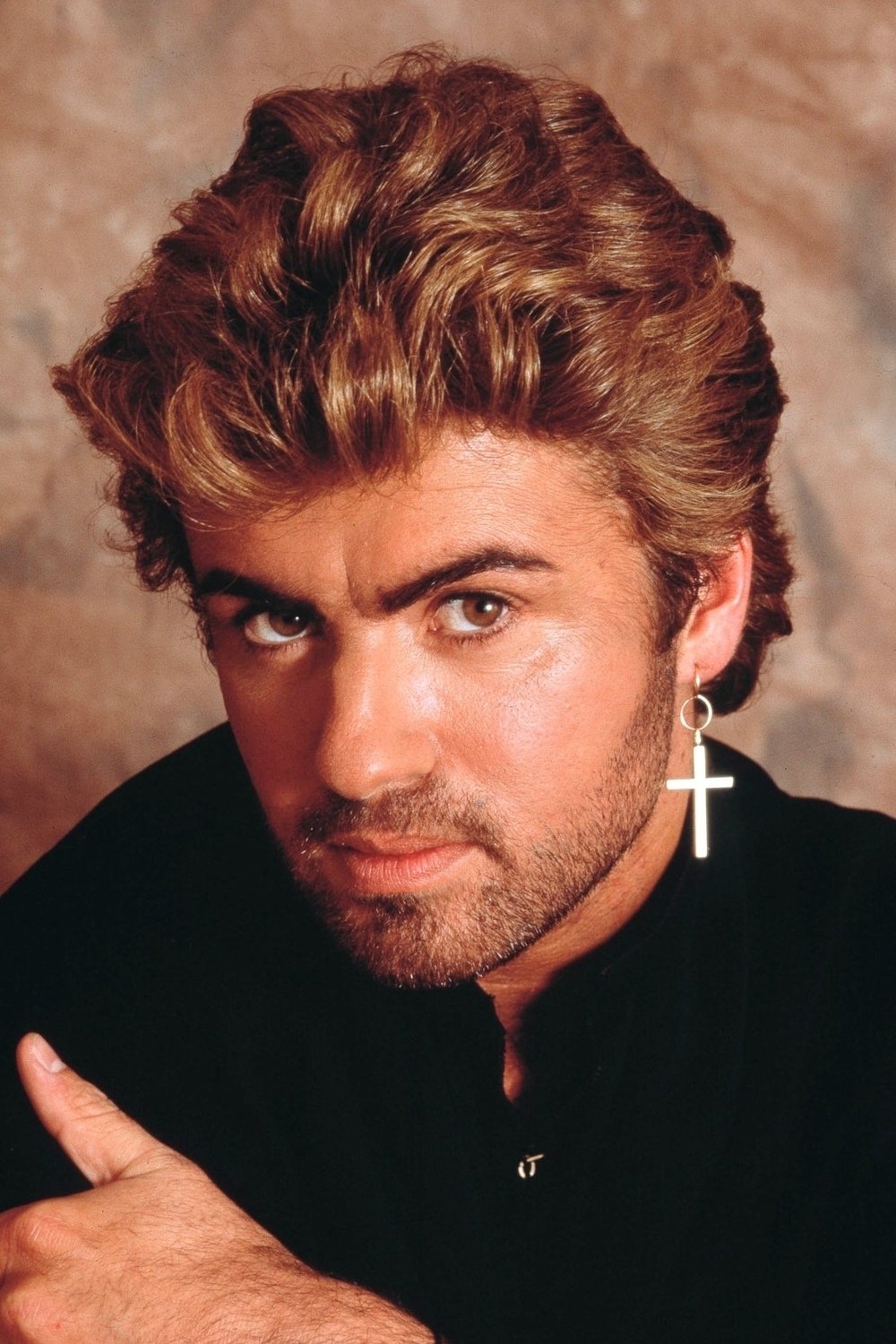
In the later years of his career, the pop superstar faced relentless tabloid scrutiny regarding his fluctuating weight. Critics and comedians frequently targeted his appearance, ignoring his musical legacy to focus on his physical changes. Michael often retreated from the public eye as a result, struggling with the pressure to maintain the sex symbol image he cultivated in the ‘Faith’ era. His experience highlighted the harsh reality that male celebrities are not immune to the toxic standards of the beauty industry. The media’s treatment of his body remained a sore point until his passing.
Boy George

The Culture Club frontman has faced decades of commentary regarding his weight, often being mocked by the British press during periods of gain. He has undergone several public transformations, discussing how food became a mechanism to cope with the stresses of fame and addiction. At various points, he adopted strict diets and exercise regimes to regain control, only to face skepticism and further scrutiny. His journey illustrates the difficulty of managing personal health under the microscope of the tabloids. George continues to be open about his relationship with food and body image.
Reid Ewing
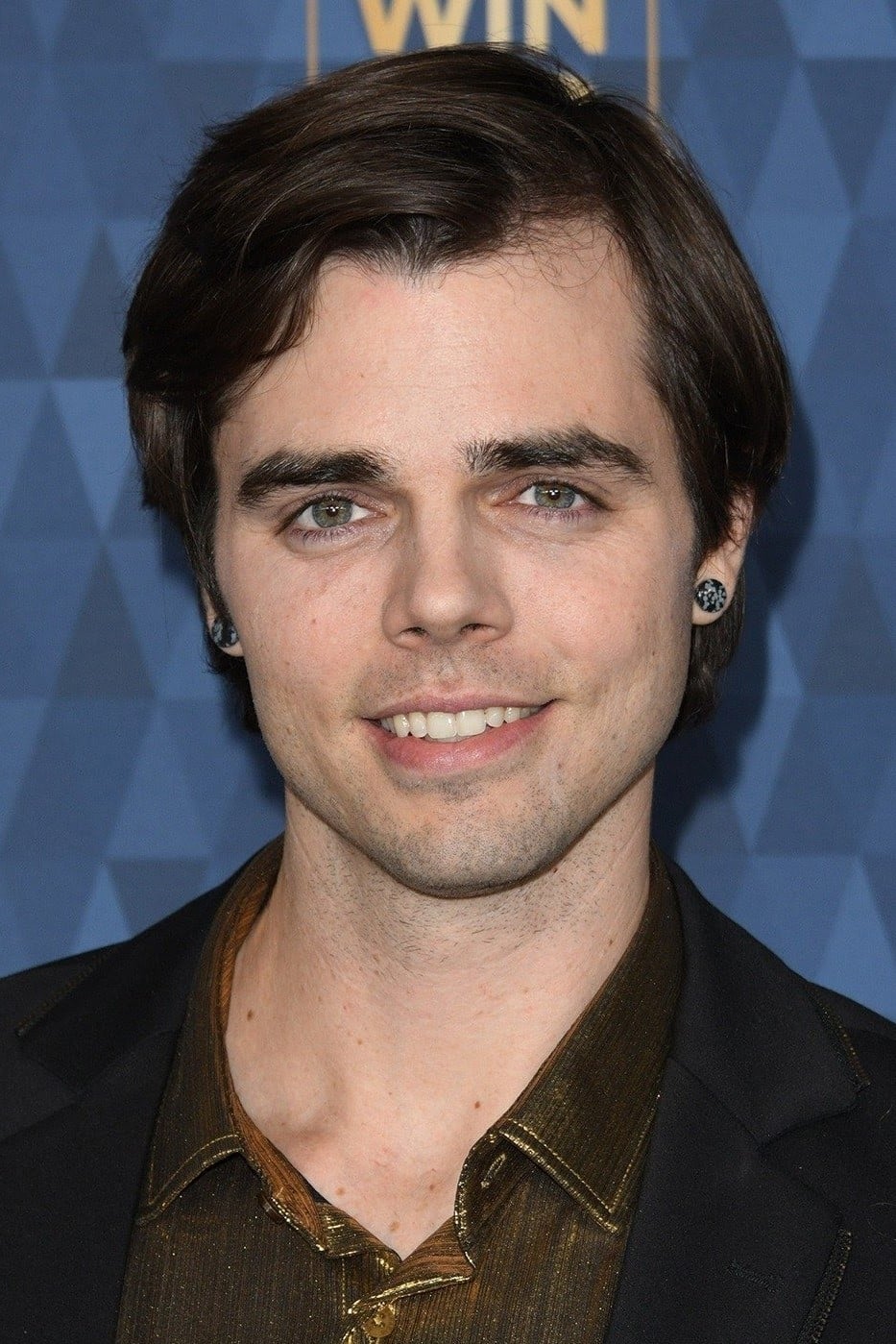
Best known for his role as Dylan in ‘Modern Family’, Ewing penned a candid op-ed revealing his severe battle with body dysmorphic disorder. He detailed a harrowing addiction to plastic surgery, explaining that he underwent multiple procedures in a desperate attempt to look like Brad Pitt. The actor expressed deep regret over the surgeries, noting that they only exacerbated his mental health struggles and isolation. His story shed light on the dangerous lack of psychological screening in the cosmetic surgery industry. Ewing now advocates for self-acceptance and mental health awareness.
Gus Kenworthy
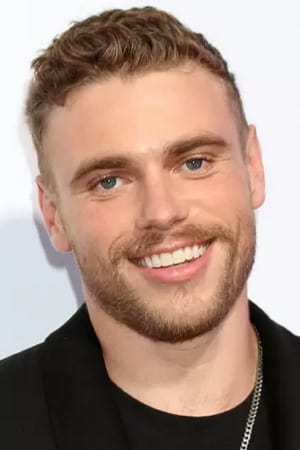
After transitioning from Olympic skiing to acting in ‘American Horror Story’, Kenworthy opened up about the intense body dysmorphia prevalent in the gay community. He admitted that despite being an elite athlete, he struggled with feeling inadequate when comparing himself to the unrealistic standards seen on social media. He has spoken about the pressure to maintain a specific “gym body” to be considered attractive or successful in the industry. Kenworthy uses his platform to discuss the toxicity of “body fascism” among gay men. His transparency challenges the idea that physical fitness equates to internal confidence.
Troye Sivan
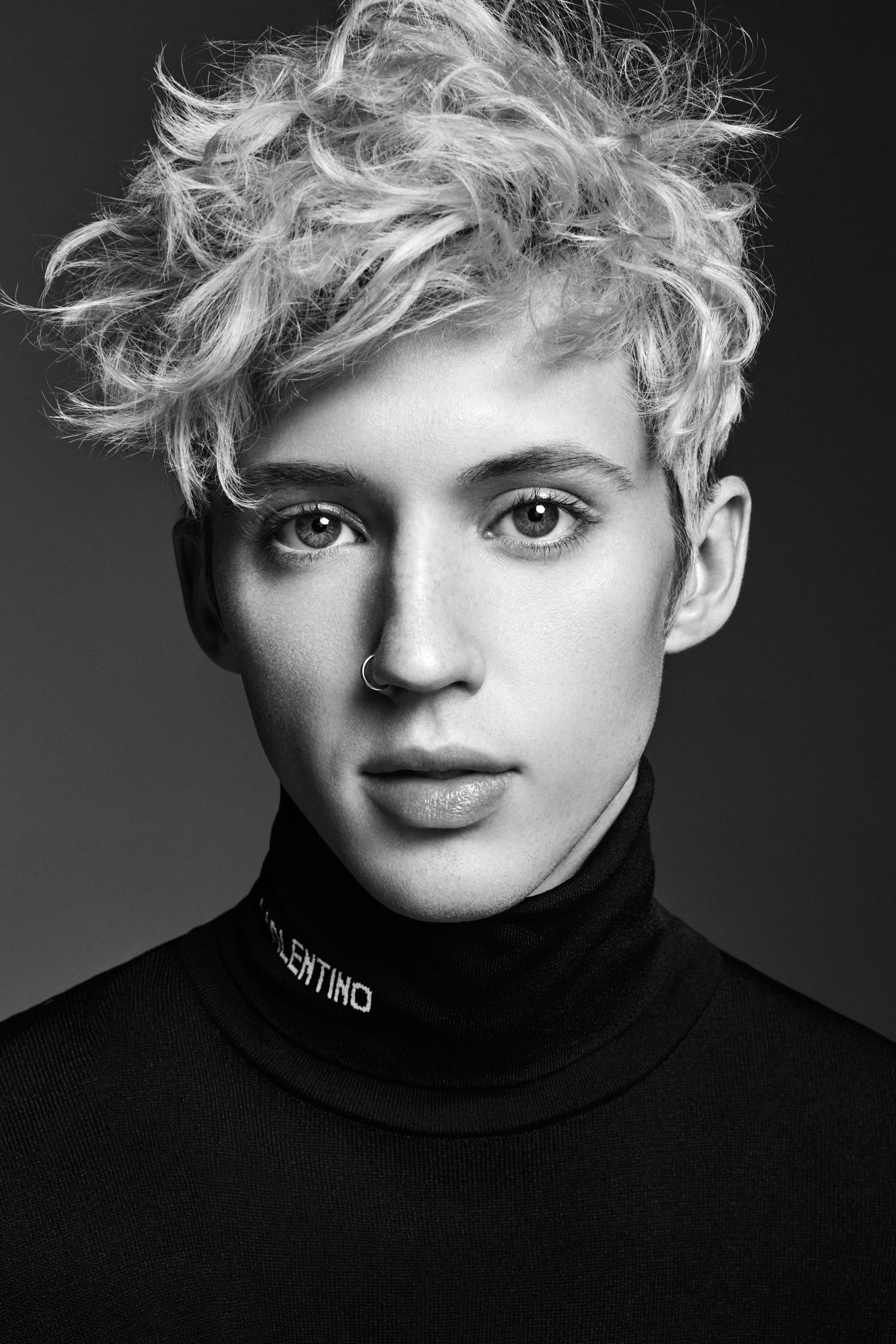
The singer and actor faced a wave of criticism following the release of his music video for ‘Rush’, where viewers accused him of only casting thin models. Simultaneously, Sivan has dealt with years of “skinny shaming” and derogatory comments about his naturally slender frame. He addressed the controversy by pointing out the double standard of people demanding body diversity while mocking his own body type. Sivan has frequently discussed the discomfort of having his physical form analyzed by strangers online. His experience highlights the complexities of body image discourse within the queer community.
Ben Platt
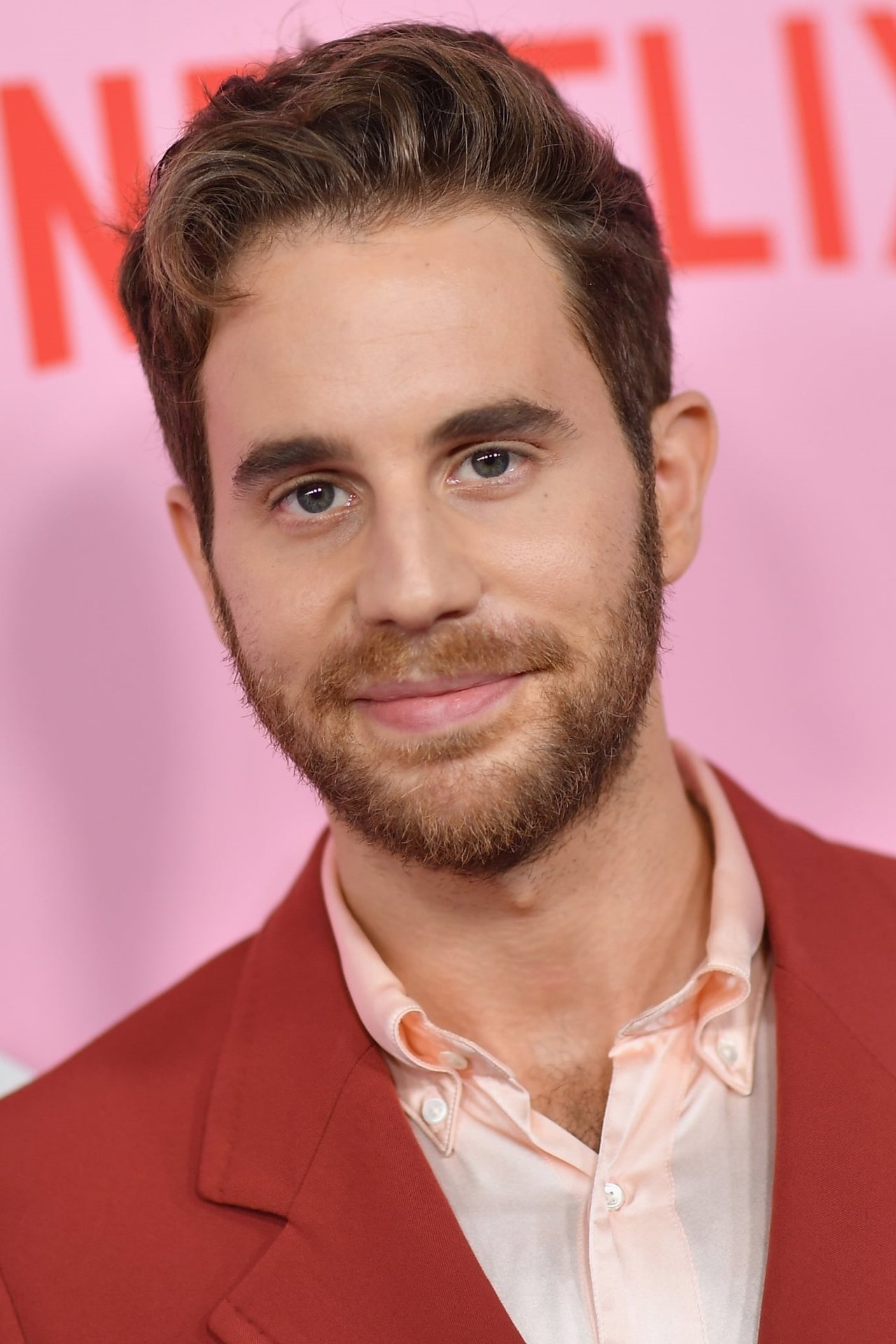
When the film adaptation of ‘Dear Evan Hansen’ was released, Platt faced a barrage of criticism regarding his age and appearance. Social media was flooded with memes mocking his hair and makeup, claiming he looked too old to play a high schooler. Platt admitted that the reaction was “horrific” and caused him to retreat from social media platforms like Twitter. The intense focus on his physical looks overshadowed his vocal performance and the film’s message about mental health. This backlash served as a stark example of how internet culture can fixate on physical details to demean an artist.
Charlie Carver
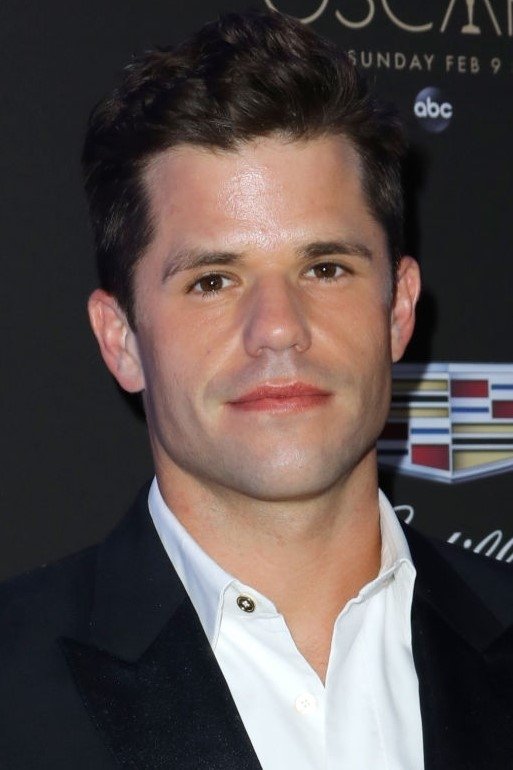
The ‘Teen Wolf’ and ‘The Boys in the Band’ actor has been vocal about the pressure to present a hyper-masculine physique in Hollywood. Carver has discussed how the “macho” ideal forced upon gay actors can lead to unhealthy behaviors and body image anxiety. He acknowledged the internal conflict of wanting to look a certain way to get roles while knowing those standards are often unattainable. By sharing his gym anxieties, he hopes to dismantle the rigid expectations placed on queer men. Carver emphasizes that mental health should always take precedence over aesthetics.
Daniel Franzese
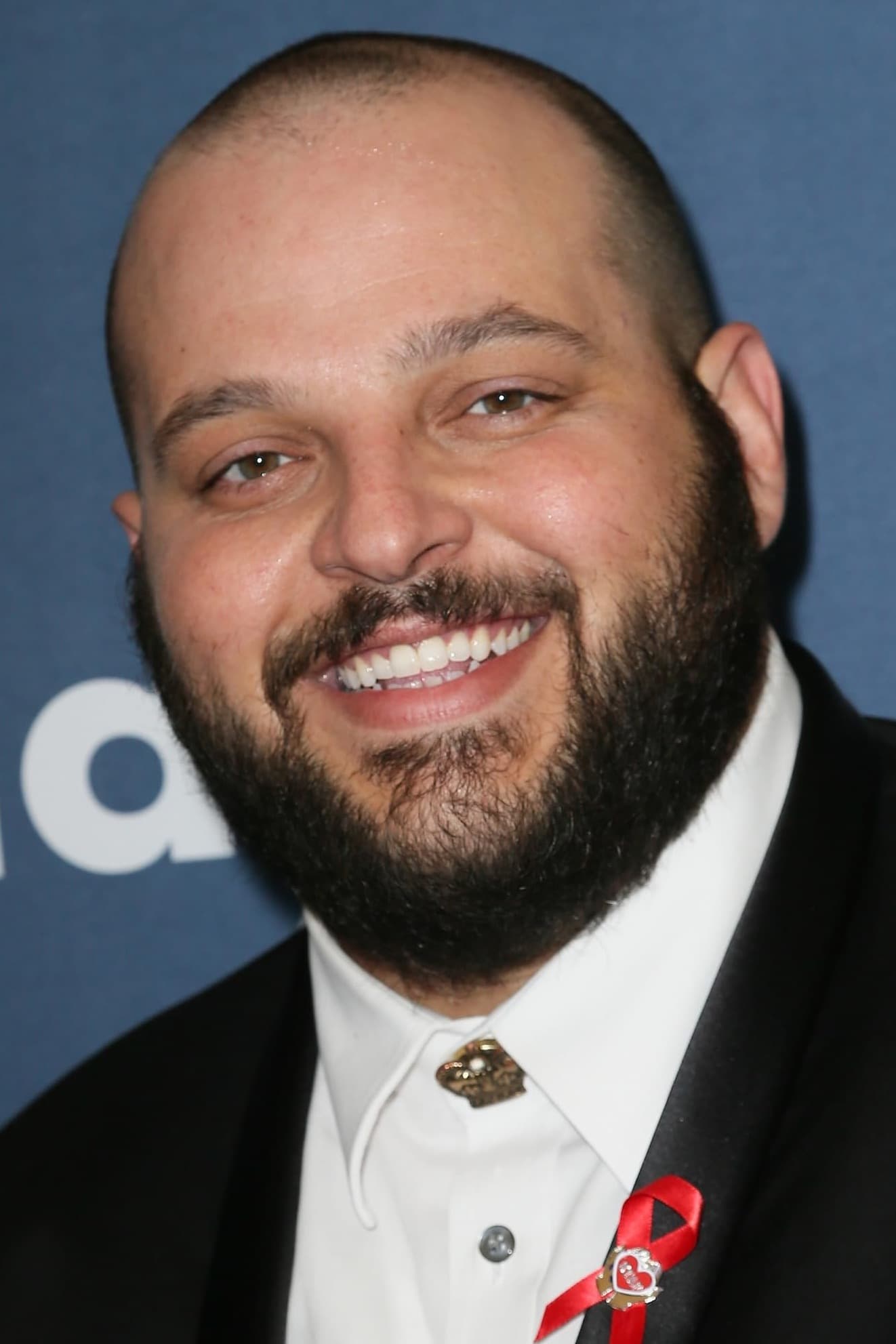
After starring in ‘Mean Girls’, Franzese became a significant voice for body positivity in the entertainment industry. He has spoken about the lack of roles for larger gay men and the stereotypes that limit them to being the “funny fat friend.” Franzese actively campaigns for “Big and Tall” representation, challenging fashion brands to be more inclusive. He revealed that for years he felt he had to hide his body to be taken seriously as an actor. Today, he uses his platform to celebrate diverse body types and empower larger men.
Ross Mathews
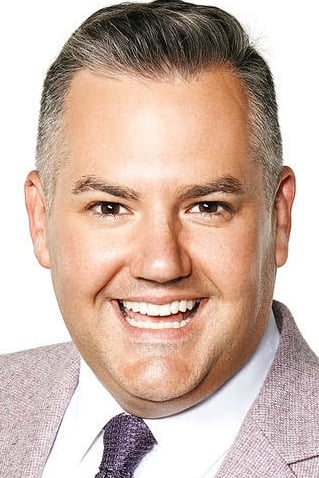
Starting his career as “Ross the Intern” on ‘The Tonight Show’, Mathews was often the punchline of jokes centered on his weight and high-pitched voice. He has since undergone a significant health journey, losing weight for his own well-being rather than to please critics. Mathews has discussed the pain of being caricatured for his size while trying to build a serious career in broadcasting and television. He emphasizes that his value comes from his talent and humor, not the number on a scale. His transformation has been about reclaiming his health on his own terms.
Perez Hilton
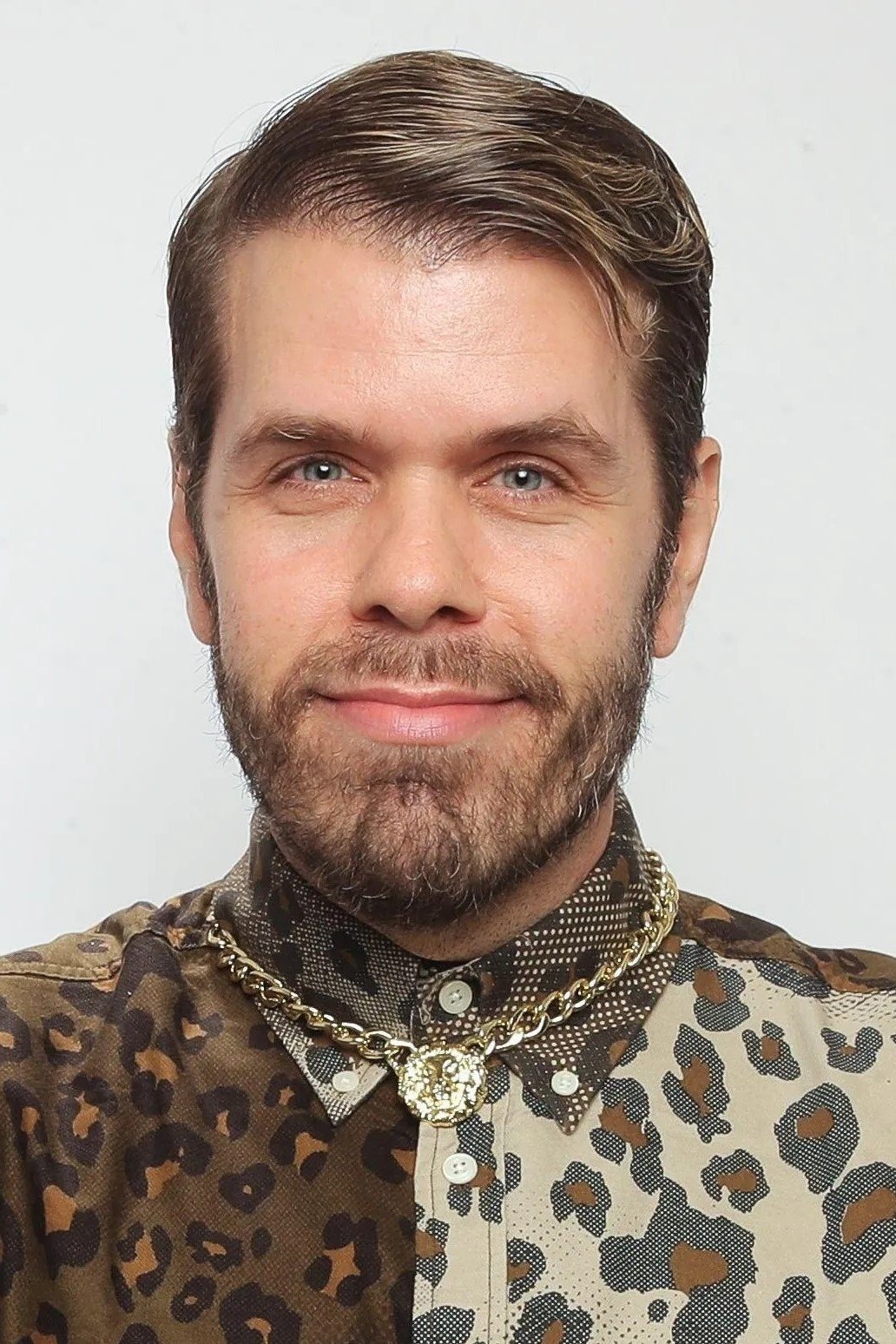
The gossip columnist turned reality TV personality faced years of criticism for his appearance before undergoing a dramatic weight loss transformation. Hilton, who notoriously ridiculed other celebrities’ bodies, eventually turned the lens on himself and spent years getting fit. He has spoken about the discipline required to change his lifestyle and the lingering insecurities that come with being formerly overweight. His journey is complex, as he has had to reconcile his past behavior with his current advocacy for health. Hilton now focuses on fitness as a means of mental stability.
Matt Lucas
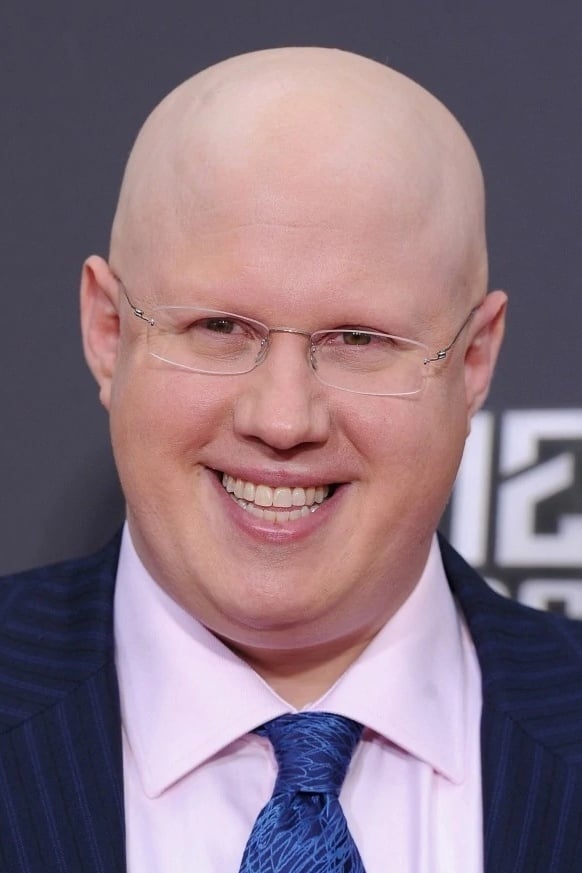
The ‘Little Britain’ star has dealt with public commentary regarding his appearance due to his alopecia and weight. Lucas has often used self-deprecating humor to deflect from the scrutiny, but has also acknowledged the pain of being judged solely on looks. He faced significant health scares that prompted him to lose weight, a process that was heavily documented and critiqued by the British press. Despite the physical changes, he continues to advocate for kindness and understanding regarding different body types. Lucas proves that talent transcends conventional beauty standards.
Stephen Fry
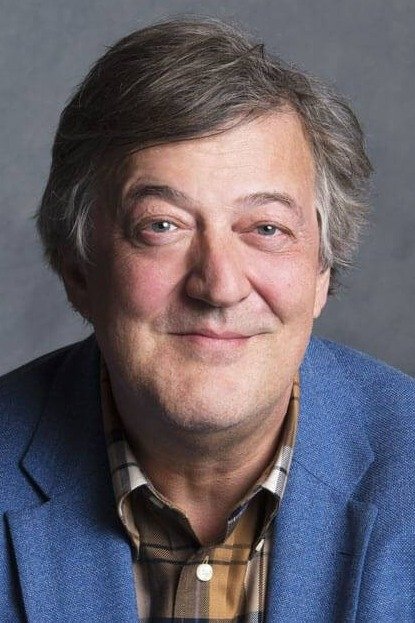
The celebrated actor and writer has been open about his lifelong struggle with weight and its connection to his bipolar disorder. Fry has described food as a comfort during periods of depression, leading to weight fluctuations that played out in the public eye. He has criticized the media’s obsession with his size, arguing that it distracts from his intellectual and creative contributions. Fry’s candor helps frame weight struggles as a complex mental health issue rather than a simple lack of willpower. His intellect and wit remain his defining features, regardless of his physical size.
Harvey Fierstein
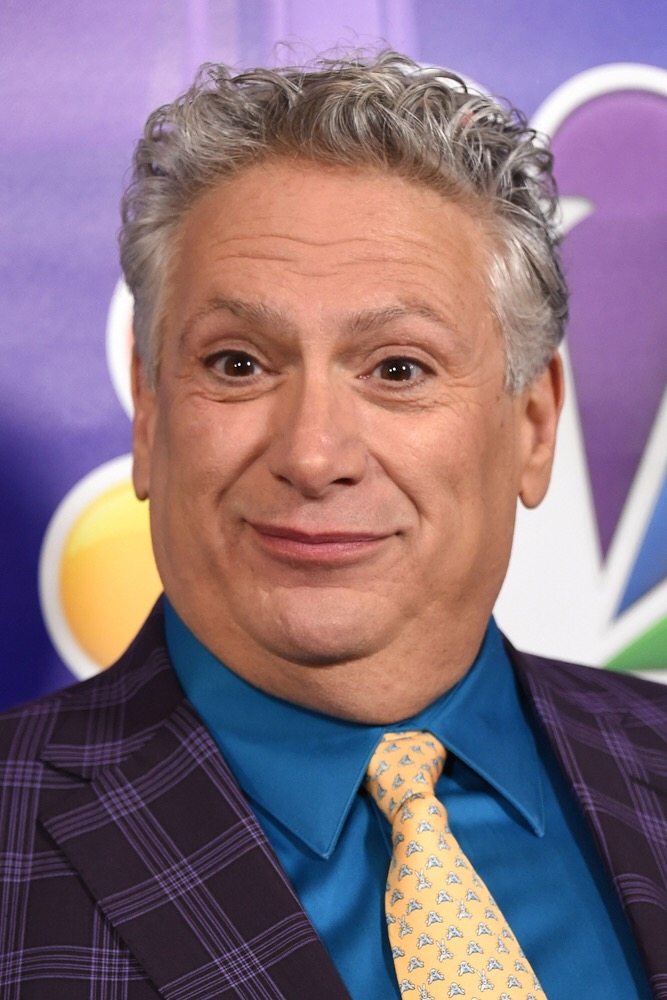
With his signature gravelly voice and larger-than-life presence, Fierstein faced significant hurdles in Hollywood due to his non-traditional look. He has spoken about being typecast or rejected for roles because he did not fit the mold of the conventional leading man. Instead of conforming, he wrote his own work, creating iconic characters in ‘Torch Song Trilogy’ and ‘Hairspray’ that celebrated unique bodies and voices. Fierstein turned his distinct physical traits into his greatest assets, paving the way for character actors. He remains a legend for refusing to shrink himself for the industry.
Nathan Lane
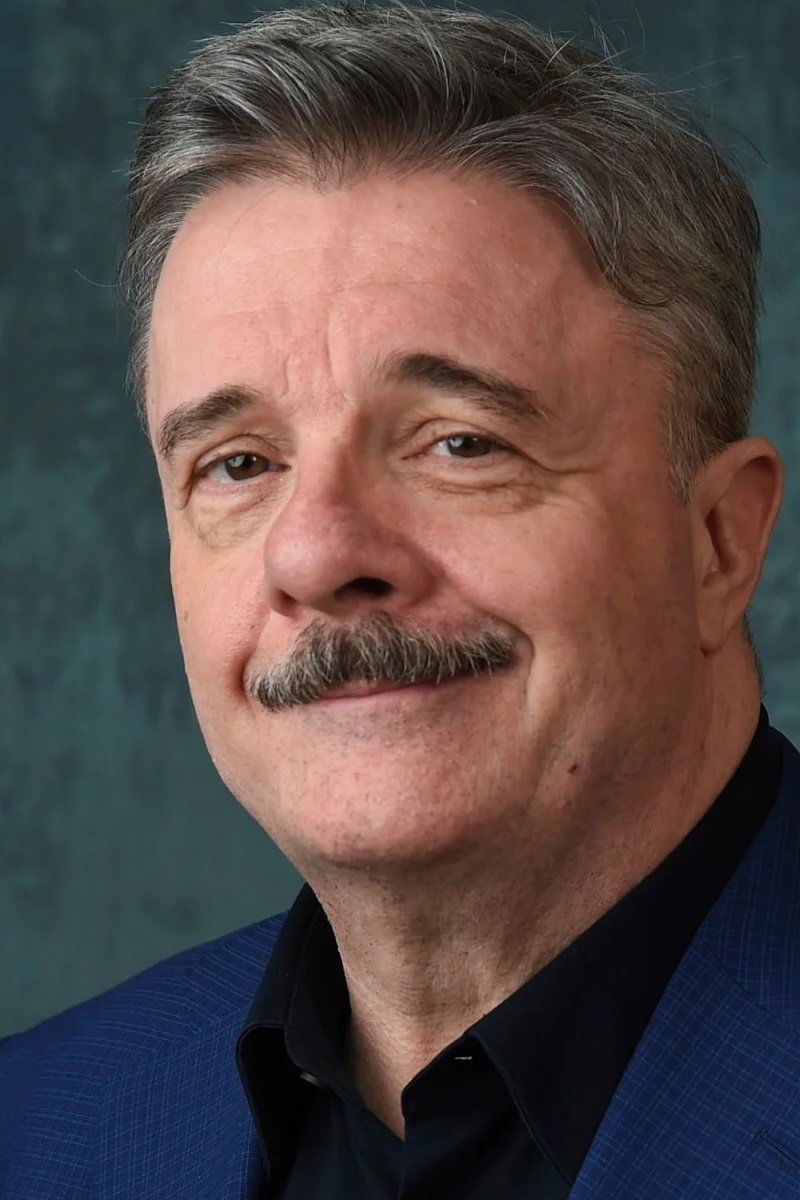
A titan of Broadway and film, Lane has often been relegated to the role of the “funny fat guy” due to his stature. He has discussed the limitations placed on character actors who do not possess the chiseled physique of a romantic lead. Despite this, Lane has delivered dramatic performances that prove his range extends far beyond physical comedy. He challenges the industry’s narrow view of what a leading man looks like by commanding the stage with sheer talent. Lane’s success is a testament to substance over superficiality.
Colton Haynes
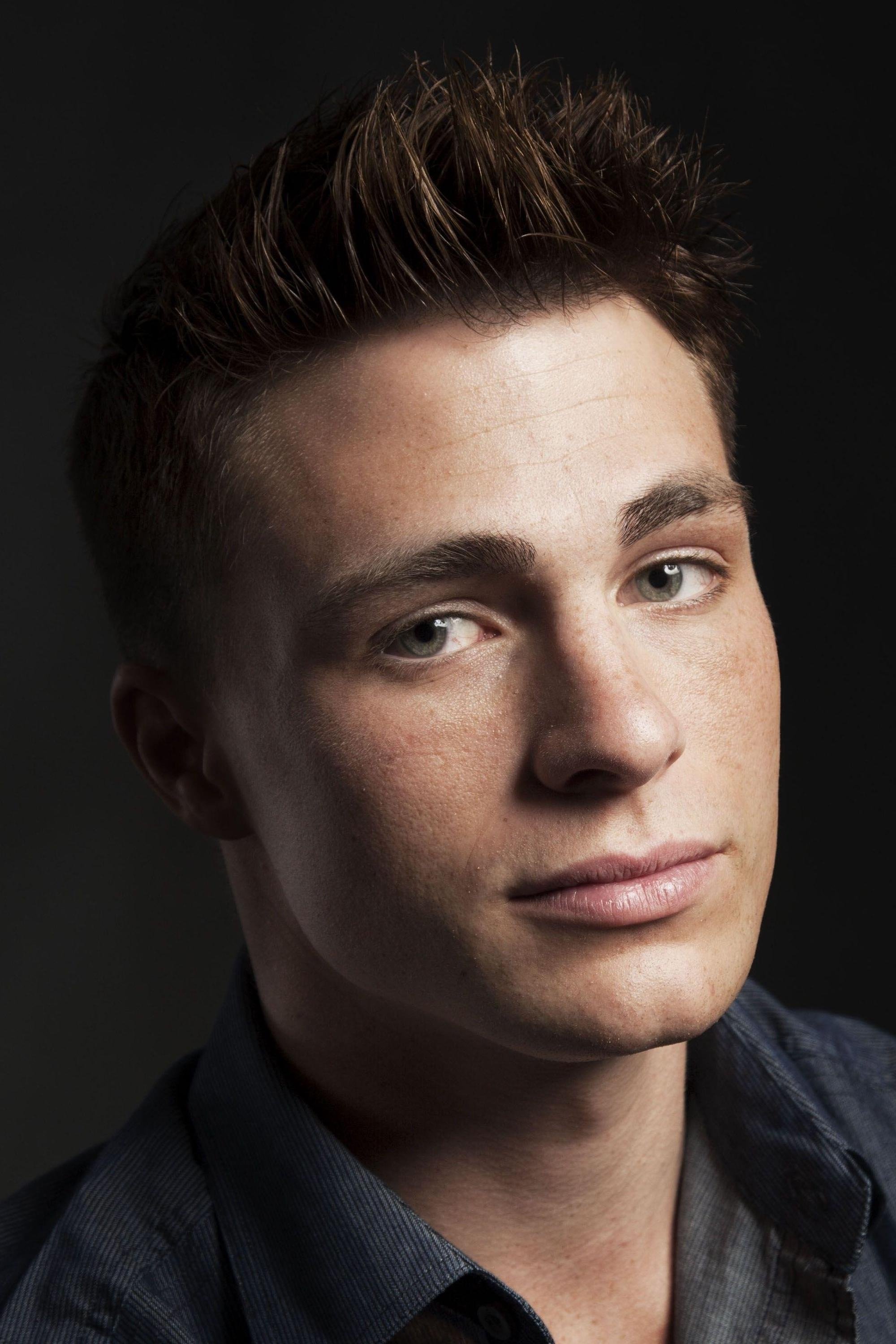
The ‘Arrow’ star has been incredibly open about the anxiety and eating issues he developed while trying to maintain a “perfect” body for TV. Haynes revealed that the pressure to look effortless and shredded caused him severe mental distress and impacted his physical health. He has criticized the industry for promoting unattainable standards that damage young actors’ self-esteem. By sharing unedited photos and speaking the truth about his struggles, he aims to break the illusion of perfection. Haynes advocates for a healthier, more realistic approach to fitness.
Noah Galvin
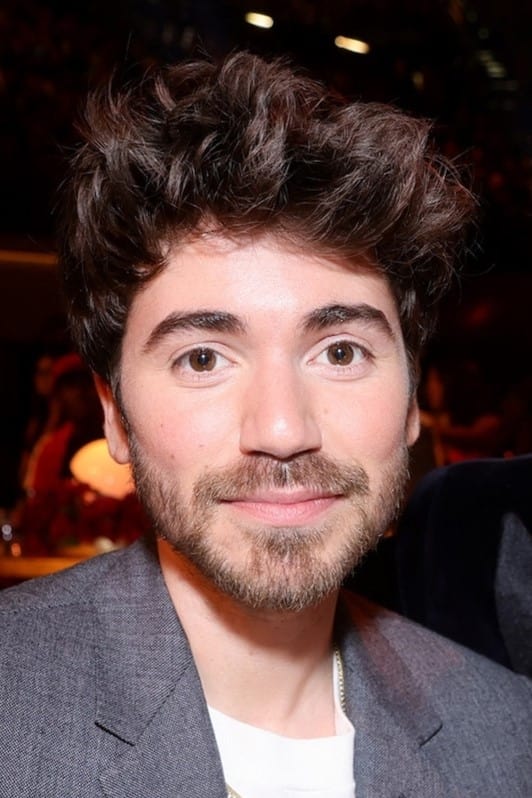
The ‘The Real O’Neals’ actor has spoken candidly about his history with eating disorders and body dysmorphia. Galvin criticized the gay community’s internal toxic standards, which often prioritize being thin or muscular above all else. He has discussed the difficulty of recovering from these issues while working in an image-obsessed industry. Galvin encourages young queer people to find worth outside of their physical appearance. His honesty provides a lifeline to others suffering in silence.
Adam Lambert
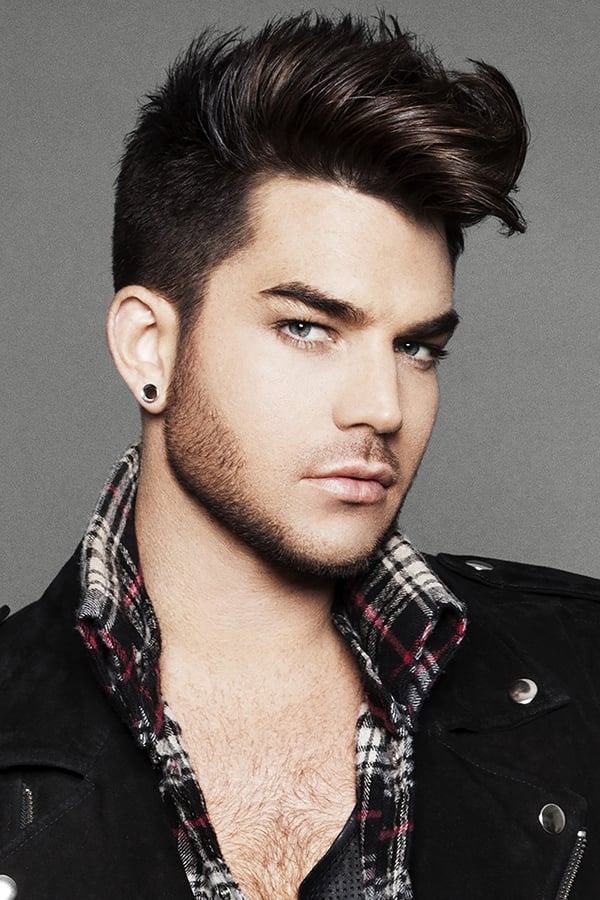
Since his time on ‘American Idol’, Lambert has faced constant scrutiny regarding his weight and fashion choices. When photos surfaced of him having gained weight, he was subjected to harsh online trolling and fat-shaming. Lambert responded by brushing off the haters, emphasizing that he is happy and comfortable in his skin regardless of his size. He challenges the rock star archetype by refusing to conform to a specific body type. Lambert remains focused on his vocal ability and showmanship.
Lance Bass
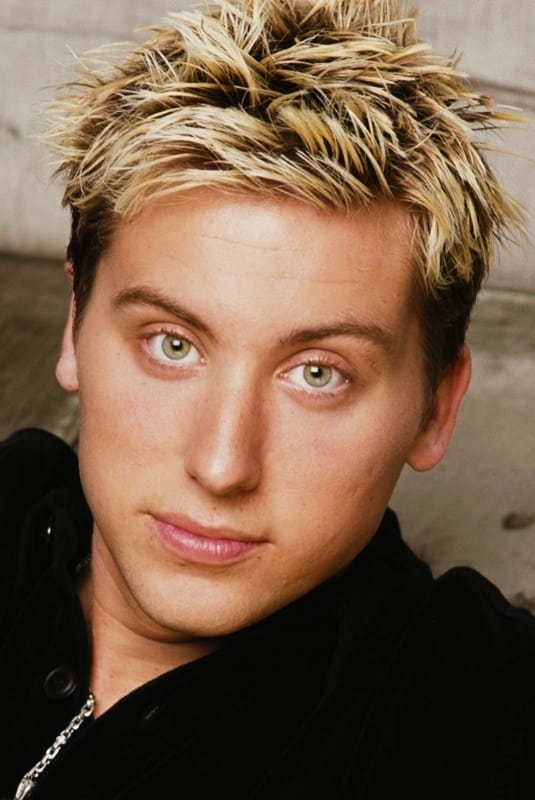
As a member of *NSYNC, Bass was under immense pressure to maintain a teen idol physique during his formative years. He has discussed how the management and media constantly monitored his weight, leading to unhealthy dieting habits. Since coming out, he has also spoken about the pressure within the gay community to look young and fit forever. Bass now advocates for a balanced lifestyle, prioritizing mental happiness over having a six-pack. His transition from boy band heartthrob to genuine self-acceptance is inspiring.
Cheyenne Jackson
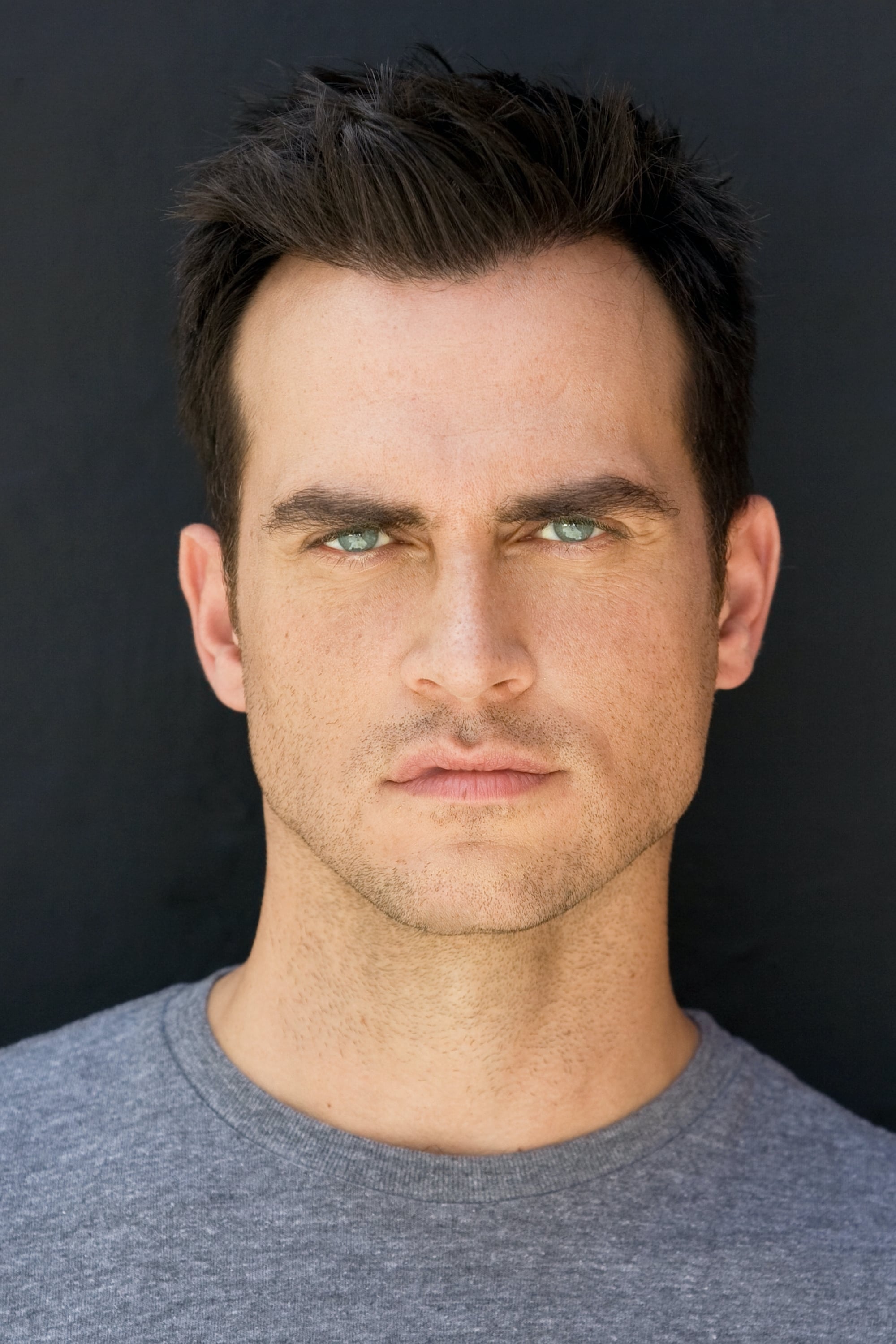
Despite being a conventionally attractive leading man, Jackson has revealed his struggles with muscle dysmorphia and hair loss. He admitted to using a hairpiece for years to hide a thinning hairline, fearing it would cost him roles. Jackson has also spoken about the constant pressure to be bigger and more muscular, which led to an unhealthy obsession with the gym. His admission that even “perfect” looking actors struggle with deep insecurities was a groundbreaking moment. He now embraces transparency about the effort behind the image.
Russell Tovey
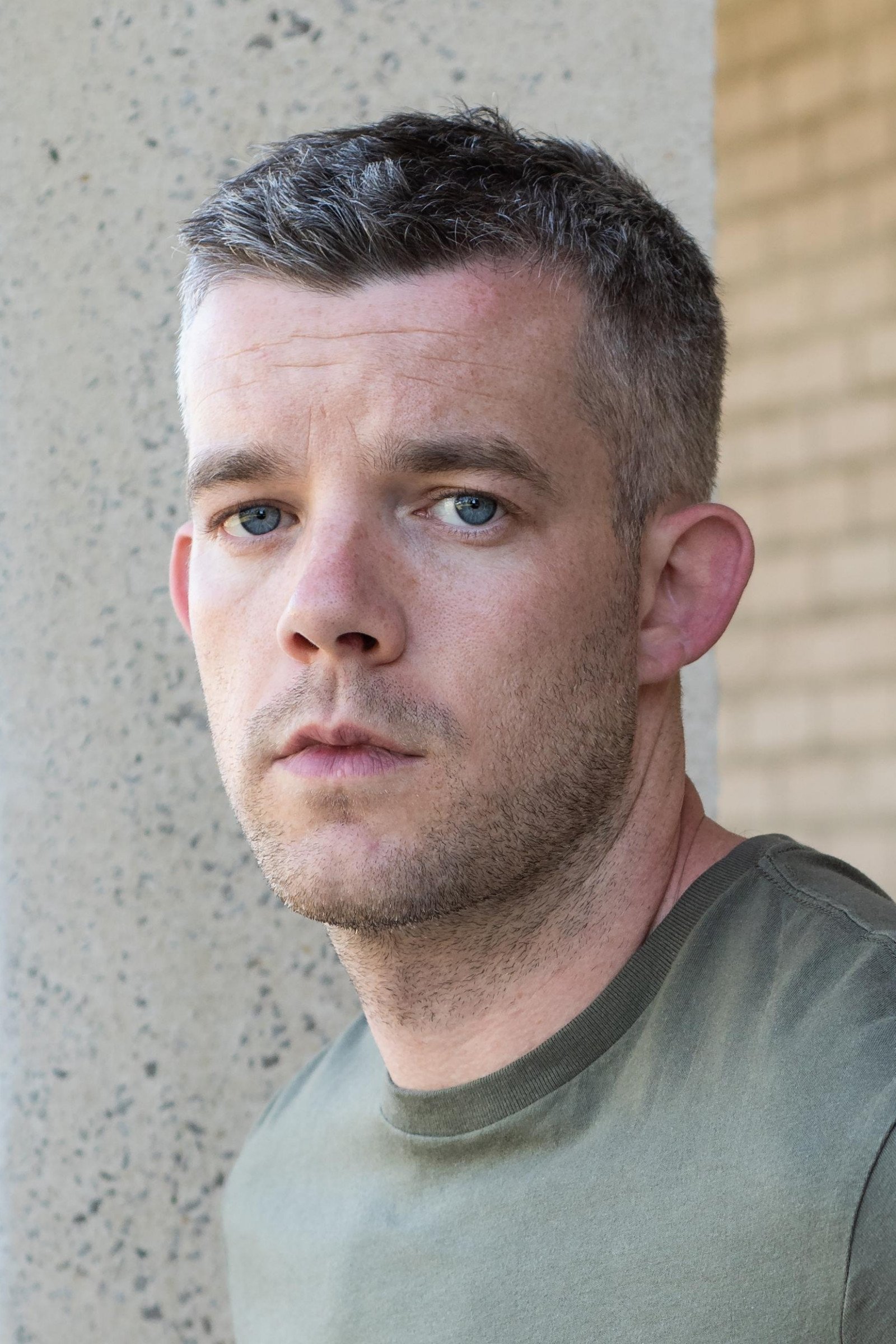
The ‘Looking’ and ‘Quantico’ actor has frequently discussed the “gym bunny” culture prevalent in the gay community. Tovey has admitted to feeling the pressure to bulk up to be considered attractive and masculine by his peers. He has critiqued how this obsession with muscles can lead to a homogenization of gay men, where everyone strives to look identical. His roles often explore these themes, reflecting his real-life observations of body fascism. Tovey encourages a broader definition of masculinity that isn’t solely defined by muscle mass.
Jonathan Groff
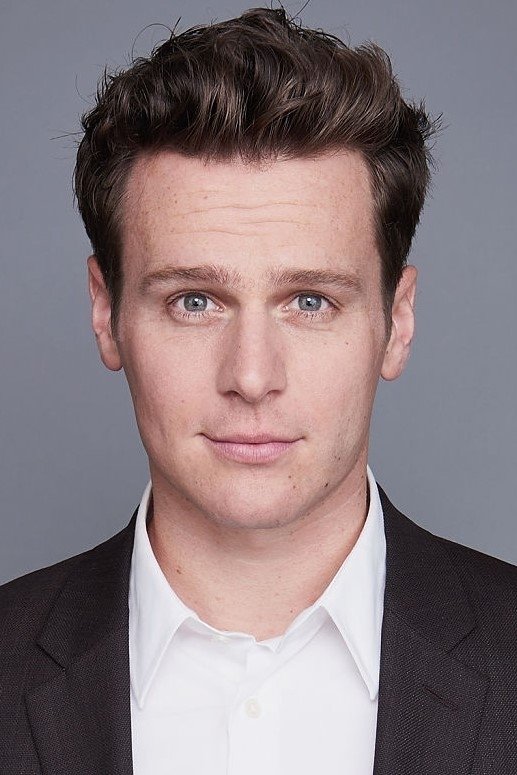
While starring in ‘Looking’, Groff was the subject of a controversial review that called him unconvincing as a lead because of his body type and mannerisms. The critic labeled him a “leather daddy” in a mocking tone, insinuating he wasn’t masculine enough for the role. Groff and his peers defended his performance, sparking a debate about internalized homophobia and body shaming in film criticism. The incident highlighted how gay actors are often judged by arbitrary standards of masculinity. Groff has continued to succeed, proving the critics wrong with his versatility.
Luke Evans
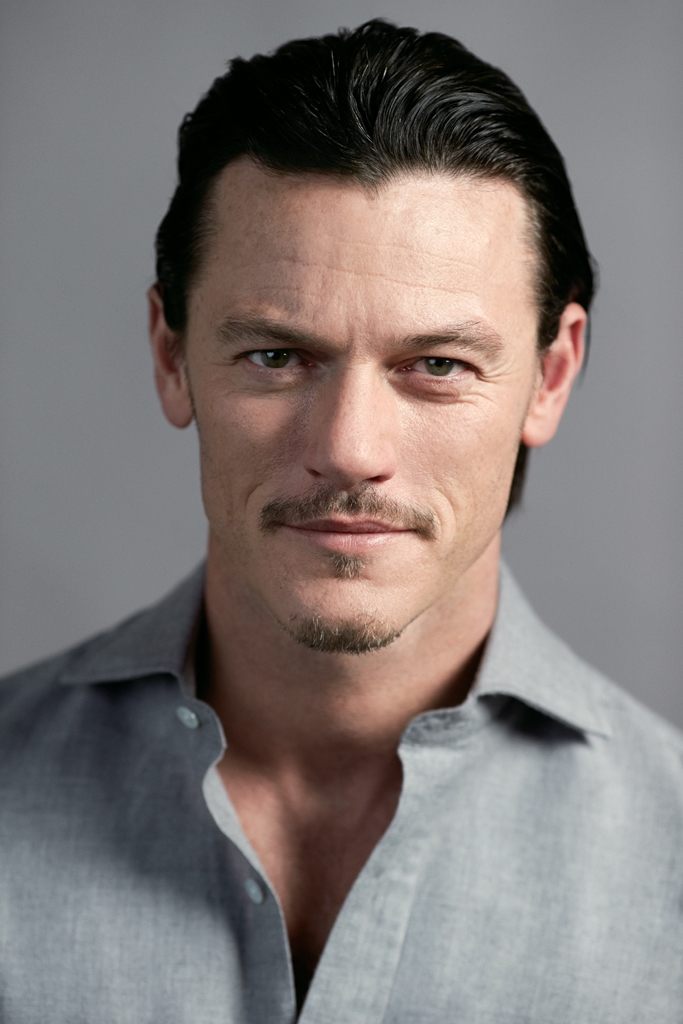
Known for action-heavy roles in ‘Fast & Furious’ and ‘The Hobbit’, Evans has spoken about the grueling physical demands placed on him. He has detailed the exhausting training and diet regimens required to achieve the superhero physique expected by studios. Evans has hinted at the toll this takes on one’s life, noting that maintaining such a body is a full-time job that leaves little room for joy. He balances this by relaxing his regimen between roles, advocating for moderation. His experience exposes the artificiality of the action star body.
Rupert Everett
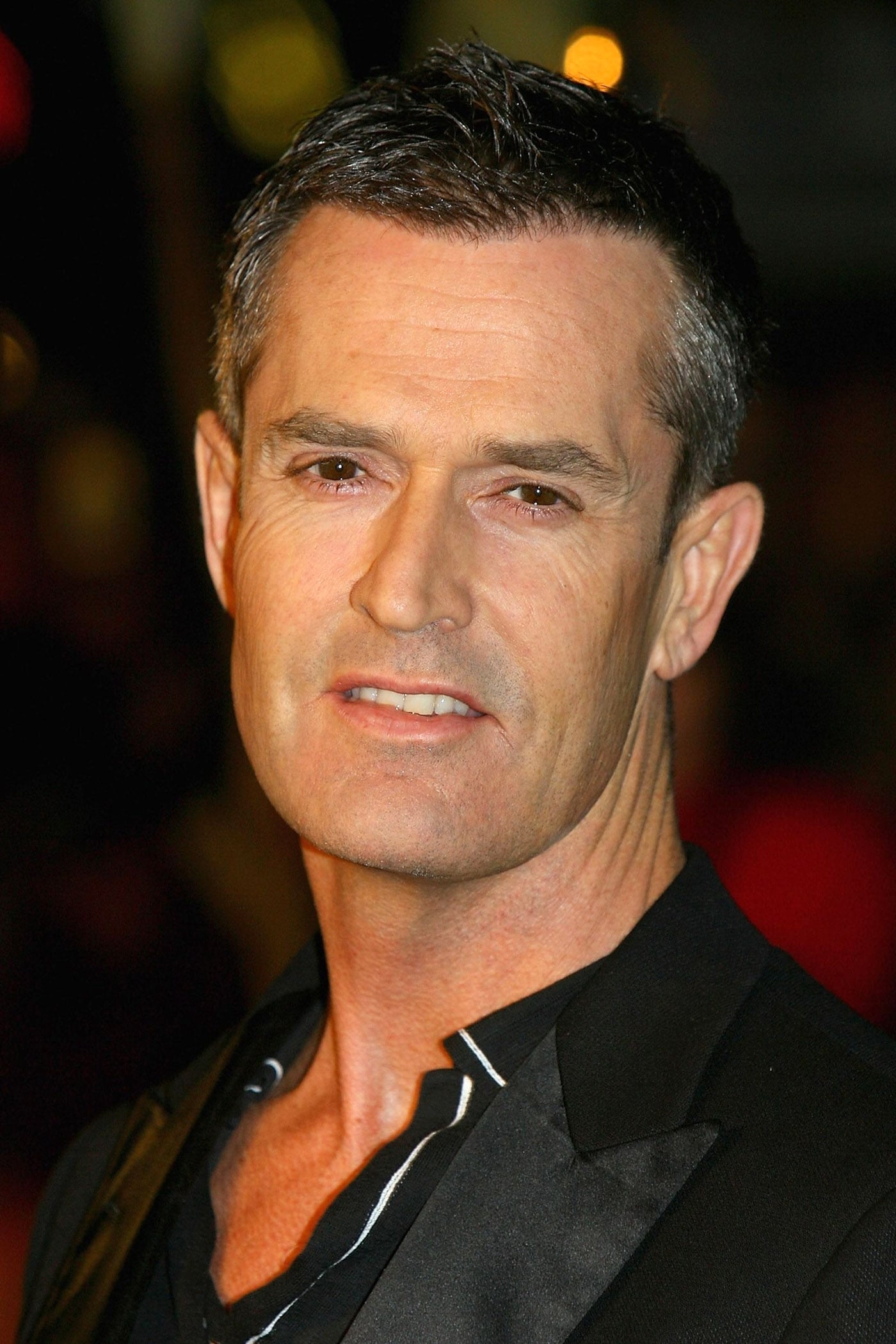
The British actor has been a vocal critic of Hollywood’s obsession with youth and surgery. Everett has discussed how his own looks have changed with age and the industry’s reluctance to cast older gay men in prominent roles. He has lamented the pressure to undergo cosmetic procedures to remain employable, choosing instead to age naturally. His candor sheds light on the ageism that often goes hand-in-hand with body shaming in the entertainment world. Everett champions the dignity of aging without interference.
Richard Chamberlain
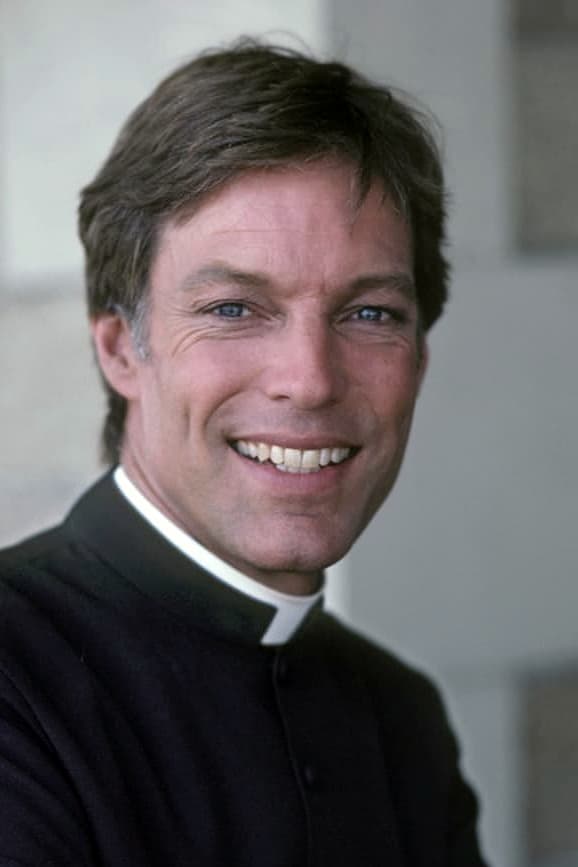
For decades, Chamberlain was the ultimate TV heartthrob, a status that forced him to remain in the closet and maintain a perfect physical image. He has since discussed the immense psychological burden of maintaining that facade, including the pressure to stay thin and handsome to please female fans. Chamberlain’s eventual coming out relieved him of the need to uphold an artificial heterosexual ideal. His story is a cautionary tale about the physical and mental toll of living a double life. He now lives authentically, free from the constraints of his heartthrob days.
Rock Hudson
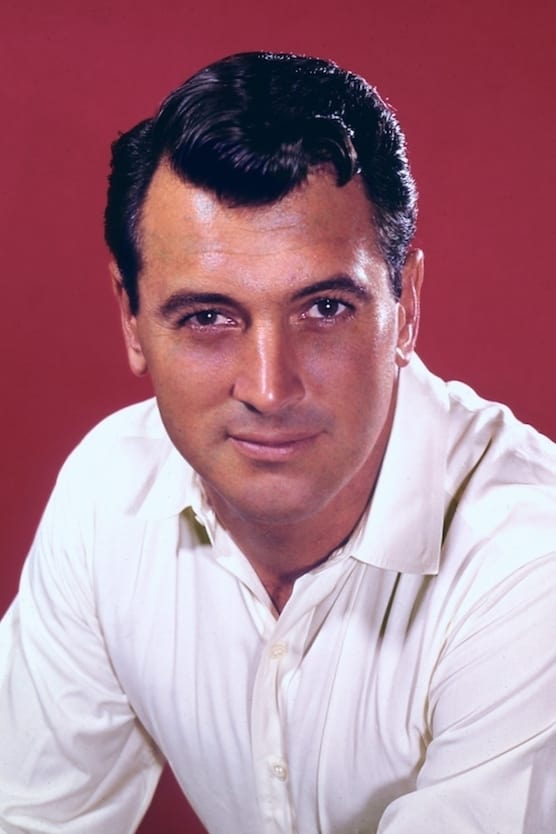
Hudson was the epitome of the masculine Hollywood star, a carefully constructed image that hid his homosexuality. In his final days, as he battled AIDS, the media fixation on his emaciated body was relentless and cruel. The shock of his physical deterioration was used by tabloids to stigmatize the disease and his sexuality. Hudson’s tragedy forced the world to confront the reality of AIDS, but the shaming of his body remains a dark chapter in Hollywood history. His legacy is now one of courage in the face of prejudice.
Tab Hunter
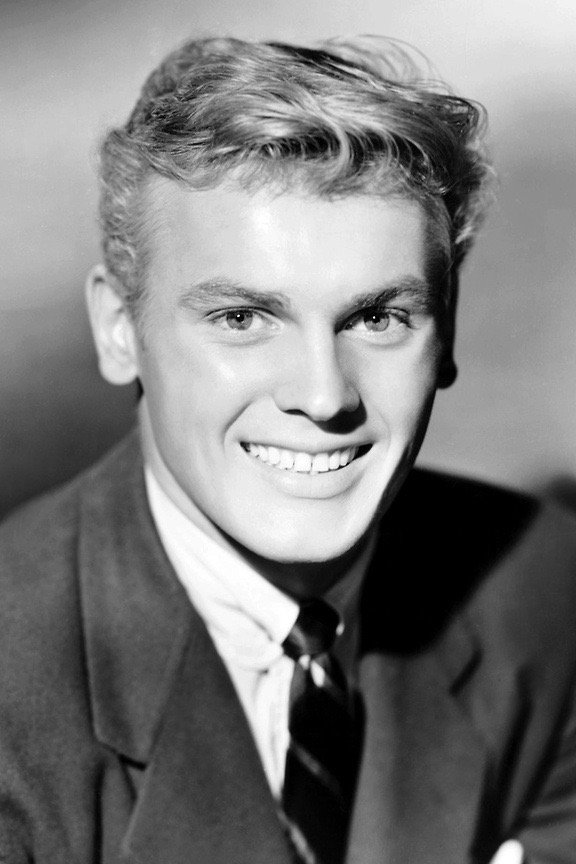
Similar to Chamberlain and Hudson, Hunter was a product of the studio system that demanded physical perfection and heteronormativity. He wrote about the exhausting effort required to maintain his “boy next door” physique to sell movie tickets. Hunter lived in fear that his true self would shatter the lucrative image the studios had built around his body. His memoir revealed the isolation of being a physical commodity. Hunter’s honesty later in life helped dismantle the myth of the 1950s golden boy.
Chris Colfer
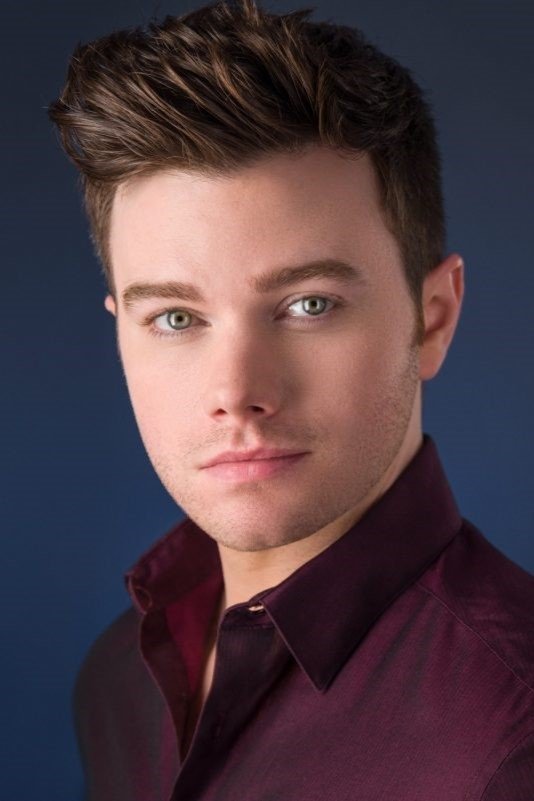
As Kurt Hummel on ‘Glee’, Colfer broke barriers but also faced criticism for his high voice and slight frame. He has spoken about being bullied for his appearance both before and during his fame, often being told he didn’t look like a “real man.” Colfer channeled these experiences into his writing, creating characters who find strength in their uniqueness. He refused to bulk up or deepen his voice to fit in, proving that there is power in embracing one’s natural state. Colfer remains a role model for non-conforming youth.
Mario Cantone
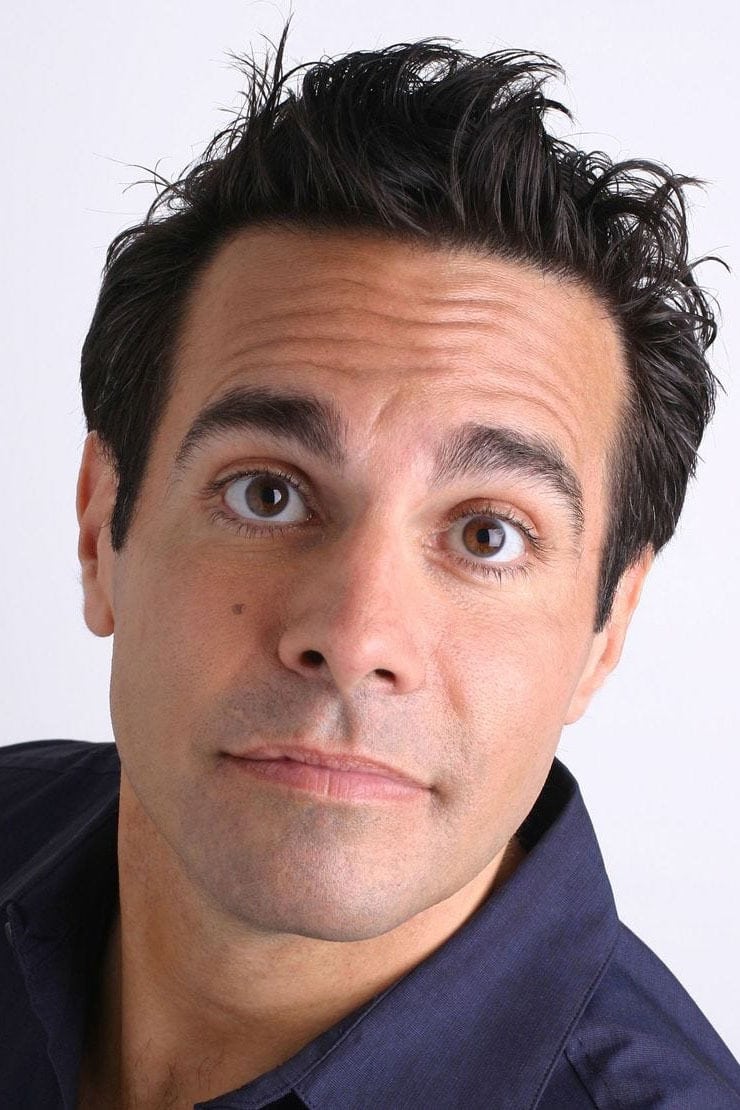
The ‘Sex and the City’ star has built a career on his quick wit, but has also faced typecasting due to his height and energy. Cantone has joked about being the “short, loud gay” character, acknowledging that his physical stature limits the types of roles he is offered. Despite this, he has carved out a successful niche, refusing to let his size dictate his presence. He challenges the idea that a leading man must be tall and stoic. Cantone’s success lies in his refusal to be ignored.
Alec Mapa
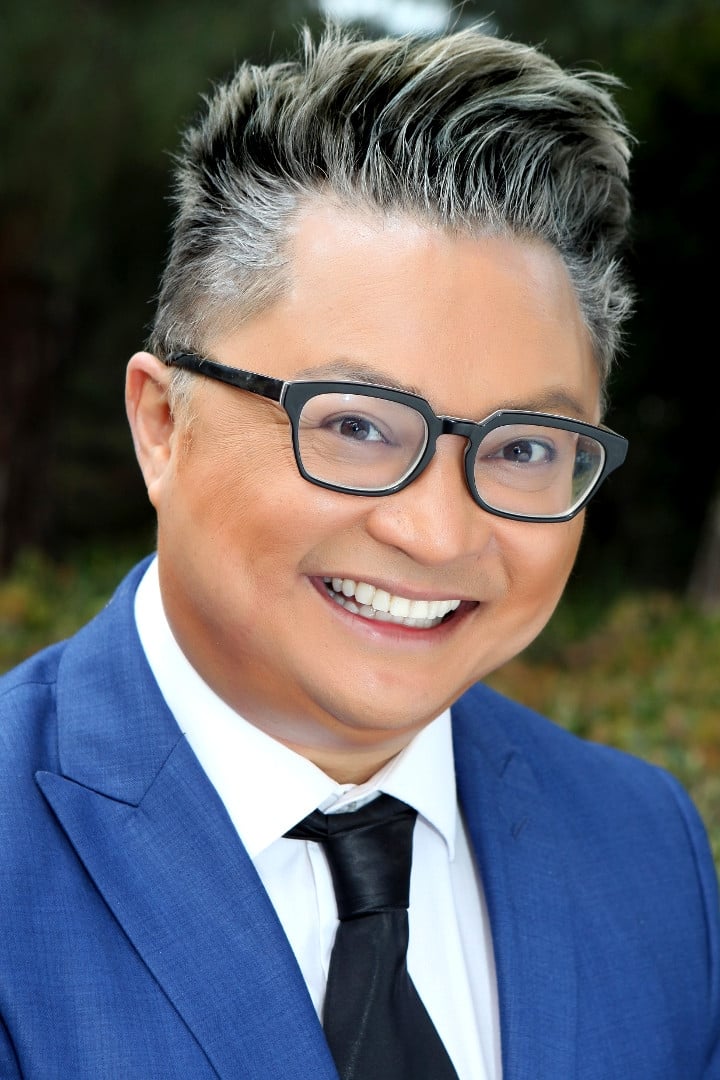
Calling himself “America’s Gaysian Sweetheart,” Mapa has humorously addressed the dual stereotypes of being Asian and gay in Hollywood. He has spoken about being relegated to asexual or sidekick roles because of his body type and ethnicity. Mapa uses stand-up comedy to reclaim these narratives, poking fun at the industry’s narrow beauty standards. He advocates for better representation of Asian men as sexual and complex beings. His work highlights the intersectionality of body shaming and racism.
Rex Lee
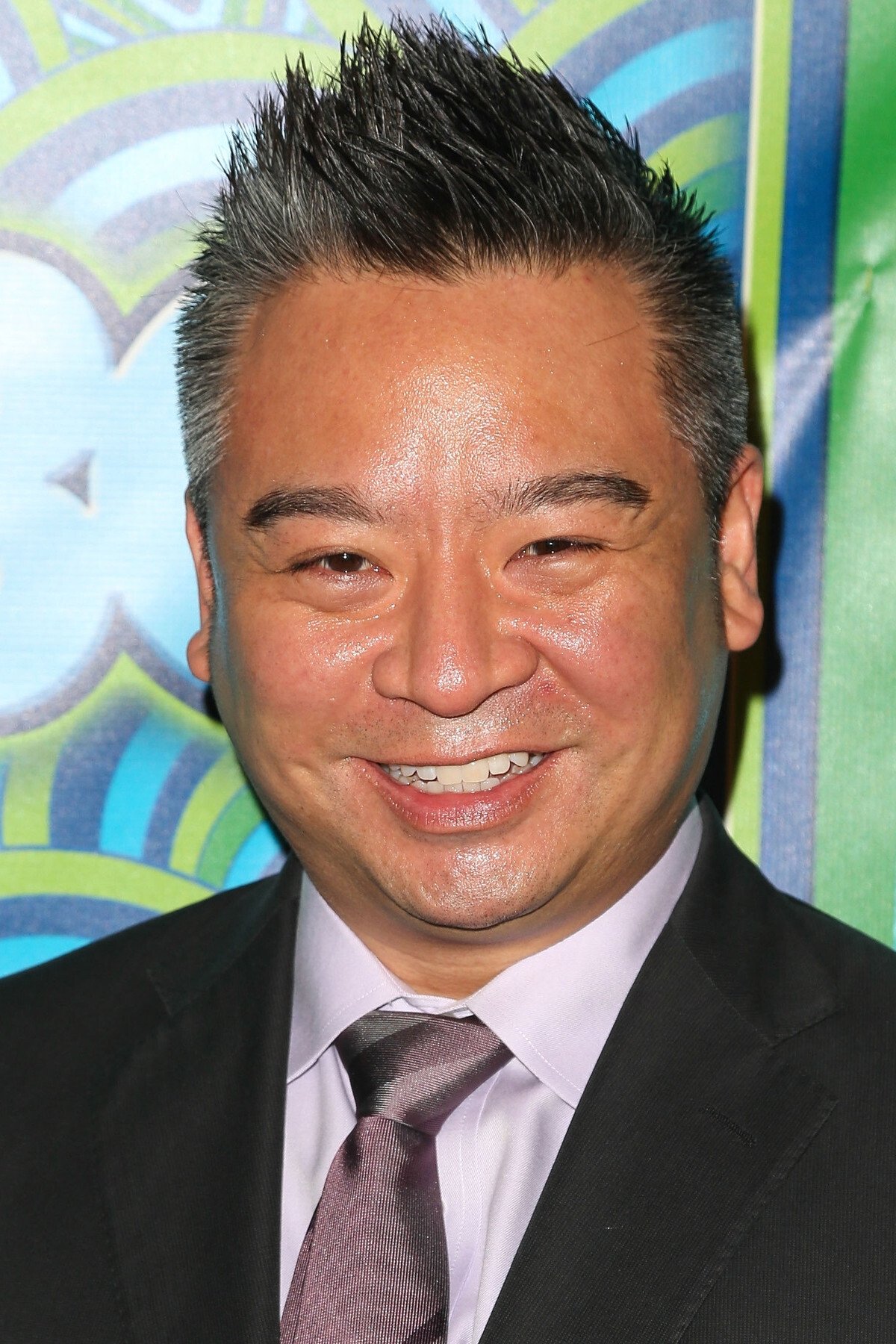
Best known as Lloyd in ‘Entourage’, Lee played a character who was constantly the butt of fat-shaming jokes and verbal abuse from his boss, Ari Gold. While the abuse was scripted, it reflected a real culture of bullying that exists in the industry regarding weight. Lee has spoken about the difficulty of playing a character who absorbs such toxicity, while trying to maintain his own self-esteem. He has since taken on roles that allow for more dignity and complexity. Lee’s perseverance in that role sparked conversations about workplace harassment.
Leslie Jordan
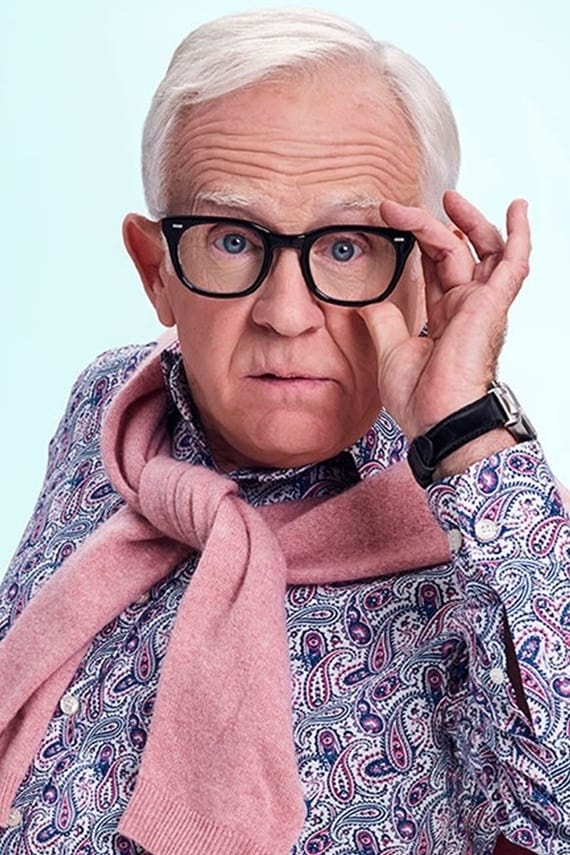
The late comedian was beloved for his diminutive stature and southern drawl, but he faced a lifetime of judgment for his size and effeminacy. Jordan often recounted stories of being underestimated or mocked for being a “sissy” throughout his career. However, he turned his distinct look into a superpower, becoming an icon of self-assurance and joy. He refused to let others’ perceptions of his body limit his happiness or success. Jordan’s legacy is one of radical self-acceptance.
Joel Kim Booster
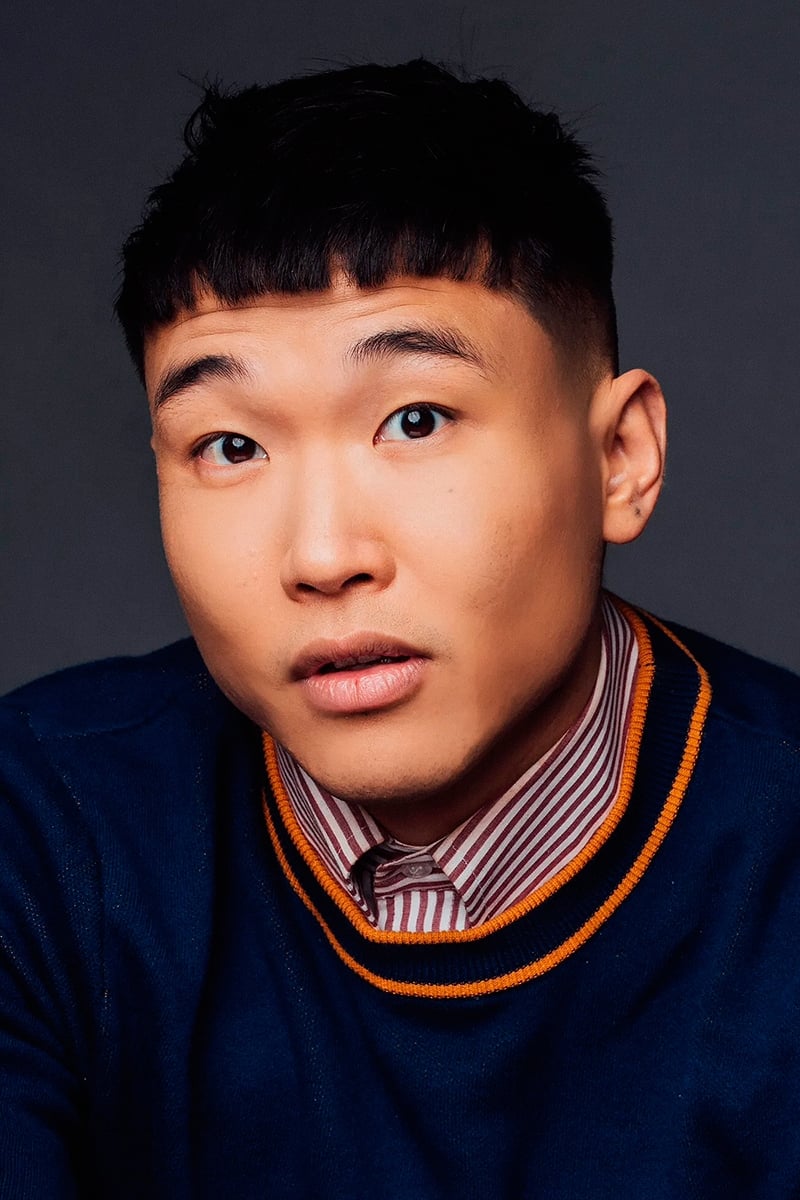
The writer and star of ‘Fire Island’ created the film specifically to address the toxic body standards within the gay vacation circuit. Booster has spoken openly about the “no fats, no femmes” racism and body fascism that permeates gay culture. He aimed to show how damaging these hierarchies are to self-worth and community building. His work challenges gay men to look beyond the six-pack and value personality and connection. Booster is a leading voice in the fight for body neutrality.
Bowen Yang

As the first Chinese-American cast member of ‘SNL’, Yang has faced scrutiny regarding his fashion choices and appearance. He has discussed the pressure to represent a community while dealing with internet trolls who attack his looks. Yang often pushes boundaries with flamboyant and gender-bending fashion, refusing to be boxed in by traditional masculine norms. He uses comedy to disarm critics and assert his right to take up space. Yang is redefining what a sketch comedy star looks like.
Matt Rogers
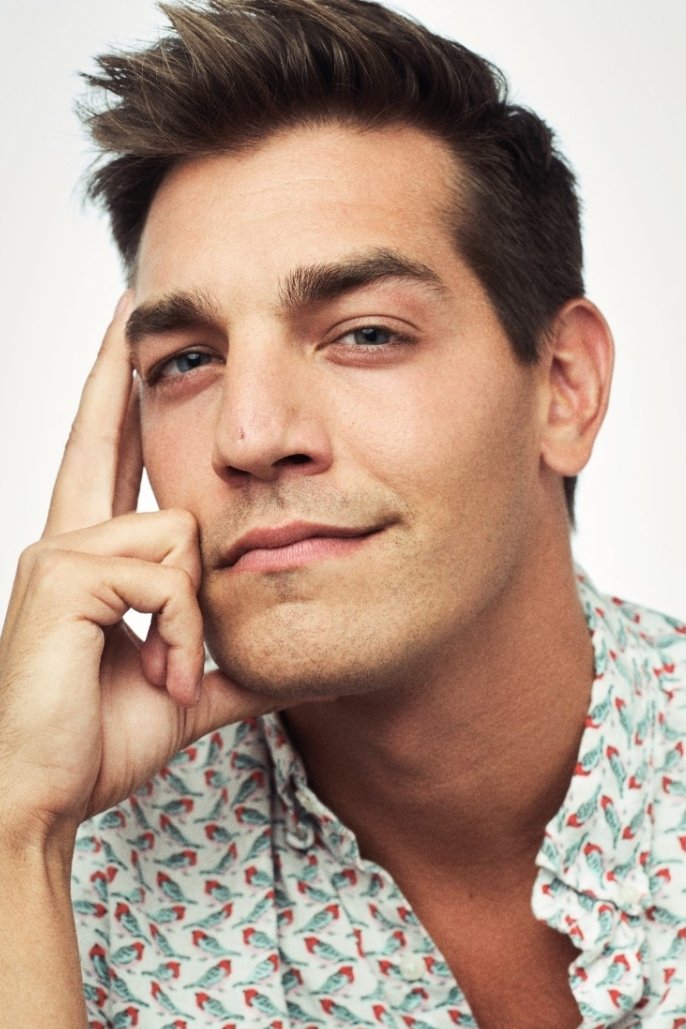
The comedian and actor has been open about his significant weight loss and the shift in how he is treated by the gay community. Rogers has discussed the “pretty privilege” he experienced after losing weight, noting how shallow the validation felt. He critiques the idea that he was less valuable when he was heavier, urging for a culture shift. Rogers uses his podcast to have honest conversations about body image and self-worth. He remains skeptical of the praise that comes solely from physical transformation.
Nick Adams
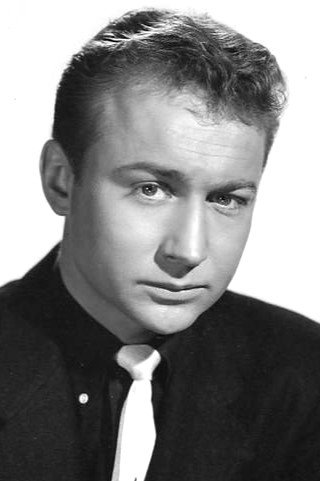
Known for his role in ‘Fire Island’ and Broadway, Adams has faced accusations that his muscular physique is “fake” or obtained through implants. He has had to defend his hard work and dedication to fitness against online trolls who refuse to believe his body is natural. Adams has spoken about the odd phenomenon of being shamed for being “too” fit or looking “plastic.” His experience shows that even achieving the “ideal” body does not protect one from criticism. He continues to perform proudly, ignoring the baseless rumors.
Jonathan Bennett

The ‘Mean Girls’ heartthrob has discussed the immense pressure he felt to maintain the Aaron Samuels look as he aged. Bennett has been open about his weight fluctuations and the difficulty of staying in “leading man” shape while managing a busy career. He has faced online comments whenever he didn’t look perfectly chiseled, which affected his mental health. Bennett now focuses on a balanced approach to fitness, promoting health over aesthetics. He encourages fans to be kind to themselves as they age.
Alan Carr
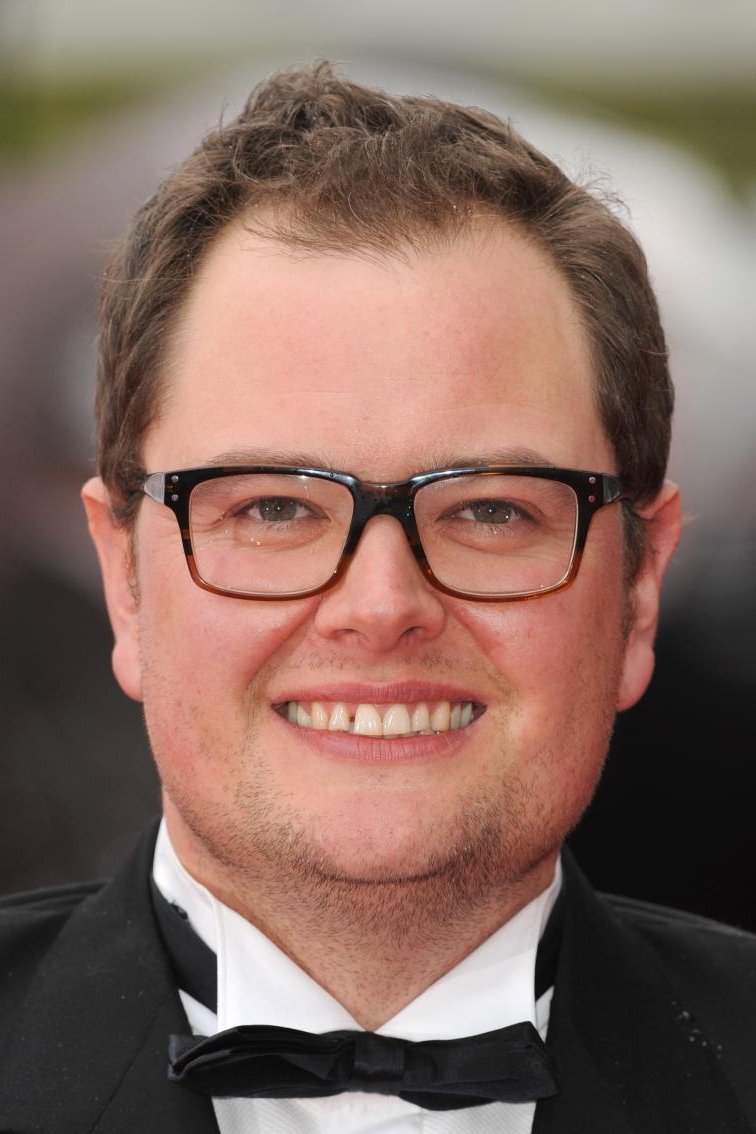
The British chatty man has made a career out of self-deprecation, often beating bullies to the punch regarding his “teeth and glasses” look. Carr has spoken about the homophobia and body shaming he endured growing up, which led him to develop his comedic armor. While he laughs it off, he has acknowledged the sting of being judged on his physical attributes rather than his talent. He has become a beloved national treasure by being unapologetically himself. Carr proves that personality outshines conventional beauty.
Christopher Biggins
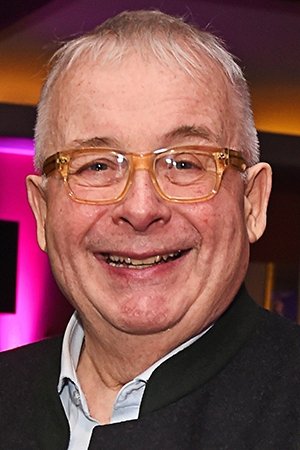
A veteran of British television, Biggins has largely been typecast as the “jolly fat man” or pantomime dame. He has discussed how his weight limited the dramatic roles available to him, forcing him into a specific comedic box. Despite this, he embraced the roles he was given and became a celebrated figure in entertainment. He has spoken about the prejudice against overweight actors in the industry. Biggins remains a fixture in showbiz, having outlasted many of his critics.
Divine
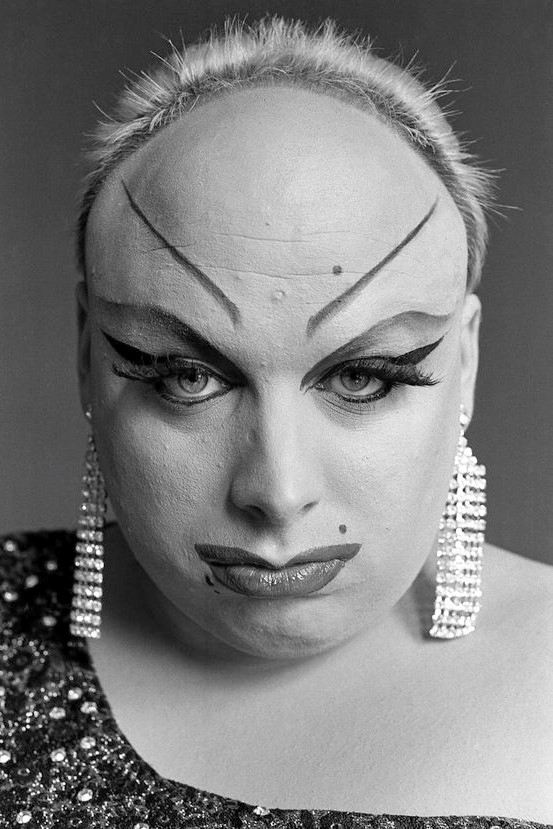
Born Harris Glenn Milstead, Divine was a muse for John Waters and faced intense revulsion and fascination regarding his weight. Critics often described his body in grotesque terms, yet Divine used his size as a weapon against polite society’s norms. He challenged the concept of beauty by presenting himself as a glamorous, filth-loving plus-sized superstar. Behind the character, Milstead struggled with his weight but refused to apologize for his existence. Divine remains the ultimate punk rock statement on body politics.
Willam Belli
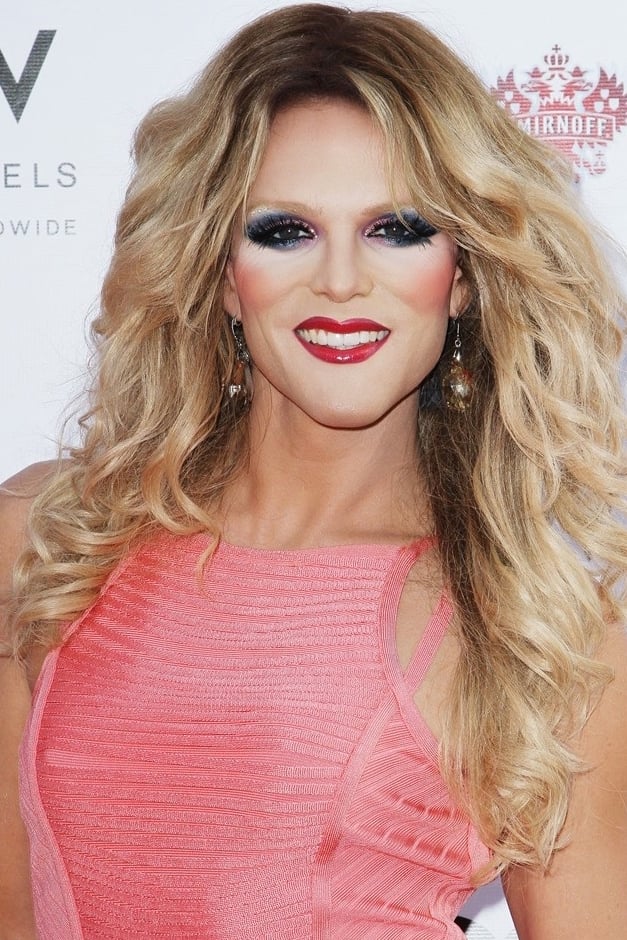
The ‘Drag Race’ and ‘A Star Is Born’ actor has been vocal about the prevalence of eating disorders in the drag and gay acting communities. Belli has discussed the pressure to be razor-thin to fit into sample size costumes and meet the “twink” aesthetic. He often uses humor to highlight the absurdity of these standards, but acknowledges the real harm they cause. Belli advocates for a more realistic view of drag bodies that doesn’t rely on starvation. His blunt honesty is a breath of fresh air in a secretive industry.
Jason Stuart
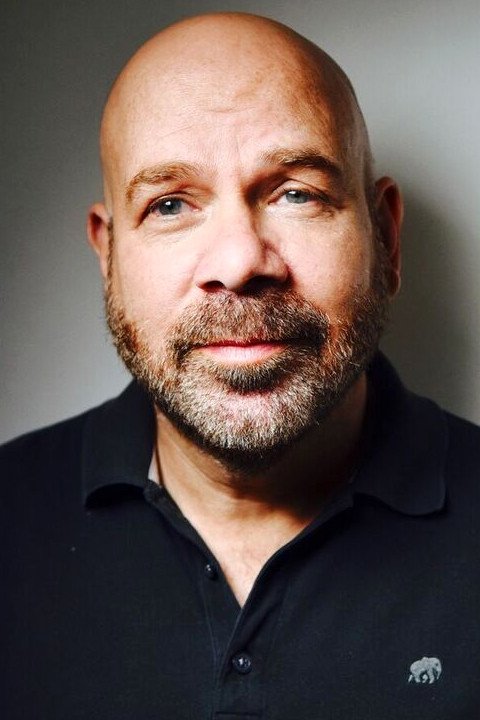
A prolific character actor, Stuart has spoken about the struggle of being a “character face” in a sea of gym-obsessed leading men. He has discussed the specific typecasting that happens to gay actors who do not fit the “fit and fabulous” stereotype. Stuart has advocated for more diverse roles that reflect the reality of the gay community, which includes men of all shapes and sizes. He argues that the industry’s narrow beauty standards erase the majority of gay experiences. His longevity in the business is a testament to his resilience.
Tituss Burgess
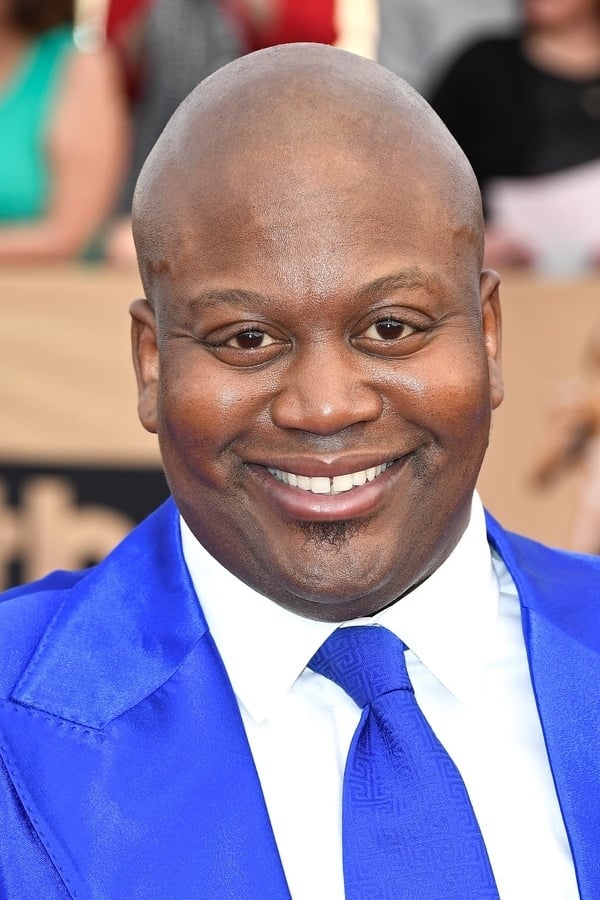
The ‘Unbreakable Kimmy Schmidt’ star has faced criticism for being too flamboyant or not fitting the mold of a “masculine” gay man. Burgess has spoken about the intersection of race and body image, noting that Black gay men face unique pressures. He refuses to tone down his personality or change his body to make others comfortable. Burgess celebrates his larger-than-life presence, proving that there is no one way to be a man. His confidence is an act of resistance against a restrictive industry.
Billy Porter
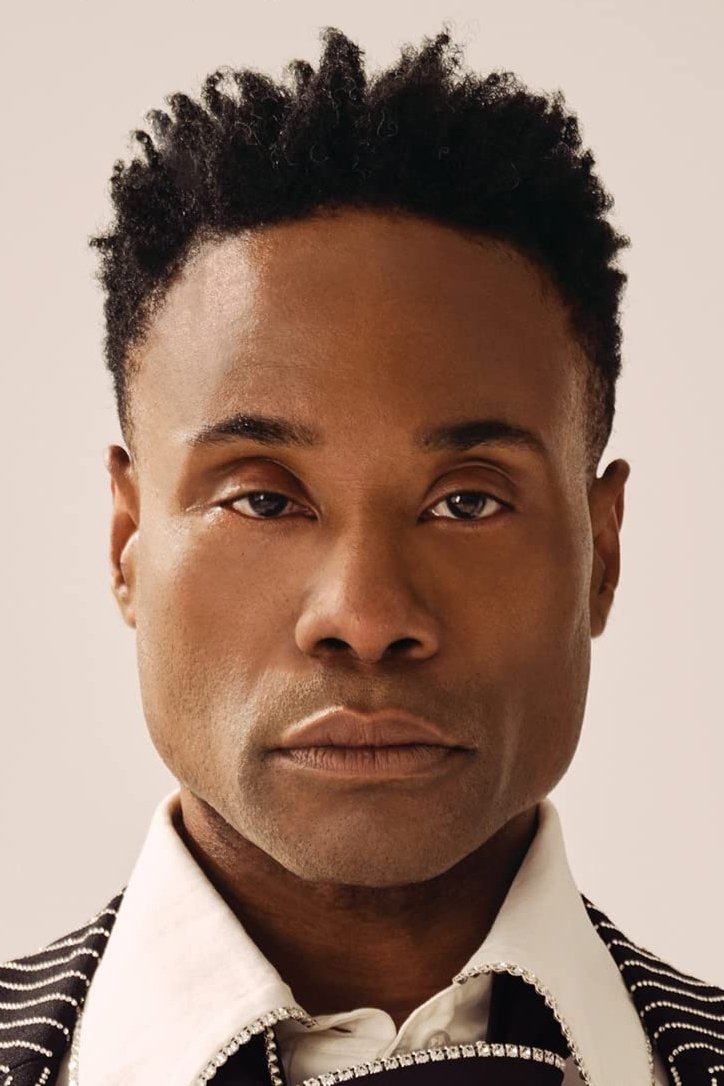
As a fashion icon and actor, Porter has shattered gender norms but also faced criticism for his body not being “feminine” enough for the dresses he wears or “masculine” enough for traditional roles. He has spoken about the years he spent trying to fix his body to fit into a box that didn’t exist for him. Porter now uses fashion to accentuate his body exactly as it is, challenging the binary. He advocates for the freedom to present oneself without fear of judgment. Porter’s red carpet moments are declarations of self-love.
Do you recall other instances of actors speaking out on this topic? Share your thoughts in the comments.

