


Gay Actors Who Were Quietly Blacklisted in Hollywood

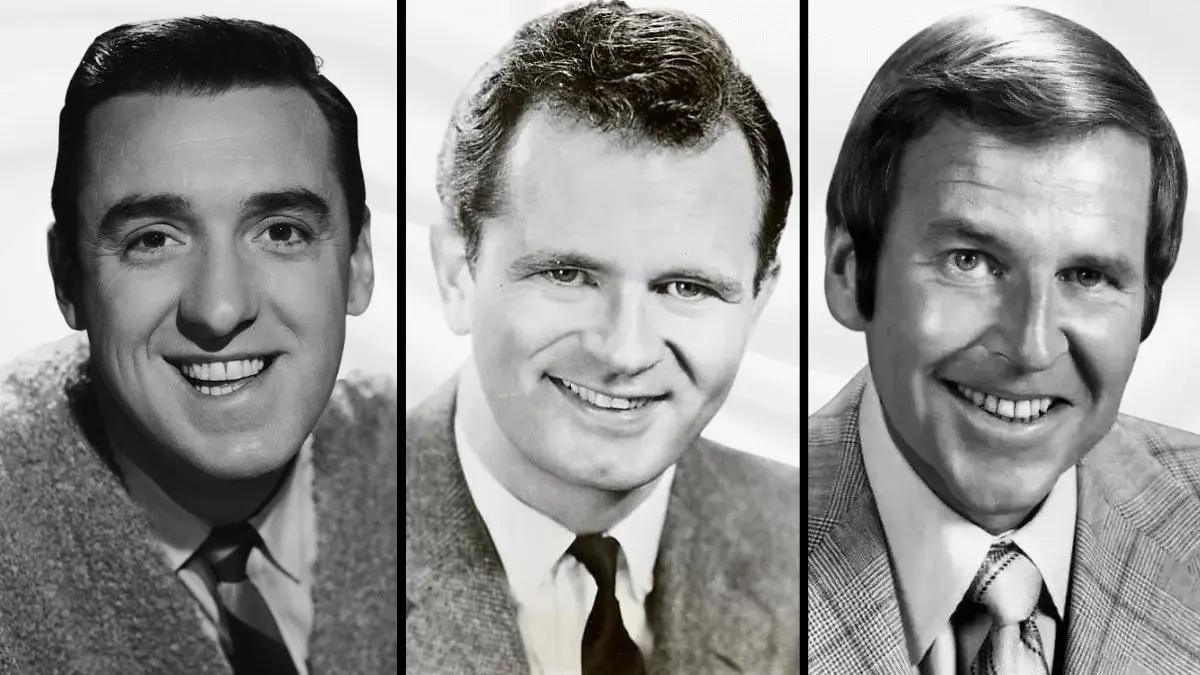


Hollywood has a complex history with performers who faced professional repercussions for their sexual orientation. Many actors found their opportunities limited or their careers stalled once their personal lives became a matter of public record. While some experienced overt industry bans others dealt with a more subtle exclusion from leading man roles and major studio projects. These stories reflect the evolving social dynamics and the challenges of maintaining a career while living authentically.
William Haines
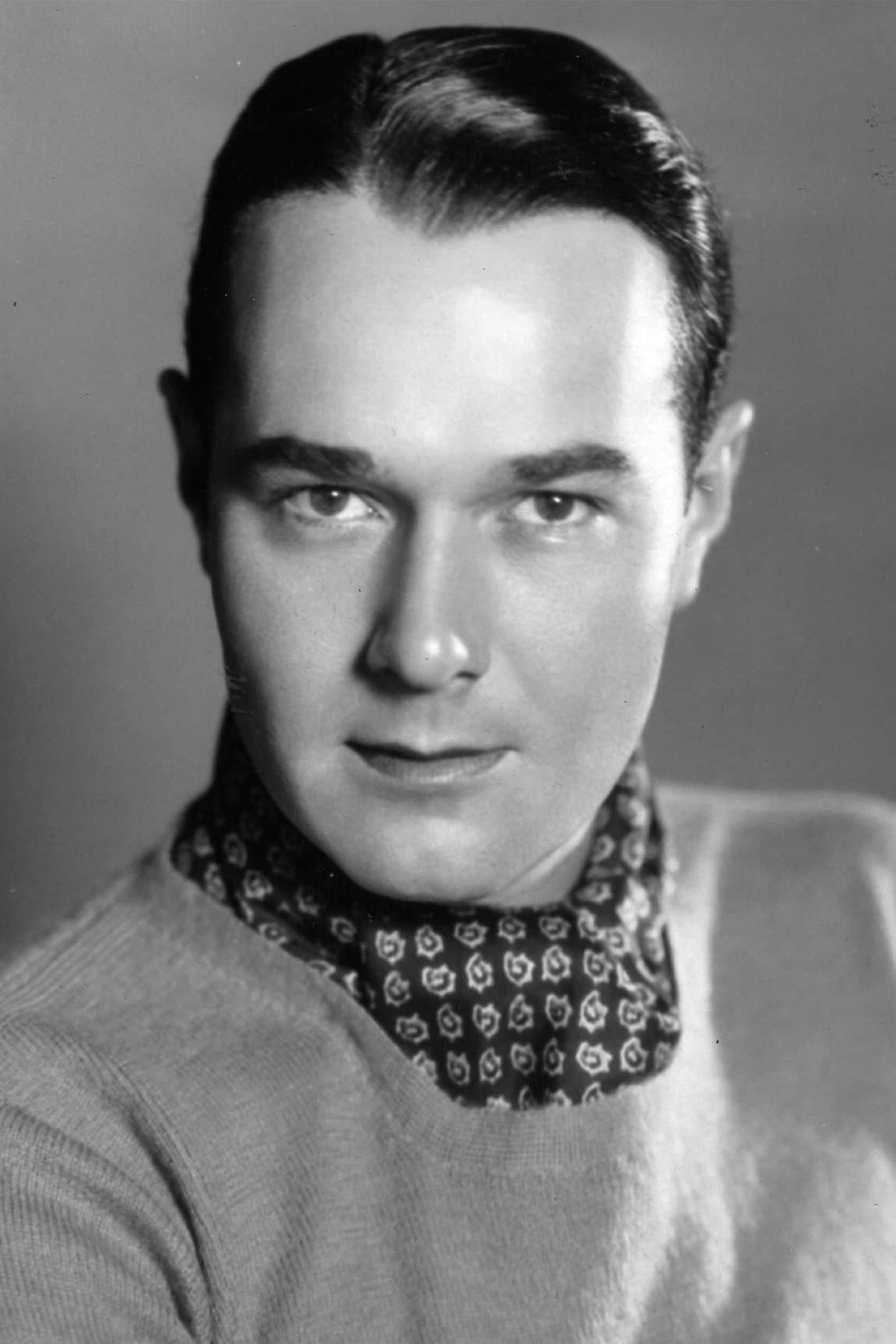
William Haines was a top box office star during the silent era and the early days of talking pictures. He was famously given an ultimatum by studio head Louis B. Mayer to enter into a sham marriage to hide his sexuality. Haines refused to leave his partner and was subsequently fired from his contract at MGM. He never made another film and transitioned into a successful second career as an interior designer. His departure remains one of the earliest and most definitive examples of an actor being pushed out for his identity.
Rupert Everett
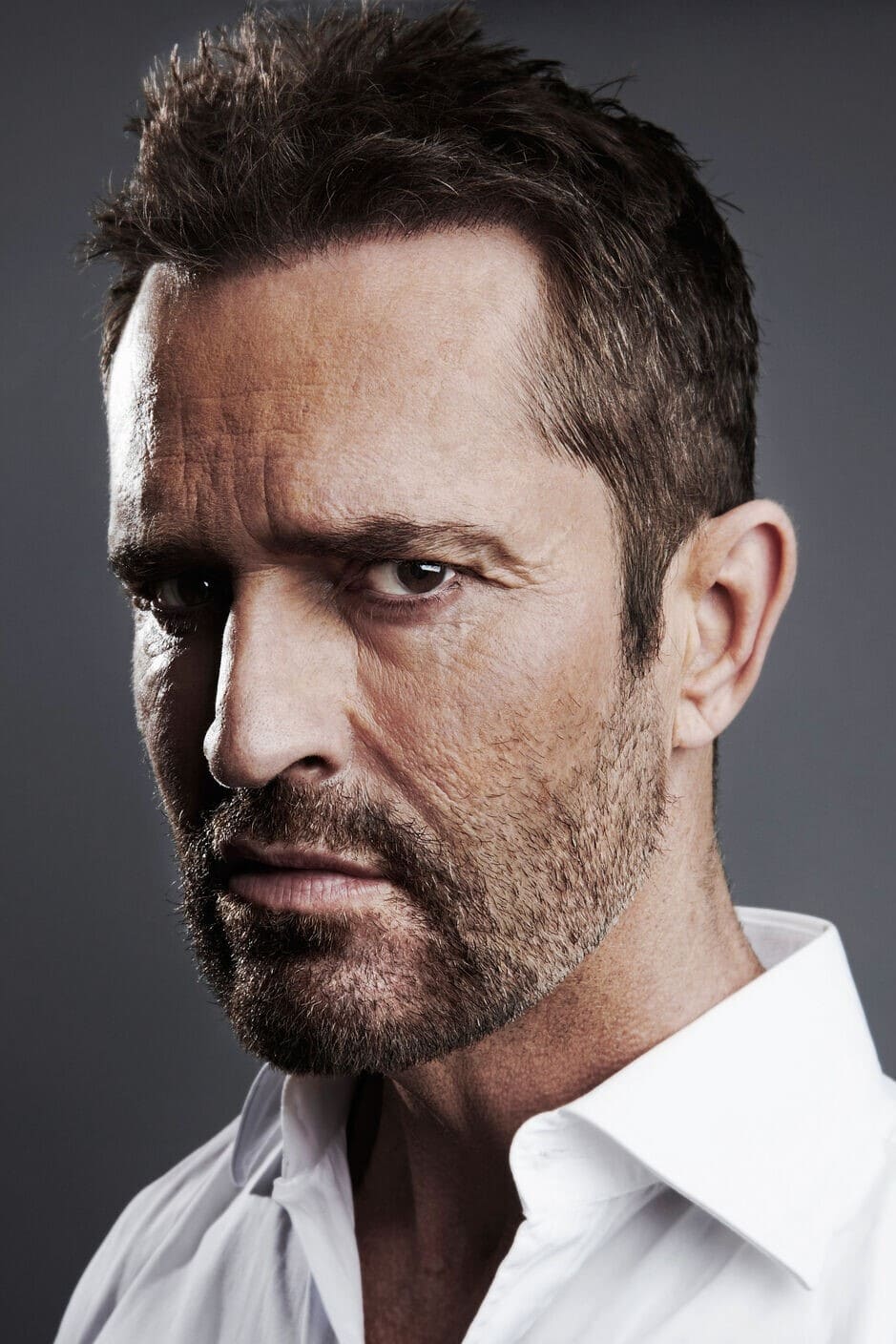
Rupert Everett experienced a noticeable decline in major Hollywood offers after he chose to live as an openly gay man in the late 1980s. He later stated that his career in the United States effectively hit a wall despite his successful turn in ‘My Best Friend’s Wedding’. The actor has often commented on how being out limited the variety of roles he was offered by major studios. He eventually found more consistent work by returning to Europe for theater and independent film projects. Everett continues to be a vocal critic of the industry for its historical treatment of LGBTQ+ performers.
Matt Bomer
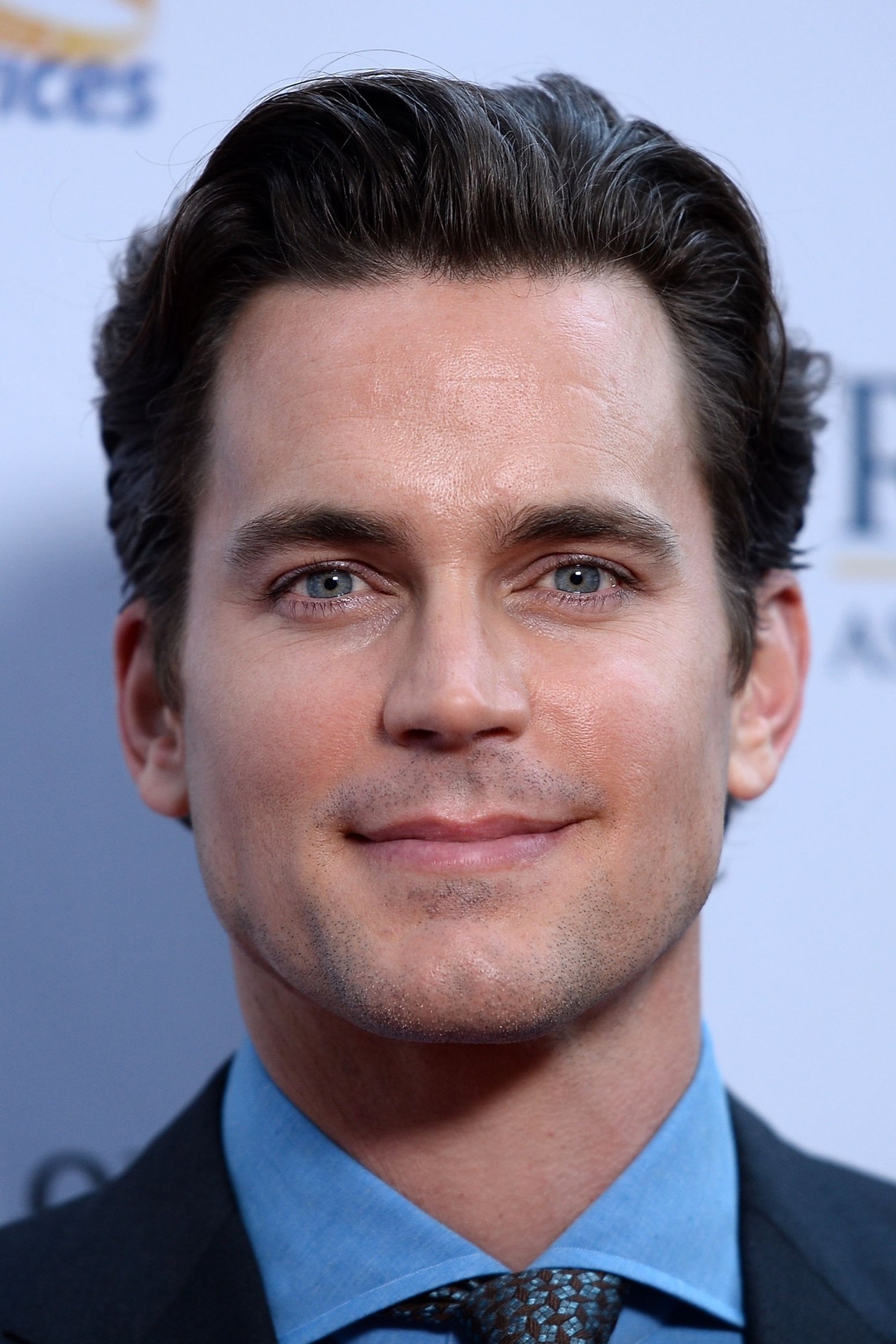
Matt Bomer reportedly lost the chance to play Superman in a mid 2000s film project due to his sexual orientation. Director Brett Ratner had reportedly cast him for the lead before the production changed hands and Bomer was scrutinized. The actor has discussed how early career advice often suggested he remain closeted to protect his prospects for leading man status. He eventually came out publicly in 2012 and has since earned critical acclaim in ‘The Normal Heart’. Despite his talent he faced a period where major franchise roles were difficult to secure.
Montgomery Clift
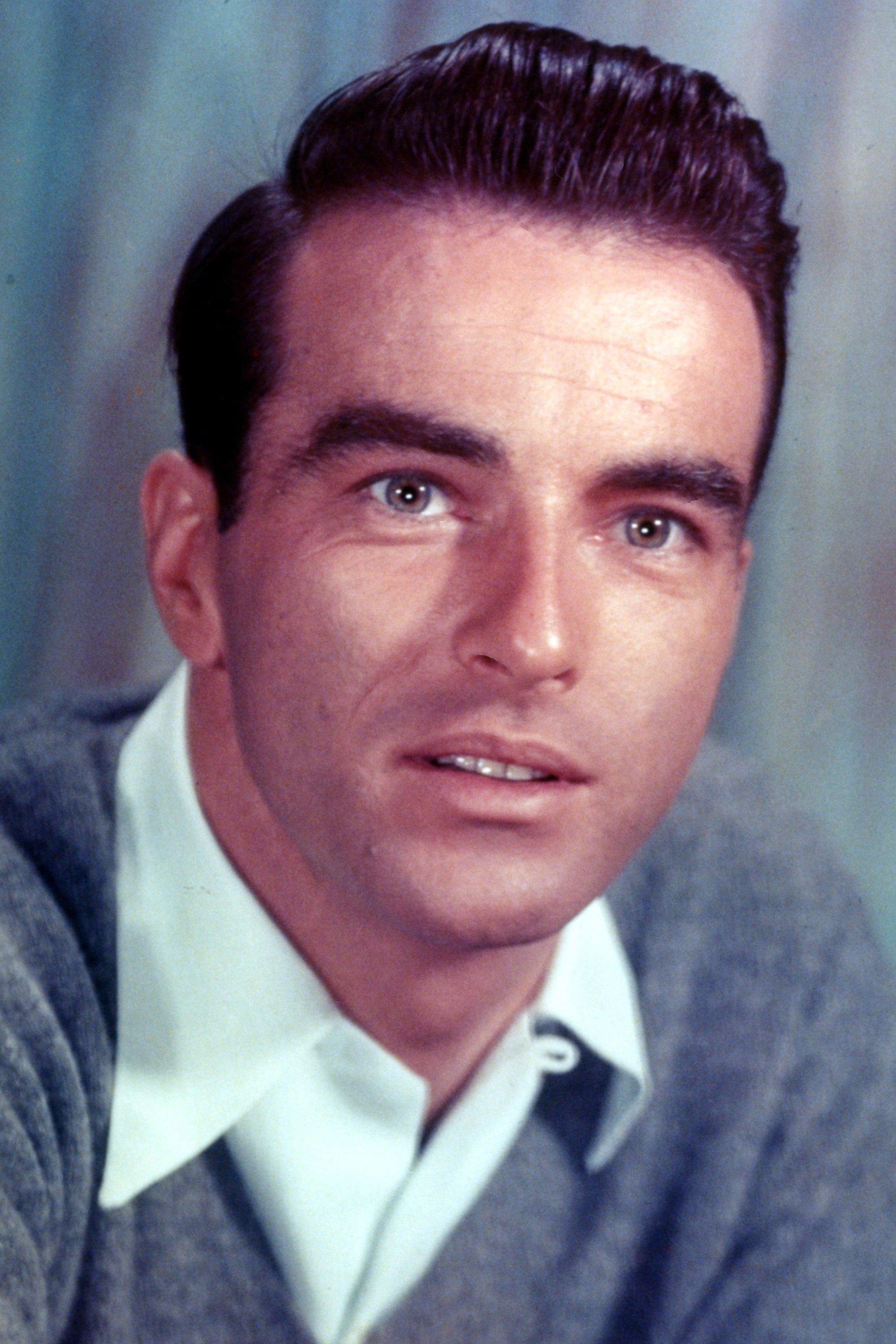
Montgomery Clift was one of the most celebrated actors of his generation but faced intense pressure from studios to hide his private life. His career was carefully managed to present a heterosexual image that conflicted with his personal reality. This constant tension reportedly contributed to his struggles with substance abuse and a decline in his professional reliability. Studios began to view him as a liability as his health and personal life became more difficult to manage. He remains a tragic figure of an era where authenticity was seen as a threat to stardom.
Tab Hunter
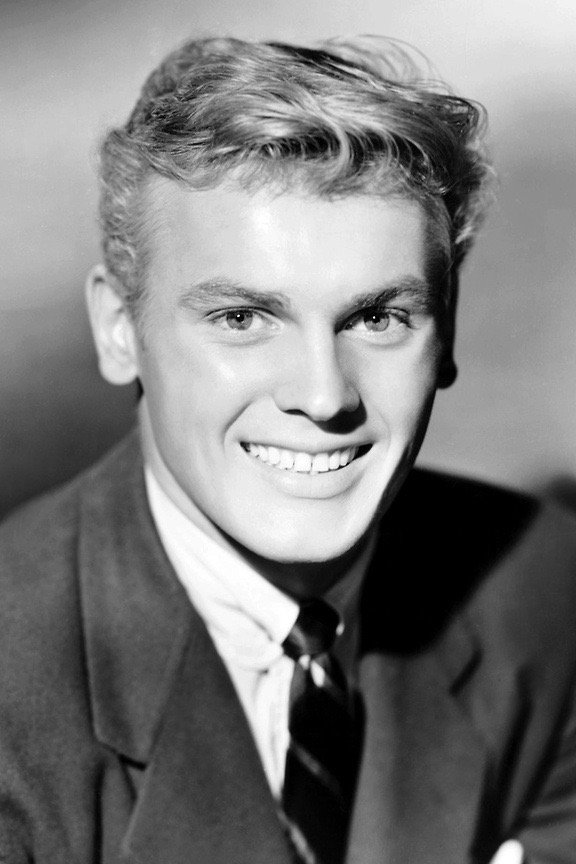
Tab Hunter was a quintessential Hollywood heartthrob whose career was nearly destroyed by a tabloid scandal. In 1955 a magazine published details about his arrest at a private party years earlier to distract from another star’s secrets. His studio worked hard to repair his image by manufacturing romances with famous actresses. Hunter eventually found that the industry had less interest in him as he aged and as the secrets of his personal life became harder to maintain. He later detailed these experiences in his autobiography and a documentary film.
Rock Hudson
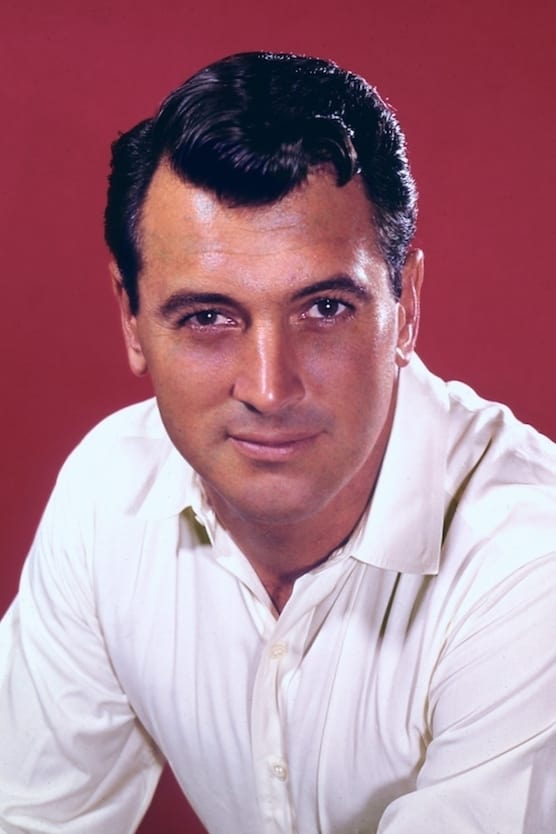
Rock Hudson lived a double life for decades while becoming one of the biggest leading men in cinema history. His studio and agents went to great lengths to arrange public appearances and even a marriage to keep his sexuality secret. While he was never officially blacklisted he lived in constant fear that the truth would end his career. His eventual diagnosis and the revelation of his personal life shocked the industry and changed the public conversation. Hudson’s legacy highlights the extreme measures taken to protect the heteronormative image of Hollywood stars.
Anthony Perkins
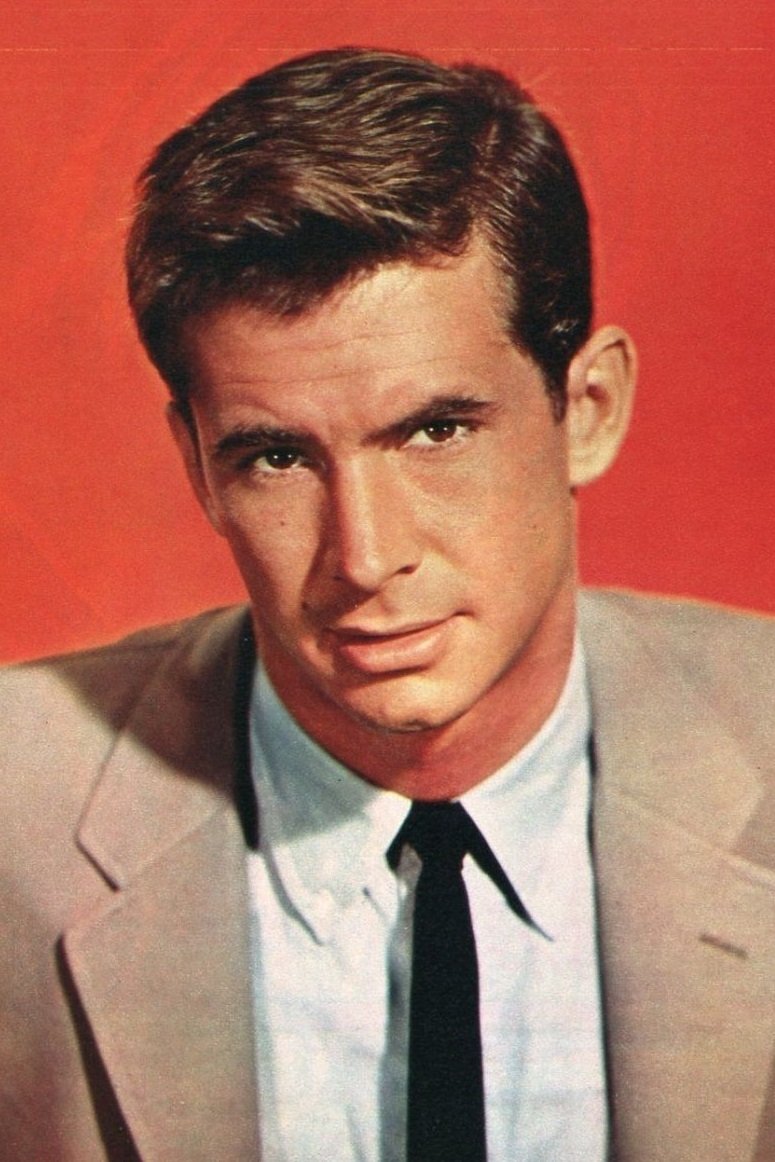
Anthony Perkins gained international fame for his role in ‘Psycho’ but his career was often overshadowed by tabloid interest in his personal life. He spent years in therapy attempting to change his orientation to fit the expectations of the industry. The constant fear of being outed led him to lead a very private and guarded existence. While he continued to work he was often typecast in dark or eccentric roles rather than the romantic leads he once played. He remains a prime example of how industry pressure could shape a performer’s artistic path.
Chad Allen
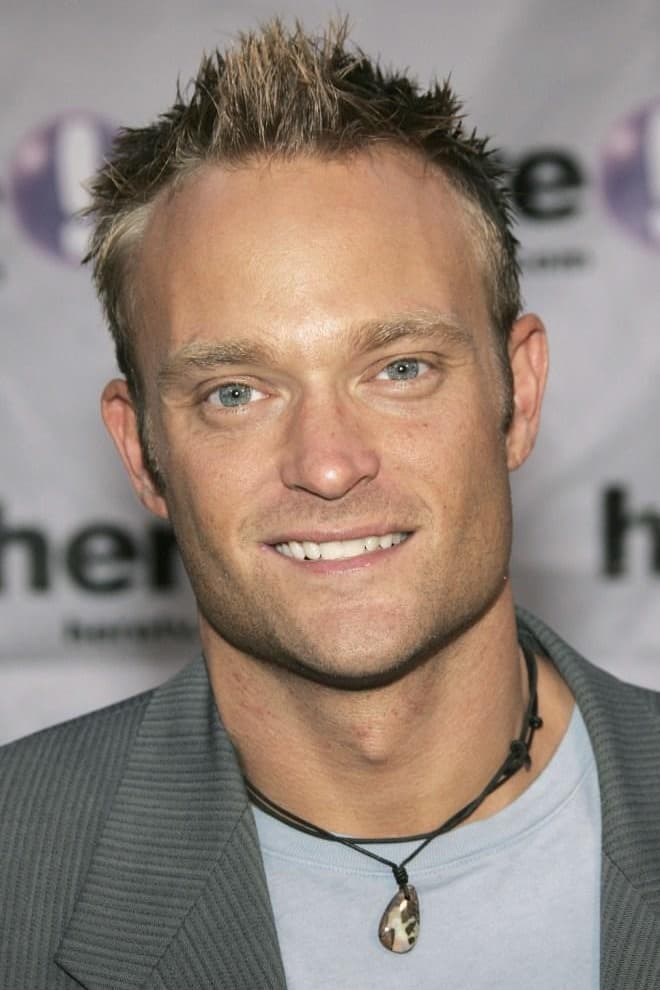
Chad Allen was a rising young star on the television series ‘Dr. Quinn, Medicine Woman’ when he was outed by a tabloid. The publication of photos showing him with another man led to a public scandal and threats to his career. Allen chose to remain visible and became an activist while continuing to pursue acting roles. He found that major television networks were more hesitant to cast him in leading parts after the incident. He eventually focused his efforts on independent films and theater where there was more creative freedom.
Mitchell Anderson
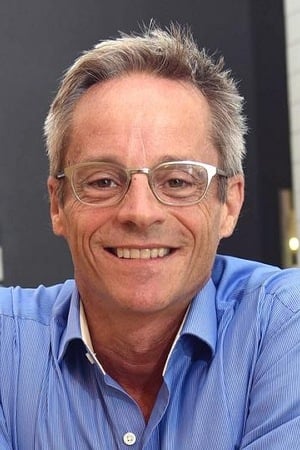
Mitchell Anderson was a regular on the popular series ‘Party of Five’ when he decided to come out publicly in the mid 1990s. Following his announcement he noticed a significant drop in the number of auditions and roles offered to him. He has since spoken about how the industry seemed to lose interest in him as a traditional leading man. Anderson eventually decided to leave the acting profession to pursue a career in the culinary industry. His experience reflects the challenges faced by television actors during that decade.
Richard Chamberlain
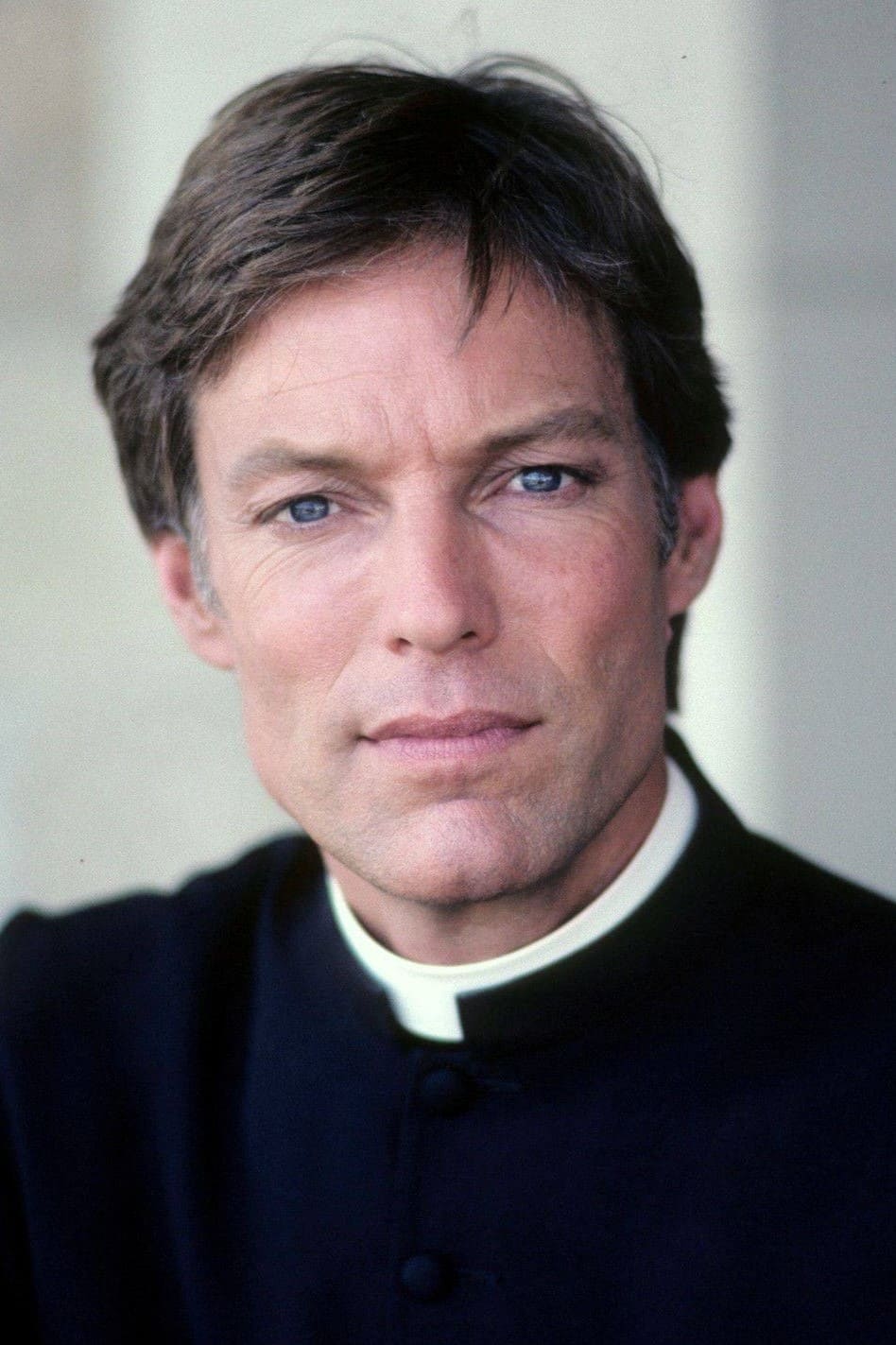
Richard Chamberlain was a massive star known for ‘Dr. Kildare’ and ‘The Thorn Birds’ but he kept his sexuality hidden for most of his career. He feared that being an openly gay man would destroy his status as a romantic lead in high profile miniseries. Chamberlain eventually came out late in life after he had retired from the most active years of his career. He has advised younger actors to be cautious about coming out if they want to maintain leading roles in big budget films. His career path demonstrates the long term impact of industry expectations on personal identity.
Robert Reed
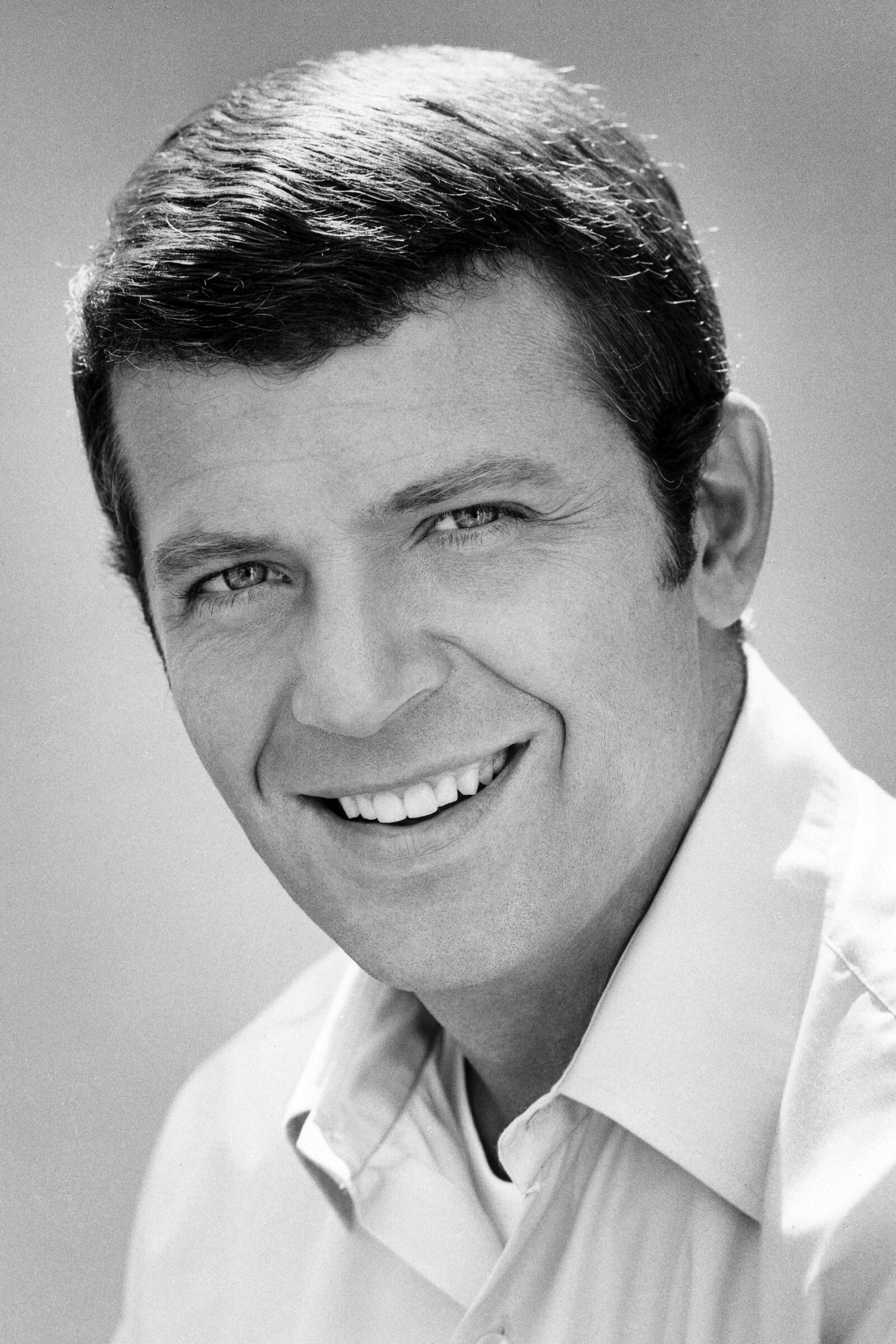
Robert Reed was a classically trained actor who became a household name as the patriarch on ‘The Brady Bunch’. He lived a strictly private life and never publicly discussed his sexuality during his lifetime to protect his career. Reed often clashed with the show’s producers over the quality of the scripts and the wholesome image he had to maintain. He feared that the revelation of his private life would result in the cancellation of the series and his professional ruin. His secret was only widely known after his death in 1992.
Dick Sargent
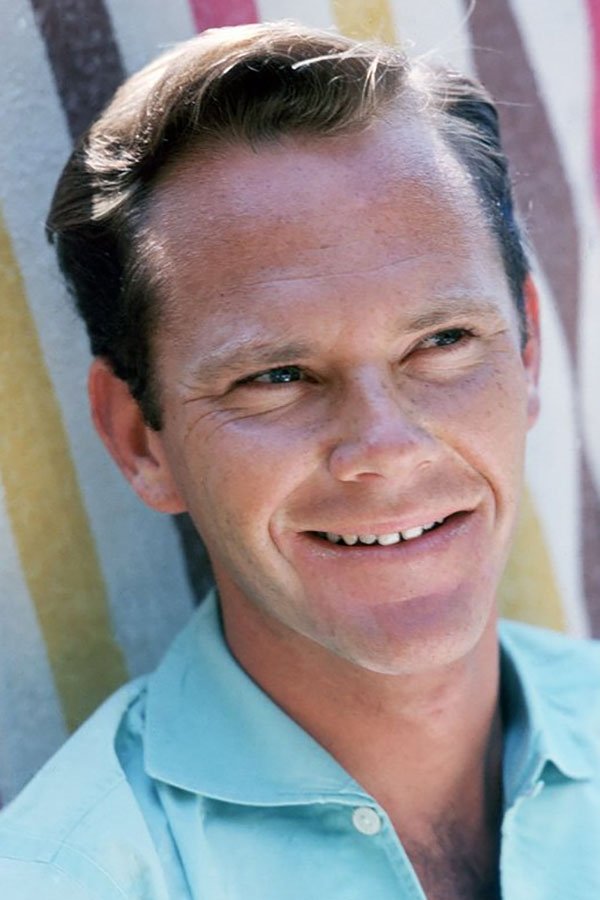
Dick Sargent replaced another actor as Darrin Stephens on the hit sitcom ‘Bewitched’ and remained closeted for many years. He feared that his career would end if the public knew he was gay during the height of his television fame. Sargent eventually came out on National Coming Out Day in 1991 to support LGBTQ+ youth. He noted that the industry was much less accepting during his younger years and forced many into silence. He spent his final years as an advocate for gay rights and visibility in media.
Paul Lynde
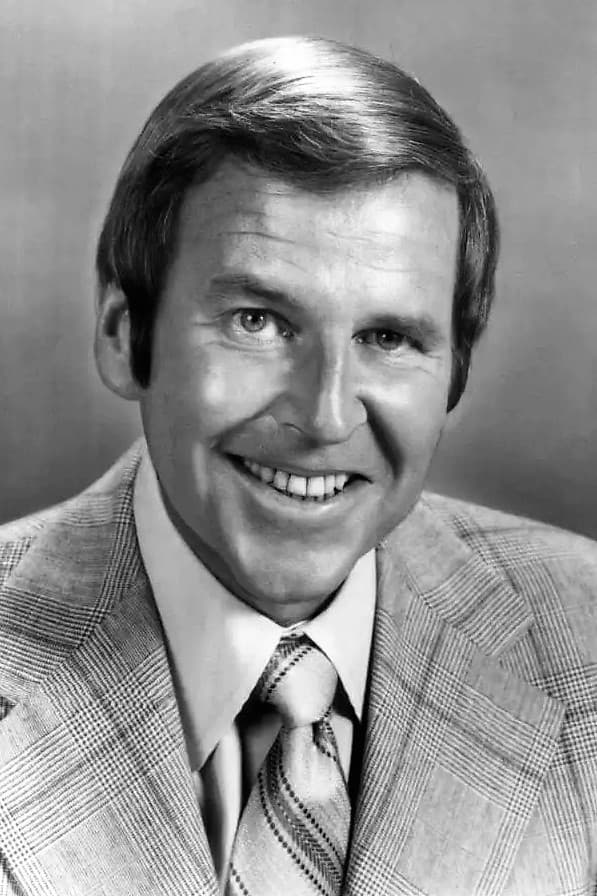
Paul Lynde was a beloved character actor and a staple of ‘The Hollywood Squares’ during the 1960s and 1970s. While he never officially came out his flamboyant persona was a central part of his comedic appeal. Despite his popularity he was rarely considered for leading roles in major motion pictures. Many industry observers believe his sexuality and public persona prevented him from achieving greater stardom. Lynde remained a fixture on television but faced limitations in the types of projects he could lead.
Charles Nelson Reilly
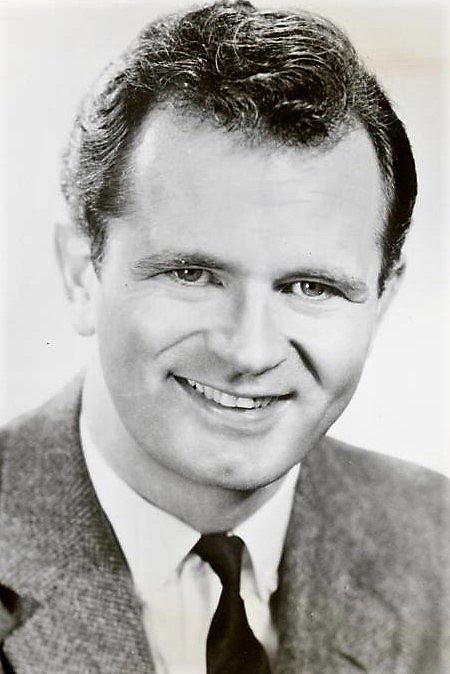
Charles Nelson Reilly was a Tony Award winning actor who became a frequent guest on game shows and talk shows. He lived as an openly gay man in his private life but was often discouraged from being too direct about it on television. His career shifted toward theater directing and teaching as he felt the film and television industry had limited space for performers like him. He eventually found great success in his one man show where he discussed his life and career openly. Reilly’s legacy is one of resilience in a field that often demanded conformity.
Jim Nabors

Jim Nabors was a major television star known for his portrayal of Gomer Pyle on ‘The Andy Griffith Show’. He faced persistent rumors about his personal life including an urban legend about a secret marriage to another famous performer. Nabors kept his personal life out of the public eye for decades to maintain his career and wholesome public image. He only married his long term male partner in 2013 after same sex marriage became legal in Washington state. His long career was built on a persona that was carefully shielded from the truth of his private life.
James Coco
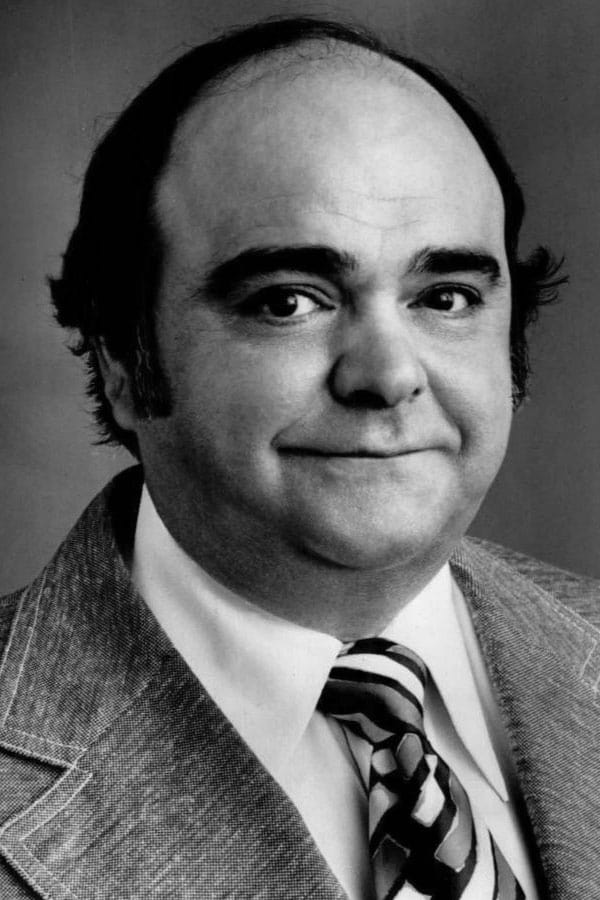
James Coco was a talented character actor who earned an Academy Award nomination for ‘Only When I Laugh’. He faced challenges in his career due to both his physical appearance and the industry’s knowledge of his sexuality. While he was highly respected by peers he was often relegated to specific types of roles. Coco found that the most substantial opportunities were often found on stage rather than in film. He remained a consistent worker but never achieved the leading man status his talent arguably deserved.
Kevin Spirtas
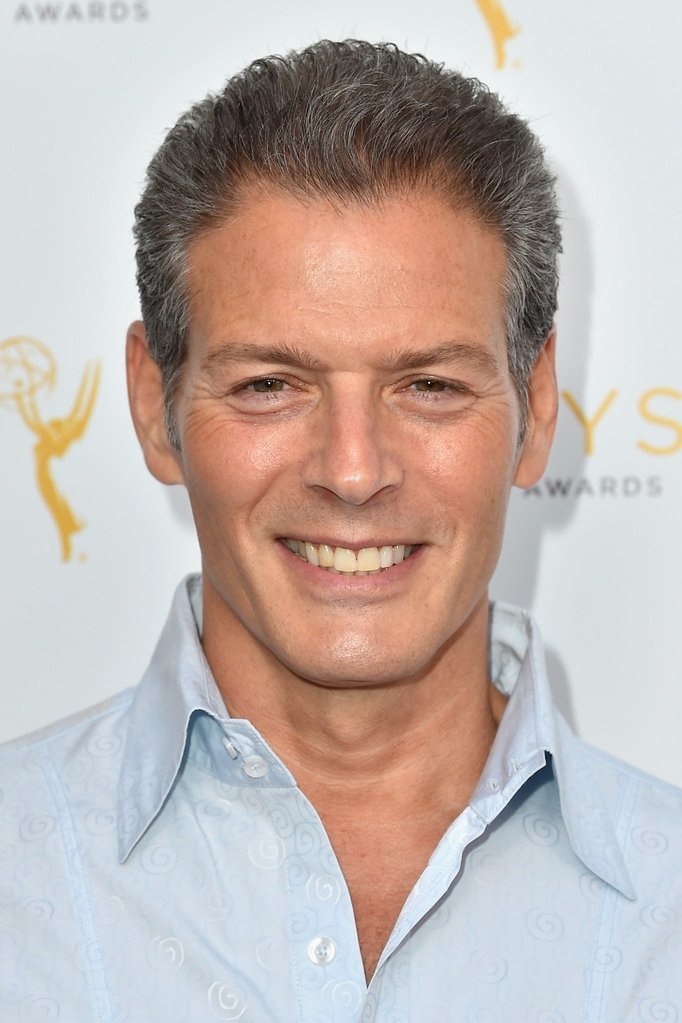
Kevin Spirtas is a veteran of daytime television who is best known for his role on ‘Days of Our Lives’. He has spoken about the difficulties of being an out actor in the soap opera world during the earlier parts of his career. Spirtas found that coming out could lead to a decrease in role offers for traditional romantic leads. He eventually created his own digital series to showcase his talents and provide more representation. His experience highlights the specific pressures of the daytime television industry.
Thom Bierdz
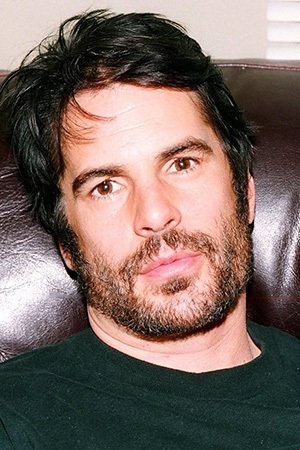
Thom Bierdz was a popular young star on ‘The Young and the Restless’ before he left the show and the industry for a period. He eventually came out and wrote a book about his experiences as a gay man in the spotlight. When he attempted to return to acting he found that the industry was not as welcoming as it had been before. Bierdz has since focused much of his energy on his art and advocacy work. He remains one of the first soap opera stars to be open about his life and the impact on his career.
Tuc Watkins
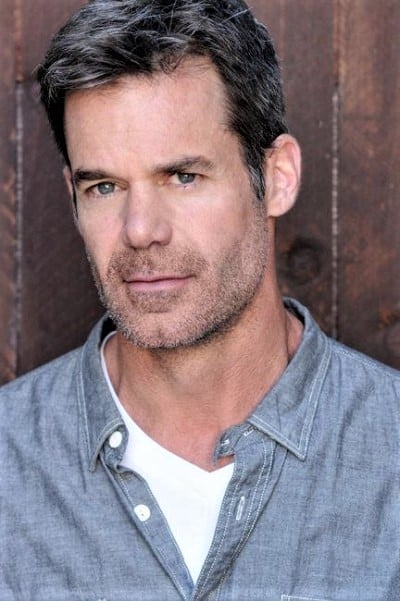
Tuc Watkins is a successful television actor who spent many years on ‘One Life to Live’ and ‘Desperate Housewives’. He chose to come out publicly in 2013 and has since discussed the impact on his professional life. While he has continued to work he has noted that the industry still has hurdles for out gay actors seeking diverse roles. Watkins has balanced his career with his role as a father and continues to advocate for better representation. His journey reflects the shifting but still complicated landscape for modern performers.
Doug Spearman
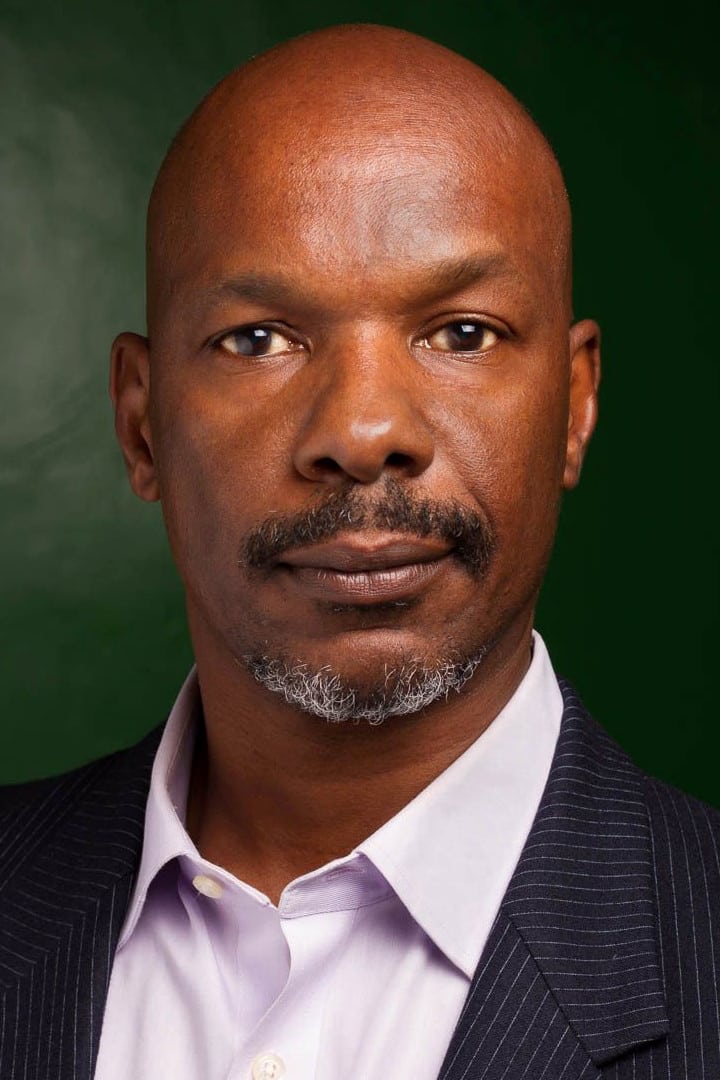
Doug Spearman is best known for his role on the series ‘Noah’s Arc’ which focused on the lives of Black gay men. He has discussed how being an out Black actor has presented a double set of challenges in Hollywood. After the show ended he found that major roles were scarce and the industry often pigeonholed him. Spearman eventually moved into writing and directing to create the opportunities he found missing for himself and others. He remains a significant figure in the push for more inclusive storytelling.
Stephen Fry
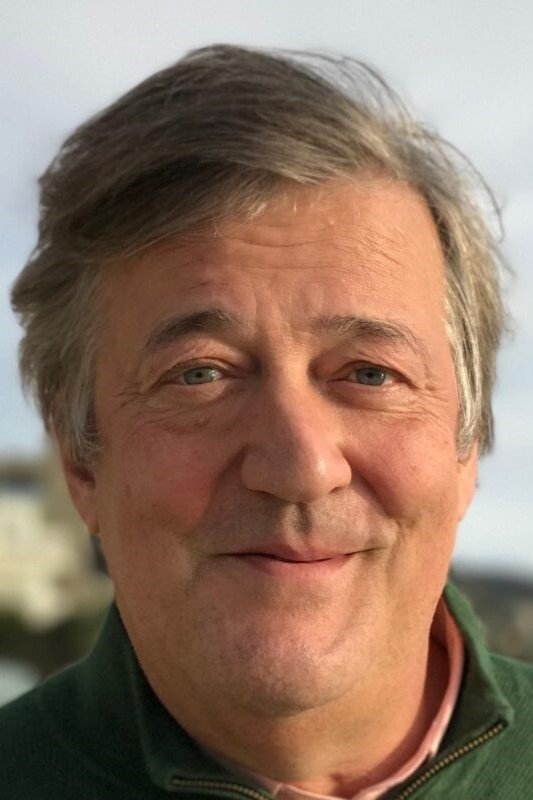
Stephen Fry is a legendary figure in British comedy and drama who has worked extensively in Hollywood. He has been open about his sexuality for his entire public life and has faced various forms of professional friction. While he is highly successful he has noted that some roles in major American productions were likely closed to him because of his identity. Fry has used his platform to speak out against discrimination in the industry and around the world. He continues to be a major force in literature and film despite the hurdles he encountered.
George Takei
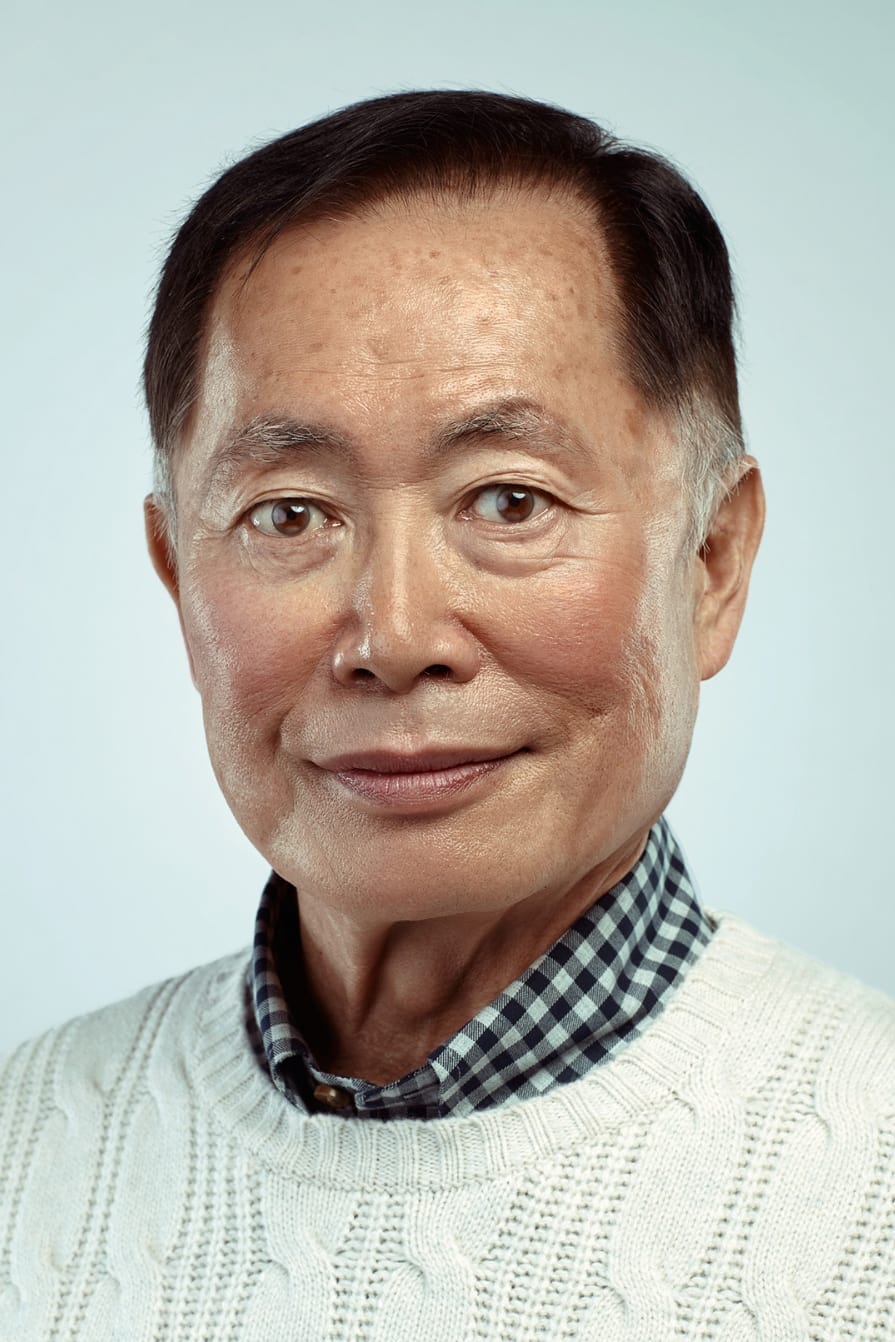
George Takei became an icon through ‘Star Trek’ but remained closeted for the majority of his career to ensure he could keep working. He has spoken about the fear of being blacklisted during the Cold War era when sexuality was often linked to political suspicion. Takei eventually came out in 2005 and has since become one of the most prominent activists in the country. His career saw a significant resurgence following his announcement but he remains mindful of the years he spent in silence. He continues to work in both live action and voice acting projects.
Ian McKellen
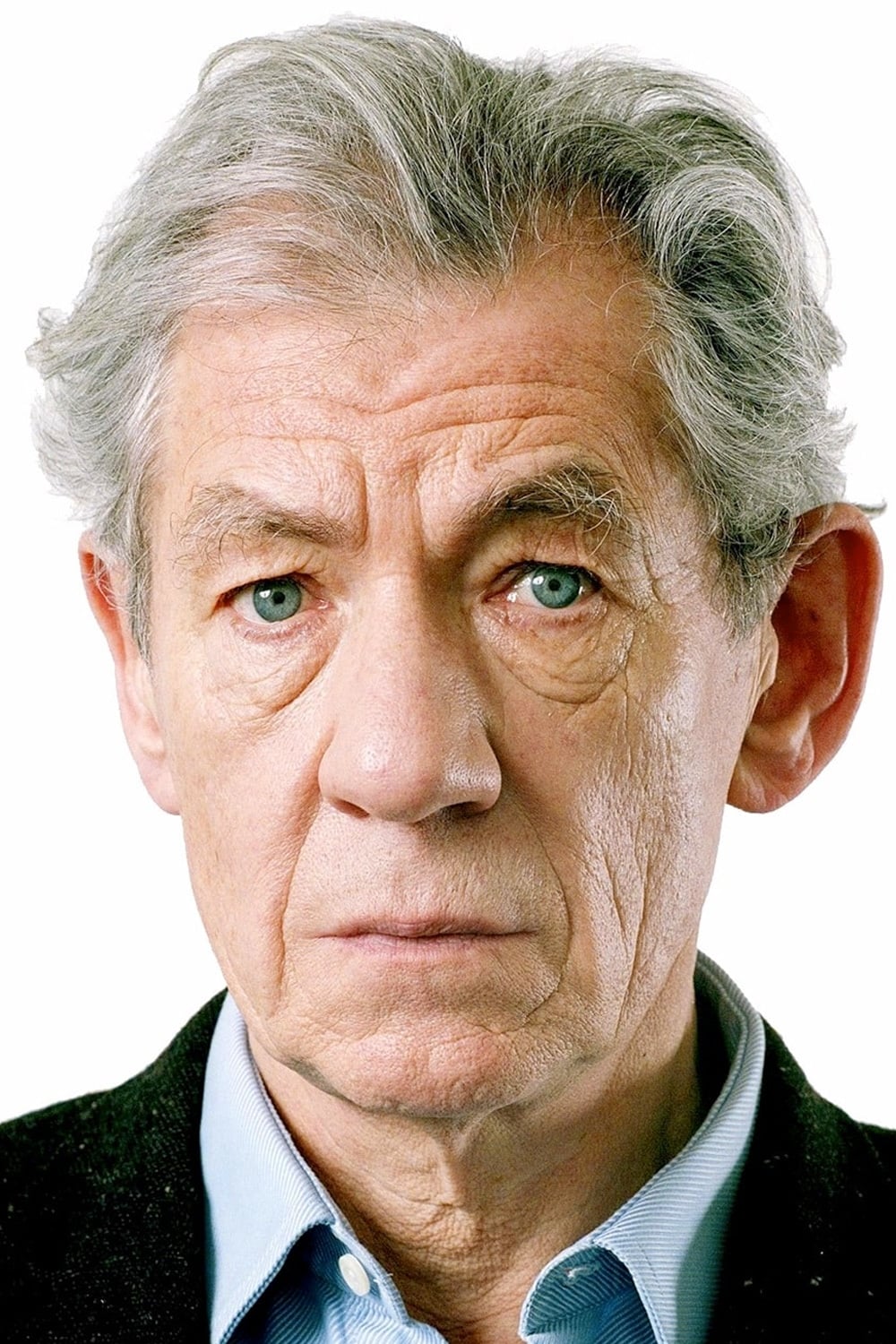
Ian McKellen is one of the most respected actors in the world but he did not come out until 1988 during a debate over anti gay legislation. He has remarked that he might have had a different career in Hollywood films if he had come out earlier. While he eventually landed major roles in ‘X Men’ and ‘The Lord of the Rings’ he was primarily a stage actor for many years. McKellen has spent decades working to ensure that younger actors do not have to hide who they are. His success proved that an openly gay man could lead massive global franchises.
John Barrowman
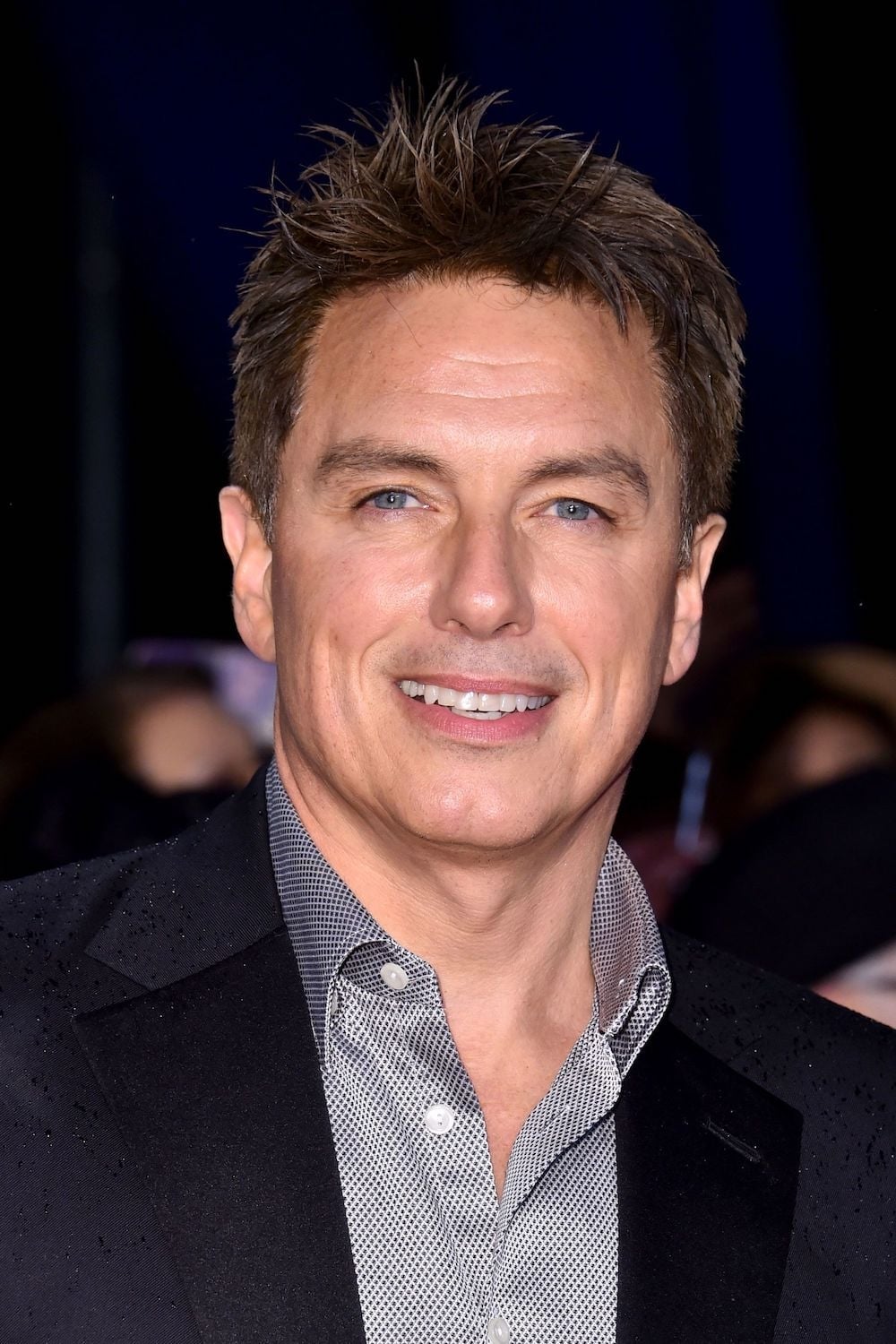
John Barrowman is a versatile performer who has found success in both the United Kingdom and the United States. He has shared stories about losing roles in major American television pilots after producers learned about his sexuality. Barrowman has always been open about his life and has often faced pushback from executives who feared he was too out for certain audiences. He eventually found his greatest television success in ‘Doctor Who’ and ‘Torchwood’ where his identity was embraced. He remains a high profile example of the risks and rewards of being authentic in show business.
Wentworth Miller
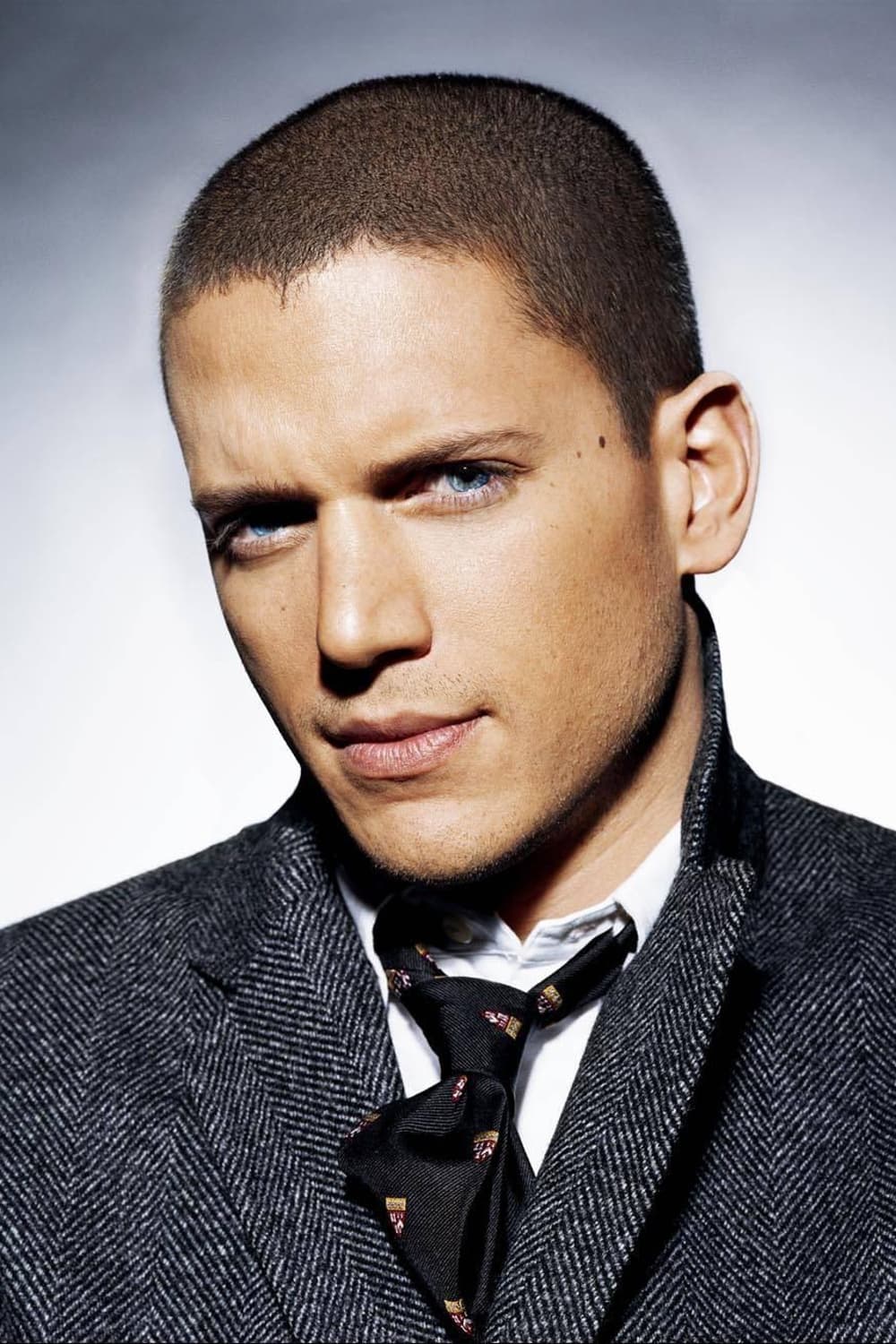
Wentworth Miller gained fame as the lead of ‘Prison Break’ but kept his private life quiet for many years. He eventually came out in 2013 while declining an invitation to a Russian film festival in protest of their anti LGBTQ+ laws. Miller has spoken candidly about his struggles with mental health and the pressure of maintaining a public persona. Since coming out he has focused on roles that allow for more complexity and has become a screenwriter as well. His career choices reflect a desire for integrity over traditional leading man stardom.
Victor Garber
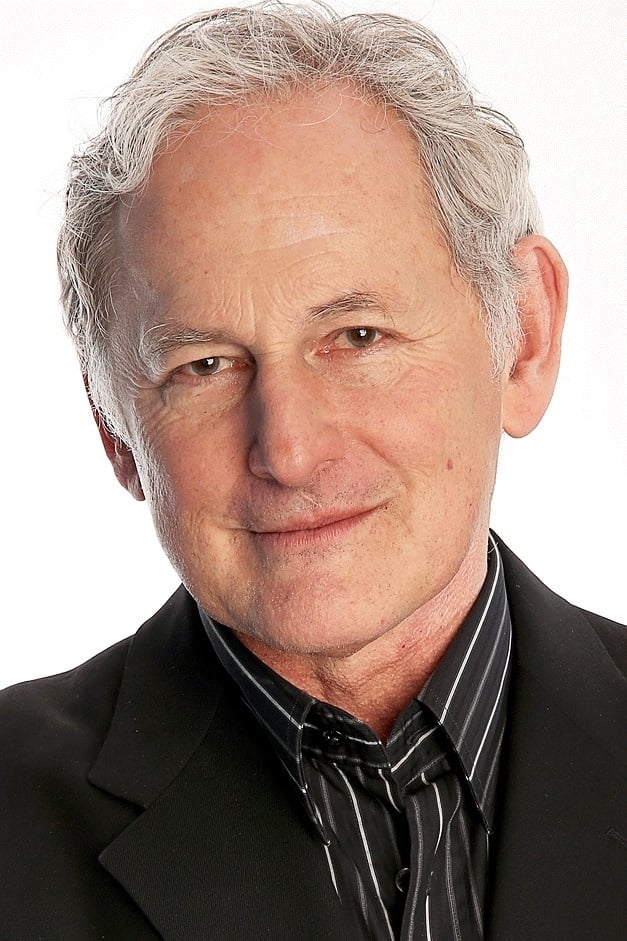
Victor Garber is a celebrated actor of stage and screen who has worked consistently for decades in projects like ‘Alias’ and ‘Titanic’. He quietly came out in 2013 when a journalist asked about his long term partner. While he has never been officially blacklisted he has navigated a career where his private life was rarely a focus of his public image. Garber has been able to maintain a successful career as a character actor while being respected by his peers. He represents the generation of actors who managed to work through eras of significant transition in the industry.
BD Wong
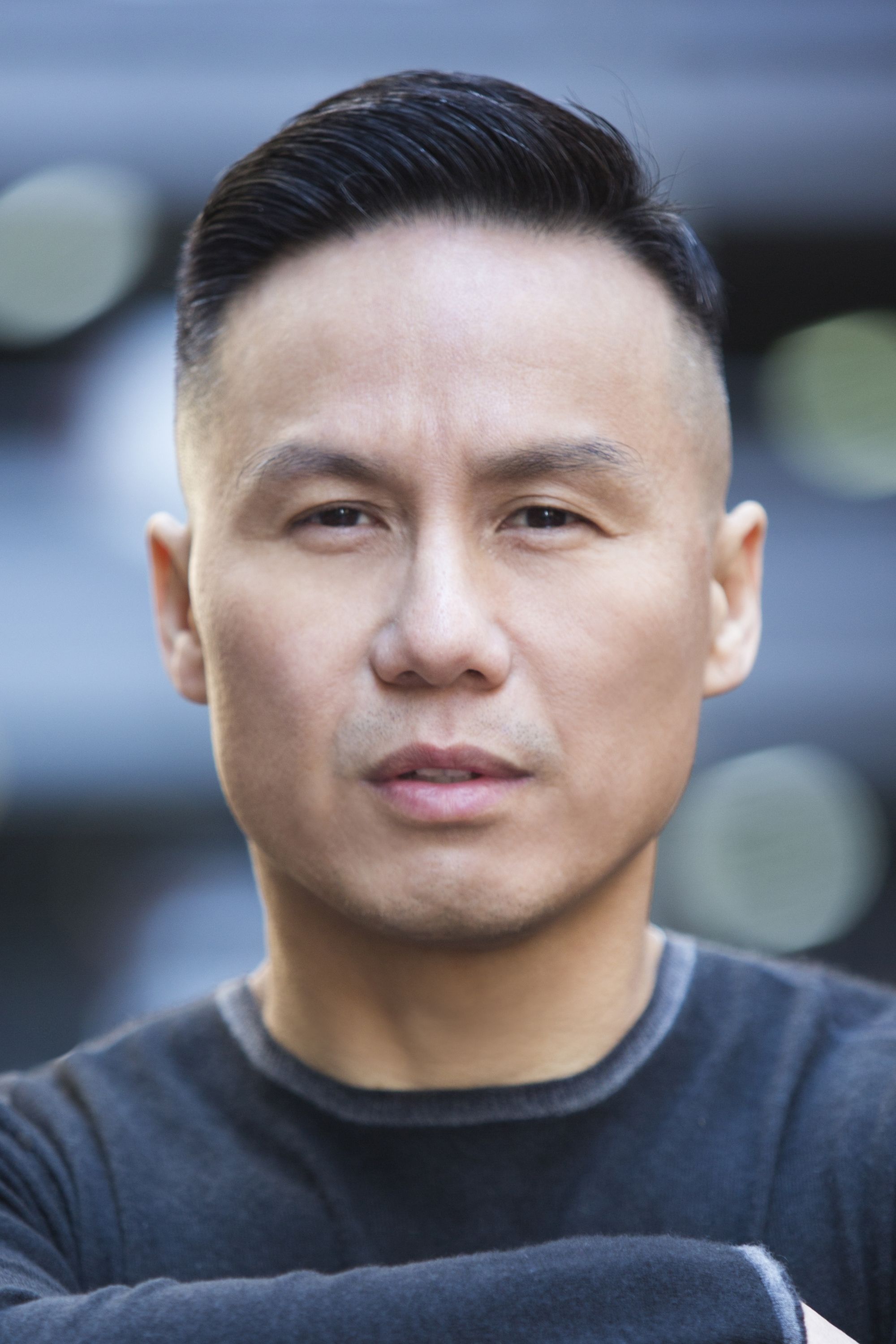
BD Wong is a Tony Award winning actor known for his roles in ‘Jurassic Park’ and ‘Law and Order Special Victims Unit’. He has been open about his sexuality for much of his career and has discussed the lack of roles for gay Asian men. Wong has often felt that the industry had difficulty casting him outside of very specific archetypes. He has used his career to push for better representation and more diverse stories in both theater and film. His longevity in the industry is a testament to his talent and his commitment to his identity.
Bryan Batt
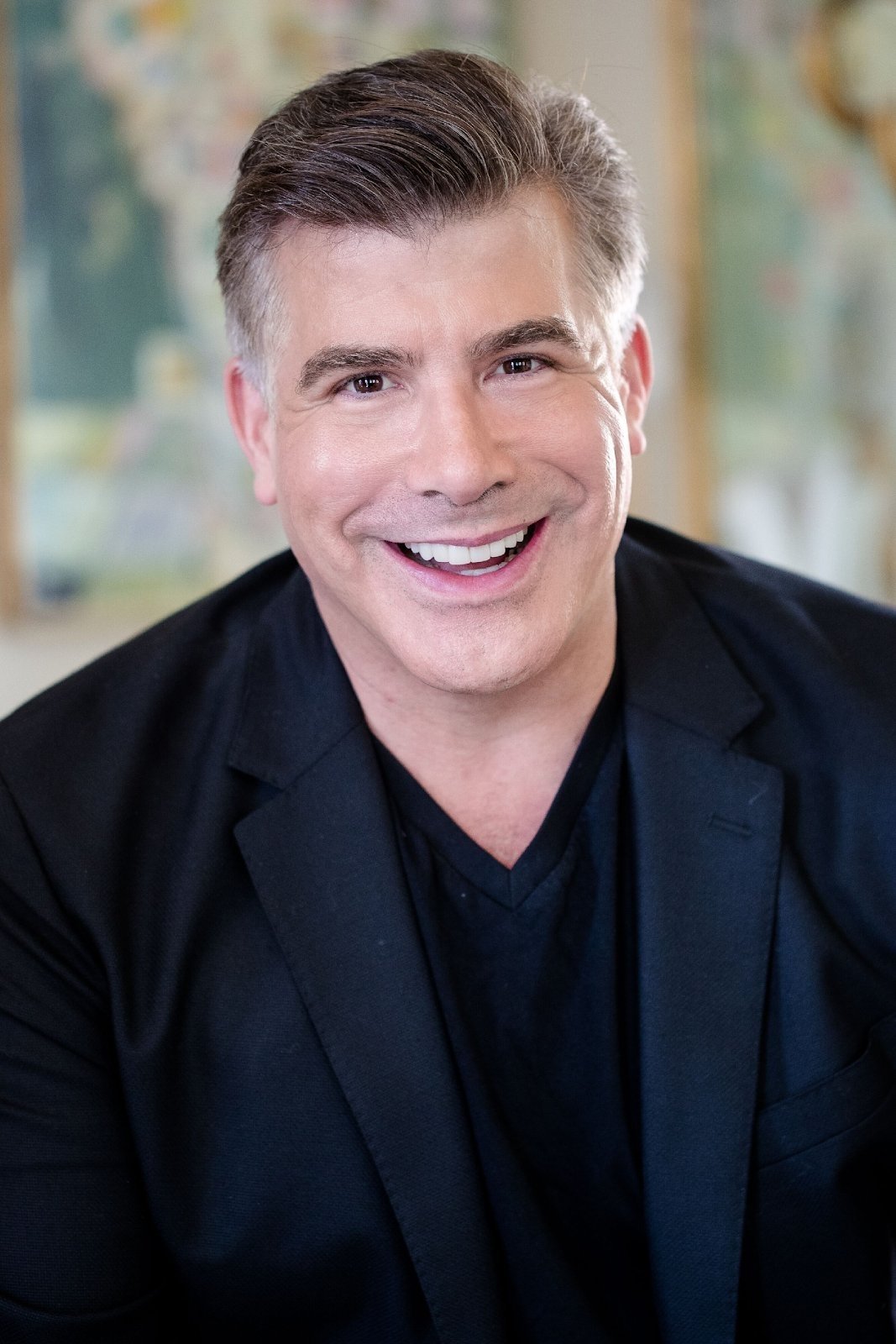
Bryan Batt is best known for his role as Salvatore Romano on the hit series ‘Mad Men’. His character was a closeted man in the 1960s and Batt himself is an openly gay actor. When his character was written off the show many fans and critics wondered if his off screen identity played a role in the decision. Batt has since continued to work in theater and film while maintaining a successful interior design business. He has remained professional and positive about his time on the show while continuing his career on his own terms.
Colton Haynes
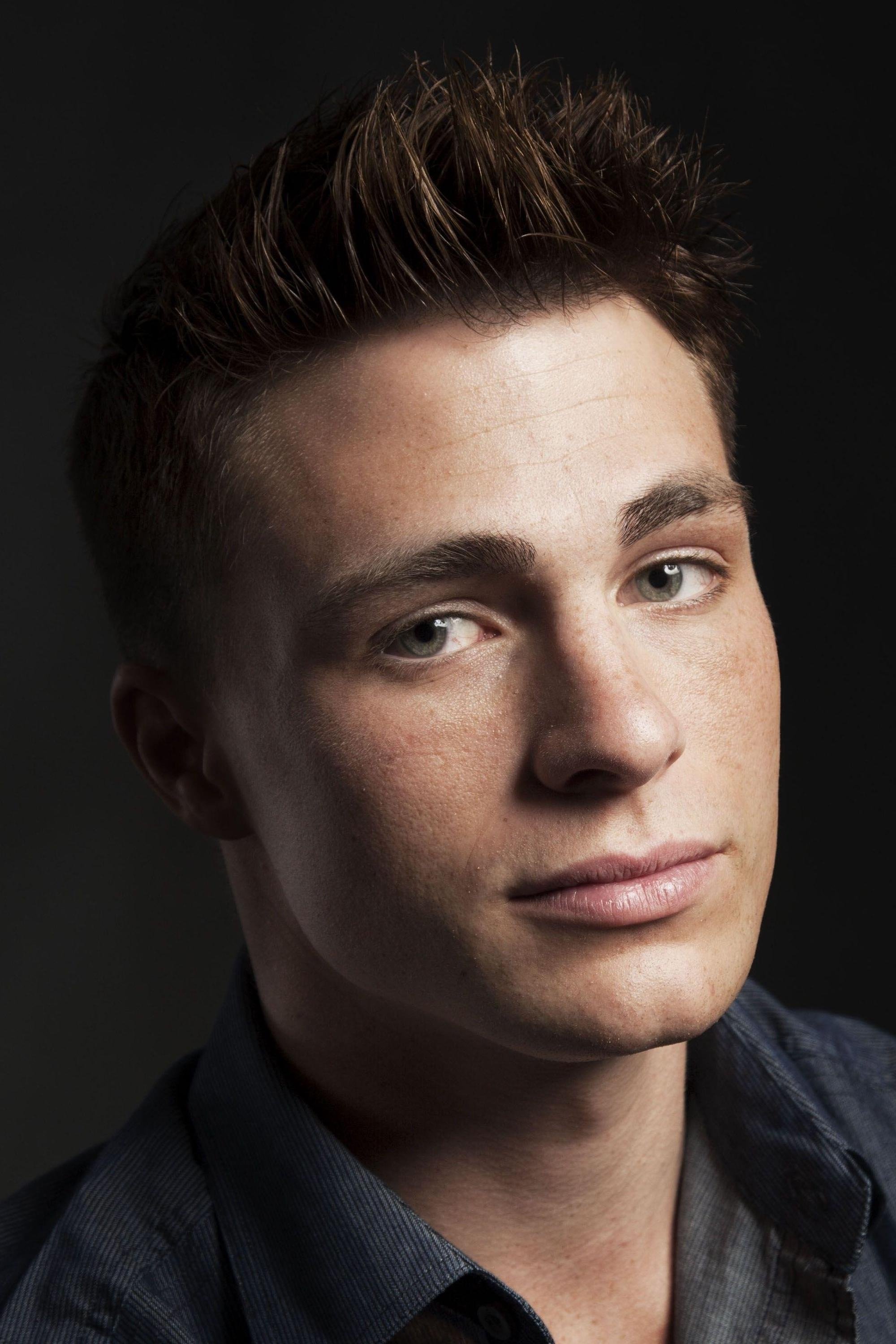
Colton Haynes was a rising star with roles on ‘Teen Wolf’ and ‘Arrow’ when he began to face pressure regarding his public image. He eventually came out in 2016 and spoke about the immense stress of hiding his identity at the behest of managers and publicists. Haynes took a break from acting to focus on his mental health and personal well being. He has since returned to the industry and has been open about the challenges of being a young gay man in Hollywood. His story highlights the modern pressures that still exist for young stars in the digital age.
Charlie Carver
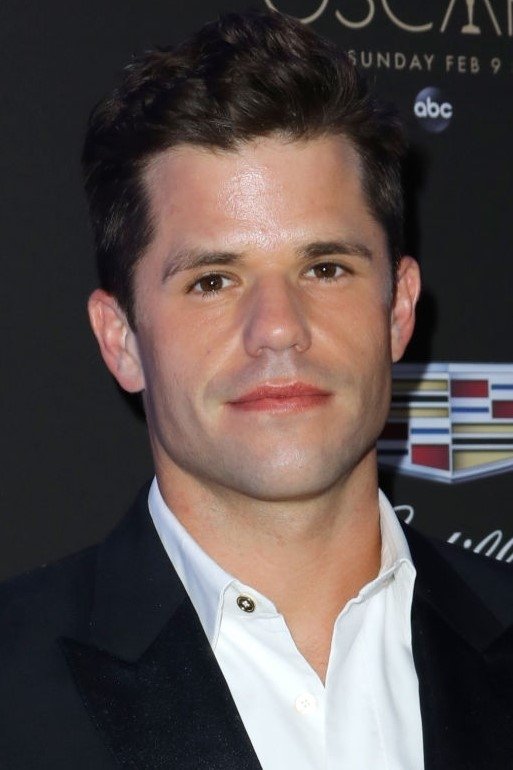
Charlie Carver is known for his roles in ‘Desperate Housewives’ and ‘Teen Wolf’ alongside his twin brother. He came out in 2016 through a series of social media posts that discussed the importance of living truthfully. Carver has noted that he was often advised to keep his sexuality a secret to avoid being pigeonholed by casting directors. Since coming out he has sought out roles that reflect his identity and has worked with prominent creators like Ryan Murphy. He remains committed to being a visible role model for other LGBTQ+ performers.
Max Adler
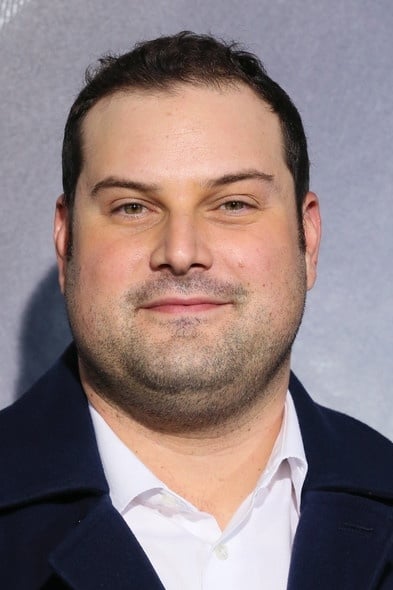
Max Adler gained fame playing a closeted bully on the musical series ‘Glee’. He used the platform to discuss the difficulties faced by LGBTQ+ youth and eventually came out himself. While he has continued to work in various television and film projects he has noted the shift in how the industry views him. Adler has been an advocate for anti bullying campaigns and has remained active in the entertainment community. His role on ‘Glee’ was a significant moment for representation on mainstream television.
Haaz Sleiman
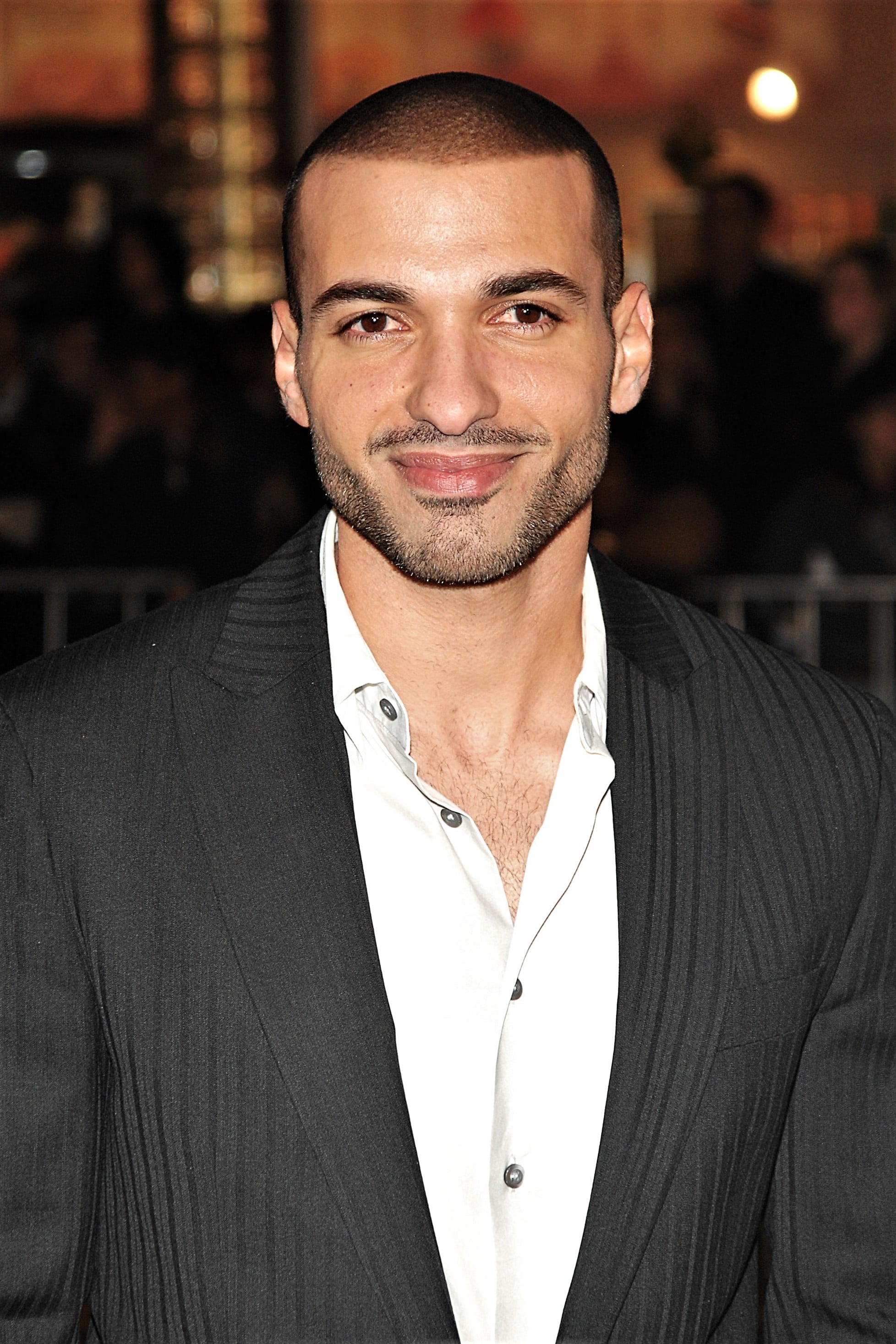
Haaz Sleiman is a Lebanese American actor who came out as gay in 2017 through a social media video. He has spoken about the double marginalization he faces as both a Middle Eastern man and a gay man in Hollywood. Sleiman has found that roles for performers with his background are already limited and his sexuality adds another layer of complexity. He has received praise for his performance in the film ‘The Eternals’ where he played the husband of a superhero. He continues to push for more inclusive and diverse casting in major studio productions.
Wilson Cruz
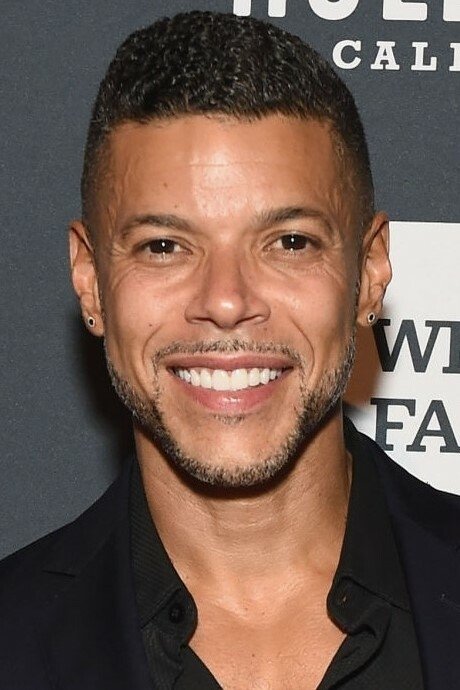
Wilson Cruz made history in the 1990s as the first openly gay actor to play an openly gay character on the series ‘My So Called Life’. He faced significant professional risks by being so visible early in his career and experienced periods where work was hard to find. Cruz has remained a steadfast advocate for LGBTQ+ representation and has worked extensively with organizations like GLAAD. His career eventually saw a resurgence with a prominent role in ‘Star Trek Discovery’. He remains a pioneer who paved the way for many actors working today.
Jussie Smollett
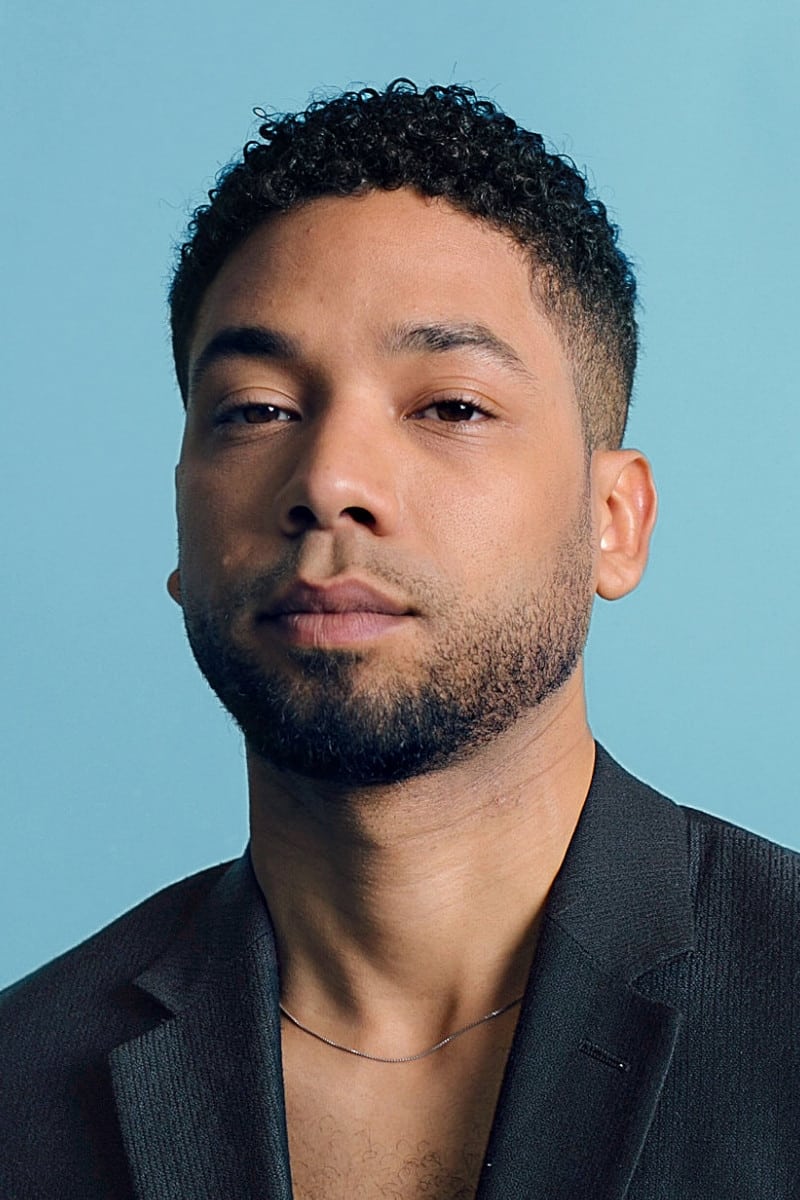
Jussie Smollett was a breakout star on the series ‘Empire’ and was one of the most prominent gay Black actors on television. His career came to a sudden halt following a high profile legal controversy involving a reported hate crime. While the details of the case were widely debated he found himself effectively blacklisted from major industry projects. He has since attempted to move into directing and independent production to continue his creative work. The fallout from his legal issues remains a significant topic of discussion in the entertainment world.
Kevin Spacey
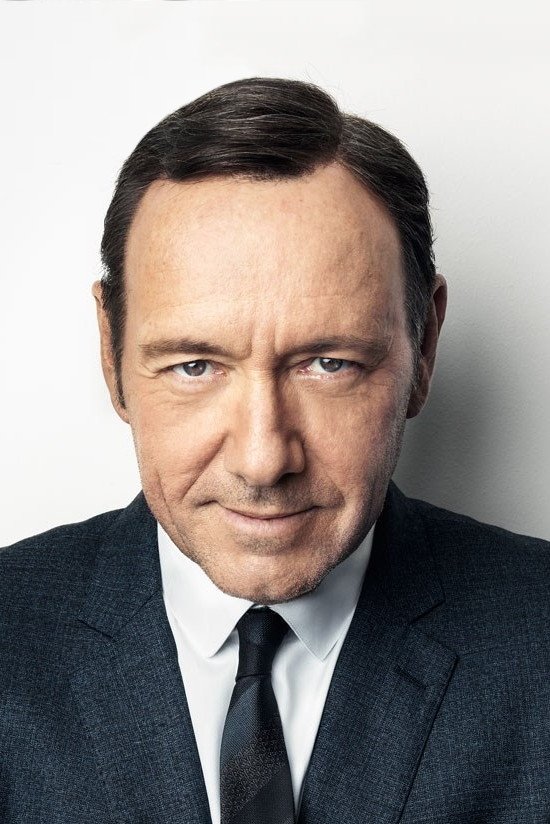
Kevin Spacey was one of the most acclaimed actors in Hollywood with two Academy Awards and a lead role in ‘House of Cards’. His career collapsed in 2017 following numerous allegations of sexual misconduct and he came out as gay in the midst of the scandal. This announcement was heavily criticized by both the public and the LGBTQ+ community as an attempt to deflect from the allegations. He was promptly fired from his show and his scenes were cut from the film ‘All the Money in the World’. He has been almost entirely absent from mainstream Hollywood since the allegations surfaced.
Jonathan Bennett
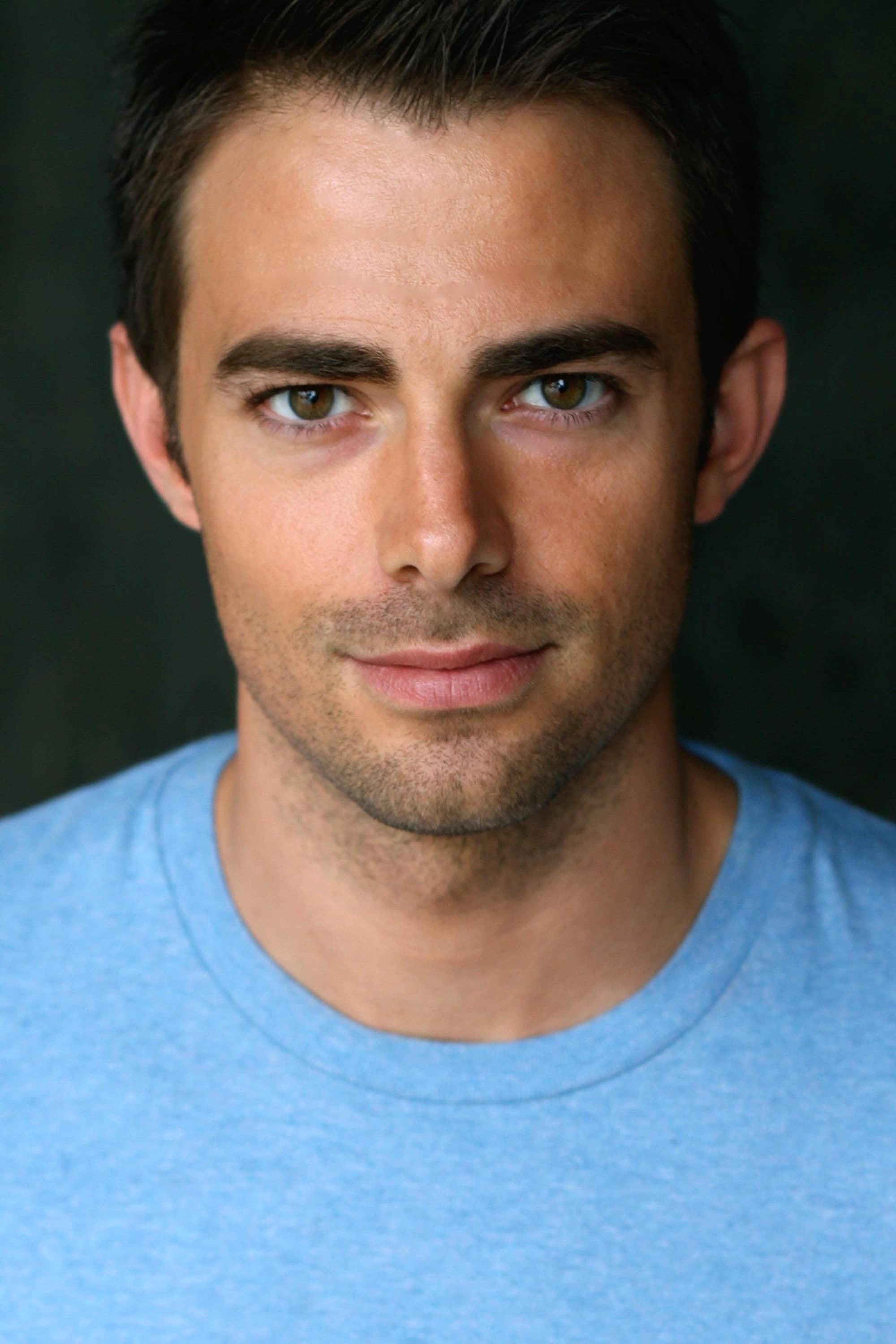
Jonathan Bennett became a teen idol after starring in the hit comedy ‘Mean Girls’. He kept his sexuality private for many years fearing that it would limit his ability to be cast as a leading man. Bennett eventually came out and has since become a regular fixture in holiday movies and as a television host. He has spoken about how coming out actually opened up new opportunities for him in the industry. He is now one of the most visible out actors working in the family friendly television genre.
Peter Paige
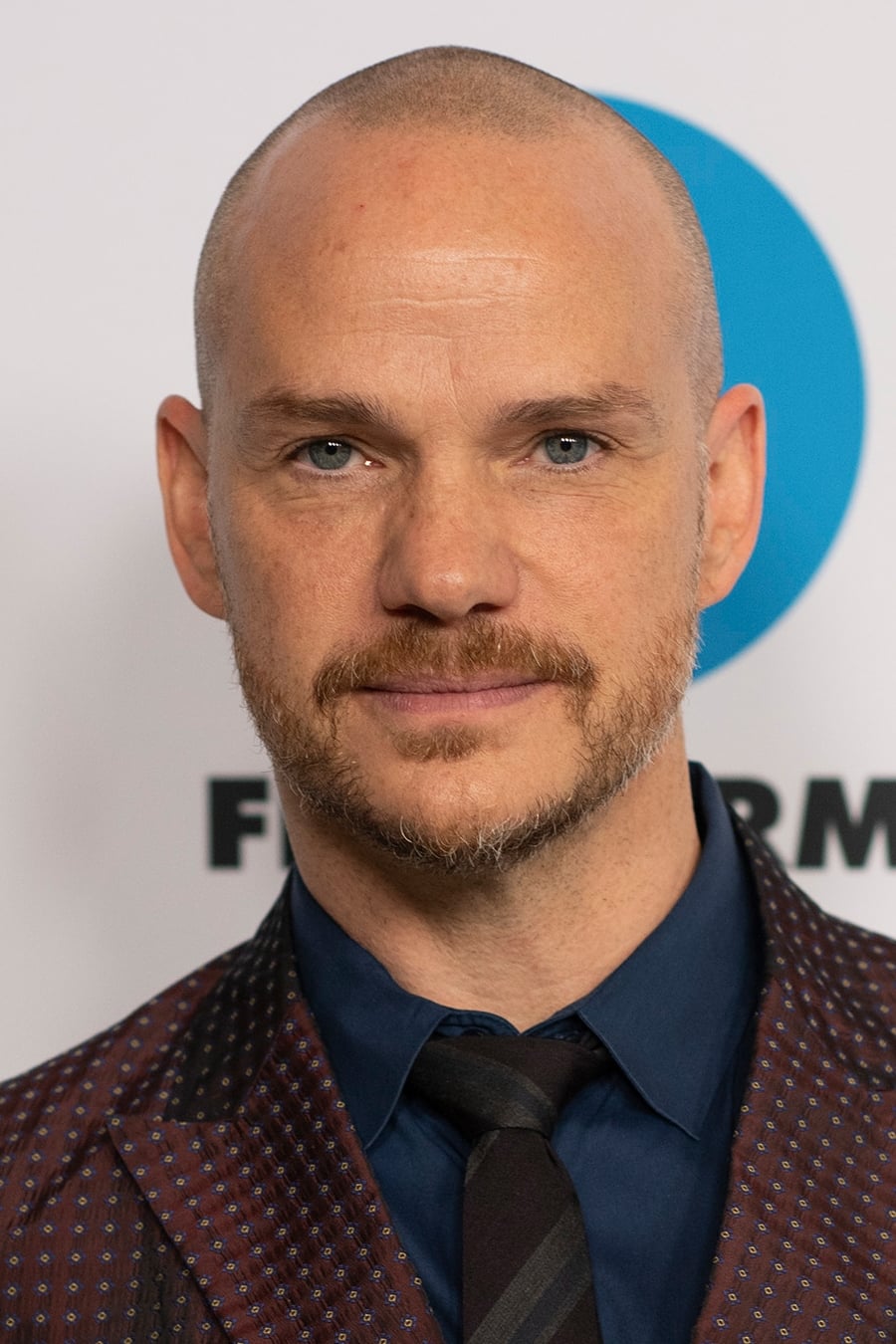
Peter Paige became famous for his role as Emmett Honeycutt on the groundbreaking series ‘Queer as Folk’. After the show ended he found that the industry had difficulty seeing him as anything other than his flamboyant character. Paige eventually transitioned into writing and directing to have more control over his career and the stories being told. He co created the successful series ‘The Fosters’ which featured significant LGBTQ+ representation. His career shift is a prime example of how gay actors have created their own paths when the traditional industry stalled.
Scott Lowell

Scott Lowell was another star of ‘Queer as Folk’ who faced challenges finding mainstream roles after the series concluded. He has been vocal about the typecasting that often follows actors who play prominent gay characters. Lowell continued to work in theater and had various guest spots on television while advocating for more diverse casting. He has participated in numerous projects that highlight the history and struggles of the LGBTQ+ community. His experience reflects the specific hurdles faced by the cast of that revolutionary series.
Randy Harrison
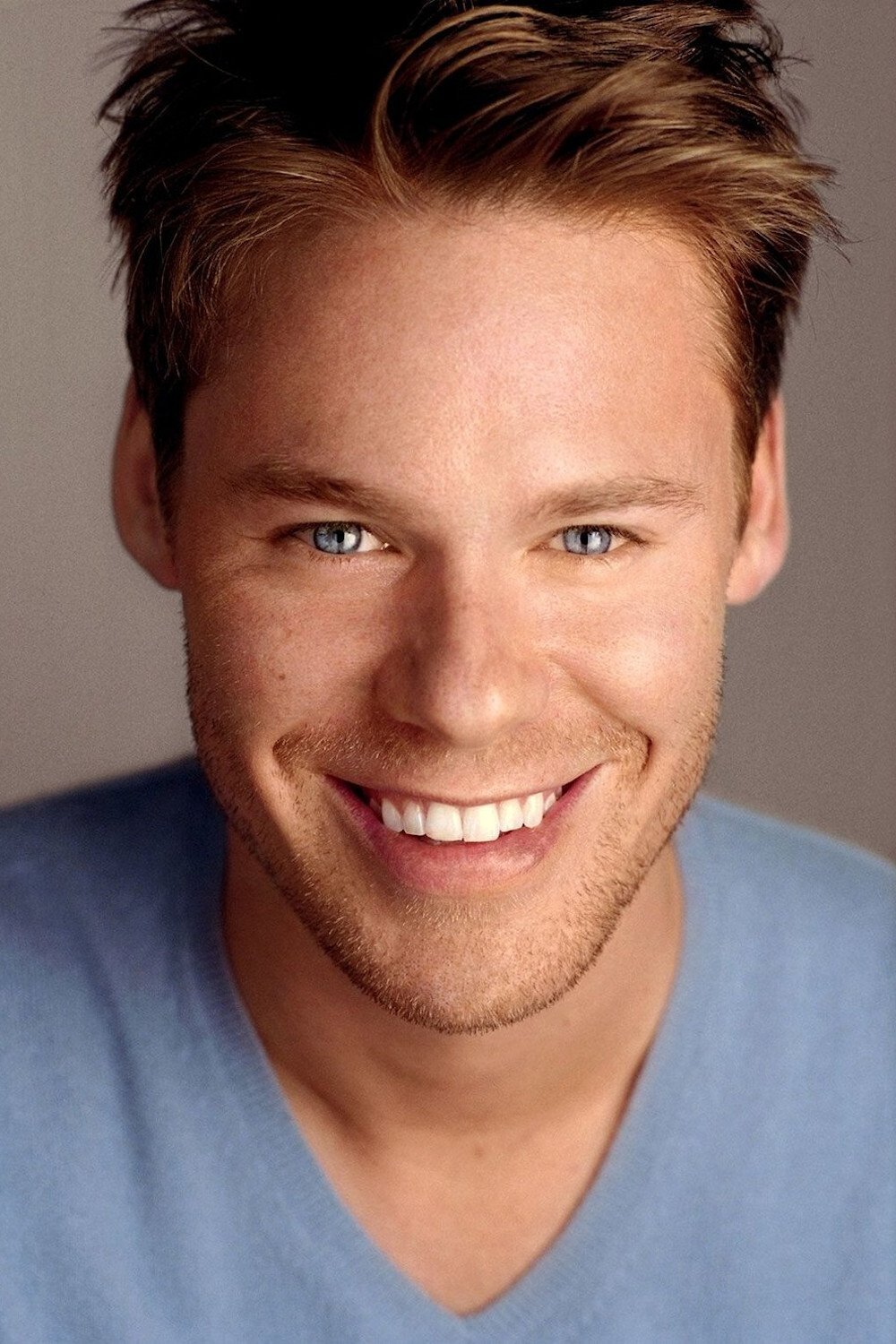
Randy Harrison gained a large following for his role as Justin Taylor on ‘Queer as Folk’. Following the show he largely moved away from Hollywood to focus on a career in New York theater. He has expressed a preference for the creative freedom found in live performance over the constraints of the film and television industry. Harrison has remained an out and proud performer while choosing projects that challenge him artistically. He continues to be a respected figure in the theater community for his dedication to the craft.
Robert Gant
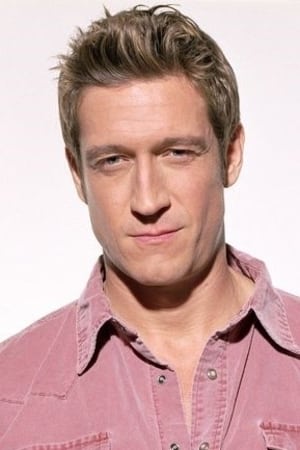
Robert Gant joined the cast of ‘Queer as Folk’ and became one of the most visible gay actors on television at the time. He has spoken about the advice he received to stay in the closet before he decided to come out publicly. Gant has continued to work in television with roles in various series while also being involved in political activism. He has noted that while progress has been made there are still barriers for out actors in Hollywood. He remains a prominent voice for the importance of visibility and authentic storytelling.
Darryl Stephens
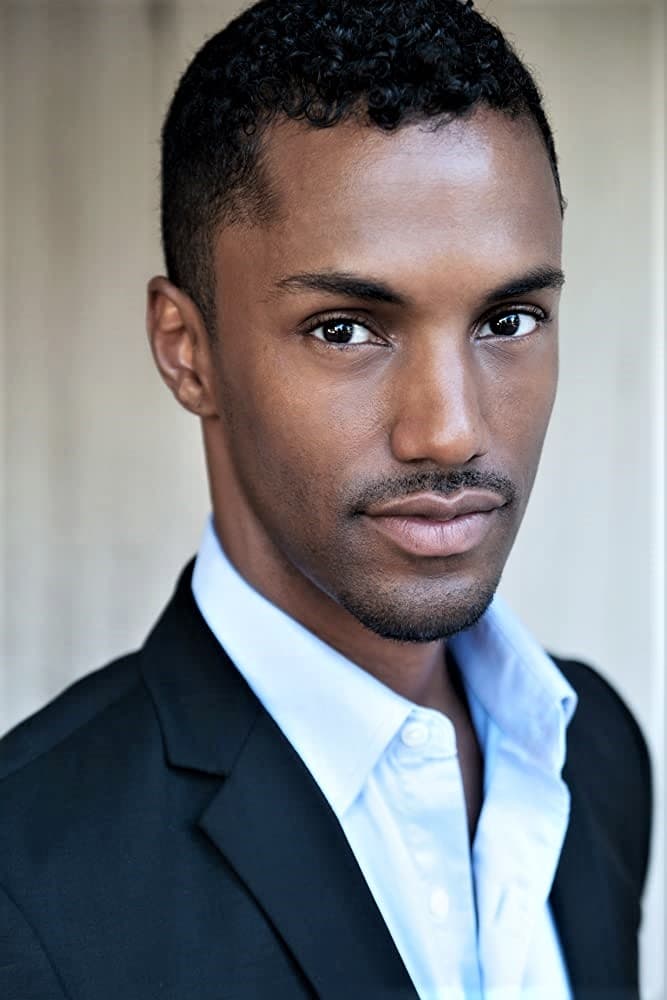
Darryl Stephens became a star within the LGBTQ+ community for his lead role in the series ‘Noah’s Arc’. He has discussed the difficulty of finding roles in mainstream Hollywood that are not based on tired tropes about Black gay men. Stephens has continued to work in independent films and has written about his experiences in the industry. He remains a significant figure for his contributions to Black queer representation on screen. His career highlights the intersectional challenges faced by performers of color.
Jensen Atwood
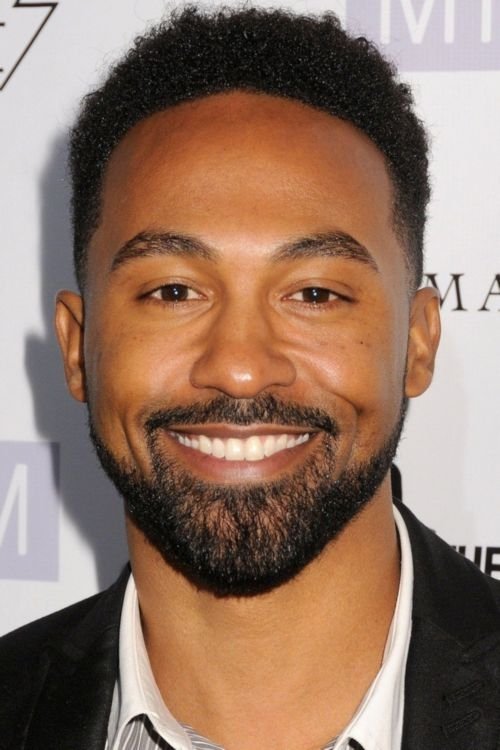
Jensen Atwood gained recognition for his role as the love interest on ‘Noah’s Arc’. He has been open about the challenges of being a gay actor in an industry that often has a narrow view of masculinity. Atwood has worked in both acting and modeling while continuing to support projects that feature diverse stories. He has noted that the limited number of roles for Black gay men makes the industry particularly competitive. He remains a visible and supportive member of the entertainment community.
Michael Jeter
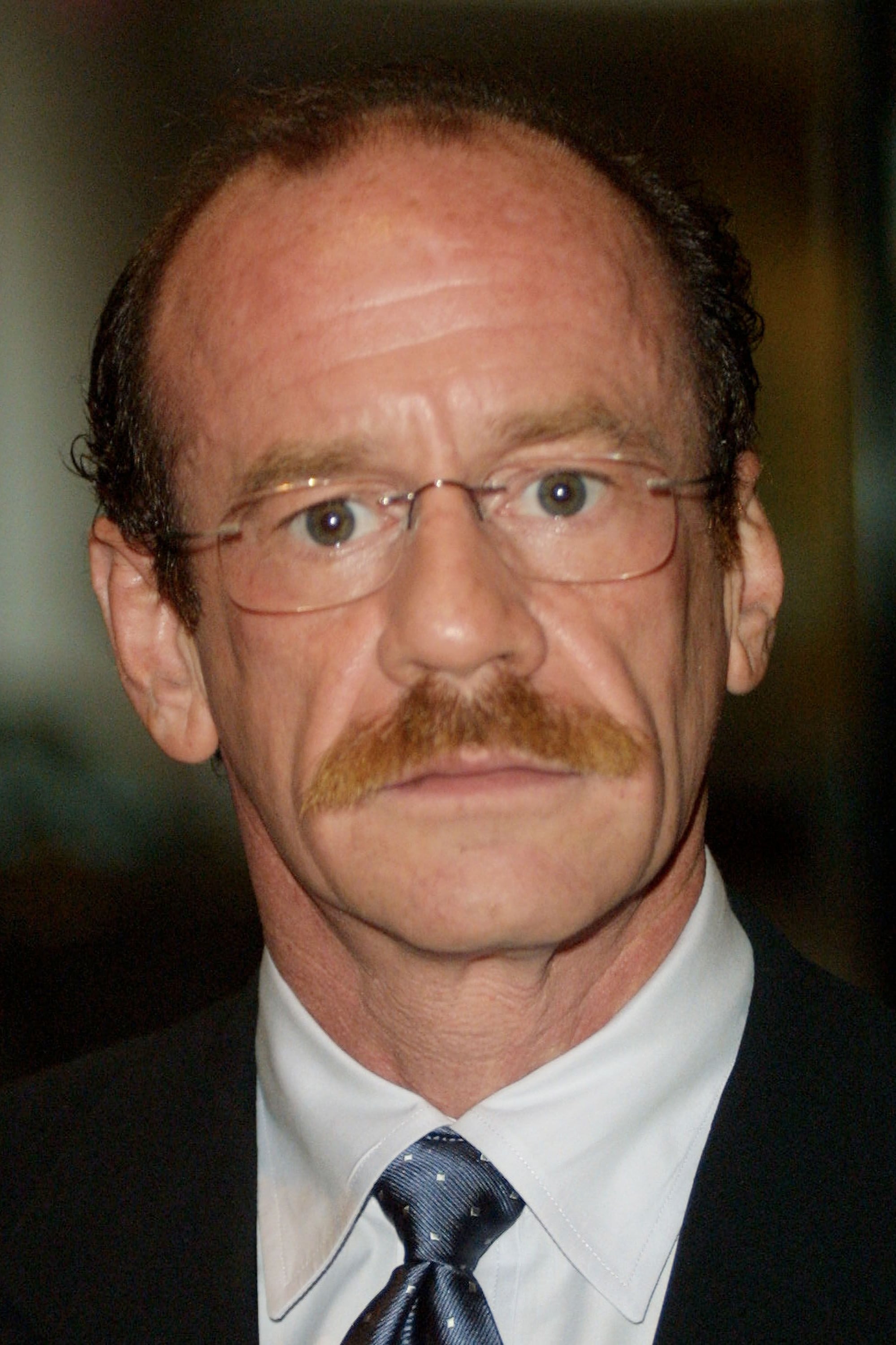
Michael Jeter was a highly respected character actor who won both a Tony and an Emmy during his career. He was open about his sexuality and his HIV positive status at a time when both were highly stigmatized in Hollywood. Despite the potential risks to his career he continued to land significant roles in films like ‘The Green Mile’. He was known for his immense talent and his bravery in living his life openly. Jeter remained a beloved figure in the industry until his passing in 2003.
David Hyde Pierce
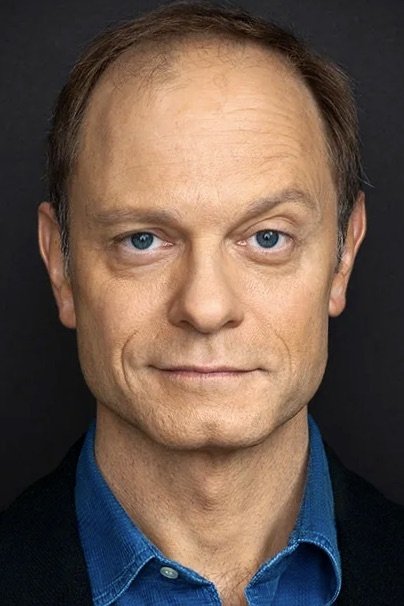
David Hyde Pierce is best known for his iconic role as Niles Crane on the hit sitcom ‘Frasier’. He kept his personal life very private during the show’s long run and only publicly came out in 2007. He has since spoken about how he never felt he was hiding but simply valued his privacy in a demanding industry. Since coming out he has continued to have a highly successful career on Broadway and in various television projects. He remains one of the most respected and decorated actors of his generation.
Dan Levy
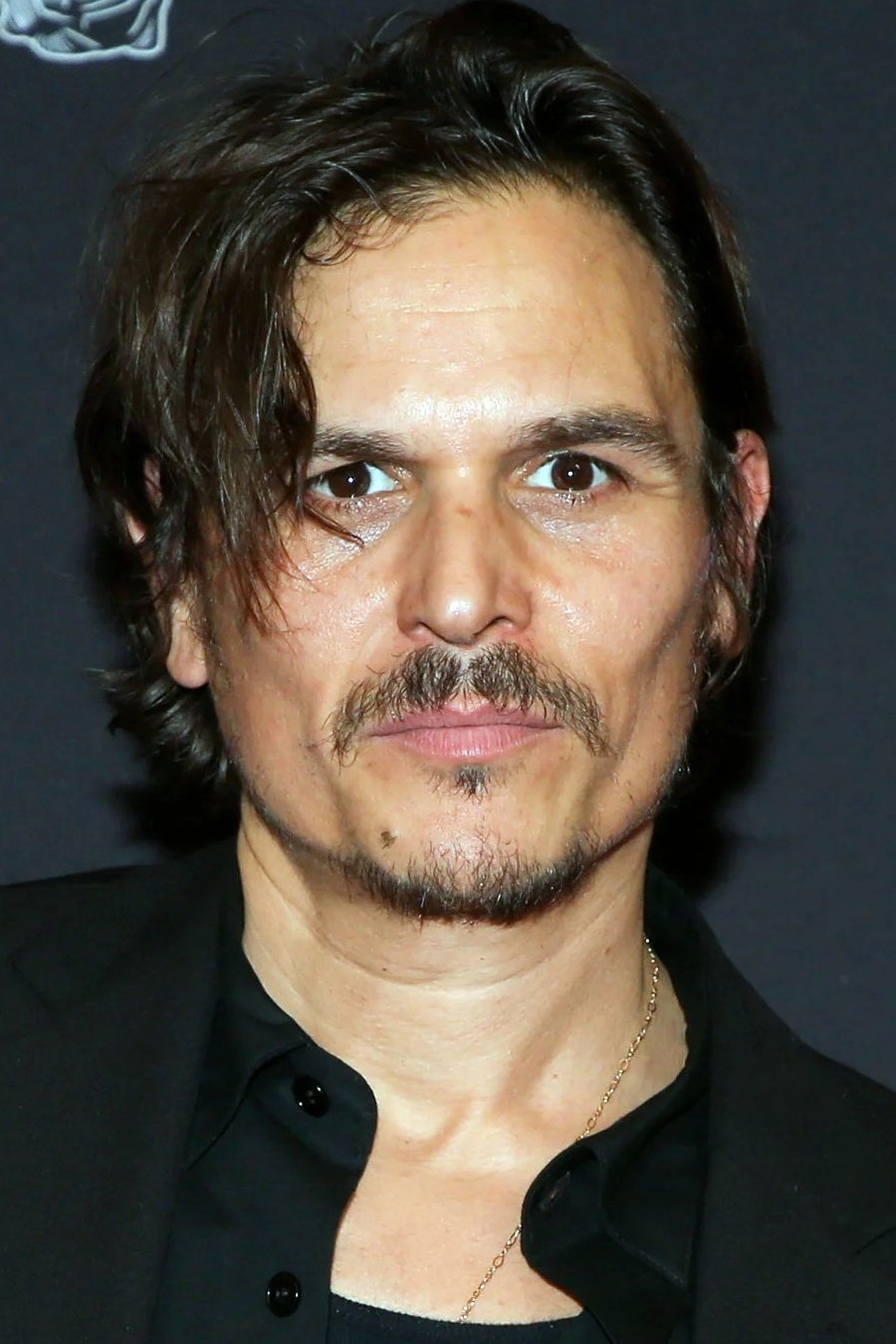
Dan Levy achieved global stardom with the series ‘Schitt’s Creek’ which he also co created and wrote. He has spoken about the early days of his career when he felt the need to be cautious about his public image. By creating his own show he was able to present a world where his sexuality was not a source of conflict or a reason for exclusion. The massive success of the series proved that audiences were ready for authentic and celebratory gay stories. He has since become a major power player in the industry with multiple development deals.
Sean Hayes
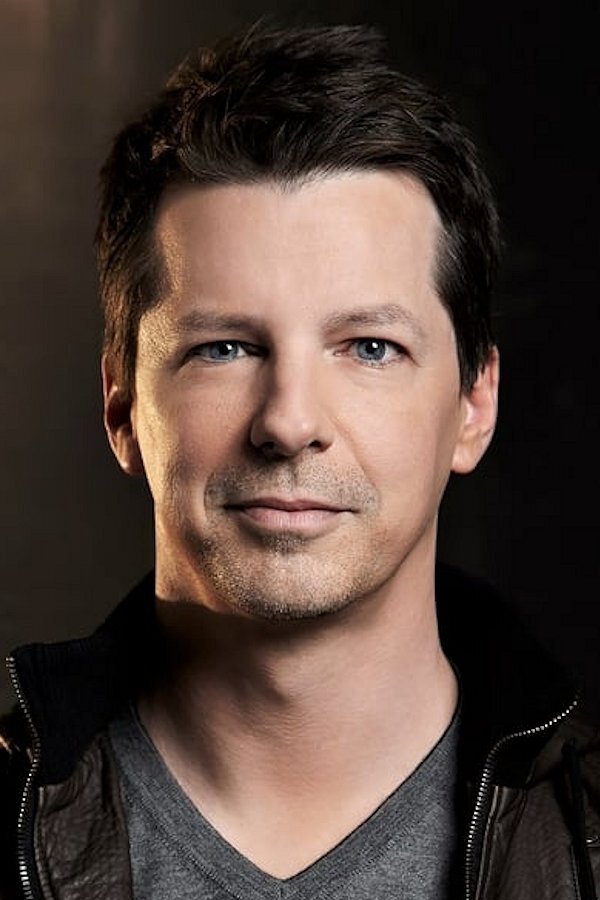
Sean Hayes became a household name for his role as Jack McFarland on the groundbreaking sitcom ‘Will and Grace’. He did not officially come out to the public until 2010 which was several years after the original run of the show ended. Hayes later discussed the pressure he felt from the industry and the fear that coming out would end his career. He has since become an advocate for LGBTQ+ rights and has continued to have a thriving career in both television and theater. His journey highlights the complex relationship between visibility and professional survival.
Brandon Flynn
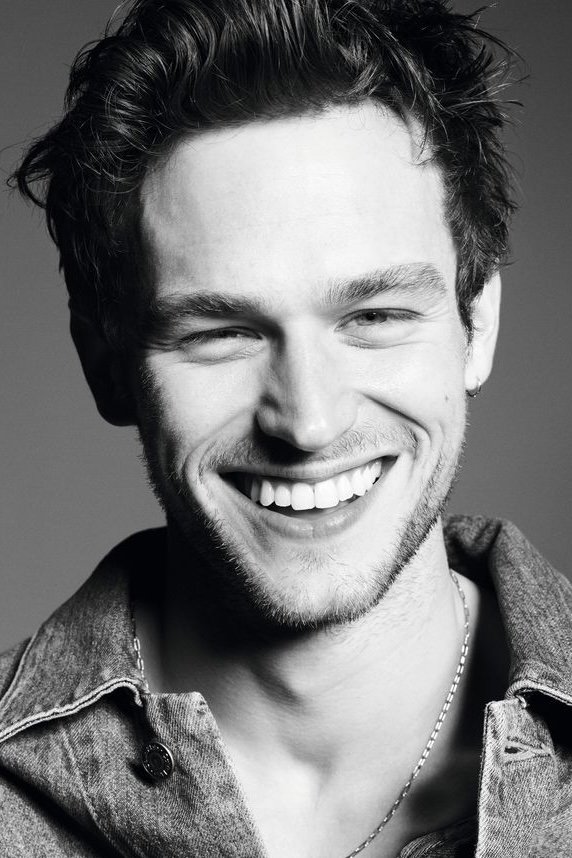
Brandon Flynn gained prominence for his role in the series ’13 Reasons Why’ and chose to come out early in his career. He has used his social media platform to speak out against discrimination and to support LGBTQ+ causes. Flynn has noted that while the industry is changing there is still a long way to go for full acceptance. He has continued to land roles in high profile projects like ‘Ratched’ while being an out actor. He represents the new generation of performers who are prioritizing authenticity from the start.
Keiynan Lonsdale
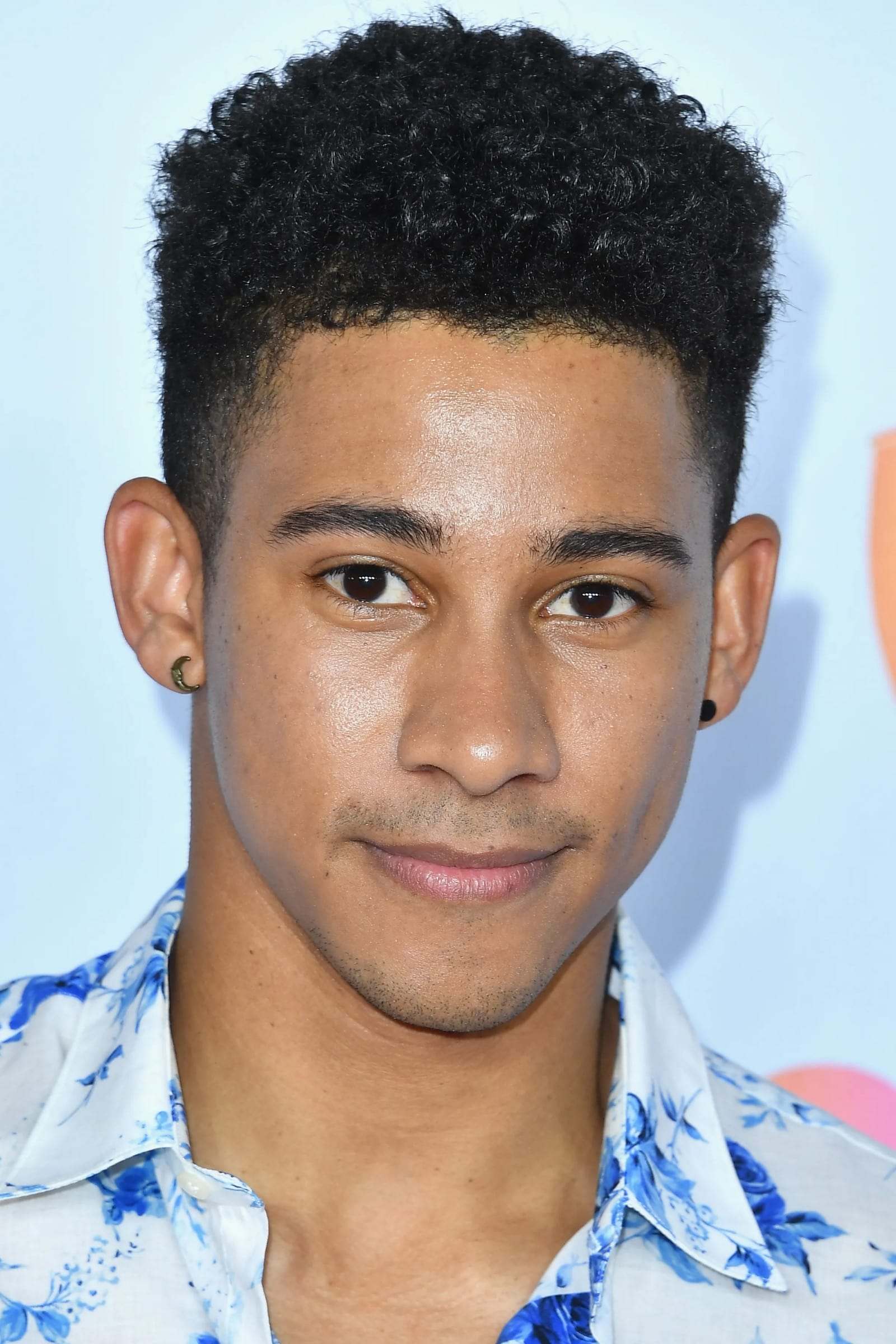
Keiynan Lonsdale is an actor and musician known for his roles in ‘The Flash’ and the film ‘Love, Simon’. He came out in 2017 and has since been open about his fluid identity and his journey of self discovery. Lonsdale has embraced a more expressive and authentic public persona that often challenges traditional gender norms. He has found success in both acting and music while being an advocate for self love and acceptance. His career path reflects the increasing openness of the modern entertainment landscape for young performers.
Alan Cumming
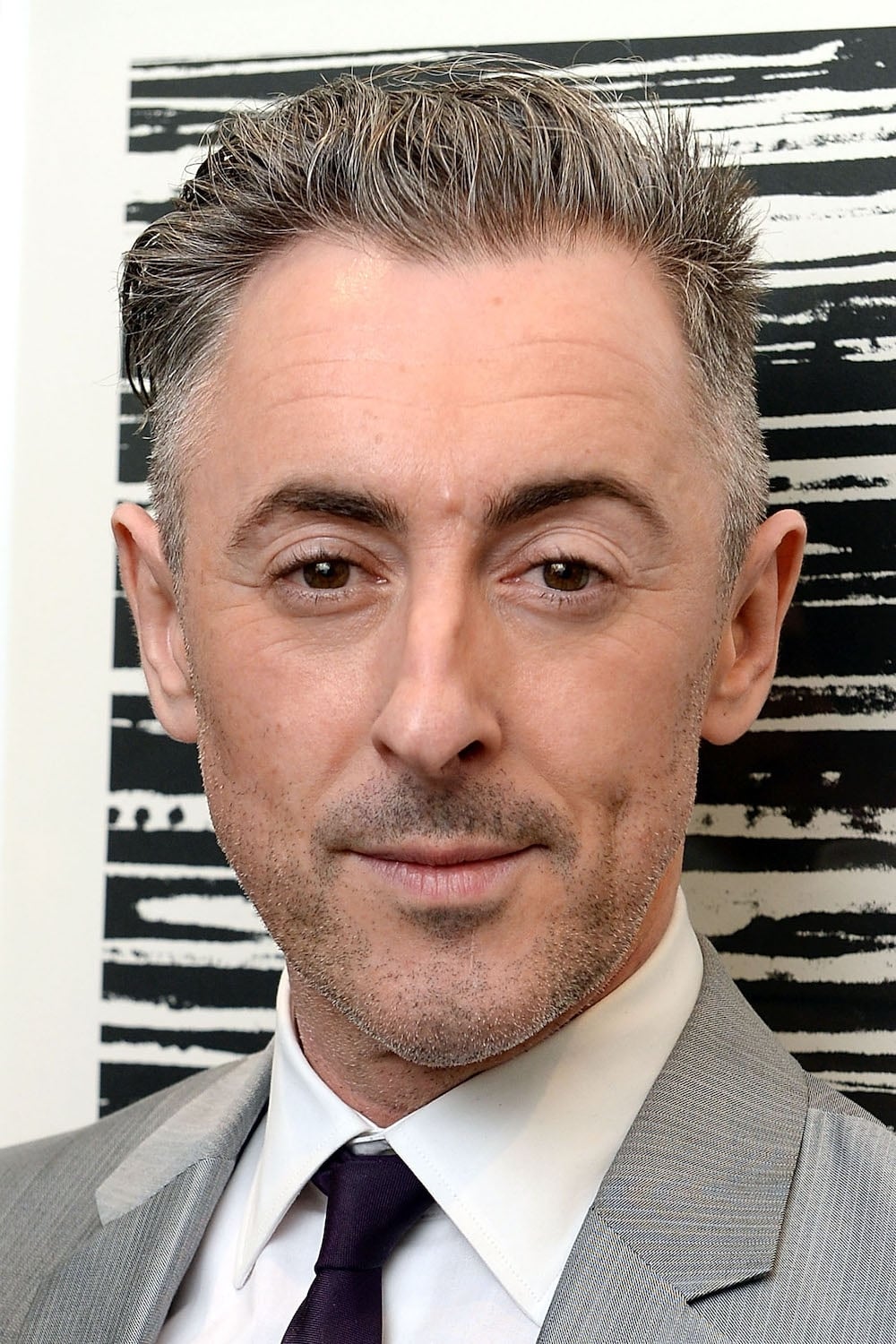
Alan Cumming is a prolific actor of stage and screen who has been open about his bisexuality for many years. He has spoken about the hurdles he faced in Hollywood where he was often viewed as too eccentric for traditional leading roles. Cumming has built a unique career by taking on diverse and challenging parts in both mainstream and independent projects. He has used his fame to support numerous charitable causes and has remained a consistent advocate for human rights. He continues to be a major force in the industry with a career that spans decades.
Share your thoughts on these actors and their impact on Hollywood in the comments.

