


Gay Actors Who Withdrew From Movies Because Of Political Reasons

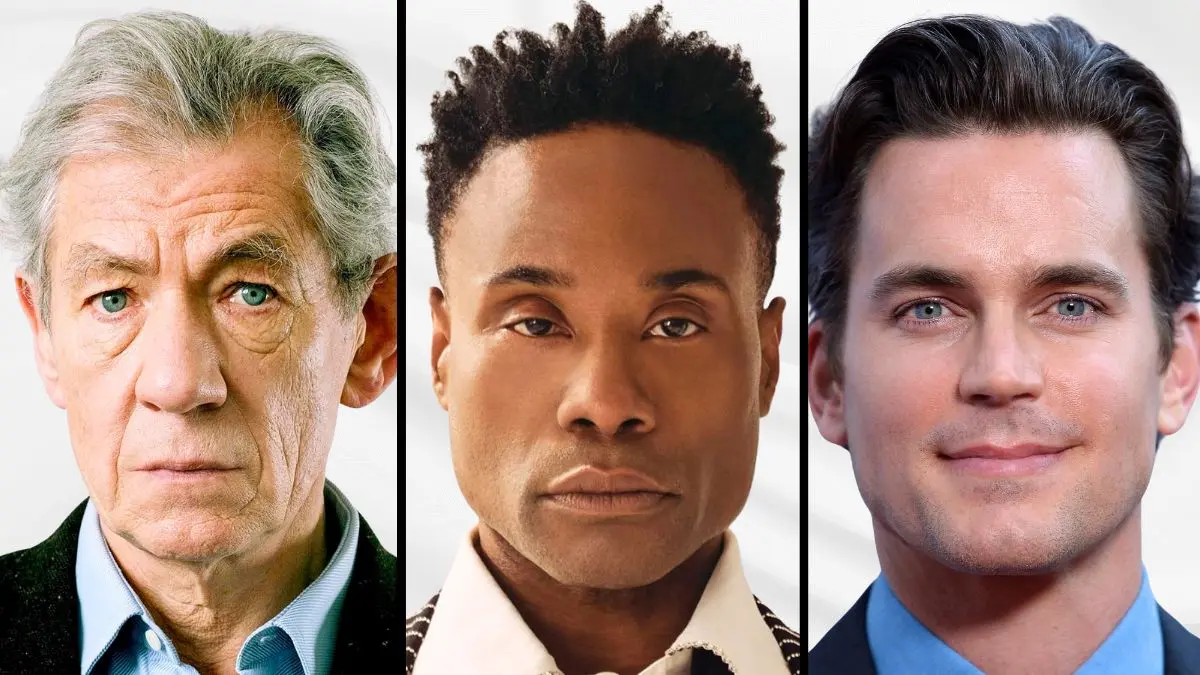


The intersection of Hollywood stardom and political activism often leads to difficult decisions for performers who value their principles over their paychecks. Many gay actors have chosen to step away from high profile projects or international events to protest discriminatory laws and systemic inequality. These actions frequently involve refusing to work in certain countries or declining roles that perpetuate harmful stereotypes. By prioritizing their advocacy the following individuals have influenced the industry and sparked global conversations about human rights and professional integrity.
Wentworth Miller
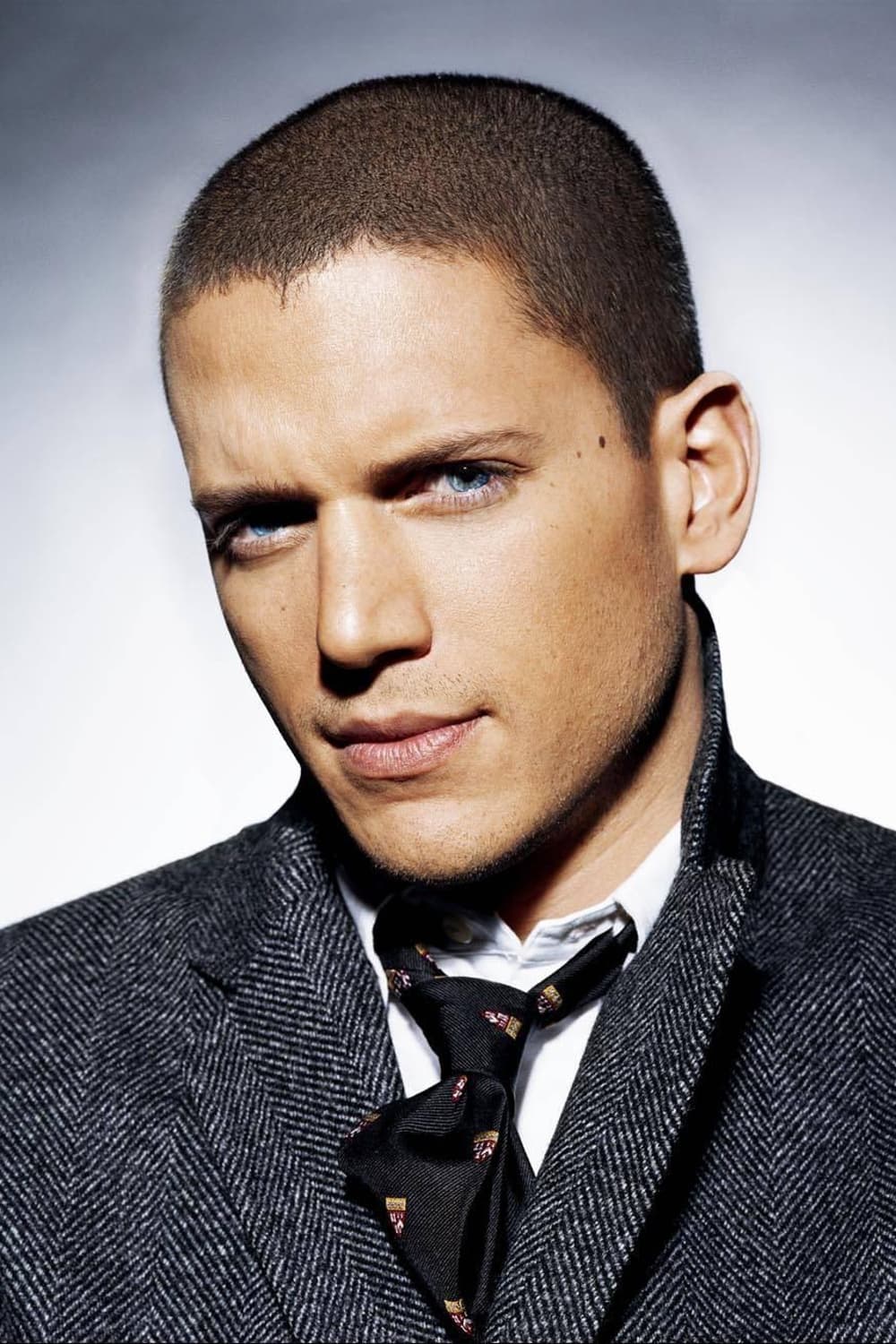
Wentworth Miller famously declined an invitation to the St. Petersburg International Film Festival as a protest against Russian anti gay laws. He sent a formal letter stating he could not participate in a celebration in a country where basic rights are being systematically denied. The actor eventually announced he would no longer accept roles playing straight characters to support his political and personal identity. This decision changed his professional path and highlighted the tension between personal integrity and industry expectations. His public stance encouraged other performers to consider the political implications of their professional engagements.
Ian McKellen
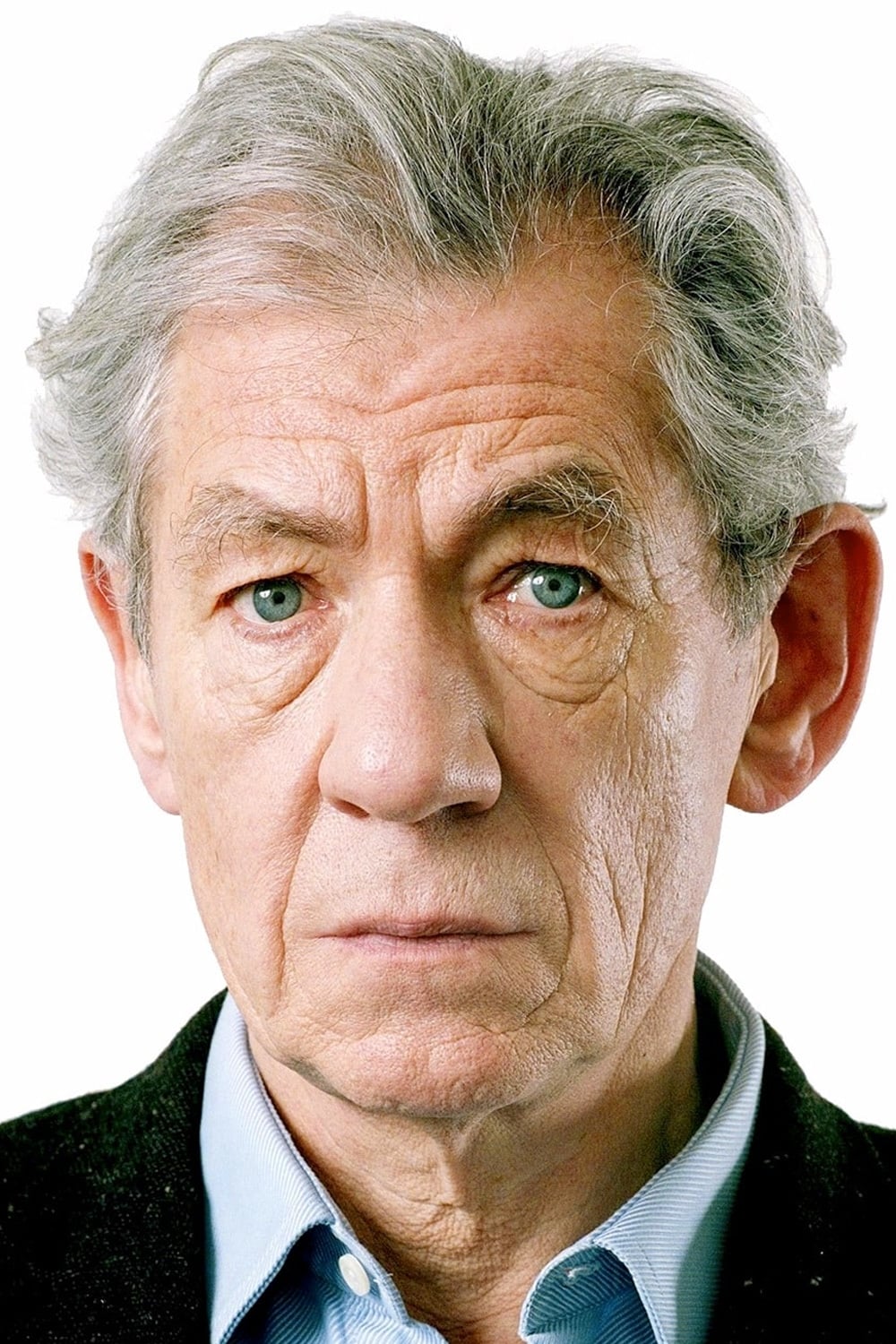
Ian McKellen has been vocal about his refusal to visit Russia for film related events due to the nation’s stance on LGBTQ+ rights. He advised other actors to avoid working in environments where their safety and identity are legally threatened. The veteran actor has used his platform to advocate for equal rights across the globe while turning down opportunities in regions with oppressive regimes. His commitment to political activism has often taken precedence over promotional tours and international appearances. This ongoing protest serves as a reminder of the power actors hold when they align their careers with their political beliefs.
Haaz Sleiman
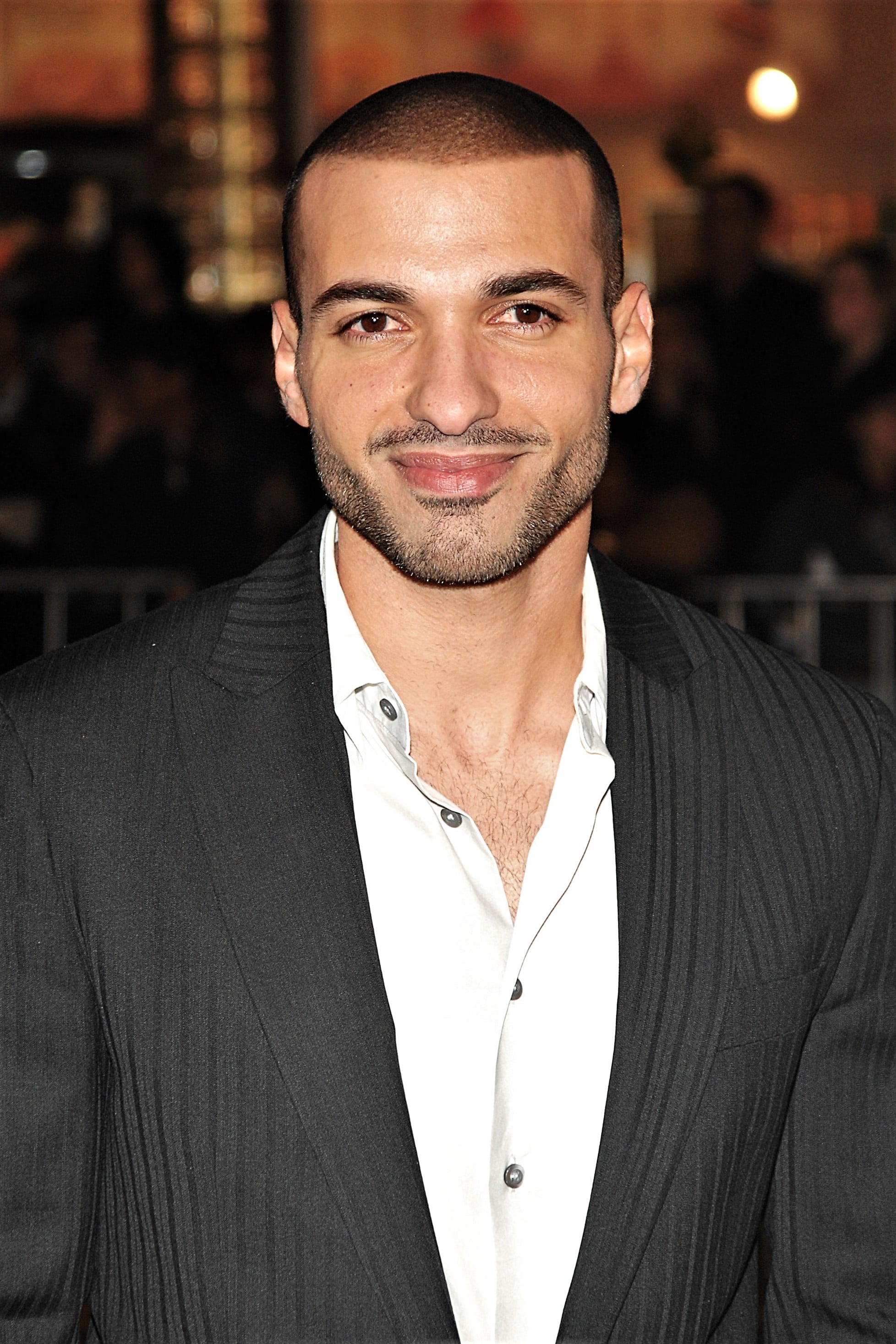
Haaz Sleiman has discussed the challenges of working in projects that intersect with Middle Eastern political sensitivities regarding sexuality. He has made choices to distance himself from roles or productions that do not respect the nuance of his identity and heritage. The actor often advocates for better representation while navigating the complex politics of international film distribution. His decisions to withdraw or decline certain opportunities are rooted in a desire to promote visibility and safety for others in the community. This principled approach has made him a significant figure in the conversation about global human rights in cinema.
Elliot Page
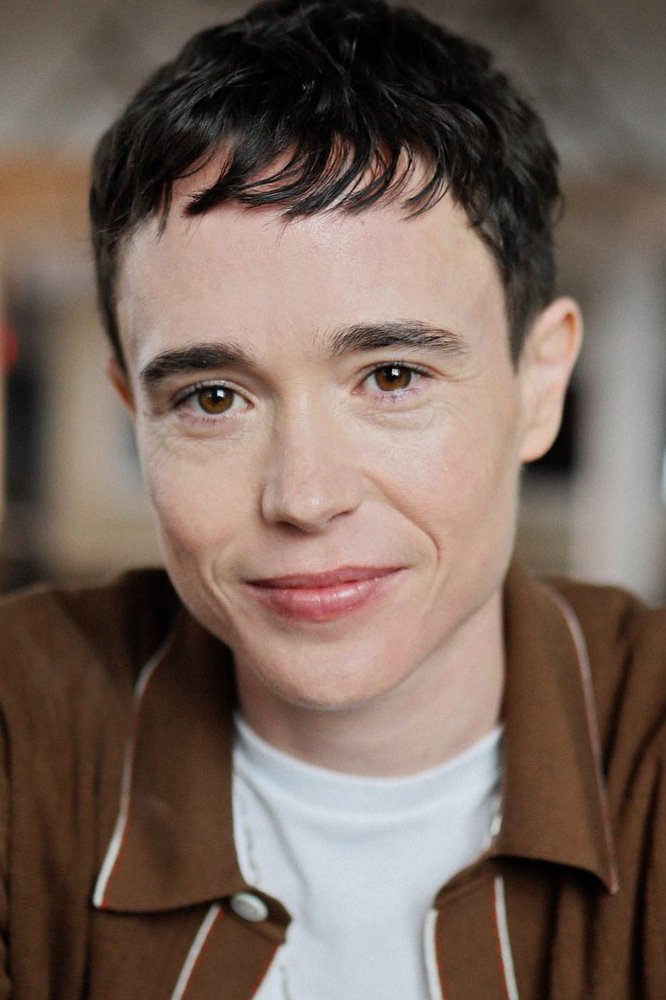
Elliot Page stepped away from several projects during his transition to ensure his roles aligned with his political advocacy for the transgender community. He withdrew from the film ‘The 13th Step’ after expressing a need to focus on personal and political development. The actor has been vocal about the political necessity of authentic representation in the film industry. His choices reflect a commitment to prioritizing human rights and personal truth over commercial success. These actions have made him a leading figure in the fight for LGBTQ+ visibility in Hollywood.
Rupert Everett
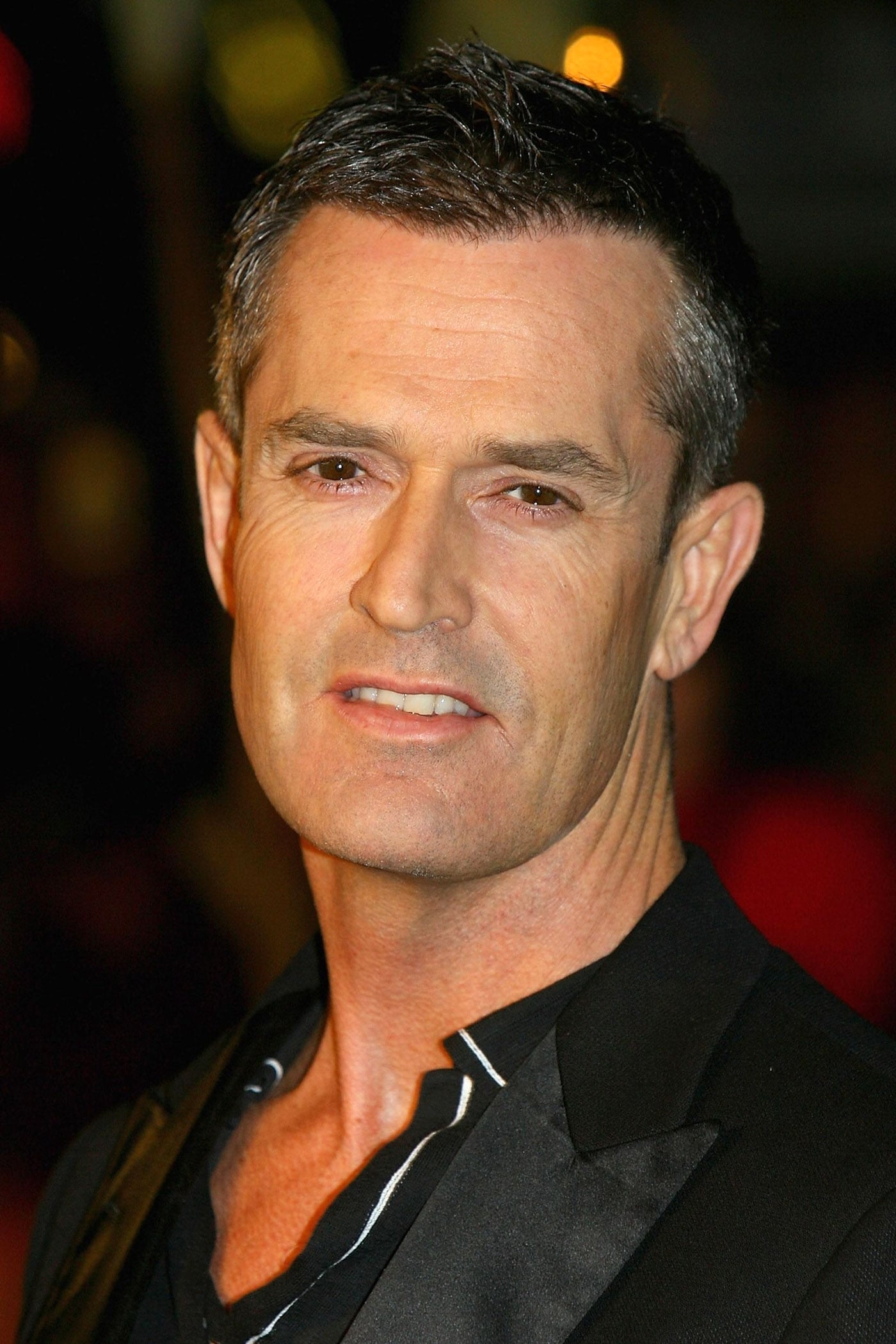
Rupert Everett experienced a significant decline in movie offers after he became one of the first high profile actors to come out. He has stated that his career suffered because of the political climate in Hollywood during the nineteen nineties. The actor eventually withdrew from the traditional studio system to work on independent projects that better reflected his values. He often speaks about the political barriers that gay actors face when trying to secure leading roles. His experiences highlight the systemic issues that influenced his departure from mainstream cinema.
George Takei
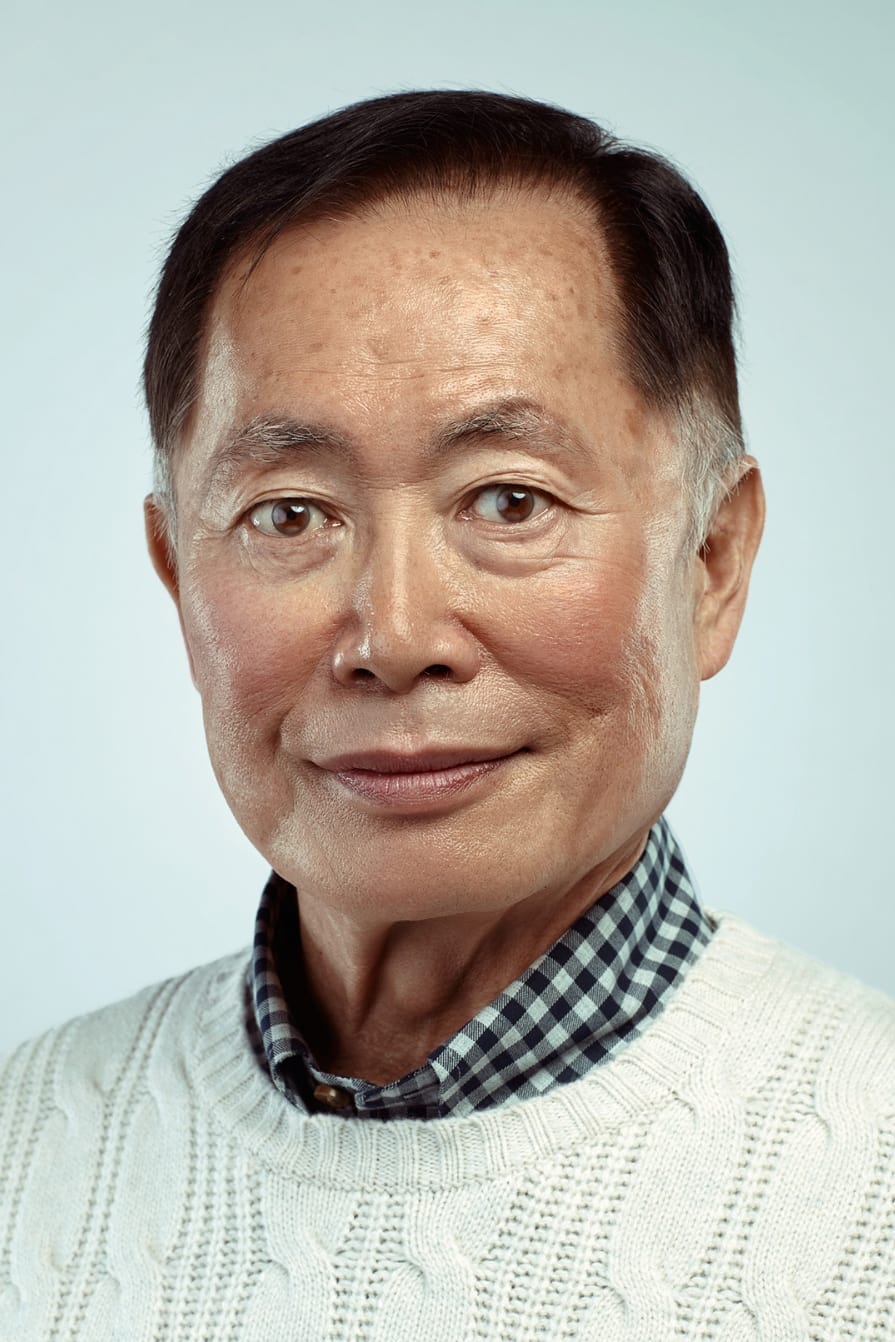
George Takei has frequently used his platform to boycott events and productions in states that pass discriminatory legislation. He famously called for a boycott of Arizona after the passing of a bill that allowed businesses to refuse service to LGBTQ+ individuals. The actor has chosen to align his professional appearances with his political advocacy for civil rights. He believes that actors must use their visibility to challenge political injustice even if it means sacrificing professional opportunities. His long history of activism has inspired many within the entertainment industry to take similar stands.
Stephen Fry
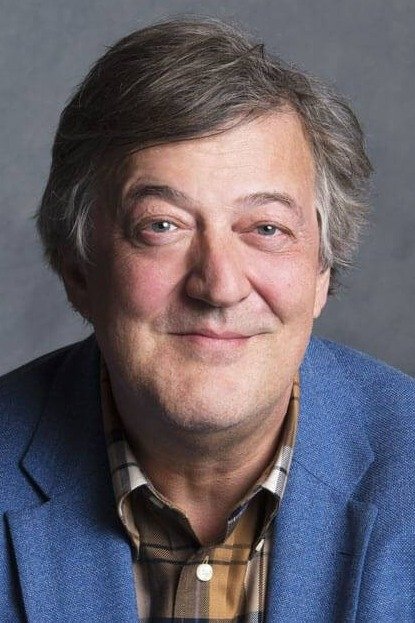
Stephen Fry has been a leading voice in boycotting international events held in countries with anti gay legislation. He specifically targeted the Sochi Winter Olympics and related promotional activities to draw attention to human rights abuses in Russia. The actor and writer has often stepped back from projects that he feels do not align with his commitment to global equality. He uses his intellectual influence to explain the political necessity of these withdrawals to a broad audience. His actions demonstrate how prominent figures can leverage their careers to affect political change.
Cynthia Nixon
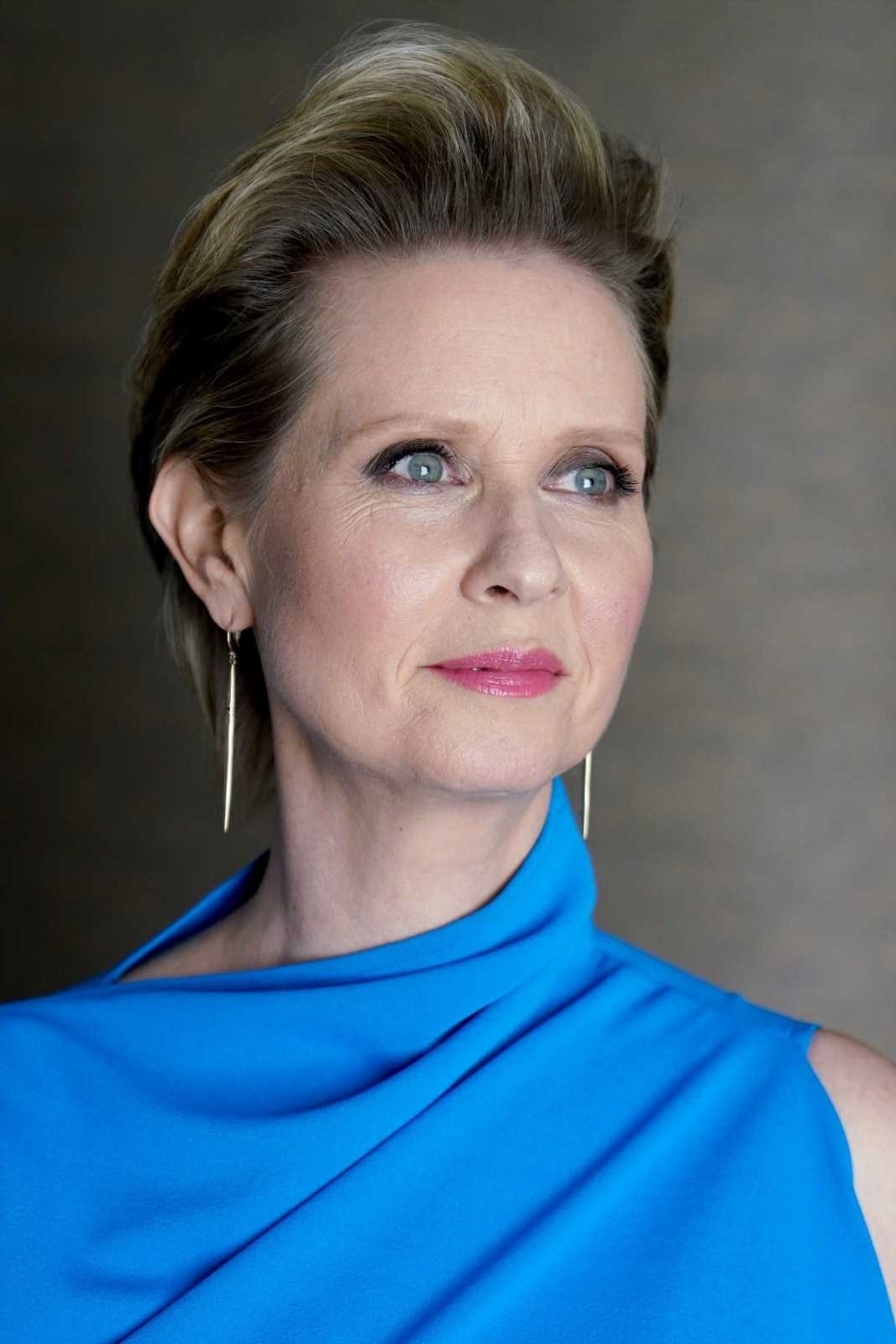
Cynthia Nixon largely withdrew from her primary acting career to pursue a political path and run for Governor of New York. Her decision was driven by a desire to address systemic issues and advocate for marginalized communities from within the government. She chose to prioritize legislative change over the roles that defined her early success in television and film. This transition marked a significant shift from being a performer to becoming a direct political agent. Her work continues to bridge the gap between entertainment and serious political advocacy.
BD Wong
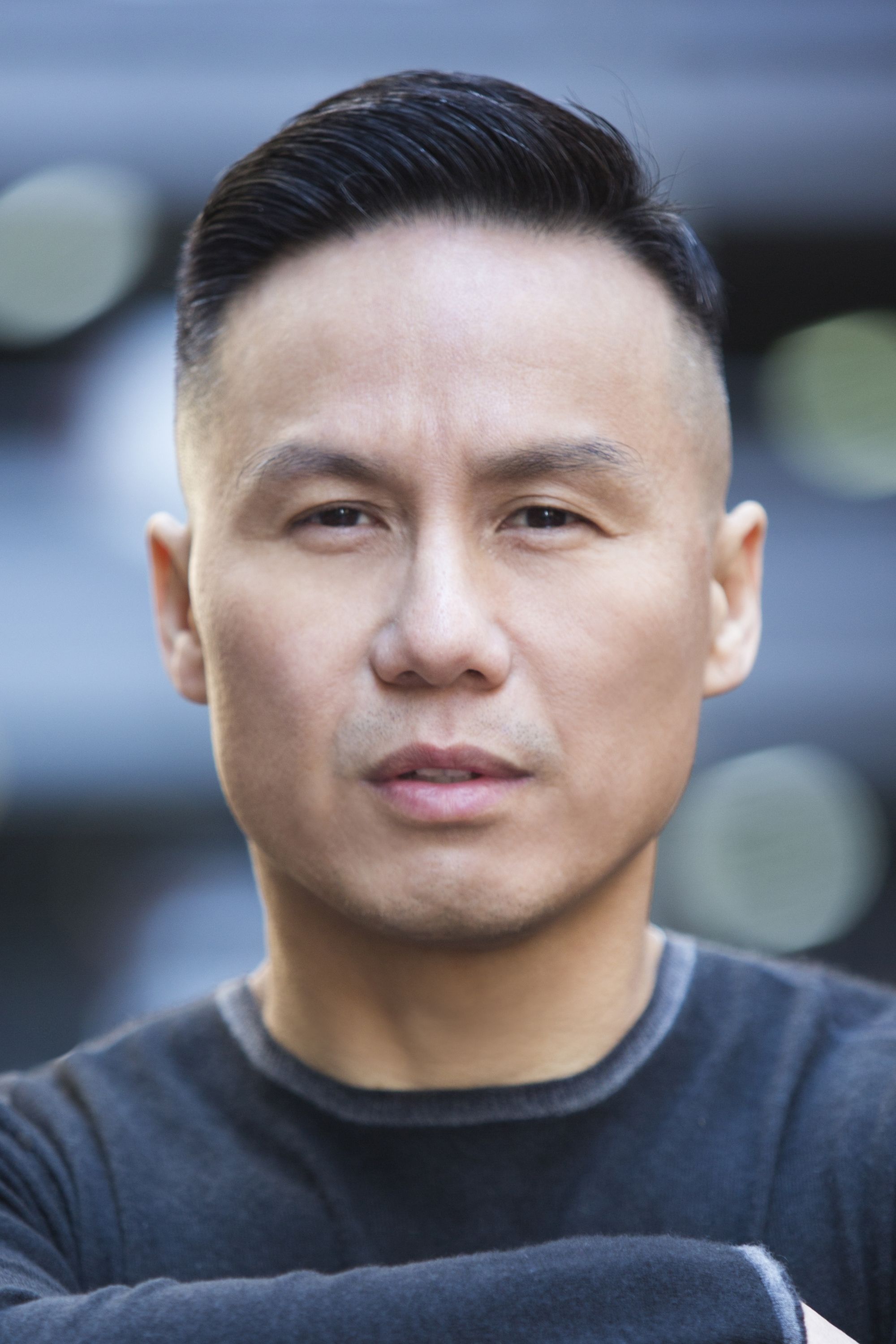
BD Wong took a famous political stand during the casting of the musical ‘Miss Saigon’ when a white actor was cast in an Asian role. He withdrew his support for certain industry practices and petitioned Actors Equity to address the issue of yellowface. This political advocacy caused significant friction between the actor and major production houses at the time. He has since focused on roles that challenge political and social norms regarding ethnicity and sexuality. His courage to stand against industry giants paved the way for future generations of diverse performers.
Wilson Cruz
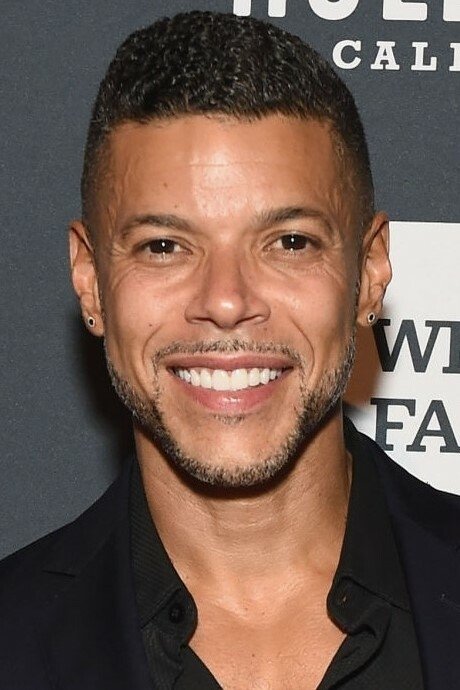
Wilson Cruz has consistently withdrawn from projects that he feels do not meet his standards for authentic and respectful representation. He views his career as an extension of his political activism and refuses to participate in roles that marginalize the LGBTQ+ community. The actor has been a tireless advocate for industry wide changes in how queer characters are written and cast. His willingness to walk away from work that contradicts his values has earned him immense respect in the advocacy world. He continues to push for political accountability in every production he joins.
Billy Porter
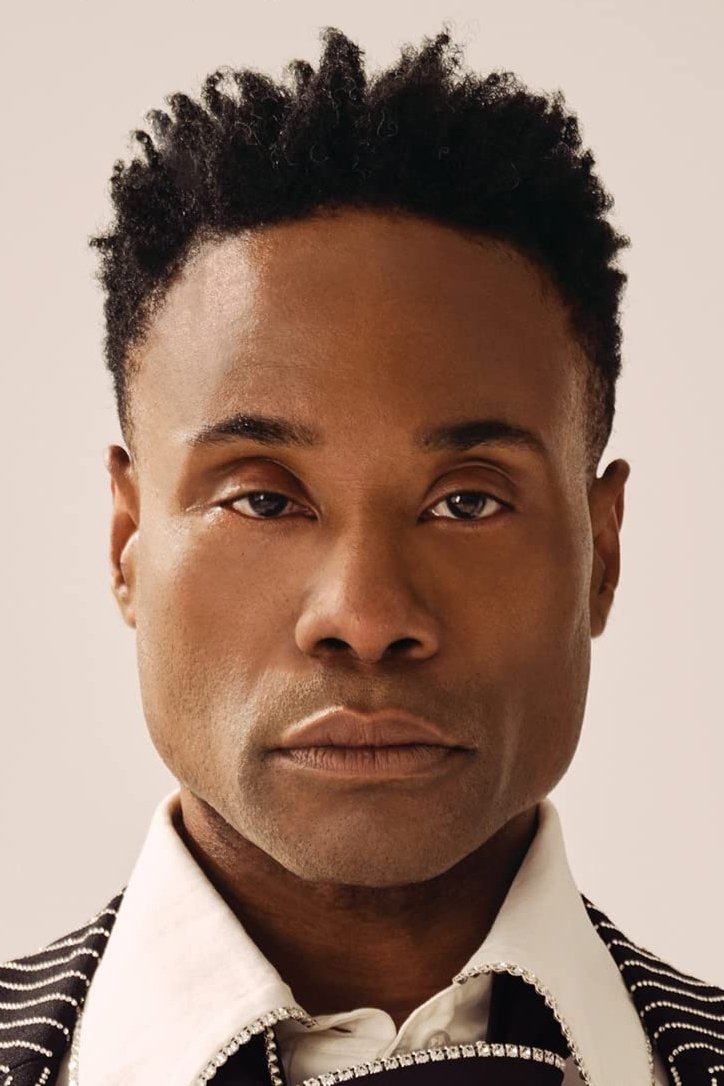
Billy Porter has utilized his immense fame to boycott events and organizations that do not support LGBTQ+ rights. He often makes political statements through his public appearances and has declined to participate in projects that lack diversity or inclusivity. The actor focuses on using his visibility to challenge the political status quo in Hollywood and beyond. His decisions to withdraw from traditional industry norms have paved the way for more expressive and politically engaged art. He remains a powerful voice for social justice within the entertainment landscape.
Anthony Rapp
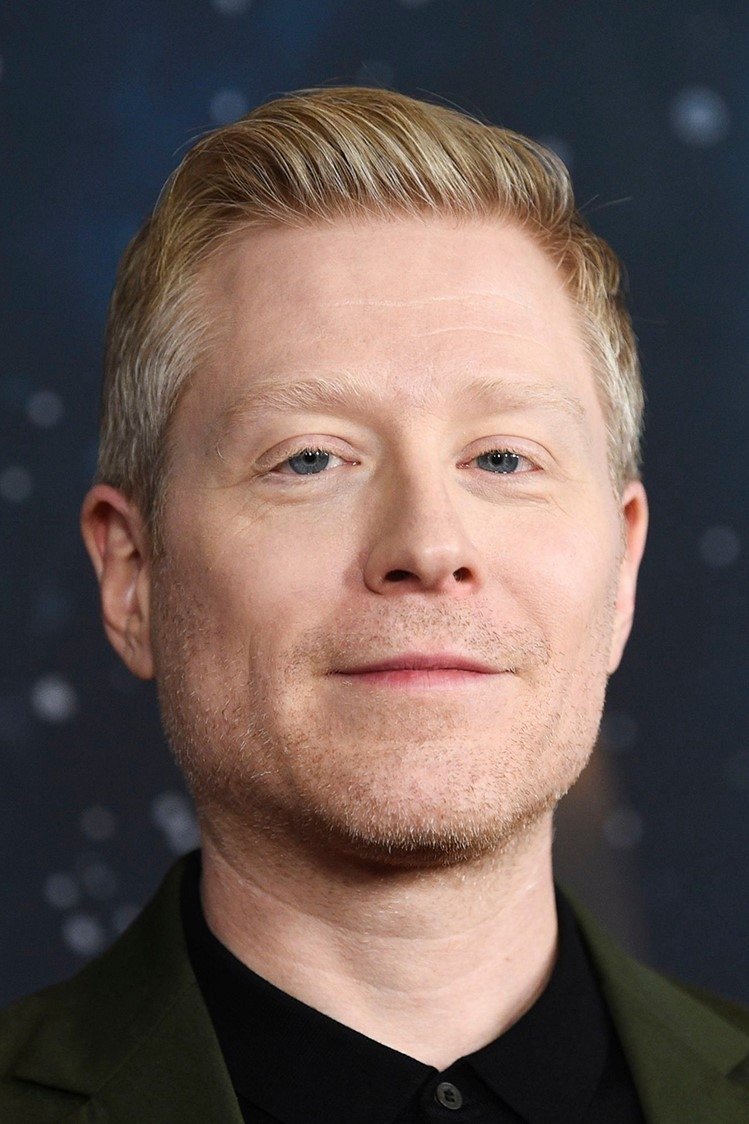
Anthony Rapp stepped back from several major industry engagements to focus on legal and political battles for accountability in Hollywood. His decision to come forward with allegations against powerful figures was a political act intended to change the culture of the industry. He prioritized the safety and well being of future performers over his own immediate career advancement. This withdrawal from the status quo helped ignite a global movement for justice within the film and theater communities. His bravery continues to influence how political and ethical issues are handled in entertainment.
Matt Bomer
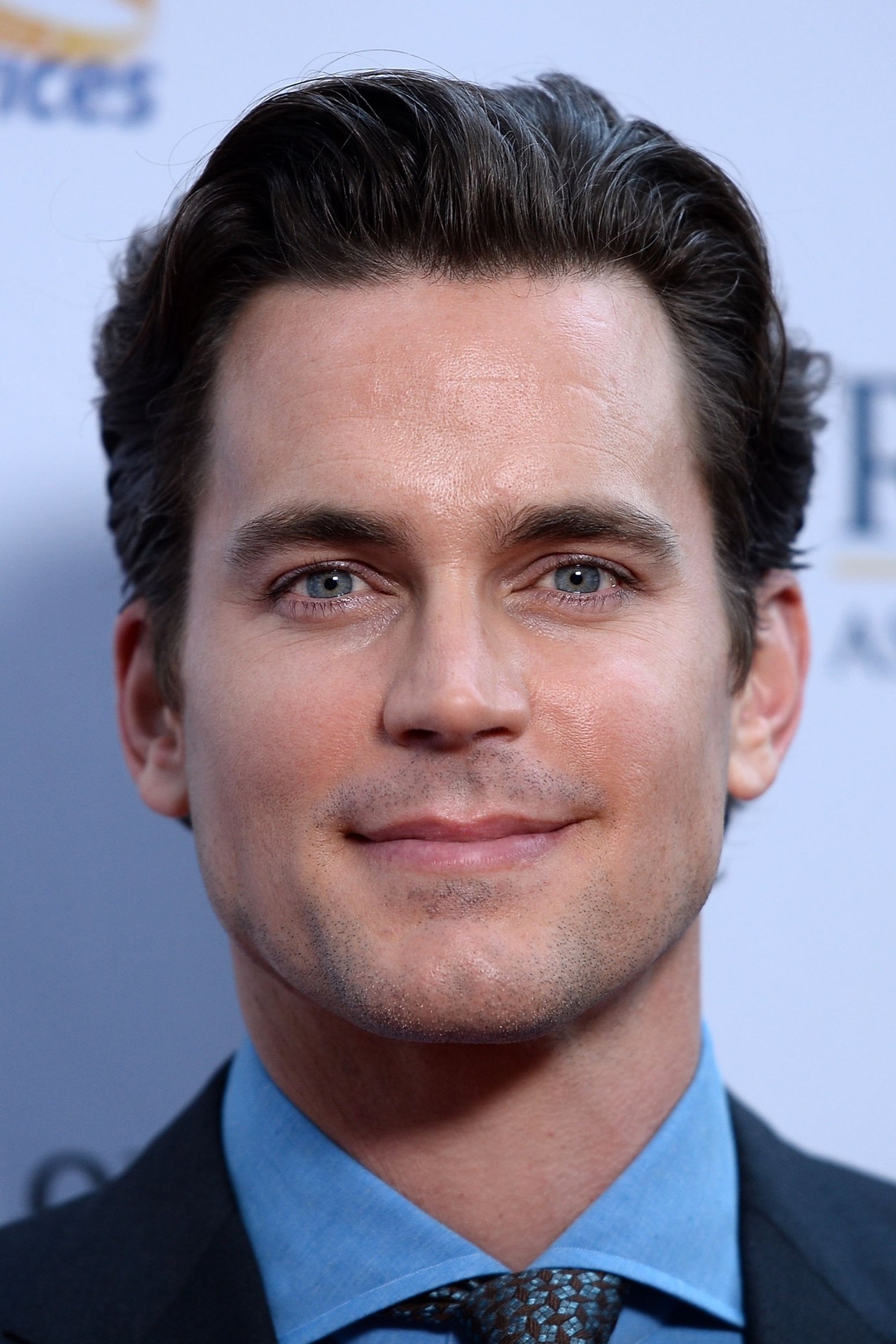
Matt Bomer has faced instances where industry politics regarding his sexuality allegedly cost him major roles such as Superman. While he did not always choose to withdraw the systemic political pressure forced a shift in his career trajectory. He has since focused on projects that allow him to explore queer identity and political history with more freedom. The actor remains an advocate for transparency and fairness in the casting of LGBTQ+ performers for all types of roles. His journey highlights the invisible political barriers that still exist in major studio systems.
Billy Eichner
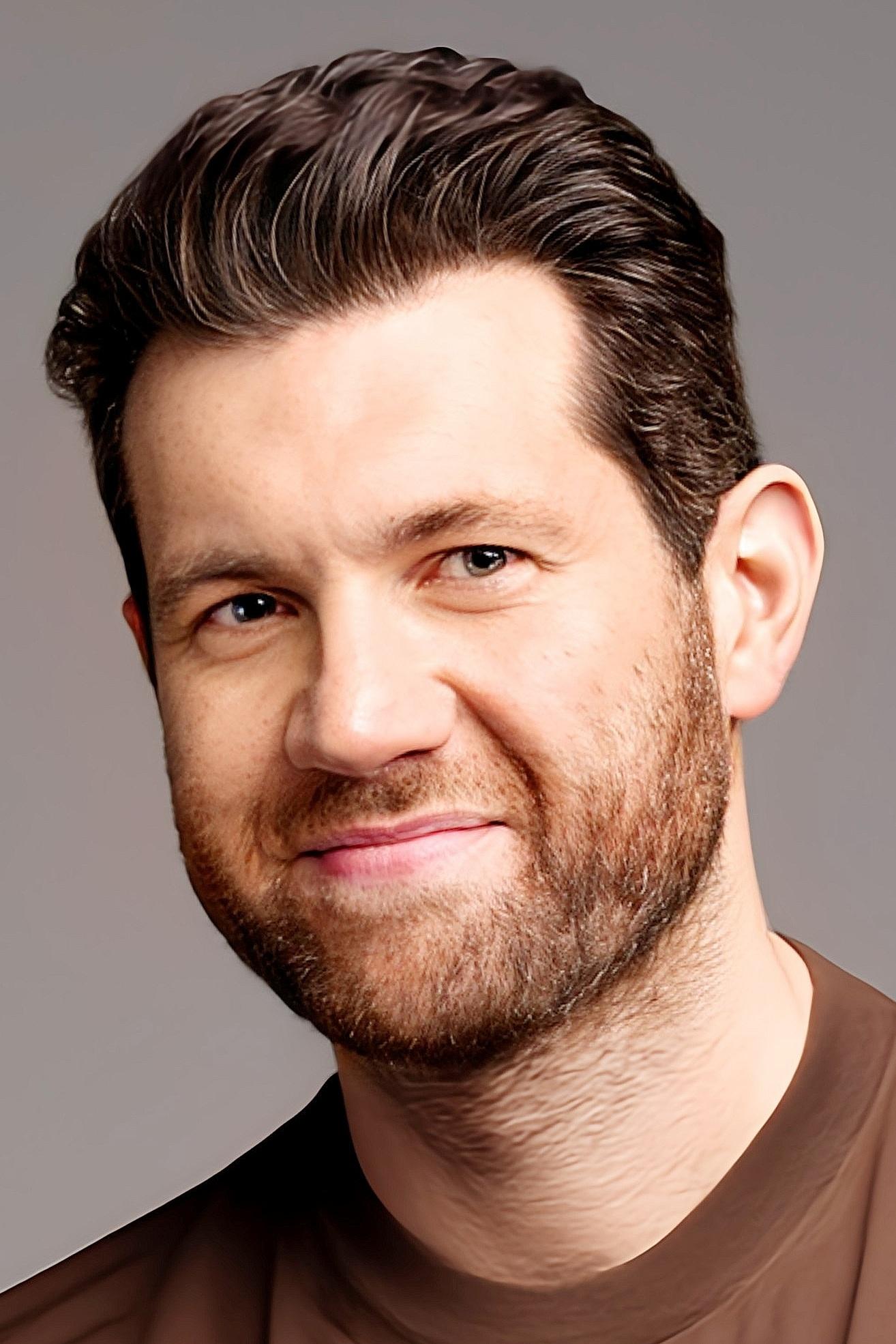
Billy Eichner has spoken about withdrawing from traditional studio constraints to create work that is unapologetically political and queer. He chose to forge his own path with projects like ‘Bros’ to ensure that LGBTQ+ stories are told by members of the community. This move away from standard industry expectations was a calculated political decision to improve representation. He continues to challenge the industry to put its political rhetoric into actual practice through casting and funding. His work is a testament to the power of taking a political stand through creative independence.
John Barrowman
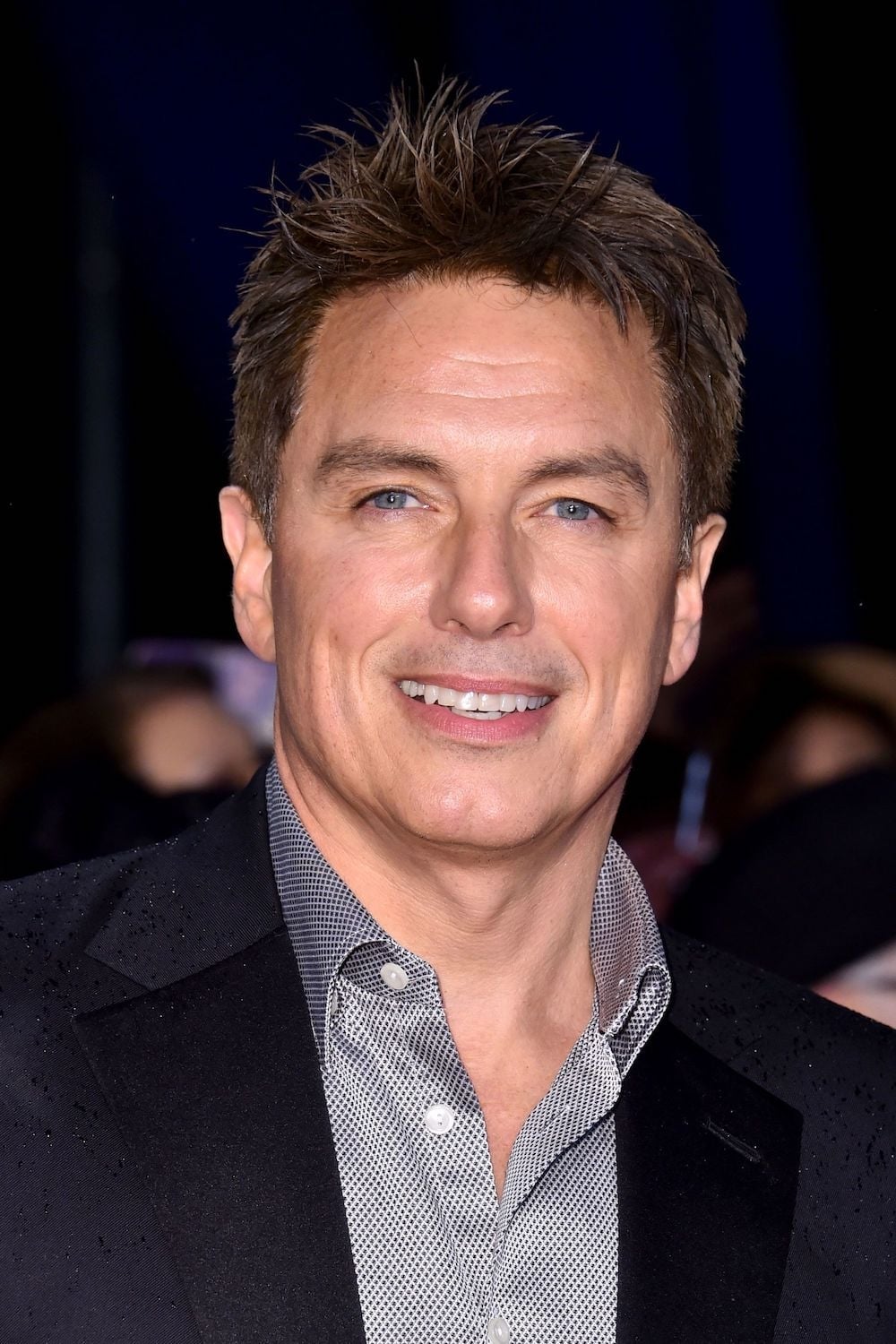
John Barrowman has experienced several instances where his public persona and political stances led to withdrawals from major franchises and events. He has been open about how the political climate of certain productions did not align with his personal values. The actor often chooses to focus on fan engagements and independent projects that celebrate diversity without compromise. His career reflects the complexities of being an out actor in large scale commercial productions. He remains a popular figure who is not afraid to speak his mind on political issues affecting the community.
Zachary Quinto
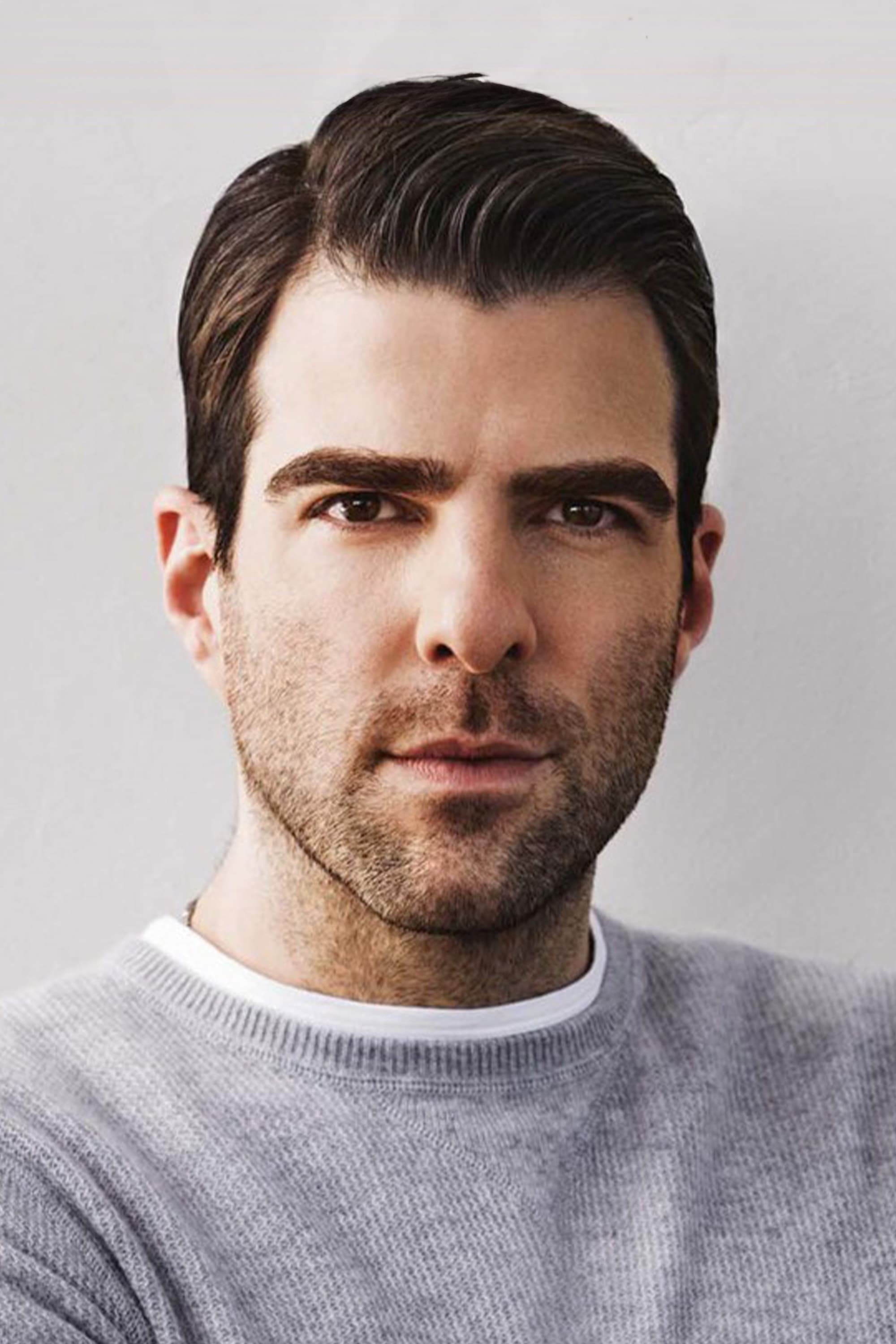
Zachary Quinto has often shifted his focus away from mainstream film roles to work on politically charged theater and independent projects. He uses his production company to support stories that have a strong social or political message. The actor believes that choosing the right projects is a form of political activism in its own right. He has been vocal about the need for Hollywood to move beyond its traditional political biases. His career choices demonstrate a commitment to using his fame for substantive social commentary.
Alan Cumming
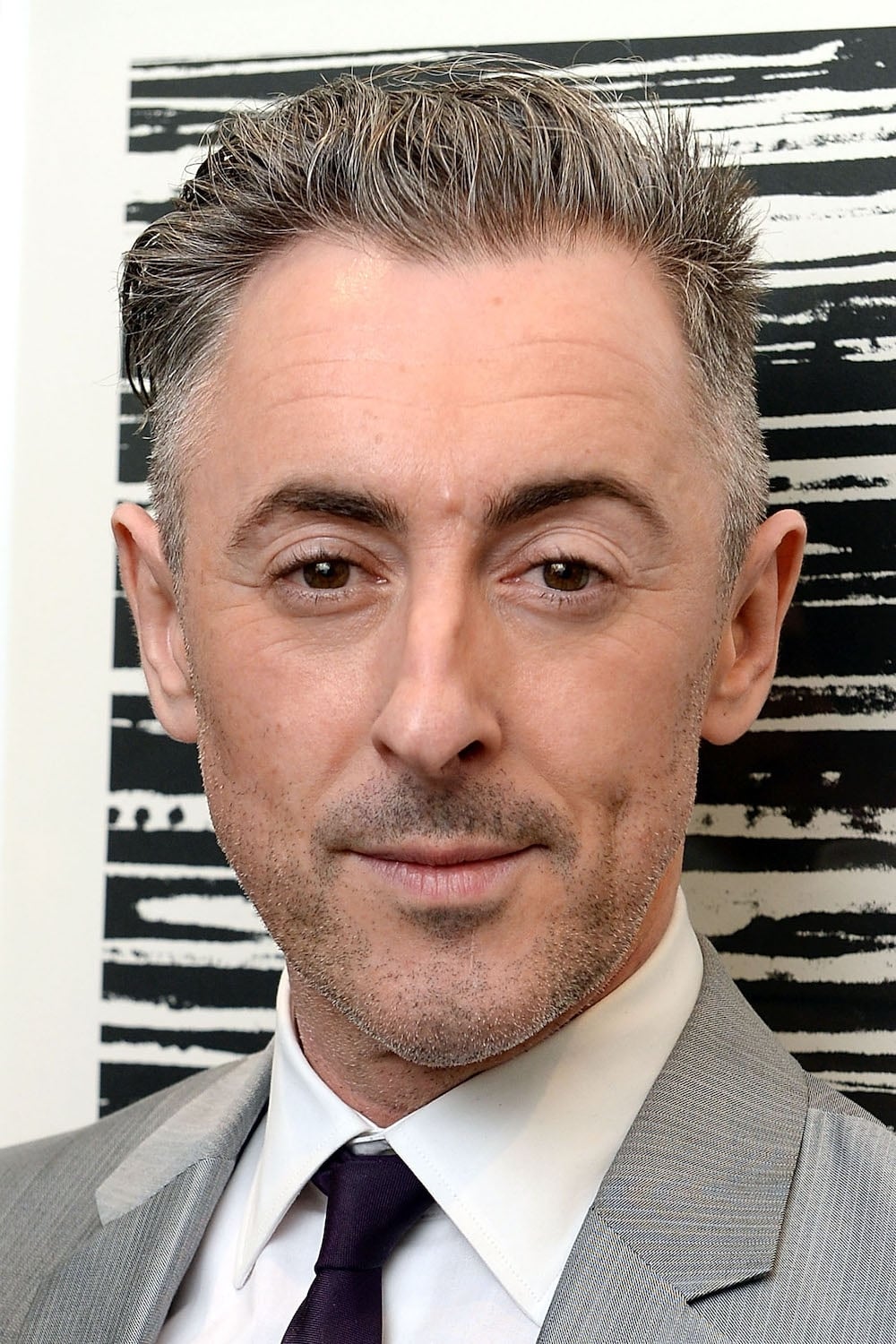
Alan Cumming made a significant political statement by returning his Officer of the Order of the British Empire medal. He withdrew his association with the honor to protest the historical and political implications of the British Empire. This action was a profound personal and political choice that resonated throughout the entertainment world. He continues to select roles and projects that reflect his progressive political views and advocacy for human rights. His career is defined by a refusal to separate his art from his political convictions.
Harvey Fierstein
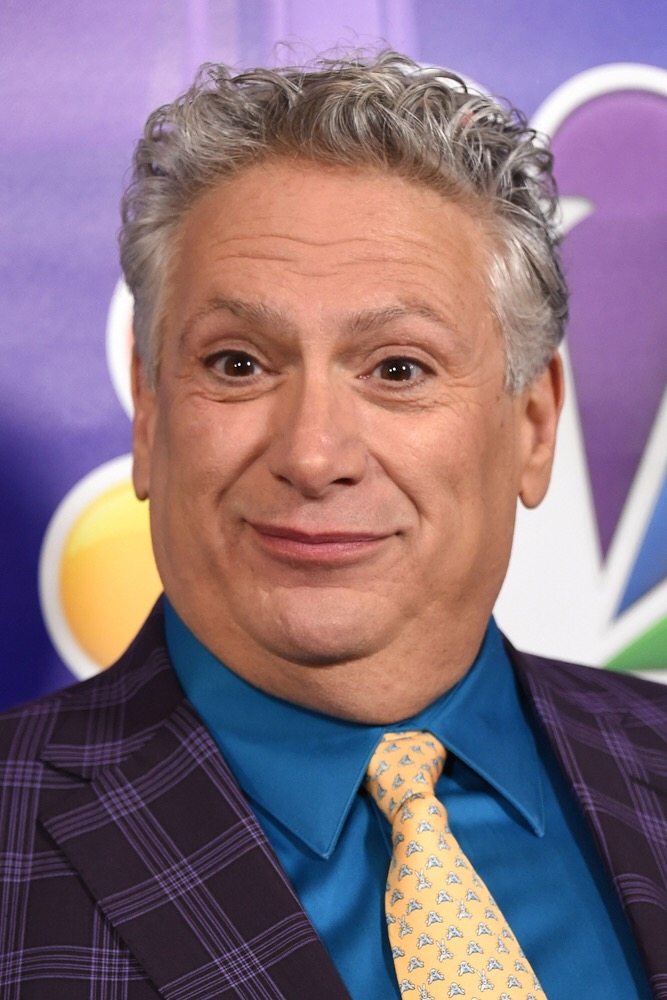
Harvey Fierstein has spent much of his career withdrawing from mainstream roles that he felt were offensive or reductive toward the gay community. He chose instead to write and perform in his own plays which carried heavy political and social weight. By creating his own opportunities he forced the industry to reckon with the political reality of gay lives. His influence on Broadway and film is rooted in this refusal to accept the political status quo of his era. He remains a legendary figure whose career was built on political and artistic defiance.
Denis O’Hare
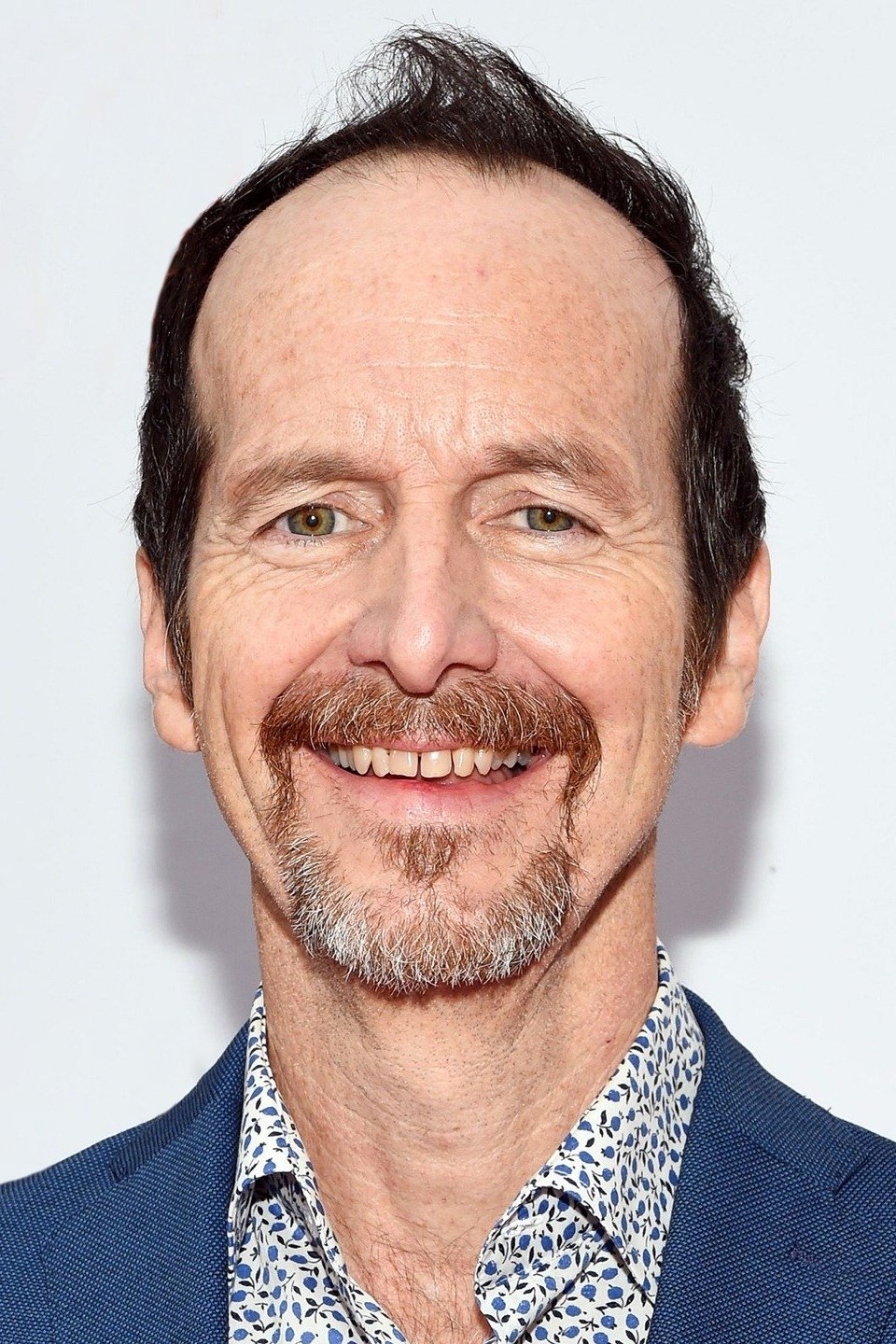
Denis O’Hare has often chosen to step away from more lucrative roles to focus on projects with historical or political significance. He is deeply involved in advocacy and uses his career to highlight issues of social justice and equality. The actor frequently participates in theater that challenges the political landscape of modern America. His commitment to his principles often leads him to prioritize smaller productions over major studio films. This dedication ensures that his work remains relevant to the ongoing fight for civil rights.
Luke Evans
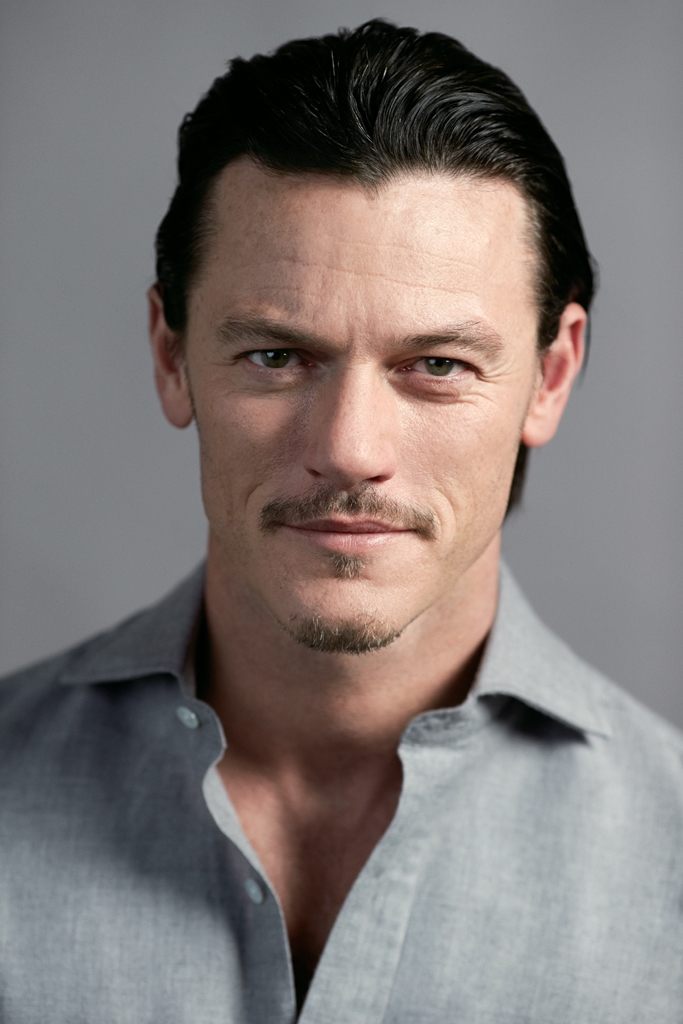
Luke Evans has navigated the pressures of Hollywood while maintaining a firm boundary between his private life and professional expectations. He has at times withdrawn from the intense scrutiny of the media to protect his personal and political autonomy. The actor supports various LGBTQ+ causes and has been careful to choose roles that do not undermine his values. His approach to his career is a subtle but firm political statement on the right to privacy and authenticity. He remains one of the most successful out actors in the action and drama genres.
Andrew Scott
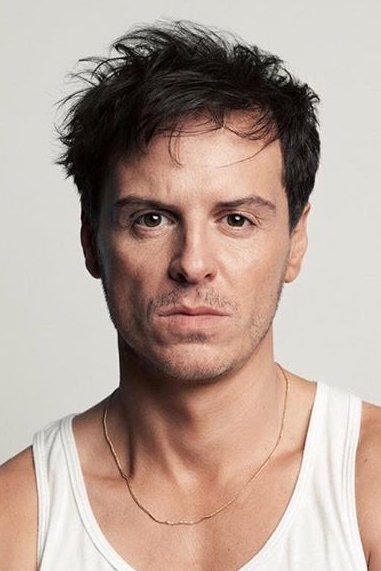
Andrew Scott has been deliberate in withdrawing from roles that rely on gay stereotypes or political clichés. He seeks out complex characters that challenge the audience’s political and social assumptions. The actor has spoken about the importance of gay performers being allowed to play a wide range of humanity without political pigeonholing. His choices are a form of advocacy for the intellectual and artistic freedom of LGBTQ+ actors. This principled stance has led him to some of the most acclaimed roles in recent film and television history.
Ben Whishaw
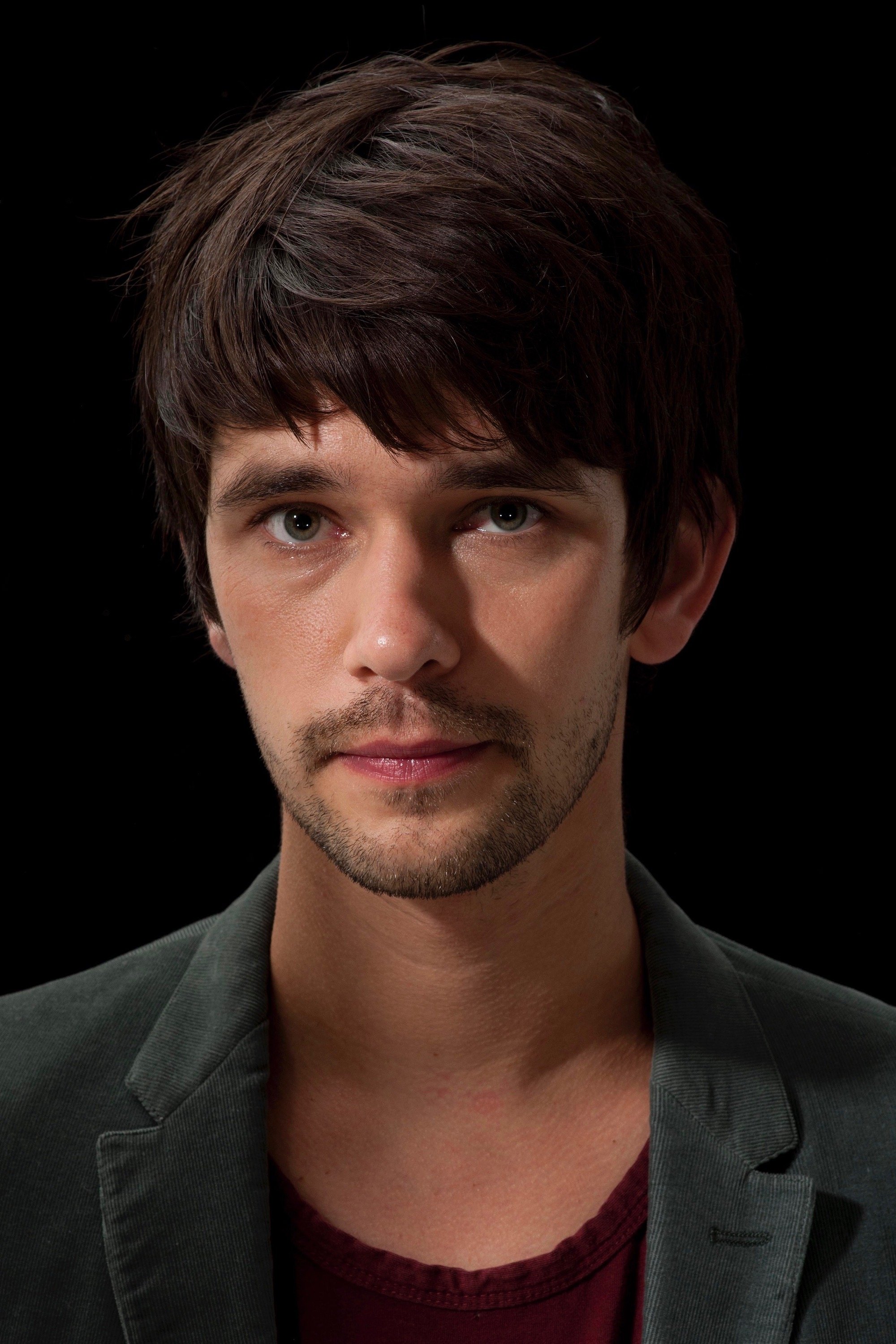
Ben Whishaw is known for his quiet but firm commitment to projects that possess artistic and political integrity. He has stepped back from the limelight on several occasions to focus on work that aligns with his views on authentic representation. The actor often advocates for the political necessity of queer voices in the creative process behind the scenes. His career reflects a desire to move beyond the traditional politics of fame and studio expectations. He remains a respected voice for artistic purity and social awareness in cinema.
Jesse Tyler Ferguson
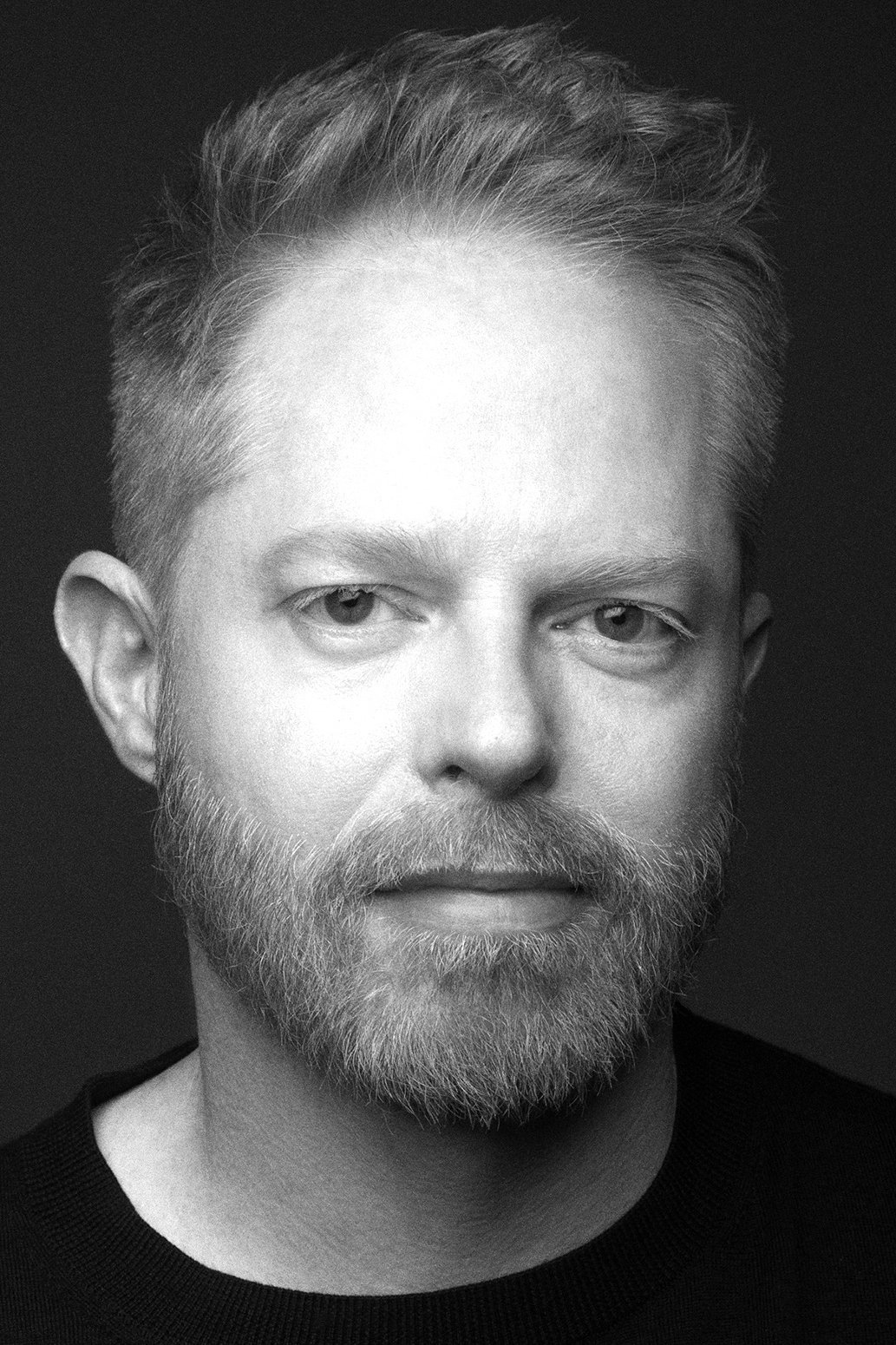
Jesse Tyler Ferguson has used his success in television to fund and support significant political advocacy for marriage equality. He has at times shifted his focus from screen acting to theater projects that have a strong social or political message. The actor believes that the visibility of gay performers is a political tool that must be used responsibly. He continues to work with various organizations to ensure that the industry remains politically engaged with LGBTQ+ issues. His career is a blend of popular entertainment and dedicated political activism.
Nathan Lane
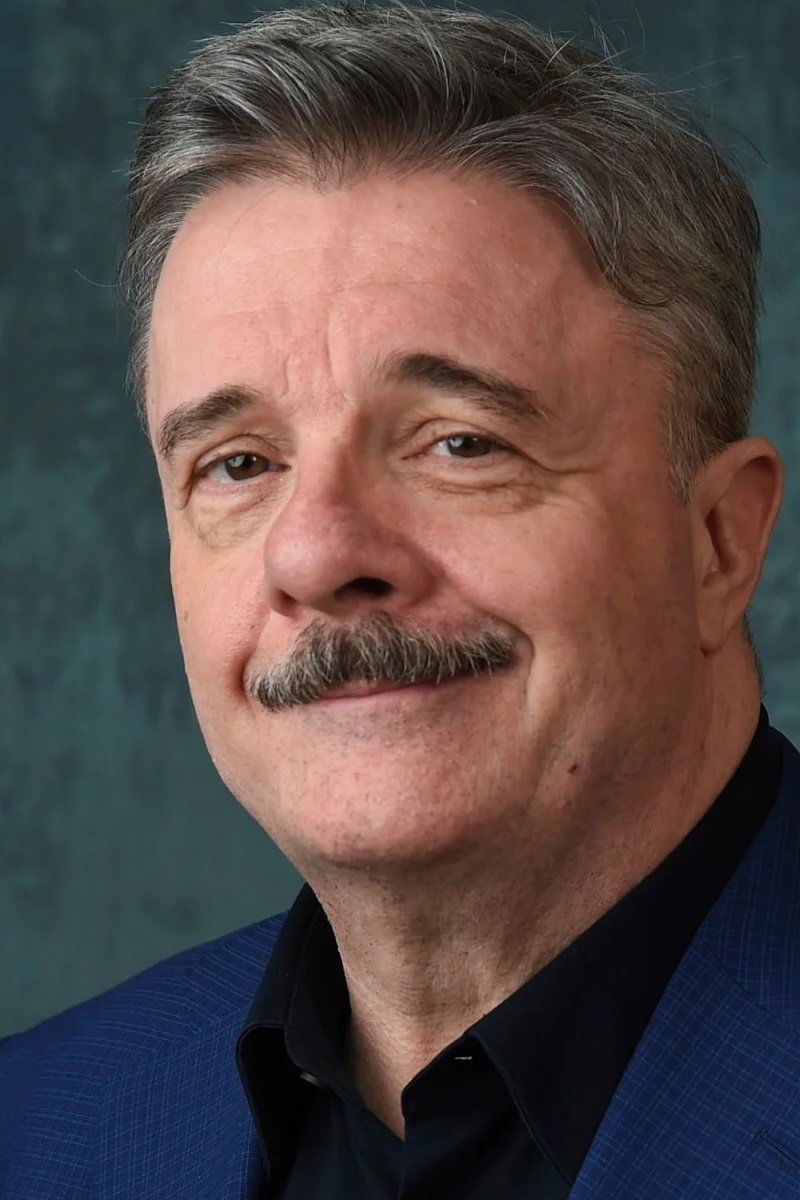
Nathan Lane has had a long career characterized by a commitment to roles that honor the political history of the LGBTQ+ community. He has often declined projects that he felt were disrespectful to the legacy of those who fought for equal rights. The actor uses his platform to educate audiences about the social and political struggles faced by past generations. His work in both comedy and drama often carries a subtext of political resistance and social commentary. He remains a cornerstone of the industry who values political truth above all else.
Tituss Burgess
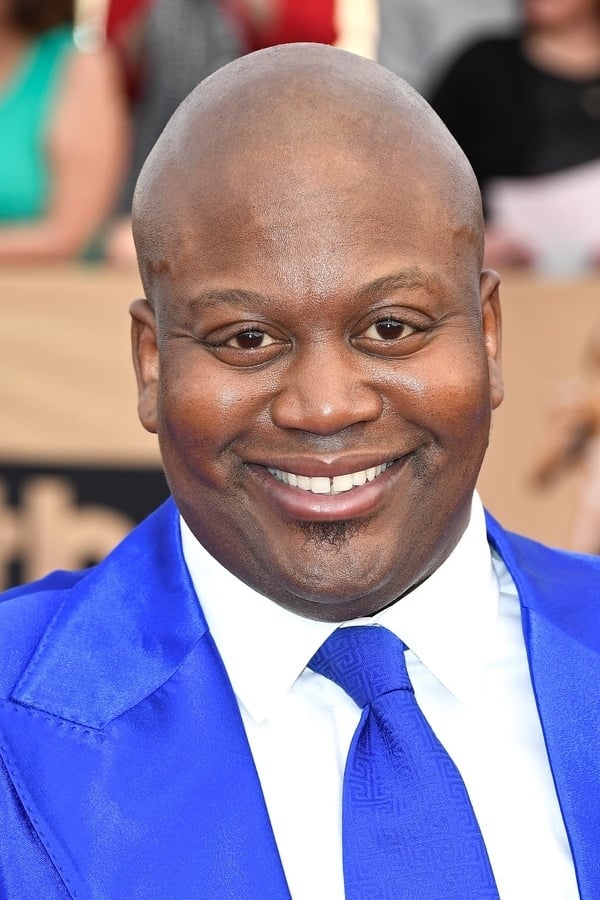
Tituss Burgess has been known to withdraw from public engagements and promotional events when he feels the political or social environment is disrespectful. He is vocal about his expectations for professional conduct and the treatment of marginalized performers. The actor uses his social media presence to hold industry figures accountable for their political and social stances. His willingness to speak truth to power has made him a formidable figure in the fight for equity. He continues to demand political and social respect in every facet of his career.
Andrew Rannells
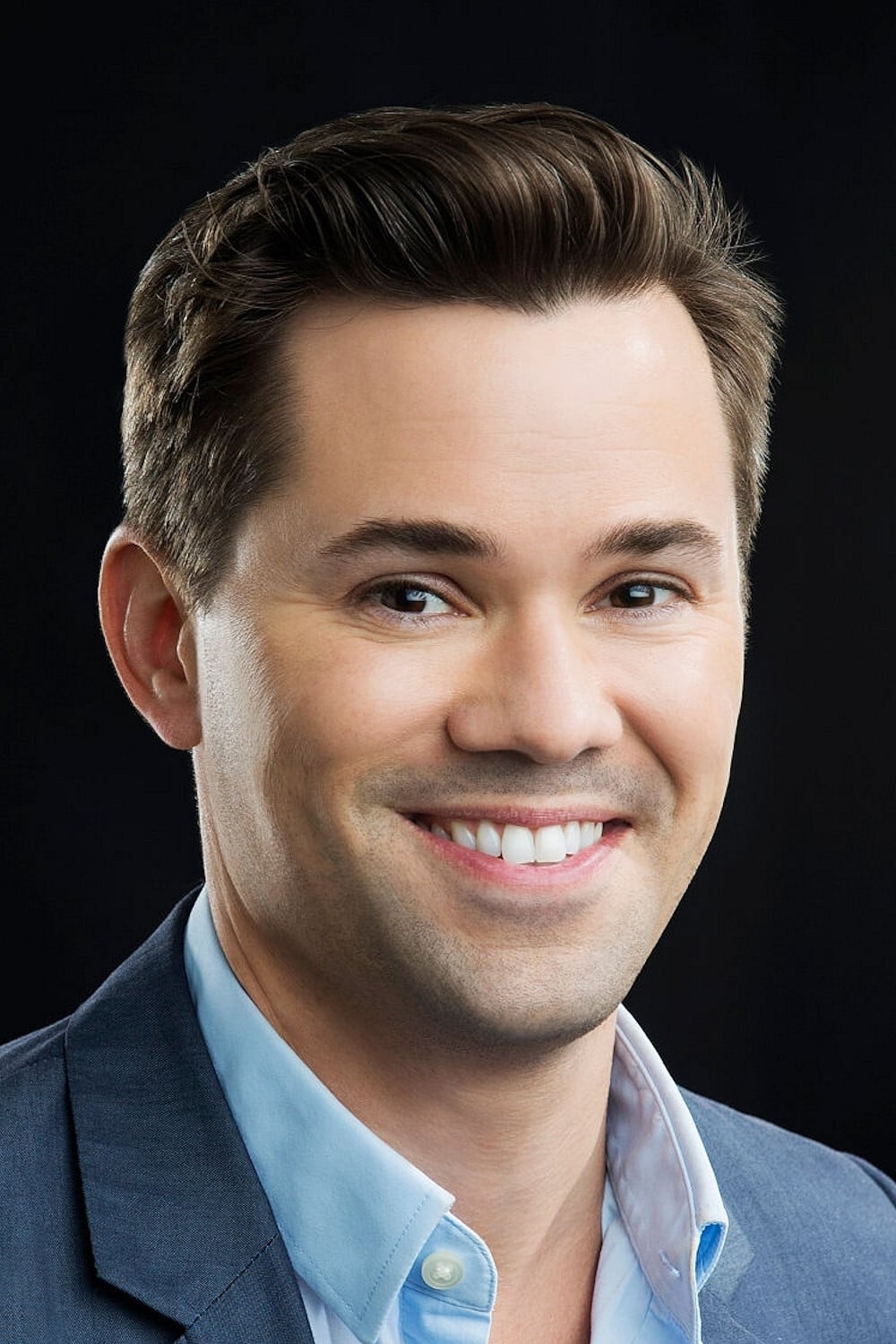
Andrew Rannells has moved away from roles that he feels are limited by narrow political perceptions of gay men. He has transitioned into writing and directing to have more control over the political narratives being produced. The actor advocates for the industry to recognize the diversity of experiences within the queer community. His career evolution is a response to the political barriers he encountered as a young performer in New York and Hollywood. He remains a key figure in modern efforts to broaden the scope of LGBTQ+ storytelling.
Michael Urie
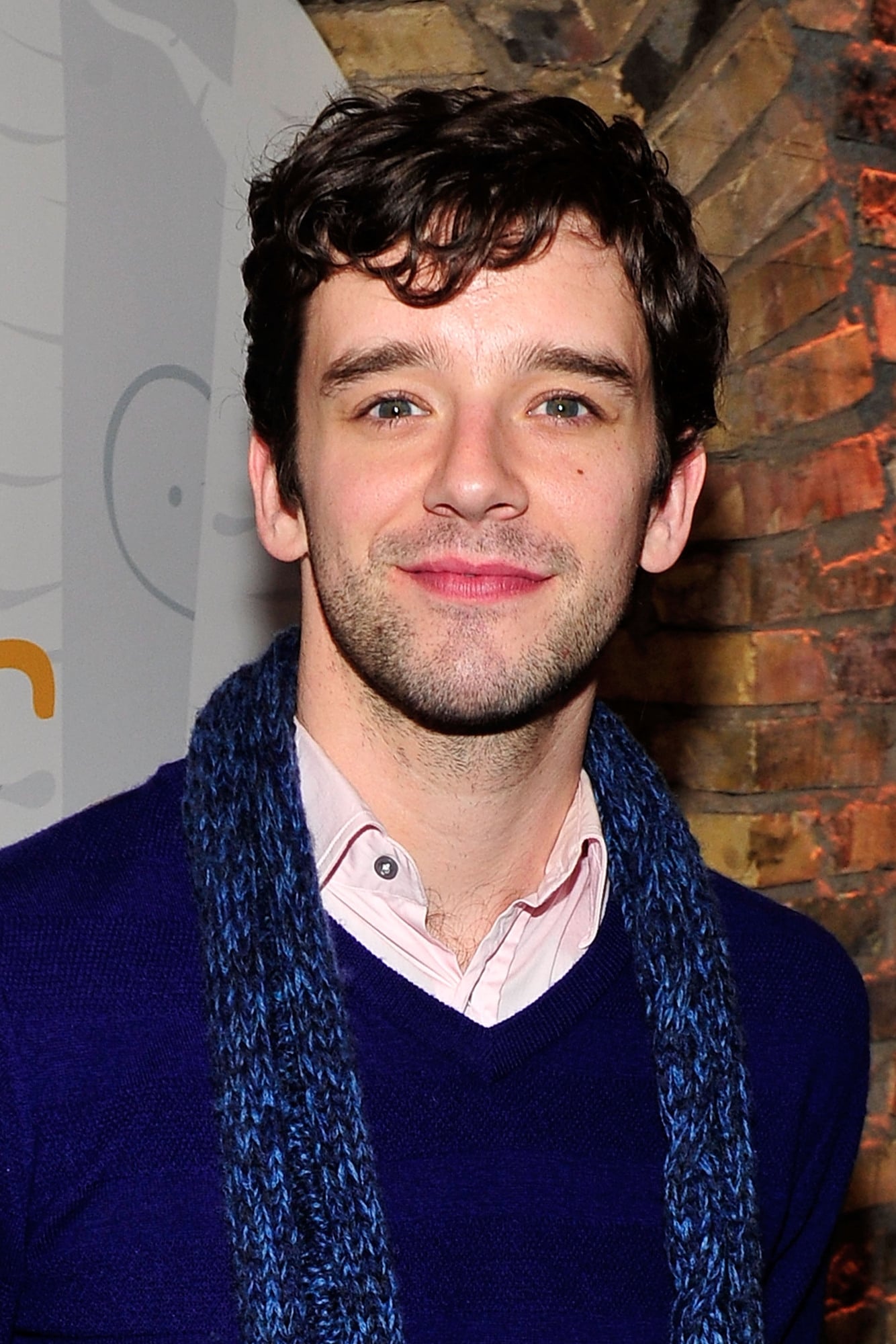
Michael Urie has often withdrawn from the traditional pilot season cycle to dedicate himself to queer political theater and independent film. He prioritizes projects that have a direct impact on the community and its political visibility. The actor is a strong supporter of the arts as a vehicle for social change and political education. He frequently collaborates with other gay artists to produce work that challenges the status quo. His career path demonstrates a commitment to community and political advocacy over mainstream commercialism.
Jonathan Groff
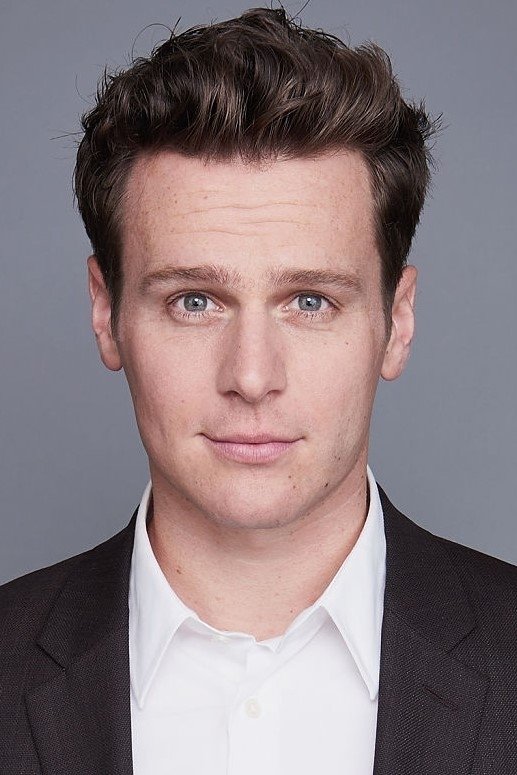
Jonathan Groff has balanced major commercial success with a consistent return to theater projects that explore political and social themes. He has at times stepped away from television opportunities to focus on stage work that he finds more politically fulfilling. The actor is known for his advocacy and for being an authentic voice for the LGBTQ+ community in high profile roles. His career choices reflect a deep understanding of the political power of representation in all forms of media. He continues to be a leading example of how to navigate Hollywood with political integrity.
Russell Tovey
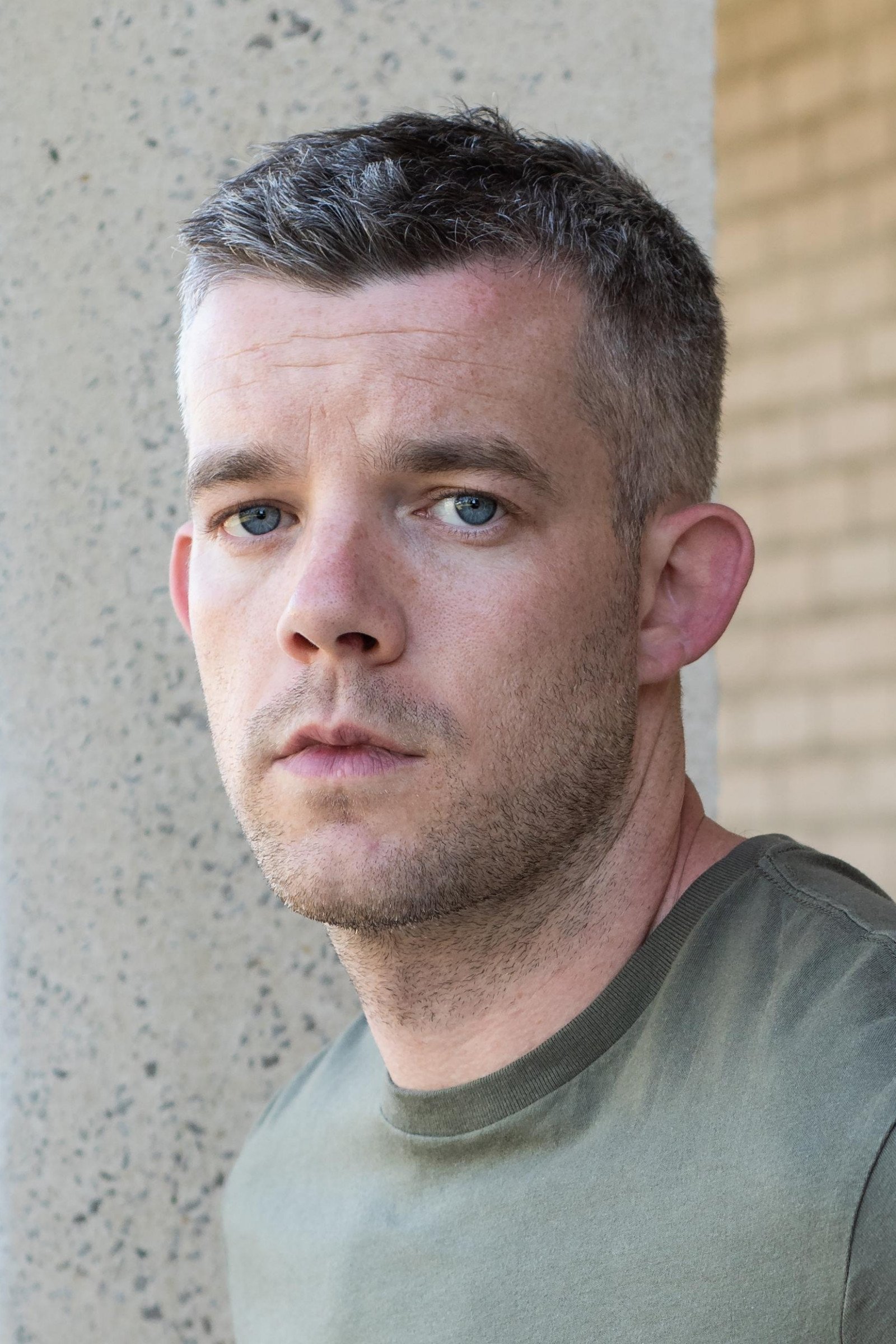
Russell Tovey has been an active participant in independent cinema that focuses on the political and social lives of gay men. He has chosen to lend his talent to smaller projects that might otherwise struggle for visibility due to their political themes. The actor is a vocal advocate for the importance of supporting queer art and history in the face of political opposition. He often uses his influence to highlight the work of other artists who are pushing political boundaries. His career is a reflection of his dedication to the political progress of the LGBTQ+ community.
Tell us what you think of these principled actors in the comments.

