


Great Movies That Deserved a Better Cast



Casting is one of the most critical elements of filmmaking that can determine whether a movie becomes a cinematic masterpiece or a missed opportunity. A perfect script and a visionary director often struggle to save a project when the lead actors fail to embody their characters convincingly. Audiences frequently notice when a performer lacks the necessary chemistry with co-stars or simply does not fit the physical and emotional description of the role. The following films had immense potential and high production values but suffered significantly due to specific casting choices.
‘The Godfather Part III’ (1990)
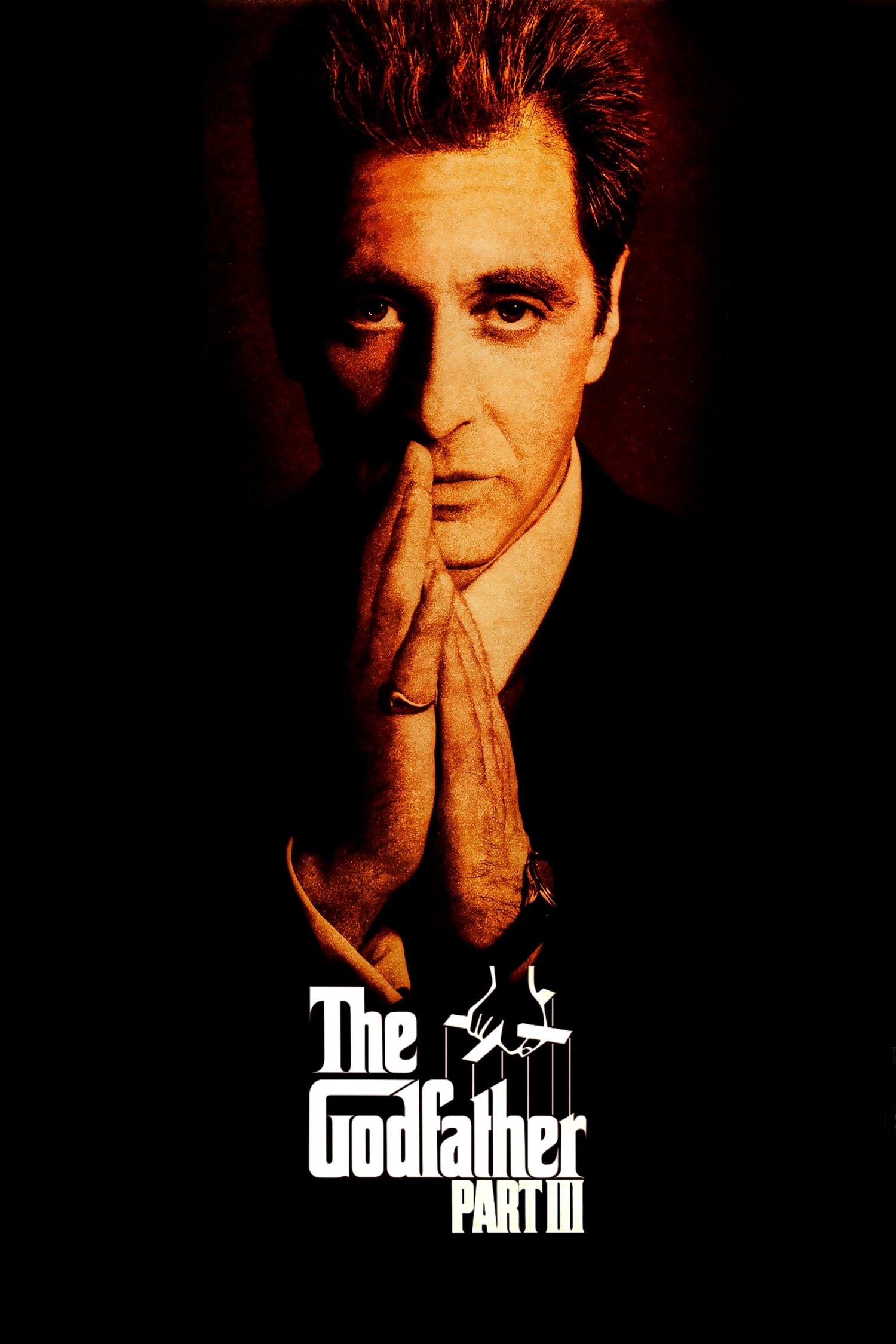
Francis Ford Coppola concluded his legendary mafia saga with a film that many fans found polarizing largely due to one specific role. Sofia Coppola was cast as Mary Corleone after Winona Ryder dropped out of the production due to exhaustion. Critics and audiences felt her inexperience was evident when sharing the screen with heavyweights like Al Pacino and Diane Keaton. The lack of emotional depth in her performance diminished the tragic impact of the film’s finale.
‘Bram Stoker”s Dracula’ (1992)
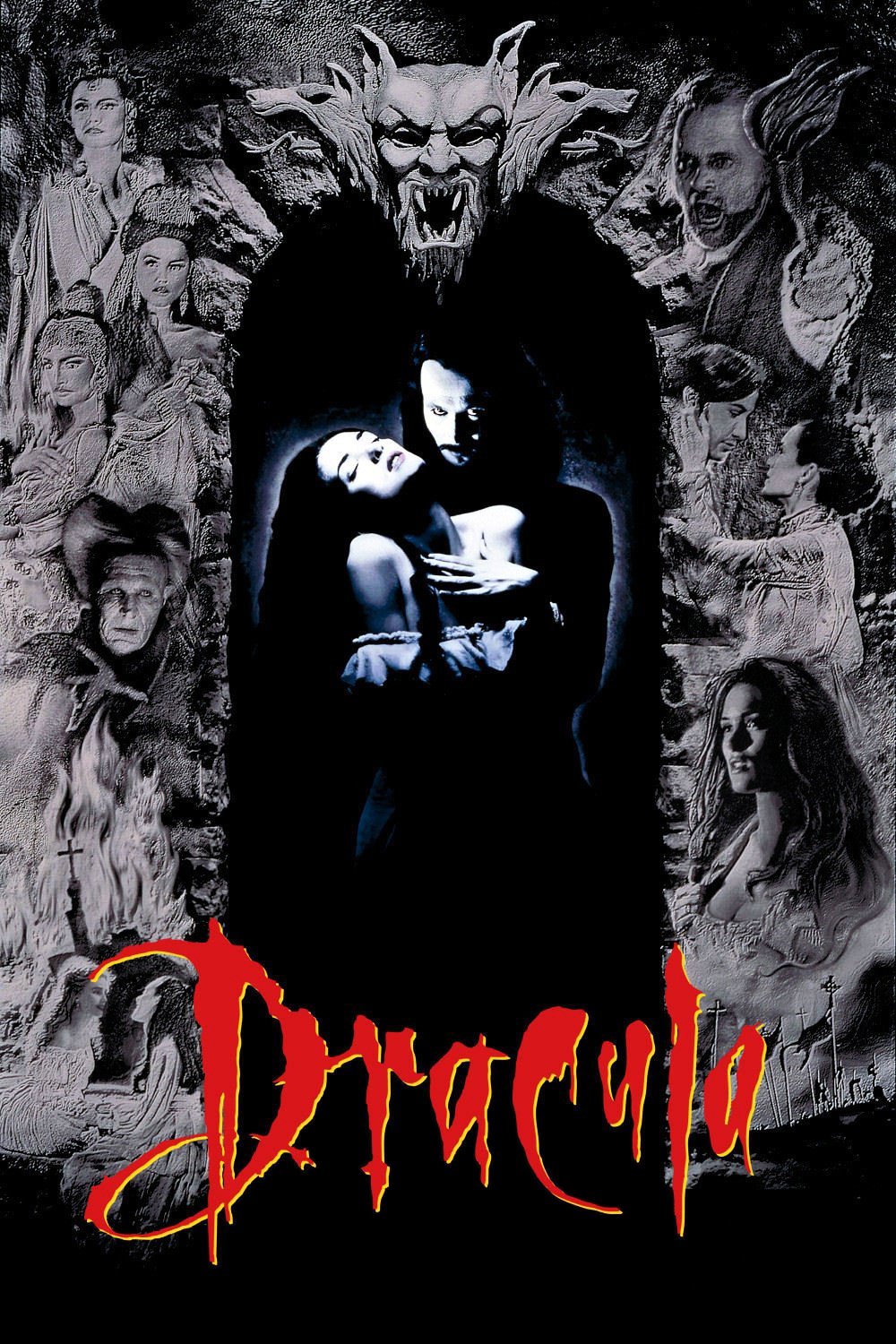
This gothic horror film featured stunning visuals and a powerful performance by Gary Oldman as the titular vampire. However, the casting of Keanu Reeves as Jonathan Harker drew widespread criticism regarding his attempt at an English accent. Viewers often found his delivery wooden and out of place amidst the theatrical performances of the rest of the cast. The film remains a visual spectacle that is frequently cited as having one glaring weak link in its ensemble.
‘Gangs of New York’ (2002)
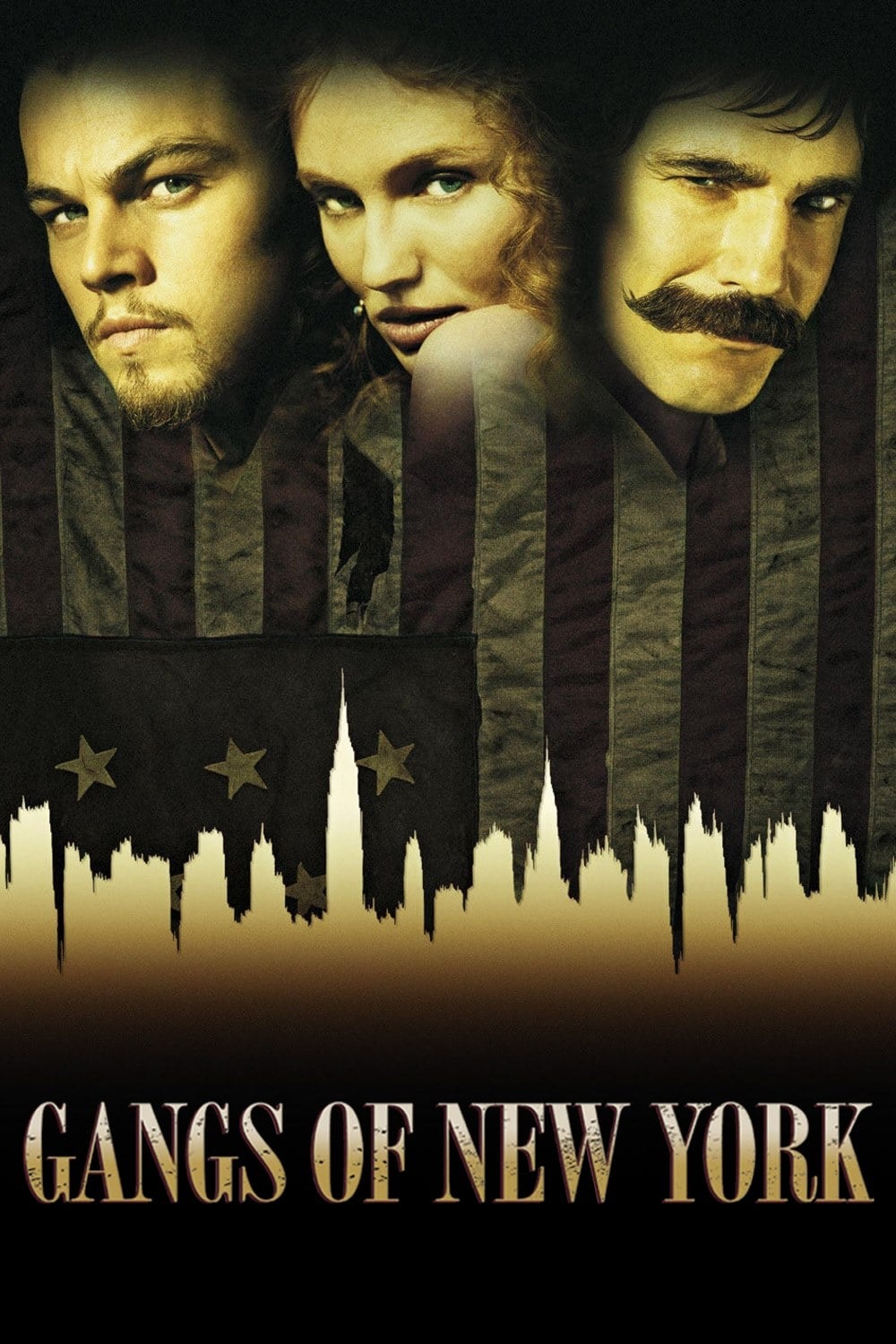
Martin Scorsese directed this visually arresting period piece about the violent history of New York City. While Daniel Day-Lewis delivered an iconic performance as Bill the Butcher, Cameron Diaz was widely considered miscast as Jenny Everdeane. Her chemistry with Leonardo DiCaprio felt lacking to many viewers and her accent work was inconsistent throughout the story. The grittiness of the film often clashed with her modern screen presence.
‘Robin Hood: Prince of Thieves’ (1991)
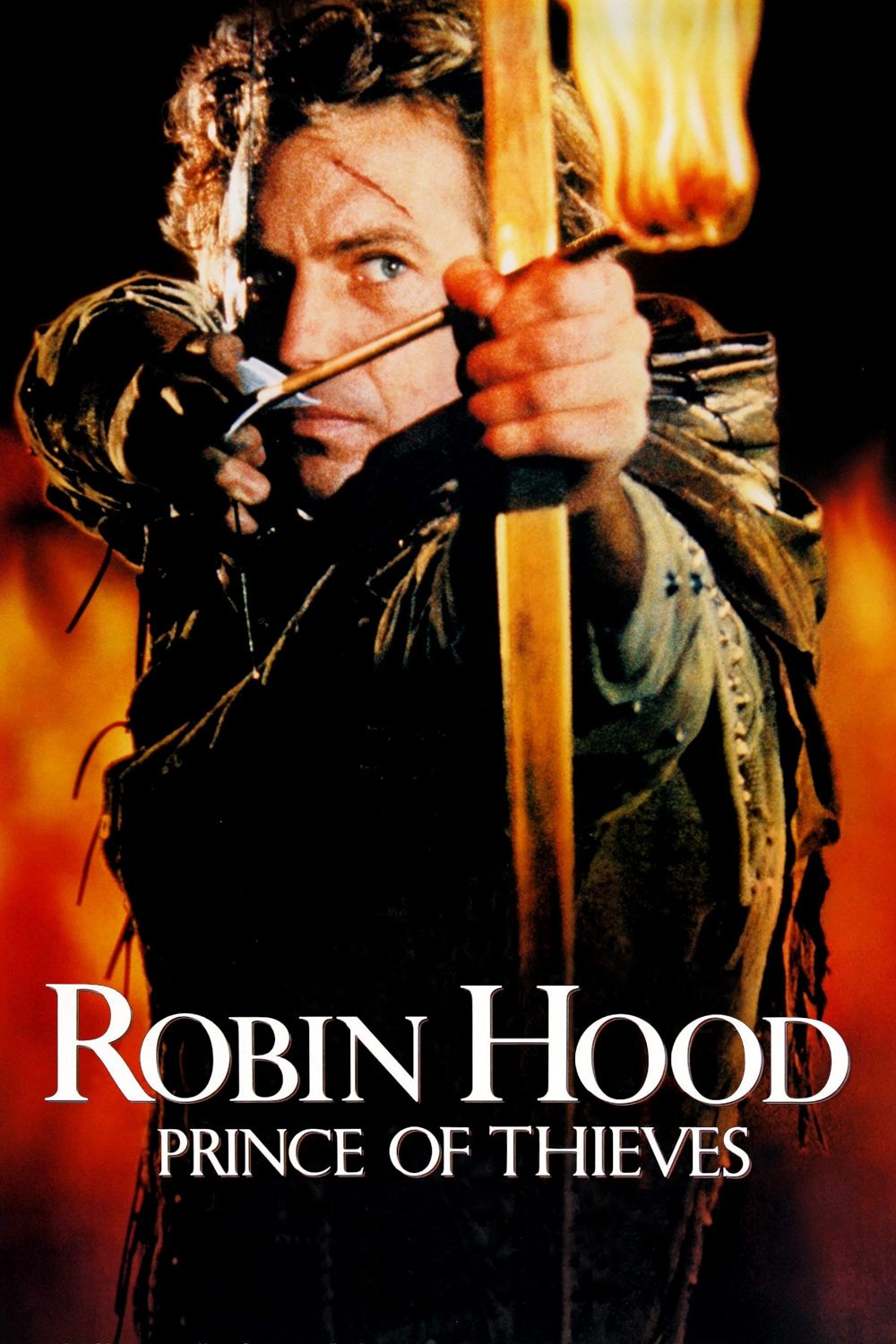
This adventure film became a massive box office success but is often remembered for the leading actor’s refusal to attempt a period-accurate accent. Kevin Costner played the English folk hero with a distinctly American voice that distracted from the medieval setting. Alan Rickman received praise for his villainous role which highlighted the disparity in performance quality between the antagonist and the protagonist. The movie remains a classic despite the leading role feeling disjointed from the rest of the cast.
‘Valerian and the City of a Thousand Planets’ (2017)
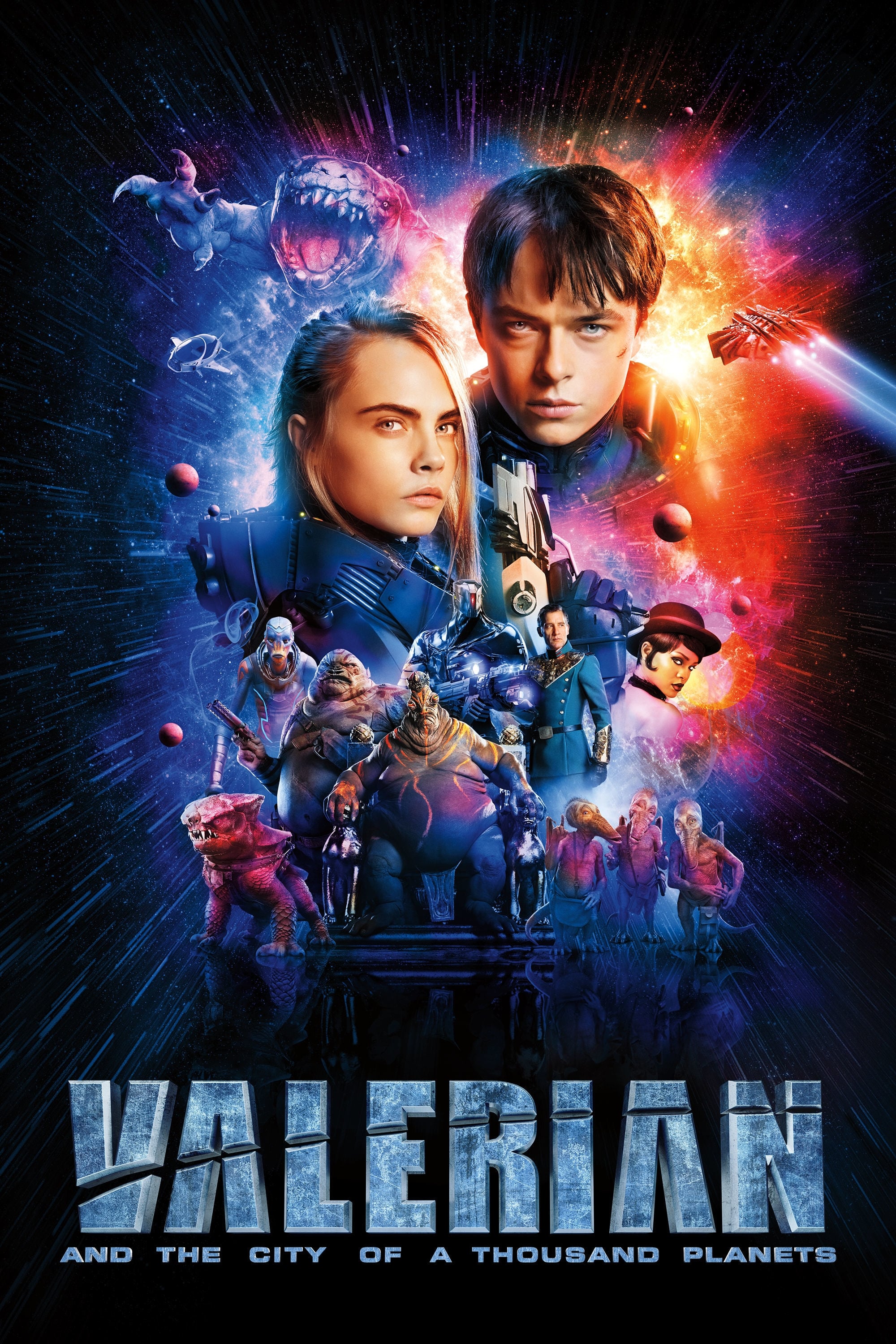
Luc Besson adapted this seminal French comic book into a visually breathtaking sci-fi epic. The film faltered significantly for many critics due to the casting of Dane DeHaan and Cara Delevingne as the seasoned space agents. Their youthful appearances and lack of romantic chemistry made it difficult for audiences to buy them as experienced partners saving the universe. The spectacular world-building was ultimately overshadowed by lead performances that felt too lightweight for the material.
‘Snow White and the Huntsman’ (2012)
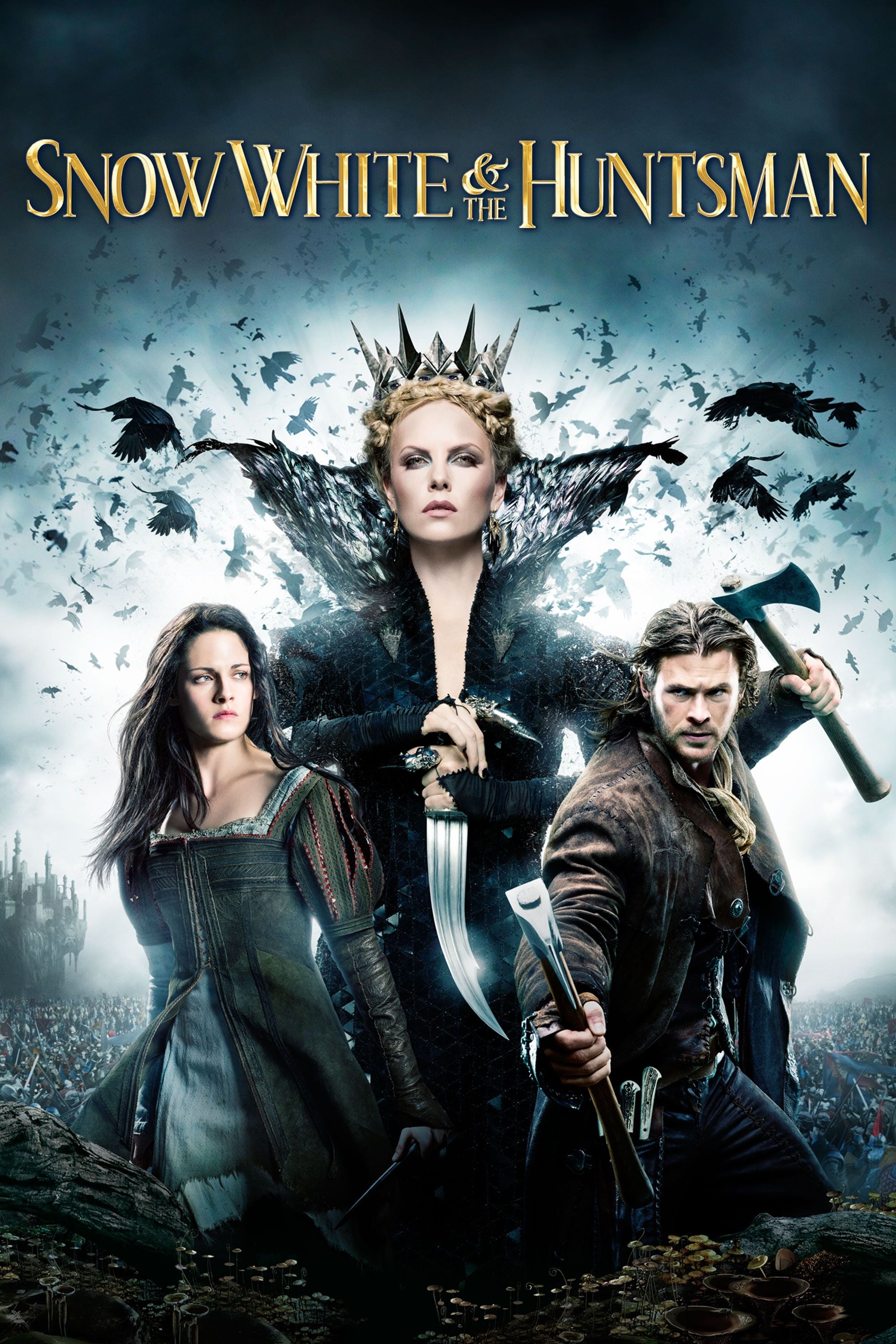
This dark fantasy retelling of the classic fairy tale boasted incredible special effects and a menacing performance by Charlize Theron. Kristen Stewart was cast as Snow White but struggled to project the commanding presence required to lead an army against an evil queen. Viewers noted that the script demanded a character who could rival the queen’s beauty and power which the performance did not fully convey. The film succeeded visually but lacked the emotional core needed from its protagonist.
‘Les Misérables’ (2012)
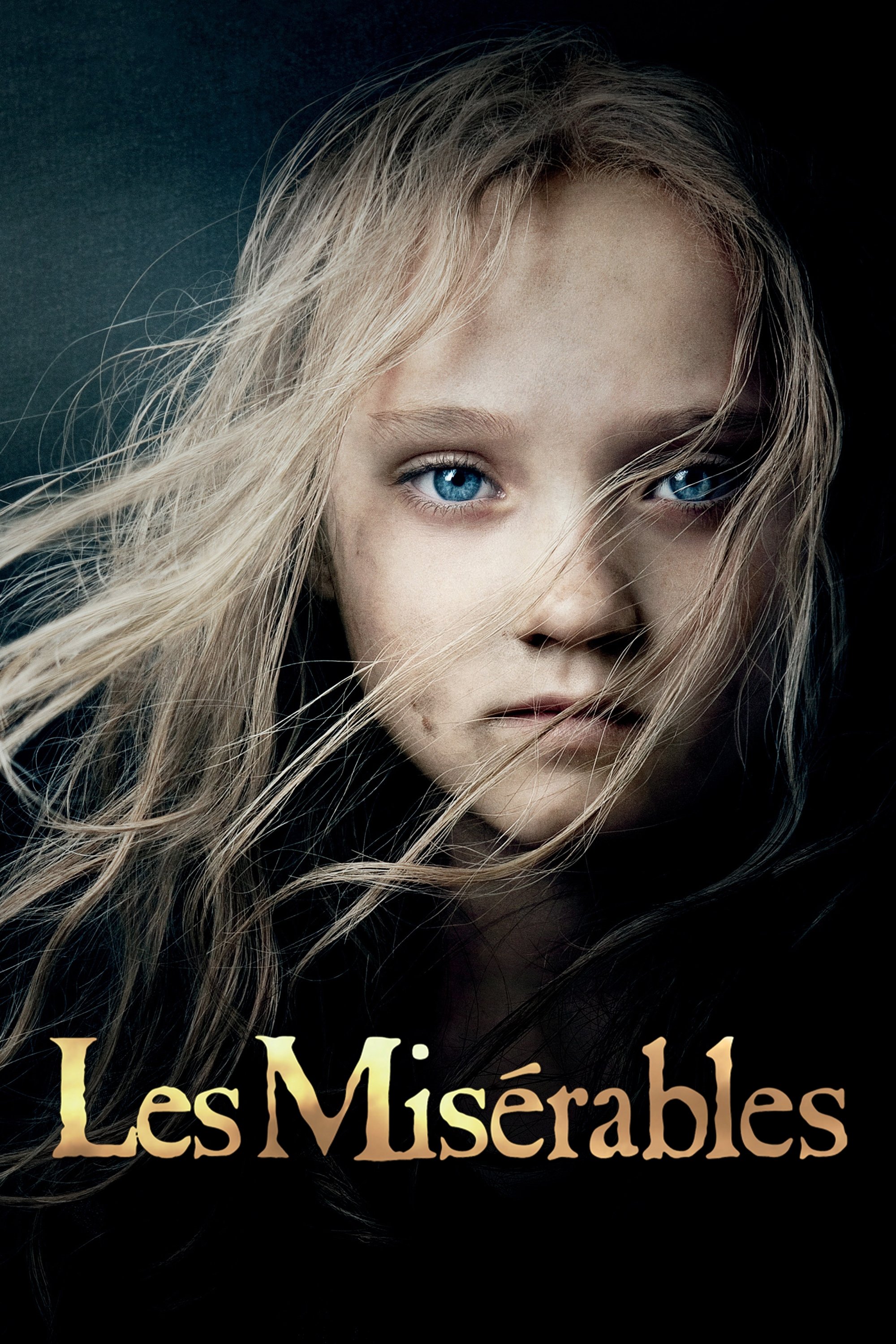
Tom Hooper directed this ambitious musical adaptation that required actors to sing live on set rather than pre-recording their tracks. Russell Crowe was cast as Inspector Javert and his vocal limitations became a major point of contention for fans of the original stage production. His singing often lacked the power and authority expected of the relentless antagonist pursuing Jean Valjean. The rest of the cast received acclaim while his musical numbers were frequently cited as the film’s primary flaw.
‘Jack Reacher’ (2012)
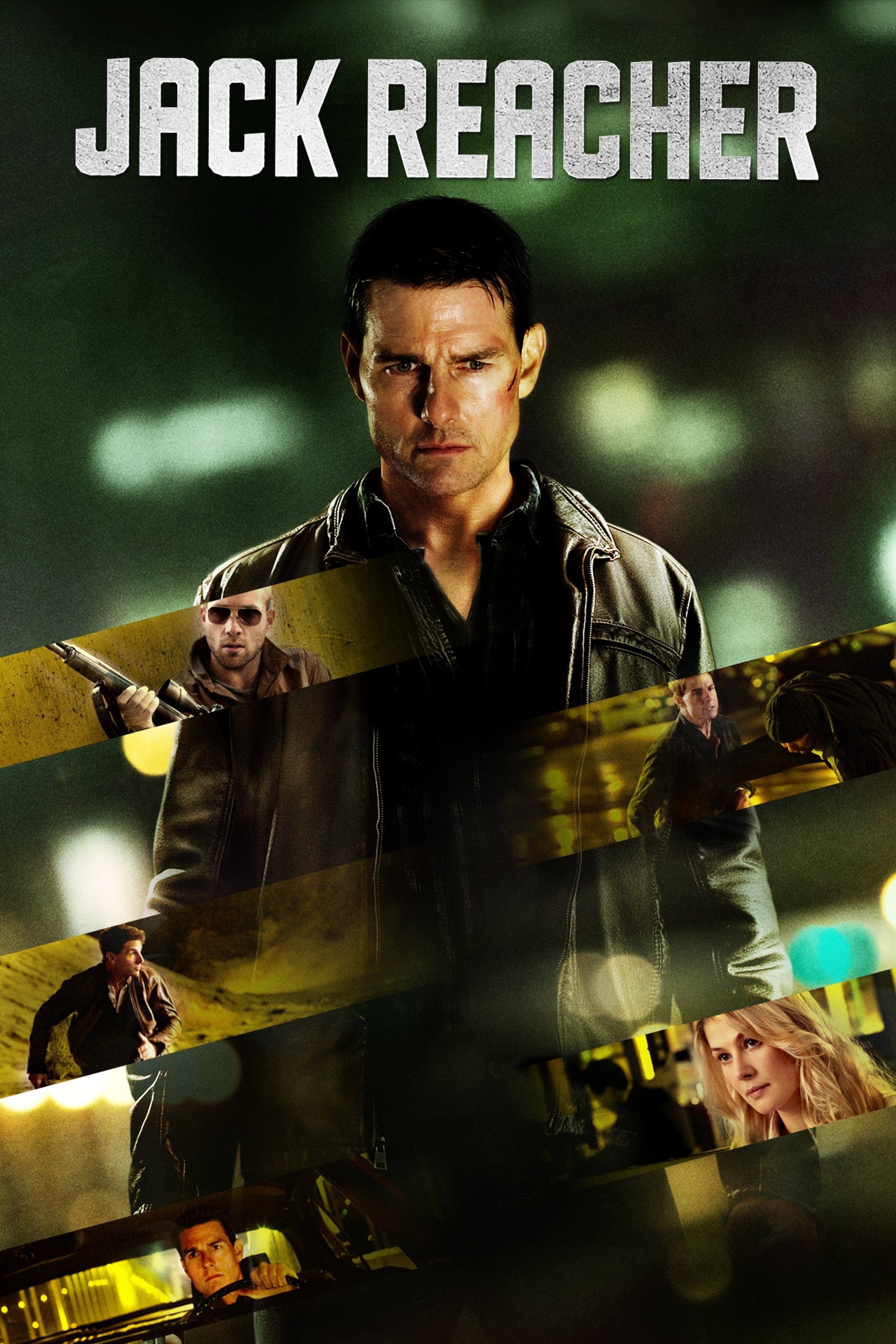
Christopher McQuarrie delivered a tight and suspenseful action thriller based on the popular novels by Lee Child. Tom Cruise played the title character despite being physically opposite to the book’s description of a hulking six-foot-five giant. Fans of the source material found it impossible to ignore the size difference during scenes where Reacher is supposed to intimidate enemies with sheer mass. The movie was well-made but the physical mismatch alienated a significant portion of the built-in fanbase.
‘Uncharted’ (2022)

This video game adaptation brought the adventures of Nathan Drake to the big screen with high-energy set pieces. Tom Holland and Mark Wahlberg were cast as Drake and Sully despite both being significantly younger than the characters’ traditional portrayals. Fans of the games felt the mentor-mentee dynamic was lost because the actors looked more like peers than a seasoned veteran and a rookie. The casting choices signaled a desire for franchise longevity over faithfulness to the source material’s established lore.
‘Passengers’ (2016)
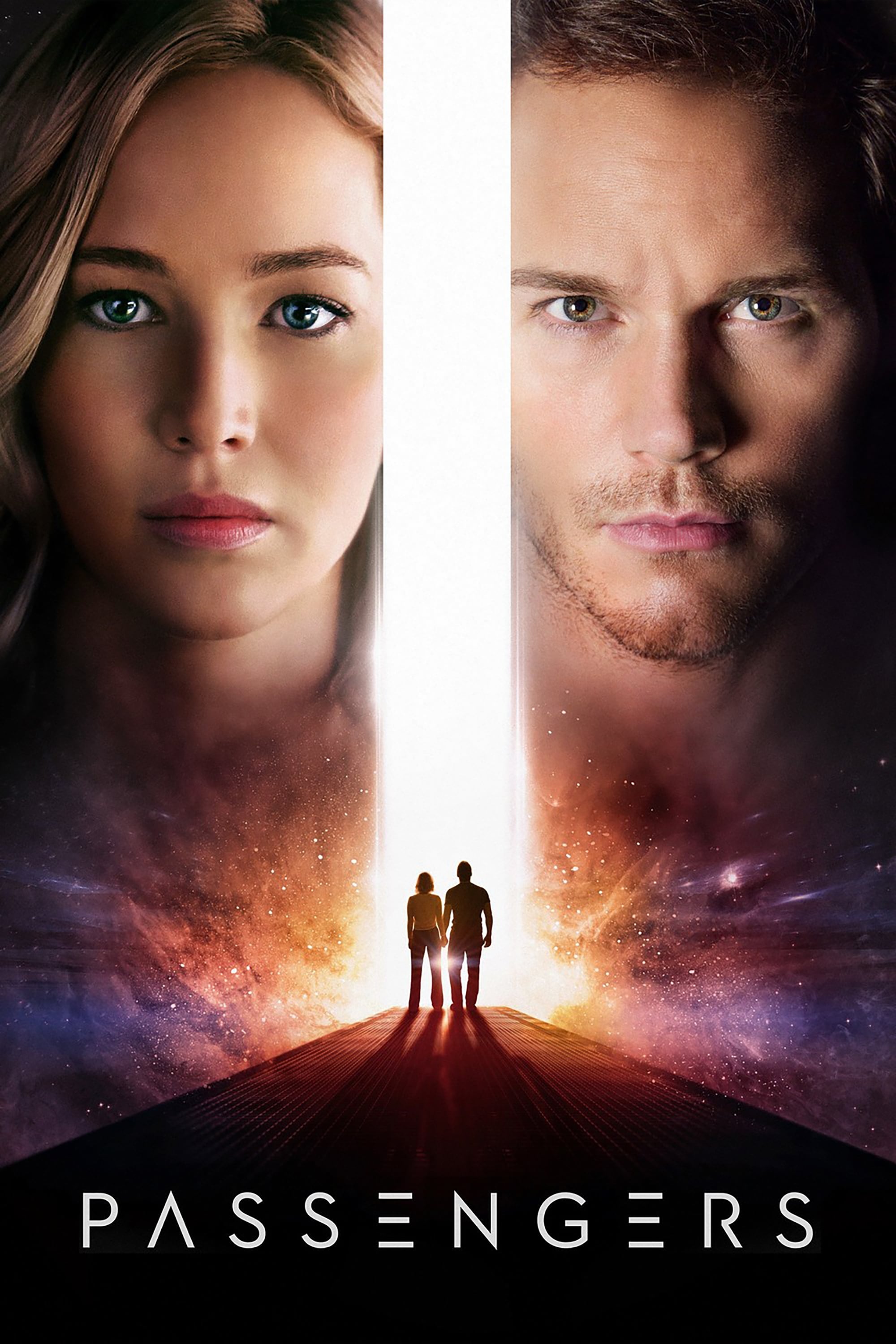
Jennifer Lawrence and Chris Pratt starred in this sci-fi romance set aboard a spacecraft traveling to a distant colony. While both are charismatic stars, critics noted a distinct lack of romantic spark between them that was essential for the plot to work. The ethical dilemmas presented in the script required a more nuanced dramatic weight that the casting did not quite support. The film relied heavily on their star power rather than the character dynamics needed to sell the controversial narrative.
‘Oz the Great and Powerful’ (2013)
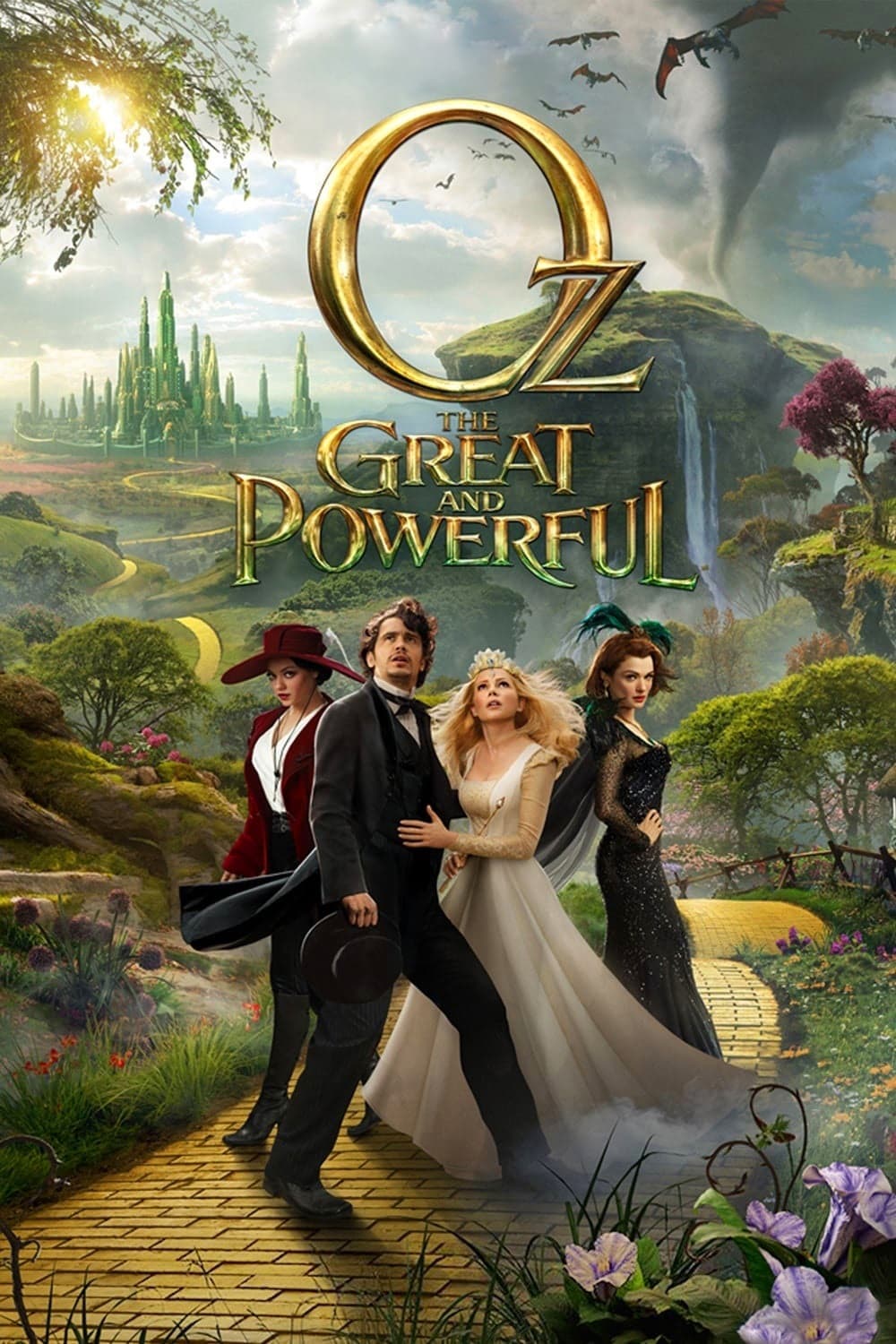
Sam Raimi directed this prequel to the 1939 classic with a vision of expanding the magical world of Oz. James Franco was cast as the wizard but his modern acting style and smirk felt anachronistic within the fantasy setting. His performance lacked the gravitas and sincerity required to bridge the gap between a con man and a legendary leader. The visual splendor of the film was often undercut by a lead performance that did not mesh with the whimsical tone.
‘American Hustle’ (2013)
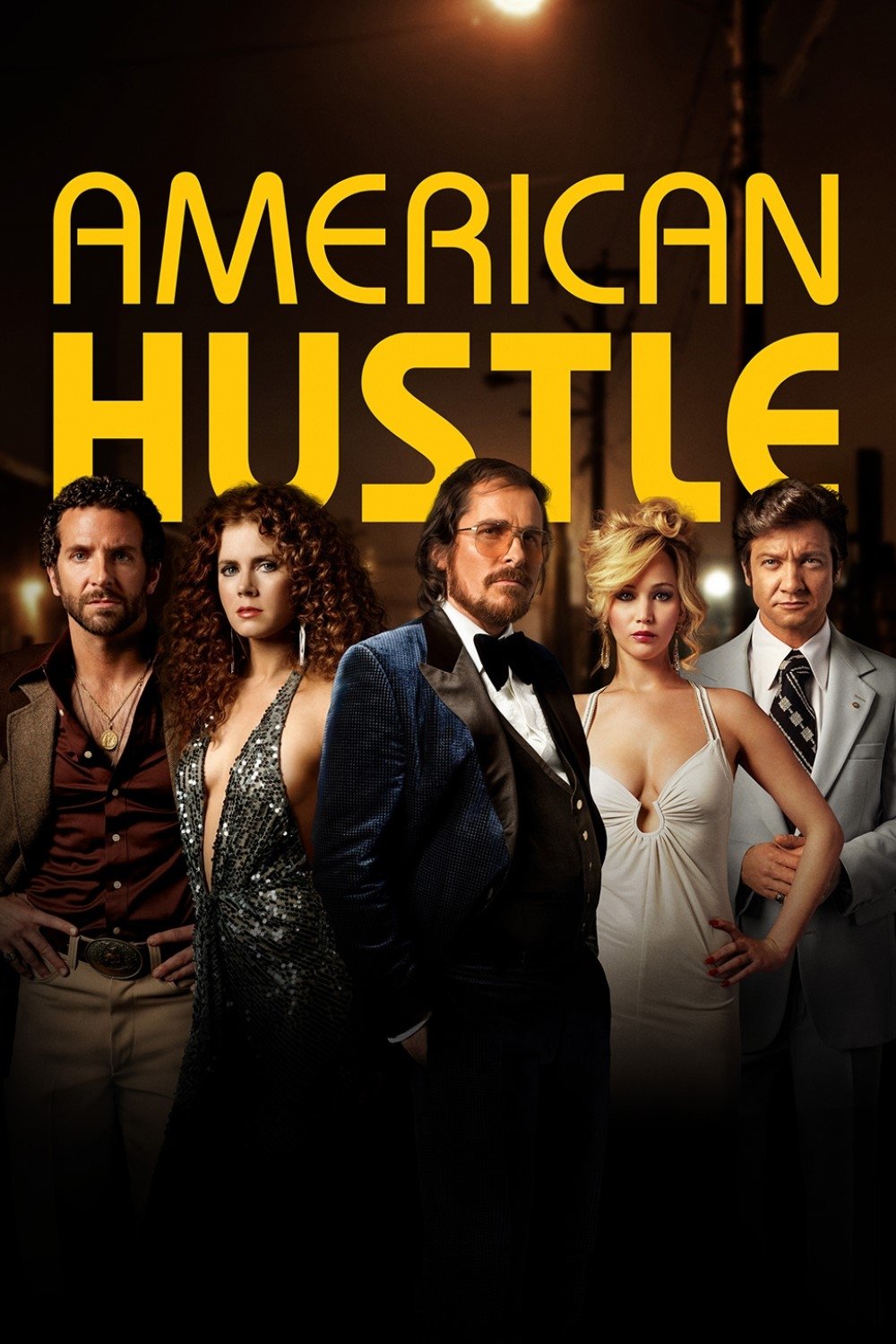
David O. Russell assembled a stellar ensemble for this crime drama loosely based on real events. Jennifer Lawrence played a erratic housewife but many critics felt she was far too young for the role of a jaded mother with a complex history. The age gap between her and her on-screen husband Christian Bale was noticeable and strained the believability of their long-term marriage. Her performance was energetic but the casting distracted from the realistic grounding of the story.
‘Alexander’ (2004)
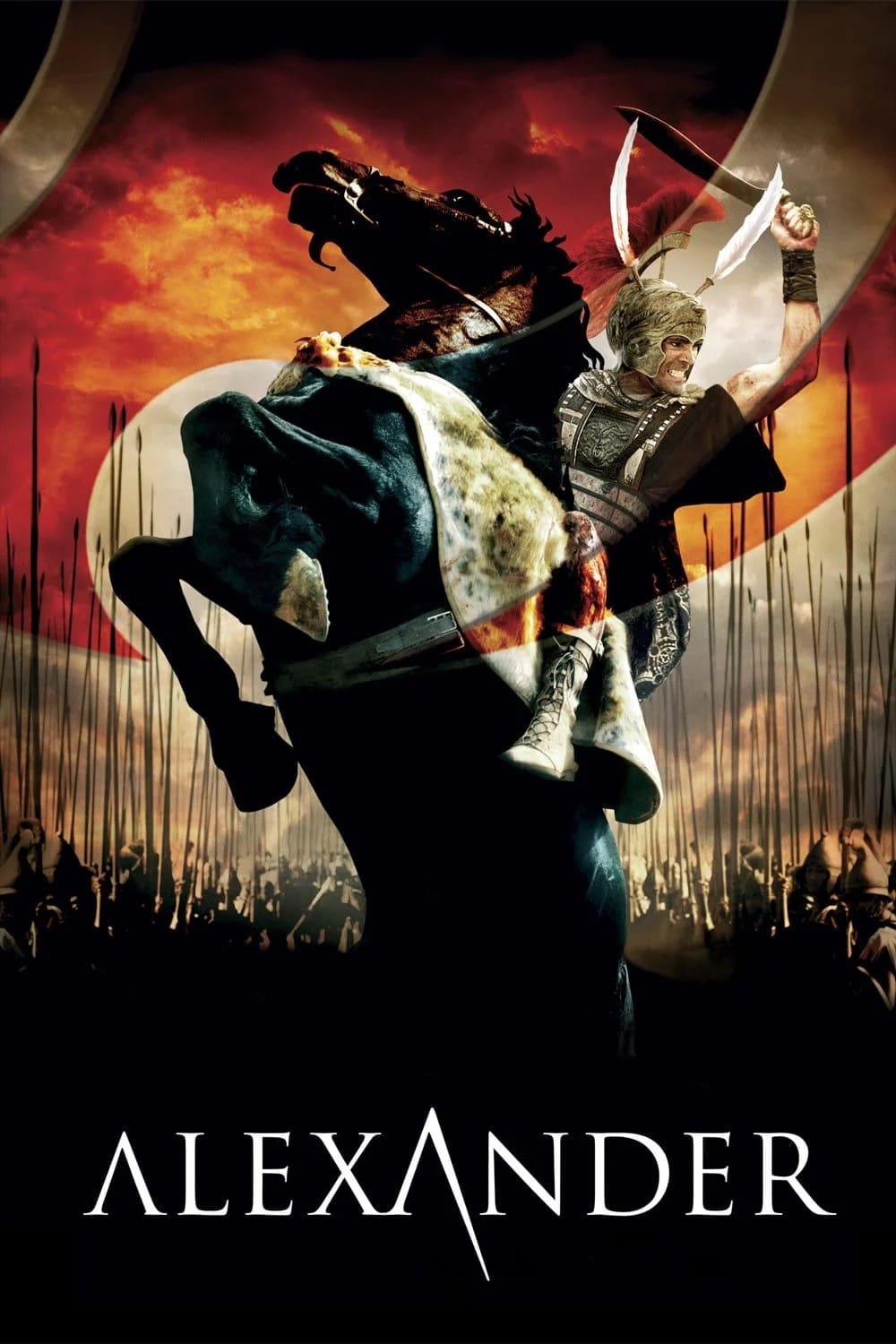
Oliver Stone attempted to chronicle the life of one of history’s greatest conquerors with a massive budget and scale. Colin Farrell was cast as Alexander the Great and struggled to carry the weight of such a monumental historical figure. His blonde wig and inconsistent accent were frequent targets of ridicule that distracted from the dramatic intent of the scenes. The film failed to connect with audiences largely because the protagonist did not exude the necessary charisma of a king.
‘Star Wars: Episode II – Attack of the Clones’ (2002)
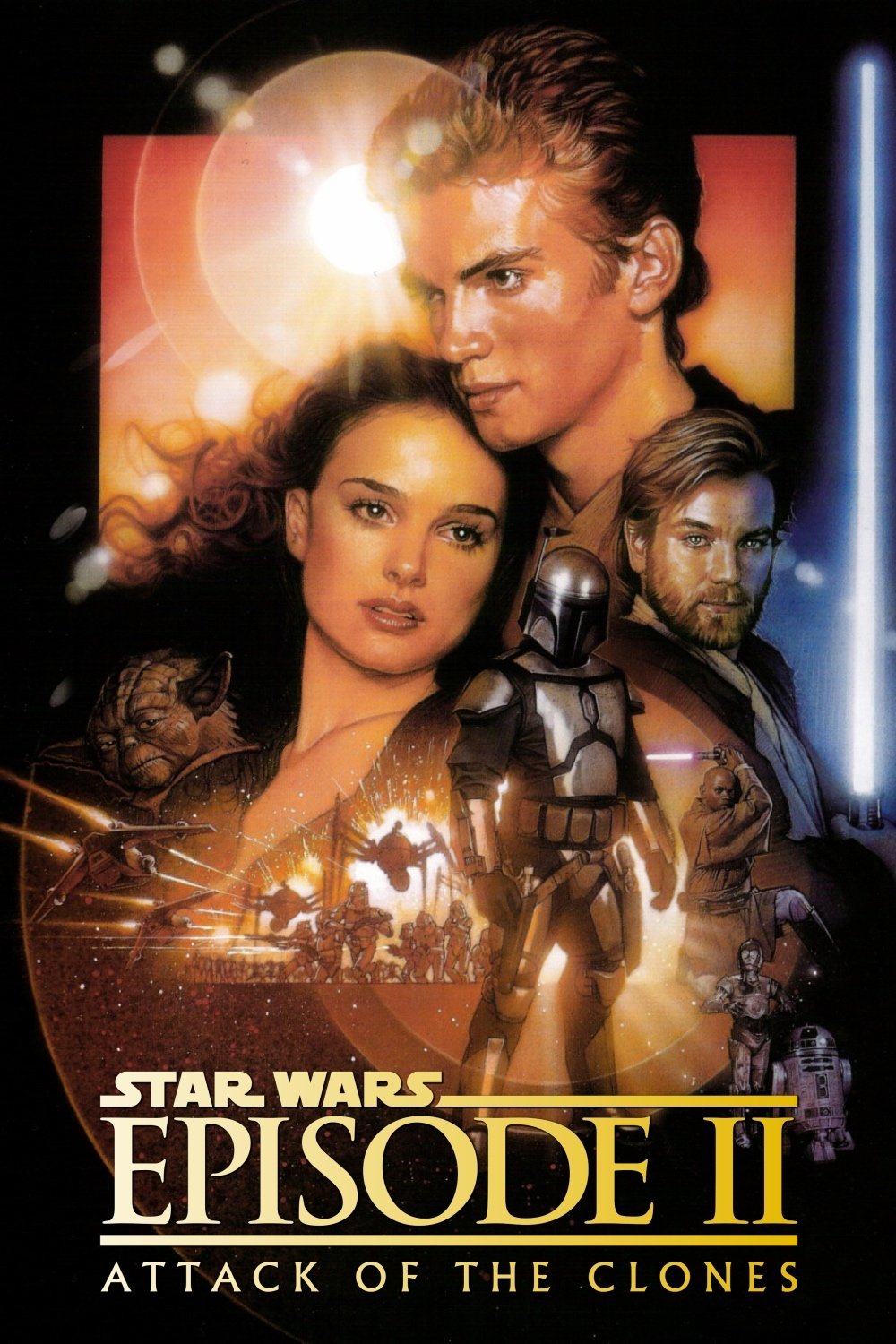
George Lucas expanded the backstory of Darth Vader with a focus on his transition from Jedi Padawan to Sith Lord. Hayden Christensen was tasked with playing the complex Anakin Skywalker but his delivery was often criticized as petulant rather than conflicted. The romantic dialogue scenes with Natalie Portman lacked the natural flow needed to sell a tragic love story. Many fans felt a different actor might have better conveyed the slow descent into darkness that the trilogy required.
‘Superman Returns’ (2006)
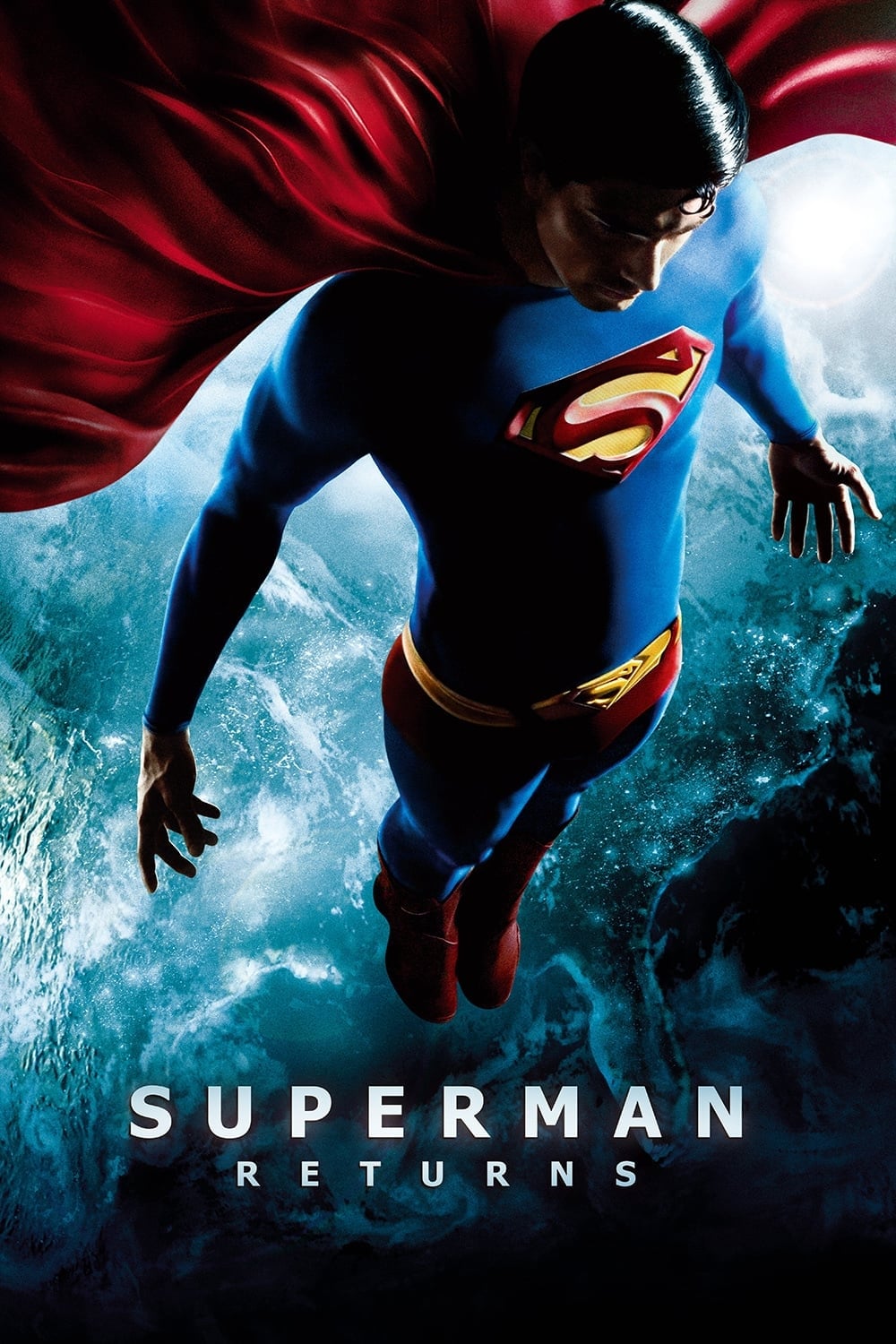
Bryan Singer directed this homage to the original Richard Donner films with a focus on nostalgia and continuity. Kate Bosworth was cast as Lois Lane but appeared too young to convincingly play a Pulitzer Prize-winning journalist and mother. Her lack of chemistry with Brandon Routh made the central romance feel cold and unearned compared to previous iterations. The film struggled to resonate emotionally because the casting of its female lead did not match the maturity of the character.
‘Spider-Man 3’ (2007)
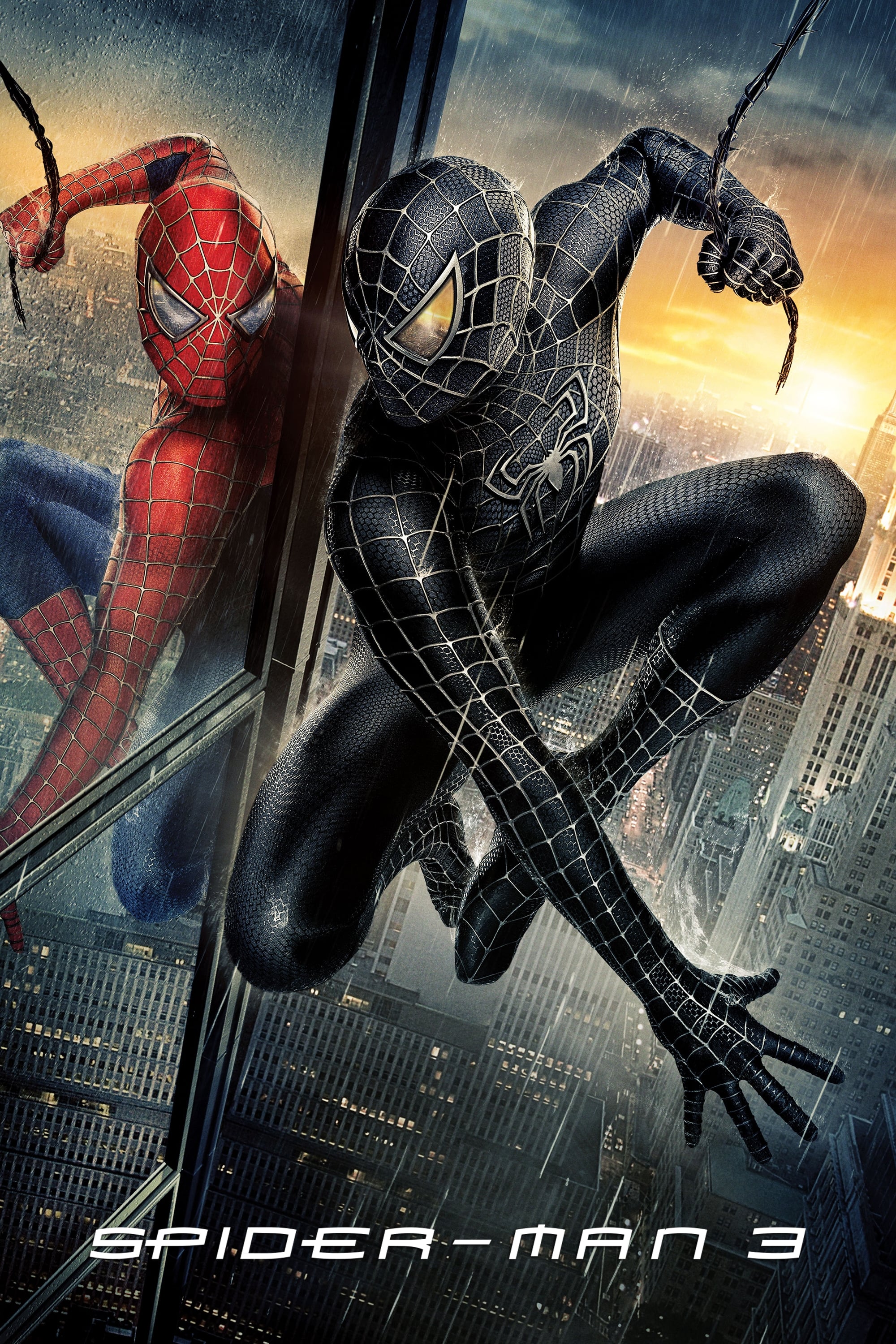
The final installment of Sam Raimi’s trilogy introduced the iconic villain Venom to the big screen. Topher Grace was cast as Eddie Brock and failed to embody the physical threat or intimidating presence associated with the character. Fans were disappointed that a villain known for his imposing size and aggression was played by an actor best known for comedy. The miscasting contributed to a cluttered narrative that ultimately disappointed many followers of the franchise.
‘Breakfast at Tiffany”s’ (1961)

This classic romantic comedy is beloved for Audrey Hepburn’s stylish performance as Holly Golightly. However, the film is permanently marred by the casting of Mickey Rooney as Mr. Yunioshi. The performance relied on offensive stereotypes and heavy makeup that have aged terribly and serve as a painful distraction in an otherwise elegant film. Modern audiences often view this specific casting choice as a significant blemish on a cinematic landmark.
‘Ghost in the Shell’ (2017)
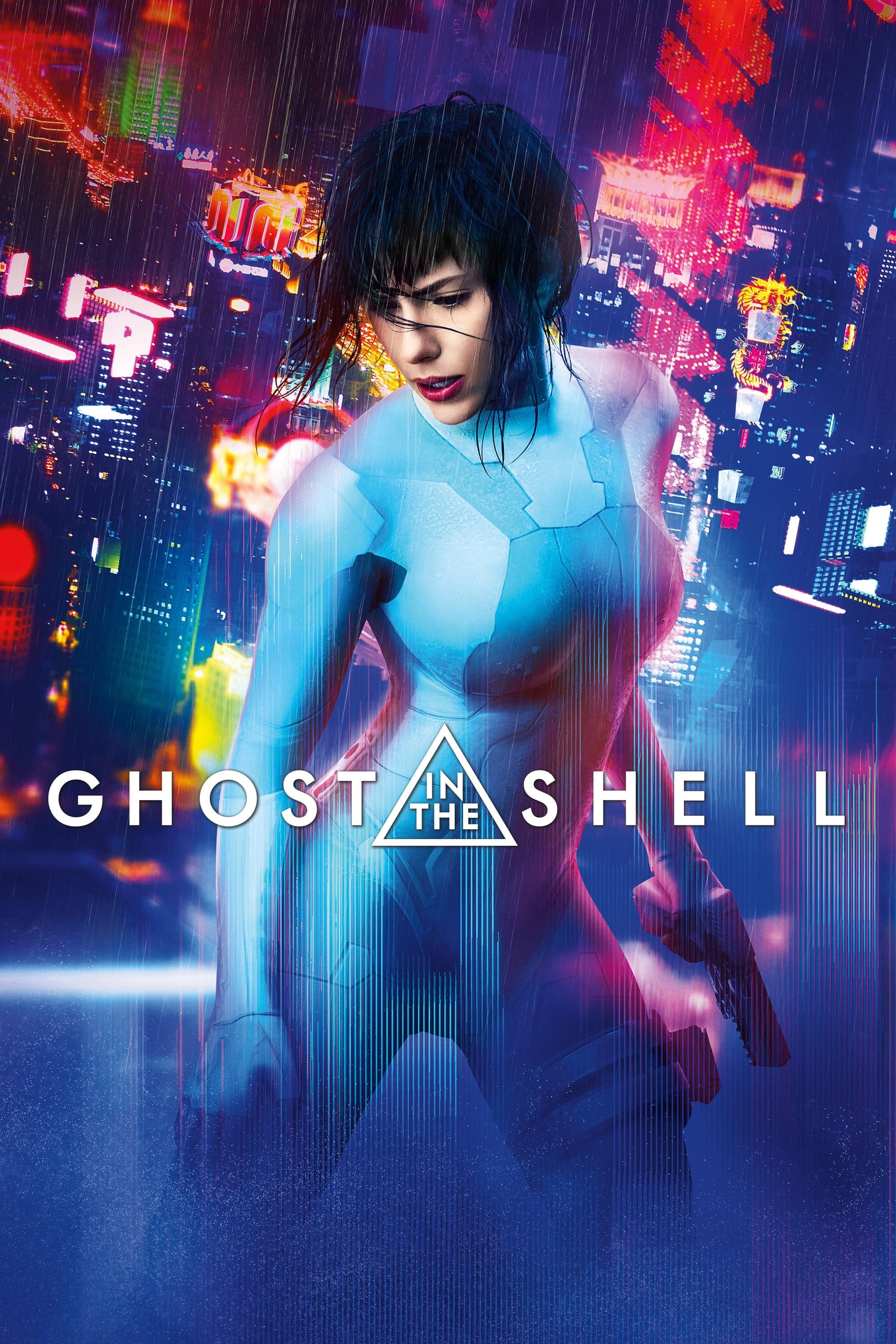
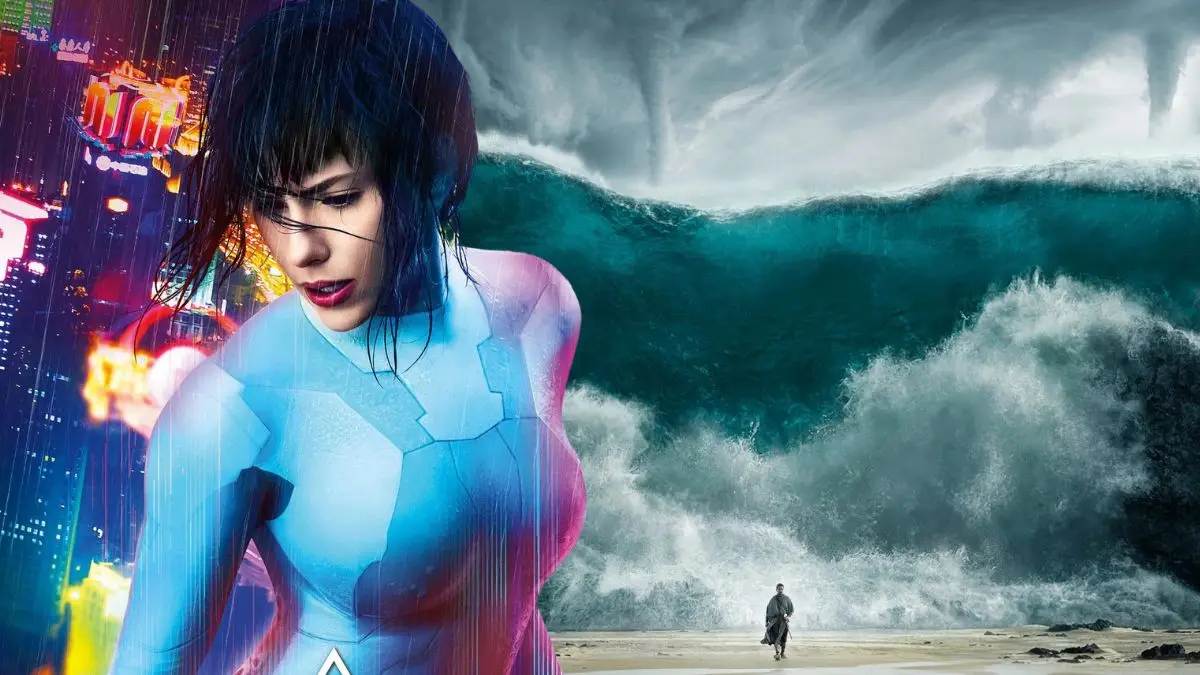
The live-action adaptation of the seminal anime faced immediate controversy regarding its casting choices. Scarlett Johansson played the lead role of Major which sparked intense debates about whitewashing in Hollywood. The film struggled to justify the casting narrative-wise and failed to capture the philosophical depth of the original source material. The conversation surrounding the lead actor overshadowed the visual achievements of the production.
‘Aloha’ (2015)

Cameron Crowe directed this romantic comedy set in Hawaii which featured a confusing casting decision for a key character. Emma Stone was cast to play a character described as being of quarter Chinese and quarter Hawaiian descent. The casting drew sharp criticism for erasing the character’s heritage and seemed implausible to audiences. Stone later apologized for the role acknowledging that the casting was a mistake that detracted from the film’s reception.
‘Prince of Persia: The Sands of Time’ (2010)
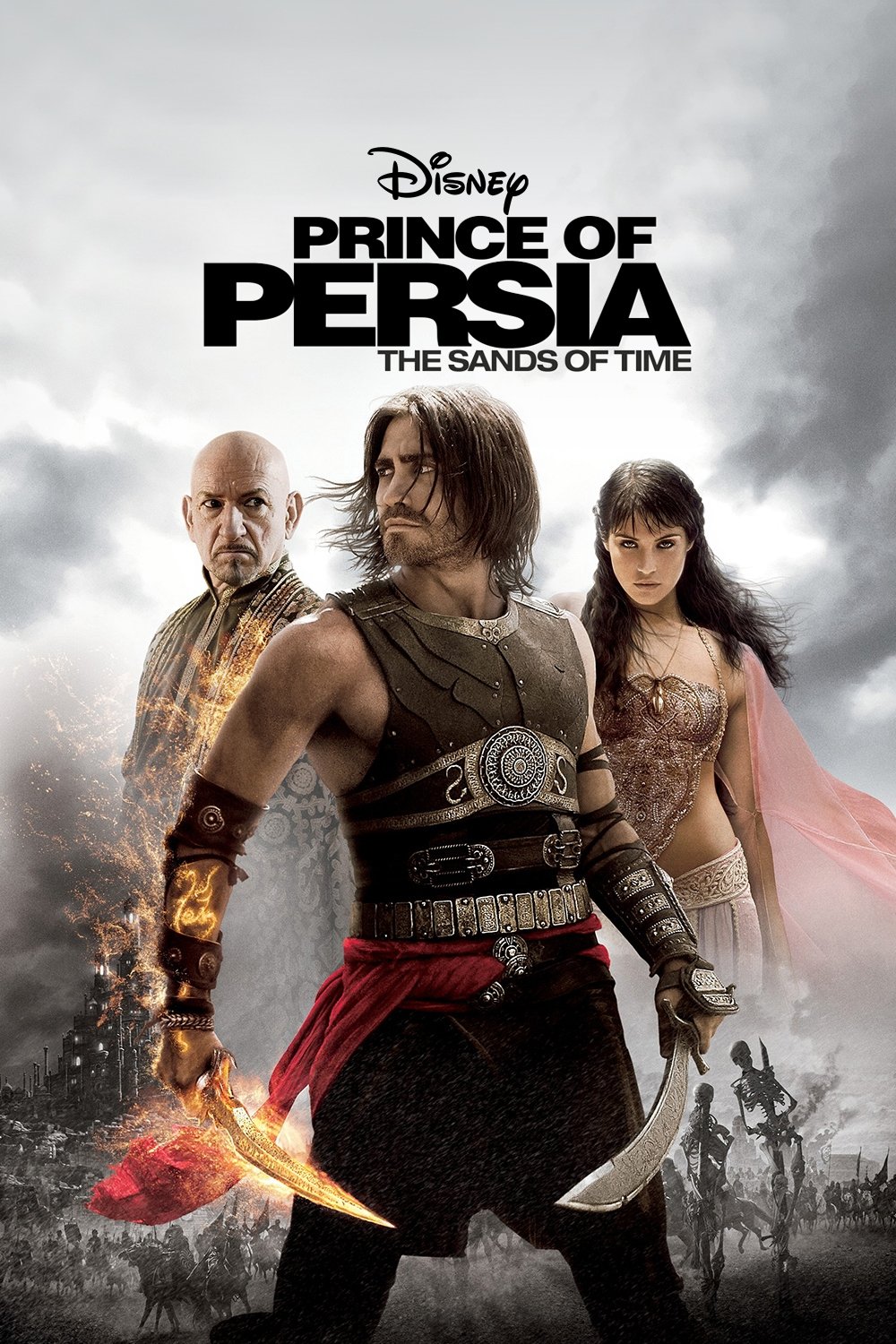
Disney attempted to launch a new franchise based on the popular video game series set in the Middle East. Jake Gyllenhaal was cast as the Persian prince Dastan which led to significant criticism regarding Hollywood’s tendency to ignore actors of appropriate ethnicity. While Gyllenhaal got into great physical shape for the role his presence felt inauthentic to the setting. The film is often cited as a prime example of missed opportunities to showcase diverse talent in blockbuster cinema.
‘Pan’ (2015)

Joe Wright reimagined the Peter Pan mythology with a prequel that introduced new origins for classic characters. Rooney Mara was cast as Tiger Lily which caused an uproar given the character’s indigenous origins in the source material. The director defended the choice as an attempt to make the world more global but audiences rejected the erasure of the character’s Native American identity. The film flopped at the box office partially due to the bad press surrounding this casting decision.
‘The Lone Ranger’ (2013)

Gore Verbinski reunited with Johnny Depp for this big-budget western that aimed to revive a classic radio hero. Depp played Tonto with eccentric mannerisms that many critics found bordered on caricature rather than a respectful portrayal. The decision to cast a white actor in a Native American role was met with skepticism and hurt the film’s credibility. The massive budget could not save a movie that felt tone-deaf in its approach to its central partnership.
‘Exodus: Gods and Kings’ (2014)
Ridley Scott directed this biblical epic retelling the story of Moses leading the Israelites out of Egypt. The film faced backlash for casting Christian Bale and Joel Edgerton in the lead roles while relegating actors of color to background parts. Critics argued that the whitewashed casting was outdated and distracted from the historical setting of the narrative. The film failed to achieve the cultural impact of previous biblical epics largely due to these casting controversies.
‘The Great Wall’ (2016)
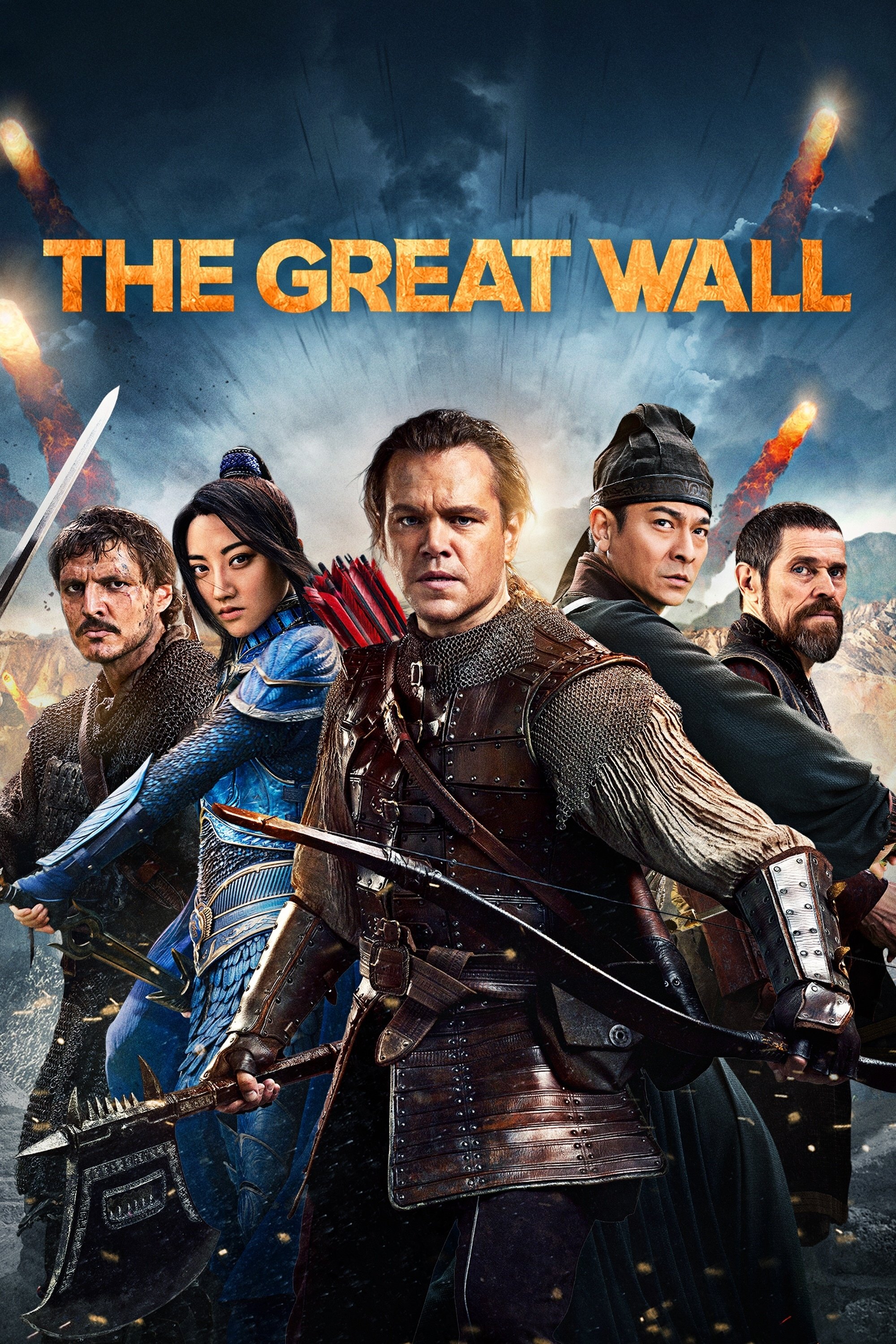
This fantasy action monster movie was a co-production between the US and China intended to bridge huge markets. Matt Damon starred as a European mercenary who becomes the central hero defending China from mythical beasts. The “white savior” narrative inherent in the casting drew criticism for sidelining the Chinese actors in a story set in their own history. The film struggled to find a consistent tone and the lead casting felt forced rather than organic to the plot.
‘Batman v Superman: Dawn of Justice’ (2016)
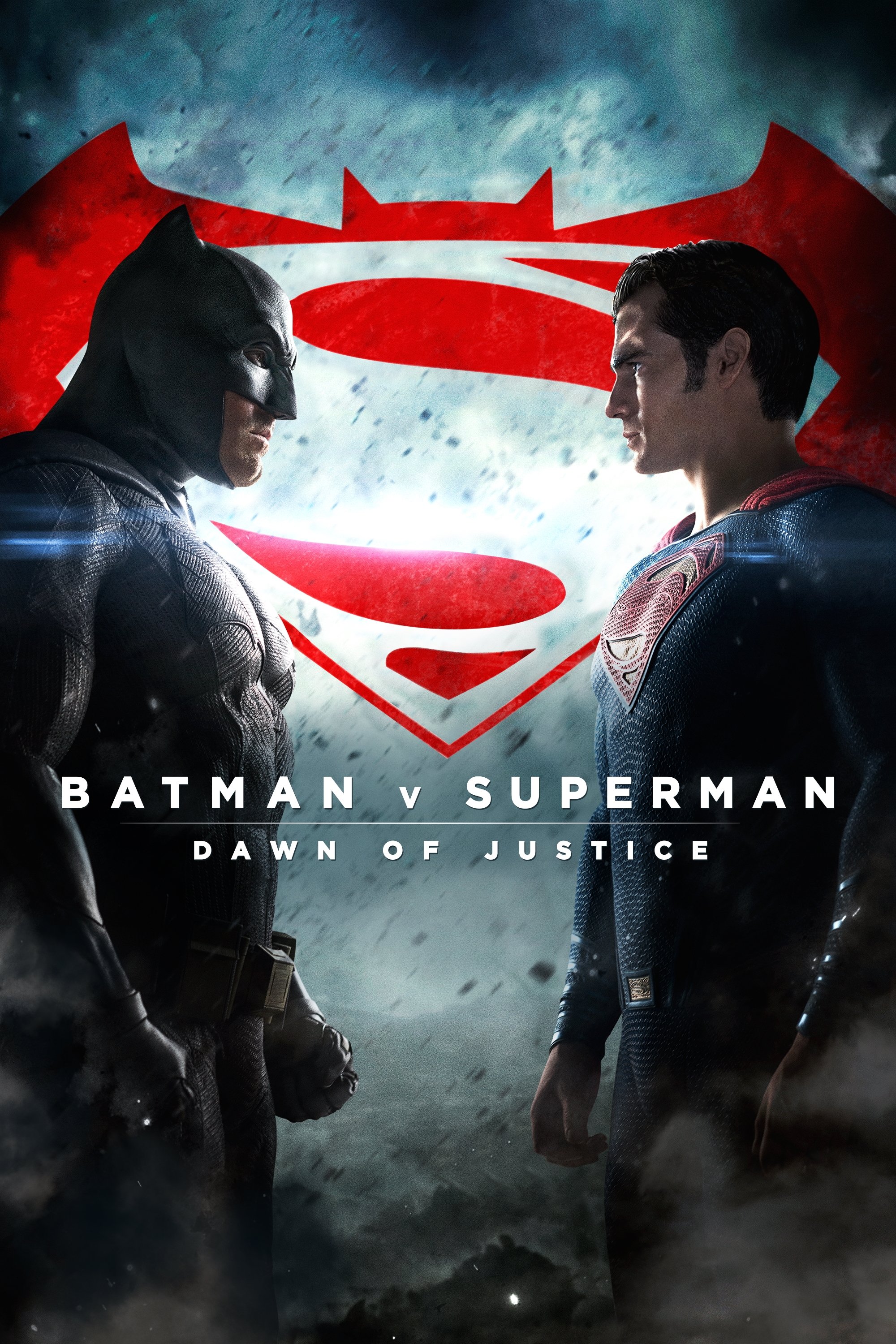
Zack Snyder brought the two biggest DC heroes together in a dark and gritty showdown. Jesse Eisenberg was cast as Lex Luthor and delivered a manic and twitchy performance that deviated sharply from the character’s traditional stoicism. Fans found his interpretation closer to the Riddler than the calculating industrialist nemesis of Superman. The casting choice created a villain that annoyed audiences rather than intimidating them.
‘Suicide Squad’ (2016)
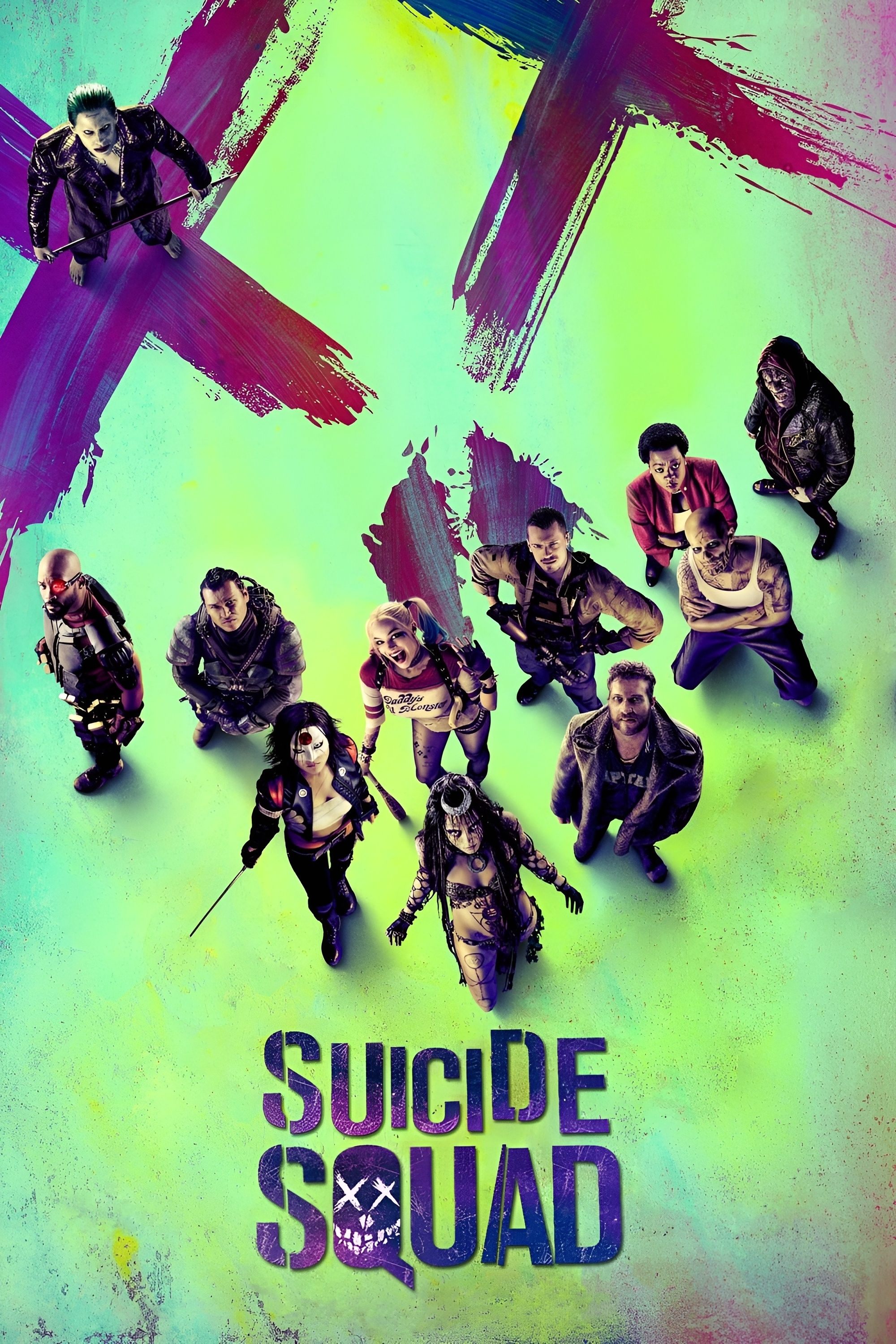
David Ayer assembled a team of villains for this chaotic action movie that introduced a new version of the Joker. Jared Leto played the iconic villain with a gangster aesthetic and method acting approach that did not land well with many viewers. His screen time was limited but his performance was widely considered over-the-top and lacking the menace of previous iterations. The portrayal felt disconnected from the rest of the film and left fans disappointed.
‘Terminator Genisys’ (2015)
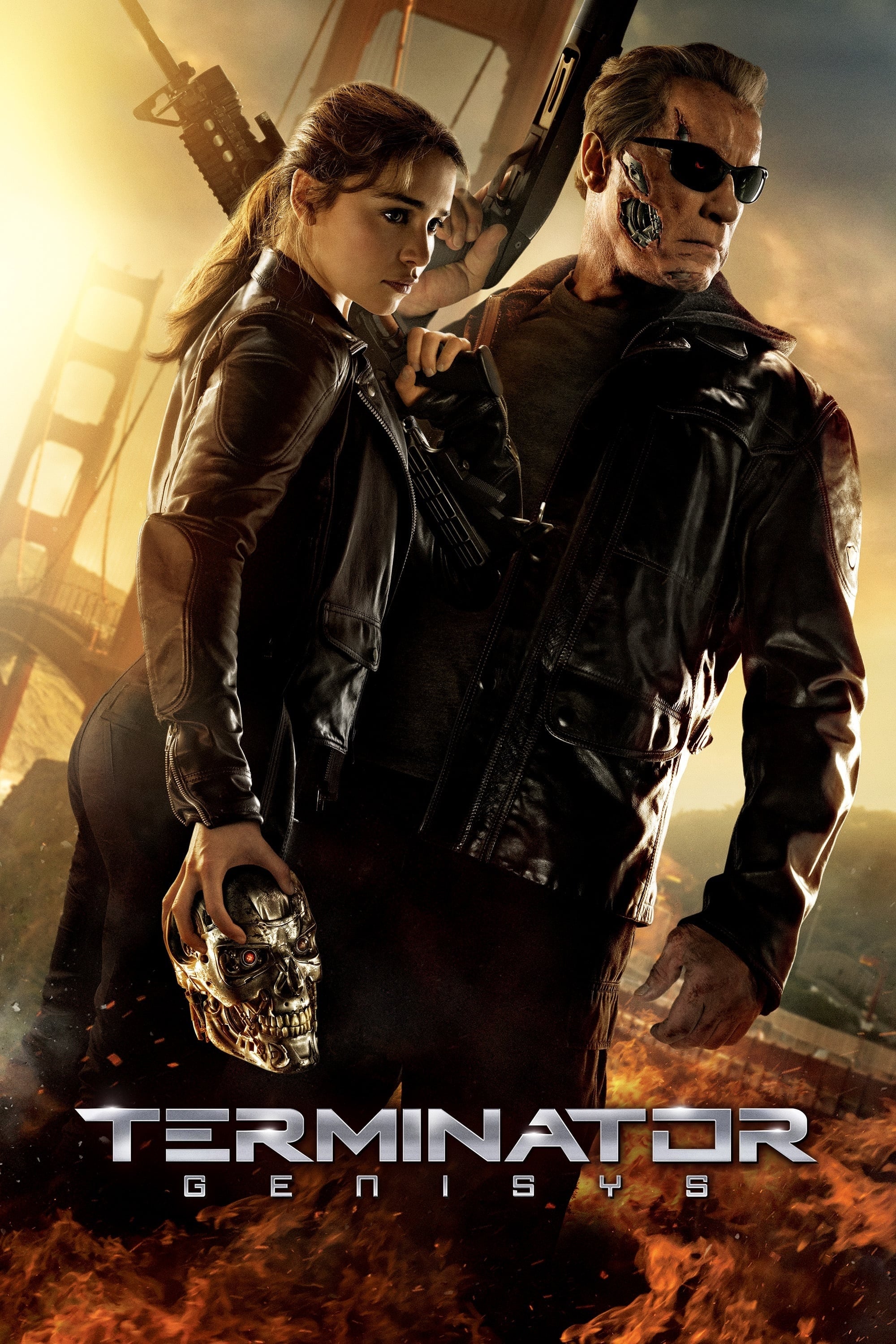
This installment of the sci-fi franchise attempted to reboot the timeline with a mix of new and old actors. Jai Courtney was cast as Kyle Reese but lacked the desperation and intensity that Michael Biehn brought to the original role. Emilia Clarke also struggled to embody the hardened warrior version of Sarah Connor required for the script. The chemistry between the leads was nonexistent which killed the emotional stakes of the time-travel narrative.
‘Indiana Jones and the Kingdom of the Crystal Skull’ (2008)
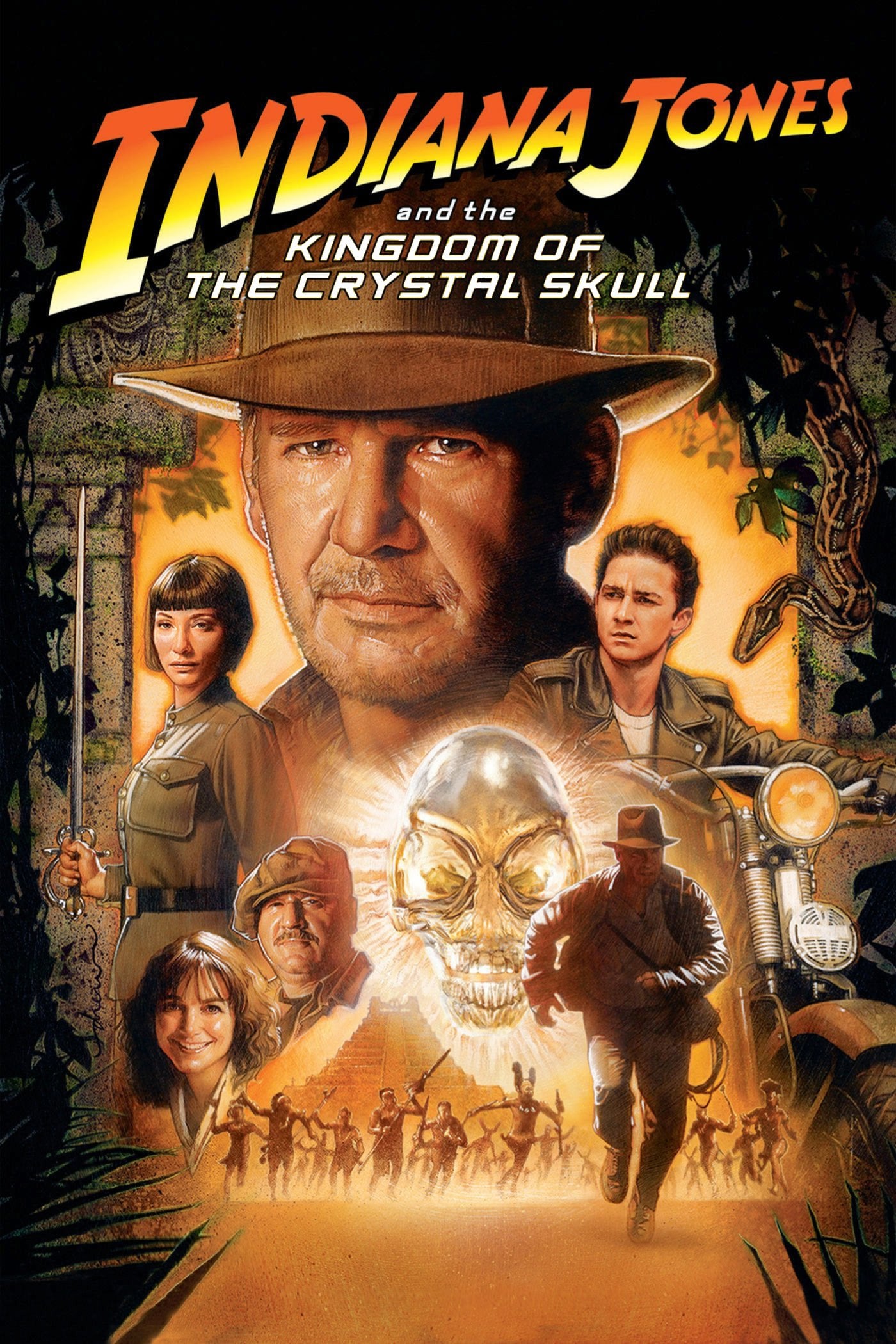
Steven Spielberg returned to his most famous adventure franchise after a long hiatus. Shia LaBeouf was introduced as Mutt Williams and intended to be the successor to Harrison Ford’s legacy. Audiences found his character and performance trying too hard to be cool without earning the rugged charm of the titular hero. The dynamic between father and son felt forced and contributed to the mixed reception of the long-awaited sequel.
‘War of the Worlds’ (2005)
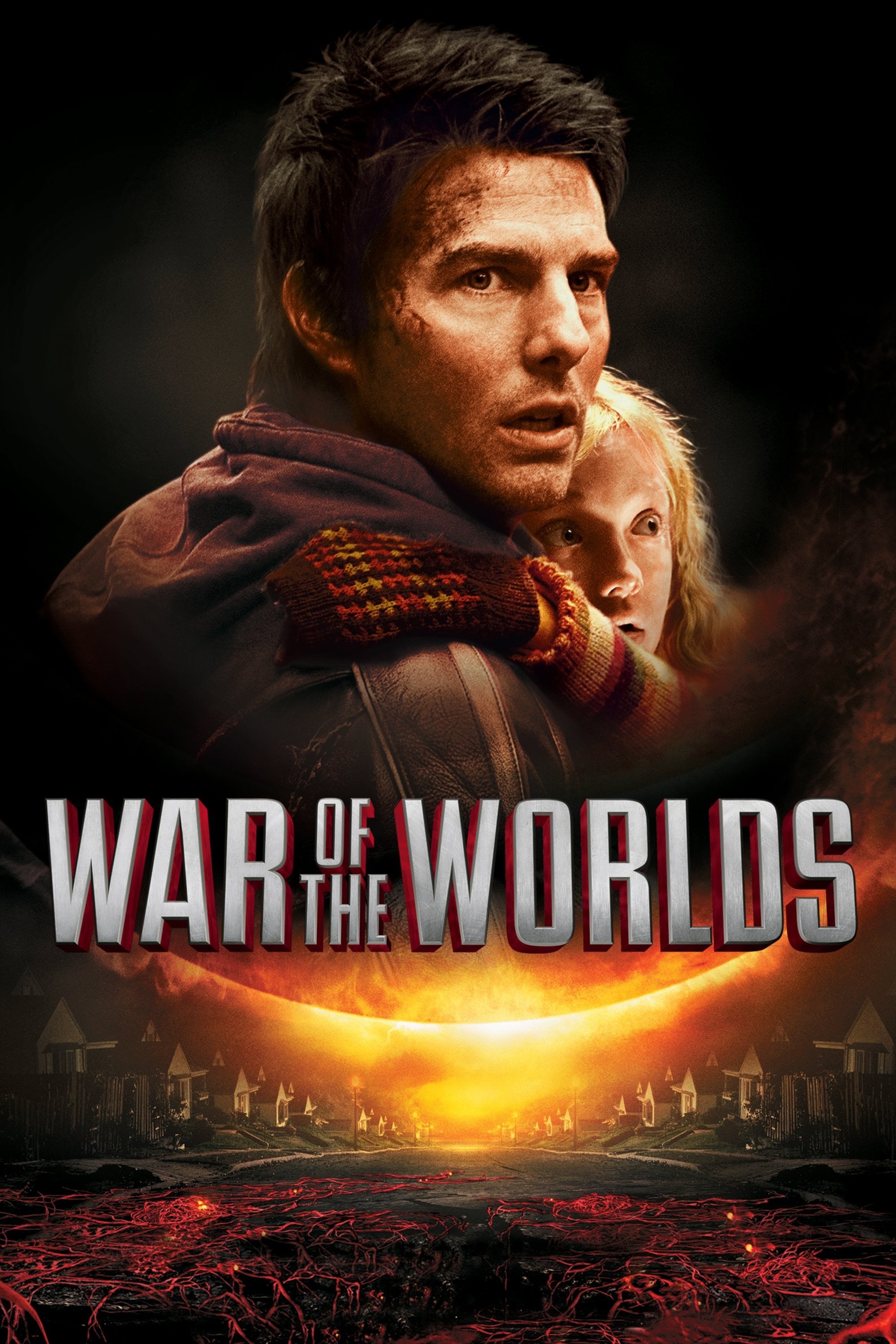
Steven Spielberg updated the H.G. Wells classic with a focus on a blue-collar father protecting his children. Justin Chatwin played the teenage son Robbie and delivered a performance that many viewers found frustratingly irrational. His character’s insistence on running toward danger defied logic and made him difficult to sympathize with during the invasion. The strain in the family dynamic felt more annoying than dramatic due to the specific acting choices.
‘The Mummy’ (2017)
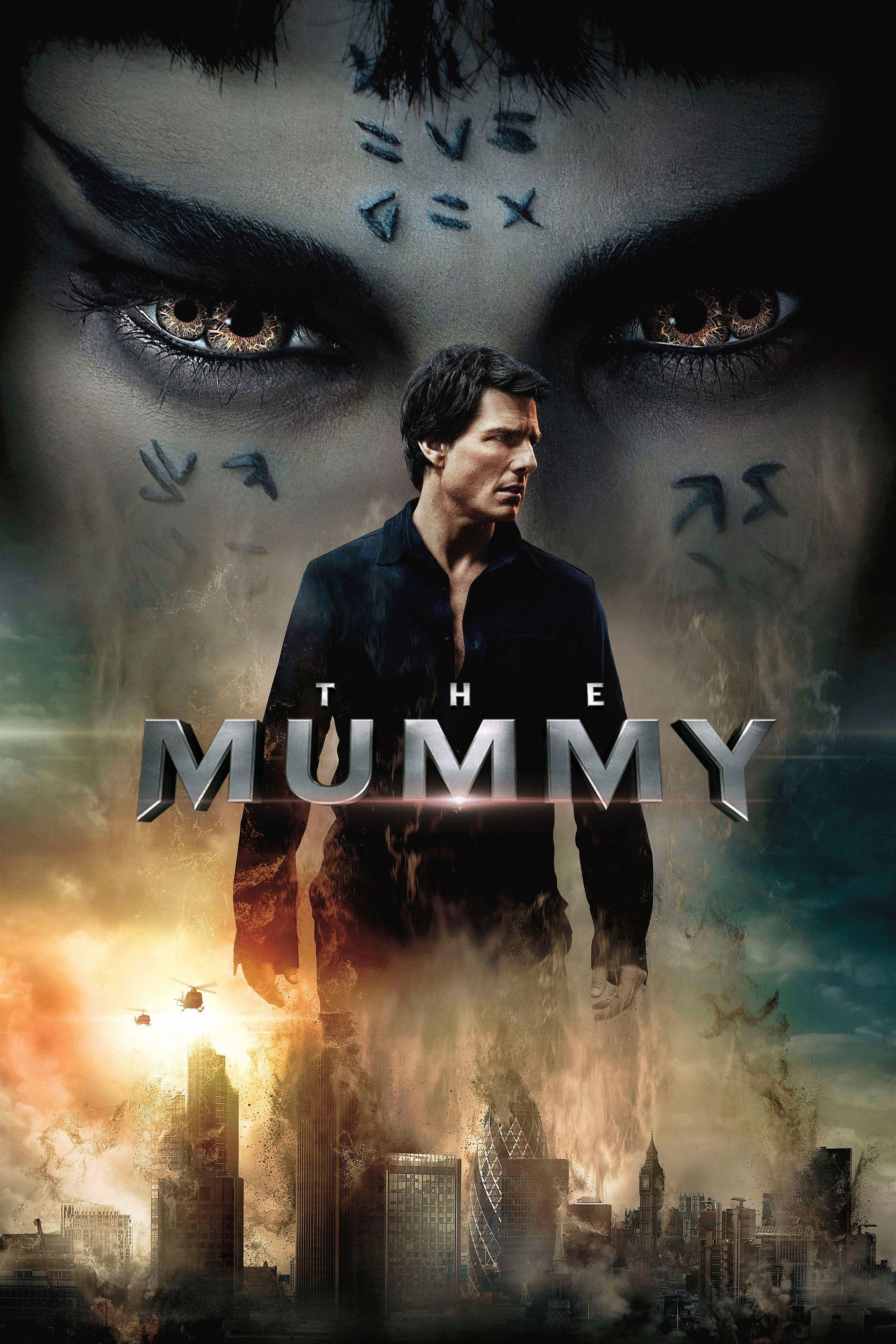
Universal attempted to launch their Dark Universe with this action-heavy reboot of the classic monster movie. Tom Cruise was cast as the lead which forced the film to become a standard Tom Cruise action vehicle rather than a horror film. His star power overwhelmed the narrative and removed the elements of vulnerability that made the 1999 version so beloved. The movie failed to start a franchise because the casting fundamentally misunderstood the appeal of the property.
‘Jupiter Ascending’ (2015)
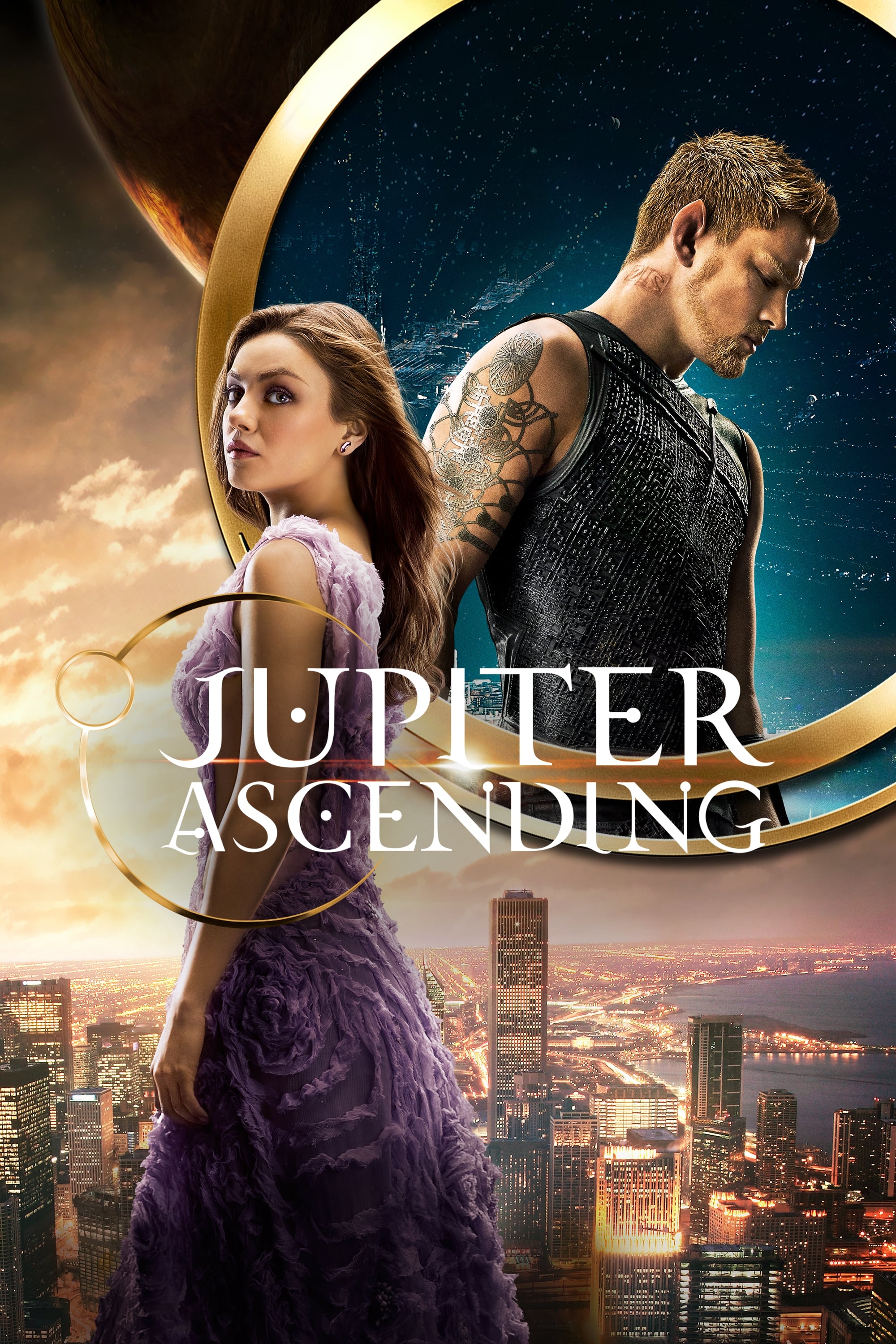
The Wachowskis created an original space opera with dense mythology and spectacular visual effects. Mila Kunis was cast as an ordinary cleaner who discovers she is galactic royalty but seemed ill-suited for the sci-fi action requirements. Channing Tatum played a wolf-human hybrid with a performance that felt flat amidst the chaos of the story. The leads lacked the necessary authority to ground the high-concept fantasy world.
‘Savages’ (2012)
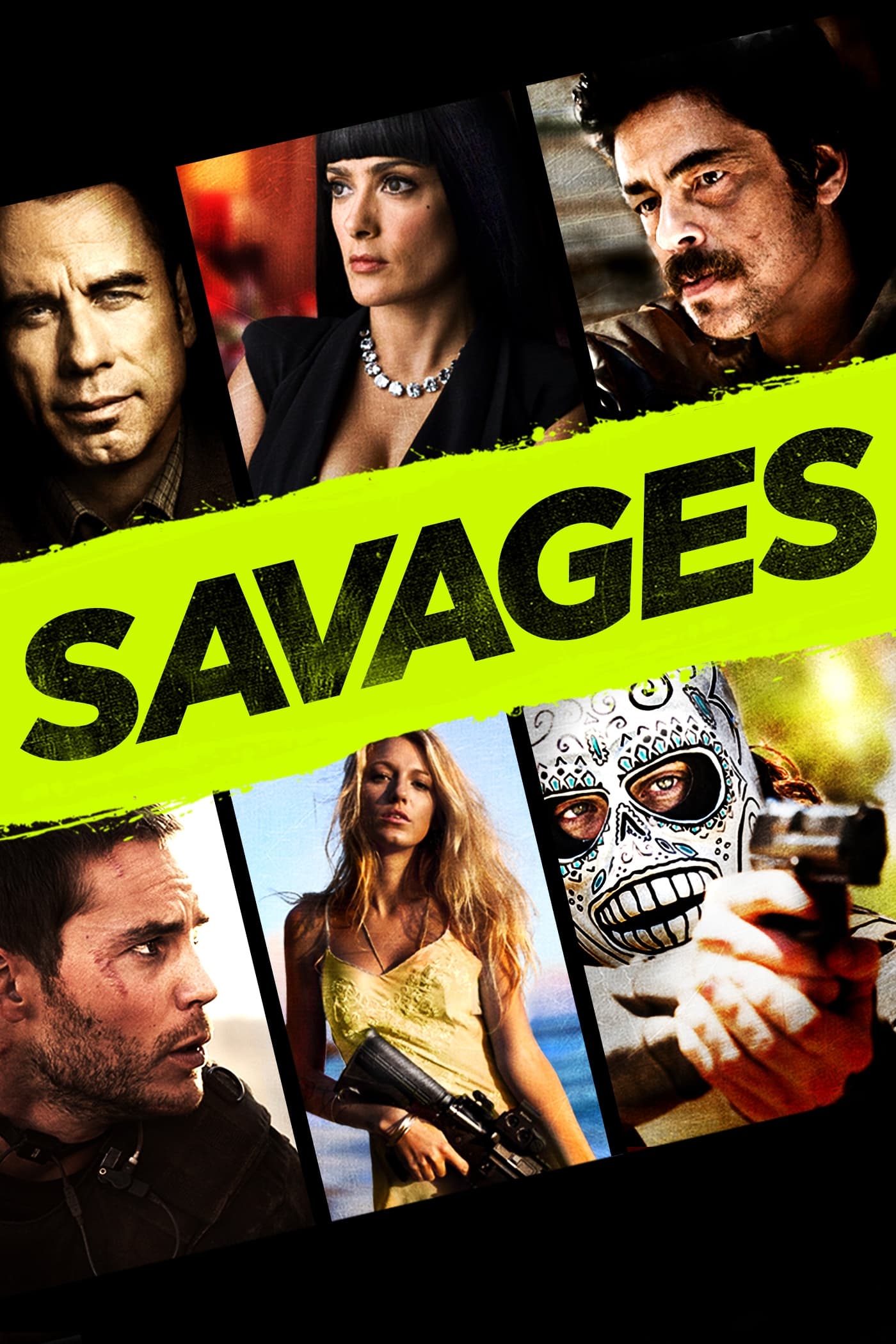
Oliver Stone directed this violent crime thriller about marijuana growers facing off against a cartel. Blake Lively narrated the film and played the shared girlfriend of the two protagonists but failed to convey the grit required for the role. Her performance was often described as vacant and she struggled to make the character’s peril feel genuine. The film’s intensity was frequently undercut by the lack of depth in the central performance.
‘Memoirs of a Geisha’ (2005)

Rob Marshall adapted the best-selling novel into a visually lush production that won several technical awards. The film was criticized heavily in Asia for casting Chinese actresses Zhang Ziyi and Gong Li in Japanese roles. This decision was seen as insensitive to the specific cultural nuances of the geisha tradition and history. While the acting was skilled the casting choice created a barrier for authenticity that many could not overlook.
’47 Ronin’ (2013)
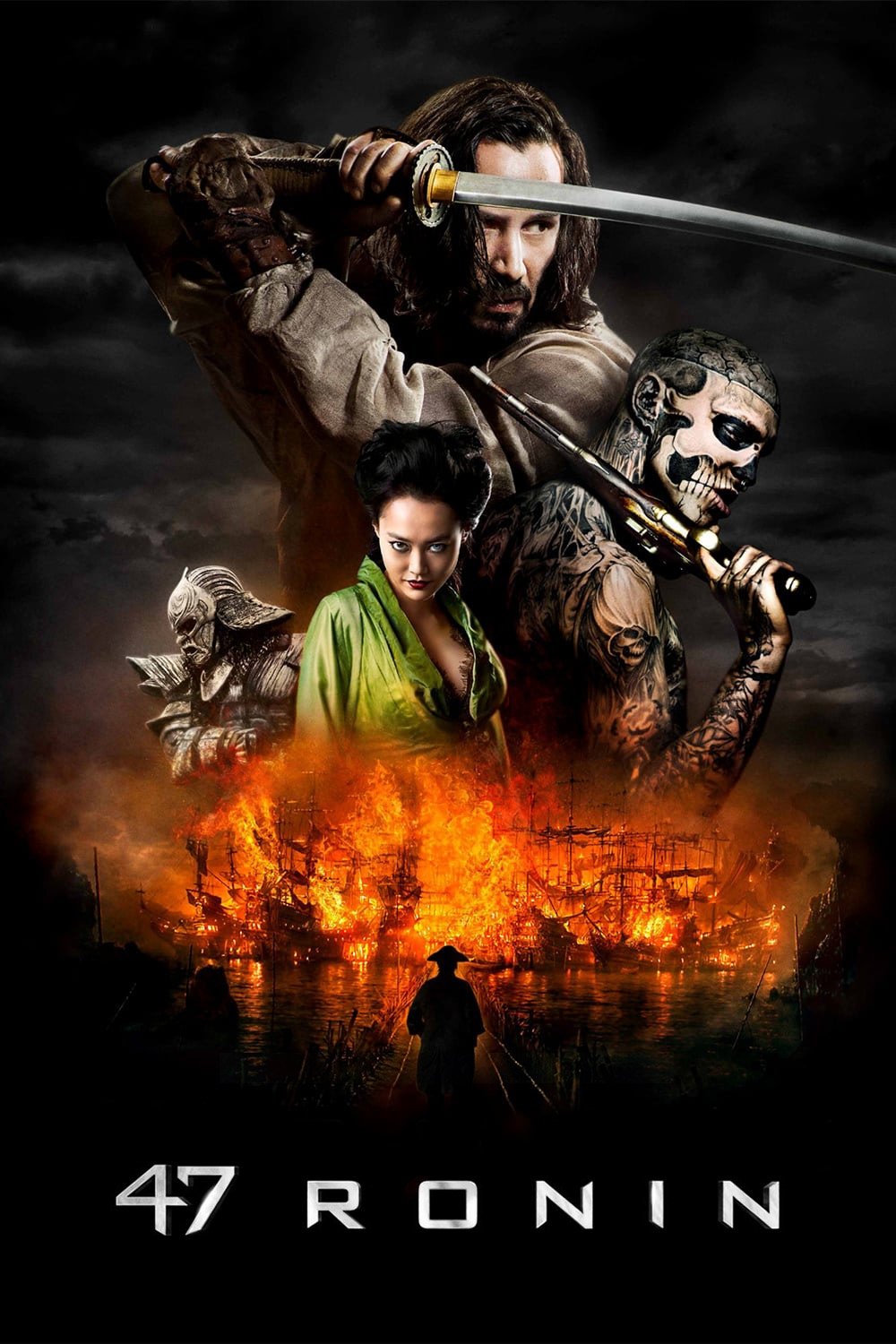
This fantasy action film was based on a real-life Japanese legend of loyalty and revenge. Keanu Reeves was inserted into the story as a “half-breed” character created specifically to justify a Western lead actor. The addition shifted focus away from the ensemble of samurai and muddled the cultural significance of the source material. The film was a critical and commercial failure largely because the star vehicle approach felt forced upon the legend.
‘The Bonfire of the Vanities’ (1990)
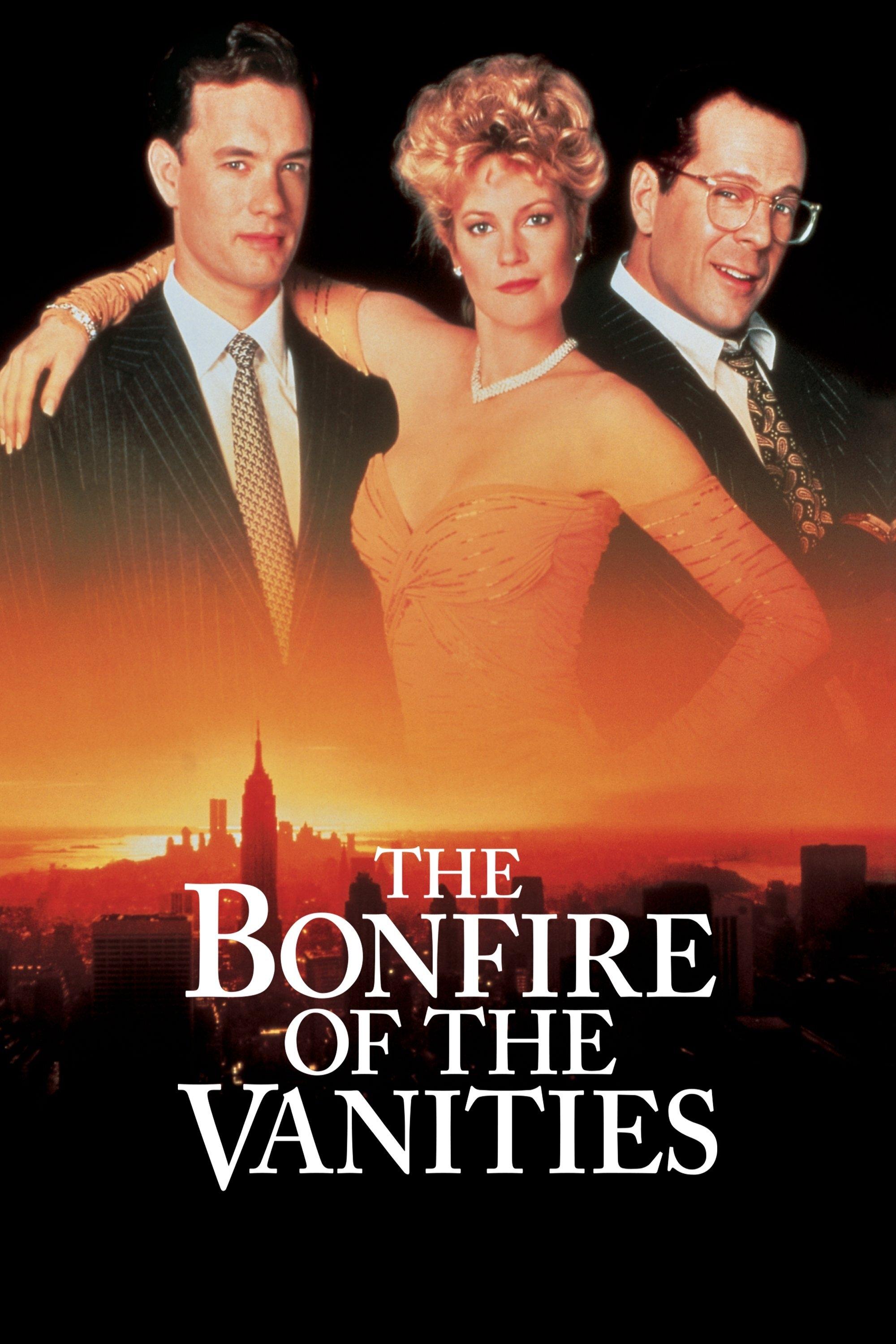
Brian De Palma adapted Tom Wolfe’s satirical novel about class and greed in New York City. Tom Hanks was cast as a Wall Street master of the universe despite being known at the time as a lovable everyman. Bruce Willis was cast as a British journalist despite being an American action star. These fundamental miscastings neutralized the biting satire of the book and resulted in a tonal mess.
‘Dear Evan Hansen’ (2021)
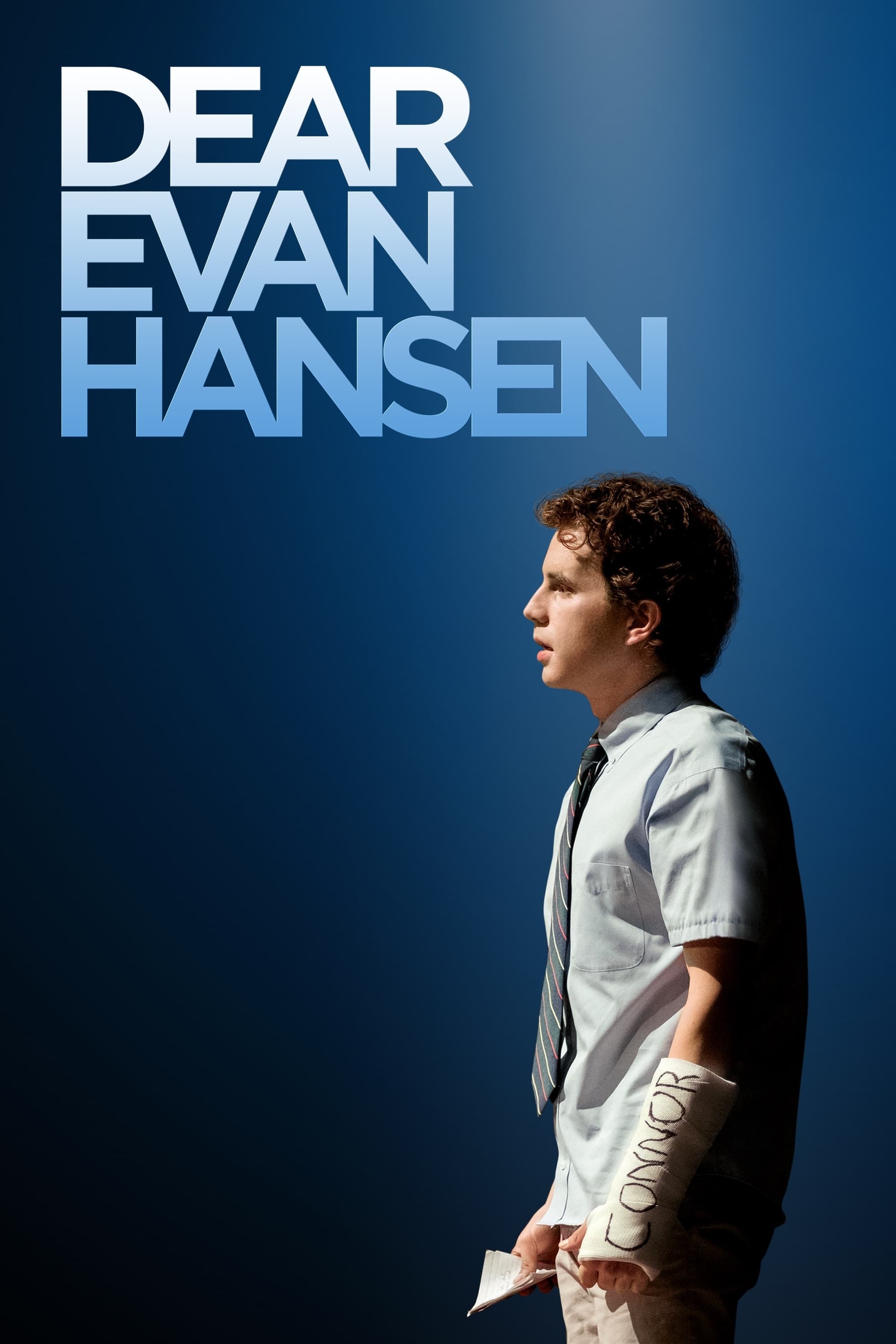
The film adaptation of the hit Broadway musical brought back the original stage star Ben Platt to reprise his role. However, Platt was significantly older than the high school character he was playing which was made more obvious by lighting and makeup choices. The visual disparity made the emotional vulnerability of the character feel uncanny and distracting. Audiences found it difficult to connect with the teen angst narrative when the protagonist looked like a grown man.
‘Midnight in the Garden of Good and Evil’ (1997)
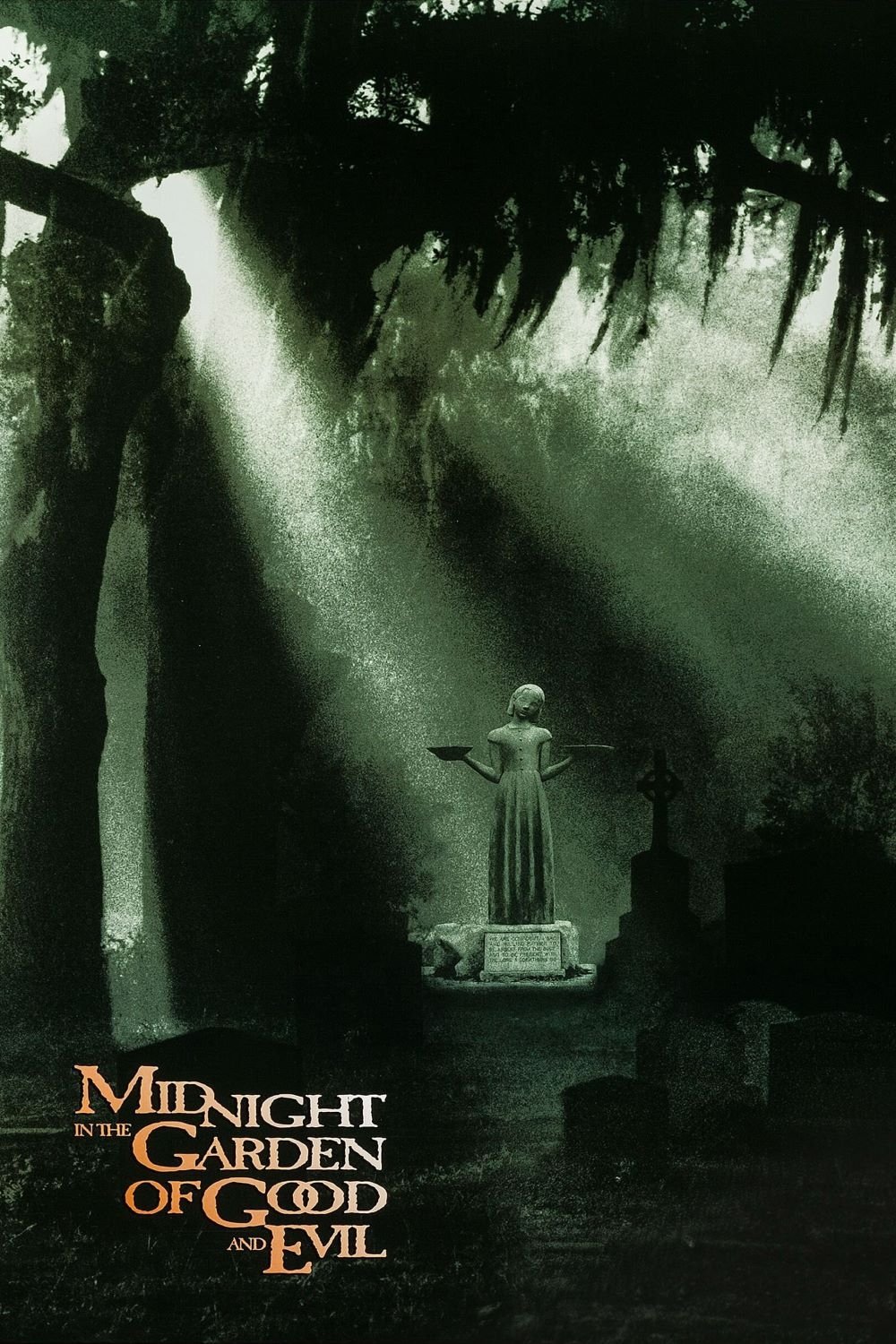
Clint Eastwood directed this adaptation of the popular non-fiction book set in Savannah, Georgia. John Cusack was cast as the narrator but seemed out of place in the slow-paced southern atmosphere. His energy was too frenetic and modern for the atmospheric and eccentric world Eastwood was trying to build. The film failed to capture the unique charm of the book partly because the audience’s surrogate did not fit the setting.
‘Valerian and the City of a Thousand Planets’ (2017)
Luc Besson adapted this seminal French comic book into a visually breathtaking sci-fi epic. The film faltered significantly for many critics due to the casting of Dane DeHaan and Cara Delevingne as the seasoned space agents. Their youthful appearances and lack of romantic chemistry made it difficult for audiences to buy them as experienced partners saving the universe. The spectacular world-building was ultimately overshadowed by lead performances that felt too lightweight for the material.
‘Daredevil’ (2003)
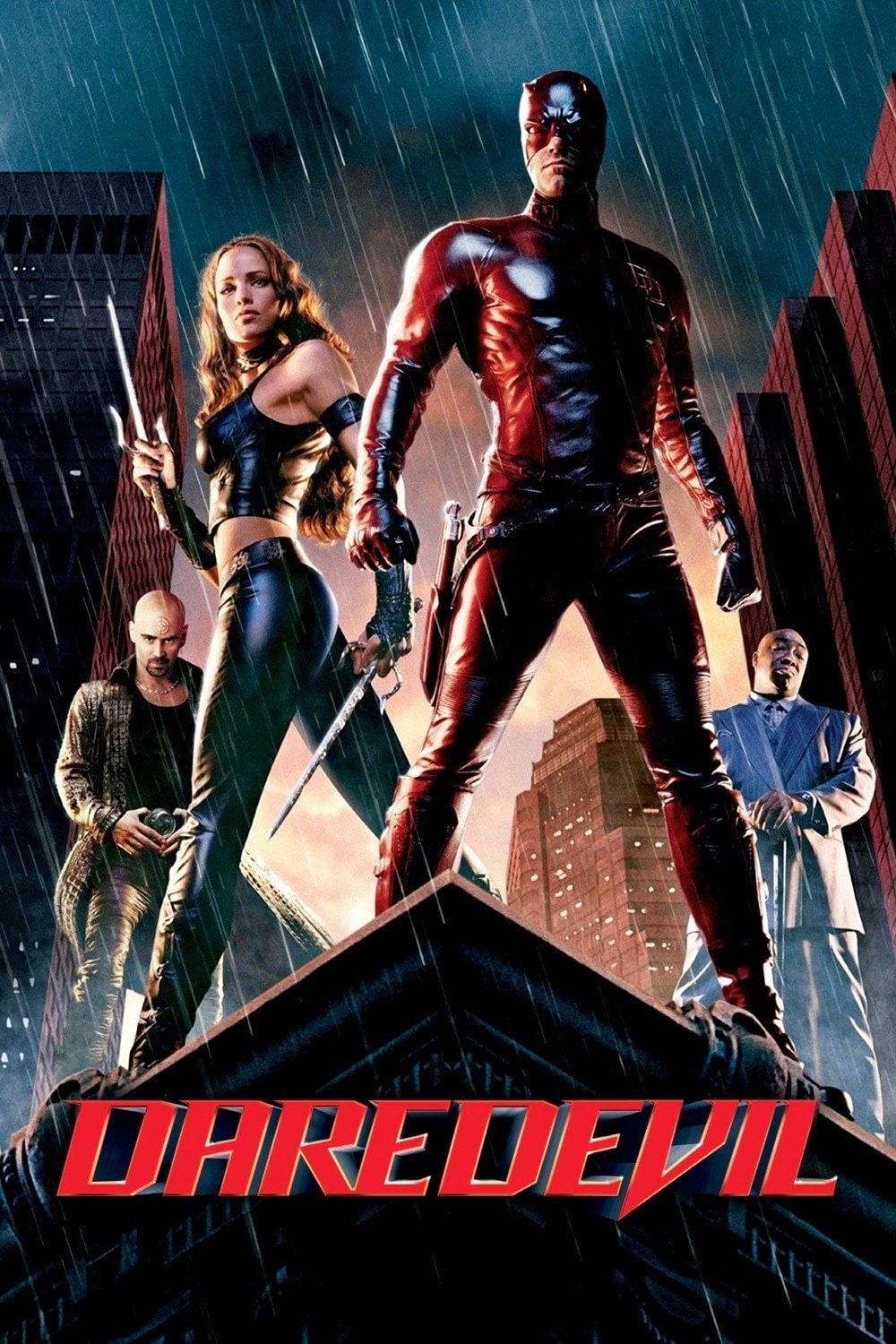
Before the successful Netflix series, Ben Affleck donned the red suit in this feature film adaptation. Affleck struggled to convey the brooding intensity and physical menace of the blind vigilante Matt Murdock. His performance felt too polished and lacked the gritty edge that defines the character in the comic books. Colin Farrell’s over-the-top performance as Bullseye further highlighted the tonal inconsistencies in the casting ensemble.
‘Joy’ (2015)
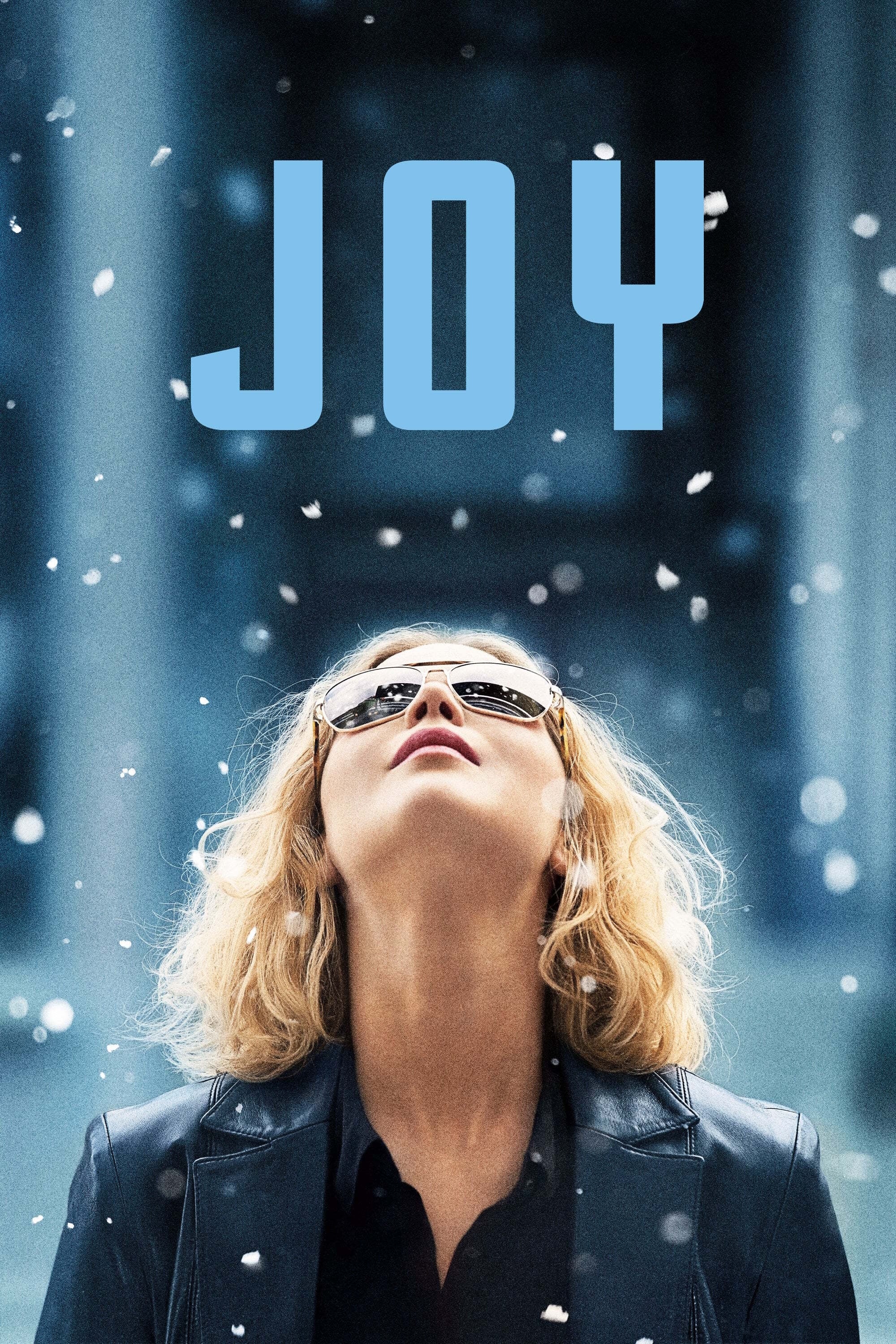
David O. Russell reunited with Jennifer Lawrence to tell the story of Joy Mangano across four decades of her life. Lawrence was in her mid-20s during filming but was tasked with playing a divorced mother of two navigating middle age. The age discrepancy made the struggle for business success feel less earned than if it had been portrayed by an age-appropriate actor. The film relied on prosthetics and acting to bridge a gap that simple casting could have solved.
Tell us which of these movies you would recast and who you would choose in the comments.

