


Great TV Shows That Deserved a Better Cast



Many television series captivate audiences with brilliant concepts and high production values, yet fail to reach their full potential due to casting missteps. Whether it is a lack of chemistry between leads or a protagonist who cannot carry the emotional weight of the story, the wrong actors can derail even the most promising scripts. The following list highlights shows that, despite their strong premises, suffered significantly from casting choices that did not align with the material.
‘Revolution’ (2012–2014)
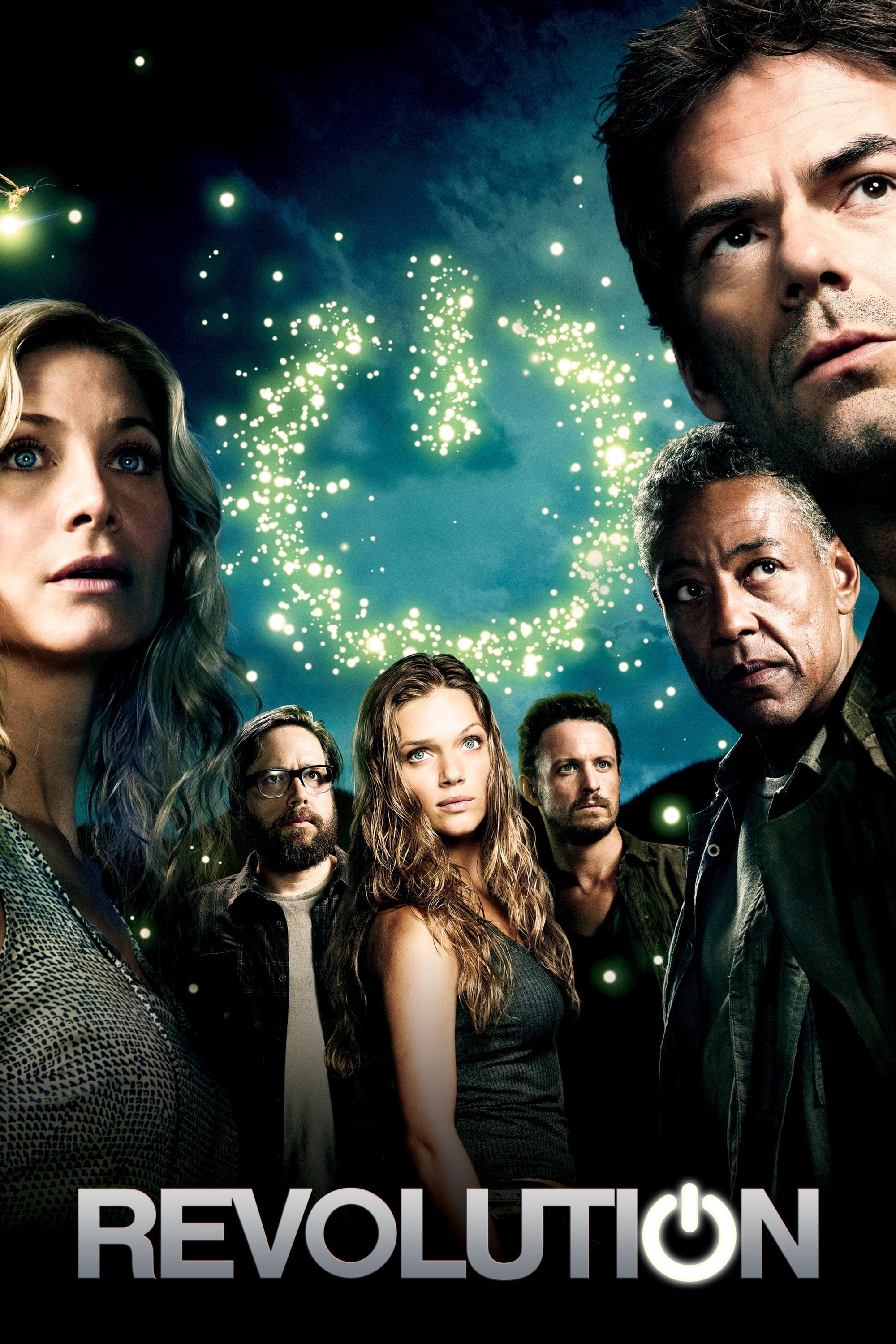
Produced by J.J. Abrams, this show presented a fascinating post-apocalyptic world without electricity, but the lead casting became a major hurdle. Tracy Spiridakos, portraying the protagonist Charlie Matheson, was frequently critiqued for a limited emotional range that made it hard for audiences to root for her. Viewers often found the supporting characters, such as the villain played by Giancarlo Esposito, far more compelling than the hero driving the plot. This imbalance in acting talent caused the central emotional arc of the series to fall flat.
‘FlashForward’ (2009–2010)
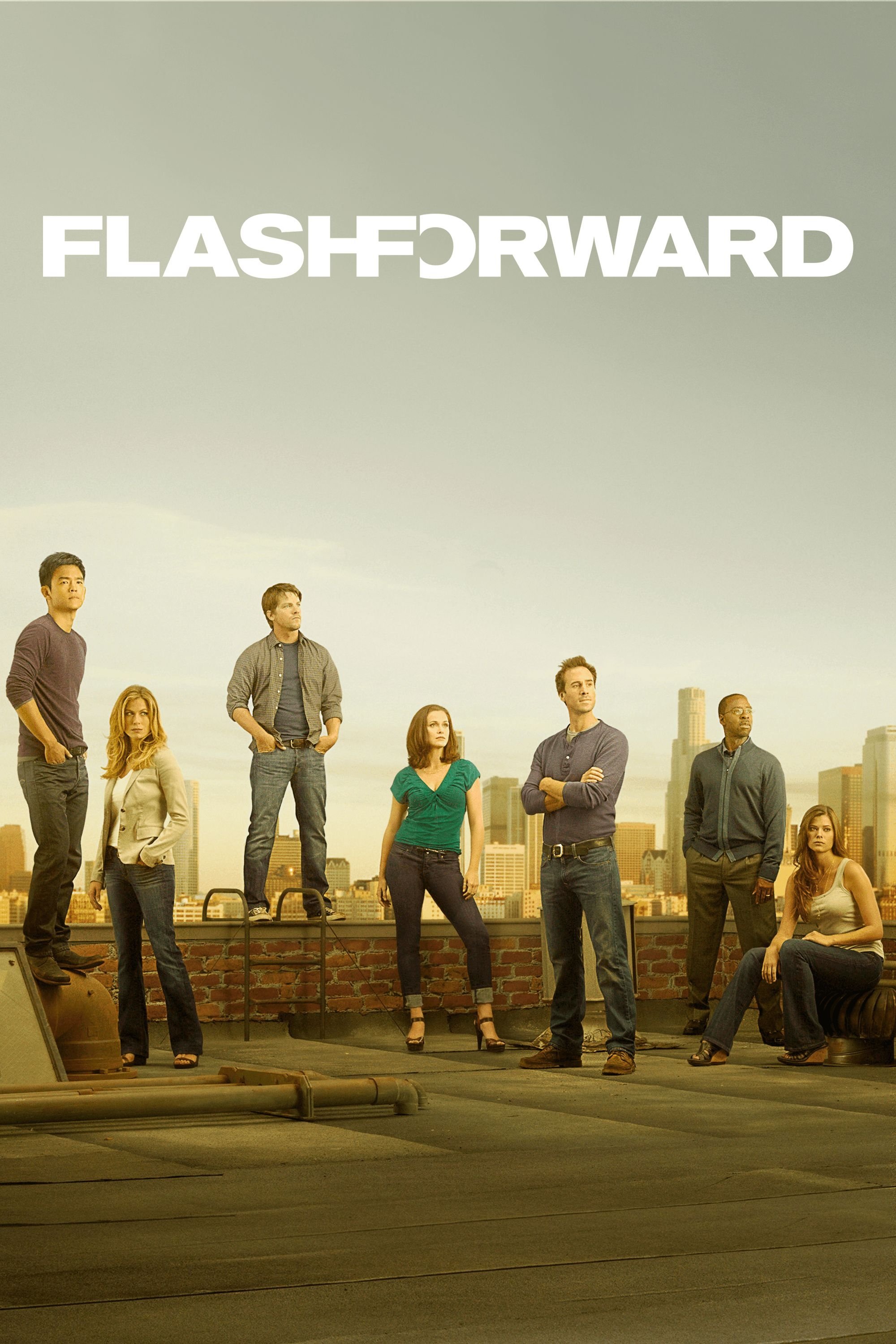
With a gripping premise about the entire world blacking out and seeing the future, this show seemed destined for success. However, Joseph Fiennes was cast as the lead FBI agent, and his performance was often cited as dour and lacking the charisma needed to anchor such a high-concept ensemble. The intensity required to sell the global conspiracy was frequently missing from his scenes, making the urgency of the plot feel diminished. Despite a strong supporting cast, the lack of a magnetic lead contributed to the show’s decline and eventual cancellation.
‘Shadowhunters’ (2016–2019)
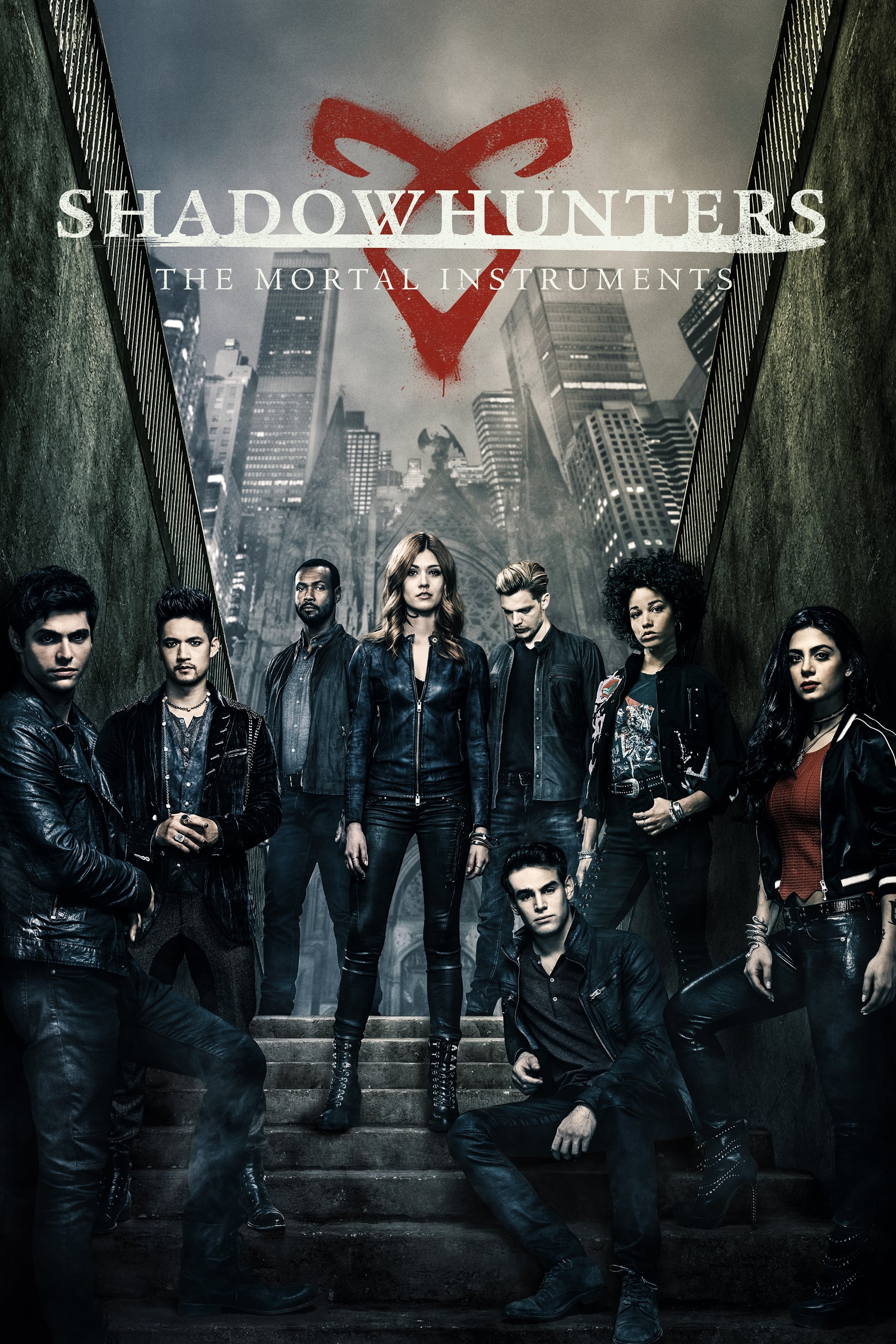
Based on a popular young adult book series, this adaptation struggled initially with the inexperience of its young leads. Katherine McNamara’s portrayal of Clary Fray was criticized in the first season for being wooden and unconvincing during emotional peaks. While the acting improved in later seasons, the initial lack of chemistry between the central romantic pairing alienated many book fans early on. The show often felt more like a catalogue of attractive actors than a cohesive dramatic unit.
‘The Shannara Chronicles’ (2016–2017)
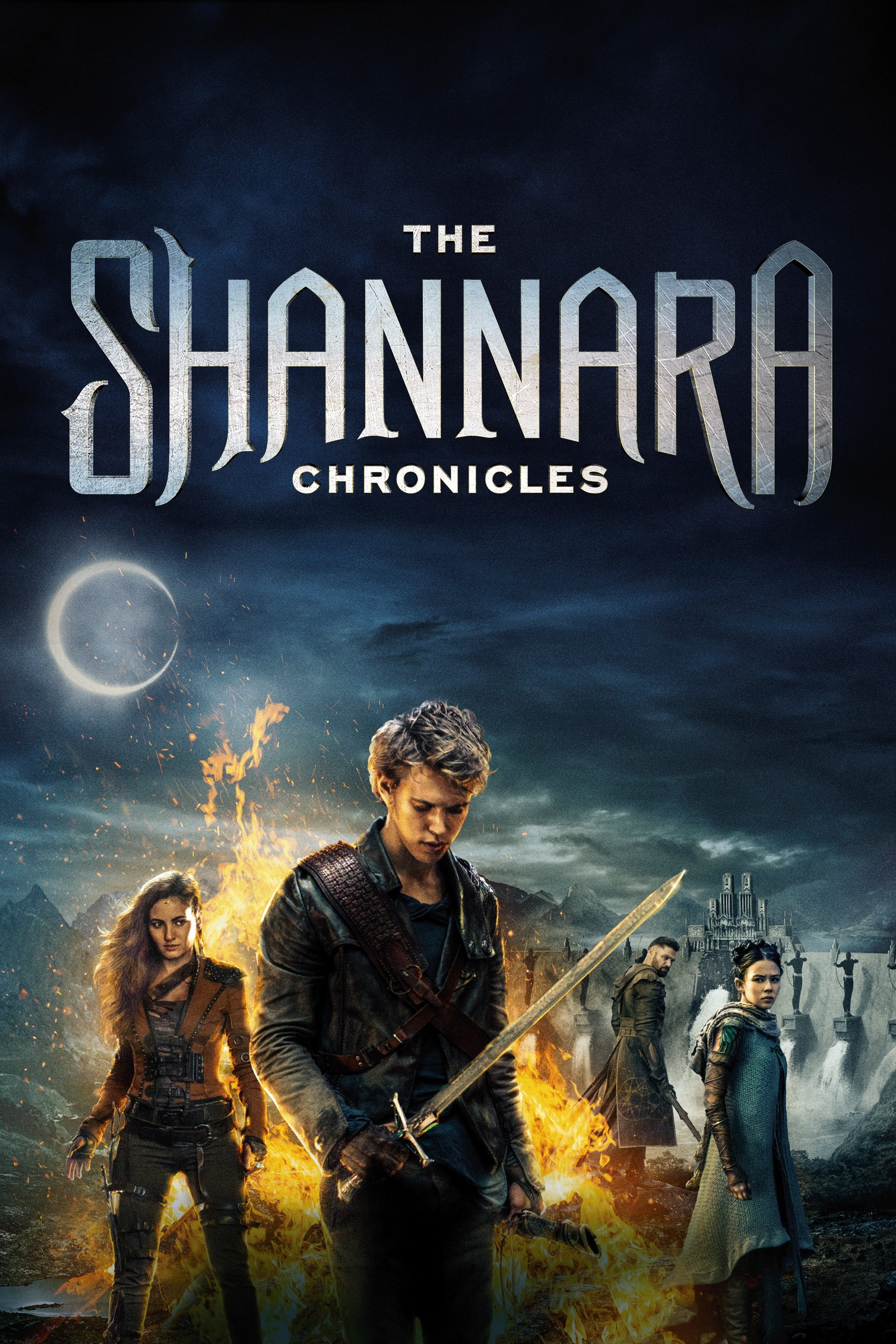
This high-fantasy series adapted from Terry Brooks’ novels boasted impressive visual effects but was hindered by performances that felt too modern and teenage for the setting. Ivana Baquero and Poppy Drayton struggled to elevate the dialogue above standard teen drama tropes, which clashed with the epic scope of the story. Austin Butler, while charismatic, often seemed to be in a different show than his co-stars, creating a tonal mismatch. The casting skewed heavily towards a specific young demographic, which alienated fantasy purists looking for more gravitas.
‘Terra Nova’ (2011)
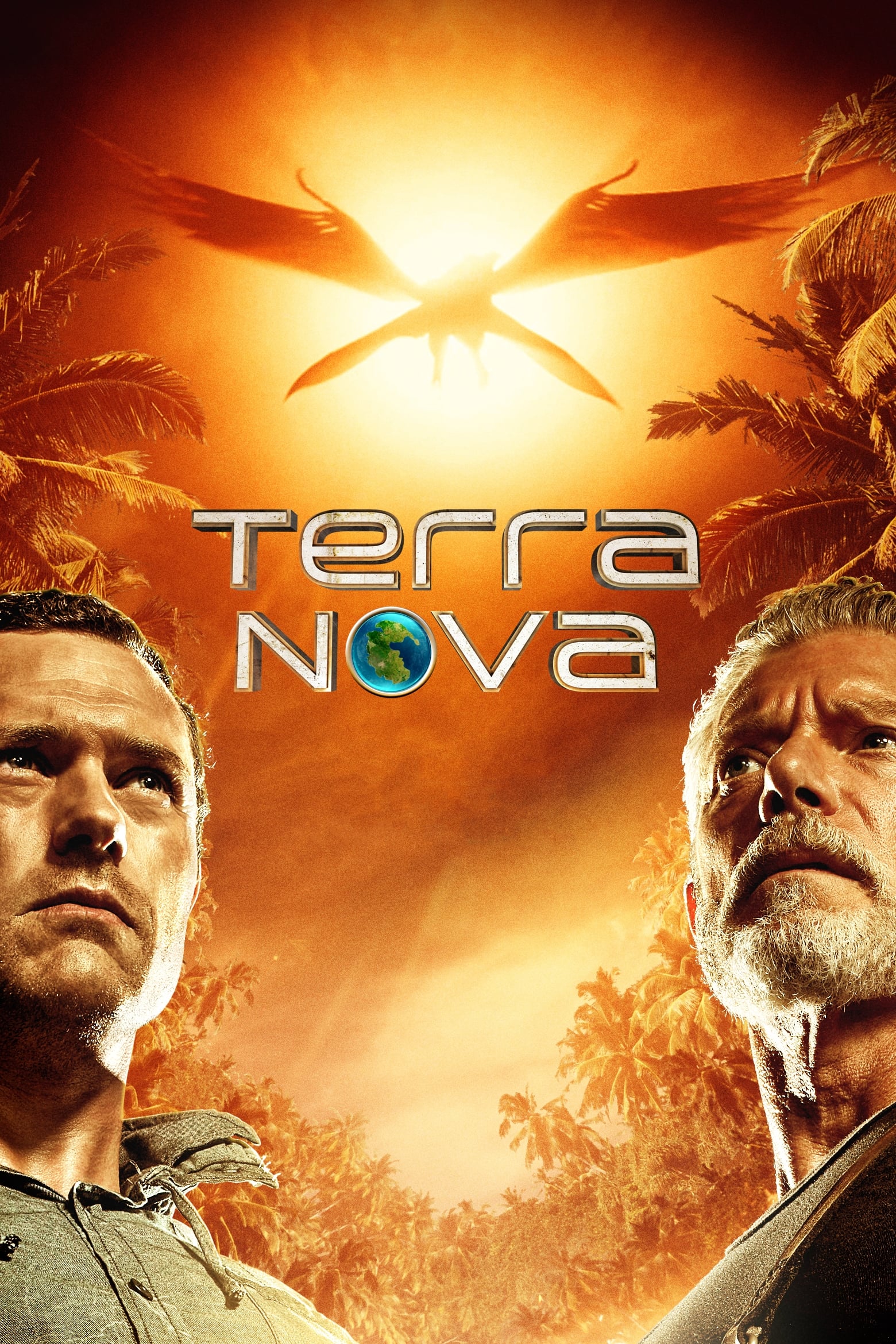
Spielberg’s dinosaur drama had a massive budget and a spectacular concept, yet the Shannon family at its center felt remarkably generic. Jason O’Mara played the patriarch with a standard action-hero stoicism that failed to make him a standout character amidst the CGI spectacle. The lack of distinct personality and family chemistry made the human drama the least interesting part of the series. Audiences tuned in for the dinosaurs but tuned out because they did not care about the cast fleeing them.
‘Under the Dome’ (2013–2015)

Stephen King’s novel provided a claustrophobic setting, but the television adaptation was marred by inconsistent acting. Mike Vogel played the mysterious Barbie, but his performance was often described as blank, failing to convey the complexity of a man with a dark past. The ensemble cast frequently delivered dialogue with a melodramatic flair that undercut the seriousness of their survival situation. As the seasons progressed, the performances became increasingly cartoonish, detracting from the horror elements of the premise.
‘Melrose Place’ (2009–2010)
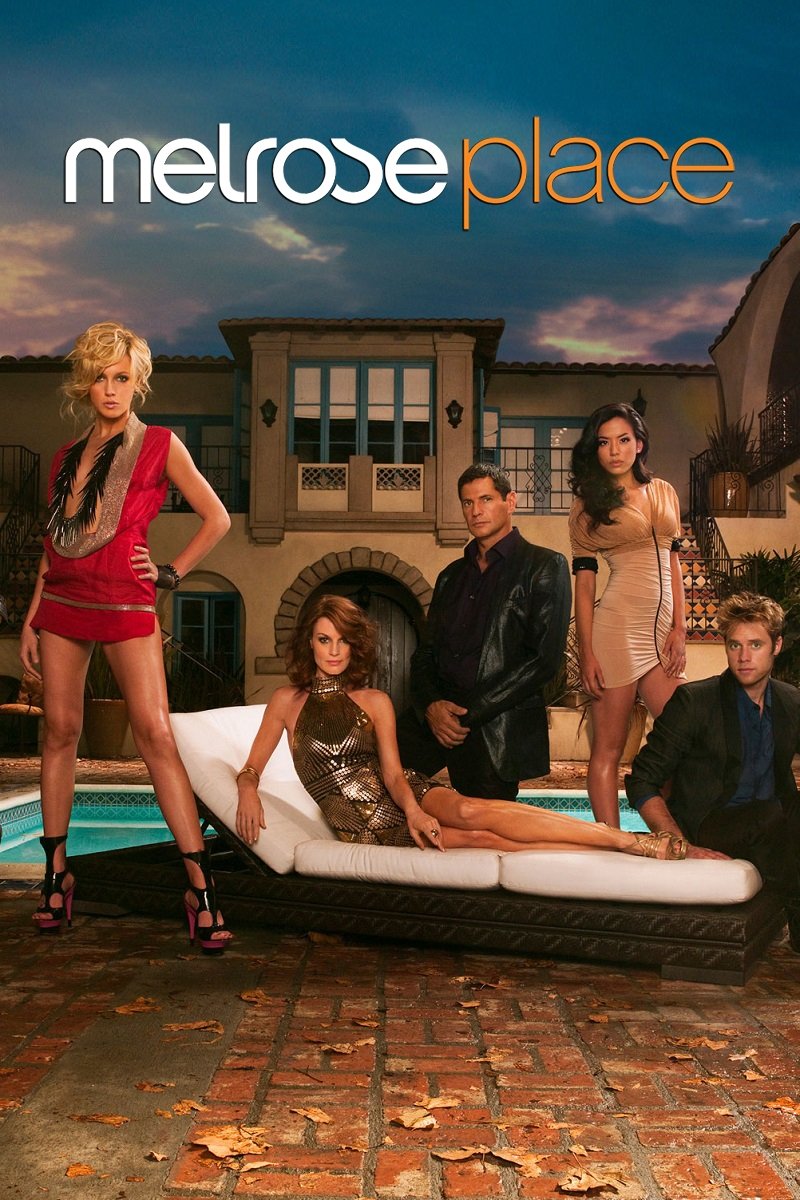
The reboot of the 90s classic attempted to recapture the soapy magic of the original but failed largely due to stunt casting. Ashlee Simpson was cast as a central character, Violet Foster, but her acting was universally panned for being rigid and expressionless. Her lack of screen presence created a void in the ensemble that the other actors struggled to fill. The show underwent a creative overhaul midway through the season to write her out, but the damage to the show’s reputation had already been done.
‘Knight Rider’ (2008–2009)
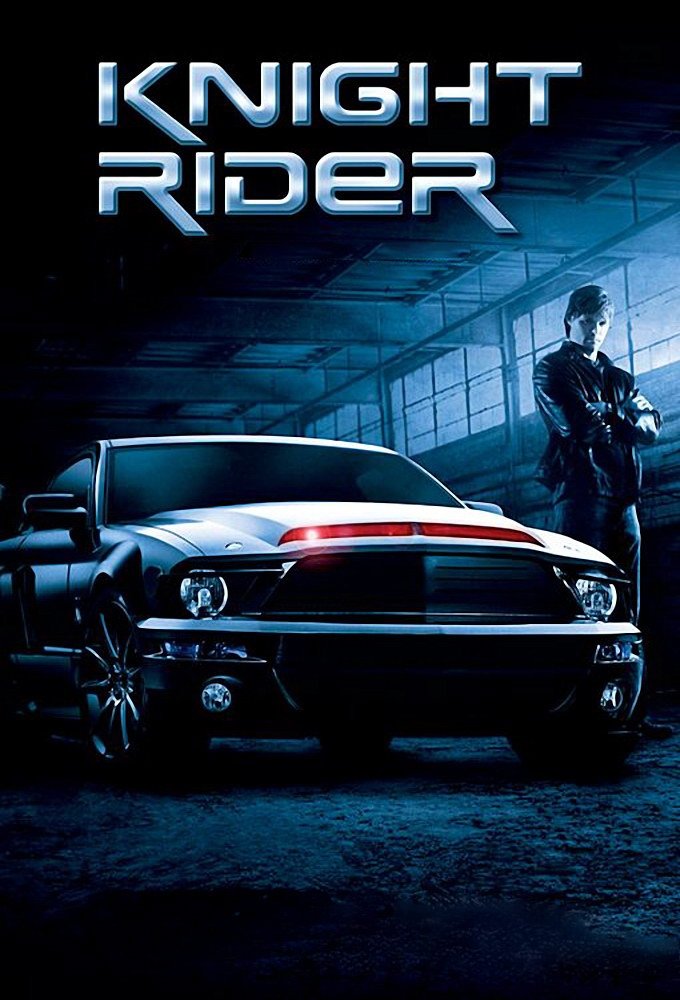
Reviving the 80s cult classic required a lead with immense charm to compete with the memory of David Hasselhoff, and Justin Bruening did not meet that bar. His portrayal of Mike Traceur was seen as generic and devoid of the winking humor that made the original series fun. The chemistry between the driver and the AI car, K.I.T.T., felt forced and mechanical rather than like a partnership. Without a charismatic lead to ground the ridiculousness of the concept, the show became just another forgettable action procedural.
‘Bionic Woman’ (2007)

Michelle Ryan was cast as Jaime Sommers in this dark reimagining of the classic series, but she struggled to connect with American audiences. Critics noted that her performance felt labored, particularly in maintaining an American accent, which distracted from the emotional beats of the character. The show tried to be gritty and serious, but the lead performance lacked the vulnerability and warmth needed to make the bionic transition tragic. The series was quickly cancelled, with the casting cited as a primary reason for its failure to launch.
‘Charlie’s Angels’ (2011)

This reboot failed to capture the effervescent chemistry that is the trademark of the franchise. Minka Kelly, Rachael Taylor, and Annie Ilonzeh were cast as the trio, but they operated as three separate entities rather than a cohesive team of friends. The banter, which is essential to the Charlie’s Angels formula, fell flat due to timing issues and a lack of rapport among the actresses. Without the spark of friendship driving the action, the show became a hollow imitation of its predecessors.
‘V’ (2009–2011)
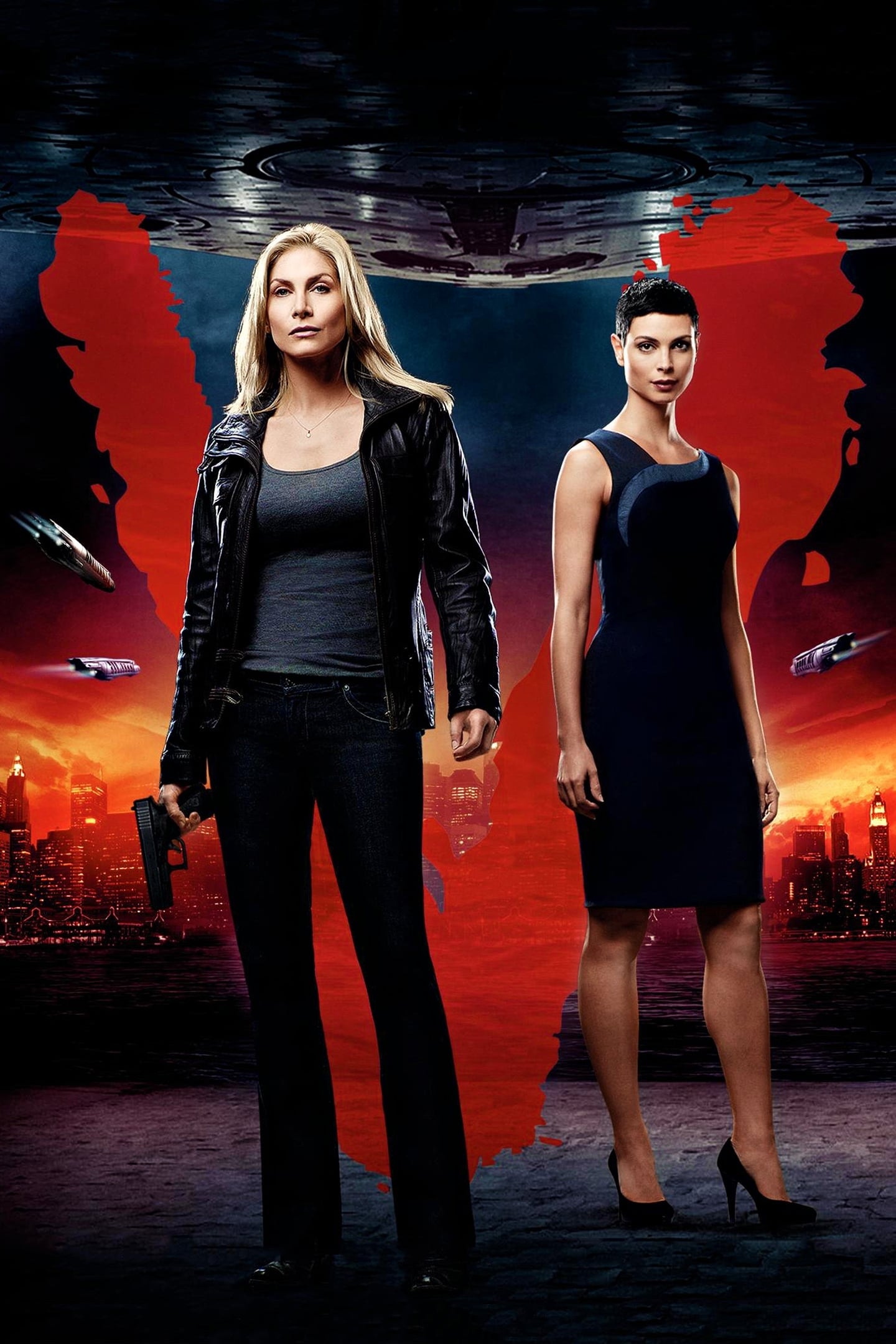
While the adult cast of this sci-fi remake included strong performers like Elizabeth Mitchell, the teenage storylines dragged the series down. Logan Huffman, playing the son of the protagonist, made acting choices that many viewers found grating and unintentionally creepy. His character’s gullibility and the actor’s mannerisms made him one of the most disliked characters on television at the time. This weak link in the casting often diverted screen time away from the more interesting political maneuvering of the alien visitors.
‘Gossip Girl’ (2021–2023)
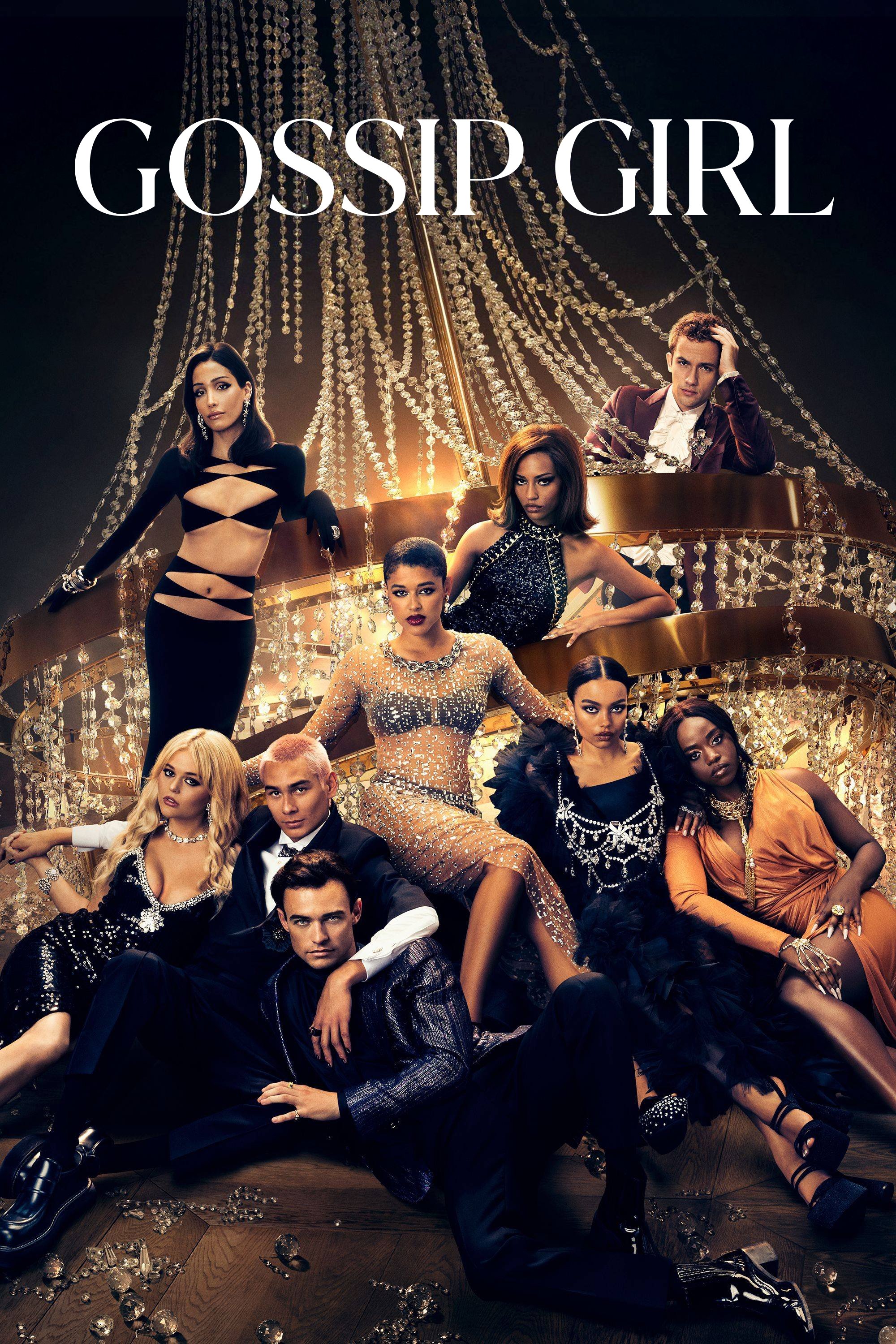
The reboot of the iconic teen drama featured a diverse cast but failed to replicate the magnetic charisma of the original stars. Jordan Alexander and the new ensemble lacked the natural chemistry and sharpness that made the interplay between Serena and Blair so watchable. Critics felt the actors were often posturing rather than inhabiting their characters, making the drama feel performative. The reboot focused heavily on aesthetics, but the cast could not generate the same level of investment or controversy as their predecessors.
‘90210’ (2008–2013)
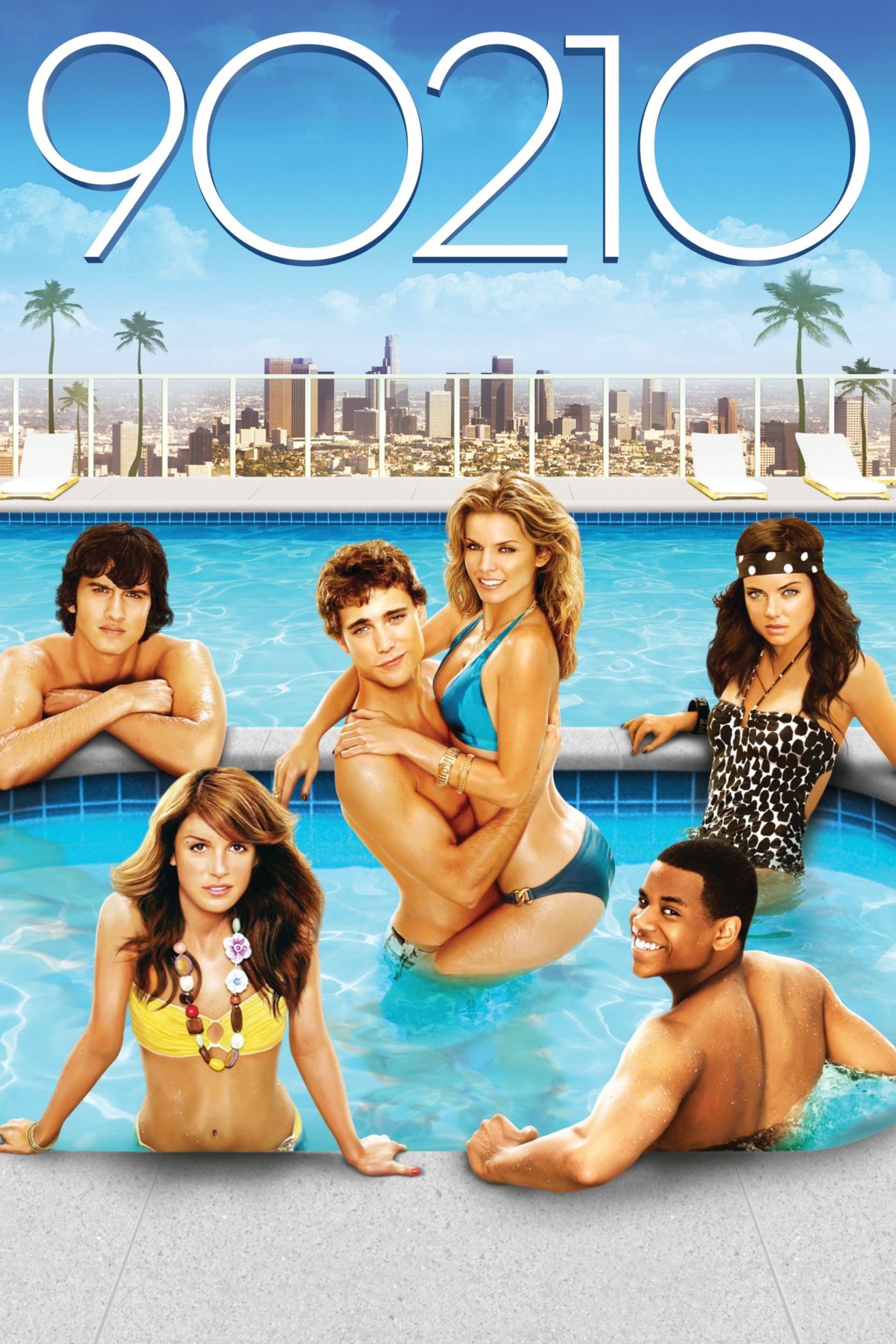
Tasked with anchoring a reboot of the quintessential teen soap, Shenae Grimes was cast as the fish-out-of-water Annie Wilson. Her performance was frequently overshadowed by the more dynamic acting of co-stars like AnnaLynne McCord and Jessica Stroup. Viewers found the central protagonist to be the least interesting part of the Beverly Hills drama, often rooting against her. The show eventually pivoted to focus more on the ensemble, acknowledging that the lead casting had not worked as intended.
‘Cowboy Bebop’ (2021)
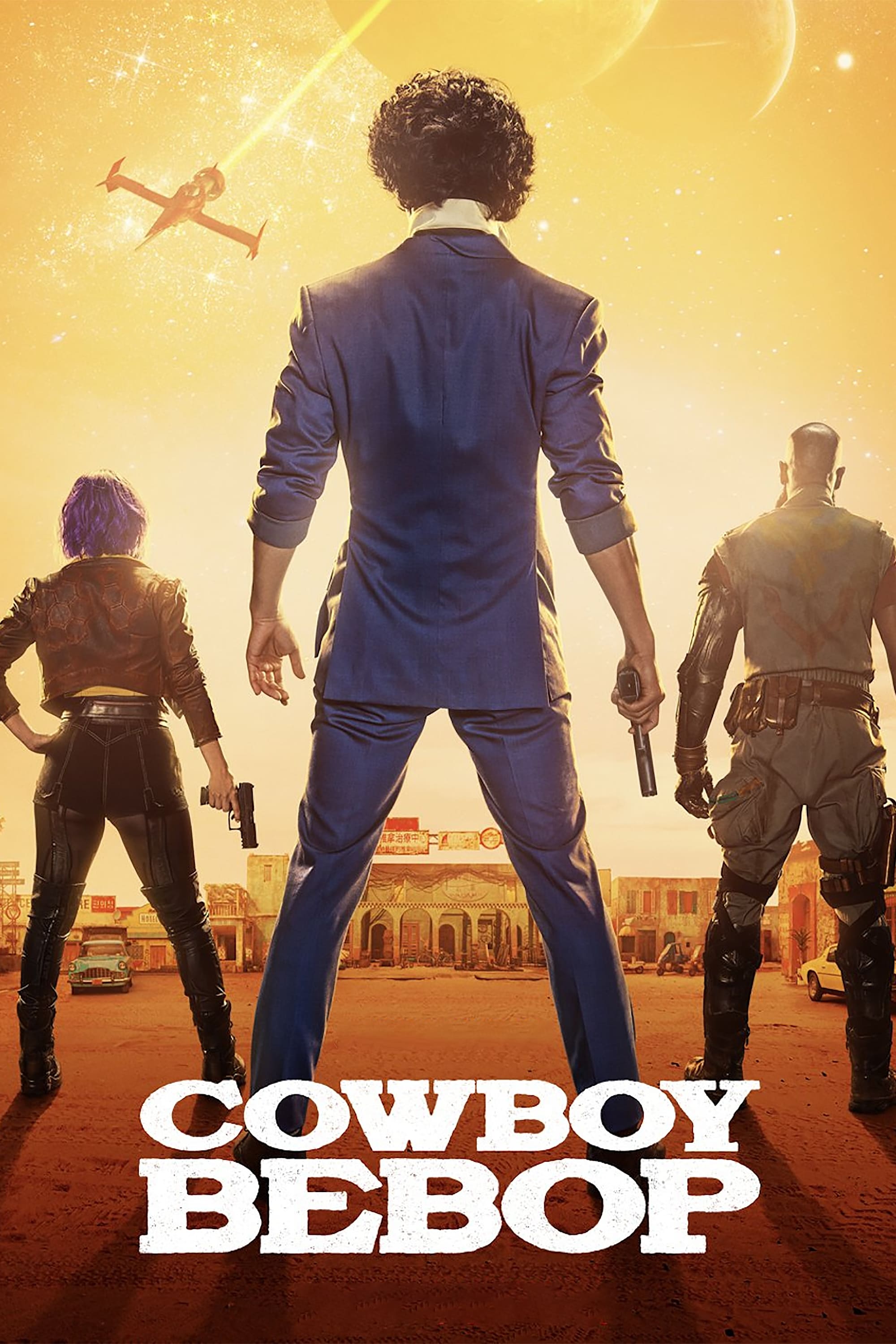
Adapting a beloved anime is always difficult, but the casting of the live-action version drew immediate skepticism. John Cho, while a talented actor, was considered by many to be too old and too stiff to capture the effortless cool of Spike Spiegel. The chemistry between the bounty hunters felt forced, missing the dysfunctional family dynamic that defined the original animated series. The performances veered between cartoonish mimicry and somber drama, failing to find a consistent tone.
‘Halo’ (2022–2024)
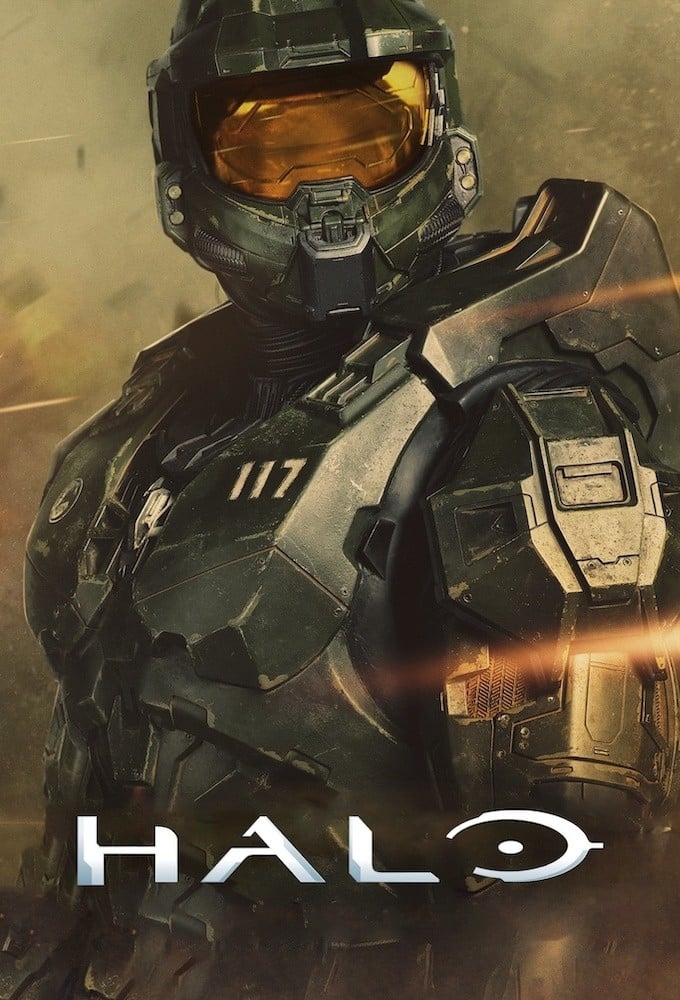
Pablo Schreiber faced an uphill battle playing Master Chief, a character defined by his helmet and stoicism. The decision to have the character unmasked for much of the series exposed the actor to criticism regarding his emotional portrayal, which many fans felt betrayed the source material. Schreiber’s performance was often seen as too human and volatile for a super-soldier who is supposed to be a machine of war. This casting direction fundamentally altered the character dynamics, alienating the core gaming fanbase.
‘Resident Evil’ (2022)
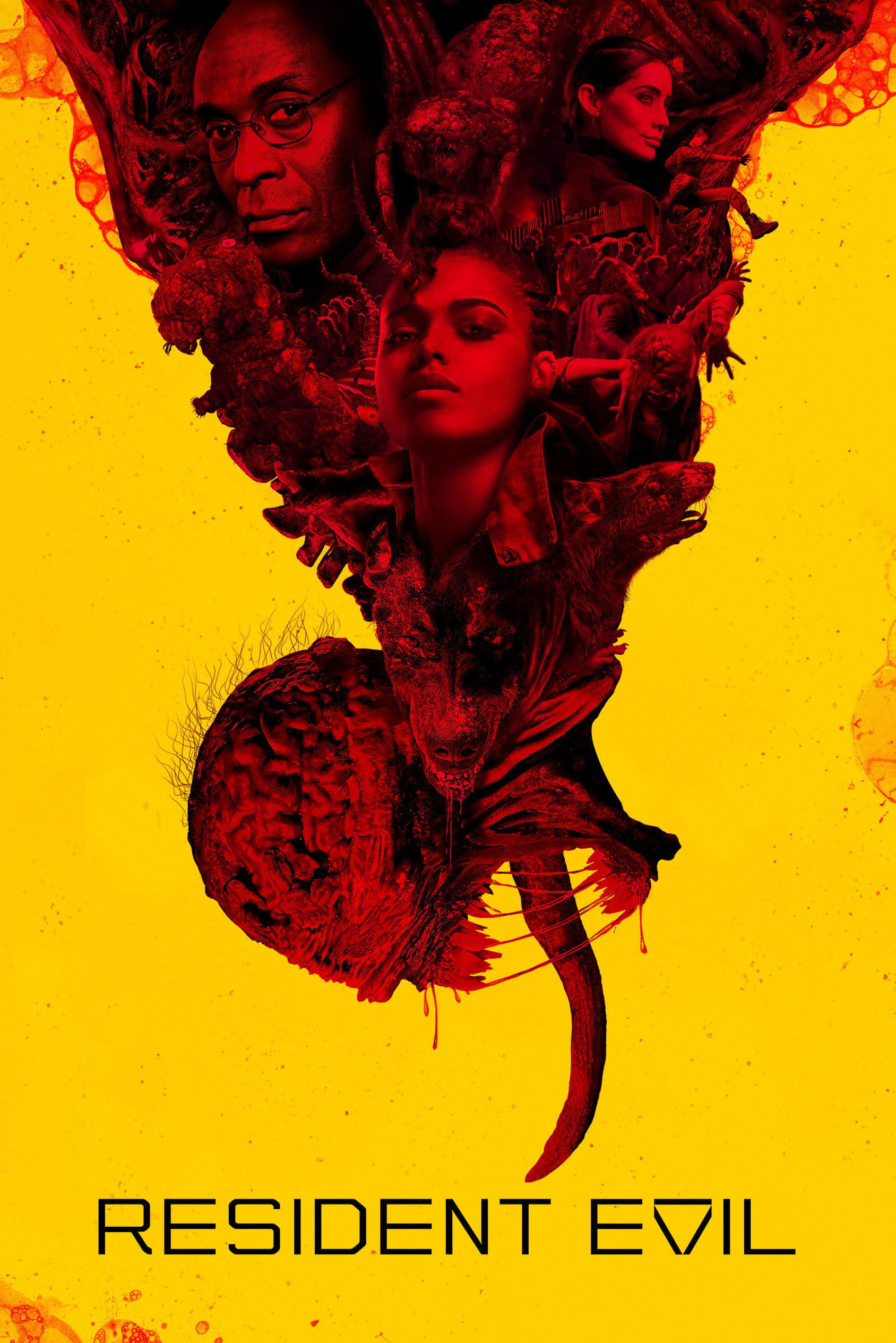
Netflix’s adaptation of the horror franchise split the timeline, but the casting in both eras failed to save a muddled script. Ella Balinska gave a committed performance, but the writing forced her into melodramatic situations that didn’t fit the survival horror tone. The teenage versions of the characters were particularly criticized for angst-filled performances that felt out of place in a zombie apocalypse. The disconnect between the actors and the legacy of the game characters contributed to the show’s swift cancellation.
‘Jupiter’s Legacy’ (2021)

This superhero saga struggled with the visual and tonal disparity between its two timelines. Josh Duhamel, cast as the aging superhero Utopian, was hindered by distracting hair and makeup that made his performance feel like a costume party. The younger generation of heroes lacked the charisma to make their ideological struggle against their parents compelling. The casting failed to bridge the gap between the golden age comic tropes and the gritty modern deconstruction the show attempted.
‘Y: The Last Man’ (2021)
The adaptation of the acclaimed graphic novel faced numerous production delays, including a recasting of the lead role. Ben Schnetzer took over as Yorick Brown, but his performance was viewed as generic and lacking the specific charm of the comic book character. Yorick is supposed to be an amateur escape artist with a unique wit, but the television version felt like a standard survivor protagonist. Without a compelling anchor for the audience, the high-concept premise of a world without men lost its emotional impact.
‘Manifest’ (2018–2023)
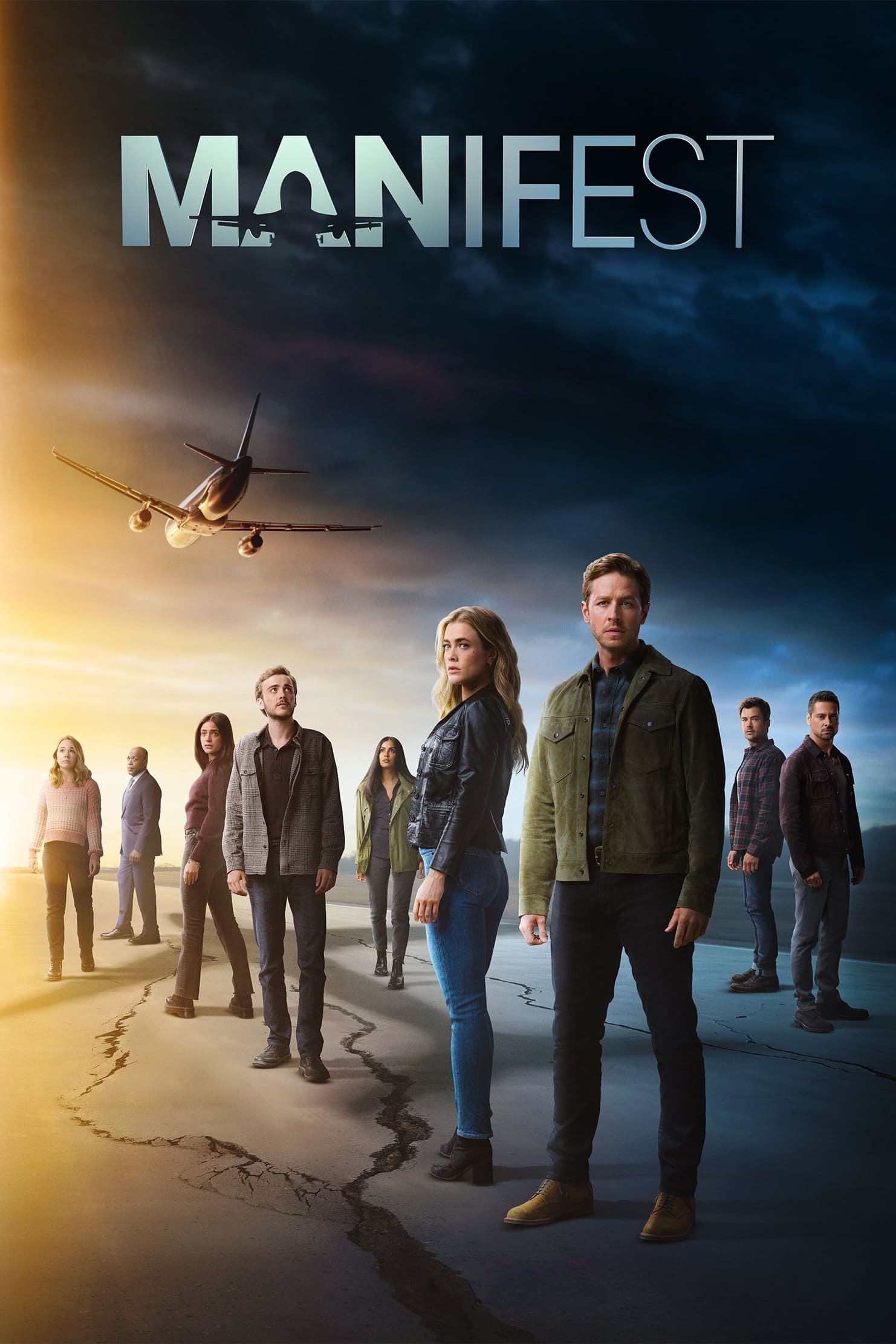
While the mystery of Flight 828 was intriguing, the acting from the lead siblings often dipped into soap opera territory. Melissa Roxburgh and Josh Dallas were frequently criticized for overacting during the show’s many twists and turns. Their intense, breathless delivery of dialogue became a meme among viewers, detracting from the supernatural mystery. The lack of subtlety in the performances made it difficult for the show to be taken seriously as a sci-fi drama.
‘La Brea’ (2021–2024)
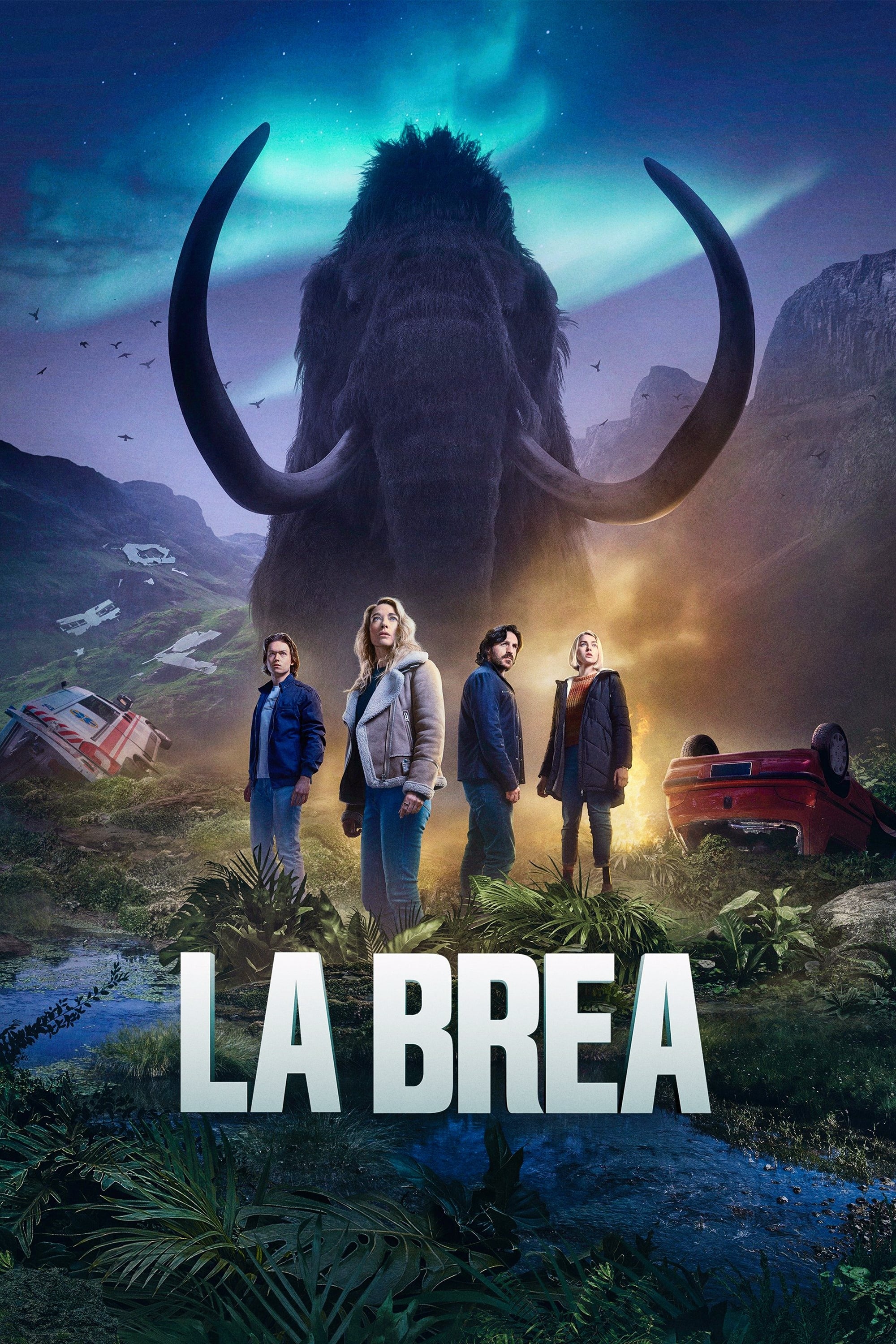
This sinkhole disaster drama required a cast that could sell the absurdity of the situation, but the performances were largely wooden. Natalie Zea and Eoin Macken played the separated parents, yet they generated little emotional resonance amidst the CGI creatures. The supporting cast often delivered exposition with a flatness that made the stakes feel nonexistent. Viewers watched for the spectacle, but the acting was widely considered the weakest element of the production.
‘The I-Land’ (2019)
Critically panned upon arrival, this sci-fi miniseries suffered from a script that the cast seemed unable to salvage. Kate Bosworth and Natalie Martinez delivered performances that felt disjointed, struggling to make sense of their characters’ shifting motivations. The dialogue was often delivered with a seriousness that made the plot twists unintentional comedy. The ensemble lacked the cohesion required for a psychological thriller, turning a survival mystery into a tedious watch.
‘Batwoman’ (2019–2022)
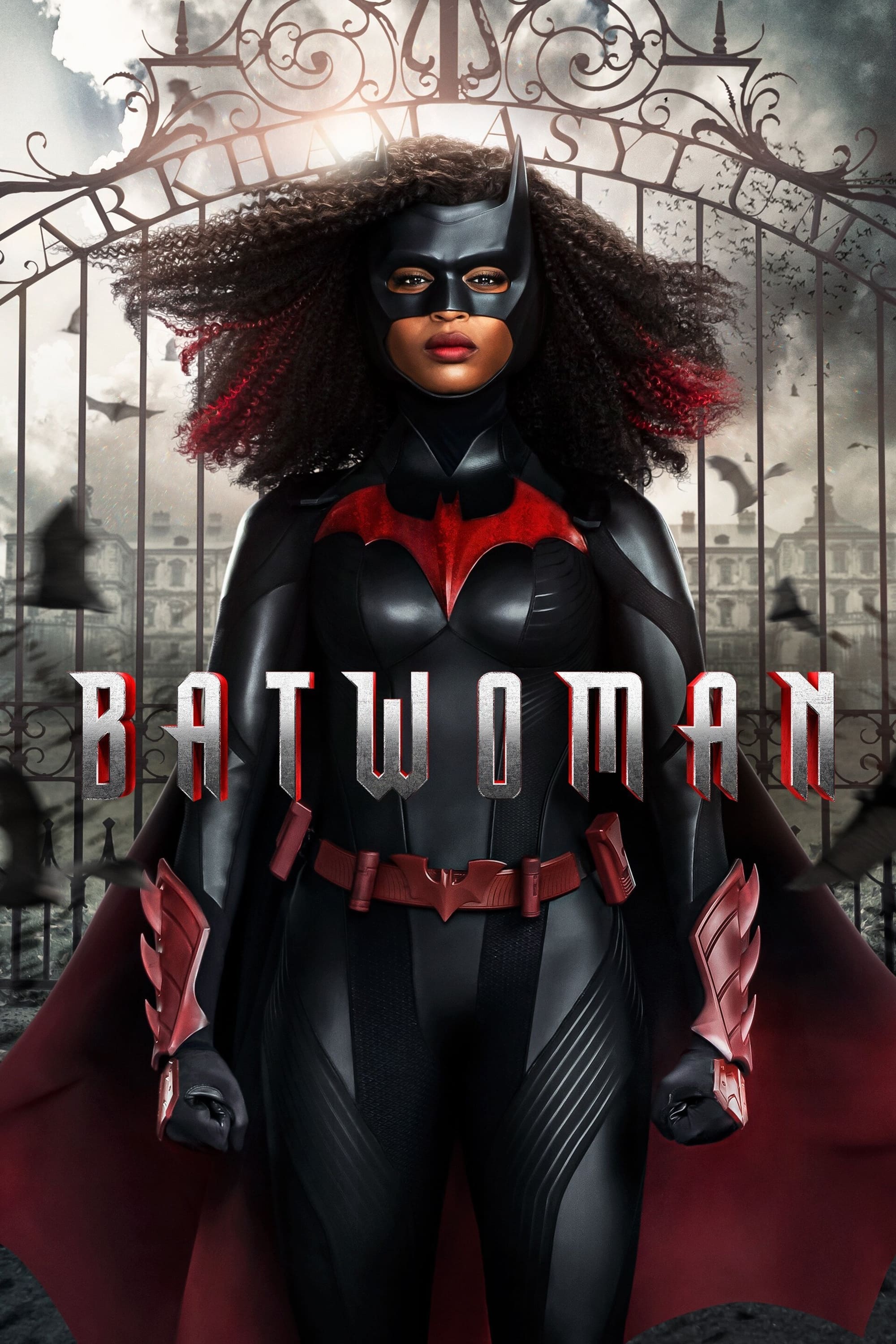
Ruby Rose was cast as Kate Kane, but her performance was met with criticism for being stiff and lacking emotional range. Action sequences often looked awkward, and the chemistry with the supporting cast was minimal. Rose departed the series after just one season, a rare occurrence for a lead in a major superhero franchise, which validated the feeling that the casting was a mismatch from the start. The show struggled to regain its footing even after recasting the lead role.
‘Clarice’ (2021)
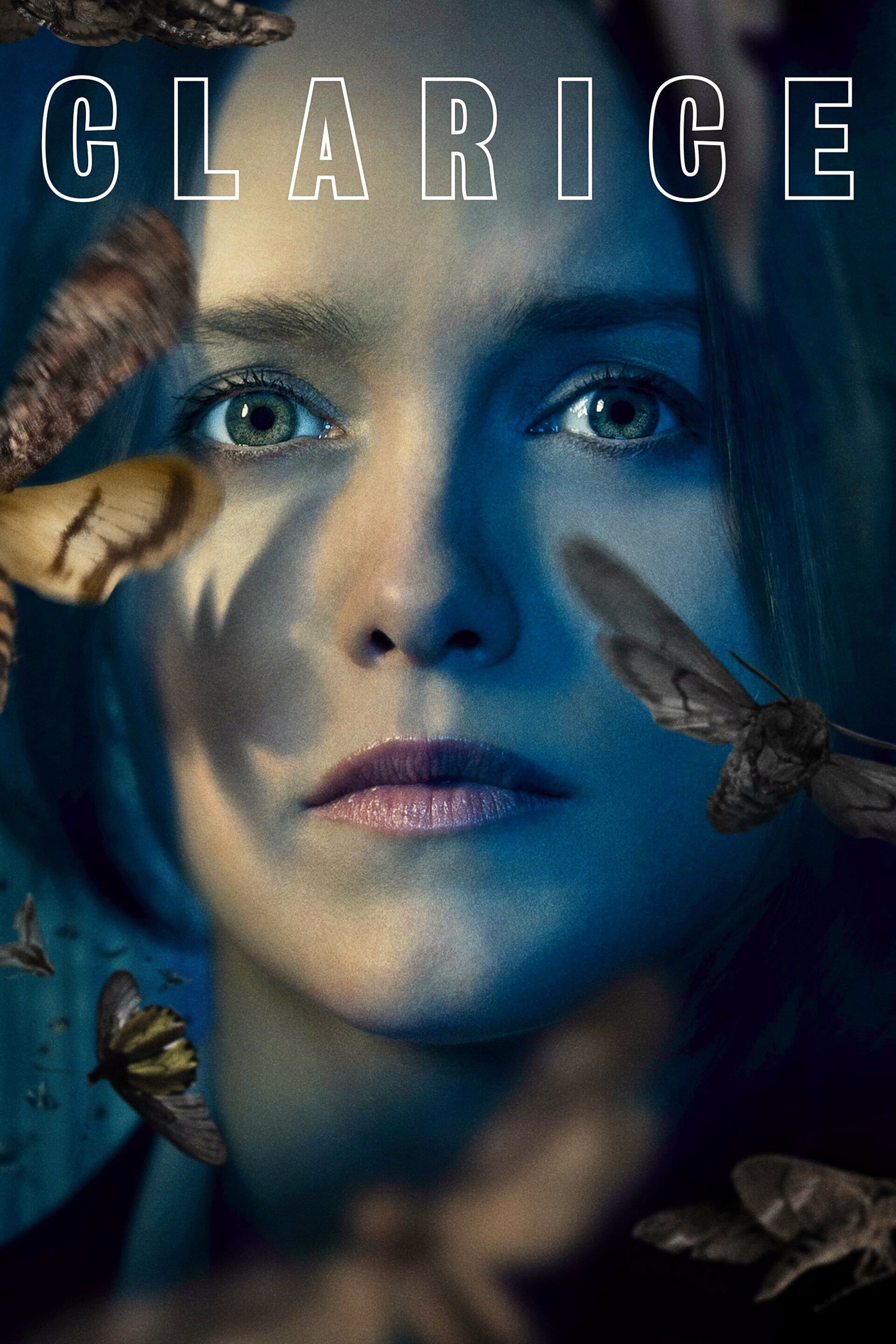
Stepping into a role made famous by Jodie Foster is a daunting task, and Rebecca Breeds had difficult shoes to fill. While she is a capable actress, her performance in this procedural sequel to The Silence of the Lambs felt trapped in the shadow of the film. The supporting cast felt like stock characters from a standard police drama, lacking the psychological depth associated with the Harris novels. The show failed to justify its existence largely because the central performance could not compete with the cinematic legacy.
‘The Strain’ (2014–2017)
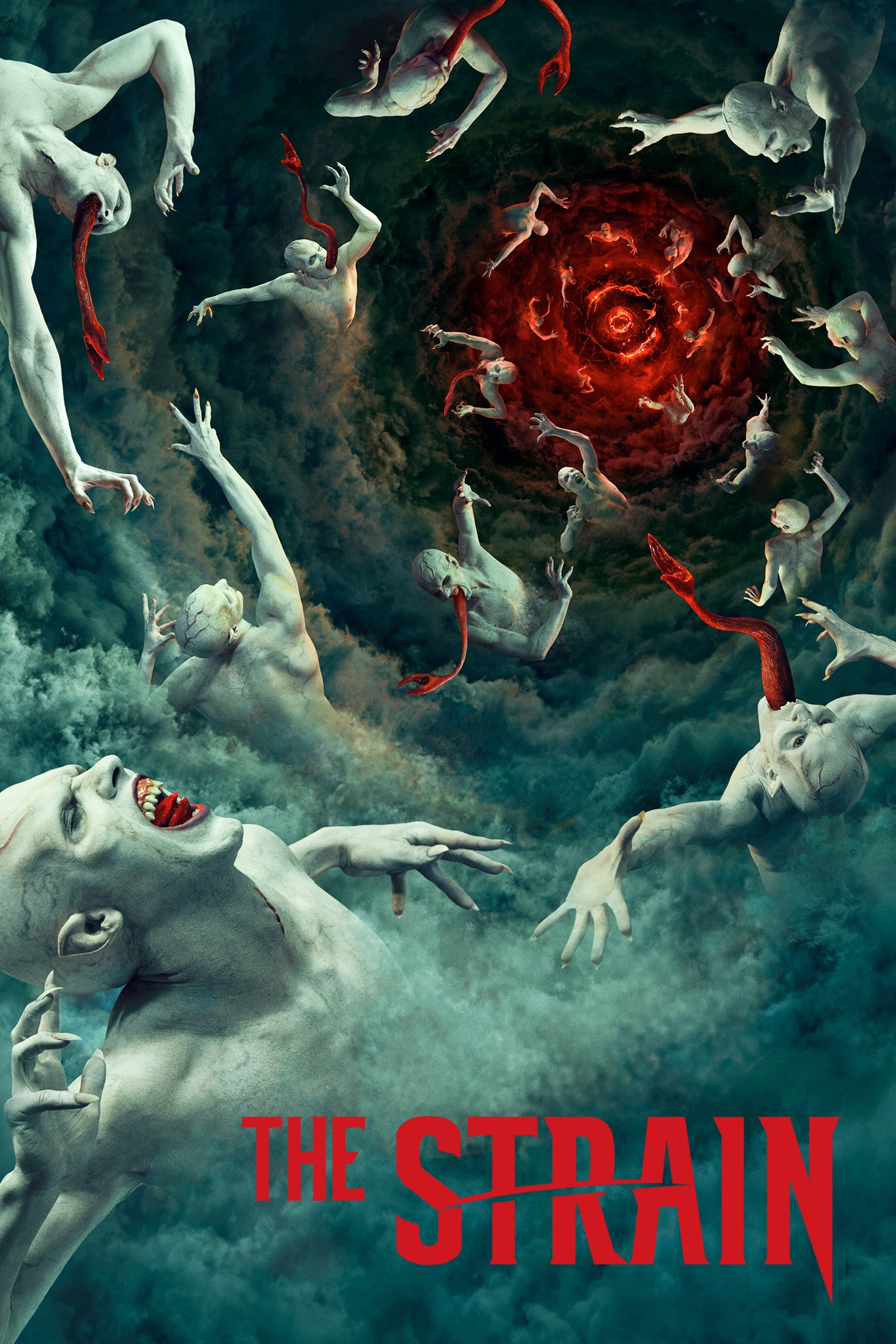
Guillermo del Toro’s vampire series had a unique visual style, but a specific casting change in the second season derailed the audience’s goodwill. The character of Zach Goodweather was recast with Max Charles, and the new iteration of the character became universally loathed for his petulance and poor decision-making. The writing for the child was poor, but the performance exacerbated the issue, making him the show’s antagonist in the eyes of the viewers. This distraction often pulled focus from the actual vampire apocalypse.
‘The Walking Dead: World Beyond’ (2020–2021)
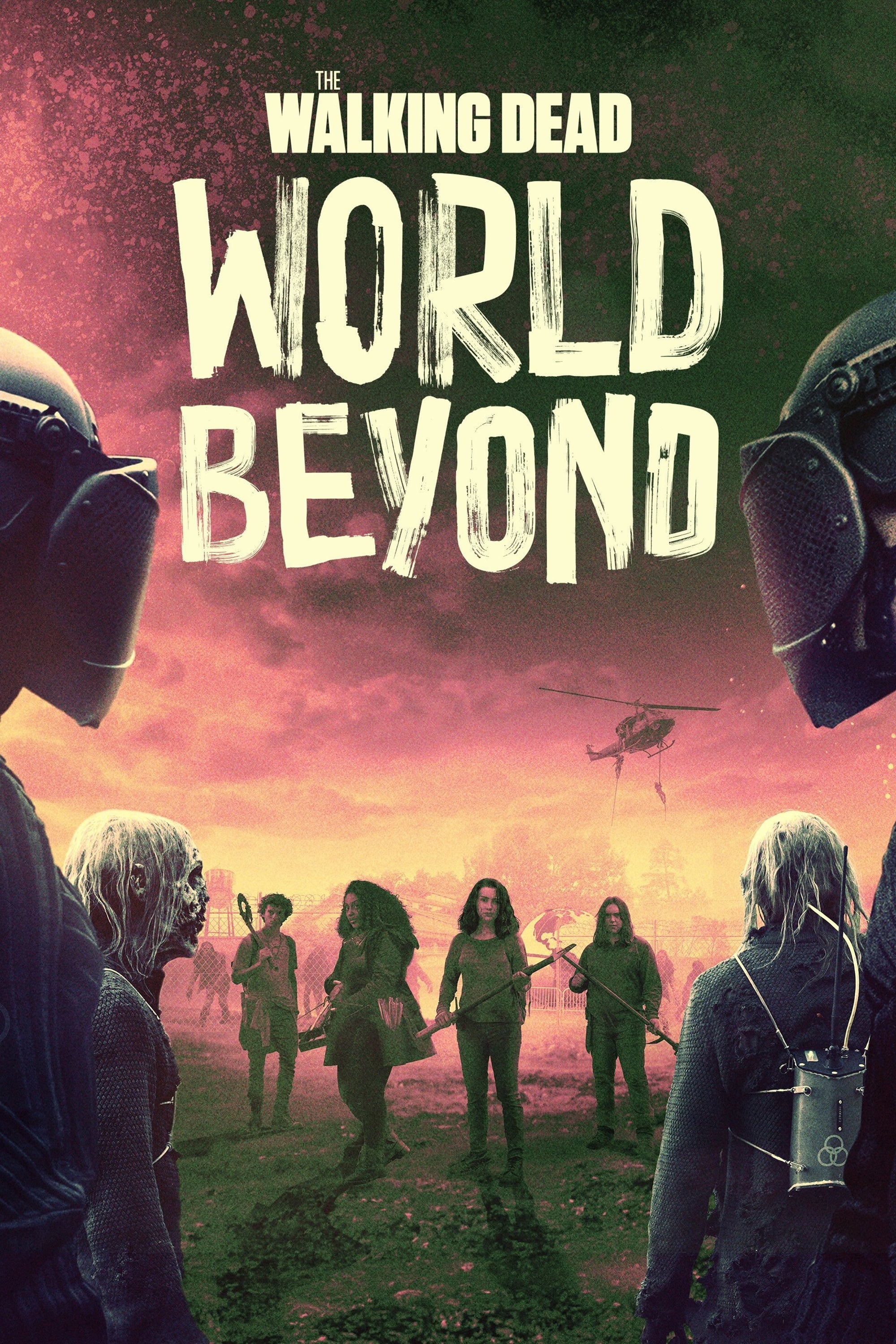
This spinoff focused on the first generation raised in the zombie apocalypse, but the young cast failed to impress. The lead actresses playing the sisters Iris and Hope were criticized for performances that lacked the grit associated with The Walking Dead universe. Their delivery often felt like it belonged in a high school drama rather than a survival horror. The limited acting range of the ensemble lowered the stakes, as the characters rarely seemed in genuine danger.
‘Heroes Reborn’ (2015–2016)
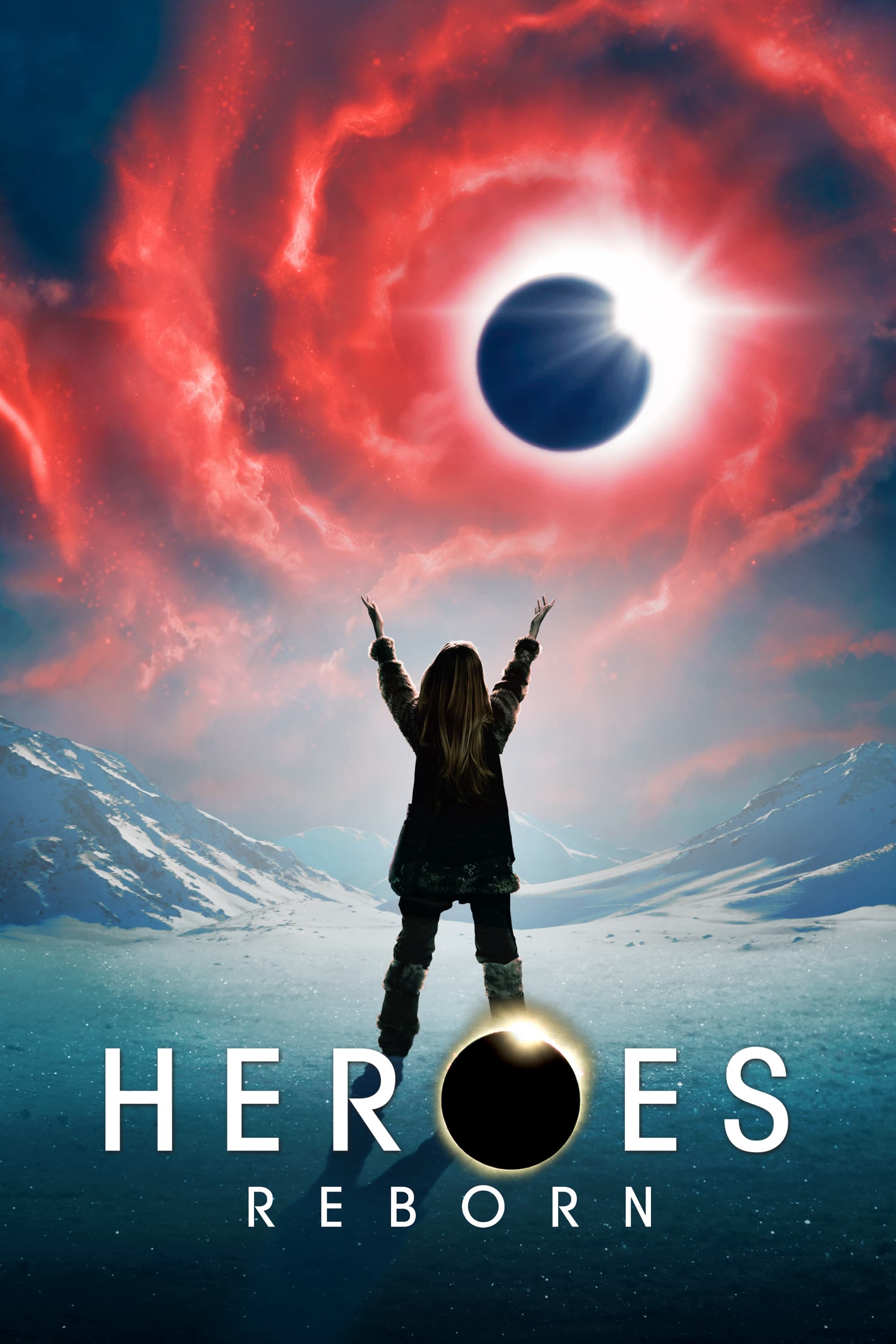
The revival of the hit sci-fi series attempted to introduce a new generation of powered individuals but missed the mark on casting. Zachary Levi, usually known for his charm, was cast against type as a brooding villain-turned-hero, a shift that didn’t quite land. The new young heroes lacked the immediate appeal of the original Season 1 cast, feeling more like archetypes than fleshed-out characters. The absence of the original’s ensemble chemistry made this miniseries feel like a hollow echo of the past.
’24: Legacy’ (2017)
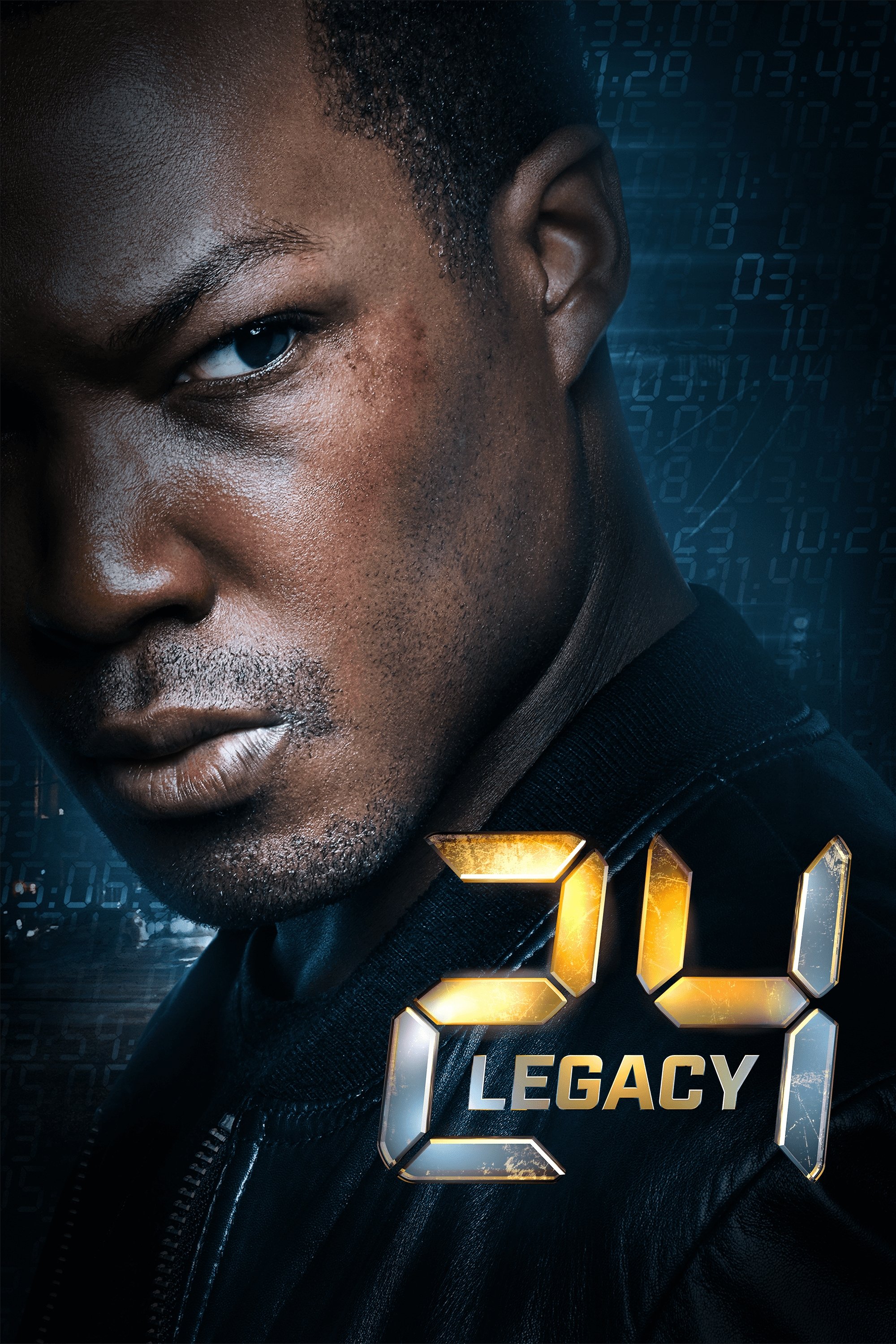
Attempting to continue the pulse-pounding format of 24 without Kiefer Sutherland was a risky move that required a powerhouse lead. Corey Hawkins is a talented actor, but he lacked the world-weary gravity and intensity that Jack Bauer brought to the franchise. The character felt too young and inexperienced to command the same level of authority in high-stakes counter-terrorism situations. Without the specific energy Sutherland provided, the real-time gimmick felt repetitive rather than thrilling.
‘MacGyver’ (2016–2021)
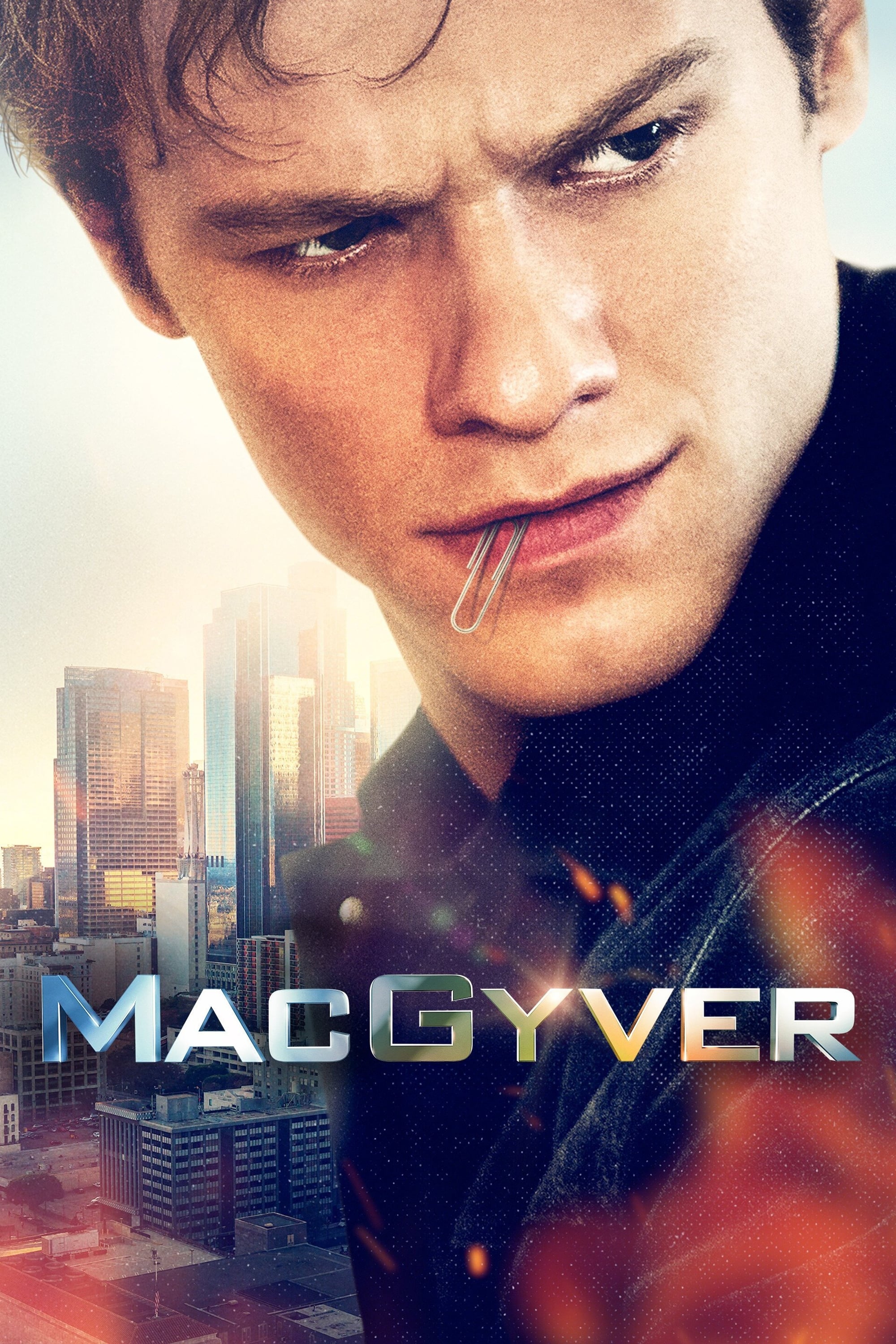
Lucas Till was cast as the improvisational genius in this reboot, but he brought a “boy band” energy that clashed with the character’s roots. The original MacGyver was a seasoned, resourceful agent, whereas Till’s version felt like a junior agent constantly relying on his team. The tone of the show shifted to a lighthearted ensemble comedy, losing the lone-wolf appeal of the original. This casting choice fundamentally changed the DNA of the show, alienating fans of the classic series.
‘Magnum P.I.’ (2018–2024)
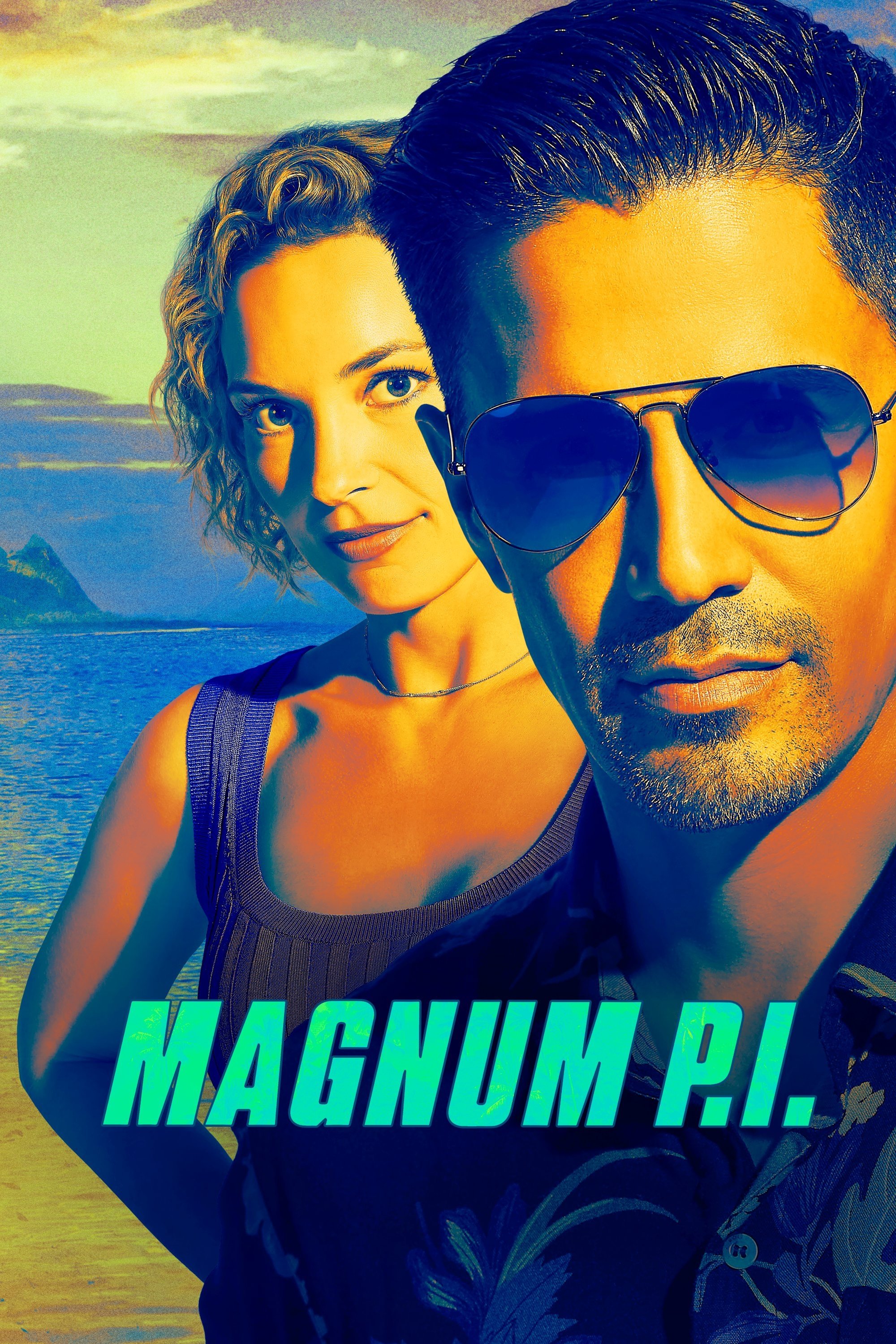
Jay Hernandez took on the role of Thomas Magnum, stripping away the mustache and the rough edges of Tom Selleck’s iconic portrayal. While the action was competent, the reboot lacked the effortless charm and charisma that Selleck brought to the role. The chemistry between Magnum and the gender-swapped Higgins was playful but lacked the depth of the original dynamic. The casting made the show feel like a generic CBS procedural rather than a distinct revival of a beloved classic.
‘Charmed’ (2018–2022)
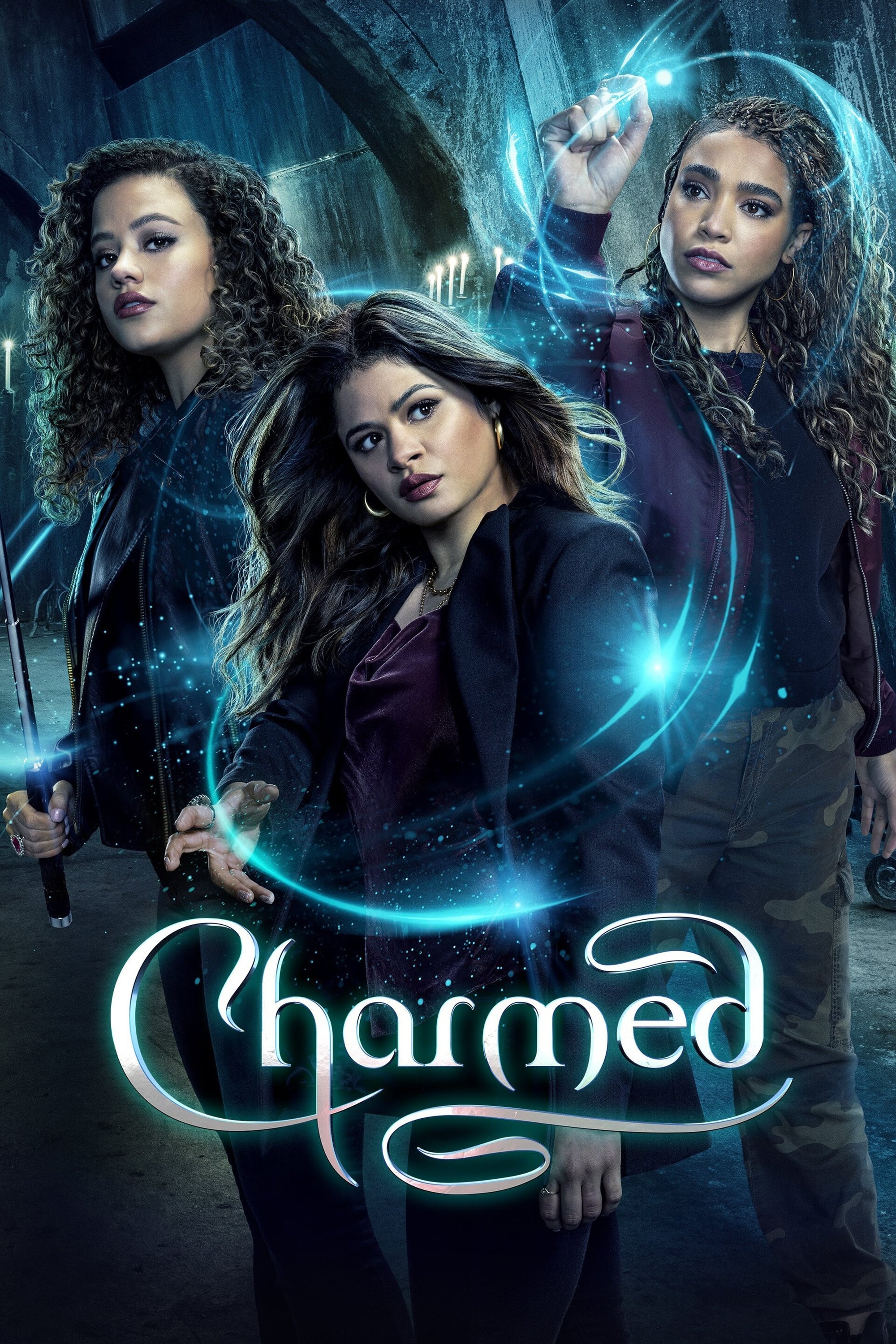
The reboot of the WB classic centered on a new trio of sisters, but the magical chemistry was missing. Melonie Diaz, Sarah Jeffery, and Madeleine Mantock struggled to replicate the lightning-in-a-bottle dynamic of the original Halliwell sisters. Critics felt the performances were often overly earnest or didactic, lacking the fun and campiness that made the original series a cult hit. The sisterly bond, which is the core of the show, never felt as authentic or lived-in as it needed to be.
‘How I Met Your Father’ (2022–2023)
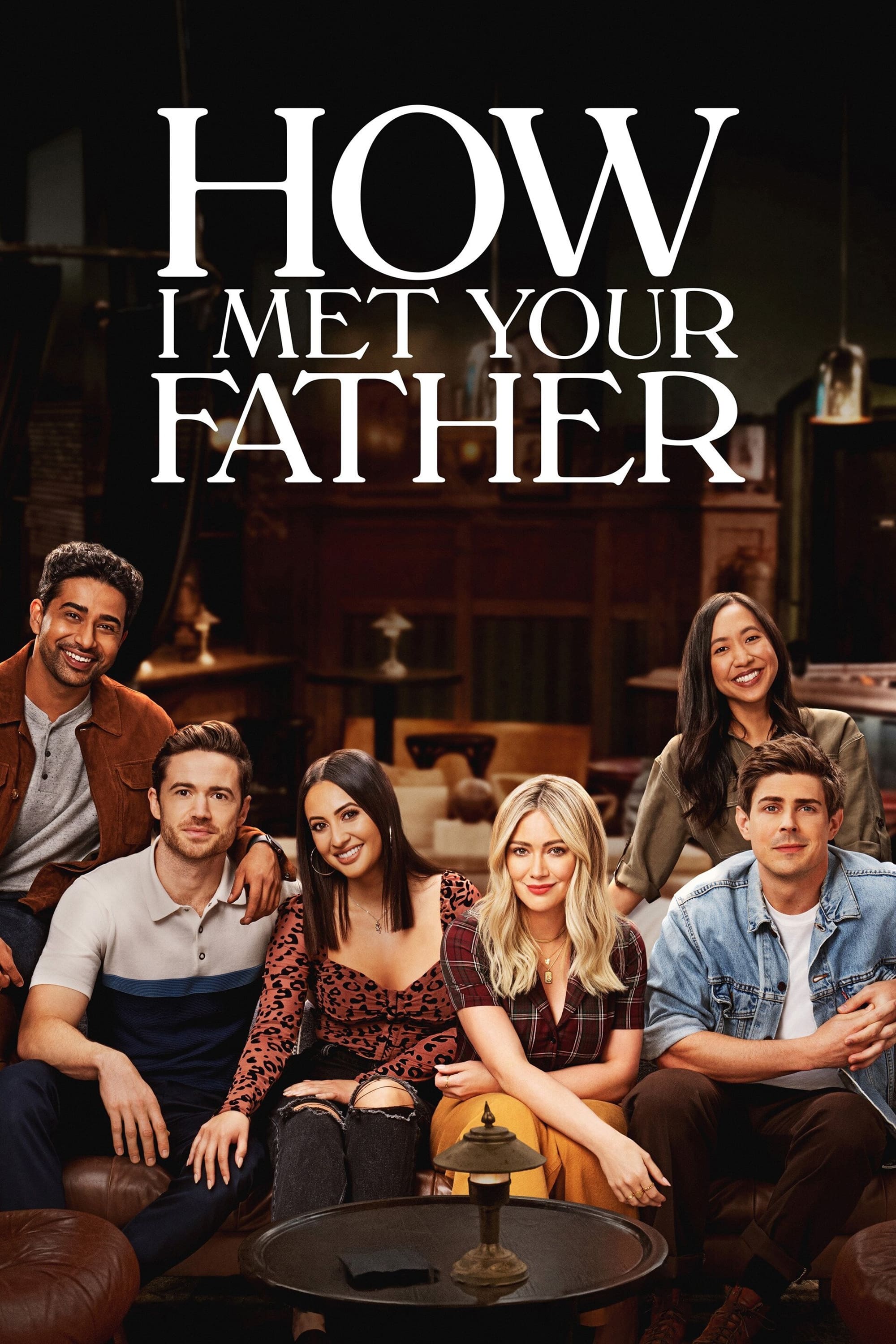
Hilary Duff produced and starred in this sitcom spinoff, but the ensemble cast never clicked in the way the HIMYM group did. The characters felt like curations of quirks rather than real friends, and the comedic timing often felt forced. Duff struggled to be the anchor for the group, with the supporting storylines often feeling more like distractions than essential parts of the narrative. The lack of natural rapport among the friends made the journey to find the “father” feel tedious.
‘Joey’ (2004–2006)
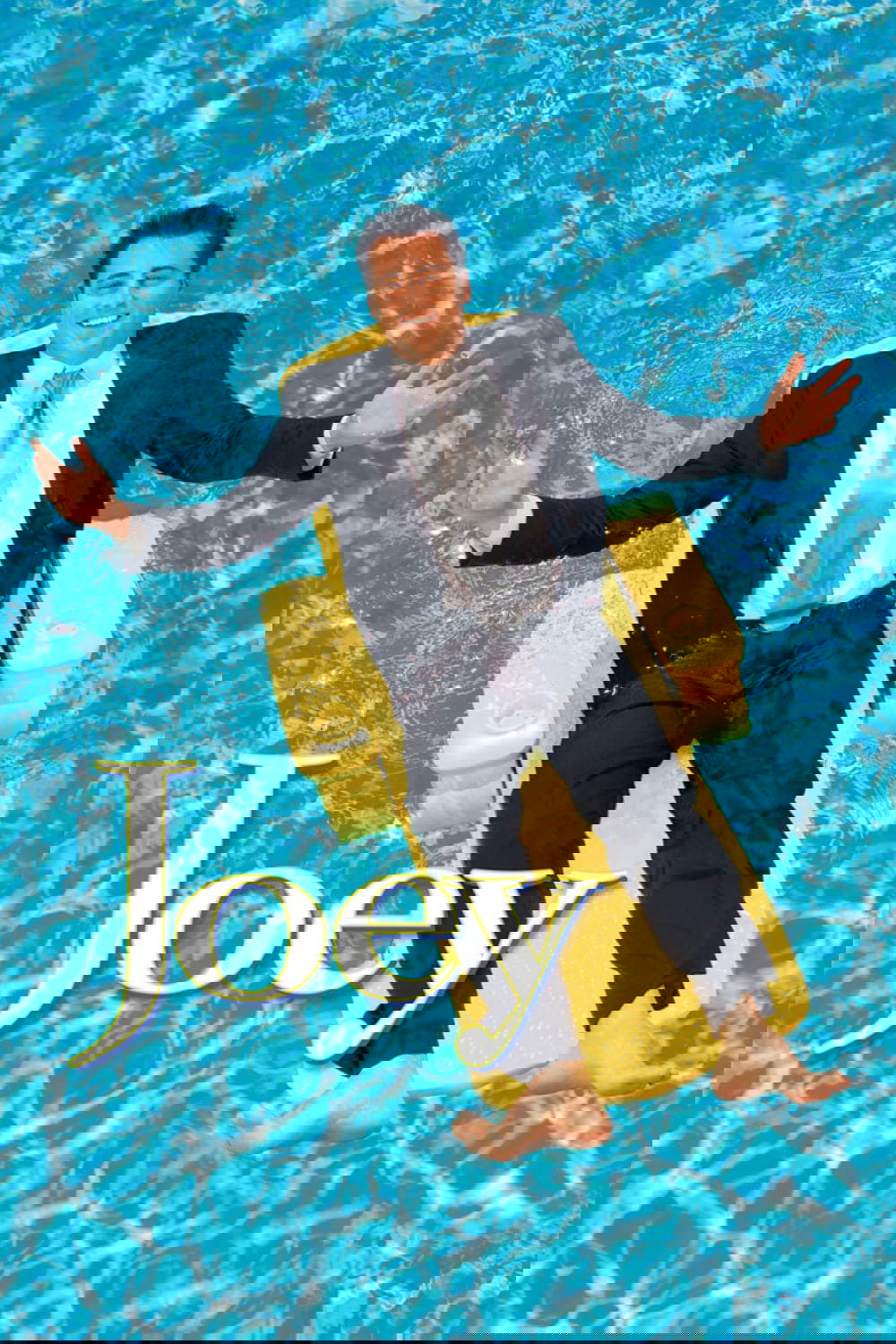
Matt LeBlanc reprised his beloved Friends role, but the show proved that Joey Tribbiani works best as part of an ensemble, not a solo lead. The supporting cast, including Drea de Matteo and Paulo Costanzo, were talented but had zero comedic chemistry with LeBlanc. The writing made Joey significantly dumber, and the actors around him played straight men who couldn’t bounce off his energy effectively. It was a prime example of how taking a character out of their perfect casting ecosystem can ruin the magic.
‘Emerald City’ (2017)

Tarsem Singh’s visual reimagining of The Wizard of Oz was stunning to look at, but the casting of Dorothy left much to be desired. Adria Arjona played a grittier version of the character, yet her performance was often described as dour and unengaging. Surrounded by bizarre and colorful characters, the protagonist felt like a void of charisma. The show prioritized style over substance, and the lead acting was not strong enough to ground the high-concept fantasy world.
‘Dracula’ (2013–2014)
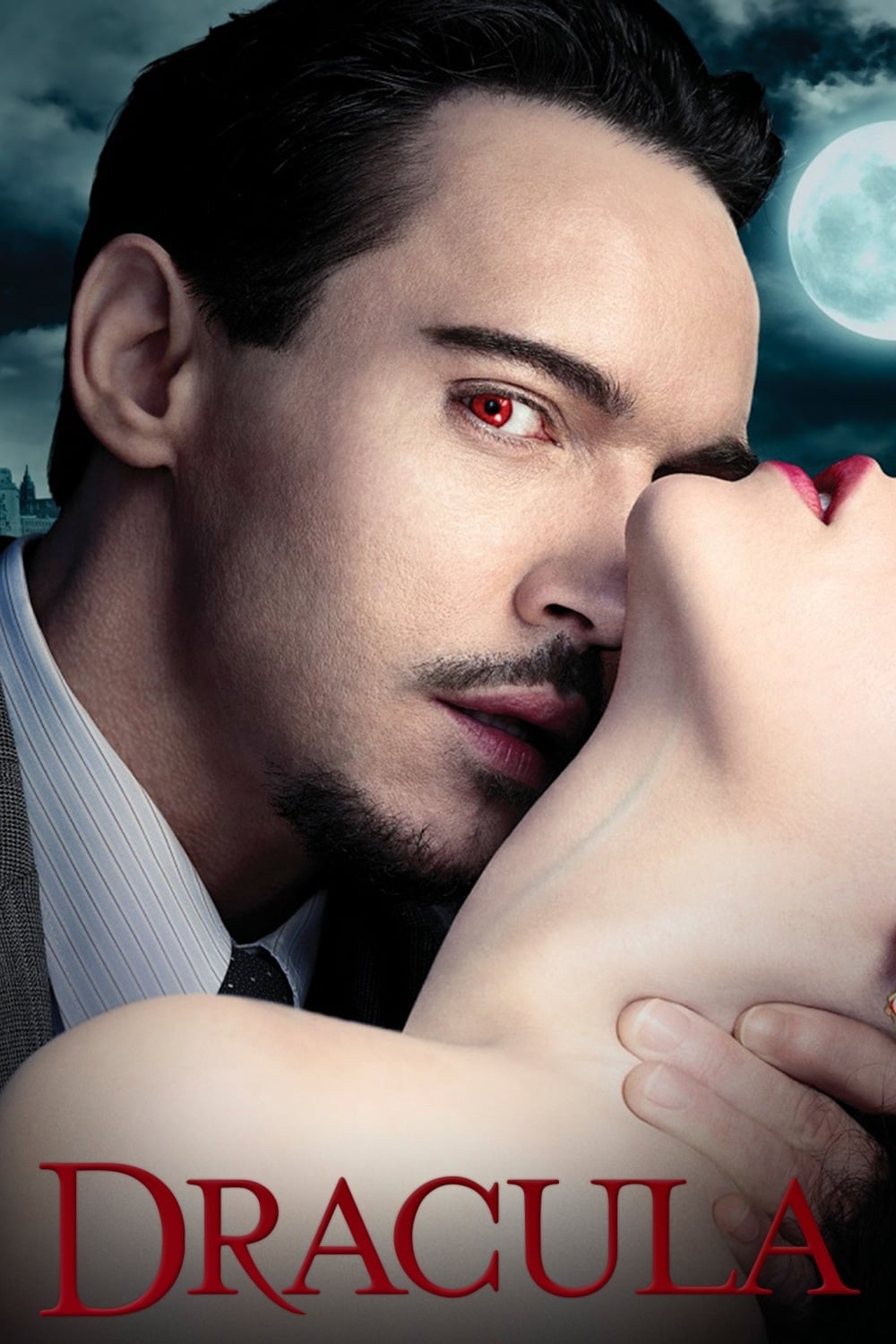
Jonathan Rhys Meyers starred as the legendary vampire in this NBC drama, but his performance was a point of division. He adopted an inconsistent American accent for the alter-ego portion of the role, which many viewers found distracting. The show attempted to blend industrial intrigue with gothic horror, but Meyers’ intense, brooding energy often felt at odds with the steampunk aesthetic. The lack of romantic chemistry with the female lead further dampened the stakes of the eternal love story.
‘Marco Polo’ (2014–2016)
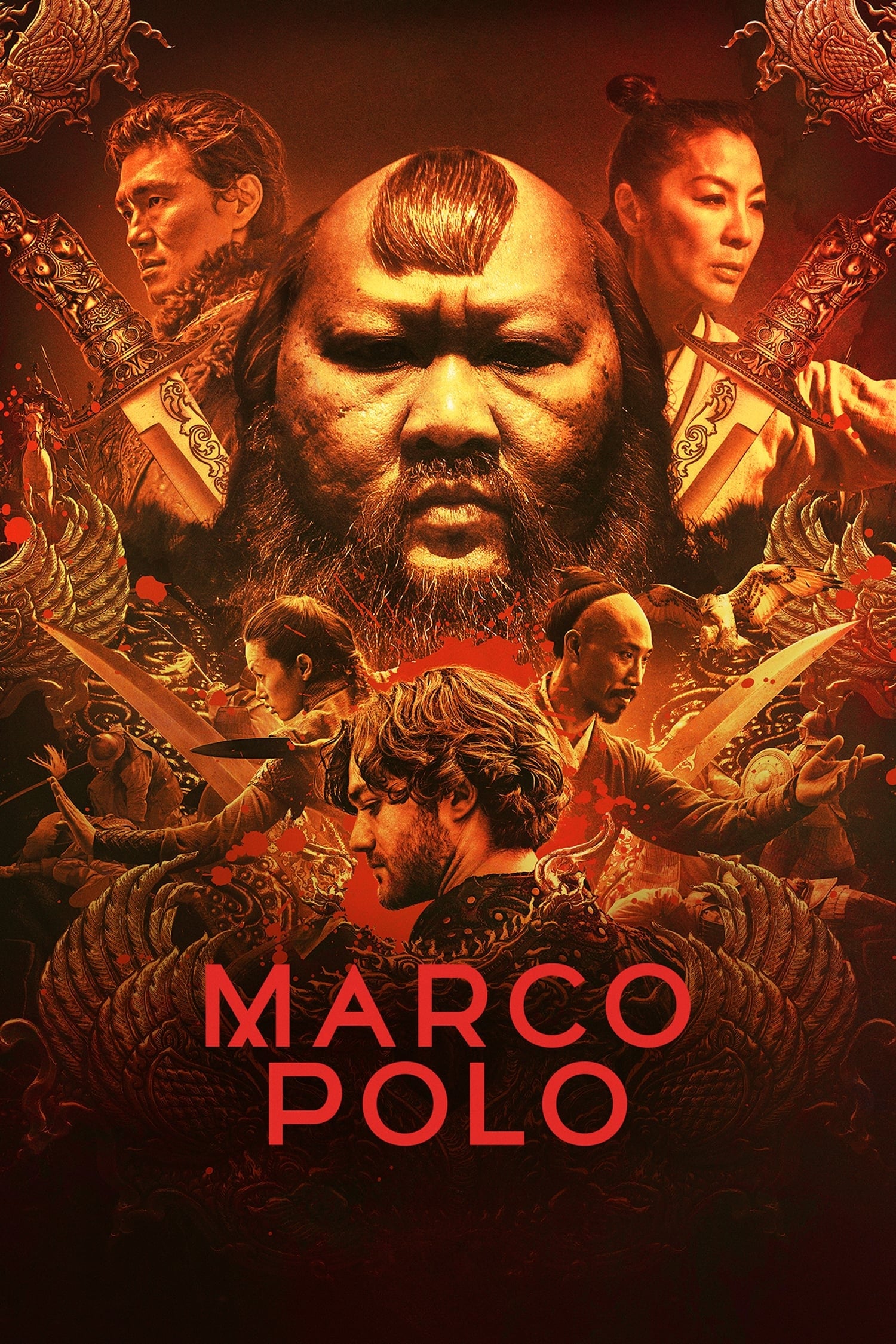
Netflix’s expensive historical epic featured a standout performance by Benedict Wong as Kublai Khan, who completely overshadowed the titular character. Lorenzo Richelmy, cast as Marco Polo, was widely considered the least interesting part of his own show. Viewers found themselves waiting for scenes with the Khan, while the explorer’s storylines felt like filler. The imbalance in screen presence between the lead and the supporting cast made the narrative structure feel lopsided.
‘Hemlock Grove’ (2013–2015)
One of Netflix’s first original series, this horror show suffered from acting that ranged from campy to wooden. Famke Janssen delivered a theatrical performance that clashed with the mumblecore delivery of the younger male leads. Bill Skarsgård and Landon Liboiron struggled to make their supernatural friendship convincing amidst the bizarre dialogue. The tonal inconsistency in the performances made the show feel like a disjointed collection of scenes rather than a coherent story.
‘Titans’ (2018–2023)
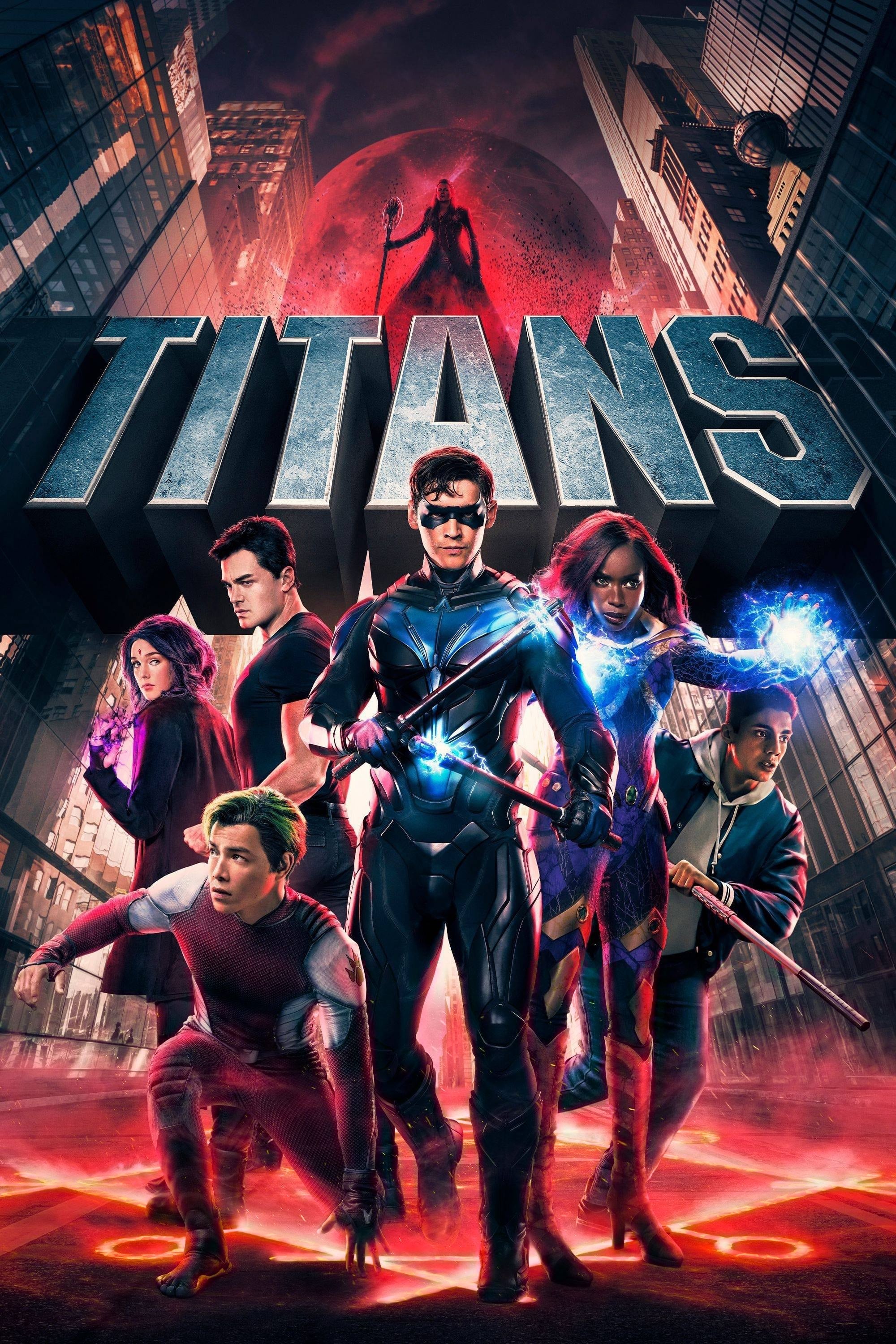
This gritty DC show made several baffling casting choices, most notably Iain Glen as an older Bruce Wayne. Fans struggled to accept the Scottish actor as the American billionaire, finding his accent and demeanor ill-fitting for the Caped Crusader. Additionally, the casting of Vincent Kartheiser as the villain Scarecrow was criticized for being overly manic and unthreatening. These distractions pulled focus from the core team of young heroes, who were already struggling with uneven writing.
‘Willow’ (2022–2023)
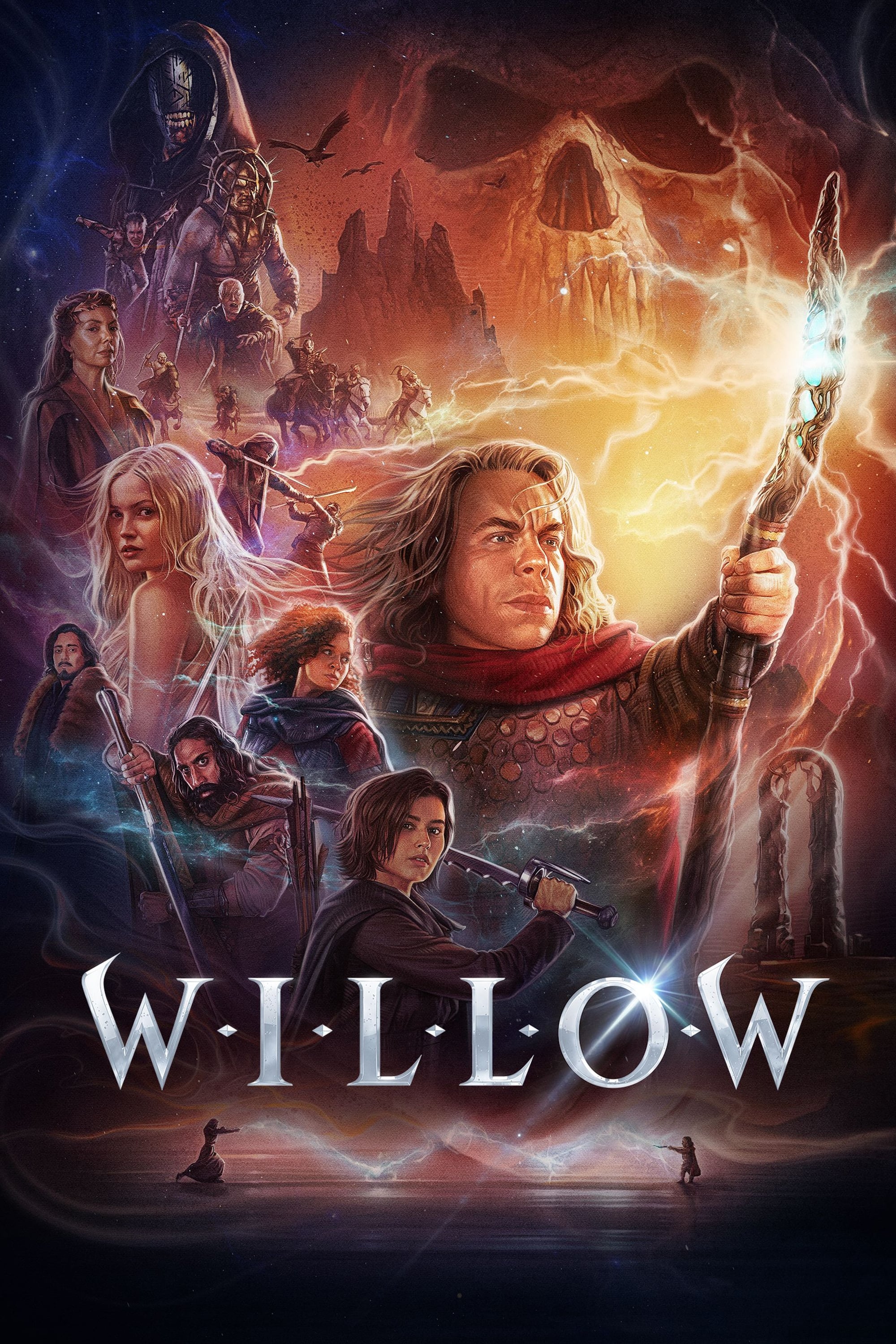
The sequel series to the 80s fantasy movie brought back Warwick Davis but surrounded him with a young cast that felt jarringly modern. Ruby Cruz and Dempsey Bryk delivered lines with a contemporary cadence and attitude that clashed with the high-fantasy setting. The dialogue often sounded like a modern teen drama, and the actors failed to adopt the timeless quality required for the genre. This tonal dissonance was a major factor in the show’s mixed reception and subsequent removal from streaming services.
‘National Treasure: Edge of History’ (2022–2023)
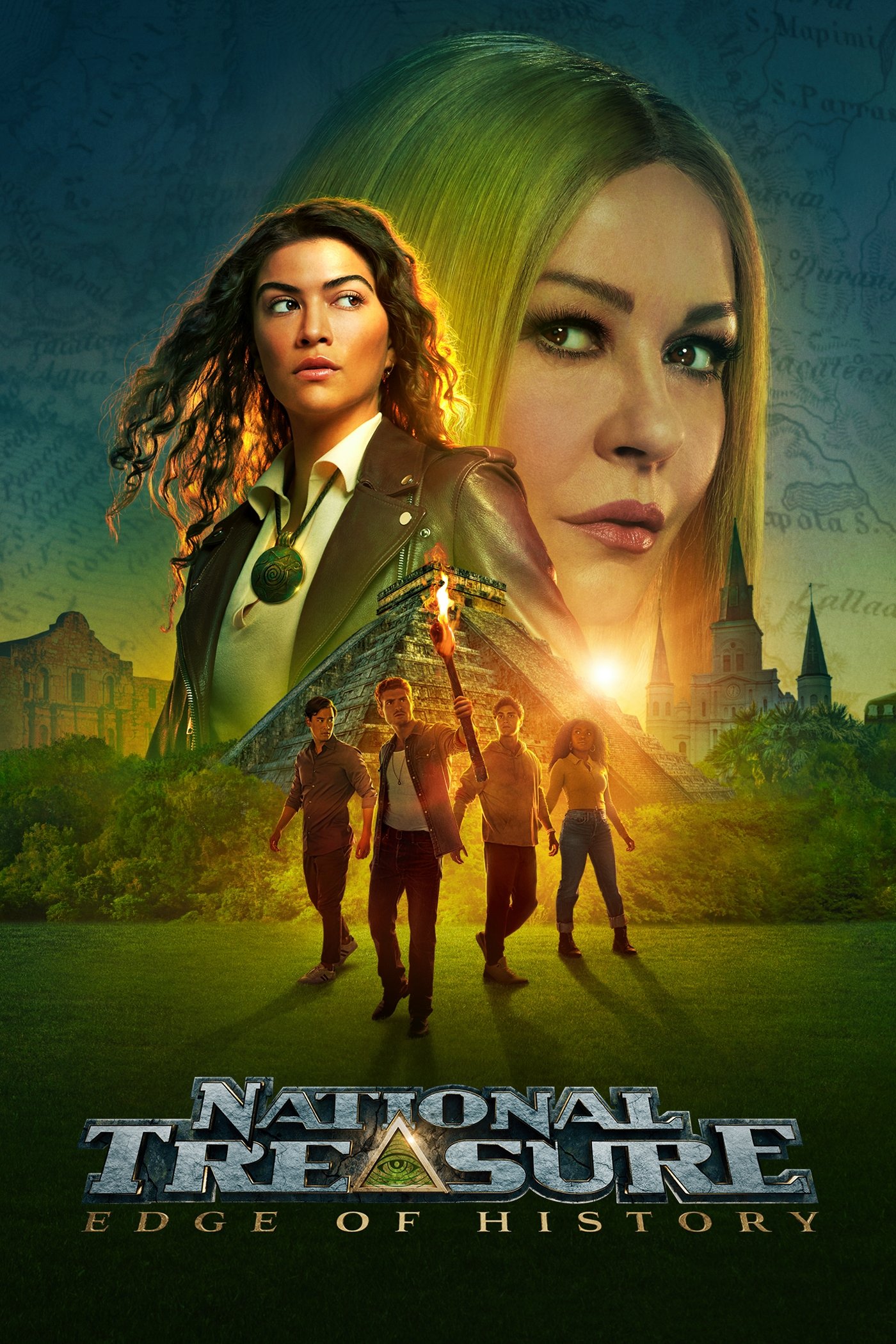
Attempting to capture the energy of the Nicolas Cage films without Nicolas Cage proved fatal for this Disney+ series. Lisette Olivera was cast as the new puzzle-solving protagonist, but she lacked the frantic, eccentric energy that defined the franchise. The show felt like a standard YA mystery rather than a high-stakes treasure hunt. Without a lead actor capable of elevating the ridiculous exposition into entertainment, the series felt flat and unnecessary.
‘Blockbuster’ (2022)

A sitcom set in the last Blockbuster video store should have been a nostalgia-fueled hit, but the casting chemistry was non-existent. Randall Park and Melissa Fumero are both talented comedic actors, yet they found no rhythm together in this workplace comedy. The romantic tension felt manufactured, and the supporting ensemble failed to create a believable workplace dynamic. The talent involved suggested a much better show, but the execution on screen was surprisingly awkward and unfunny.
Tell us which TV show you think had the most disappointing cast in the comments.

