


Hispanic Actors Who Changed Their Names for Hollywood

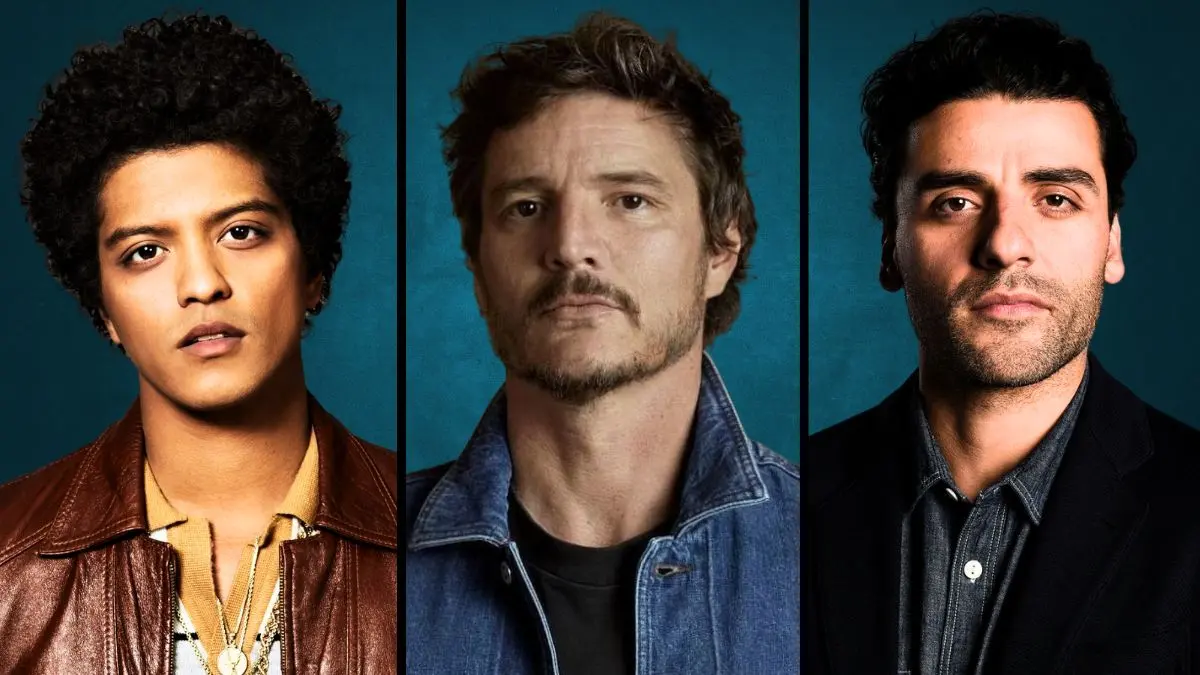


Many talented performers have altered their birth names to navigate the entertainment industry more easily. This practice was historically common for Hispanic actors who faced pressure to anglicize their names to secure roles or avoid typecasting. Some shortened their names to make them easier for American audiences to pronounce while others adopted completely new identities. The decision to change a name is often complex and involves balancing professional ambition with personal identity. This list explores twenty-five male actors of Hispanic descent who modified their names for their careers.
Martin Sheen
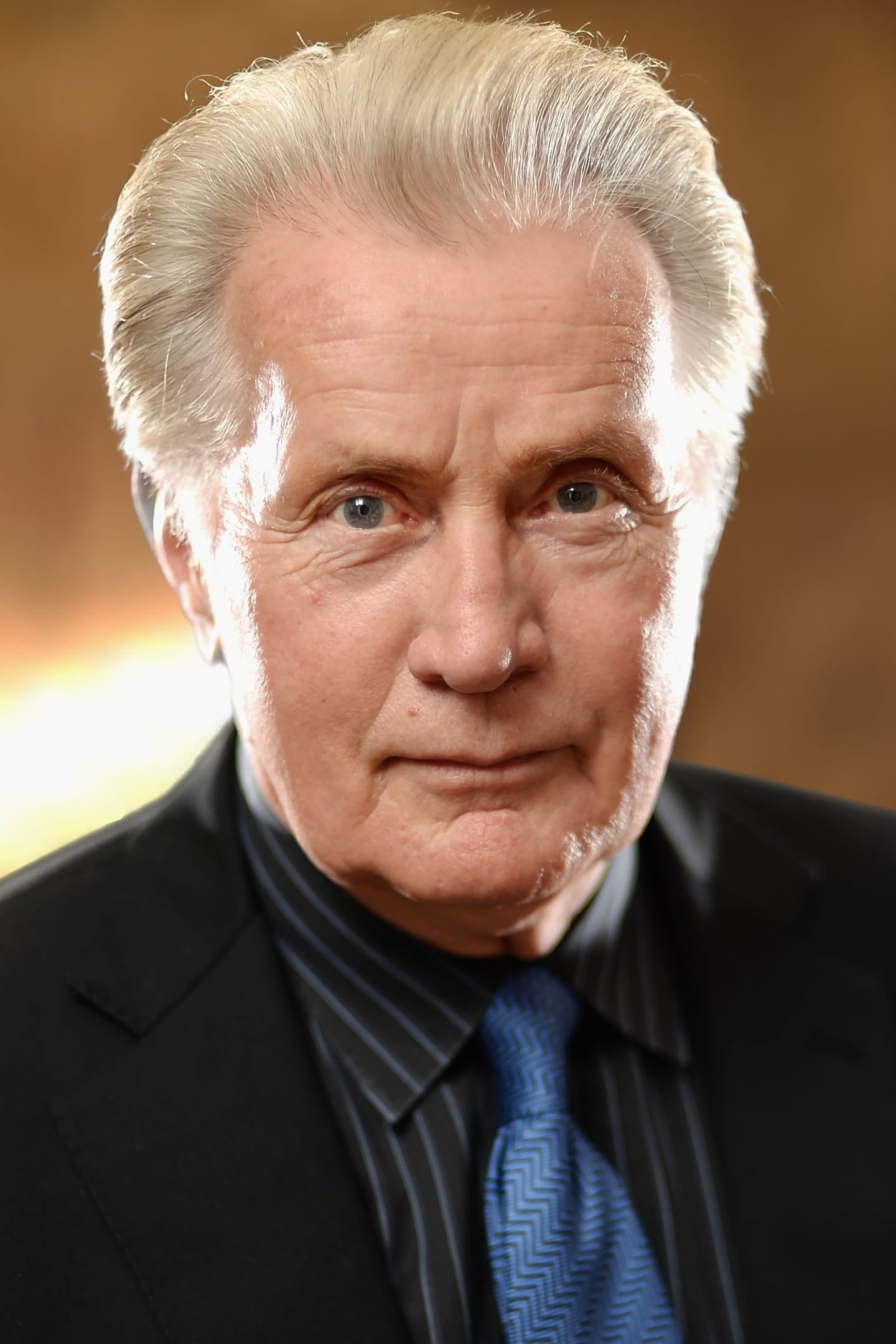
This acclaimed actor was born Ramón Antonio Gerard Estévez in Dayton to a Spanish father and Irish mother. He adopted the stage name Martin Sheen to secure acting jobs without facing ethnic discrimination during the early years of his career. The change helped him land pivotal roles in films like ‘Apocalypse Now’ and ‘The Departed’ by bypassing initial prejudices. He never legally changed his name and has expressed regret over the decision to use a stage moniker. His sons followed him into the industry with varying approaches to their own surnames.
Charlie Sheen
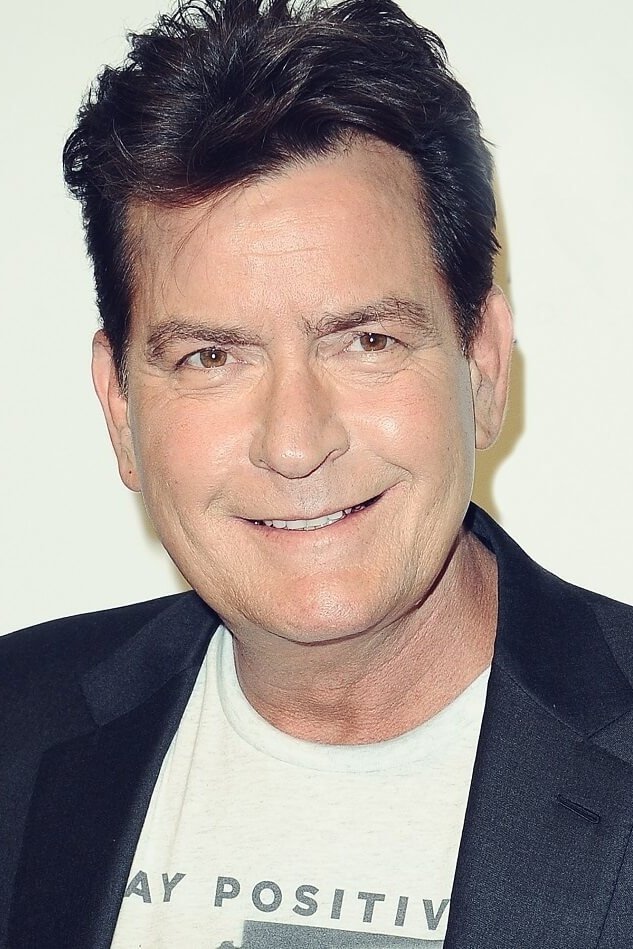
Carlos Irwin Estévez chose to adopt the stage surname of his famous father to launch his own acting career. He anglicized his first name to Charlie and became one of the biggest stars in Hollywood during the 1980s and 1990s. This change helped him establish a brand separate from his birth name while capitalizing on the recognition of the Sheen legacy. He starred in major hits like ‘Platoon’ and the sitcom ‘Two and a Half Men’ using this adopted persona. His brother Emilio chose to retain the family name Estévez to forge his own path.
Oscar Isaac
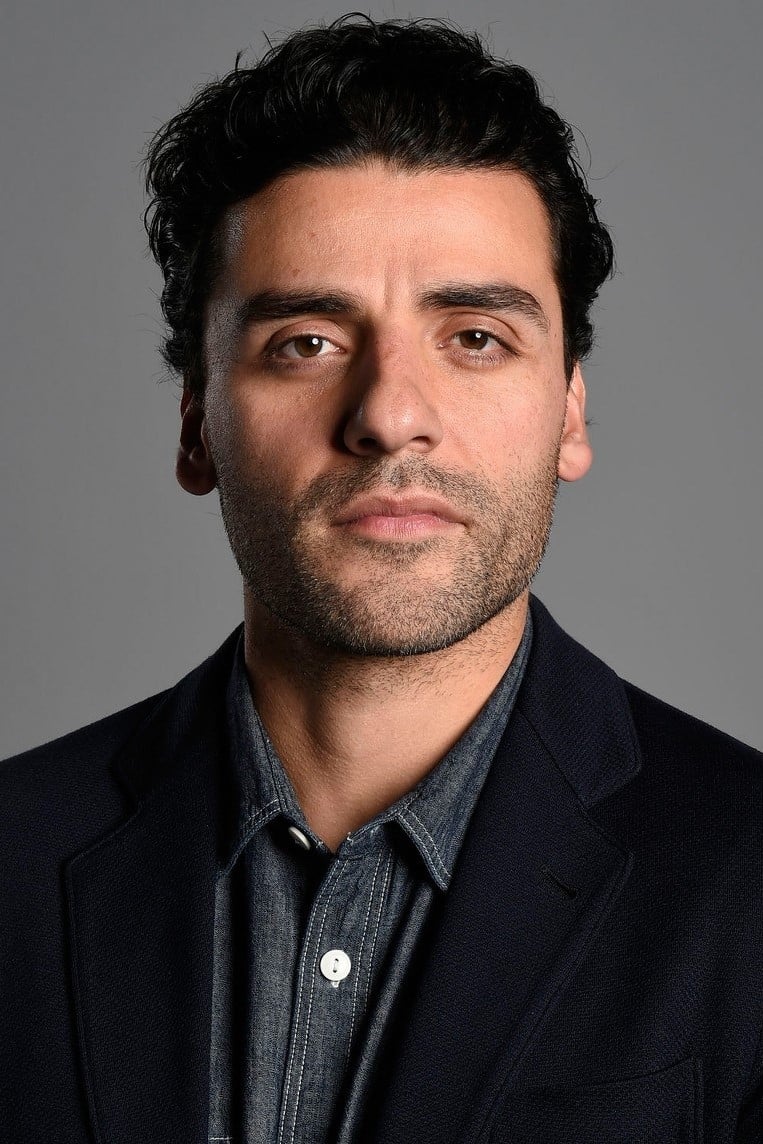
The star of ‘Dune’ and ‘Star Wars’ was born Óscar Isaac Hernández Estrada in Guatemala. He dropped his surnames Hernández and Estrada to prevent casting directors from typecasting him solely in gangster or stereotypical Latino roles. Using his middle name as his surname allowed him to audition for a wider variety of characters across different genres. This strategic move facilitated his rise as a versatile leading man in major Hollywood blockbusters. He attended the Juilliard School where he refined the skills that would make him a global star.
James Roday Rodriguez
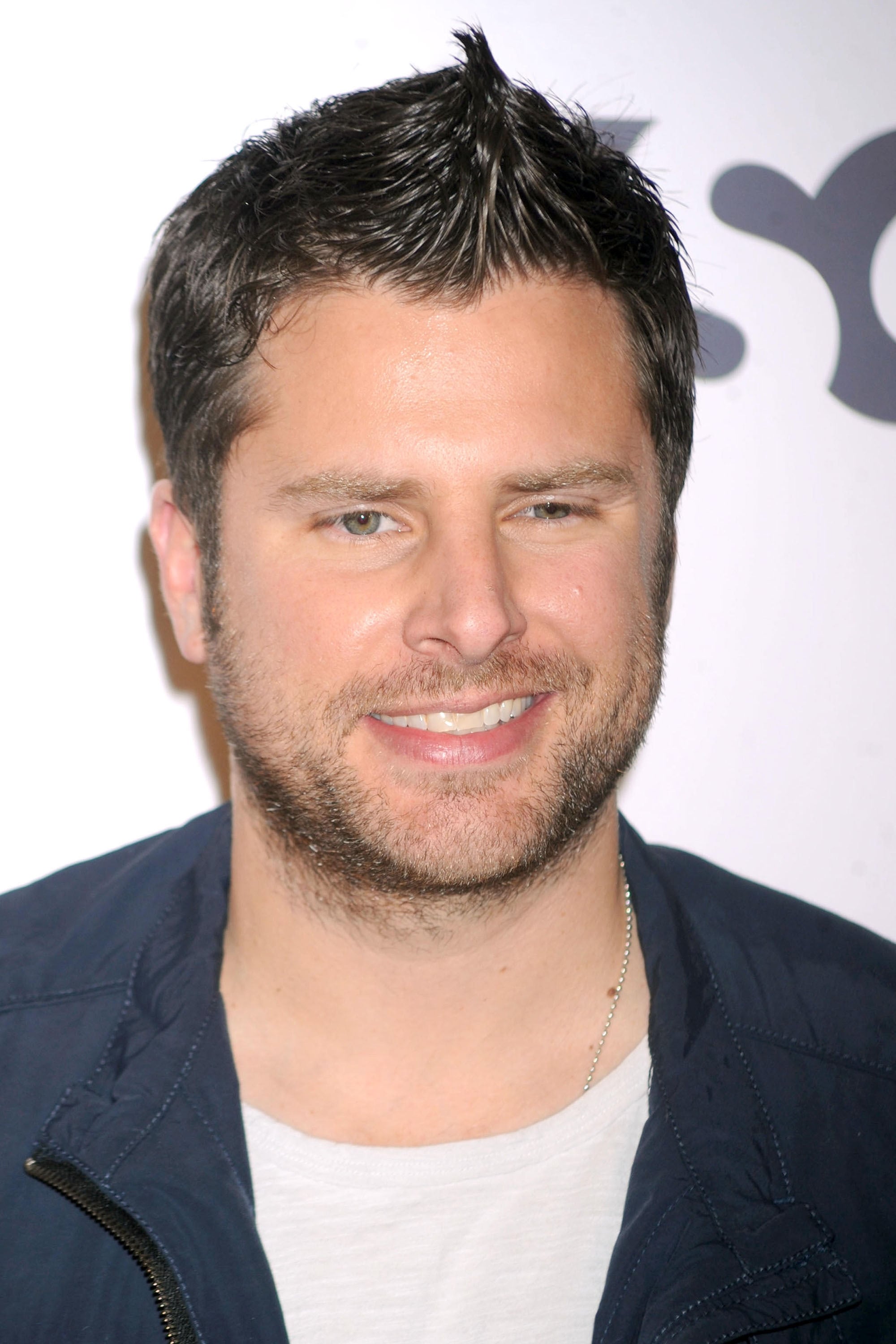
James David Rodriguez started his career using the stage name James Roday to avoid being pigeonholed by the industry. He achieved massive success starring in the long-running detective comedy series ‘Psych’ under this truncated name. The actor later decided to reclaim his birth name to honor his heritage and now goes by James Roday Rodriguez professionally. This decision came after years of feeling disconnected from his roots and wanting to represent his background more authentically. He currently writes and directs projects that often highlight diverse stories.
Bruno Mars
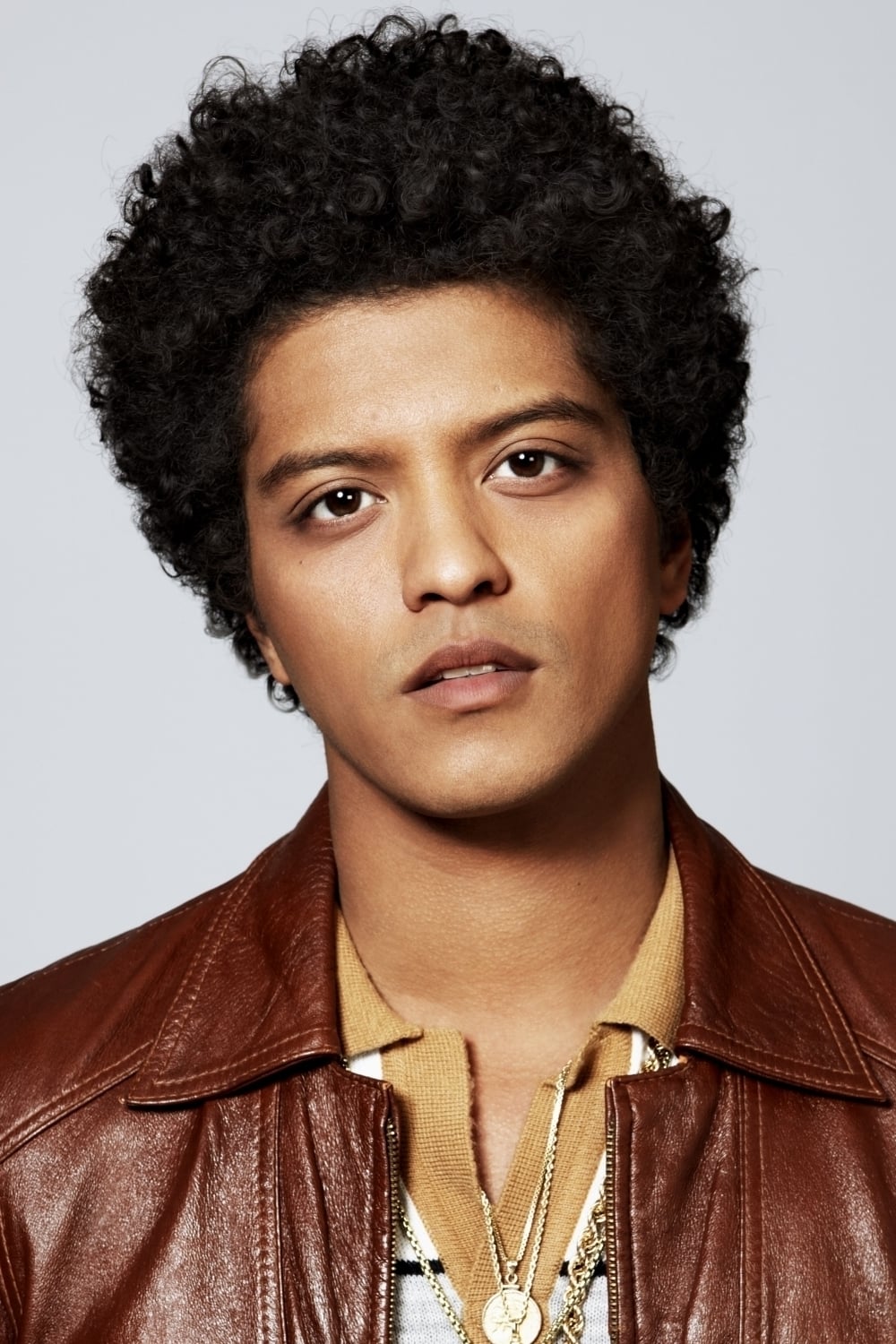
Peter Gene Hernandez was born and raised in Hawaii to a Puerto Rican father and Filipino mother. He adopted the name Bruno Mars to avoid being pressured by record labels to produce only Latin pop music. The name Bruno was a childhood nickname while Mars was added to give him an otherworldly appeal. His transition into acting and voice work in films like ‘Rio 2’ has been under this famous moniker. He has become one of the best-selling music artists of all time with his retro-inspired sound.
Pedro Pascal
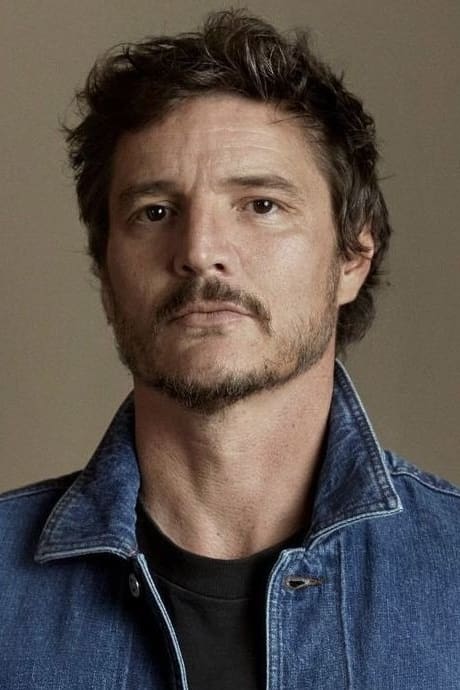
José Pedro Balmaceda Pascal is a Chilean-American actor who simplified his name for professional ease. He dropped his father’s surname Balmaceda because Americans found it difficult to pronounce and to honor his mother after her passing. The change to Pedro Pascal helped streamline his credits and made his name more memorable to international audiences. He gained worldwide fame for his roles in ‘Game of Thrones’ and ‘The Mandalorian’. His career is a testament to the power of talent transcending name barriers.
Ritchie Valens
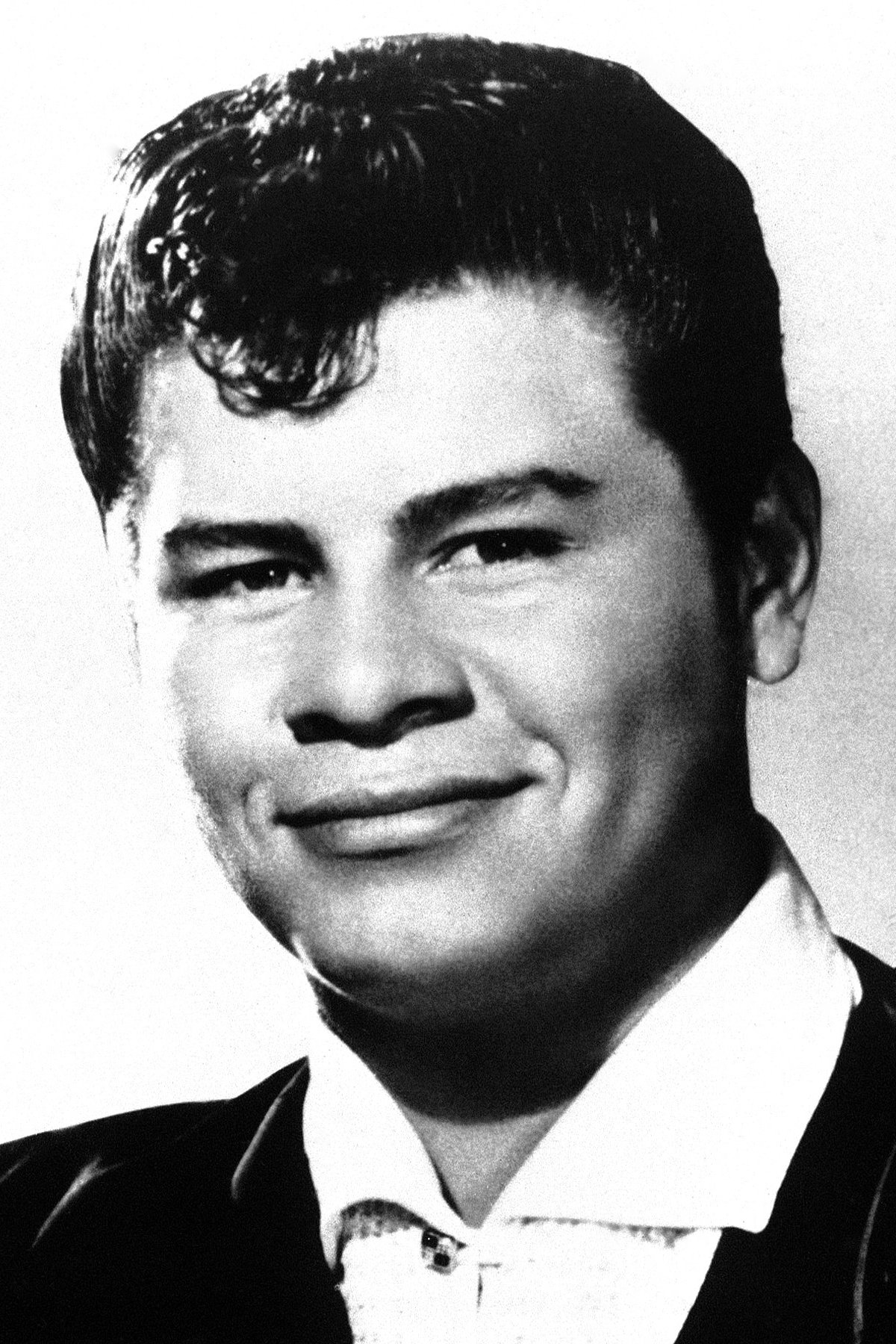
Richard Steven Valenzuela was a pioneer of the Chicano rock movement in the late 1950s. His manager convinced him to shorten his surname to Valens to make it sound more mainstream and appealing to white audiences. He recorded the hit song ‘La Bamba’ which adapted a Mexican folk song for rock and roll radio. His promising career and life were tragically cut short in a plane crash at the age of seventeen. His legacy remains vital to the history of Hispanic representation in American music and film.
John Gavin
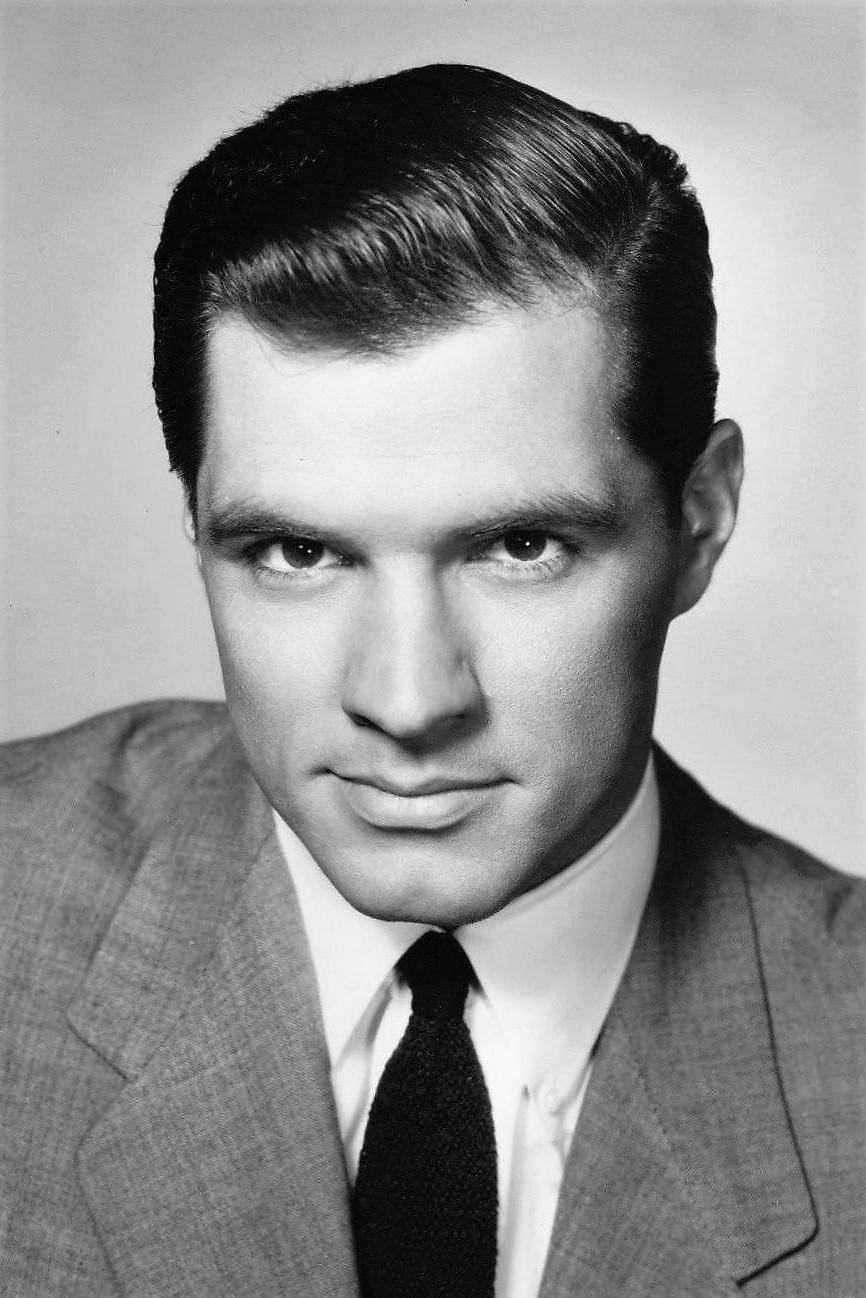
Born Juan Vincent Apablasa to a Mexican mother and Chilean father, this actor adopted the stage name John Gavin. He starred in classic films such as Alfred Hitchcock’s ‘Psycho’ and ‘Spartacus’ during the Golden Age of Hollywood. The name change allowed him to play a variety of leading man roles that might have been denied to him otherwise. He later transitioned from acting to politics and served as the United States Ambassador to Mexico. His career bridged the gap between entertainment and diplomacy.
Gilbert Roland
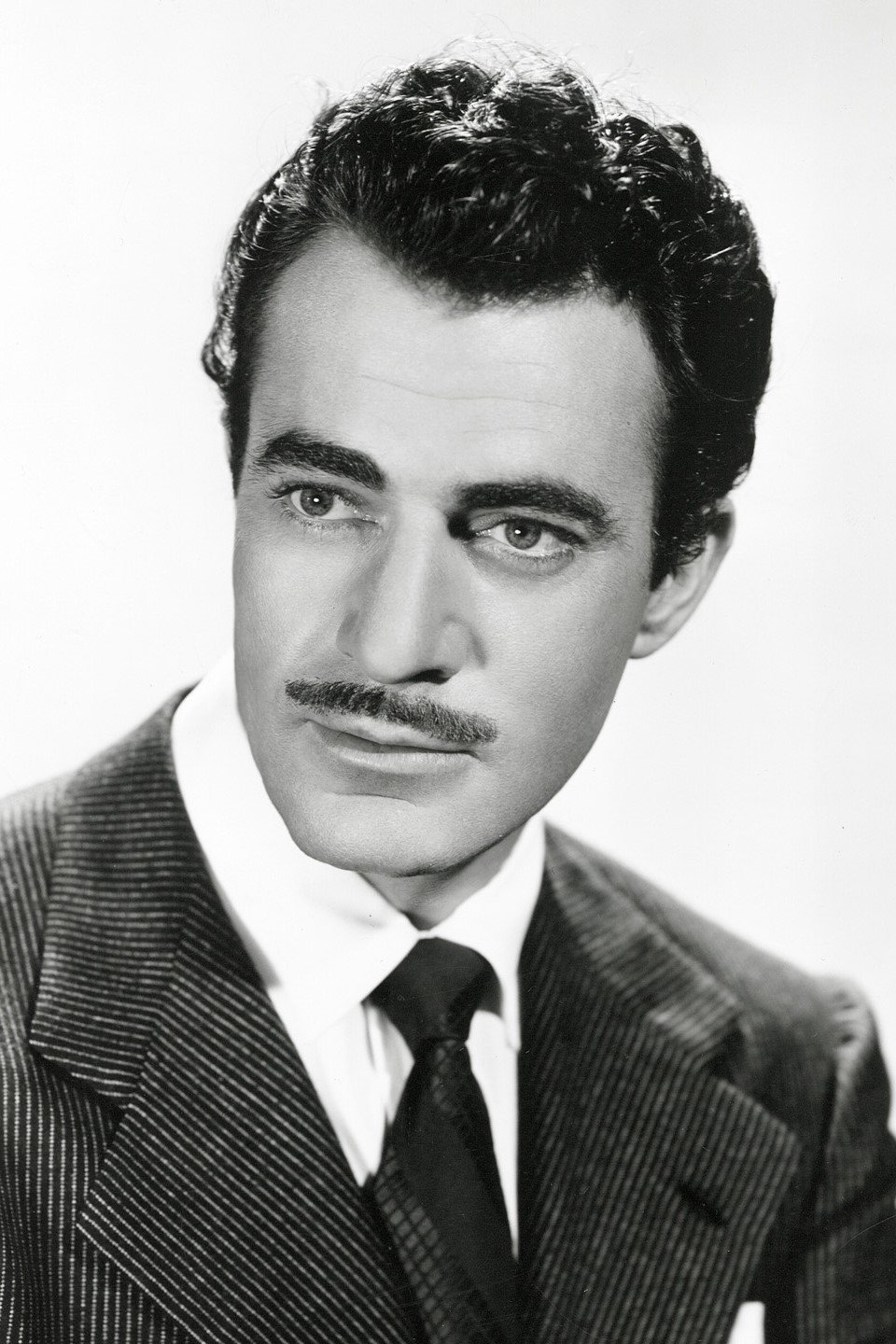
Luis Antonio Dámaso de Alonso was a Mexican-born actor who became a star during the silent film era. He chose the name Gilbert Roland by combining the names of his favorite performers John Gilbert and Ruth Roland. This new identity helped him navigate the transition to sound films where he often played “Latin Lover” types. His career spanned seven decades and included roles in films like ‘The Bad and the Beautiful’. He remained a respected figure in Hollywood until his retirement.
Freddie Prinze
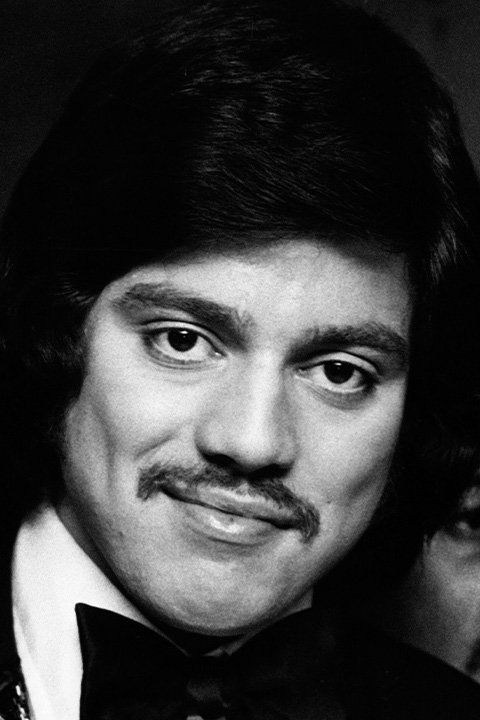
Frederick Karl Pruetzel was born to a Puerto Rican mother and a German immigrant father in New York City. He changed his surname to Prinze to signify that he was the prince of comedy and to make it easier for audiences to remember. He became a groundbreaking stand-up comedian and starred in the hit sitcom ‘Chico and the Man’. His success opened doors for future generations of Hispanic comedians and actors. His son followed in his footsteps and also achieved fame in the entertainment industry.
Louis C.K.
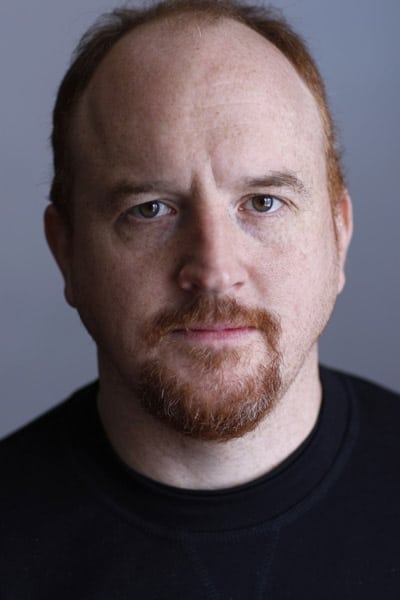
Louis Székely was born in Washington but lived in Mexico City until he was seven years old and holds Mexican citizenship. He changed the spelling of his surname to the phonetic C.K. because people frequently struggled to pronounce Székely. This simplification allowed him to focus on his comedy and writing without constant confusion regarding his name. He became one of the most successful stand-up comedians and created the acclaimed series ‘Louie’. His background often surprises fans who are unaware of his Hispanic heritage.
Clifton Collins Jr.
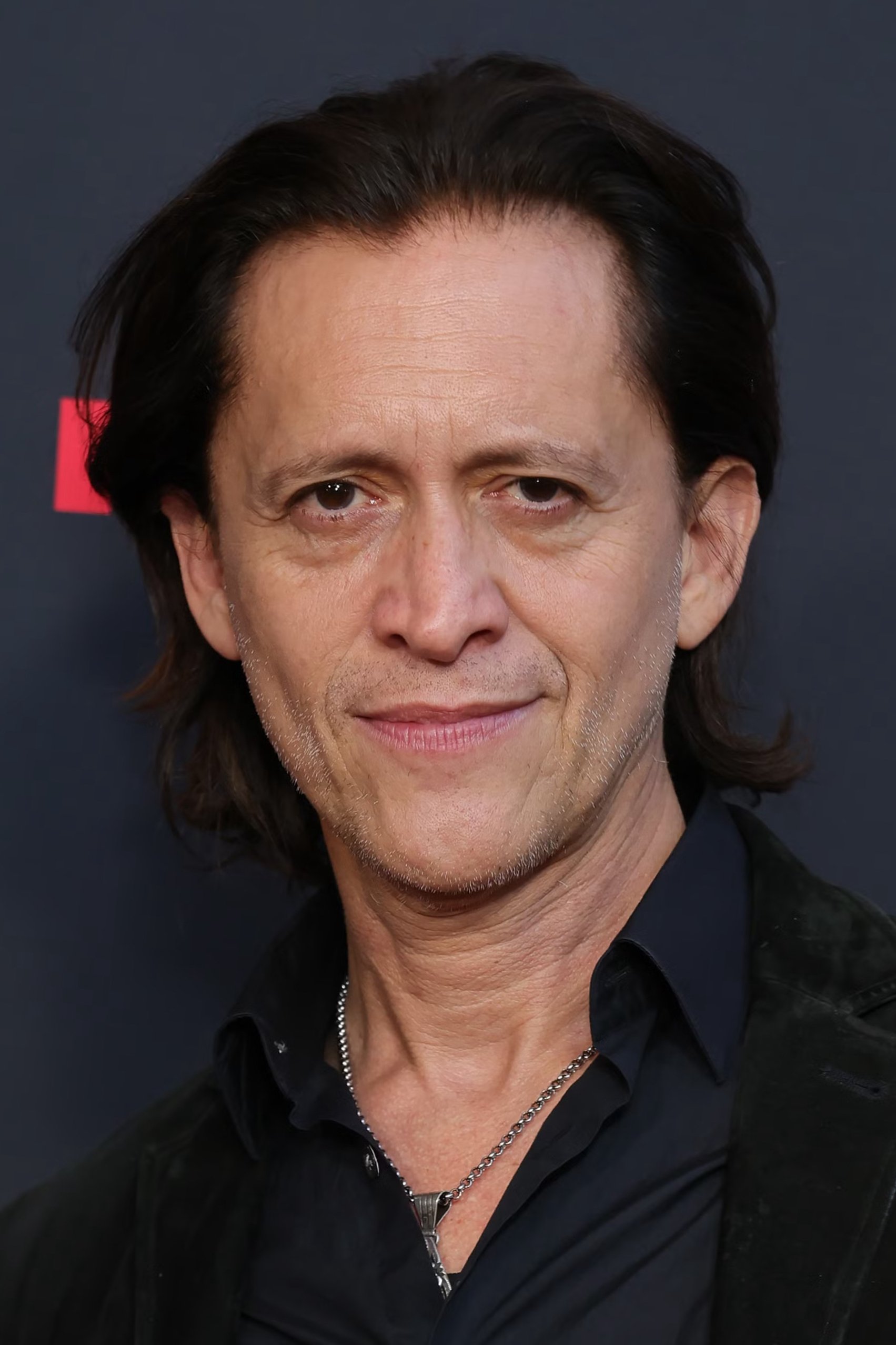
This character actor was born Clifton Gonzalez Gonzalez and used that name during the early years of his career. He initially shortened it to Clifton Gonzalez but eventually adopted his great-grandfather’s surname Collins to honor his Irish heritage. He did this partly to avoid being typecast solely as a gang member or criminal in films. The change allowed him to showcase his incredible range in movies like ‘Capote’ and ‘Traffic’. He continues to be a versatile presence in both television and film.
Antonio Banderas
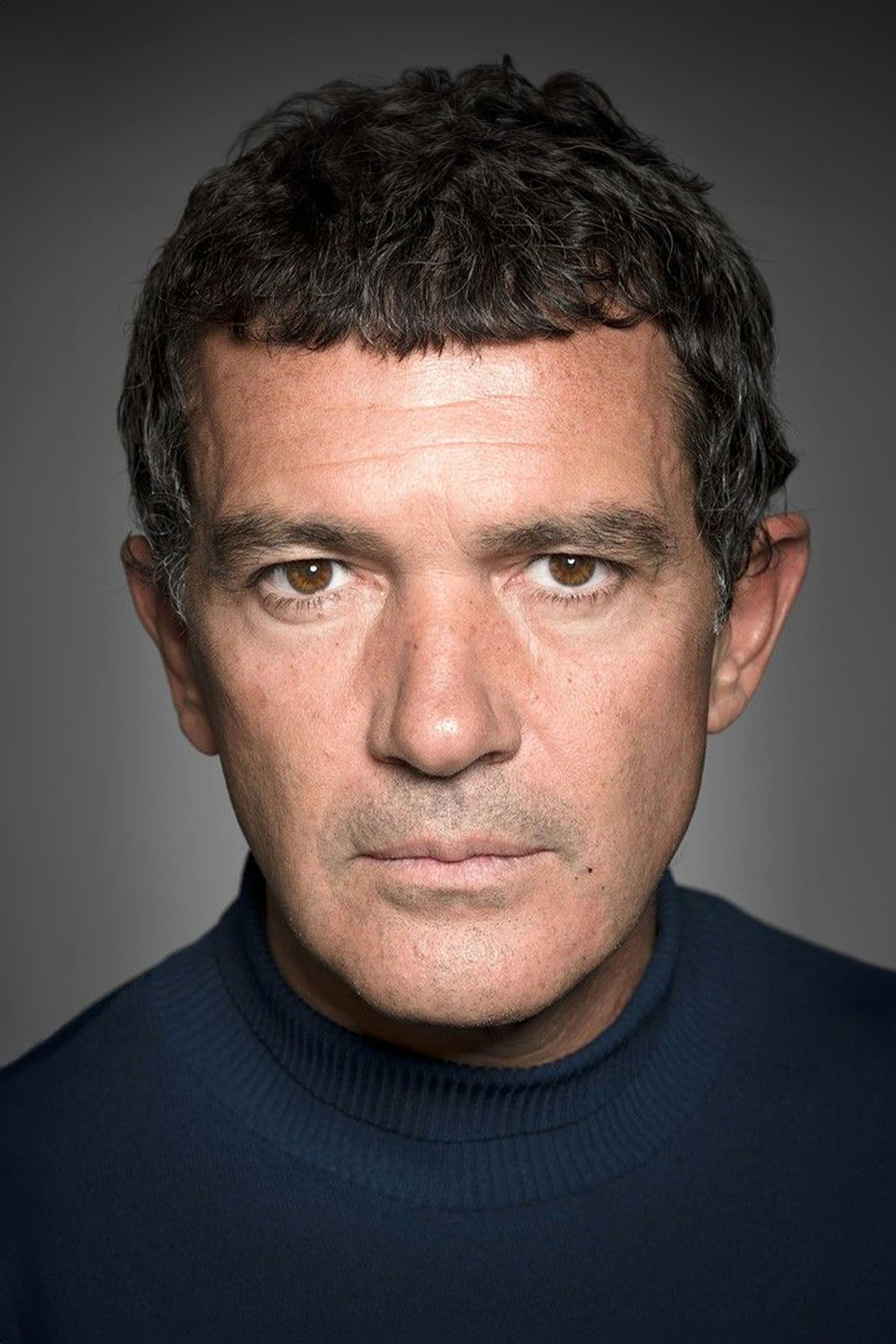
José Antonio Domínguez Bandera shortened his name to Antonio Banderas when he began his acting career in Spain. The simplification made his name punchier and easier for international marketing as he crossed over into Hollywood. He became a global sex symbol and starred in major films like ‘Desperado’ and ‘The Mask of Zorro’. His work paved the way for other Spanish and Latin American actors to find success in the United States. He has maintained his accent and cultural identity throughout his career.
Andy Garcia
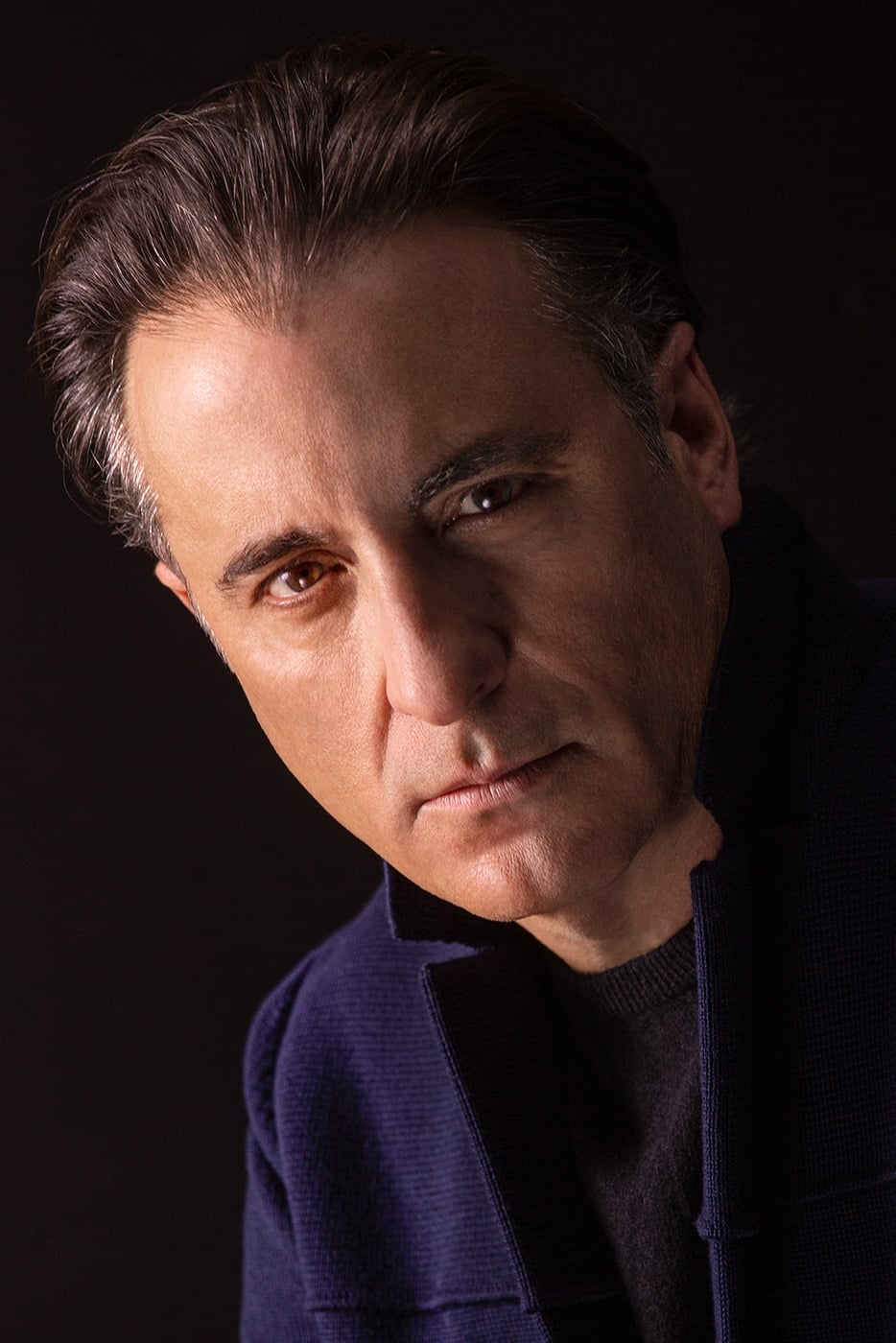
Andrés Arturo García Menéndez was born in Havana before his family moved to Miami. He anglicized his first name to Andy and dropped his maternal surname Menéndez for professional simplicity. He broke through in Hollywood with his role in ‘The Untouchables’ and earned an Academy Award nomination for ‘The Godfather Part III’. He has consistently refused to do nude scenes to uphold his traditional values. He remains one of the most respected Cuban-American actors in the industry.
Anthony Quinn
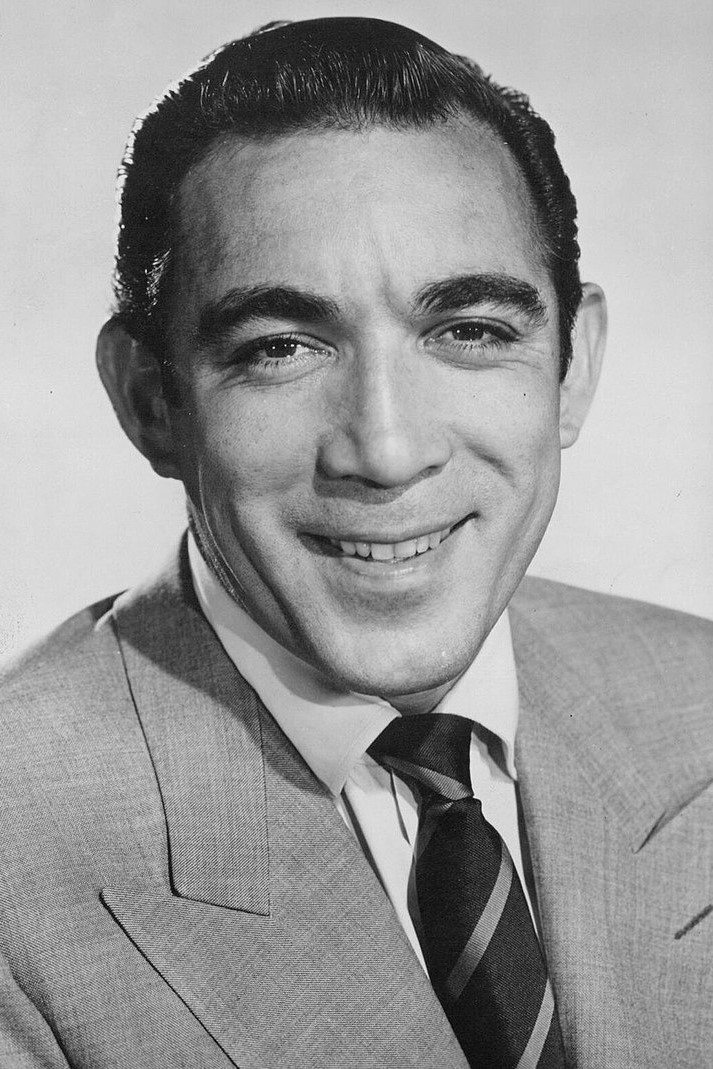
Manuel Antonio Rodolfo Quinn Oaxaca was a Mexican-American actor with a diverse heritage that included Irish ancestry. He simplified his name to Anthony Quinn to appeal to American audiences and casting agents. This change allowed him to play characters of various ethnicities including Greek and Italian and Arab figures. He won two Academy Awards for Best Supporting Actor during his illustrious career. His role in ‘Zorba the Greek’ remains one of the most iconic performances in cinema history.
Desi Arnaz
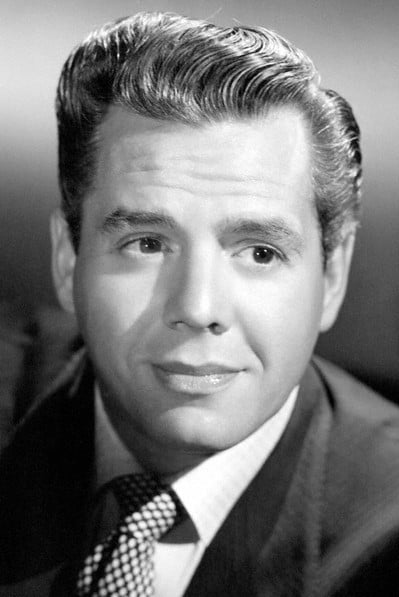
Desiderio Alberto Arnaz y de Acha III fled Cuba to the United States and became a bandleader and actor. He shortened his lengthy birth name to Desi Arnaz to fit on marquees and be easily spoken by American fans. He revolutionized television production with his wife Lucille Ball on the sitcom ‘I Love Lucy’. His business acumen made him a powerful studio executive in Hollywood. He remains a pivotal figure in the history of television and Latin music.
William Levy
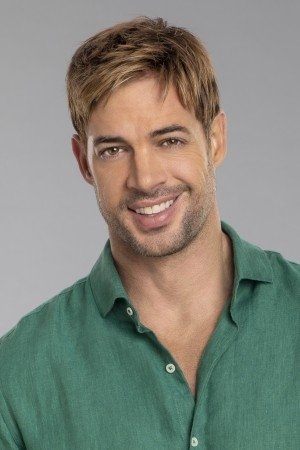
William Gutiérrez Lévy was born in Cuba and emigrated to the United States as a teenager. He dropped his paternal surname Gutiérrez and used his Jewish maternal grandfather’s name Levy for his acting career. This shorter name helped him gain traction first in reality television and then in telenovelas and films. He became known as the “Latino Brad Pitt” and competed on ‘Dancing with the Stars’. He has since appeared in English-language films like ‘Resident Evil: The Final Chapter’.
Diego Boneta
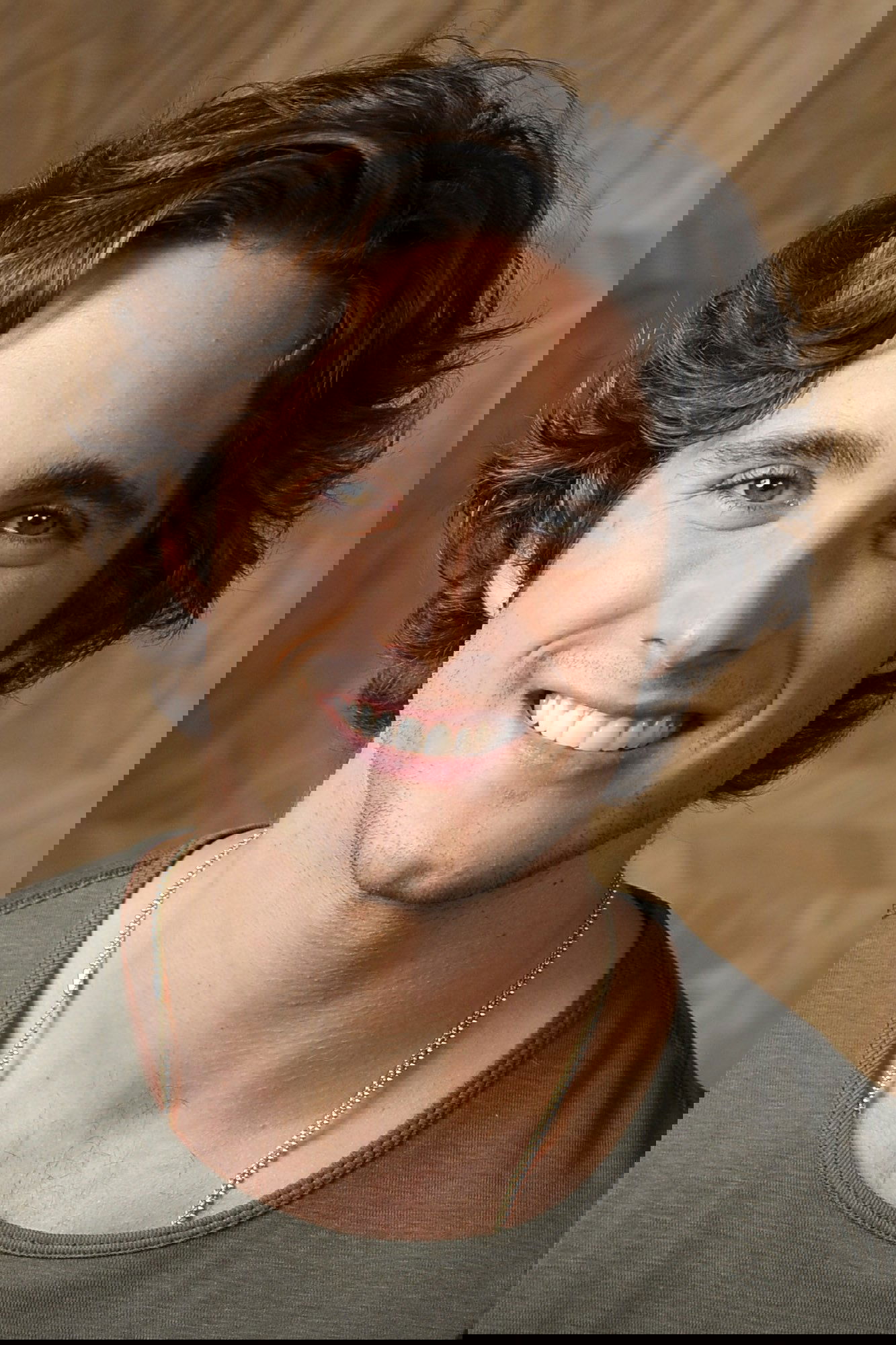
Diego Andrés González Boneta started his career in Mexico before moving to Hollywood. He dropped his father’s surname González and uses his mother’s surname Boneta professionally to stand out. The actor gained recognition in the United States with roles in ‘Rock of Ages’ and the horror series ‘Scream Queens’. He later portrayed Luis Miguel in a highly successful biographical series. His bilingual abilities have allowed him to work fluidly between American and Mexican productions.
Jay Hernandez

Javier Manuel Hernandez Jr. was discovered in Los Angeles and shortened his first name to Jay. The slight anglicization made his name sound more casual and accessible for the teen roles he initially played. He starred opposite Kirsten Dunst in the romantic drama ‘Crazy/Beautiful’ which launched his career. He later took on the iconic role of Magnum in the reboot of ‘Magnum P.I.’. He has managed to avoid many stereotypes while maintaining a strong presence in the industry.
Wilson Cruz
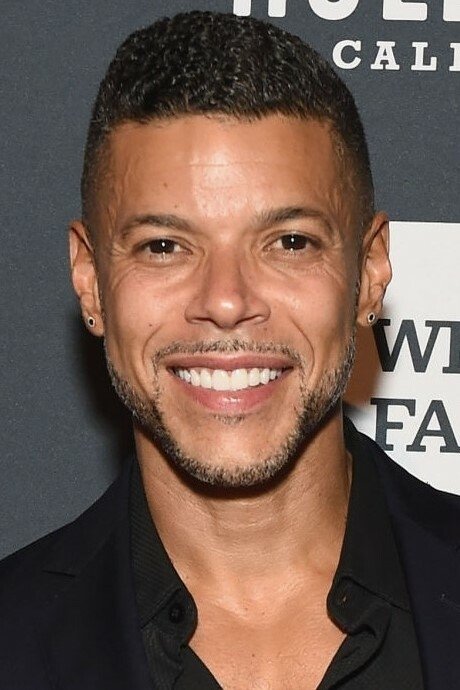
Born Wilson Echevarría in Brooklyn to Puerto Rican parents. He adopted the stage name Wilson Cruz to pursue acting and became the first openly gay actor to play an openly gay character on TV in ‘My So-Called Life’. The name change helped him create a distinct identity separate from his family life. He has since appeared in ‘Star Trek: Discovery’ and remains a fierce advocate for LGBTQ rights. His career highlights the importance of representation in media.
Mel Ferrer

Melchior Gastón Ferrer was born to a Cuban father and an American mother. He shortened his first name to Mel to fit the conventions of the American film industry. He was a multi-talented figure who acted in produced and directed films like ‘Wait Until Dark’. He starred in ‘War and Peace’ alongside his then-wife Audrey Hepburn. His contribution to cinema spanned several decades and various roles behind and in front of the camera.
Ricardo Montalban
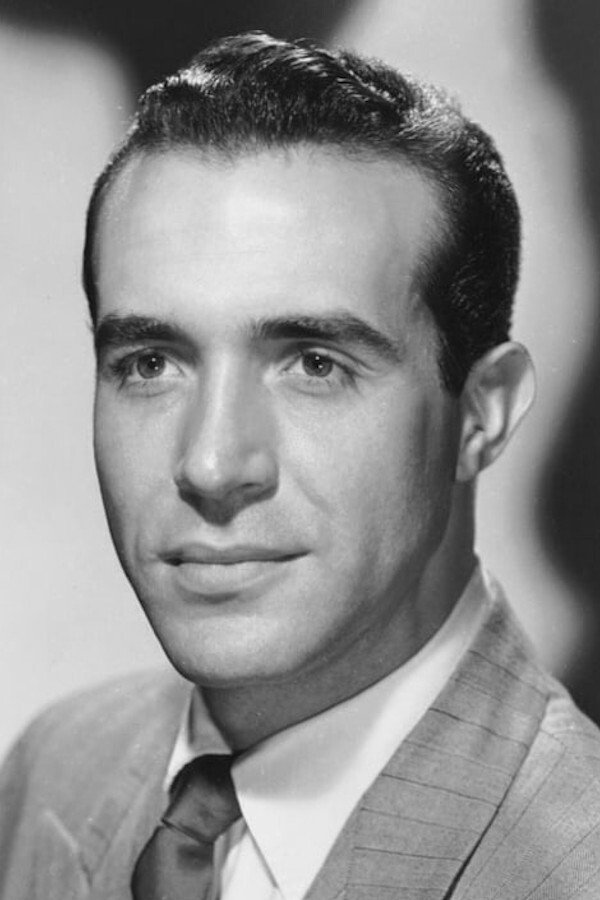
Ricardo Gonzalo Pedro Montalbán y Merino had a long and distinguished name that he shortened for his Hollywood career. He became a leading man at MGM and famously played the character Khan in the ‘Star Trek’ franchise. He is perhaps best known for his role as Mr. Roarke on the television series ‘Fantasy Island’. His elegant demeanor and voice made him a unique presence in the industry. He founded an organization to improve the image of Latinos in media.
Cesar Romero
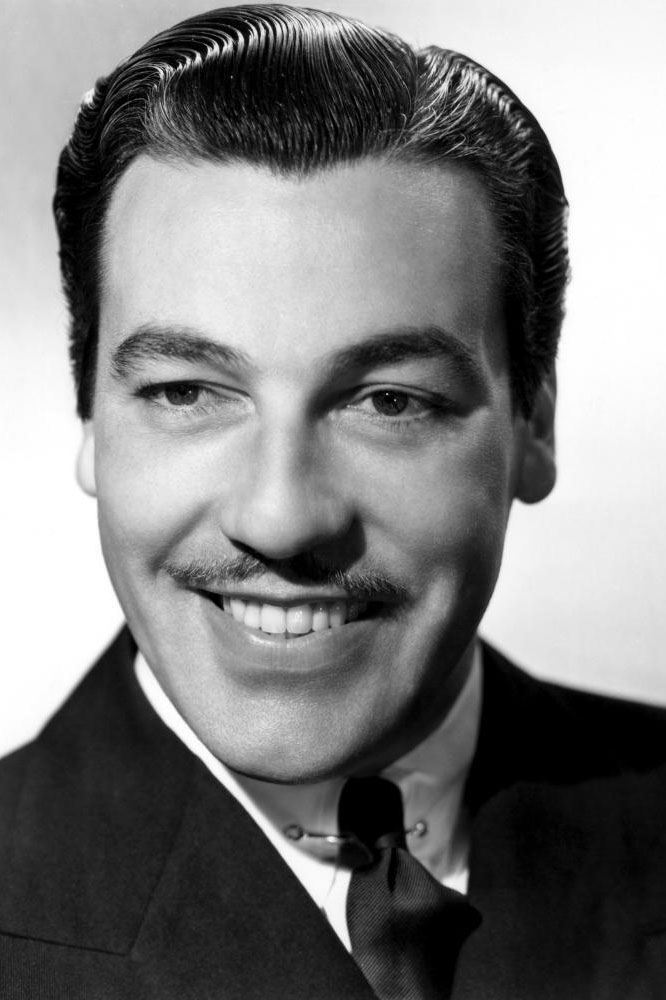
Cesar Julio Romero Jr. was a tall and dashing actor born in New York to Cuban parents. He used a shortened version of his name to build a career as a “Latin Lover” in musicals and comedies. He is most famous for playing the Joker in the 1960s ‘Batman’ television series. He refused to shave his mustache for the role and simply painted over it with white makeup. His career lasted for decades and he remained active until his death.
Cheech Marin
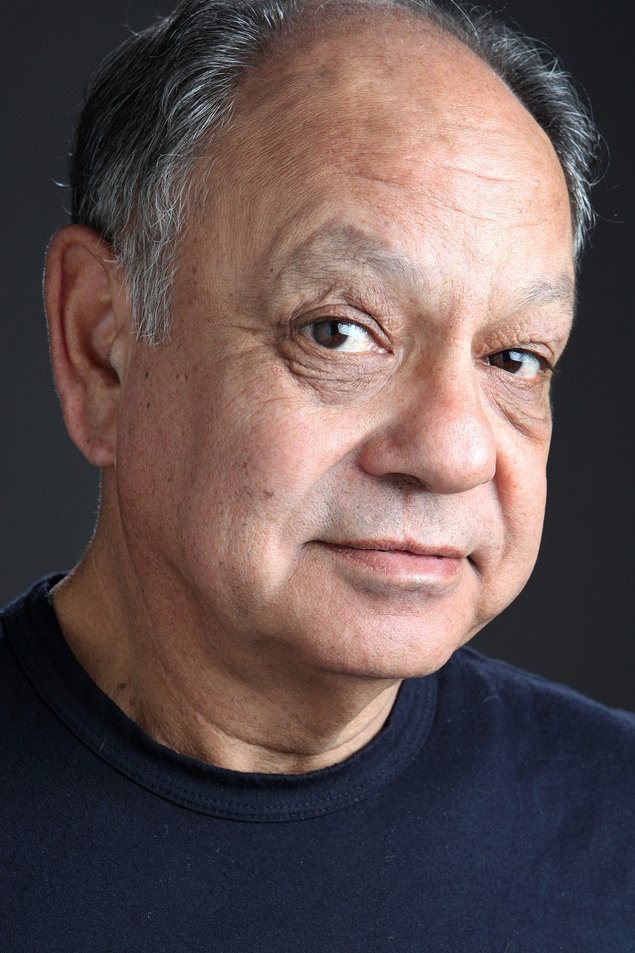
Richard Anthony Marin earned the nickname Cheech as a baby because he looked like a chicharron. He adopted this nickname professionally when he formed the comedy duo Cheech & Chong. The name became synonymous with counterculture comedy and stoner humor in the 1970s and 1980s. He later transitioned to voice acting in ‘The Lion King’ and family films like ‘Spy Kids’. He is also a prominent collector of Chicano art.
Tell us which of these actors surprised you the most by changing their name in the comments.

