


Hispanic Actors Who Don’t Support LGBTQ+ Rights

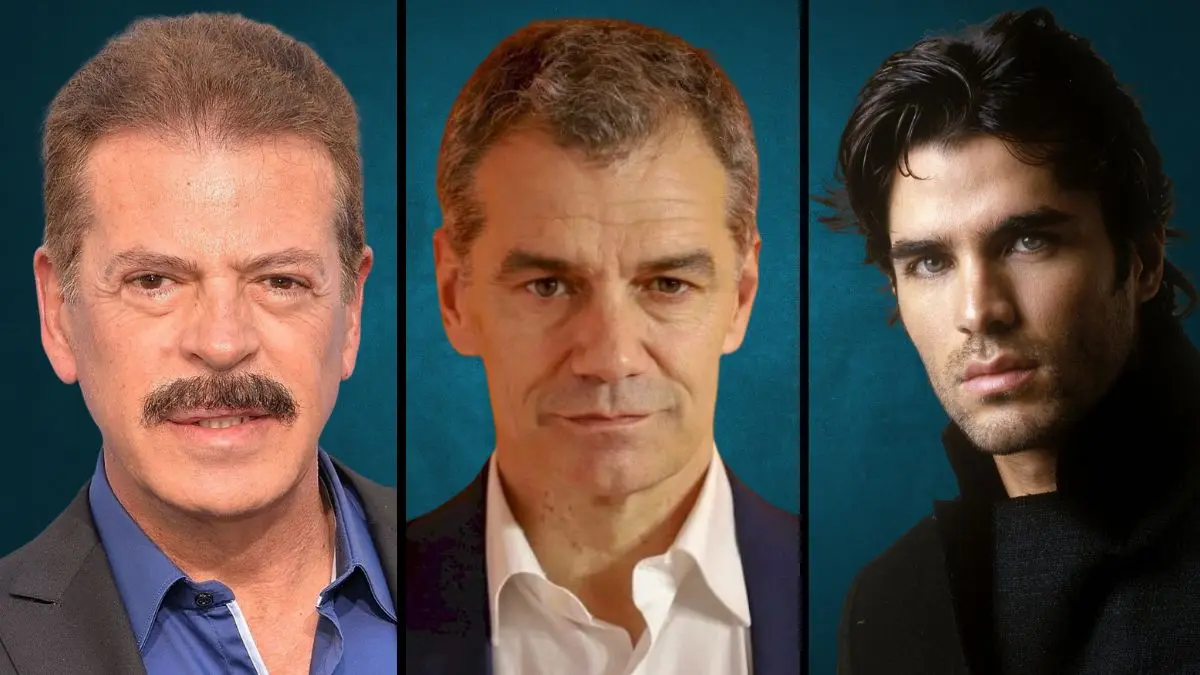


The entertainment industry in the Hispanic world encompasses a wide range of personal beliefs and political ideologies regarding social issues. While many celebrities actively champion equality and diversity, there remains a significant segment of male actors who hold traditional or conservative views concerning LGBTQ+ rights. These figures often ground their perspectives in strict religious interpretations, cultural machismo, or political alignments that prioritize the conventional family structure. The following list identifies fifty male Hispanic actors and entertainers who have expressed non-supportive stances or sparked controversy regarding the LGBTQ+ community.
Eduardo Verástegui
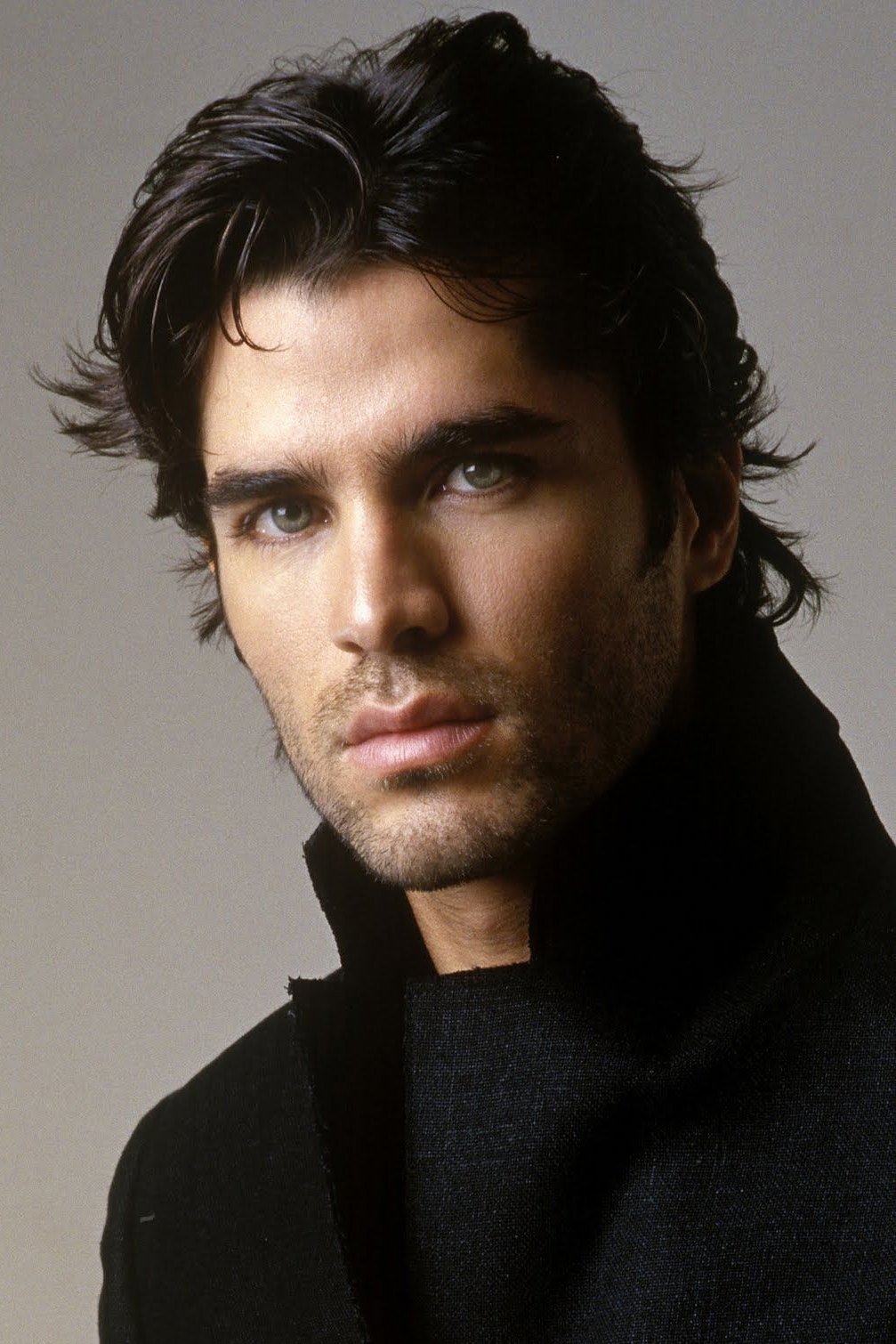
Eduardo Verástegui transitioned from a popular telenovela star to a dedicated conservative activist with deep ties to the Catholic Church. He has utilized his platform to organize political conferences that explicitly oppose same-sex marriage and the expansion of LGBTQ+ rights in Mexico. Verástegui frequently argues that the traditional family unit is the only acceptable model for a healthy society and claims that gender ideology is harmful to children. His work with right-wing organizations focuses on rolling back progressive legislation to uphold biblical values.
Vicente Fernández
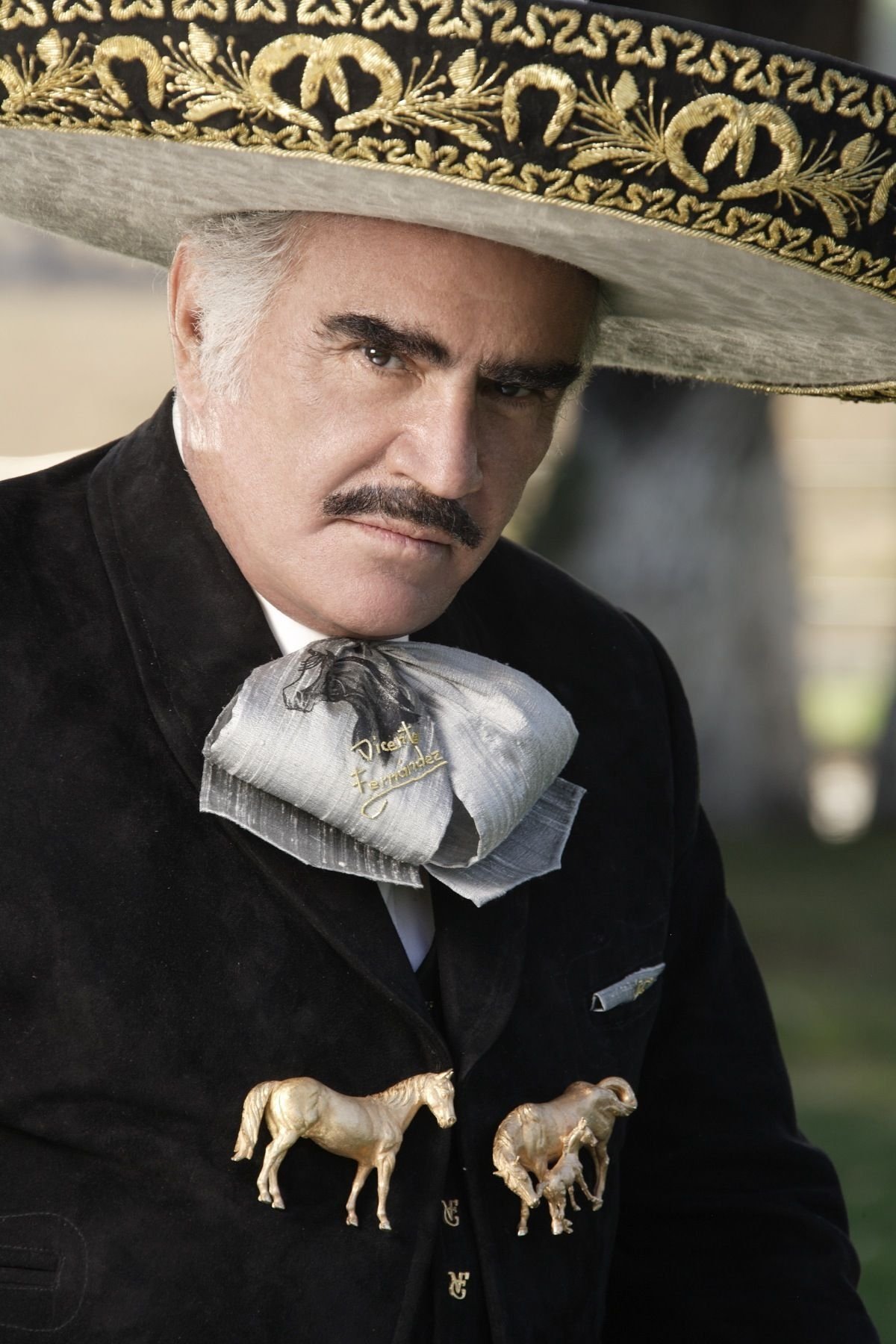
The late cultural icon Vicente Fernández faced a massive backlash late in his career after refusing a liver transplant due to fears about the donor’s background. He stated in an interview that he would not accept an organ if he did not know if it came from a “homosexual or a drug addict.” This comment was widely condemned for conflating sexual orientation with substance abuse and revealing a deep-seated homophobia. His refusal highlighted a rigid adherence to traditional machismo that prioritized prejudice over medical science.
Emmanuel

Renowned singer and performer Emmanuel has used his concerts as a pulpit to criticize educational materials that include gender diversity. He has publicly claimed that teaching children about LGBTQ+ identities confuses them and ultimately destroys the family. His comments have incited boos from audiences and criticism from human rights groups who view his rhetoric as discriminatory. Emmanuel defends his stance by citing a desire to protect parental rights and biological definitions of gender.
Gerardo Mejía
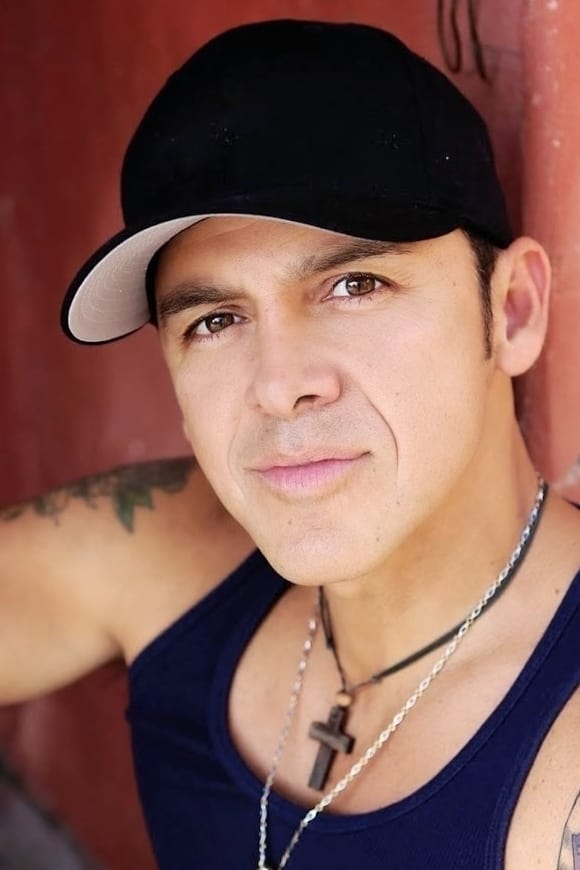
Gerardo Mejía gained fame as a rapper and actor before transitioning into a role as a youth pastor and reality television personality. He maintains that while he loves everyone, he cannot support same-sex marriage because it contradicts his understanding of scripture. Mejía teaches that marriage is an institution exclusively designed for a man and a woman. This theological position places him in direct opposition to the political goals of the LGBTQ+ rights movement.
José Luis Rodríguez
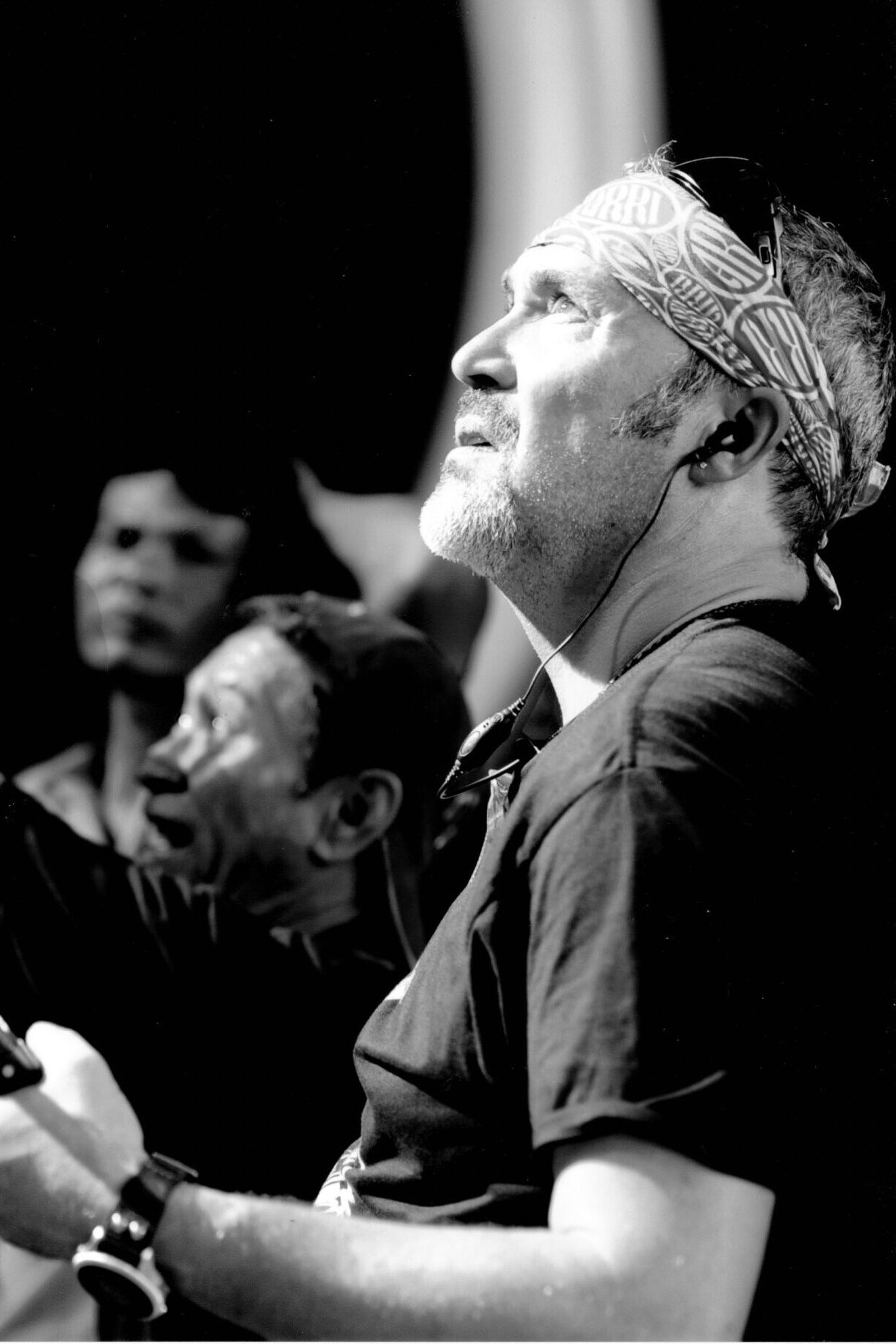
Venezuelan star José Luis Rodríguez, known as “El Puma,” has expressed conservative Christian views that clash with modern advocacy for equal rights. He has voiced concerns about the erosion of moral values and the changing definition of the family in contemporary society. Rodríguez emphasizes the importance of biblical tradition which he interprets as excluding same-sex unions. His commentary often reflects a generational divide that resists the secularization of marriage laws.
Bertín Osborne
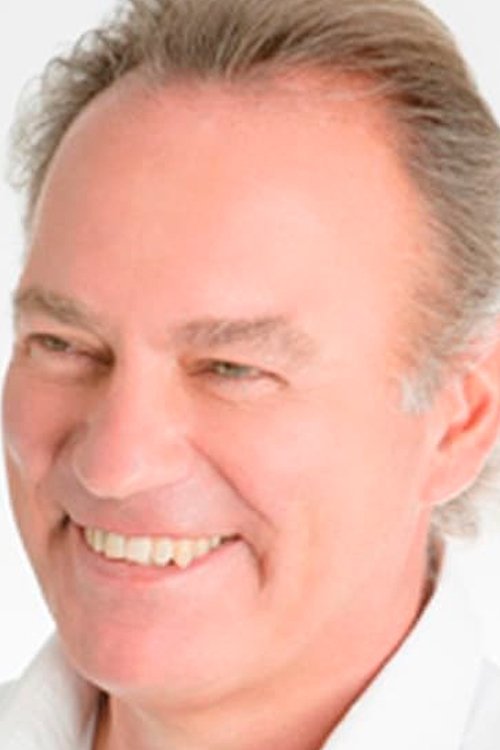
Spanish presenter and actor Bertín Osborne is a polarizing figure known for his criticism of modern feminism and LGBTQ+ activism. He has argued that legal equality already exists in Spain and that further demands for protection are unnecessary or excessive. Osborne frequently aligns himself with political sentiments that oppose specific hate crime legislation for the community. His “politically incorrect” persona appeals to a conservative demographic that feels alienated by progressive social changes.
Toni Cantó
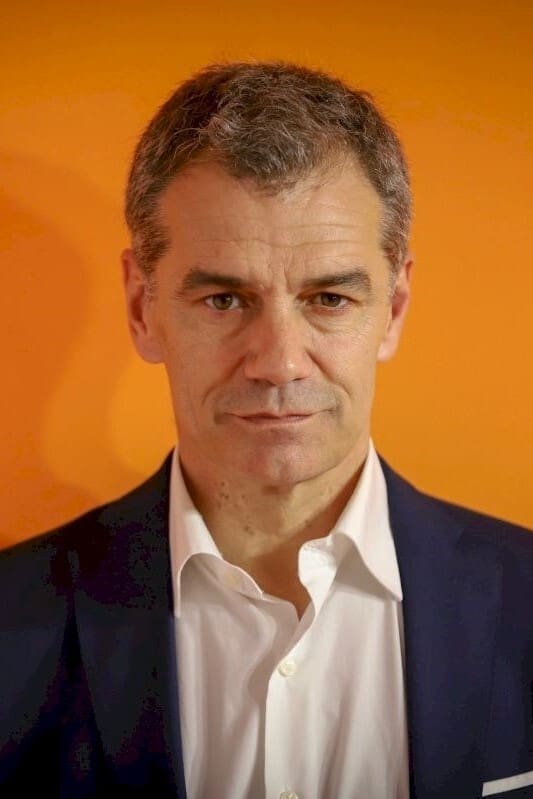
Toni Cantó shifted from acting in films to a career in politics where he has aligned with parties that oppose various LGBTQ+ legislative advancements. He has criticized the concept of gender ideology and questioned the necessity of laws that specifically protect sexual minorities. Cantó argues that such laws violate the principle of equality before the law by creating special categories for certain groups. His political track record includes votes and rhetoric that seek to stall the expansion of rights for the trans community.
Alfredo Adame
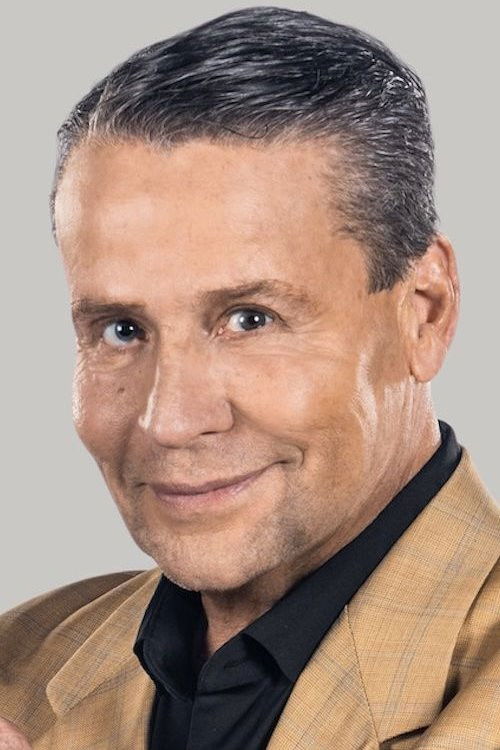
Soap opera villain Alfredo Adame has frequently engaged in public feuds where he utilizes homophobic slurs to attack his male rivals. He weaponizes sexuality as an insult to question the masculinity of others and perpetuate negative stereotypes. Adame has been recorded using derogatory language that contributes to a hostile cultural environment for gay men. Despite occasional denials of prejudice, his aggressive behavior demonstrates a lack of respect for the dignity of LGBTQ+ individuals.
Don Omar
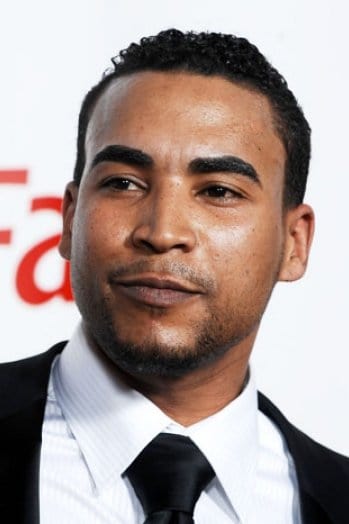
Reggaeton icon and actor Don Omar has a history of controversy involving the use of homophobic language in his music and public disputes. He has used slurs in “diss tracks” to demean other artists by questioning their sexual orientation. This usage reinforced a culture of toxic masculinity within the urban genre that marginalized gay men for years. While he has not been a primary political activist, his past contribution to anti-gay rhetoric remains a point of criticism.
Alexander Acha
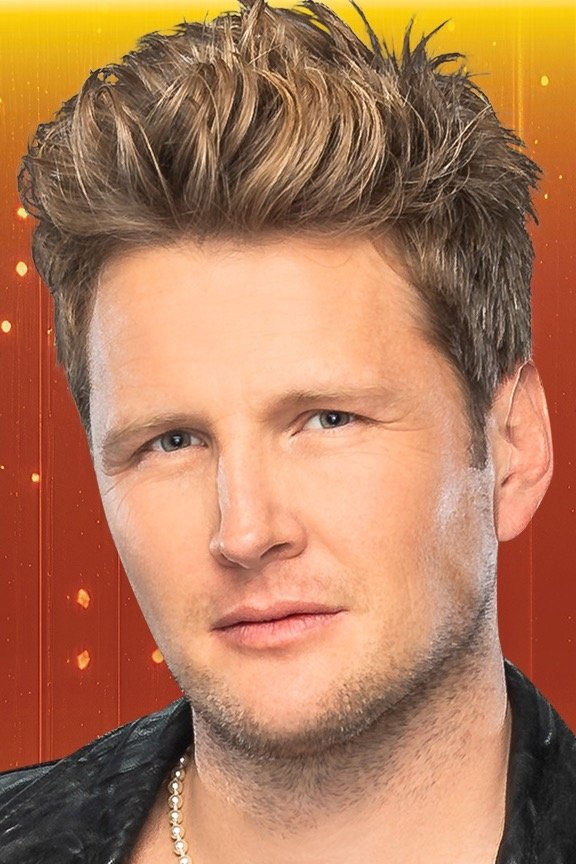
Singer and television personality Alexander Acha has followed his father Emmanuel in campaigning against abortion and gender ideology. He has signed declarations and participated in rallies that oppose the recognition of same-sex marriage and transgender rights in Mexico. Acha frames his activism as a defense of life and the biological family unit mandated by God. His public platform is explicitly used to prevent legislative changes that would broaden civil rights for the LGBTQ+ community.
Julio Voltio
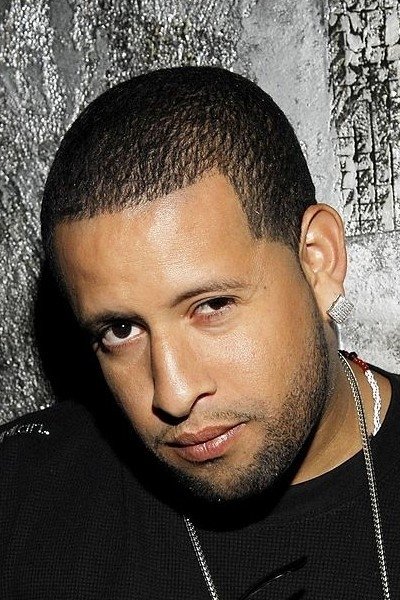
Julio Voltio left a successful career in reggaeton and film to become a Christian preacher with a strict moral worldview. He now views homosexuality as incompatible with a life of faith and encourages others to turn away from such lifestyles. Voltio has renounced his past secular influence and promotes a message that centers on traditional sexual morality. His transformation involves a complete rejection of the values associated with the modern LGBTQ+ rights movement.
Sergio Goyri
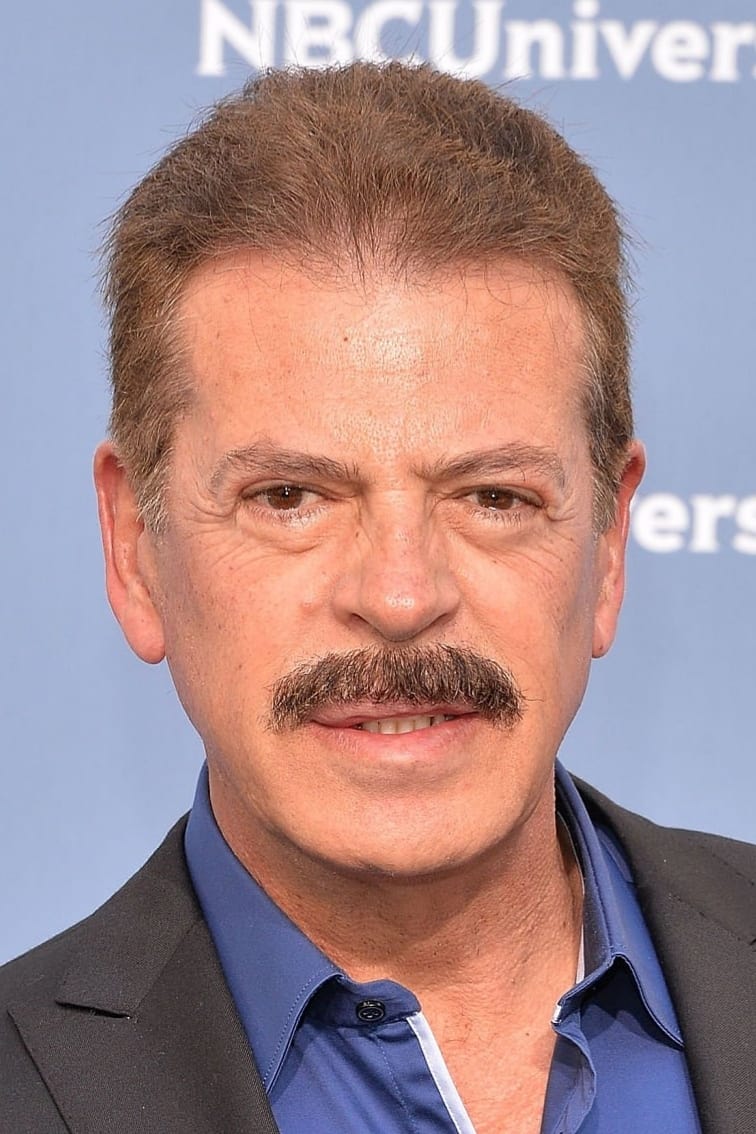
Veteran actor Sergio Goyri is known for his portrayals of villains and his real-life adherence to traditional machismo. He was involved in a scandal featuring racist remarks that also highlighted his dismissal of progressive social values. Goyri represents a generation of actors who uphold rigid gender roles and have shown little public allyship to the queer community. His private comments often reveal a disdain for those who do not fit the conventional mold of Mexican masculinity.
Carlos Villagrán
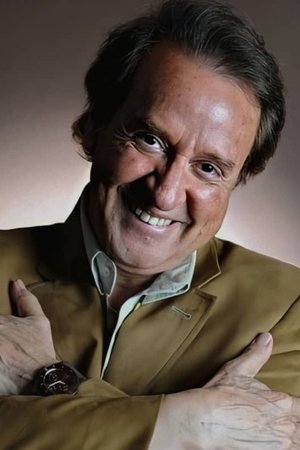
Famous for playing “Kiko,” Carlos Villagrán has made comments in his later years that reflect a conservative and conspiratorial mindset. He has criticized modern social movements and adheres to traditional views on family and gender roles. While not a political activist, his public disapproval of changing social norms includes a resistance to the normalization of LGBTQ+ identities. Villagrán holds a perspective rooted in an older cultural context that views homosexuality as taboo.
Enrique Guzmán
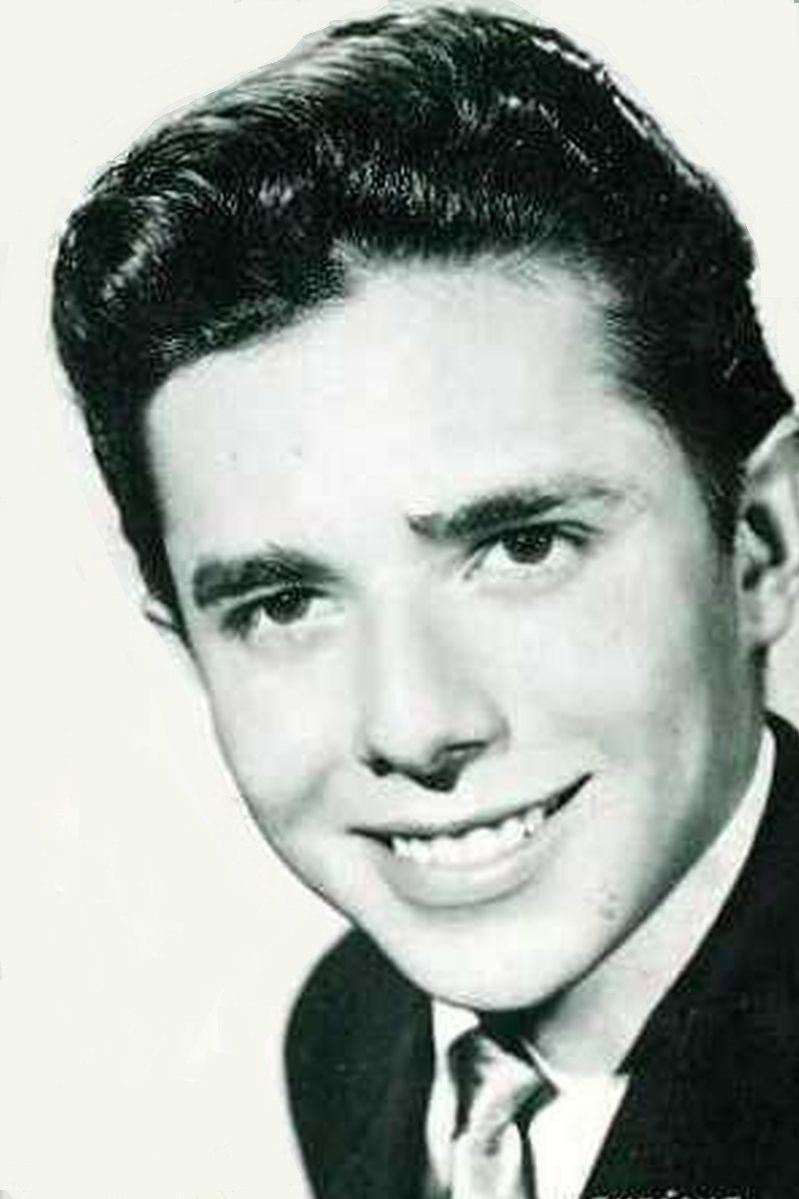
Rock and roll legend and actor Enrique Guzmán has a long documented history of making offensive and politically incorrect statements. He has used homophobic slurs in interviews and expressed visible discomfort with gay characters and themes in entertainment. Guzmán frequently dismisses criticism of his language and refuses to adapt to modern standards of respect. His attitude reflects a deep-seated intolerance that was common in the mid-century entertainment industry.
José Manuel Soto

Spanish singer and television personality José Manuel Soto is one of the most vocal celebrity supporters of Spain’s right-wing Vox party. He frequently uses social media to attack left-wing politicians and progressive policies related to LGBTQ+ rights. Soto has criticized Pride celebrations and what he calls the “dictatorship” of gender ideology. His alignment with a party that seeks to repeal gay marriage laws makes his opposition to the community explicit.
Fran Rivera
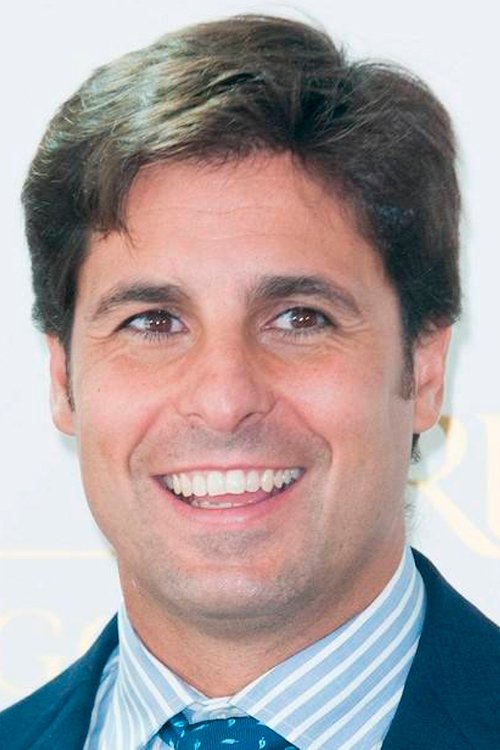
Fran Rivera is a bullfighter and media personality who holds conservative views aligned with traditional Catholic Spain. He has expressed support for right-wing political movements and criticized the excesses of the LGBTQ+ movement. Rivera defends traditional family structures and often dismisses the need for further rights for sexual minorities. His public persona is deeply rooted in the defense of conservative cultural heritage against modern progressive shifts.
Arévalo
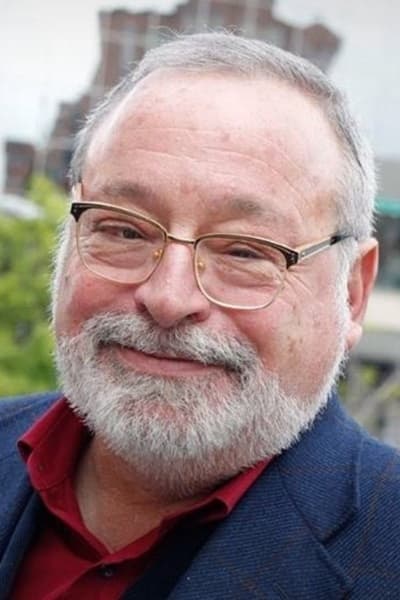
The late comedian Arévalo was known for a style of humor that frequently targeted gay men and other minorities. He defended his right to tell homophobic jokes as “traditional humor” and complained about the censorship of political correctness. Arévalo supported right-wing political movements in Spain that oppose LGBTQ+ legislation. His career was defined by a refusal to evolve his comedy to be more inclusive or respectful.
Almighty
Alejandro Mosqueda, known as Almighty, has had a tumultuous career marked by religious conversion and erratic behavior. He uses his social media platforms to preach aggressively against what he considers sin and often targets homosexuality. Almighty has denounced the entertainment industry as demonic and speaks on the need for repentance from immoral lifestyles. His rhetoric is often directly hostile toward the LGBTQ+ community and their rights.
Farruko
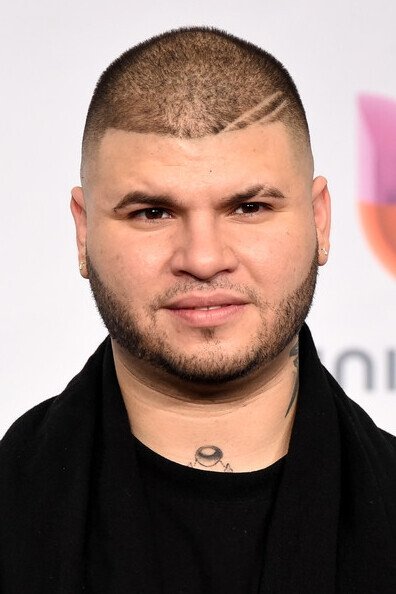
Reggaeton star Farruko underwent a highly publicized religious conversion that led him to preach during his concerts. While he promotes a message of love, his new theological framework views sin through a traditional lens that generally opposes LGBTQ+ lifestyles. He has spoken out against the moral decay of society and aligned himself with conservative Christian values. This shift has moved him away from the secular acceptance of diverse identities.
Toño Mauri
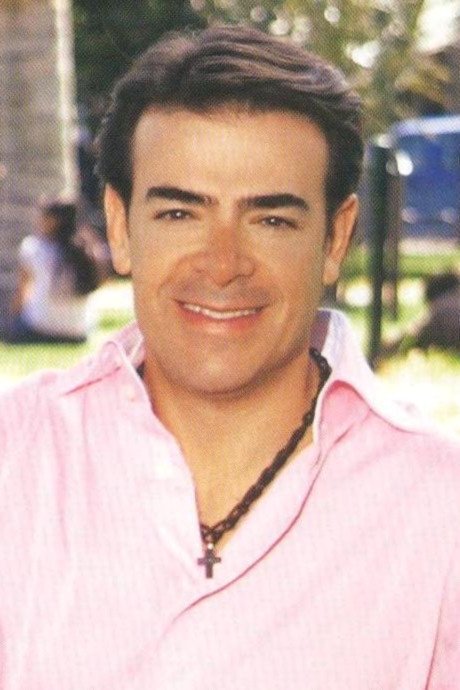
Actor and producer Toño Mauri is a devout Catholic and a close friend of conservative activist Eduardo Verástegui. He supports causes that promote the traditional family and has participated in religious events that exclude LGBTQ+ narratives. Mauri centers his public life around his faith and his miraculous recovery from a lung transplant which he attributes to God. He generally aligns with the sector of the Mexican entertainment industry that opposes abortion and same-sex marriage.
Manuel Capetillo

The late Manuel Capetillo was a bullfighter and actor who dedicated the latter part of his life to Catholic evangelism. He traveled the world promoting the rosary and traditional Catholic values which include the definition of marriage as between a man and a woman. Capetillo focused his ministry on correcting the errors of the modern world including the acceptance of homosexuality. His legacy is one of devout religious activism against secular social changes.
Juan Soler
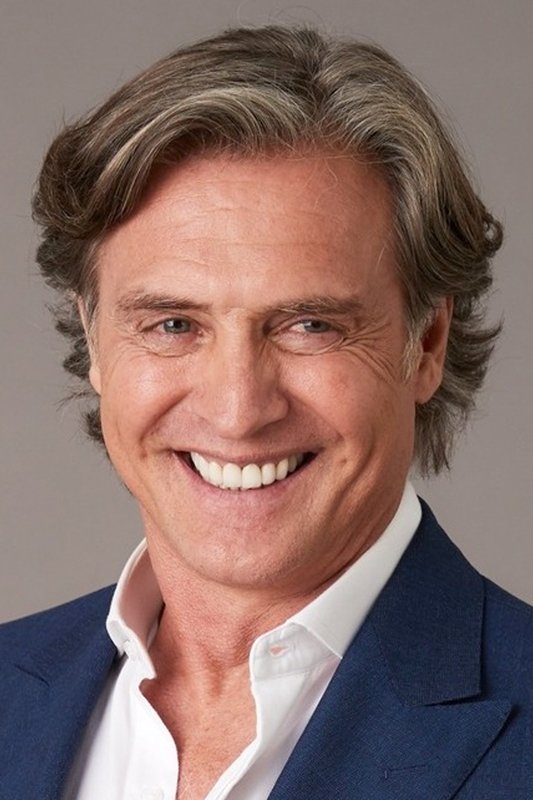
Argentine actor Juan Soler has faced backlash for comments regarding transgender women and feminist movements. He has expressed conservative views on gender roles and stated that he prefers women who are feminine in a traditional sense. Soler has made clumsy remarks about the trans community that suggest a lack of understanding and support. His perspective is rooted in a conservative upbringing that resists the deconstruction of gender binaries.
Polo Polo
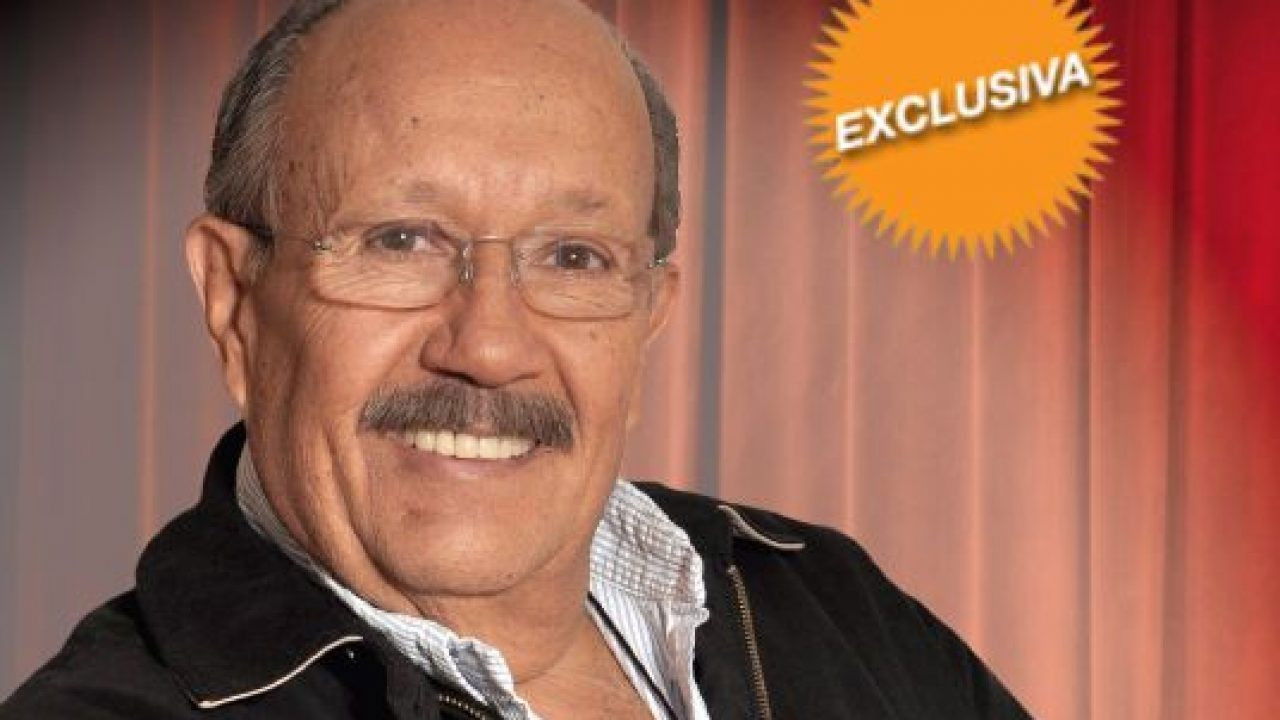
The late comedian Polo Polo was famous for long and explicit jokes that often punched down at gay men. His material relied heavily on homophobic slurs and the ridicule of effeminate men to normalize such language for decades. While celebrated for his timing, his legacy is inextricably linked to a culture of intolerance and mockery of the LGBTQ+ community. He remained unapologetic about his content until his retirement.
Eleazar Gómez
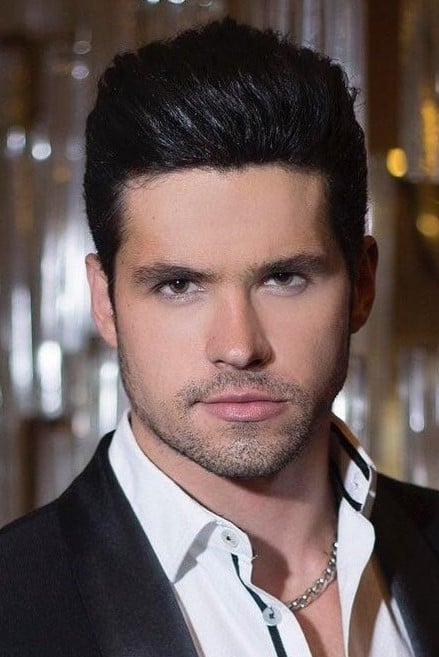
Actor Eleazar Gómez has a troubled history involving domestic violence and aggression which often correlates with toxic masculinity and homophobia. Reports and leaked comments suggest he uses derogatory language towards men he considers weak or effeminate. His behavior reflects a deep-seated need to assert dominance through aggression. This toxicity aligns with a rejection of the values of respect and equality espoused by LGBTQ+ activists.
Eduardo Capetillo
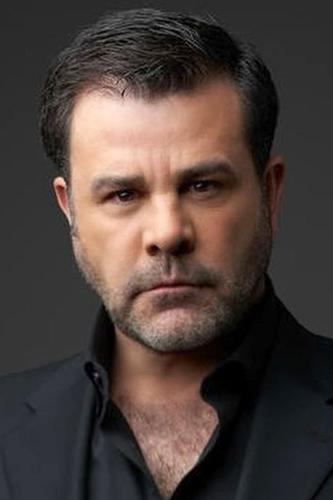
Eduardo Capetillo is known for his strict control over his family and his adherence to traditional marriage roles. He has publicly spoken about his conservative values which dictate that he acts as the head of the household while his wife manages the home. This rigid patriarchal structure is often at odds with the principles of gender equality and LGBTQ+ rights. Capetillo serves as an example of old-fashioned conservatism in the modern entertainment world.
Marcos Witt
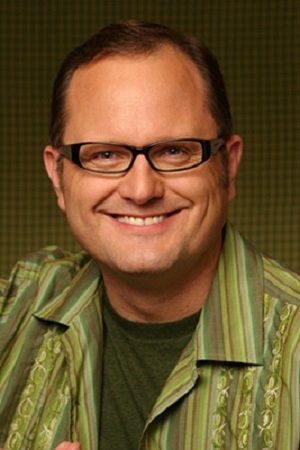
Grammy-winning singer and documentary subject Marcos Witt is a major figure in the Protestant world who has acted in faith-based projects. He has consistently preached that homosexuality is a sin that requires healing and repentance. Witt has been recorded making jokes about effeminate musicians and reinforcing the idea that gay identity is a deviation from God’s plan. His influence is a primary driver of anti-LGBTQ sentiment in the Hispanic evangelical community.
Raúl Araiza
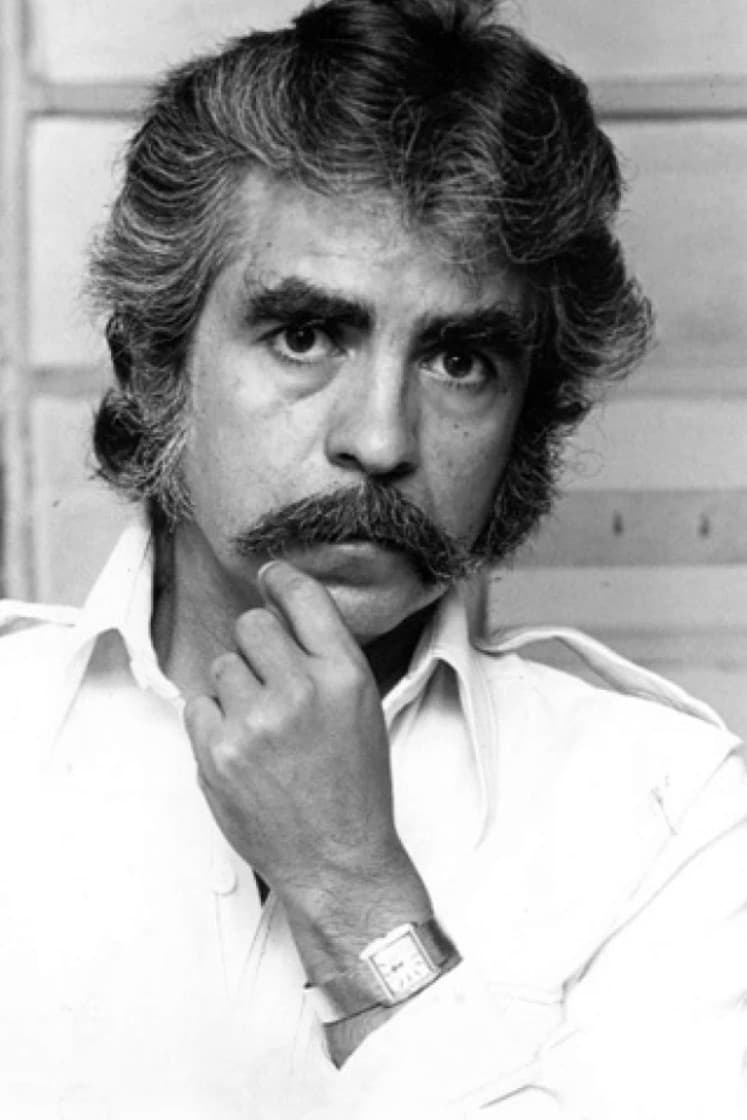
Raúl “El Negro” Araiza is a longtime host and actor who has faced criticism for sexist and homophobic comments on his morning show. He often engages in humor that relies on mocking gay stereotypes and reinforcing traditional masculinity. While he attempts to appear neutral, his slip-ups reveal a comfort with language that demeans the LGBTQ+ community. Araiza represents the casual homophobia that remains pervasive in Mexican television.
What are your thoughts on actors who publicly oppose LGBTQ+ rights? Share your opinion in the comments.

