


Hollywood Actors Who Engaged In Culture War

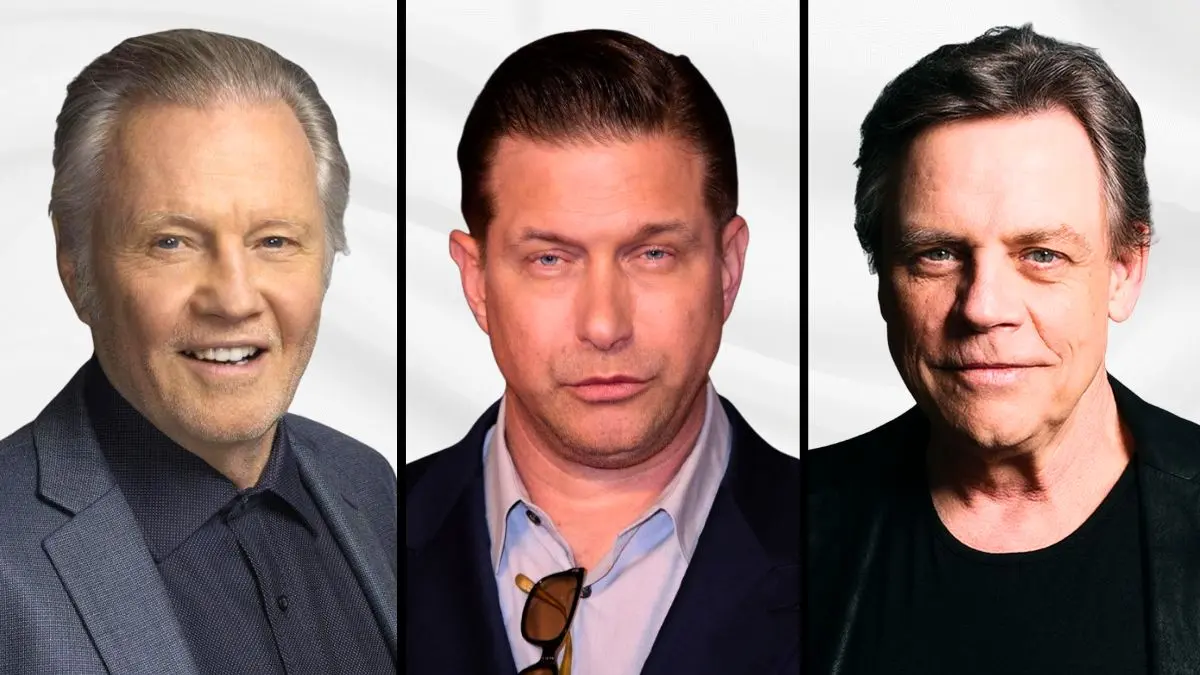


The intersection of entertainment and politics has evolved from occasional endorsements to a continuous ideological battlefield known as the culture war. Modern actors frequently utilize social media platforms to bypass traditional publicists and speak directly to their fanbases regarding sensitive social issues. This shift has resulted in a polarized landscape where celebrities are often defined as much by their voting records and activist causes as their filmography. While some performers claim that vocalizing their beliefs has cost them career opportunities, others view their platform as a moral obligation to effect change. The following list examines male actors who have actively participated in these heated public debates.
Jon Voight
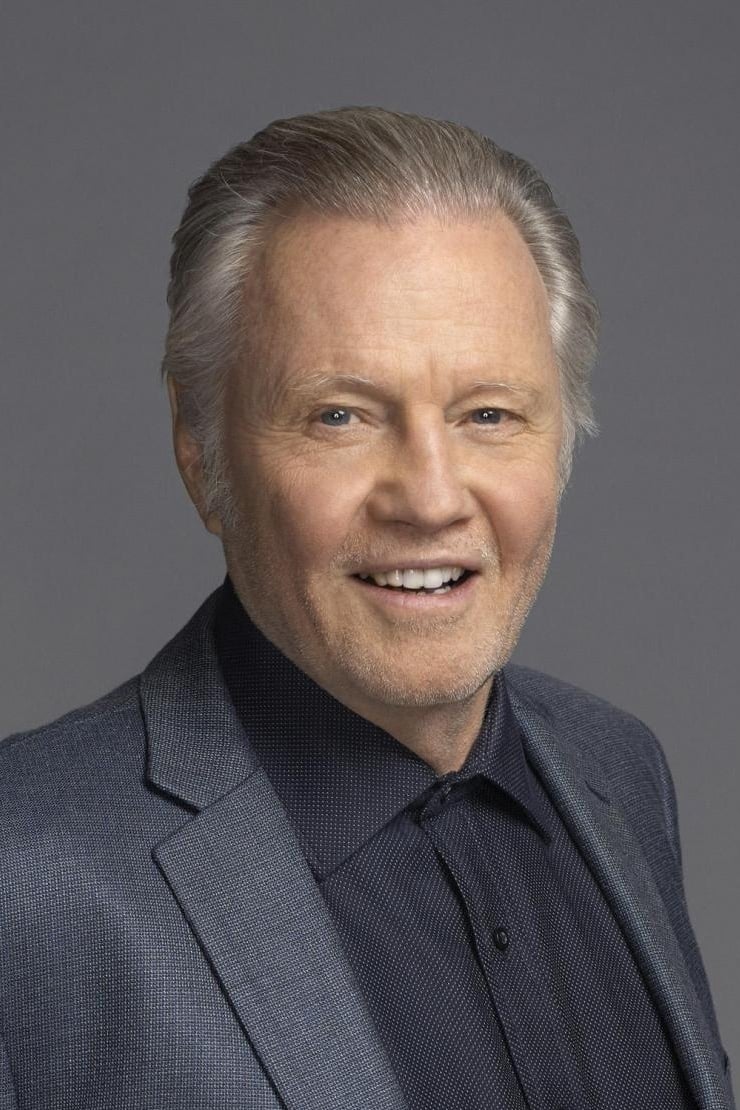
Jon Voight has become one of the most prominent conservative voices in Hollywood during his later career. The Academy Award winner frequently releases video statements on social media that align with right-wing political talking points. He has been a vocal supporter of Donald Trump and often characterizes political conflicts as spiritual battles. His stance has created a distinct divide between him and his more liberal daughter Angelina Jolie. Voight maintains that his outspoken views are a necessary defense of his patriotic values.
James Woods
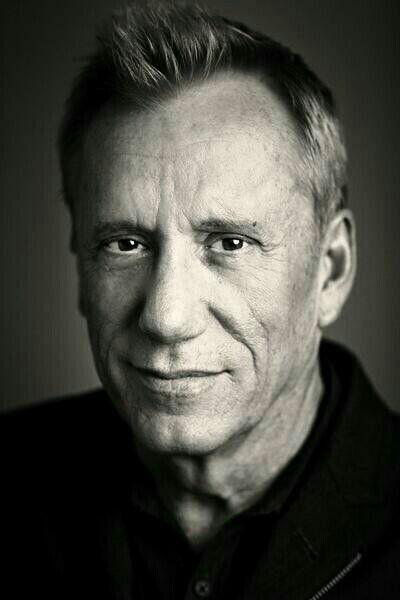
James Woods shifted from being a celebrated character actor to a prolific conservative commentator on Twitter. He uses his platform to criticize the Democratic Party and progressive social movements with sharp rhetoric. His online presence became so controversial that he faced temporary bans from social media platforms for violating terms of service. Woods often claims that his political views resulted in him being blacklisted by mainstream casting directors. He remains a key figure for conservative audiences who feel alienated by Hollywood culture.
Kevin Sorbo
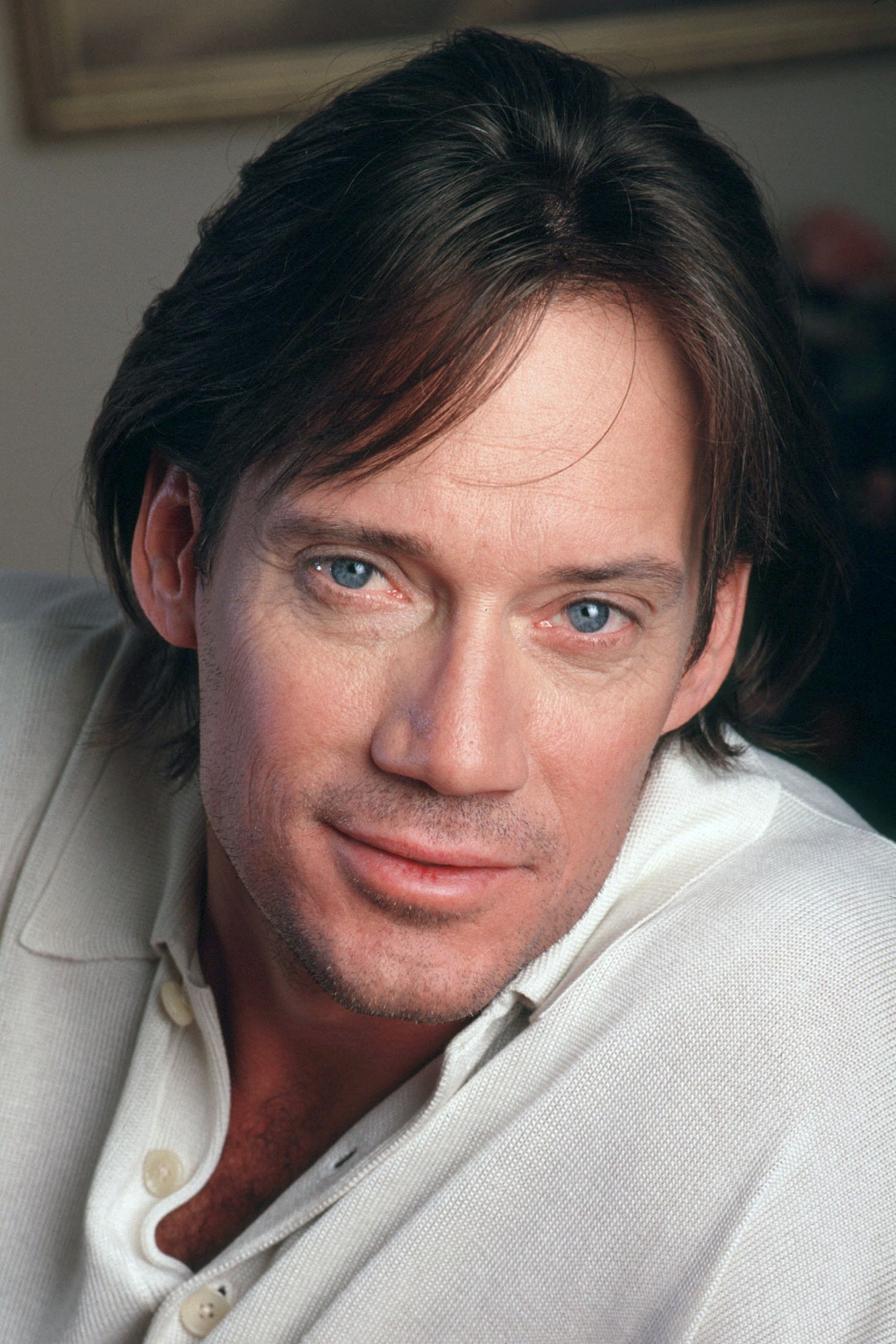
Kevin Sorbo transitioned from playing the title role in ‘Hercules: The Legendary Journeys’ to producing and starring in faith-based films. He is a fierce critic of what he describes as liberal agendas in the entertainment industry. Sorbo frequently uses social media to question scientific consensus on climate change and vaccines. His career focus is now almost exclusively on projects that promote Christian values and conservative patriotism. He regularly speaks at political rallies and religious conferences to encourage cultural pushback.
Dean Cain
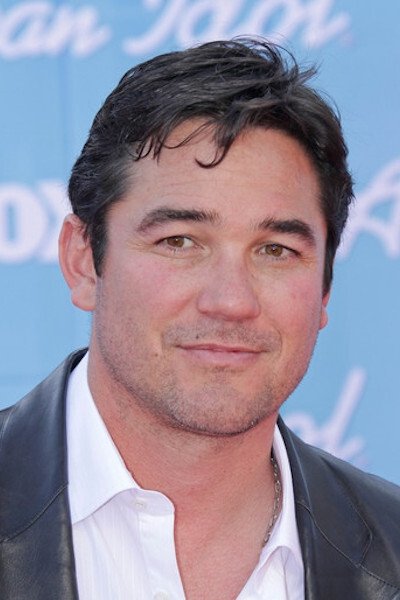
Dean Cain is best known for his role as Superman in ‘Lois & Clark: The New Adventures of Superman’ and later for his work as a commentator. He frequently appears on Fox News to discuss cancel culture and the state of masculinity in America. Cain has criticized modern comic book storylines that alter the sexuality or patriotism of legacy superheroes. He argues that Hollywood has lost touch with the values of everyday Americans. His activism often centers on supporting law enforcement and traditional family structures.
Jim Caviezel
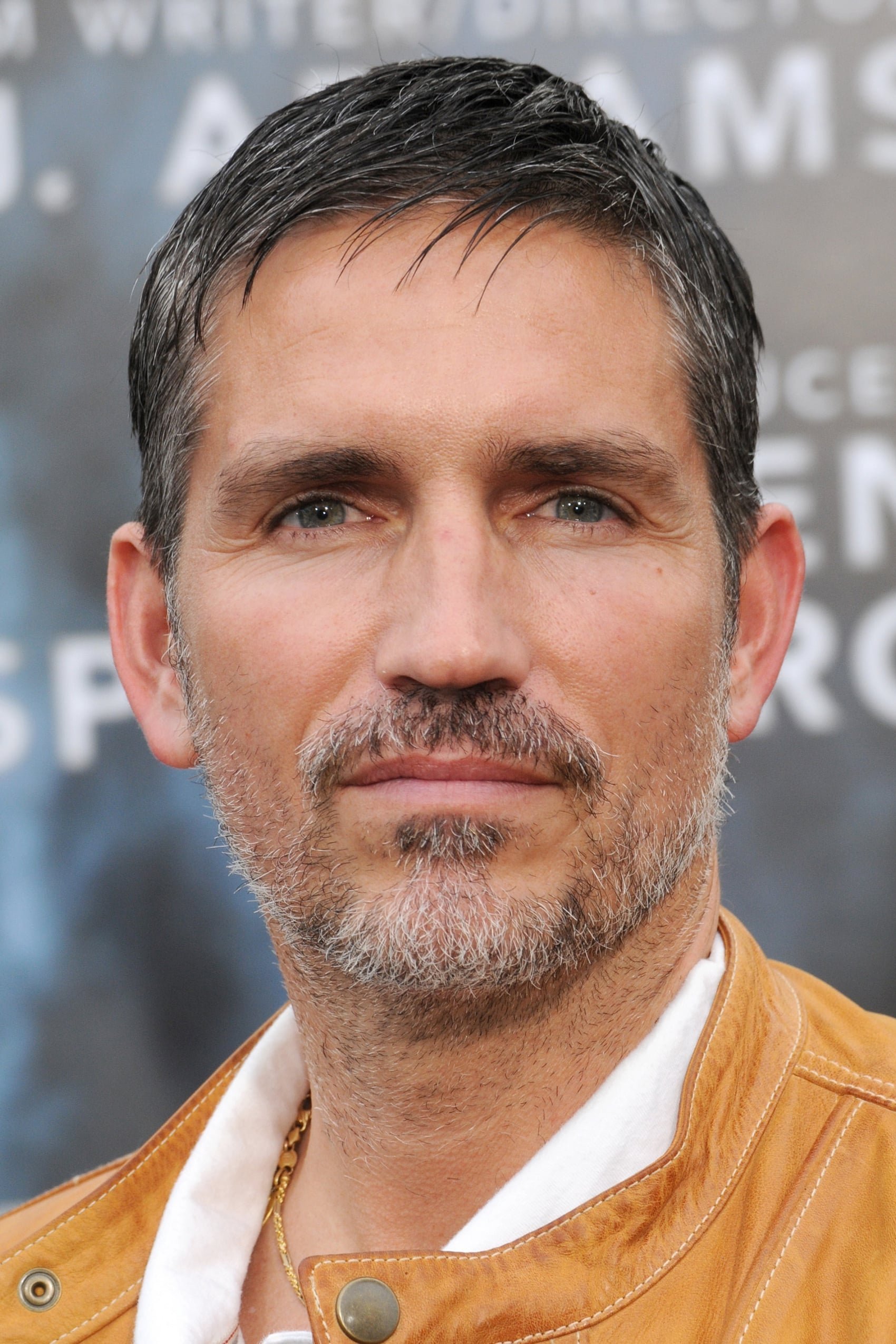
Jim Caviezel gained massive attention for portraying Jesus in ‘The Passion of the Christ’ and later became a figure in anti-trafficking discussions. His promotion of the film ‘Sound of Freedom’ sparked intense debate regarding its proximity to conspiracy theories. Caviezel has spoken at conventions where he uses religious imagery to describe current political conflicts. He frames his career choices as a fight against evil forces he perceives in the world. Media outlets often analyze his speeches for references to QAnon lore.
Rob Schneider
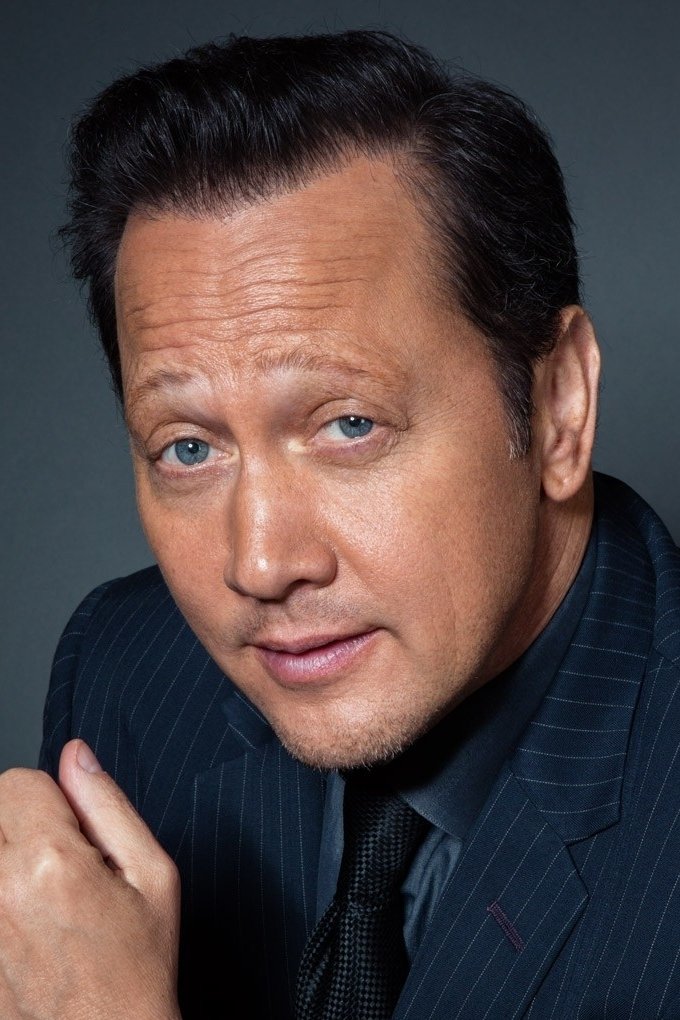
Rob Schneider has moved from ‘Saturday Night Live’ comedy to becoming a vocal skeptic of vaccines and government mandates. He frequently criticizes California state policies and the Democratic political leadership. Schneider moved his family to Arizona to escape what he termed an infringing political environment. His stand-up comedy now incorporates significant amounts of political commentary regarding gender and personal freedoms. He argues that comedy is under attack by overly sensitive cultural standards.
Scott Baio
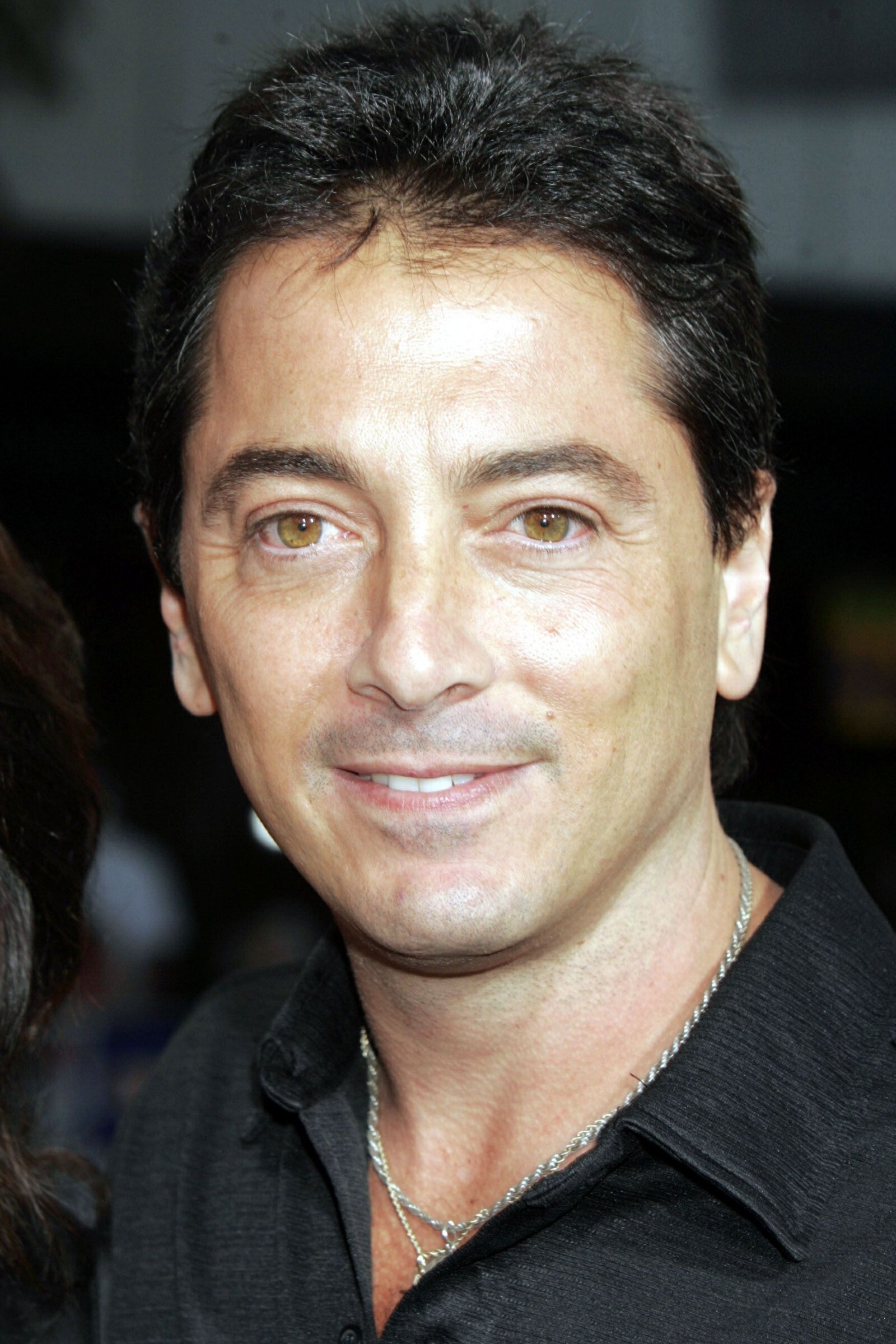
Scott Baio is an ardent supporter of the Make America Great Again movement and speaks openly about his conservative alignment. The ‘Happy Days’ actor famously spoke at the 2016 Republican National Convention to endorse Donald Trump. He often engages in heated debates on social media regarding American heritage and immigration policies. Baio claims that his willingness to support Republican candidates cost him work in television. He positions himself as a voice for the silent majority within the entertainment industry.
Isaiah Washington
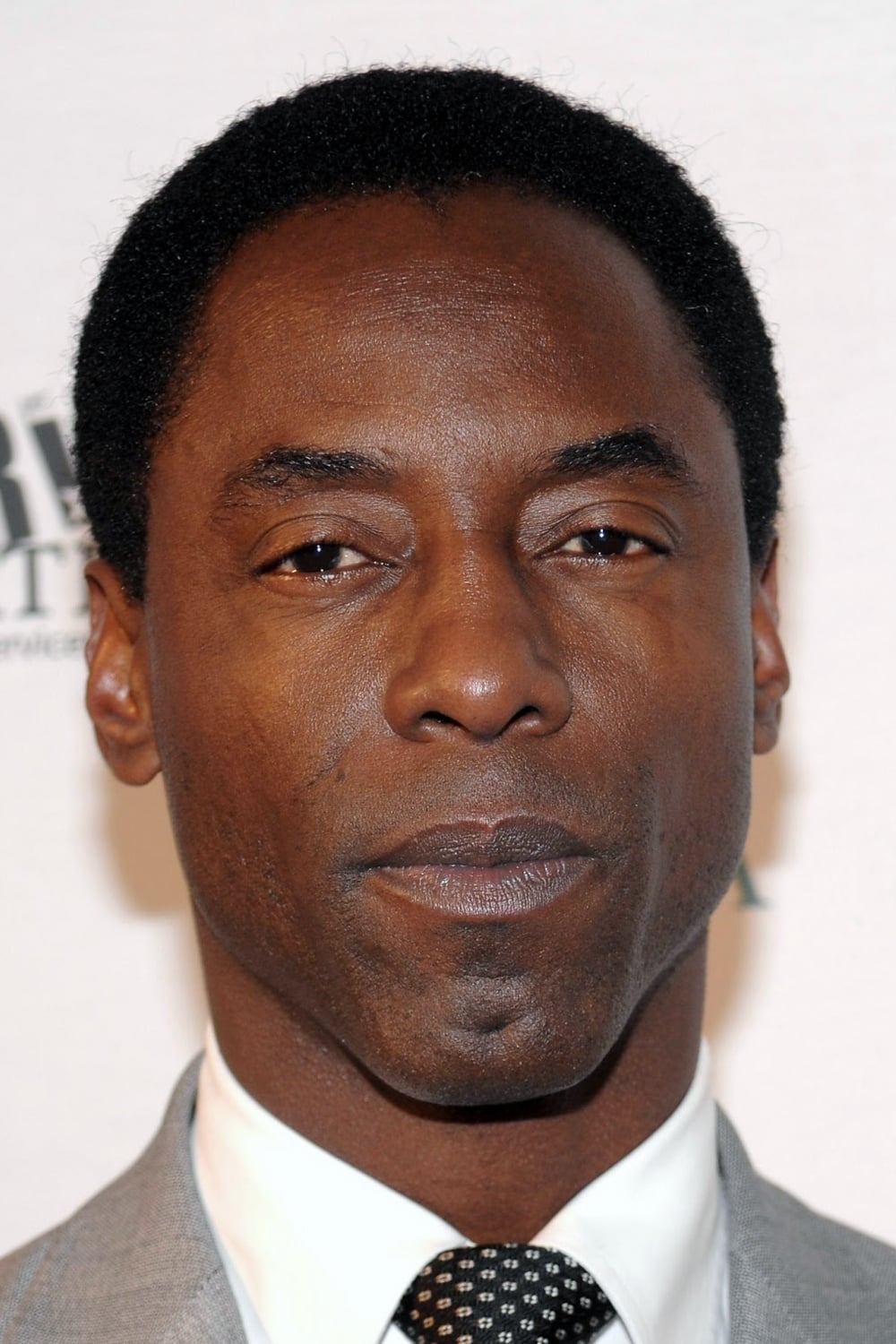
Isaiah Washington became a central figure in early cancel culture debates following his dismissal from ‘Grey’s Anatomy’. In recent years he emerged as a vocal critic of the Democratic Party and initiated a movement encouraging African Americans to leave it. He hosts a travel cooking show that explores traditional values and self-reliance. Washington frequently debates the impact of diversity initiatives in Hollywood on meritocracy. He frames his journey as one of independent thinking and rejection of identity politics.
Kelsey Grammer
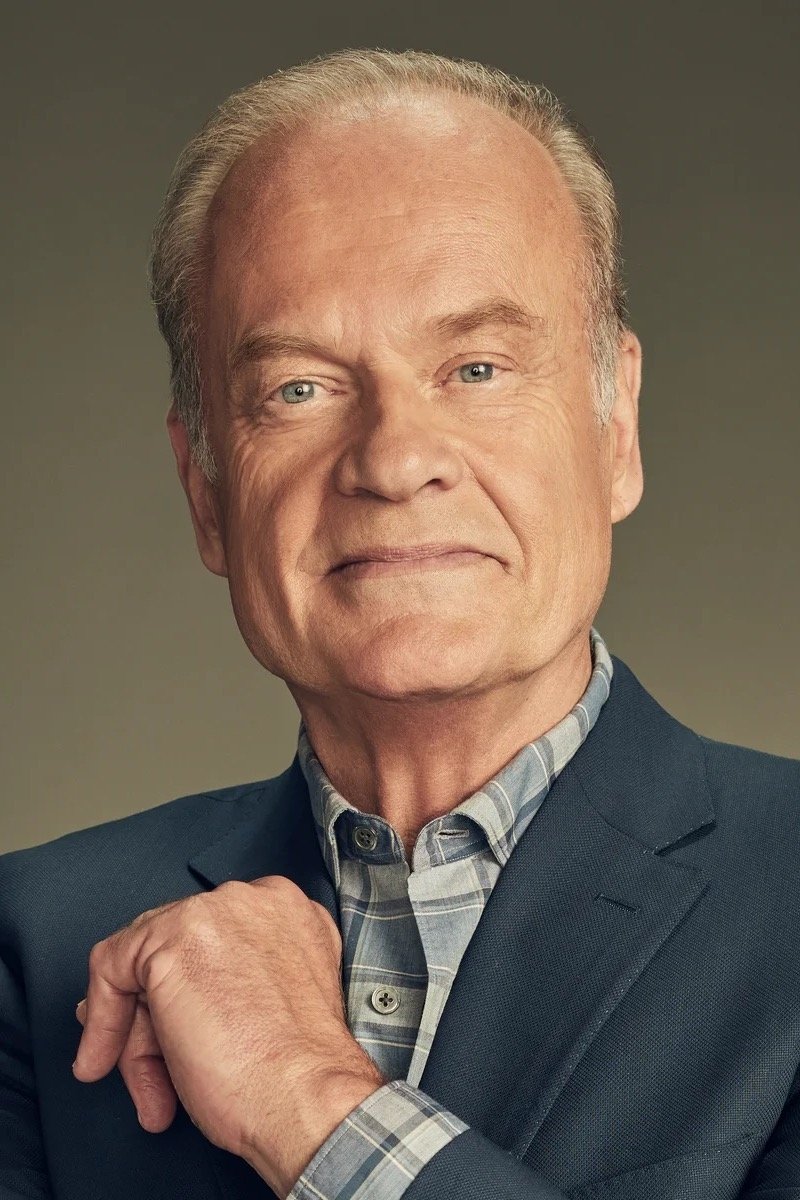
Kelsey Grammer identifies as a Republican in an industry that is predominantly left-leaning. The ‘Frasier’ star has managed to maintain a high-profile career while occasionally expressing his conservative viewpoints in interviews. He has supported abortion restrictions and spoken about the difficulty of being a conservative in New York and Los Angeles circles. Grammer typically avoids aggressive social media feuds but stands firm on his ideological principles when asked. He cites his personal faith as a guiding pillar for his political worldview.
Tim Allen
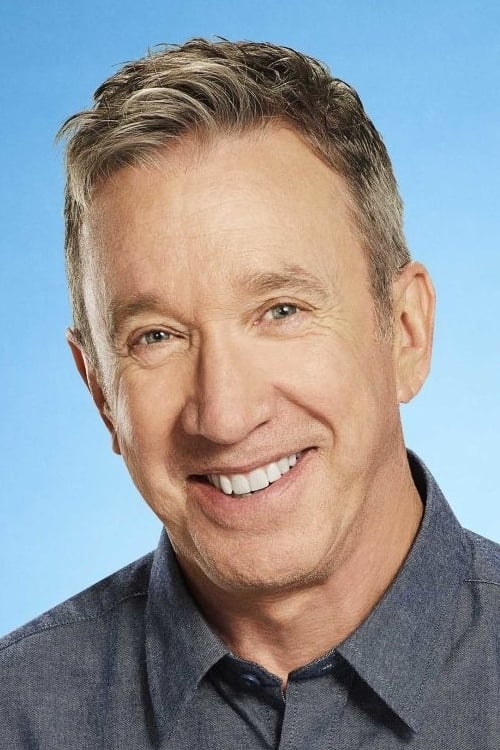
Tim Allen incorporates his center-right political leanings into his television projects like ‘Last Man Standing’. He has compared the experience of being a conservative in Hollywood to living in 1930s Germany which drew significant criticism. Allen often uses humor to critique government overreach and high taxes. He voiced support for moderate conservative values while attending the inauguration of Donald Trump. His comedy often highlights the friction between traditional masculinity and changing social norms.
Mel Gibson
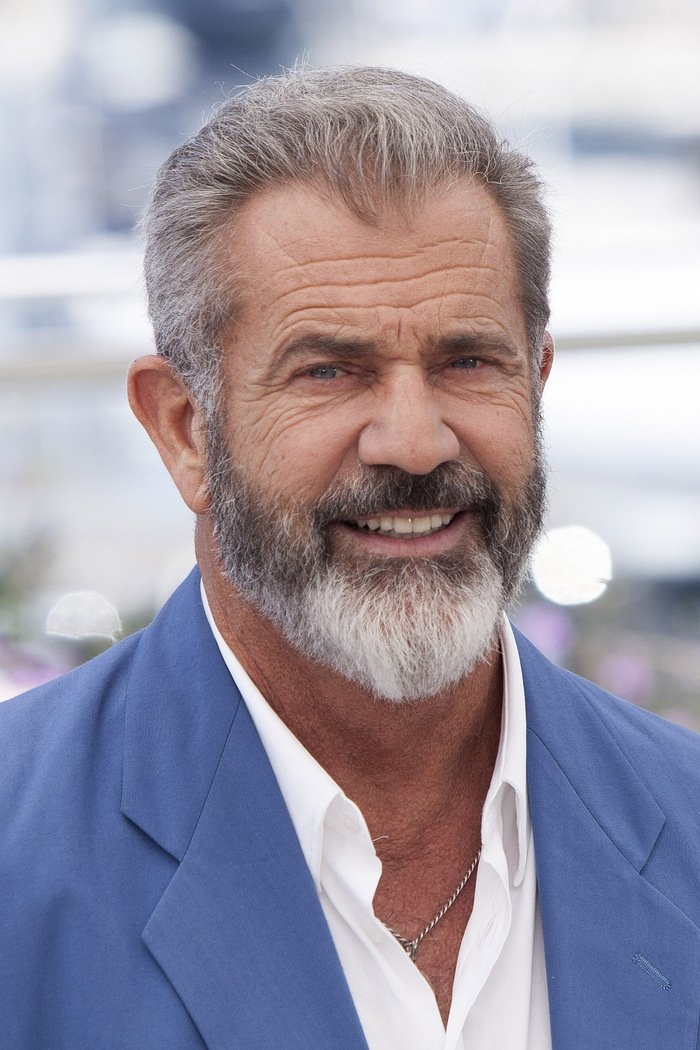
Mel Gibson has been at the center of numerous culture war storms regarding religion and antisemitism. His film ‘The Passion of the Christ’ was both a box office phenomenon and a lightning rod for interfaith debate. Gibson criticized the Catholic Church for its modern reforms and built his own traditionalist chapel. Despite being ostracized for years he made a directing comeback that reignited debates about forgiveness and cancel culture. His work often explores themes of martyrdom and violent redemption.
Clint Eastwood
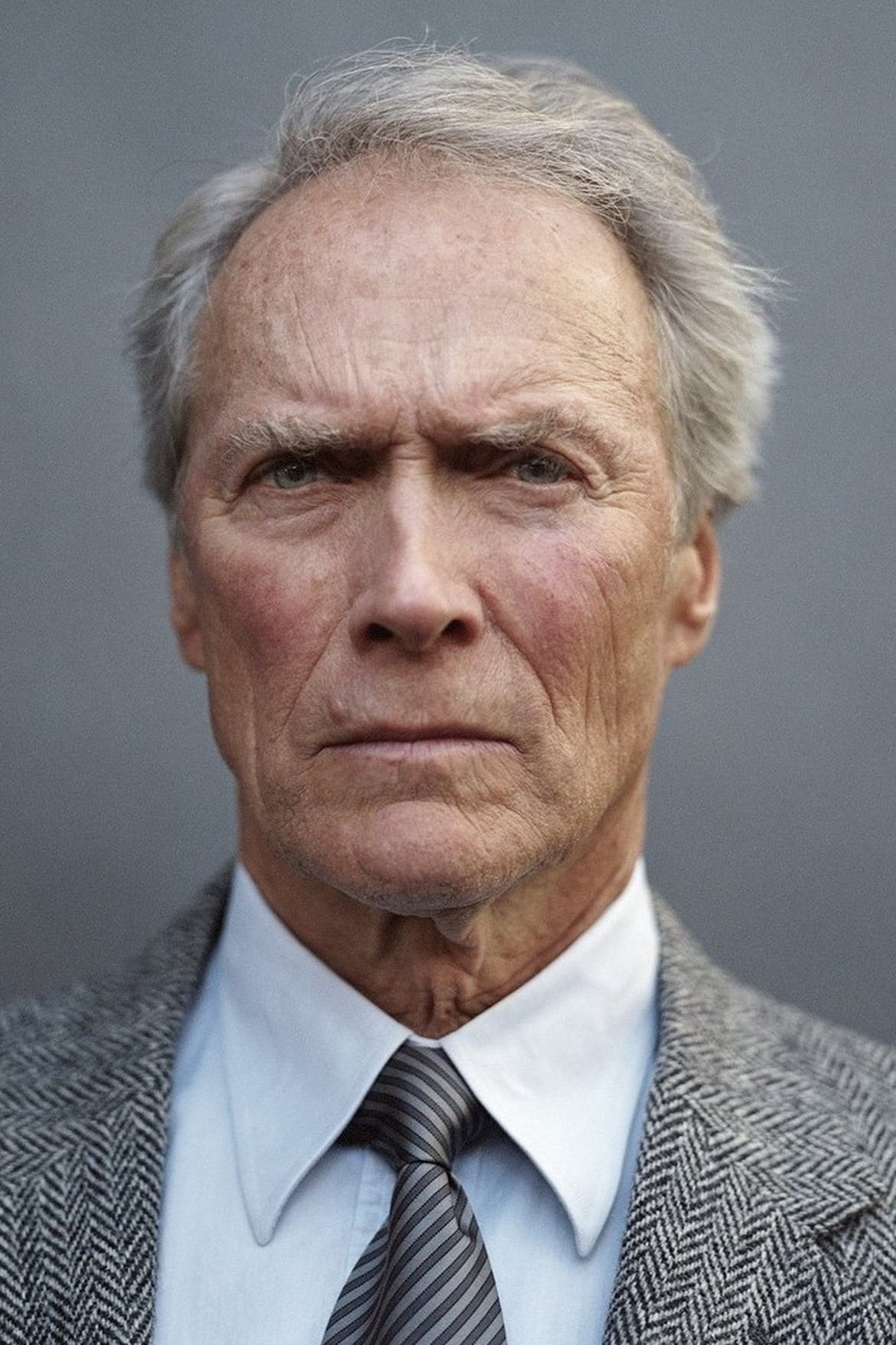
Clint Eastwood is a rare example of a libertarian-leaning icon who has remained a top director for decades. He famously spoke to an empty chair representing Barack Obama at the 2012 Republican National Convention. His films like ‘American Sniper’ and ‘Richard Jewell’ often critique government bureaucracy and media narratives. Eastwood champions individual liberty and has expressed disdain for political correctness which he calls the “pussy generation.” He manages to separate his artistic prestige from his political comments more successfully than most.
Vince Vaughn
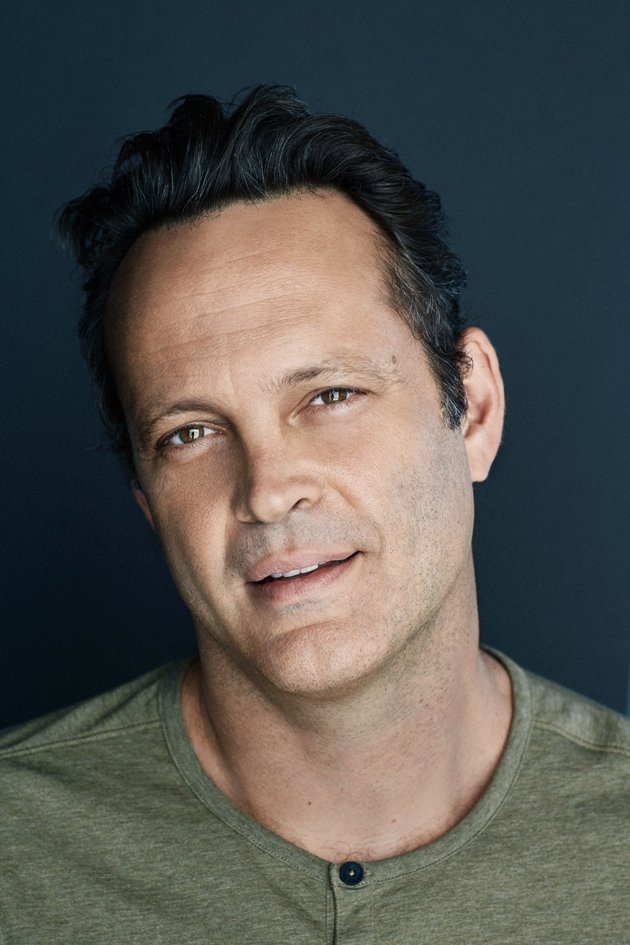
Vince Vaughn is one of the few openly libertarian actors working in major studio comedies. He has supported Ron Paul and expressed skepticism regarding gun control laws in the United States. Vaughn faced backlash after being filmed socializing with Donald Trump at a football game. He advocates for personal responsibility and free market principles rather than government intervention. His political stance is usually understated but distinct within the Hollywood landscape.
Gary Sinise
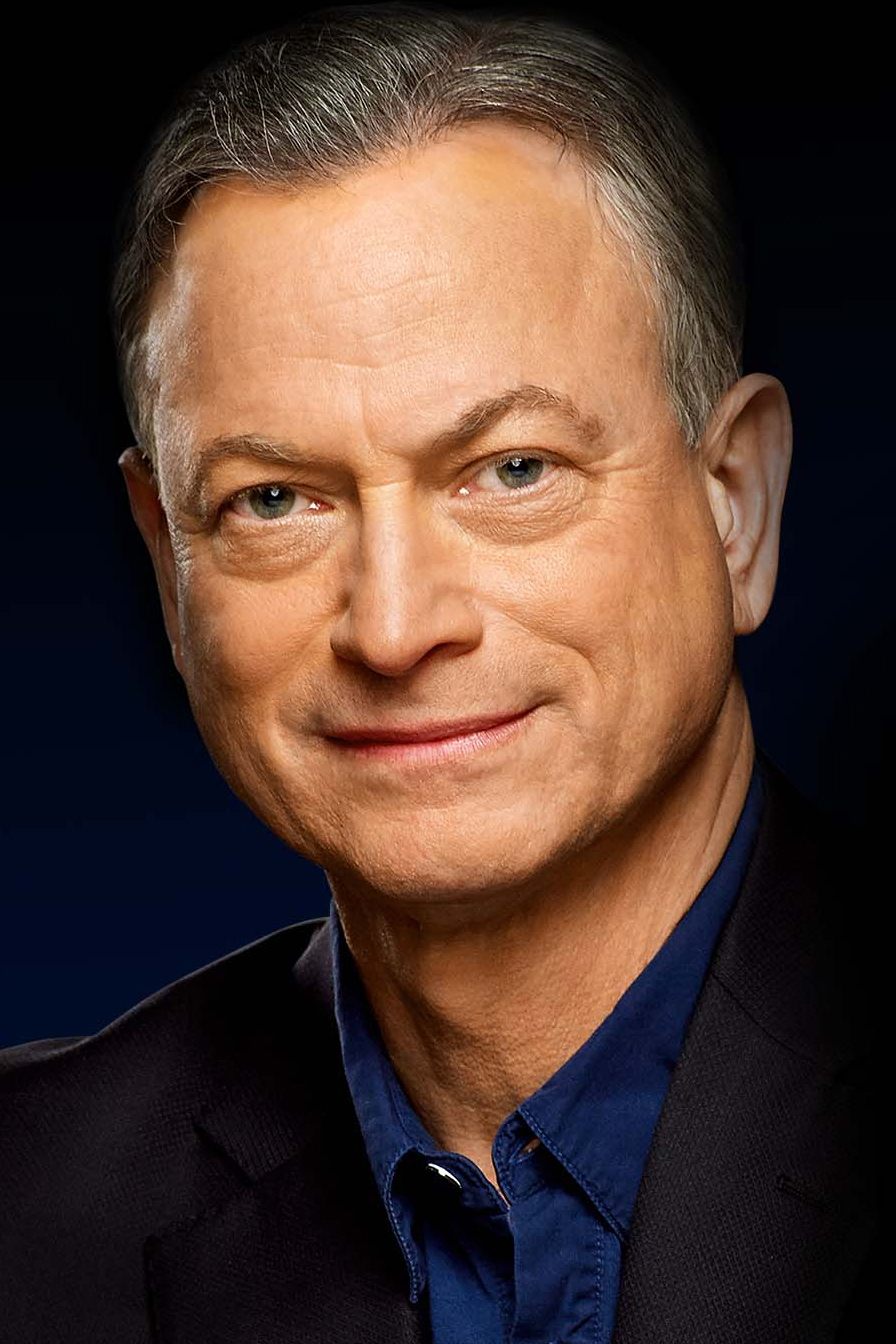
Gary Sinise founded a group called Friends of Abe to provide a support network for conservatives in Hollywood. The ‘Forrest Gump’ actor dedicates the majority of his public life to supporting veterans and the military. While he is less combative than others he represents a traditional patriotism that some critics find out of step with modern Hollywood. Sinise avoids inflammatory rhetoric but staunchly defends American exceptionalism. His foundation focuses on unity through service rather than partisan fighting.
Stephen Baldwin

Stephen Baldwin is the youngest of the Baldwin brothers and a born-again Christian with conservative views. He has publicly clashed with his brother Alec regarding their opposing political beliefs. Baldwin produces and stars in faith-based content that aims to evangelize audiences. He was an early celebrity endorser of Donald Trump and frequently appears on conservative media outlets. He views his career as a platform to spread the gospel and challenge secularism.
Robert Davi
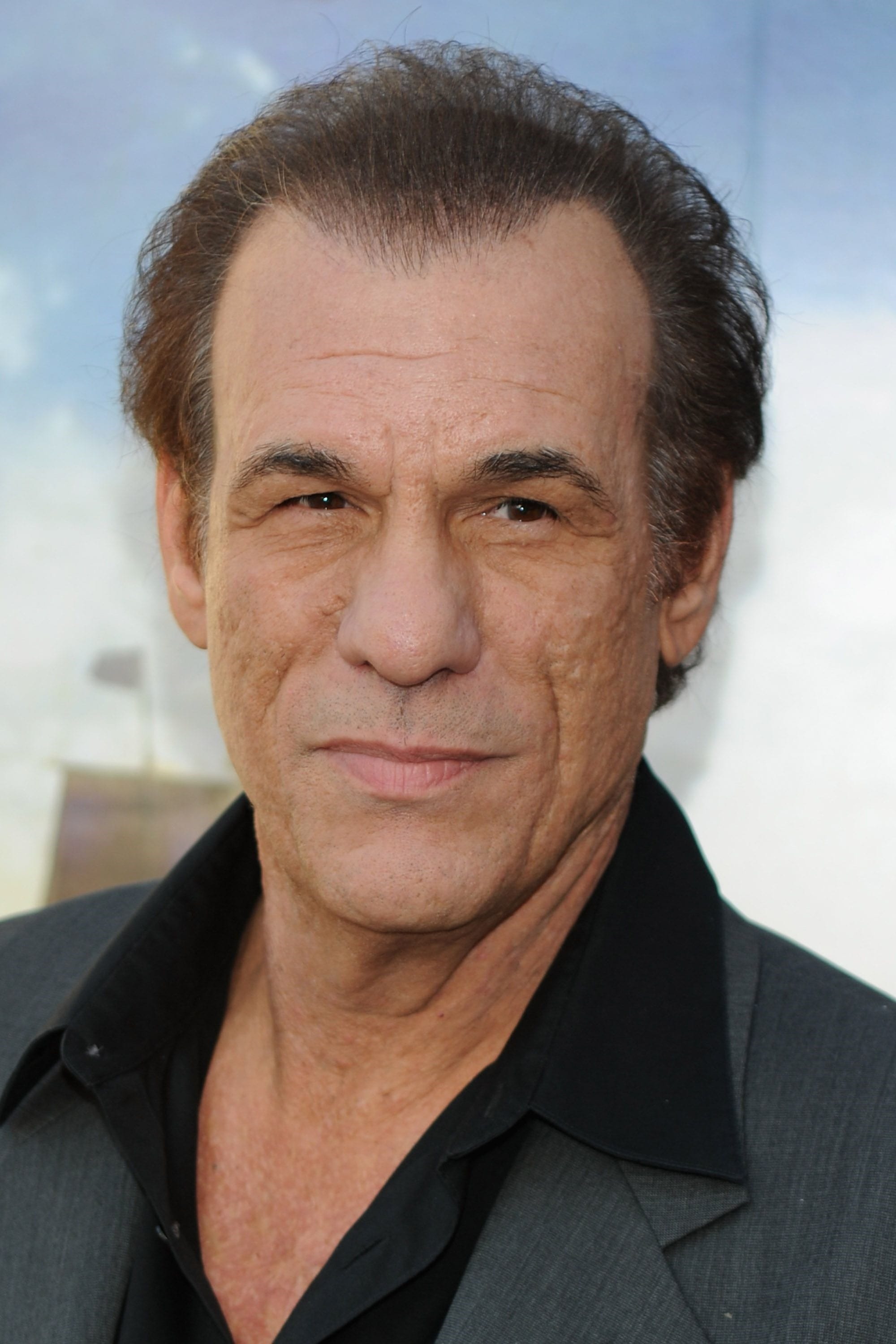
Robert Davi is a character actor known for playing villains who has become a contributor to Breitbart News. He directs and produces films that align with conservative narratives including a movie about Hunter Biden. Davi argues that Hollywood has abandoned the working class and American patriotic values. He frequently speaks about the need for a cultural renaissance that honors Western civilization. His social media presence is dedicated to political commentary and criticism of the left.
Dennis Quaid
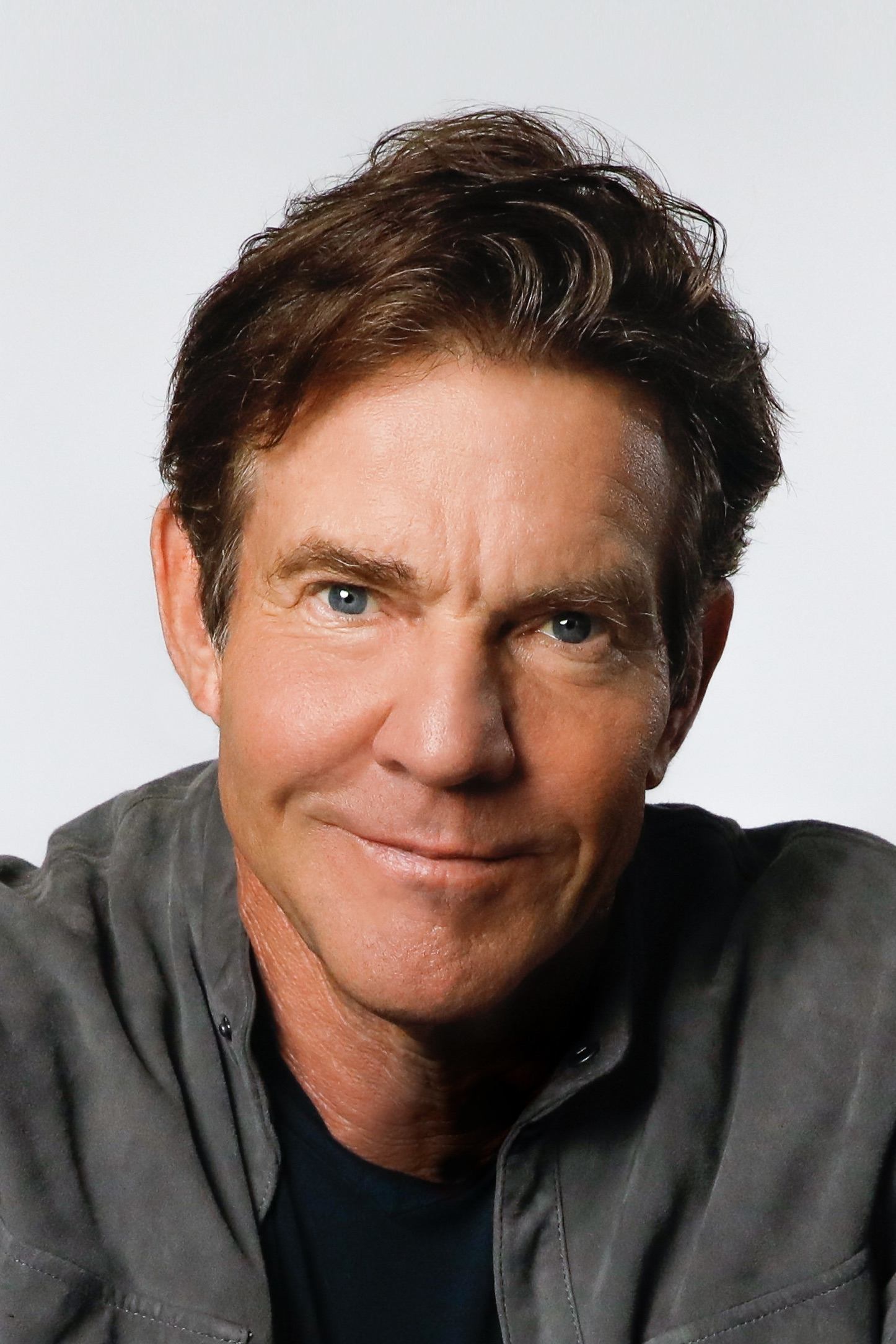
Dennis Quaid portrayed Ronald Reagan in a biopic that was marketed heavily to conservative audiences. He publicly defended the film against what he perceived as media bias and censorship by tech platforms. Quaid has stated that he is an independent who critiques both sides but often aligns with traditional values. He recorded an interview with Donald Trump during the height of the COVID-19 pandemic to discuss the administration’s response. Quaid emphasizes the importance of optimism and American unity in his public statements.
Richard Dreyfuss
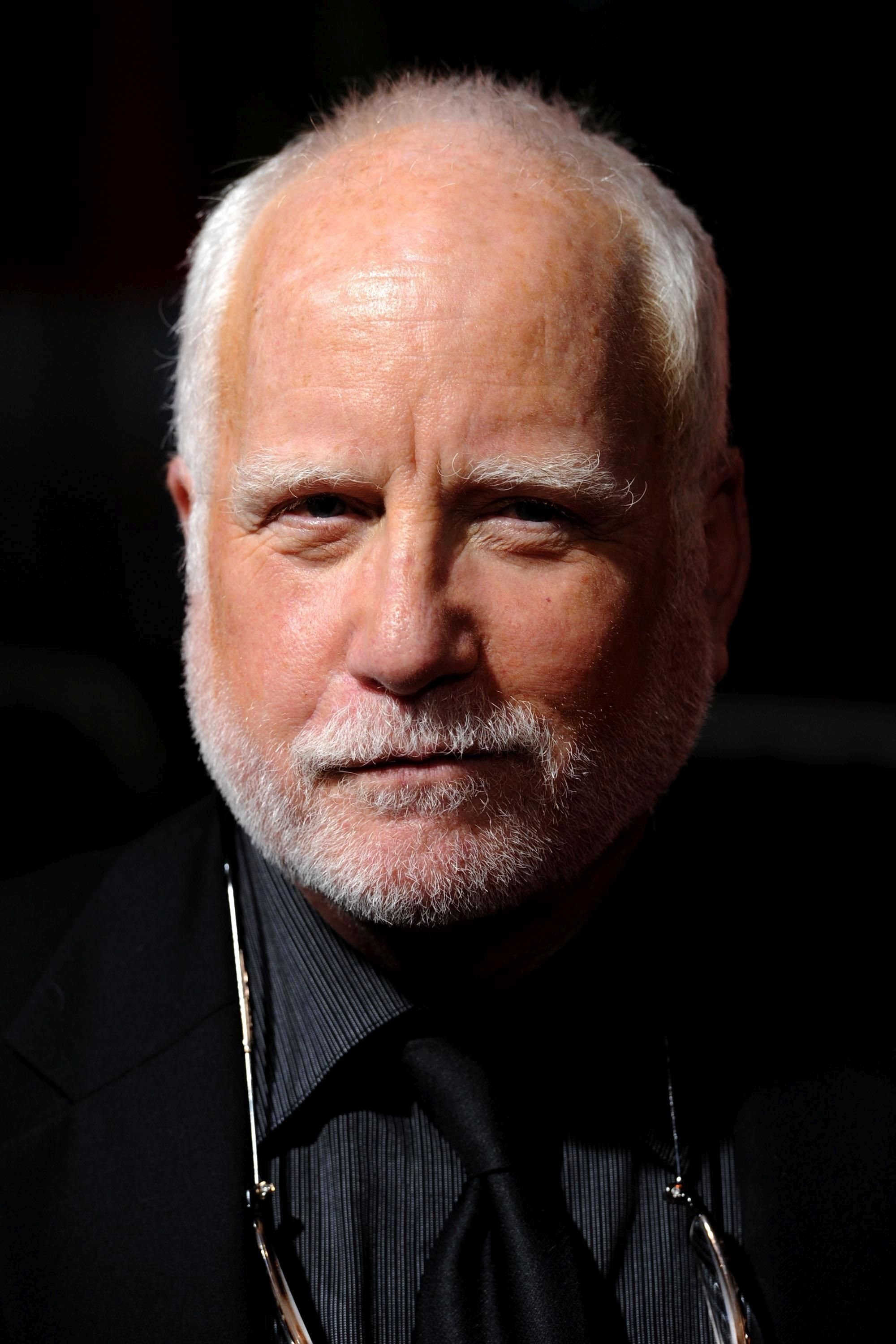
Richard Dreyfuss has criticized the Academy Awards for implementing new diversity and inclusion standards for Best Picture eligibility. The ‘Jaws’ actor argues that art should not be subject to moral codes or quotas. He has also expressed strong opinions regarding the teaching of civics in American schools. Dreyfuss positions himself as a defender of creative freedom and free speech against ideological encroachment. His comments have sparked debates about the role of identity politics in filmmaking.
Randy Quaid
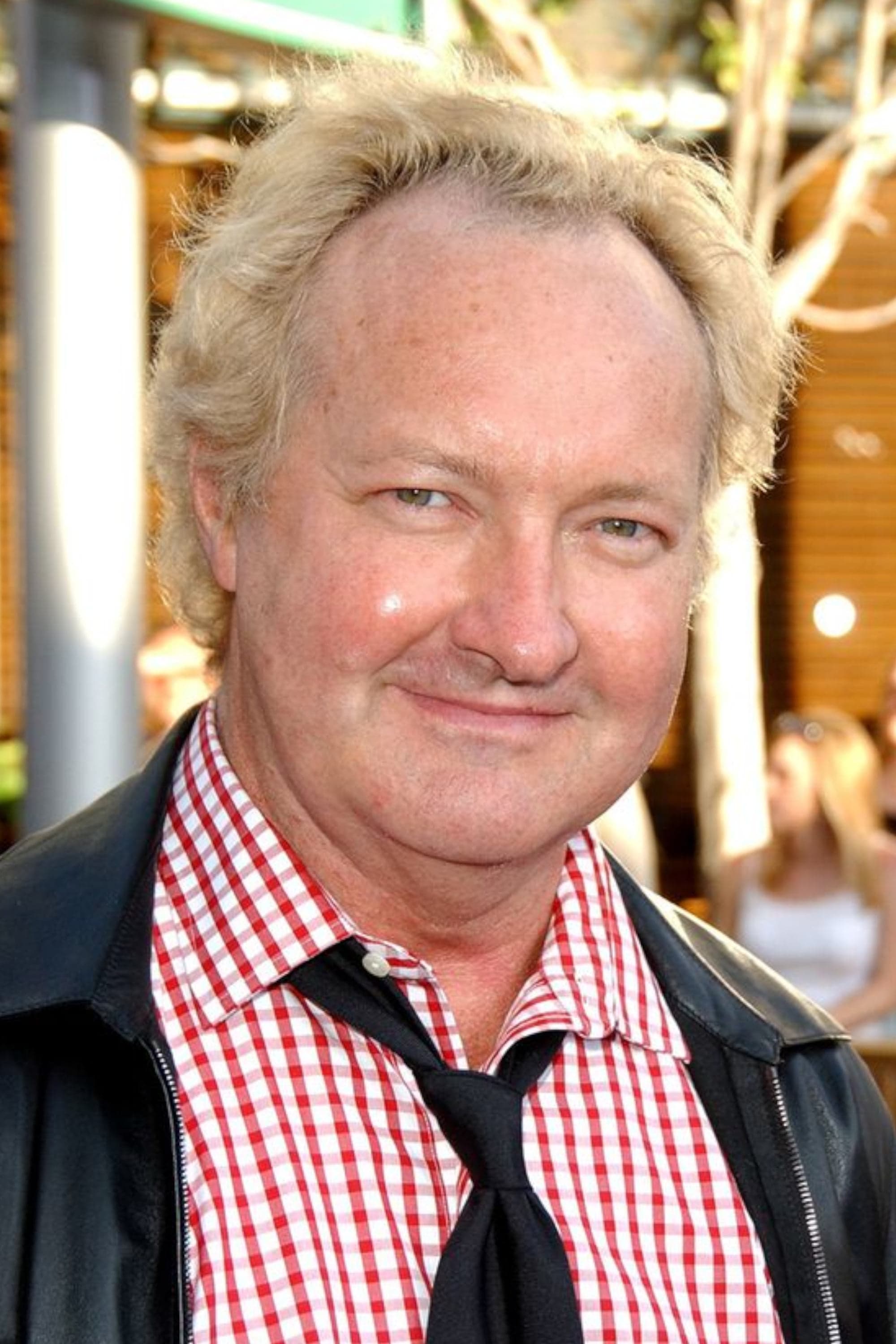
Randy Quaid has engaged in a bizarre and prolonged conflict with what he calls the “Hollywood Star Whackers.” He and his wife have sought asylum in Canada and claim there is a conspiracy to kill celebrities. Quaid is an avid supporter of Donald Trump and uses his Twitter account to post strobe-light videos with political rants. His behavior is often dismissed as erratic but he retains a cult following among anti-establishment conspiracists. He represents an extreme fringe of the culture war that blends politics with personal paranoia.
Russell Brand
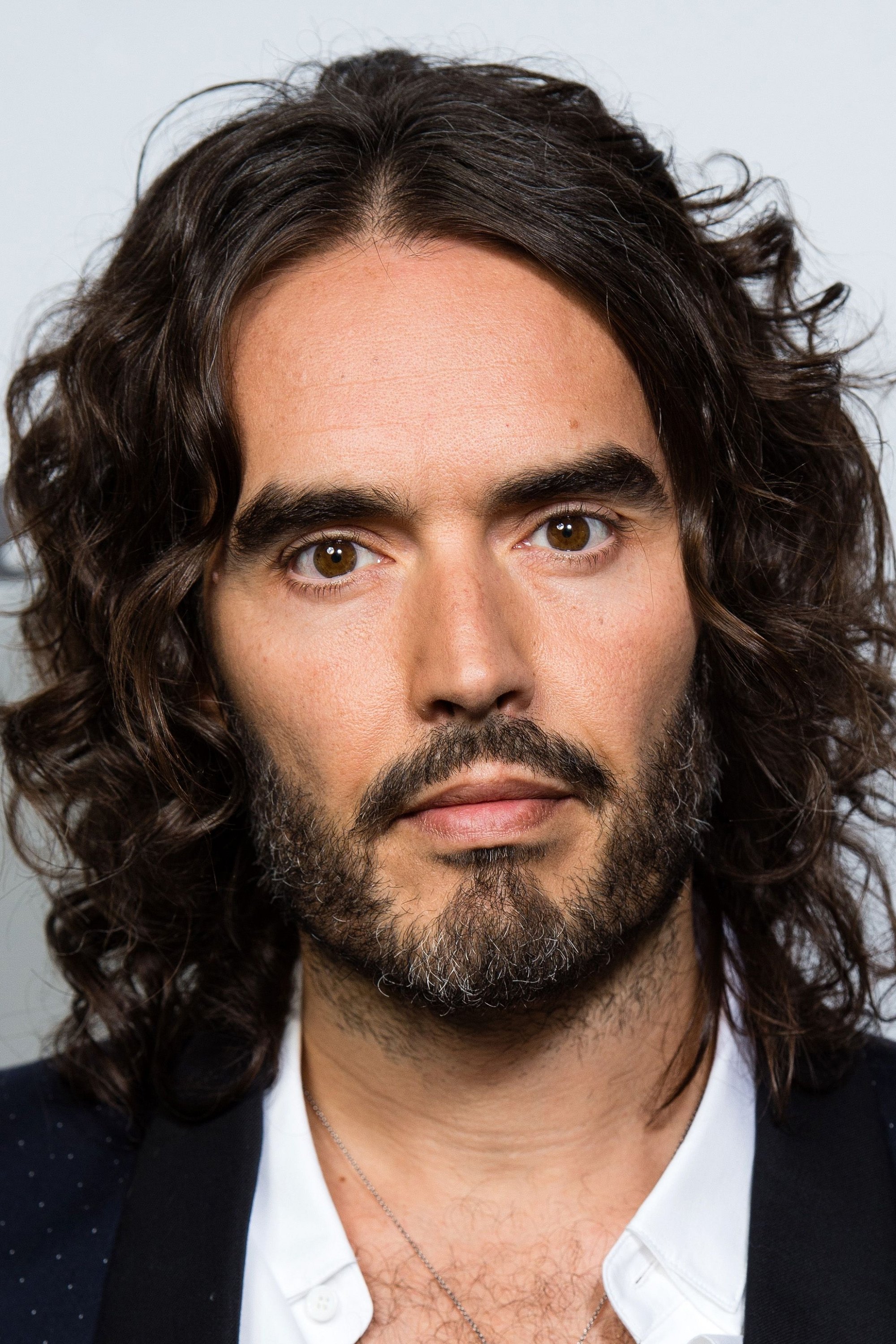
Russell Brand transformed from a hedonistic comedian into a wellness guru and anti-establishment commentator. He uses his YouTube channel to question mainstream media narratives surrounding pharmaceuticals and global politics. Brand has been accused of drifting toward right-wing conspiracy theories under the guise of free thinking. He recently embraced Christianity and speaks frequently about spiritual warfare against globalist agendas. His pivot reflects a growing alliance between alternative wellness communities and political populism.
Zachary Levi
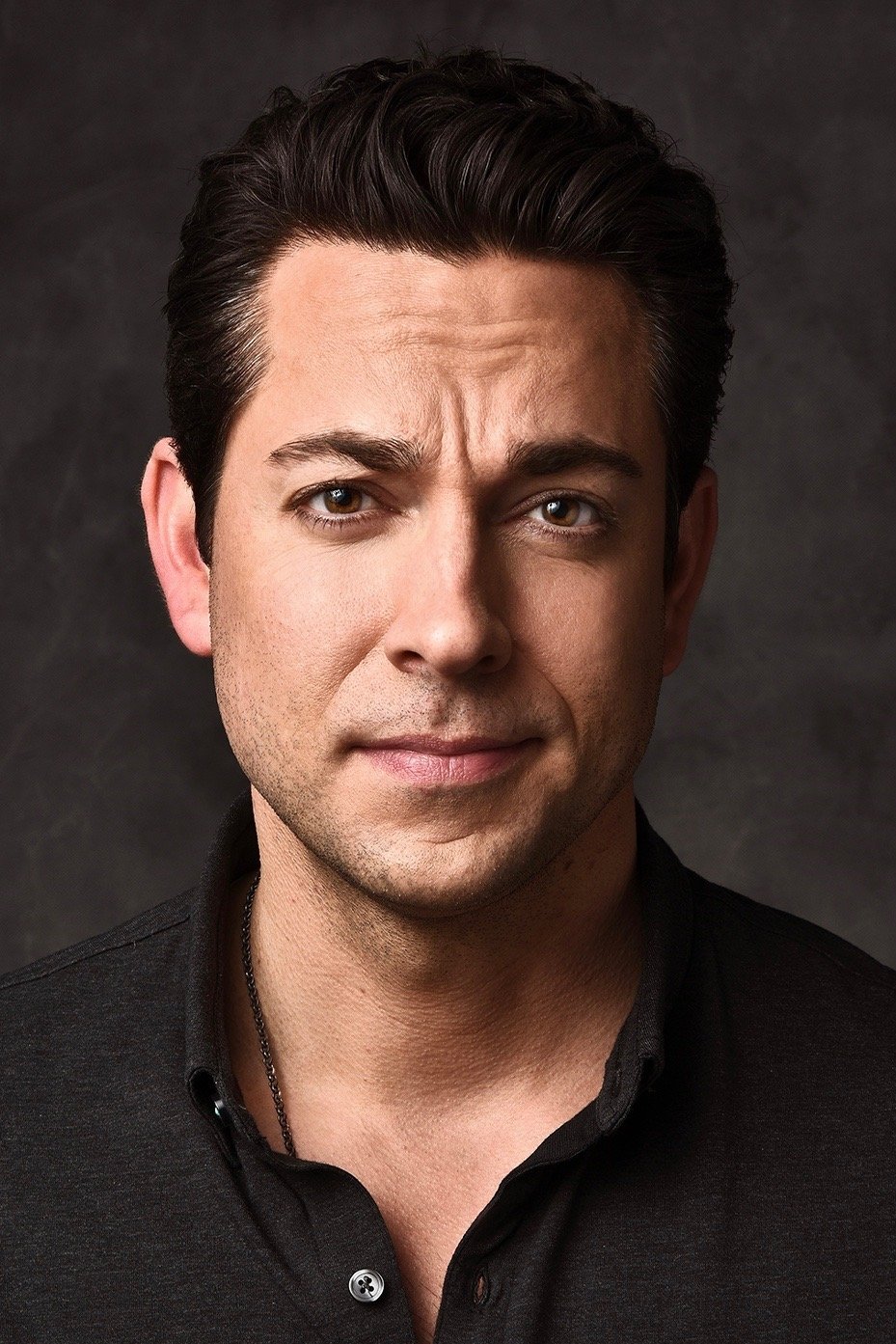
Zachary Levi generated controversy by criticizing the pharmaceutical company Pfizer on social media. He later endorsed Donald Trump which alienated many fans of his work in ‘Shazam!’ and Disney films. Levi stated that his endorsement was a form of career suicide but felt compelled to speak his truth. He argues that the industry is intolerant of differing viewpoints and requires conformity. His pivot to political vocalism surprised many who knew him as a family-friendly actor.
Woody Harrelson
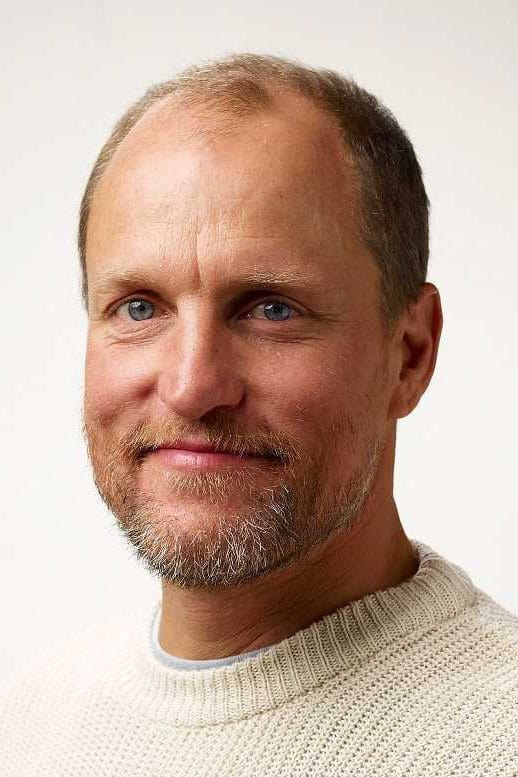
Woody Harrelson sparked a media firestorm during his ‘Saturday Night Live’ monologue by critiquing COVID-19 vaccine mandates. He has long held skepticism toward government and corporate power structures. Harrelson describes himself as an anarchist who distrusts big pharma and the military-industrial complex. His comments on set protocols revealed a divide between Hollywood labor rules and personal freedom arguments. He maintains a friendship with political opposites which he claims is necessary for a healthy society.
Arnold Schwarzenegger
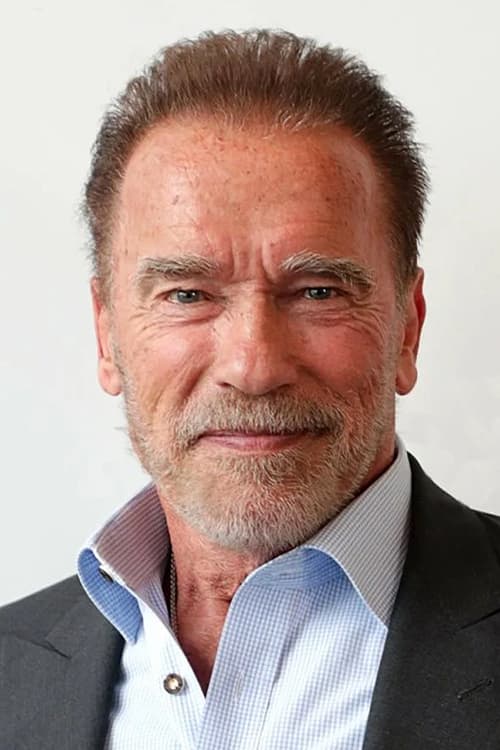
Arnold Schwarzenegger angered many in the anti-mask movement when he said “screw your freedom” regarding public health measures. The former Republican Governor of California has become a critic of the modern GOP’s direction. He uses his platform to advocate for environmentalism and condemn the January 6th Capitol attack. Schwarzenegger attempts to occupy a rational middle ground but faces attacks from the populist right. He appeals to a brand of centrist politics that is increasingly rare.
Dave Chappelle
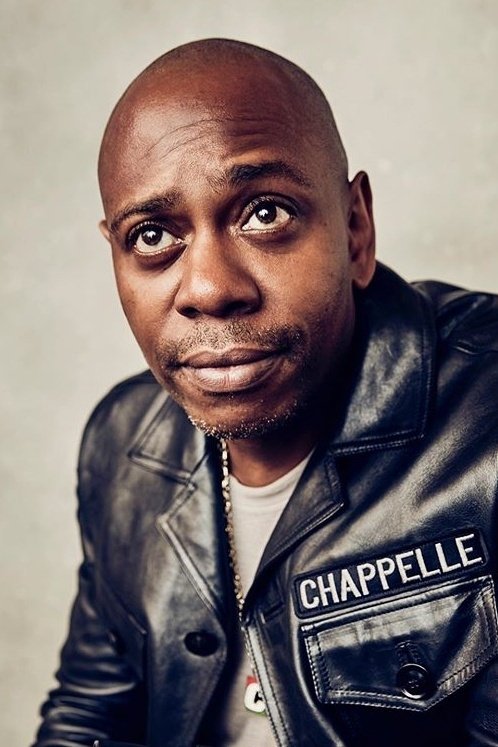
Dave Chappelle has been at the forefront of the culture war regarding transgender rights and free speech in comedy. His Netflix specials have drawn protests from employees and activists who label his jokes as transphobic. Chappelle refuses to apologize and argues that he is defending the art form of stand-up from cancel culture. He claims that his targets are not marginalized people but the constraints of political correctness. The controversy surrounding him has sparked industry-wide debates about platform responsibility.
Ricky Gervais
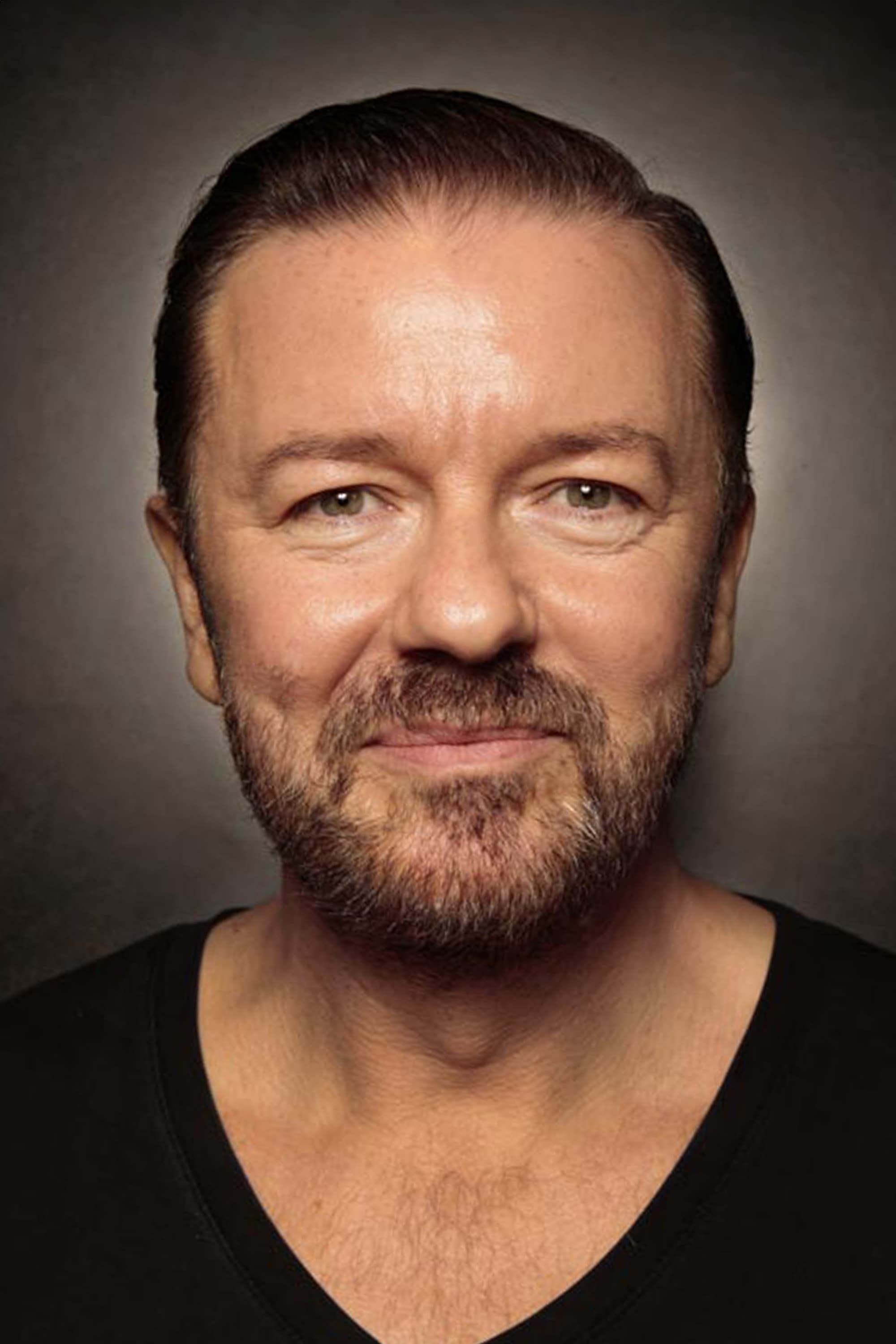
Ricky Gervais frequently uses his opening monologues at award shows to mock the hypocrisy of Hollywood’s wealthy elite. He targets what he sees as performative wokeness and virtue signaling among celebrities. Gervais defends his right to joke about any subject including gender identity and religion. He argues that offense is subjective and should not dictate what can be said in comedy. His specials often include segments specifically designed to provoke cultural gatekeepers.
John Cleese
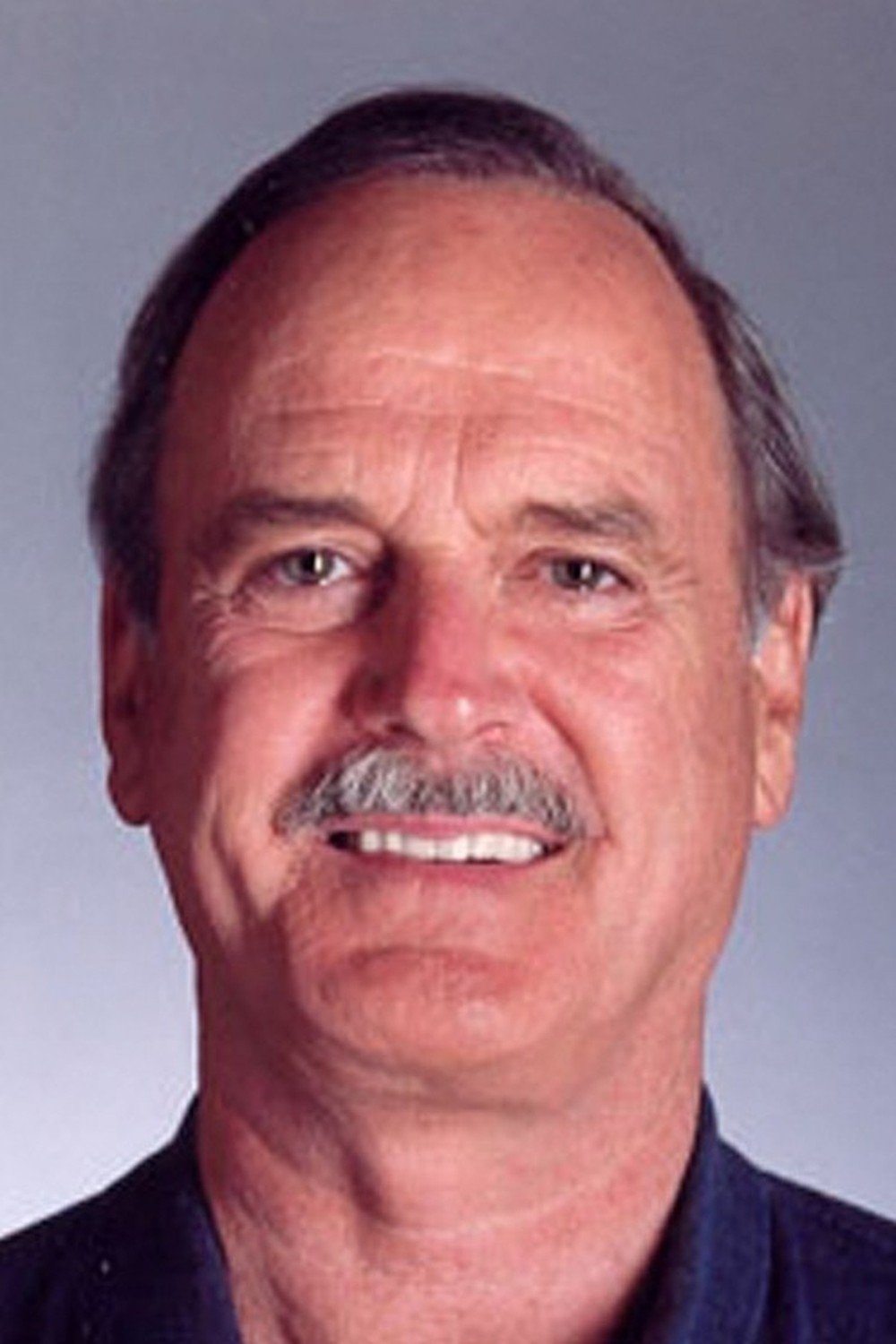
John Cleese has become a vocal critic of what he terms the “woke police” and their impact on comedy. The ‘Monty Python’ legend argues that fear of cancellation is destroying creativity and nuance. He has pulled out of speaking engagements to protest what he sees as campus censorship. Cleese frequently debates users on social media regarding the history of slavery and British culture. He positions himself as an old-school liberal who feels abandoned by the modern progressive movement.
Sam Elliott
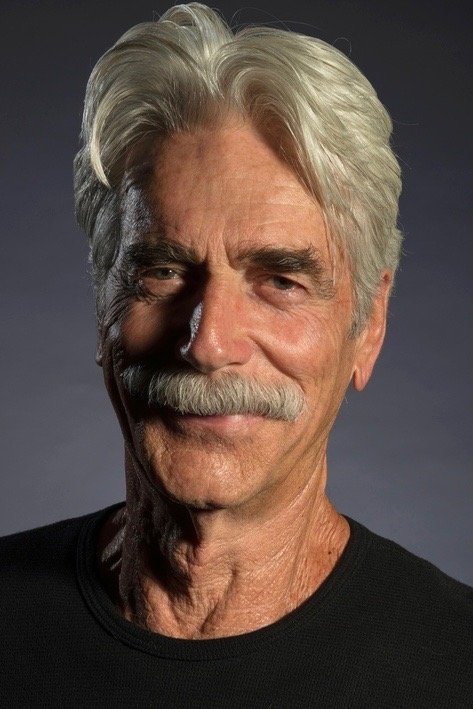
Sam Elliott criticized the film ‘The Power of the Dog’ for its deconstruction of cowboy myths and homosexual themes. He questioned why a director from New Zealand was defining the American West. His comments drew backlash for being insensitive but resonated with audiences who prefer traditional westerns. Elliott later apologized for the harshness of his words but the incident highlighted the divide over revisionist history in cinema. He remains an icon of rugged American stoicism.
Terry Crews
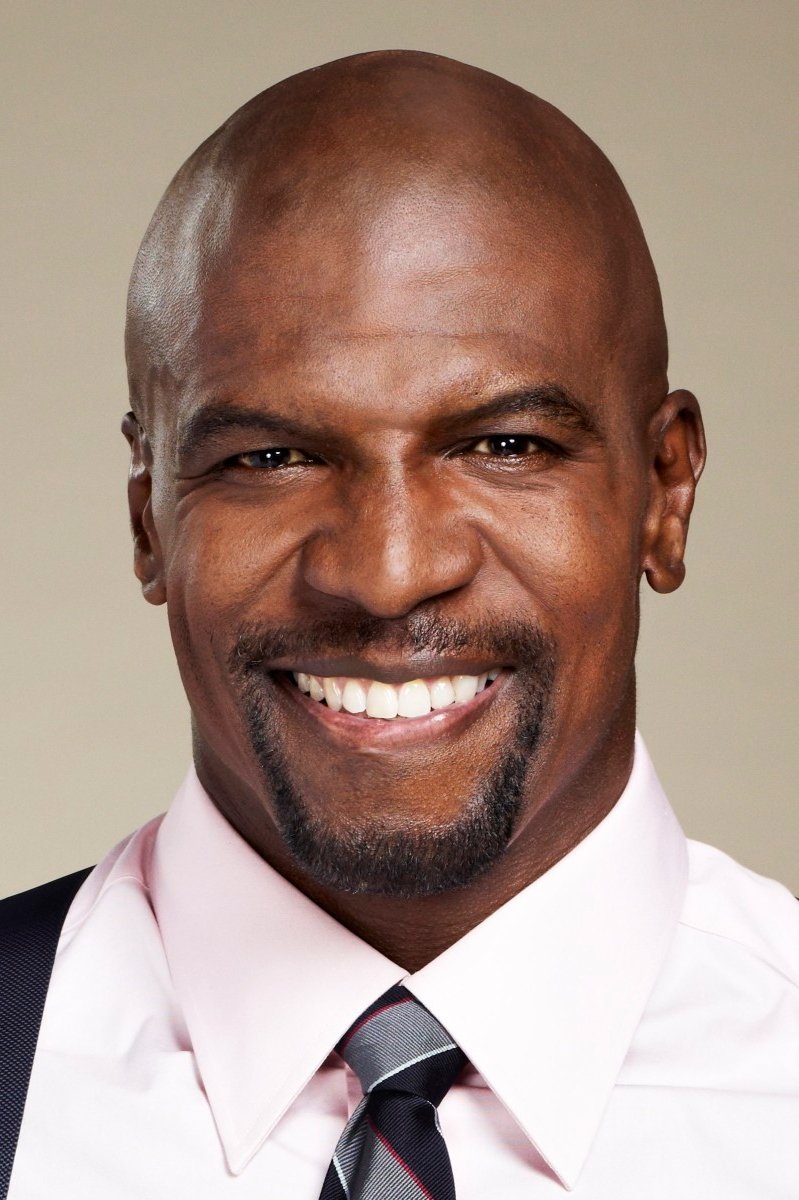
Terry Crews faced significant backlash for his tweets warning against “Black supremacy” during the height of the Black Lives Matter movement. He argued that true equality requires cooperation between all races rather than division. Crews also broke ranks with Hollywood norms by admitting to a pornography addiction and advocating for traditional discipline. He has refused to conform to expected political narratives for Black actors. His stance often puts him at odds with progressive activists on social media.
Mark Wahlberg
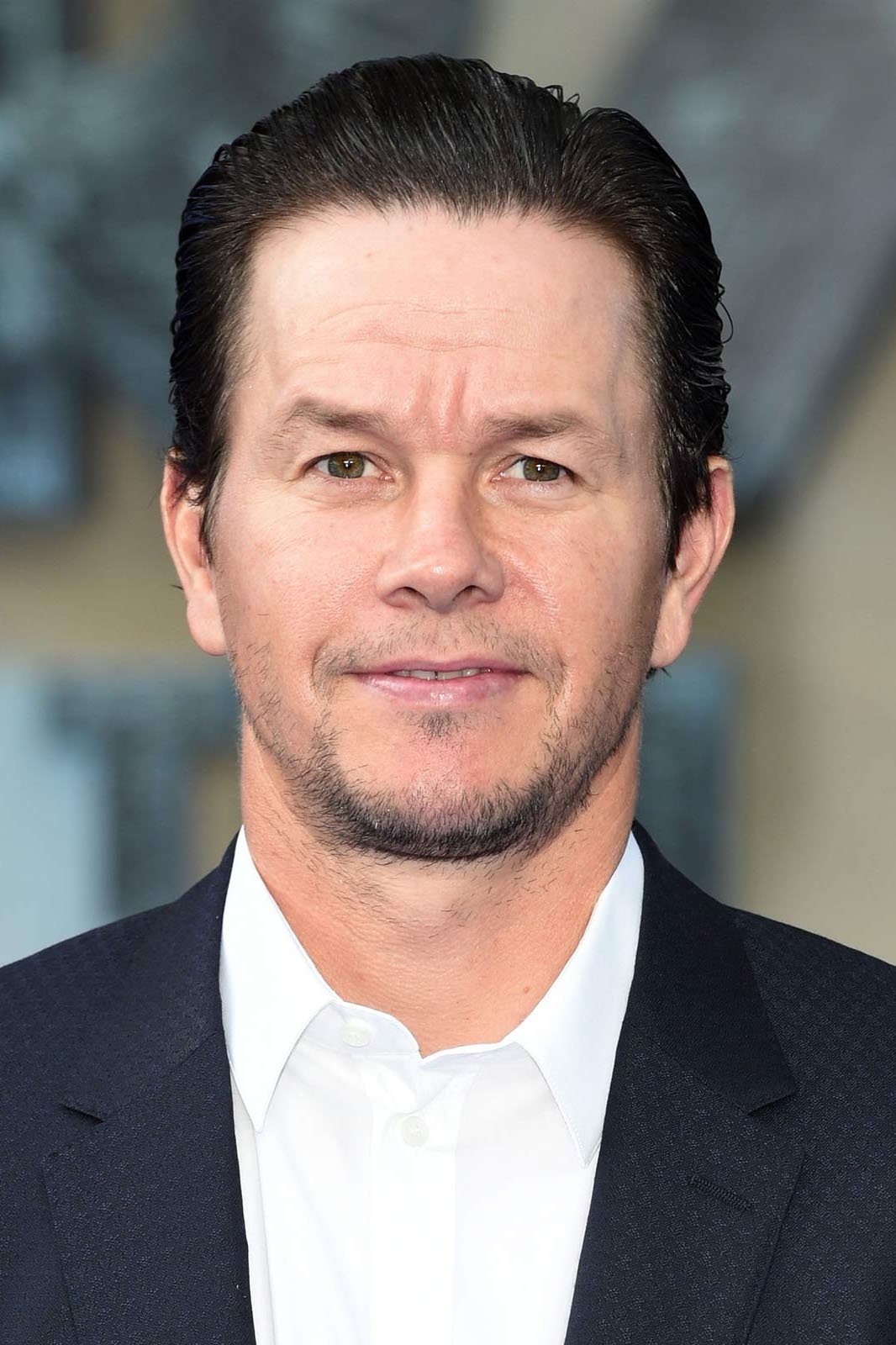
Mark Wahlberg has increasingly pivoted toward making faith-based films like ‘Father Stu’ and promoting prayer apps. He has stated in interviews that celebrities should stop lecturing working-class people about politics. Wahlberg attributes his success to his Catholic faith and redemption from his troubled youth. He generally avoids specific policy debates but promotes a cultural message of religious devotion and hard work. His brand appeals to heartland audiences who feel ignored by coastal elites.
Chris Pratt
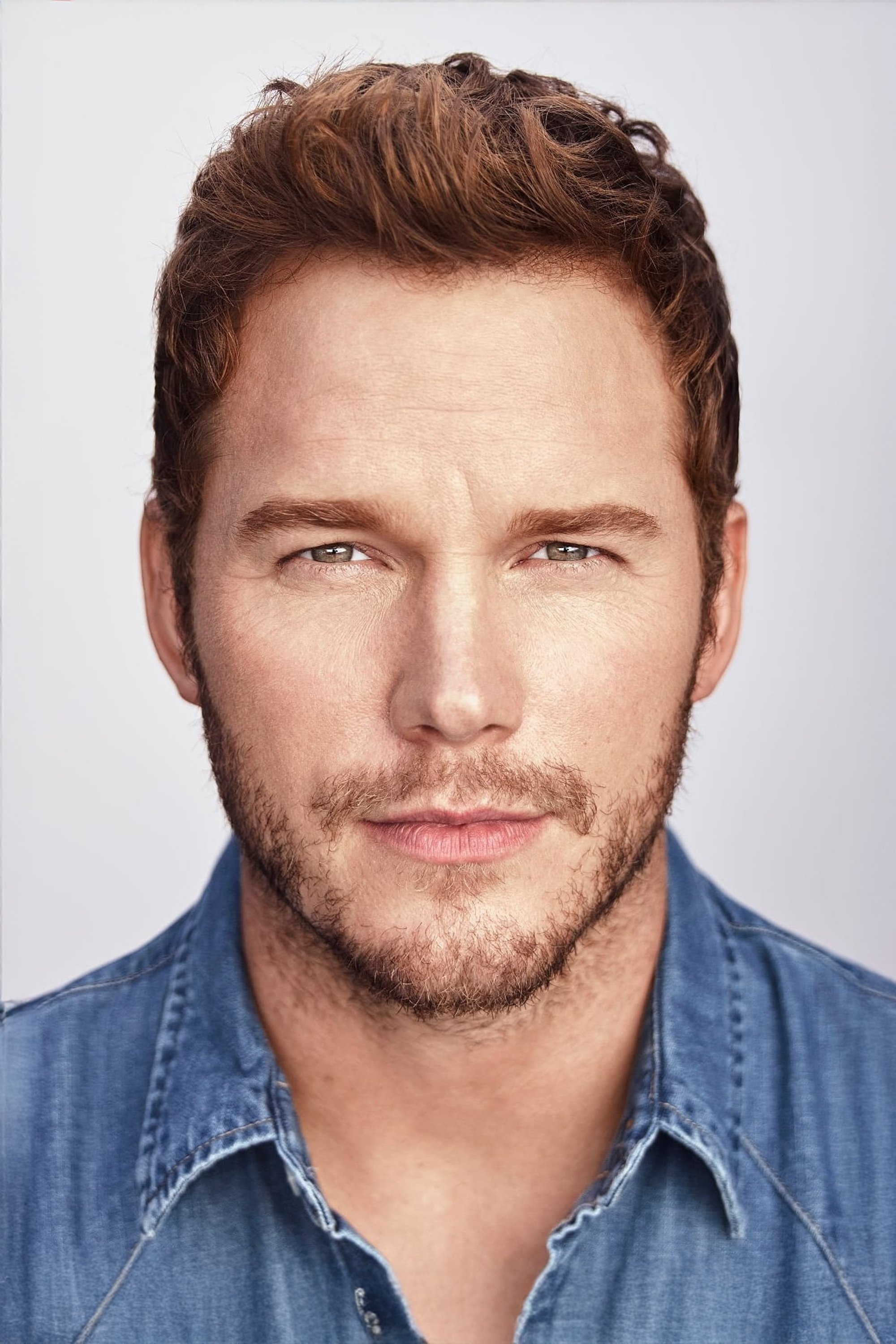
Chris Pratt became an unwilling participant in the culture war due to his attendance at a church associated with anti-LGBTQ views. Internet users frequently attempt to label him as the “worst Chris” among the Marvel actors due to his perceived conservatism. Pratt rarely speaks on politics but posts regarding his faith and patriotism trigger intense scrutiny. He has garnered support from conservative commentators who view him as a victim of a witch hunt. He focuses on apolitical content about family and the outdoors to defuse the tension.
Dwayne Johnson
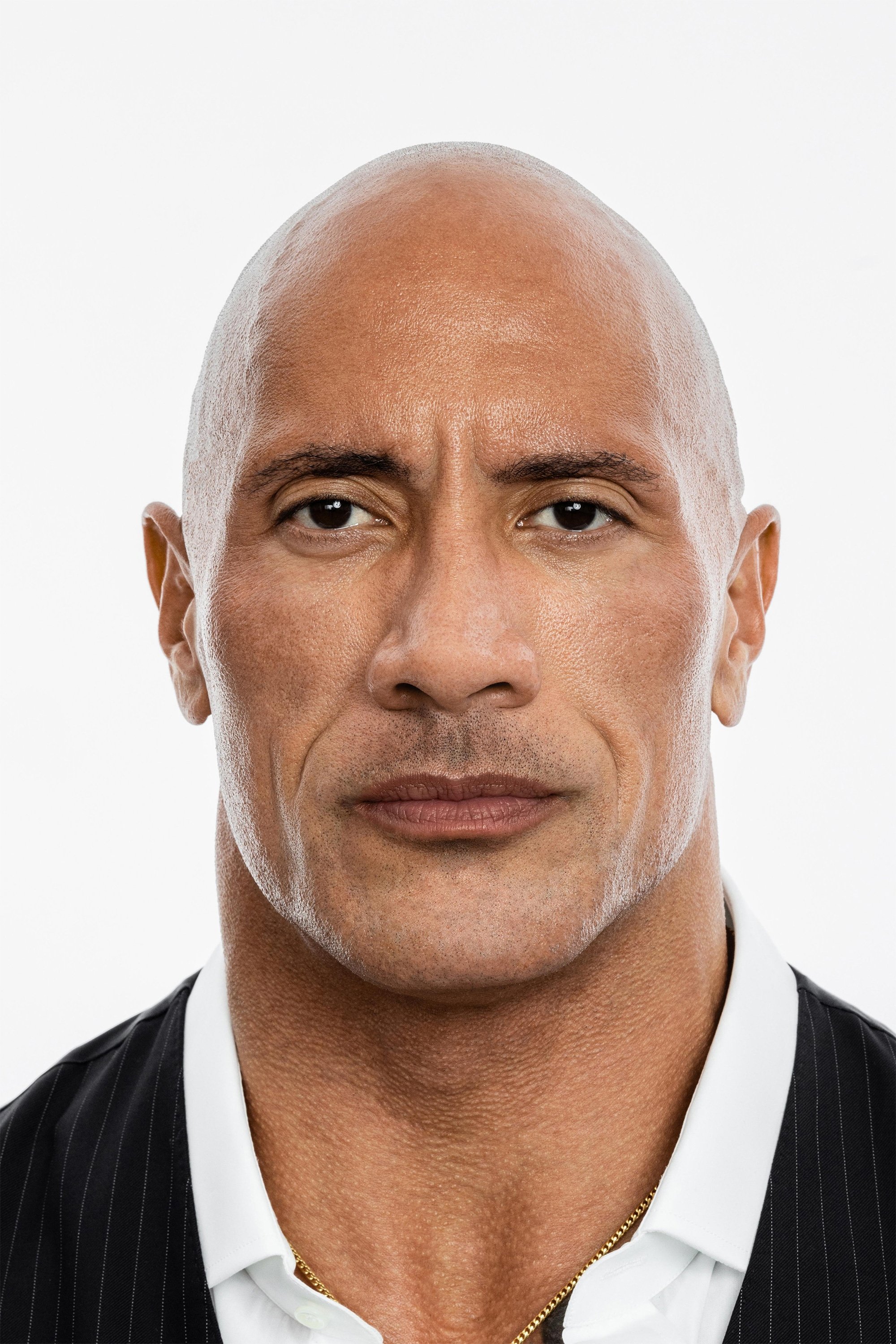
Dwayne Johnson faced a wave of criticism after soliciting donations for a Maui wildfire fund alongside Oprah Winfrey. He publicly acknowledged that asking for money from struggling Americans was a mistake and expressed regret for his endorsement of Joe Biden. Johnson stated he would not endorse a candidate in the 2024 election to avoid contributing to national division. He emphasizes unity and patriotism in a bid to maintain his massive broad appeal. His pivot suggests a wariness of alienating conservative fans.
Matthew McConaughey
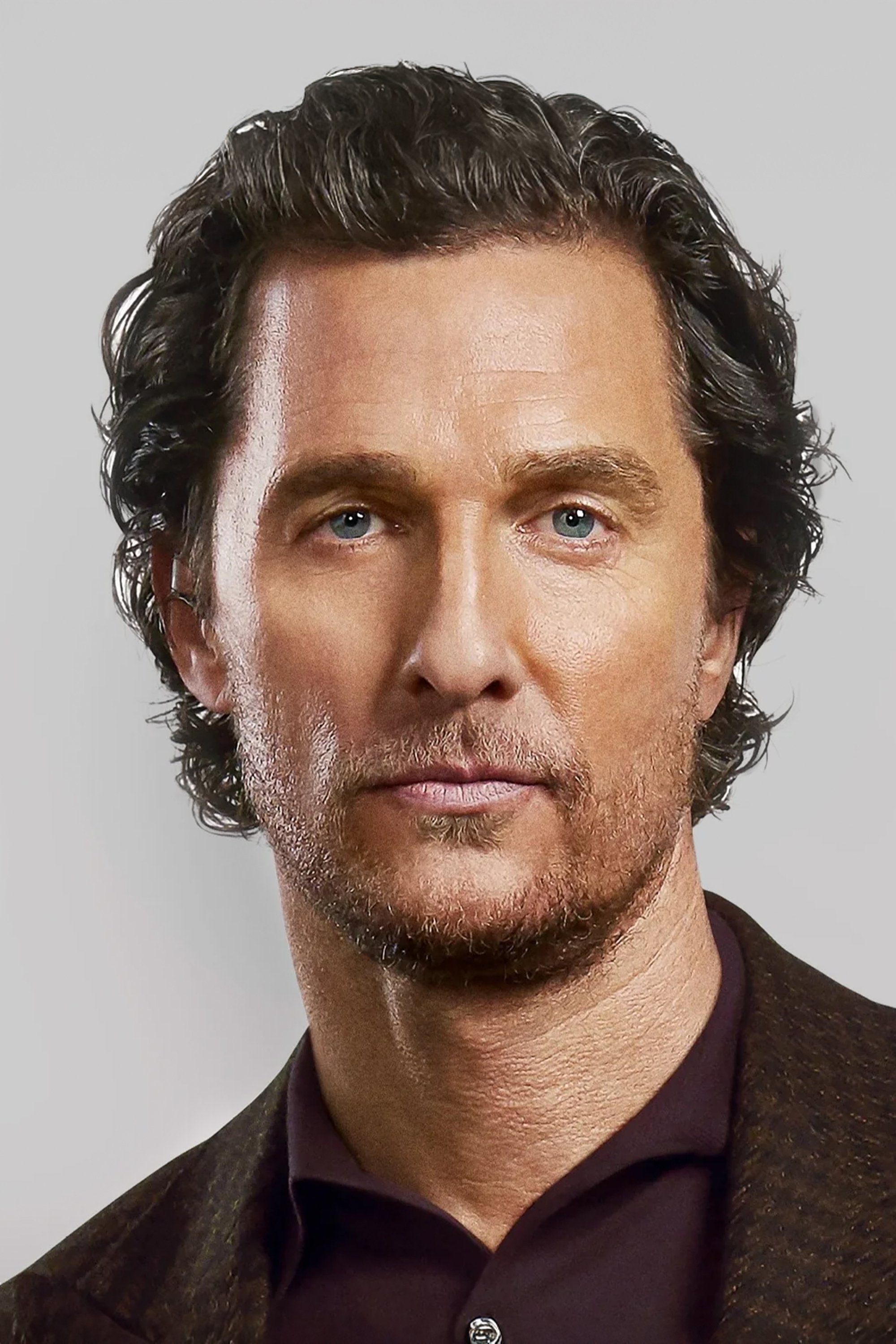
Matthew McConaughey has floated the idea of running for Governor of Texas as a centrist. He criticizes the “illiberal left” for being condescending toward conservatives and dismissing their concerns. McConaughey advocates for what he calls “aggressive centrism” to bridge the cultural divide. He spoke at the White House regarding gun responsibility following the Uvalde shooting. His approach attempts to bypass partisan labels in favor of cultural pragmatism.
Shia LaBeouf
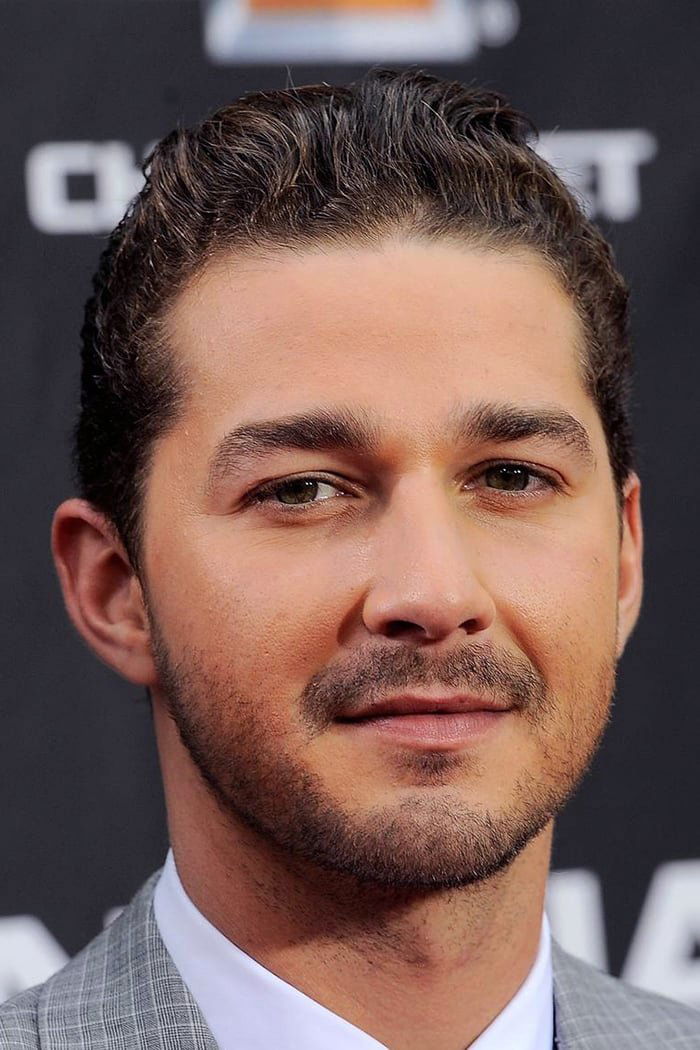
Shia LaBeouf launched a four-year livestream art project titled ‘He Will Not Divide Us’ to protest the Trump presidency. The installation became a battleground for internet trolls and right-wing activists who repeatedly sabotaged it. LaBeouf engaged in physical confrontations with counter-protesters which led to his arrest. The project moved locations several times including overseas to avoid disruption. His work highlighted the physical manifestation of online political trolling.
Jim Carrey
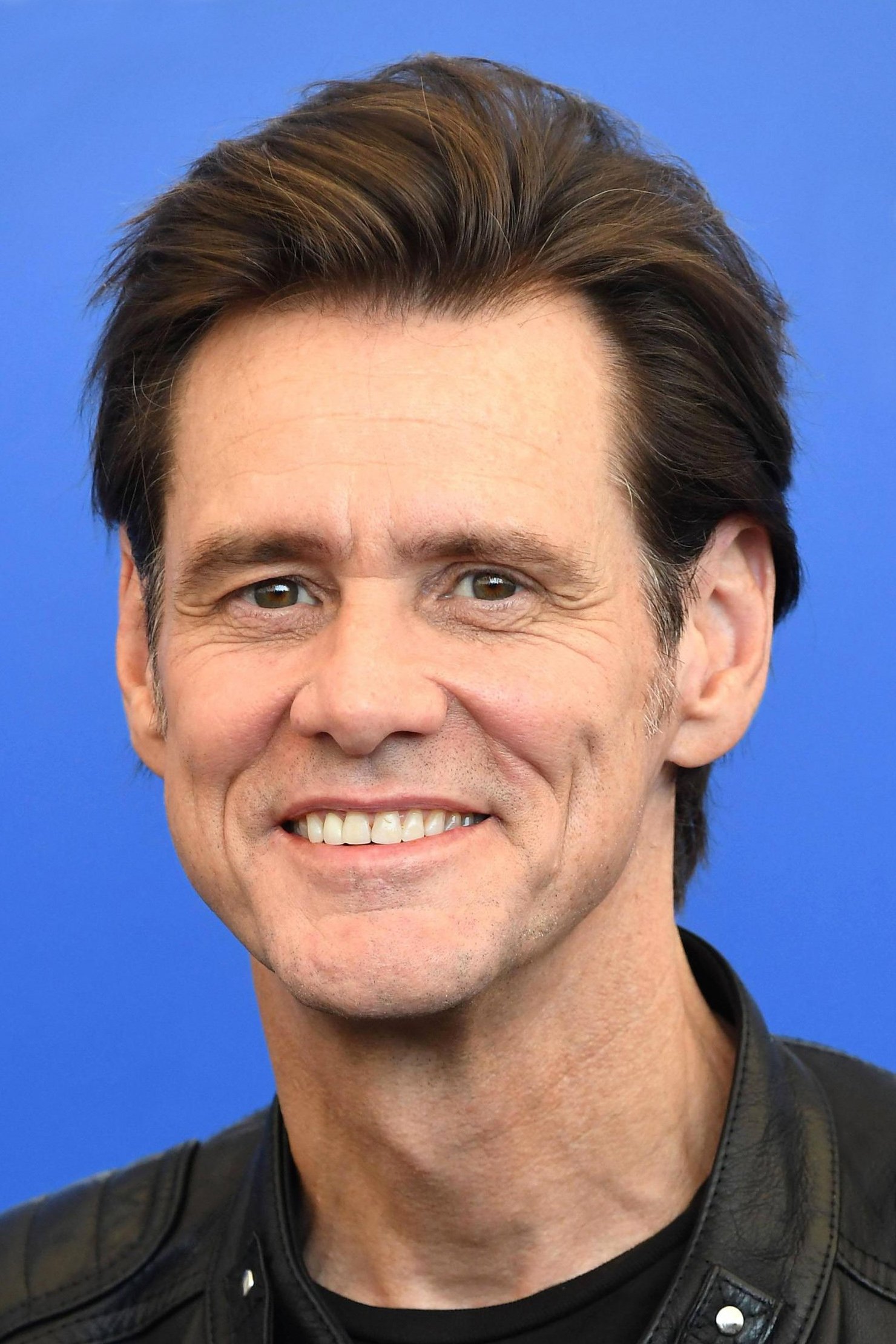
Jim Carrey spent years creating grotesque political cartoons that depicted Donald Trump and Republican figures in unflattering ways. He shared these drawings on Twitter as a form of daily commentary during the Trump administration. Carrey stated that the political climate forced him to express his outrage through art. Critics on the right labeled him “deranged” while supporters praised his activism. He later announced he was stepping back from political cartooning to focus on positivity.
Robert De Niro
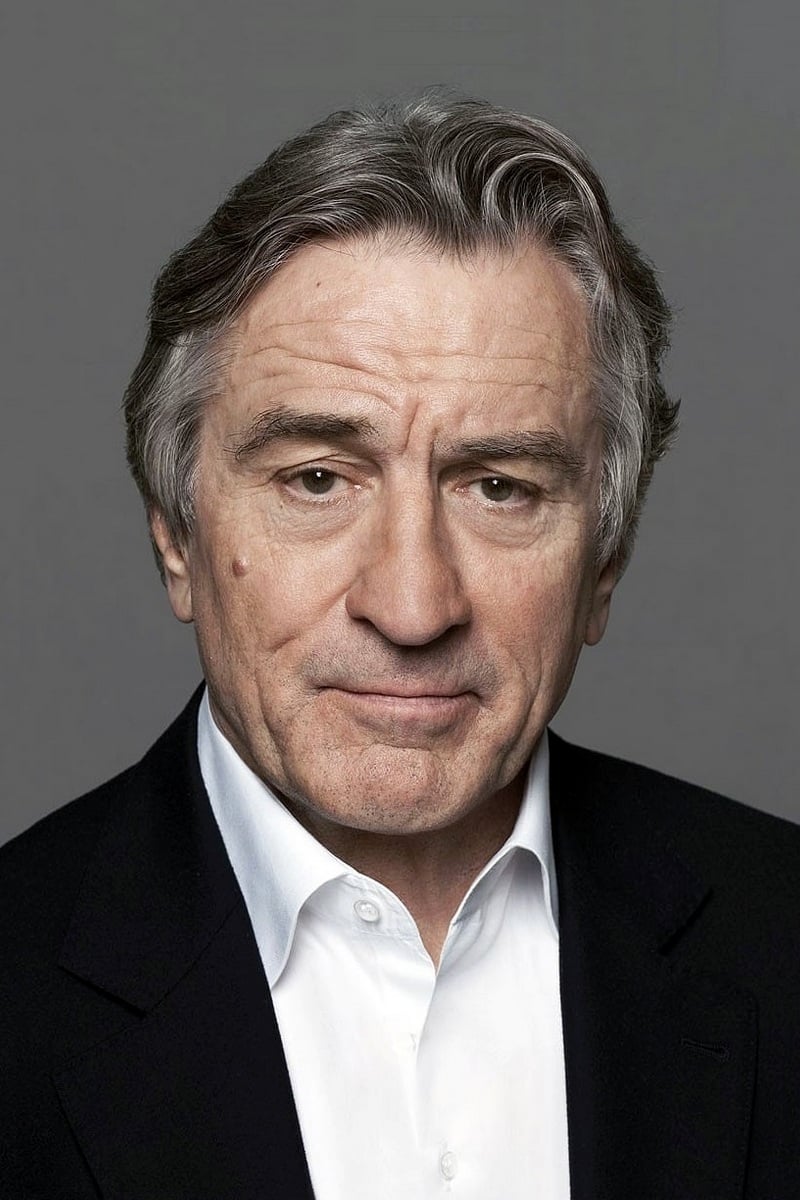
Robert De Niro is one of the most aggressive critics of Donald Trump in the entertainment industry. He famously yelled “F*ck Trump” during a live broadcast of the Tony Awards which received a standing ovation. De Niro frequently gives interviews where he describes the former president as a gangster and a threat to democracy. He has participated in ad campaigns specifically designed to dissuade voters from supporting Republicans. His rhetoric exemplifies the intense emotional opposition to Trump within Hollywood.
Mark Ruffalo
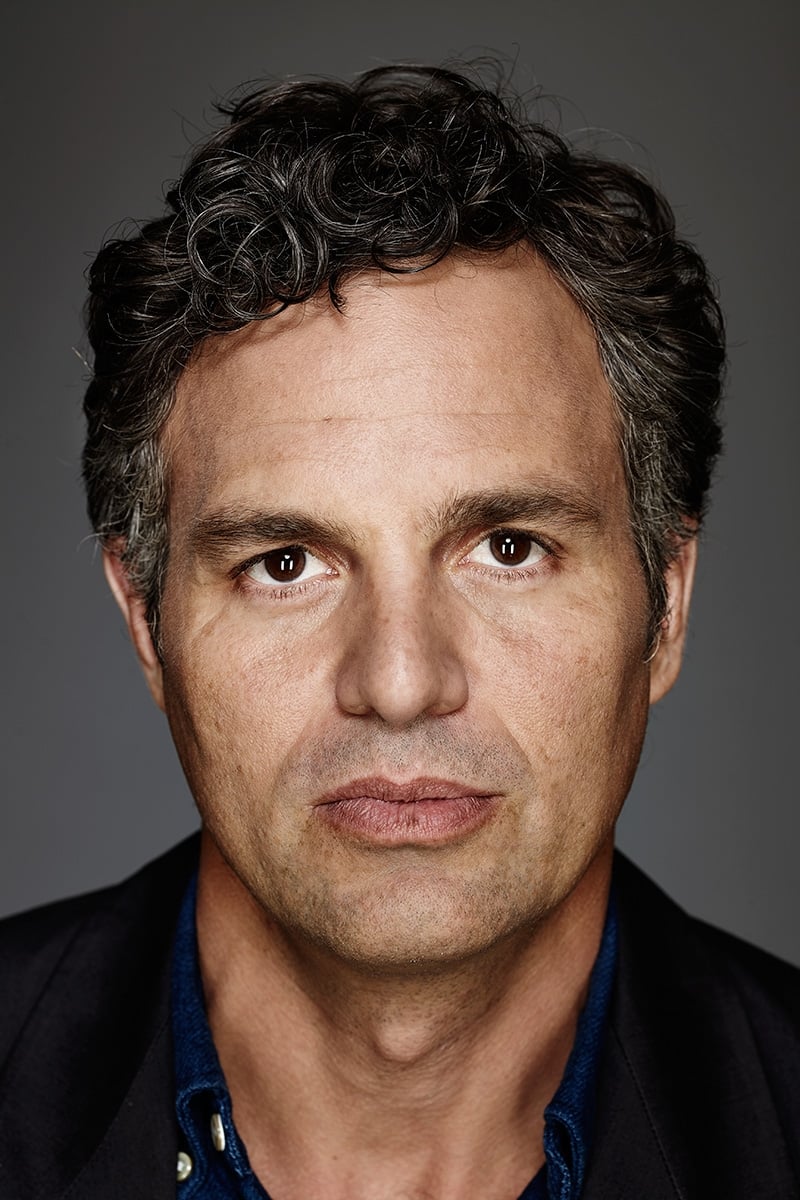
Mark Ruffalo uses his social media platforms to advocate relentlessly for environmental causes and progressive economics. He is a staunch opponent of fracking and frequently protests against oil pipelines. Ruffalo often calls for wealth redistribution and criticizes corporate capitalism. He engaged in heated debates regarding the conflict in Gaza and Israel. His activism is inextricably linked to his public persona as a champion of the left.
Sean Penn
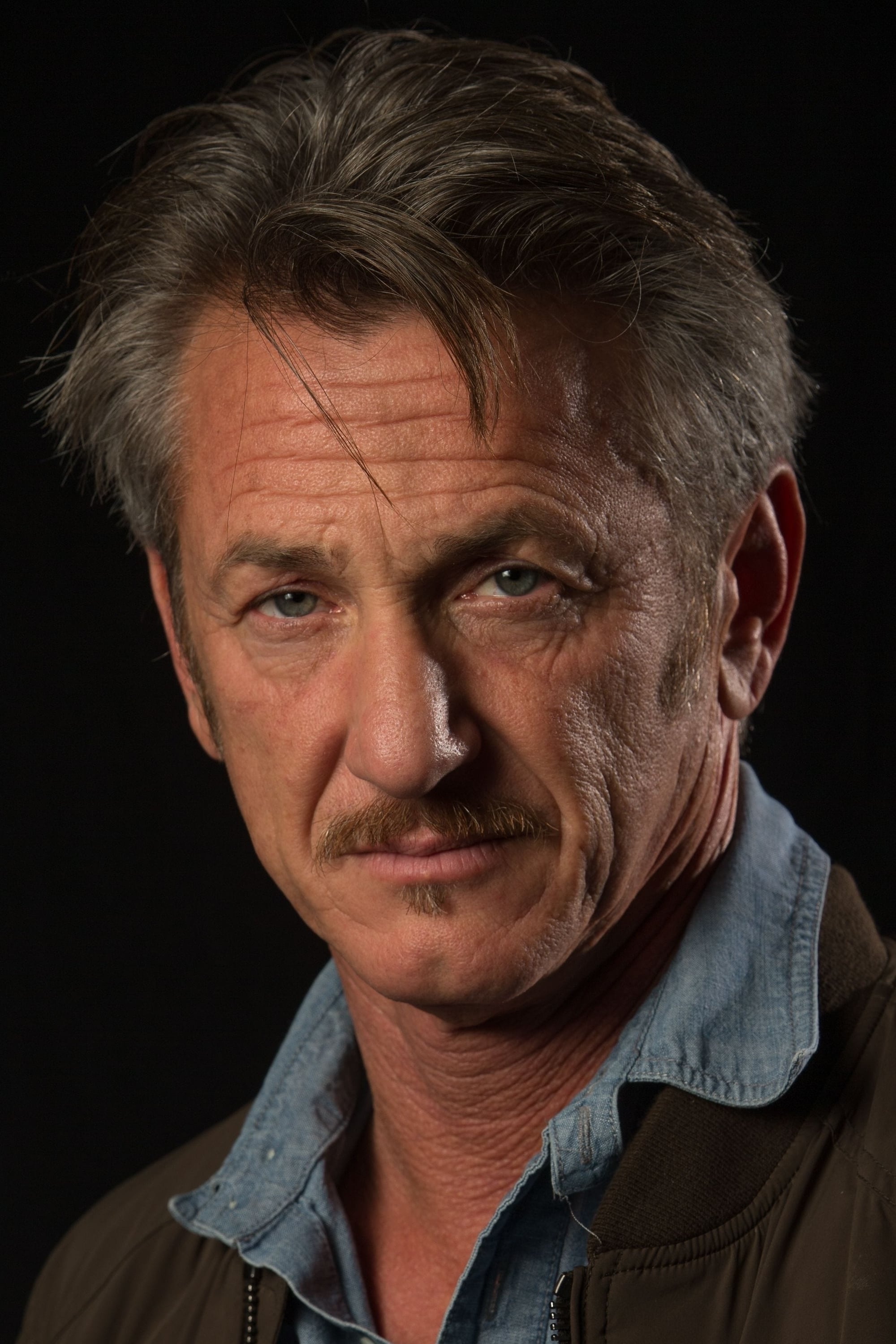
Sean Penn is known for his hands-on involvement in geopolitical crises ranging from Hurricane Katrina to the war in Ukraine. He has written essays criticizing American foreign policy and interviewed controversial figures like El Chapo. Penn often derides modern American men for becoming “feminized” and argues for a return to traditional strength. He gifted his Oscar to Ukrainian President Zelenskyy as a symbol of solidarity. His views mix leftist anti-imperialism with old-school masculinity.
John Cusack
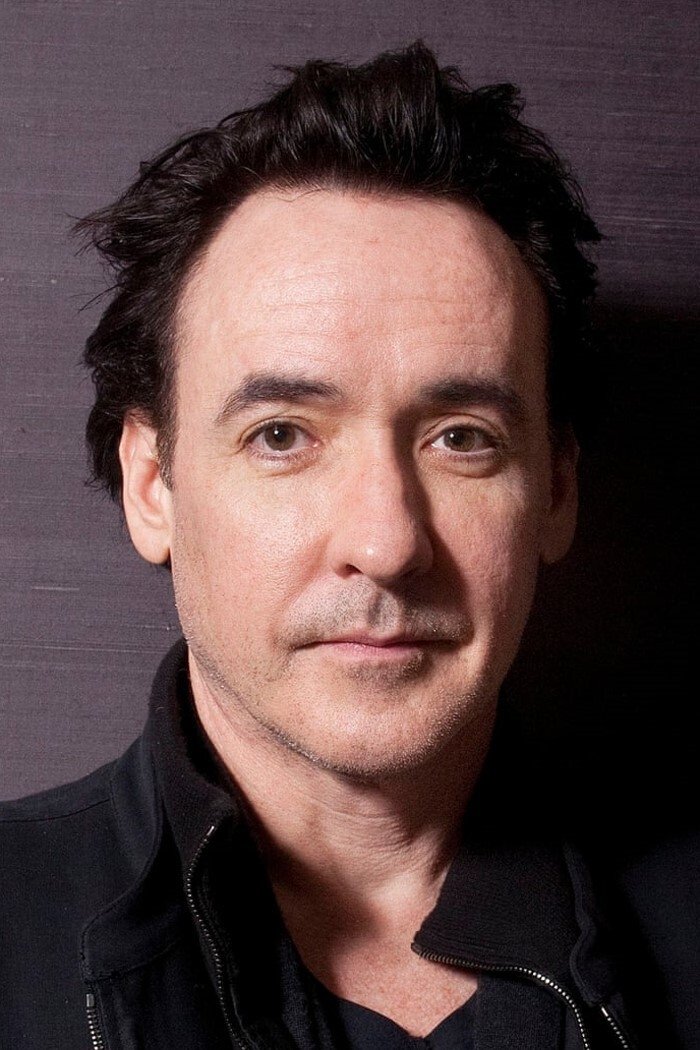
John Cusack manages a Twitter account that functions as a continuous stream of leftist political commentary. He was active on the ground during the George Floyd protests and documented police confrontations. Cusack frequently attacks the Democratic establishment for not being progressive enough. He has been accused of posting antisemitic imagery which he later deleted and apologized for. He views his online presence as a tool for radical political education.
Ron Perlman
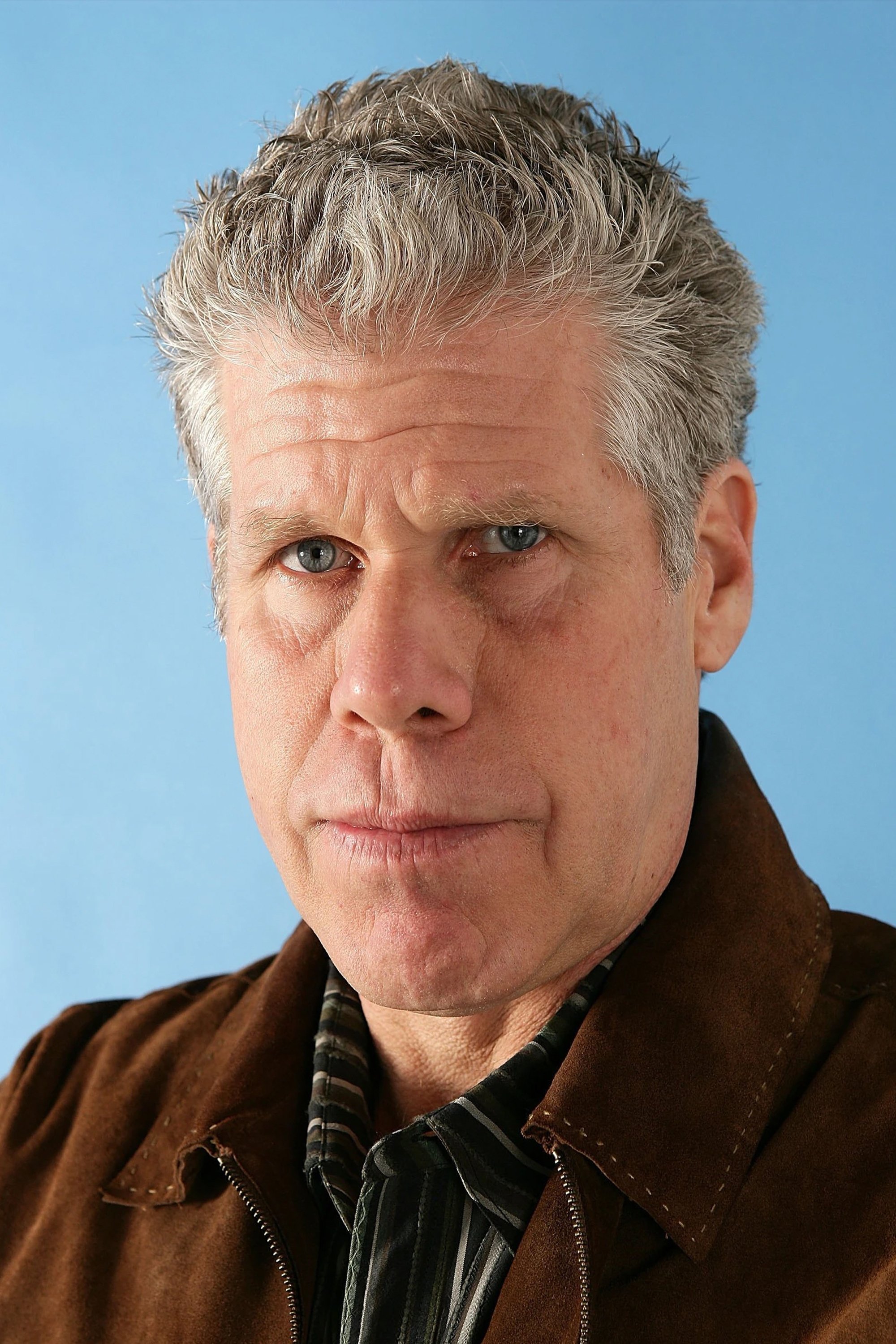
Ron Perlman is known for his abrasive and profane tweets directed at Republican politicians. He famously engaged in a flame war with Ted Cruz and challenged the senator to a wrestling match. Perlman supports union labor movements and progressive social policies with aggressive rhetoric. He announced a mock presidential run to satirize the political landscape. His online persona is that of a tough-guy enforcer for liberal causes.
George Takei
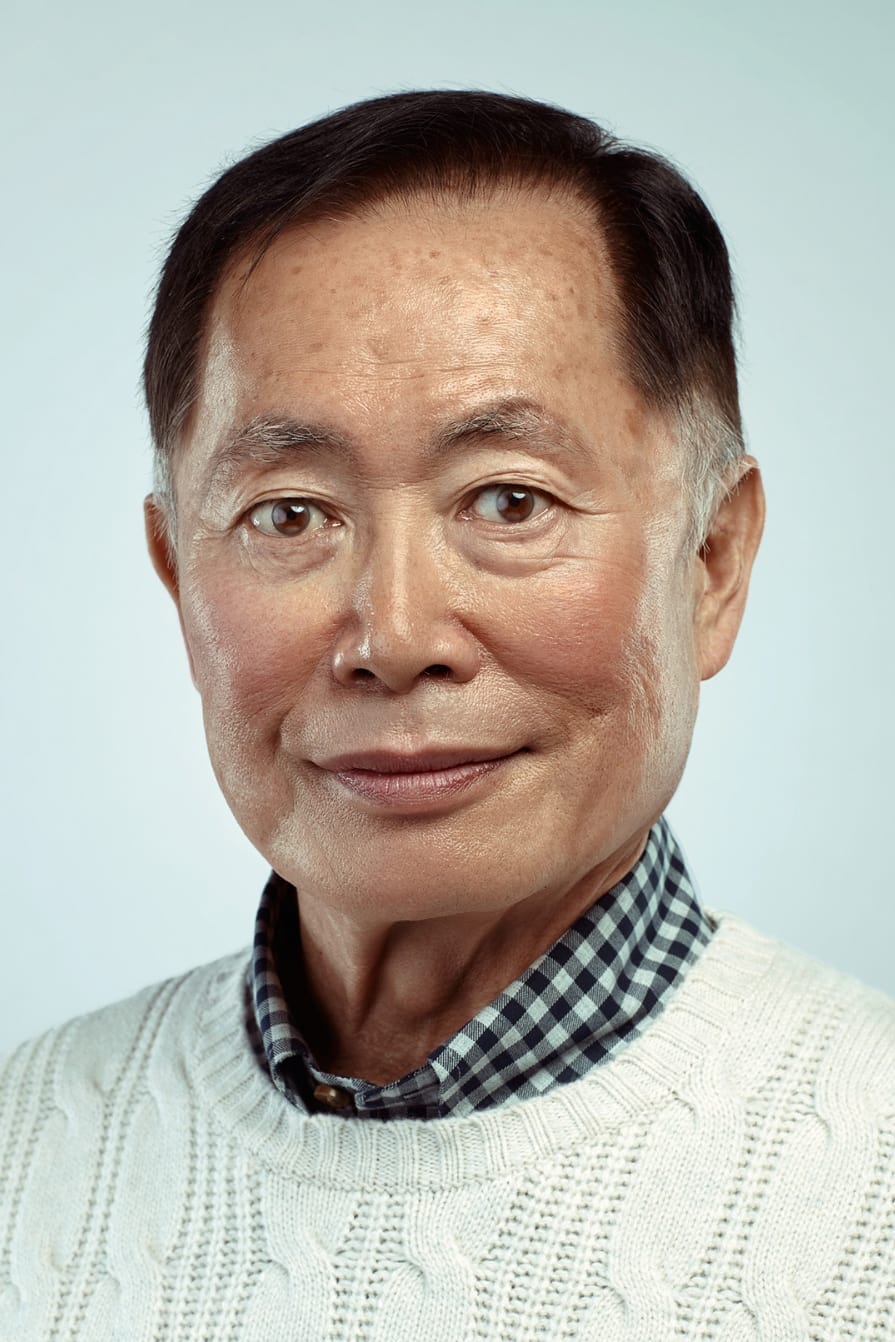
George Takei leverages his massive Facebook following to promote LGBTQ rights and criticize conservative policies. The ‘Star Trek’ alumnus frequently draws parallels between the Trump administration and the Japanese internment camps of his youth. He uses humor and memes to share progressive talking points with millions of followers. Takei is a leading voice in the fight against legislation targeting transgender youth. He treats social media as a modern battlefield for civil rights.
Mark Hamill
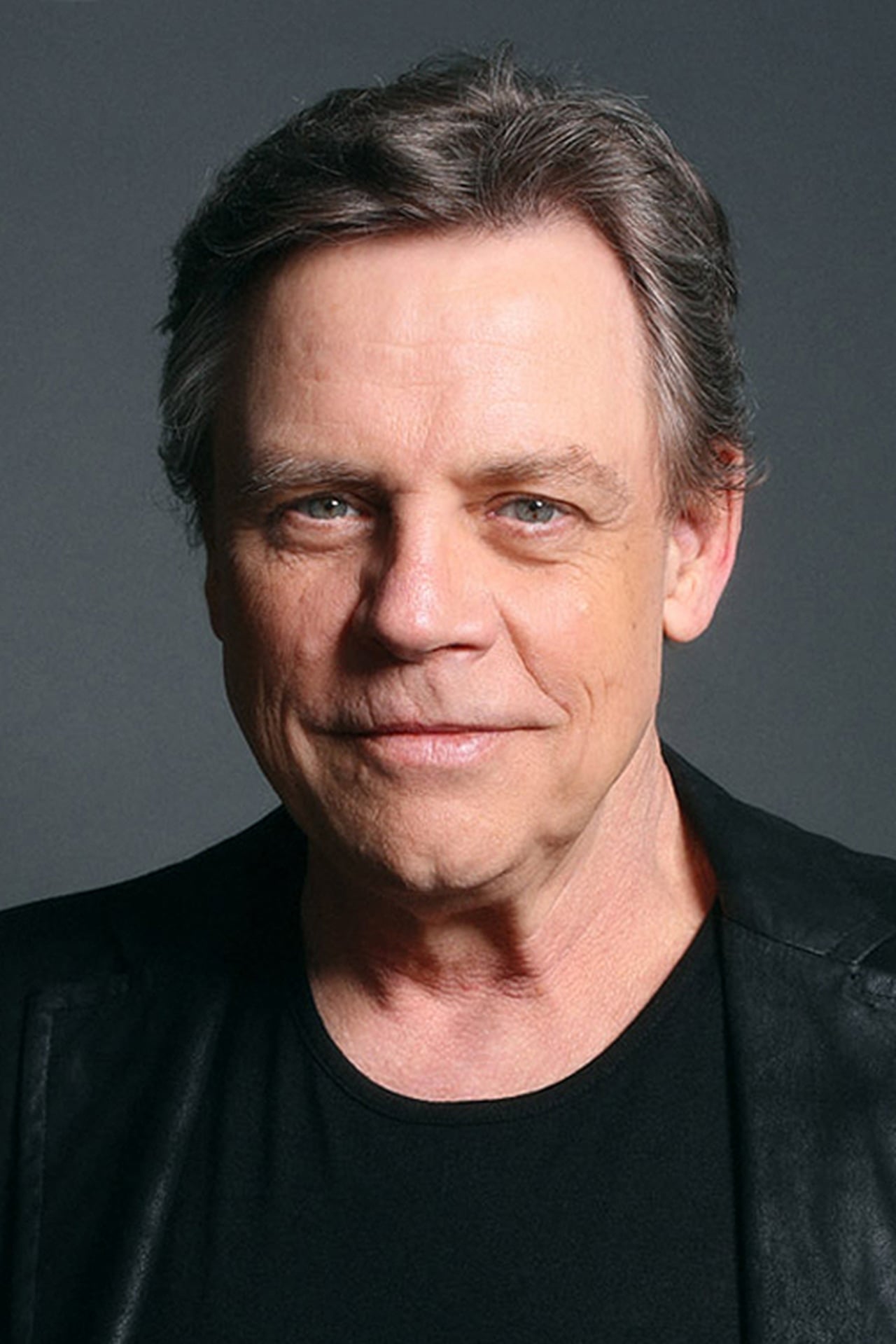
Mark Hamill is an extremely active commentator on Twitter who frequently mocks MAGA slogans and figures. The ‘Star Wars’ actor uses his platform to fundraise for Ukraine and support Democratic candidates. He often engages with fans to debunk right-wing narratives and promote scientific literacy. Hamill has voice-acted in sketches that satirize conservative pundits. He embraces his role as a pop culture hero fighting against authoritarianism.
Alec Baldwin
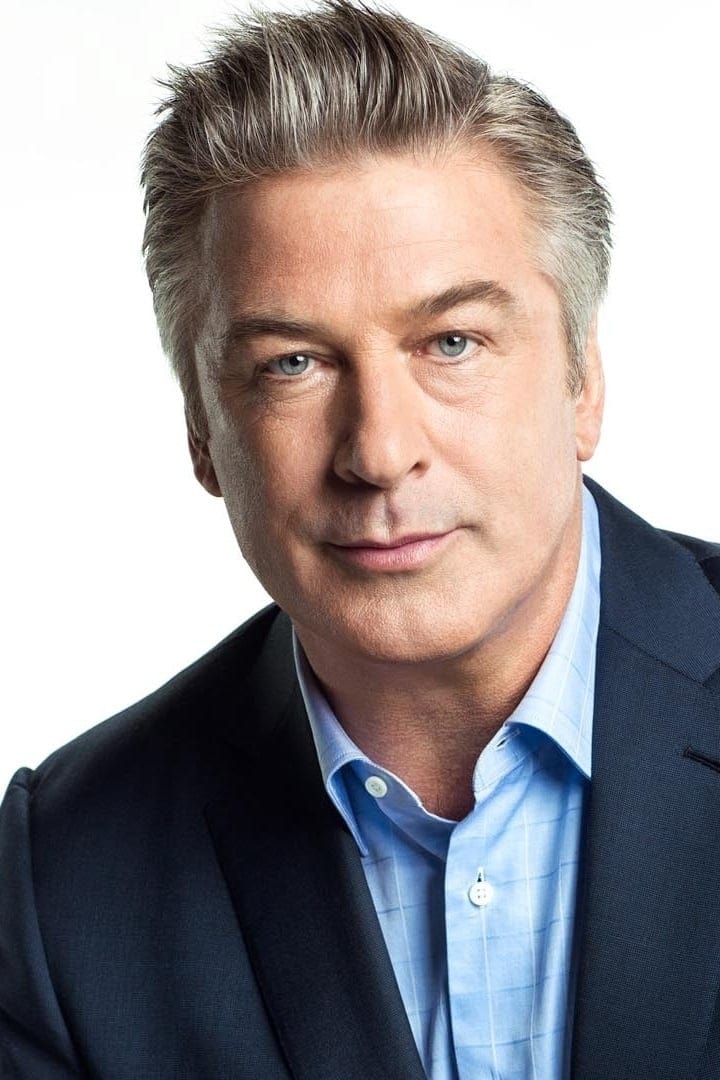
Alec Baldwin revitalized his career by portraying Donald Trump on ‘Saturday Night Live’ for several years. He is a long-time advocate for liberal causes and environmental protection. Baldwin frequently engages in arguments with journalists and critics regarding his political views. His involvement in the ‘Rust’ shooting tragedy became a polarized topic with some conservatives attacking him due to his past anti-gun rhetoric. He remains a lightning rod for criticism from the right.
John Leguizamo
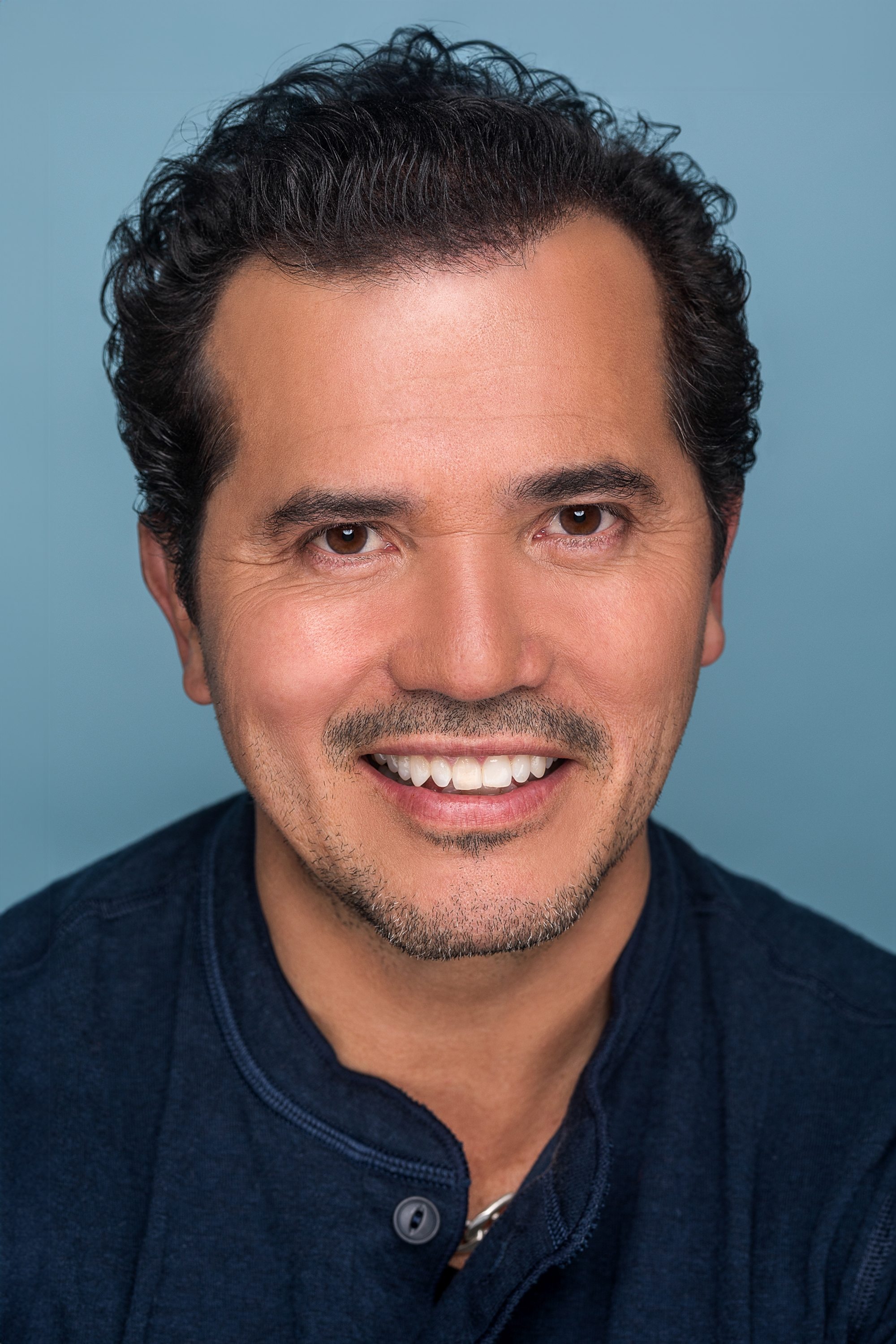
John Leguizamo has become a leading voice demanding better representation for Latinos in Hollywood. He boycotted the Super Bowl and criticized the casting of non-Latino actors in Latino roles including James Franco as Fidel Castro. Leguizamo argues that American history textbooks systematically erase Latino contributions. He uses his one-man shows to educate audiences on the complexities of colonization and identity. His activism challenges the industry to dismantle systemic exclusion.
Seth Rogen
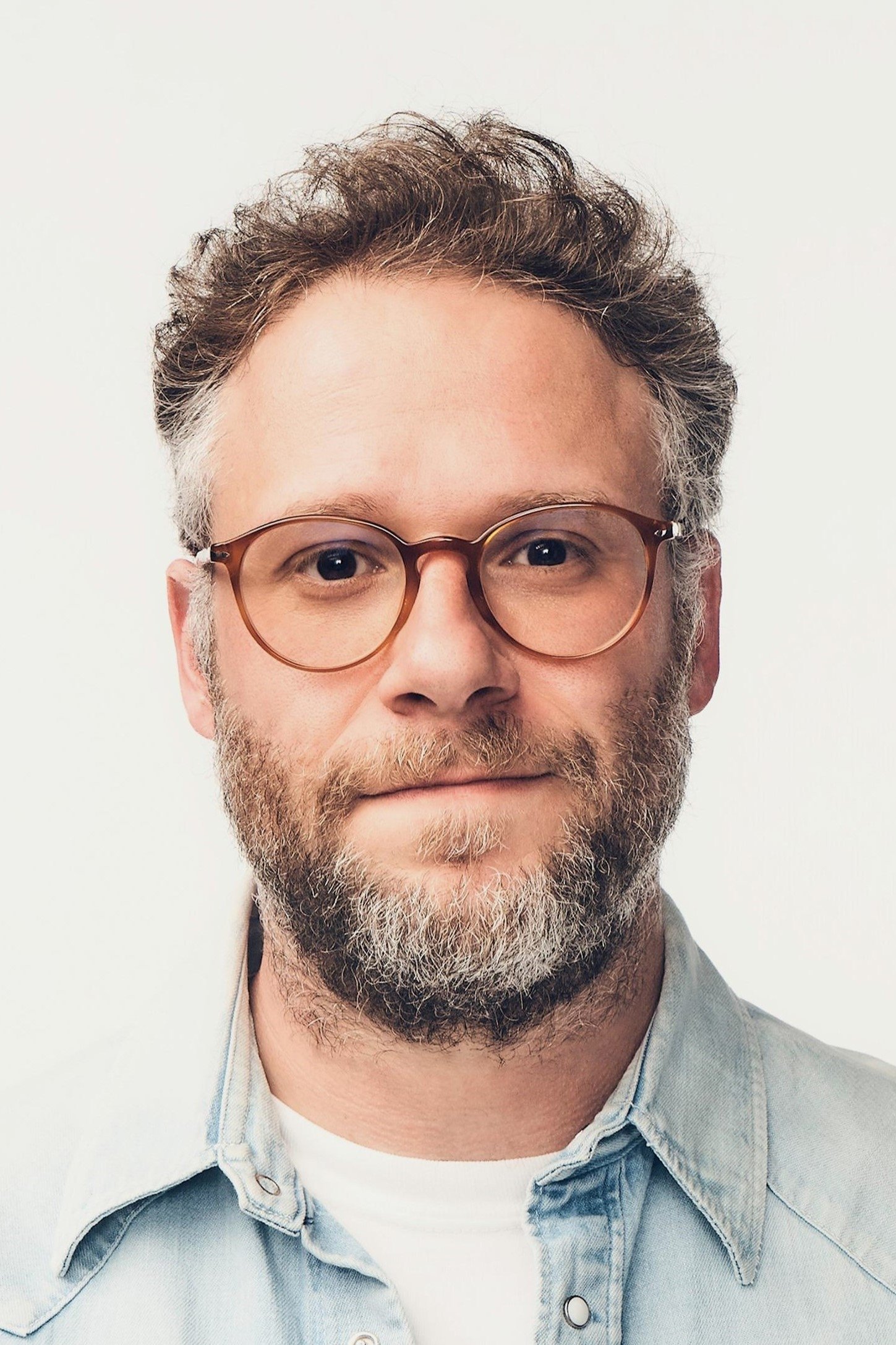
Seth Rogen uses his platform to advocate for cannabis legalization and racial justice. He famously told conservative trolls to stop watching his movies if they disagreed with his Black Lives Matter support. Rogen engages in direct insults with right-wing politicians on social media. He frames his political engagement as a moral obligation to oppose hatred. His brand combines stoner comedy with sharp progressive critique.
Dave Bautista
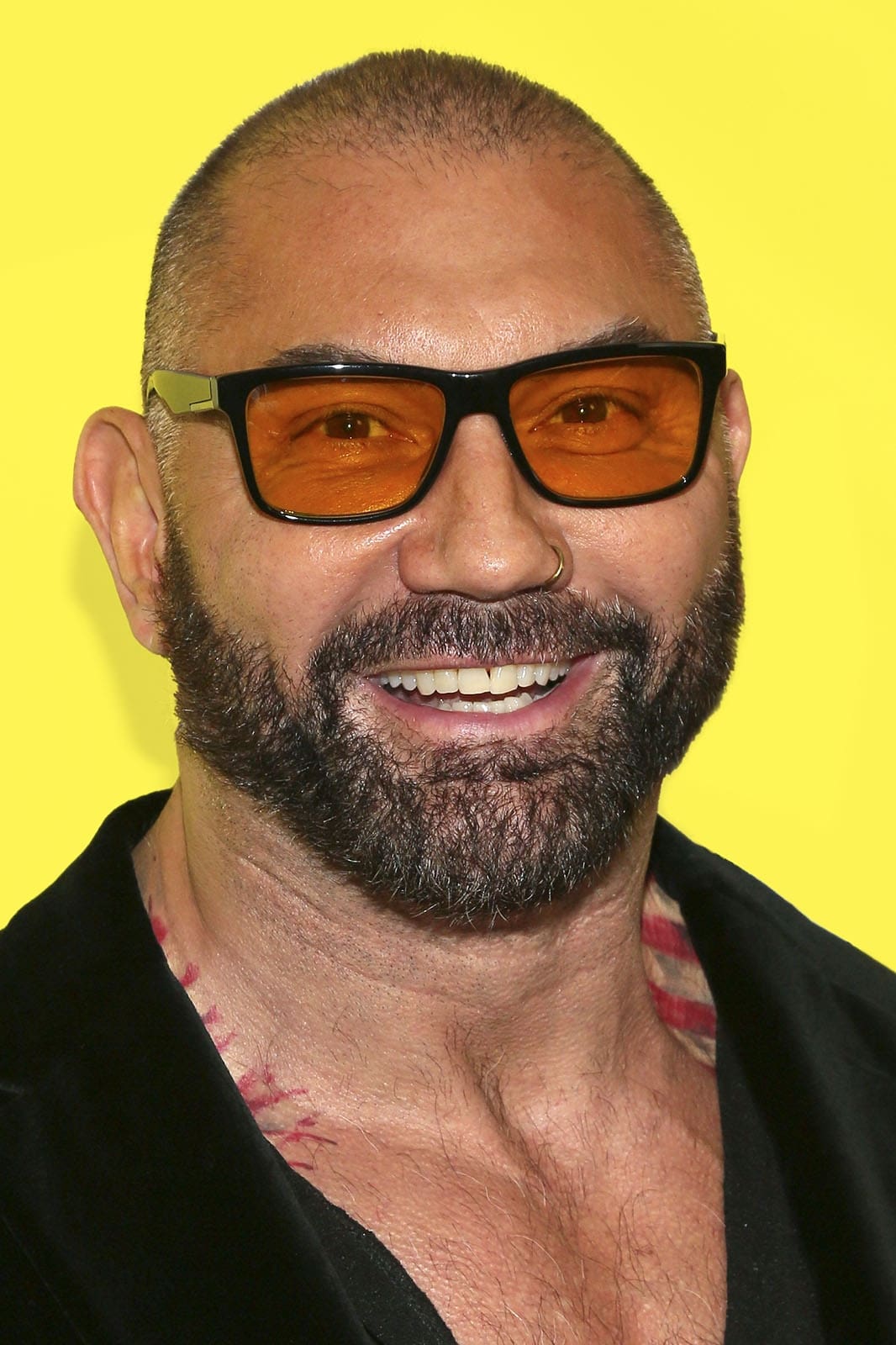
Dave Bautista is a fierce critic of Donald Trump and Florida Governor Ron DeSantis. The former wrestler uses his imposing physical presence to challenge concepts of toxic masculinity. He has covered up tattoos that were associated with friends who made anti-gay statements to show allyship. Bautista actively campaigns for Democratic candidates and encourages men to be more empathetic. He positions himself as the antithesis of the stereotypical conservative action star.
Bradley Whitford
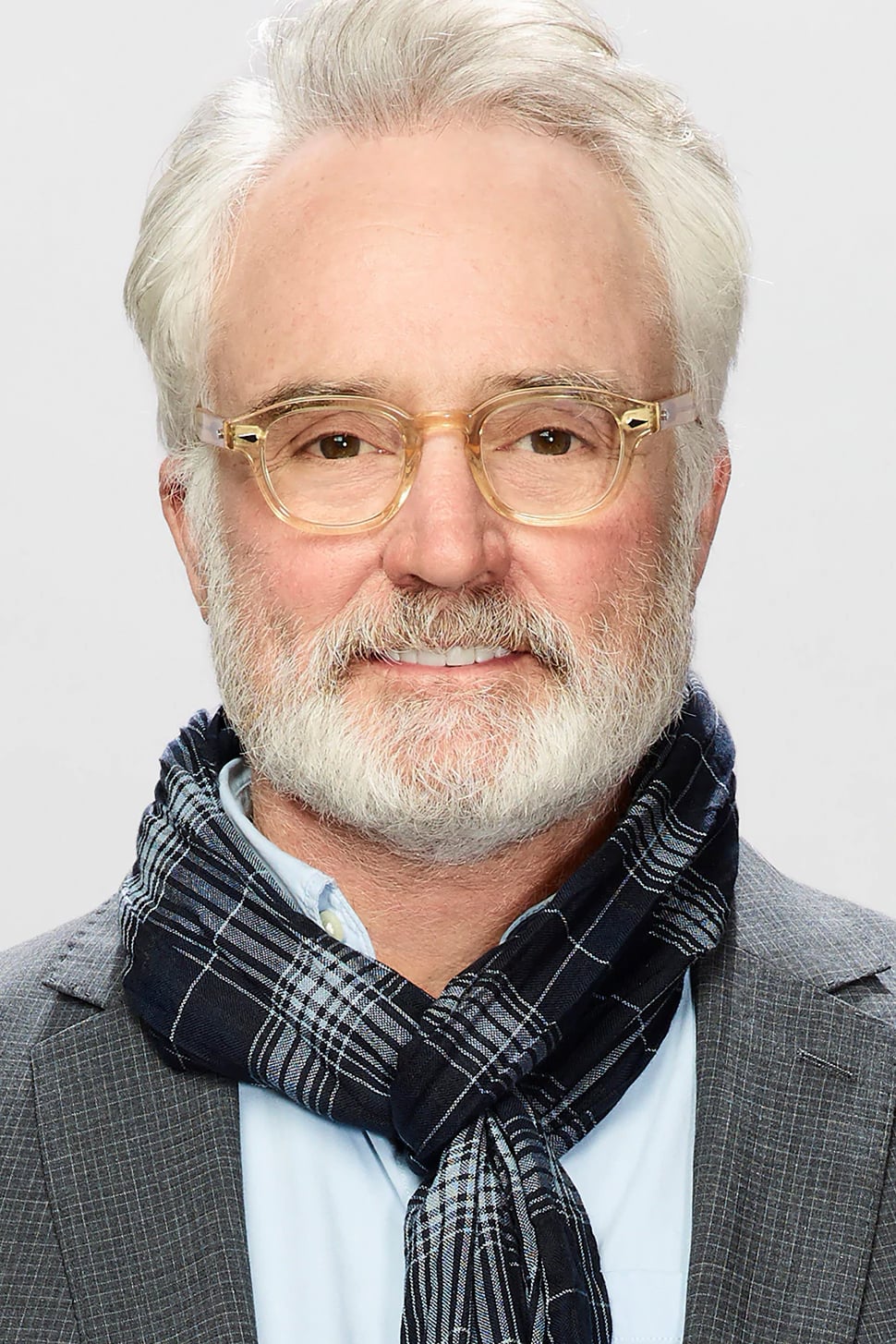
Bradley Whitford channels his ‘The West Wing’ persona into real-world Democratic activism. He is a frequent guest on cable news discussing voting rights and judicial appointments. Whitford often hosts fundraisers and get-out-the-vote events for progressive candidates. He uses sarcasm on social media to belittle arguments against reproductive rights. His activism is deeply rooted in the process and policy side of politics.
George Clooney
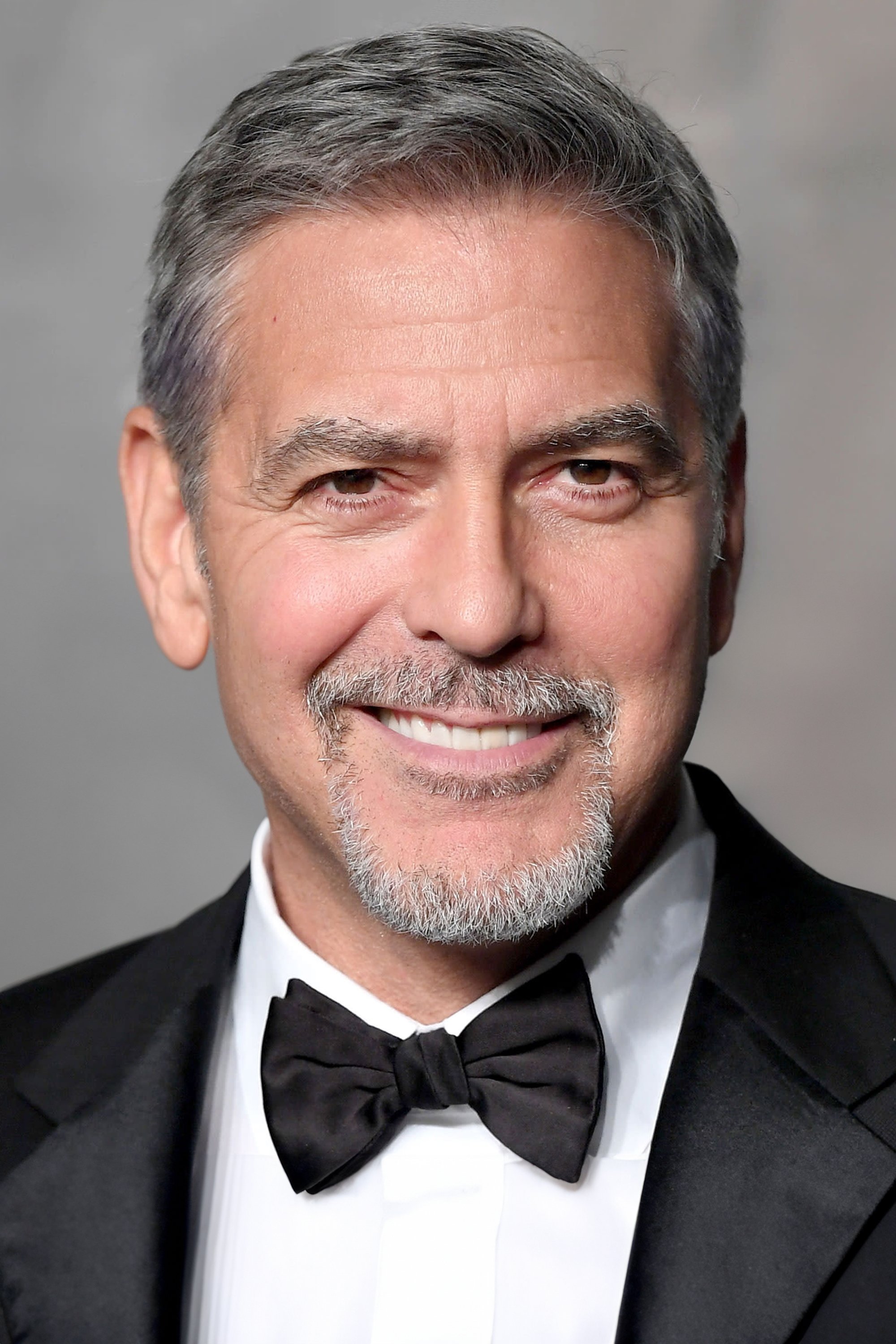
George Clooney is one of the Democratic Party’s most prolific fundraisers and strategists in Hollywood. He wrote a pivotal op-ed calling for Joe Biden to step aside in the 2024 election. Clooney uses his global fame to bring attention to human rights abuses in Sudan and Armenia. He frequently clashes with tabloid media and advocates for press responsibility. His influence extends beyond acting into the actual machinery of political donor classes.
Michael Rapaport
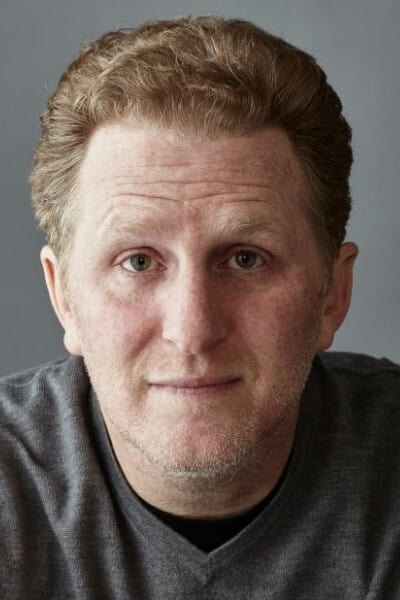
Michael Rapaport is a brash commentator who posts viral rant videos about sports, politics, and pop culture. He was a fierce critic of Donald Trump but later turned his aggression toward the progressive left regarding antisemitism. Rapaport has become a vocal supporter of Israel and criticizes squad members in Congress. He alienated many former fans by shifting his political alliances based on the issue of Jewish safety. His style remains confrontational and profane regardless of his target.
Billy Porter
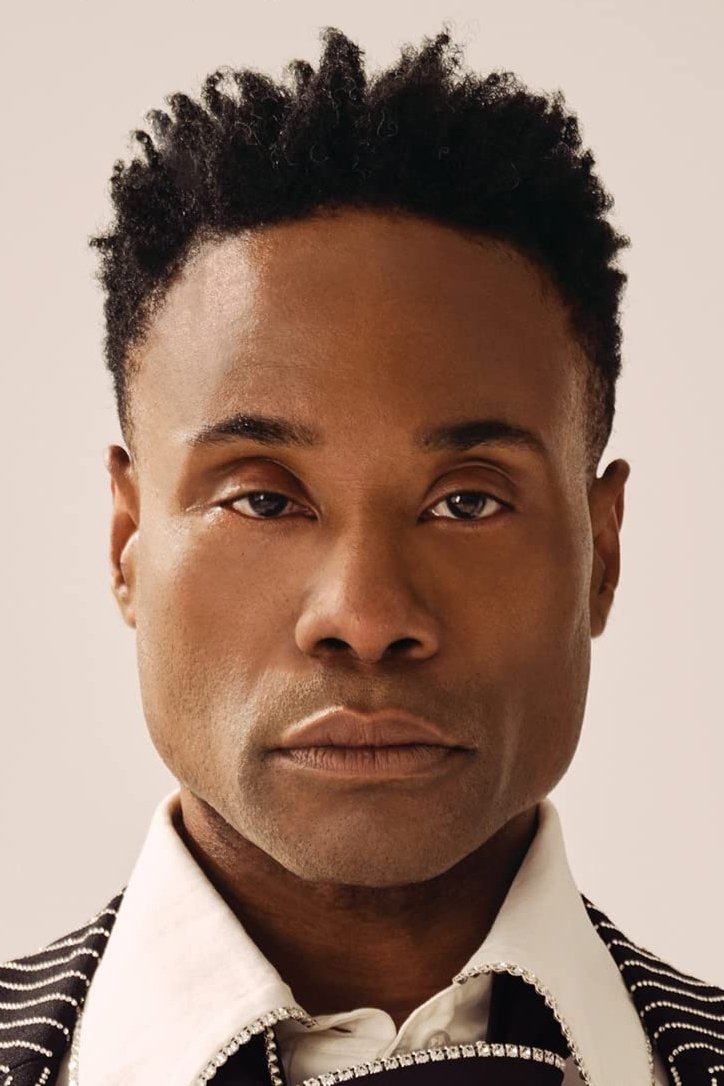
Billy Porter challenges gender norms through his fashion choices on red carpets and in public appearances. He criticized Vogue for featuring Harry Styles as their first male cover star in a dress arguing that he started the conversation. Porter advocates for the rights of Black LGBTQ individuals and speaks on the intersectionality of oppression. He criticized the Supreme Court aggressively following the overturning of Roe v. Wade. His presence is a deliberate visual protest against traditional binary expectations.
Share your thoughts on which actor has the most impact in the comments.

