


Hollywood Actors You Didn’t Know Had FBI Files

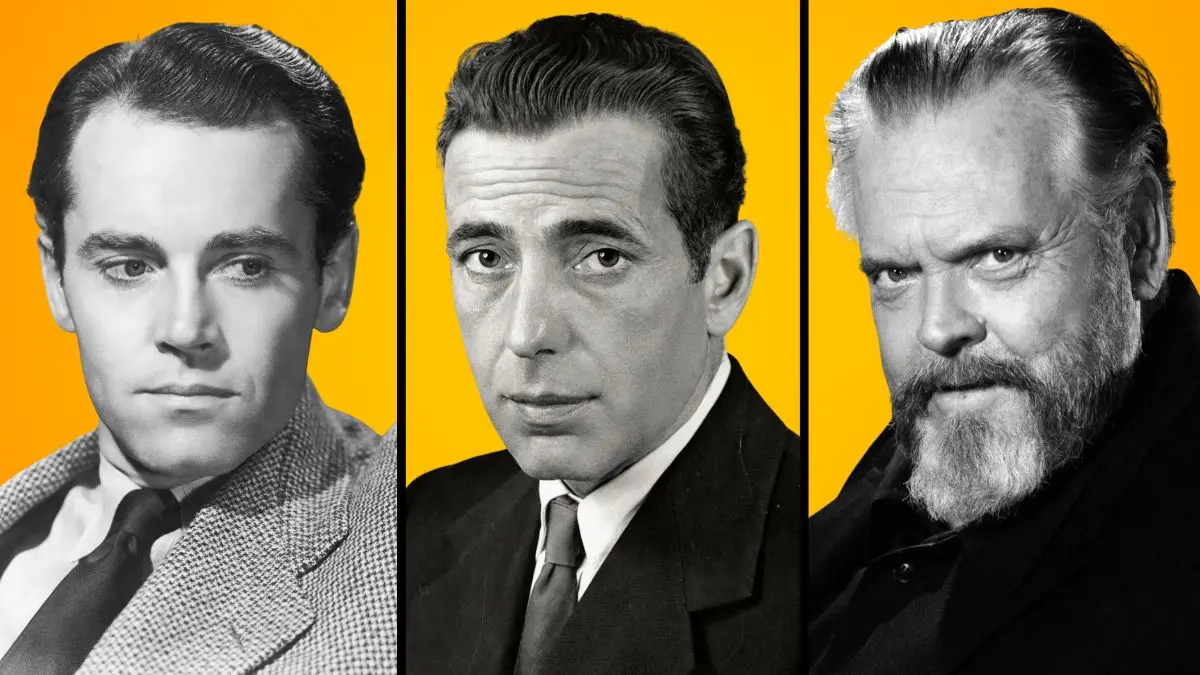


The Federal Bureau of Investigation has a long history of monitoring high profile individuals in the entertainment industry. Many of the most famous male actors in Hollywood history were subjects of extensive surveillance for various reasons. These investigations often focused on political affiliations and associations with specific organizations or individuals. The resulting files offer a unique glimpse into the private lives and public perceptions of these icons. These records reveal how even the biggest stars were not immune to government oversight during different eras of American history.
Charlie Chaplin
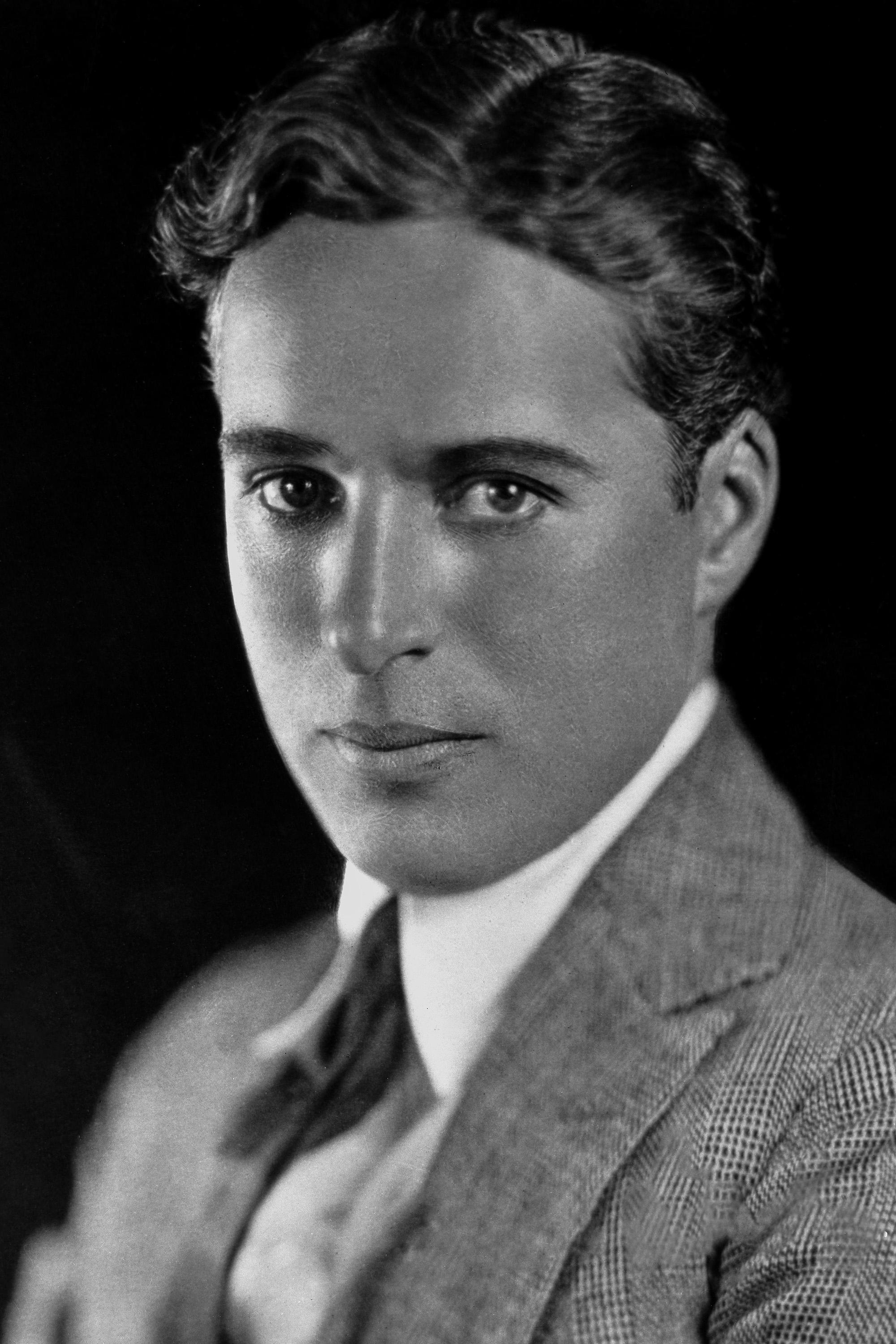
Charlie Chaplin was a legendary silent film star who faced intense scrutiny from federal investigators for several decades. The agency monitored his political leanings and personal life because they suspected he held communist sympathies during the Red Scare. His extensive file documented his international travels and public statements while he worked on films like ‘The Great Dictator’. This surveillance eventually contributed to the revocation of his re entry permit while he was visiting Europe. He lived in Switzerland for many years before returning to the United States to receive a special honor.
Marlon Brando
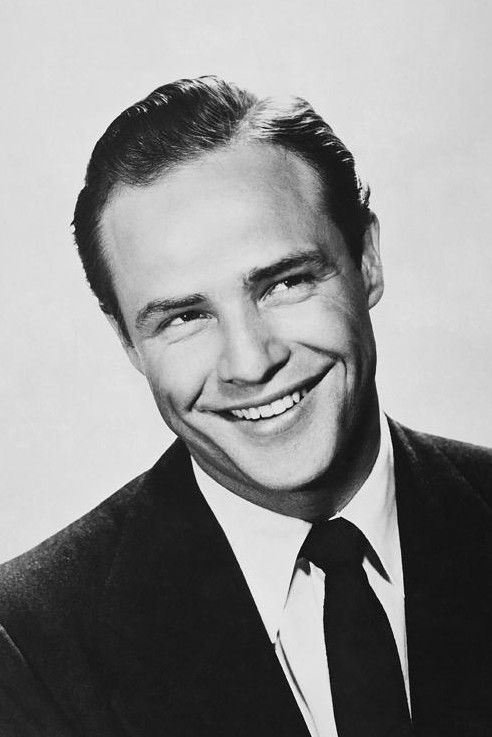
Marlon Brando was closely watched by federal authorities due to his active involvement in the Civil Rights Movement. The actor frequently participated in protests and supported organizations that the government deemed radical or subversive. Records show that the agency tracked his financial contributions and public appearances during his peak fame in ‘The Godfather’. They were concerned about his influence on public opinion and his ties to controversial political figures. Brando remained a prominent activist throughout his life despite the constant government oversight.
Frank Sinatra
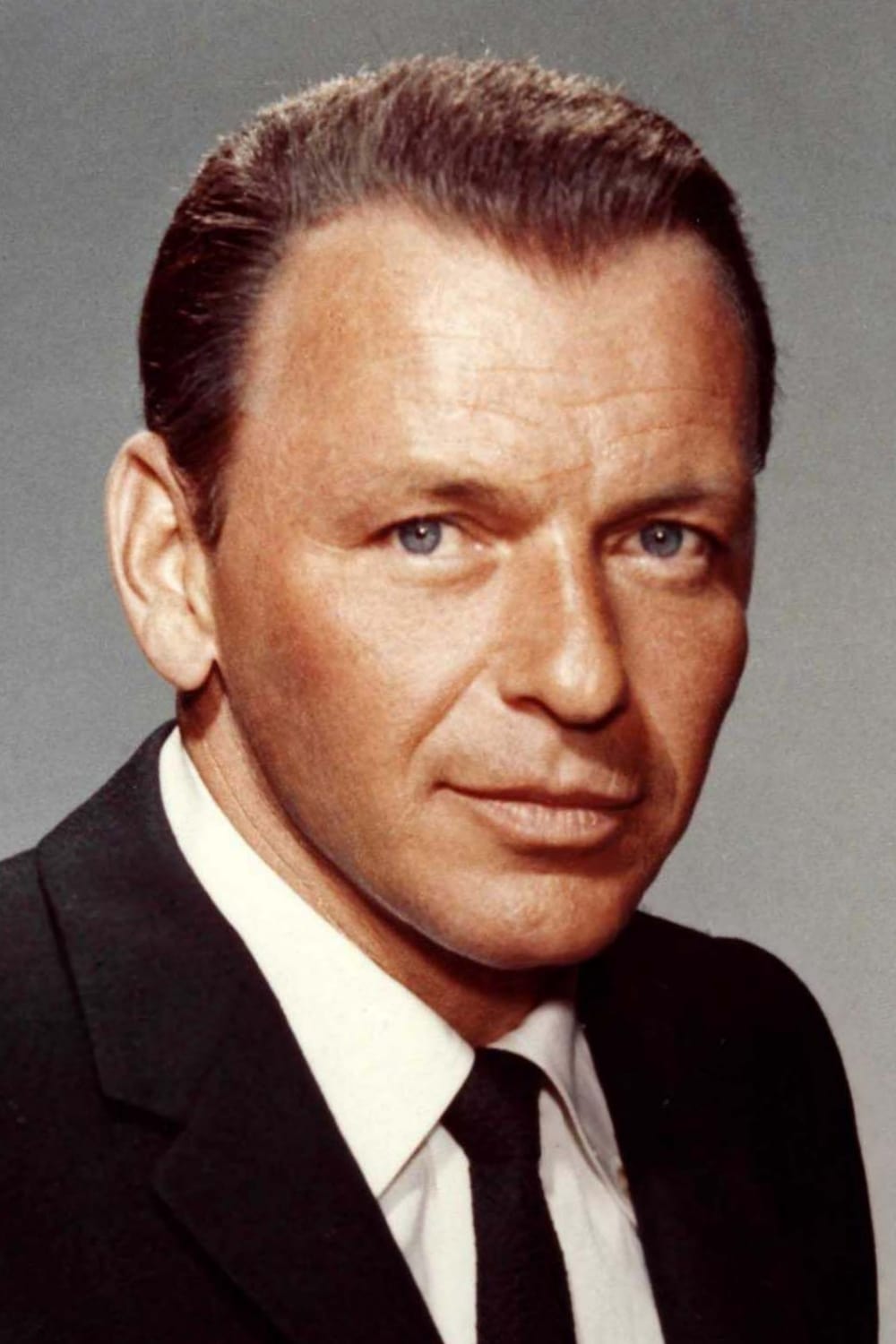
Frank Sinatra was the subject of a massive investigative file that spanned several decades of his career. The agency investigated his alleged connections to organized crime figures and his various political associations. Agents documented his friendships and tracked his movements during concert tours and film shoots for projects like ‘The Manchurian Candidate’. The file also included information regarding his interactions with high profile politicians and members of the federal government. Sinatra remained a person of interest for investigators throughout the majority of his professional life.
John Lennon
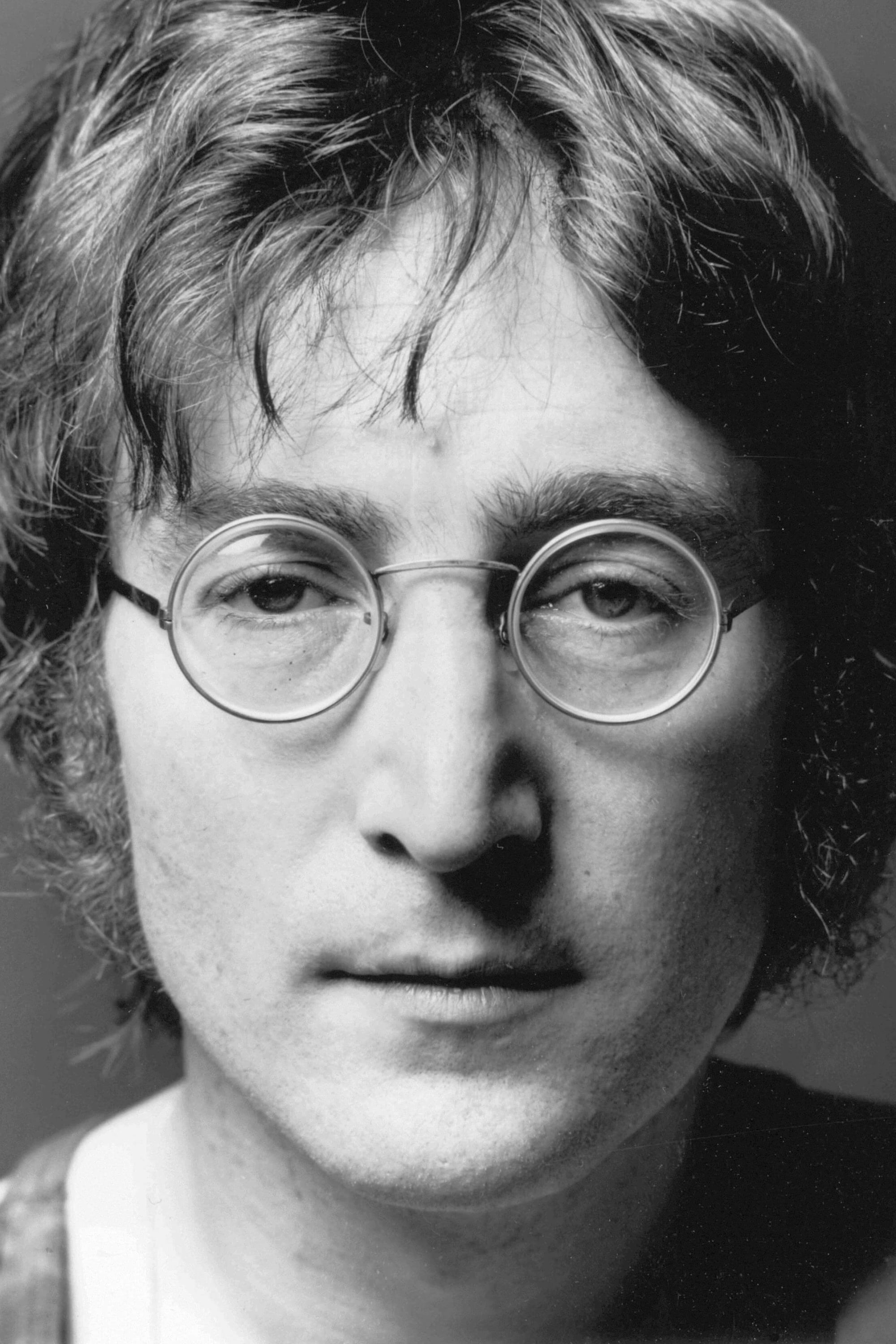
John Lennon was a famous actor and musician who faced significant investigative pressure while living in New York City. The agency monitored his anti war activities and his connections to political activists during the early nineteen seventies. They attempted to find grounds for his deportation by documenting his past legal issues and his appearances in films like ‘How I Won the War’. His file reveals the extent to which the government viewed his public influence as a threat to national stability. Lennon eventually won the right to stay in the country after a lengthy and highly publicized legal battle.
Rock Hudson
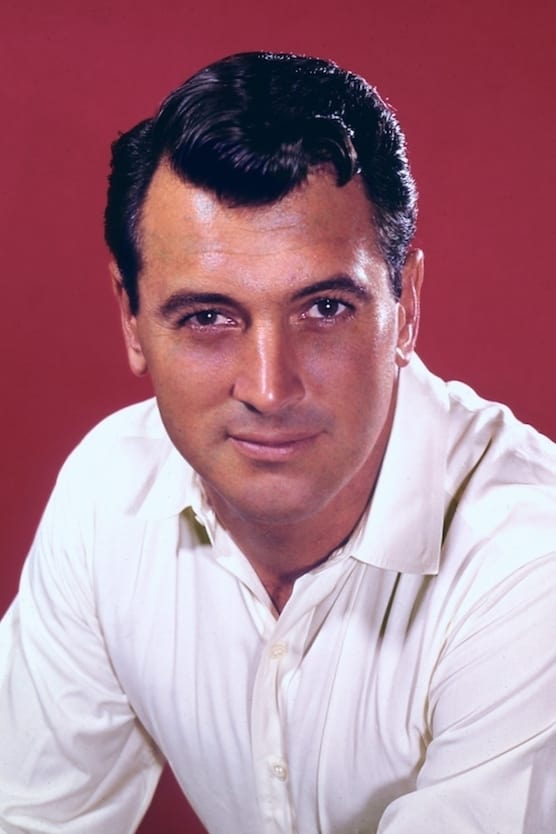
Rock Hudson was a major Hollywood star whose private life was of great interest to federal investigators during the fifties and sixties. The agency collected information about his personal relationships and his conduct outside of the movie studio. Much of the investigation focused on maintaining the wholesome image he portrayed in films like ‘Giant’. These records were kept confidential for many years and only became public long after his passing. The files provide insight into the social pressures and legal risks faced by actors during the mid twentieth century.
Orson Welles
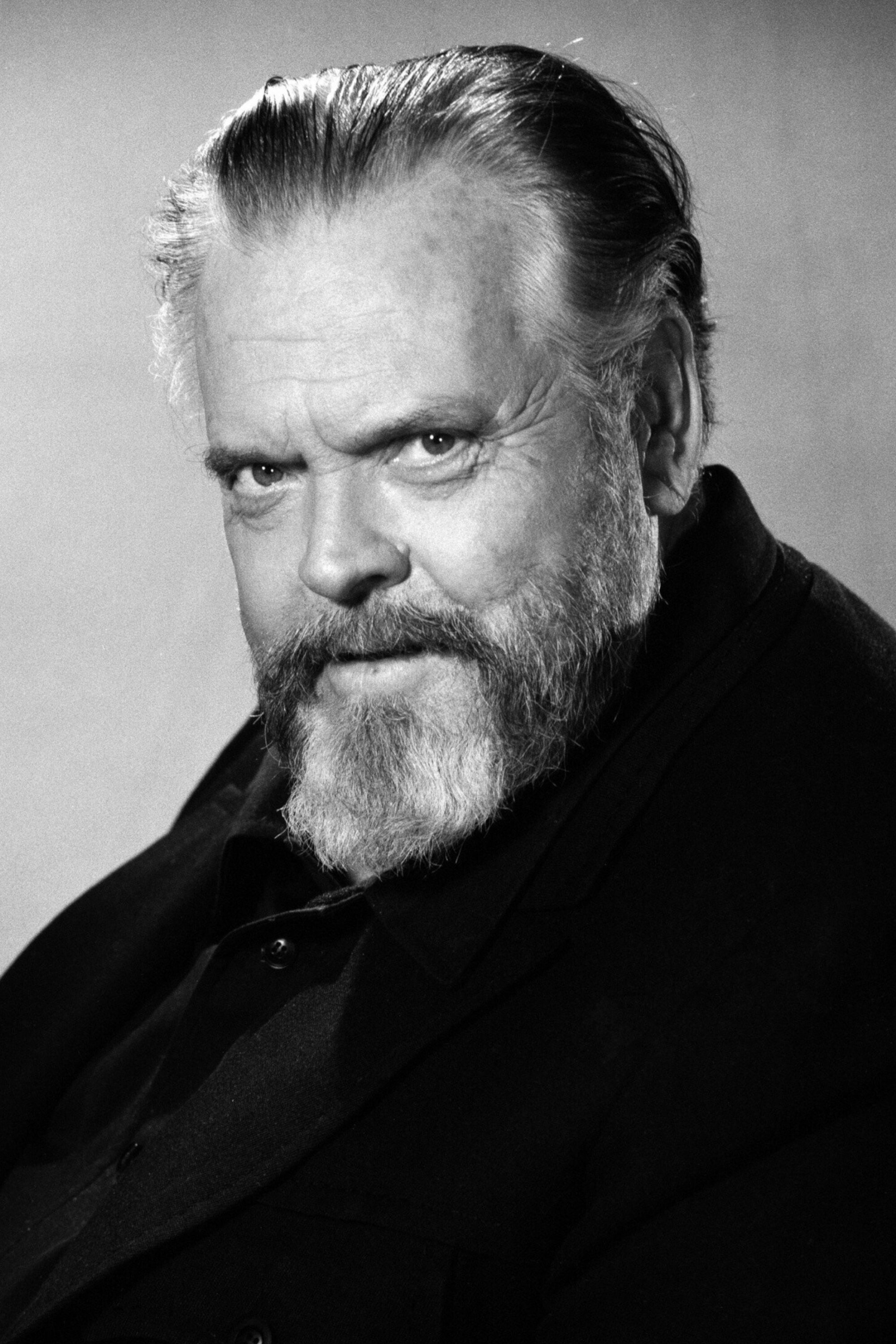
Orson Welles was a visionary filmmaker and actor who was considered a potential security threat by the agency. His file began after the release of his masterpiece ‘Citizen Kane’ and continued for several years as he traveled abroad. Investigators were suspicious of his progressive political views and his associations with various left wing organizations. The agency closely tracked his radio broadcasts and public speeches to look for evidence of subversive activities. Welles eventually moved to Europe where he continued his work away from the immediate gaze of American authorities.
Gene Kelly
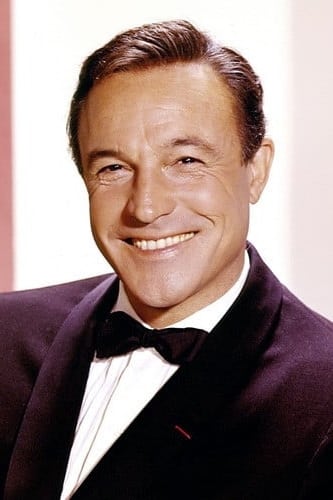
Gene Kelly was a celebrated dancer and actor who came under federal scrutiny during the era of Hollywood blacklisting. While he was never officially blacklisted himself his wife was a subject of interest and he was monitored by association. The agency kept records on his political activities and the events he attended while working on films like ‘Singin in the Rain’. Investigators looked for any signs that his public influence was being used to promote specific political ideologies. Kelly continued to have a successful career but remained wary of the political climate in the film industry.
Humphrey Bogart
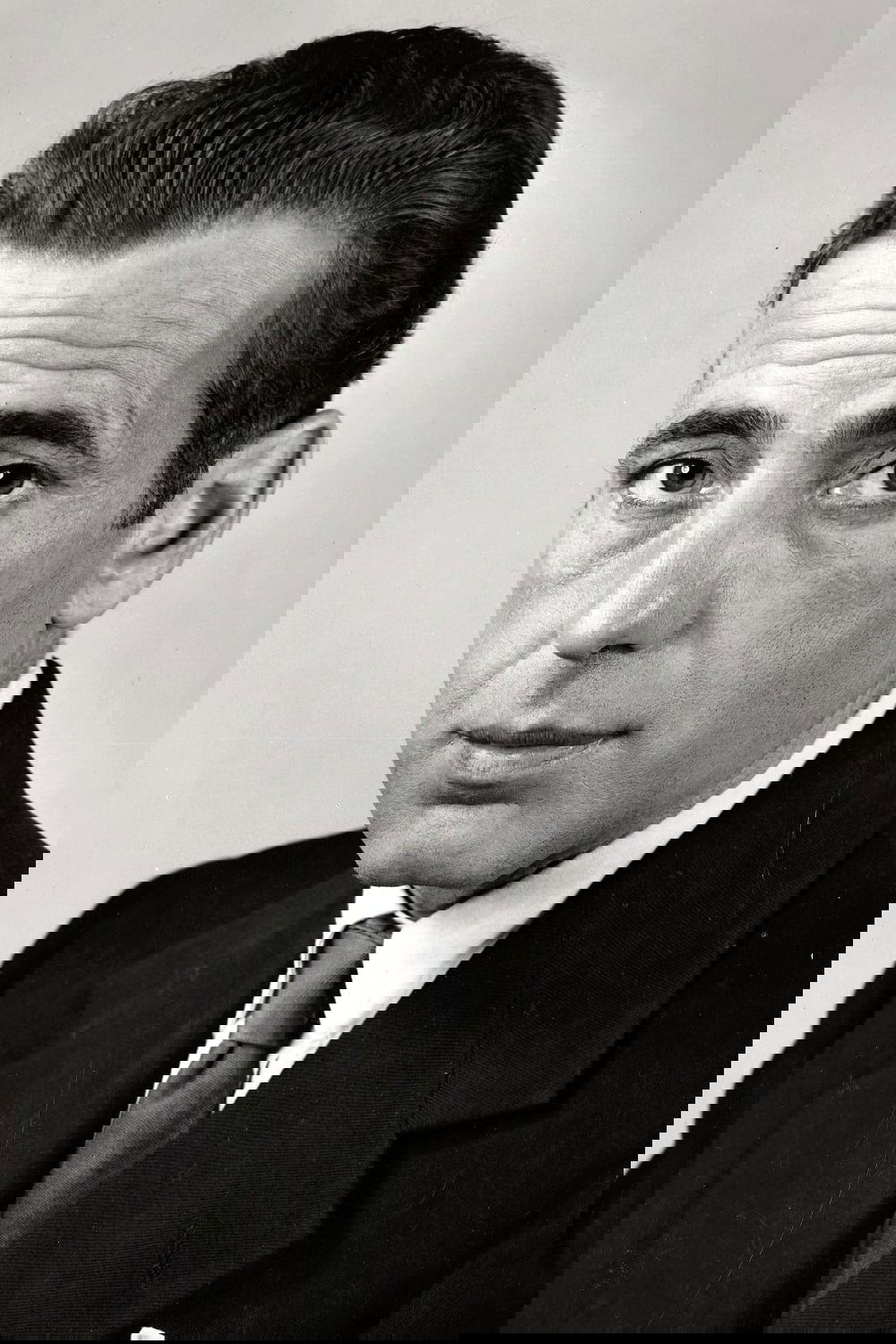
Humphrey Bogart was a prominent member of the Committee for the First Amendment which opposed the government investigation into Hollywood. The agency opened a file on him as he led a delegation of actors to Washington to protest the hearings. Agents monitored his public statements and his involvement with groups that criticized the methods of federal investigators. Despite his fame in classics like ‘The Maltese Falcon’ he was viewed as a potential troublemaker for his vocal support of his colleagues. His file serves as a record of the tension between the entertainment industry and the government during the late nineteen forties.
Gregory Peck

Gregory Peck was a highly respected actor who was monitored by federal authorities for his involvement in liberal political causes. The agency took note of his support for civil rights and his opposition to the Vietnam War during the sixties. His file included details about his public appearances and his associations with other high profile activists of the era. Despite being a beloved star in films like ‘To Kill a Mockingbird’ he was considered a person of interest due to his influence. Peck never wavered in his beliefs despite knowing that his activities were being recorded by the government.
Burt Lancaster
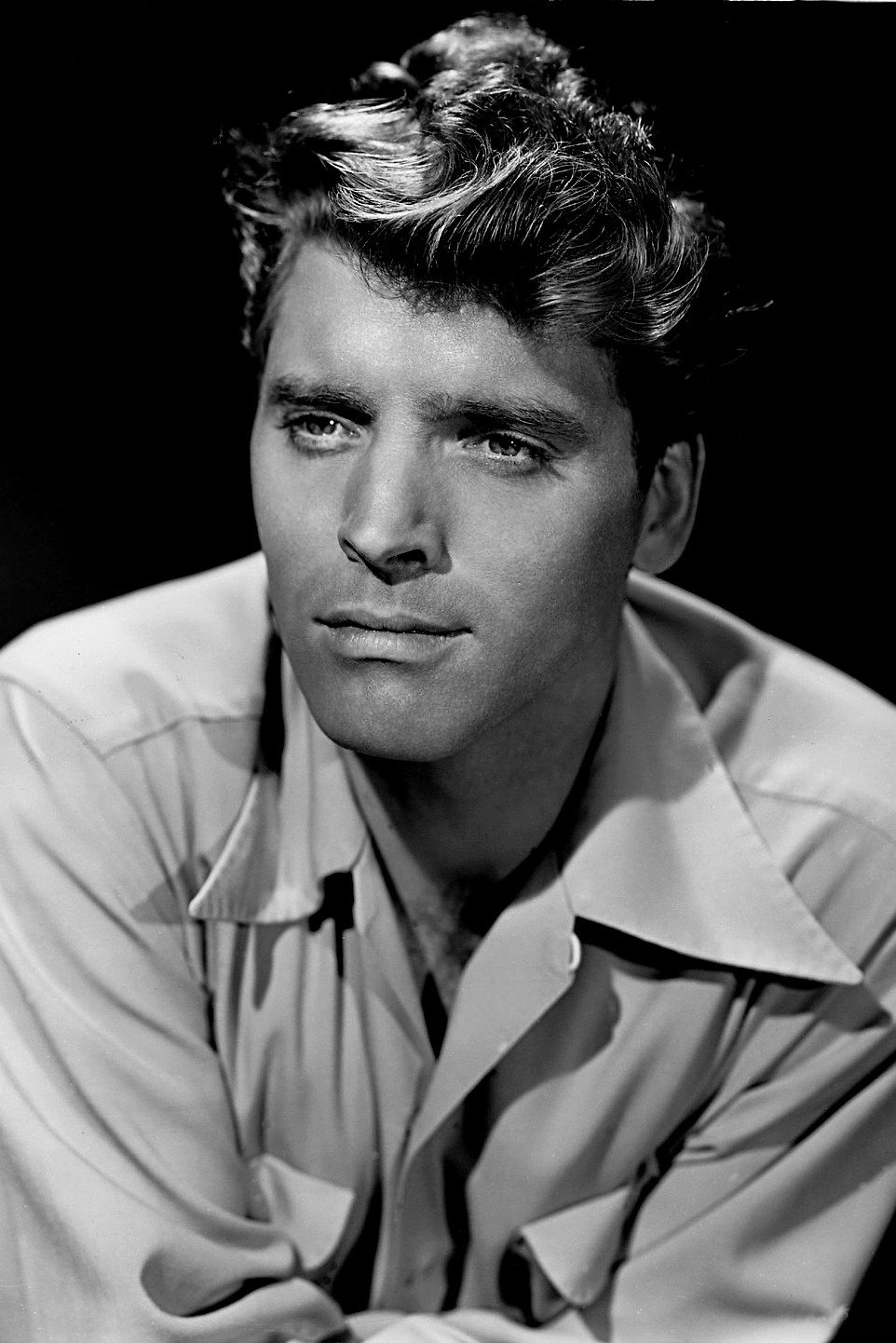
Burt Lancaster was a star known for his athletic roles and his deep commitment to social justice issues. The agency maintained a file on him that documented his participation in the March on Washington and other civil rights events. Investigators were particularly interested in his financial support for groups that the government considered radical. While he was filming major hits like ‘From Here to Eternity’ he was also under the watchful eye of federal agents. His record shows a lifelong commitment to activism that frequently drew the attention of national security agencies.
Sean Penn
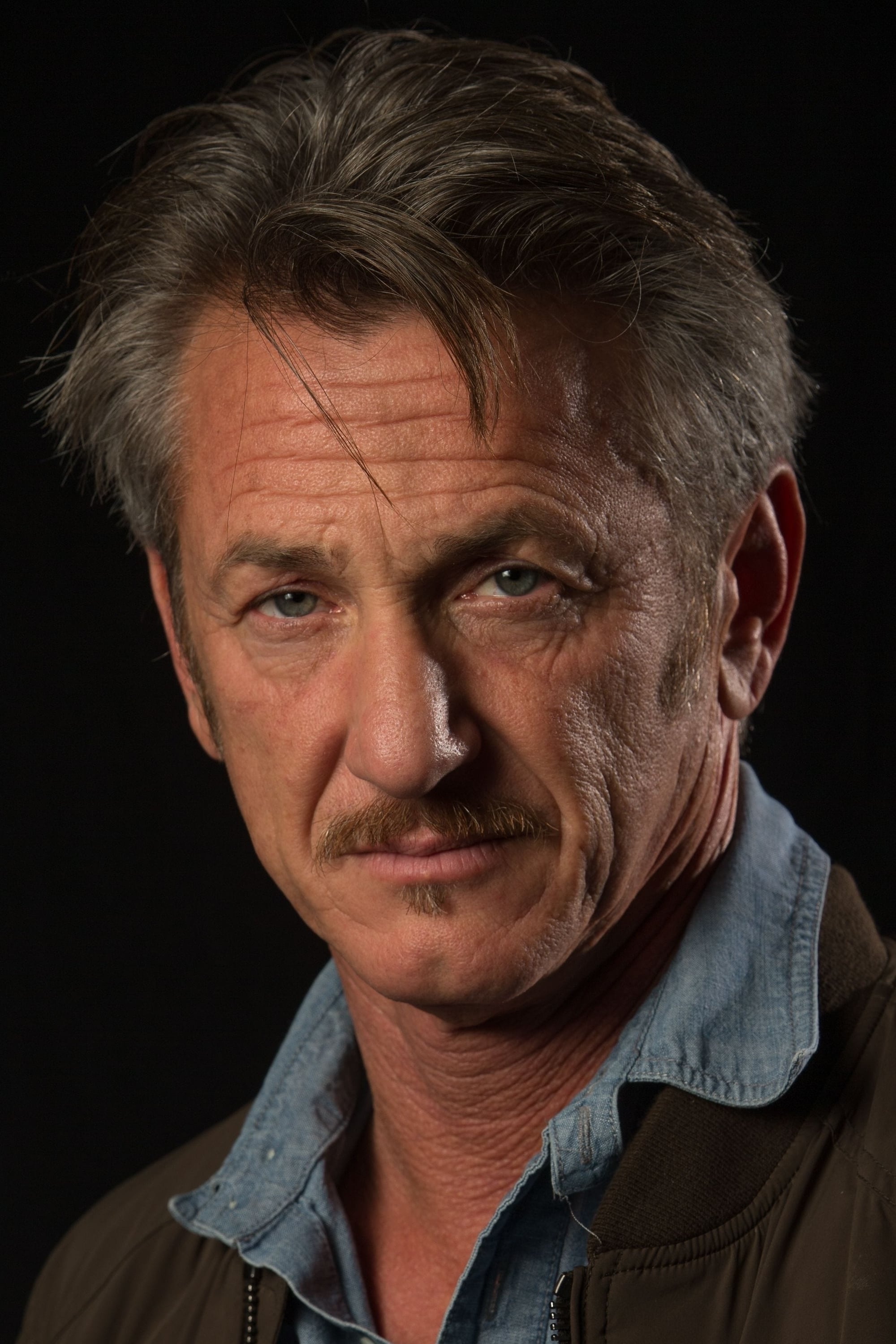
Sean Penn is a modern actor who has been the subject of federal interest due to his international political activities. The agency has reportedly documented his travels to countries like Iraq and Cuba to meet with foreign leaders. His vocal criticism of American foreign policy and his humanitarian work have kept him on the radar of various government departments. Even as he received acclaim for his work in ‘Mystic River’ his off screen actions were being scrutinized. Penn has remained open about his political stances despite the potential for government monitoring.
John Wayne
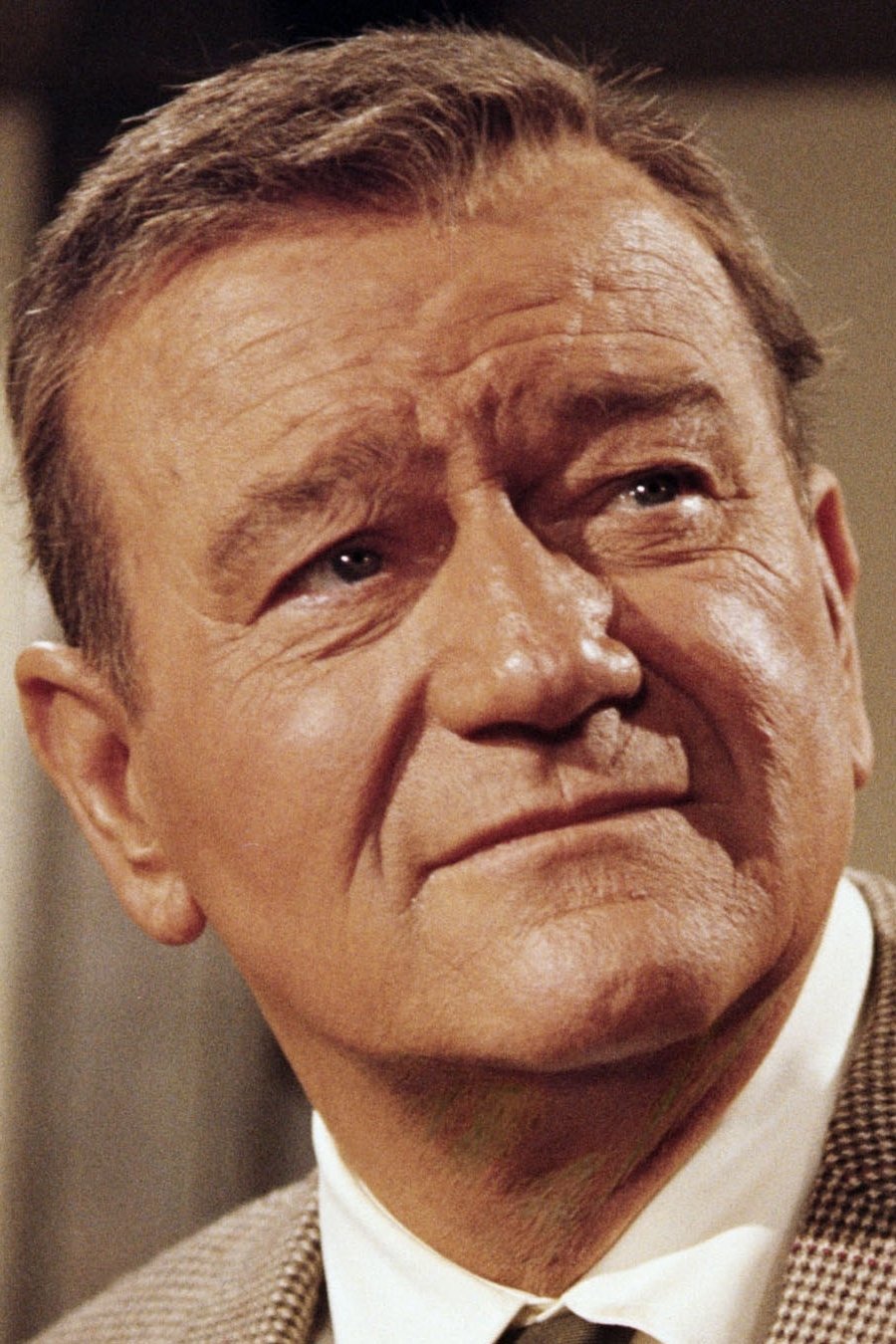
John Wayne was an icon of American cinema who had a file that documented both threats against him and his political activities. The agency investigated reports of a plot by foreign agents to assassinate him during the nineteen fifties. His outspoken conservative views and his support for various political causes were also noted in his official records. While he was starring in films like ‘The Searchers’ he maintained a professional relationship with federal officials. His file reflects the complex intersection of celebrity and national security during the Cold War era.
Louis Armstrong
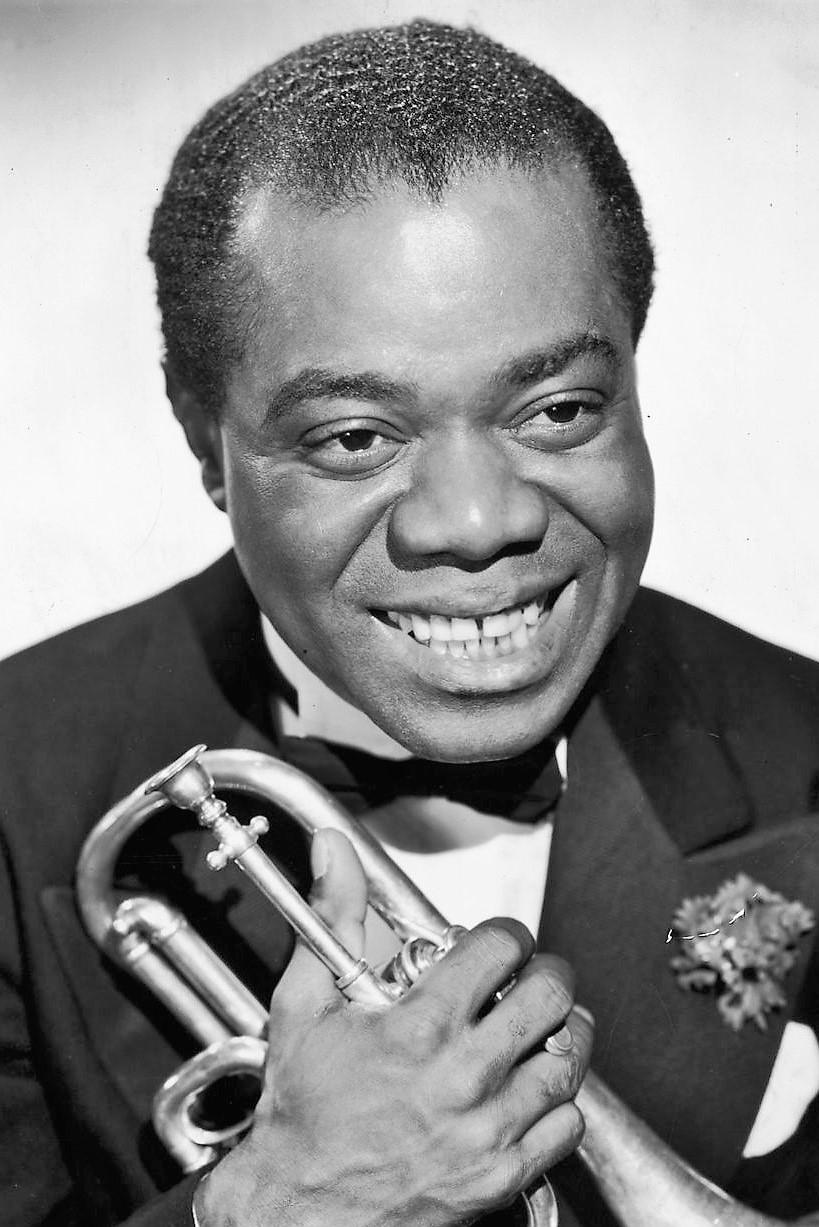
Louis Armstrong was a legendary musician and actor whose public comments on racial injustice drew the attention of the agency. He famously criticized the government for its handling of school integration in the nineteen fifties. Investigators monitored his international tours and documented his interactions with various political figures. Even as he appeared in films like ‘Hello Dolly’ his file grew with reports on his personal beliefs and public statements. Armstrong became a symbol of the struggle for equality while being under constant government observation.
Sammy Davis Jr.
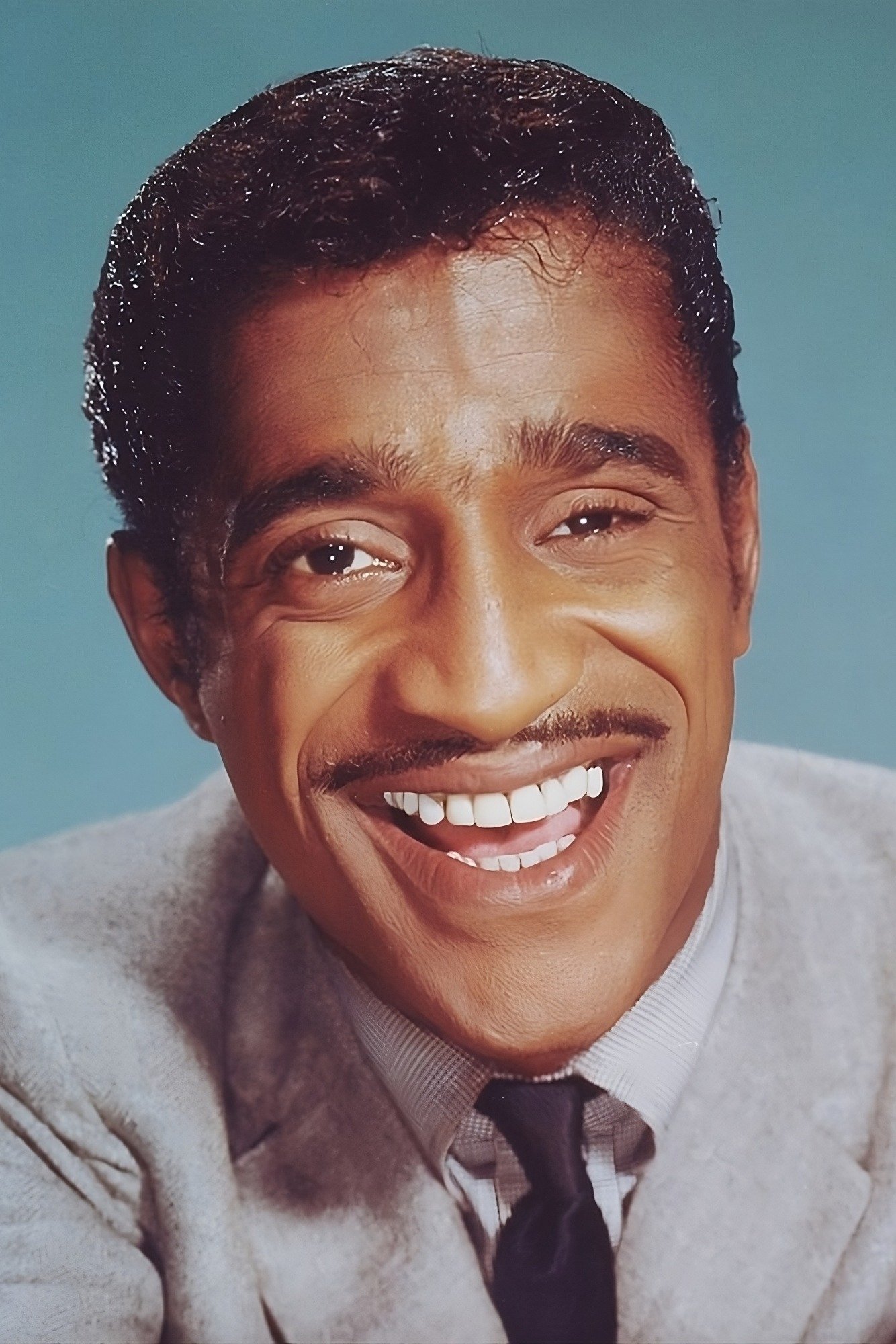
Sammy Davis Jr. was a versatile entertainer who faced significant scrutiny from the agency due to his activism and personal life. Federal investigators monitored his involvement with the Civil Rights Movement and his close relationship with prominent political figures. His file included information about his interracial marriage which was a subject of controversy at the time. Despite his success in films like ‘Ocean’s 11’ he was frequently tracked by agents during his public appearances. The records reveal the extent to which his personal choices were of interest to national security officials.
Elvis Presley
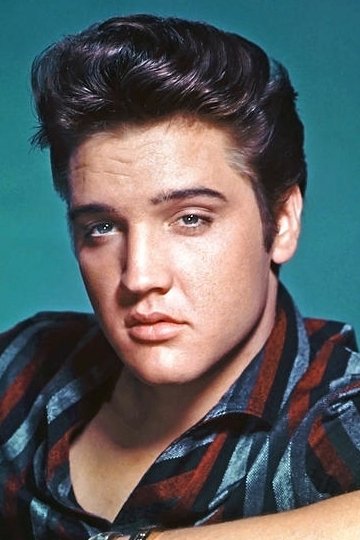
Elvis Presley had an extensive file that documented various interactions with federal authorities throughout his career. The agency investigated extortion attempts against him and kept records of his many public appearances. He famously met with federal officials to offer his services as an undercover agent to help combat drug use. While he was filming hits like ‘Jailhouse Rock’ the agency was also monitoring threats made against his safety. His file is a unique mixture of personal security concerns and his own attempts to assist law enforcement.
James Cagney
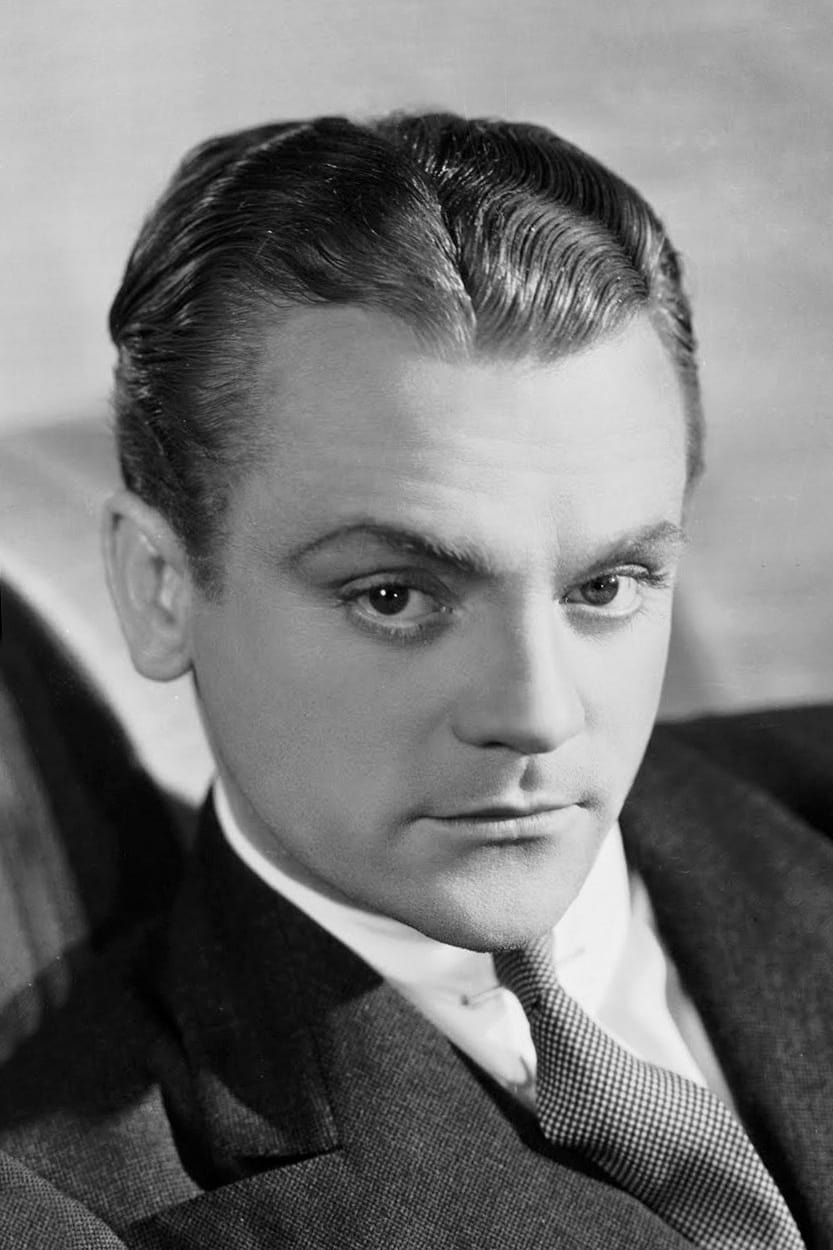
James Cagney was a star known for his tough guy roles who was investigated for suspected radical ties in the nineteen thirties. The agency monitored his financial contributions to various organizations and his public support for labor causes. His file documented accusations that he held subversive political views early in his career. Despite these investigations he remained a major star in films like ‘The Public Enemy’. Cagney eventually became more conservative in his later years but his early file remains a record of government suspicion.
Groucho Marx
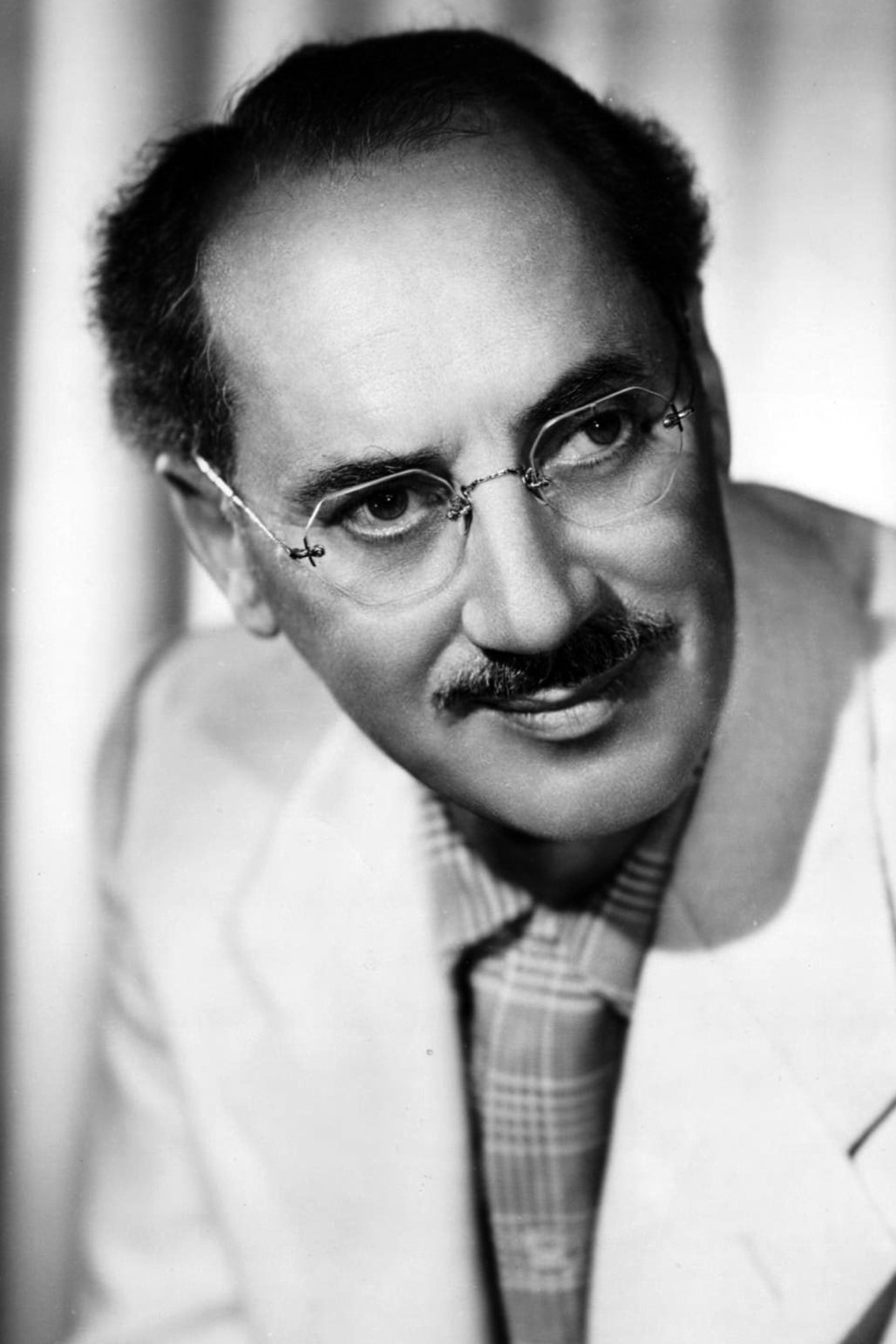
Groucho Marx was a legendary comedian and actor whose sharp wit often targeted political figures and institutions. The agency opened a file on him due to suspicions that he held communist sympathies during the height of his career. Investigators tracked his public comments and his associations with other performers who were under scrutiny. While he was entertaining audiences in films like ‘Duck Soup’ his private views were being analyzed by federal agents. Marx later joked about his file which serves as an example of the broad reach of government surveillance during the era.
Zero Mostel
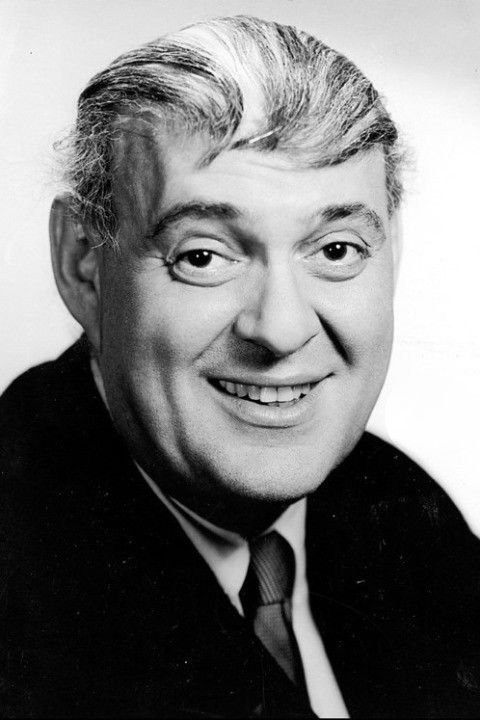
Zero Mostel was a versatile actor who faced a significant career setback due to the Hollywood blacklist. The agency investigated his political affiliations and his refusal to testify before the House Un American Activities Committee. His file documented his associations with other artists who were suspected of having radical ties. Despite the pressure from federal investigators he eventually made a triumphant return to the screen in ‘The Producers’. His records provide a detailed look at the personal and professional toll of the red scare on performers.
Paul Newman
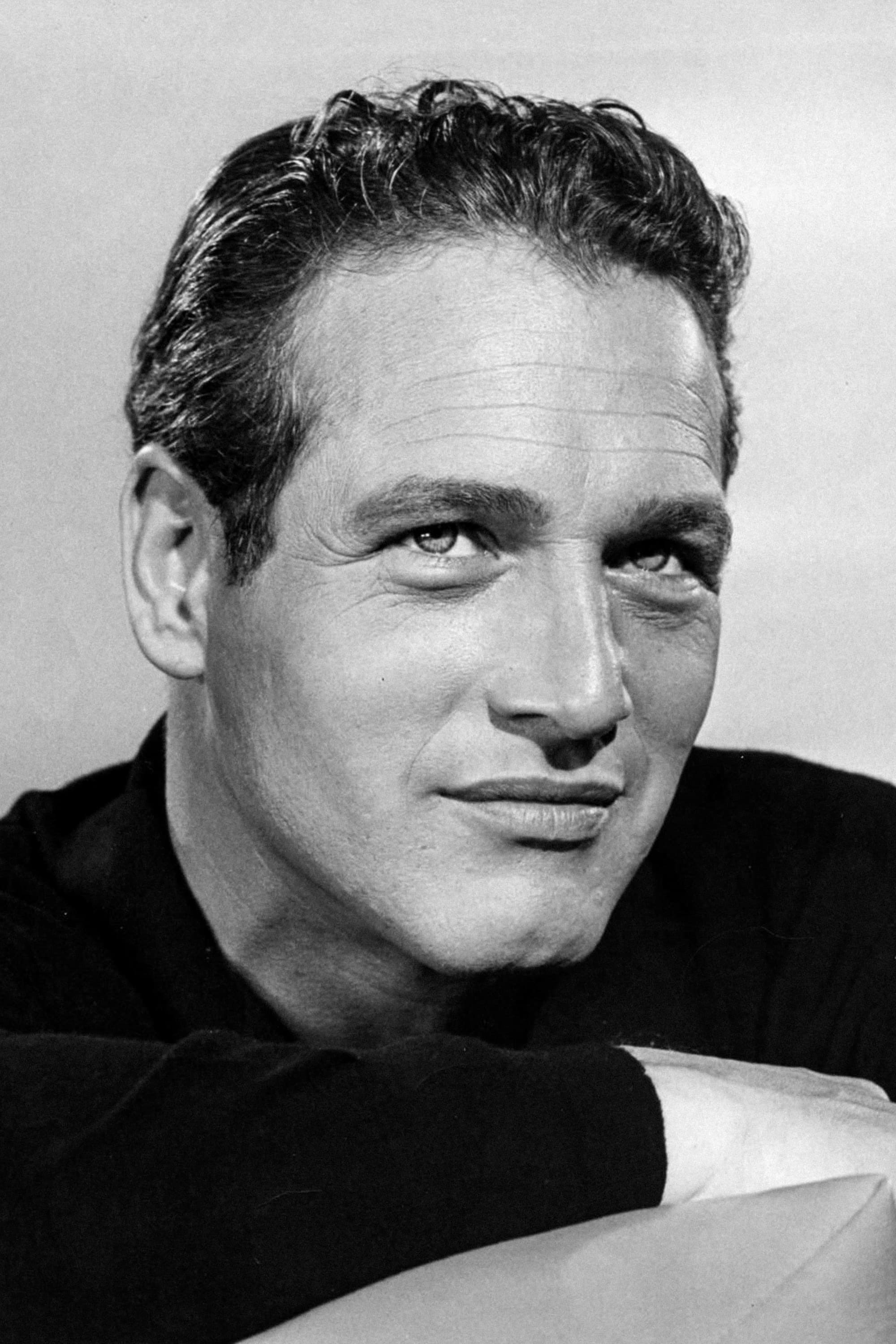
Paul Newman was a celebrated actor and philanthropist who was monitored for his involvement in various social and political causes. The agency took note of his opposition to the Vietnam War and his support for civil rights legislation. His file included details about his public appearances at rallies and his connections to other activist celebrities. Even as he starred in popular films like ‘Cool Hand Luke’ his political activities were being recorded by investigators. Newman remained a vocal advocate for his beliefs throughout his long and successful career in Hollywood.
Henry Fonda
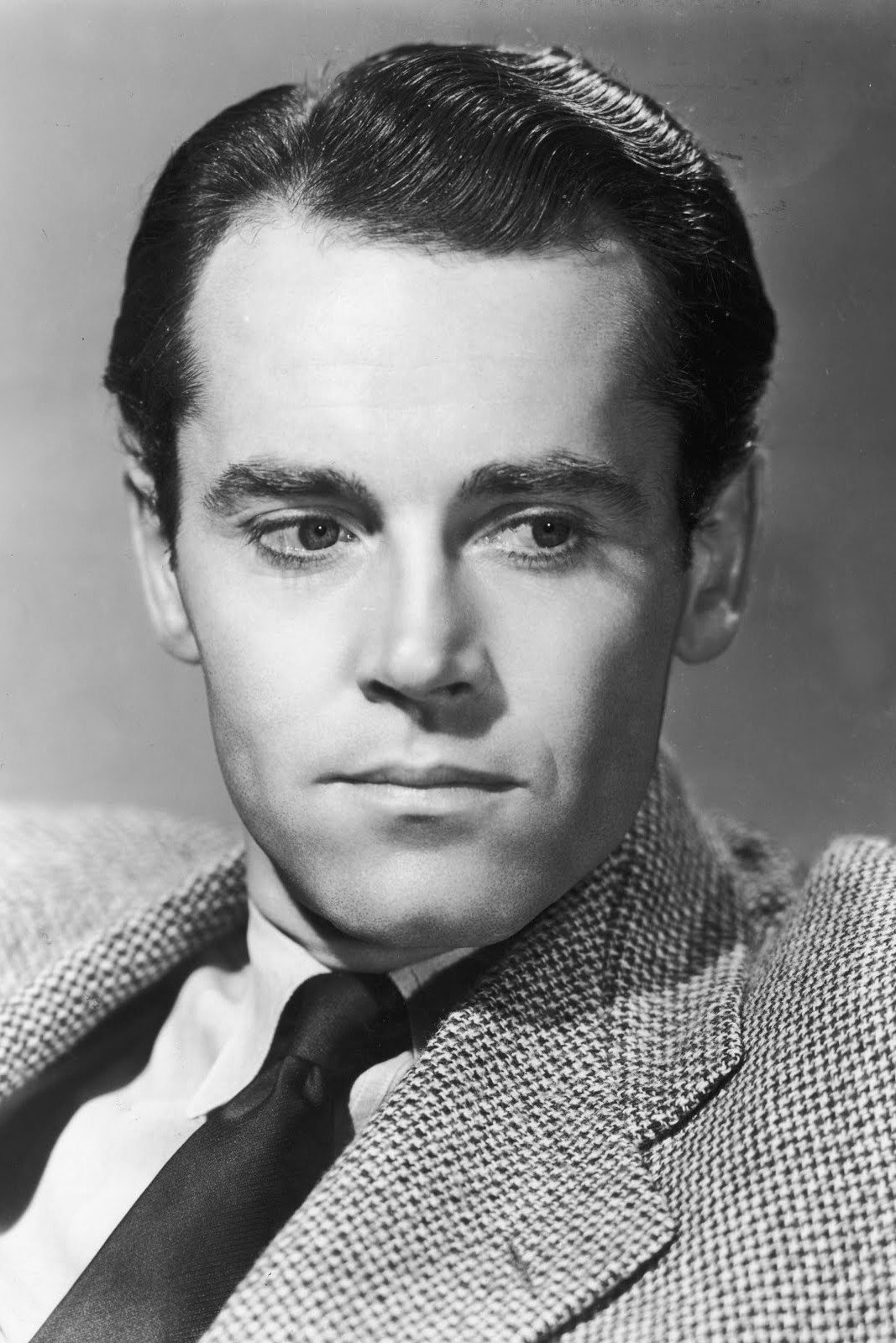
Henry Fonda was a respected actor who came under the gaze of federal investigators for his liberal political activism. The agency monitored his support for specific political candidates and his involvement in organizations that promoted social change. His file documented his public statements and the events he attended during the nineteen fifties and sixties. Despite his image as a quintessential American hero in films like ’12 Angry Men’ he was viewed with some suspicion. Fonda continued to work steadily while maintaining his commitment to the causes he believed in.
Anthony Quinn
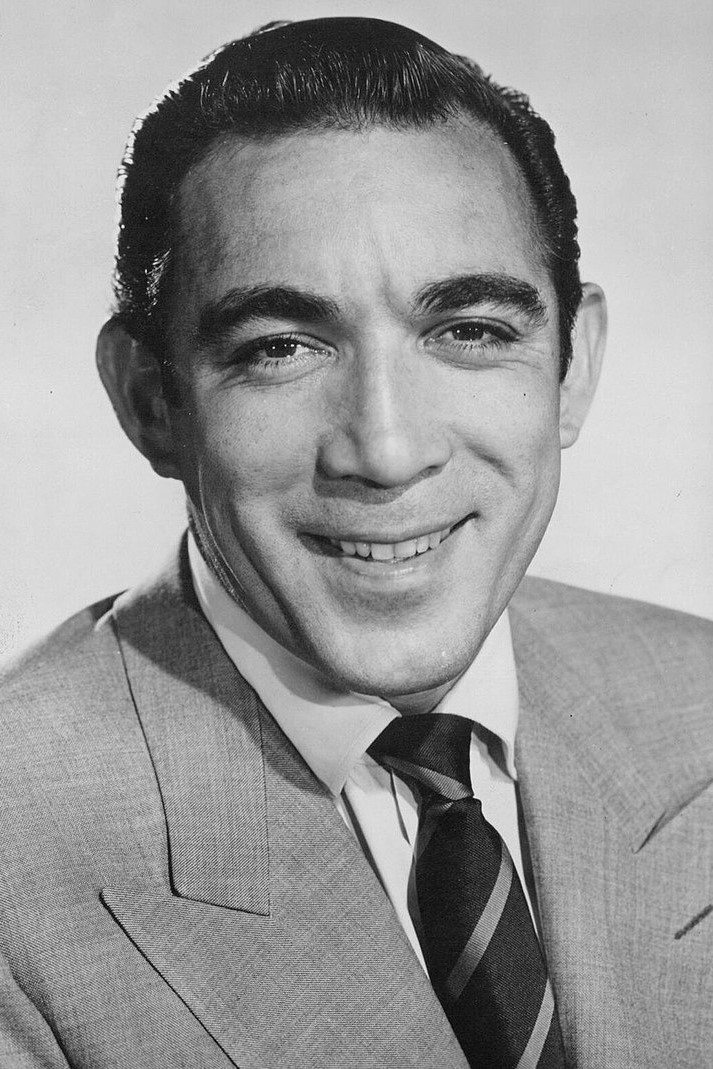
Anthony Quinn was a powerful screen presence who was monitored by federal authorities for several years. The agency investigated his potential ties to radical groups and his public statements on international issues. His file included information about his travels and his associations with individuals who were considered subversive. While he received critical acclaim for roles in films like ‘Lawrence of Arabia’ he was also being tracked by agents. Quinn remained a prominent figure in international cinema despite the ongoing interest from the government.
Burgess Meredith
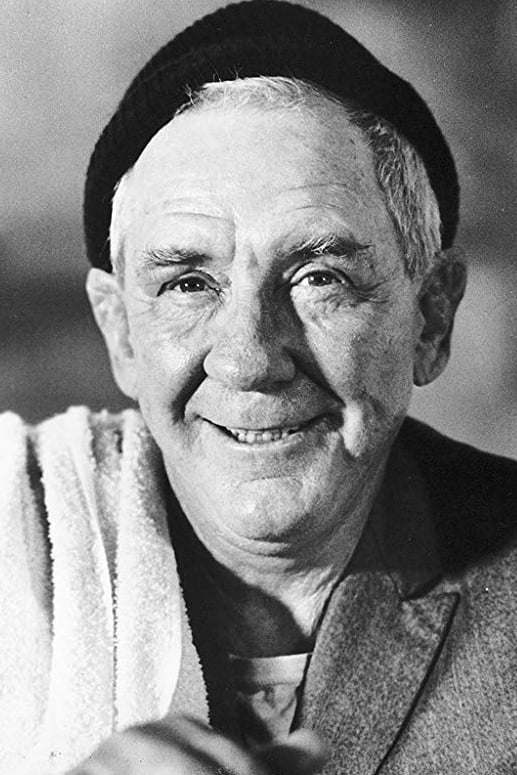
Burgess Meredith was a talented actor whose career was impacted by the political climate of the mid twentieth century. He was investigated for his alleged connections to left wing organizations and was subsequently blacklisted for a period of time. The agency kept a file on his activities and his associations within the entertainment industry. He eventually moved past these challenges and achieved new fame in films like ‘Rocky’. his record highlights the difficulties faced by actors who were caught in the crosshairs of federal investigations.
Edward G. Robinson
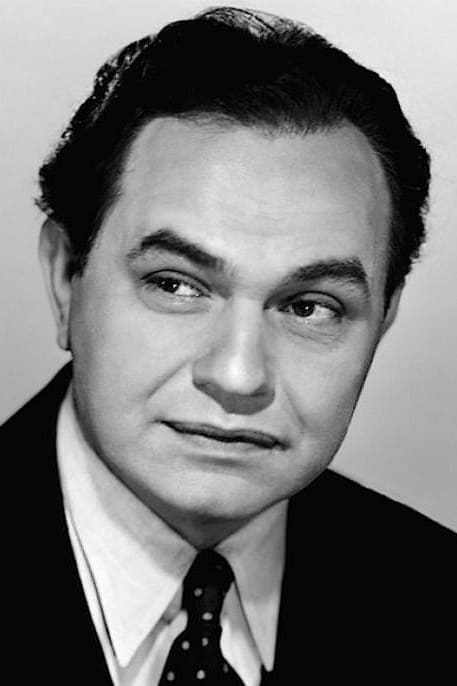
Edward G. Robinson was a major star of the golden age of Hollywood who faced intense scrutiny during the red scare. The agency investigated his political leanings and his associations with various progressive groups. His file documented his efforts to clear his name after being named as a potential communist sympathizer. Despite his legendary status in films like ‘Little Caesar’ he struggled to find work during the height of the blacklist. His record is a poignant example of how government suspicion could impact even the most established careers.
John Belushi
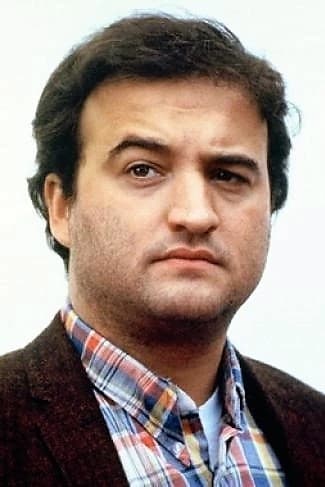
John Belushi was a comedic genius whose sudden passing led to the creation of a federal file regarding his life and associations. The agency investigated the circumstances of his death and his connections to the drug trade in Hollywood. Records show that agents collected information about his lifestyle and the people he interacted with in the industry. While he was a star on ‘Saturday Night Light’ and in films like ‘Animal House’ he was also of interest to law enforcement. His file provides a somber look at the darker side of fame during the late seventies.
Steve McQueen
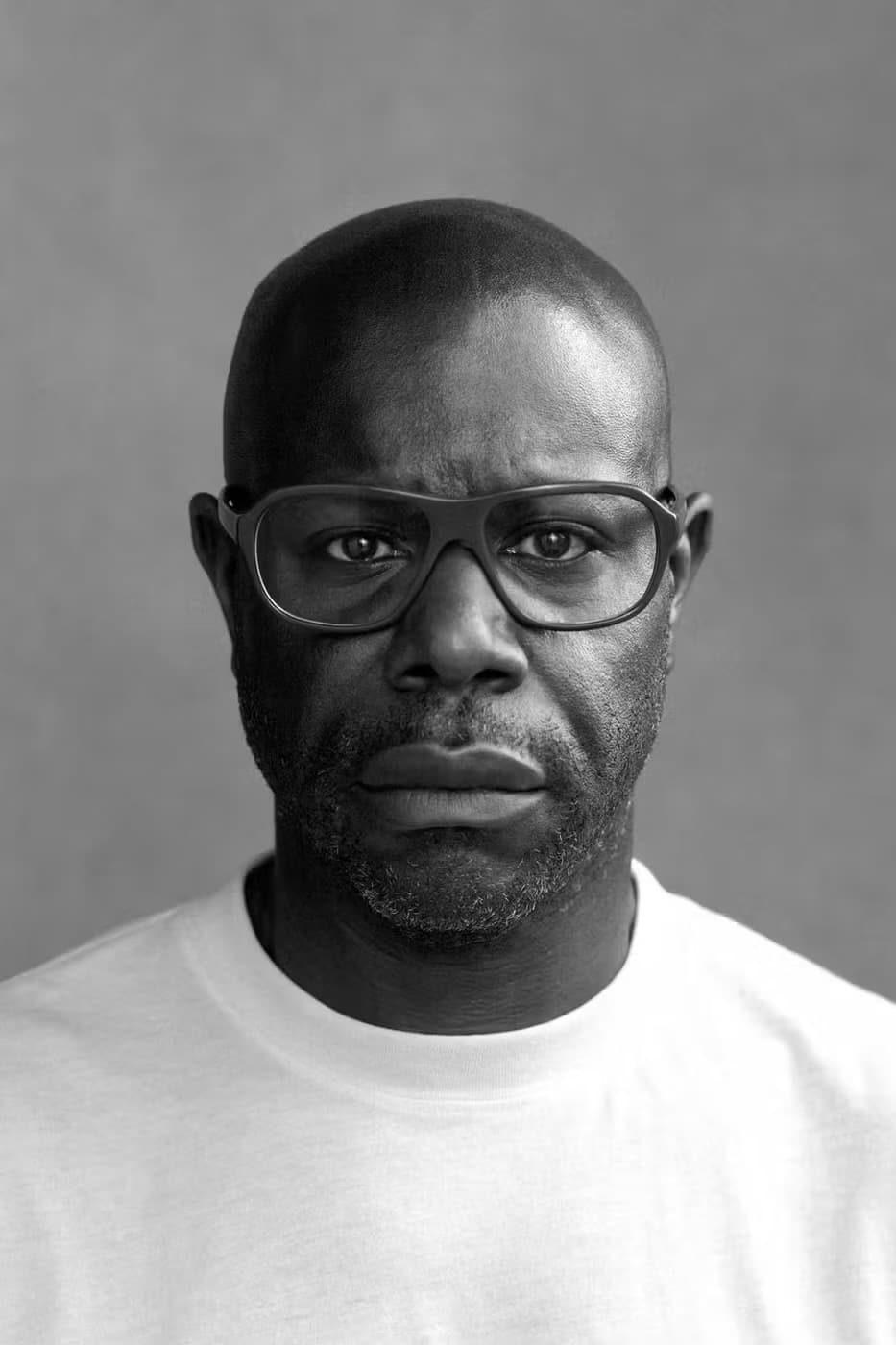
Steve McQueen was a quintessential movie star who had a file that was largely focused on his personal safety and potential threats. The agency investigated reports that he was included on a hit list created by the Manson family in the late sixties. Records show that he took significant precautions and worked with authorities to ensure his security. While he was filming action hits like ‘Bullitt’ he was living under the threat of external violence. His file illustrates the very real dangers that sometimes faced high profile actors during that era.
William Holden
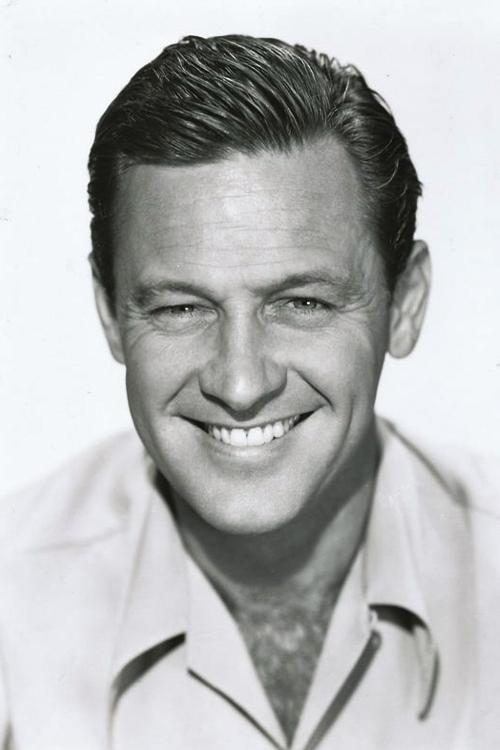
William Holden was a top leading man in Hollywood who was monitored by federal investigators for his political associations. The agency kept records on his international travels and his friendships with individuals who were under suspicion. His file documented his activities while he was working on major projects like ‘Sunset Boulevard’. Investigators were interested in whether his public platform was being used to promote specific ideologies. Holden remained a major star despite the quiet surveillance that followed him for much of his career.
Dean Martin
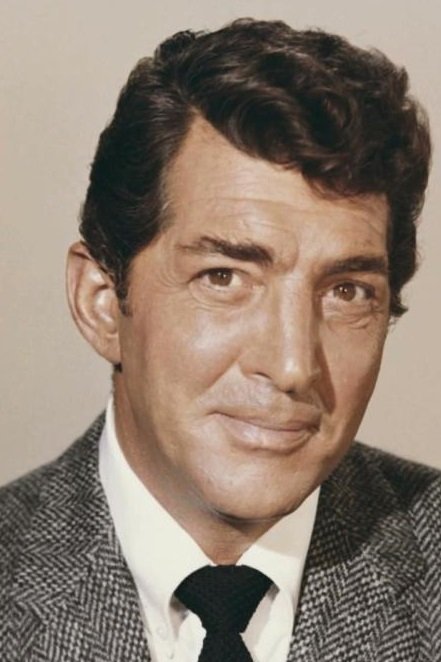
Dean Martin was a beloved entertainer whose associations with other high profile stars and alleged mob figures drew federal attention. The agency investigated his connections to organized crime as part of a larger probe into the entertainment industry. His file included reports on his movements and the people he socialized with during his time in Las Vegas. While he was starring in films like ‘Rio Bravo’ he was also a person of interest for federal agents. The records show the complex social network that existed in Hollywood during the mid twentieth century.
Sidney Poitier
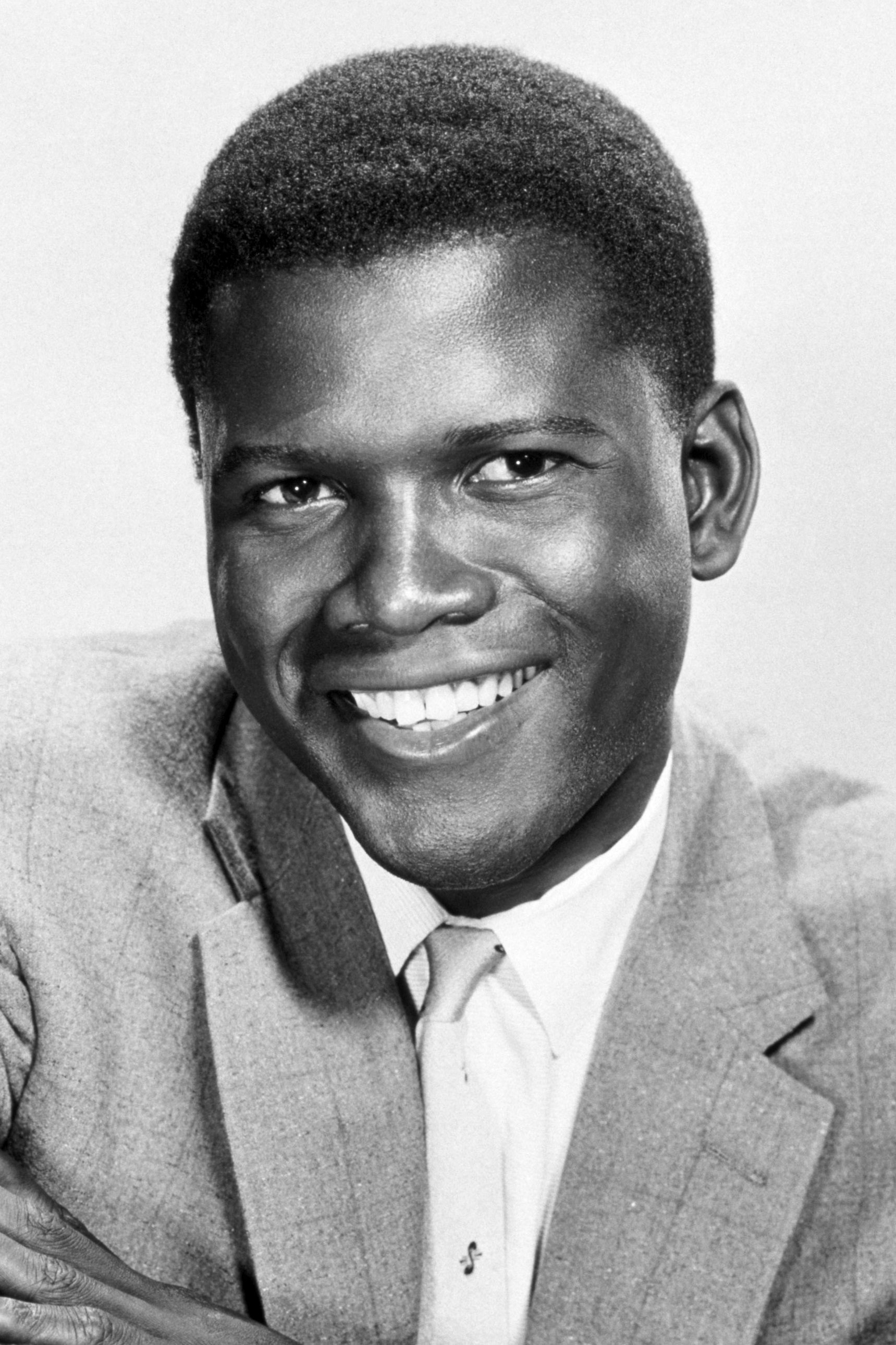
Sidney Poitier was a trailblazing actor whose involvement in the Civil Rights Movement was closely watched by the agency. Federal investigators monitored his public speeches and his support for various organizations dedicated to racial equality. His file documented his travels and his associations with other prominent activists of the era. Even as he made history with films like ‘In the Heat of the Night’ he was being tracked by the government. His record is a testament to the scrutiny faced by those who challenged the social status quo.
Ossie Davis
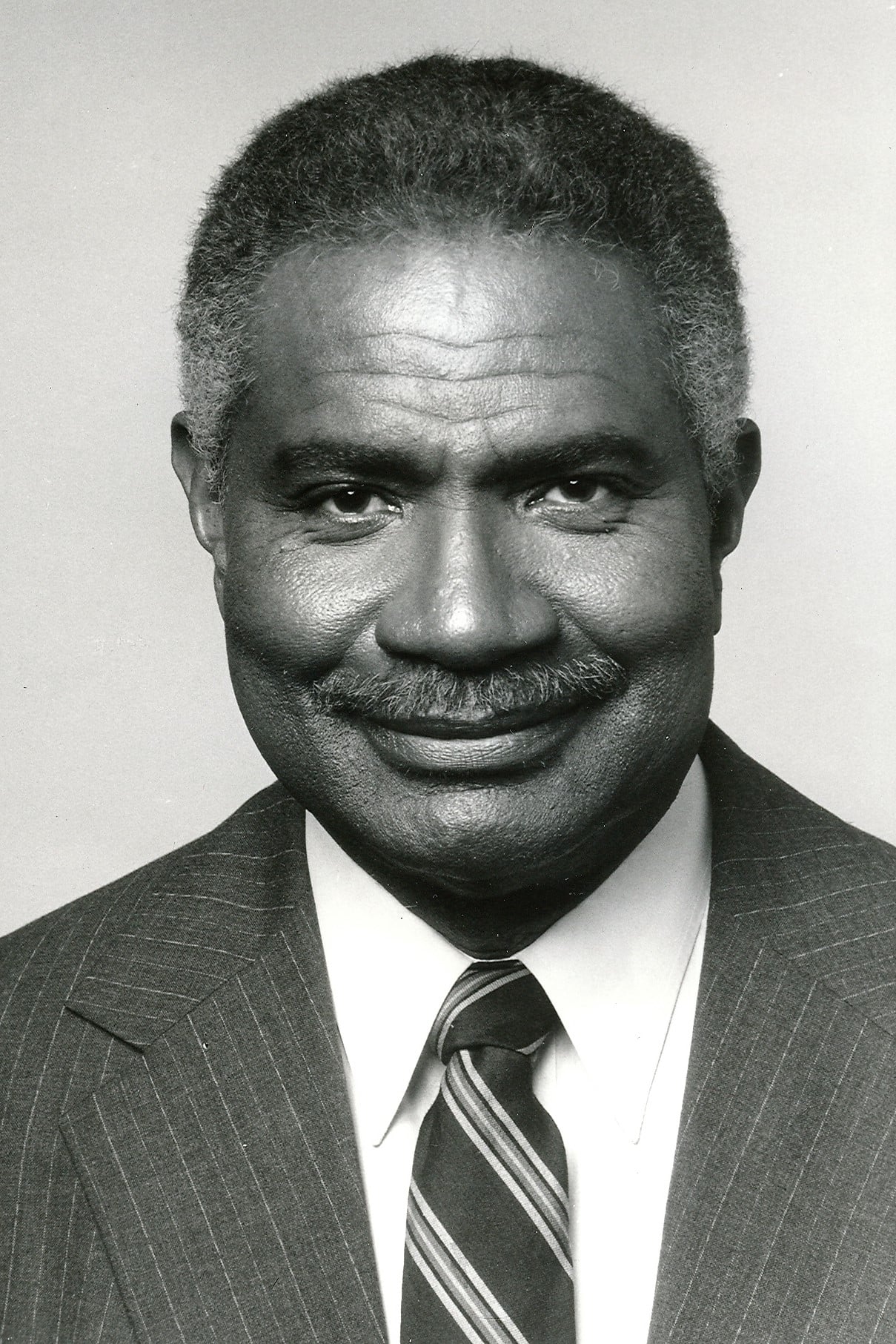
Ossie Davis was a distinguished actor and activist whose civil rights work drew the attention of federal investigators. The agency monitored his speeches and his participation in various political rallies across the country. His records show a consistent effort by authorities to track his associations with prominent social leaders. Even as he appeared in influential films like ‘Do the Right Thing’ he remained under the watch of the government. His file highlights the scrutiny faced by black actors who used their platforms for social change.
Harry Belafonte

Harry Belafonte was a major star in the music and film industry who was a close confidant of Martin Luther King Jr. The agency kept a detailed file on his activities and his financial support for the Civil Rights Movement. Agents tracked his international travels and his meetings with various world leaders during the height of his career. Despite his popularity in films like ‘Carmen Jones’ he was viewed with suspicion by federal authorities. His extensive record serves as a testament to his dedication to social justice and the risks he took.
Bela Lugosi
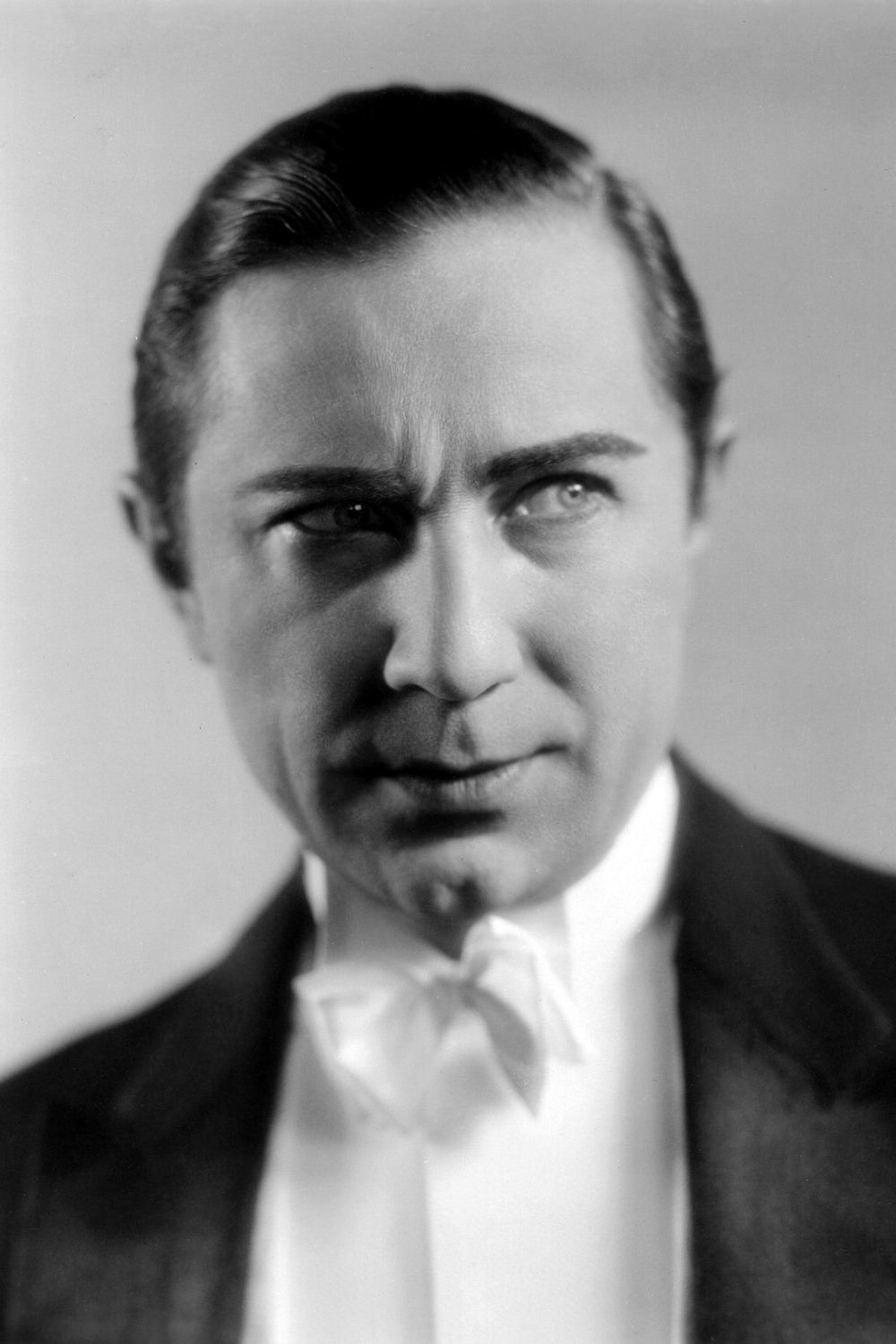
Bela Lugosi was an actor most famous for his portrayal of a classic vampire but he also had a file with federal investigators. The agency was interested in his ties to Hungarian political organizations and his activities during the early twentieth century. Investigators monitored his public statements and his associations with other immigrants in the film industry. While he was starring in ‘Dracula’ his background was being checked for any signs of subversive intent. His file provides a look at how foreign born actors were often viewed with extra caution by the government.
Danny Kaye
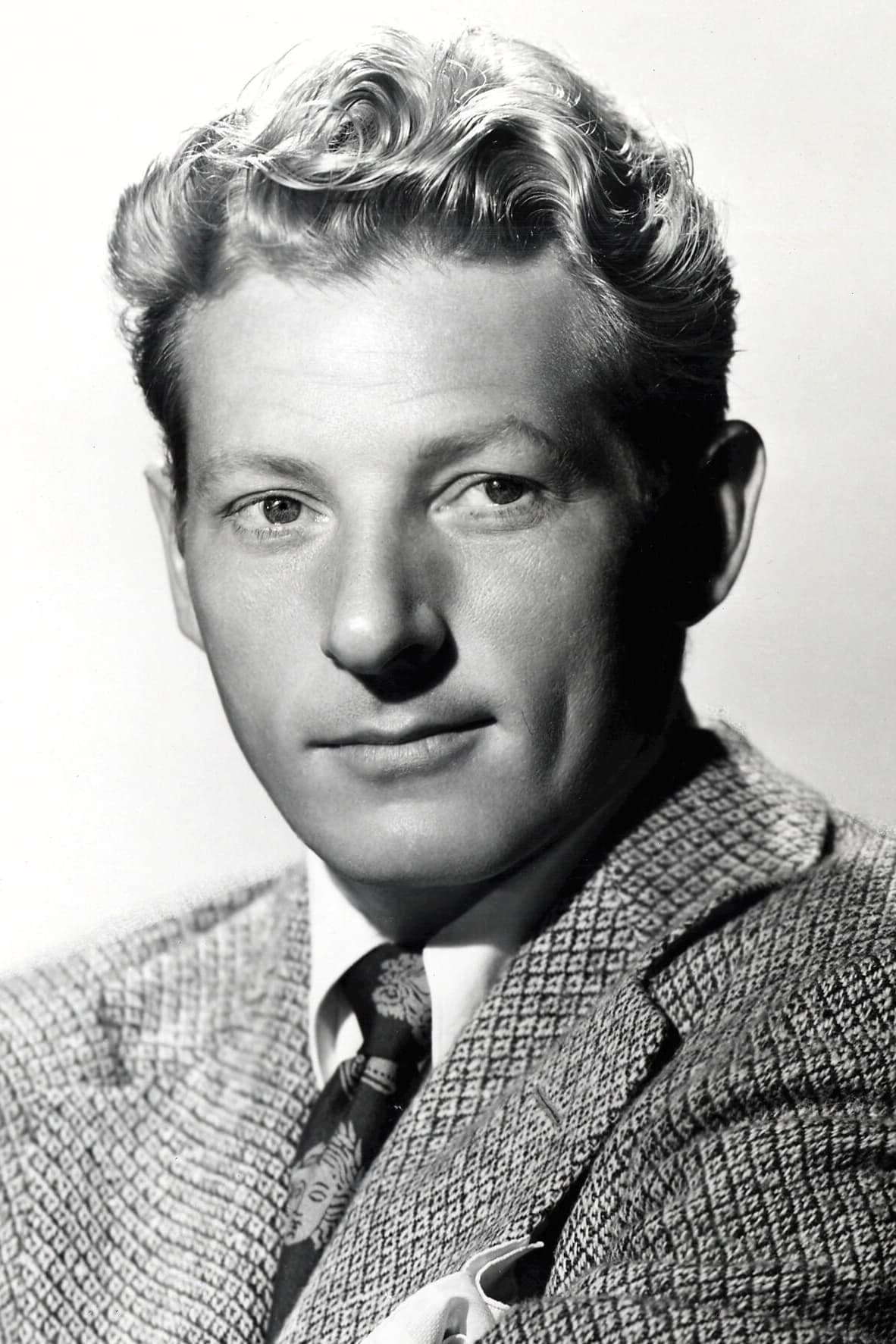
Danny Kaye was a versatile entertainer and humanitarian who was monitored for his potential political associations. The agency kept records of his participation in various organizations and his public support for specific causes. Investigators were curious about his influence and whether he held any radical views. While he was appearing in family favorites like ‘White Christmas’ he was also the subject of official reports. Kaye continued his extensive charitable work despite knowing that his activities were being noted by federal agents.
Sterling Hayden
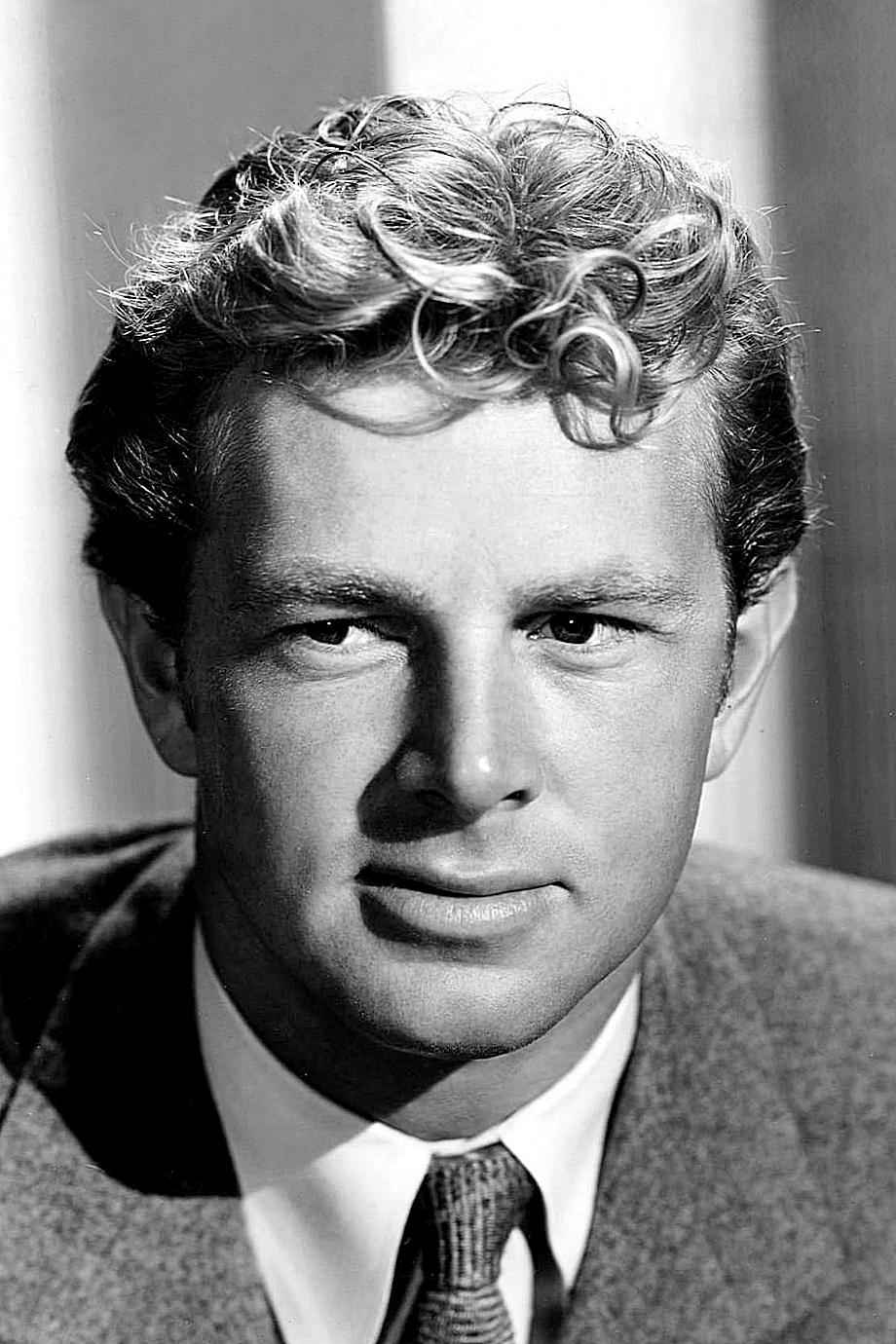
Sterling Hayden was a prominent actor who was investigated for his brief membership in the Communist Party during the nineteen forties. The agency followed his career closely after he cooperated with investigators and shared information about his former associates. His file detailed his internal struggle with the decision to testify and the impact it had on his work in ‘The Killing’. Federal agents kept track of his activities as he moved between acting roles and his life at sea. His story remains a significant part of the history of the Hollywood blacklist.
Fredric March
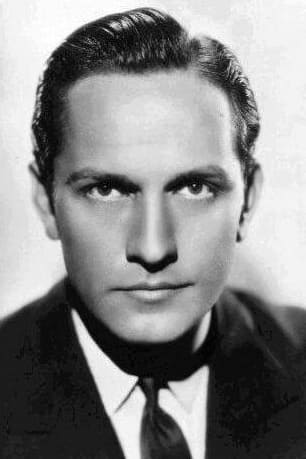
Fredric March was a two time academy award winner who was also a subject of interest for federal investigators. The agency monitored his support for various liberal causes and his associations with individuals who were suspected of radicalism. His file included details about his public statements and his involvement in political organizations during his career. While he was appearing in films like ‘The Best Years of Our Lives’ his private life was being recorded. March remained a respected figure in the industry despite the background checks performed by the government.
John Garfield
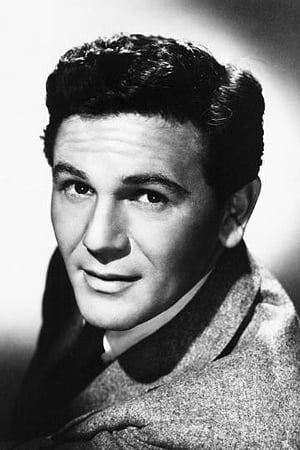
John Garfield was a star of the nineteen forties who became a major target of the Hollywood blacklist. The agency investigated his political activities and his refusal to name associates during government hearings. His file documented the intense pressure he faced from investigators which many believe contributed to his early passing. While he was known for his roles in films like ‘The Postman Always Rings Twice’ his career was cut short by political scrutiny. His story is often cited as one of the most tragic examples of the impact of the red scare.
Lionel Stander
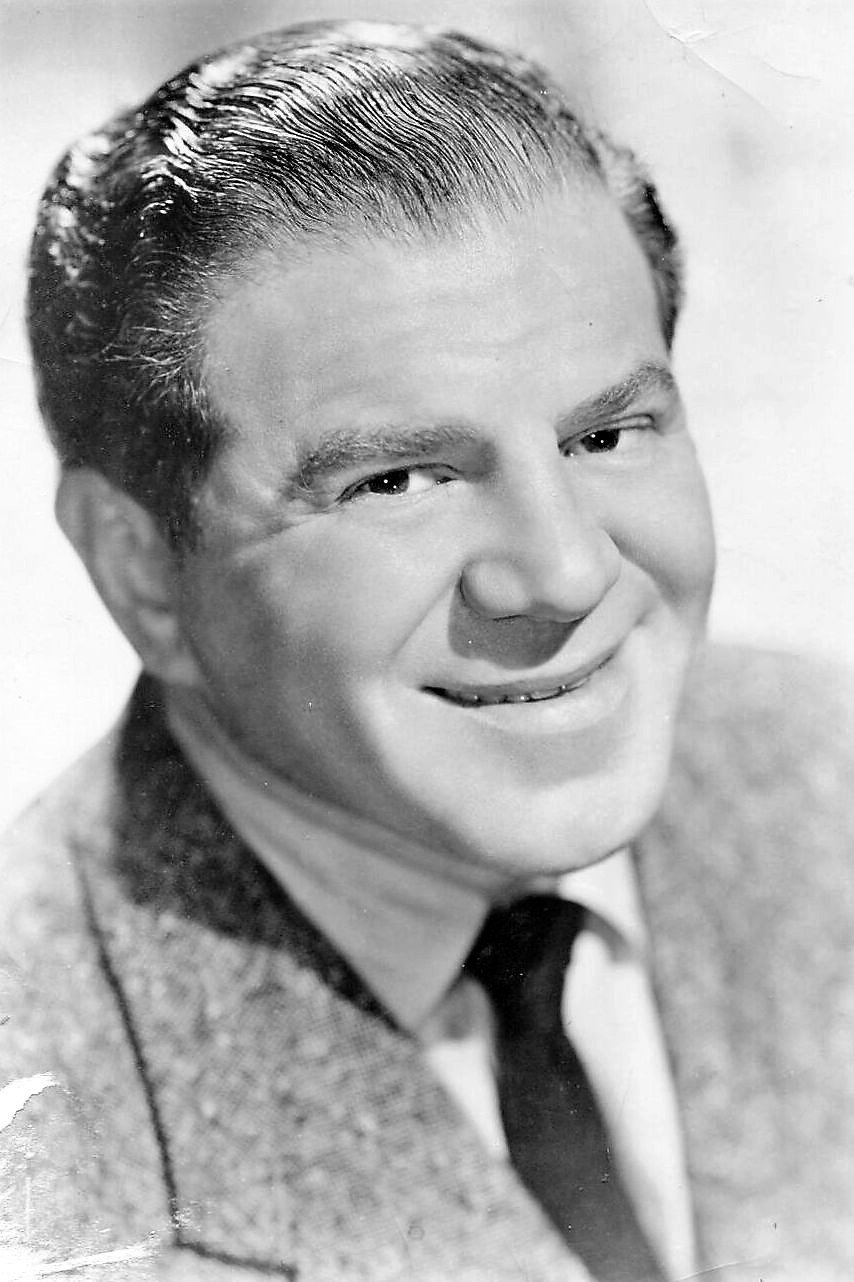
Lionel Stander was a prolific character actor whose career was interrupted by his inclusion on the Hollywood blacklist. The agency maintained a file on him because of his outspoken political views and his involvement in labor movements. Investigators tracked his activities in the United States and his eventual move to Europe to find work in films like ‘Once Upon a Time in the West’. His record includes transcripts of his defiant testimony during government hearings regarding communism in the entertainment industry. Stander eventually returned to American television later in his life after years of professional exile.
Howard Da Silva
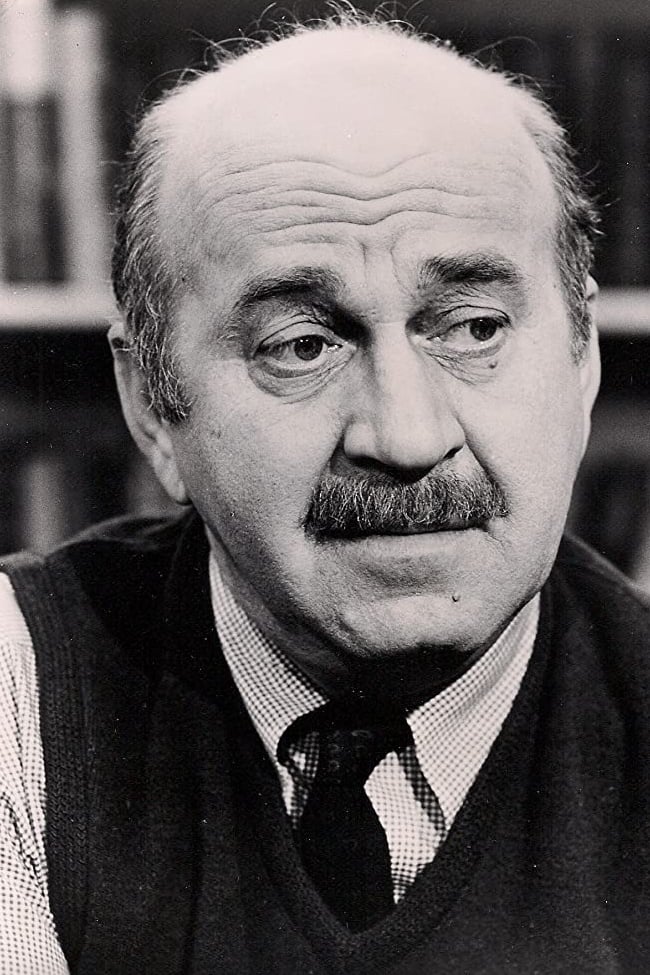
Howard Da Silva was a talented actor who was blacklisted for over a decade due to his political beliefs. The agency monitored his activities and his refusal to cooperate with investigators during the nineteen fifties. His file documented his associations with other actors and his work in the theater during his time away from the screen. He eventually returned to film and television and appeared in projects like ‘1776’. His record serves as a reminder of the resilience of performers who faced government opposition.
Lee J. Cobb
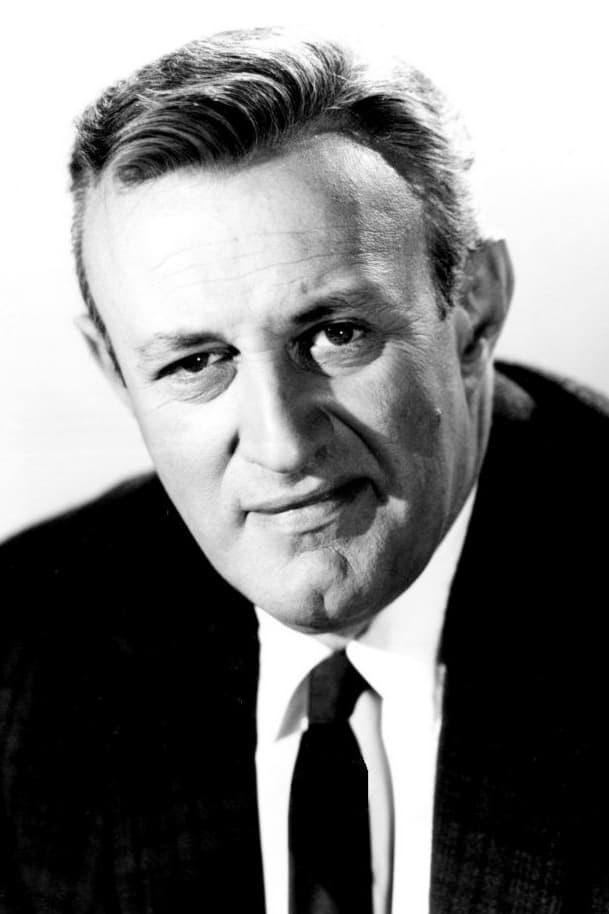
Lee J. Cobb was a powerful actor who was initially blacklisted before choosing to cooperate with federal investigators. The agency kept a detailed file on his political activities and the information he shared during his testimony. Investigators tracked his career as he transitioned from being a suspected radical to an active participant in government hearings. While he was starring in classics like ‘On the Waterfront’ his past associations were a matter of public and private record. His file highlights the difficult choices faced by actors during a time of intense political pressure.
Mickey Rooney
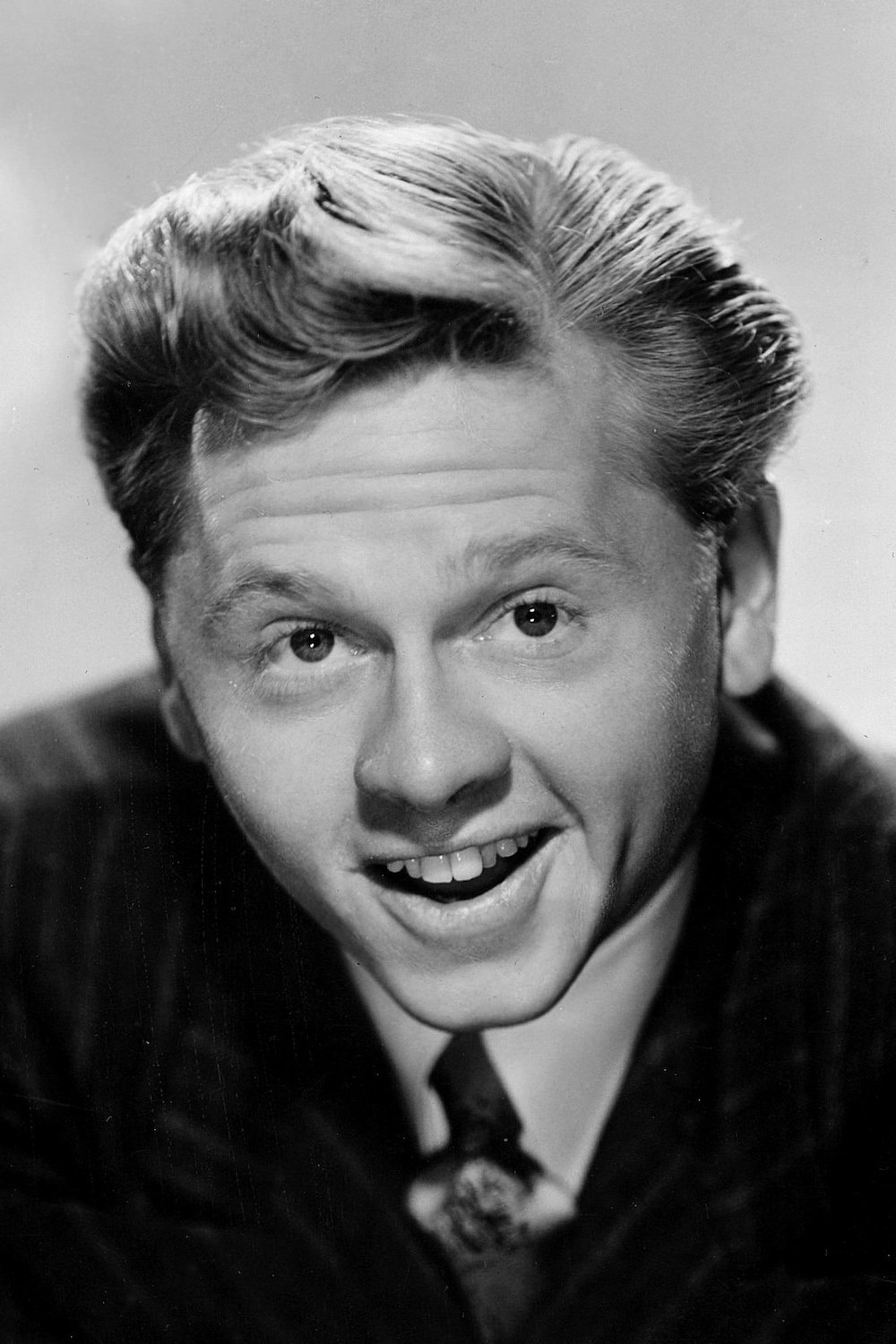
Mickey Rooney was a child star who grew into a prolific actor and had a file with federal investigators for various reasons. The agency documented reports of security concerns and background checks performed during his long career. Investigators were also interested in his international travels and his public interactions with high profile figures. While he was known for films like ‘National Velvet’ his personal safety was sometimes a concern for federal officials. His file reflects the long duration of his life in the public eye and the attention that came with it.
Lloyd Bridges
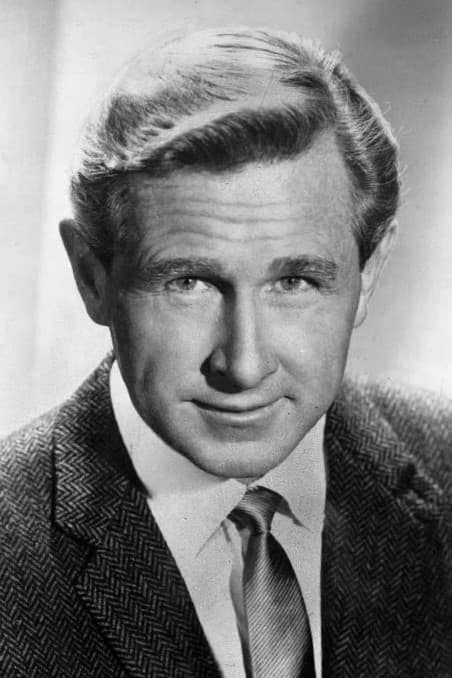
Lloyd Bridges was a popular actor who was briefly blacklisted after being investigated for his political leanings. The agency monitored his involvement in a particular acting group and his associations with other suspected individuals. His file documented his efforts to clear his name so he could continue working in films like ‘High Noon’. He eventually regained his career and became a major star on television in the following decades. His record shows how even a brief association could lead to significant government interest and career challenges.
Will Geer
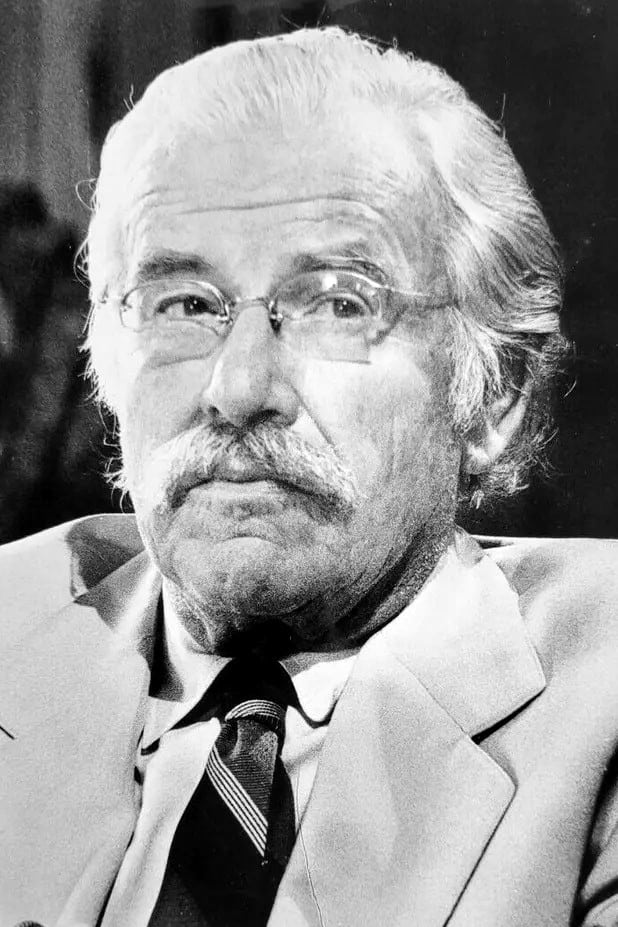
Will Geer was a character actor best known for his later work on television who was blacklisted early in his career. The agency investigated his political activities and his refusal to testify about his associates during the nineteen fifties. His file documented his time away from Hollywood and his focus on regional theater and gardening. He eventually returned to the screen and gained widespread fame for his role on ‘The Waltons’. His records illustrate the long road back for actors who were targeted by federal investigators.
Jeff Corey
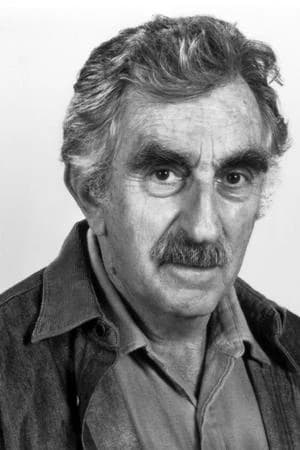
Jeff Corey was a successful actor who became one of the most sought after acting teachers after being blacklisted. The agency monitored his political affiliations and his refusal to cooperate with government investigators during his peak. His file documented his transition from acting in films like ‘Butch Cassidy and the Sundance Kid’ to working behind the scenes. He eventually returned to acting in his later years after the blacklist was lifted. His records highlight the professional shift many actors had to make due to government surveillance.
Sam Jaffe
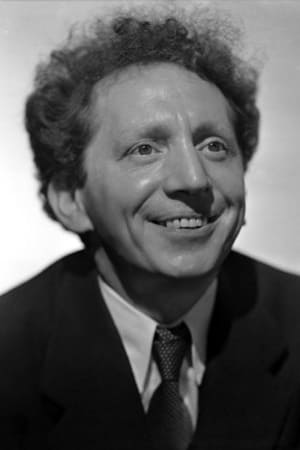
Sam Jaffe was a distinguished actor who was monitored by federal authorities for several years during the mid twentieth century. The agency investigated his suspected ties to left wing organizations and his public support for various causes. His file documented the impact this had on his career and his ability to find work in films like ‘The Asphalt Jungle’. He remained a respected figure in the acting community despite the ongoing interest from investigators. His record serves as a piece of history regarding the political climate of the movie industry.
Morris Carnovsky
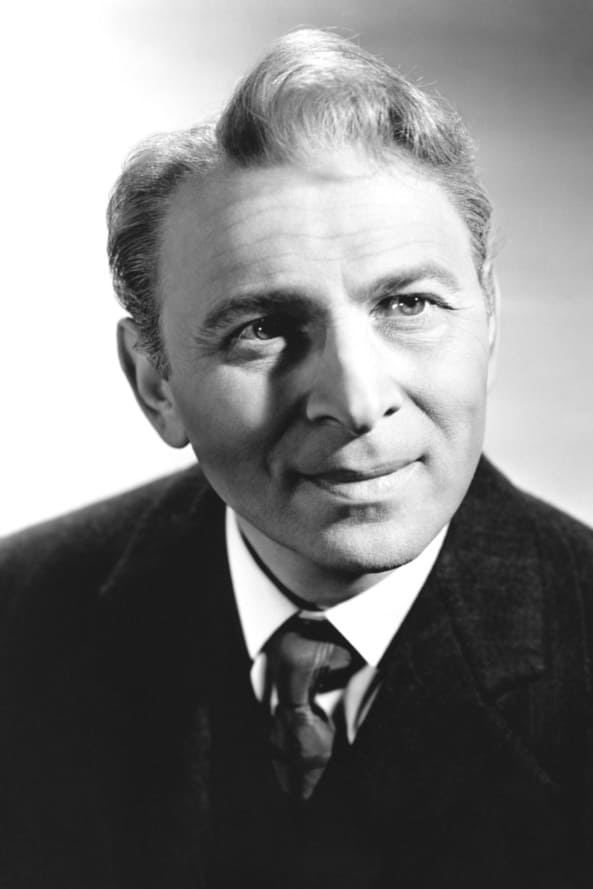
Morris Carnovsky was a member of a prominent acting troupe who faced intense scrutiny from federal investigators. The agency monitored his political leanings and his associations with other members of the group who were under suspicion. His file documented his refusal to provide information to government committees and his subsequent blacklisting. Despite being a talented performer in films like ‘Rhapsody in Blue’ he was forced to focus on the theater for many years. His records provide a look at the collective impact of investigations on theatrical organizations.
J. Edward Bromberg
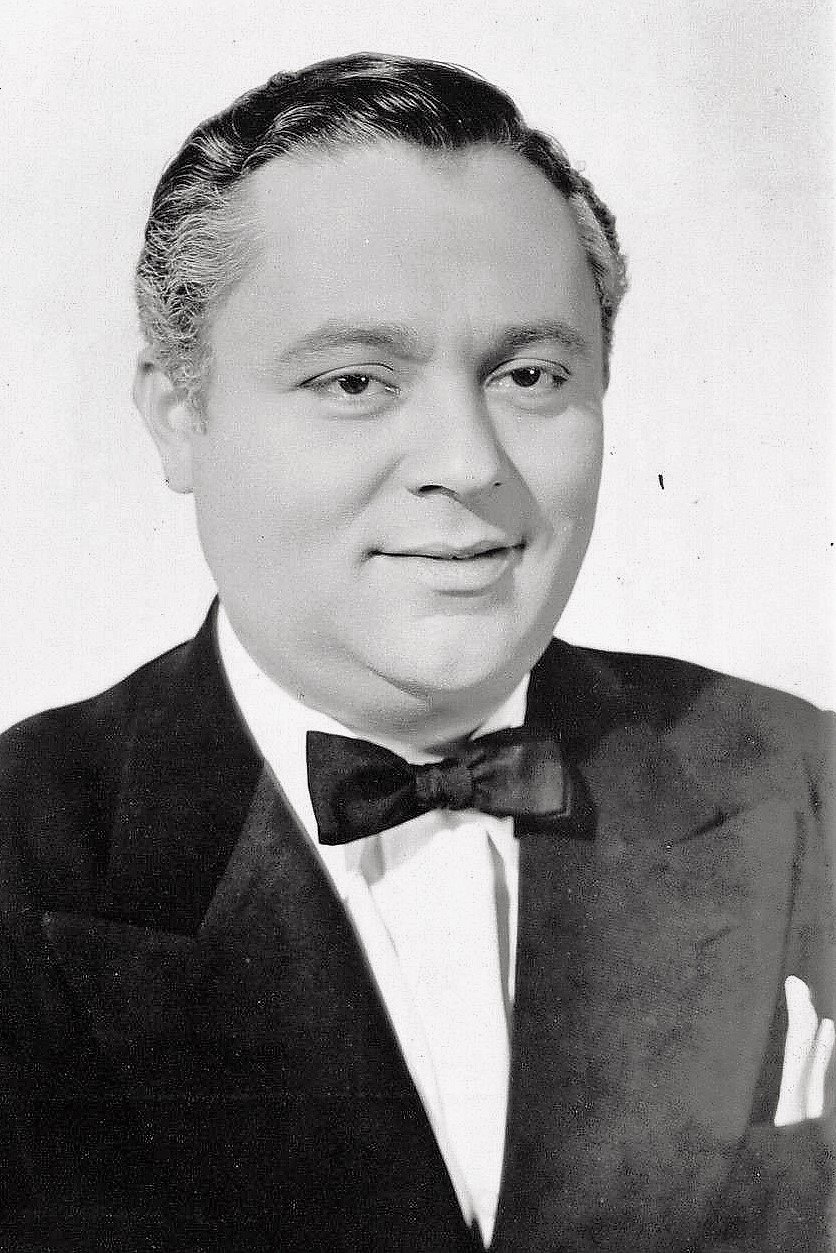
J. Edward Bromberg was a talented actor who was investigated by federal authorities for his political associations during the nineteen fifties. The agency tracked his public statements and his connections to other performers who were under fire. His file documented the stress and pressure he faced during the hearings which many believe led to his early death. While he was known for his work in films like ‘The Mark of Zorro’ his life was defined by his struggle against the blacklist. His story remains a significant example of the human cost of political surveillance in Hollywood.
Art Carney
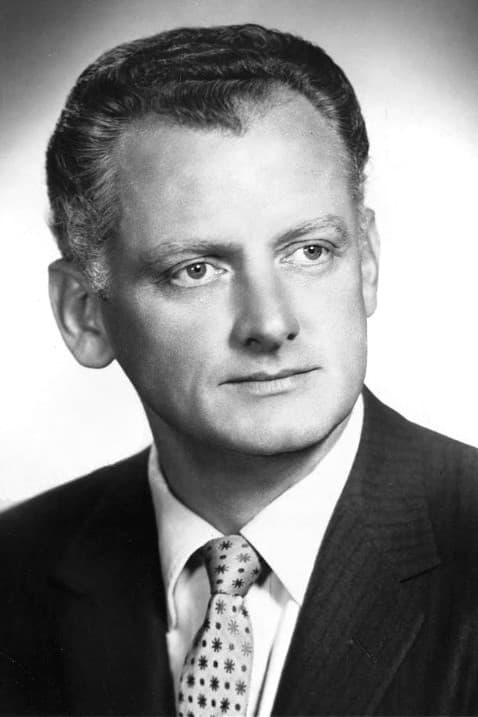
Art Carney was a beloved comedic and dramatic actor who had an investigative file involving a personal legal matter. The agency looked into an extortion plot that targeted him during the height of his television fame. Records show that federal agents worked to identify the individuals who were making threats against him. While he was appearing in shows and films like ‘Harry and Tonto’ his safety was being monitored by the government. His file is a rare example of the agency acting in a protective capacity for a celebrity.
Richard Pryor

Richard Pryor was a groundbreaking comedian and actor who was monitored for his ties to radical political organizations. The agency kept a file on his associations with groups like the Black Panther Party during the nineteen seventies. Investigators tracked his public performances and his outspoken commentary on social and racial issues. Even as he starred in popular movies like ‘Stir Crazy’ he was a person of interest for federal agents. His records show the government interest in performers who held significant cultural and political influence.
George Carlin
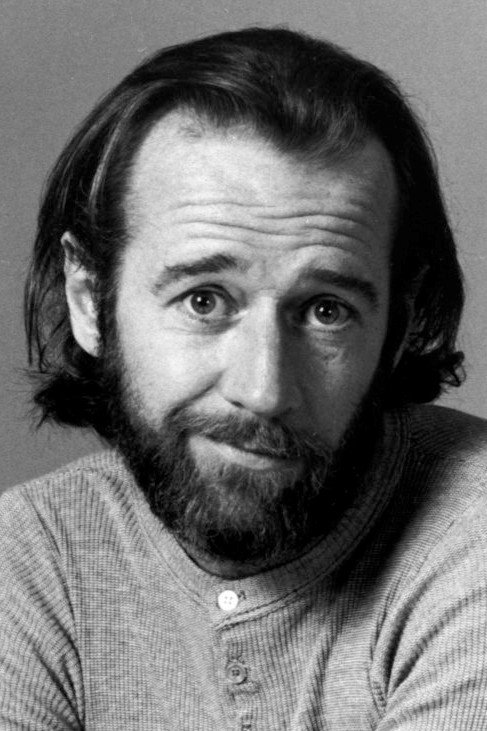
George Carlin was a comedian and actor who became a target of federal interest due to his counterculture material and public arrests. The agency monitored his legal battles regarding obscenity and his public criticism of the government. Records show that investigators were concerned about his impact on public morals and his influence on the youth of the era. While he appeared in various films like ‘Jersey Girl’ he was often under the gaze of authorities. His file highlights the intersection of the first amendment and government surveillance in the entertainment world.
Bill Cosby
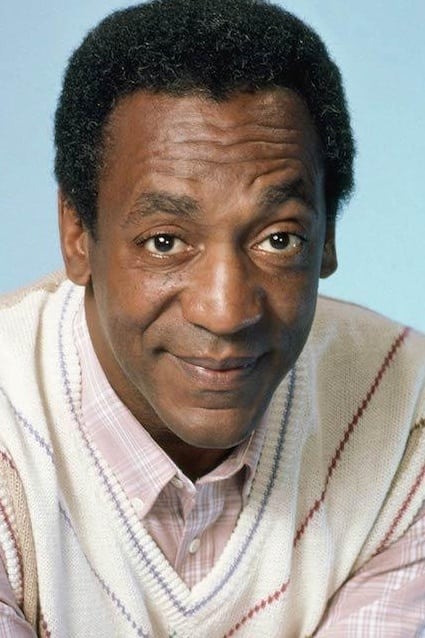
Bill Cosby was a major star of television and film who had a file that documented both background checks and security threats. The agency kept records of threats made against him and his family during his time as a high profile celebrity. Investigators also performed background checks due to his interactions with several different presidential administrations. While he was starring in shows like ‘I Spy’ the government was keeping a record of his public and private activities. His file provides a long term look at the security concerns surrounding a major public figure.
Share your thoughts on these historical actor files in the comments.

