


Hollywood Actresses Who Got House Arrest Instead of Jail




The legal system frequently offers celebrities alternatives to traditional incarceration when they face criminal charges or sentencing violations. While some stars are sent to prison many actresses receive house arrest as a way to serve their time within the comfort of their own homes. This form of home confinement usually requires the individual to wear an electronic monitoring device and follow strict rules regarding their movement. These sentences allow high profile figures to maintain a level of privacy while still fulfilling their judicial obligations to society.
Lindsay Lohan

In 2011 the actress was sentenced to home confinement after pleading no contest to a misdemeanor grand theft charge involving a necklace. She spent thirty five days wearing an ankle monitor inside her California residence instead of serving a four month jail term. The judge determined that overcrowding at the local detention center made her an ideal candidate for this alternative punishment. During this period she was permitted to continue with her daily life but was strictly forbidden from leaving her property without permission. This sentence allowed her to avoid the general jail population while still completing her legal requirements.
Courtney Love
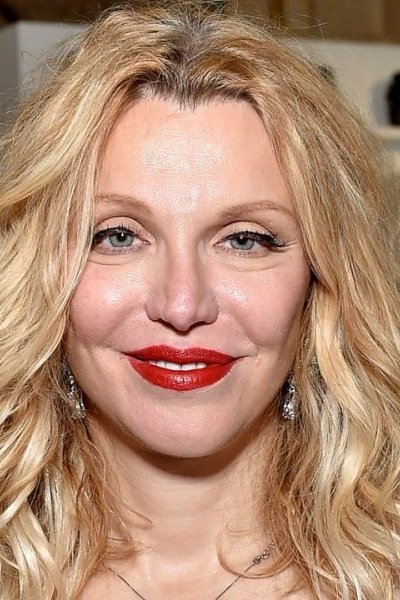
The singer and actress famously avoided prison time in 2005 after violating her probation in multiple drug related cases. A judge ordered her to spend six months in a locked rehabilitation facility which served as a functional form of house arrest. She was required to follow strict rules and remained under the constant supervision of the court during her stay. This alternative sentence focused on her recovery and ensured she remained in a controlled environment. It allowed her to receive professional help while staying under the legal authority of the judicial system.
Zsa Zsa Gabor

The legendary actress faced significant legal trouble in 1989 after an incident where she slapped a police officer during a traffic stop. While she was initially ordered to serve three days in jail she later spent a period under home confinement to complete her sentencing requirements. The court allowed her to fulfill parts of her community service and legal obligations while restricted to her lavish estate. This case became a massive media event as reporters followed the details of her life under legal supervision. Her sentence demonstrated how celebrity status can sometimes lead to unique judicial outcomes for minor offenses.
Heidi Fleiss

Known as the Hollywood Madam this figure spent time under house arrest during the late 1990s as part of her sentence for tax evasion. She served a significant portion of her time in a halfway house before transitioning to home confinement to finish her requirements. This arrangement allowed her to slowly reenter society while remaining under the watchful eye of federal authorities. Her case involved high level clients and extensive media coverage that made a standard prison stay more complicated for the government. The house arrest phase of her sentence was intended to help her transition back to a normal life.
Heather Locklear

In 2019 the television star was ordered to spend thirty days in a mental health facility as a direct alternative to serving time in jail. This sentence followed her plea of no contest to eight misdemeanor charges including battery on a police officer and emergency personnel. The judge stayed a longer jail sentence on the condition that she successfully complete the residential treatment program. This form of confinement ensured she received necessary medical attention while being restricted from leaving the premises. It served as a functional equivalent to house arrest by keeping her under legal supervision outside of a traditional cell.
Teresa Giudice
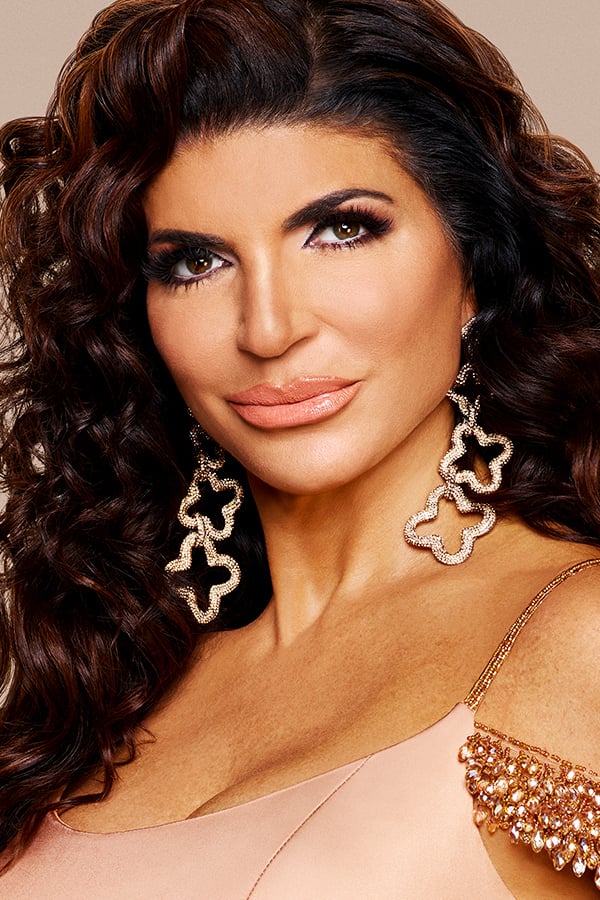
The television personality completed a prison sentence for fraud and then transitioned immediately into a period of house arrest at her residence. She spent several months wearing an electronic monitoring device at her home in New Jersey to finish the remainder of her legal requirements. This allowed her to reunite with her family and resume her professional activities while still being penalized for her actions. The transition from prison to home confinement is a common practice in the federal legal system for nonviolent offenders. Her experience with house arrest was heavily documented and discussed in various media outlets.
Martha Stewart

After serving five months in a federal prison for conspiracy and obstruction of justice the media mogul spent an additional five months under house arrest. She was required to wear an electronic monitoring bracelet and could only leave her home for work or essential errands. This period of home confinement allowed her to begin rebuilding her business empire while still serving her legal penalty. She famously spoke about the challenges of maintaining her public image while wearing a monitoring device during her television appearances. This high profile case showed that even successful businesswomen must strictly adhere to legal monitoring requirements.
Lil’ Kim
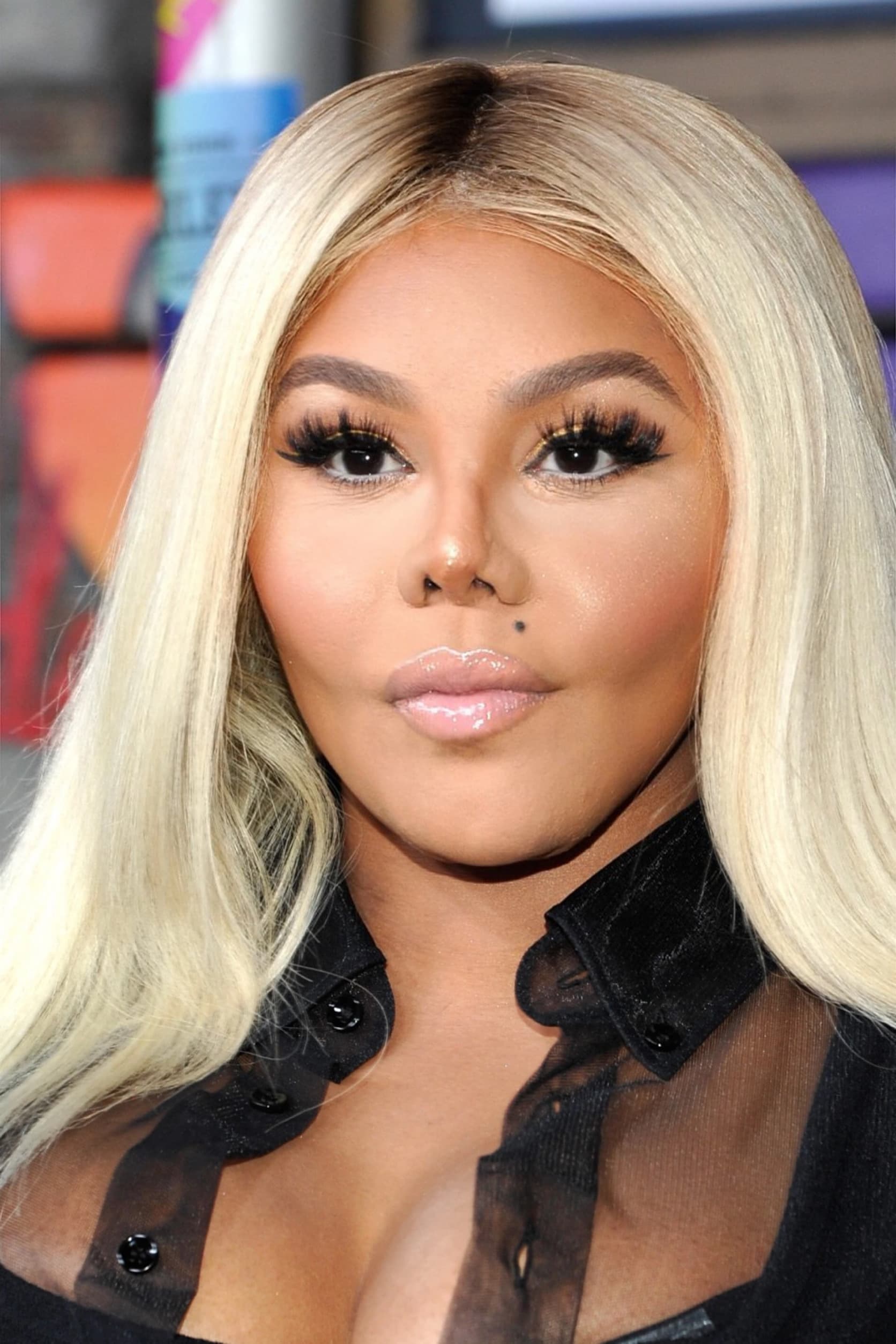
The rapper and actress served a one year prison sentence and was then placed under mandatory house arrest for thirty days upon her release. This period of home confinement was a required part of her supervised release following her time in a federal correctional facility. She was required to stay at her home and follow specific curfews while being monitored by a probation officer at all times. This phase of her punishment was designed to help her reintegrate into her professional life after a year away. It marked the final stage of her legal journey related to her testimony in a federal investigation.
Foxy Brown

The performer was sentenced to house arrest in 2007 as part of a legal agreement following multiple probation violations. She was required to wear an electronic bracelet and remain in her residence except for court approved appointments or emergencies. This sentence was intended to be an alternative to a long prison stay after she failed to comply with the terms of her previous probation. However she eventually faced a traditional jail term after further violations occurred during her period of home confinement. Her case illustrated the difficulty of maintaining strict house arrest rules while living in the public eye.
Kim Richards

The former child star and television actress faced legal issues following an arrest at a high profile hotel in Beverly Hills. She was sentenced to three years of summary probation and thirty days of community labor as an alternative to serving jail time. Part of her sentencing involved mandatory attendance at support meetings and staying away from specific locations related to the incident. While she did not wear a traditional ankle monitor her movements and lifestyle were strictly curtailed by the court order. This arrangement allowed her to seek professional help for personal issues while avoiding a standard jail cell.
Amber Portwood
Known for her role on a popular reality series this personality served time under house arrest for various drug related charges. She was given the option of entering a specialized drug court program or serving time in prison and she initially chose the monitoring program. Her movements were tracked as she attempted to comply with the rigorous demands of the legal system and her recovery plan. This period of house arrest was meant to provide a path to rehabilitation while keeping her accountable for her actions. She eventually chose to serve a prison sentence to complete her legal obligations more quickly and start fresh.
Jenelle Evans

The television figure has faced numerous legal challenges that have resulted in various forms of home confinement and electronic monitoring over the years. These sentences were often handed down for probation violations or domestic disputes that did not meet the threshold for long term prison stays. By serving time at home she was able to remain with her children while fulfilling the requirements set by the judge. The monitoring served as a constant reminder of the legal boundaries she was required to respect to avoid further incarceration. Her experiences with the justice system have been a central theme of her public persona and career.
Luann de Lesseps

The actress and reality star faced significant legal trouble after an incident in Florida that led to multiple felony charges. She reached a plea deal that allowed her to avoid jail in exchange for one year of probation and specific lifestyle restrictions. These conditions acted as a form of house arrest as she was required to remain sober and check in with a supervisor regularly. Her struggle to comply with these rules was documented on television showing the difficulty of home based legal monitoring. She eventually completed her requirements and used the experience to speak about her journey toward recovery.
Sonja Morgan
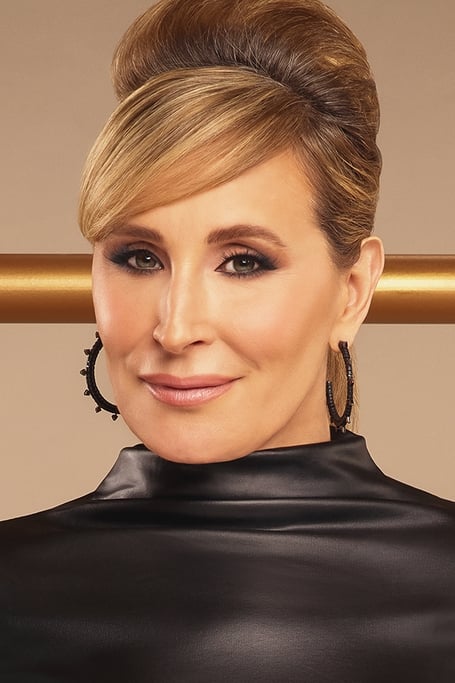
The entertainment personality faced legal challenges related to a complex bankruptcy case and associated business disputes that limited her freedom. While she did not serve a criminal house arrest sentence her movements and spending were strictly monitored by court appointed trustees for several years. This legal oversight created a domestic environment where her every financial and personal action was scrutinized for compliance with federal law. She often spoke about the feeling of being trapped within her own home due to these extensive legal constraints. This situation highlighted how civil legal issues can mirror the restrictions of home confinement for those involved.
Danielle Staub
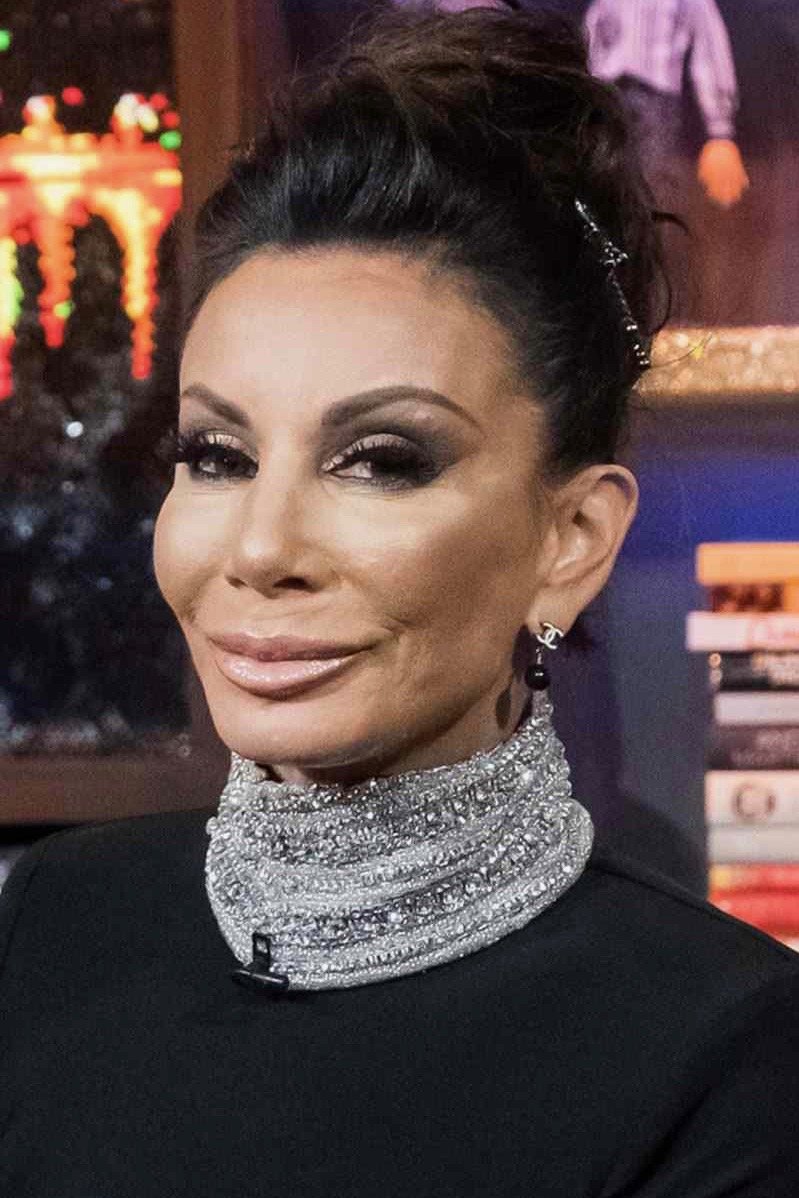
The television actress has a history of legal complications that have resulted in various forms of court ordered monitoring and supervision. During some of her legal battles she was required to remain under strict oversight and follow specific guidelines regarding her residence and daily associations. These measures were intended to ensure her appearance in court and prevent further legal incidents from occurring during the process. While she avoided lengthy prison stays the constant oversight functioned as a significant restriction on her personal liberty and movement. Her legal history has been a frequent topic of discussion in entertainment news circles for many years.
Porsha Williams

The performer and media host faced legal scrutiny following an altercation during a television reunion special several years ago. She was briefly detained and then released with conditions that limited her public interactions and required her to stay within certain boundaries. This period of supervised release acted as a functional alternative to jail while the legal process unfolded in the court system. It allowed her to continue her professional work while remaining accountable to the judicial system for her actions. The incident served as a reminder of the potential legal consequences for behavior on high profile television sets.
NeNe Leakes
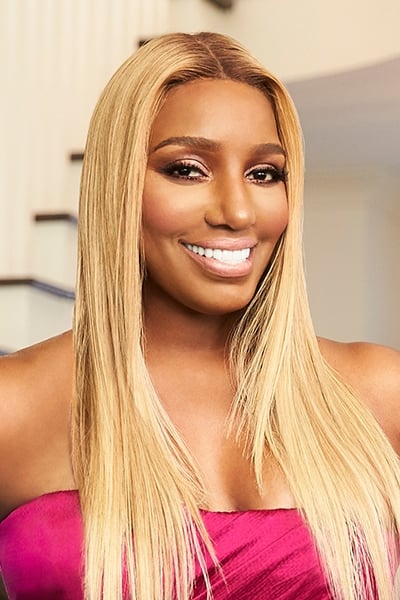
The actress and television star has navigated legal issues from her past that involved probation and restricted movement before she became famous. Before her rise to fame she served time under supervision which required her to stay at home and follow strict curfews as a young adult. This early experience with the justice system shaped her perspective on fame and the importance of personal responsibility. Instead of serving time in a correctional facility she was given the opportunity to reform her life through home based monitoring and guidance. This alternative sentence allowed her to pursue her dreams in the entertainment industry eventually leading to her success.
Renee Graziano
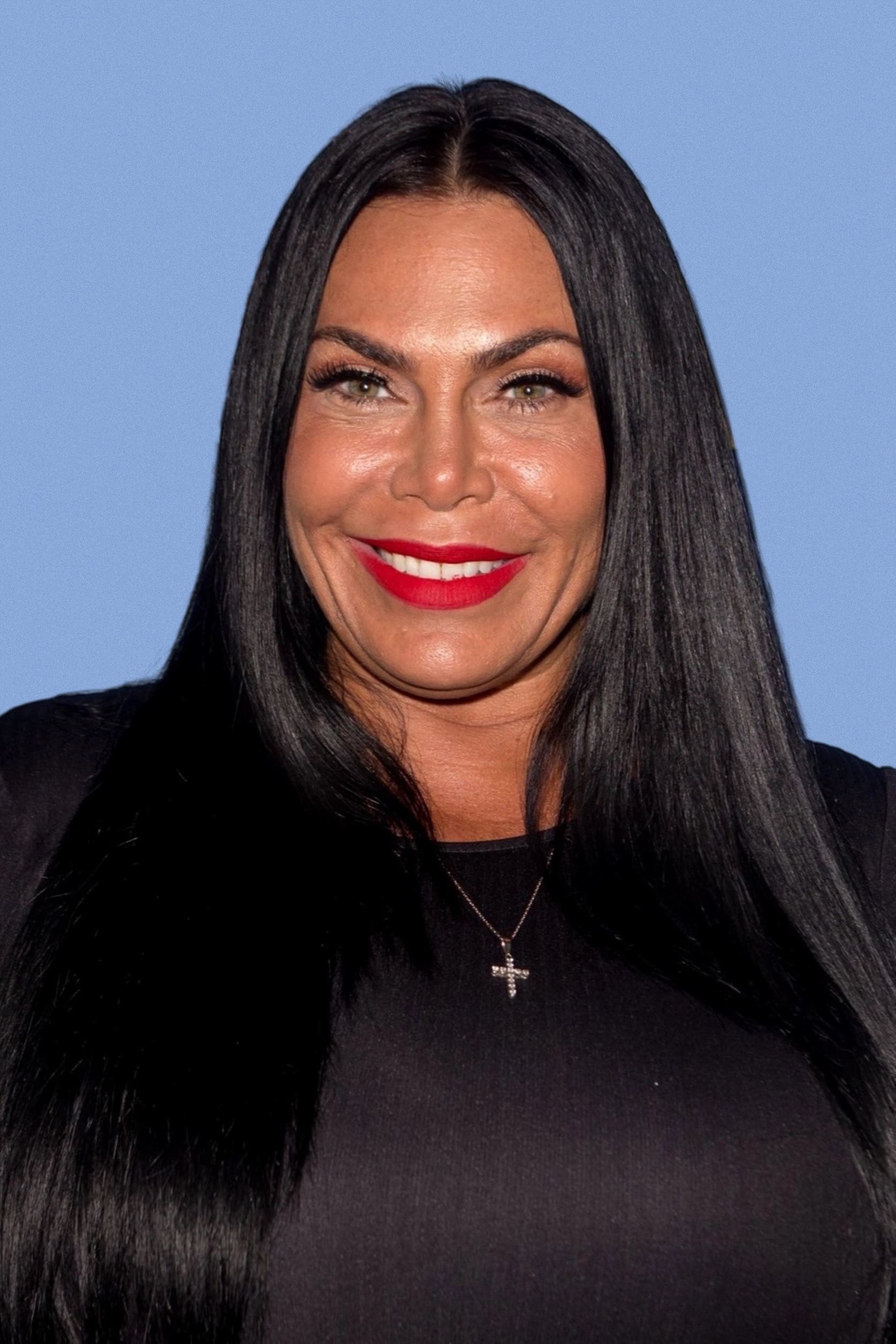
The television personality and actress was ordered to enter a treatment facility which functioned as house arrest after a series of legal incidents. Her sentencing focused on addressing underlying health and personal issues rather than simple incarceration in a jail cell. She was restricted to the premises of the facility and monitored by both medical and legal staff throughout her stay. This arrangement allowed her to receive professional help while satisfying the specific requirements of the court system. Her journey through the legal system has been a major part of her public narrative regarding health and wellness.
Angela Raiola
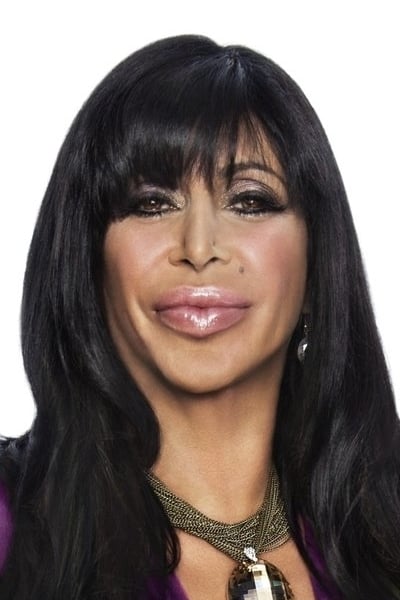
The late television star known as Big Ang faced legal issues early in her career that resulted in a sentence of home confinement. She was required to stay at her residence and follow specific rules regarding her visitors and daily activities for a set period. This period of house arrest was intended to keep her out of prison while she addressed the charges brought against her. She often spoke about this time as a turning point that helped her focus on her business ventures and her family. The monitoring device she wore was a symbol of her commitment to following the law during that phase.
Victoria Gotti
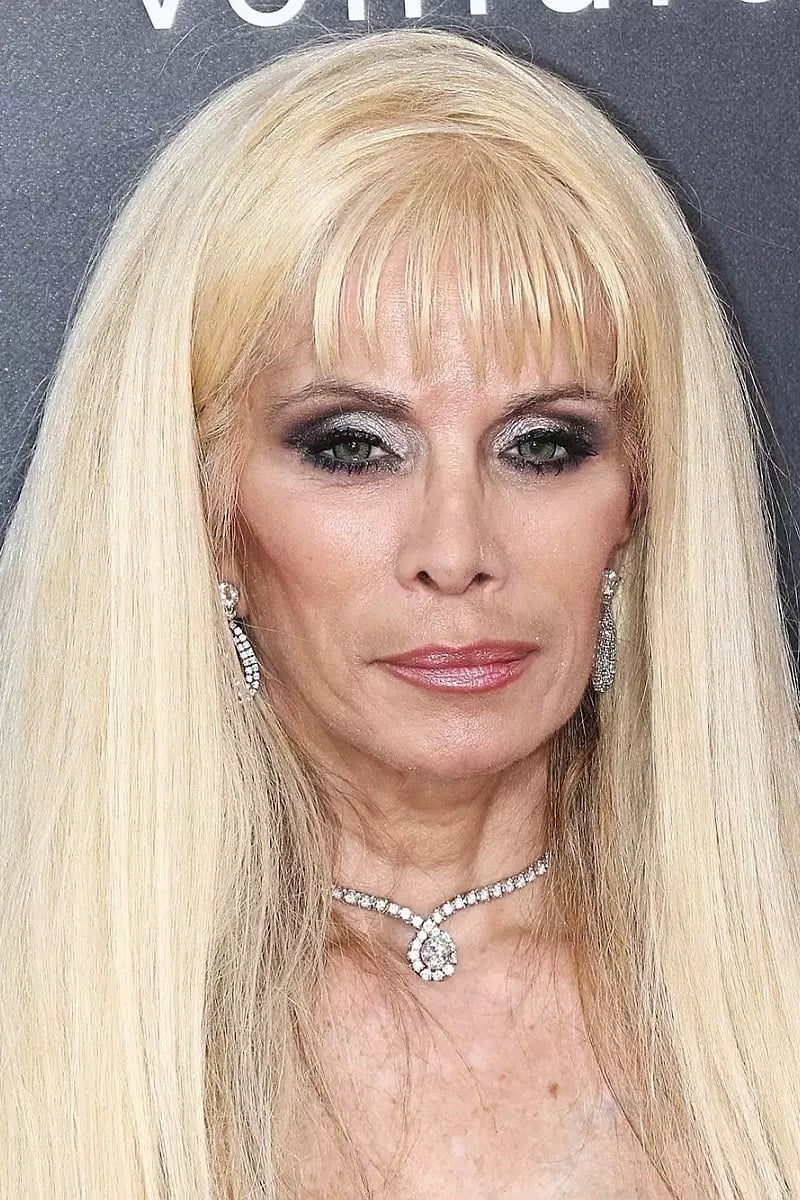
The author and television actress lived under a form of house arrest during the legal proceedings involving her family and business interests over the years. While she was not always the primary target of investigations her movements were often curtailed by legal orders and federal monitoring. This environment of constant surveillance meant that her domestic life was never truly private or free from scrutiny. She navigated these challenges while maintaining her career in the public eye and raising her children. Her residence became a place of both luxury and legal restriction during these intense periods of legal focus.
Jules Wainstein
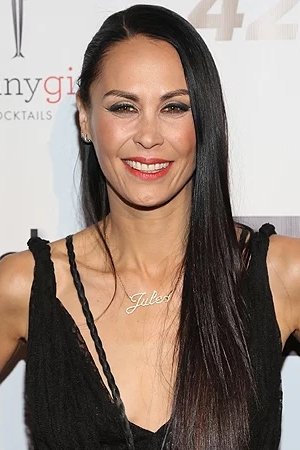
The television personality faced legal complications following a domestic incident that resulted in court ordered restrictions on her movements. She was required to follow specific guidelines about where she could live and who she could interact with during the legal process. This functional house arrest was intended to prevent further conflict and ensure her compliance with all court orders. It allowed her to remain in her home while the details of her case were being resolved by her legal team. This period of her life was marked by the challenge of balancing public fame with private legal struggles.
Brooke Mueller

The actress and former celebrity spouse has spent time in residential treatment facilities that acted as a functional form of house arrest. These stays were often mandated by the court as part of her sentencing for various drug related offenses over the years. By remaining in a controlled environment she avoided the harsh reality of a standard jail cell while addressing her personal issues. The facilities provided a high level of security and monitoring to ensure she followed the rules of her probation. Her legal path has been characterized by a series of these alternative sentences focused on recovery and health.
Tatum O’Neal

The Academy Award winning actress was sentenced to a period of supervised treatment and community service after a drug related arrest in New York. This legal outcome allowed her to stay out of jail on the condition that she follow a strict protocol monitored by the court. While she was able to remain in her community her life was governed by the requirements of her sentence for a specific duration. This form of home based supervision was intended to support her long term health and prevent future legal issues from arising. Her case is a classic example of the judicial system favoring rehabilitation for high profile performers in need.
Share your thoughts on these celebrity legal outcomes in the comments.

