Horror Characters Who Were Never Meant to Be Popular—But Became Legendary


Horror cinema has long been defined by its antagonists, yet many of the genre’s most legendary figures were never originally intended to be the face of their respective franchises. Several iconic characters began as background elements, one-off villains, or even mere props that happened to capture the public’s imagination. This unexpected popularity often forced filmmakers and studios to alter their creative trajectories to accommodate the demand for these newfound stars. By examining the origins of these figures, one can see how audience reception and unique visual designs can transform a minor character into a cinematic staple.
Jason Voorhees

Jason Voorhees was originally intended to be a tragic backstory element rather than a recurring slasher. In the original ‘Friday the 13th’, his mother Pamela Voorhees was the primary antagonist, while Jason only appeared as a brief jump scare at the film’s conclusion. Producers initially had no plans for a sequel involving the character, but his sudden appearance in the final scene captivated audiences. This unexpected popularity led to Jason becoming the primary focus of the franchise starting with the second installment. He eventually adopted the famous hockey mask in the third film, cementing his status as a horror legend.
Michael Myers

The character known as “The Shape” was envisioned by John Carpenter as a singular, motiveless force of evil for a standalone film. After the massive success of ‘Halloween’, the creative team attempted to turn the series into an anthology starting with ‘Halloween III: Season of the Witch’. However, the absence of Michael Myers led to significant backlash from fans who demanded the return of the masked killer. The franchise eventually pivoted back to Michael, making him the permanent face of the series. His simple mask and silent demeanor turned a one-off villain into a multi-decade cinematic icon.
Pinhead
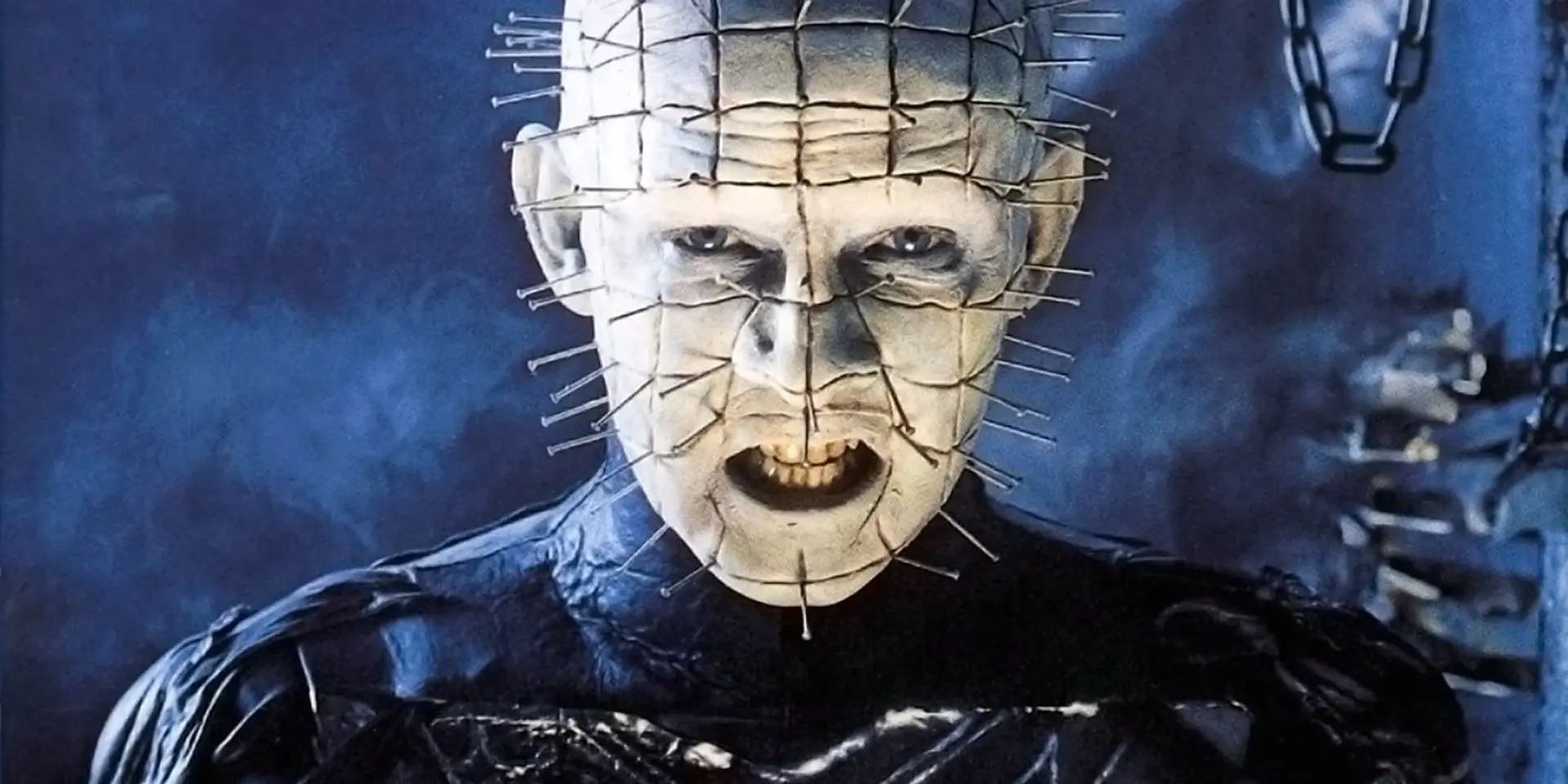
In the original ‘Hellraiser’, the character later known as Pinhead was credited simply as “Lead Cenobite” and had limited screen time. The character Julia Cotton was intended to be the primary recurring antagonist of the franchise as the story progressed. However, Doug Bradley’s stoic and articulate performance as the spiked entity resonated deeply with viewers. Marketing for the film and its sequels quickly prioritized Pinhead’s image over other characters, leading to his status as a central figure in every subsequent entry.
Billy the Puppet
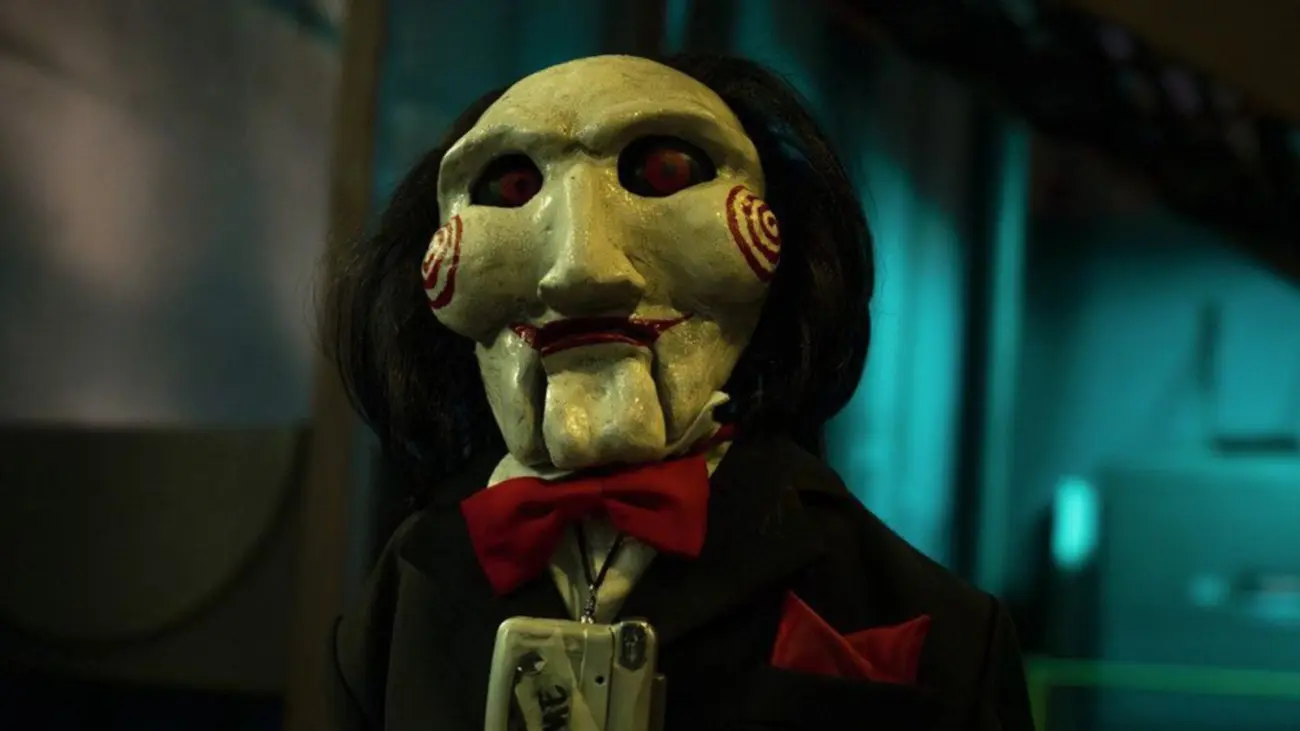
Billy the Puppet was designed by James Wan as a simple prop used by the Jigsaw Killer to communicate with victims in ‘Saw’. The tricycle-riding figure was never meant to be the mascot of the series, as John Kramer was the human driving the narrative. As the franchise grew, the imagery of the puppet became more recognizable than the actors themselves. Billy’s white face and red spiral cheeks eventually appeared on posters and promotional material worldwide, making him one of the most commercially successful elements of modern horror marketing.
Art the Clown
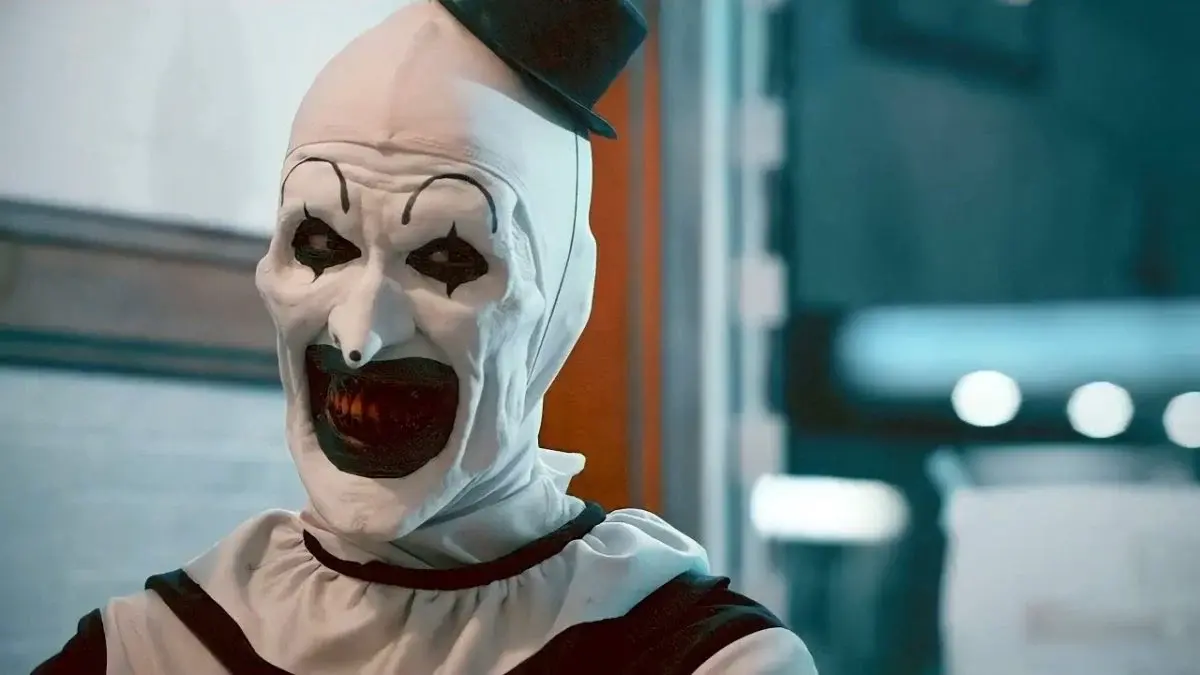
Art the Clown first appeared in short films before being featured in the anthology film ‘All Hallows’ Eve’. The creator, Damien Leone, did not initially realize the character would sustain a blockbuster franchise of his own. Following positive reactions to the character’s silent, mime-like brutality, the feature film ‘Terrifier’ was developed to showcase him as a lead. Art’s popularity grew through word-of-mouth and indie success, eventually leading to a mainstream theatrical phenomenon with ‘Terrifier 2’. He has now transitioned from an obscure anthology segment to a leading figure in contemporary slasher cinema.
Freddy Krueger

In the first ‘A Nightmare on Elm Street’, Freddy Krueger appeared on screen for less than seven minutes. Wes Craven intended for the character to be a terrifying, shadowy child killer whose presence was felt more than seen. Due to the character’s massive appeal, New Line Cinema leaned into Robert Englund’s performance, eventually turning Freddy into a pop-culture celebrity. The character’s evolution from a background threat to a wisecracking lead defines the franchise’s trajectory throughout the 1980s.
Samara Morgan

The American remake of ‘Ringu’, titled ‘The Ring’, introduced Samara Morgan as a vengeful spirit tied to a cursed videotape. While the plot focused on the mystery surrounding her life, the character herself became a visual shorthand for early 2000s horror. Her long black hair and jerky movements were parodied and referenced across multiple media platforms shortly after the film’s release. Samara’s impact ensured she remained the centerpiece of the subsequent sequels and numerous international crossovers despite her lack of dialogue.
Ghostface
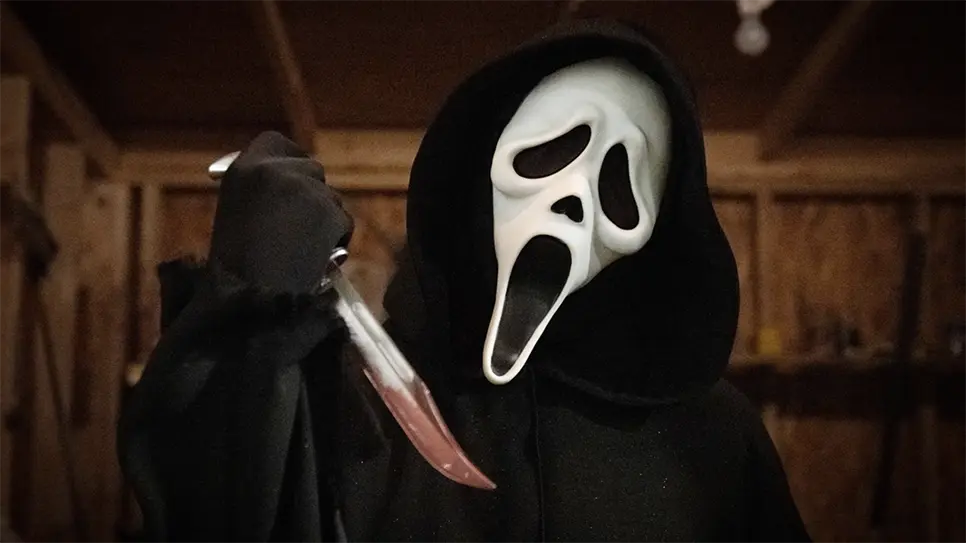
Ghostface was created using a generic, mass-produced costume found by the production team in a real-life retail store for the film ‘Scream’. Director Wes Craven wanted a costume that anyone could realistically buy to maintain the film’s mystery regarding the killer’s identity. There were no initial plans for the costume to become a protected brand or an iconic mask recognized by millions. Following the film’s release, the mask became a permanent fixture of Halloween celebrations and the defining image of the entire series.
The Tall Man
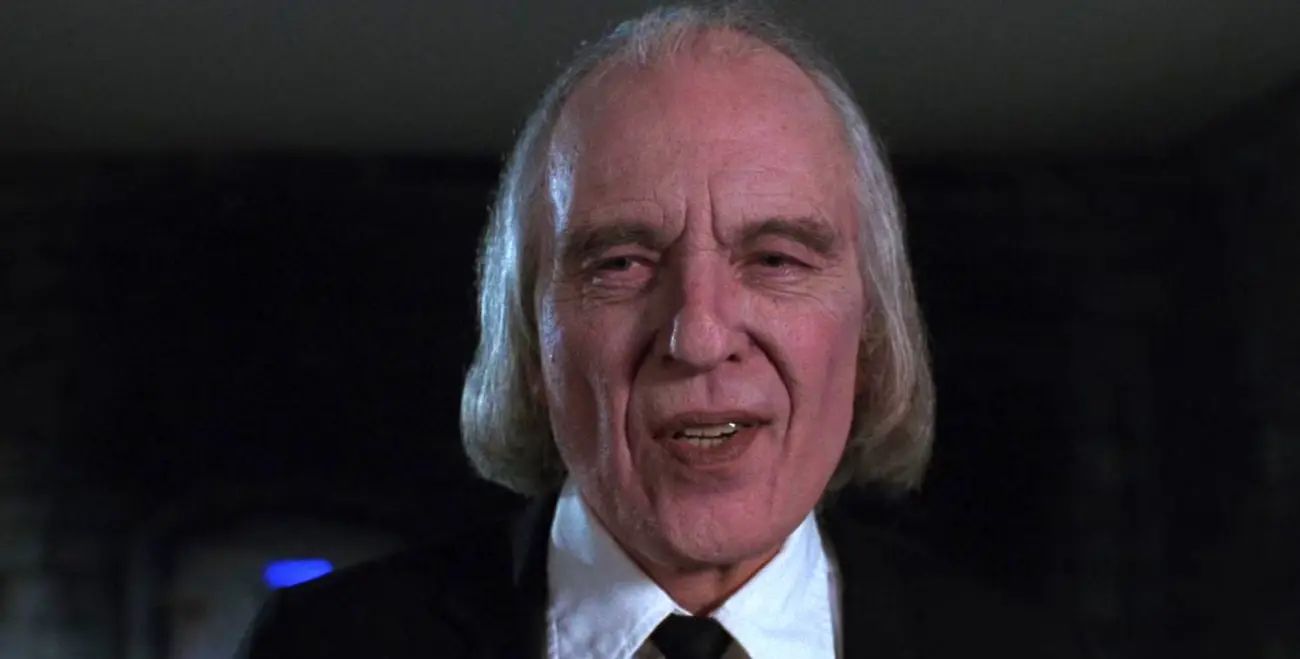
The Tall Man was introduced in ‘Phantasm’ as a mysterious mortician played by Angus Scrimm. Don Coscarelli’s surrealist horror film was an independent project that focused heavily on dream logic and abstract concepts rather than a singular star. The character’s imposing height and metallic flying spheres became the most memorable aspects of the movie for audiences. Although the original film concluded with many unanswered questions, the popularity of the character necessitated four sequels spanning several decades.
Chucky

The original concept for ‘Child’s Play’ was a psychological thriller where it was unclear if the doll was actually alive. Screenwriter Don Mancini initially focused more on the protagonist’s psyche than the doll’s personality or backstory. However, Brad Dourif’s vocal performance as Charles Lee Ray gave the character a distinct and menacing presence that audiences loved. This popularity shifted the focus of the franchise toward the doll’s dark humor and supernatural origins, eventually leading to the character becoming a satirical icon with his own television series.
Please share which of these horror legends you believe had the most unexpected rise to fame in the comments.