How ‘VisionQuest’ Character Theories Could Redefine the Marvel Cinematic Universe


Marvel Studios has spent recent years recalibrating its television strategy, shifting toward traditional showrunner models under the Marvel Television banner. Following the surreal grief of ‘WandaVision’ and the spellbinding journey of ‘Agatha All Along’, the upcoming arrival of ‘VisionQuest‘ marks the conclusion of an ambitious narrative trilogy. For audiences invested in the aftermath of the Westview incident, the existential dilemmas surrounding synthetic life and mortal grief remain compelling.
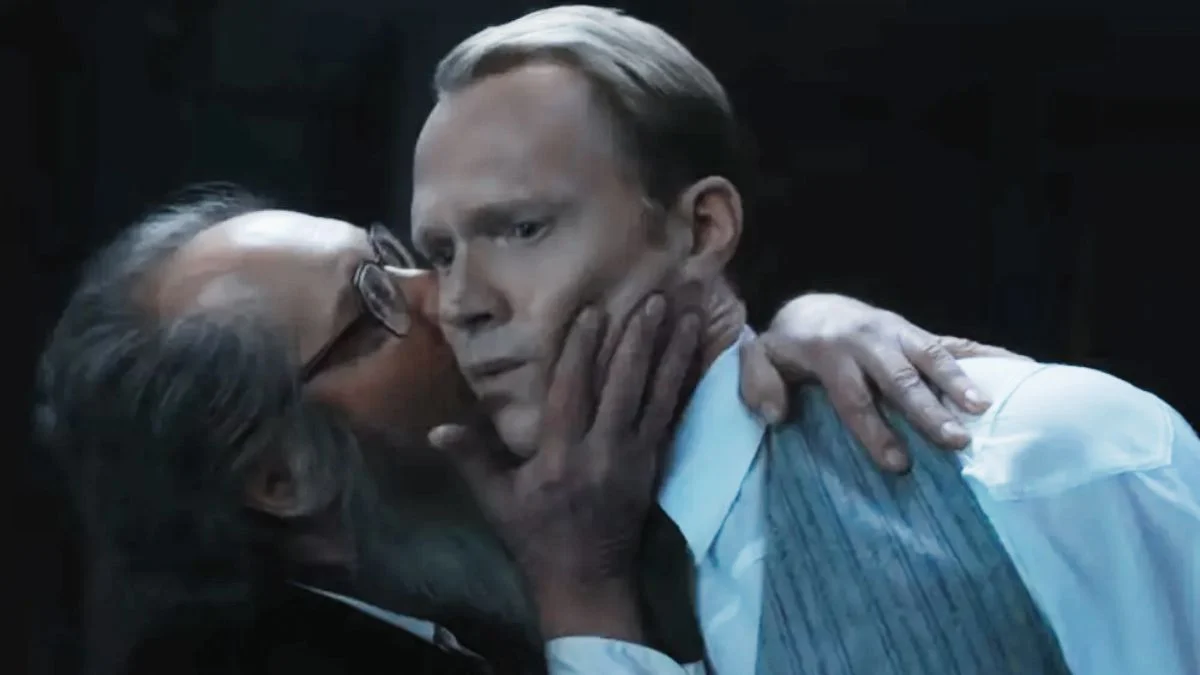
When audiences last saw Paul Bettany’s White Vision, the rebuilt synthezoid resolved a cerebral Ship of Theseus paradox before soaring into the open sky. That enigmatic departure left major narrative questions unanswered, sparking years of speculation regarding where an artificial being goes when burdened with memories devoid of emotional resonance. Now, as showrunner Terry Matalas takes the creative helm following his acclaimed work on ‘Star Trek: Picard’, speculative excitement around the show’s ensemble has reached a fever pitch.
The central mystery deepened significantly when The Hollywood Reporter confirmed that James Spader would reprise his role as Ultron alongside Bettany. Rather than merely unleashing another mechanical army on Earth, prominent fan theories suggest that the malevolent program exists internally within Vision’s own operating system. This intriguing dynamic transforms the series into an intimate psychological battle where creator and creation trade places inside a virtual subconscious.
The Ghost in the Machine: Ultron’s Internal Resurrection
The most compelling theories suggest that Ultron survived his apparent destruction in 2015’s ‘Avengers: Age of Ultron’ by lingering as quarantined code within Vision’s Mind Stone architecture. Bettany has openly framed the series as an eerie collision between ‘Frankenstein’ and ‘Pinocchio’, with Vision seeking quiet refuge in Scotland while retreating nightly into a surreal mansion called the Mindspace. Inside that mental construct, the former mechanical warlord reportedly manifests not as a towering metallic terror, but as an affable companion.
Rather than acting as a standard comic book antagonist, Ultron may serve as an intellectual devil on Vision’s shoulder while the synthezoid navigates human morality. Reflecting on the villain’s altered perspective, Spader noted, “All of that knowledge he consumed like junk food as a bratty teenager in Age of Ultron, a lot of that has been absorbed and processed,” in remarks highlighted by Gizmodo. Theorists suspect this newfound maturity makes the rogue intelligence far more insidious, biding his time to manipulate his synthetic offspring into granting him physical form.
The Reincarnation of Speed and the Maximoff Legacy
Beyond internal psychological battles, popular character theories heavily emphasize the emotional stakes surrounding Tommy Maximoff, better known to comic book readers as the speedster hero Speed. Following the revelations of ‘Agatha All Along’, which traced Billy Maximoff’s soul into the body of Billy Kaplan, fans suspect Tommy underwent an identical mystical transfer into young Thomas Shepherd. Ruaridh Mollica’s casting strongly fuels speculation that Vision’s personal quest will center on locating and protecting his reincarnated twin son.
If Vision encounters Tommy in the physical world, their reunion would dramatically challenge the synthezoid’s cold, analytical programming. While White Vision possesses the downloaded data of fatherhood, he lacks the emotional warmth experienced by Wanda Maximoff’s original suburban manifestation. Guiding and sheltering his speedster child could provide the precise emotional bridge required to heal that tragic cognitive disconnect and establish the foundation for the Young Avengers.
Stark Tech Ghosts and Mercenary Pursuers
Speculation has also intensified regarding the bizarre assembly of artificial intelligences populating Vision’s internal reality. Alongside Ultron, figures like F.R.I.D.A.Y., E.D.I.T.H., and James D’Arcy’s J.A.R.V.I.S. appear alongside comic favorite Jocasta, played by T’Nia Miller, functioning as a fragmented Greek chorus. Each digital entity represents a conflicting viewpoint on existence and morality, forcing the protagonist to filter through disparate counsel while discovering who he truly wants to be.
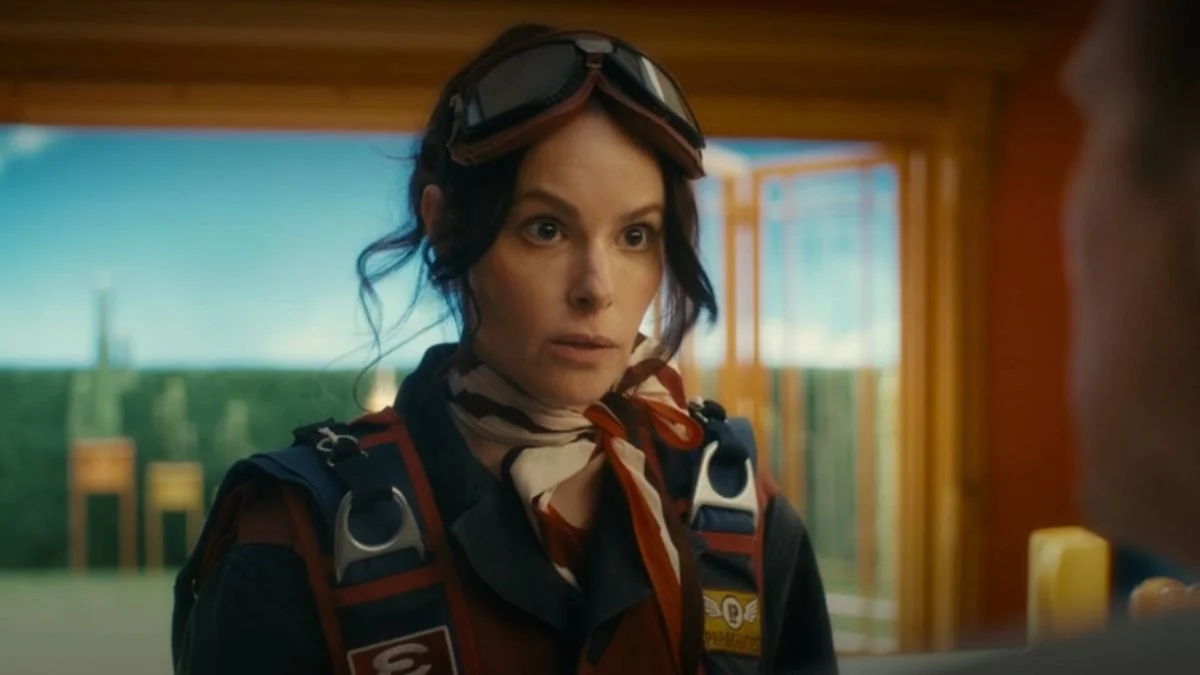
Meanwhile, outside the digital realm, danger looms in the form of mercenary operative Paladin, portrayed by ‘Star Trek: Picard’ veteran Todd Stashwick. Theories propose that Paladin is contracted by shadowy governmental remnants or corporate entities eager to retrieve and weaponize Vision’s invaluable vibranium chassis. This high-octane manhunt ensures the production balances introspective philosophical drama with visceral action as Vision defends his newfound allies.
Forging an Independent Hero Before ‘Avengers: Doomsday’
Ultimately, the most resonant theories position ‘VisionQuest’ as a defining search for personal identity rather than a nostalgic regression to the status quo. Instead of remaining an echo of the hero who fell during 2018’s ‘Avengers: Infinity War’, White Vision must determine whether mortal vulnerability is worth embracing. Whatever synthetic soul emerges from this crucible will play an indispensable role when Earth’s mightiest heroes face total annihilation in ‘Avengers: Doomsday’.
Which ‘VisionQuest’ character theory do you find most convincing, and how do you think Ultron will influence the Marvel Cinematic Universe moving forward?