


Insane Horror Movies You Forgot About (& Need to Rewatch Again)


Some horror gems slip through the cracks, either buried by bigger releases or discovered long after they left theaters. This list brings together wild, unnerving titles that took bold swings with form, story, or atmosphere. You will find found footage experiments, cult mysteries, and reality bending thrillers from different corners of the world. Each one comes with the key details that make it worth another look.
‘Session 9’ (2001)
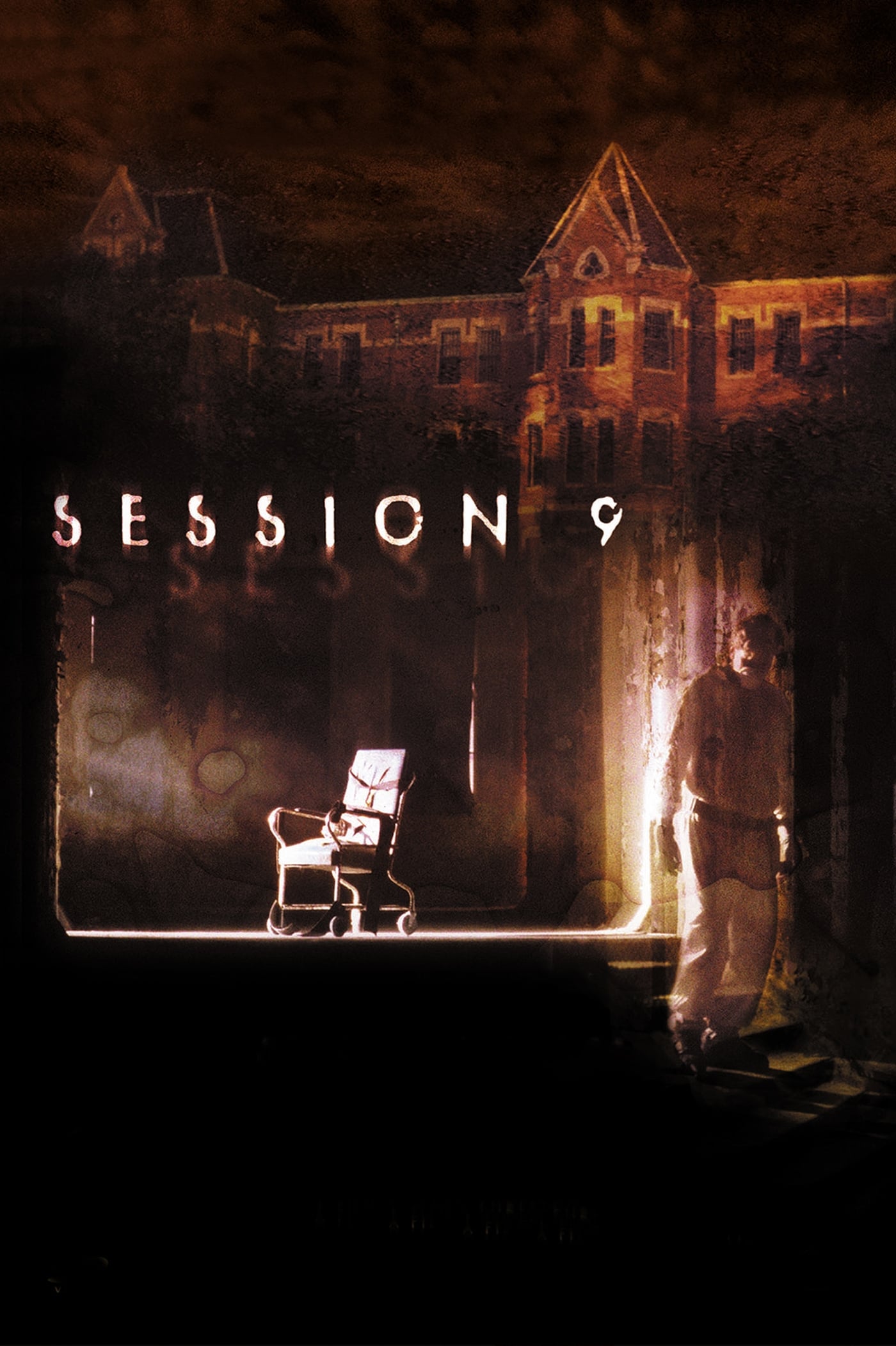
Brad Anderson directs this psychological chiller set inside the real Danvers State Hospital in Massachusetts. An asbestos crew led by Peter Mullan and David Caruso takes a rush job in the abandoned complex. Production used the building’s untouched tunnels and records to ground the story in a grimy realism. The film was shot on early high definition cameras to capture low light interiors with a cold, clinical feel.
‘Lake Mungo’ (2008)
This Australian mockumentary follows the Palmer family through interviews, home videos, and news footage after a tragic loss. Writer director Joel Anderson constructs the mystery with staged TV reports and phone footage that feel startlingly authentic. The story centers on clues hidden in photographs and camcorder tapes tied to the outback location of Lake Mungo. The release gained a second life on late night cable blocks and genre festivals.
‘Kill List’ (2011)
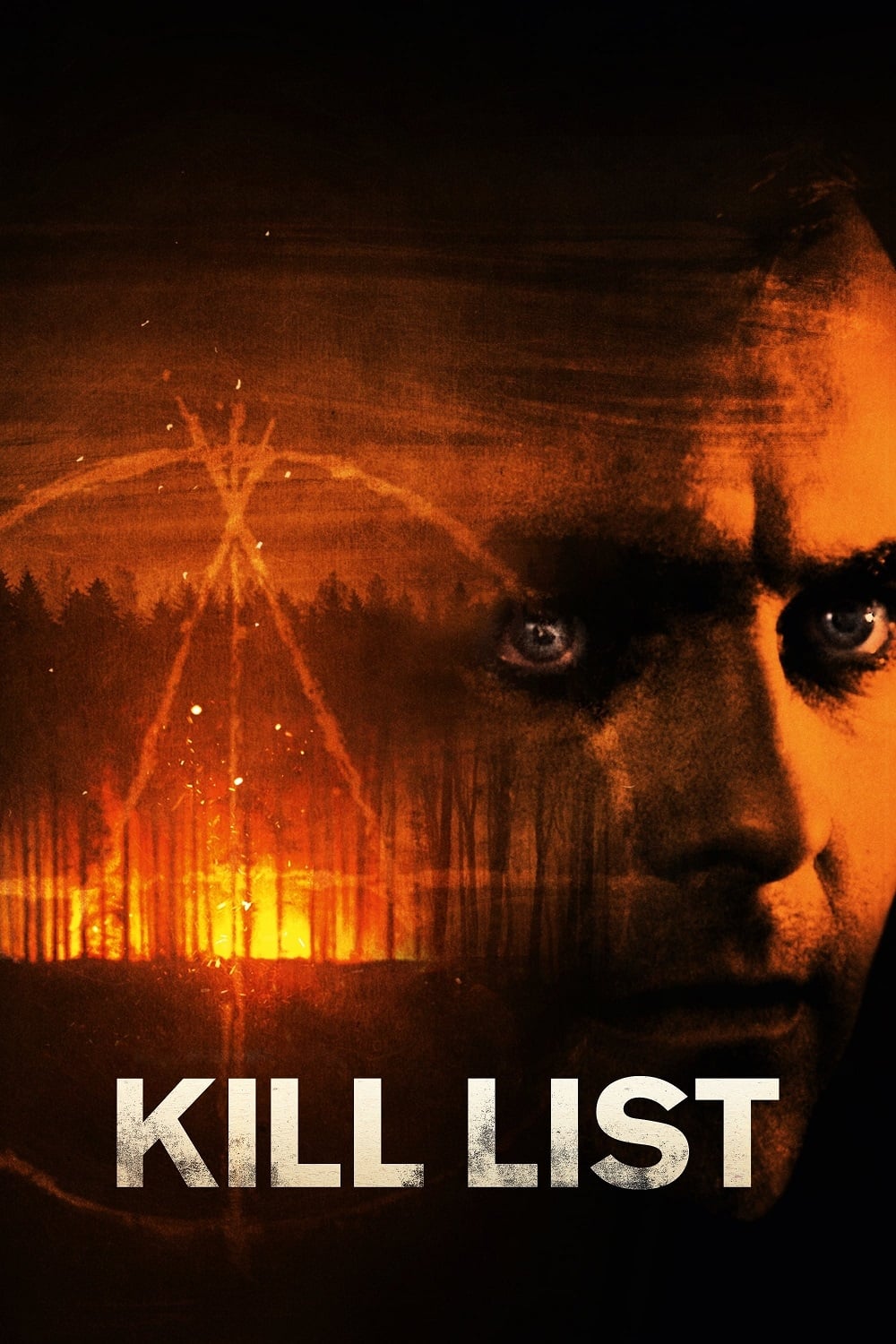
Ben Wheatley’s film tracks a British contract killer played by Neil Maskell through a job that spirals into ritual horror. Michael Smiley and MyAnna Buring co star in a story that shifts from domestic drama to secret societies. The production makes striking use of suburban interiors and derelict rural sites in the UK. Practical effects and natural light give the violence a blunt and unsettling texture.
‘Noroi: The Curse’ (2005)

Kōji Shiraishi assembles a faux investigative documentary around journalist Masafumi Kobayashi. The case connects missing persons, variety shows, and a demon known as Kagutaba through tapes and TV snippets. The structure mixes formats like VHS, news bits, and field recordings to build a sprawling mythology. The long runtime lets background details and offhand interviews carry the horror.
‘Pontypool’ (2008)
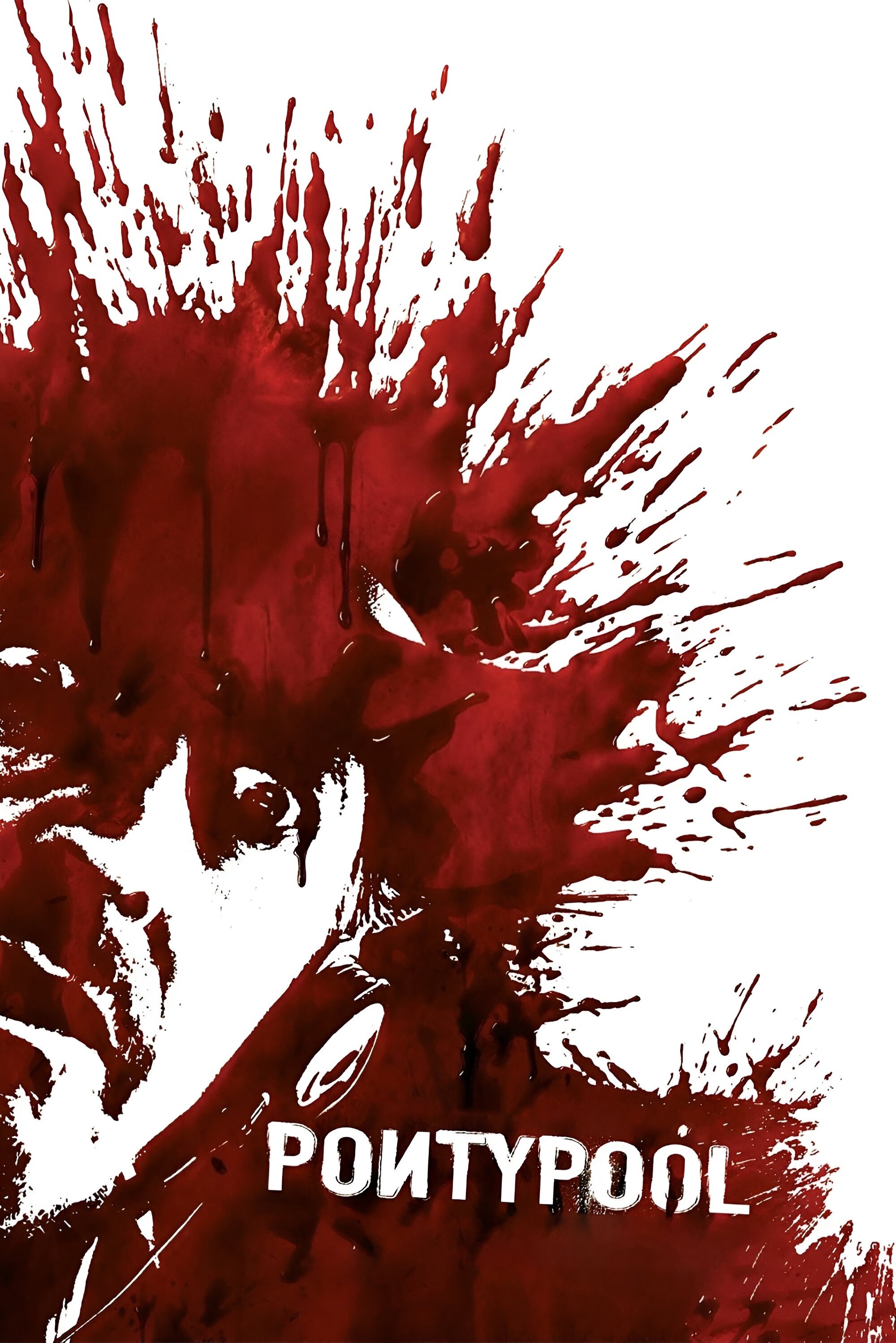
Director Bruce McDonald adapts Tony Burgess’s novel about a strange outbreak linked to language. Stephen McHattie anchors the film as a radio host locked in a small station during a blizzard. The story unfolds through caller reports, producer chatter, and soundproof isolation. Most of the action happens in one room, which lets dialogue and audio design drive the tension.
‘The Taking of Deborah Logan’ (2014)
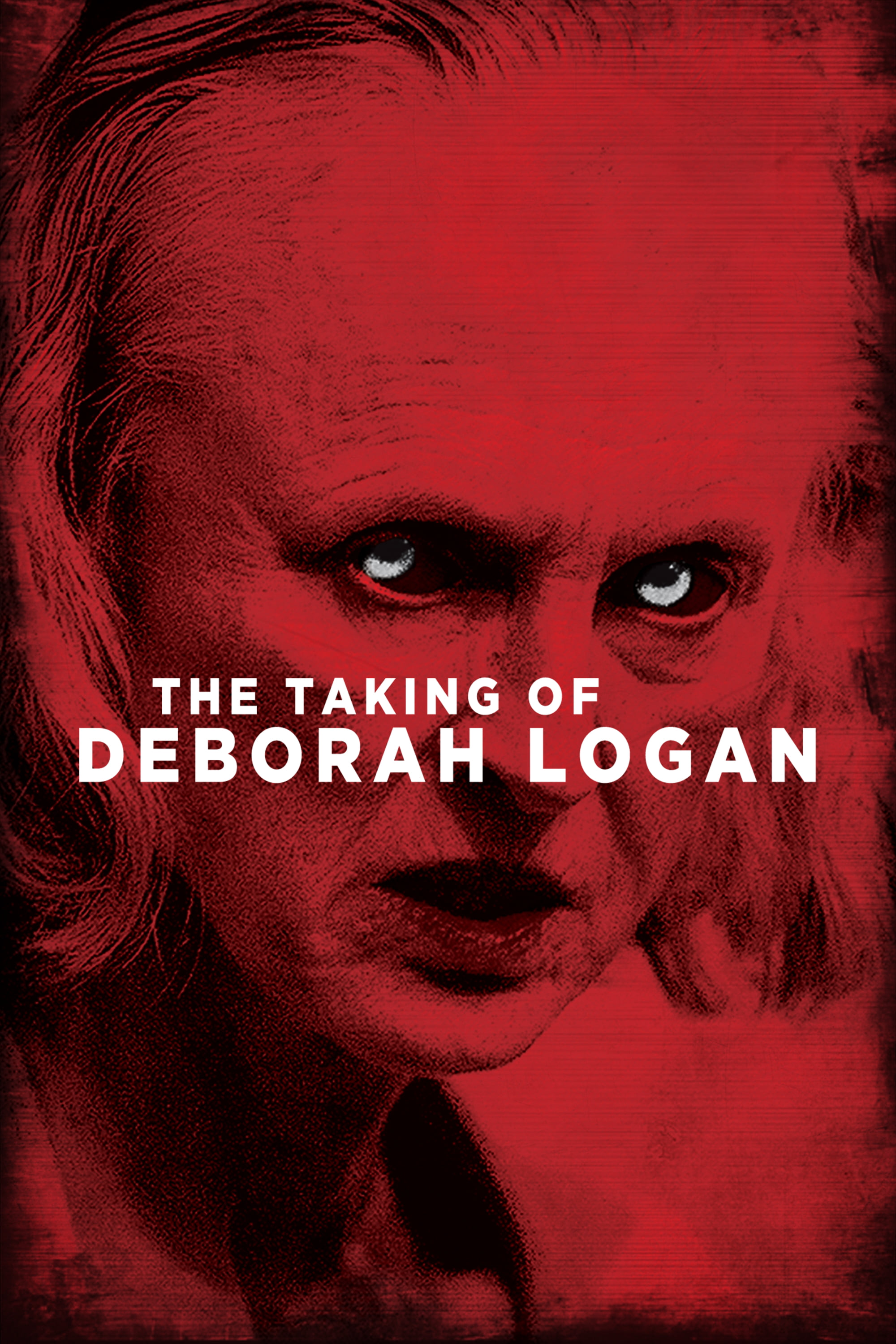
Adam Robitel’s found footage feature follows a graduate thesis crew documenting a woman with Alzheimer’s. Jill Larson and Anne Ramsay play the mother and daughter at the center of the case. The footage shifts from medical observation to possession as archival files hint at a cold case. The production used a modest setup with handheld cameras and practical creature work.
‘Bug’ (2006)
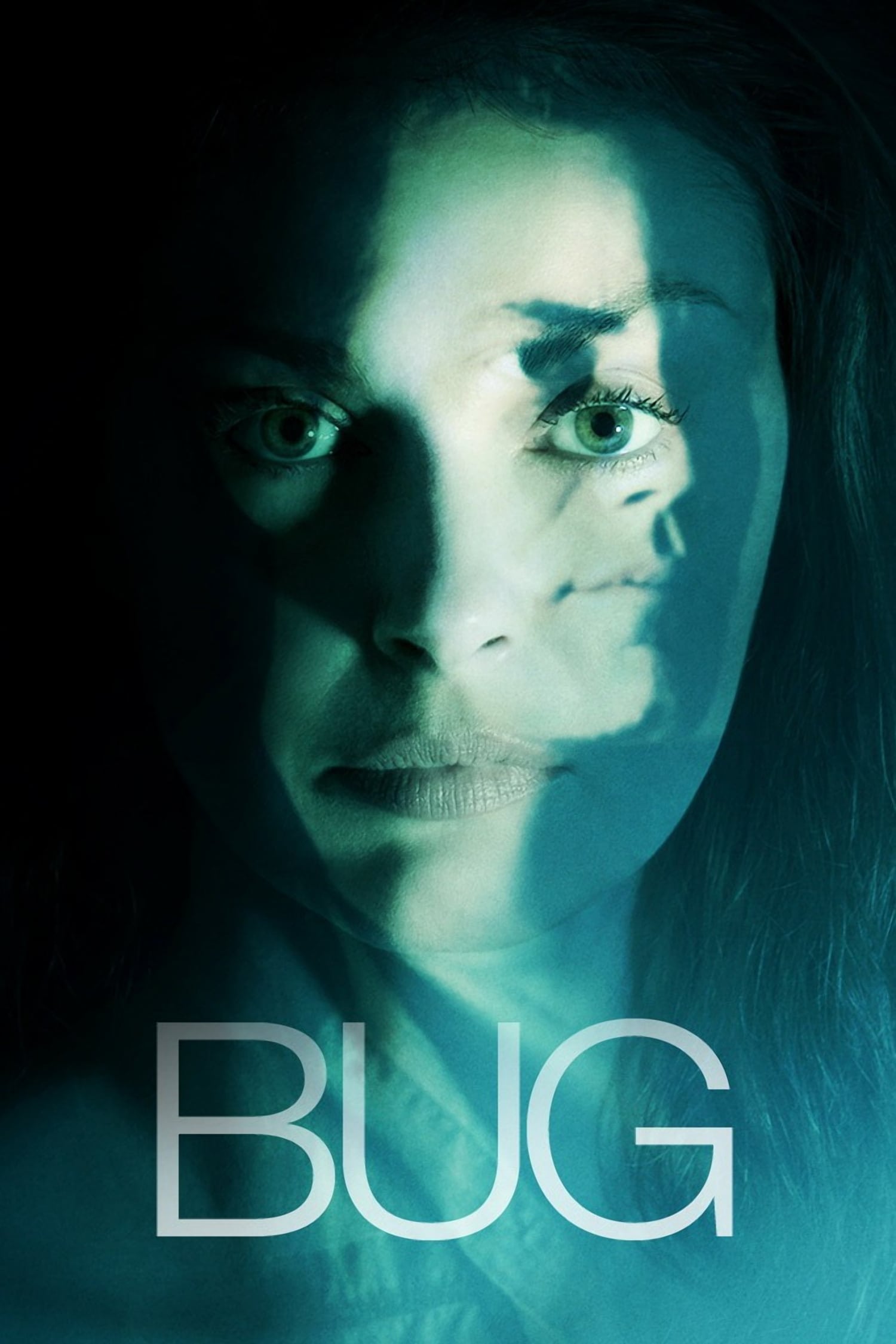
William Friedkin adapts Tracy Letts’s stage play into a claustrophobic chamber piece. Ashley Judd and Michael Shannon play two people holed up in a cheap motel as paranoia escalates. Most scenes occur in one room under harsh overhead lighting and buzzing air vents. The film keeps the theatrical roots through long takes and intense close quarters dialogue.
‘Event Horizon’ (1997)
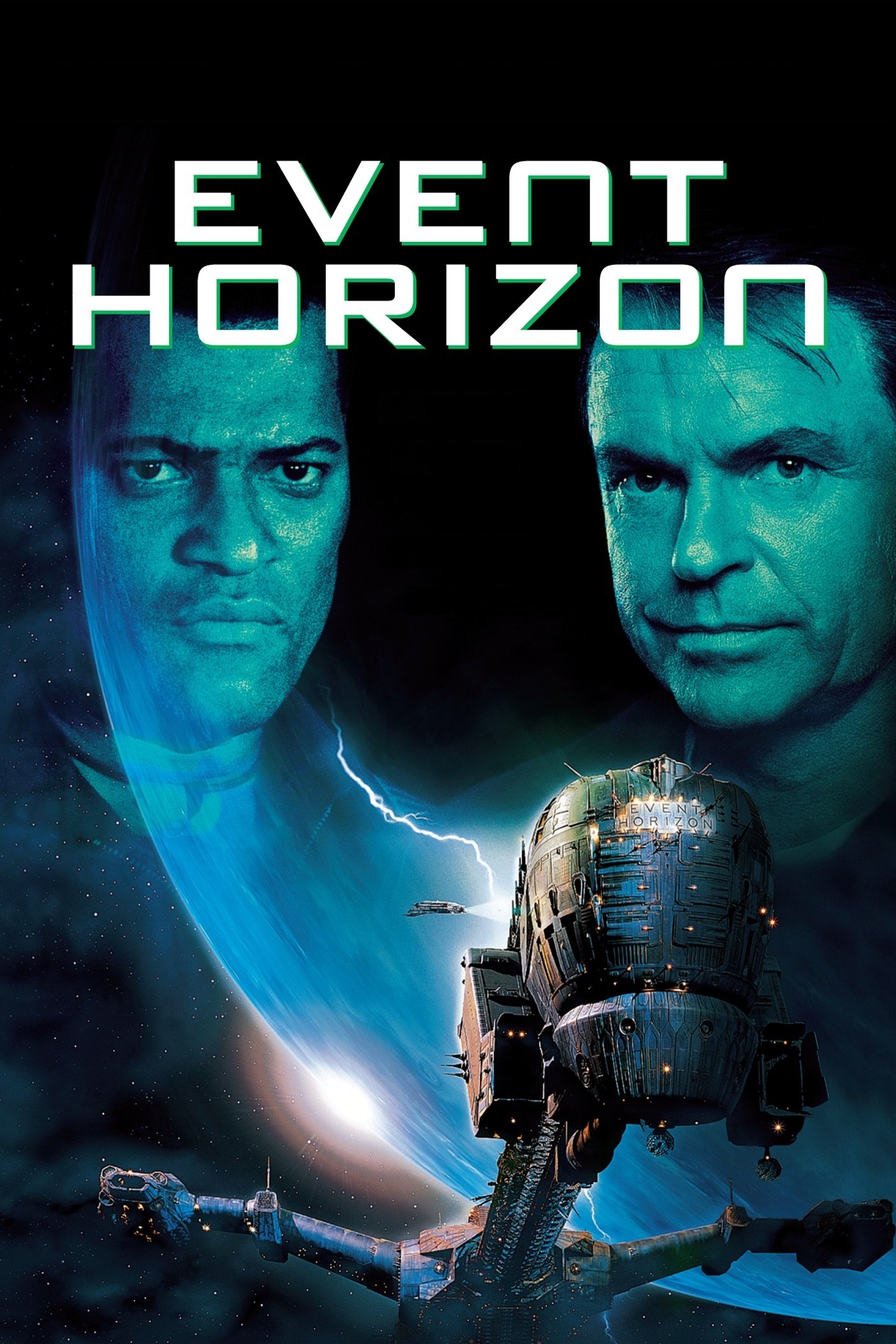
Paul W S Anderson sends a rescue crew to a starship that vanished during an experimental gravity drive test. Laurence Fishburne leads the team with Sam Neill as the ship’s designer. The production built large scale sets with Gothic arches and rotating corridors to suggest a sentient vessel. Paramount released the film after a rapid edit window that left some sequences legendary among fans.
‘High Tension’ (2003)
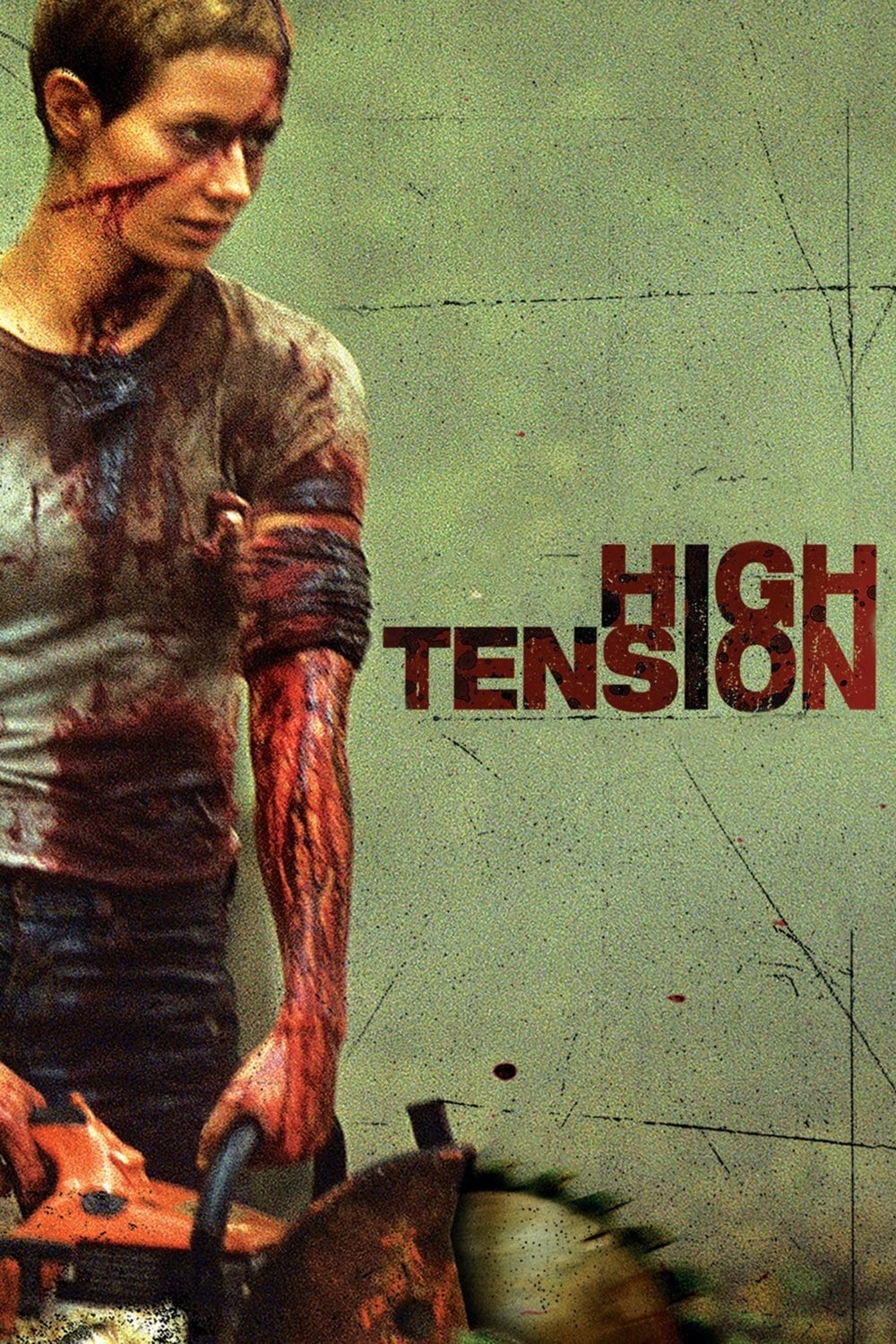
Alexandre Aja’s breakout slasher features Cécile de France and Maïwenn in a brutal cat and mouse story. Philippe Nahon plays the killer whose truck and tools become grim calling cards. The shoot took place in the French countryside with heavy use of practical gore effects. Lionsgate handled the US release under the English title and offered both subtitled and dubbed versions.
‘The House of the Devil’ (2009)
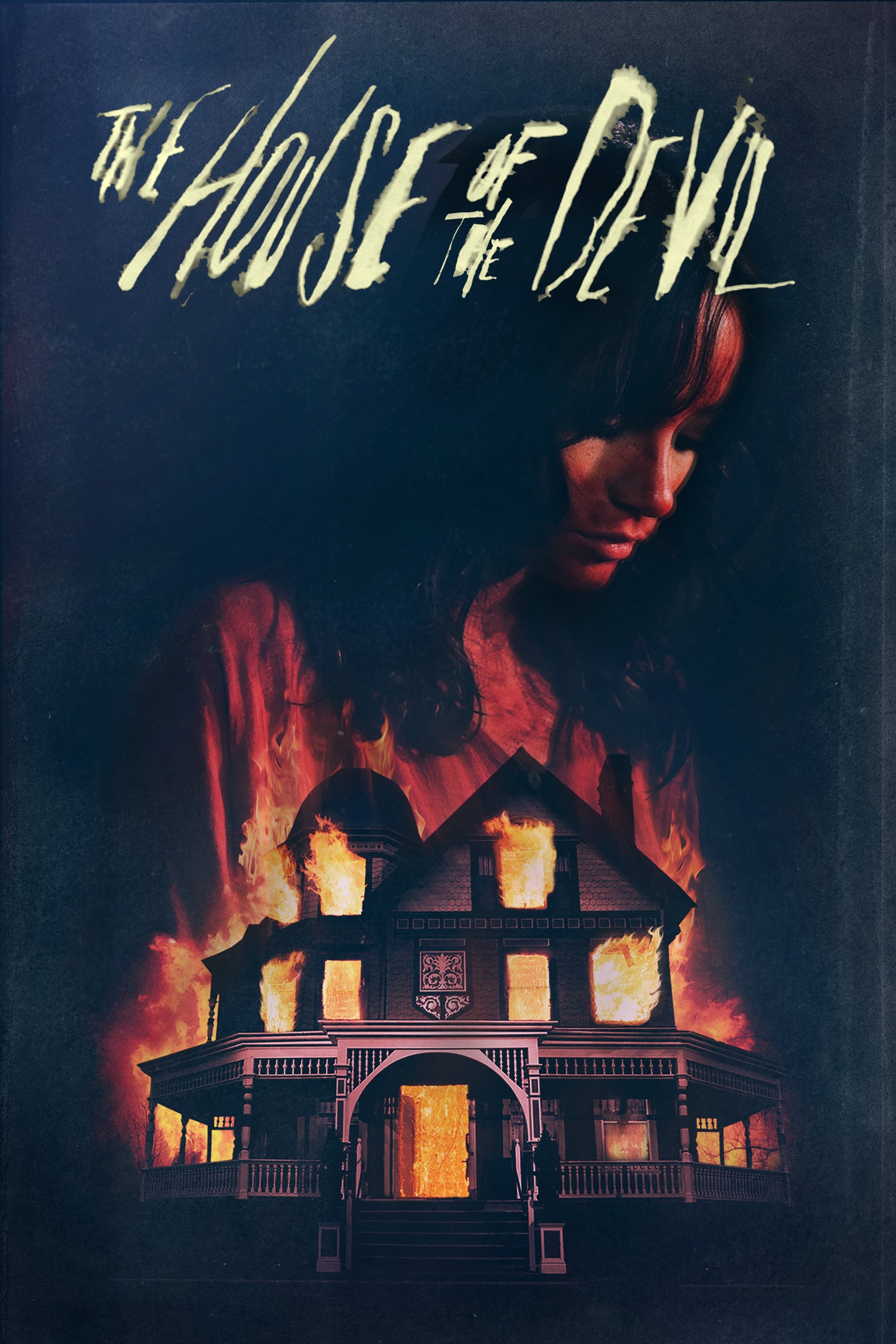
Ti West crafts a slow burn babysitter nightmare with Jocelin Donahue in the lead. Tom Noonan and Mary Woronov play the eerie homeowners, with Greta Gerwig as the best friend. Production leaned on period accurate wardrobe, analog props, and synth driven sound to evoke an earlier era. Magnet Releasing brought the film to audiences alongside a festival run.
‘Cure’ (1997)
Kiyoshi Kurosawa’s detective story stars Kōji Yakusho as a cop tracing a string of identical murders. Each killer is an ordinary person who seems to have no memory of the act. A drifter named Mamiya keeps steering conversations toward identity and suggestion. Minimal music and long static shots create an investigative rhythm that turns hypnotic.
‘The Borderlands’ (2013)
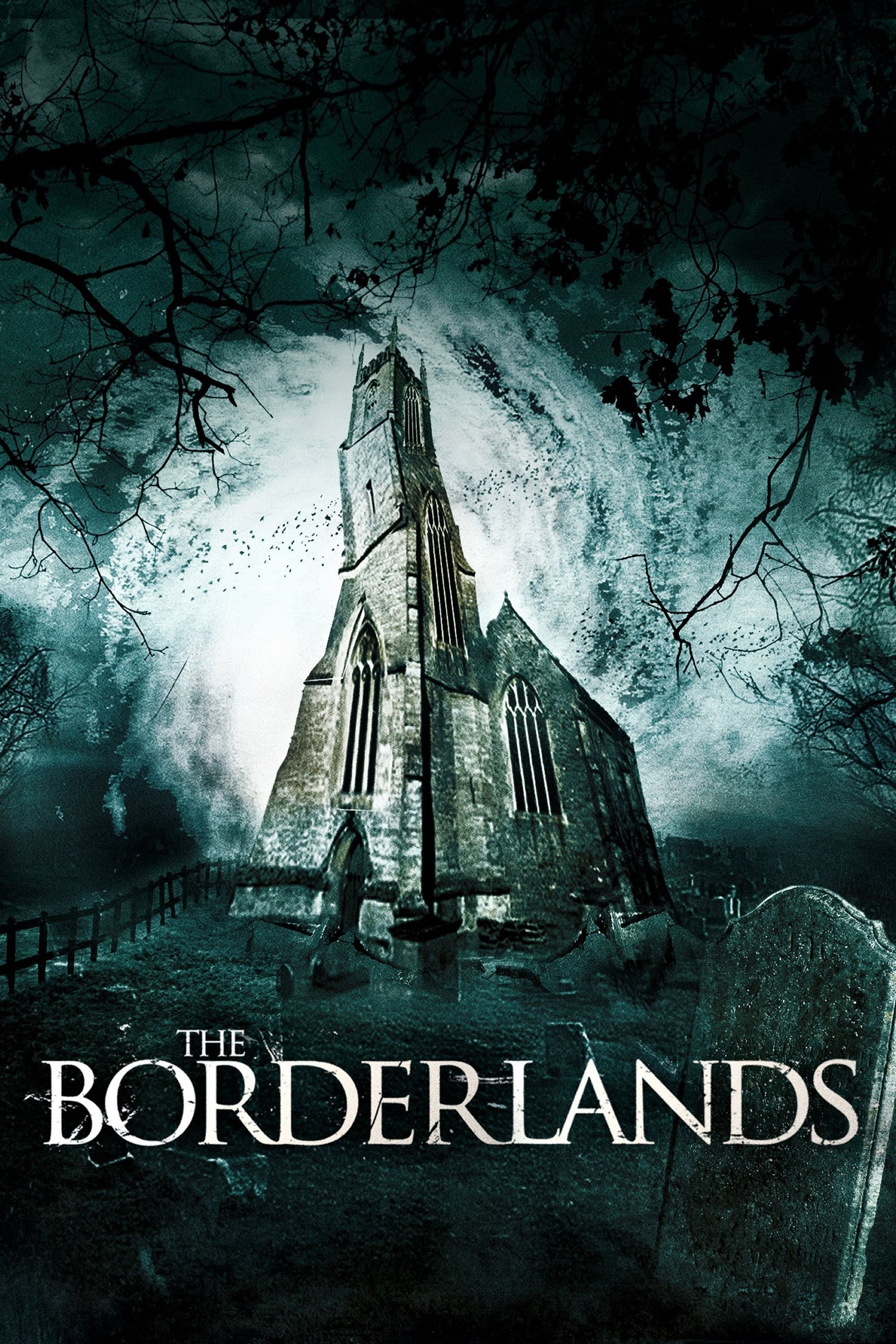
Also known as ‘Final Prayer’, this UK found footage entry follows Vatican investigators verifying a church miracle. The team installs cameras and audio gear throughout a rural stone chapel. Strange readings and shifting architecture push the inquiry beyond standard debunking. The film uses helmet cams and static rigs to capture cramped tunnels and pitch black chambers.
‘Resolution’ (2012)
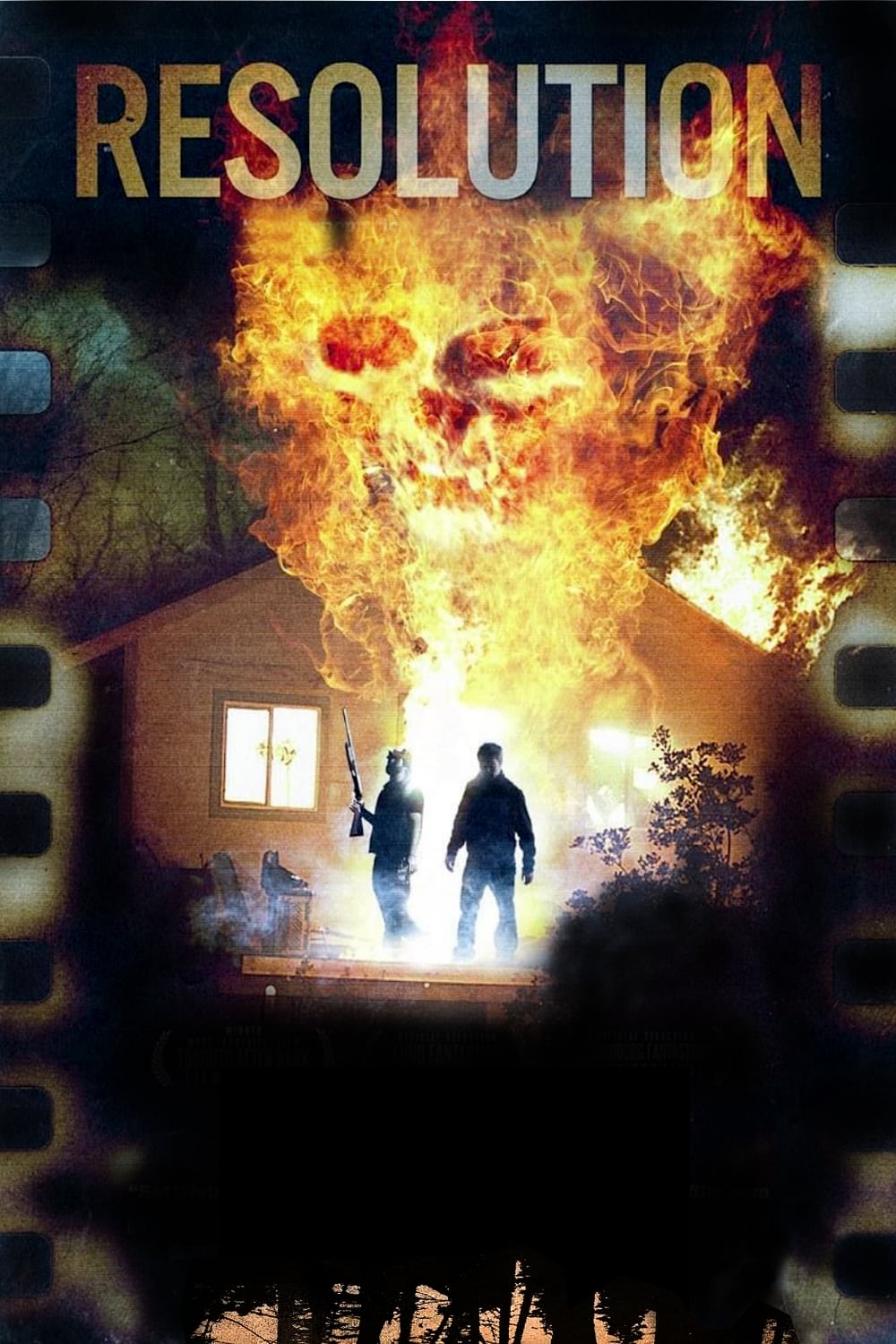
Justin Benson and Aaron Moorhead center on two friends in a derelict cabin where strange media keeps appearing. Peter Cilella’s character attempts a week long detox plan while videos and photos document events that have not yet happened. The production was microbudget with real abandoned locations near San Diego County. The film later connected to the duo’s wider universe through shared characters and motifs.
‘The Empty Man’ (2020)
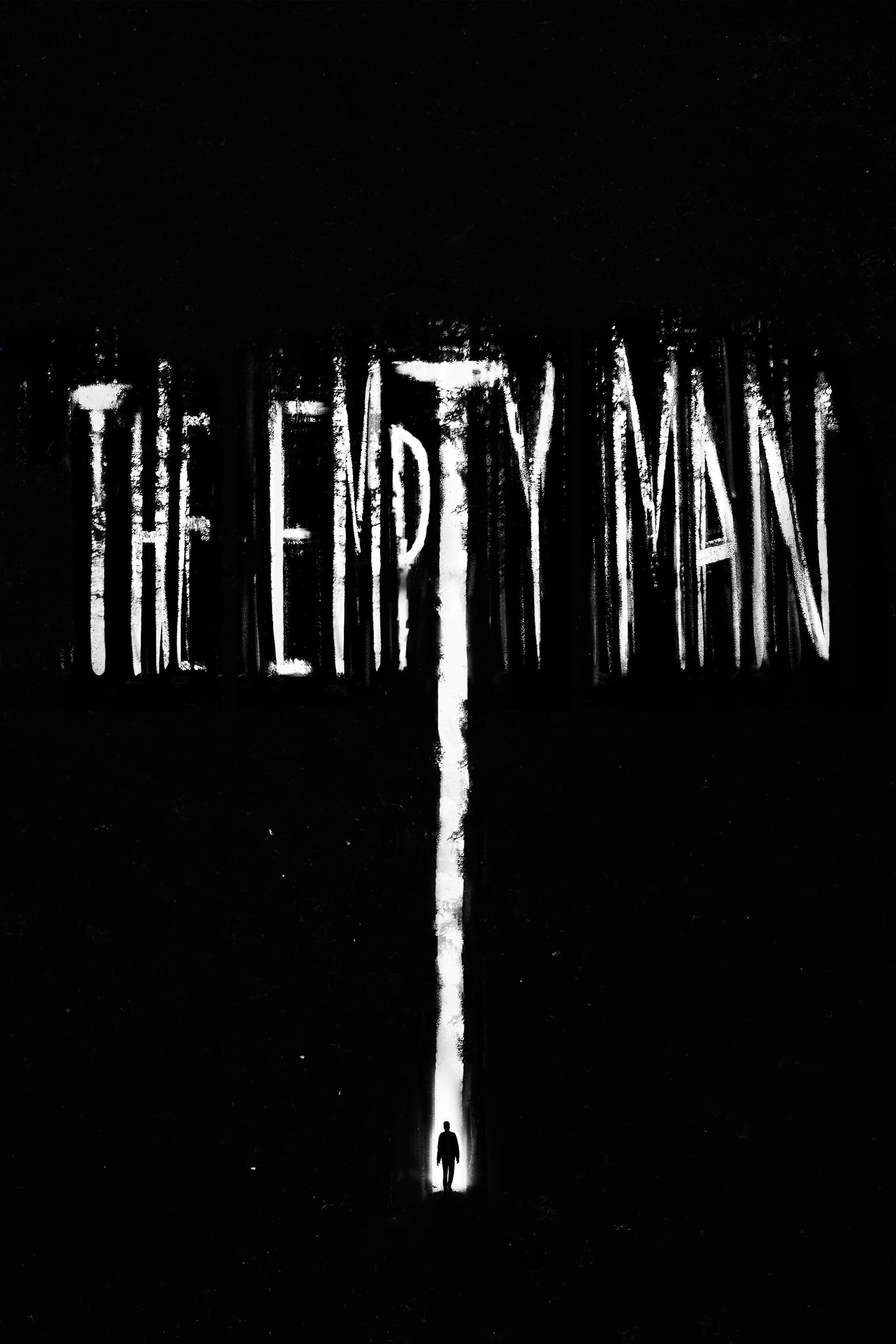
David Prior adapts the Boom Studios graphic novel by Cullen Bunn and Vanesa R Del Rey. James Badge Dale plays a former cop drawn into an urban legend that hides a secret organization. The shoot spanned multiple states with extensive location work, including bridges, caves, and a remote compound. The release arrived during a corporate transition and found its audience through streaming discovery.
‘The Poughkeepsie Tapes’ (2007)
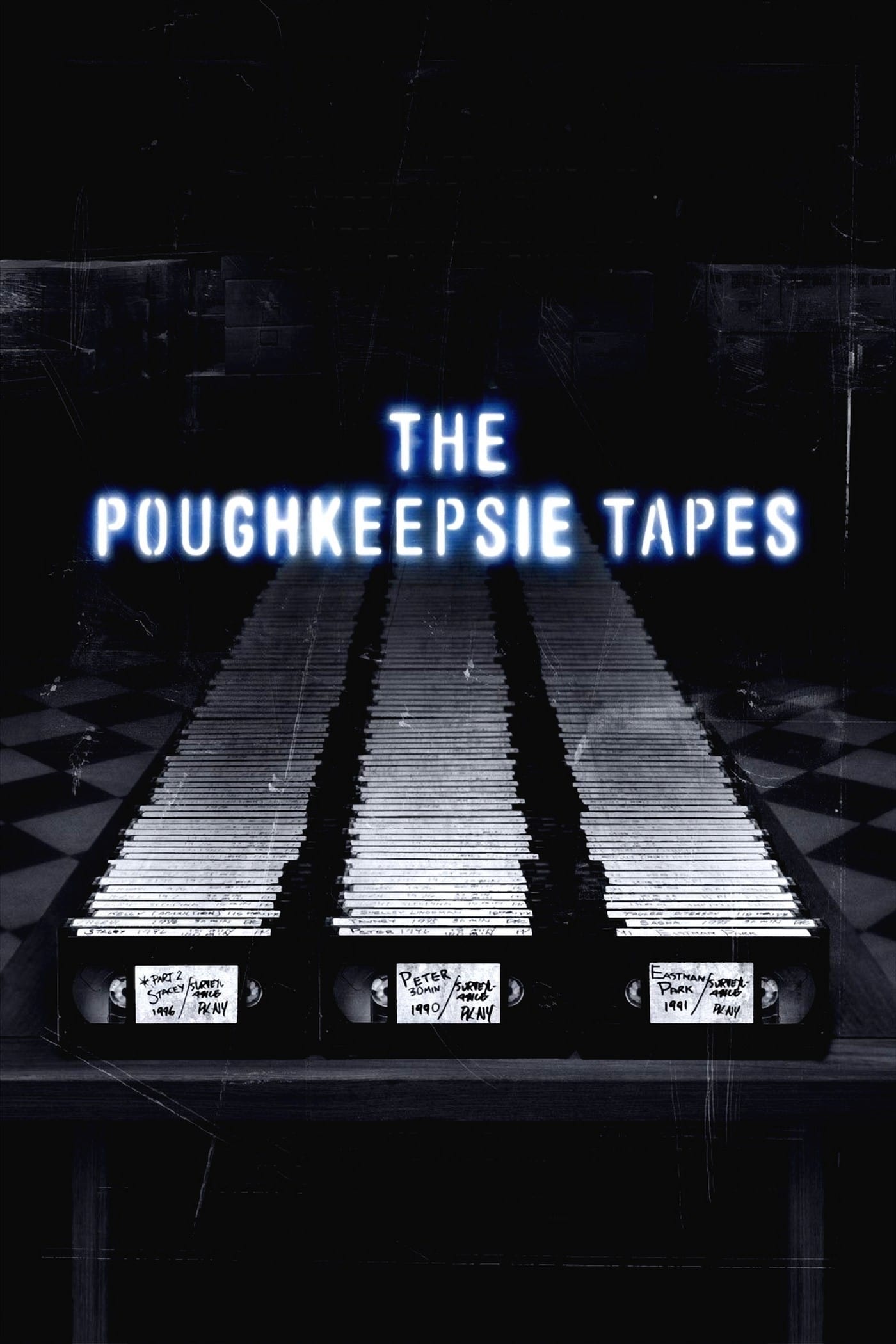
Directors John Erick Dowdle and Drew Dowdle assemble a faux true crime package built from confiscated home videos. The narrative tracks investigators studying evidence tied to a serial killer who documents surveillance, kidnappings, and staged interviews. The film uses intercut talking heads, police briefings, and degraded footage to sell authenticity. It premiered, then spent years in distribution limbo before resurfacing widely on home media and streaming.
‘As Above, So Below’ (2014)
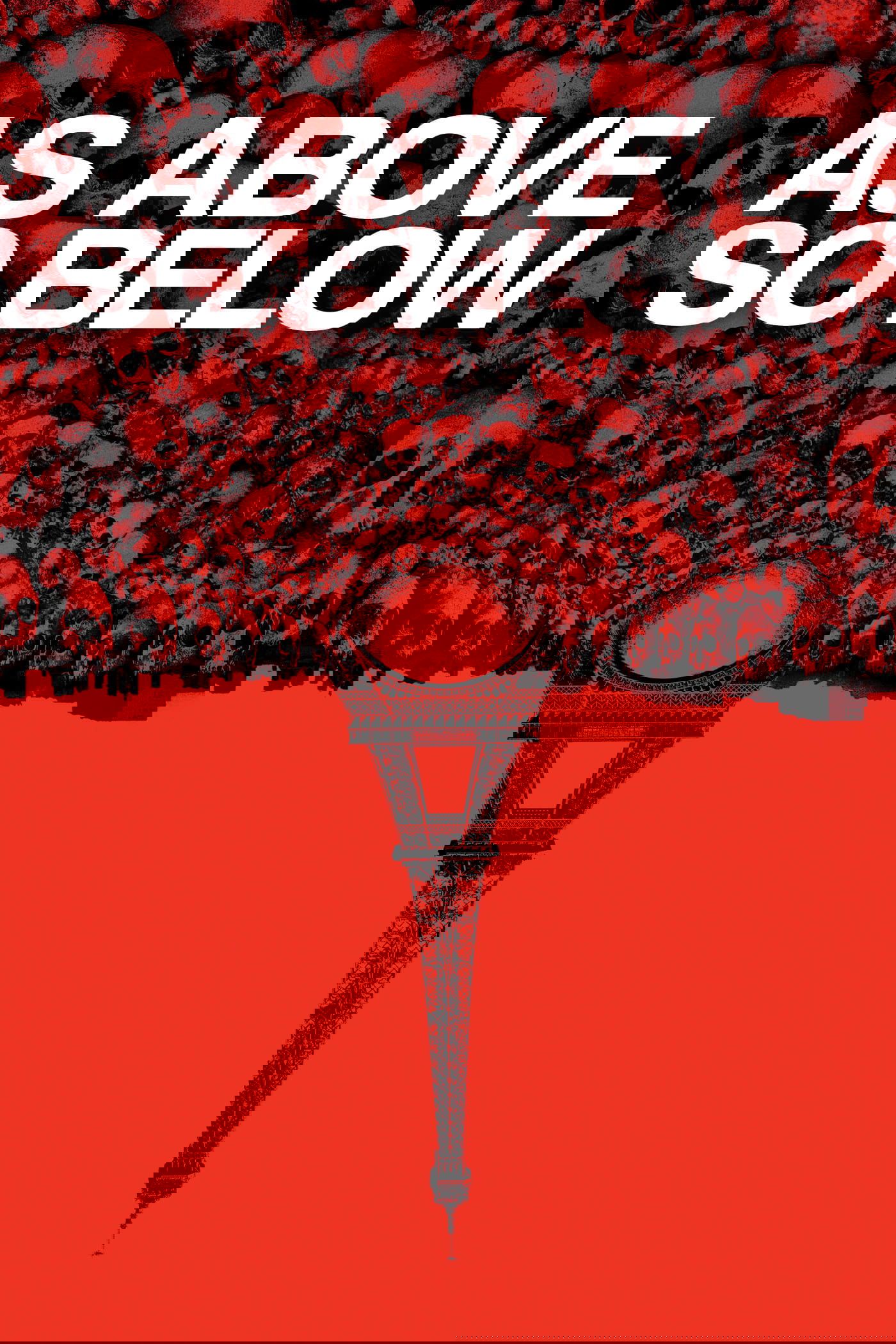
John Erick Dowdle shoots largely in the Paris catacombs with a compact crew and found footage rigs. The story follows a team of urban explorers mapping tunnels while chasing a philosopher’s stone clue trail. Production relied on actual narrow passages and minimal lighting to create tight spaces and echoing sound. The release blended adventure puzzle beats with tunnel collapse hazards and handheld chaos.
‘Inside’ (2007)
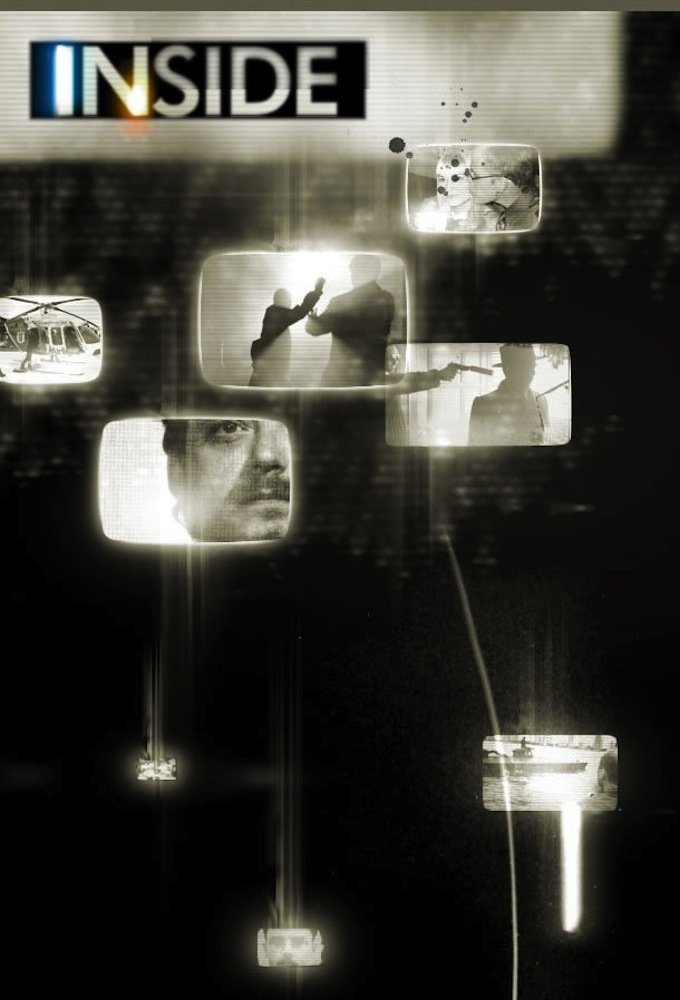
Alexandre Bustillo and Julien Maury stage a brutal home invasion focused on a pregnant protagonist and a relentless intruder. Béatrice Dalle and Alysson Paradis lead a small ensemble inside a suburban house that becomes a barricaded maze. The camera favors close quarters, glass shards, and improvised tools rather than elaborate stunt work. U S distribution arrived through Dimension Extreme with cuts and alternate versions circulating.
‘Goodnight Mommy’ (2014)
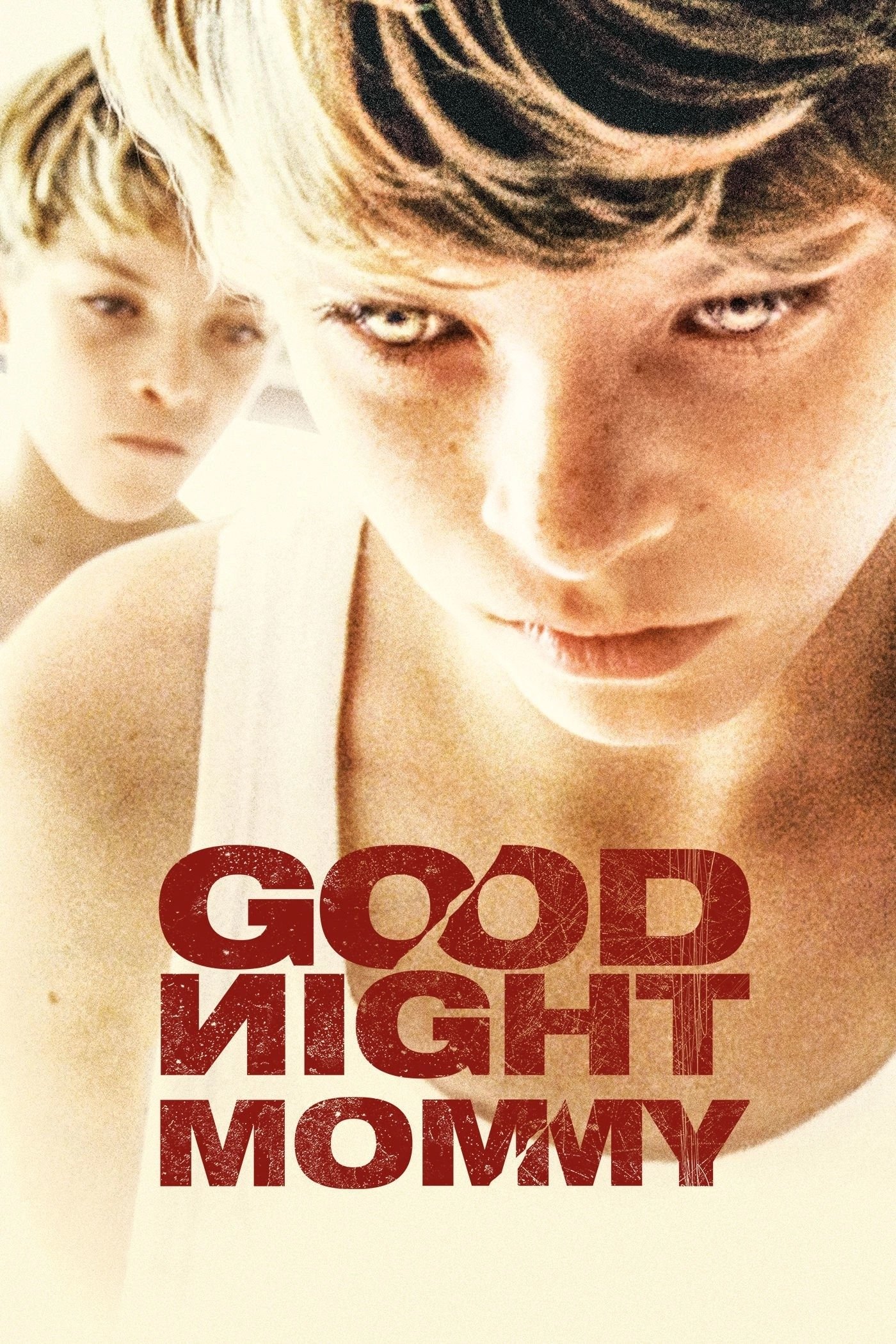
Veronika Franz and Severin Fiala center on twin brothers worried about their mother after reconstructive surgery. Most scenes play in a sleek rural home surrounded by cornfields and quiet country roads. Long static shots and precise sound cues guide the shifts between suspicion and routine. An English language remake later brought the same premise to a new cast and location.
‘Honeymoon’ (2014)
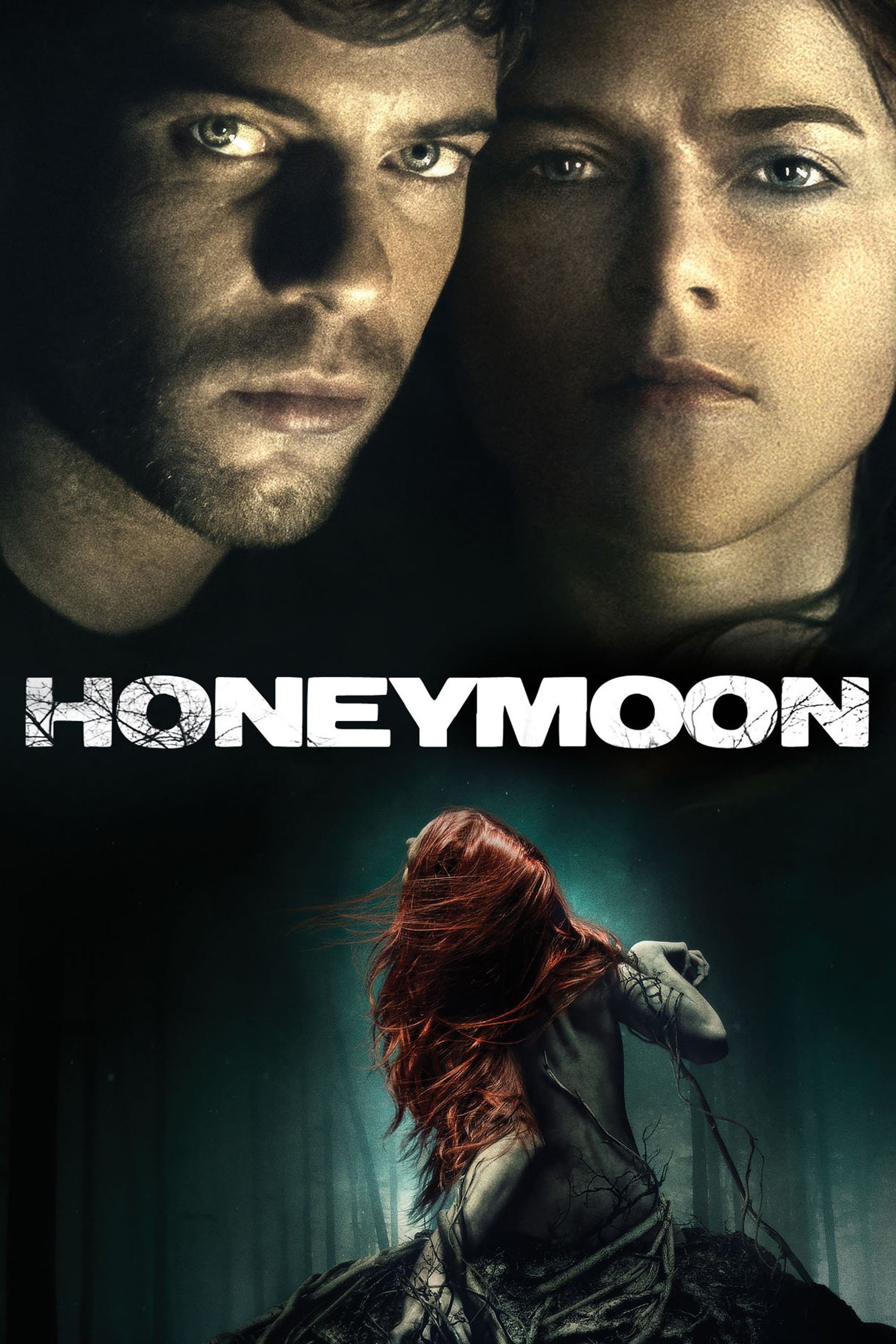
Leigh Janiak sets newlyweds in a lakeside cabin where sleepwalking and missing time complicate their first days. Rose Leslie and Harry Treadaway carry the film through duets that track memory gaps and bodily changes. The production leans on practical makeup and murky nocturnal lake imagery. Dialogue and journal notes push the mystery forward more than jump scares or chases.
‘The Canal’ (2014)
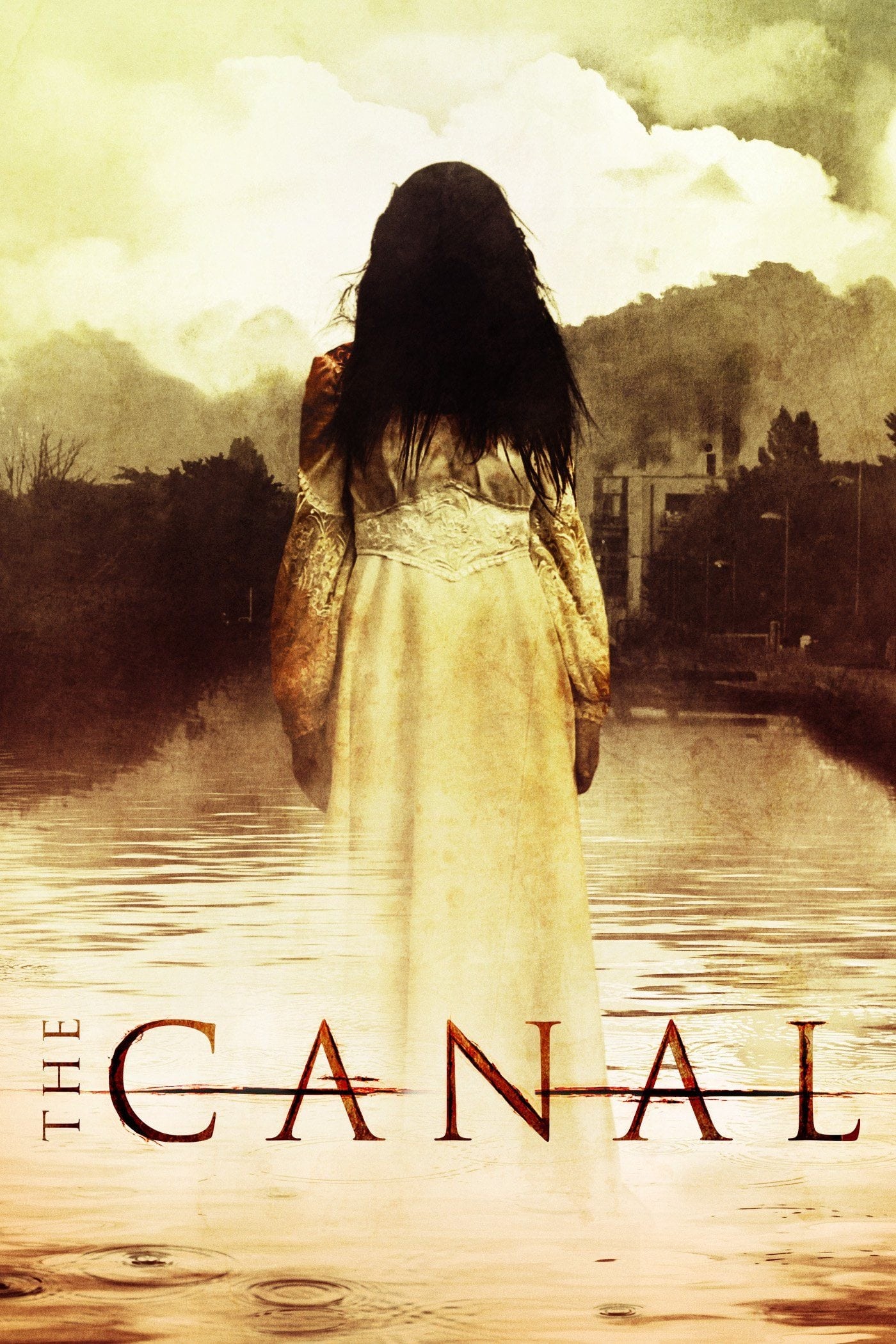
Ivan Kavanagh follows a film archivist who discovers old police footage tied to his home. Super 8 reels, projector sounds, and damp canal towpaths give the haunting a specific texture. The lead character’s work duties provide an organic reason to handle and restore crime reels. The score and sound design use creaks and water noise to keep the setting intrusive.
‘Starry Eyes’ (2014)
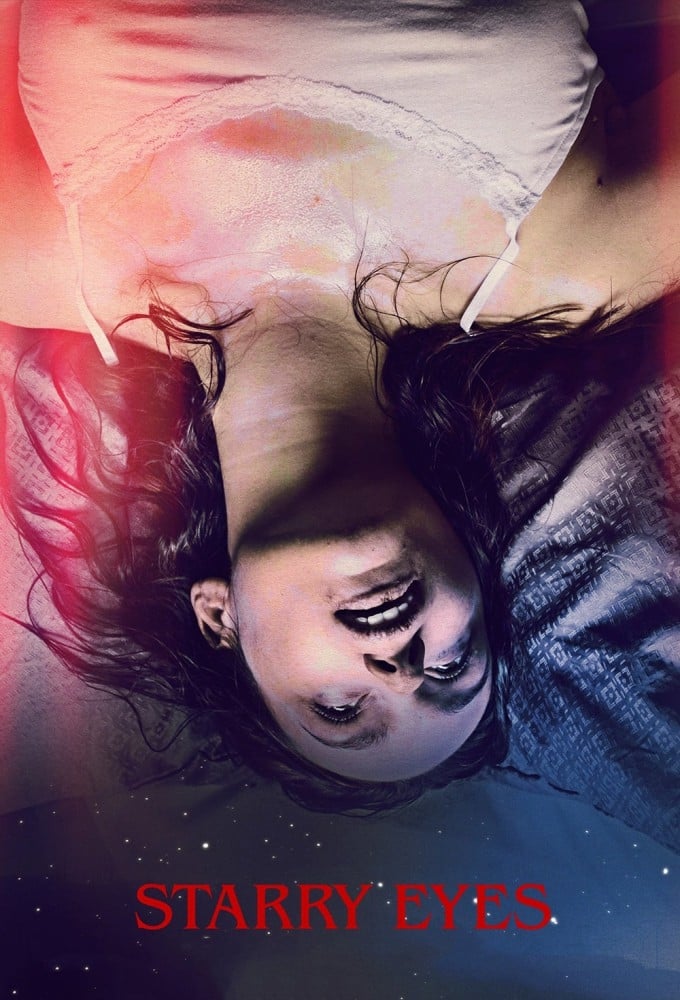
Kevin Kölsch and Dennis Widmyer map an aspiring actor’s encounters with a Los Angeles cult tied to a production company. Alex Essoe’s transformation uses layered prosthetics and staged auditions inside real casting spaces. The film draws on Hollywood backlot mythology and corporate rituals rather than classic occult trappings. Crowd funding helped push the project through post production and festival play.
‘The Possession of Michael King’ (2014)
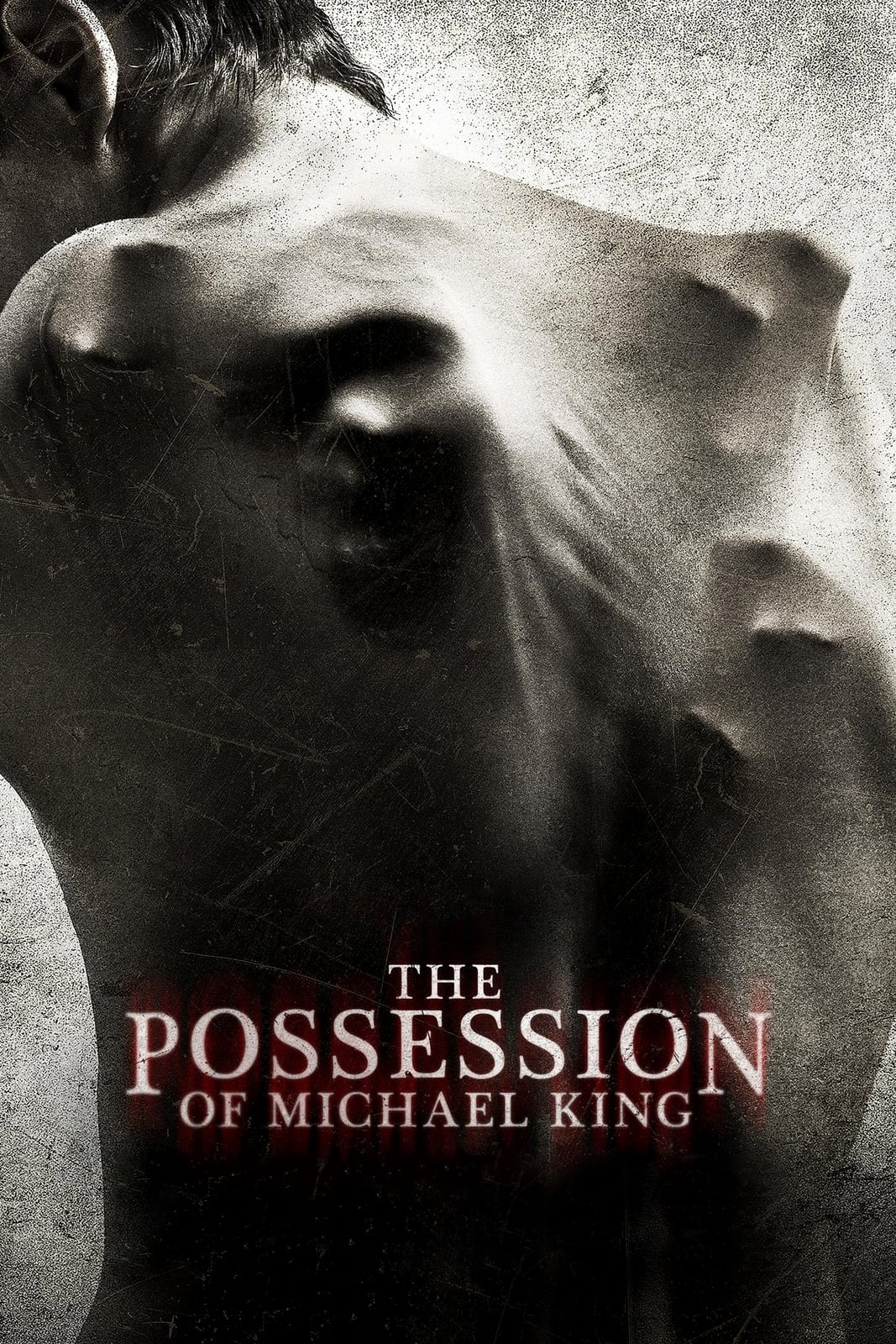
David Jung’s faux documentary follows a filmmaker who invites demonologists and occult practitioners to test their claims on him. Body mounted cameras, audio logs, and time stamped experiments structure the escalation. The production favors in camera effects and distorted vocal design over heavy CGI. The premise lets the character move between exorcism subcultures without leaving the personal diary format.
‘Splinter’ (2008)
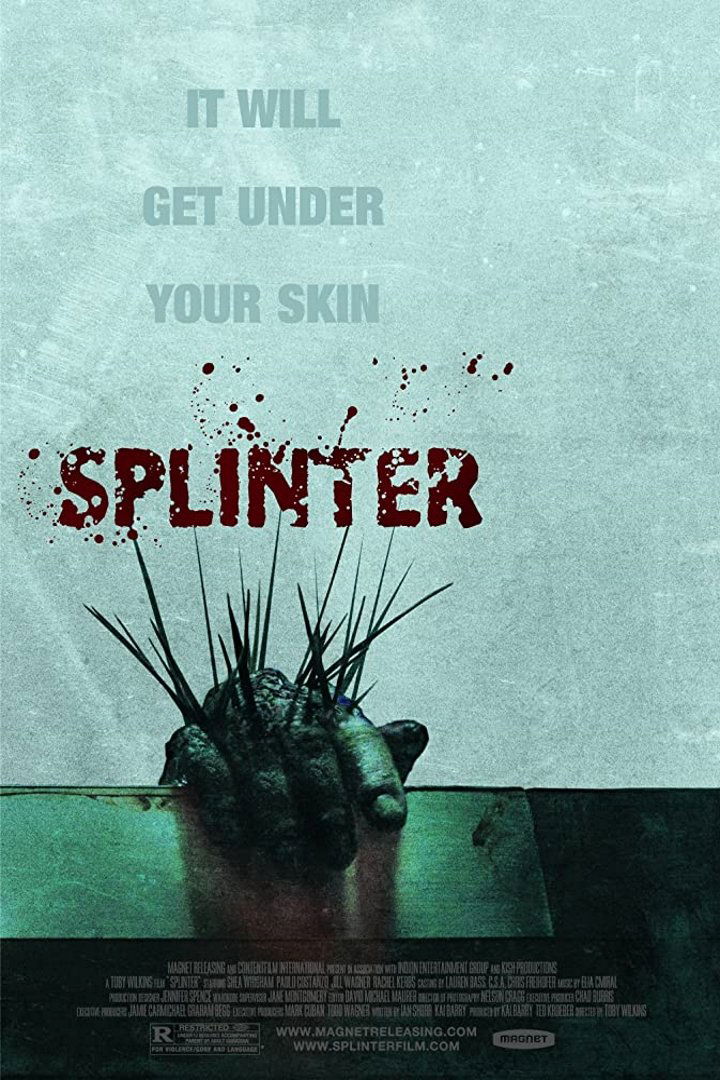
Toby Wilkins traps characters in a rural gas station with a parasitic organism that weaponizes dead tissue. The creature work mixes sharp quills, broken limb contortions, and quick cuts to sell unnatural movement. Practical rigs and stunt performers replaced large digital builds for close shots. The confined setting allowed the team to control lighting and temperature for long night shoots.
‘The Void’ (2016)
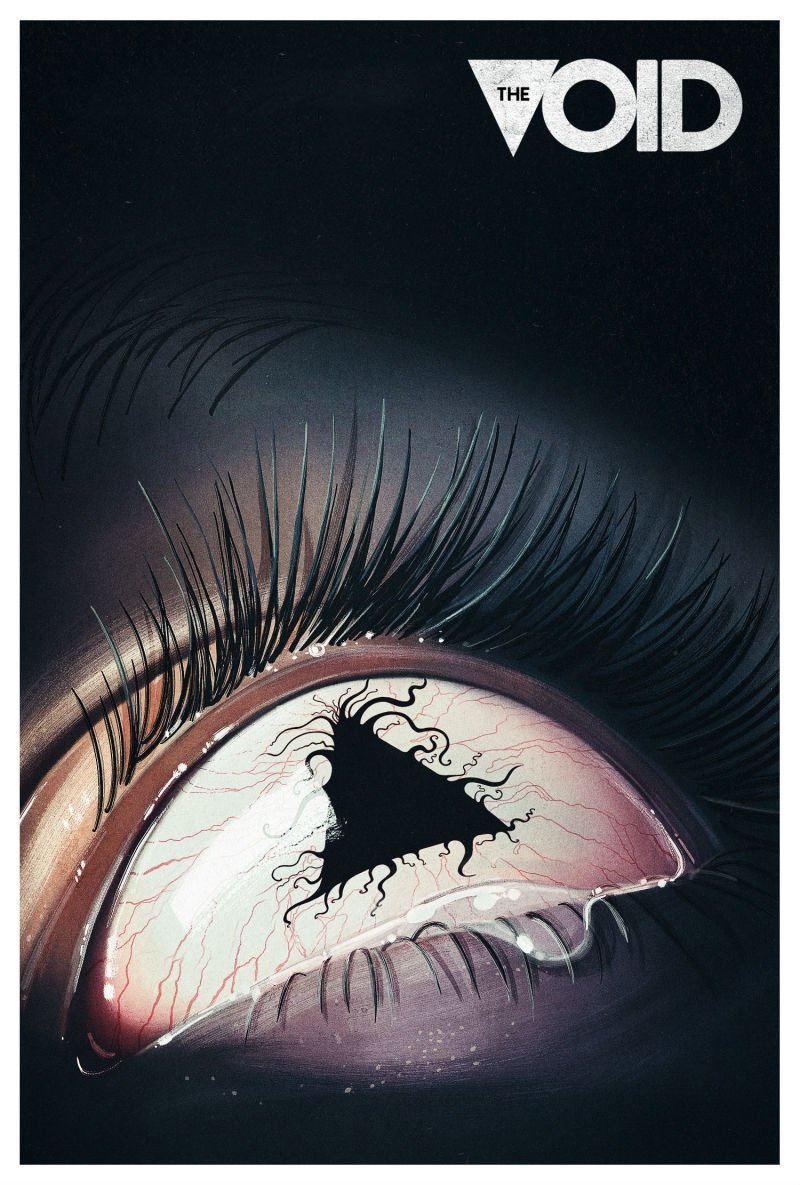
Jeremy Gillespie and Steven Kostanski strand a skeleton hospital staff with robed figures outside and shapeshifting threats inside. The filmmakers leaned on latex, animatronics, and foam builds for the creatures. Hazy geometric symbols and a basement wing introduce cosmic elements without leaving the location. The crew raised completion funds from fans who wanted practical effects front and center.
‘The Devil’s Candy’ (2015)
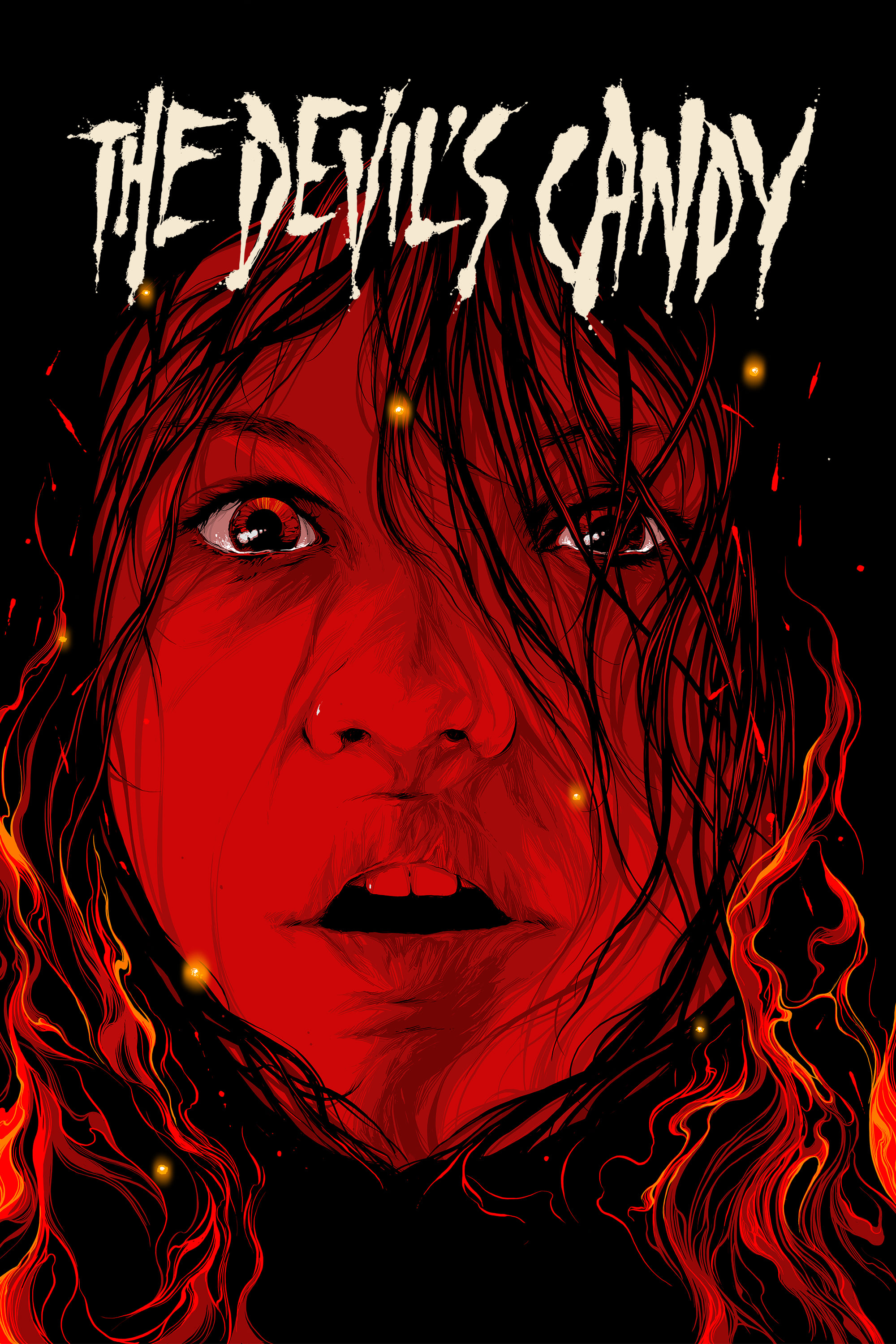
Sean Byrne centers on a metal loving painter whose new home amplifies disturbing imagery. Ethan Embry, Shiri Appleby, and Pruitt Taylor Vince form the core family and antagonist set. Gallery pressure, child protective concerns, and a prior occupant’s history collide around the same property. The soundtrack integrates heavy music cues that mirror the protagonist’s creative process.
‘Alice, Sweet Alice’ (1976)
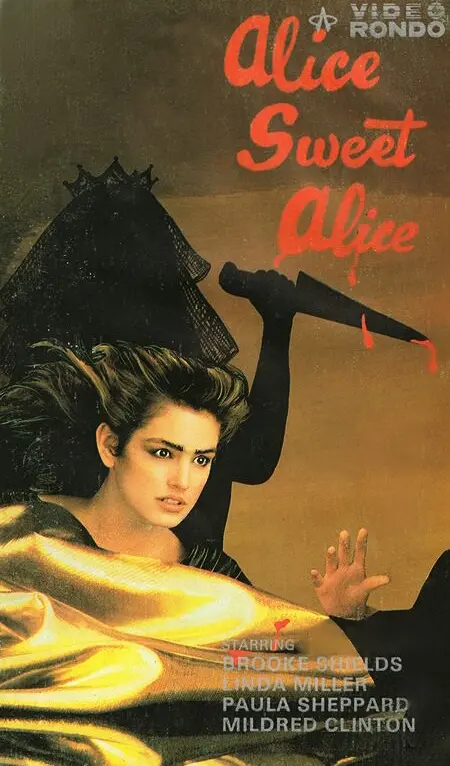
Alfred Sole stages a Catholic community murder mystery with a masked figure and a rain slicker. Church rites, first communion outfits, and brownstone stairwells anchor the setting in a specific neighborhood. The story uses police interviews and apartment gossip to spread suspicion across multiple families. Early appearances by Brooke Shields helped the film gain notoriety on television and home video.
‘The Reflecting Skin’ (1990)
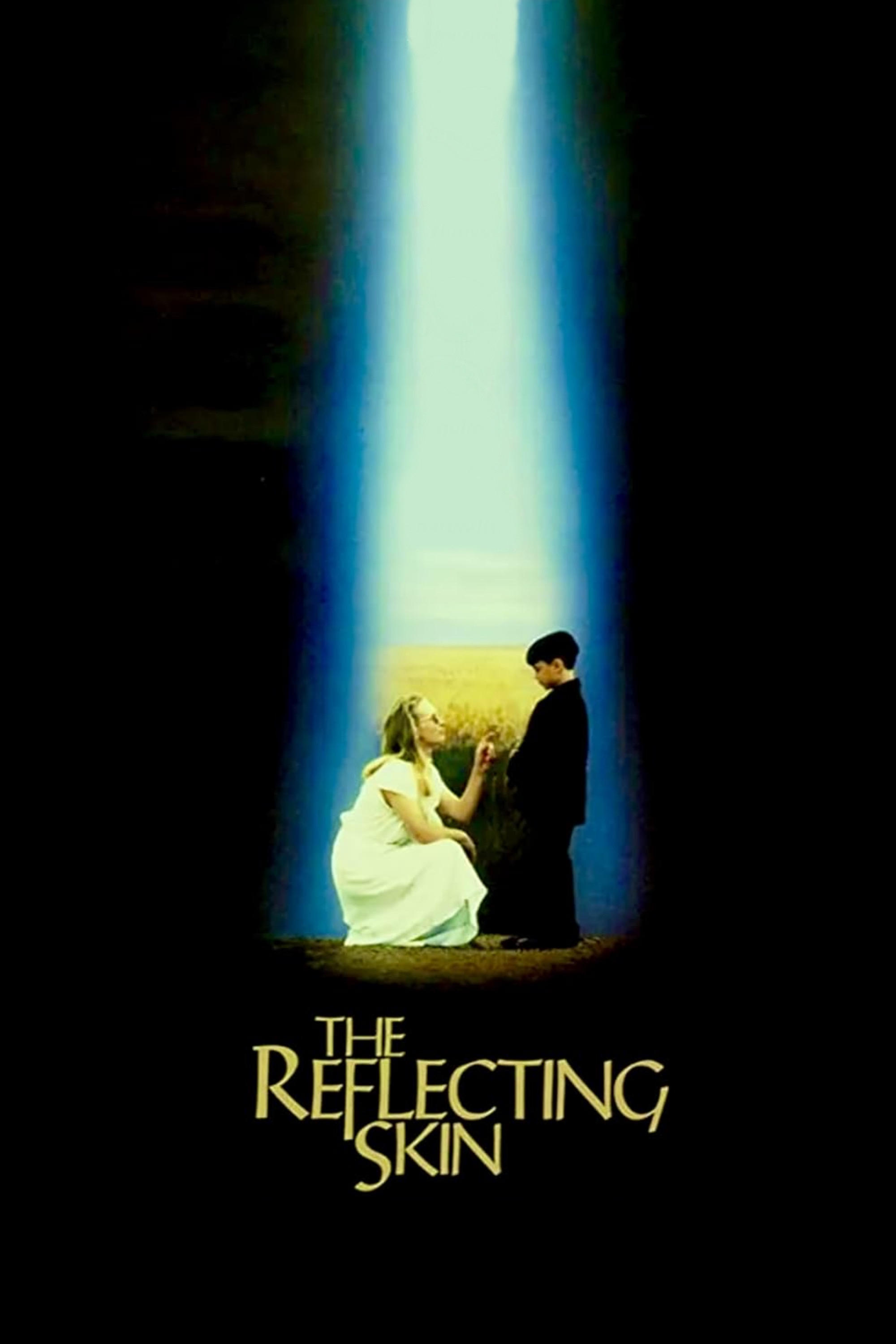
Philip Ridley frames a prairie Gothic tale of a boy convinced his neighbor is a vampire. Sun blasted wheat fields and weathered barns contrast with black clad figures and preserved animals. The cinematography pushes high contrast daylight rather than night sequences. The film circulated quietly for years and later returned through restorations and repertory screenings.
‘Spider Baby’ (1967)

Jack Hill’s cult oddity follows an eccentric family under the care of a loyal chauffeur. Lon Chaney Jr fronts the cast with sidelong humor while visitors stumble into the estate’s rules. The production uses a single creaky mansion location, dumbwaiters, and hidden rooms for set pieces. A tangle of rights issues kept the film hard to see until renewed releases opened it up again.
‘Possession’ (1981)
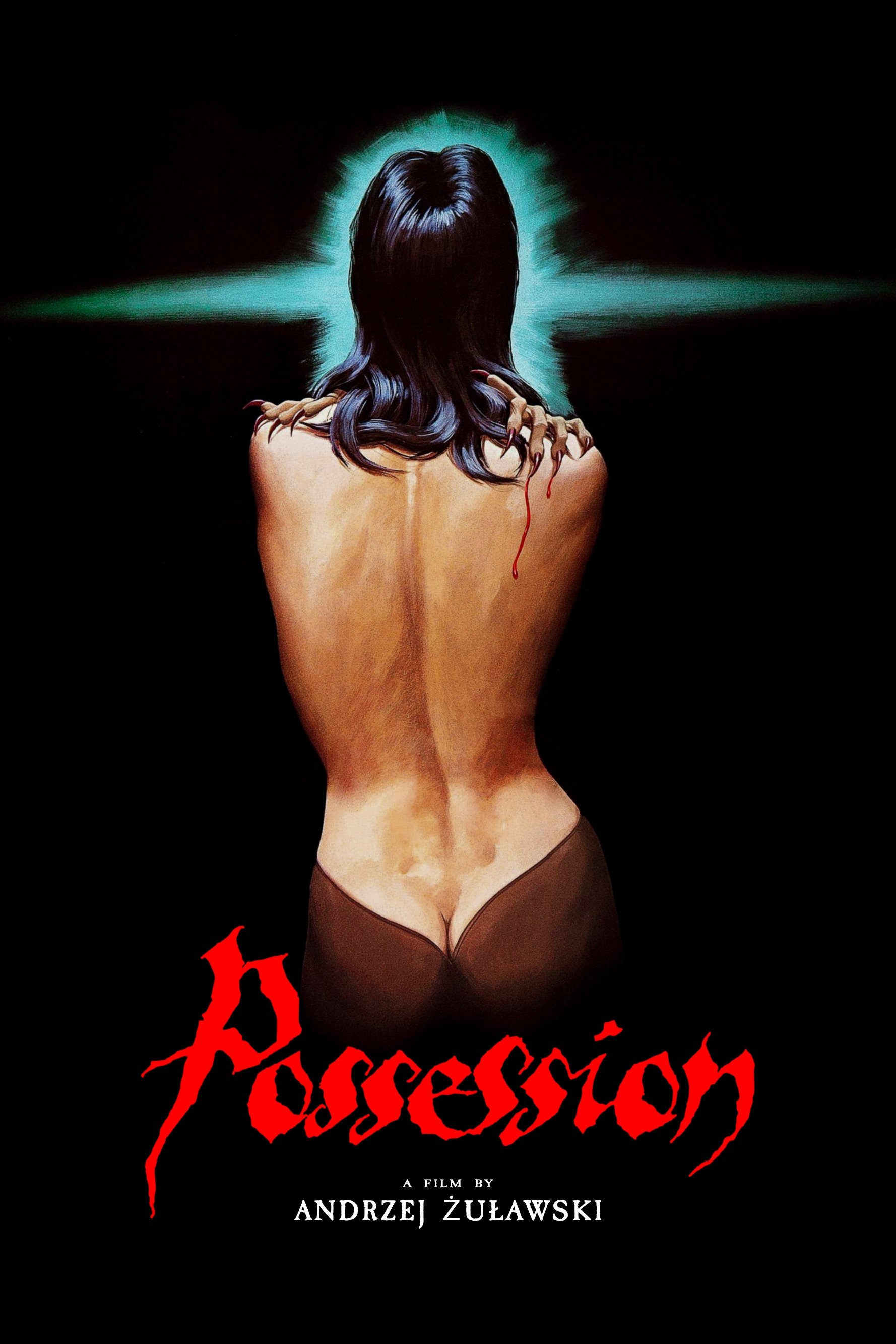
Andrzej Żuławski shoots in West Berlin and follows a couple’s breakup as it intersects with espionage and something nonhuman. Isabelle Adjani and Sam Neill carry long takes that move through apartments, subway platforms, and abandoned buildings. The story uses practical creature effects supervised by Carlo Rambaldi to chart a physical transformation. A restored cut circulated through repertory cinemas and boutique labels after decades of limited availability.
‘The Brood’ (1979)
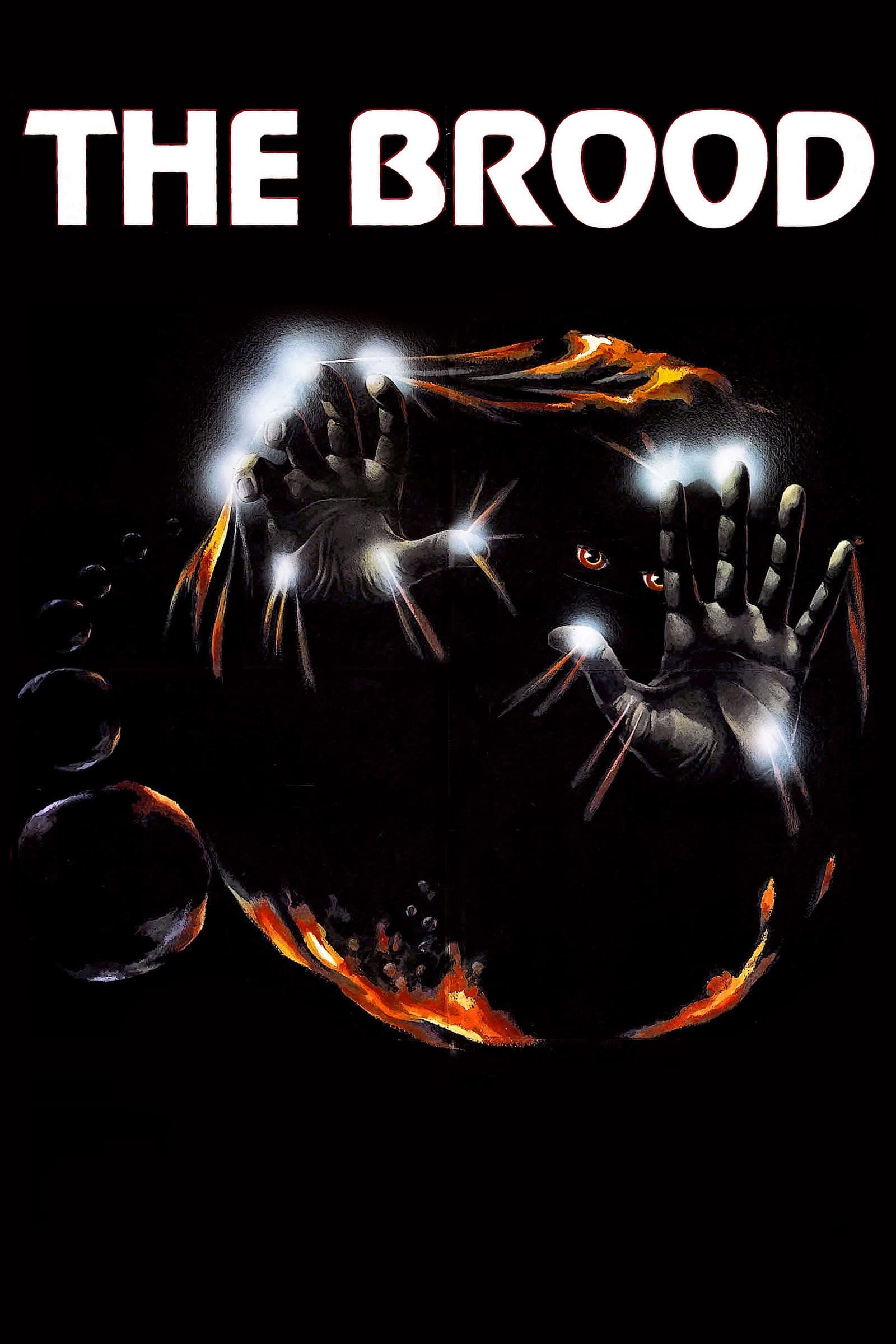
David Cronenberg sets the action around a psychiatrist running a controversial therapy program. Oliver Reed and Samantha Eggar lead a cast navigating a clinical facility and suburban neighborhoods. The narrative ties rage to physical manifestations through prosthetics and makeup work. Cold classrooms and snowbound exteriors keep the environment stark and controlled.
‘From Beyond’ (1986)
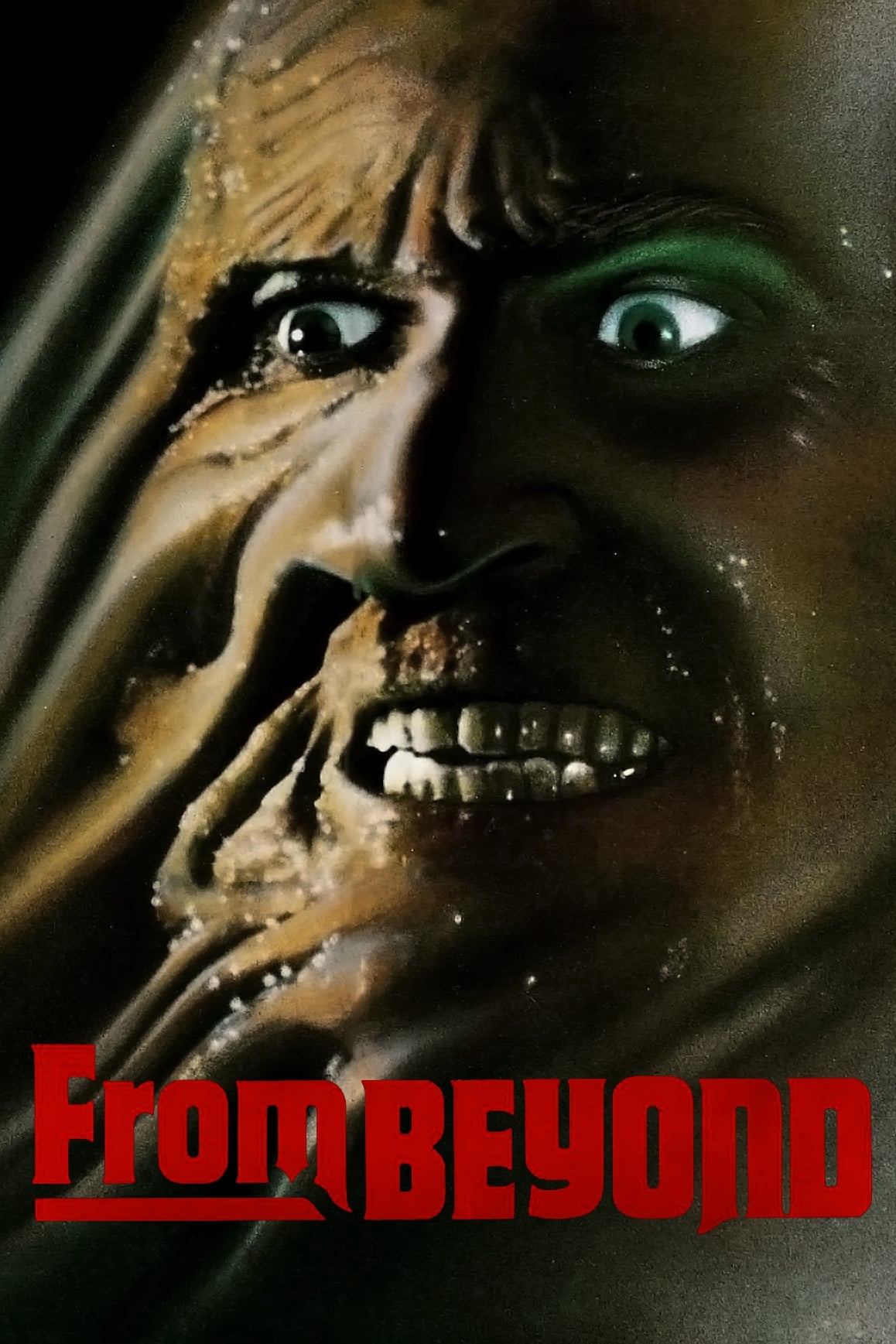
Stuart Gordon adapts an H P Lovecraft story with Jeffrey Combs and Barbara Crampton in a laboratory gone wrong. A resonator machine opens perception to creatures that shift flesh and reality. The production leans on slime heavy animatronics, pink lighting, and elastic makeup. Recut versions later restored effects scenes that had been trimmed for release.
‘Prince of Darkness’ (1987)
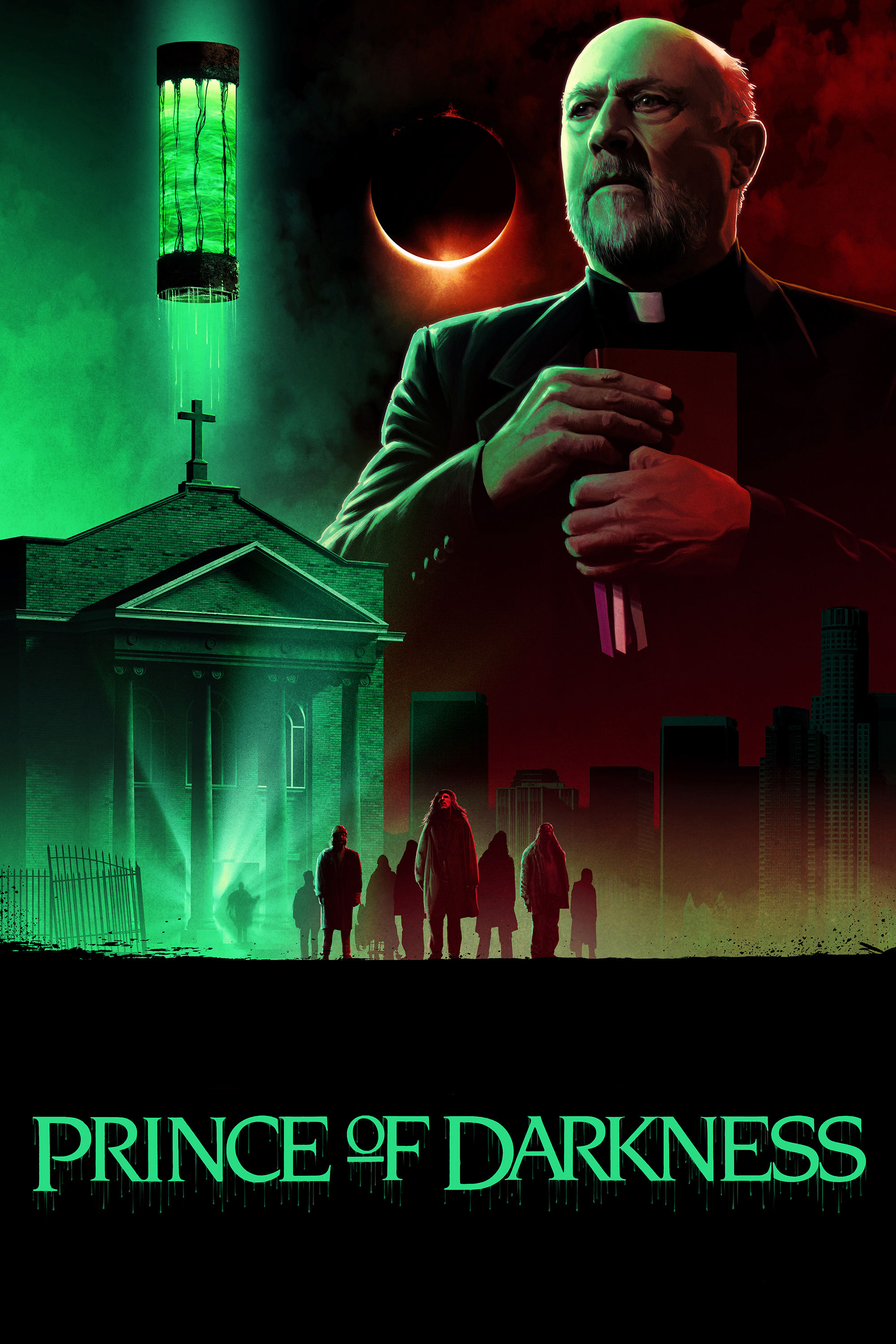
John Carpenter places graduate students and clergy inside a sealed Los Angeles church to analyze a mysterious cylinder. Green liquid, mirrored surfaces, and broadcast dreams turn scientific observation into crisis. Carpenter’s score uses pulsing synth lines that track the group’s experiments. Exterior shots anchor the location near industrial yards and empty streets.
‘The Serpent and the Rainbow’ (1988)
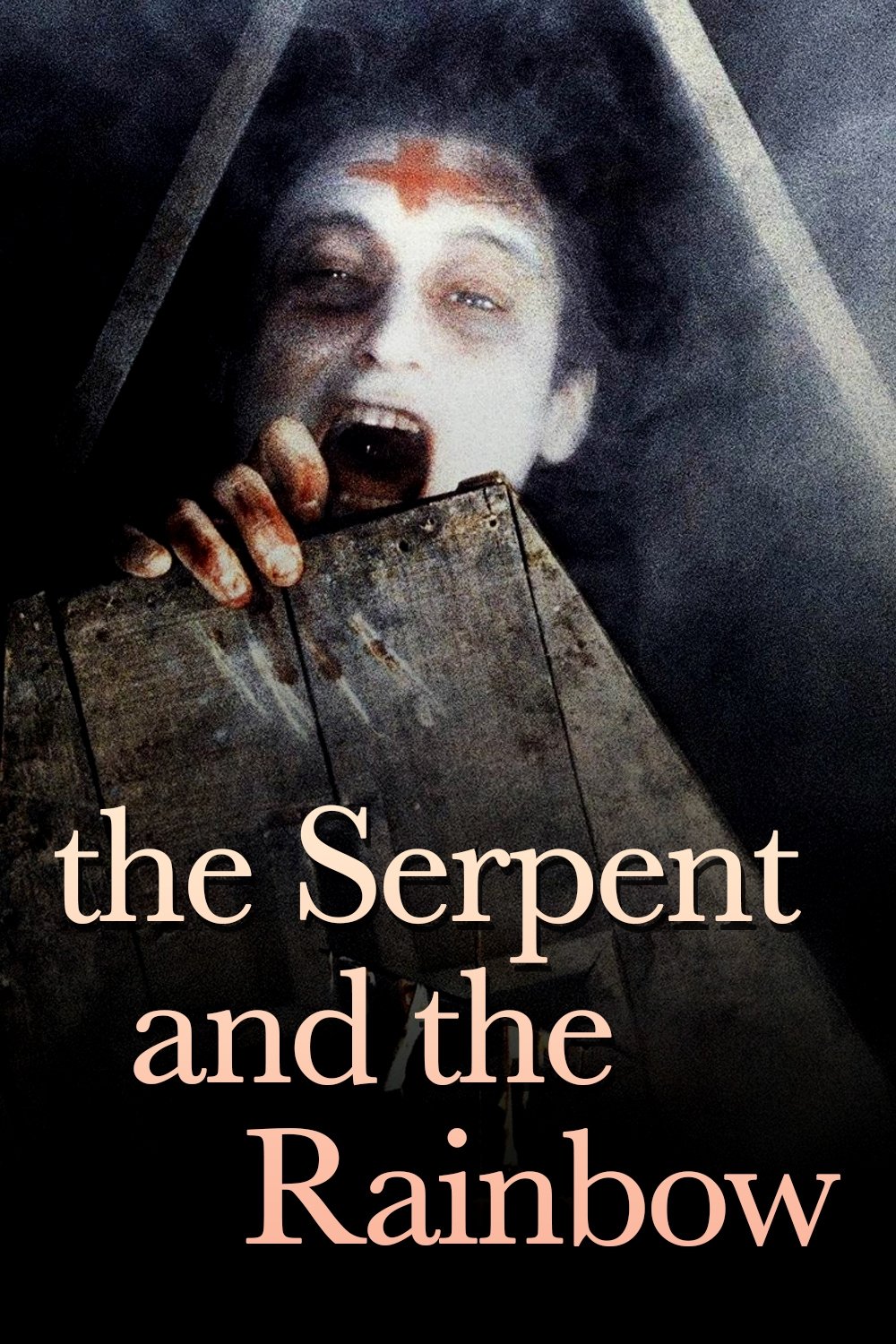
Wes Craven follows an anthropologist investigating a rumored powder linked to a zombie like state. The shoot moved through on location work that incorporates street parades, burial practices, and political tension. Bill Pullman’s character threads between medical labs and practitioners of folk traditions. Hallucinatory sequences use practical rigs and in camera tricks rather than heavy digital work.
‘The Keep’ (1983)
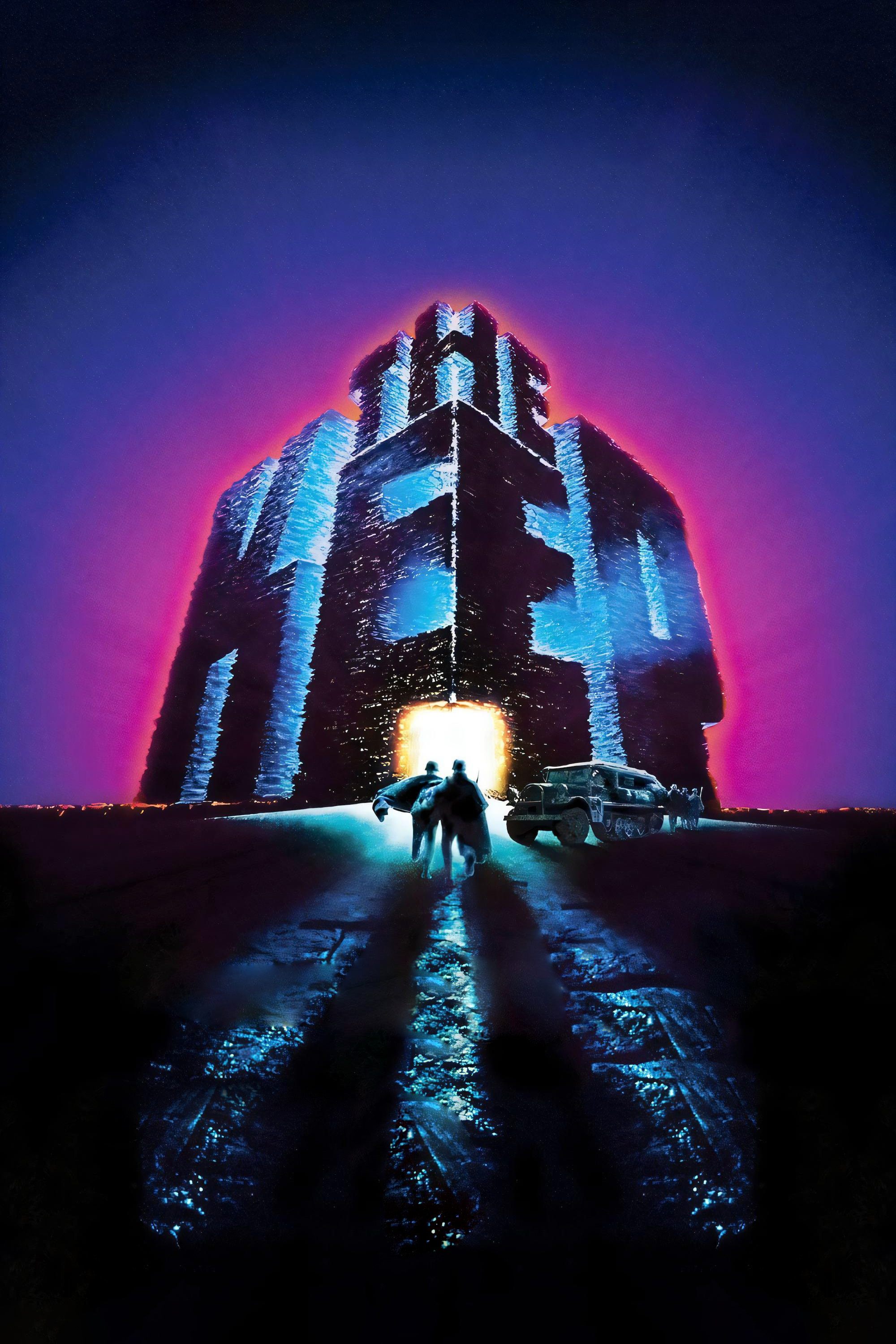
Michael Mann stages a World War II era fortress where soldiers uncover an imprisoned entity. The film uses vast sets with carved stone corridors and heavy smoke to shape the interior. Tangerine Dream provides a score that rides long synth textures over quiet dialogue. Rights and cut issues kept the film difficult to find in proper quality for years.
‘Ravenous’ (1999)
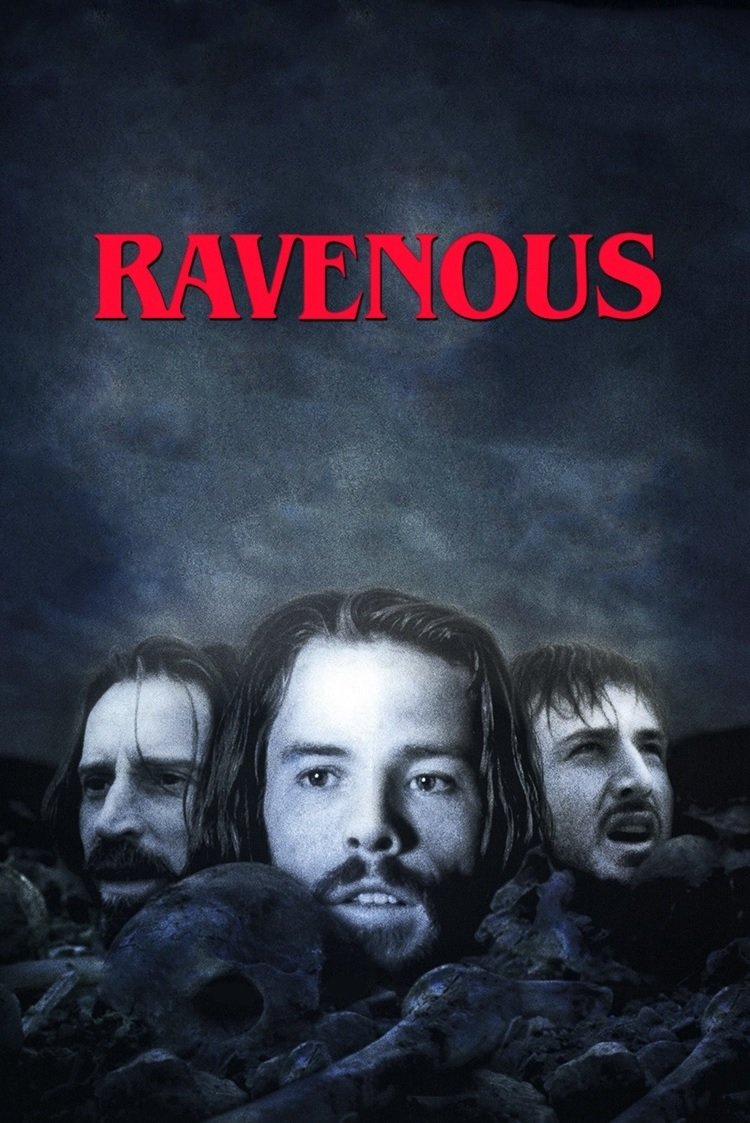
Antonia Bird sets an outpost in the Sierra Nevada where survival stories turn toward cannibal folklore. Guy Pearce and Robert Carlyle play soldiers trading accounts inside a remote fort. Production emphasizes cold weather locations, military rations, and period gear. The score by Damon Albarn and Michael Nyman tilts between fife motifs and anxious strings.
‘A Dark Song’ (2016)
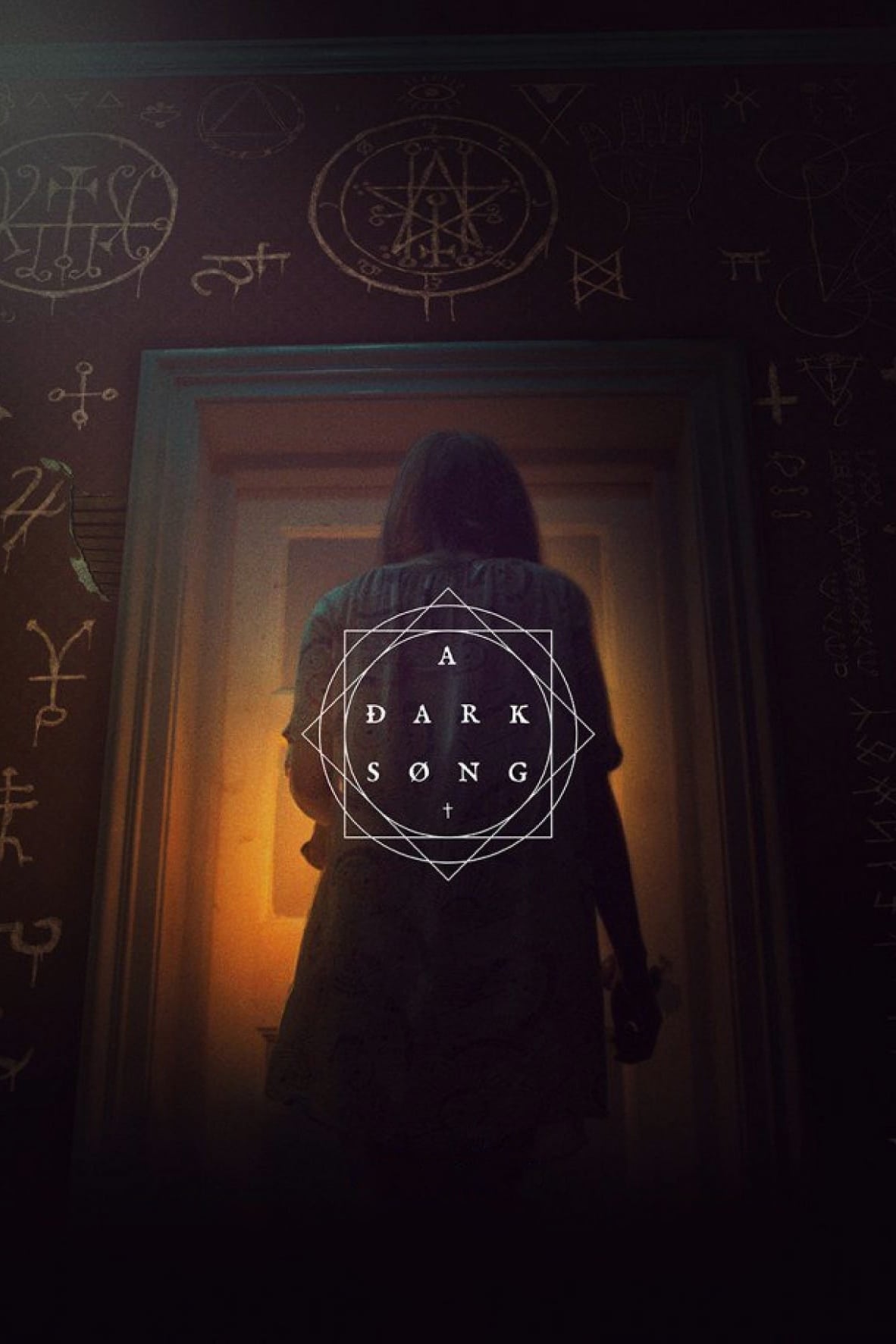
Liam Gavin focuses on a two person ritual inside a rented country house with strict rules and long preparation. Catherine Walker and Steve Oram map daily tasks across chalk circles and locked doors. The production keeps to a single location where water, food, and sleep schedules are tracked. The climax pays off the procedural steps with imagery built from practical light and sound.
‘The Invitation’ (2015)
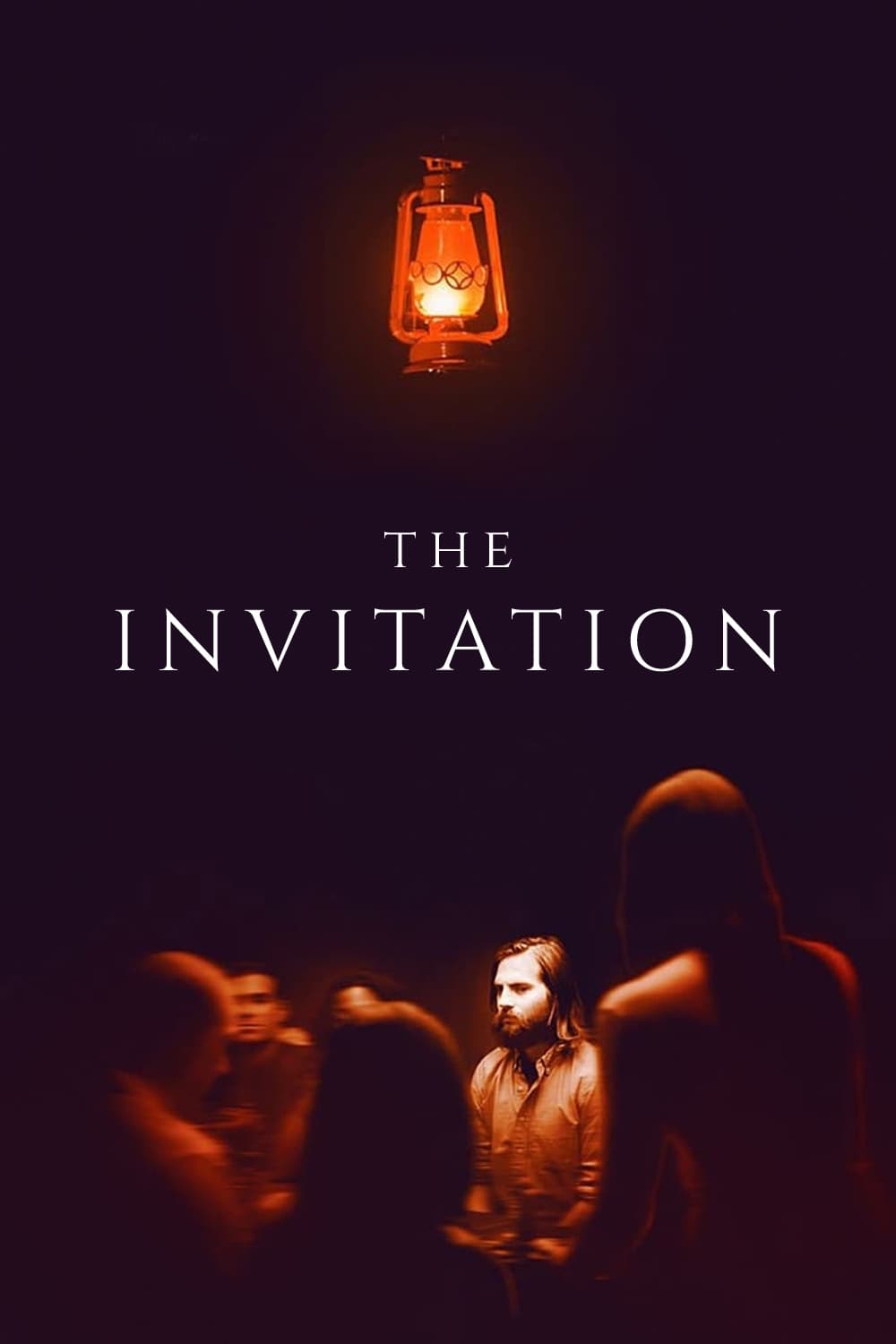
Karyn Kusama sets an uneasy reunion inside a modern Los Angeles home perched above the city. The guest list includes old friends who share grief and new acquaintances tied to a group. Doors, sliding locks, and coded toasts turn dinner conversation into a test of trust. Wide interior shots and patio views emphasize the distance between rooms as the night escalates.
‘The Autopsy of Jane Doe’ (2016)
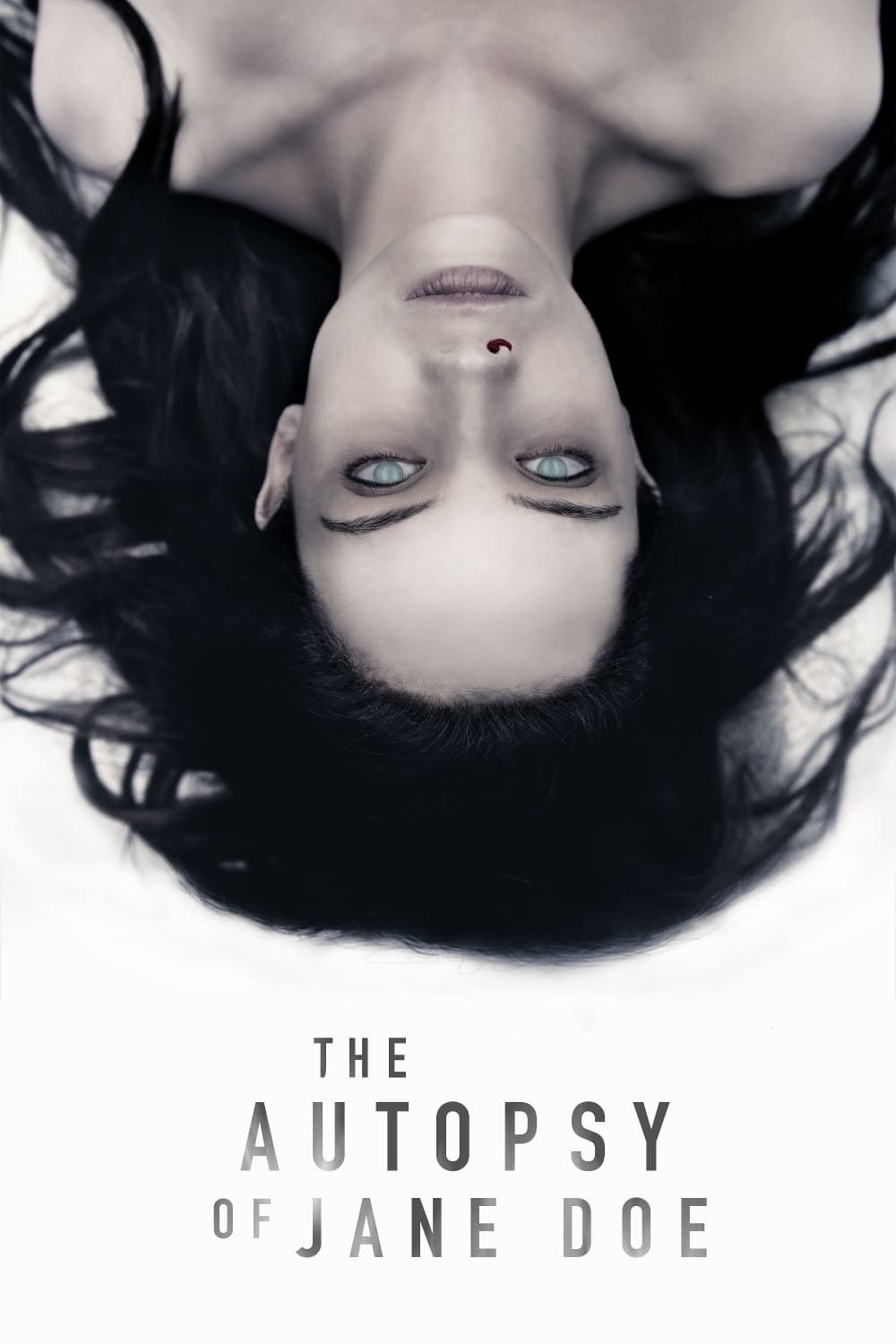
André Øvredal confines the story to a family run morgue where a father and son examine an unidentified body. Emile Hirsch and Brian Cox work through evidence like scars, missing teeth, and internal anomalies. The film tracks each procedural step with labeled tools and stainless steel surfaces. The sound mix uses ventilation hums and drawer slides to keep the room present.
‘The Signal’ (2007)
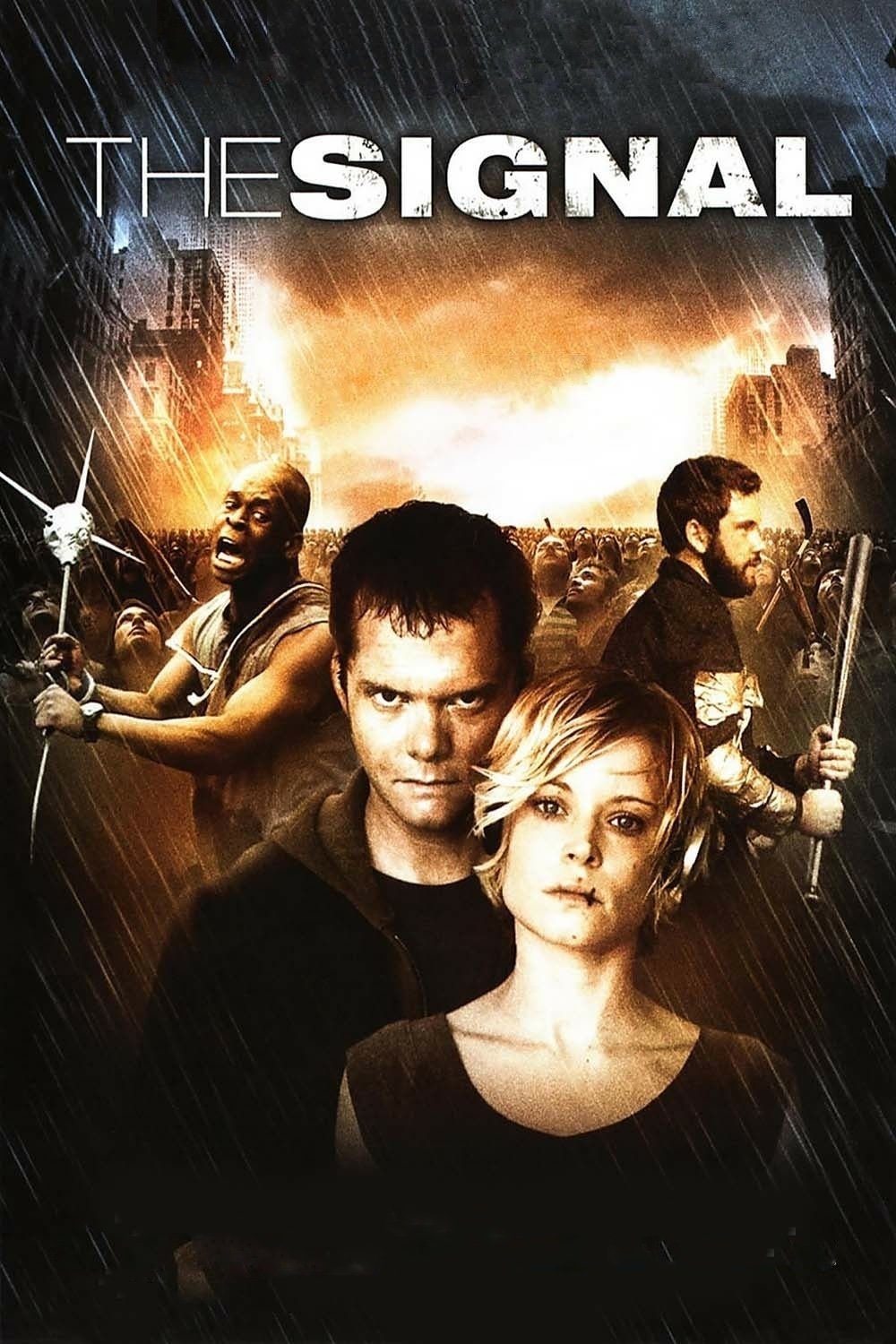
Three directors share a story about a transmission that scrambles perception and triggers violence. Broadcasts infect televisions and phones across a city, splitting the film into tone shifting segments. The cast moves through apartments, hospitals, and a New Year’s party with improvised barricades. Practical blood effects and handheld camera work keep the chaos grounded.
‘Possum’ (2018)
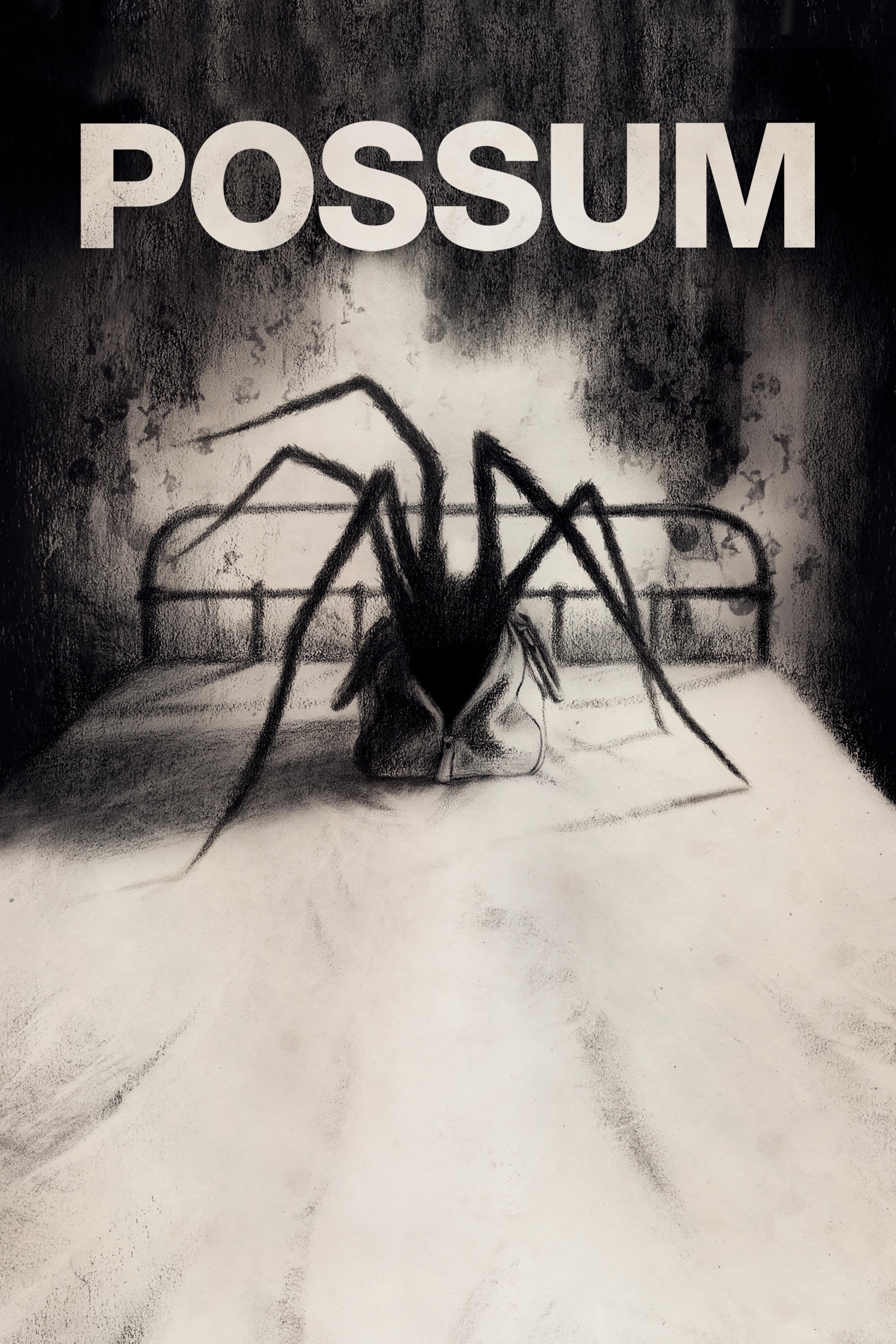
Matthew Holness follows a disgraced puppeteer who returns to his childhood home with a burlap creature in a black bag. Sean Harris carries long silent walks through empty fields and neglected council estates. The puppet design uses spindly limbs and a blank face to avoid clear anatomy. Locations in Norfolk provide rail bridges, burned houses, and reed beds that mirror the character’s past.
Share the wild horror movies you think people forgot about in the comments.

