Is Netflix’s ‘23,000 Lives’ Based on a Real Rescue Mission?

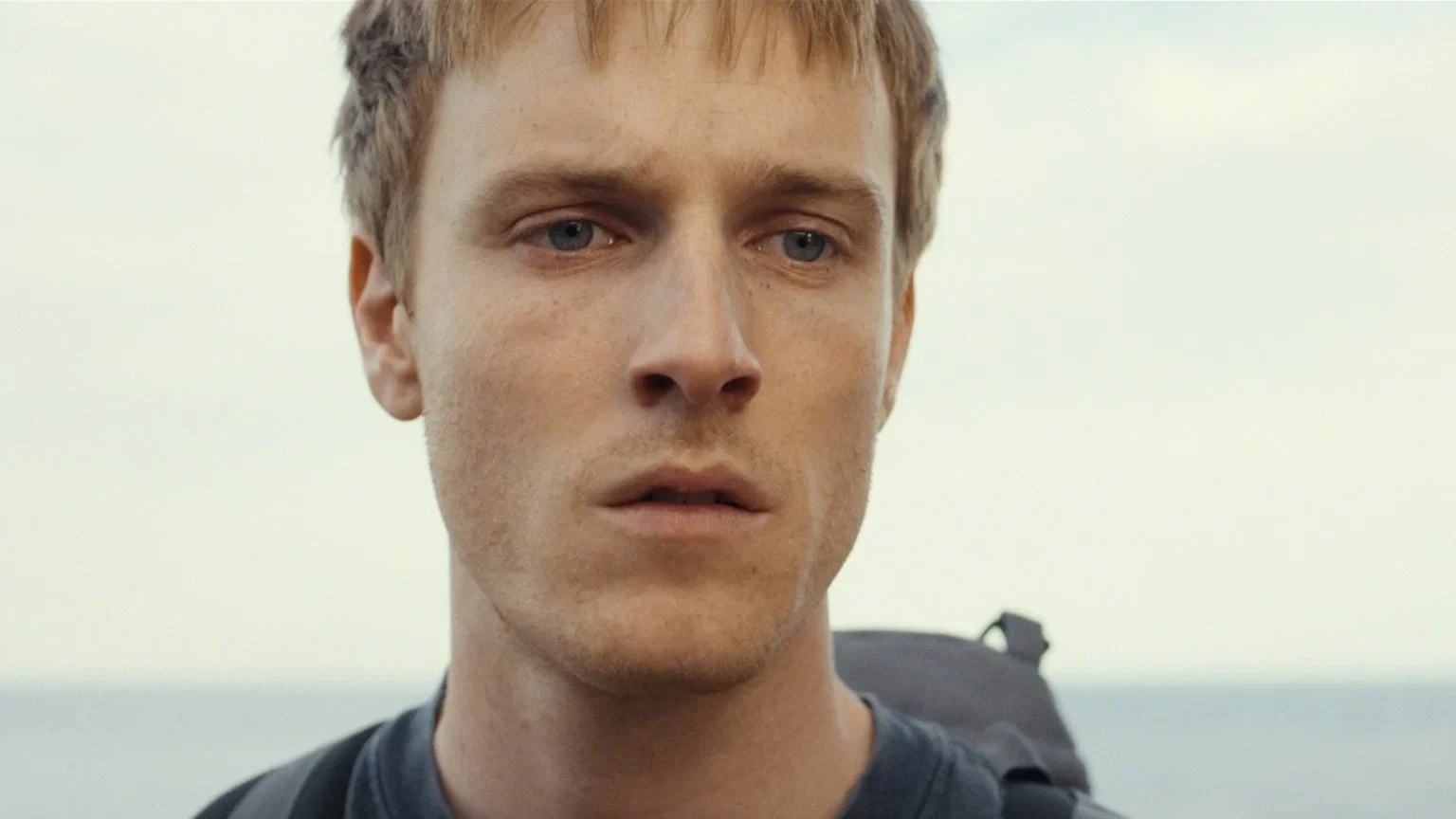

Netflix subscribers scanning through the July lineup are pausing on one title in particular, and it is not hard to see why. ‘23,000 Lives’ has landed on the platform with a premise that sounds almost too dramatic to be real, and viewers want to know exactly how much of it actually happened.
The short answer is yes, and the story behind it is even more compelling once you dig into the details. This German drama is not a loose inspiration or a fictionalized composite, it is rooted directly in a real humanitarian mission that played out in the Mediterranean Sea.
The True Story Behind the Netflix Film
‘23,000 Lives’ tells the true story of a group of young people who wanted to change things, and under the name Youth to the Rescue, known as Jugend Rettet in German, they collected money, bought an old ship, and saved the lives of 23,000 people in the Mediterranean. This was not a government operation or an established nonprofit with decades of infrastructure behind it, it was a group of ordinary young Europeans who decided they could not simply watch the crisis unfold from a distance.
The film follows a group of young Europeans who buy an old boat to rescue refugees in distress in the Mediterranean, and the students refuse to be bystanders as people drown en route to Europe. With no maritime rescue experience, they launch a crowdfunding campaign, raise the money, and buy an old fishing boat to intervene in the sea.
What makes the true story particularly resonant is the scale of what these amateurs accomplished. The group started a crowdfunding campaign, bought an old ship, and used it to save the lives of over 23,000 people, though what began as a shared mission driven by hope and decisiveness soon tested their understanding of what is right and fair.
Cast and Production Details Rooted on Reality
The film brings this true account to the screen with a cast led by a familiar face for fans of German cinema. ‘23,000 Lives’ is directed by Markus Goller and stars Louis Hofmann, known for ‘Dark’ and ‘Land of Mine’, alongside Mala Emde, known for ‘Köln 75’ and ‘303’. The full cast also includes Maria Dragus, Katharina Stark, and Frederick Lau, with a screenplay by Oliver Ziegenbalg featuring Michele Cinque.
Behind the camera, the production carries some serious pedigree. The production design and music are provided by Oscar winners Christian Goldbeck and Volker Bertelmann, with Frankie DeMarco serving as director of photography. That level of talent signals that Netflix and the filmmakers wanted this true story treated with real craft rather than rushed out as a quick streaming drama.
The movie also had a notable rollout before hitting Netflix. The film had its world premiere at the Filmfest München, running from June 26 to July 5, 2026, in the Spotlight section, giving critics and festival audiences an early look at how the true events were adapted for the screen.
What the Refugee Rescue Mission Actually Involved
Understanding the real Jugend Rettet mission helps explain why the film has struck such a nerve. The group had no experience in sea rescue whatsoever when they launched their crowdfunding campaign, bought an old fishing vessel, and went on to save the lives of more than 23,000 people. That is an extraordinary number for a volunteer operation with essentially no formal training.

The moral complexity is where the film seems to find its real dramatic weight. The story centers on the moment when humanitarian impulse runs headlong into institutions, forcing the characters to confront questions of law, accountability, and justice, set against a European landscape shaped by debates over refugee reception and Mediterranean rescue operations. This is not framed as a simple feel good rescue tale, it leans into the legal gray zones that real sea rescue groups have faced for years.
The official synopsis describes a group of young people setting sail for the Mediterranean to save the lives of refugees, on a mission that puts their ideas of law and justice to the test. That tension between doing what feels morally right and navigating what is legally sanctioned appears to be the emotional core of the entire film.
How Audiences Are Responding to the True Story
Early reactions suggest the film is landing hard with viewers. According to viewers, the Netflix original is described as extremely emotional and compelling, with one comment noting they were already crying within the first ten minutes. For a drama built around real events and real human stakes, that kind of immediate emotional response tracks with the subject matter.
The timing of the release also feels deliberate. The film may attract Netflix subscribers who follow real life inspired dramas, collective narratives, and stories tied to contemporary migration issues, though it is less suited for viewers seeking light entertainment detached from social and political current events. Netflix seems well aware that this is a film asking something more of its audience than passive viewing.
Given how closely ‘23,000 Lives’ hews to the actual Jugend Rettet mission, it stands as one of the more grounded true story adaptations to hit the platform this year. For anyone who watches and finds themselves moved by how these young volunteers navigated an impossible situation with almost no resources, the obvious next question is whether the real organization is still operating today, and that is exactly the kind of thread worth discussing once you have seen how the film handles it.
If you have already streamed ‘23,000 Lives’, what part of Jugend Rettet’s real mission hit you the hardest, the crowdfunding gamble, the legal battles, or the sheer number of people they saved with one old boat?