Ormund Hightower’s Tessarion Hostage Plot Finally Makes Sense in ‘House of the Dragon’

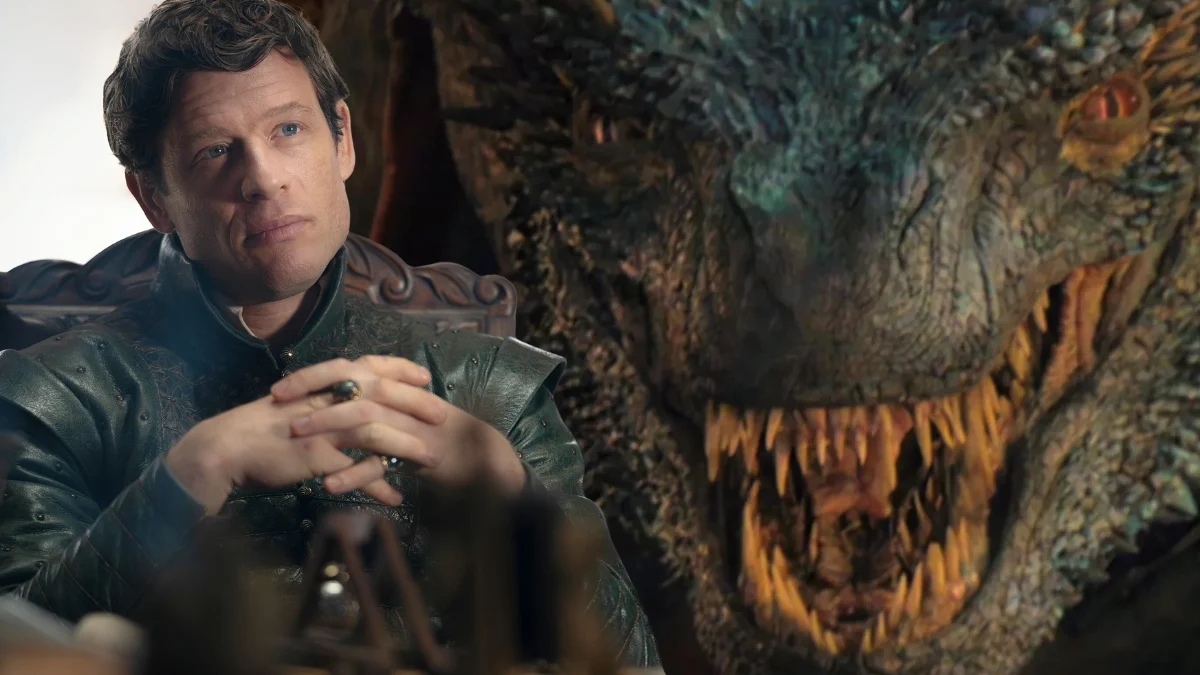

‘House of the Dragon‘ has spent the back half of its third season building up James Norton’s Ormund Hightower into one of the most fascinating wildcards on the show. He swore an oath to Rhaenyra Targaryen and then broke it almost immediately, seizing control of the town of Tumbleton and leaving everyone from the Red Keep to the fandom wondering exactly what his endgame looks like.
At the center of that mystery sits Tessarion, the young blue dragon belonging to his ward, Prince Daeron Targaryen. Understanding why Ormund is so determined to keep both the prince and his dragon close finally clicked into place in episode 4, and it says a lot about who this character really is.
Ormund Believes the Hightowers Are Meant to Rule
According to a breakdown from Winter Is Coming, Ormund has always viewed the Hightowers as the “superior men” when compared to the Targaryens, and he considers himself a highly intelligent and calculating figure who is worthy of the Iron Throne. That belief is the entire engine behind his scheming, and it explains why he never had any real intention of honoring his surrender to Rhaenyra in the first place.
The catch, as the same report lays out, is that Ormund knows he can never actually become king himself because he is not a Targaryen dragonrider, and dragons are what command real power in Westeros.
That single limitation is why Daeron and Tessarion matter so much to him. Without a dragon of his own, Ormund needs someone else’s to do the work his ambition demands.
NPR’s recap of the same episode paints an even starker picture of his worldview, noting that Ormund is a devout follower of the Faith of the Seven who sees the Targaryens as evil, witchy, dragon loving savages. That religious contempt does not stop him from using a Targaryen prince and his dragon as tools, which only underlines how calculating he really is.
Daeron and Tessarion Are His Path to Power
The plan becomes even clearer once you factor in the current state of the board. With former king Aegon Targaryen declared dead and Aemond Targaryen’s whereabouts unknown, Ormund can no longer count on backup from Aemond’s dragon Vhagar, according to Winter Is Coming. That leaves a massive power vacuum among the Greens, one that Ormund is clearly positioning himself and his ward to fill.
The same outlet draws a direct comparison to Otto Hightower’s earlier strategy, suggesting that Ormund could look to use Daeron the same way Otto once used Alicent to get closer to the crown and gain influence over it. None of that works, however, if Daeron’s dragon is not available to help seize the Red Keep or clear away any resistance in his path.
Tessarion’s importance only grows when you consider the other dragons still in play. Winter Is Coming points out that with Vhagar and Sunfyre both effectively out of the picture, Tessarion becomes the only dragon of true fighting age left for the Greens, aside from Dreamfyre, whose rider Helaena Targaryen is a committed pacifist unlikely to fly into battle. That math makes Tessarion less of a pet and more of a strategic asset that Ormund cannot afford to lose.
Episode 4 pushed that dynamic even further. NPR’s recap details a chilling scene in which Ormund forces Daeron to kill a Tumbleton civilian in front of Tessarion, seemingly to cement the young prince’s bond with violence and with his dragon before declaring “And now we begin,” as the beast ignites the body.
The Show Is Adapting aReal Battle from the Books
Some of what is playing out on screen traces back to George R.R. Martin’s ‘Fire & Blood’, though the show has clearly taken creative liberties along the way. The Ringer’s breakdown of episode 3 notes that in the source material, Ormund’s forces were nearly trapped and facing defeat at the Battle of the Honeywine until Tessarion appeared in the sky, ridden by Daeron, and turned the tide of the fight.
That same piece flags one of the show’s more noticeable logic gaps, pointing out that it is unclear how Ormund managed to hand over a fake “Daeron” without also surrendering Tessarion, since the Blacks would realistically have moved the dragon straight to the Dragonpit under maximum security the moment they had the chance.
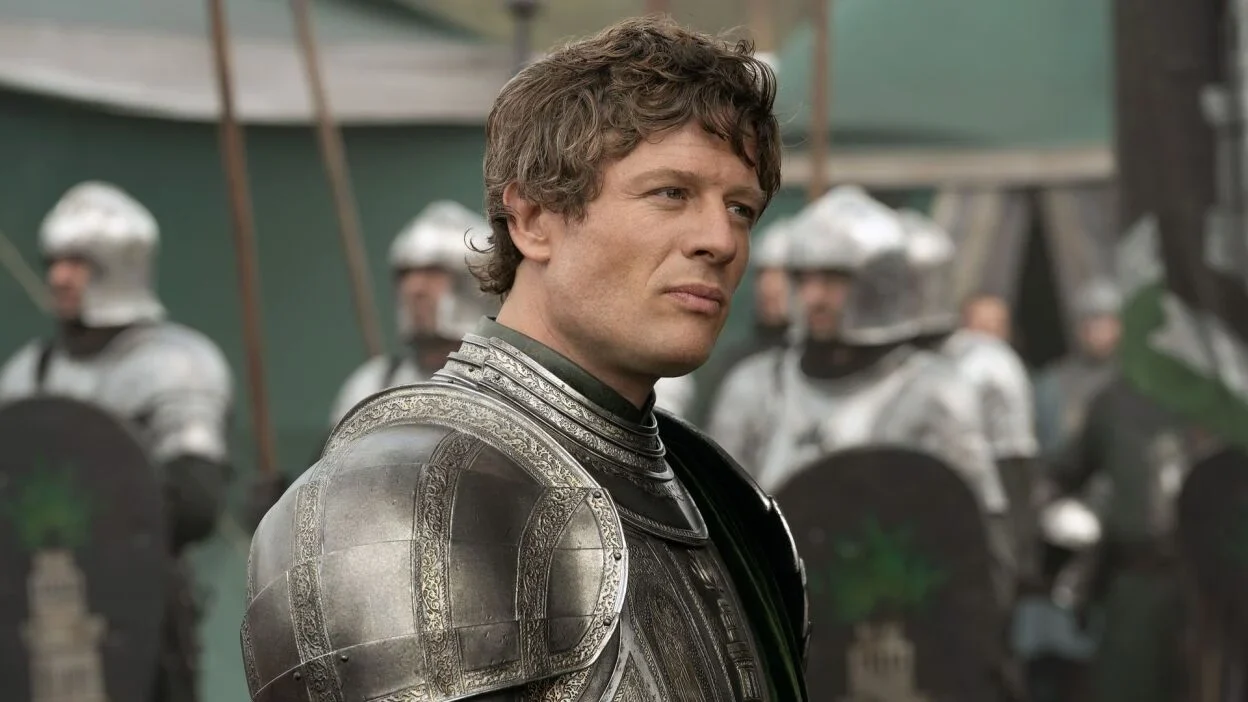
Fans have leaned into that confusion, treating it as one more sign that Ormund is playing a longer, messier game than anyone initially gave him credit for.
Comic Basics also notes that in the books, Ormund’s campaign eventually led him toward Tumbleton itself, where his army clashed with the Winter Wolves of the north before his story came to a violent end. Whether the show follows that same fate for its version of the character remains to be seen, but the parallels so far suggest the writers are borrowing heavily from that arc.
Alicent’s Guilt Adds Another Layer
The emotional weight behind all of this scheming gets a gut punch courtesy of Alicent herself. NPR reports that in a prisoner conversation with Rhaenyra, Alicent reveals she sent Daeron away to Oldtown as a baby specifically because she did not want him growing up to be like his older brothers.
The irony, as that same recap wryly points out, is that shielding Daeron from his brothers’ influence may have simply delivered him into the hands of someone even more dangerous in Ormund. It is a small character beat, but it reframes Ormund’s control over Tessarion as something rooted in years of quiet manipulation rather than a sudden power grab.
ScreenRant’s coverage of Daeron’s introduction backs this up, noting that Daeron was sent to Oldtown as a child specifically to squire under Ormund, a role he still appears to be serving in even now. That long mentorship is exactly why Daeron follows Ormund’s orders so readily, dragon and all.
With Tessarion now firmly under his control and a prince he has spent years molding standing beside him, Ormund Hightower has quietly become one of the most dangerous players left in this war. What do you think Ormund actually plans to do with Daeron and Tessarion now that his true colors are out in the open?